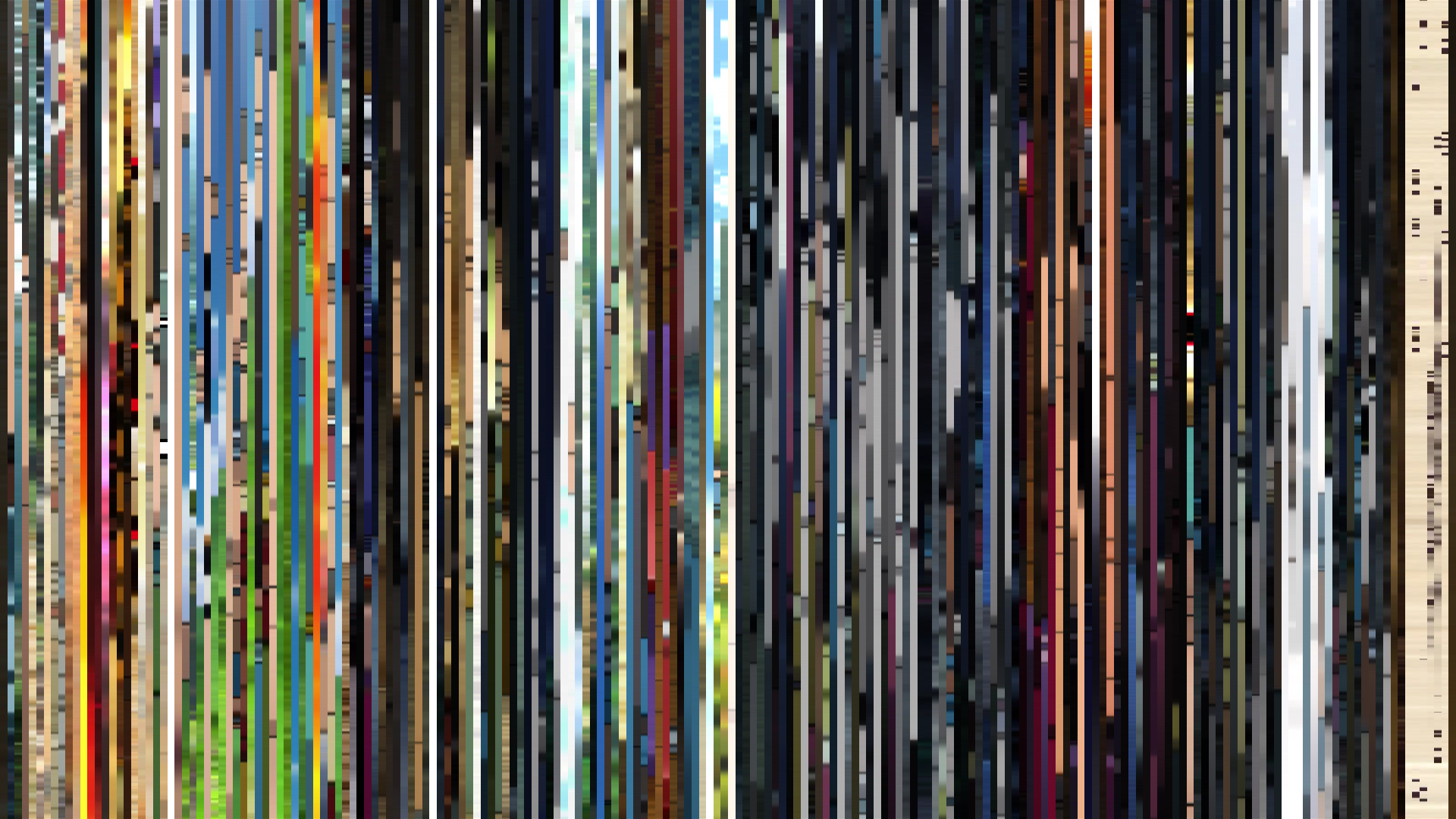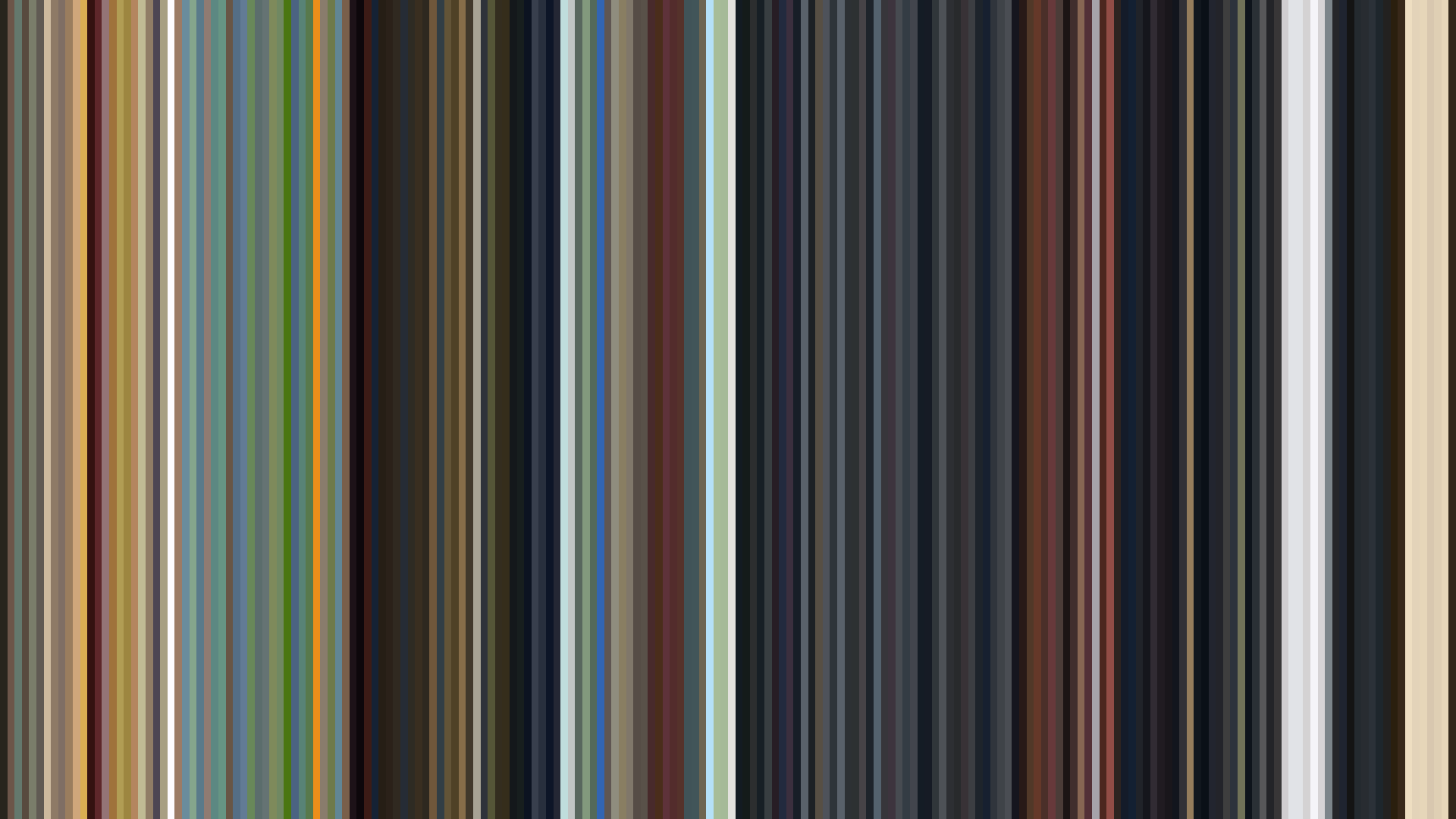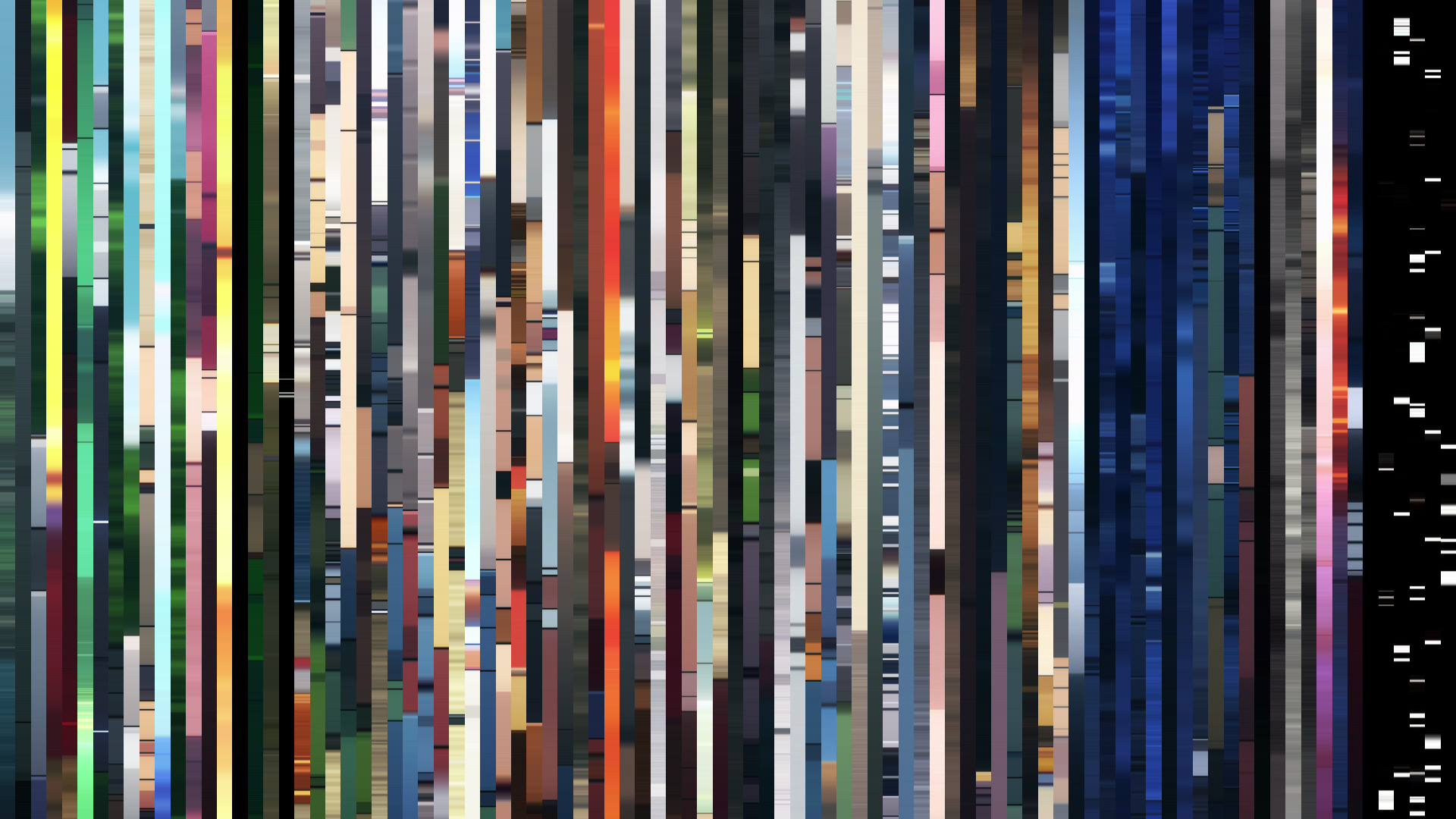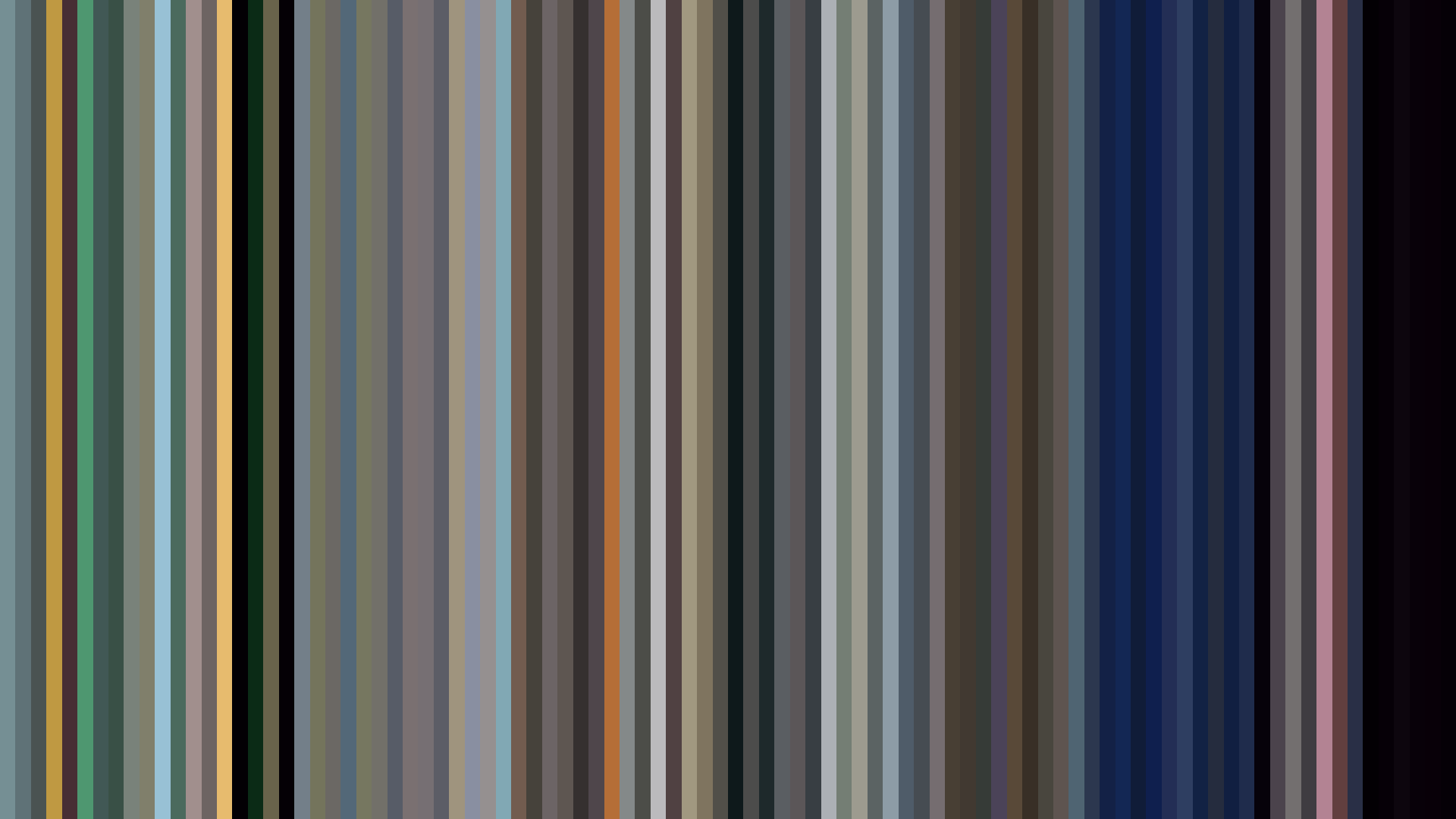
The Industrial Grey
The 2020s are the decade anime stopped being colorful. The aggregate brightness across the 65 shows in this dataset settles at 0.421, well below the 2010s (0.468) and the 2000s (0.453). To find a darker digital era you have to leave the digital era entirely, retreating to the 1990s (0.400), when shadow was a function of cel paint and the limits of broadcast tape. In the 2020s, shadow is a deliberate aesthetic position. The medium has access to more color than it has ever had, and a startling number of its most-watched titles are using that access to render less.
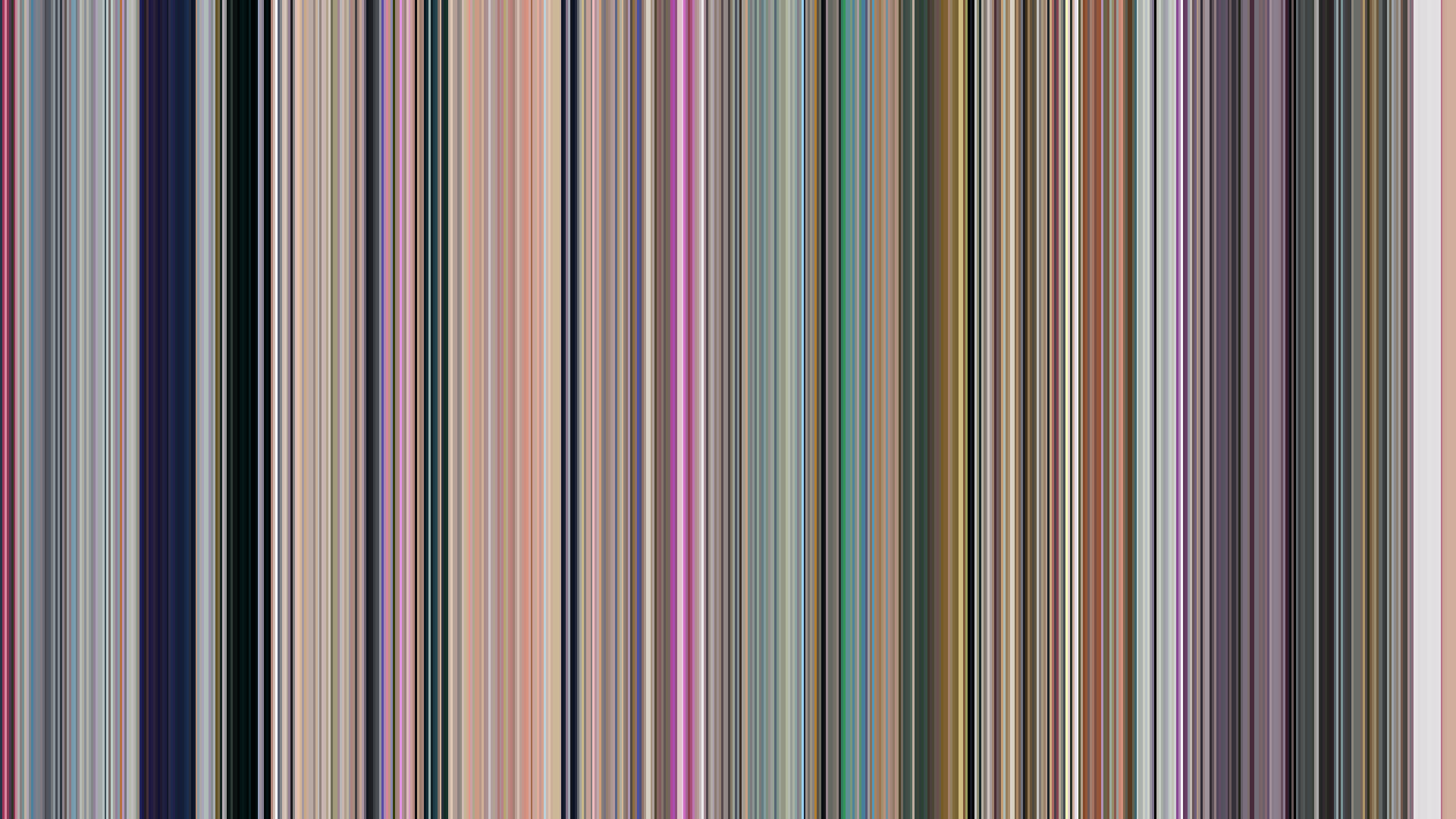
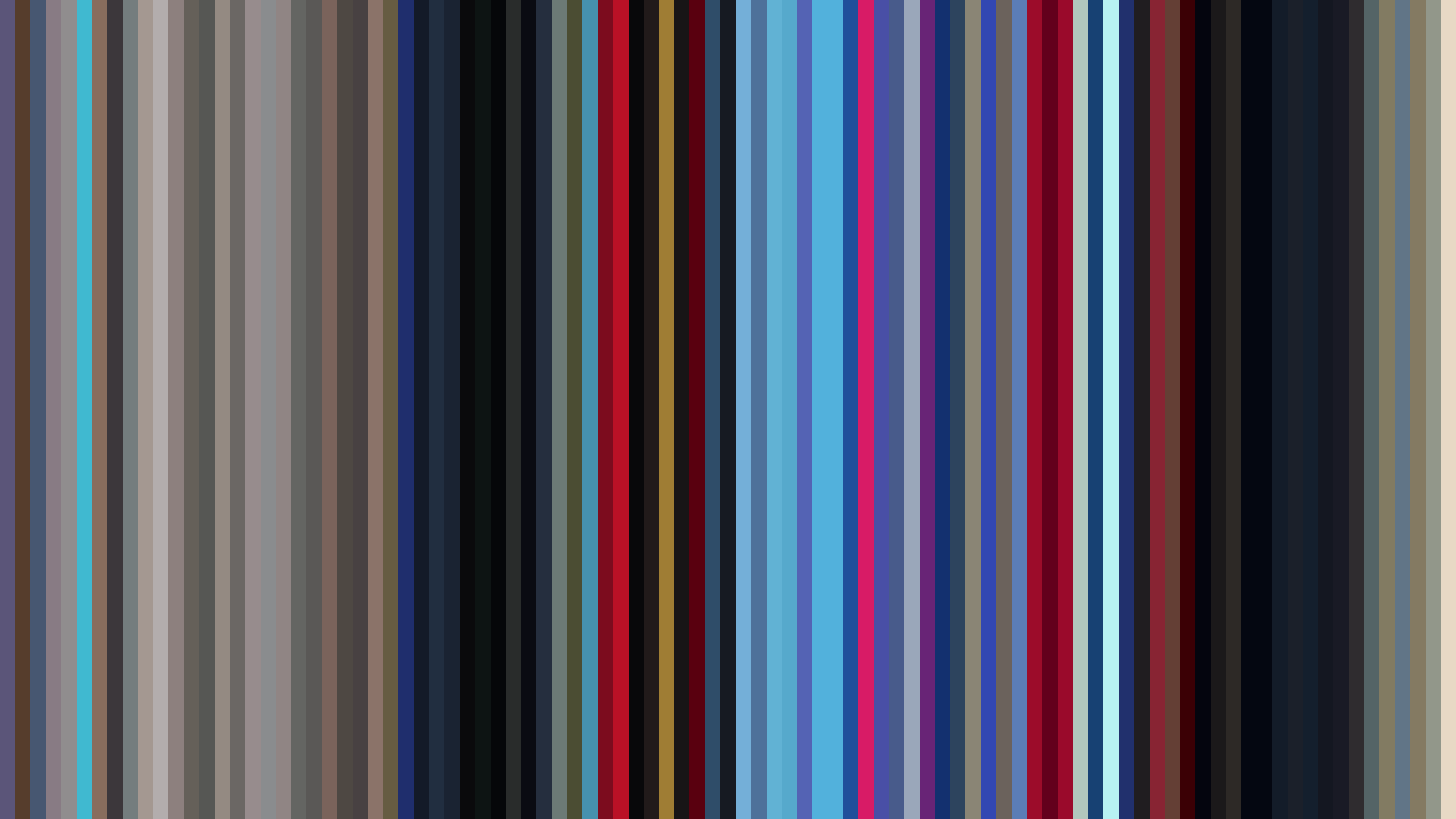
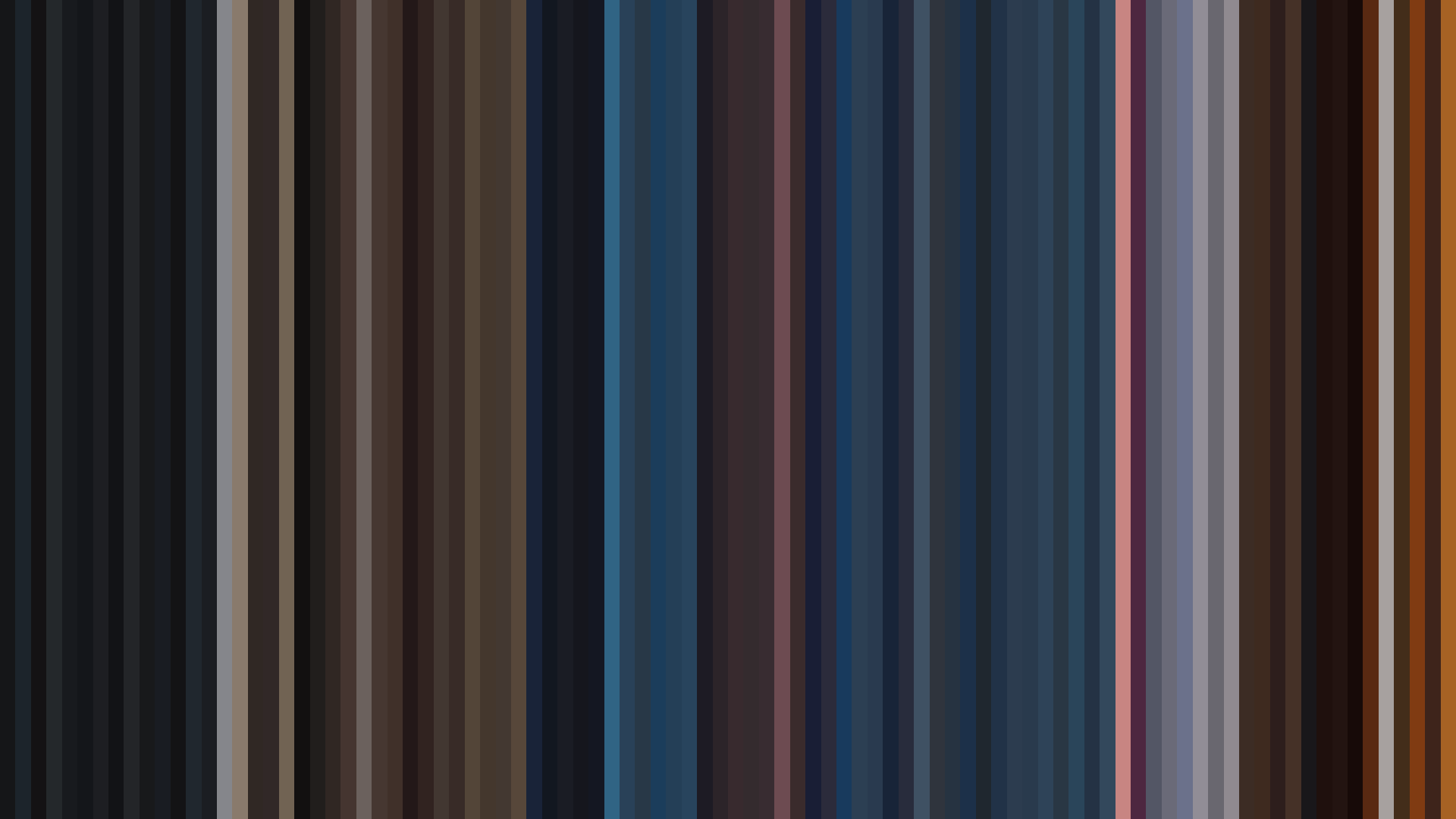
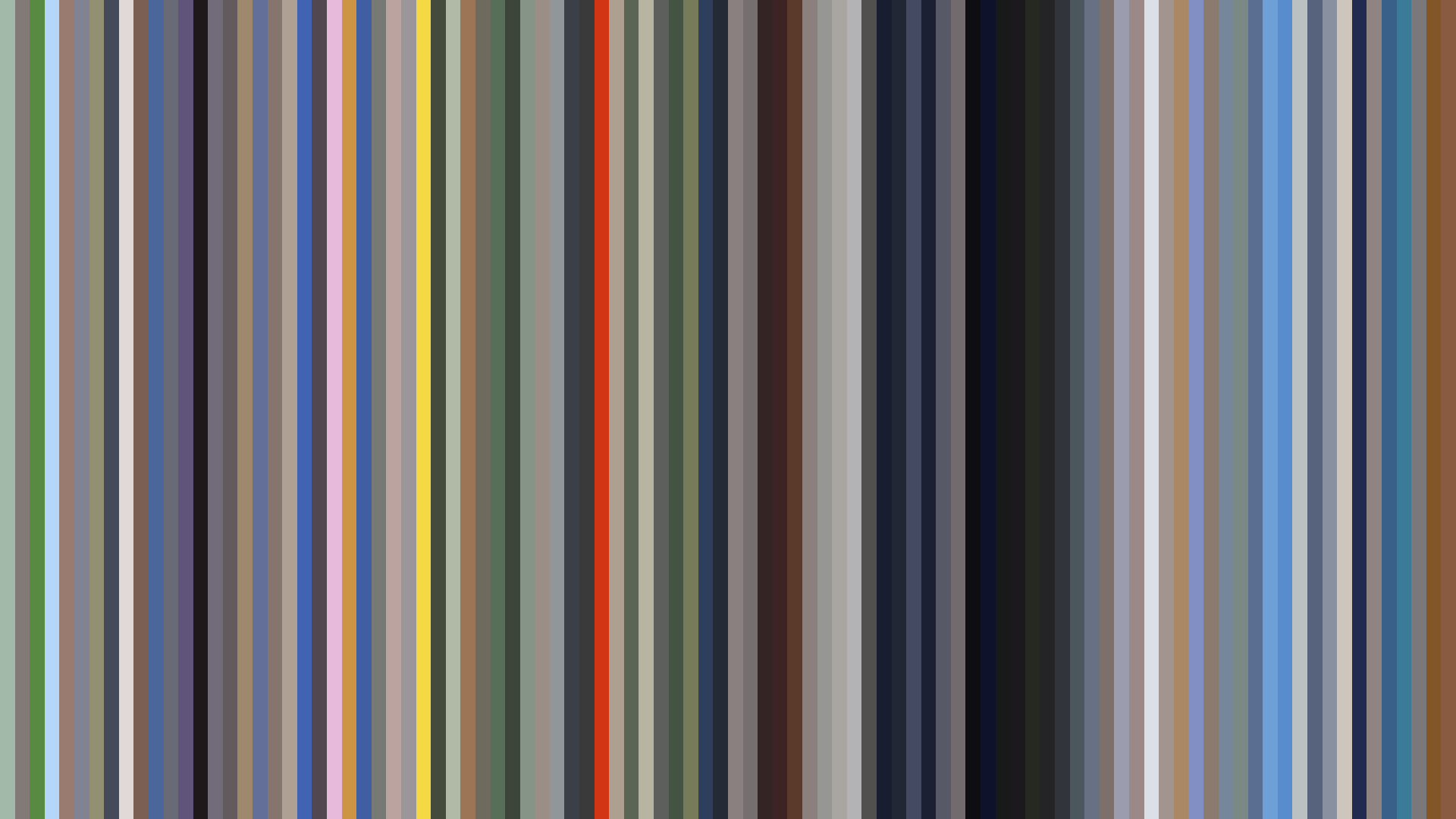
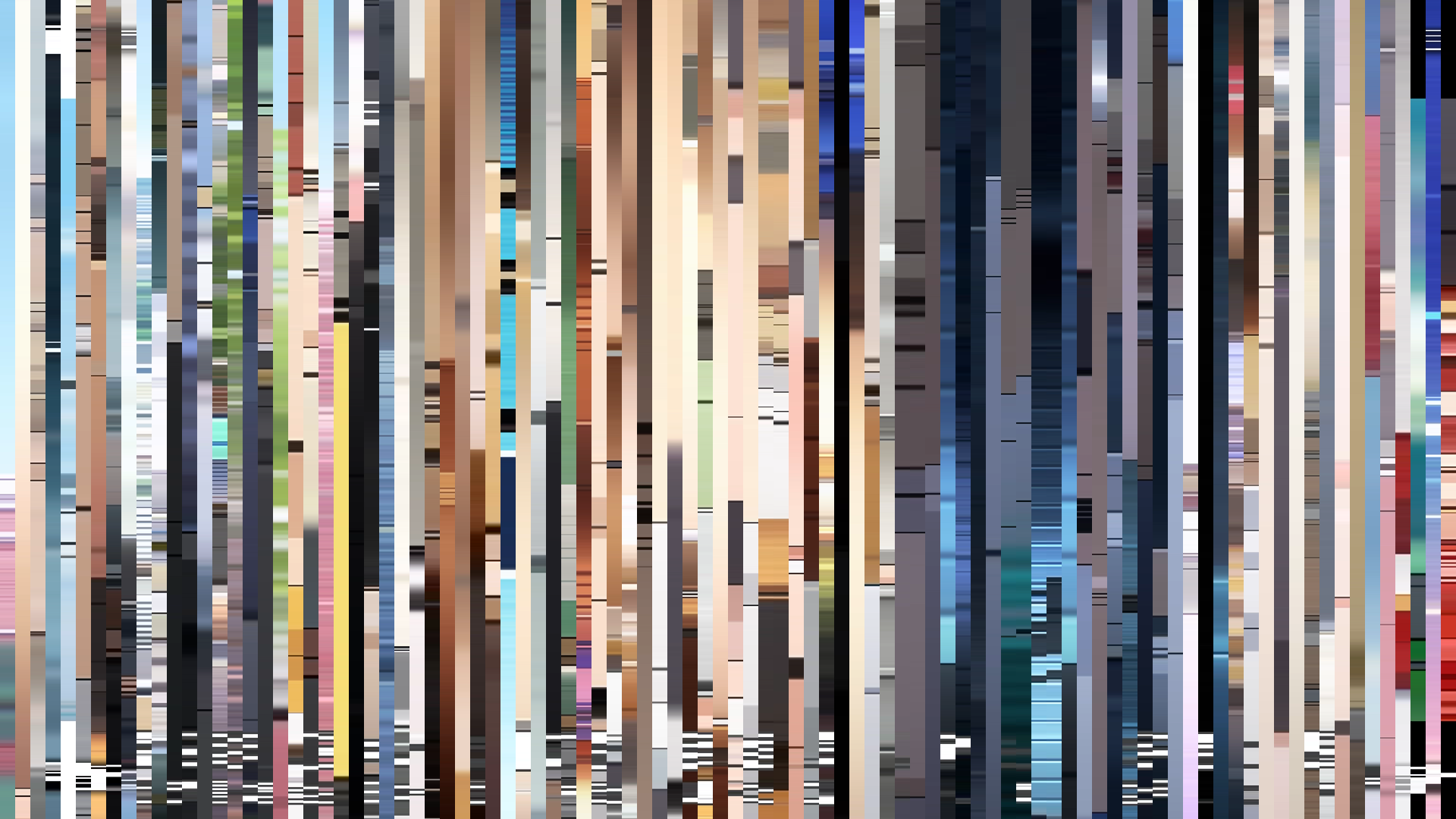
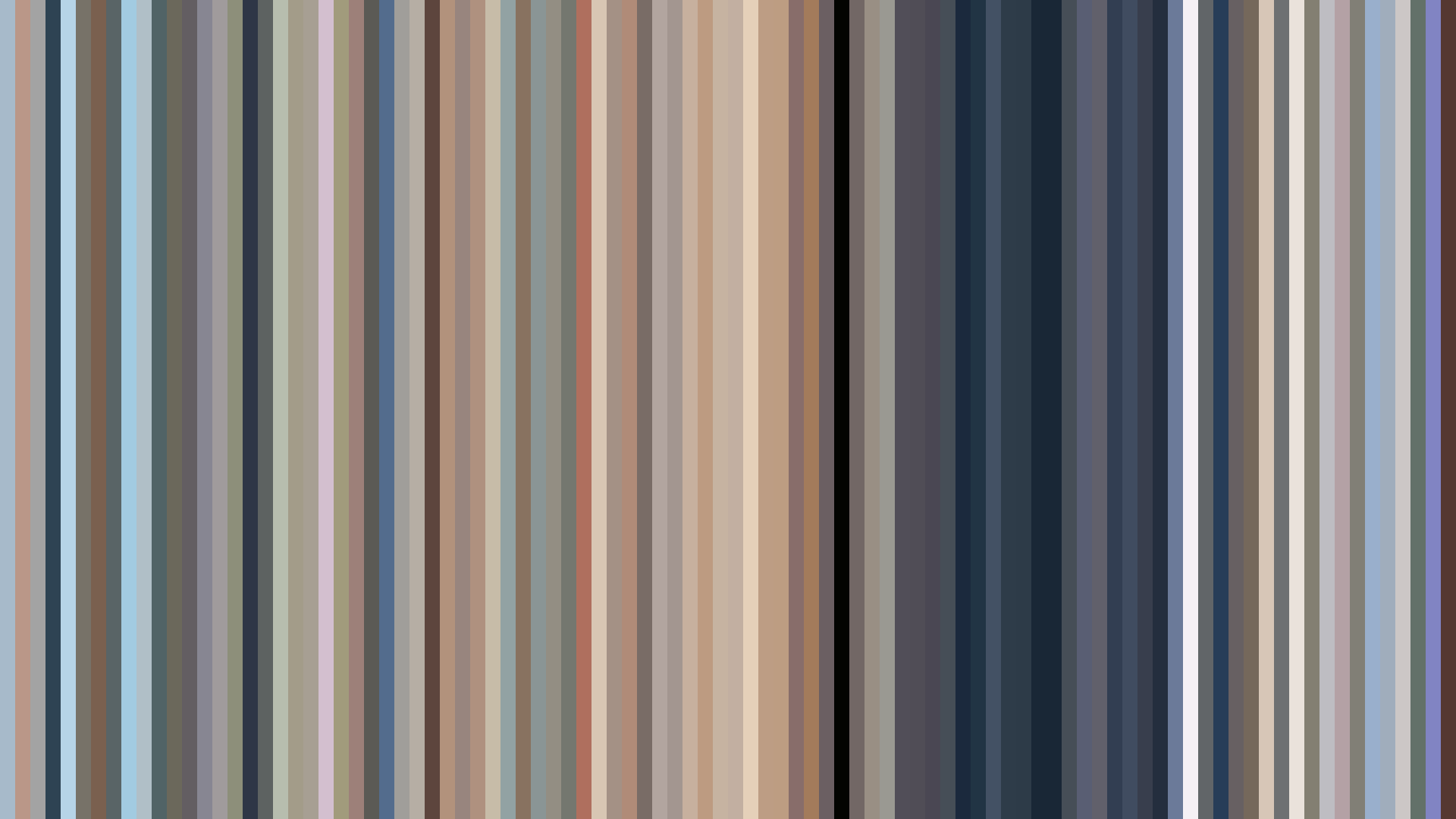
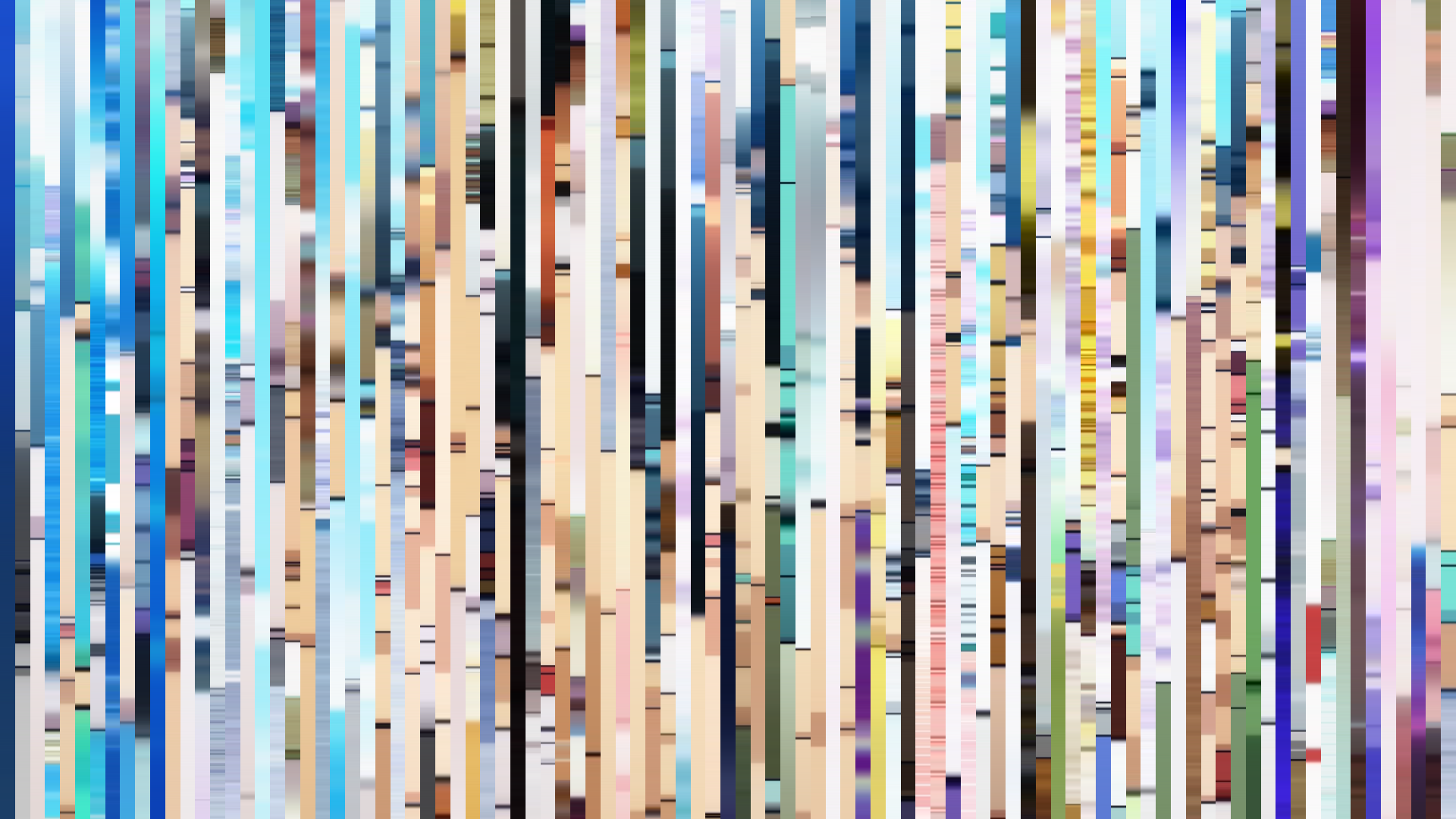
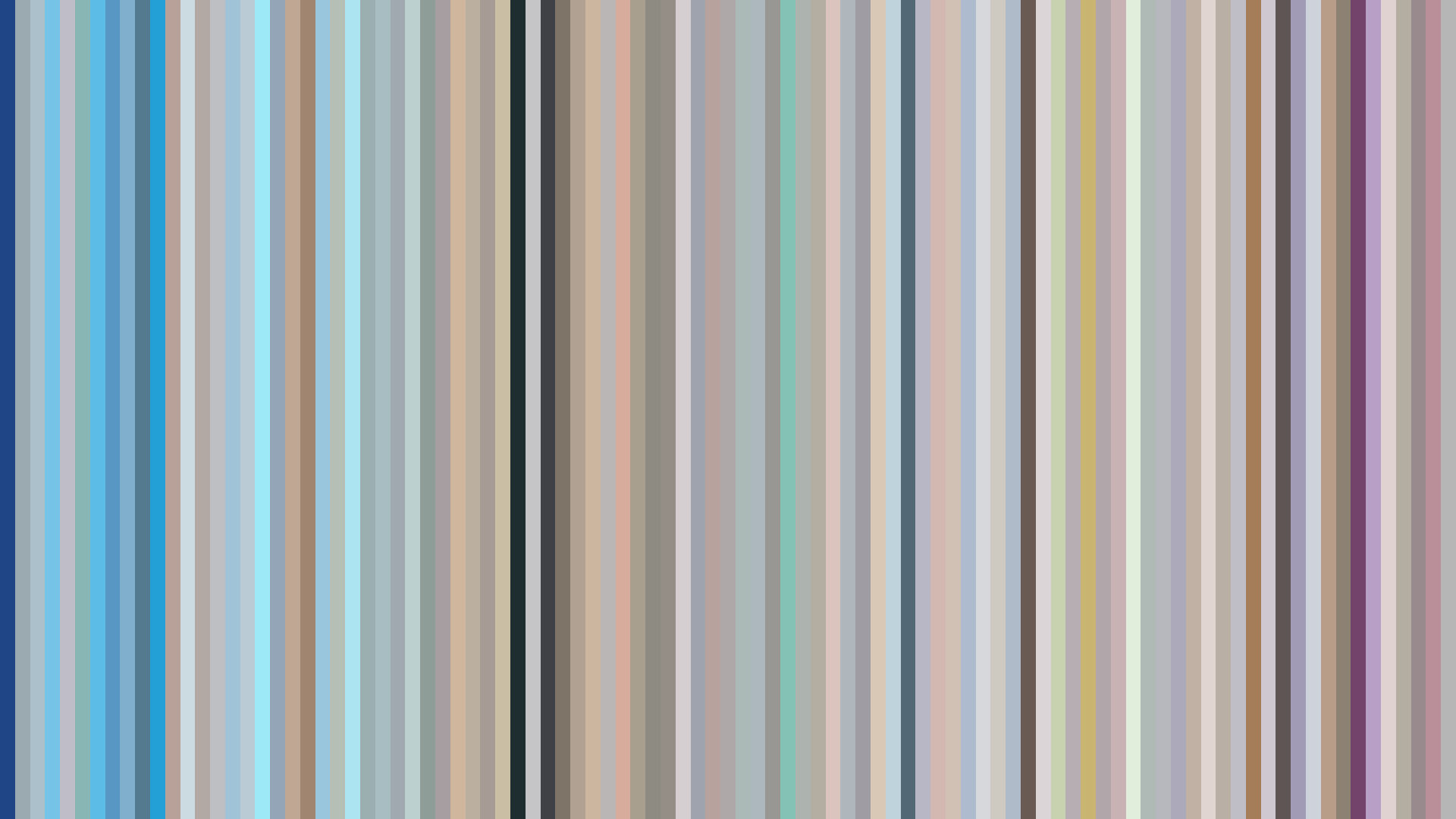
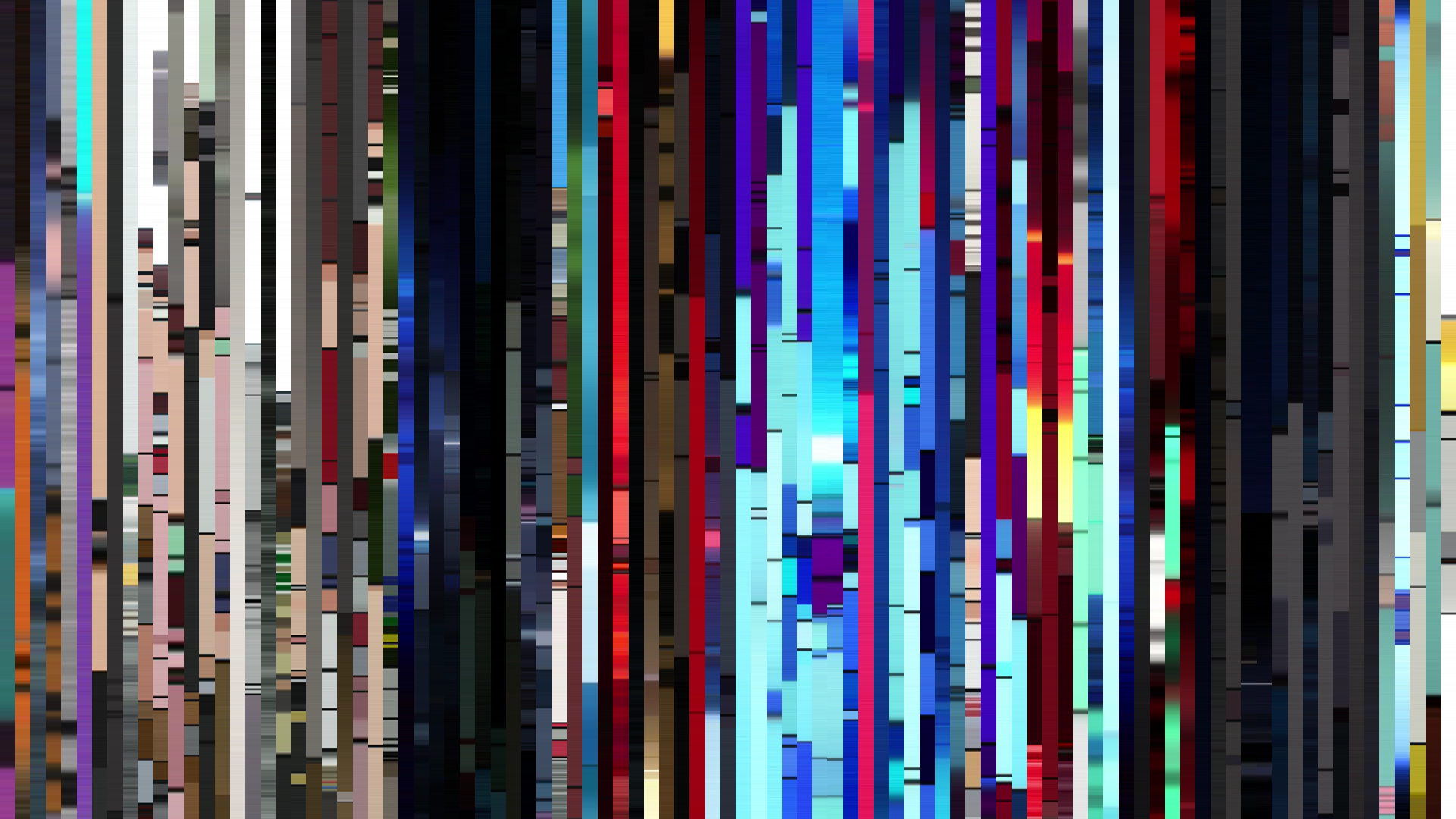
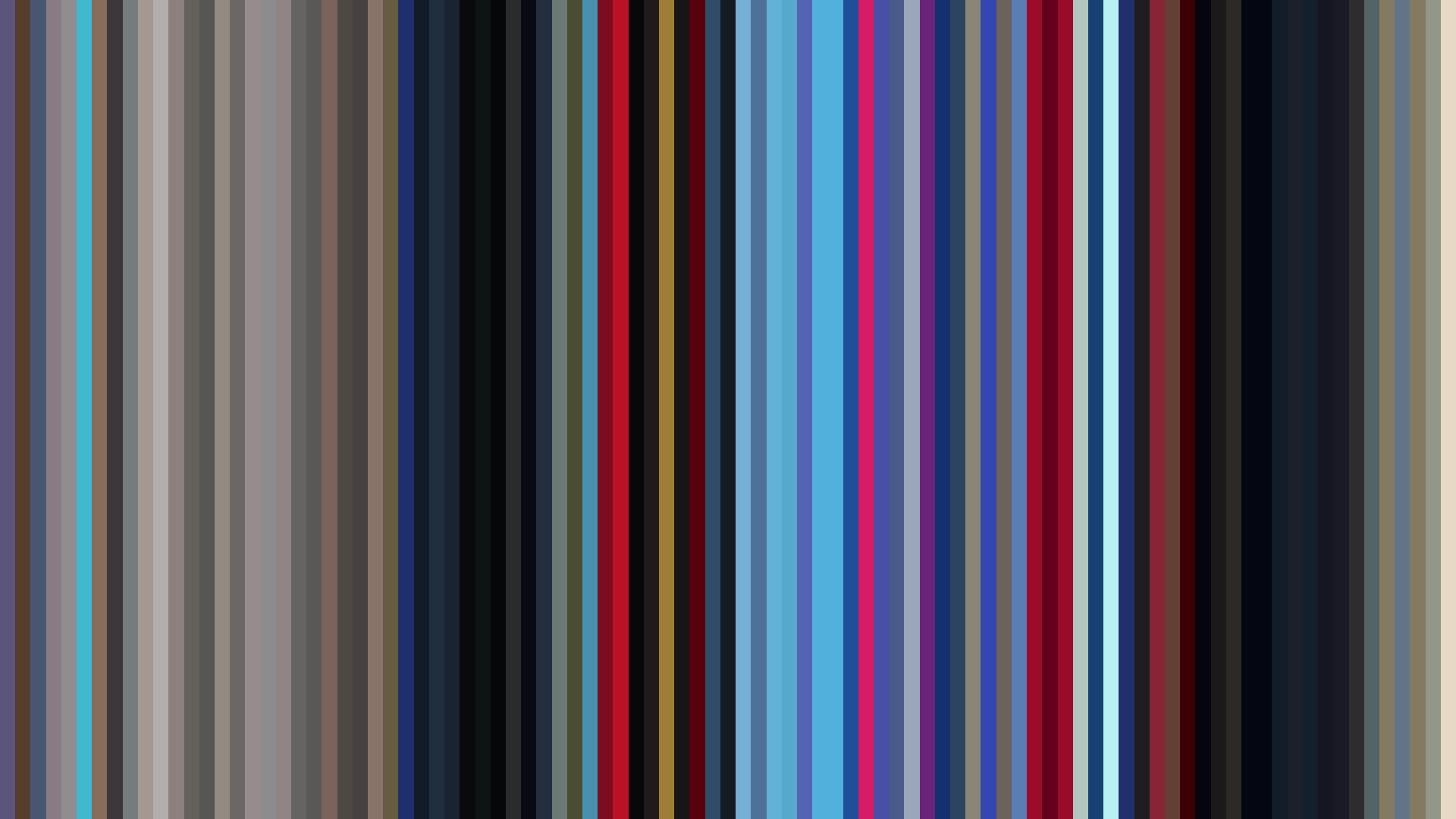
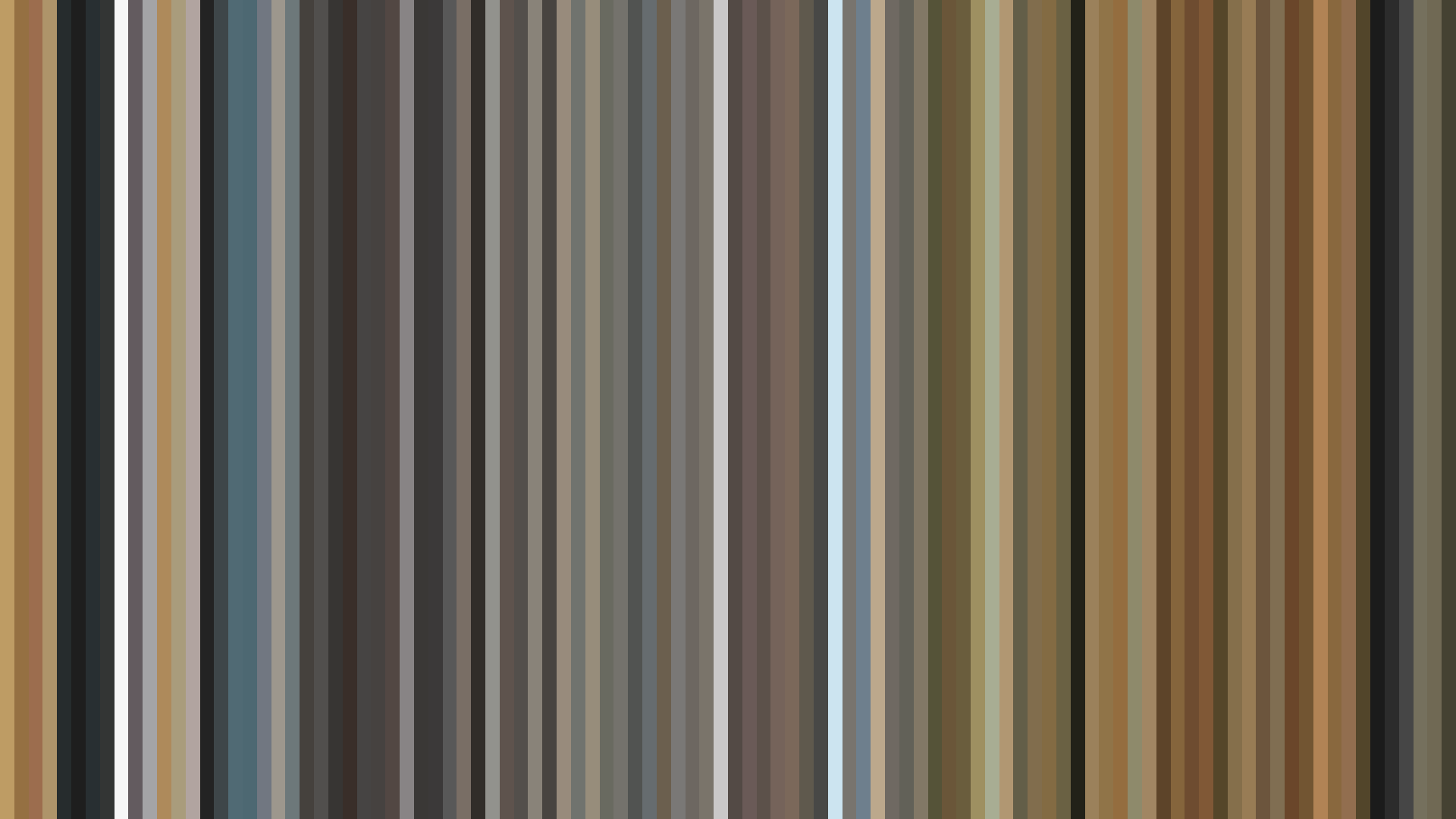
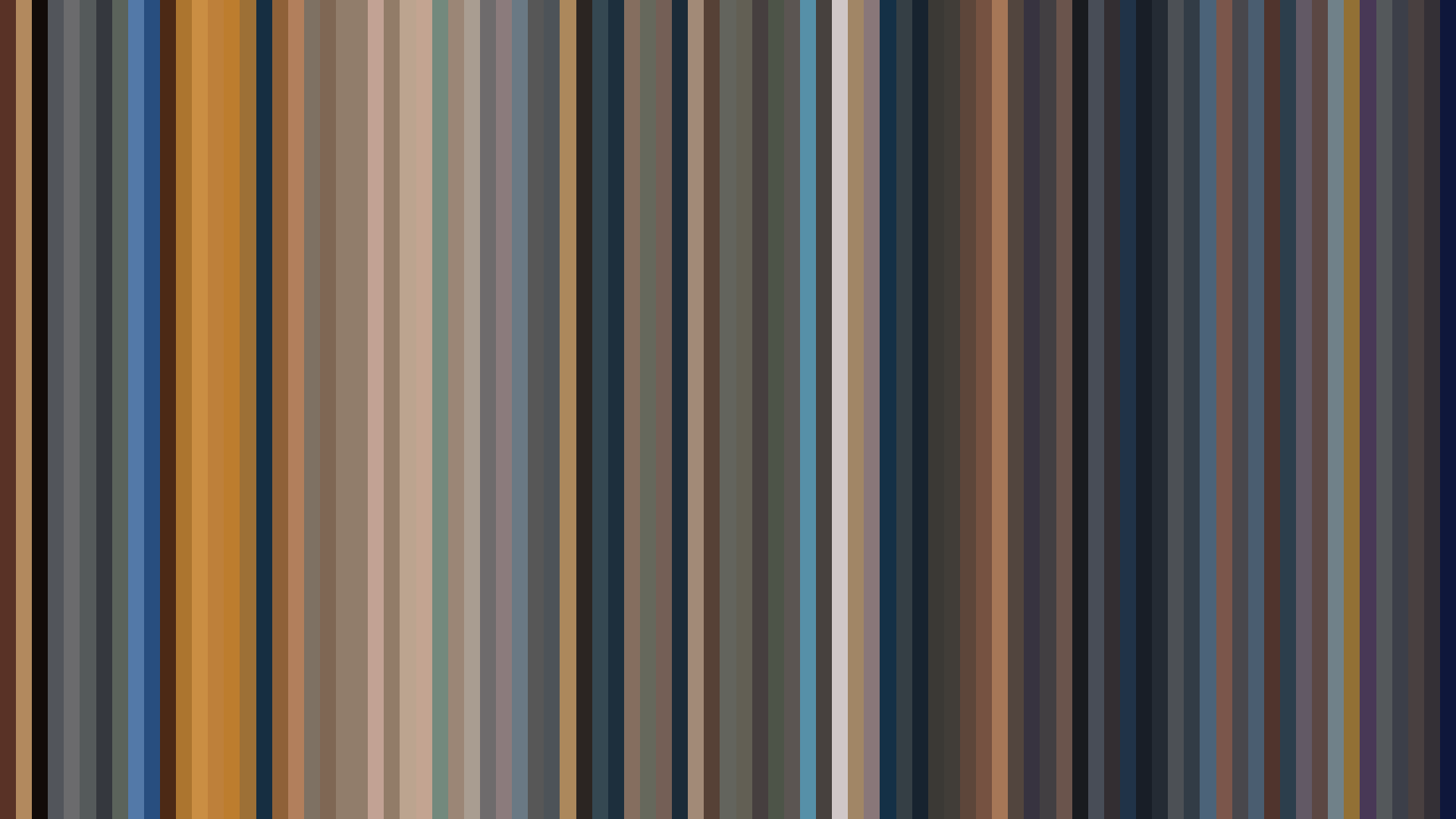
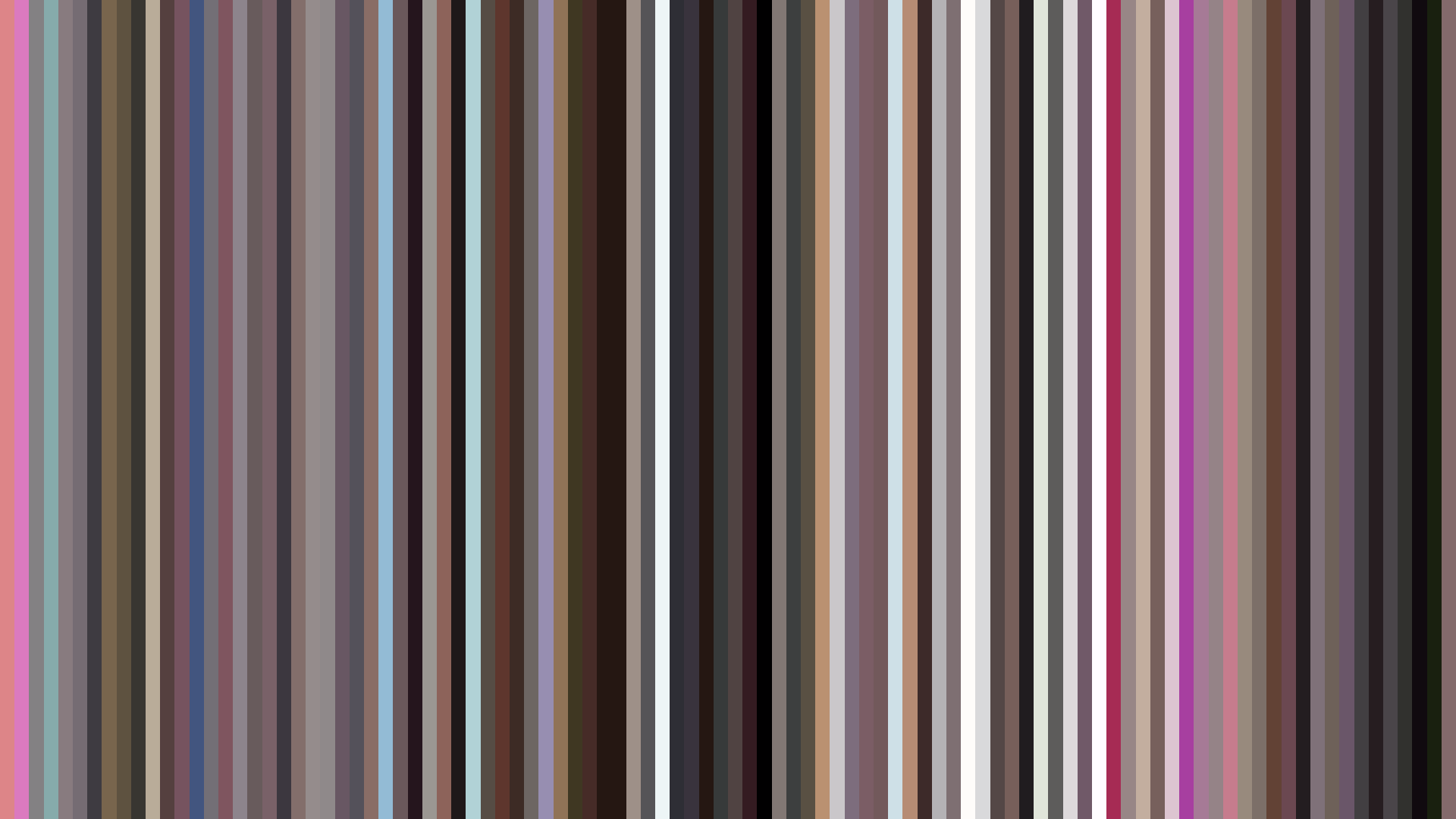
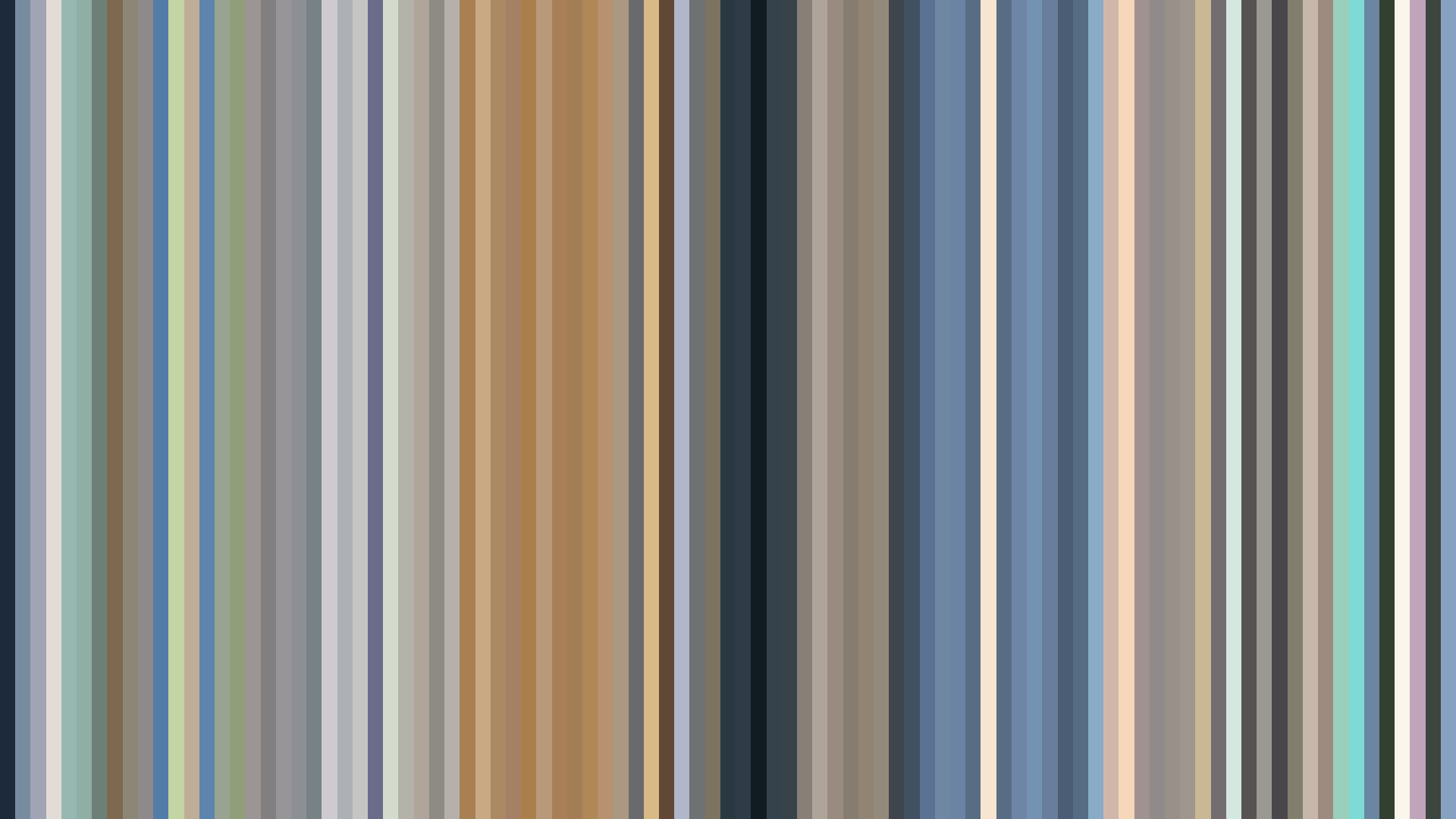
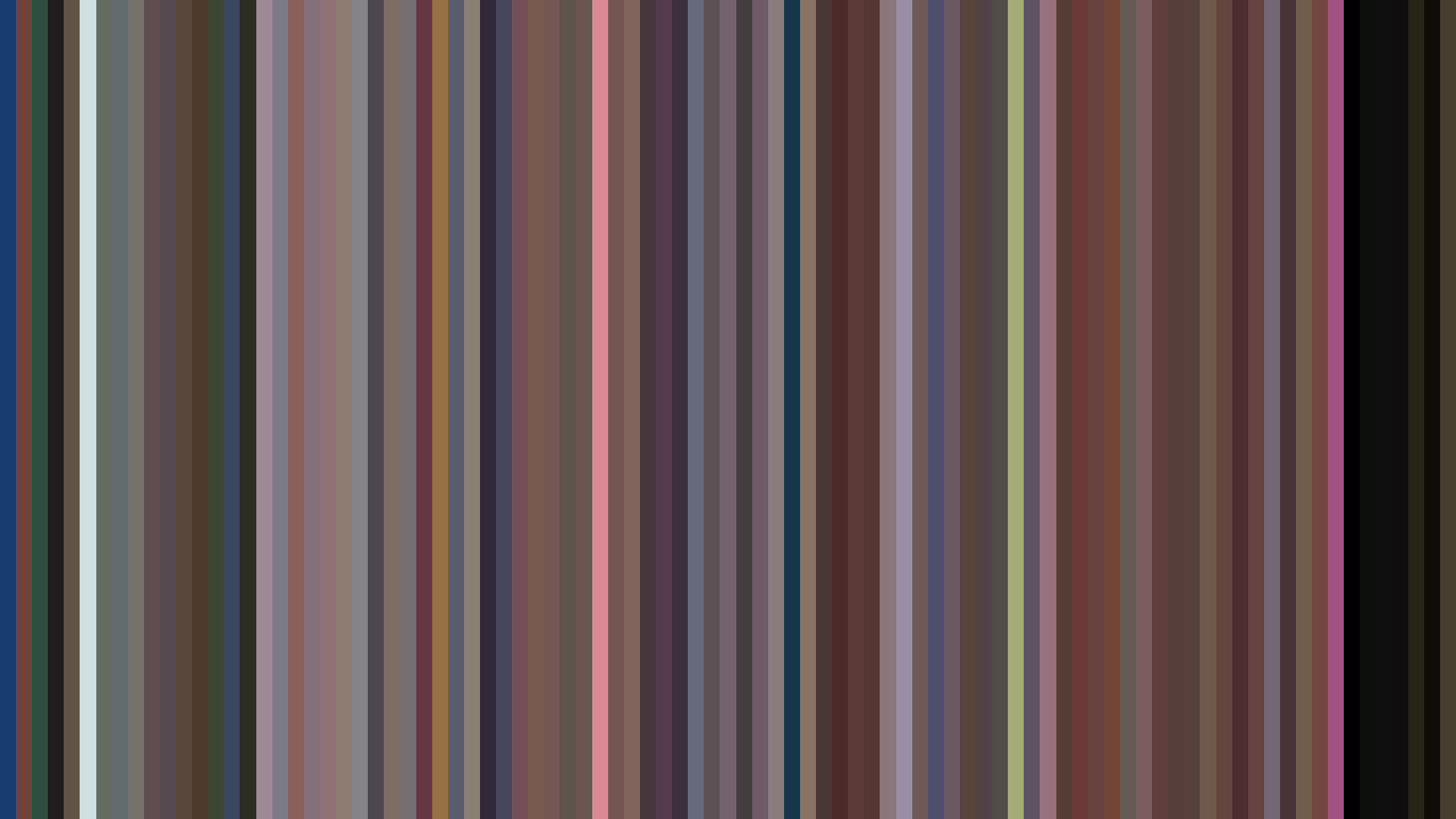
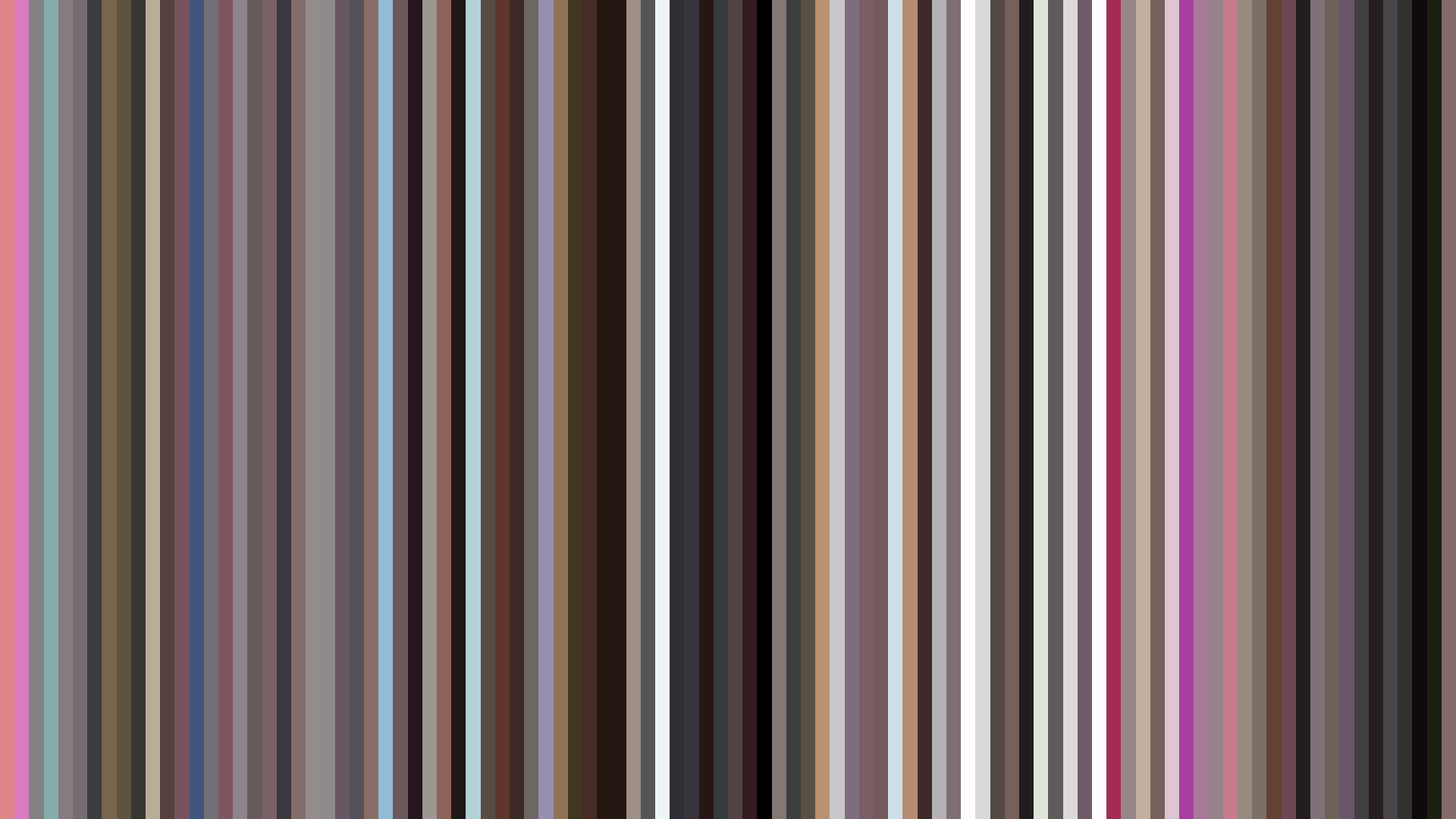
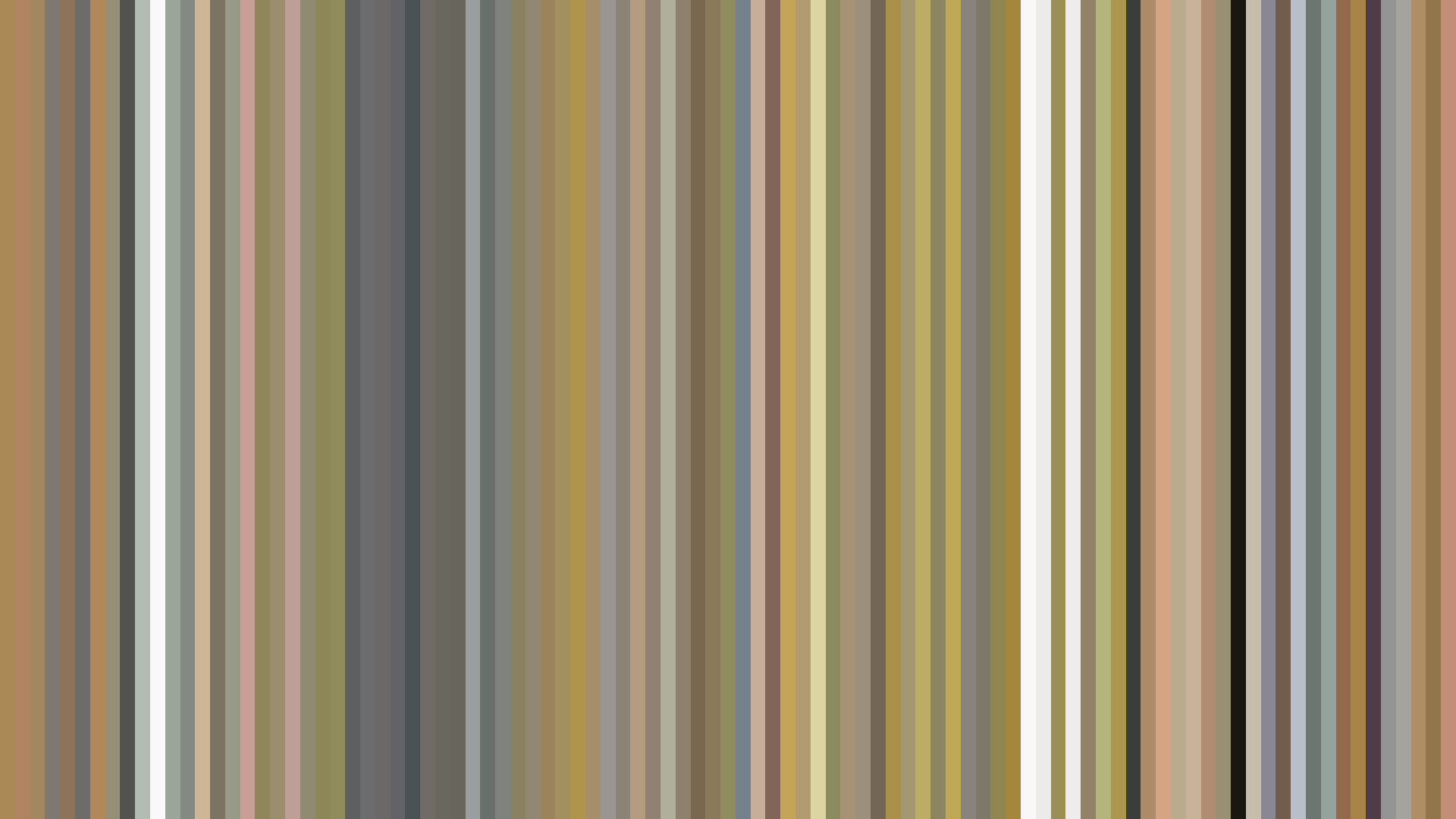
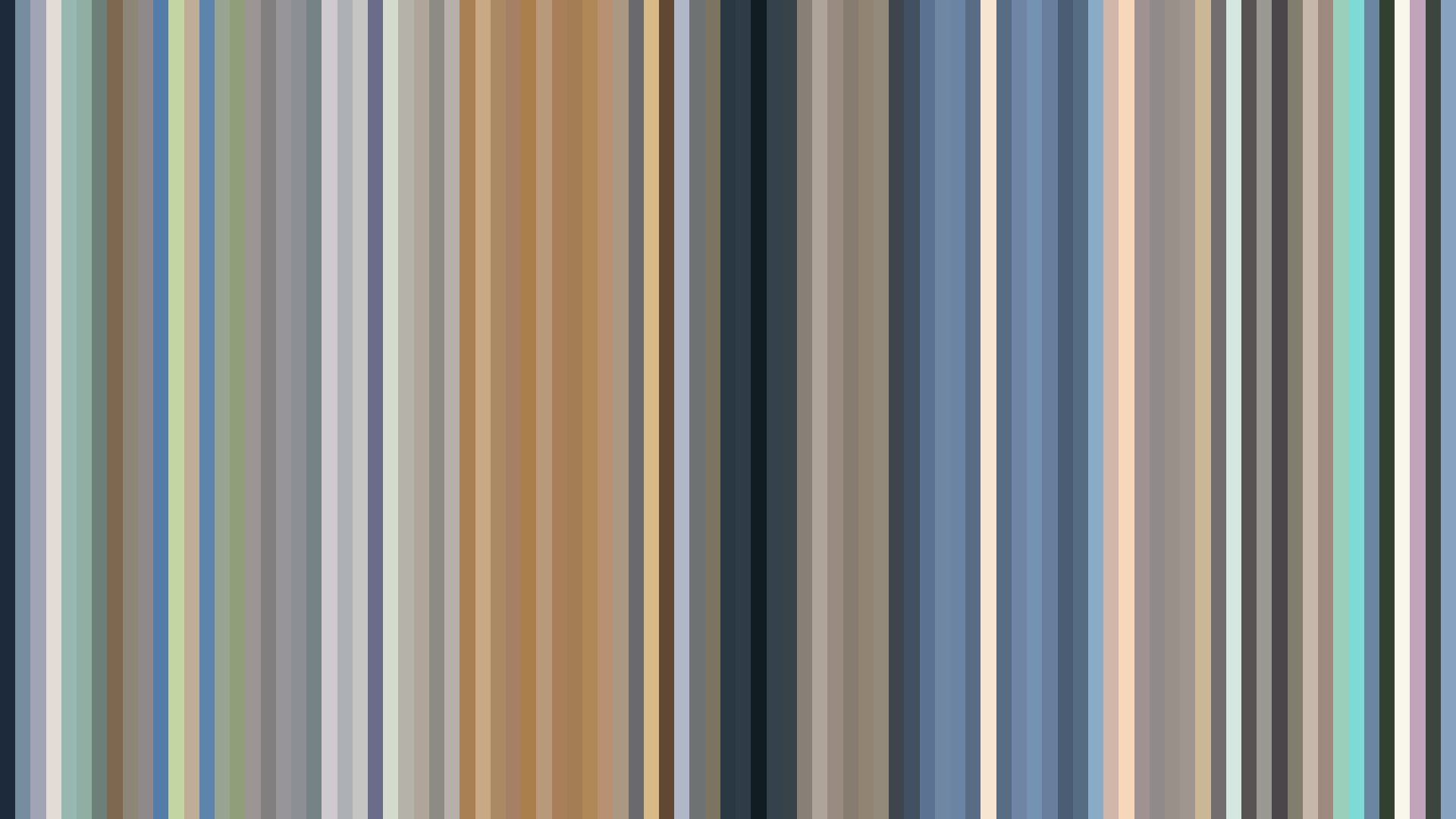
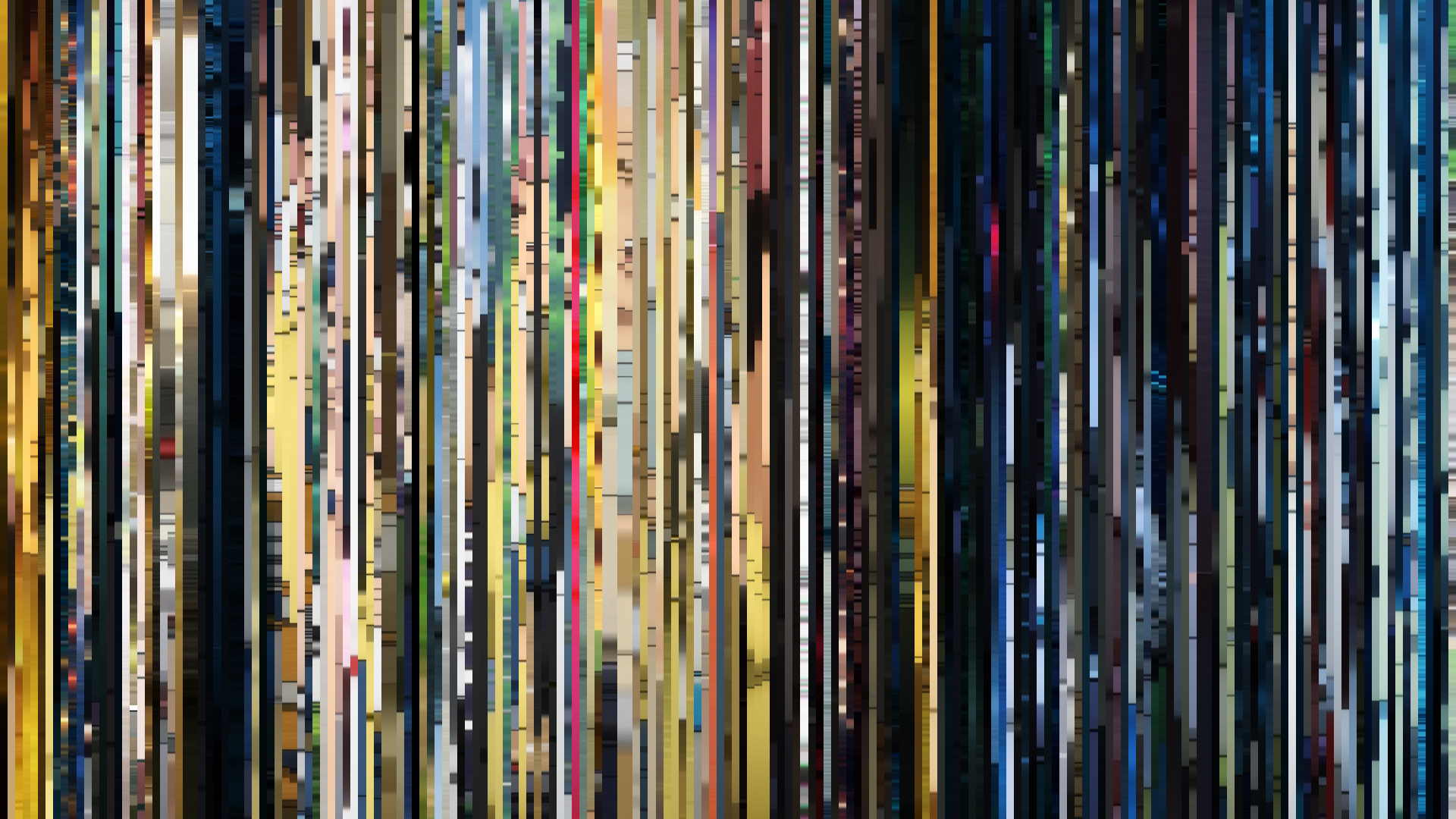
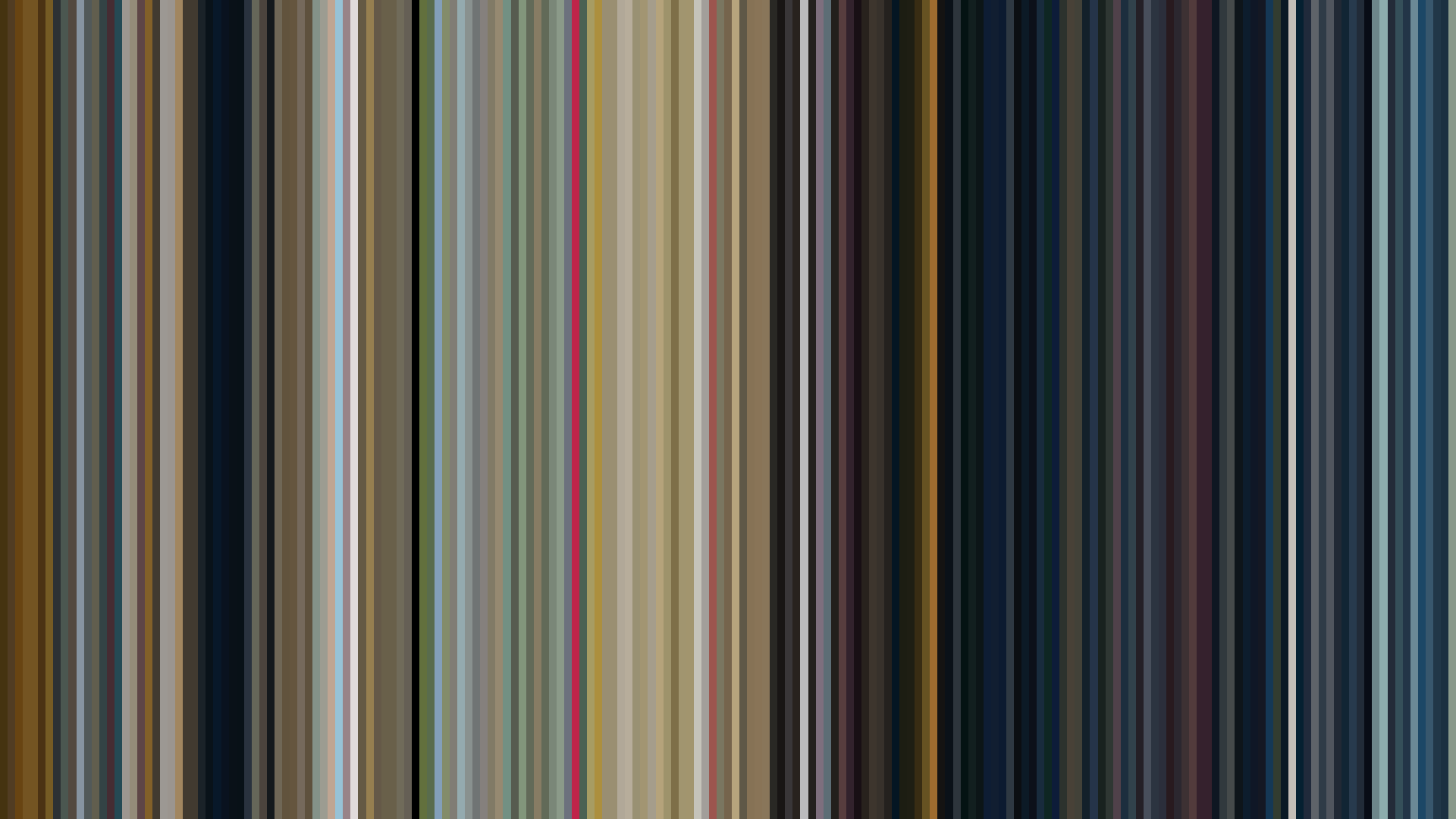
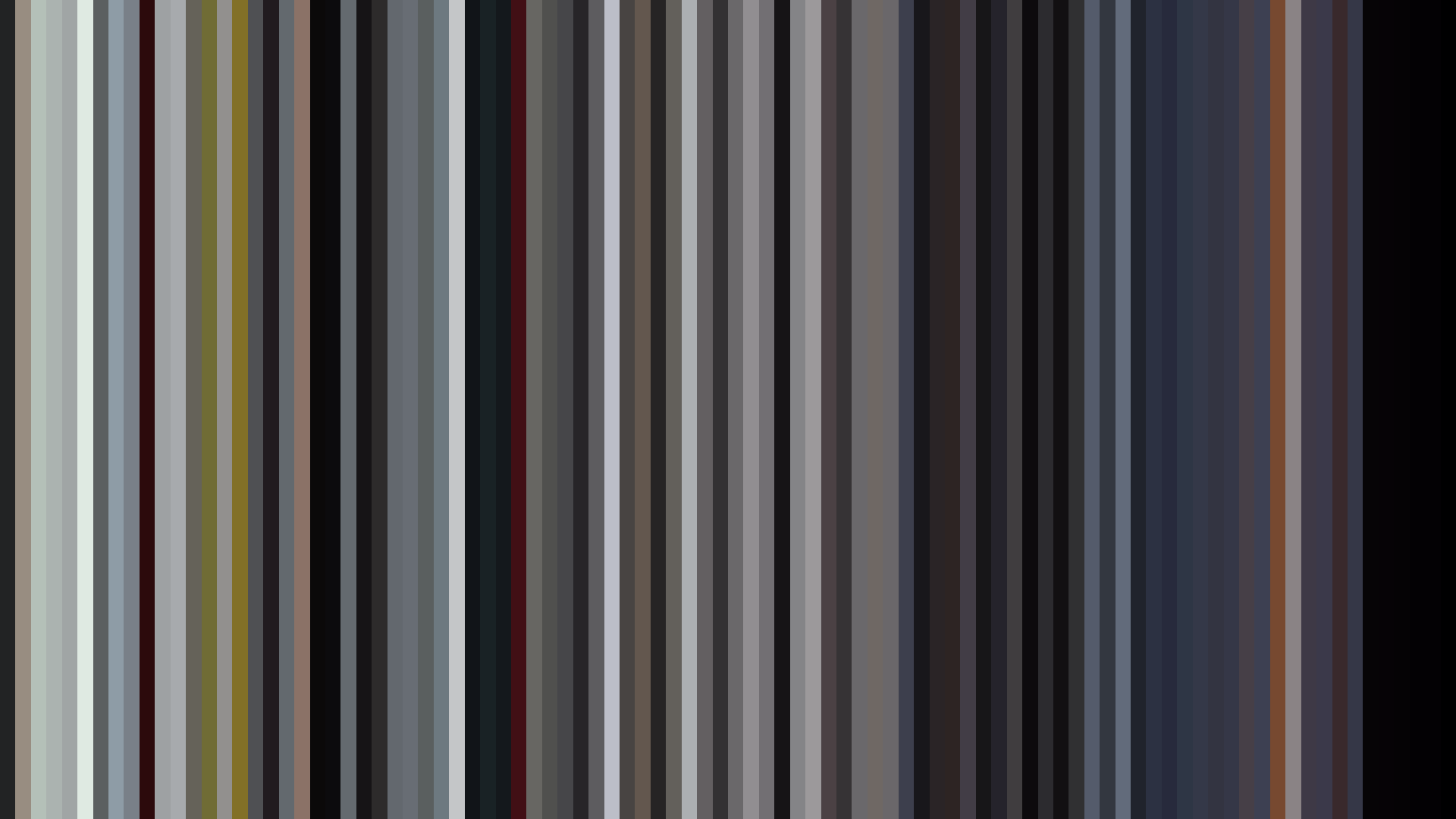
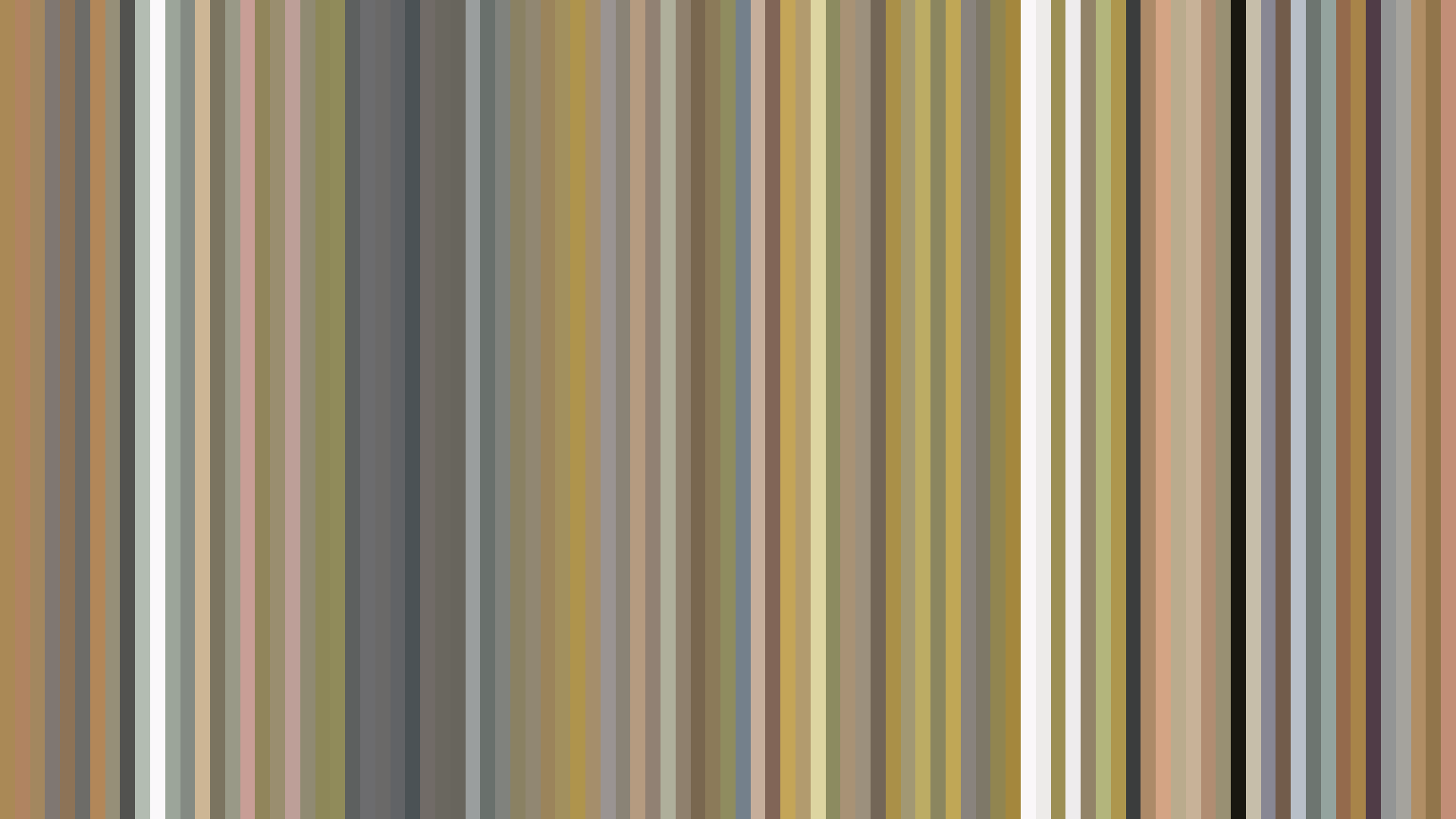
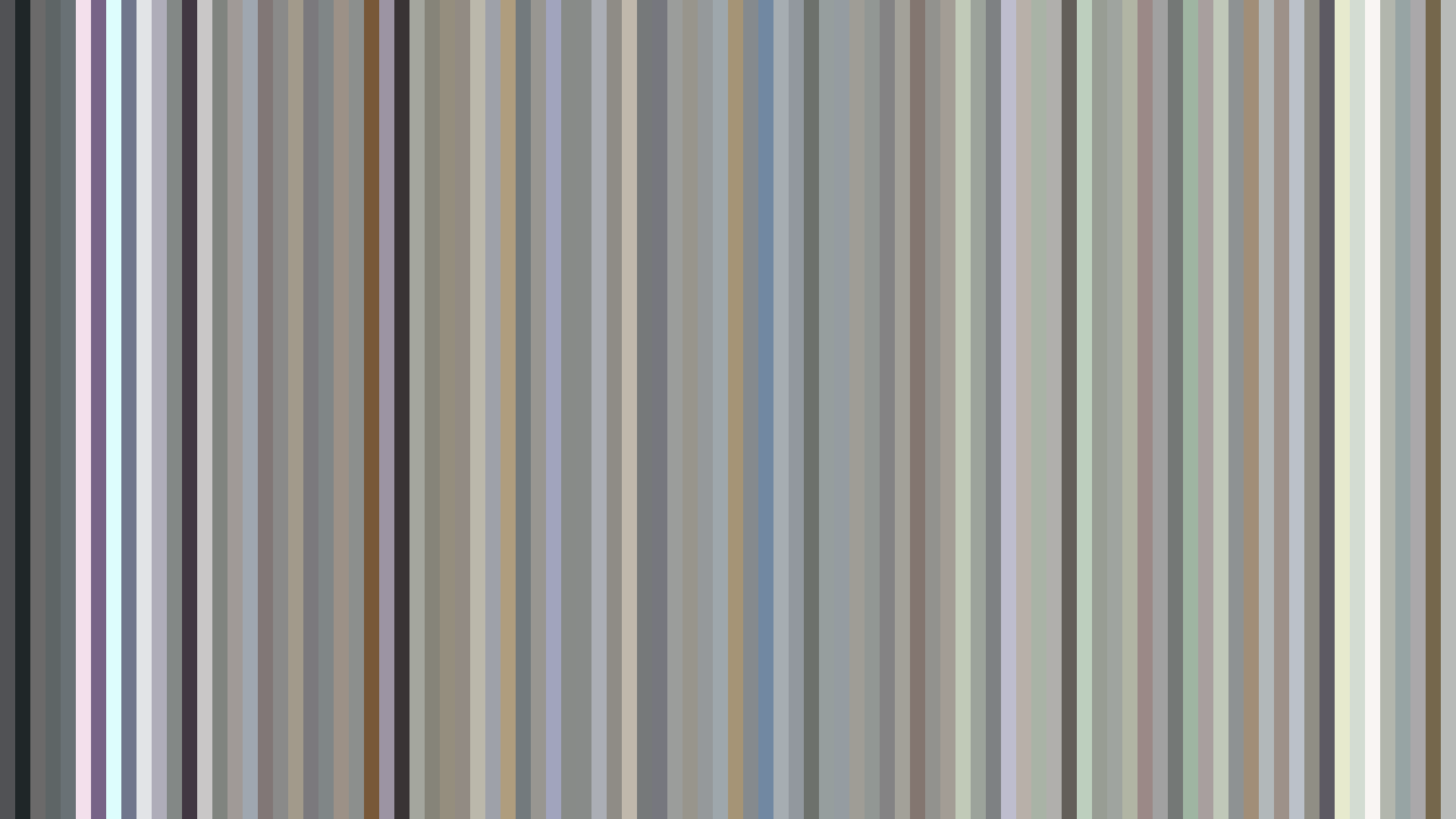
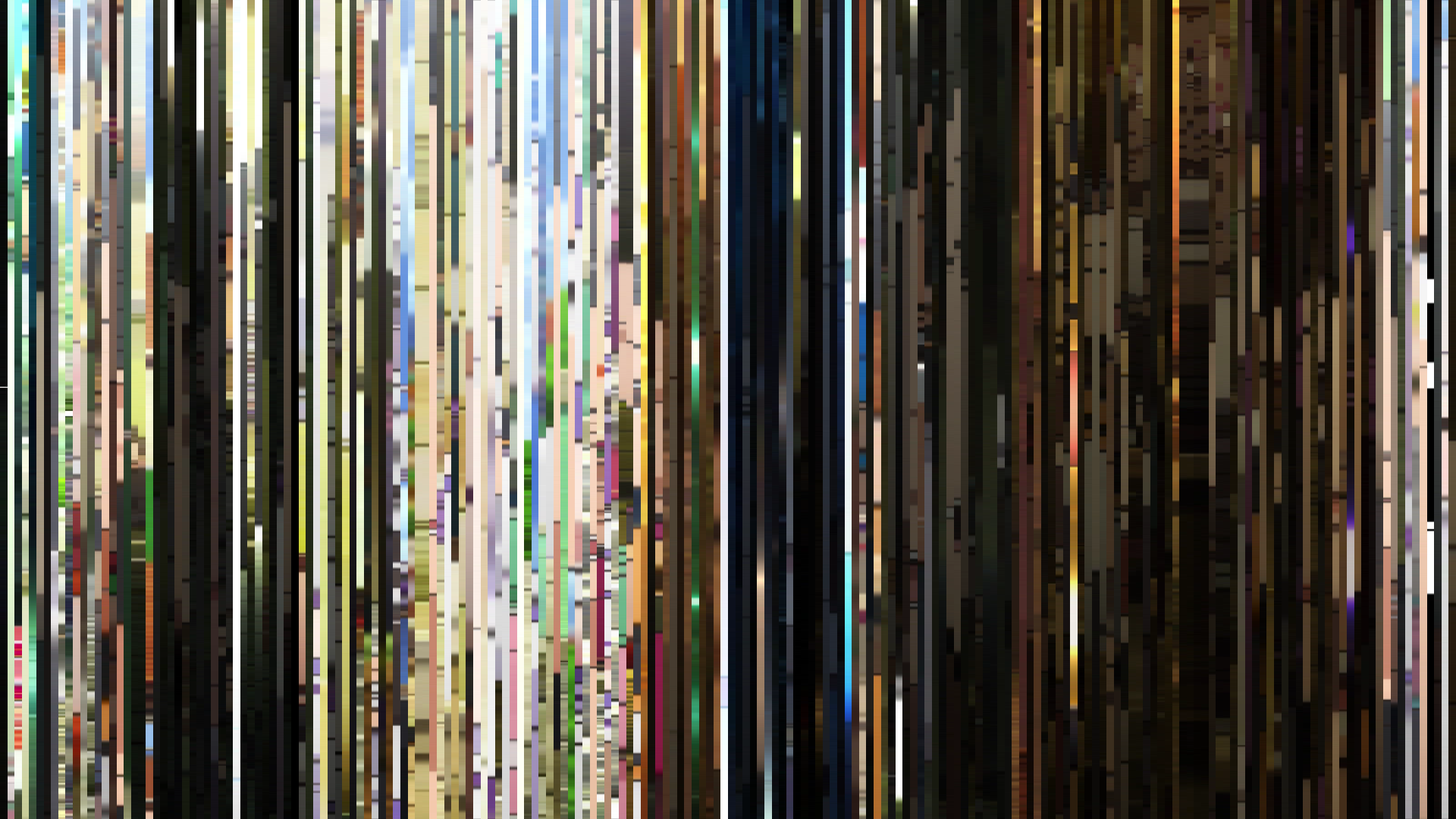
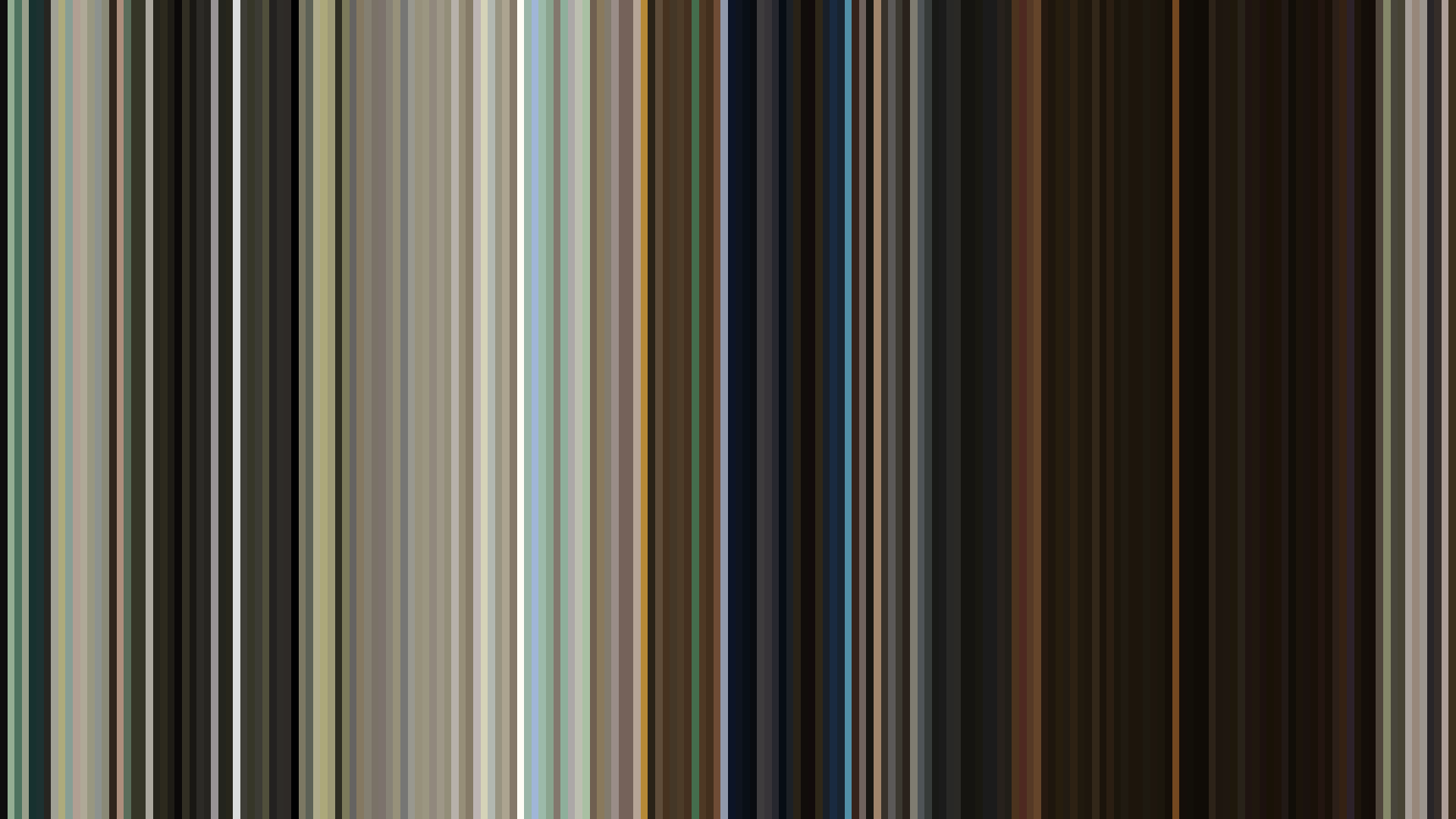
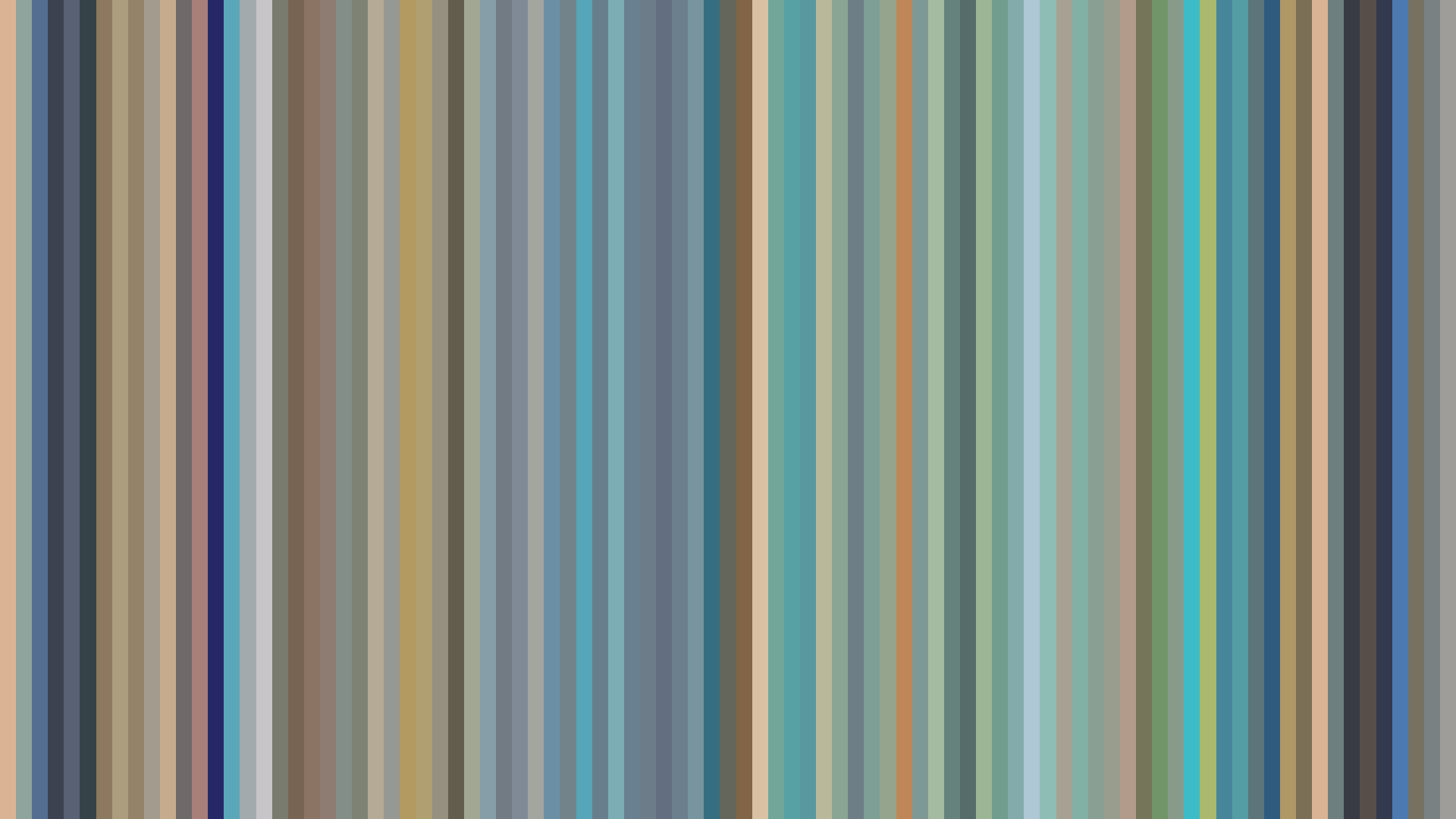
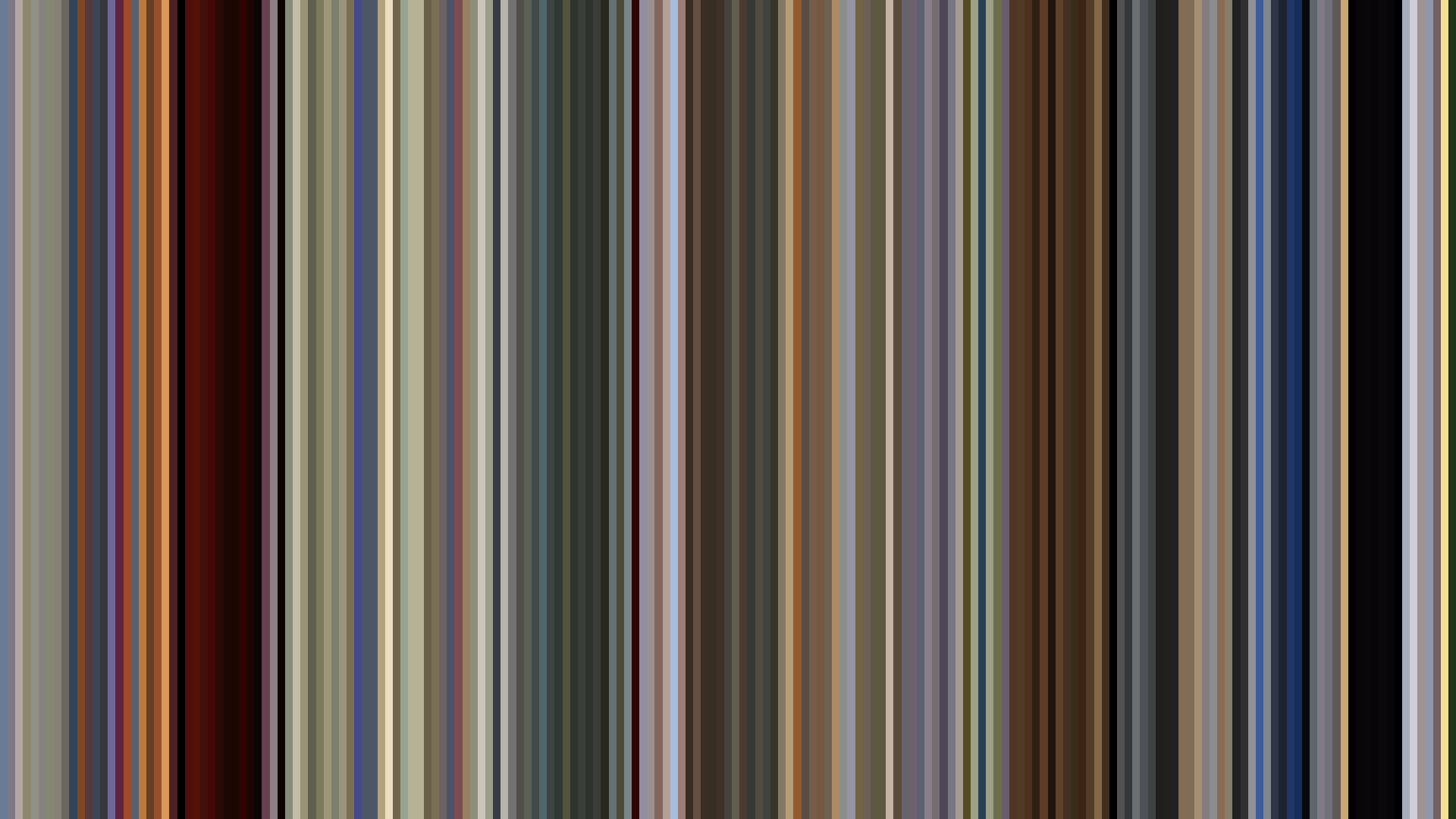
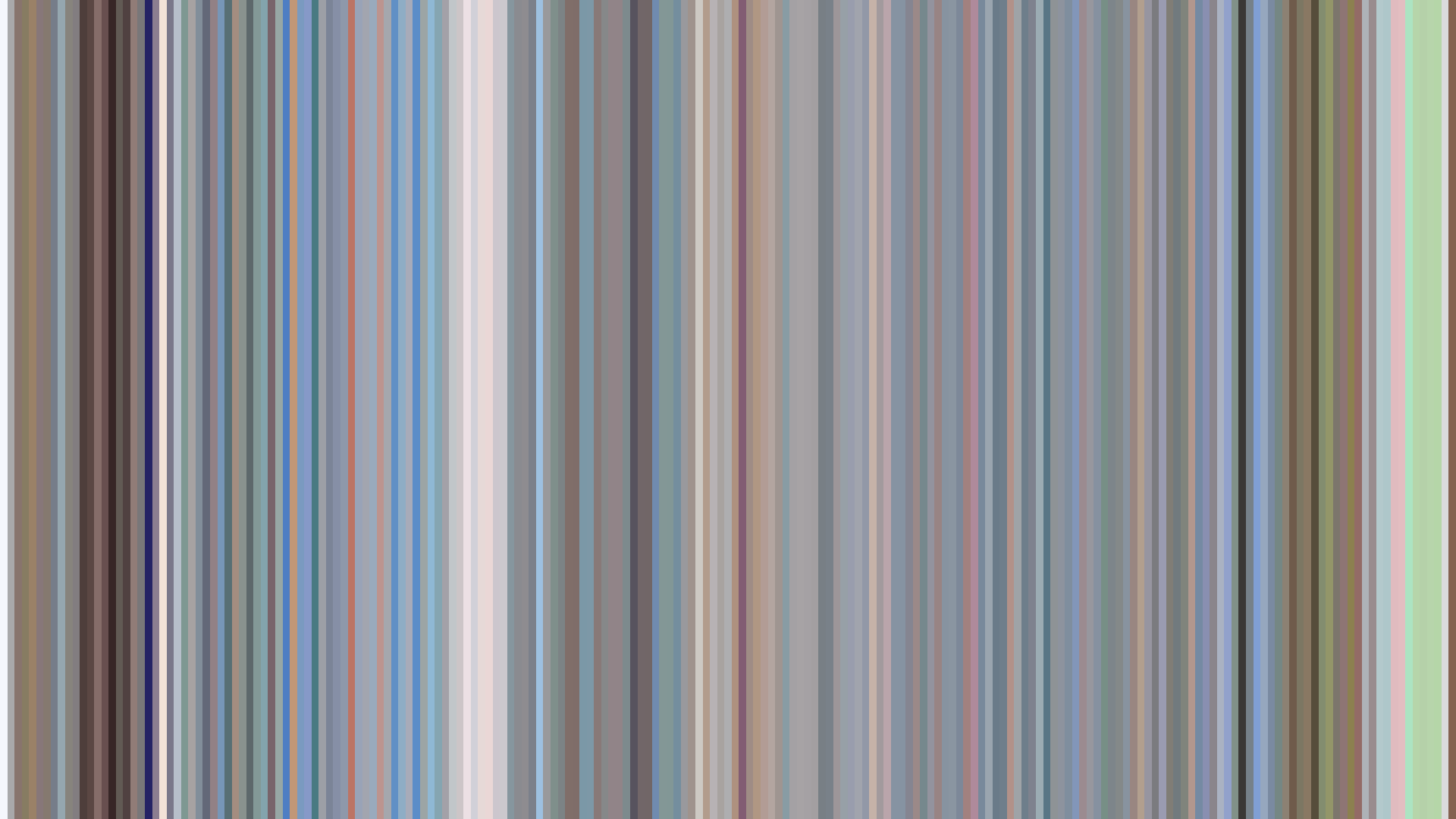
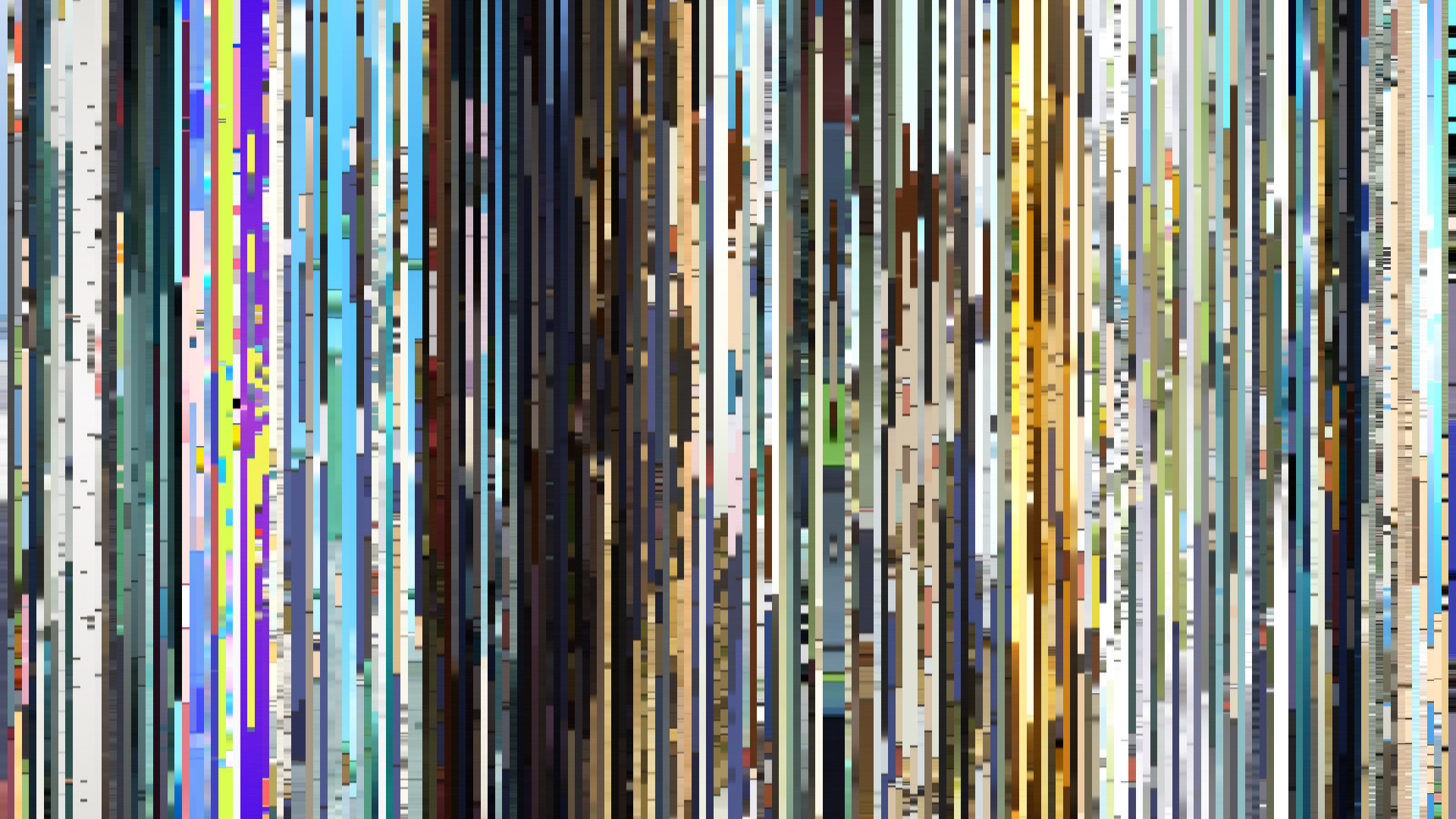
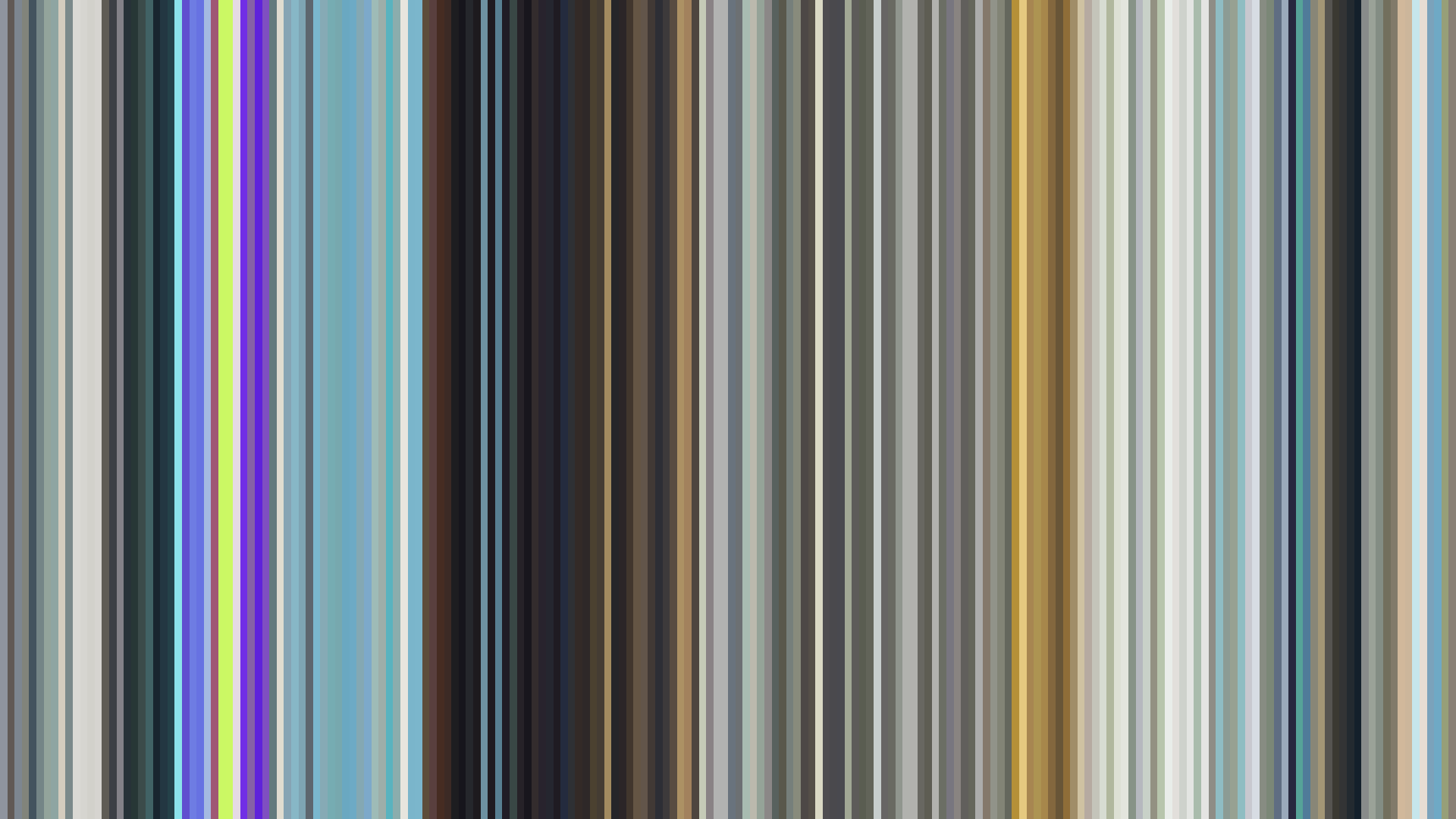
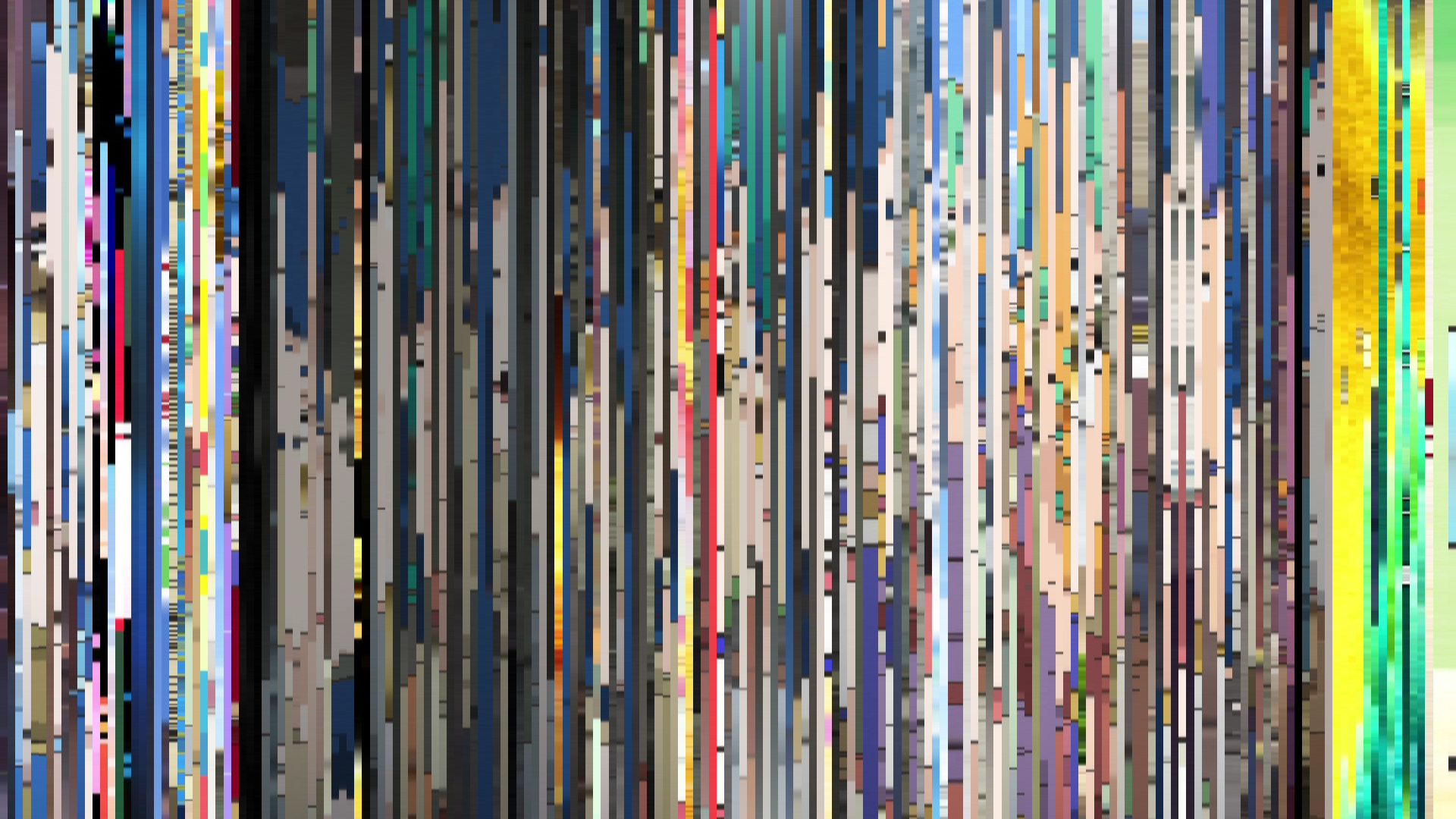
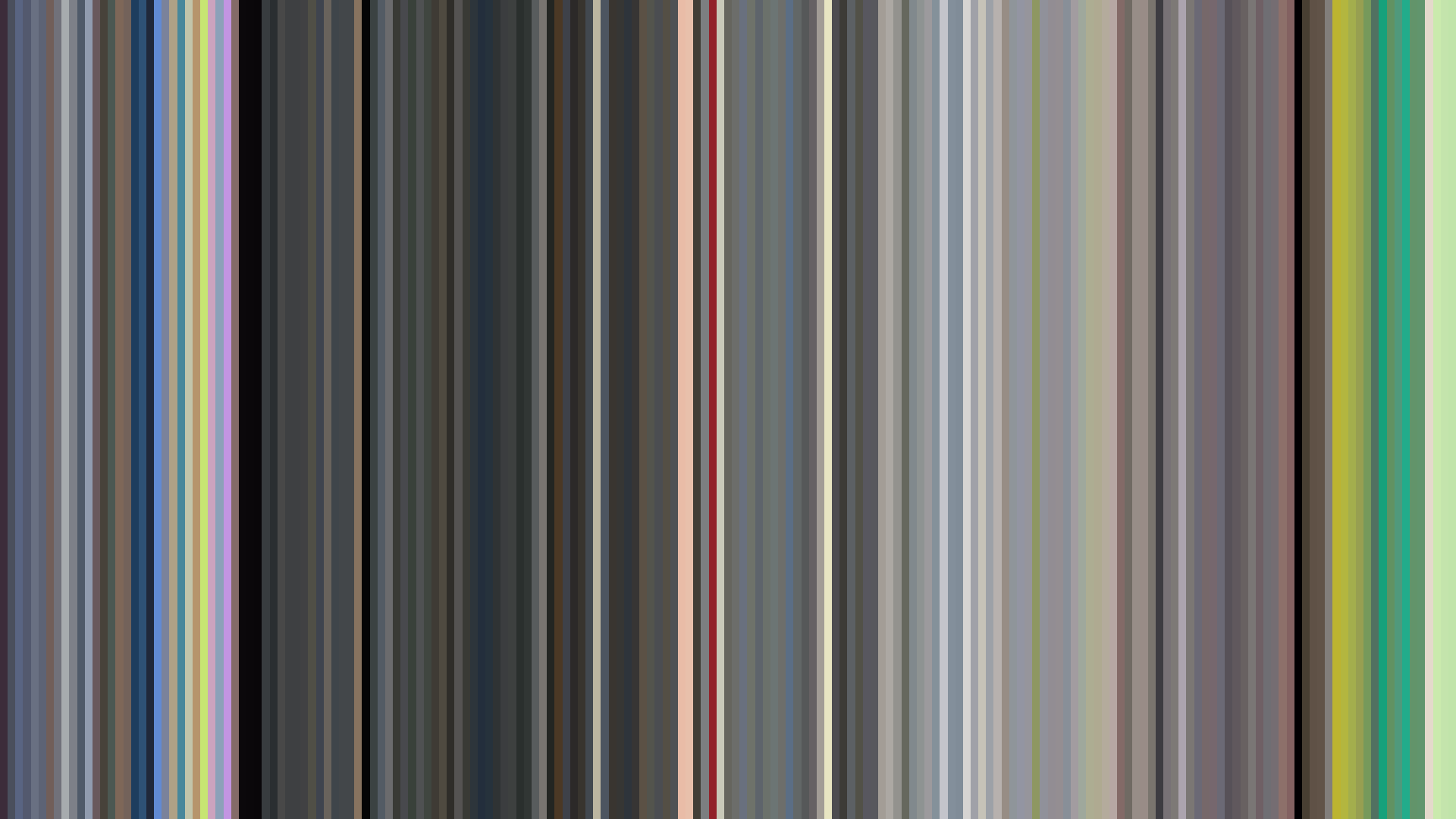
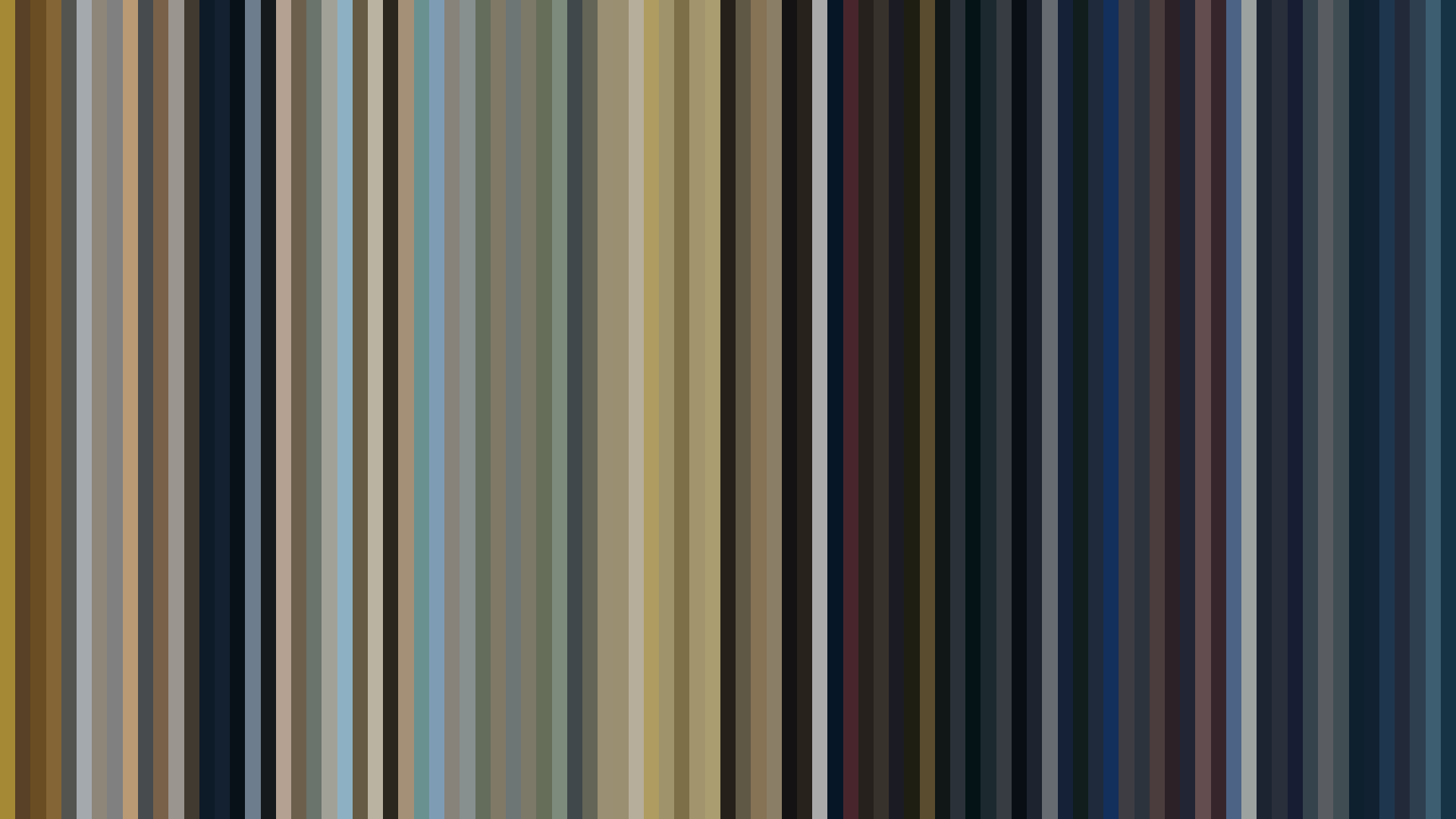
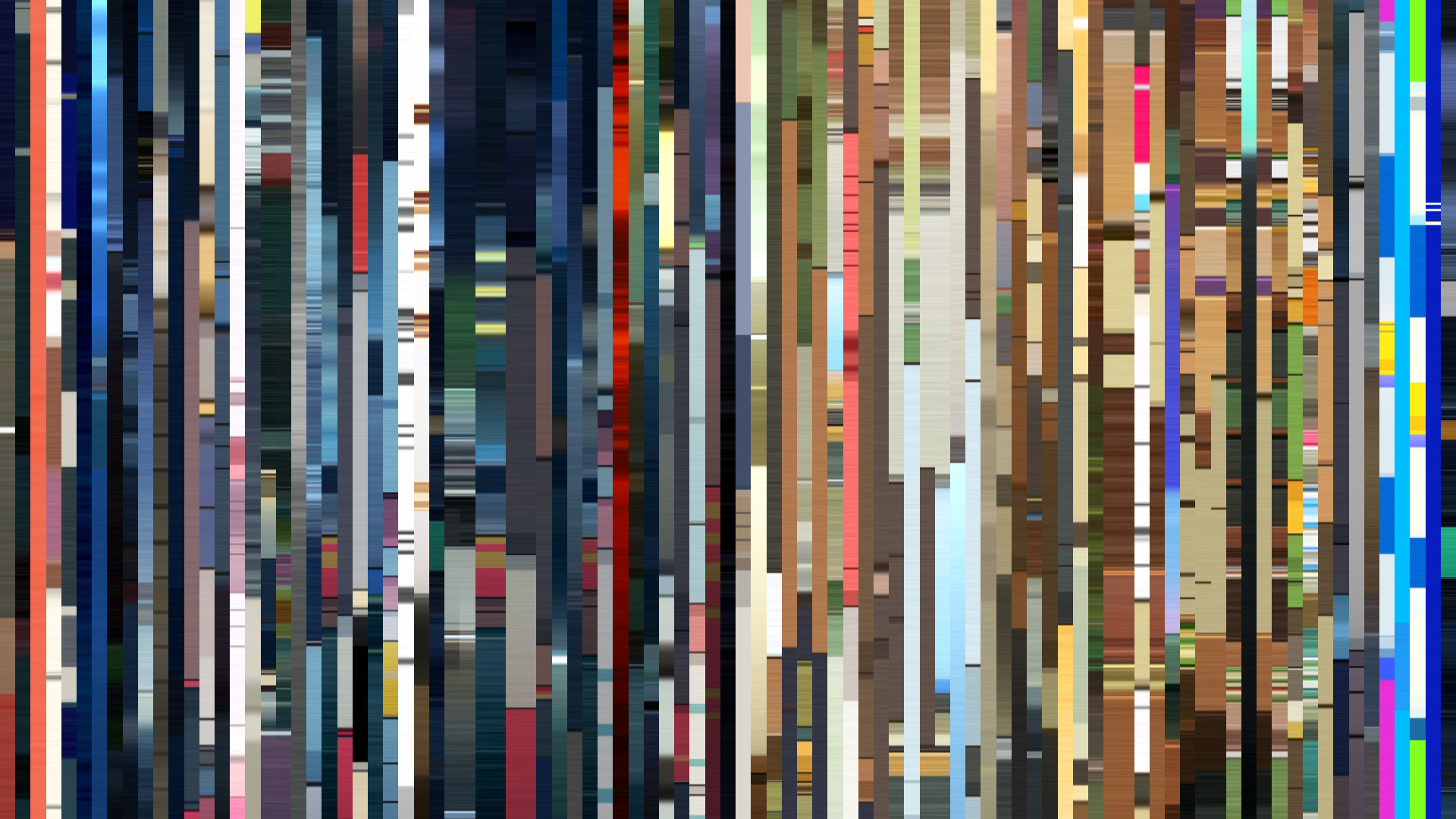
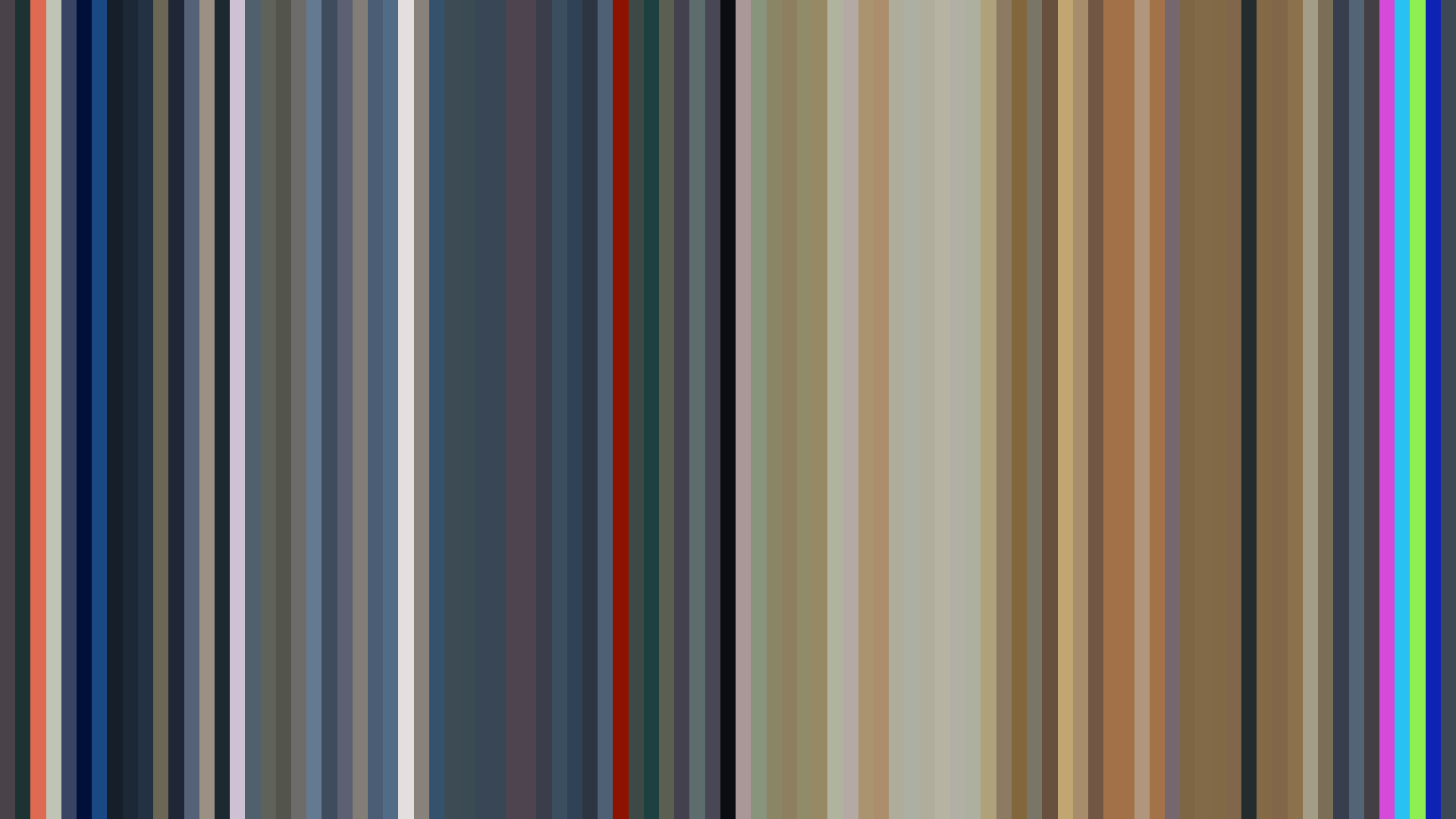
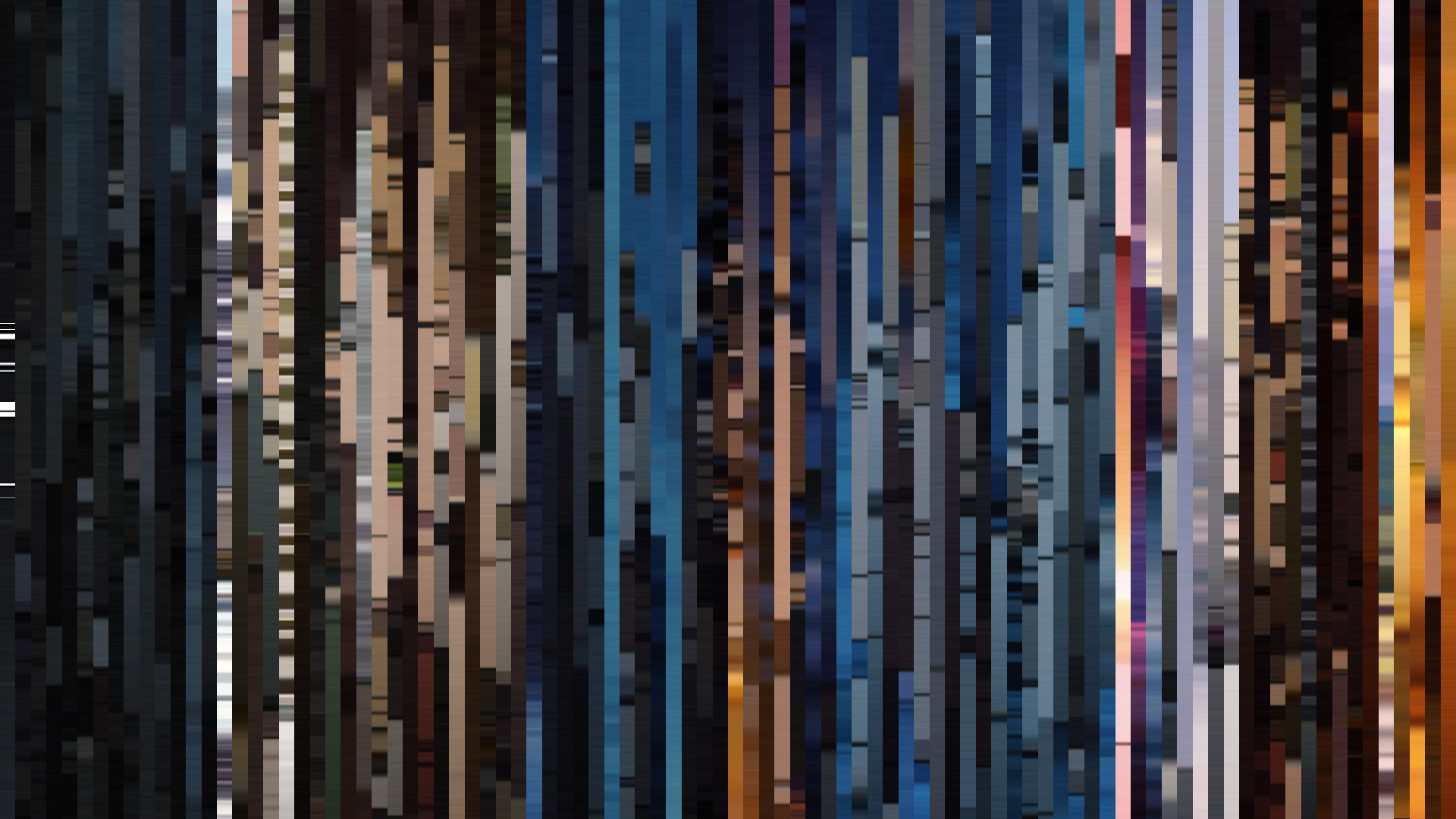
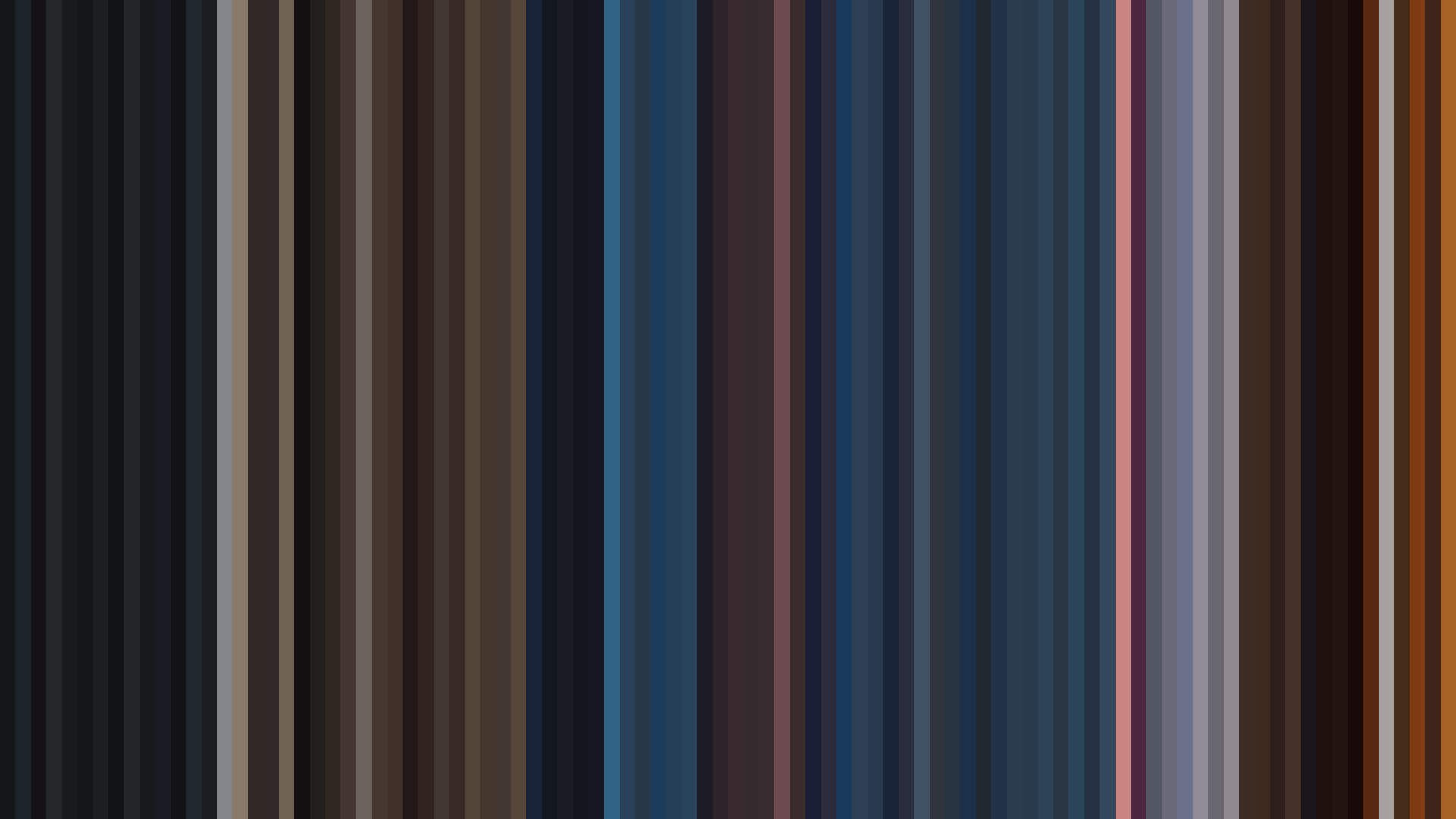
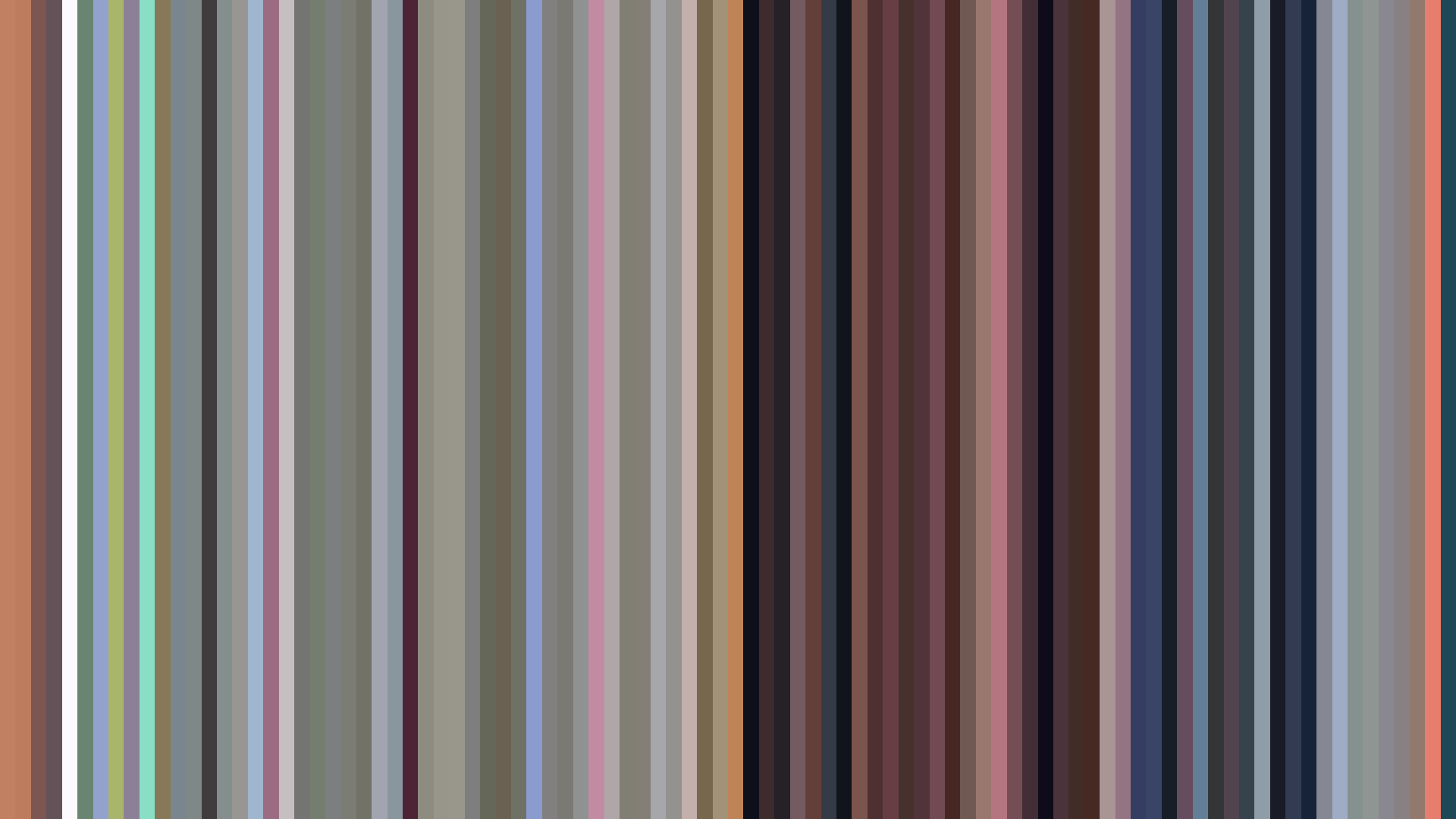
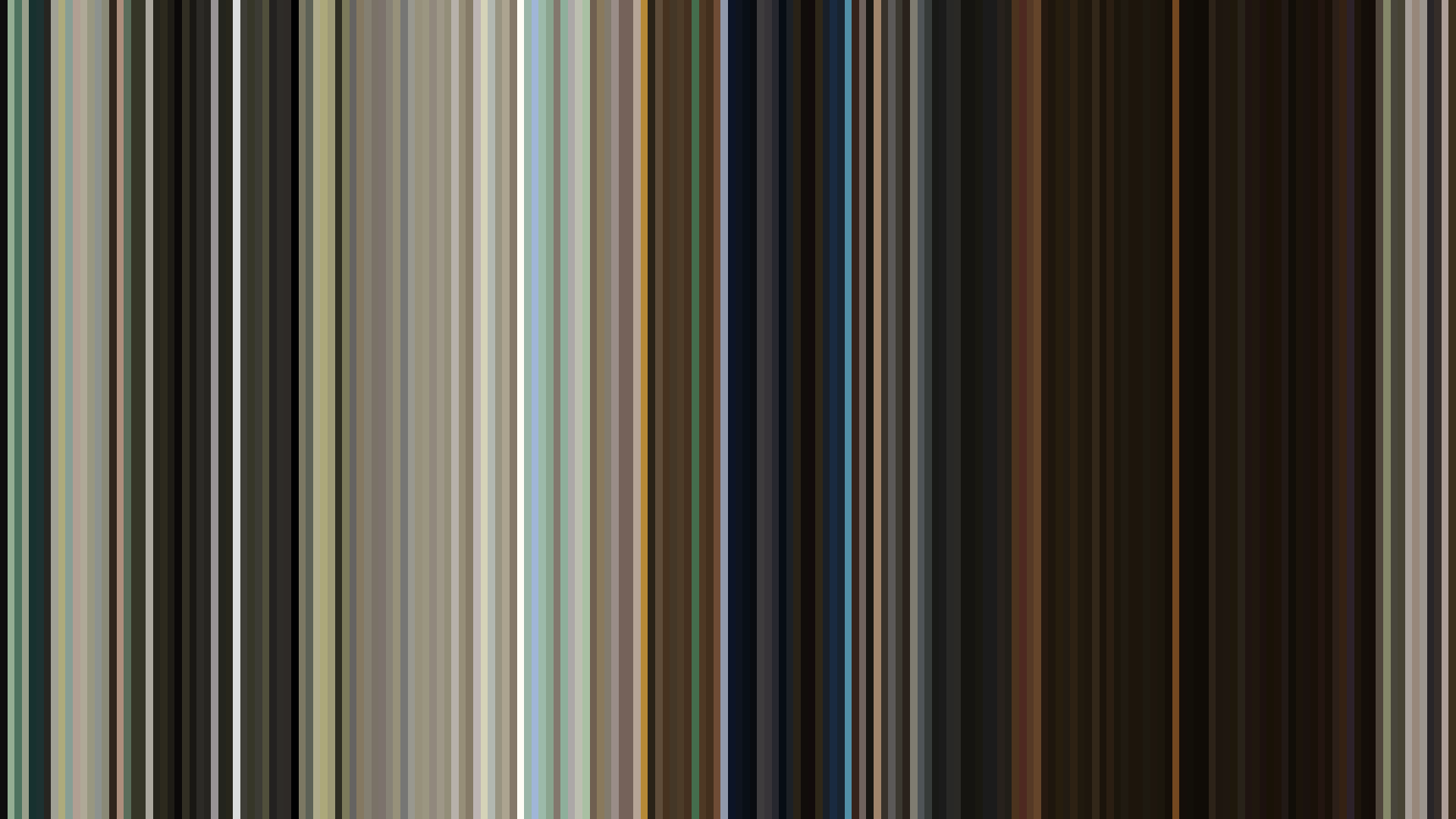
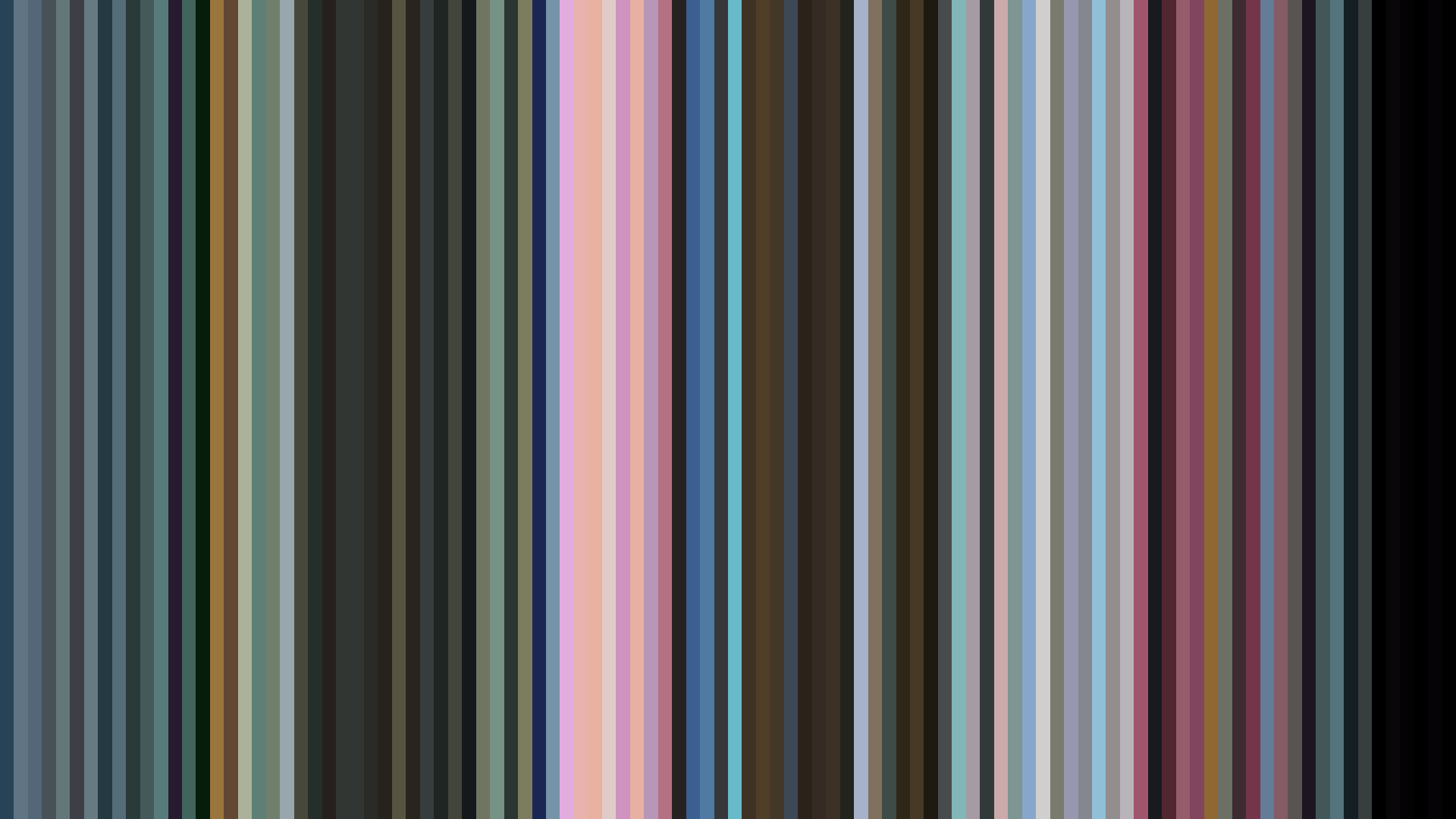
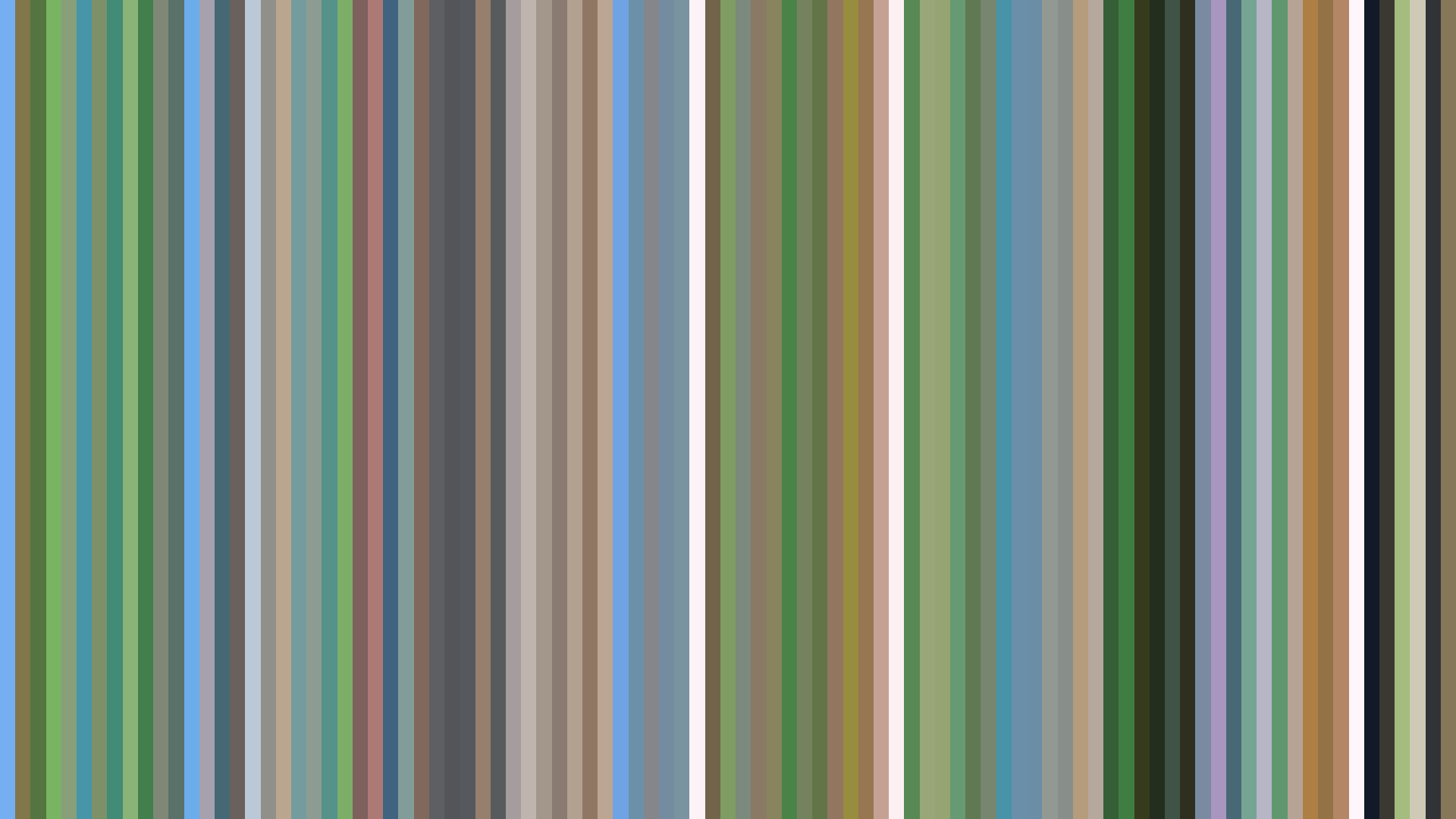
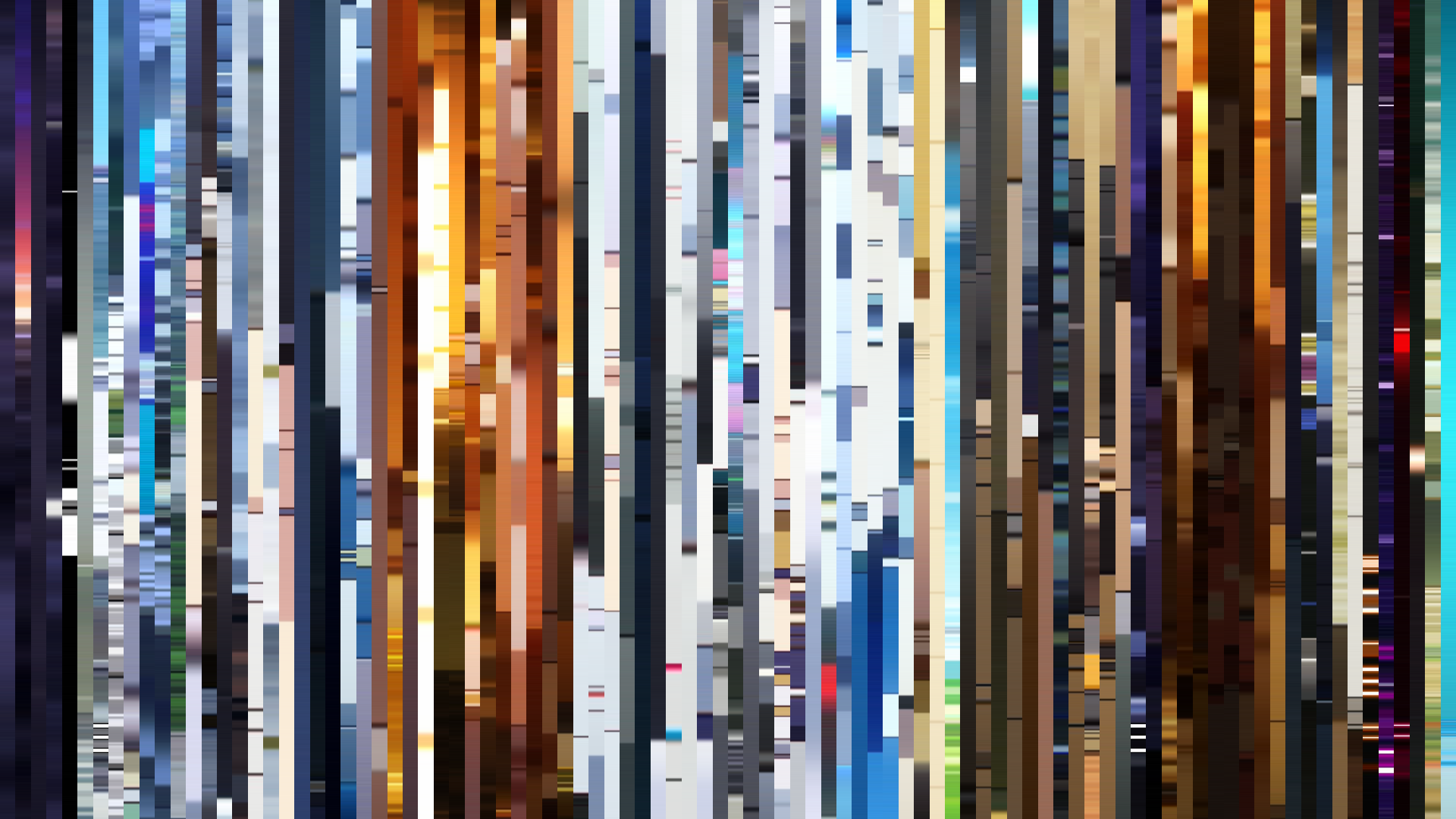
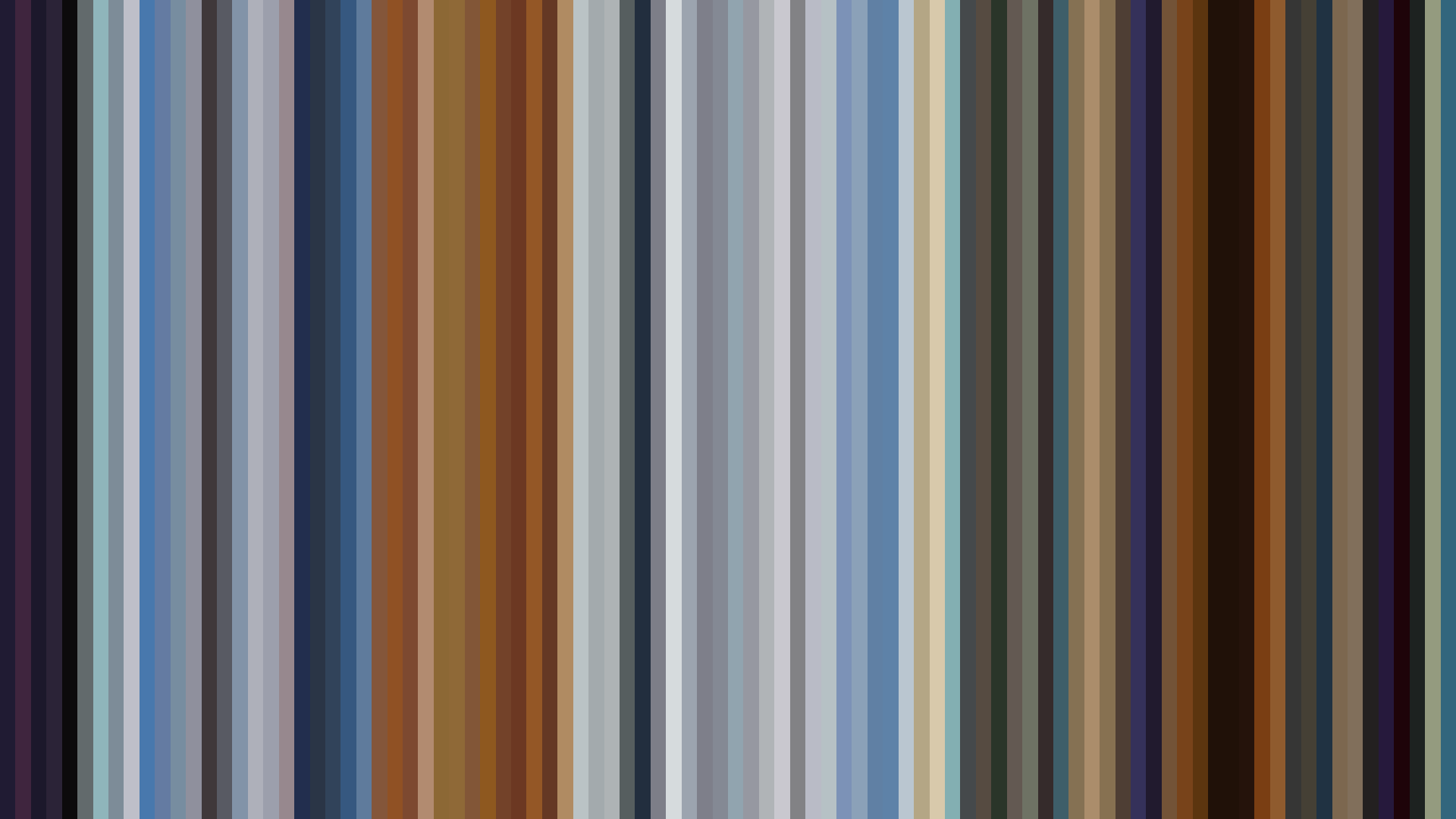
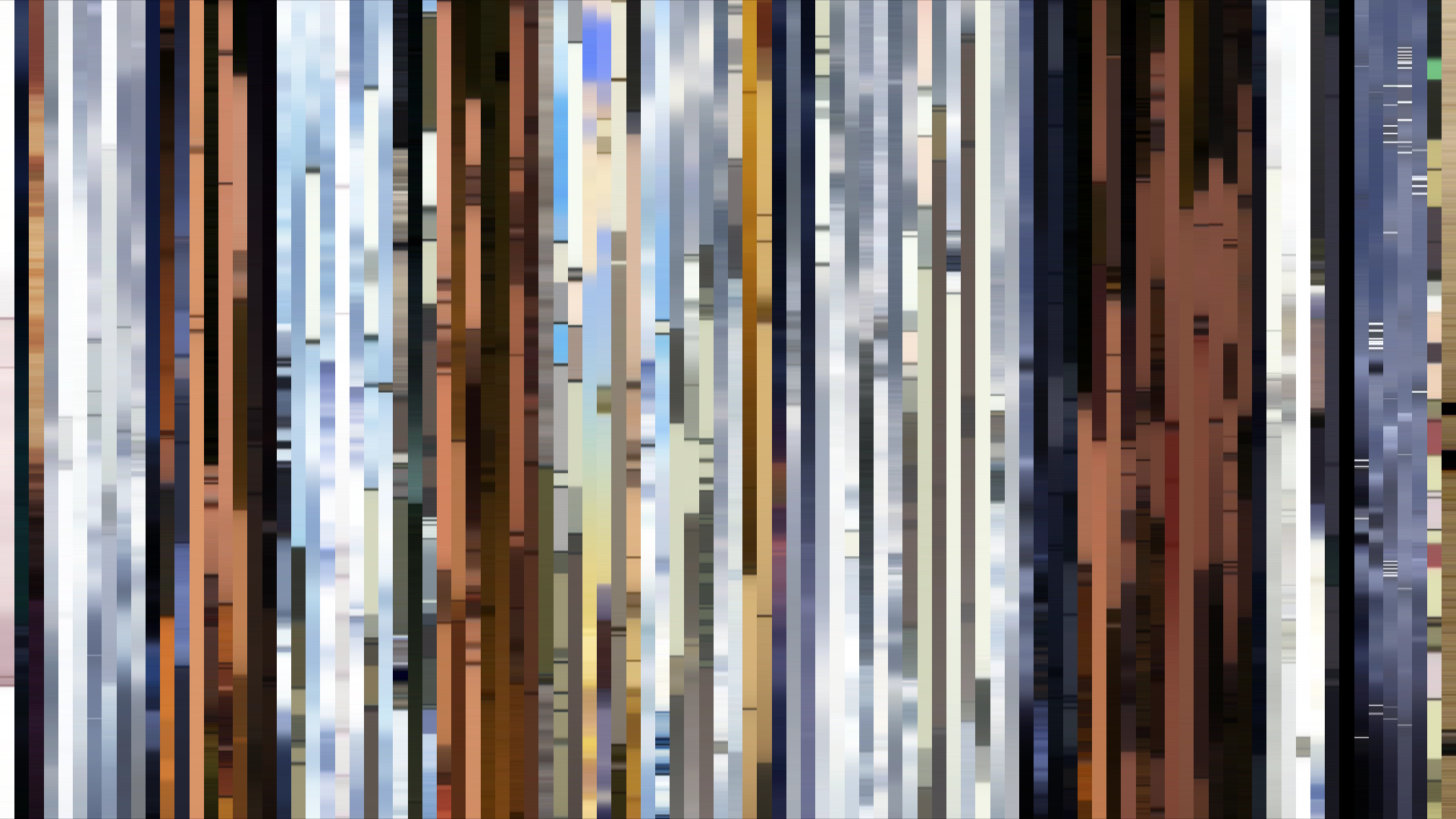
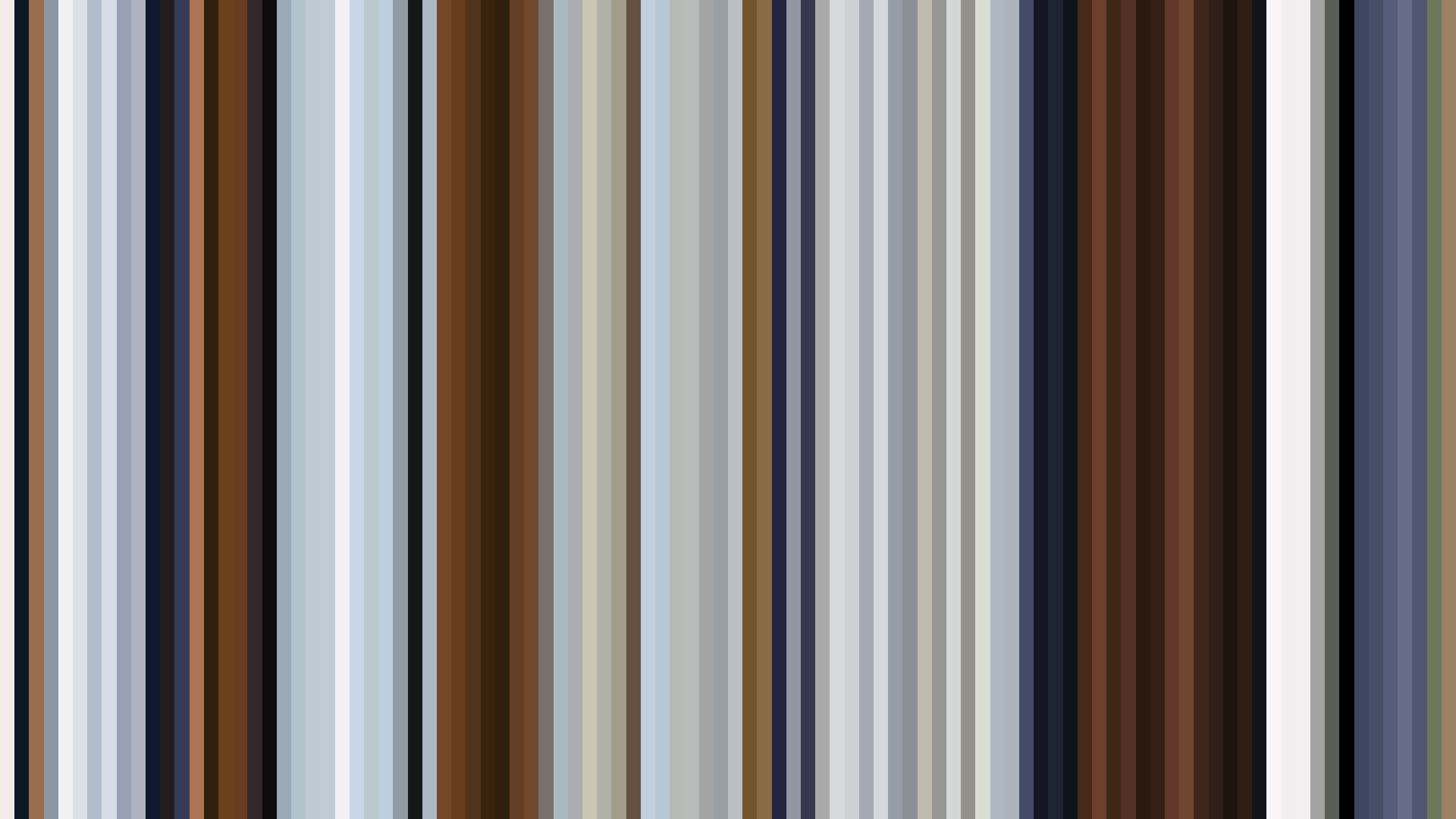
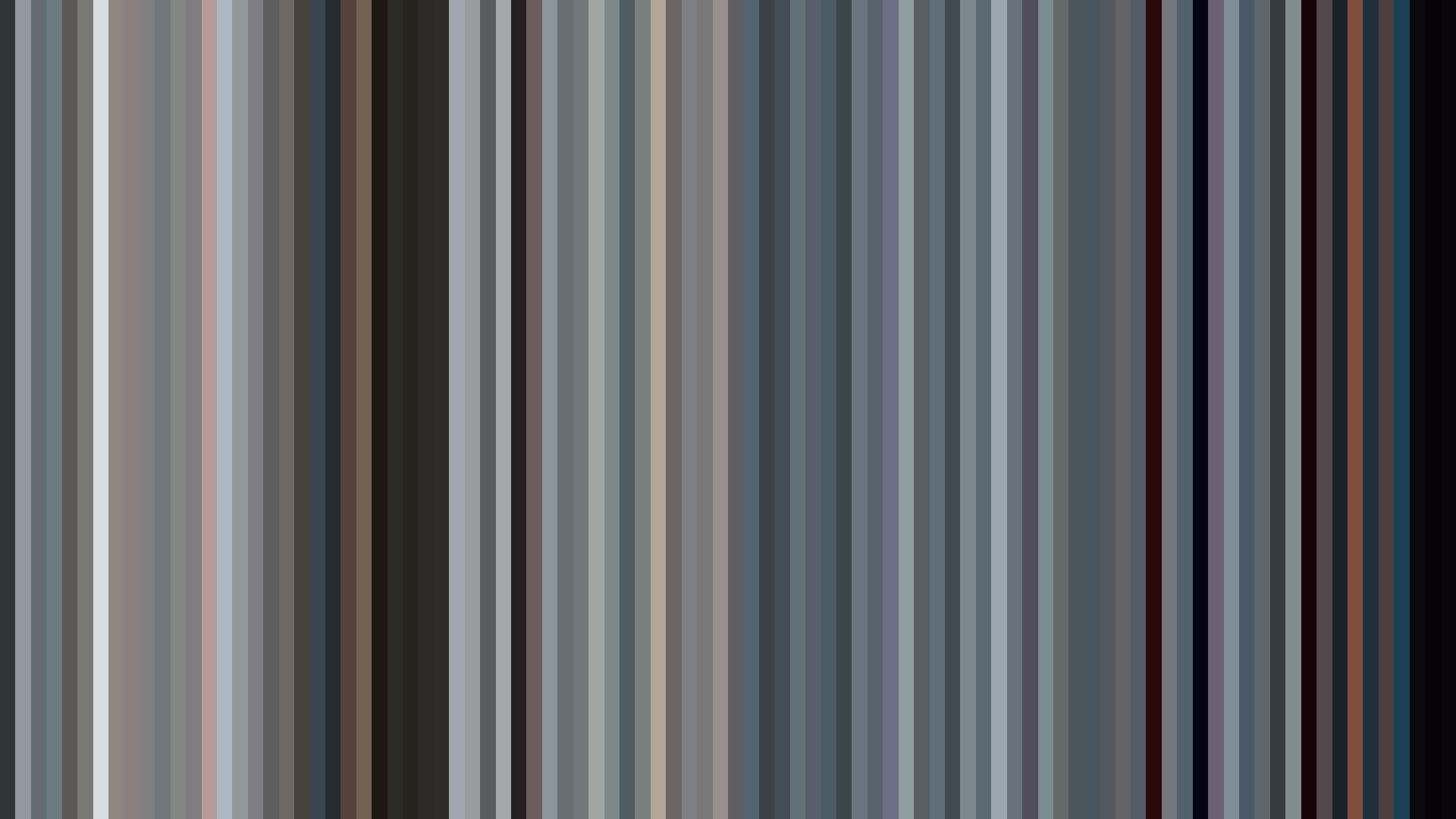
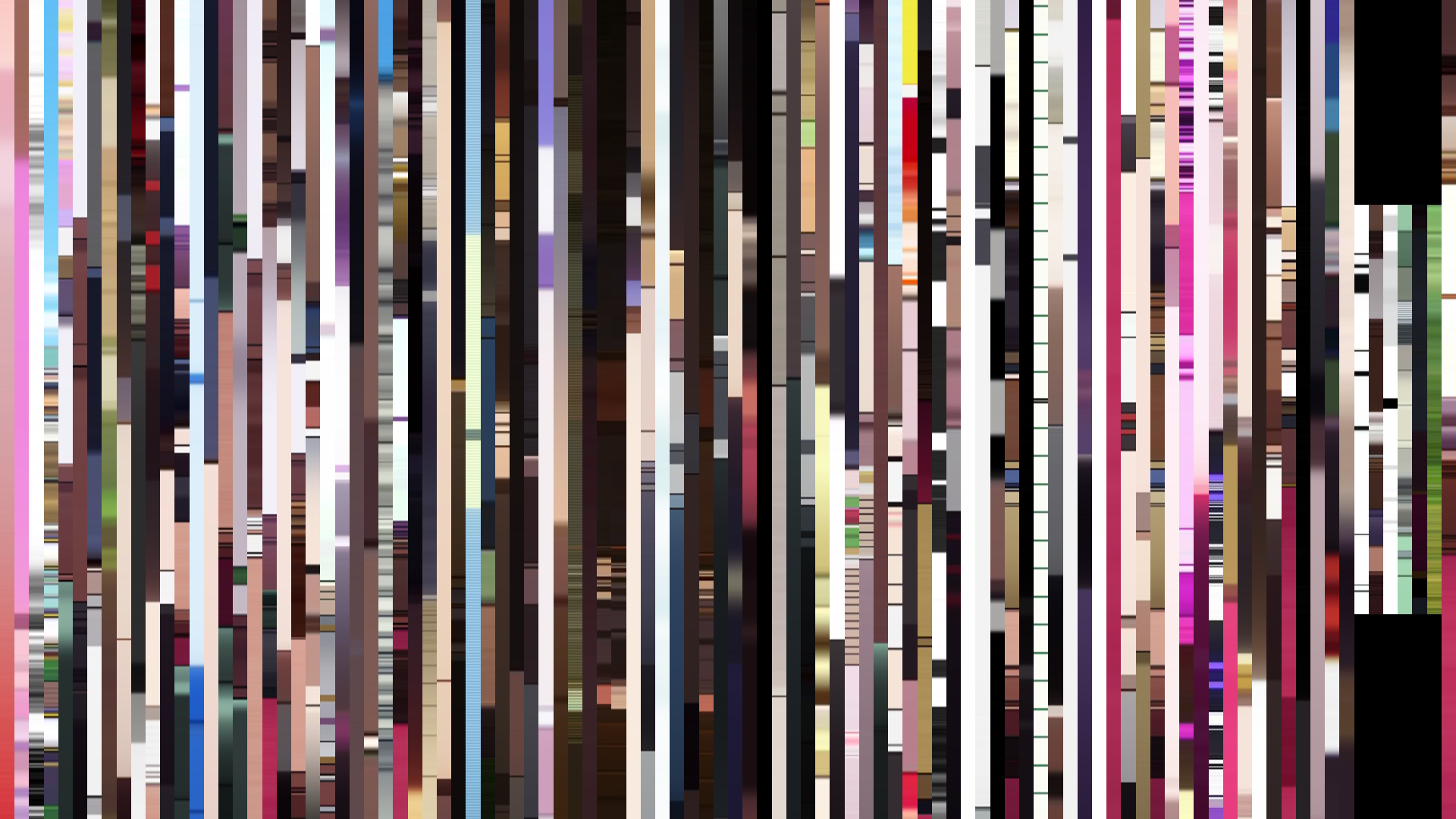
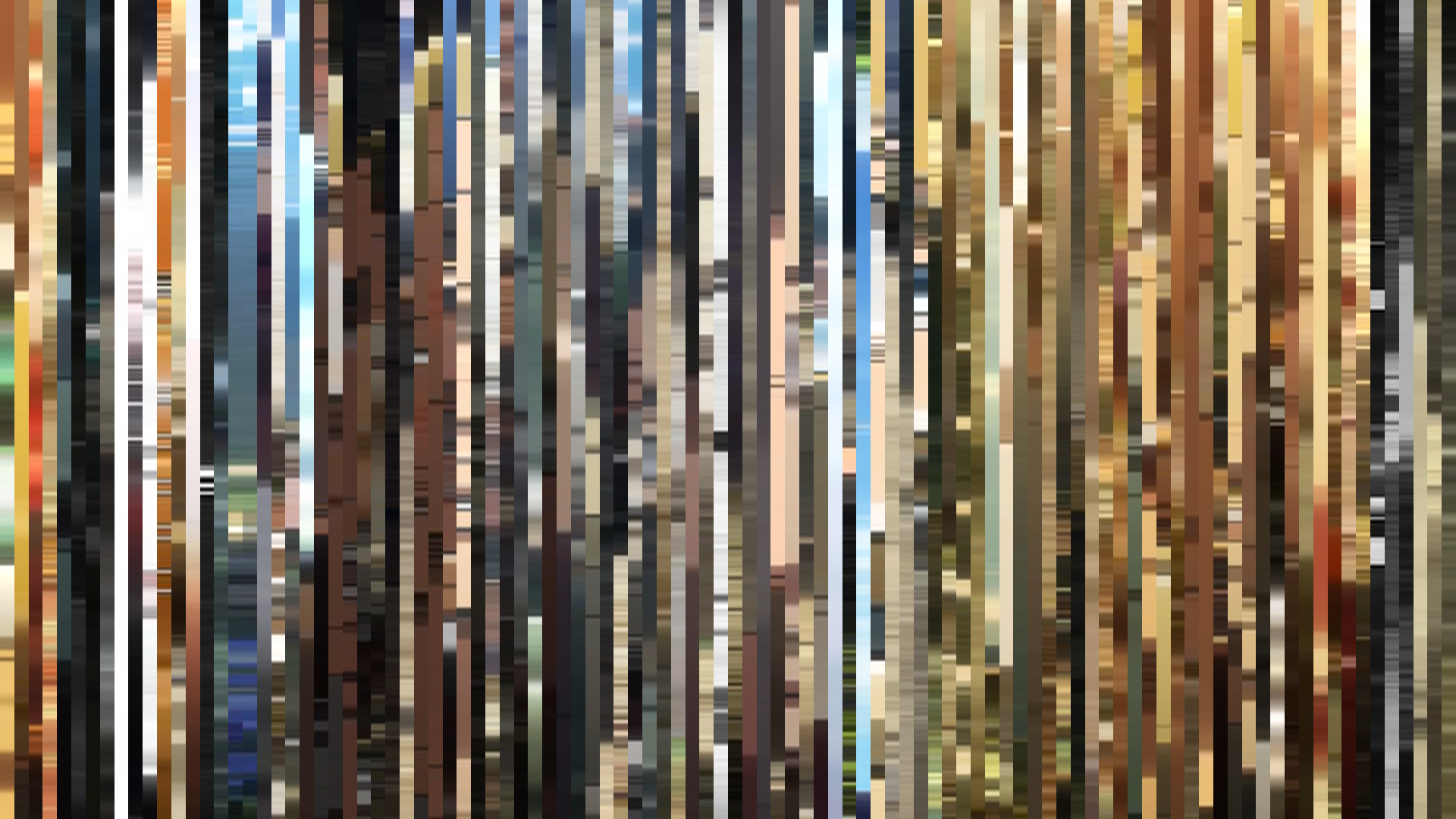
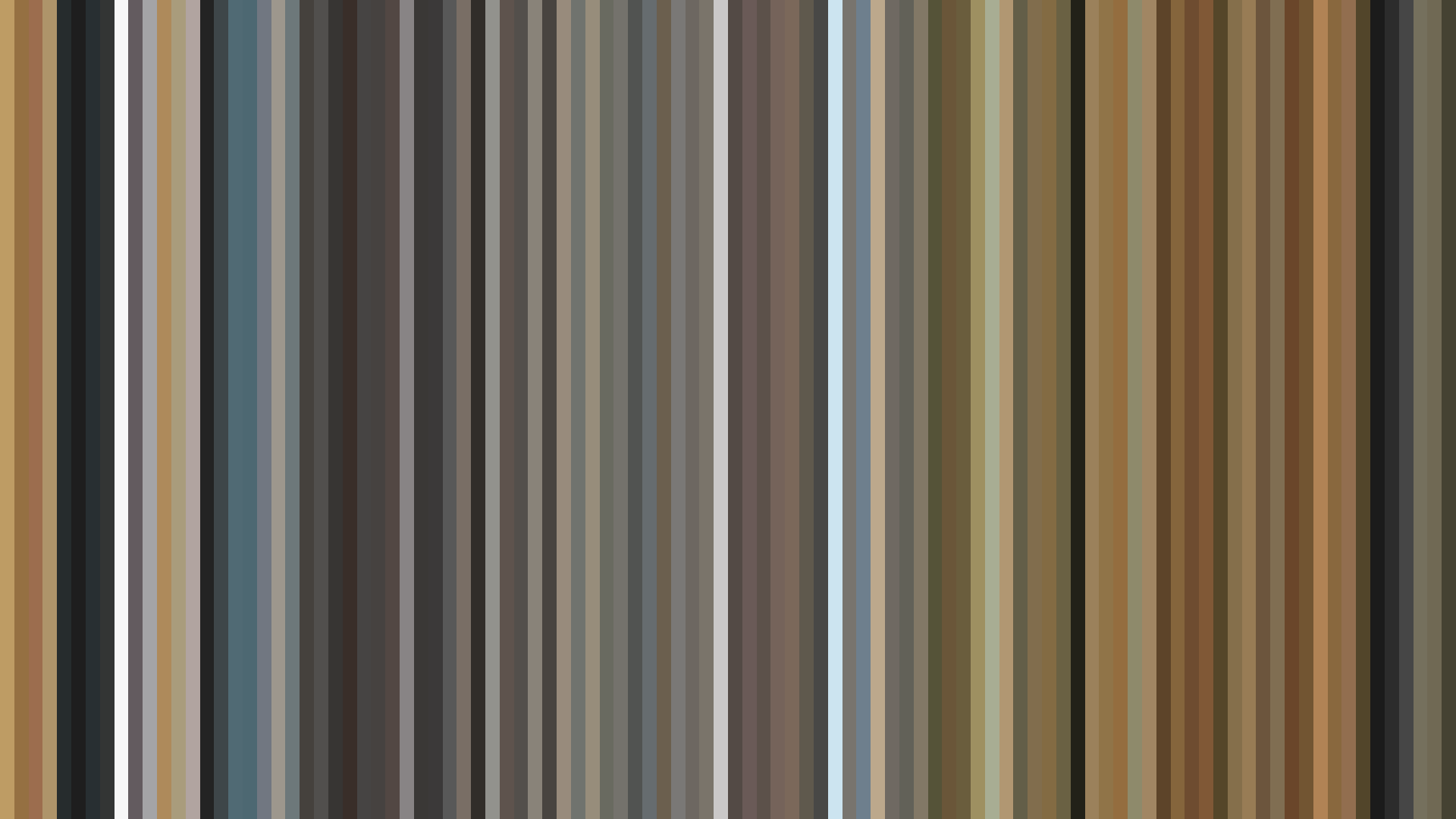
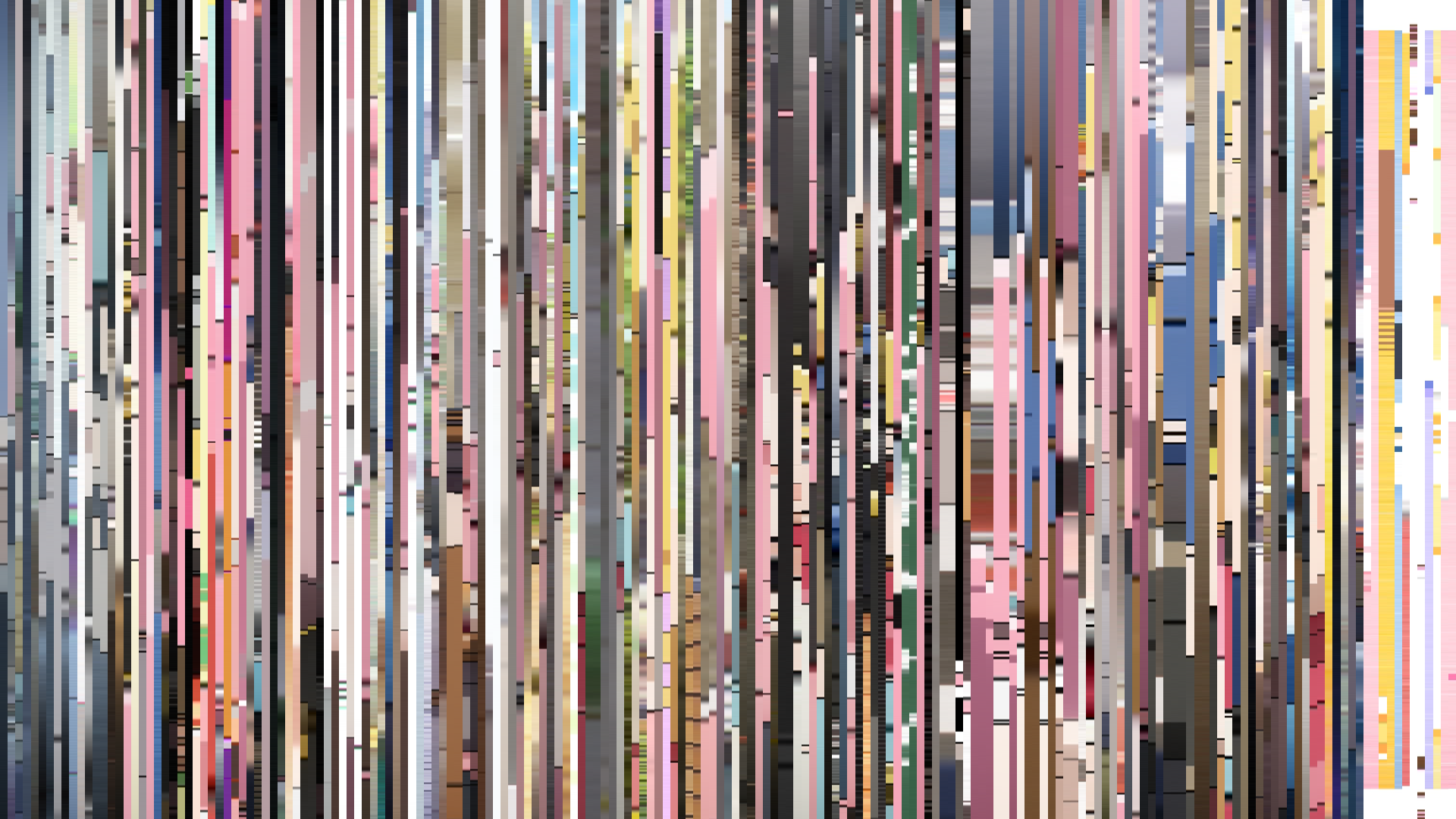
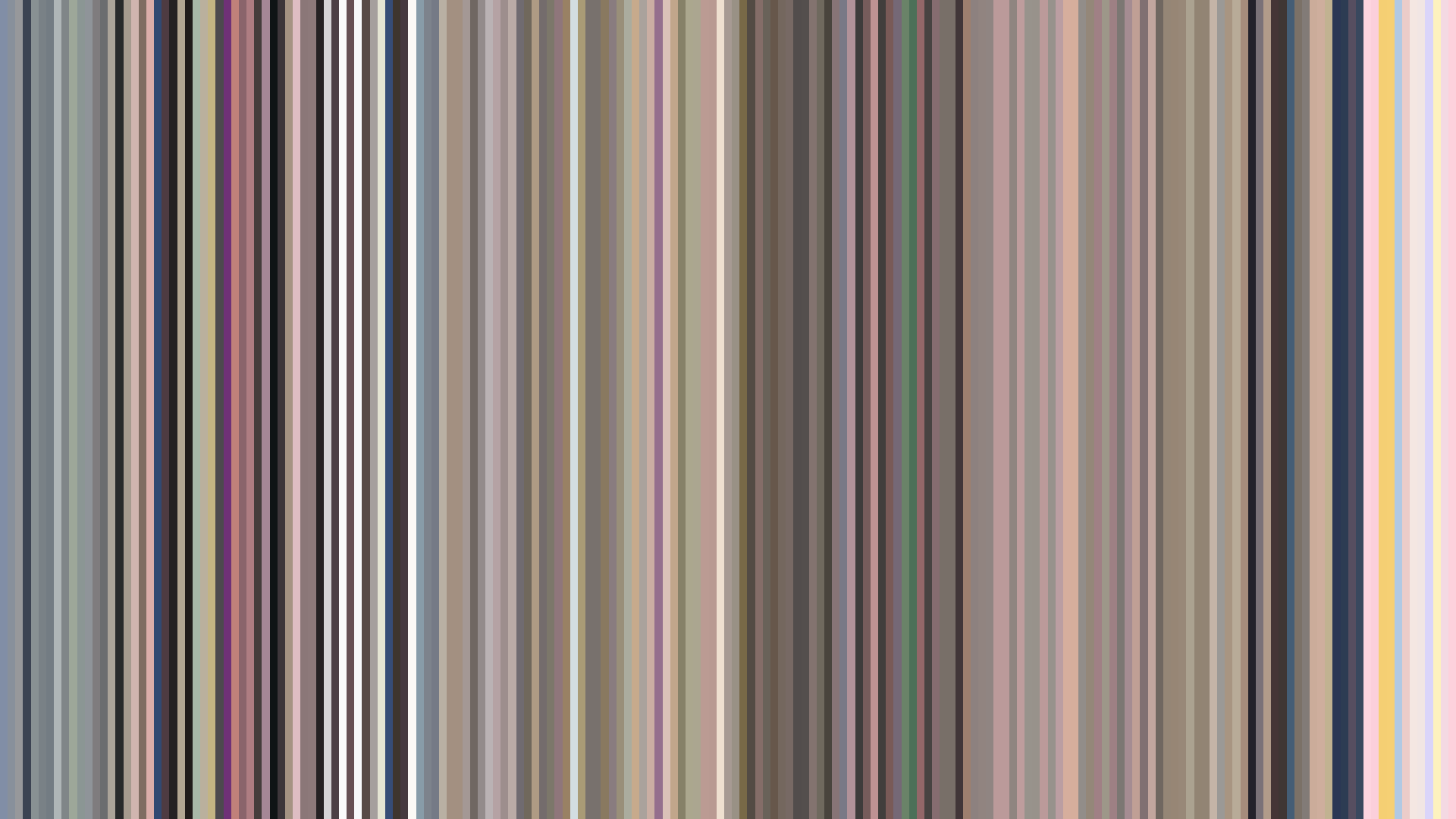
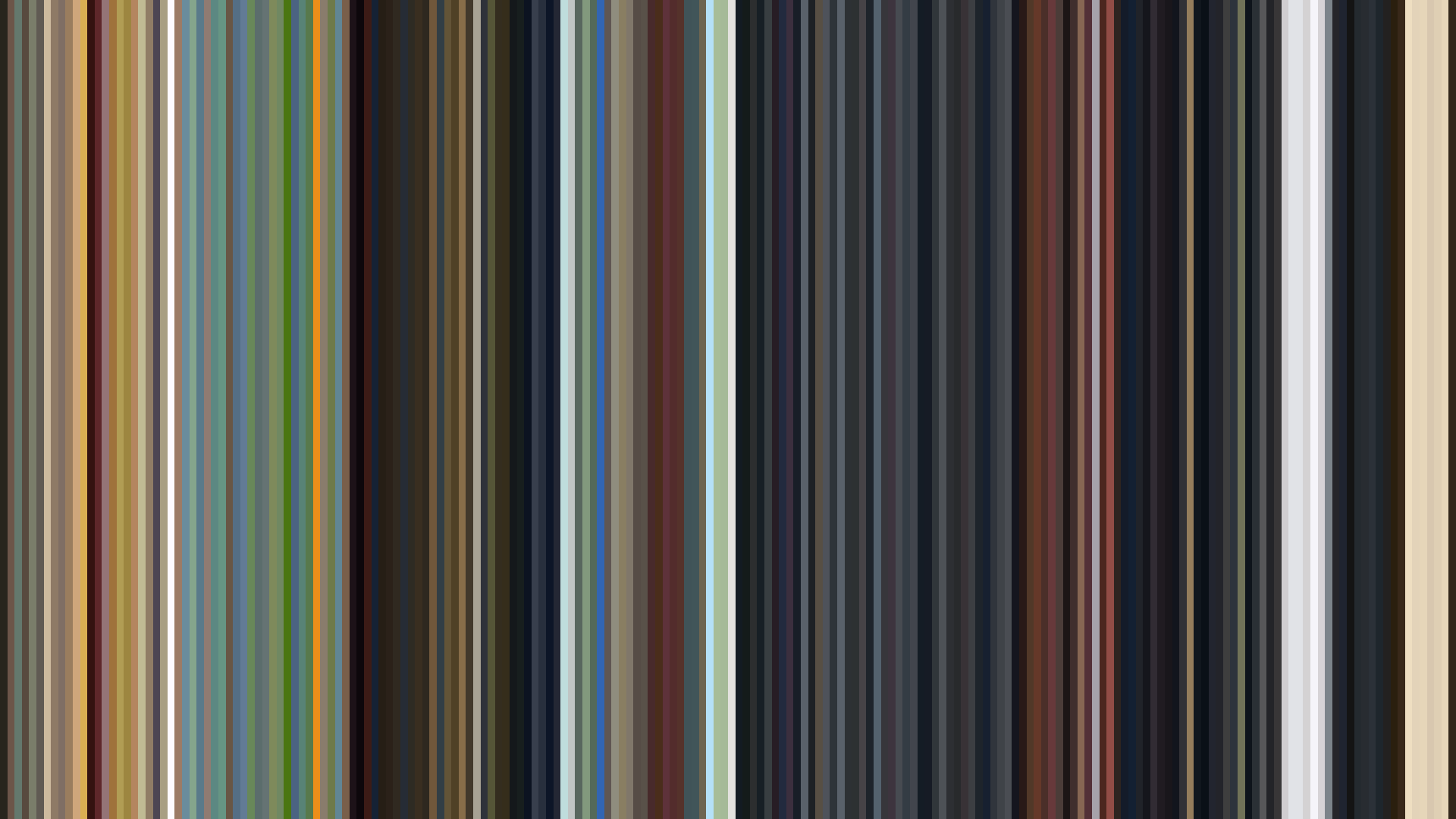
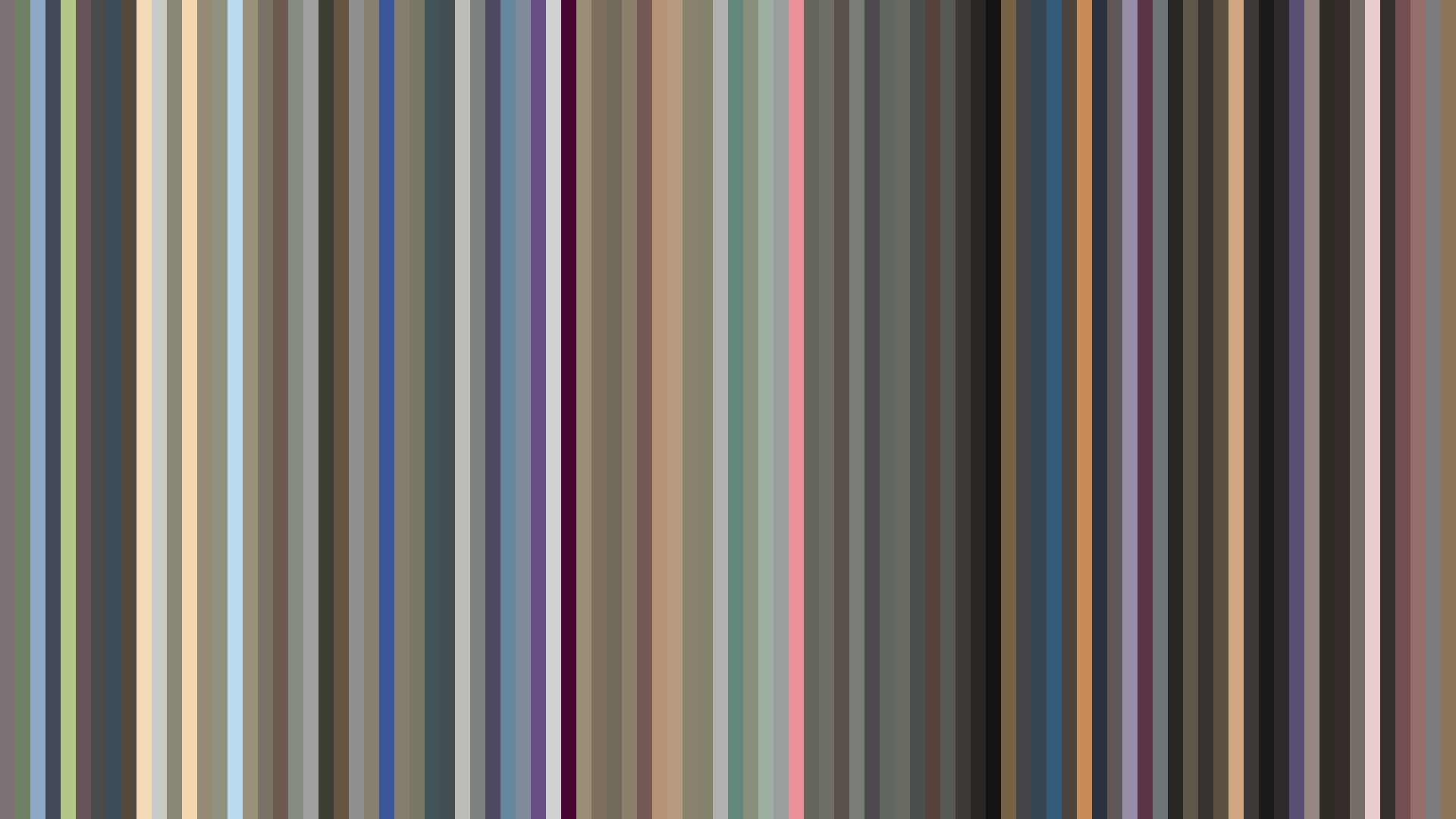
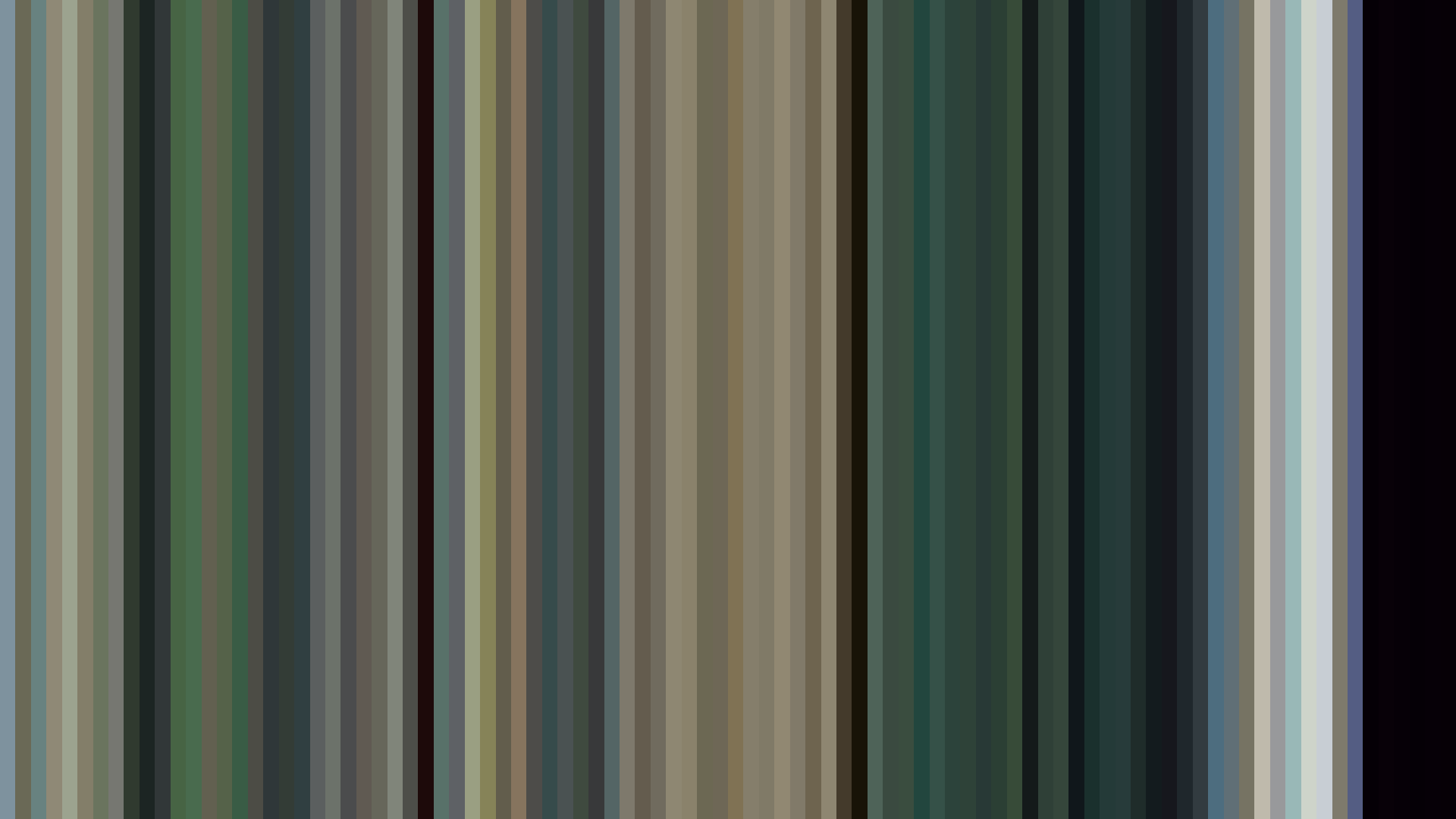
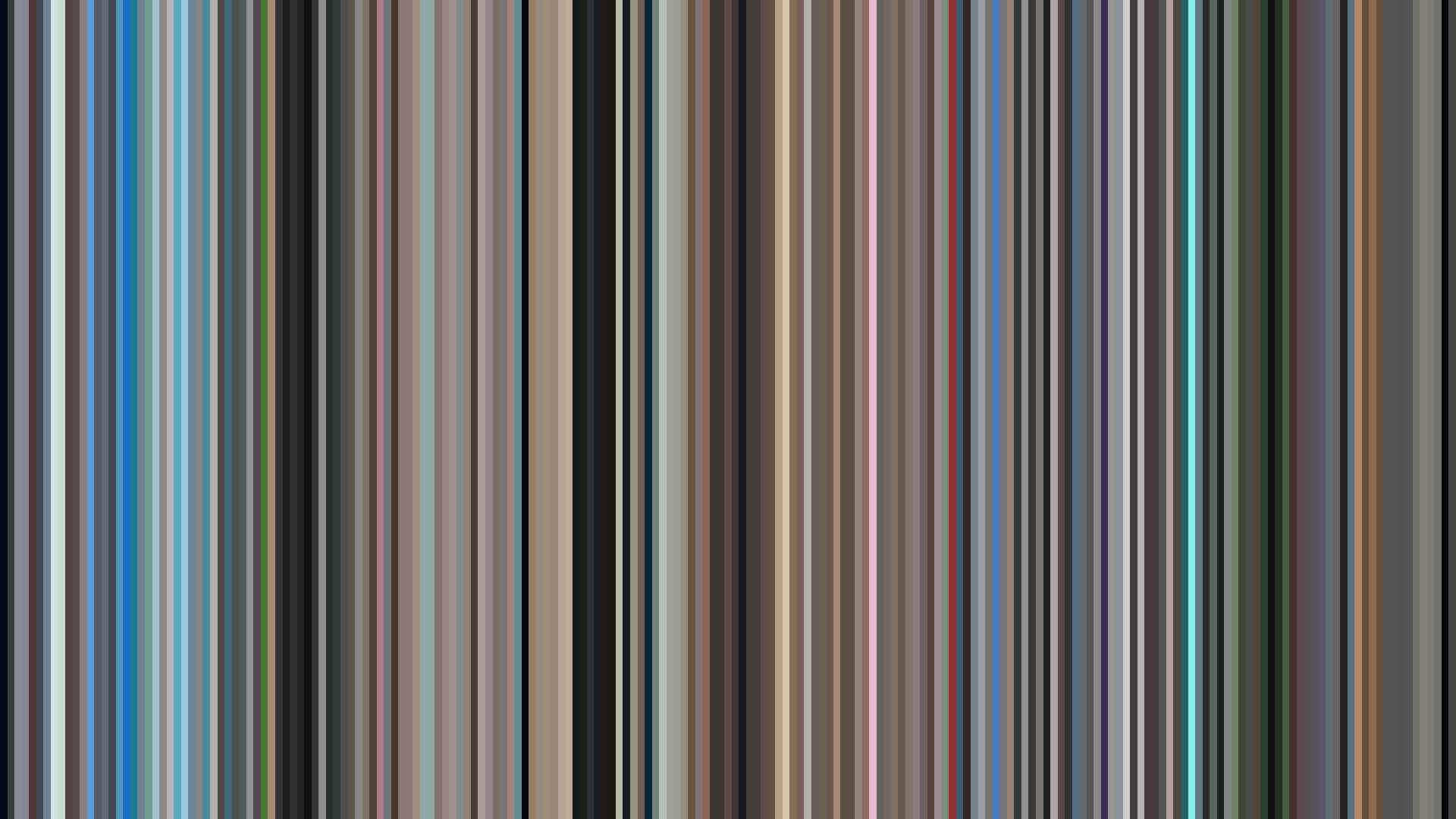
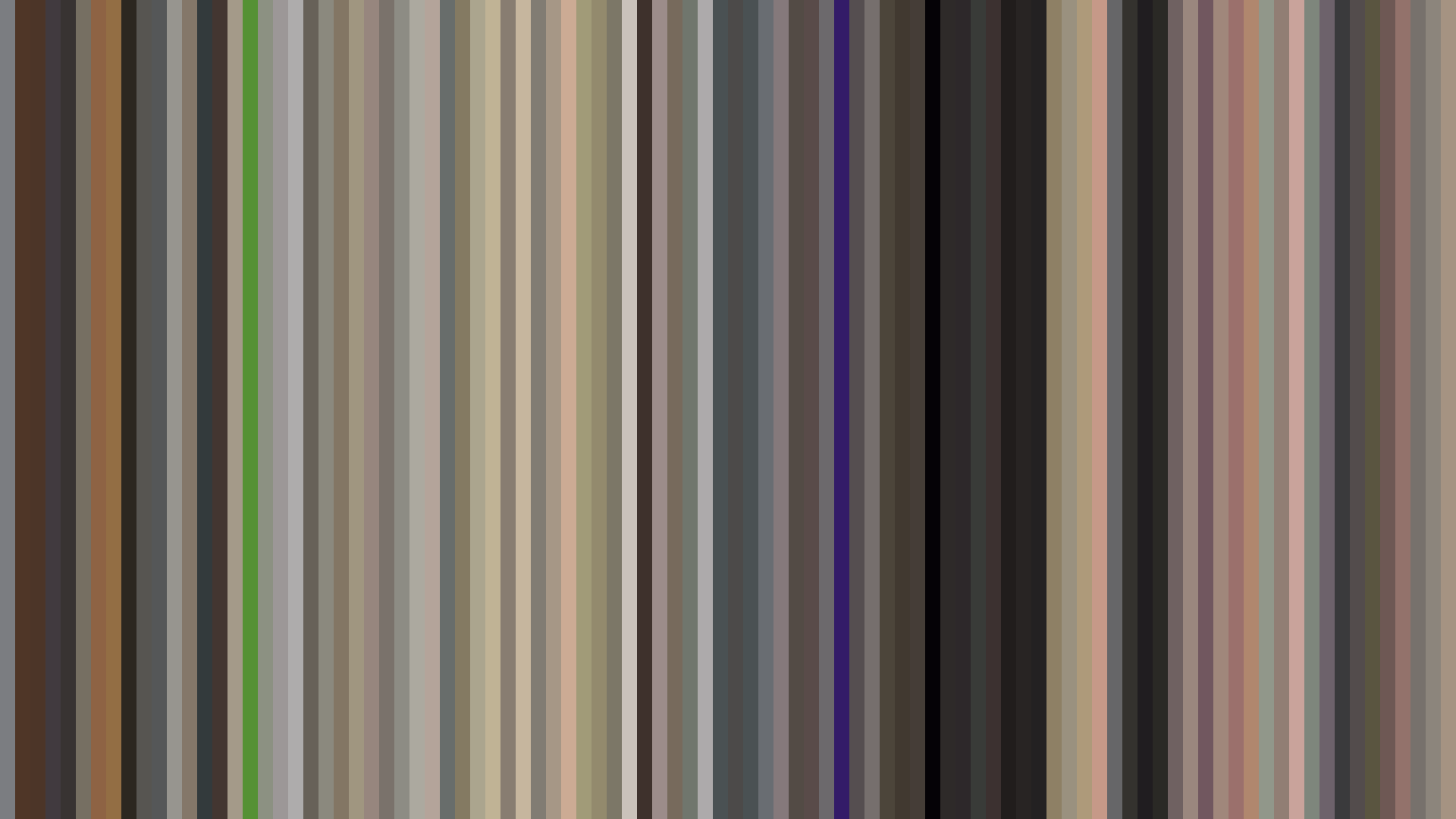
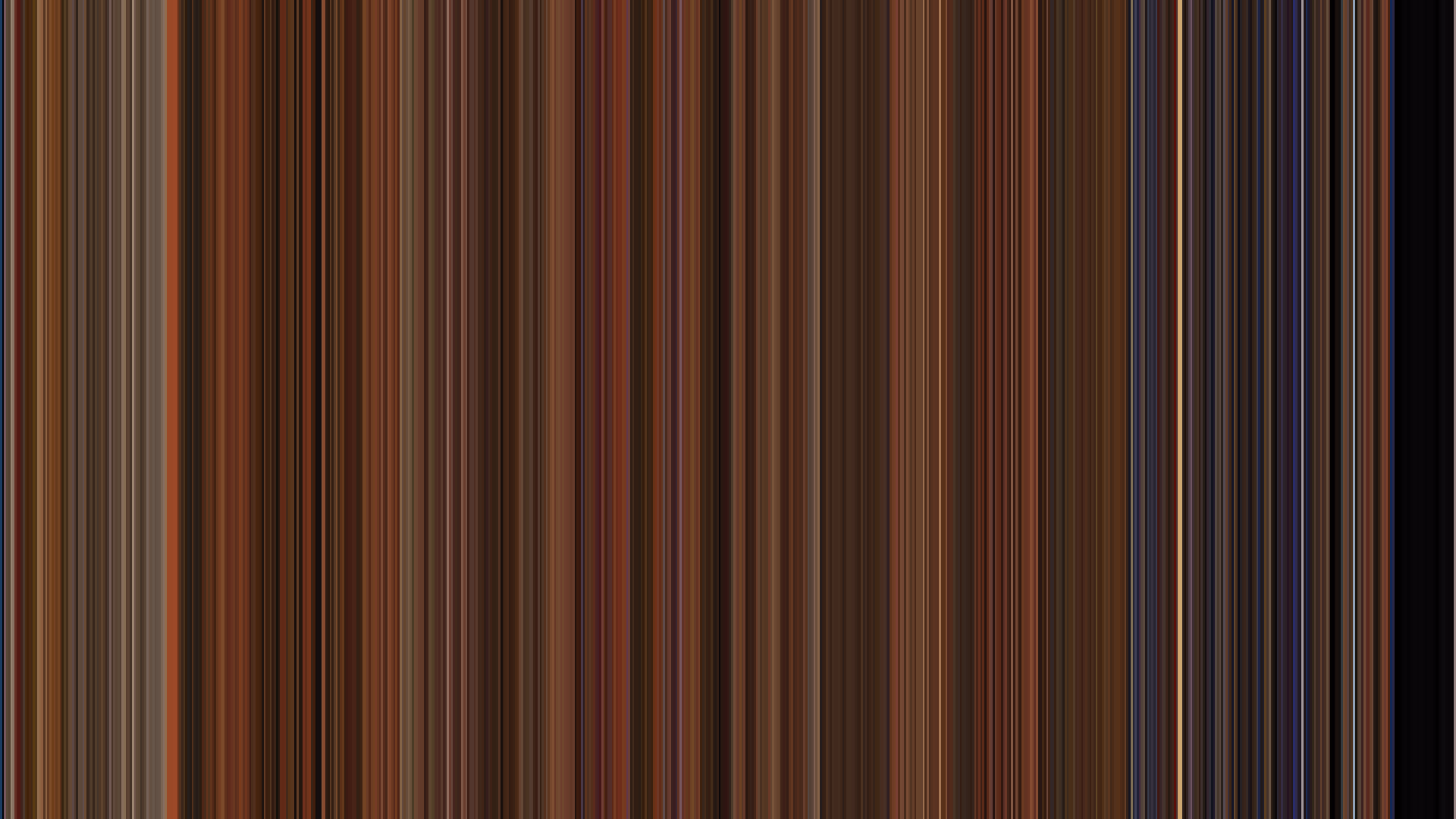
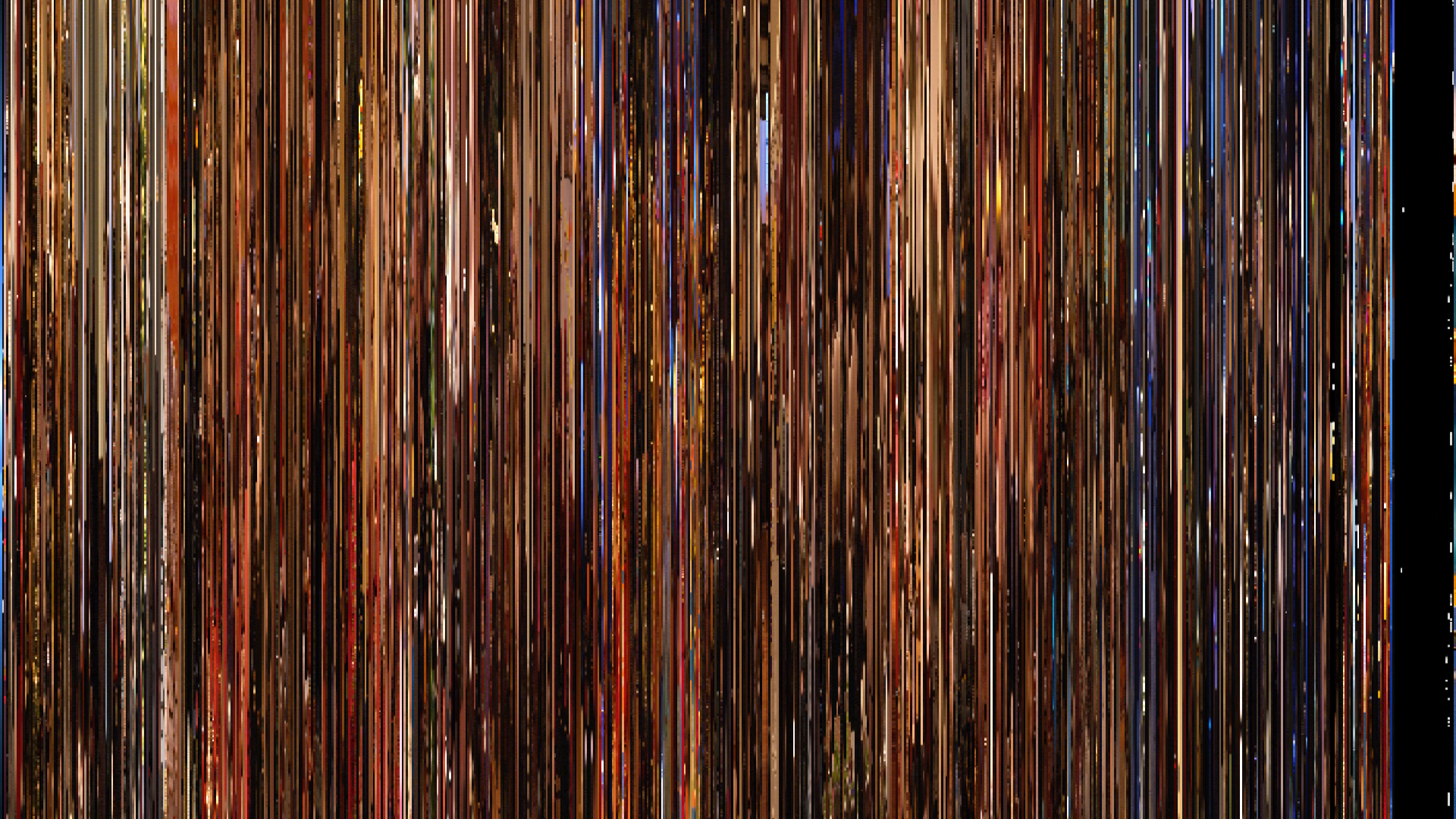
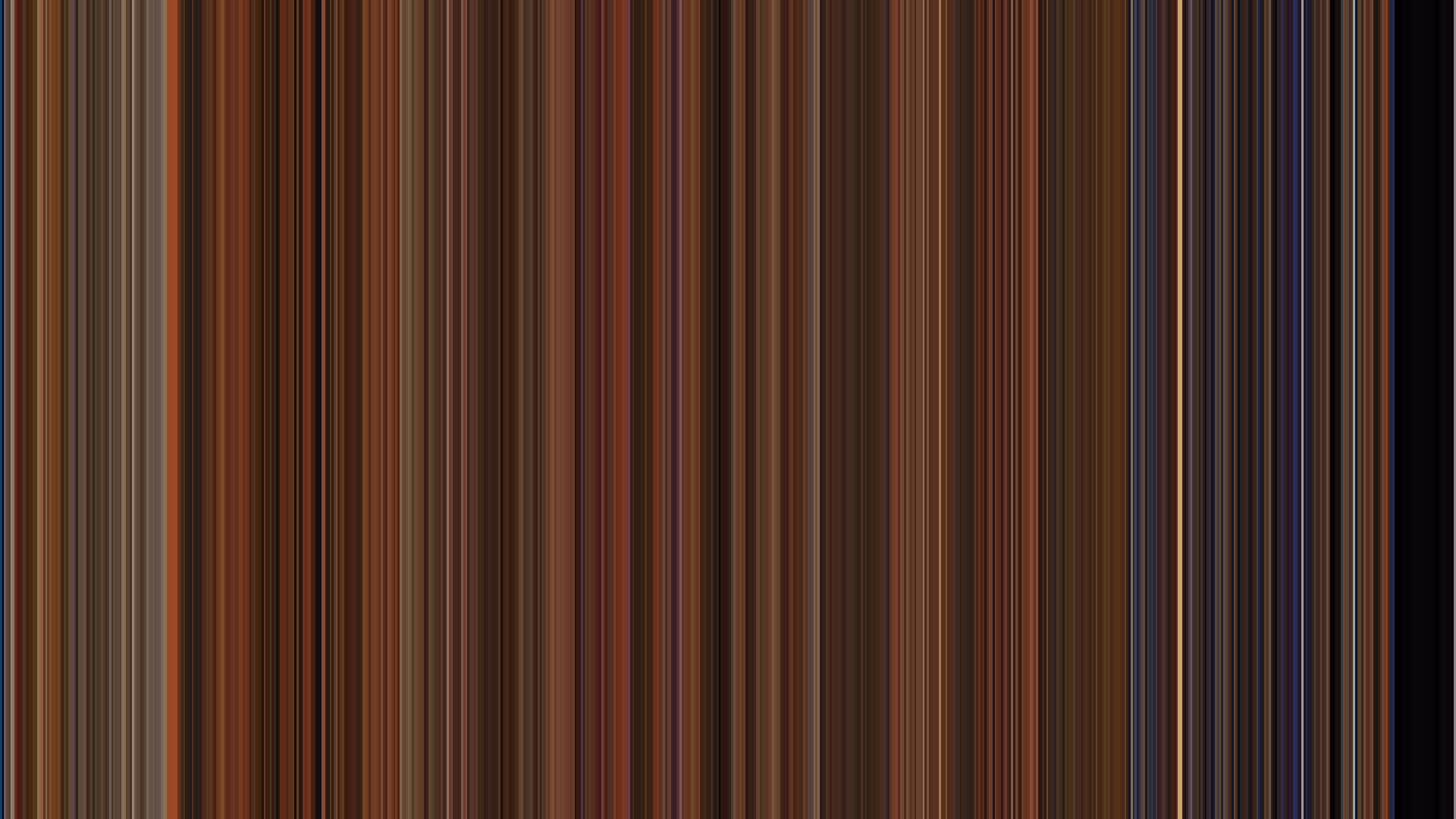
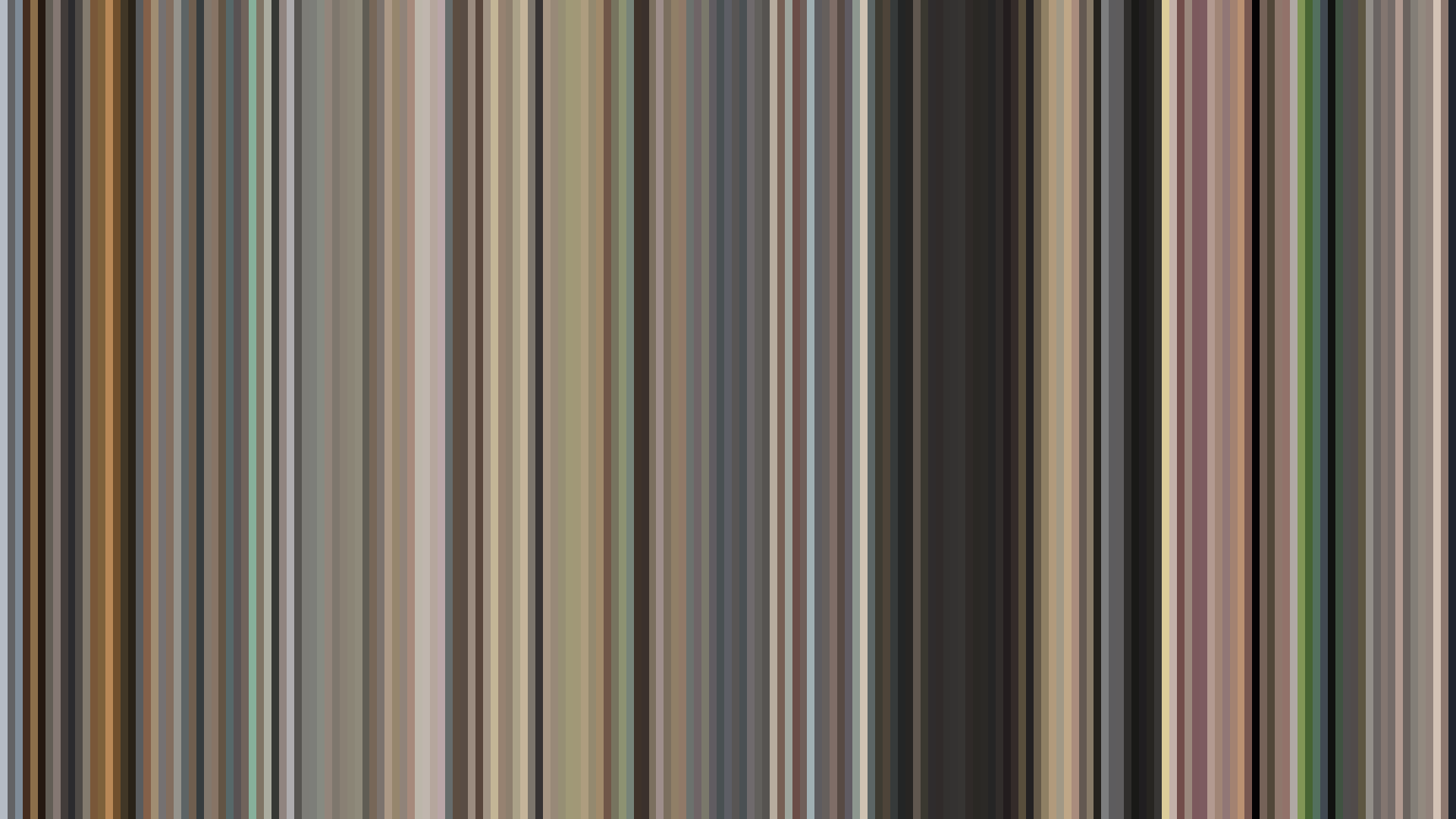
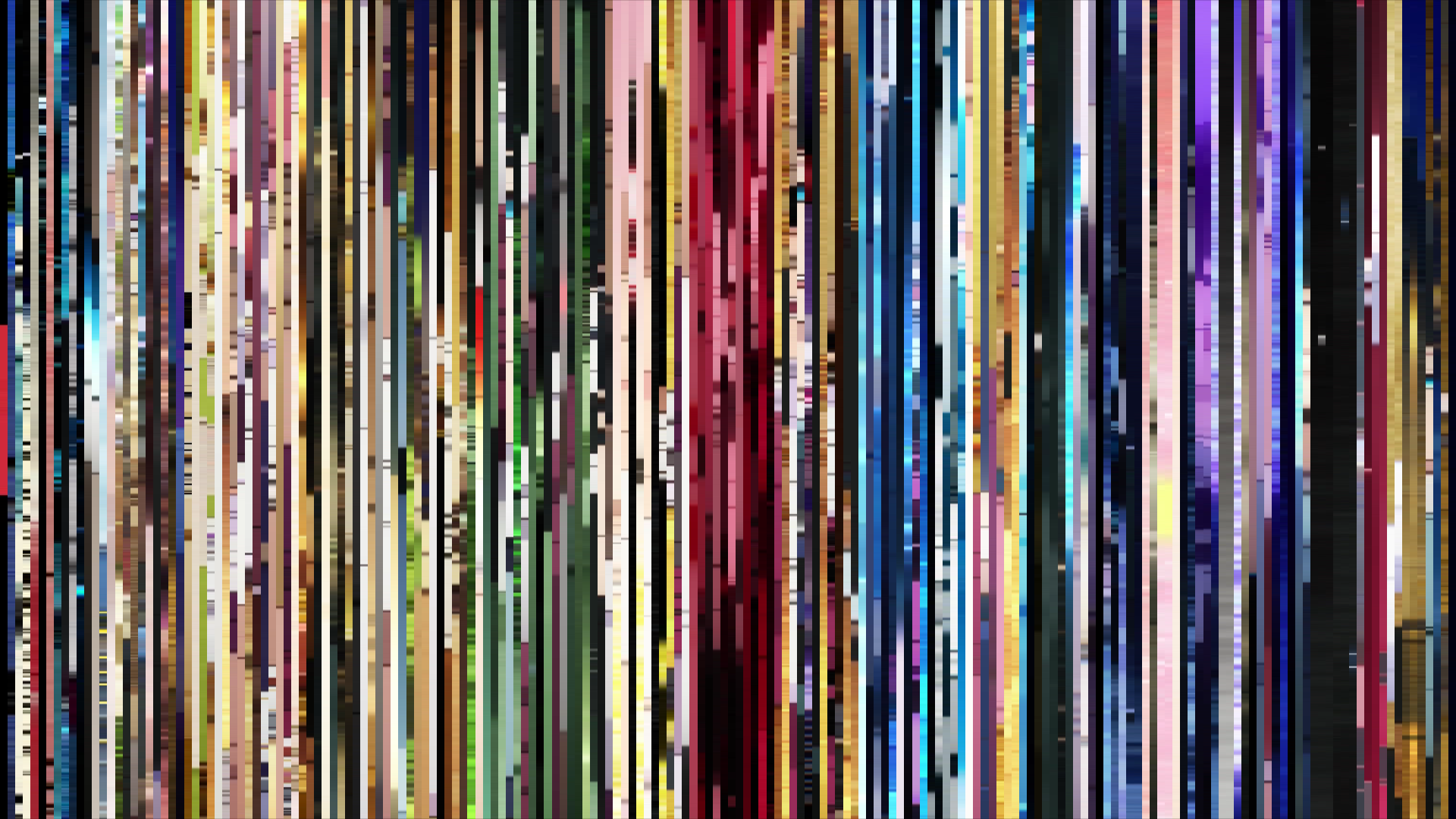
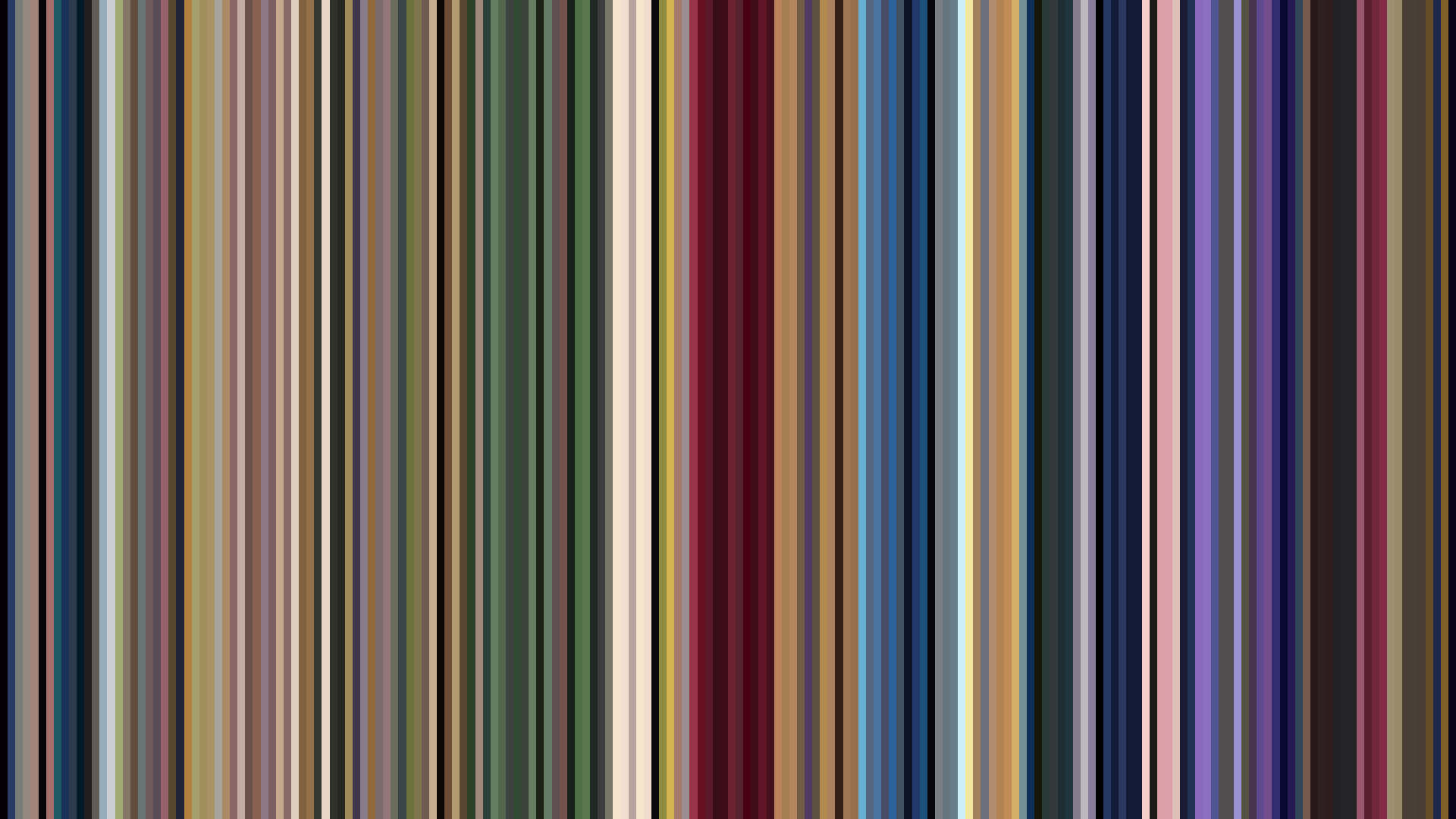
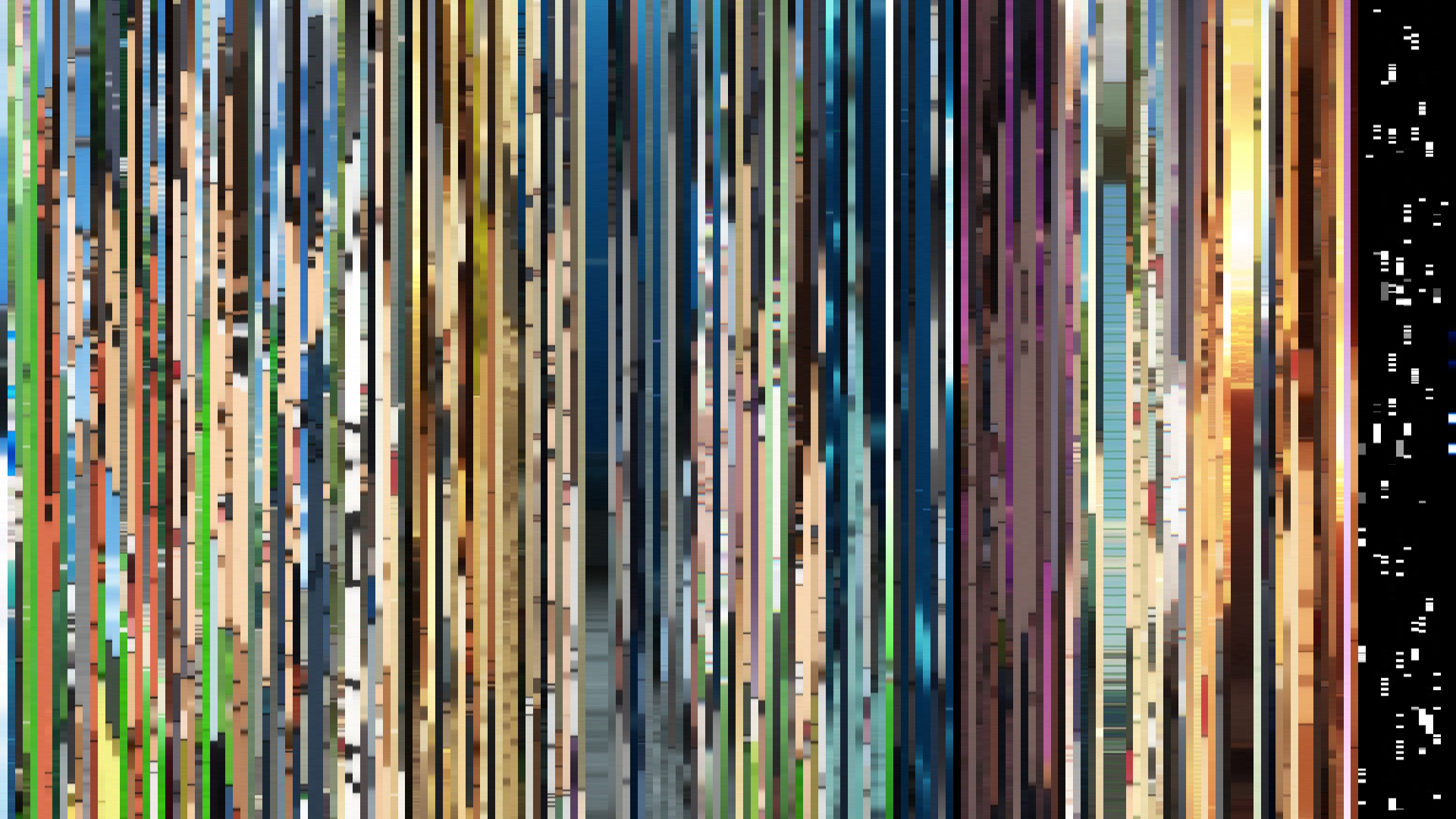
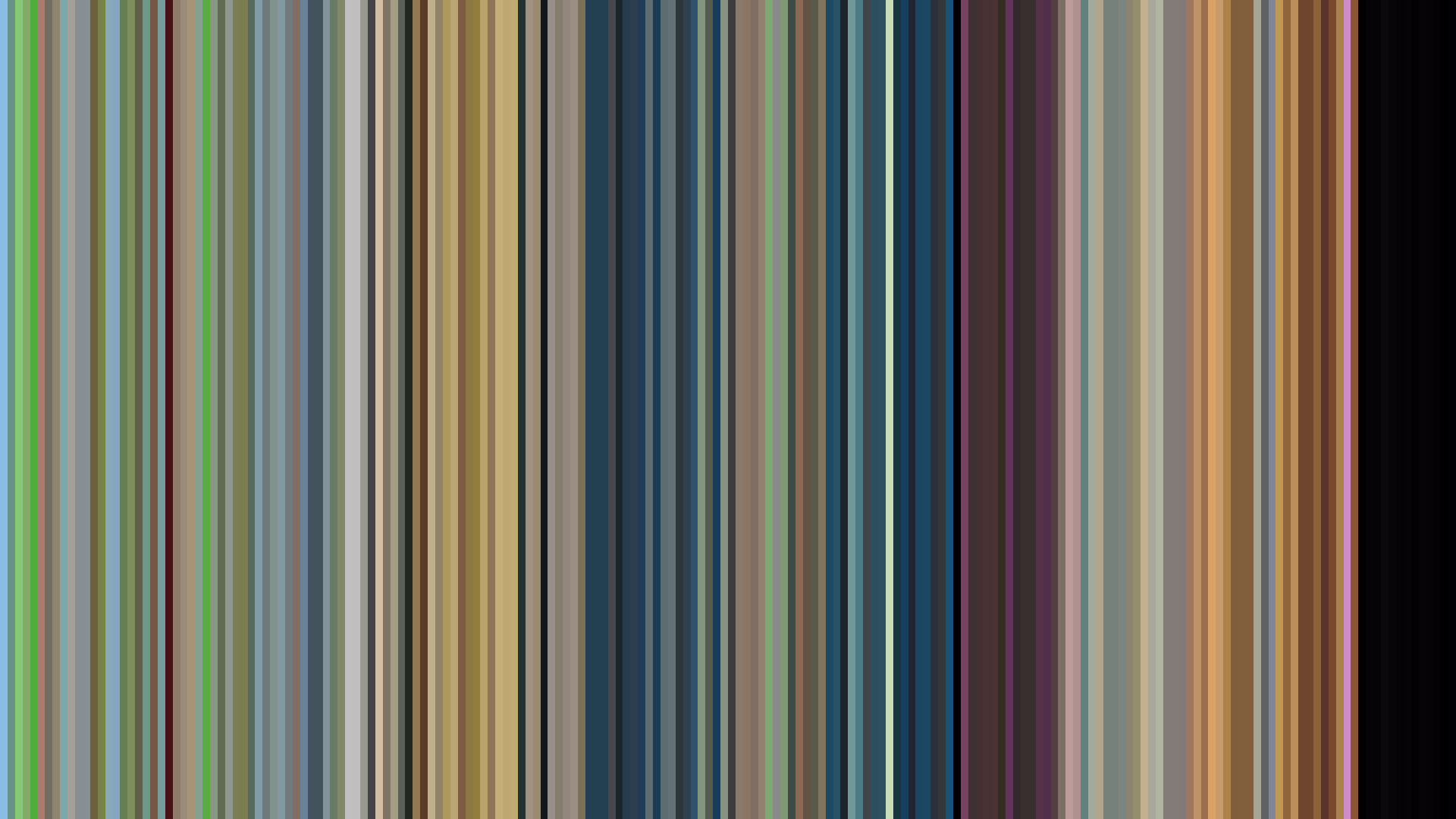
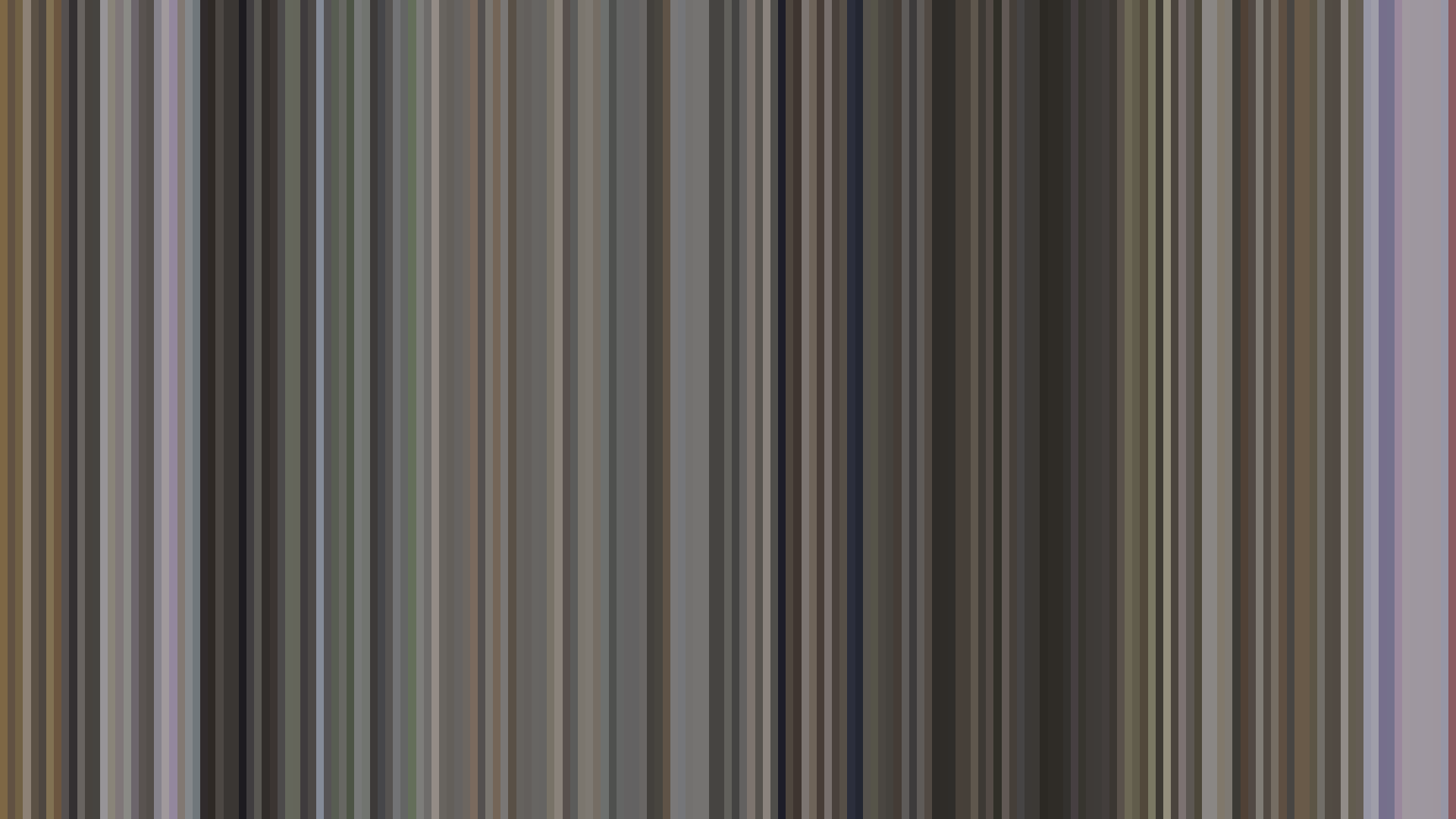
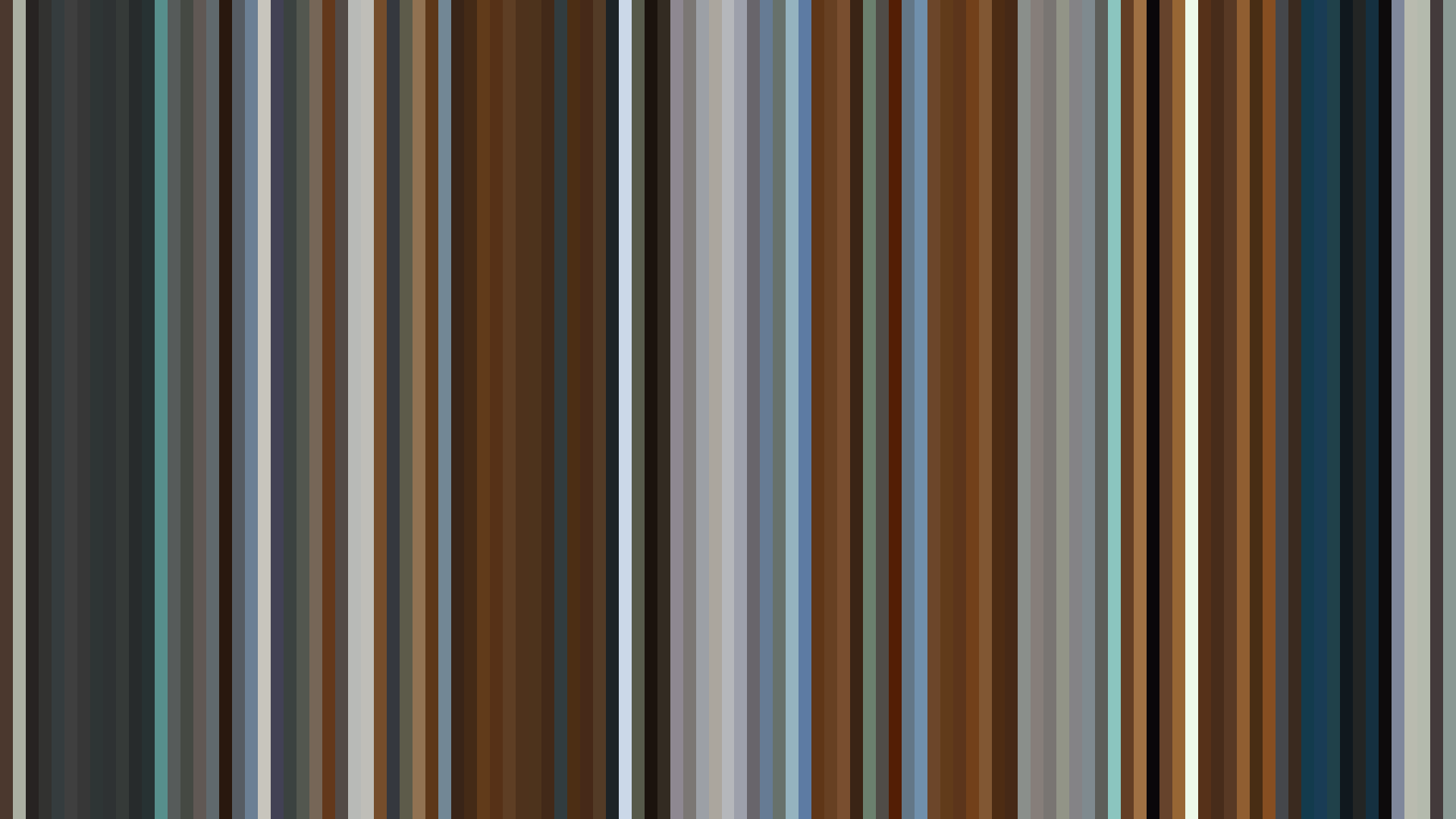
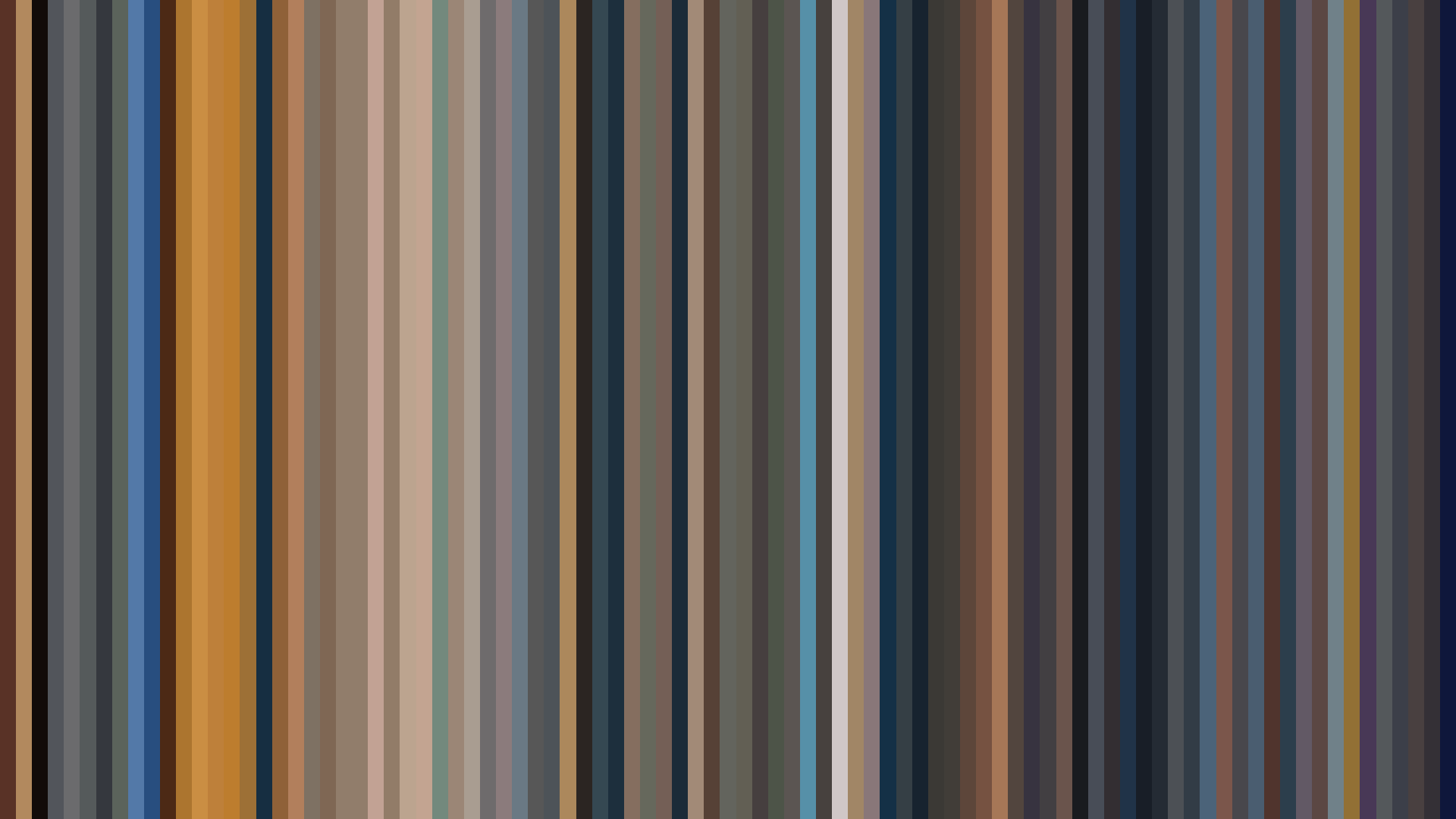
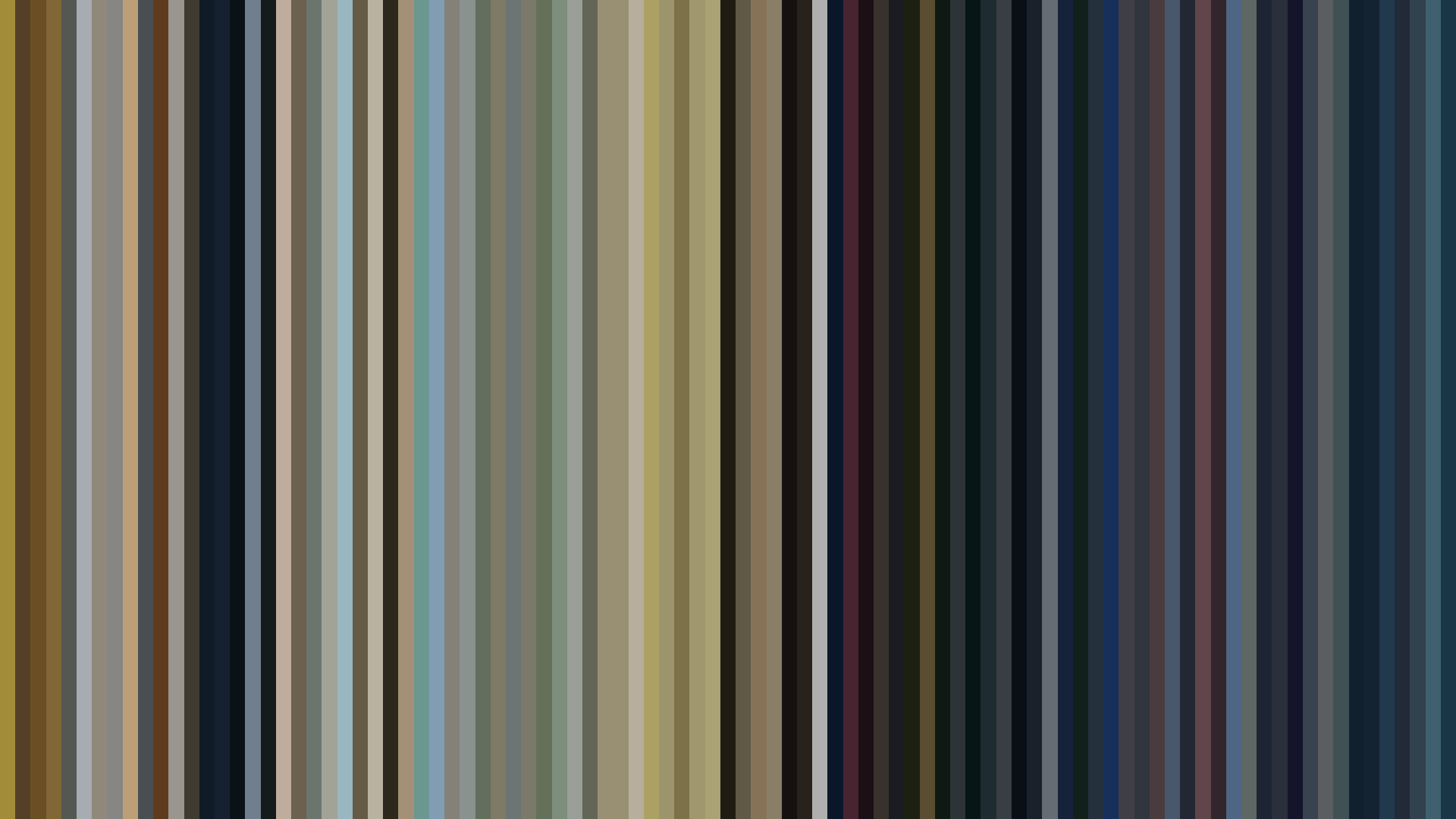
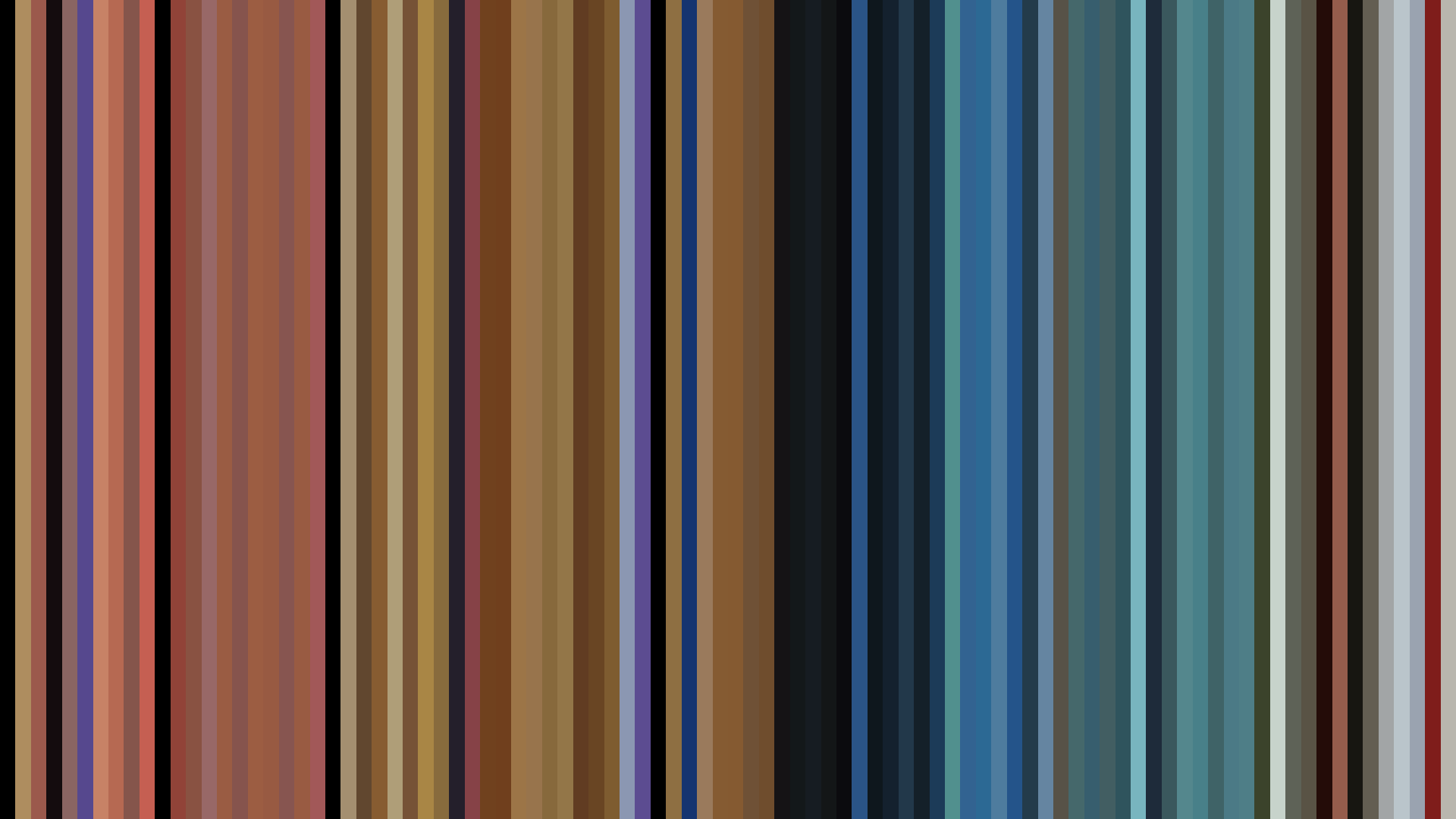
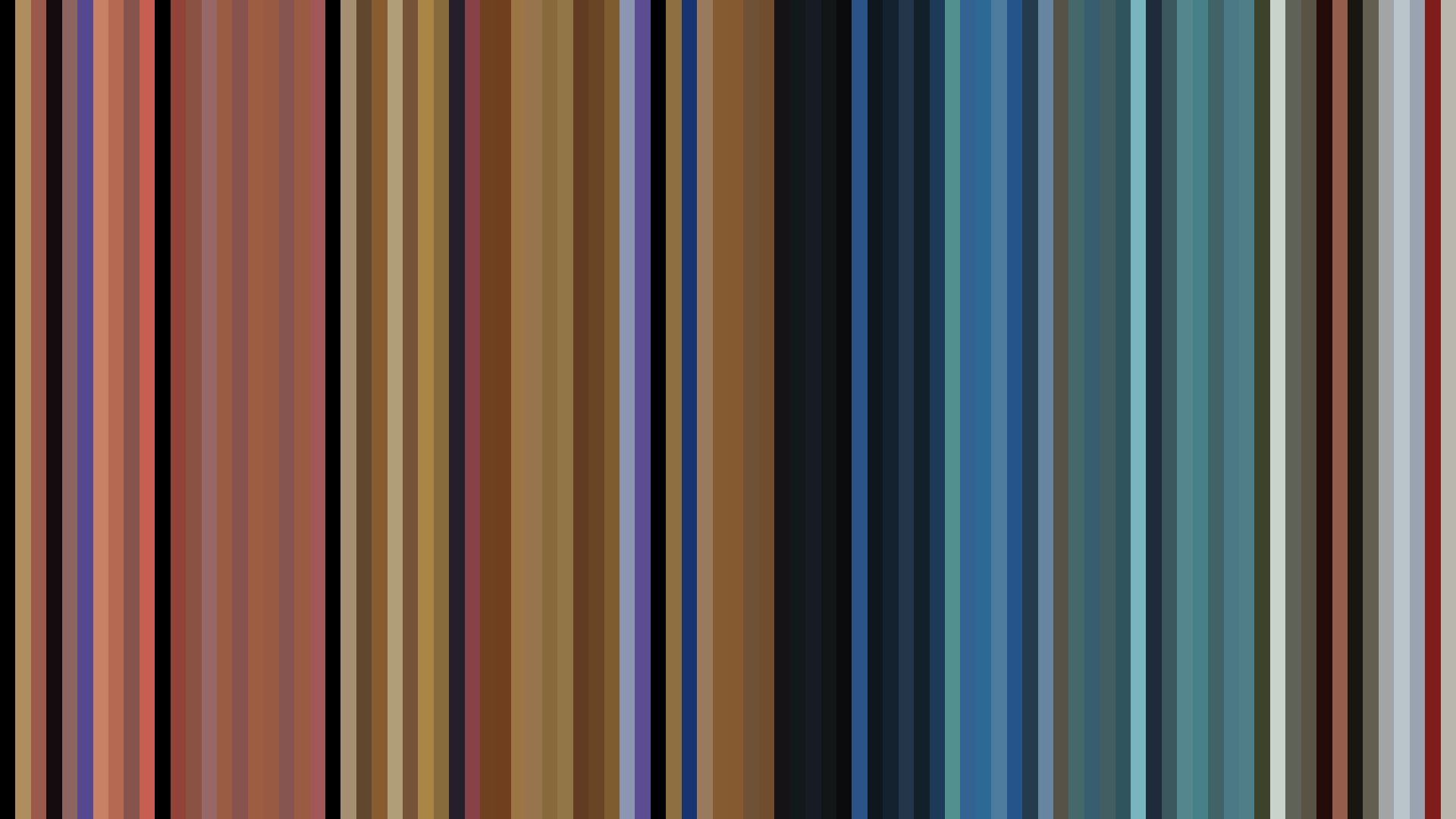
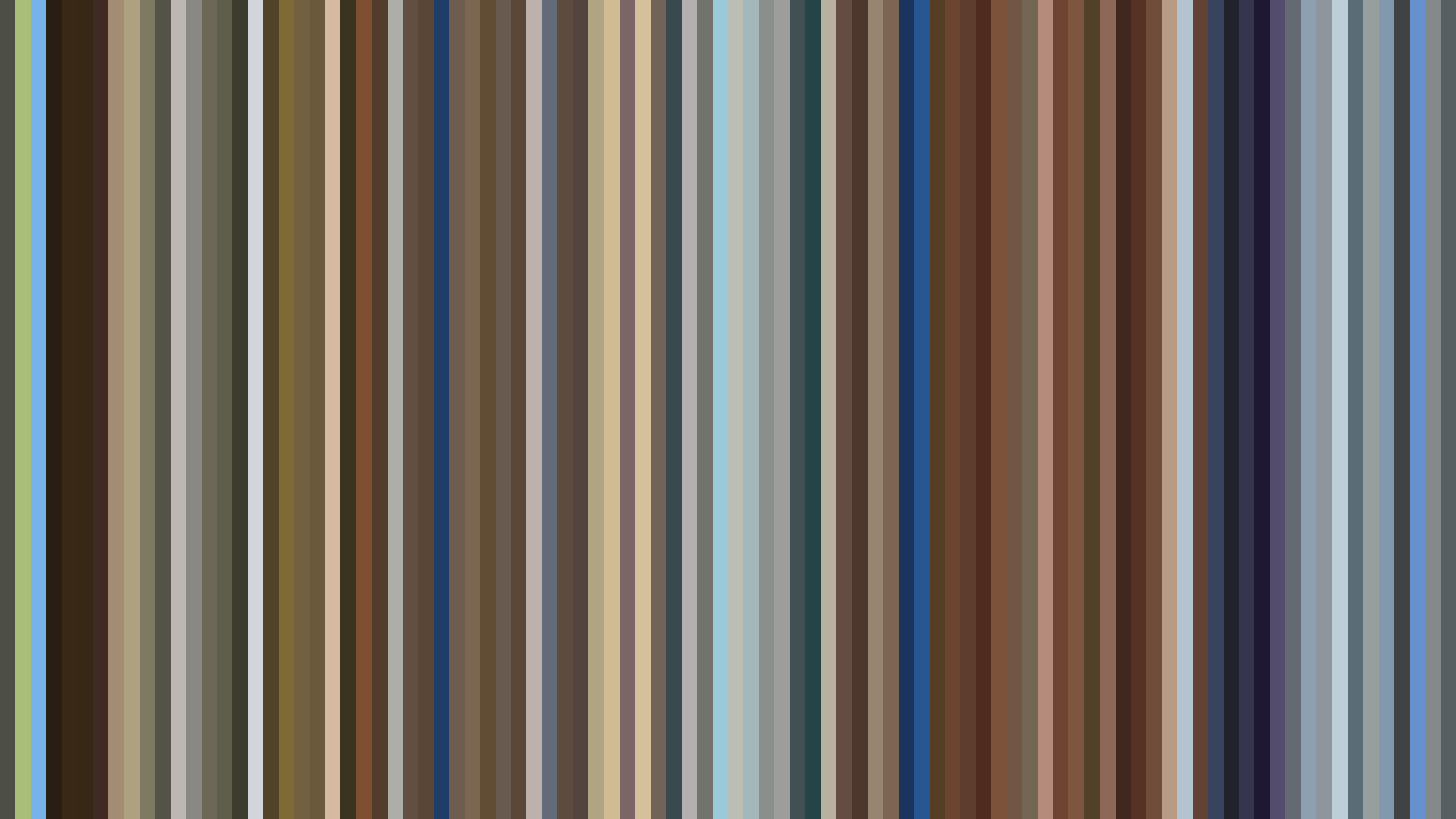
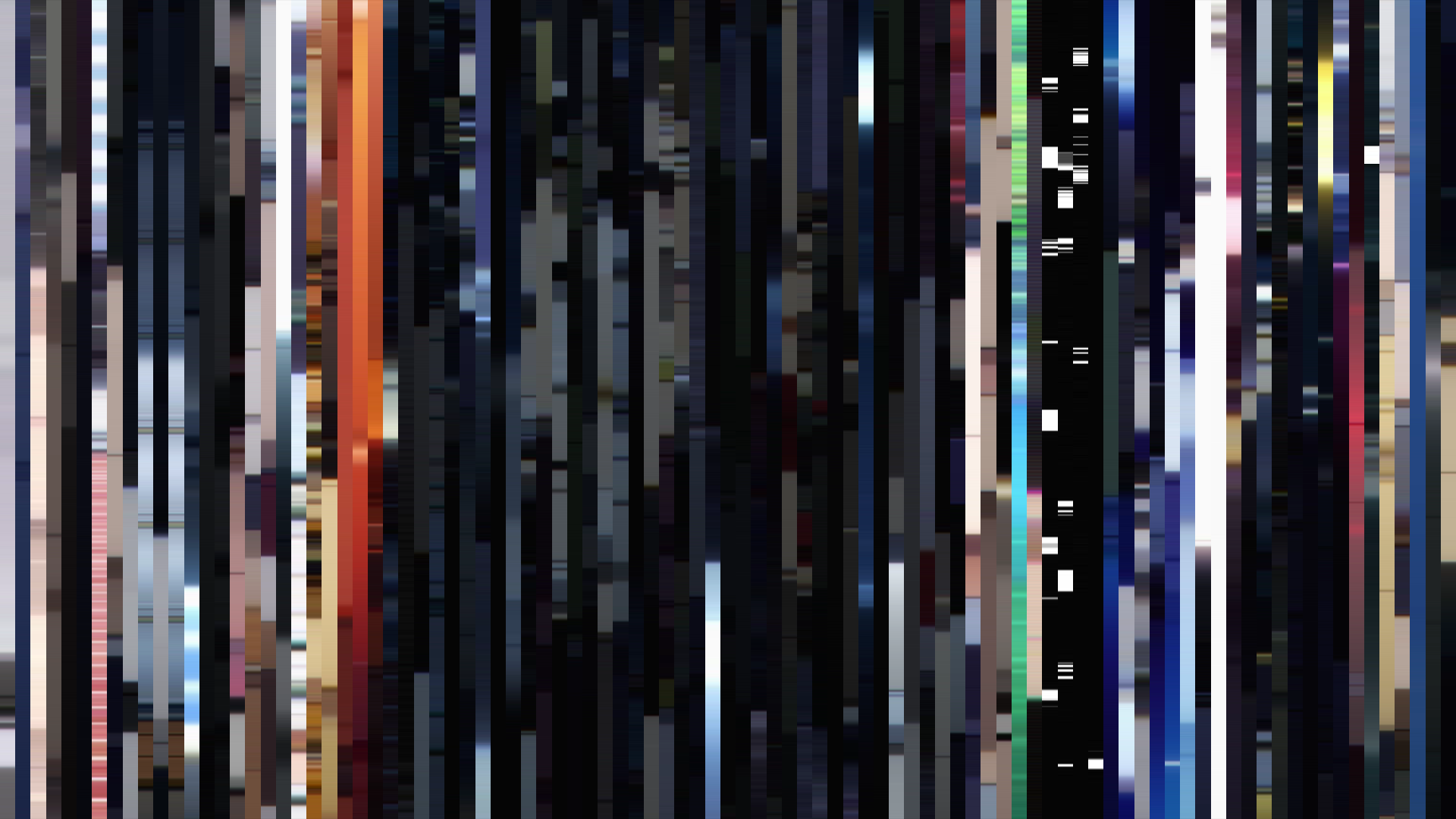
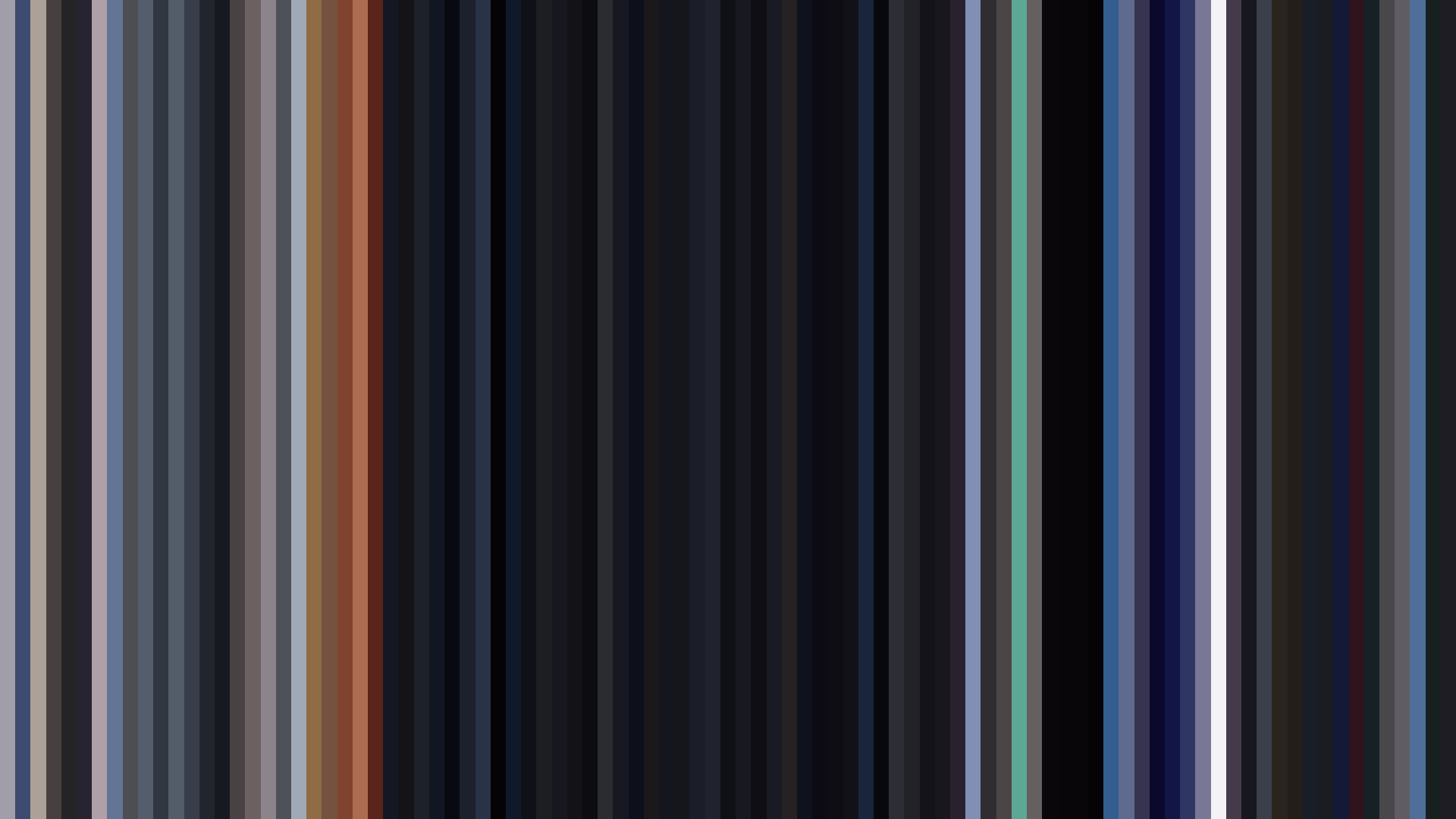
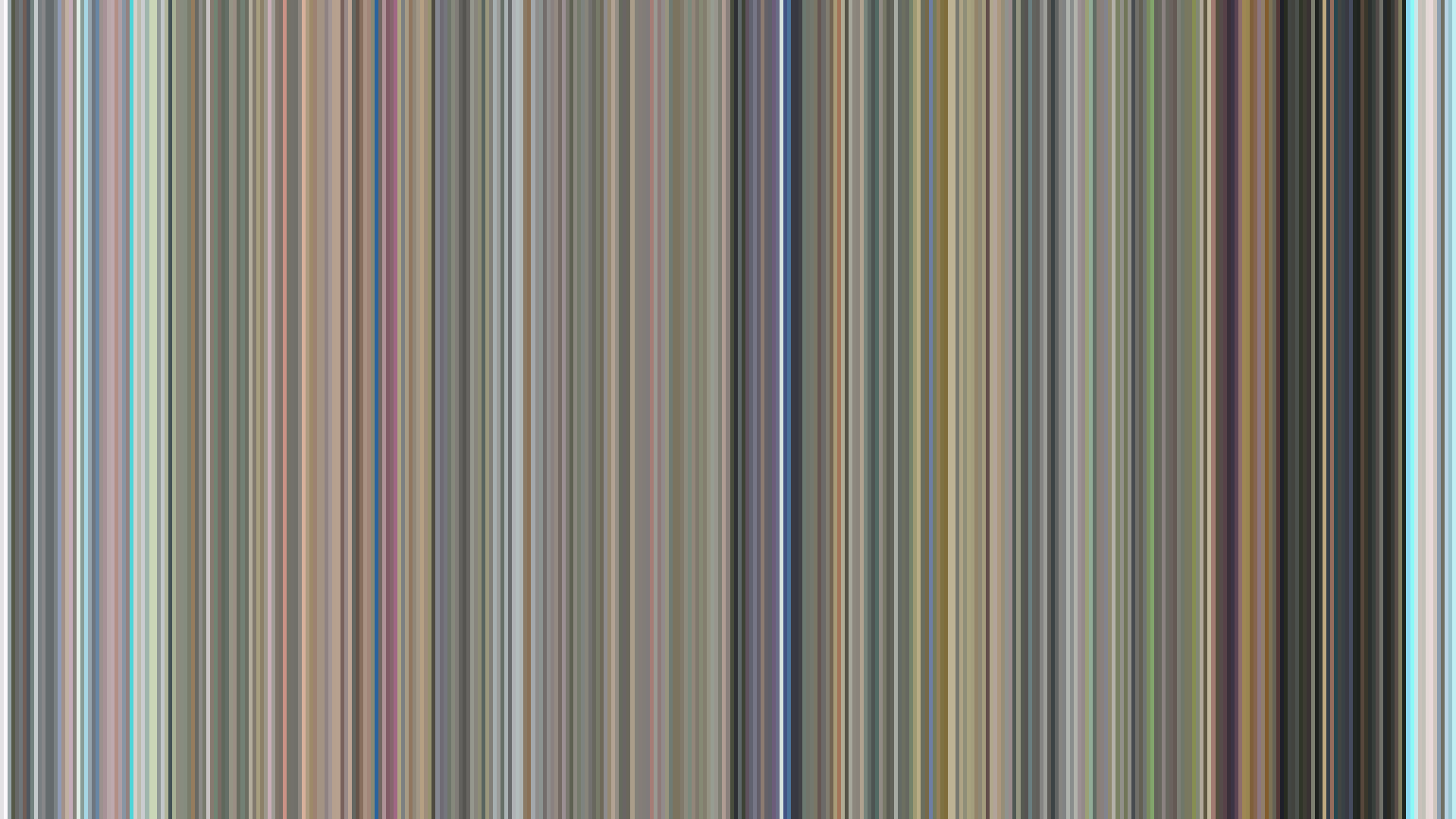
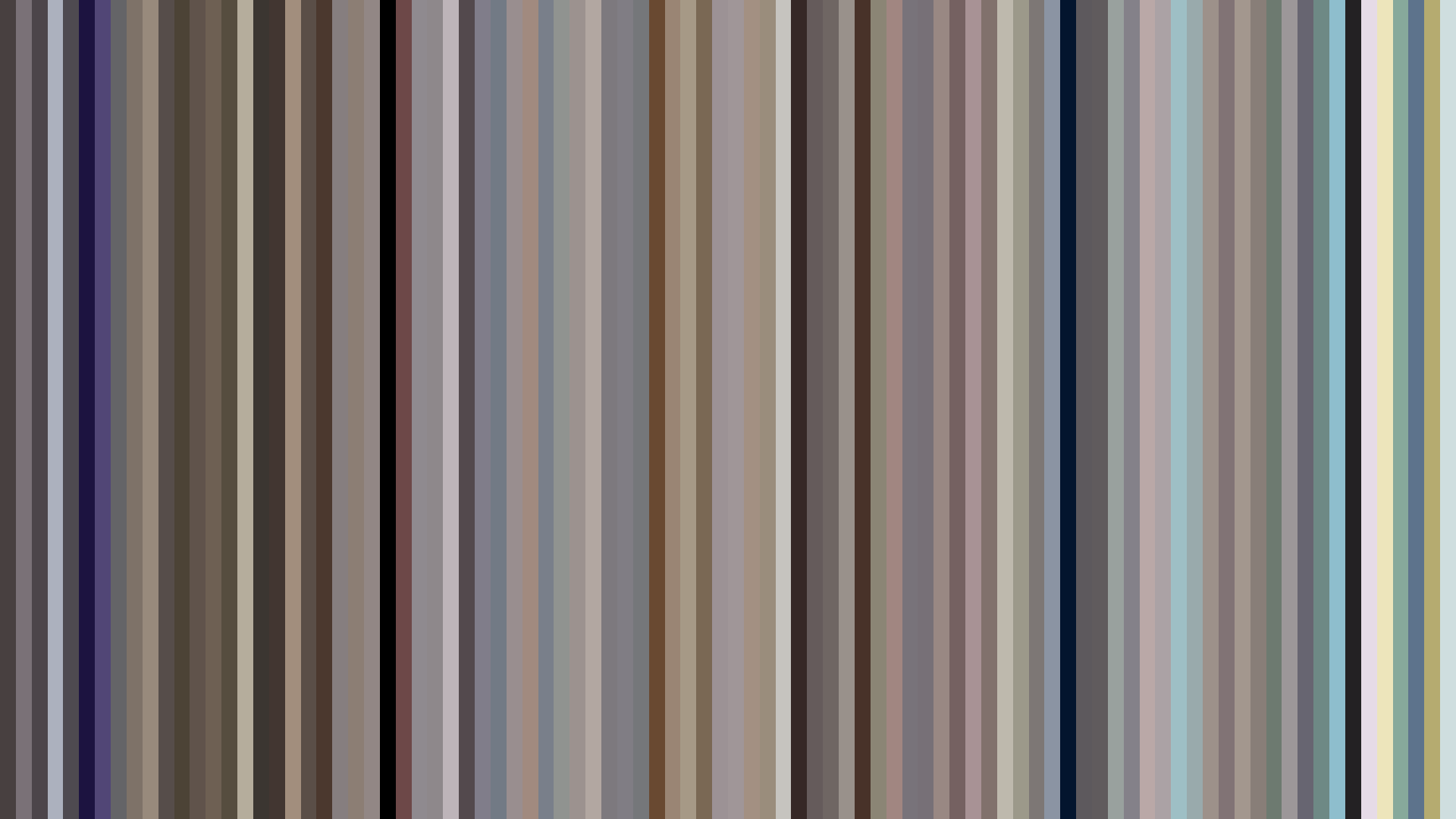
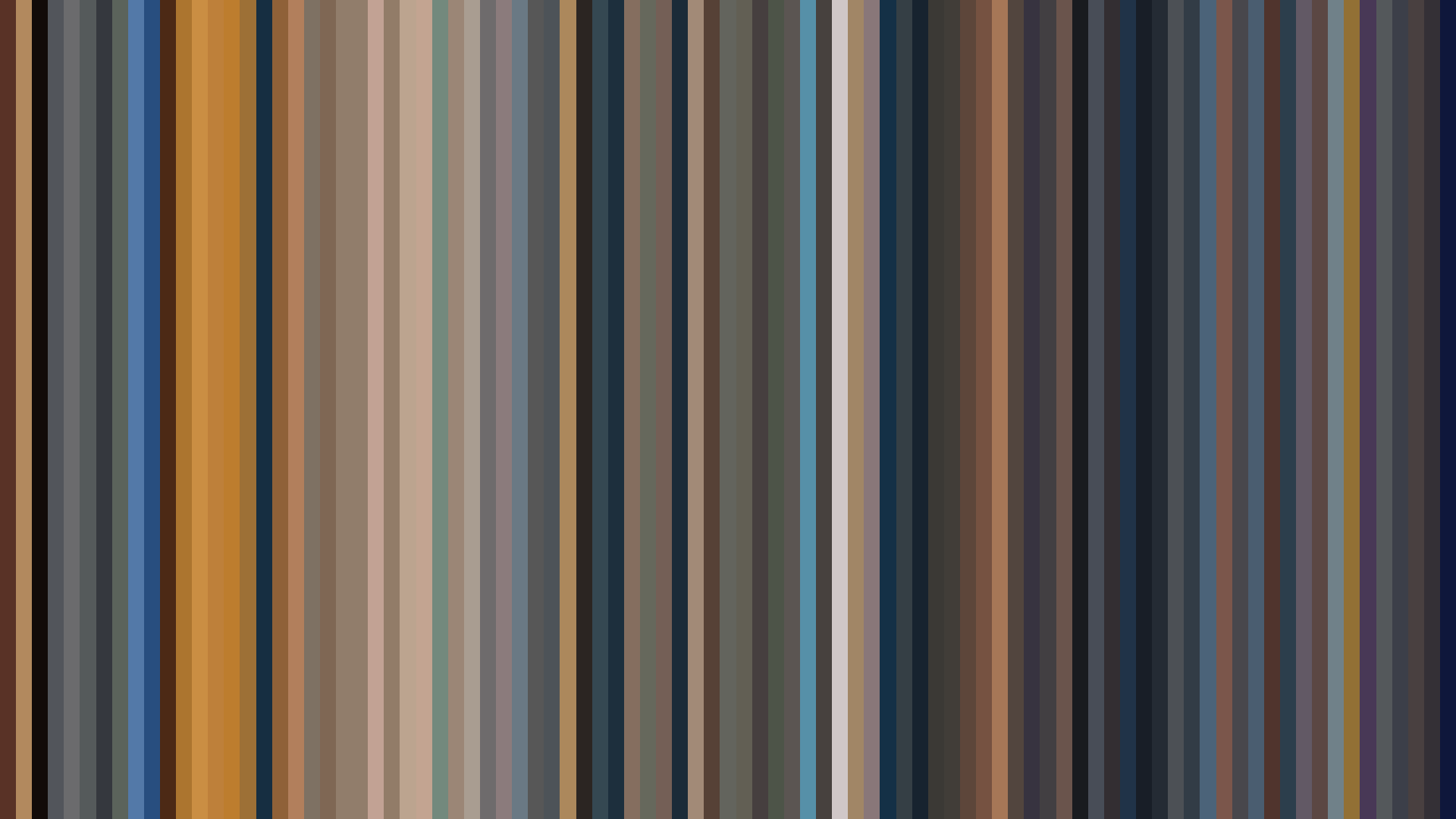
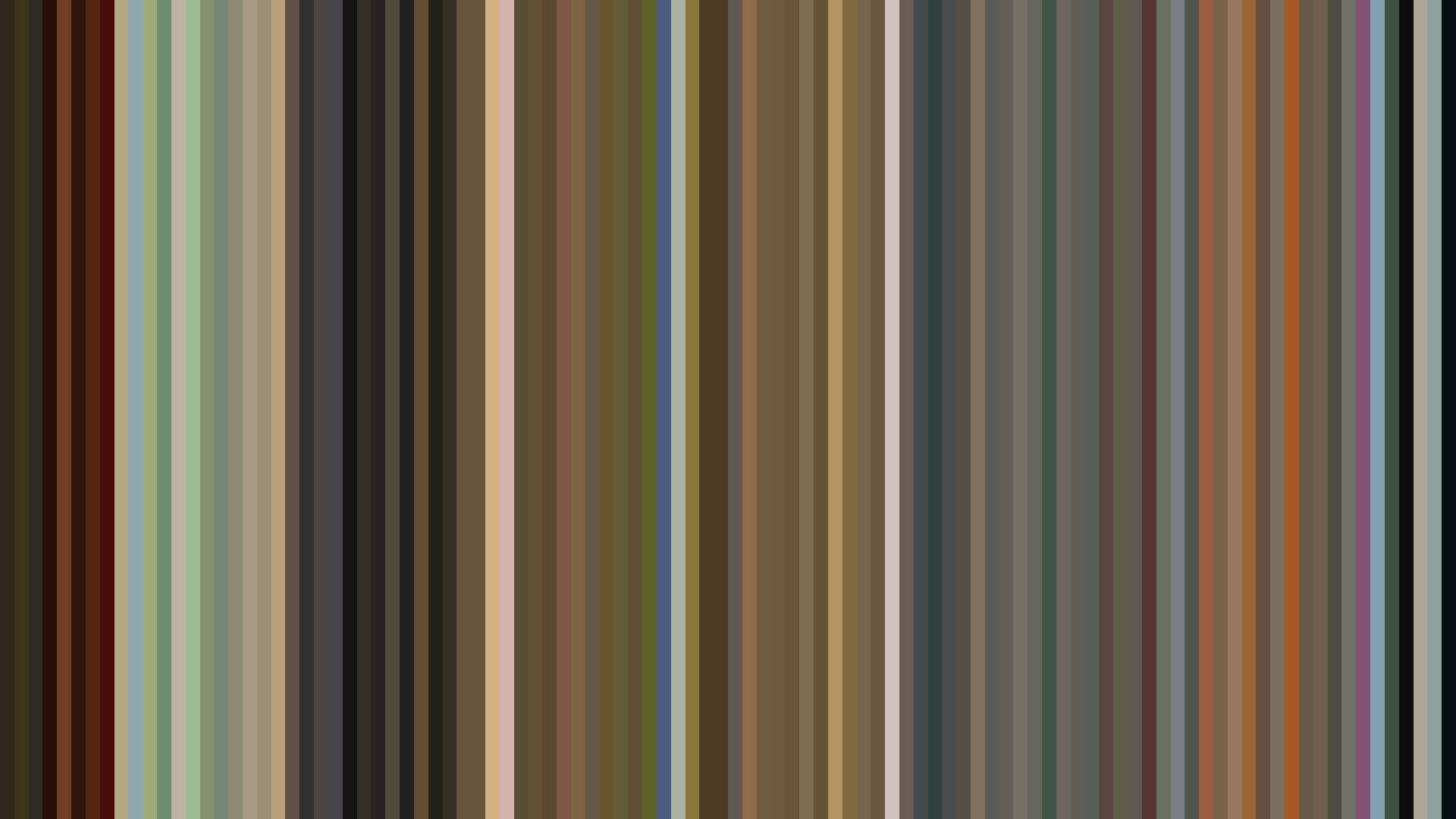
Read the palette codes line by line and the same six-hex pattern repeats with the regularity of a barcode itself: a near-black around #1A1A1C, a charcoal in the high fifties, a warm-cool desaturated grey in the high nineties, an off-white that never quite reaches paper, and one or two earth tones — burnt sienna, dried blood, tobacco. This is the industrial grey of the prestige anime decade. Twenty-seven of sixty-five shows index Red-dominant, twenty-four Red-Orange. Combined, that is seventy-eight percent of the decade reading warm — but warm in the way a foundry is warm, not the way a beach is. The Red is rust and embers. The Red-Orange is filtered through dust.
What follows is a curator's tour of five anchor productions that organize this aesthetic: MAPPA's house style as the decade's structural backbone; CloverWorks' pastel counterpoint in Bocchi the Rock!; the dark-fantasy floor at Mushoku Tensei and The Eminence in Shadow; Wit Studio's complicated Spy x Family; and the Blue-Green deviations that increasingly arrive from Science SARU and A-1 Pictures as the decade closes.
MAPPA, Or What Happens When A Studio Becomes A Mood
Five MAPPA productions sit in the dataset, and not one of them clears 0.45 brightness. Jujutsu Kaisen Season 1 lands at 0.355. Season 2 holds the line at 0.367. Vinland Saga Season 2 arrives at 0.347. Attack on Titan: Final Season Part 2 reaches its ceiling at 0.437. Chainsaw Man, Ryu Nakayama's deliberately film-stock-imitating debut as series director, descends to 0.257 — the darkest MAPPA reading and the only Green-dominant title in the studio's run. No other studio in the set produces this kind of consistency. Studio Pierrot's five entries swing from 0.366 (the Kingdom seasons) up into normal-anime territory; A-1 Pictures' four entries cover almost the full brightness range. MAPPA is the only studio whose work clusters this tightly, and it clusters at the bottom.
The MAPPA palette is repeatable to the point of signature. Take Jujutsu Kaisen Season 2: #17191E, #5D5F5C, #9FA09D, #1E324D, #A19366, #E4E4E1. A black, two greys, a dirty navy, an ochre, an almost-white. Now Vinland Saga Season 2: #221D1A, #5C5C59, #52311D, #9D9E9B, #DFE1DE, #66492F. The hexes shift, the structure does not. Two of the six slots carry warm sienna; the other four hold the architecture of an overcast day. Both shows index Red-dominant despite carrying so little visible color, because what little color exists is always the wound — Yuji's blood, Thorfinn's slave-coat brown, the rust on the chains.
The arc data confirms the temperament. Three of MAPPA's five entries register as falling: Jujutsu Kaisen S1, Jujutsu Kaisen S2, Chainsaw Man. Vinland Saga S2 reads flat — sustained darkness rather than descent. Only Attack on Titan: Final Season Part 2 opens bright, and that is partly an inheritance from Wit's earlier seasons. A studio identifiable from a single barcode column is a studio that has won. Whether MAPPA's working conditions deserve to win is a separate question; the rendering, in aggregate, has become the visual default for what serious adult anime looks like in the 2020s.
The Dark-Fantasy Floor
Below MAPPA sits an even darker stratum: the isekai-prestige cluster. Mushoku Tensei: Jobless Reincarnation Part 2 reads at 0.244 brightness. The Studio Bind palette — #1B191C, #5B5A5E, #22334D, #2C4863, #A29795, #502F22 — is deeply uncharacteristic for the decade in one specific way: it is Blue-Green dominant. So is the much more recent The Eminence in Shadow Season 2, which lands at 0.236, and Solo Leveling Season 2, A-1 Pictures' 2025 entry, at 0.358. Three of the dataset's nine Blue-Green titles cluster at the dark-fantasy floor, with another (Science SARU's Dan Da Dan) hovering above them at 0.331.
This is a real pattern, not noise. When the 2020s decides to abandon its rust-warm default, it does so almost exclusively for cool, dim color — the bluish underlight of dungeon corridors, summoning circles, magical interfaces. Brightness and warmth move together in the data; saturation, interestingly, does not collapse with them. Mushoku Tensei at 0.346 saturation is more saturated than the decade average (0.276) despite being almost half as bright. Studio Bind is not desaturating — it is darkening pure color, which is a different and more expensive choice. The result is the look of a stained-glass window at dusk, which suits a show whose entire dramatic vocabulary is the slow recovery of agency.
The decade's darkest readings — Mushoku Tensei at 0.244, Eminence at 0.236, Chainsaw Man at 0.257 — are not technical accidents. They are positioning. Industrial grey is what sophistication looks like when streaming services need a thumbnail to read as adult.
It is worth registering that Legend of the Galactic Heroes: Die Neue These sits below all of these, at 0.219 brightness with a saturation of 0.531 — by far the most saturated title in the set. But that is a re-adaptation of a 1980s property whose visual logic predates the streaming-prestige idiom this essay is concerned with. The idiom proper begins with shows born in the 2020s and trained on the look of Game of Thrones-era American television: muted, cool-shadowed, color-graded toward the floor.
The Pastel Holdouts
Against this, the pastel productions read as polemic. Bocchi the Rock!, directed by Keiichirou Saitou at CloverWorks, is the dataset's only Red-Purple-dominant title across all 65 entries — a hue that does not appear once in any other 2020s production analyzed here. Its palette pivots on #D4A5A8, a dusty rose that exists nowhere else in the set, and it carries a bright-ending arc with brightness 0.560 and saturation 0.177. The desaturation matters: Bocchi is not Technicolor candy, it is faded gum. Saitou understood that 2022 audiences trained on prestige darkness would read pure pastel as childish, so he produced pastel that has been left in the sun.
Spy x Family, the joint Wit Studio / CloverWorks production from the same year, is more complicated than its reputation. The barcode reads warm — Red dominant, palette anchored on #D9AE9E, peach and parchment — but the brightness sits at 0.453, only marginally above the decade average, and the arc registers as dark ending. Part 2 darkens further to 0.427, also dark-ending. The marketing positions Spy x Family as the decade's family comedy. The data positions it as a show whose acts get steadily greyer. Anya's pink hair and Yor's red dress are local interventions in a world that, in aggregate, is the same charcoal-and-cream office building everyone else is animating in.
The genuine brightness extreme arrives in 2025: Grand Blue Dreaming Season 2, at 0.688, the single brightest reading in the dataset. The palette is overexposed Aegean — #E8E6E6, #A7DBE5, #EAD1AE — and the arc is flat, which is the structural tell of a show whose entire premise is that the sun does not go down. Against the rest of the decade, Grand Blue reads as exception so total it functions as commentary. The 2020s know how to make bright anime; the 2020s have largely chosen not to.
The Auteur Arcs
One last pattern deserves attention. The decade's most distinctive directorial signatures are not, in this data, color choices. They are arc choices. The falling arc — bright at start, dark at end — is the most common shape in the dataset (eleven entries), and it is heavily concentrated in the prestige cluster: Re:Zero Season 2 at 0.336, both halves; Bleach: Thousand-Year Blood War across all three of its dataset entries; Jujutsu Kaisen S1 and S2; Vinland Saga S2; Mob Psycho 100 III; The Apothecary Diaries Season 2 at 0.362. A falling arc is what you produce when the season has somewhere darker to go. It is also what you produce when you have been given the budget to plan twelve episodes as one continuous descent rather than as a sequence of self-contained units.
The complementary signature is the dark-opening arc — nine entries, including both Dan Da Dan seasons (Science SARU, Fuga Yamashiro), Sound! Euphonium 3, and the entire Kingdom run. Dan Da Dan is the most striking of these: 0.331 brightness, 0.406 saturation, Blue-Green dominant, with a palette that drops a near-fluorescent #97EDED against pure black. Yamashiro and Science SARU are doing something the rest of the decade is not — using the dark register but refusing to desaturate. The result reads as neon viewed through a smudged window, and it is the closest the data gets to a new visual proposition rather than a refinement of an existing one.
The 2020s, taken whole, are the decade where anime learned to render restraint as luxury. The dominant warm hues are still warm, but they are warm the way a darkroom safelight is warm. The brightest sustained productions — Bocchi, Grand Blue, Teasing Master Takagi-san 3 at 0.609 — increasingly read as deliberate counter-positions rather than defaults. Whether the industrial grey of MAPPA's prestige output represents genuine maturation or merely the streaming era's preferred thumbnail is a question this dataset cannot resolve. What it can resolve is that the visual default has shifted, and shifted hard. A 0.421-brightness decade is not a coincidence. It is a house style adopted at scale, and the house, increasingly, is the same house.
![[Oshi No Ko] Season 2](../barcodes/2024/oshi-no-ko-season-2/barcode_slice.png)