Edit Pace — frame-to-frame color delta (bright = fast cuts)
Color Temperature — warm (gold) vs cool (teal) per frame
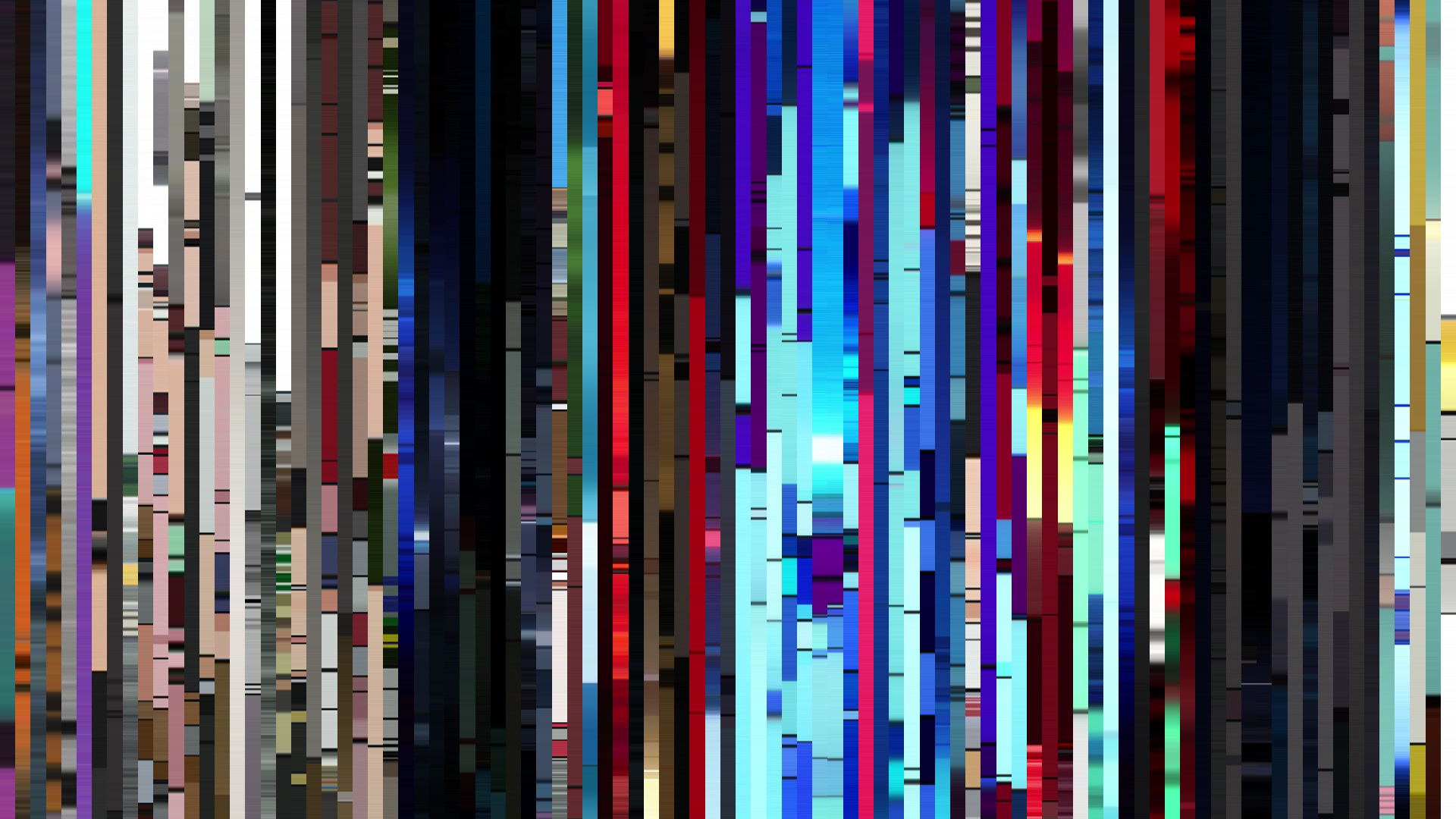
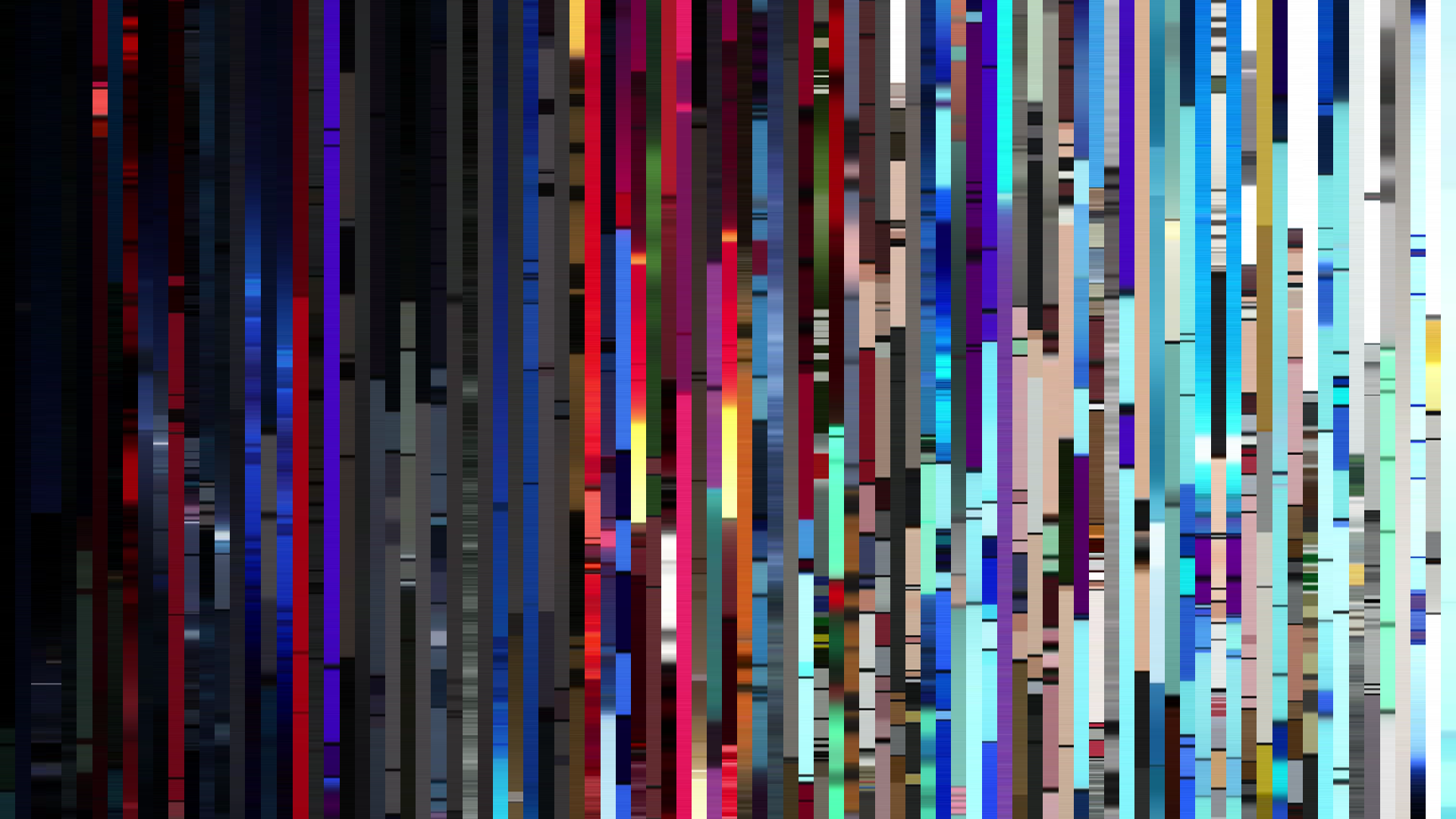
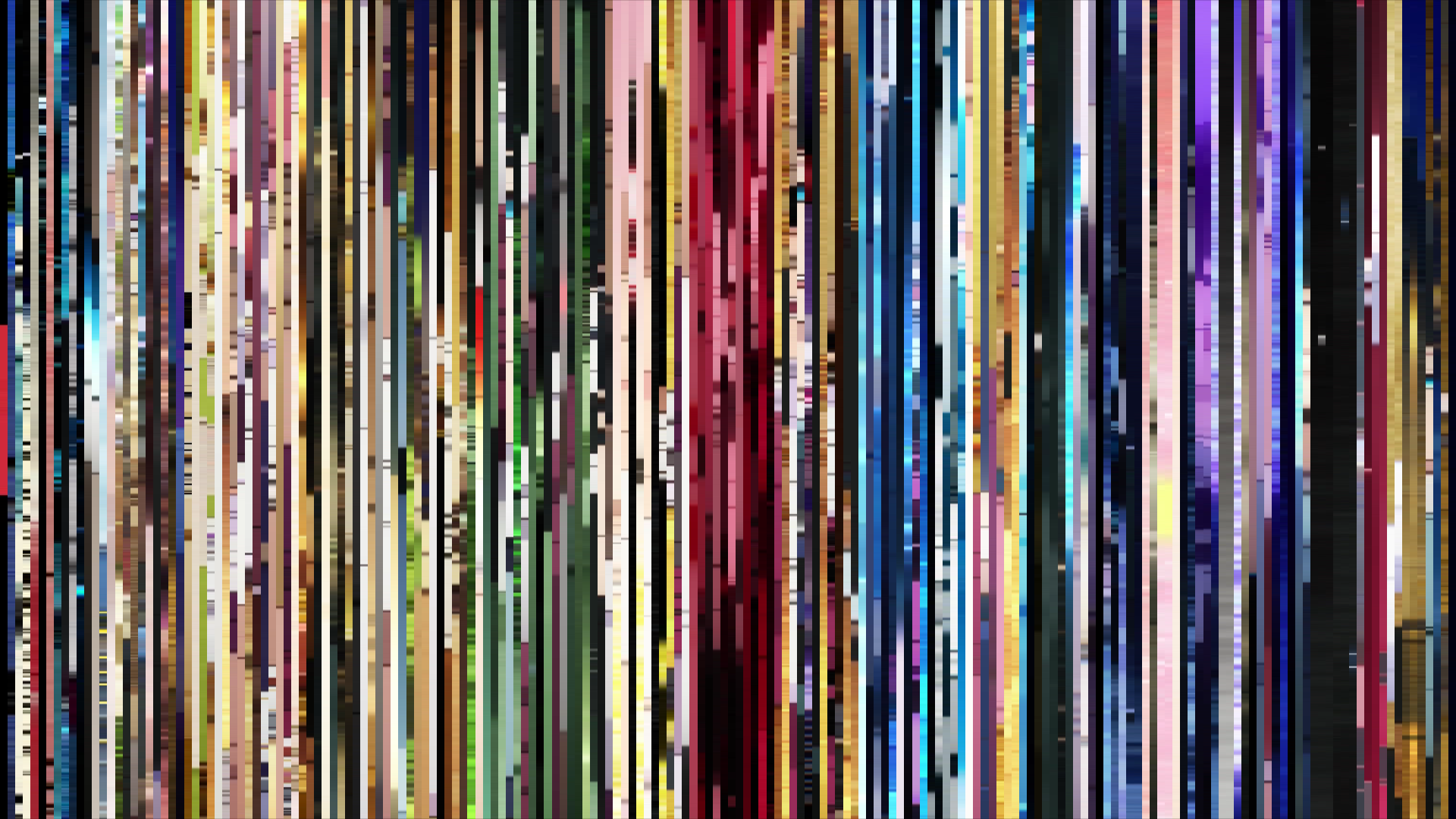
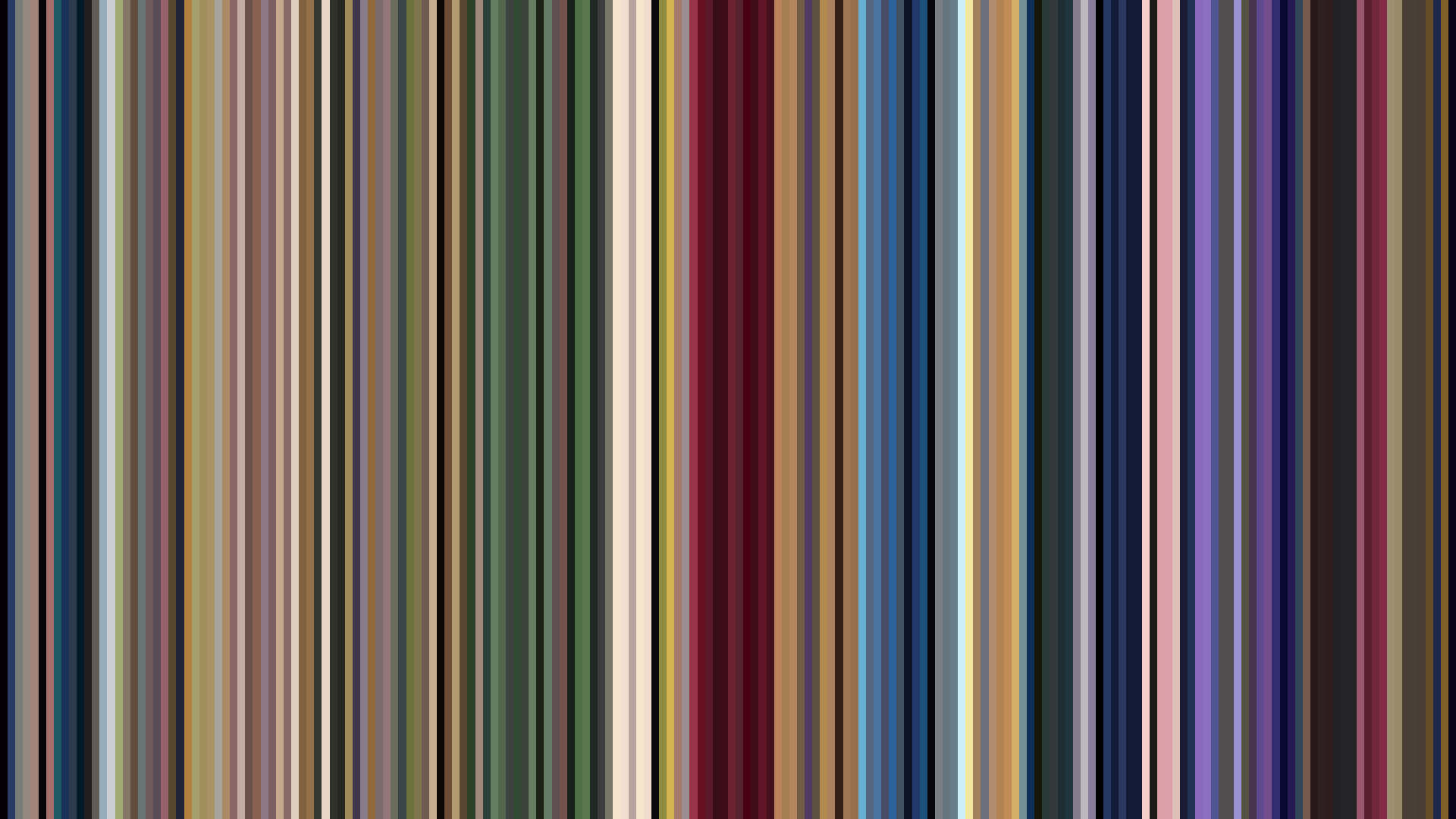
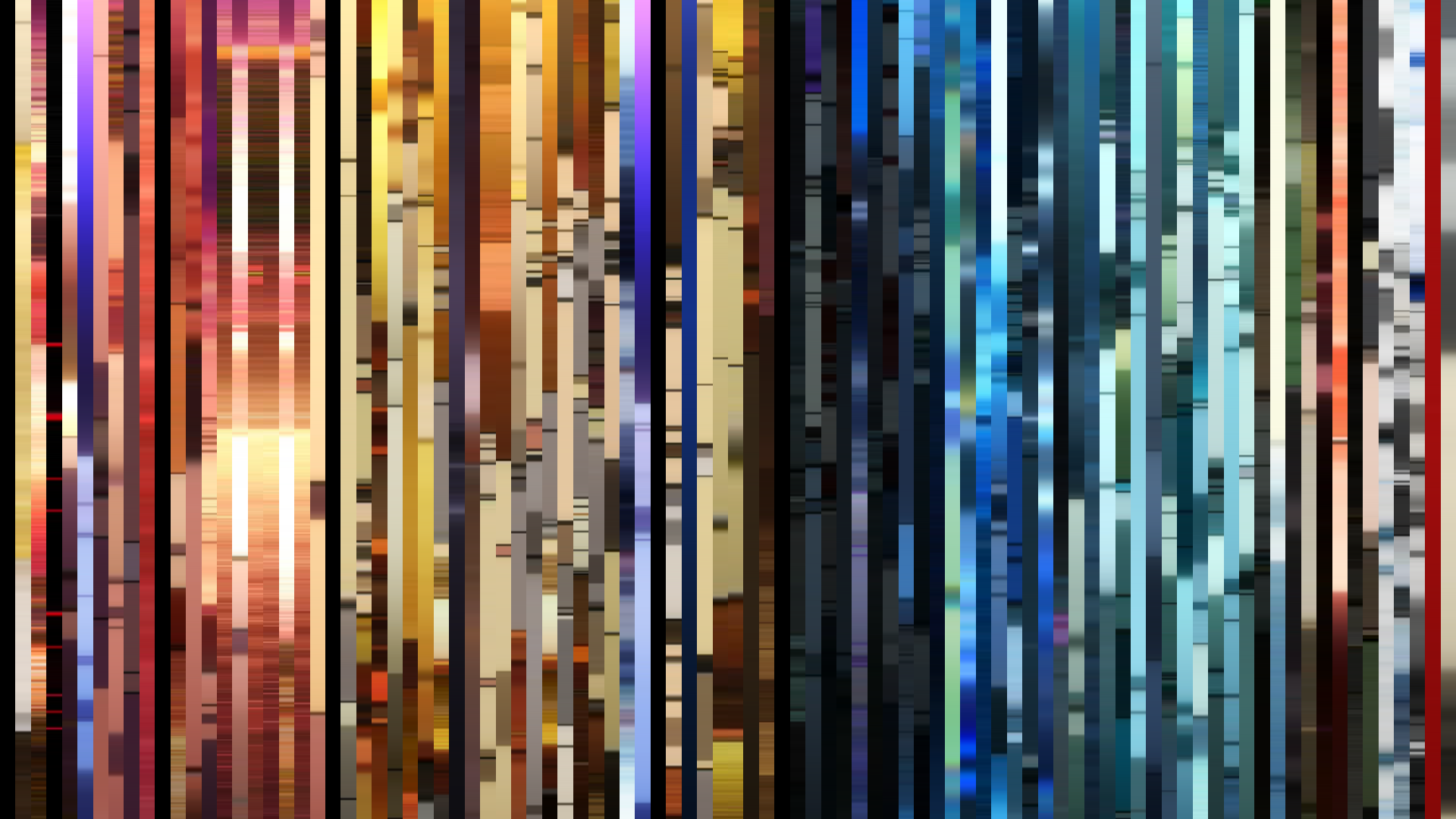
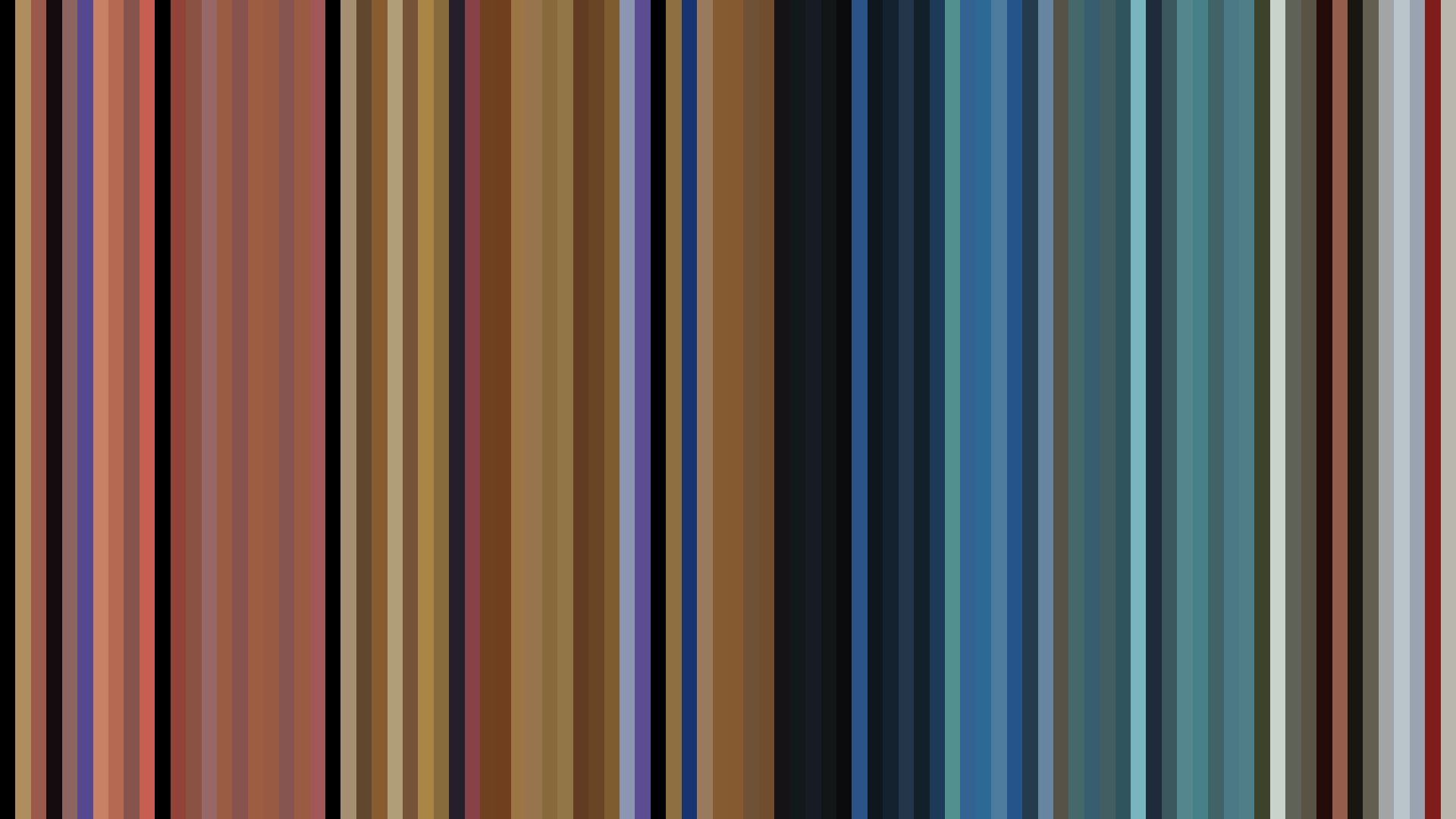
Frame Density Comparison — every 2nd vs every 4th frame
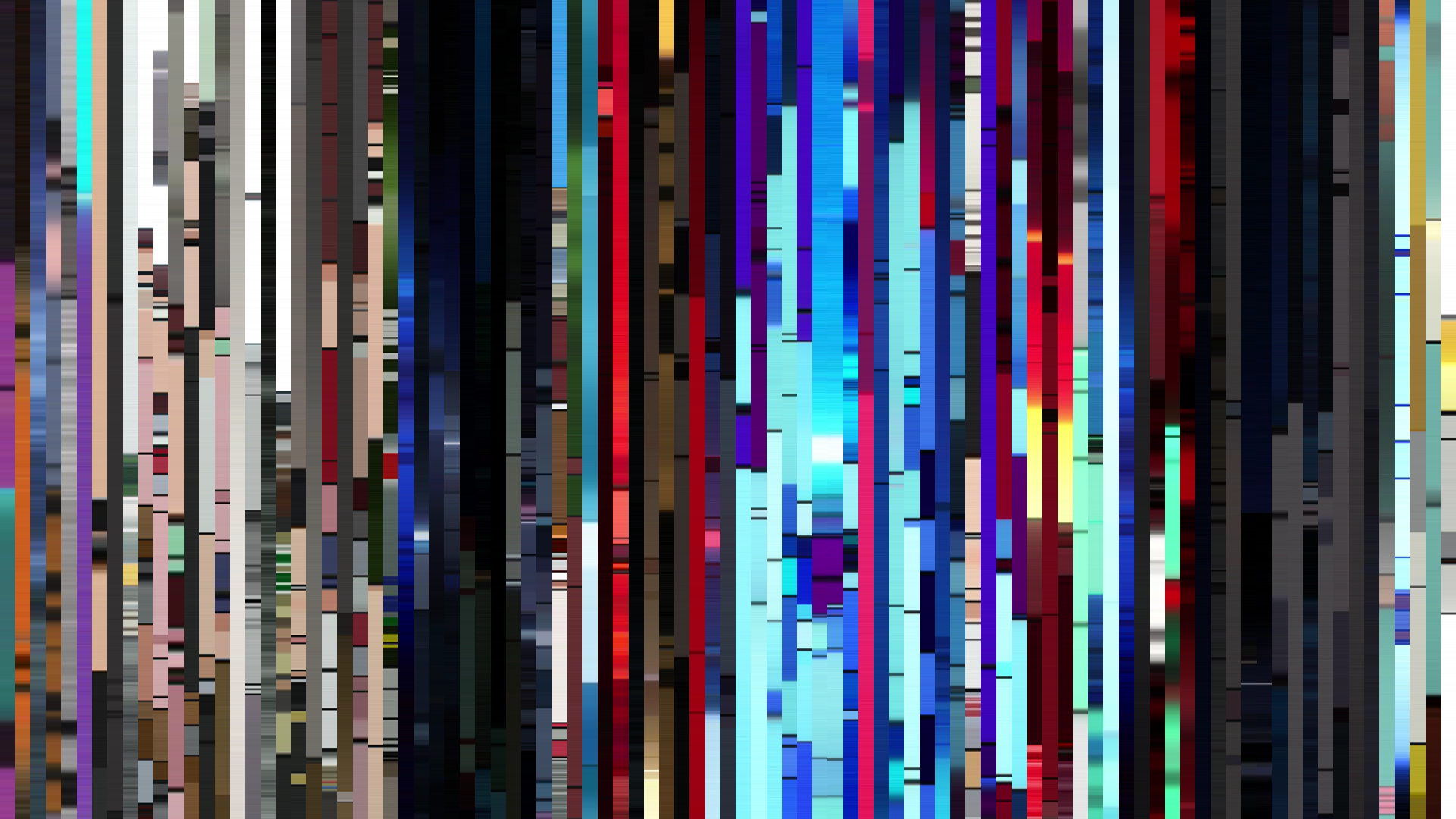
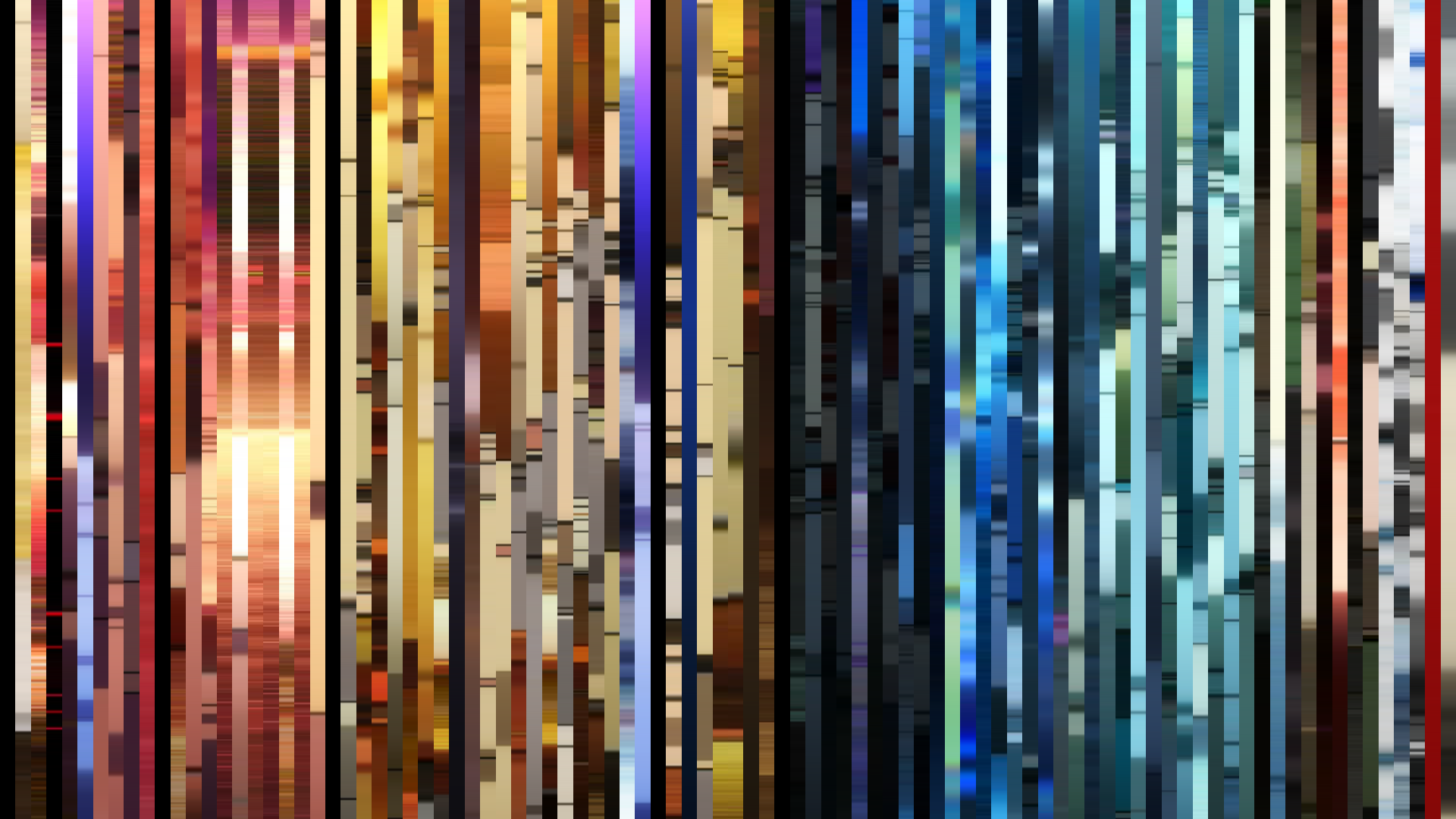
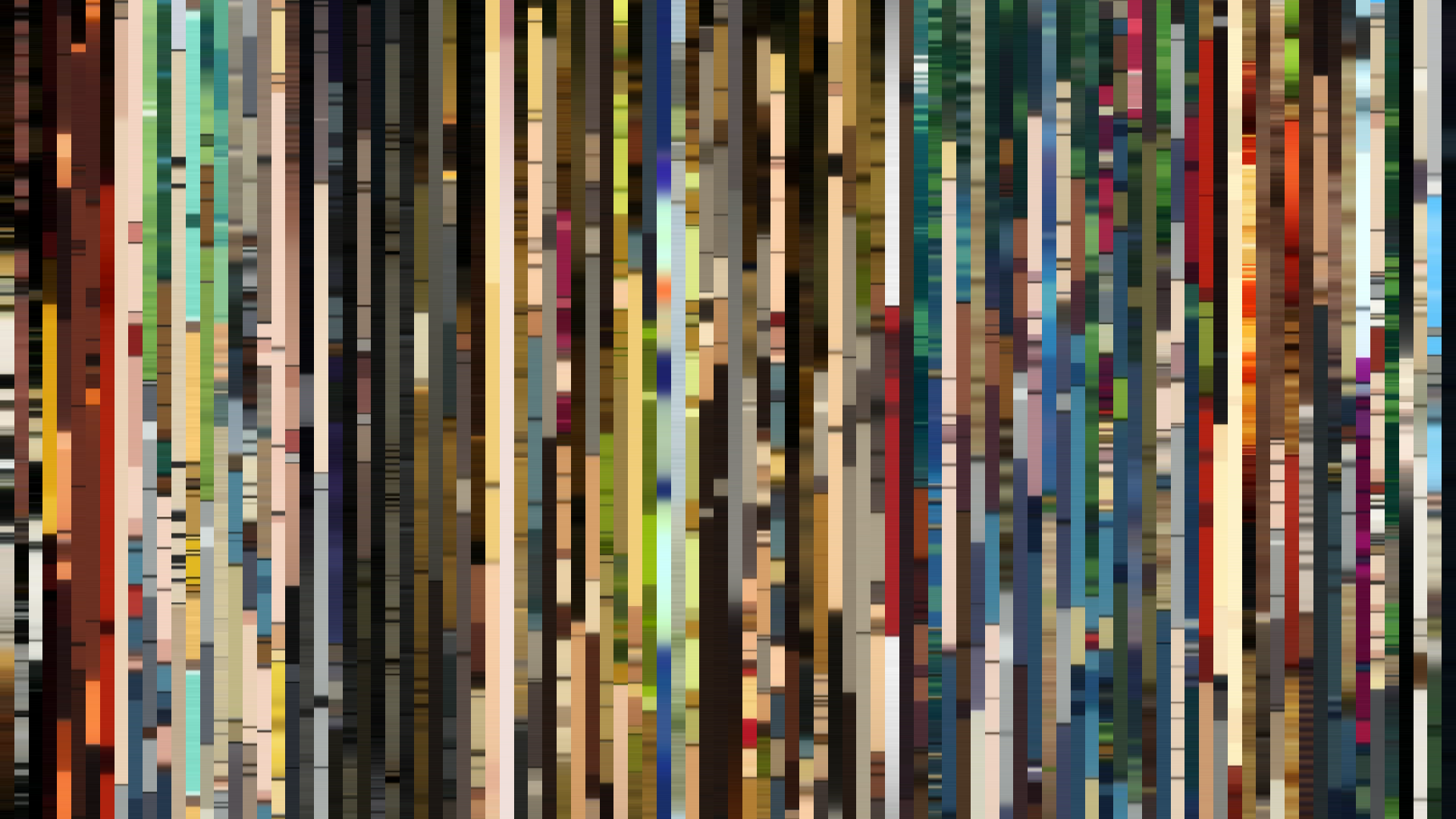
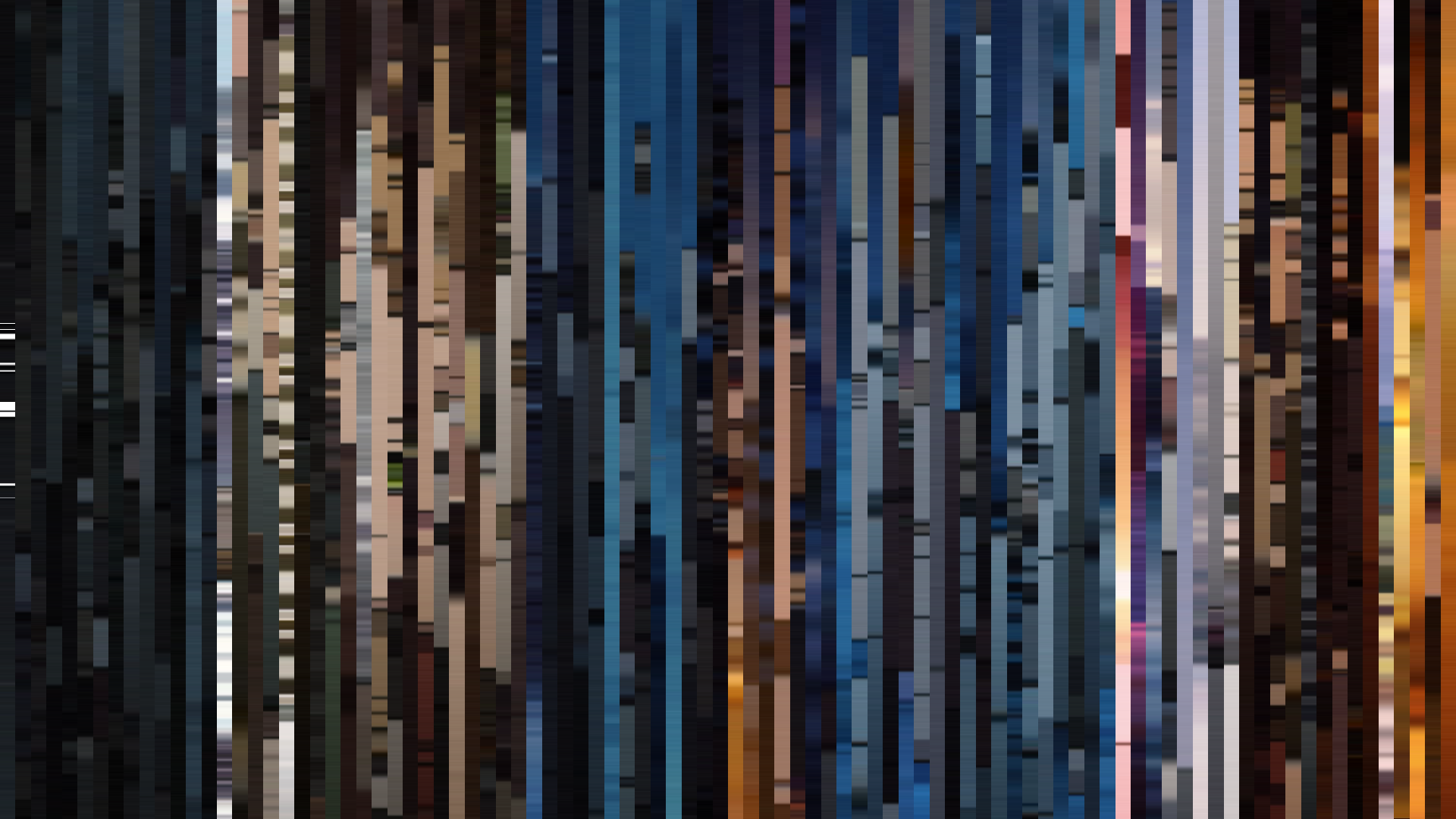
Slice · 15s
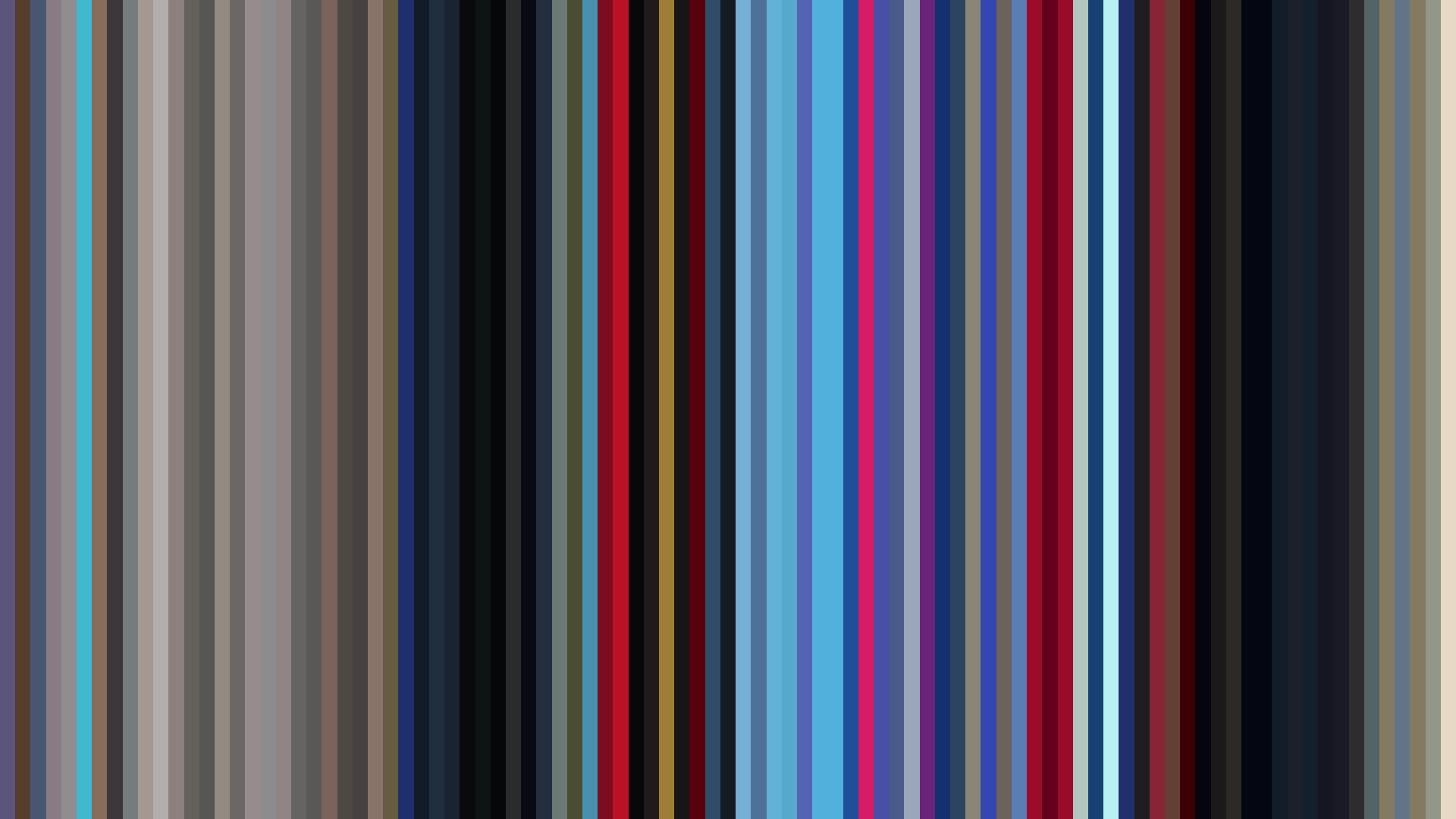
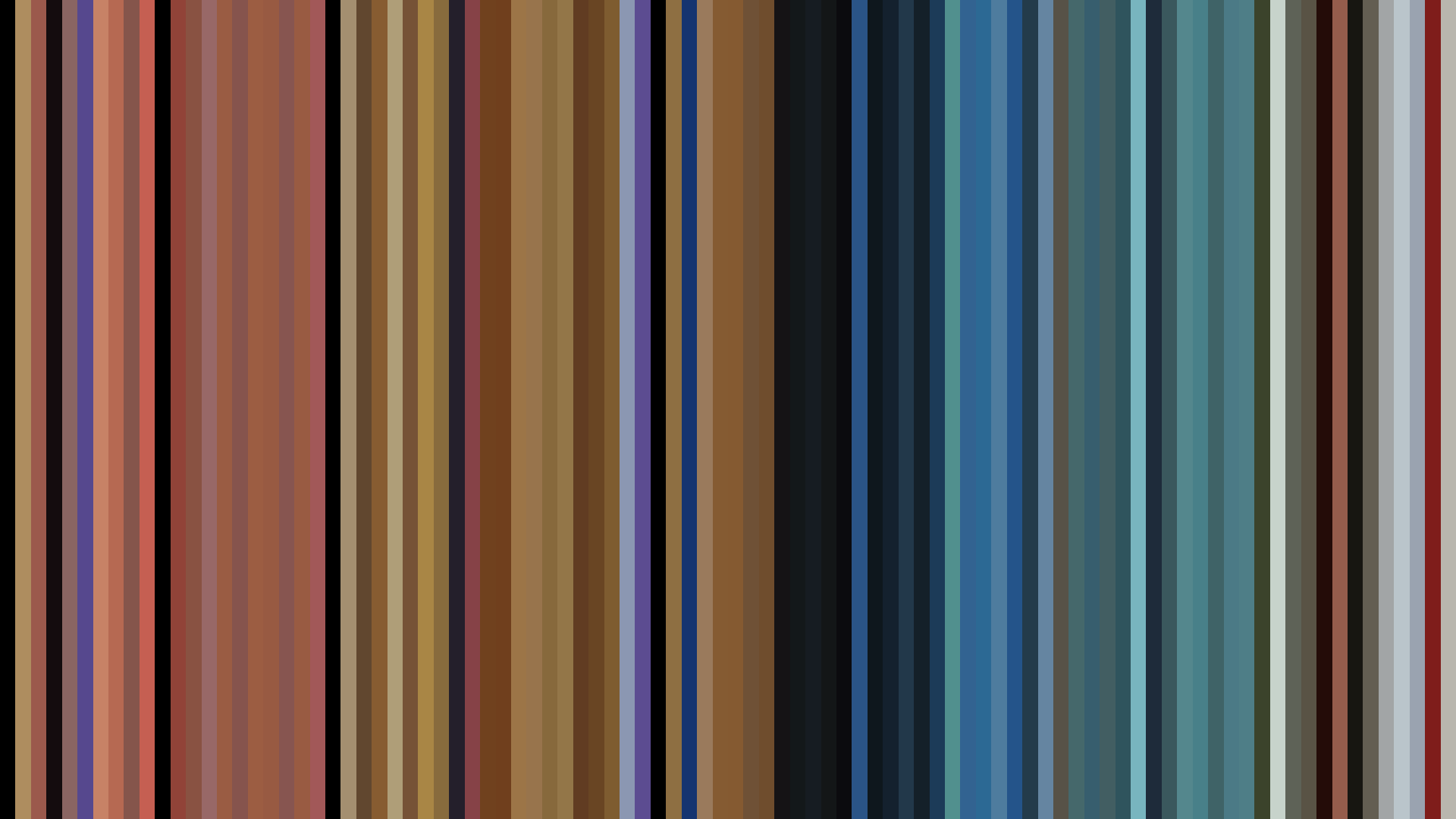
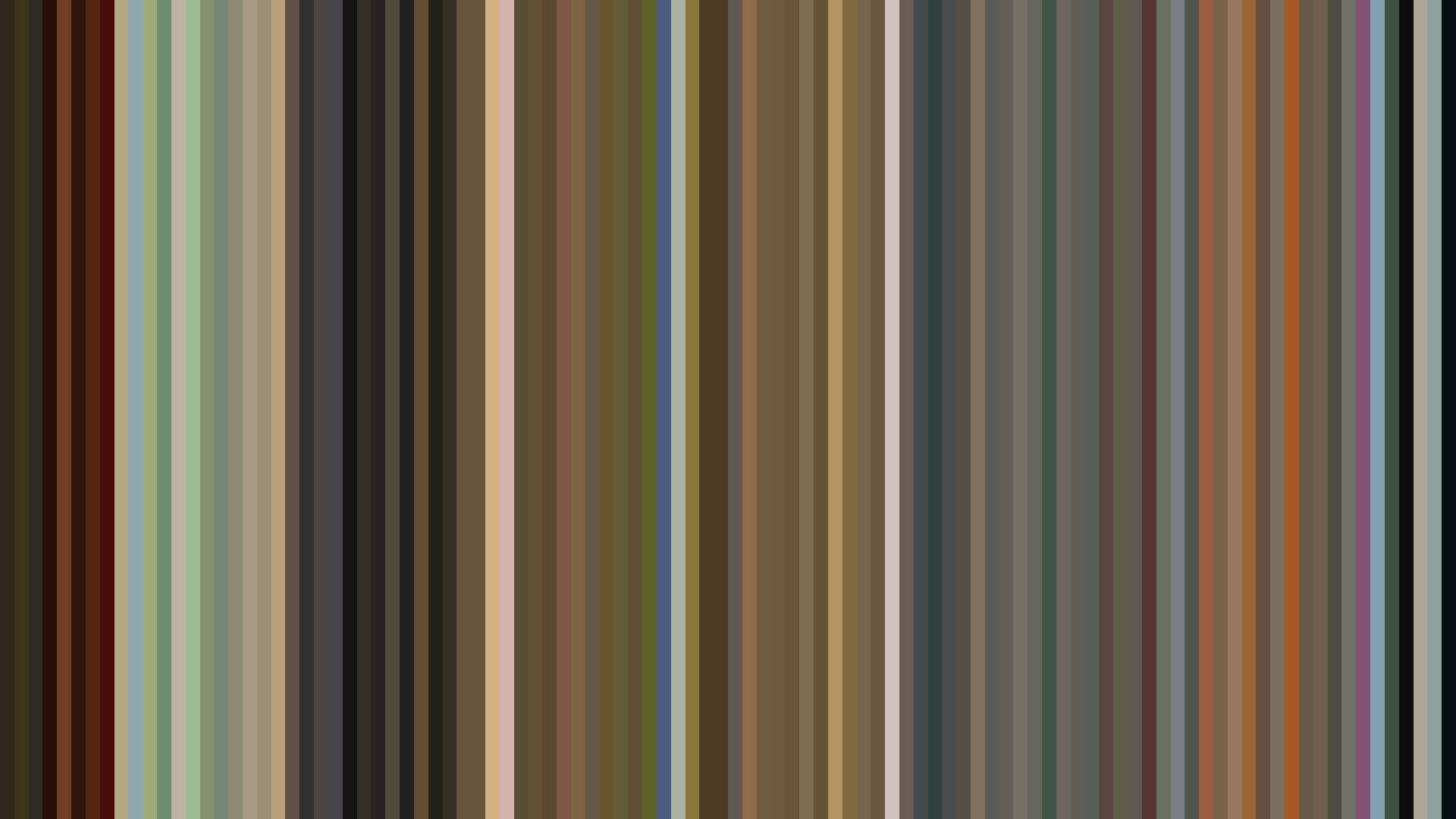
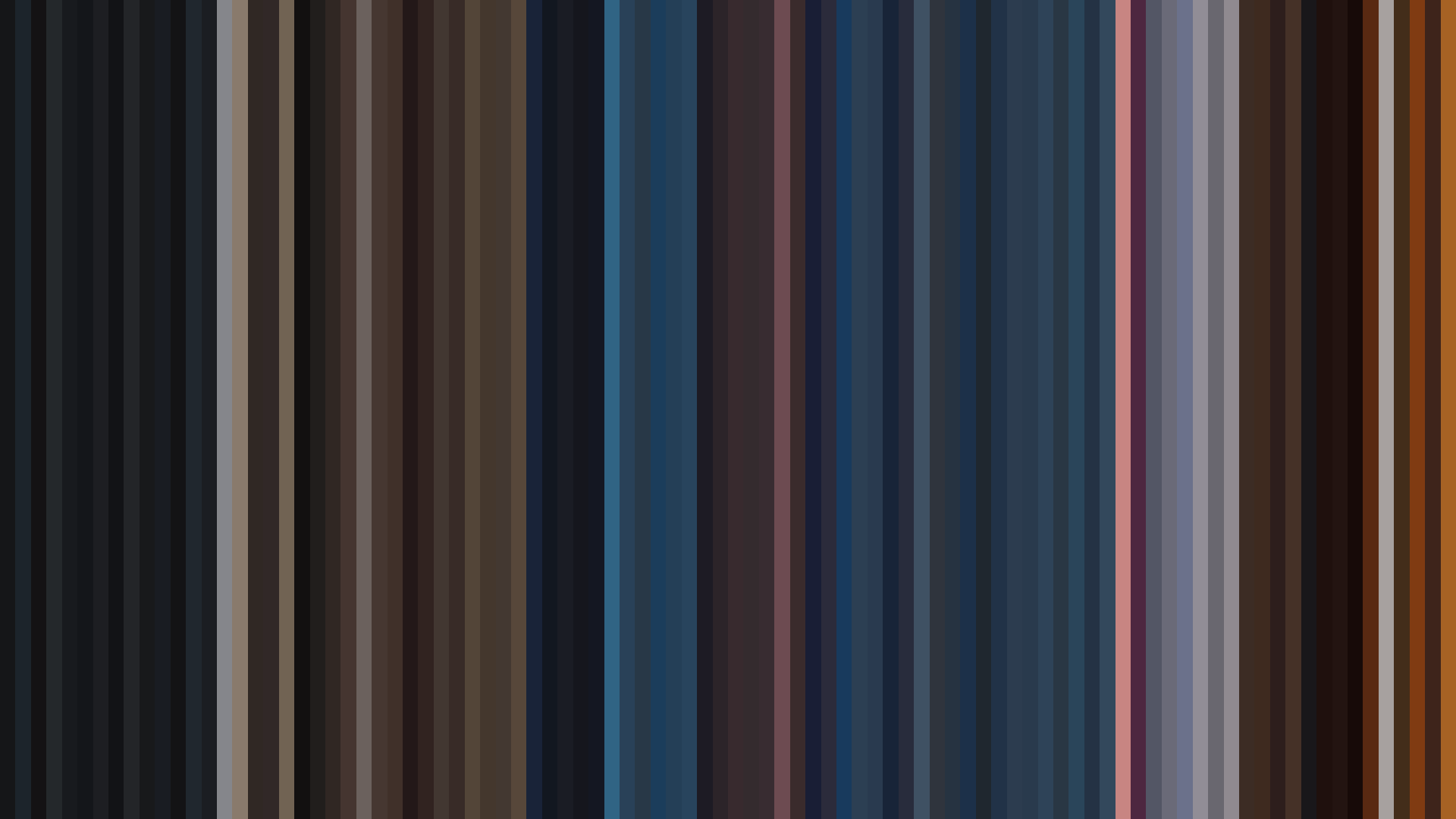
Avg · 15s
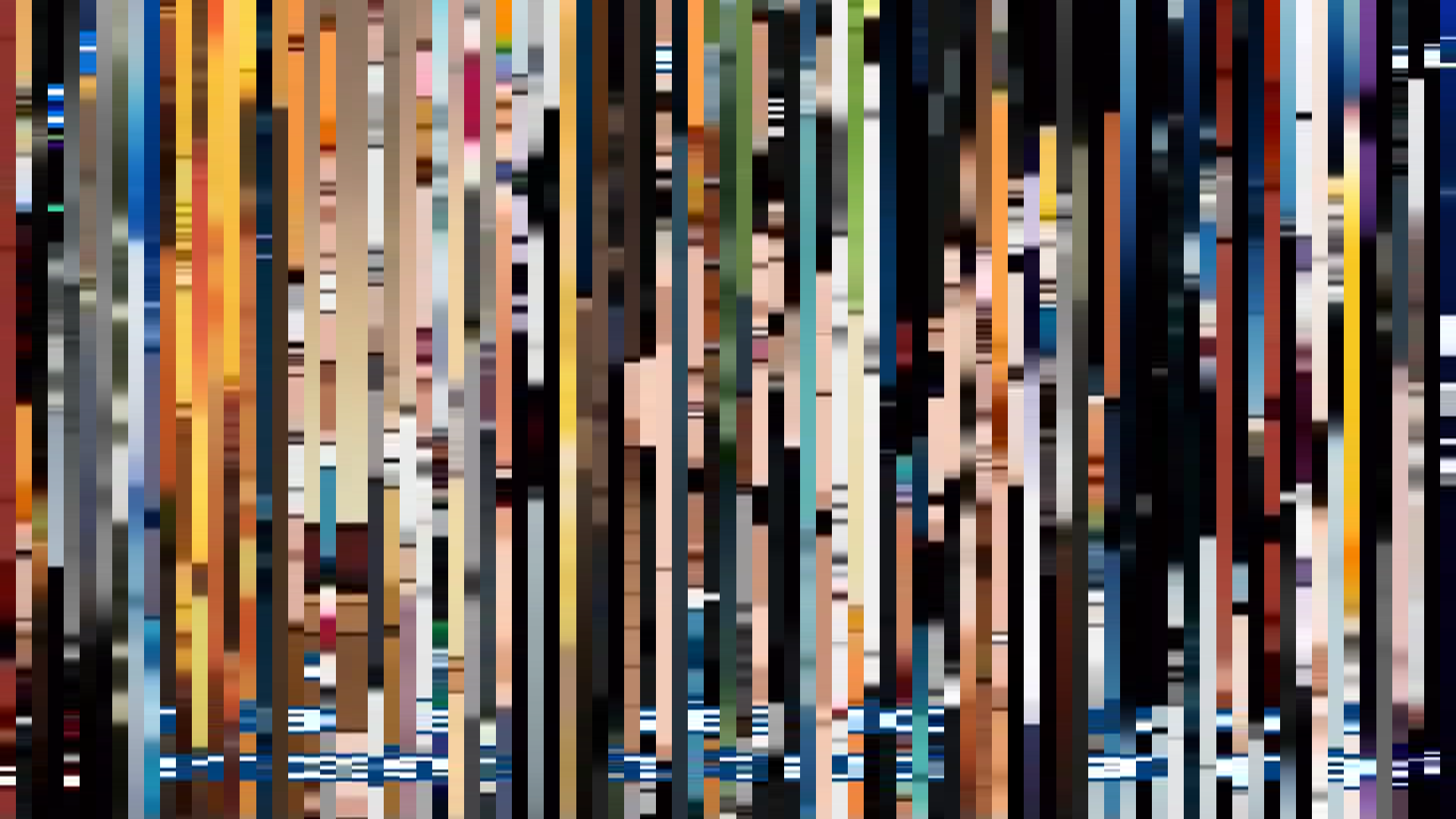
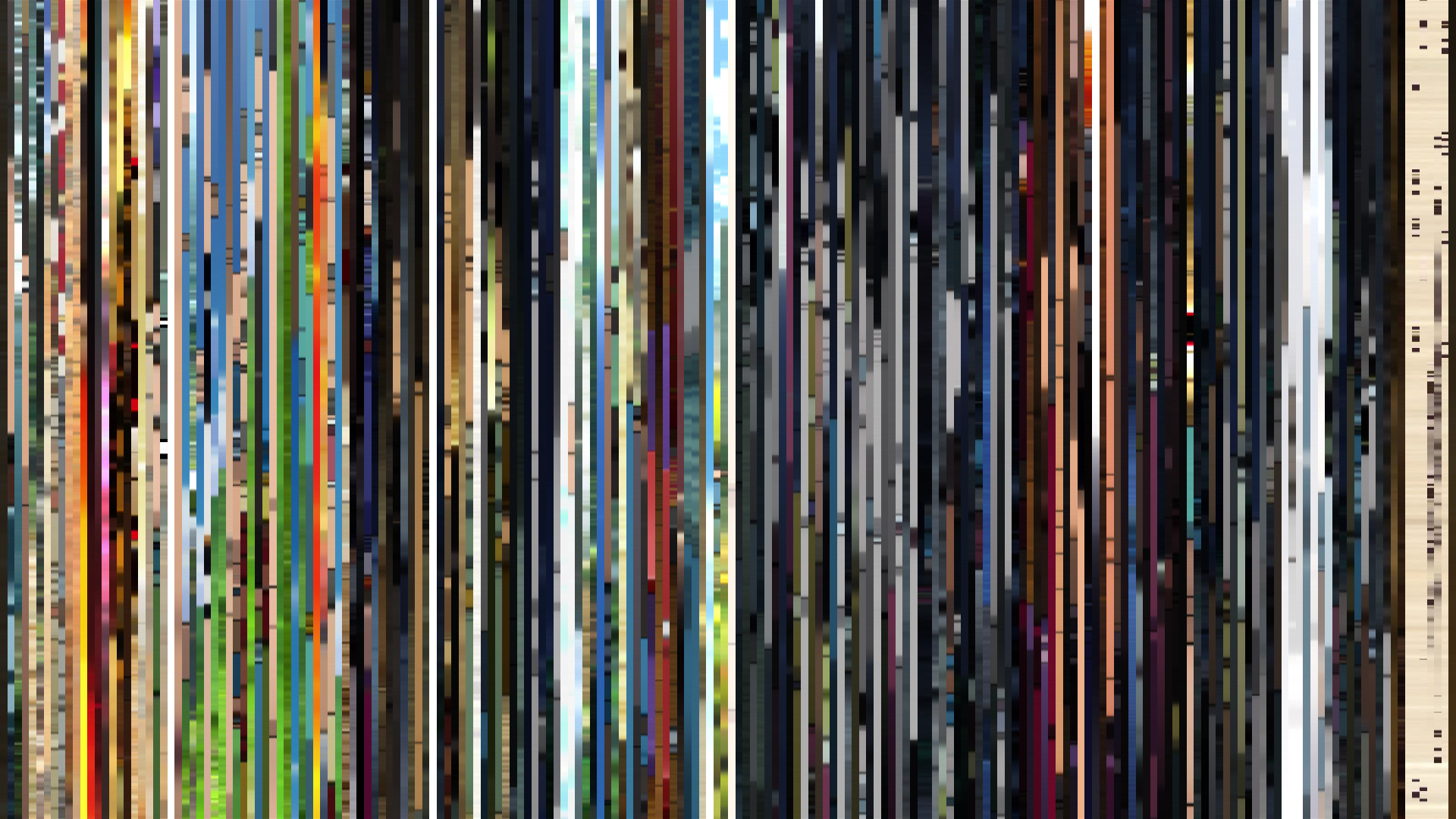
Slice · 30s
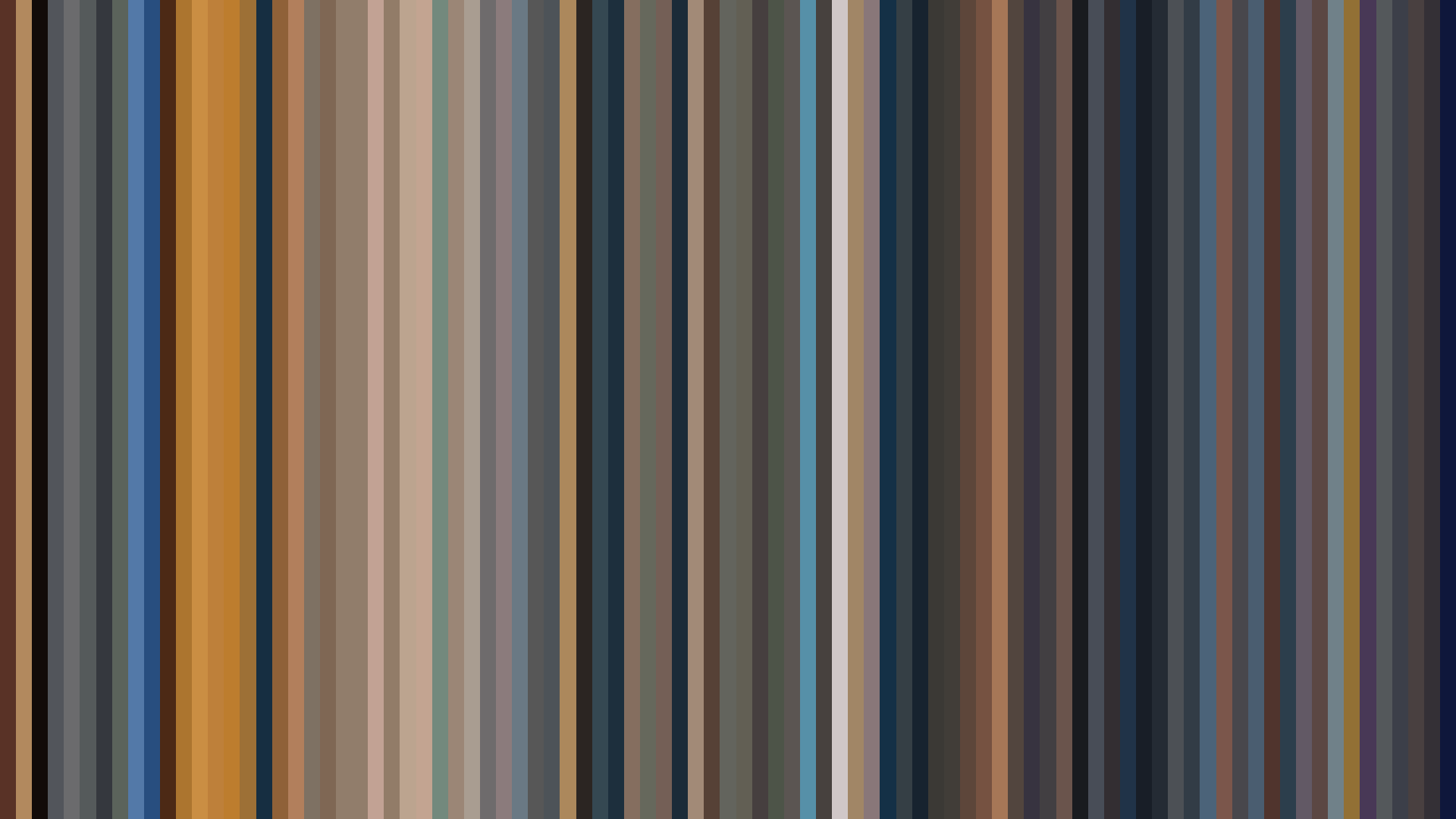
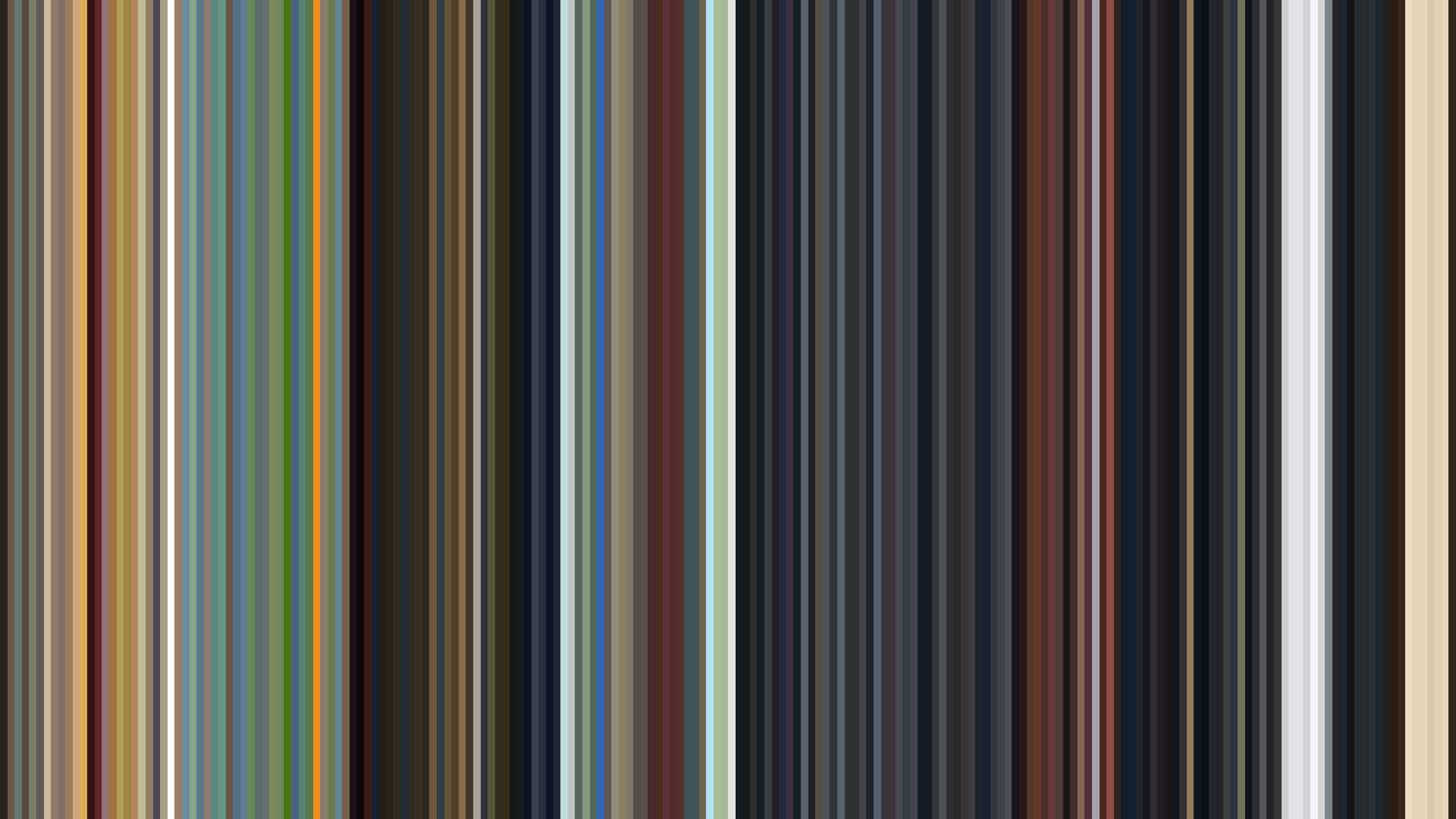
Avg · 30s
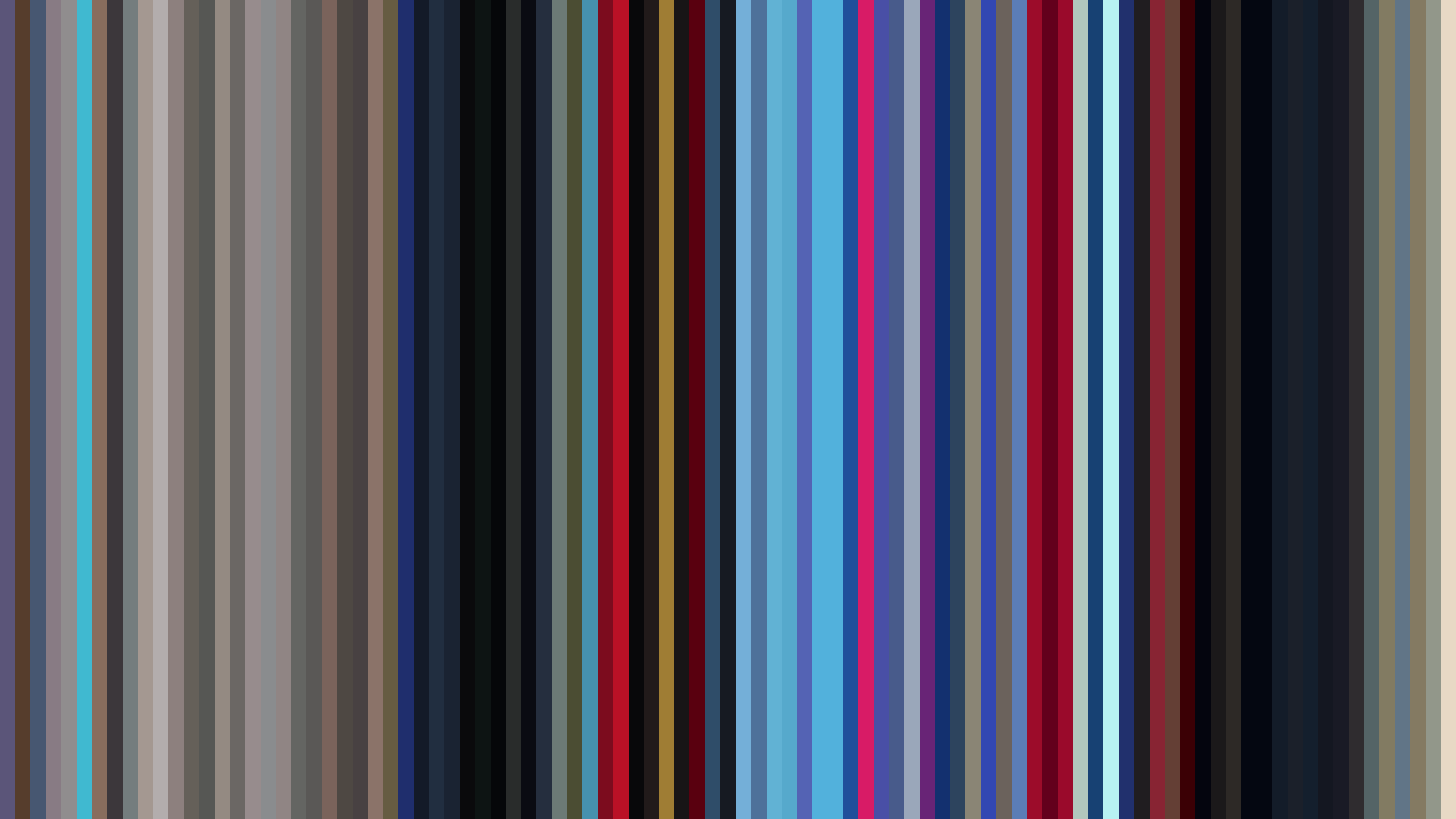
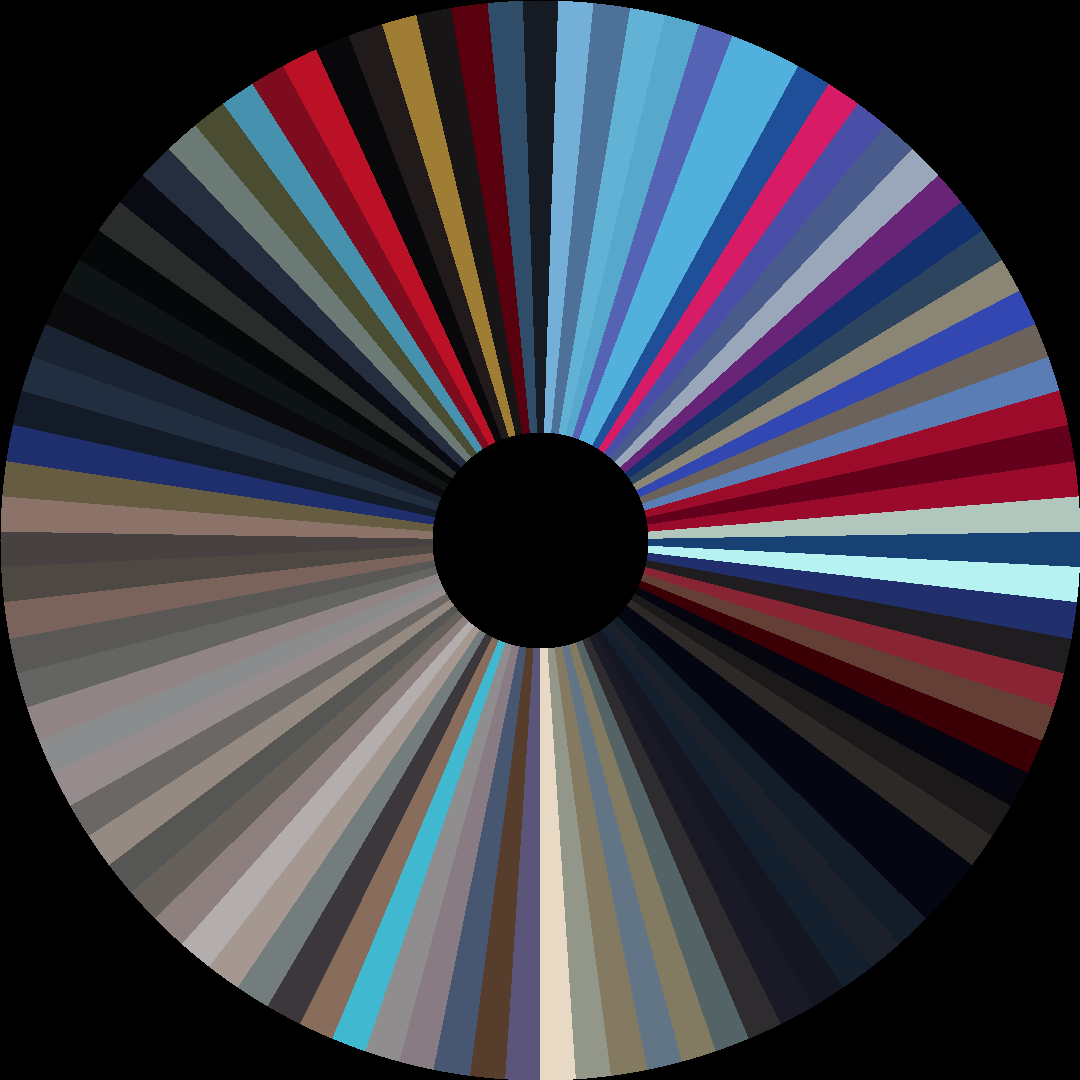
The visual data for *Dan Da Dan* delivers a radical contradiction. On paper, it's a hyper-kinetic action-comedy from Science SARU, the studio of Masaaki Yuasa—meaning we should expect the trademark neon-flecked chaos. Instead, the palette is dominated by Blue-Green (32%) and anchored by near-black #18151A, with a brightness arc that *dims* across its twelve episodes: opening at 0.386, closing at 0.307. This is a show that begins in twilight and ends in deeper shadow. The dark opening isn't a setup for a bright payoff; it's a descent. That persistent Blue-Green hue—cool, teal-adjacent—lends everything a lunar, late-night quality, even in the gonzo alien battles. The Red and Red-Pur
Brightness Arc (episode progression)
Hue Distribution
Act Breakdown
Opening
0.386
Middle
0.325
Closing
0.307
Avg Brightness
0.331
Avg Saturation
0.406
Warmth
0.488
Color Palette
#18151A
#5A5859
#561B21
#E4EDEA
#97EDED
#1E2558
#9D9D9B
#D3B1A3
3-Act Color Story
Opening
Middle
Closing
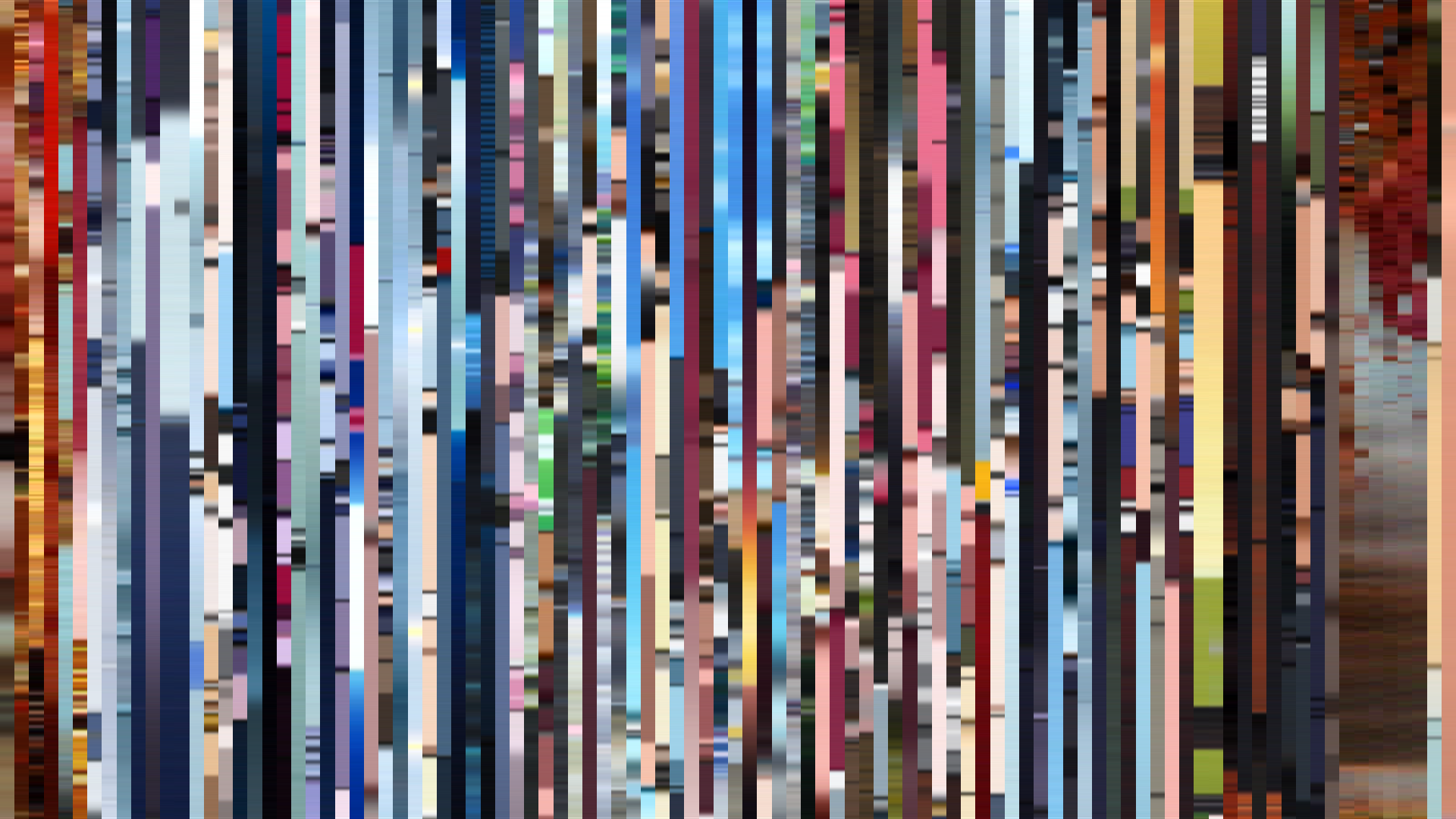
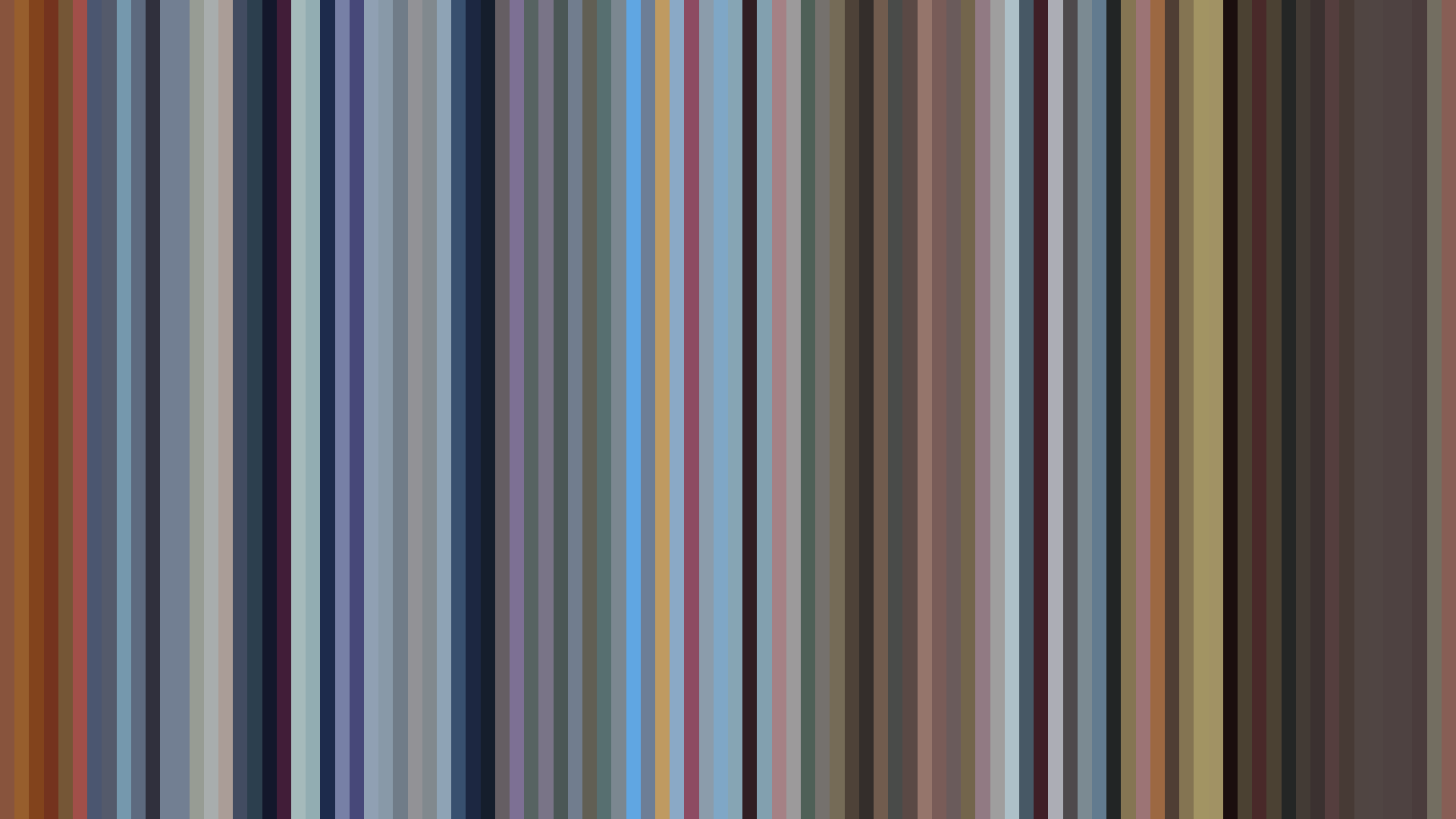
Color Twins
Perceptually nearest palettes — measured in OKLab space, not RGB






![[Oshi No Ko] Season 2](../../../barcodes/2024/oshi-no-ko-season-2/barcode_slice.png)
The visual data for *Dan Da Dan* delivers a radical contradiction. On paper, it's a hyper-kinetic action-comedy from Science SARU, the studio of Masaaki Yuasa—meaning we should expect the trademark neon-flecked chaos. Instead, the palette is dominated by Blue-Green (32%) and anchored by near-black #18151A, with a brightness arc that *dims* across its twelve episodes: opening at 0.386, closing at 0.307. This is a show that begins in twilight and ends in deeper shadow. The dark opening isn't a setup for a bright payoff; it's a descent. That persistent Blue-Green hue—cool, teal-adjacent—lends everything a lunar, late-night quality, even in the gonzo alien battles. The Red and Red-Pur