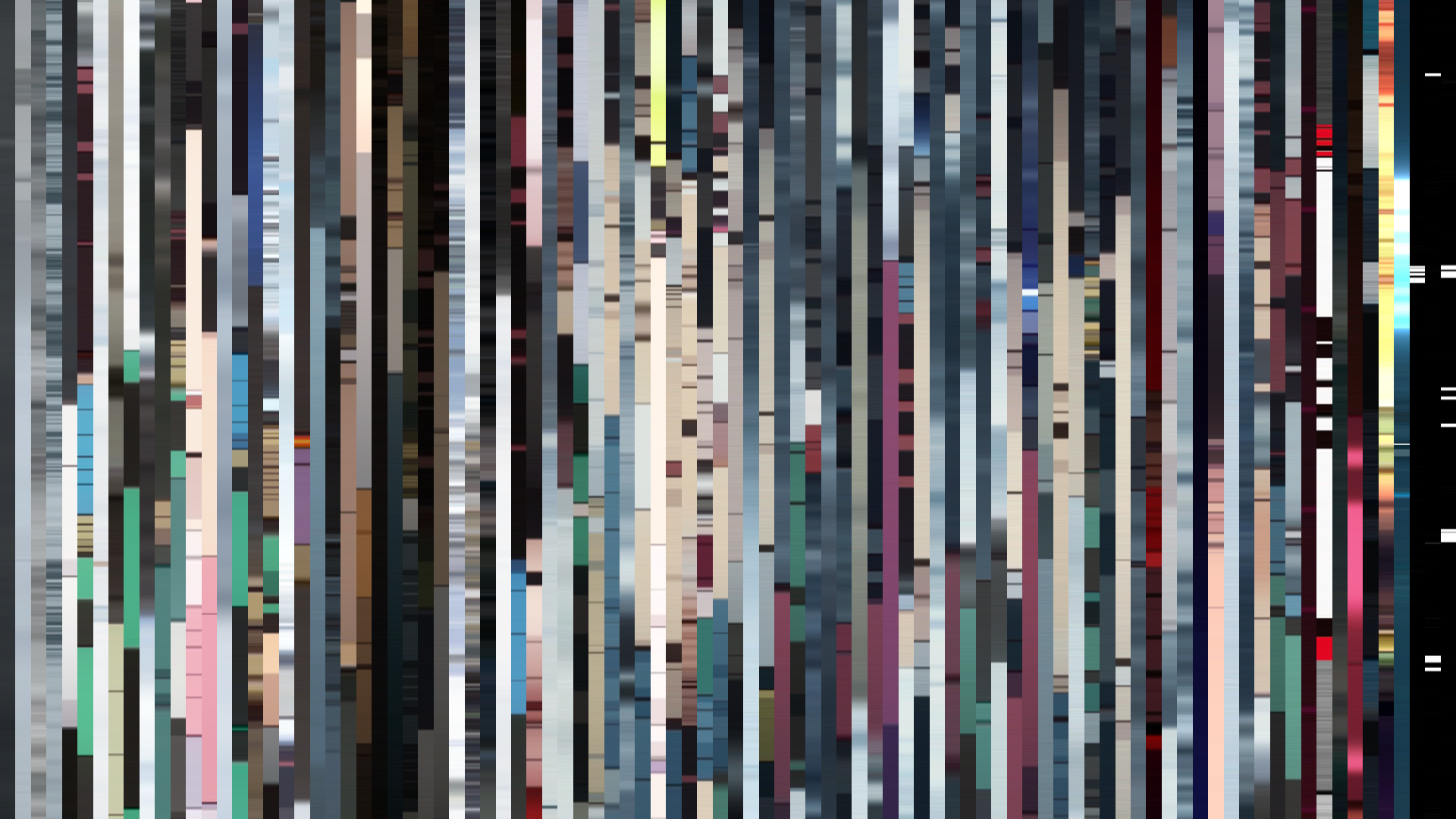
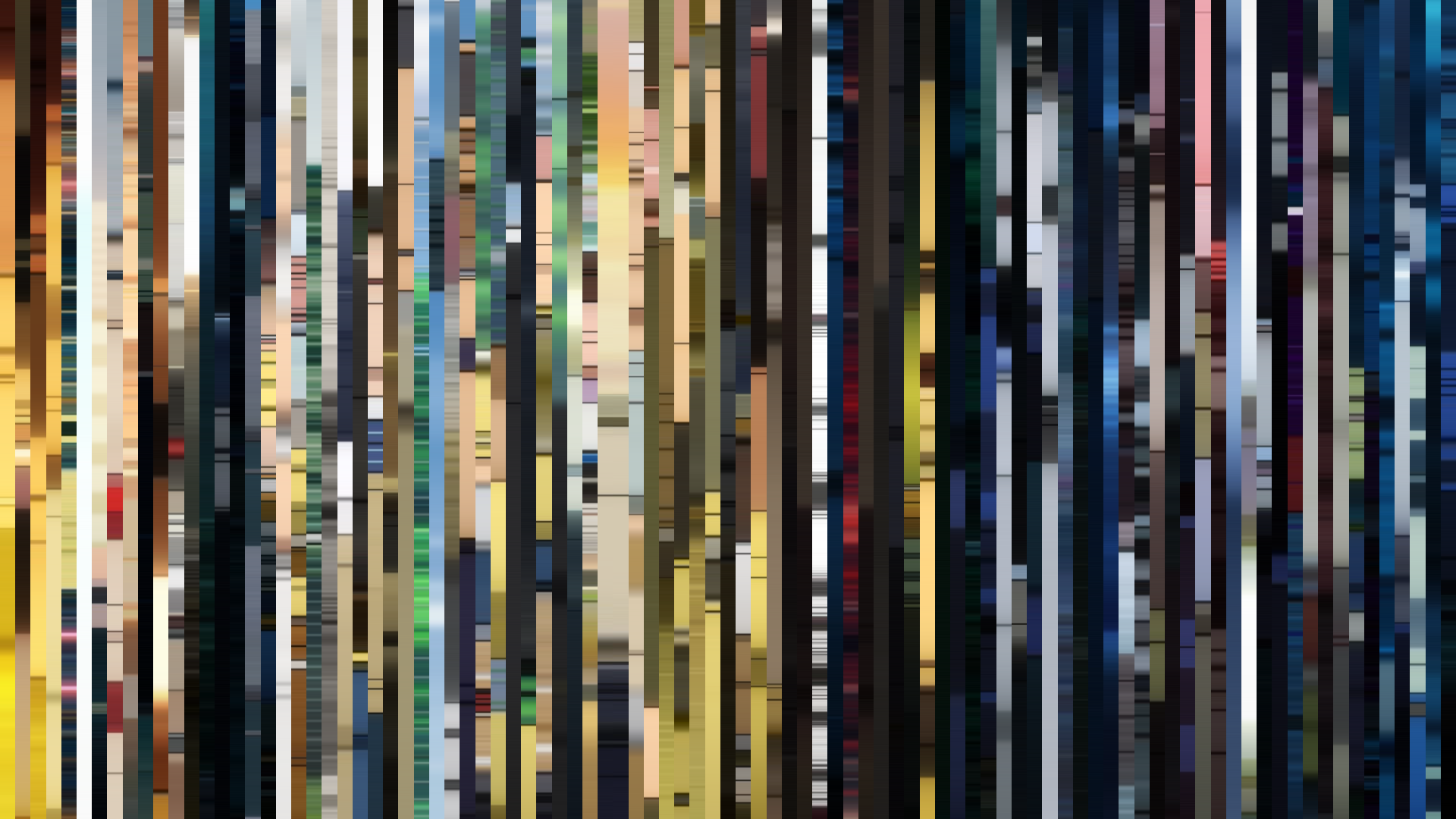
Edit Pace — frame-to-frame color delta (bright = fast cuts)
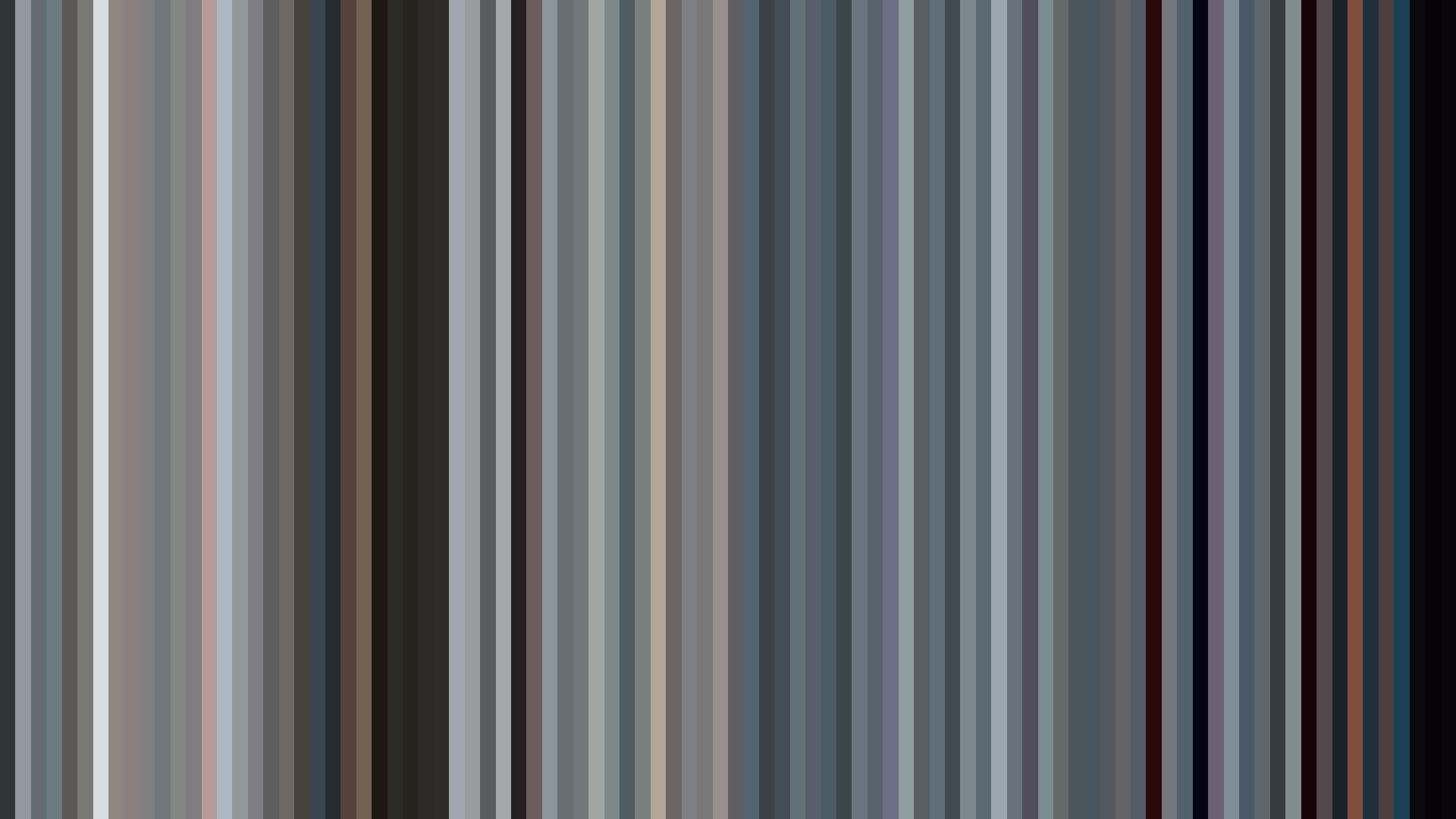
Color Temperature — warm (gold) vs cool (teal) per frame
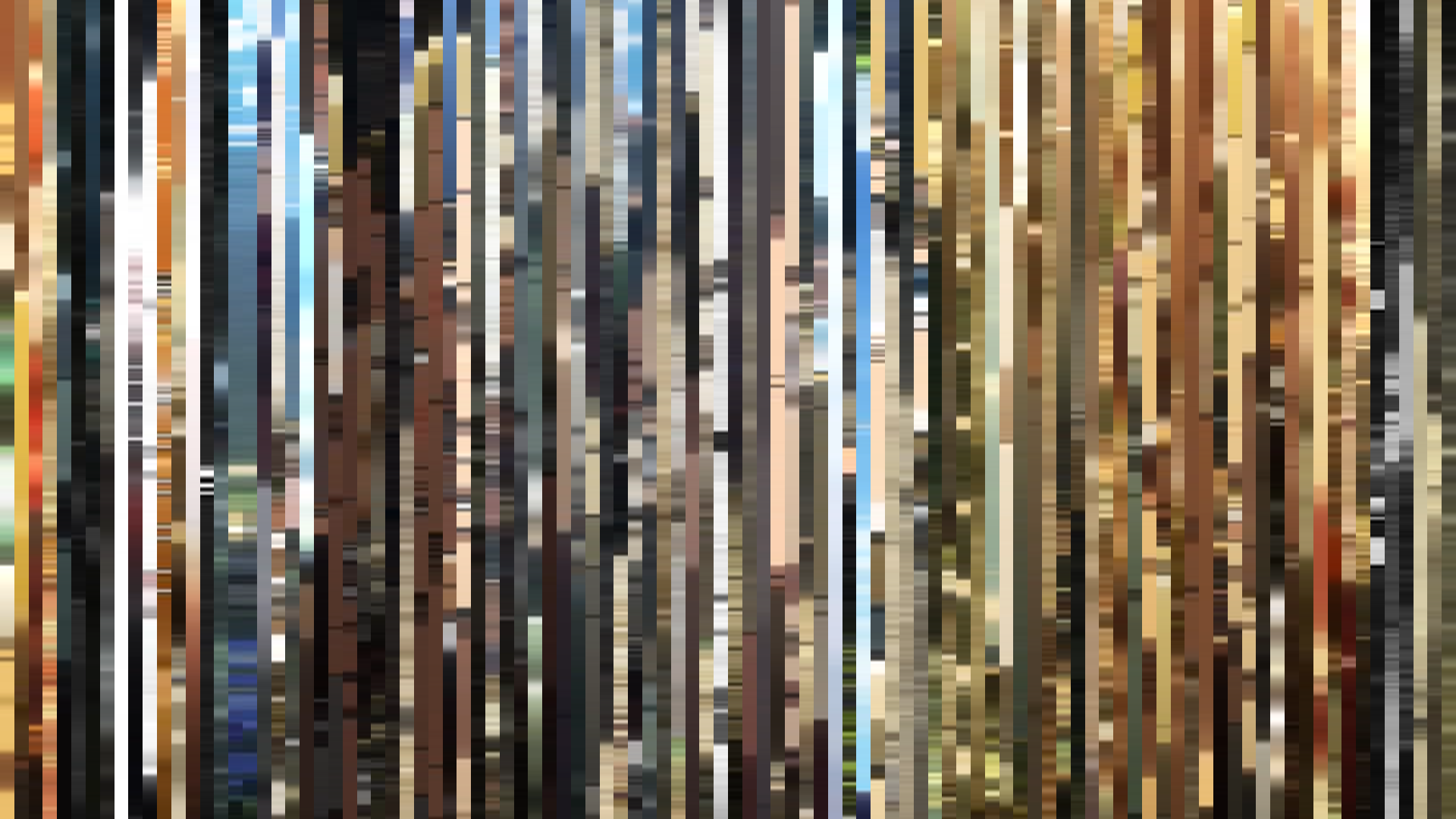
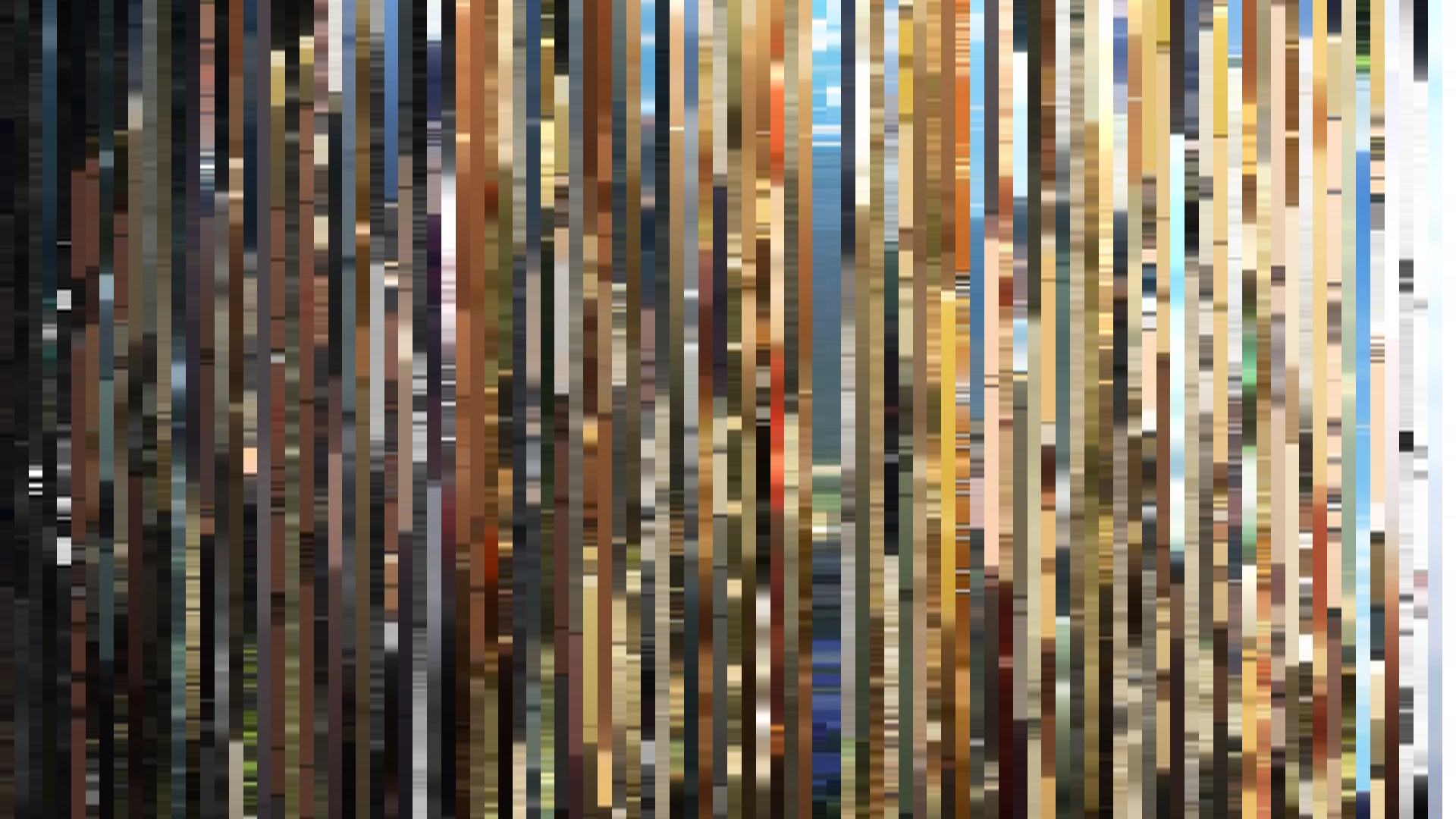
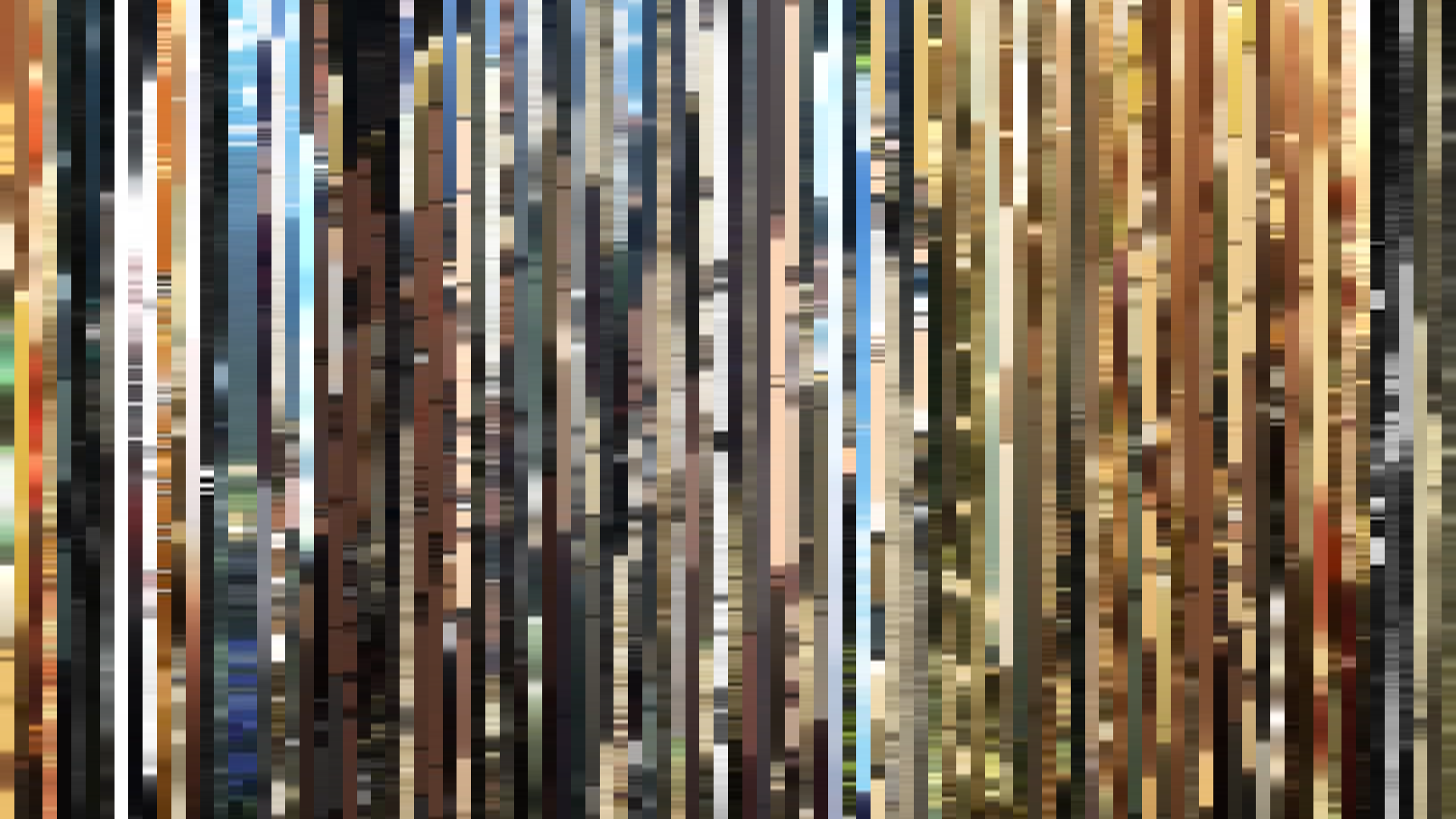
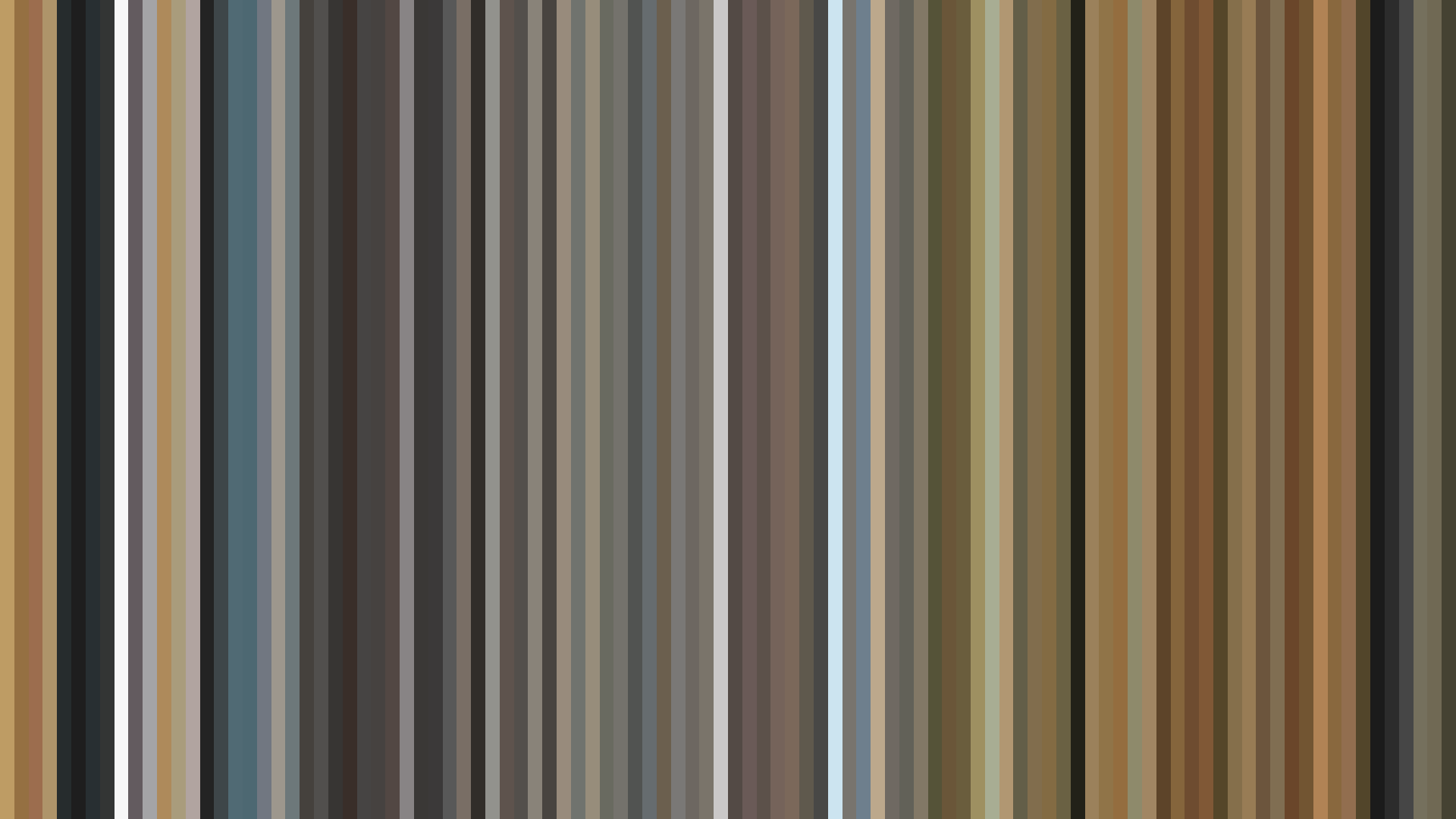
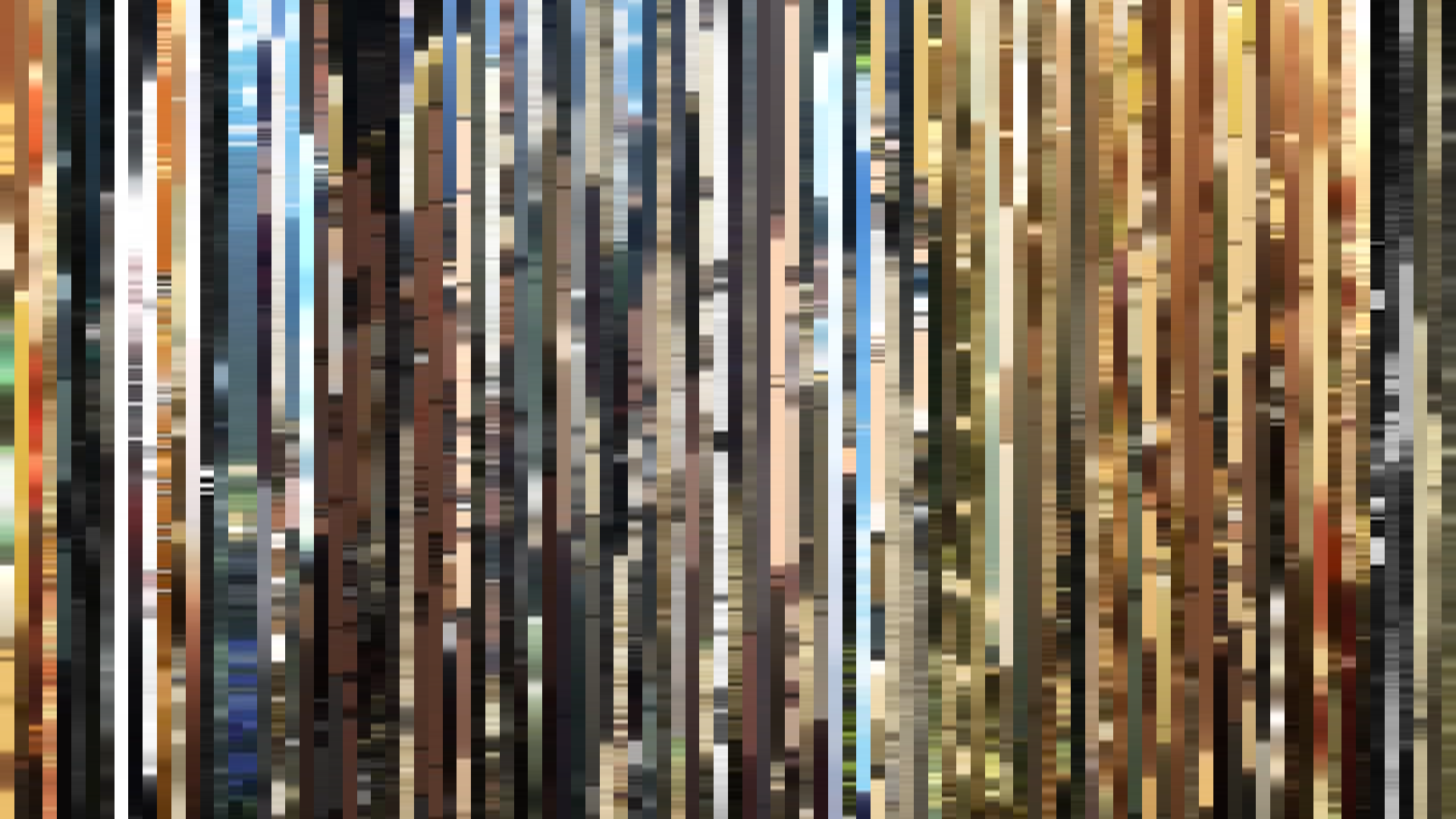
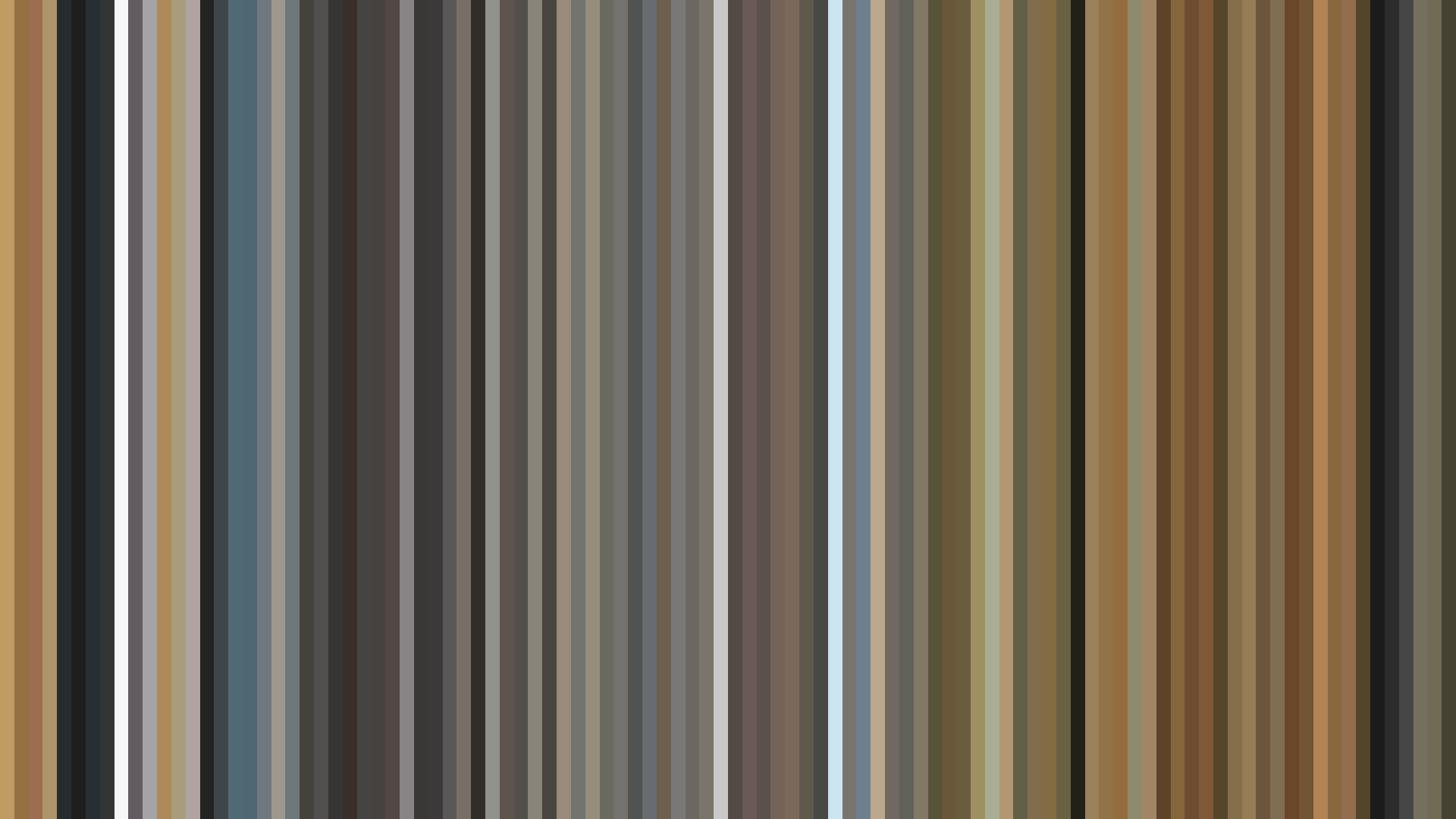
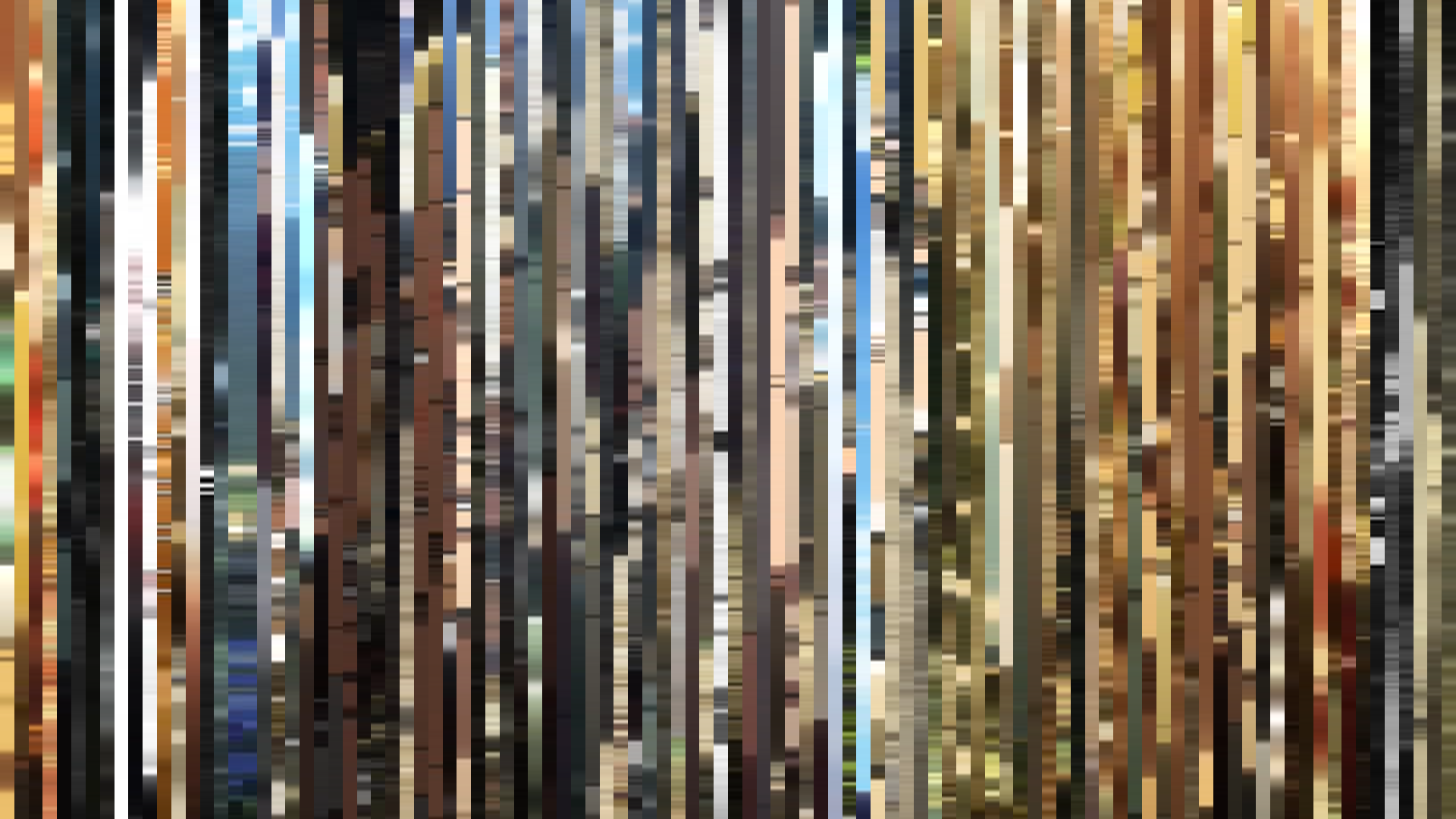
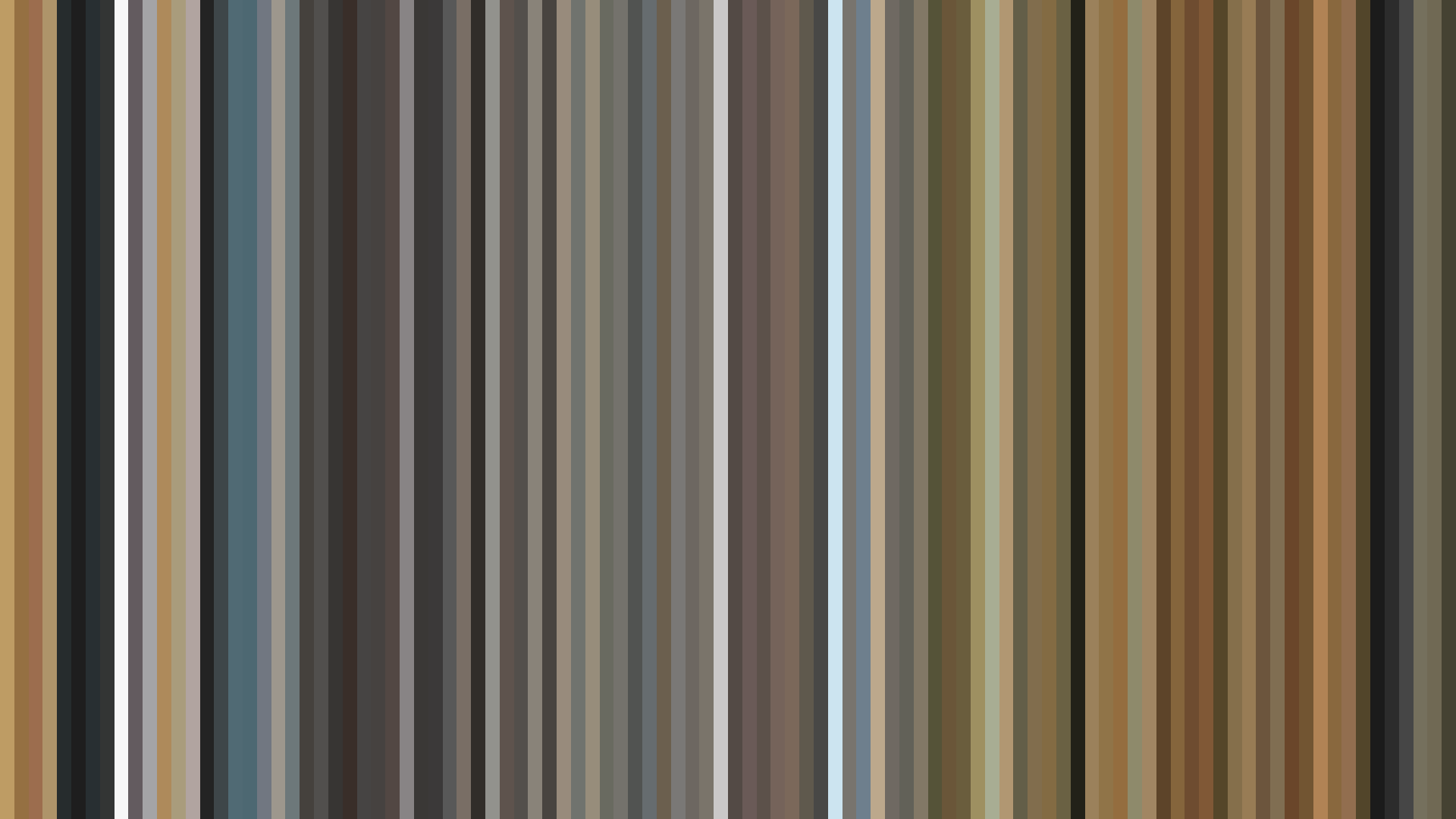
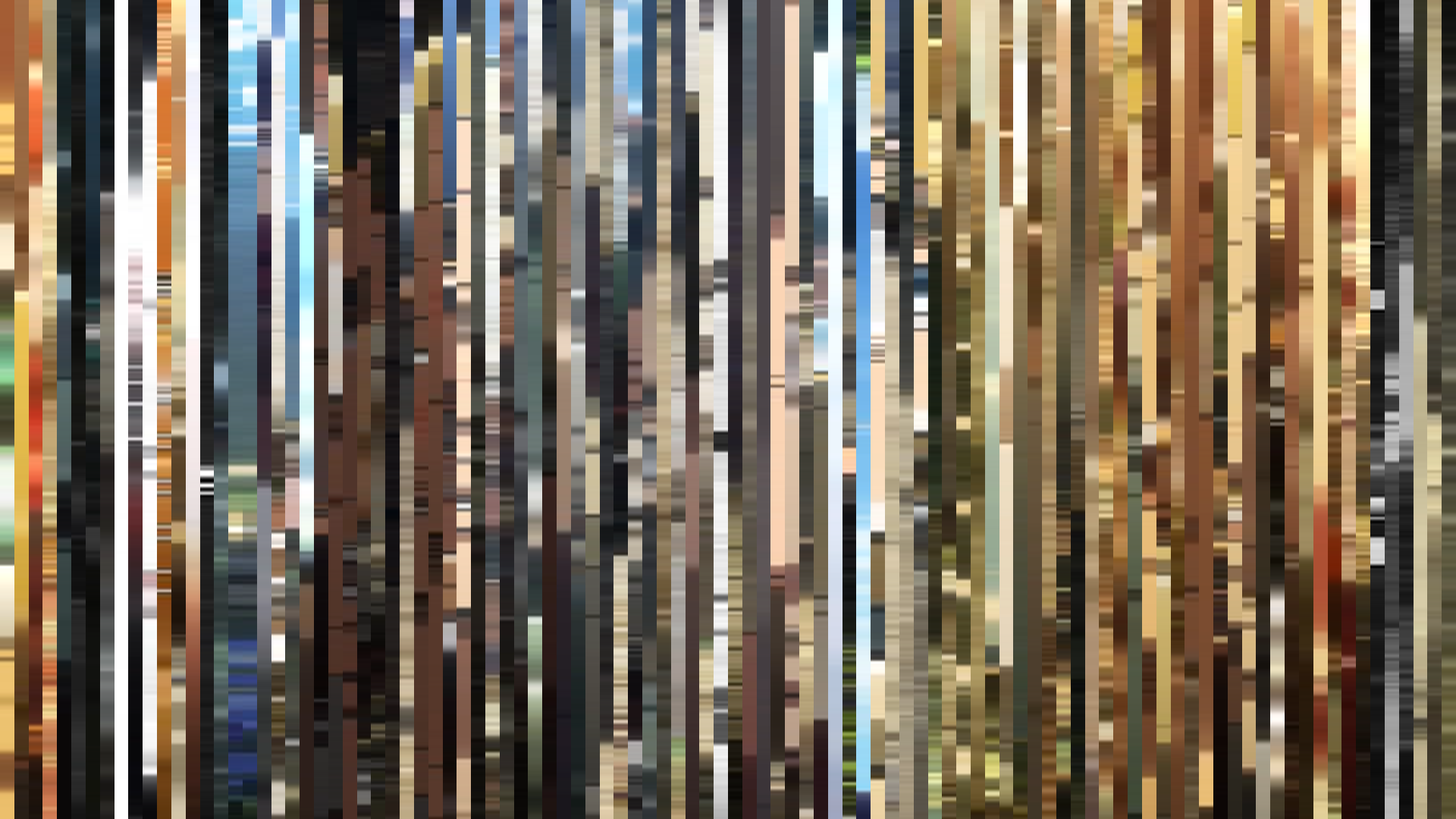
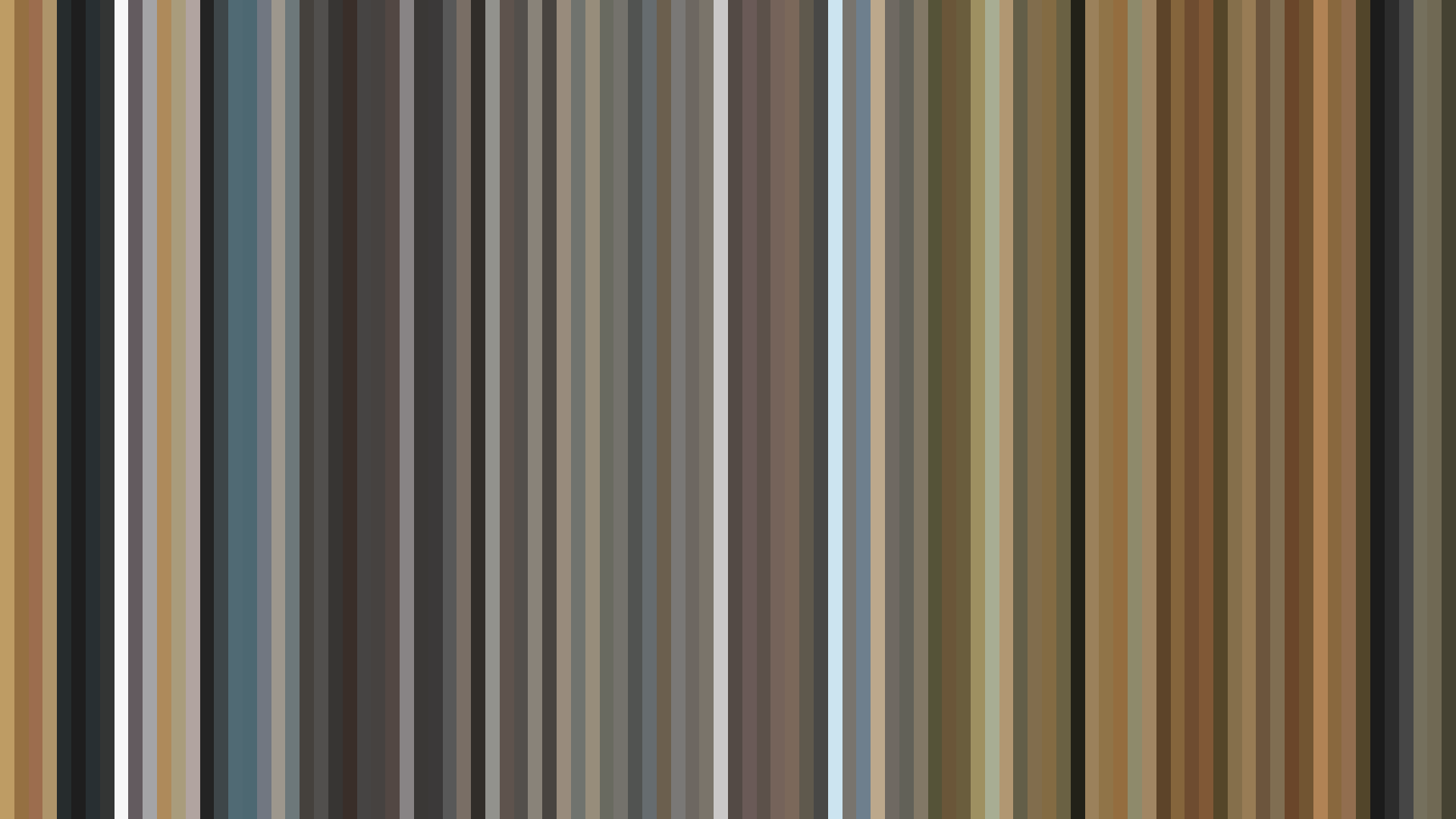
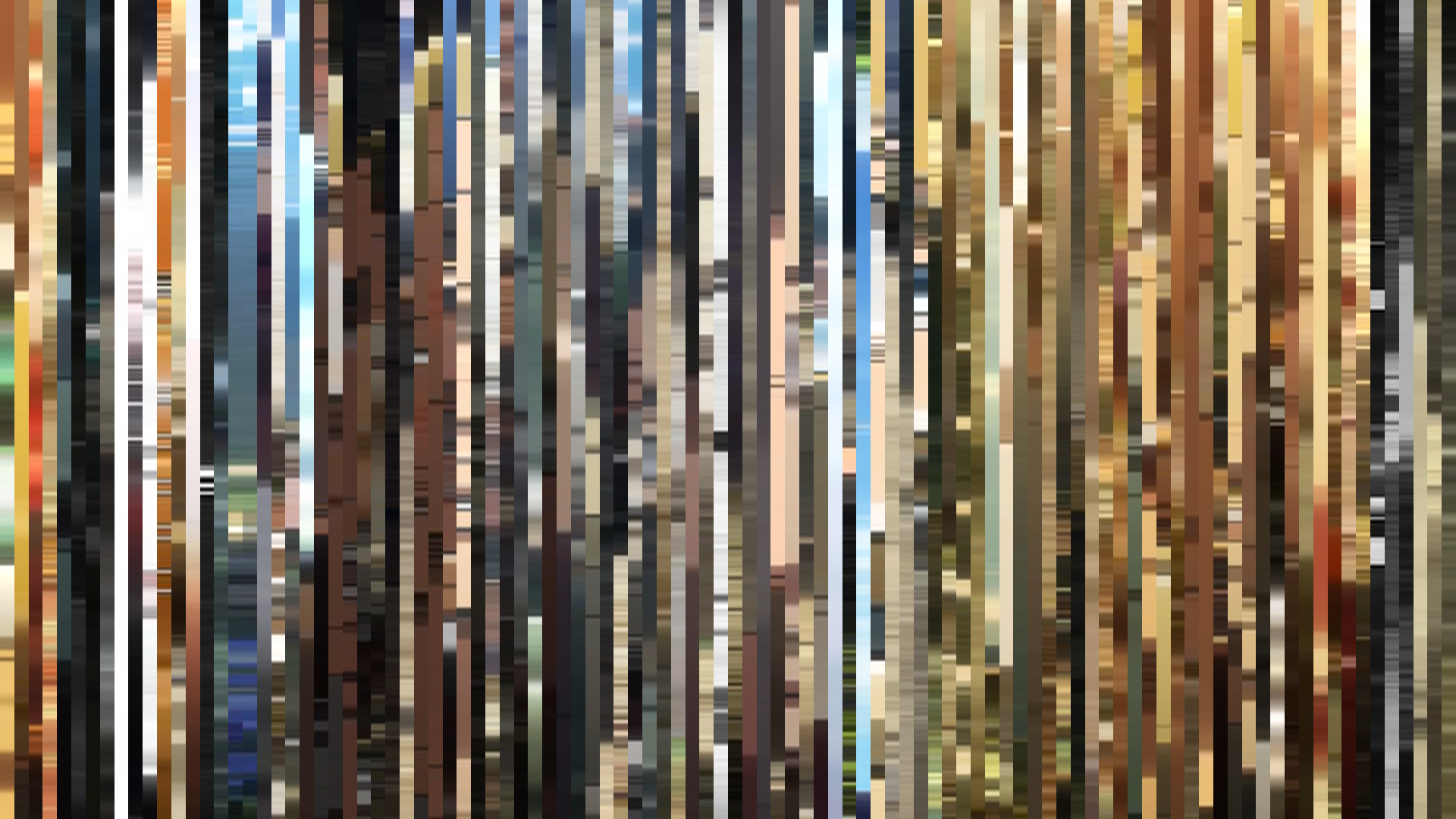
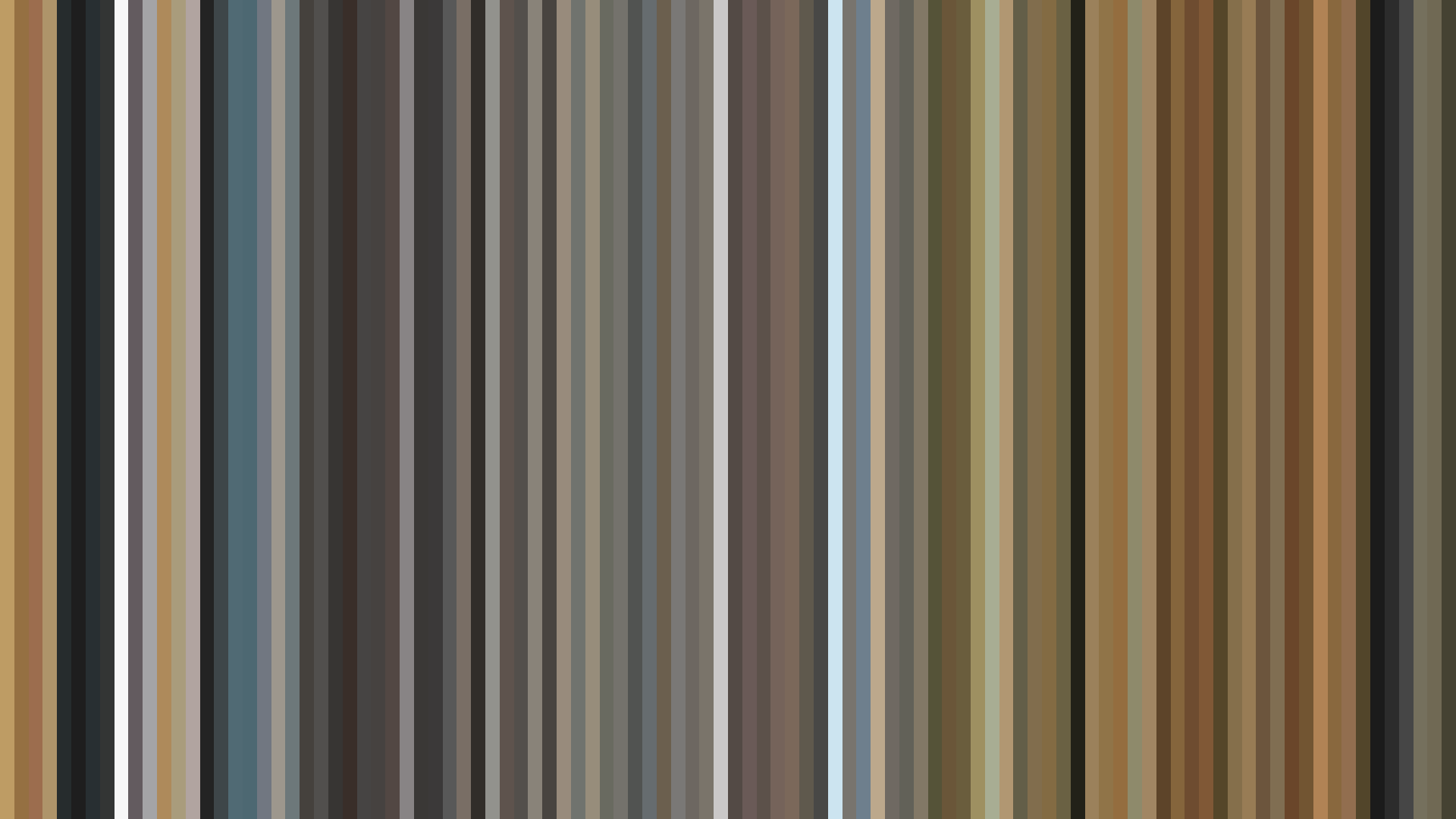
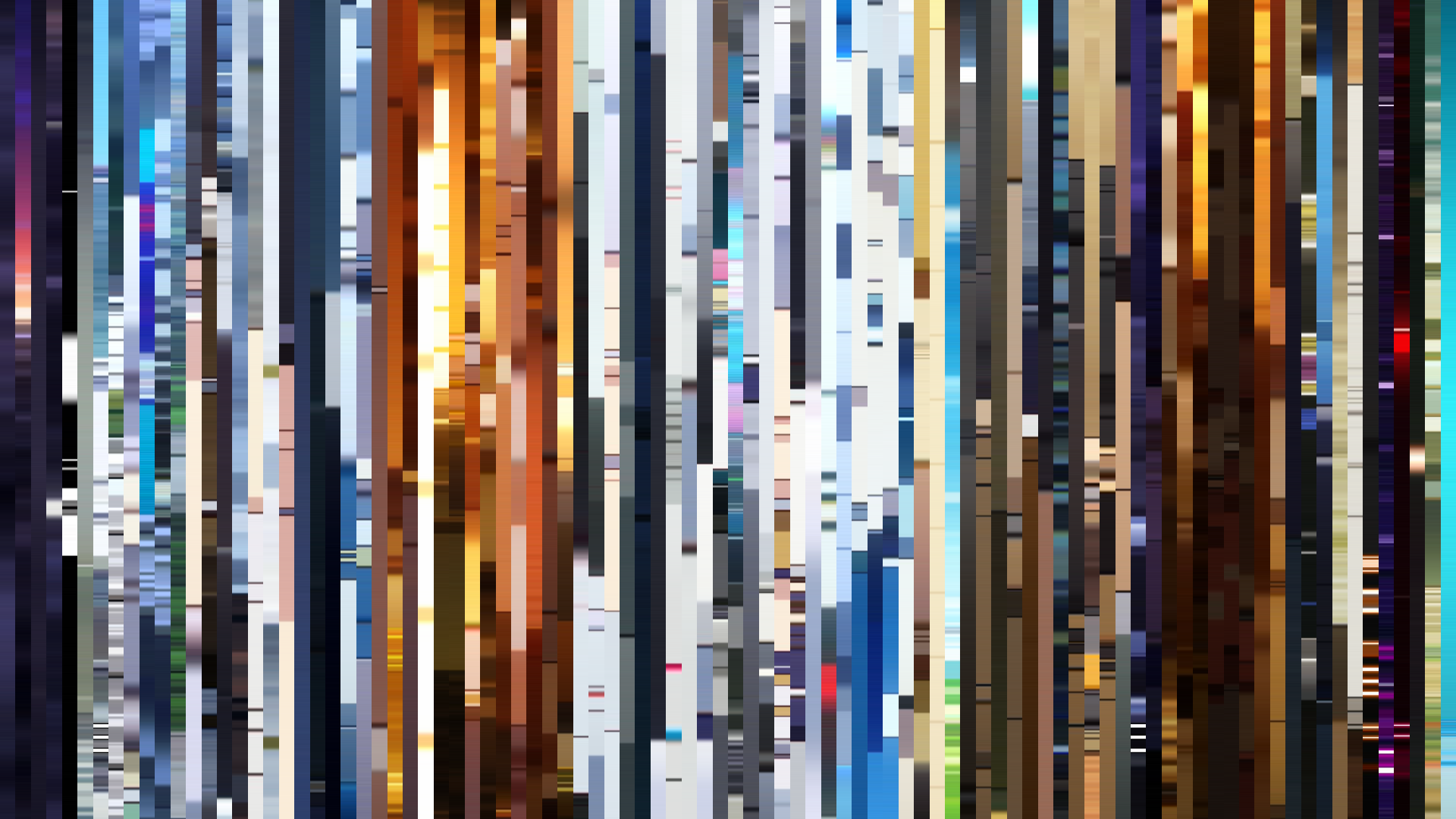
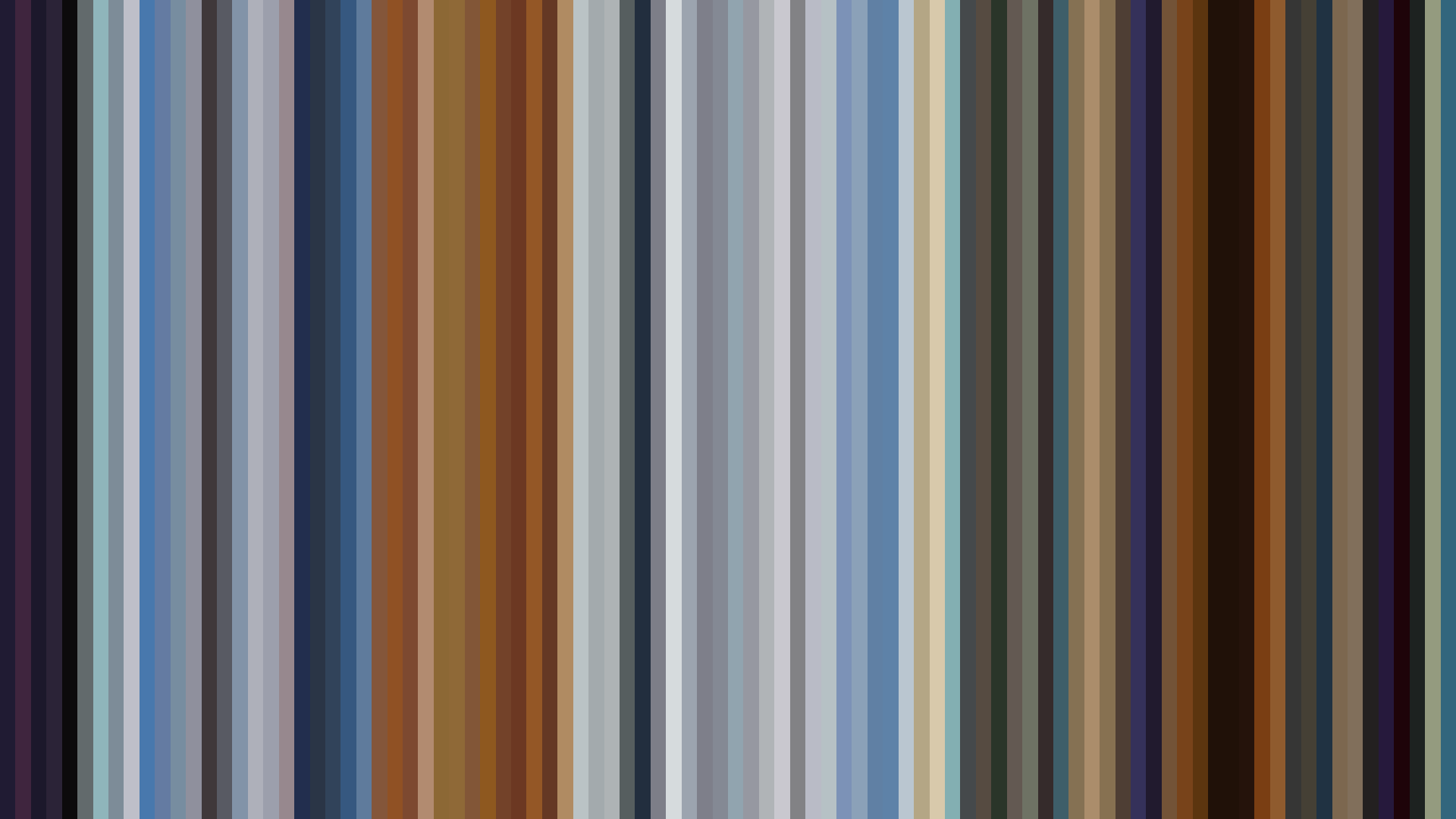
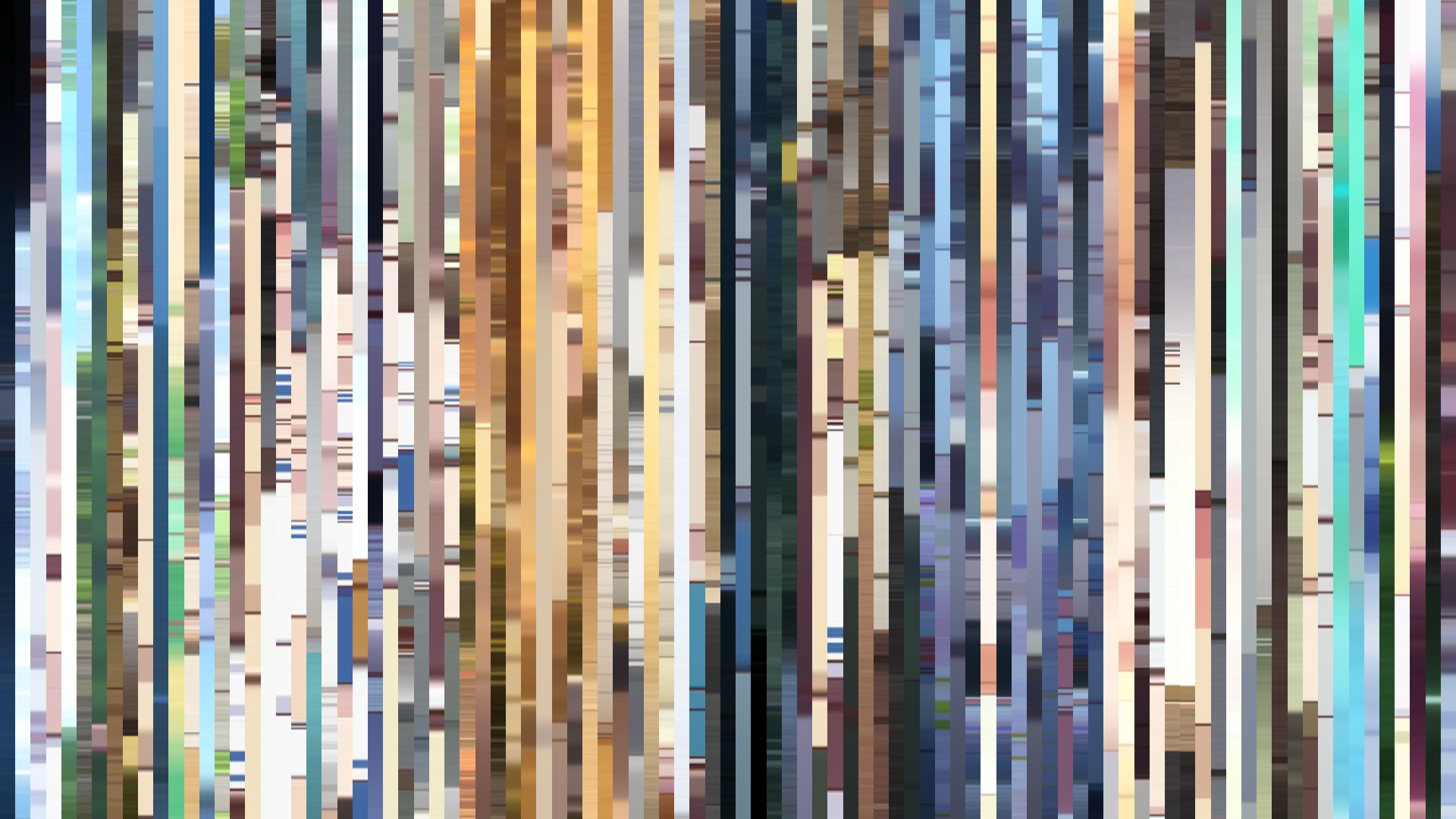
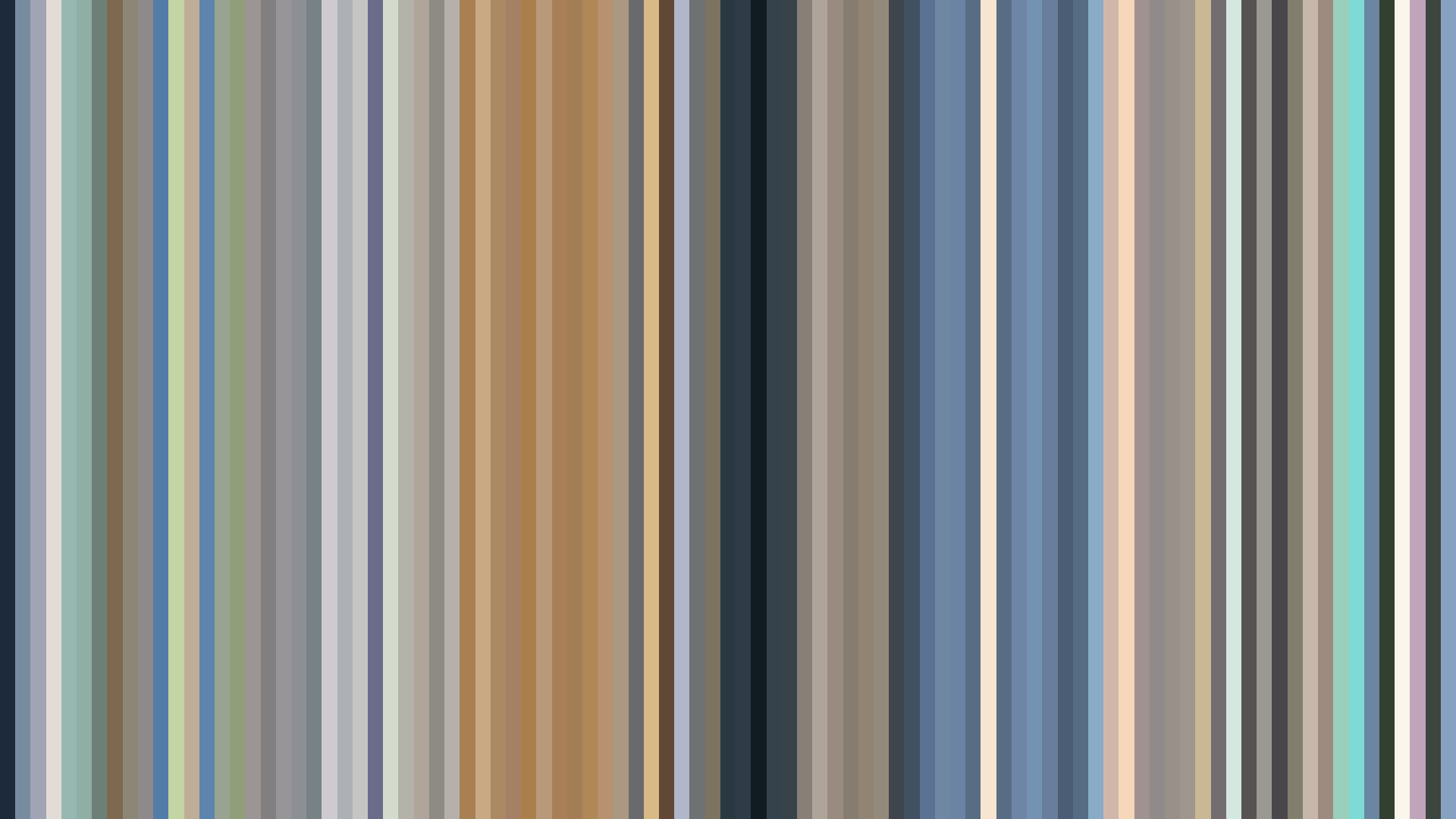
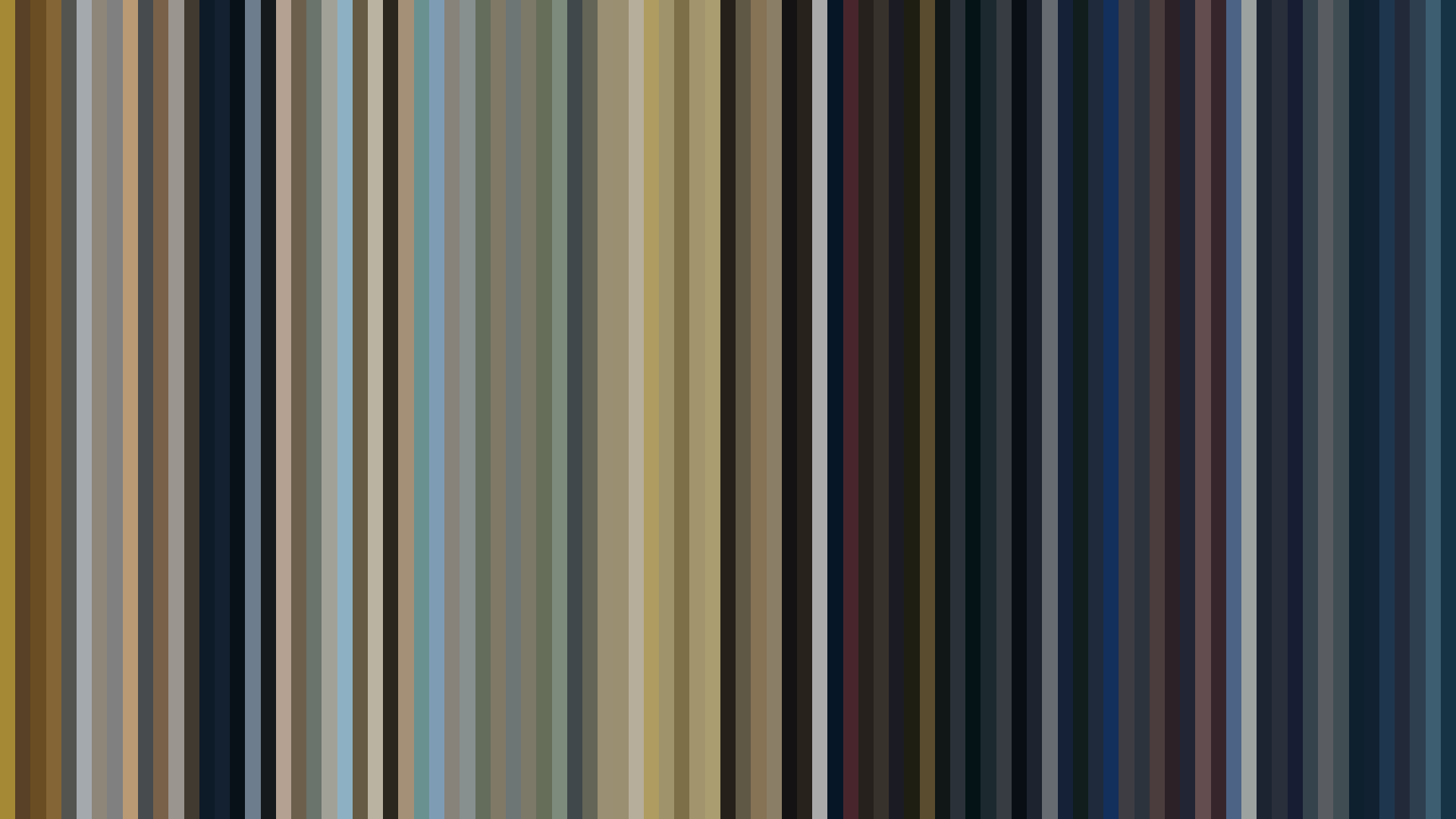
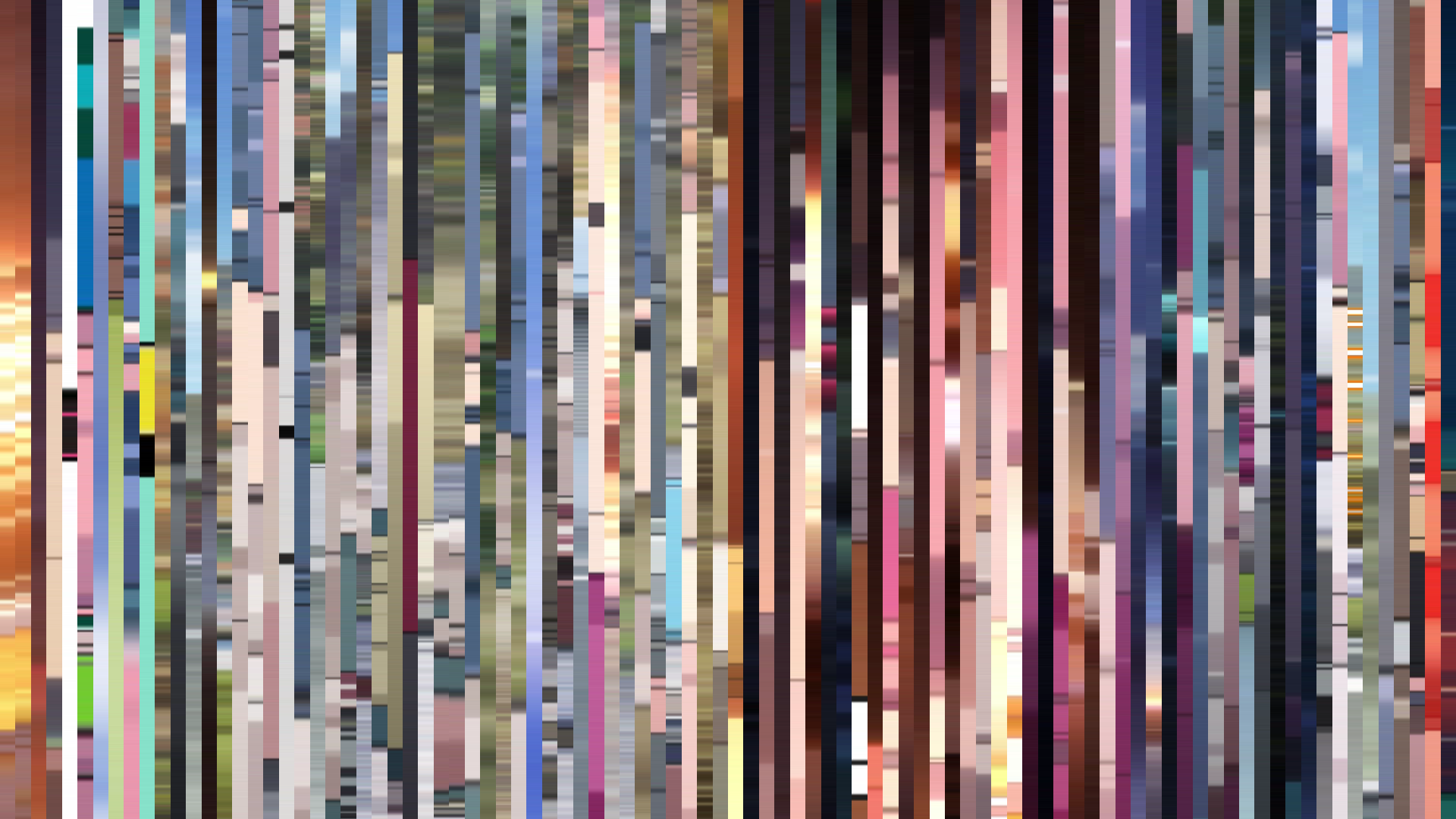
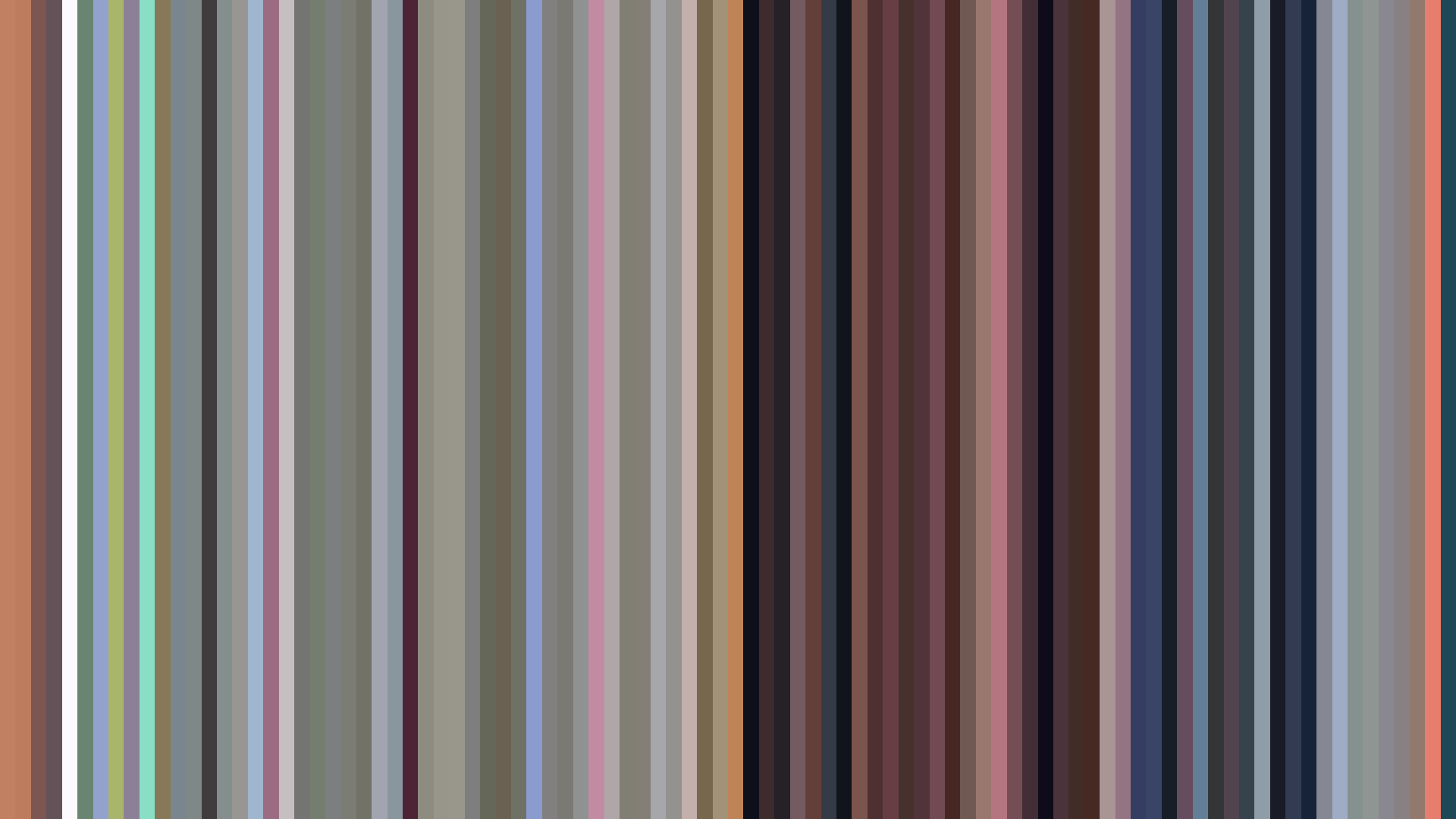
Frame Density Comparison — every 2nd vs every 4th frame
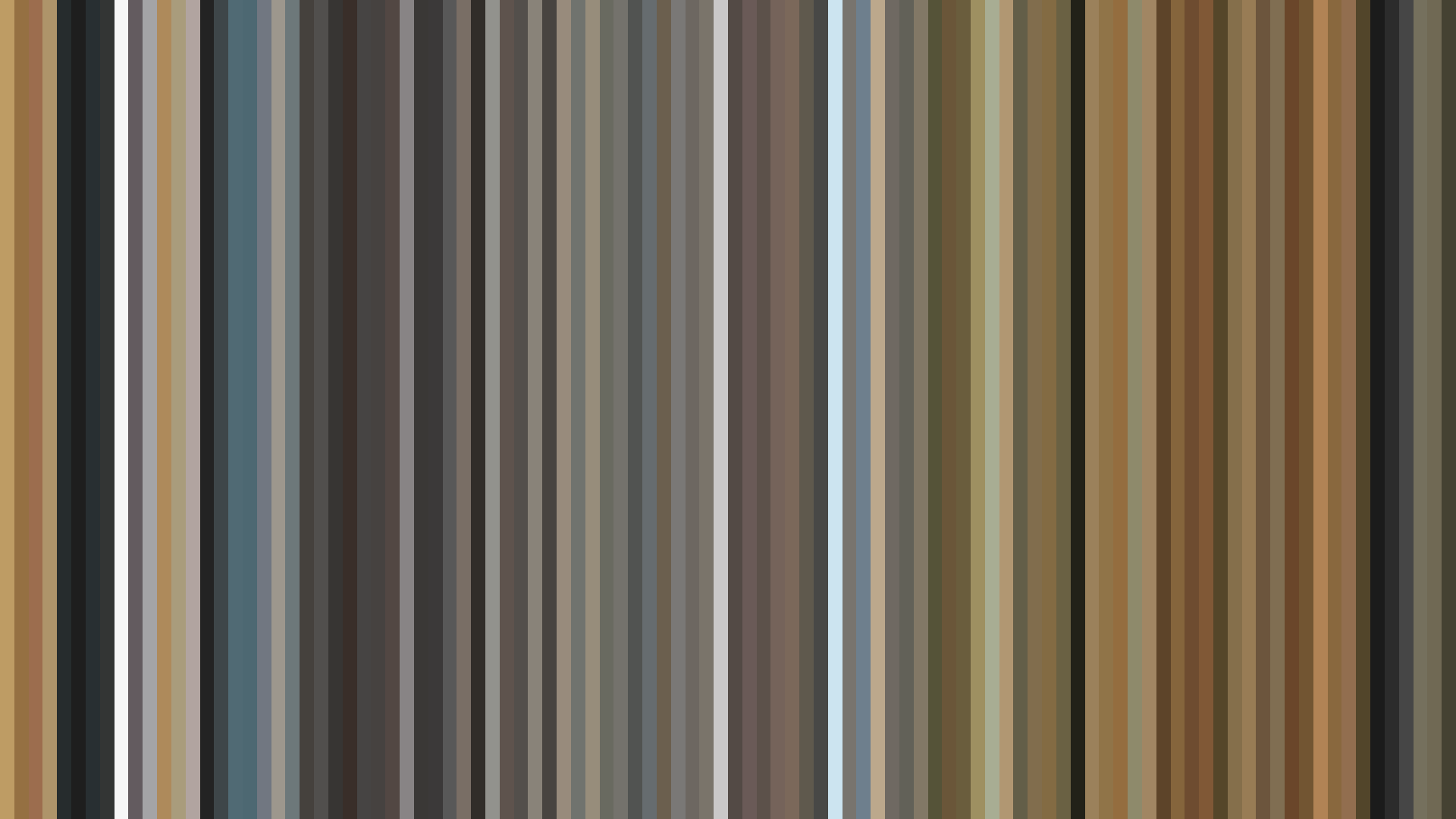
Slice · 15s
Avg · 15s
Slice · 30s
Avg · 30s
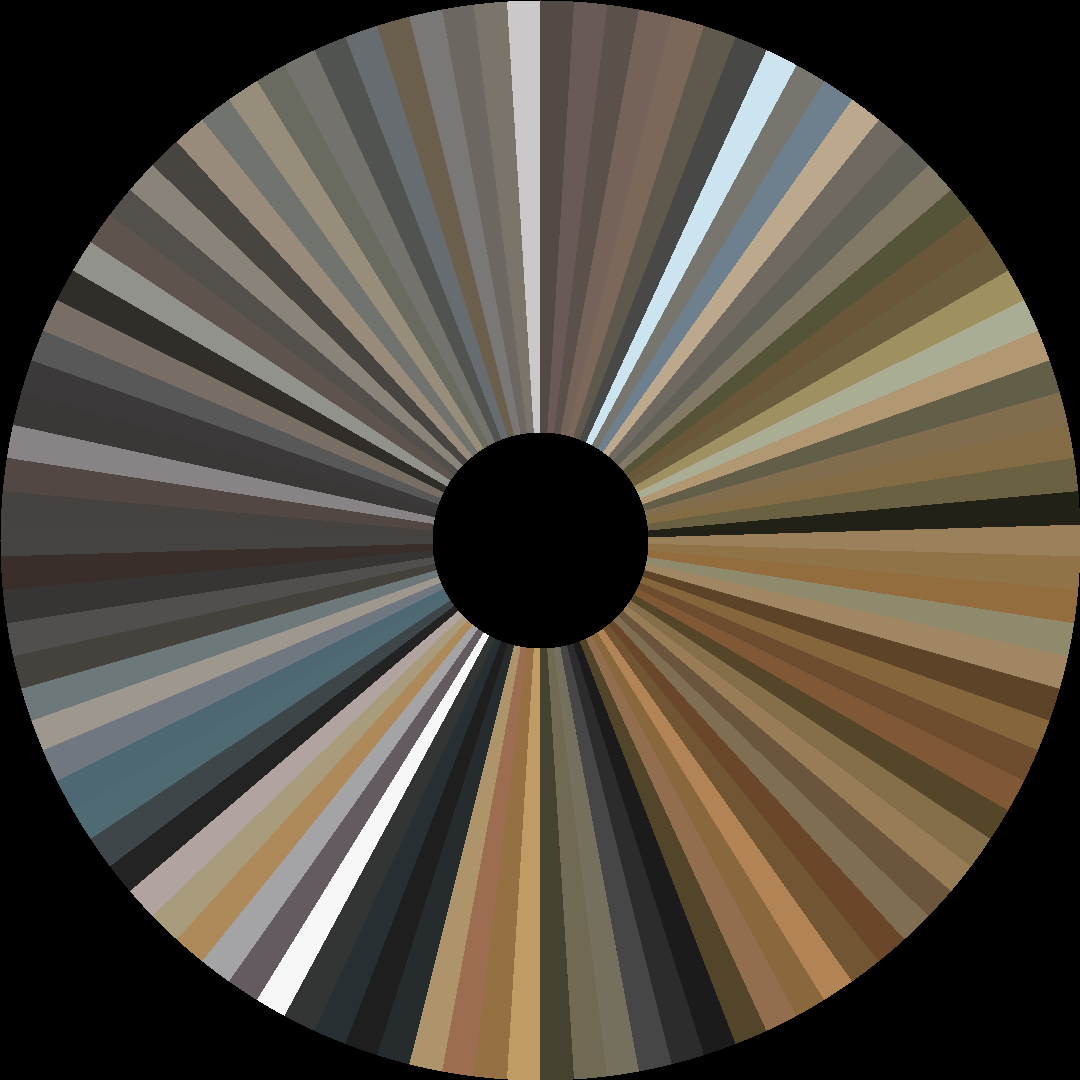
The earthy, desaturated palette—six browns and greys, with Red-Orange leaching 53% of frames—makes *AoT Final* feel less like anime and more like a weathered field report. The bright opening arc is a statistical trick: the actual middle episodes are brighter (0.409) than the opening (0.345), exposing the lie in any promise of hope. The third act’s slight darkening to 0.379 isn’t resolution; it’s the grim realism of a conflict that refuses catharsis. This is a show that paints its world in mud and dried blood (that #604C33 is less fire than old stain) and lets the color do the storytelling. Where earlier seasons indulged in the terror of giant enemies, the Final Season makes everything small and dingy—
Brightness Arc (episode progression)
Hue Distribution
Act Breakdown
Opening
0.345
Middle
0.409
Closing
0.379
Avg Brightness
0.437
Avg Saturation
0.267
Warmth
0.560
Color Palette
#24221F
#615D56
#604C33
#A38E68
#A5A096
#EBEBE6
#503526
#927353
3-Act Color Story
Opening
Middle
Closing
Color Twins
Perceptually nearest palettes — measured in OKLab space, not RGB






The earthy, desaturated palette—six browns and greys, with Red-Orange leaching 53% of frames—makes *AoT Final* feel less like anime and more like a weathered field report. The bright opening arc is a statistical trick: the actual middle episodes are brighter (0.409) than the opening (0.345), exposing the lie in any promise of hope. The third act’s slight darkening to 0.379 isn’t resolution; it’s the grim realism of a conflict that refuses catharsis. This is a show that paints its world in mud and dried blood (that #604C33 is less fire than old stain) and lets the color do the storytelling. Where earlier seasons indulged in the terror of giant enemies, the Final Season makes everything small and dingy—