Home›2021›Demon Slayer: Kimetsu no Yaiba Mugen Train Arc
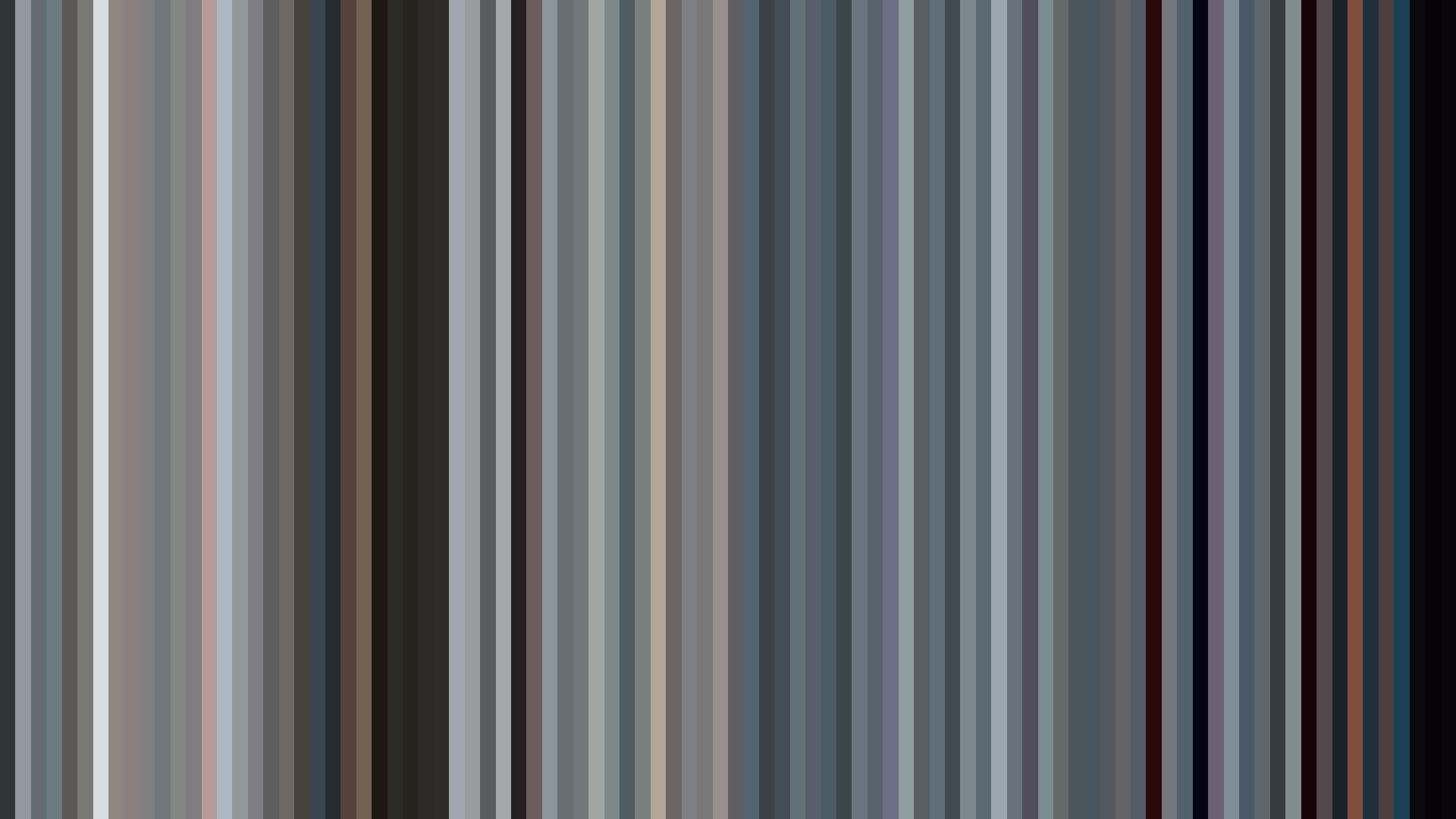
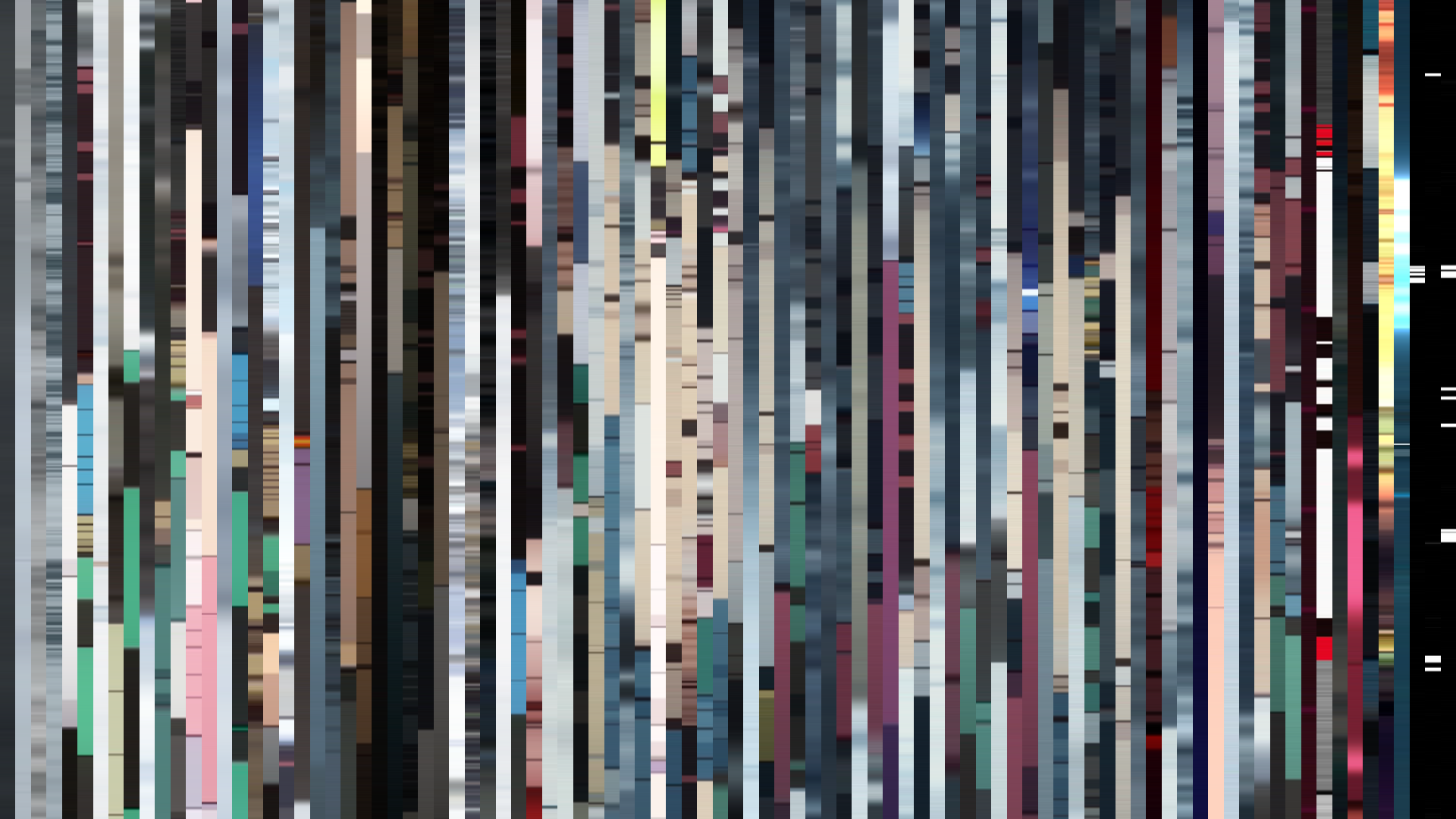
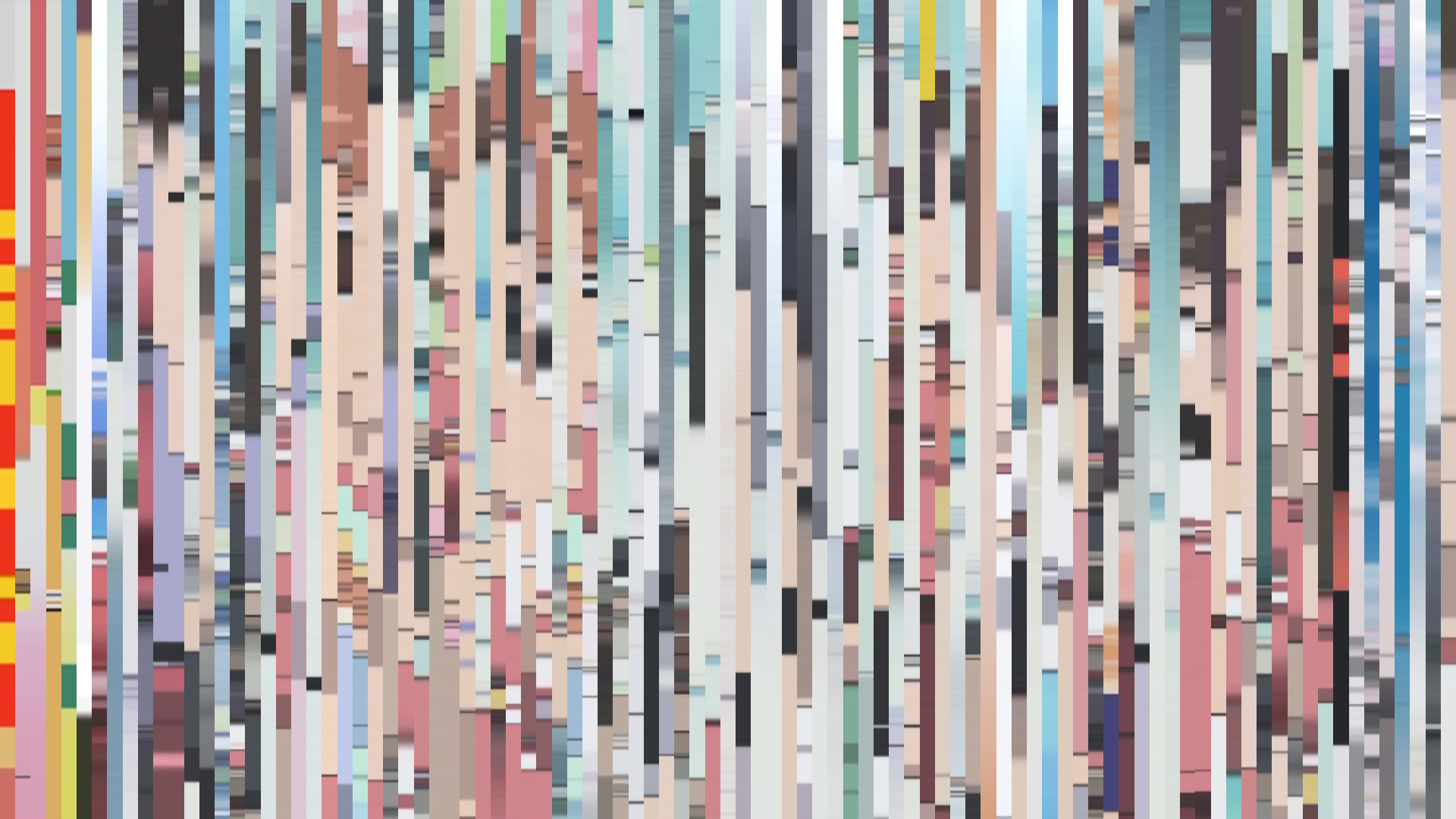
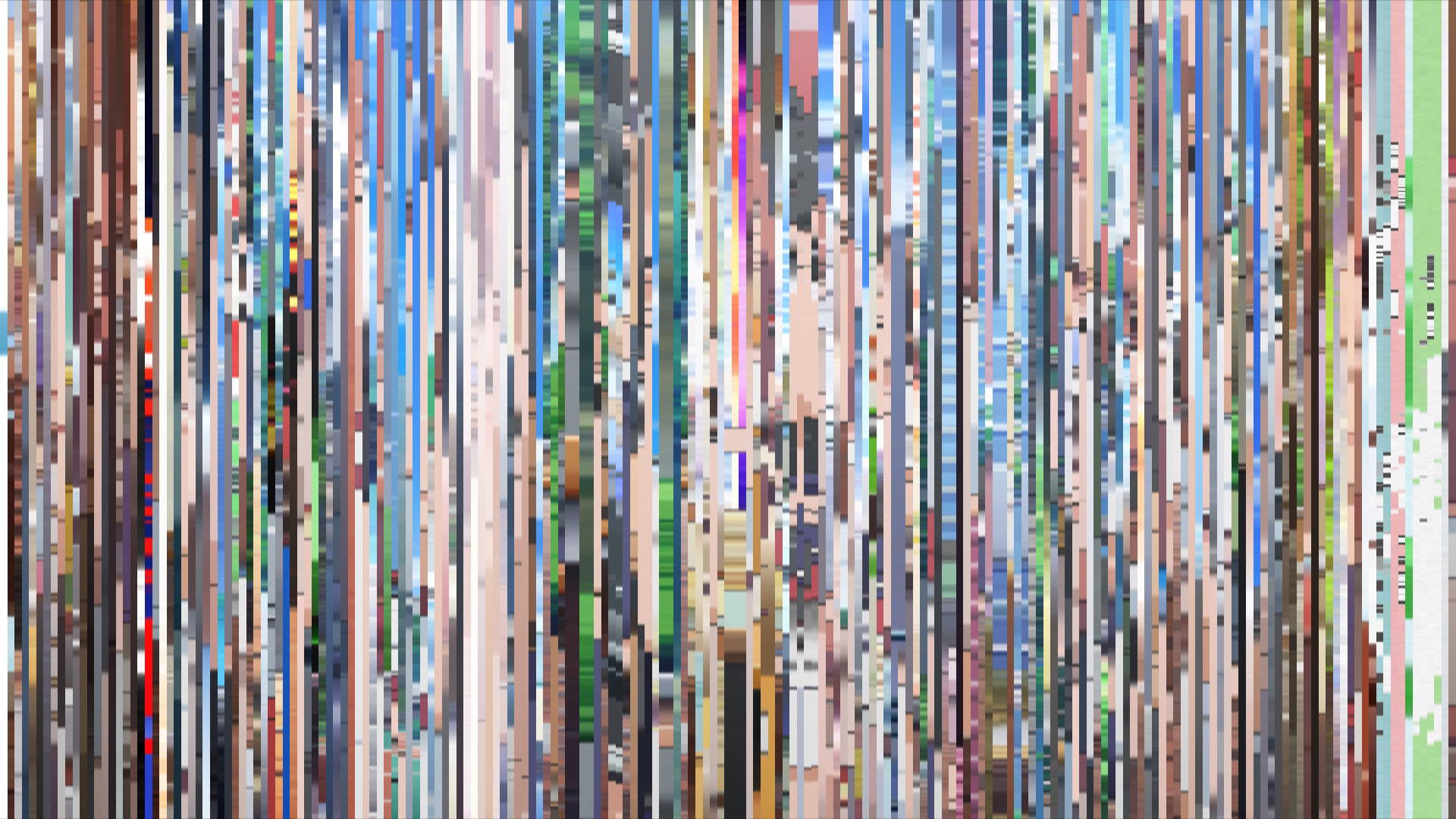
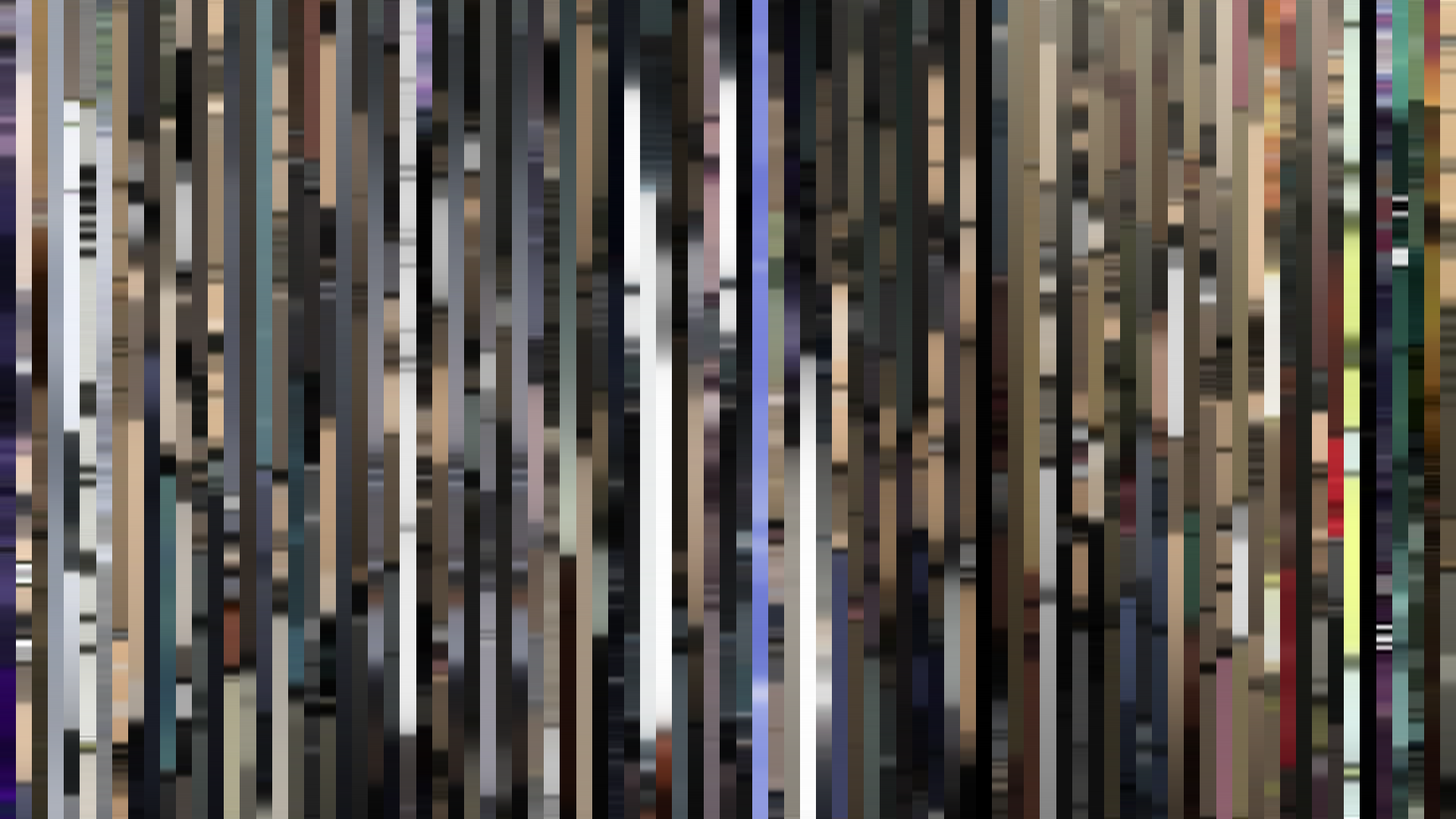
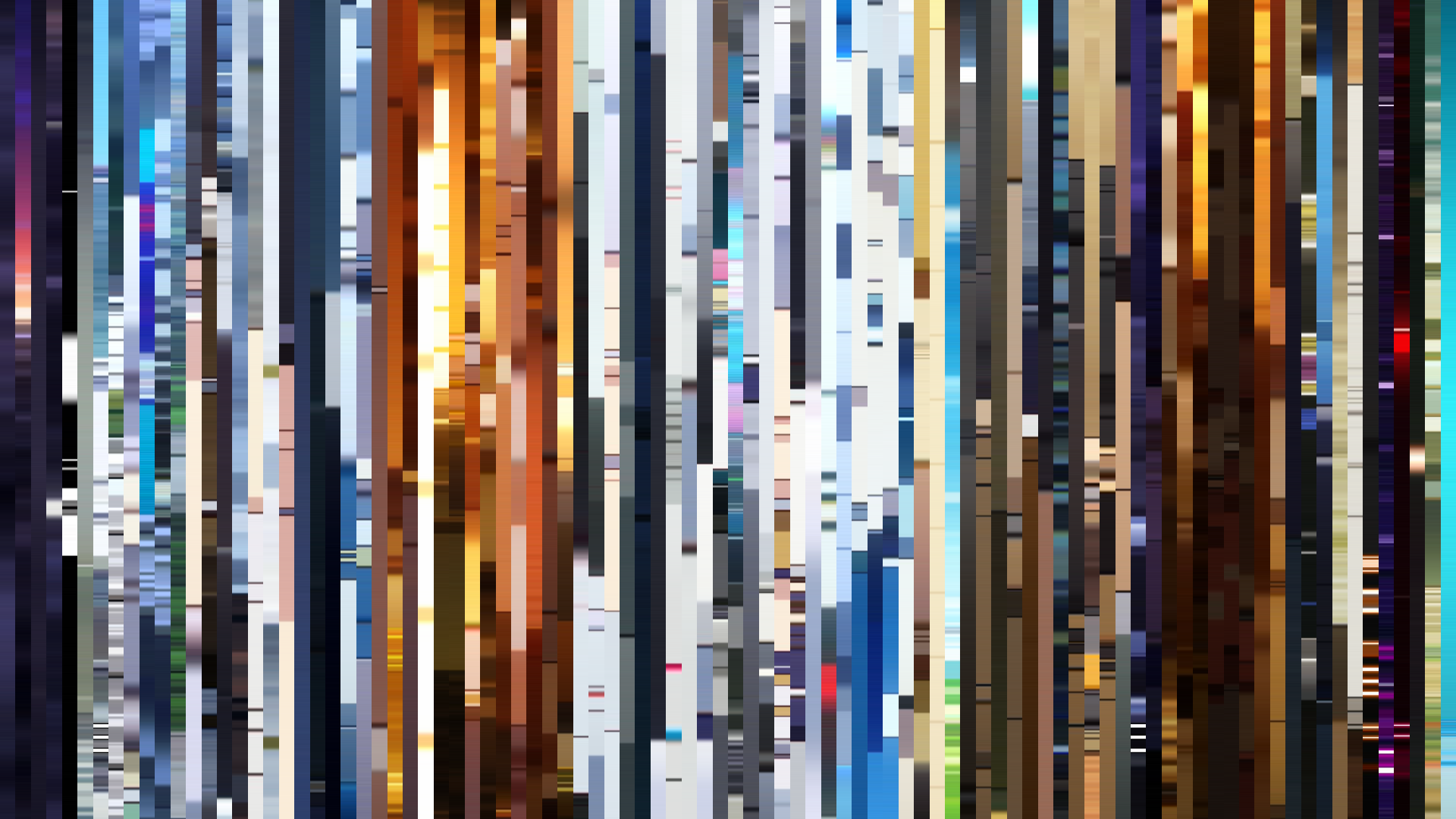
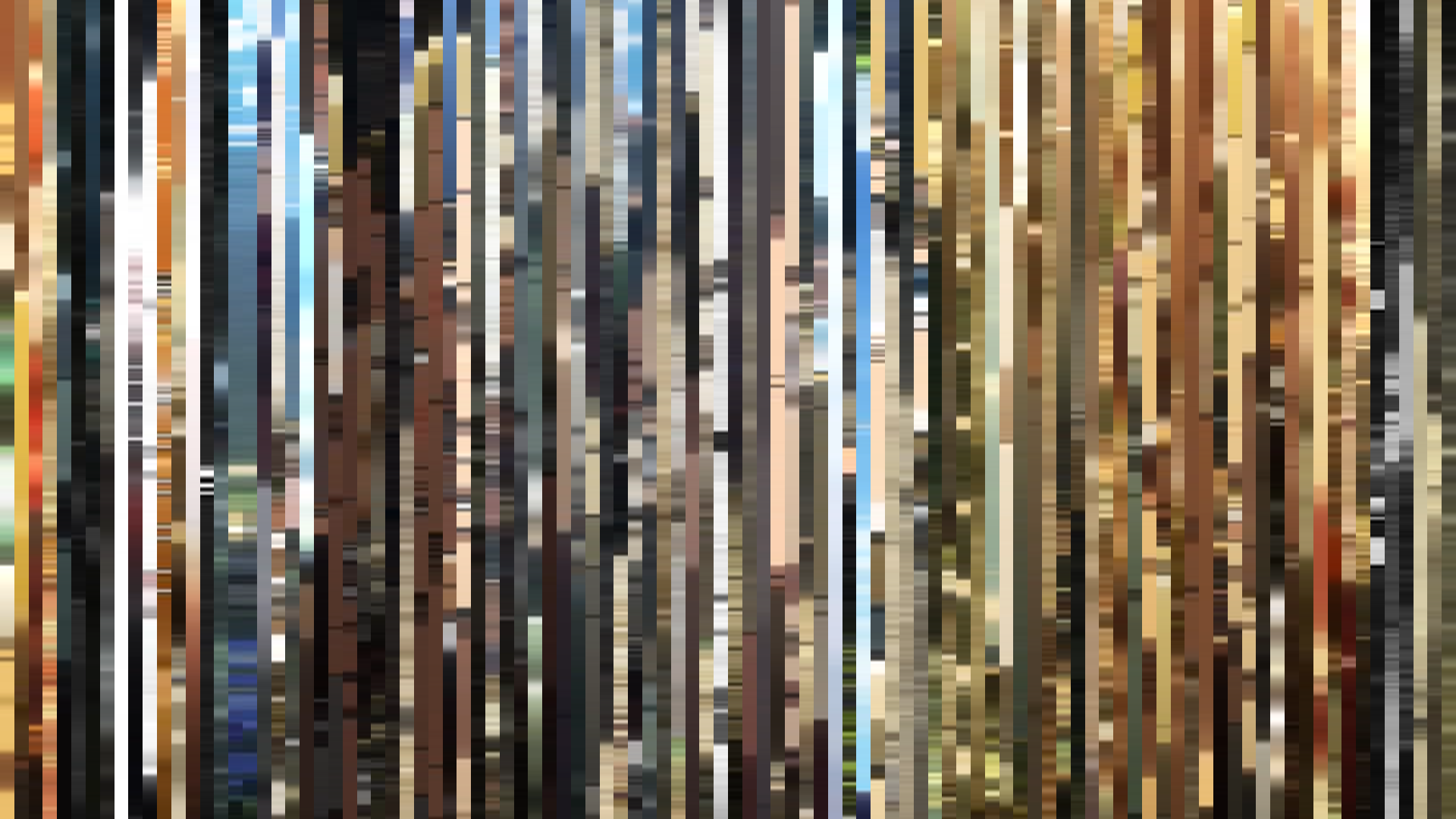
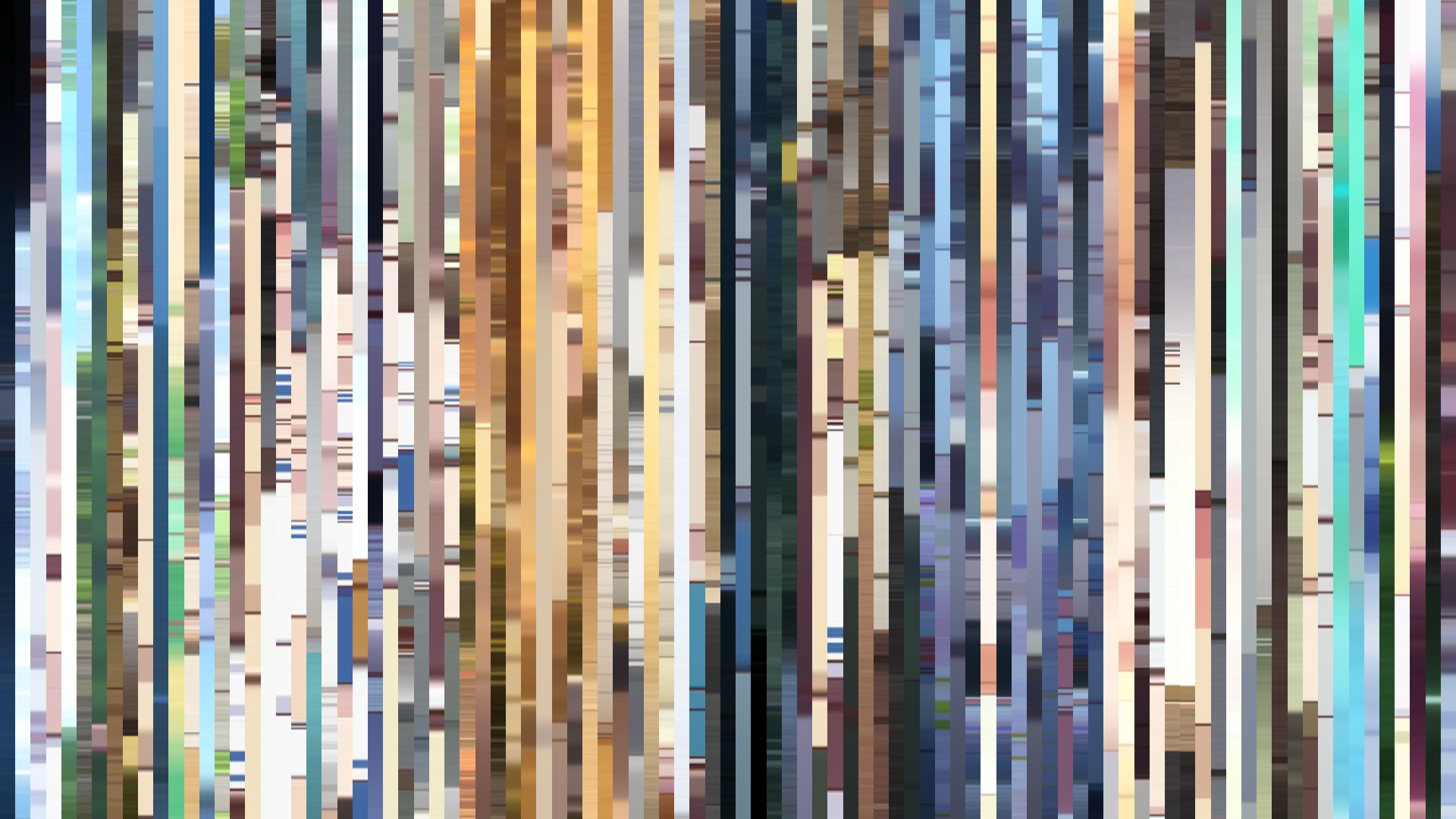
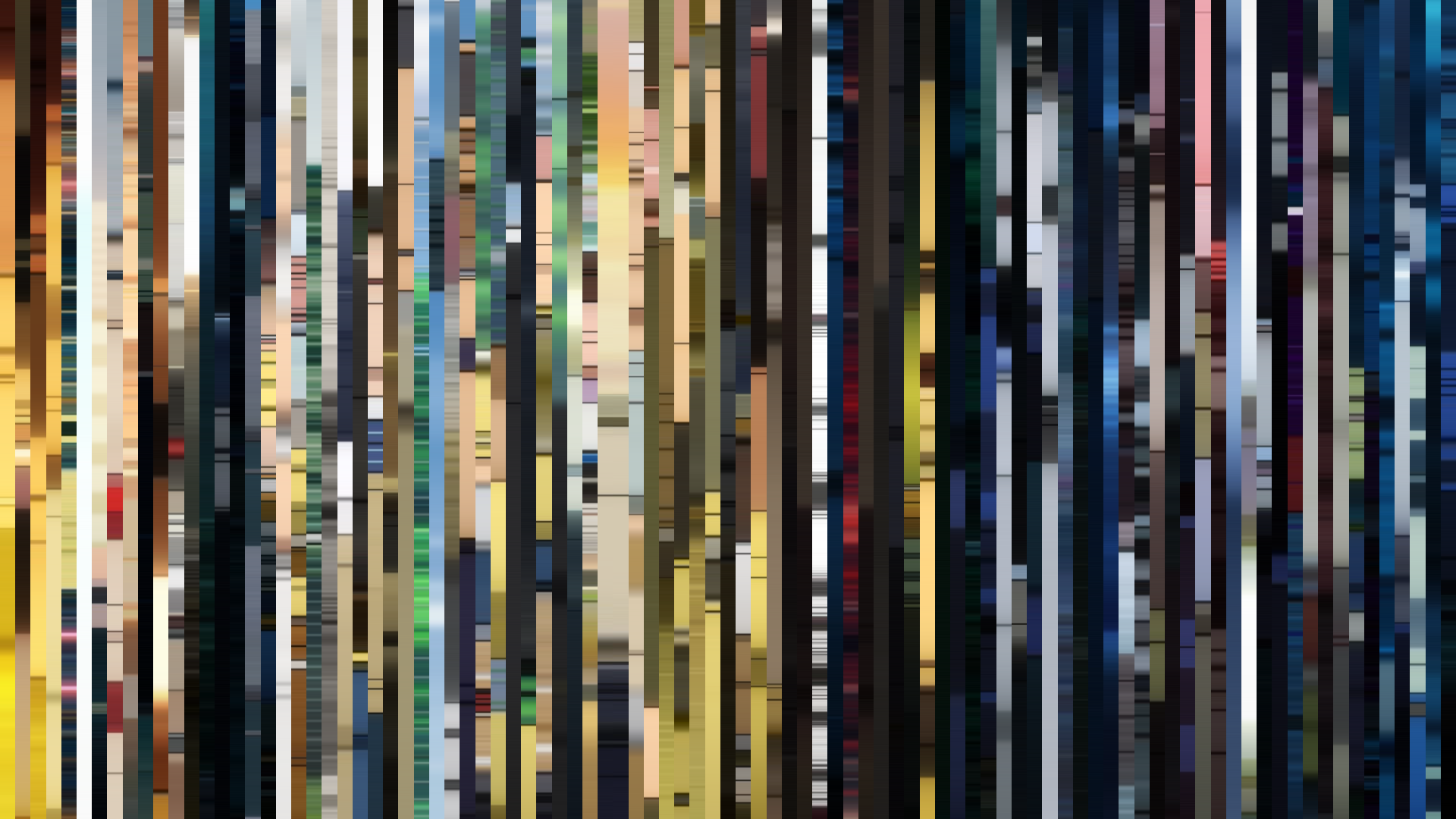
Pixel Slice — 1px center crop per frame
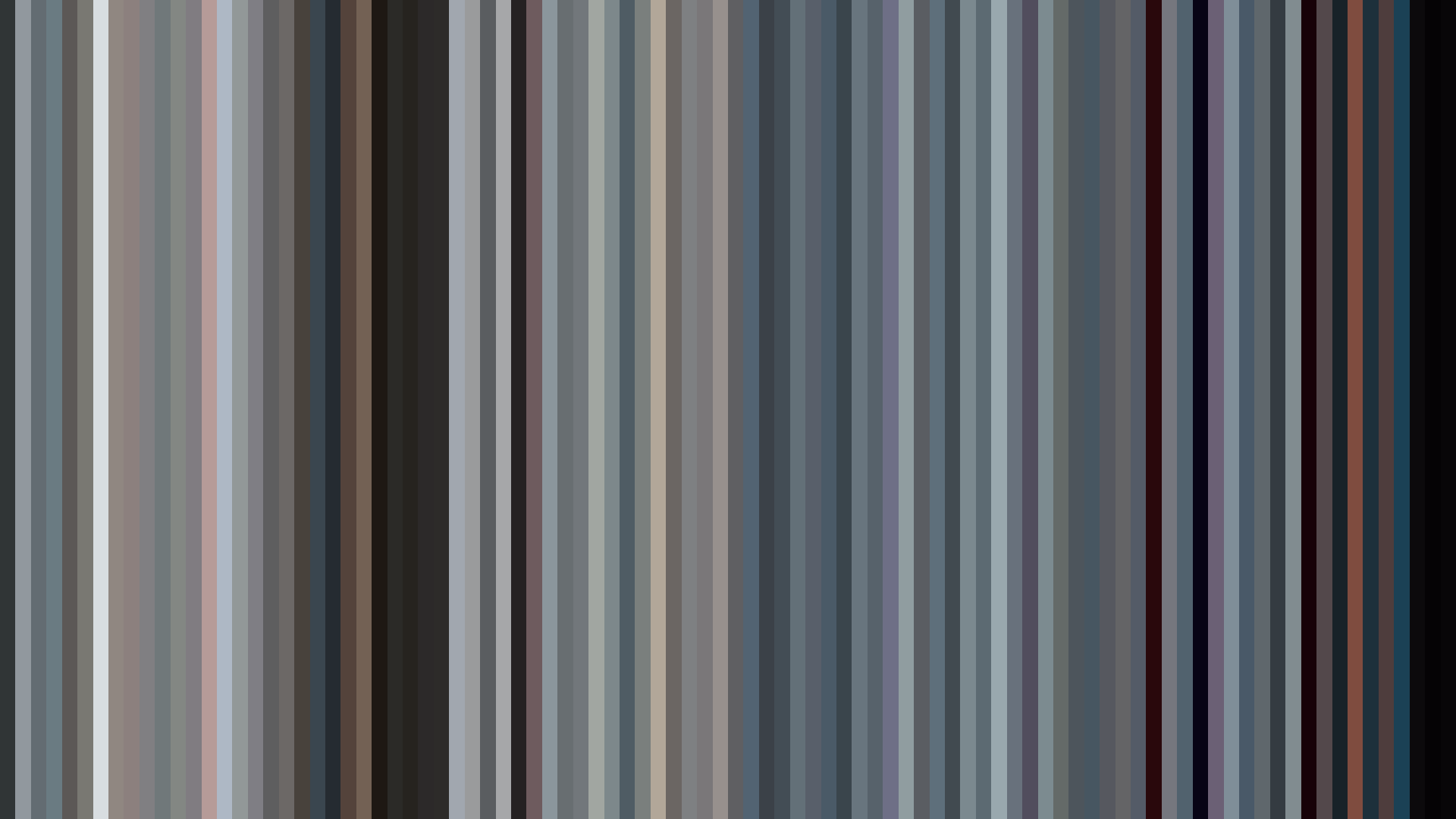
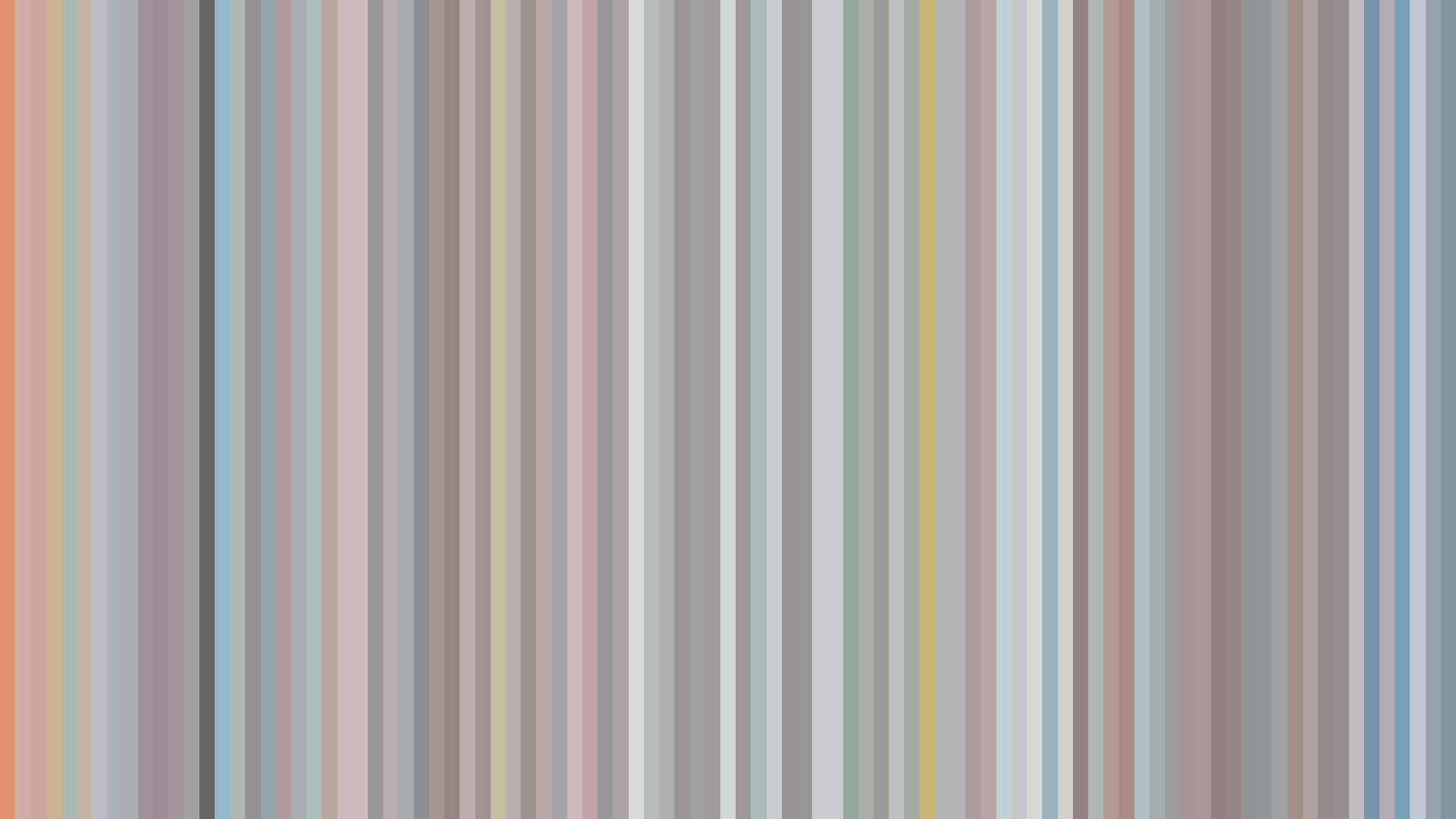
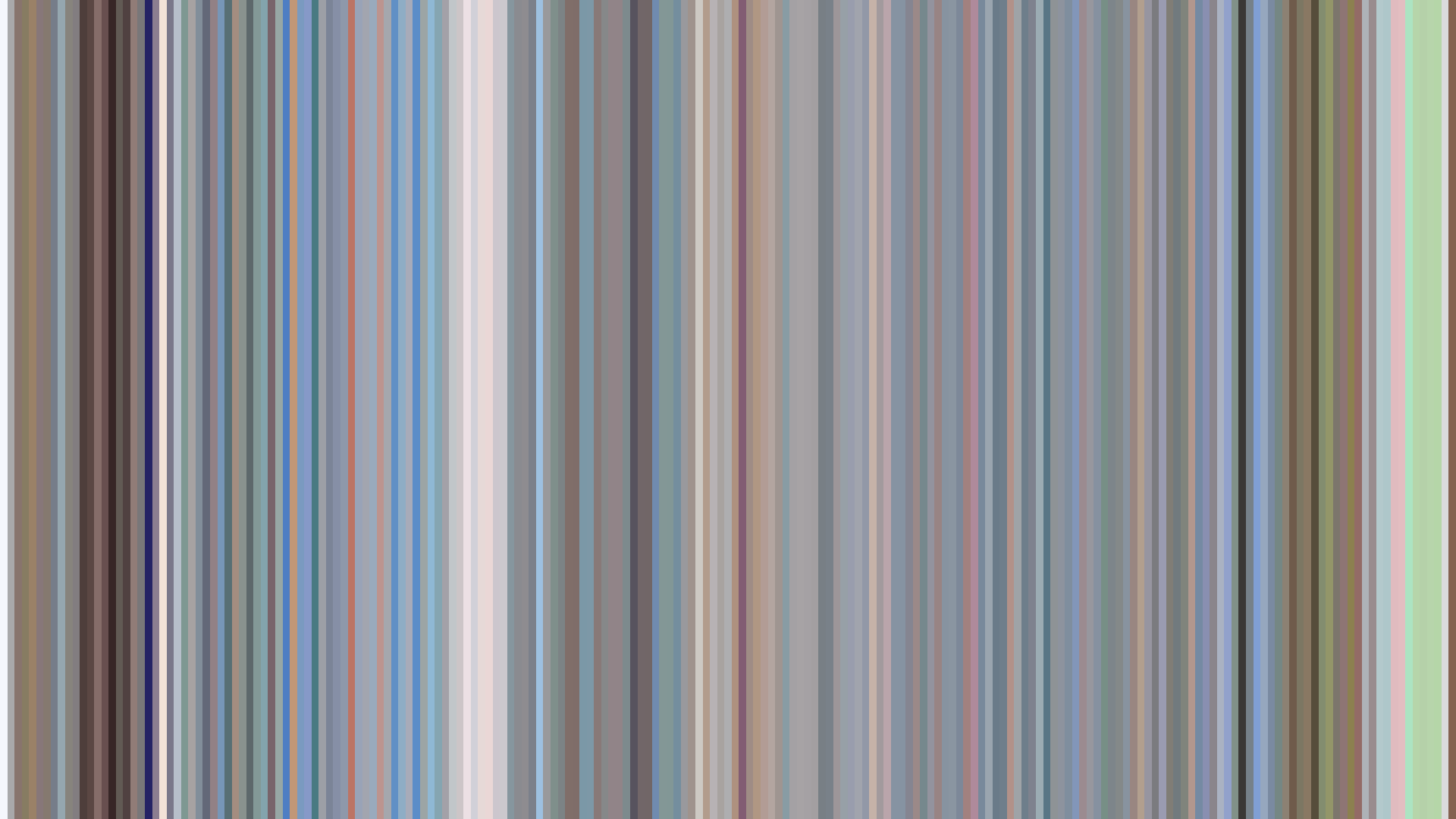
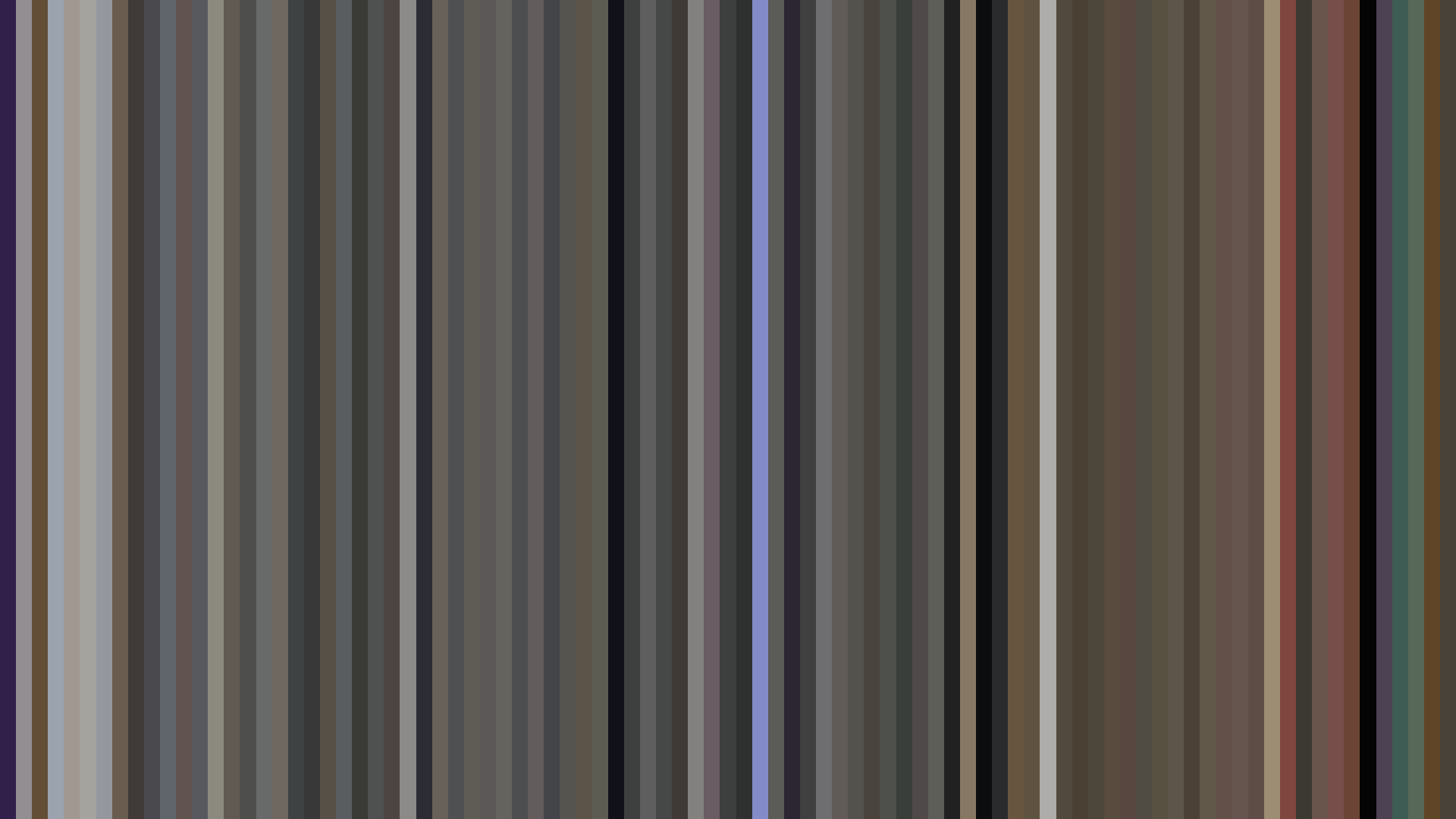
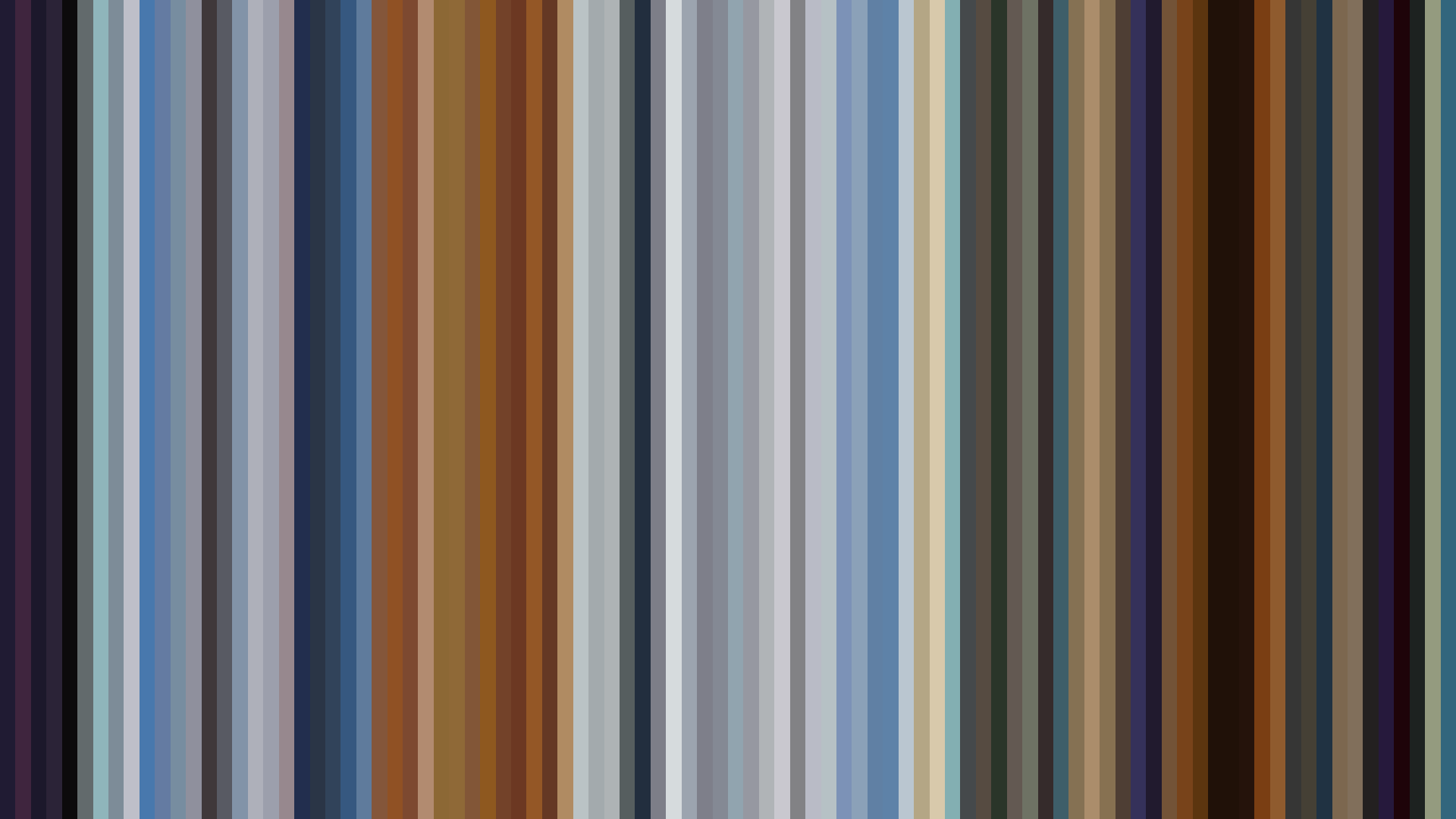
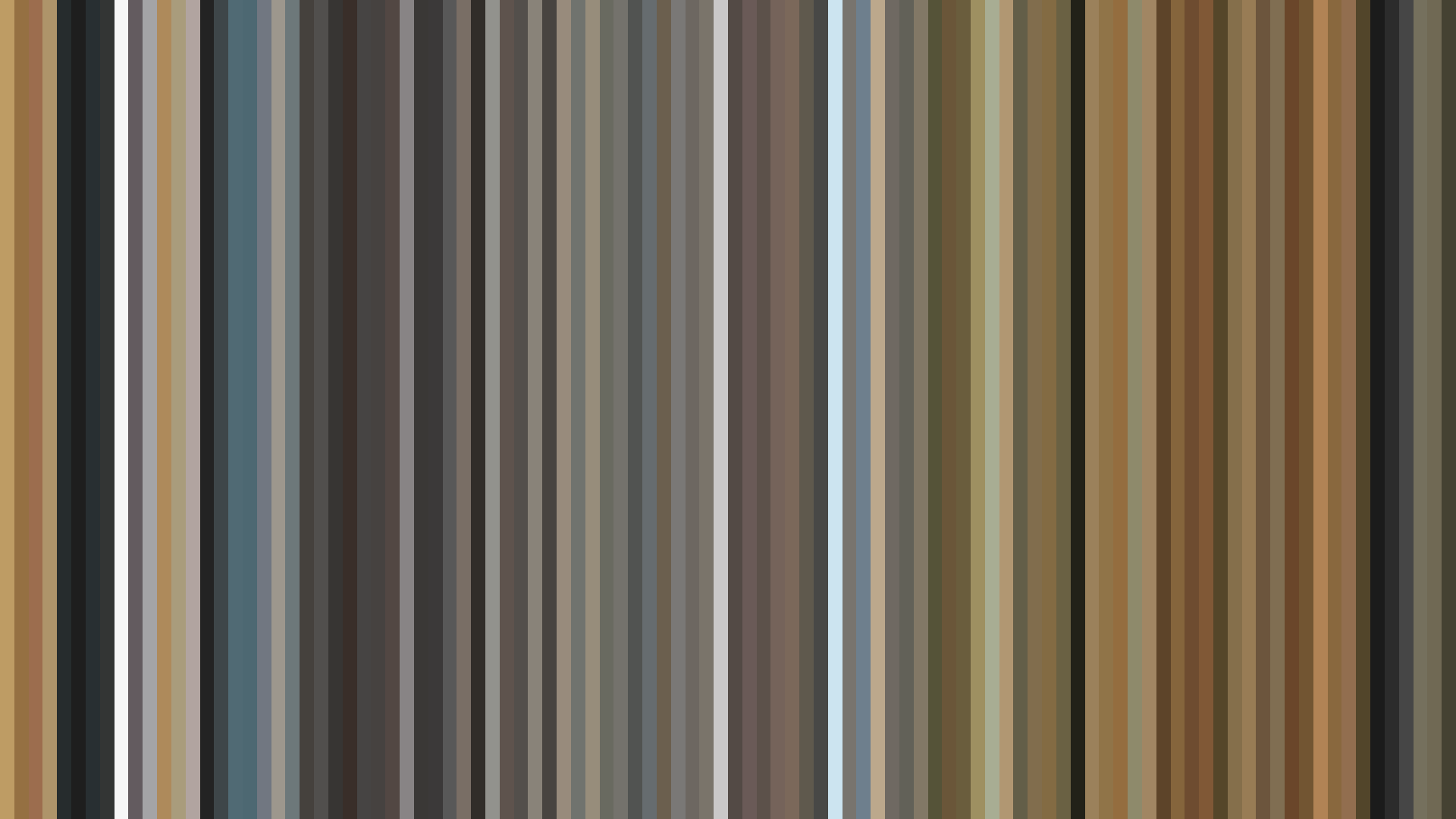
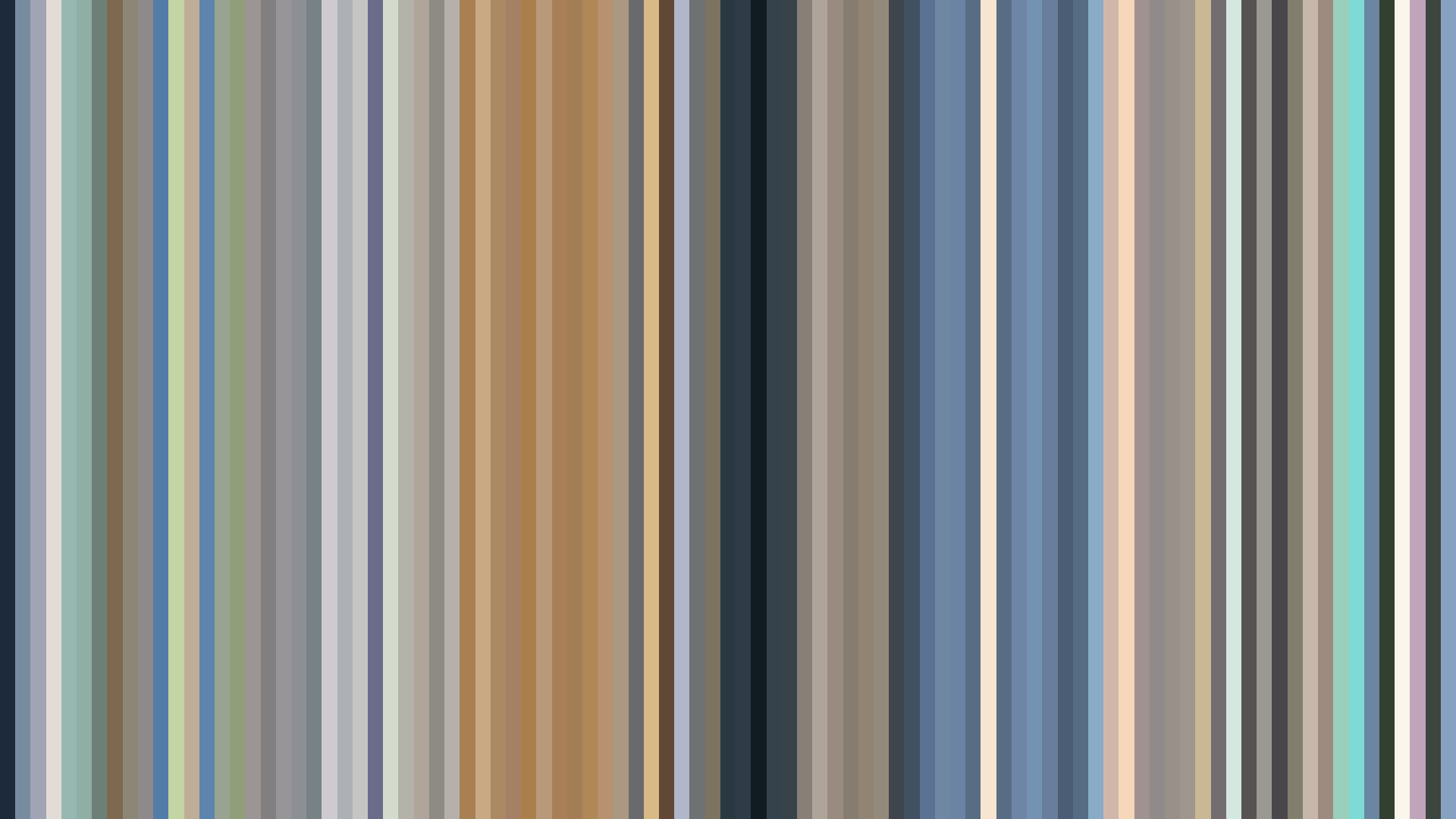
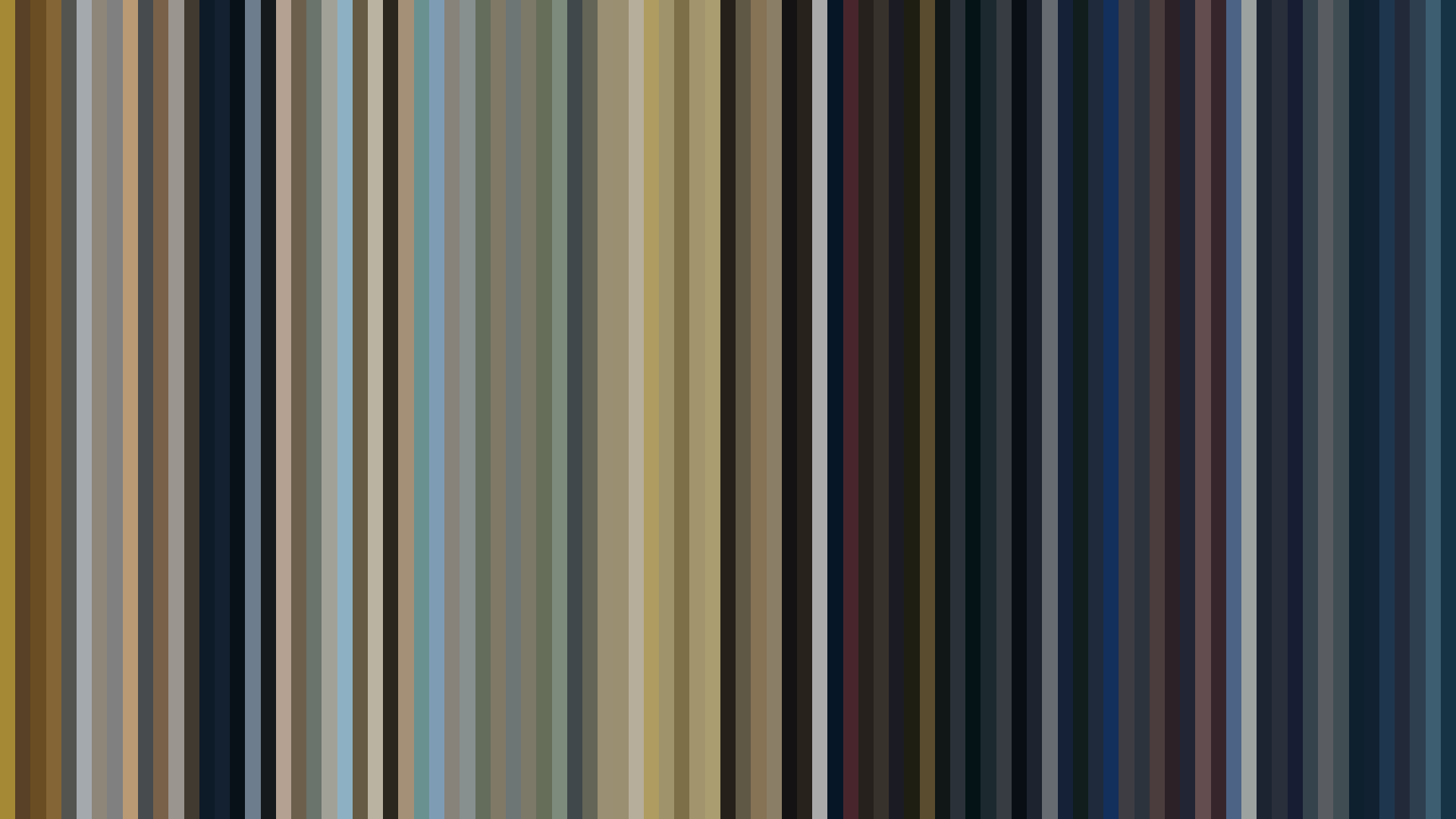
Smooth Average — mean color per frame
Rank Mosaic — columns sorted by luminance
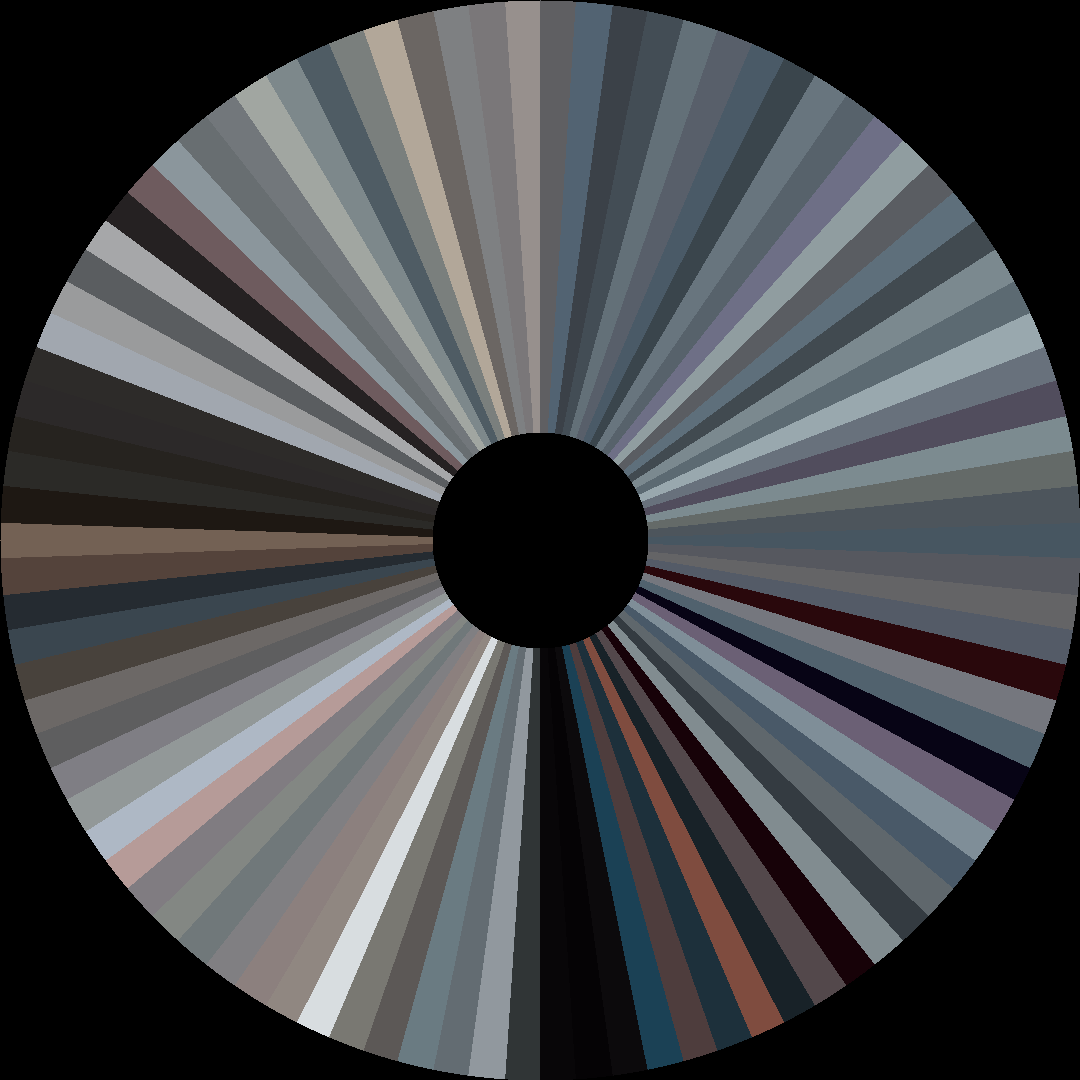
Circle / Radial — polar transform
Edit Pace — frame-to-frame color delta (bright = fast cuts)
Color Temperature — warm (gold) vs cool (teal) per frame
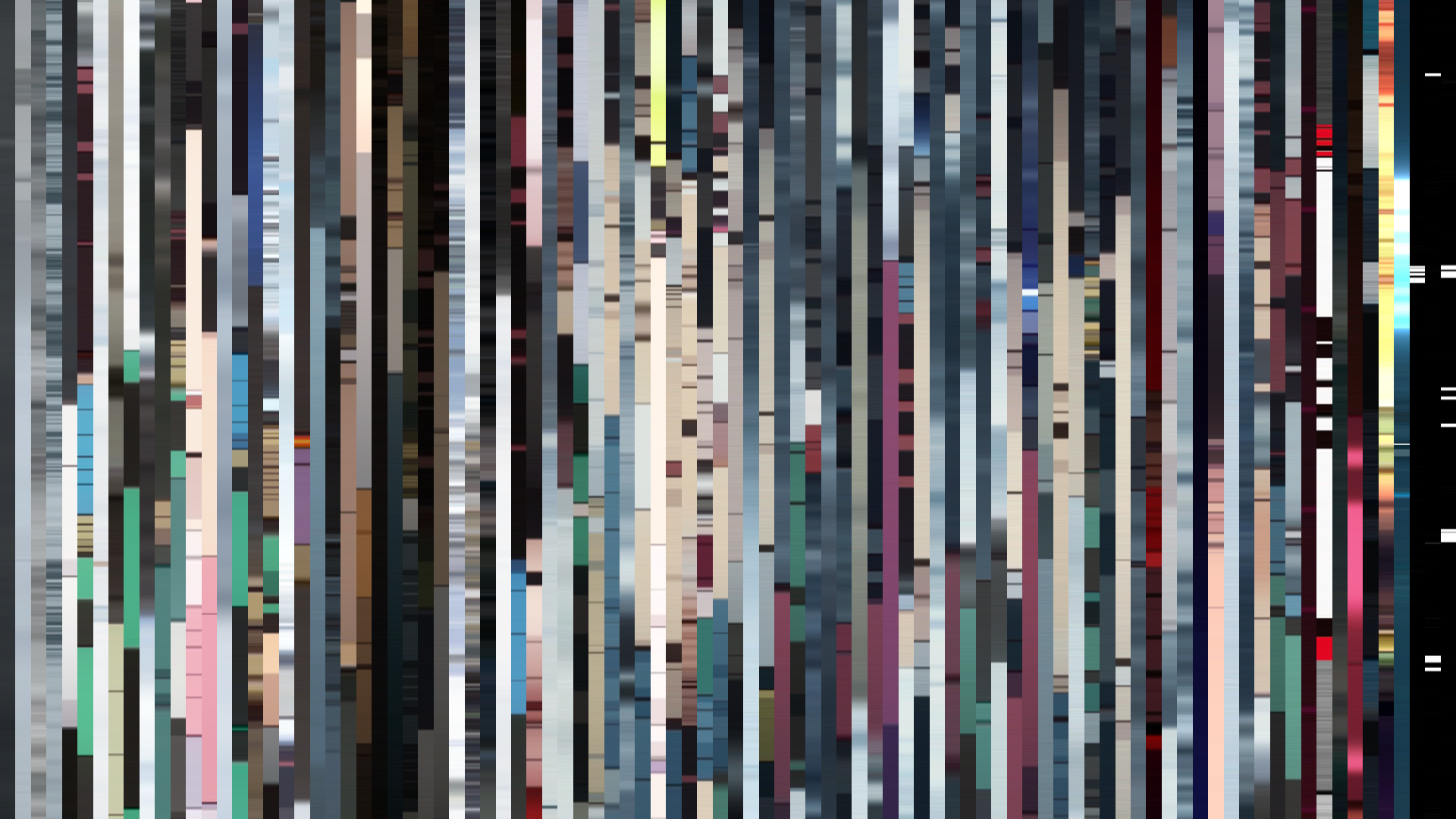
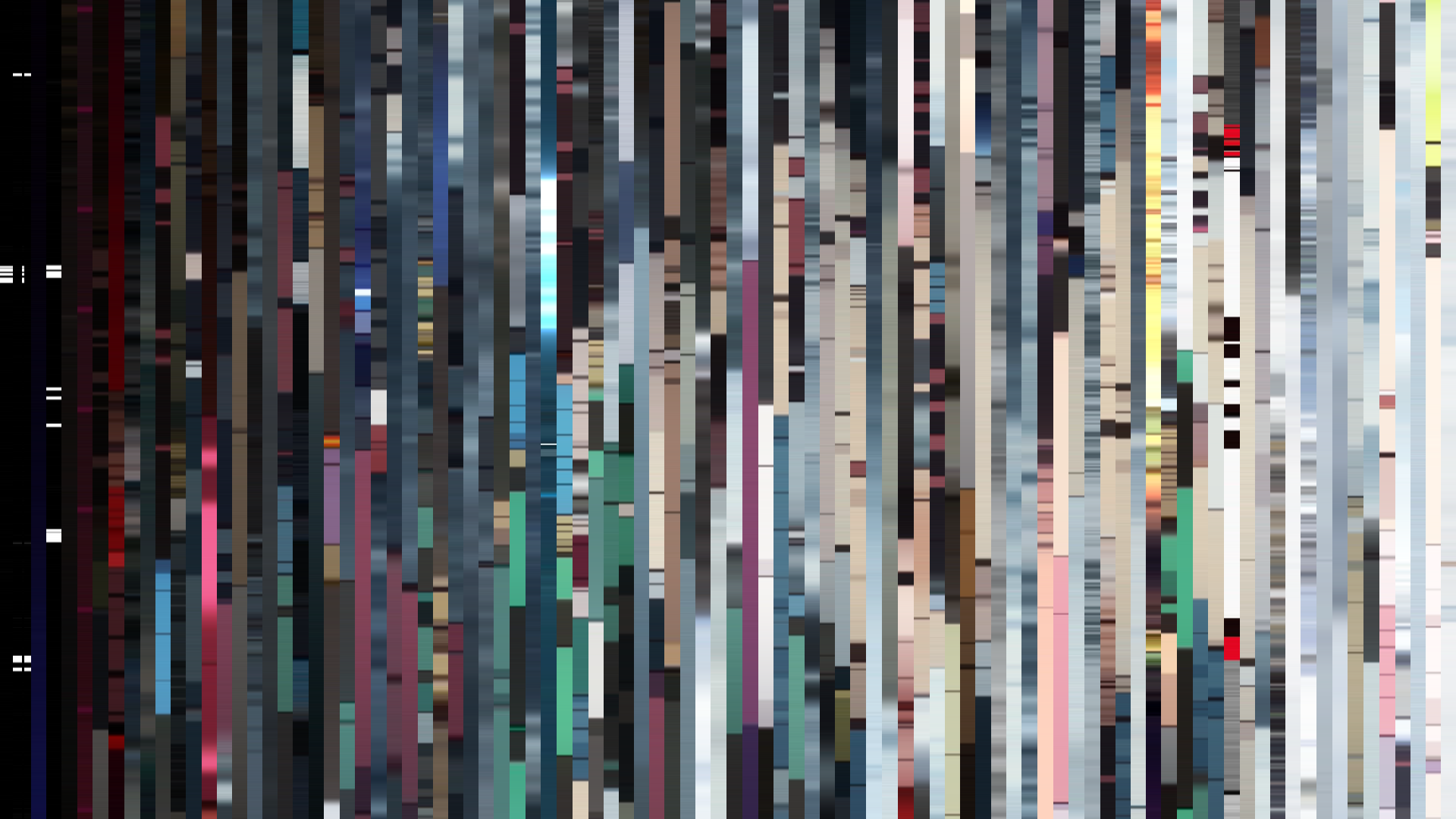
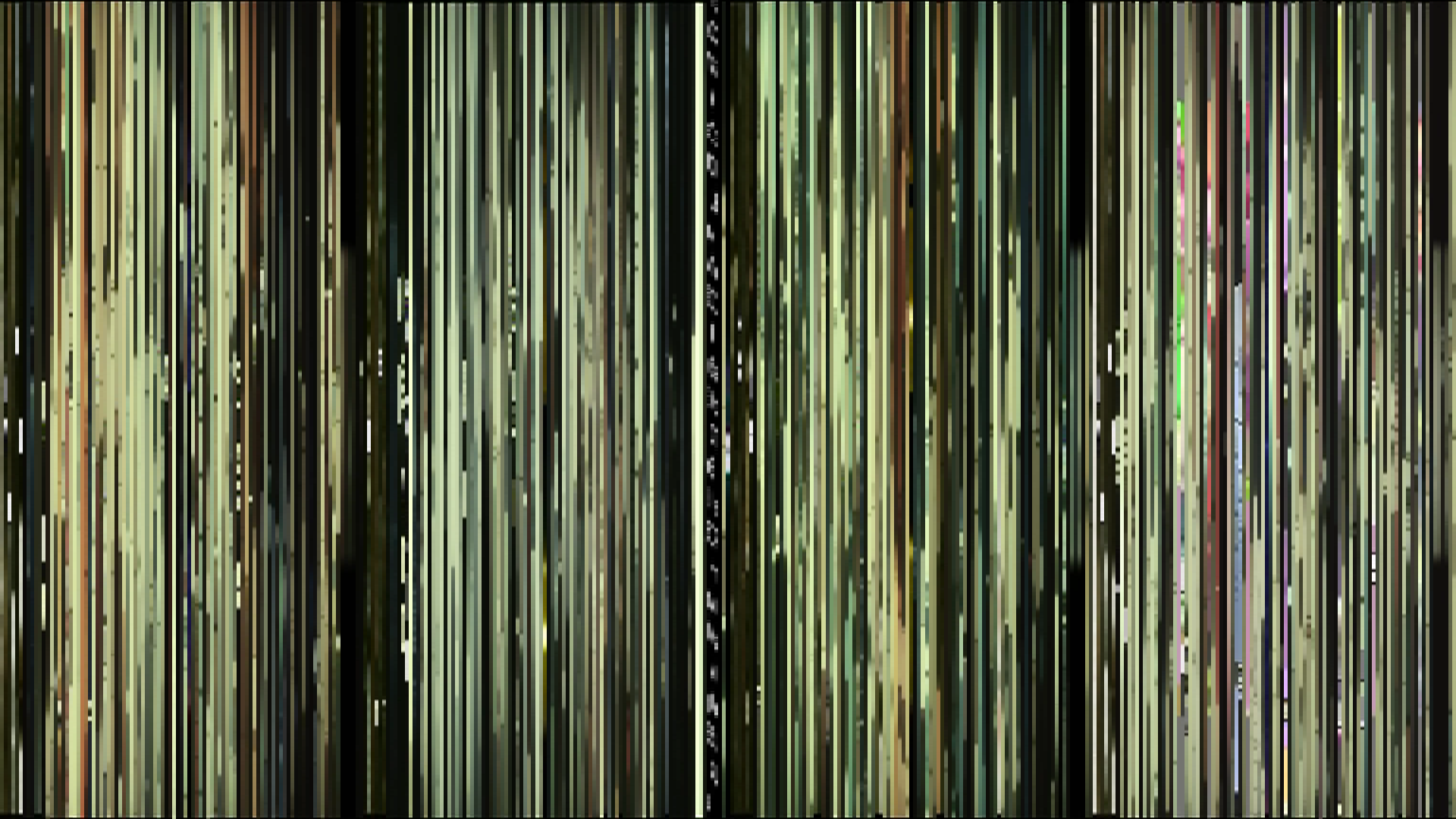
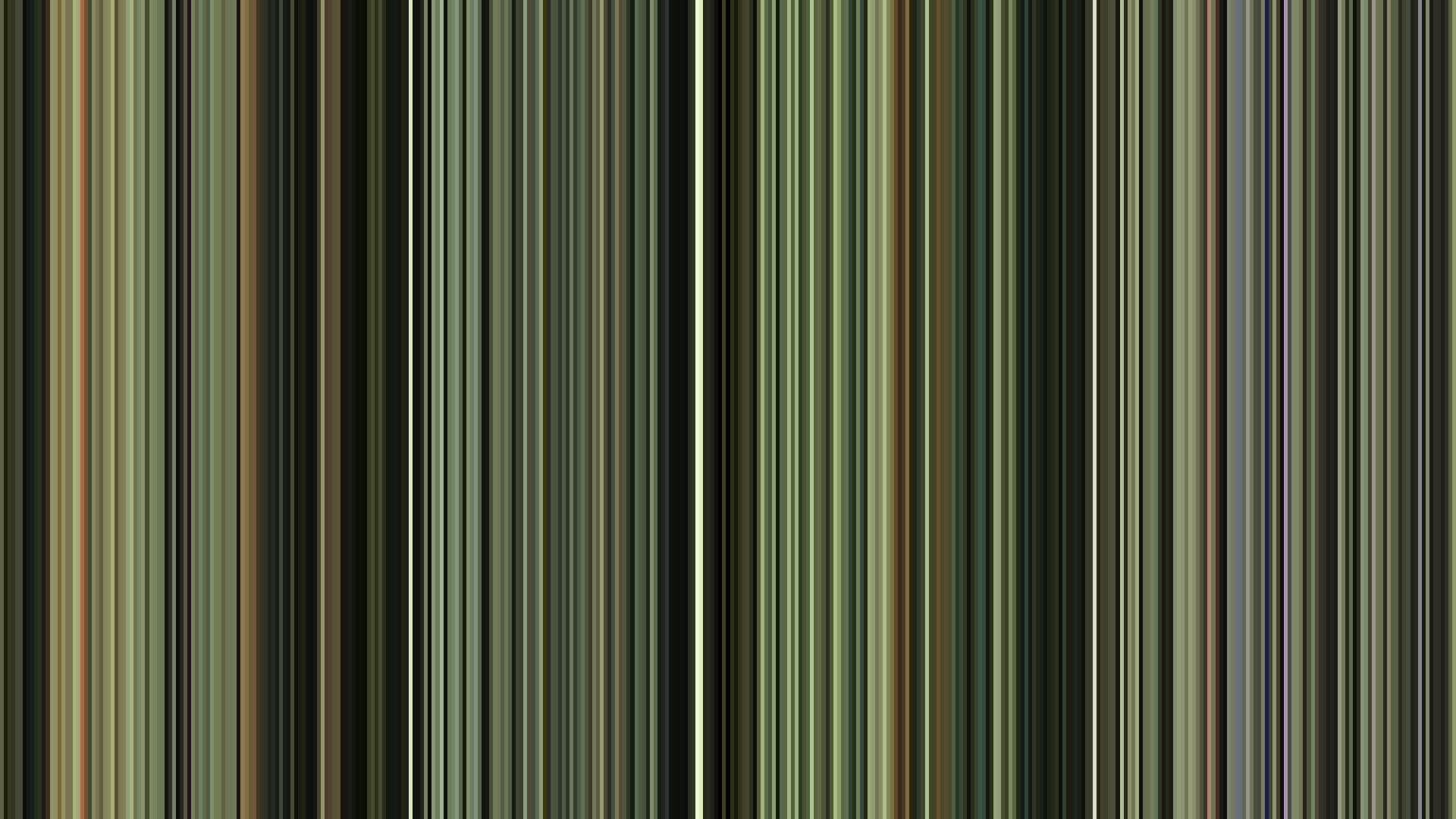
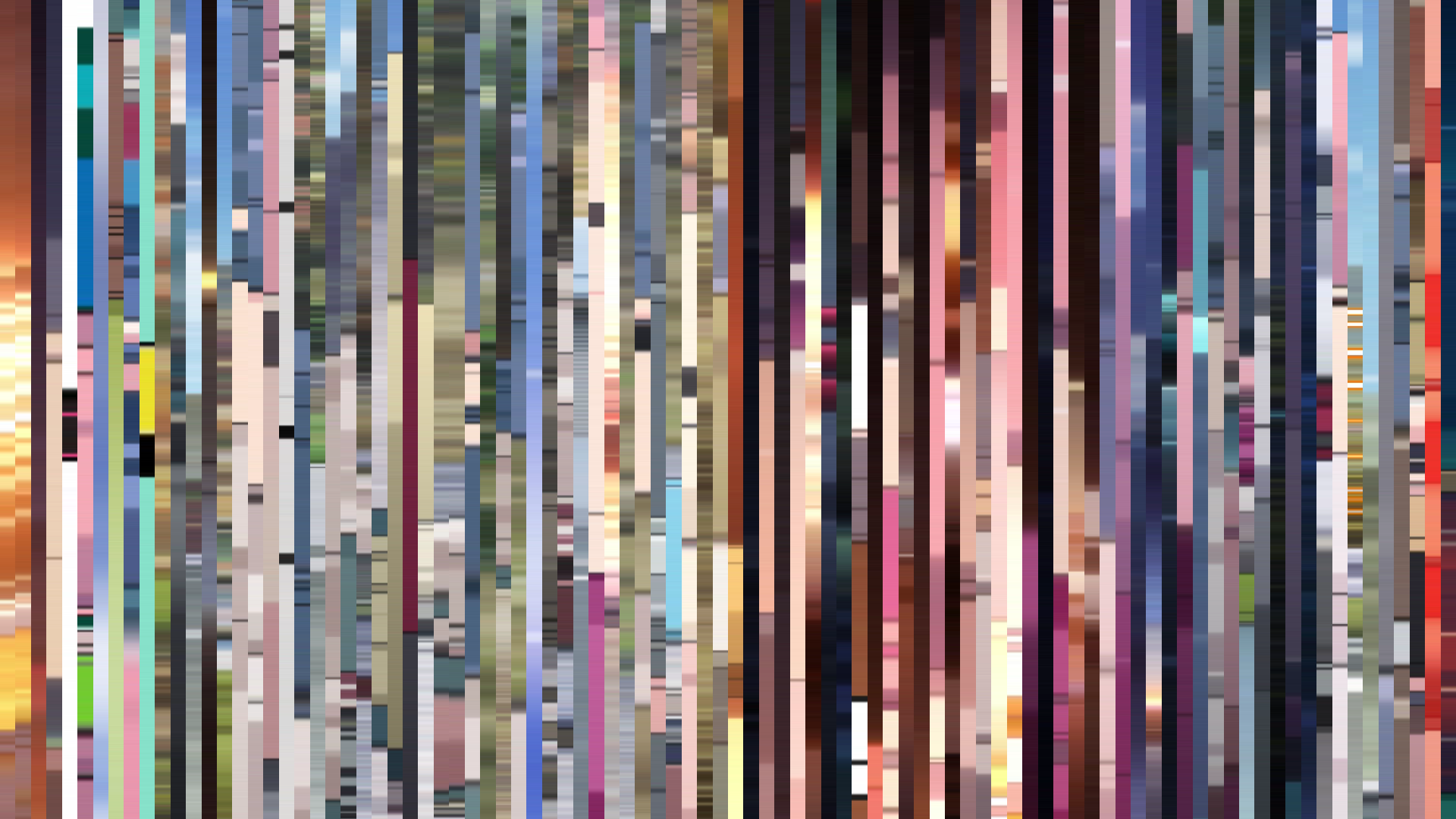
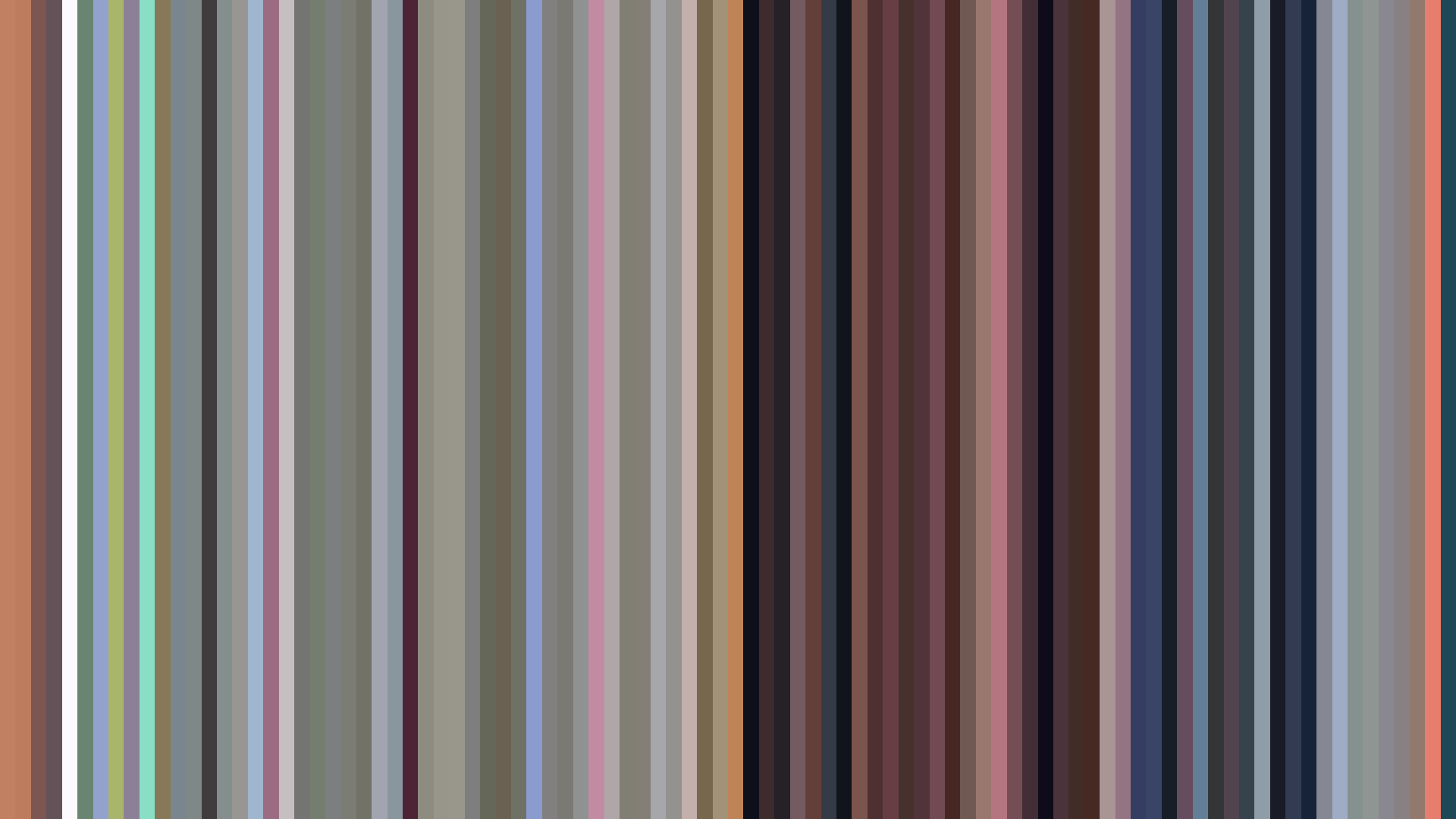
Frame Density Comparison — every 2nd vs every 4th frame
Slice · 15s
Avg · 15s
Slice · 30s
Avg · 30s
The green dominance and desaturated palette of Mugen Train are ufotable's most overt betrayal of genre expectations. Where shonen action typically bleeds red into its saturation peaks, this arc buries its violence under layers of teal-gray — the color of a demon's night vision, not a hero's blood. The brightness arc is a trap: the opening and middle hover near 0.48, almost cheery by ufotable standards, before the closing crashes to 0.383. That dark ending isn't a twist — it's the entire film's thesis. The average saturation of 0.17 is absurdly low for a series about flame-breathing swordsmen, but that's the point. Director Haruo Sotozaki and art director Koji Eto build a world where color itself has been drained by trauma. The brightest frames belong to Rengoku's final smile, not his flames. The barcode doesn't show a battle — it shows a lantern being extinguished. This is ufotable at their most cruel: making an action arc that visually refuses action's traditional bombast, substituting the cold green of a forest at night for the red of victory. The data confirms what the fan debates miss: this arc was always a tragedy dressed in battle shonen clothes.
Brightness Arc (episode progression)
Hue Distribution
Act Breakdown
Opening
0.481
Middle
0.496
Closing
0.383
Avg Brightness
0.420
Avg Saturation
0.170
Warmth
0.481
Color Palette
#1D1C1F
#585D62
#9EA0A1
#DDE0DF
#364B57
#2C3747
#6A9192
#D9CBB2
3-Act Color Story
Opening
Middle
Closing
Color Twins
Perceptually nearest palettes — measured in OKLab space, not RGB






The green dominance and desaturated palette of Mugen Train are ufotable's most overt betrayal of genre expectations. Where shonen action typically bleeds red into its saturation peaks, this arc buries its violence under layers of teal-gray — the color of a demon's night vision, not a hero's blood. The brightness arc is a trap: the opening and middle hover near 0.48, almost cheery by ufotable standards, before the closing crashes to 0.383. That dark ending isn't a twist — it's the entire film's thesis. The average saturation of 0.17 is absurdly low for a series about flame-breathing swordsmen, but that's the point. Director Haruo Sotozaki and art director Koji Eto build a world where color itself has been drained by trauma. The brightest frames belong to Rengoku's final smile, not his flames. The barcode doesn't show a battle — it shows a lantern being extinguished. This is ufotable at their most cruel: making an action arc that visually refuses action's traditional bombast, substituting the cold green of a forest at night for the red of victory. The data confirms what the fan debates miss: this arc was always a tragedy dressed in battle shonen clothes.