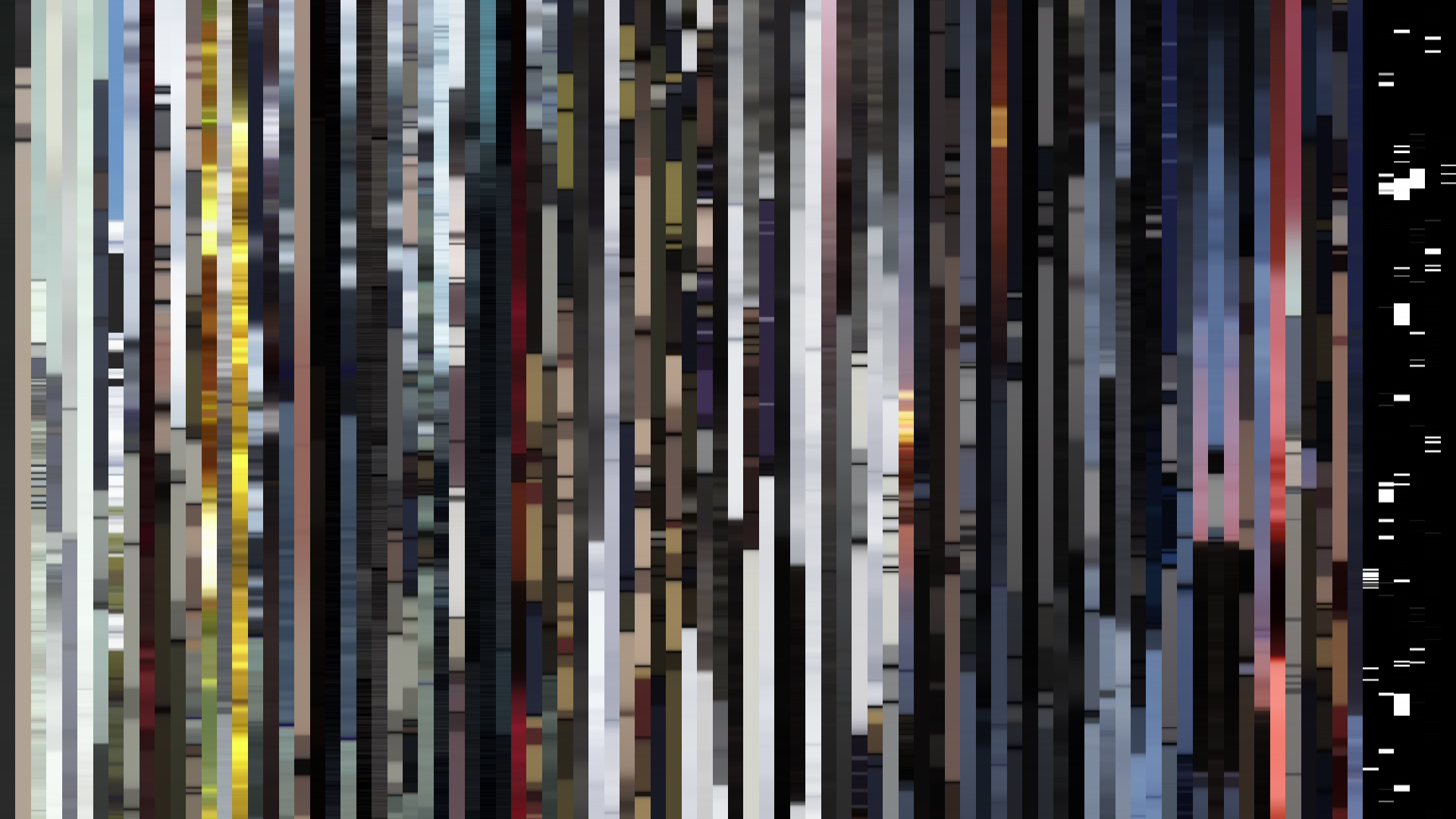
Edit Pace — frame-to-frame color delta (bright = fast cuts)
Color Temperature — warm (gold) vs cool (teal) per frame
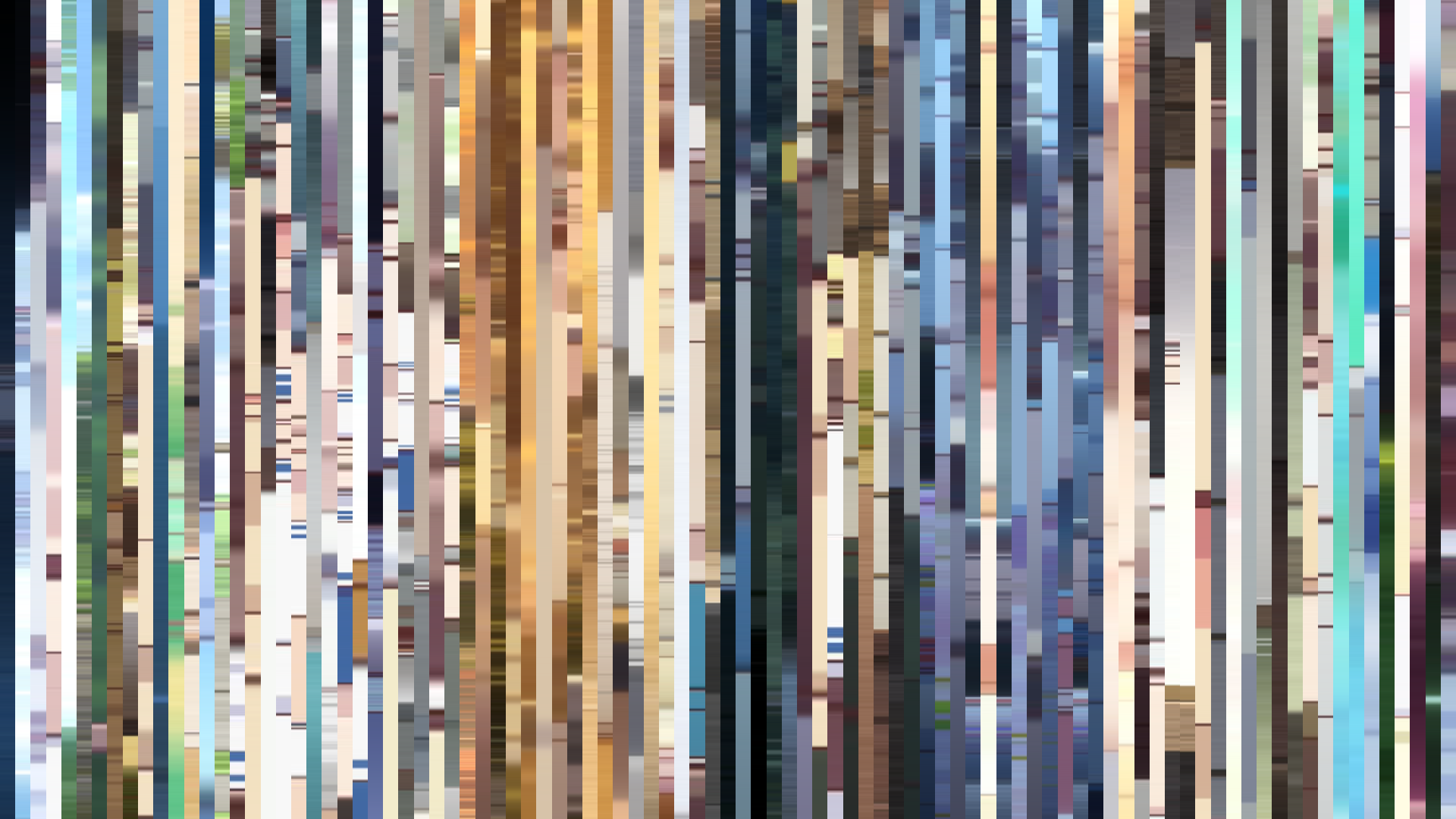
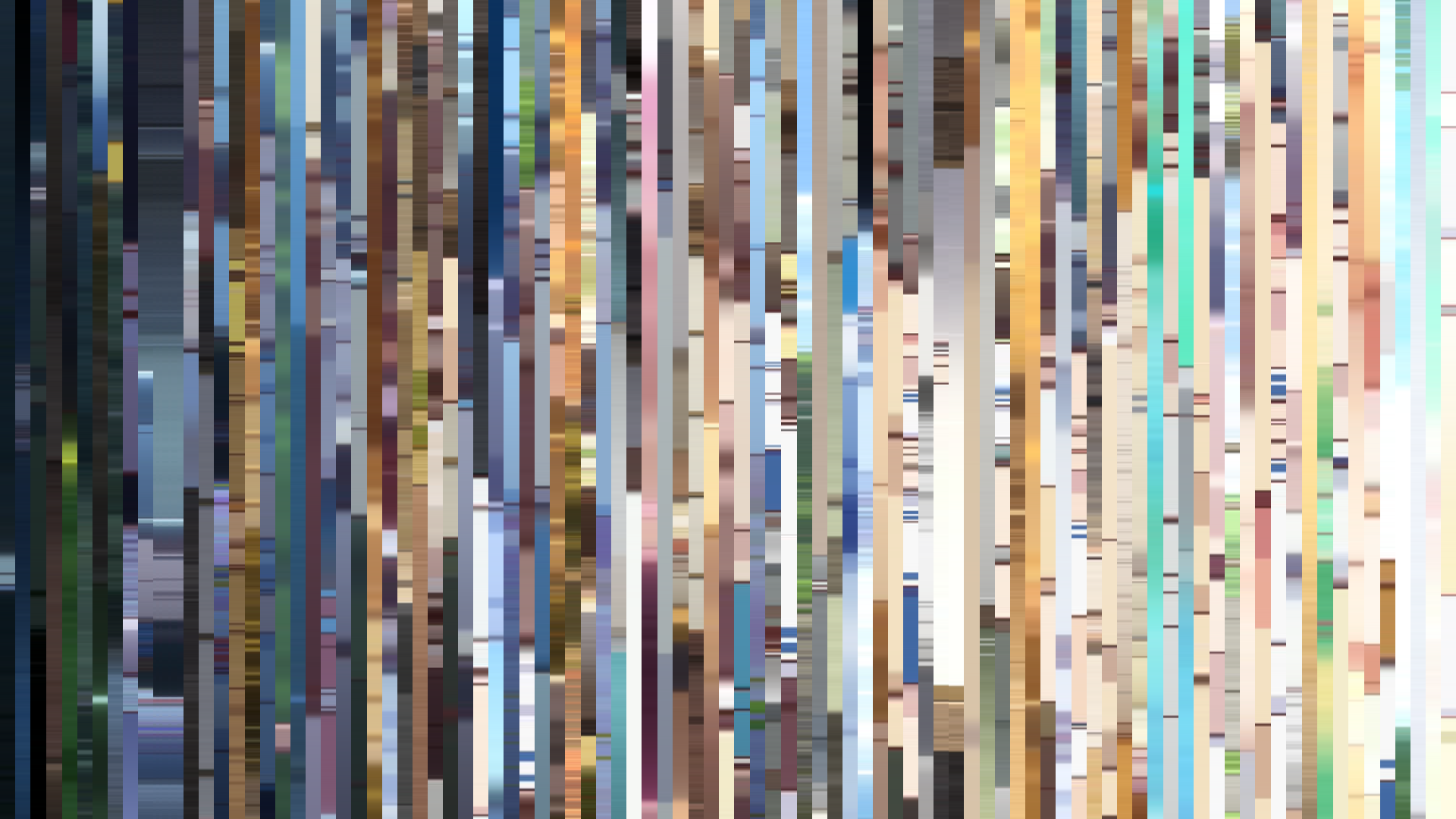
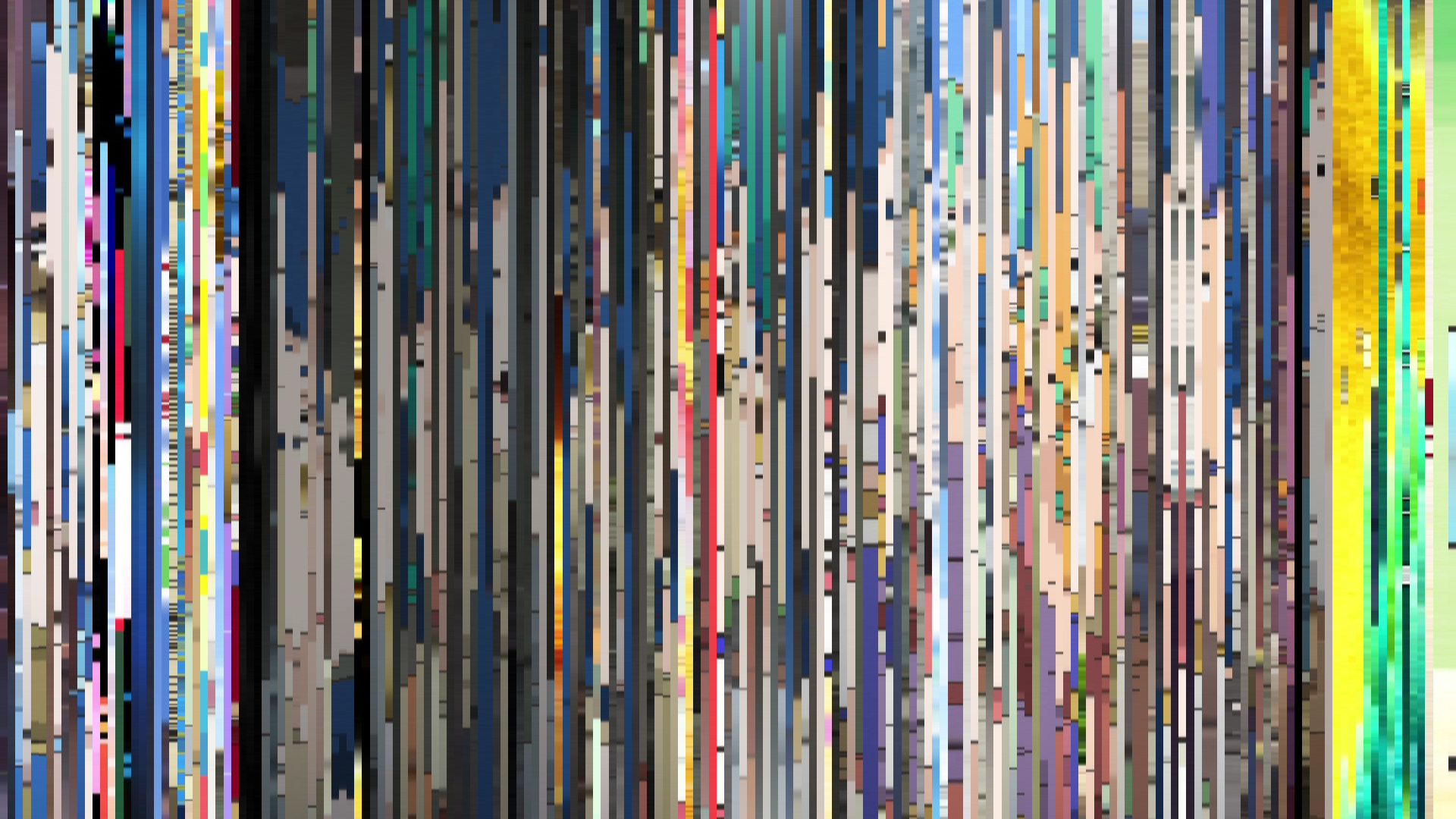
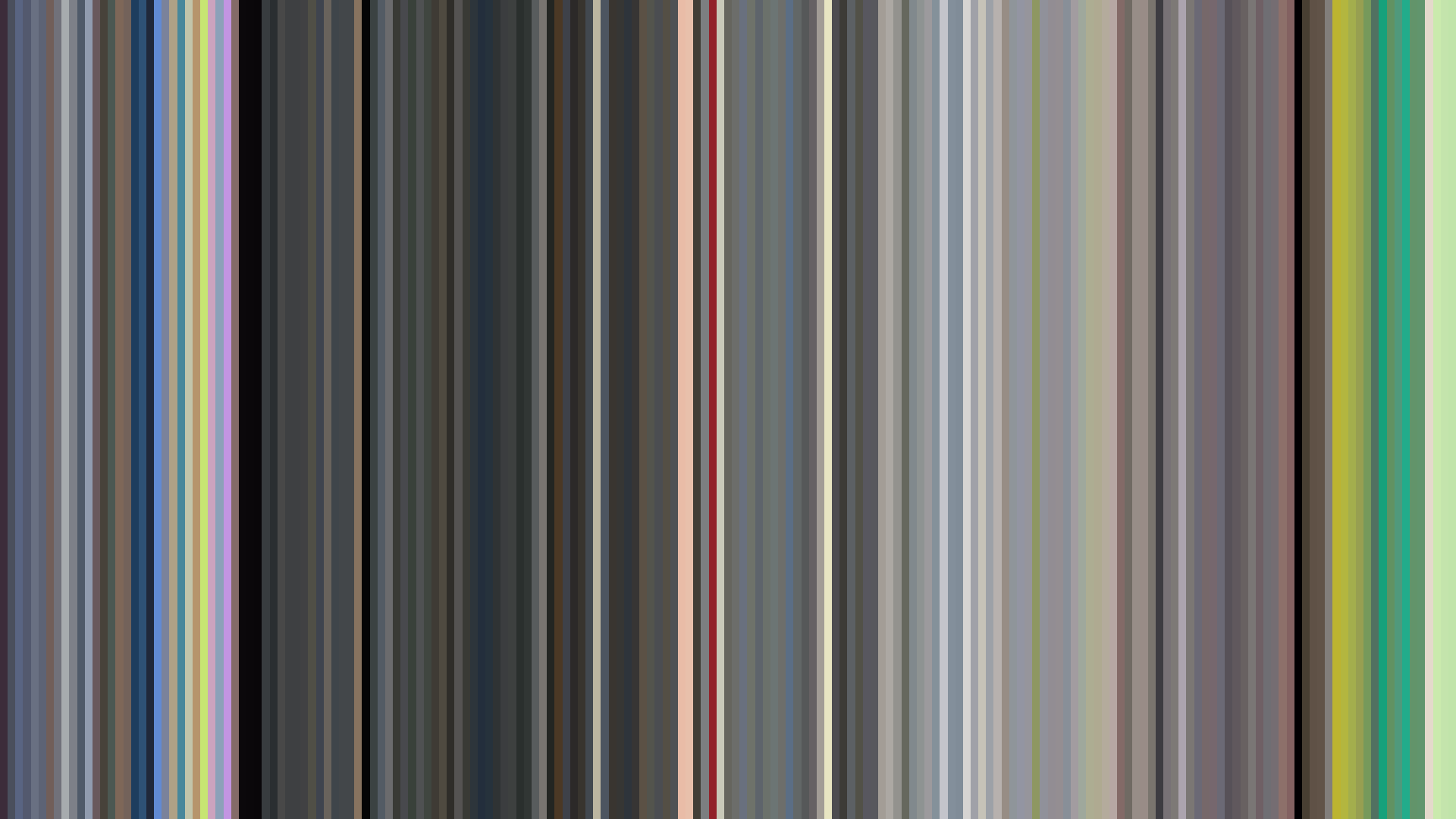
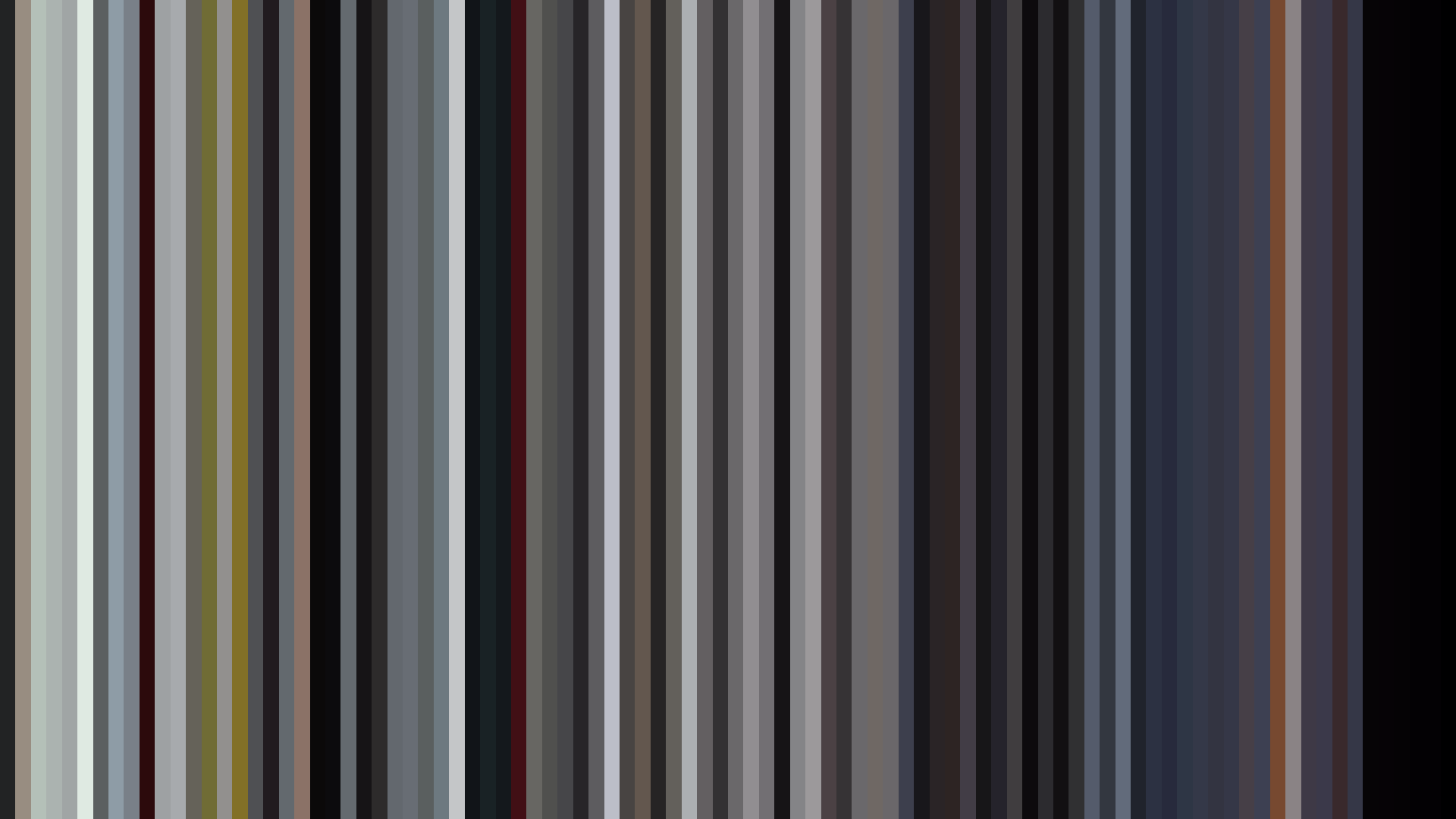
Frame Density Comparison — every 2nd vs every 4th frame
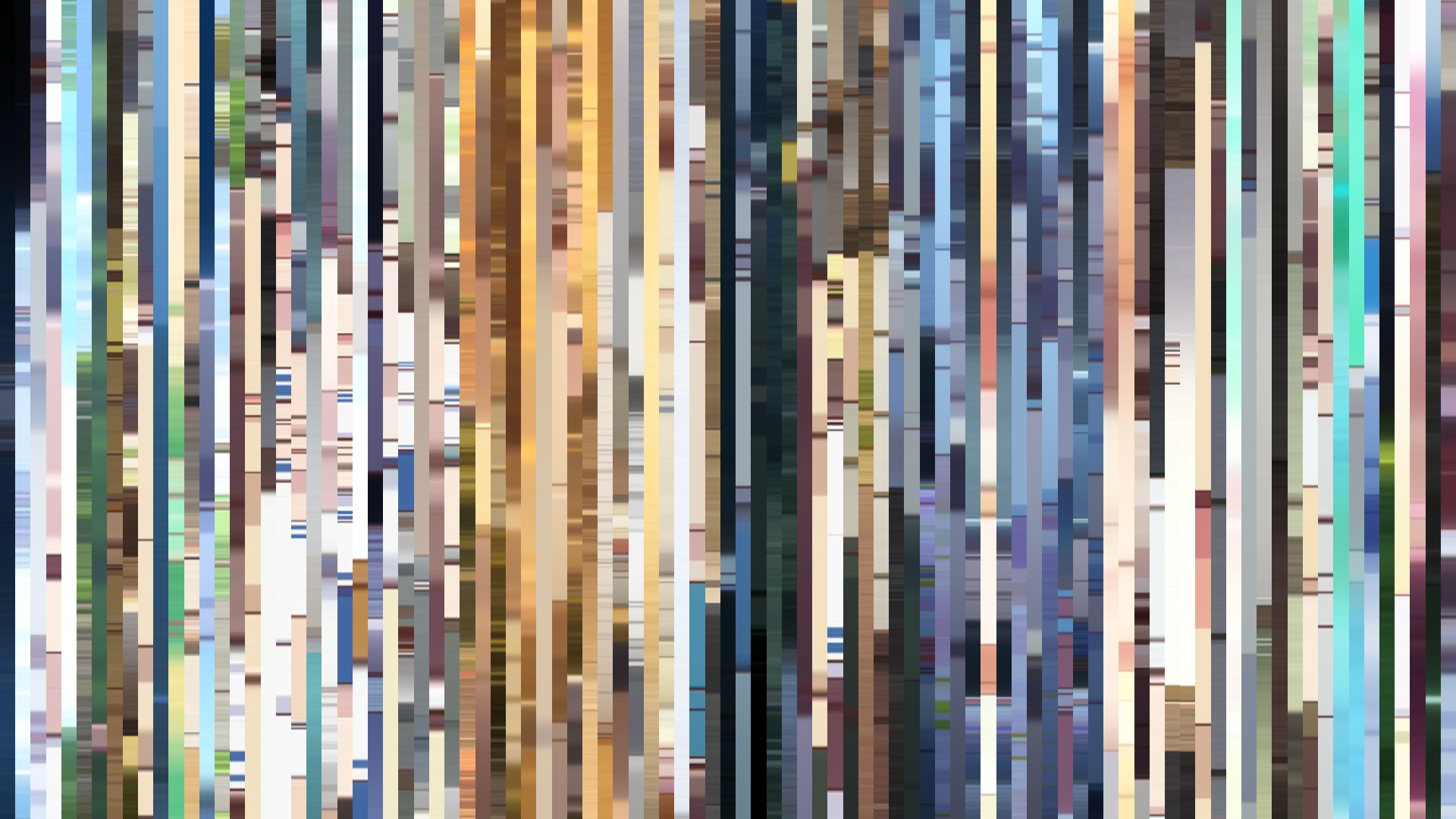
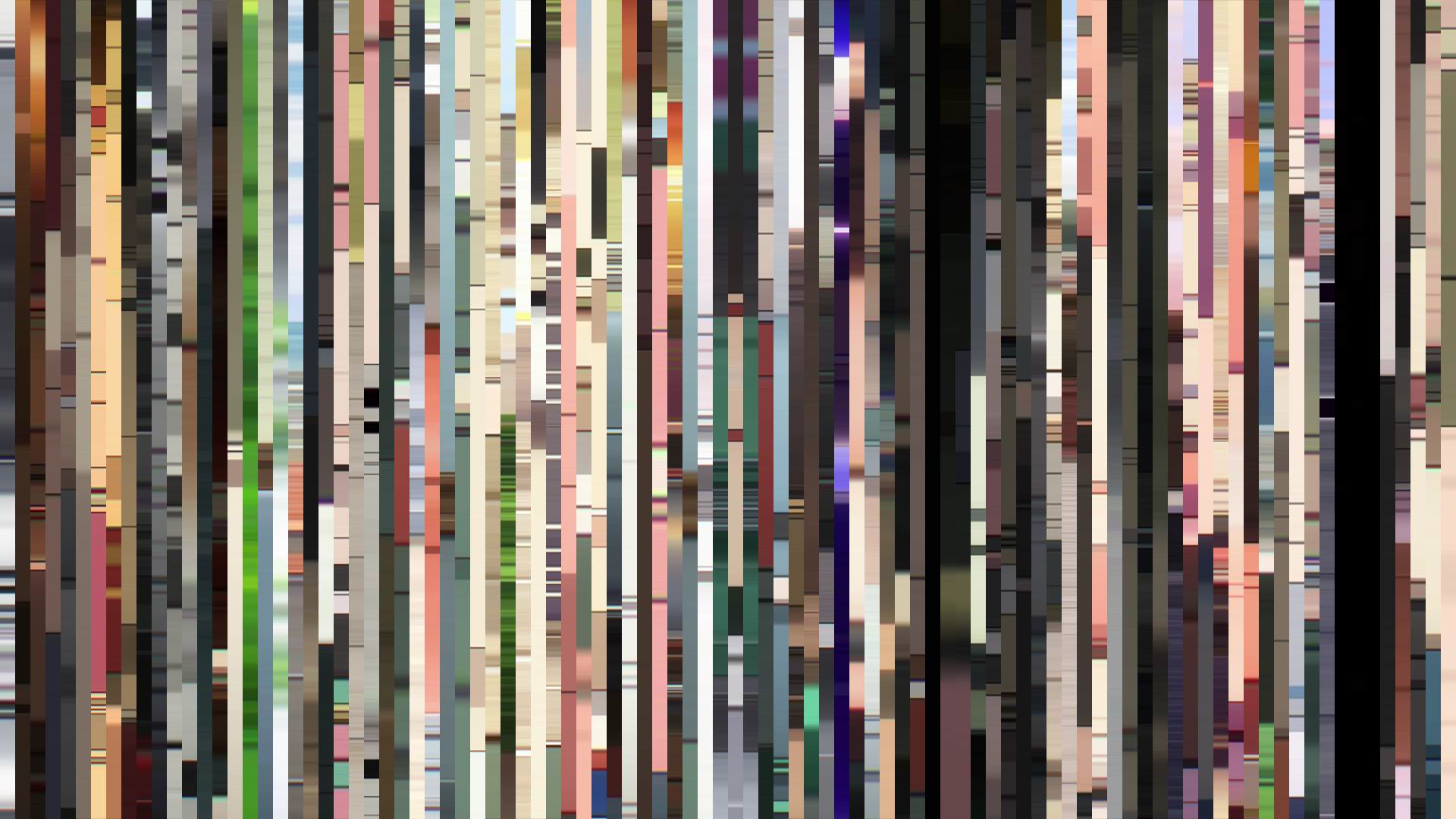
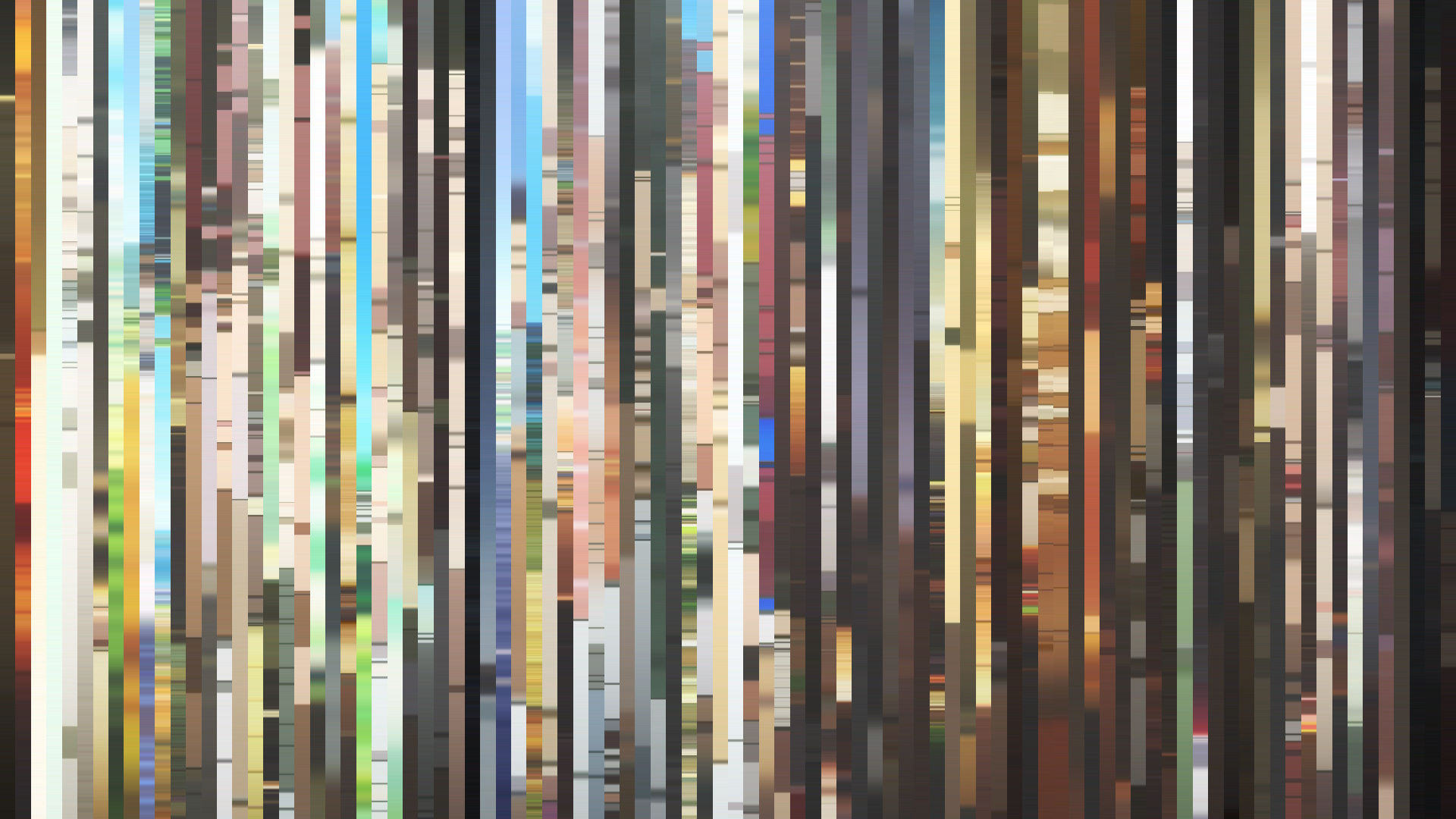
Slice · 15s
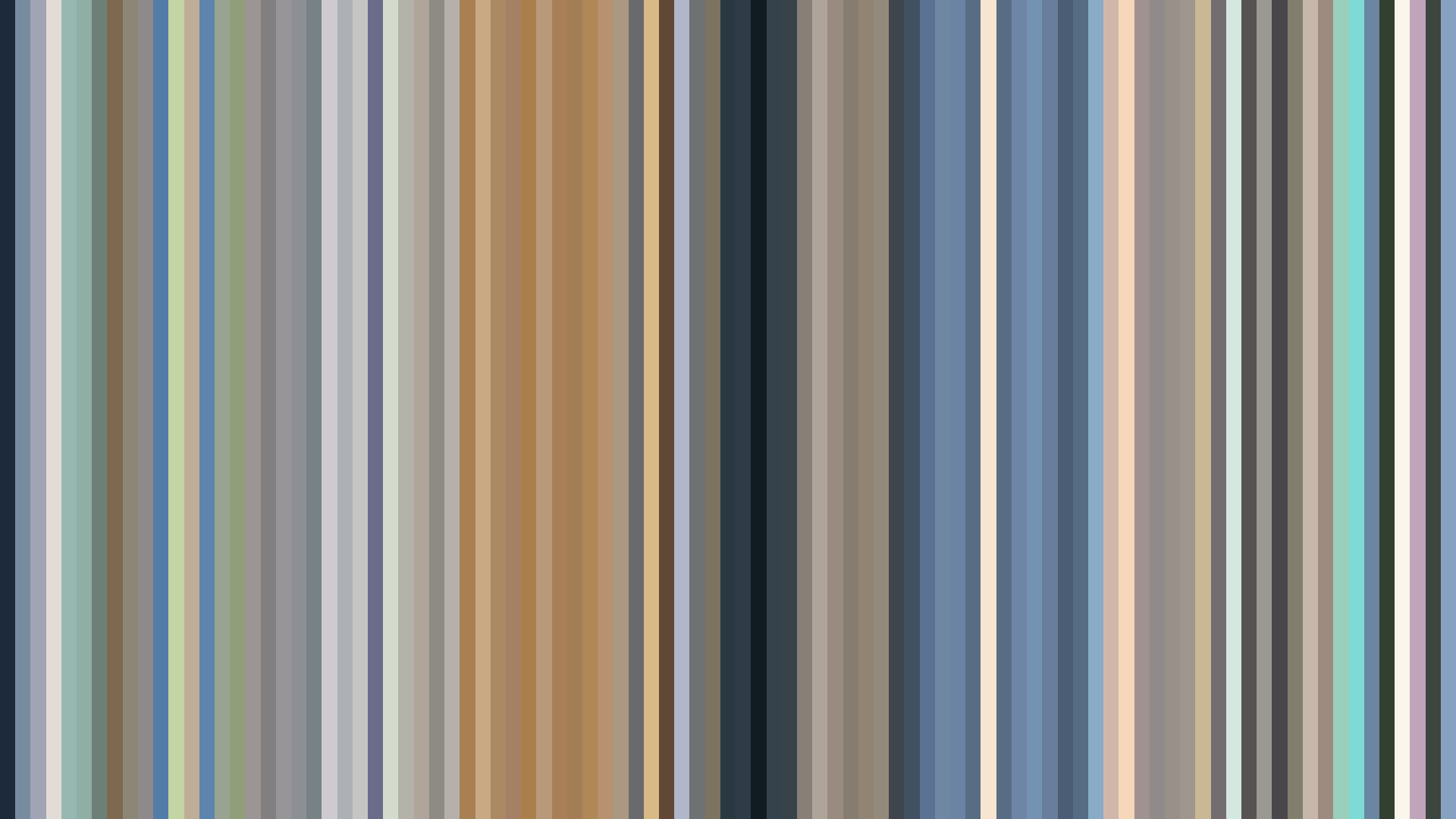
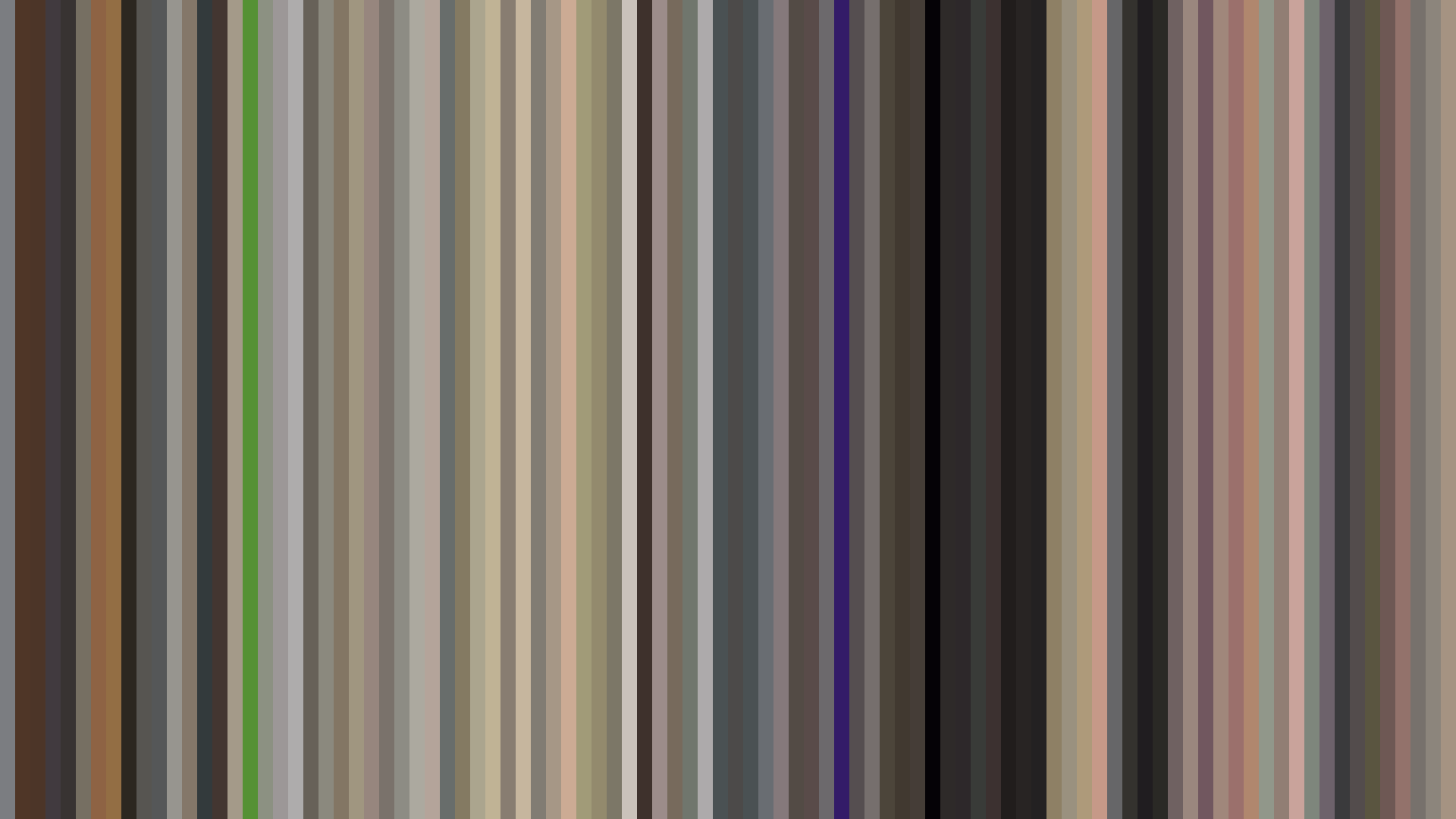
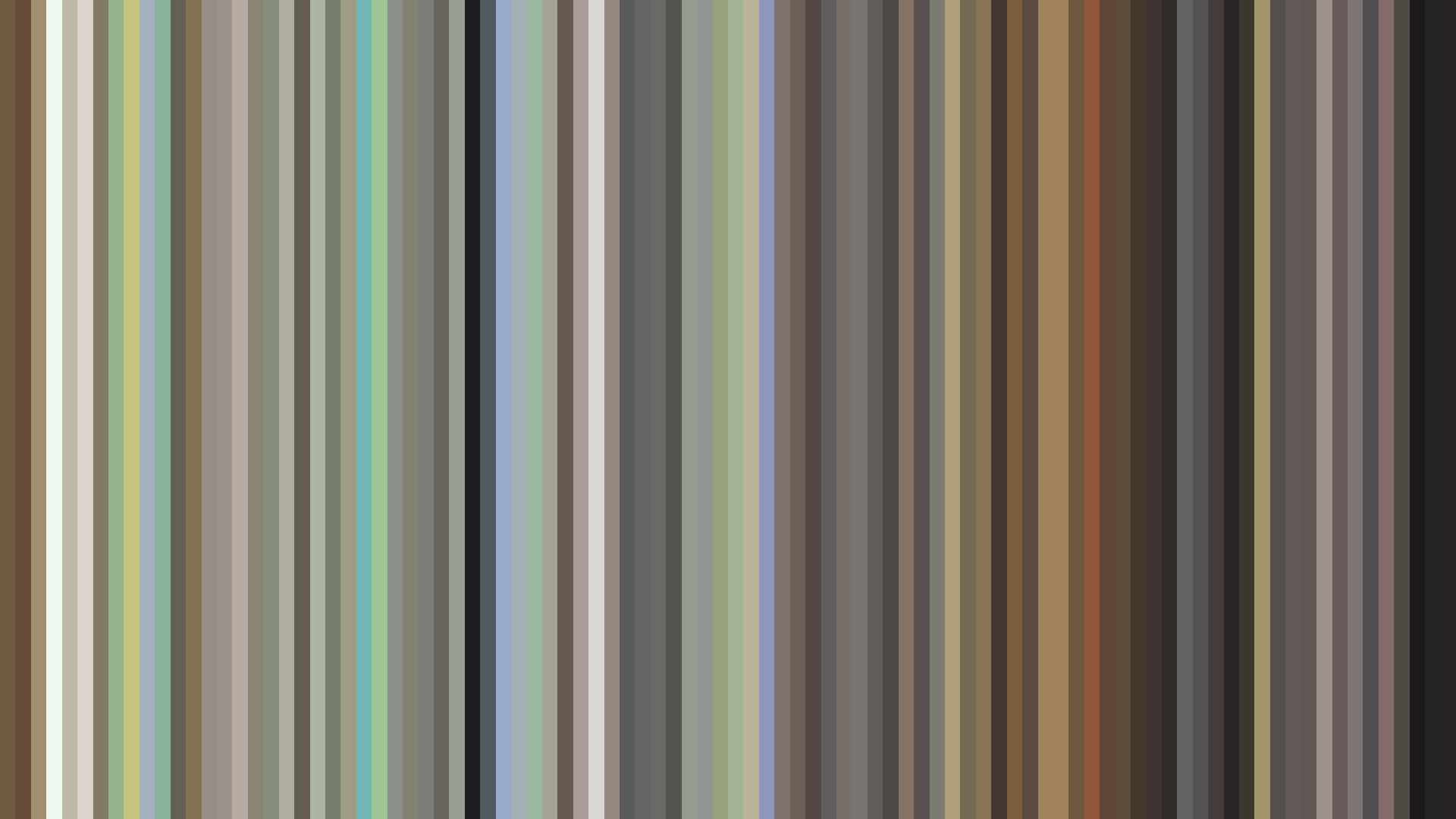
Avg · 15s
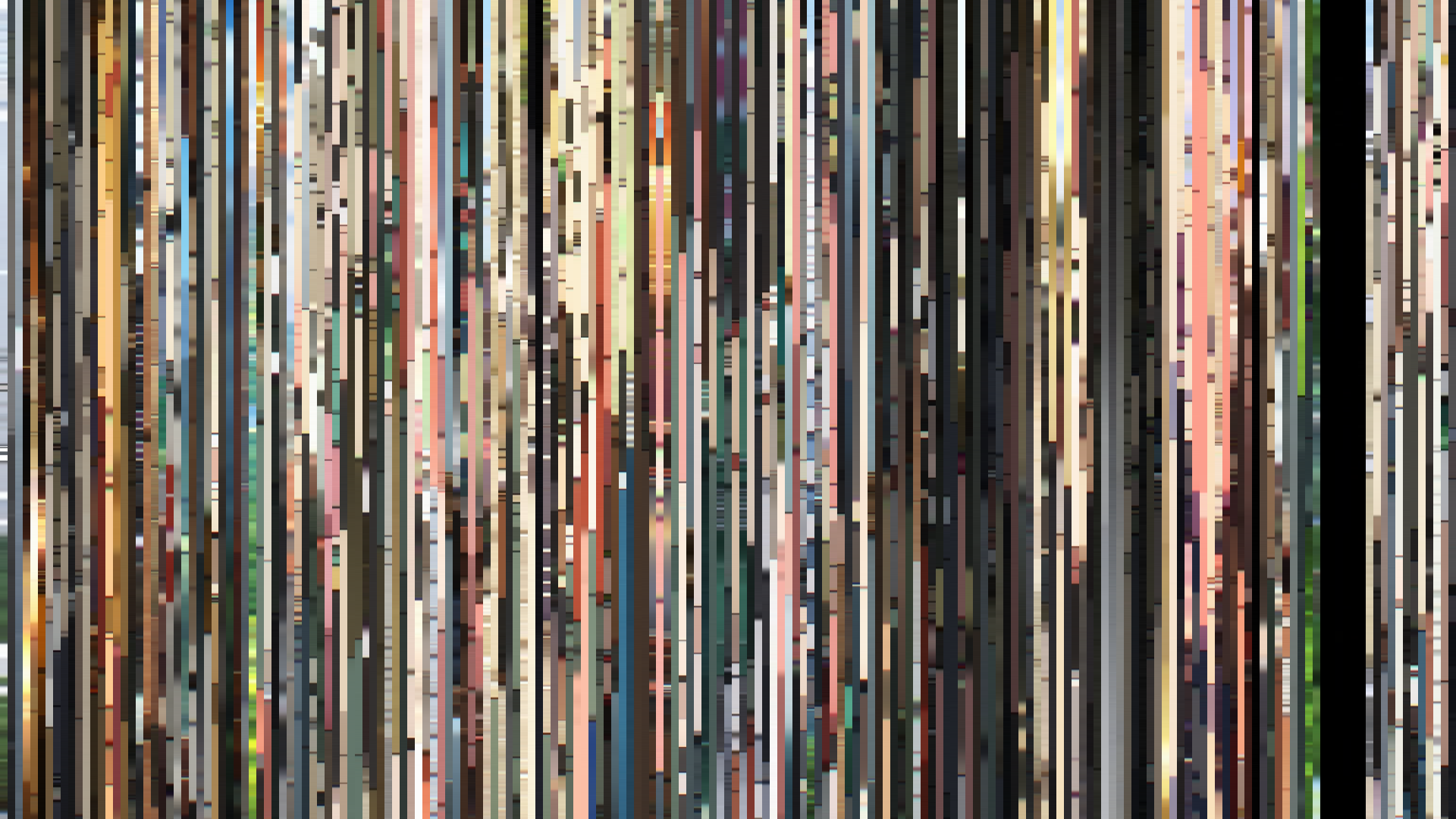
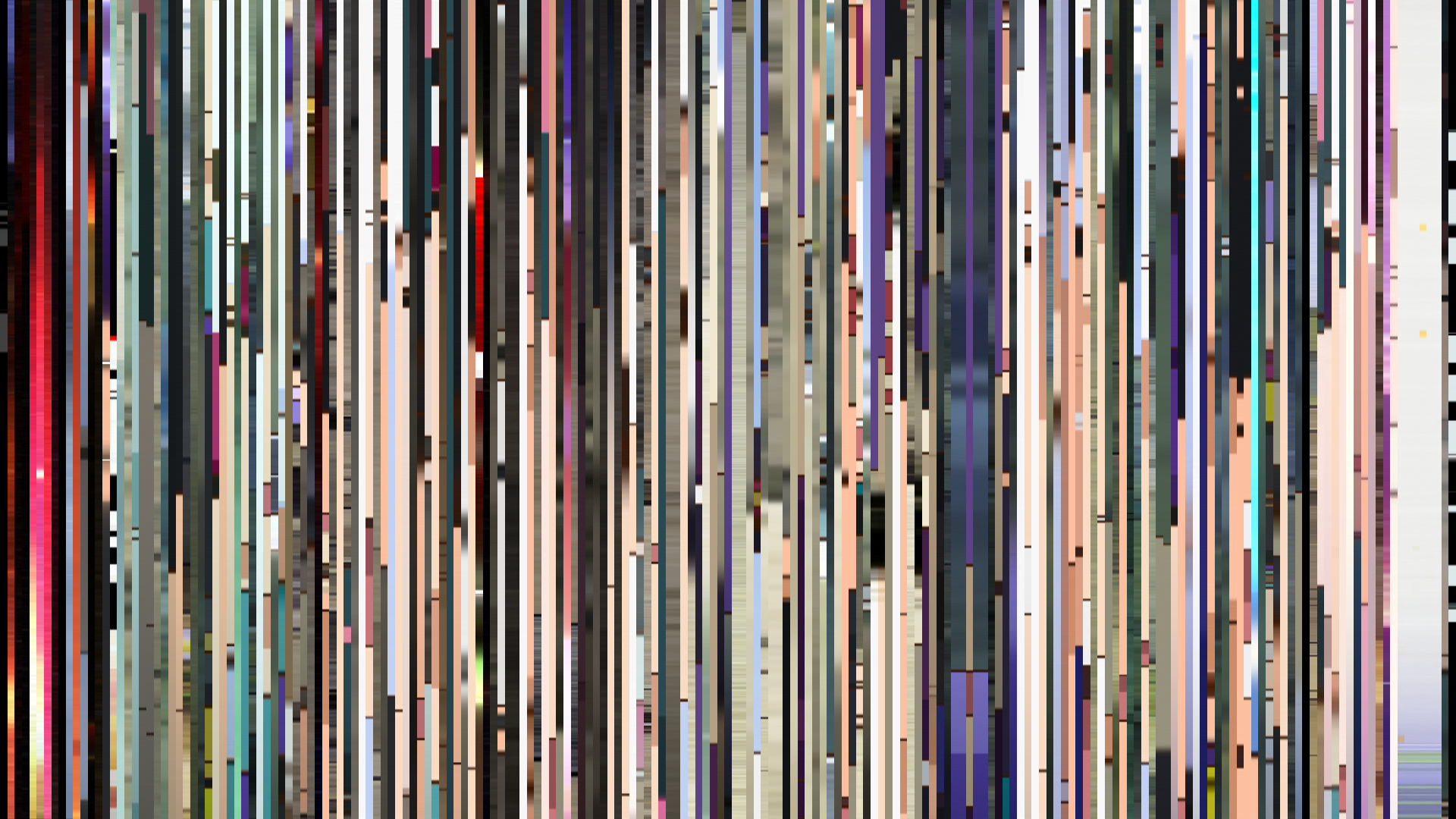
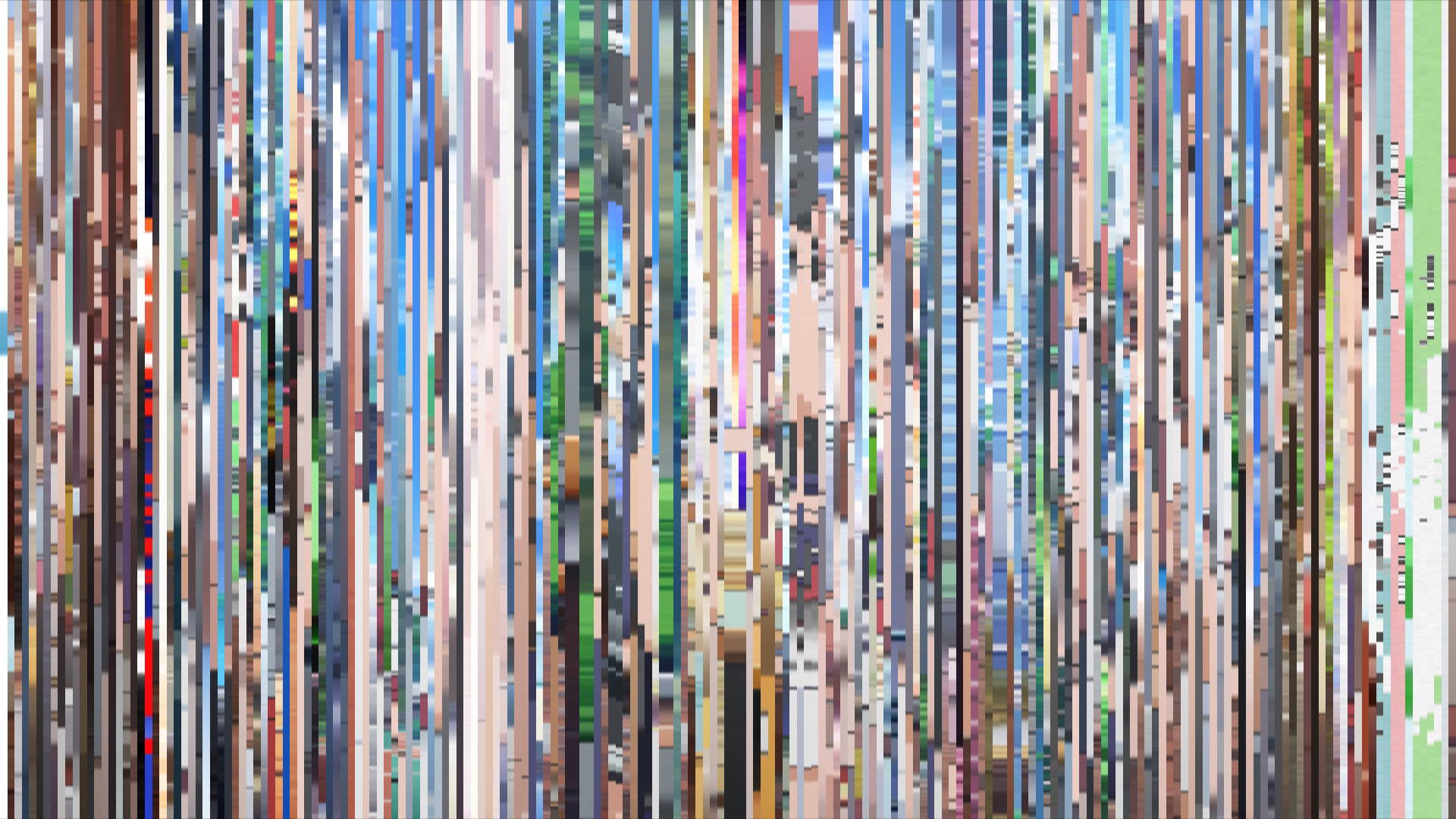
Slice · 30s
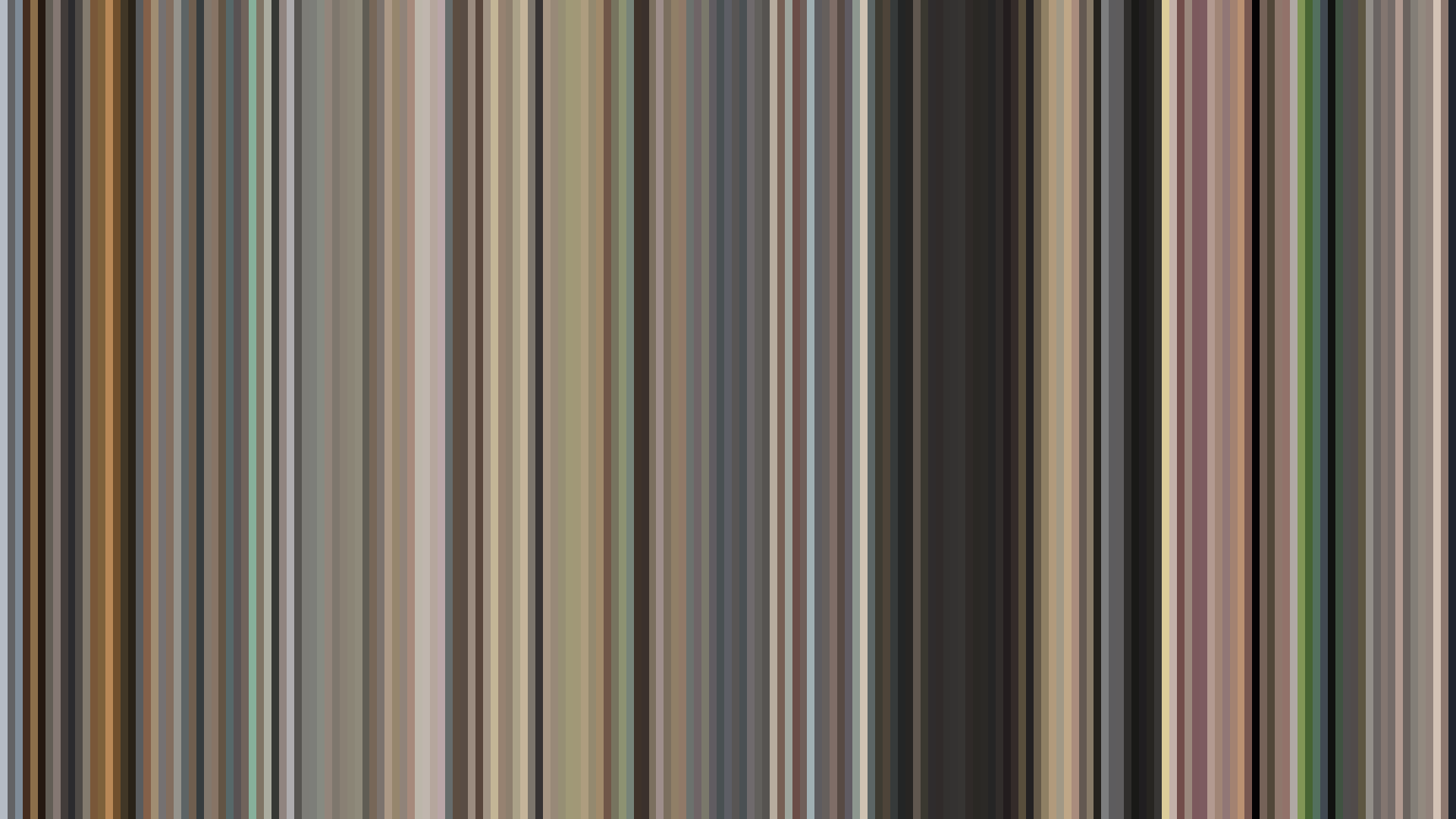
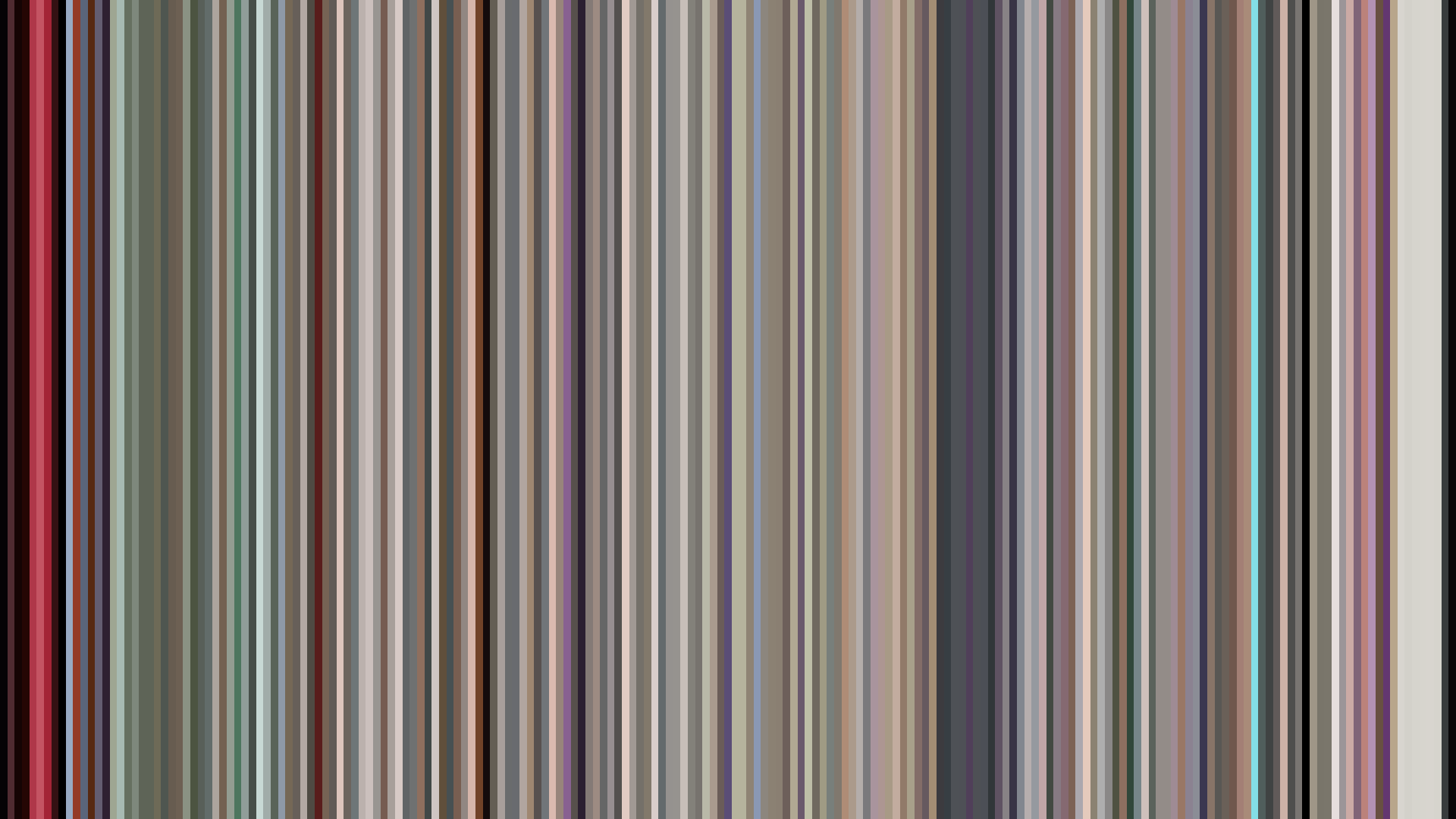
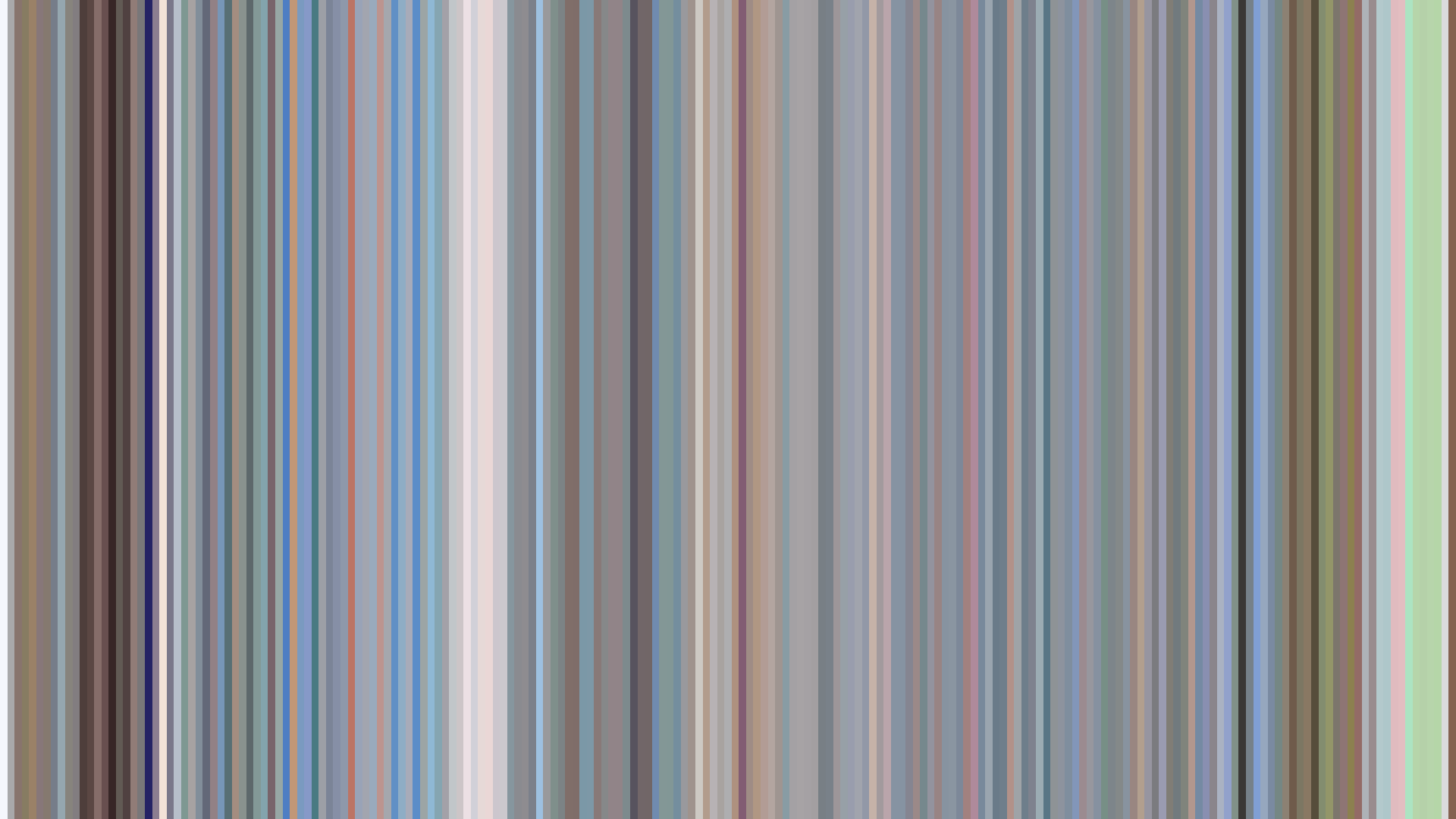
Avg · 30s
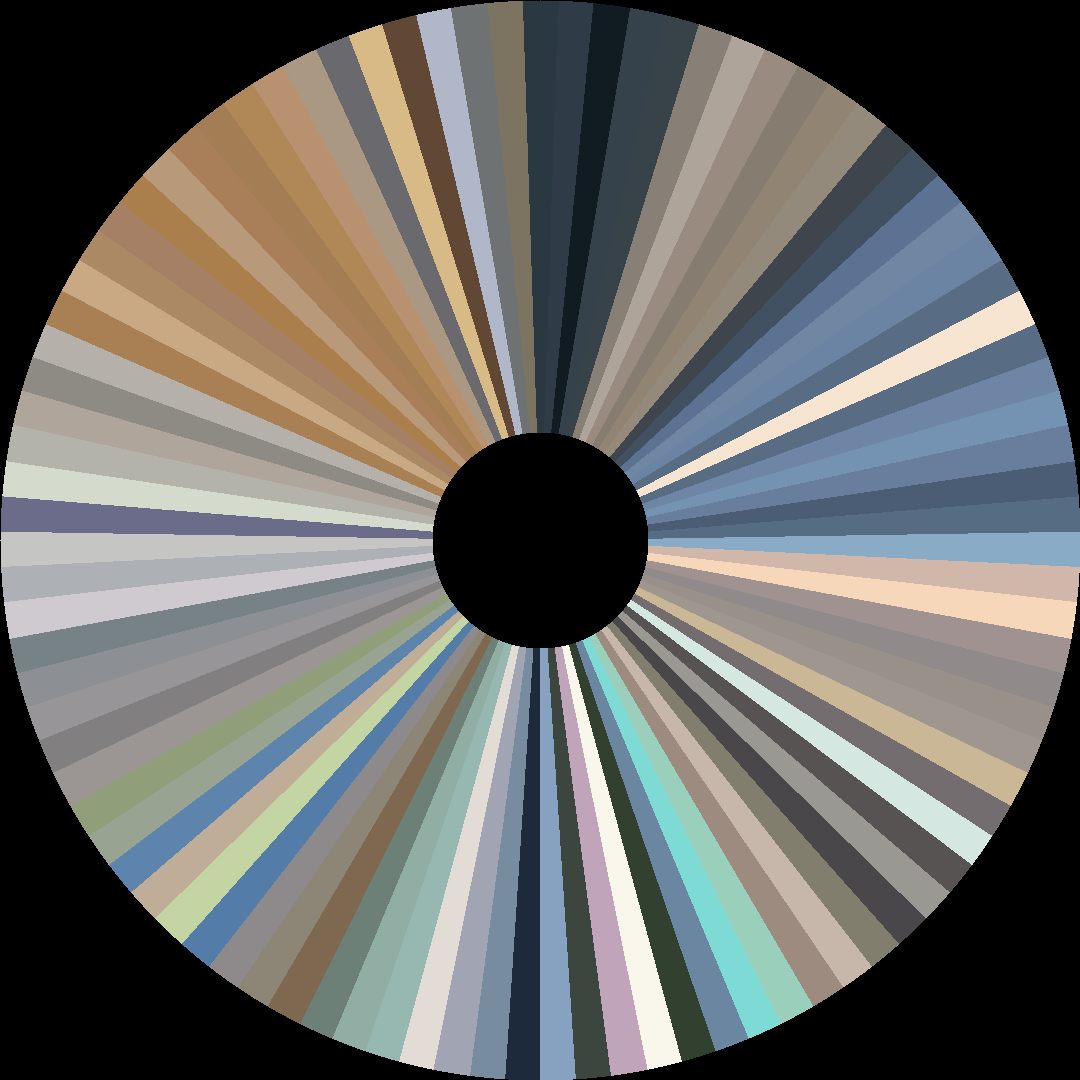
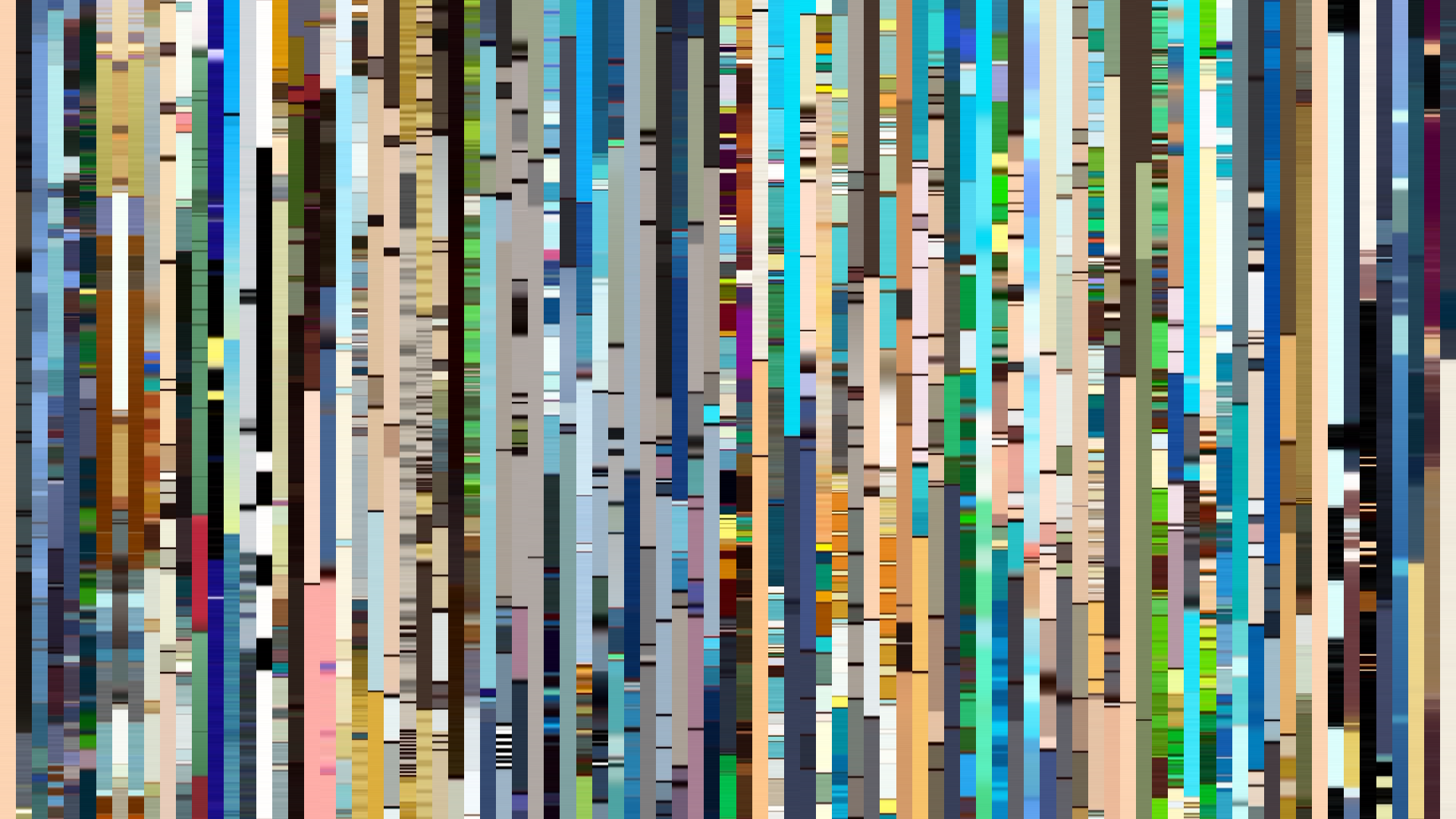
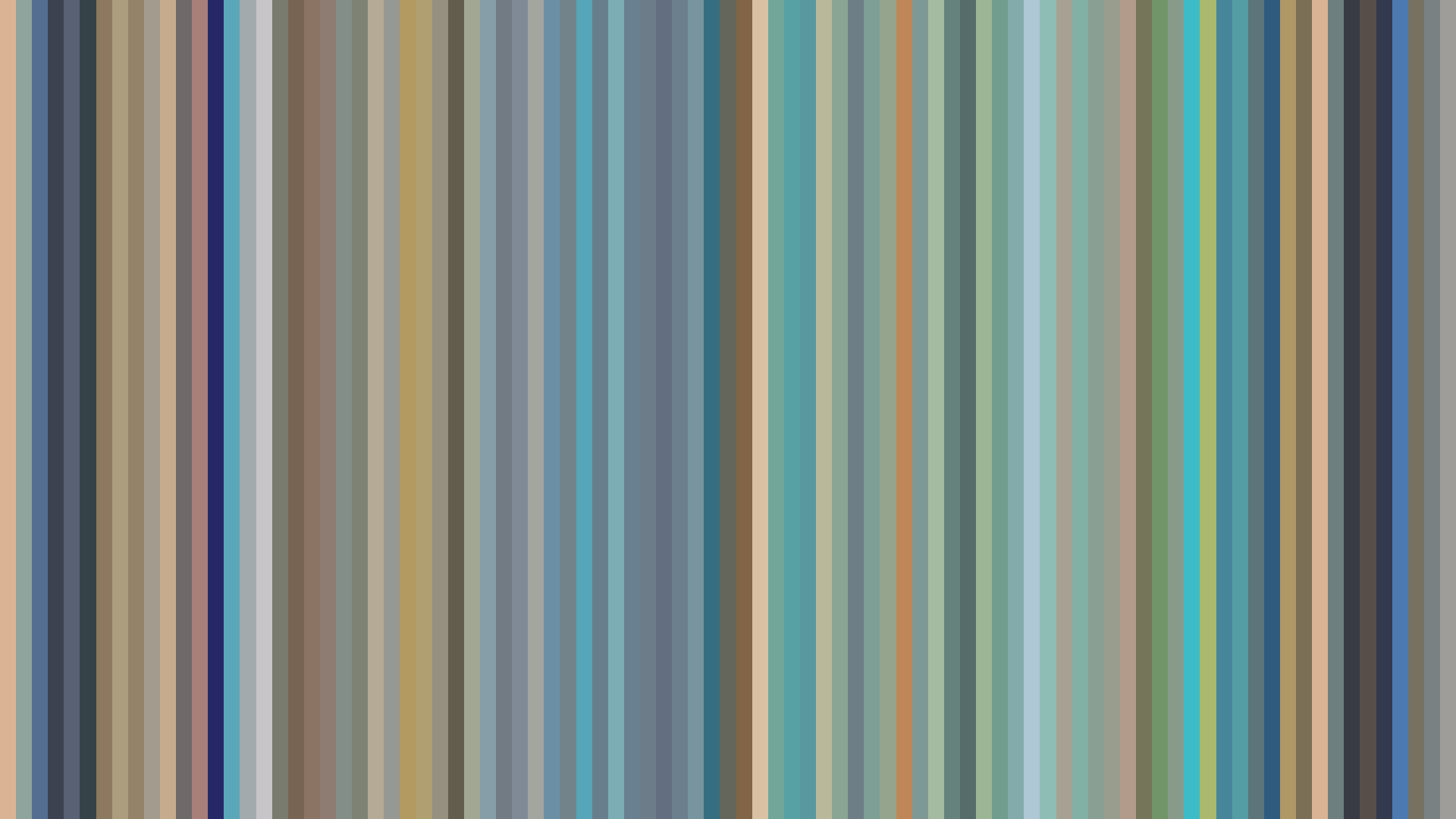
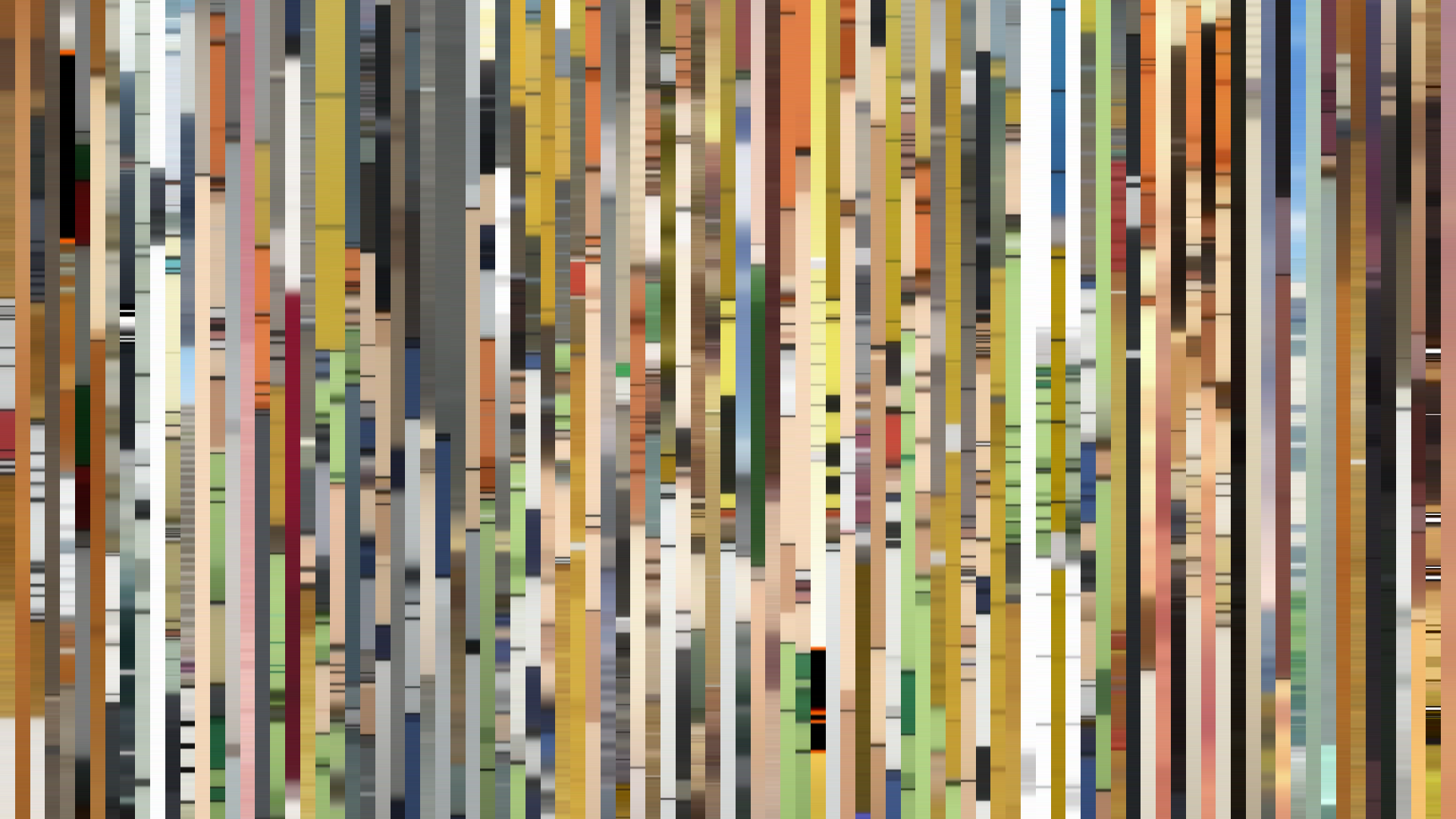
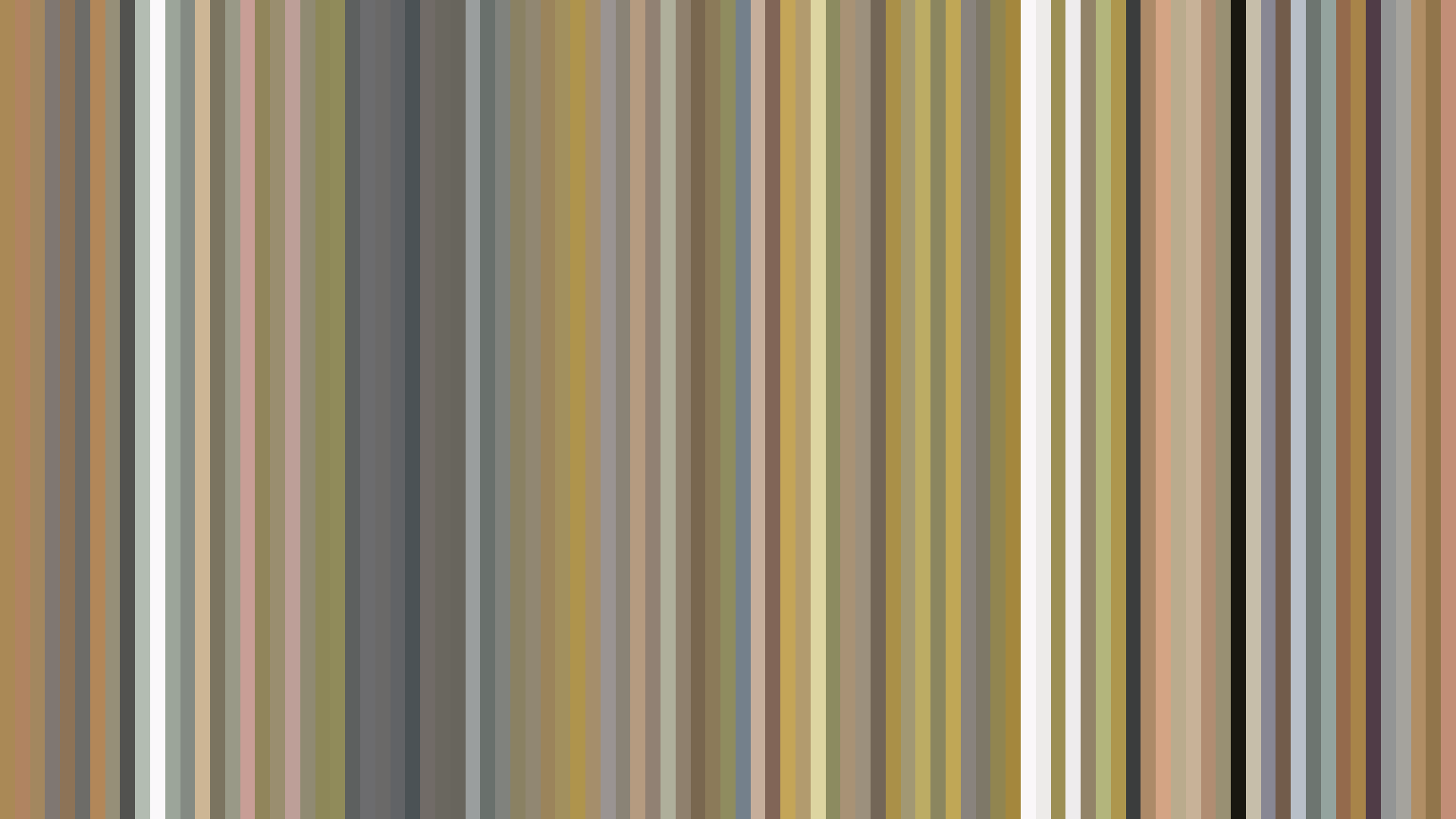
Fruits Basket 2nd Season's palette is Red-dominant — but that warmth is a trap. The arc-down shape — a steep dark midpoint with act brightness plummeting from 0.602 to 0.471 — mirrors the series' calculated betrayal of its own shōjo-genre comfort. TMS Entertainment's adaptation of Natsuki Takaya's manga doesn't let the viewer forget that this is a story about trauma disguised as a love polygon. That 23% Blue-Green in the hue distribution is the cold seep of the curse, the spectral chill beneath every sunlit garden and shared meal. The red here isn't the rose-petal romance of *Utena*; it's the flush of suppressed anger, the blood of inherited pain. The second half's slight brightness recovery to 0.540 is not resolution but hope under duress — a deliberate formal echo of the characters' fragile progress. Where Season 1 teased a brighter world, Season 2 commits to the shadow, and the barcode proves it: the show's visual arc is a diagram of emotional truth, not narrative convenience.
Brightness Arc (episode progression)
Hue Distribution
Act Breakdown
Opening
0.602
Middle
0.471
Closing
0.540
Avg Brightness
0.571
Avg Saturation
0.226
Warmth
0.528
Color Palette
#EAE7DF
#9F9FA0
#5E5C5F
#202528
#E1D0AB
#91715D
#D2B29B
#62708F
3-Act Color Story
Opening
Middle
Closing
Color Twins
Perceptually nearest palettes — measured in OKLab space, not RGB
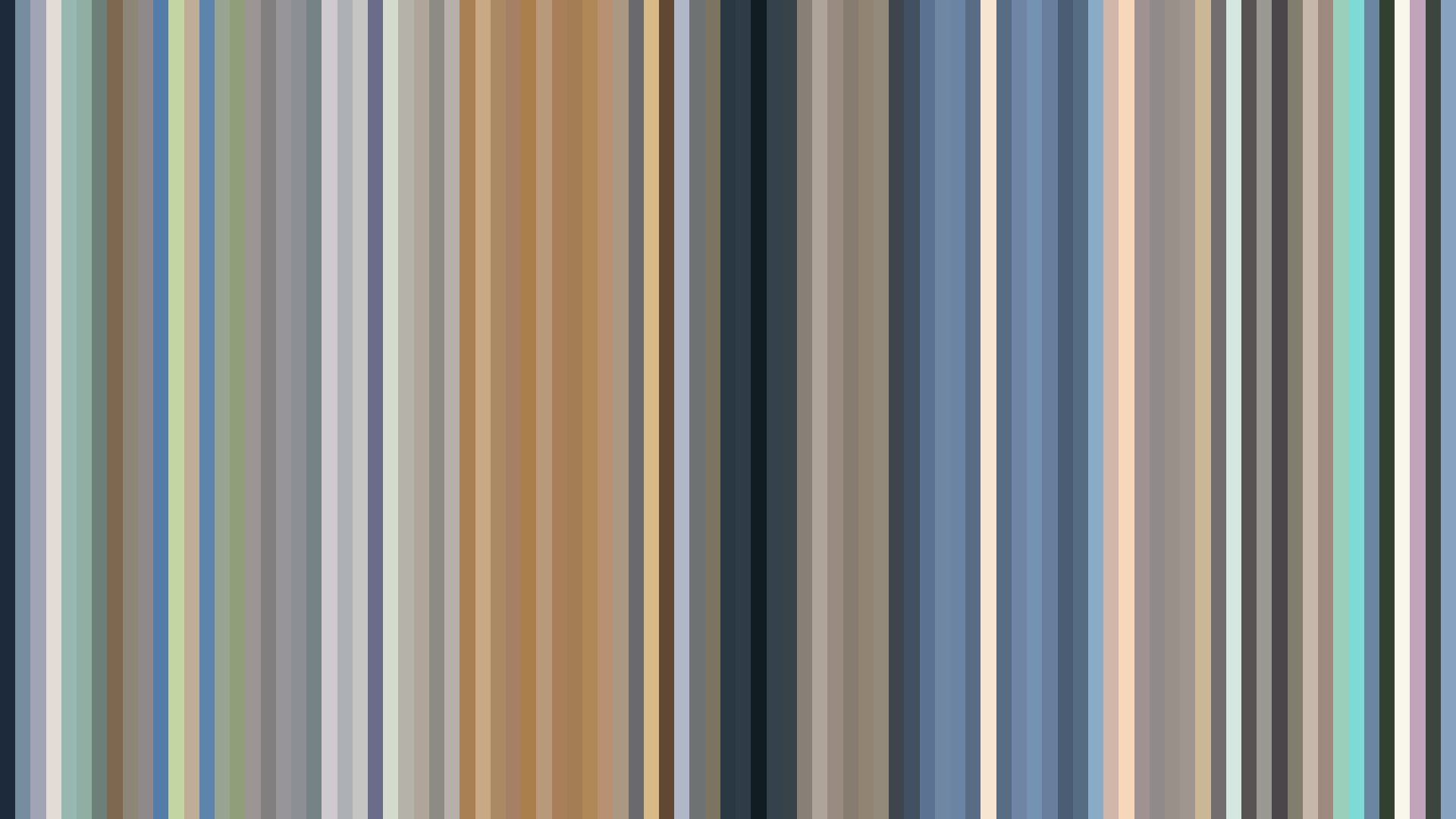






Fruits Basket 2nd Season's palette is Red-dominant — but that warmth is a trap. The arc-down shape — a steep dark midpoint with act brightness plummeting from 0.602 to 0.471 — mirrors the series' calculated betrayal of its own shōjo-genre comfort. TMS Entertainment's adaptation of Natsuki Takaya's manga doesn't let the viewer forget that this is a story about trauma disguised as a love polygon. That 23% Blue-Green in the hue distribution is the cold seep of the curse, the spectral chill beneath every sunlit garden and shared meal. The red here isn't the rose-petal romance of *Utena*; it's the flush of suppressed anger, the blood of inherited pain. The second half's slight brightness recovery to 0.540 is not resolution but hope under duress — a deliberate formal echo of the characters' fragile progress. Where Season 1 teased a brighter world, Season 2 commits to the shadow, and the barcode proves it: the show's visual arc is a diagram of emotional truth, not narrative convenience.