Legend of the Galactic Heroes: Die Neue These - Collision
Home›2022›Legend of the Galactic Heroes: Die Neue These - Collision
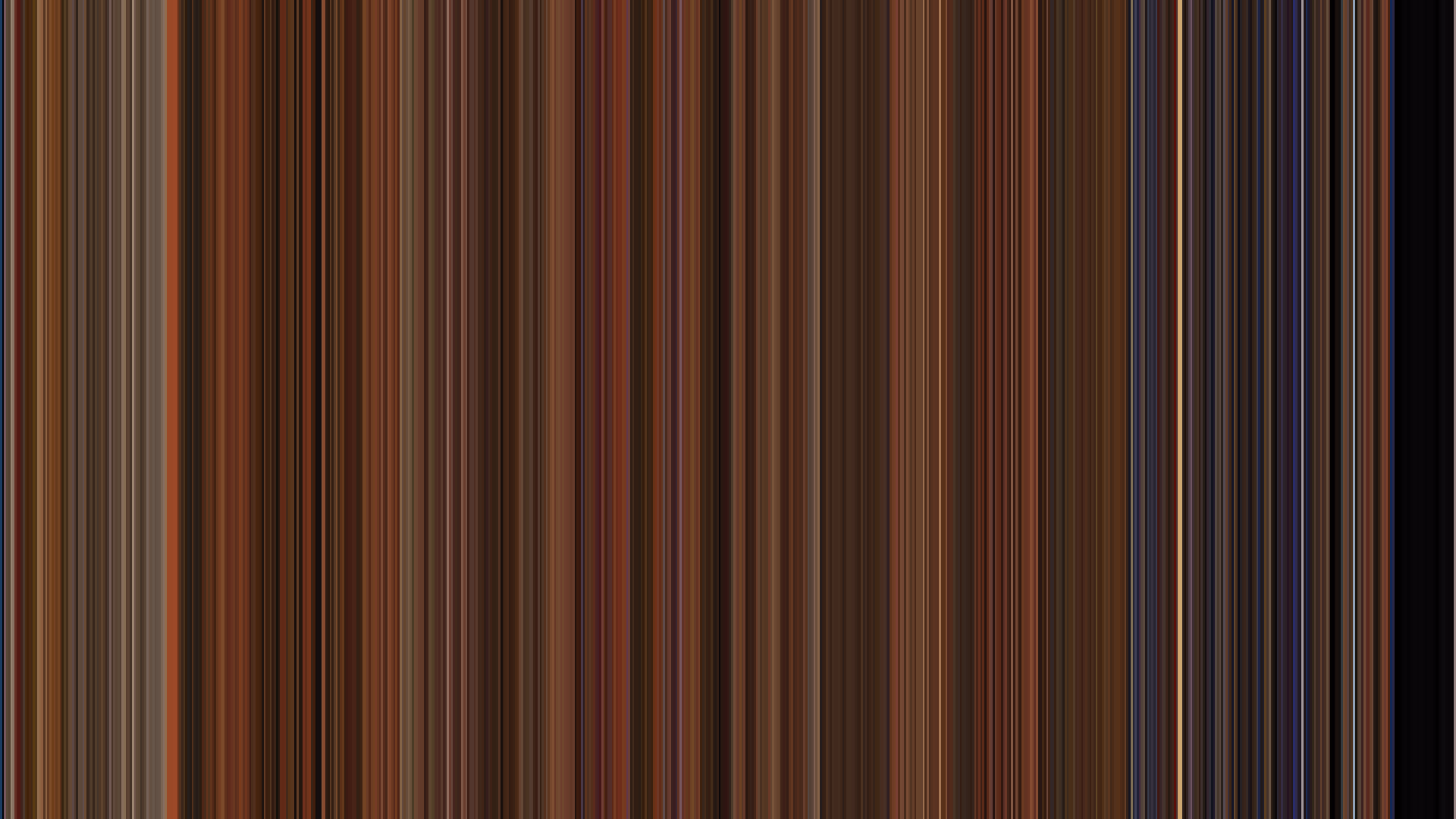
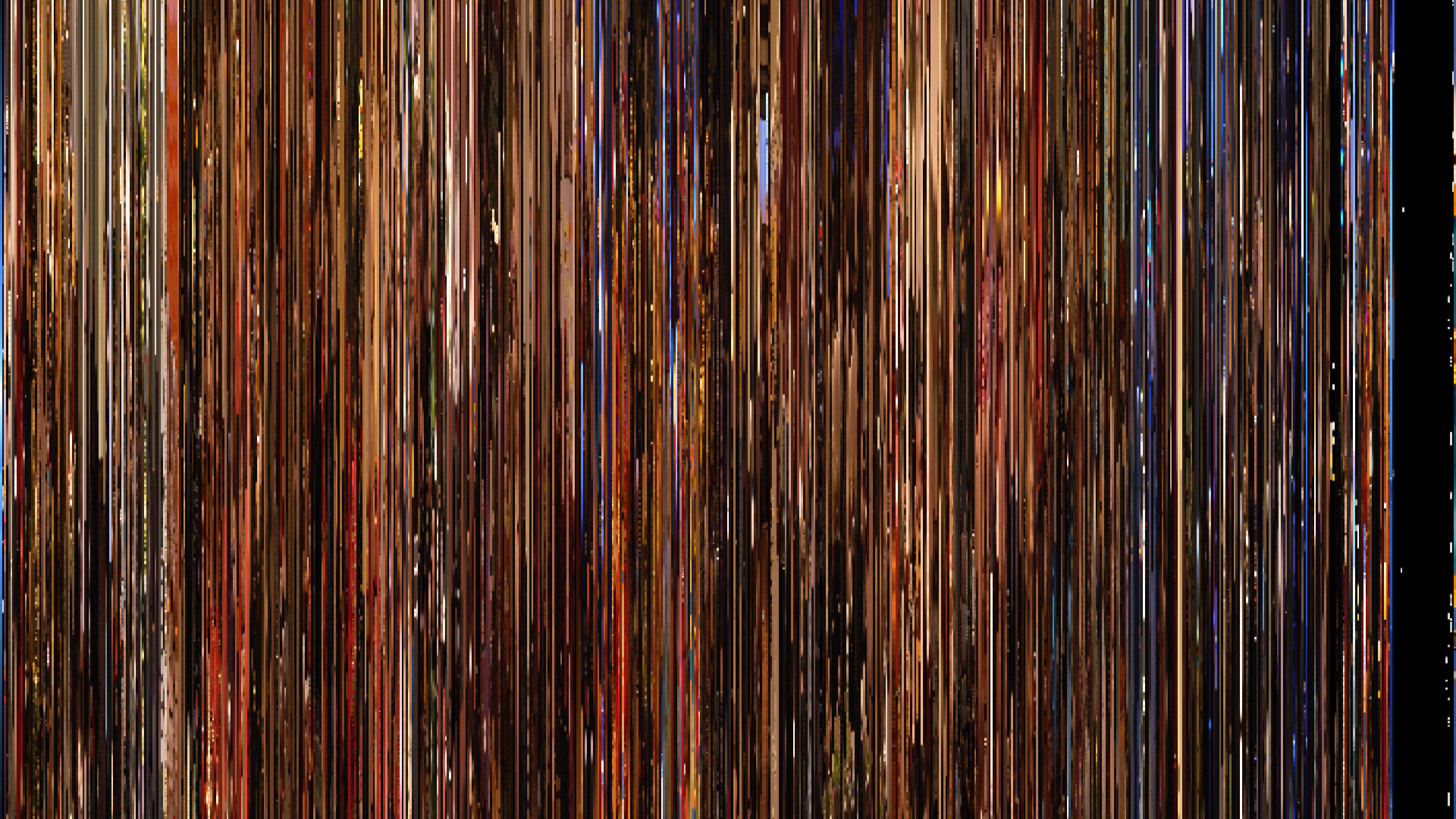
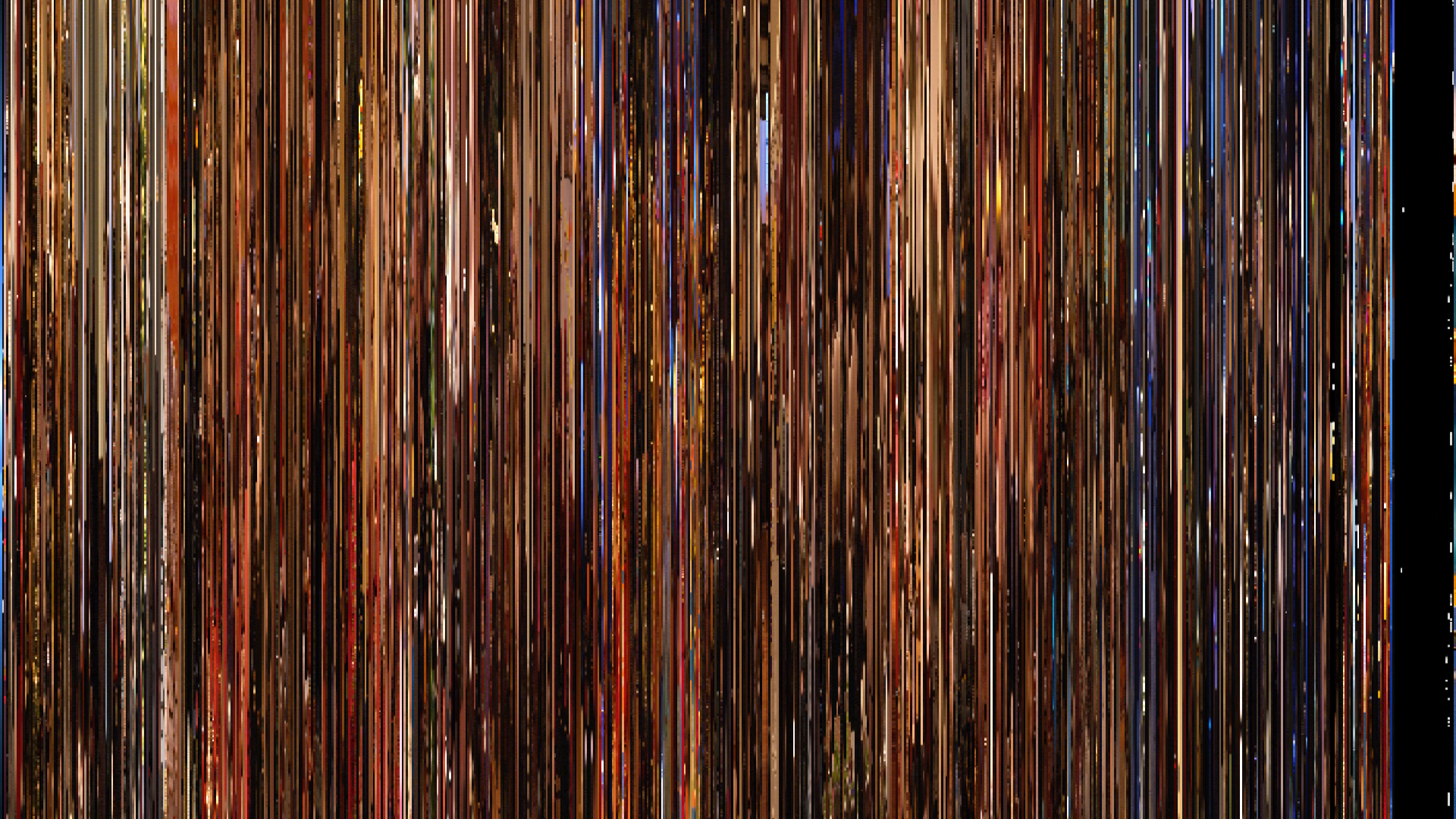
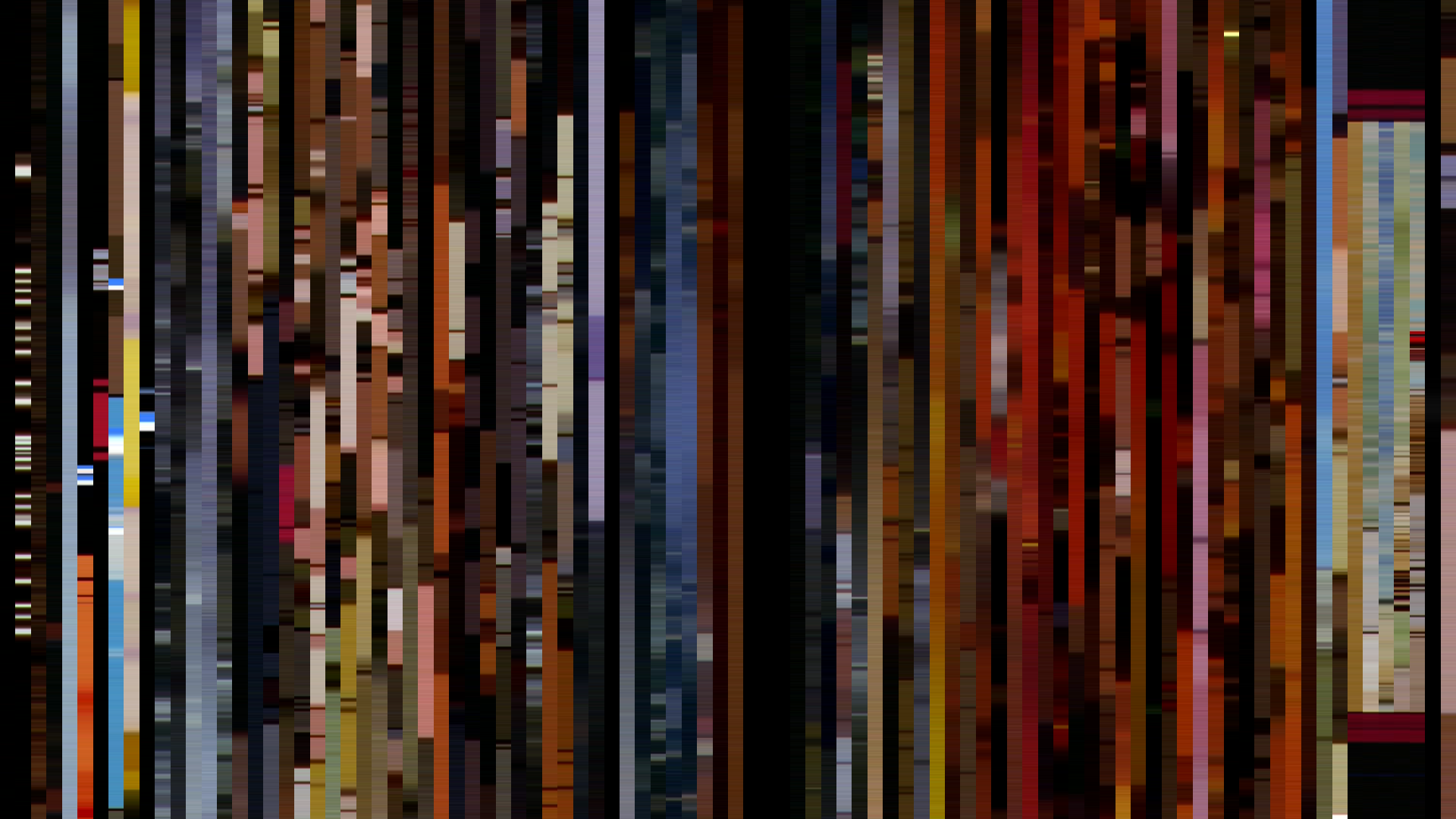
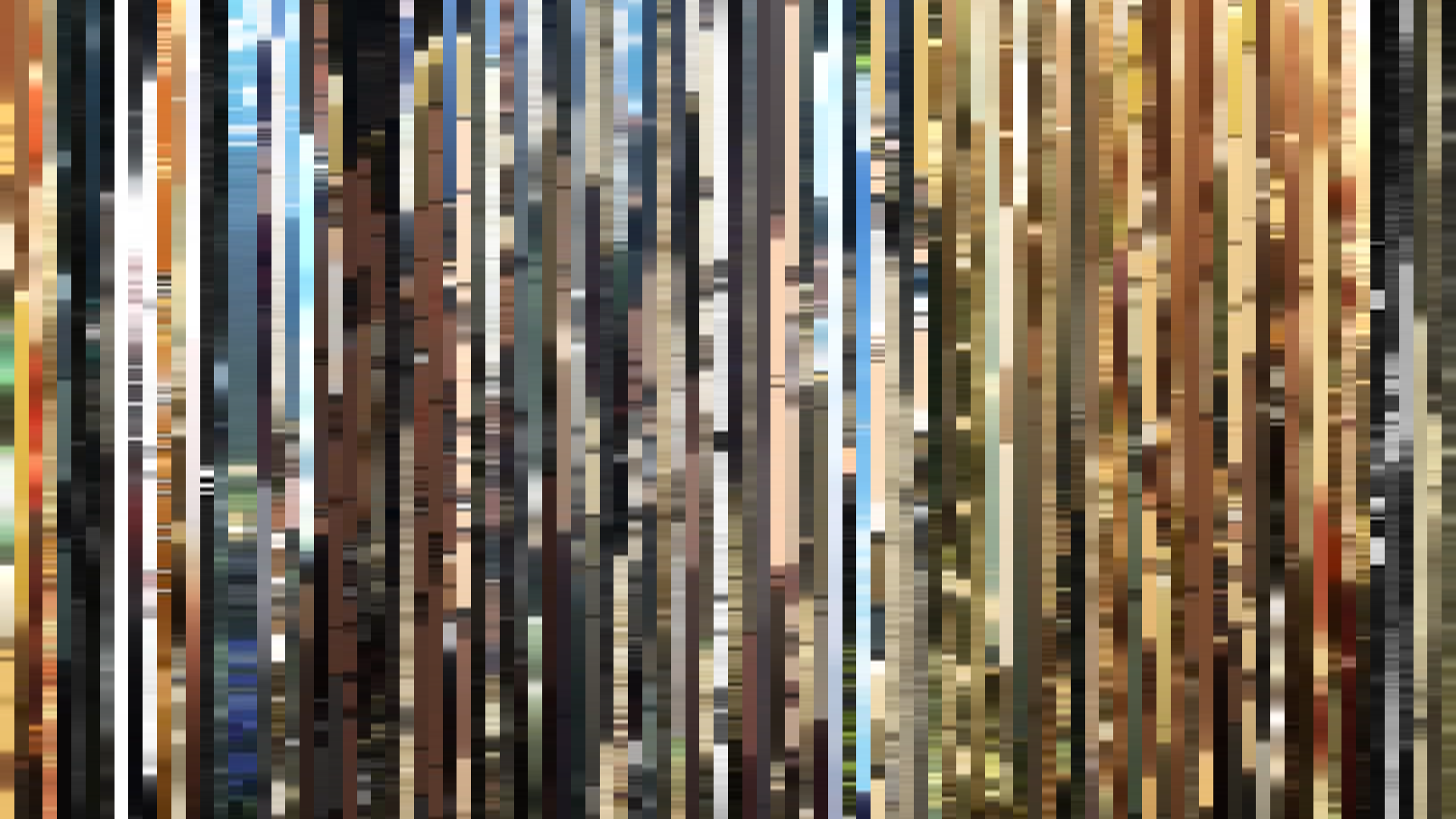
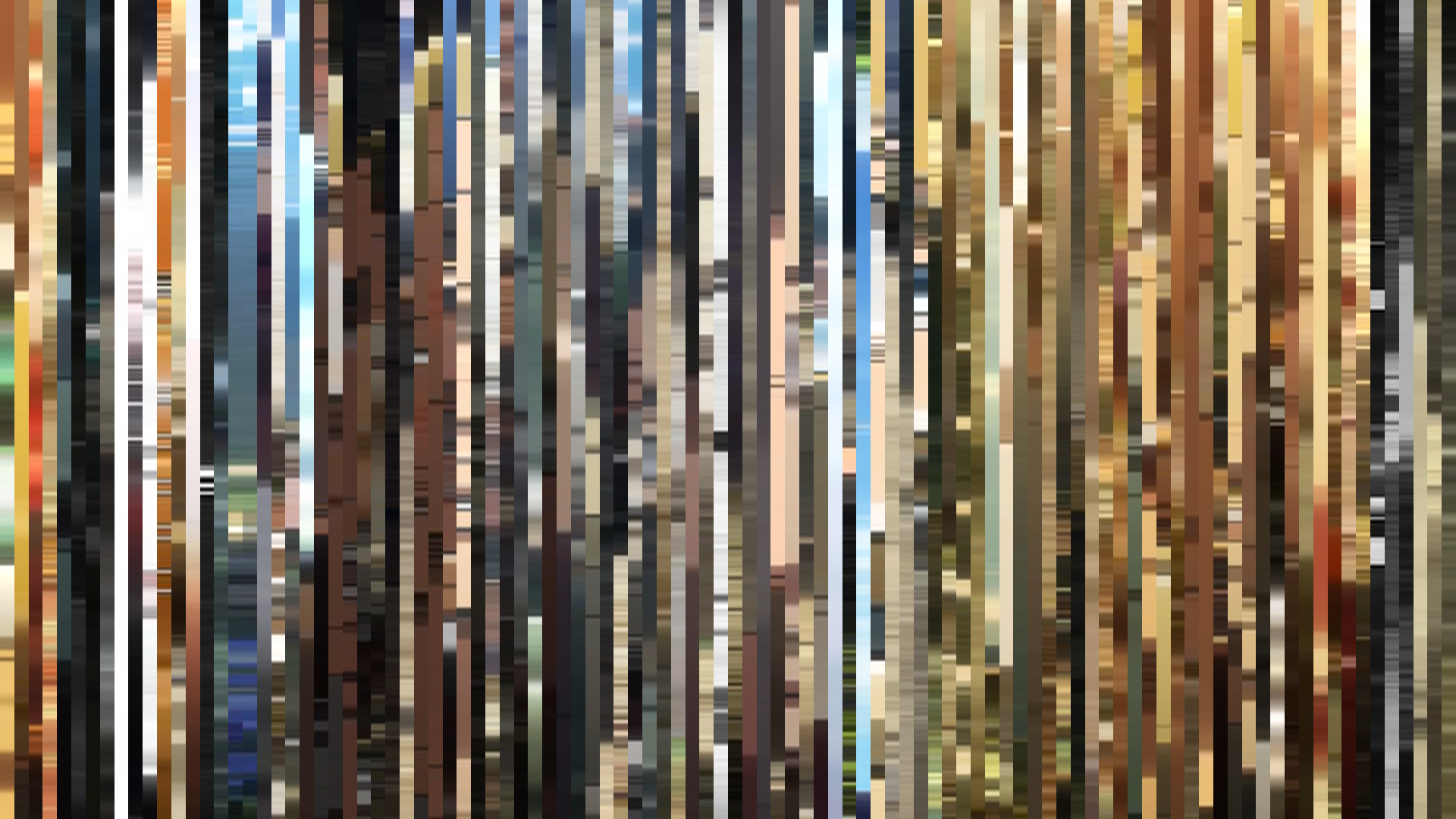
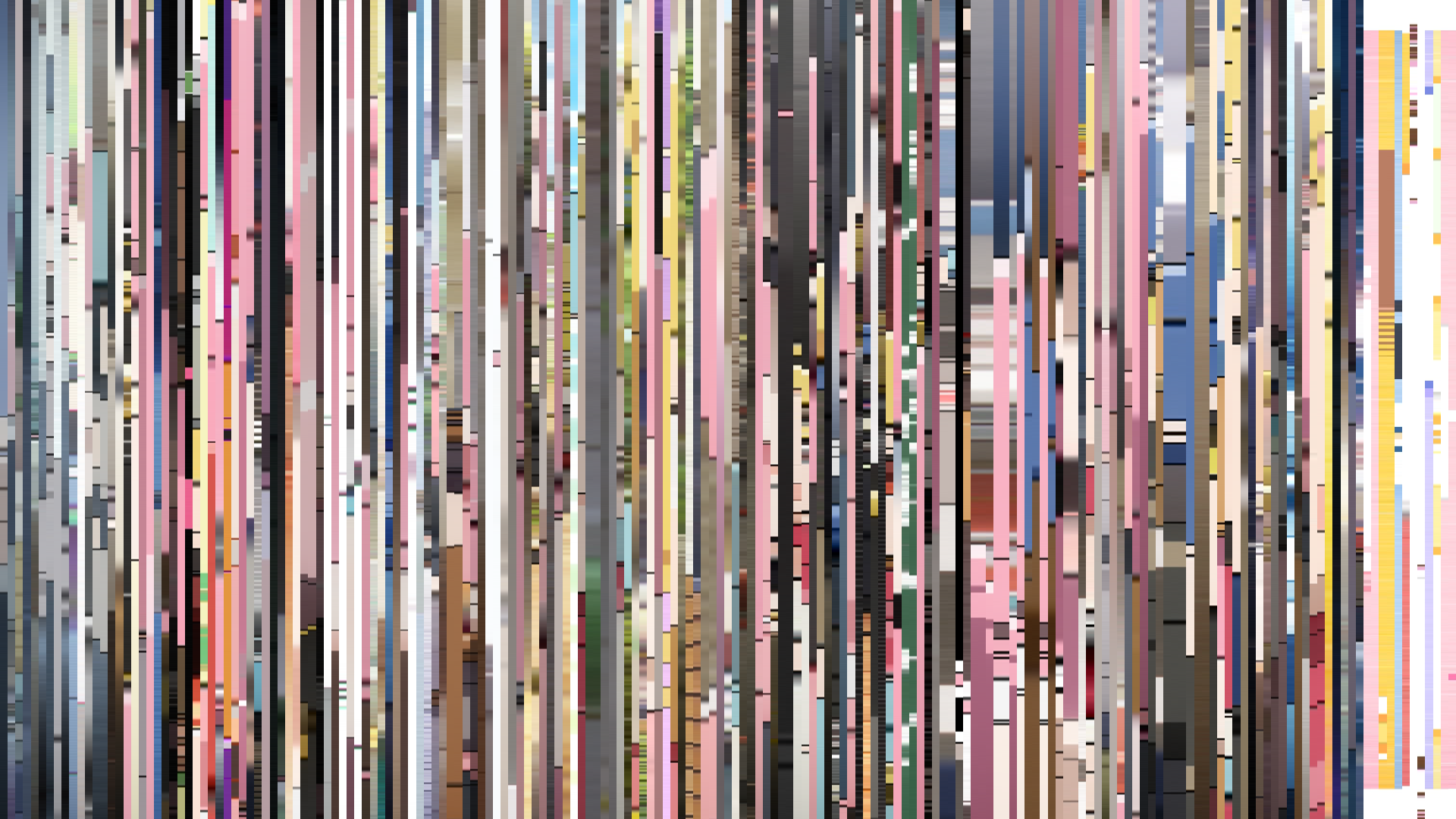
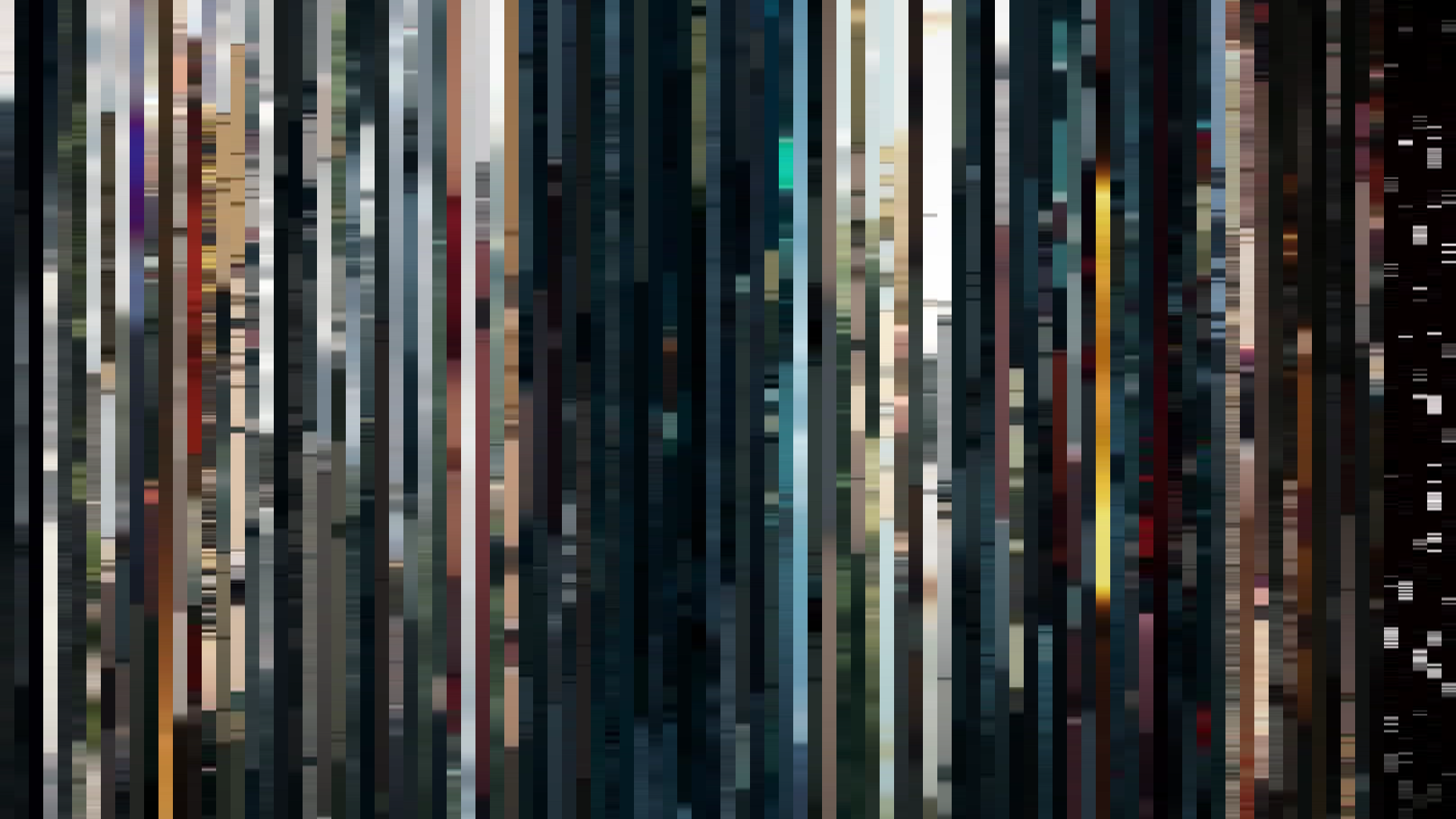
Pixel Slice — 1px center crop per frame
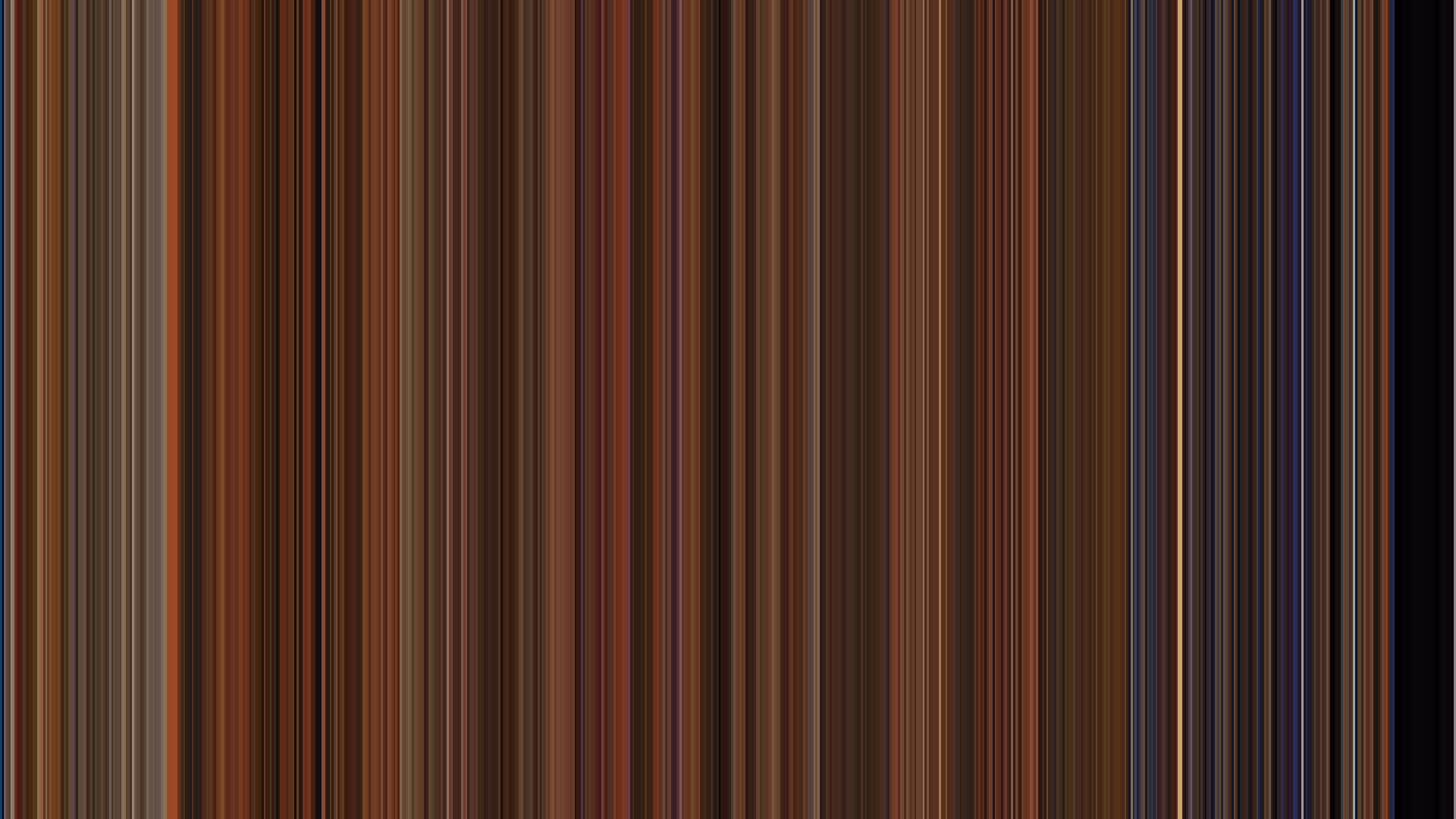
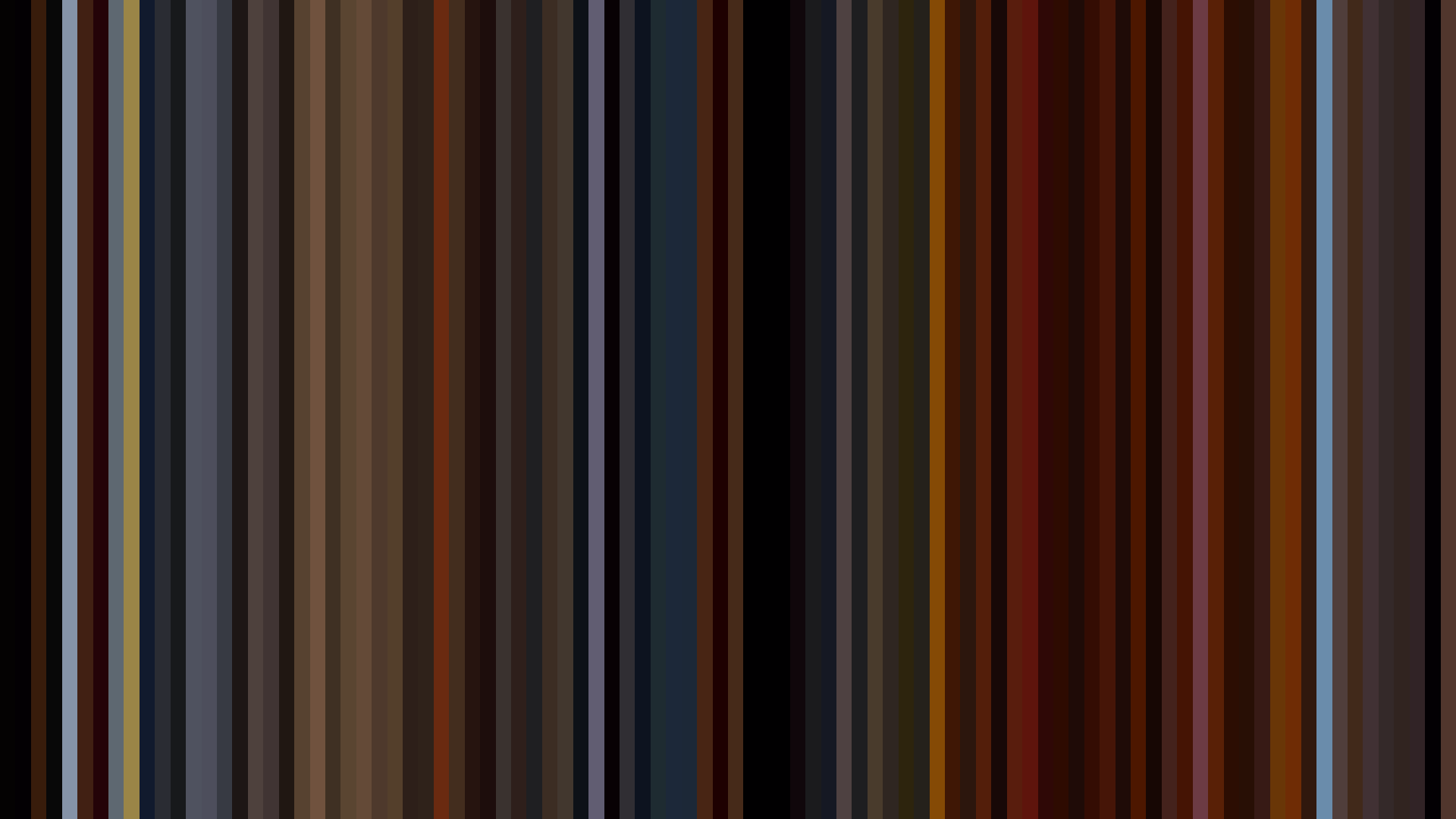
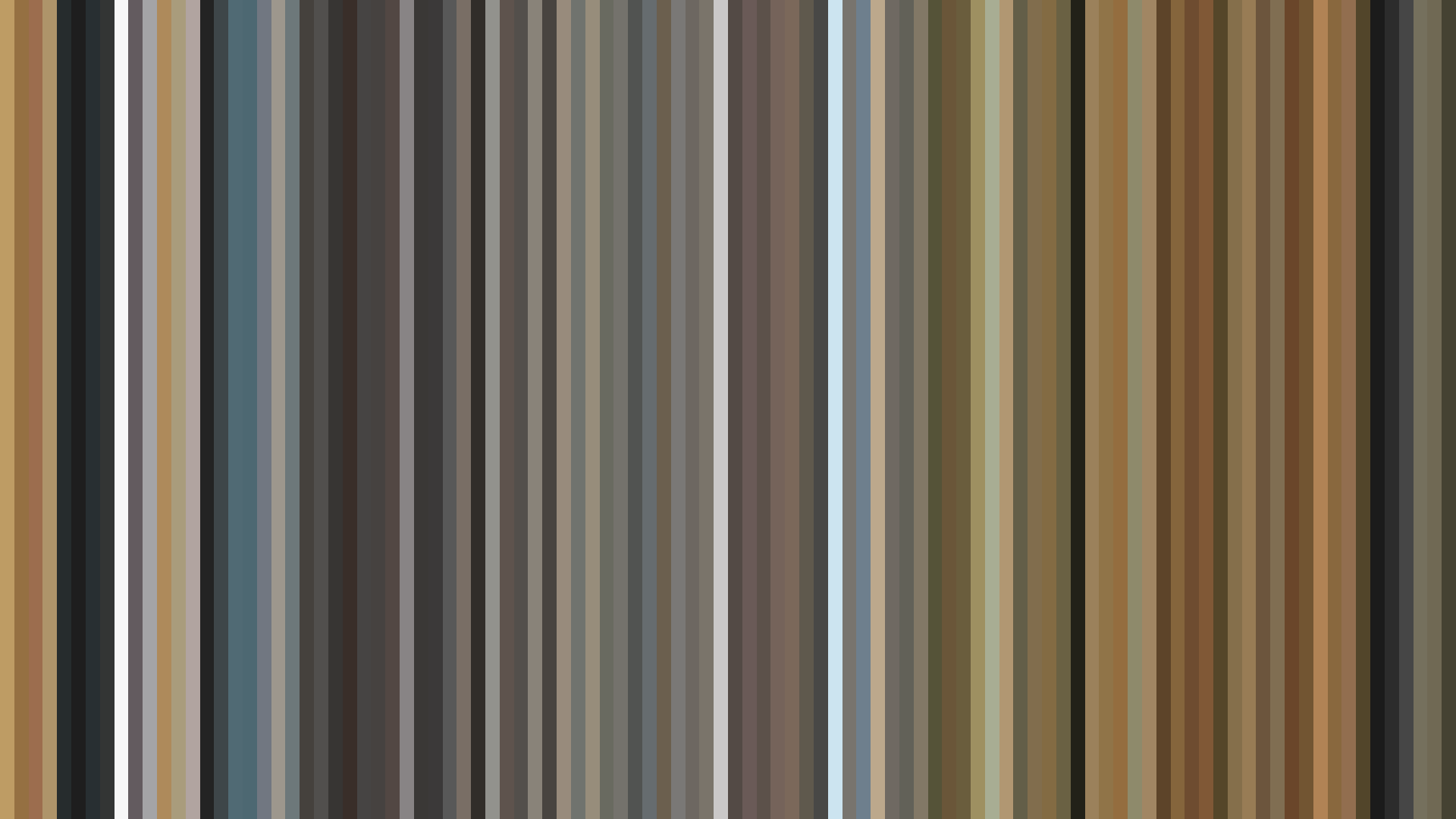
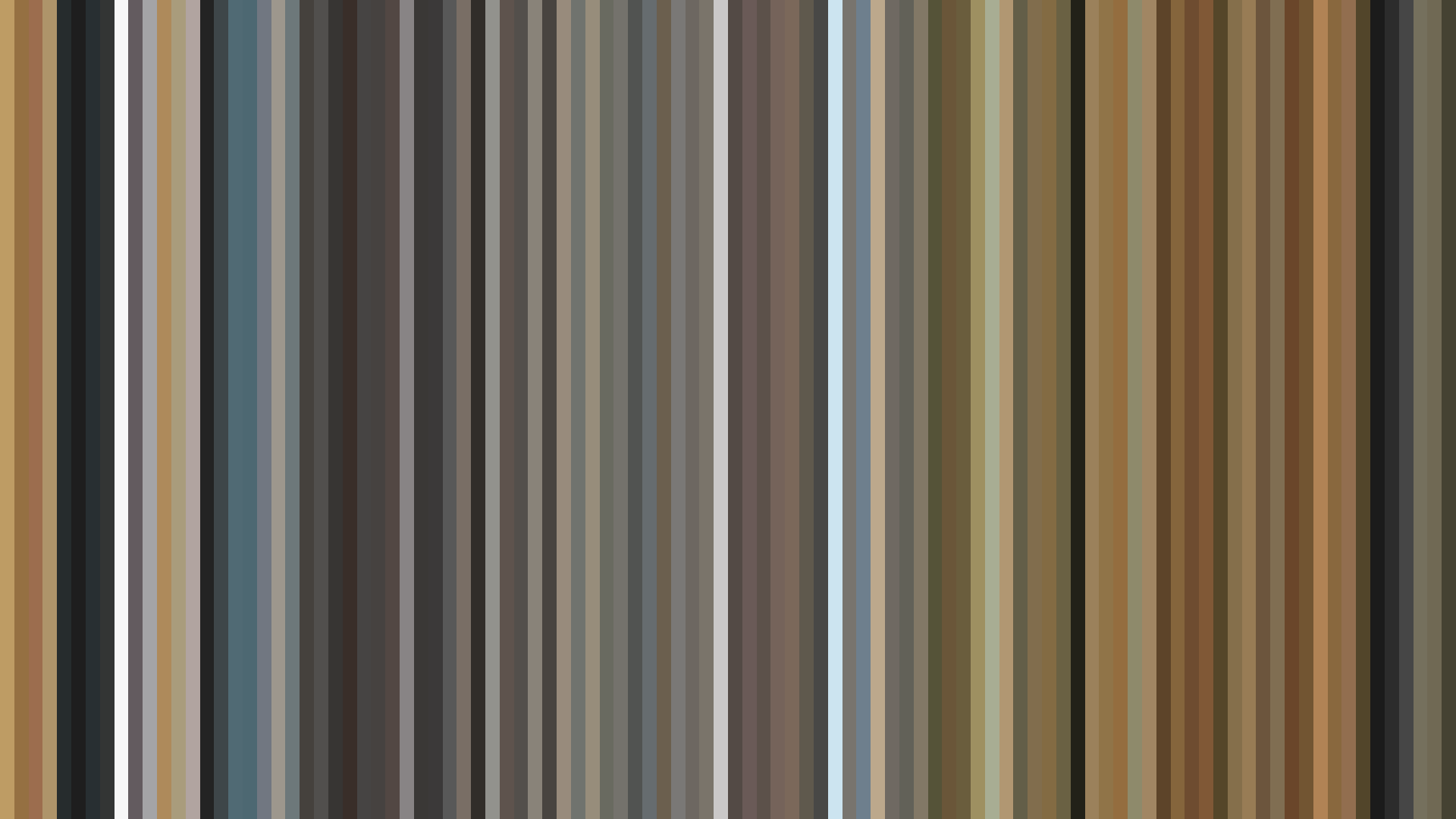
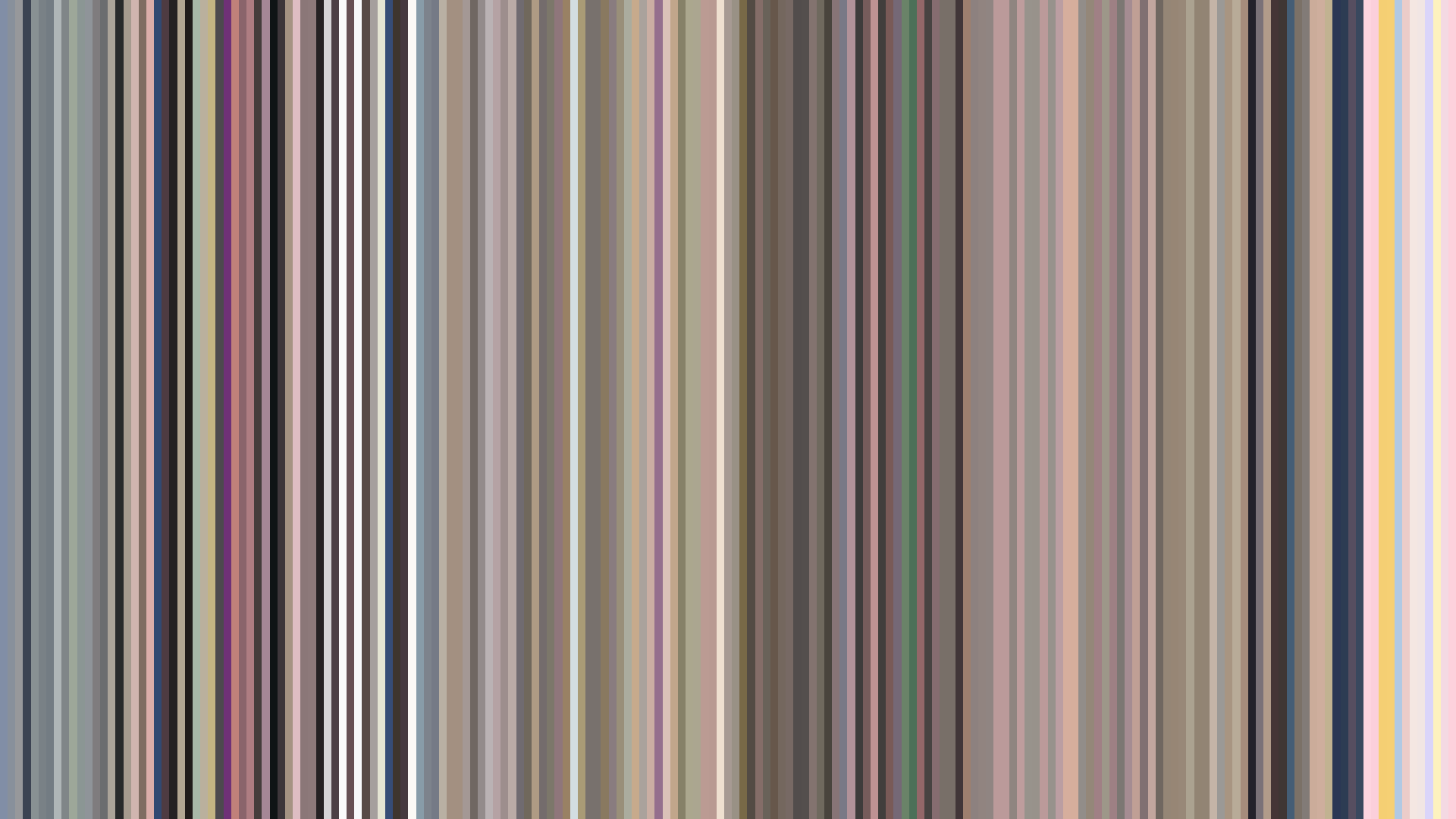
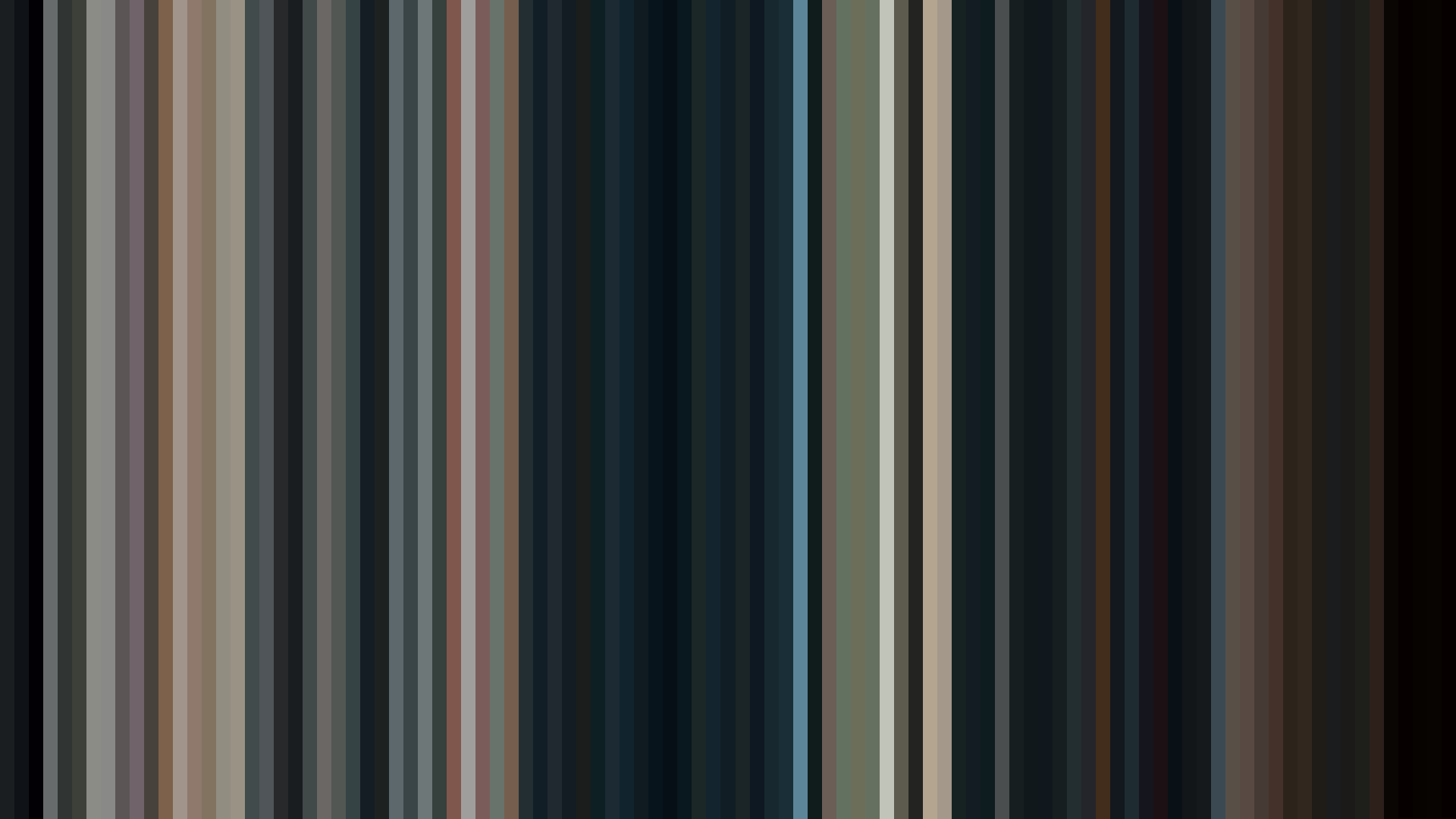
Smooth Average — mean color per frame
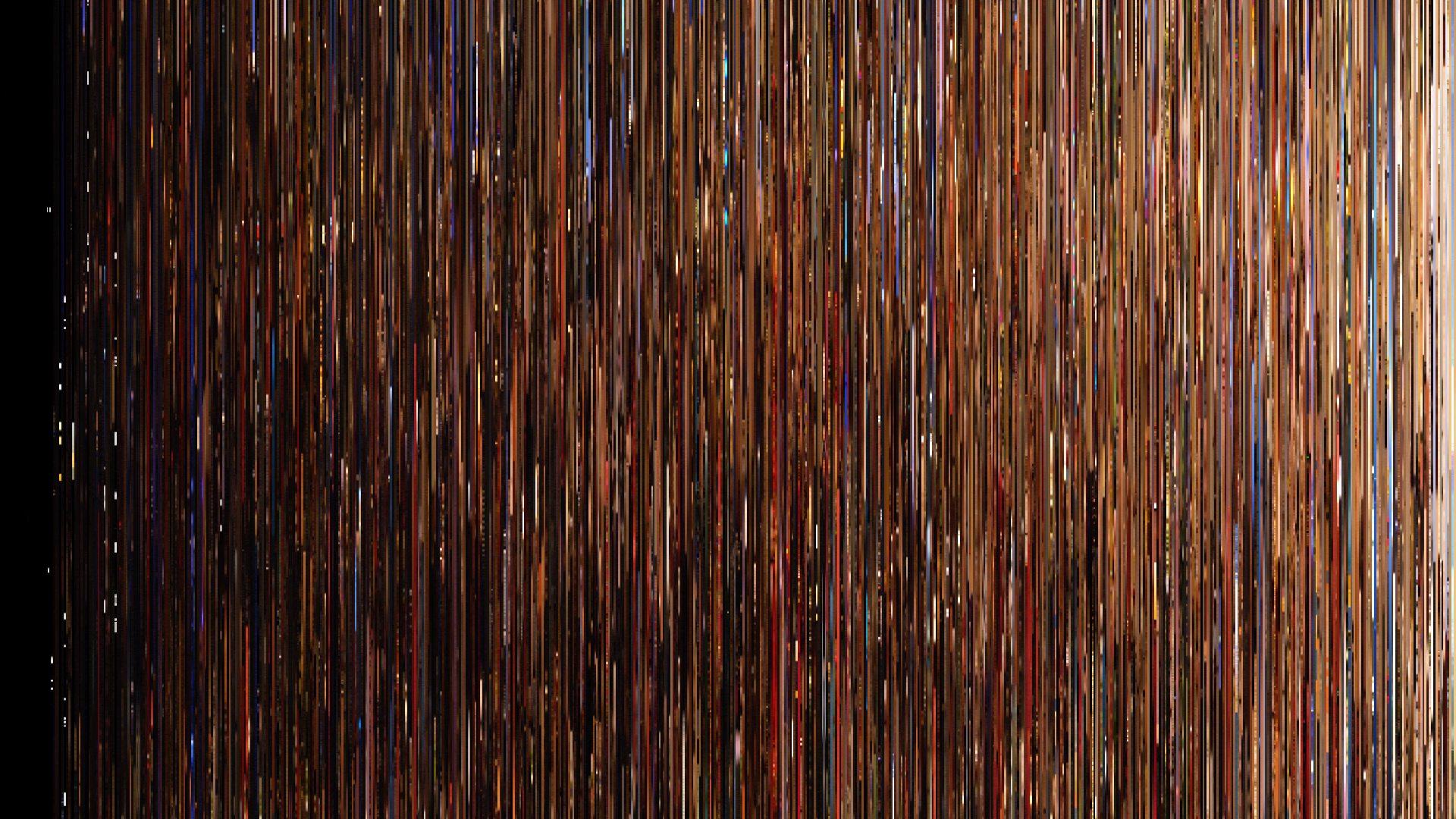
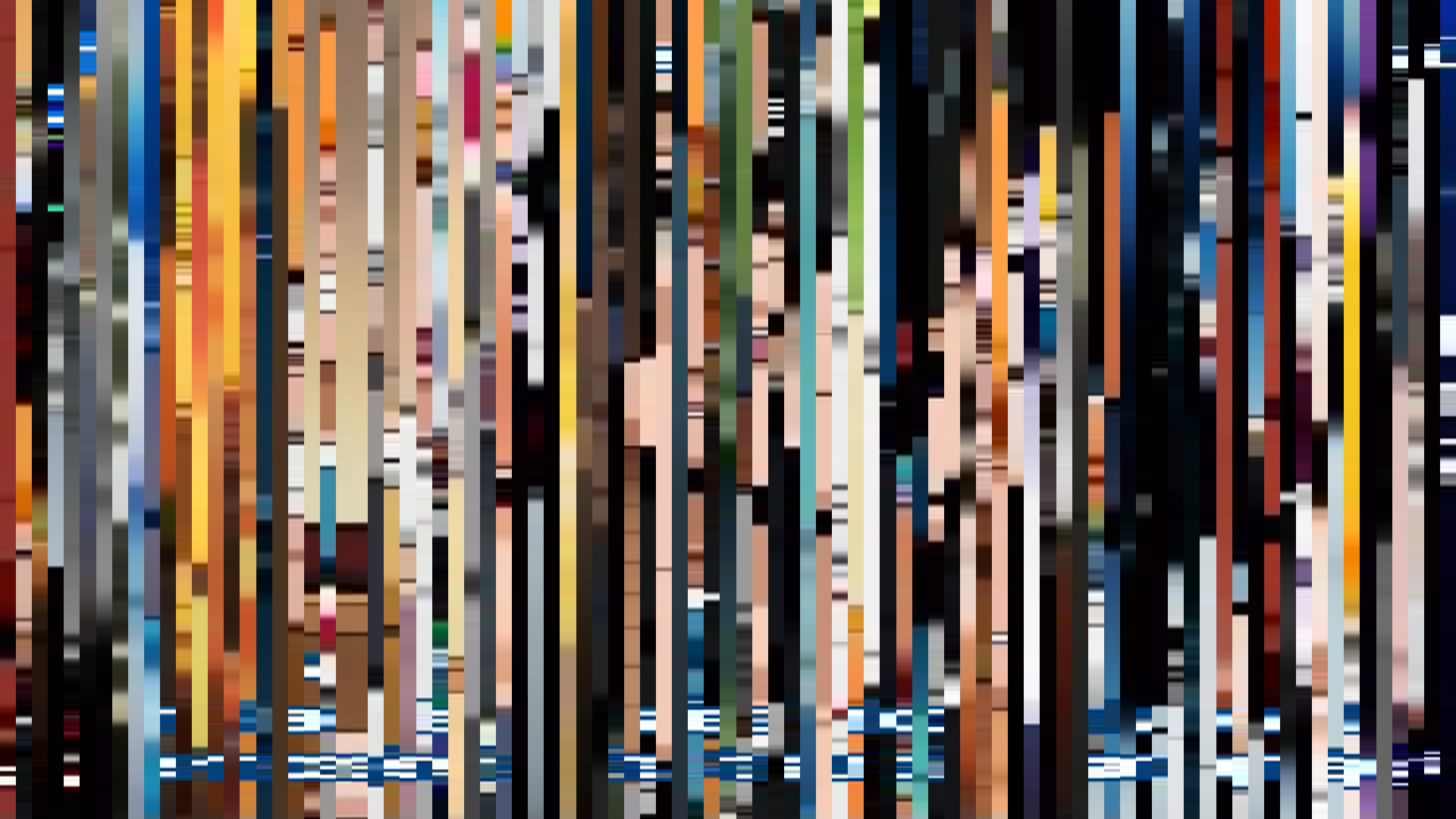
Rank Mosaic — columns sorted by luminance
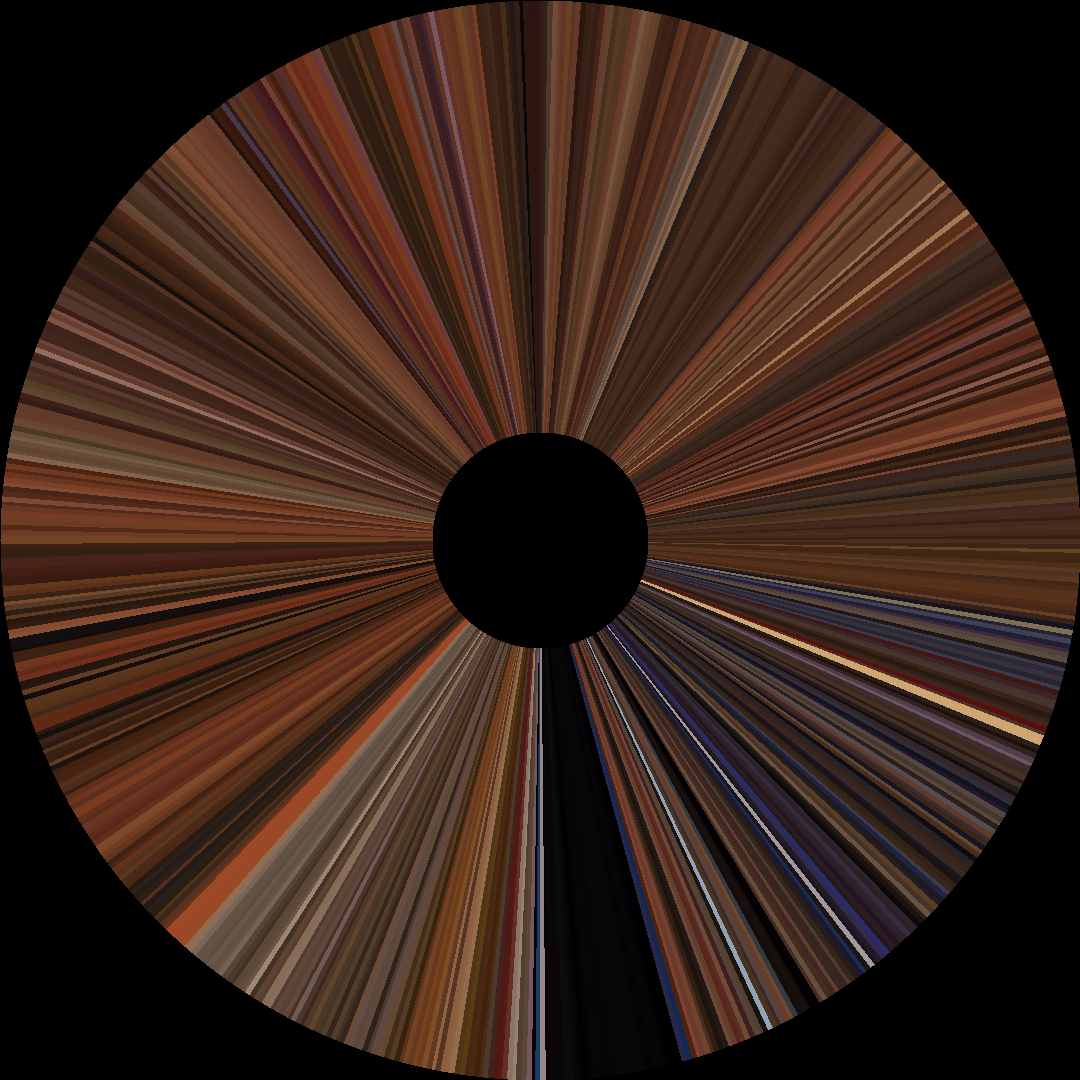
Circle / Radial — polar transform
Edit Pace — frame-to-frame color delta (bright = fast cuts)
Color Temperature — warm (gold) vs cool (teal) per frame
Frame Density Comparison — every 2nd vs every 4th frame
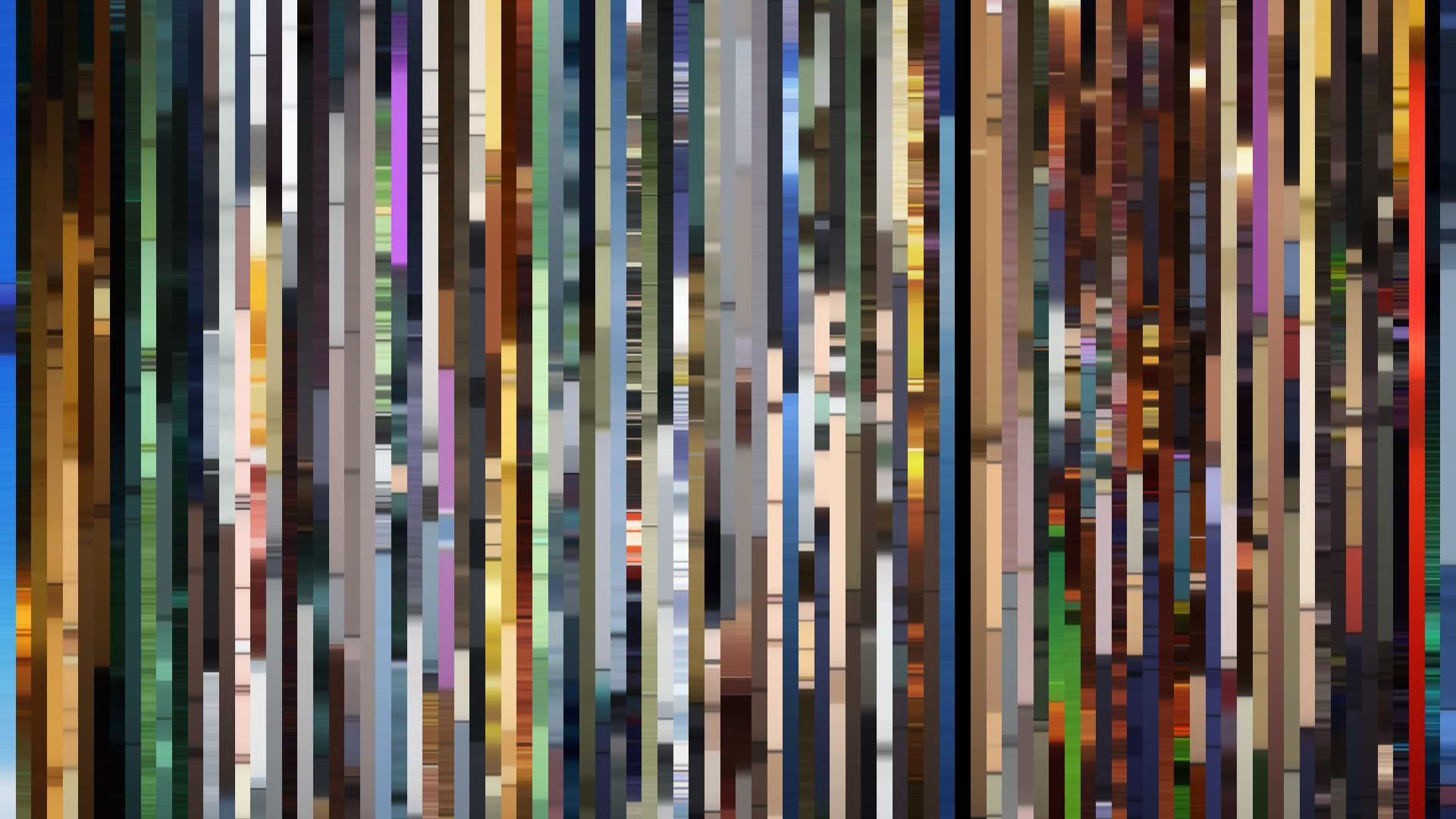
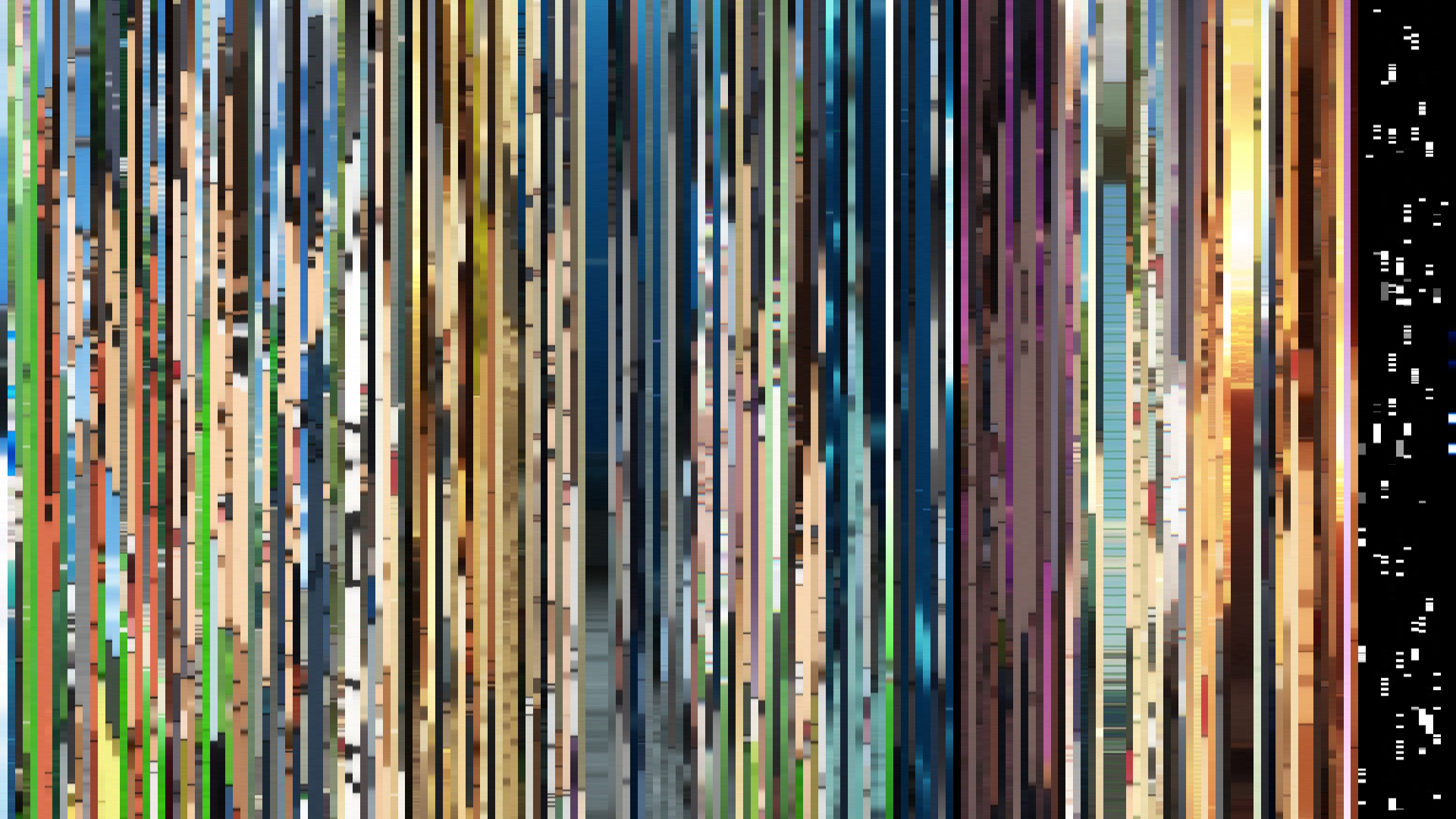
Slice · 15s
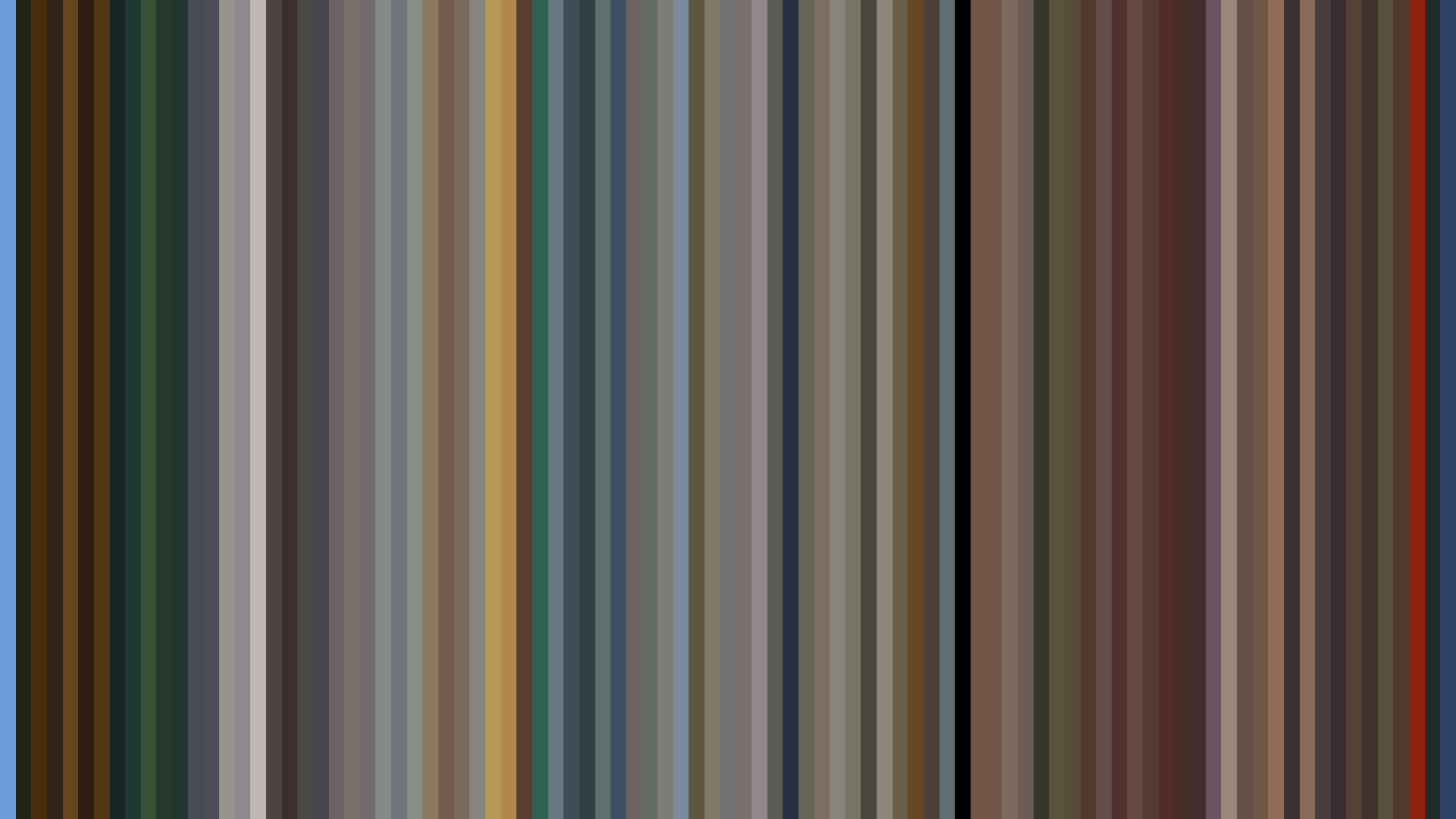
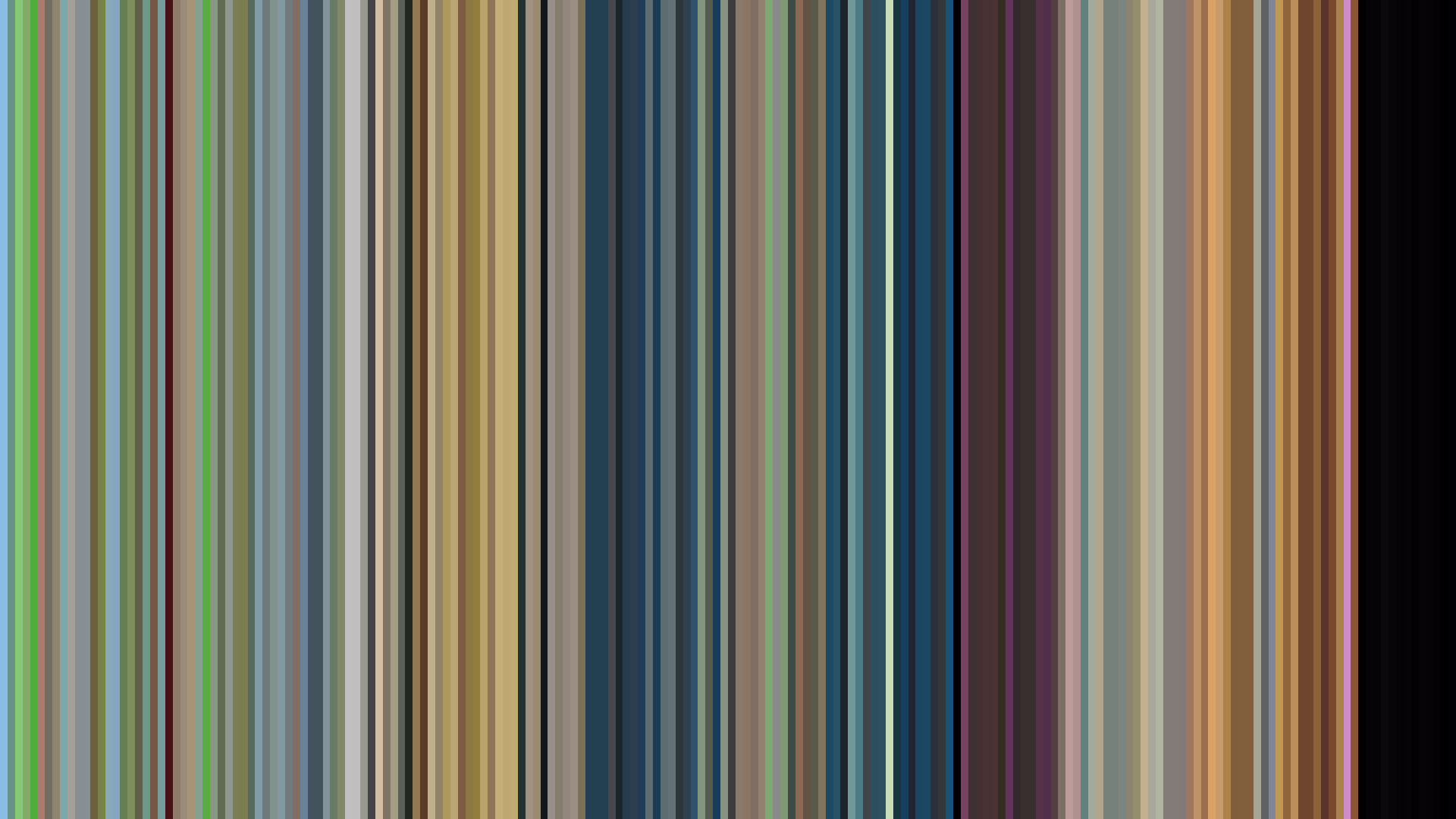
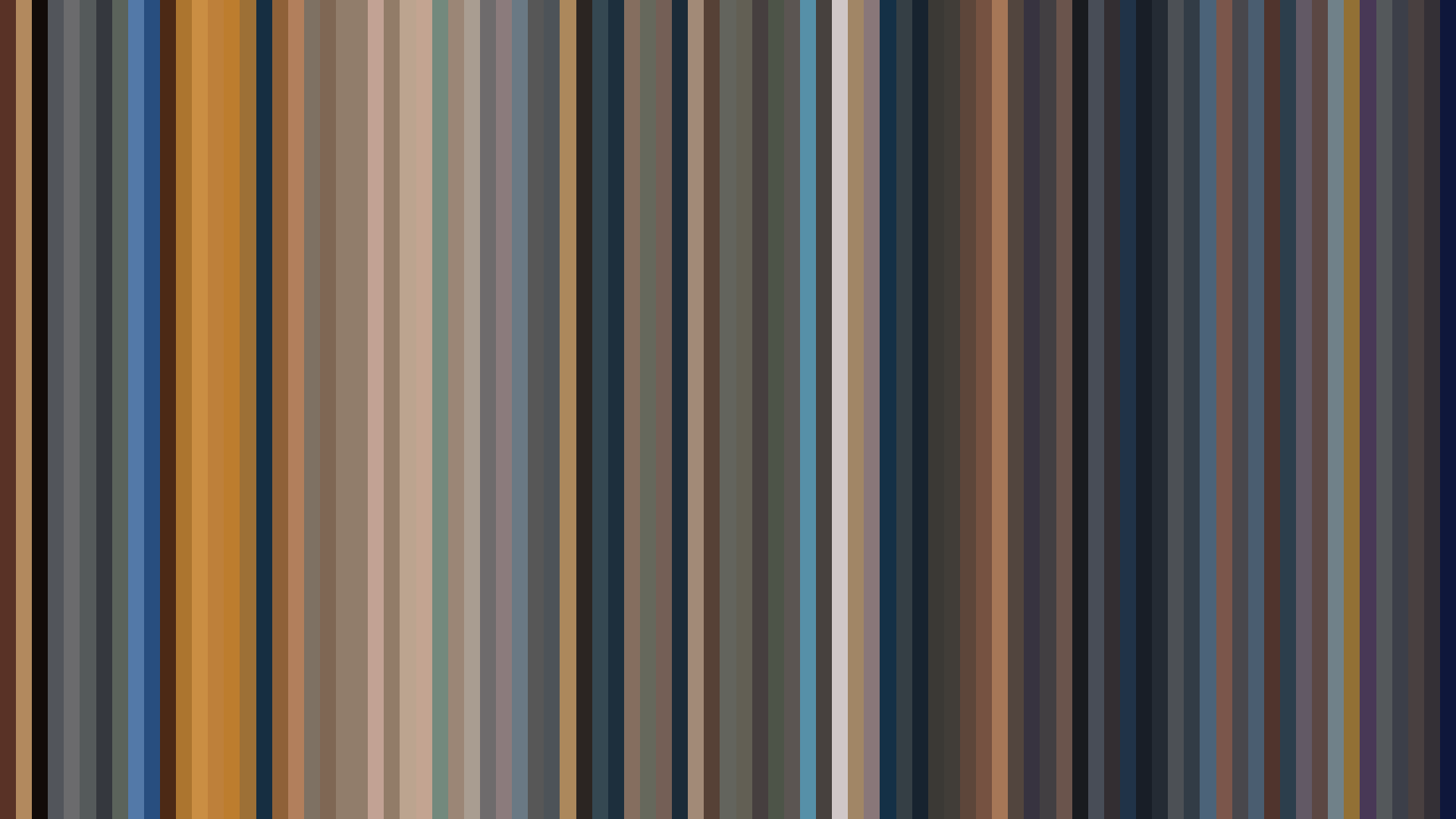
Avg · 15s
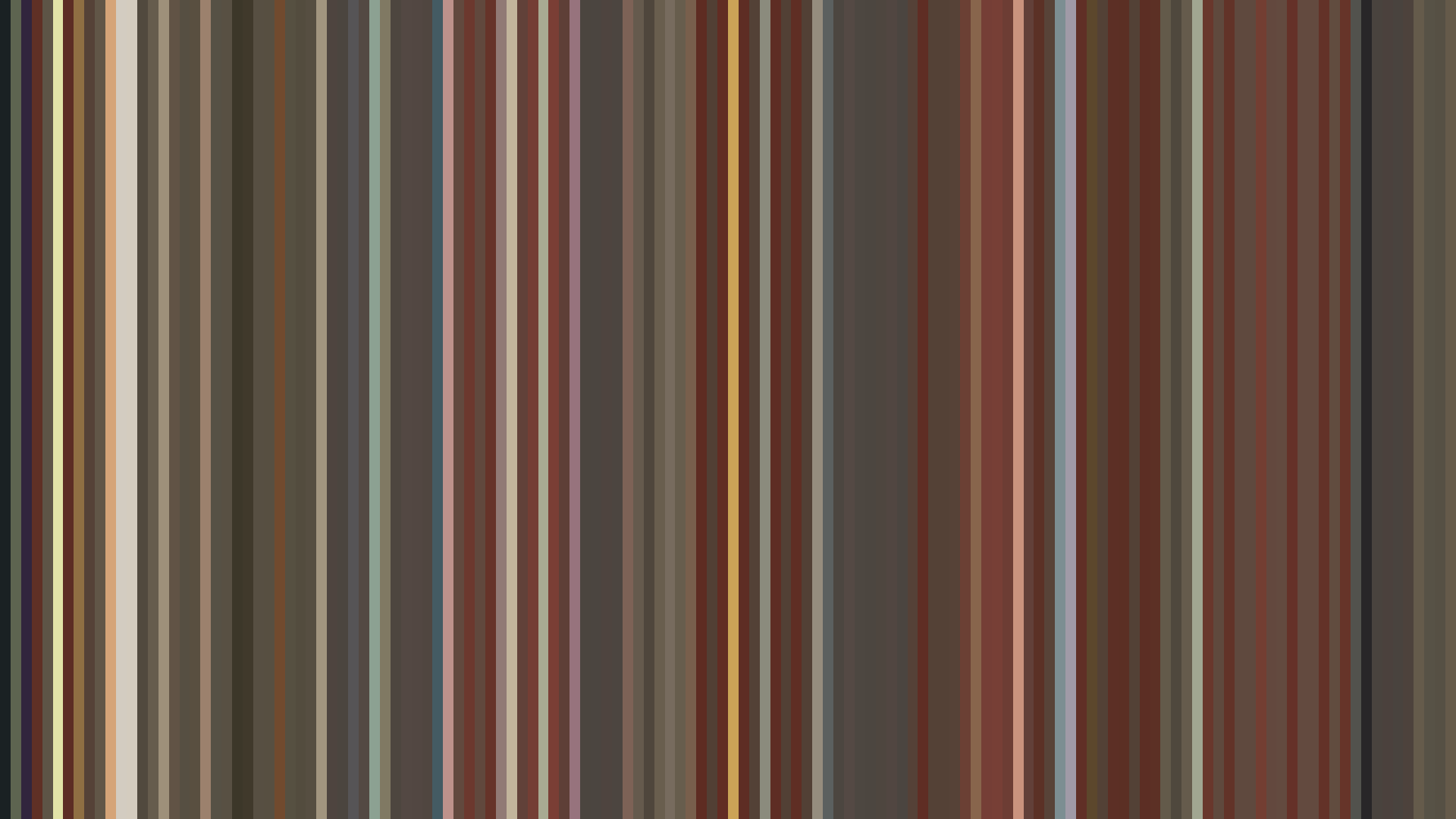
Slice · 30s
Avg · 30s
The barcode descends like a slow-motion execution. Across twelve episodes, the brightness drops from 0.345 to a terminal 0.247 — not a narrative arc but a controlled depressurization. The six dominant colors, every one of them a shade of dried earth or old iron, refuse any warmth: #271814, #542F1F, #6C4831, #685550, #926951, #8F5331. Red claims 87% of the palette, but it is the red of rust, not roses. Production I.G’s adaptation of Yoshiki Tanaka’s space epic understands that a story about the entropy of empire cannot fake crescendos. The dark ending is not a dramatic twist; it is the inevitable state of a universe where all systems—political, military, ideological—consume their own fuel. Average brightness hovers at 0.219, leaving the screen smothered in shadow for entire acts. Compare this to the red-dominant bombast of its 1980s predecessor: *Die Neue These* replaces heroic chiaroscuro with the leaden gloom of a war room after the battle has been lost. The saturation level—0.531 across the whole run—is similarly muted, as if the color itself has been rationed. This is not tragedy with a capital T; it is entropy plotted on a luminance scale.
Brightness Arc (episode progression)
Hue Distribution
Act Breakdown
Opening
0.345
Middle
0.301
Closing
0.247
Avg Brightness
0.219
Avg Saturation
0.531
Warmth
0.620
Color Palette
#271814
#542F1F
#6C4831
#685550
#926951
#8F5331
#8C341E
#AA8769
3-Act Color Story
Opening
Middle
Closing
Color Twins
Perceptually nearest palettes — measured in OKLab space, not RGB






The barcode descends like a slow-motion execution. Across twelve episodes, the brightness drops from 0.345 to a terminal 0.247 — not a narrative arc but a controlled depressurization. The six dominant colors, every one of them a shade of dried earth or old iron, refuse any warmth: #271814, #542F1F, #6C4831, #685550, #926951, #8F5331. Red claims 87% of the palette, but it is the red of rust, not roses. Production I.G’s adaptation of Yoshiki Tanaka’s space epic understands that a story about the entropy of empire cannot fake crescendos. The dark ending is not a dramatic twist; it is the inevitable state of a universe where all systems—political, military, ideological—consume their own fuel. Average brightness hovers at 0.219, leaving the screen smothered in shadow for entire acts. Compare this to the red-dominant bombast of its 1980s predecessor: *Die Neue These* replaces heroic chiaroscuro with the leaden gloom of a war room after the battle has been lost. The saturation level—0.531 across the whole run—is similarly muted, as if the color itself has been rationed. This is not tragedy with a capital T; it is entropy plotted on a luminance scale.