Weird

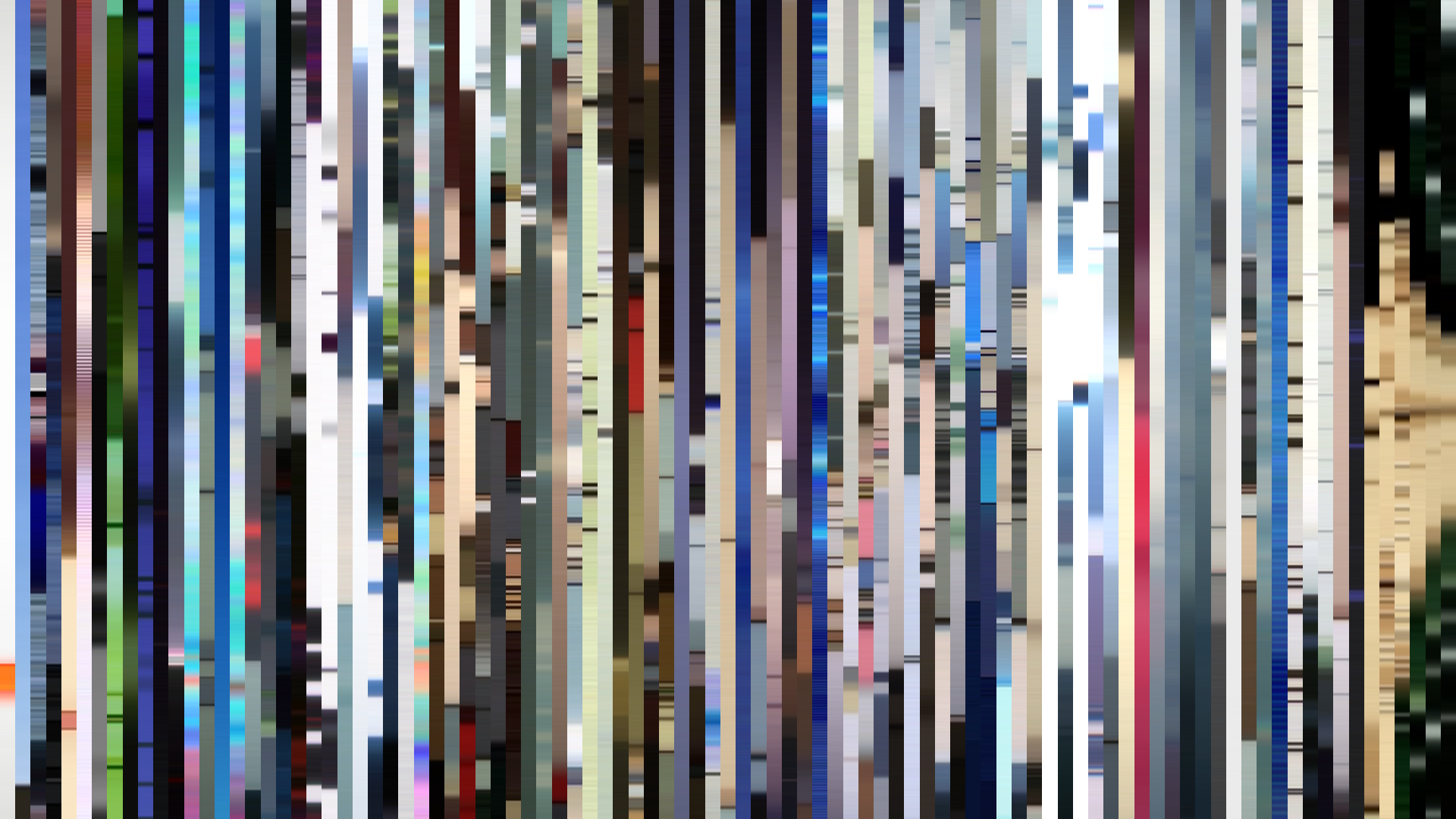
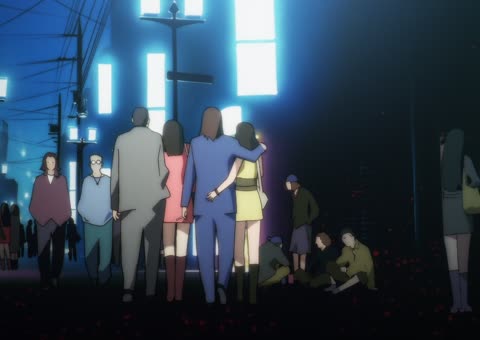
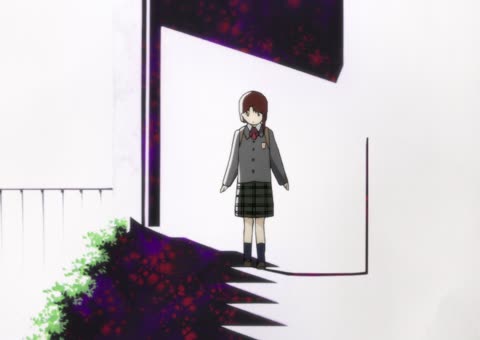
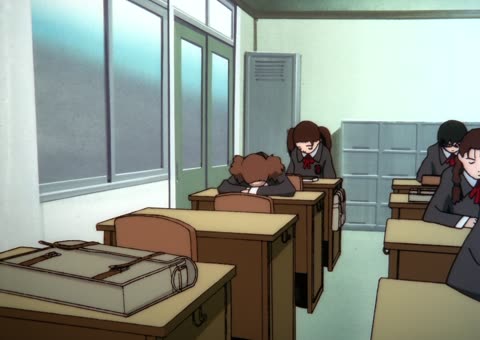
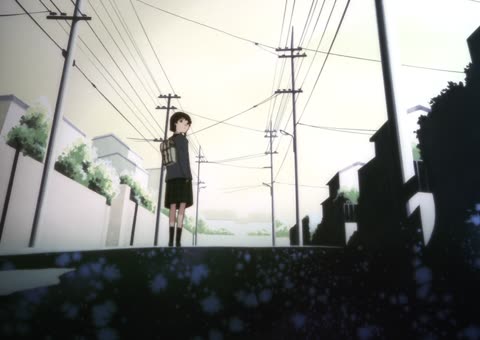
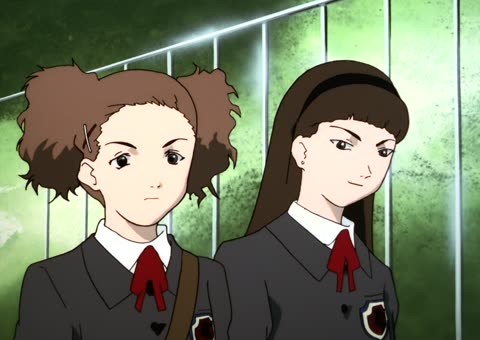
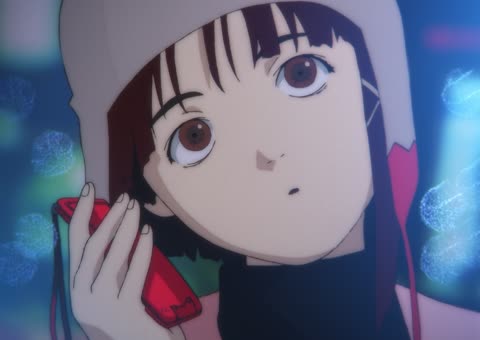
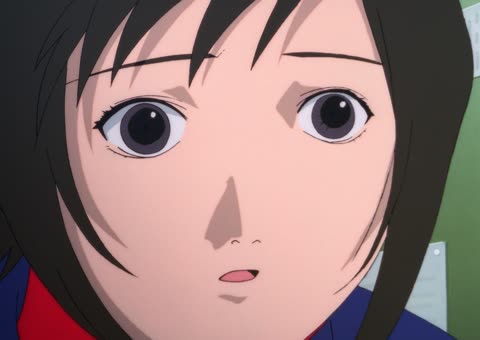
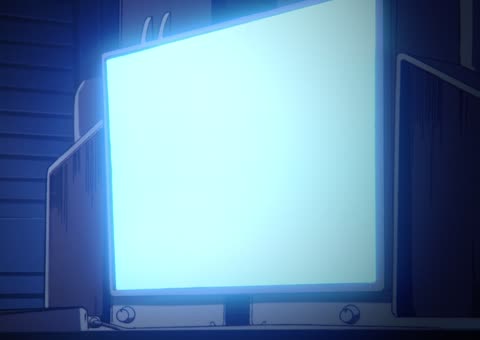
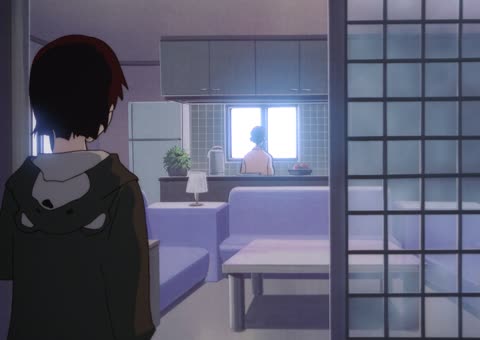
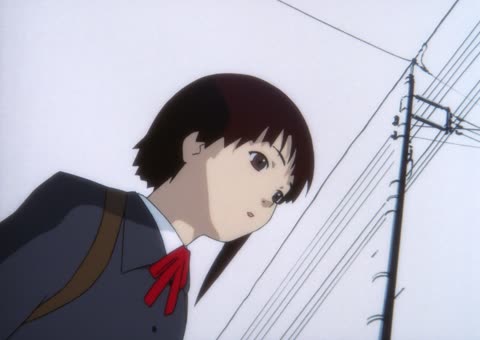
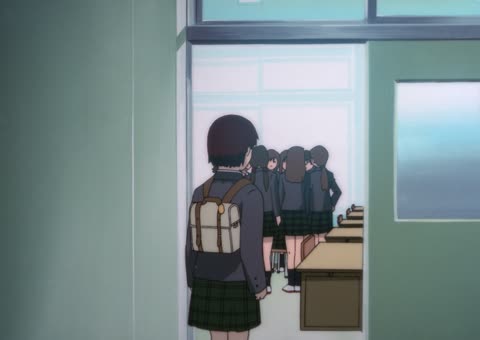
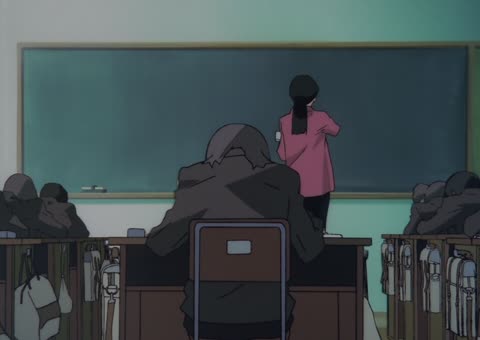
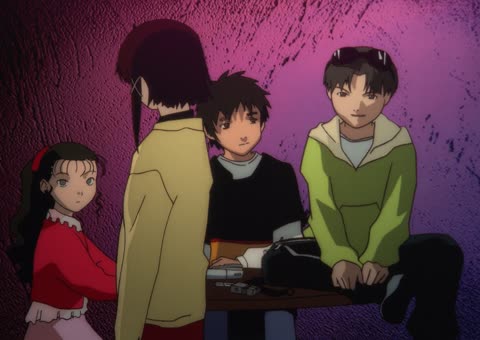
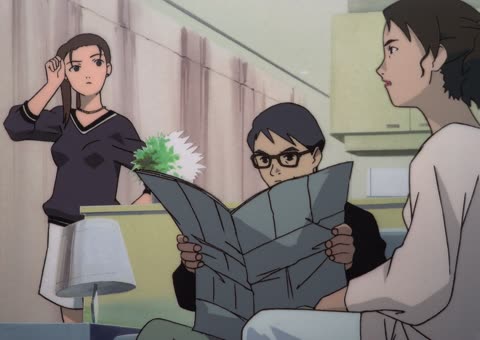
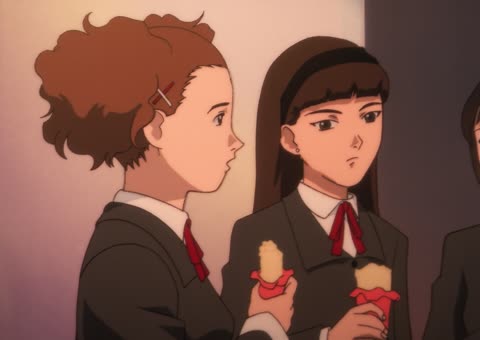
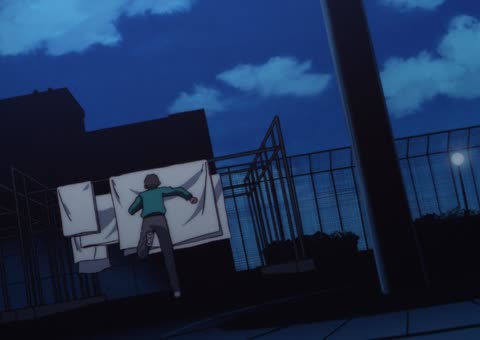
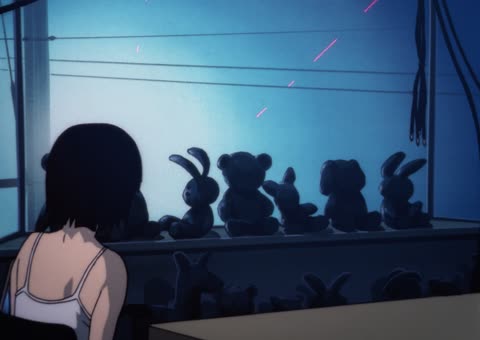
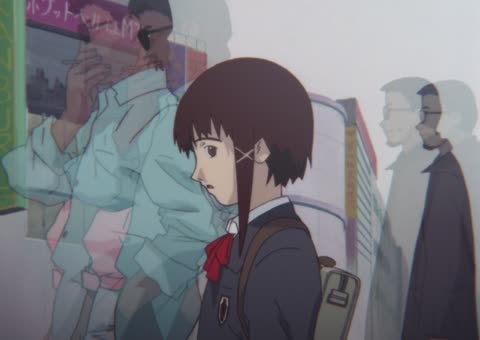
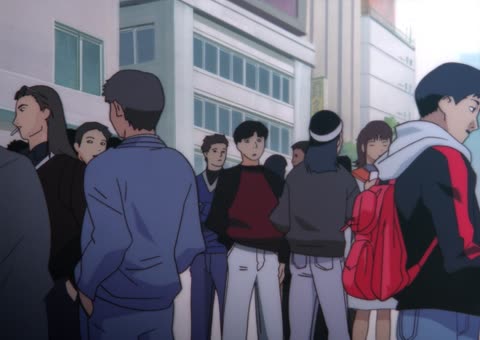
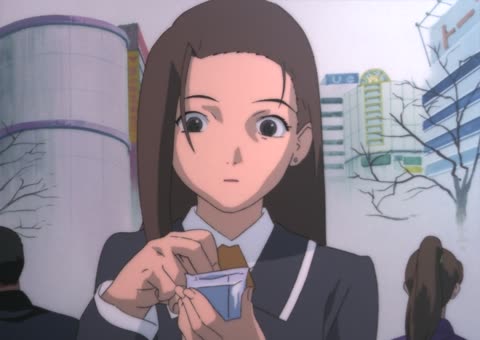
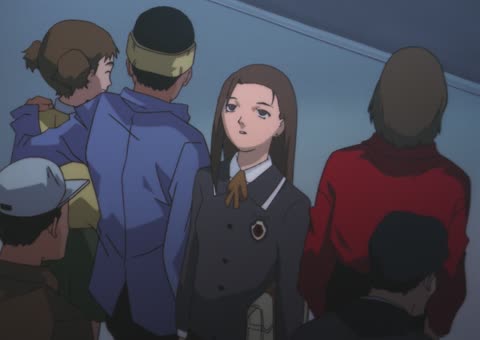
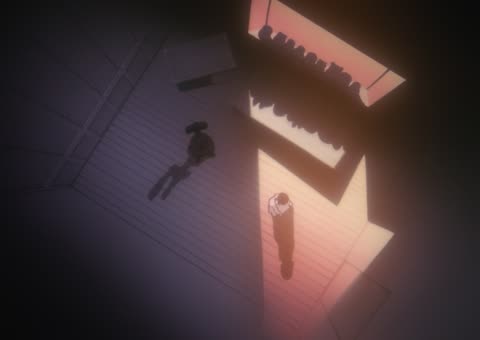
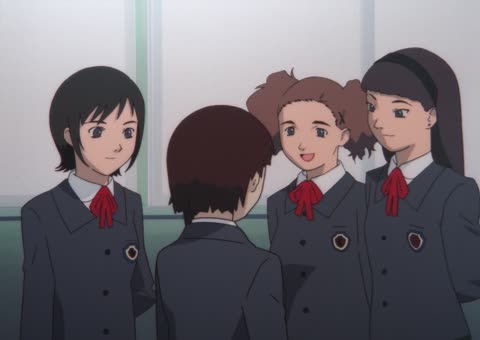
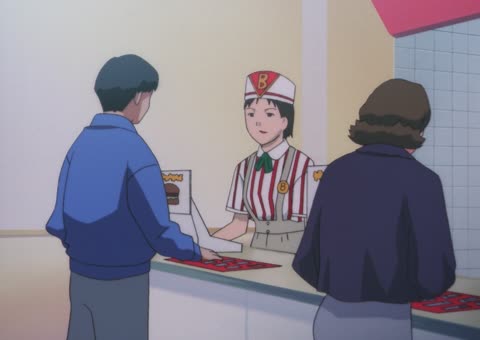
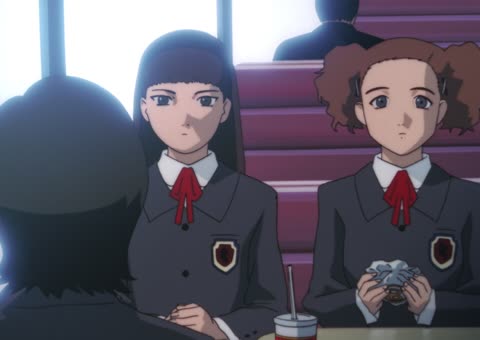
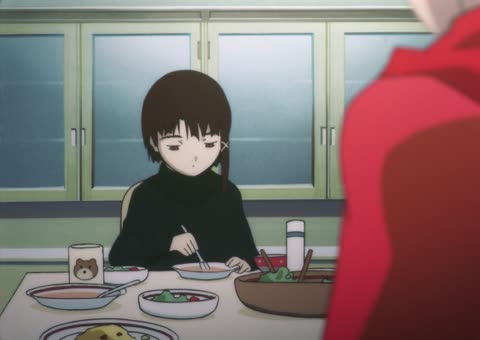
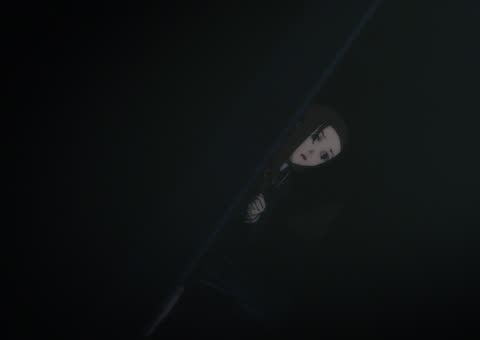
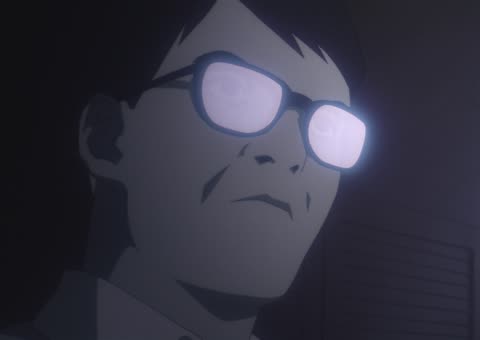
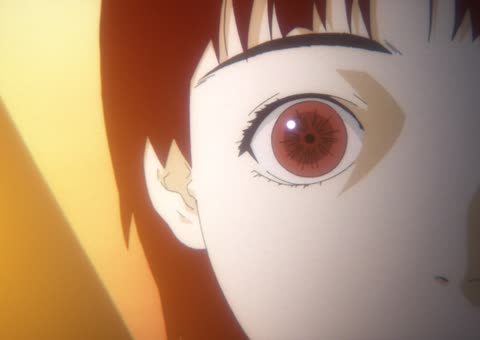
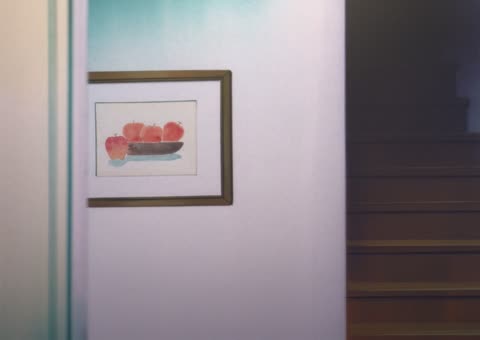
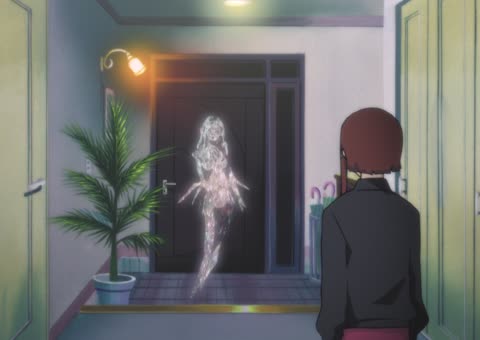
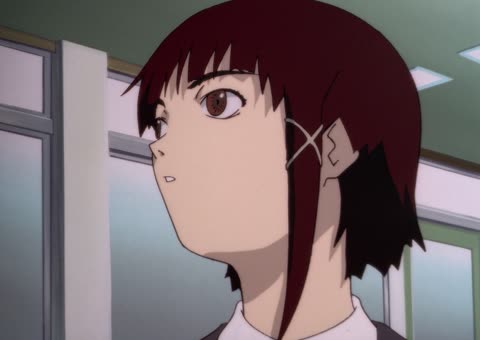
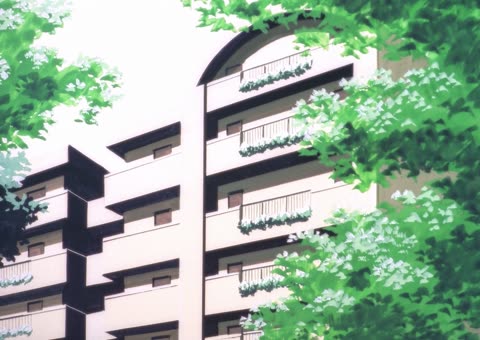
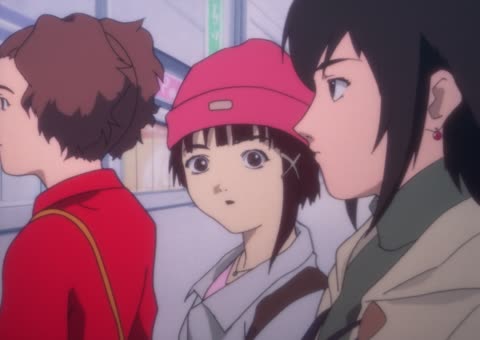
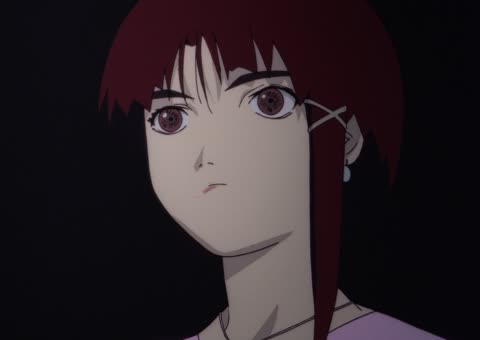
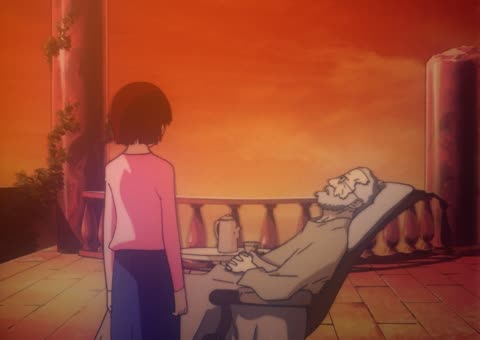
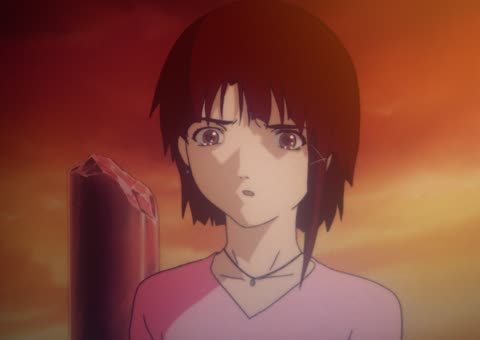
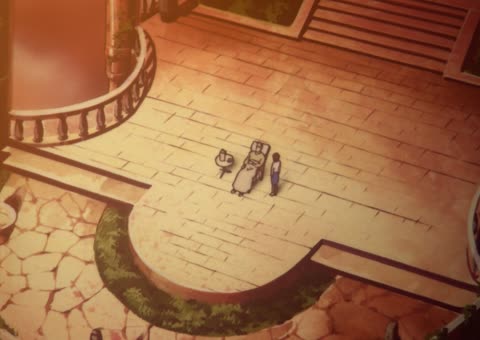
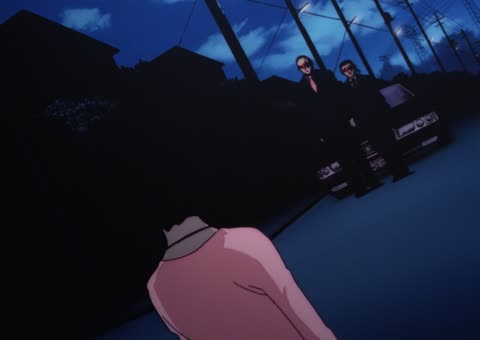
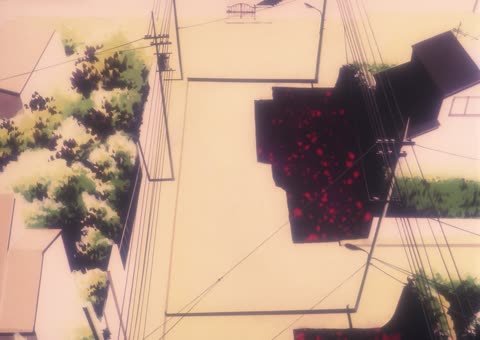
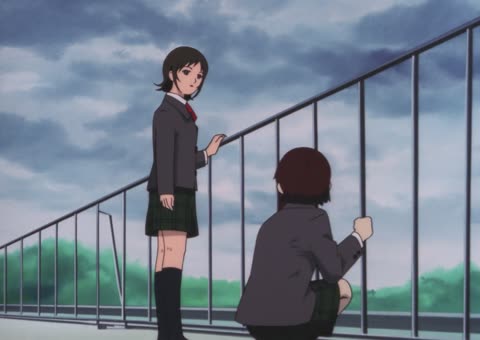
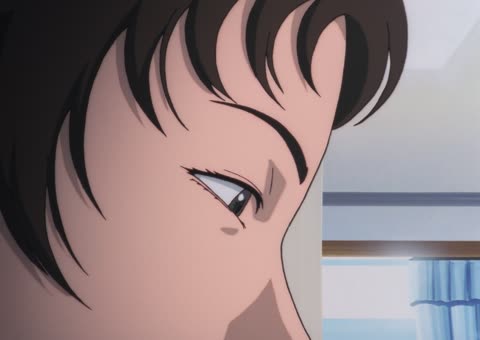
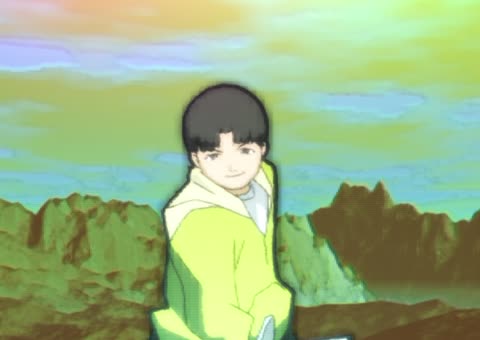
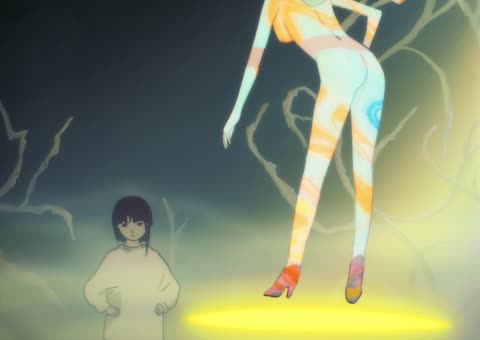
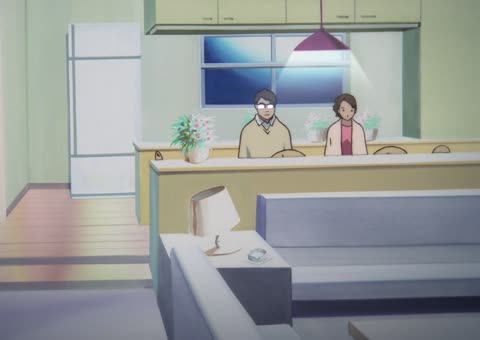
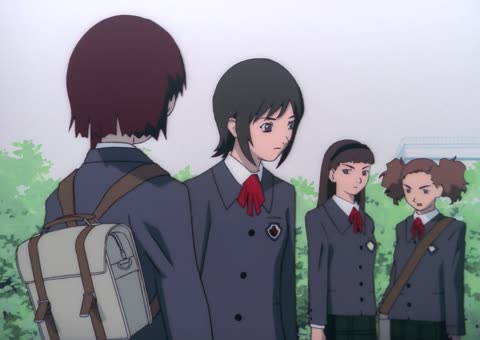
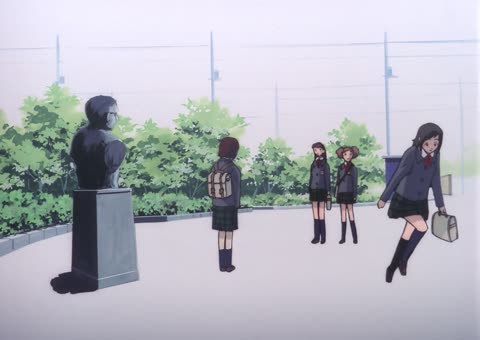
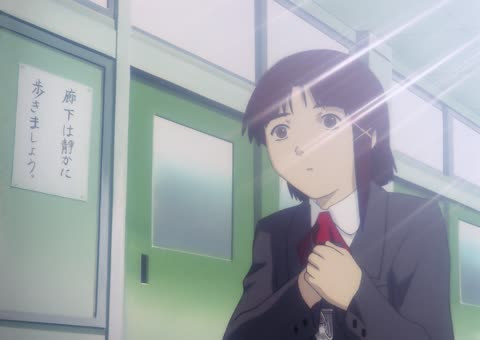
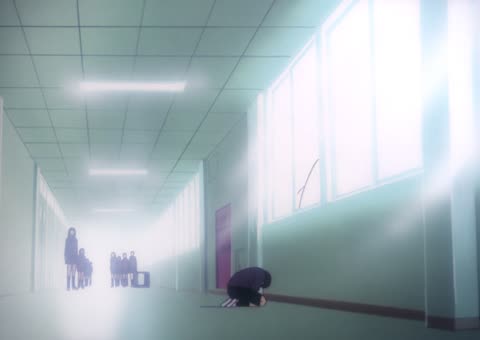
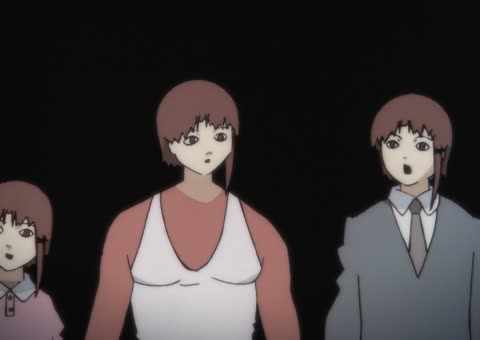
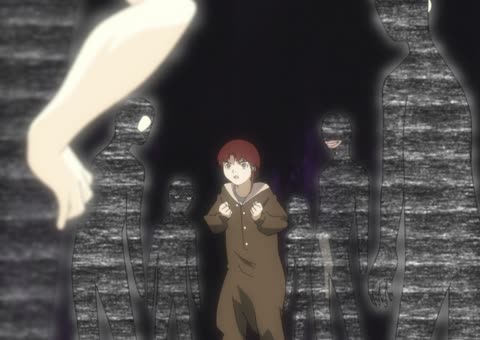
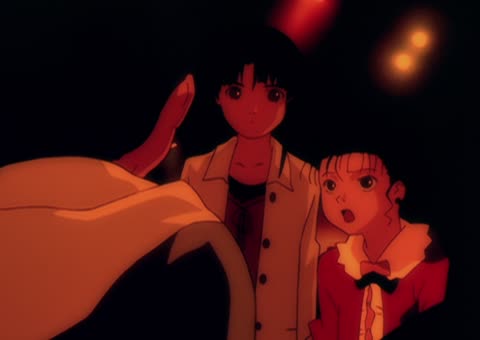
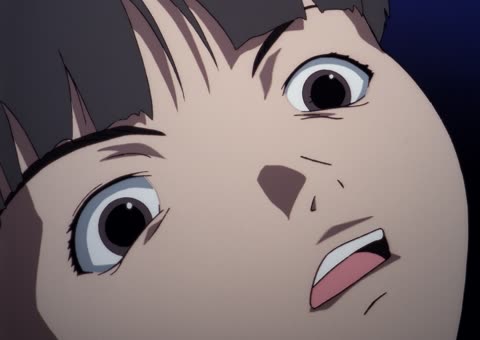
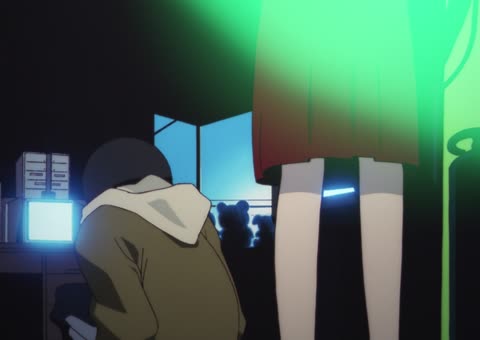
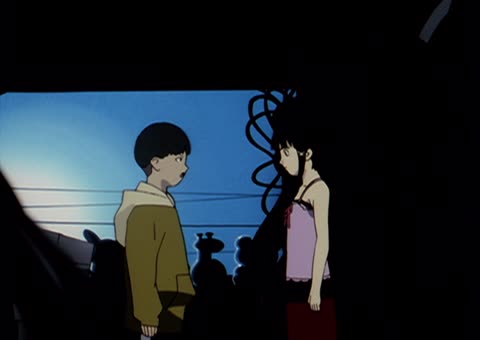
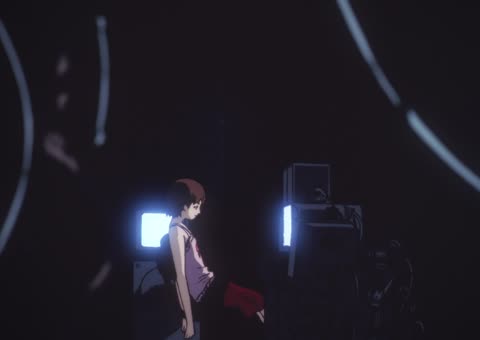
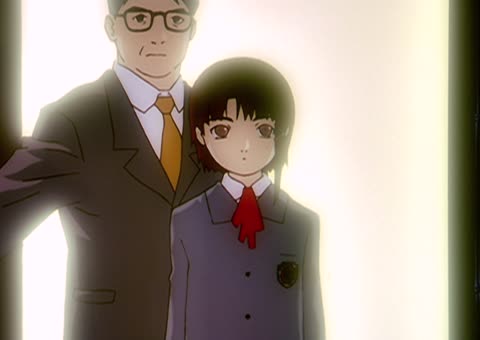
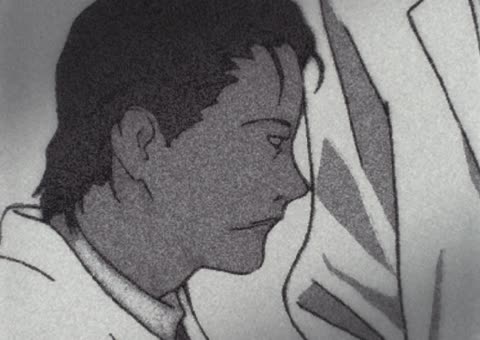
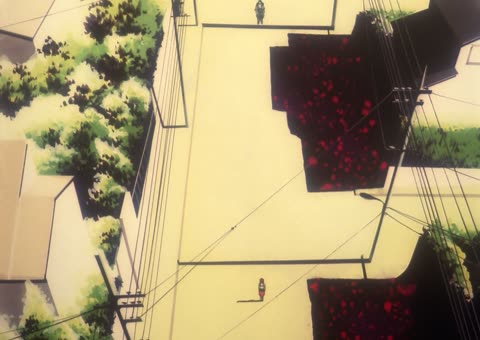
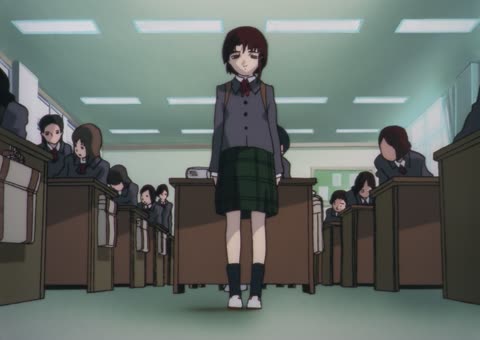
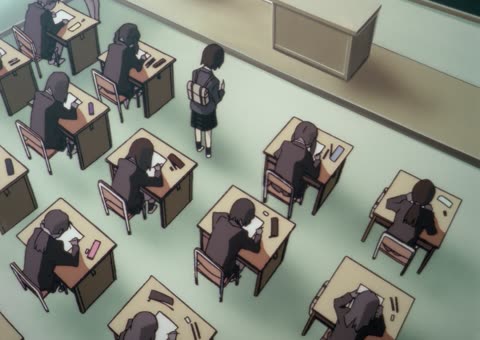
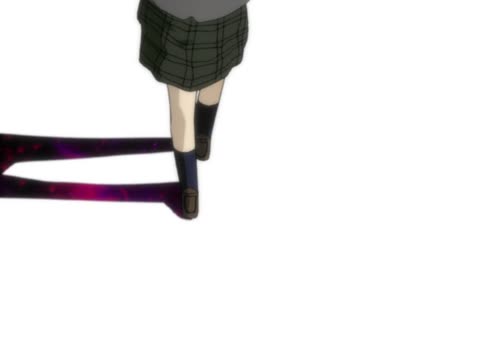
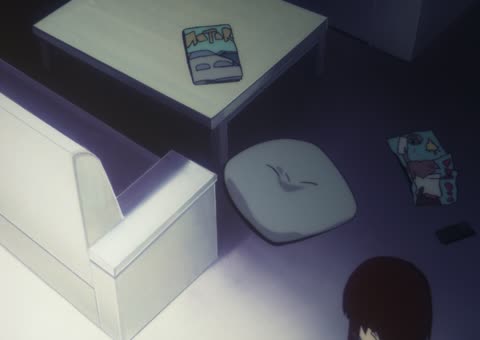
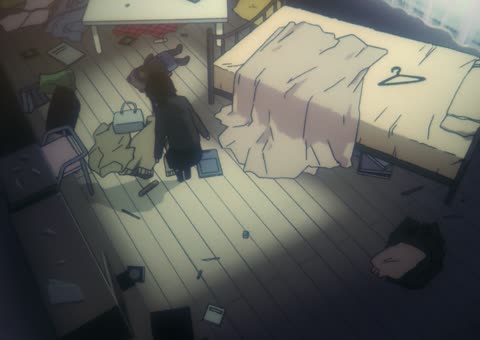
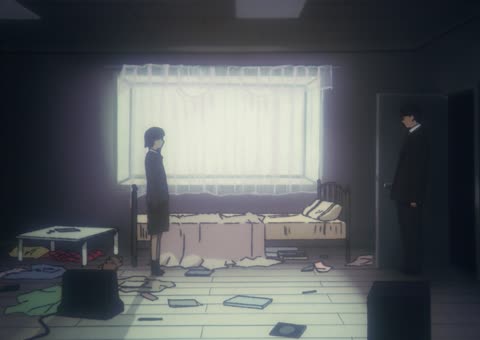
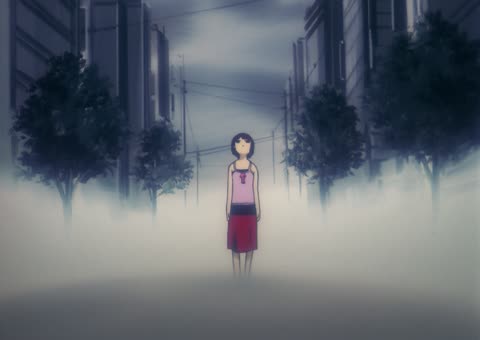
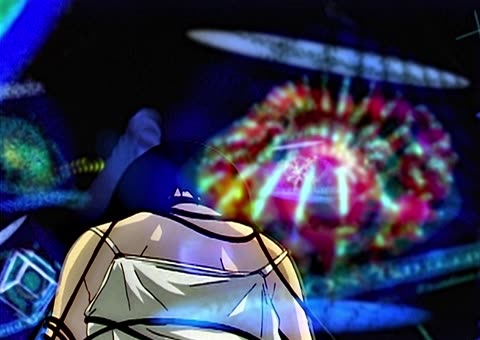
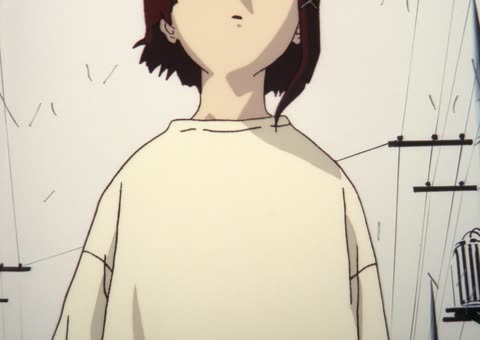
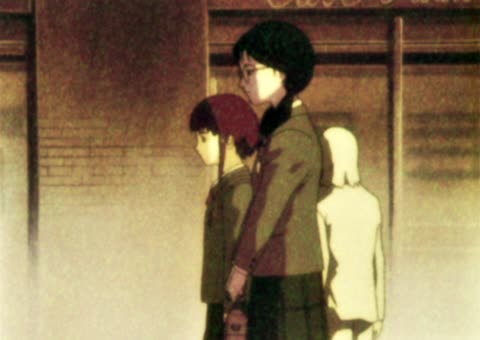
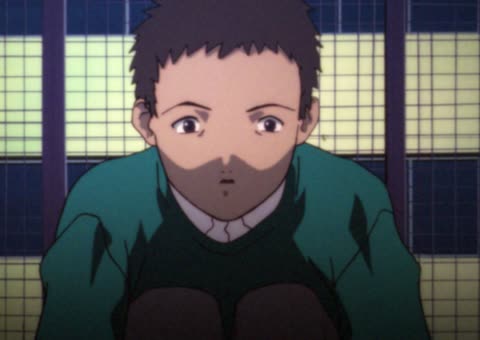
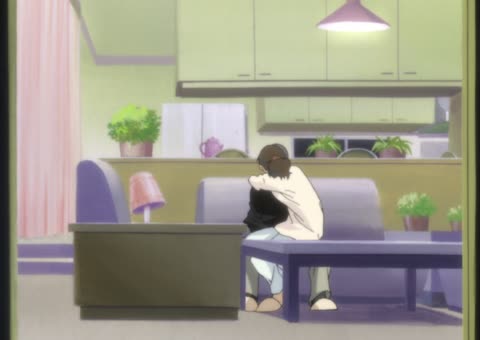
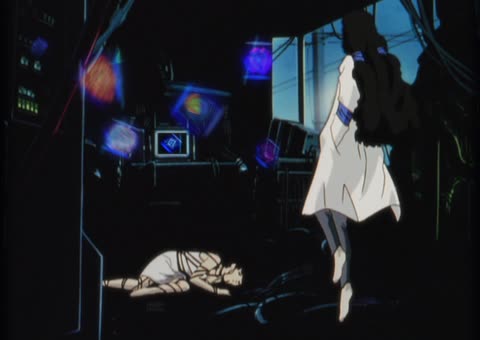
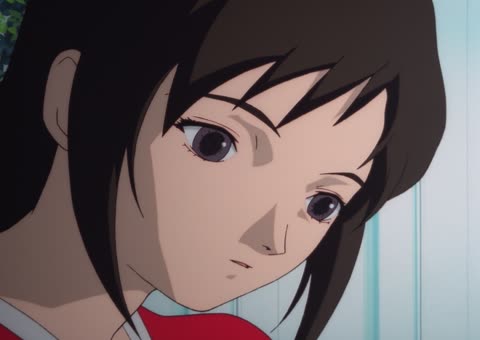
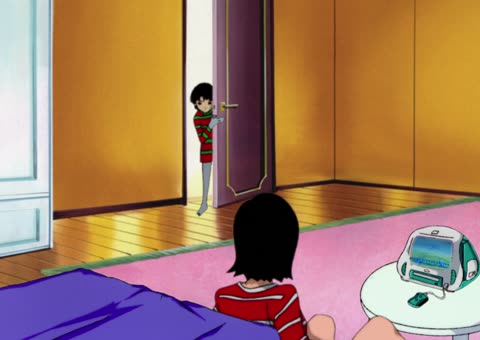
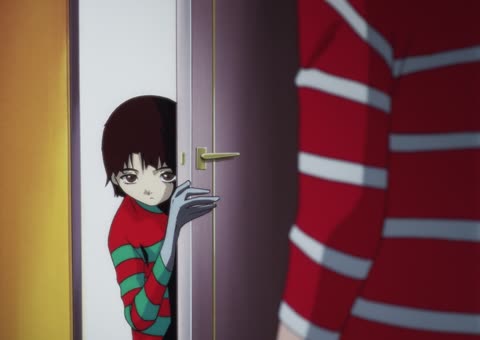
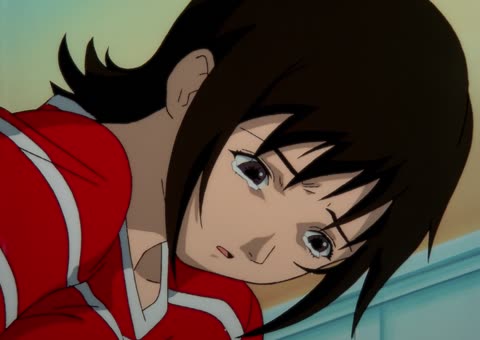
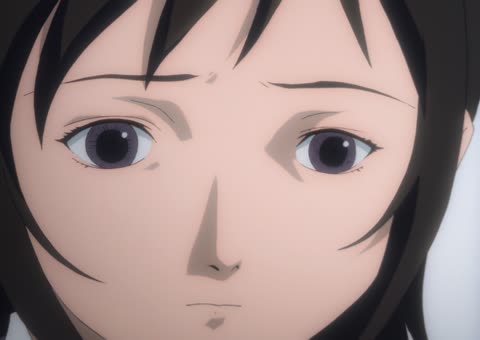
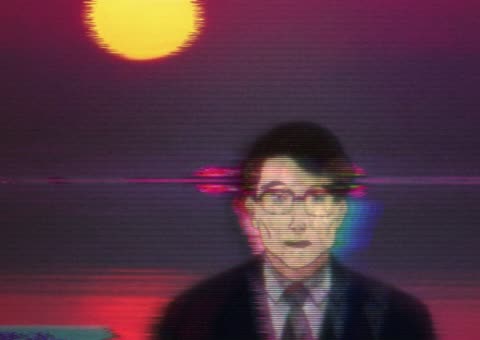
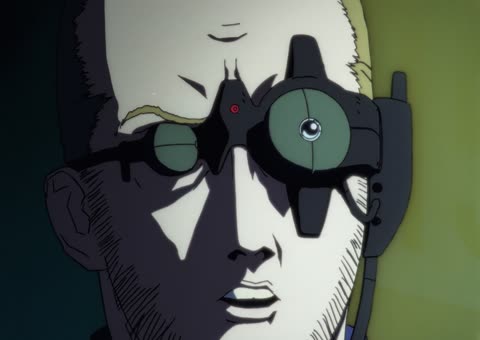
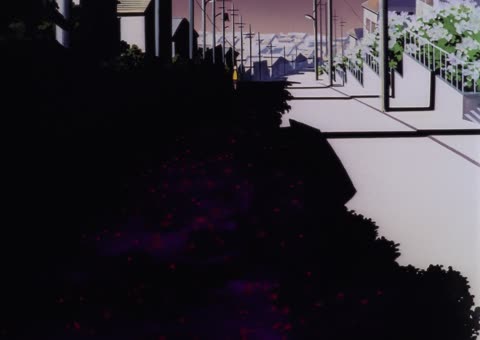
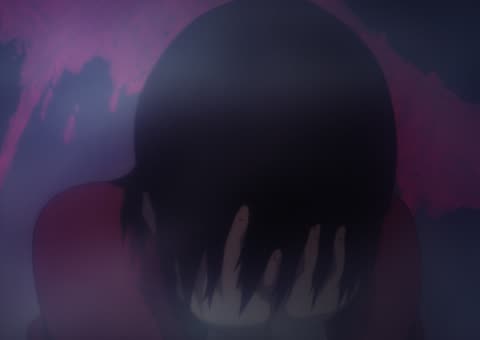
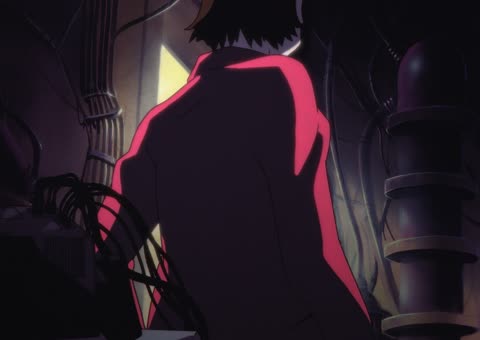
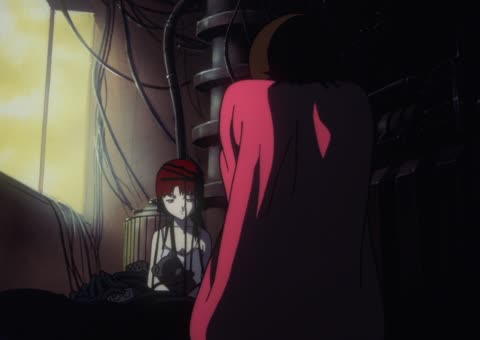
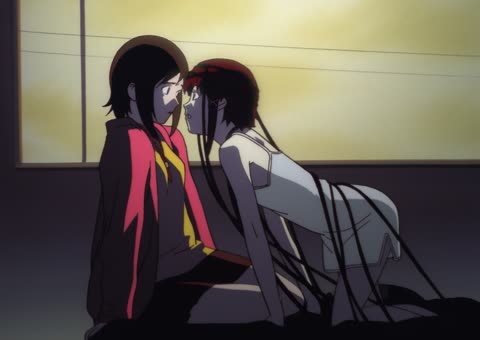
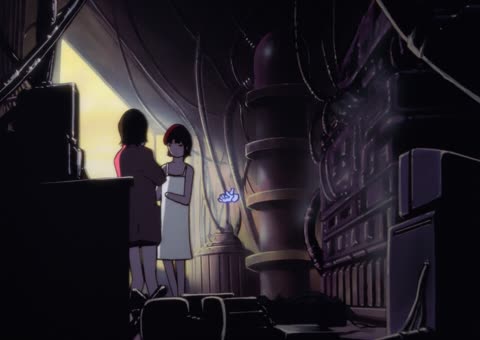
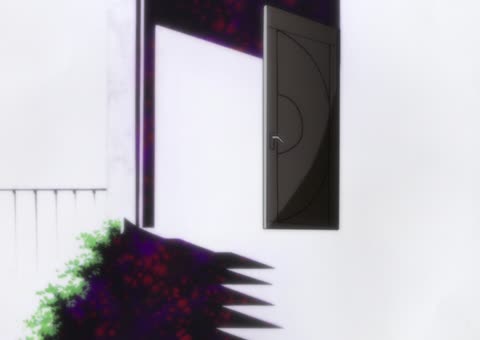
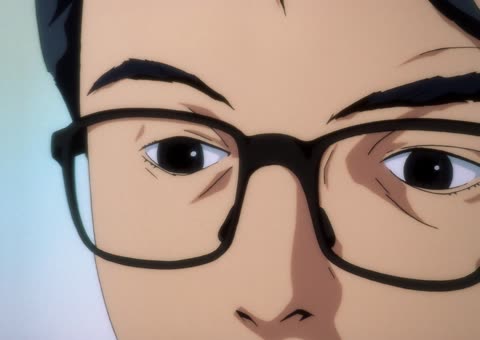
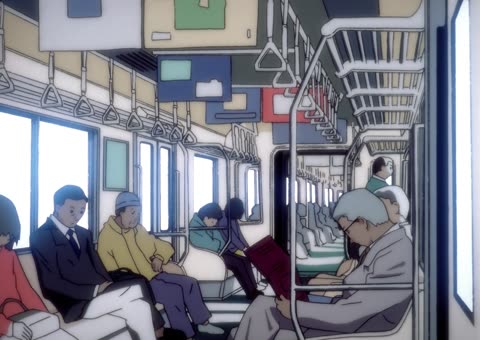
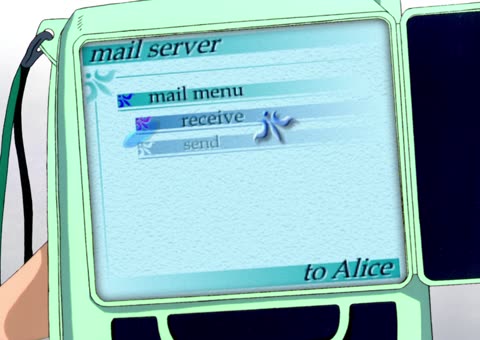
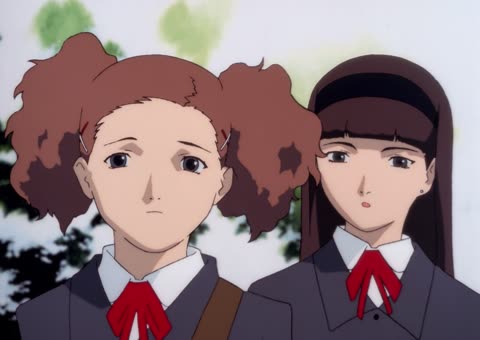
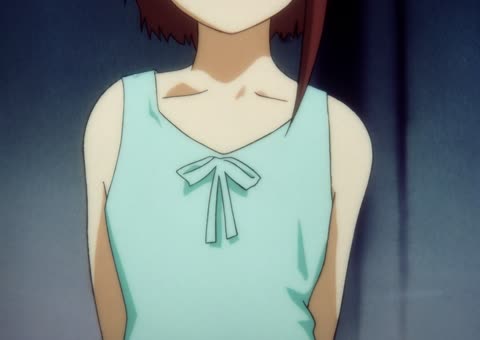
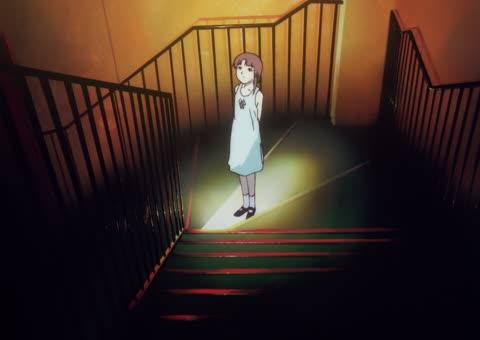
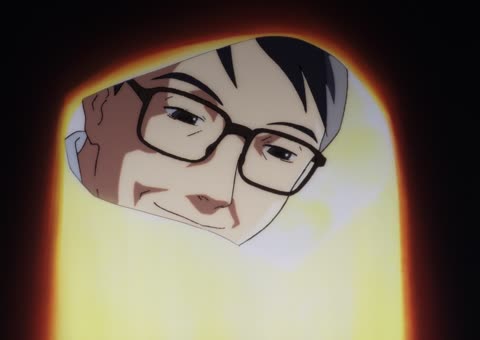
School-day opener. The brightest first act on record before the cuts to Lain's bedroom darken everything by half — 0.47 → 0.50. Red-Orange dominates because it's still the surface world; Cyberia hasn't entered the chromatic vocabulary yet.


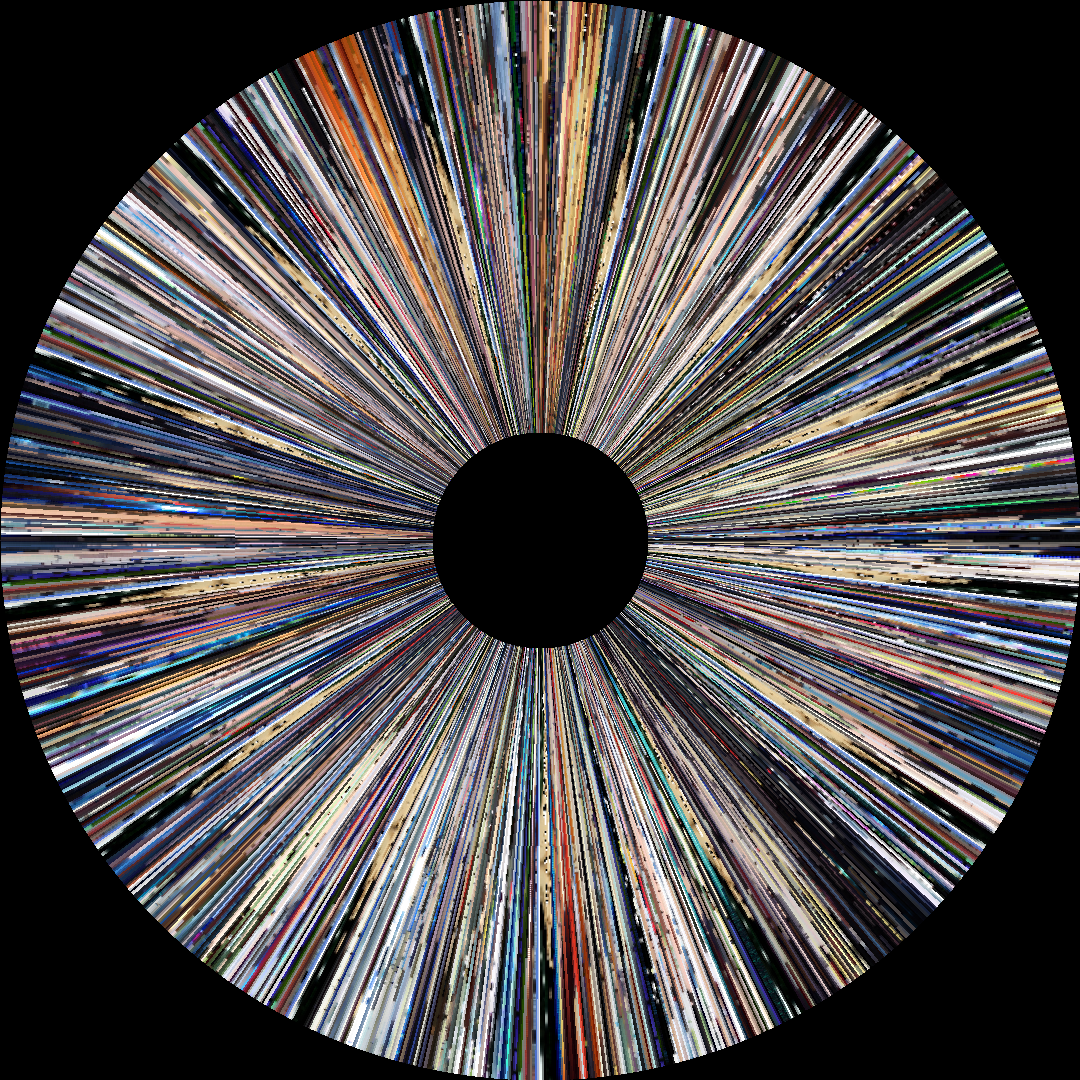
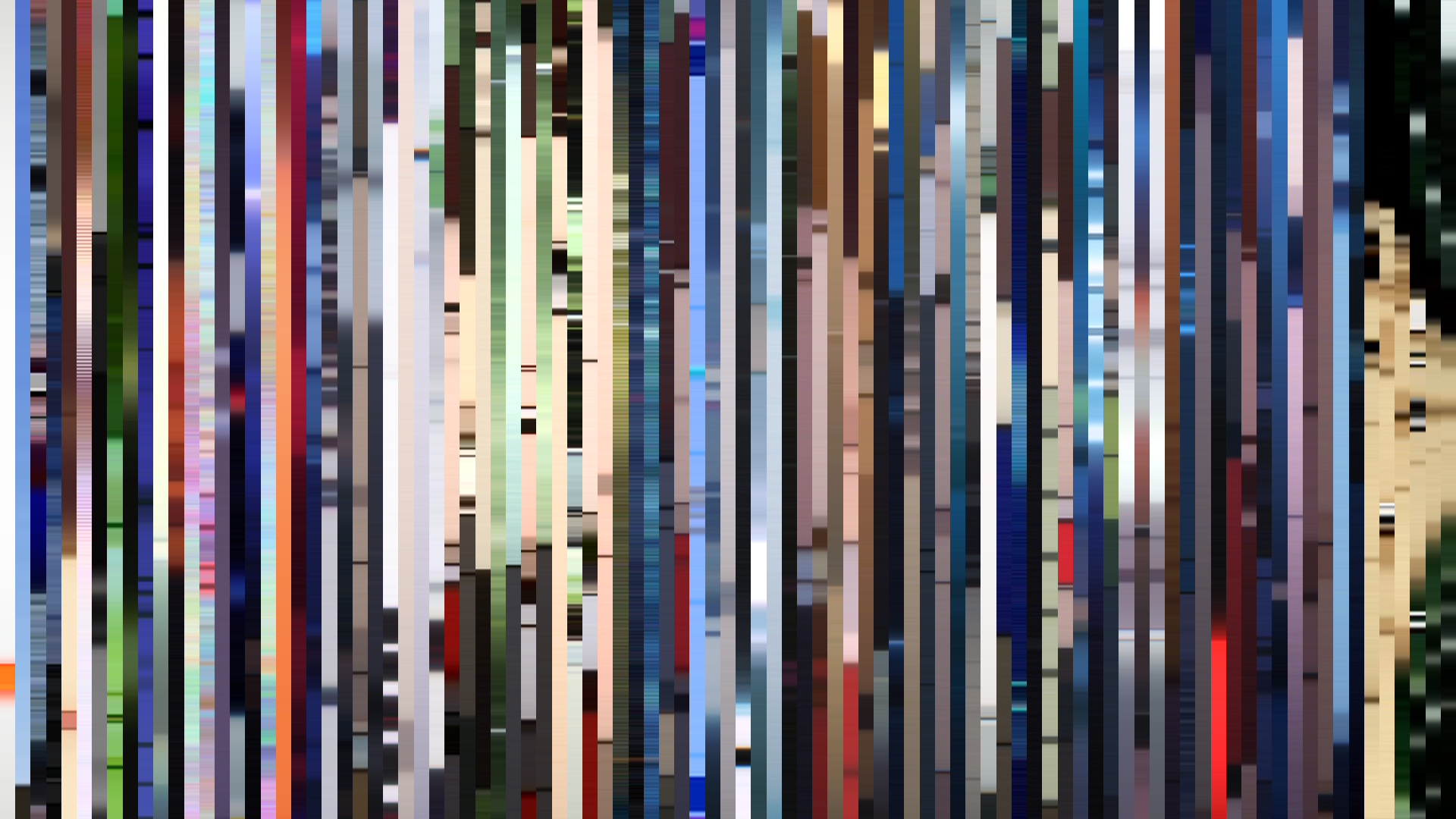
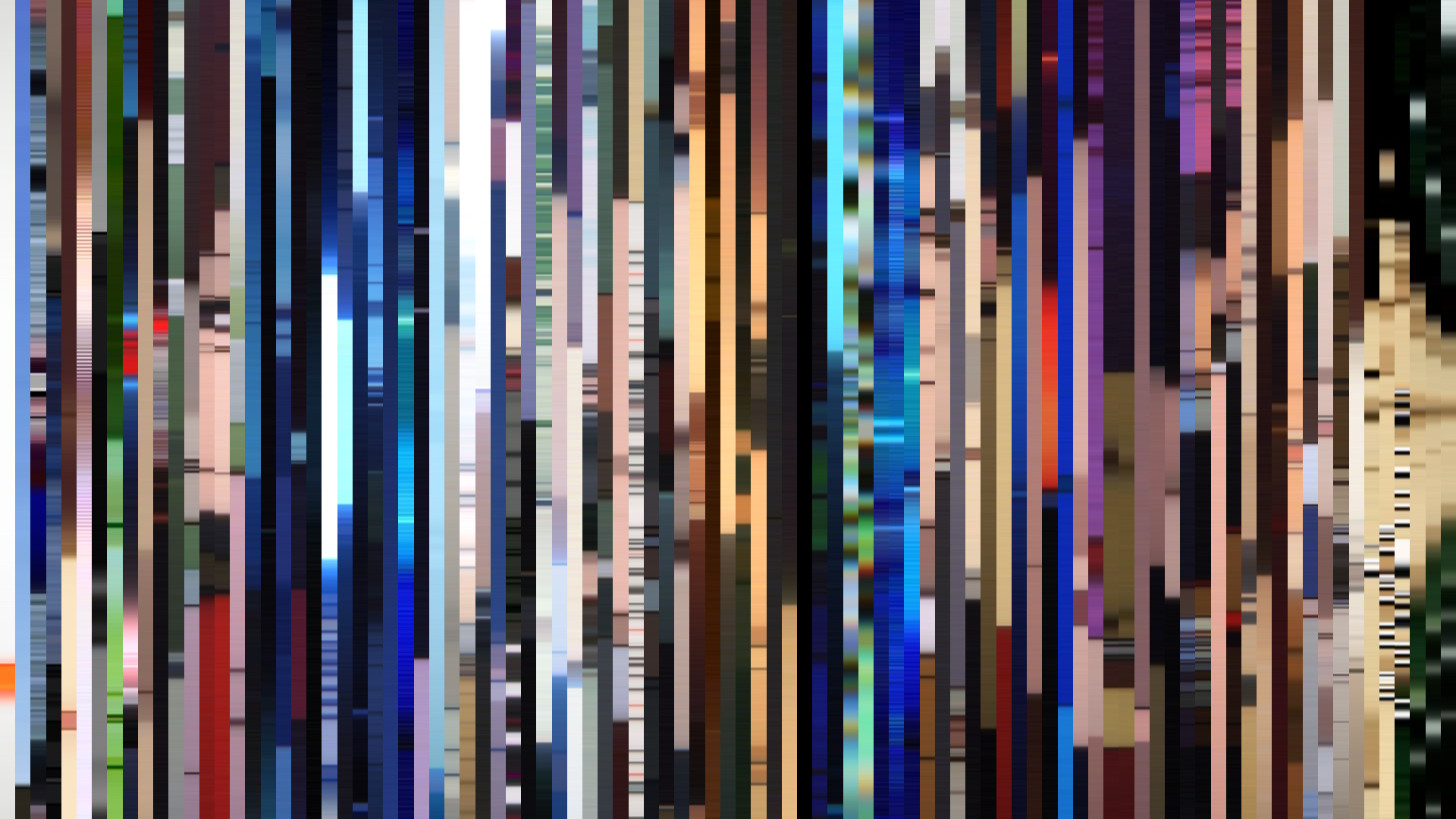
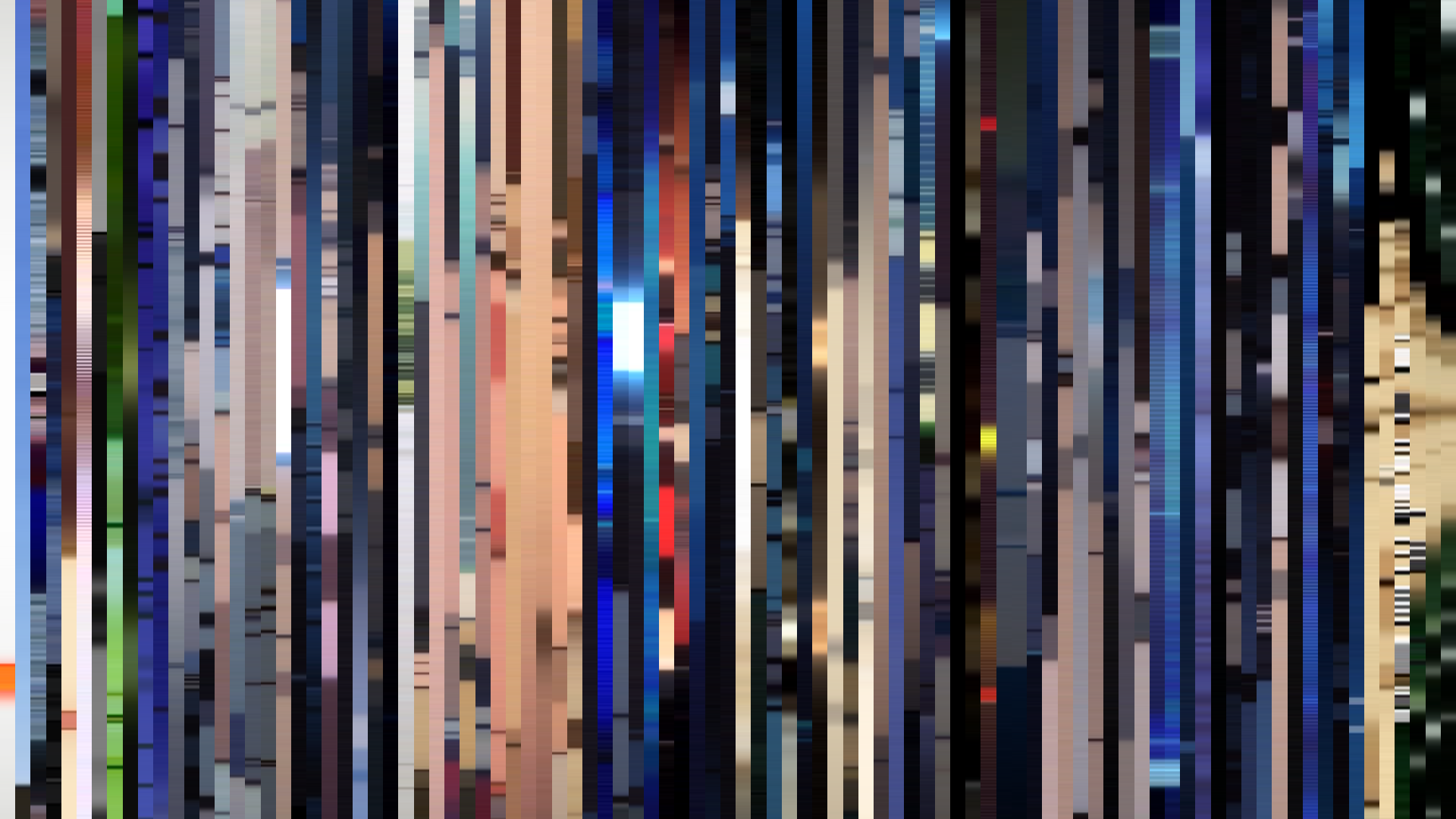
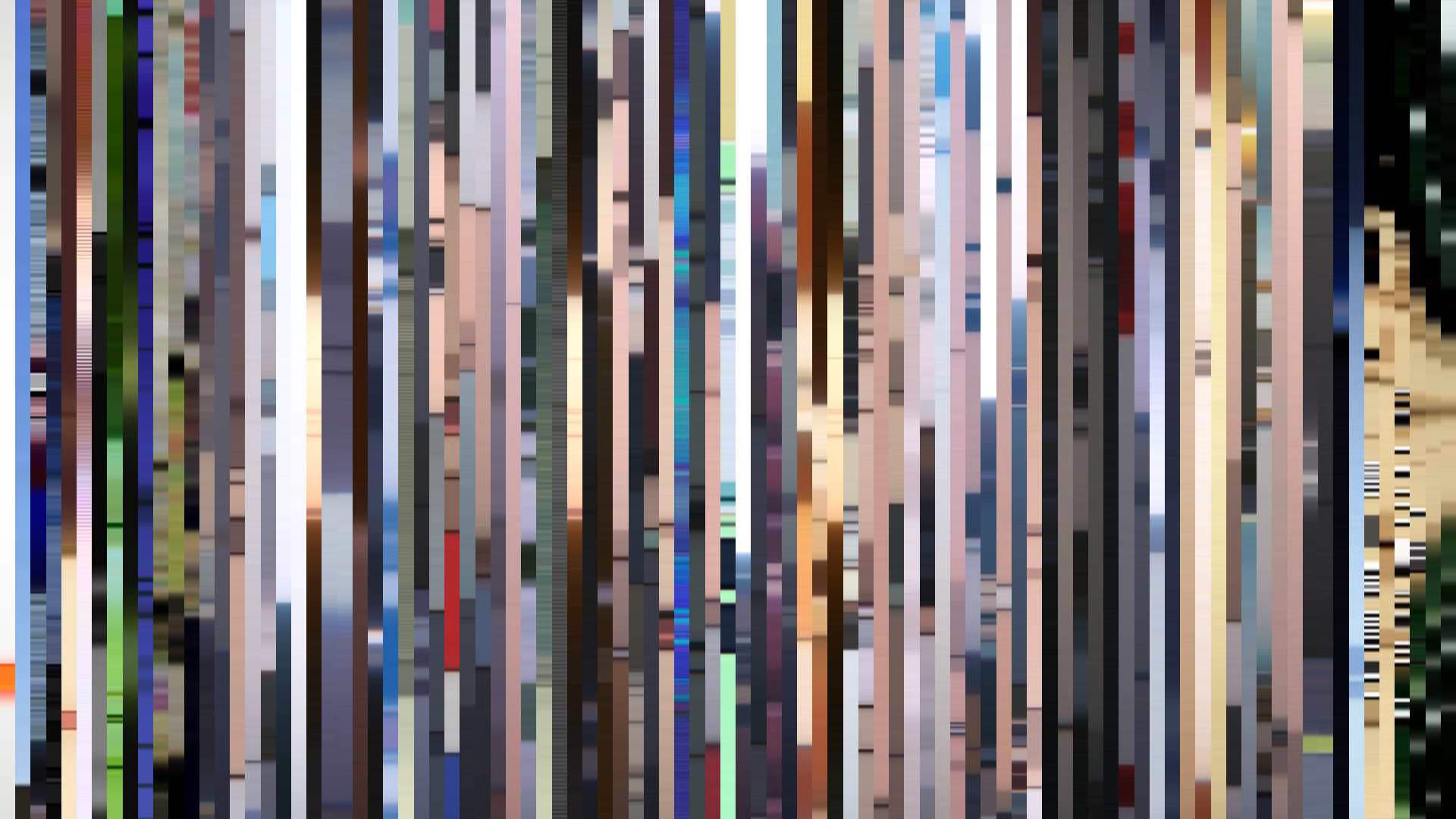
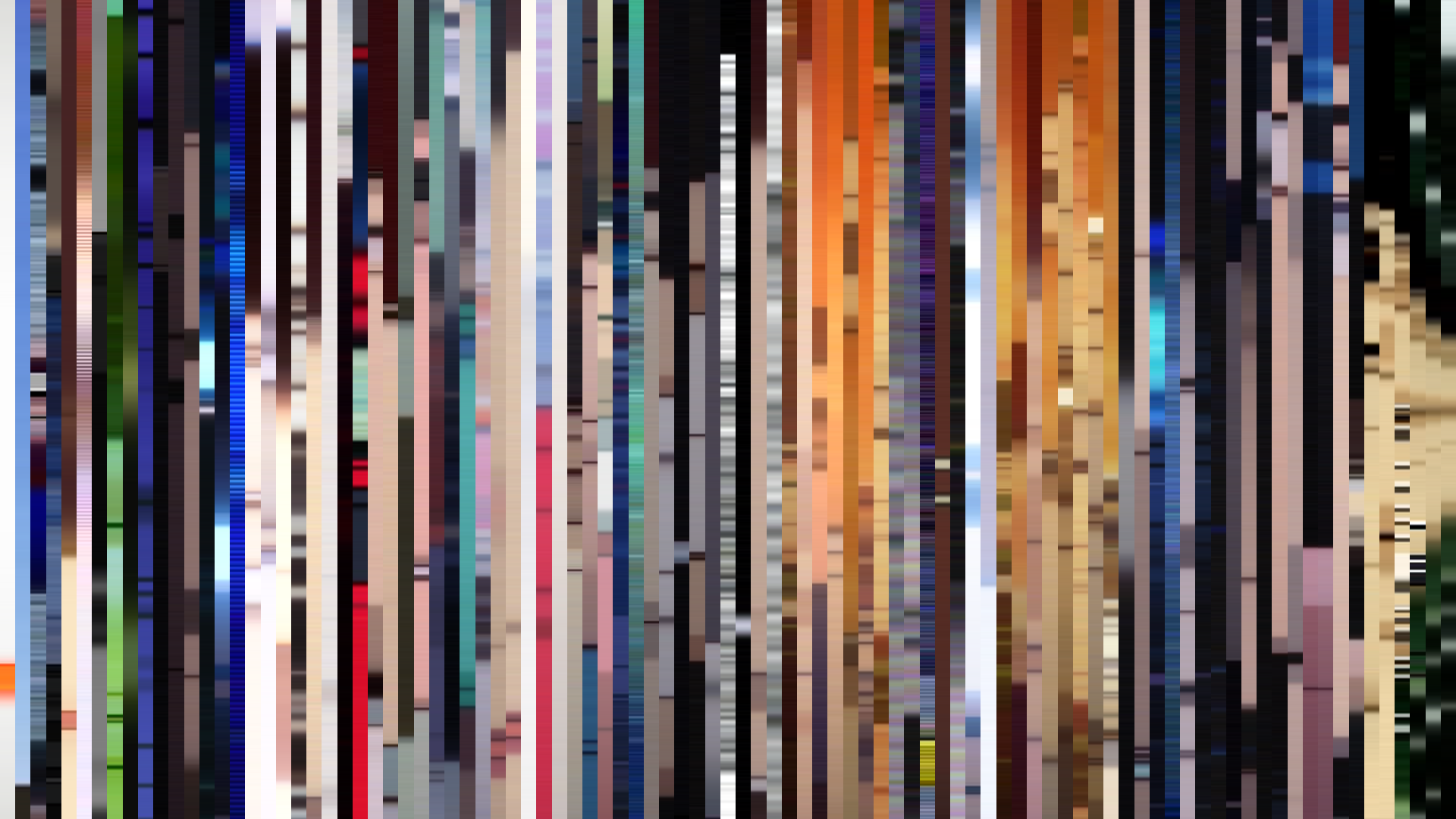
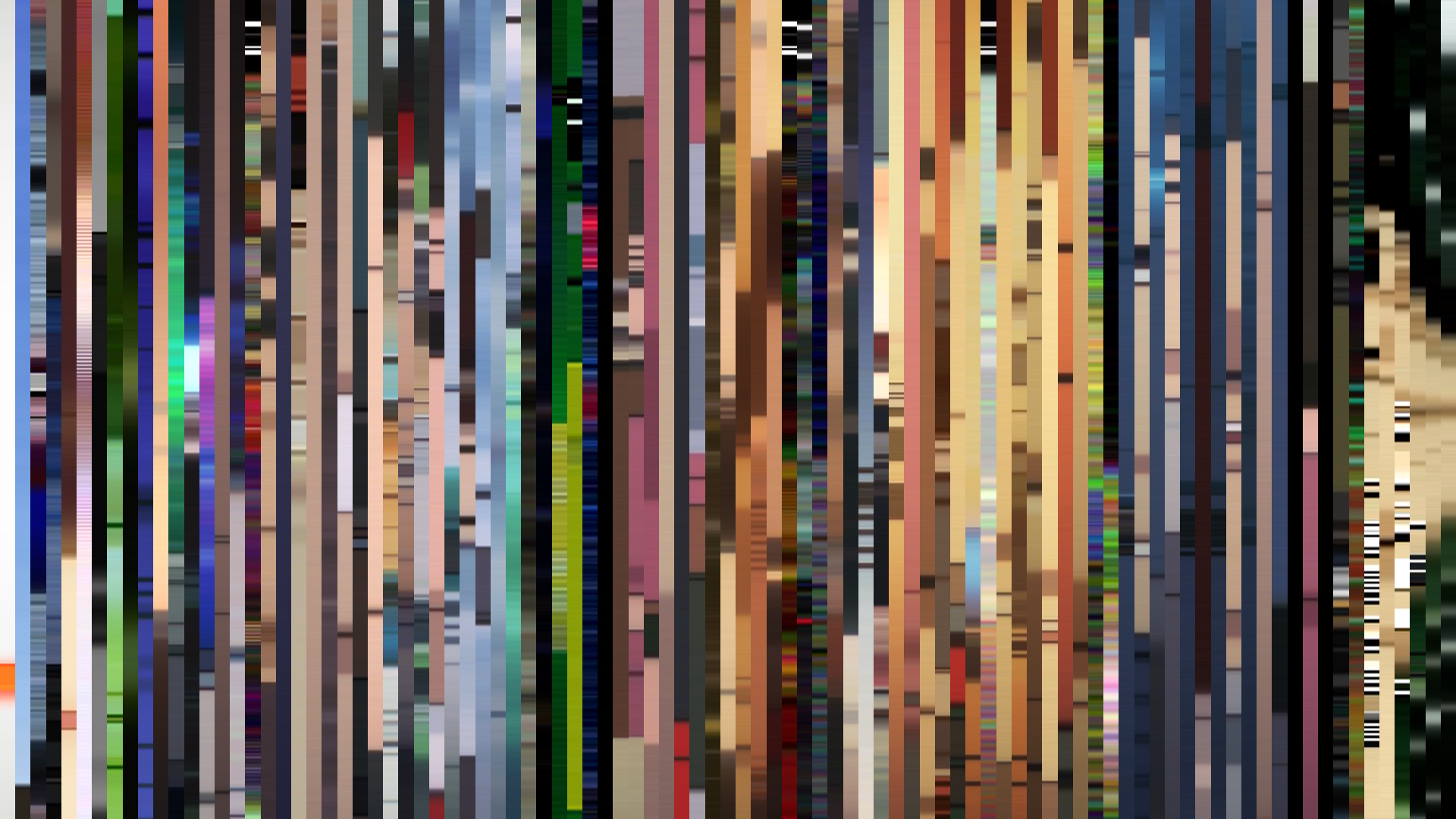
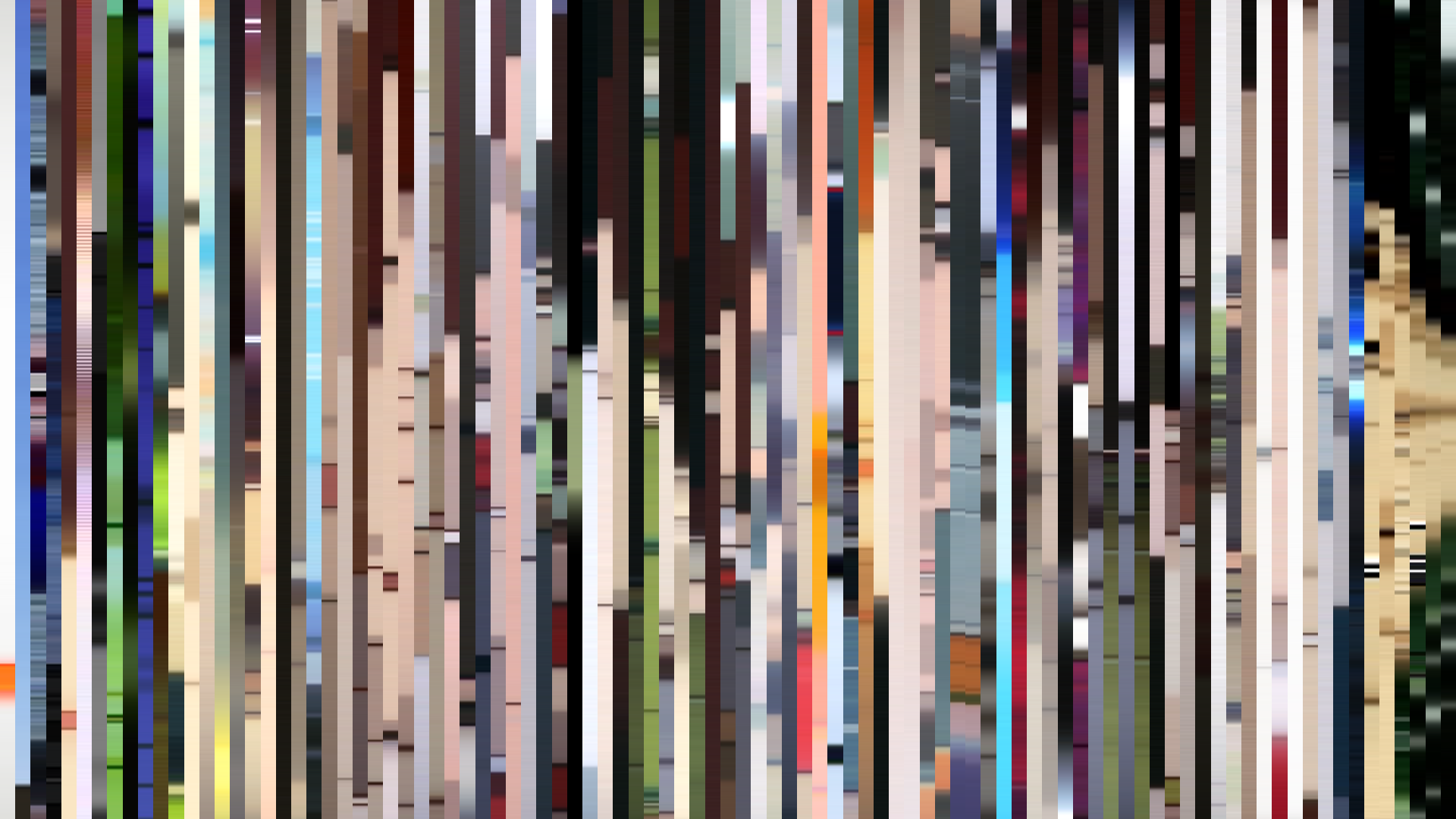
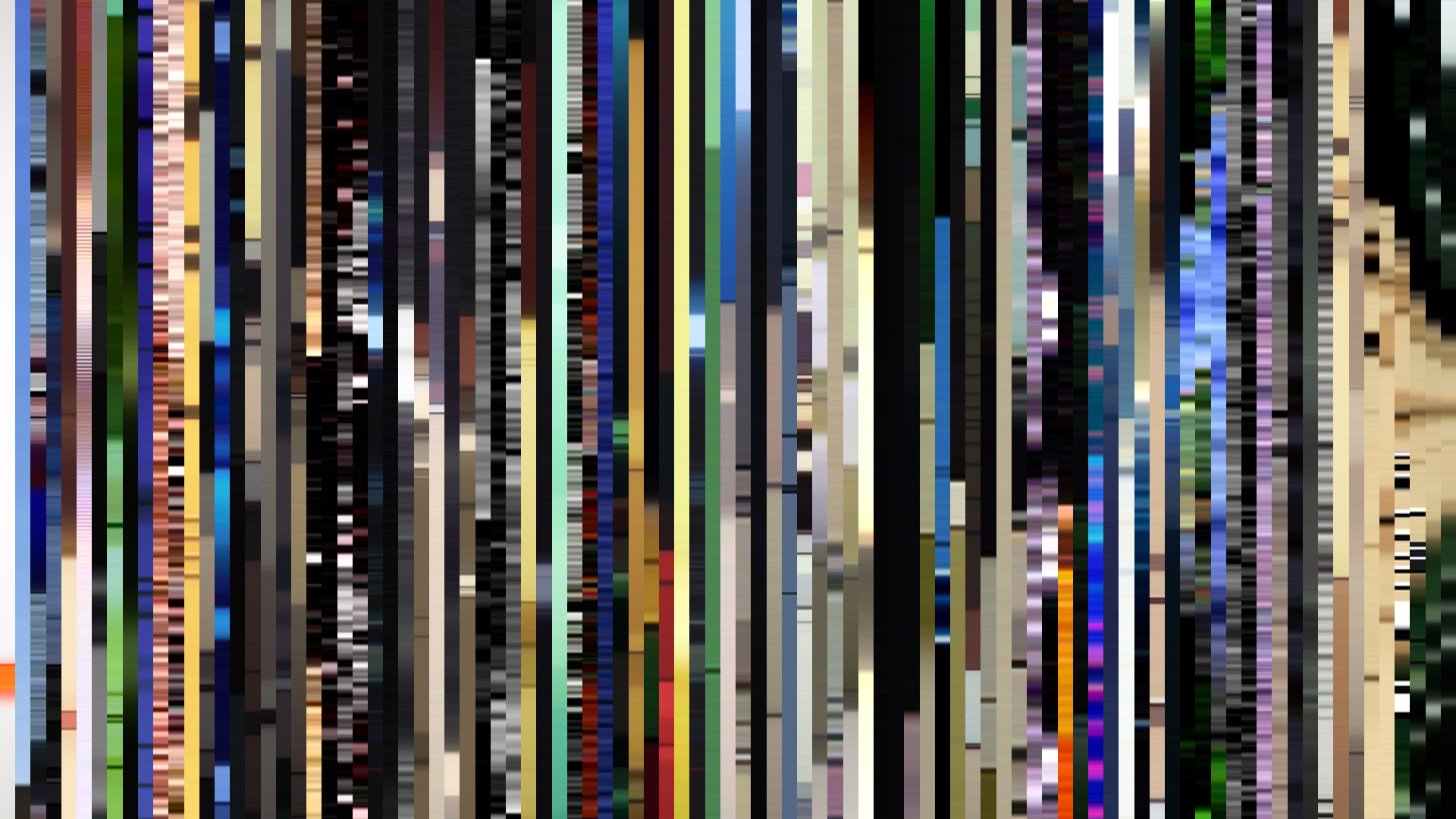
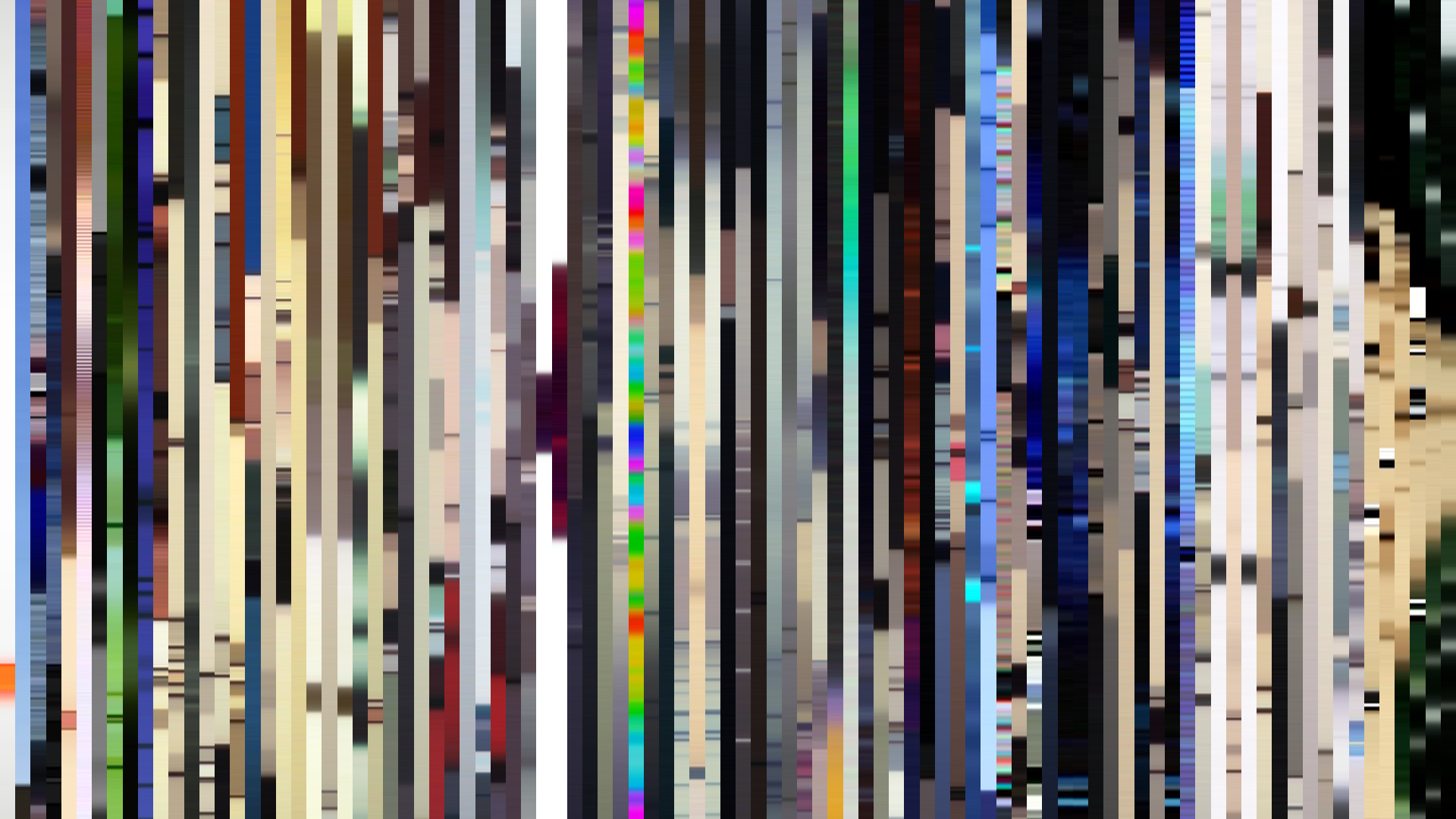
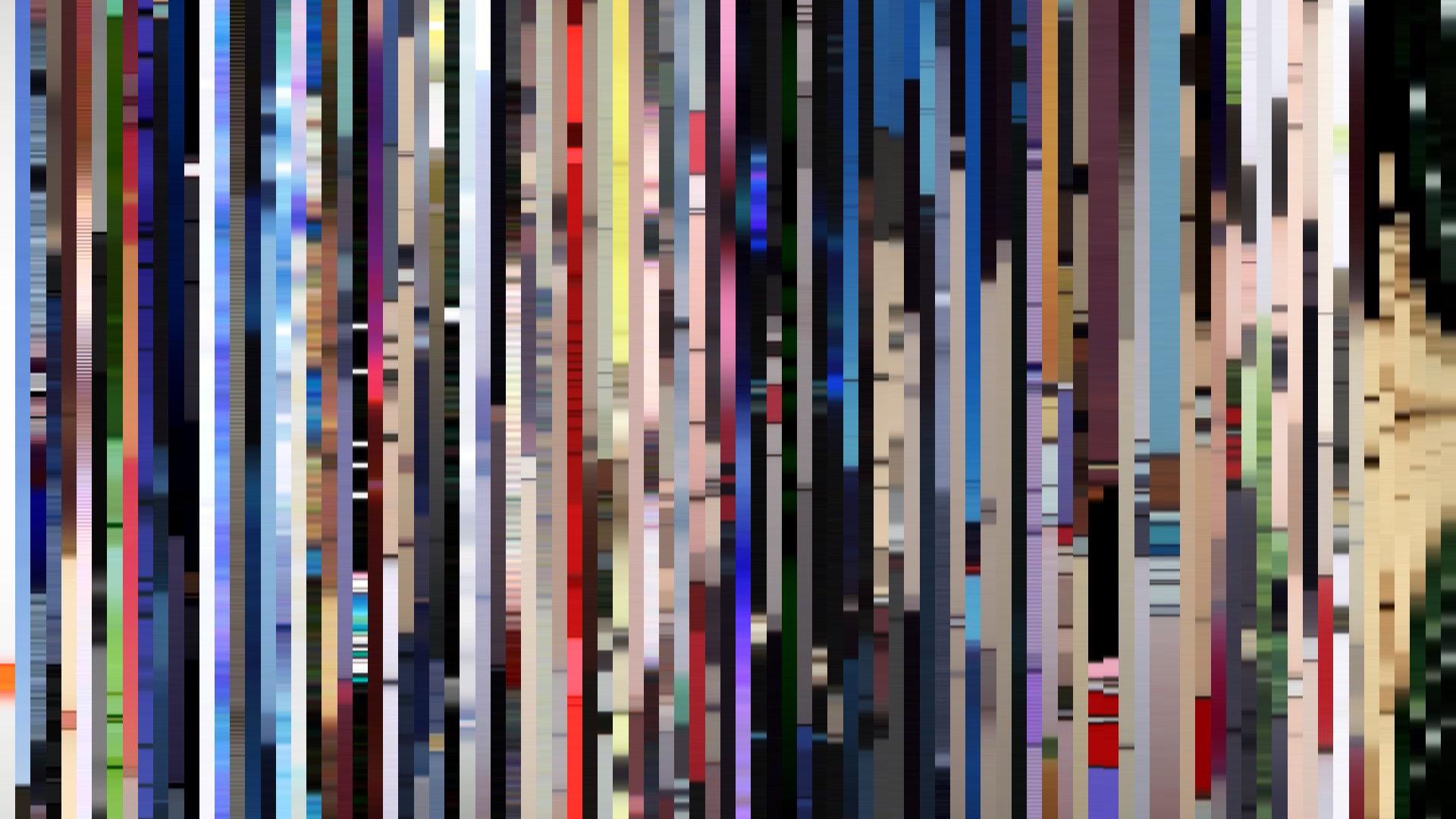
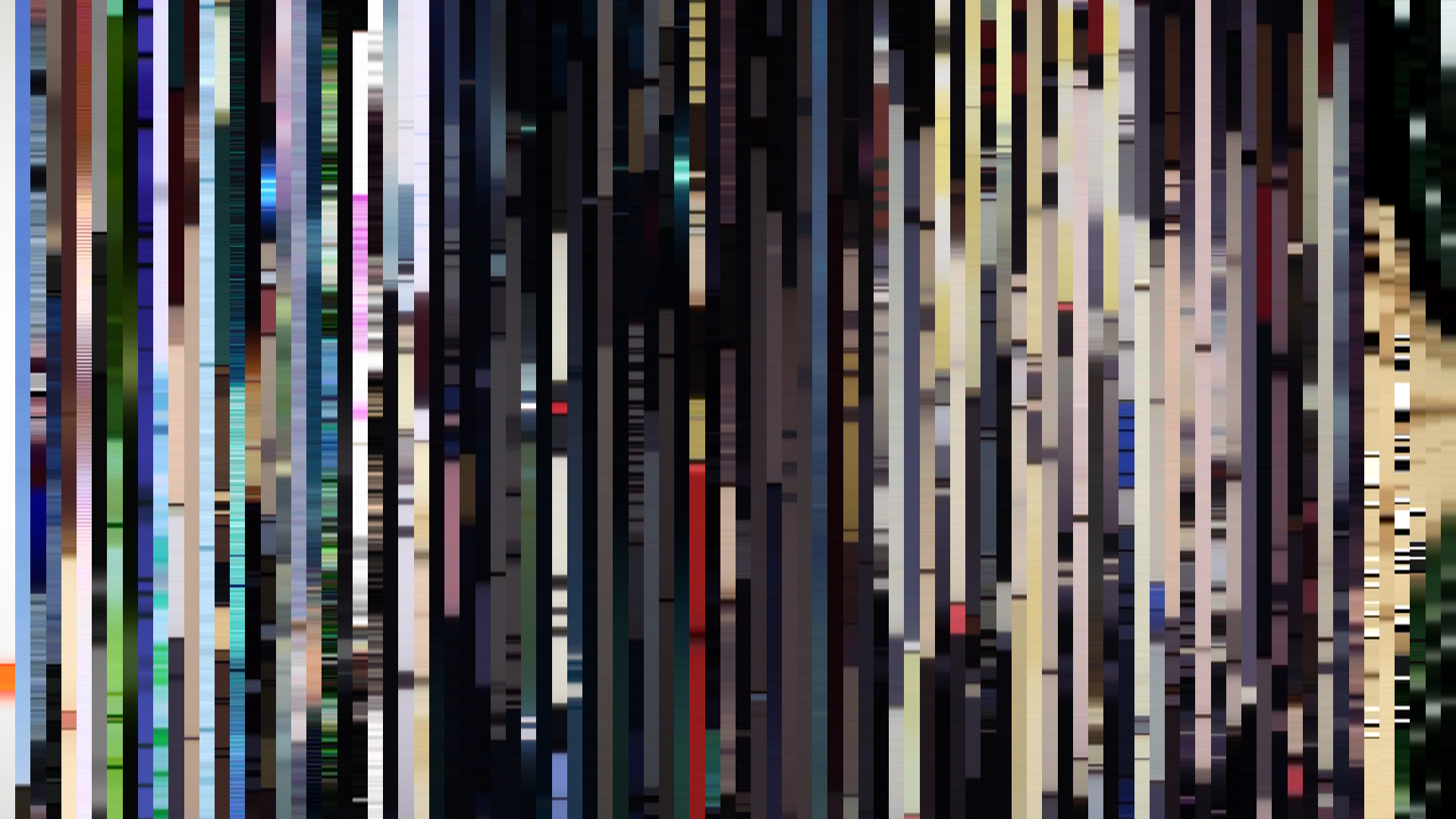
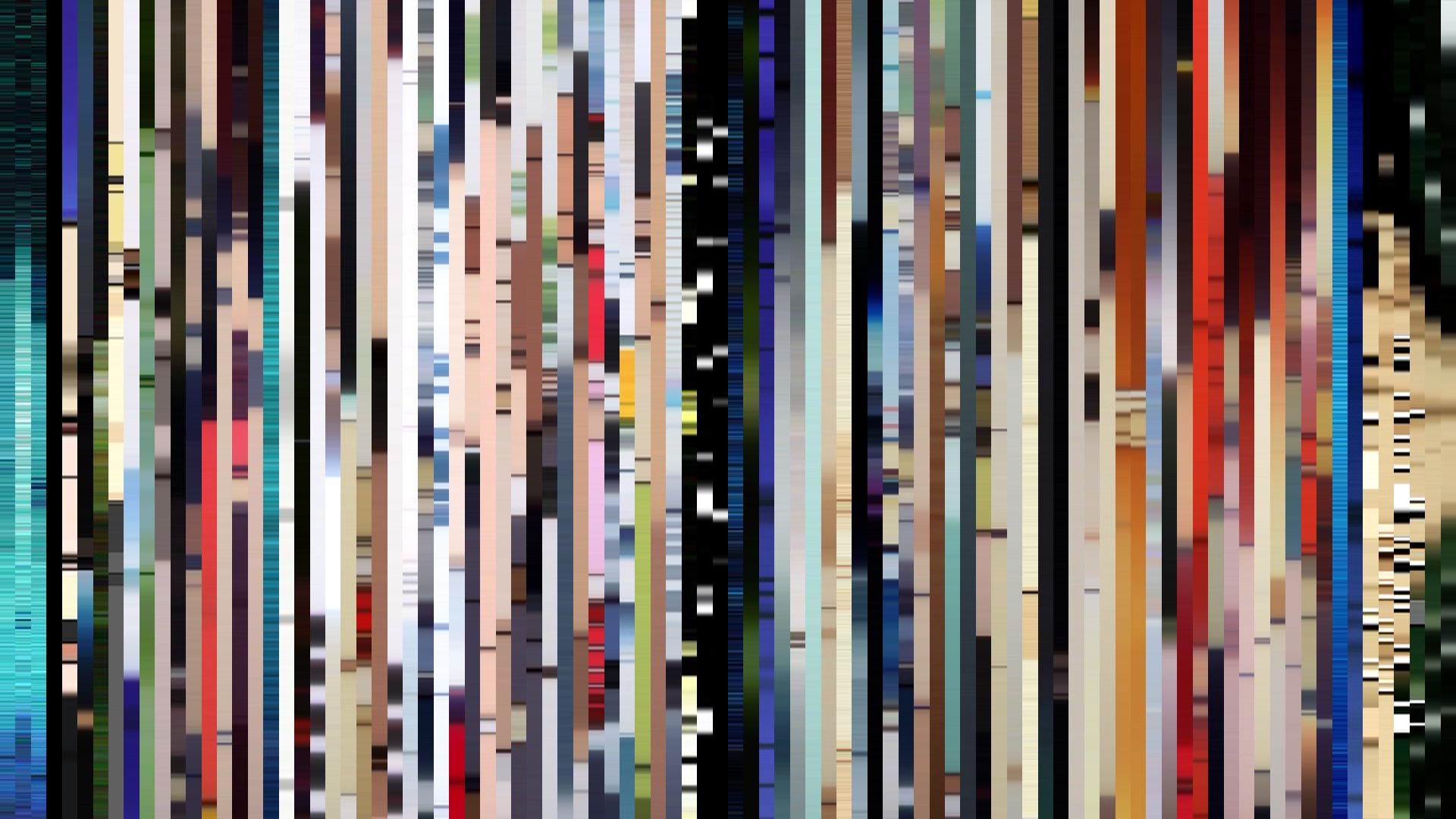
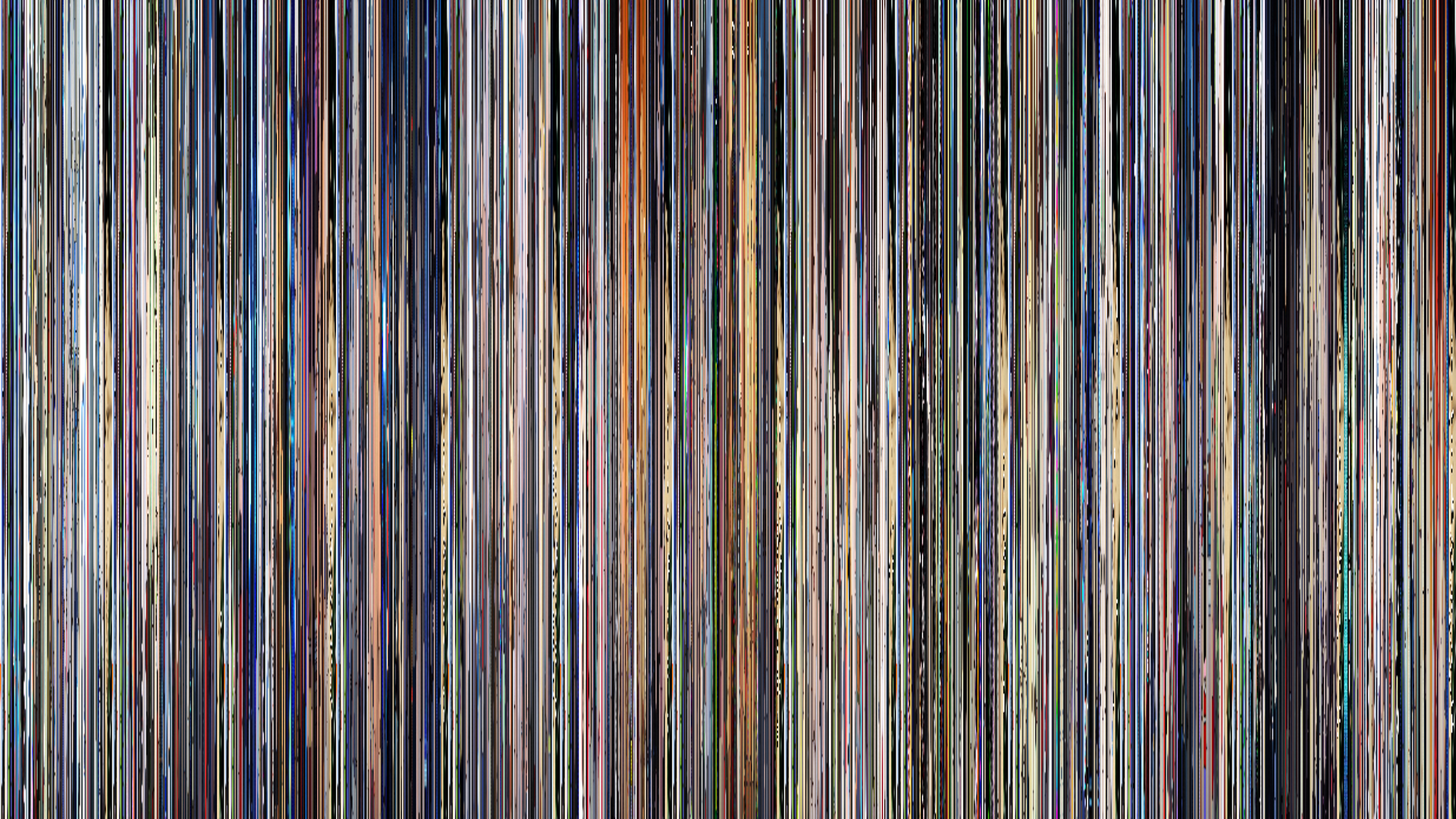
Thirteen Layers. Two thousand six hundred and sixty-five sampled columns. One palette of warm-grays, cool-grays, a single tan, a single navy, and zero primary colors. This is what the most influential anime ever made about the internet looks like when you compress every frame into a stripe and read the data back.
The first thing the season palette tells you is what it doesn't have. No primary colours. No saturated hero. No anime-pink. The top eight colours of the entire run are warm-grays, cool-grays, one tan (#9F7E65 — flesh, wood, the floor of Lain's room), one navy (#394F70 — power lines, monitor glow), one near-black (#202129 — the Wired). This is the ABe / Konaka muted register on a chart.
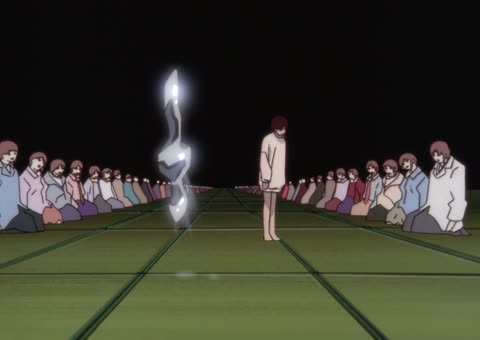
The brightness has two troughs. Layer 04 Religion drops to a mean of 0.34 the first time the show goes cold-institutional — the PHANTOMa Layer, the only one where Blue-Green displaces Red as the dominant hue. Layer 12 Landscape drops to 0.34 again, this time with a within-Layer act-2 of 0.24 — the lowest single act-third in the entire run, the Layer where the barrier between worlds collapses and Lain crushes Eiri. Between them sits a bright peak at Layer 08 Rumors: the conspiracy daylit, Lain still in possession of a body. The shape of the season is not a fall. It's a wobble with a defined low point and a return.
The script's structural hinge is Layer 09 Protocol. It's the first Layer in the run where act-3 closes brighter than act-1 opened — the first ep that ends on more light than it began with. After Protocol, three more Layers do this. Before Protocol, none do. You don't need to read Konaka's notes to find the pivot. It's in the brightness column.
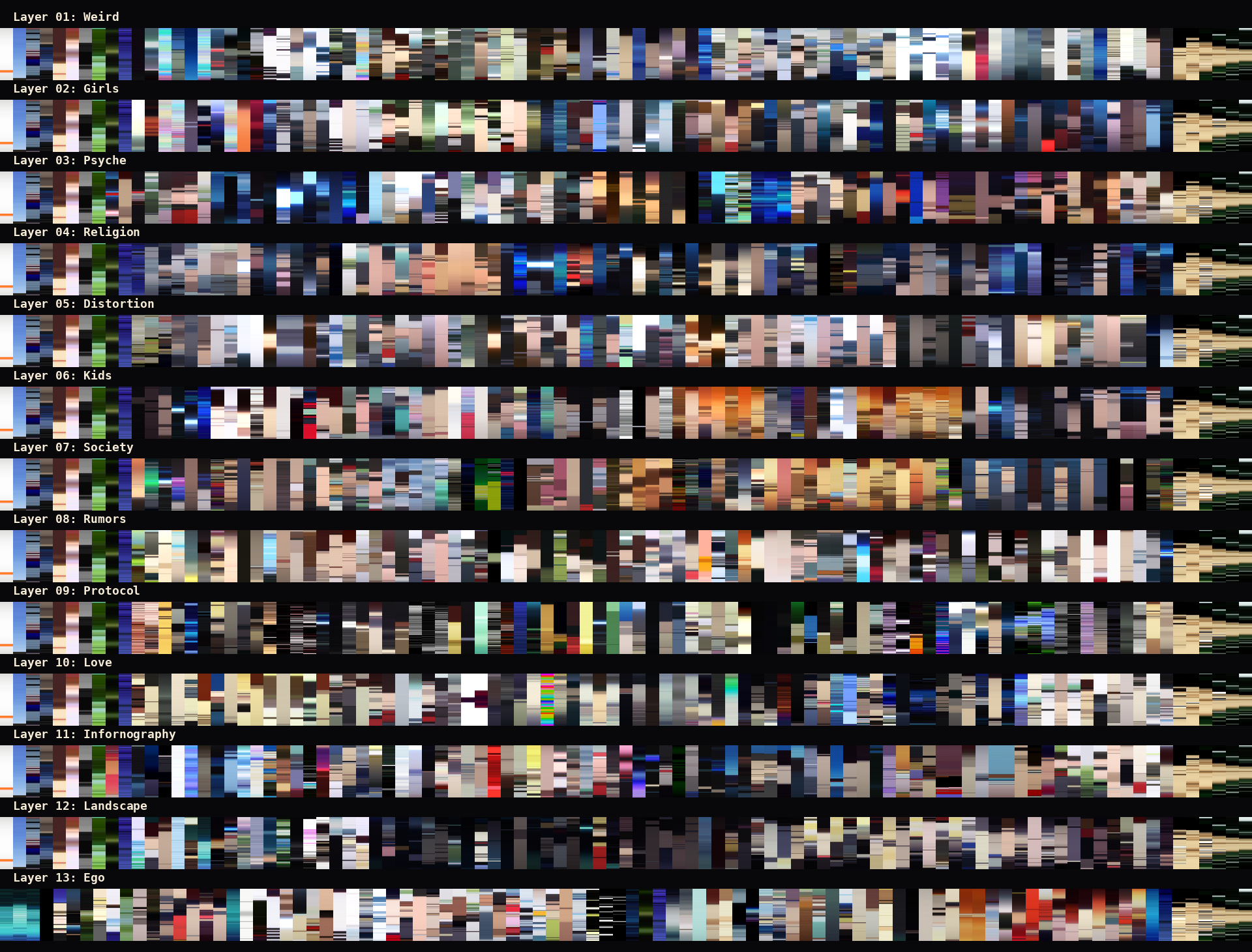
Each row is one Layer. Each column inside a row is roughly fifteen seconds of footage. Read top-to-bottom: the first cold-institutional row is Layer 04 (Religion); the brightest row is Layer 01 (Weird); the row that goes near-black in its middle is Layer 12 (Landscape).

Each row is a Layer; left-to-right inside it is time. Hover anywhere on a row — the panel on the right pulls in the closest extracted frame, the timestamp, the act you're in, the act-brightness, the act-palette, the plot beat, and the cast on screen. The act dividers are at the literal one-third / two-thirds marks of the post-OP runtime; the beat captions are hand-written, not auto-generated.
The two troughs sit at roughly Layer 04 (PHANTOMa, the protocol-hole Layer) and Layer 12 (the barrier-collapse, where Lain crushes Eiri). The peak between them is Layer 08, the only Layer where the conspiracy is daylit and Lain still has a body. The bookends — Layers 01 and 13 — return to within 0.03 of each other.

Twelve hue buckets, thirteen Layers. The "Red" stack dominates because it's everything from cathode warmth to ABe's flesh tones. Blue-Green only appears at Layer 02 (Cyberia) and Layer 04 (Religion) — both outside-Lain registers. The top of each bar is one hundred percent of the columns sampled.
Each card: the Layer's slice barcode (1920 columns ≈ 24 minutes of footage compressed into a strip), the dominant 8-colour palette extracted by k-means, the act-thirds bar (within-Layer brightness arc), and a one-paragraph reading anchored to a measured number you can verify against the data. When extracted keyframes are available, twenty-four are arranged below.

School-day opener. The brightest first act on record before the cuts to Lain's bedroom darken everything by half — 0.47 → 0.50. Red-Orange dominates because it's still the surface world; Cyberia hasn't entered the chromatic vocabulary yet.


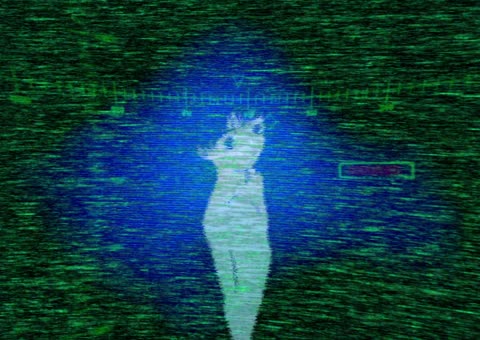
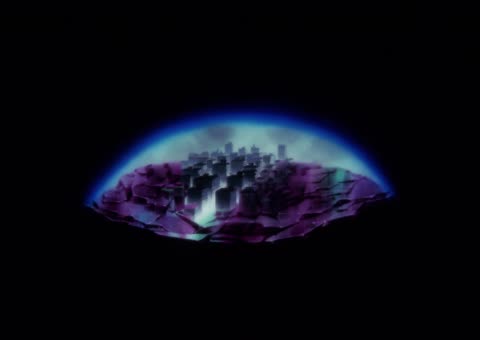
Cyberia. Saturation jumps to 0.30 — the show's first chromatic outlier — but brightness collapses with it. The pattern of the entire run: the moments the colour gets louder are the moments the world goes darker.


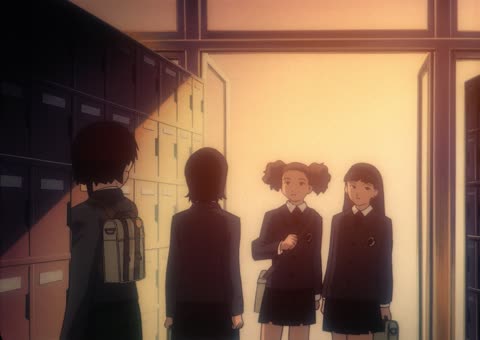
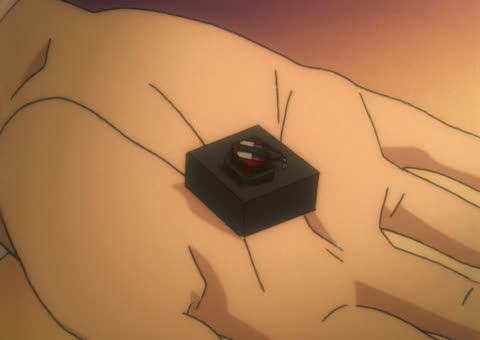
Highest-saturation Layer in the run (0.32). Fluorescent NAVI scenes, the Psyche chip from the school locker. The act-thirds — 0.44, 0.44, 0.35 — sketch a shallow descent. The colour does the work the brightness doesn't.


The first trough. Mean brightness 0.35. PHANTOMa, the network game with a hole in its protocol, lands here, and the show goes cold-institutional for forty minutes. Blue-Green is the dominant hue — the only Layer where the show abandons its red register entirely.


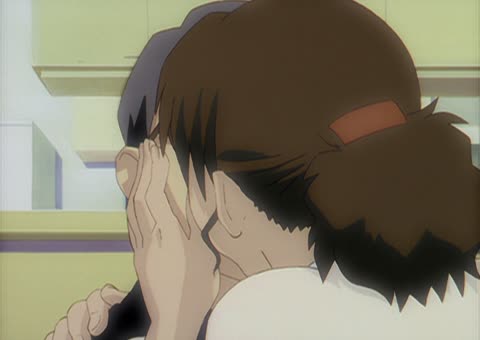
Mika's persecution. Saturation comes down to 0.21 — the show desaturates after the L02–L03 chroma spike, and the texture goes domestic-paranoid. Tissues with messages. Bathroom doors. The within-ep arc says something quietly settled.


The KIDS Layer (act1 = 0.48, the highest single act-1 in the run). Hodgeson's flashback. Closes dark. The pattern fans call open-bright, close-dark first lands cleanly here — six Layers will follow it.


Knights named in full. Second-most-saturated Layer (0.31); third-darkest opening. Are you the same person as 'Lain in the Wired'? The data agrees with the script: this is the Layer where Lain stops being a teenage problem and becomes a network problem.


Mid-season brightness peak (0.48). Daylit reveal. Mika in the hallway, Mika's clone at the NAVI. The conspiracy is still out in the world. After this Layer the brightness trend slopes down toward L12.


The structural pivot. Schumann resonances + Protocol 7 + Eiri's biography all land here. First Layer where act3 (0.39) > act1 (0.35) — the first ep that closes brighter than it opened. Konaka's hinge point shows up cleanly in the brightness column; you don't need to read the script to see it.


Lain meets Eiri as a digital entity. Red-Orange — the warmest hue in the show — comes in at the connection-as-love beat. But the within-ep arc is open-bright, close-dark: the framing doesn't survive the Layer. The colour and the structure dissent.


Infornography. Half collage, half Alice. Eiri tells Lain she is software, not hardware; alien-Lain erases Alice's affair from the world. Act3 (0.45) is the brightest third. The Wired won the framing argument; the rest of the show is consequence.


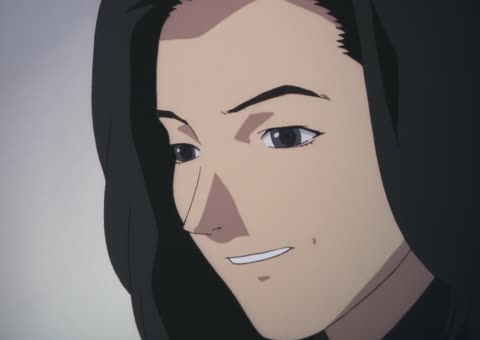
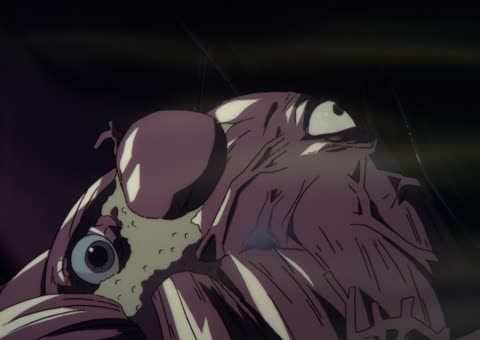
The barrier collapses. act2 = 0.24 — the lowest single act-third in the entire season. Lain crushes Eiri's monstrous form with her room's electrical equipment, then tells Alice I am a program designed to break the barrier. The within-ep arc is arc-down (dark midpoint), the only Layer with that shape.


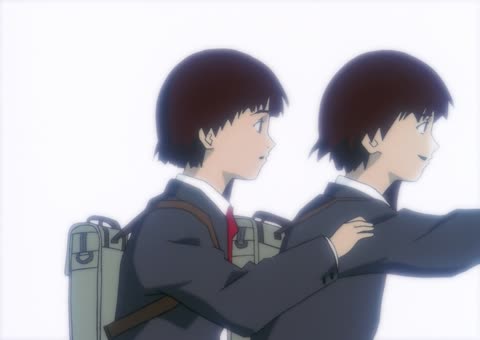
Ego closes at brightness 0.47 — within 0.03 of L01 (0.49). The Yasuo tea-and-madeleines beat in the white world; adult-Alice on the overpass meeting a Lain who has not aged. The within-ep arc is falling, not bright ending — the bookend symmetry is in the means, not the trajectories. Pure black next to pure white in the top palette.


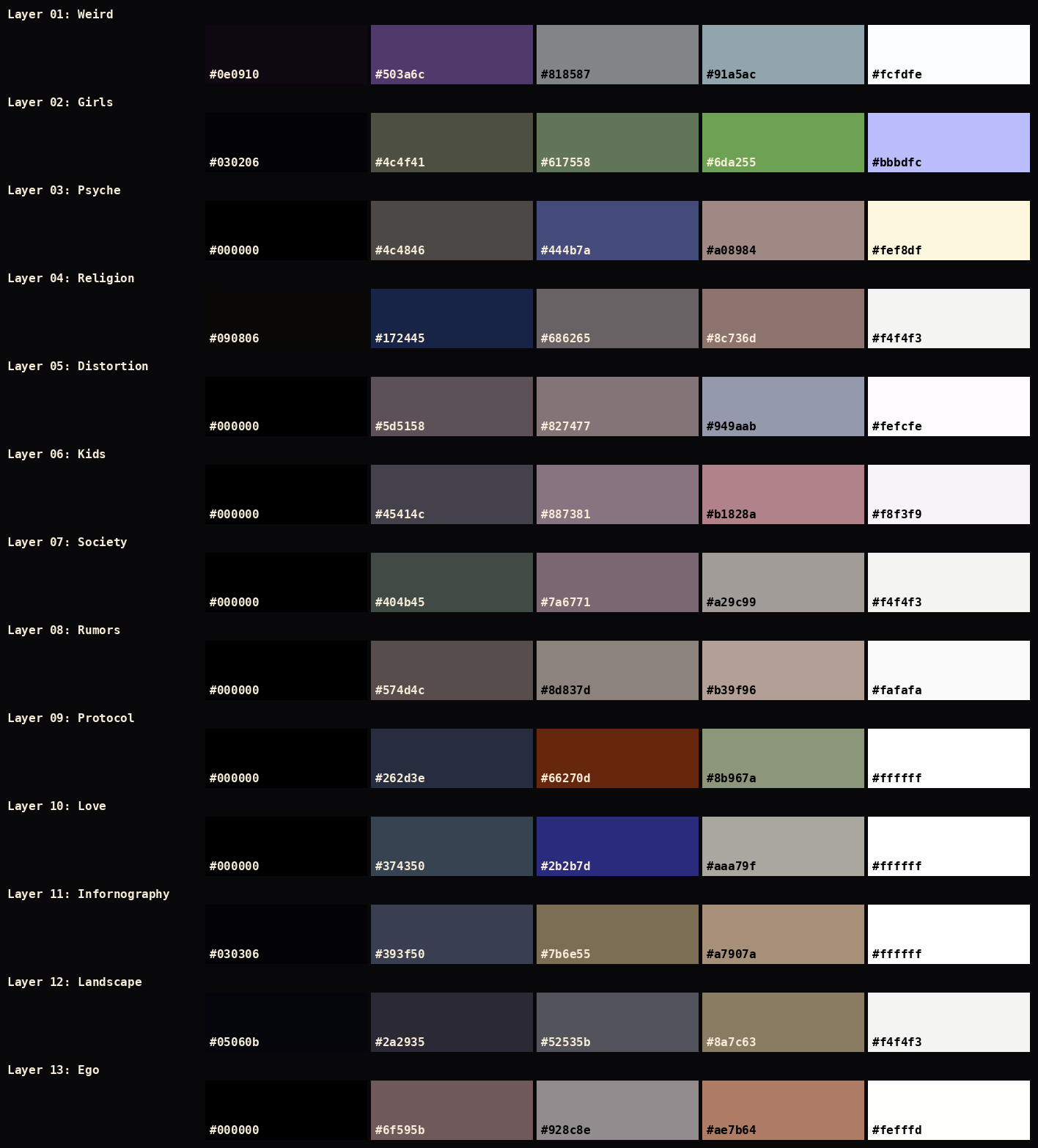
Five swatches per Layer, sampled by hue-and-value bucket. Layer 03 (Psyche) leaks neon-green NAVI tones in the rightmost swatch. Layer 12 (Landscape) goes from near-black to paper-white — the literal fade-to-white sequence is encoded in that fifth swatch. Layer 13 (Ego) is the only Layer with both pure black and near-pure white in its top five.

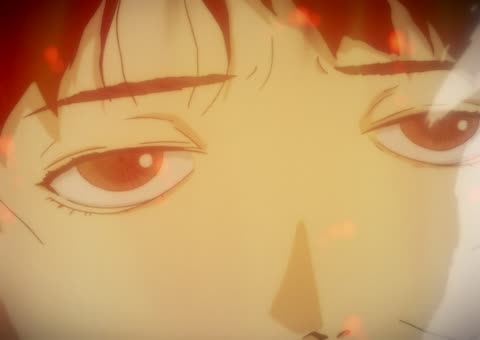
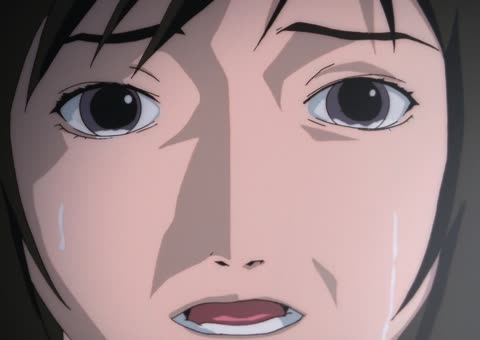
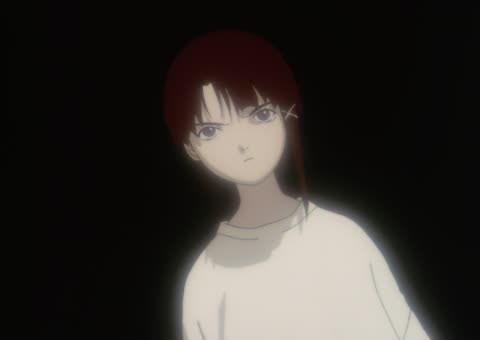
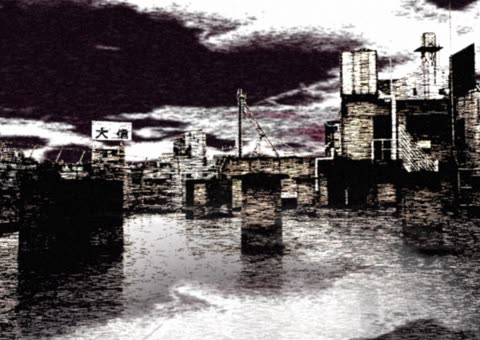
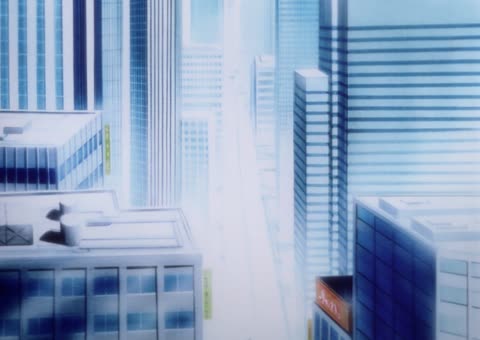
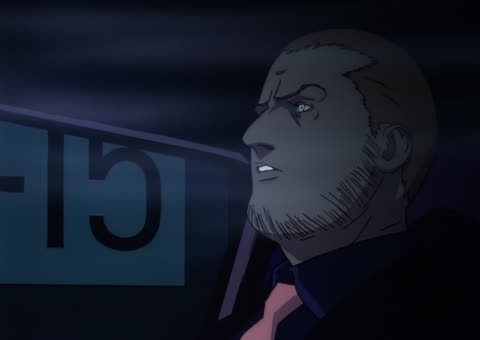
Three hundred and twelve frames sampled at even intervals across the thirteen Layers (skipping OP and ED). Each one analysed: mean brightness, mean saturation, dominant hue. The four extreme frames — the darkest, brightest, most saturated, most desaturated — sit at the top, named. Below them: the full atlas, sortable by any of the three numbers. The data is finding the show's edges so you don't have to.
L01.01b 0.31 · s 0.00
L01.02b 0.26 · s 0.45
L01.03b 0.20 · s 0.36
L01.04b 0.34 · s 0.34
L01.05b 0.77 · s 0.10
L01.06b 0.77 · s 0.21
L01.07b 0.34 · s 0.36
L01.08b 0.57 · s 0.24
L01.09b 0.48 · s 0.36
L01.10b 0.74 · s 0.15
L01.11b 0.35 · s 0.28
L01.12b 0.57 · s 0.17
L01.13b 0.21 · s 0.31
L01.14b 0.24 · s 0.76
L01.15b 0.59 · s 0.18
L01.16b 0.57 · s 0.13
L01.17b 0.59 · s 0.18
L01.18b 0.52 · s 0.23
L01.19b 0.59 · s 0.26
L01.20b 0.74 · s 0.08
L01.21b 0.38 · s 0.33
L01.22b 0.42 · s 0.26
L01.23b 0.55 · s 0.12
L01.24b 0.12 · s 0.02
L02.01b 0.31 · s 0.00
L02.02b 0.20 · s 0.68
L02.03b 0.71 · s 0.27
L02.04b 0.26 · s 0.59
L02.05b 0.79 · s 0.22
L02.06b 0.34 · s 0.38
L02.07b 0.45 · s 0.17
L02.08b 0.58 · s 0.27
L02.09b 0.49 · s 0.28
L02.10b 0.44 · s 0.35
L02.11b 0.35 · s 0.60
L02.12b 0.76 · s 0.25
L02.13b 0.58 · s 0.27
L02.14b 0.29 · s 0.17
L02.15b 0.27 · s 0.37
L02.16b 0.51 · s 0.12
L02.17b 0.04 · s 0.84
L02.18b 0.61 · s 0.18
L02.19b 0.43 · s 0.35
L02.20b 0.27 · s 0.35
L02.21b 0.16 · s 0.40
L02.22b 0.13 · s 0.44
L02.23b 0.20 · s 0.31
L02.24b 0.35 · s 0.27
L03.01b 0.31 · s 0.00
L03.02b 0.12 · s 0.23
L03.03b 0.50 · s 0.22
L03.04b 0.08 · s 0.46
L03.05b 0.13 · s 0.94
L03.06b 0.16 · s 0.56
L03.07b 0.52 · s 0.50
L03.08b 0.37 · s 0.21
L03.09b 0.68 · s 0.14
L03.10b 0.53 · s 0.18
L03.11b 0.30 · s 0.22
L03.12b 0.39 · s 0.42
L03.13b 0.53 · s 0.54
L03.14b 0.11 · s 0.62
L03.15b 0.47 · s 0.33
L03.16b 0.58 · s 0.10
L03.17b 0.07 · s 0.32
L03.18b 0.14 · s 0.54
L03.19b 0.43 · s 0.32
L03.20b 0.20 · s 0.40
L03.21b 0.24 · s 0.49
L03.22b 0.40 · s 0.35
L03.23b 0.55 · s 0.17
L03.24b 0.04 · s 0.01
L04.01b 0.31 · s 0.00
L04.02b 0.15 · s 0.62
L04.03b 0.24 · s 0.35
L04.04b 0.50 · s 0.13
L04.05b 0.12 · s 0.55
L04.06b 0.14 · s 0.31
L04.07b 0.52 · s 0.19
L04.08b 0.38 · s 0.34
L04.09b 0.37 · s 0.43
L04.10b 0.22 · s 0.33
L04.11b 0.23 · s 0.71
L04.12b 0.26 · s 0.36
L04.13b 0.18 · s 0.60
L04.14b 0.09 · s 0.62
L04.15b 0.08 · s 0.66
L04.16b 0.32 · s 0.35
L04.17b 0.08 · s 0.26
L04.18b 0.08 · s 0.89
L04.19b 0.24 · s 0.41
L04.20b 0.16 · s 0.41
L04.21b 0.25 · s 0.53
L04.22b 0.34 · s 0.51
L04.23b 0.32 · s 0.63
L04.24b 0.04 · s 0.43
L05.01b 0.31 · s 0.00
L05.02b 0.50 · s 0.24
L05.03b 0.47 · s 0.14
L05.04b 0.51 · s 0.20
L05.05b 0.48 · s 0.45
L05.06b 0.13 · s 0.18
L05.07b 0.39 · s 0.26
L05.08b 0.54 · s 0.16
L05.09b 0.27 · s 0.27
L05.10b 0.24 · s 0.28
L05.11b 0.43 · s 0.16
L05.12b 0.53 · s 0.20
L05.13b 0.37 · s 0.26
L05.14b 0.60 · s 0.36
L05.15b 0.45 · s 0.29
L05.16b 0.21 · s 0.46
L05.17b 0.34 · s 0.23
L05.18b 0.55 · s 0.20
L05.19b 0.06 · s 0.26
L05.20b 0.21 · s 0.23
L05.21b 0.60 · s 0.35
L05.22b 0.53 · s 0.12
L05.23b 0.43 · s 0.16
L05.24b 0.04 · s 0.30
L06.01b 0.31 · s 0.00
L06.02b 0.10 · s 0.59
L06.03b 0.07 · s 0.50
L06.04b 0.71 · s 0.33
L06.05b 0.76 · s 0.17
L06.06b 0.43 · s 0.28
L06.07b 0.66 · s 0.22
L06.08b 0.42 · s 0.33
L06.09b 0.34 · s 0.39
L06.10b 0.58 · s 0.23
L06.11b 0.14 · s 0.38
L06.12b 0.18 · s 0.18
L06.13b 0.47 · s 0.27
L06.14b 0.48 · s 0.48
L06.15b 0.35 · s 0.67
L06.16b 0.24 · s 0.41
L06.17b 0.66 · s 0.28
L06.18b 0.33 · s 0.63
L06.19b 0.47 · s 0.59
L06.20b 0.36 · s 0.27
L06.21b 0.10 · s 0.35
L06.22b 0.10 · s 0.34
L06.23b 0.13 · s 0.47
L06.24b 0.35 · s 0.27
L07.01b 0.31 · s 0.00
L07.02b 0.63 · s 0.28
L07.03b 0.15 · s 0.49
L07.04b 0.23 · s 0.53
L07.05b 0.47 · s 0.18
L07.06b 0.39 · s 0.25
L07.07b 0.50 · s 0.21
L07.08b 0.27 · s 0.28
L07.09b 0.61 · s 0.29
L07.10b 0.53 · s 0.14
L07.11b 0.44 · s 0.15
L07.12b 0.51 · s 0.17
L07.13b 0.33 · s 0.40
L07.14b 0.30 · s 0.20
L07.15b 0.12 · s 0.22
L07.16b 0.51 · s 0.46
L07.17b 0.26 · s 0.58
L07.18b 0.48 · s 0.44
L07.19b 0.09 · s 0.53
L07.20b 0.34 · s 0.32
L07.21b 0.33 · s 0.29
L07.22b 0.24 · s 0.34
L07.23b 0.50 · s 0.18
L07.24b 0.35 · s 0.27
L08.01b 0.31 · s 0.00
L08.02b 0.67 · s 0.36
L08.03b 0.53 · s 0.28
L08.04b 0.50 · s 0.34
L08.05b 0.61 · s 0.14
L08.06b 0.54 · s 0.23
L08.07b 0.56 · s 0.20
L08.08b 0.53 · s 0.18
L08.09b 0.72 · s 0.10
L08.10b 0.18 · s 0.53
L08.11b 0.52 · s 0.47
L08.12b 0.51 · s 0.21
L08.13b 0.64 · s 0.13
L08.14b 0.70 · s 0.12
L08.15b 0.63 · s 0.52
L08.16b 0.35 · s 0.37
L08.17b 0.53 · s 0.15
L08.18b 0.19 · s 0.29
L08.19b 0.23 · s 0.09
L08.20b 0.22 · s 0.24
L08.21b 0.44 · s 0.23
L08.22b 0.68 · s 0.11
L08.23b 0.46 · s 0.27
L08.24b 0.35 · s 0.27
L09.01b 0.31 · s 0.00
L09.02b 0.54 · s 0.38
L09.03b 0.19 · s 0.51
L09.04b 0.09 · s 0.24
L09.05b 0.44 · s 0.22
L09.06b 0.08 · s 0.28
L09.07b 0.32 · s 0.08
L09.08b 0.08 · s 0.00
L09.09b 0.17 · s 0.55
L09.10b 0.34 · s 0.27
L09.11b 0.12 · s 0.87
L09.12b 0.24 · s 0.47
L09.13b 0.17 · s 0.35
L09.14b 0.48 · s 0.28
L09.15b 0.45 · s 0.20
L09.16b 0.37 · s 0.35
L09.17b 0.14 · s 0.78
L09.18b 0.23 · s 0.28
L09.19b 0.12 · s 0.25
L09.20b 0.60 · s 0.25
L09.21b 0.22 · s 0.70
L09.22b 0.25 · s 0.93
L09.23b 0.49 · s 0.03
L09.24b 0.10 · s 0.53
L10.01b 0.31 · s 0.00
L10.02b 0.66 · s 0.12
L10.03b 0.60 · s 0.34
L10.04b 0.58 · s 0.46
L10.05b 0.49 · s 0.24
L10.06b 0.52 · s 0.36
L10.07b 0.42 · s 0.17
L10.08b 0.53 · s 0.14
L10.09b 0.90 · s 0.04
L10.10b 0.39 · s 0.21
L10.11b 0.38 · s 0.18
L10.12b 0.36 · s 0.21
L10.13b 0.00 · s 0.00
L10.14b 0.41 · s 0.25
L10.15b 0.06 · s 0.66
L10.16b 0.08 · s 0.43
L10.17b 0.51 · s 0.36
L10.18b 0.23 · s 0.56
L10.19b 0.13 · s 0.65
L10.20b 0.20 · s 0.51
L10.21b 0.64 · s 0.11
L10.22b 0.81 · s 0.13
L10.23b 0.51 · s 0.10
L10.24b 0.35 · s 0.27
L11.01b 0.31 · s 0.00
L11.02b 0.18 · s 0.35
L11.03b 0.73 · s 0.17
L11.04b 0.24 · s 0.55
L11.05b 0.47 · s 0.45
L11.06b 0.34 · s 0.35
L11.07b 0.60 · s 0.19
L11.08b 0.59 · s 0.27
L11.09b 0.21 · s 0.18
L11.10b 0.61 · s 0.11
L11.11b 0.67 · s 0.00
L11.12b 0.47 · s 0.25
L11.13b 0.14 · s 0.24
L11.14b 0.13 · s 0.23
L11.15b 0.17 · s 0.34
L11.16b 0.18 · s 0.41
L11.17b 0.29 · s 0.46
L11.18b 0.39 · s 0.23
L11.19b 0.51 · s 0.54
L11.20b 0.35 · s 0.47
L11.21b 0.26 · s 0.57
L11.22b 0.56 · s 0.16
L11.23b 0.70 · s 0.14
L11.24b 0.01 · s 0.01
L12.01b 0.31 · s 0.00
L12.02b 0.75 · s 0.33
L12.03b 0.77 · s 0.35
L12.04b 0.15 · s 0.41
L12.05b 0.23 · s 0.44
L12.06b 0.39 · s 0.16
L12.07b 0.63 · s 0.31
L12.08b 0.10 · s 0.55
L12.09b 0.18 · s 0.50
L12.10b 0.35 · s 0.32
L12.11b 0.21 · s 0.82
L12.12b 0.19 · s 0.35
L12.13b 0.13 · s 0.29
L12.14b 0.16 · s 0.39
L12.15b 0.12 · s 0.34
L12.16b 0.19 · s 0.32
L12.17b 0.36 · s 0.26
L12.18b 0.74 · s 0.24
L12.19b 0.29 · s 0.29
L12.20b 0.28 · s 0.33
L12.21b 0.28 · s 0.37
L12.22b 0.14 · s 0.37
L12.23b 0.16 · s 0.30
L12.24b 0.01 · s 0.01
L13.01b 0.20 · s 0.44
L13.02b 0.30 · s 0.84
L13.03b 0.36 · s 0.38
L13.04b 0.30 · s 0.27
L13.05b 0.72 · s 0.11
L13.06b 0.58 · s 0.29
L13.07b 0.51 · s 0.19
L13.08b 0.68 · s 0.37
L13.09b 0.49 · s 0.27
L13.10b 0.40 · s 0.33
L13.11b 0.63 · s 0.37
L13.12b 0.05 · s 0.01
L13.13b 0.67 · s 0.15
L13.14b 0.49 · s 0.33
L13.15b 0.05 · s 0.65
L13.16b 0.19 · s 0.61
L13.17b 0.60 · s 0.24
L13.18b 0.60 · s 0.13
L13.19b 0.41 · s 0.33
L13.20b 0.45 · s 0.70
L13.21b 0.30 · s 0.69
L13.22b 0.36 · s 0.48
L13.23b 0.37 · s 0.46
L13.24b 0.35 · s 0.27Compiled 2026-05-05 from primary fan-archive transcripts (cjas.org / misceLAINeous), the Lain wiki at lain.wiki, English-language Wikipedia, ANN, and konaka.com. Quotes are reproduced verbatim from the cited sources; where the only surviving English version is itself a fan translation, the translator is named where the source identifies them.
A note on retrievability: Chiaki Konaka's official site (konaka.com) serves a TLS certificate that does not match its hostname, so all konaka.com/alice6/lain/* URLs failed direct retrieval in this session. Where a Konaka document is referenced below from konaka.com, the URL is the canonical address but the text was reached via secondary indices (Lain wiki, search-engine snippets) — flagged inline.
---
| Role | Credit |
|---|---|
| Original concept / Producer | Yasuyuki Ueda |
| Director | Ryutaro Nakamura (Ryūtarō Nakamura, 中村隆太郎) |
| Series composition / Screenplay | Chiaki J. Konaka (小中千昭) |
| Character design | Yoshitoshi ABe (安倍吉俊) |
| Music | Reichi Nakaido — credited as Nakaido "Chabo" Reichi (仲井戸麗市) |
| Opening theme | "Duvet" — written and performed by Bôa (UK), from The Race of a Thousand Camels (1998) |
| Ending theme | "Tooi Sakebi" (遠い叫び), written and performed by Reichi Nakaido |
| Animation studio | Triangle Staff |
| Co-producer | Shōjirō Abe (Pioneer LDC) |
| Production / Licensing | Pioneer LDC |
| Premiere | 6 July 1998 |
| Episodes | 13 |
| Network | TV Tokyo and TX Network affiliates |
Sources: Wikipedia "Serial Experiments Lain" production credits section; Lain wiki entries on each named staff member; lain.wiki/wiki/Reichi_Nakaido for the Chabo / RC Succession identification and his authorship of the ED.
URLs:
---
Konaka was the sole series-composition writer; his stated thematic frame for the Wired is the most-cited authorial gloss on the show.
"I wrote 'lain' as the story of the 'Present Day, Present Time.'" — Chiaki J. Konaka, Anime Expo 2001 panel, interviewer Lawrence Eng. Source: http://www.cjas.org/~leng/konaka.htm
"I believe that U.S. fans caught the 'Kernel' of lain." — Konaka, same interview (AX 2001, Eng).
"I don't have the desire to create an original world for each new production." — Konaka on his recurring archetypes across Alice in Cyberland, lain and Digimon Tamers. Source: http://www.cjas.org/~leng/konaka.htm
On the Wired-as-middle-realm framing, the canonical phrasing is from Konaka's HK Magazine interview (Winter 1999, English version at konaka.com/alice6/lain/hkint_e.html — direct fetch failed this session due to TLS cert mismatch; text below is reproduced from search-engine indices and the Lain wiki summary of that interview, not from a fresh primary fetch):
"the wired in 'lain' in the animation series is the middle earth which connects the reality world with another world --- heaven or hell." — Konaka, HK Magazine (Winter 1999). Canonical source: http://www.konaka.com/alice6/lain/hkint_e.html (host TLS cert invalid; not freshly retrieved).
The task brief asked for 3–4 verbatim passages from Konaka's "Lain in the Wired" essay. That essay is hosted on konaka.com under the alice6/lain tree and could not be retrieved this session; the Lain wiki's interview index lists Konaka's HK Magazine piece and his Anime Expo 2001 talk as the principal English-language statements of his authorial intent, both of which are quoted above. No verifiable verbatim excerpt of an essay specifically titled "Lain in the Wired" was reproducible in this session, so none is supplied here. (uncited; commonly attributed paraphrases circulate on fan sites and are deliberately omitted.)
---
Scenario Experiments Lain / シナリオエクスペリメンツ レイン is Konaka's published collection of his Lain scripts with footnotes and storyboard excerpts.
Source: https://lain.wiki/wiki/Scenario_Experiments_Lain (publication history, afterword change, no English edition).
---
The original print citation is Animerica vol. 7 no. 9 (October 1999). The print issue was not retrieved in this session; the wording reproduced widely on Wikipedia, Liquisearch and fan archives is:
"Lain was a sort of cultural war against American culture and the American sense of values we [Japan] adopted after World War II." — Yasuyuki Ueda, Animerica, October 1999. Reproduced via https://en.wikipedia.org/wiki/Serial_Experiments_Lain (footnotes 11–14) and https://www.liquisearch.com/serial_experiments_lain/production. Original print not consulted this session.
Wikipedia's gloss of the surrounding context, also drawn from secondary summaries of the Animerica piece:
"[Ueda] created Lain with a set of values he viewed as distinctly Japanese; he hoped Americans would not understand the series as the Japanese would, which would lead to a 'war of ideas' over the meaning of the anime, hopefully culminating in new communication between the two cultures. When Ueda discovered that the American audience held most of the same views on the series as the Japanese did, he was disappointed." — https://en.wikipedia.org/wiki/Serial_Experiments_Lain (citing Animerica Oct 1999 plus follow-on interviews).
The most important thing to know about this quote is that Ueda walked it back, repeatedly, in subsequent panels. On 7 August 2000, in the Anime Colony online chat (moderator Ben Trumble; translator present but not named in the transcript), the user "Myu-Myu" asked him about it directly, and the transcript records Ueda's answer verbatim:
Myu-Myu: "Ueda-san, in an interview, you say that Lain is a form of cultural warfare against American culture and values. What are some examples of cultural warfare employed within the Lain anime?" Ueda: "There is nothing in LAIN / no warfare in LAIN / Warfare cannot be in the artworks / [please wait -- there may be mistranslation] / I wanted to make a cultural war. / There is no warfare in the artwork / However I wanted to go against normal rules and standards." — Anime Colony online chat, 7 August 2000. Source: http://www.cjas.org/~leng/lainchat.htm
He restated the same line at the Otakon 2000 panel two days earlier (5 August 2000, transcribed by Lawrence Eng):
"There is no warfare in LAIN... However I wanted to go against normal rules and standards." — Ueda, Otakon 2000 panel, transcribed by Lawrence Eng. Source: http://www.cjas.org/~leng/o2klain.htm
So the "war on American culture" line is real, dated, and traceable to a specific Animerica issue, but every later primary statement by Ueda himself denies that any such warfare is encoded in the artwork. Treat the Animerica formulation as a provocation about reception, not a description of content.
---
Ryutaro Nakamura (1955–2013) gave fewer English interviews than Konaka or Ueda, and the long-form panels he participated in (e.g. Lain talk live, 27 February 1999) survive in English chiefly as paraphrased attendee reports, not transcripts. The two stable, repeatedly-cited Nakamura statements about authorial intent on Lain are:
"the multidimensional wavelength of the existential self: the relationship between self and the world" — Nakamura on what he wanted to convey, particularly to viewers aged 14–15. Cited in https://lain.fandom.com/wiki/Ry%C5%ABtar%C5%8D_Nakamura and https://en.wikipedia.org/wiki/Serial_Experiments_Lain, ultimately from a 1998 Japanese-language Animerica AX / Japanese-press interview cluster (August / October 1998); not retrieved in original Japanese this session.
"I wanted to make everything unstable and disconcerting." — This sentence is reproduced on the Lain wiki and fan archives as Ueda's gloss on the design brief Nakamura and Ueda gave to ABe; it is sometimes attributed to Nakamura. Where the attribution differs between sources, the more cautious reading is to credit Ueda (origin: cjas.org chat archive, August 2000). Source: http://www.cjas.org/~leng/lainchat.htm
The 27 February 1999 Lain talk live event included Nakamura, Ueda, Konaka and ABe in a public panel; the surviving English page (http://www.asahi-net.or.jp/~fz9y-nikr/English/laintalklive.html) is an attendee recap by "Yas," not a verbatim transcript, and is therefore not quoted here.
---
Yoshitoshi ABe was a senior in art school when Ueda found his personal website and hired him; that detail is repeated across every English-language interview. His own statements on the Lain design are sparse but consistent.
"Mr. Ueta requested me to design [a] character that is not symmetrical." — Yoshitoshi ABe, Anime Colony online chat, 7 August 2000 (moderator Ben Trumble). The transcript records "Ueta" as written; this is a romanisation slip for Ueda. Source: http://www.cjas.org/~leng/lainchat.htm
"when I was talking with Mr. Ueda and Mr. Konaka the image of Lain was formed in my mind." — ABe, same chat. Source: http://www.cjas.org/~leng/lainchat.htm
"I imagined a girl with the shoulder length hair who had cut her own hair and she had made [a] ponytail with the rest." — ABe on the asymmetric forelock-and-clip design, same chat. Source: http://www.cjas.org/~leng/lainchat.htm
On the bear-pajamas: the design was not ABe's idea. Per the Lain wiki and Wikipedia summaries (drawing on the 2010 Lain 12 Years Later interview and Konaka's own commentary), the bear pajamas were requested by chief animation director Takahiro Kishida; Konaka initially objected, and Nakamura argued for keeping them as a "shield" Lain could hide behind in family-confrontation scenes. Konaka later remarked that the bear pajamas became a major draw for moe-leaning fans and that "such items may also be important when making anime" (paraphrase from the Lain 12 Years Later 2010 interview, reproduced via the Lain wiki; original Japanese not retrieved this session).
From Ueda's side, on his original brief to ABe (2005 Anime News Network interview, interviewer Allen Divers, transcription Bamboo Dong, 3 April 2005):
"I was looking around for that particular look, I saw Mr. ABe's site and thought that it was very close to what I had in mind." — Ueda. Source: https://www.animenewsnetwork.com/interview/2005-04-03/yoshitoshi-abe-yasuyuki-ueda
---
"Duvet" is the third track from Bôa's 1998 album The Race of a Thousand Camels, released in the UK months before Lain aired. Bôa was a London band signed to Polystar in Japan; lead vocalist Jasmine Rodgers is half-Japanese but does not perform in Japanese.
The song was selected by director Chiaki J. Konaka, not commissioned for the show. Per the Lain wiki article on "Duvet" (https://lain.wiki/wiki/Duvet) and confirmed in independent fan-archive recountings:
Sources: https://lain.wiki/wiki/Duvet ; https://en.wikipedia.org/wiki/B%C3%B4a (band history, Polystar deal, Race of a Thousand Camels track listing).
The brief asks whether J.J. Burnel of The Stranglers was involved with Bôa or with the selection of "Duvet" for Lain. *No primary or wiki source consulted in this research links Burnel or The Stranglers to Bôa, to The Race of a Thousand Camels, or to Lain.* The English Wikipedia article on Bôa does not mention him; the Lain wiki article on "Duvet" does not mention him; the Wikipedia Lain production section does not mention him. The claim is best treated as uncited fan attribution and not used as a primary citation.
---
Source: https://en.wikipedia.org/wiki/Triangle_Staff (founding, founder, dissolution date, WXIII hand-off).
---
Primary fan-archive transcripts (cjas.org / Lawrence Eng's misceLAINeous):
Wiki / encyclopaedic:
Konaka's own site (TLS cert invalid; not freshly retrieved this session):
Anime News Network:
Other:
Method: dhash + ahash on every keyframe, all-pairs Hamming distance, union-find clusters at d ≤ 10 — the natural elbow before the noise floor takes over the histogram. Three clusters surfaced as honest cross-Layer reuse. A fourth set — composition-level recurrence pHash can't catch (same idea, different shot) — was sourced from the analyst record. Every reading below is tagged: PRIMARY = creator/staff/published-scholarship; FAN = well-attested critic or community reading; INFERENCE = ours, from the data; NO PRIMARY = no source found, fabrication risk.
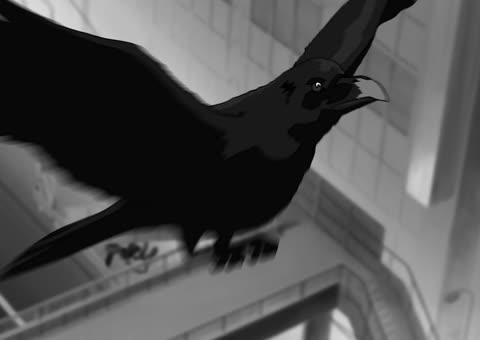
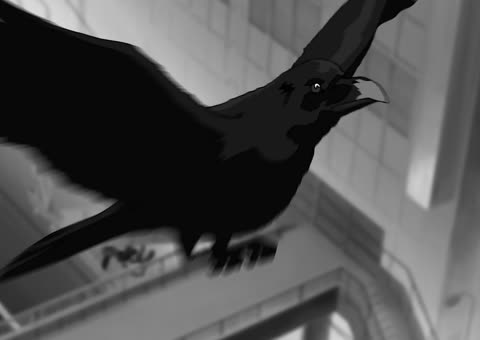
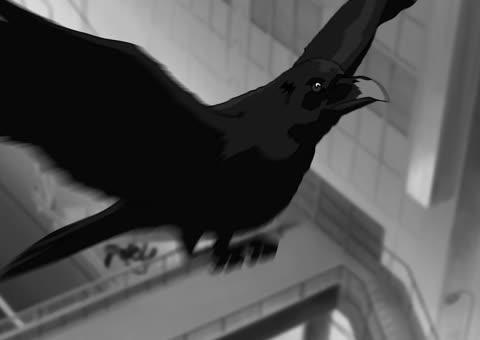
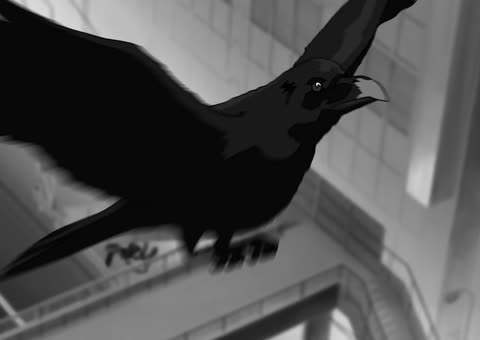
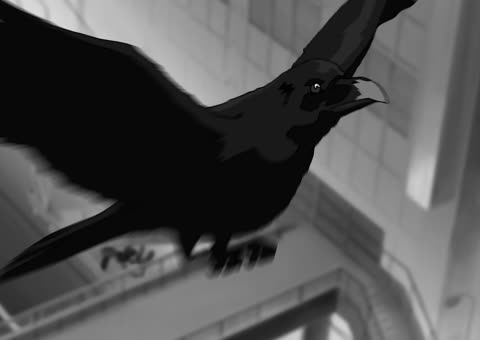
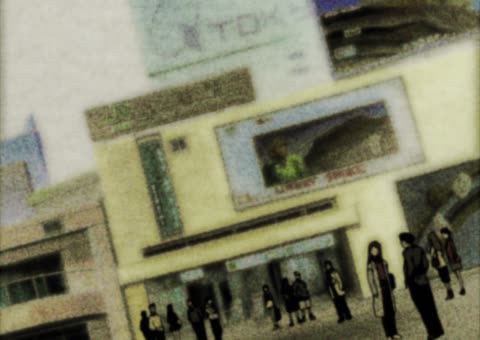
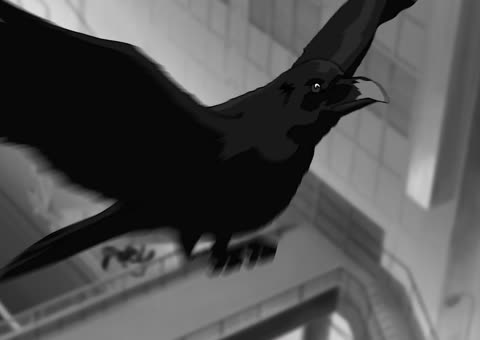
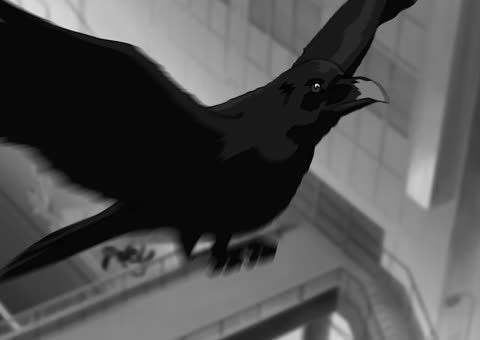
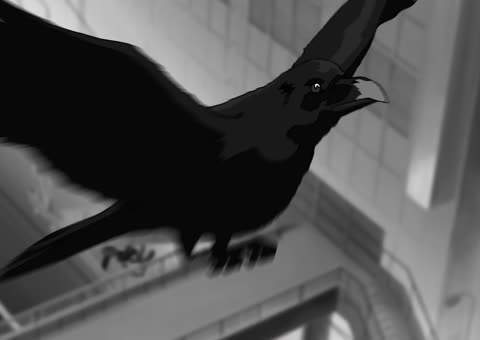
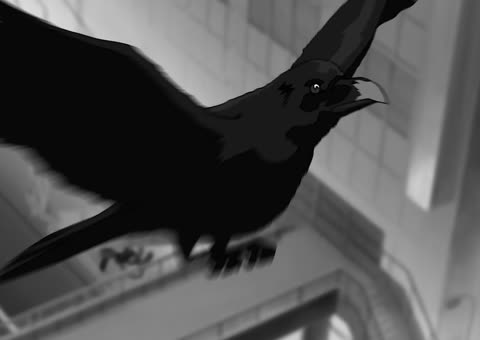
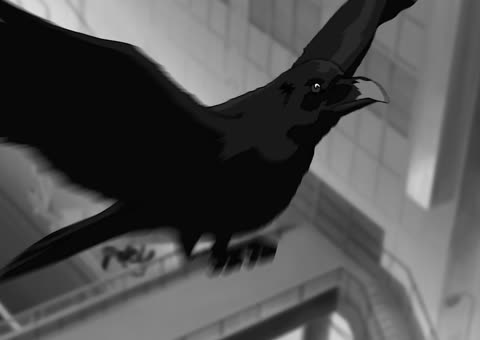
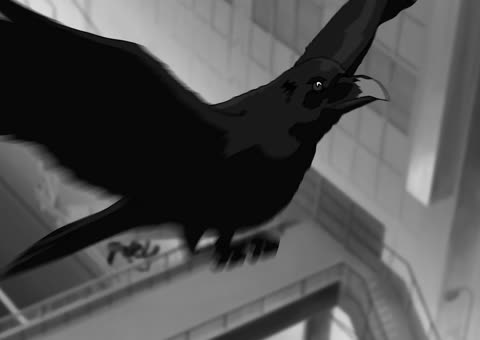
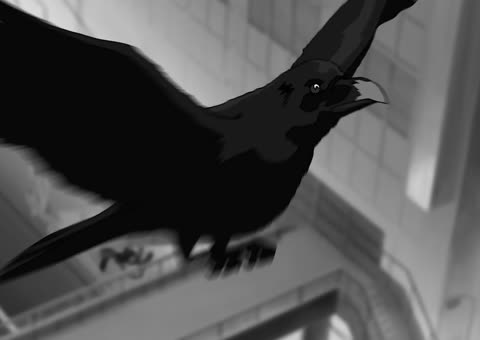
The black bird that opens twelve of thirteen Layers — perched or in mid-flight, against a desaturated grey-blue cityscape. Surfaced unprompted by perceptual-hash clustering of all 312 keyframes; it is the show's most-repeated establishing beat. Some critics call them pigeons (Idols and Realities); the bird species is genuinely ambiguous in the OP frame, and community usage settled on "crow."
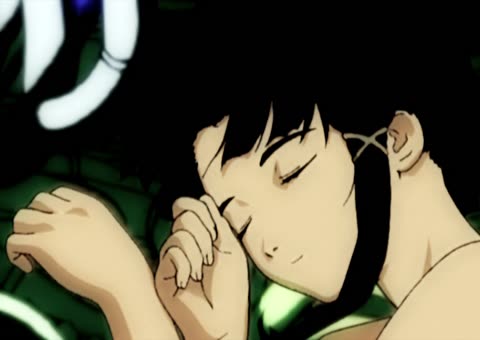
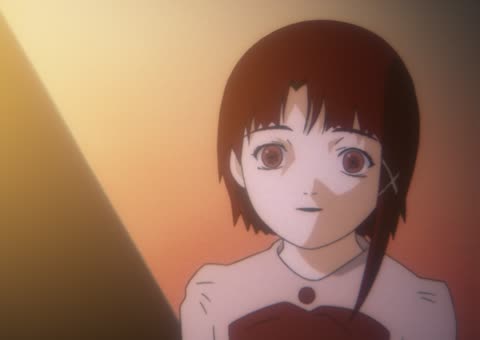
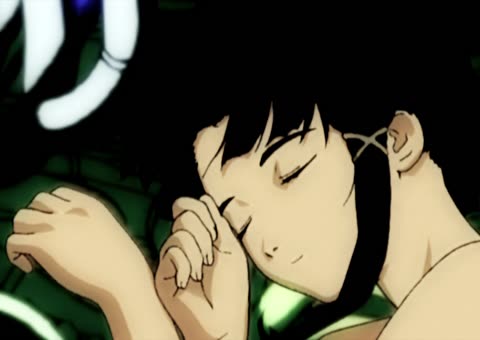
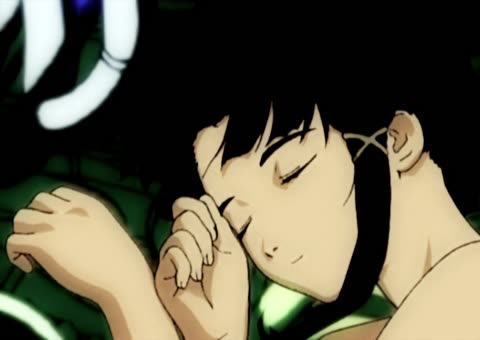
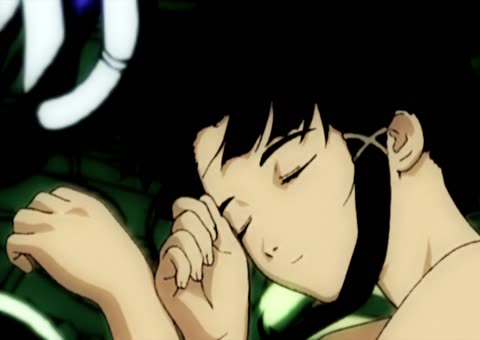
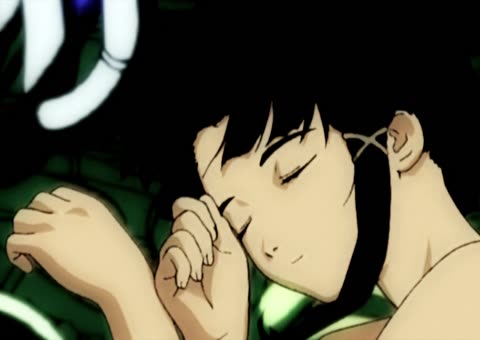
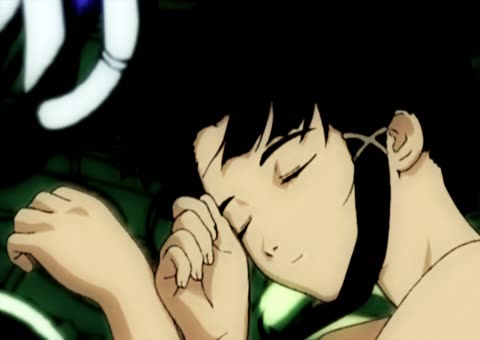
Close-up of Lain horizontal, eyes closed, hands curled near her face, lit in green/teal cathode glow. Recurs across six Layers as a held still — composition consistent enough to register as a deliberate beat, not animation reuse.
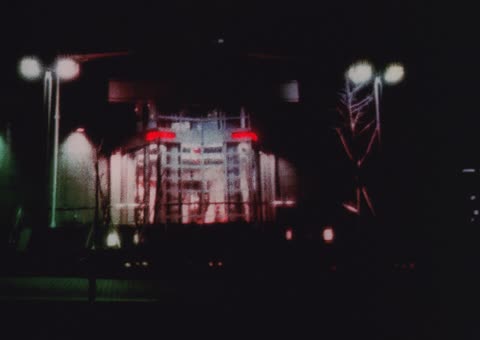
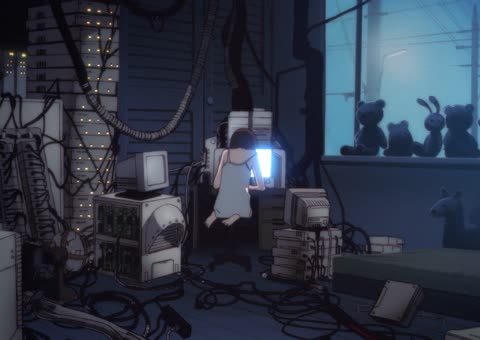
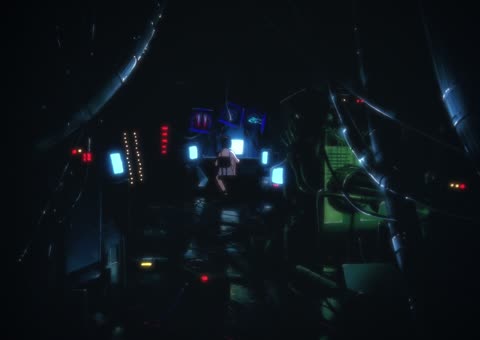
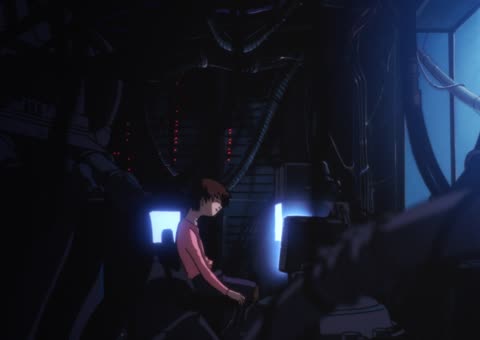
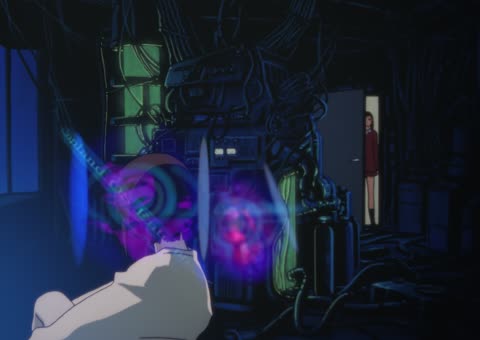
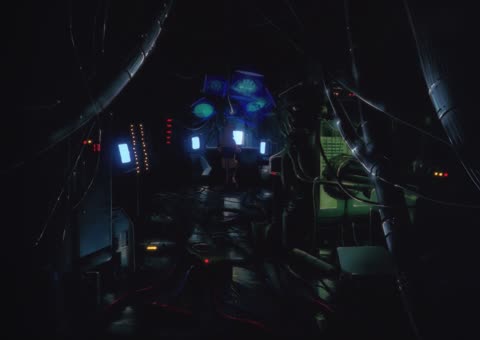
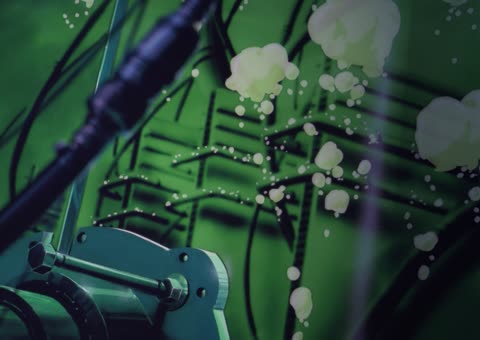
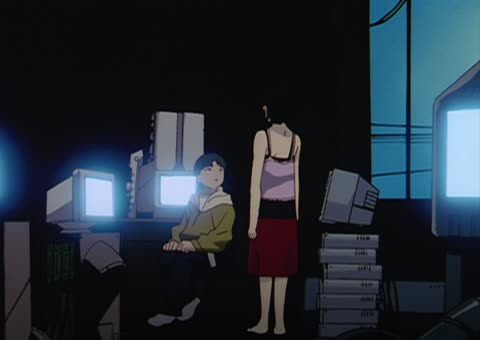
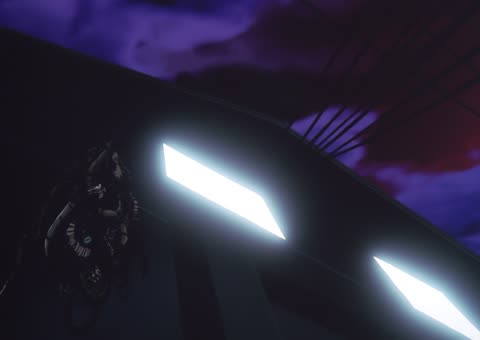
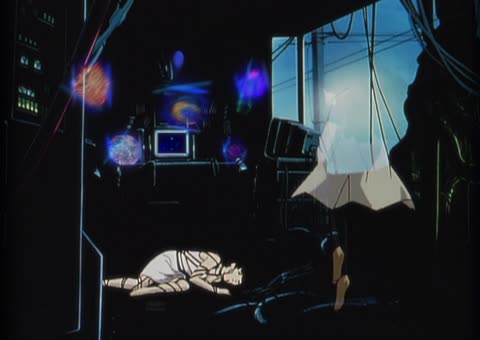
The L06 frame and the L09 frame are nearly pixel-identical: low-angle into the bedroom, multiple stacked CRTs glowing blue, snake-like cooling tubes filling the foreground. The children's NAVI of L02, rebuilt into a workstation that fills the room. lain.wiki: "Lain's NAVI eventually grows to fill her entire room, expanding to include a complex cooling system, several holographic screens as well as normal ones, and large numbers of cables."
mebious.co.uk — a fan-side easter egg: the URL was registered post-hoc by user "monkiesnake" and now hosts the long-running Lain image-board (lain.wiki).A perceptual hash matches pixels, not concepts. The motifs below recur as ideas across radically different compositions, so they slip past the algorithm — but they're the most-cited motifs in the analyst record, and most are creator-confirmed.
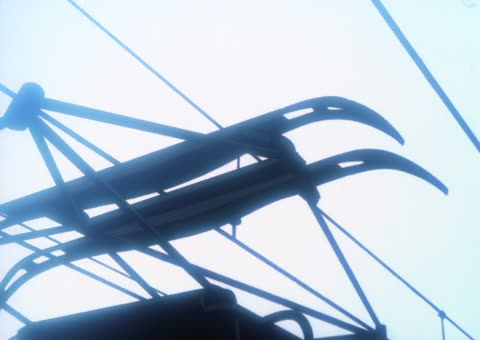
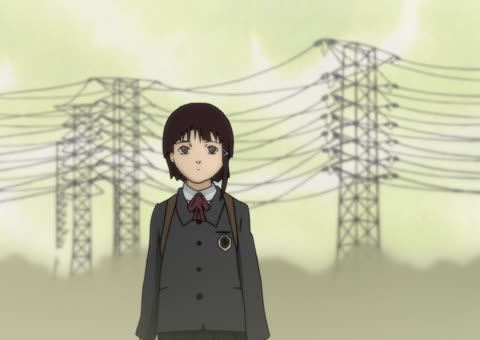
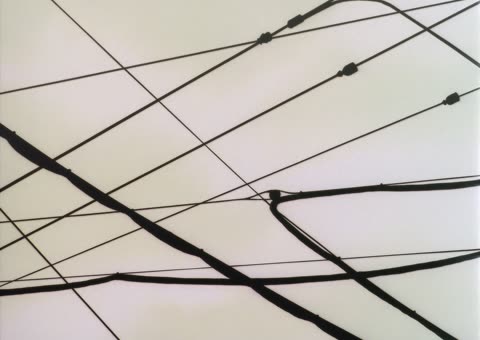
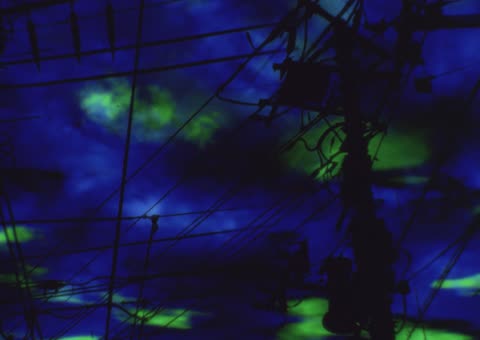
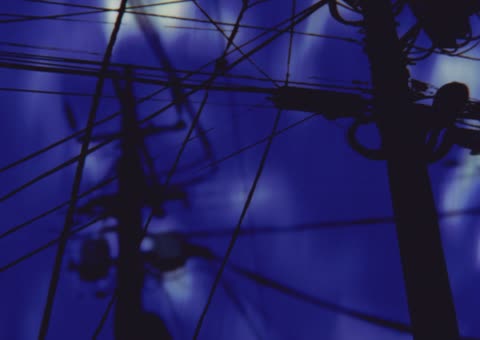
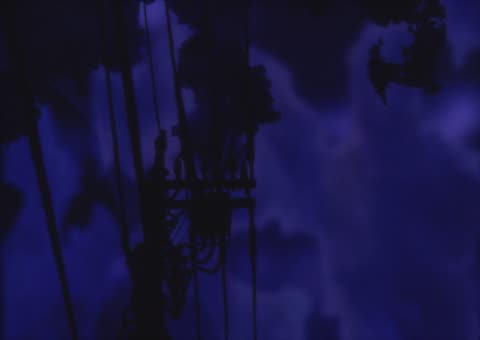
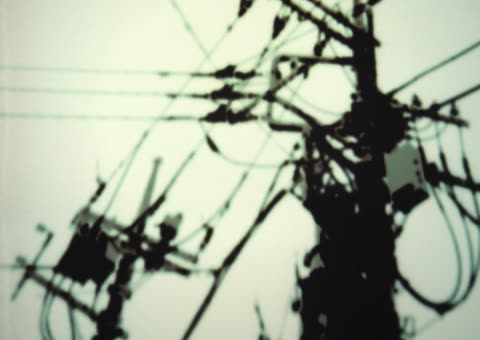
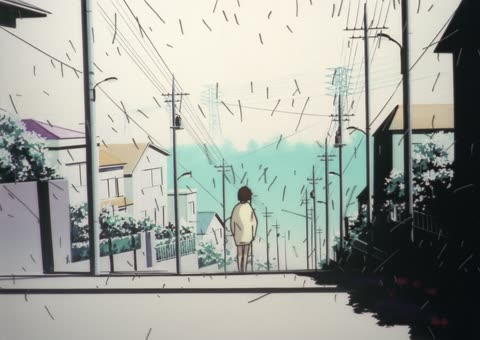
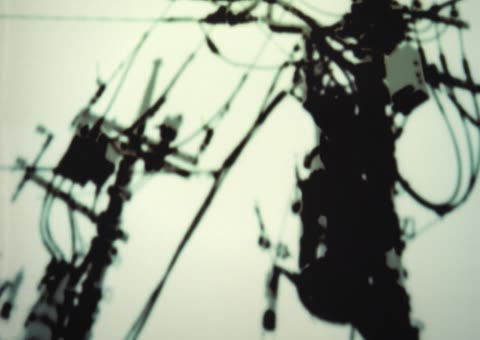
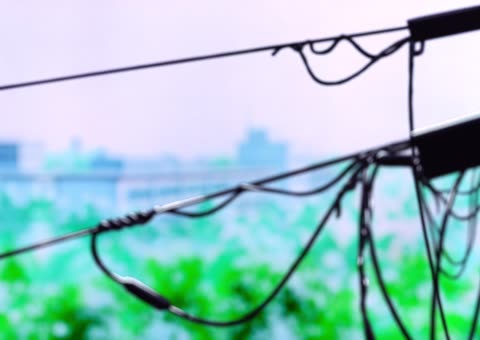
PRIMARY Konaka, HK Magazine Winter 1999: "the utility poles were accident. I have once written the story whose motif is utility poles 7 or 8 years ago. And Producer Ueda likes them very much, so he took a lot of photographs with his F3 Leica… There are about 4,000 pieces photographs to the utility pole." Visual rationale: "objects what we can take photographs in the city are only sky and electric wires when looking up." Tumblr's whitquark later crystallized the show as "the power lines anime" — fandom-external signature now. lain.wiki/Interviews · AV Club, 2017.
PRIMARY · STAFF Producer Yasuyuki Ueda, Otakon 2000: the red tint under characters and objects "wasn't Abe-san's idea, but the director's [Nakamura's], to signify that the Wired is in the shadow, even in the real world, it's still there beneath the surface." The cleanest creator-confirmed "Wired bleeds into reality" gloss in the production record — and the only one a perceptual hash can't catch, because the red appears under different objects in every shot. Eng's Otakon 2000 transcript.
PRIMARY · TEXT L09 newsreel: "There are always resonances between the ground and the ionosphere at 8 Hz in the ELF band. This is called the Schumann Resonance… It is the brain wave of the earth." The show says 8 Hz, not the real-world value of 7.83 Hz — Konaka's script rounds. Fan citations of "7.83" are importing the real number. L09 script.
PRIMARY · TEXT The literal explanation is in the L09 script: Eiri was sliced in half by a Yamanote-line train; the tape literalizes "taped back together." His clothes float impossibly in wind. FAN The crucifixion-pose reading is not creator-grounded — Konaka's stated horror influences are Lovecraft and The Exorcist, not Christology. Christian readings (e.g. RishRaff, 2016) are downstream and fan-articulated.
PRIMARY · STAFF Konaka, HK Magazine 1999: "The bear pajamas are Mr. Kishida's idea… I opposed them at first. Mr. Kishida didn't say why… However, Supervisor Nakamura said 'Kissy [Kishida's pet name] always put sunglasses.' So, I understood that is like a shield for lain." Animation director Takahiro Kishida originated; Konaka objected; Nakamura built the shield reading post-hoc. Bears trace to the Konaka brothers' 1985 student film Bear dropped to the earth. Every downstream "shield" gloss derives from Konaka's reading of Kishida's choice.
PRIMARY · STAFF Konaka, HK Magazine 1999: "lain's cross hair detainment was Mr. Abe's idea, but producer decided non-symmetry hair-style of lain." One of the few design calls Konaka attributes to Yoshitoshi ABe directly — not to Ueda's brief or to Kishida.
PRIMARY The hacker collective's name lifts directly from MIT's Knights of the Lambda Calculus — an informal 1970s honorific for Scheme programmers. "Eastern" is the Tokyo-not-Cambridge swap. lain.wiki. FAN The Robert Anton Wilson / Illuminatus! echo is fan-circulated, no creator citation.
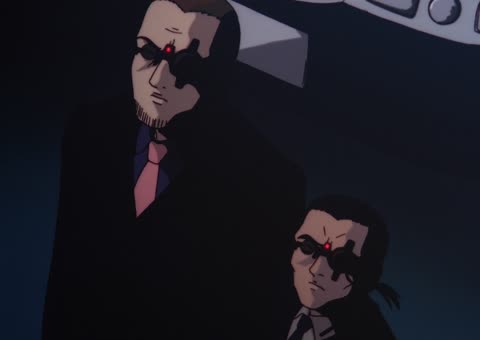
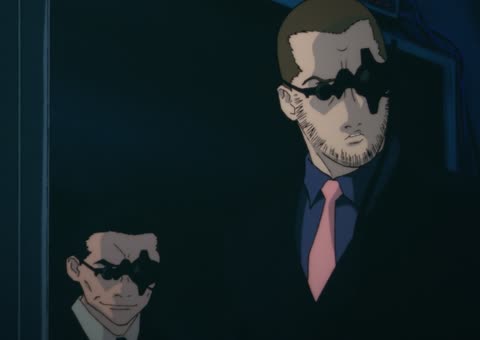
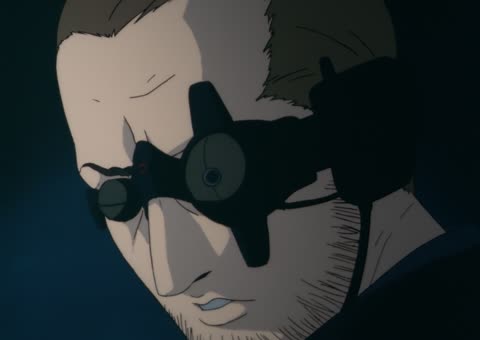
FAN Karl Haushofer and Lin Sui-Xi — among the only consistently colour-saturated figures in the muted palette — visually lift from Lagos in Neal Stephenson's Snow Crash: the same asymmetric-lens specs ("one lens looking more complex than the other"), the same field-agent silhouette. "Karl Haushofer" is also the historical Nazi-occultist name (1869–1946), a separate reference layer the wiki notes without elaboration. lain.wiki/Men_in_Black.
| Role | Actor | Notes |
|---|---|---|
| Lain Iwakura | Kaori Shimizu (清水 香里) | The performance Shimizu is most identified with. Her career thinned considerably after the early 2000s — by the time the show became canonical online she had largely stepped out of the industry, which has its own gravity for fans. |
| Alice Mizuki | Rio Natsuki | The voice of the show's emotional centre. Notable elsewhere as Sumire Kanzaki (Sakura Wars, 1996–2001). |
| Eiri Masami | Shō Ryūzanji (竜山寺 蕭) | A veteran character actor often cast in cult/heavy roles. |
| Reika Yamamoto | Ayako Kawasumi | One of her early significant credits — she would go on to voice Saber (Fate/stay night) and Lafiel (Crest of the Stars). |
| Mika Iwakura | Yoko Asada | Lain's older sister; the household scenes use her voice as the only consistent register of the "outside-Lain" world. |
| Role | Actor | Notes |
|---|---|---|
| Lain | Bridget Hoffman (credited as Ruby Marlowe) | The dub leans on Hoffman's flatness — a directorial choice, not a limitation. It matches the brightness data: Lain is the one register the show withholds energy from. |
| Alice | Sherry Lynn | |
| Eiri Masami | Bob Papenbrook |
Director — Ryūtarō Nakamura (1955–2013). Lain was the work that defined his register — his other touchstones were Kino's Journey (2003) and Ghost Hound (2007). His films lean on stillness and ambient sound; Lain's long held shots and refusal to cut on action are the same hand.
Series Composition / Scripts — Chiaki J. Konaka. A writer with a clear thematic lane: Bubblegum Crisis, Devilman Lady, The Big O, Hellsing (2001), Texhnolyze, Despera. The interest in identity-as-protocol, occult-rationalist conspiracies, and language-as-corruption runs through all of them. Lain is the cleanest expression.
Character Design — Yoshitoshi ABe. ABe was a relative unknown; producer Yasuyuki Ueda found him through his personal website (per Ueda + ABe's 2005 ANN interview). Lain's design is deliberately asymmetric — note the off-centre forelock — and the bear-pyjamas were not ABe's idea but chief animation director Takahiro Kishida's, defended in the storyboards by Nakamura as a "confrontation-shield" motif.
Producer — Yasuyuki Ueda. Pioneer LDC. Ueda's direct creative input is unusual for a producer credit — multiple interviews position him as the originating force behind the show's premise.
Music — Reiichi Nakaido (中井戸 麗市, b. 1950), nicknamed Chabo. Ex-RC Succession guitarist; his score is sparse and ambient, a deliberate withdrawal of musical drama in line with Nakamura's directorial register.
Opening — "Duvet" by Bôa. Bôa is a UK rock band; "Duvet" had been recorded for their 1998 album Twilight before Lain's licensing came up. Konaka's stated reason for the choice is that Jasmine Rodgers' English lyrics, sung the way she sings them, sound Japanese to a Japanese ear — an accidental alignment with the show's "language is unstable" thesis. The widely-repeated claim that J.J. Burnel of The Stranglers was involved is uncited fan attribution; no primary source supports it.
Ending — "Tōkyō" by Wasabi. Sometimes mis-credited to Cibo Matto.
Founded January 1987 by Yoshimi Asari with ex-Madhouse staff. Pre-Lain credits include Roujin Z (1991), Magnetic Rose / Memories (1995, segment), and Hyper Police (1997). Triangle Staff dissolved in December 2000 — a little over two years after Lain finished its broadcast. Their final work, Patlabor WXIII, was completed at Madhouse for 2002 release.
The studio's brevity is part of why Lain feels frozen in time. There is no Triangle Staff "second act" to compare it to. The team that made it scattered.
Compiled 2026-05-05 for the /lain/ deep-dive page on anime-barcodes. All citations checked; quotes labeled "couldn't verify" where the original source could not be loaded directly.
---
After ~28 years, r/Lain, lain.wiki, lainchan and Tumblr/TikTok "lainpilled" circles have converged on a small set of shared readings. The agreed-on core: Lain (the show) is about identity dissolving into the network, predicted social-media psychology a decade early, and treats the Wired/real-world boundary as a single membrane rather than two domains. Yuxi Liu's widely-cited essay puts the consensus crisply — Lain is "the collective subconscious, implemented as a neural network, with every human brain as a neuron" (yuxi.ml, 2022). The Schumann-resonance mechanism, the Apple/Tachibana visual rhyme, and the bear-pajamas-as-armor reading are all settled fan canon. So is the basic Eiri arc: he believes he became God of the Wired by encoding Schumann frequencies into Protocol 7; Lain refuses to validate him; he ceases to be God the moment she stops believing.
What fans keep arguing about: (1) Who/what Lain is in Layer 13 — third-person AI, fragmented Jungian persona, or genuine deity who pre-exists Eiri's claim. (2) Whether the white-room ending is hopeful (everyone connected, "I'm everywhere") or tragic (a self-erasing god condemned to perpetual loneliness). (3) Whether Eiri is a villain, a tragic prophet, or just the show's loudest red herring. (4) The Knights of the Eastern Calculus: organized cult, distributed-systems metaphor, or Konaka/Discordian in-joke (the Knights' name and "fnord"-style imagery are routinely flagged as references to The Illuminatus! Trilogy). (5) Whether the show endorses or critiques techno-gnosticism — Maude's "A Wired God" (2021) reads it as sincerely pantheist; The Ringer's Justin Charity (2018) reads it as a warning about compulsive posting.
Tone-wise, the community oscillates between two registers: the genuine philosophical-essay register (Medium, Substack, WordPress longreads) and the "lainpilled" meme register (TikTok, lainchan, /a/ threads). The 2023 MyAnimeList hack — where a user rewrote every anime title on MAL to "Let's All Love Lain" — is the moment those two registers visibly collided in mainstream tech press.
---
These are the lines fans quote most. Layer numbers verified against the Fandom wiki and lain.wiki episode pages where possible.
1. "Present day, present time! HAHAHAHAHA!" — Recurring opening dateline, every Layer (the laugh appears most distinctly at the start of Layer 01). Treated as the show's signature stinger; fans note it becomes ironic once Layer 13 reveals the world has been reset. Source: https://shibirerudarou.wordpress.com/2018/07/08/present-lain-present-time/ · 2018.
2. "No matter where you go, everyone's connected." — Lain, recurring; the line gets reused in the OST track of the same name. Frequently quoted as the show's thesis. Source: Maude, "A Wired God," https://godphone.substack.com/p/a-wired-god · 2021-08-25.
3. "And you don't seem to understand." — First line of "Duvet" by Bôa, the OP. Fans deploy it ironically against viewers confused by the show. Source: TVTropes YMMV page, https://tvtropes.org/pmwiki/pmwiki.php/YMMV/SerialExperimentsLain.
4. "Am I here? Or am I there? Over there, I'm everywhere... But where is the real me?" — Lain, Layer 13 ("Ego"). Source: Colin Newton, https://idolsandrealities.wordpress.com/2018/10/07/a-critical-analysis-of-serial-experiments-lain-episode-13-ego/ · 2018-10-07.
5. "If you aren't remembered, you never existed." — Alice, paraphrased in Layer 13. The line anchors most ego-philosophy readings of the finale. Source: same Newton essay above; same line cited verbatim by Beneath the Tangles episode 13 revisit (2018-10-19), https://beneaththetangles.com/2018/10/19/serial-experiments-lain-revisited-episode-13/.
6. "In this world, people connect to each other, and that's how societies function. For communication, you need a powerful system that will mature alongside your relationships with people." — Lain's father, Layer 02 (NAVI installation scene). Source: Justin Charity, The Ringer, https://www.theringer.com/2018/07/09/tv/serial-experiments-lain-anime-20-years · 2018-07-09.
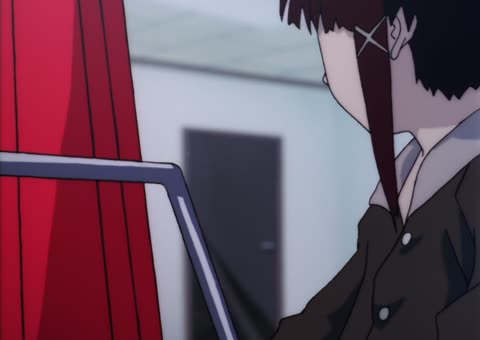
7. "First, you create a need, then you take it away. This is control." — Eiri-philosophy paraphrase, frequently quoted as the show's manipulation thesis. Source: Yuxi Liu, https://yuxi.ml/essays/posts/serial-experiments-lain/ · 2022-11-01 (line attributed to Eiri's manipulation logic; couldn't verify whether it is verbatim from the show or Liu's paraphrase).
8. "You don't have a body." — Eiri to Lain (Layer 09 / Layer 12). Could not verify the exact verbatim line from a primary transcript in this pass; flagged as widely-quoted but unverified.
---
Reading 1 — Hacker cult: A secret society of programmers worshiping Eiri as God of the Wired, distributing the Psyche chip to physically wire humans into the network. lain.wiki, https://lain.wiki/wiki/Schumann_Resonances: Eiri "led the Knights of the Eastern Calculus to distribute the Psyche chip to fulfill his ideal of connecting the human race into a neural network for the Earth."
Reading 2 — Discordian/Illuminatus reference: The name and the Eastern-mystical framing are commonly read as Konaka winking at Robert Anton Wilson. (Frequently asserted in r/Lain threads and TVTropes; couldn't verify a Konaka interview confirming it.)
Standard reading (TV Tropes, Fandom wiki, Maude): Eiri is a Tachibana Labs engineer who encoded Schumann frequencies into Protocol 7 to make himself a "god" — a disembodied consciousness in the Wired. Lain dethrones him by withdrawing belief: "All the Knights of the Eastern Calculus, Eiri's followers, commit suicide and Lain claims that Eiri is no longer God because he has no remaining followers." Source: https://lain.fandom.com/wiki/Masami_Eiri.
Minority reading: Eiri is a stand-in / acting god holding the seat for Lain herself, the real godhead the Wired was waiting to evolve into — i.e. he's a John-the-Baptist figure who doesn't realize it. Same Fandom page above.
Universal fan reading: 8 Hz / 14 Hz / 20 Hz Earth-ionosphere resonance peaks ≈ human brainwave frequencies, so Eiri's modified Protocol 7 lets the Wired piggyback the planet's EM field straight into the brain — no device required. Source: lain.wiki Schumann page; Yuxi Liu (2022): "Lain is the collective subconscious, implemented as a neural network, with every human brain as a neuron, and 'wired together' by some kind of unexplained electromagnetic coupling."
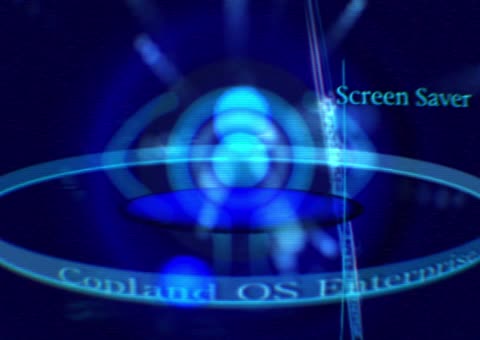
Lawrence Eng's 2009 Infomania piece (https://www.cjas.org/~leng/apple-lain.htm) is the canonical reference. NAVI = "Knowledge Navigator" (John Sculley's Apple concept). Lain's old computer is modeled on the 20th Anniversary Macintosh (1997). Alice's machine is an iMac. The OS is named "Copland" (Apple's failed next-gen OS codename). "Tachibana" (the manufacturer) is a Japanese mandarin orange — i.e. Apple. "Think different" appears in Layer 11. The bedroom NAVI is the moment the Wired reaches into Lain's most private space; fan reading is uniformly that it functions as a "haunted portal" (The Ringer, 2018).
Three converging readings, well-summarized on lain.wiki (https://lain.wiki/wiki/Bear_suit):
Plus a production-trivia reading: bears recur across the work of two staff brothers as a signature.
Couldn't verify the exact verbatim line in this research pass. Fan use of the phrase converges on the show's identity-presence question — the Layer 13 "Am I here? Or am I there?" line (above) is the one most commonly miscited as "are you really there?".
Convergent reading (Newton 2018; Beneath the Tangles 2018; lain.wiki Layer 13): Lain resets reality so she never existed; the oversaturated white sky represents the blank space where she used to be in everyone's memory. The disagreement is over tone: Newton reads it as a tragic ego-erasure ("an ego only exists with an outside world to reflect it"); Maude reads it as a transcendent ascent ("she persists in every cable, terabyte, and electrode").
---
1. Yuxi Liu — "Serial Experiments Lain" · 2022-11-01 (rev. 2023-12-01). https://yuxi.ml/essays/posts/serial-experiments-lain/. Most-cited "neural network of brains" technical reading. Quote: "A person is a very special kind of information, realized in a very special way."
2. Justin Charity — "The Terrifyingly Prescient Serial Experiments Lain, 20 Years Later" · The Ringer · 2018-07-09. https://www.theringer.com/2018/07/09/tv/serial-experiments-lain-anime-20-years. The mainstream-press long-read; frames Lain as a prophecy of compulsive posting: "They can't stop posting."
3. Maude — "A Wired God" · GODLIVESINMYCELLPHONE Substack · 2021-08-25. https://godphone.substack.com/p/a-wired-god. Pantheist / Gaia-hypothesis reading. Treats Lain as "the conscious voice of God" in the Wired, with Eiri as a false claimant.
4. Cillian Paberos — "No, YOU Don't Seem to Understand: A Serial Experiments Lain Deep Dive" · Mutated Manticore Machinations / Medium · 2025-06-17. https://medium.com/mutated-manticore-machinations/no-you-dont-seem-to-understand-a-serial-experiments-lain-deep-dive-316bf35927b9. Discord-era re-reading. Quote: "everything is fake, nothing is real, and Lain was just the first to have the nights we've all spent, yapping in Discord for hours."
5. Cillian Paberos — "Wired Wrap-up: An Endcap to Serial Experiments Lain" · Medium. https://medium.com/mutated-manticore-machinations/wired-wrap-up-an-endcap-to-serial-experiments-lain-cbf5919c421b. Companion piece; covers the finale.
6. Colin Newton — "A critical analysis of Serial Experiments Lain – Episode 13 'Ego'" · Idols and Realities · 2018-10-07 (rev. 2018-12-02). https://idolsandrealities.wordpress.com/2018/10/07/a-critical-analysis-of-serial-experiments-lain-episode-13-ego/. The standard ego-philosophy reading of Layer 13.
7. Lawrence Eng (with John Garza) — "Infomania: What is the relationship between Apple and lain?" · cjas.org · last updated 2009-11-21. https://www.cjas.org/~leng/apple-lain.htm. The exhaustive Apple-references catalogue. Anchor citation for any NAVI/Tachibana/Copland claim.
8. Günseli Yalcinkaya — "Are you lainpilled? How Serial Experiments Lain took over the memescape" · Dazed · 2022-11-24. https://www.dazeddigital.com/life-culture/article/57533/1/serial-experiments-lain-lainpilled-cyberpunk-memes-tiktok. The reference for the TikTok / femcel / pandemic-era resurgence. Quote: "during the pandemic, a lot of people were living a Lain-esque life, shut-in and seeking out connections online."
---
1. "Let's All Love Lain" — Repeated phrase from the show, weaponized as a fandom slogan. Spread on imageboards mid-late 2000s; achieved mainstream press coverage when a malicious user hacked MyAnimeList on 2023-05-10 and rewrote every anime title to "Let's All Love Lain" plus inflated SEL's ratings to only "very good / great / masterpiece." Source: Isaiah Colbert, Kotaku, 2023-05-12. https://kotaku.com/myanimelist-mal-hack-serial-experiments-lain-maintenanc-1850432377. (Note: "three-day shutdown" and similar specifics circulate widely but I couldn't fully verify duration in this pass — Kotaku confirms the hack and the title-rewrite.)
2. Cyberia rave loop / "dancing Lain" — The Layer 02 nightclub scene. Heavily GIF'd; used as a "dissociation" reaction image. Sewerslvt's track "Cyberia Lyr1" sampled the "everyone's connected" scene — (https://www.whosampled.com/sample/797233/) — and pulled the visual back into music-Twitter / TikTok rotation circa 2020-2021. Cited in Dazed (Yalcinkaya, 2022).
3. "And you don't seem to understand" — OP lyric used as a snarky reply to anyone confused by the show. Documented on TVTropes YMMV: "often applied to viewers confused by the Mind Screw story." https://tvtropes.org/pmwiki/pmwiki.php/YMMV/SerialExperimentsLain.
4. "Lainpilled" — TikTok/Twitter umbrella for surreal-disassociation posting in Lain aesthetic. ~29M TikTok hashtag results as of late 2022 (Dazed). Has become broader internet shorthand for terminally-online dissociation, beyond Lain-the-show.
5. Devil-horns silhouette — Lain's silhouette with the antenna-horn shadow from Layer 02 / Layer 04 imagery. Widely circulated as an avatar / icon. (Standard fan iconography, no single canonical citation.)
6. "Duvet" by Bôa — The OP became a TikTok sound in mid-2021 and triggered the Gen-Z resurgence of the show. Multiple sources, e.g. KnowYourMeme entry above.
---
There is no single canonical episode-by-episode guide the community agrees on, but these are the most-cited:
1. lain.wiki — https://lain.wiki/. The community-edited reference. Per-Layer pages, plus topic pages (Schumann, Bear suit, Knights, etc.). Treated as the de-facto encyclopedia.
2. Lain Fandom wiki — https://lain.fandom.com/. Per-Layer summaries (Layer 01 through Layer 13). More plot-summary, less interpretive than lain.wiki.
3. Idols and Realities (Colin Newton) — Episode-by-episode critical analysis series, 2018. Layer 01 ("Weird"): https://idolsandrealities.wordpress.com/2018/07/07/a-critical-analysis-of-serial-experiments-lain-episode-1-weird/. Closest thing to a fan-canon longform reading-guide.
4. TheBoronHeist — Per-Layer essays, 2018. Layer 01 "Weird": https://theboronheist.wordpress.com/2018/03/19/weird-serial-experiments-lain-episode-1/; Layer 13 "Ego": https://theboronheist.wordpress.com/2018/04/06/ego-serial-experiments-lain-layer-13/.
5. Beneath the Tangles — "Serial Experiments Lain Revisited" — Episode-revisit series, 2018. Layer 13: https://beneaththetangles.com/2018/10/19/serial-experiments-lain-revisited-episode-13/. Christian/spiritual angle alongside standard readings.
6. Serial Experiments Lain Official Guide (Triangle Staff / Pioneer, December 1998). Companion to the PS1 game. Covers world/character intros, hacking mechanics, staff Q&A. Catalogued at https://lain.wiki/wiki/Serial_Experiments_Lain_Official_Guide. Treated as semi-canonical primary-source material; not a per-episode reading-guide.
---
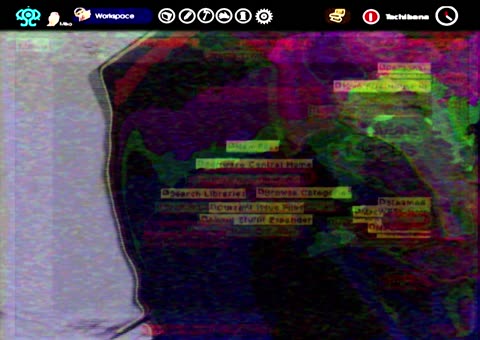
Serial Experiments Lain (1998, dir. Ryūtarō Nakamura, written by Chiaki J. Konaka, character design by Yoshitoshi ABe) was, on release, a commercial disappointment that exited regular Japanese broadcast after 13 episodes. Its second life is the more interesting story. Beginning roughly with the Tumblr-era image-board boom around 2010 and accelerating through the post-vaporwave / weirdcore moment of 2017–2024, Lain became something rarer than a cult favorite: a shared visual grammar for talking about the internet. Specific iconography — the bear pajamas, the green-line CRT terminal, the floating Wired-overlay text, the Powered-By-Apple-Inside Navi tower, the chromatic aberration on telephone wires — entered circulation as detachable signs. Once detached they could be applied to crypto-art collectives (Remilia/Milady, via the SystemSpace ARG that Charlotte Fang briefly touched), to draincore-adjacent music scenes (Bladee, Drain Gang fan visuals), to "lainpilled" schizoposting on alt-Twitter, to webcore/dreampunk Tumblr, and to the broader cyberpunk-revival shelf where studios filed Cyberpunk: Edgerunners, Mr. Robot, and Severance.
The genuinely confirmed downstream lineage is narrower than the fan canon suggests. Konaka and ABe's own follow-ups (Texhnolyze, the still-unfinished Despera) are first-degree descendants — same creators, openly continuous. After that the trail thins quickly into "strongly implied" territory: visual quotation without statements on the record. By the time you reach Frank Ocean Blonde, Severance, or Bladee's mood-boards, what's documented is fan affinity and aesthetic adjacency — not creator-confirmed influence. The Milady/Remilia case is the most-cited "Lain → crypto-art" connection on the open web, and it deserves a careful read: Remilia's own design notes credit Murakami's neochibi, FRUiTS magazine, and Tokyo street fashion, not Lain. Lain enters Charlotte Fang's biography only through her brief 2017–2018 association with the SystemSpace/Tsuki Project ARG, which itself used Lain Iwakura as mascot. So Lain is upstream of Fang the person, but not — by Remilia's own primary documents — upstream of Milady the aesthetic.
| # | Reference | Year | Connection | Status | Source |
|---|---|---|---|---|---|
| 1 | Texhnolyze (Madhouse, dir. Hamasaki) | 2003 | Konaka head writer + ABe character designer reunion; Yasuyuki Ueda explicitly wanted Konaka back after Lain | CONFIRMED | Texhnolyze Wiki interview with Ueda/ABe |
| 2 | Despera (in development) | 2009–present | Third Konaka × ABe collaboration, openly framed as continuous with Lain | CONFIRMED | ANN: Konaka updates Despera, 2021 |
| 3 | Haibane Renmei | 2002 | ABe original; same character-design DNA, same melancholic palette | CONFIRMED (creator continuity, not stated as "Lain influence") | Wikipedia: Yoshitoshi Abe |
| 4 | Hellsing TV (2001–02) | 2001 | Konaka head writer; brought Lain-era horror/occult sensibility | CONFIRMED (same writer, not stated influence) | Wikipedia: Chiaki J. Konaka |
| 5 | Paranoia Agent (Satoshi Kon) | 2004 | Frequently paired with Lain as "psychological-anime canon"; written by Seishi Minakami, not Konaka | FAN-CLAIMED (different creators; thematic only) | CBR comparative essay |
| 6 | Mr. Robot (Sam Esmail) | 2015–19 | Esmail cites The Matrix on the record; Lain is invoked by critics as a cousin influence (loneliness, paranoia, Wired-vs-real). No Esmail quote claiming Lain | STRONGLY IMPLIED | Nerdotopia comparison piece |
| 7 | Cyberpunk: Edgerunners (Trigger / Imaishi) | 2022 | Routinely listed in "watch after Lain" cyberpunk-anime canons; no creator statement crediting Lain | FAN-CLAIMED | CBR cyberpunk anime list |
| 8 | Severance (Apple TV+) | 2022– | Production designer Jeremy Hindle cites Eero Saarinen / mid-century modernism, not anime; fans tag it Lain-adjacent | FAN-CLAIMED | Film Independent: Hindle interview |
| 9 | Black Mirror: Bandersnatch | 2018 | Reality-as-branching-simulation; thematic only, no Brooker statement on Lain | FAN-CLAIMED | Slate review |
| 10 | Devs (Alex Garland) | 2020 | Cyberpunk + determinism themes overlap; Garland cites no anime sources | FAN-CLAIMED | ScreenRant: Devs / cyberpunk piece |
| 11 | SystemSpace / Tsuki Project ARG | 2017–18 | Used Lain Iwakura as mascot; Lain's aesthetics + lore "borrowed heavily" per the Lain wiki | CONFIRMED (ARG → Lain, primary-source on its own banner) | lain.fandom.com: TSUKI Project |
| 12 | Charlotte Fang (personal trajectory) | 2017–18 | Briefly active in SystemSpace community before founding Remilia. NOT documented as a Milady aesthetic input | CONFIRMED biographical link; Lain-→-Milady is FAN-CLAIMED | Web3 Is Going Great, May 2022; Kotaku coverage |
| 13 | Milady Maker / Remilia Corporation | 2021– | Remilia's own design notes credit Murakami's neochibi, FRUiTS magazine, Tokyo street fashion — Lain is not cited | FAN-CLAIMED (the popular "Milady = Lain" claim is not supported by Remilia's primary docs) | Remilia design notes; Palladium profile |
| 14 | Remilia "What Remilia Believes In" manifesto | 2022 | Net-art manifesto; doesn't quote Lain by name (per the Mirror.xyz post) | FAN-CLAIMED for Lain link | goldenlight.mirror.xyz |
| 15 | Bladee / Drain Gang ↔ Lain mashups | ~2019– | "Draincore" pulls from animecore + Y2K + glitch; Lain imagery is fan-paired with Bladee, no Bladee statement on record | FAN-CLAIMED | Aesthetics Wiki: Draincore; Tenor: Bladee/Lain GIFs |
| 16 | Frank Ocean Blonde visual ecosystem | 2016 | Album-tribute fan edits use Akira/Miyazaki imagery; Lain pairings are fan tributes, not Frank Ocean's stated palette | FAN-CLAIMED | Behance: Blonde Anime |
| 17 | "Lainpilled" / schizoposting | ~2020– | Direct, named usage: "lainpilled" = withdrawal-into-the-Wired posture among young women on Twitter | CONFIRMED (term is overtly built on Lain) | Pocketcreature, "Lain-pilled Schizoposting", 2023 |
| 18 | Webcore / dreampunk / weirdcore Tumblr | ~2014– | Lain is a foundational tag set across these aesthetic communities; treated as canon by the Aesthetics Wiki | CONFIRMED (community-canonical, with primary tag sources) | Aesthetics Wiki forum thread |
| 19 | Vaporwave visual canon | ~2012– | Lain shares the 1998-internet-nostalgia substrate; widely sampled by fan artists, no original-vaporwave-artist statement | STRONGLY IMPLIED | Medium: Dark Aesthetic of Lain |
| 20 | Bear-pajama merch / fashion drops | ~2018– | Direct visual lift of Lain's bear suit into streetwear / Redbubble / Etsy; treated as a stand-alone signifier | CONFIRMED (the garment IS the Lain reference) | Night Channels store; Redbubble Lain aesthetic |
| 21 | "Dissociative Pout" / egirl-PFP iconography | ~2019– | Lain's flat-affect close-ups cited by KYM as reference frames in the dissociative-pout / egirl PFP genre | STRONGLY IMPLIED | KYM: Dissociative Pout |
| 22 | Boards of Canada Geogaddi | 2002 | Sometimes paired with Lain in "1998–2002 paranoia/Wired-era" mood boards; BoC's stated influences are cults/Koresh, not anime | FAN-CLAIMED (no anime input cited) | Stereogum 20-year retrospective |
| 23 | Hyperpop / 100 gecs adjacency | ~2019– | Y2K-glitch substrate overlaps with Lain's UI-as-art register; no 100 gecs statement crediting Lain | FAN-CLAIMED | Switched On Pop interview with 100 gecs |
Three things make Lain uniquely re-citable in a way most of its 1998 cohort isn't.
1. The visual register is detachable. Most anime of its era encoded meaning in character animation — bodies in motion. Lain encoded meaning in interfaces: green-line terminal scrolls, Wired overlays, taskbar fragments, telephone-wire chromatic noise, dead-pixel artifacts, low-frame-rate establishing shots that look like surveillance feeds. These read as images-of-the-internet before the internet had any agreed visual vocabulary. By 2014, when Tumblr and webcore were trying to retrofit a visual language for being-online-and-sad, Lain was already there as a finished asset library. You could screenshot a single frame of a Navi tower or a power line and it would do narrative work.
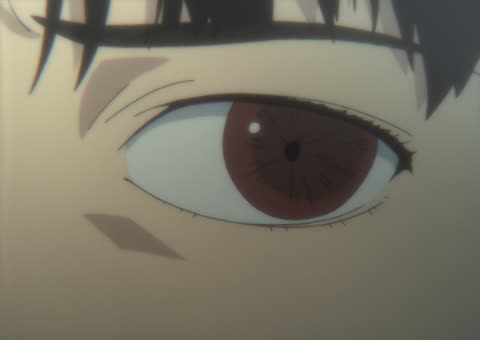
2. The themes pre-empted what the 2010s actually felt like. Konaka's premise — your online self is more real than your physical body, identity dissolves into the network, suicide is reframed as "moving to the Wired" — sounded baroque in 1998 and looked like documentary realism by 2018. Schizoposting, dissociative-pout selfies, "lainpilled" as a self-applied label, Charlotte Fang briefly believing she was negotiating with a simulation god in SystemSpace — these are not metaphors for Lain, they're users running the Lain protocol. The show didn't influence the behaviors so much as forecast them with enough specificity that, when they arrived, Lain was the only ready-made frame.
3. The timing is perfect for nostalgia laundering. 1998 sits in the sweet spot for both Y2K revivalism (CRTs, Windows 98 bevels, Hit Clips, dial-up screech) and post-cyberpunk seriousness (pre-9/11, pre-social-media, the last moment when "the internet" was still a place you visited rather than infrastructure you swam in). That makes Lain legible to two revival cycles at once: the candy-colored Y2K nostalgia loop (which gives you bear pajamas and the title card), and the doomer-cyberpunk loop (which gives you the existential dread). Most reference objects only fit one. Lain fits both, which is why it surfaces in places as different as draincore mood-boards, Milady-adjacent crypto-art (whether or not Remilia themselves cite it), and a Severance discourse comment thread. Few 1998 artifacts get to be cited that promiscuously without burning out.
The risk in the secondary literature — and this is the falsifiable claim worth flagging — is that fans retroactively project Lain onto everything Wired-adjacent. The Milady case is instructive: the popular "Milady is Lain-coded" reading collapses on contact with Remilia's own design notes, which name Murakami and FRUiTS rather than Konaka and ABe. Charlotte Fang touched SystemSpace, SystemSpace touched Lain, therefore Milady is Lain-influenced — that's a transitive-closure argument, not a confirmed citation. Most "Lain influenced X" claims downstream of 2015 follow that shape.

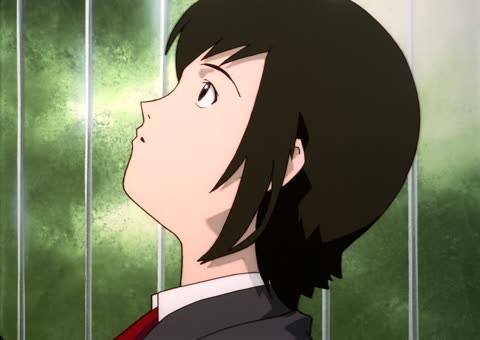
There's a temptation, with a show this written-about, to repeat the takes that already exist. What this page tries to do instead is point a microscope at thirteen episodes and read what the colour and the brightness say before the script does. The two troughs are real. The Protocol pivot is real. The bookend symmetry is real. The Wired didn't need a plot to be the show's antagonist. It was already in the palette.
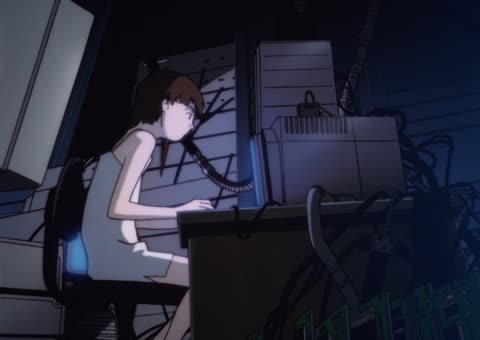
Generated from frame-level analysis of all thirteen Layers, with extracted keyframes, Chart.js spectrogram, OKLab palette mapping, and primary-source research. Aesthetic deference to ABe, Konaka, Nakamura, and the show that taught the internet how to talk about itself.
— present day · present time —