Edit Pace — frame-to-frame color delta (bright = fast cuts)
Color Temperature — warm (gold) vs cool (teal) per frame
Frame Density Comparison — every 2nd vs every 4th frame
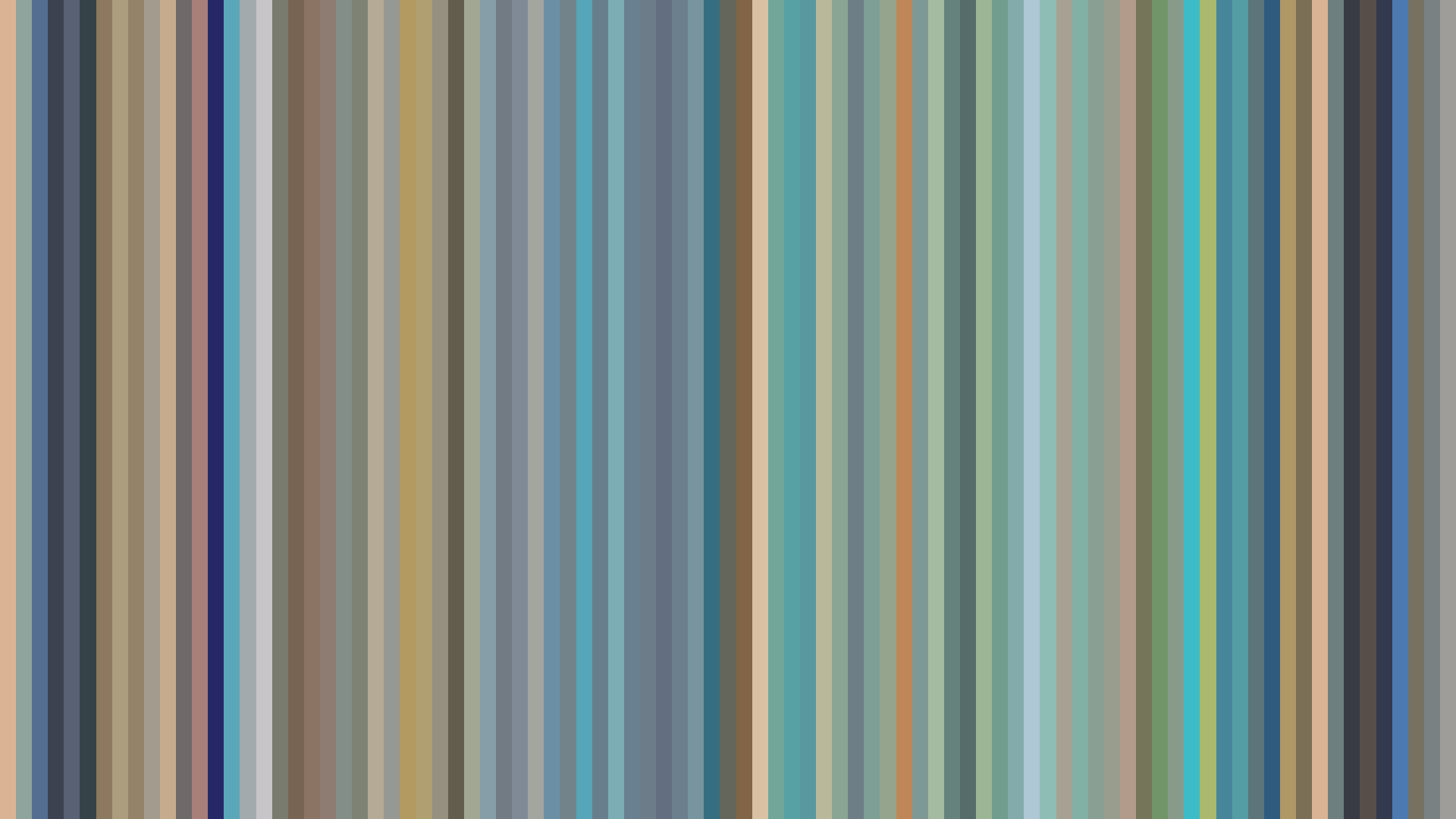
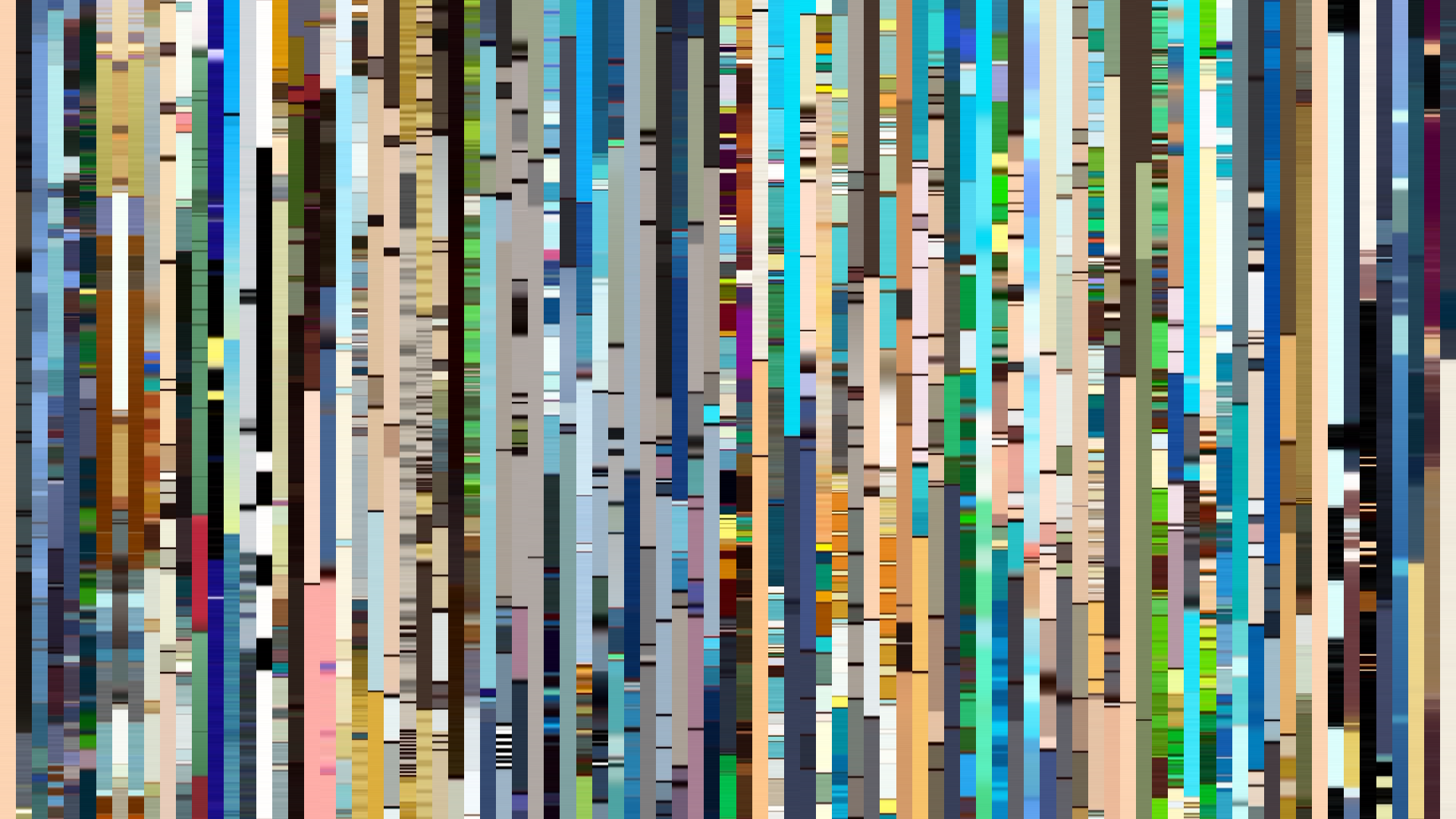
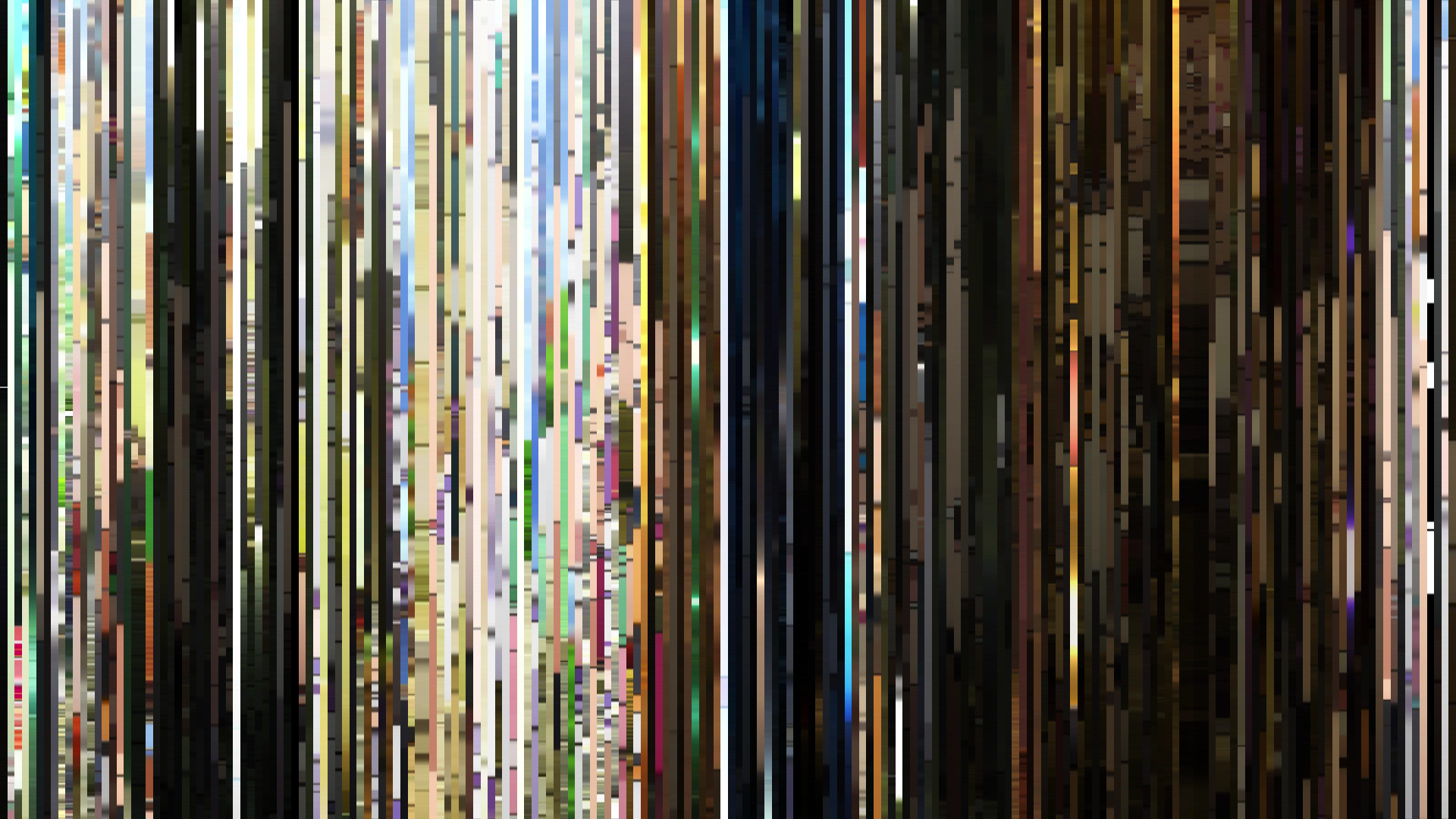
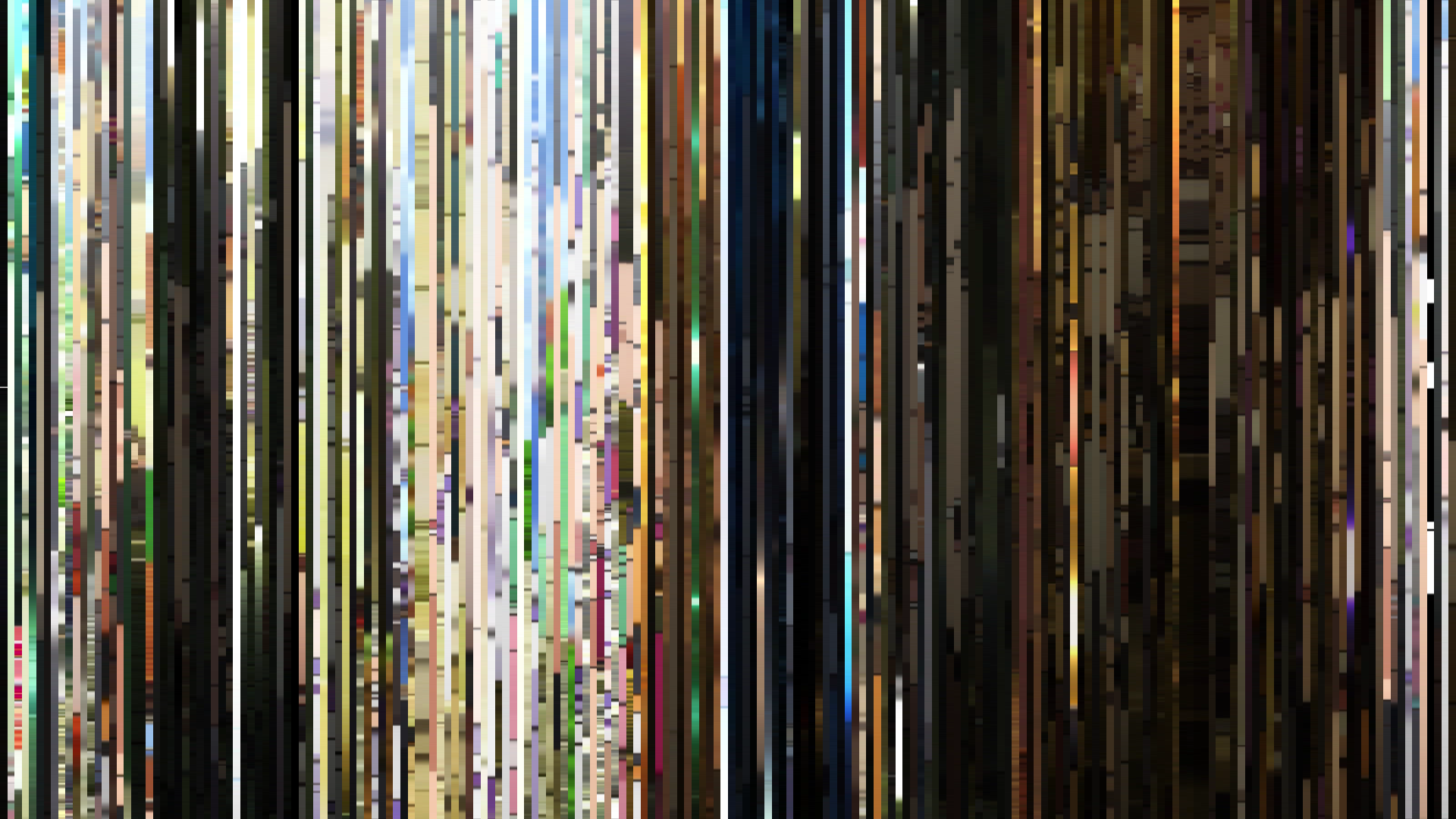
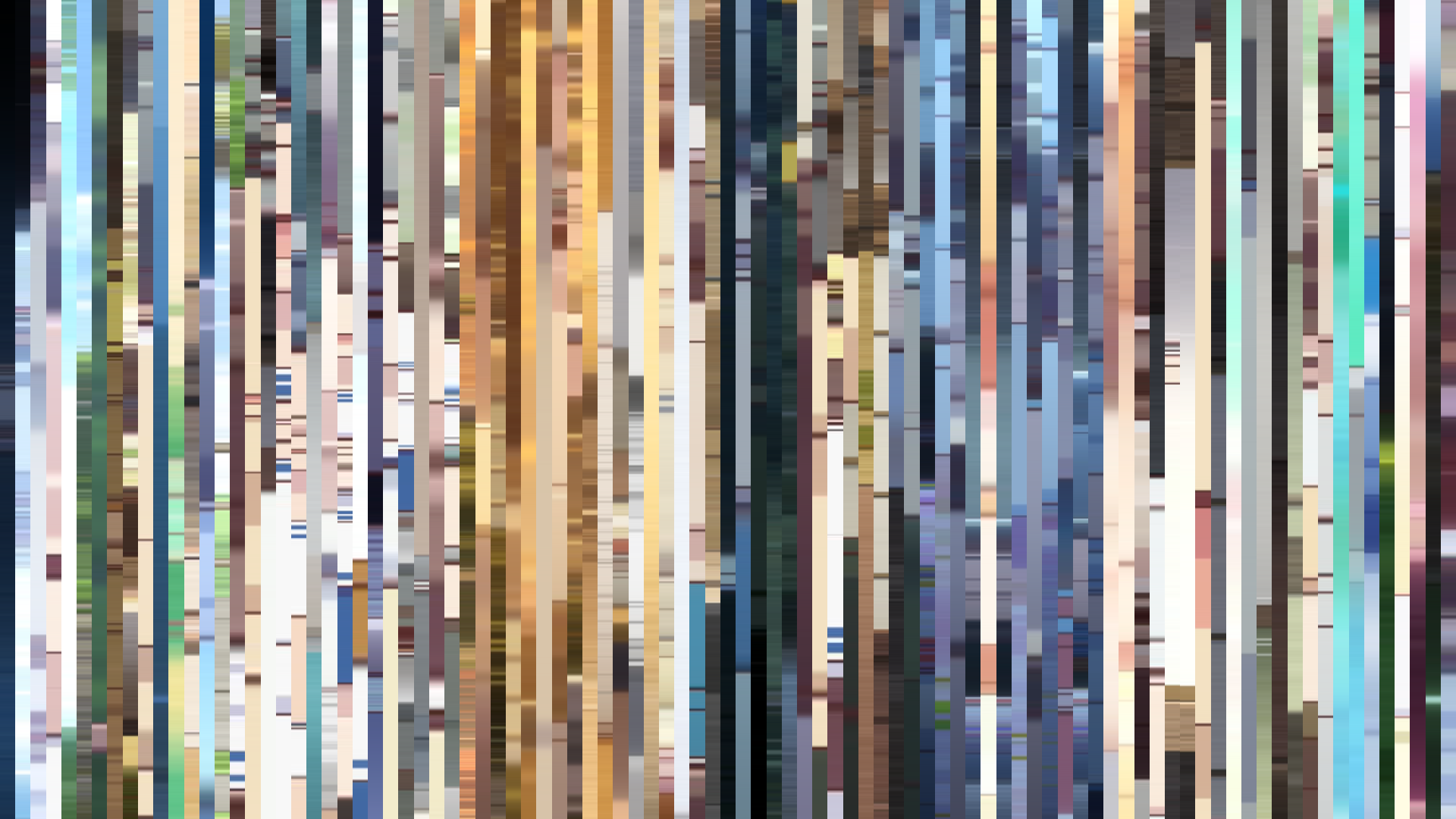
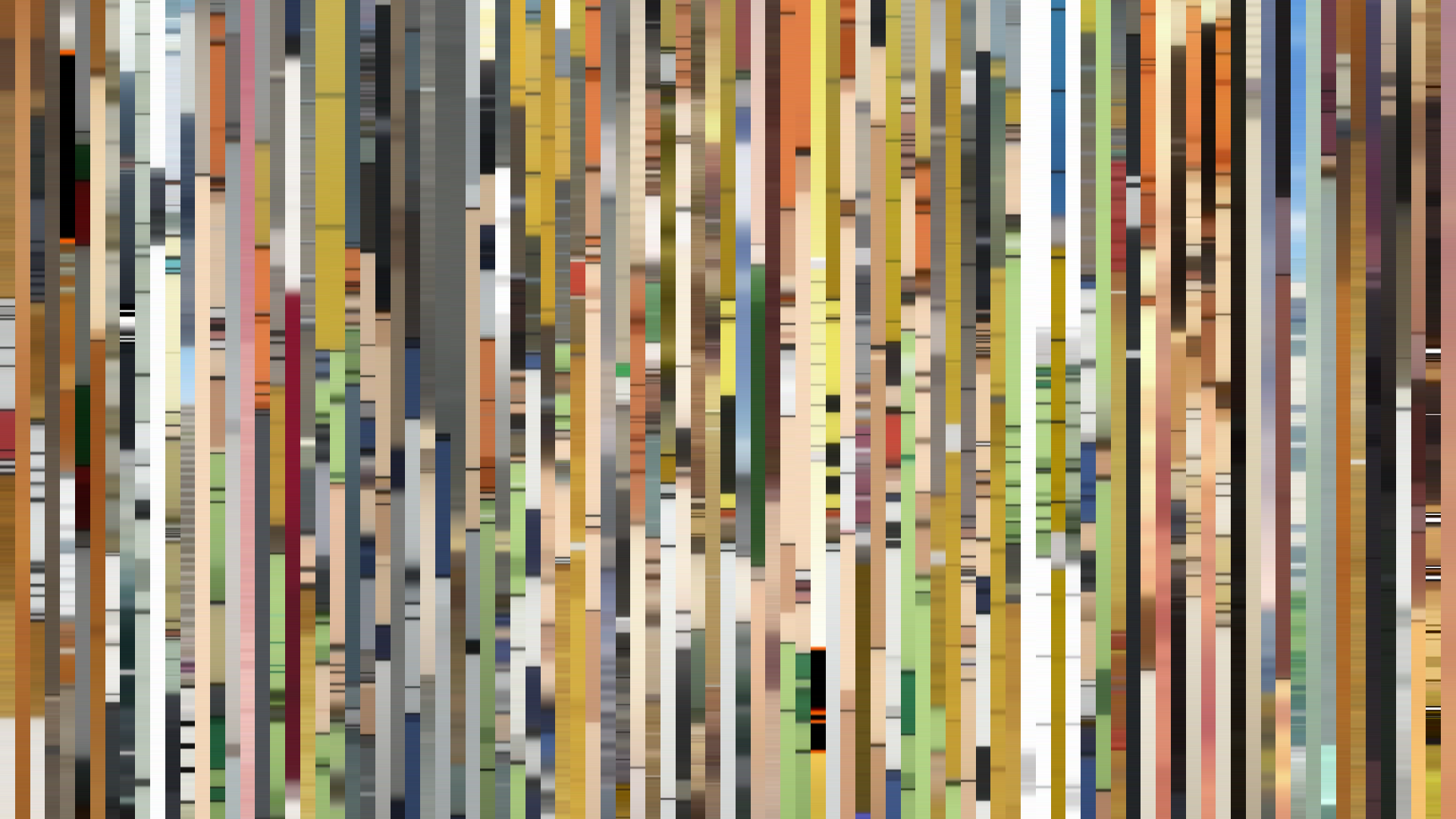
Slice · 15s
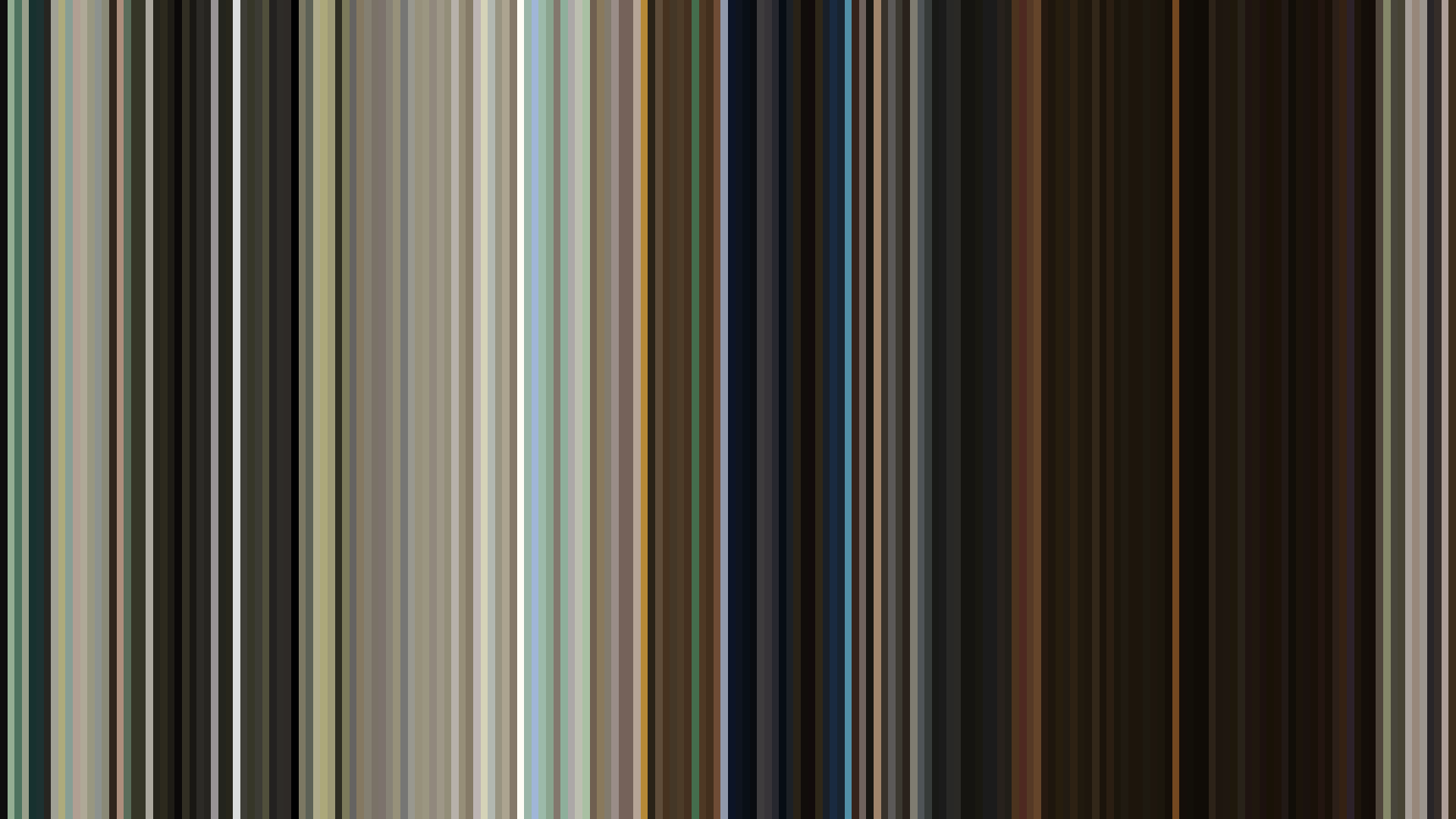
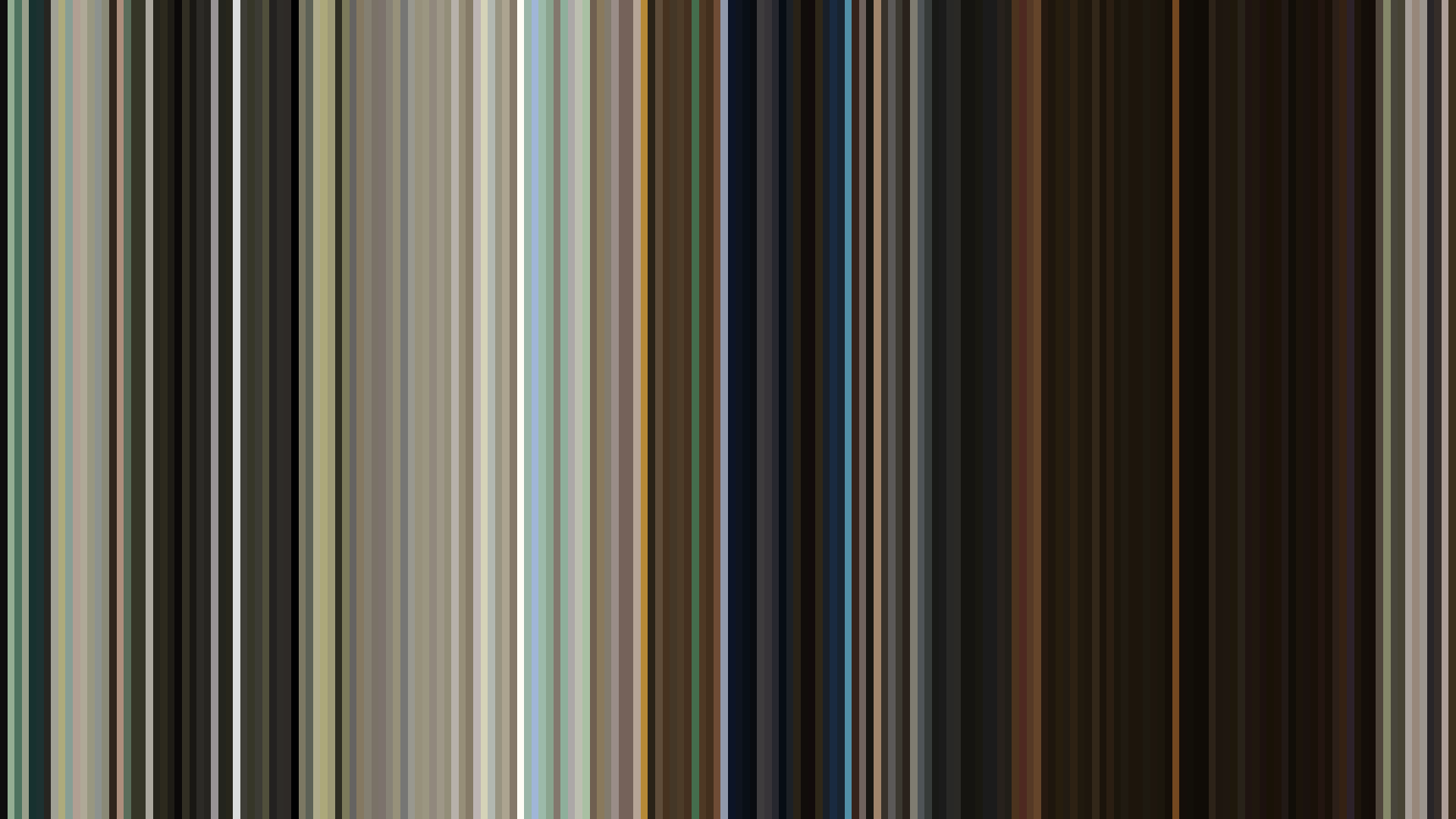
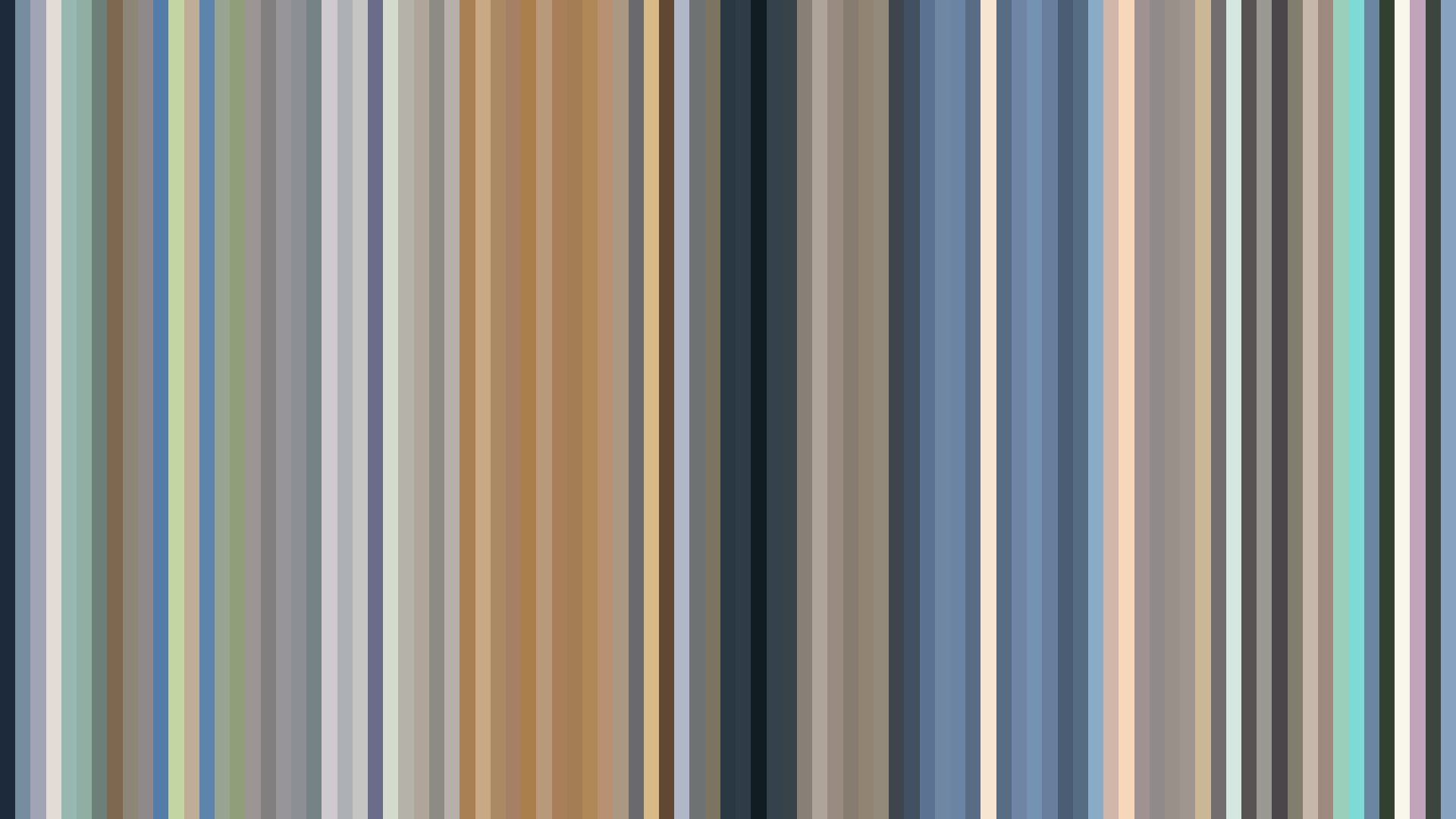
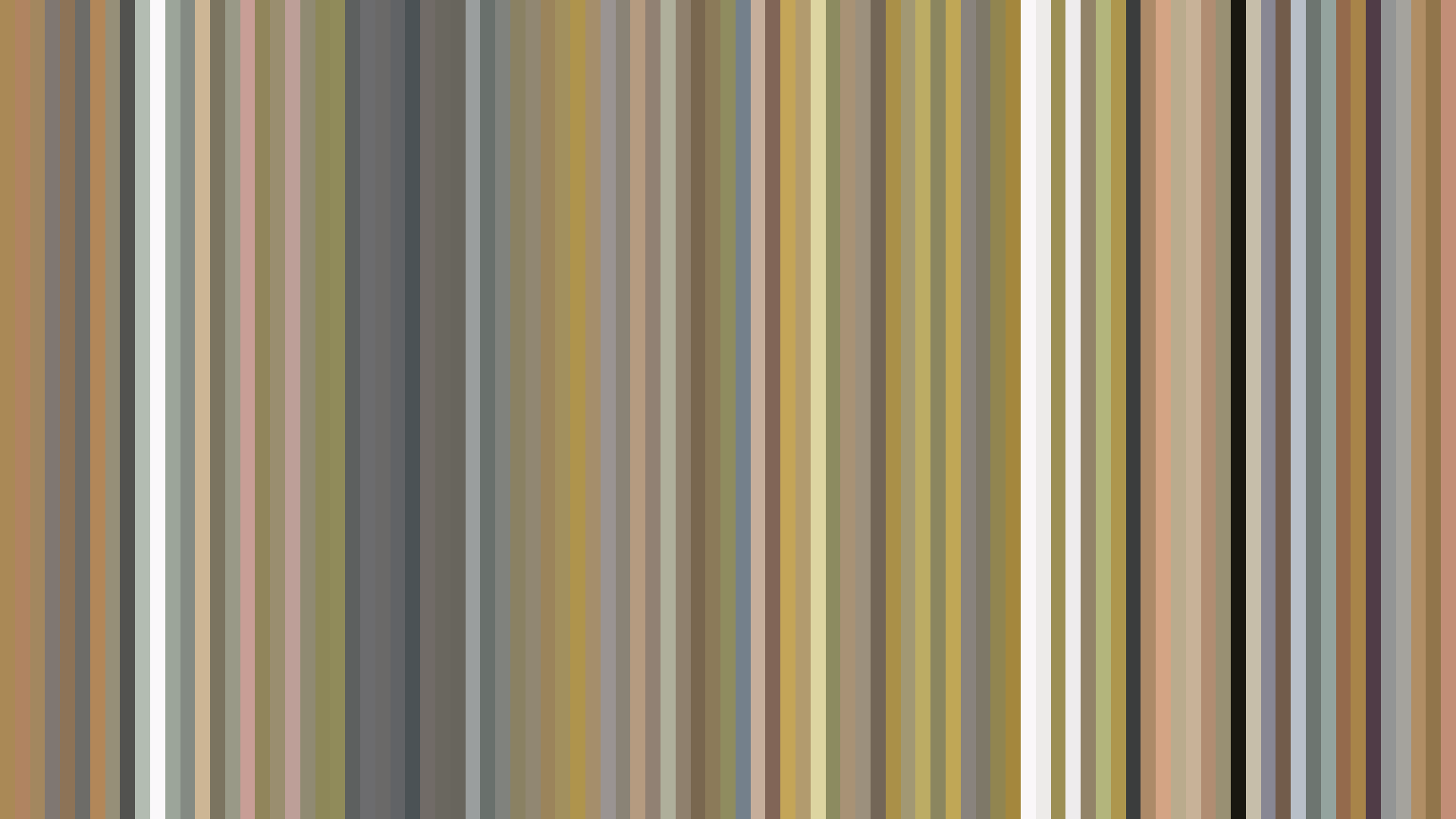
Avg · 15s
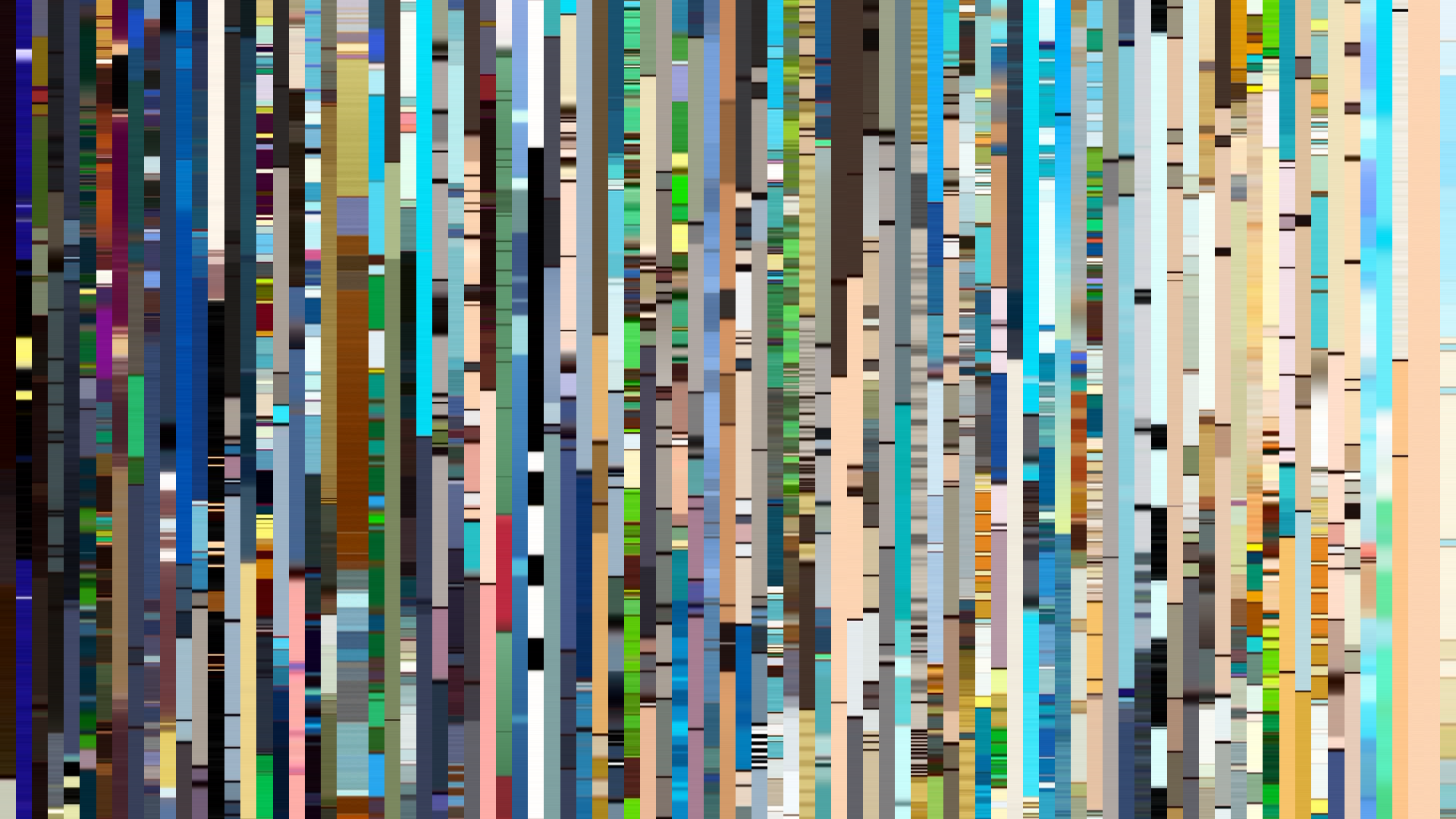
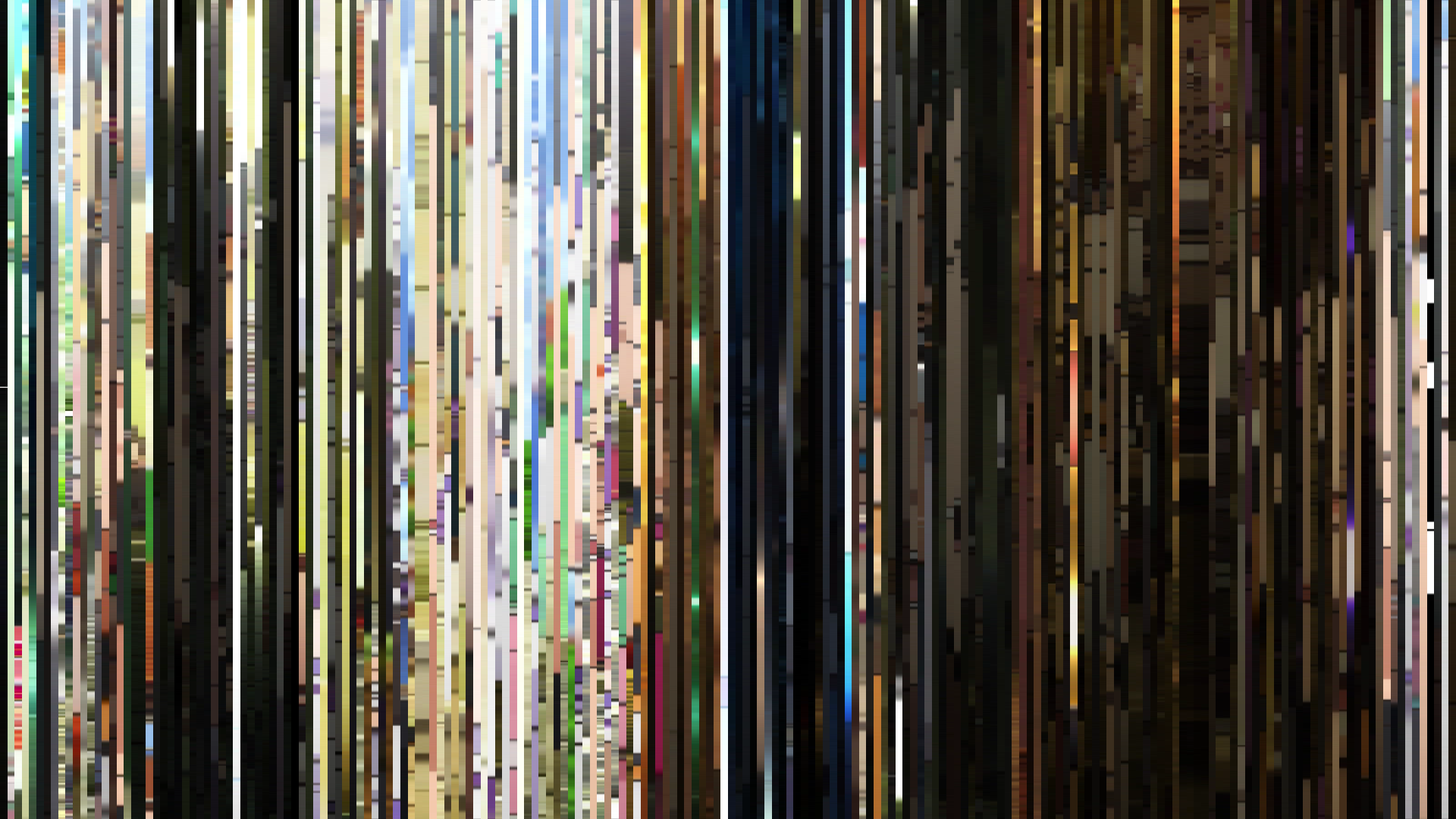
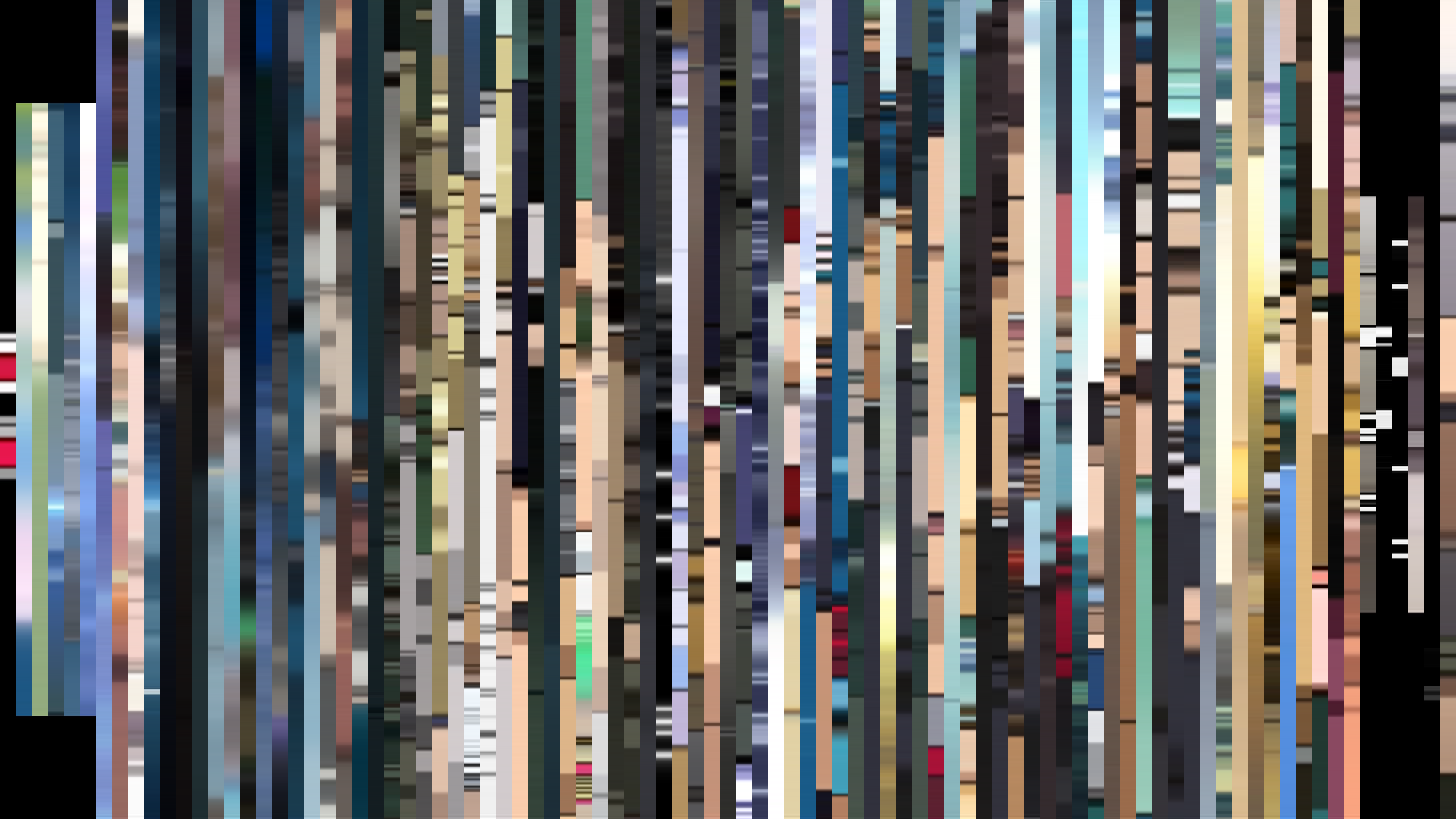
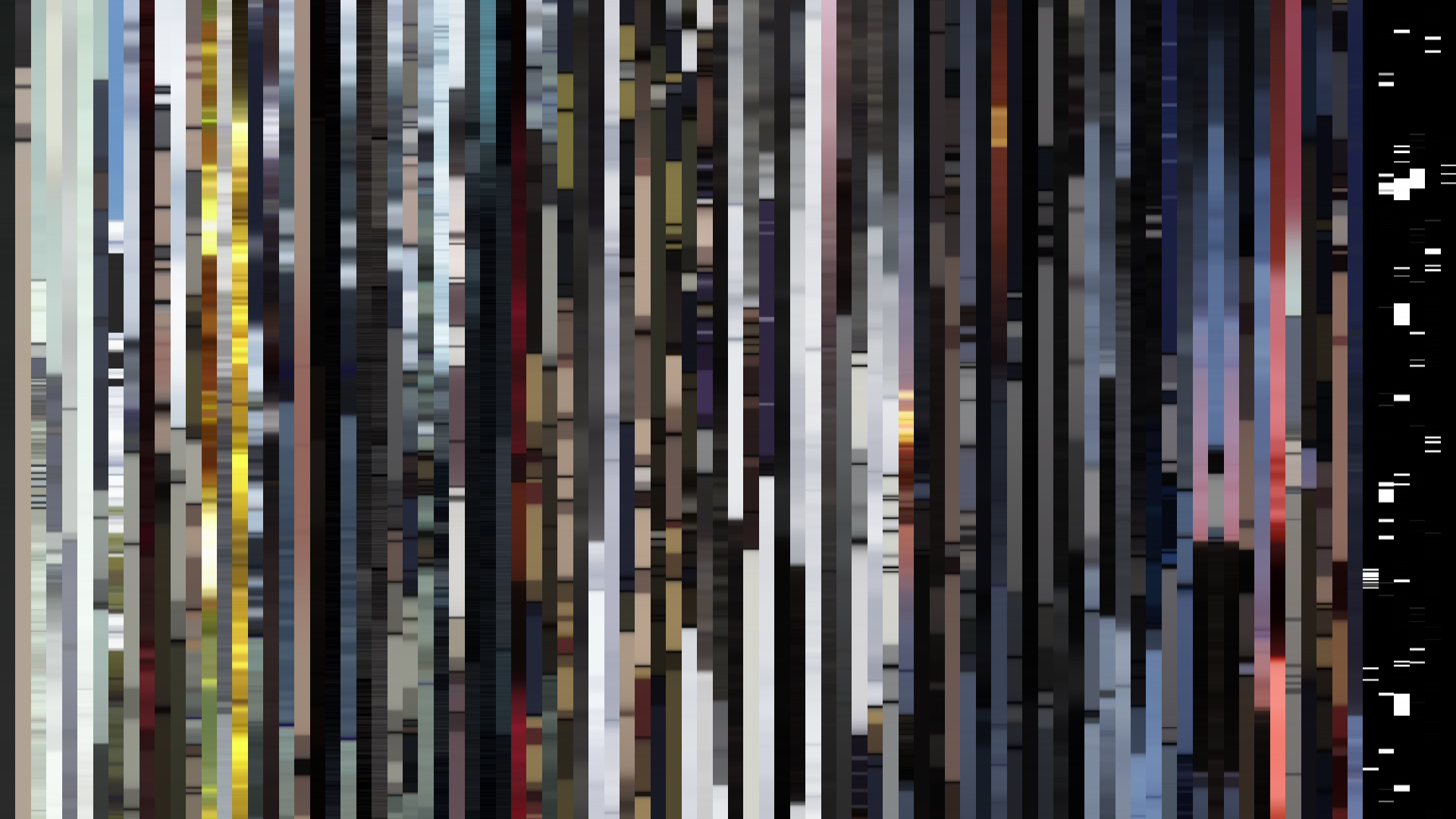
Slice · 30s
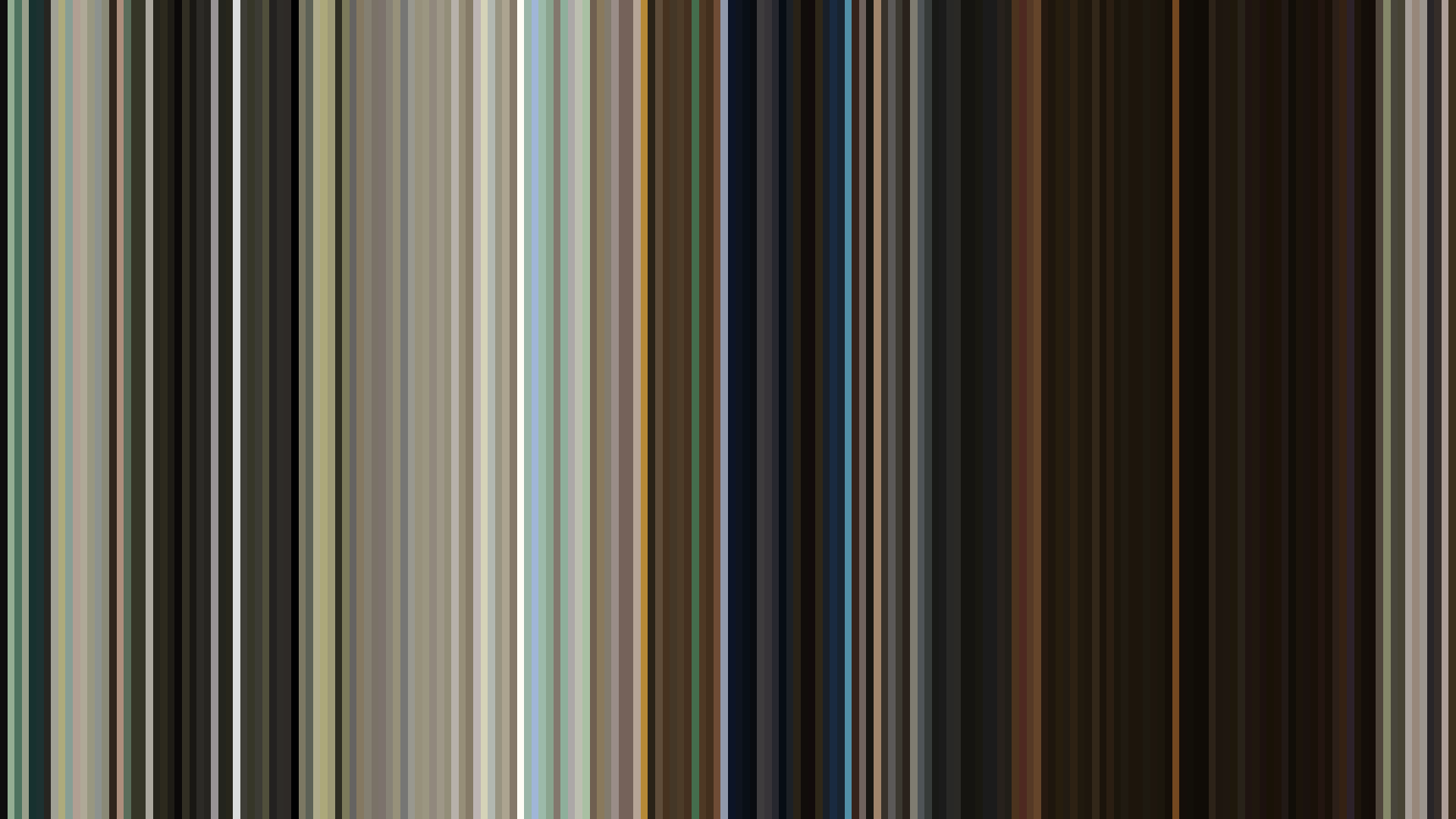
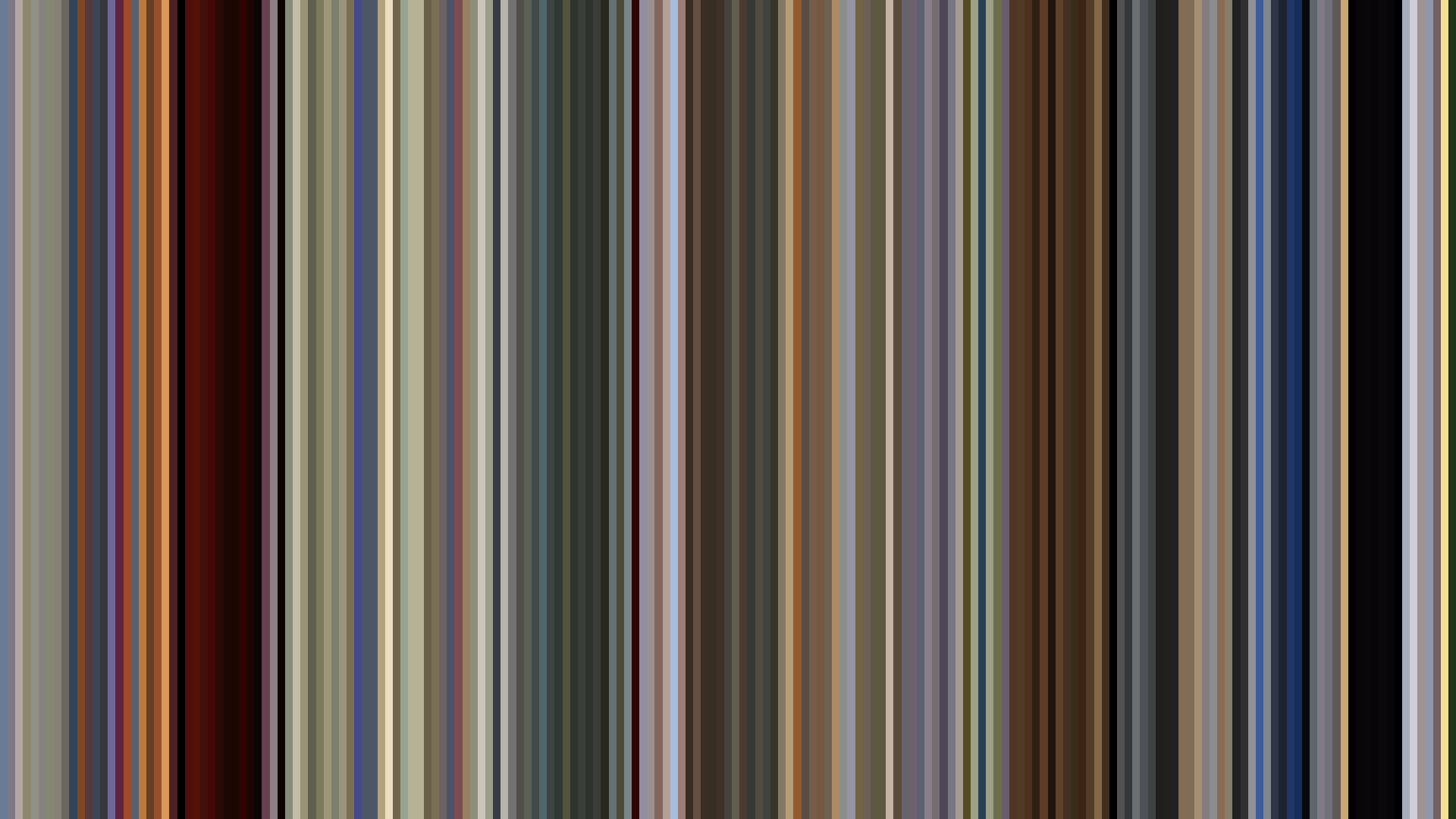
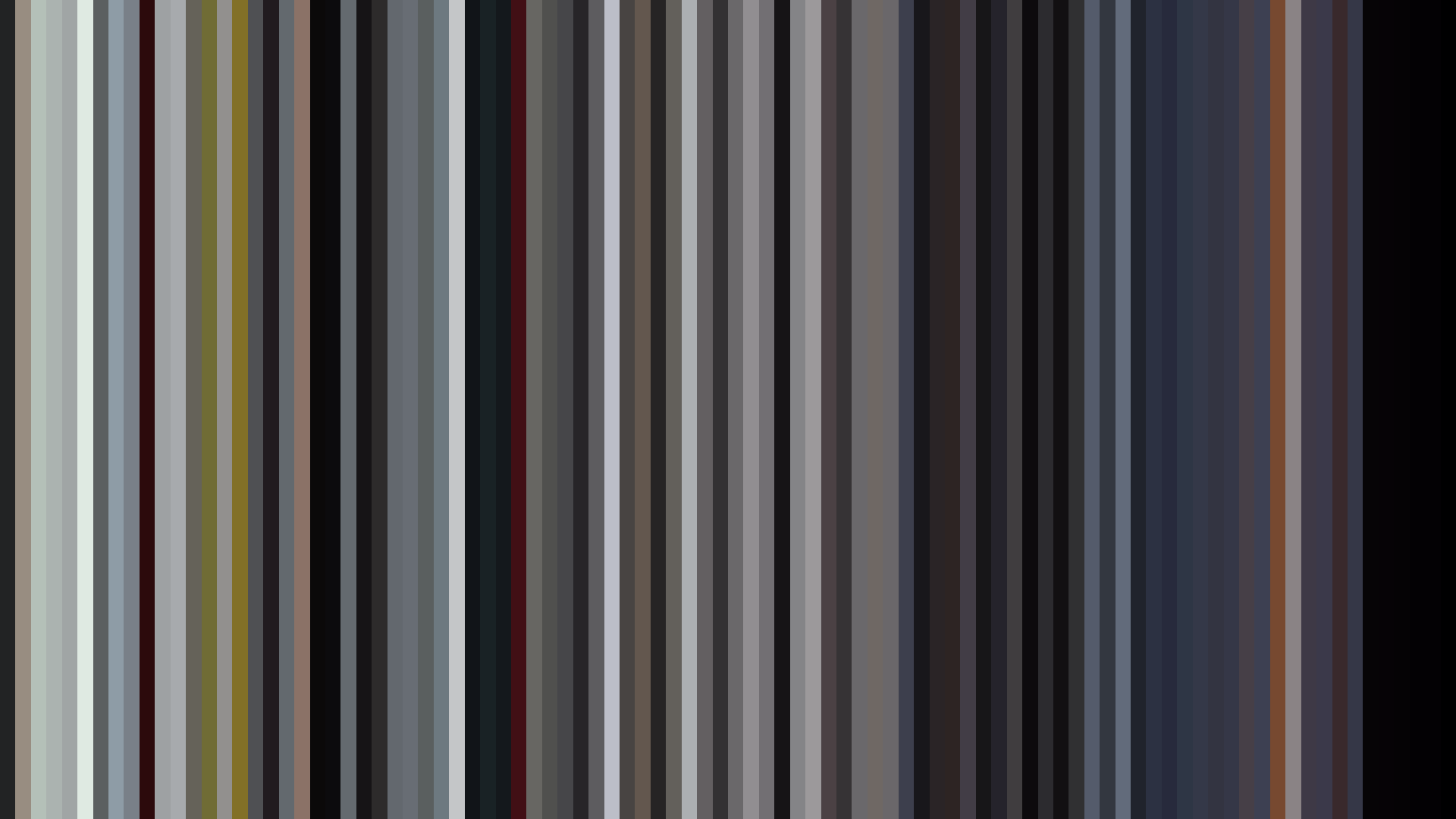
Avg · 30s
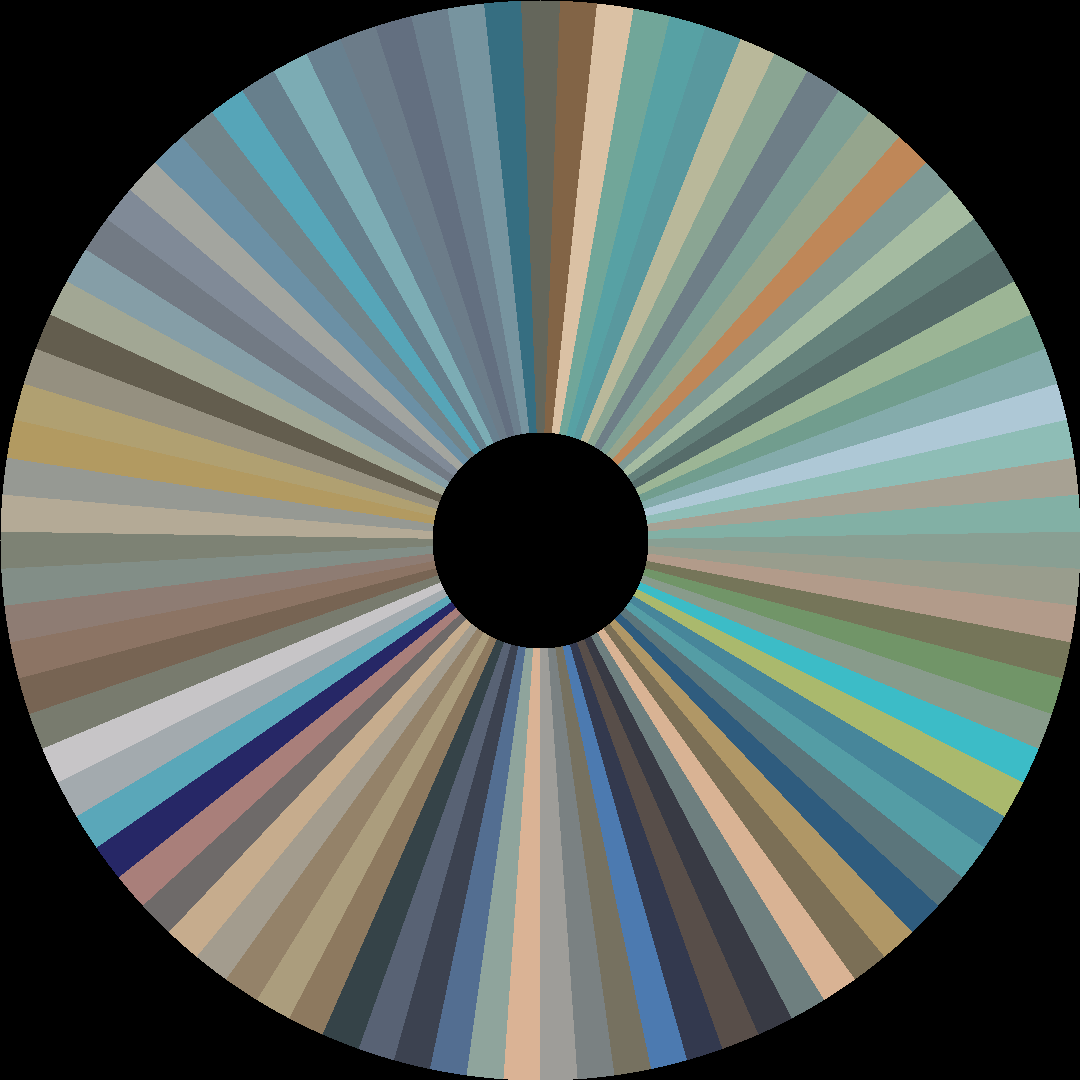
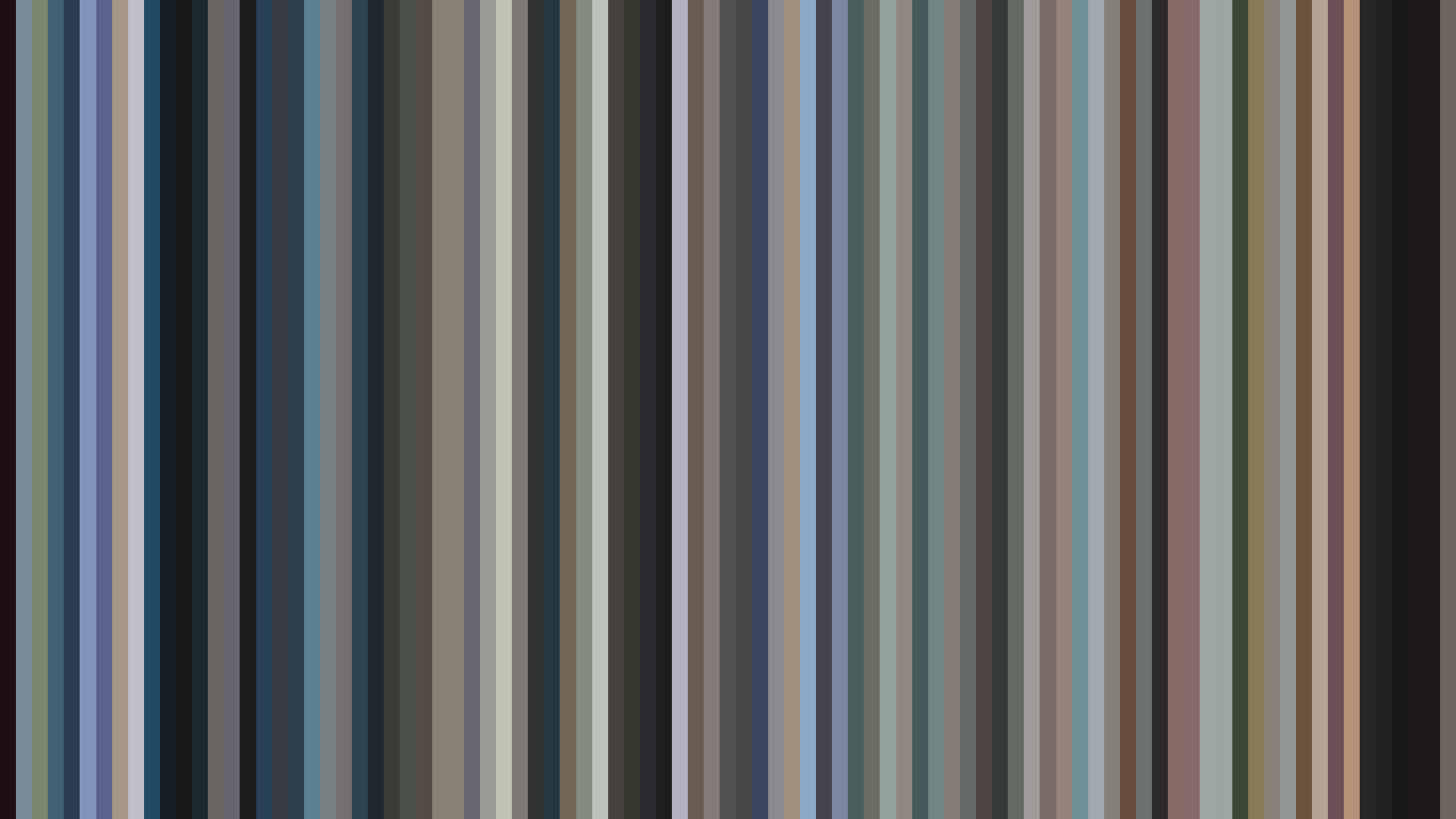
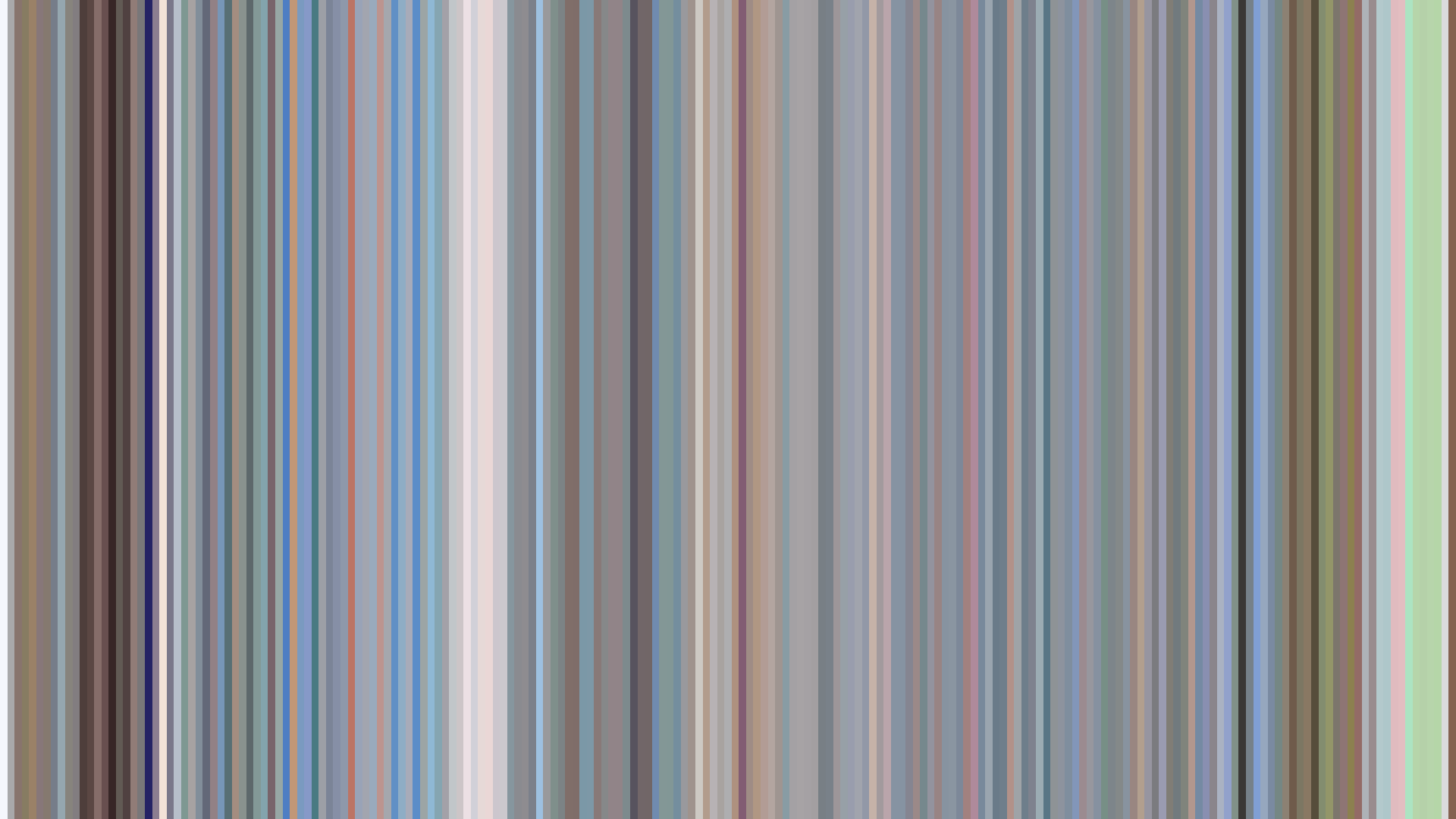
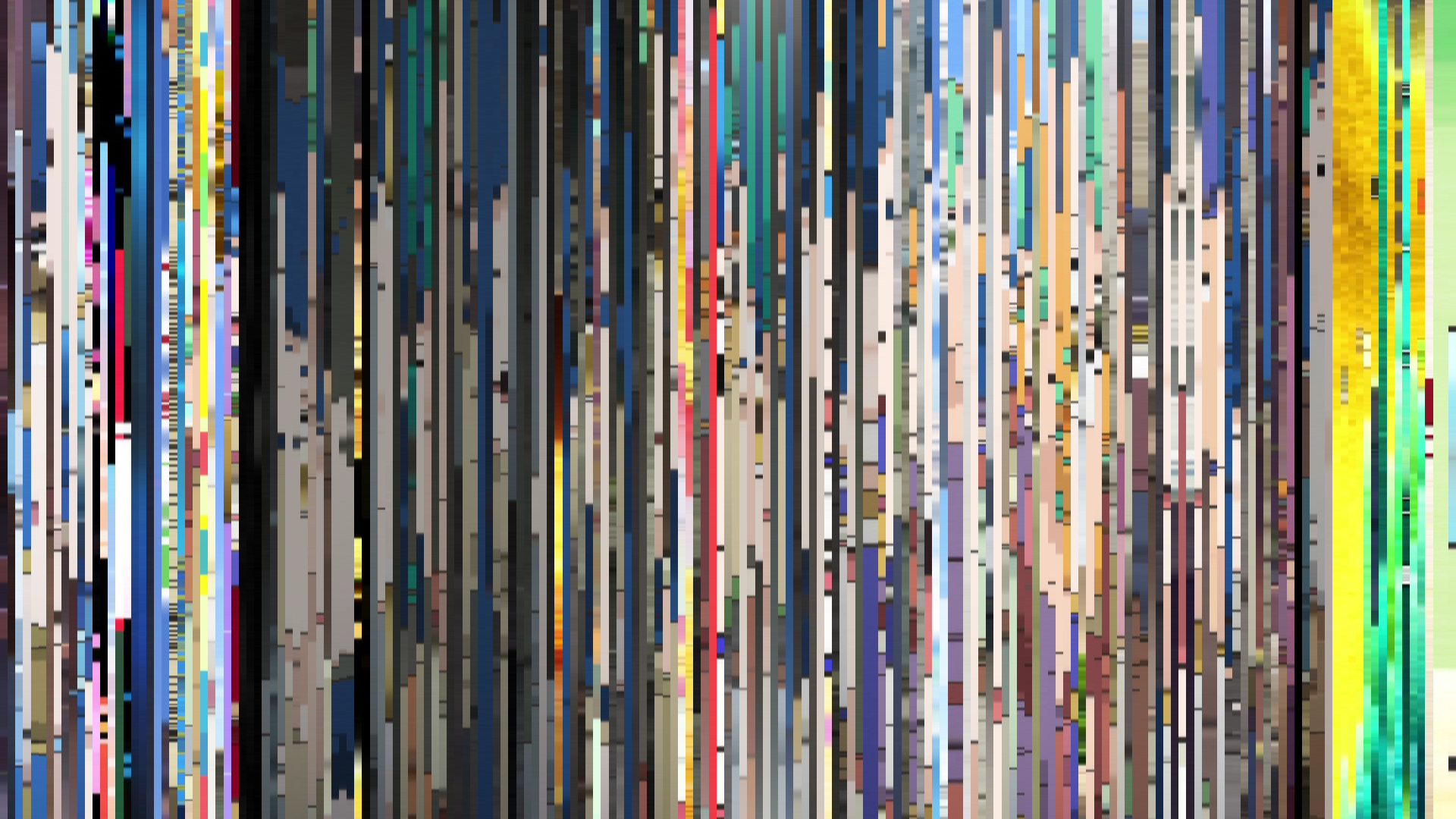
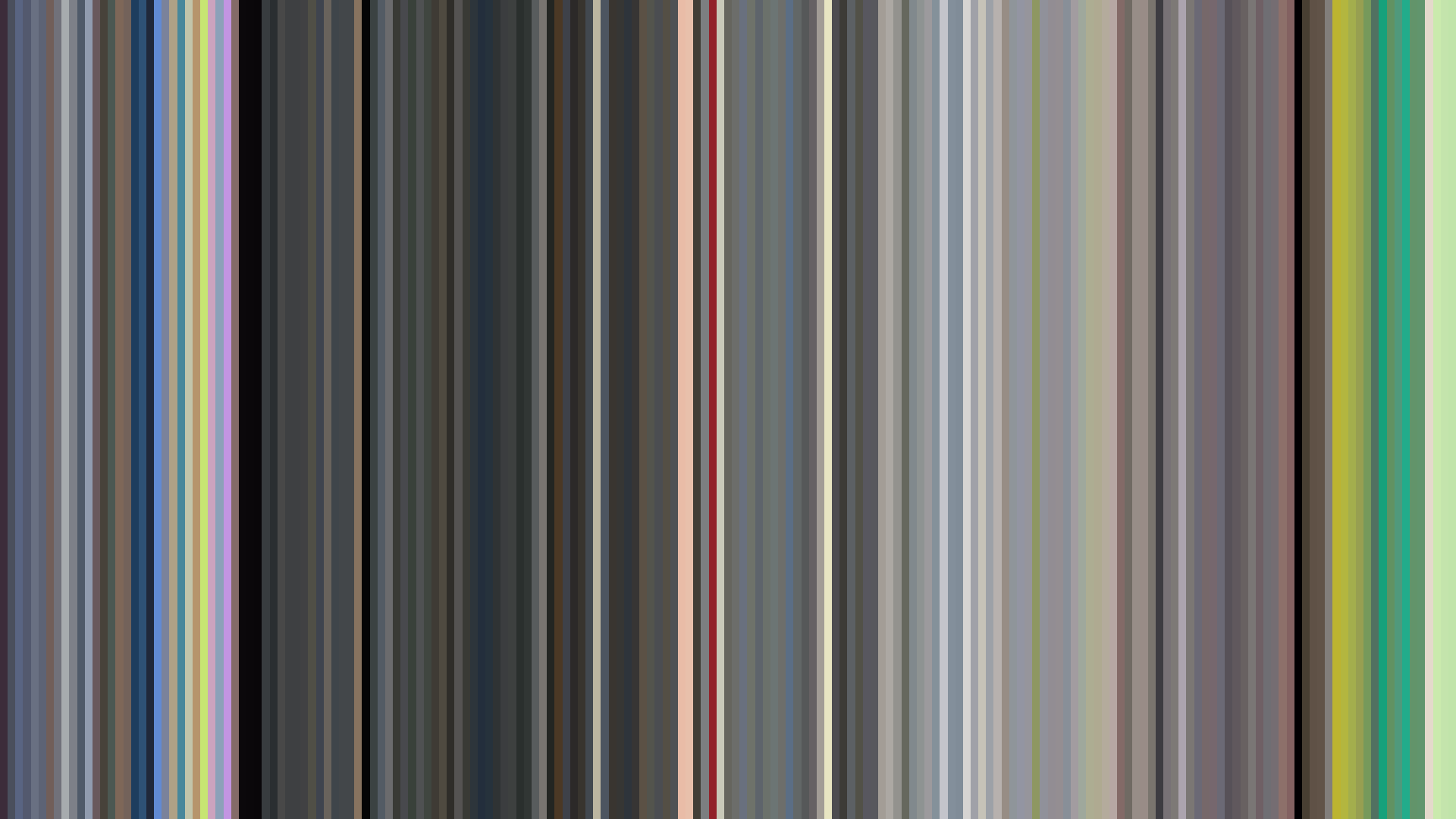
The brightness arc is *flat* — and that’s the con. For a series about grifters who orchestrate elaborate deceptions across four continents, director Hiro Kaburagi and Wit Studio refuse to let the lighting signal a moral turn. There is no fall into darkness, no comeback into light. The average brightness barely budges from 0.538 to 0.580 across the entire run, and that three-percent creep feels deliberate: the only shift is a slightly brighter closing act, but the visual grammar never betrays the mark. The Red-Orange dominance (26%) reads as the heat of a play—sunlight on the Riviera, neon in Los Angeles, the golden hour of a successful sting. But the 24% Green is the show’s real signature: the grassy hills of Singapore, the seafoam of a French villa, the emerald table in a casino. Green is the color of money, of the mark’s envy, of the aesthetic of luxury that the team weaponizes. The palette’s desaturated hexes—#A2A49E, #5F6060—are the neutral ground of con artist professionalism: nothing flashy, nothing that draws suspicion. Great Pretender doesn’t darken because it already lives in the shadows of a confidence game; the flat arc is the show admitting there is no real exit from the hustle.
Brightness Arc (episode progression)
Hue Distribution
Act Breakdown
Opening
0.538
Middle
0.553
Closing
0.580
Avg Brightness
0.538
Avg Saturation
0.291
Warmth
0.530
Color Palette
#A2A49E
#E7E9E0
#5F6060
#ECD1AC
#1E1B1B
#A09269
#522E25
#2D4D62
3-Act Color Story
Opening
Middle
Closing
Color Twins
Perceptually nearest palettes — measured in OKLab space, not RGB








The brightness arc is *flat* — and that’s the con. For a series about grifters who orchestrate elaborate deceptions across four continents, director Hiro Kaburagi and Wit Studio refuse to let the lighting signal a moral turn. There is no fall into darkness, no comeback into light. The average brightness barely budges from 0.538 to 0.580 across the entire run, and that three-percent creep feels deliberate: the only shift is a slightly brighter closing act, but the visual grammar never betrays the mark. The Red-Orange dominance (26%) reads as the heat of a play—sunlight on the Riviera, neon in Los Angeles, the golden hour of a successful sting. But the 24% Green is the show’s real signature: the grassy hills of Singapore, the seafoam of a French villa, the emerald table in a casino. Green is the color of money, of the mark’s envy, of the aesthetic of luxury that the team weaponizes. The palette’s desaturated hexes—#A2A49E, #5F6060—are the neutral ground of con artist professionalism: nothing flashy, nothing that draws suspicion. Great Pretender doesn’t darken because it already lives in the shadows of a confidence game; the flat arc is the show admitting there is no real exit from the hustle.