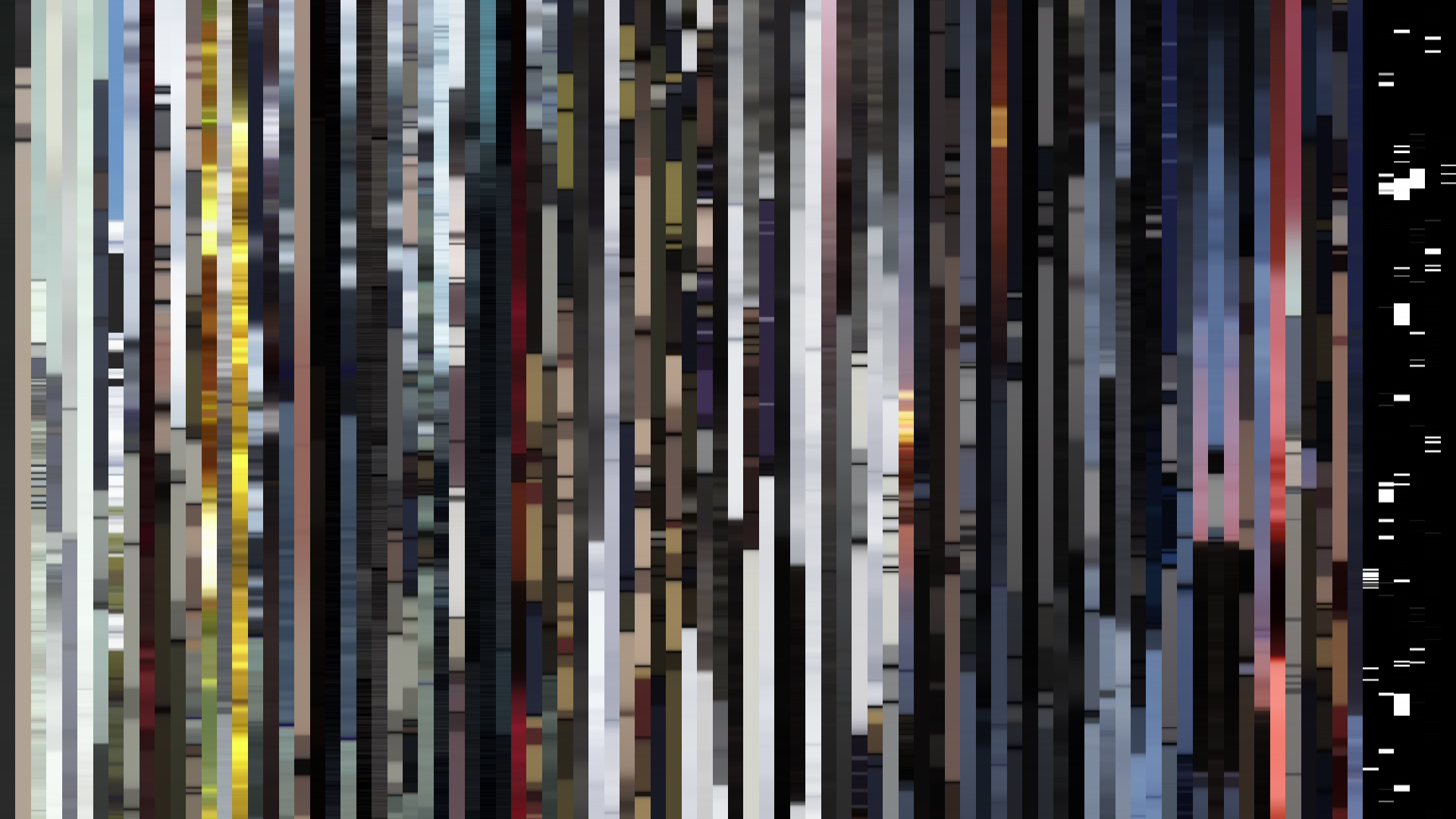
Edit Pace — frame-to-frame color delta (bright = fast cuts)
Color Temperature — warm (gold) vs cool (teal) per frame
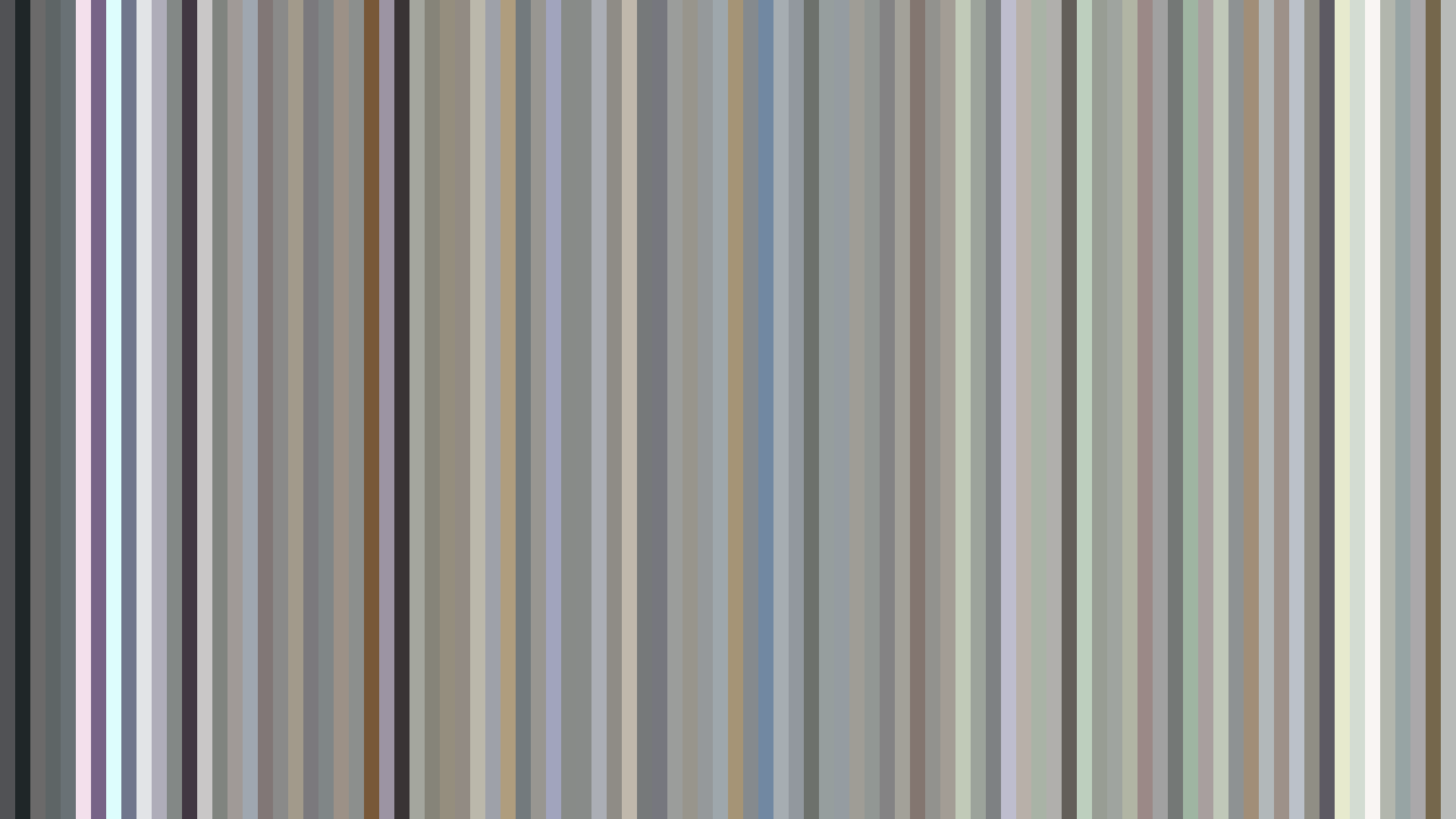
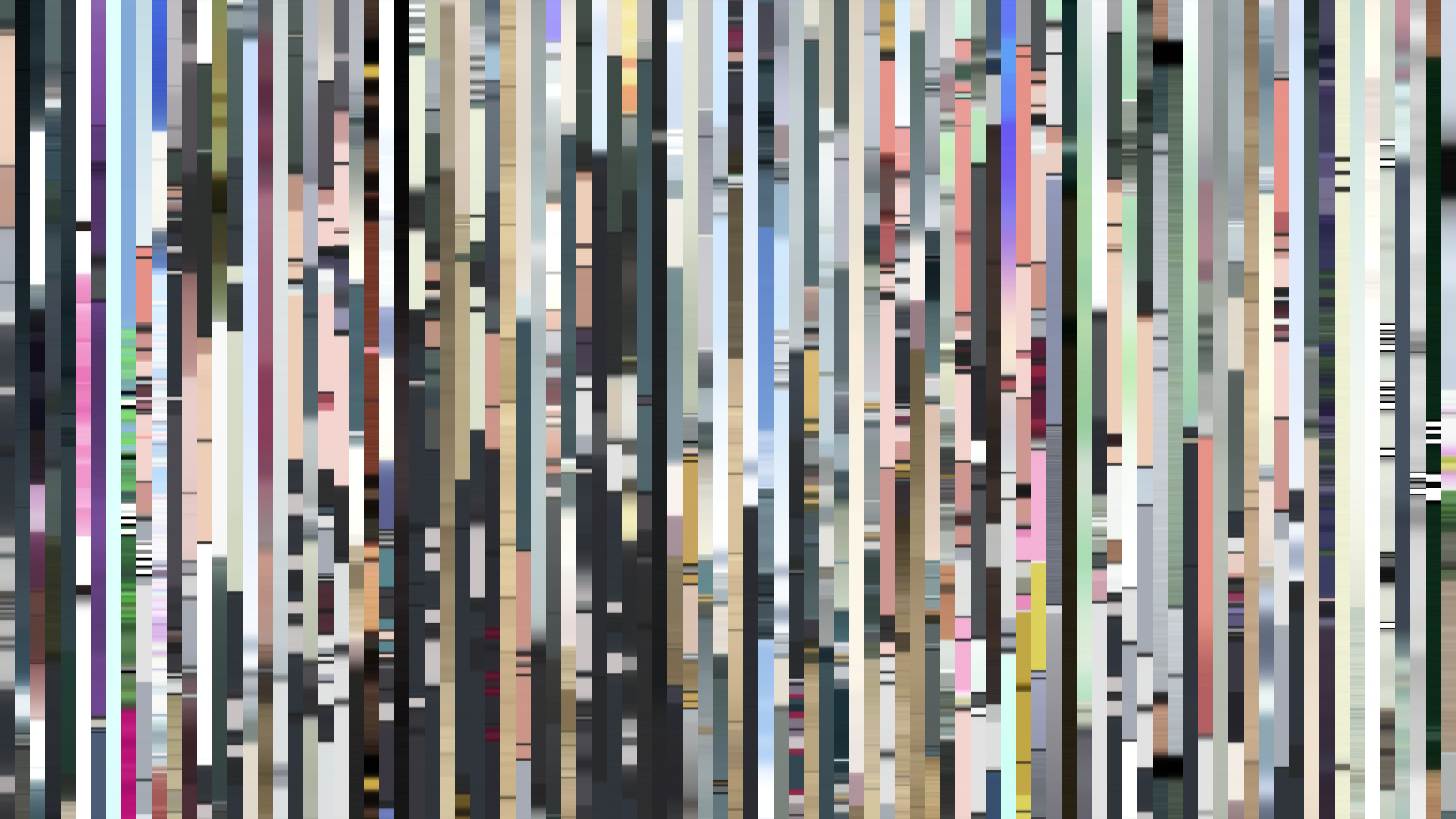
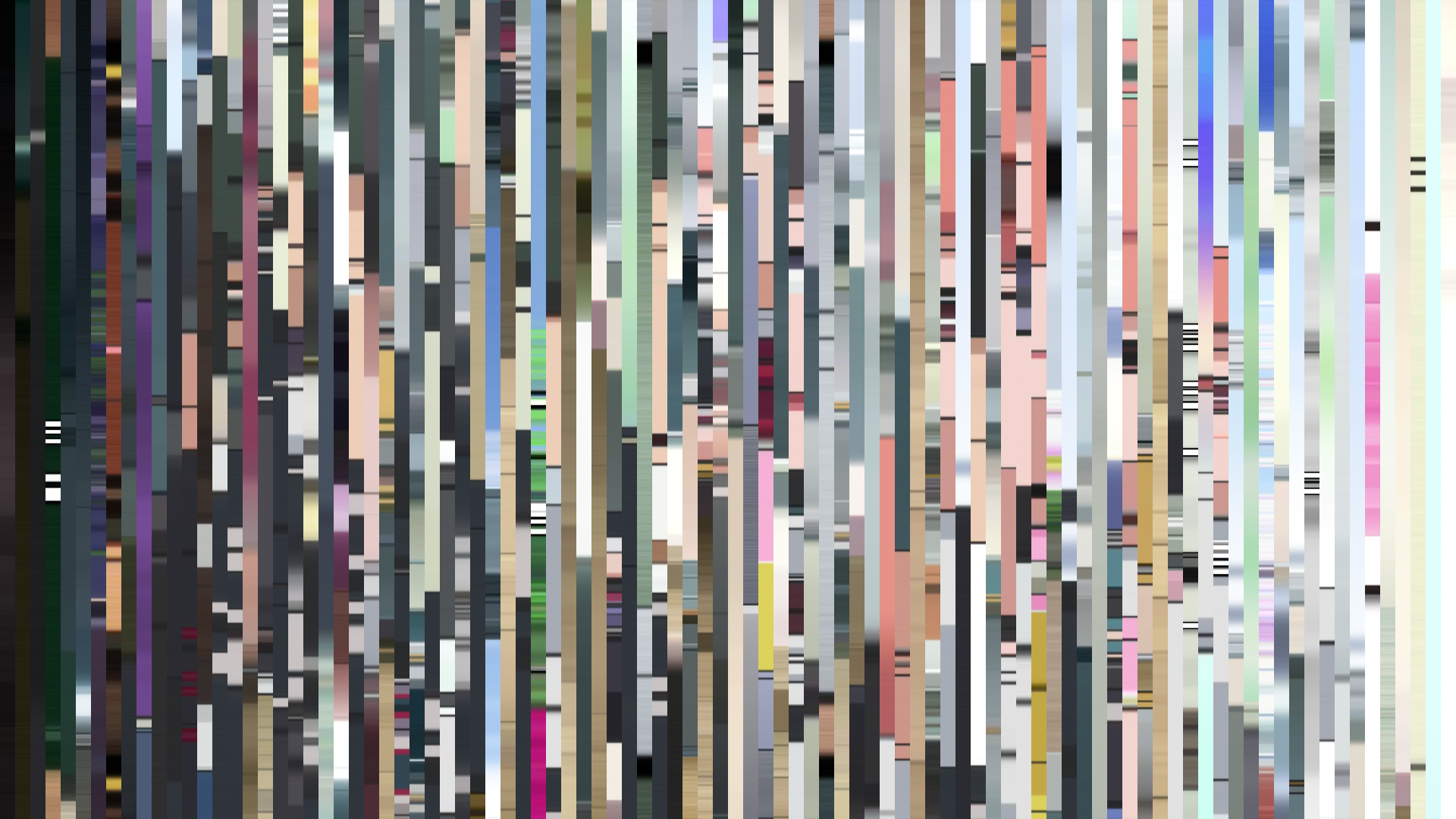
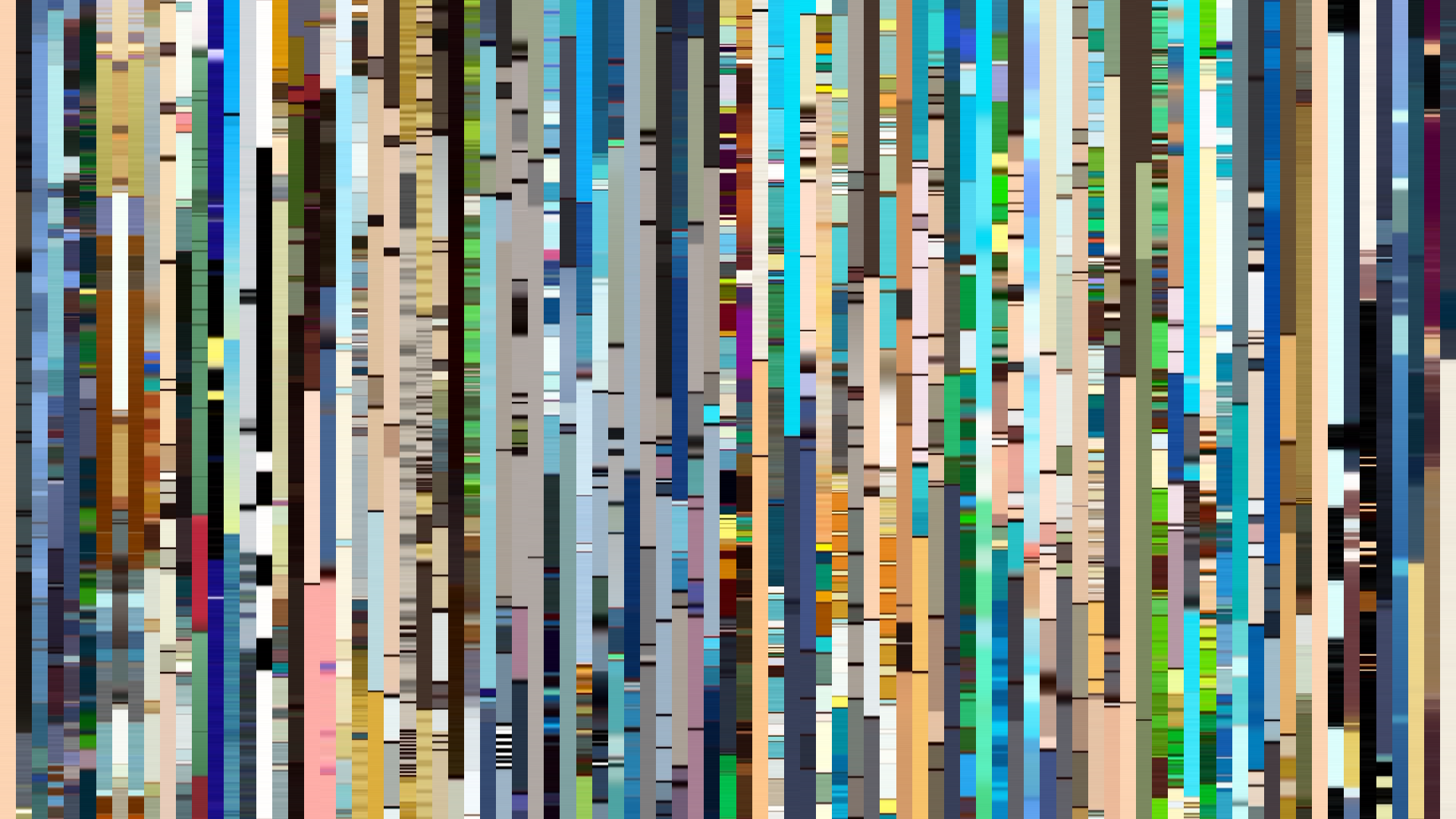
Frame Density Comparison — every 2nd vs every 4th frame
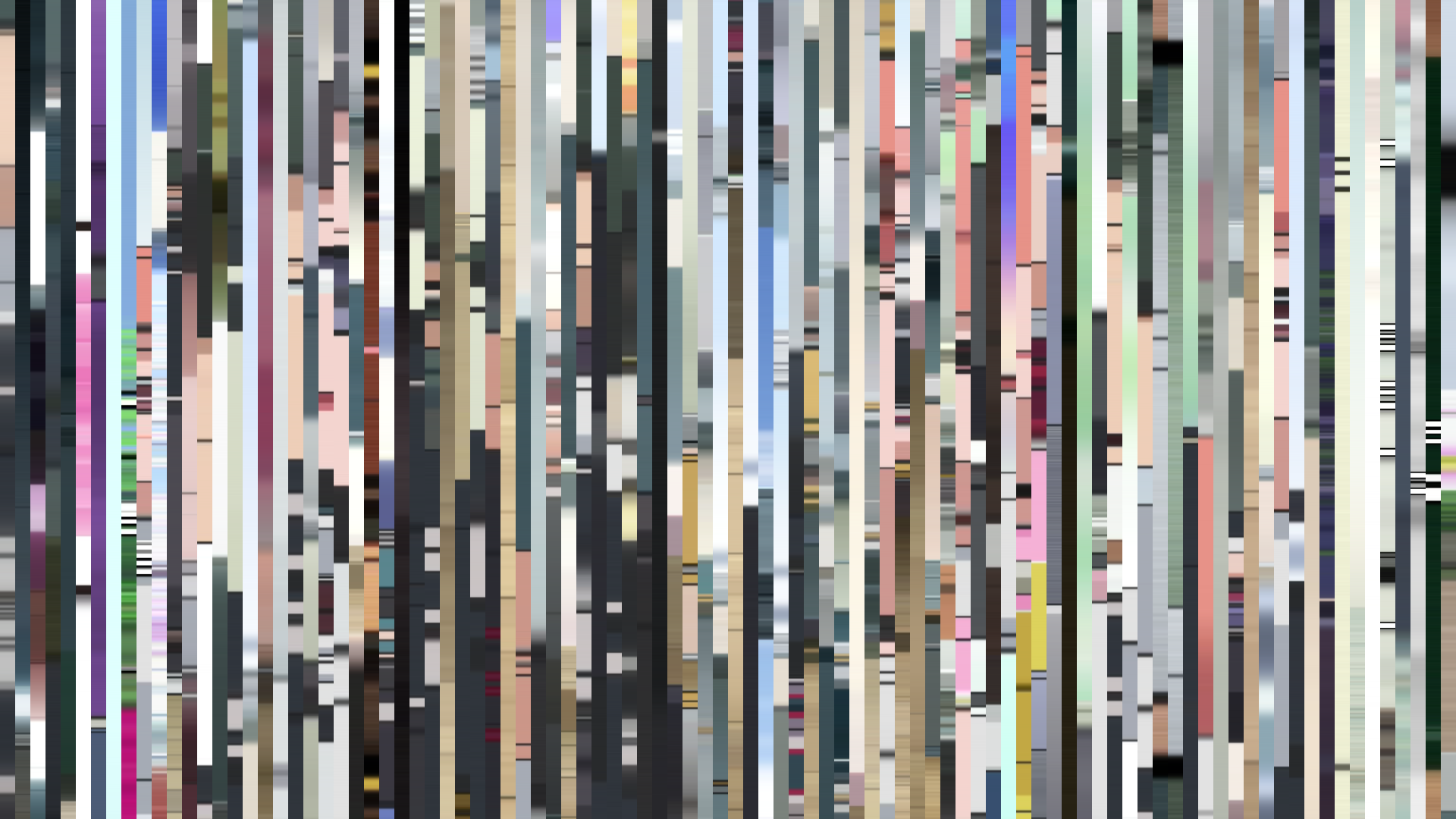
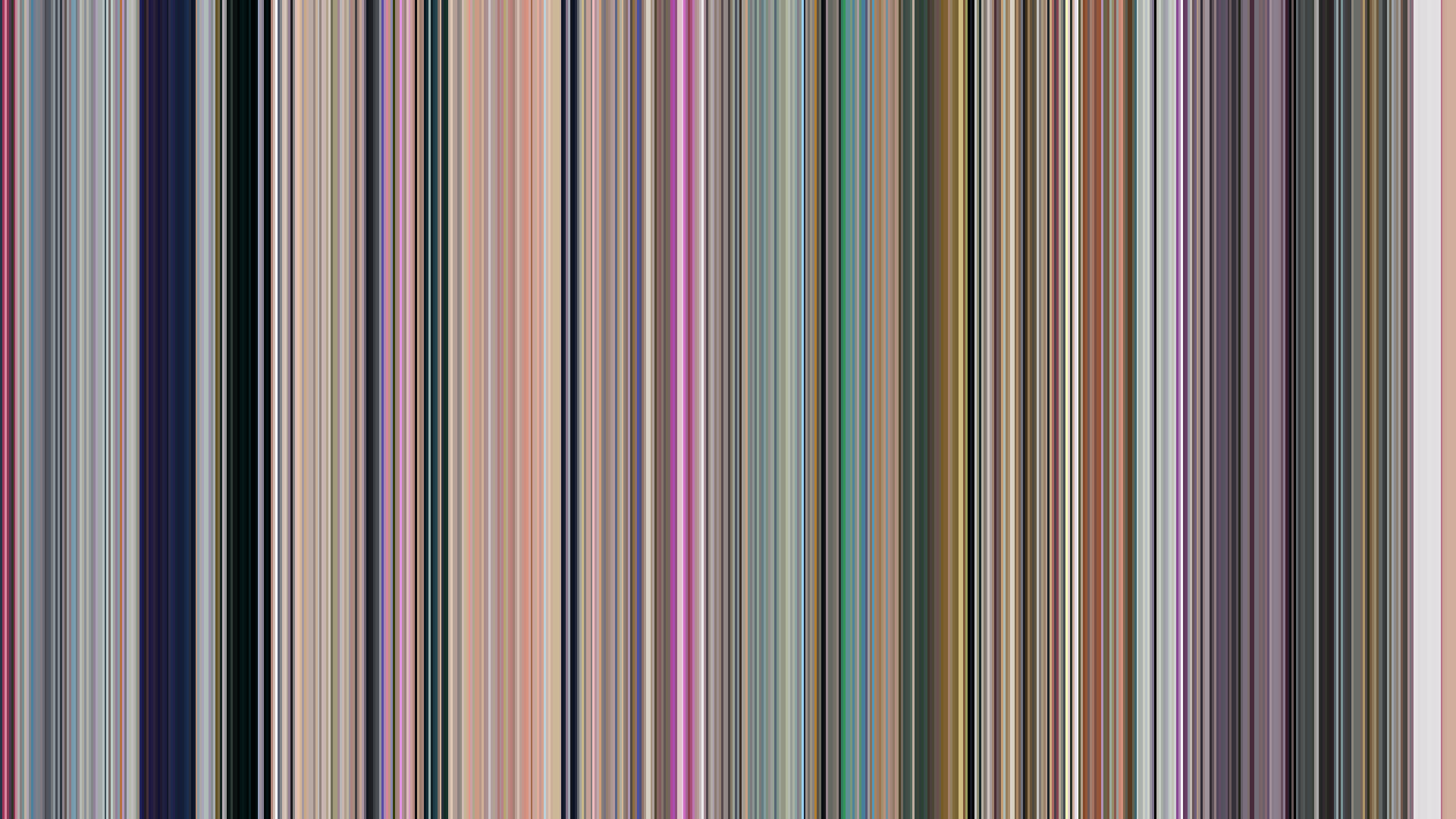
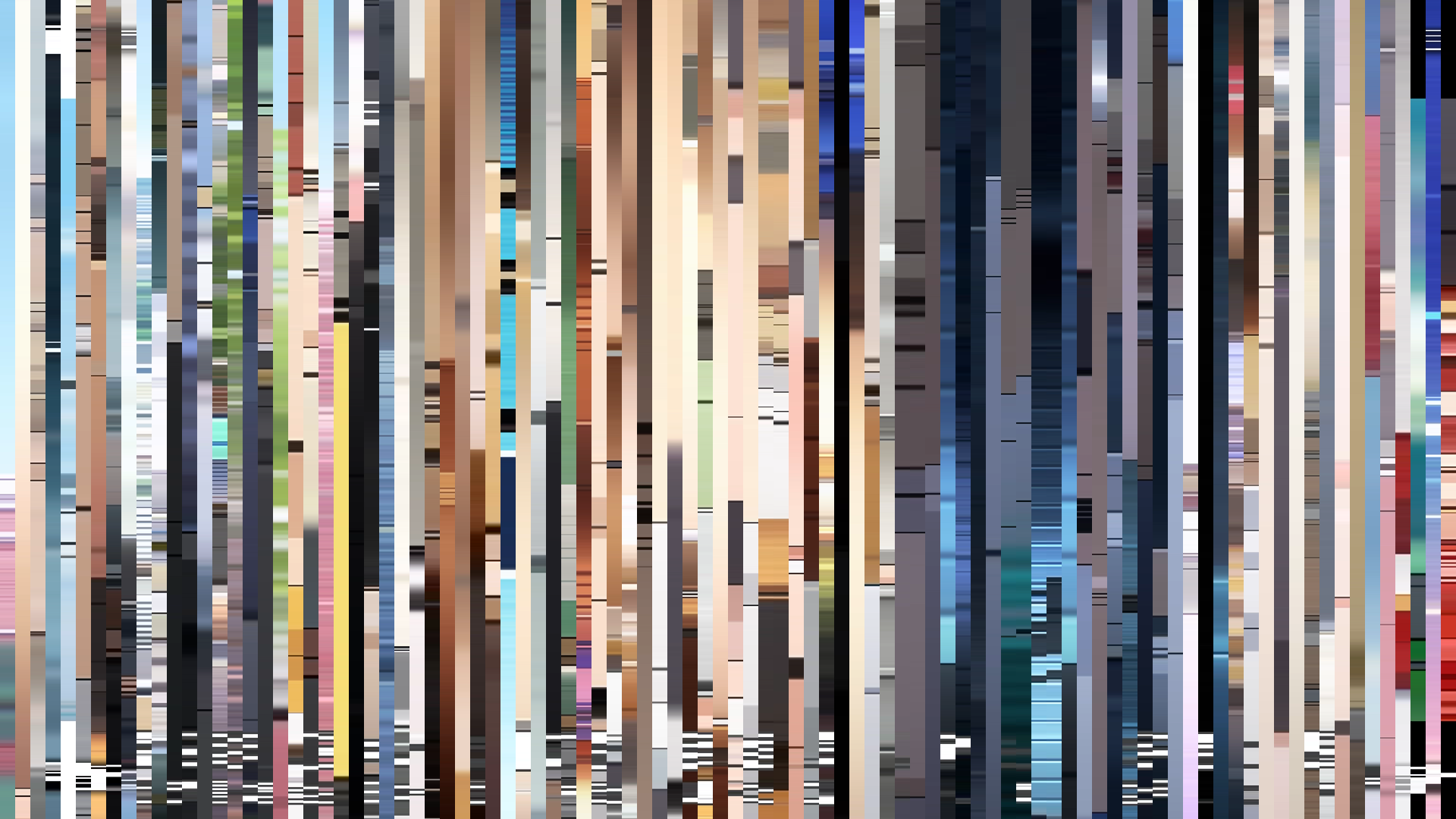
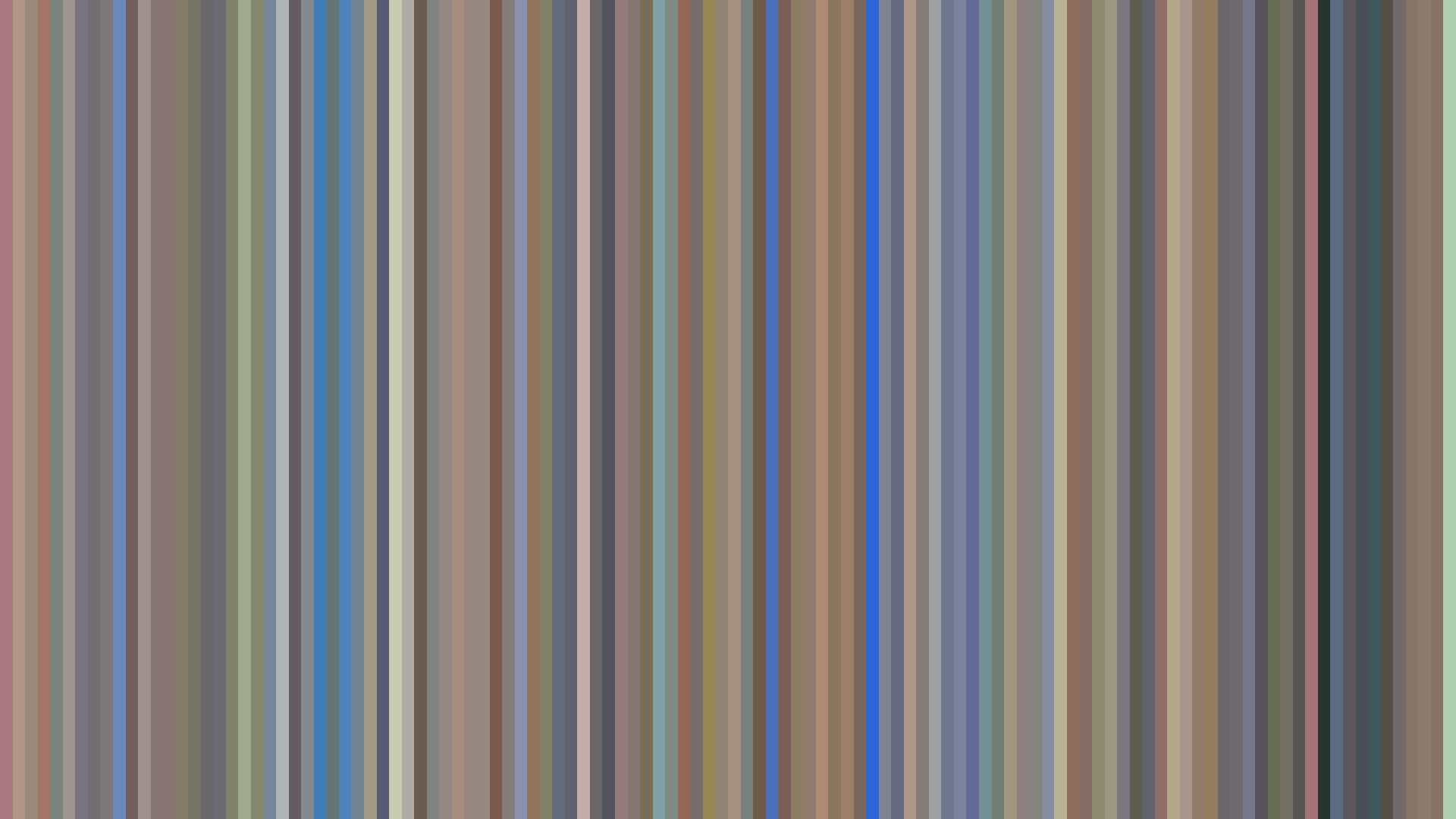
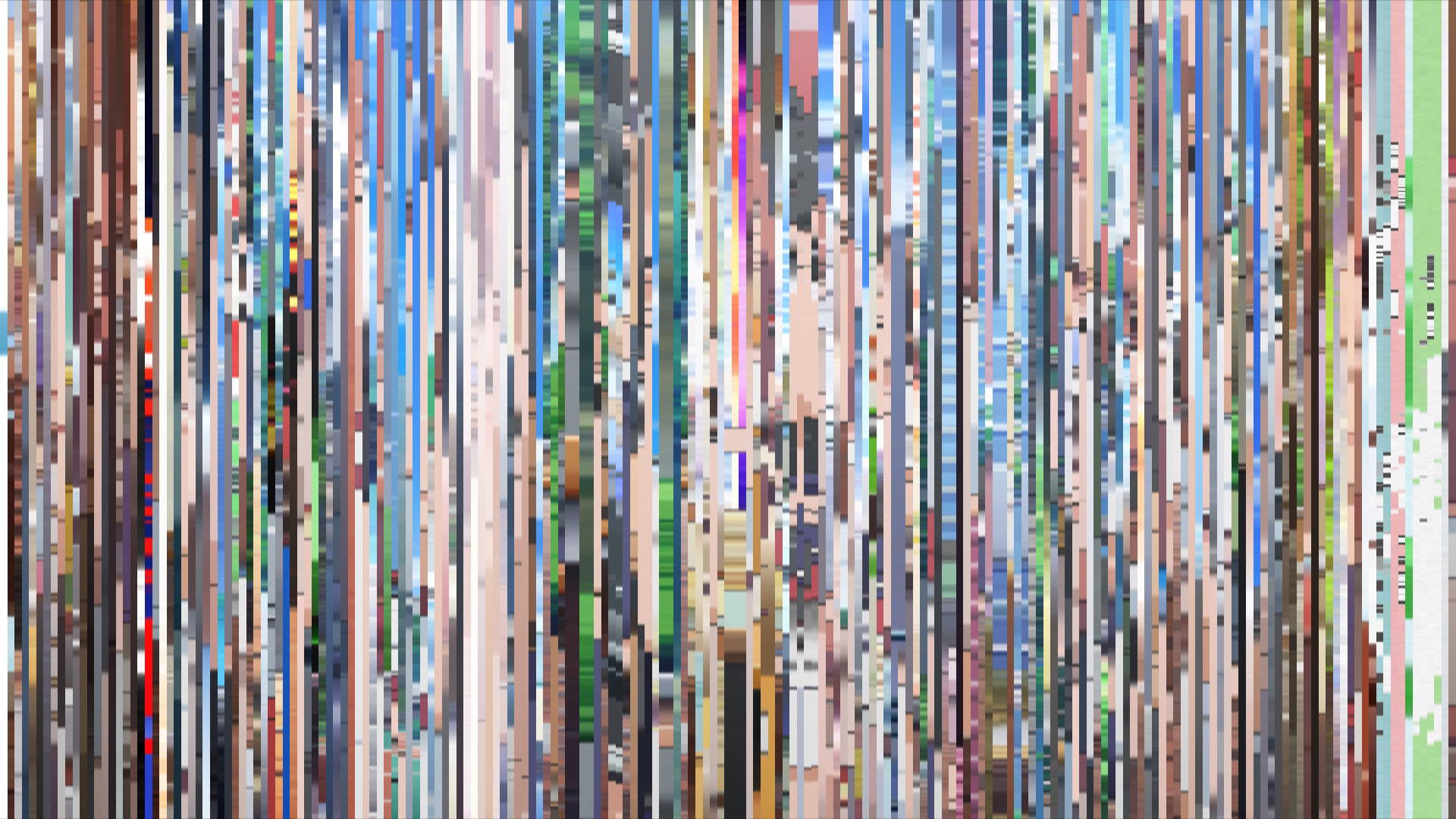
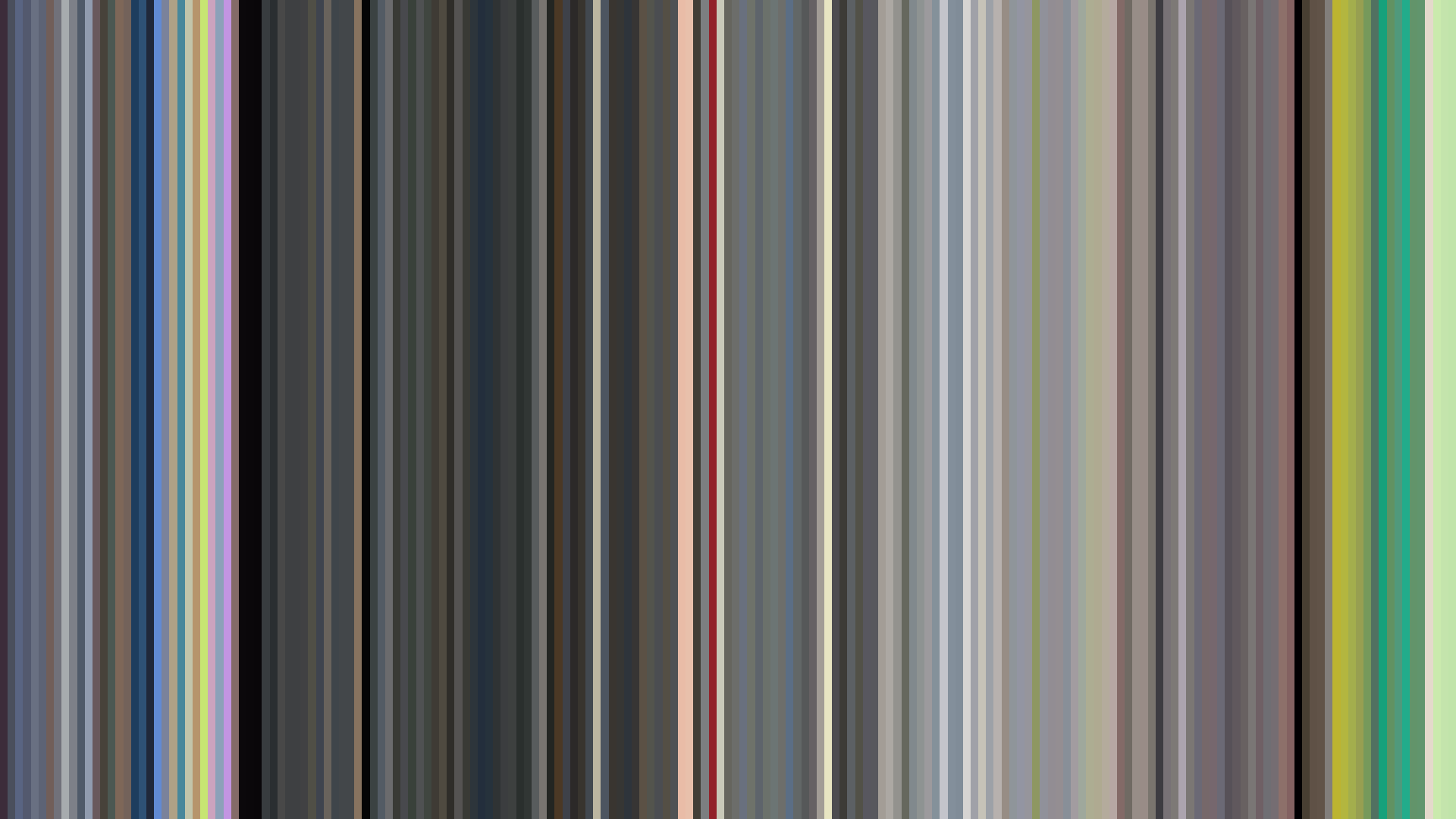
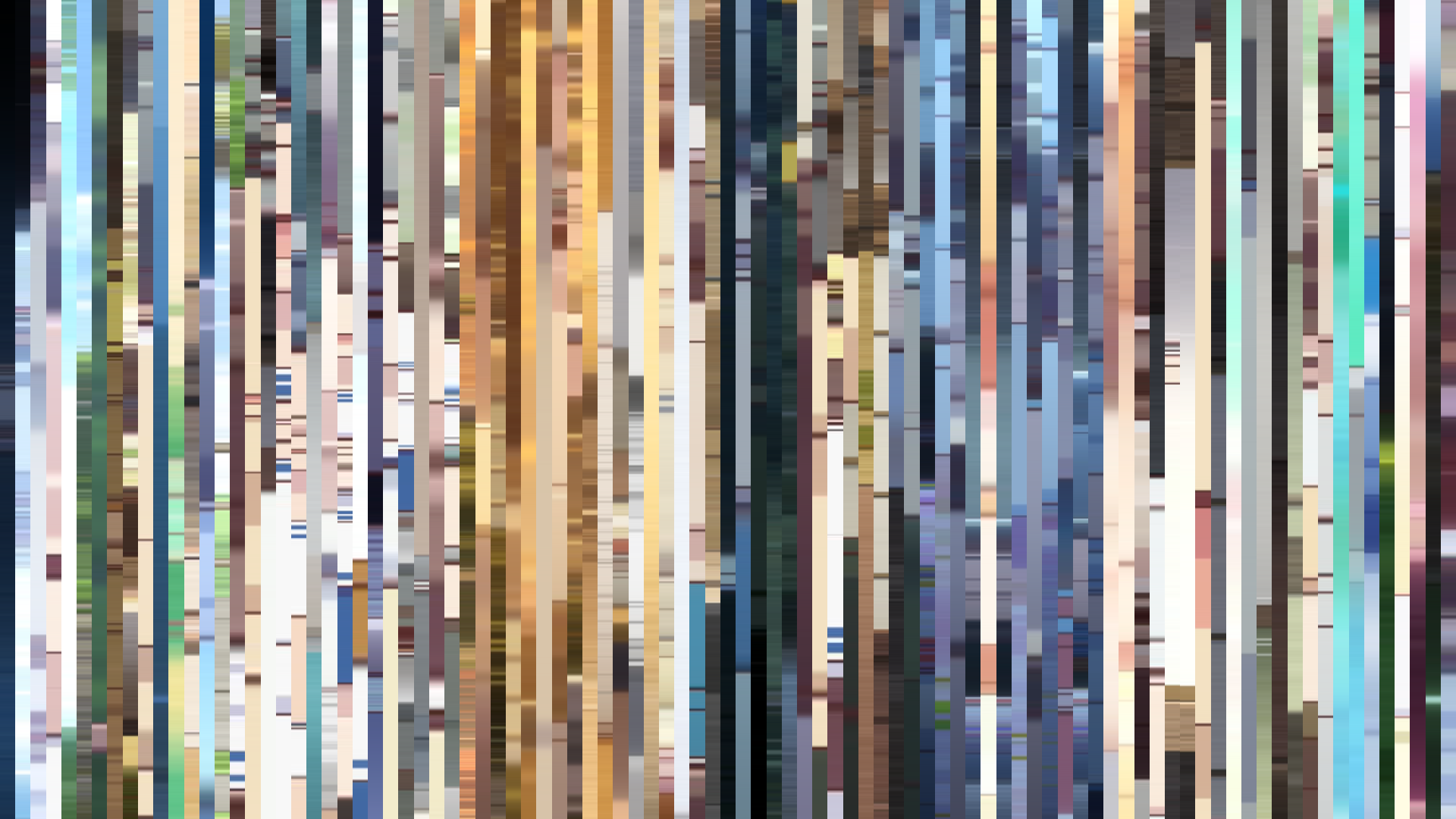
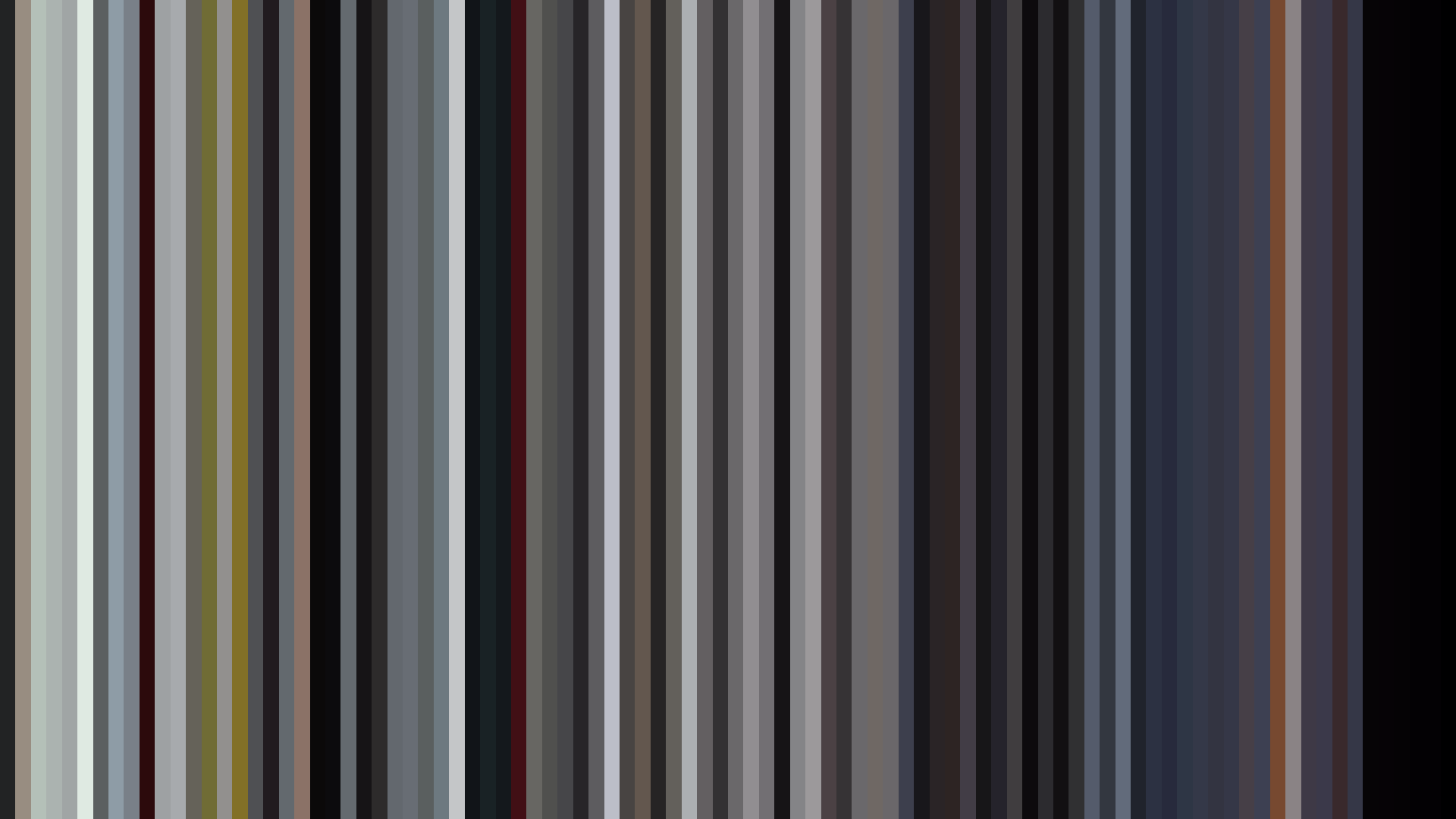
Slice · 15s
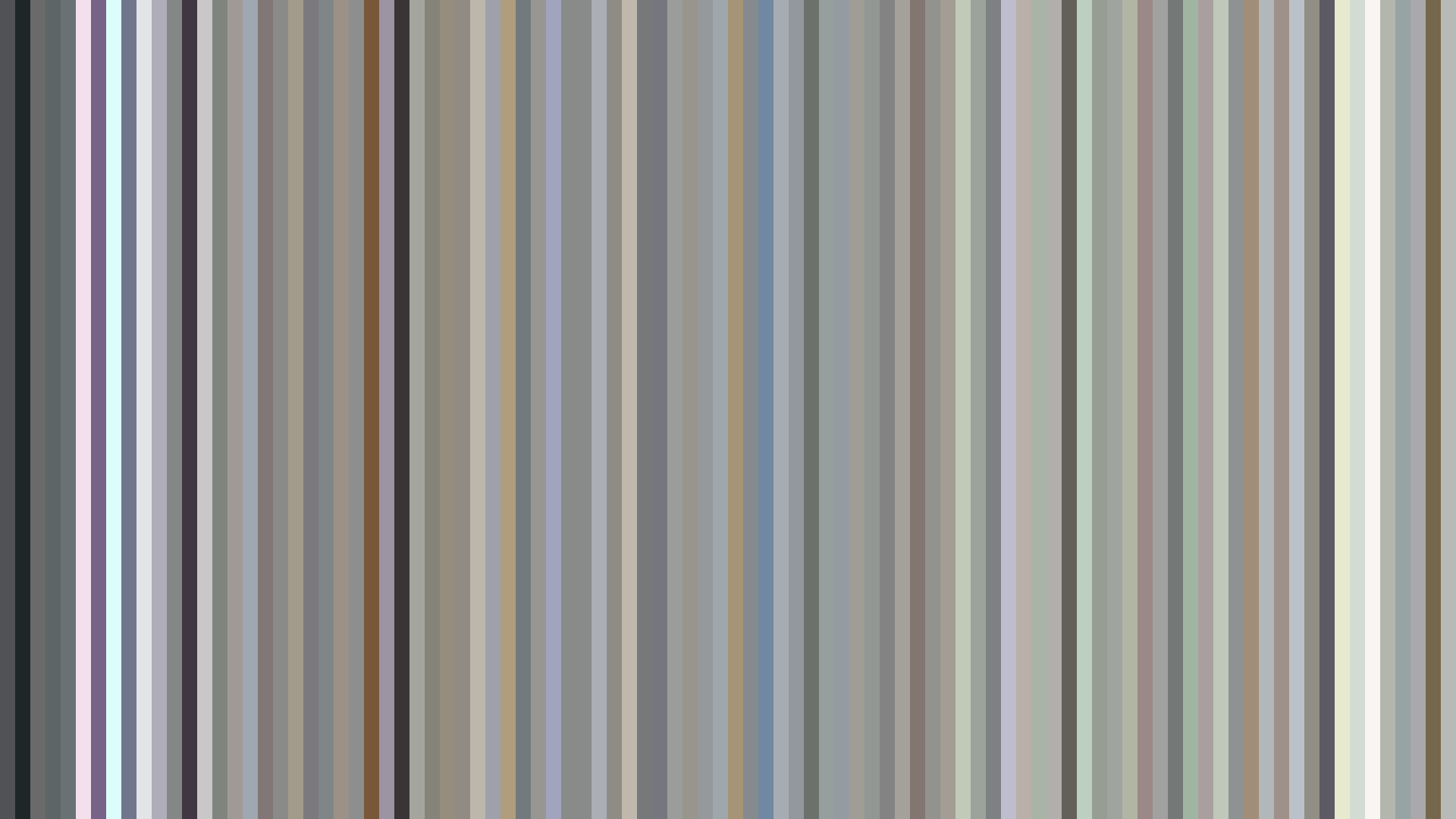
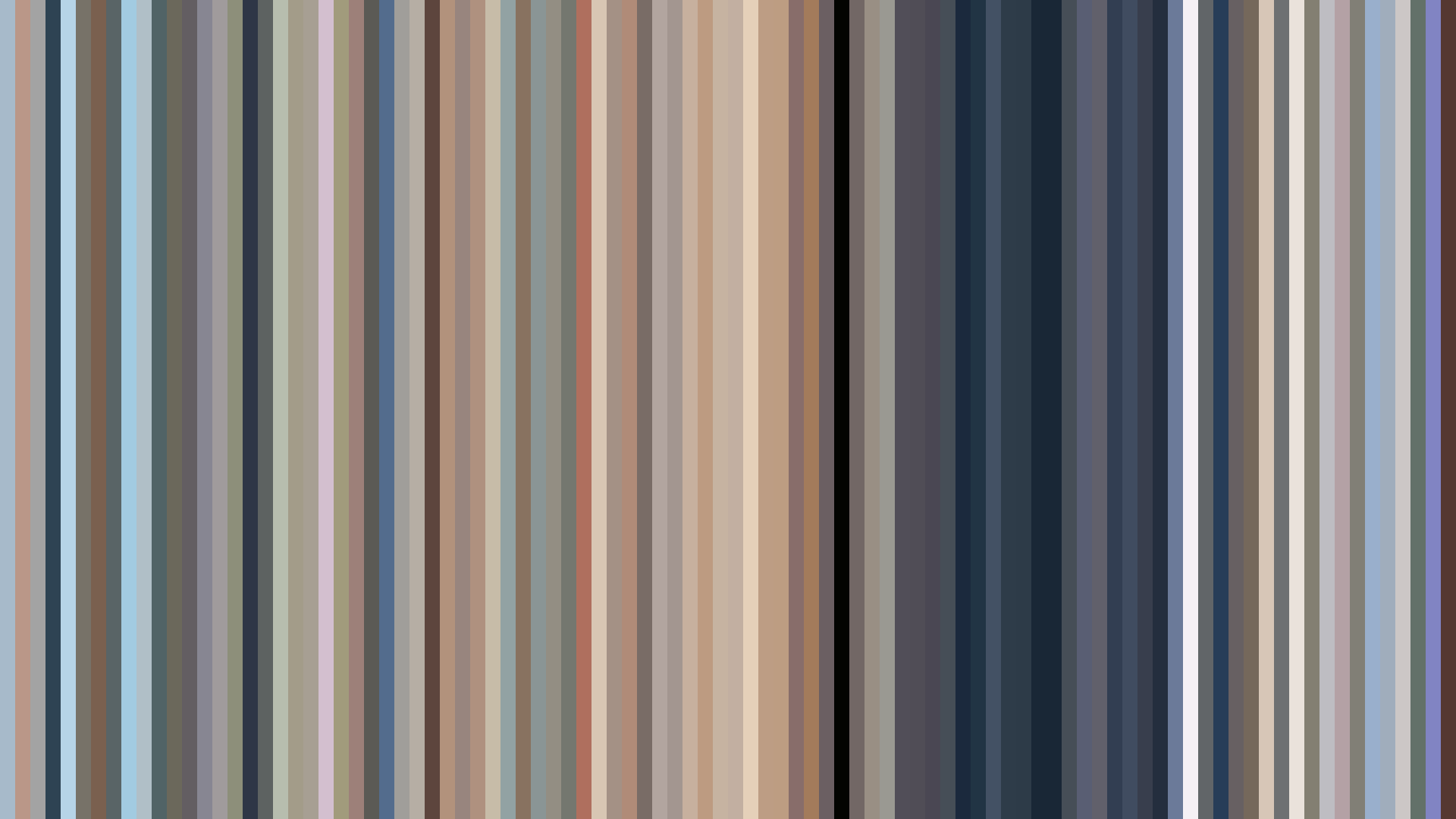
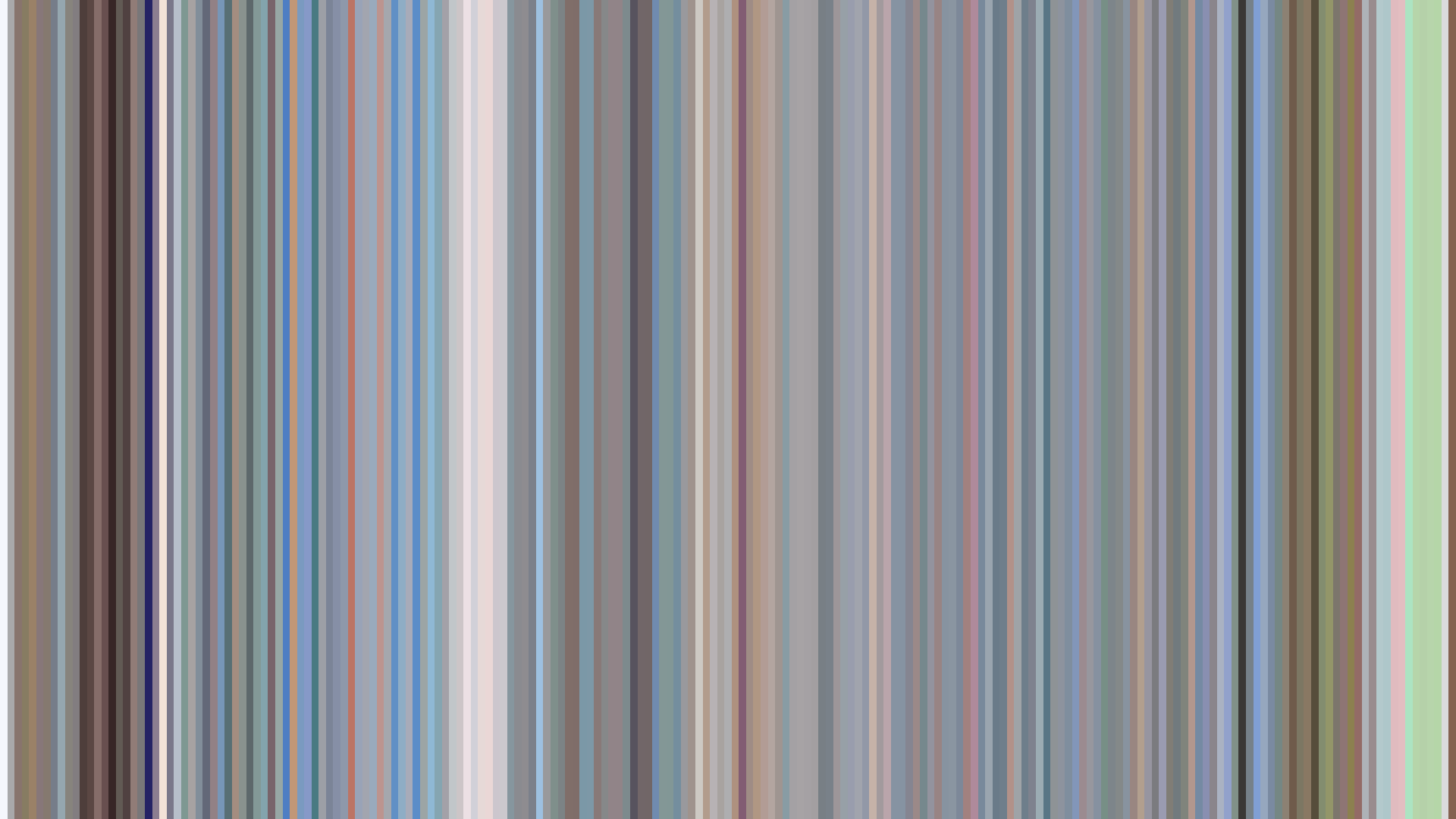
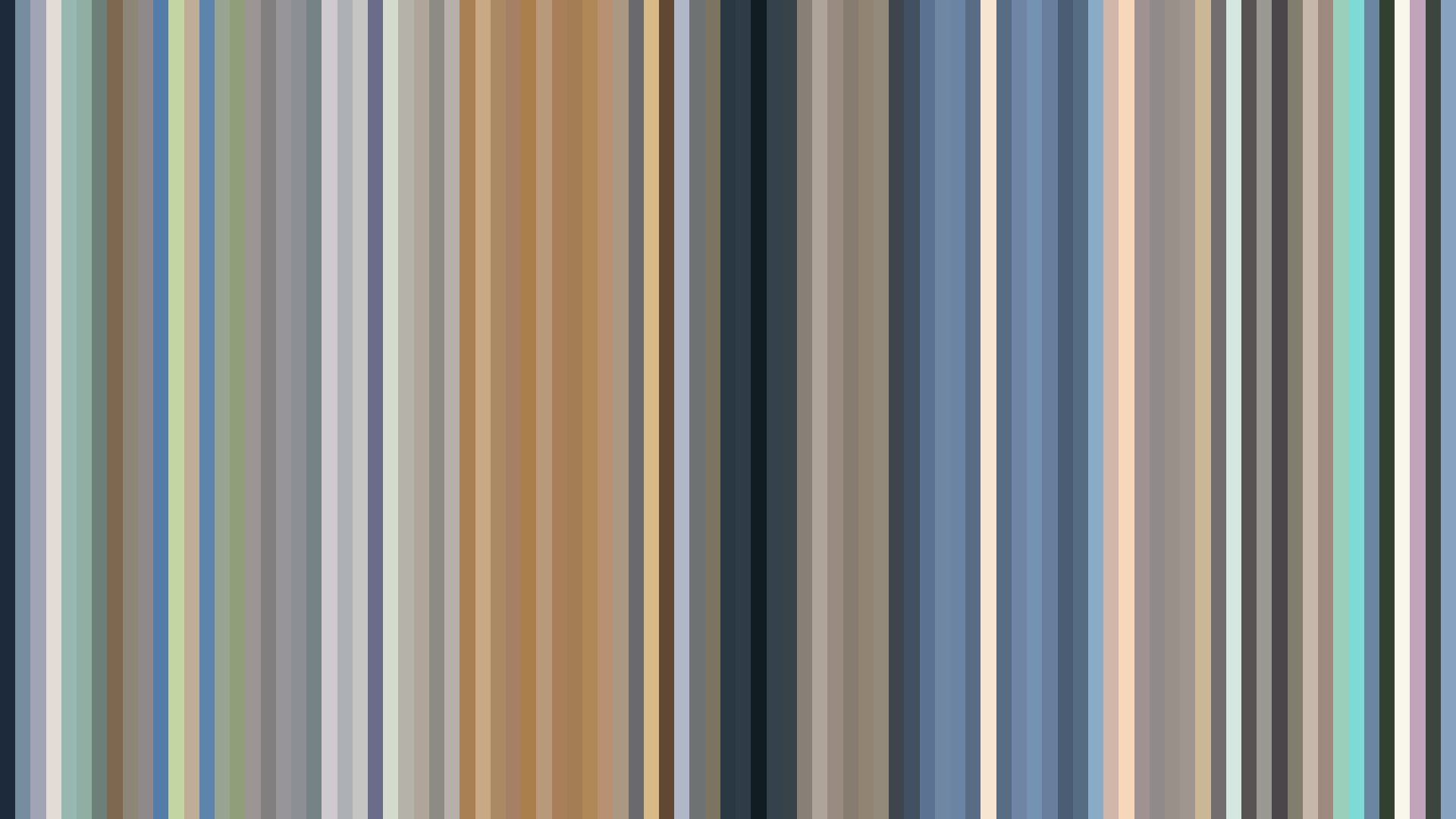
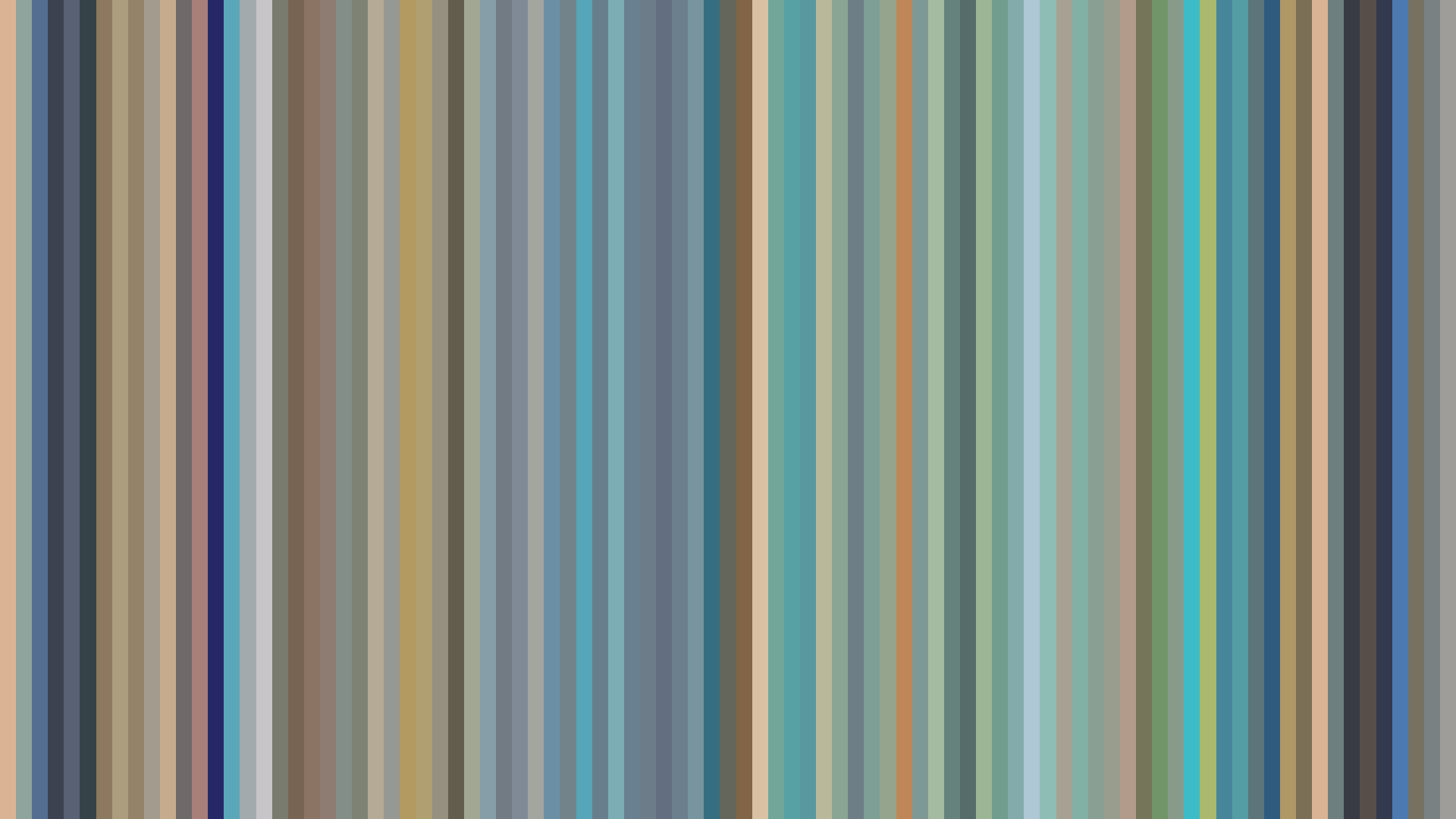
Avg · 15s
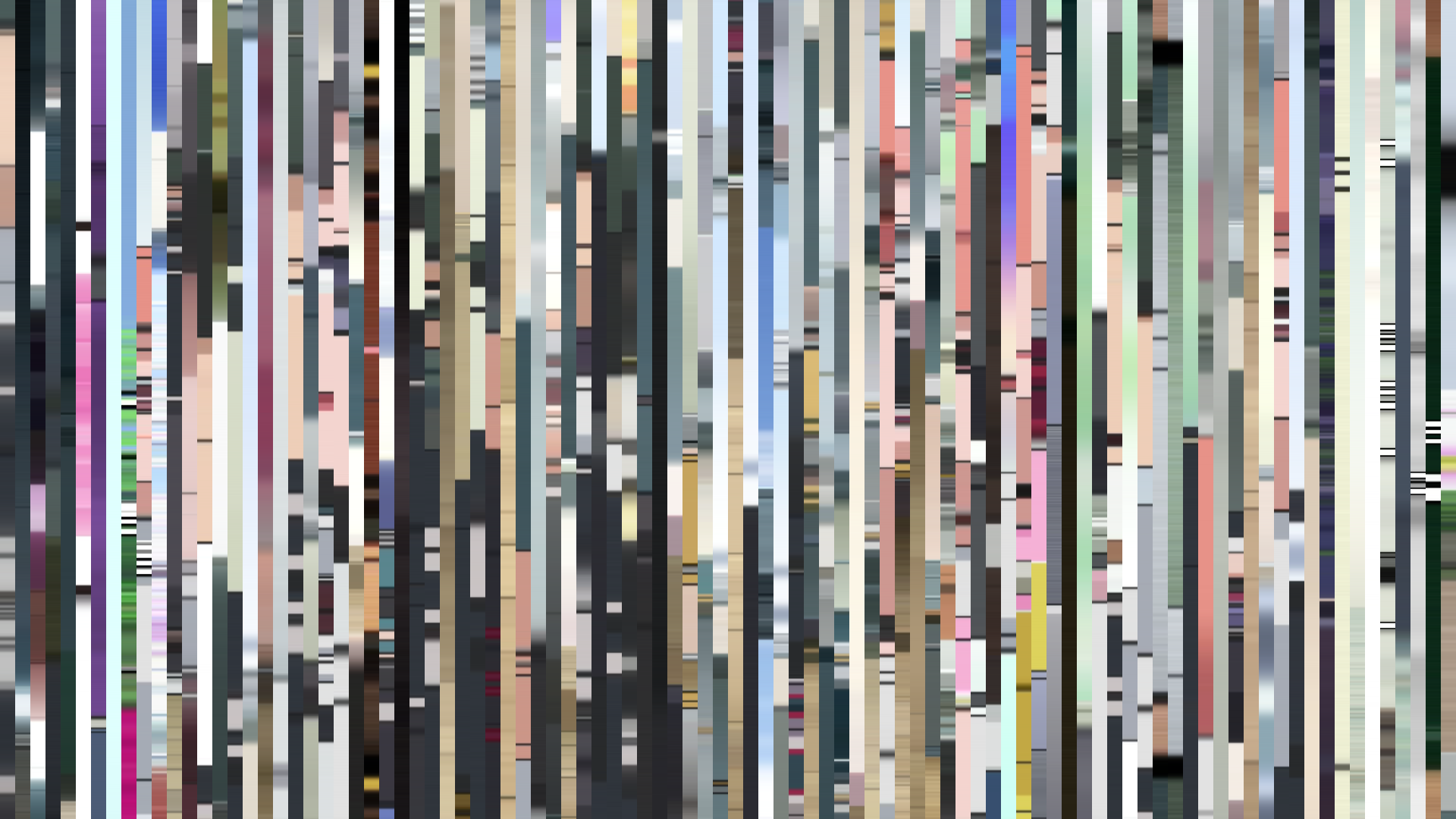
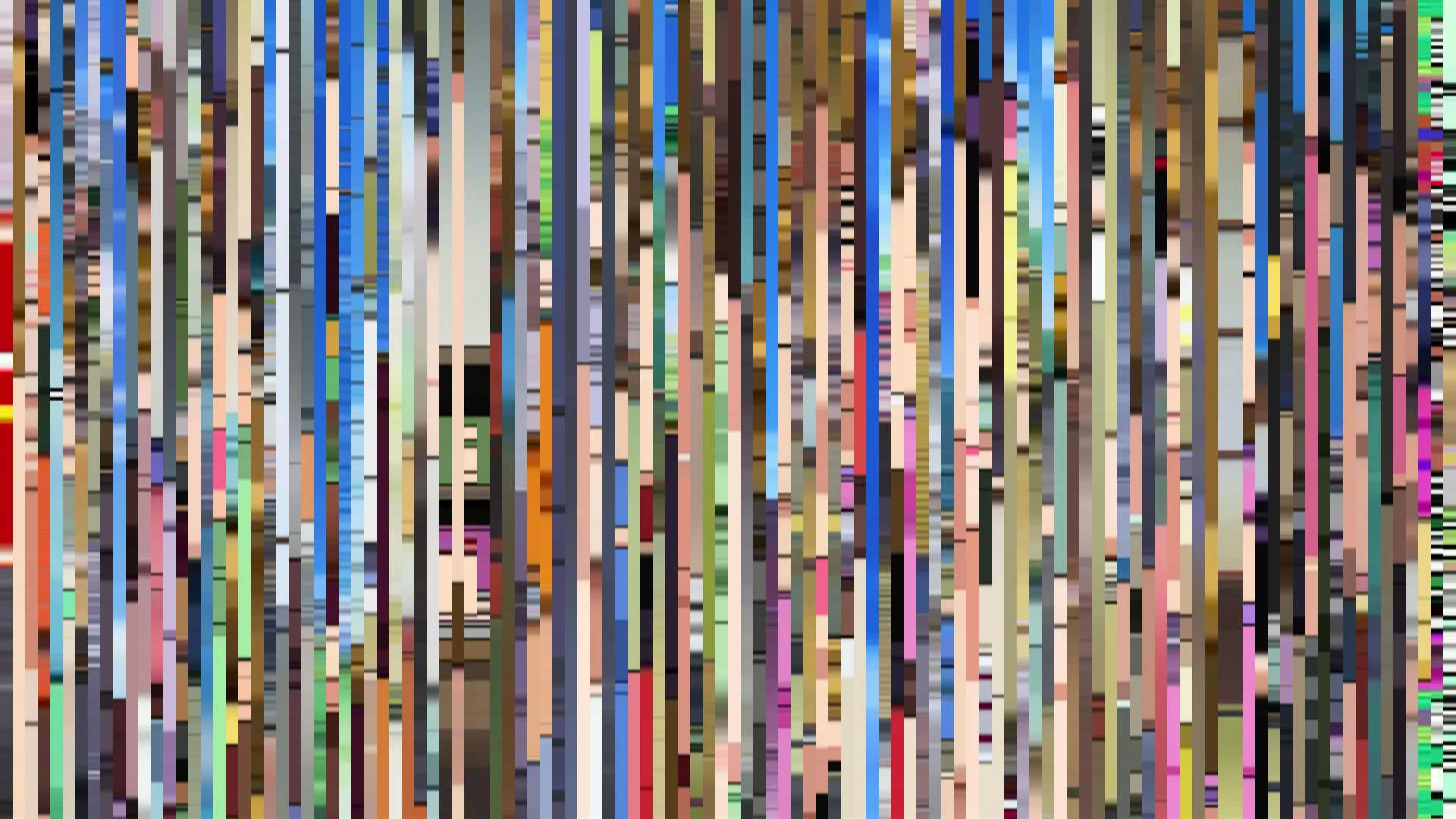
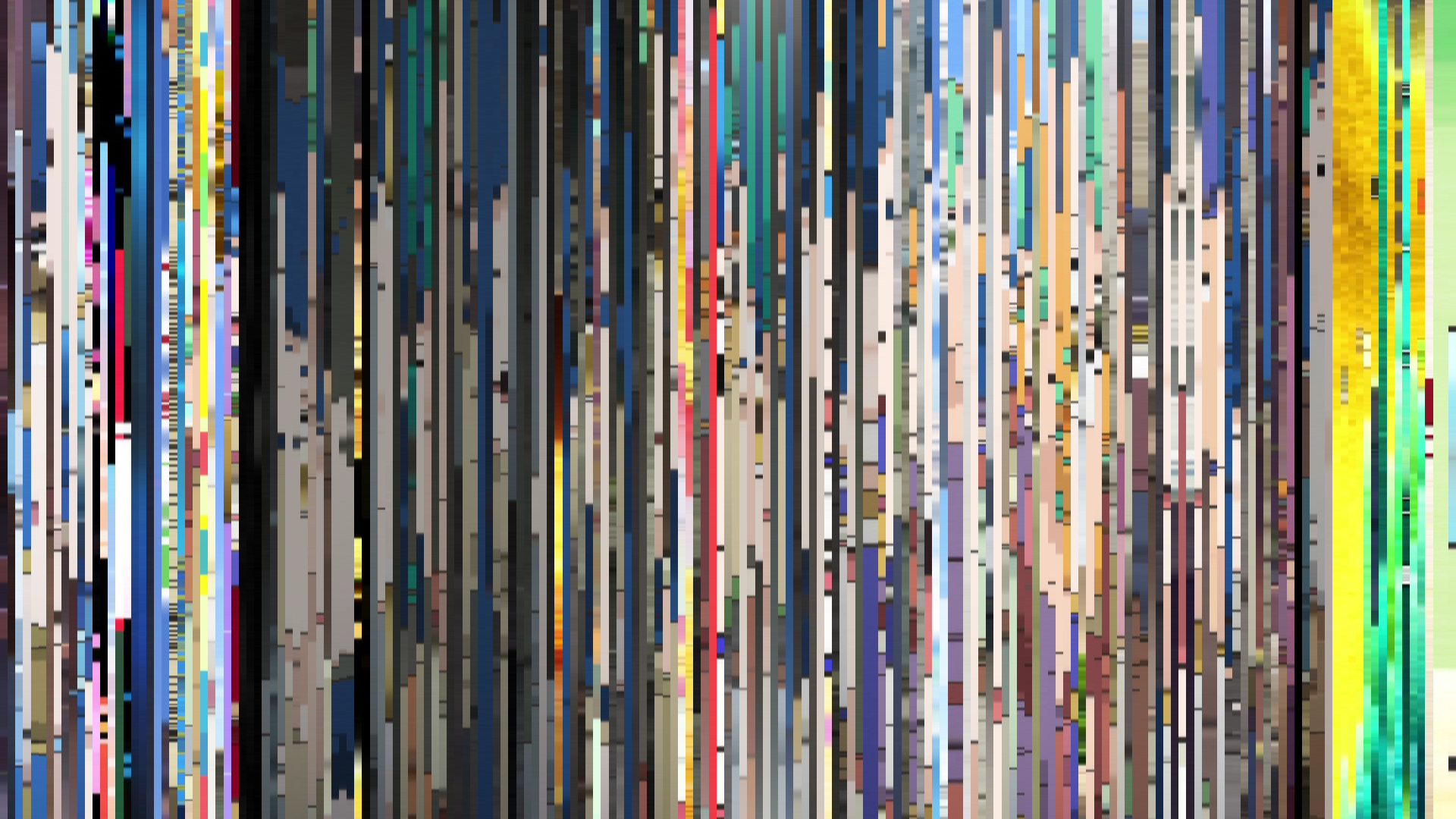
Slice · 30s
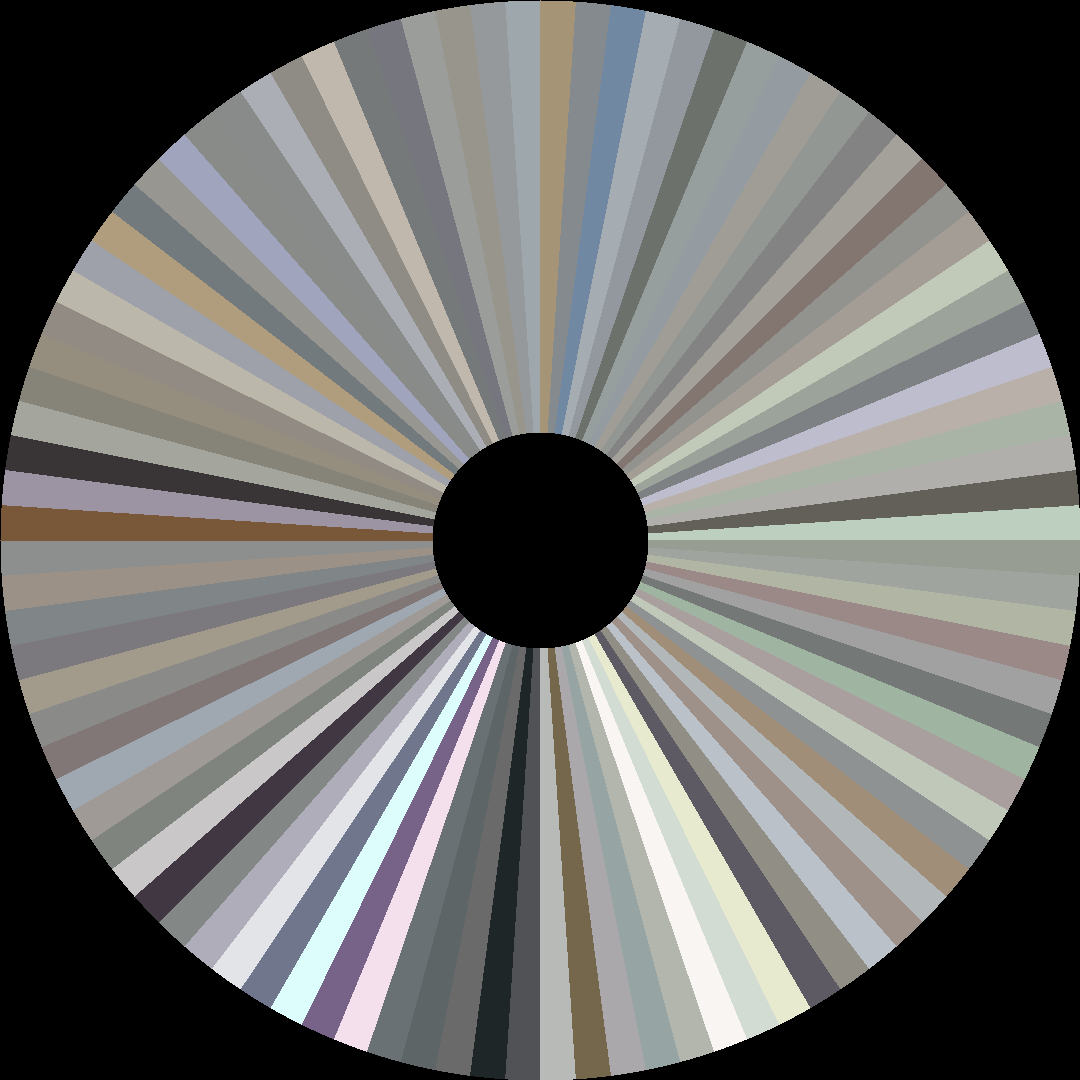
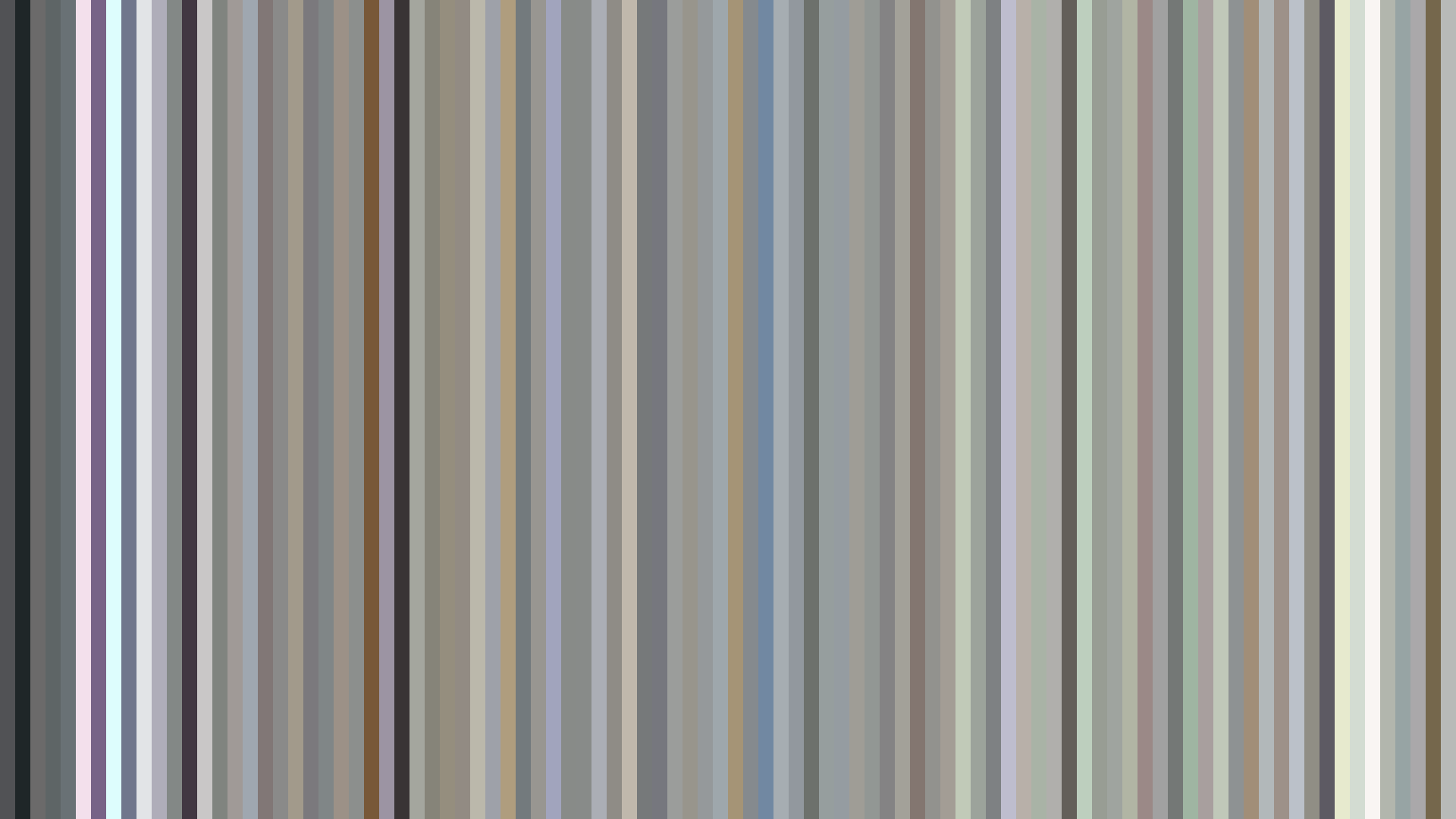
Avg · 30s
The dataset’s brightest *bright ending* belongs to a show that barely breaks 0.57 average luminance. That contradiction is the whole point. SNAFU Climax! spends most of its runtime in a muted, gray-green zone — the palette is dominated by #E2E4E1 and #272B2C, the visual equivalent of a long winter afternoon in Chiba. Yet the act-one-to-three brightness arc climbs steadily, from 0.488 to 0.586, as if the show itself is emerging from atmospheric fog. This is the *inverse of the emotional arc*: the moments of greatest tension — Yukino’s confession, Hachiman’s refusal to lie — are bathed in softer light and warmer reds
Brightness Arc (episode progression)
Hue Distribution
Act Breakdown
Opening
0.488
Middle
0.528
Closing
0.586
Avg Brightness
0.571
Avg Saturation
0.120
Warmth
0.528
Color Palette
#E2E4E1
#A1A2A1
#272B2C
#5B5F5F
#D1A898
#DACBB3
#A18F70
#39484D
3-Act Color Story
Opening
Middle
Closing
Color Twins
Perceptually nearest palettes — measured in OKLab space, not RGB






![[Oshi No Ko] Season 2](../../../barcodes/2024/oshi-no-ko-season-2/barcode_slice.png)
The dataset’s brightest *bright ending* belongs to a show that barely breaks 0.57 average luminance. That contradiction is the whole point. SNAFU Climax! spends most of its runtime in a muted, gray-green zone — the palette is dominated by #E2E4E1 and #272B2C, the visual equivalent of a long winter afternoon in Chiba. Yet the act-one-to-three brightness arc climbs steadily, from 0.488 to 0.586, as if the show itself is emerging from atmospheric fog. This is the *inverse of the emotional arc*: the moments of greatest tension — Yukino’s confession, Hachiman’s refusal to lie — are bathed in softer light and warmer reds