Edit Pace — frame-to-frame color delta (bright = fast cuts)
Color Temperature — warm (gold) vs cool (teal) per frame
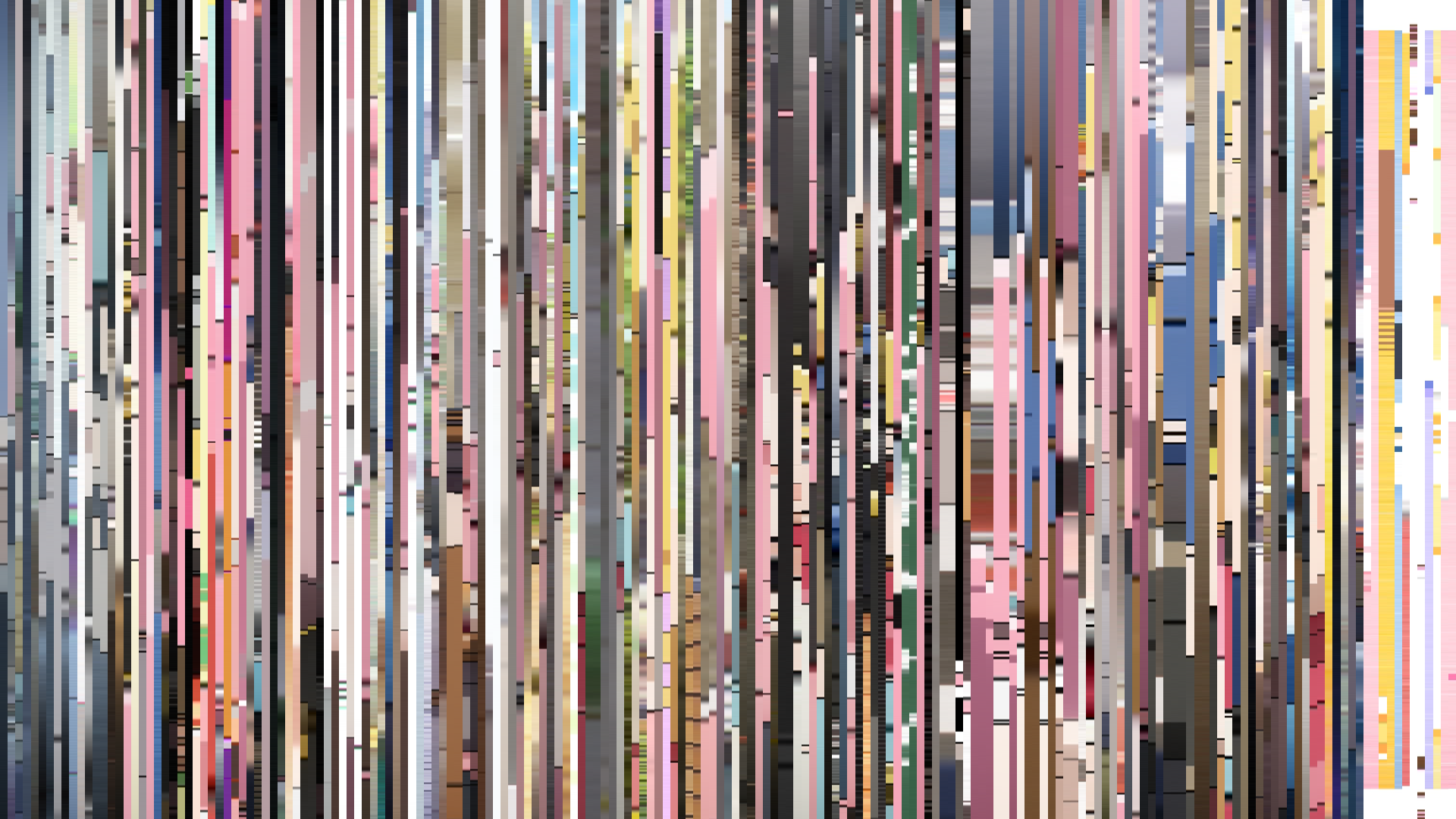
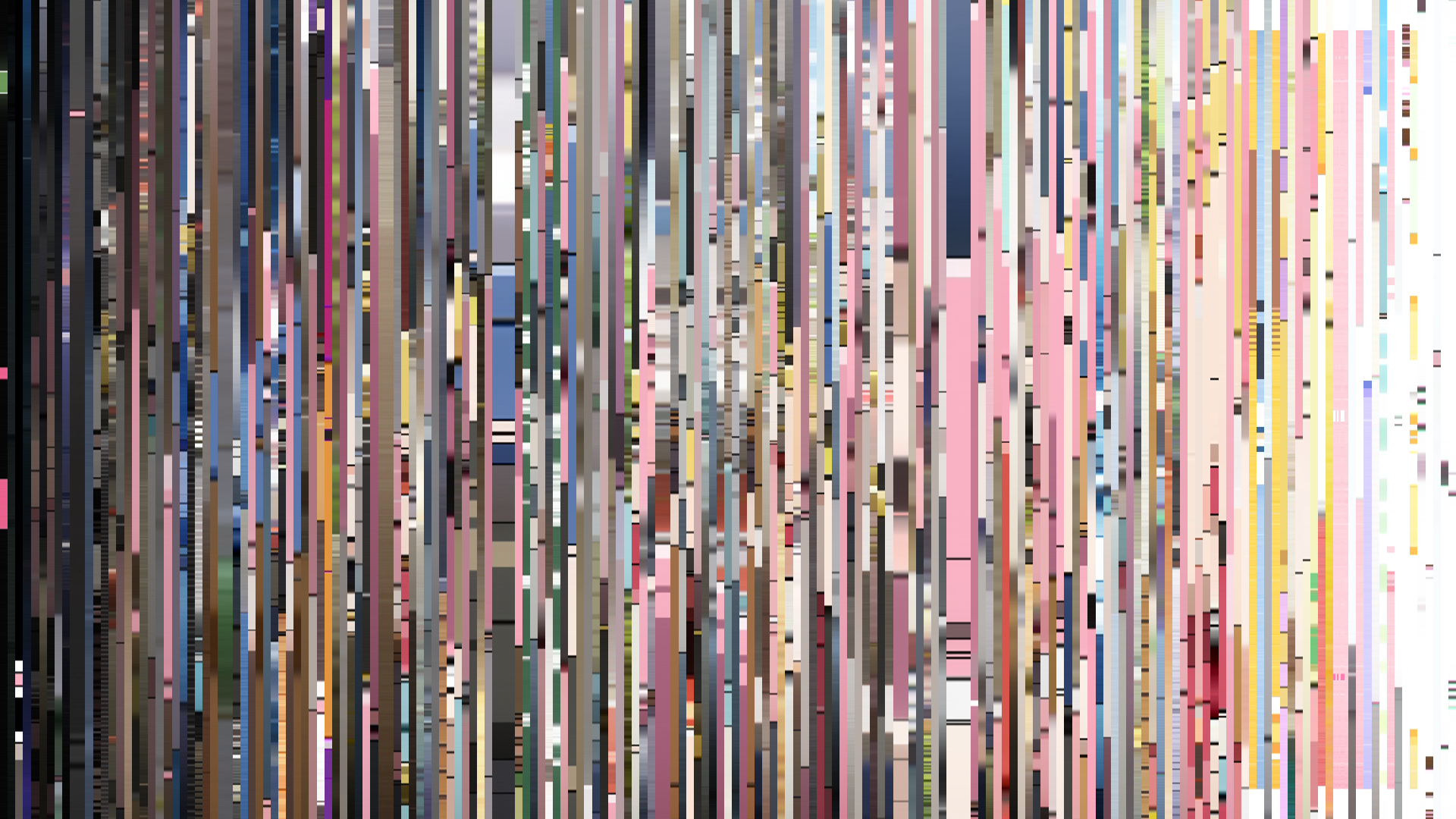
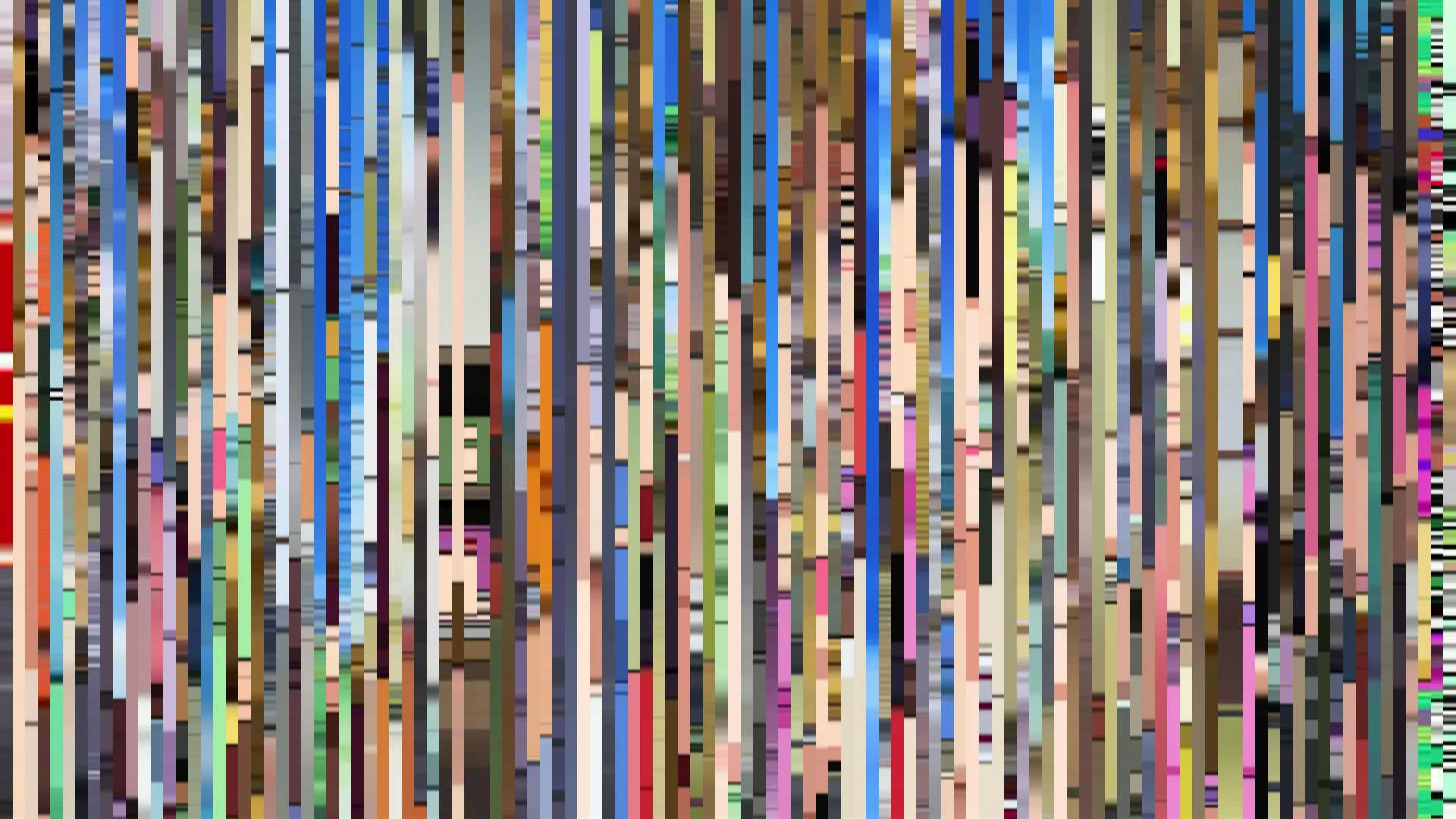
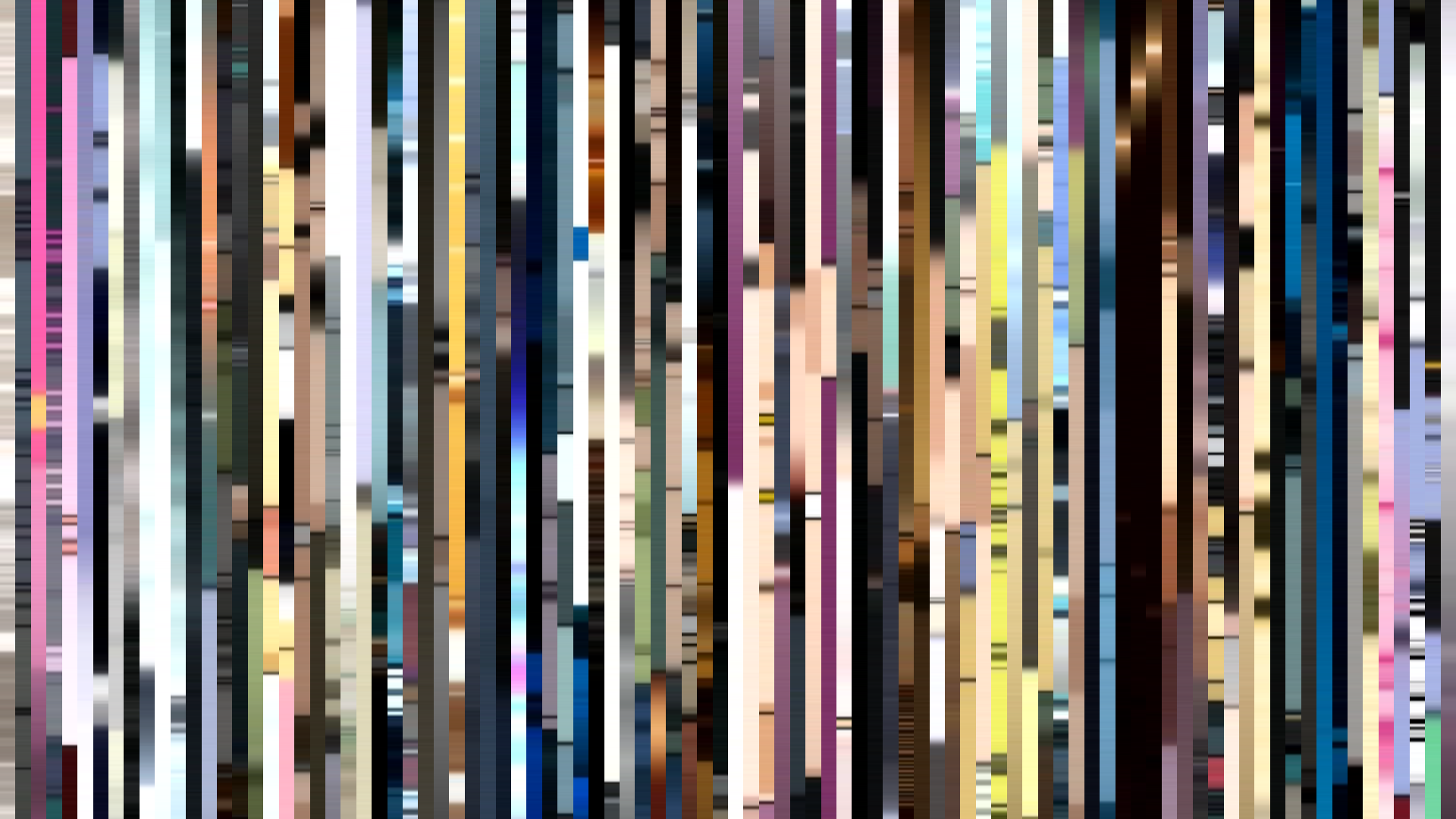
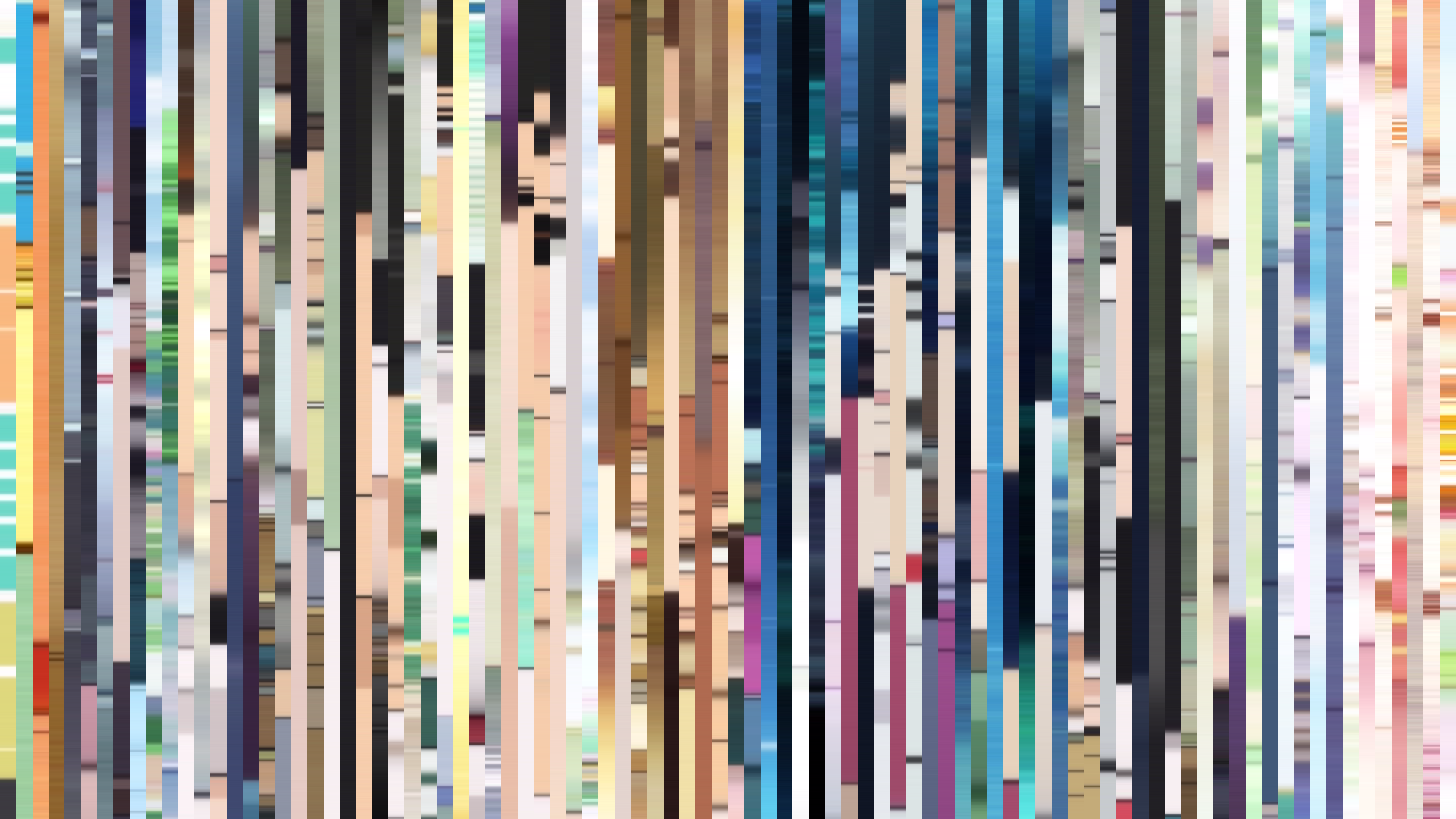
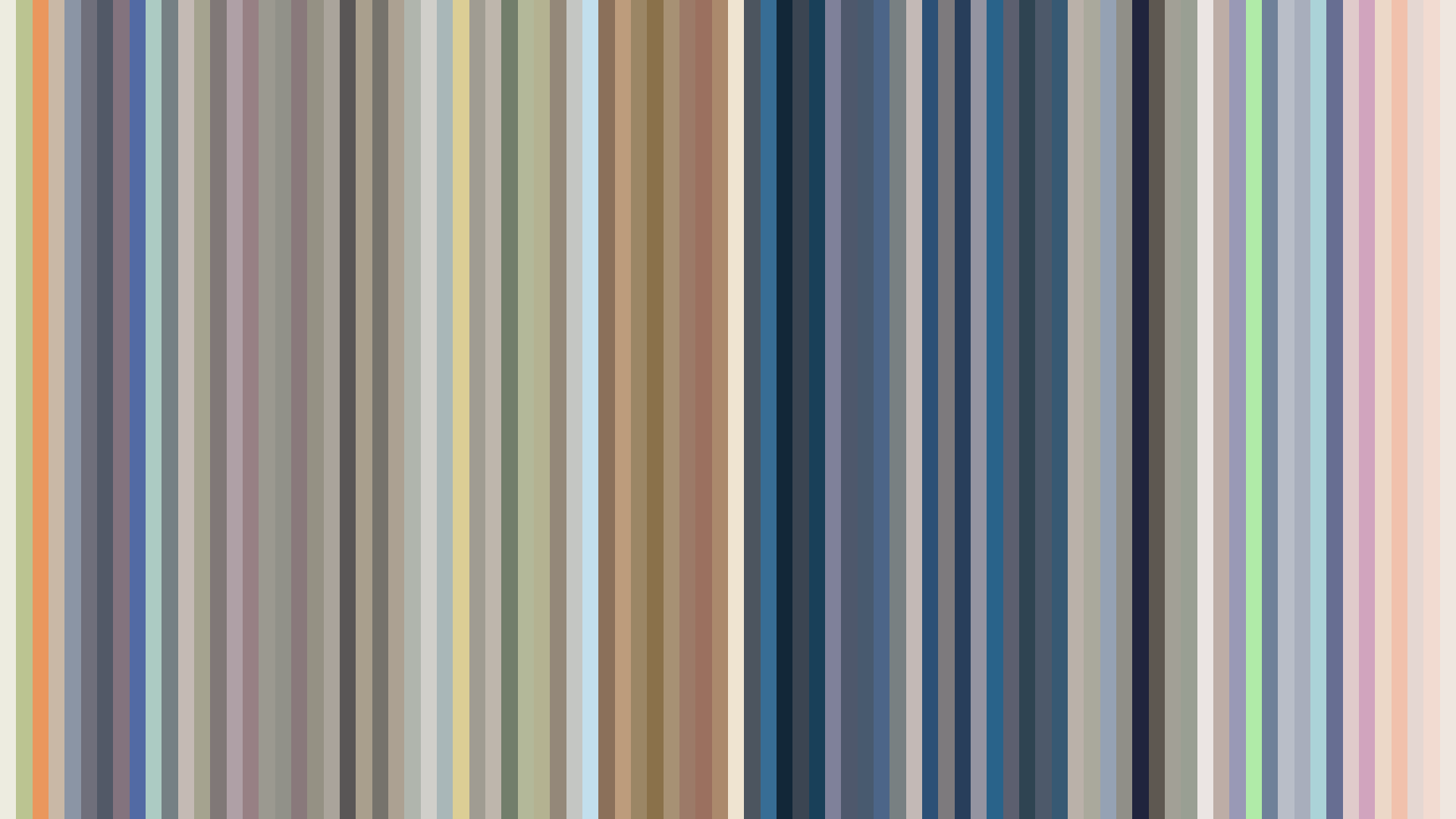
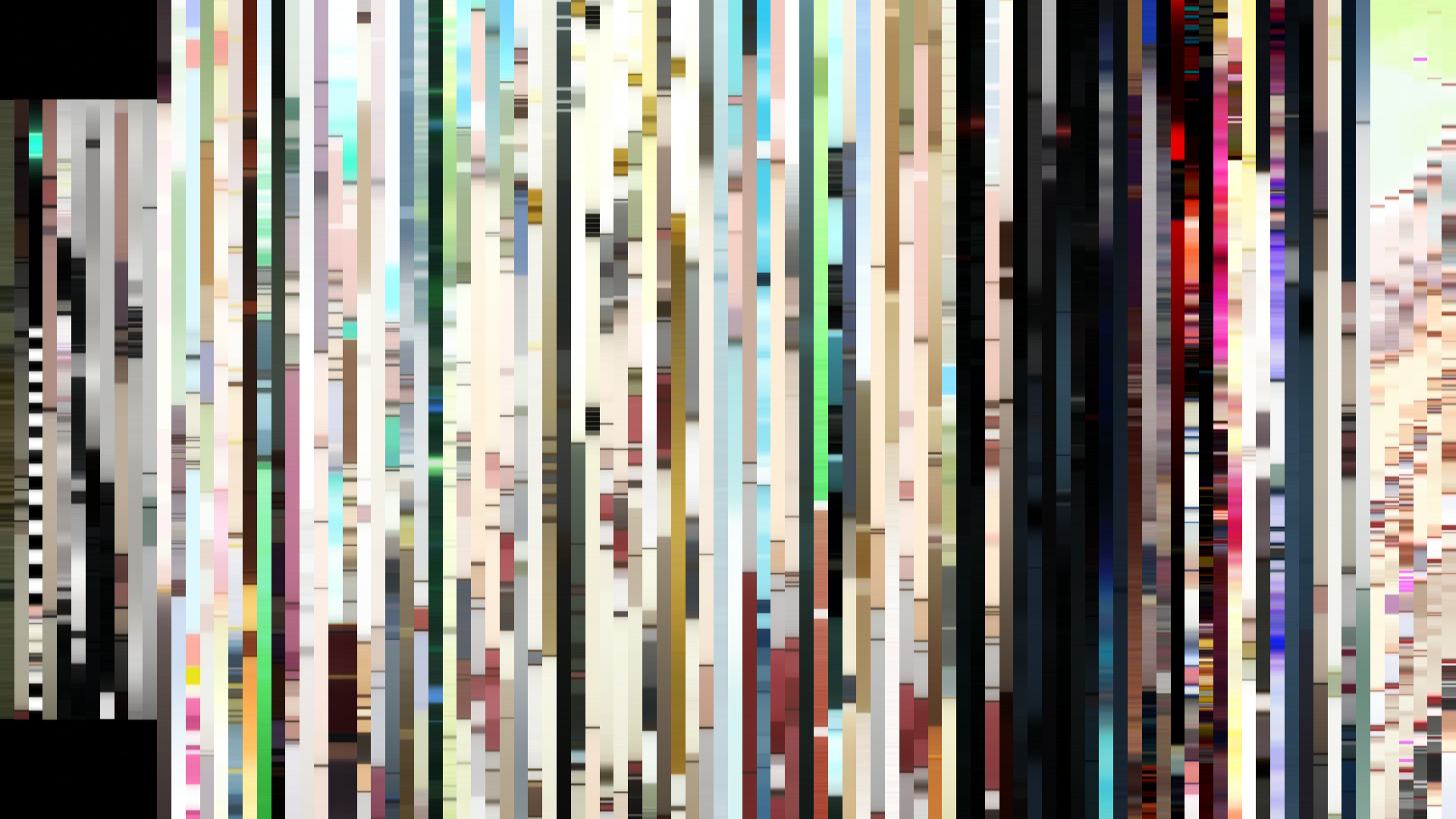
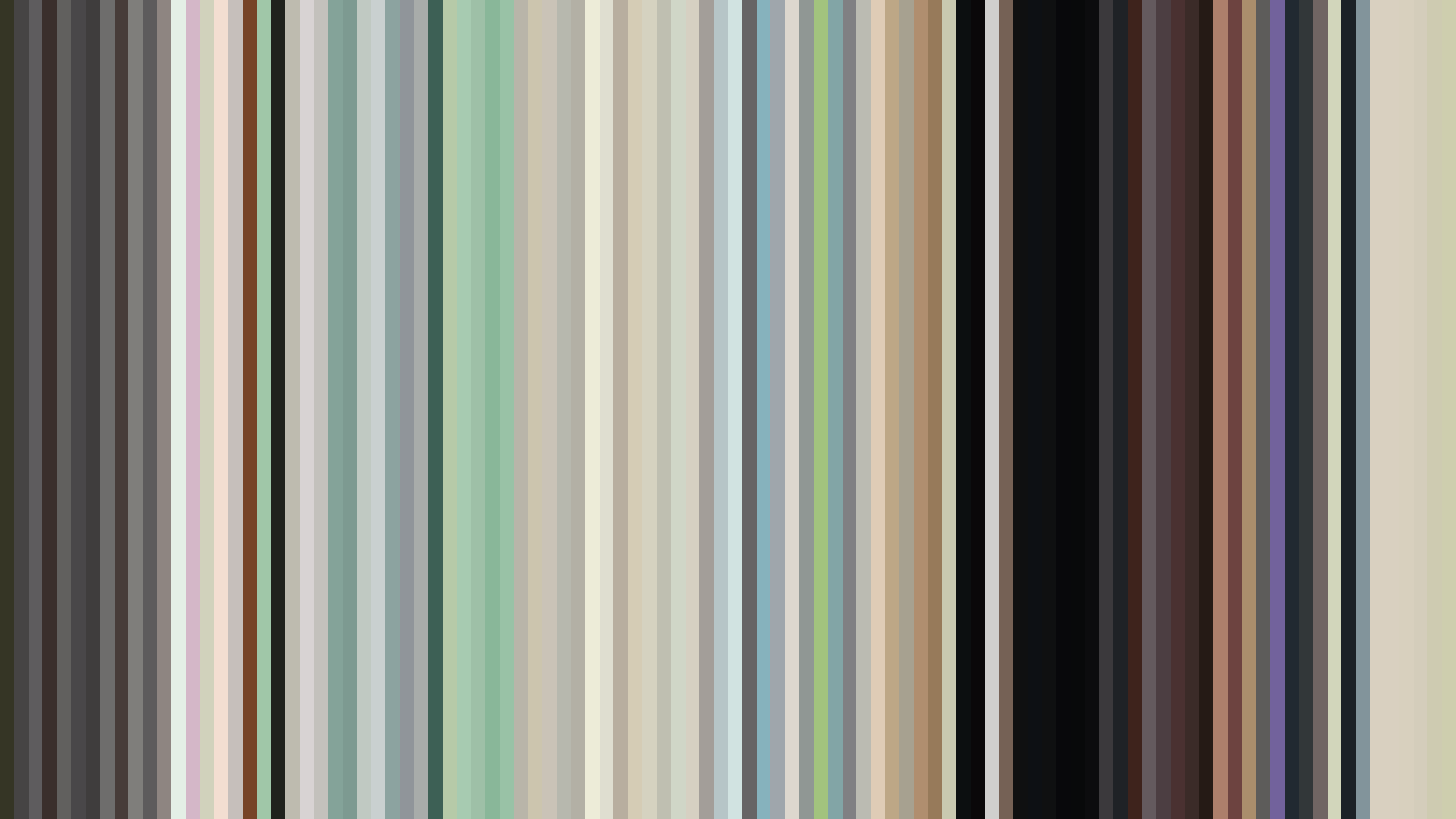
Frame Density Comparison — every 2nd vs every 4th frame
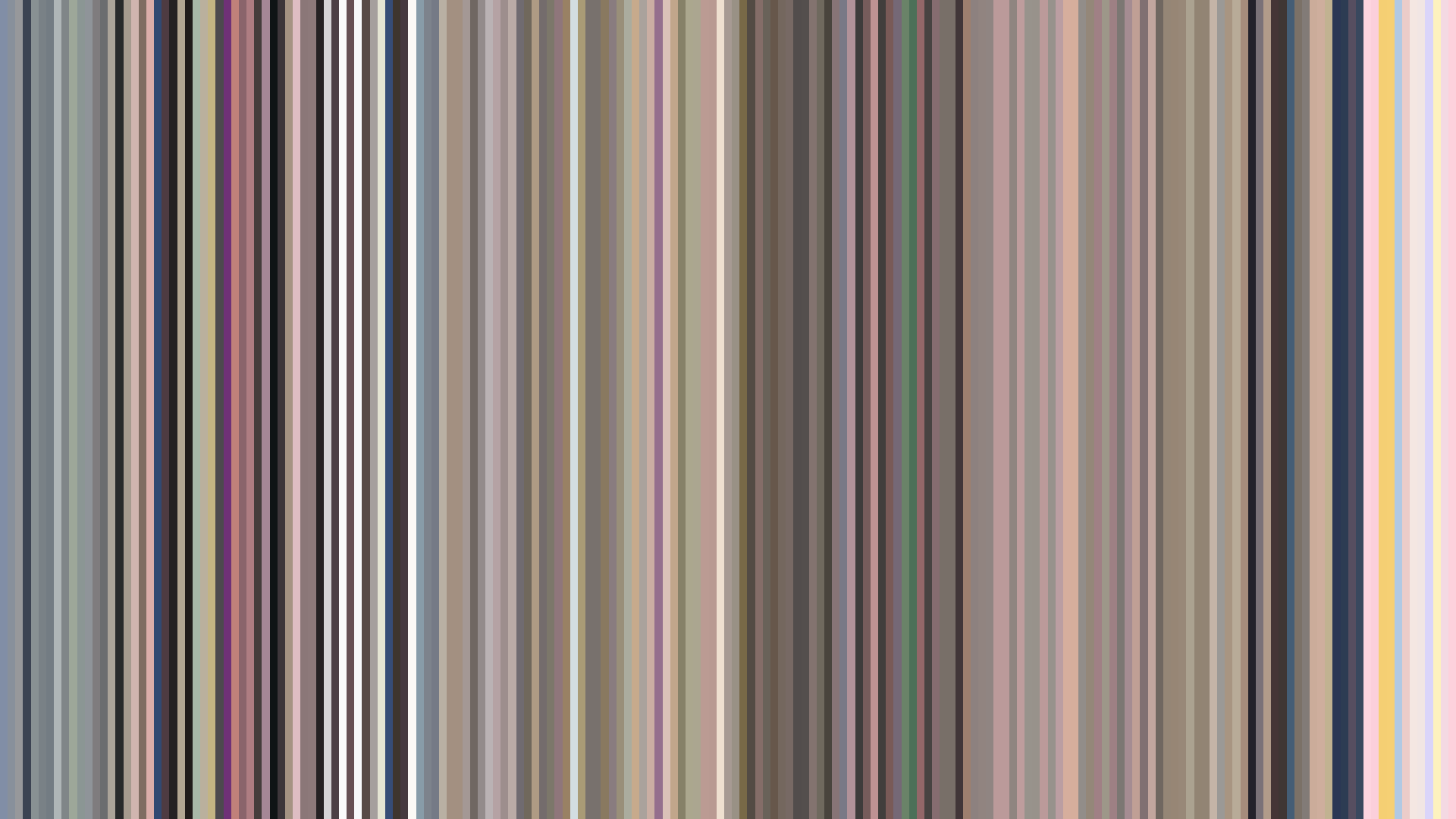
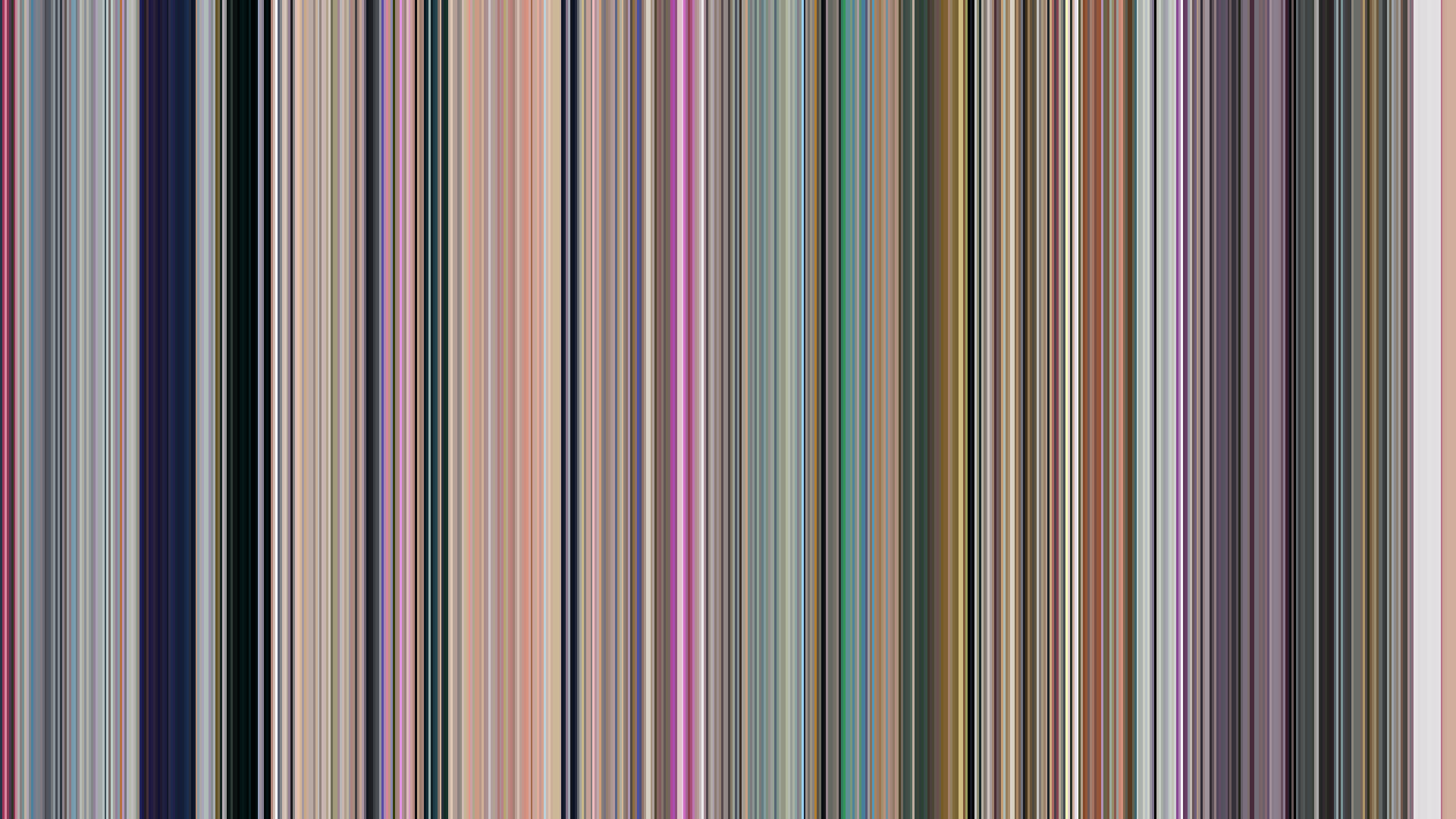
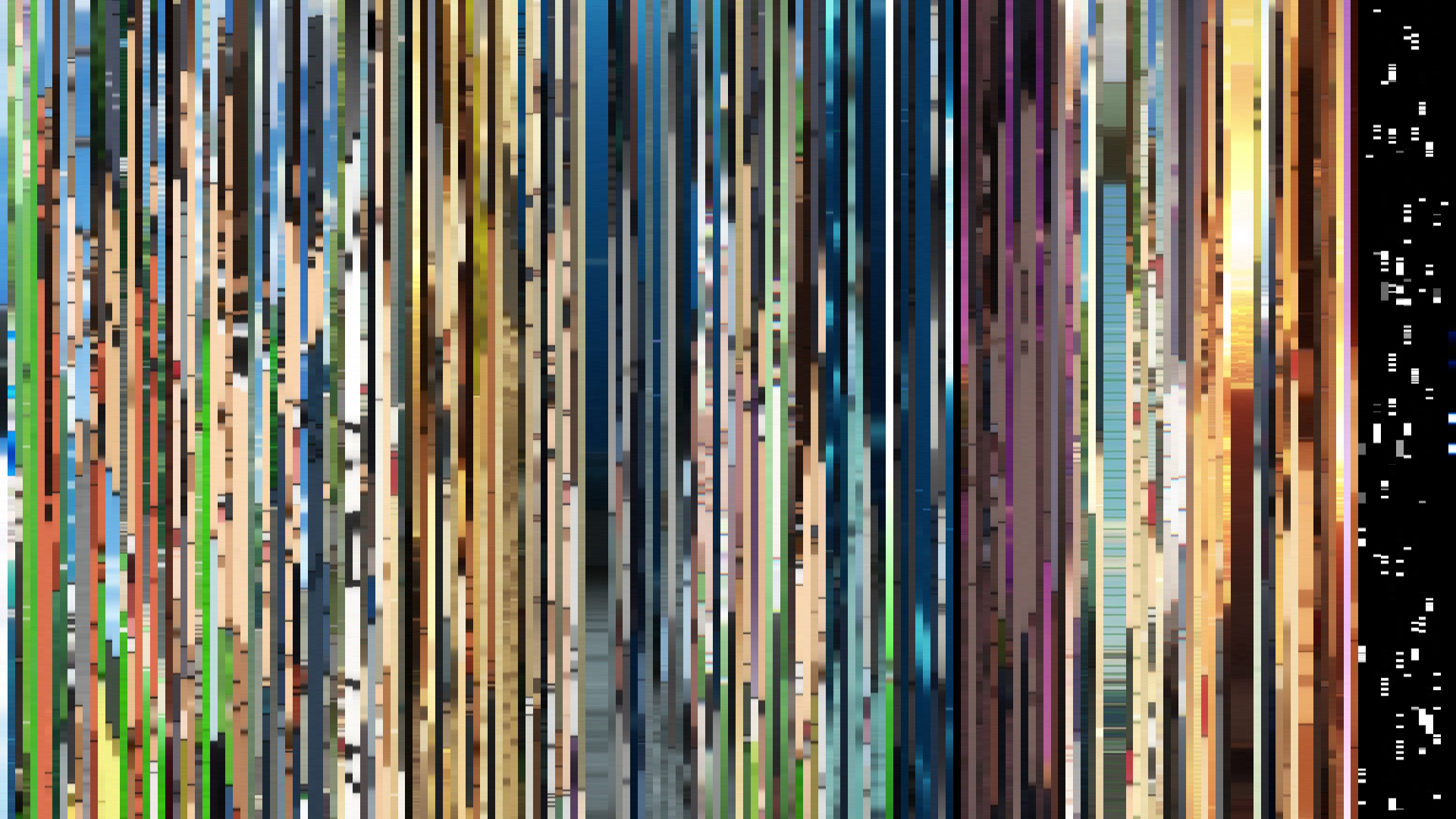
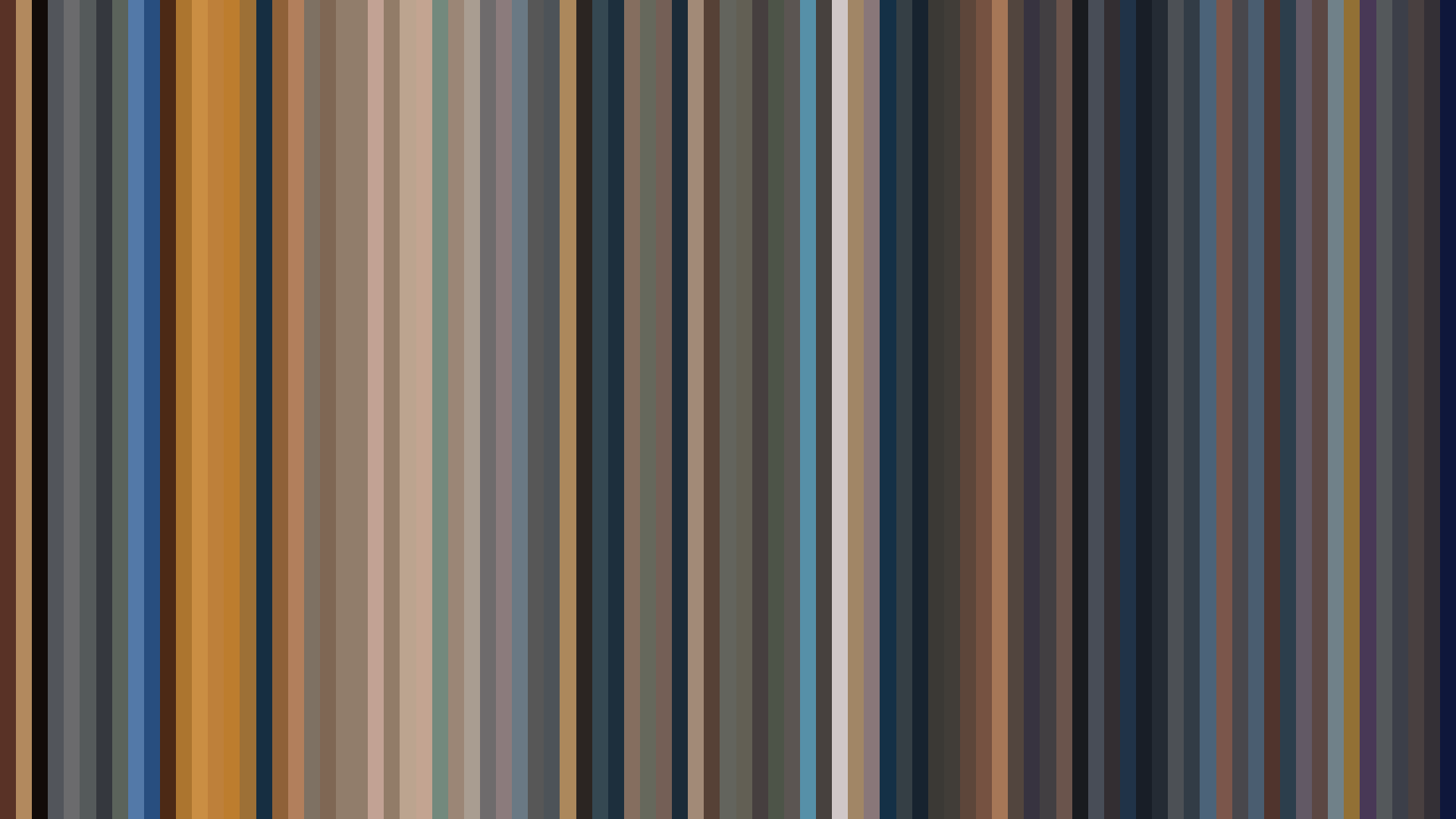
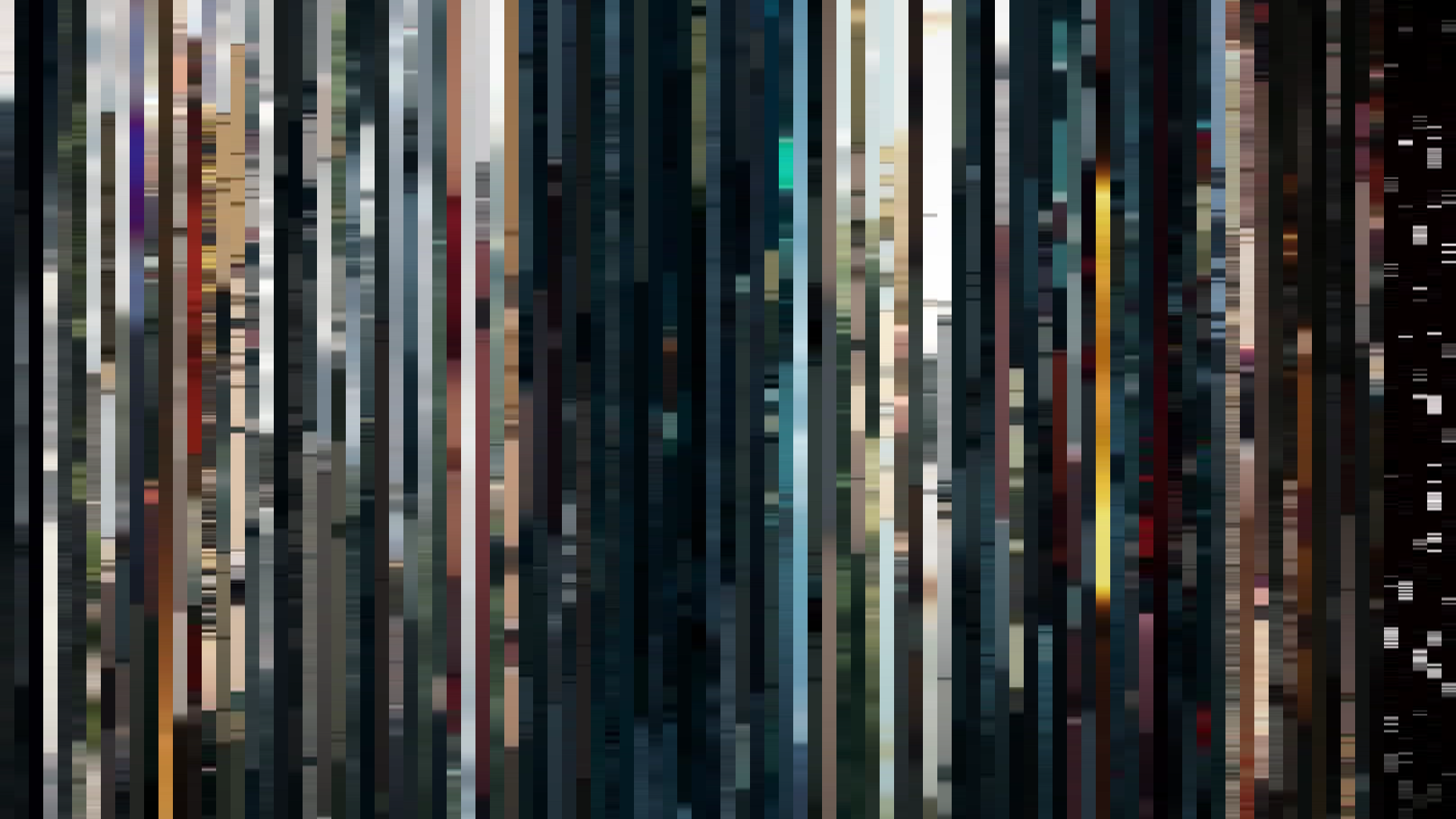
Slice · 15s
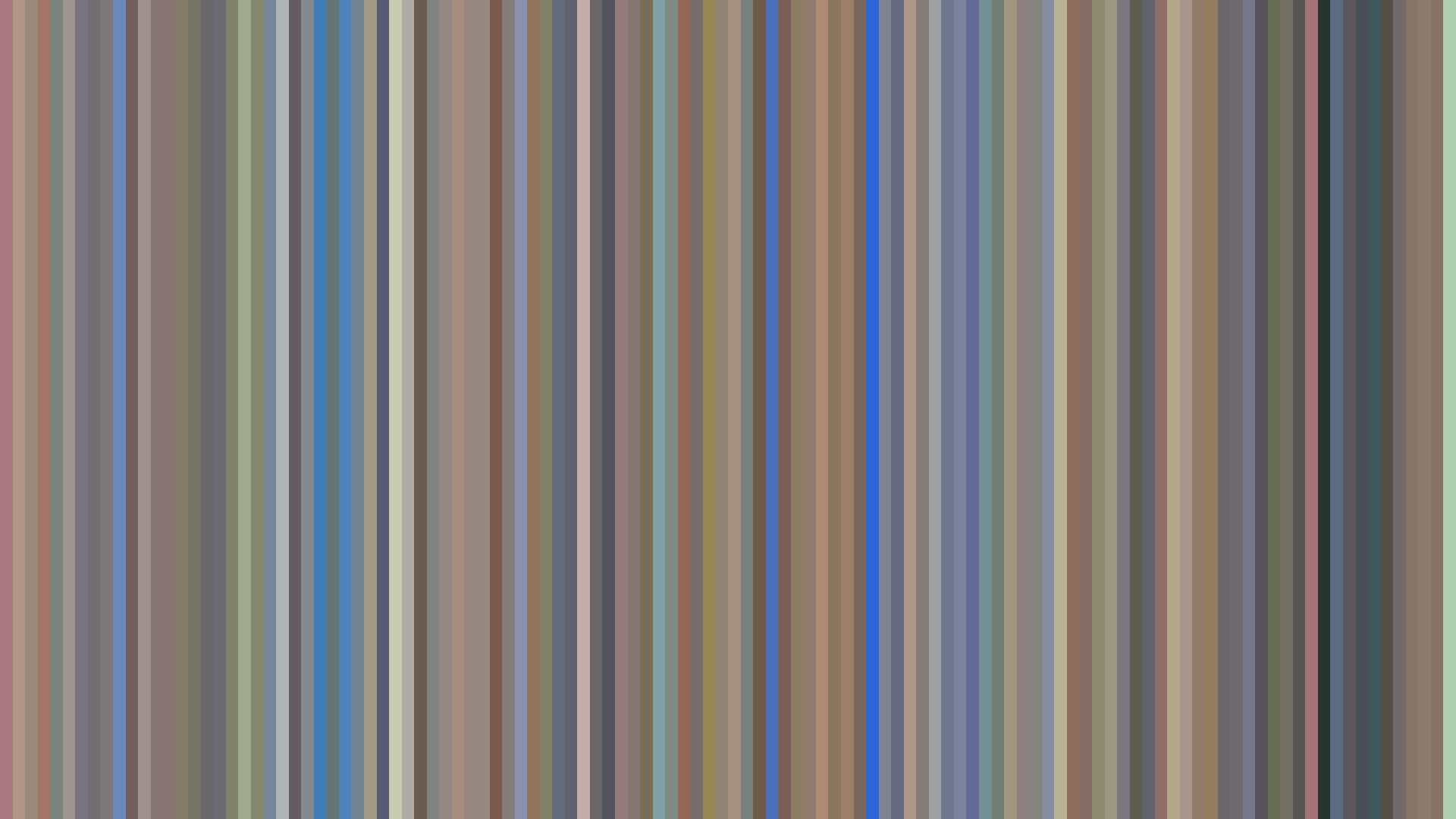
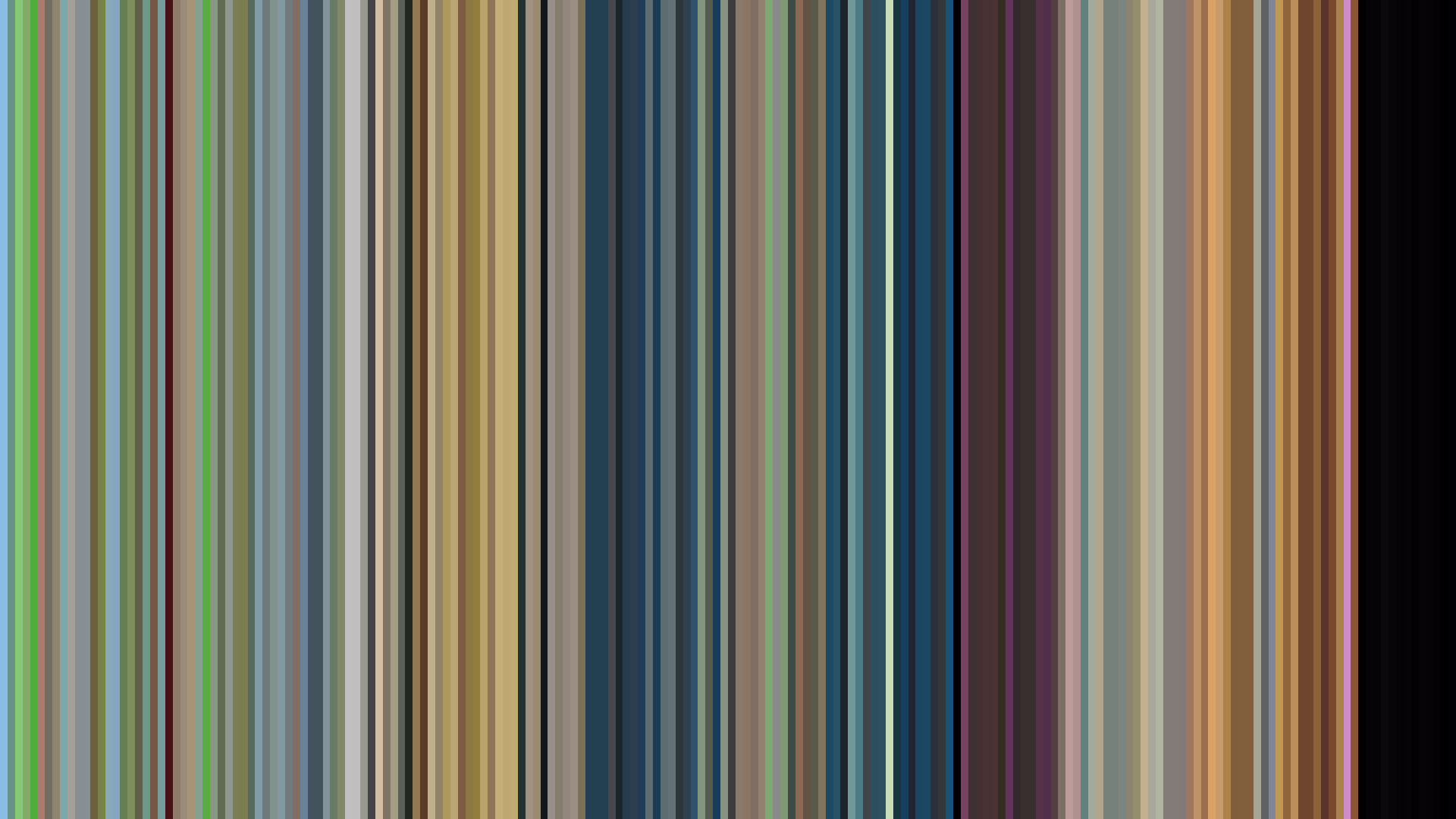
Avg · 15s
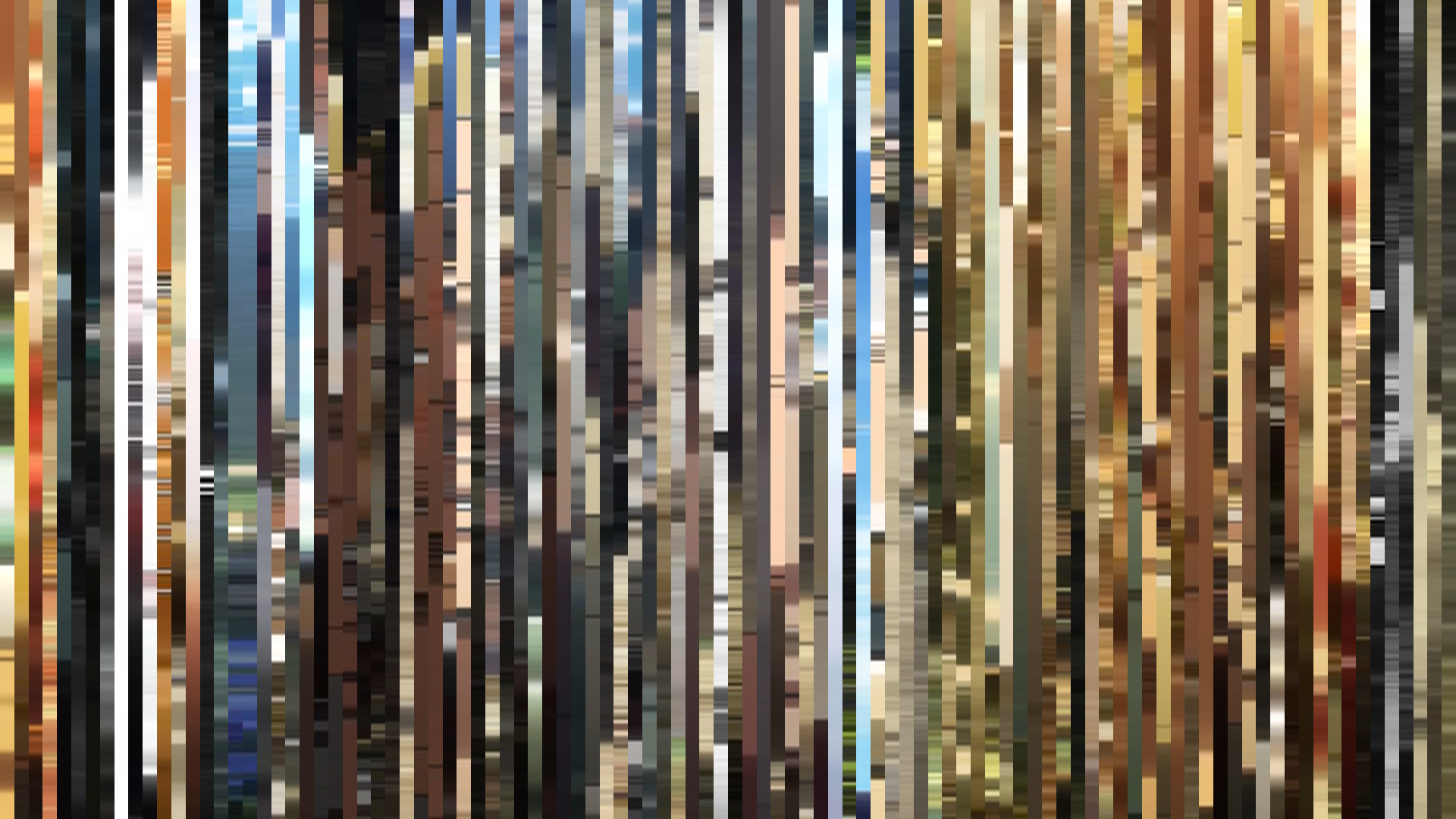
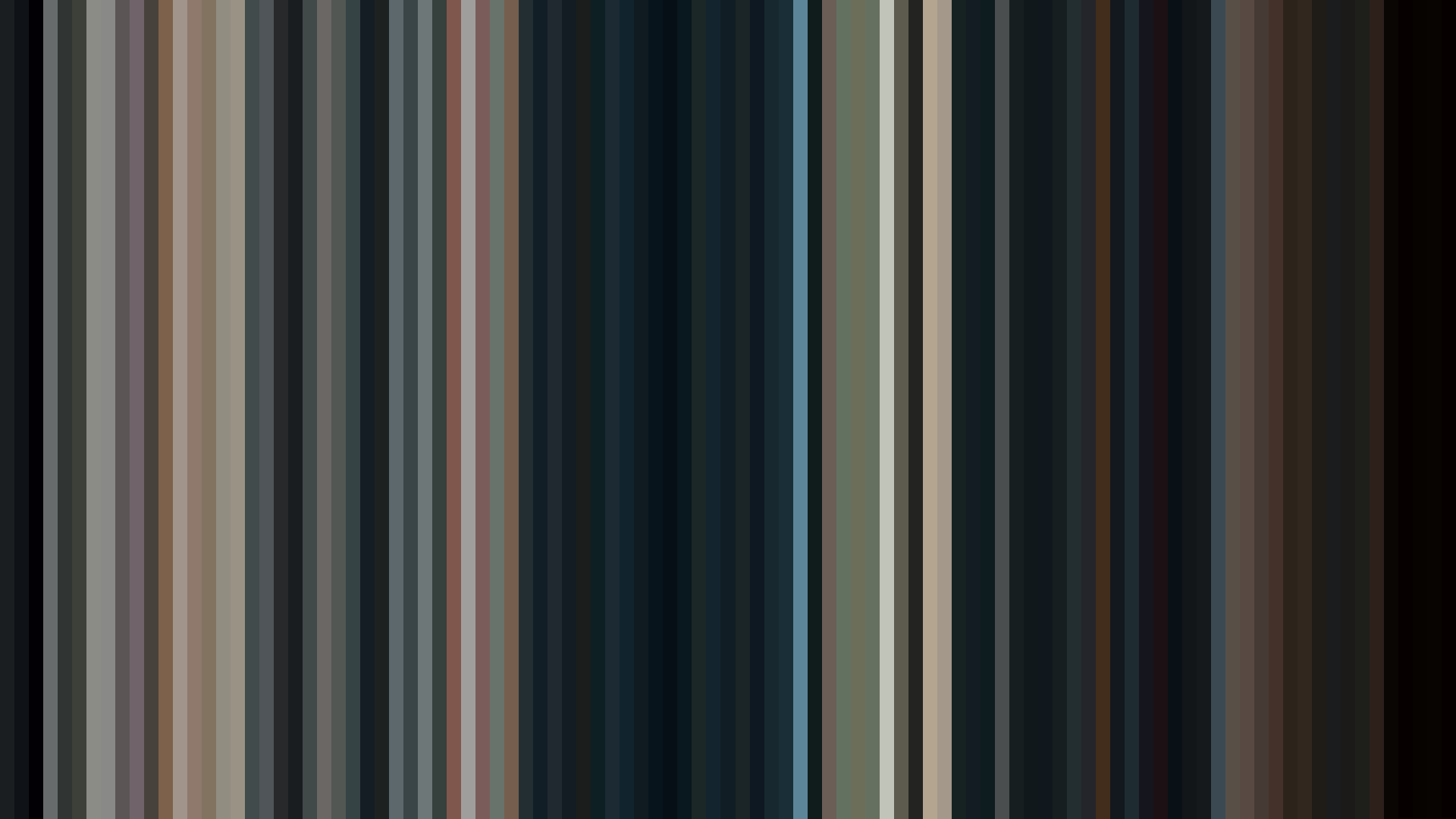
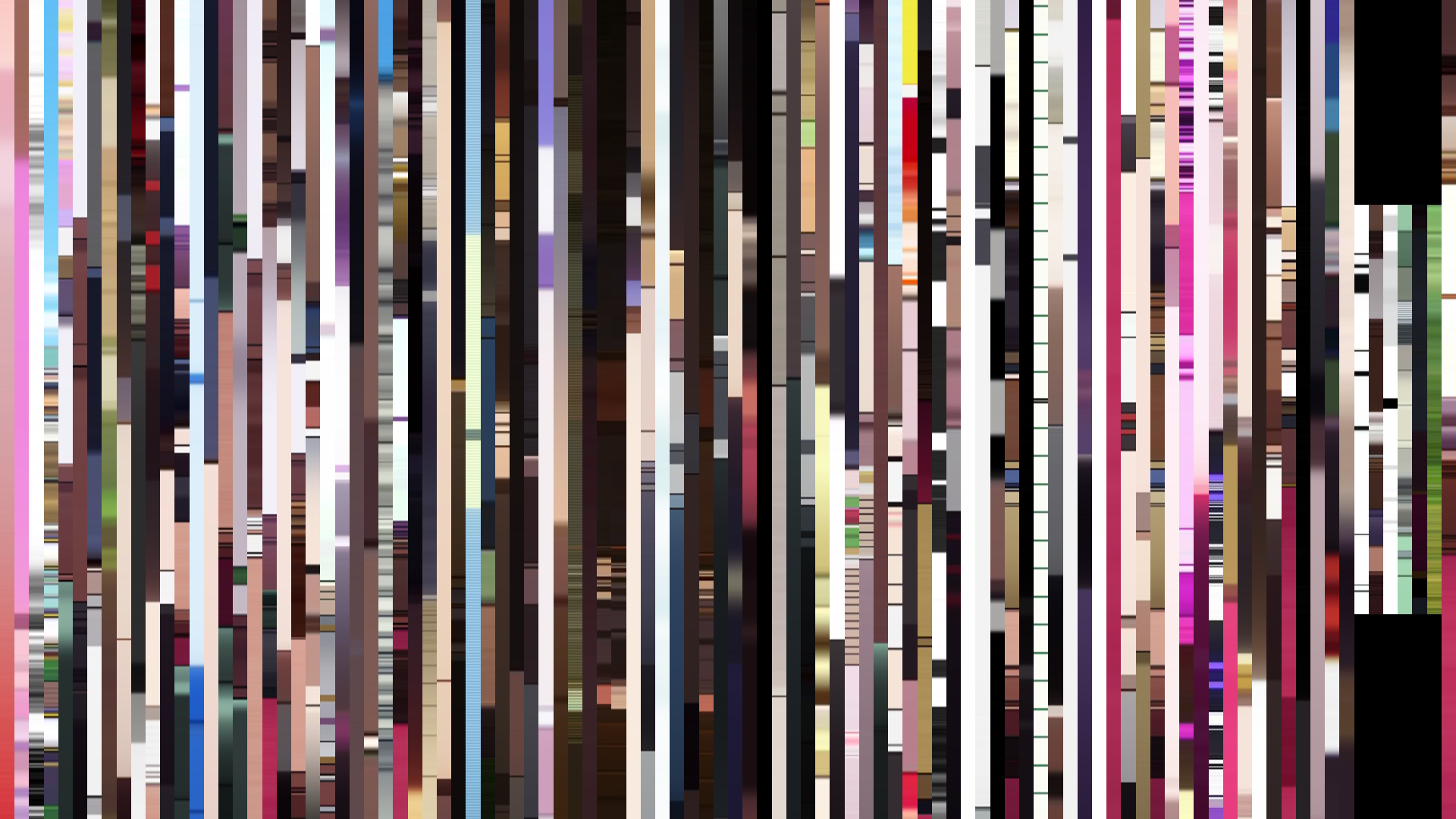
Slice · 30s
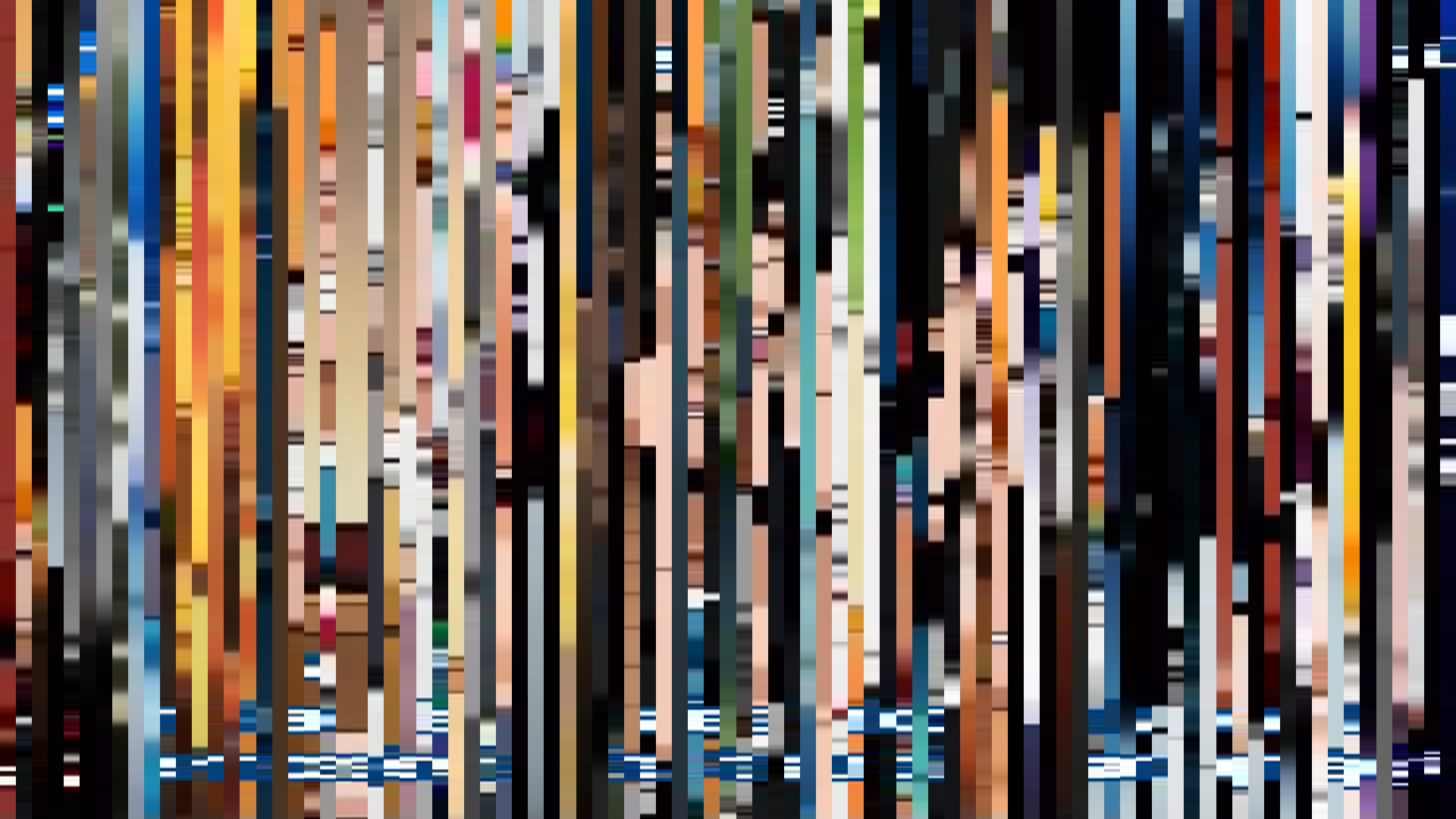
Avg · 30s
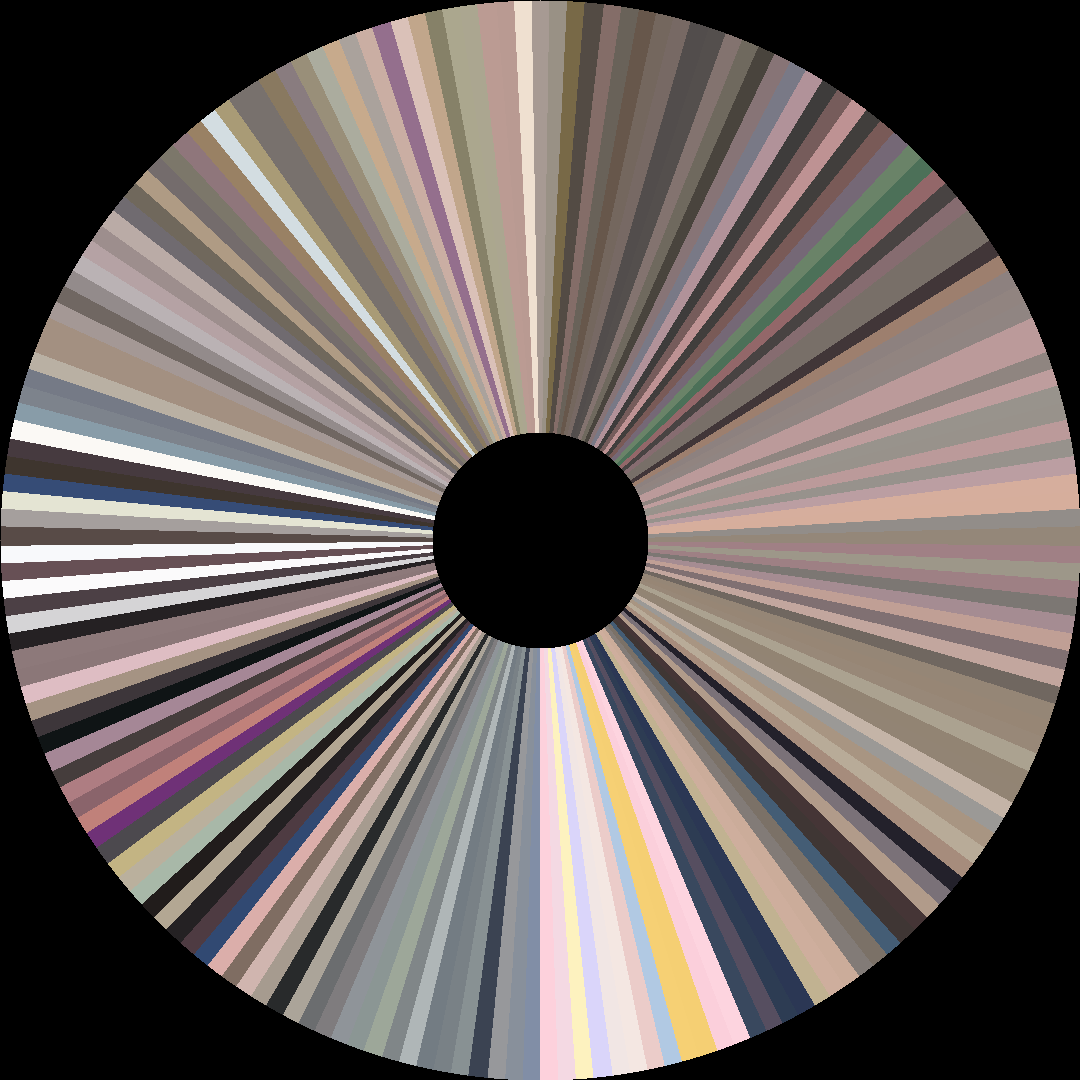
The data shows Bocchi the Rock! performing a slow bleed into light. Its palette is a story of suppressed saturation: grays and muted pinks that read like a held breath. Director Keiichirō Saitō and CloverWorks understand that social anxiety is not loud — it's a persistent low-volume hum in the key of Red-Purple, the dominant hue that hovers between embarrassment and the first blush of genuine connection. The bright-ending arc is surgical: the middle act sags slightly (0.492 brightness) as Bocchi folds into her worst spirals, then the final third lifts to 0.574, not triumphantly but perceptibly — the visual equivalent of her guitar finally finding the right note through trembling fingers. That warmth at the end, the #D4A5A8 pink creeping into a palette dominated by beige and charcoal, is the show's quiet radicalism: it earns its brighter frames not through catharsis but through exposure therapy. Bocchi's world does not explode into color; it simply learns to let a little more light in, frame by frame.
Brightness Arc (episode progression)
Hue Distribution
Act Breakdown
Opening
0.519
Middle
0.492
Closing
0.574
Avg Brightness
0.560
Avg Saturation
0.177
Warmth
0.554
Color Palette
#EBE0DE
#615C5C
#A49B9B
#D4A5A8
#272526
#916C66
#E1D1A8
#9D8C6D
3-Act Color Story
Opening
Middle
Closing
Color Twins
Perceptually nearest palettes — measured in OKLab space, not RGB






![[Oshi No Ko] Season 2](../../../barcodes/2024/oshi-no-ko-season-2/barcode_slice.png)


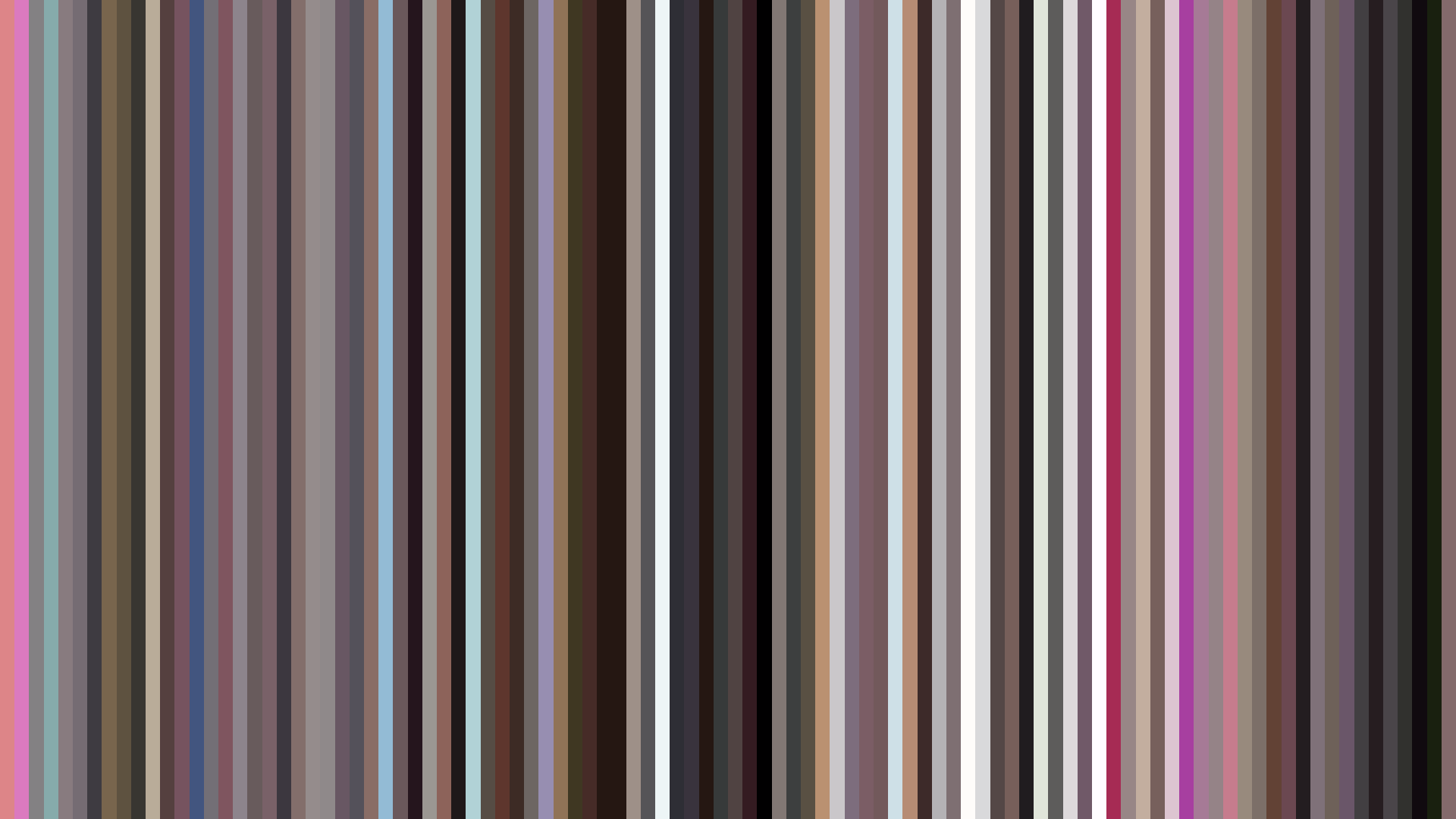
The data shows Bocchi the Rock! performing a slow bleed into light. Its palette is a story of suppressed saturation: grays and muted pinks that read like a held breath. Director Keiichirō Saitō and CloverWorks understand that social anxiety is not loud — it's a persistent low-volume hum in the key of Red-Purple, the dominant hue that hovers between embarrassment and the first blush of genuine connection. The bright-ending arc is surgical: the middle act sags slightly (0.492 brightness) as Bocchi folds into her worst spirals, then the final third lifts to 0.574, not triumphantly but perceptibly — the visual equivalent of her guitar finally finding the right note through trembling fingers. That warmth at the end, the #D4A5A8 pink creeping into a palette dominated by beige and charcoal, is the show's quiet radicalism: it earns its brighter frames not through catharsis but through exposure therapy. Bocchi's world does not explode into color; it simply learns to let a little more light in, frame by frame.