Edit Pace — frame-to-frame color delta (bright = fast cuts)
Color Temperature — warm (gold) vs cool (teal) per frame
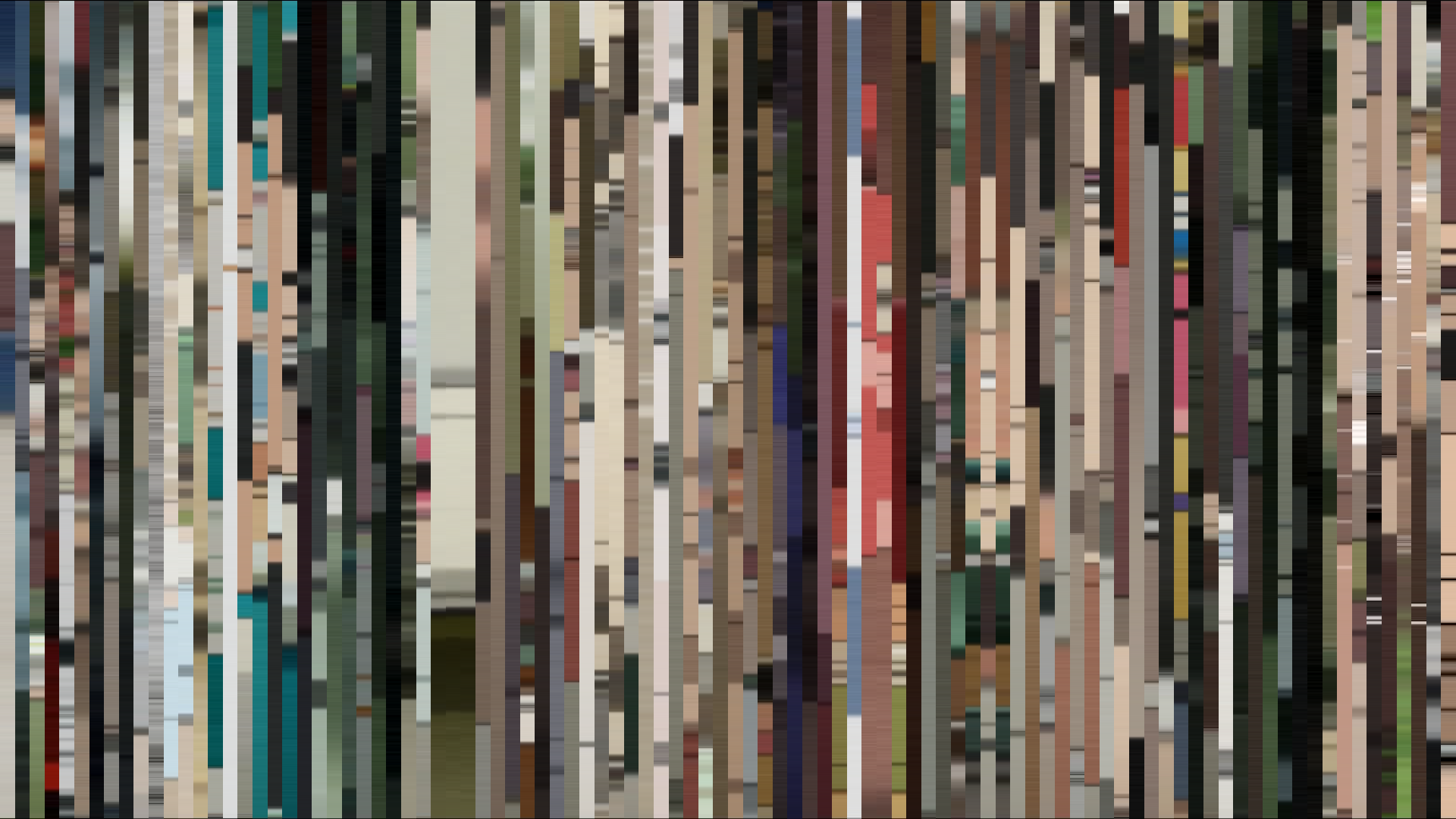
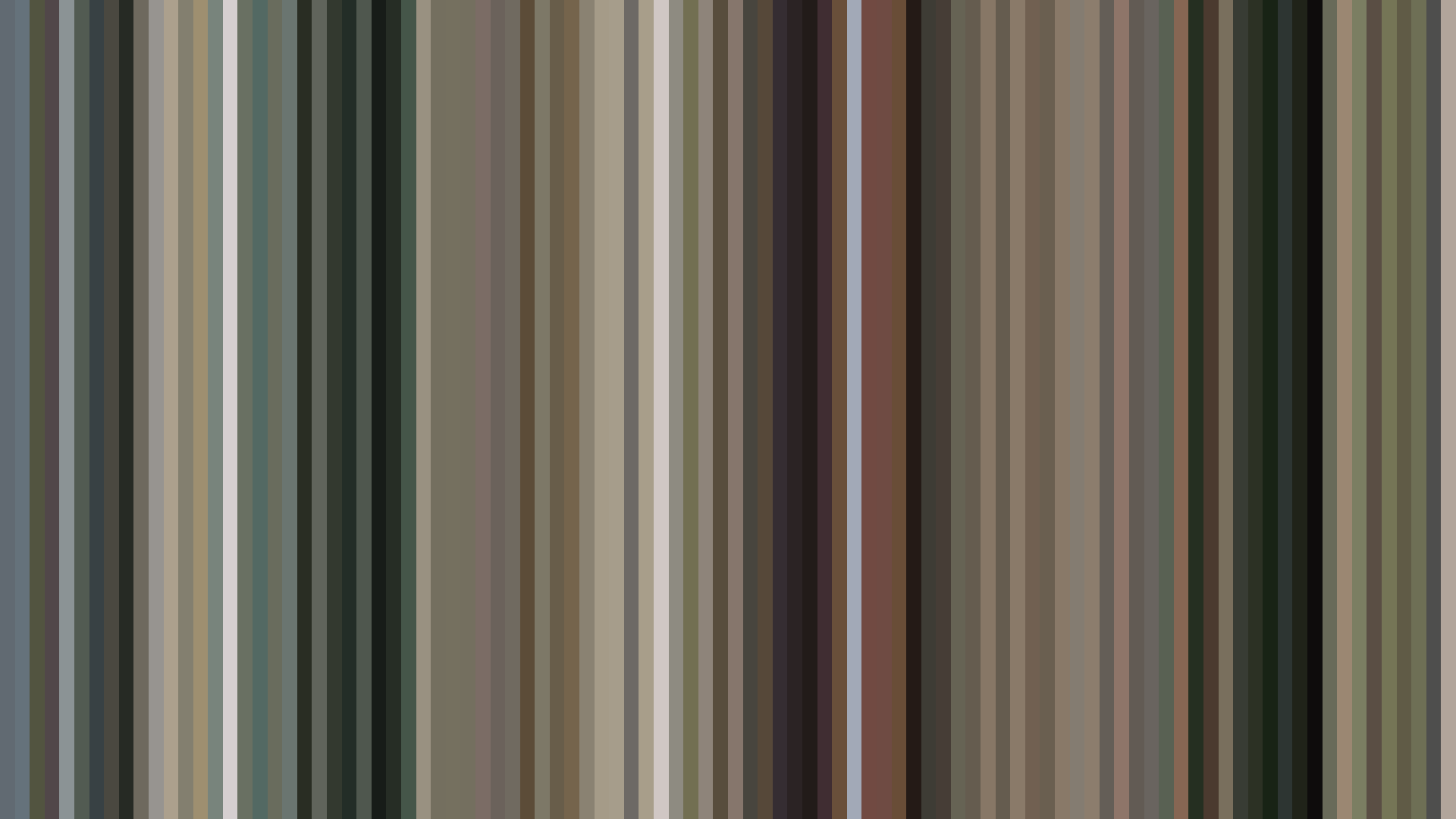
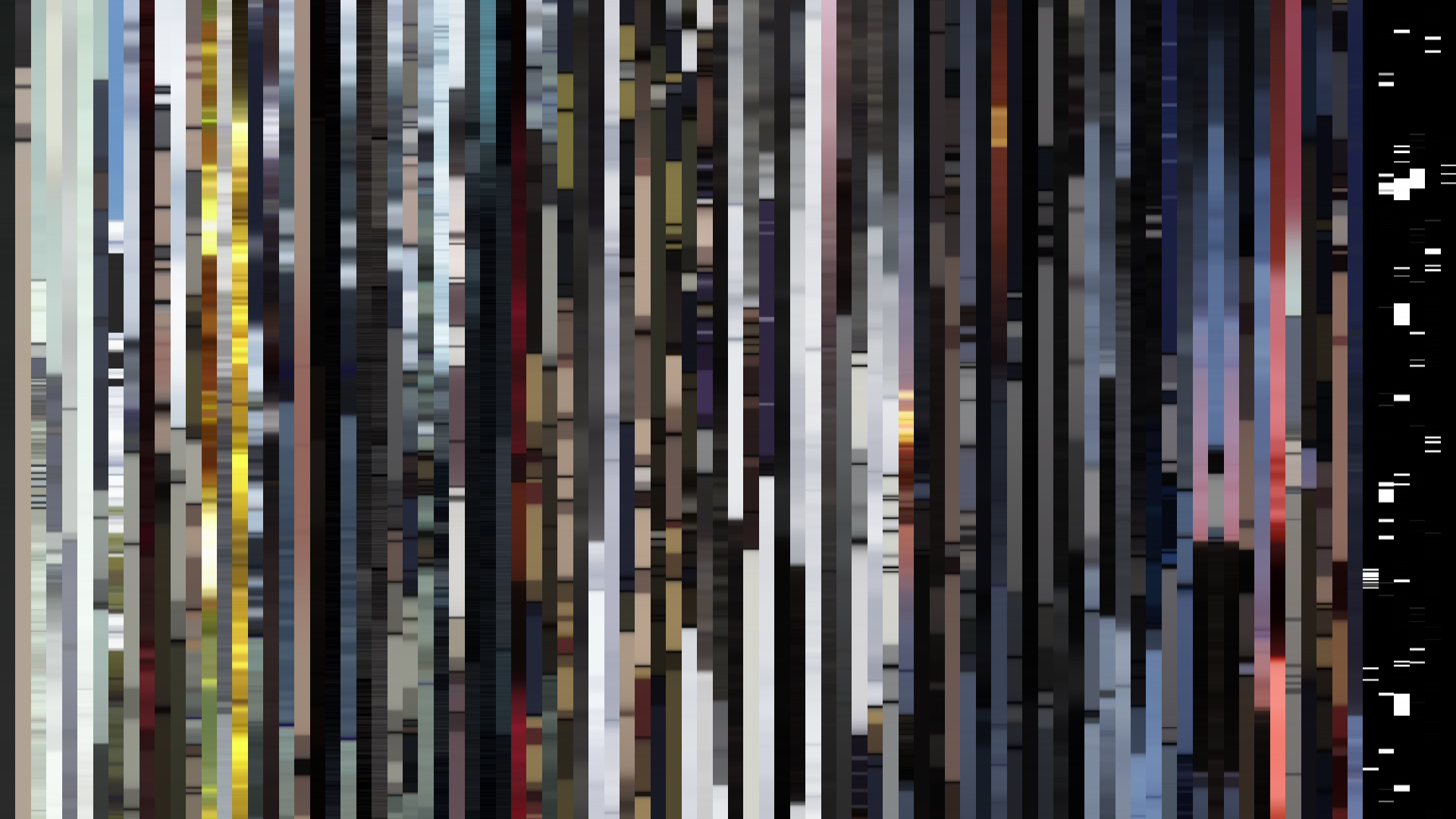
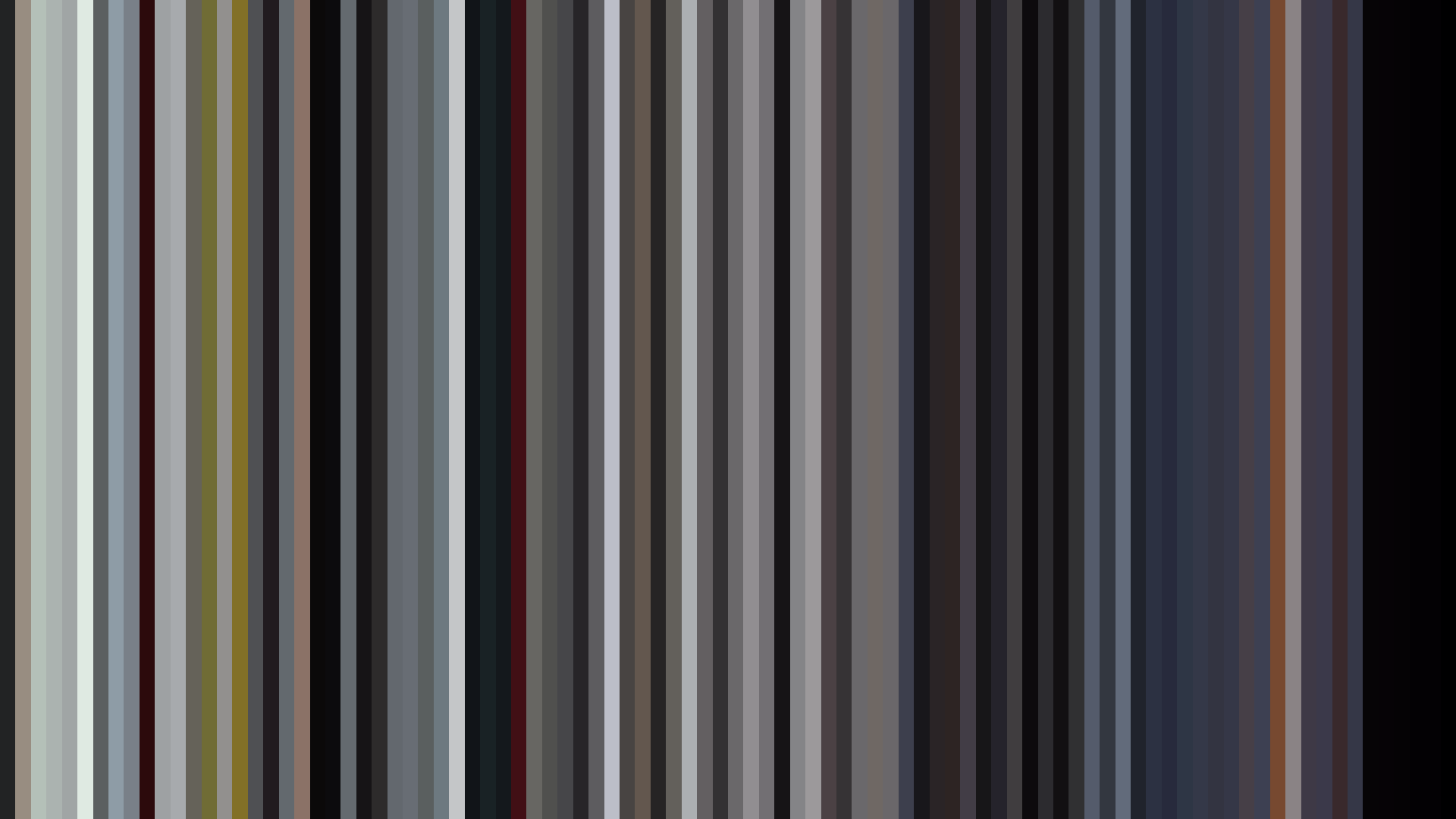
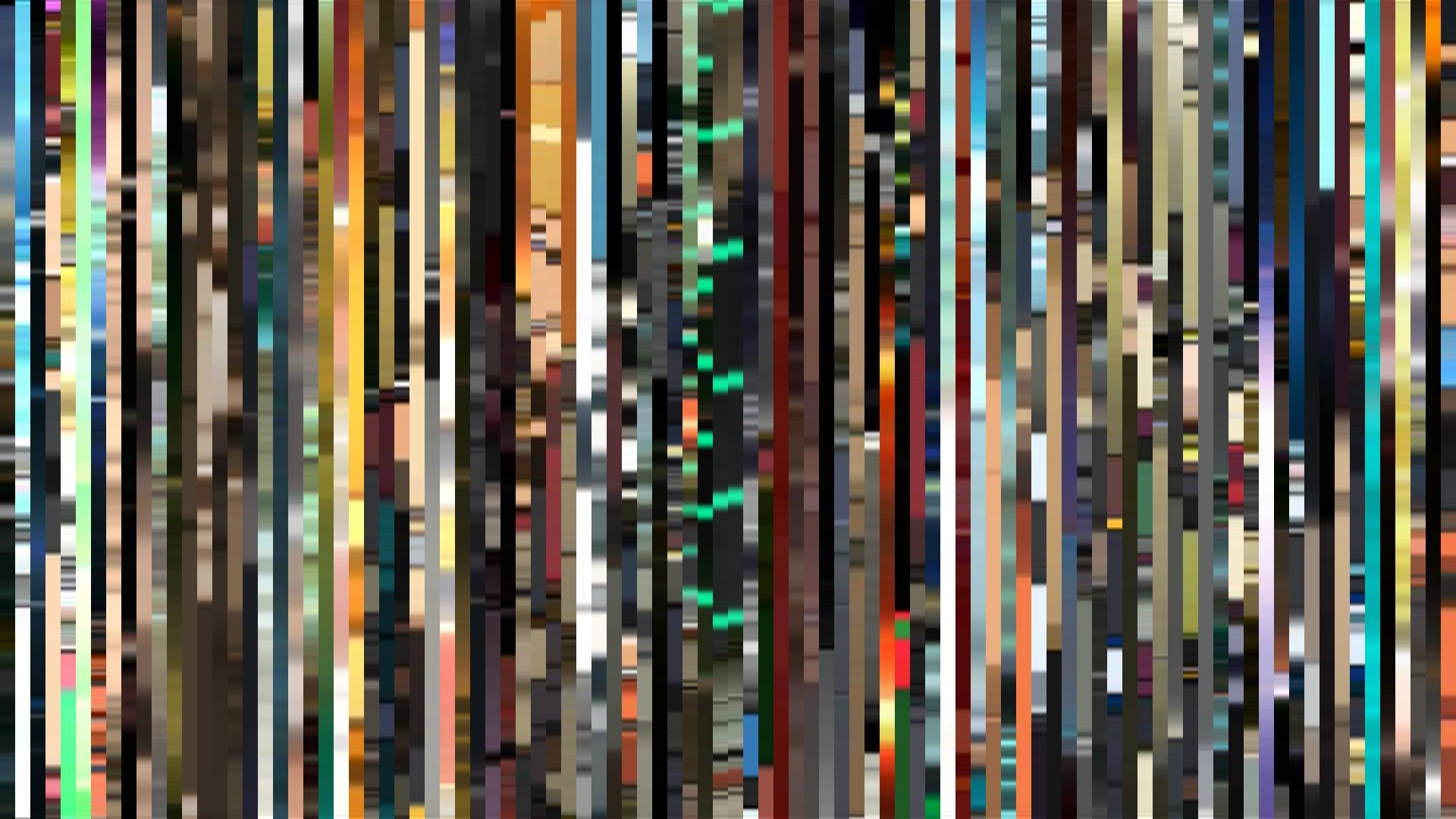
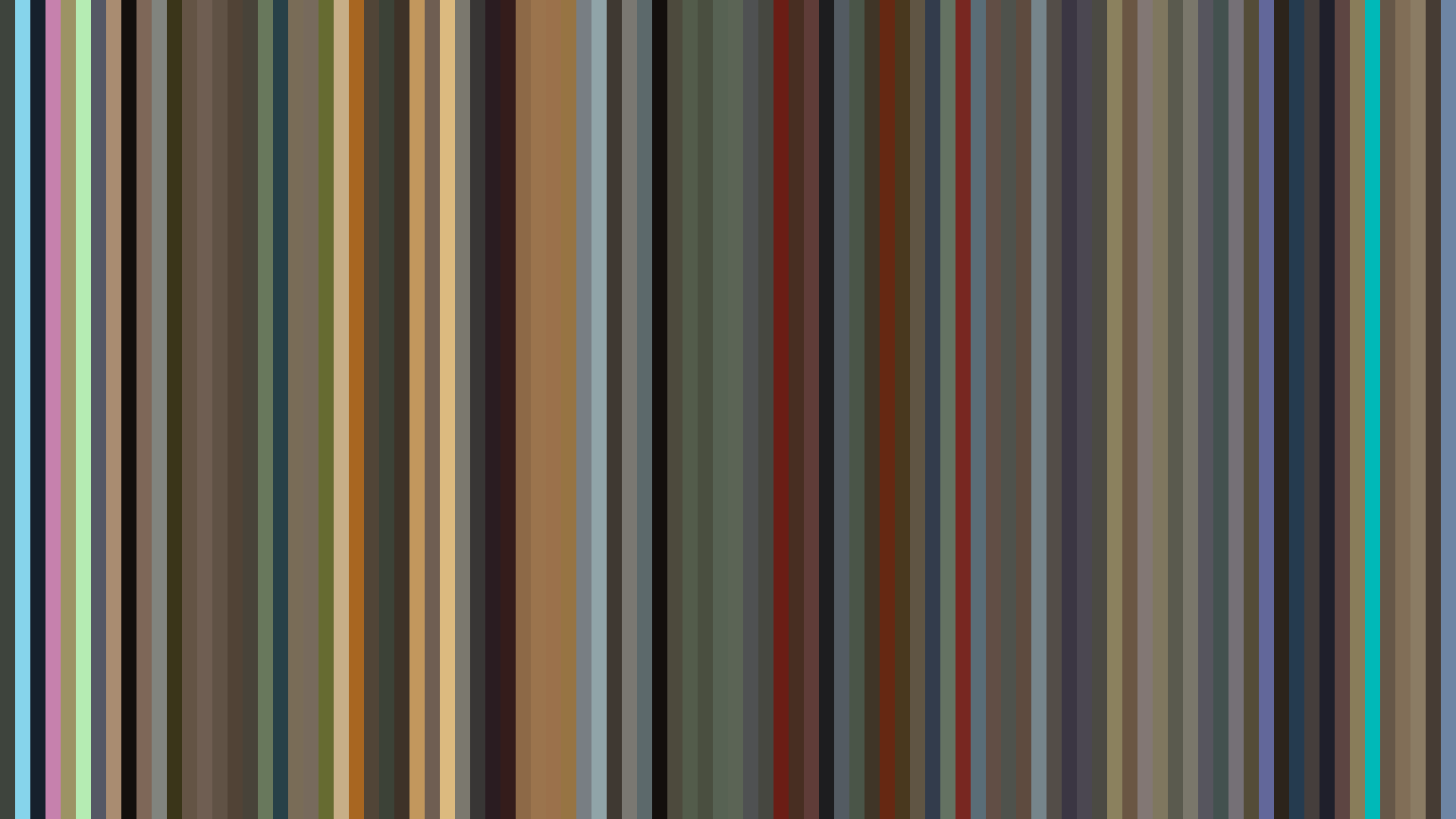
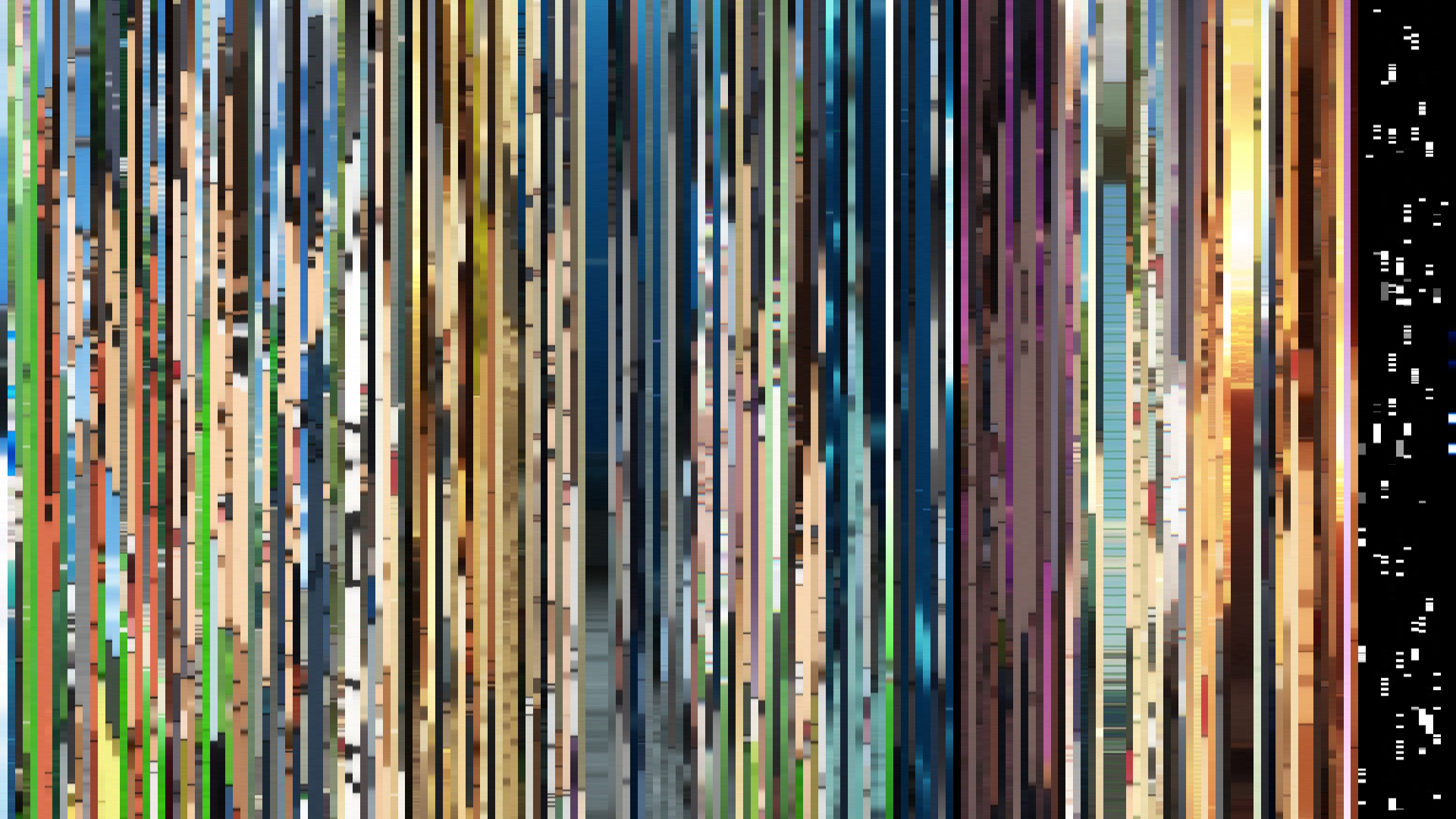
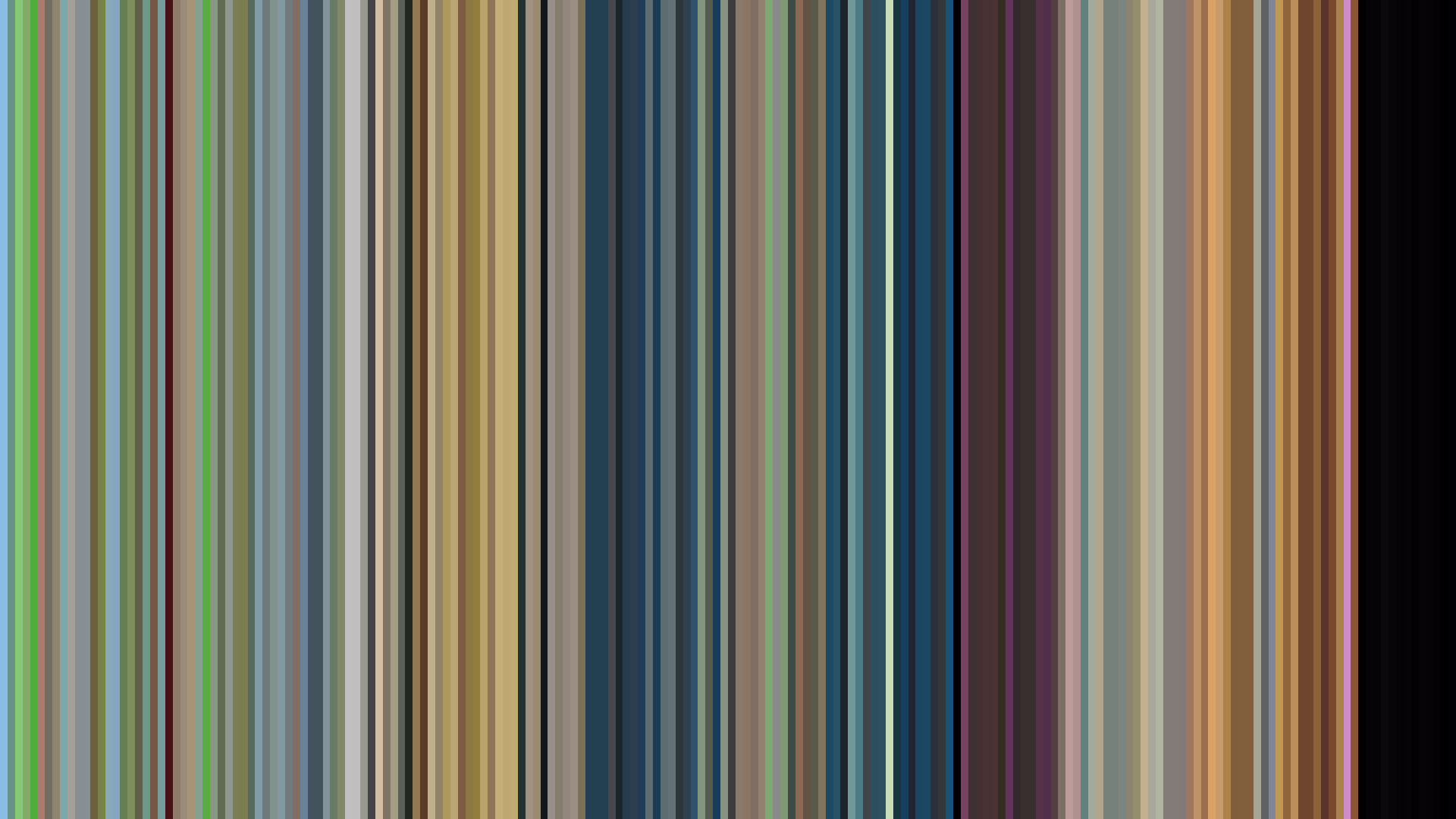
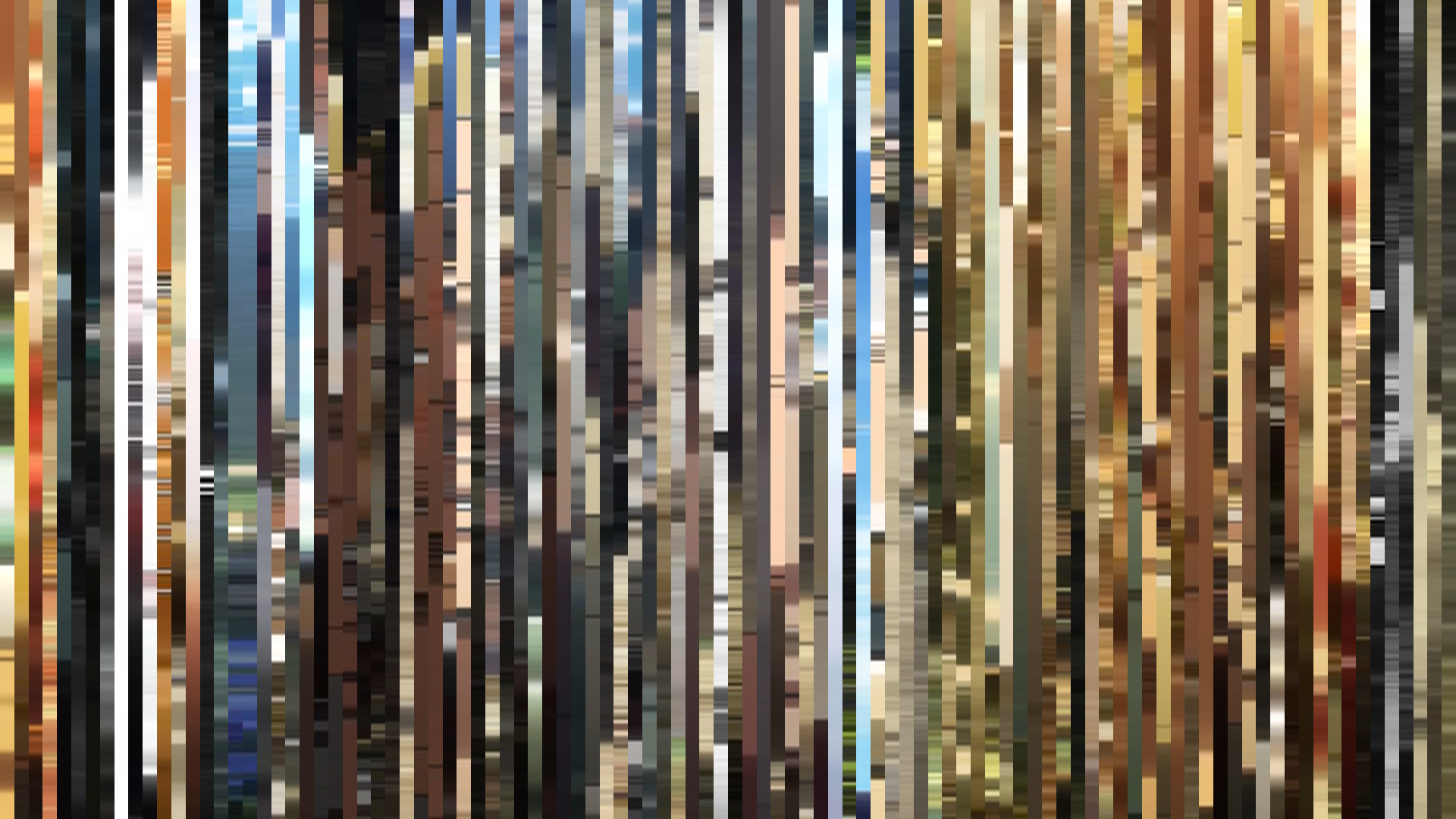
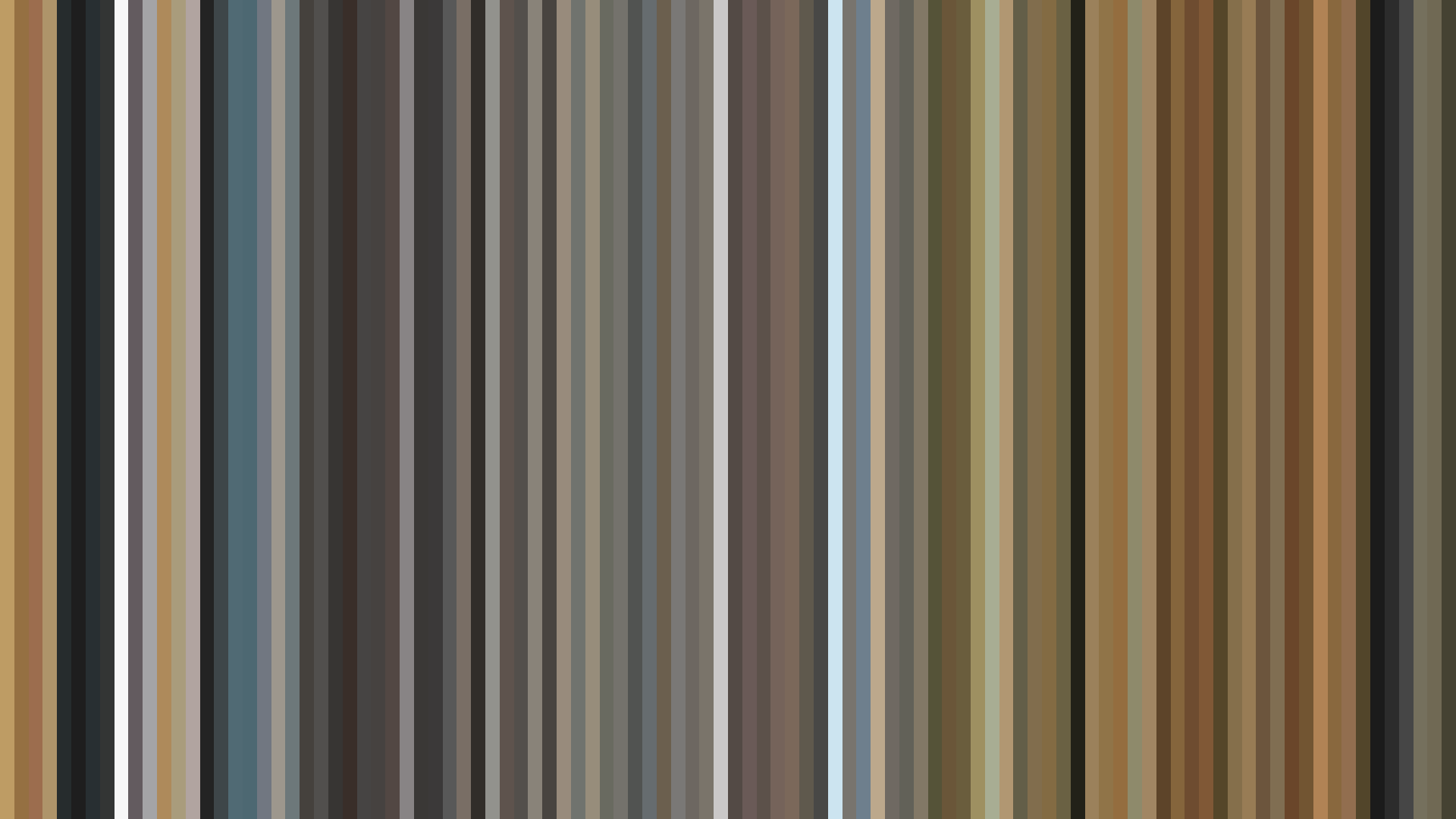
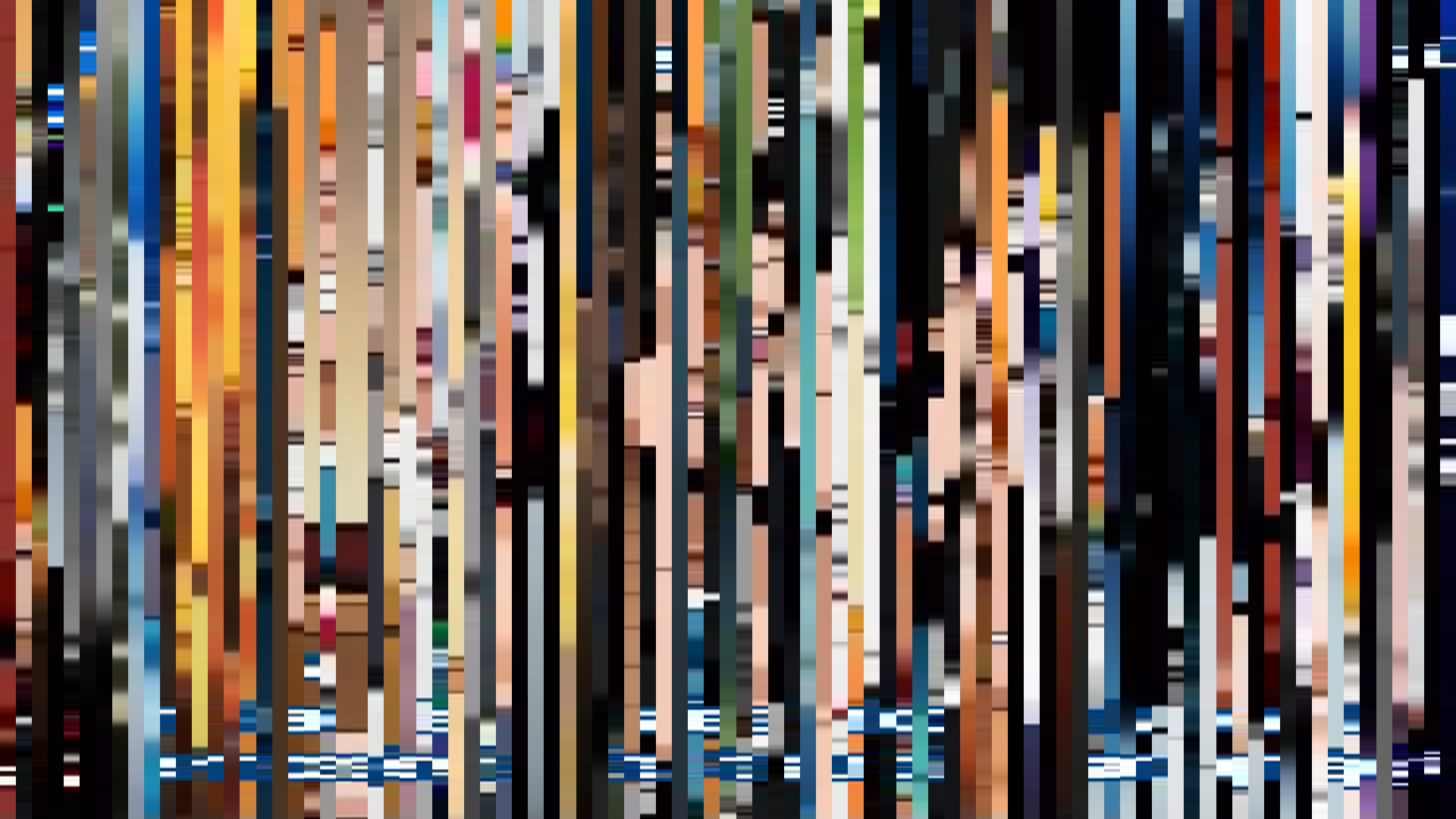
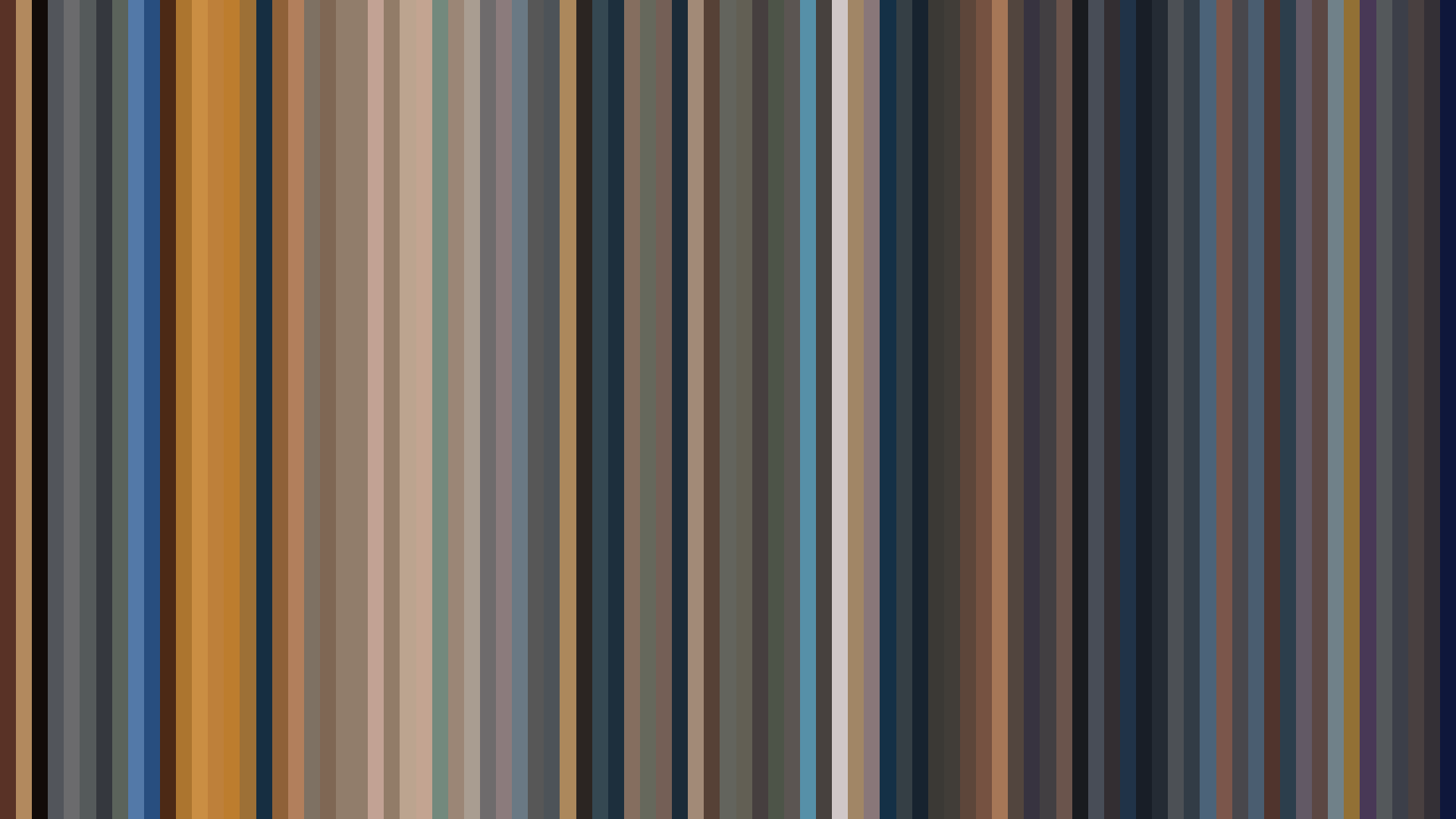
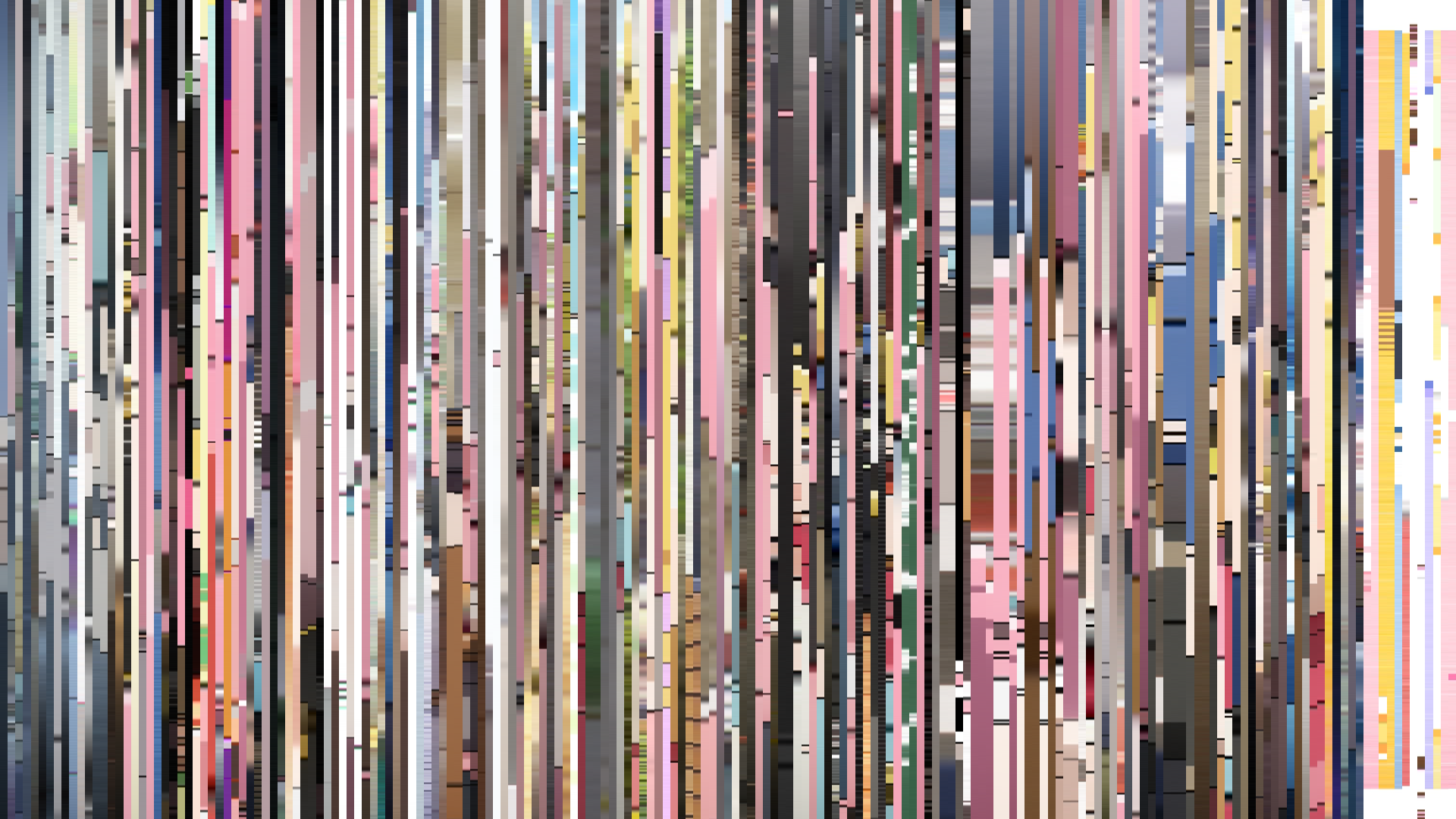
Frame Density Comparison — every 2nd vs every 4th frame
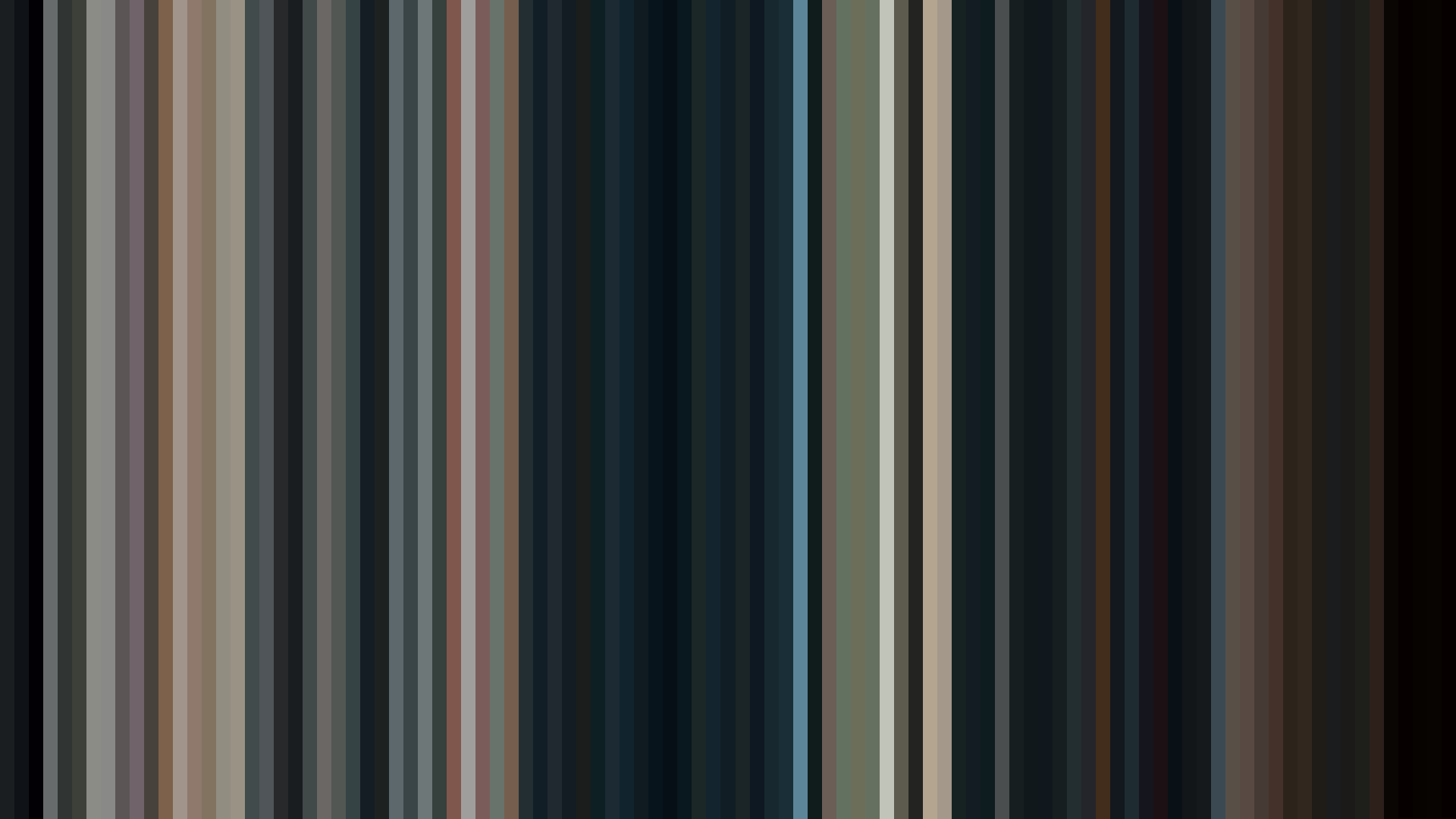
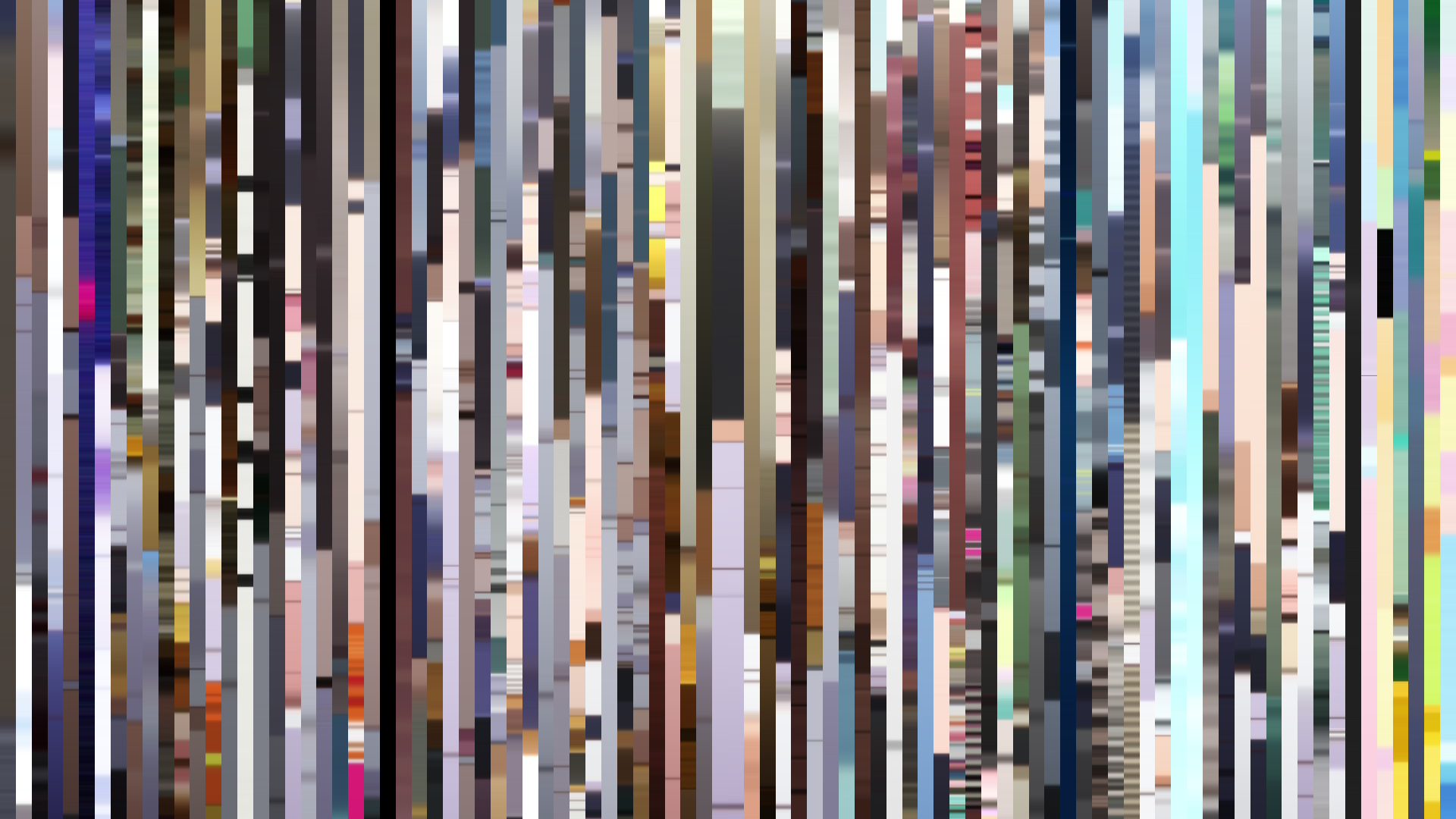
Slice · 15s
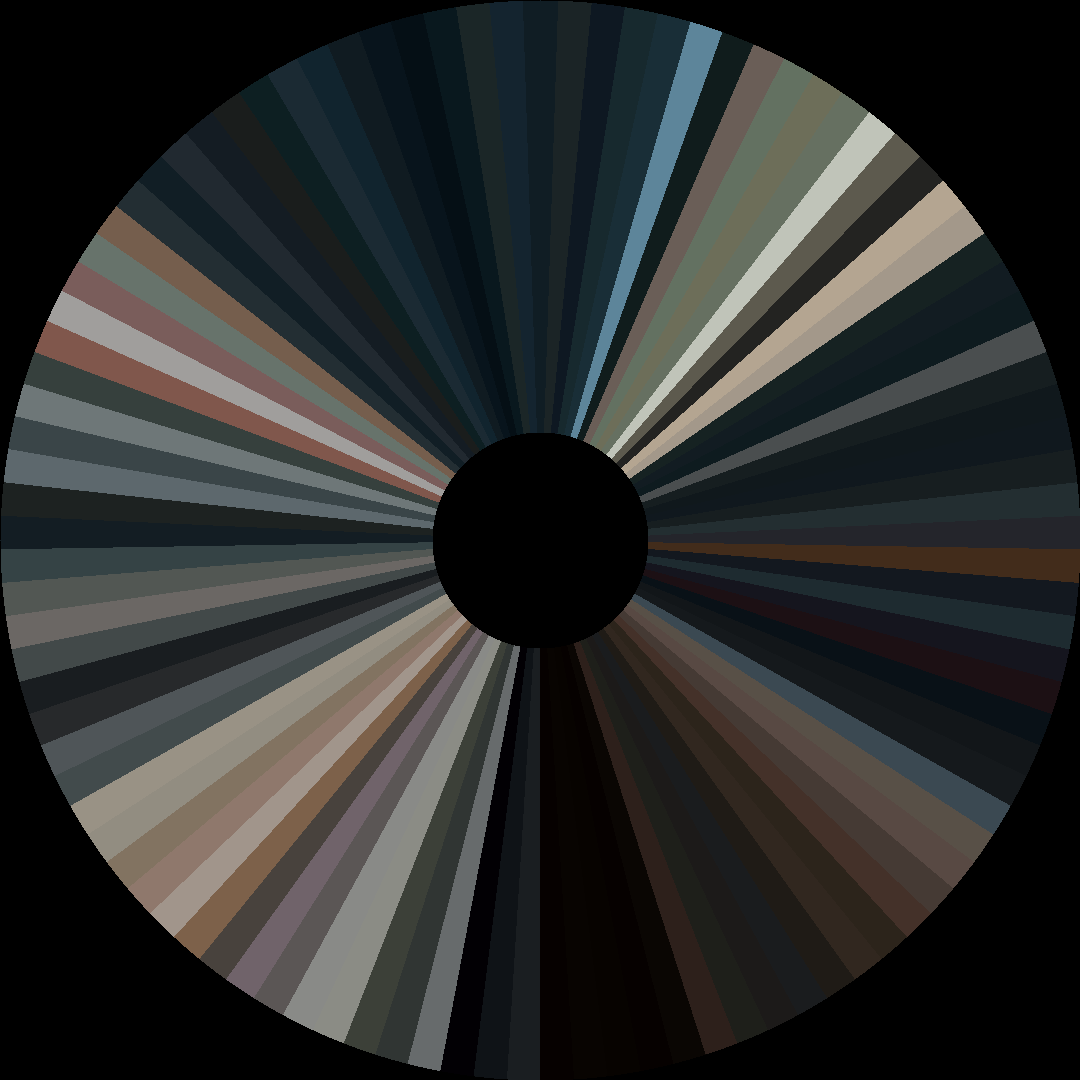
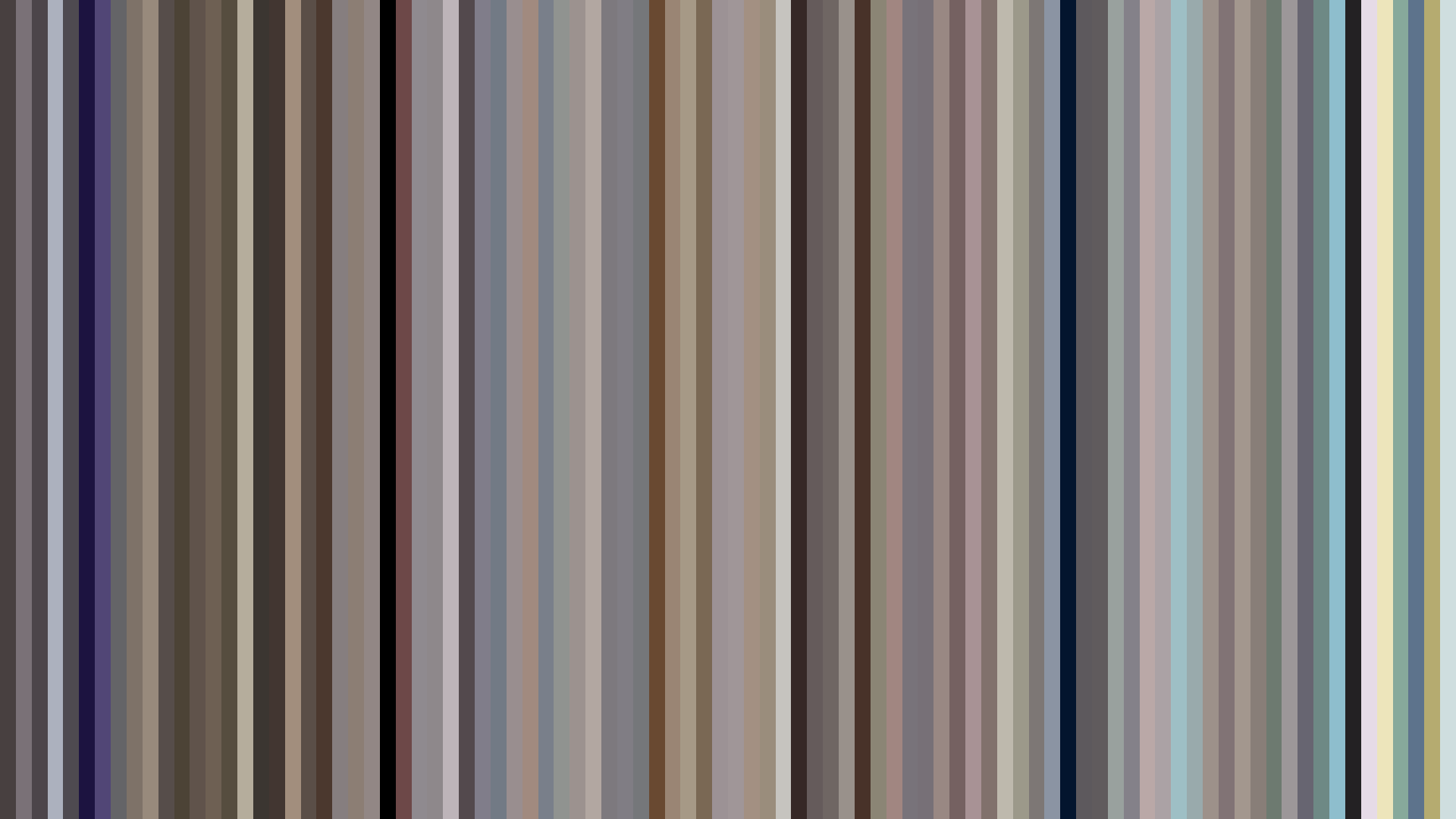
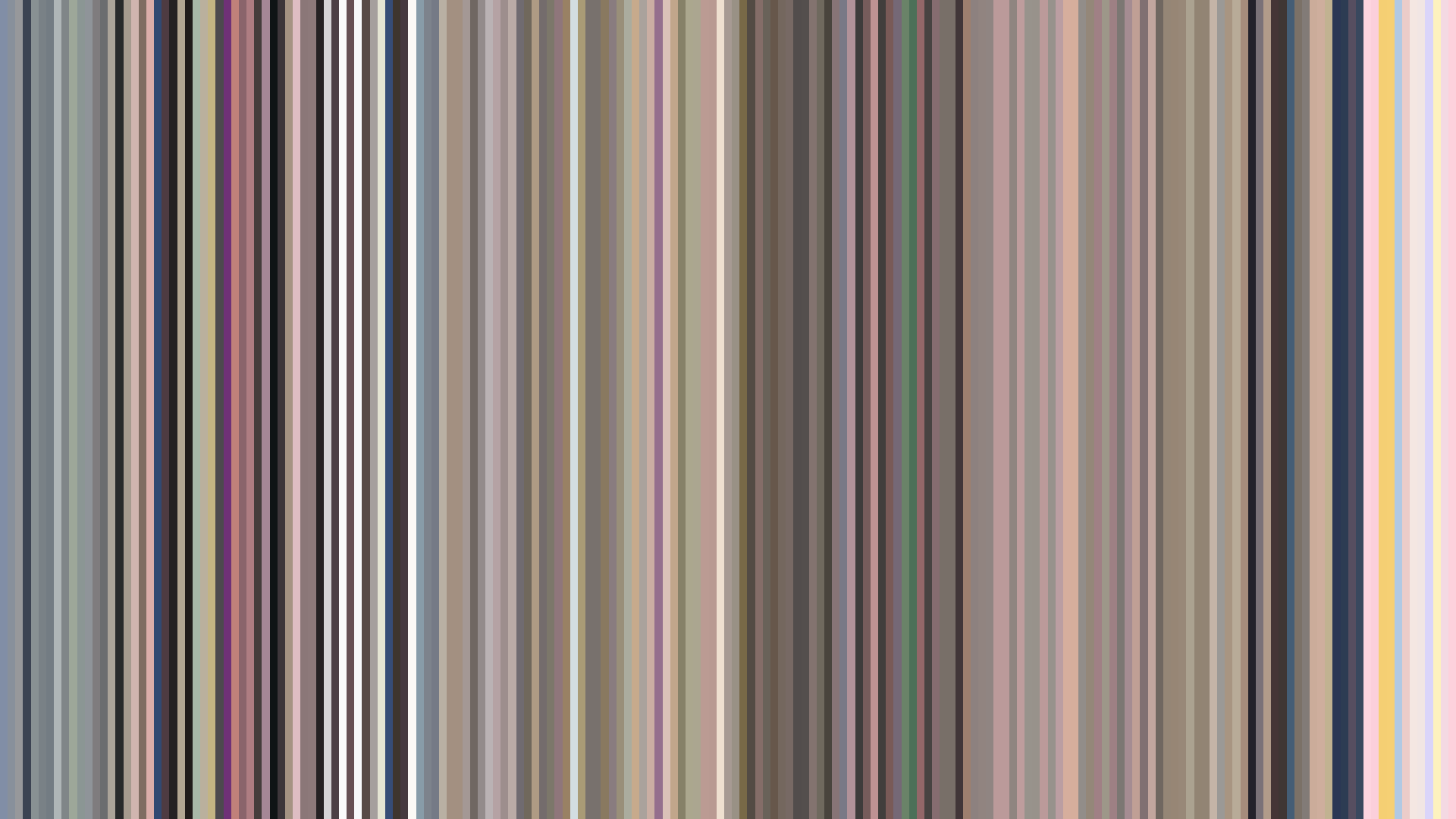
Avg · 15s
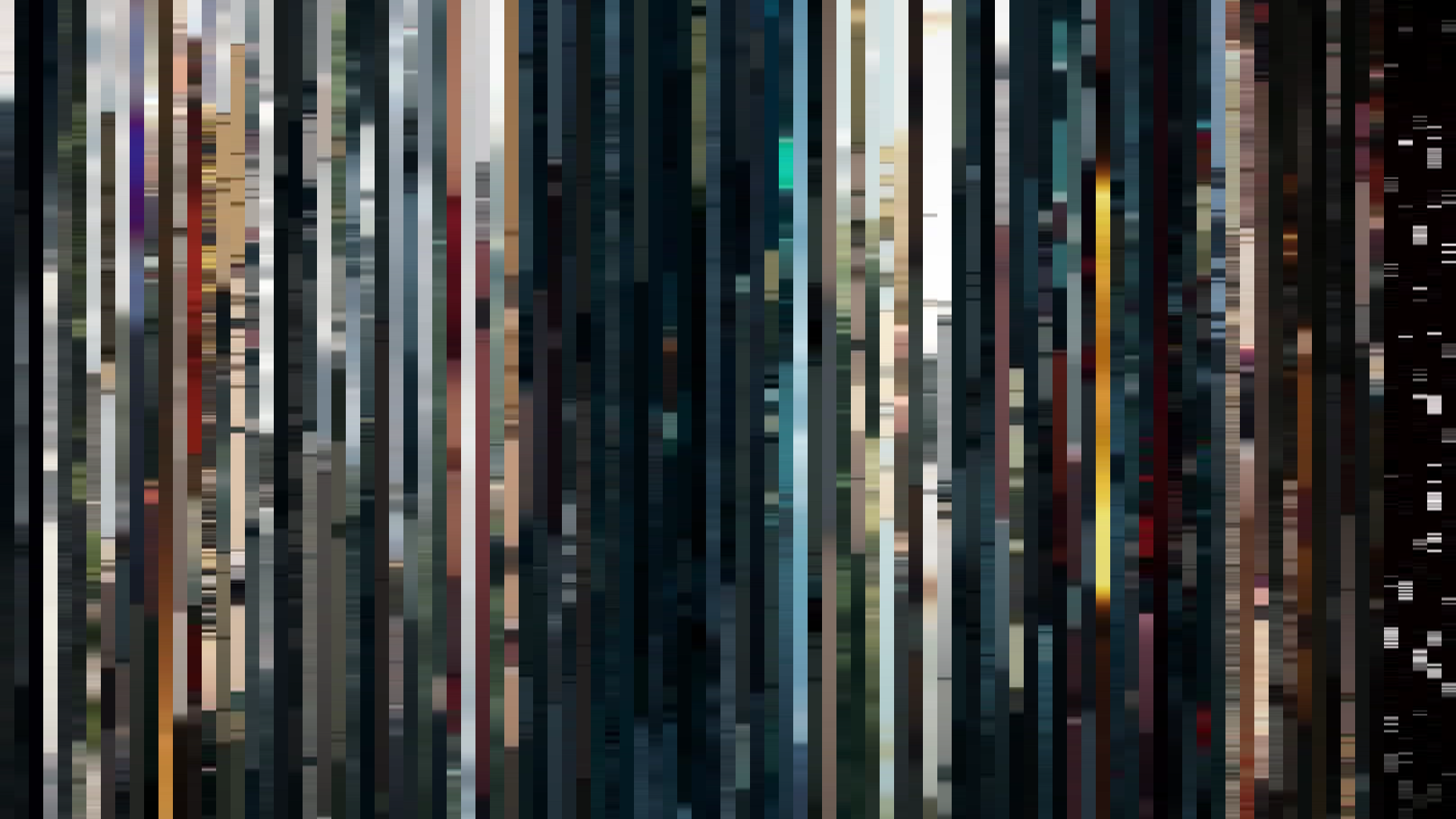
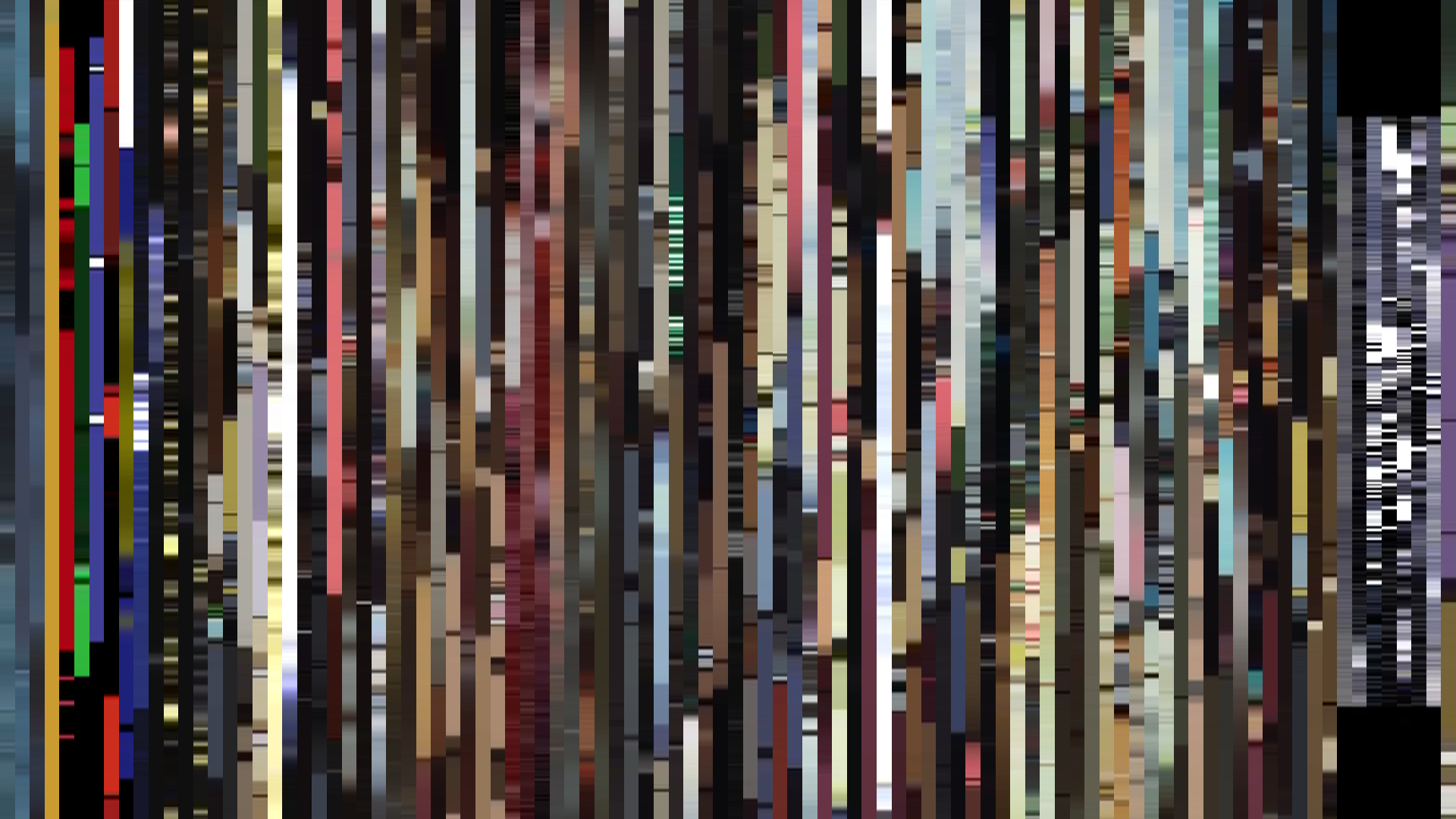
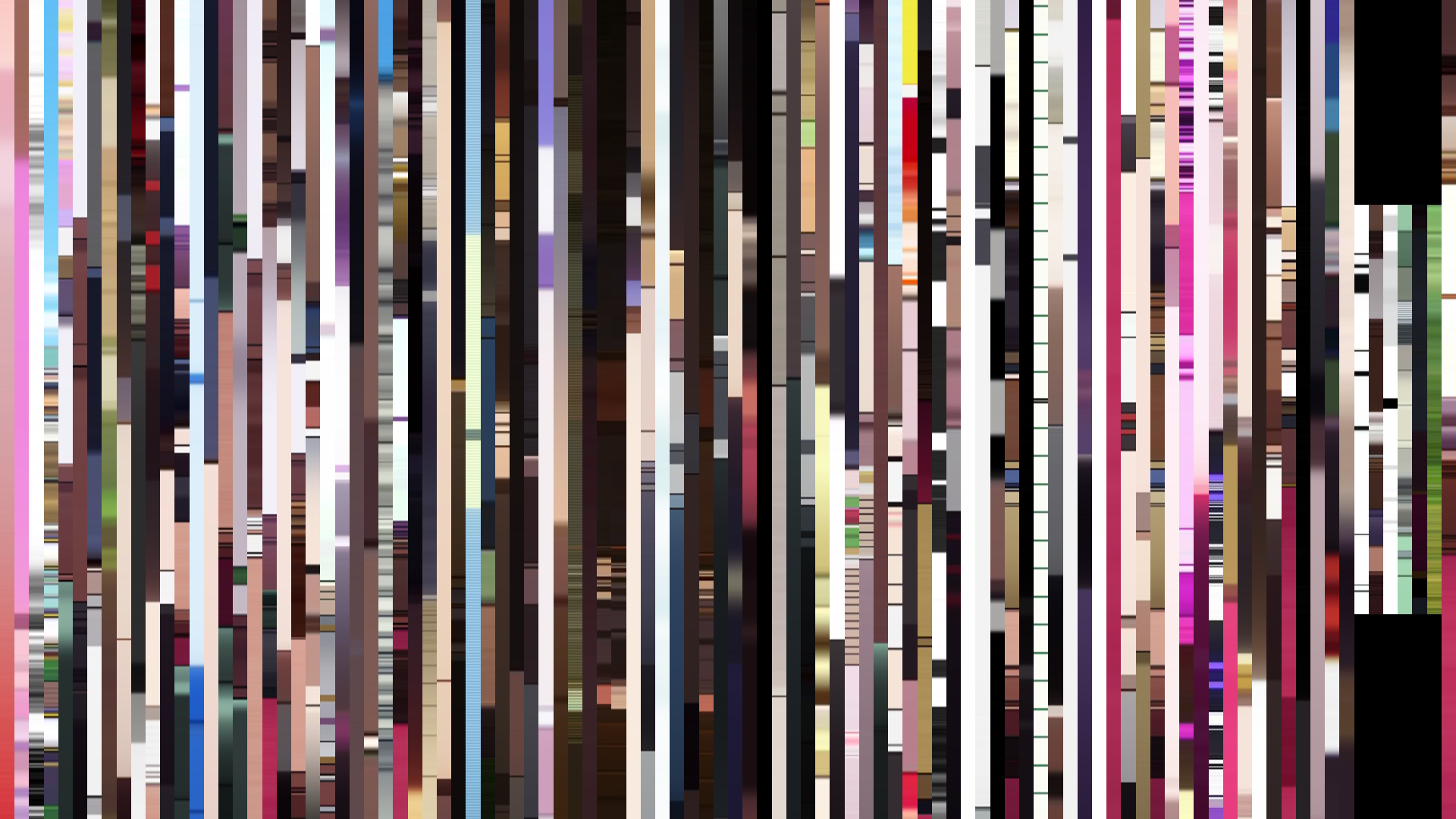
Slice · 30s
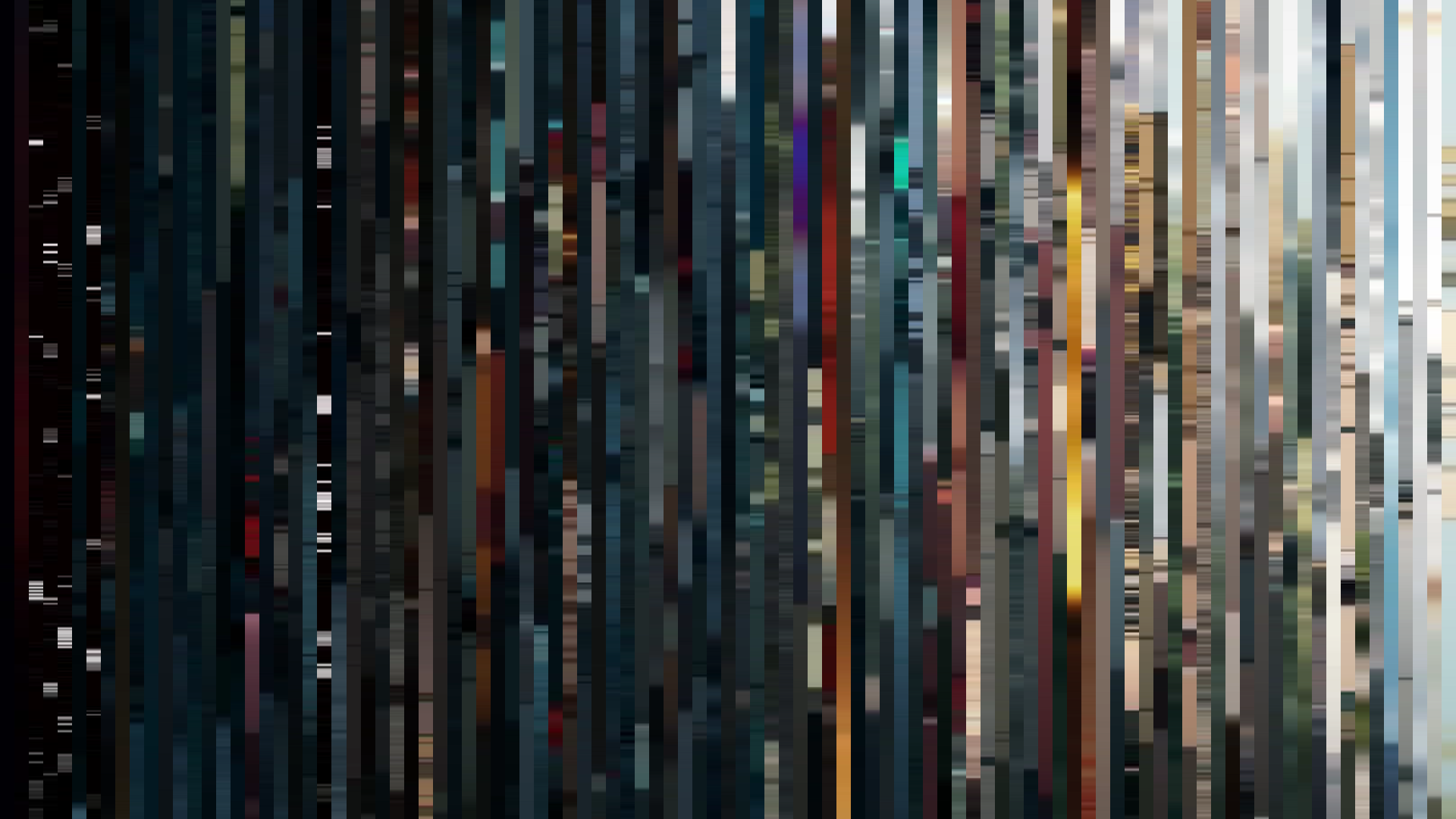
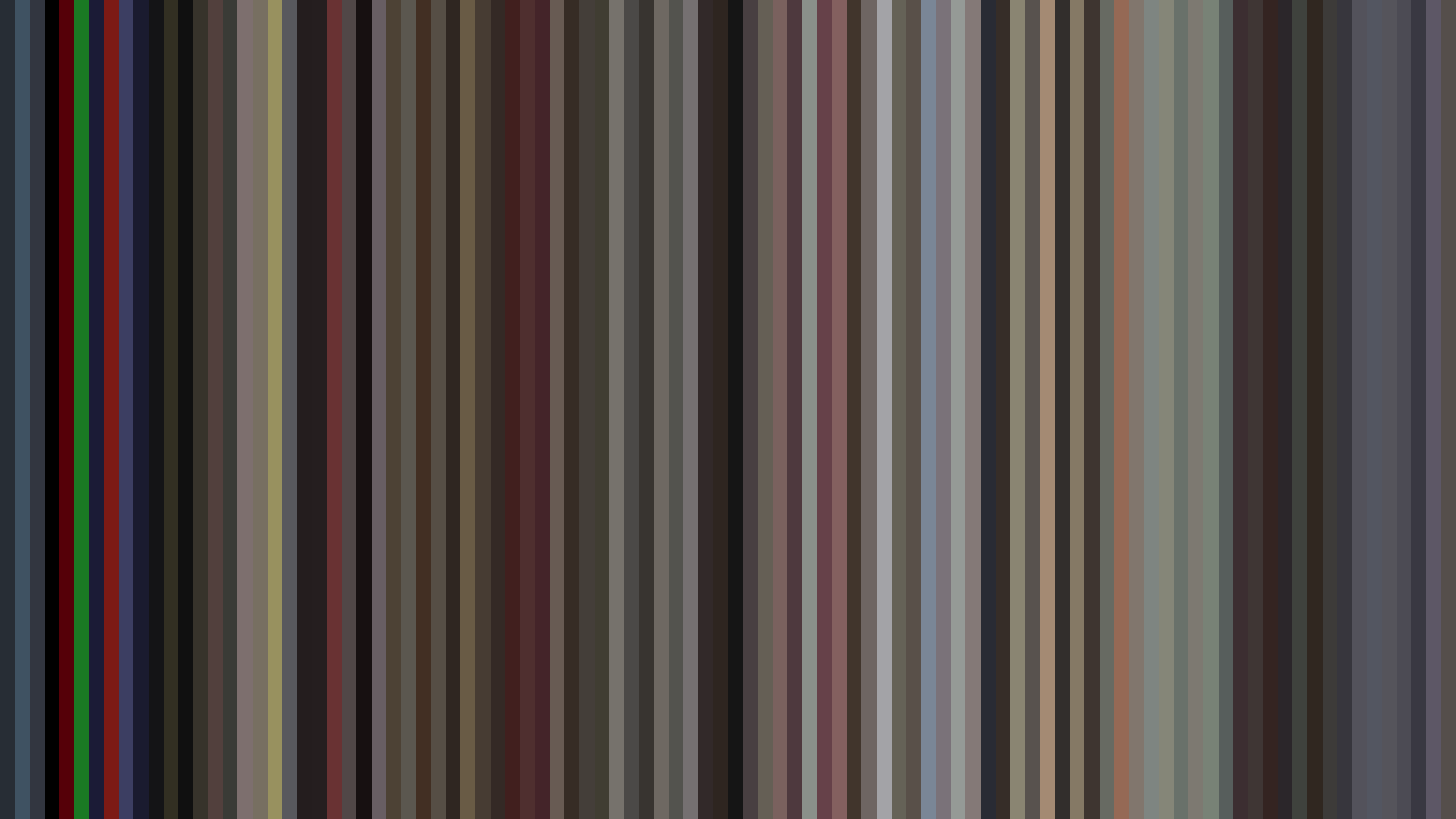
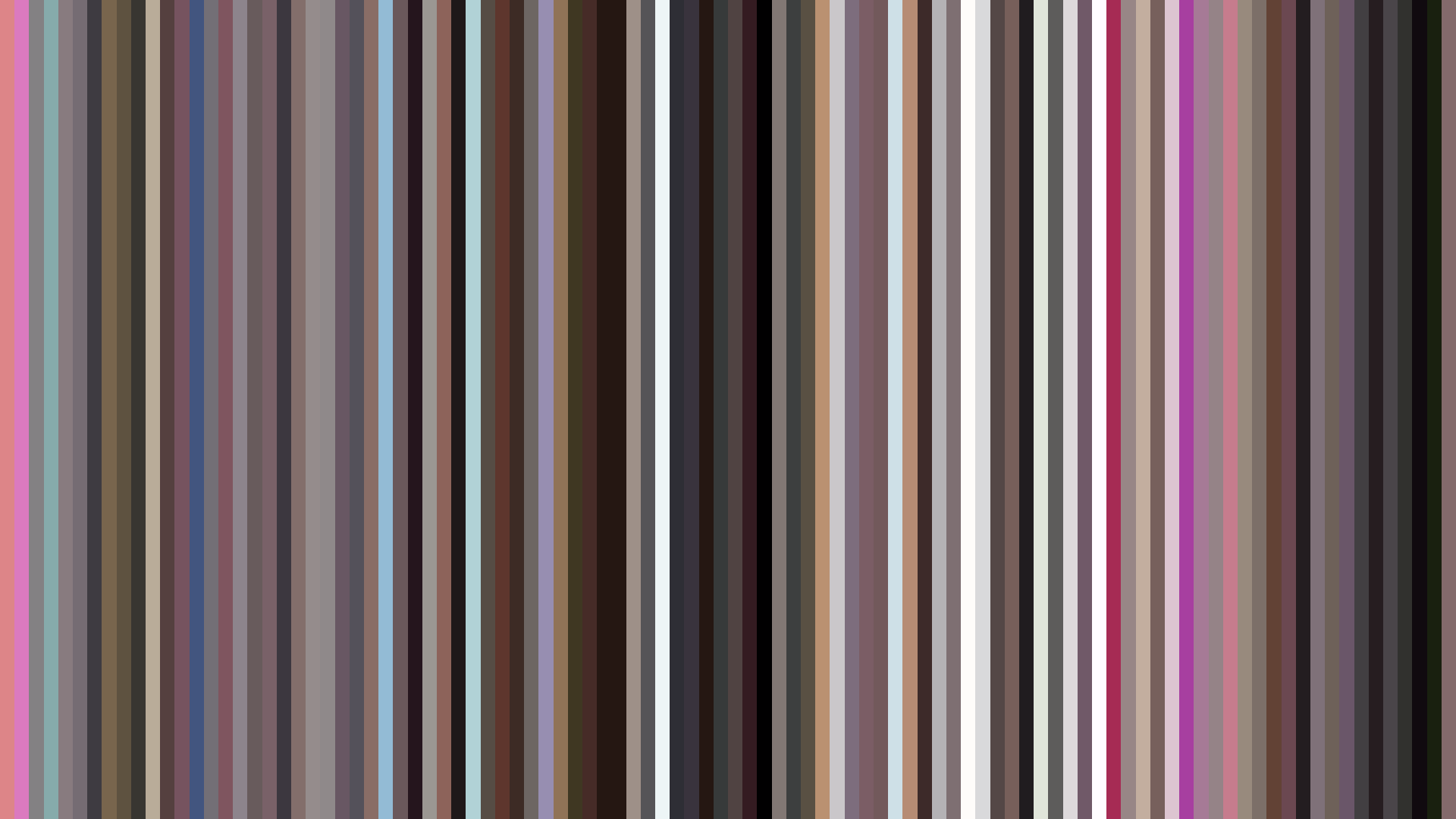
Avg · 30s
Chainsaw Man doesn't merely use low-light scenes for mood—it engineers a *falling arc* so aggressive that by the finale, average brightness has halved from the opening. MAPPA and director Ryū Nakayama have constructed a world that literally dims as Denji’s humanity erodes. Where most action anime signal intensity through reds and oranges, this palette is dominated by Green—a sickly, industrial hue that speaks to rust, stagnant water, and the fungal decay of the devils' contracts. The opening act’s relative brightness (0.423) is almost a parody of shōnen optimism, a brief illusion that this could be a standard power fantasy. But the middle act’s collapse into near-darkness (0.332) and the closing’s cavernous 0.198 aren’t just color grading choices; they’re narrative. The saturation hovers around 0.29—muted, crushed—as if every frame has been smothered by concrete dust. The palette’s darkest and greenest columns (#141A1C, #344C52) don’t merely reflect night or interiors; they embody the show’s central thesis: that control, whether through Makima’s contracts or Denji’s desires, consumes light. Chainsaw Man doesn’t get brighter as its protagonist wins—it gets darker as he loses himself. That’s a visual argument few series dare to sustain.
Brightness Arc (episode progression)
Hue Distribution
Act Breakdown
Opening
0.423
Middle
0.332
Closing
0.198
Avg Brightness
0.257
Avg Saturation
0.294
Warmth
0.505
Color Palette
#141A1C
#5D5D59
#A1A19D
#DBDDDB
#512F29
#344C52
#8D7162
#263945
3-Act Color Story
Opening
Middle
Closing
Color Twins
Perceptually nearest palettes — measured in OKLab space, not RGB






Chainsaw Man doesn't merely use low-light scenes for mood—it engineers a *falling arc* so aggressive that by the finale, average brightness has halved from the opening. MAPPA and director Ryū Nakayama have constructed a world that literally dims as Denji’s humanity erodes. Where most action anime signal intensity through reds and oranges, this palette is dominated by Green—a sickly, industrial hue that speaks to rust, stagnant water, and the fungal decay of the devils' contracts. The opening act’s relative brightness (0.423) is almost a parody of shōnen optimism, a brief illusion that this could be a standard power fantasy. But the middle act’s collapse into near-darkness (0.332) and the closing’s cavernous 0.198 aren’t just color grading choices; they’re narrative. The saturation hovers around 0.29—muted, crushed—as if every frame has been smothered by concrete dust. The palette’s darkest and greenest columns (#141A1C, #344C52) don’t merely reflect night or interiors; they embody the show’s central thesis: that control, whether through Makima’s contracts or Denji’s desires, consumes light. Chainsaw Man doesn’t get brighter as its protagonist wins—it gets darker as he loses himself. That’s a visual argument few series dare to sustain.