Edit Pace — frame-to-frame color delta (bright = fast cuts)
Color Temperature — warm (gold) vs cool (teal) per frame
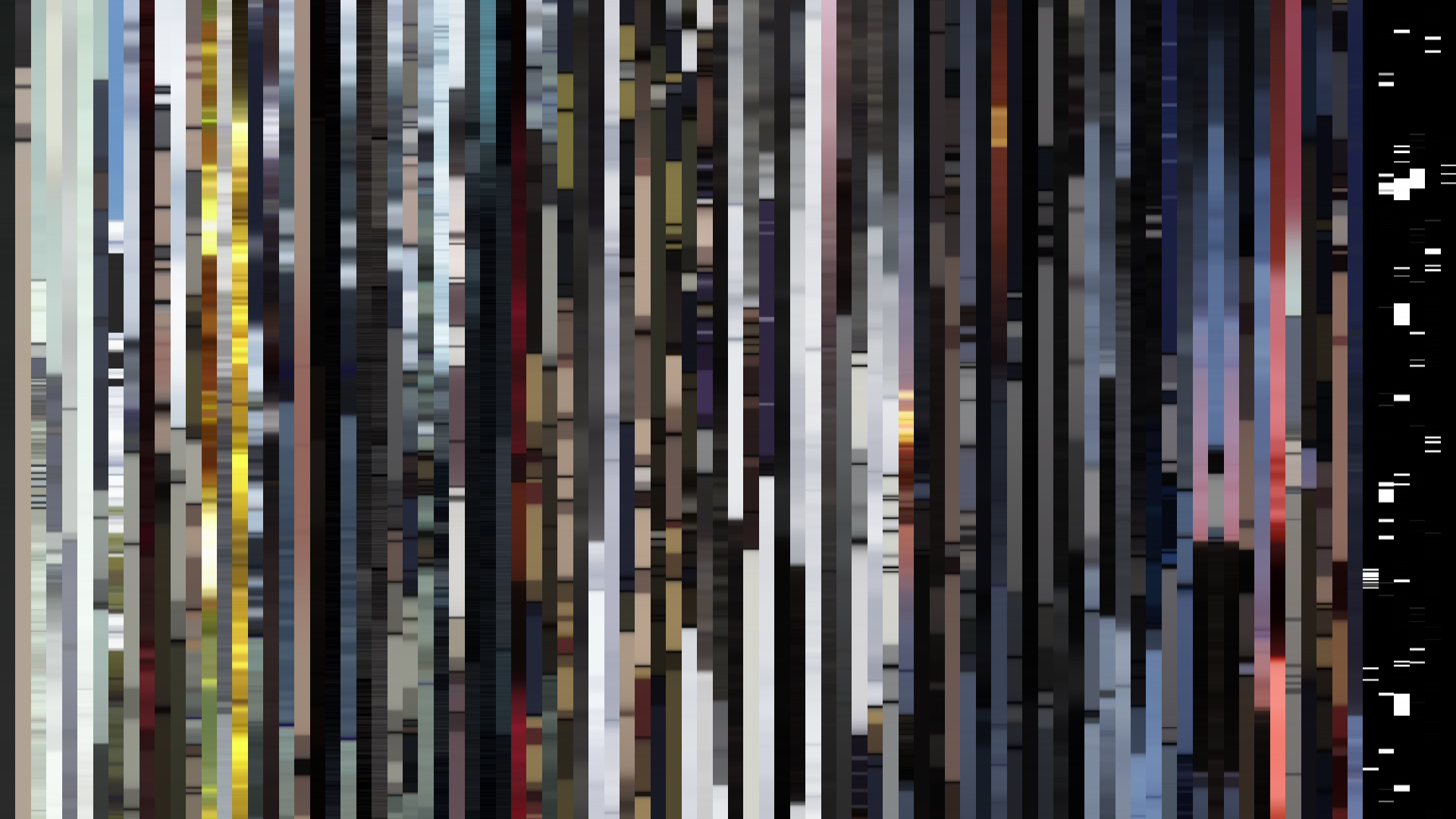
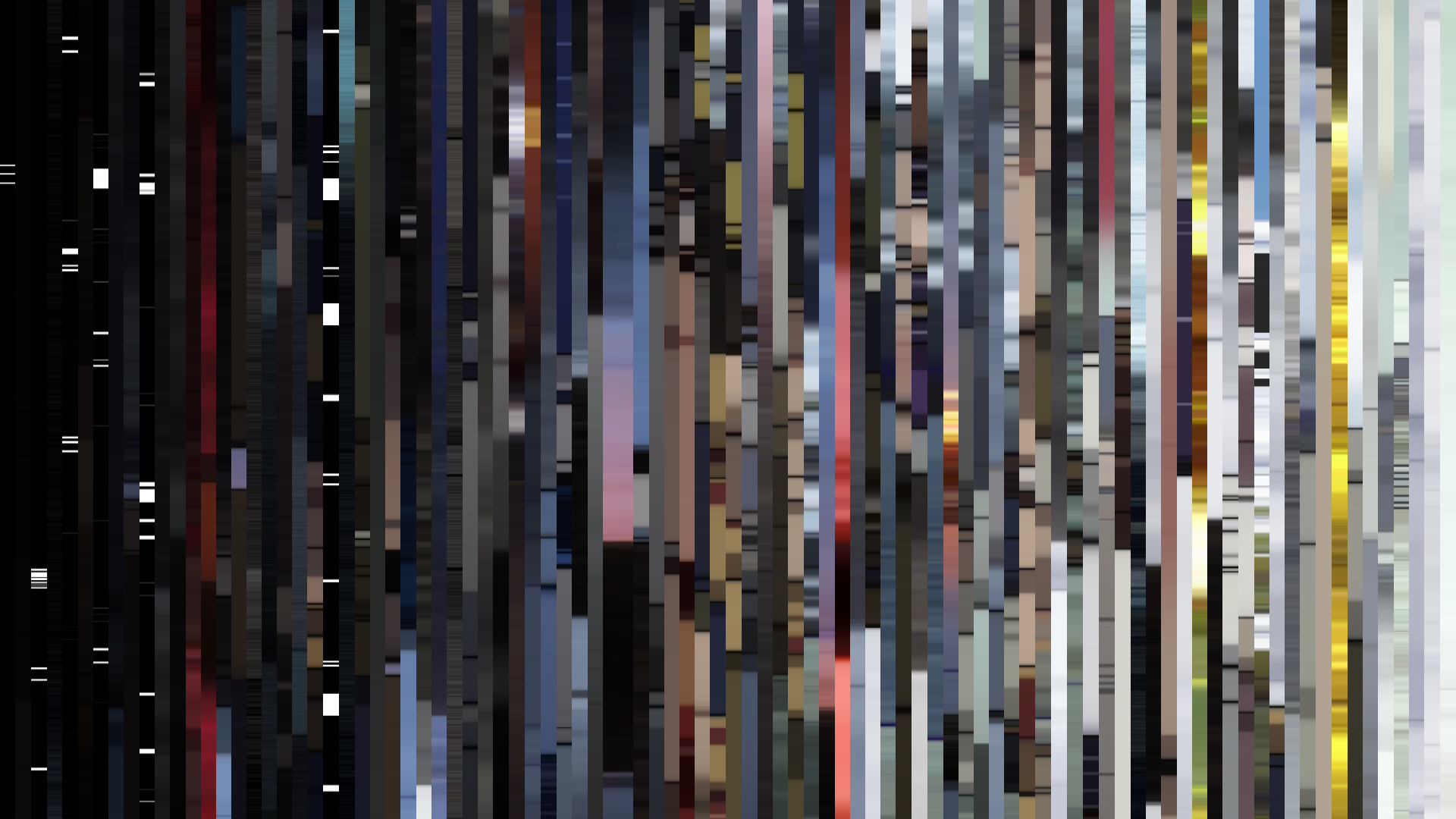
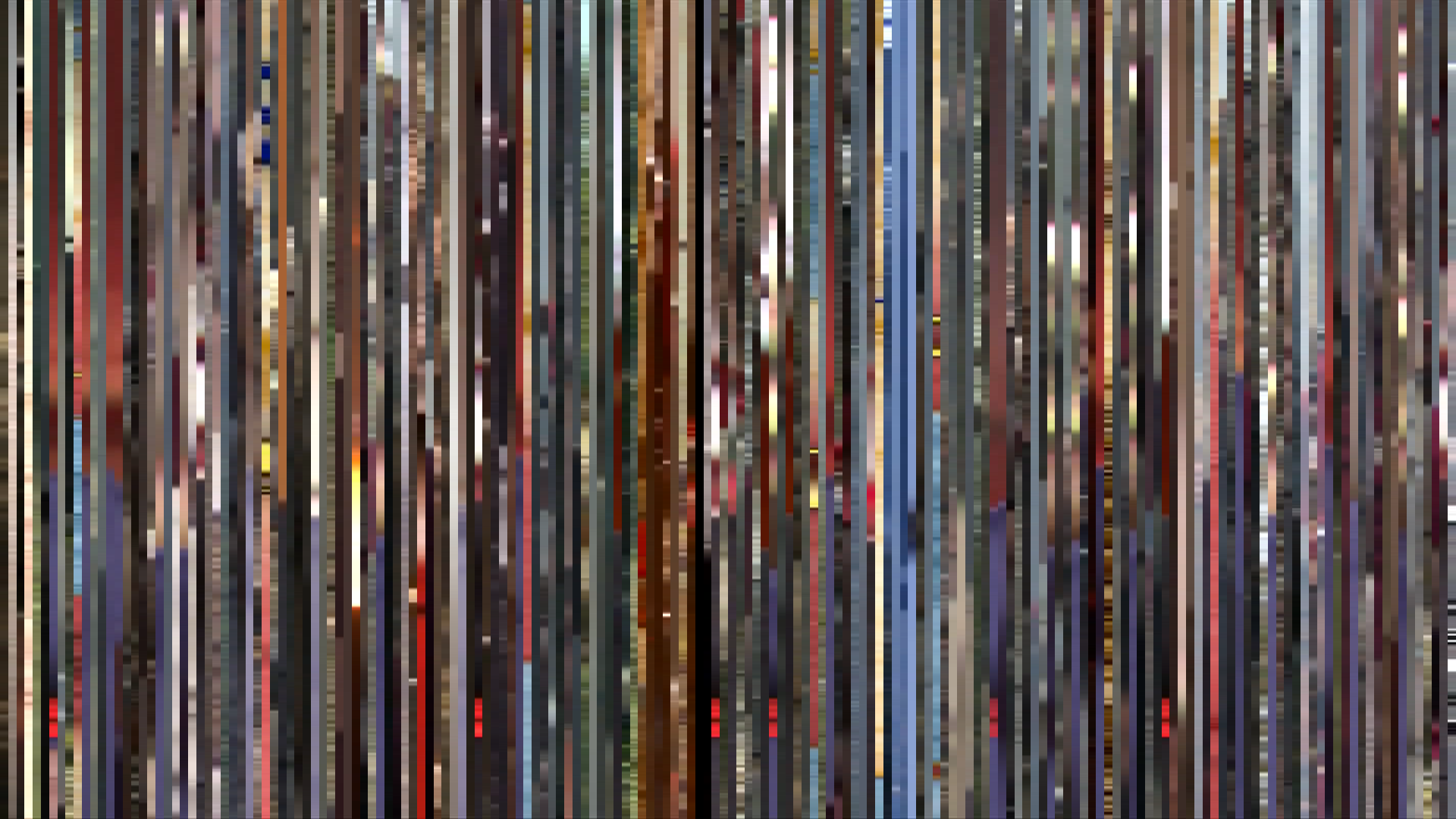
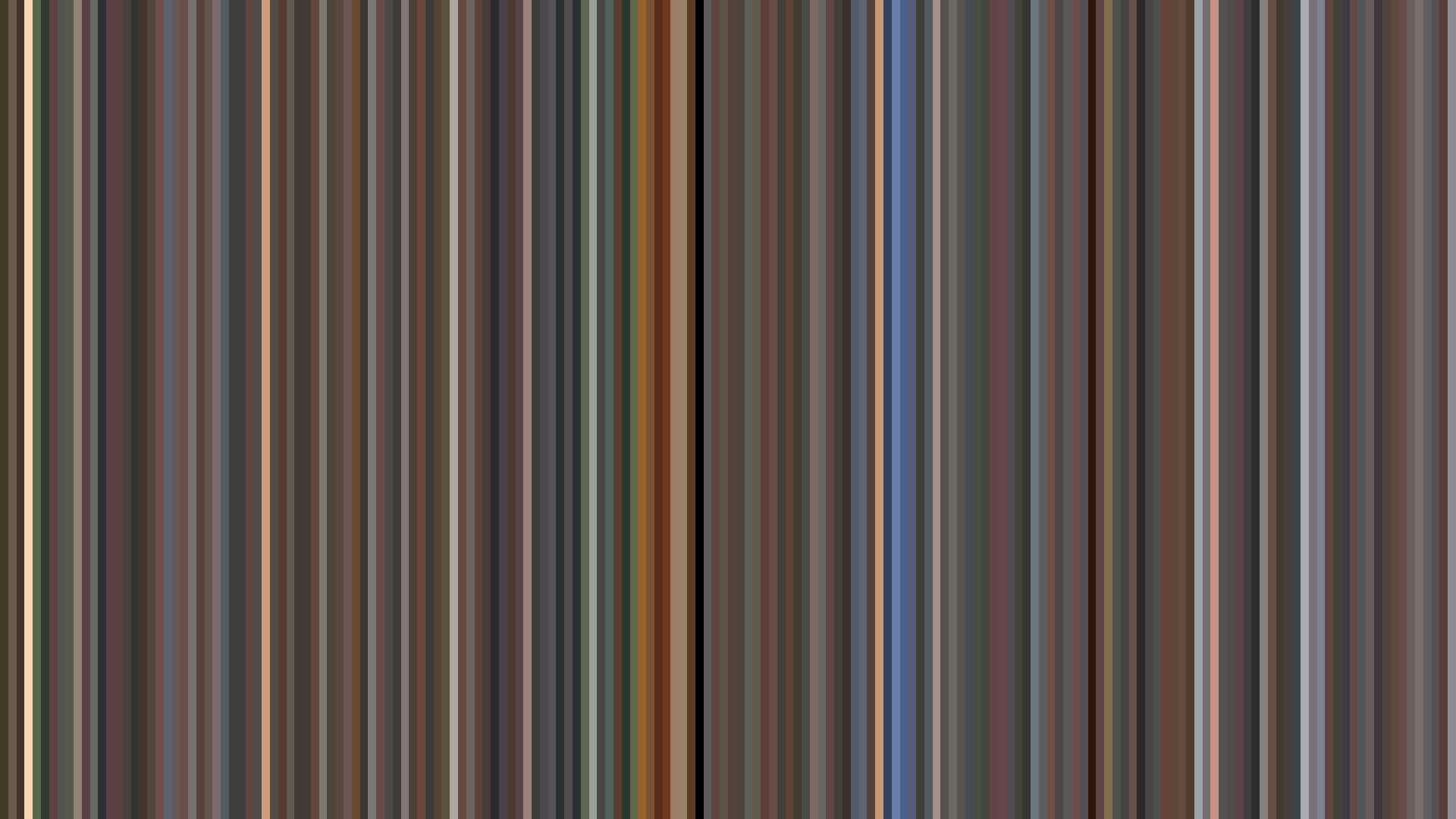
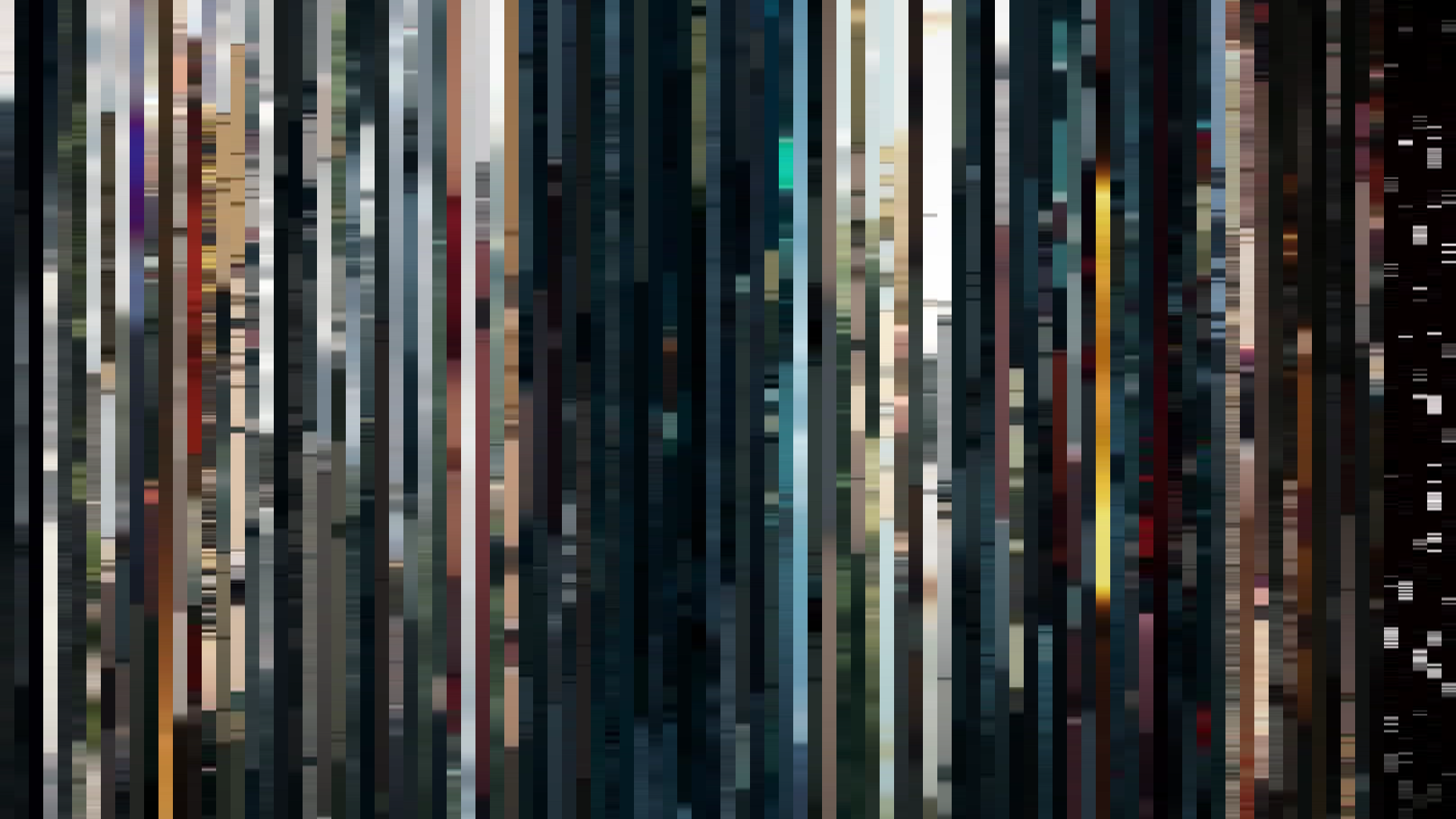
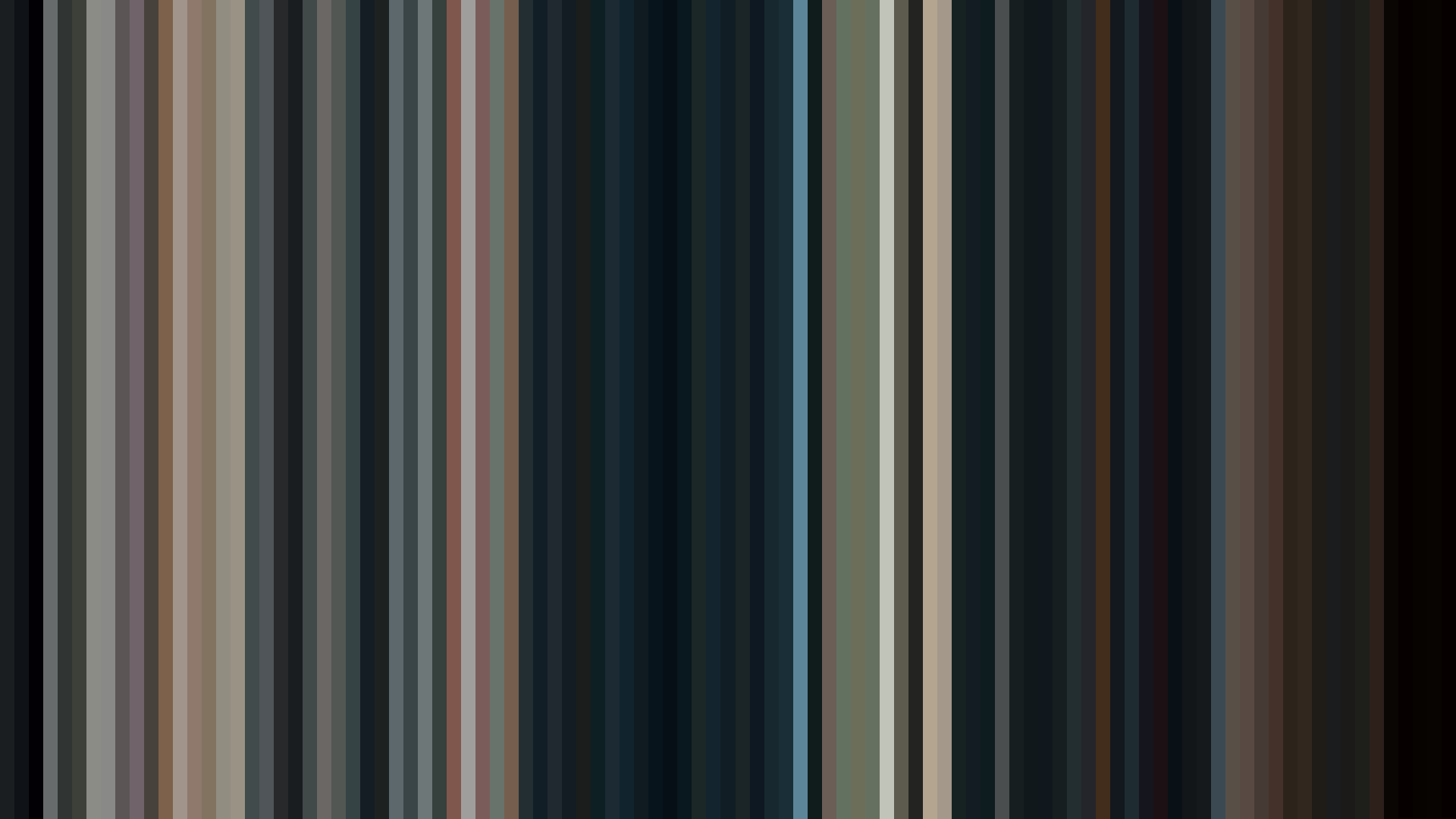
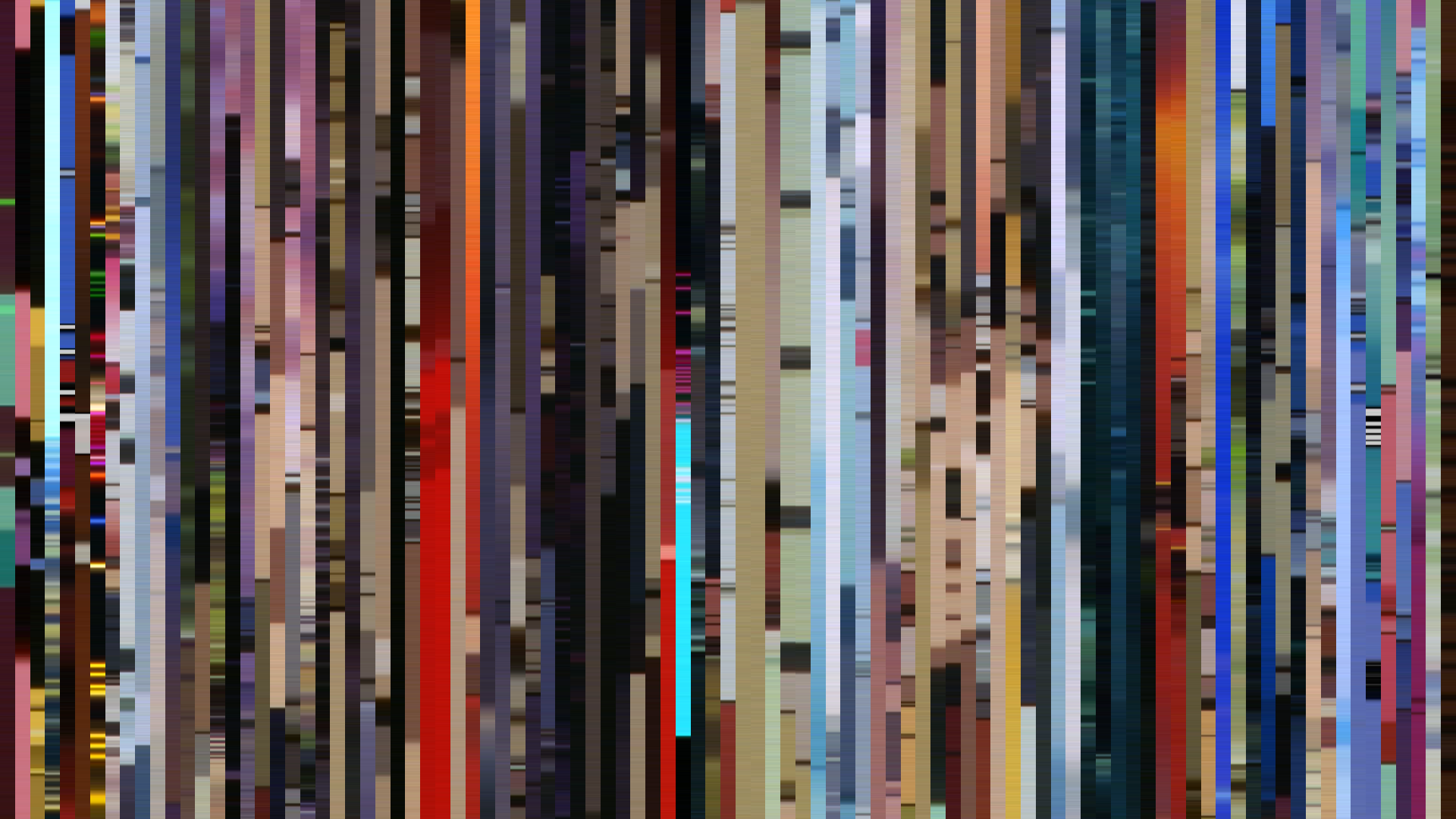
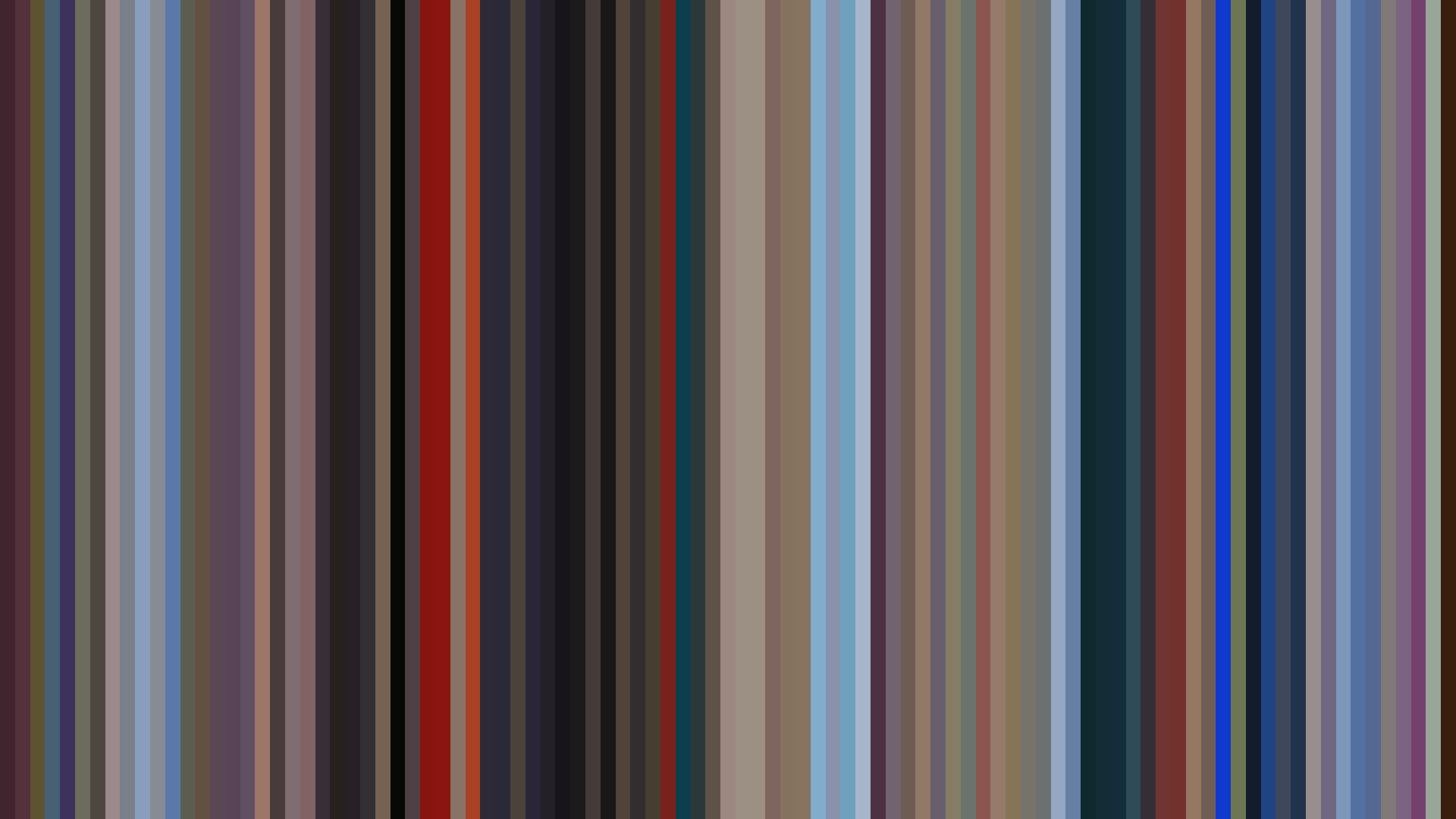
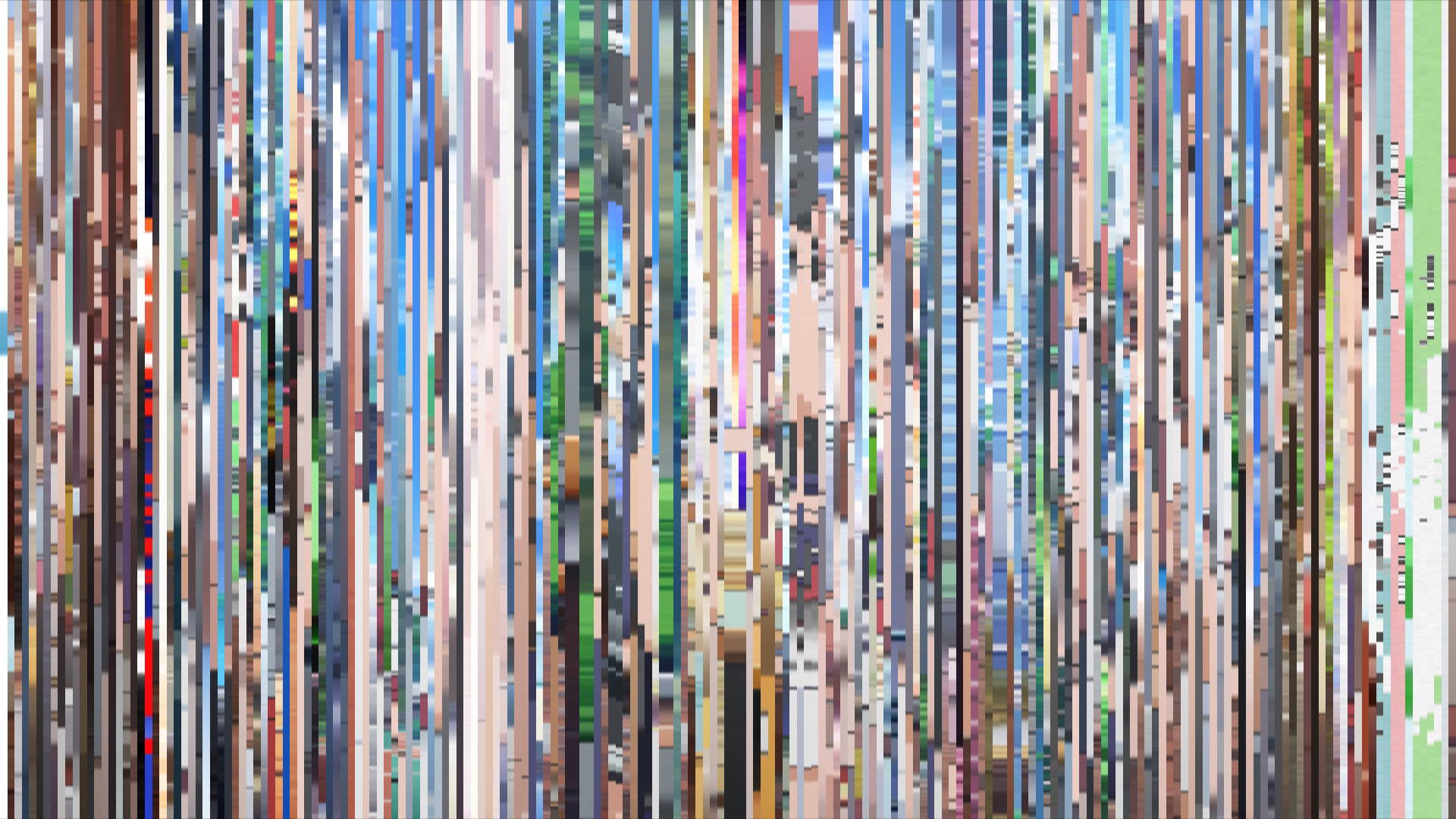
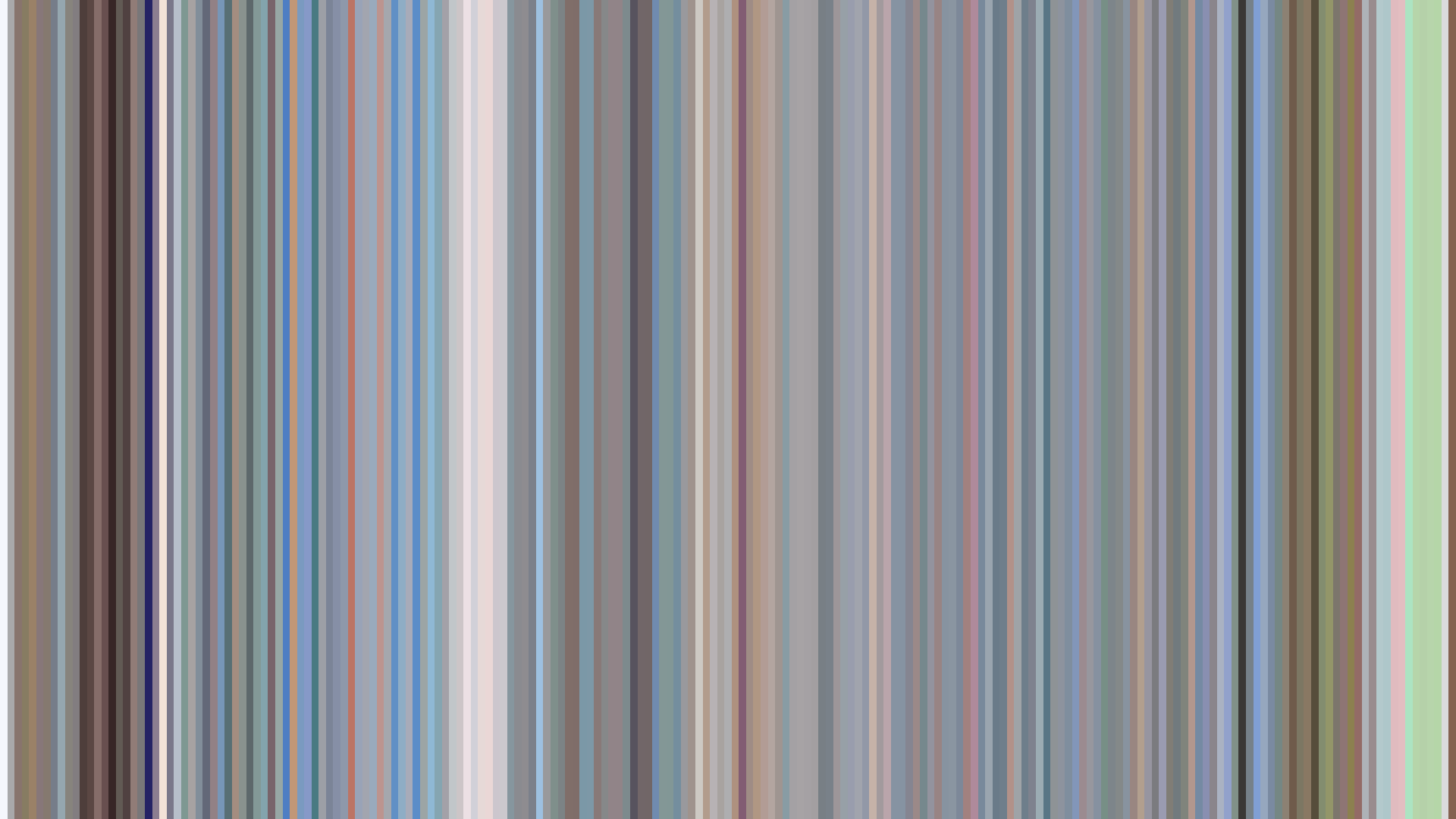
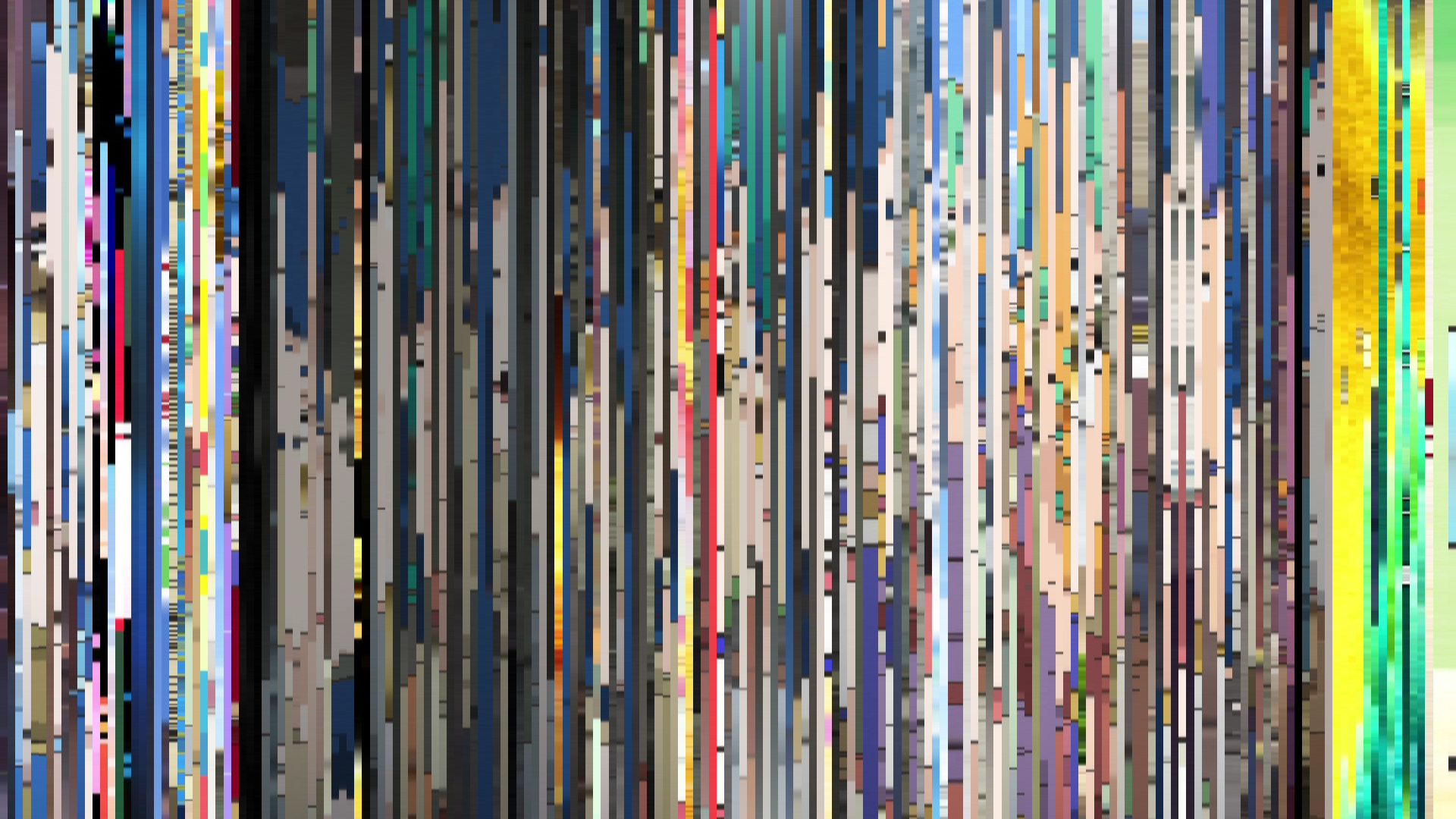
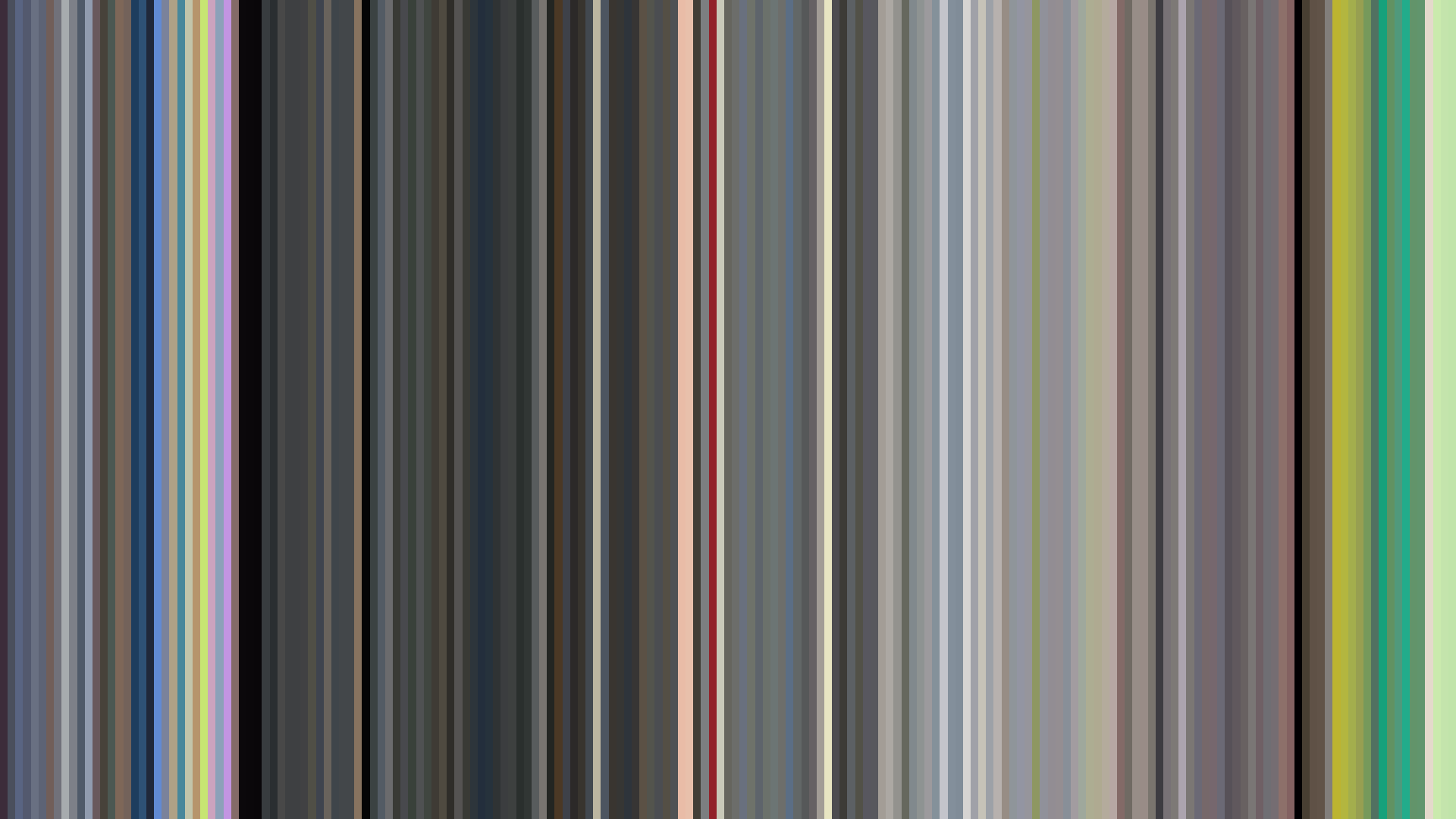
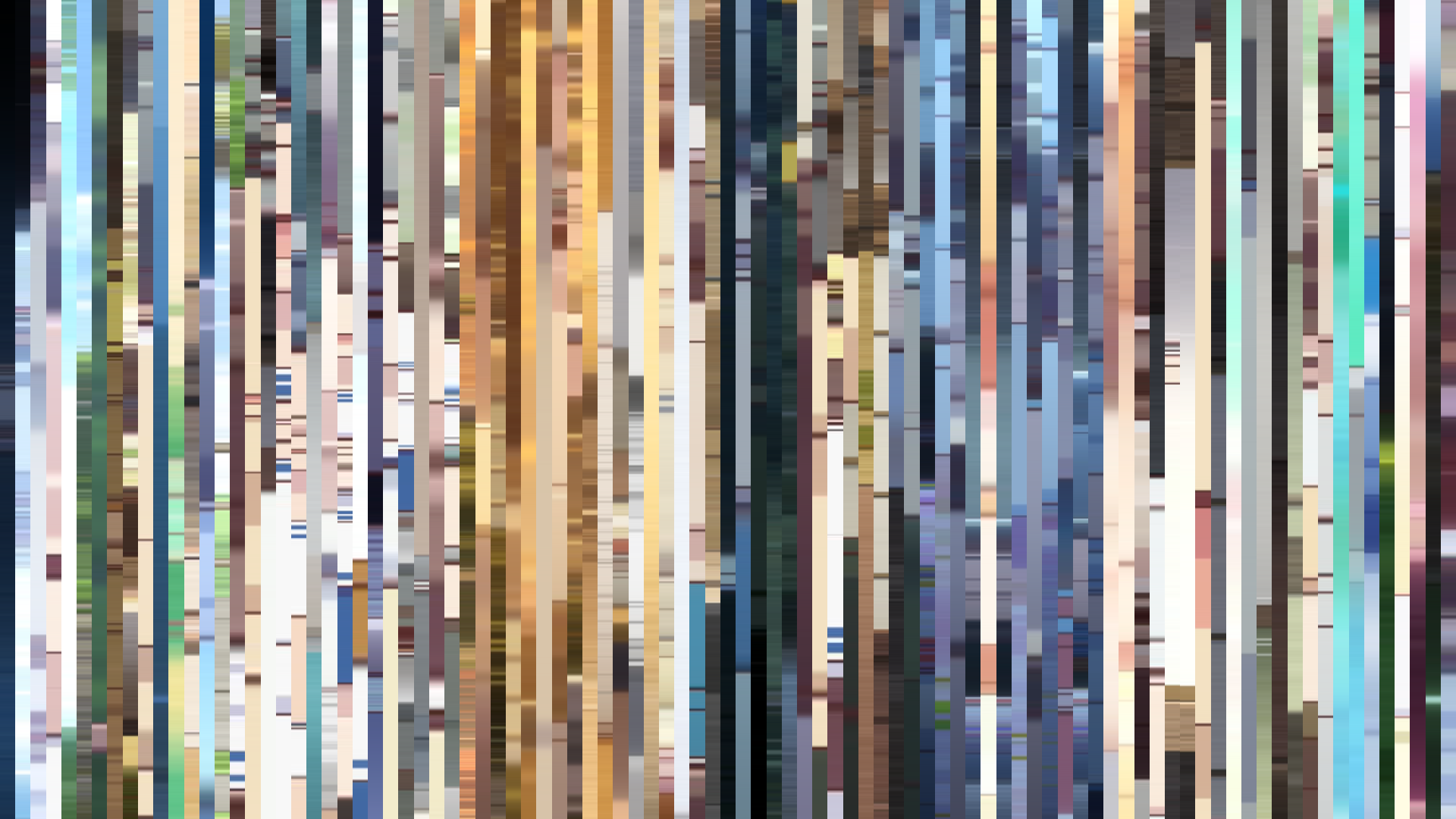
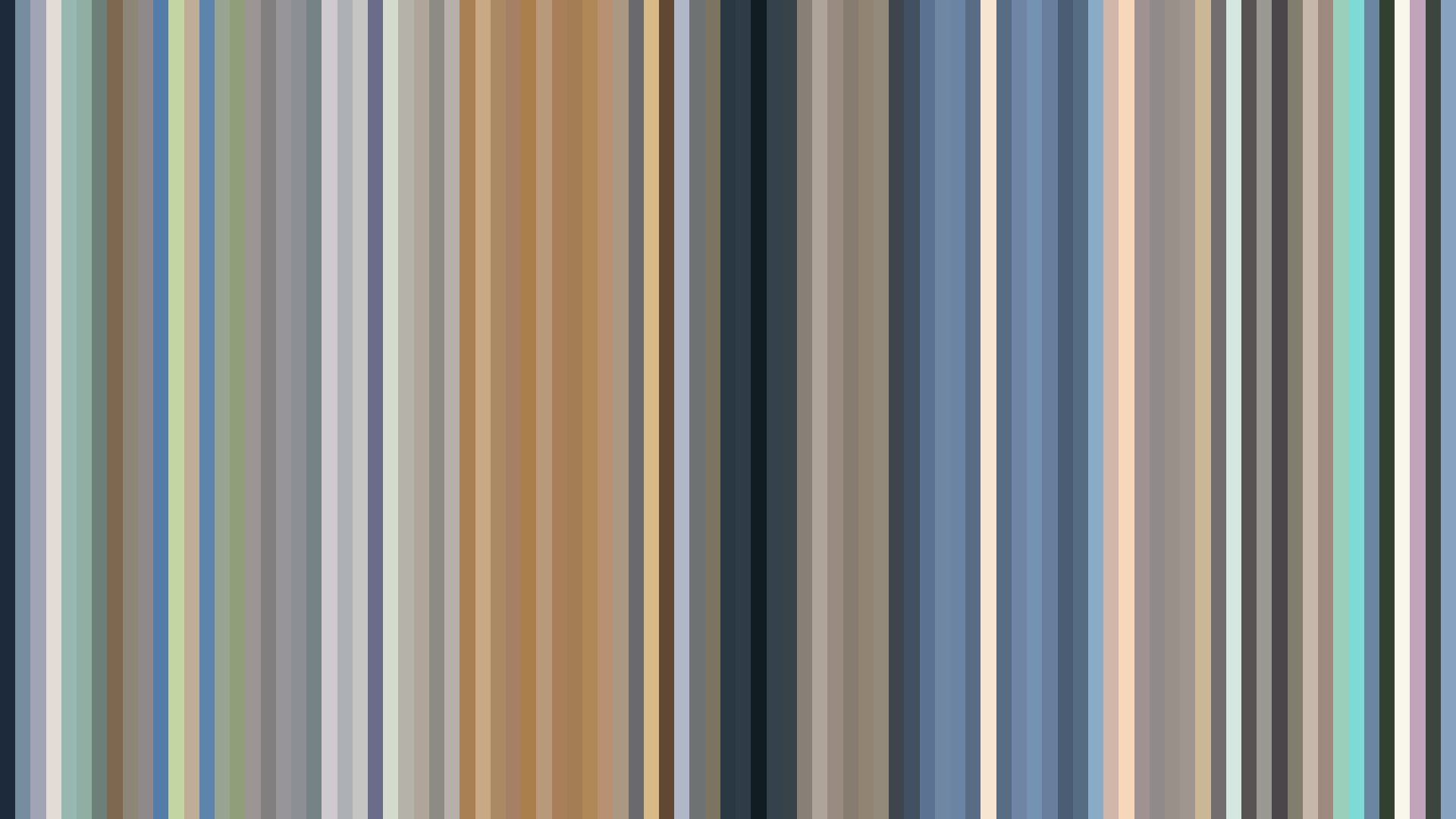
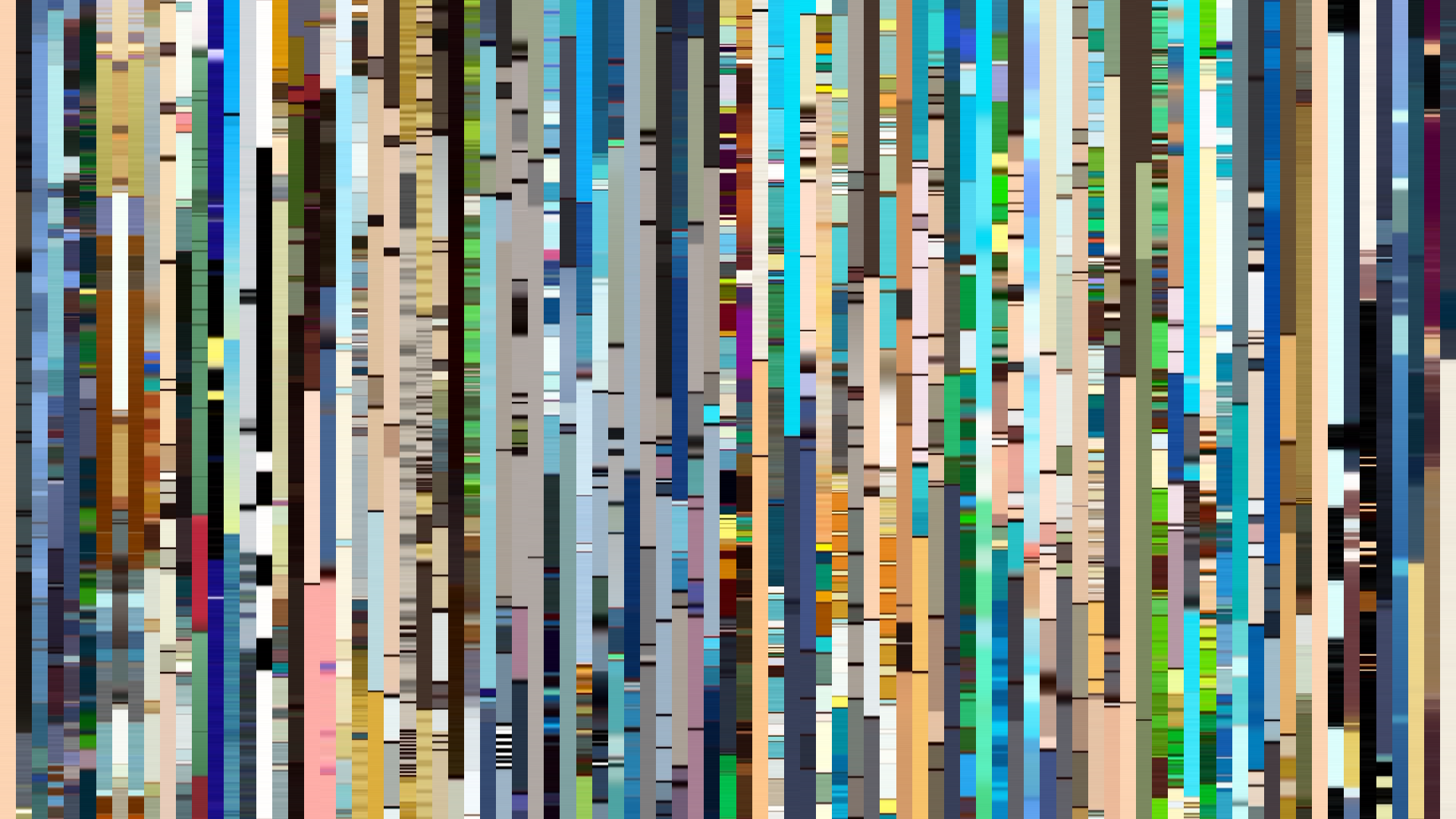
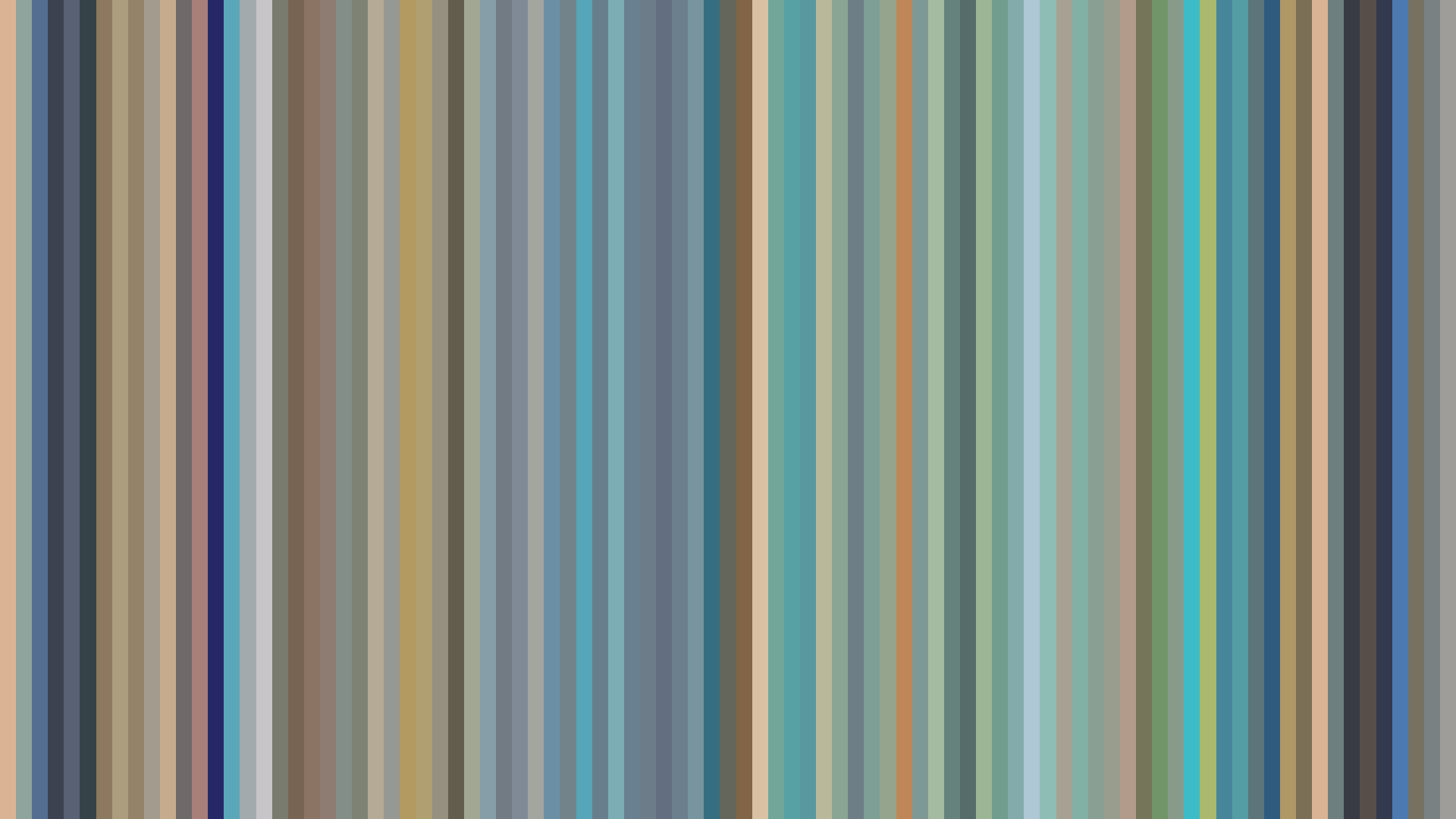
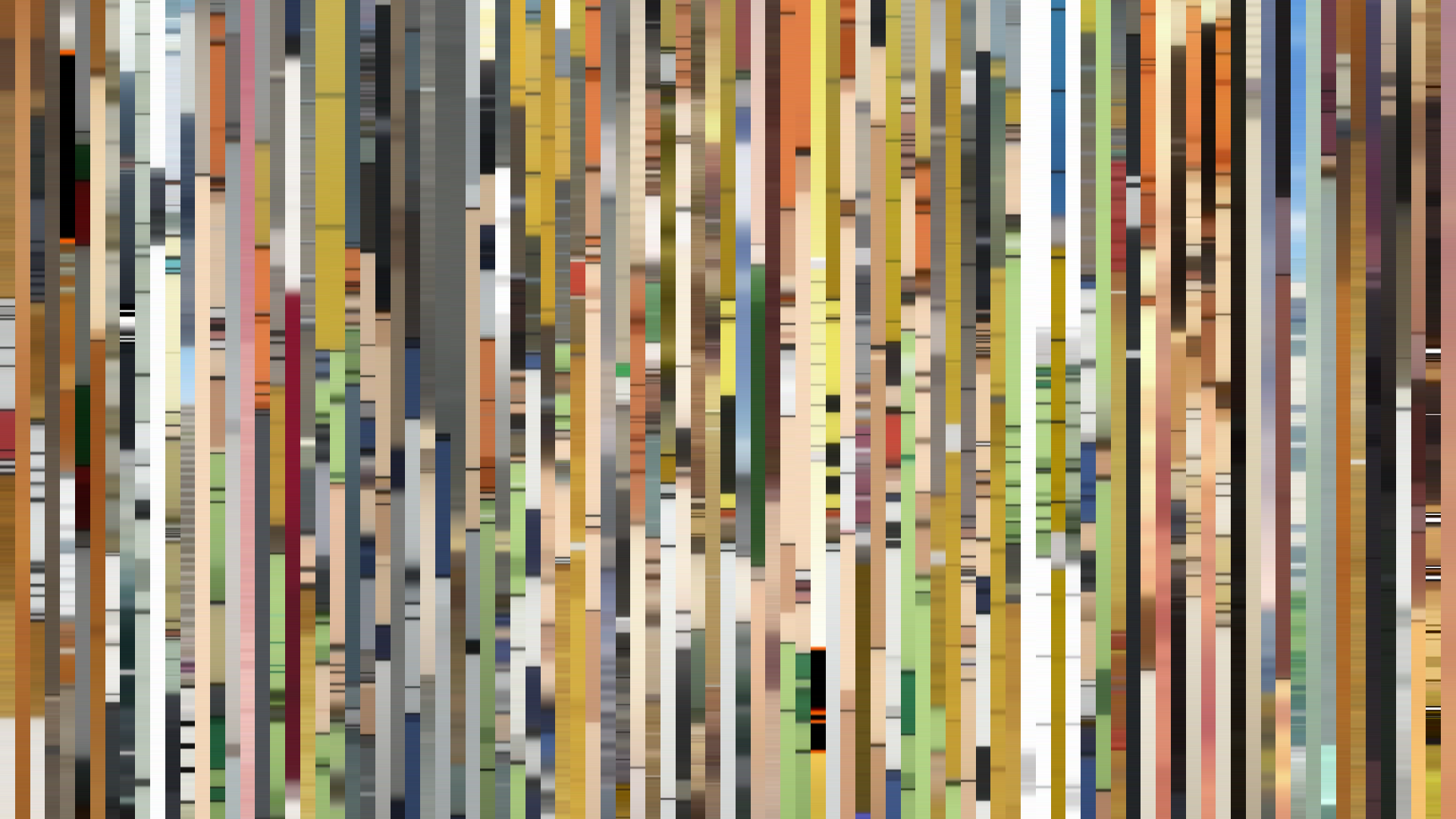
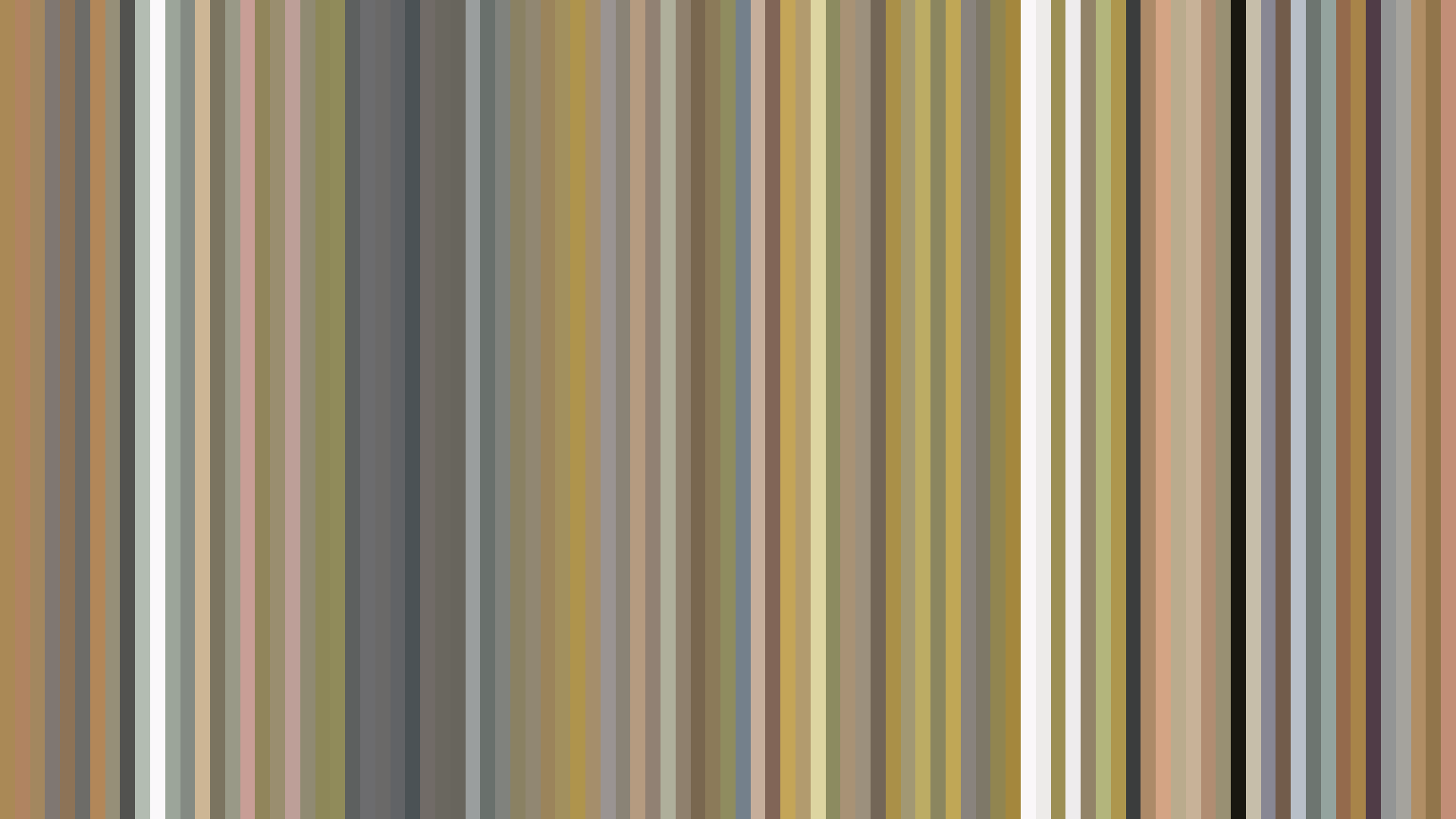
Frame Density Comparison — every 2nd vs every 4th frame
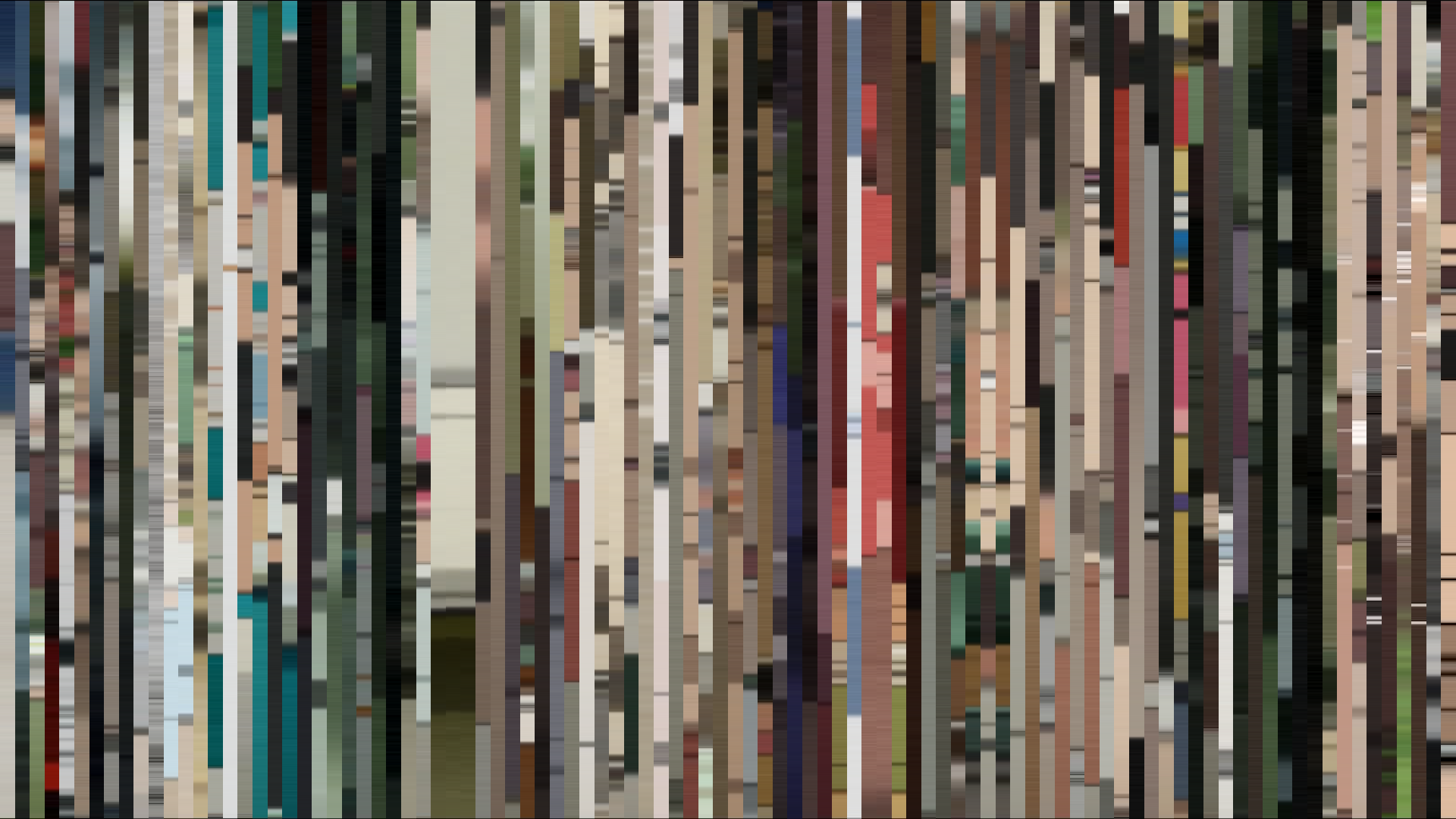
Slice · 15s
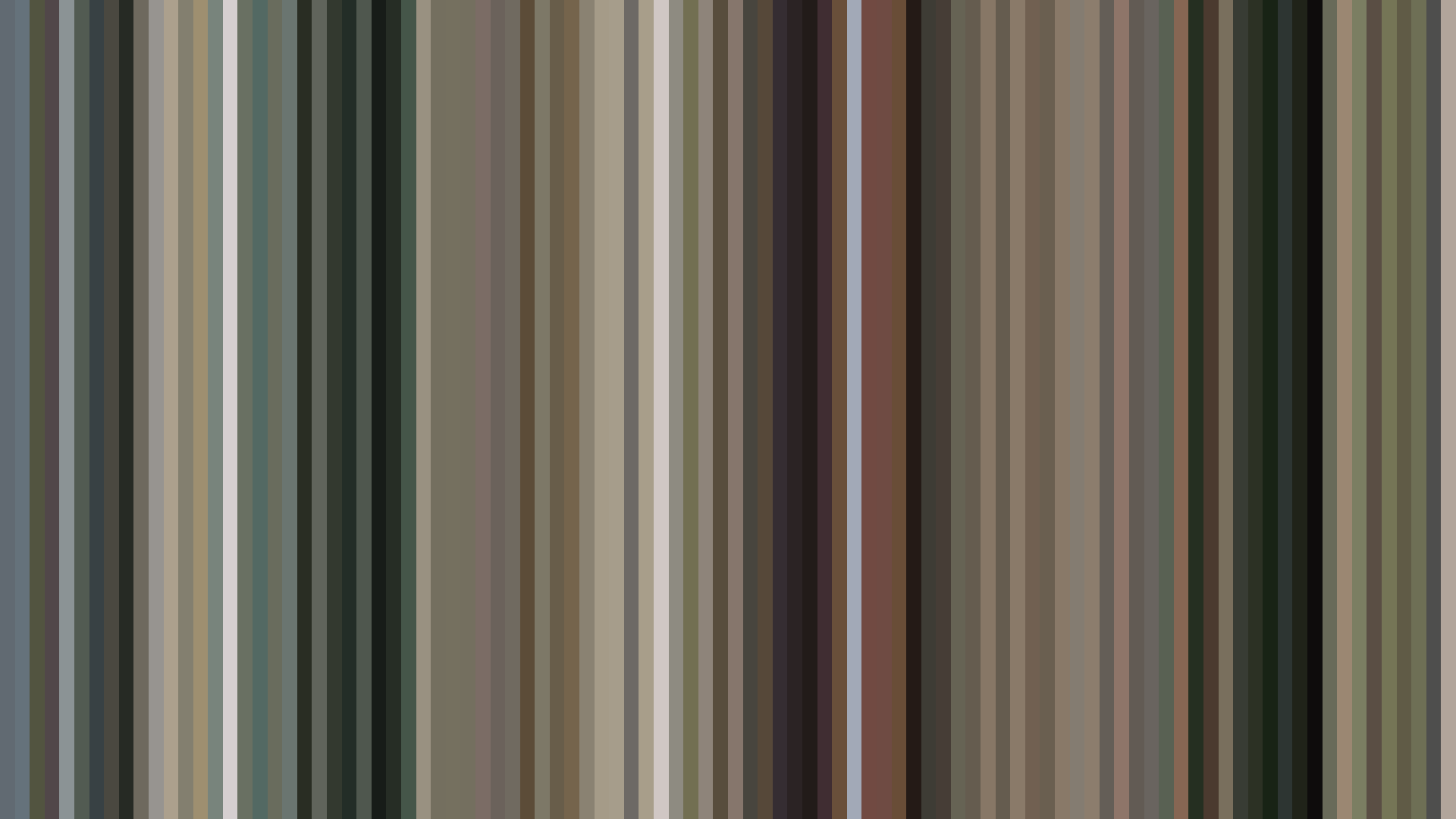
Avg · 15s
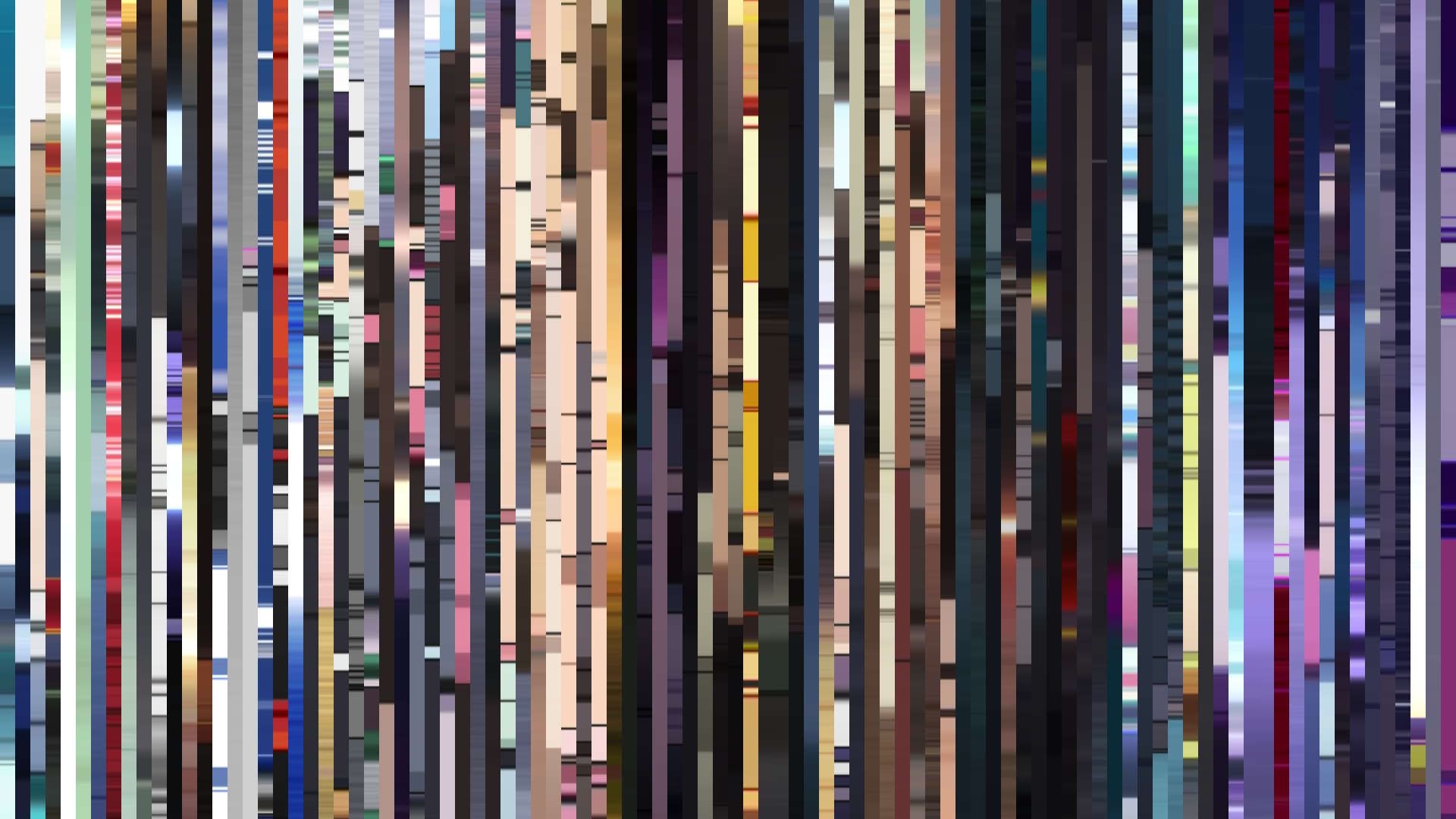
Slice · 30s
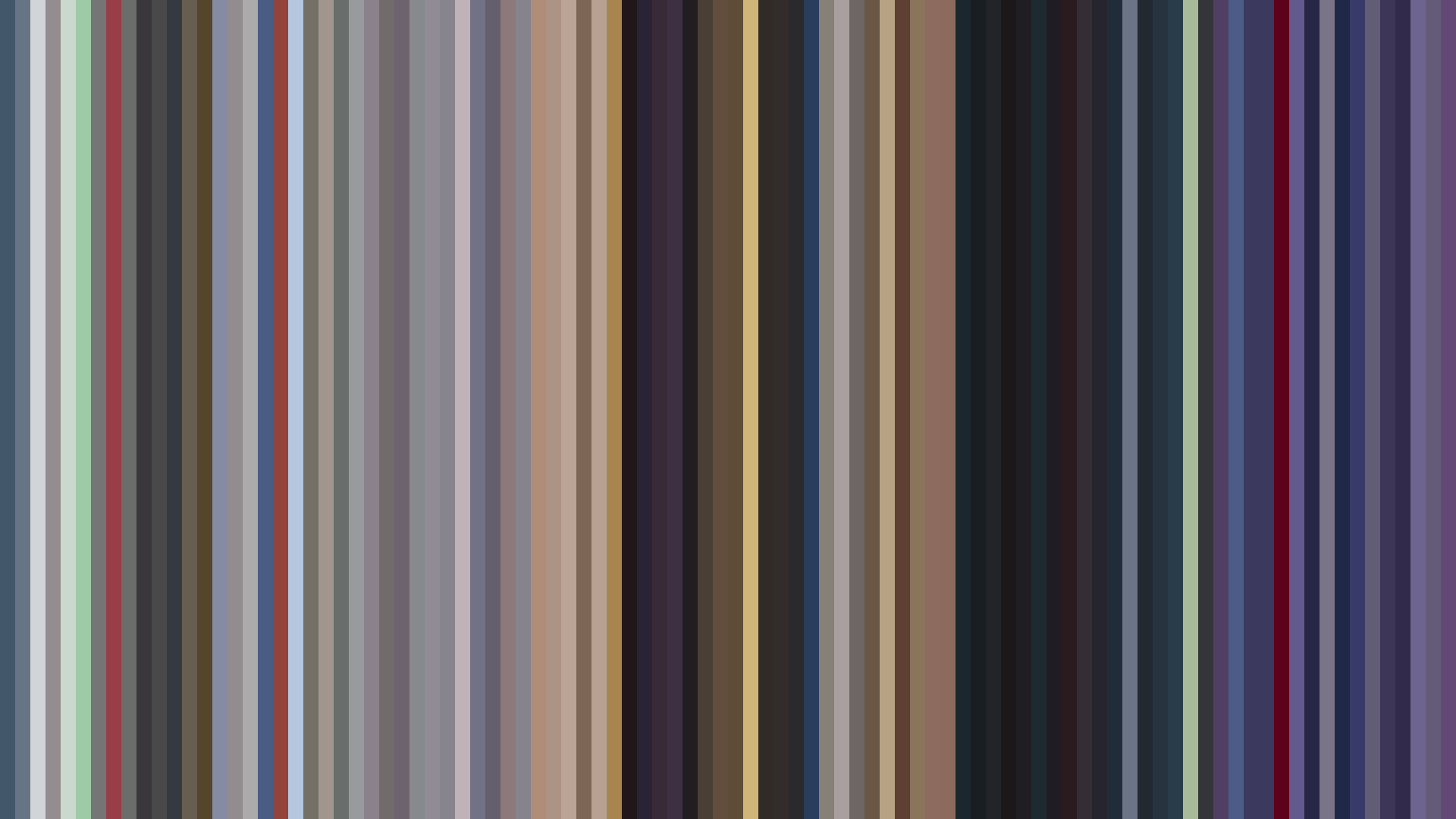
Avg · 30s
The falling arc is the story. Golden Kamuy Season 3 doesn’t just get dark; it descends with the grim precision of a barometer dropping before a blizzard. Beginning with the relatively brighter 0.453 of the opening acts — a false dawn of camaraderie and treasure maps — the series executes a controlled plunge to a closing 0.193, a brightness so low it edges toward the black of a Hokkaido winter night. This is a show that knows its destination is cold, and Blue-Green — 32% of the palette — is the hue of frostbite, of frozen breath, of the Asahikawa prison’s stone walls. Director Hitoshi Nanba and Geno Studio reject the warm, nostalgic tones of period adventure cinema; instead, they weaponize the desaturated (average saturation 0.164) and the muted to make every campfire feel like a last ember. The barcode doesn’t record seasonal change — it records a moral freeze, each act darker than the last, as the line between hunter and hunted dissolves into the permanent twilight of the northern frontier.
Brightness Arc (episode progression)
Hue Distribution
Act Breakdown
Opening
0.453
Middle
0.364
Closing
0.193
Avg Brightness
0.313
Avg Saturation
0.164
Warmth
0.504
Color Palette
#19181A
#5B595B
#A09F9E
#D7DBDC
#4F2E2A
#2F3346
#65728C
#906C62
3-Act Color Story
Opening
Middle
Closing
Color Twins
Perceptually nearest palettes — measured in OKLab space, not RGB
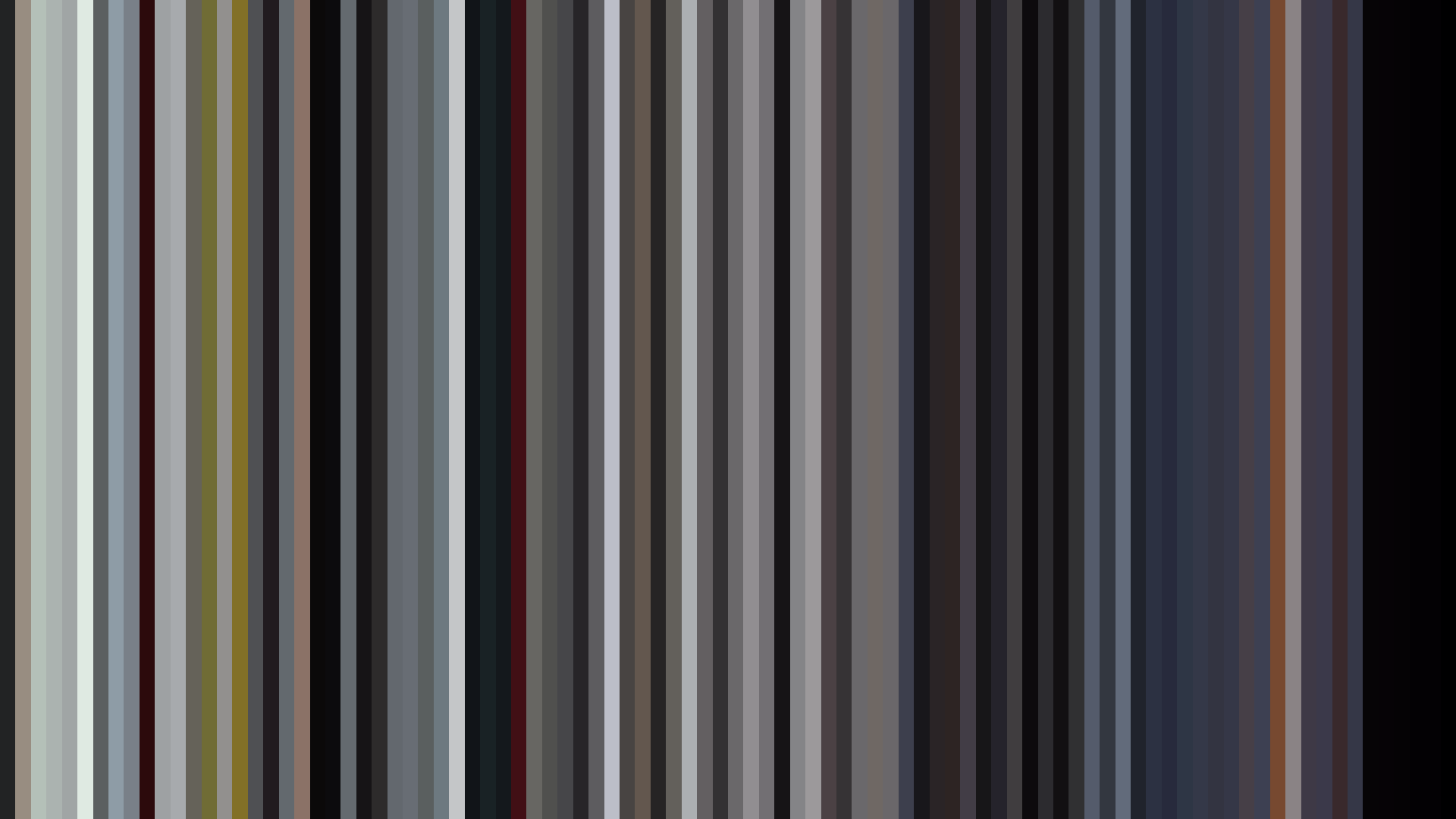
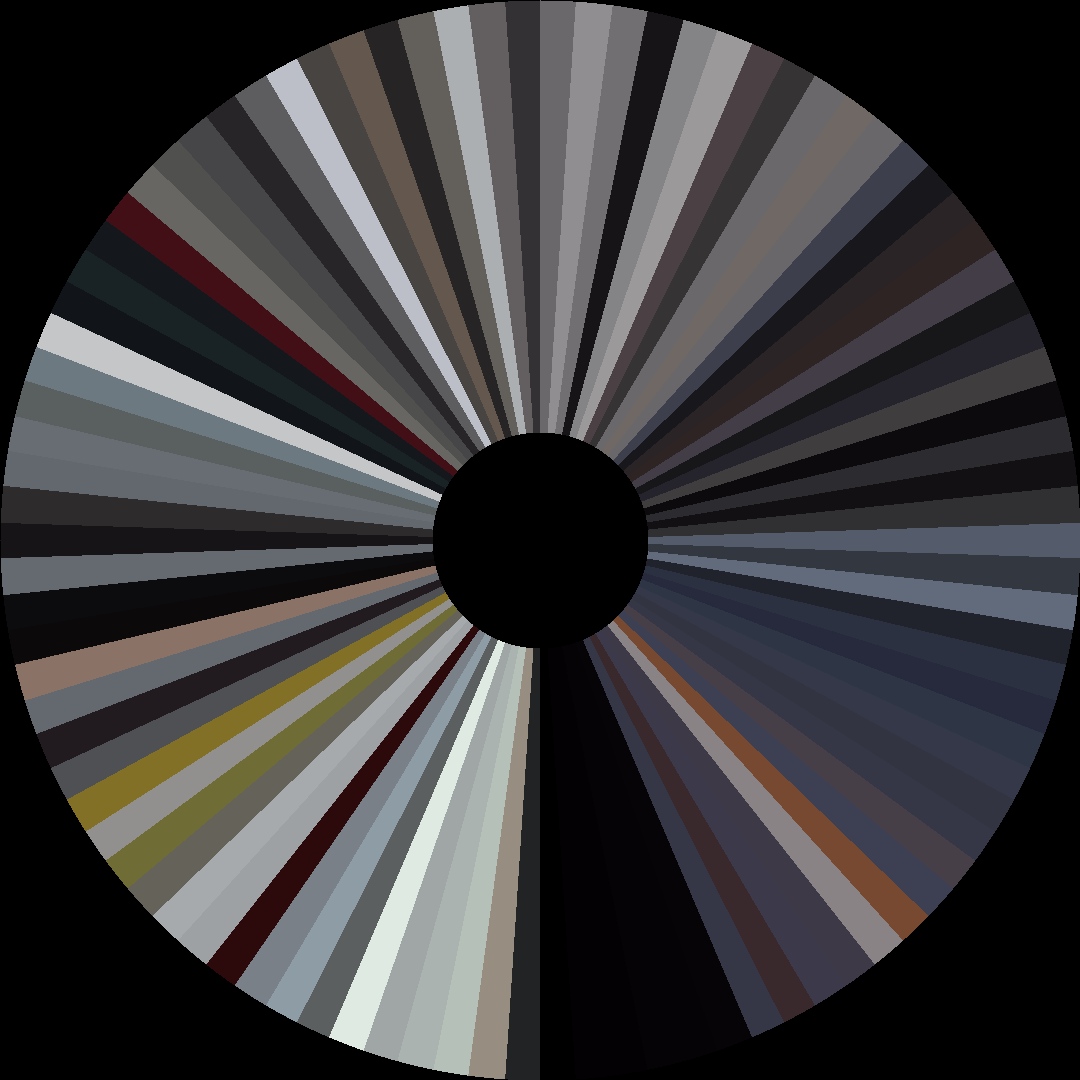






The falling arc is the story. Golden Kamuy Season 3 doesn’t just get dark; it descends with the grim precision of a barometer dropping before a blizzard. Beginning with the relatively brighter 0.453 of the opening acts — a false dawn of camaraderie and treasure maps — the series executes a controlled plunge to a closing 0.193, a brightness so low it edges toward the black of a Hokkaido winter night. This is a show that knows its destination is cold, and Blue-Green — 32% of the palette — is the hue of frostbite, of frozen breath, of the Asahikawa prison’s stone walls. Director Hitoshi Nanba and Geno Studio reject the warm, nostalgic tones of period adventure cinema; instead, they weaponize the desaturated (average saturation 0.164) and the muted to make every campfire feel like a last ember. The barcode doesn’t record seasonal change — it records a moral freeze, each act darker than the last, as the line between hunter and hunted dissolves into the permanent twilight of the northern frontier.