Edit Pace — frame-to-frame color delta (bright = fast cuts)
Color Temperature — warm (gold) vs cool (teal) per frame
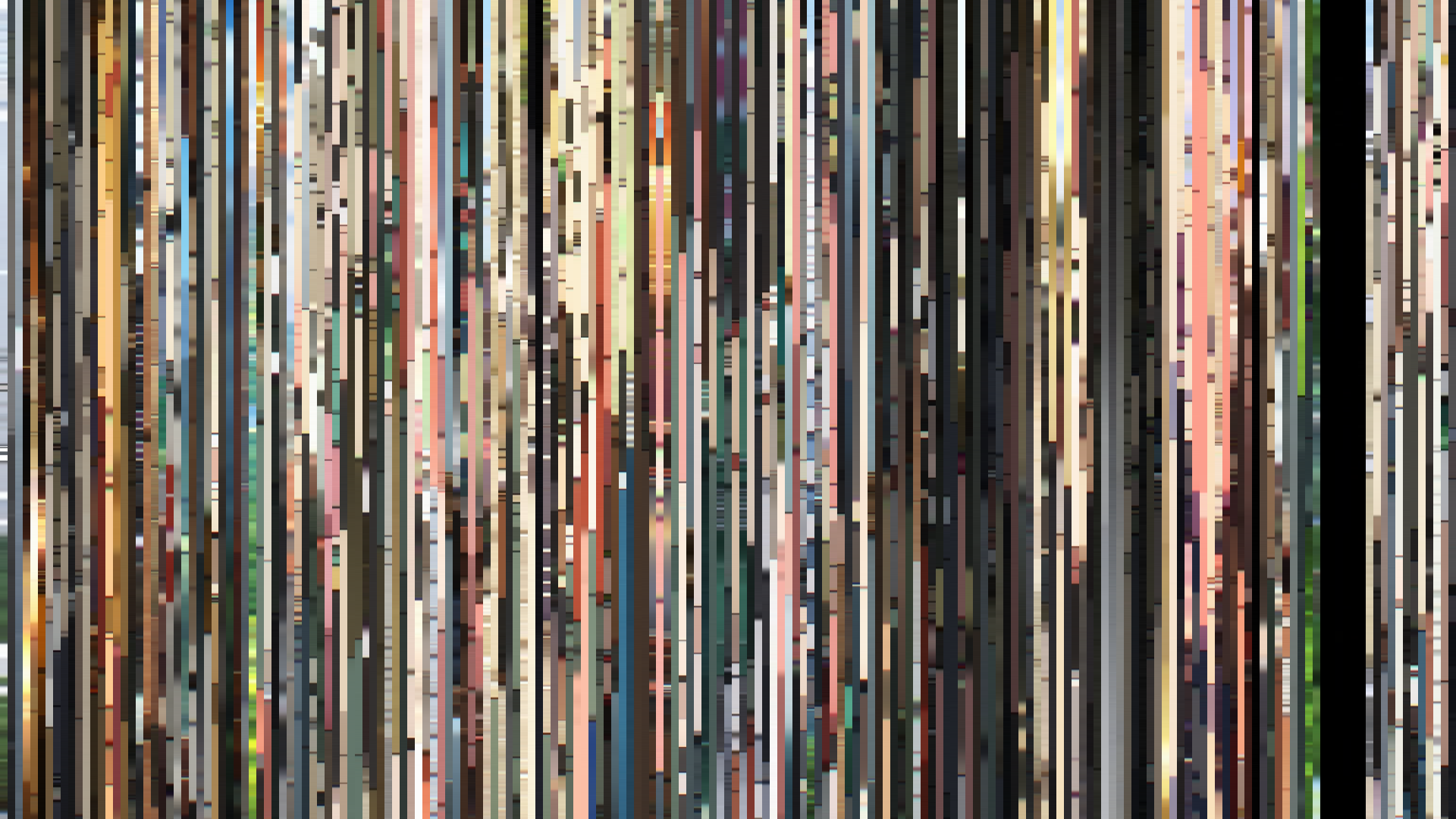
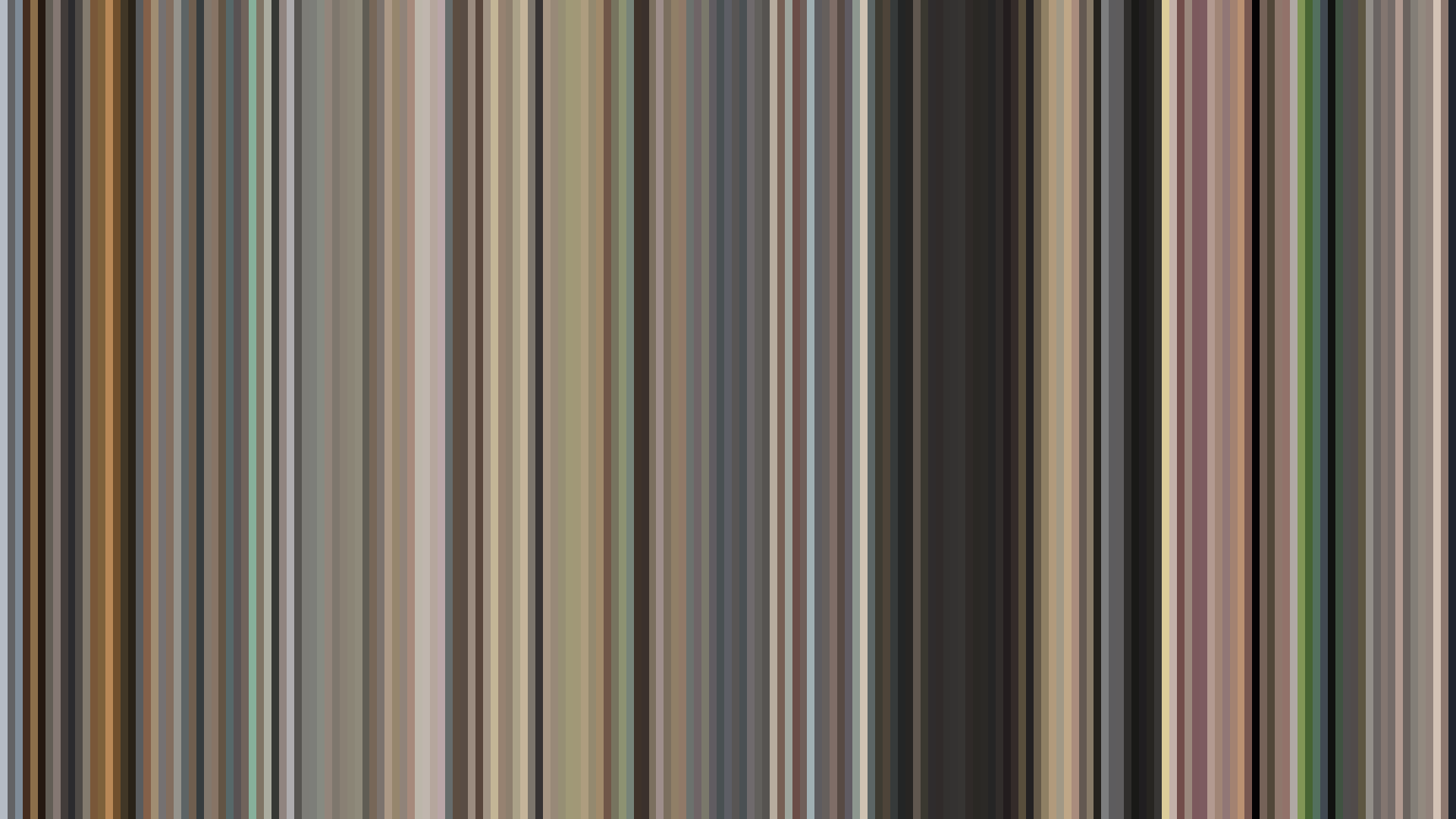
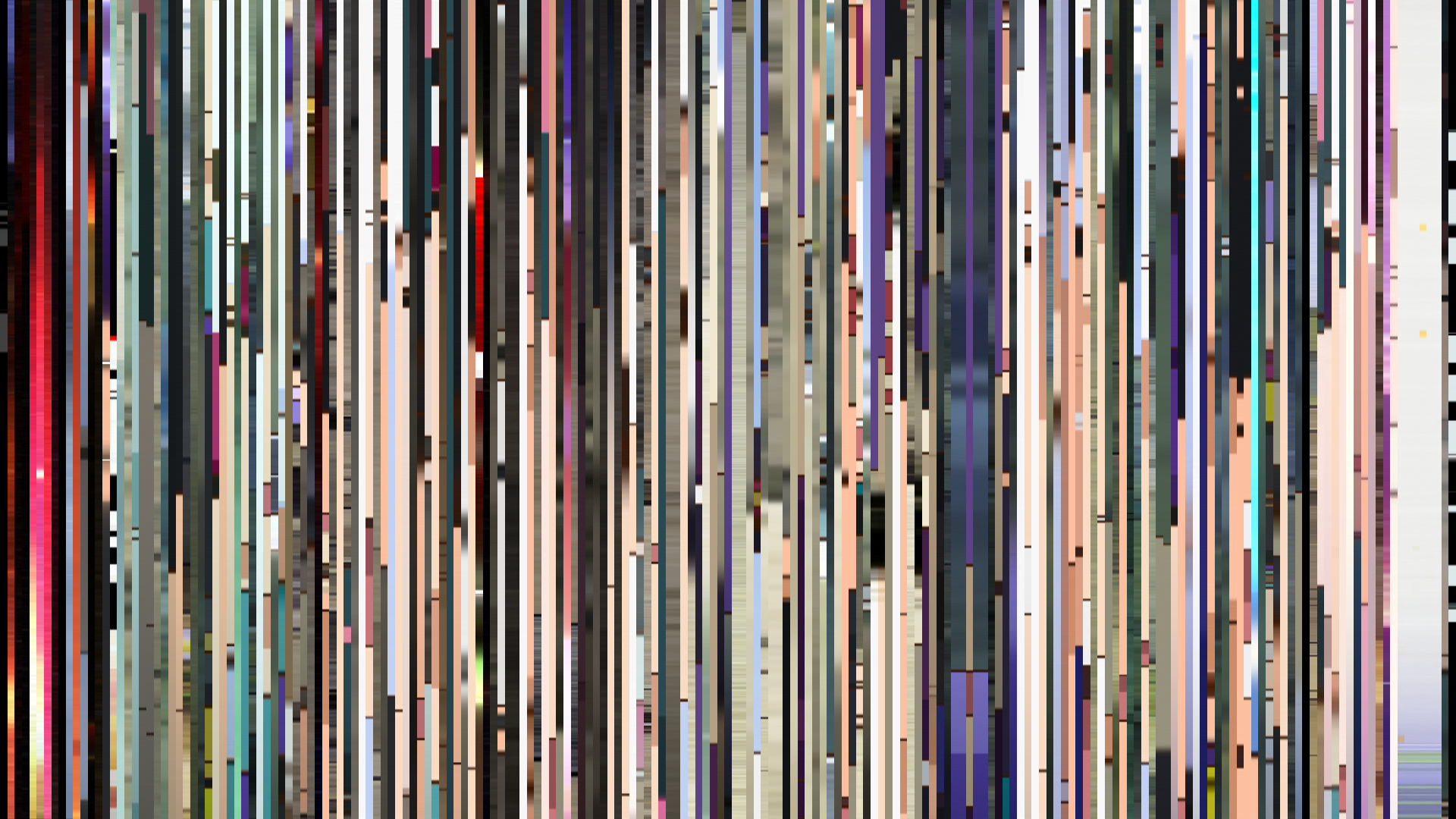
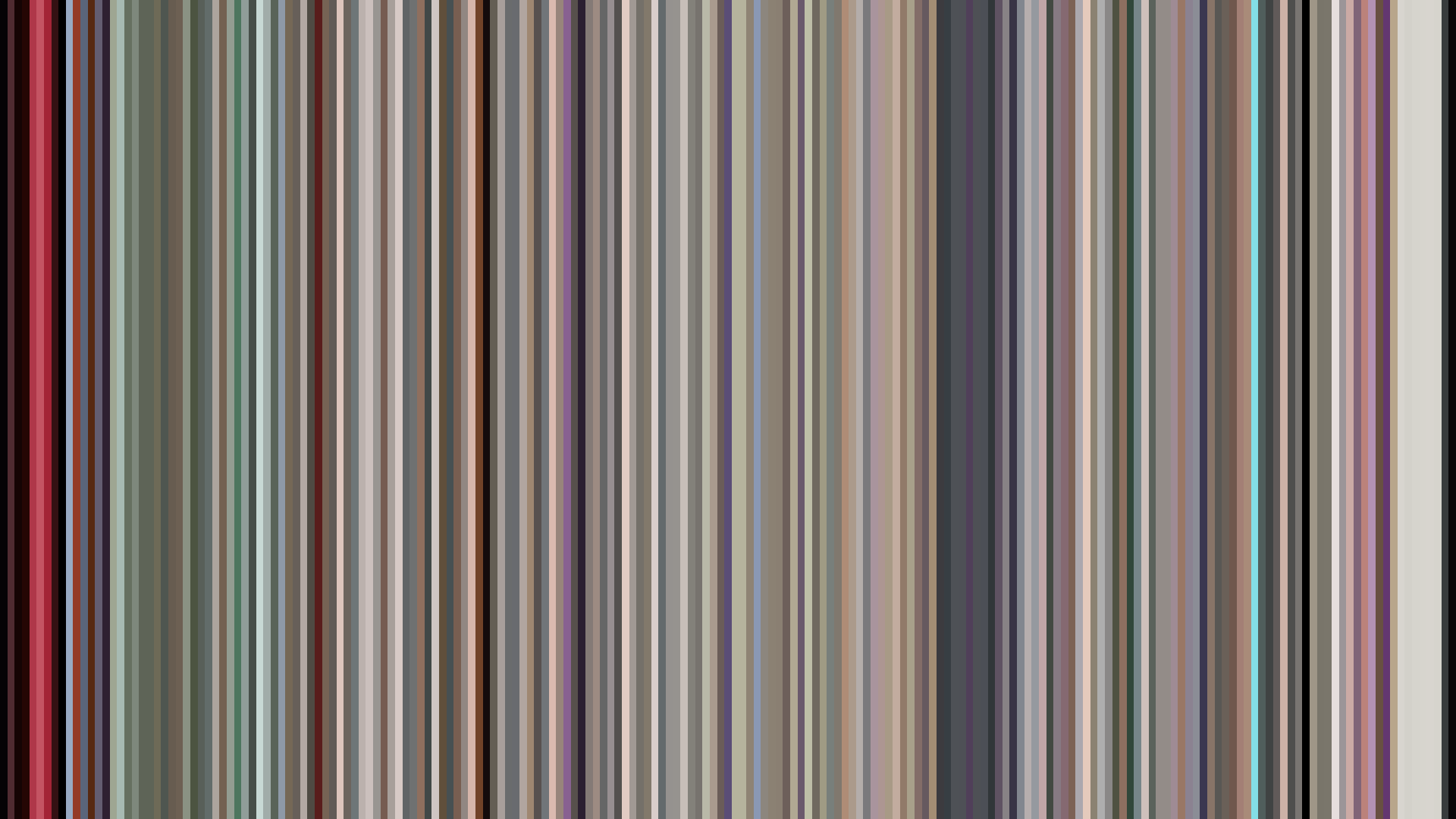
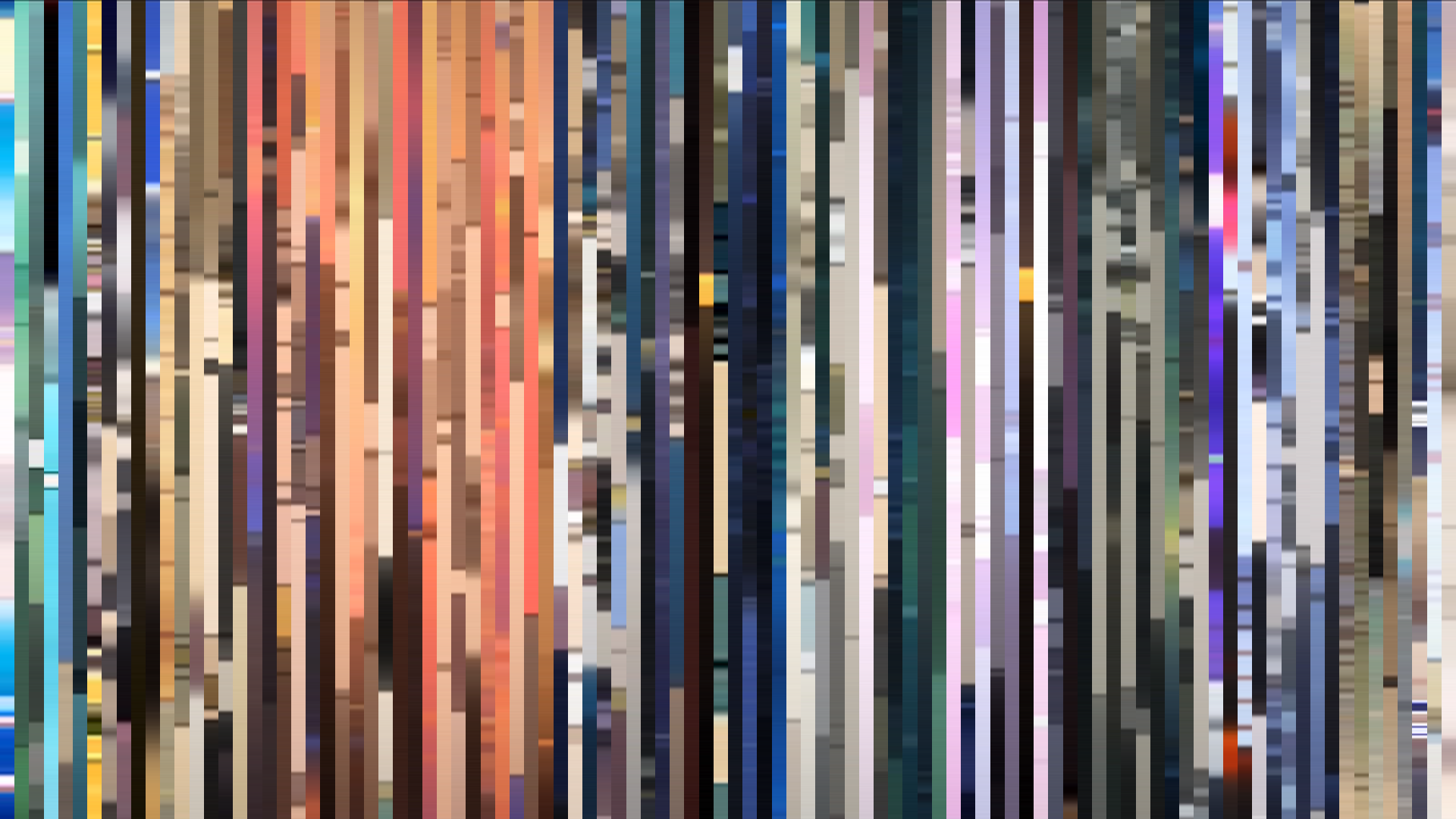
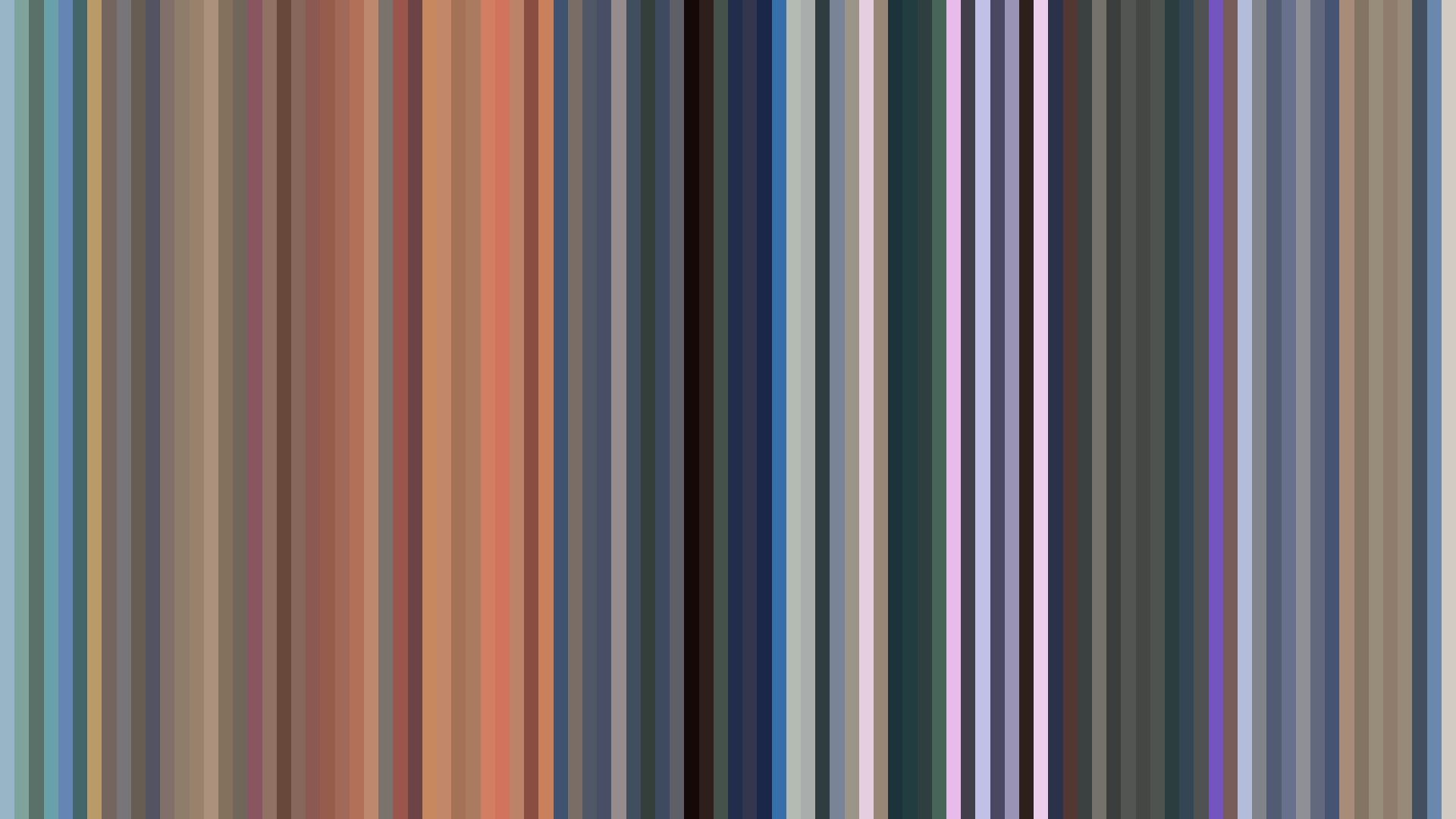
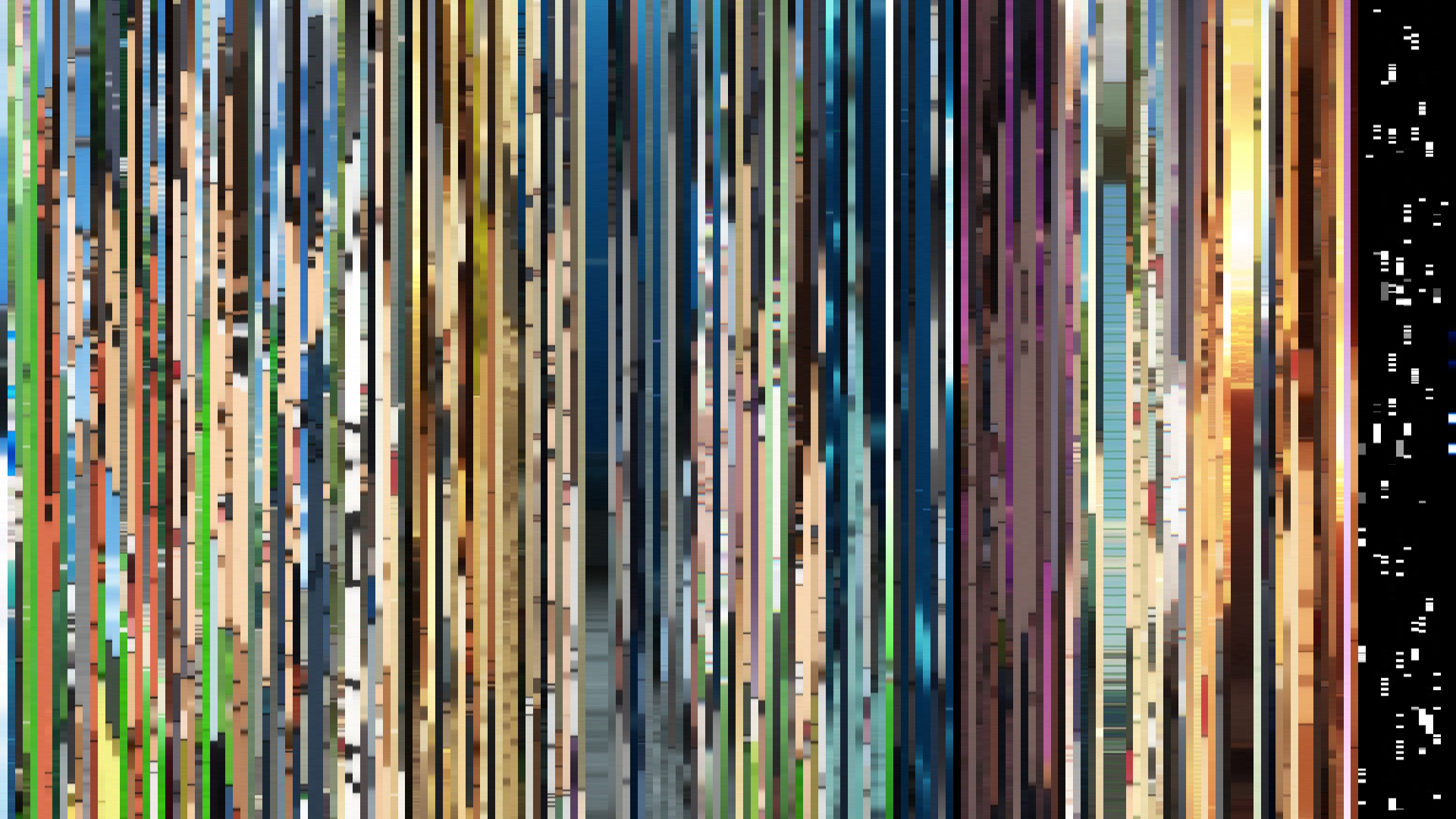
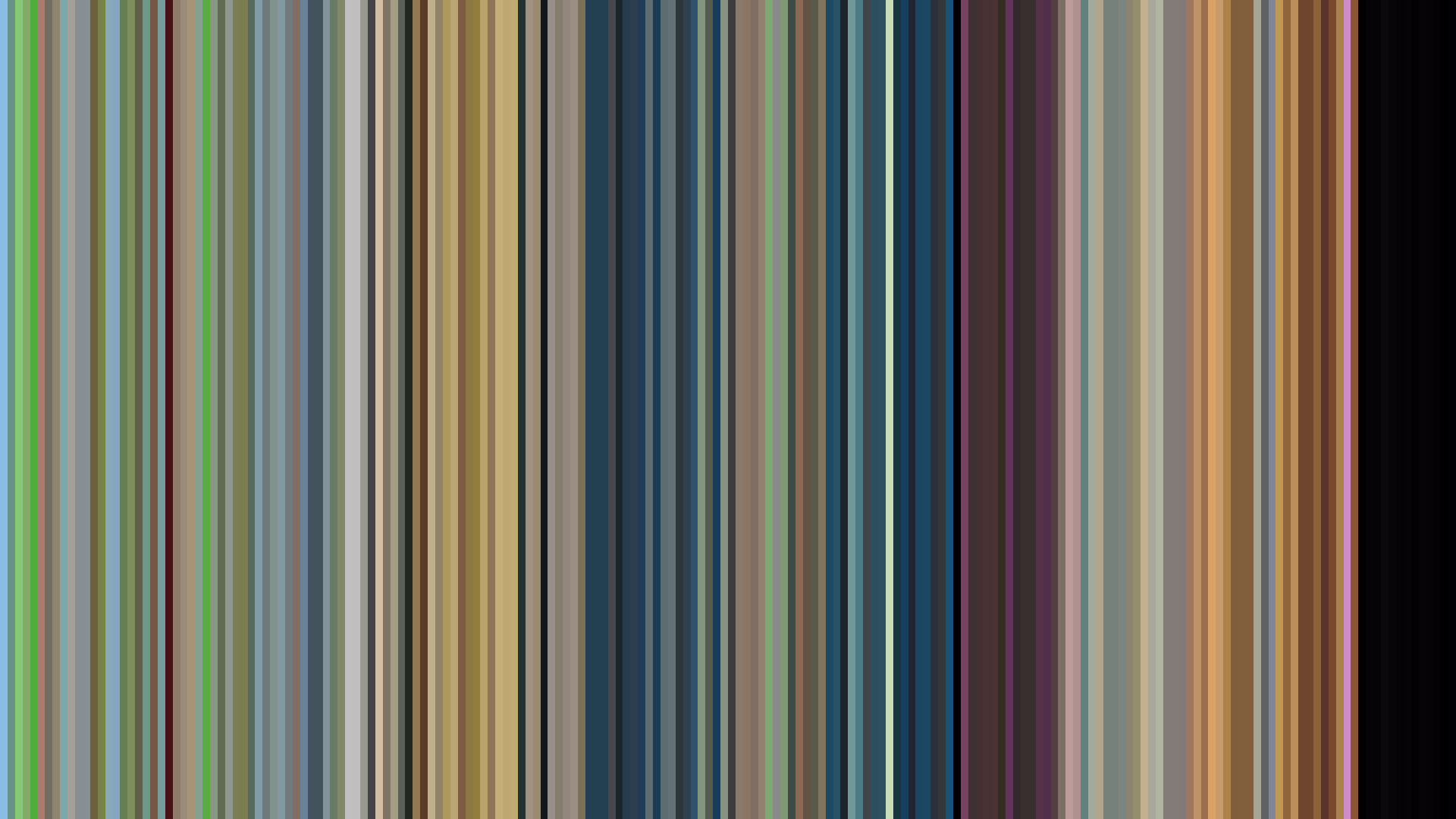
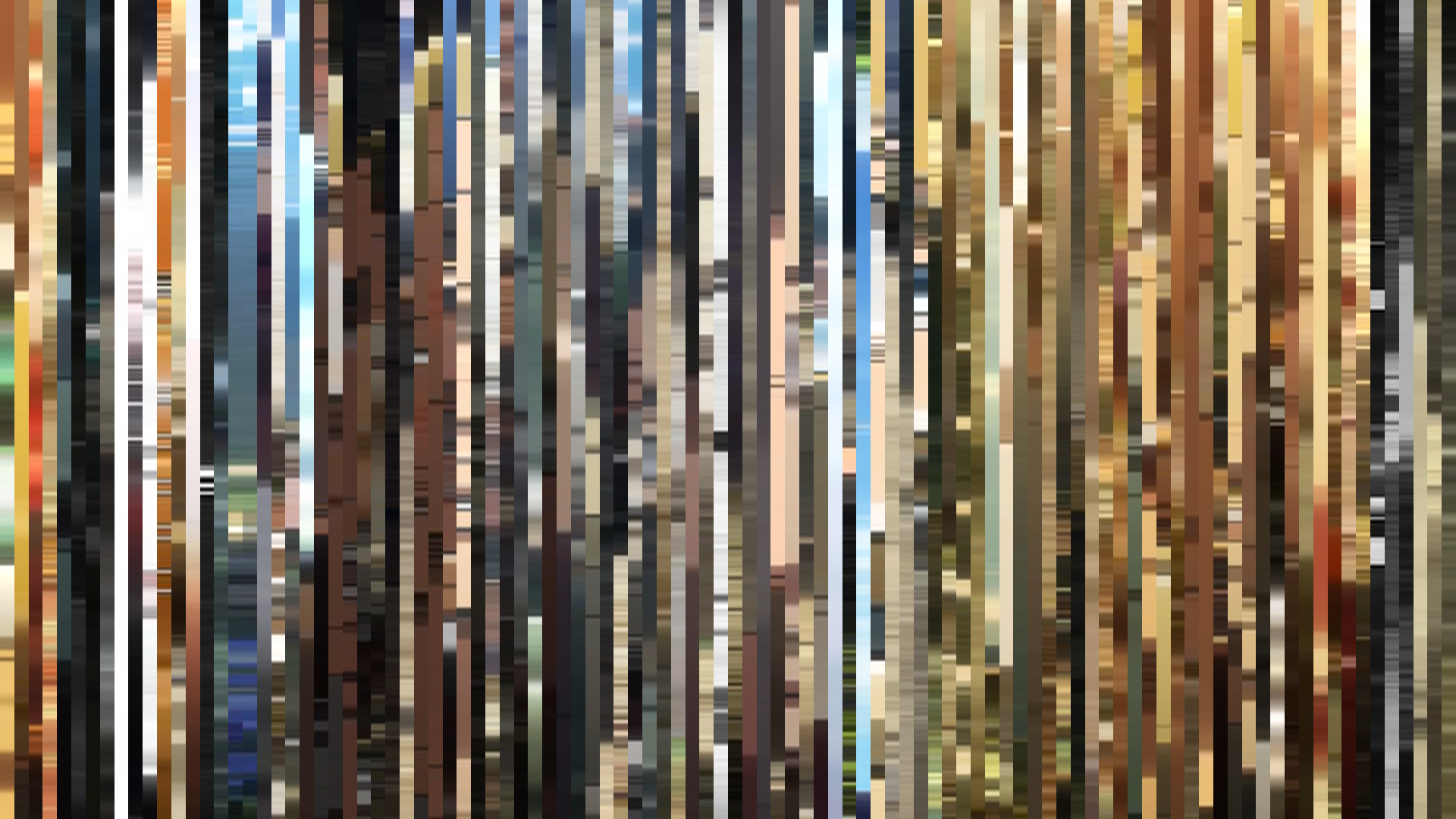
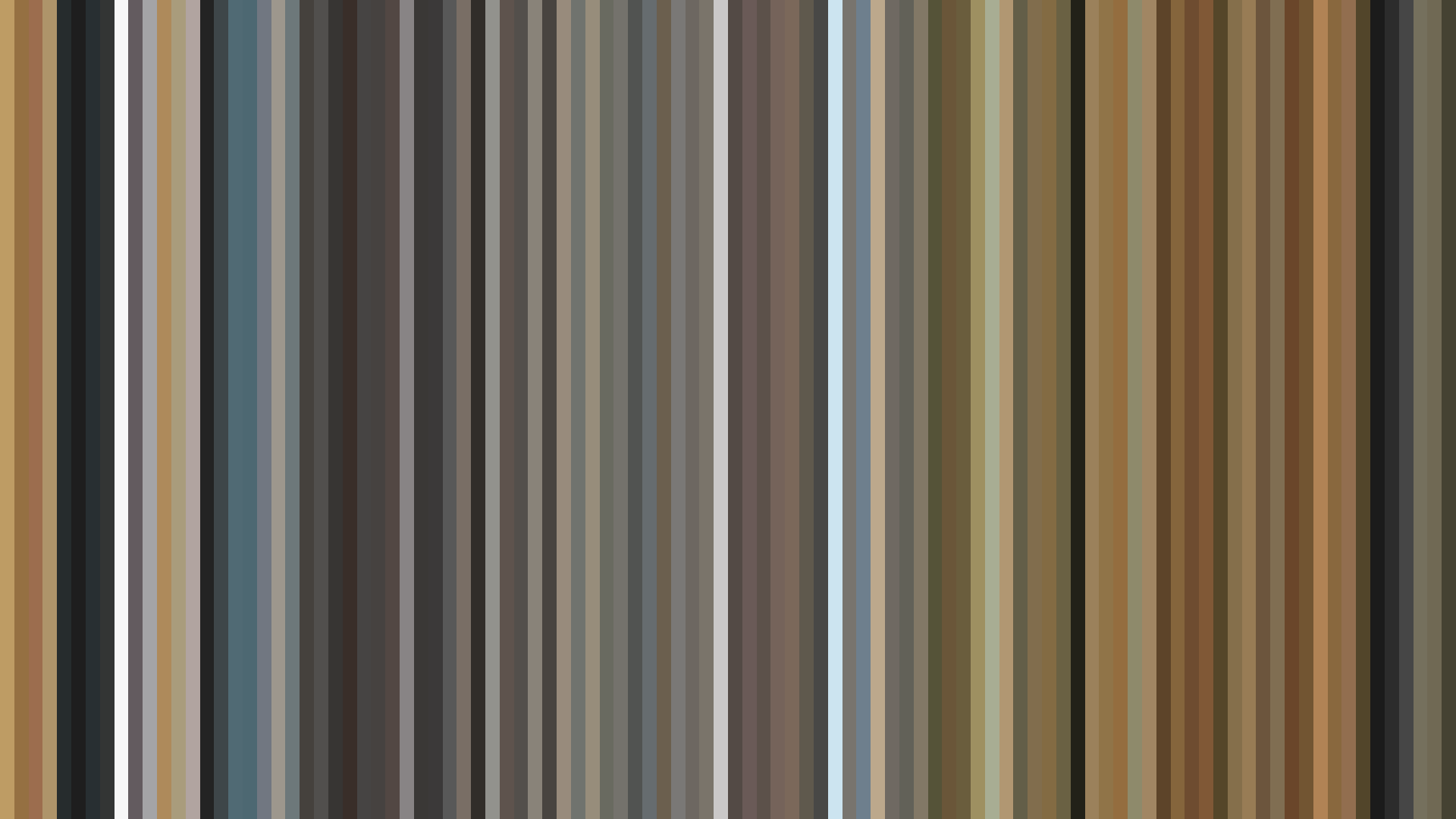
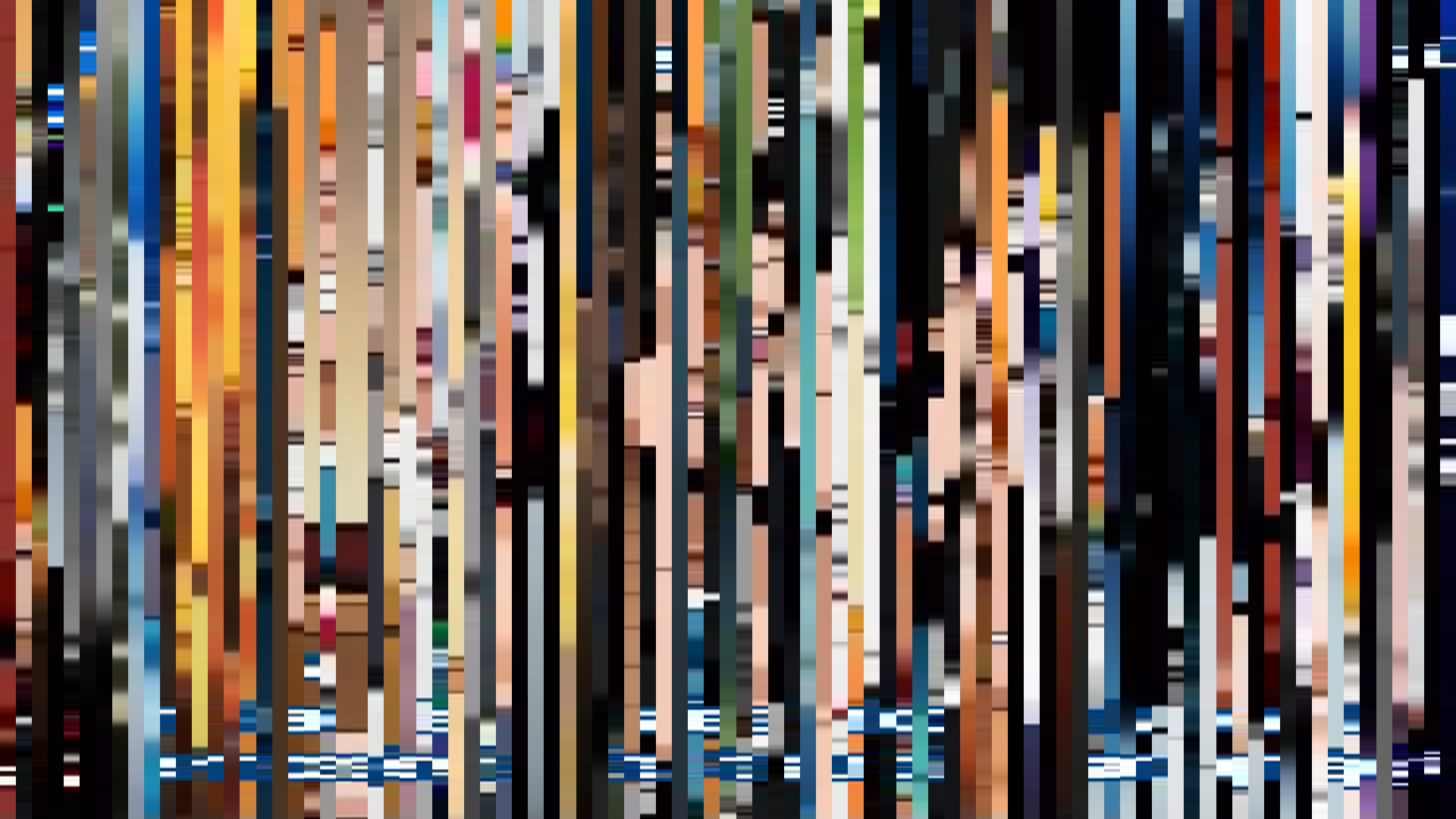
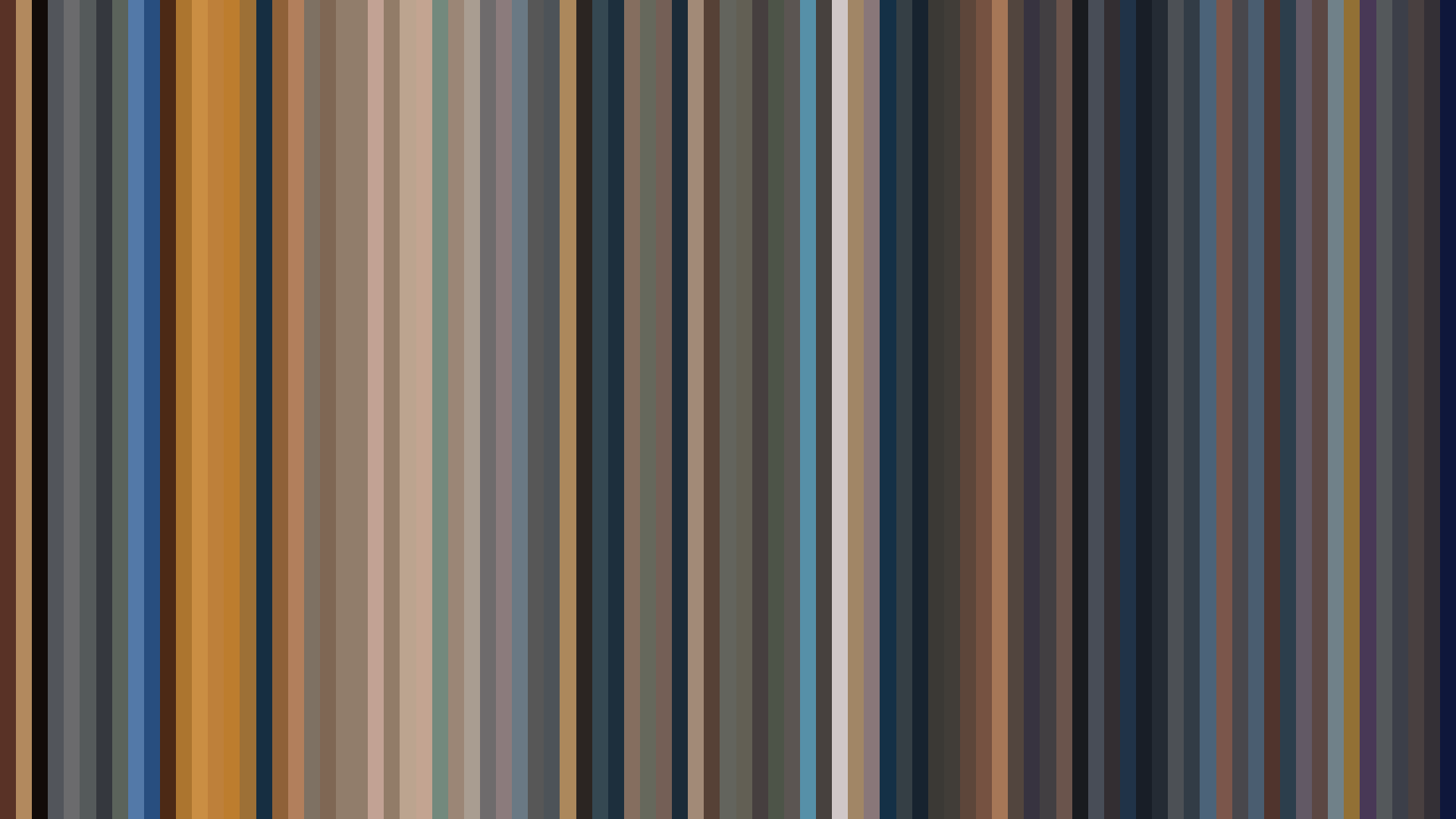
Frame Density Comparison — every 2nd vs every 4th frame
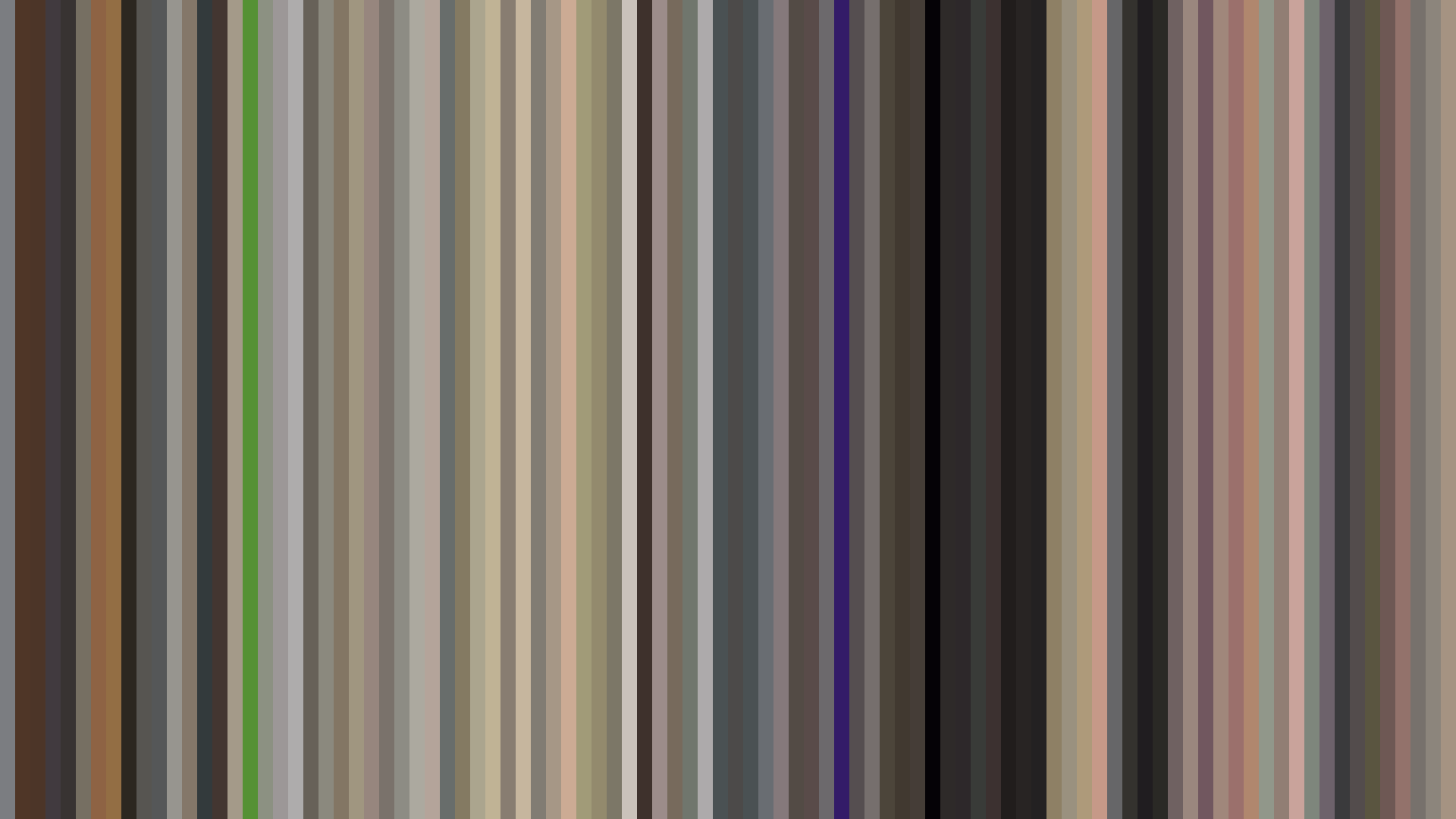
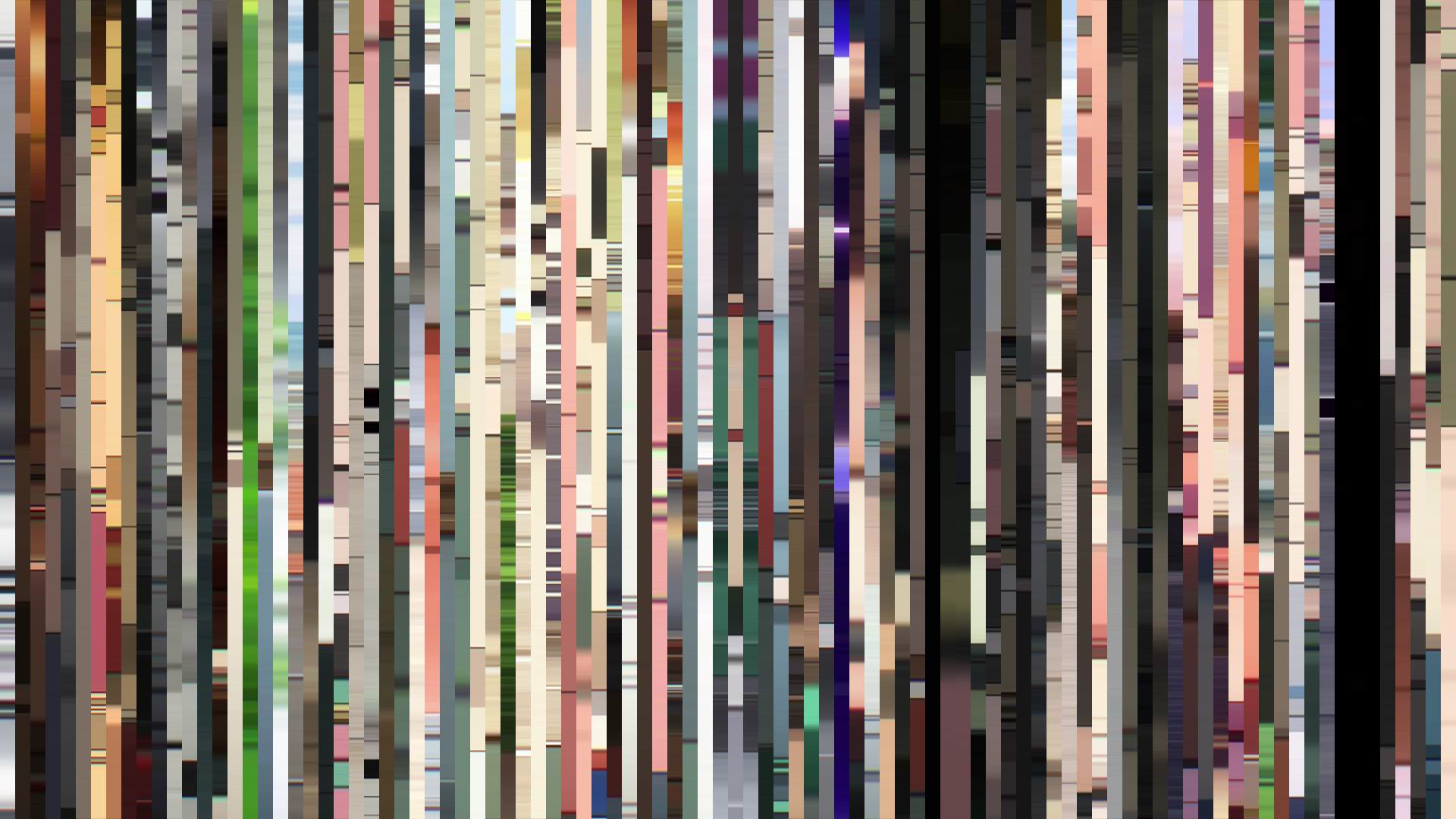
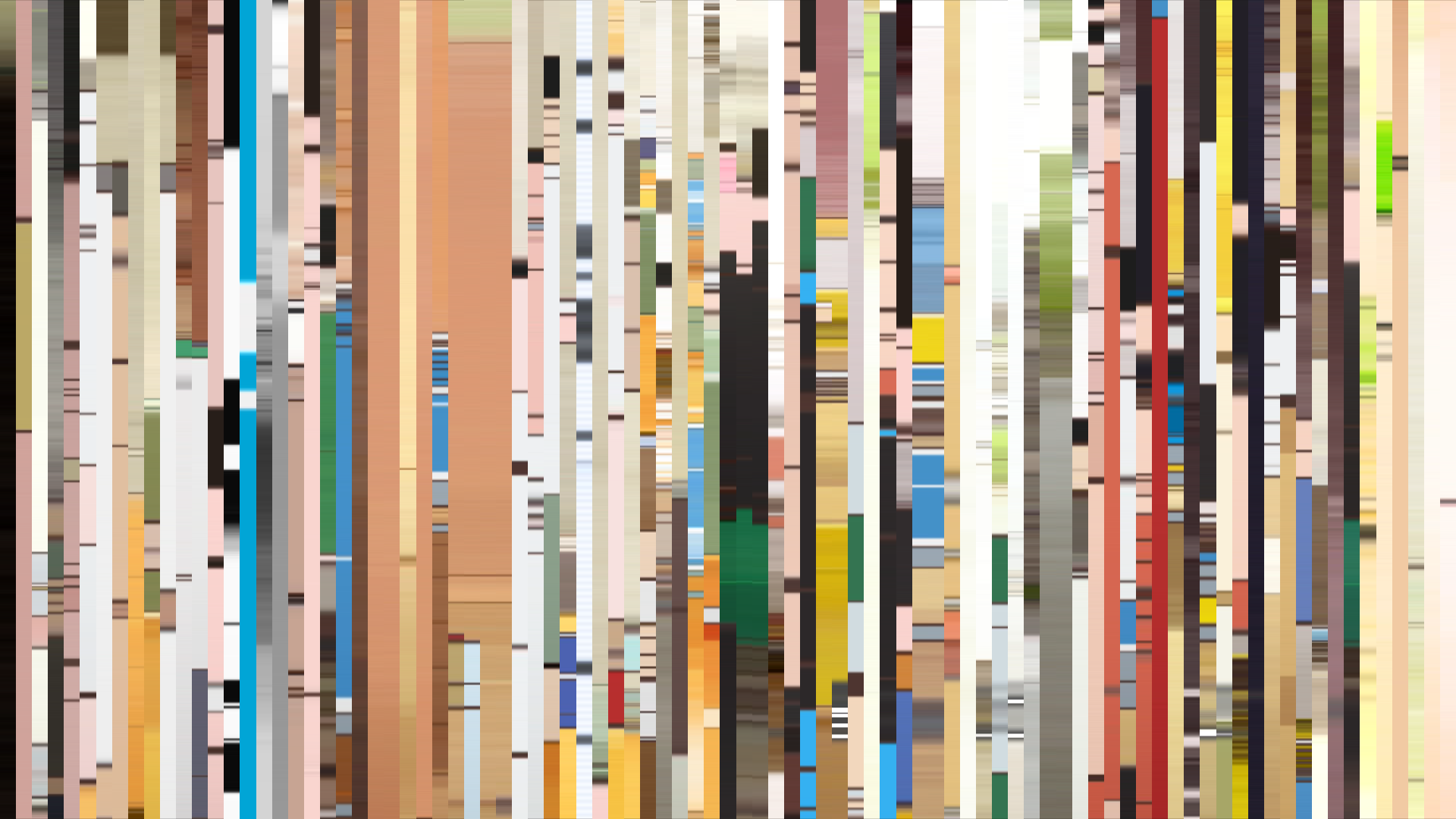
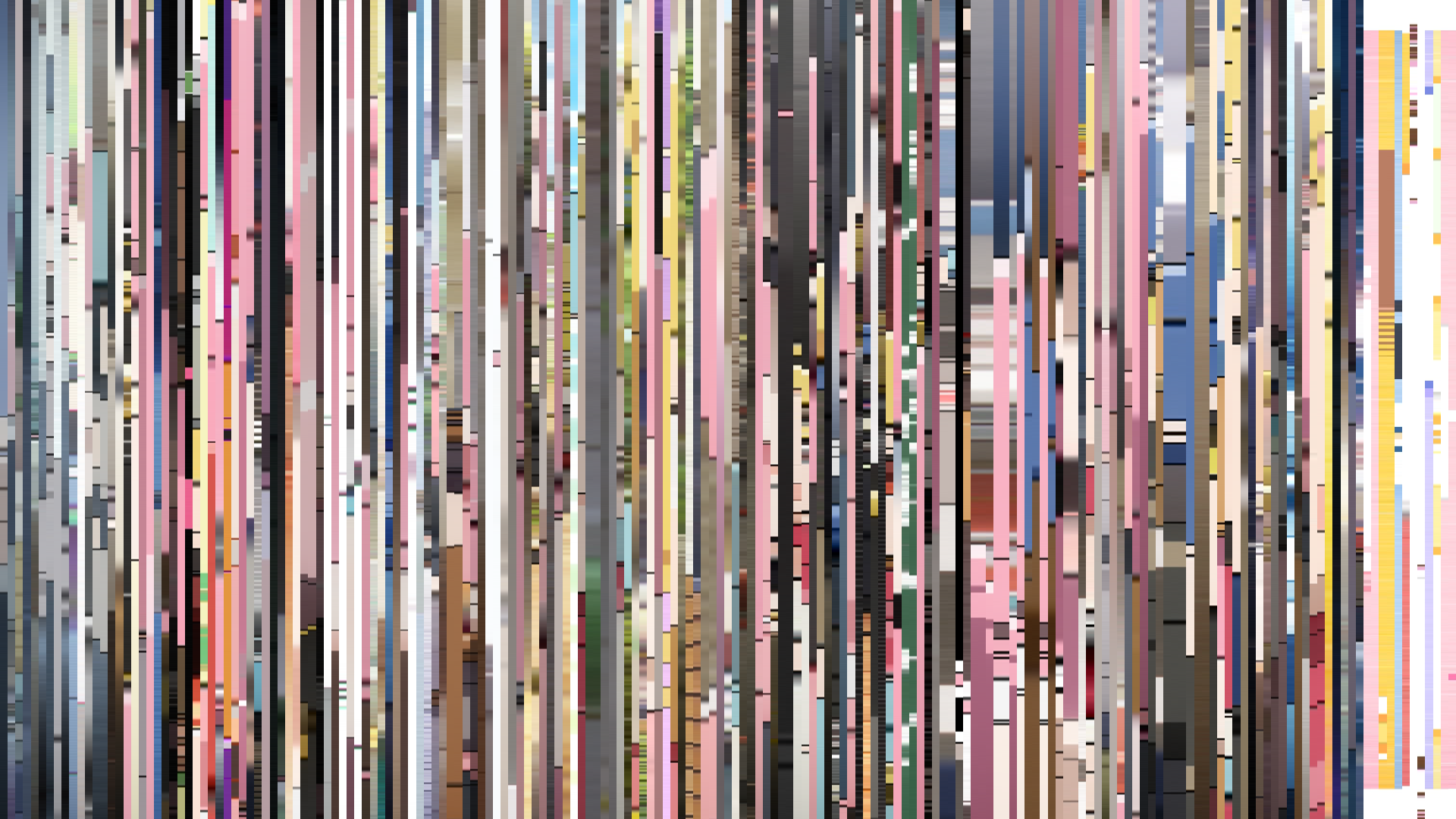
Slice · 15s
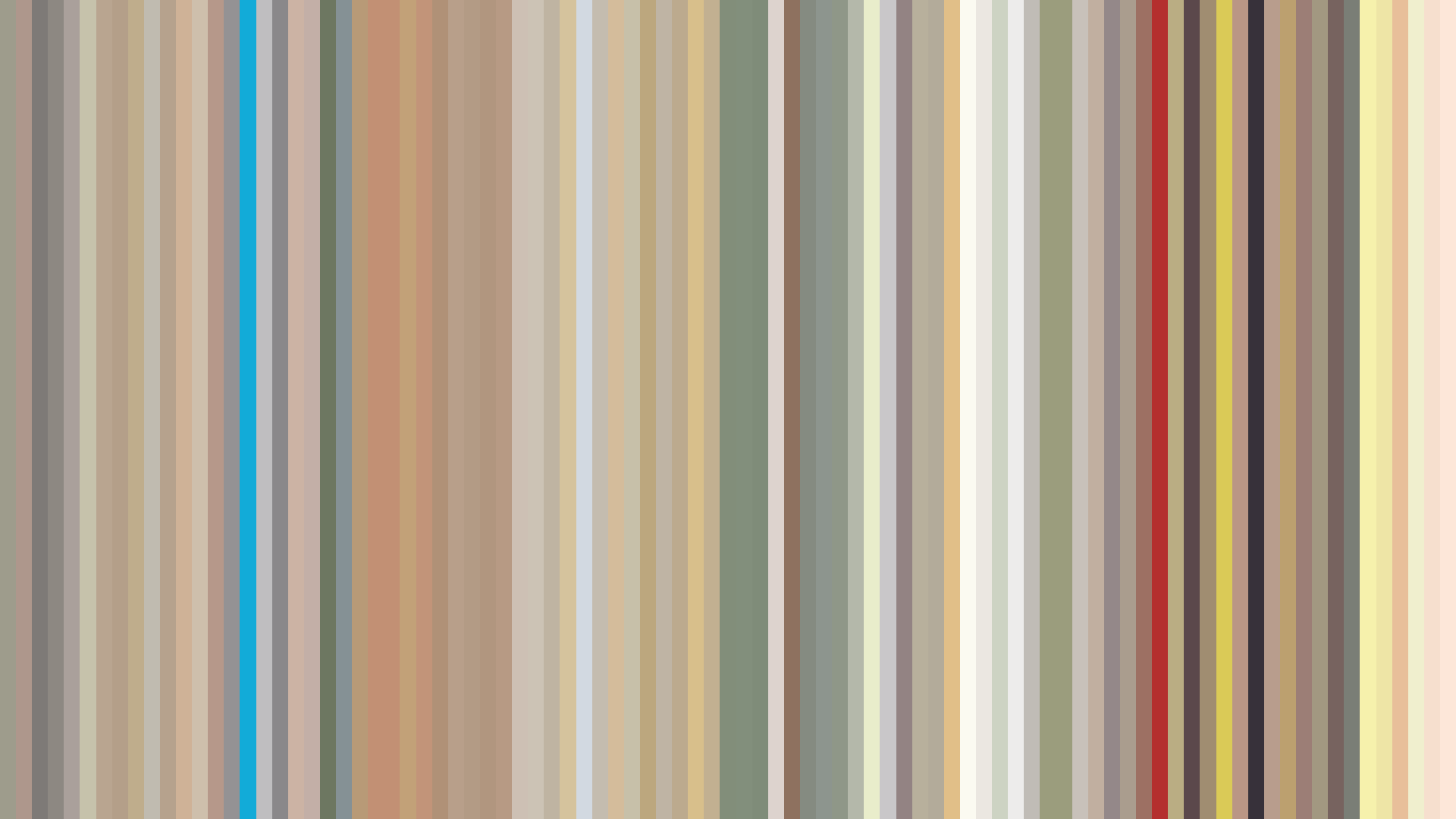
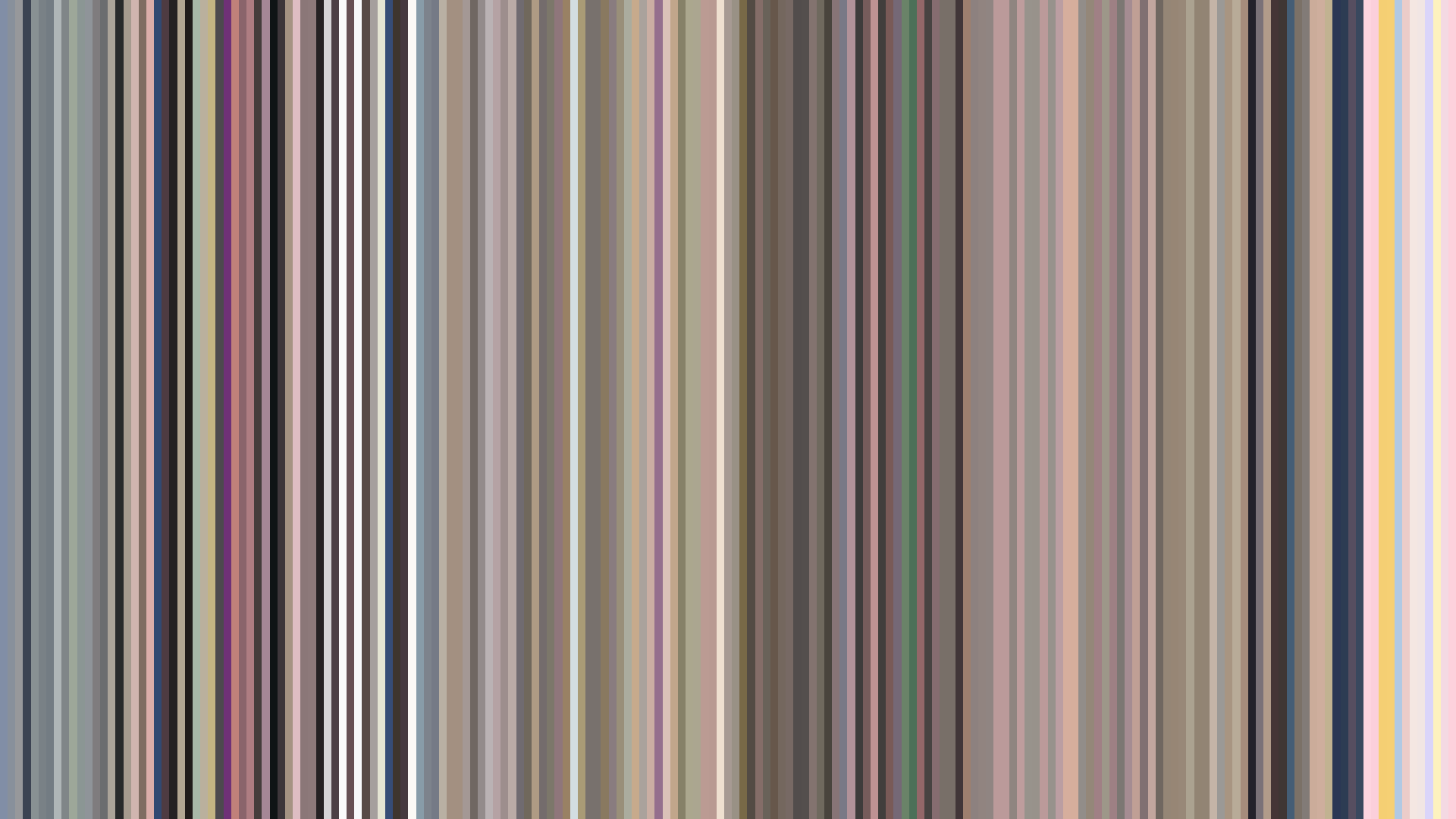
Avg · 15s
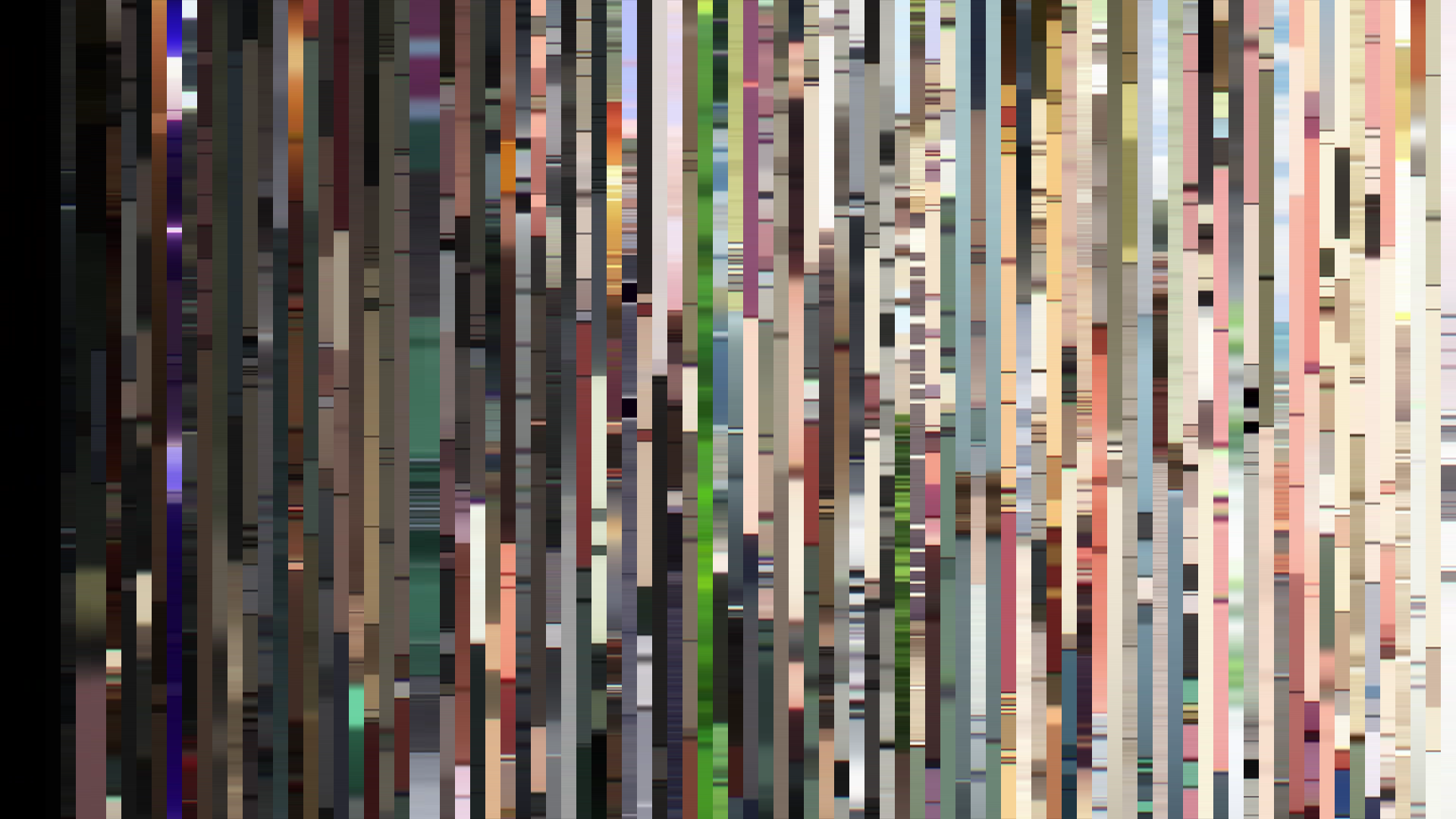
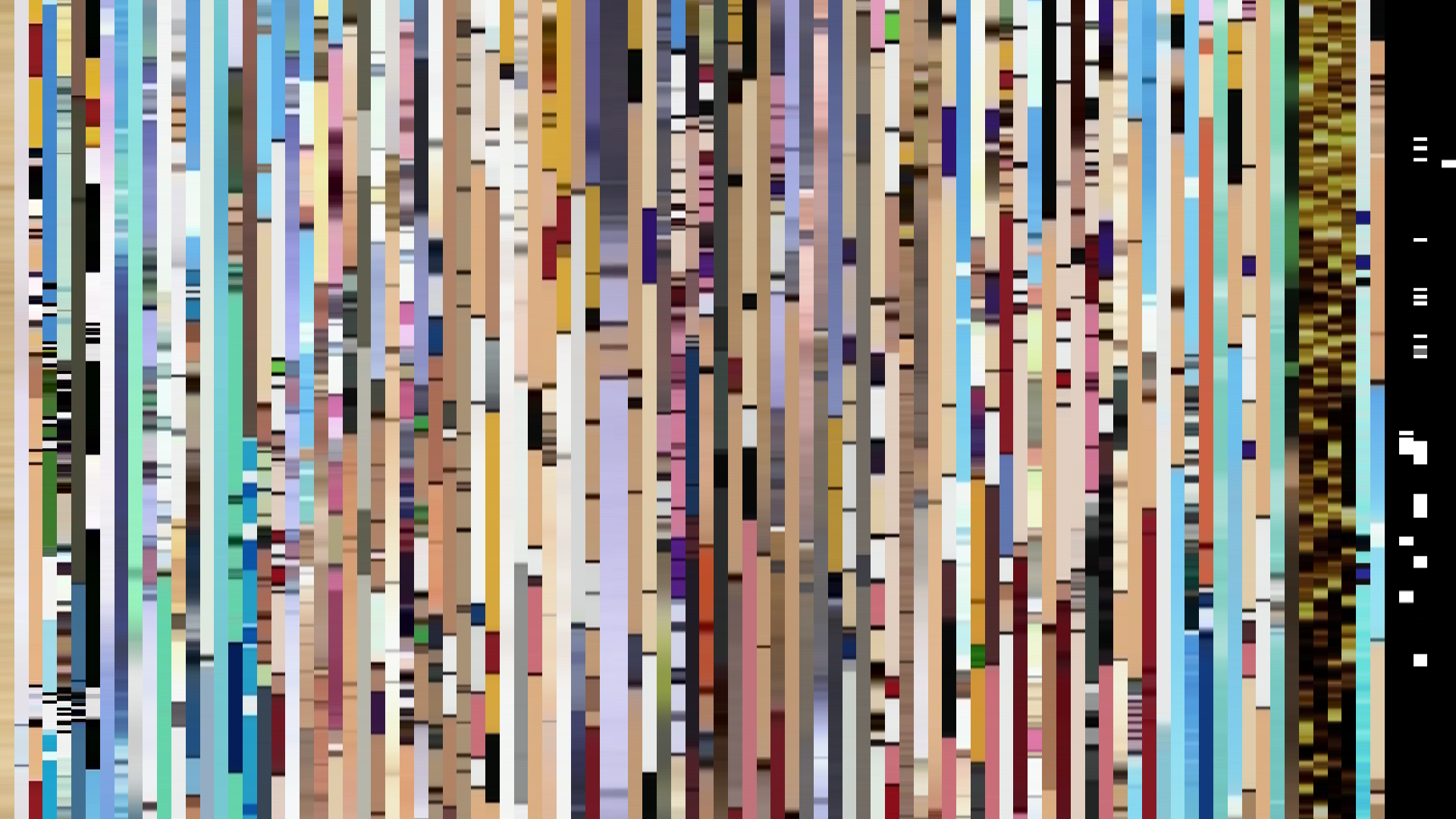
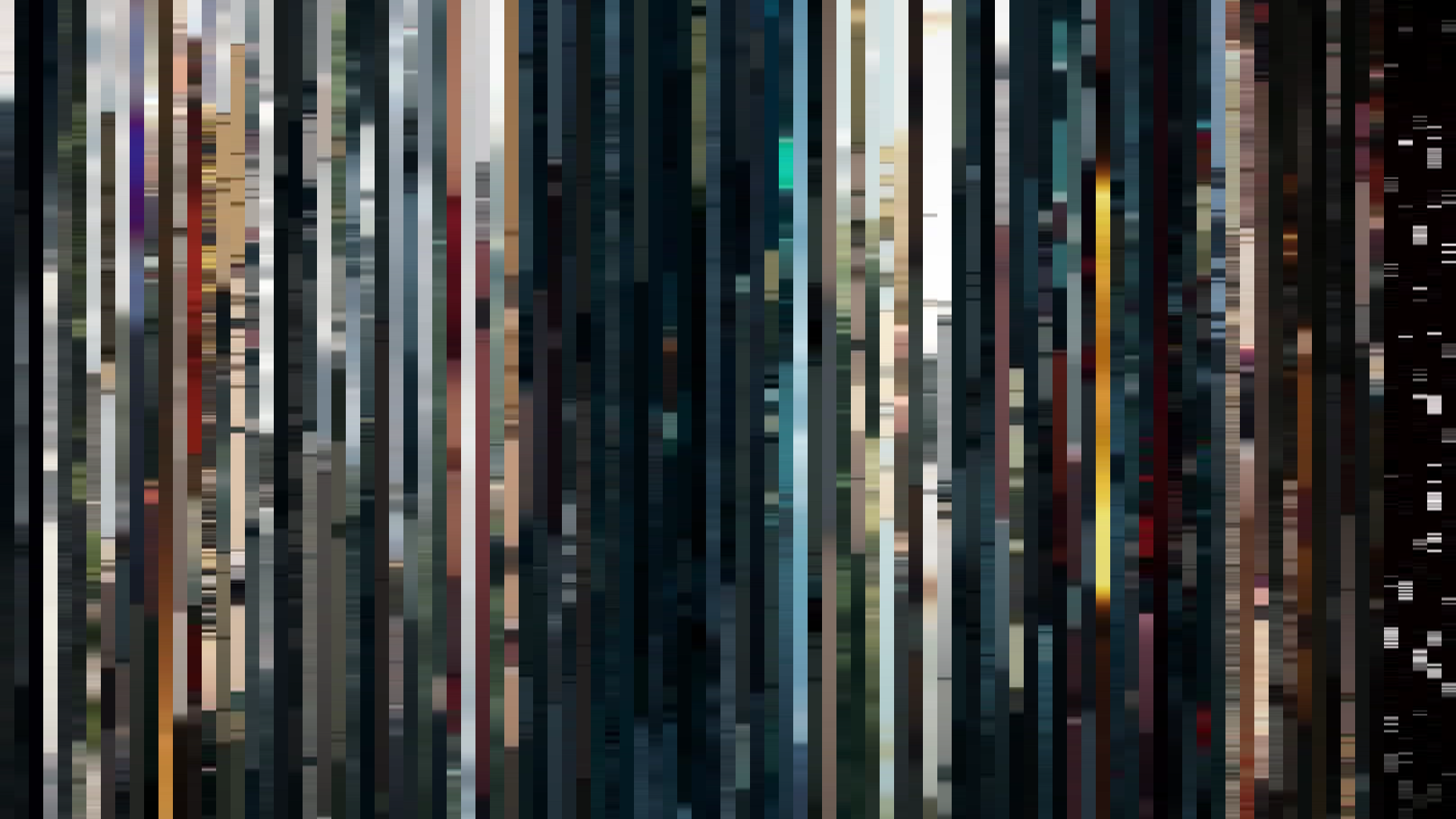
Slice · 30s
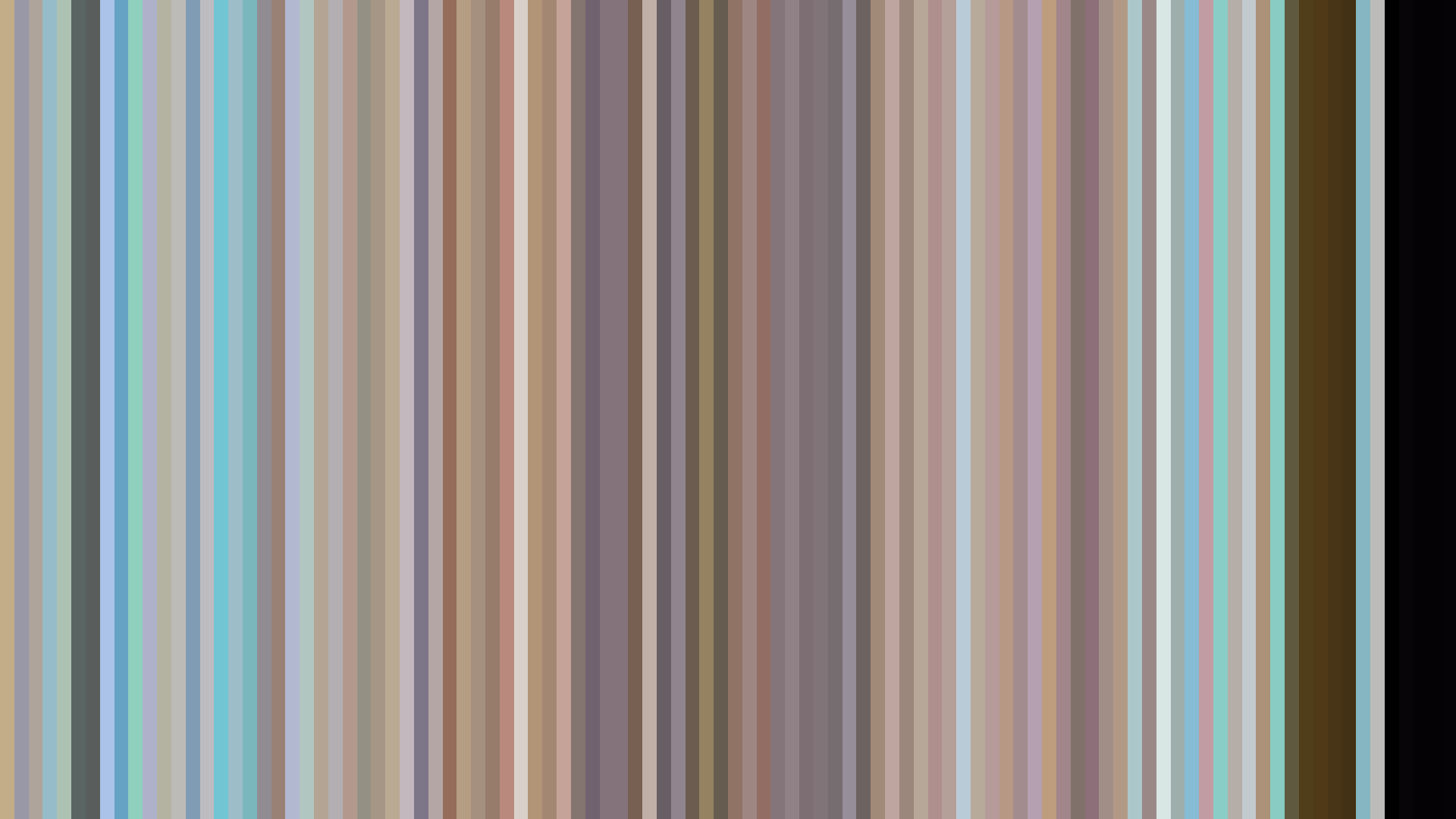
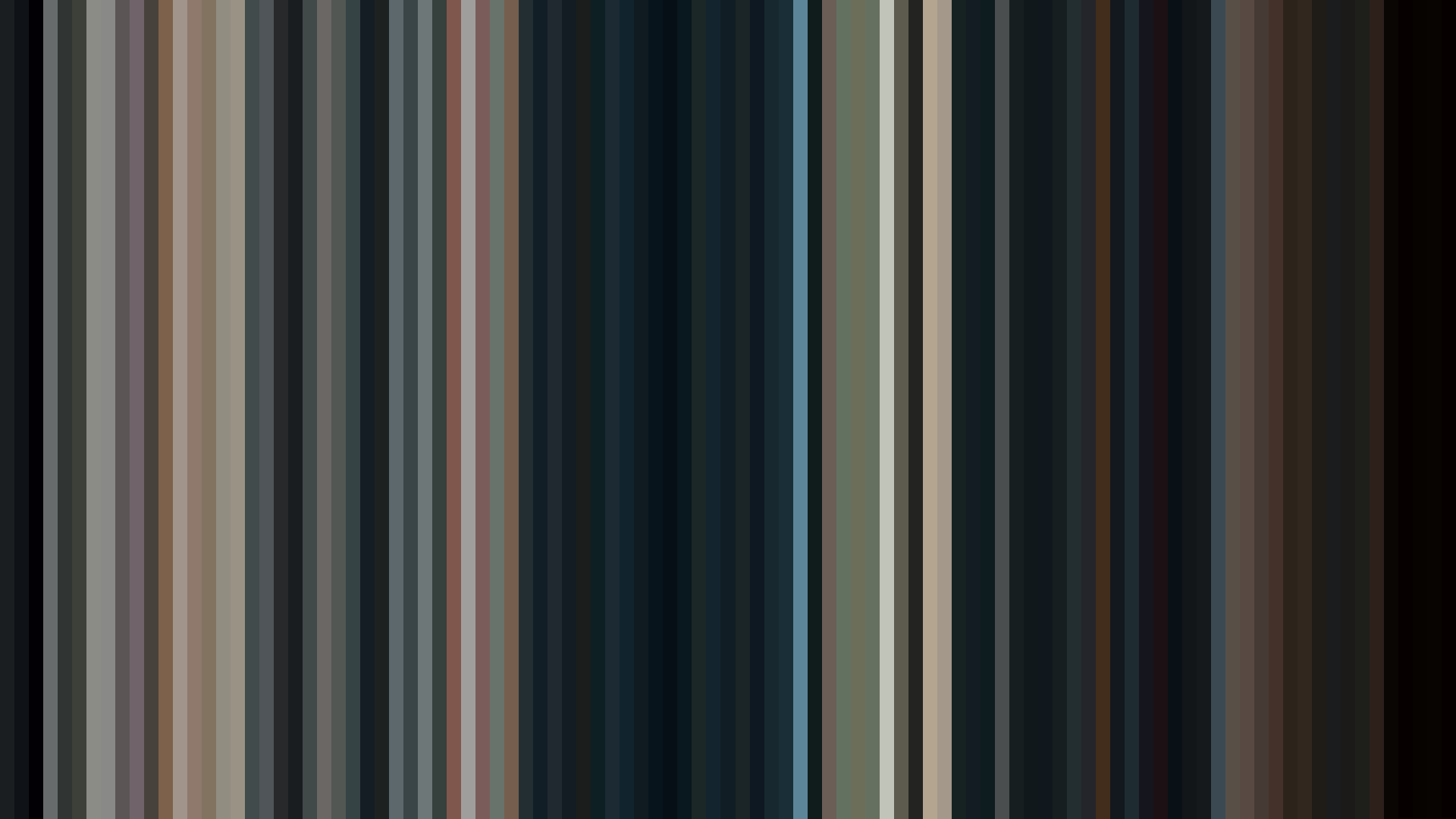
Avg · 30s
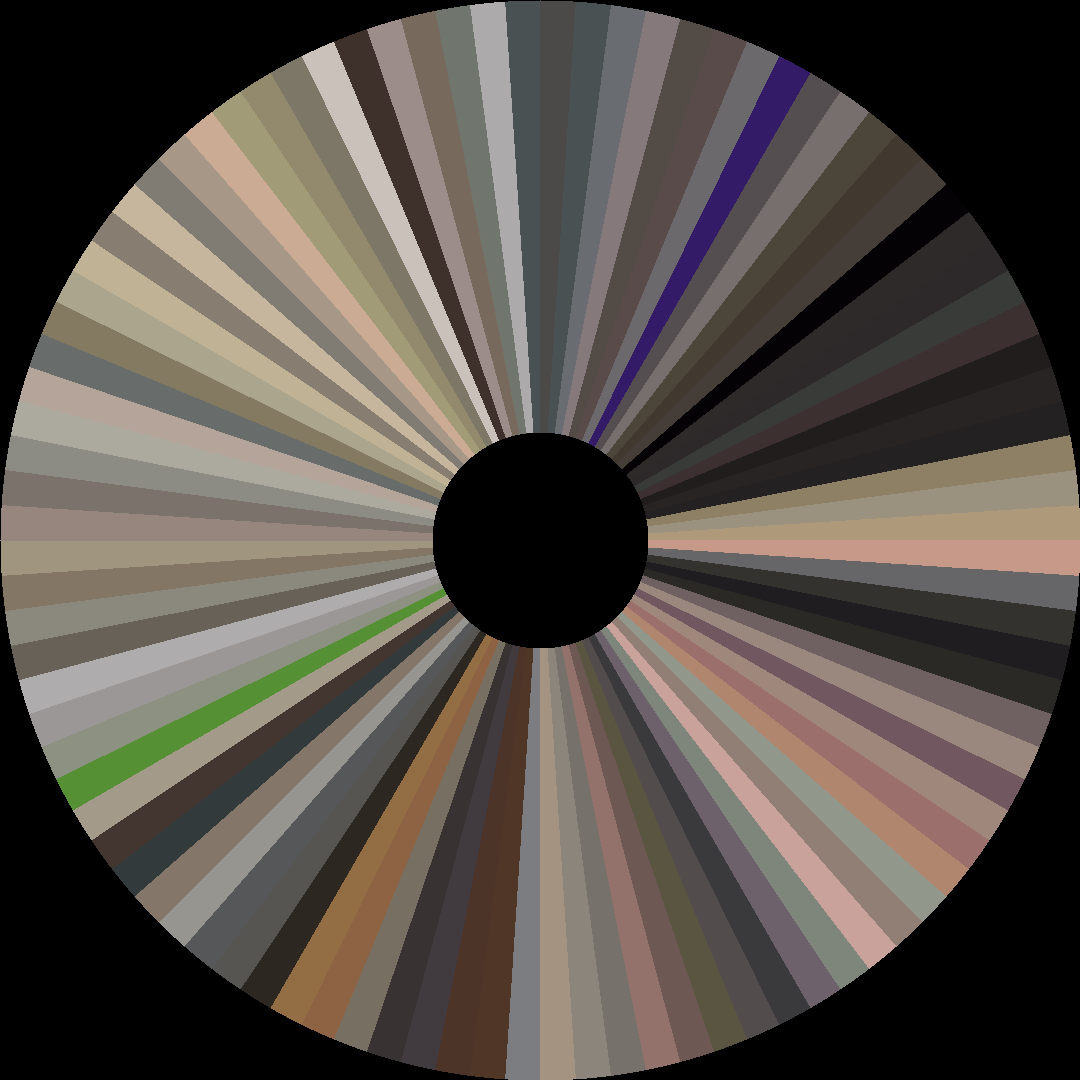
On the surface, a comedy about a fake family — but the frame-level data tells a different story. Spy x Family’s palette is anchored in warm Red and Red-Orange, yes, but those hues are buried under a heavy layer of desaturated grays (#201E1E, #605B57) that never fully lift. The dark ending arc is the giveaway: opening and middle brightness hover near 0.53, only to slump to 0.46 in the closing act. That last dip is not a gradual nightfall; it’s a tonal rupture. Wit Studio and CloverWorks, under
Brightness Arc (episode progression)
Hue Distribution
Act Breakdown
Opening
0.527
Middle
0.532
Closing
0.459
Avg Brightness
0.453
Avg Saturation
0.212
Warmth
0.555
Color Palette
#201E1E
#605B57
#A4A09A
#ECE5DA
#D9AE9E
#926D63
#E0CEAD
#4E352F
3-Act Color Story
Opening
Middle
Closing
Color Twins
Perceptually nearest palettes — measured in OKLab space, not RGB






On the surface, a comedy about a fake family — but the frame-level data tells a different story. Spy x Family’s palette is anchored in warm Red and Red-Orange, yes, but those hues are buried under a heavy layer of desaturated grays (#201E1E, #605B57) that never fully lift. The dark ending arc is the giveaway: opening and middle brightness hover near 0.53, only to slump to 0.46 in the closing act. That last dip is not a gradual nightfall; it’s a tonal rupture. Wit Studio and CloverWorks, under