Edit Pace — frame-to-frame color delta (bright = fast cuts)
Color Temperature — warm (gold) vs cool (teal) per frame
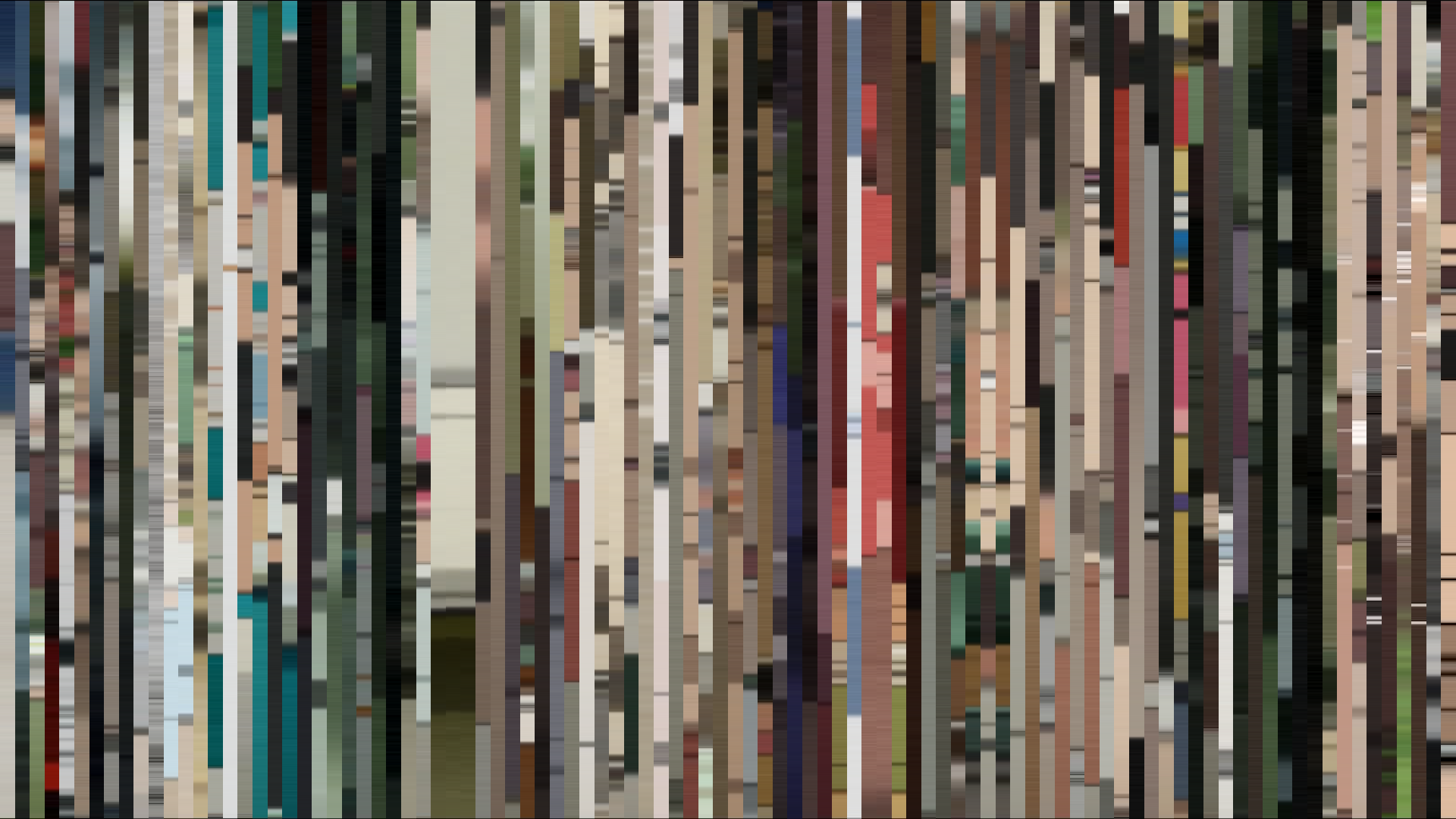
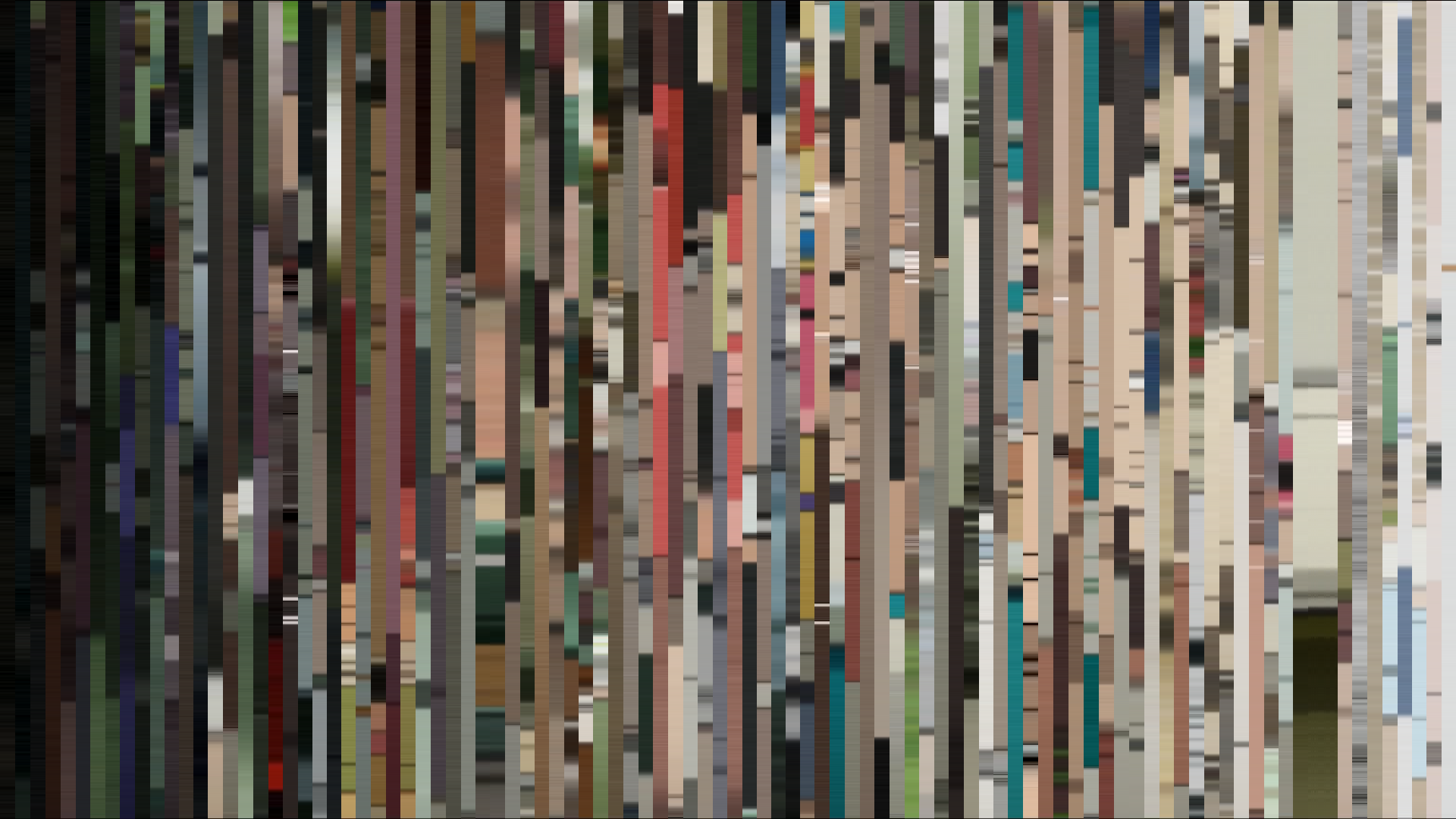
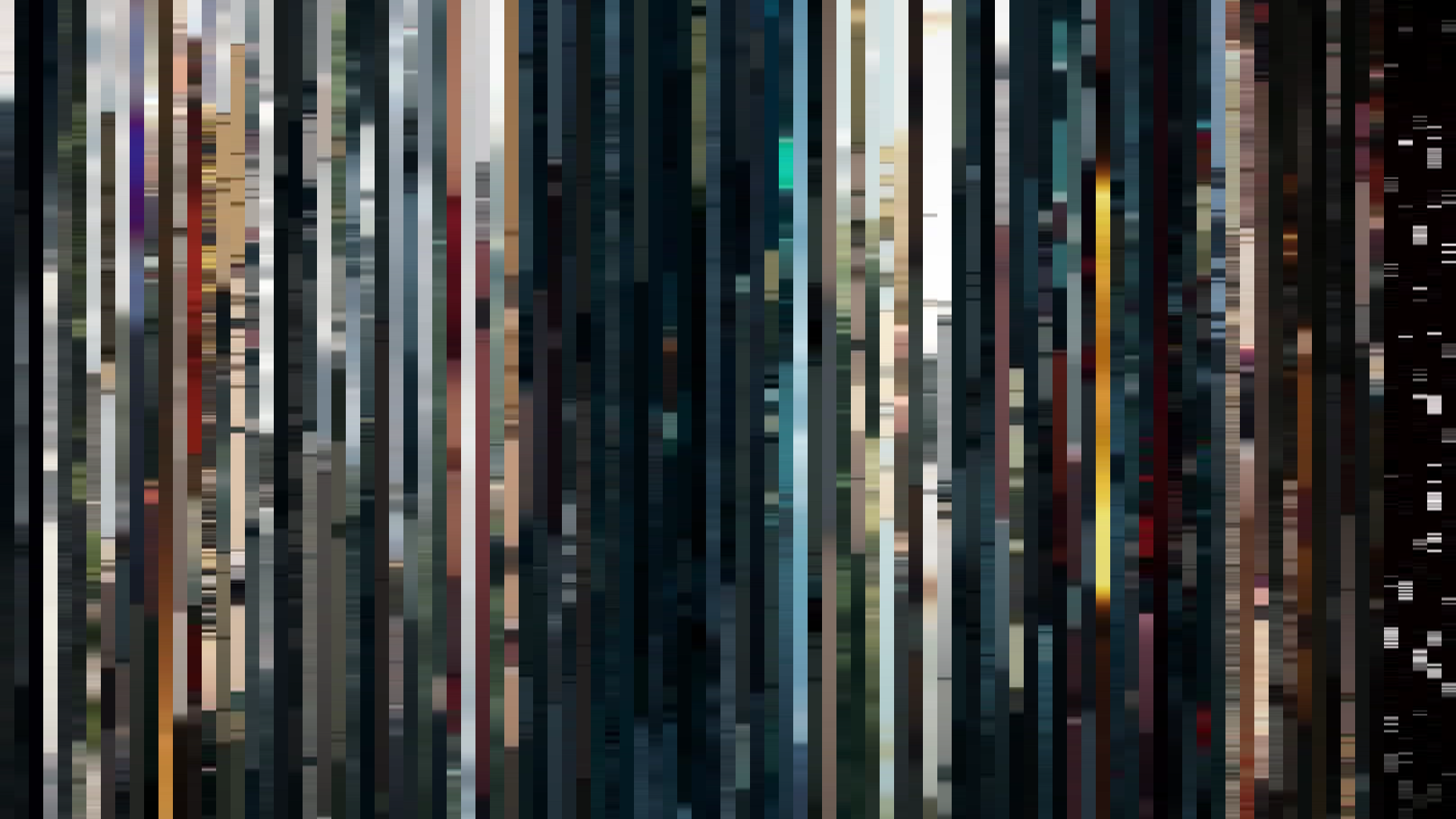
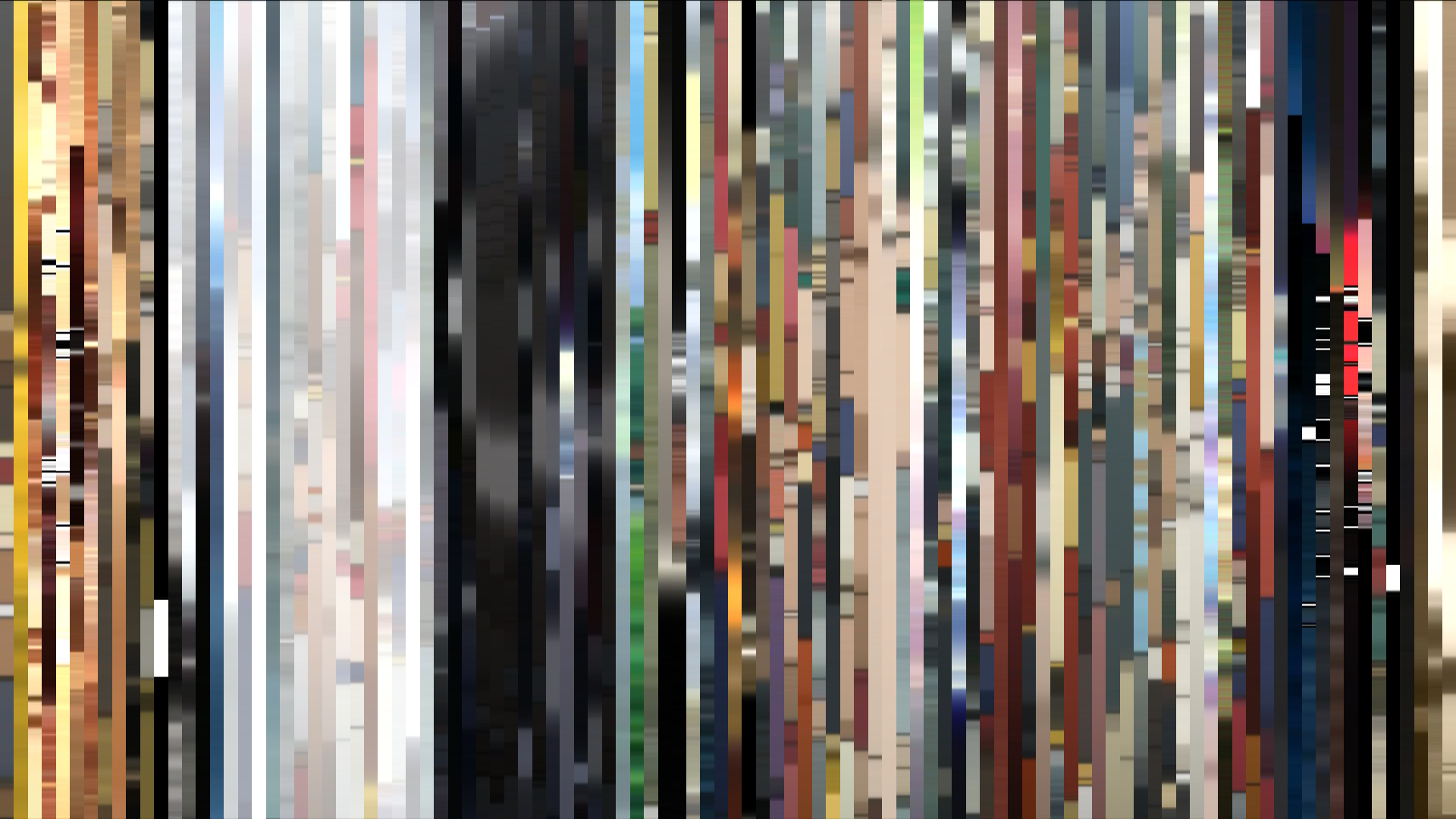
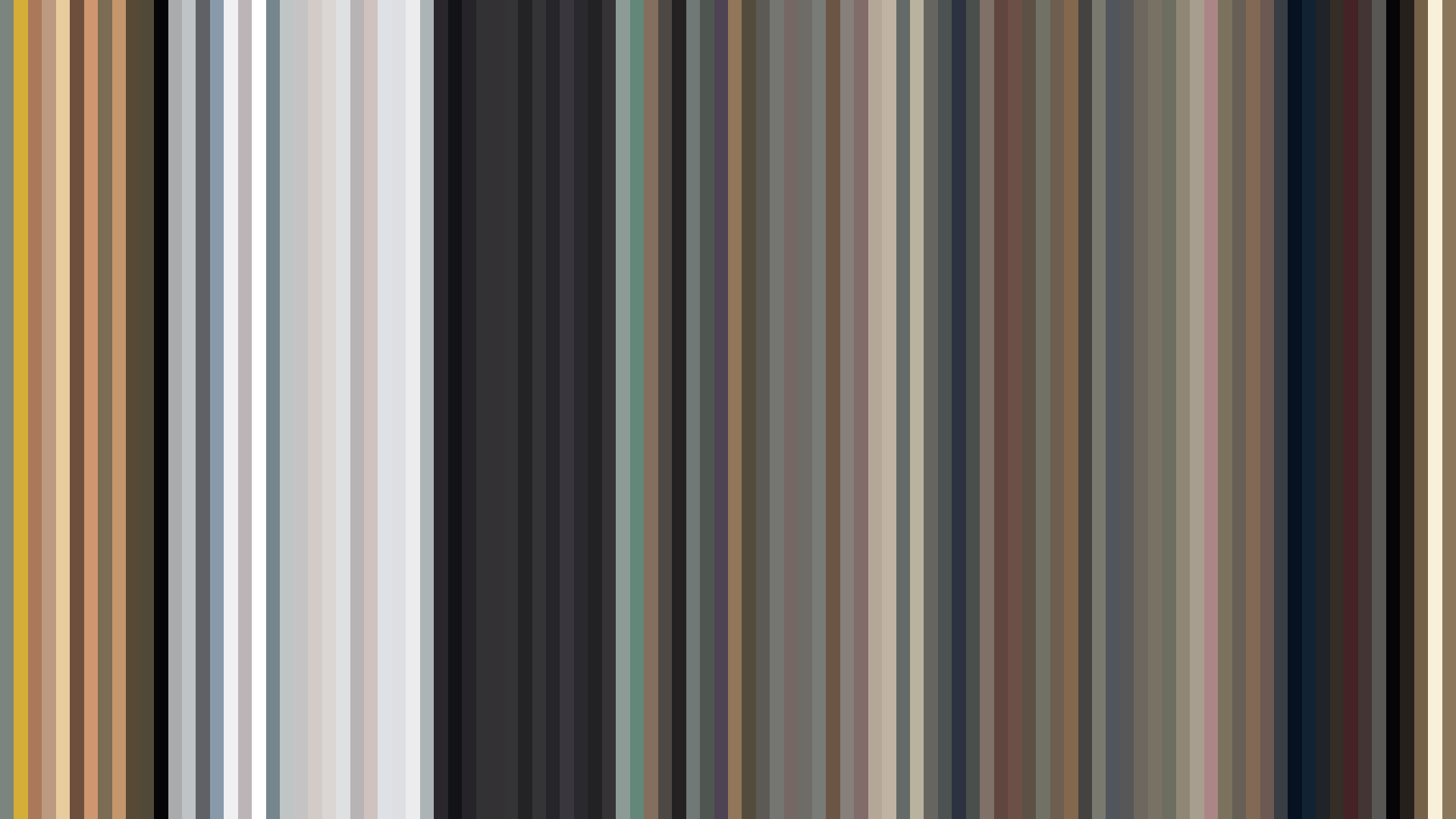
Frame Density Comparison — every 2nd vs every 4th frame
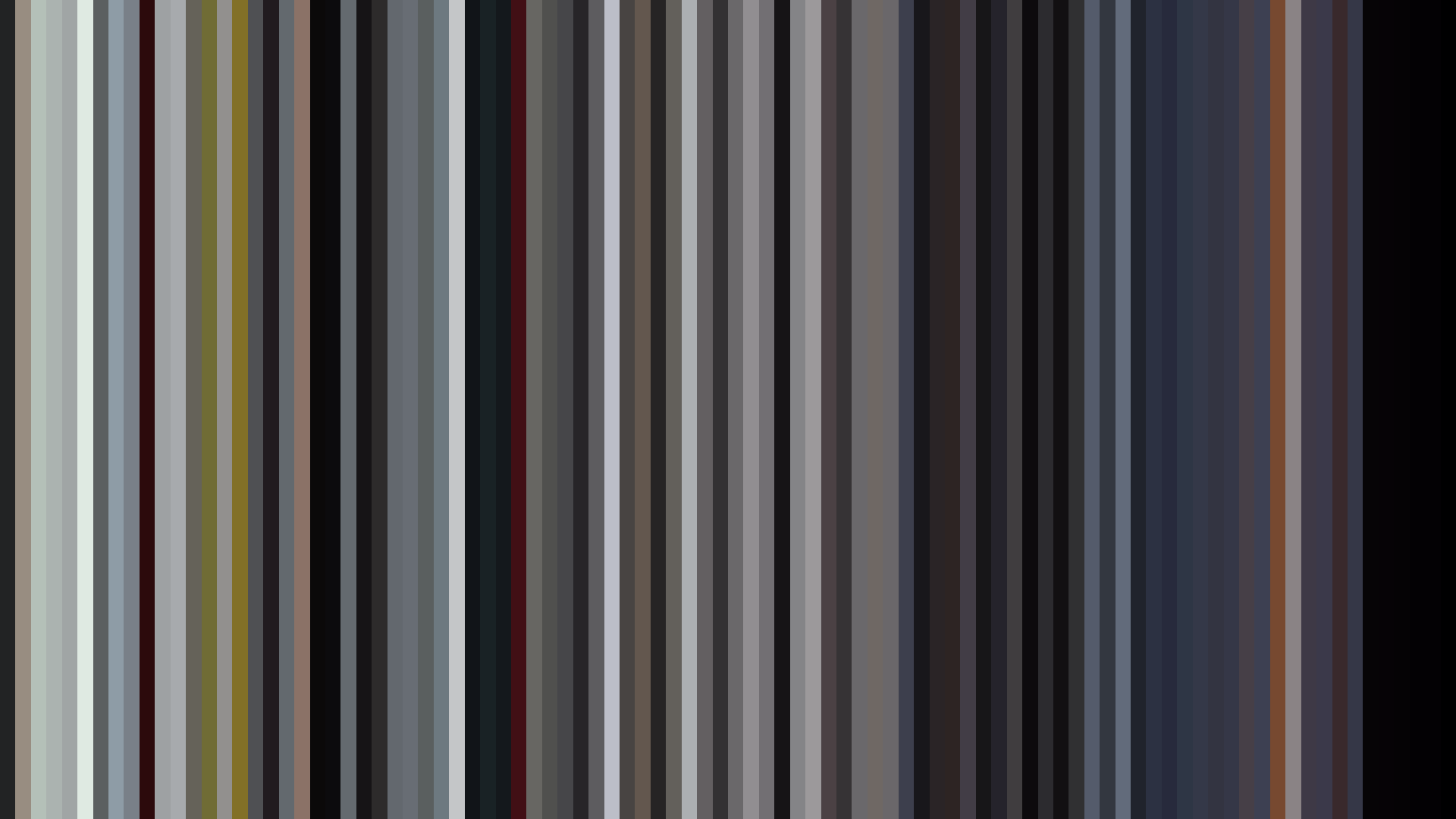
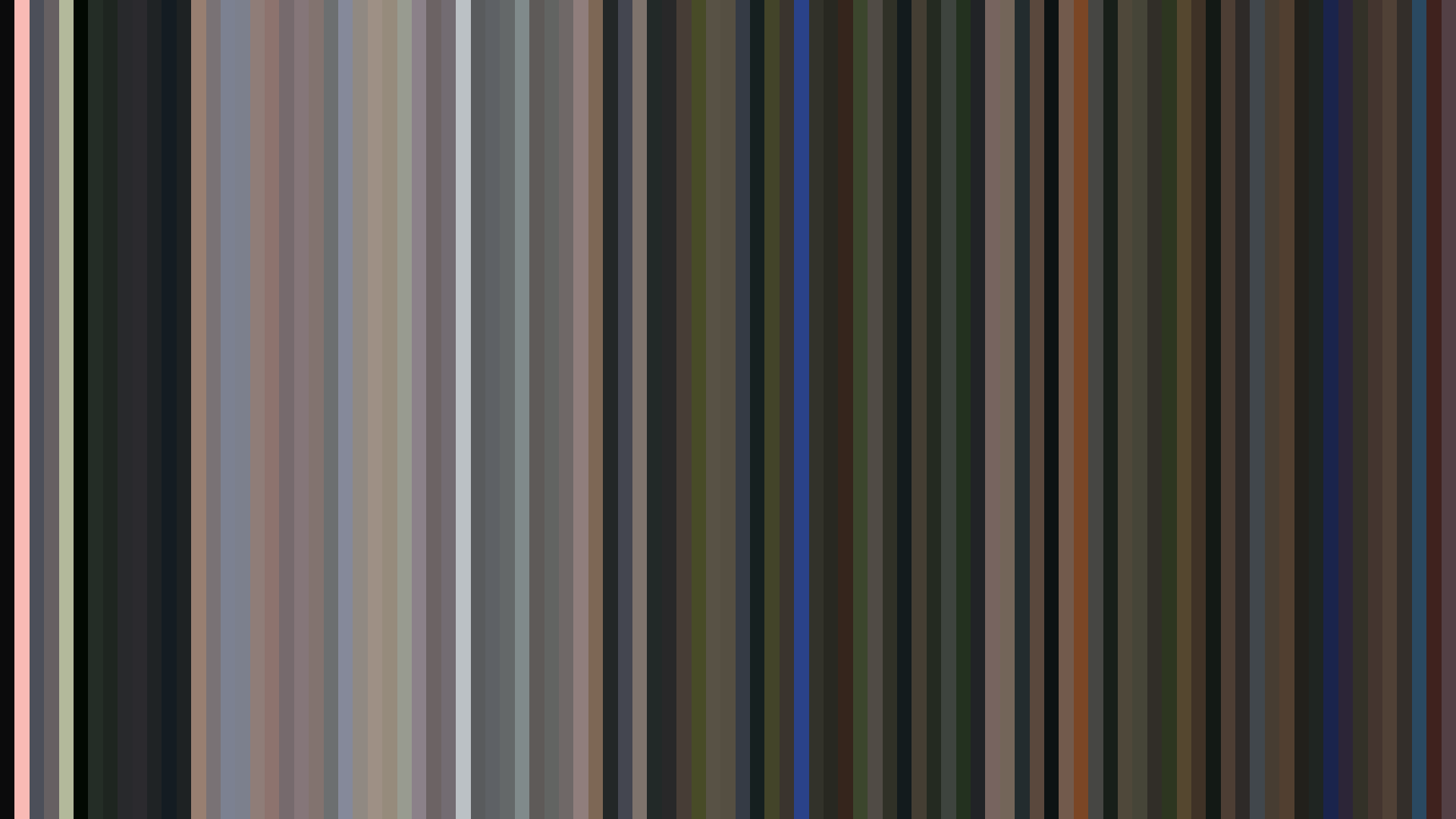
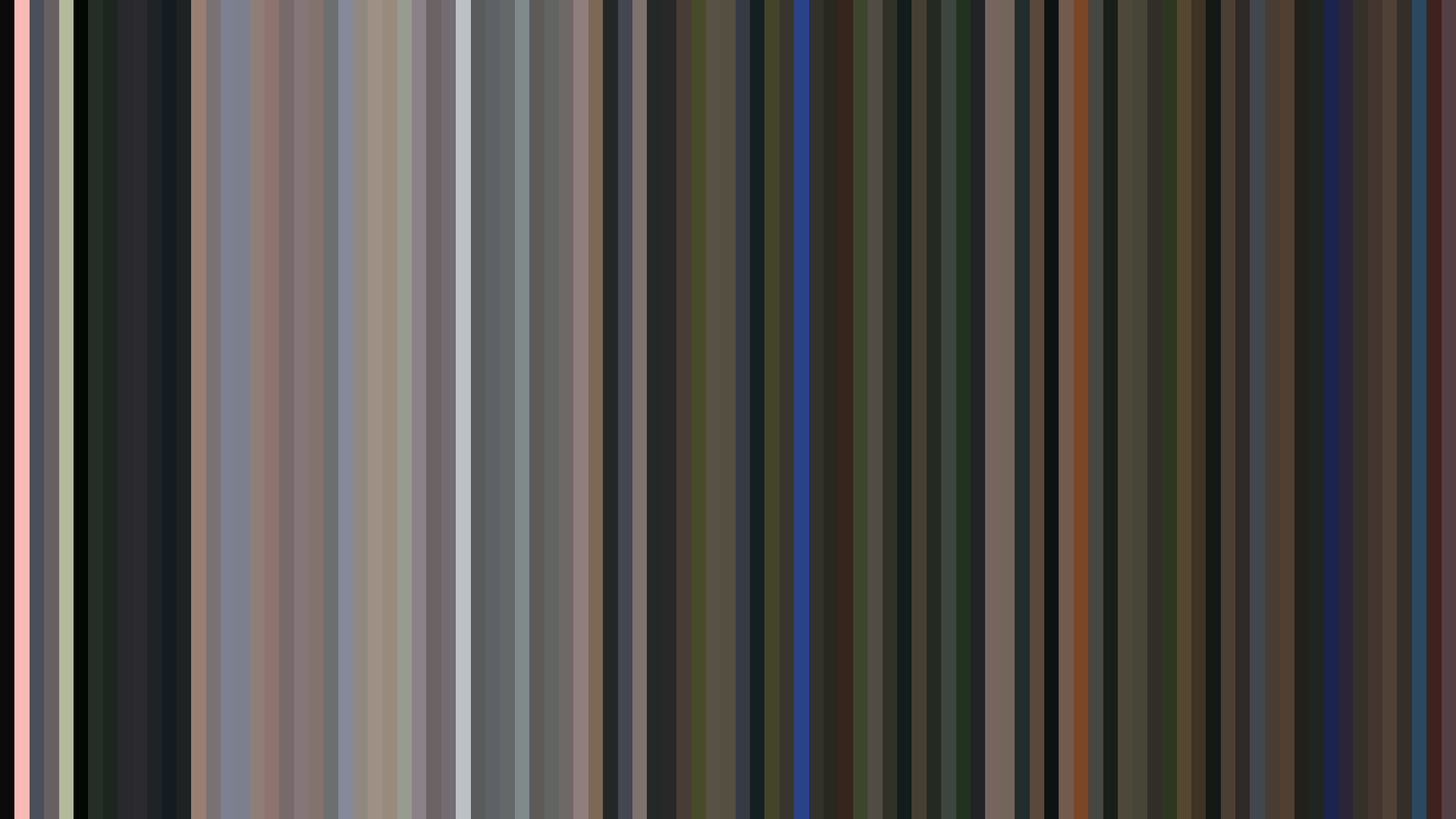
Slice · 15s
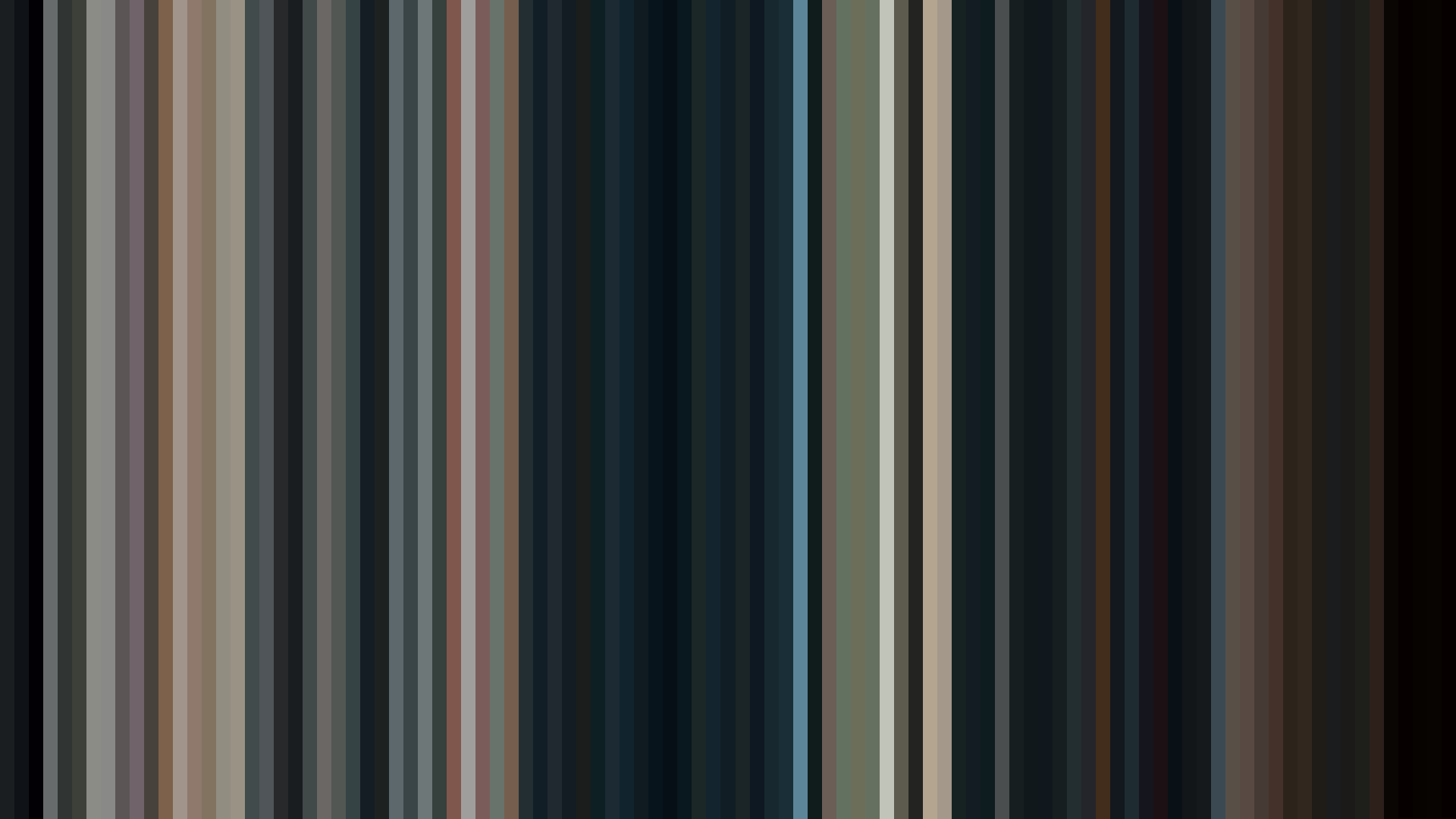
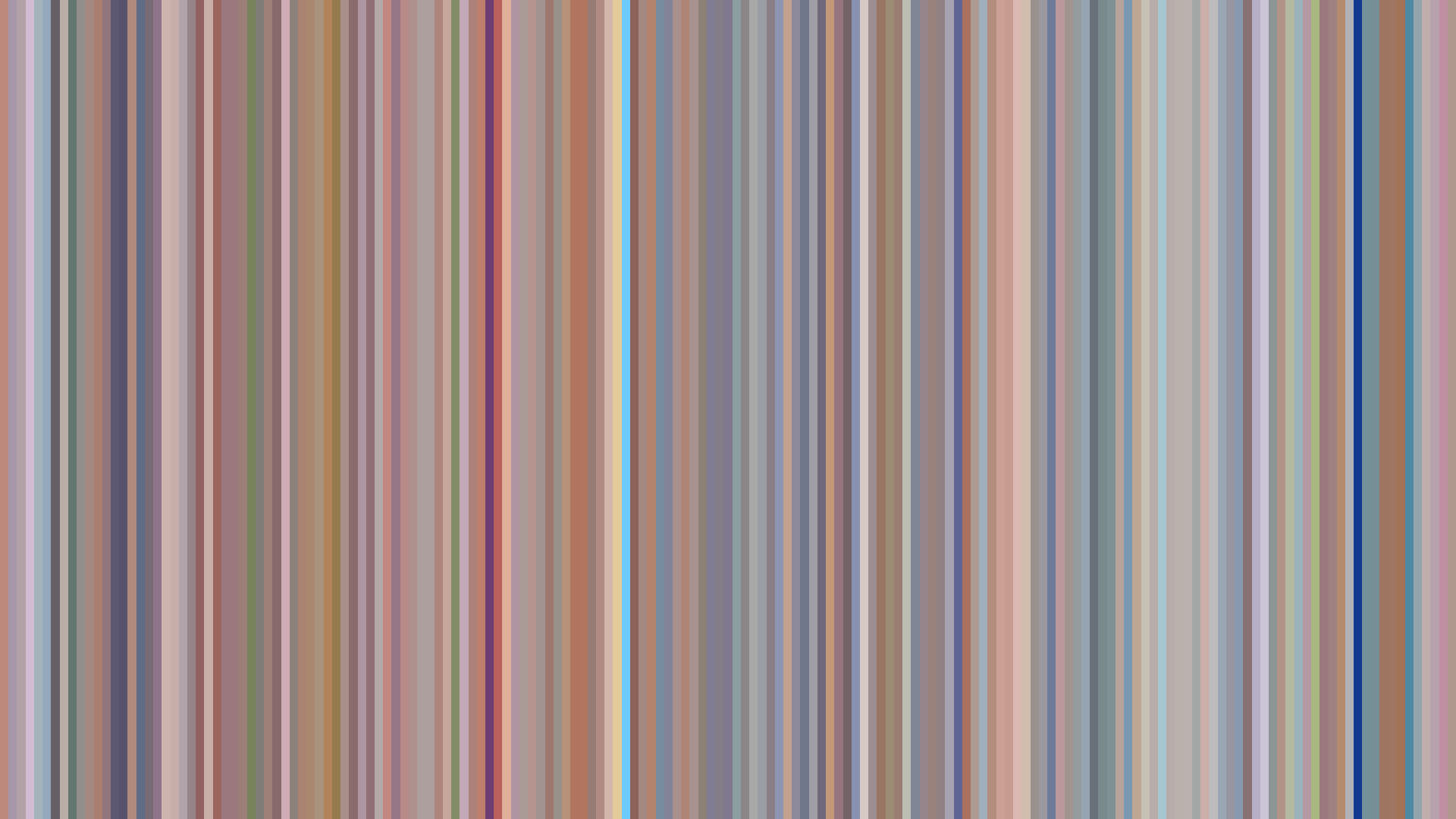
Avg · 15s
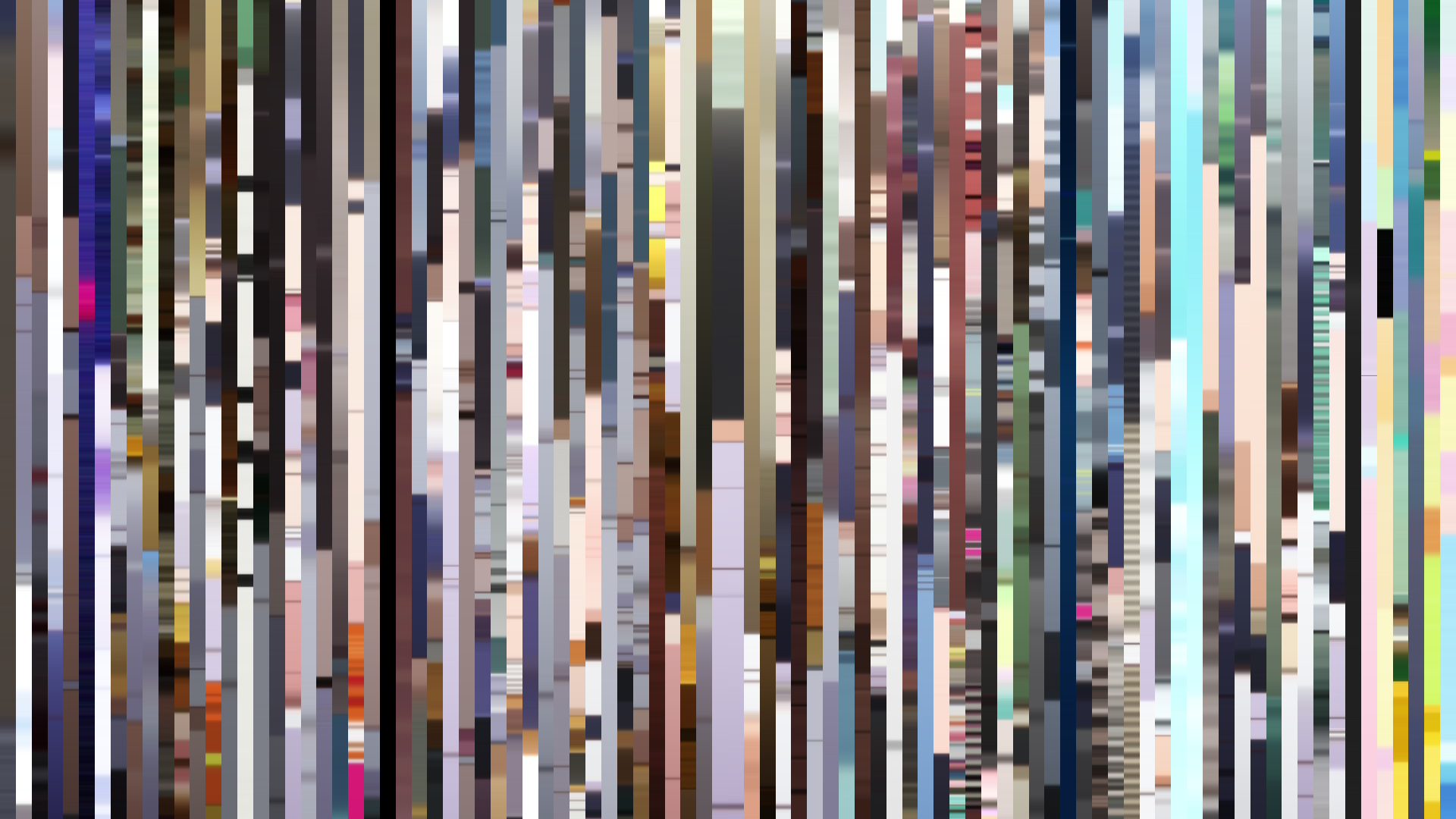
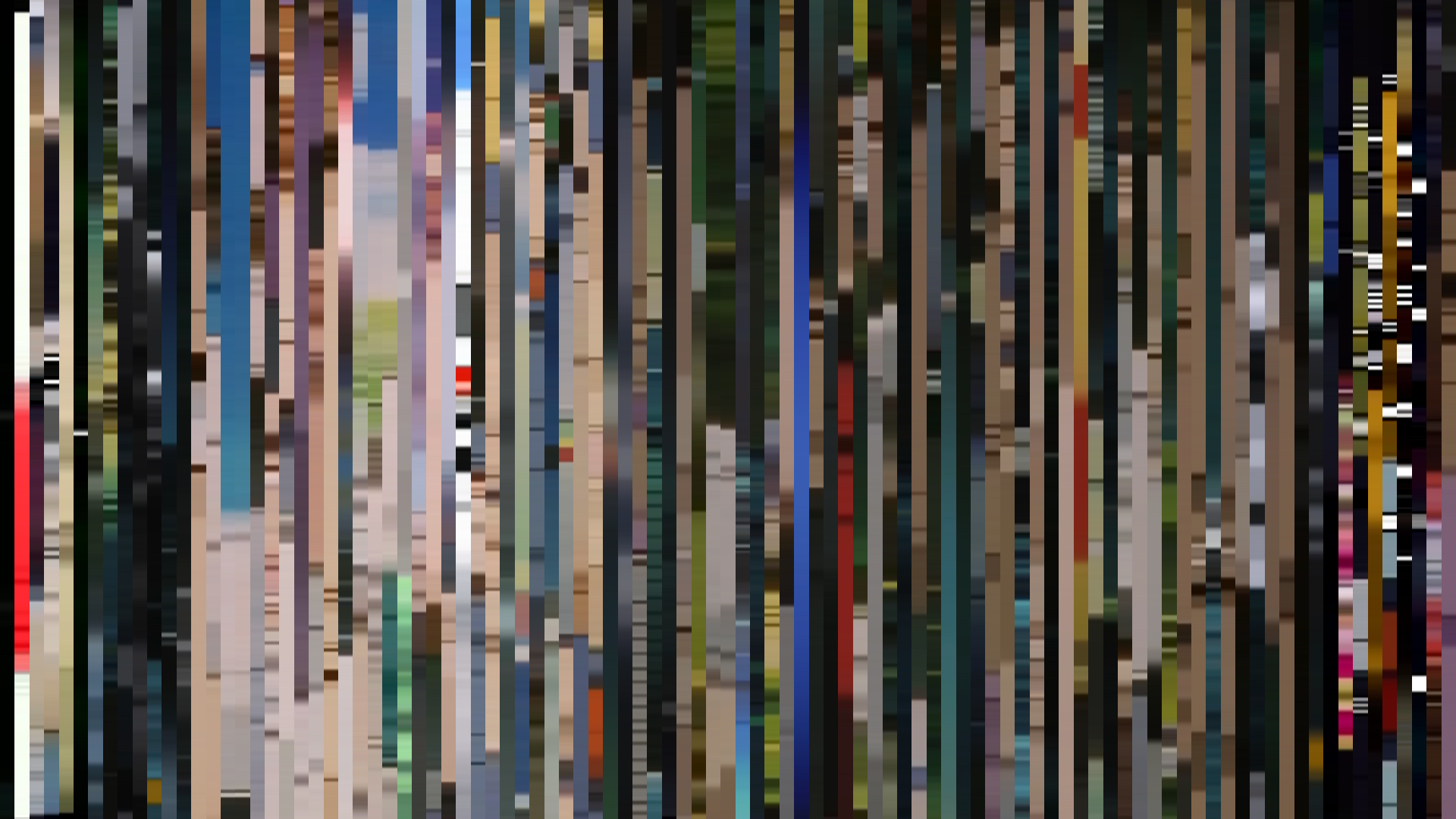
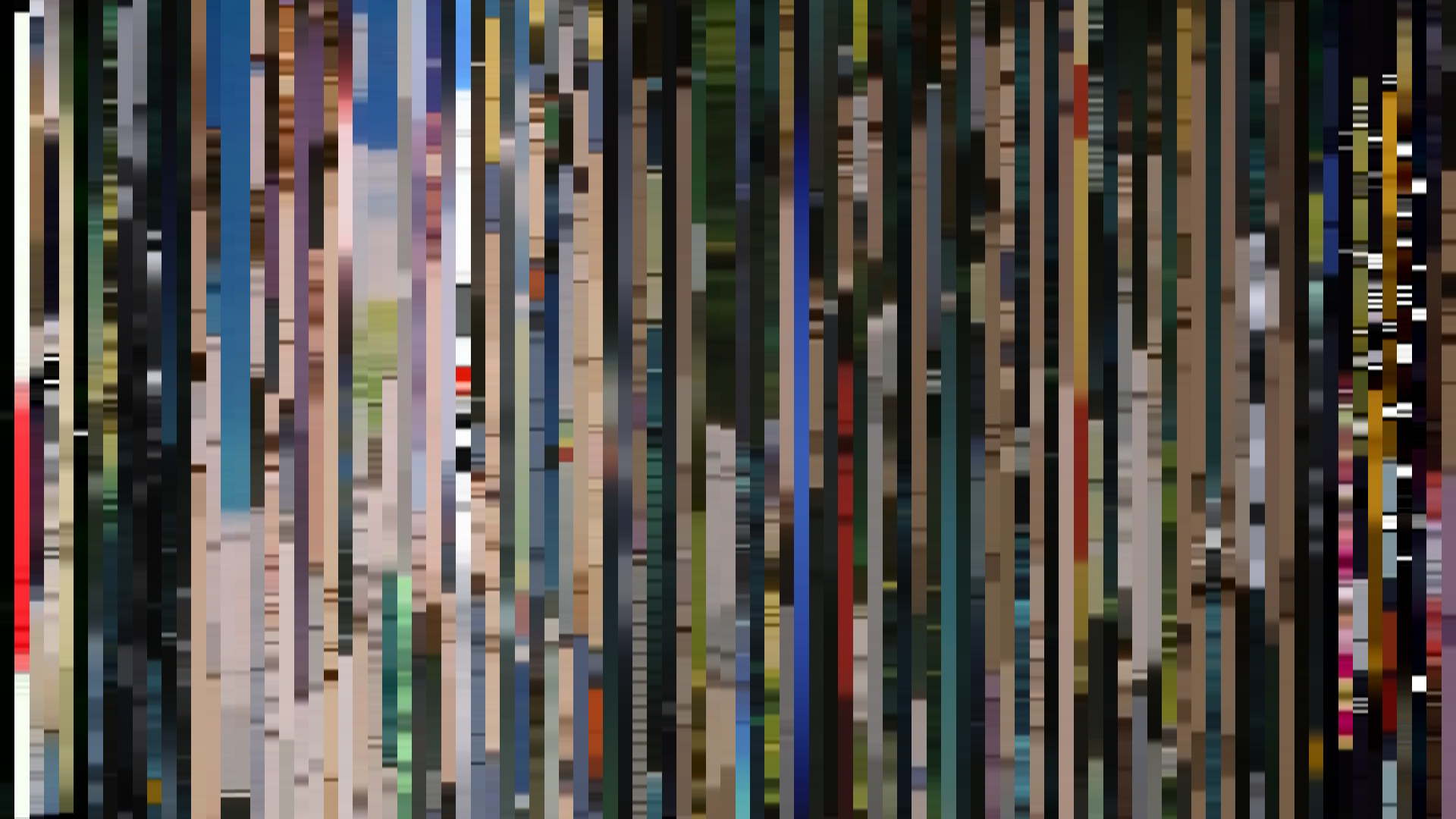
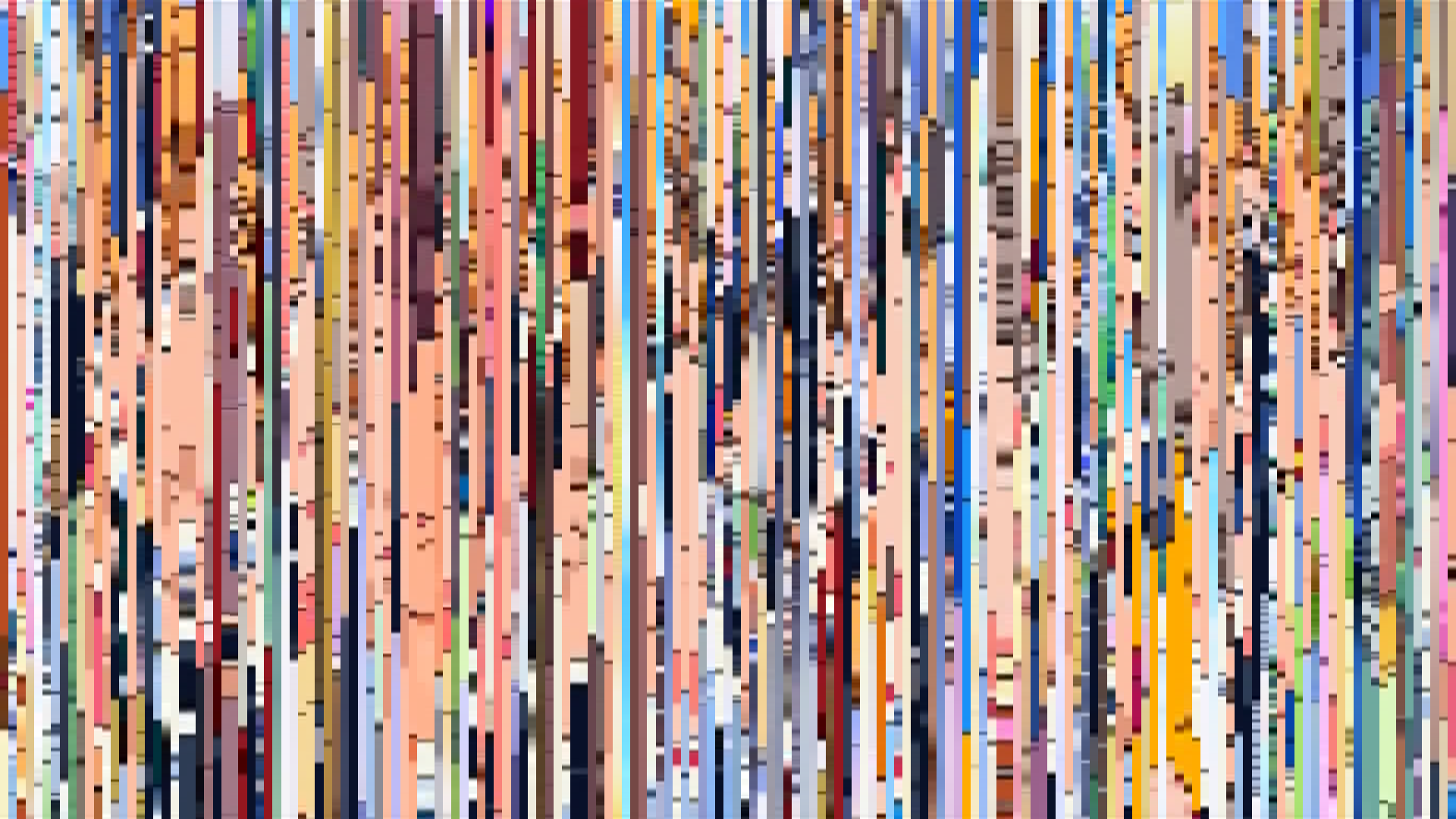
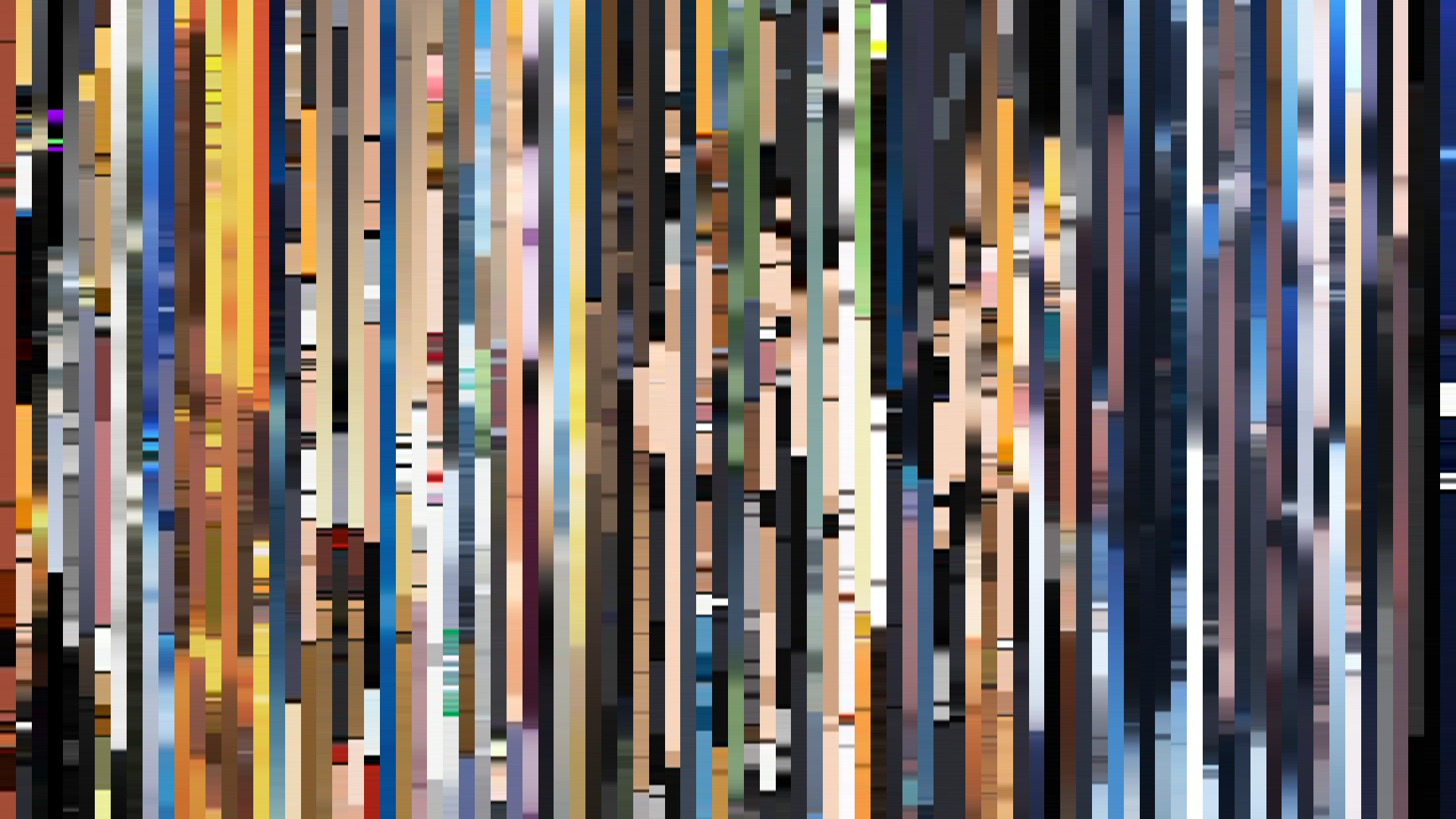
Slice · 30s
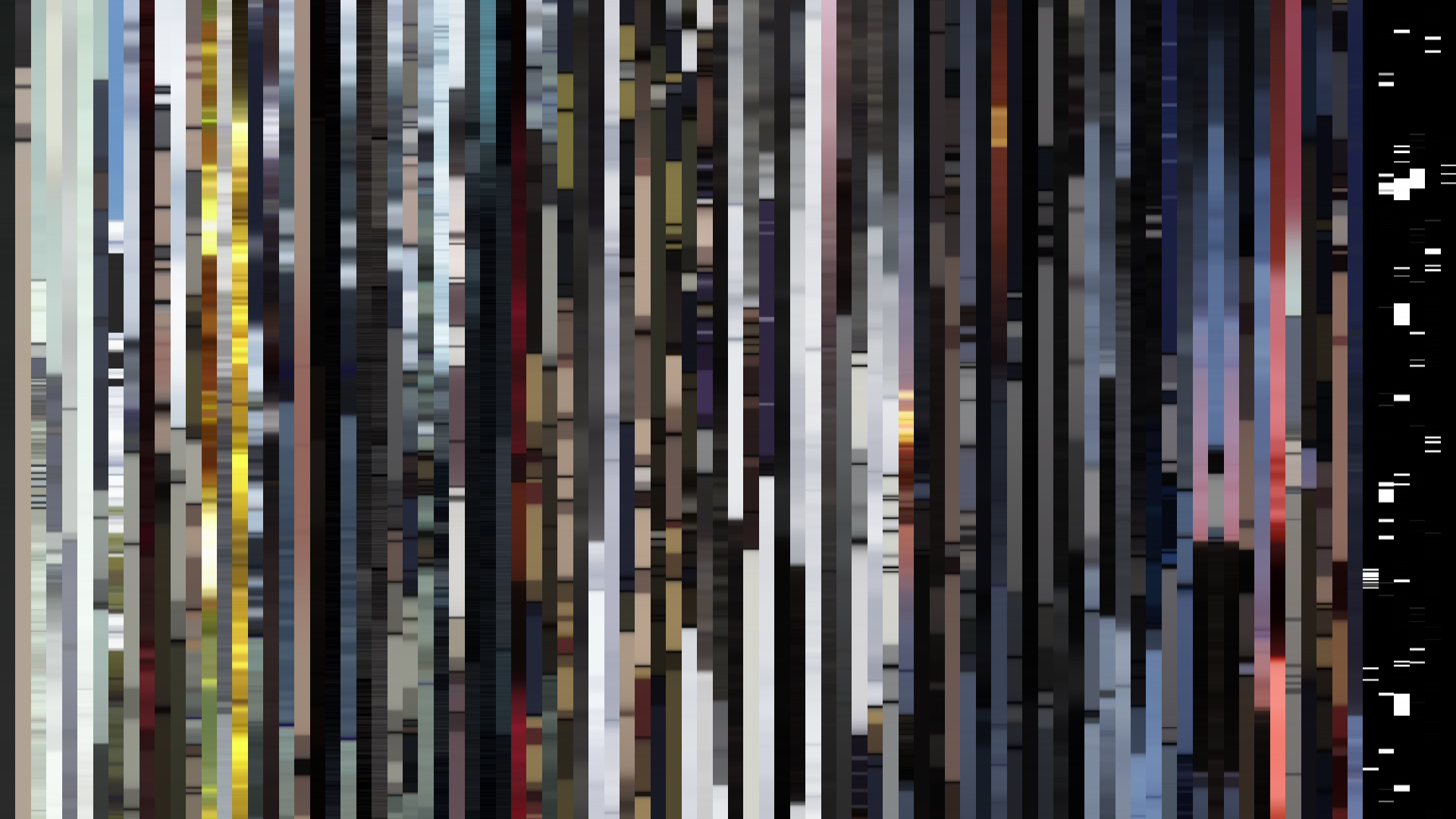
Avg · 30s
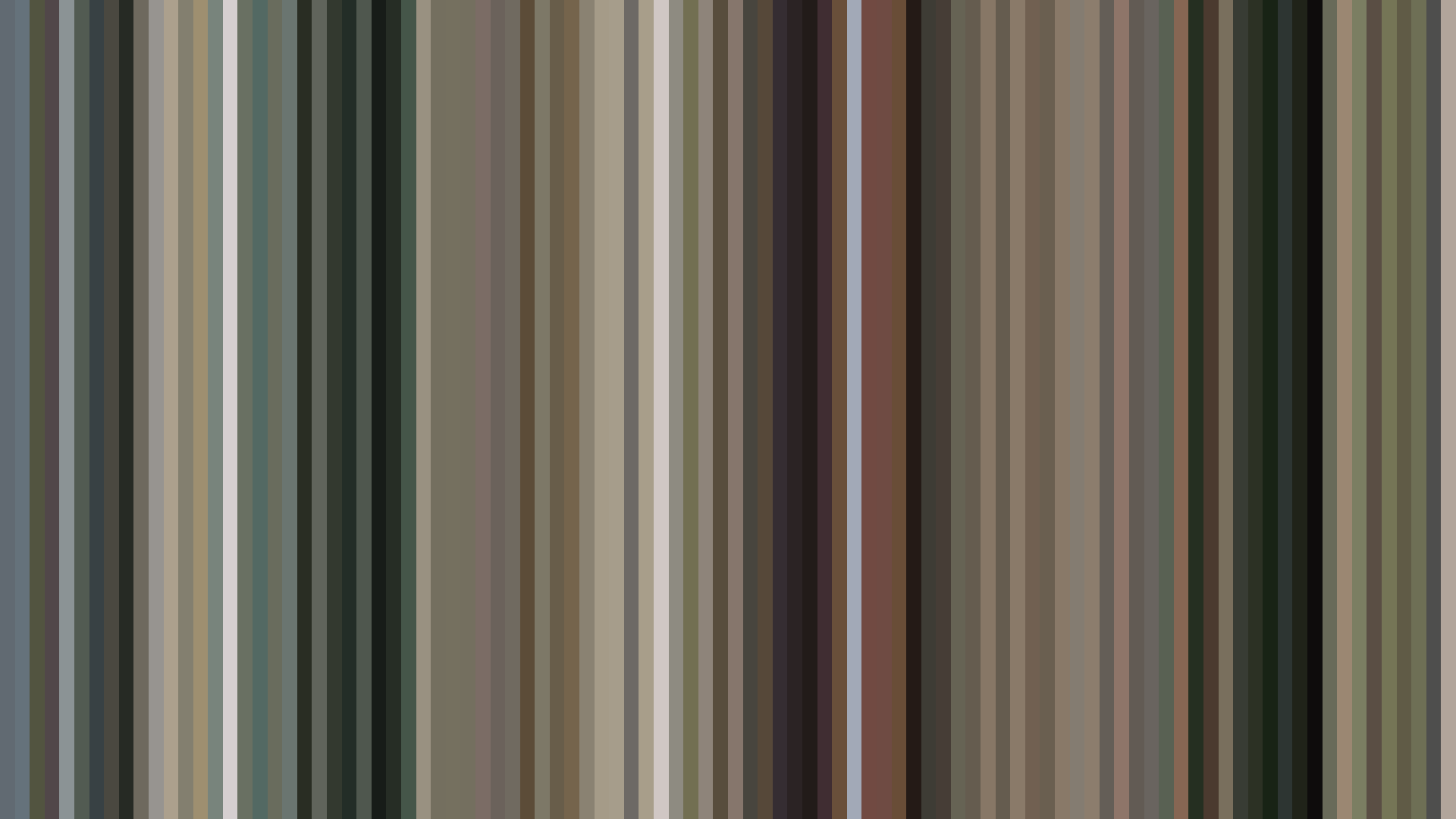
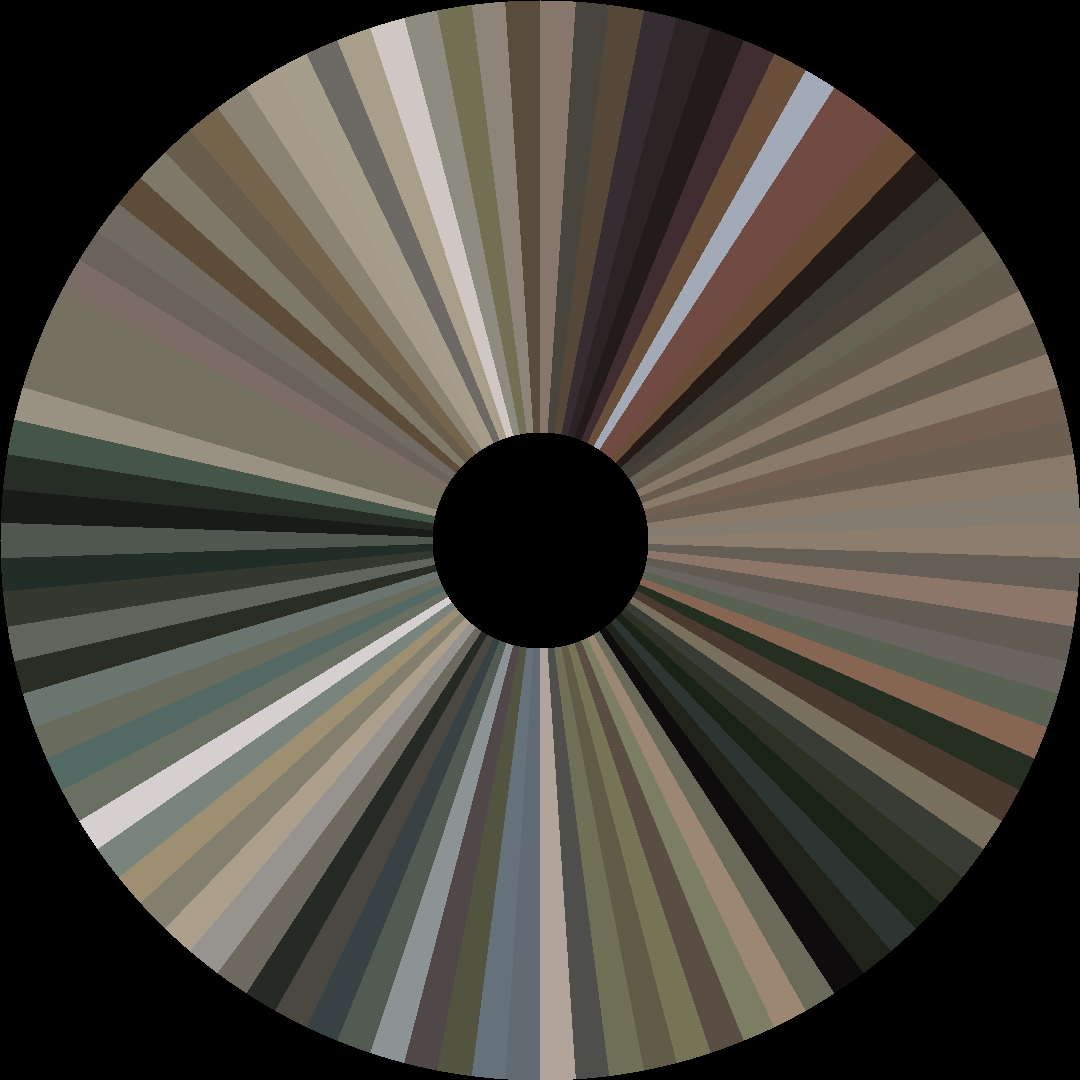
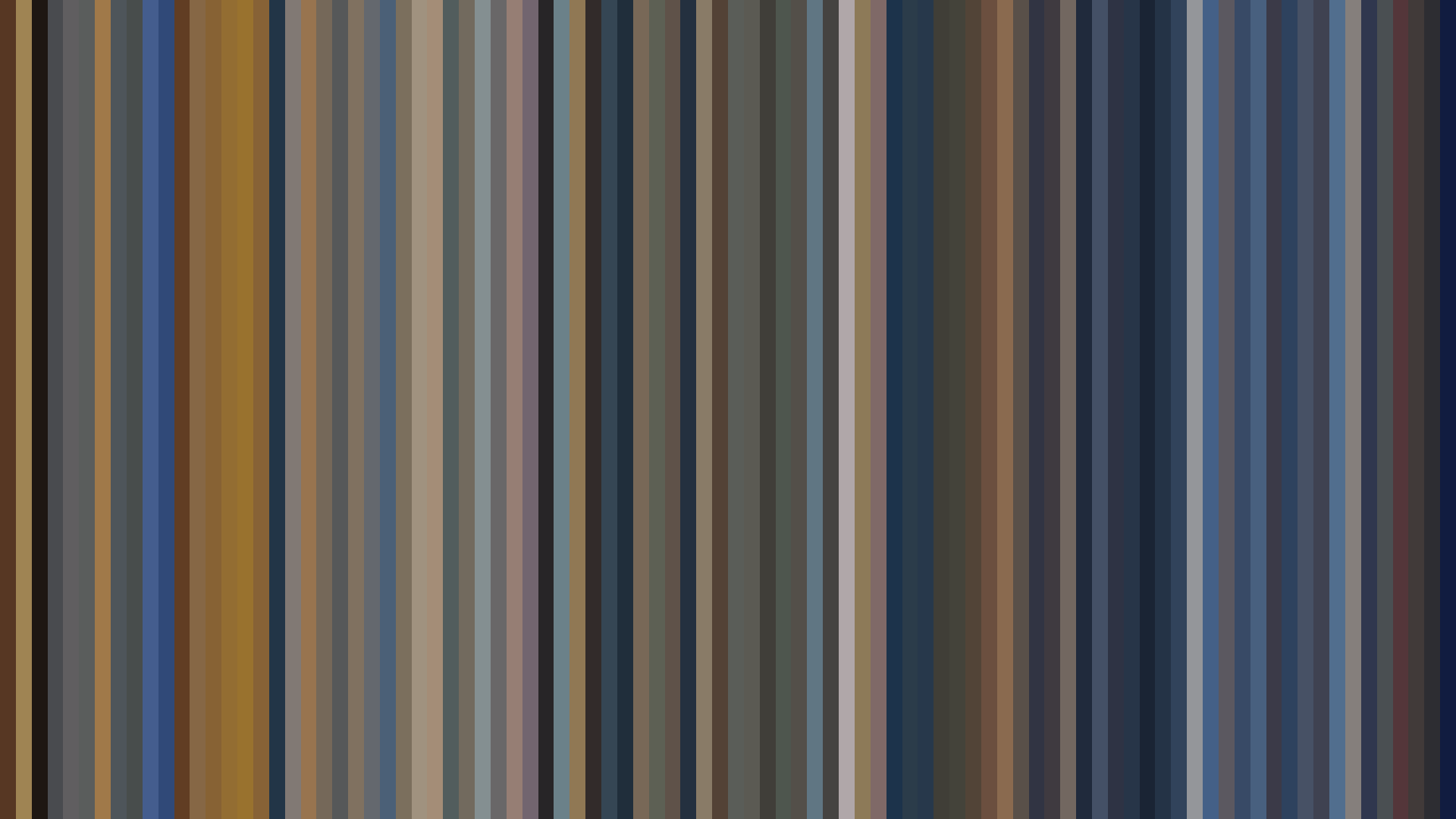
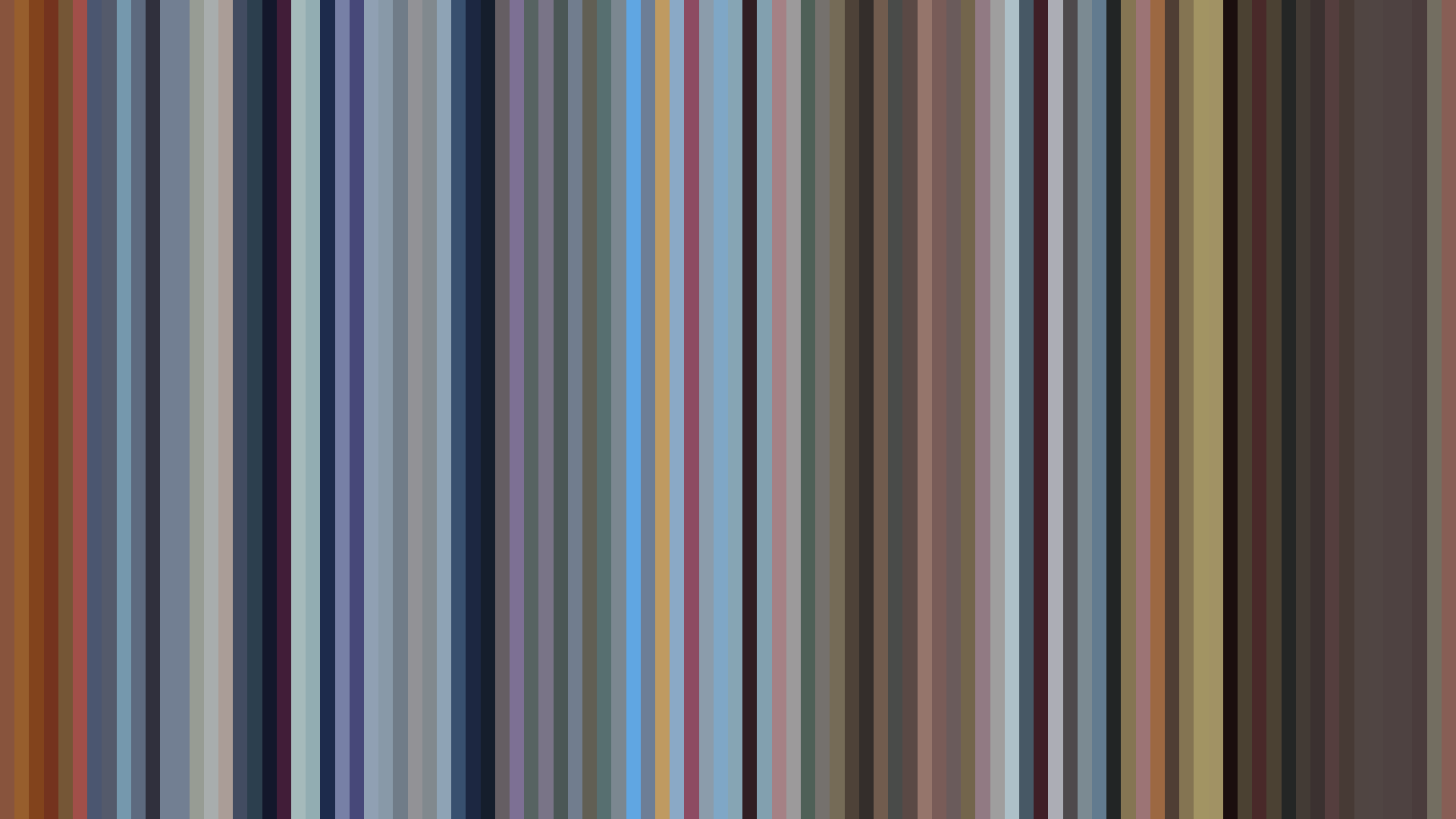
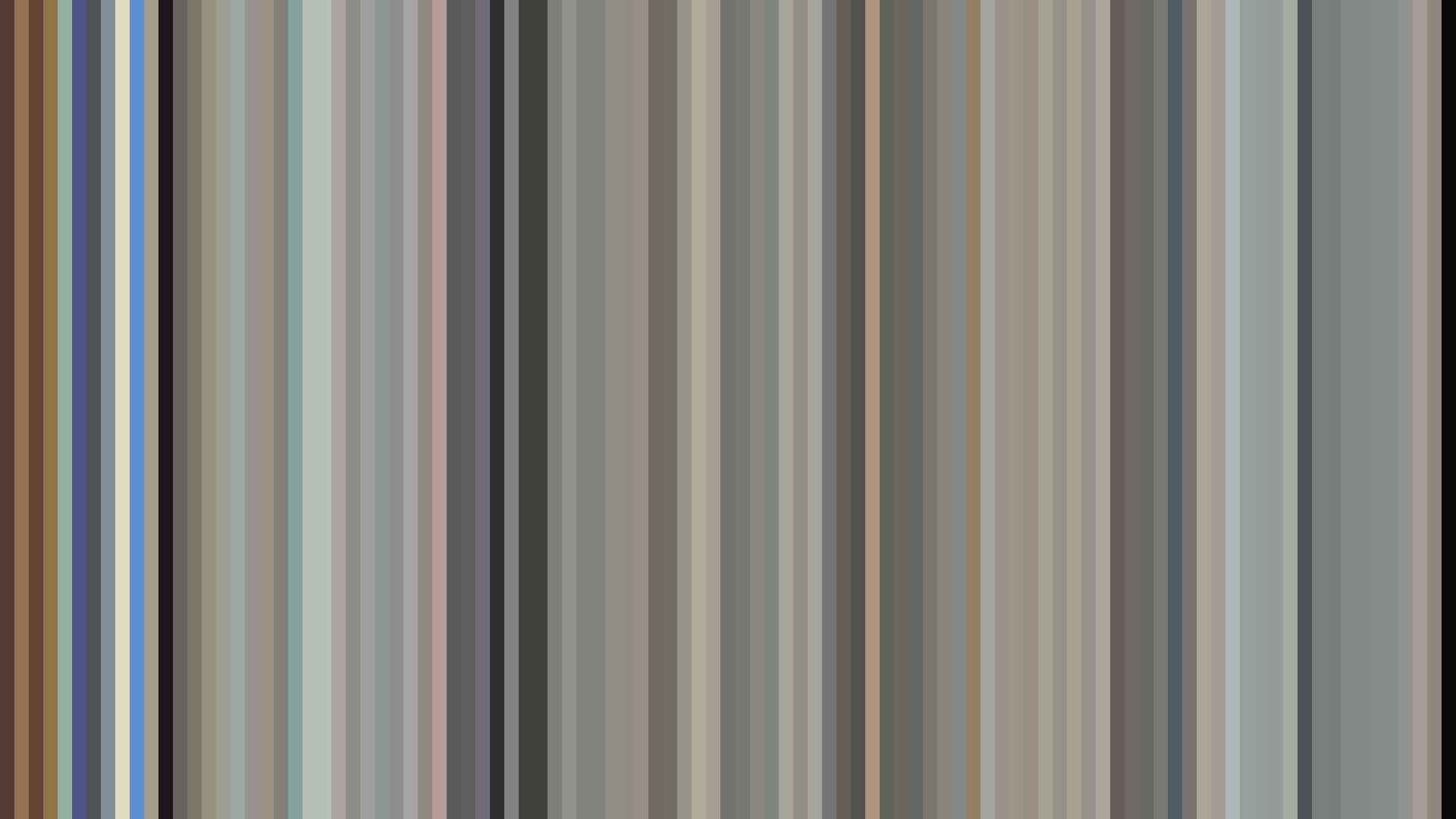
A flat brightness arc in a thriller about collective psychosis is perverse — and perfectly Satoshi Kon. Where most narratives *rise* toward catharsis, *Paranoia Agent* refuses the release. The palette reads as a graveyard of warm tones: #22211D dominates, a near-black brown that swallows light, flanked by desaturated earthy reds and ochres that never fully ignite. Kon and art director Nobutaka Ike constructed Tokyo as a liminal space drained of color temperature — even the Red-Orange dominance is neutered by an average saturation of 0.205. The barcode doesn't peak, it *flattens*. The opening act's faint brightness of 0.486 gives way to a middle and closing that drift down to 0.453 and 0.411, a slow suffocation disguised as visual consistency. This is the structural equivalent of Lil' Slugger's bat: repetitive, inevitable, never accelerating. The Madhouse production treats color as psychological sediment — every frame accumulating the same muted anxiety. Nothing brightens because nothing is resolved. The flat arc isn't a failure of storytelling; it's Kon's indictment of a society that cycles through trauma without ever ascending out of it.
Brightness Arc (episode progression)
Hue Distribution
Act Breakdown
Opening
0.486
Middle
0.453
Closing
0.411
Avg Brightness
0.411
Avg Saturation
0.205
Warmth
0.557
Color Palette
#22211D
#665F55
#A8A094
#8E7063
#9B8A75
#4E342C
#C9B09D
#574B37
3-Act Color Story
Opening
Middle
Closing
Color Twins
Perceptually nearest palettes — measured in OKLab space, not RGB







A flat brightness arc in a thriller about collective psychosis is perverse — and perfectly Satoshi Kon. Where most narratives *rise* toward catharsis, *Paranoia Agent* refuses the release. The palette reads as a graveyard of warm tones: #22211D dominates, a near-black brown that swallows light, flanked by desaturated earthy reds and ochres that never fully ignite. Kon and art director Nobutaka Ike constructed Tokyo as a liminal space drained of color temperature — even the Red-Orange dominance is neutered by an average saturation of 0.205. The barcode doesn't peak, it *flattens*. The opening act's faint brightness of 0.486 gives way to a middle and closing that drift down to 0.453 and 0.411, a slow suffocation disguised as visual consistency. This is the structural equivalent of Lil' Slugger's bat: repetitive, inevitable, never accelerating. The Madhouse production treats color as psychological sediment — every frame accumulating the same muted anxiety. Nothing brightens because nothing is resolved. The flat arc isn't a failure of storytelling; it's Kon's indictment of a society that cycles through trauma without ever ascending out of it.