Edit Pace — frame-to-frame color delta (bright = fast cuts)
Color Temperature — warm (gold) vs cool (teal) per frame
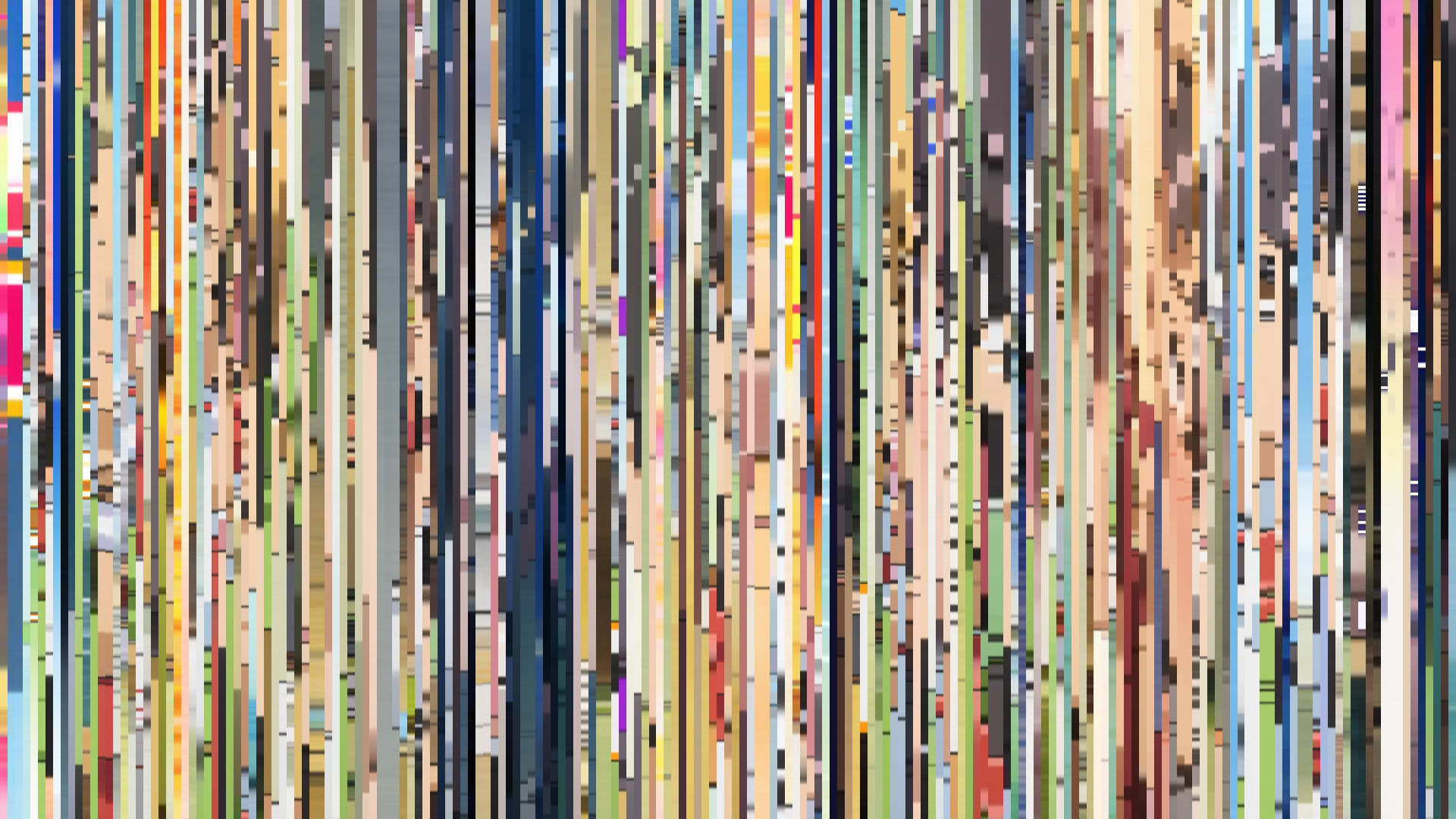
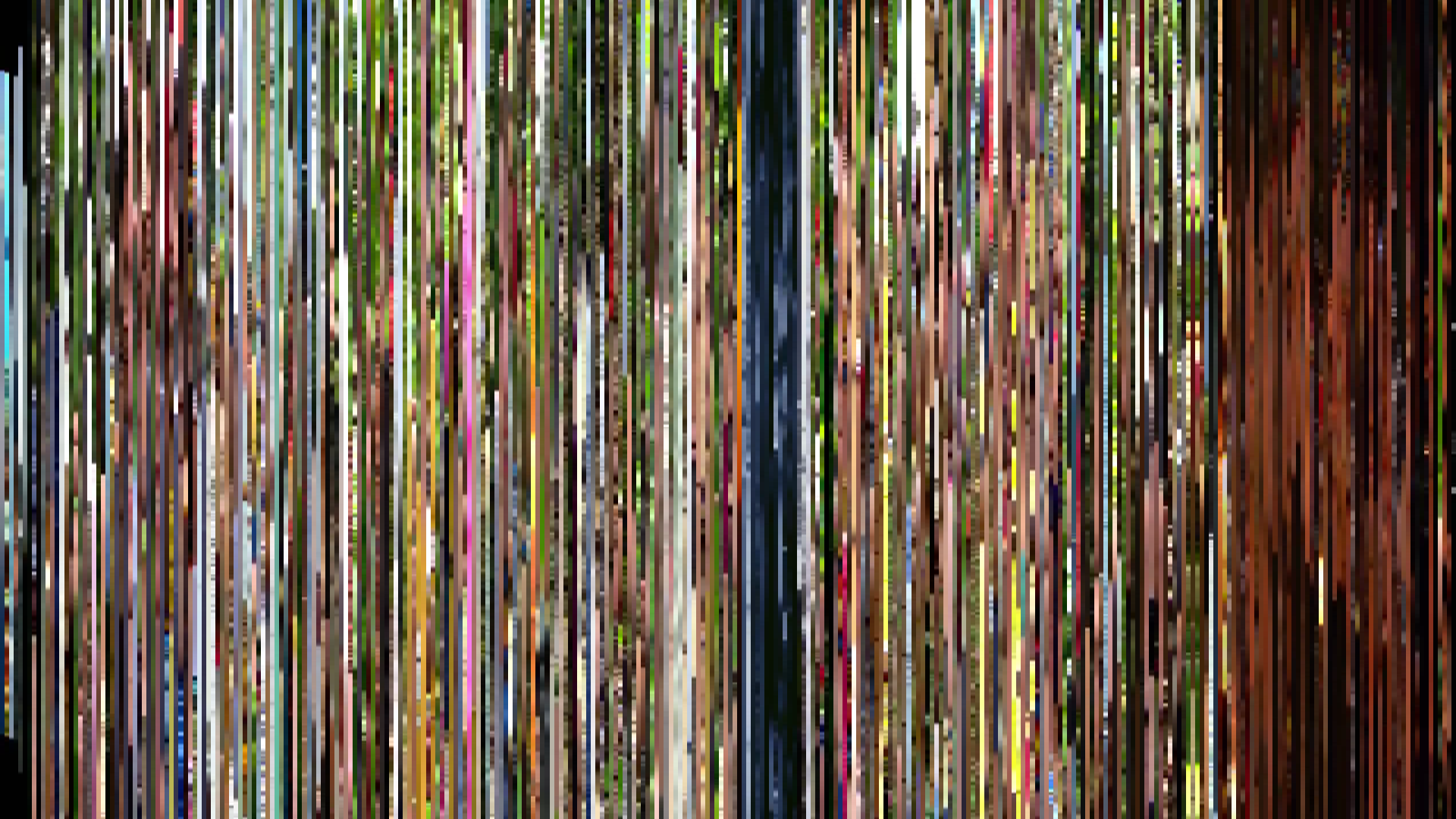
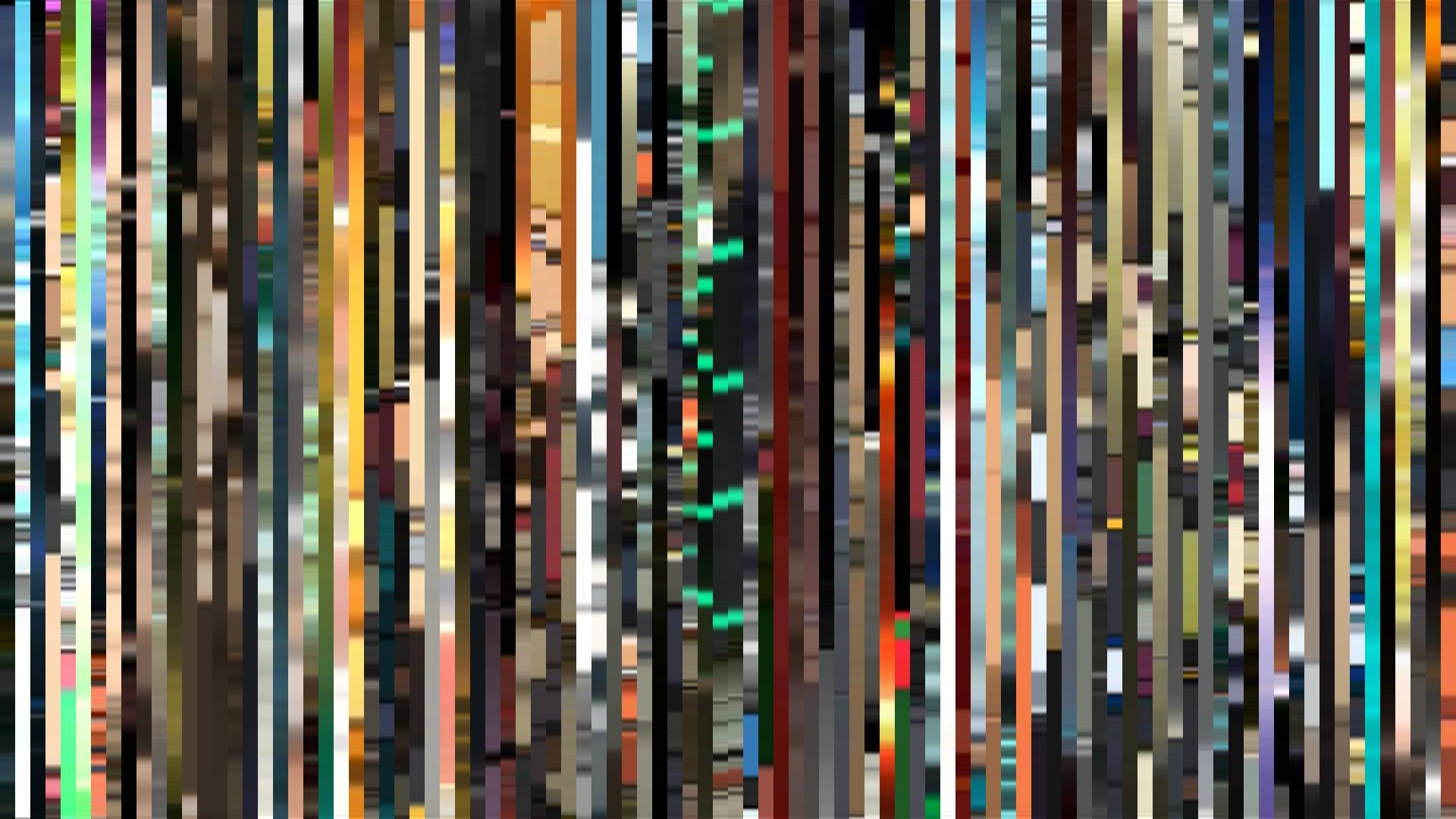
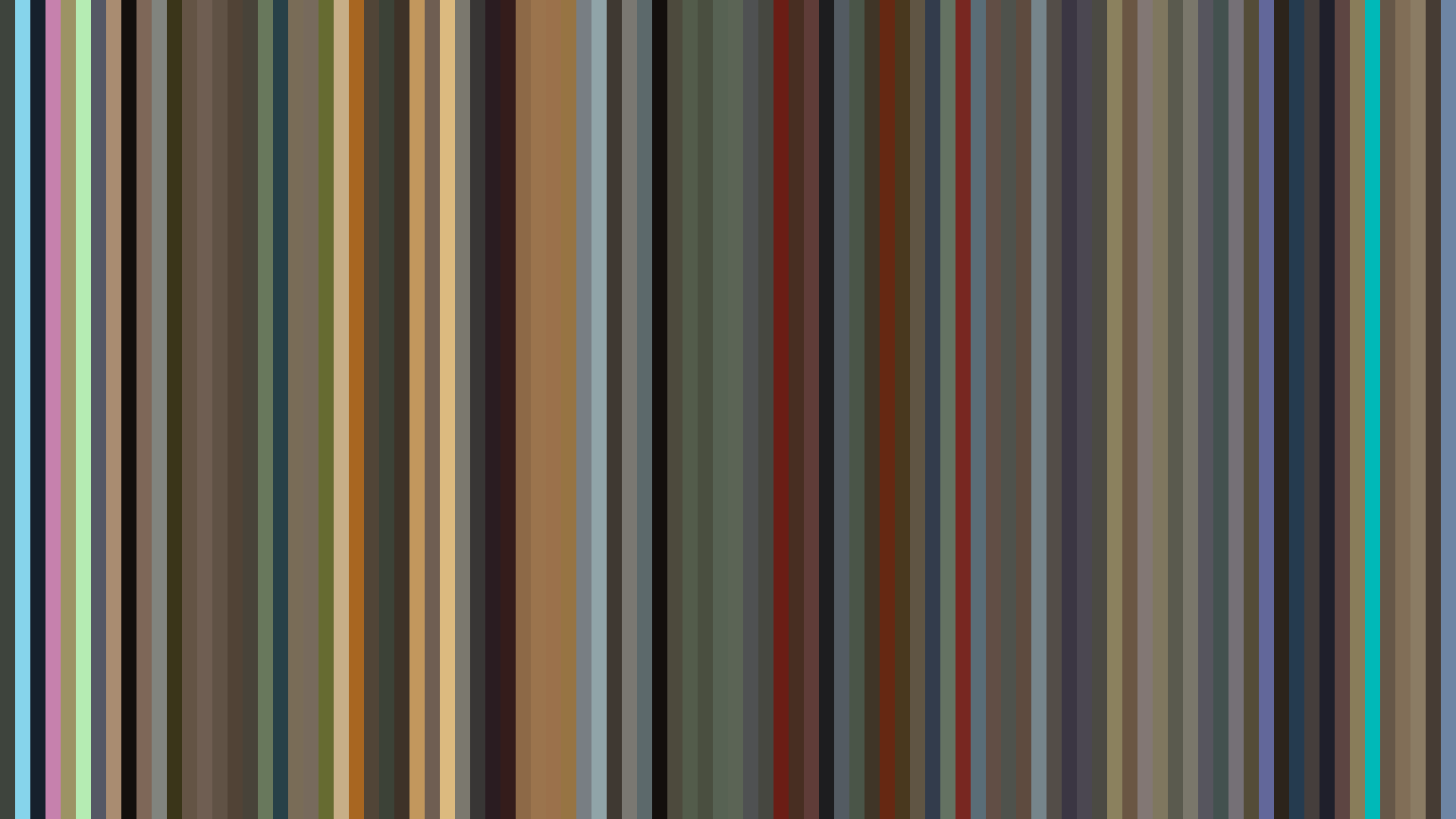
Frame Density Comparison — every 2nd vs every 4th frame
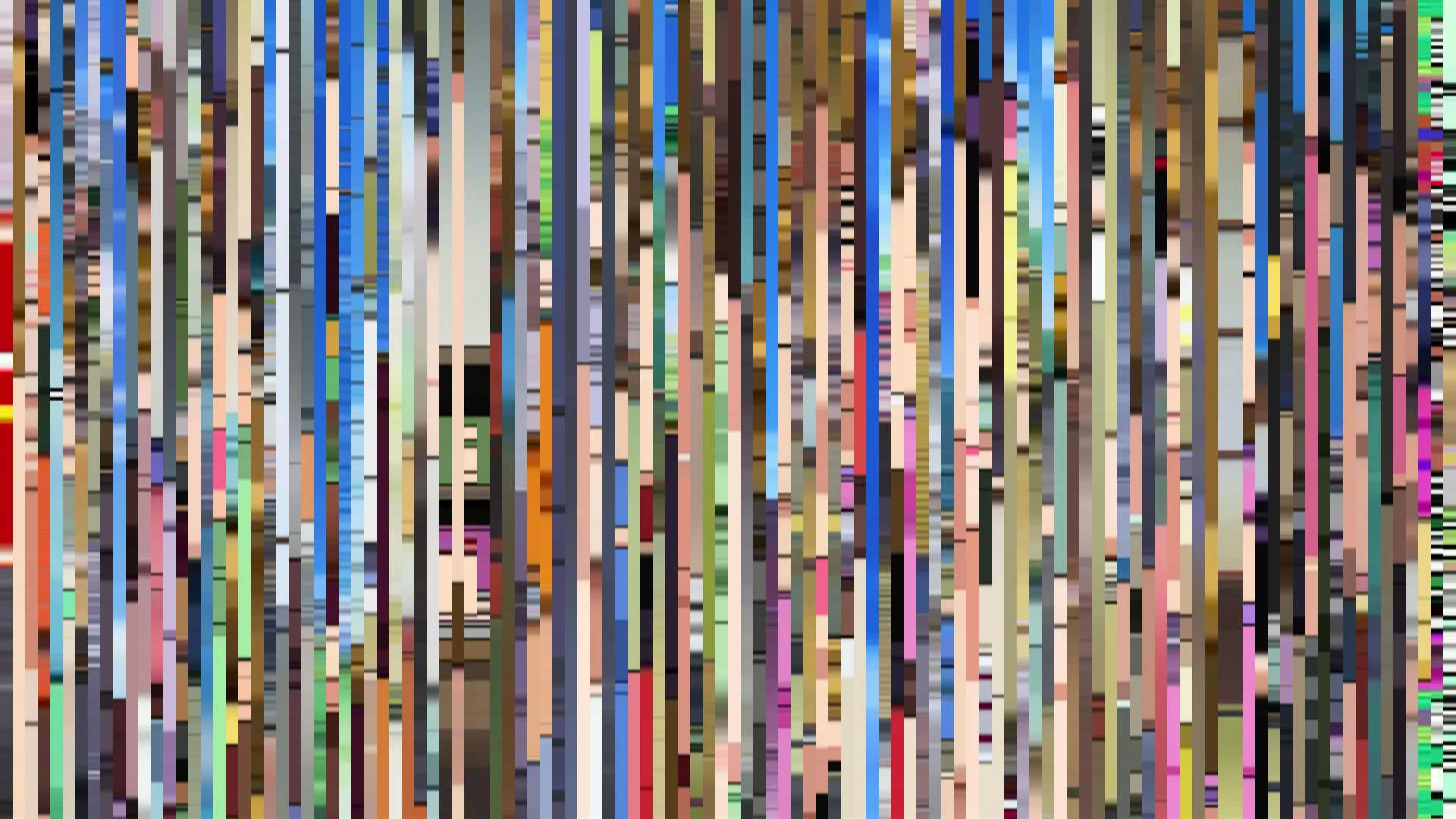
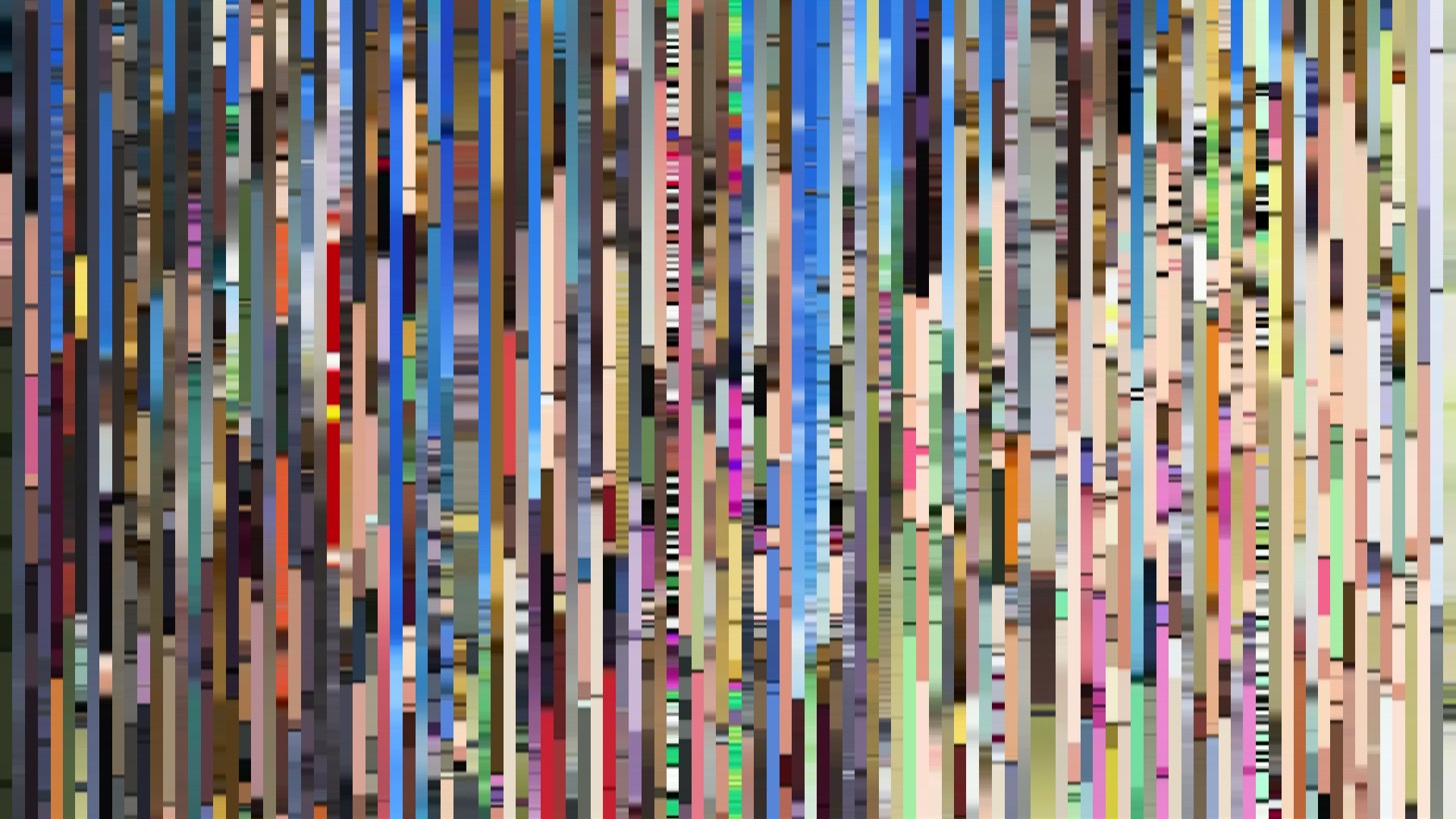
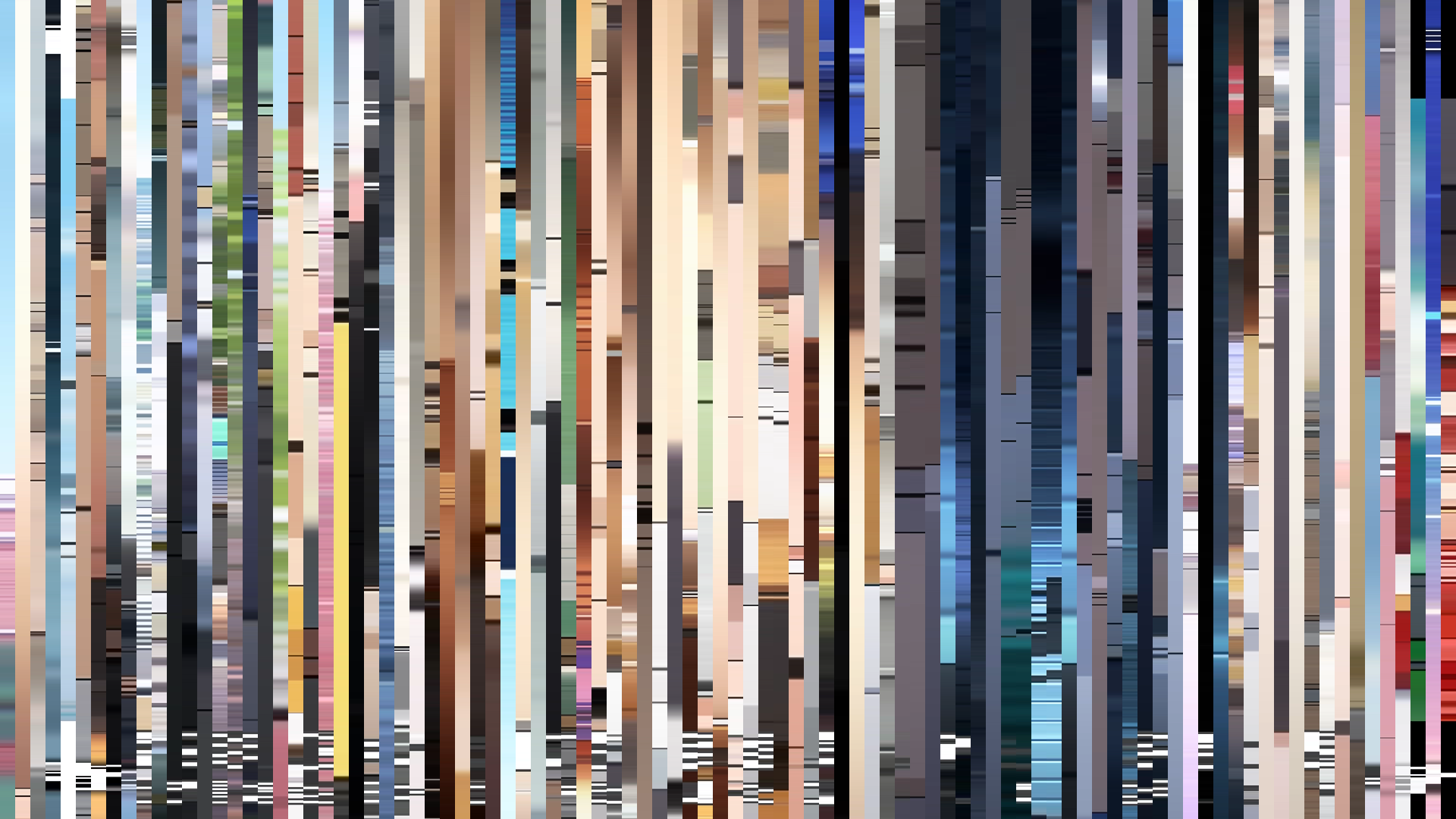
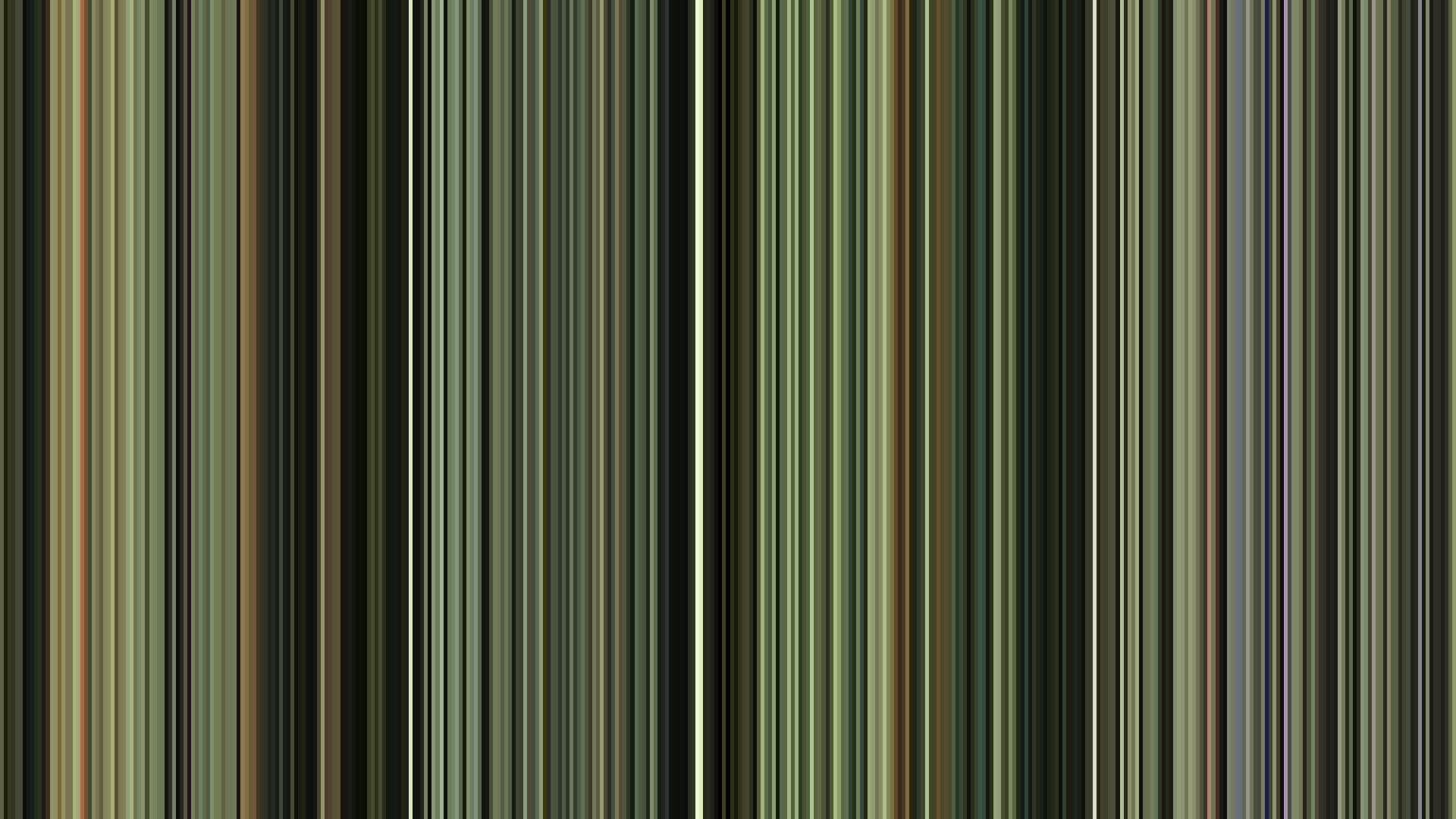
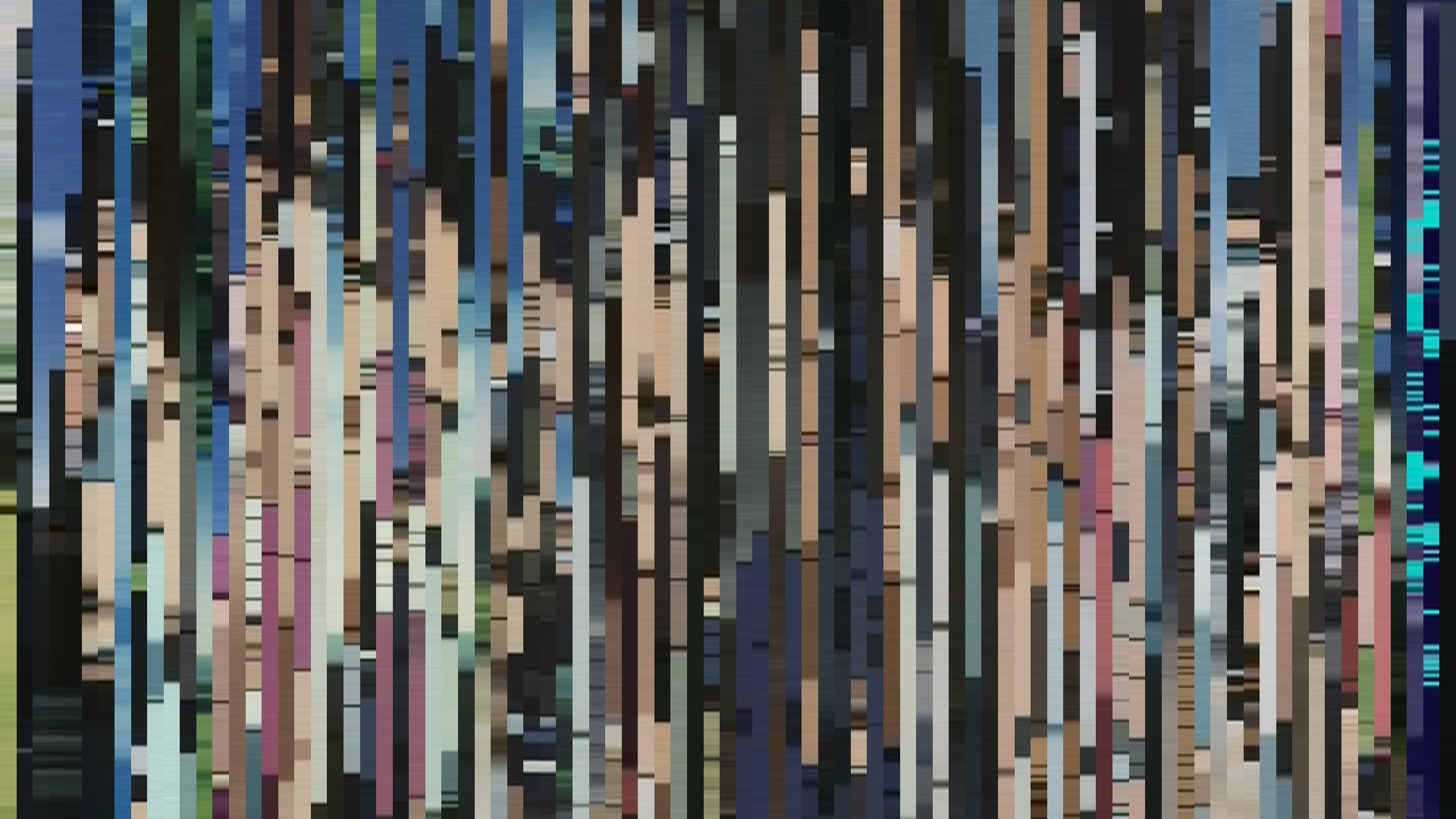
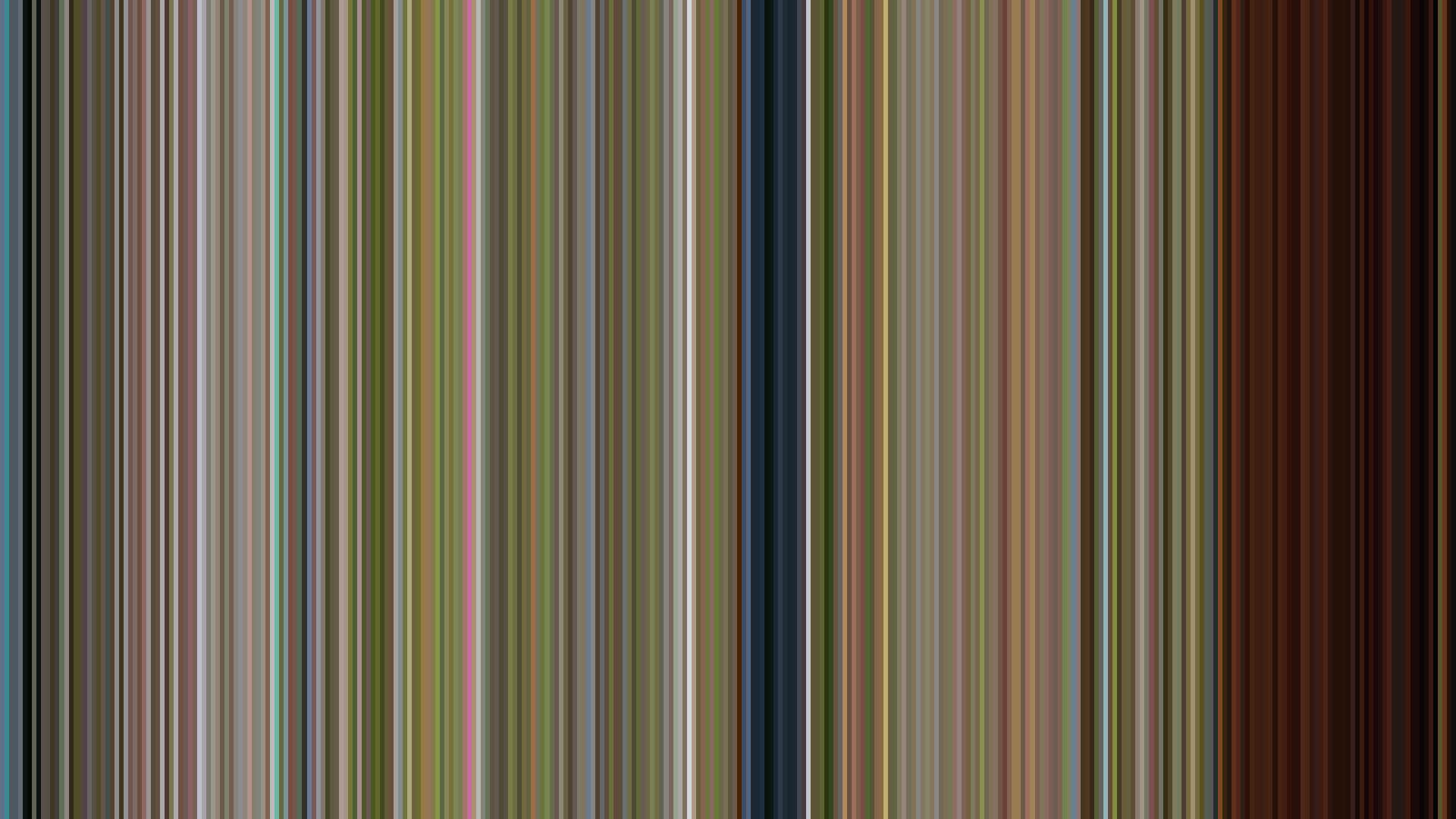
Slice · 15s
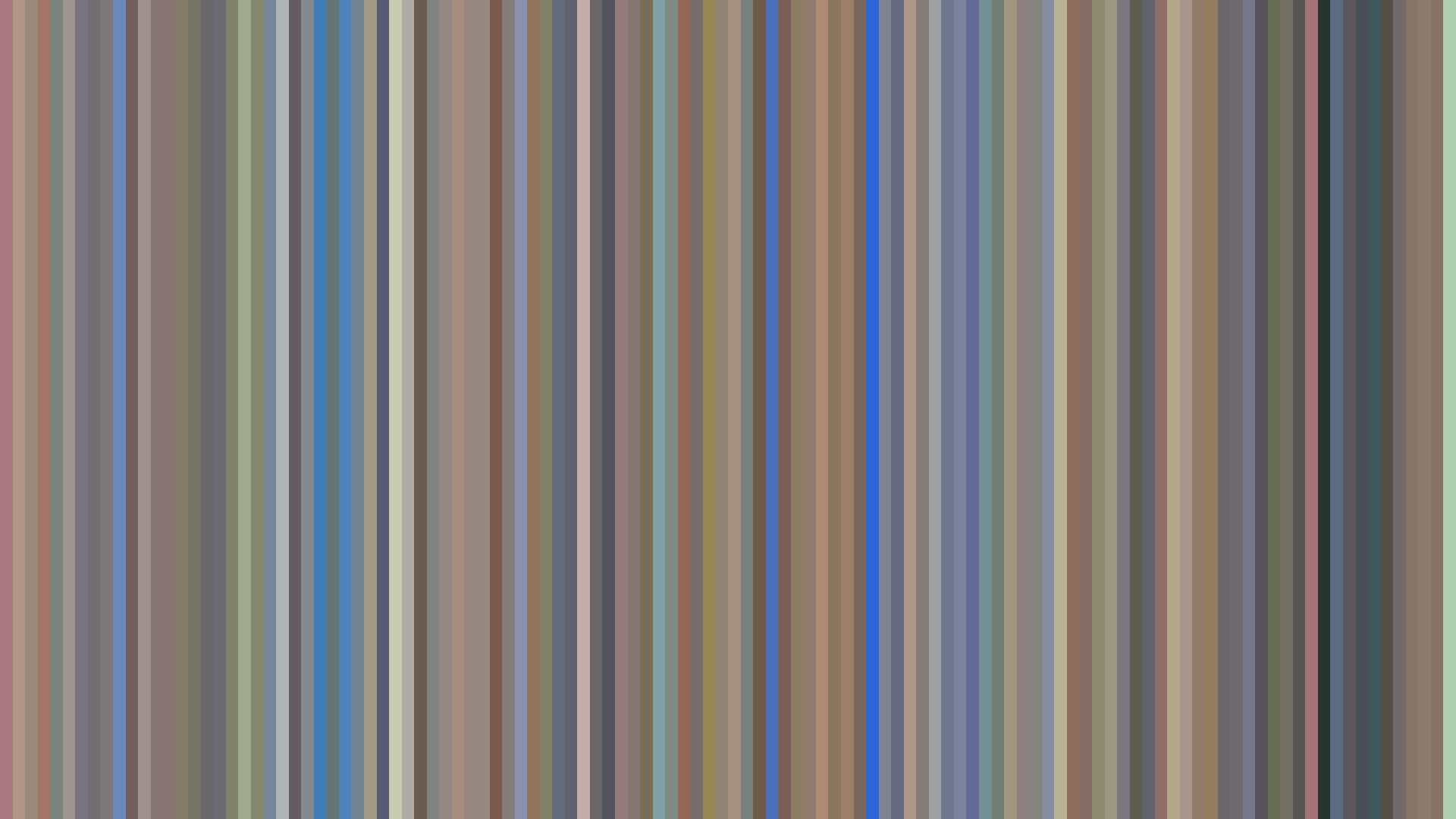
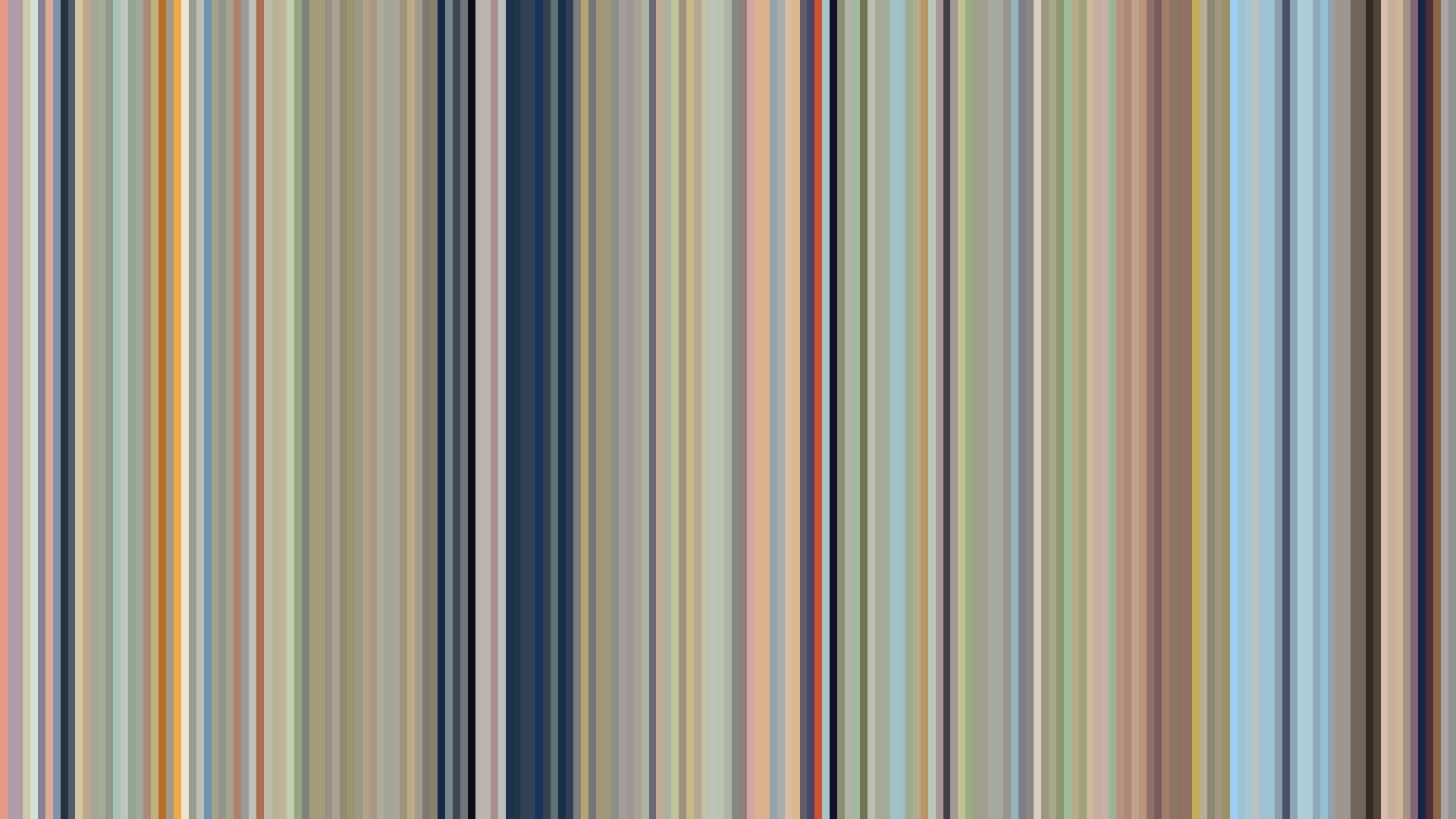
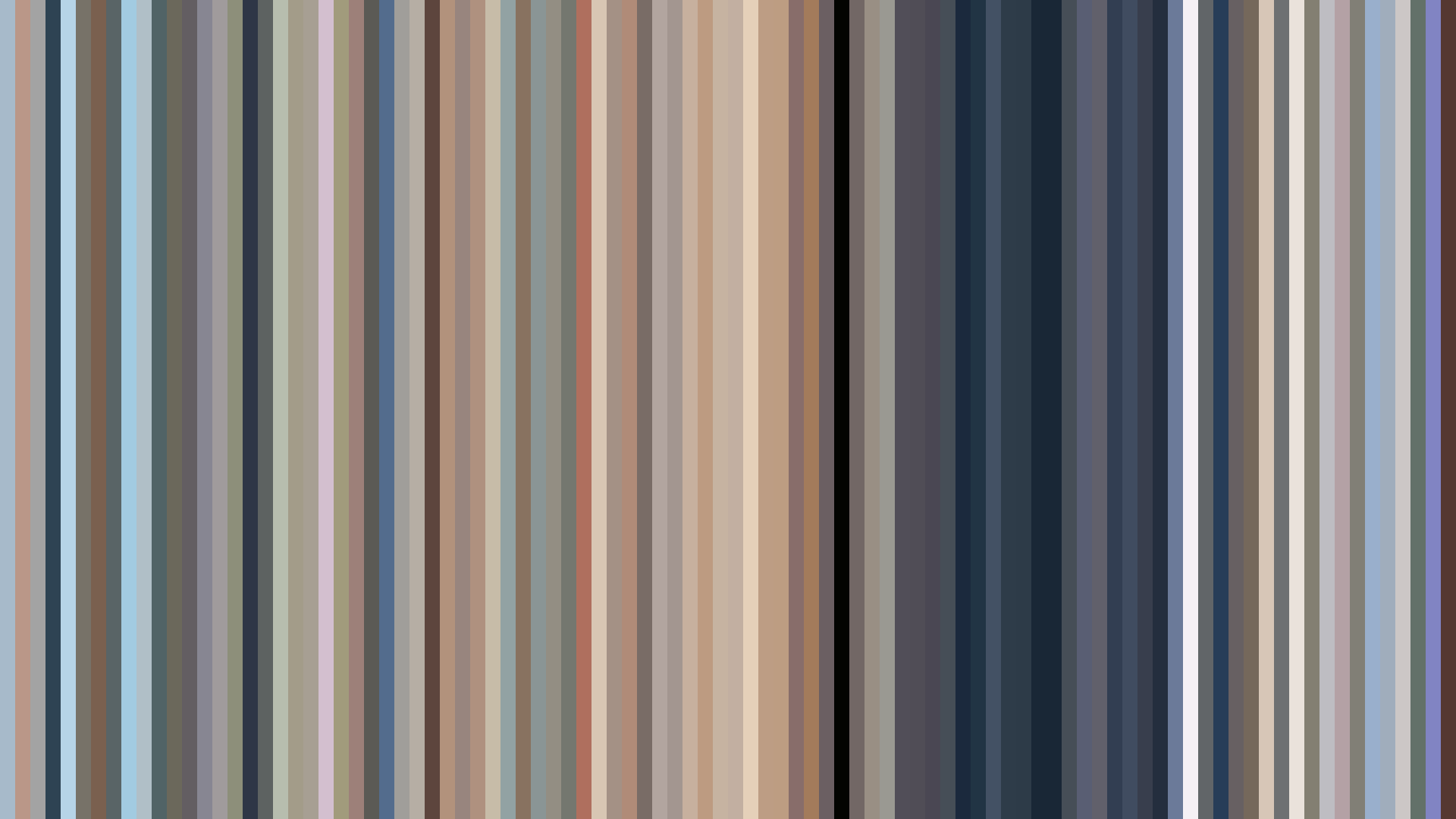
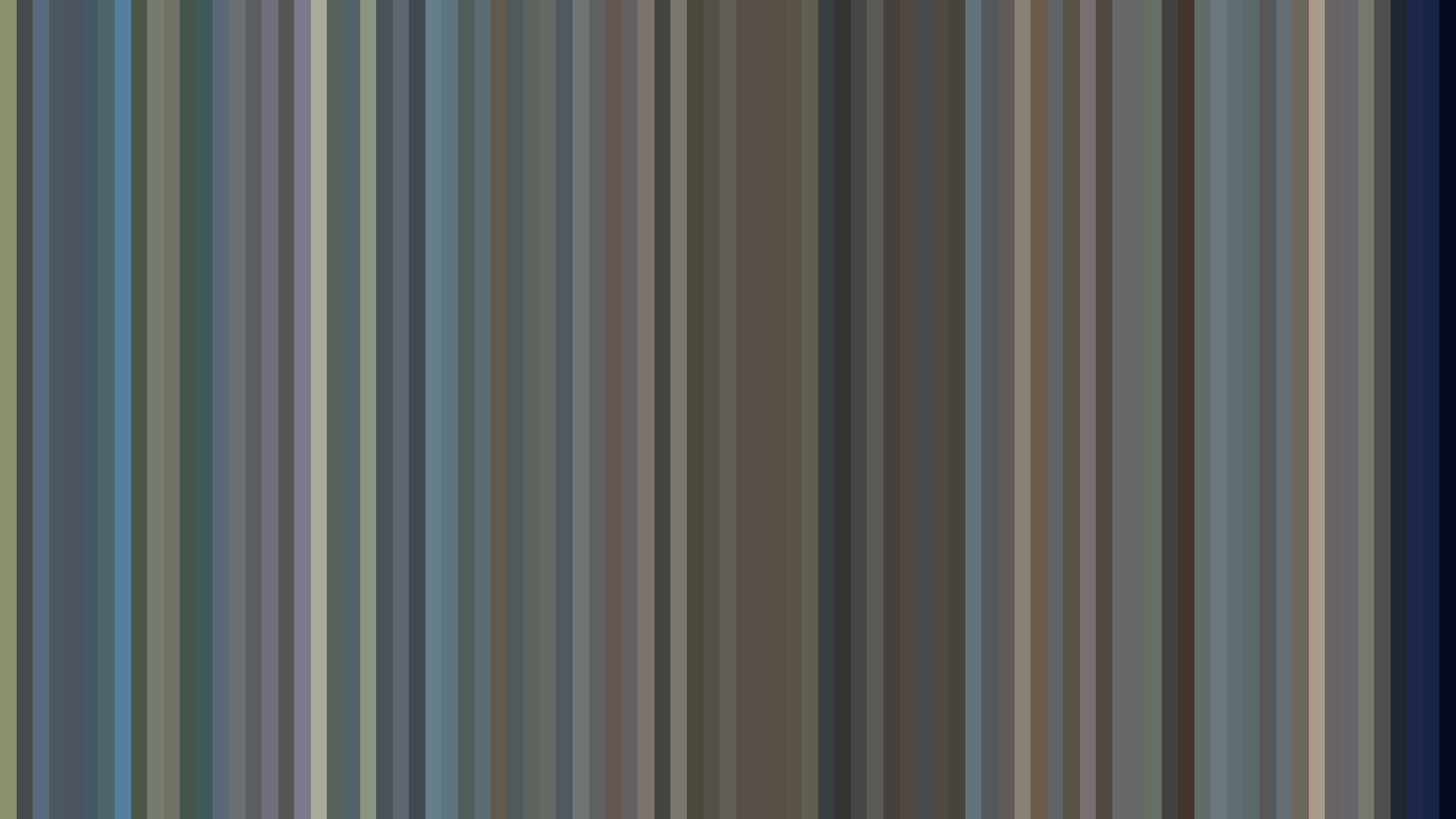
Avg · 15s
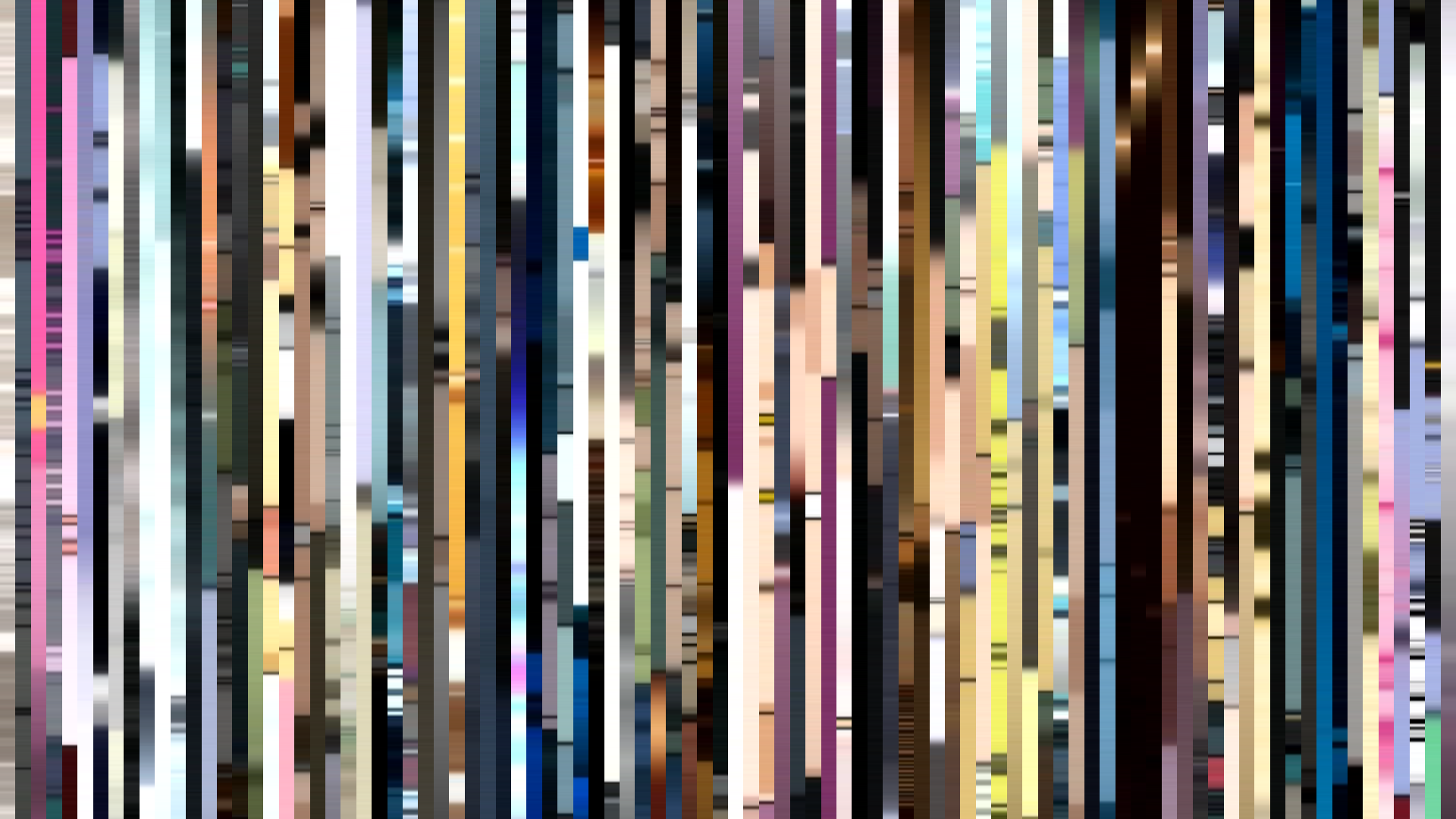
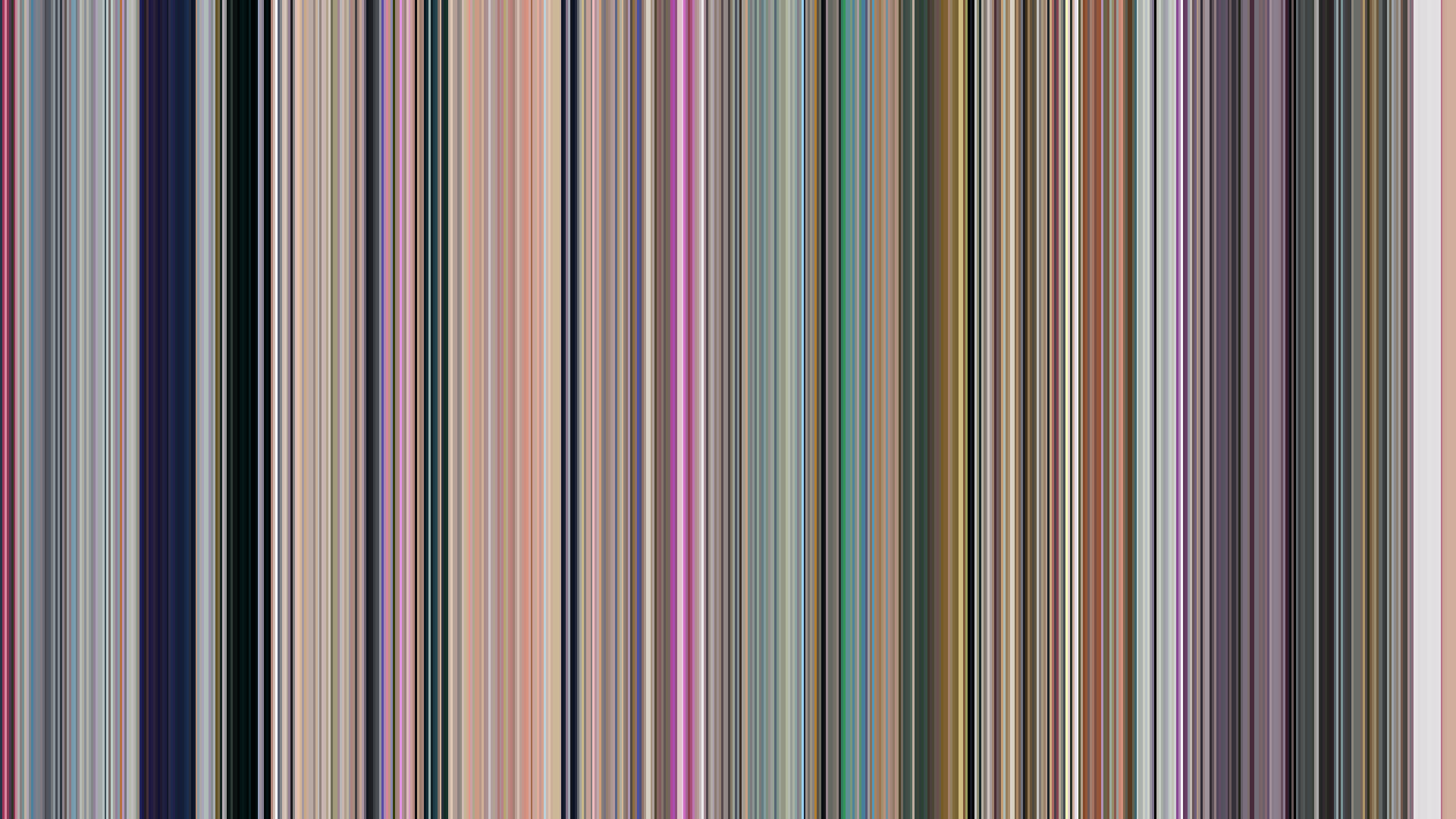
Slice · 30s
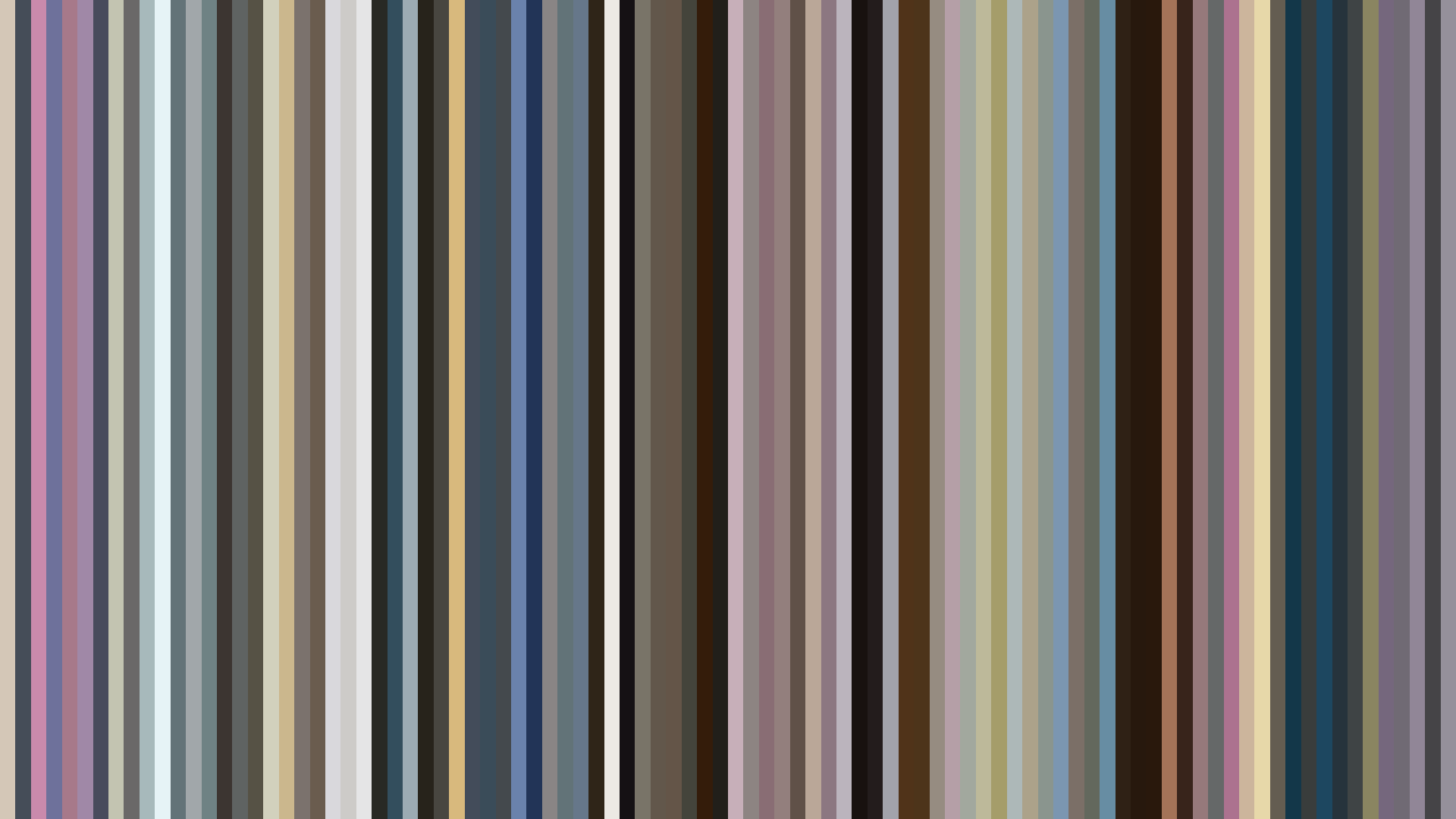
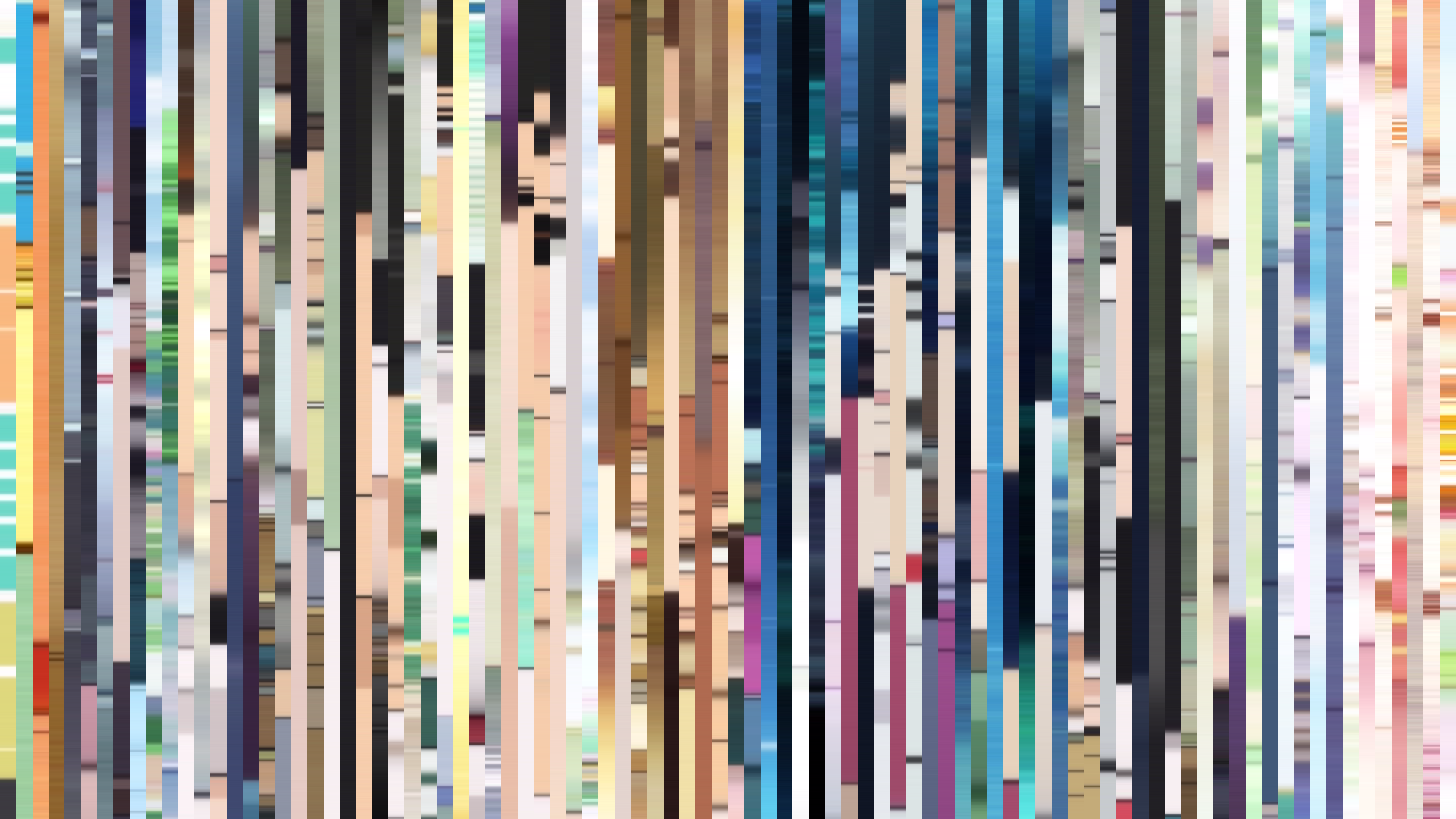
Avg · 30s
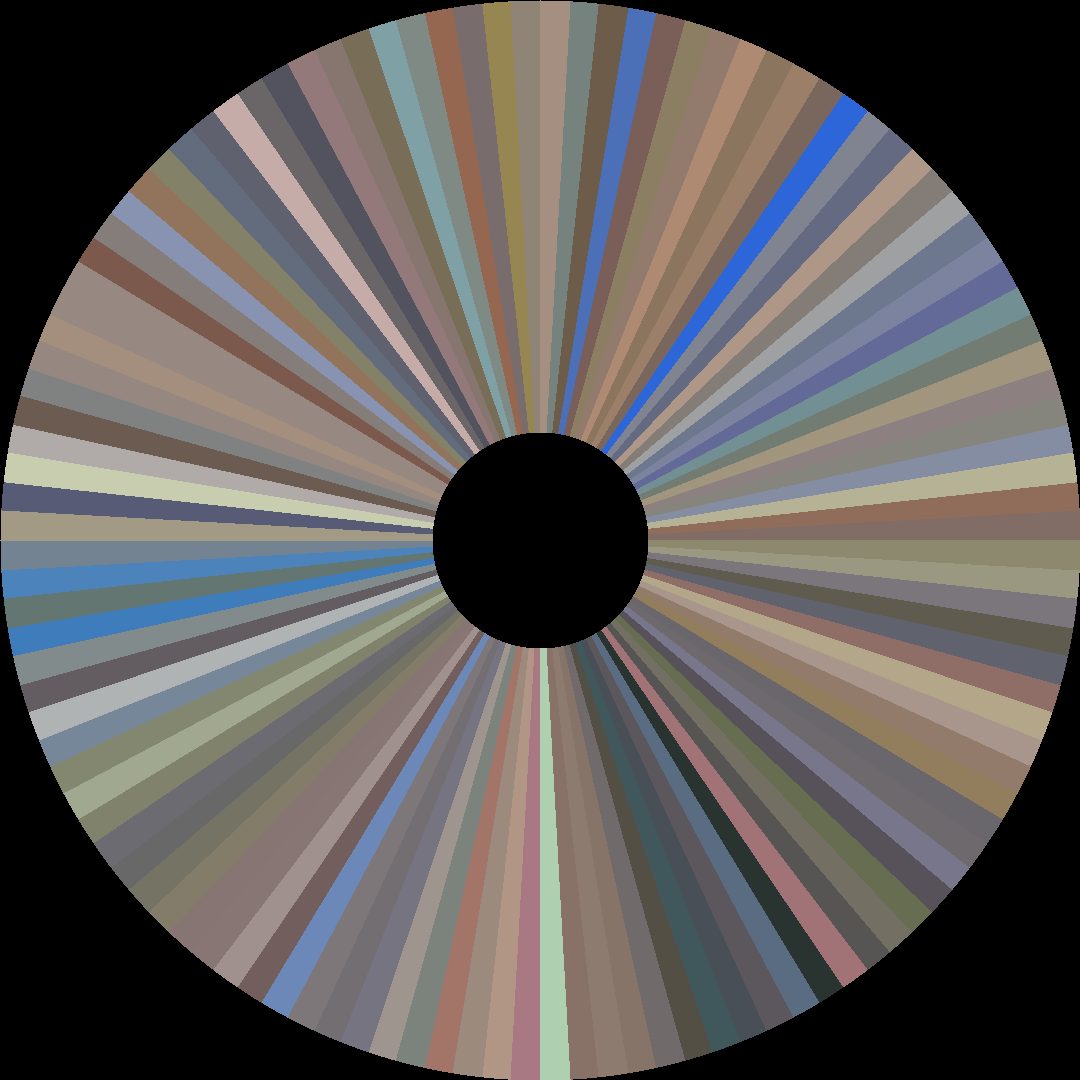
The brightness arc that descends across *Love Hina*’s twenty-four episodes is a countersignal to its sunny reputation. Where harem comedy typically basks in a steady, warm glow, Xebec’s 2000 production steadily dims its palette from the opening act’s 0.505 to a closing 0.421 — a darkening progression that undercuts the antic surface. The dominant Red (31%) and Red-Orange (28%) are the hues of embarrassment, sunburn, and romantic
Brightness Arc (episode progression)
Hue Distribution
Act Breakdown
Opening
0.505
Middle
0.447
Closing
0.421
Avg Brightness
0.502
Avg Saturation
0.251
Warmth
0.562
Color Palette
#615C5A
#A4A099
#E4DCD1
#282324
#A0926C
#D3A898
#936D5F
#DFCFAB
3-Act Color Story
Opening
Middle
Closing
Color Twins
Perceptually nearest palettes — measured in OKLab space, not RGB






![[Oshi No Ko] Season 2](../../../barcodes/2024/oshi-no-ko-season-2/barcode_slice.png)
The brightness arc that descends across *Love Hina*’s twenty-four episodes is a countersignal to its sunny reputation. Where harem comedy typically basks in a steady, warm glow, Xebec’s 2000 production steadily dims its palette from the opening act’s 0.505 to a closing 0.421 — a darkening progression that undercuts the antic surface. The dominant Red (31%) and Red-Orange (28%) are the hues of embarrassment, sunburn, and romantic