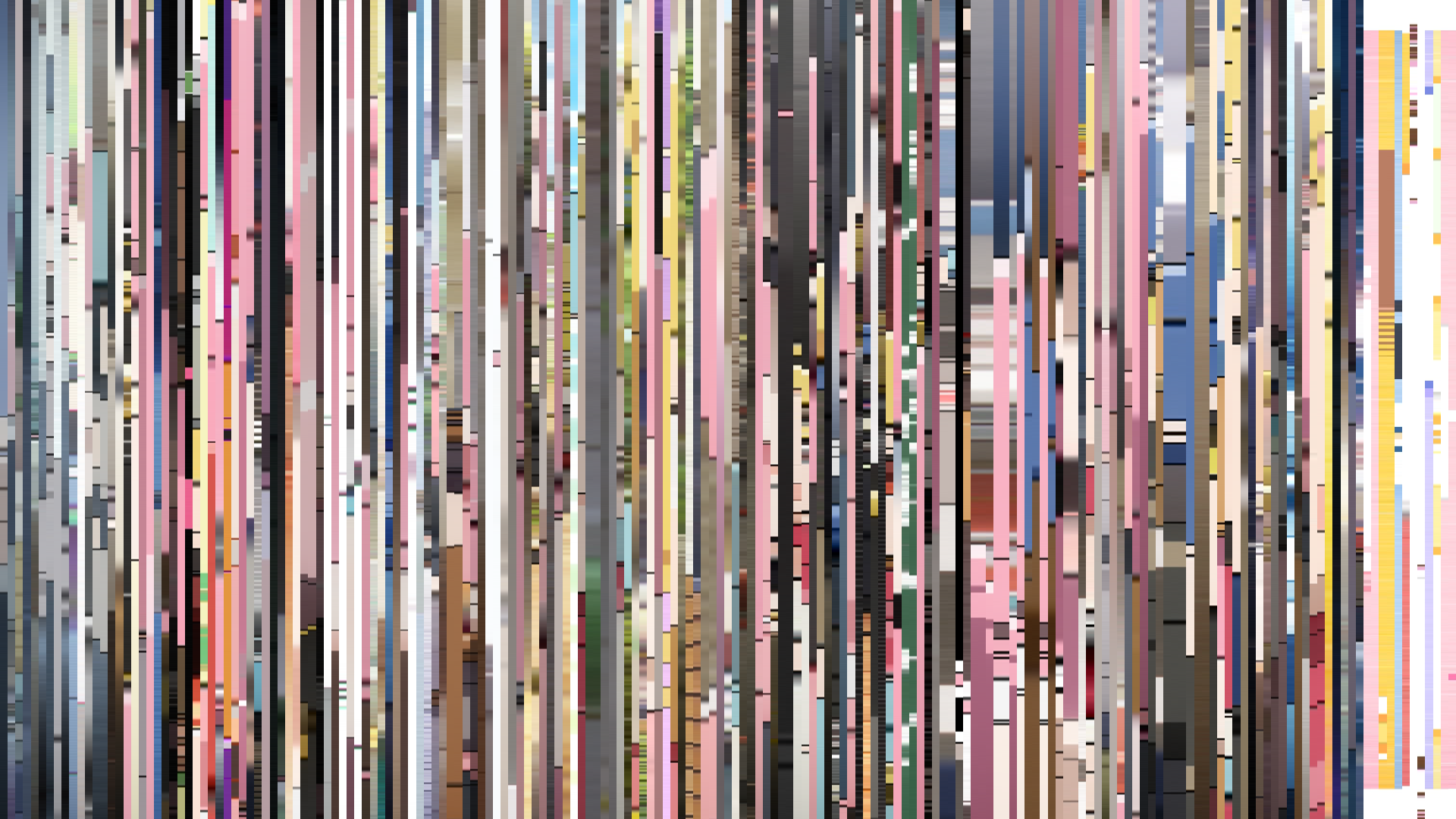
Edit Pace — frame-to-frame color delta (bright = fast cuts)
Color Temperature — warm (gold) vs cool (teal) per frame
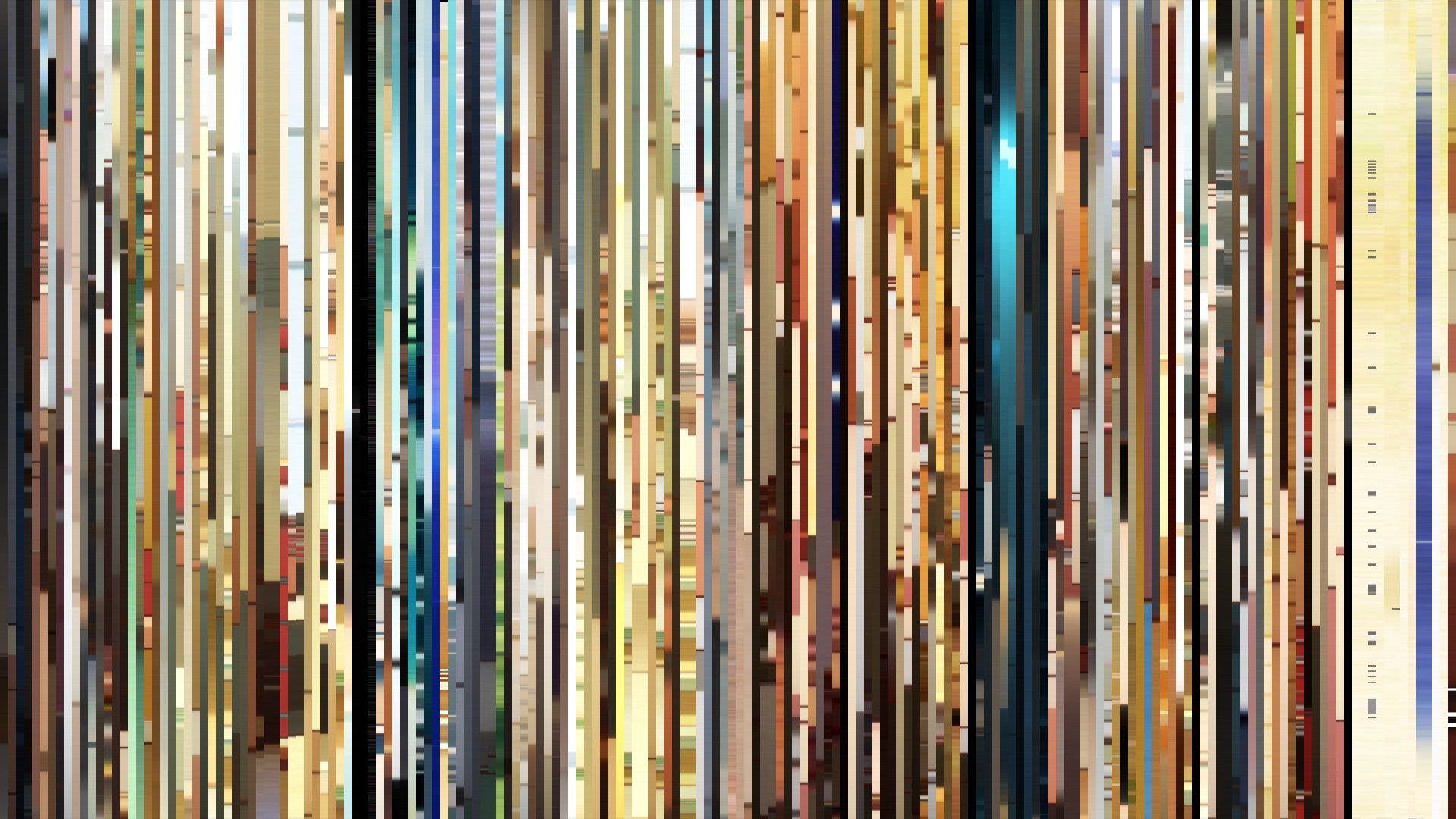
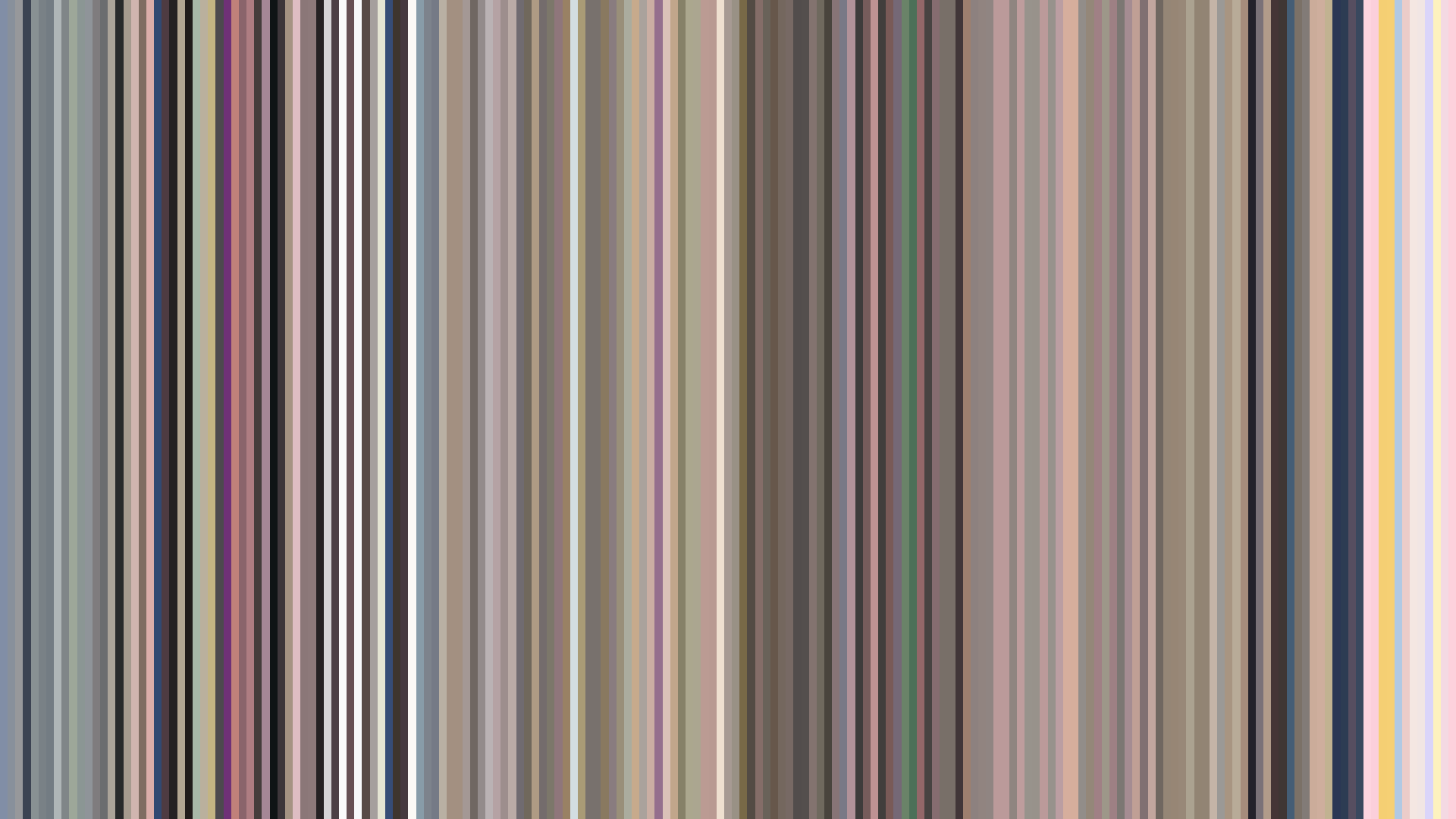
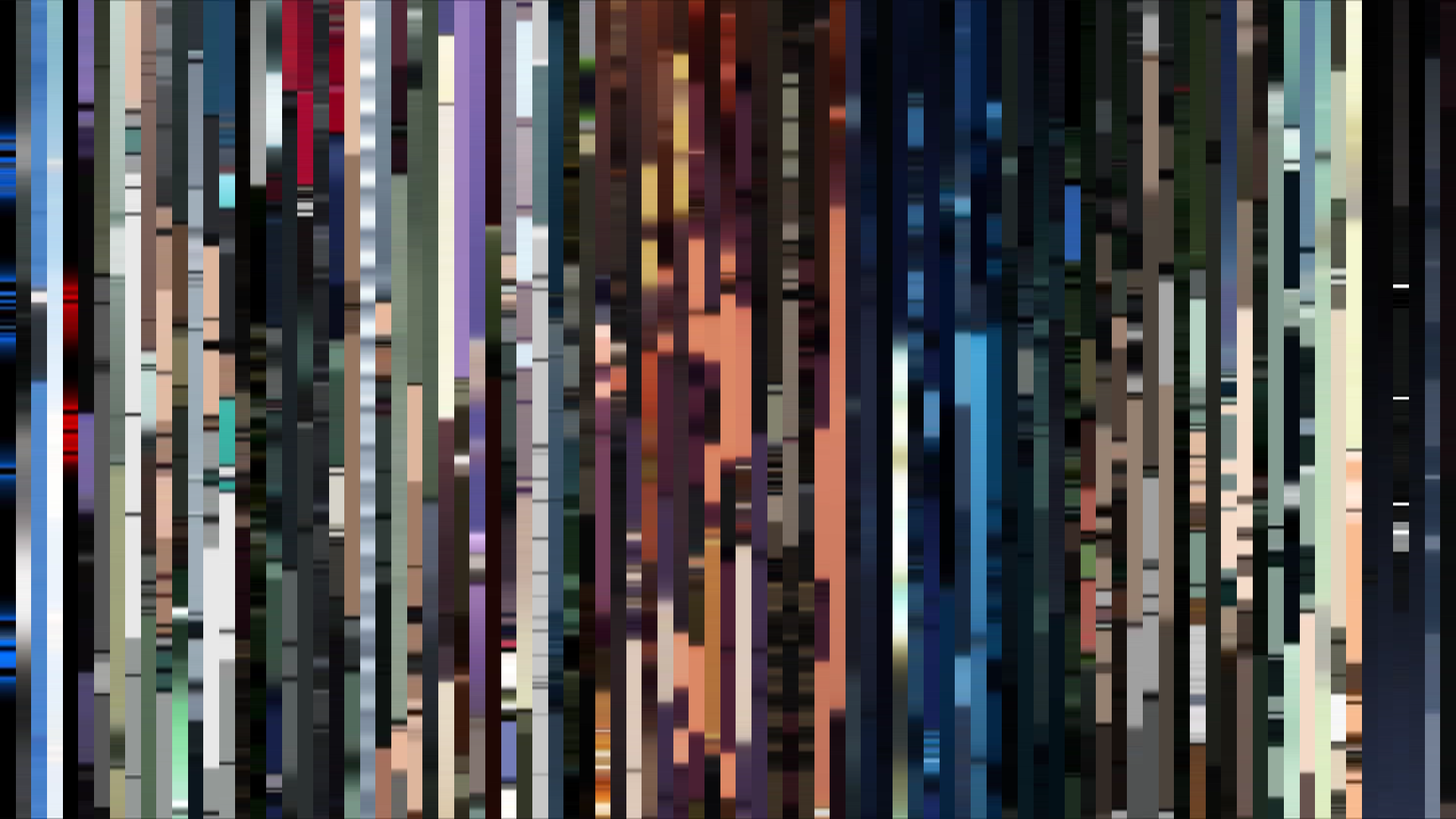
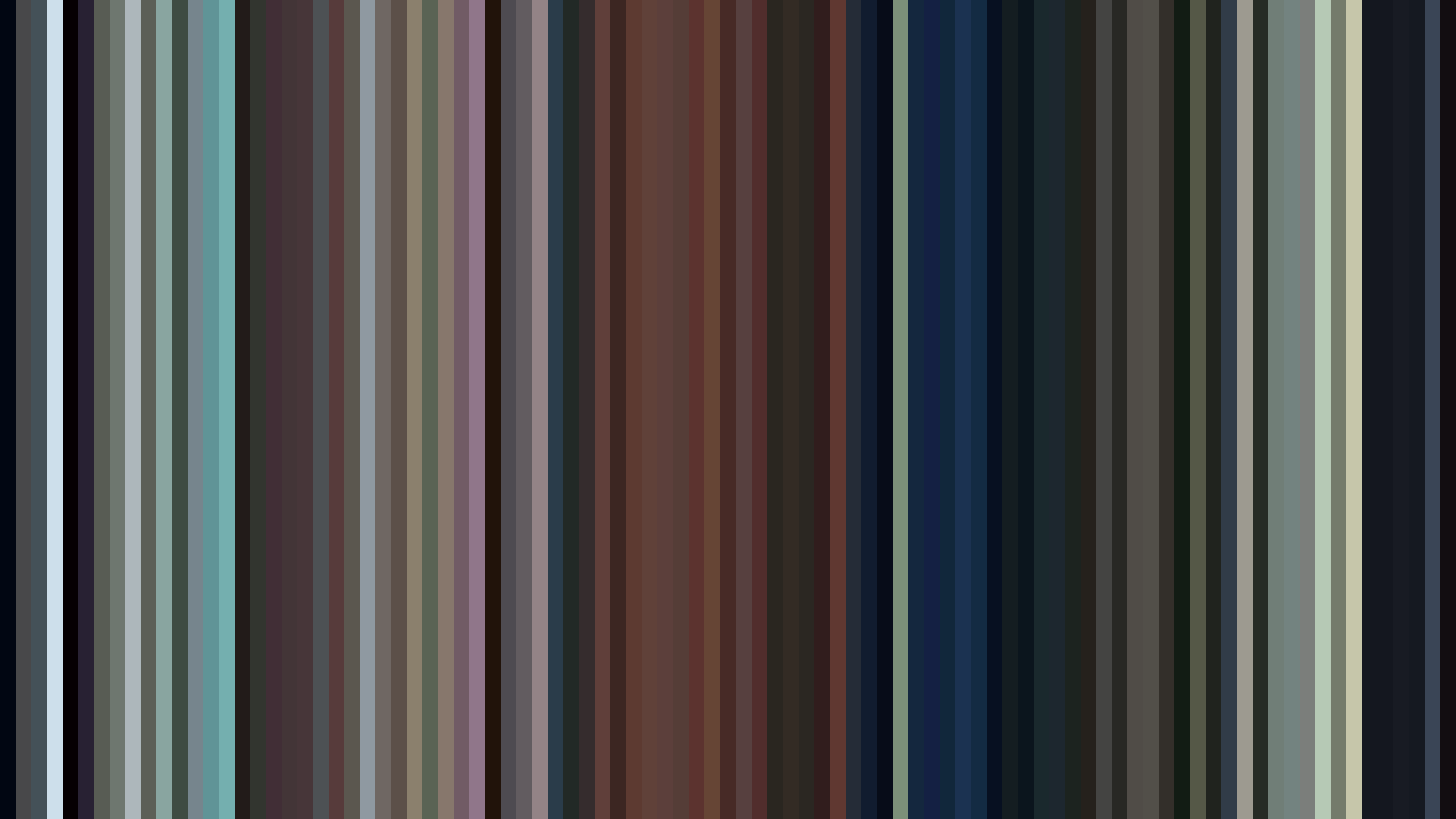
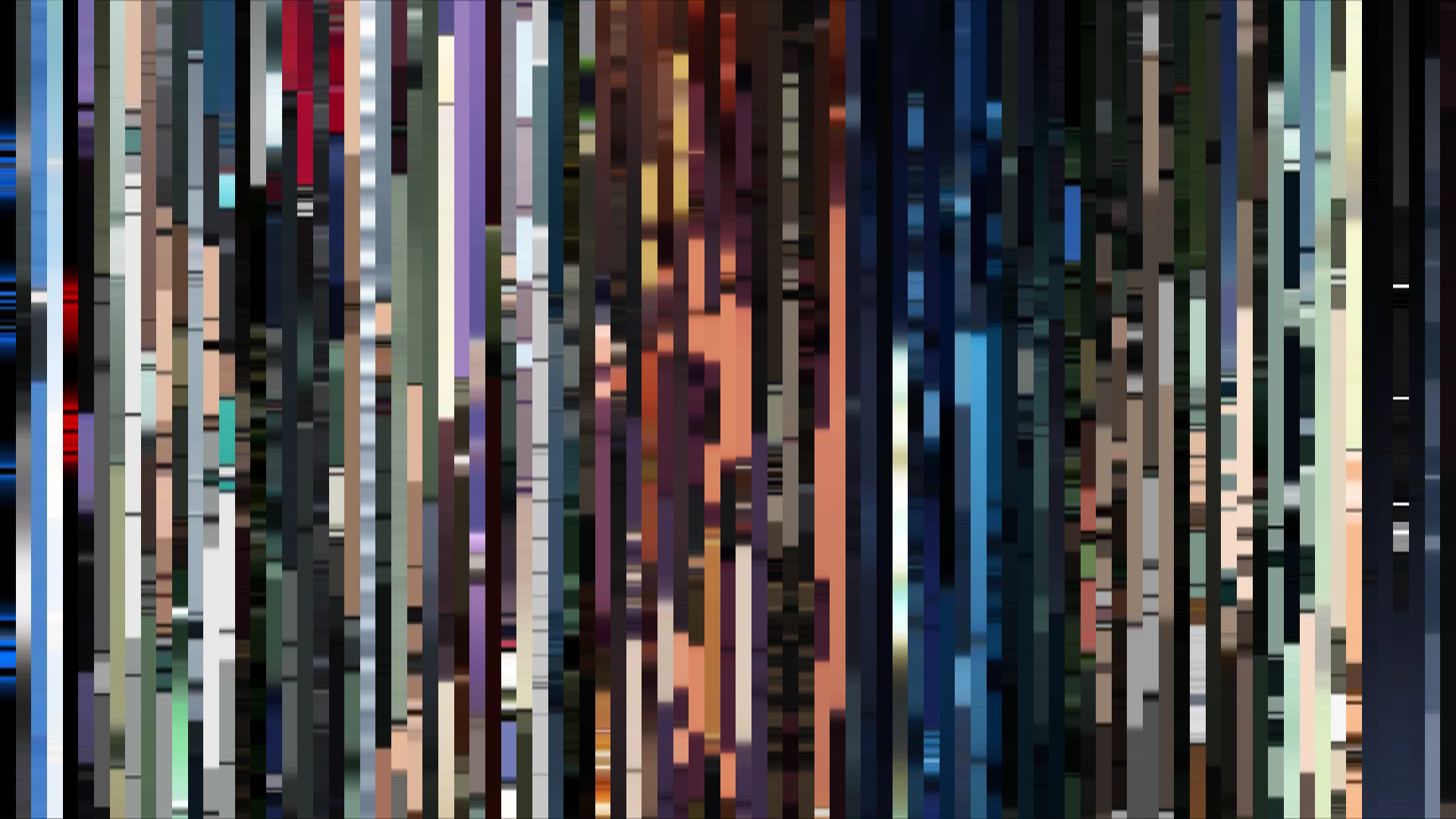
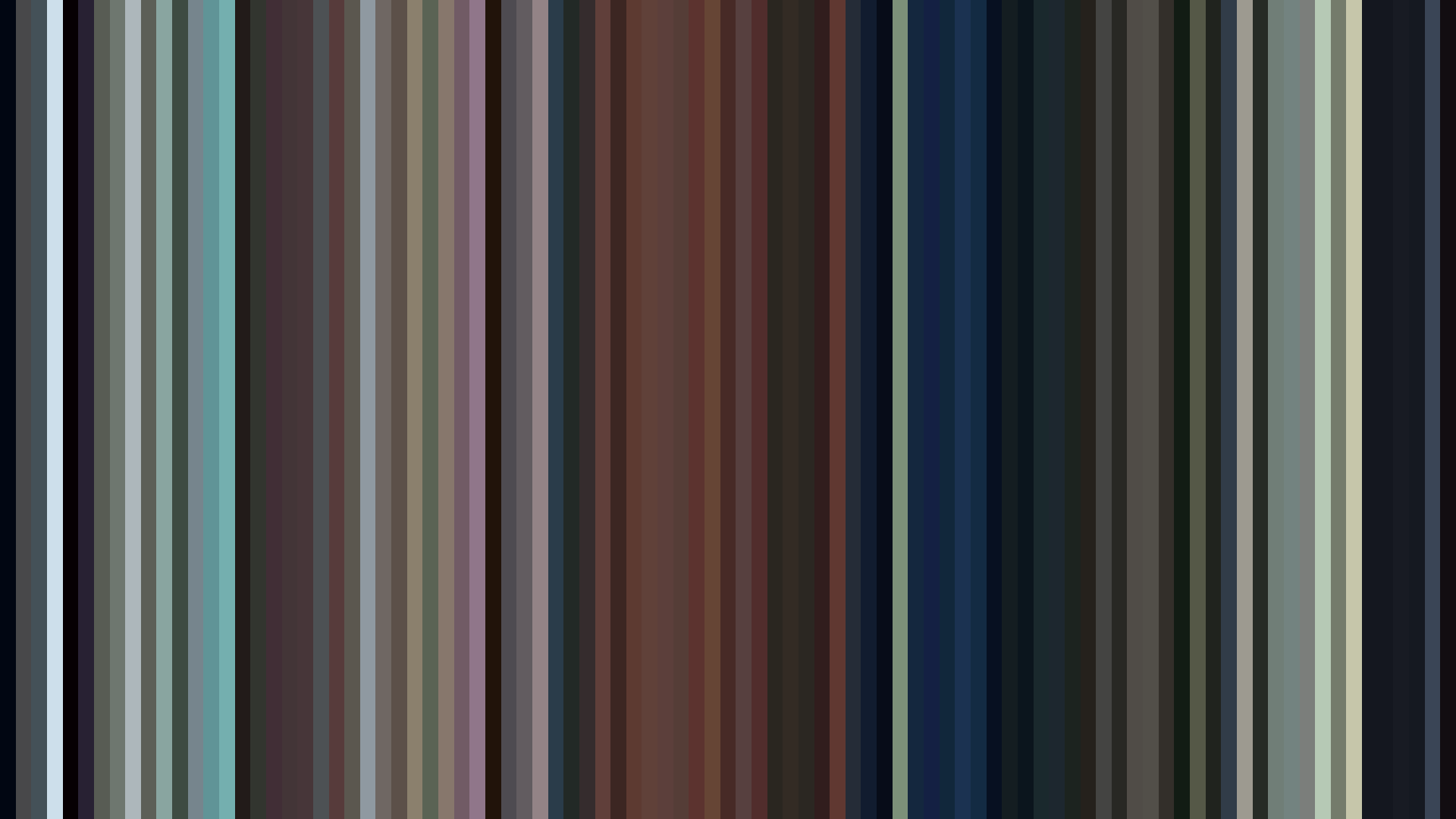
Frame Density Comparison — every 2nd vs every 4th frame
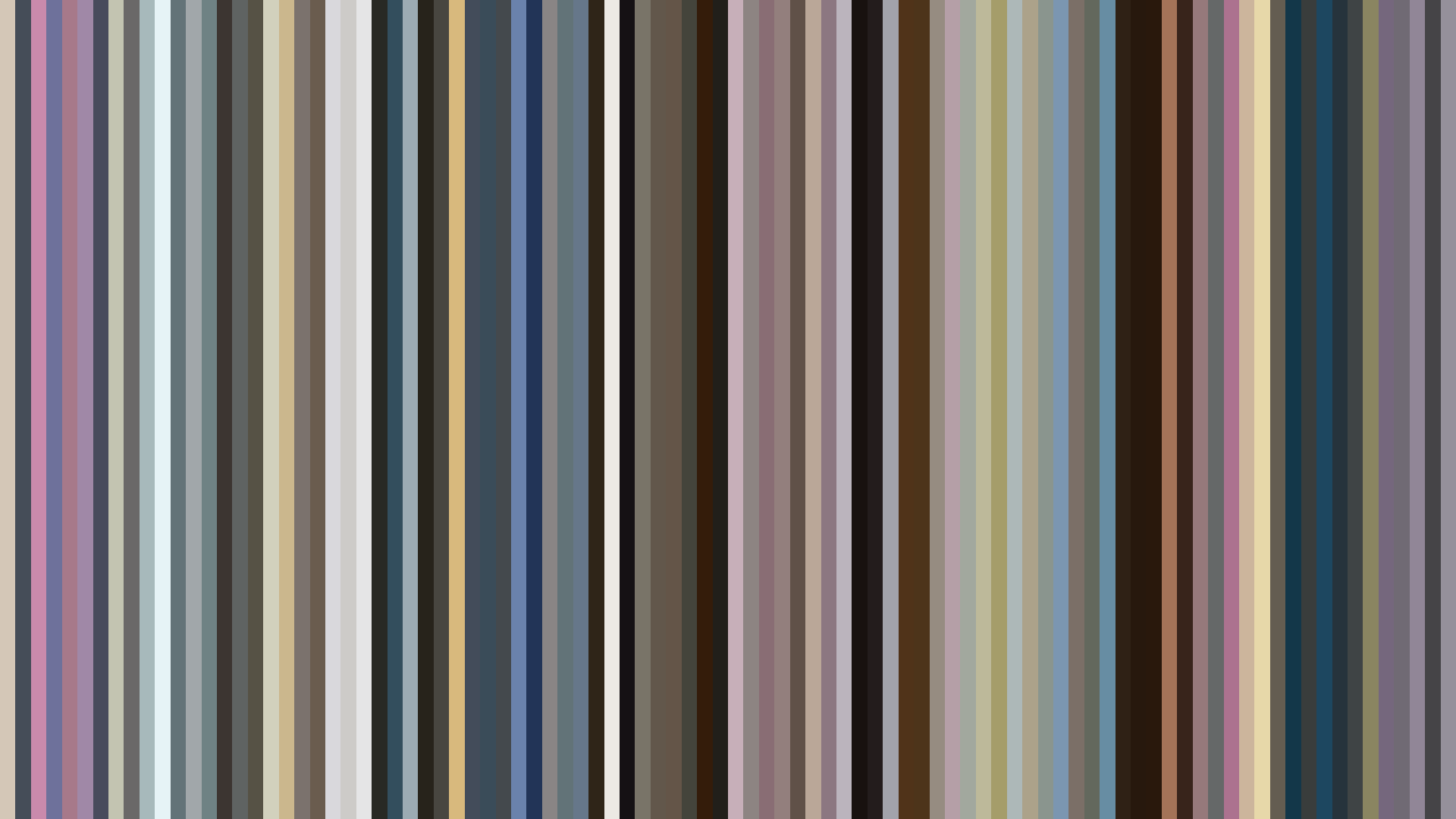
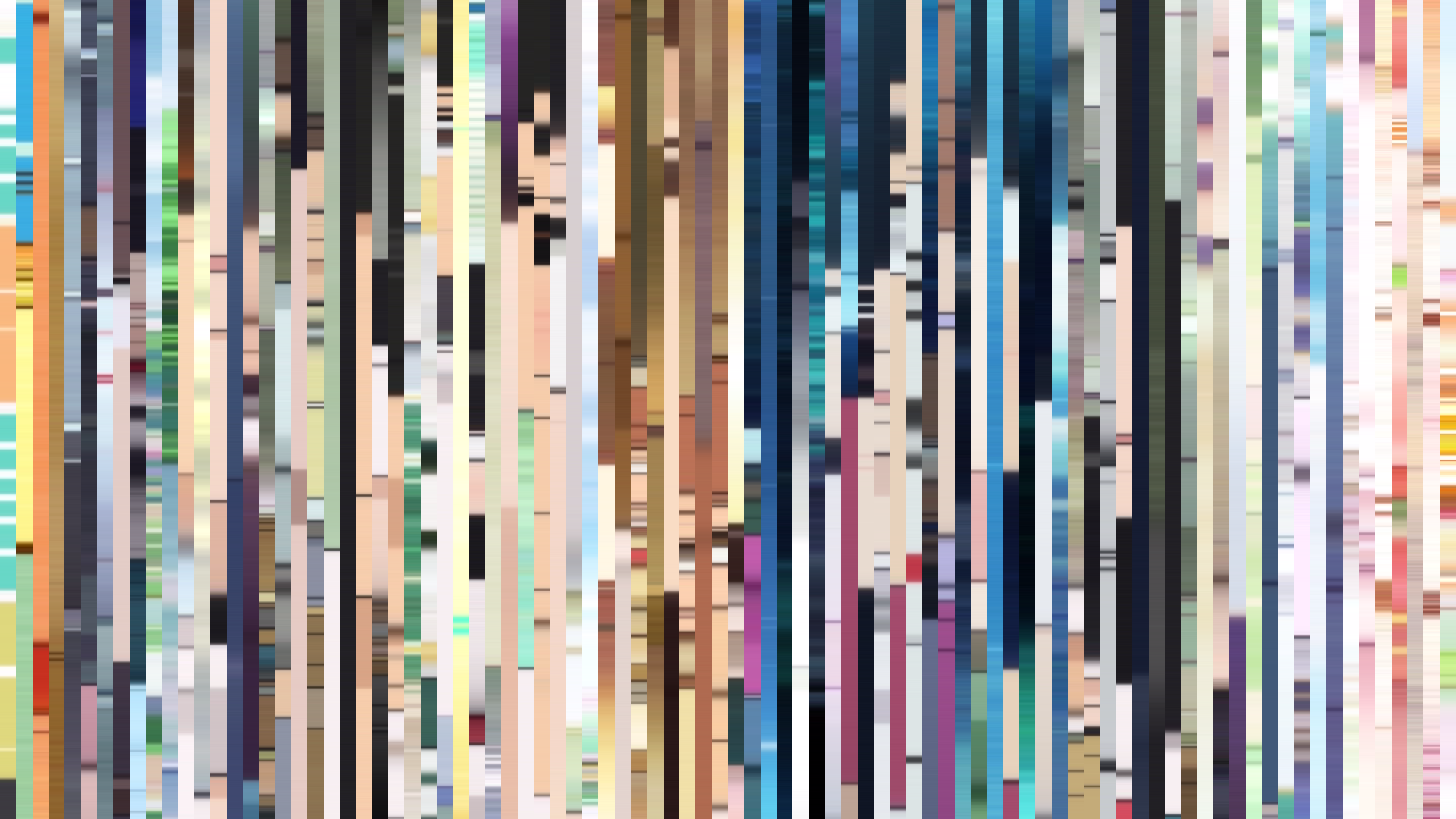
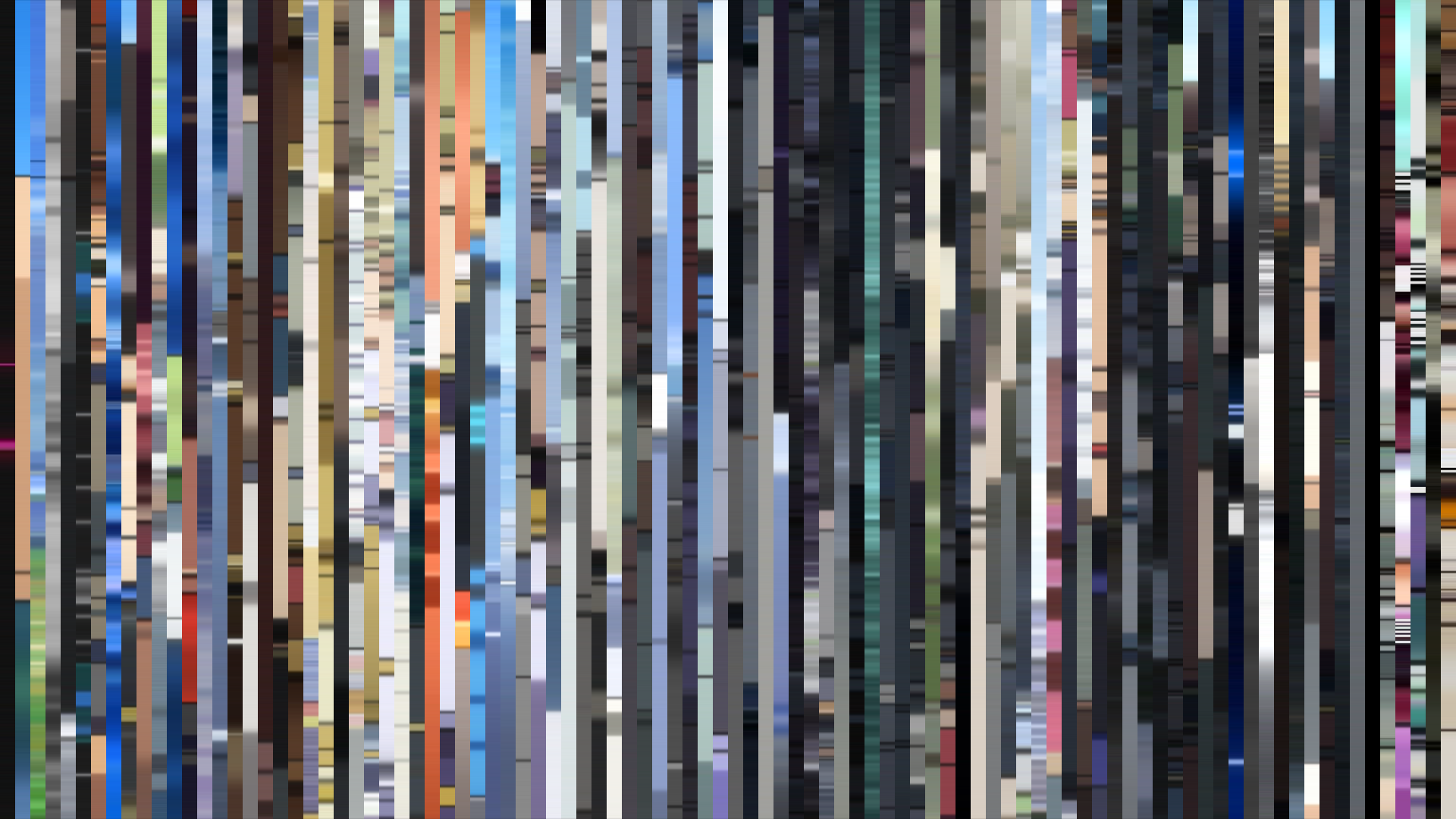
Slice · 15s
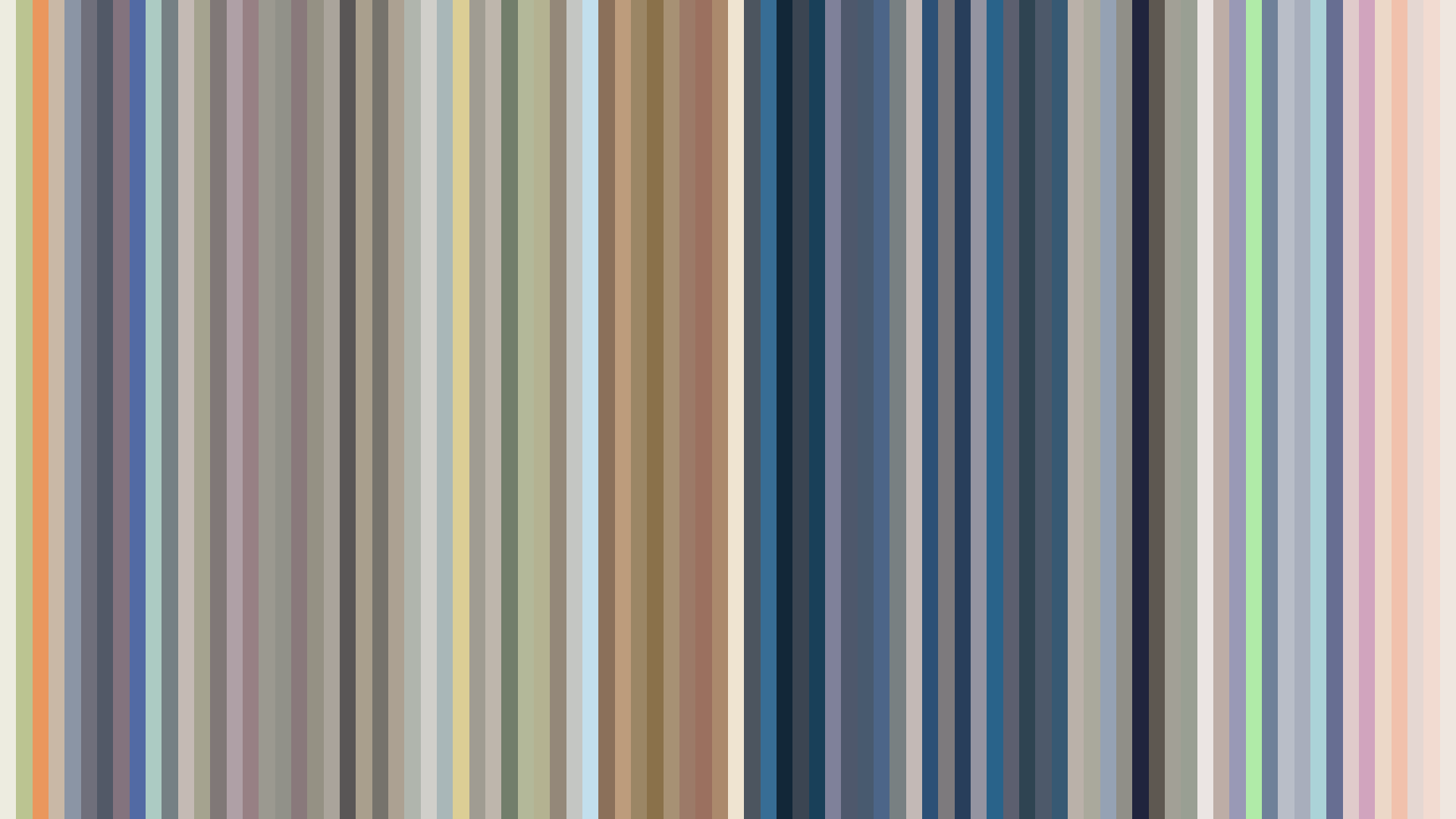
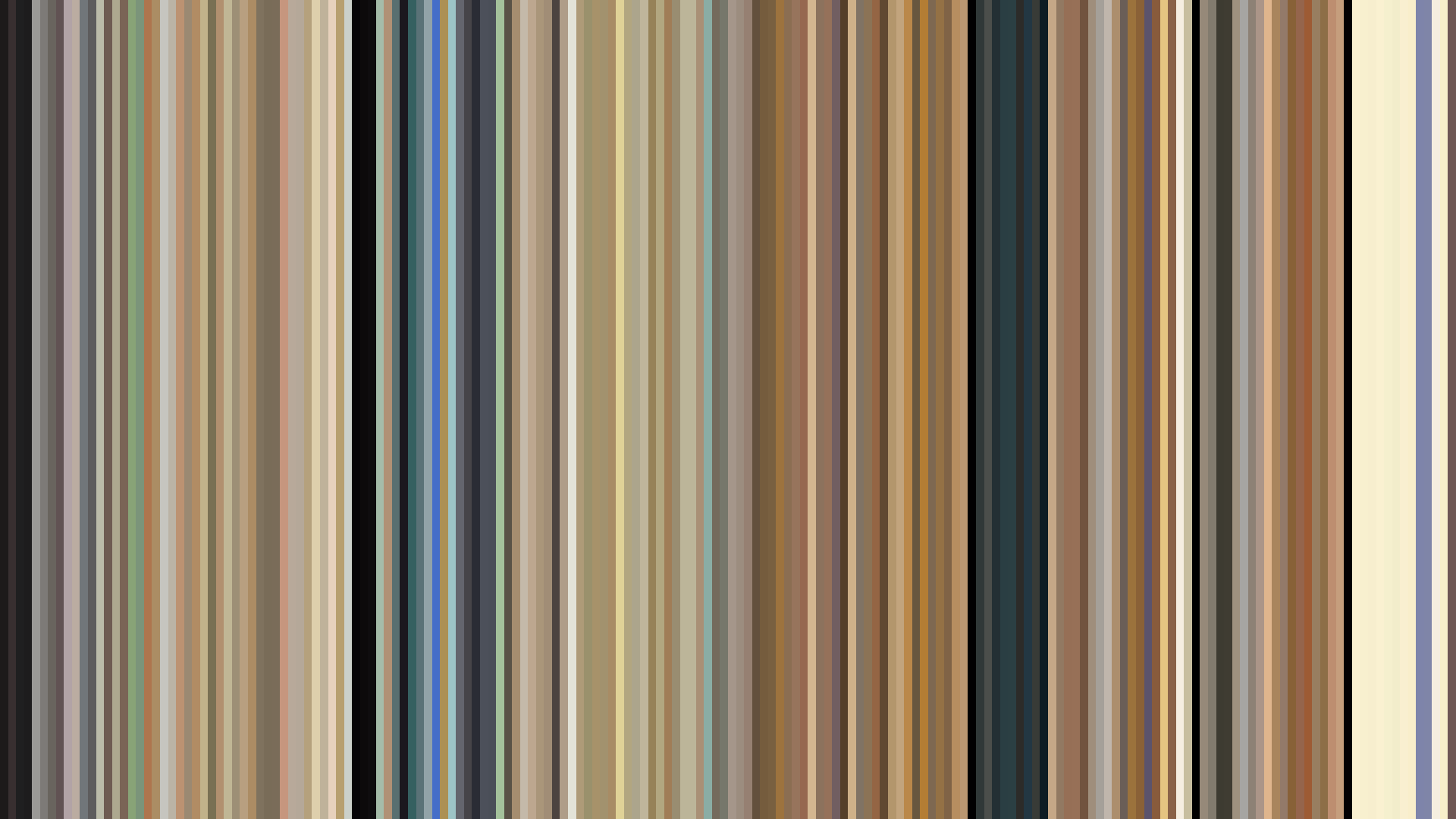
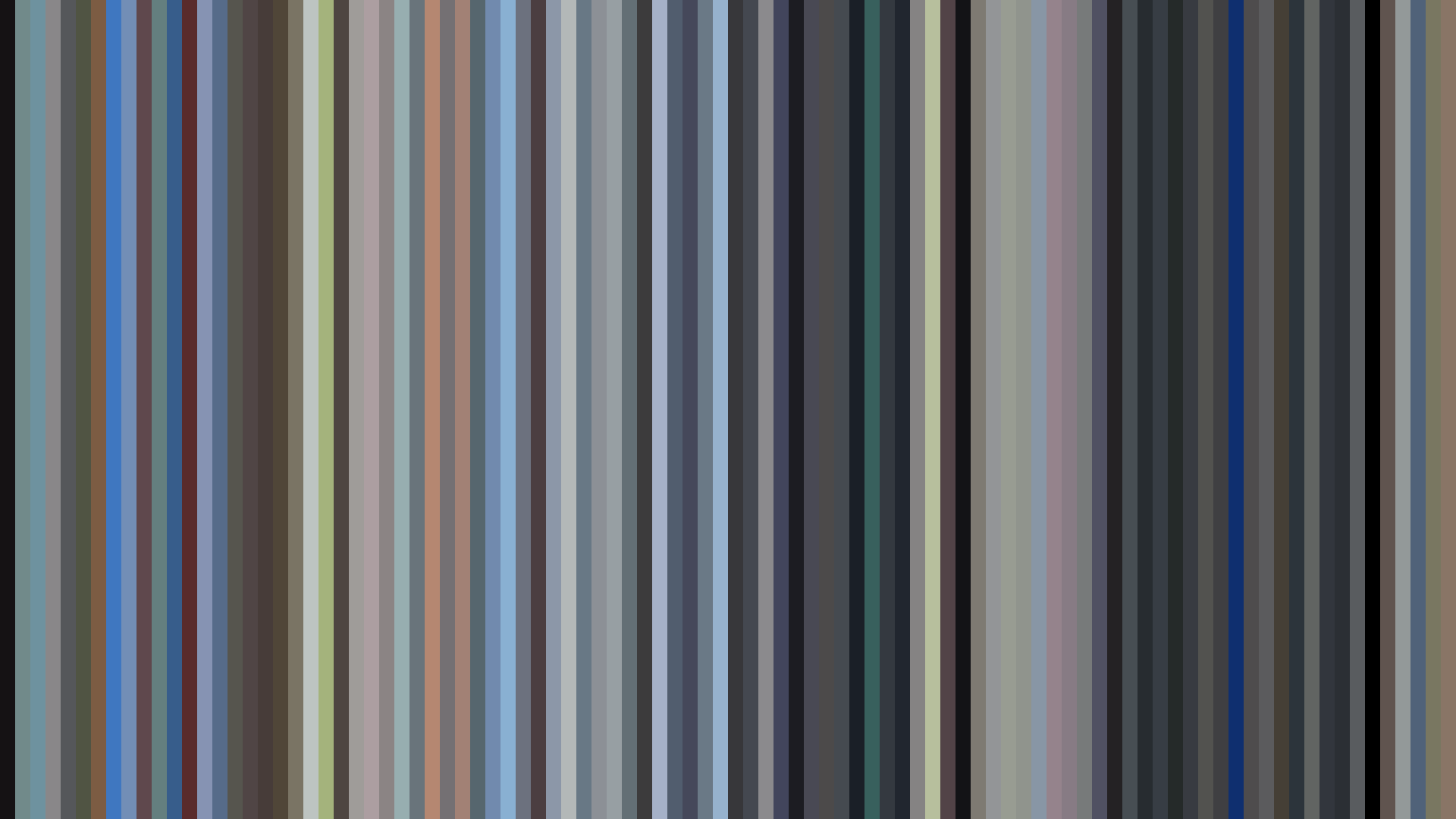
Avg · 15s
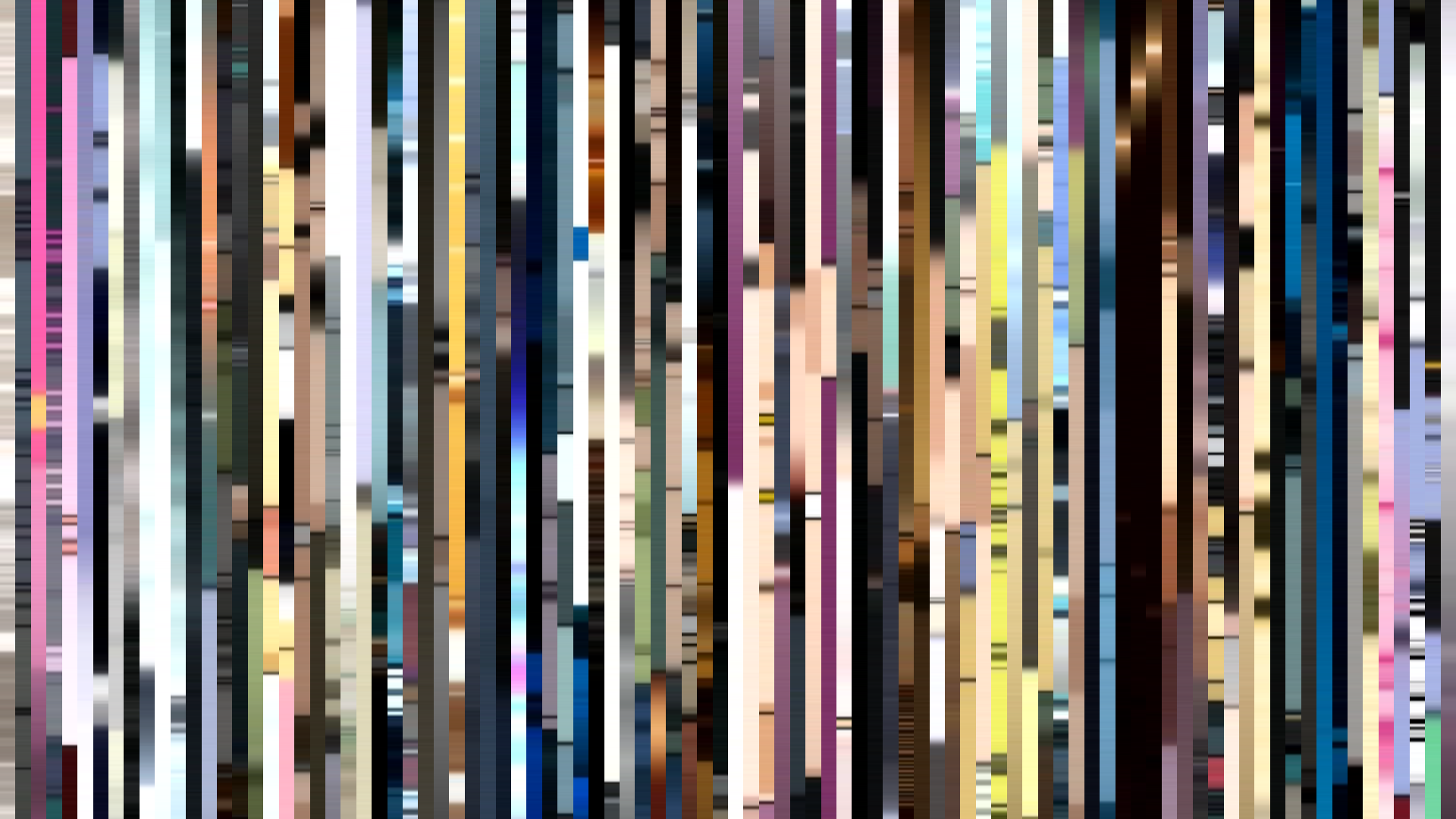
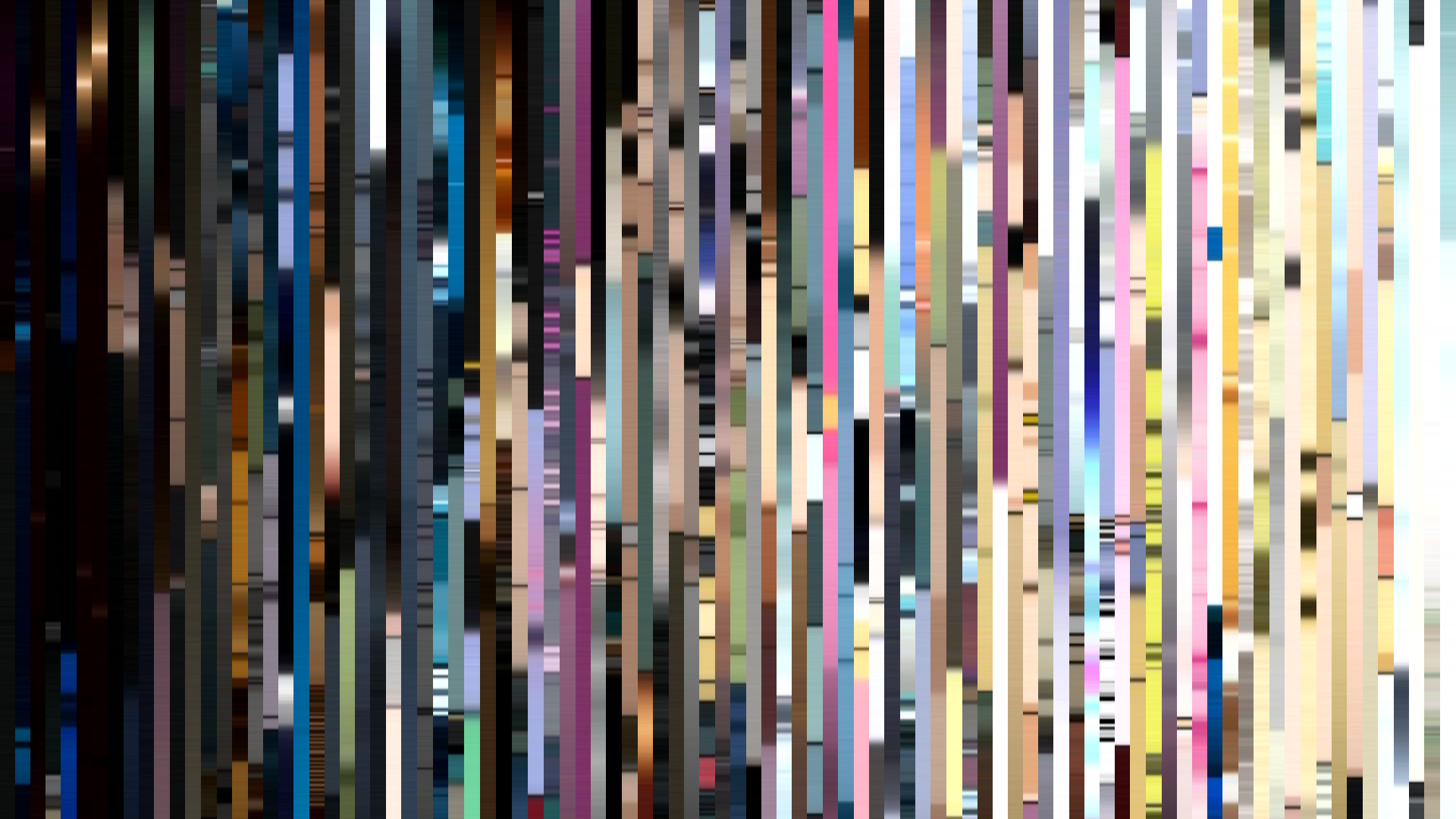
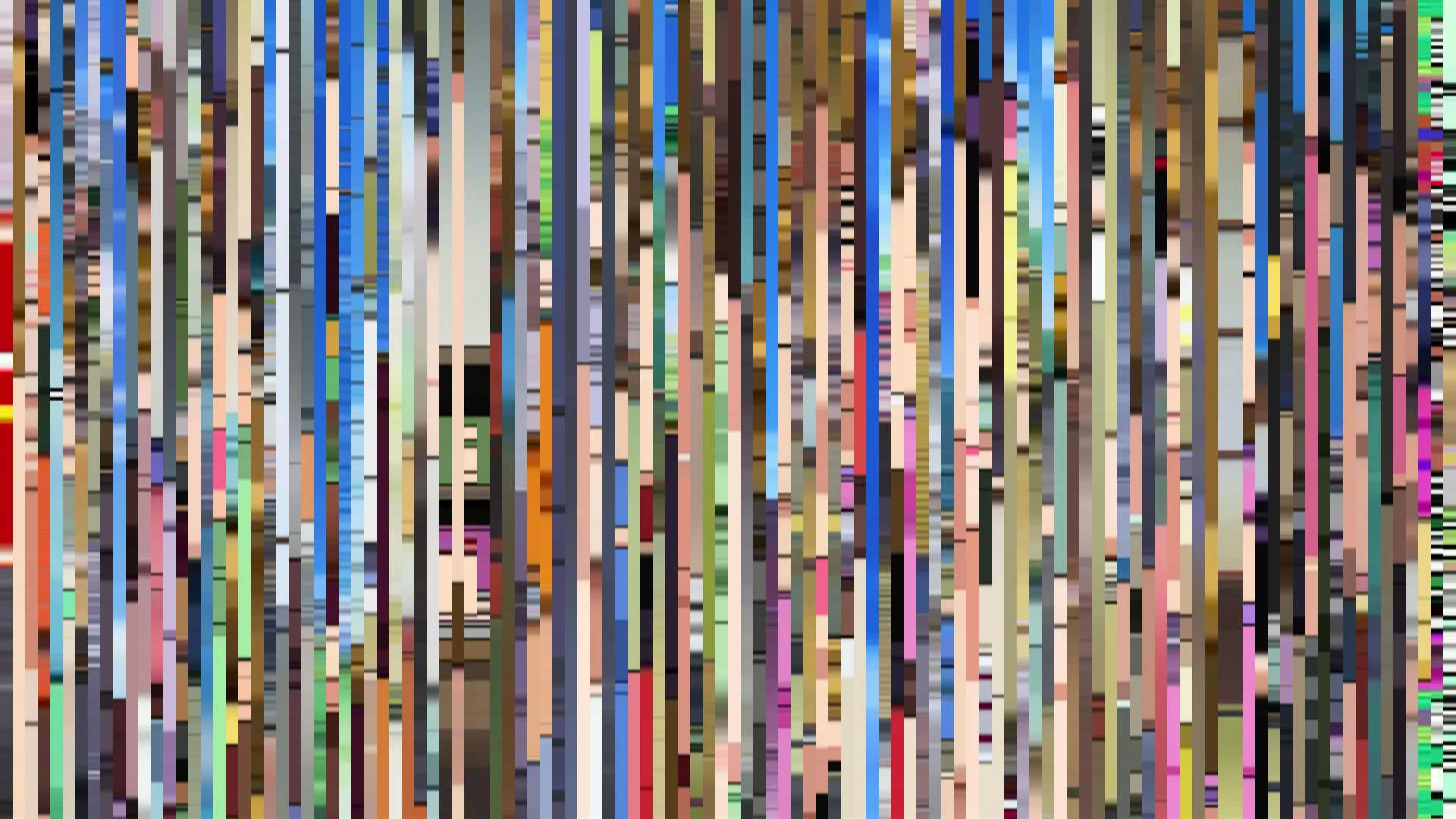
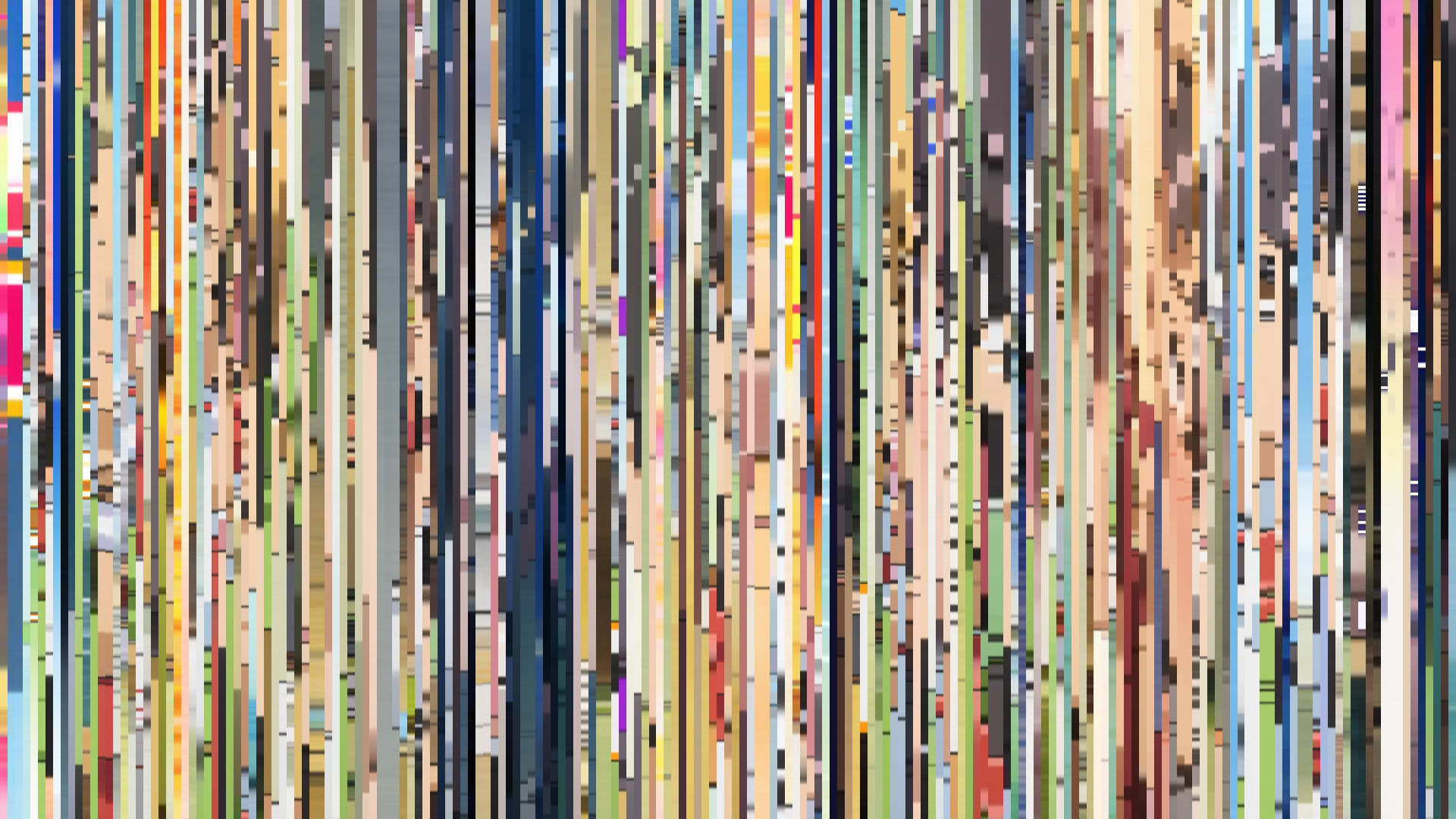
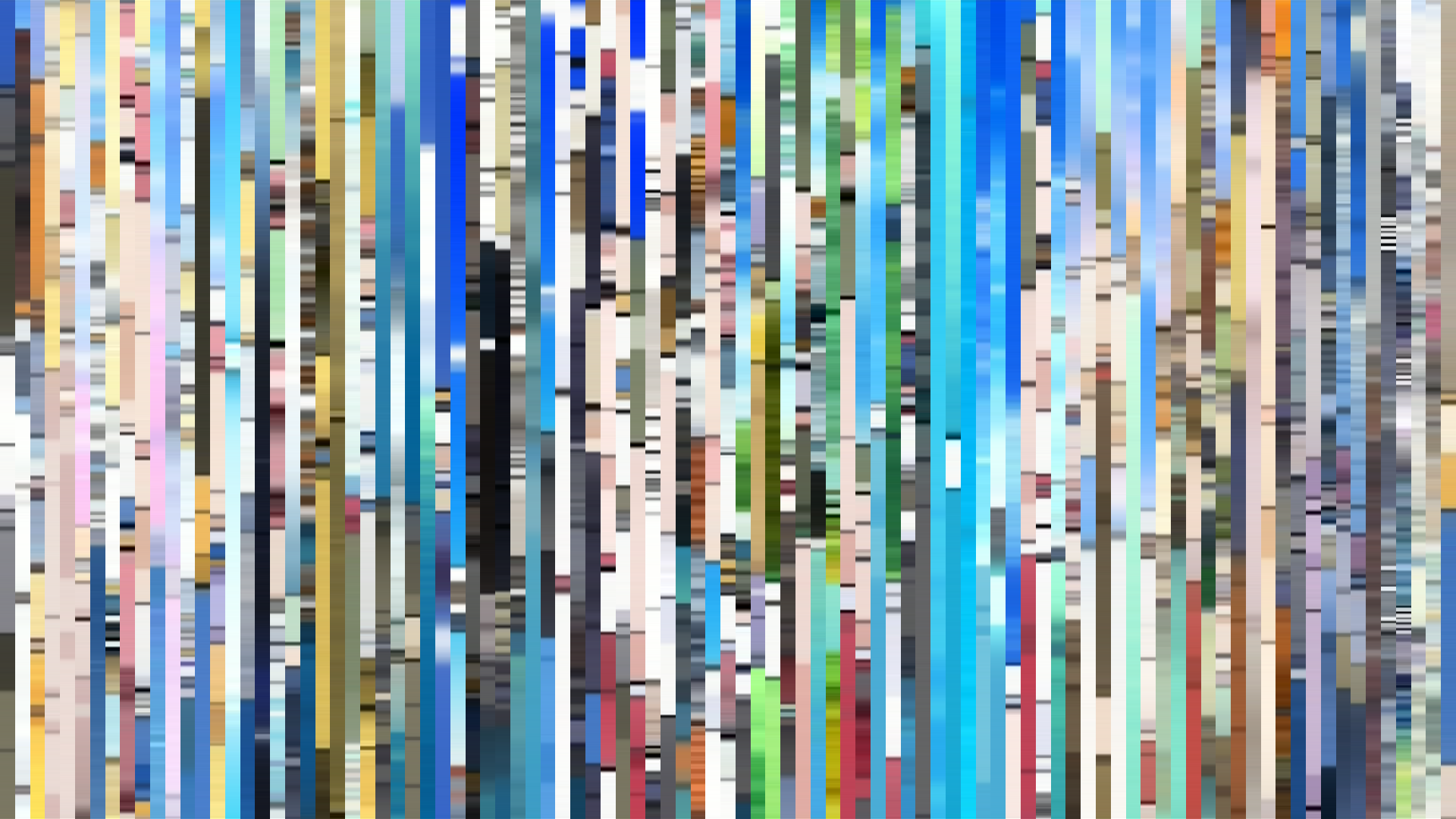
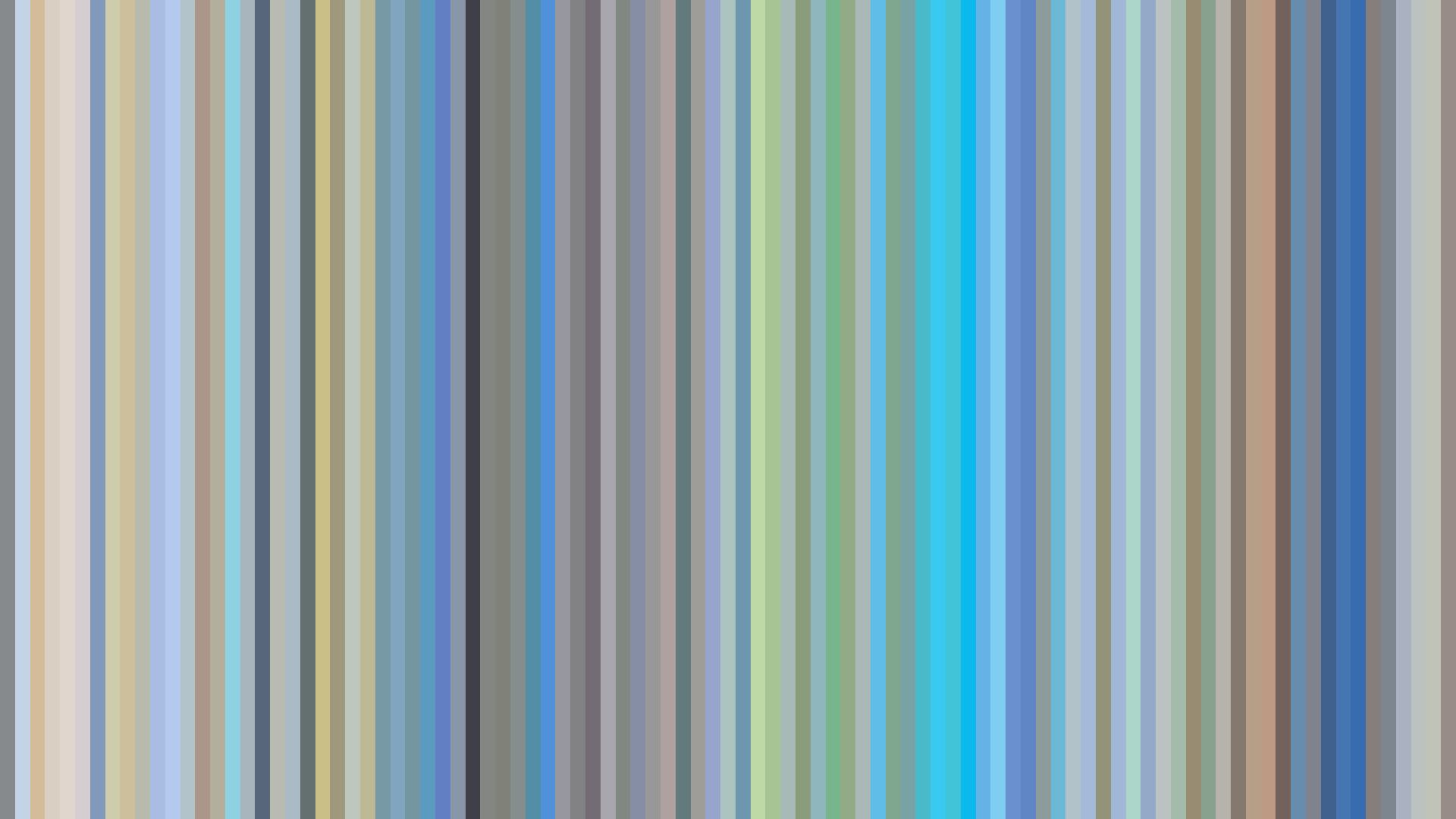
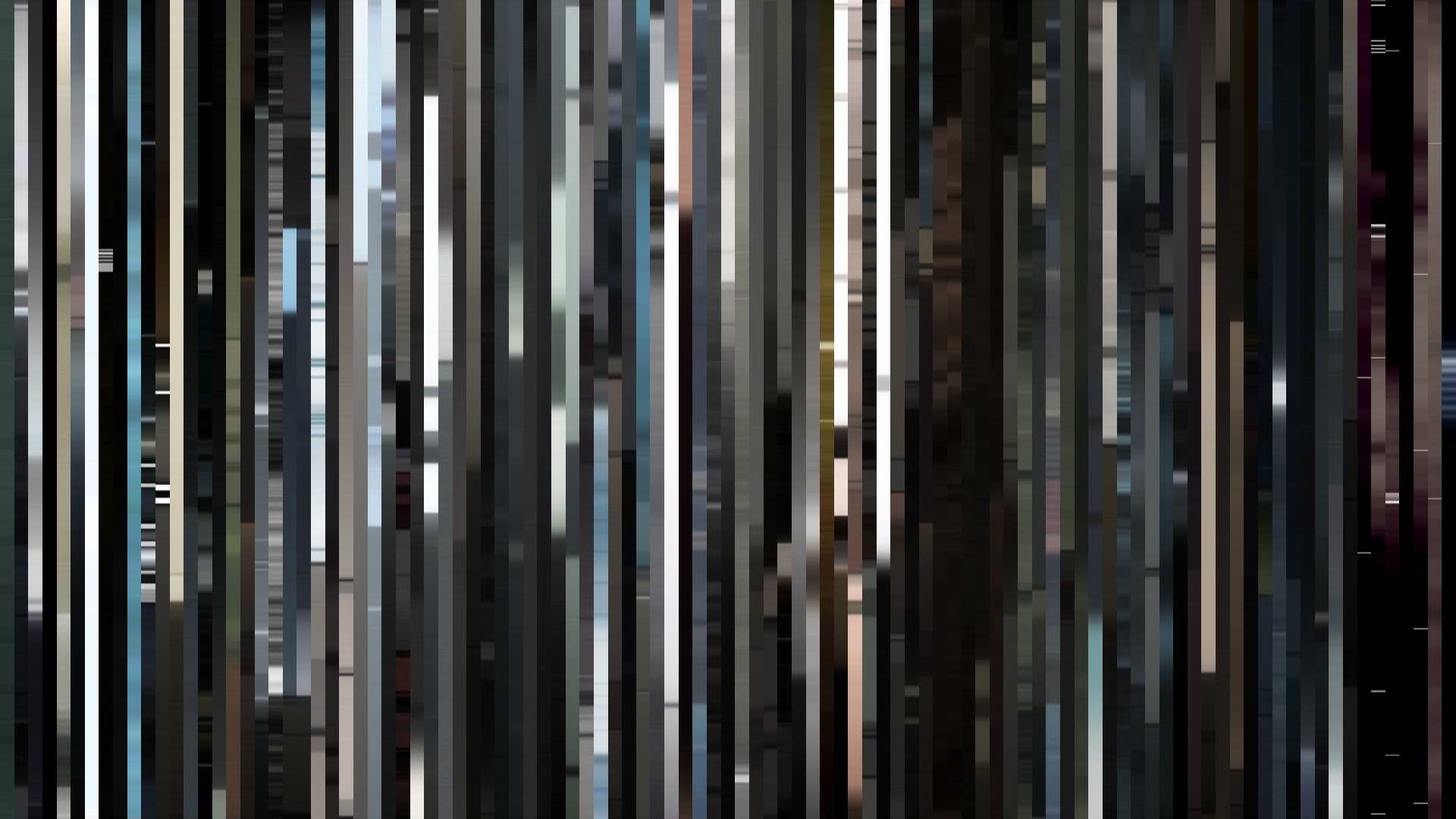
Slice · 30s
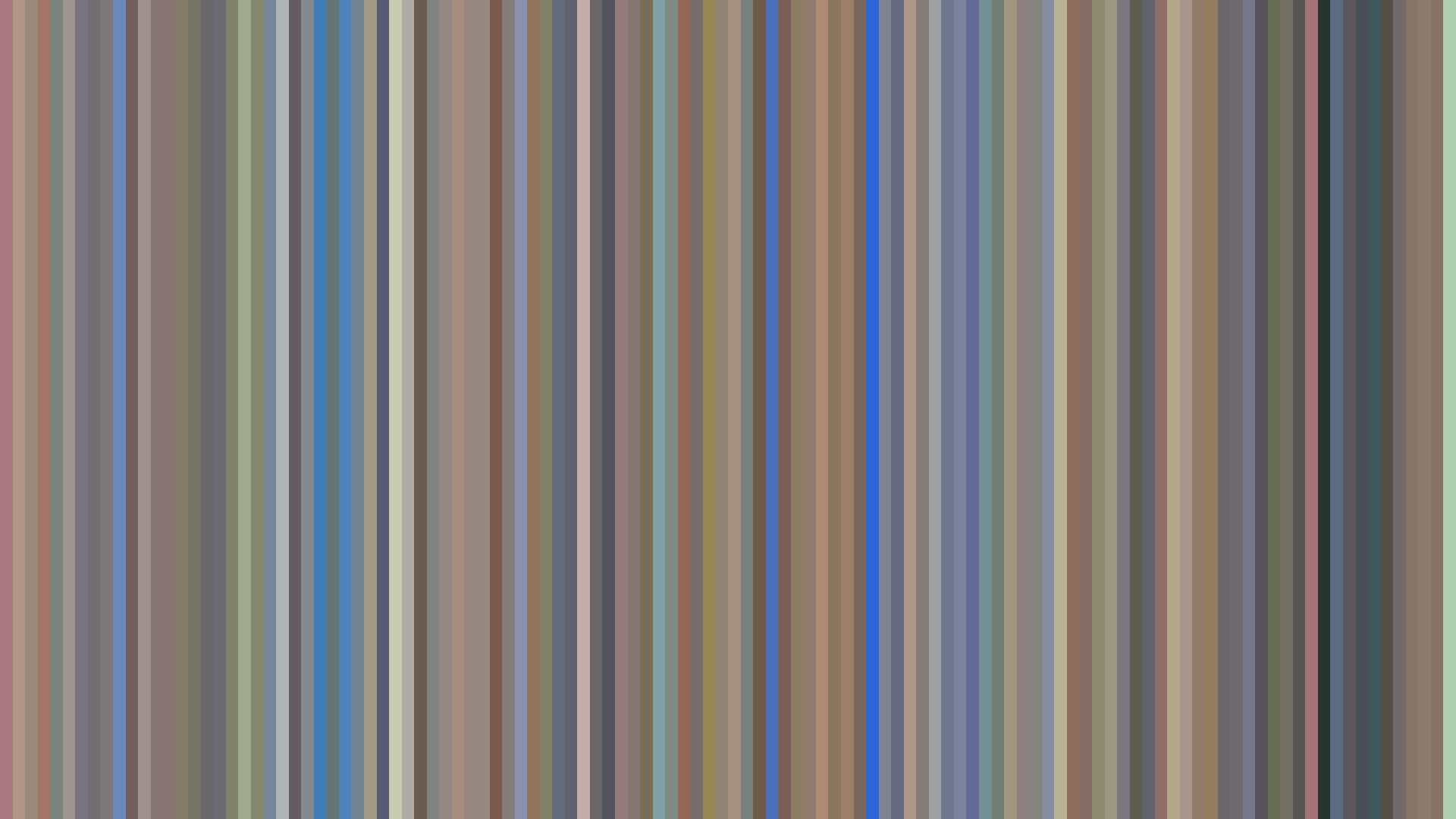
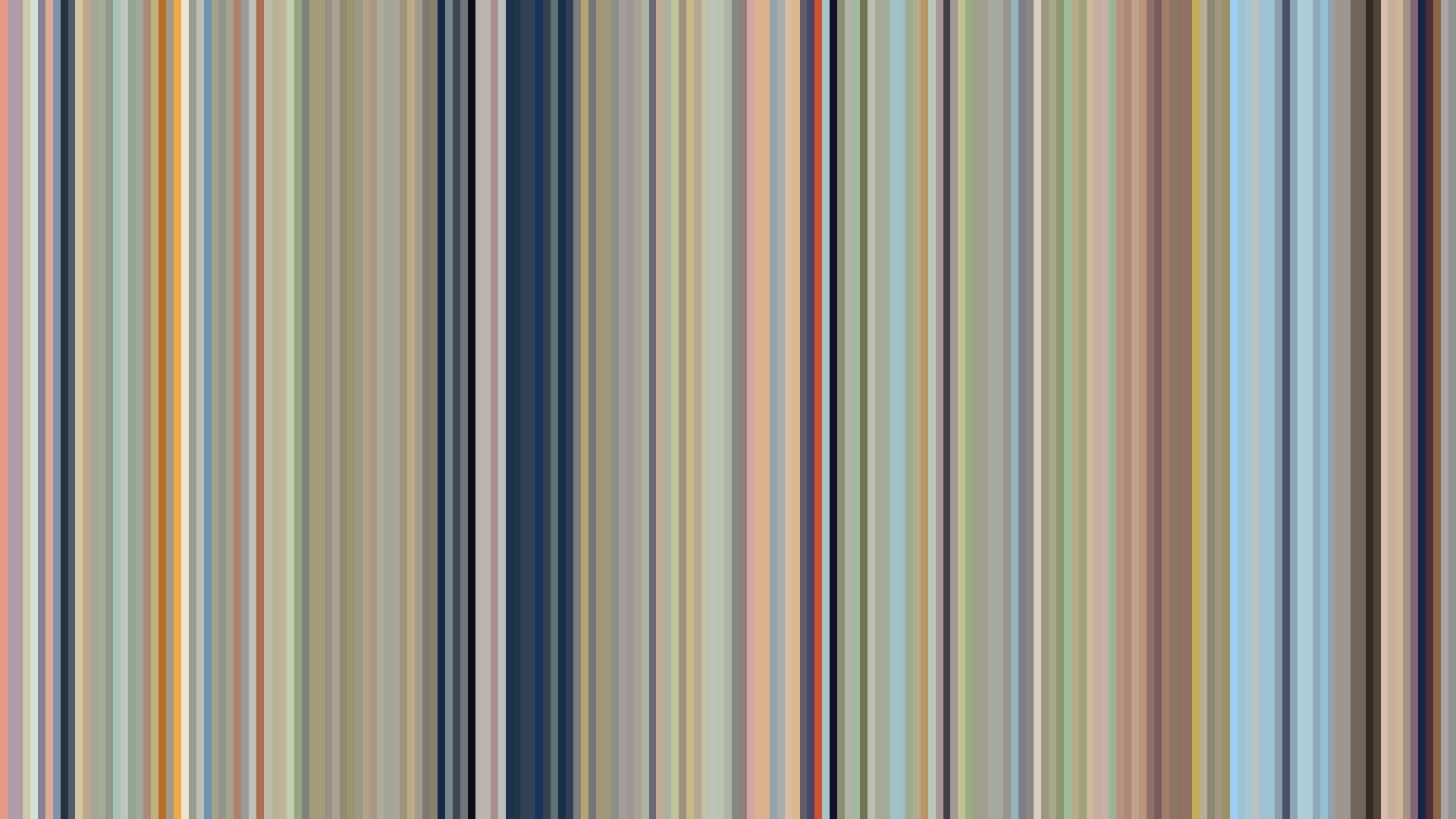
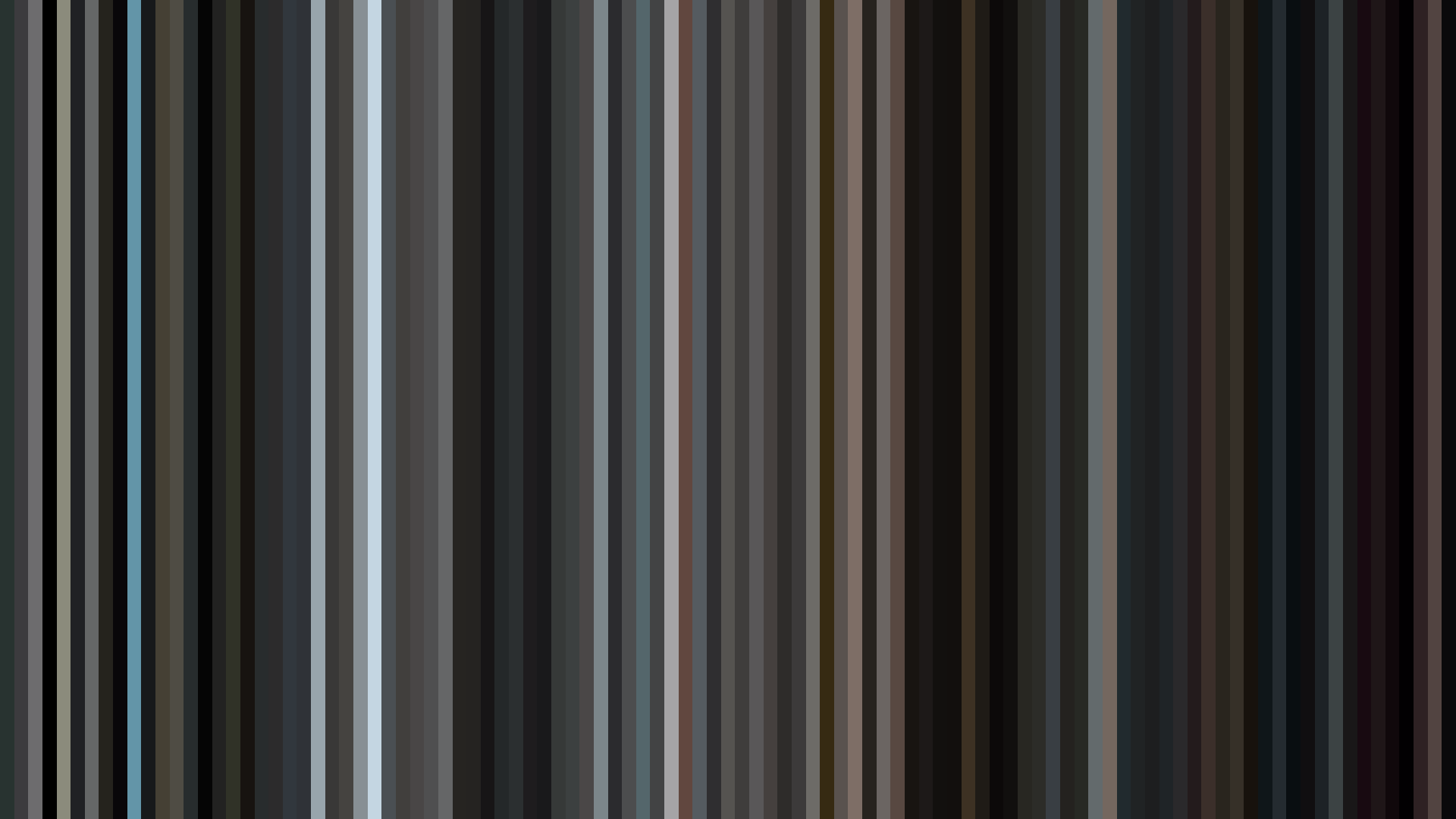
Avg · 30s
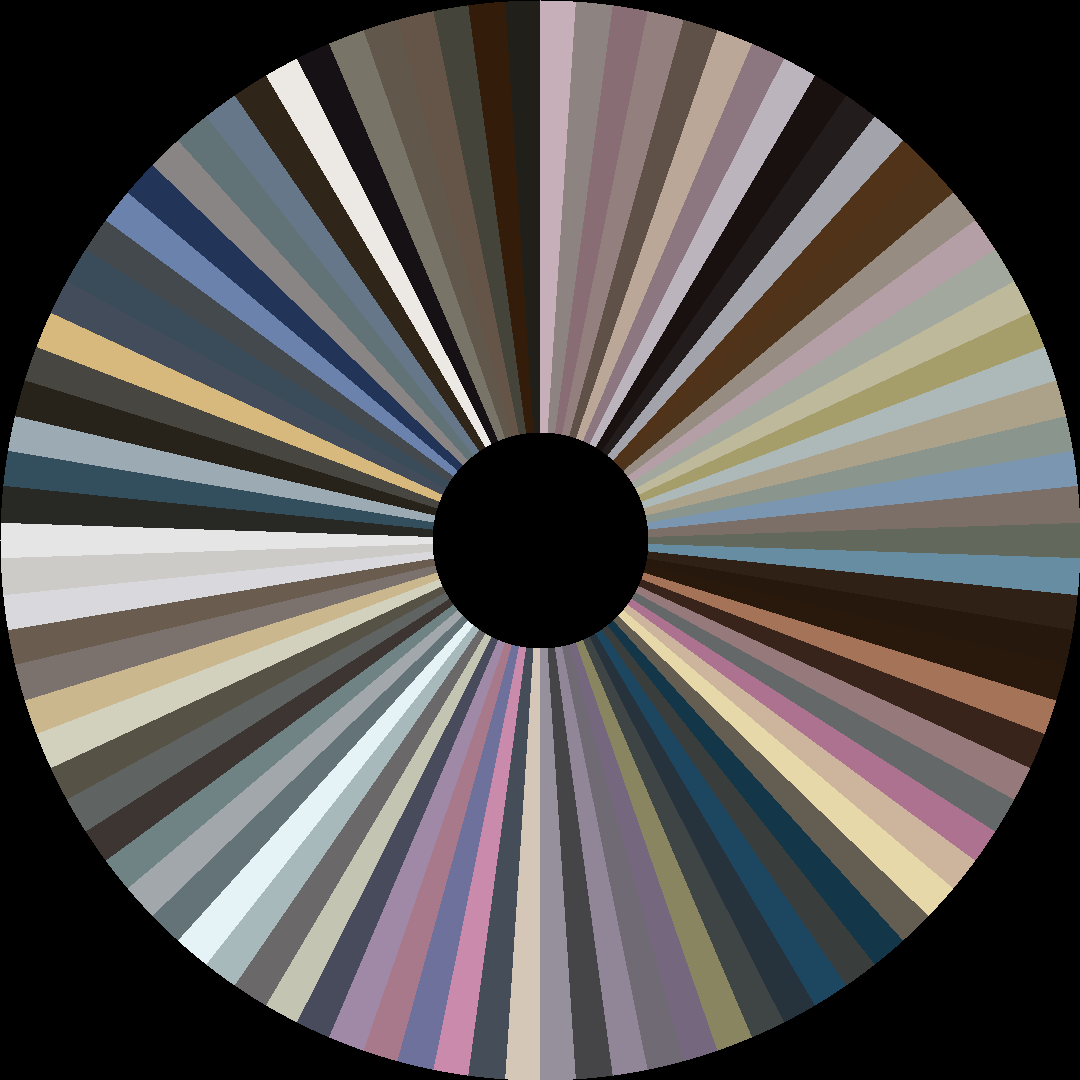
The palette tells the story of a world that never quite lets in the light. With an average brightness of just 0.471 and a dark opening arc, *Welcome to the N.H.K.* immediately refuses compensatory uplift — the opening act's relative glow (0.538) is the cruelest trick, a false dawn before the middle sinks to 0.448 and never recovers. Director Yūsuke Yamamoto and Gonzo's art team built Tokyo from desaturated greys — #605D5C, #9F9C9D — punctuated by the sickly hue of a CRT screen. The dominant Red (28%) isn't passion; it's the warning light on a broken vending machine, the flush of shame, the glow of a convenience store at 3 a.m. That 19% Green shows up in the few moments of genuine human contact, but it's always fighting the Red-Orange (21%) of anxiety and paranoia. This is a show about isolation rendered in the colors of late capitalism's interior spaces: beige walls, grey concrete, the pale fluorescence of loneliness. The brightness arc doesn't build toward hope; it flatlines into acceptance.
Brightness Arc (episode progression)
Hue Distribution
Act Breakdown
Opening
0.538
Middle
0.448
Closing
0.454
Avg Brightness
0.471
Avg Saturation
0.268
Warmth
0.554
Color Palette
#161517
#F0ECE7
#605D5C
#9F9C9D
#E4D4A8
#A29170
#8E6B65
#D4AE9C
3-Act Color Story
Opening
Middle
Closing
Color Twins
Perceptually nearest palettes — measured in OKLab space, not RGB






The palette tells the story of a world that never quite lets in the light. With an average brightness of just 0.471 and a dark opening arc, *Welcome to the N.H.K.* immediately refuses compensatory uplift — the opening act's relative glow (0.538) is the cruelest trick, a false dawn before the middle sinks to 0.448 and never recovers. Director Yūsuke Yamamoto and Gonzo's art team built Tokyo from desaturated greys — #605D5C, #9F9C9D — punctuated by the sickly hue of a CRT screen. The dominant Red (28%) isn't passion; it's the warning light on a broken vending machine, the flush of shame, the glow of a convenience store at 3 a.m. That 19% Green shows up in the few moments of genuine human contact, but it's always fighting the Red-Orange (21%) of anxiety and paranoia. This is a show about isolation rendered in the colors of late capitalism's interior spaces: beige walls, grey concrete, the pale fluorescence of loneliness. The brightness arc doesn't build toward hope; it flatlines into acceptance.