Edit Pace — frame-to-frame color delta (bright = fast cuts)
Color Temperature — warm (gold) vs cool (teal) per frame
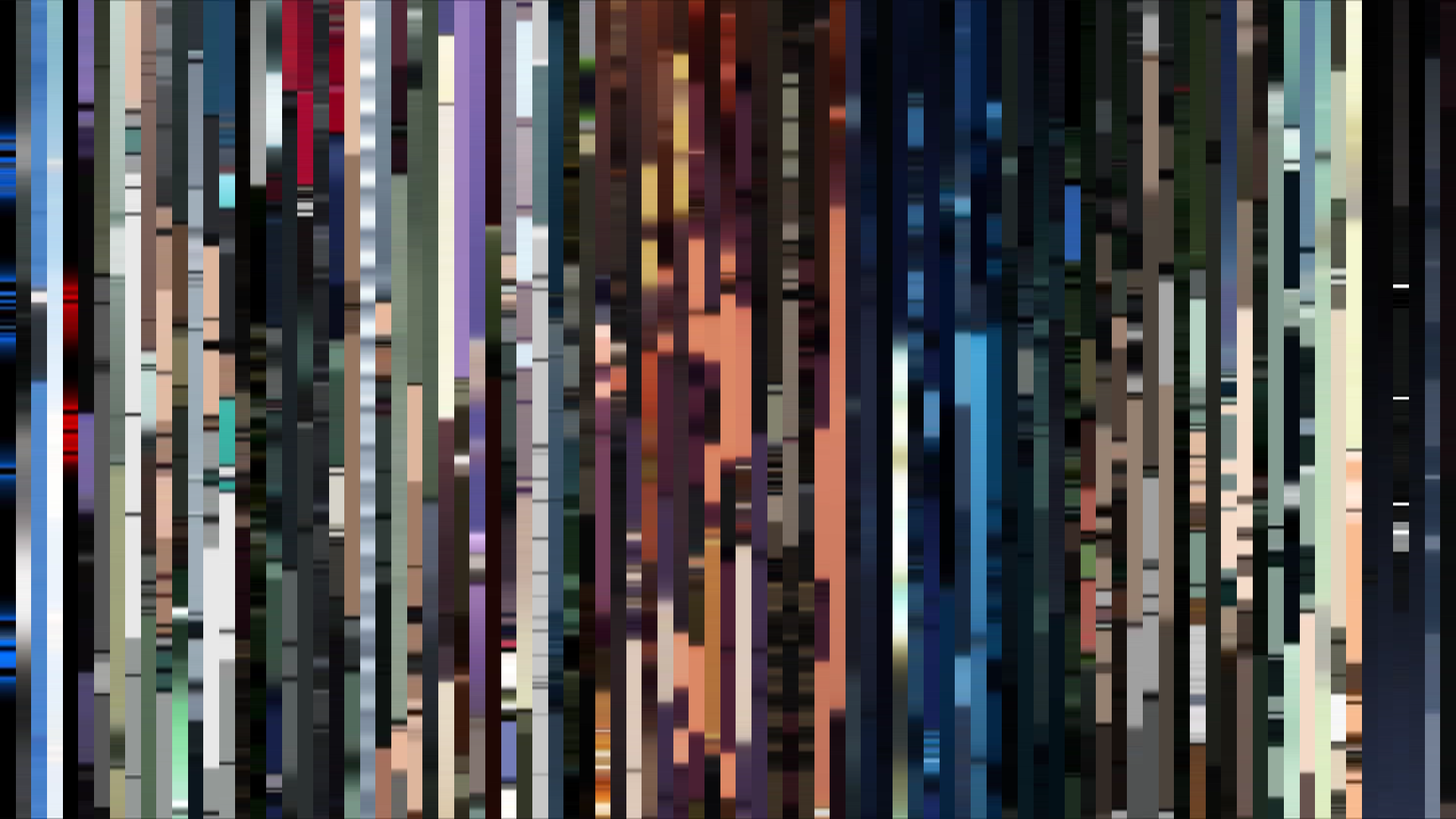
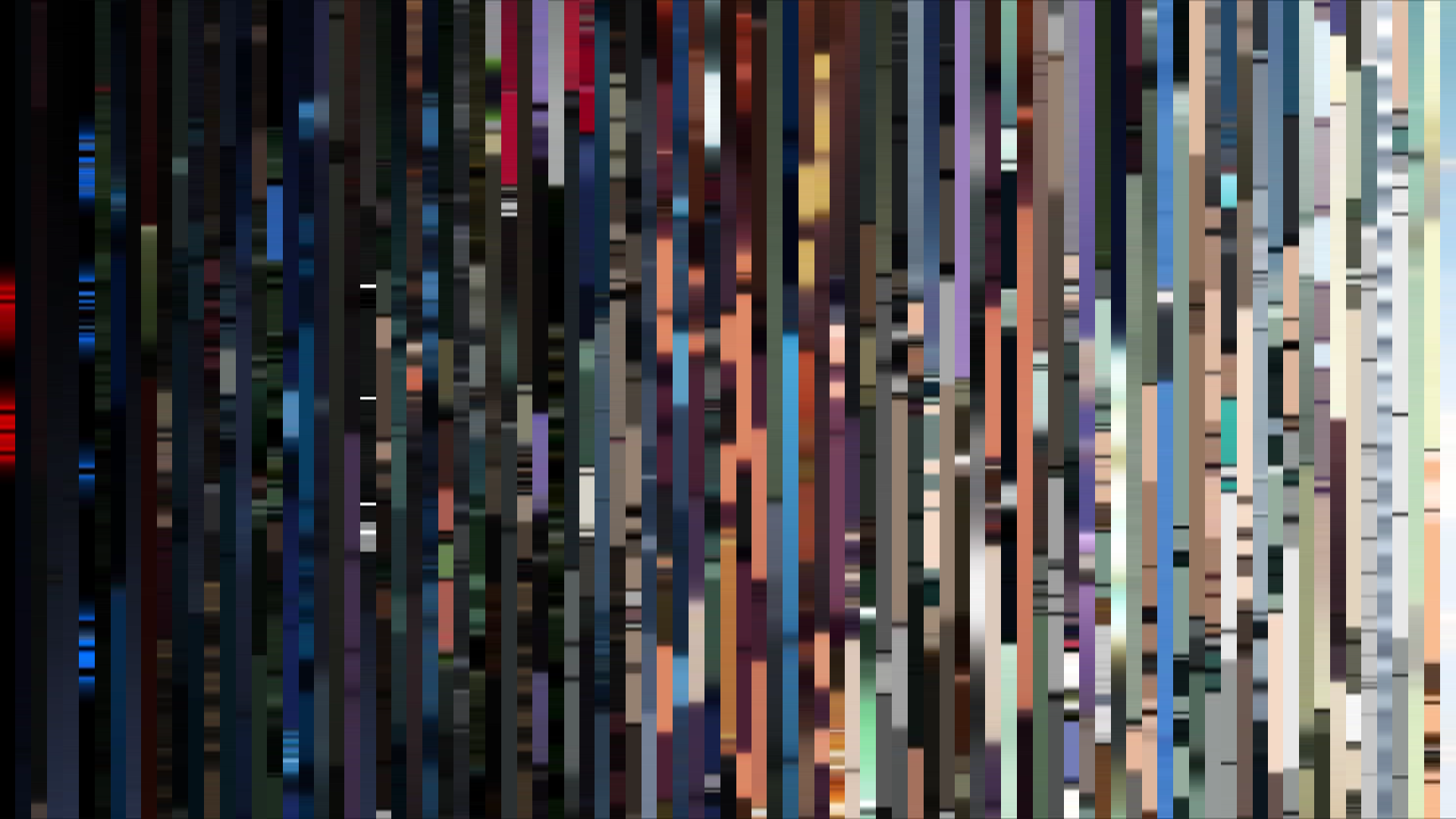
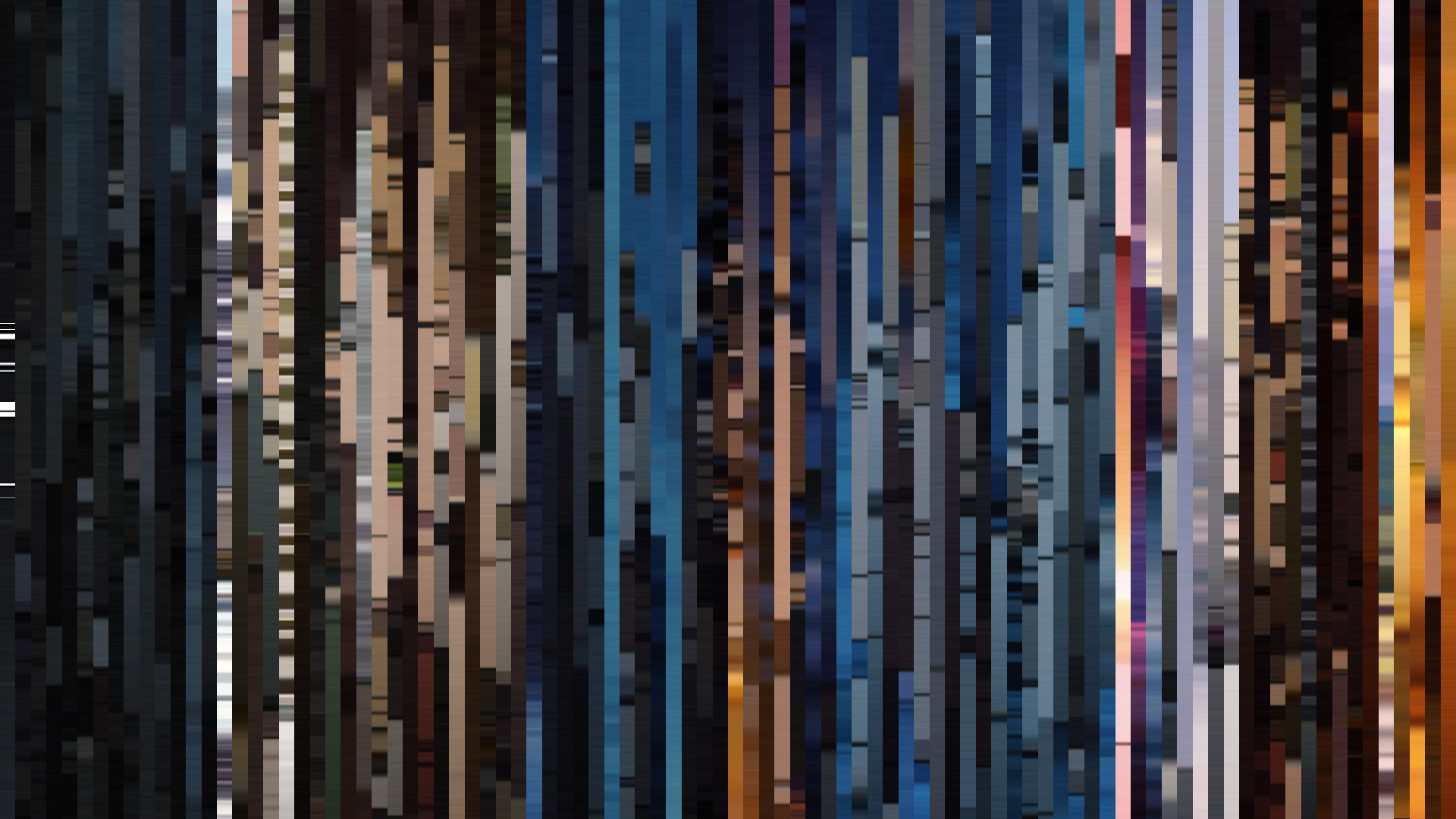
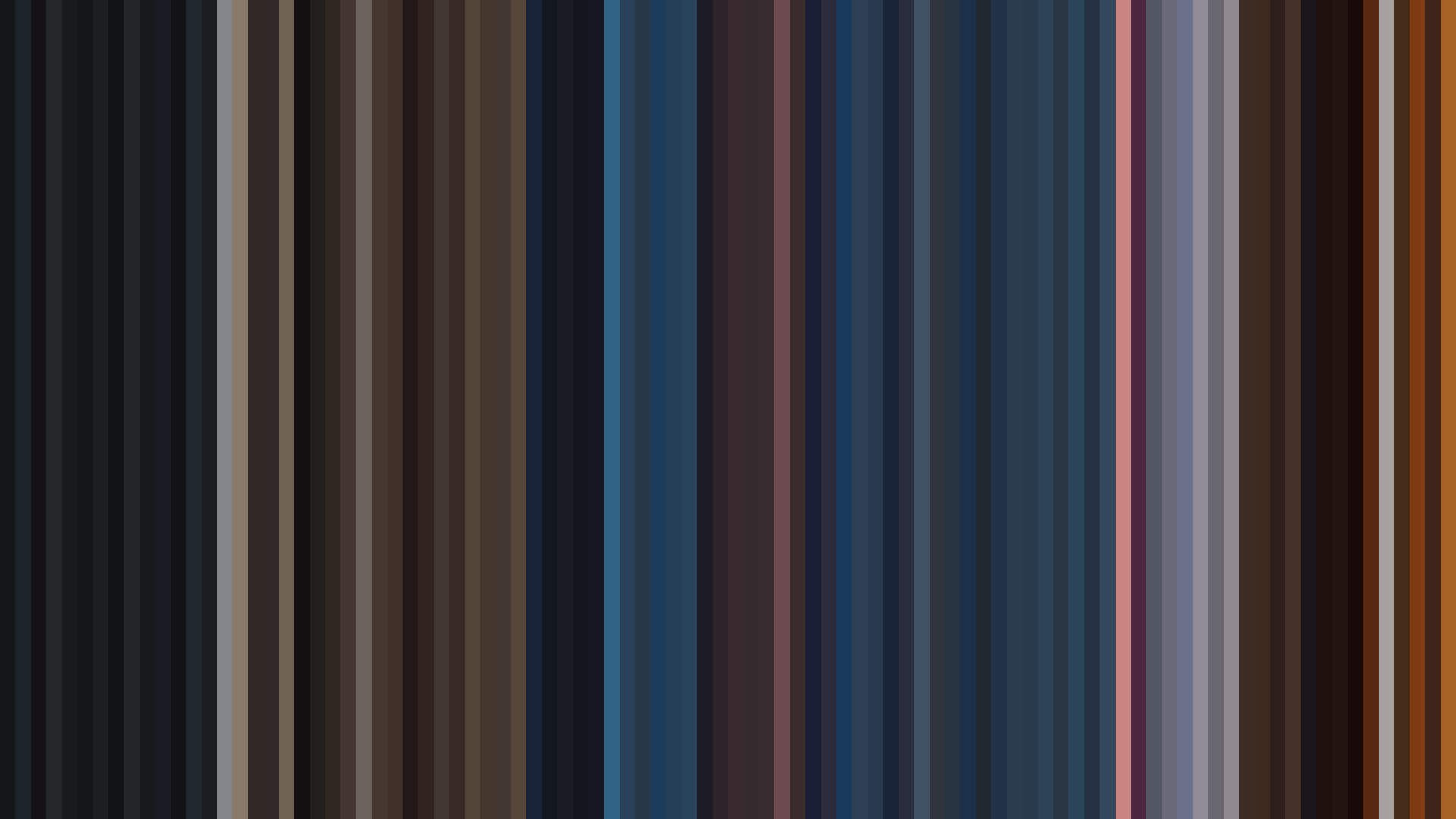
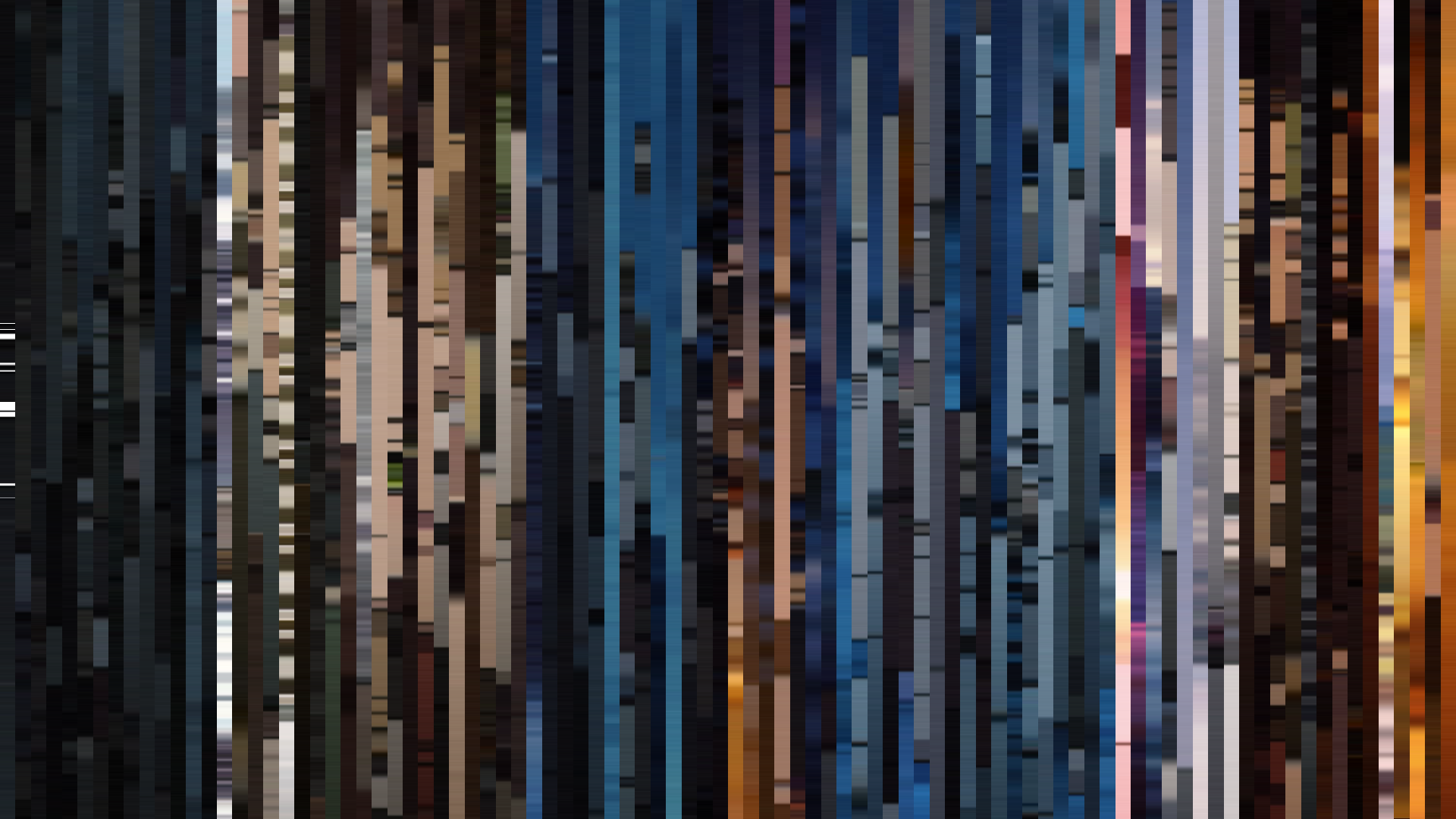
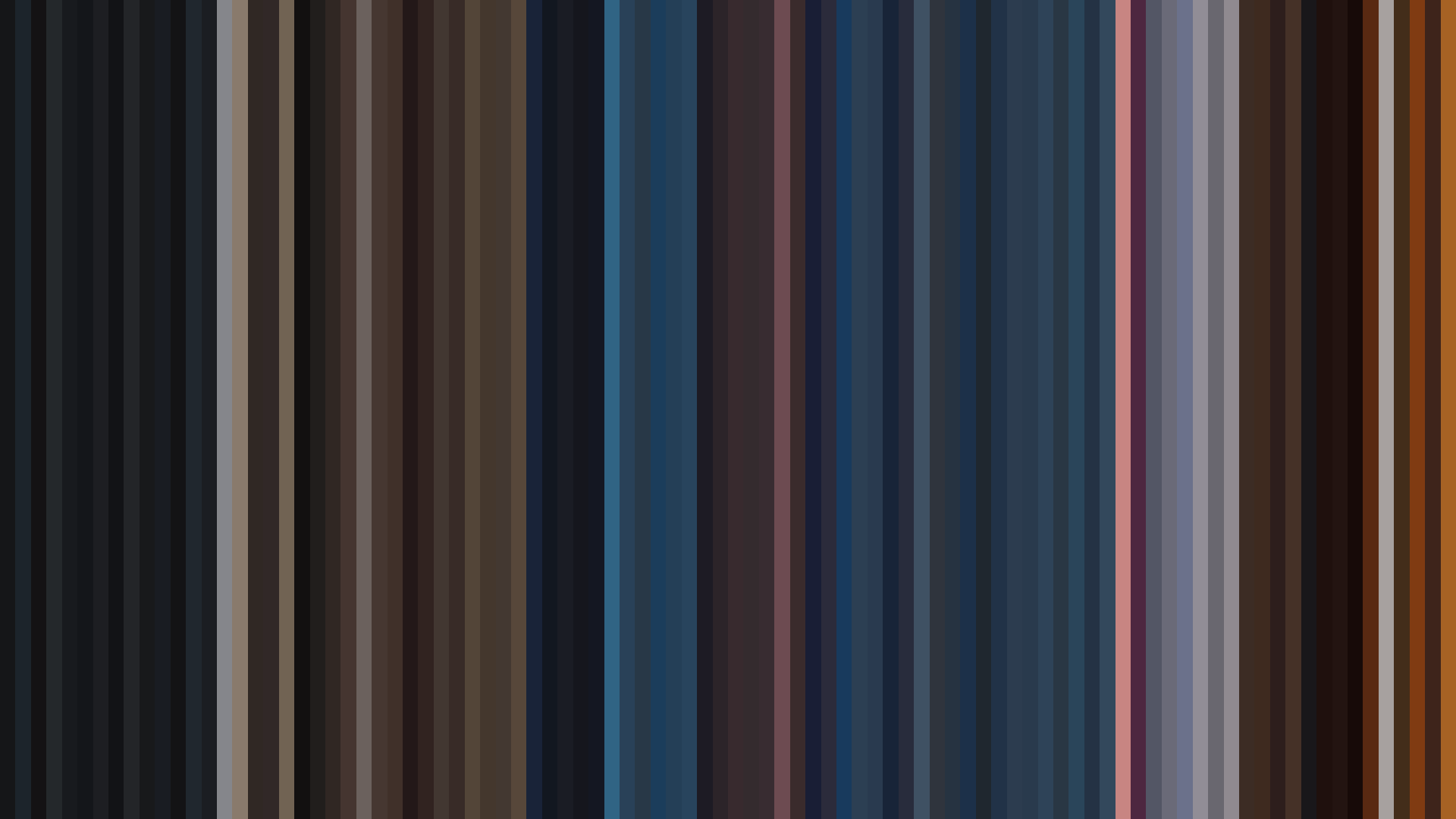
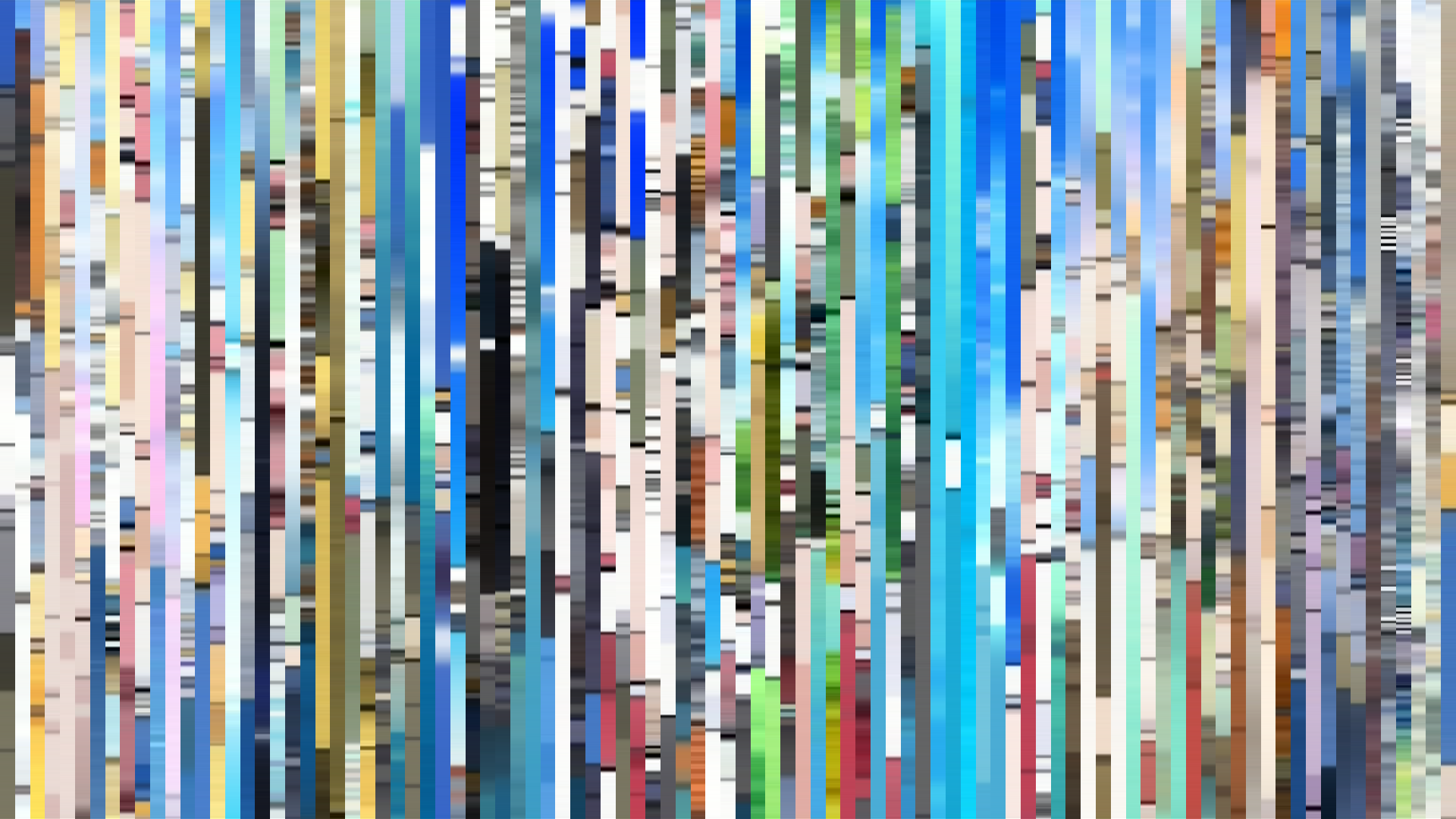
Frame Density Comparison — every 2nd vs every 4th frame
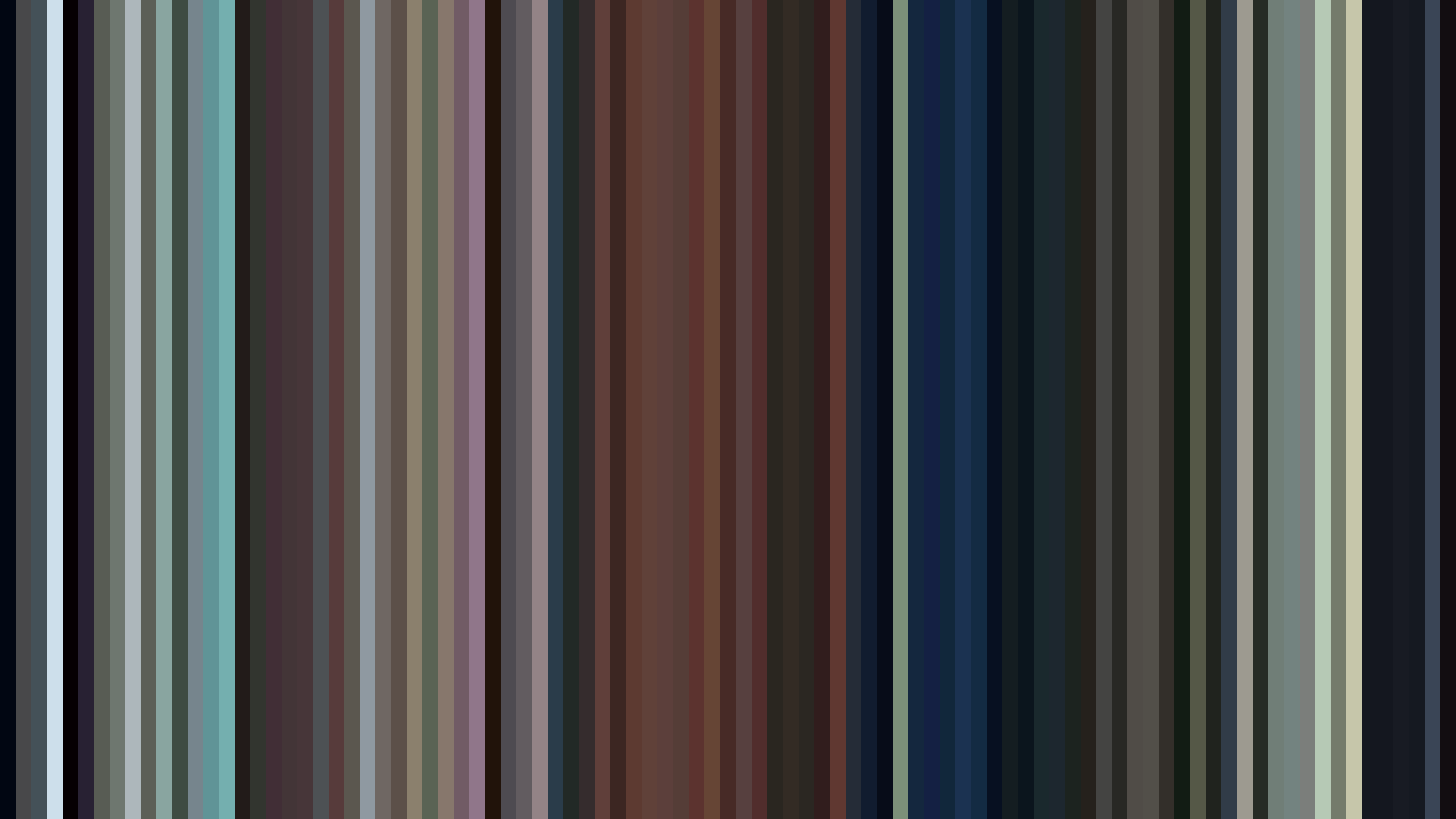
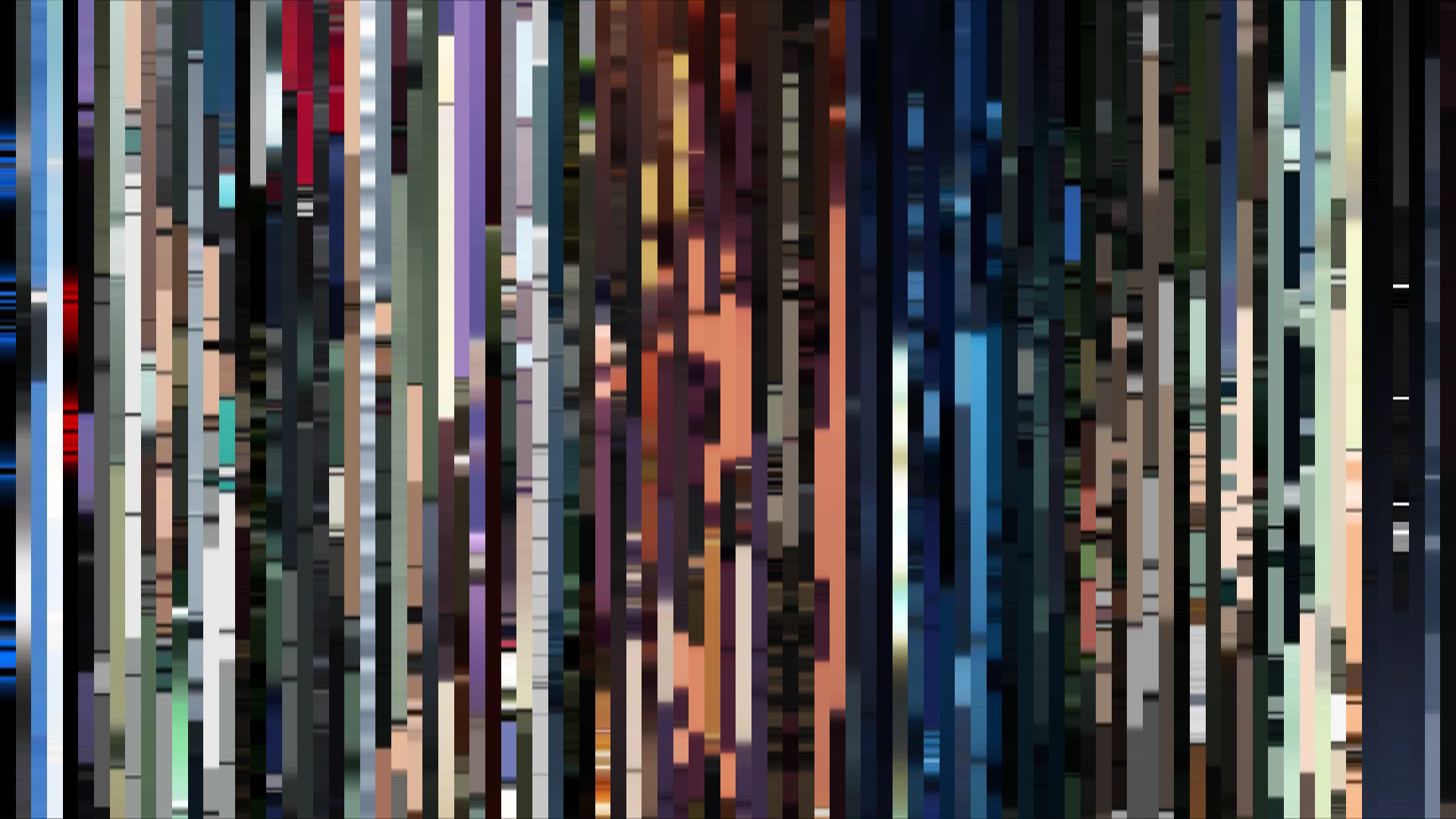
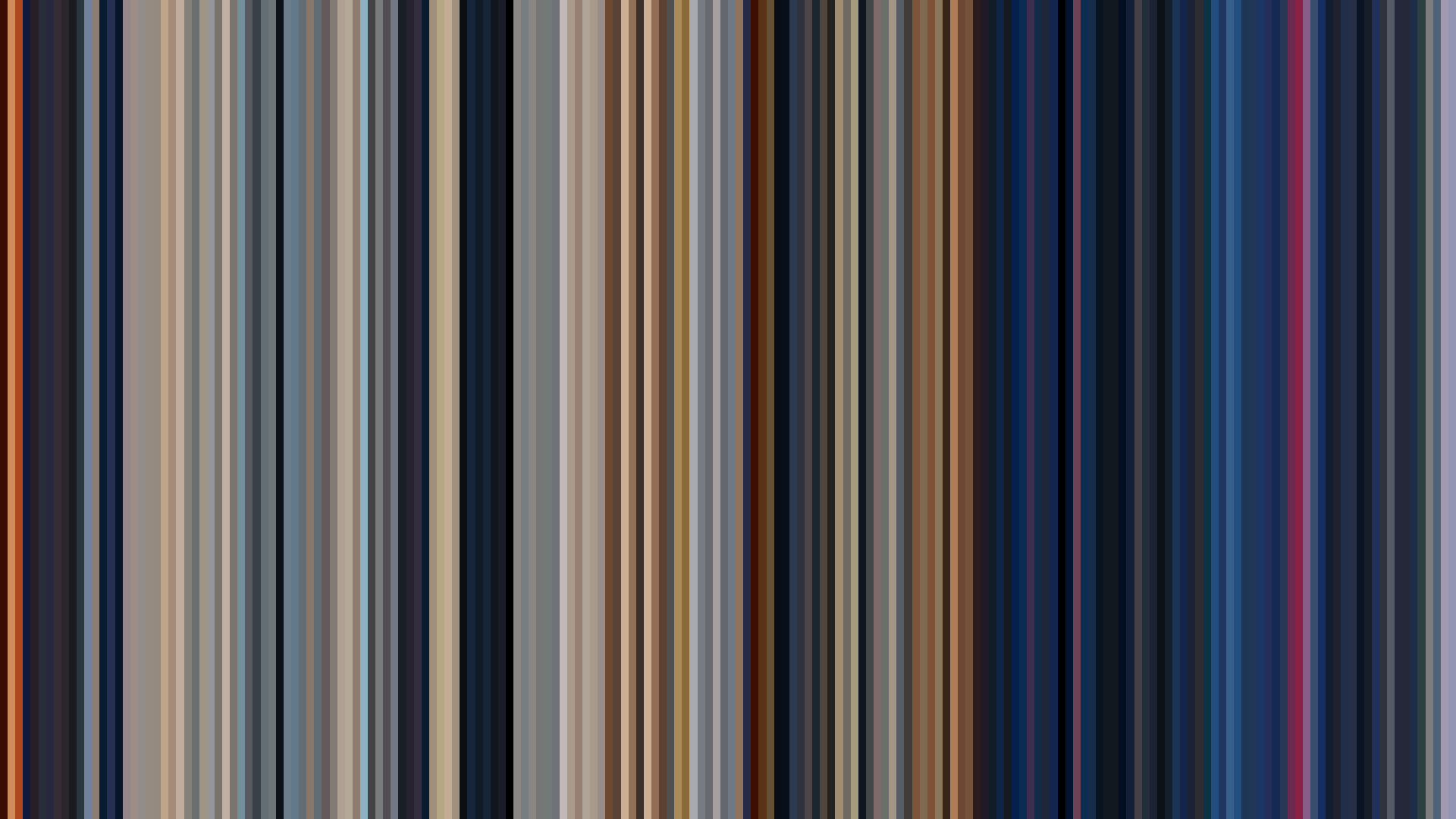
Slice · 15s
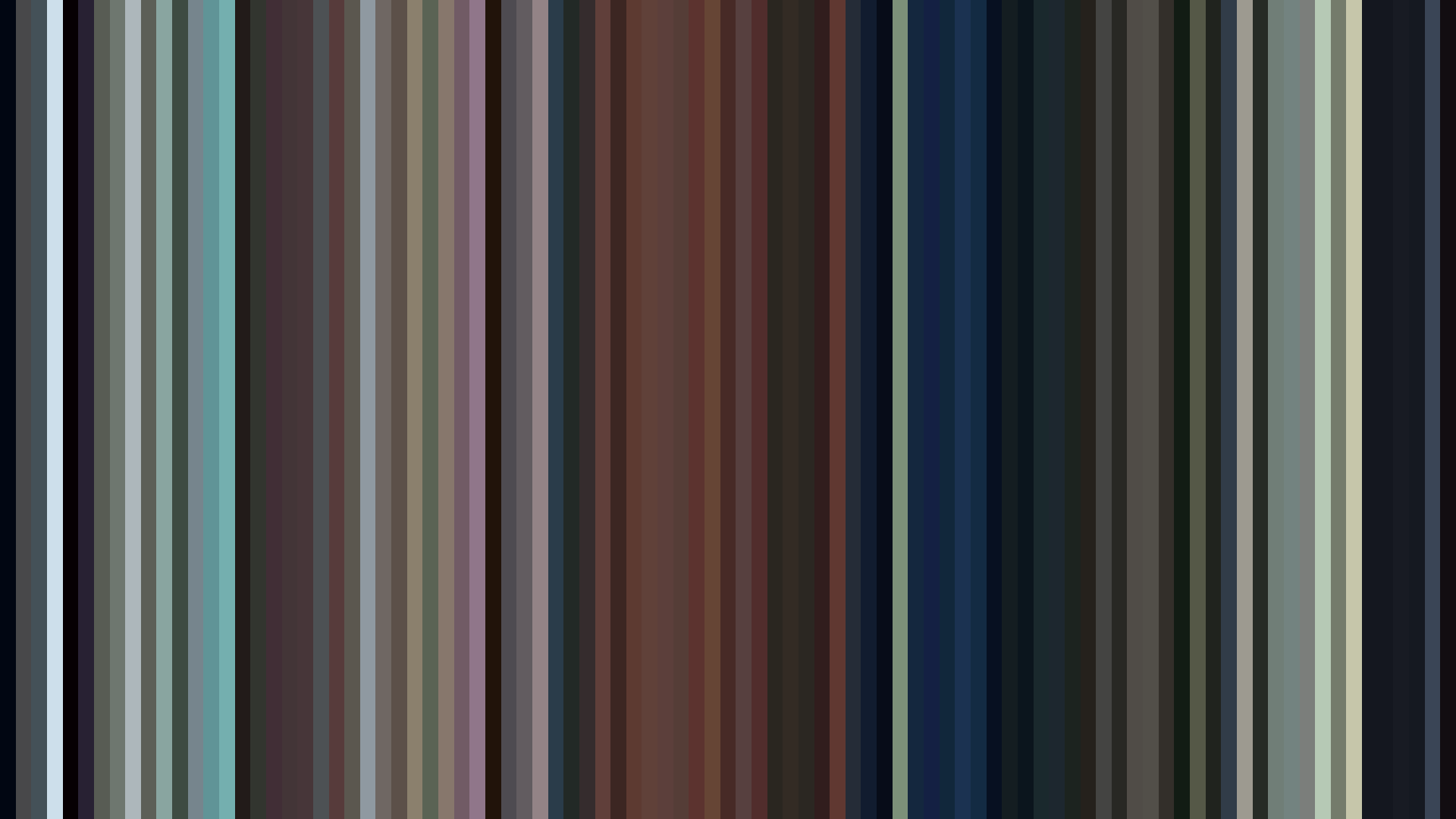
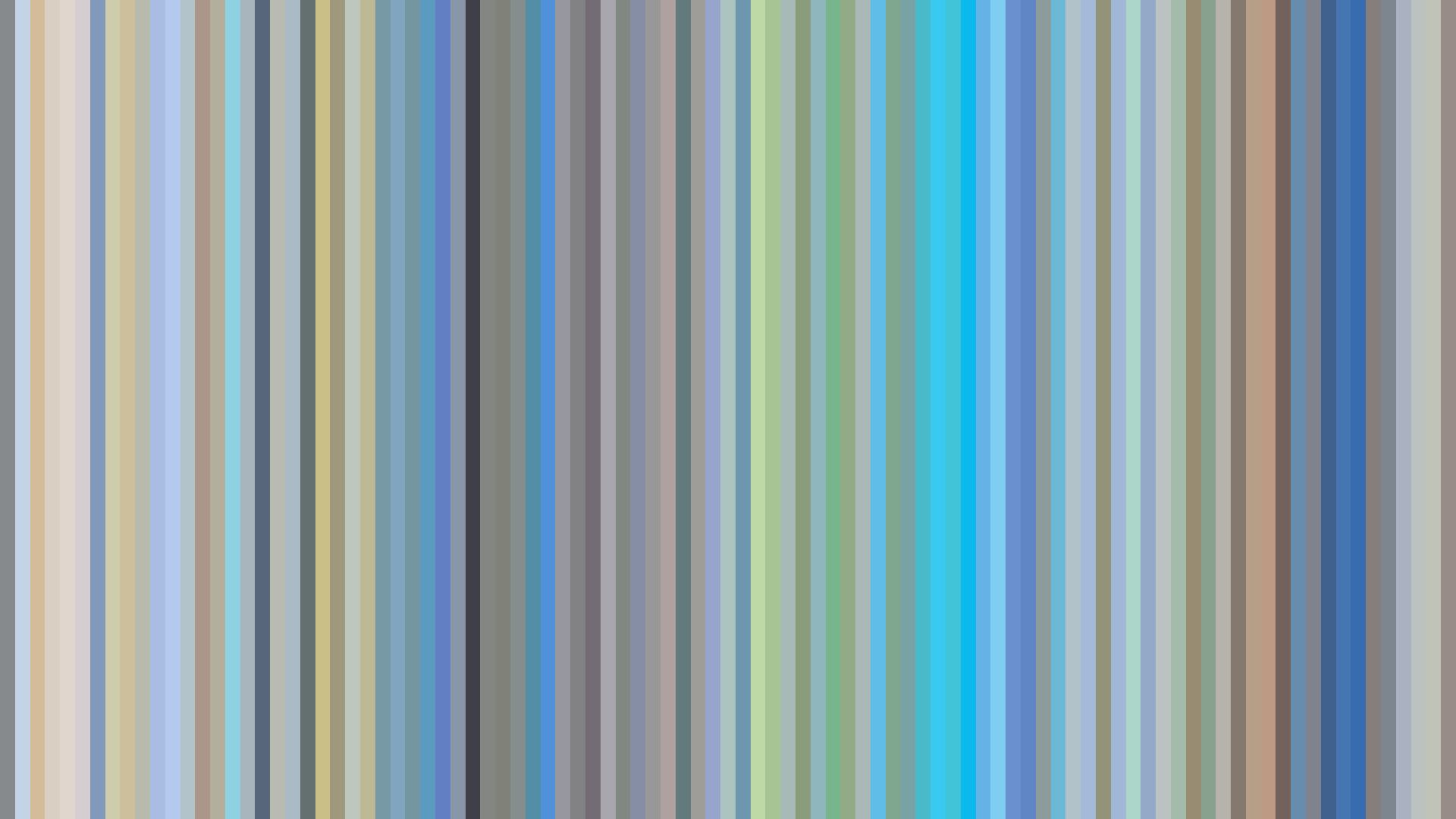
Avg · 15s
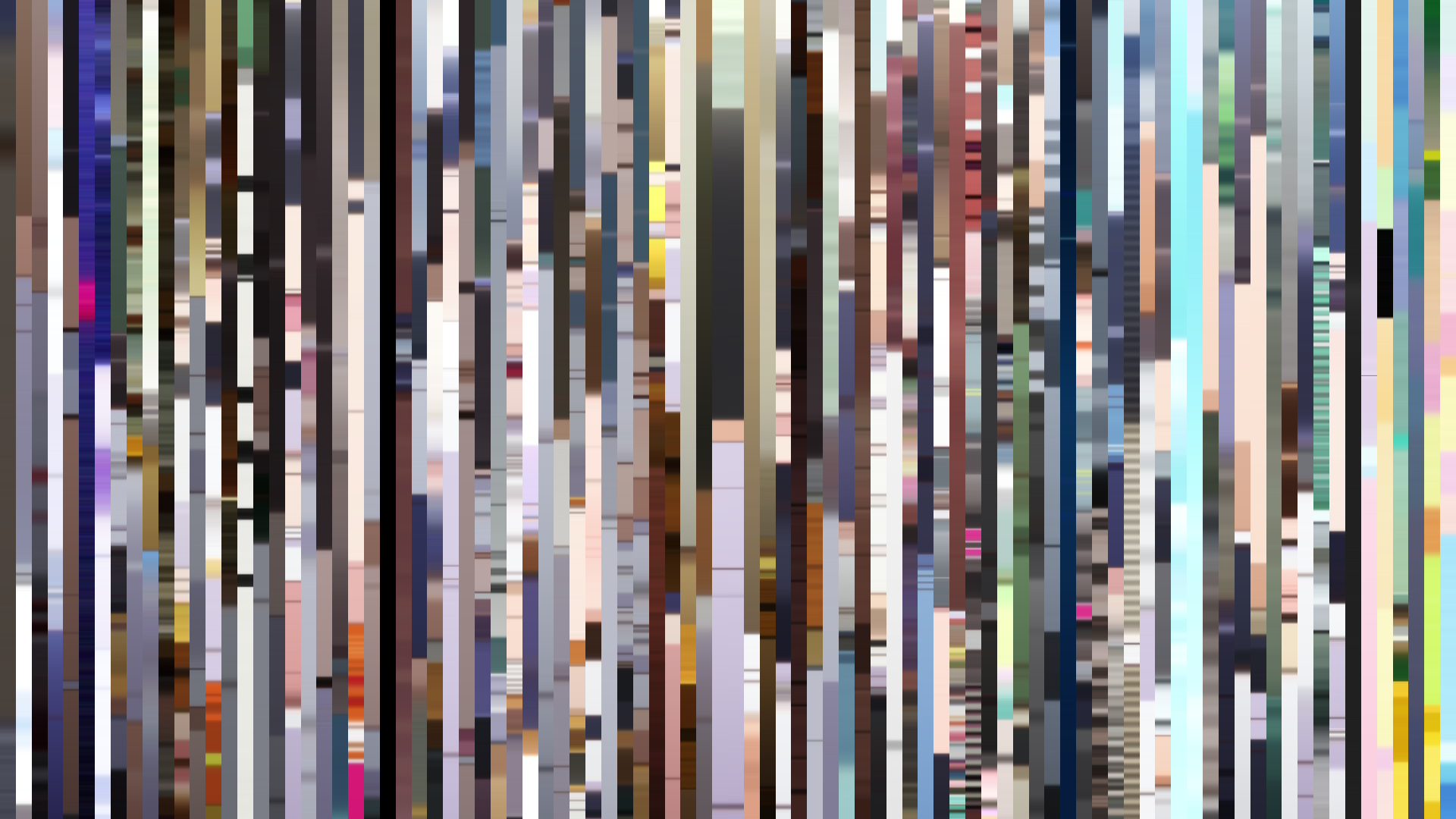
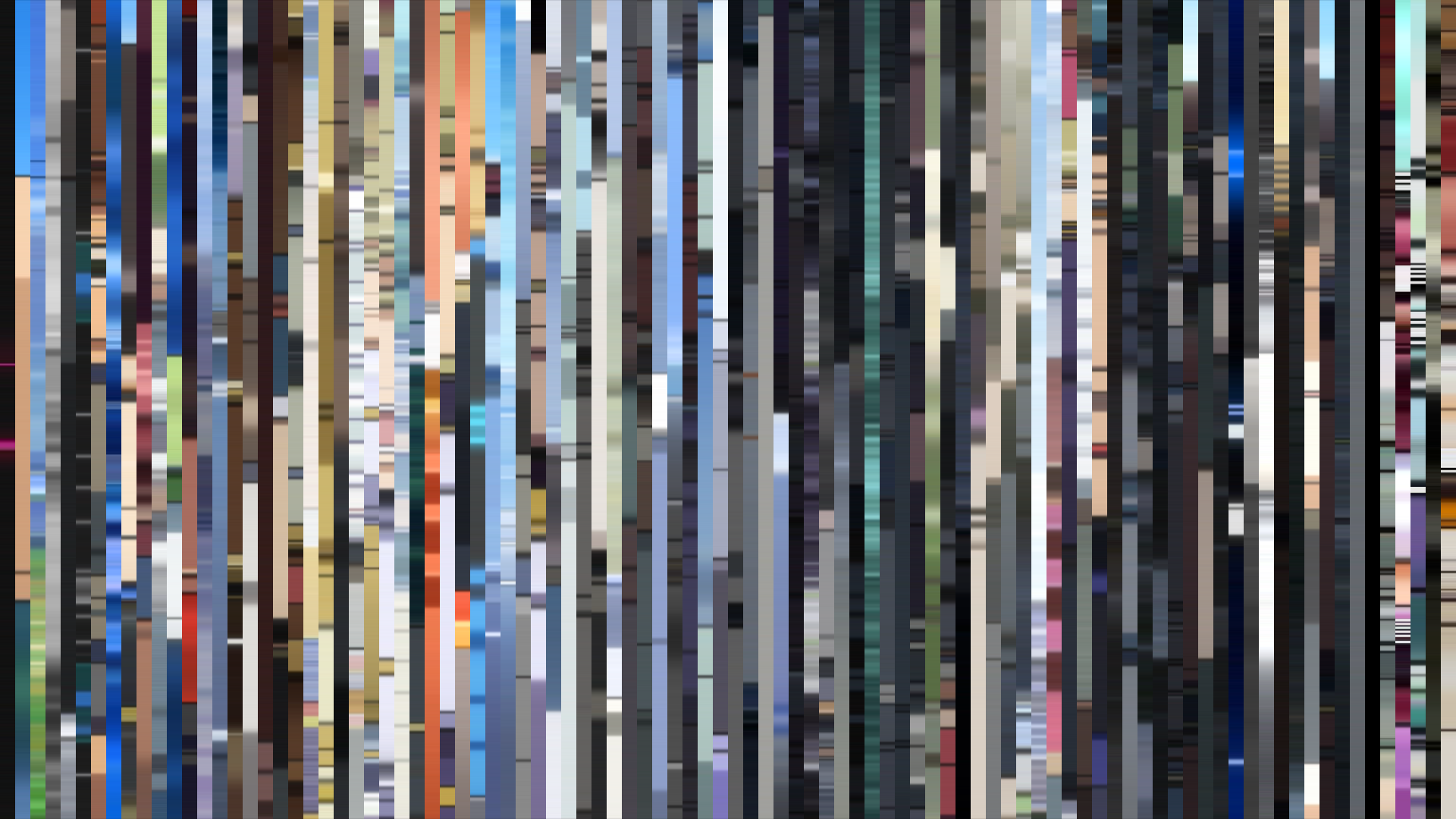
Slice · 30s
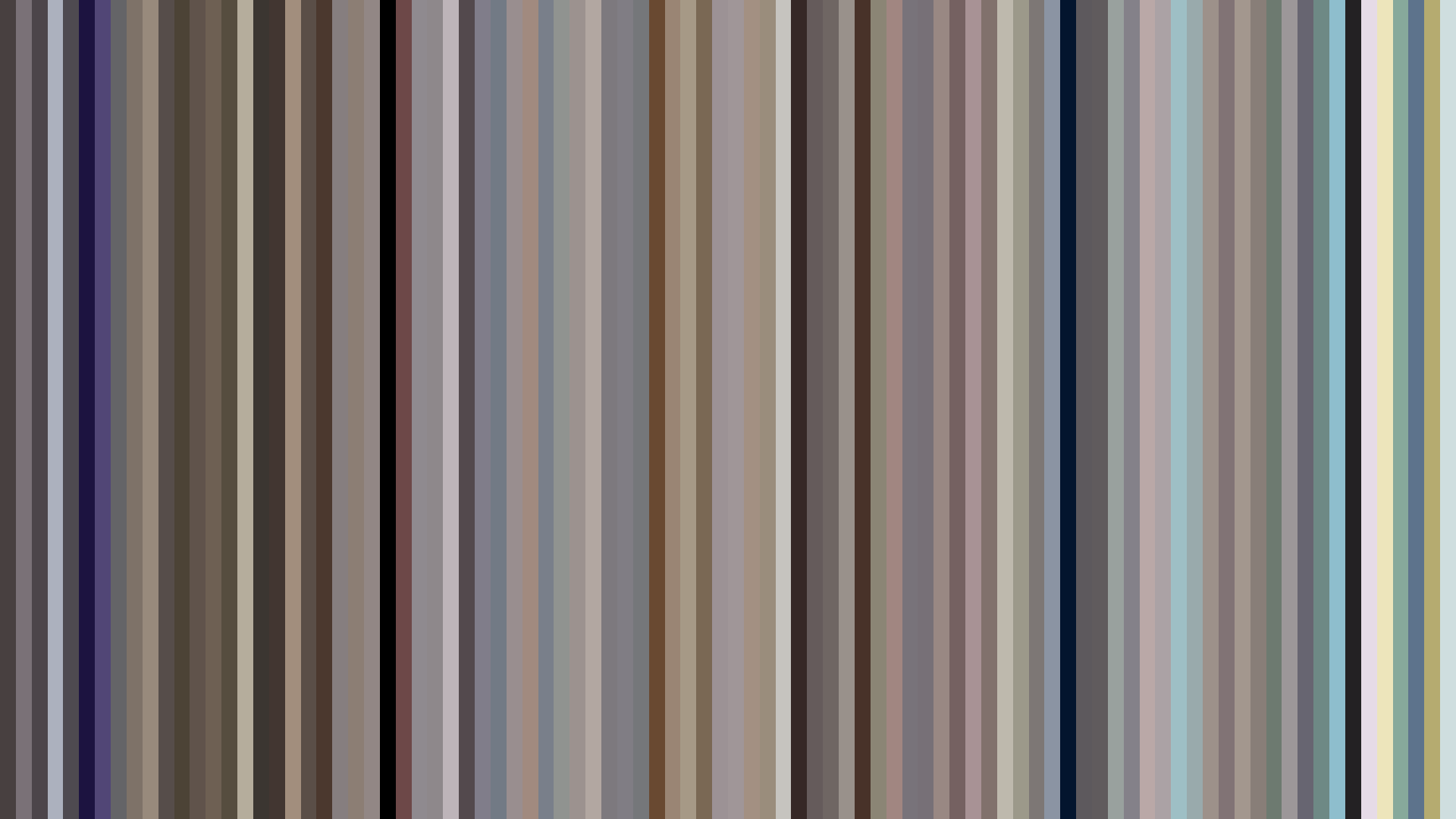
Avg · 30s
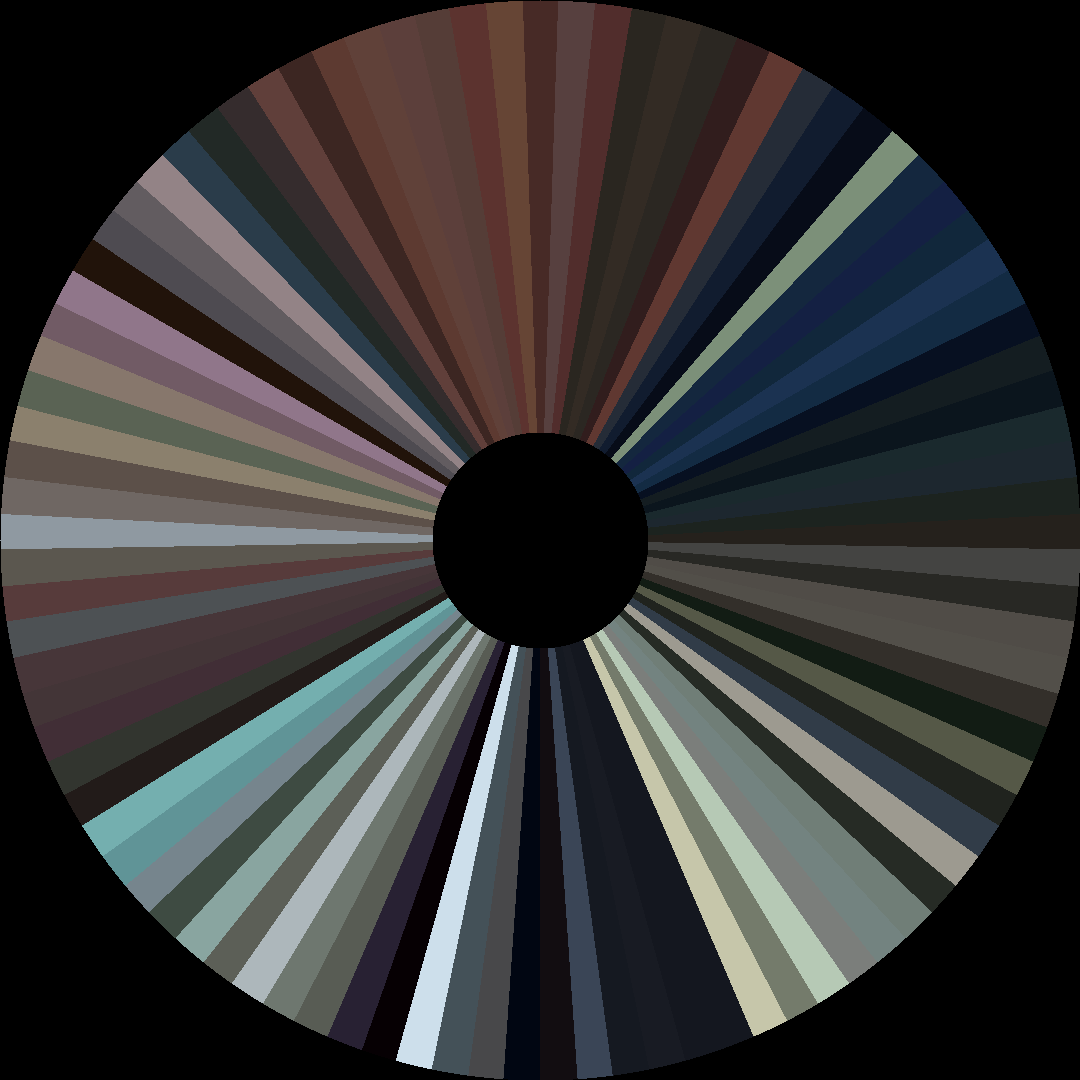
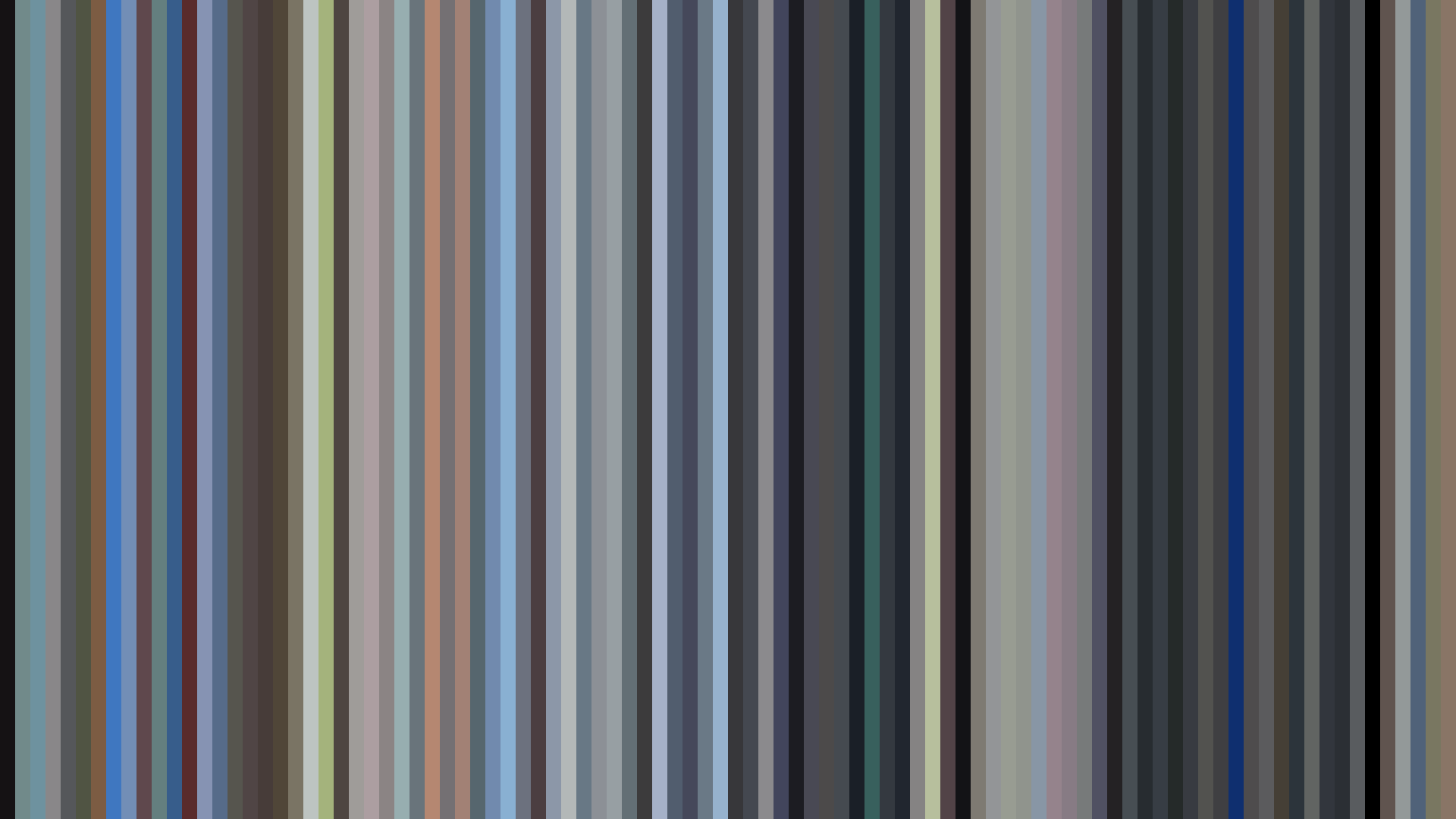
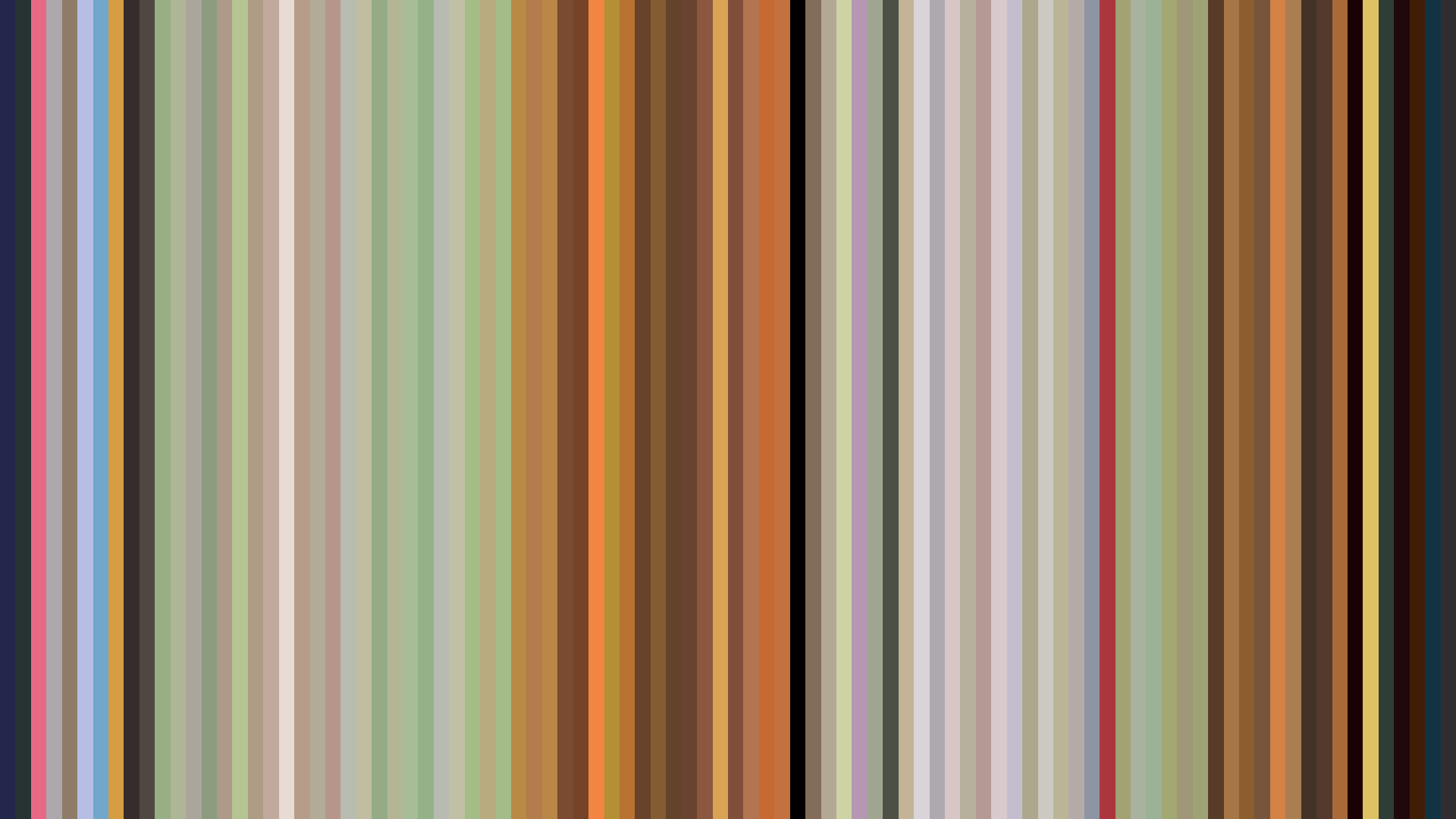
The *dark-opening* arc in *Black Lagoon* tells a different story than its action peers — not a descent into darkness, but a realization that Roanapur was always a sewer. The opening act’s relative brightness (0.422) is the tourist’s illusion of an exotic port; by the middle act, the average brightness collapses to 0.270, and the palette settles into the greasy grays (#5C5C5A, #9A9F9D) and bruised reds (#4F2A2B) of bullet-ridden concrete. Director Sunao Katabuchi and art director Yuji Ikeda use Red as the visual constant (28%), but it’s a tainted red — blood on grit, not passion. The second-place Blue-Green (20%) isn’t the ocean’s romance; it’s the phosphor glow of night-vision scopes and cheap neon. This is a show that refuses to glamorize its violence: the heat of gunfire never warms the frame. Instead, the barcode records a steady entropy — every brightness drop is a moral dead end, and the closing act’s 0.293 is not recovery, just routine. *Black Lagoon* doesn’t promise a light at the end of the
Brightness Arc (episode progression)
Hue Distribution
Act Breakdown
Opening
0.422
Middle
0.270
Closing
0.293
Avg Brightness
0.306
Avg Saturation
0.303
Warmth
0.503
Color Palette
#19191C
#5C5C5A
#9A9F9D
#E3E4DA
#4F2A2B
#1F2F4B
#304856
#94705F
3-Act Color Story
Opening
Middle
Closing
Color Twins
Perceptually nearest palettes — measured in OKLab space, not RGB






![Fate/stay night [Unlimited Blade Works]](../../../barcodes/2014/fatestay-night-unlimited-blade-works/barcode_slice.png)
The *dark-opening* arc in *Black Lagoon* tells a different story than its action peers — not a descent into darkness, but a realization that Roanapur was always a sewer. The opening act’s relative brightness (0.422) is the tourist’s illusion of an exotic port; by the middle act, the average brightness collapses to 0.270, and the palette settles into the greasy grays (#5C5C5A, #9A9F9D) and bruised reds (#4F2A2B) of bullet-ridden concrete. Director Sunao Katabuchi and art director Yuji Ikeda use Red as the visual constant (28%), but it’s a tainted red — blood on grit, not passion. The second-place Blue-Green (20%) isn’t the ocean’s romance; it’s the phosphor glow of night-vision scopes and cheap neon. This is a show that refuses to glamorize its violence: the heat of gunfire never warms the frame. Instead, the barcode records a steady entropy — every brightness drop is a moral dead end, and the closing act’s 0.293 is not recovery, just routine. *Black Lagoon* doesn’t promise a light at the end of the