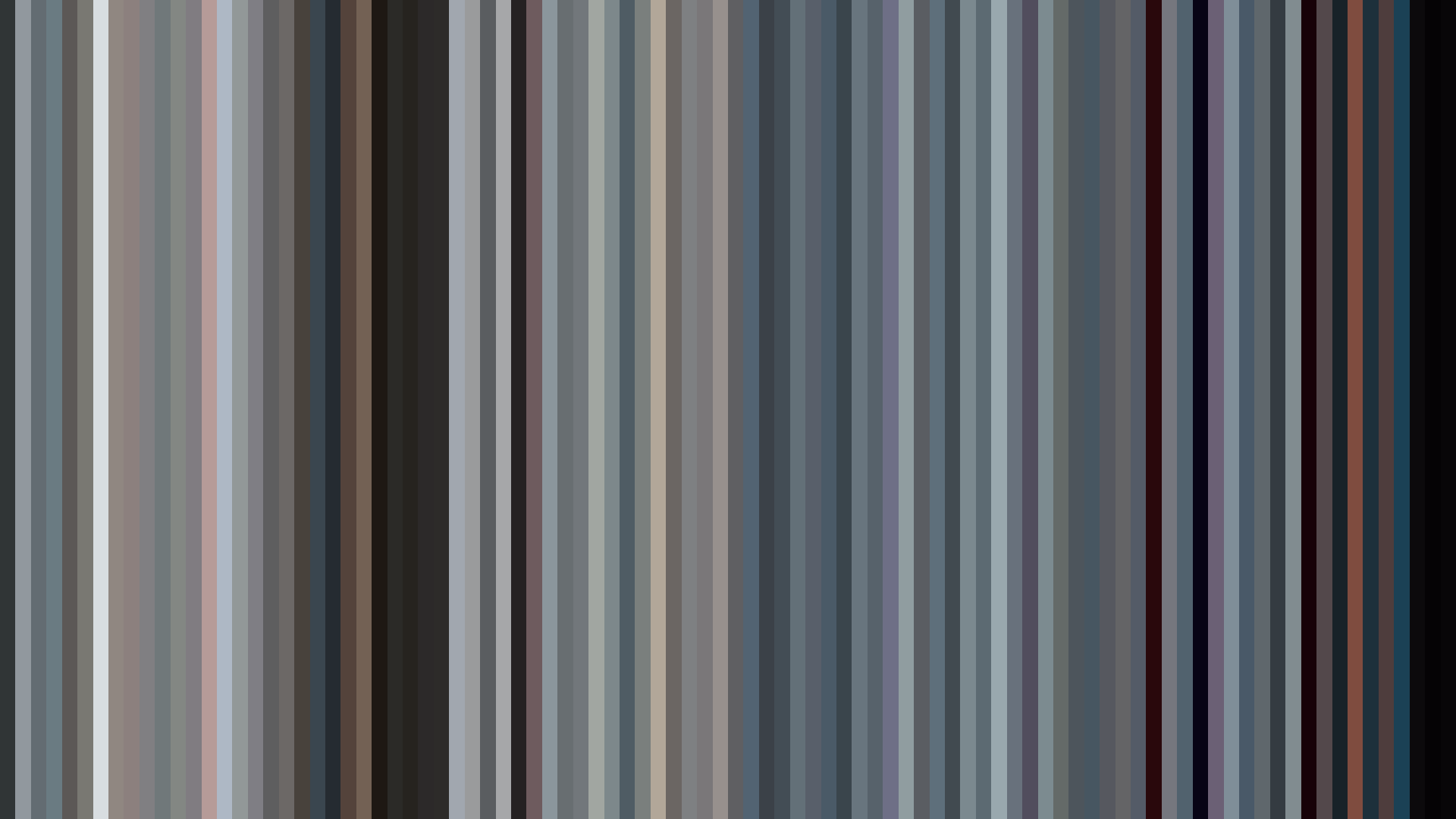
Edit Pace — frame-to-frame color delta (bright = fast cuts)
Color Temperature — warm (gold) vs cool (teal) per frame
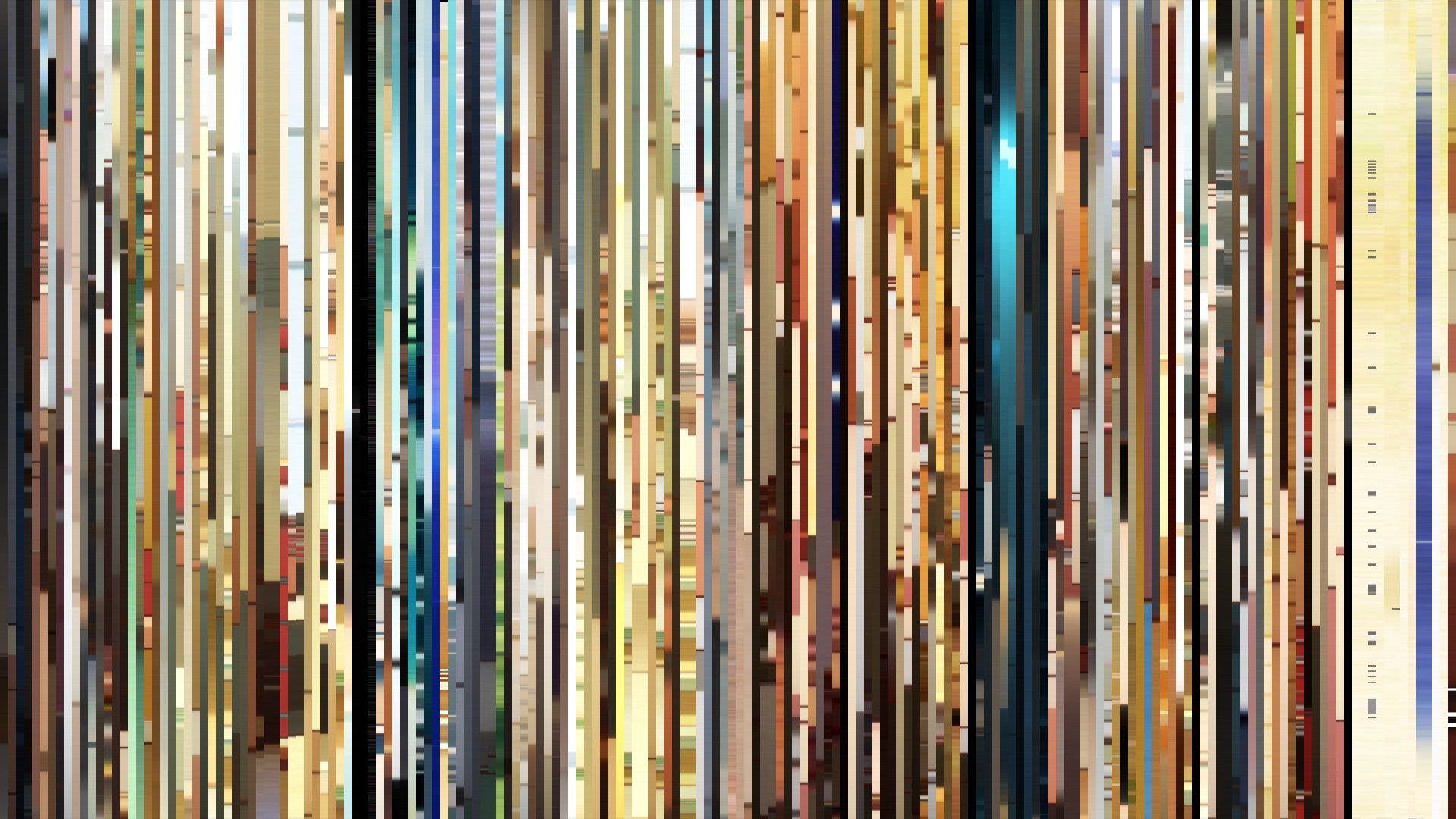
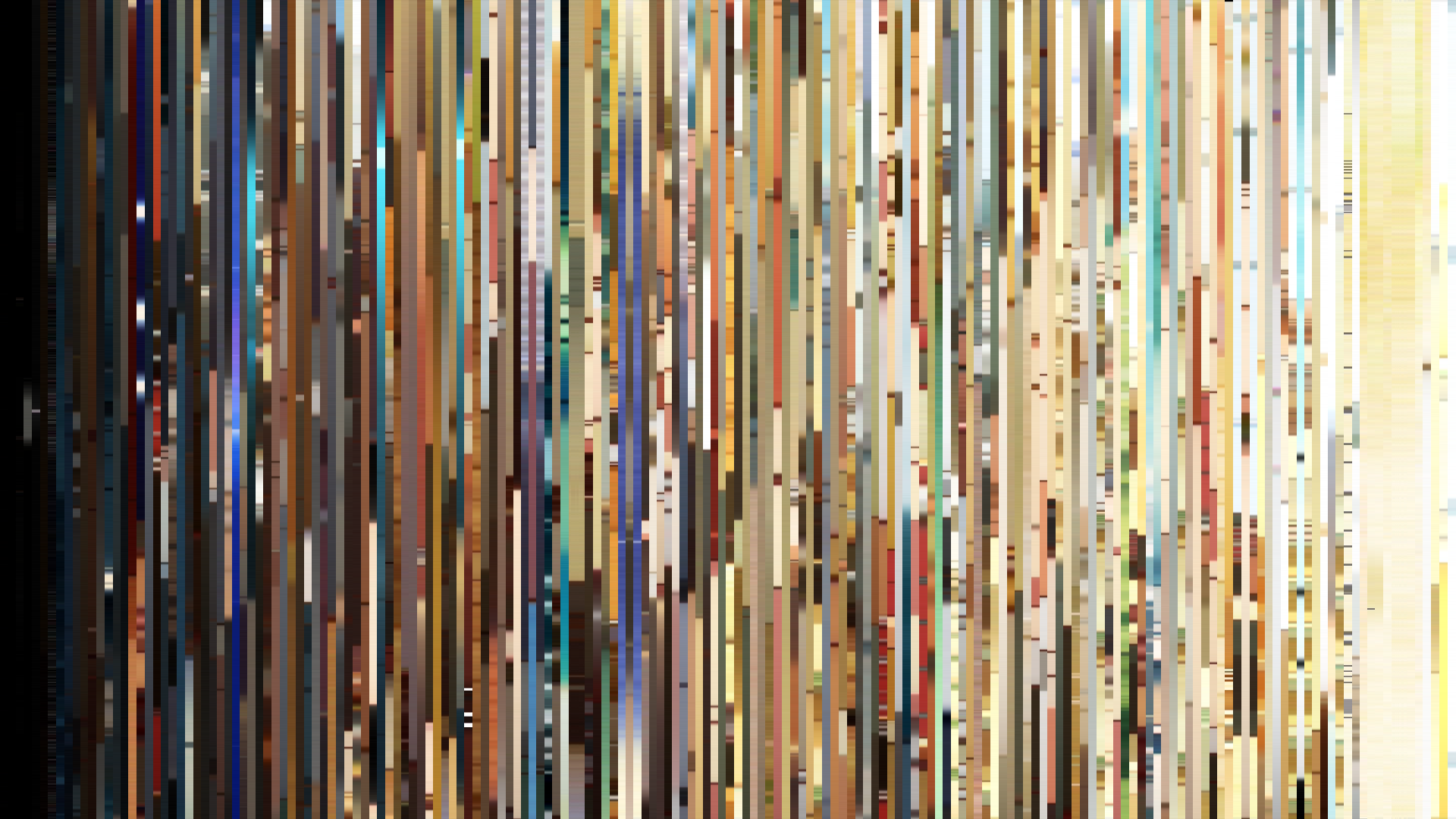
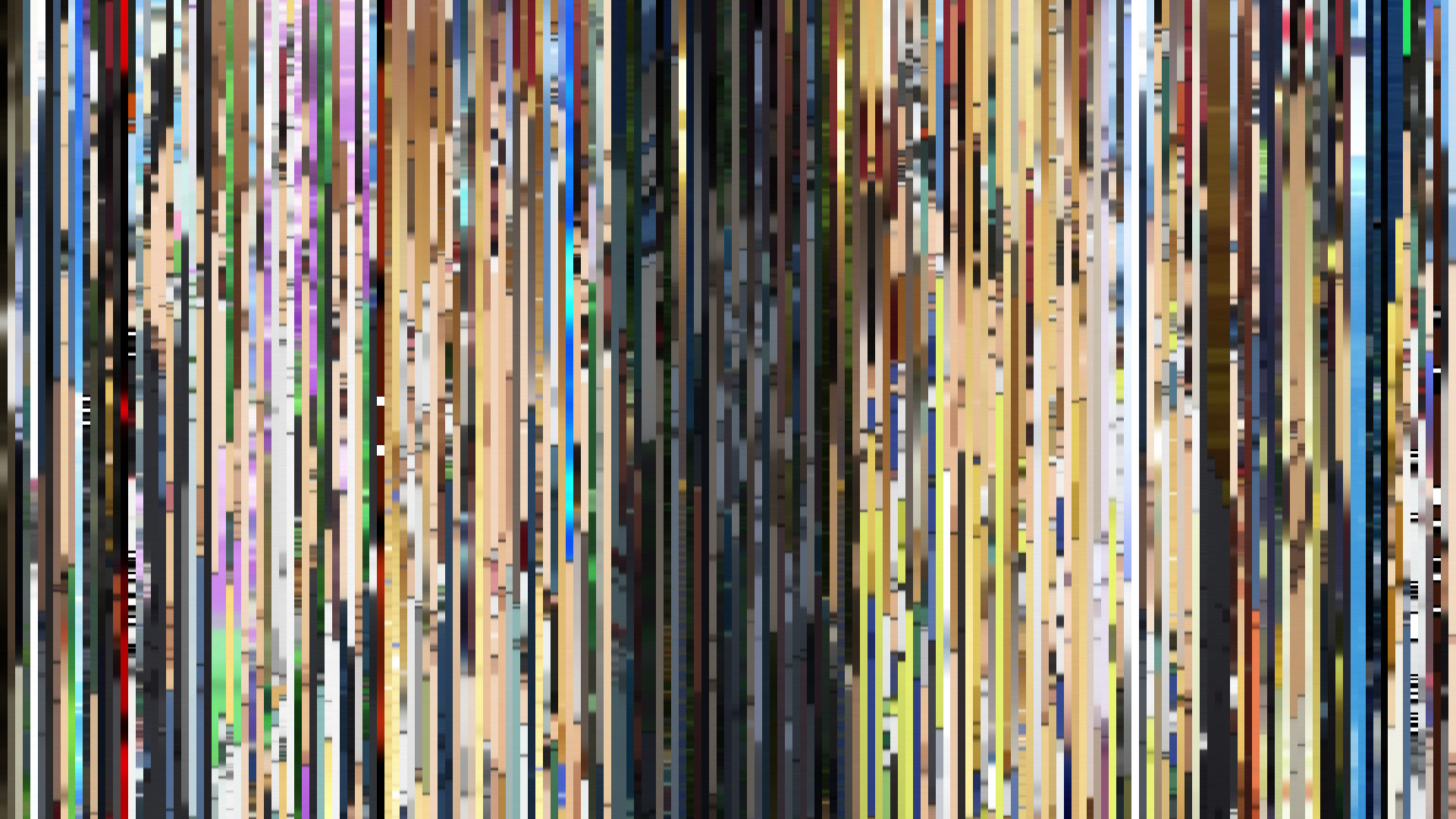
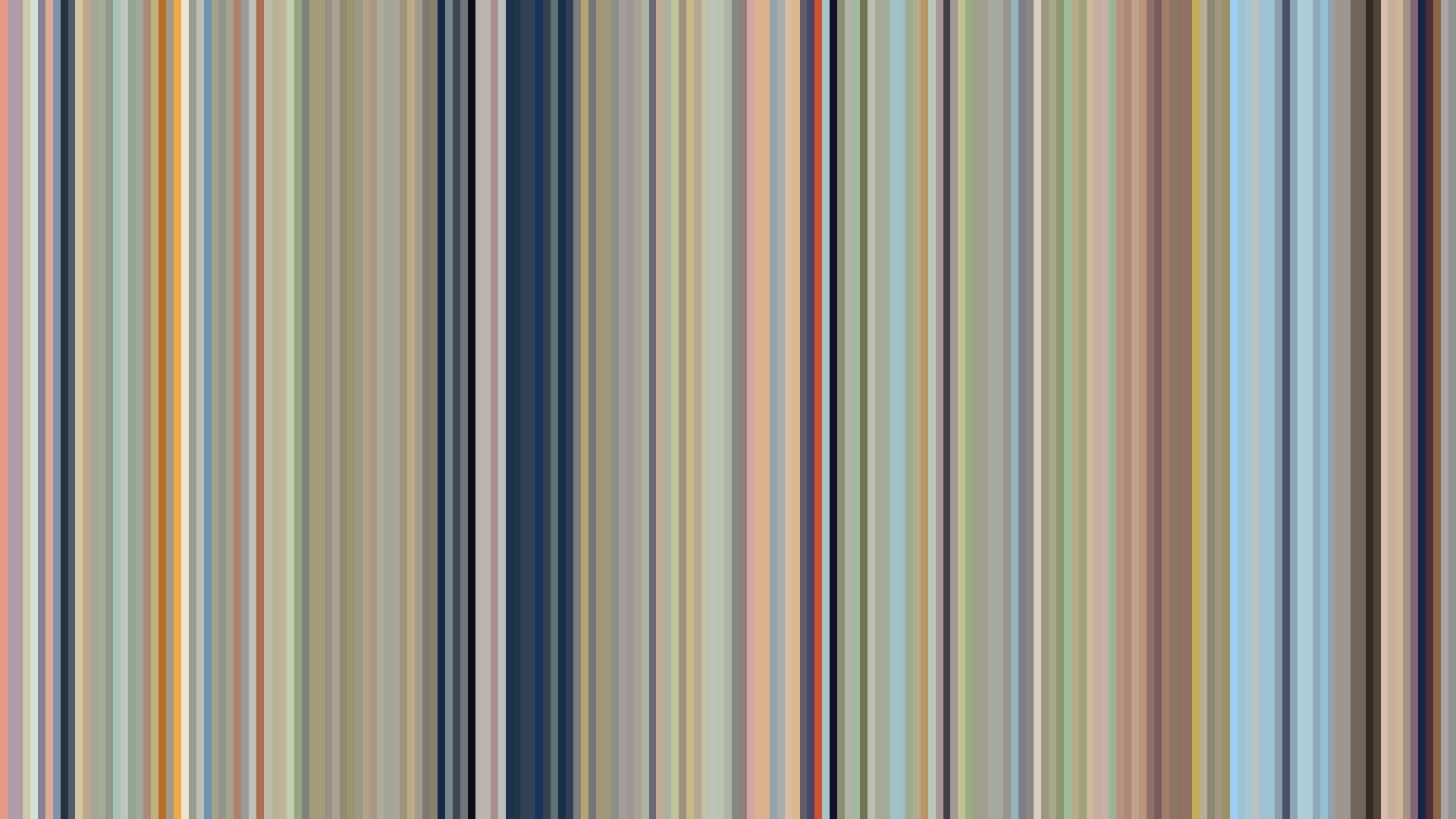
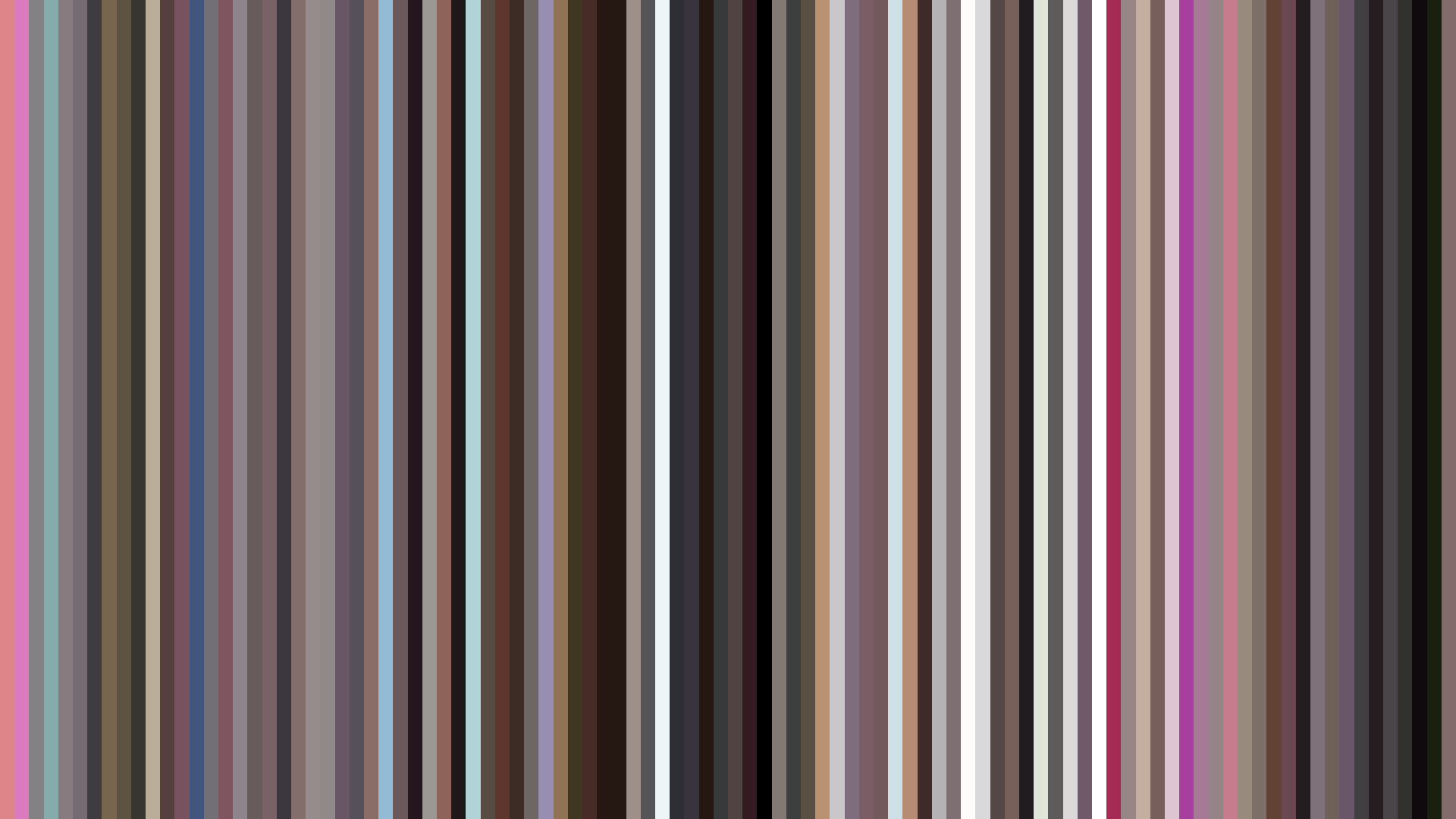
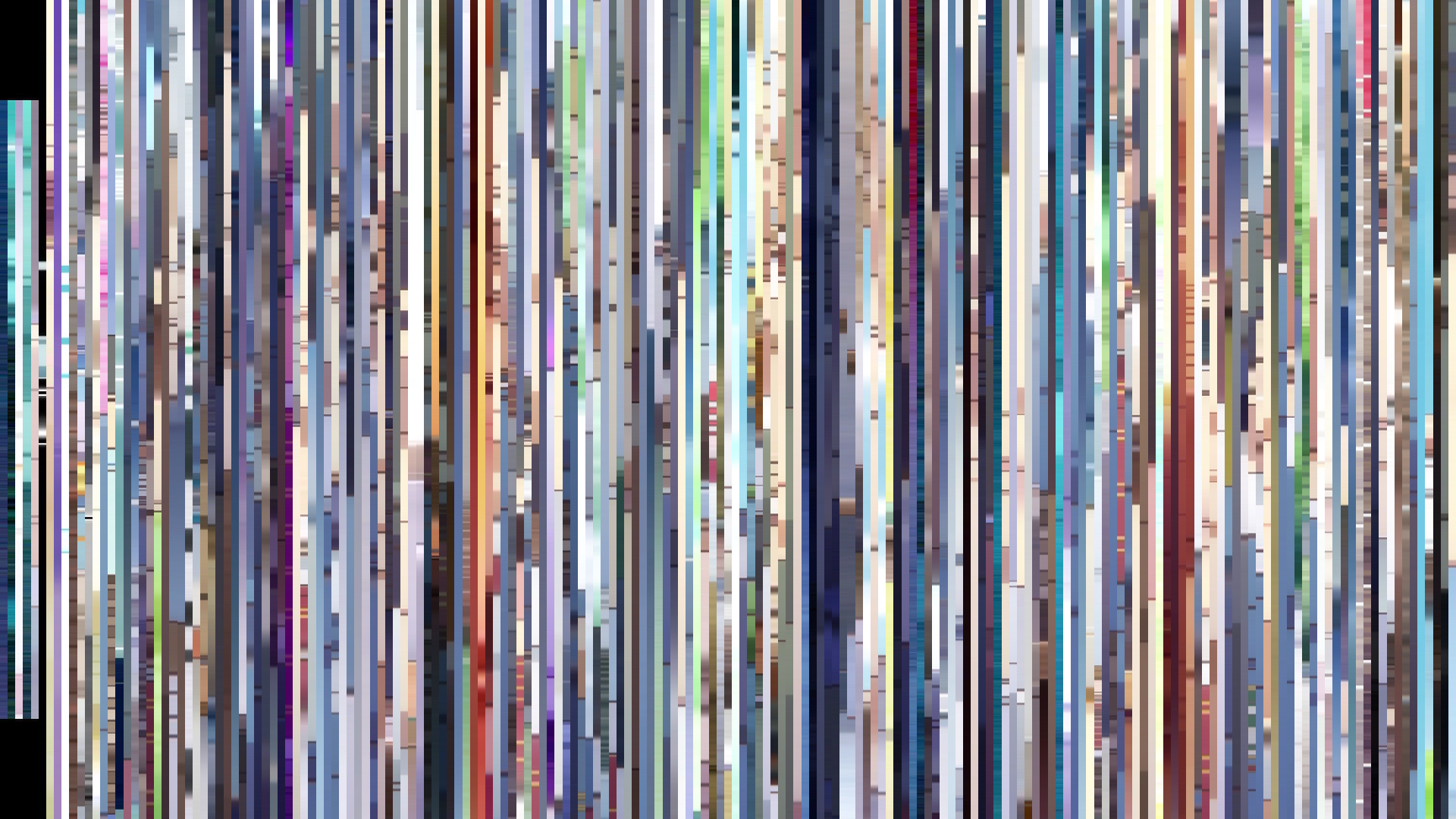
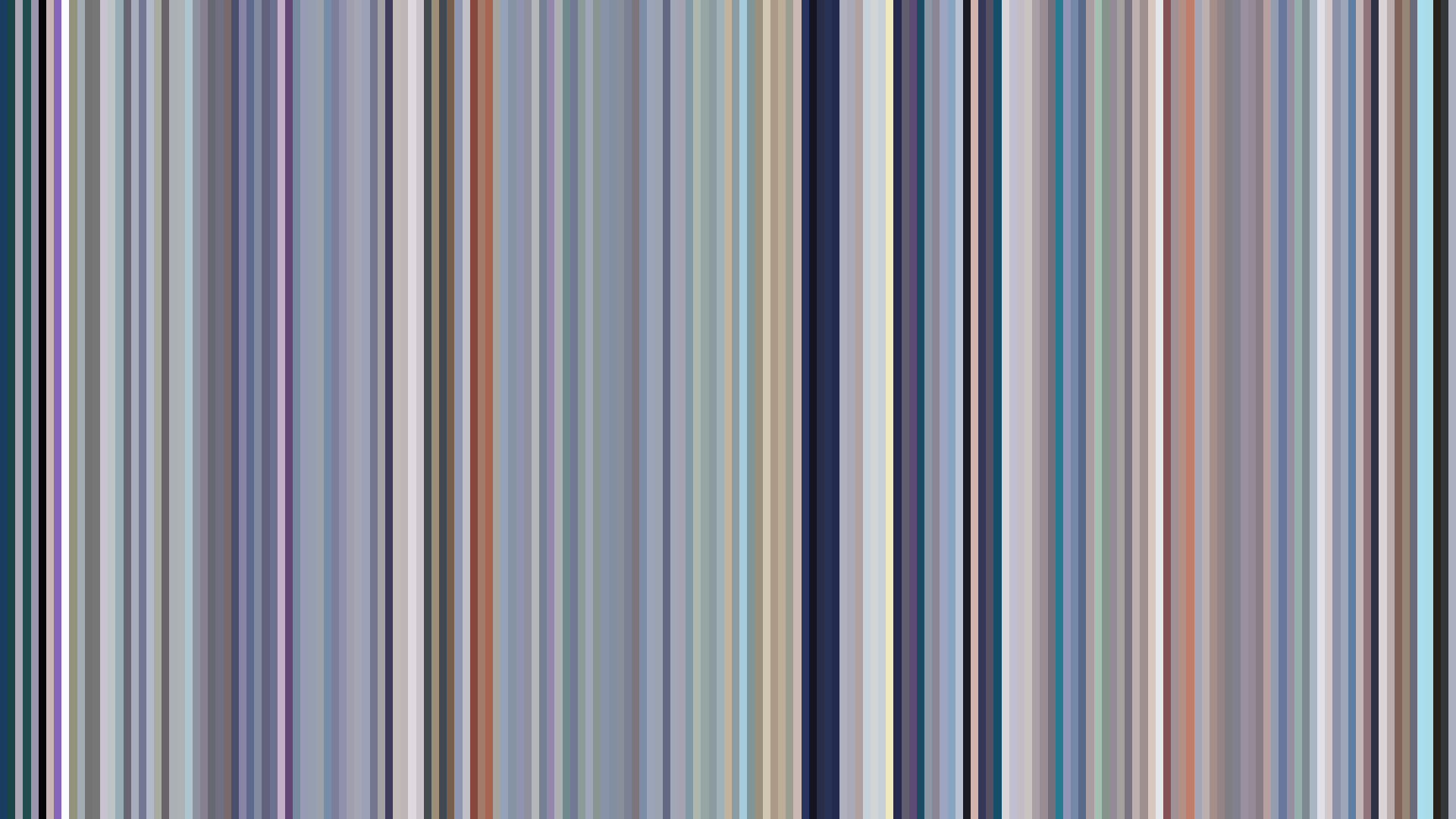
Frame Density Comparison — every 2nd vs every 4th frame
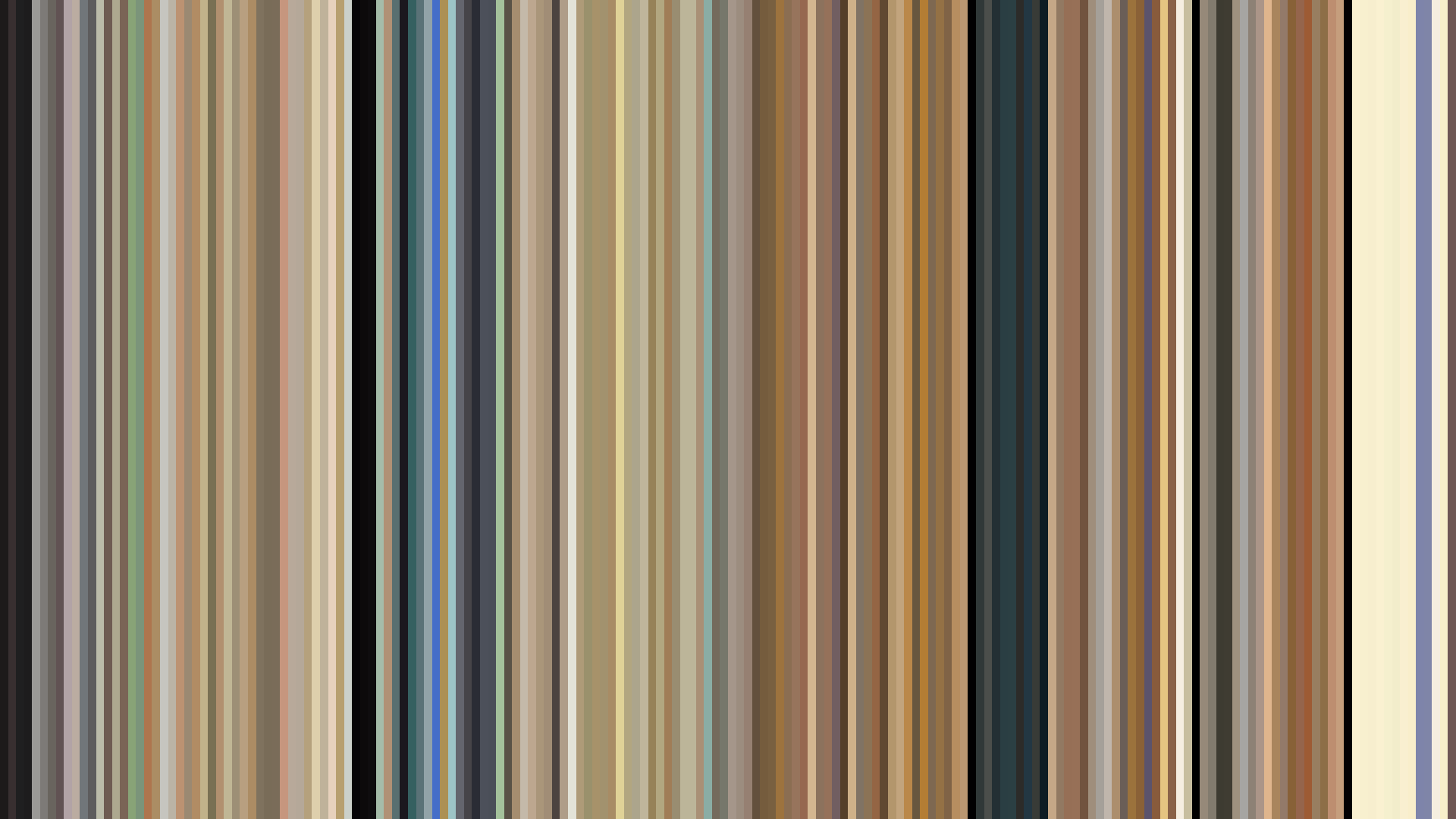
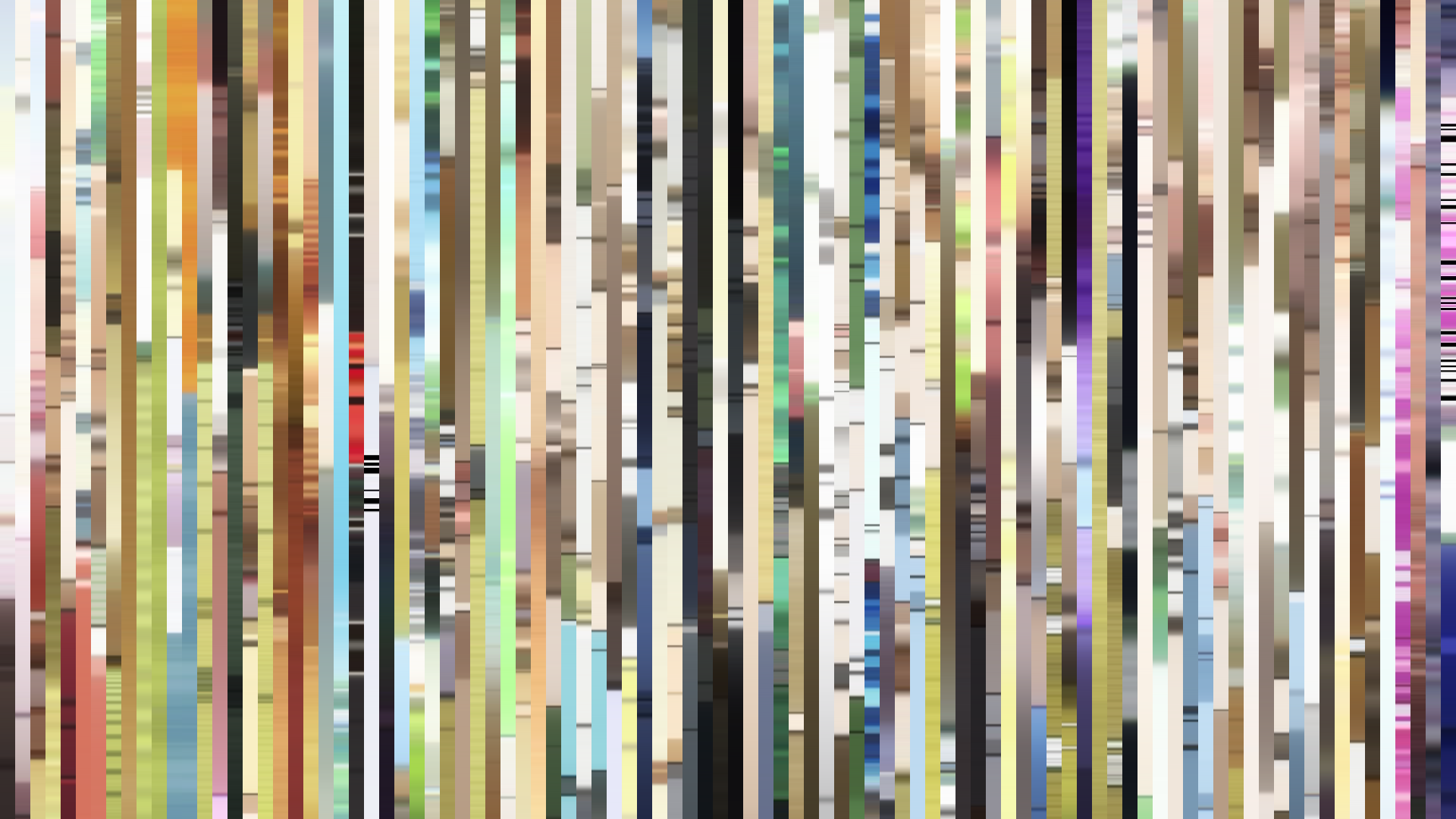
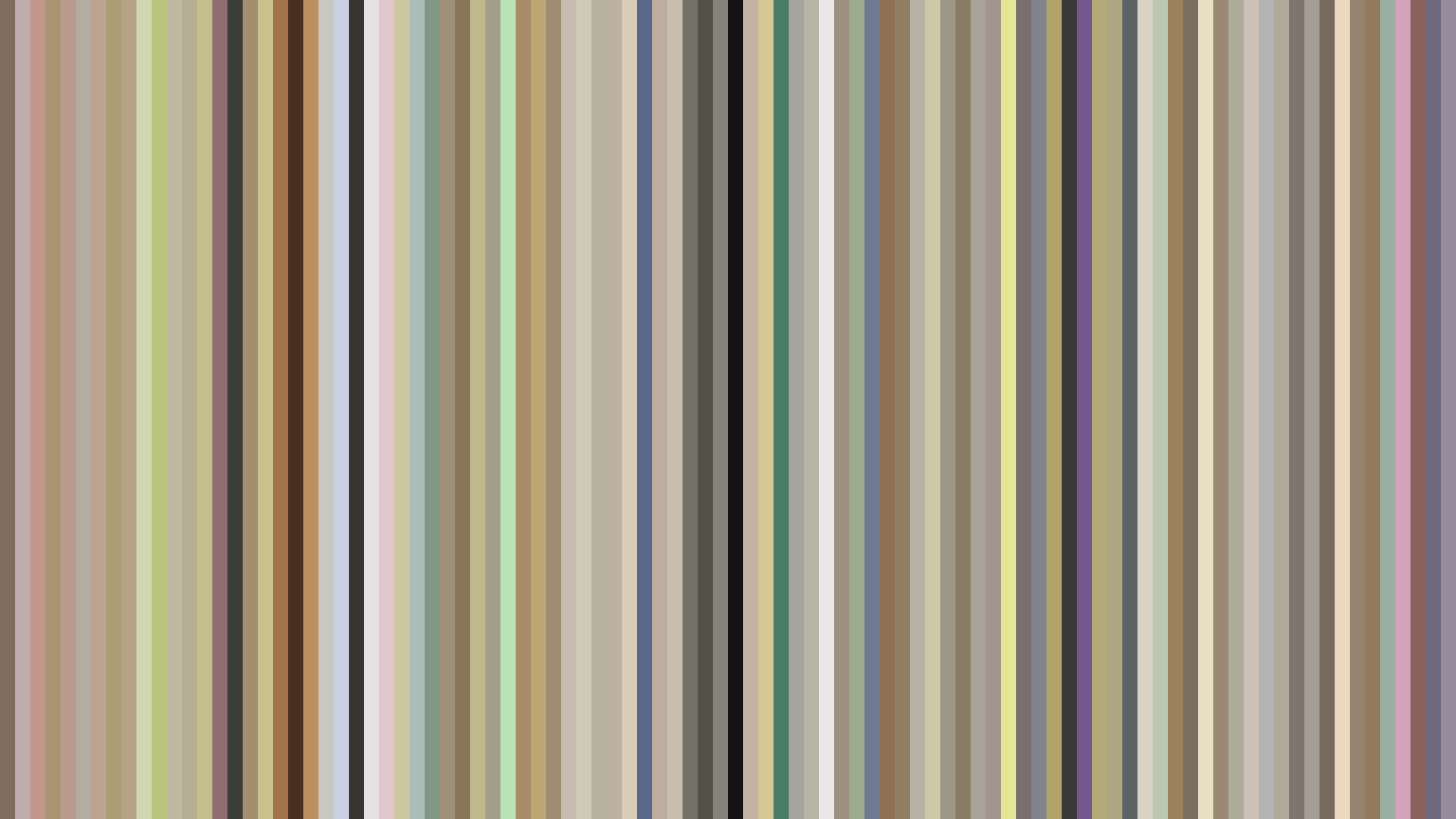
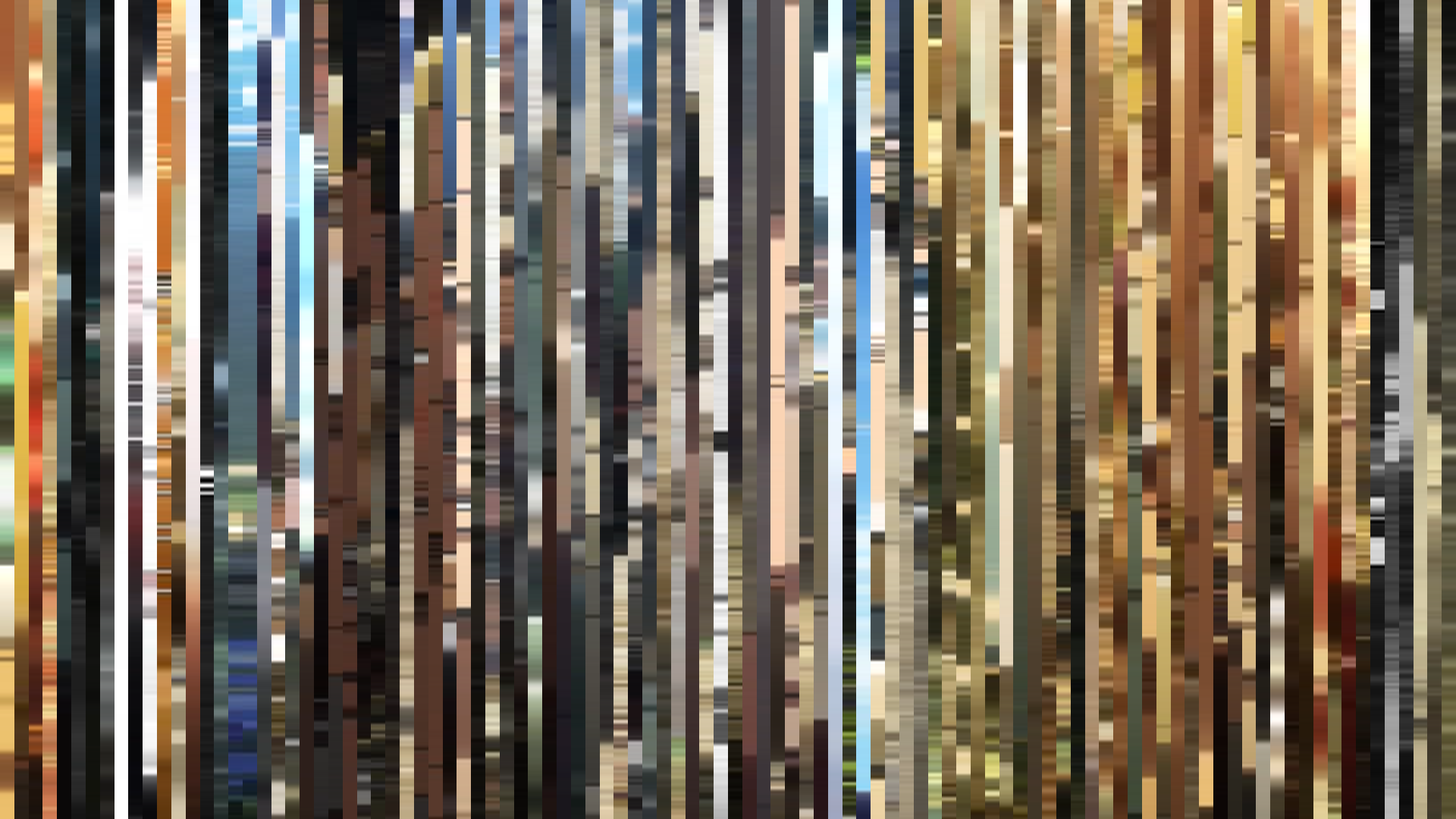
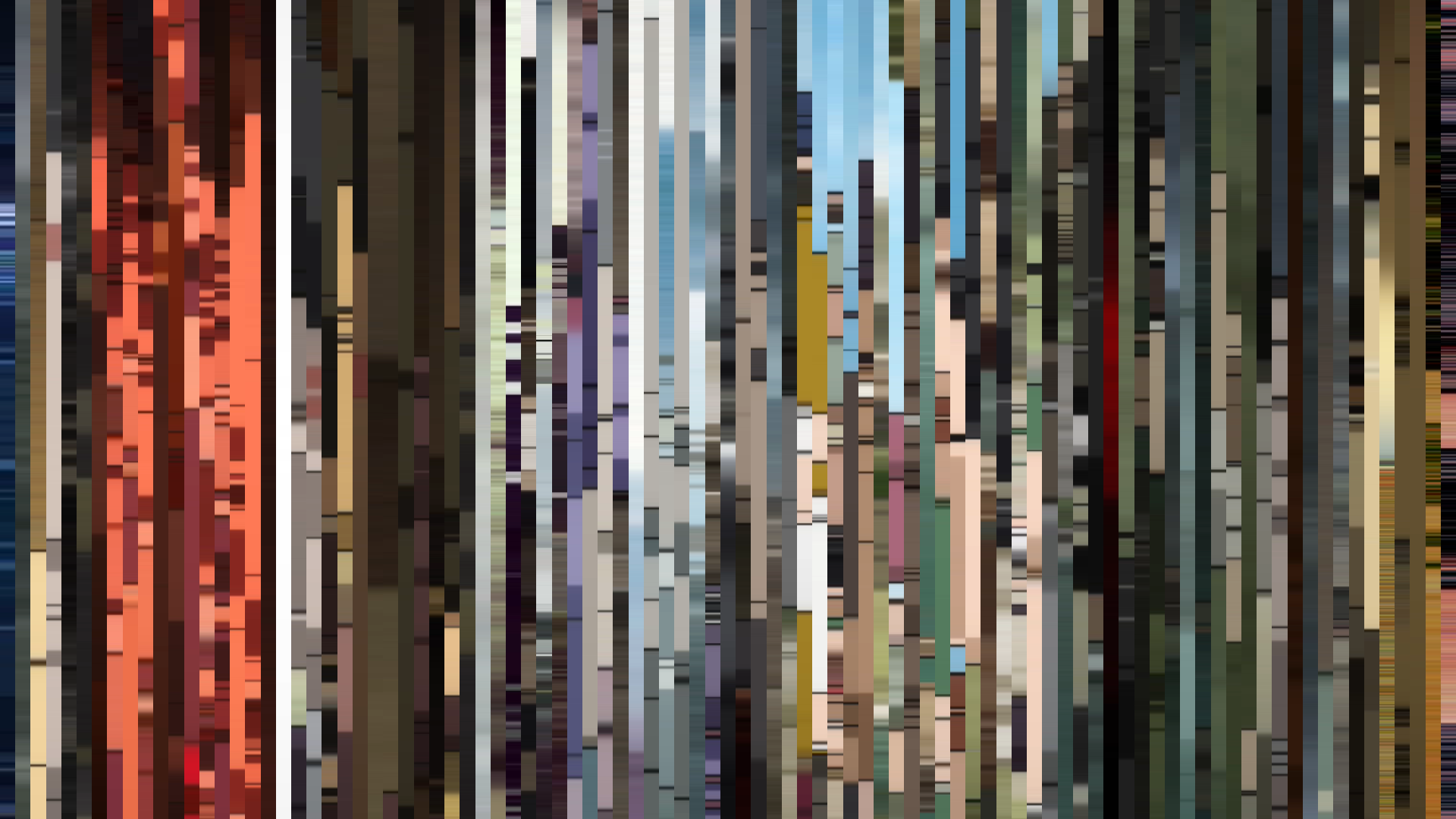
Slice · 15s
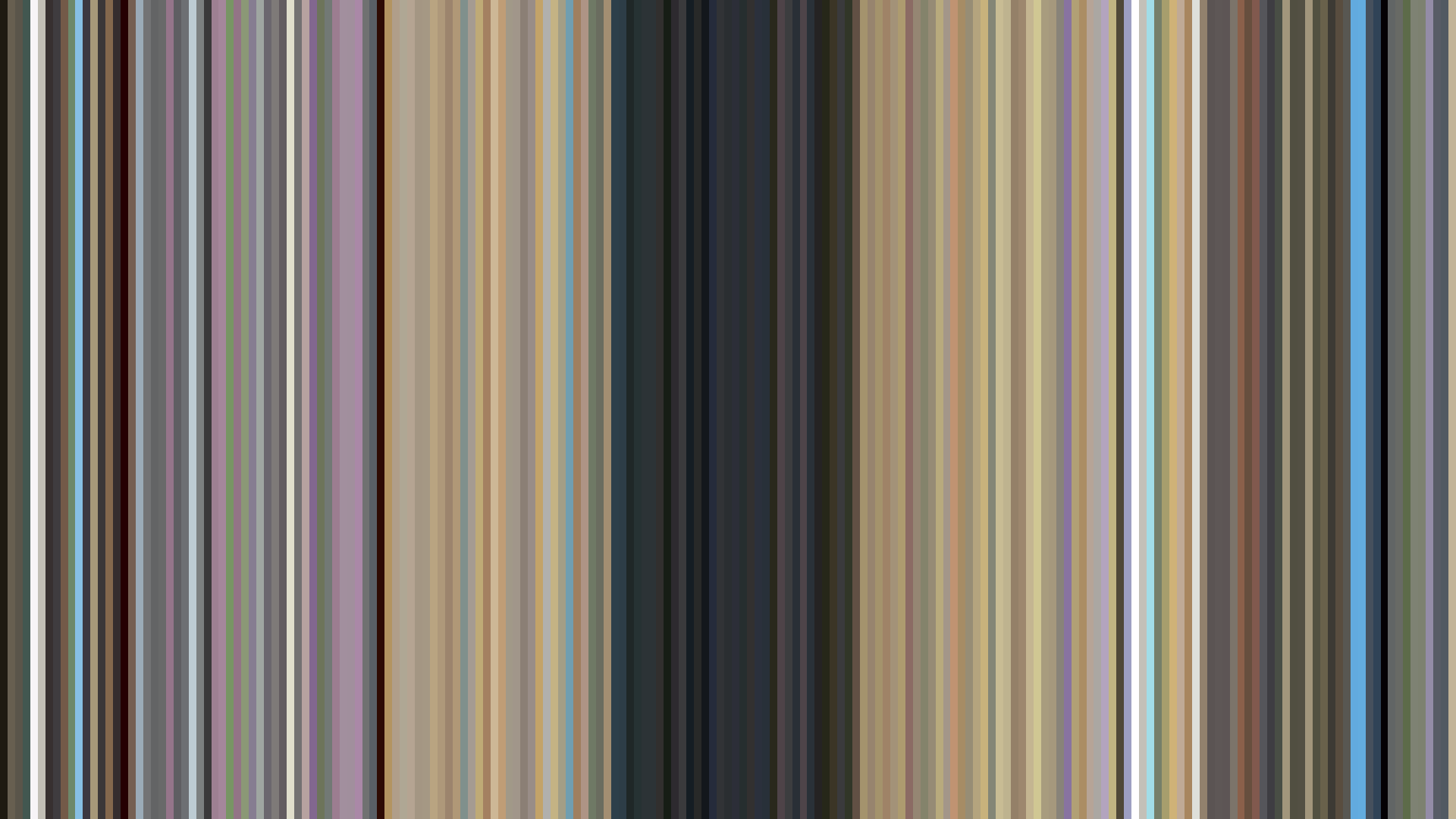
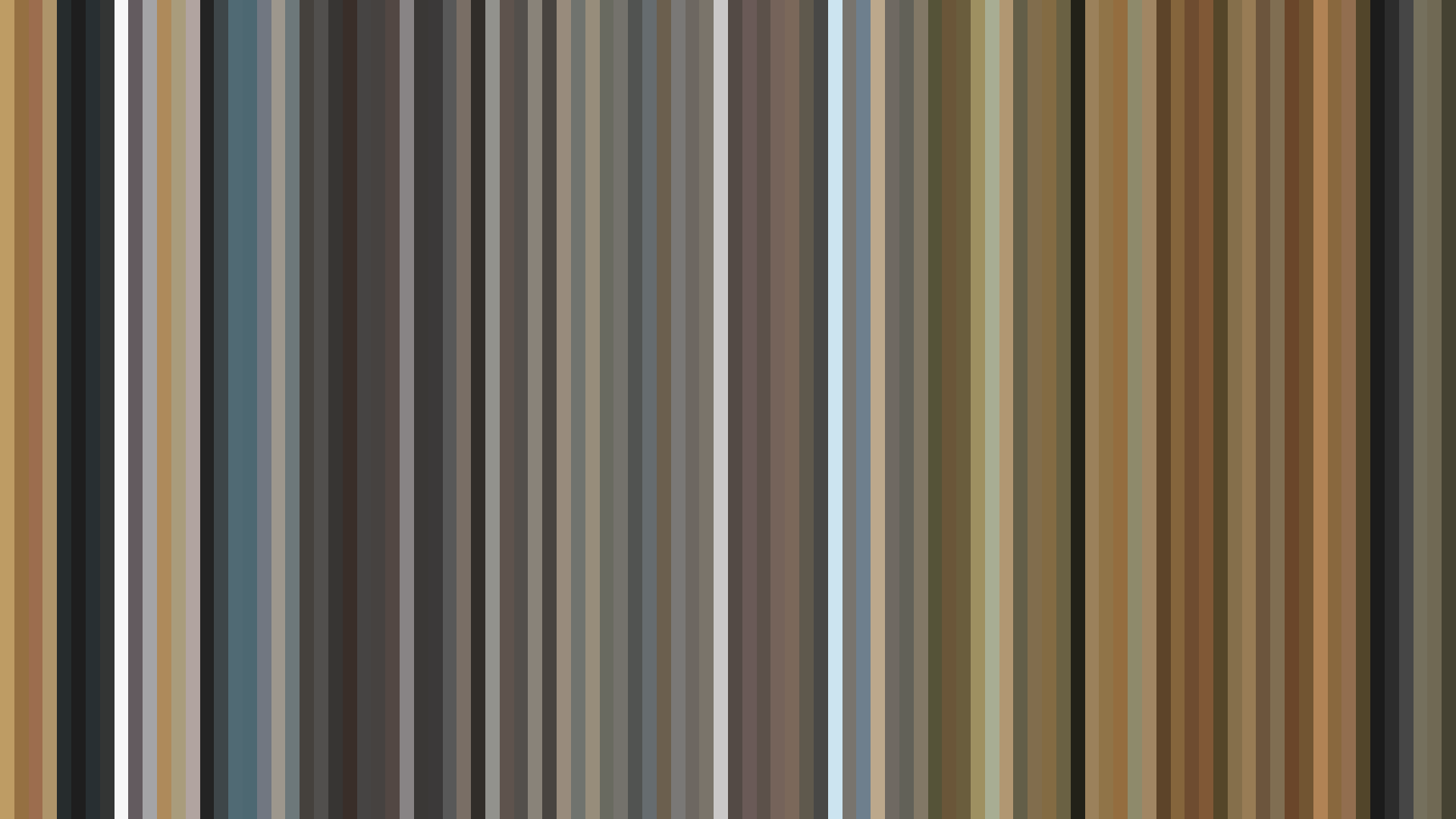
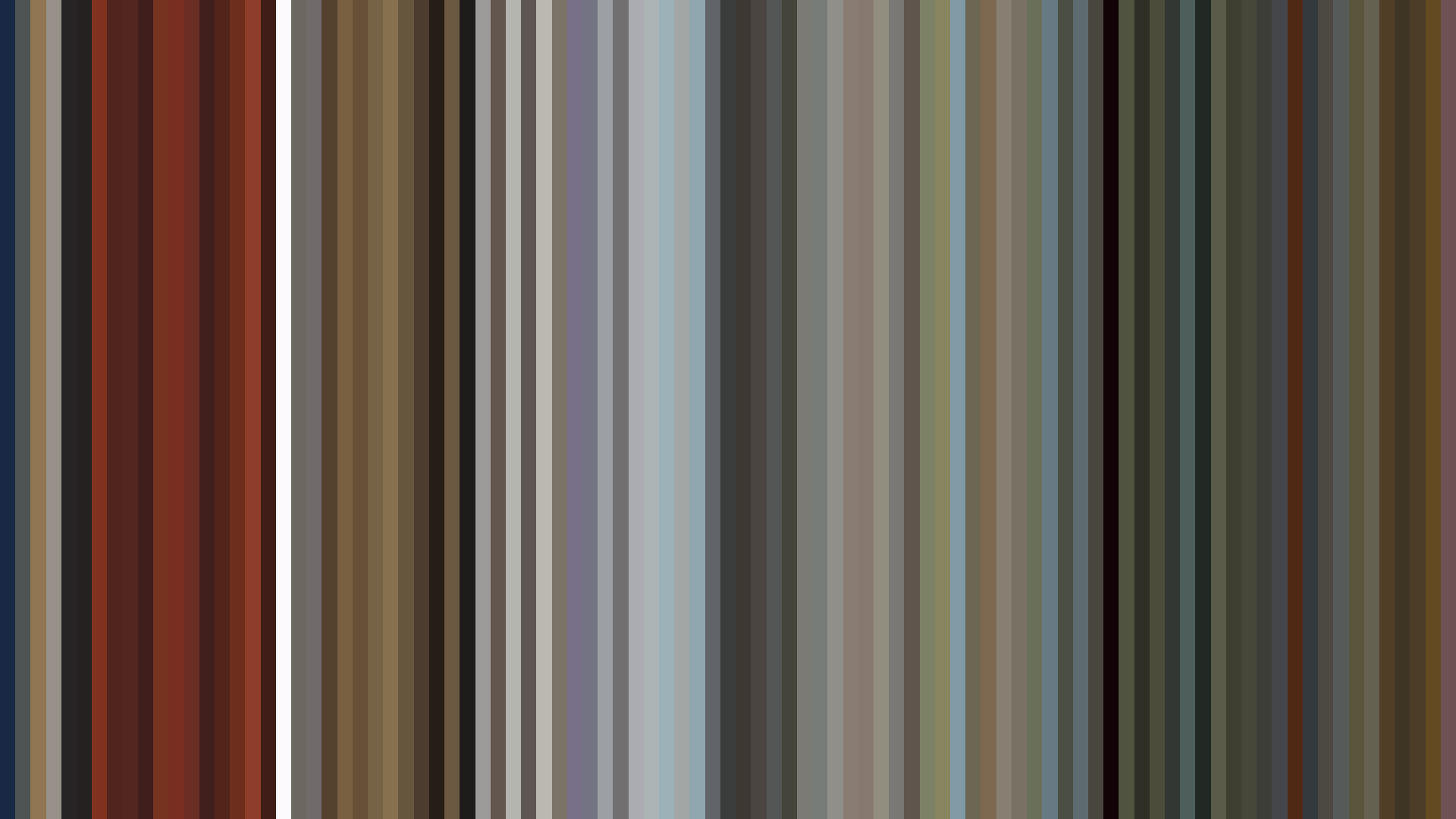
Avg · 15s
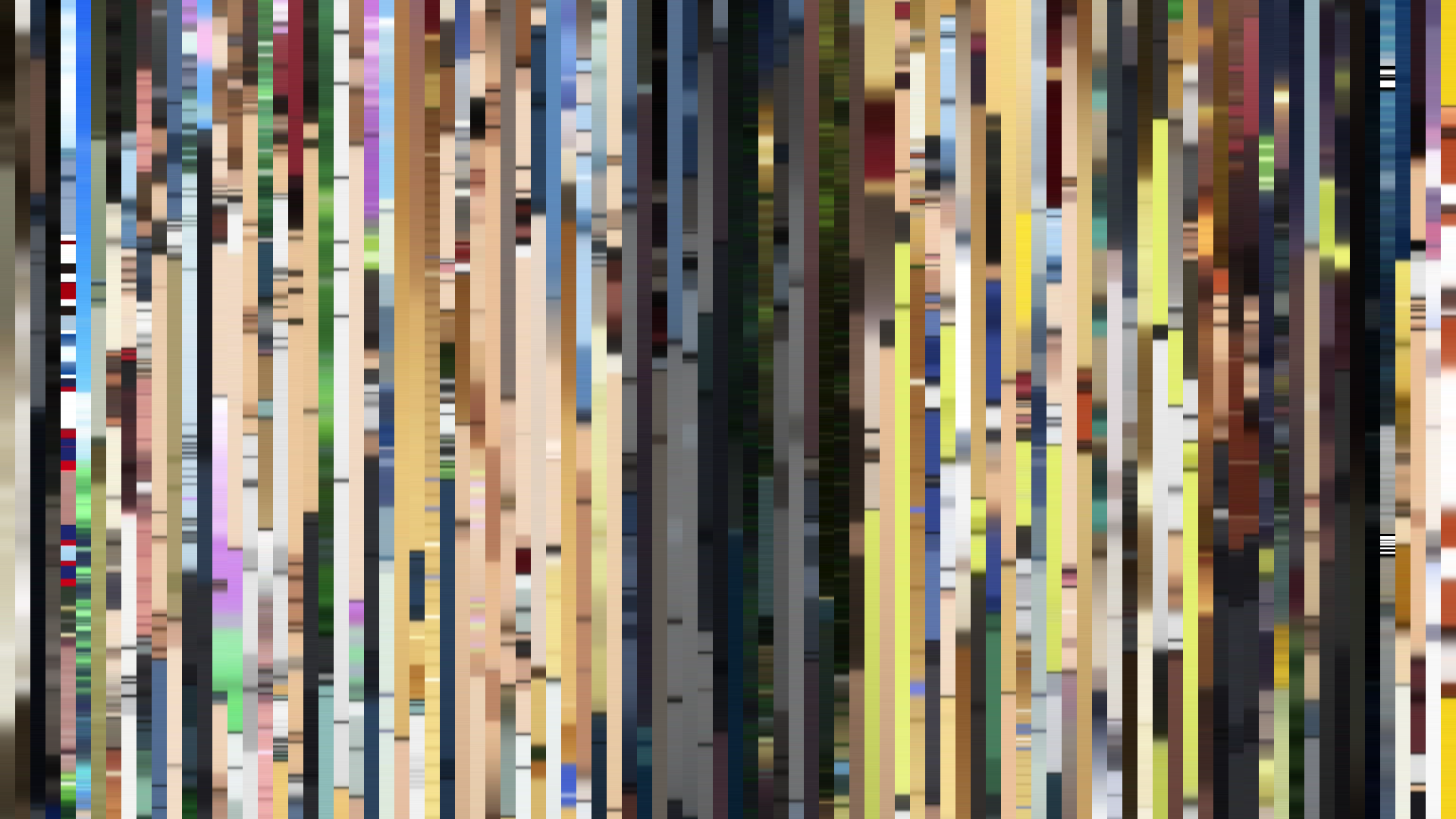
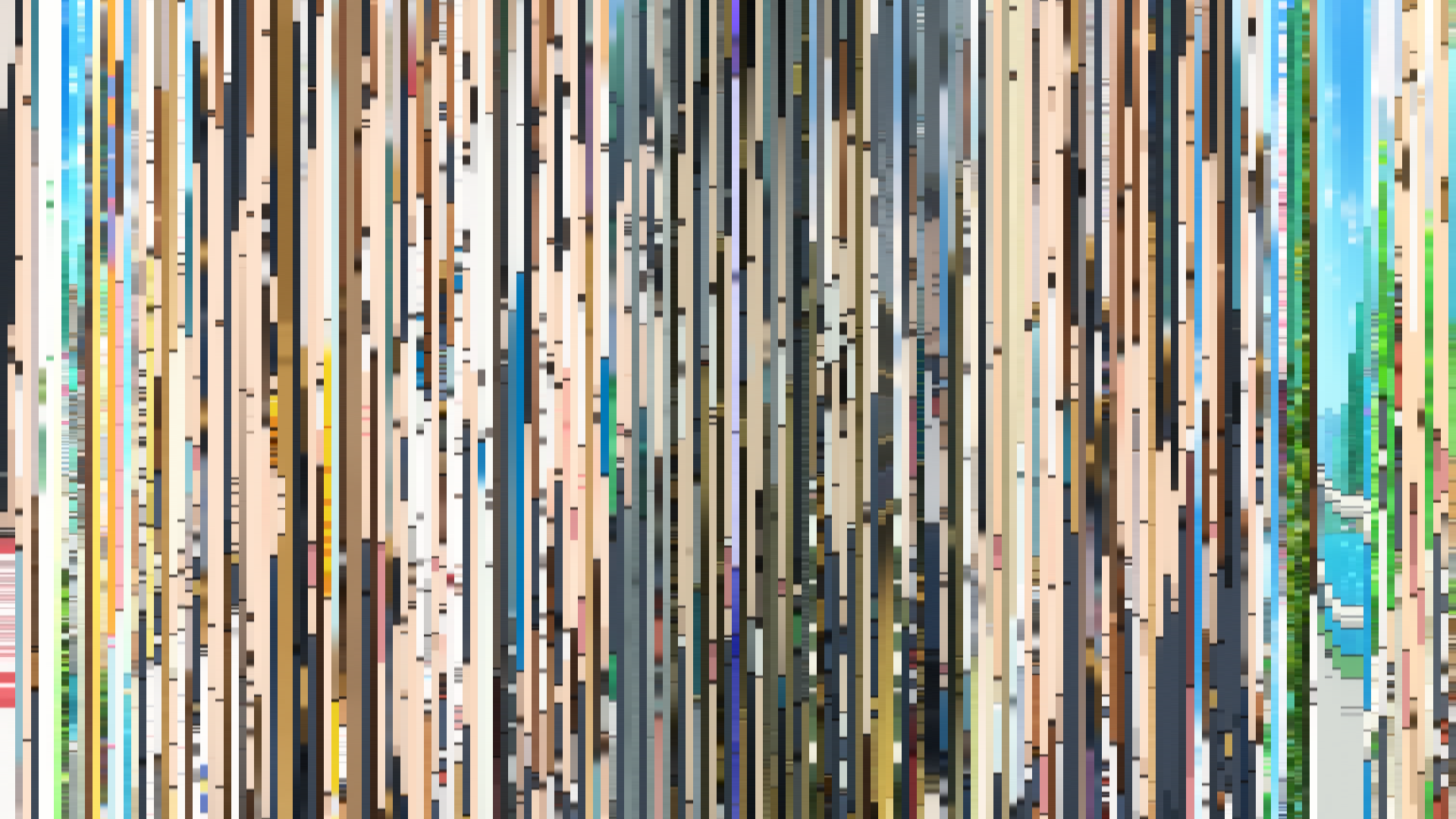
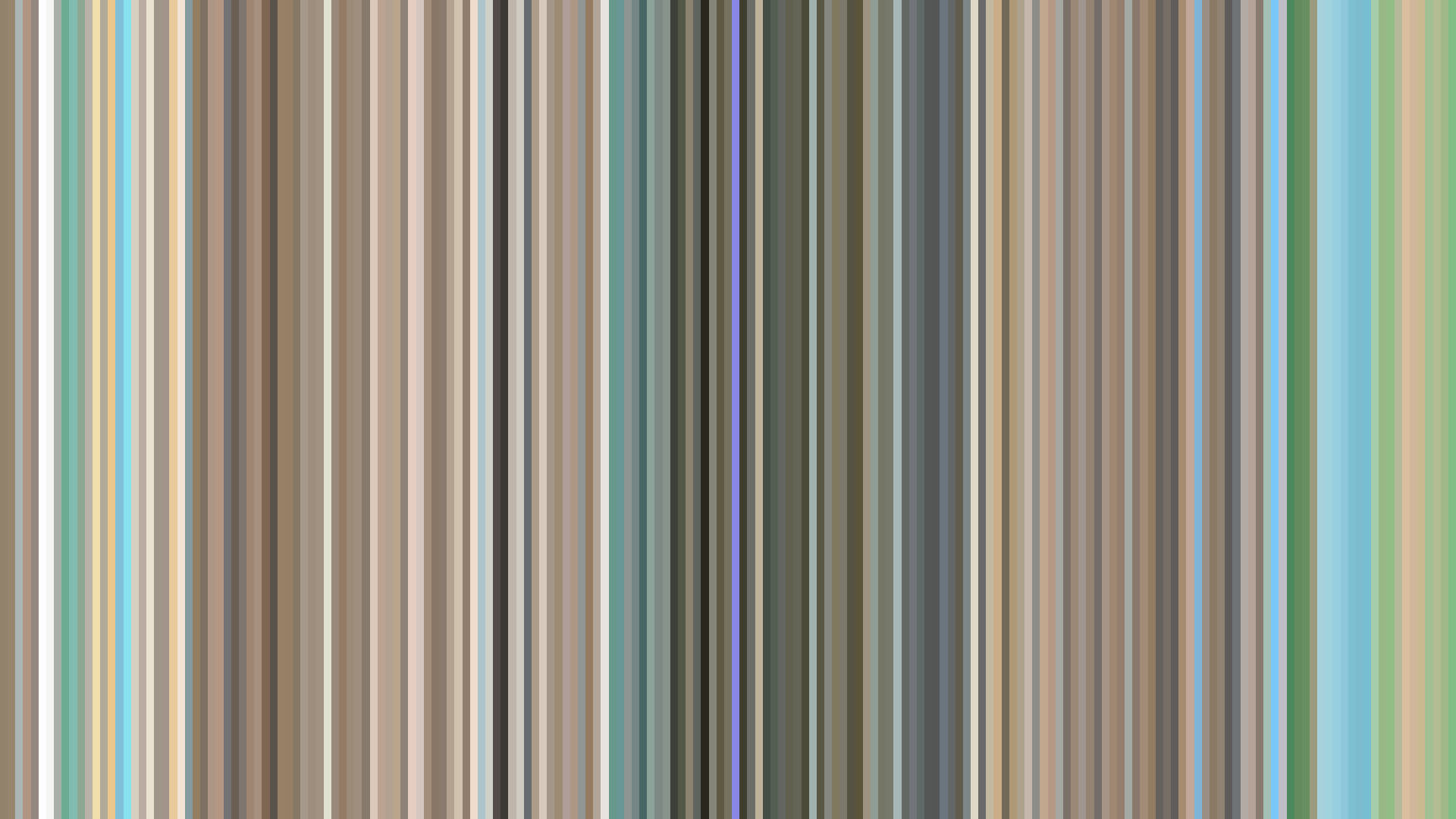
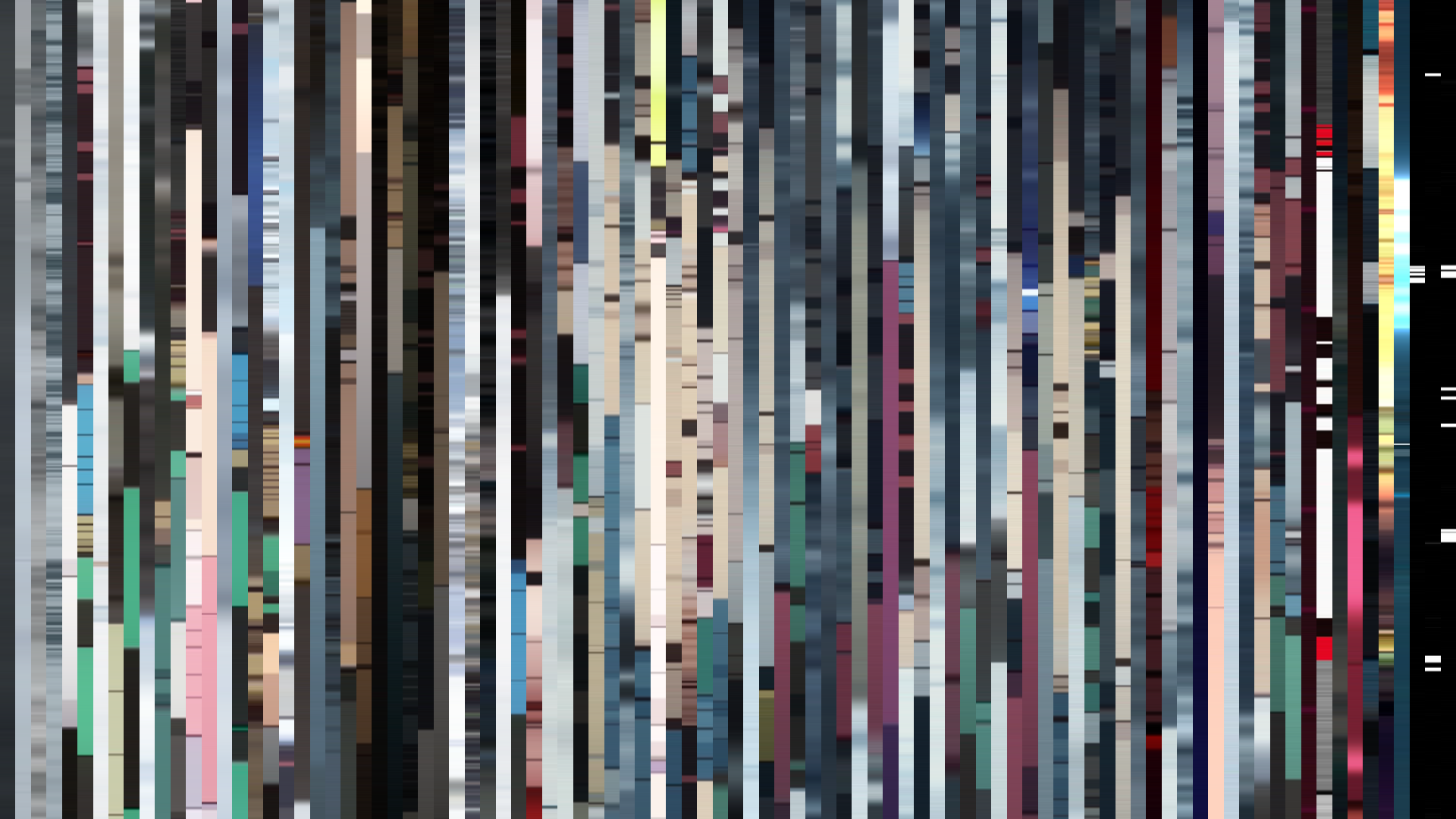
Slice · 30s
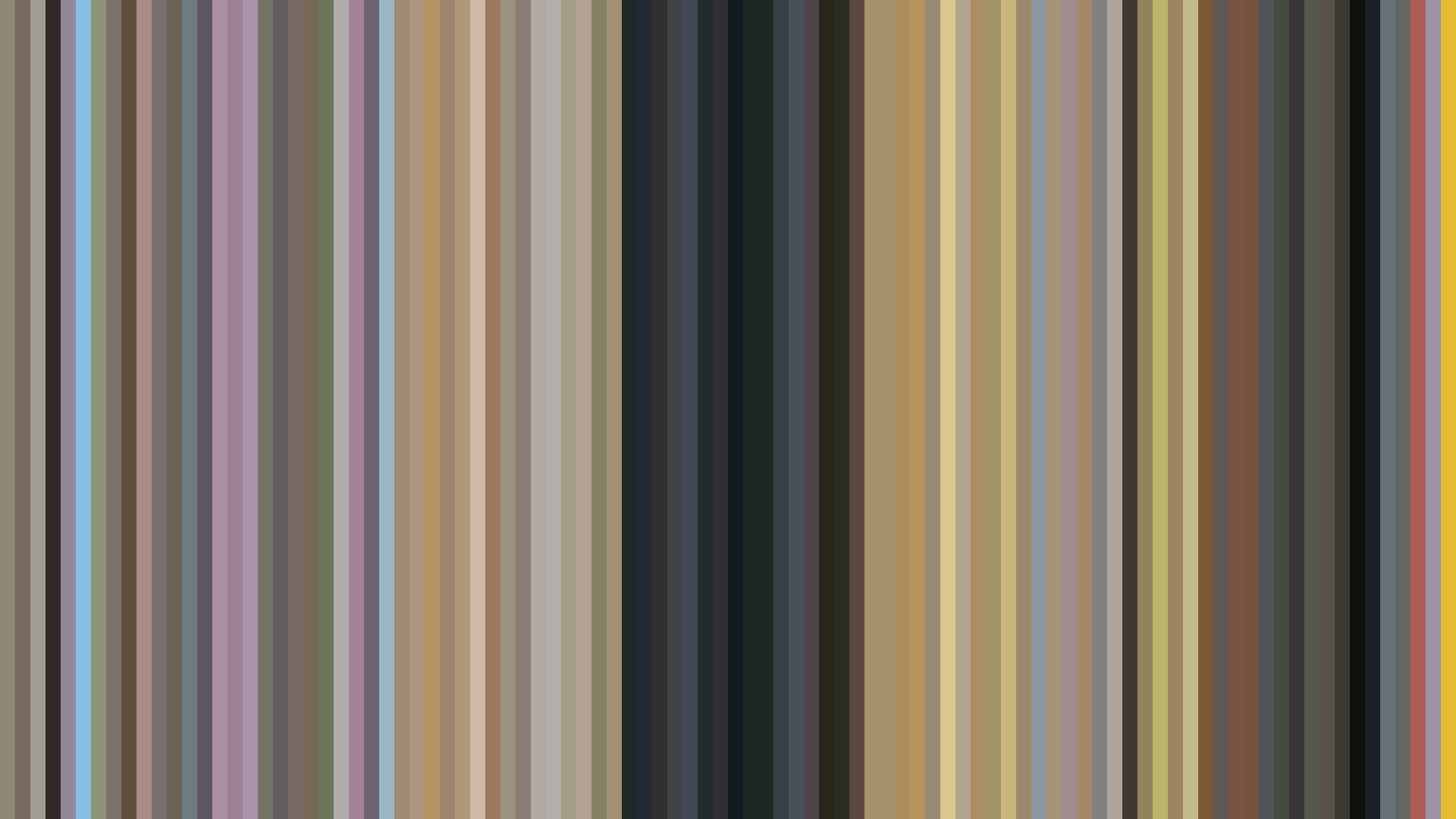
Avg · 30s
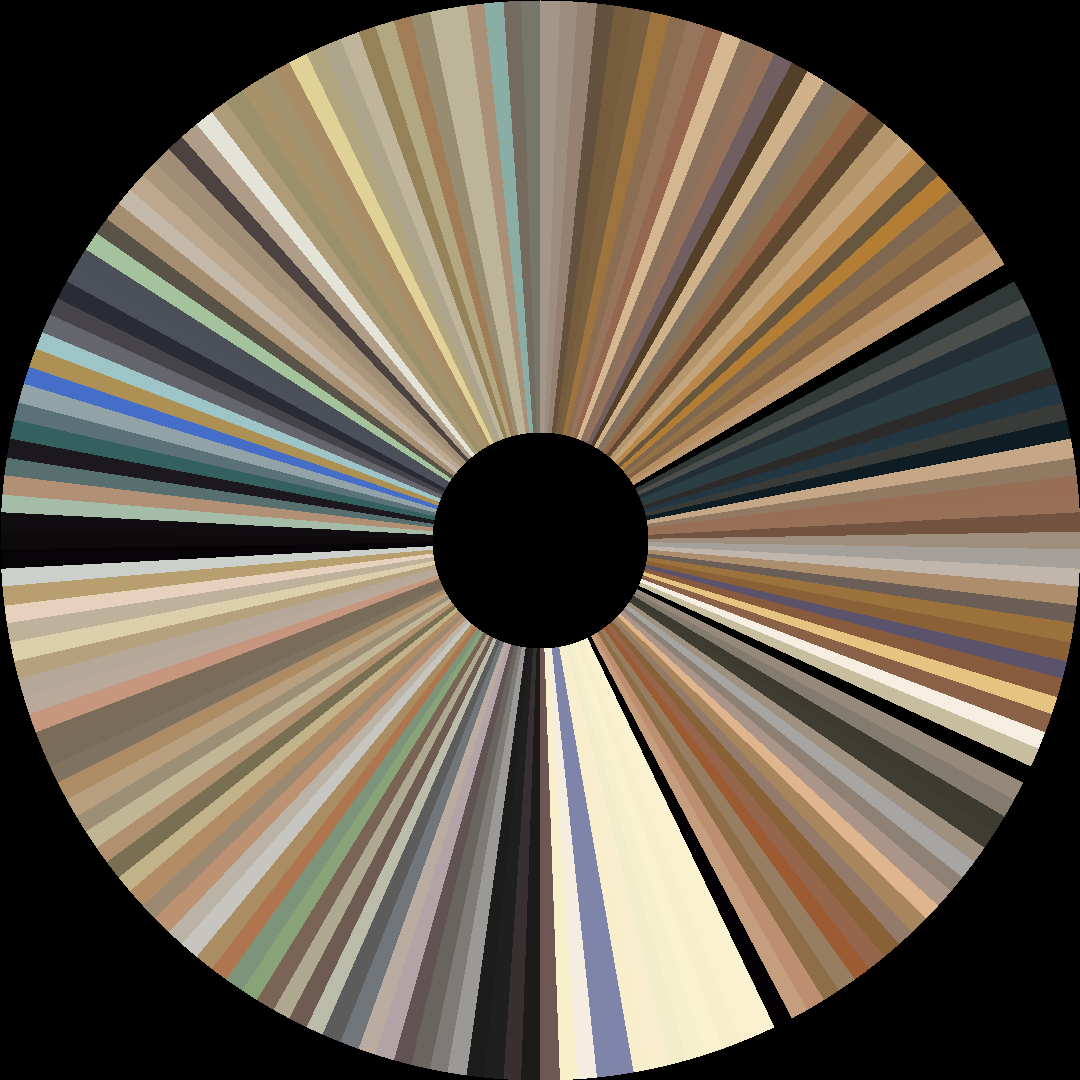
The palette's muted warmth—desaturated reds and earth tones—signals a story that refuses melodrama, even as its characters wrestle with grief. The flat brightness arc is the structural embodiment of emotional recovery: not a journey to cathartic light, but a quiet persistence at the same luminance. The slight middle-act brightening from 0.519 to 0.557 is the briefest flicker of hope before returning to the baseline, a pattern that matches the narrative's refusal of easy resolution. The dominant Red-Orange hue, at 58%, is the color of worn wood and faded posters, of a practice room that never quite warms. This is a color story about holding steady—not growing, not decaying, just remaining.
Brightness Arc (episode progression)
Hue Distribution
Act Breakdown
Opening
0.519
Middle
0.557
Closing
0.534
Avg Brightness
0.531
Avg Saturation
0.290
Warmth
0.569
Color Palette
#211F1F
#EEEBDA
#655E54
#E2D3A8
#A5A39A
#A4916A
#926F58
#CEB396
3-Act Color Story
Opening
Middle
Closing
Color Twins
Perceptually nearest palettes — measured in OKLab space, not RGB







The palette's muted warmth—desaturated reds and earth tones—signals a story that refuses melodrama, even as its characters wrestle with grief. The flat brightness arc is the structural embodiment of emotional recovery: not a journey to cathartic light, but a quiet persistence at the same luminance. The slight middle-act brightening from 0.519 to 0.557 is the briefest flicker of hope before returning to the baseline, a pattern that matches the narrative's refusal of easy resolution. The dominant Red-Orange hue, at 58%, is the color of worn wood and faded posters, of a practice room that never quite warms. This is a color story about holding steady—not growing, not decaying, just remaining.