Edit Pace — frame-to-frame color delta (bright = fast cuts)
Color Temperature — warm (gold) vs cool (teal) per frame
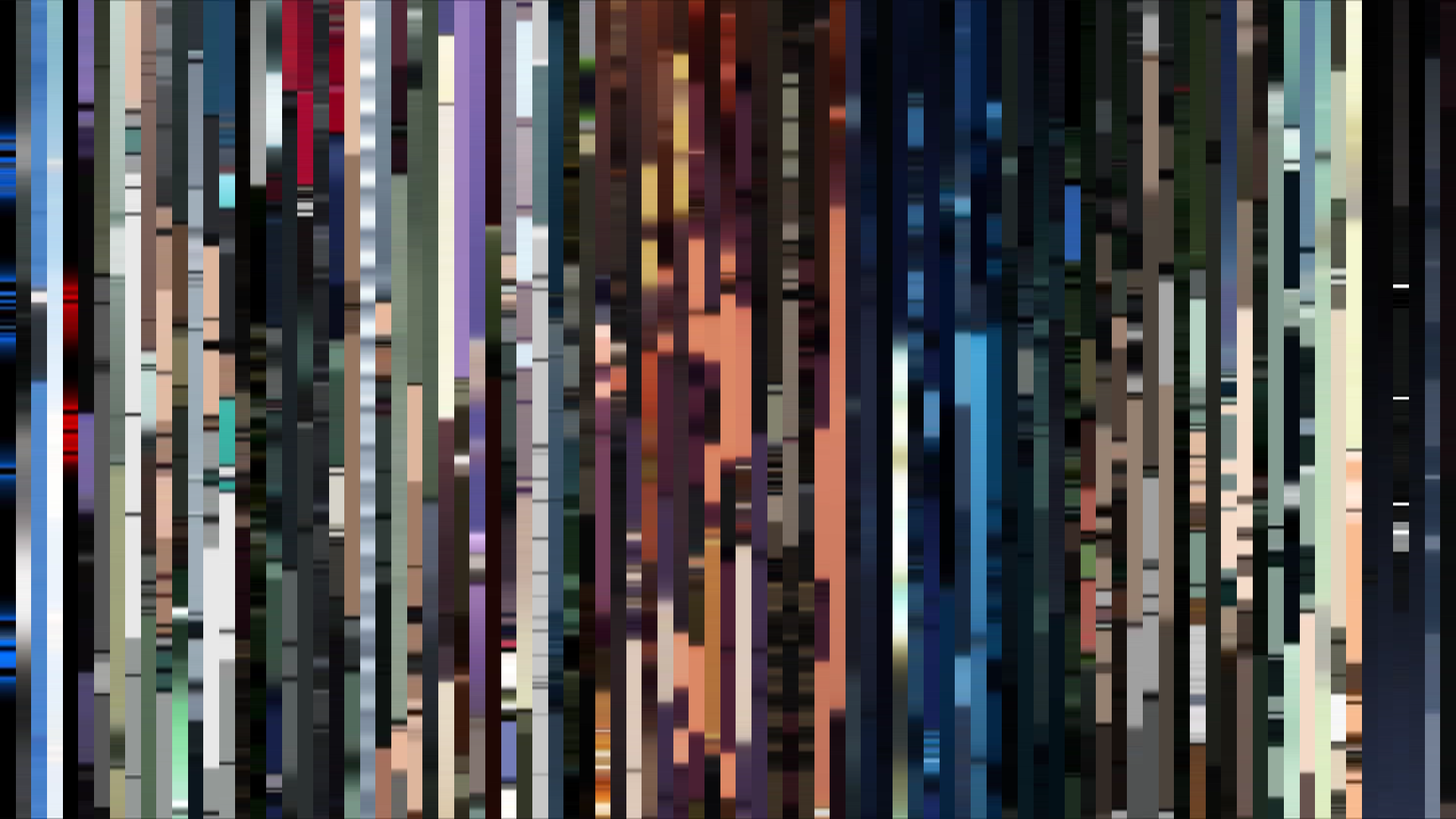
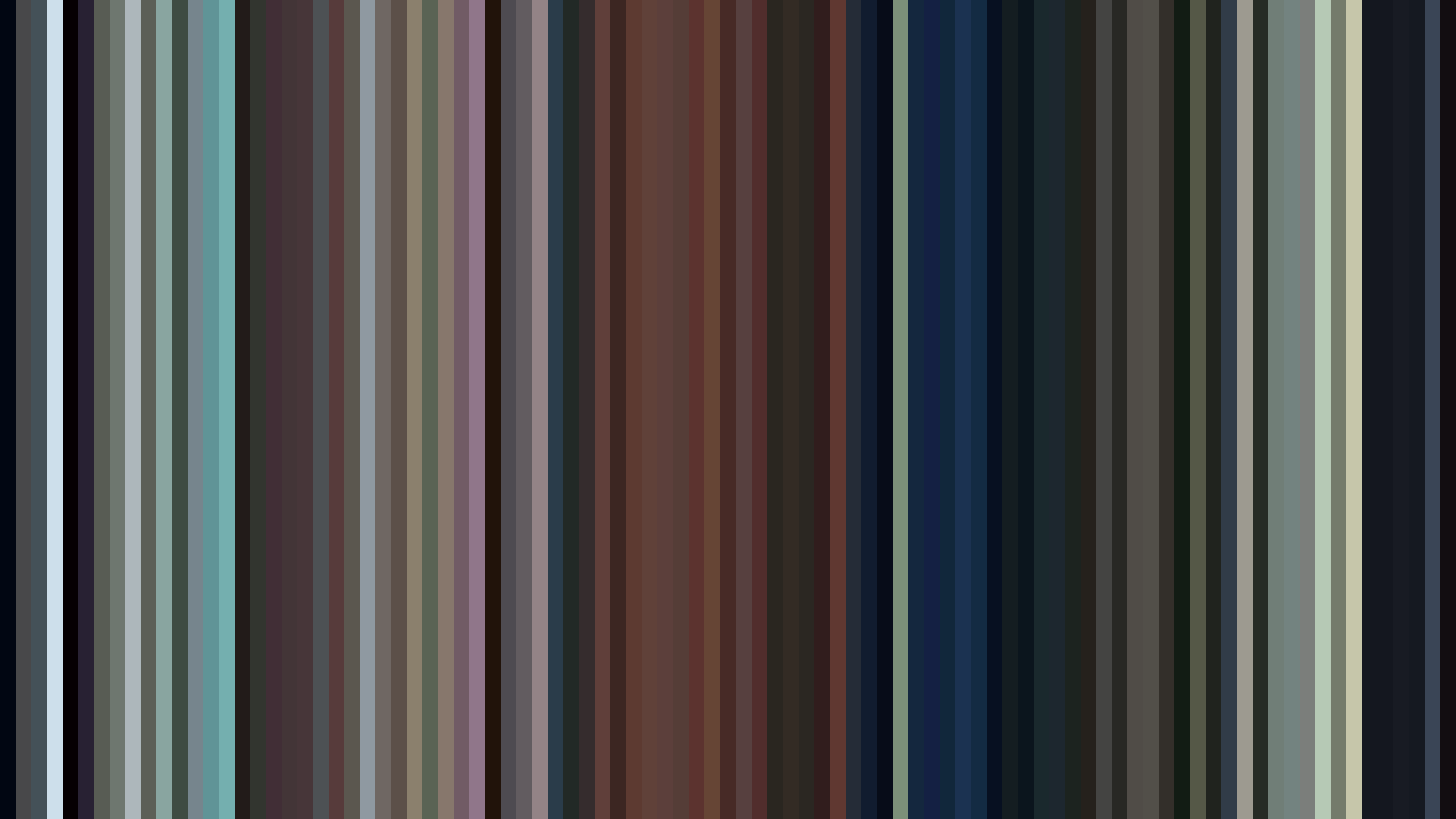
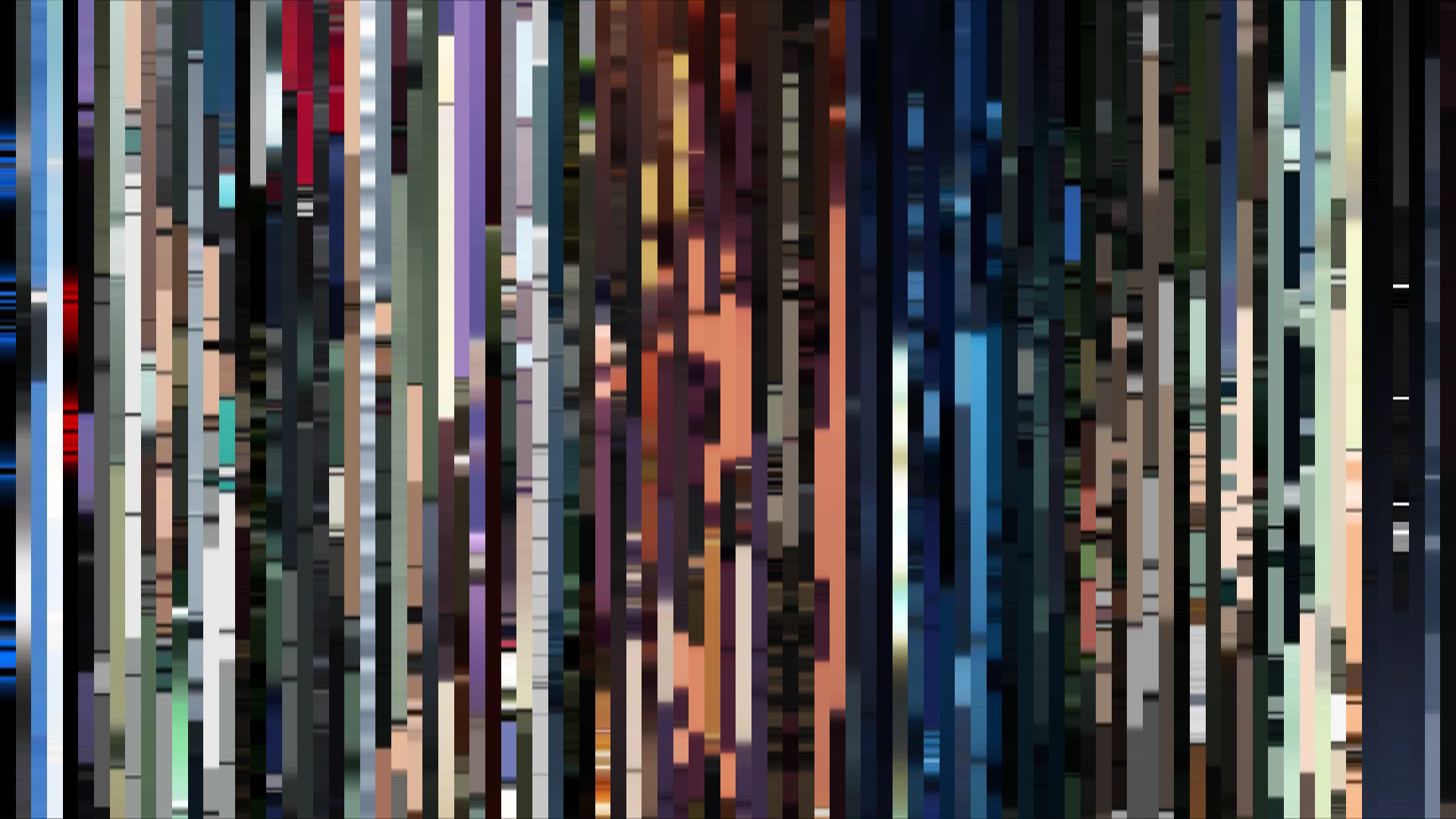
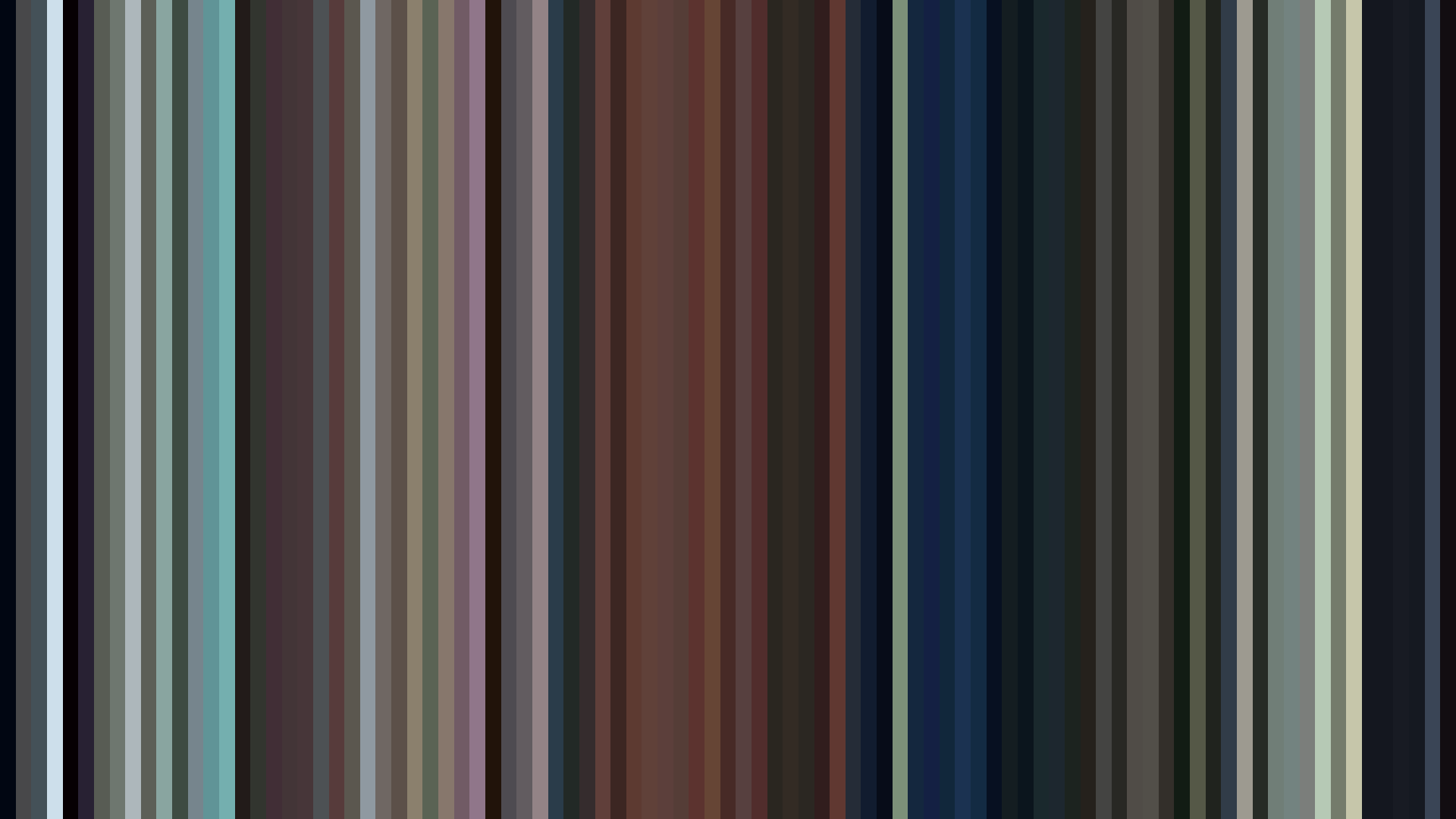
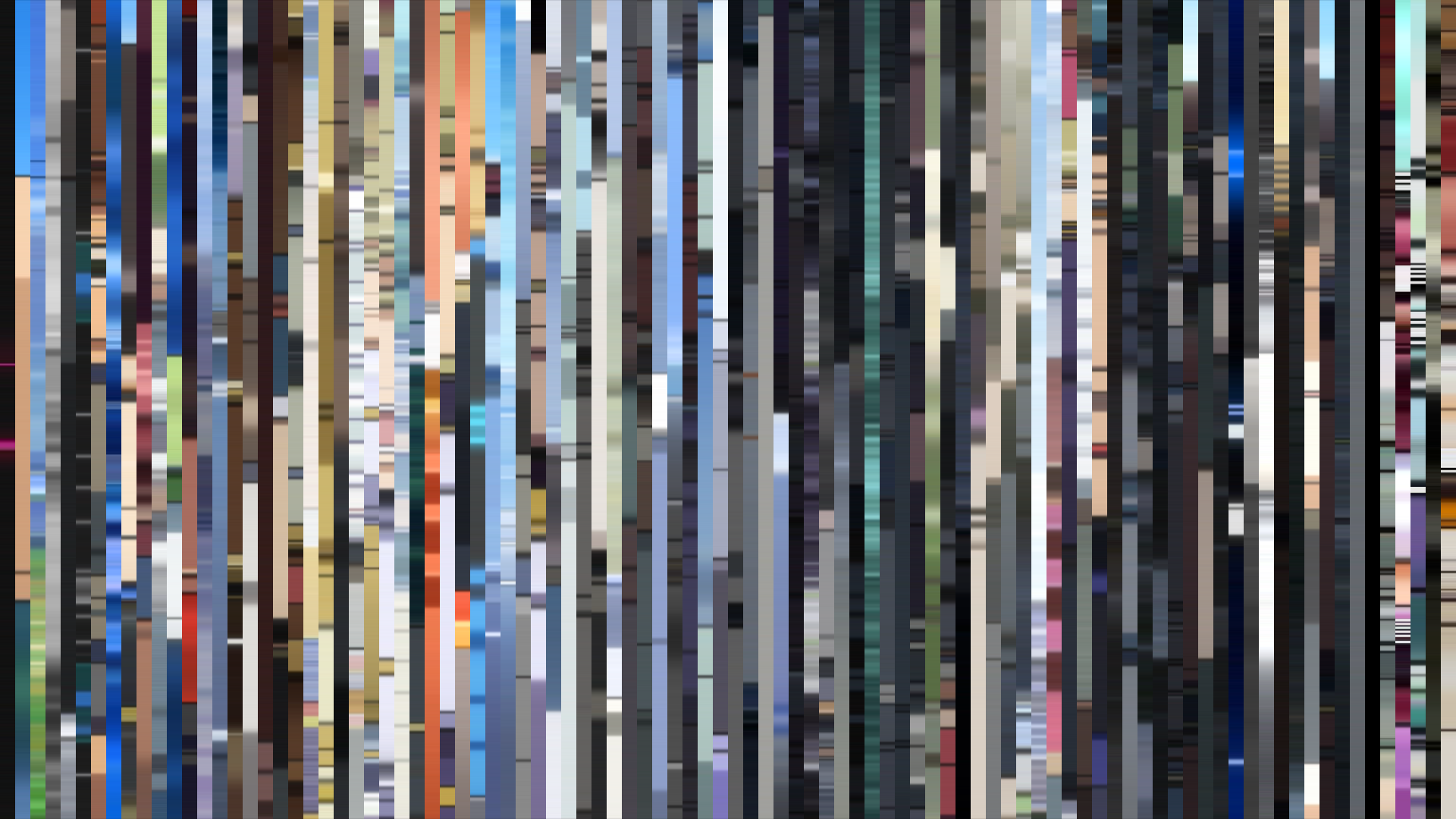
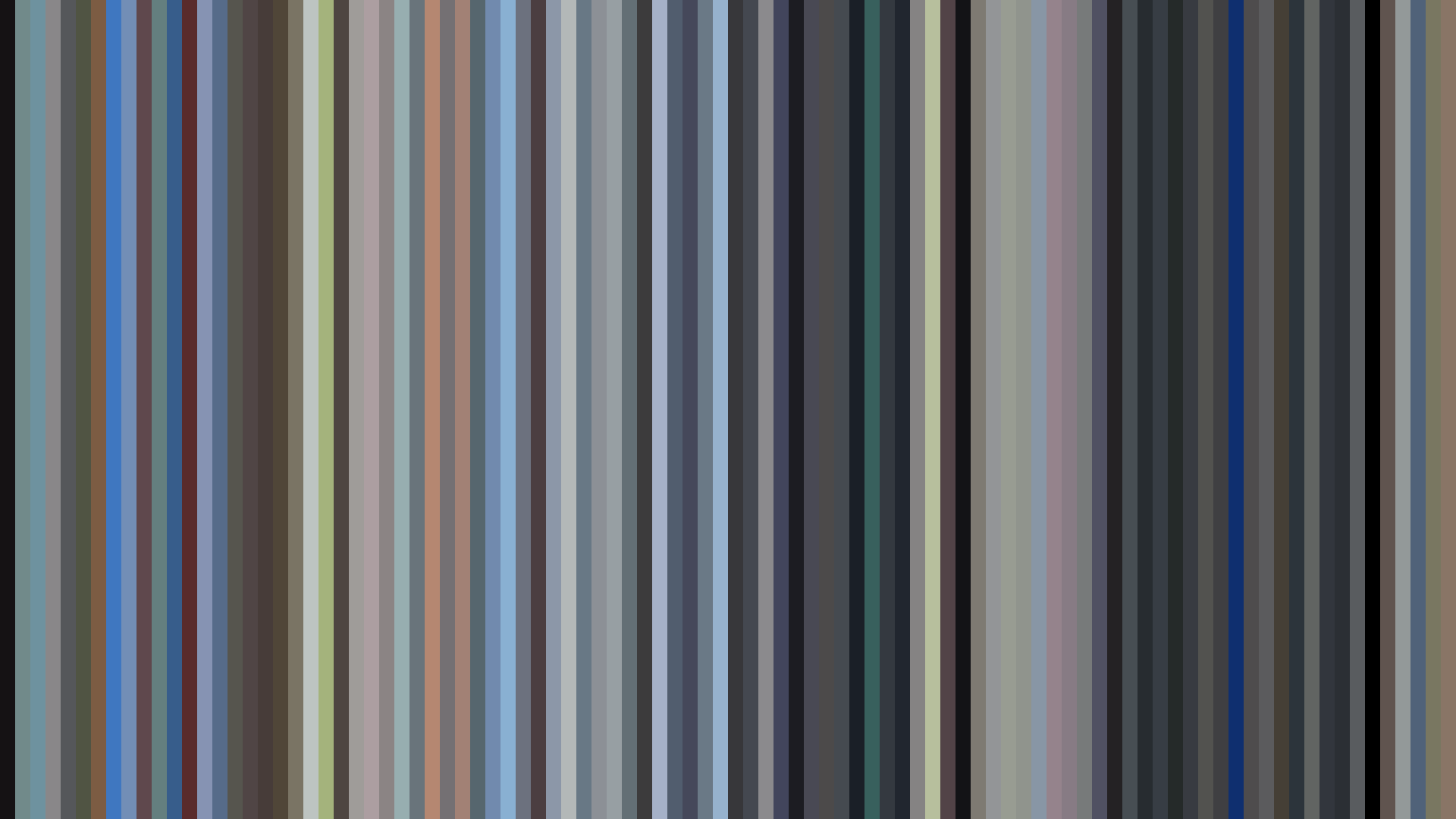
Frame Density Comparison — every 2nd vs every 4th frame
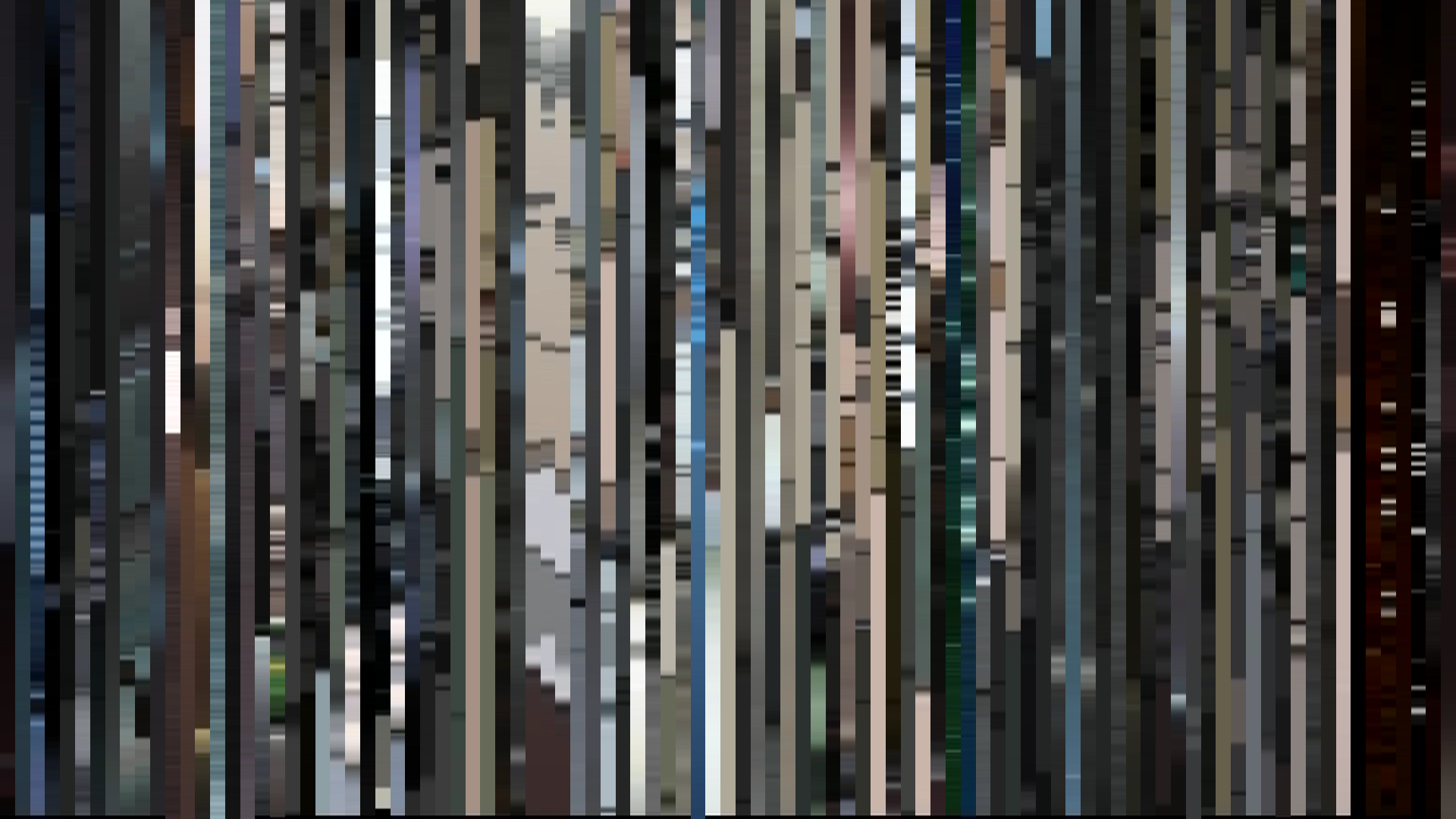
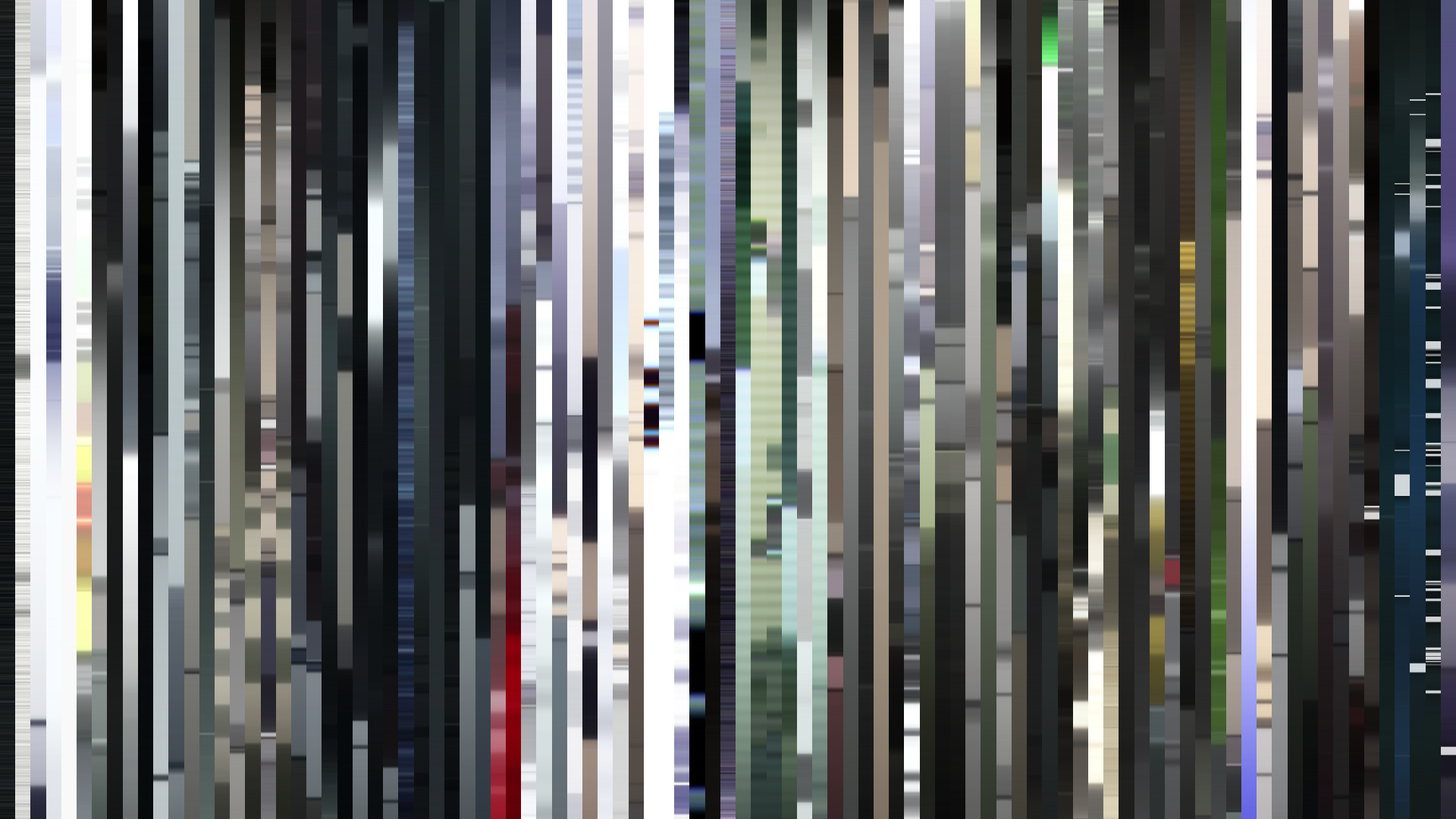
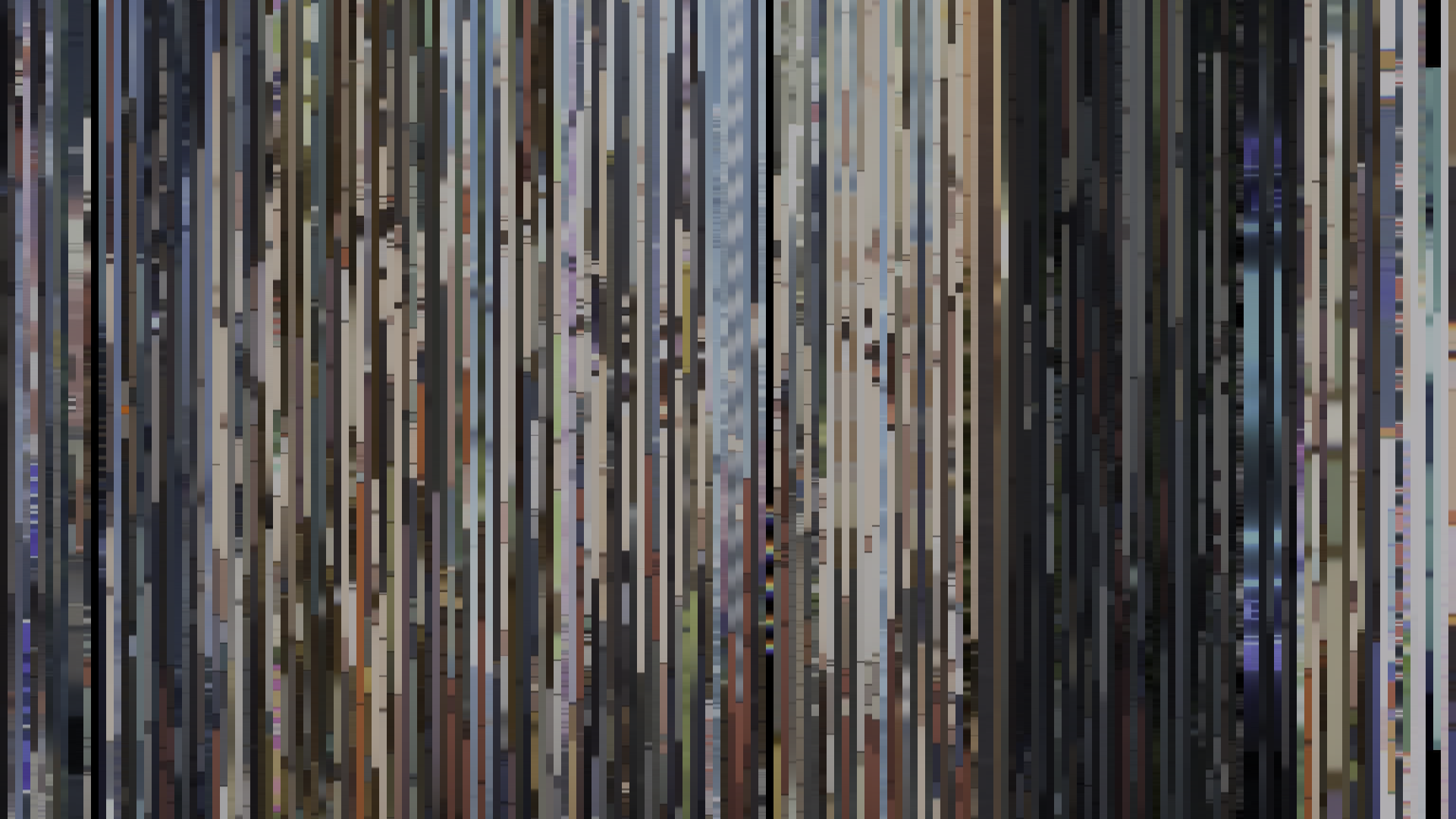
Slice · 15s
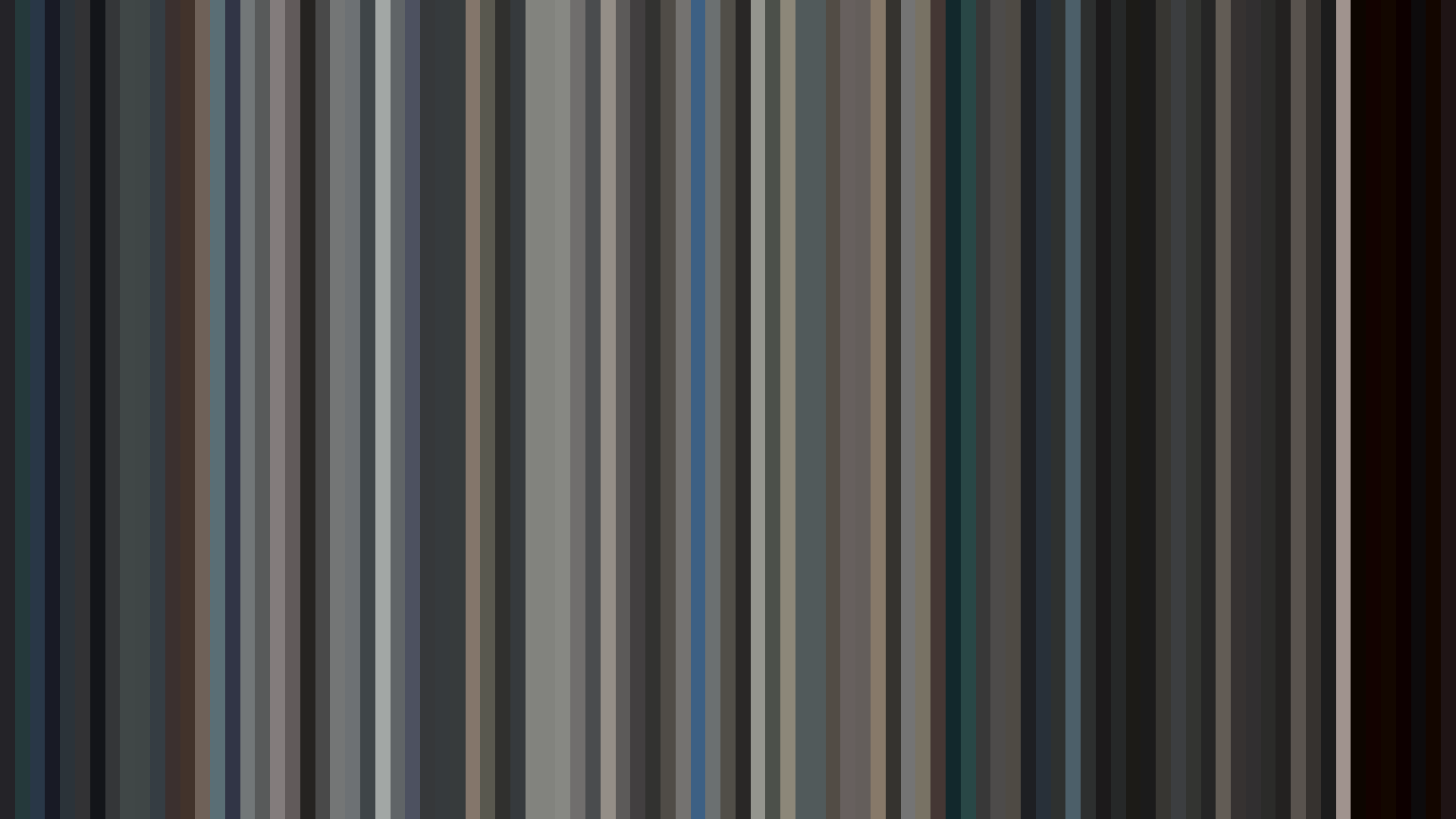
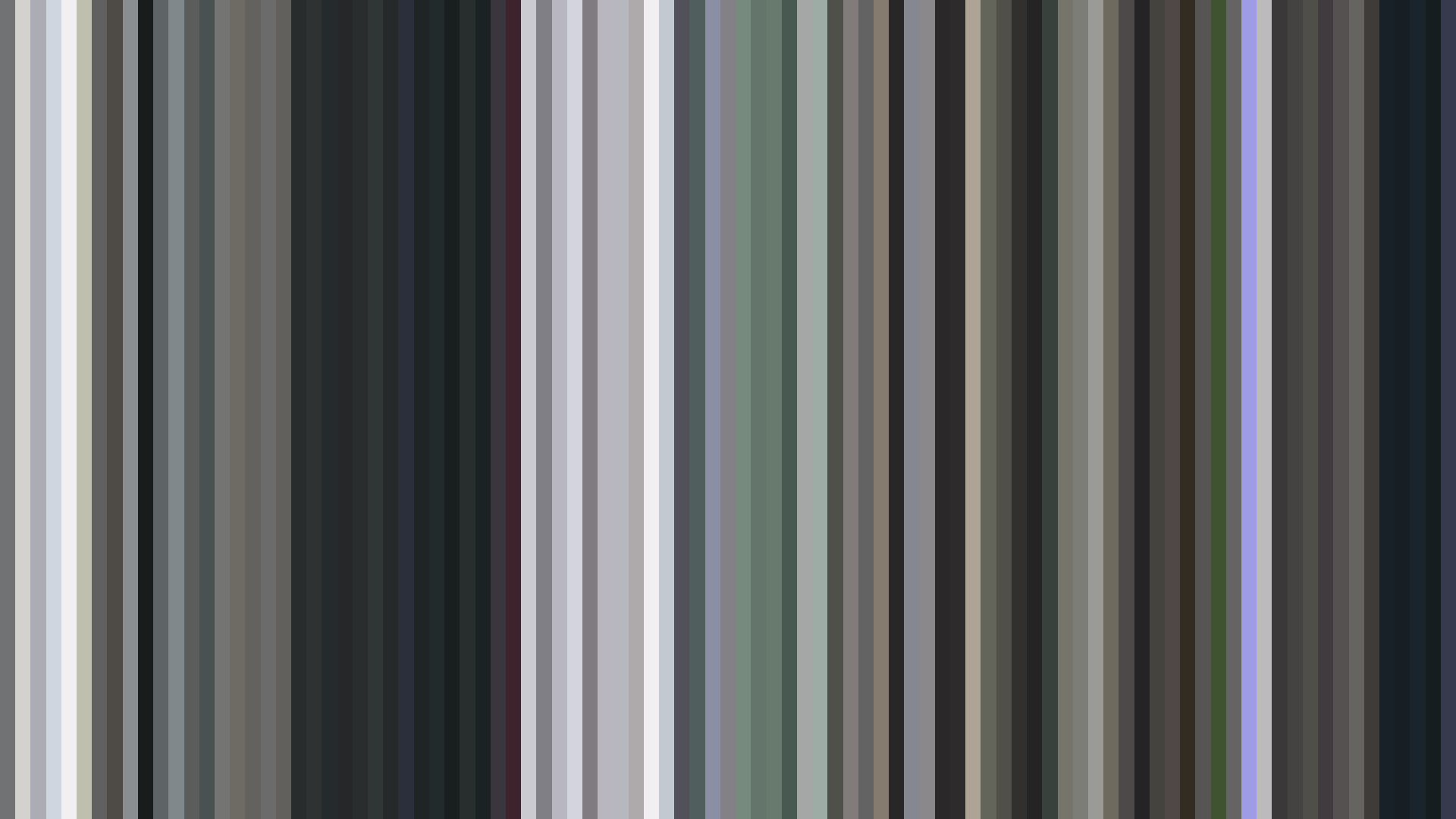
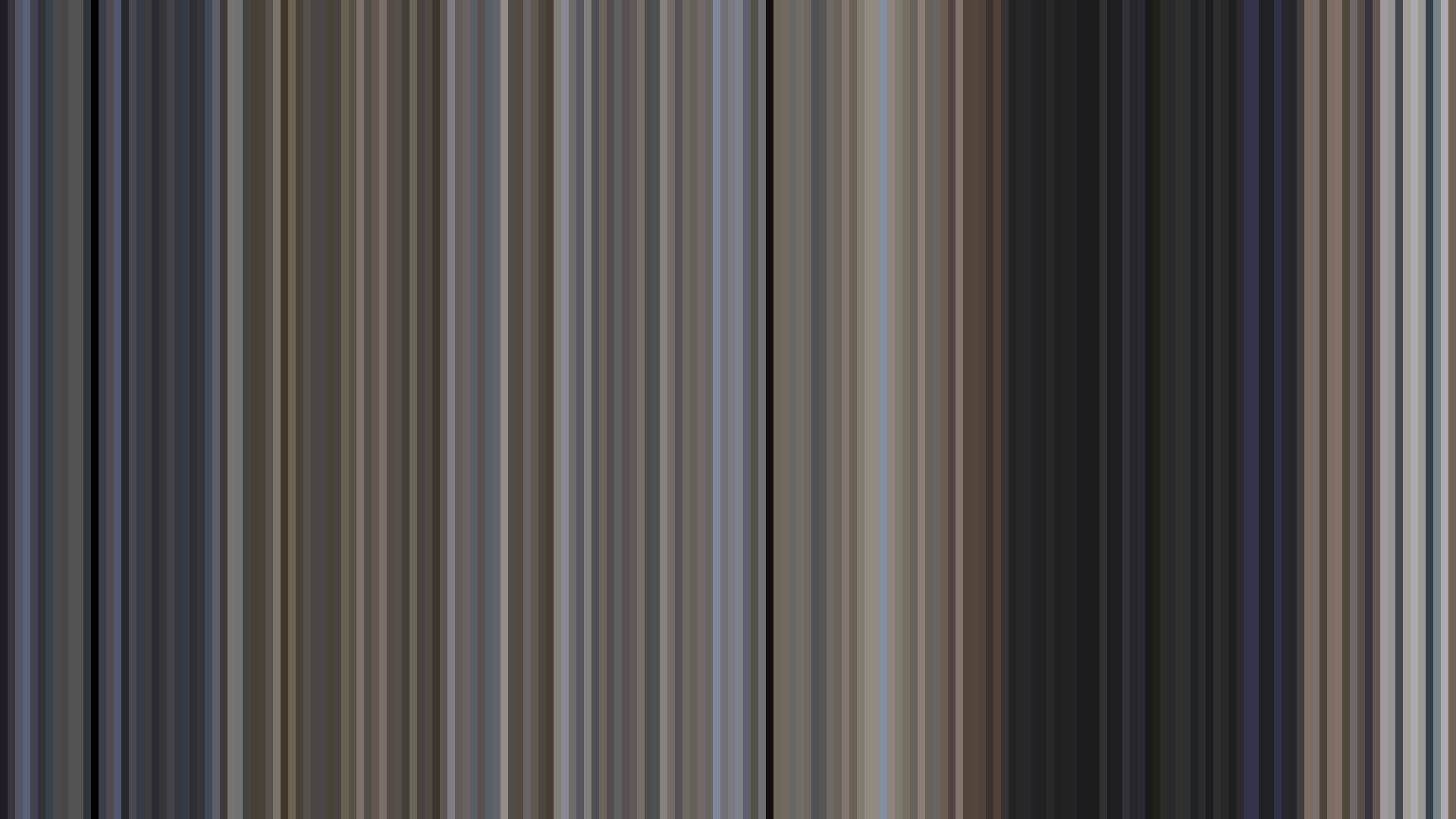
Avg · 15s
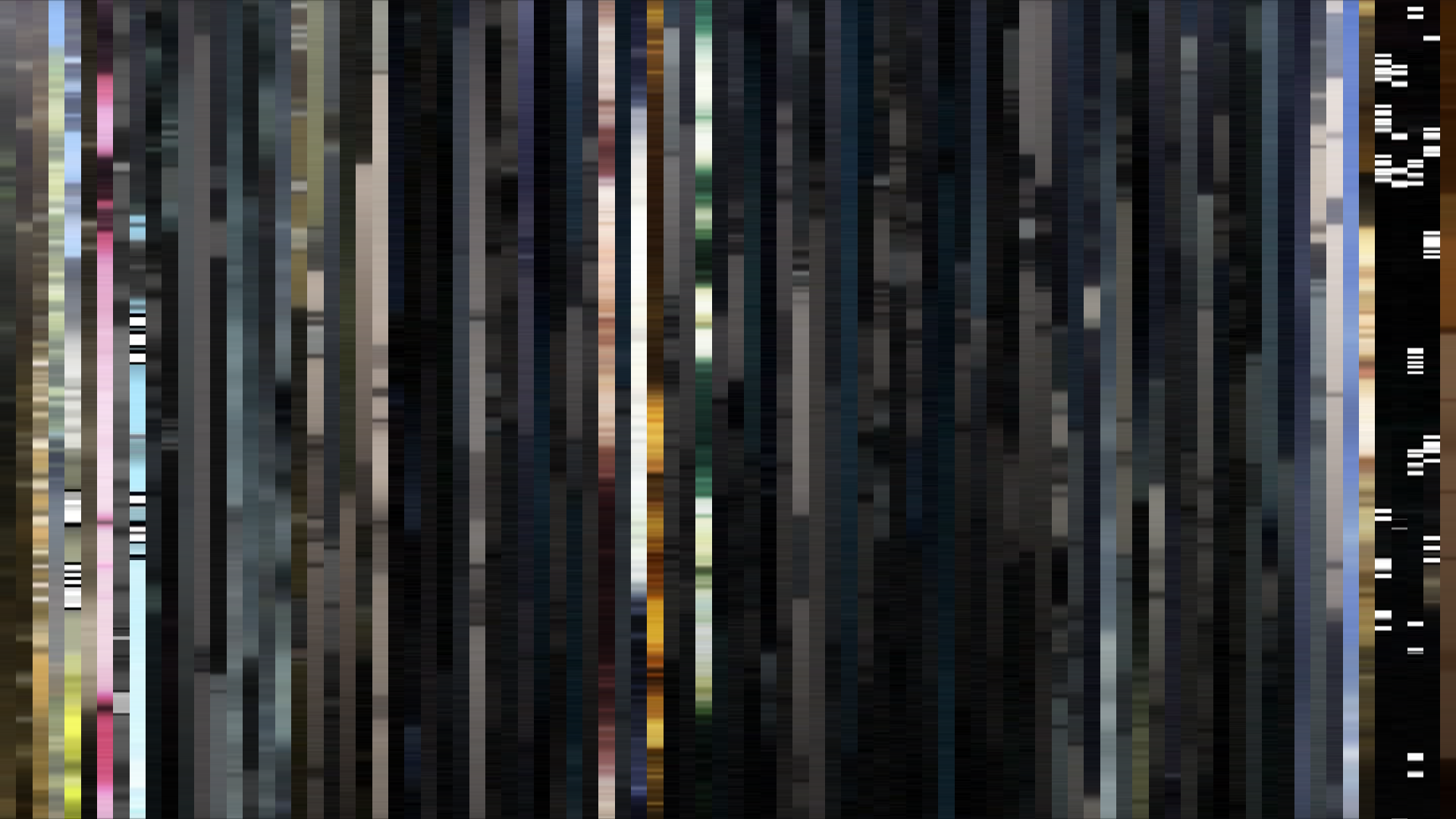
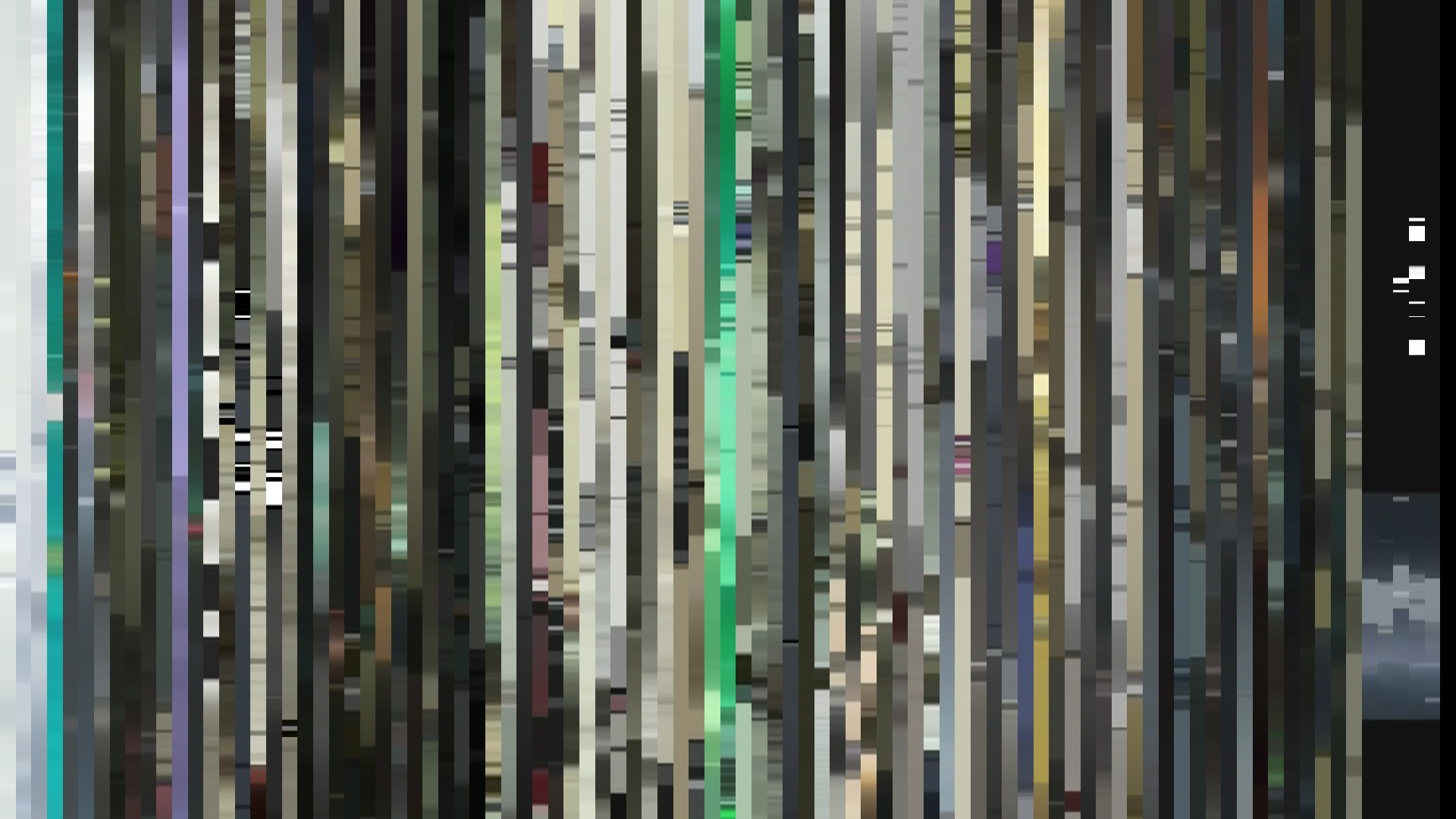
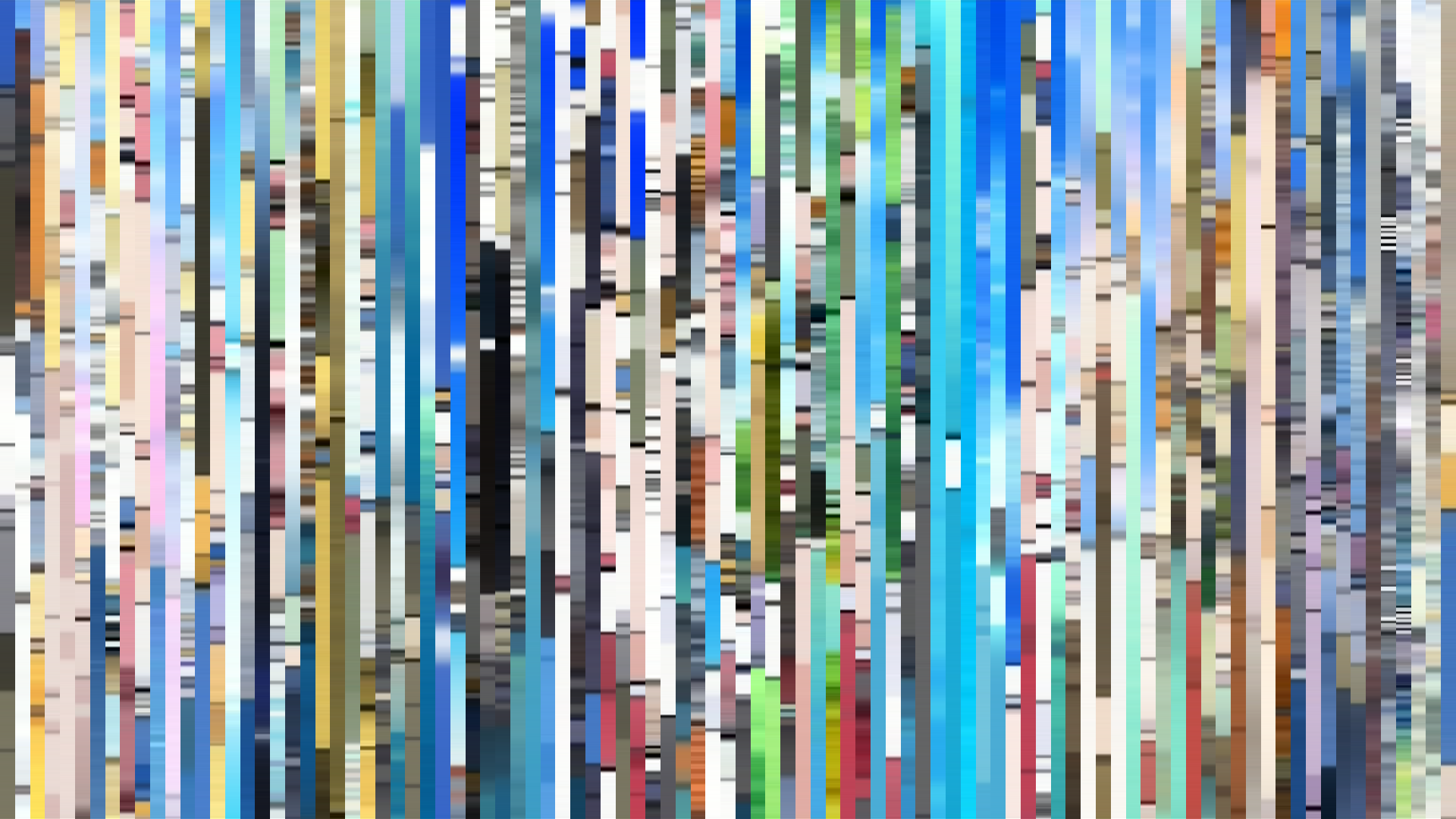
Slice · 30s
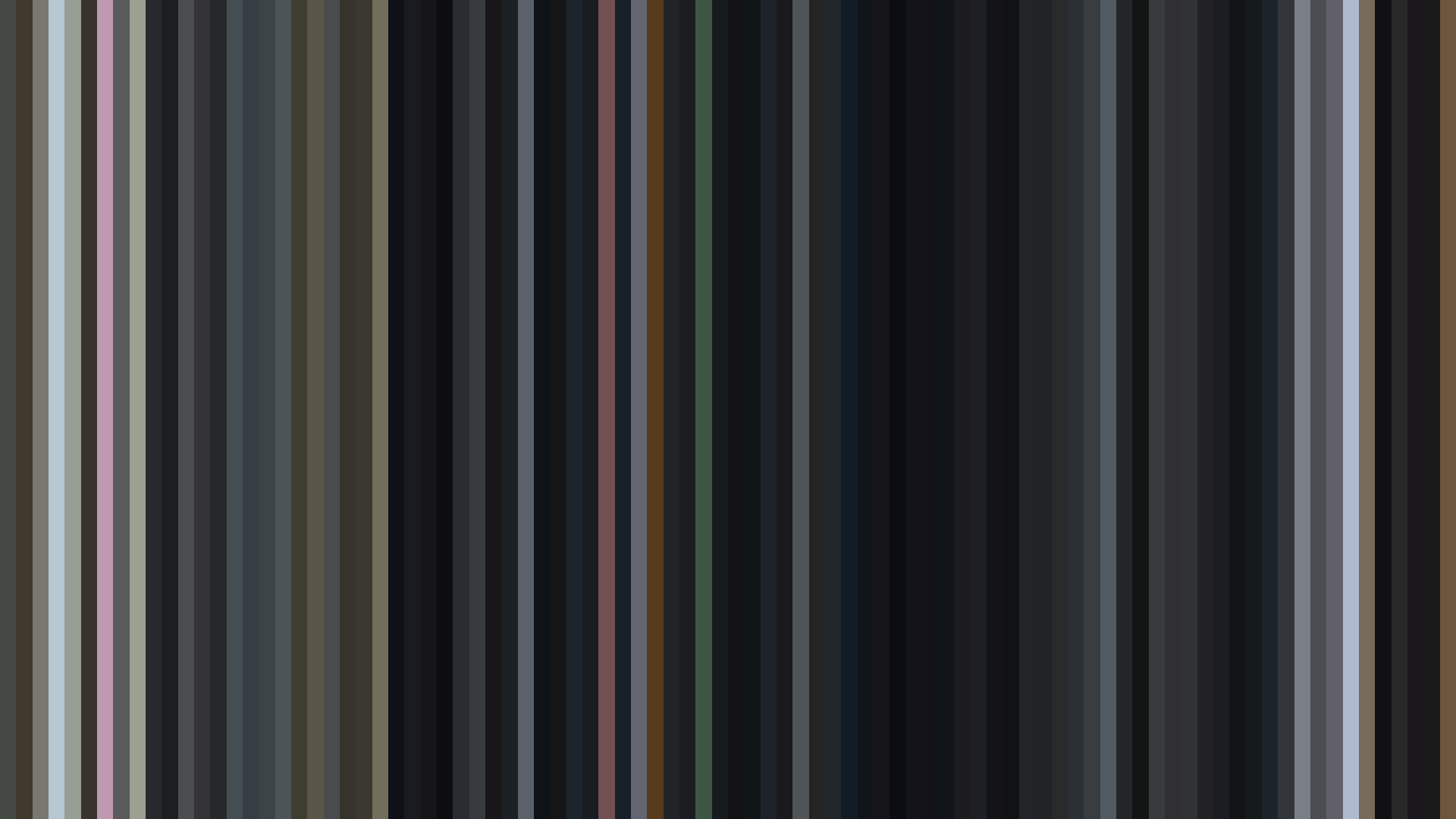
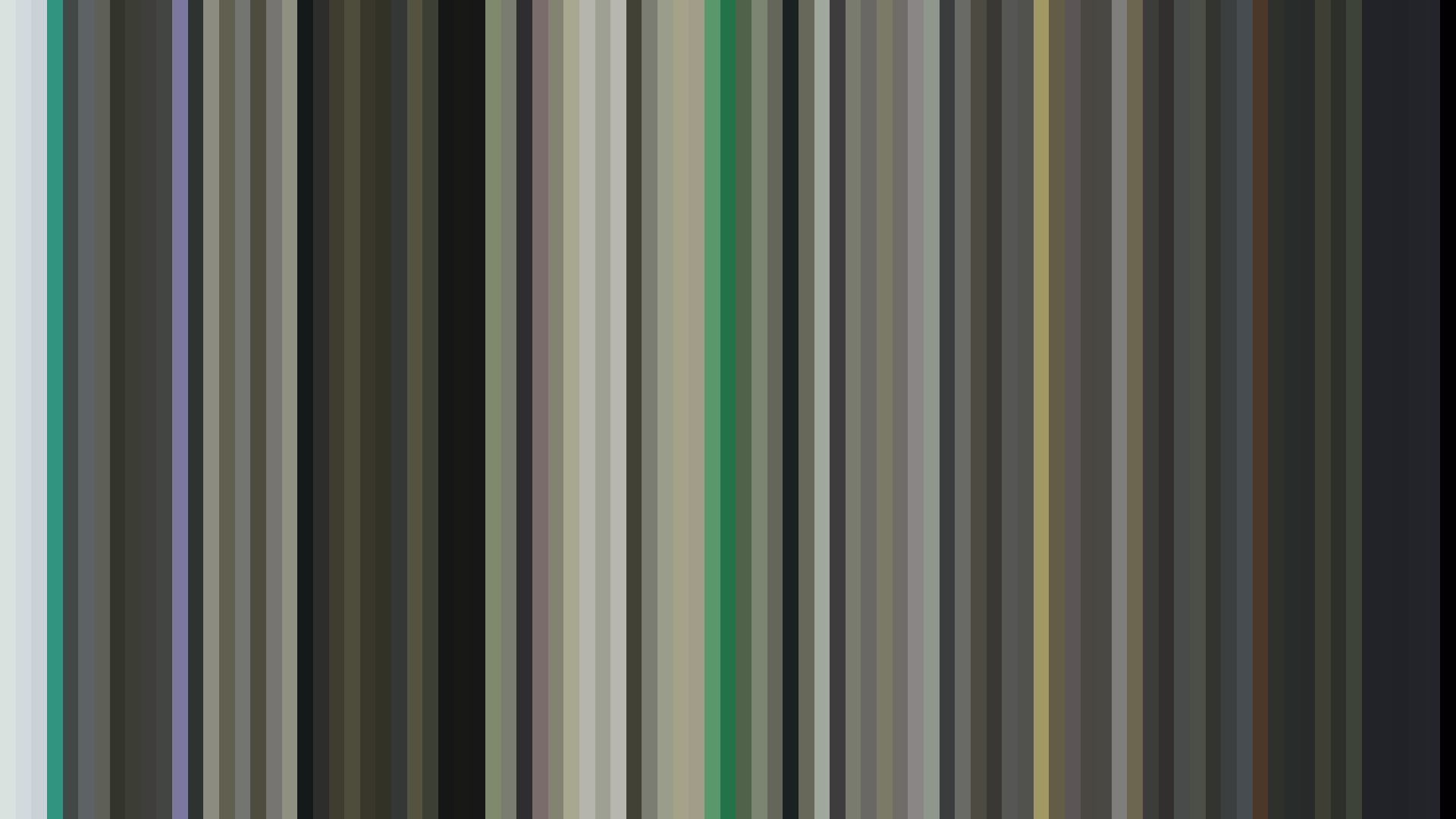
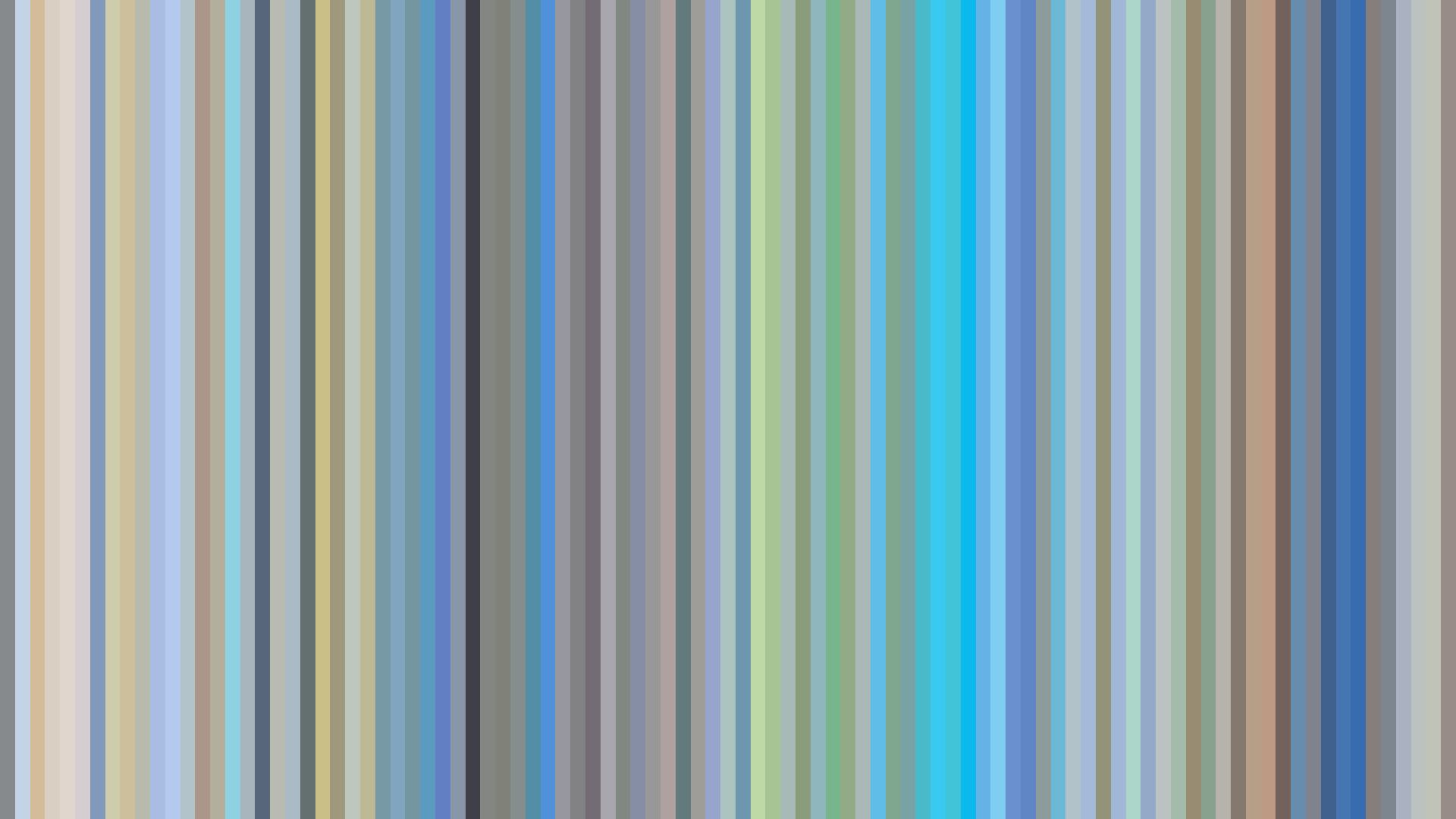
Avg · 30s
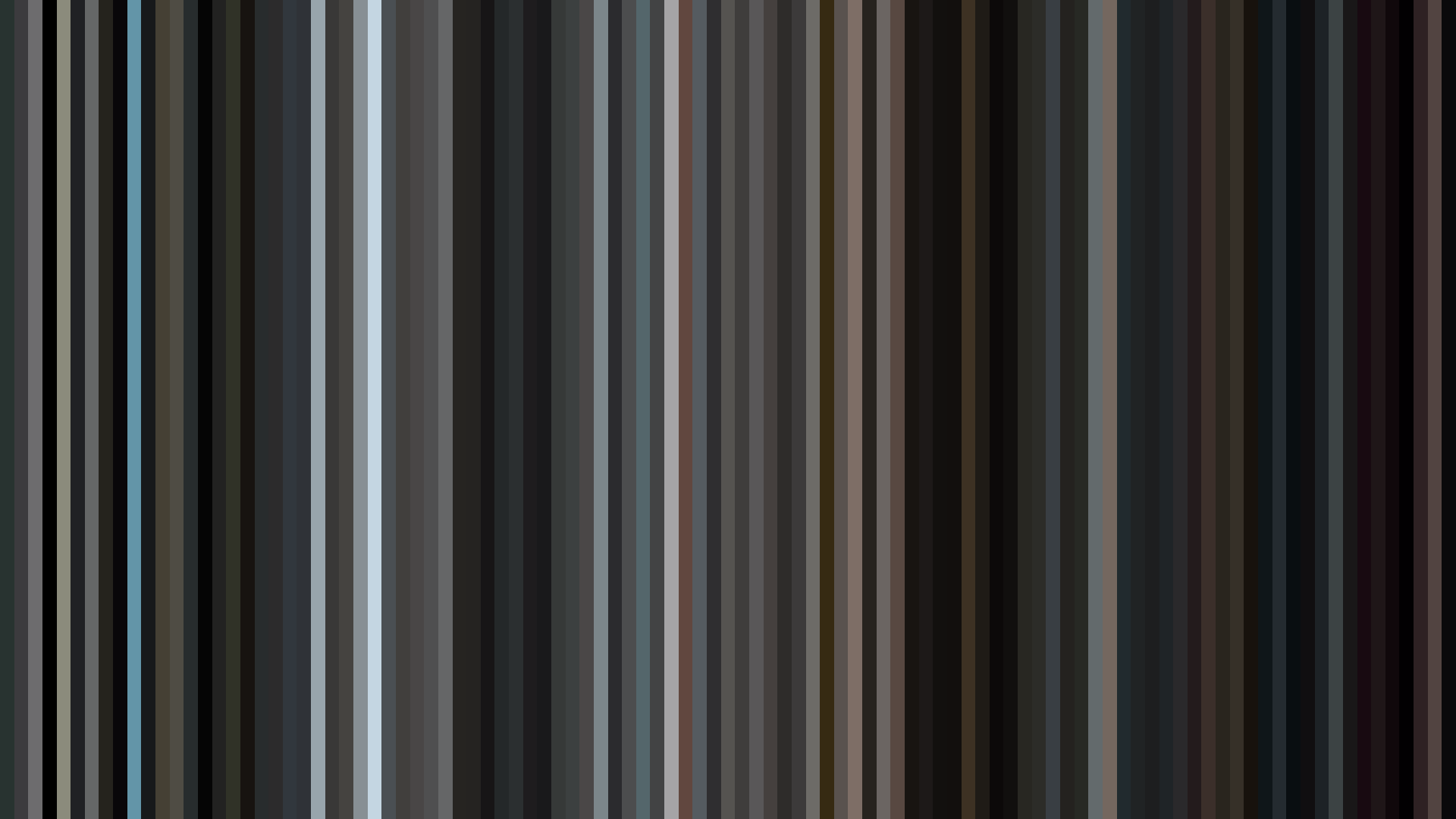
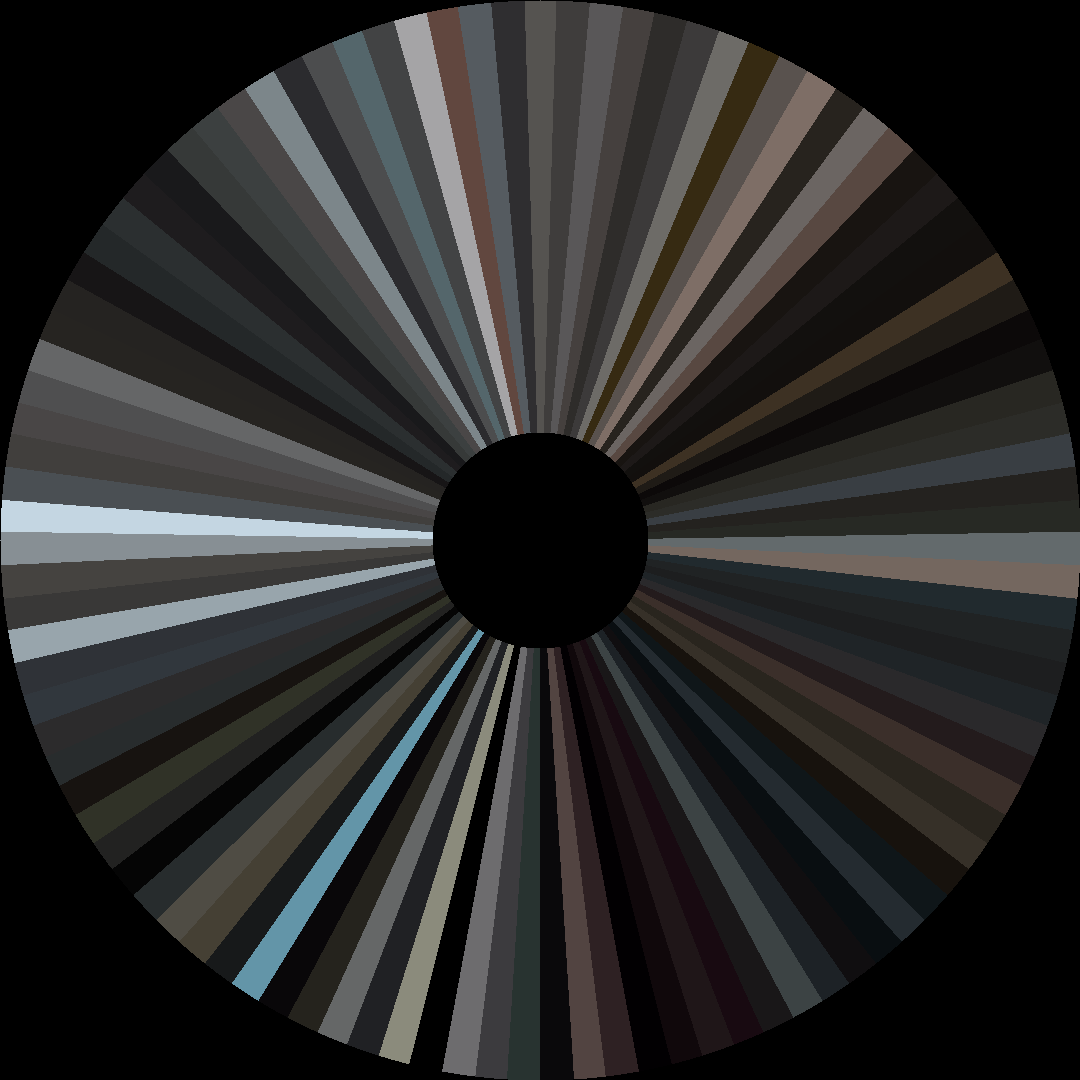
Every frame of *Ergo Proxy* is a corpse—washed out, green-tinged, and resigned to decay. The palette reads almost monochrome at first glance: #1B1B1A to #E4E6E6, but that spectral shift is the only life left in a world whose dominant hue (Green, 37%) is the color of oxidized copper and fluorescent decay, not growth. Director Shukou Murase and Manglobe channeled post-punk science fiction’s material despair into a color grade that refuses warmth; the saturation (0.155) is so low it’s nearly a statistical whisper. The show’s *dark-ending* arc is its most honest structural decision: opening brightness already dim at 0.316, then a middle act that barely holds the line at 0.291, before collapsing to 0.156 in the closing chapters. This isn’t a narrative arc—it’s a room losing oxygen. Red-Orange and Red together claim 42% of the palette, but they never heat anything; they’re found in rust and dried blood, not fire or lipstick. *Ergo Proxy* doesn’t get brighter as it progresses because its world was never heading toward dawn. The green-dominant desaturation is the visual signature of a show that believes in entropy, not redemption.
Brightness Arc (episode progression)
Hue Distribution
Act Breakdown
Opening
0.316
Middle
0.291
Closing
0.156
Avg Brightness
0.249
Avg Saturation
0.155
Warmth
0.492
Color Palette
#1B1B1A
#5A5B59
#9A9A97
#E4E6E6
#38474D
#443A34
#484539
#6E8D99
3-Act Color Story
Opening
Middle
Closing
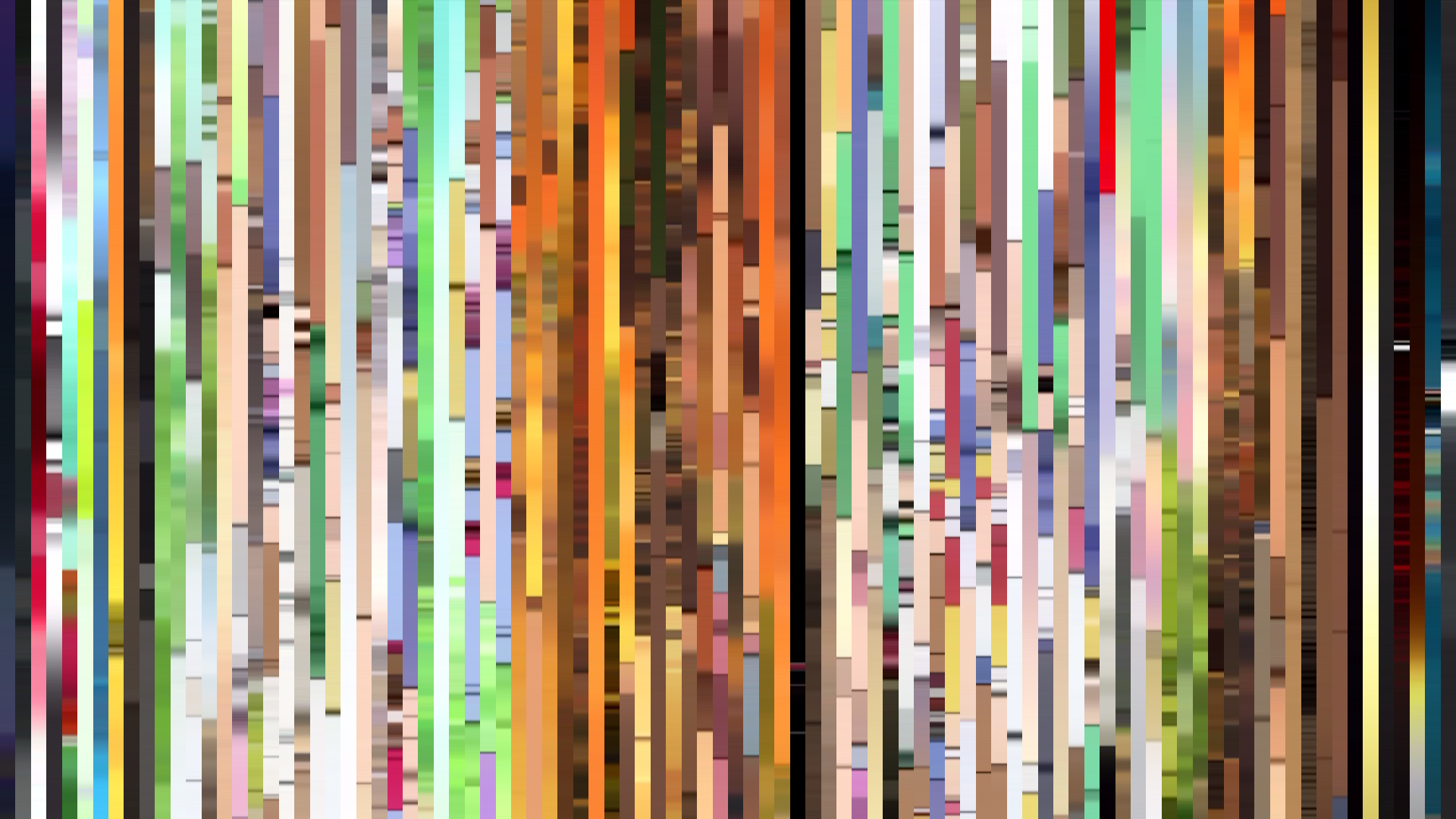
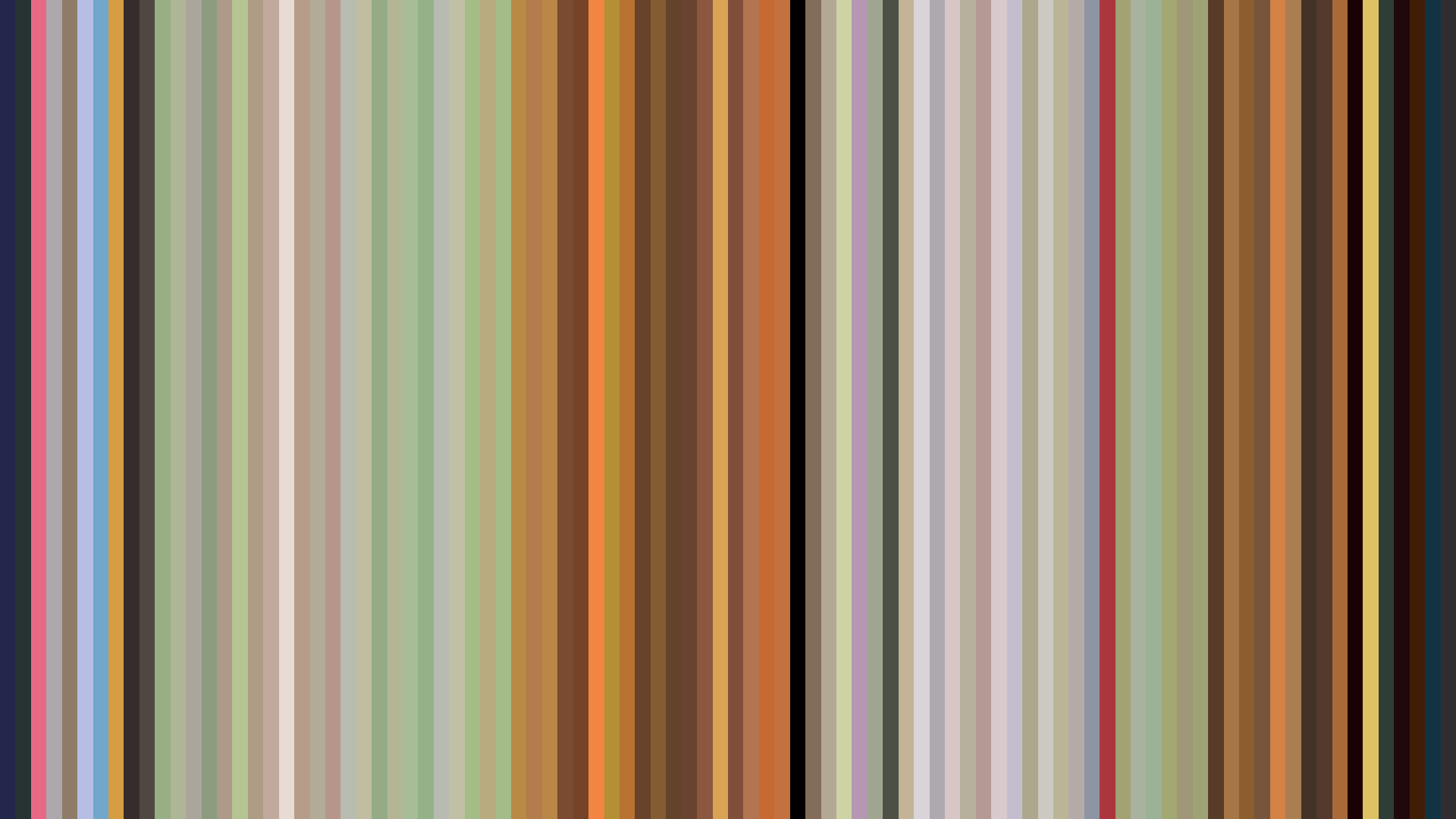
Color Twins
Perceptually nearest palettes — measured in OKLab space, not RGB






Every frame of *Ergo Proxy* is a corpse—washed out, green-tinged, and resigned to decay. The palette reads almost monochrome at first glance: #1B1B1A to #E4E6E6, but that spectral shift is the only life left in a world whose dominant hue (Green, 37%) is the color of oxidized copper and fluorescent decay, not growth. Director Shukou Murase and Manglobe channeled post-punk science fiction’s material despair into a color grade that refuses warmth; the saturation (0.155) is so low it’s nearly a statistical whisper. The show’s *dark-ending* arc is its most honest structural decision: opening brightness already dim at 0.316, then a middle act that barely holds the line at 0.291, before collapsing to 0.156 in the closing chapters. This isn’t a narrative arc—it’s a room losing oxygen. Red-Orange and Red together claim 42% of the palette, but they never heat anything; they’re found in rust and dried blood, not fire or lipstick. *Ergo Proxy* doesn’t get brighter as it progresses because its world was never heading toward dawn. The green-dominant desaturation is the visual signature of a show that believes in entropy, not redemption.