Edit Pace — frame-to-frame color delta (bright = fast cuts)
Color Temperature — warm (gold) vs cool (teal) per frame
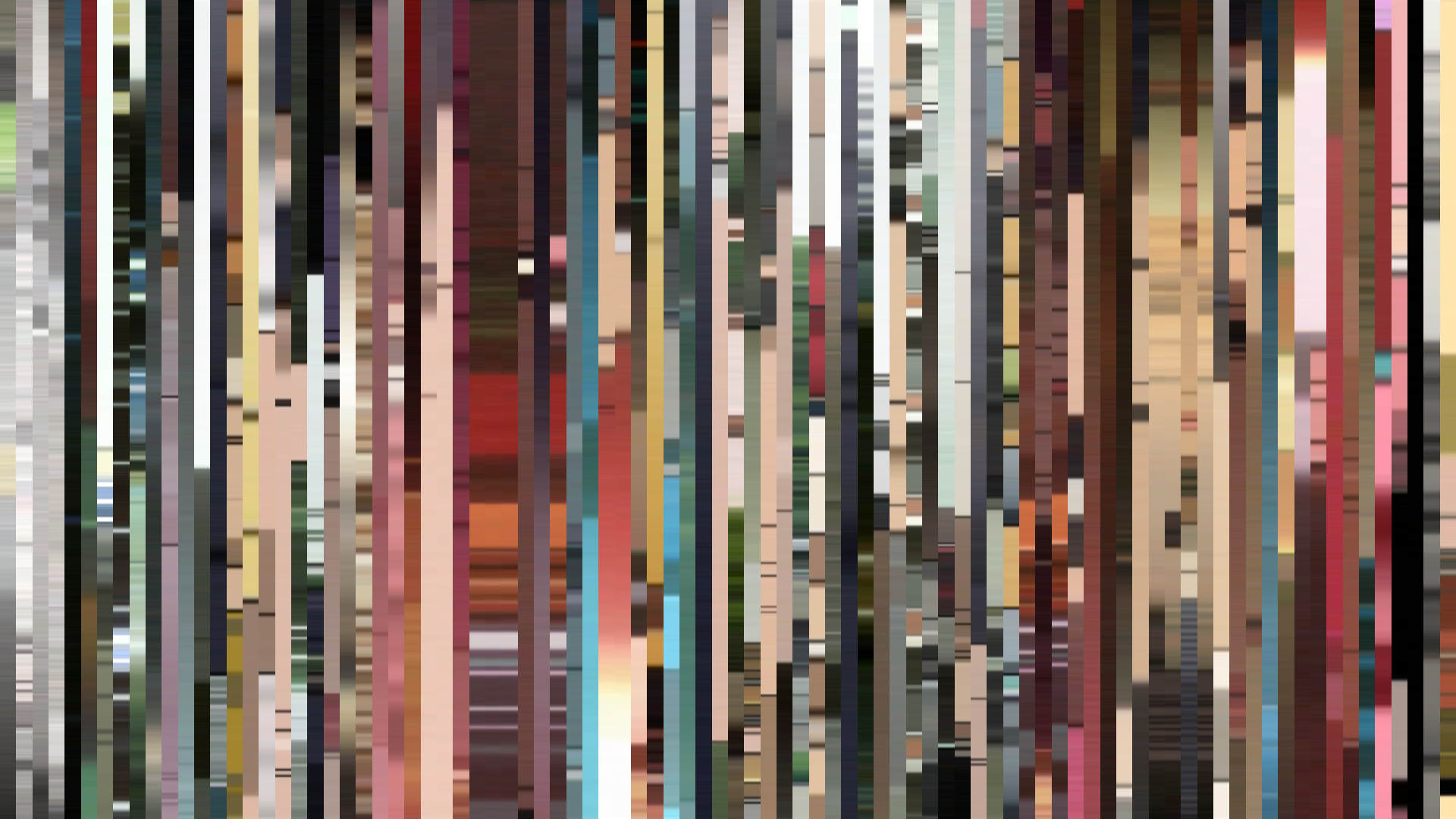
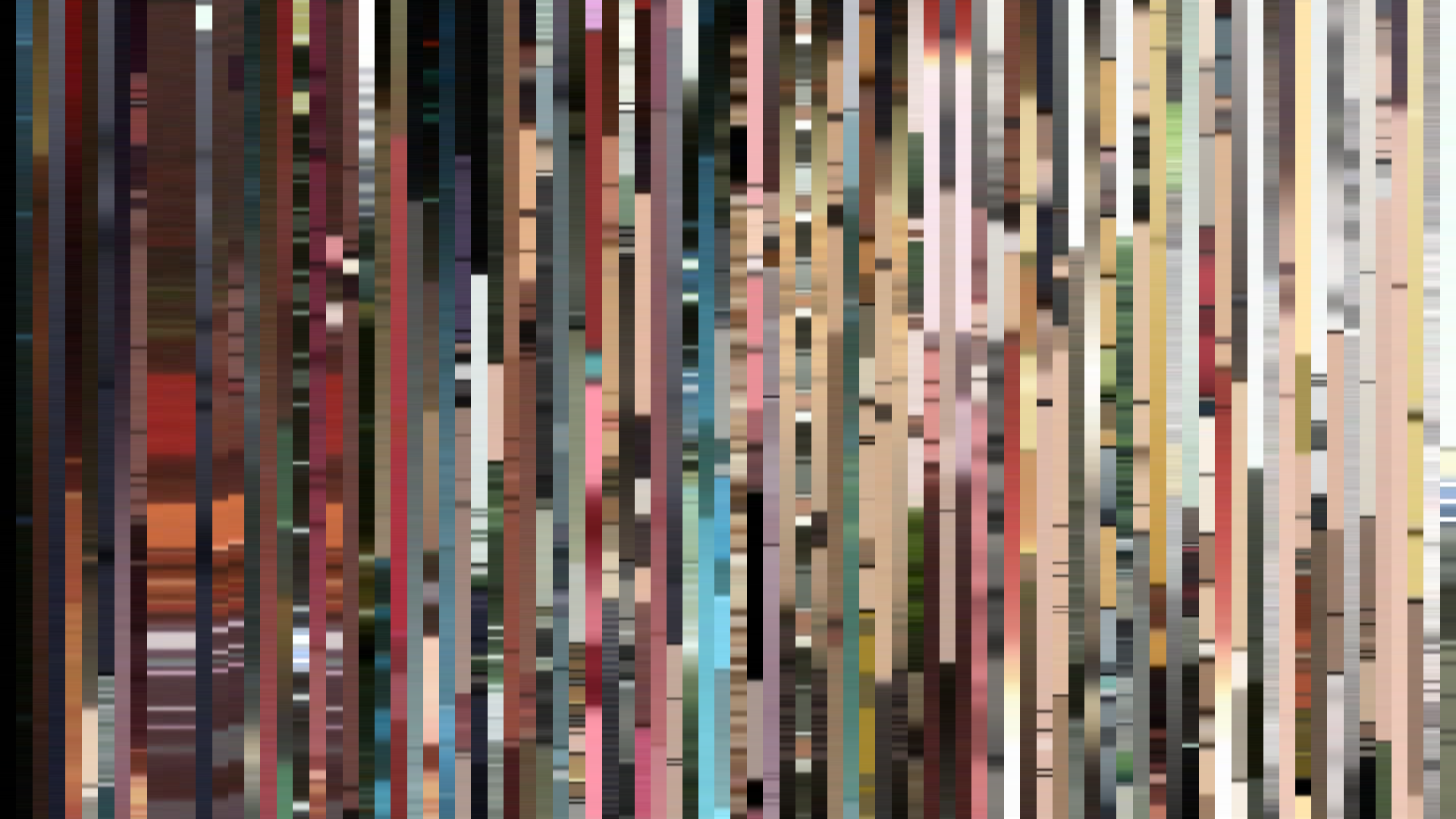
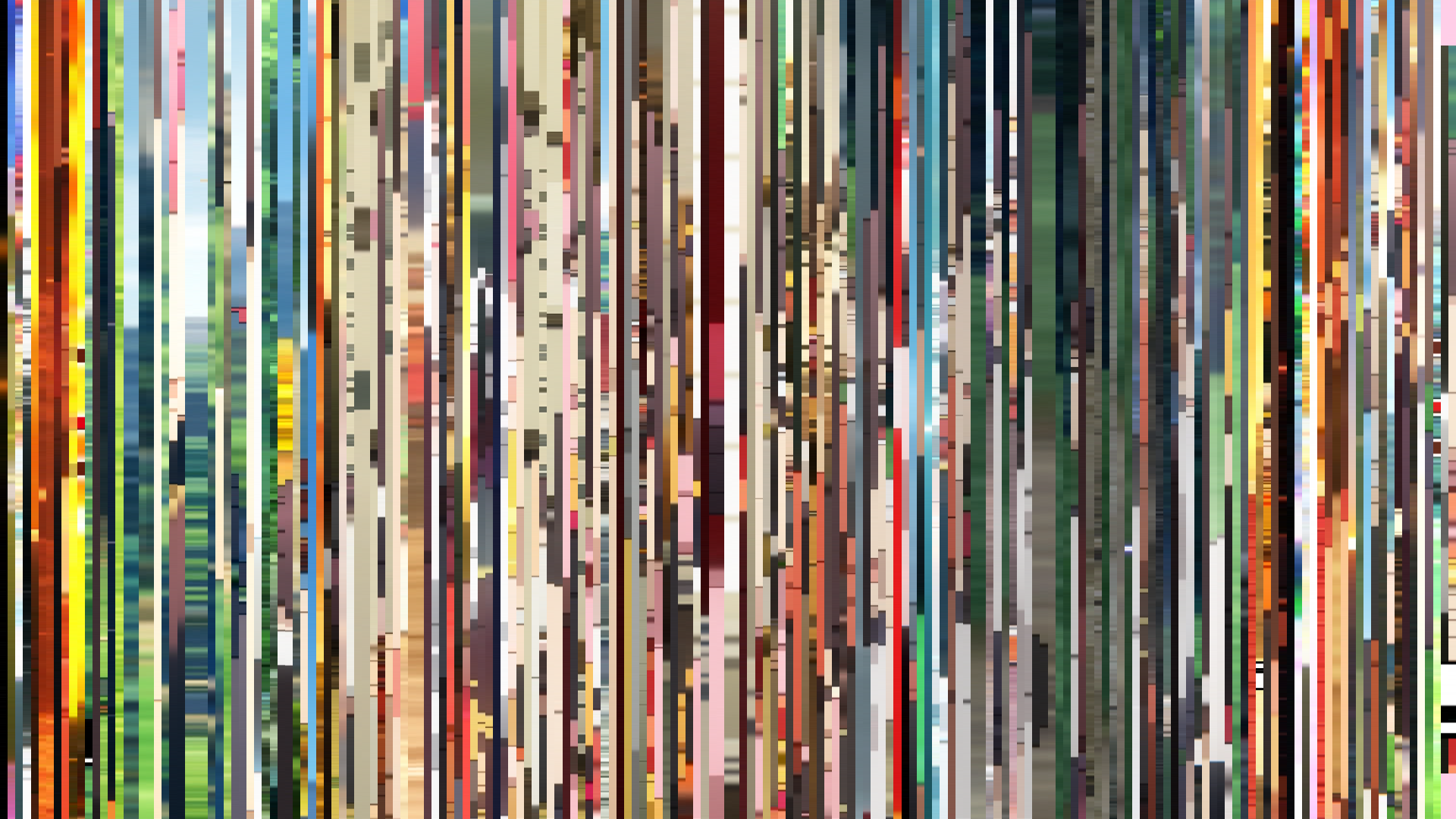
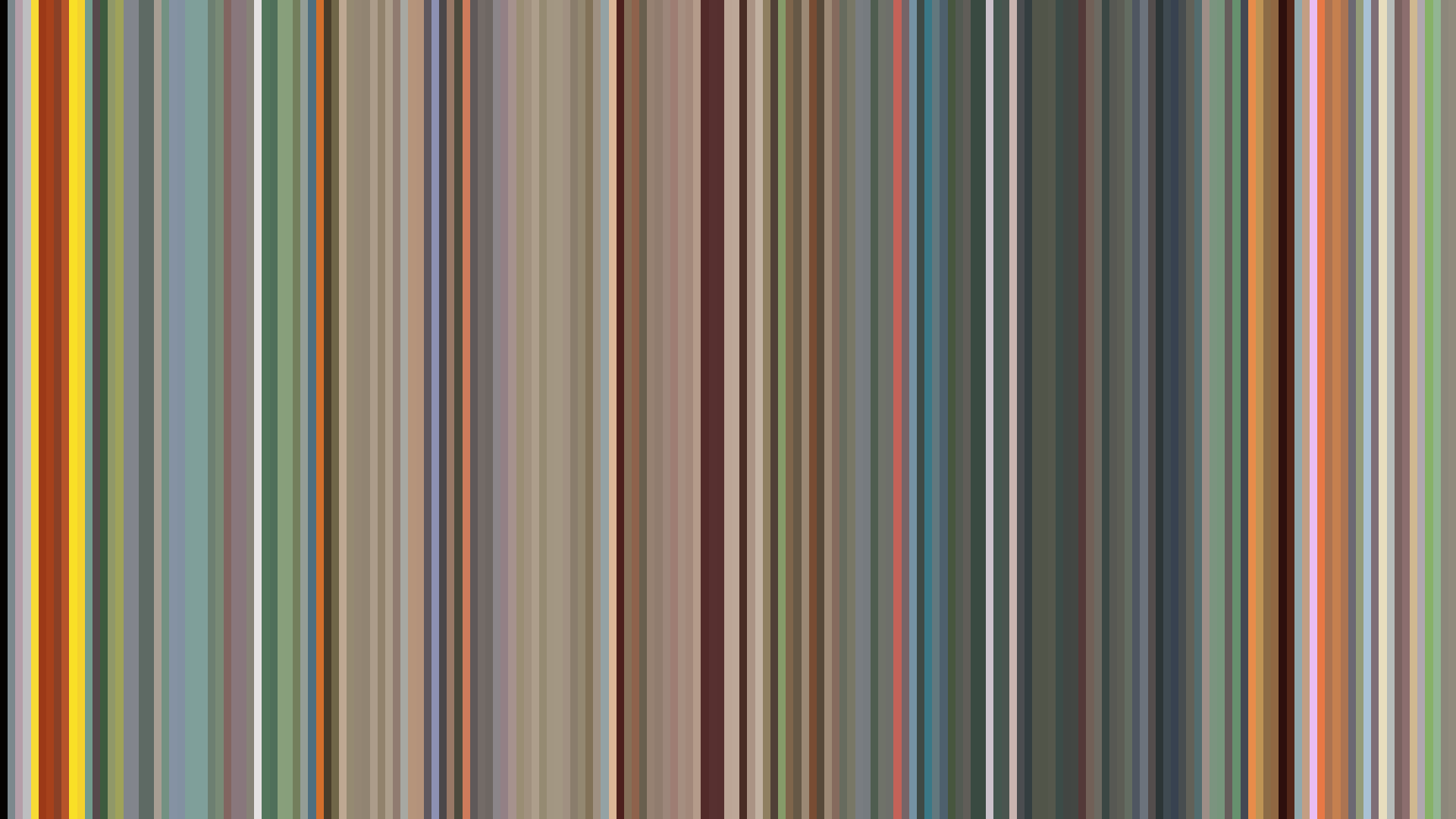
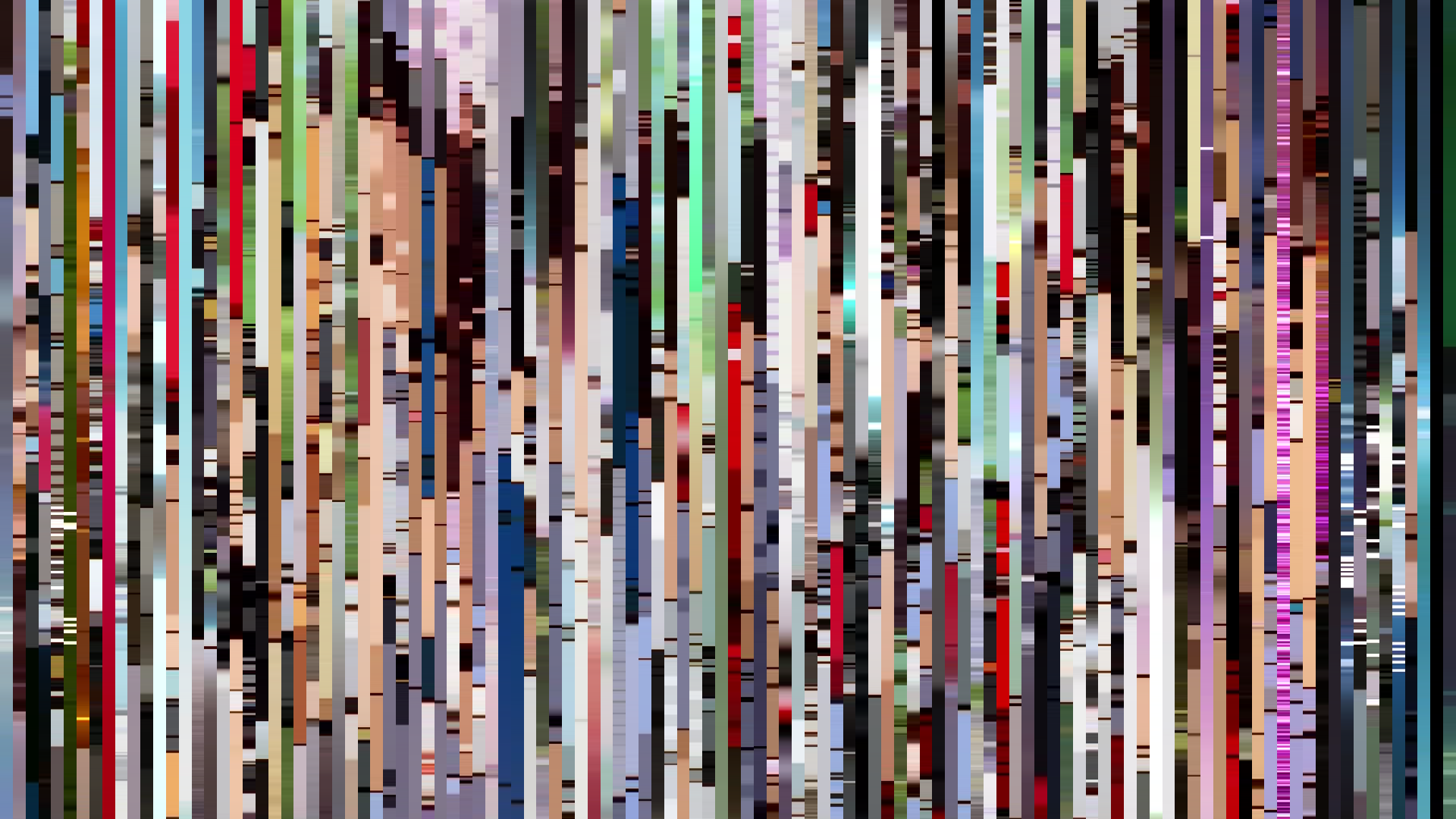
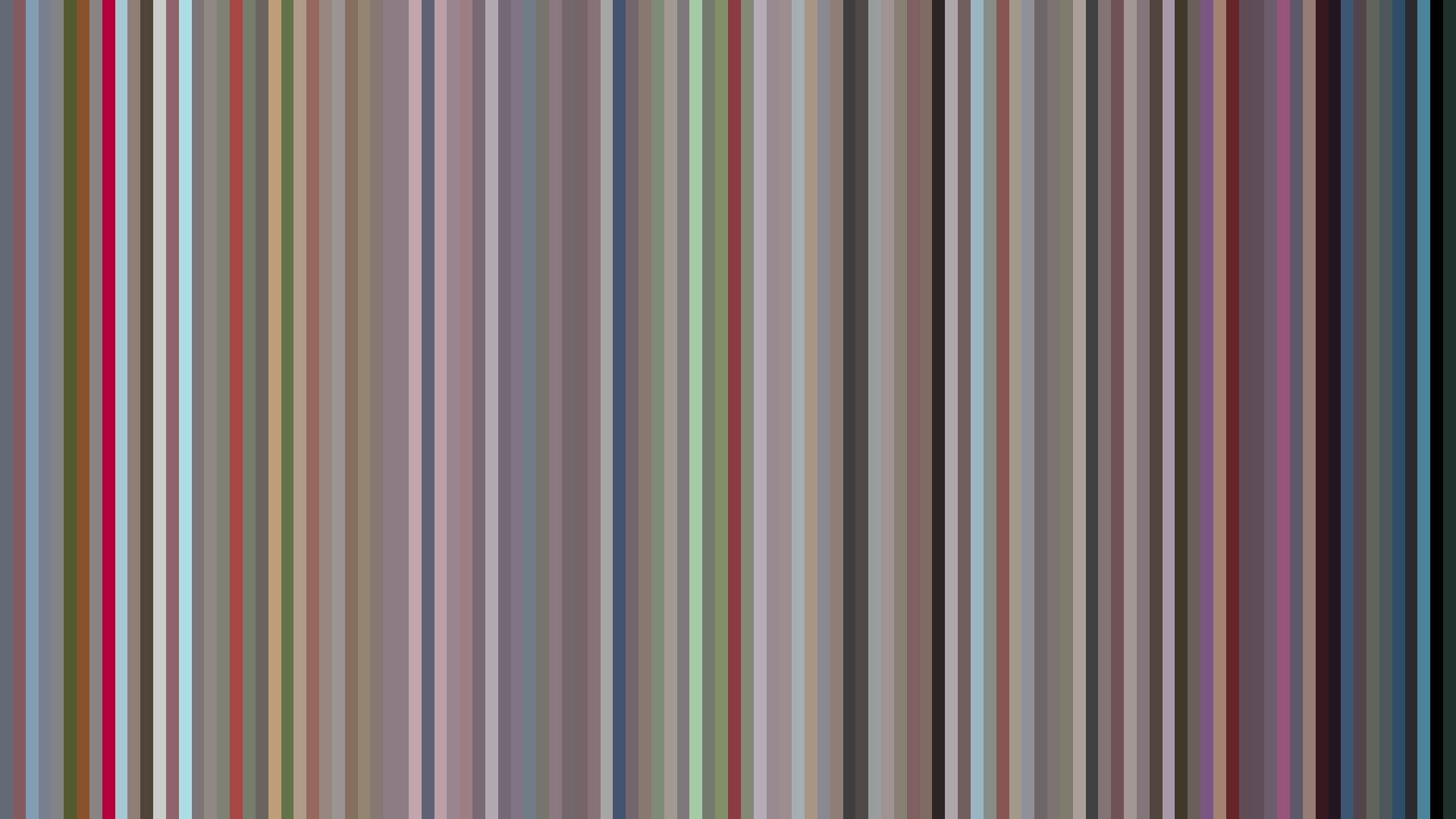
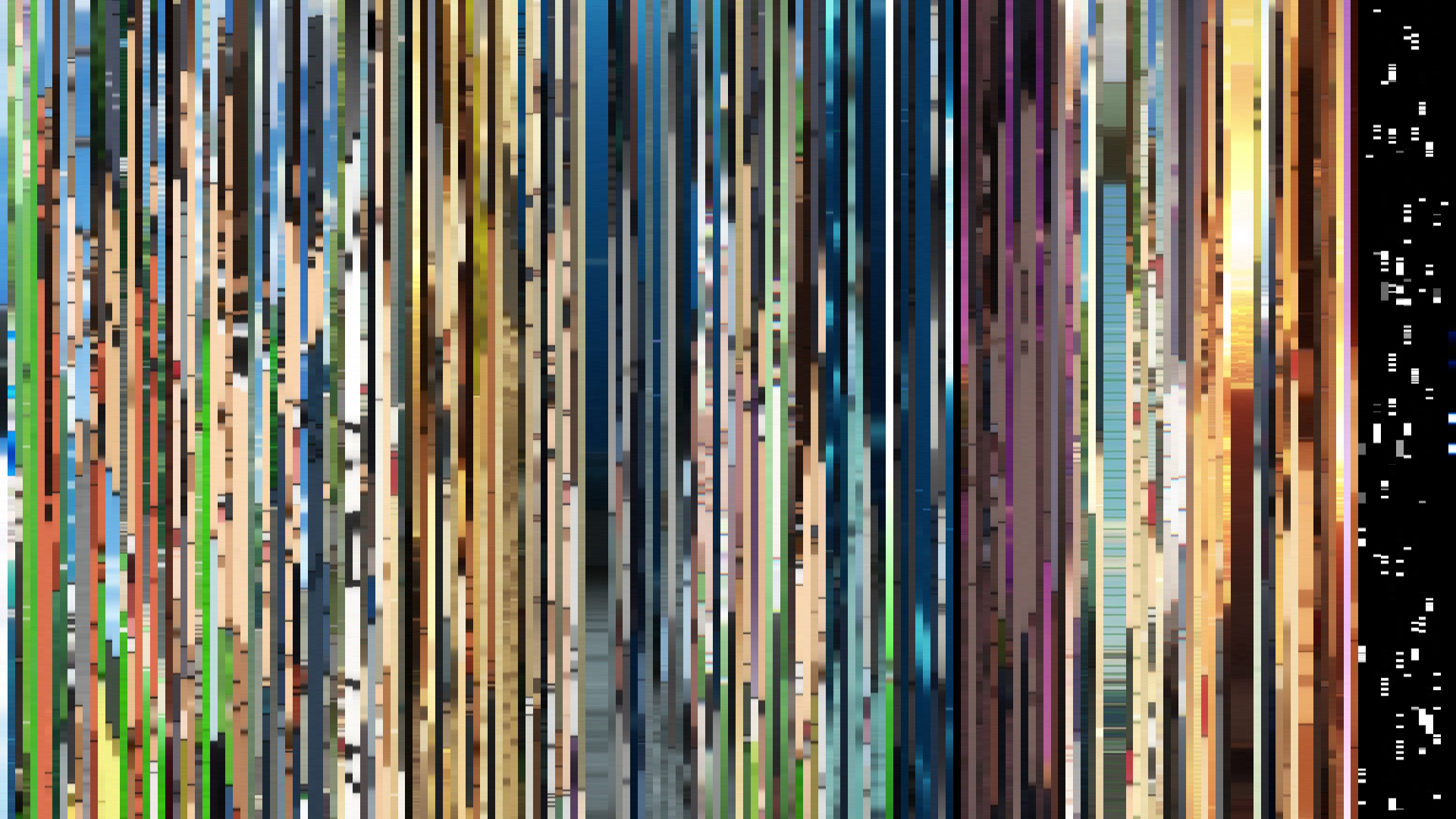
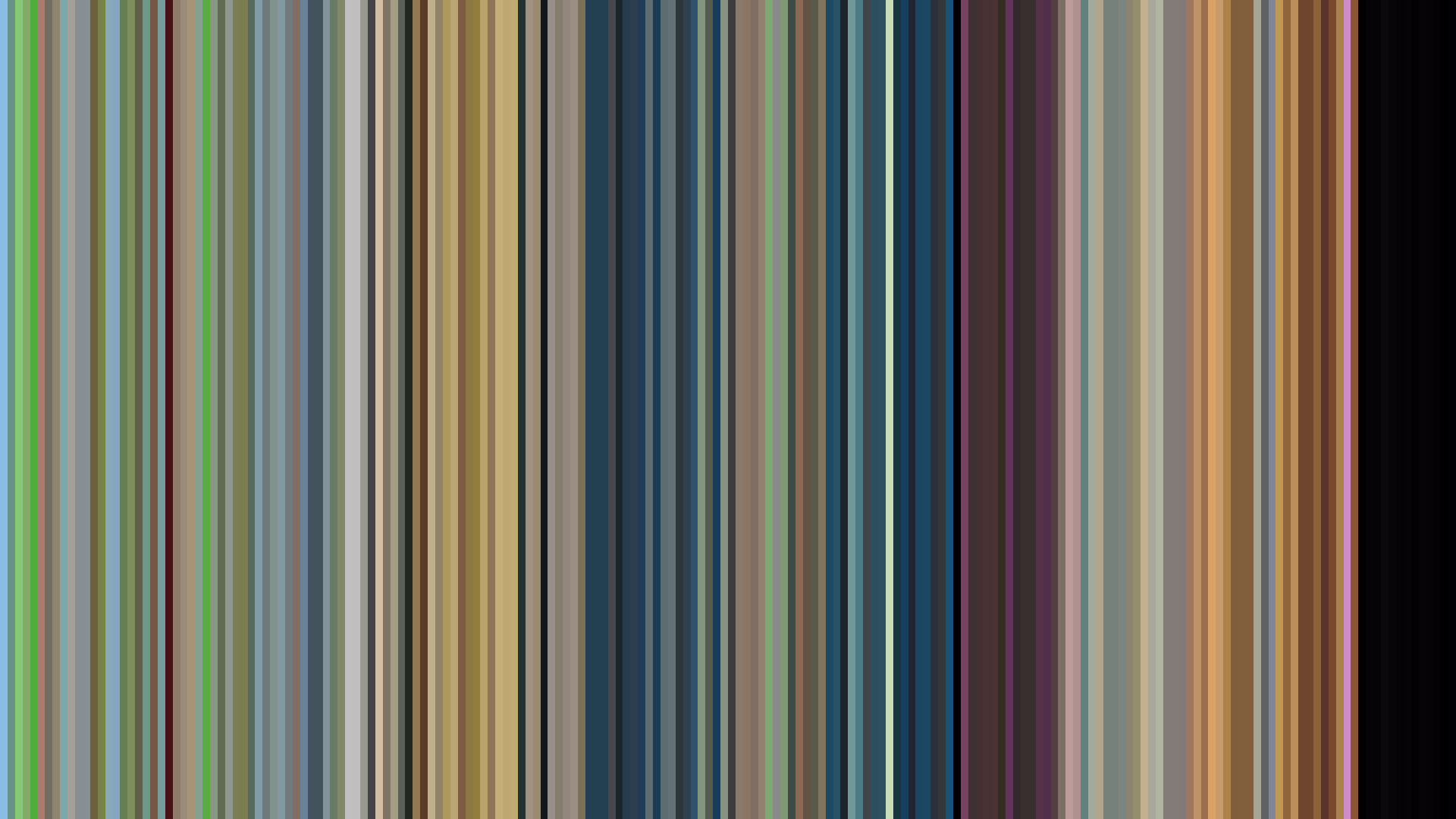
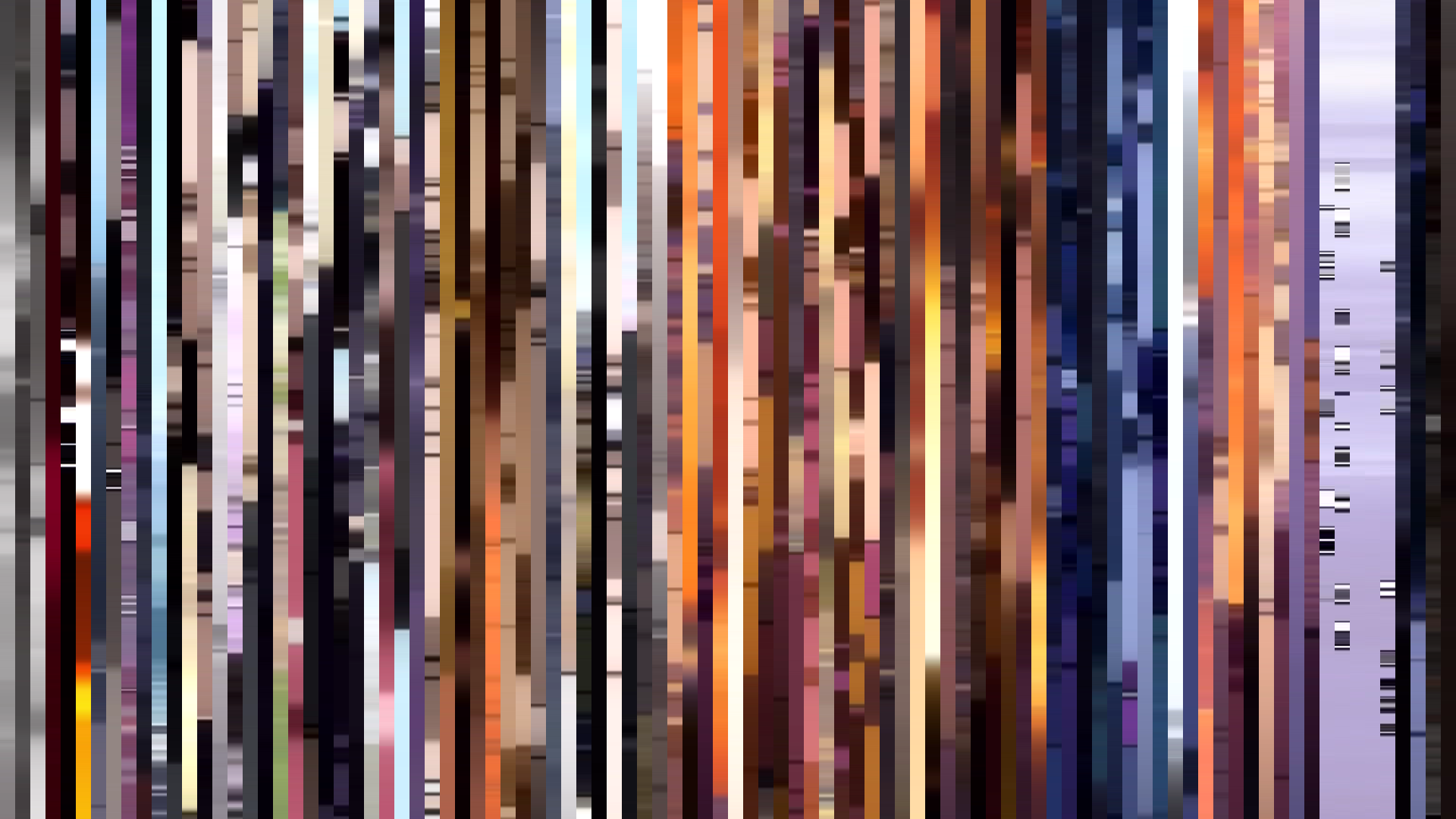
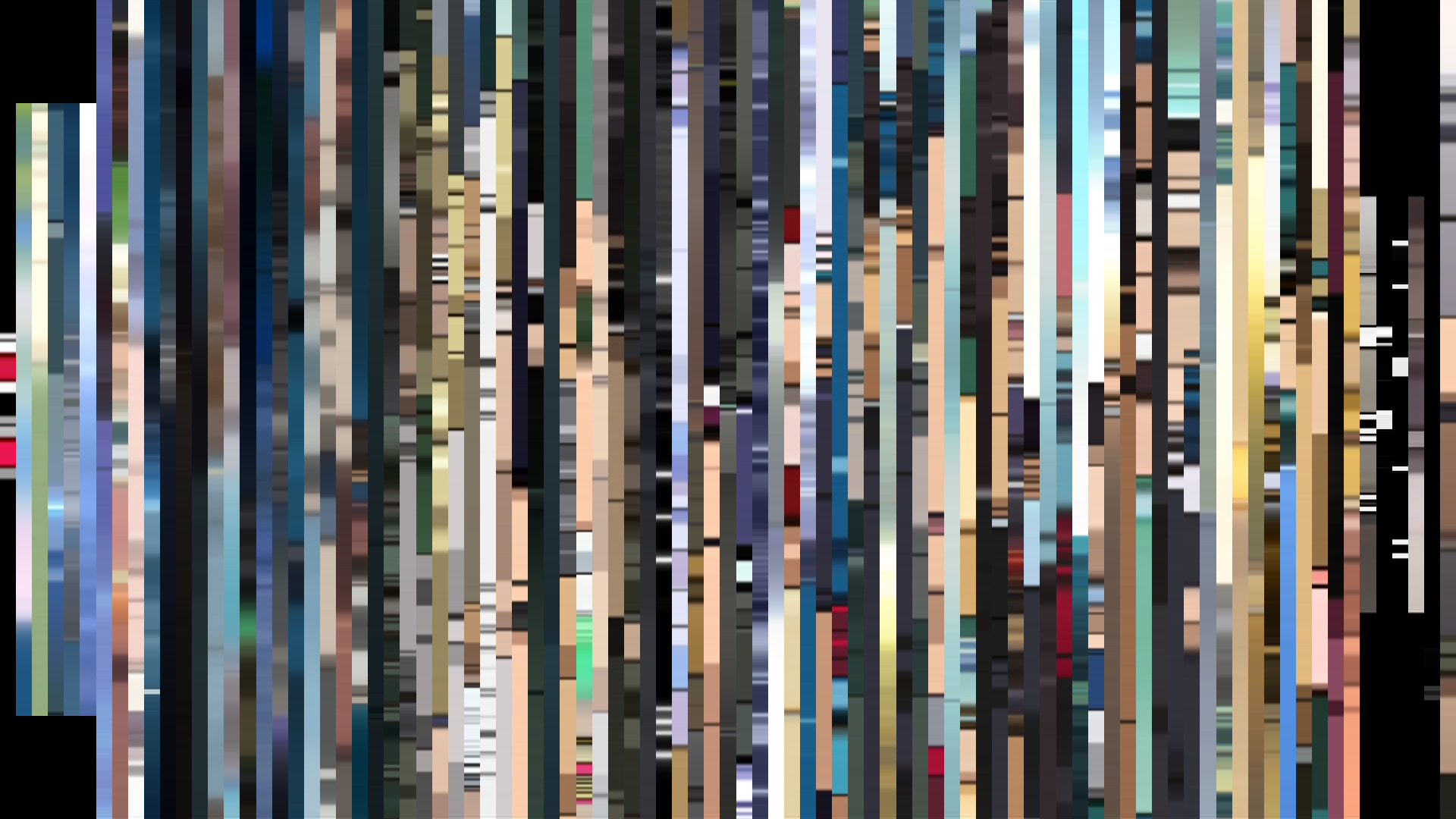
Frame Density Comparison — every 2nd vs every 4th frame
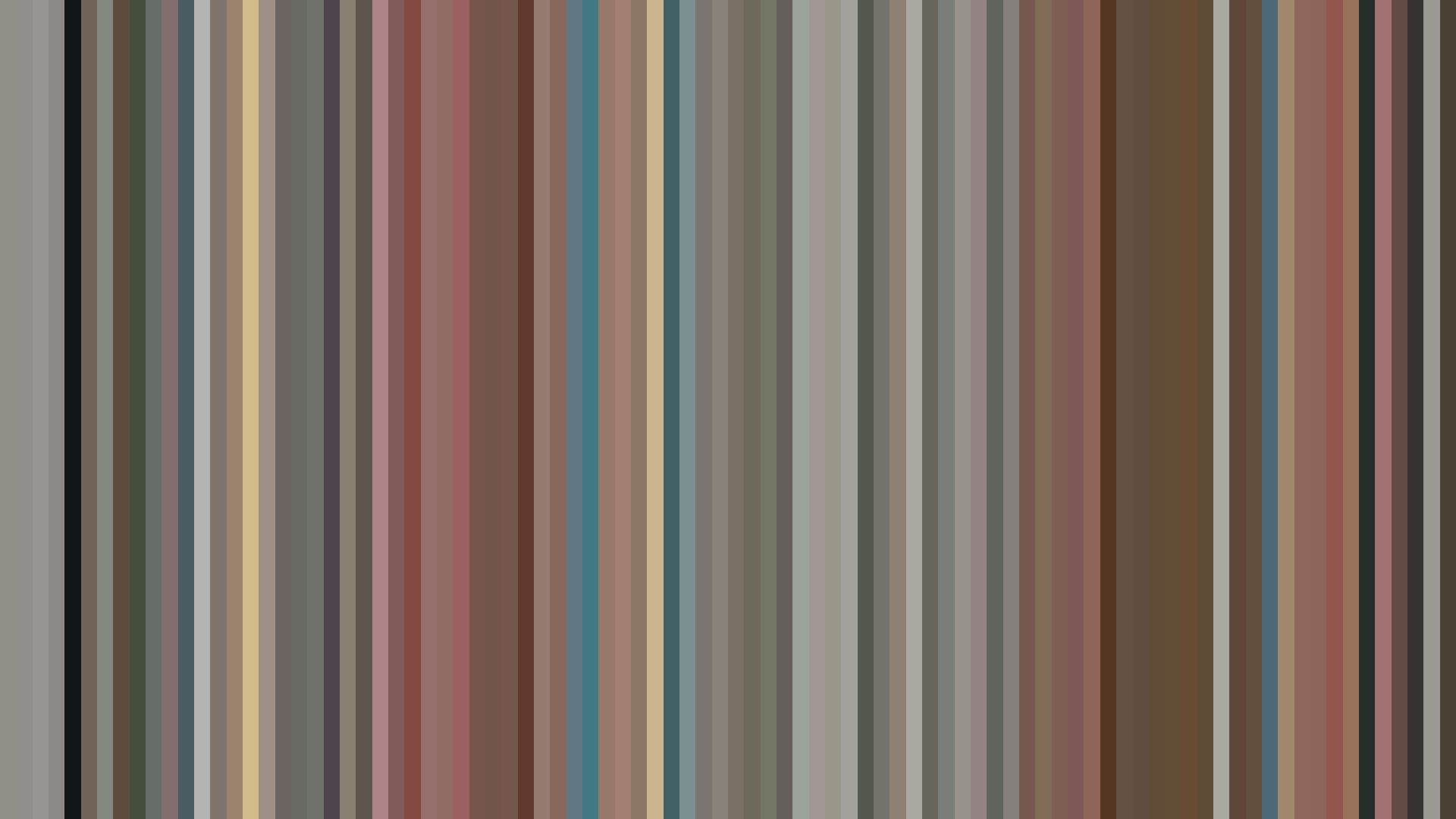
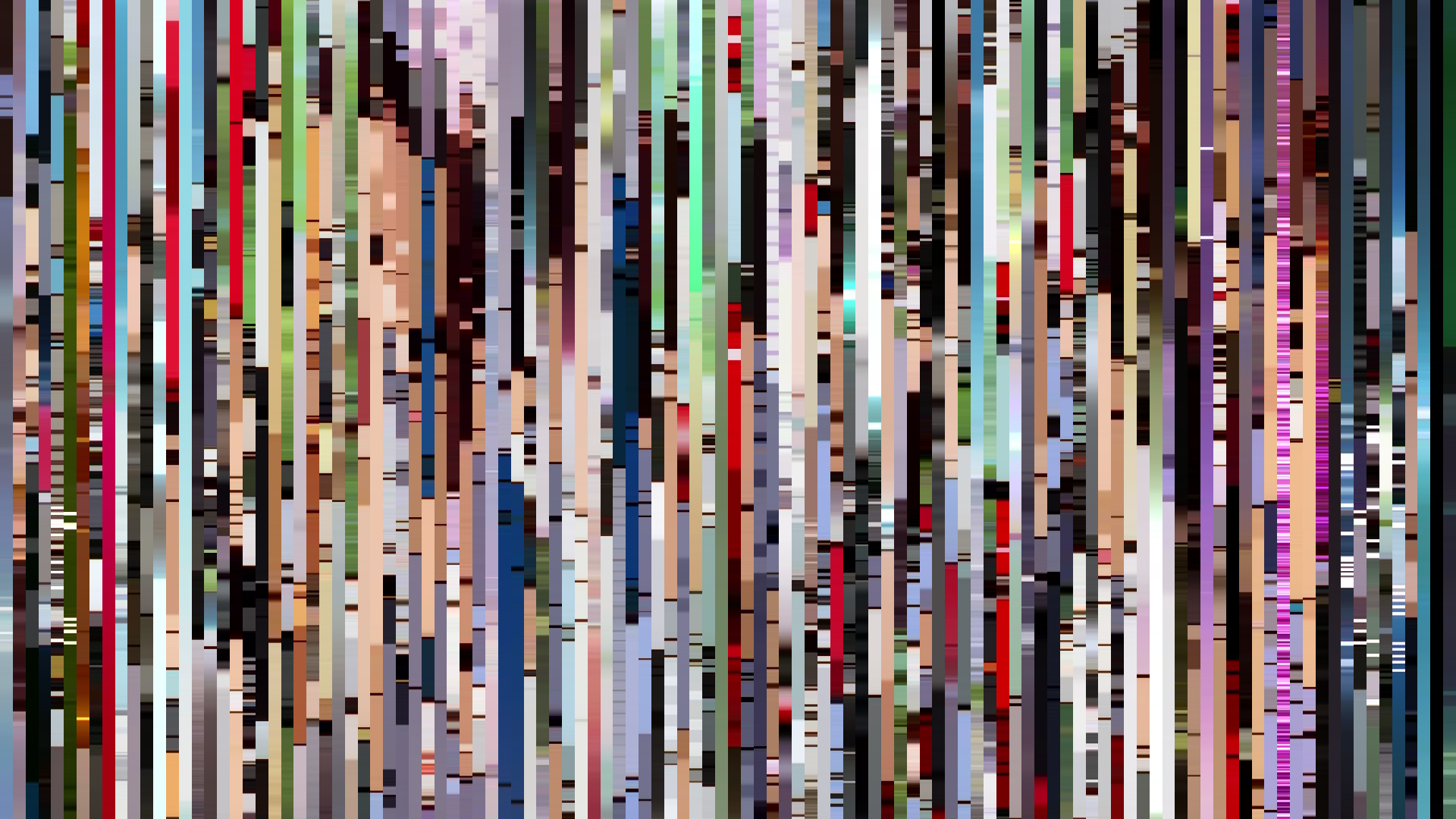
Slice · 15s
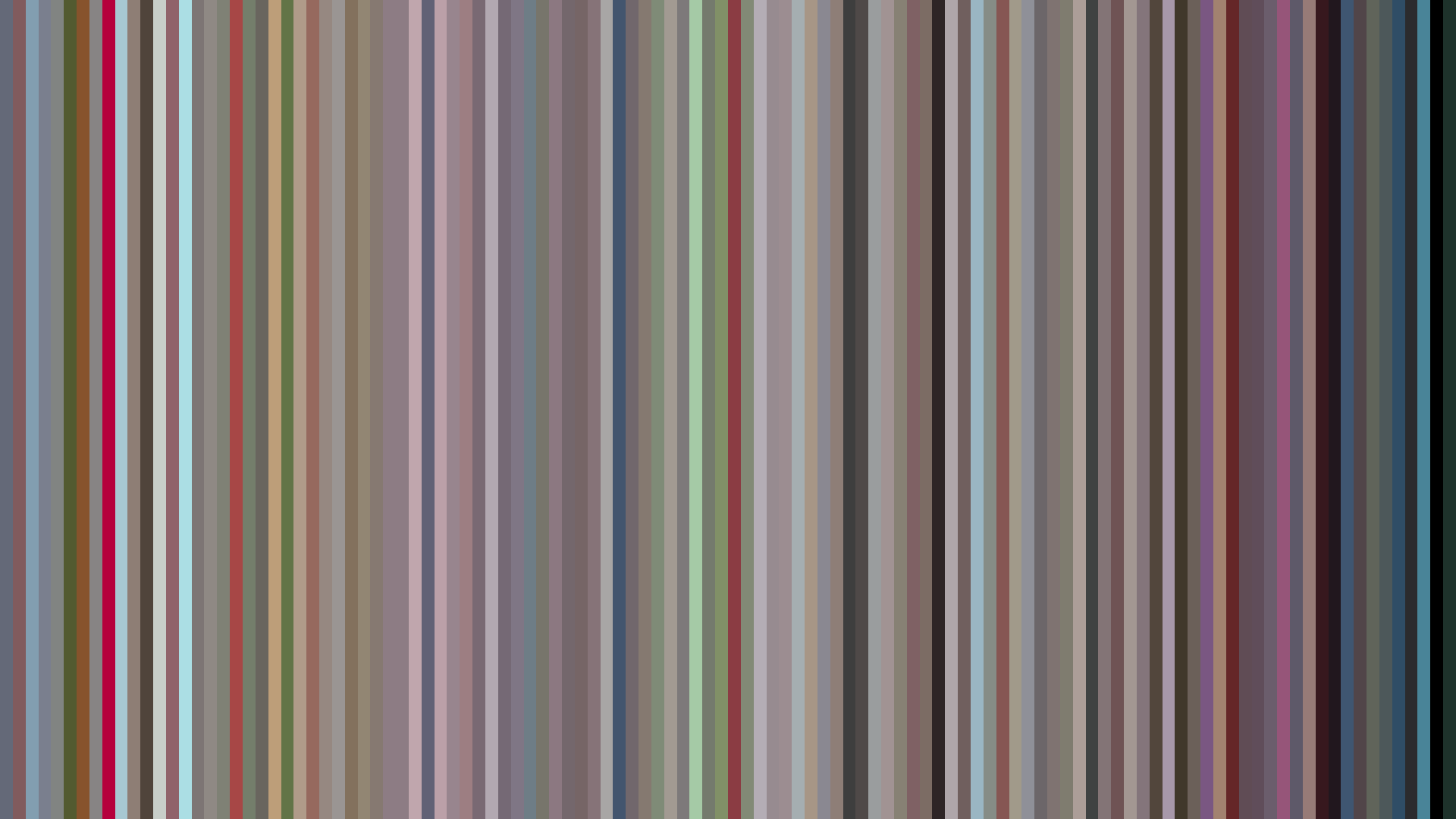
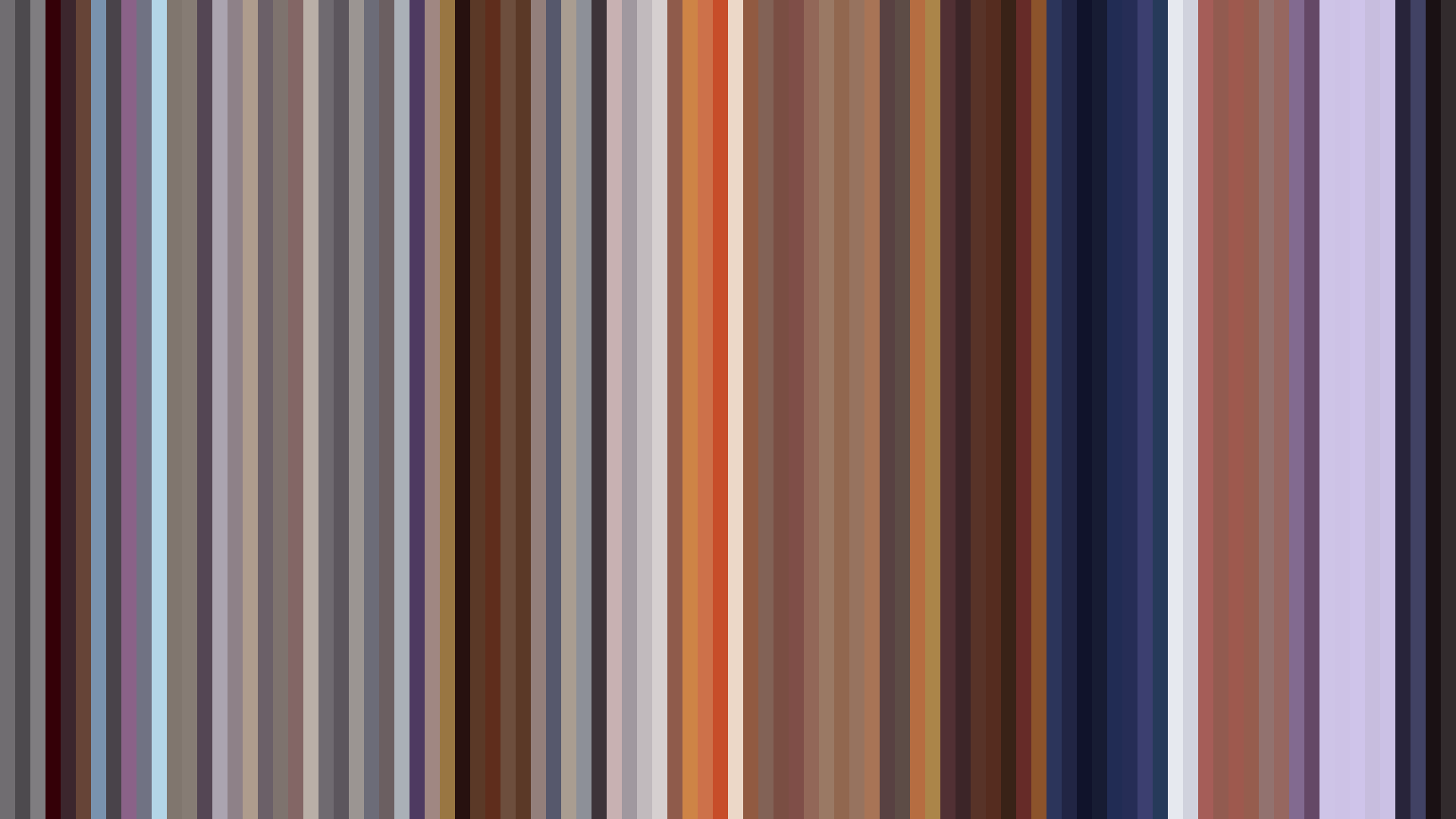
Avg · 15s
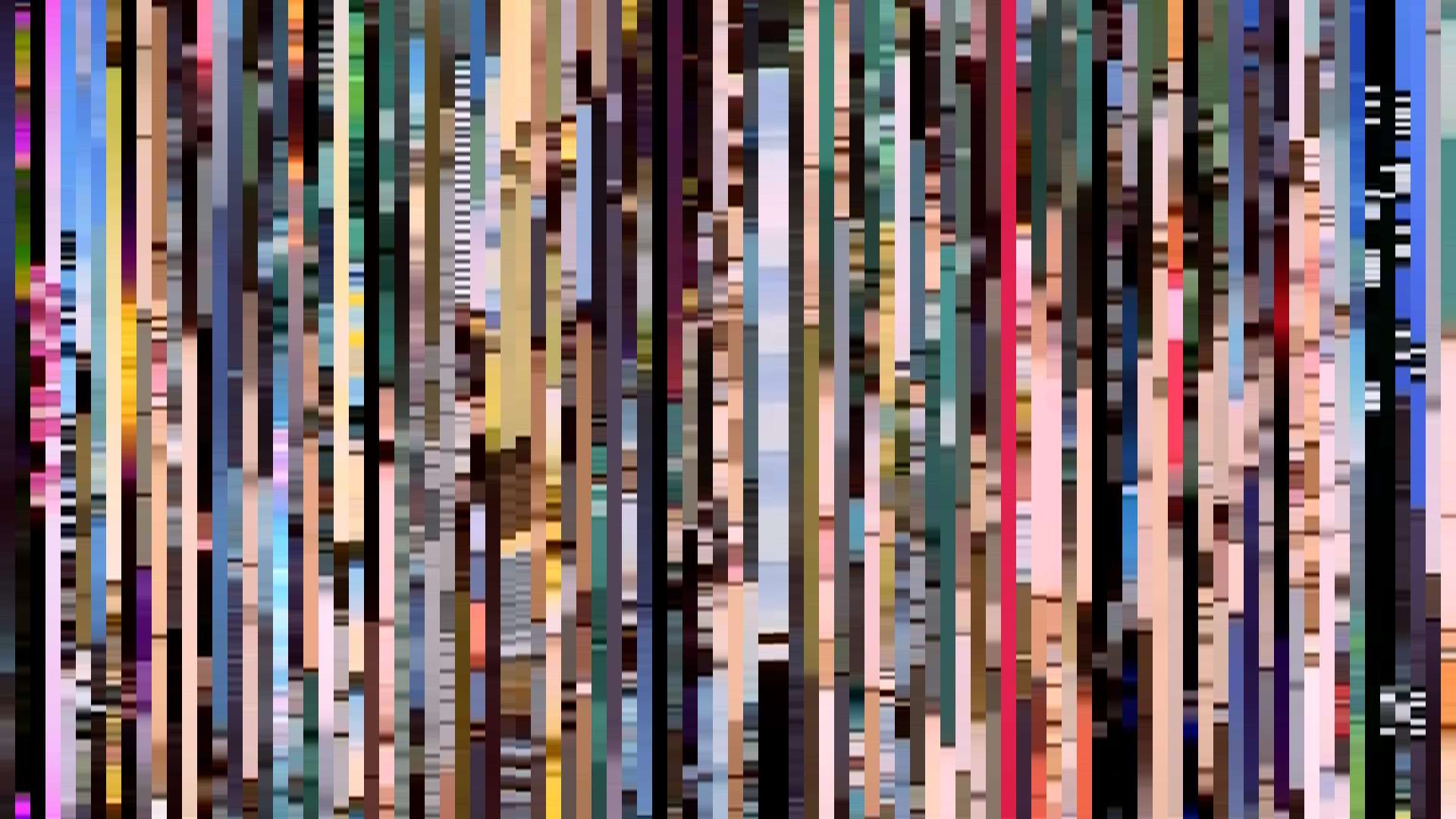
Slice · 30s
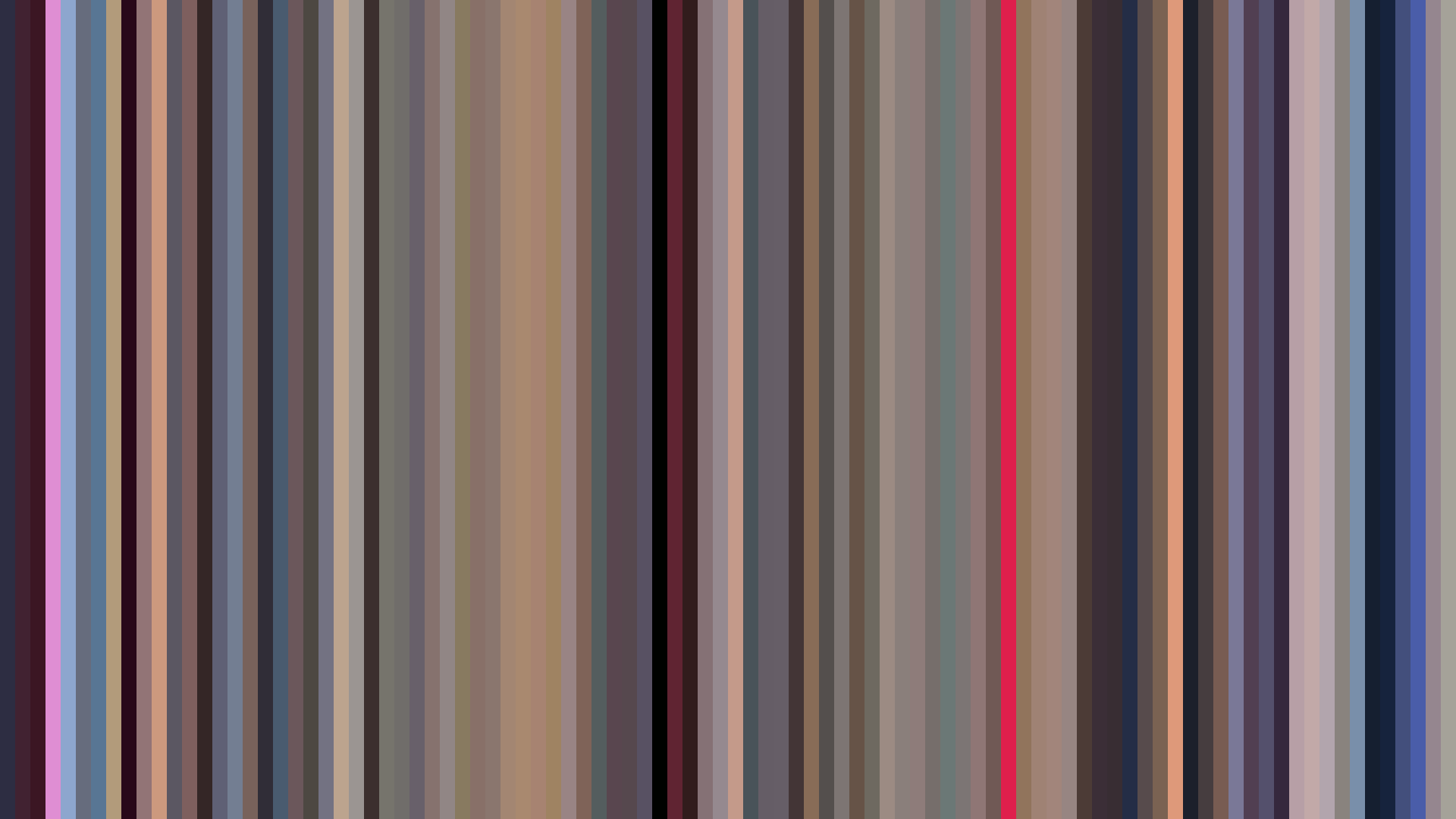
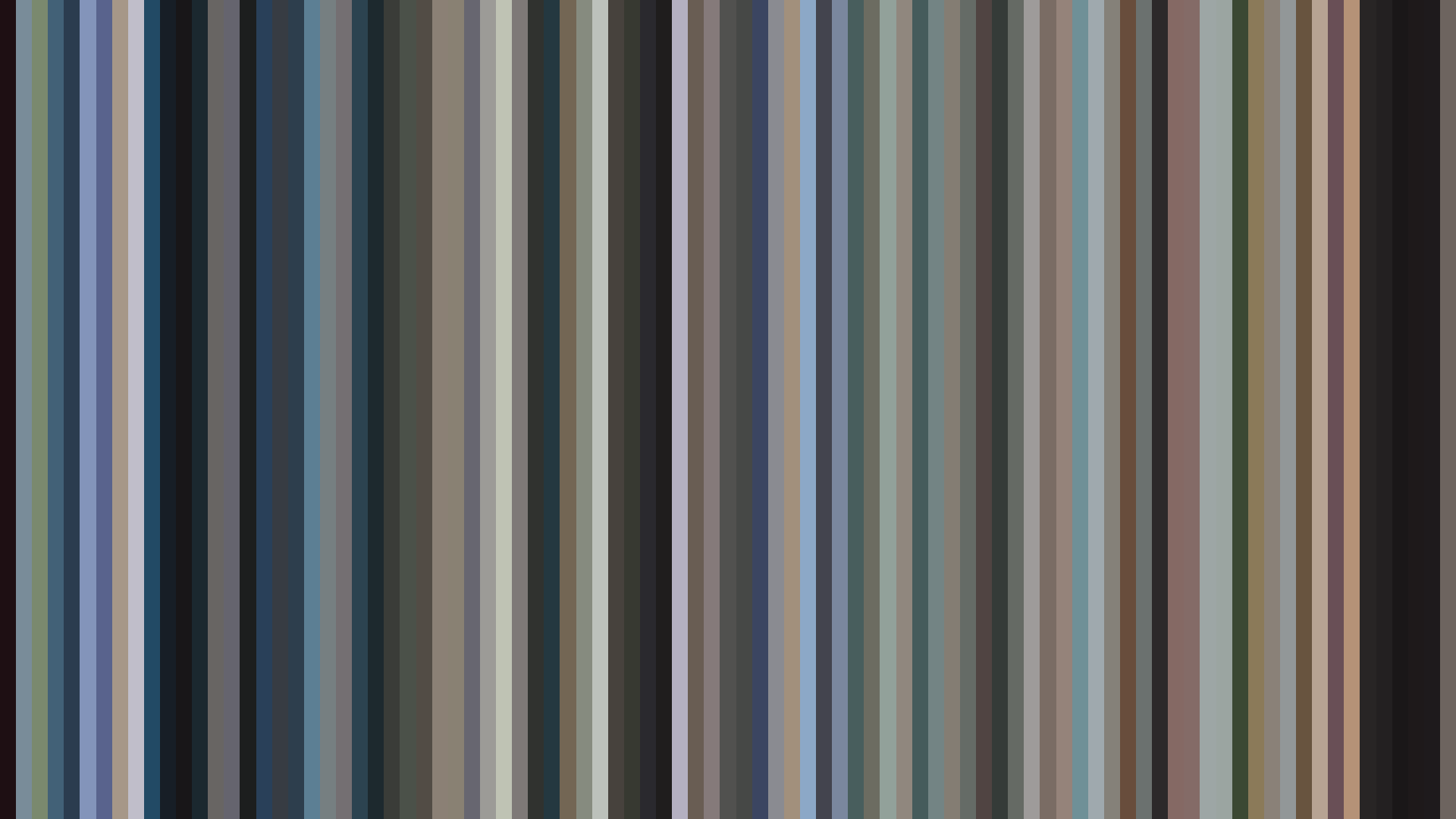
Avg · 30s
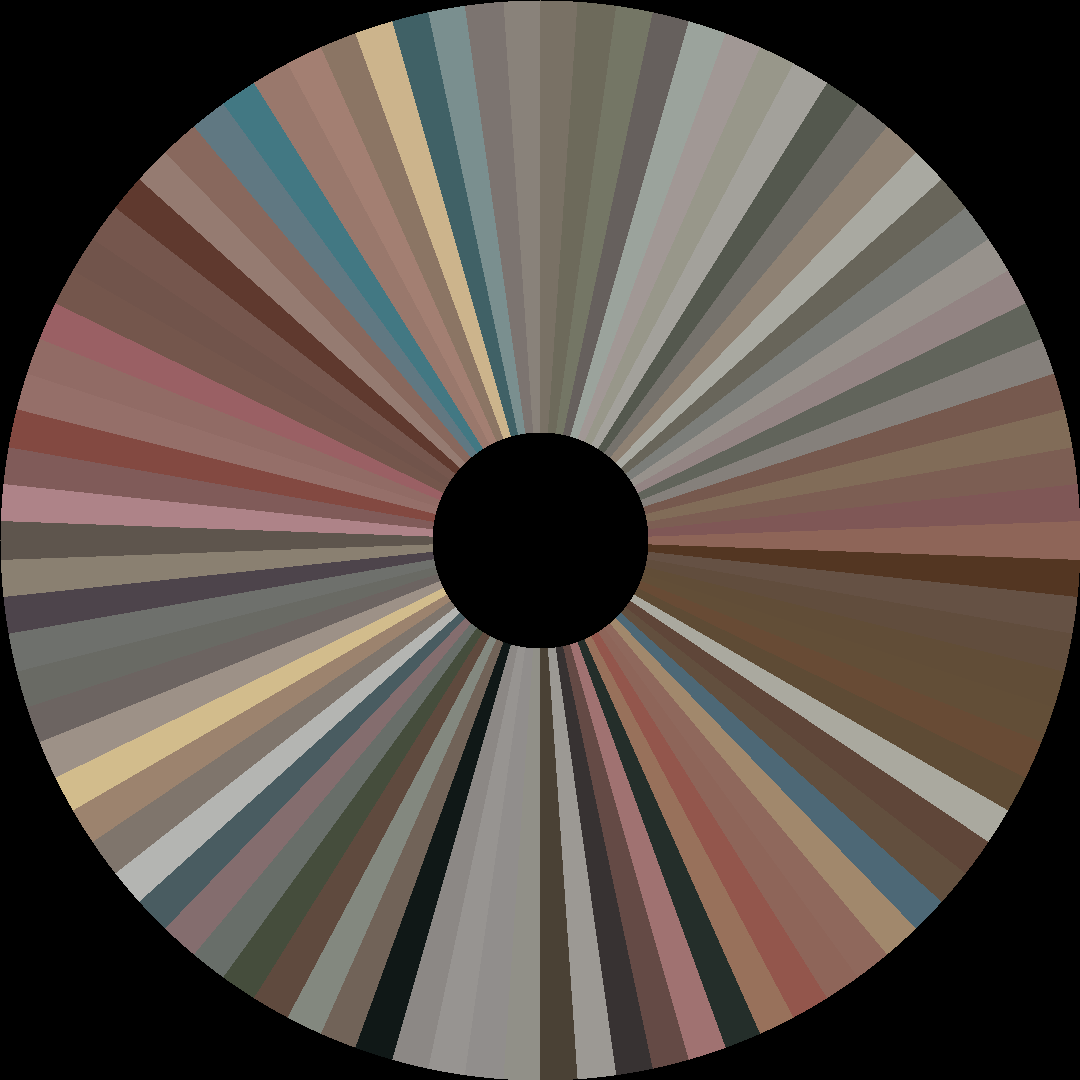
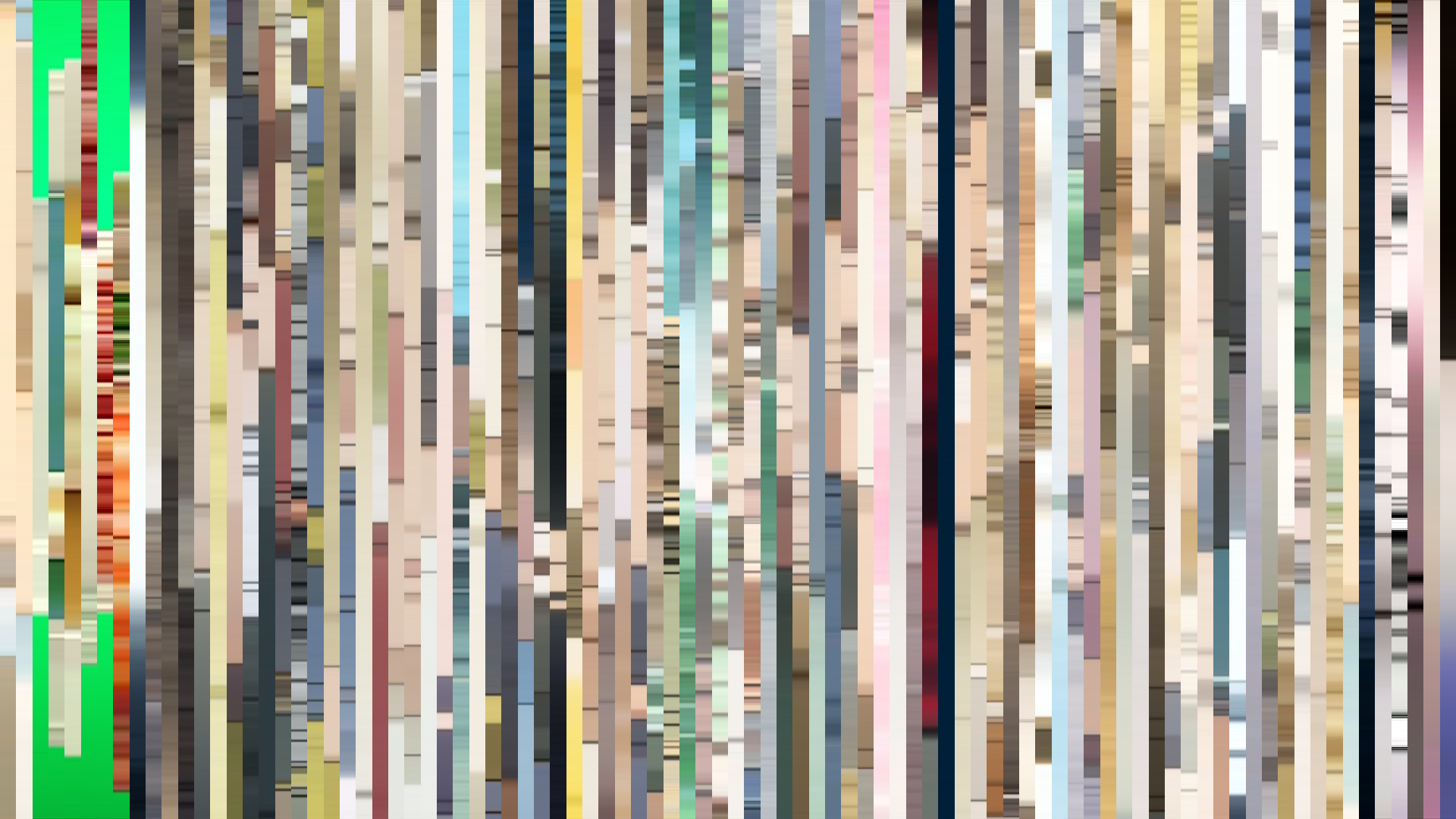
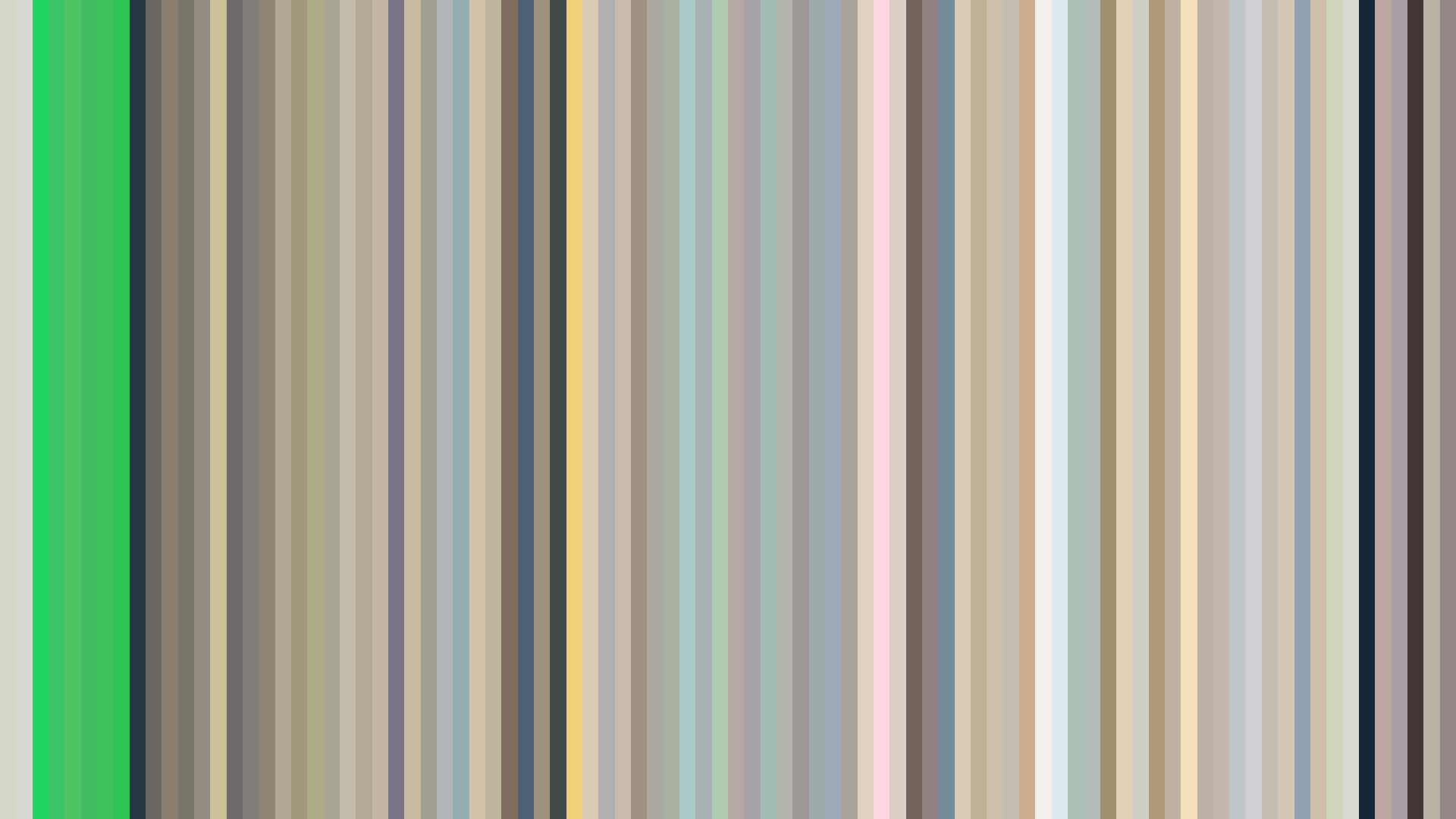
The palette reads like faded fabric swatches from a Tokyo boutique—muted browns, desaturated maroons, and a bone-white that never quite shines. Red dominates at 47%, but it is *not* the romantic red of rose petals or passion; it is the rust of drying blood on a sewing needle. The *dark-ending* arc is quietly devastating: opening acts at 0.613 brightness, middle at 0.598, closing plunging to 0.522. Director Osamu Kobayashi and Madhouse refused the usual post-makeover glow. As Yukari sheds her bourgeois uniform for George’s designs, the frame does not brighten—it dims. The color story encodes the toll of becoming someone else. That 0.444 average lightness is the graveyard of abandoned schoolgirl identities. Each episode’s palette grows heavier, the Red-Purple tones (10%) creeping in like bruises. This is not a show about liberation through fashion; it is about the quiet darkness that settles when you finally get what you wanted. The barcode reads less like a rainbow and more like a dying ember—and that is the whole point.
Brightness Arc (episode progression)
Hue Distribution
Act Breakdown
Opening
0.613
Middle
0.598
Closing
0.522
Avg Brightness
0.444
Avg Saturation
0.260
Warmth
0.560
Color Palette
#625D58
#25201E
#512F2A
#A39E97
#95665C
#E5E3DF
#D5B09D
#E6CCAC
3-Act Color Story
Opening
Middle
Closing
Color Twins
Perceptually nearest palettes — measured in OKLab space, not RGB






The palette reads like faded fabric swatches from a Tokyo boutique—muted browns, desaturated maroons, and a bone-white that never quite shines. Red dominates at 47%, but it is *not* the romantic red of rose petals or passion; it is the rust of drying blood on a sewing needle. The *dark-ending* arc is quietly devastating: opening acts at 0.613 brightness, middle at 0.598, closing plunging to 0.522. Director Osamu Kobayashi and Madhouse refused the usual post-makeover glow. As Yukari sheds her bourgeois uniform for George’s designs, the frame does not brighten—it dims. The color story encodes the toll of becoming someone else. That 0.444 average lightness is the graveyard of abandoned schoolgirl identities. Each episode’s palette grows heavier, the Red-Purple tones (10%) creeping in like bruises. This is not a show about liberation through fashion; it is about the quiet darkness that settles when you finally get what you wanted. The barcode reads less like a rainbow and more like a dying ember—and that is the whole point.