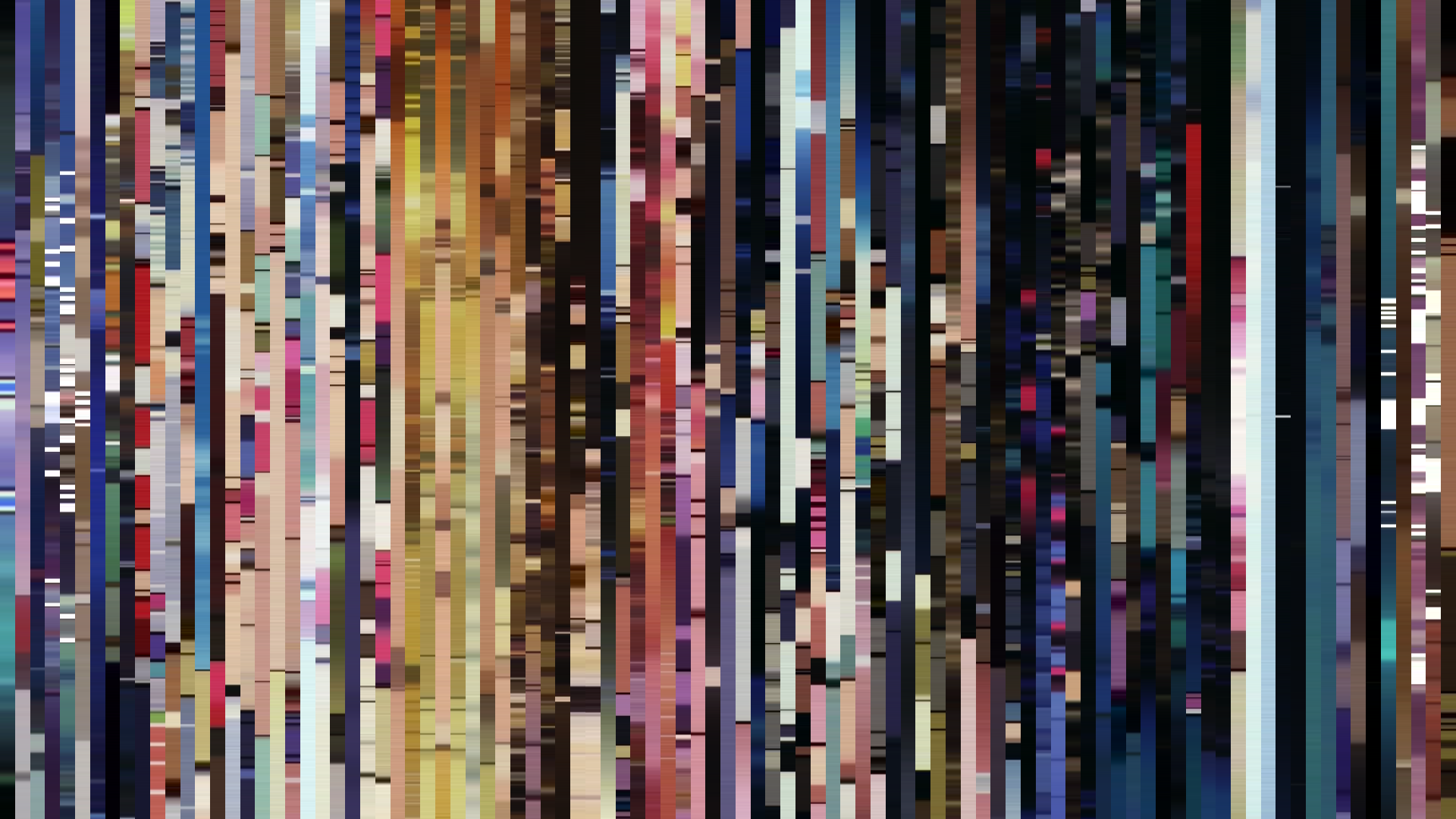
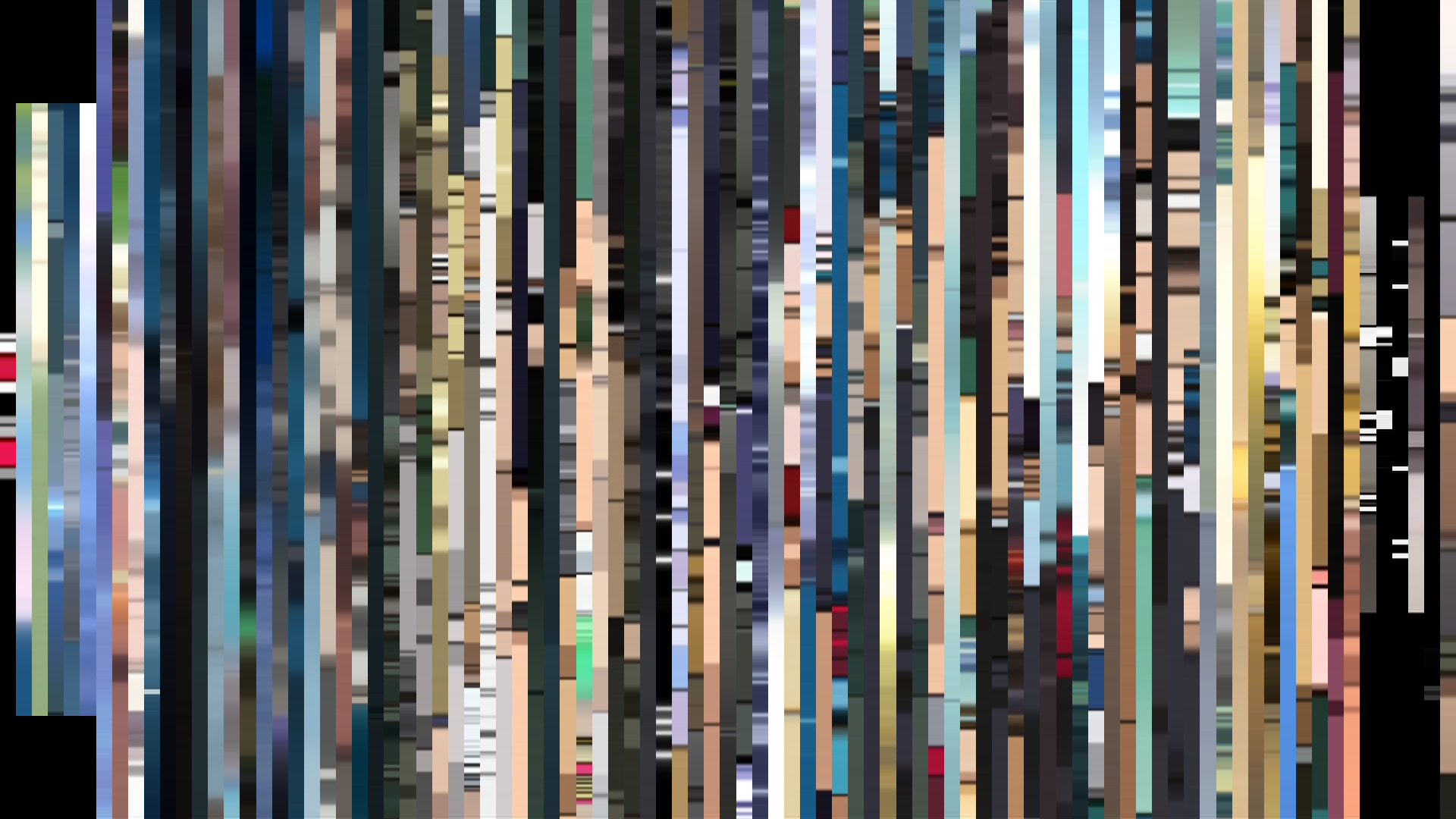
Edit Pace — frame-to-frame color delta (bright = fast cuts)
Color Temperature — warm (gold) vs cool (teal) per frame
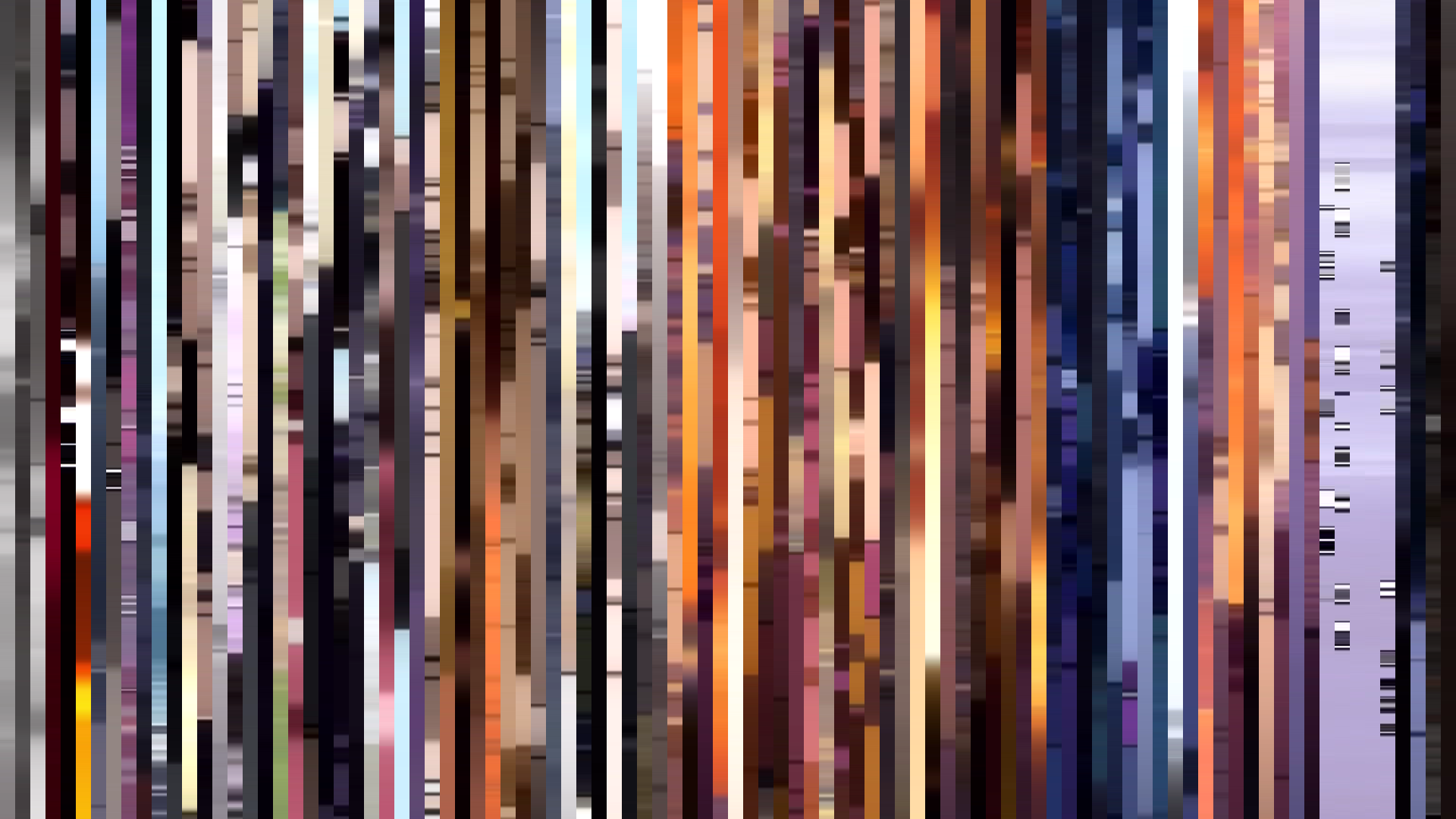
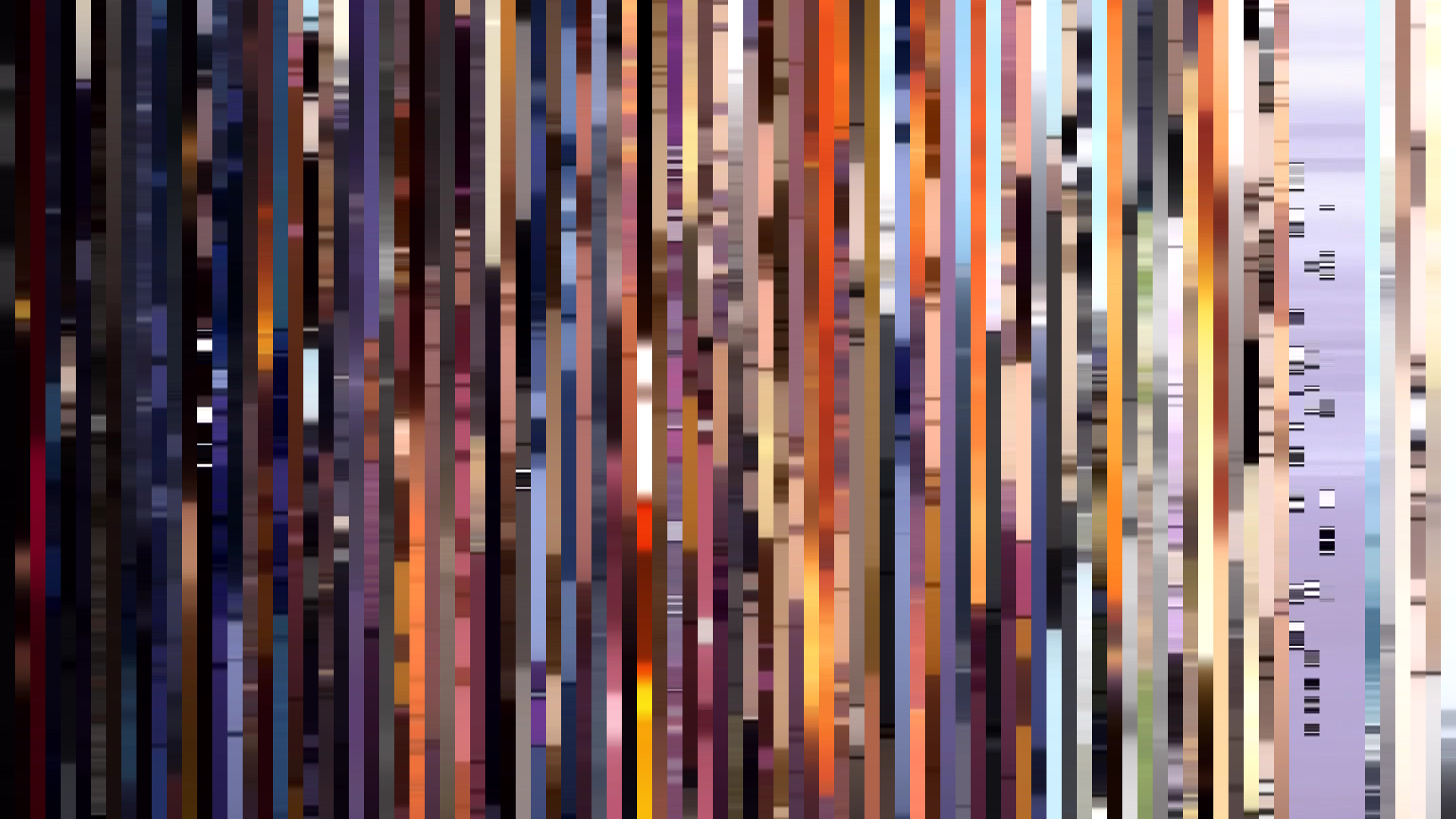
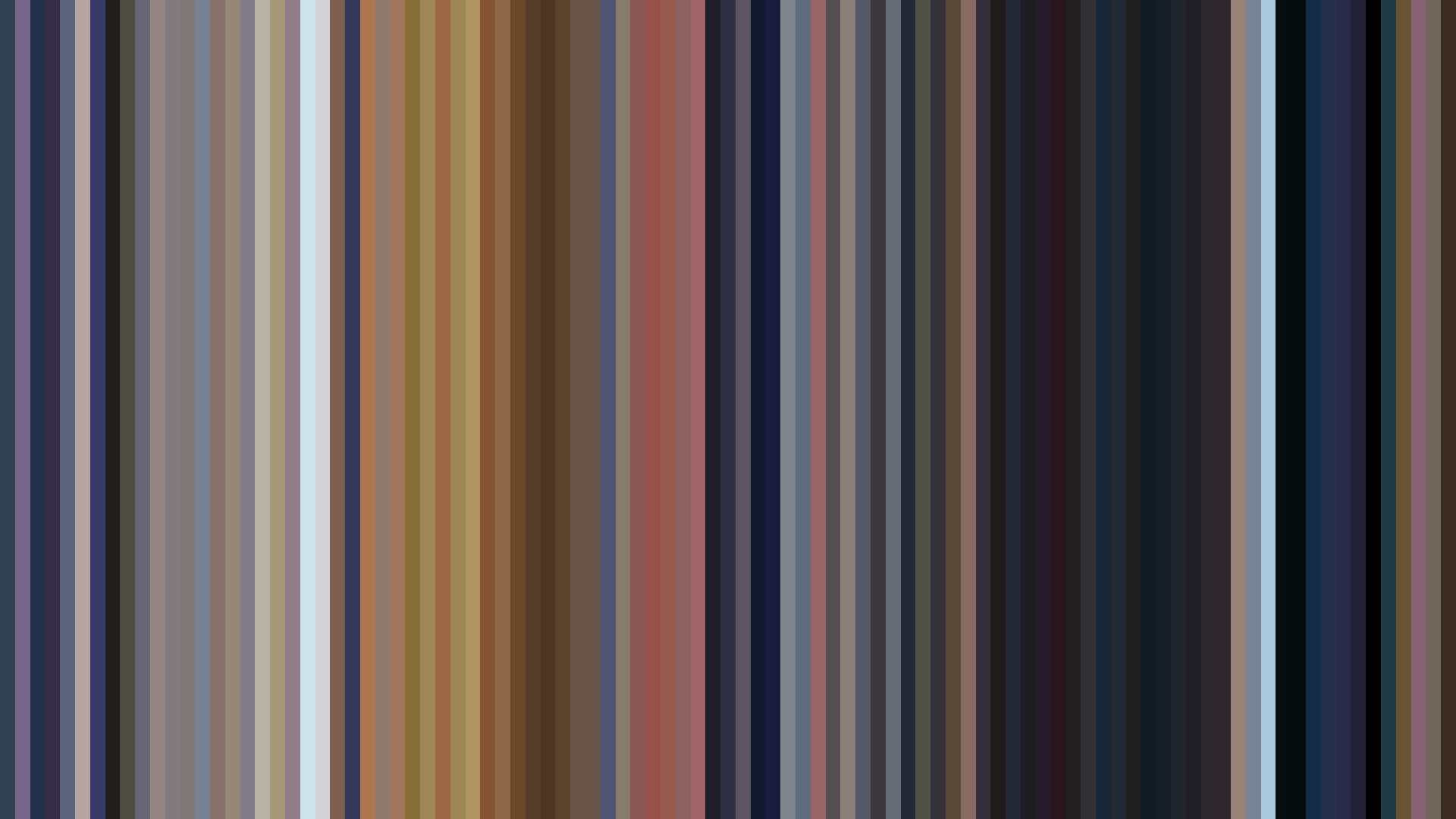
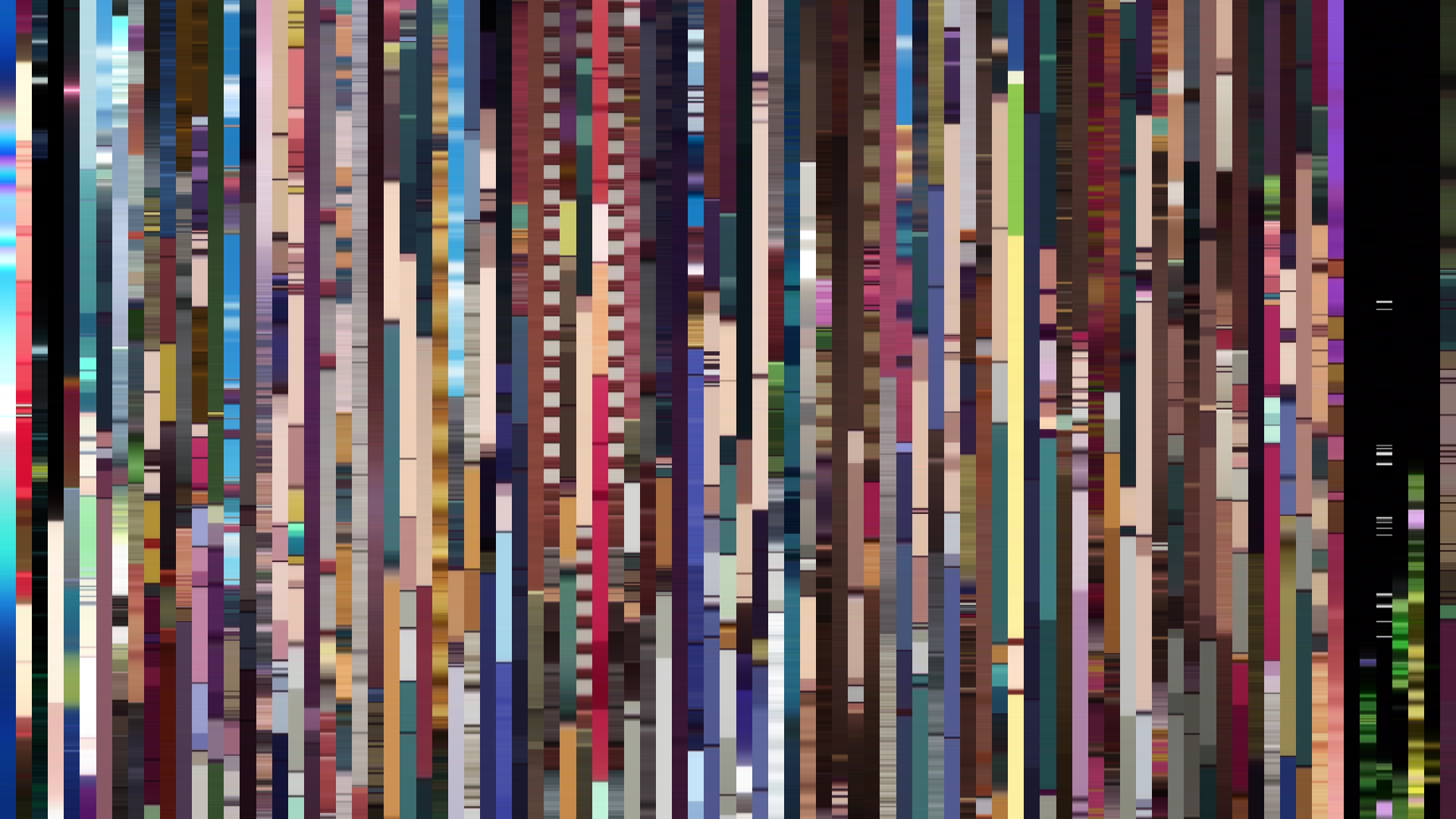
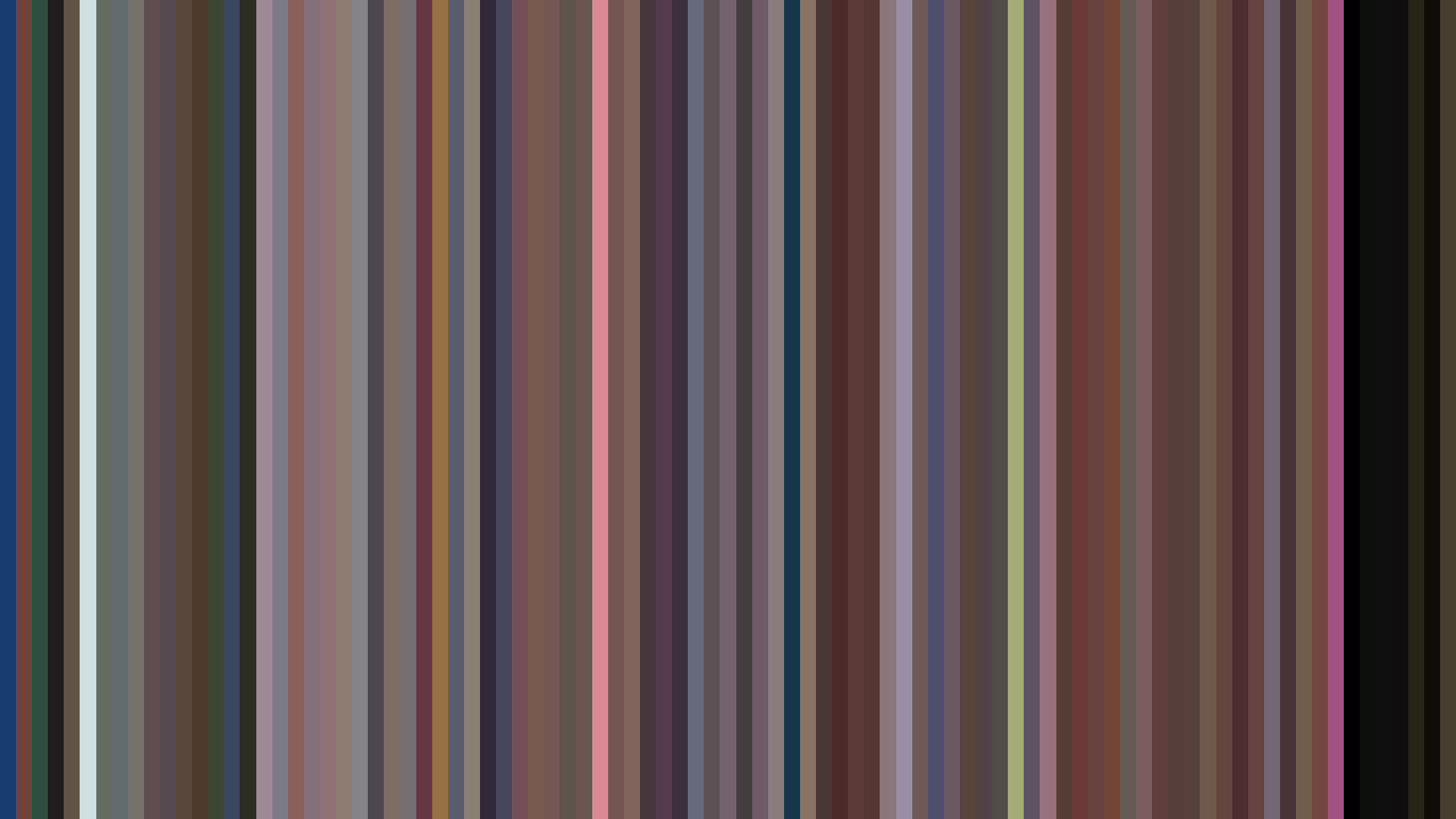
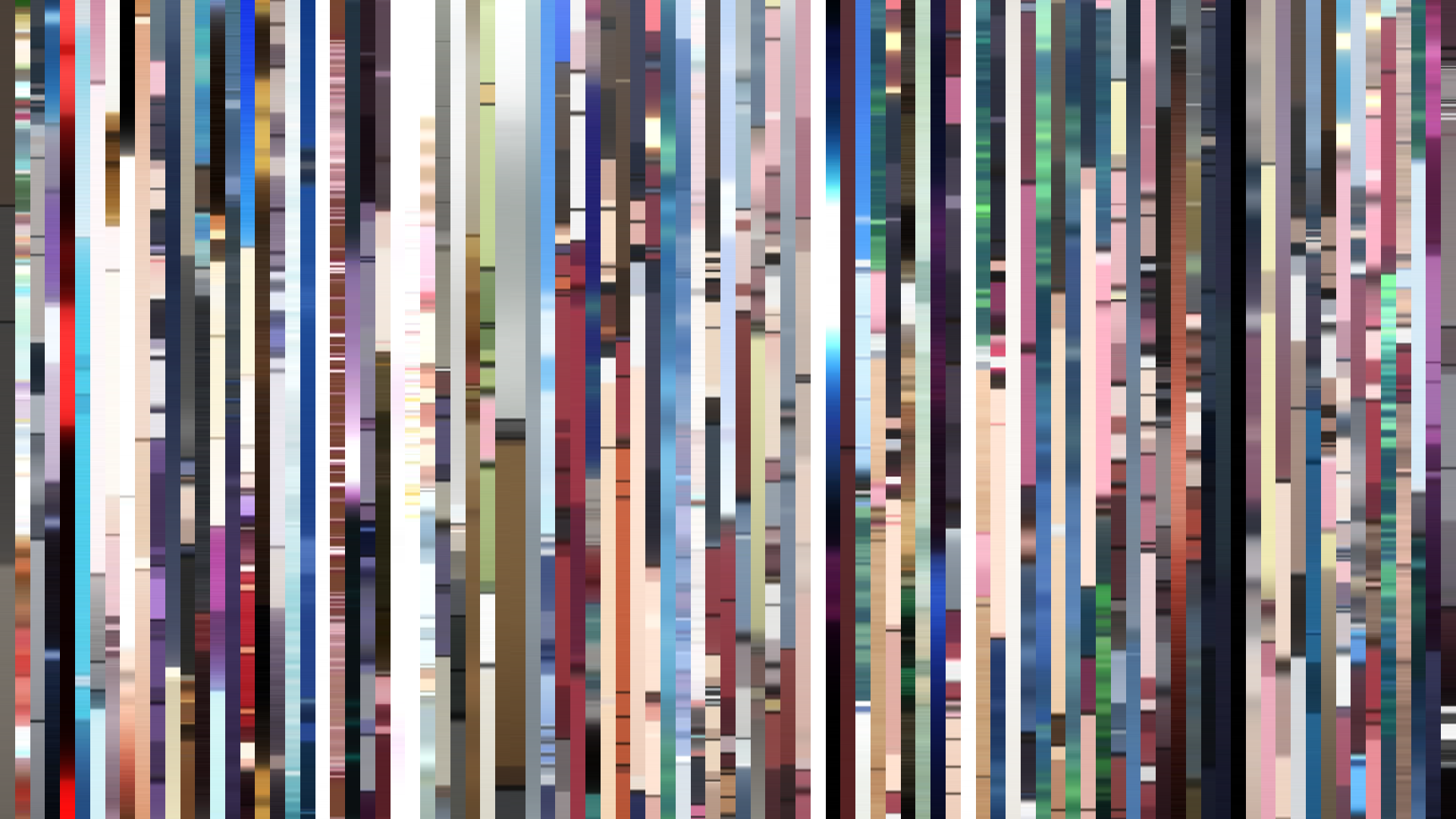
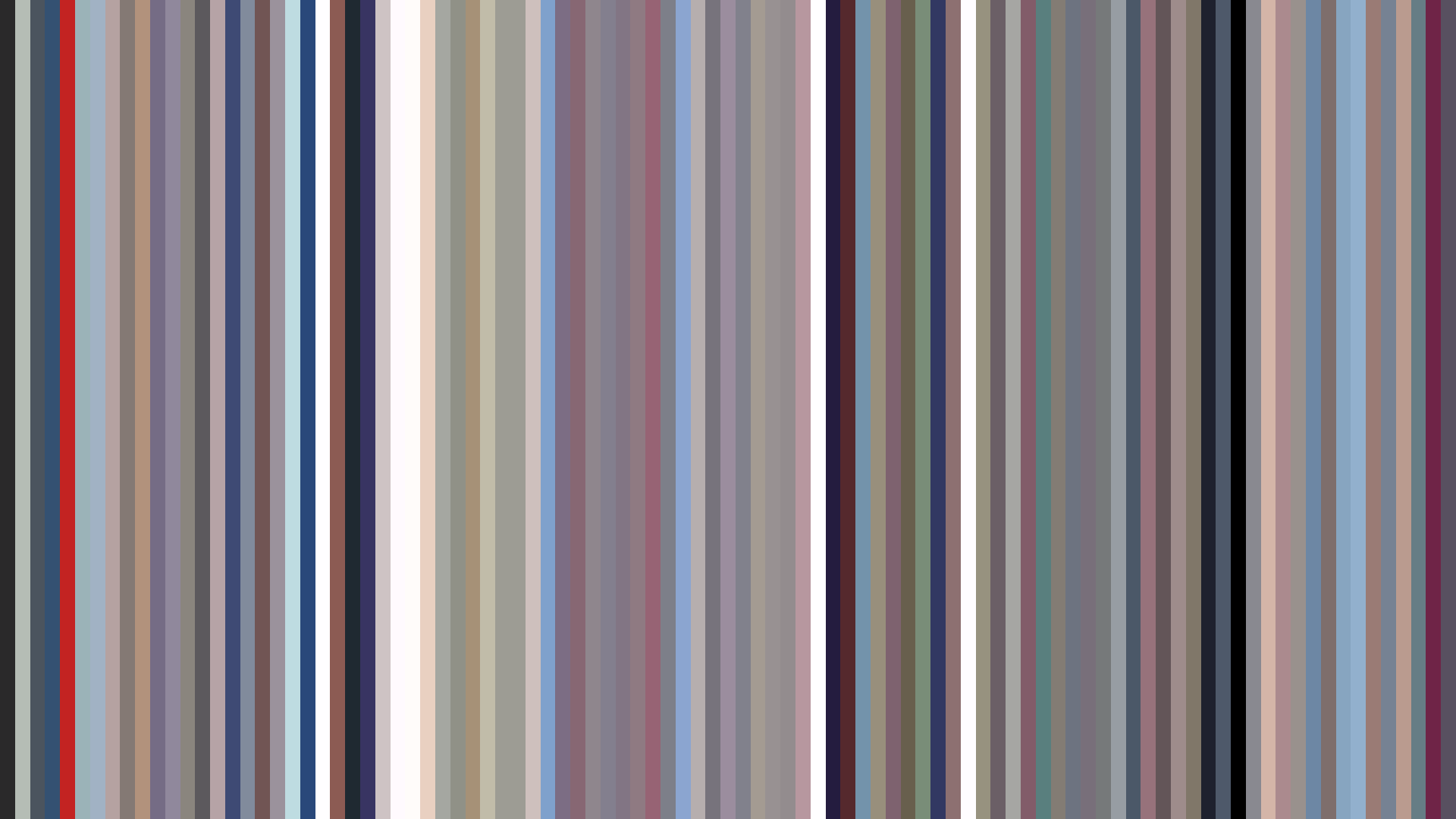
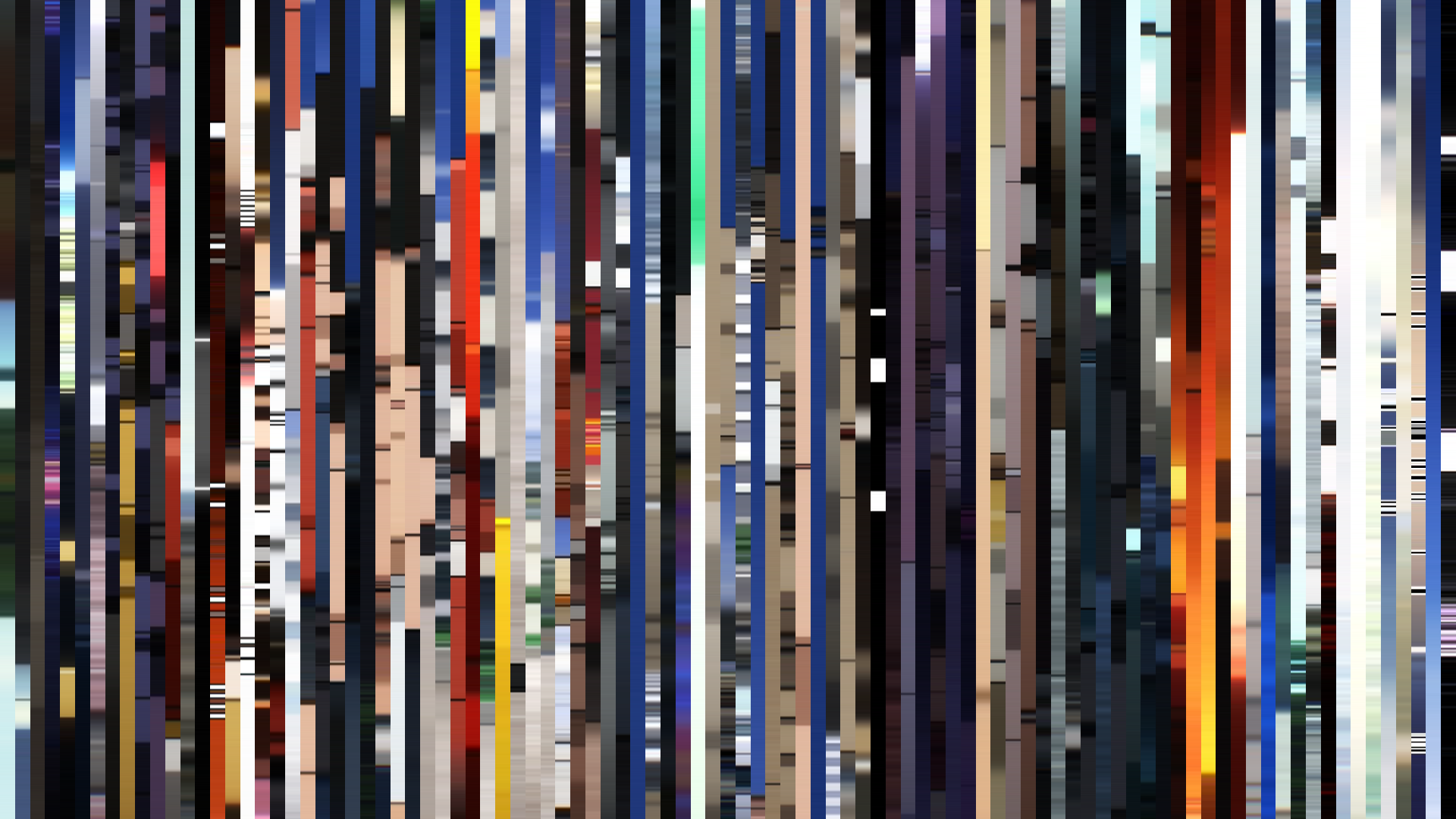
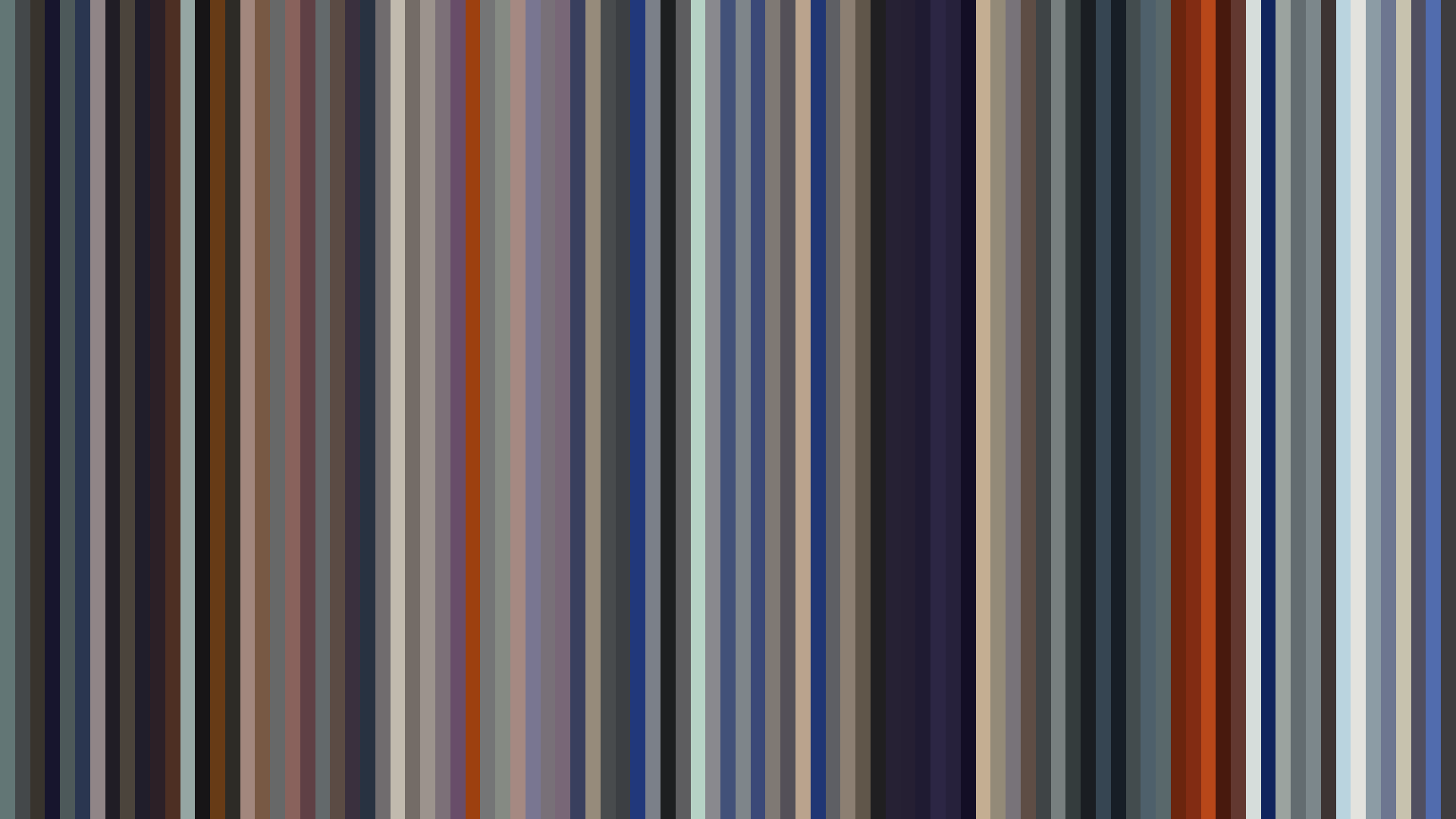
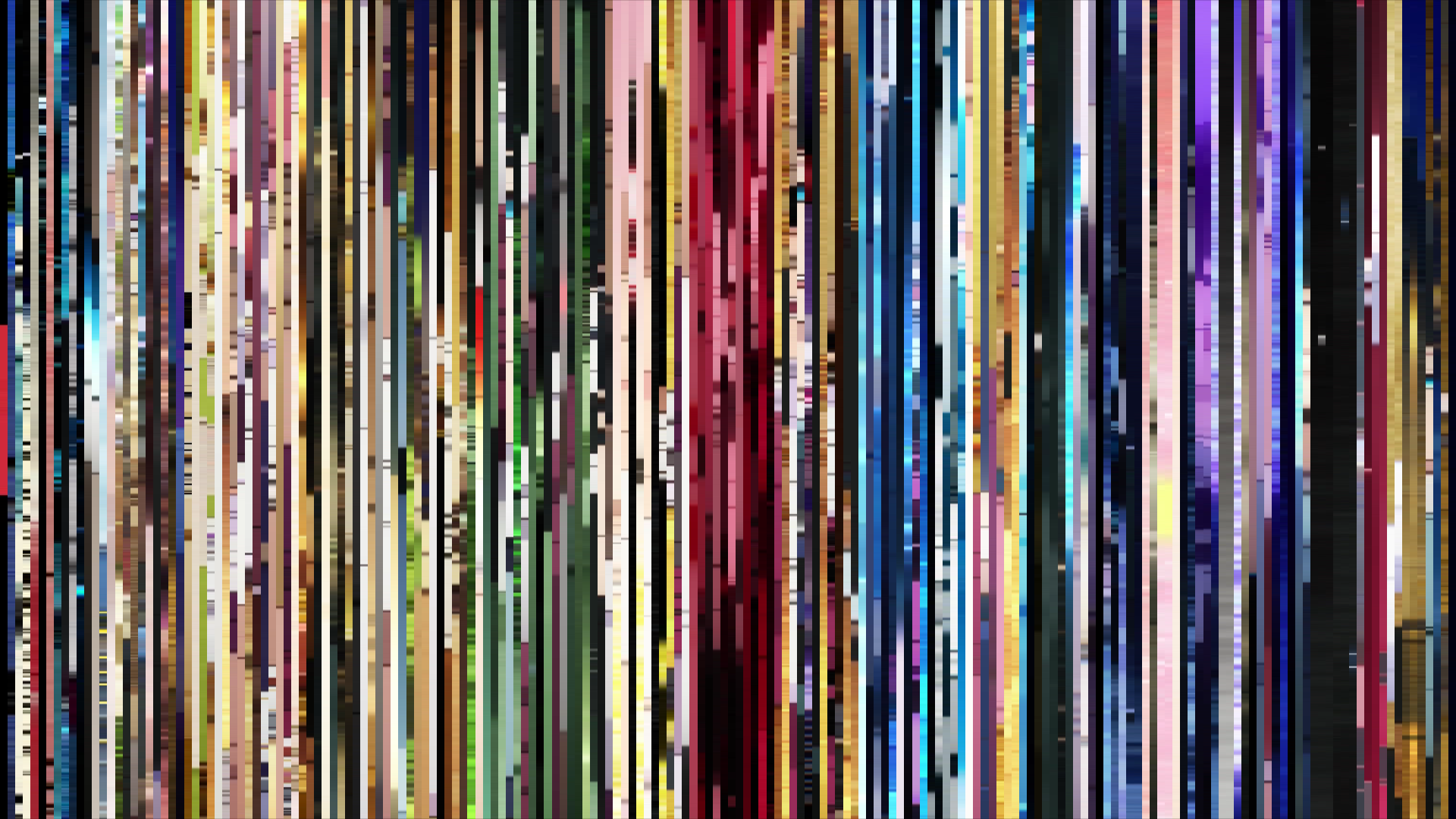
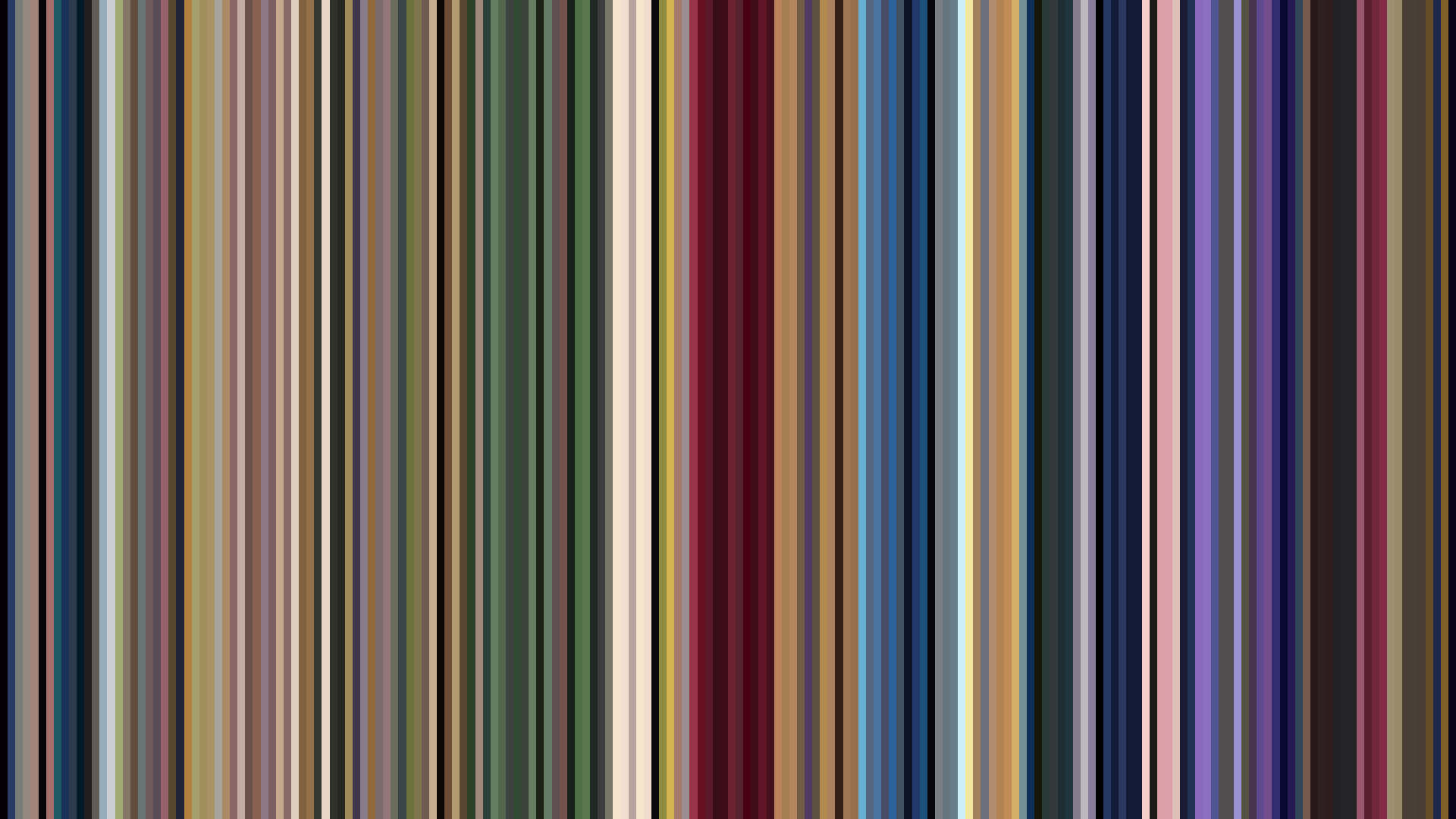
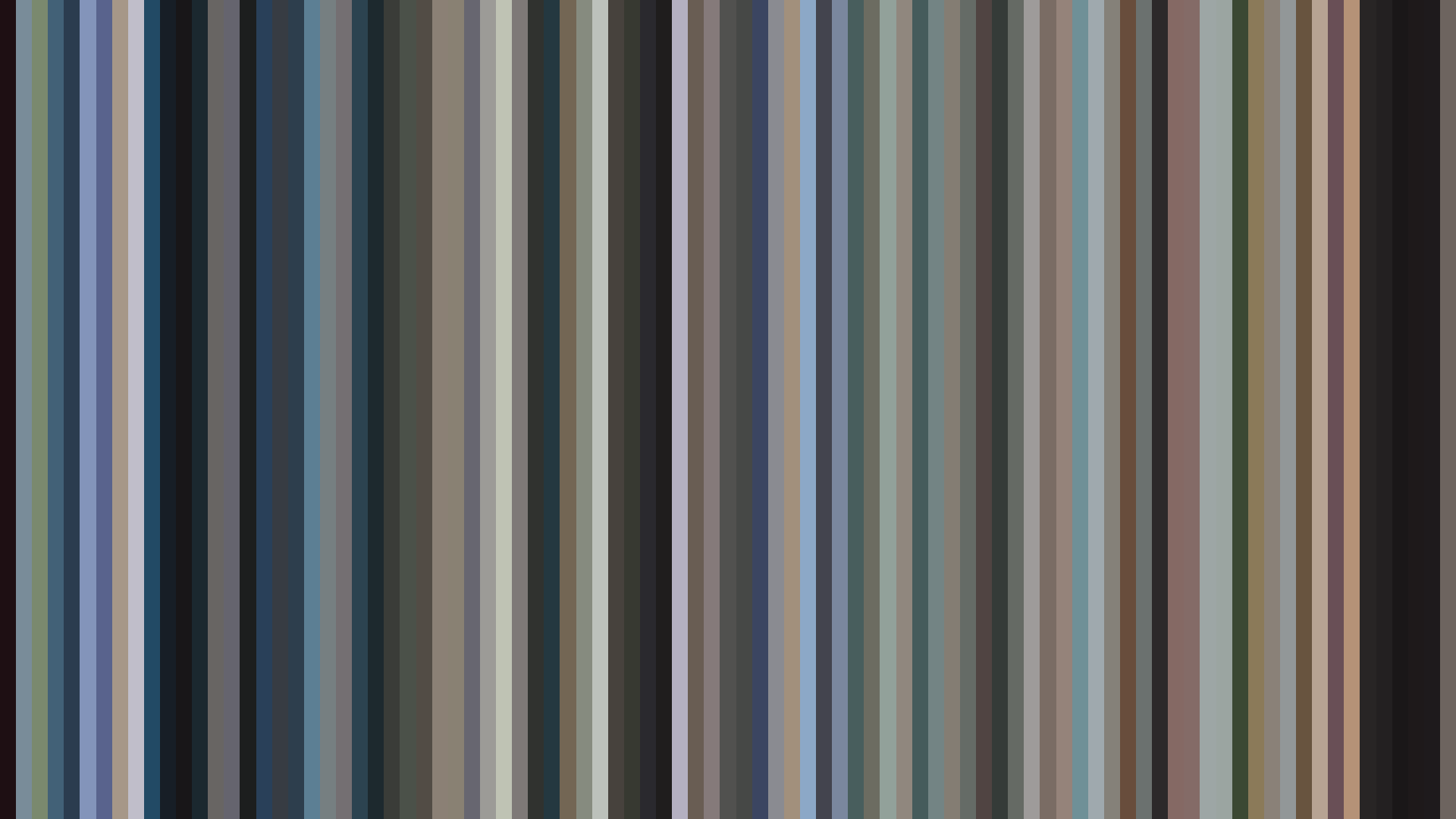
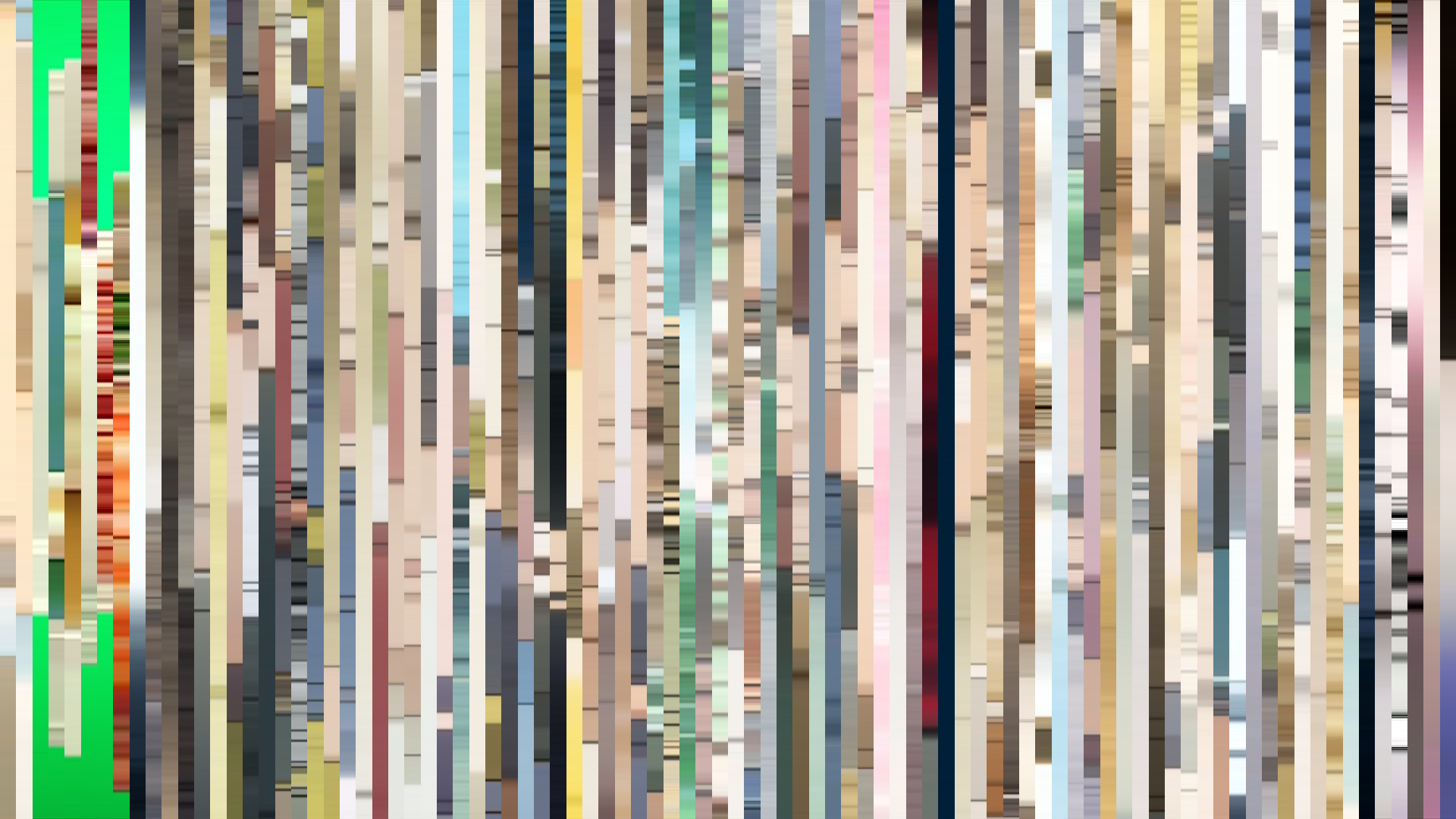
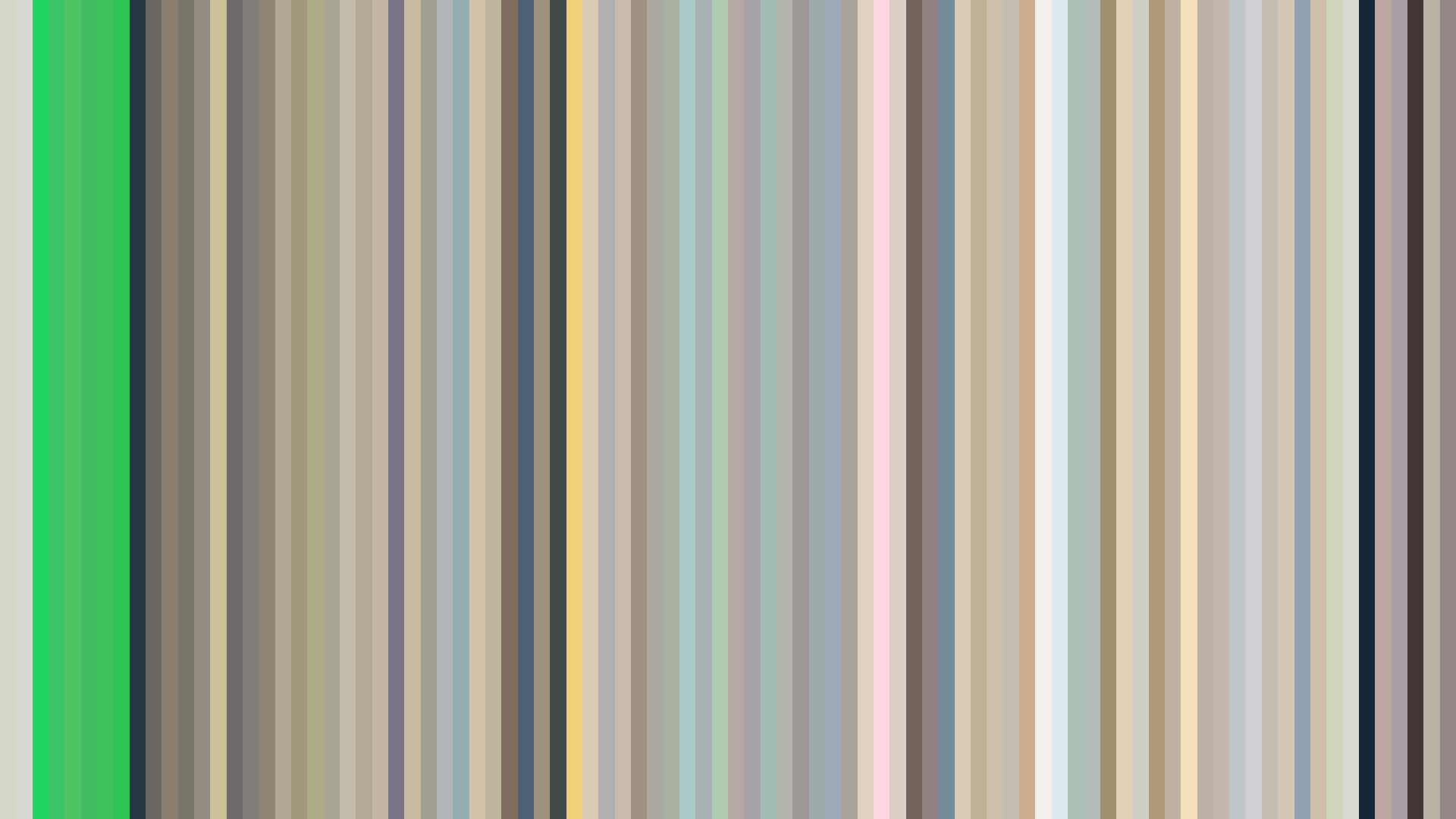
Frame Density Comparison — every 2nd vs every 4th frame
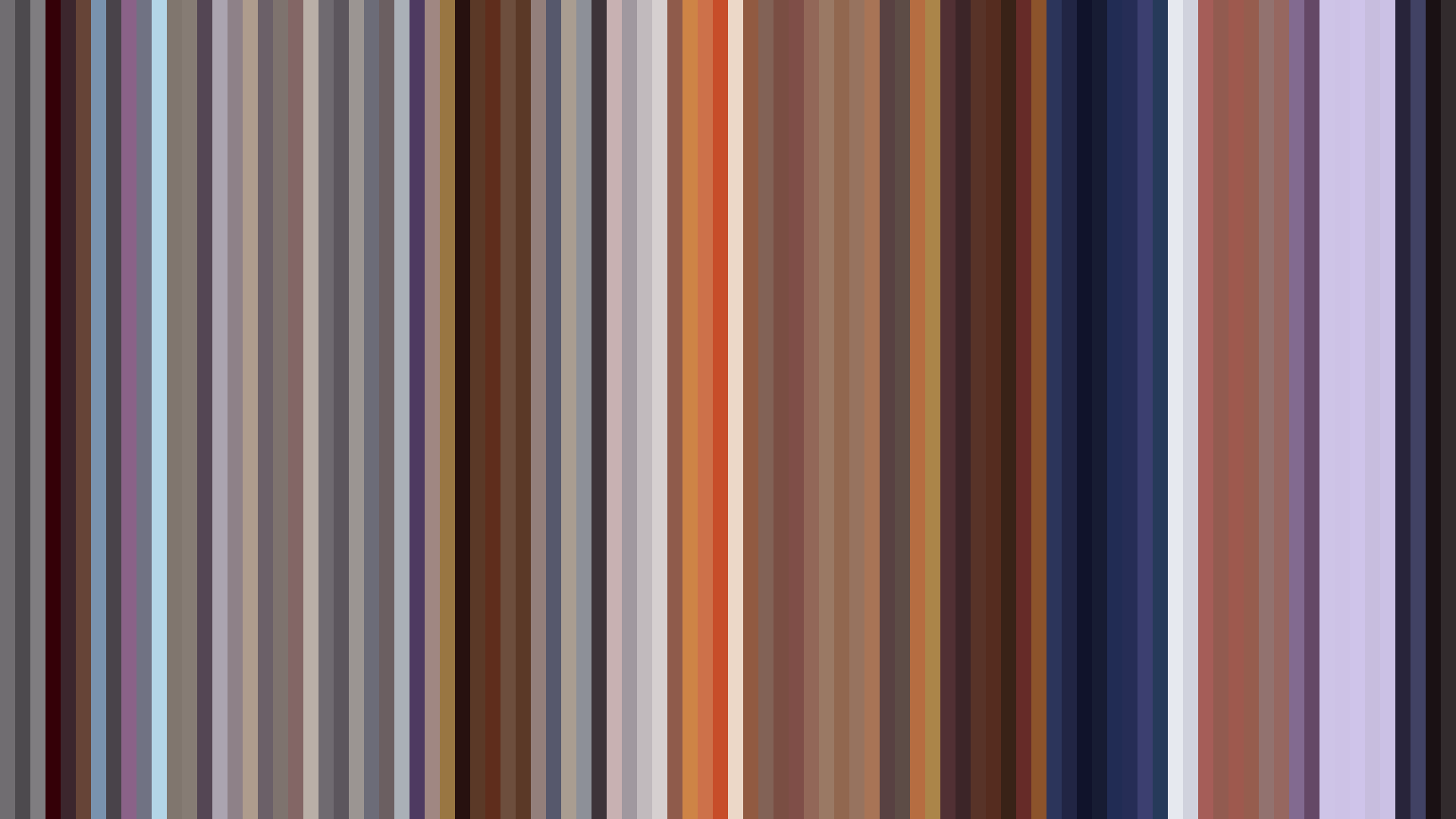
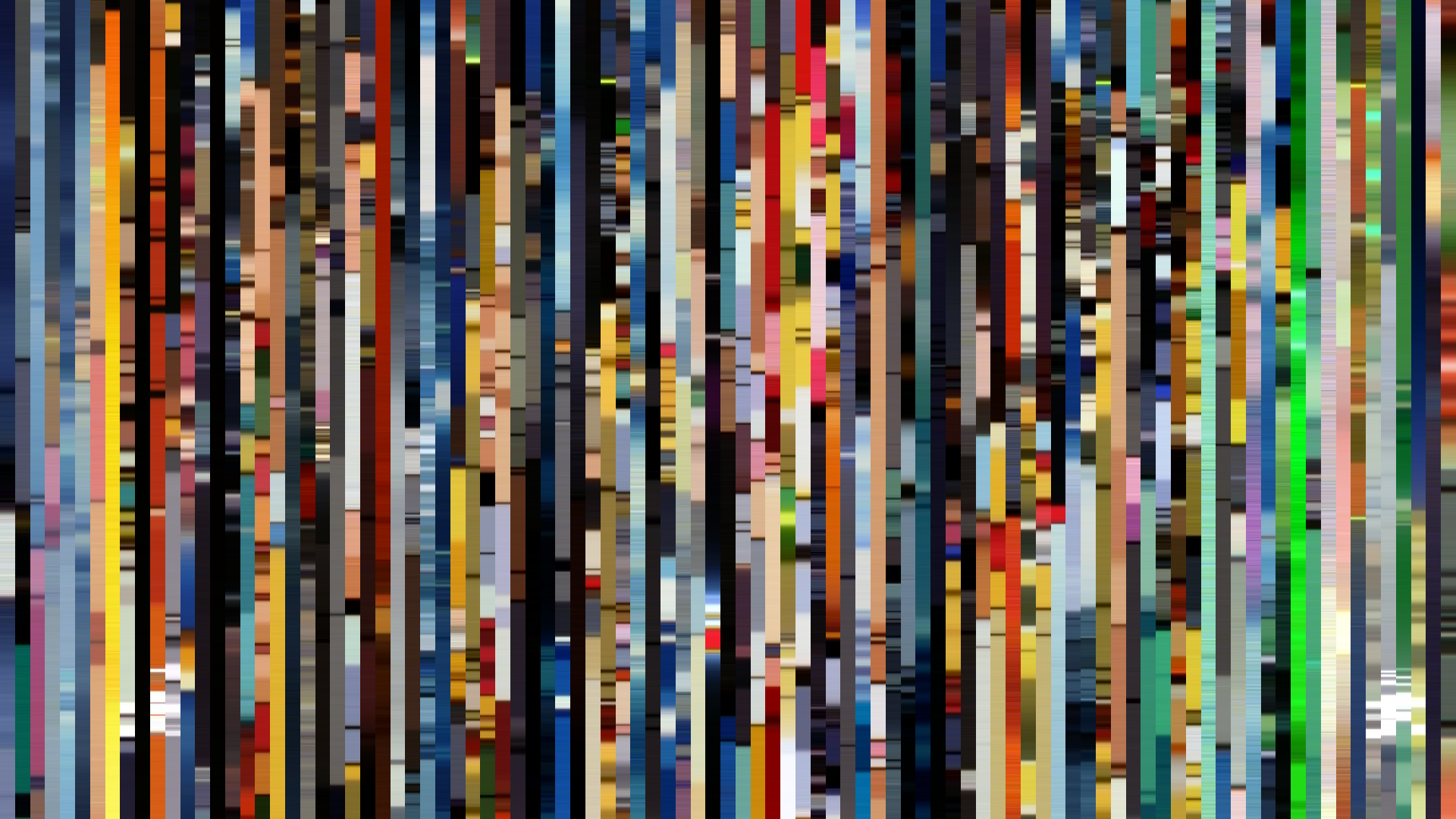
Slice · 15s
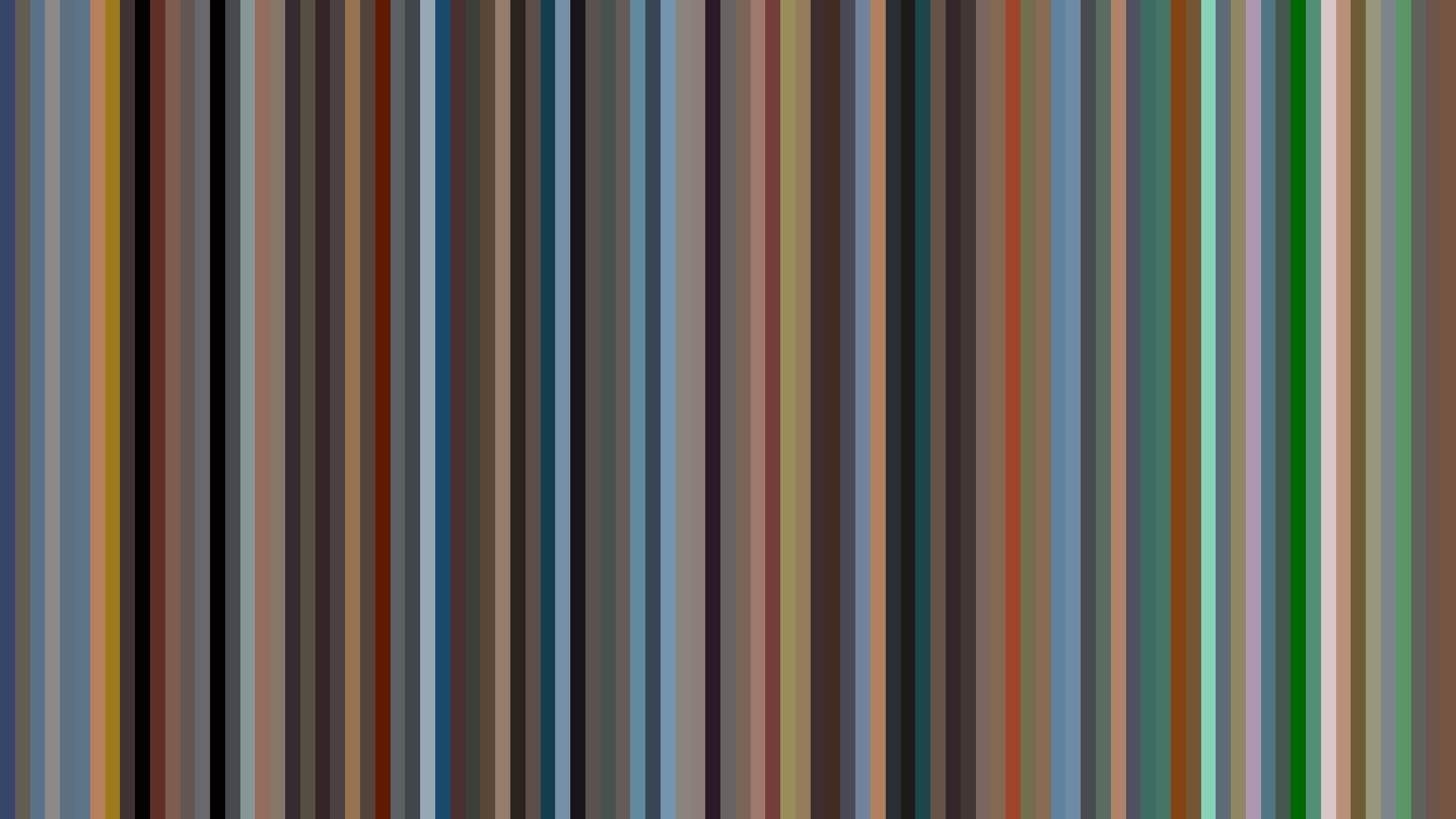
Avg · 15s
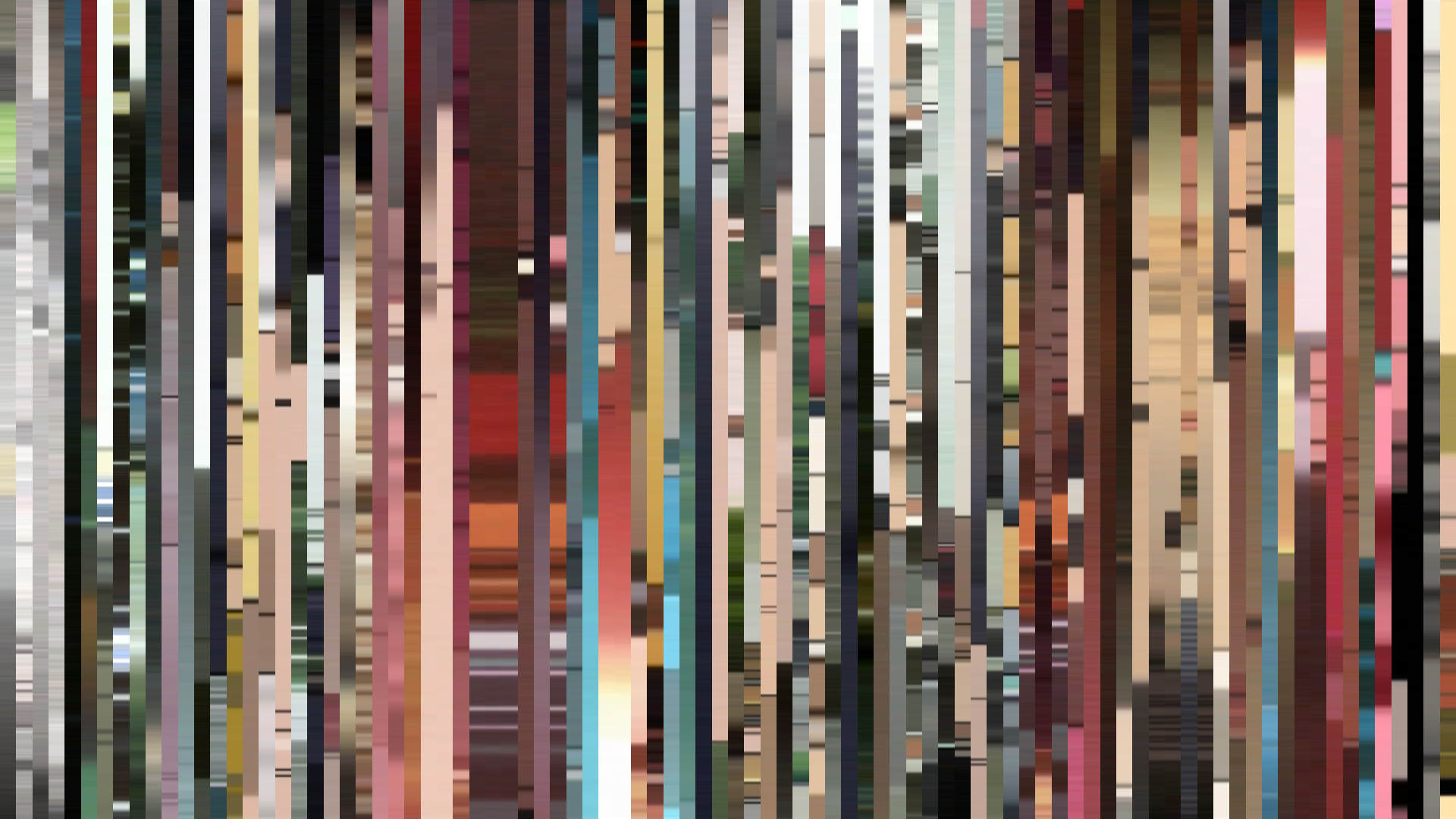
Slice · 30s
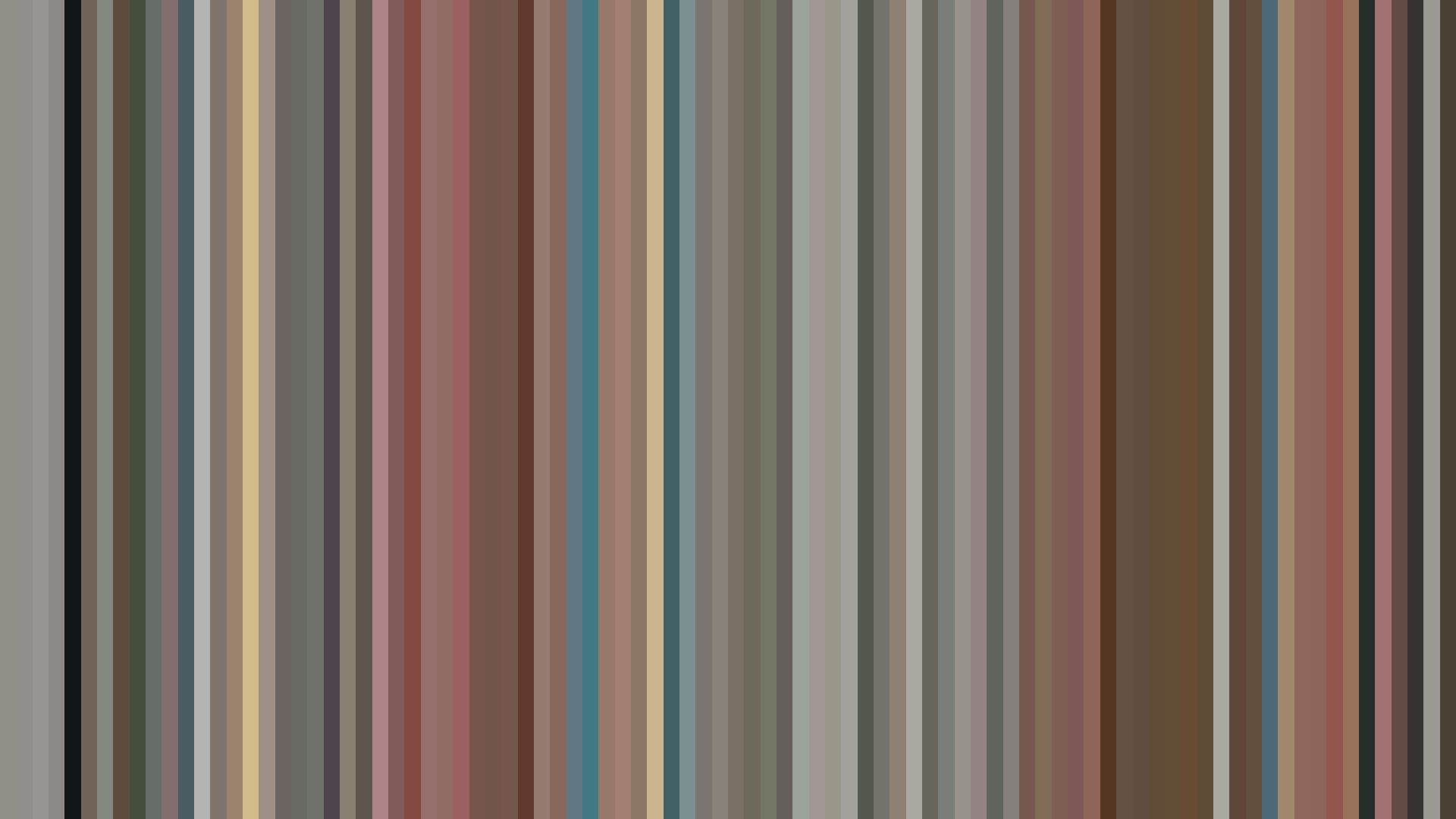
Avg · 30s
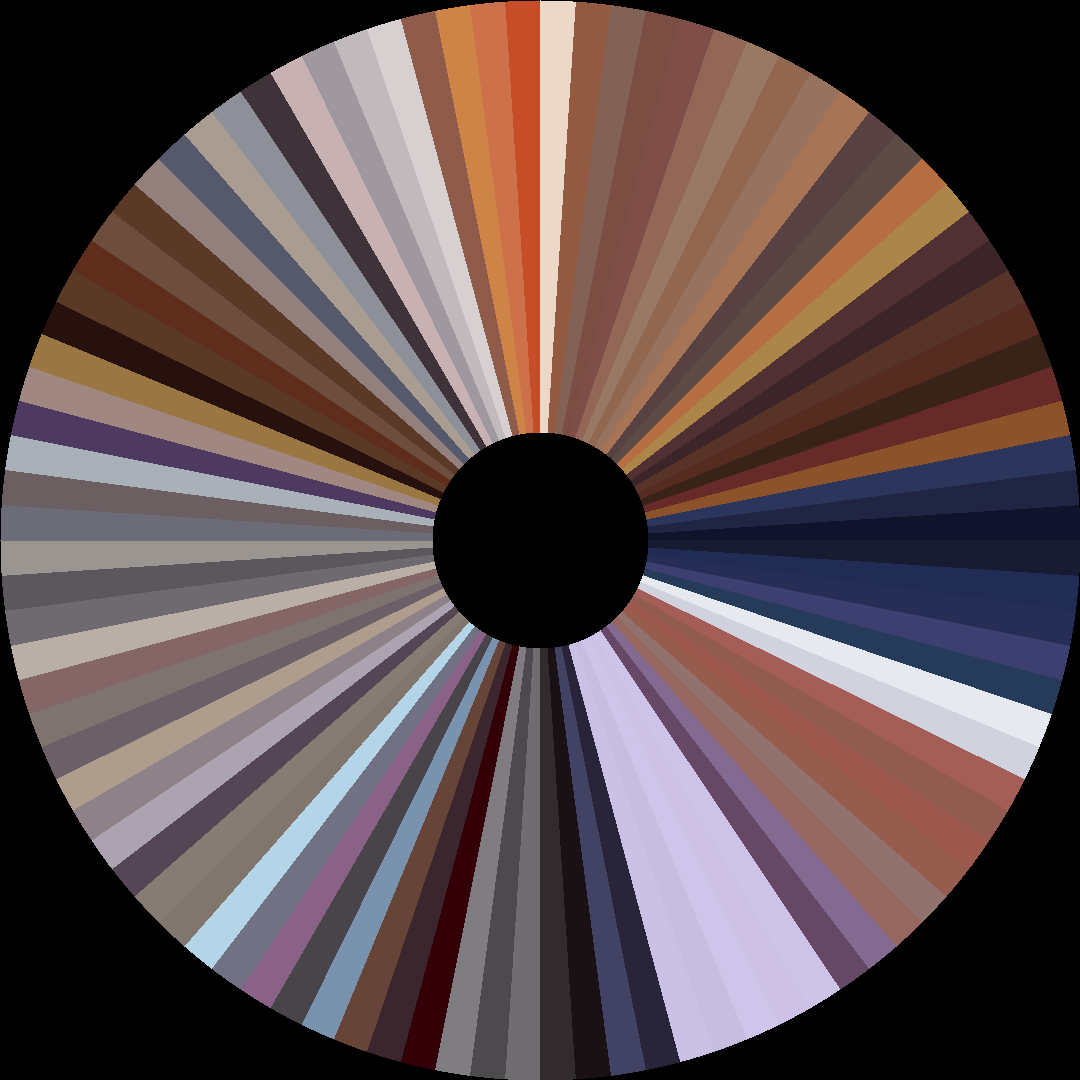
Basilisk's flat brightness arc is the visual signature of a tragedy that refuses to let up. Gonzo's adaptation of Futaro Yamada's ninja epic locks into a narrow band of luminance — opening at 0.392, rising barely to 0.437 in the middle, slipping back to 0.387 — and never offers the relief of a true dark midpoint or bright climax. The palette is dominated by Red at 41%, but these are not warm, living reds; they are the dried-blood tones of #1C131A and #532D28, punctuated by the cold gray of #61545D and the spectral Blue-Green of the night forests. Art director Hiroshi Kato and director Fuminori Kizaki understood that a story of star
Brightness Arc (episode progression)
Hue Distribution
Act Breakdown
Opening
0.392
Middle
0.437
Closing
0.387
Avg Brightness
0.405
Avg Saturation
0.344
Warmth
0.533
Color Palette
#1C131A
#E7E6E9
#61545D
#532D28
#996862
#A5999F
#292E52
#DAAD97
3-Act Color Story
Opening
Middle
Closing
Color Twins
Perceptually nearest palettes — measured in OKLab space, not RGB






Basilisk's flat brightness arc is the visual signature of a tragedy that refuses to let up. Gonzo's adaptation of Futaro Yamada's ninja epic locks into a narrow band of luminance — opening at 0.392, rising barely to 0.437 in the middle, slipping back to 0.387 — and never offers the relief of a true dark midpoint or bright climax. The palette is dominated by Red at 41%, but these are not warm, living reds; they are the dried-blood tones of #1C131A and #532D28, punctuated by the cold gray of #61545D and the spectral Blue-Green of the night forests. Art director Hiroshi Kato and director Fuminori Kizaki understood that a story of star