Edit Pace — frame-to-frame color delta (bright = fast cuts)
Color Temperature — warm (gold) vs cool (teal) per frame
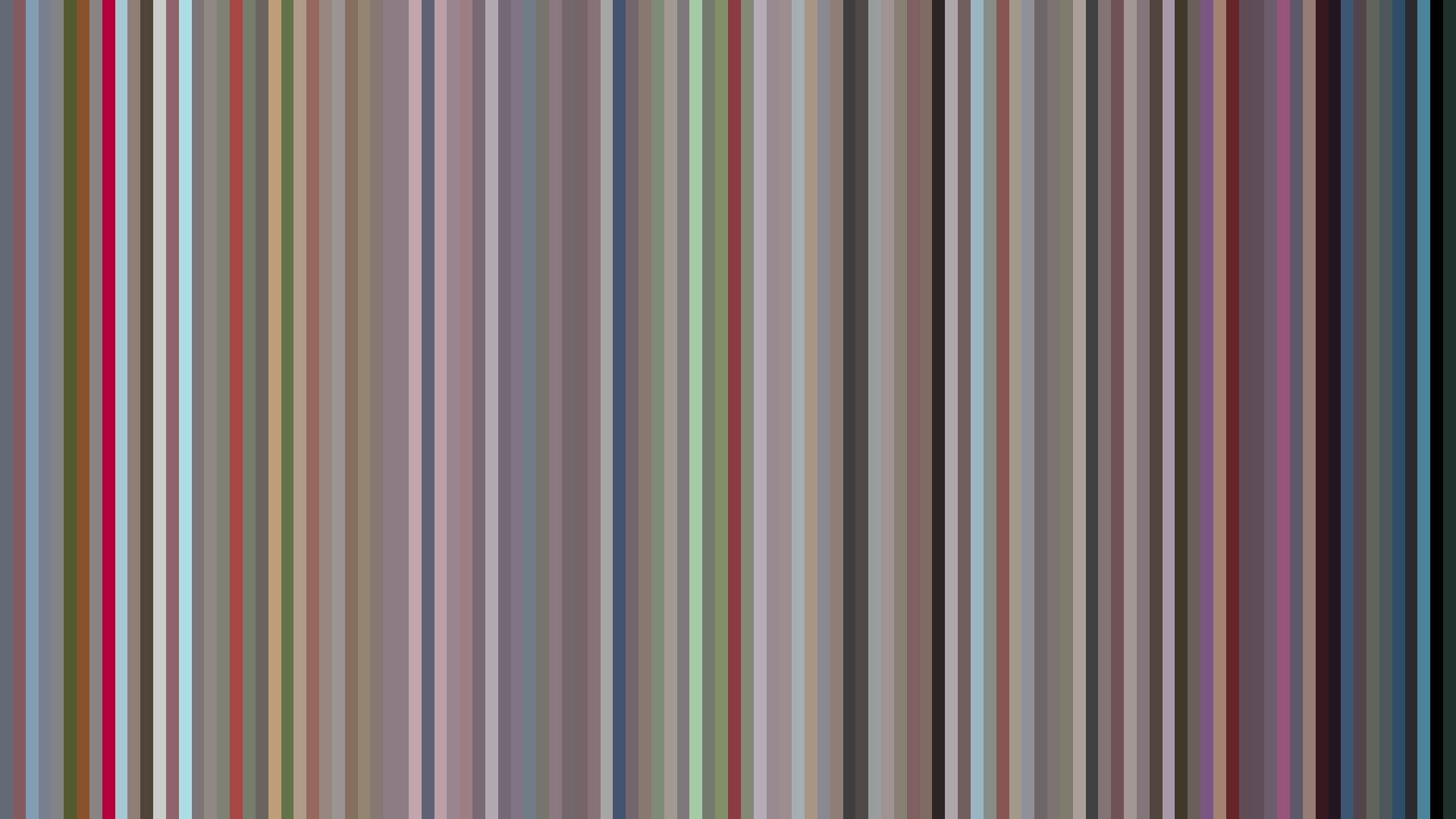
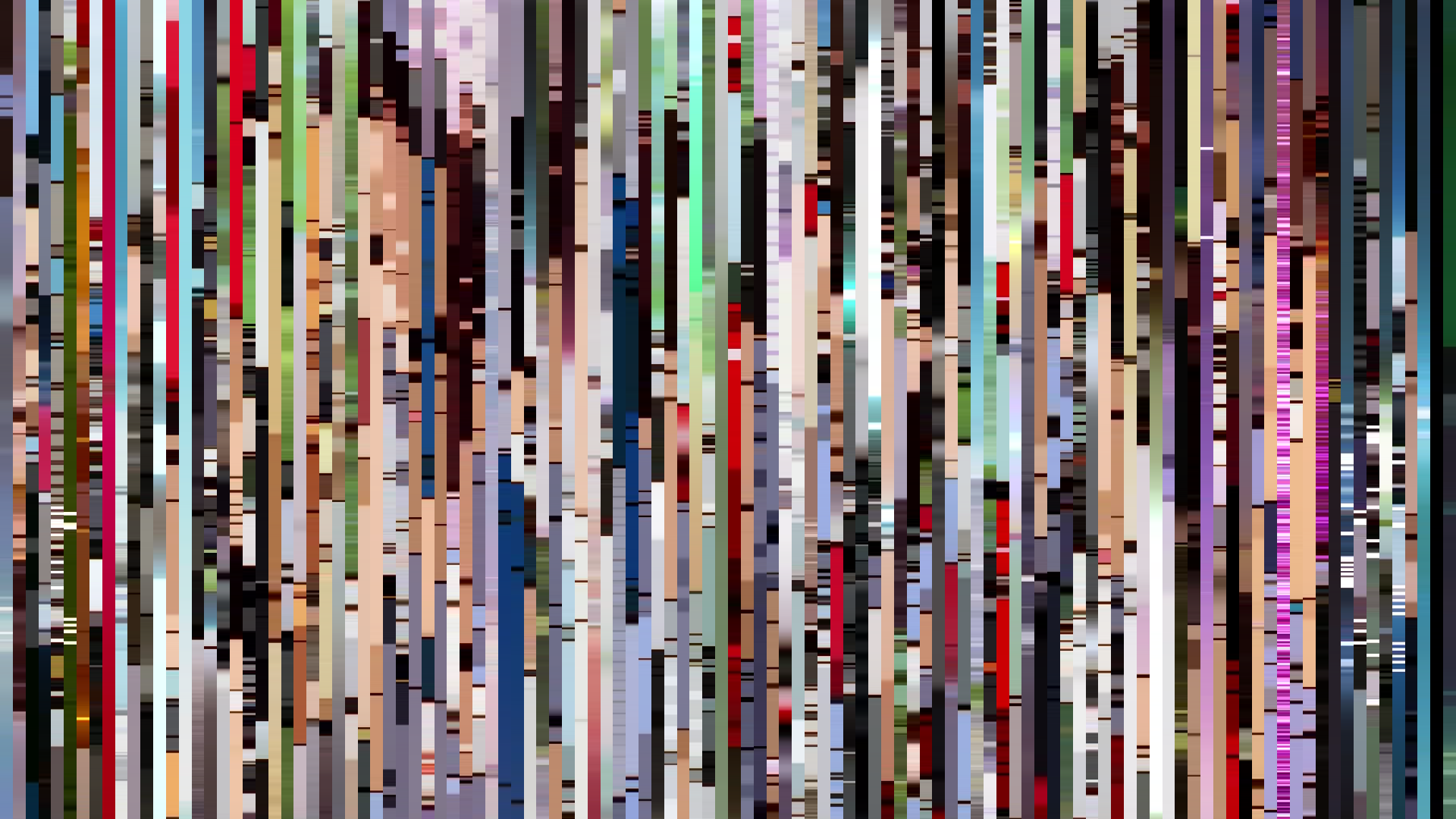
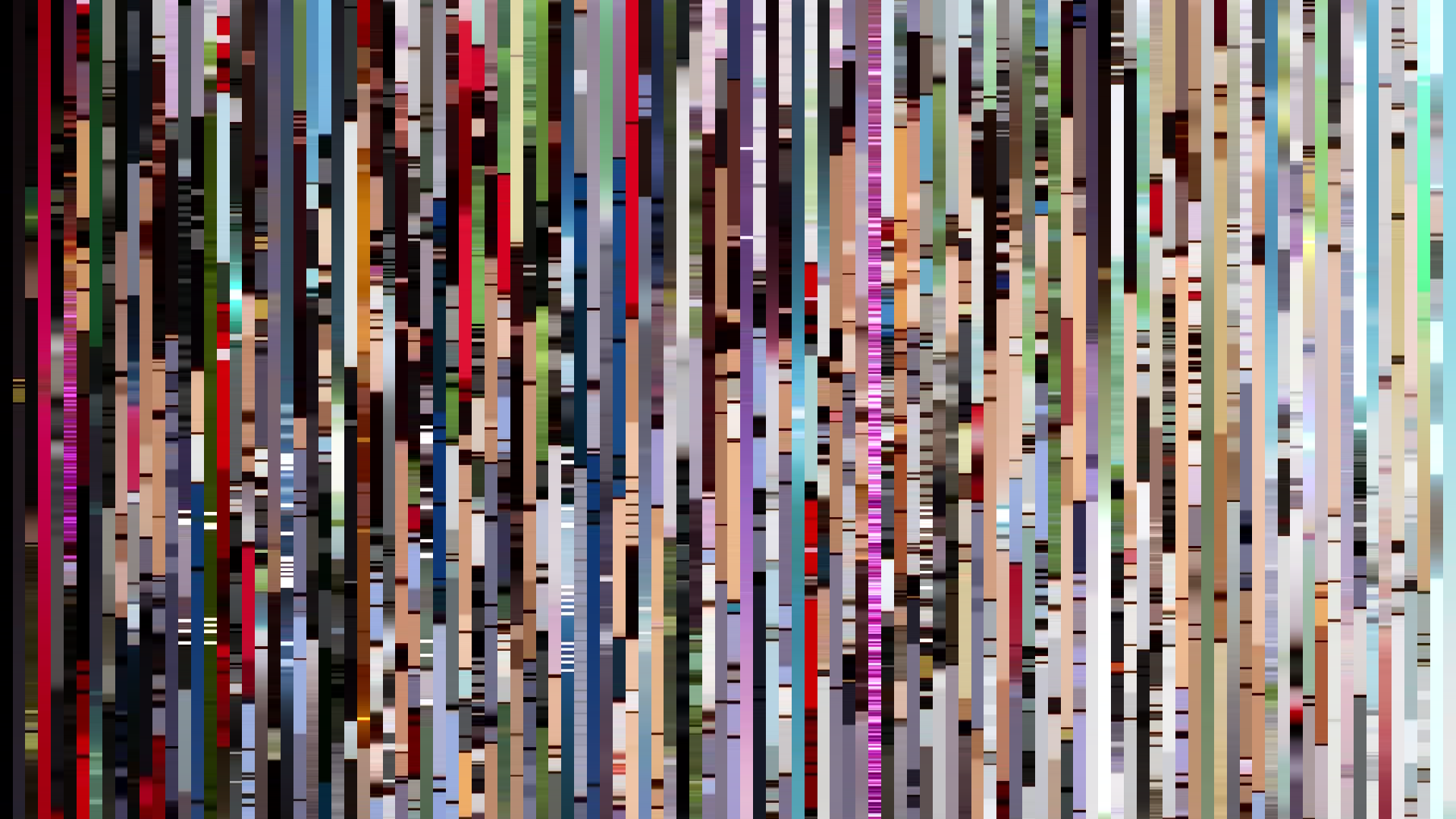
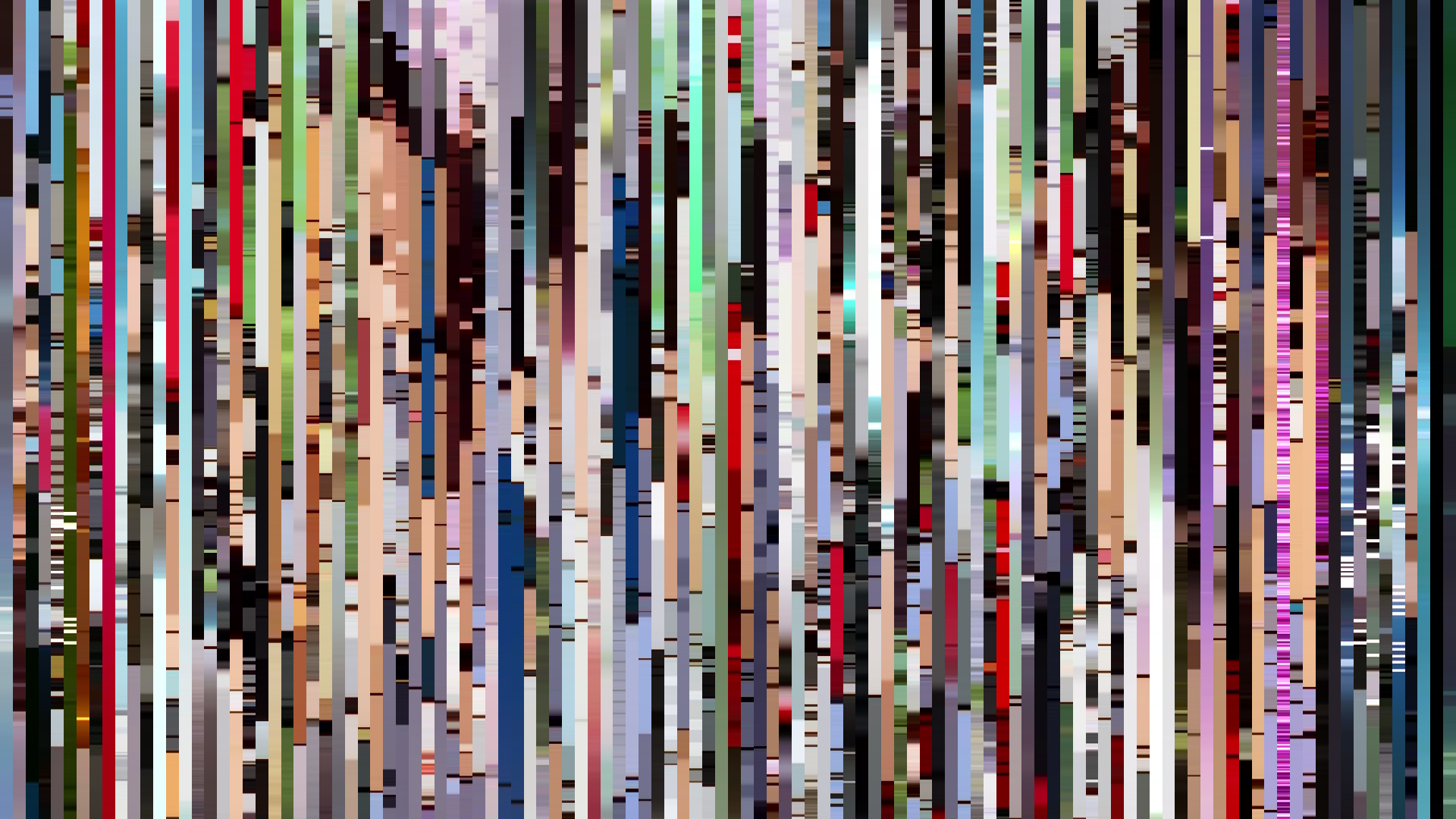
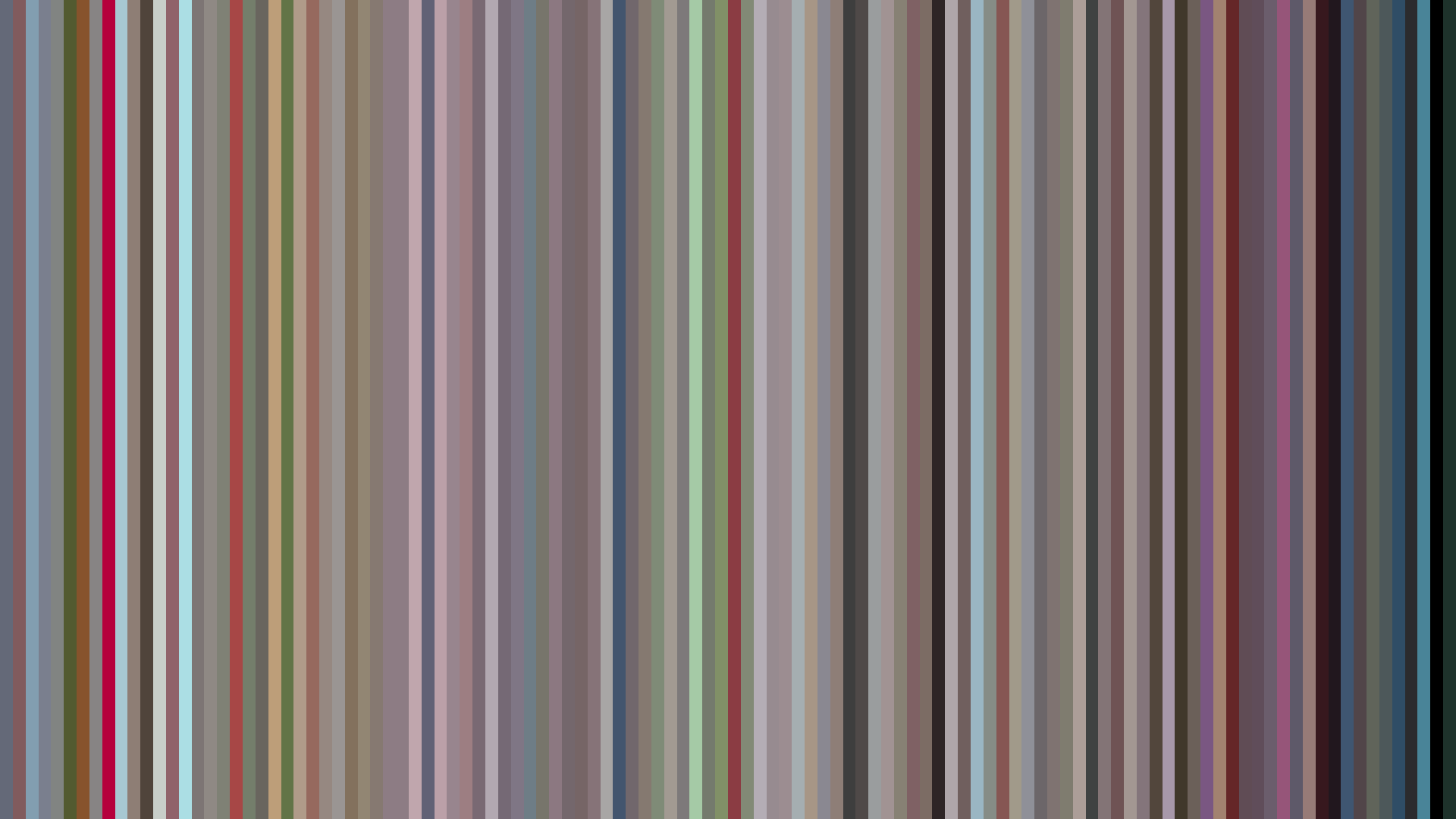
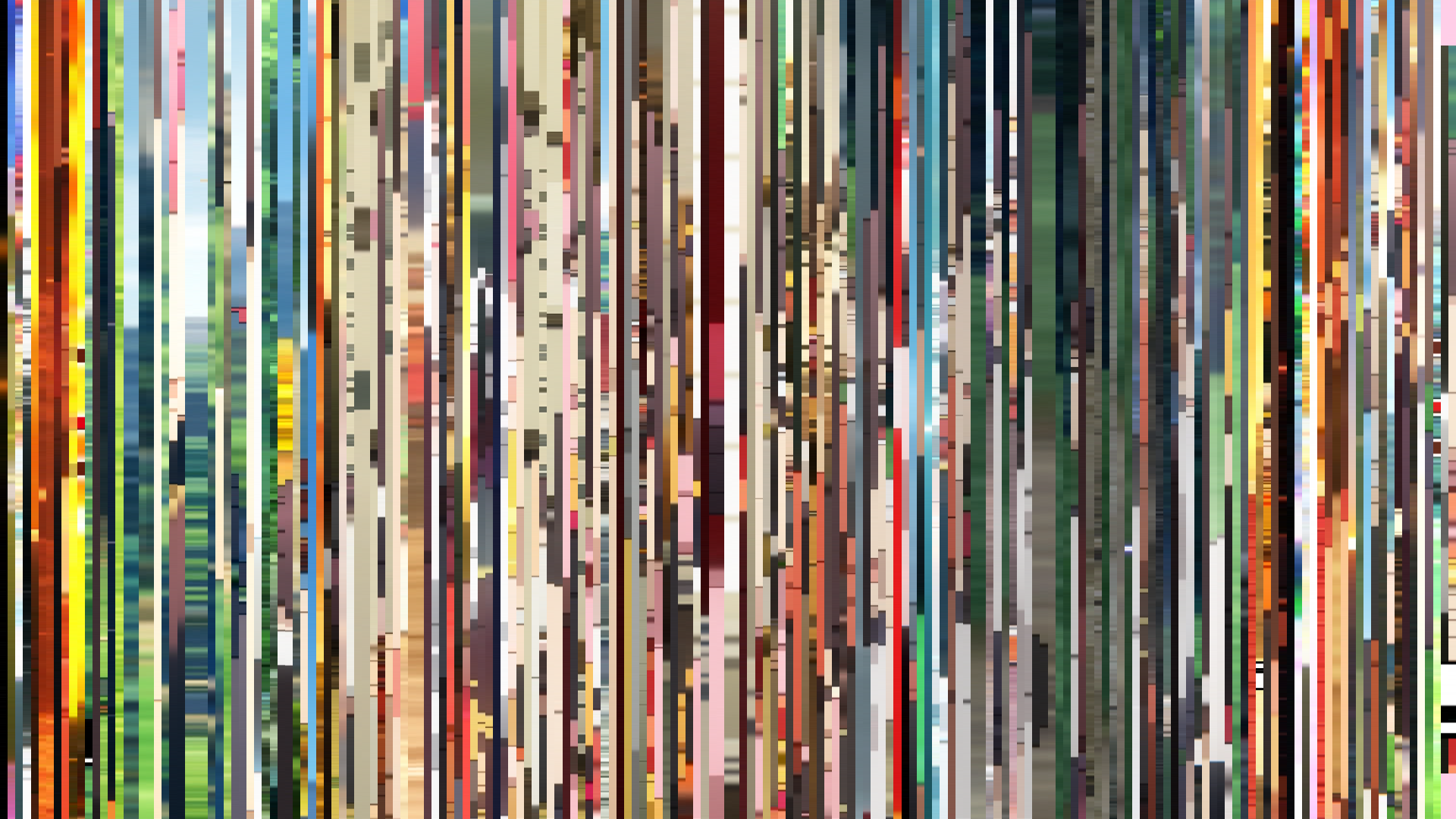
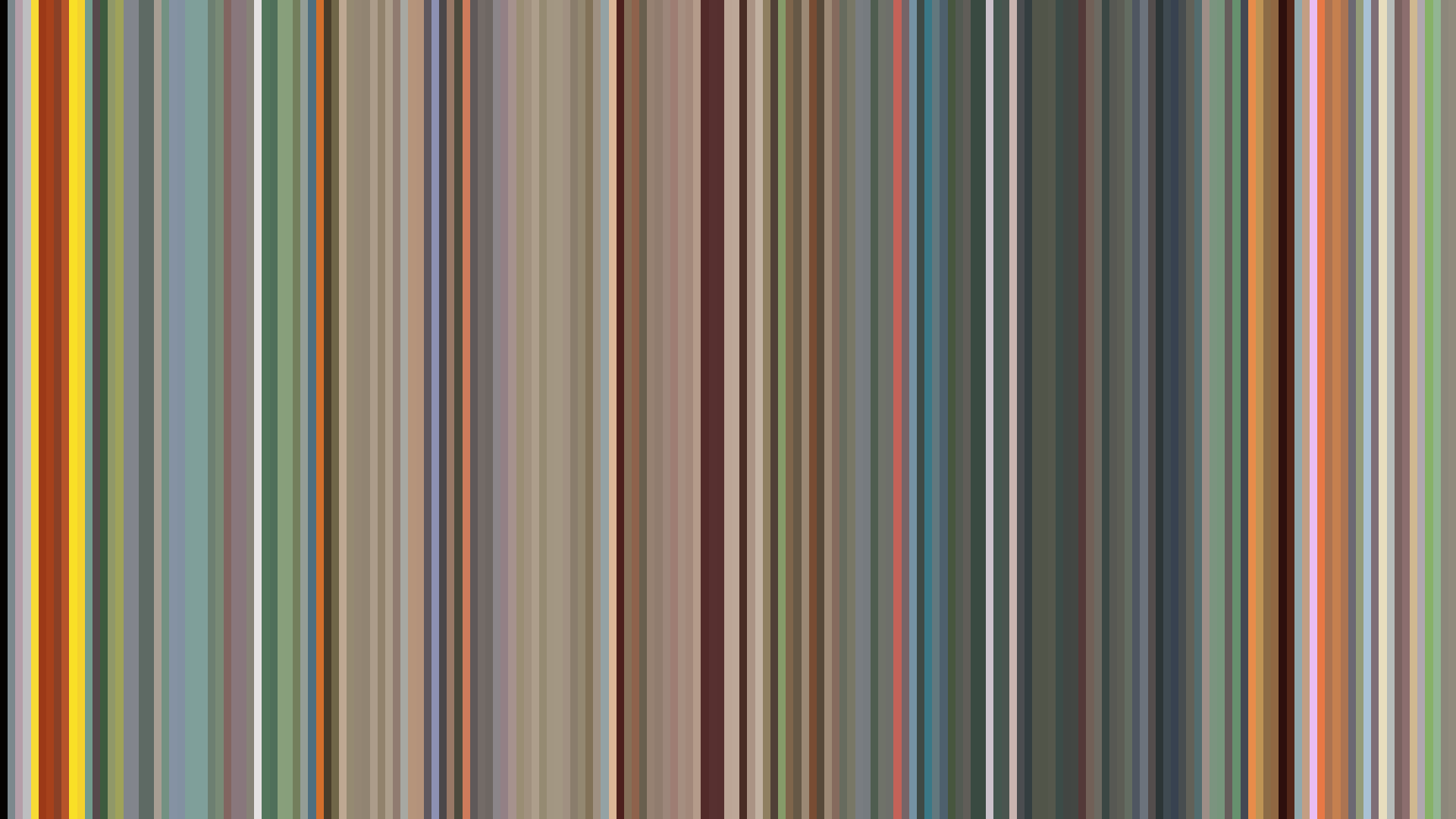
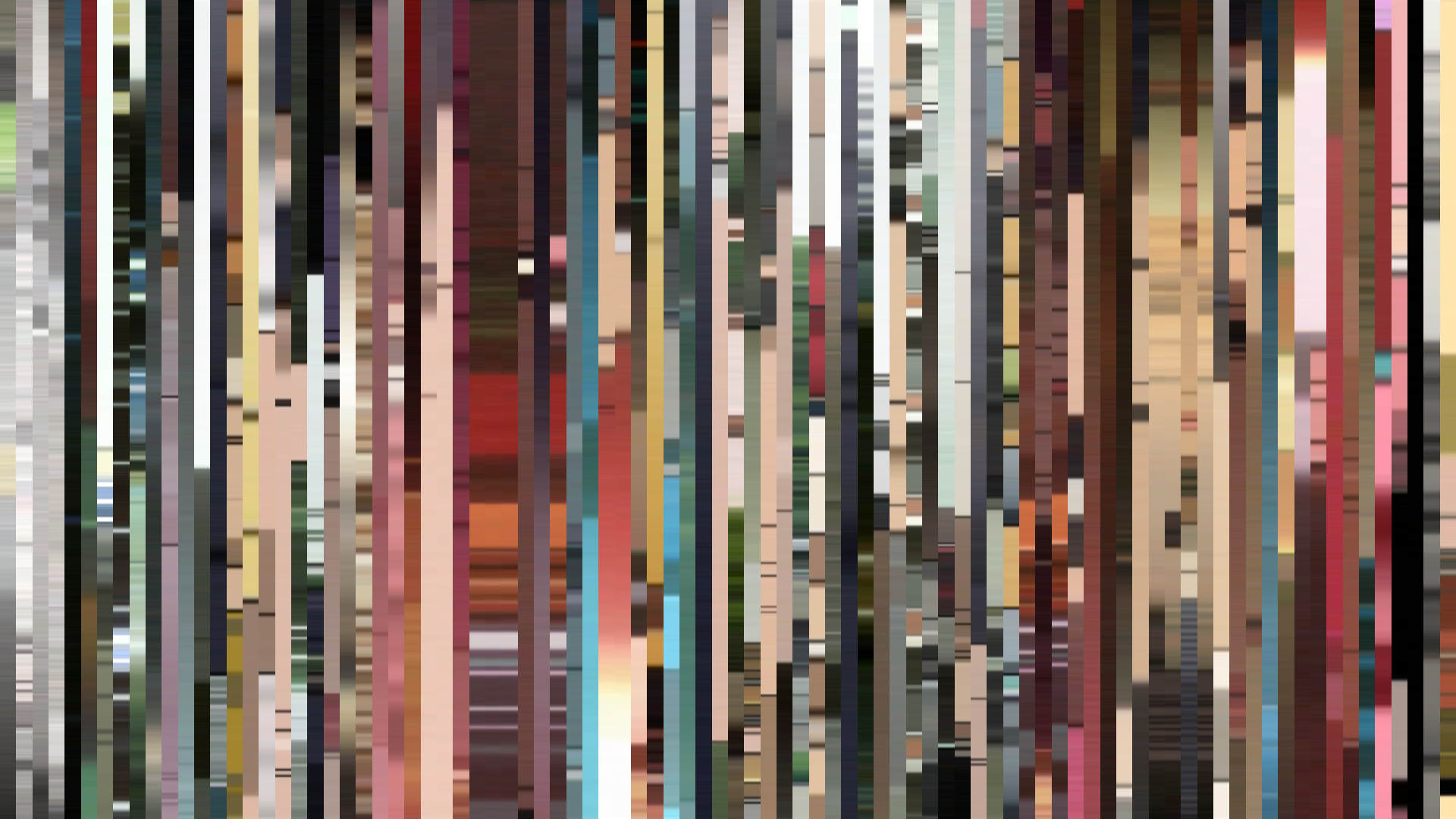
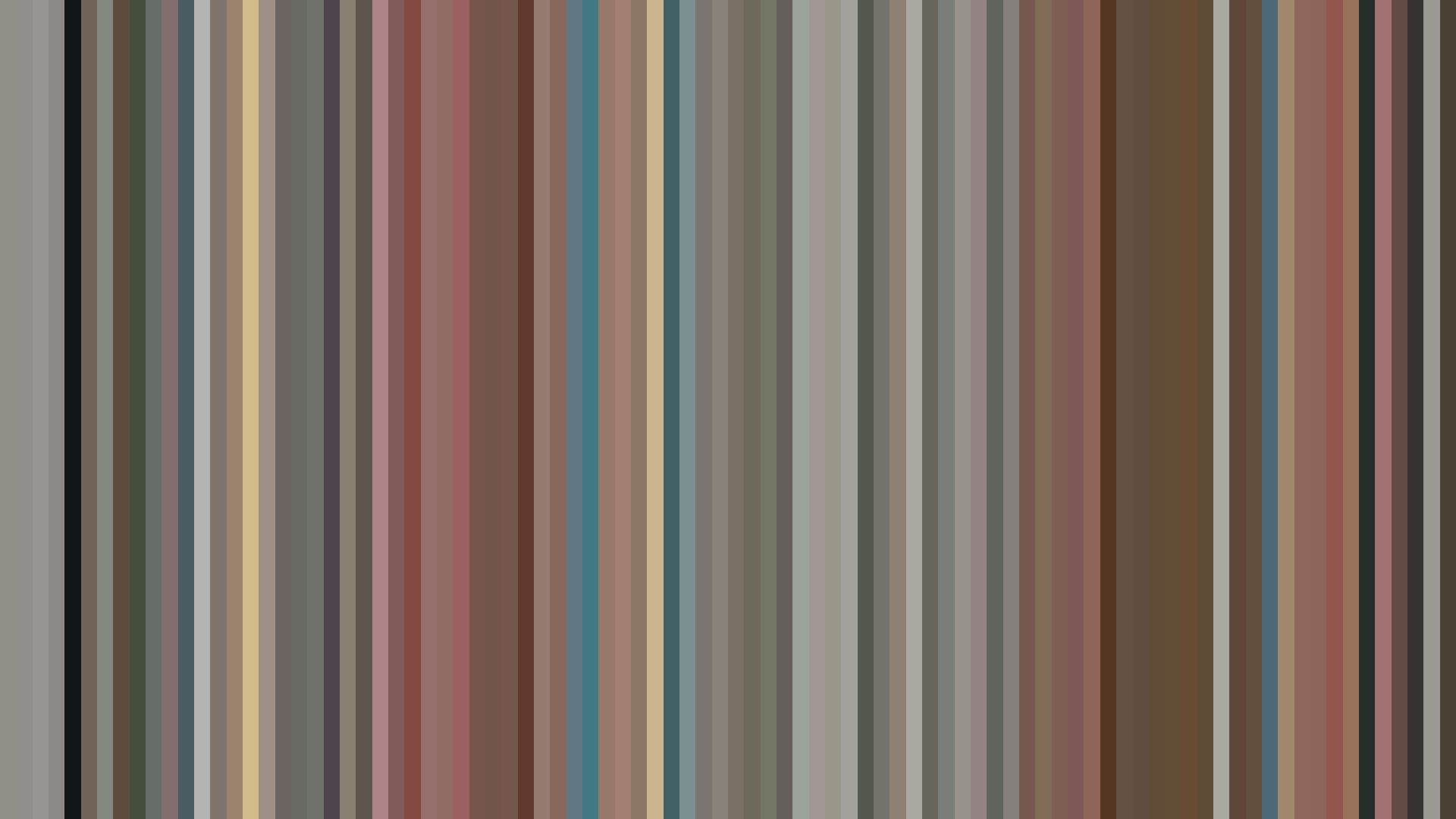
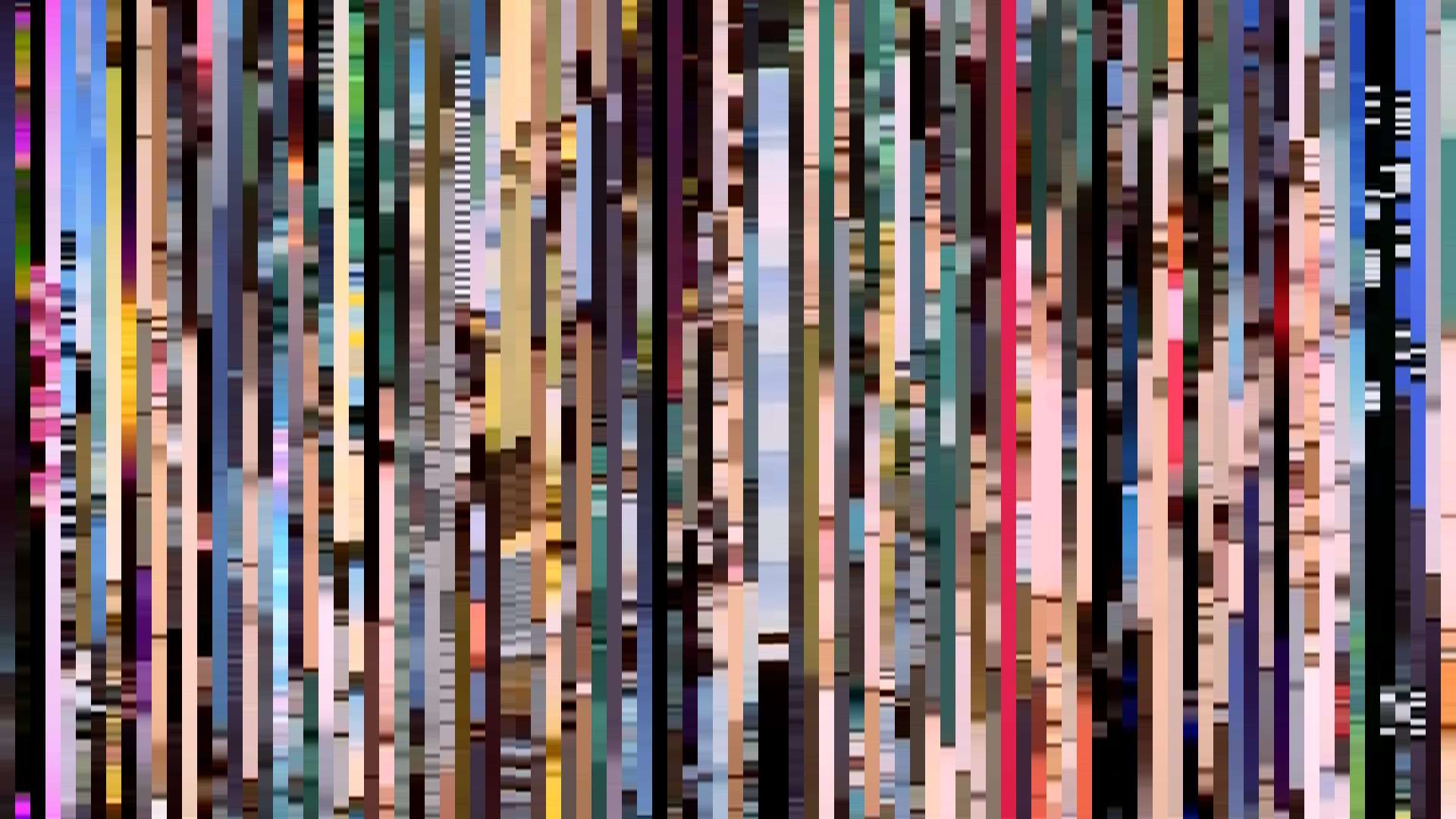
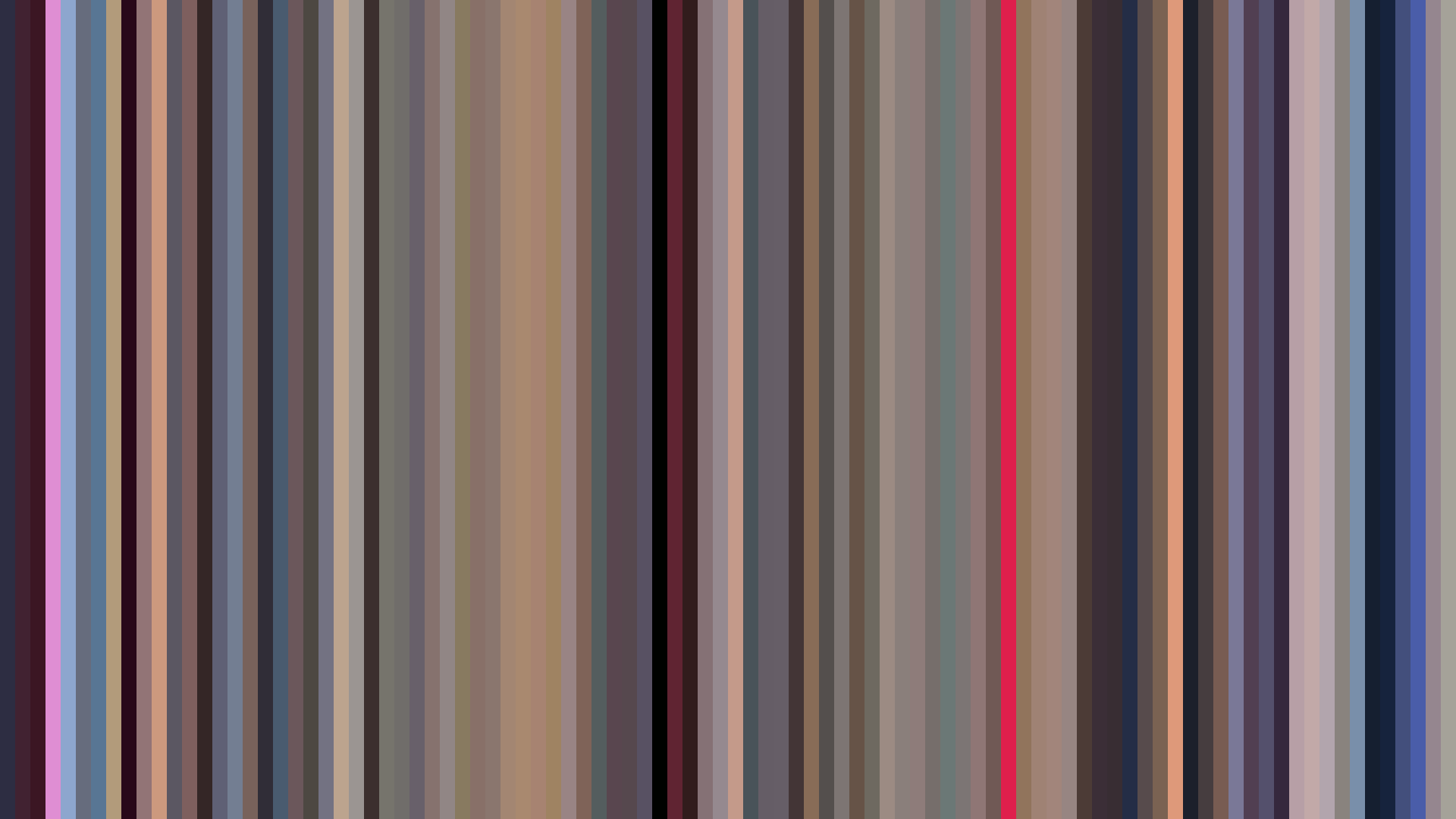
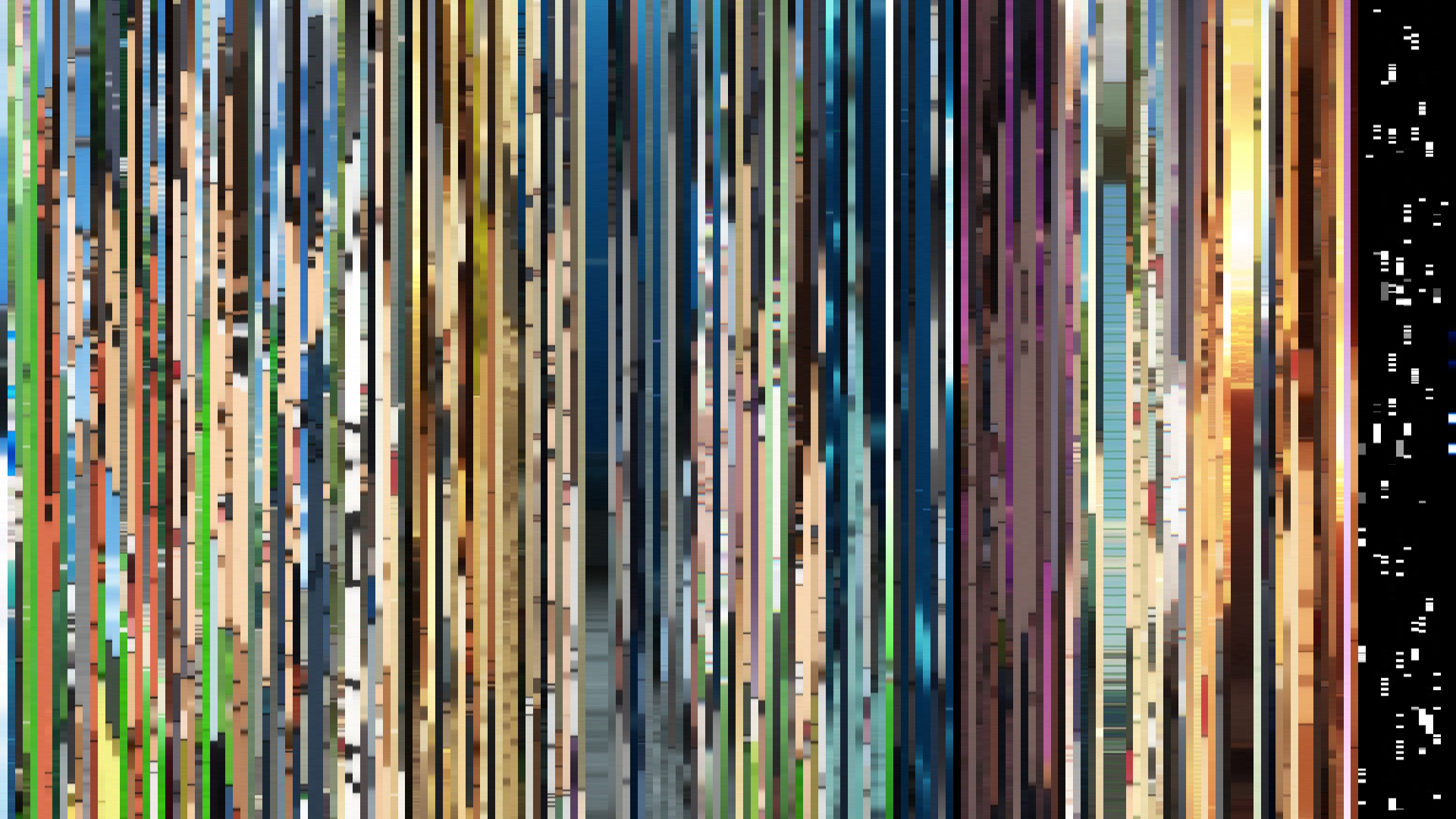
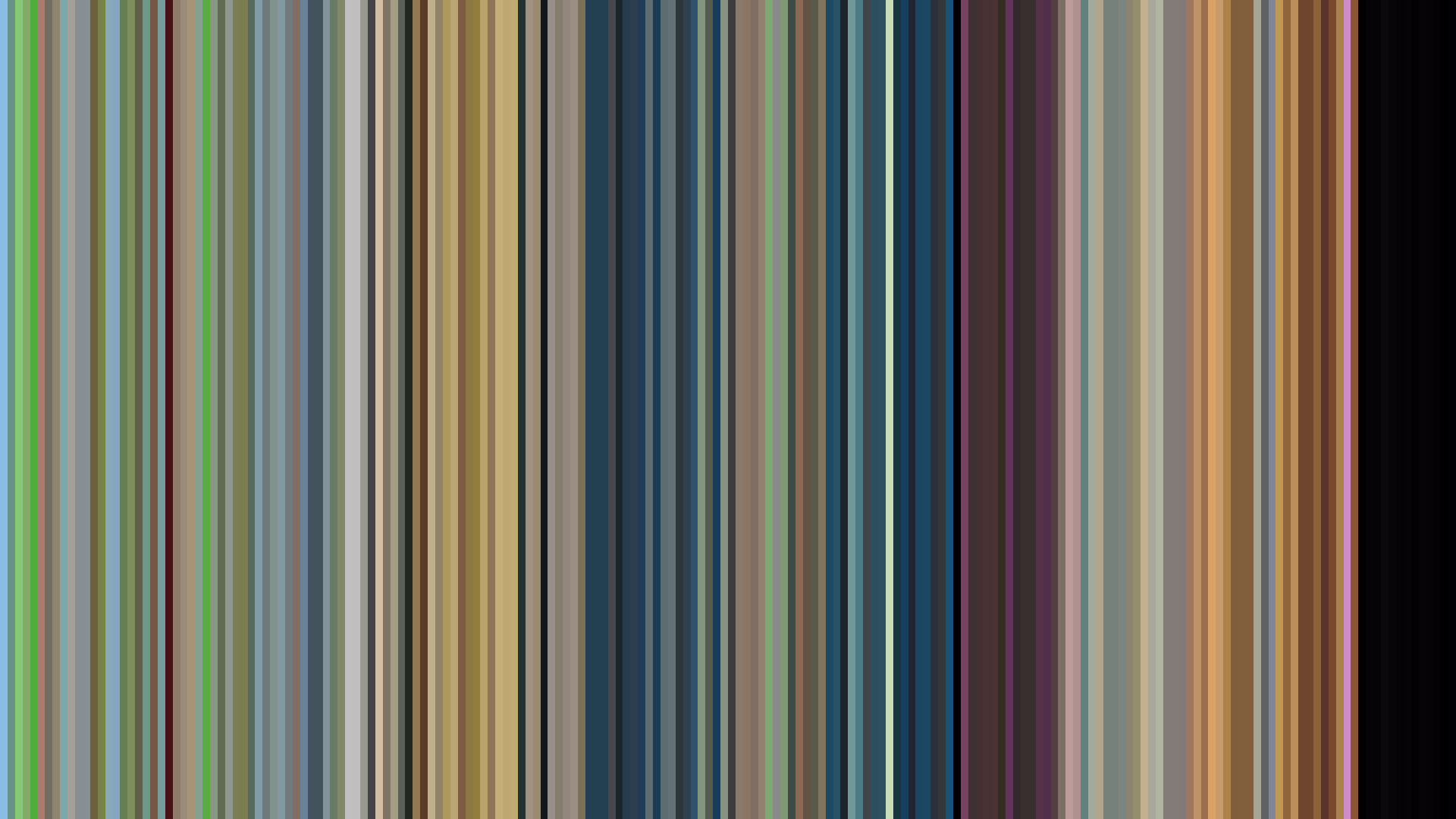
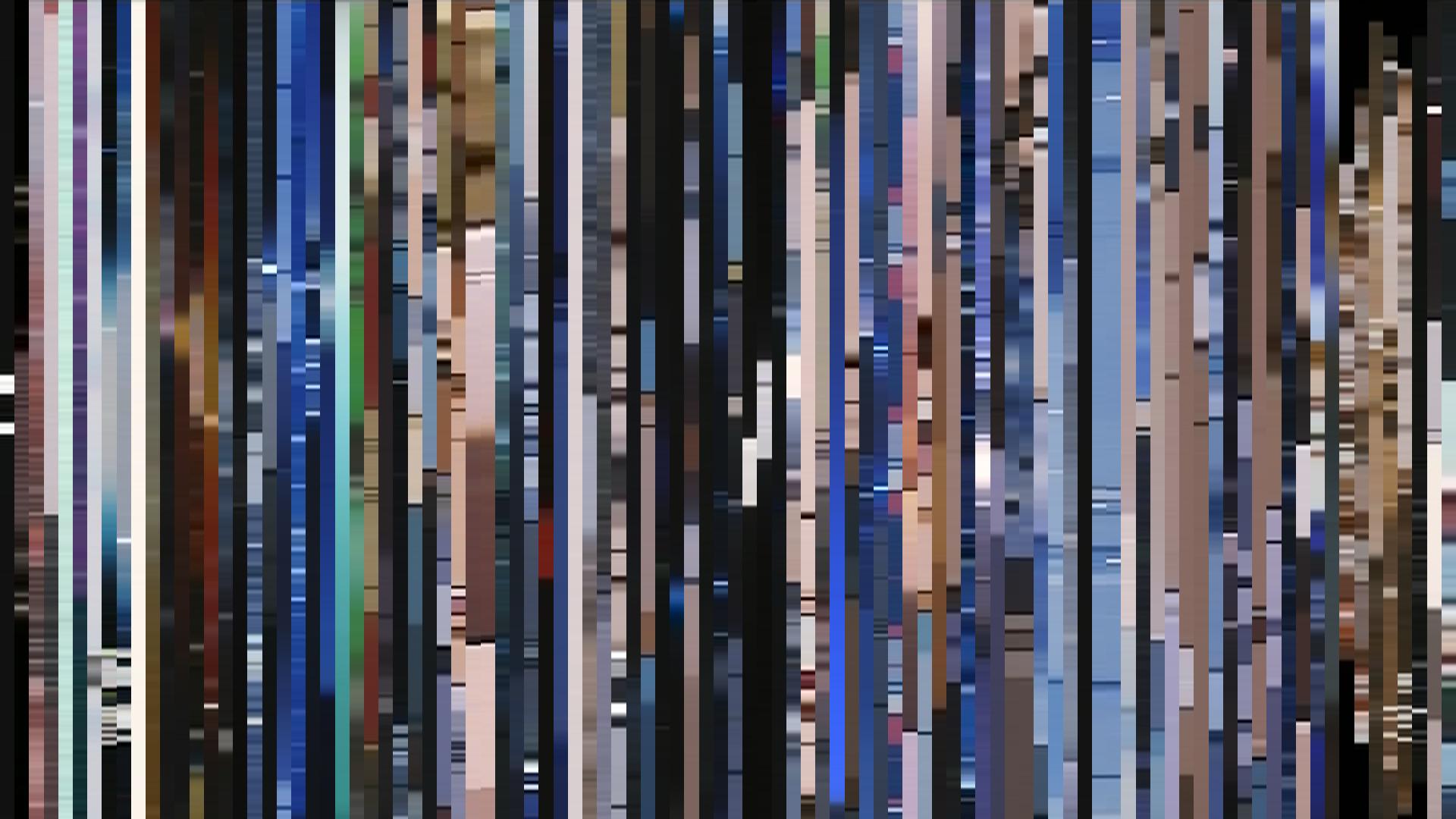
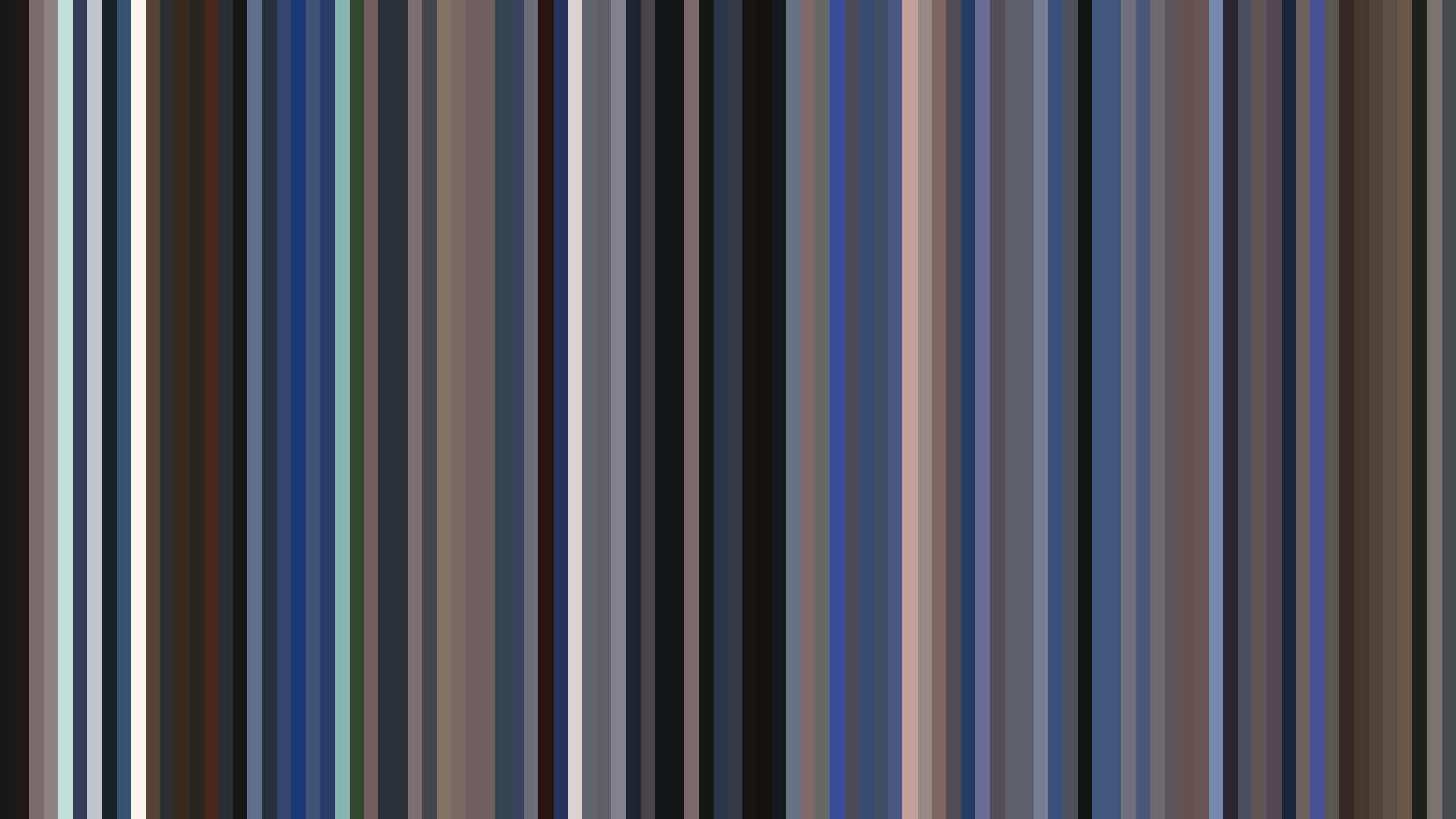
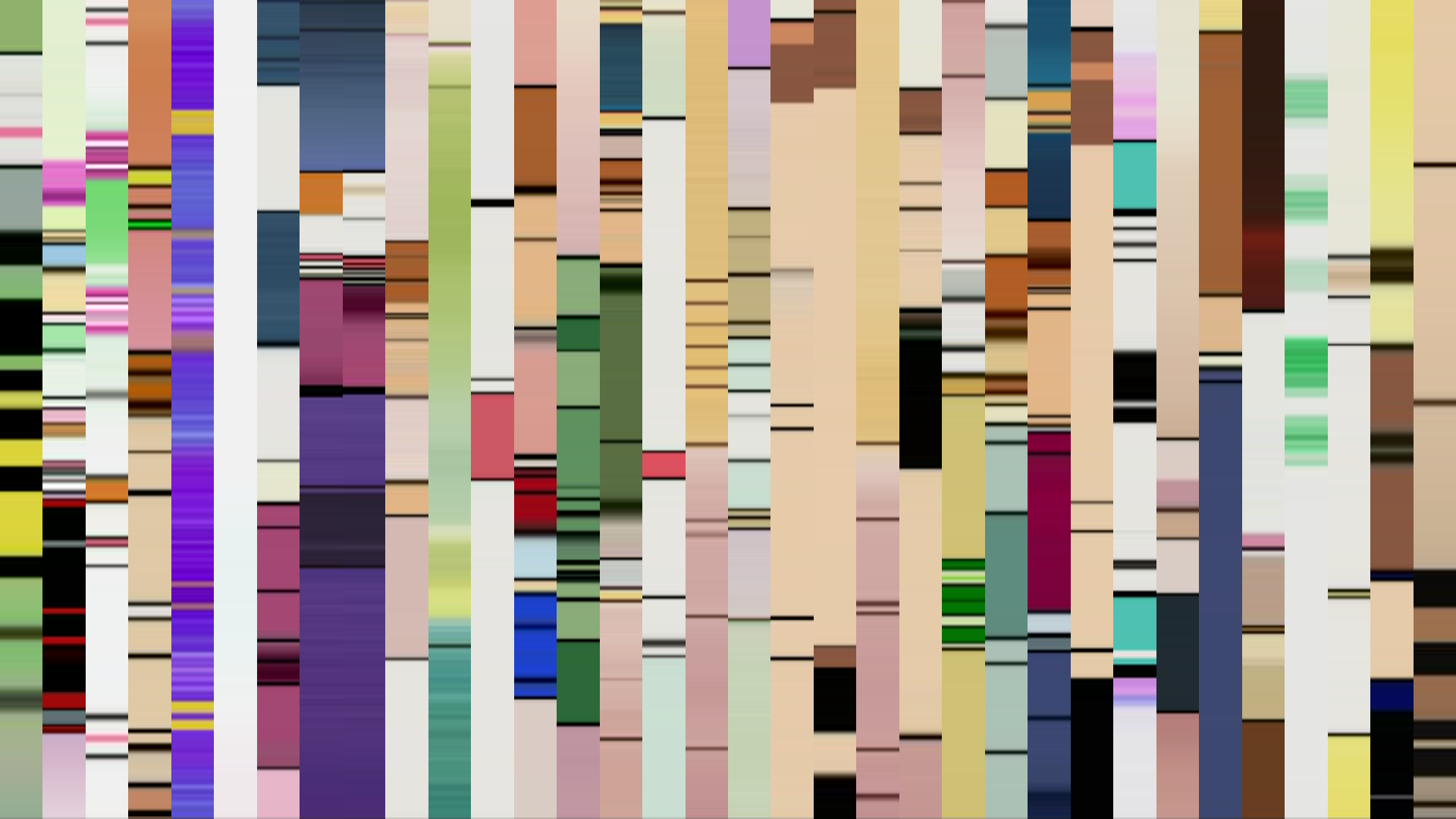
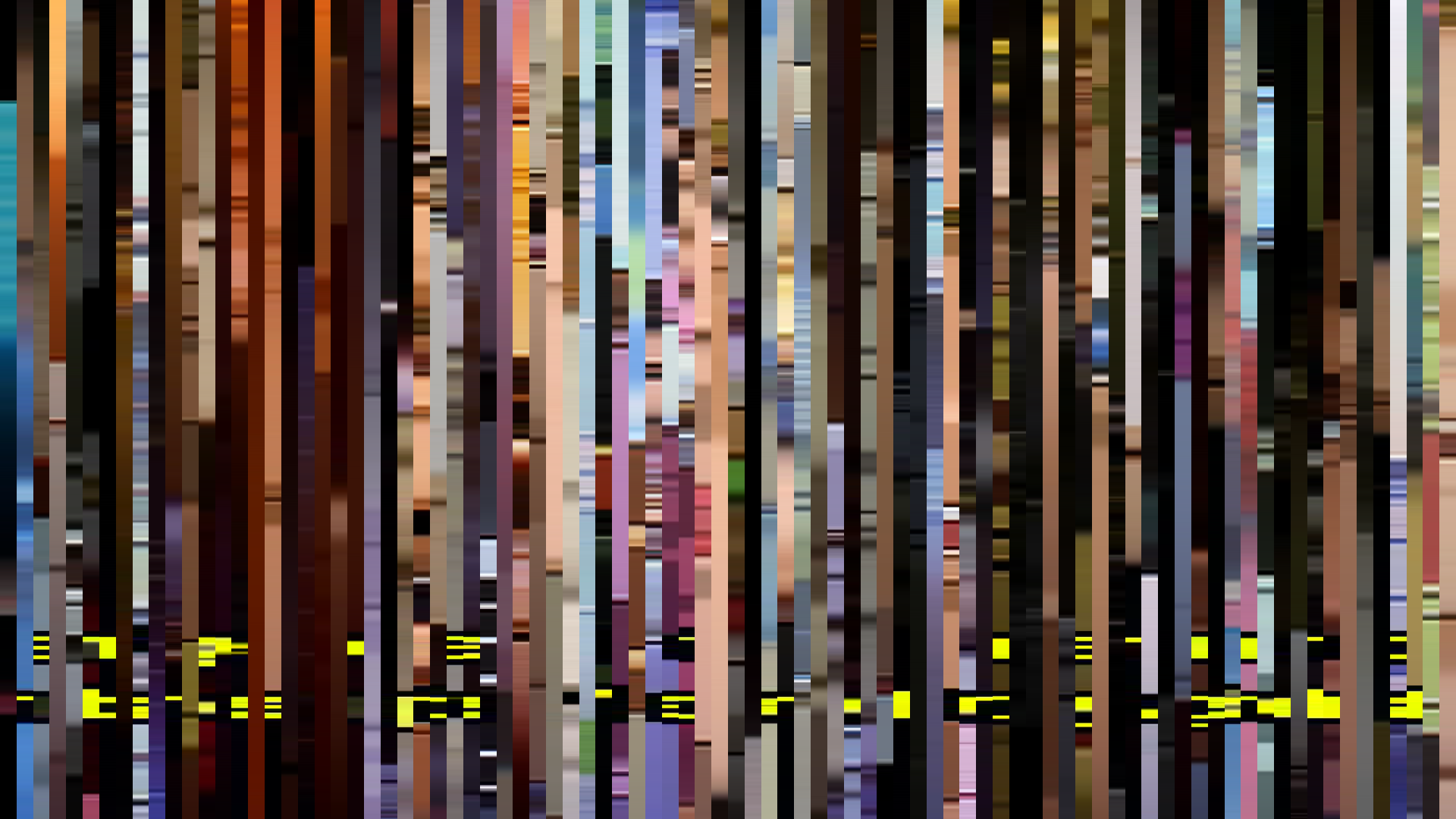
Frame Density Comparison — every 2nd vs every 4th frame
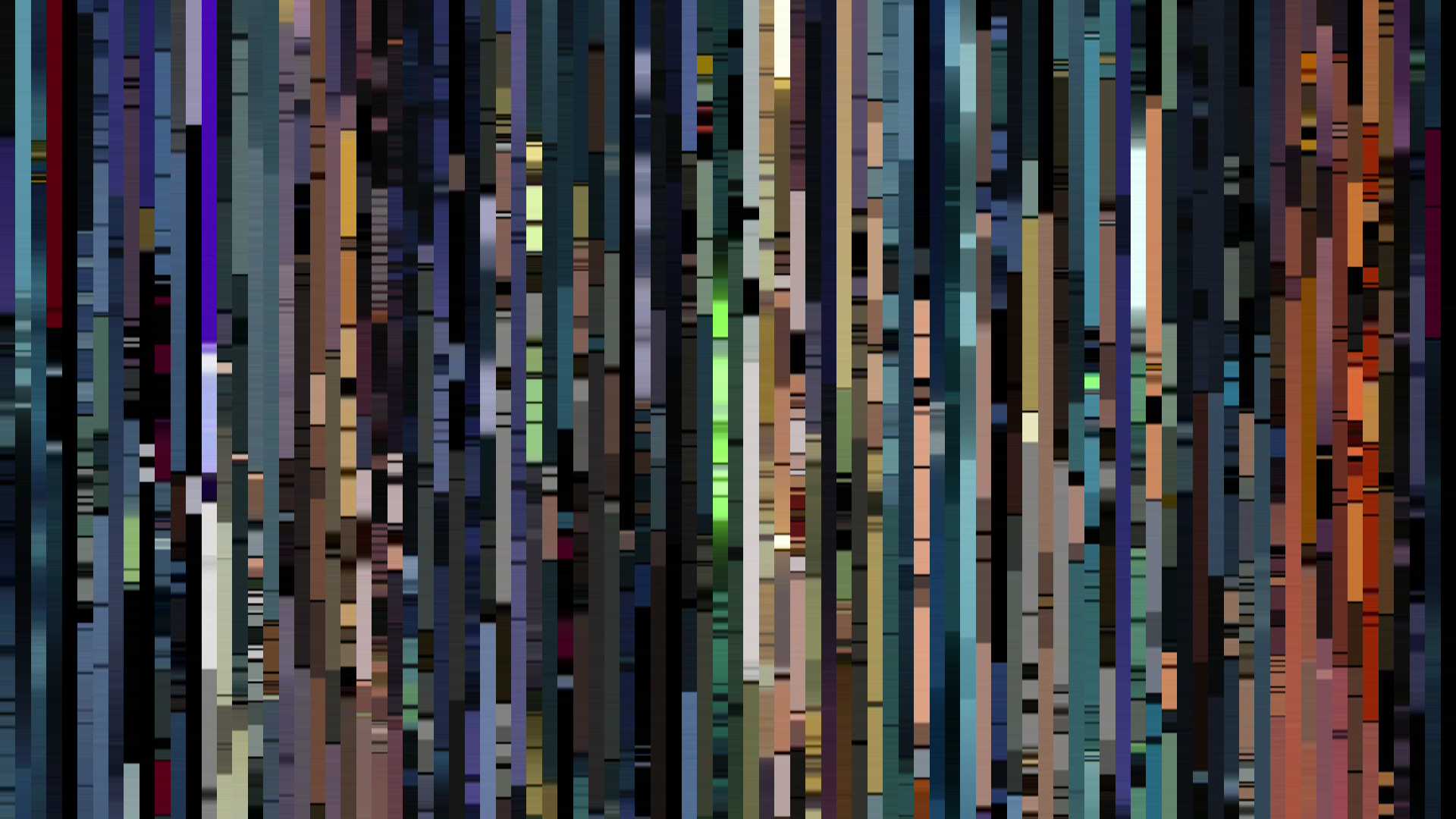
Slice · 15s
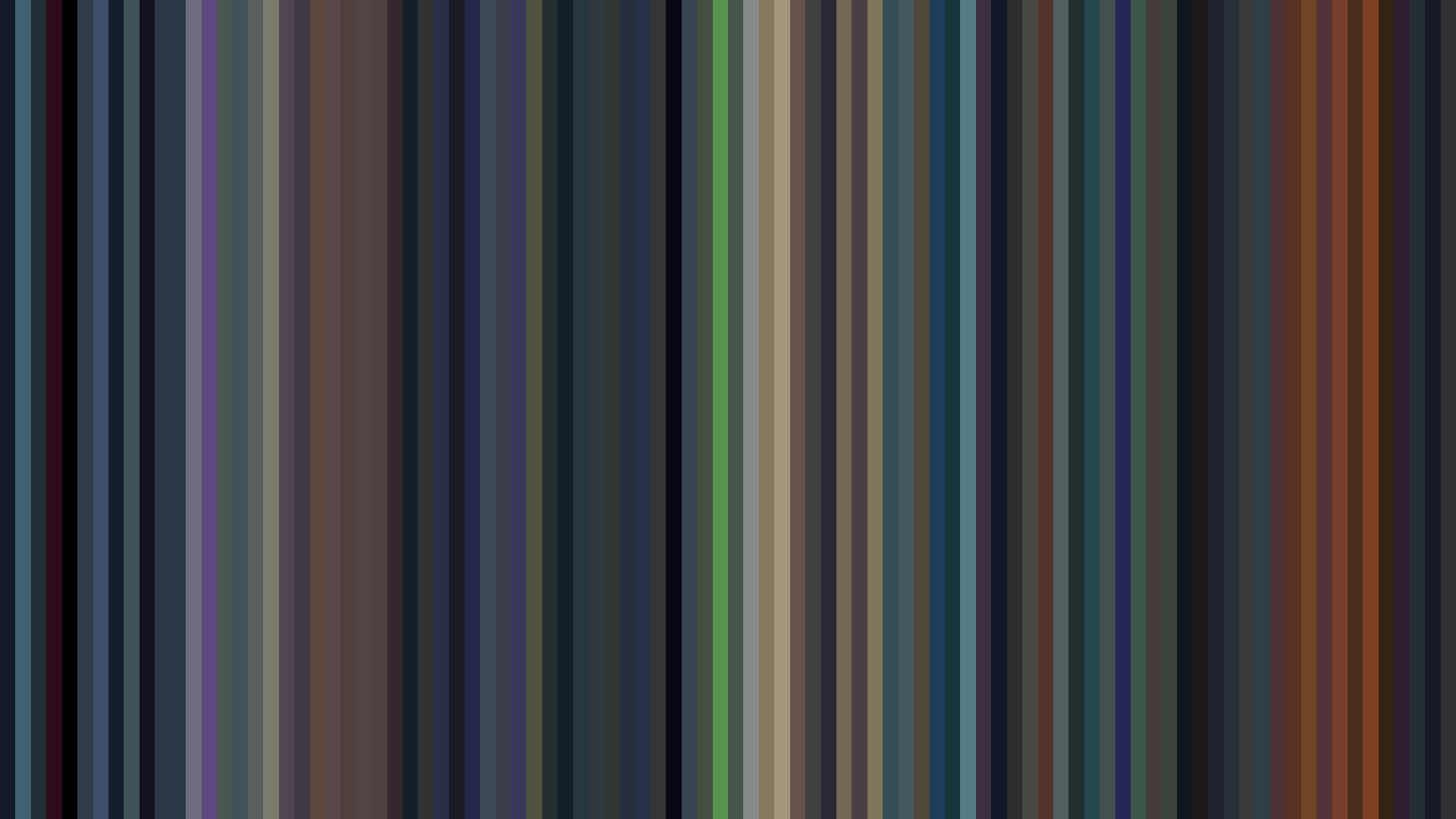
Avg · 15s
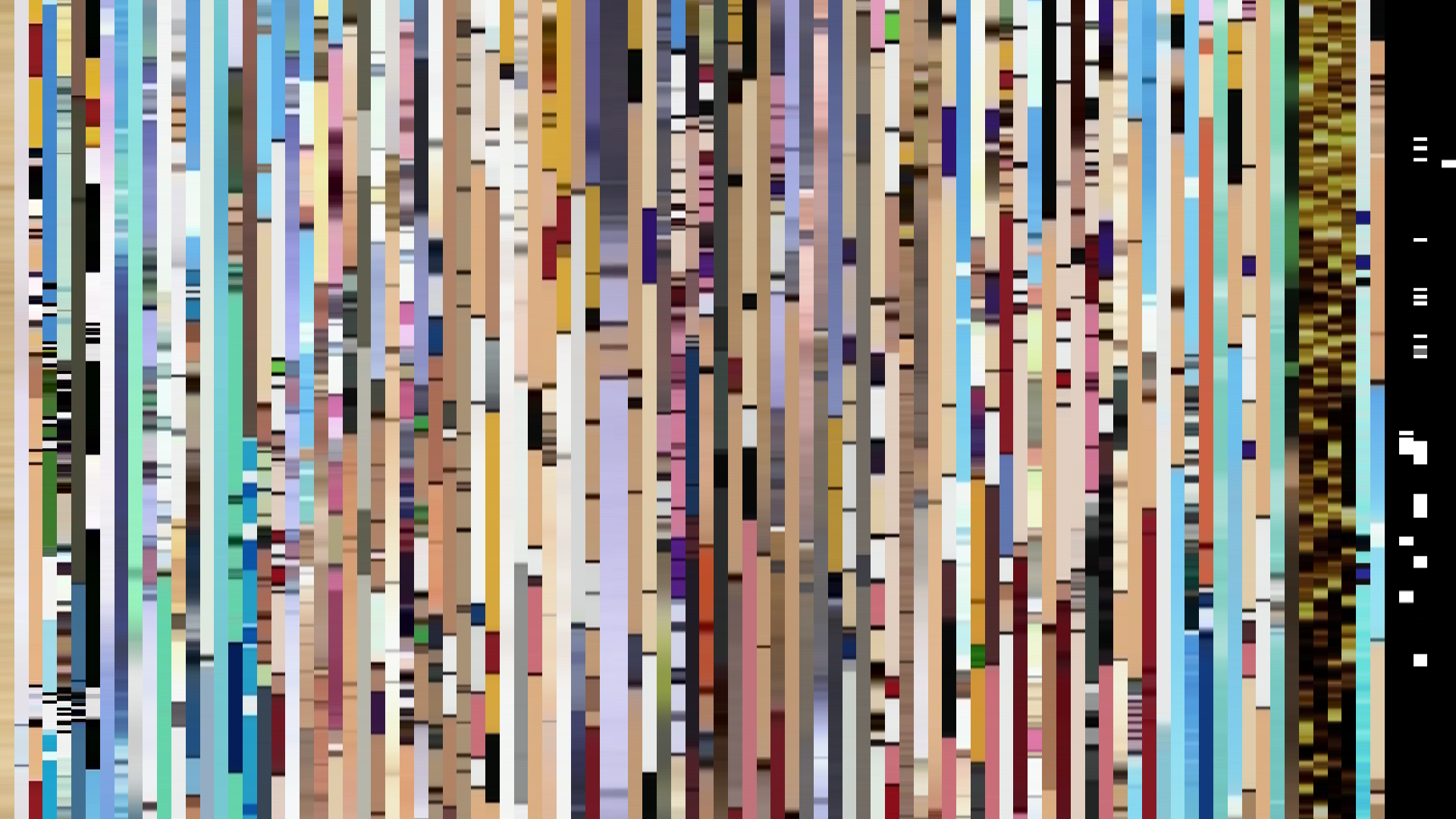
Slice · 30s
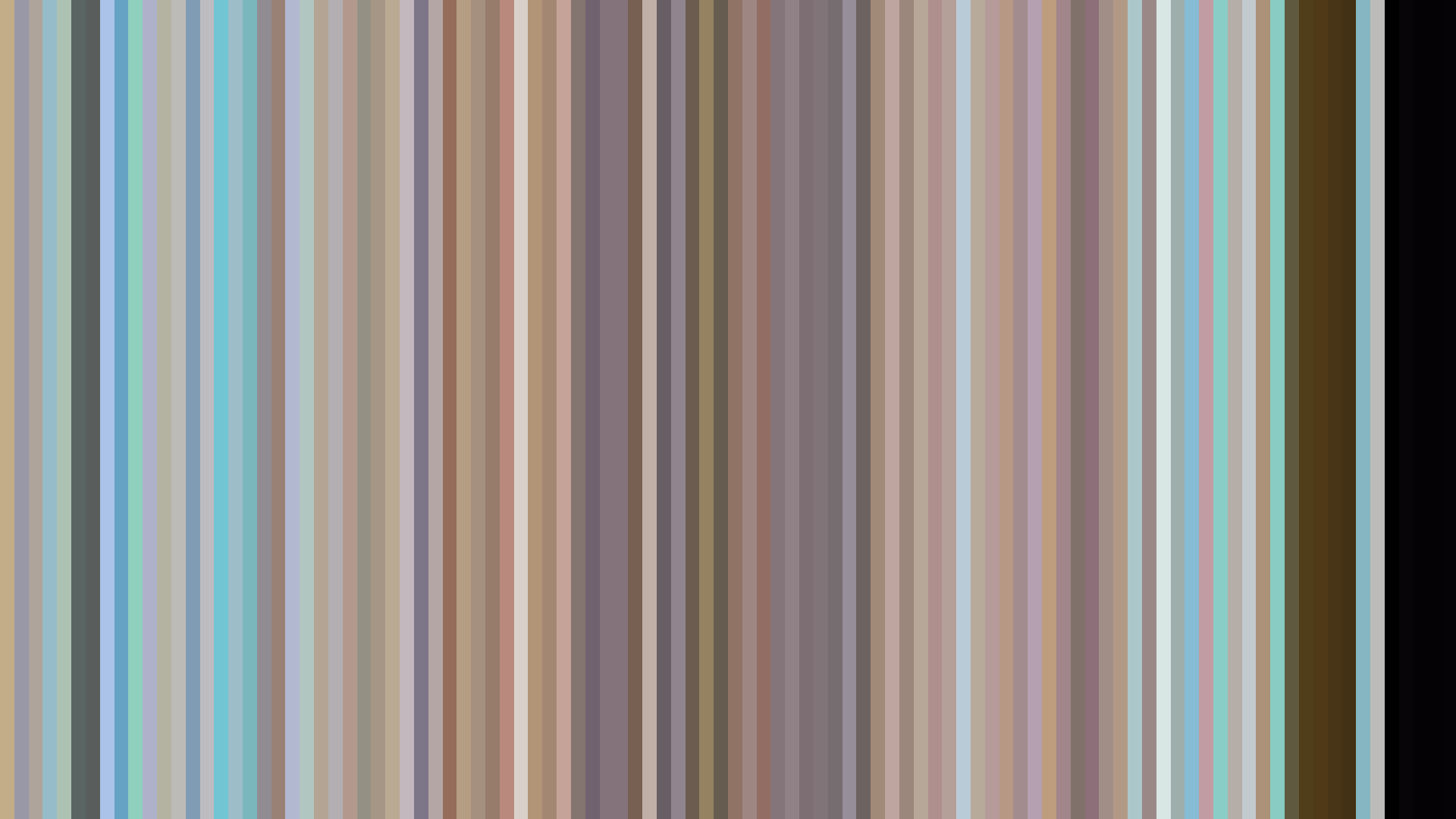
Avg · 30s
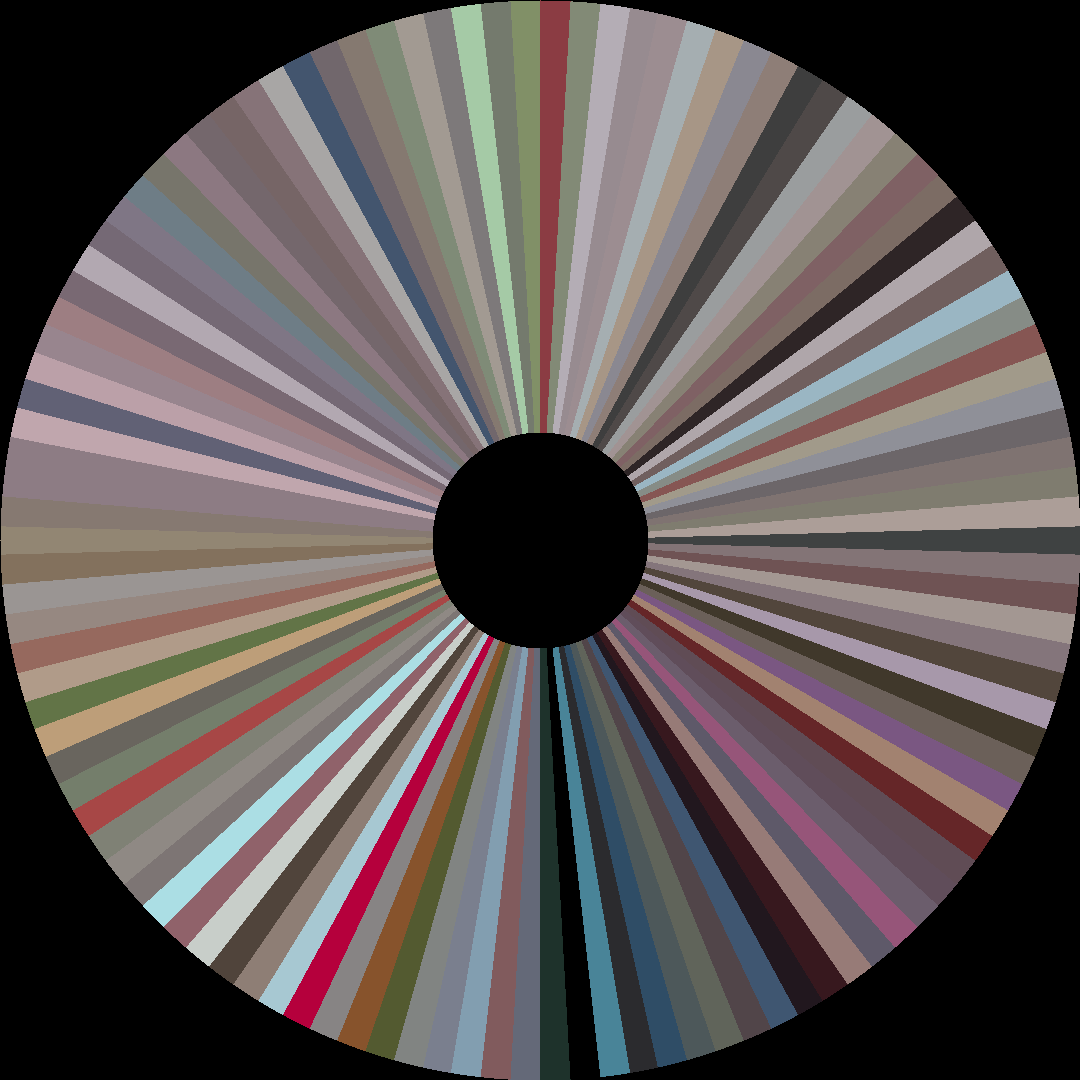
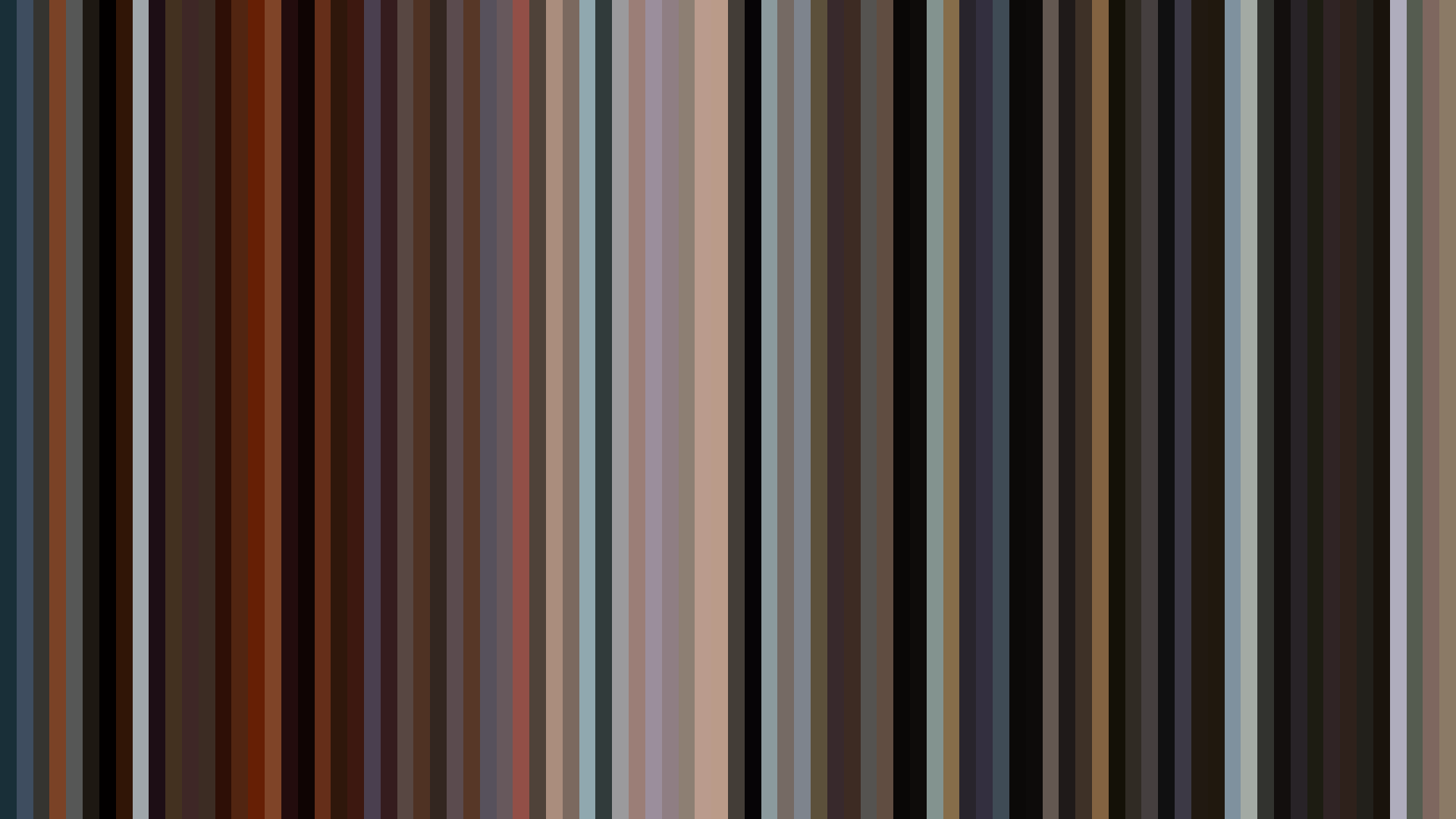
The data reveals a quiet subversion. For a series built on the sunny rhythms of a police station comedy, the *dark ending* arc is a deliberate tonal shift: the closing act drops below the opening's brightness (0.487 vs. 0.558), dragging the whole special into a muted, contemplative register. Studio Deen’s palette is dominated by reds—31% of all hues—but these are not the vivid crimsons of action or romance; they are desaturated, dusted with gray (#1D1617 to #9F9B9F) and barely alive. The middle act, at 0.584, is the brightest—the comedic peak—but that brightness is a trick. The real story is
Brightness Arc (episode progression)
Hue Distribution
Act Breakdown
Opening
0.558
Middle
0.584
Closing
0.487
Avg Brightness
0.456
Avg Saturation
0.239
Warmth
0.555
Color Palette
#1D1617
#625C5E
#9F9B9F
#DDDCDE
#D3AE9C
#986D61
#562721
#E1C8AC
3-Act Color Story
Opening
Middle
Closing
Color Twins
Perceptually nearest palettes — measured in OKLab space, not RGB







The data reveals a quiet subversion. For a series built on the sunny rhythms of a police station comedy, the *dark ending* arc is a deliberate tonal shift: the closing act drops below the opening's brightness (0.487 vs. 0.558), dragging the whole special into a muted, contemplative register. Studio Deen’s palette is dominated by reds—31% of all hues—but these are not the vivid crimsons of action or romance; they are desaturated, dusted with gray (#1D1617 to #9F9B9F) and barely alive. The middle act, at 0.584, is the brightest—the comedic peak—but that brightness is a trick. The real story is