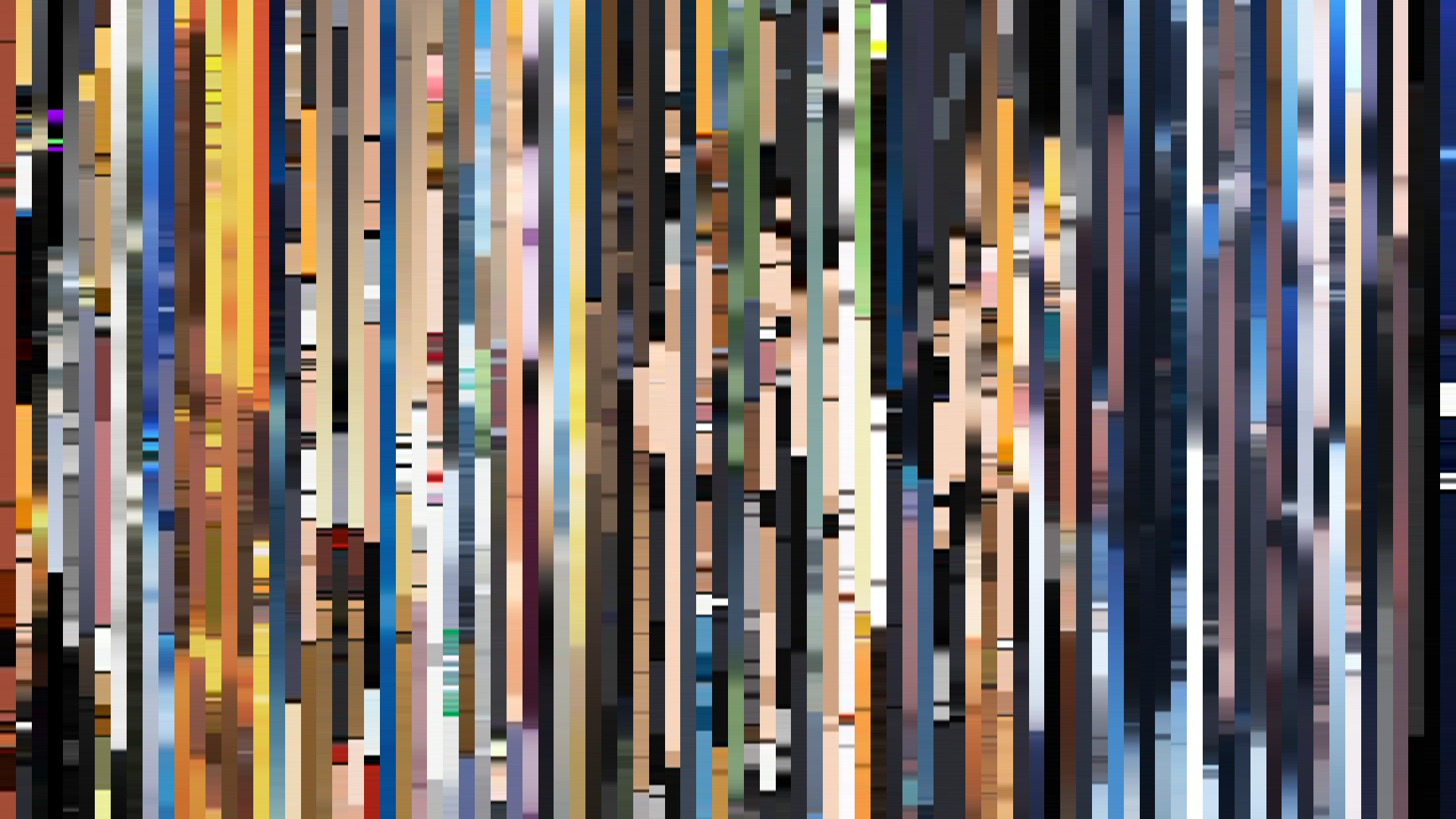
Edit Pace — frame-to-frame color delta (bright = fast cuts)
Color Temperature — warm (gold) vs cool (teal) per frame
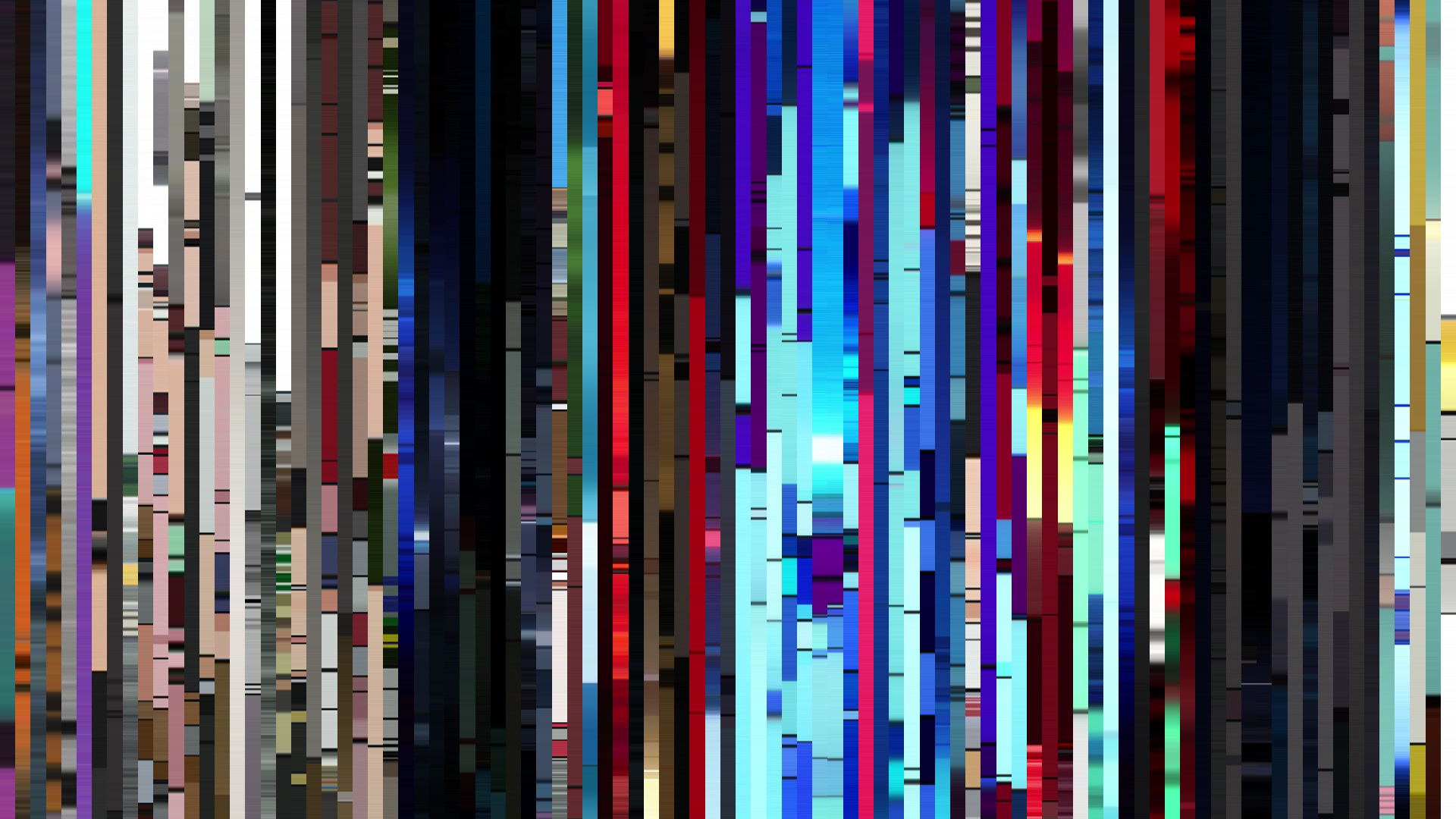
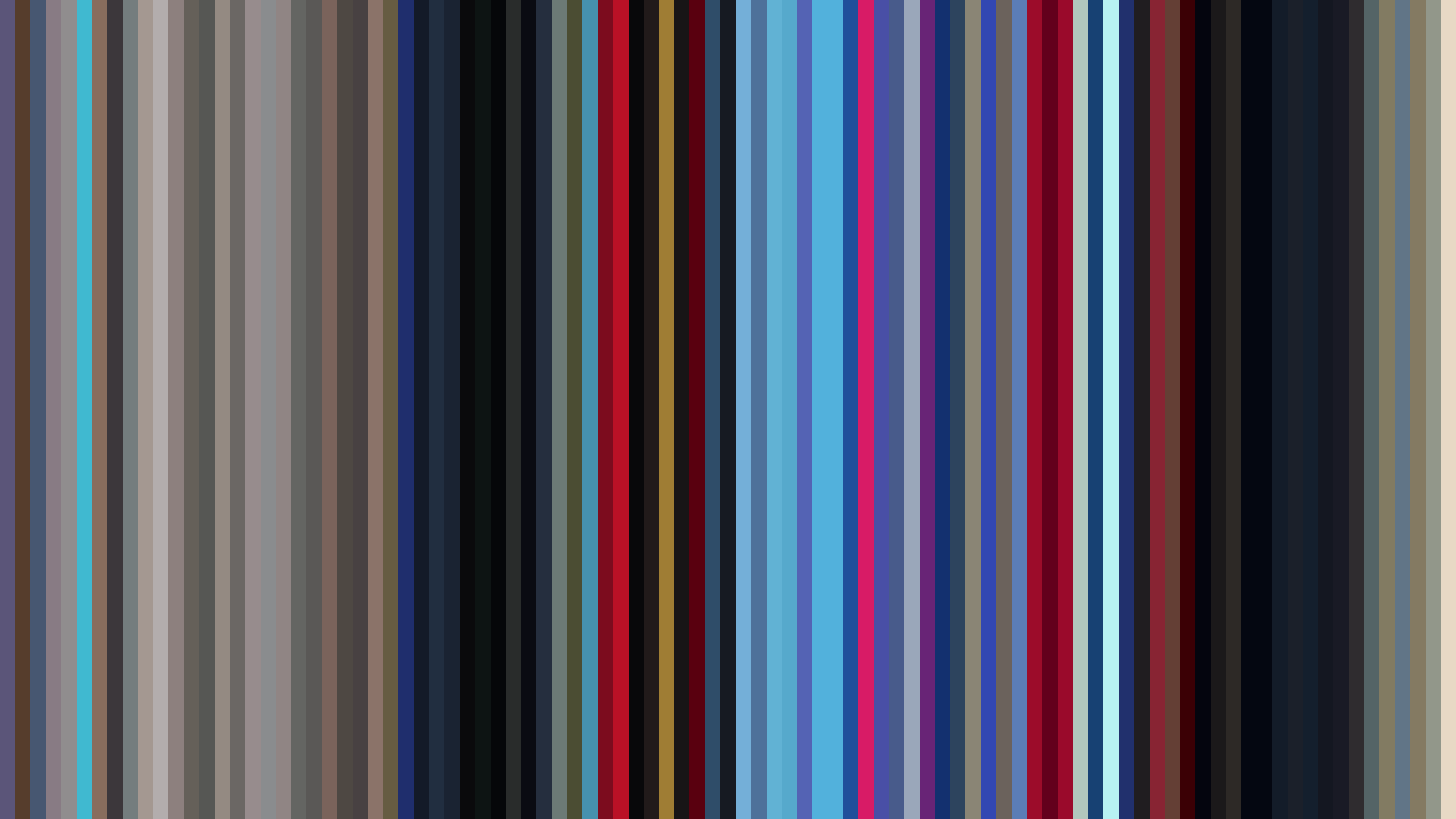
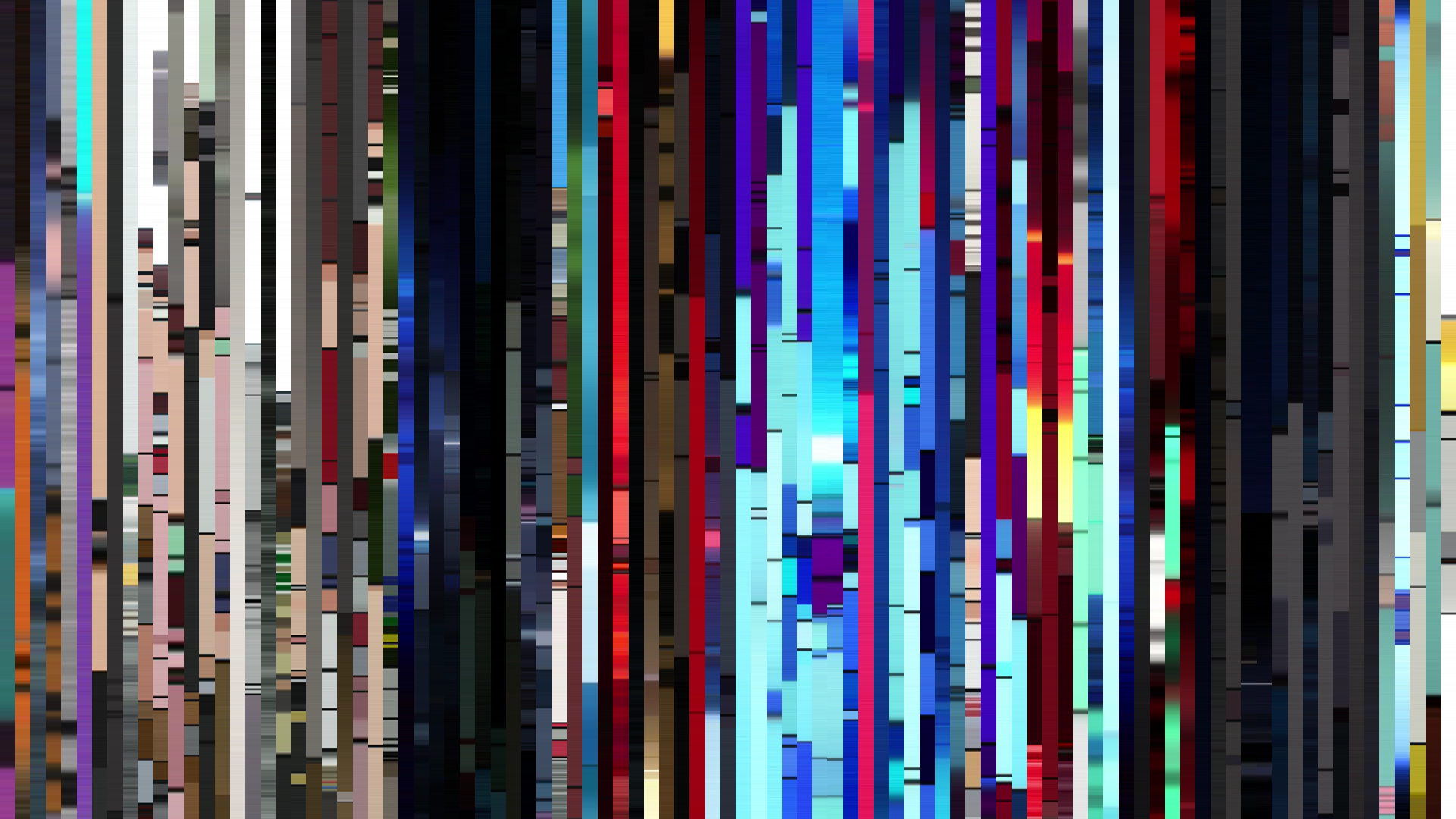
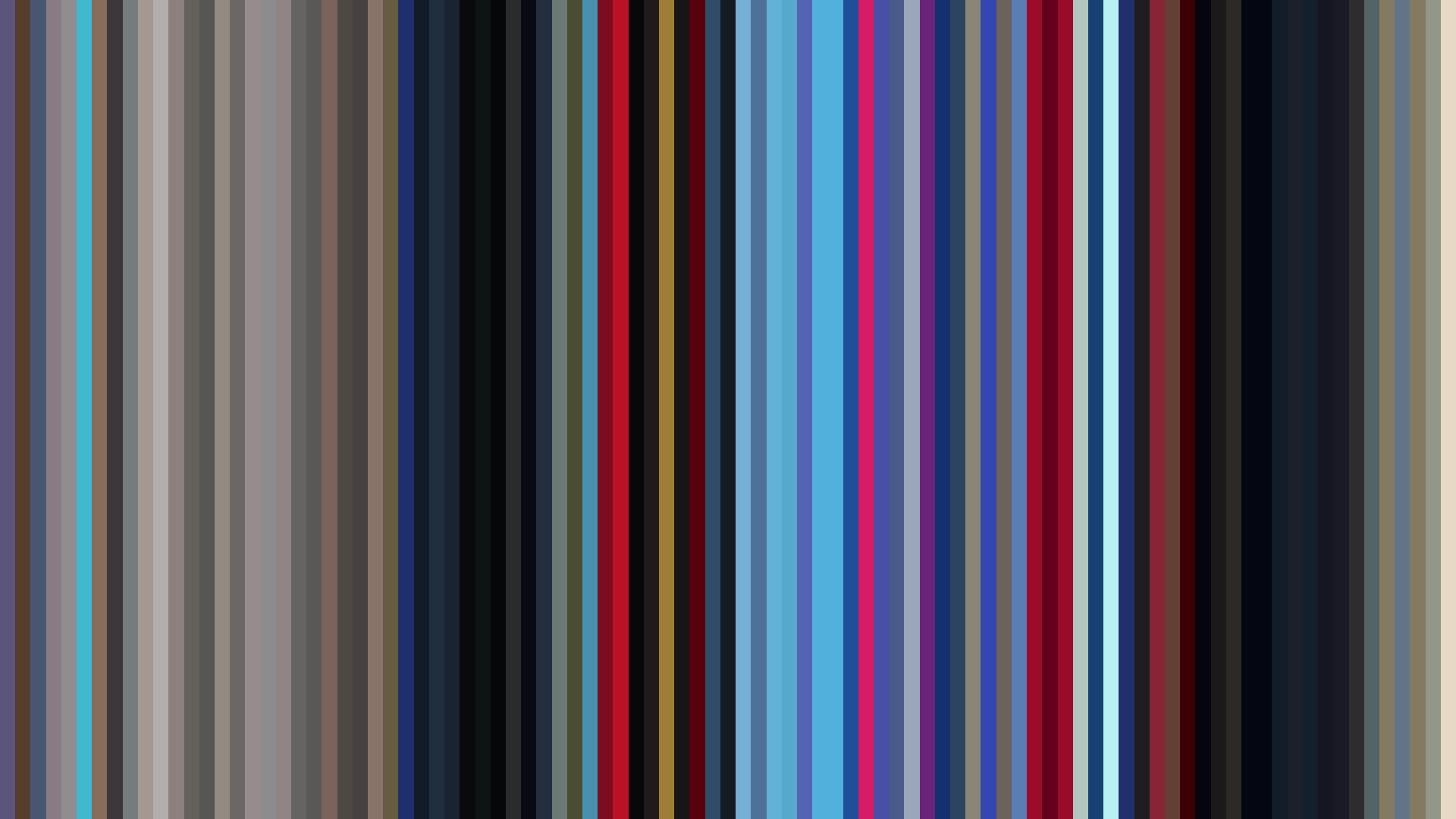
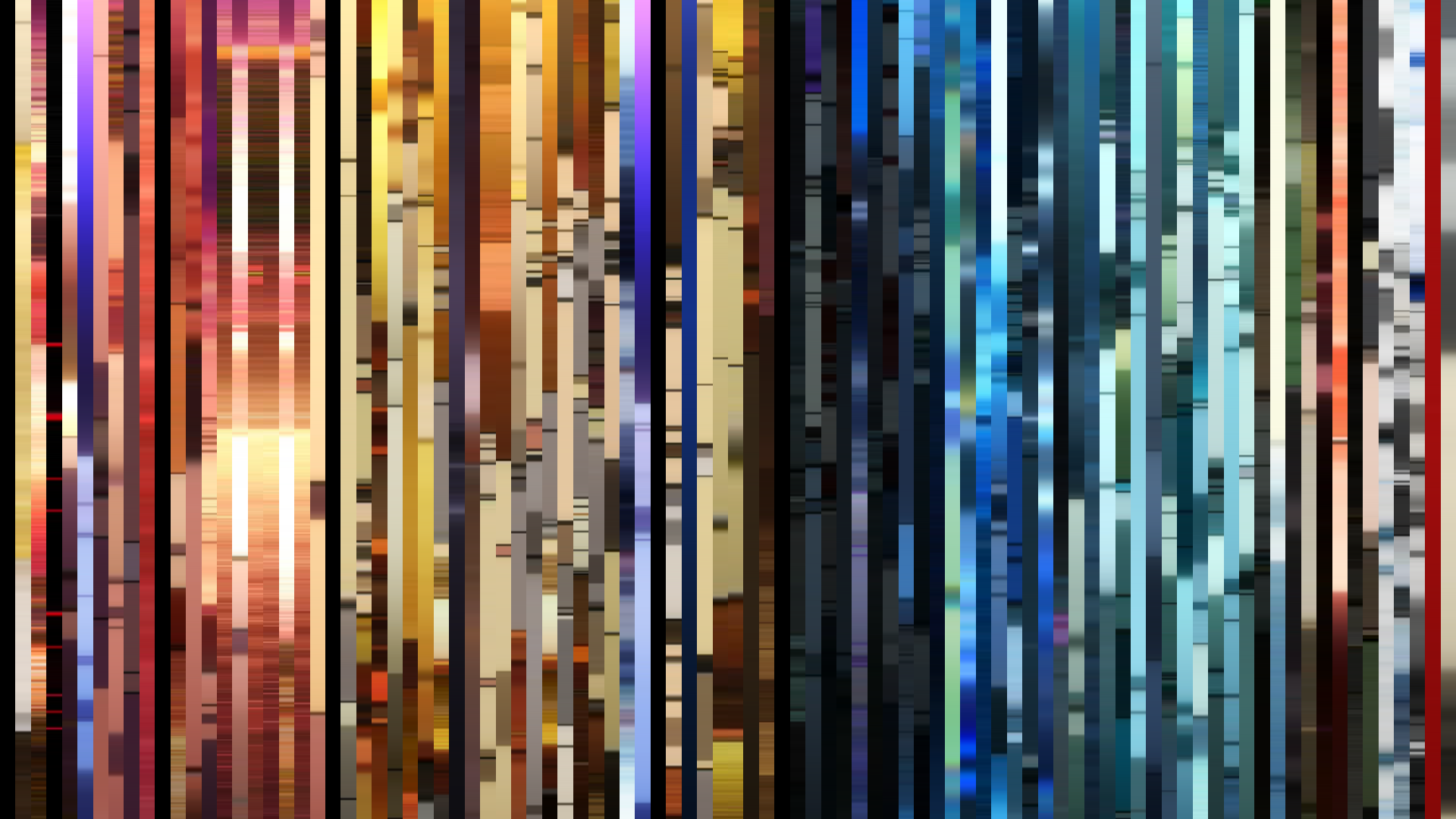
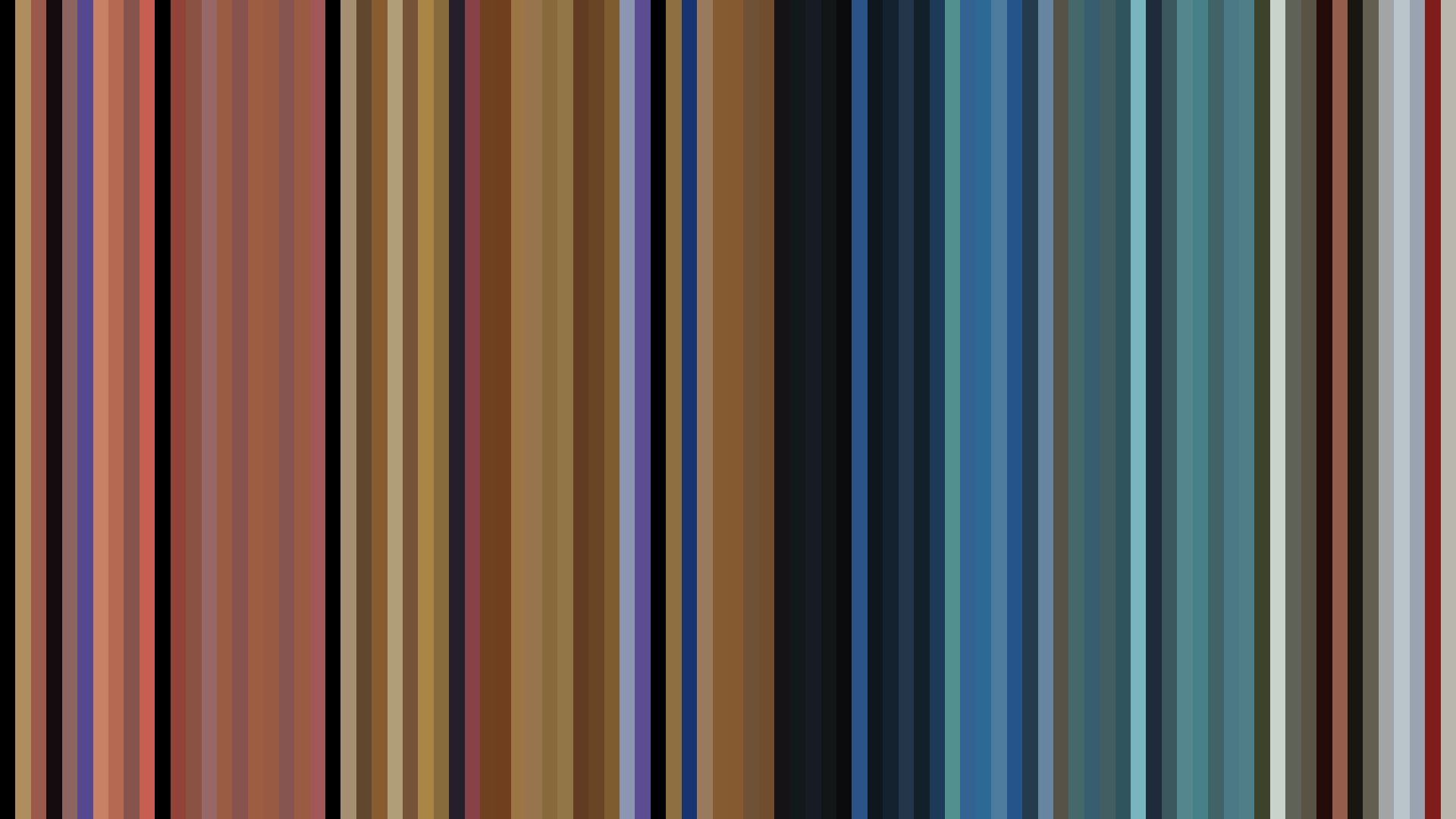
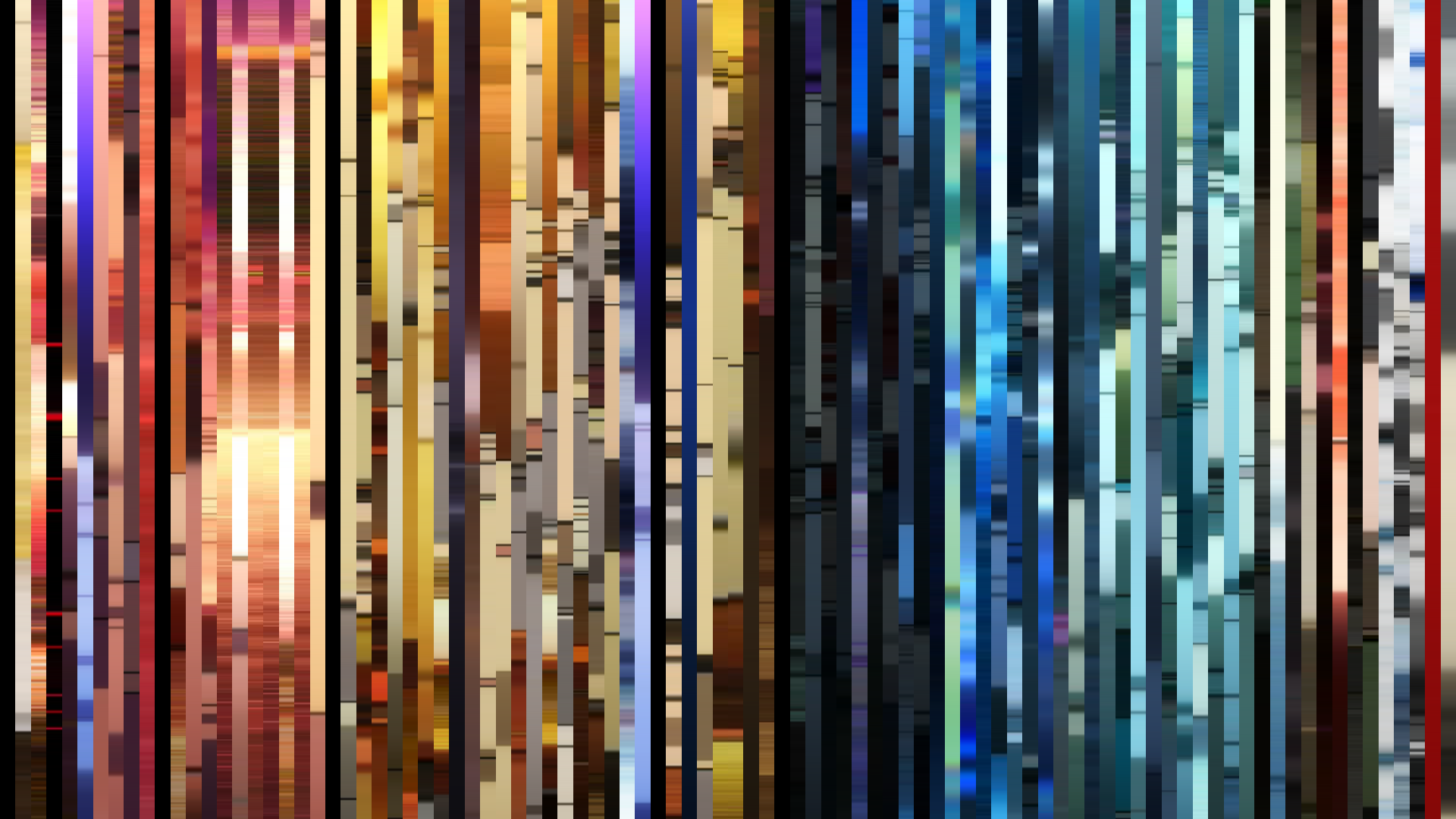
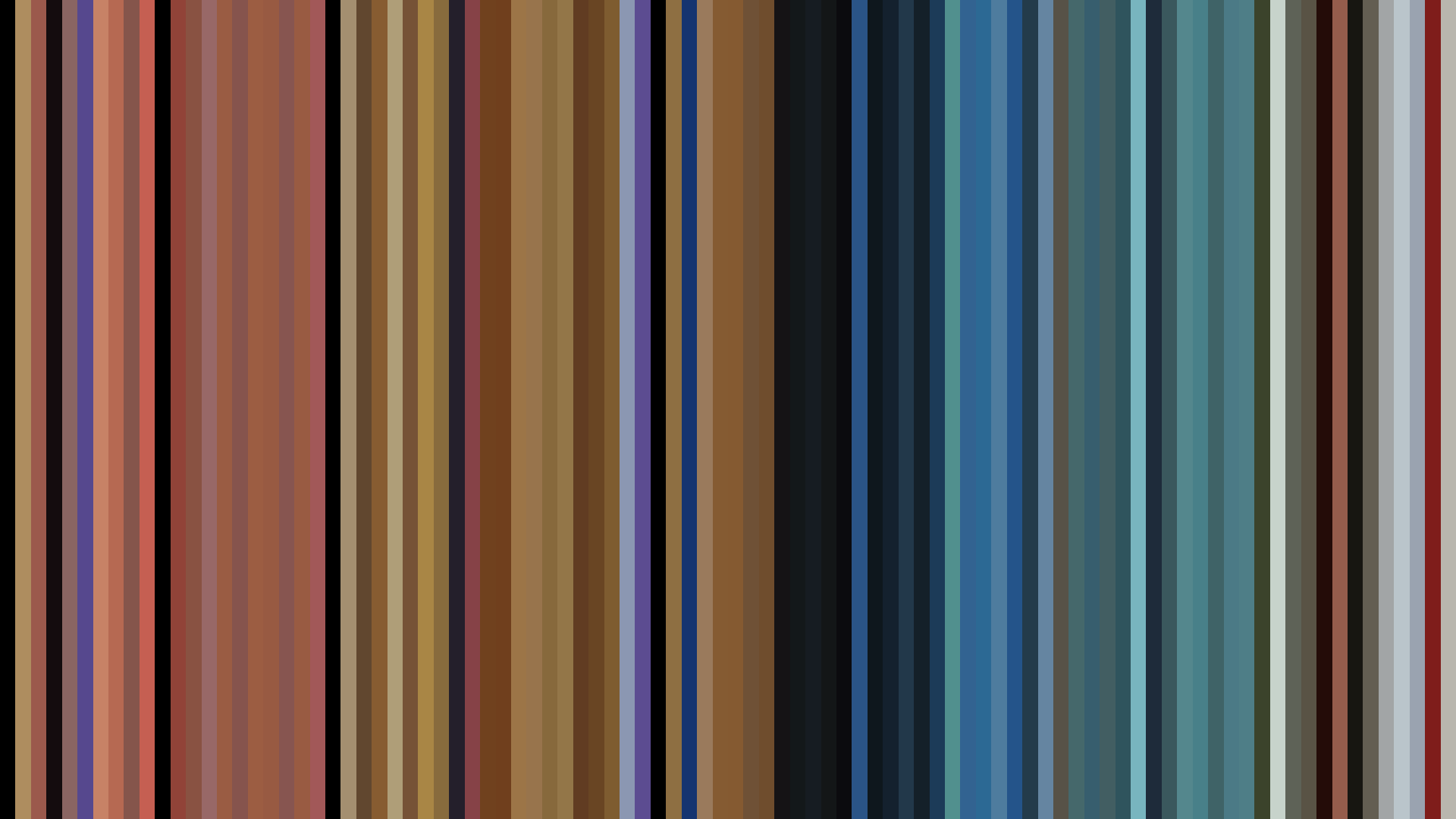
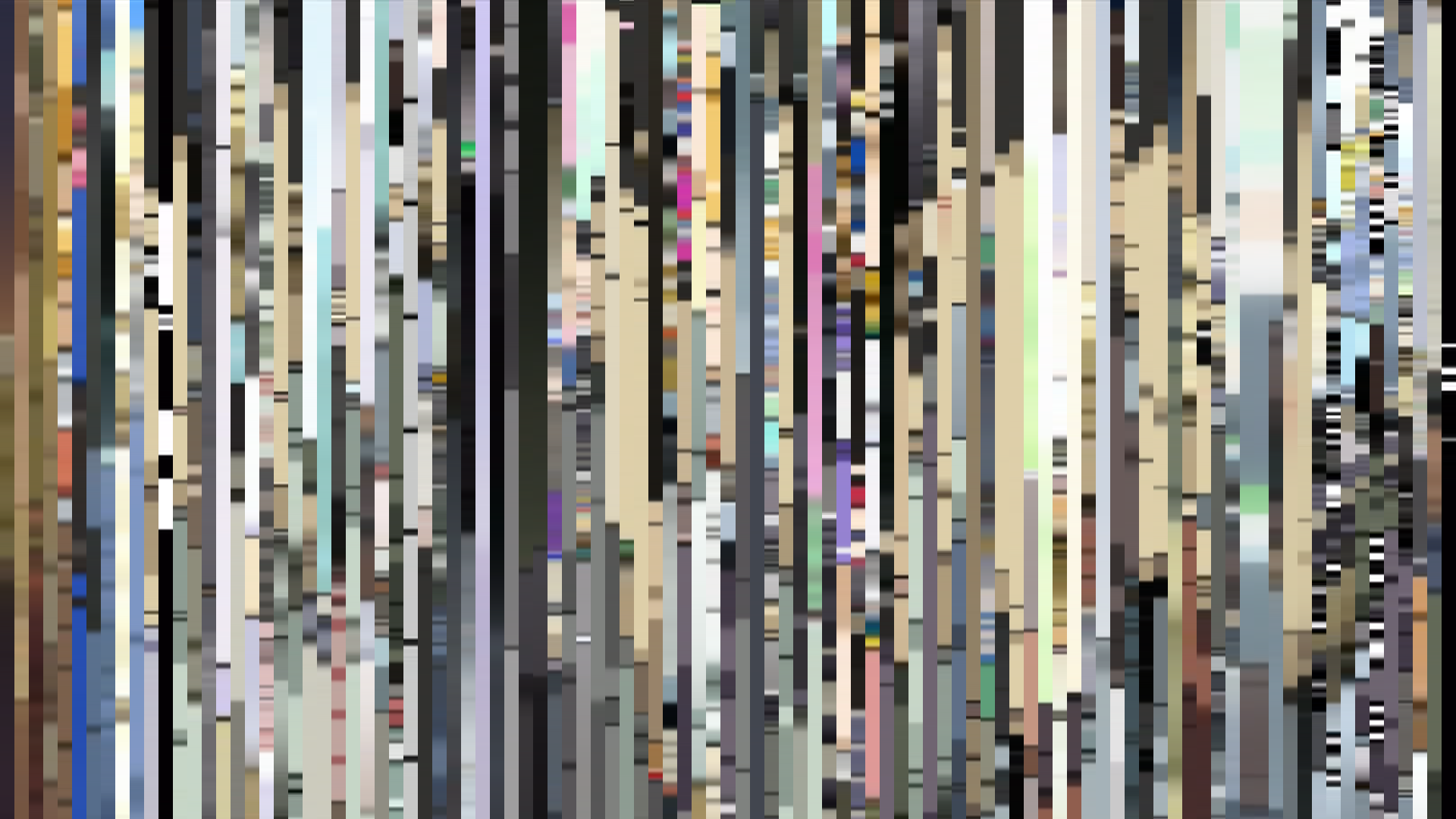
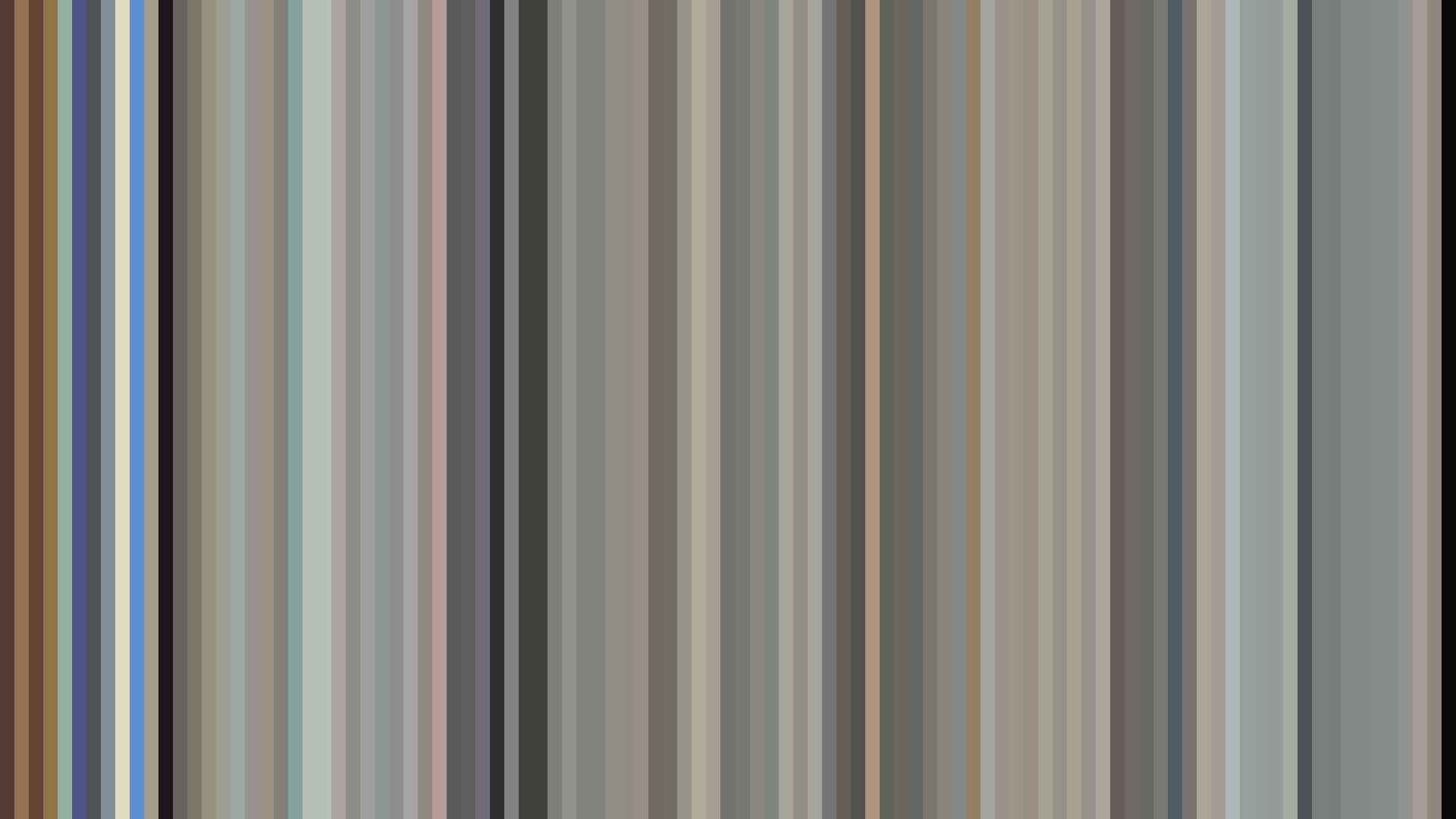
Frame Density Comparison — every 2nd vs every 4th frame
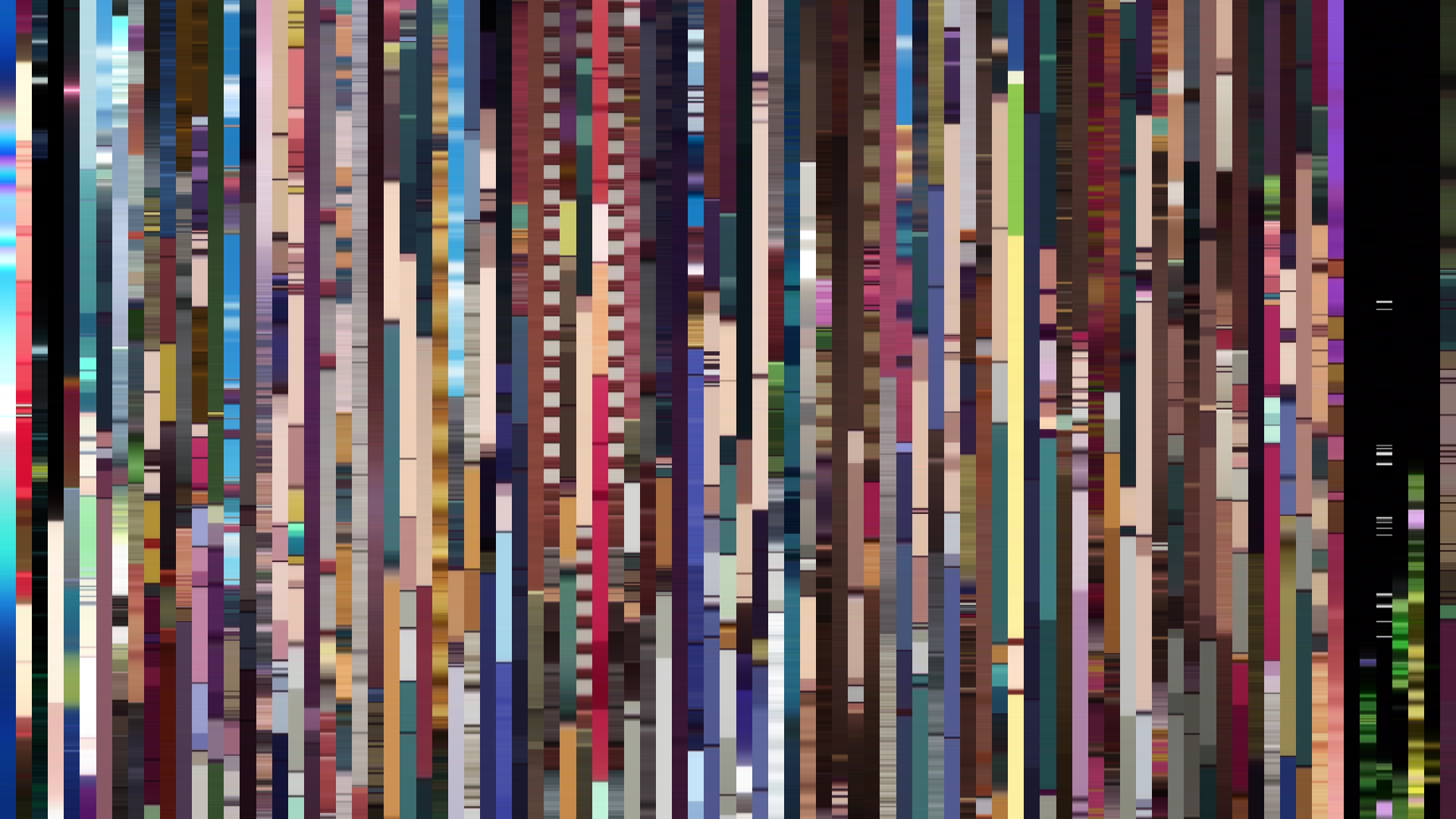
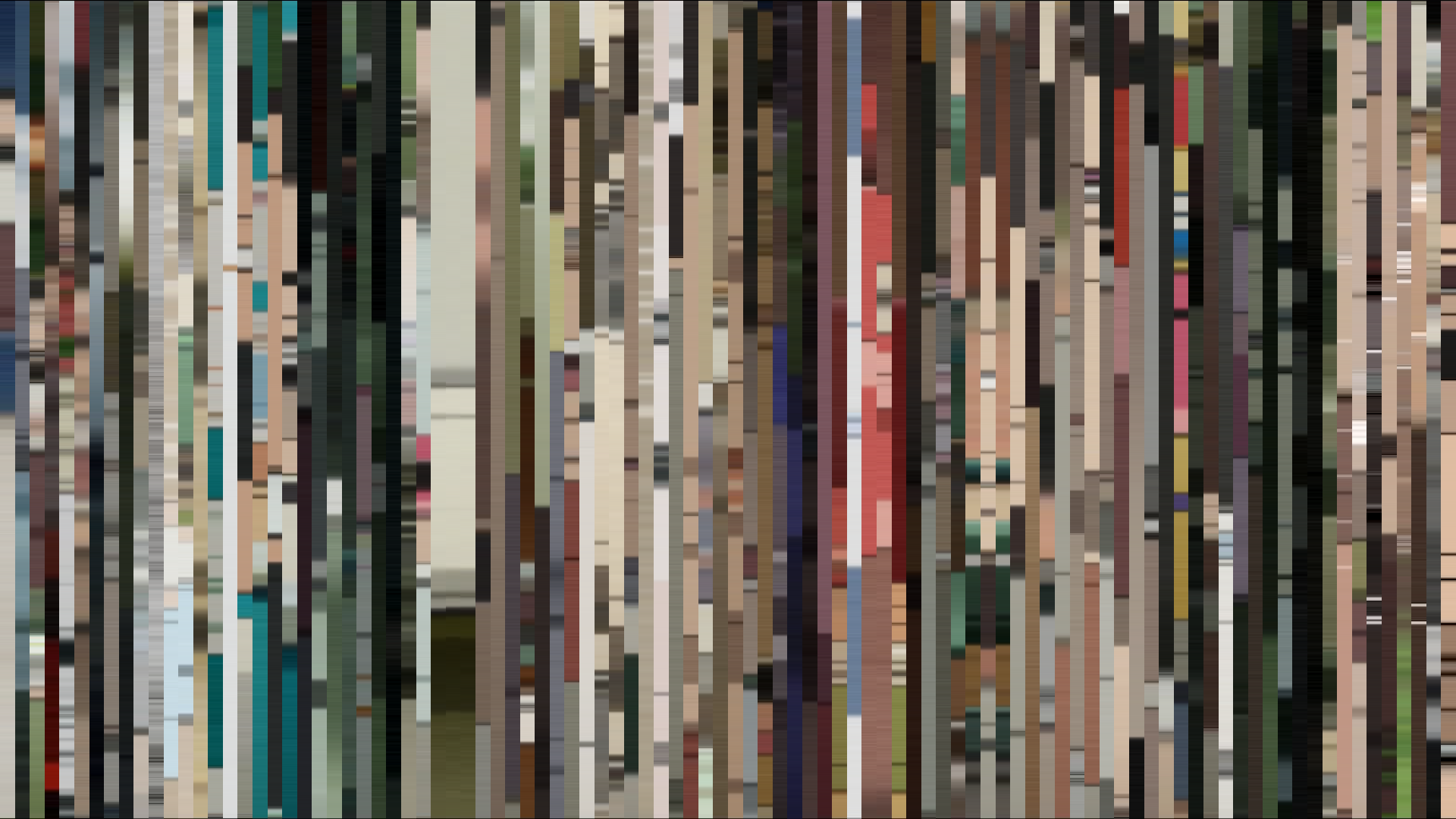
Slice · 15s
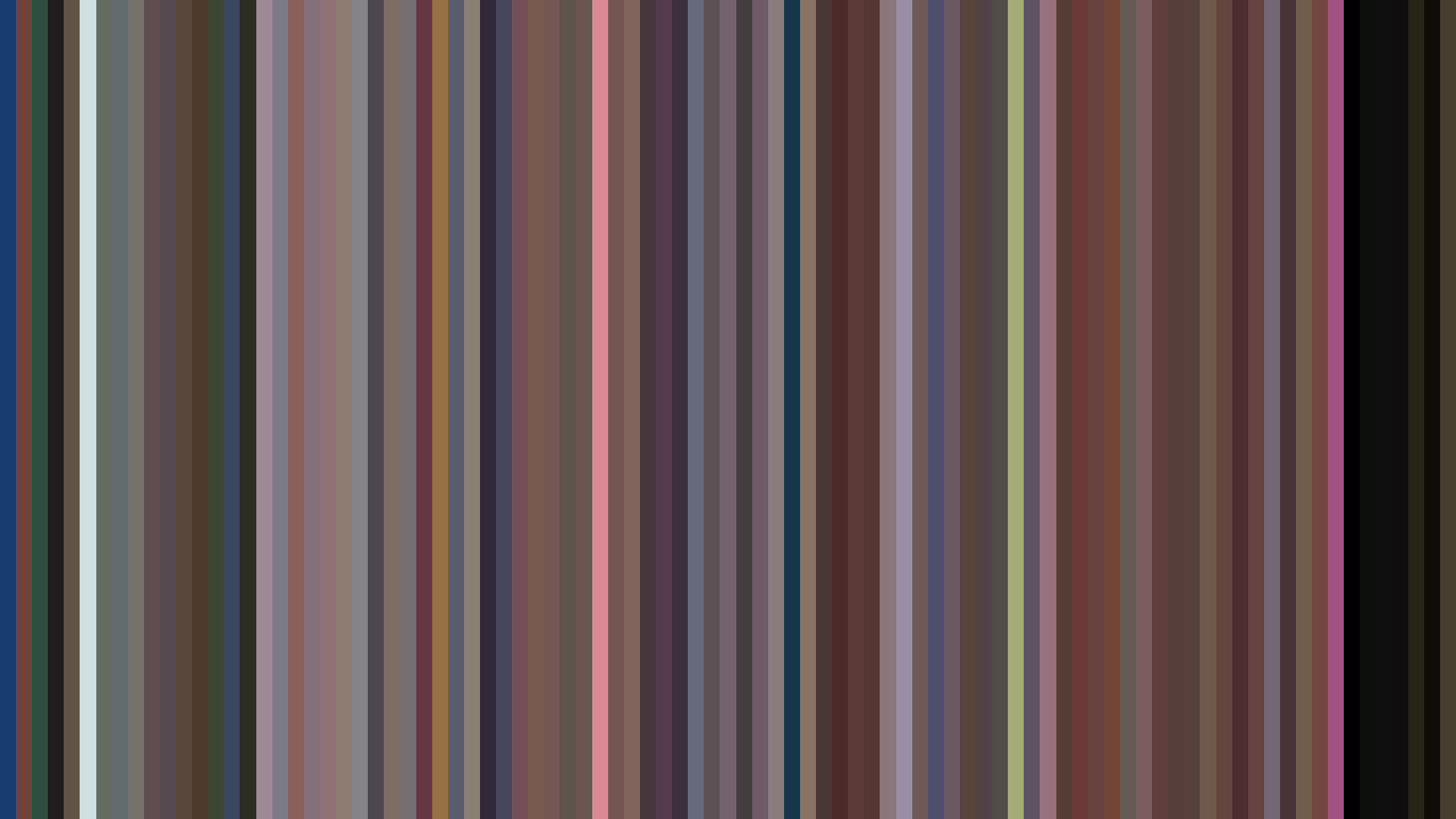
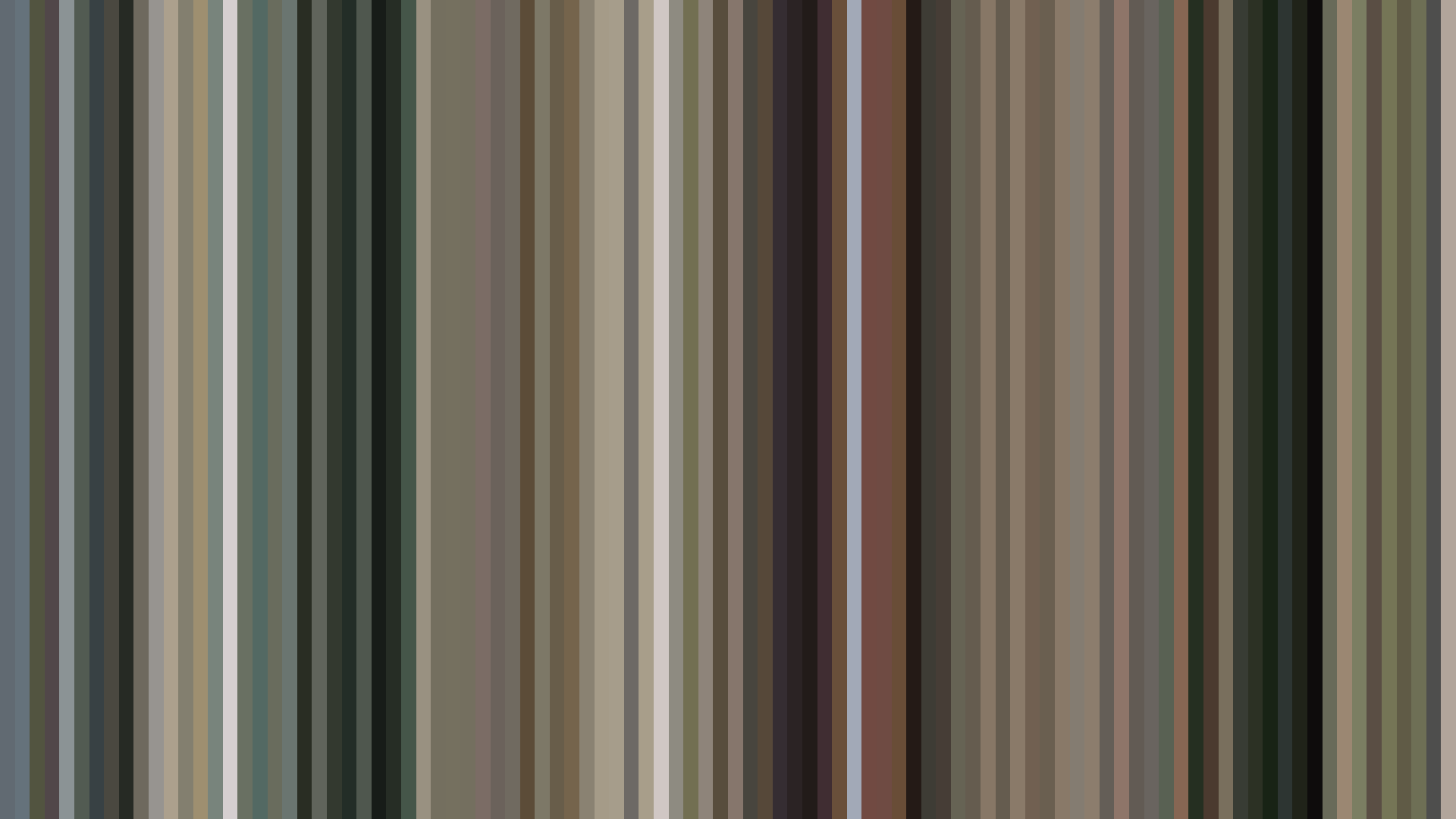
Avg · 15s
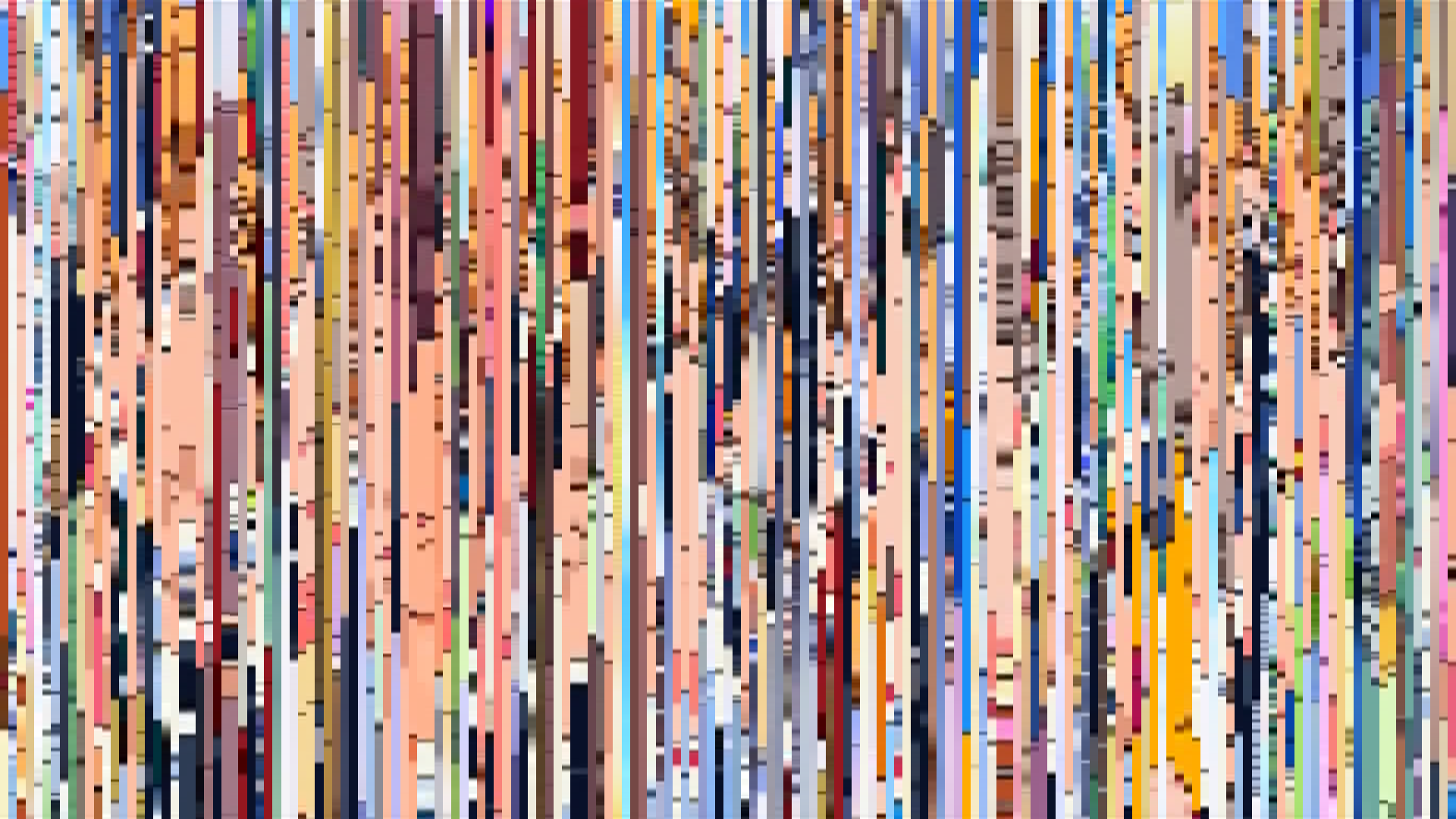
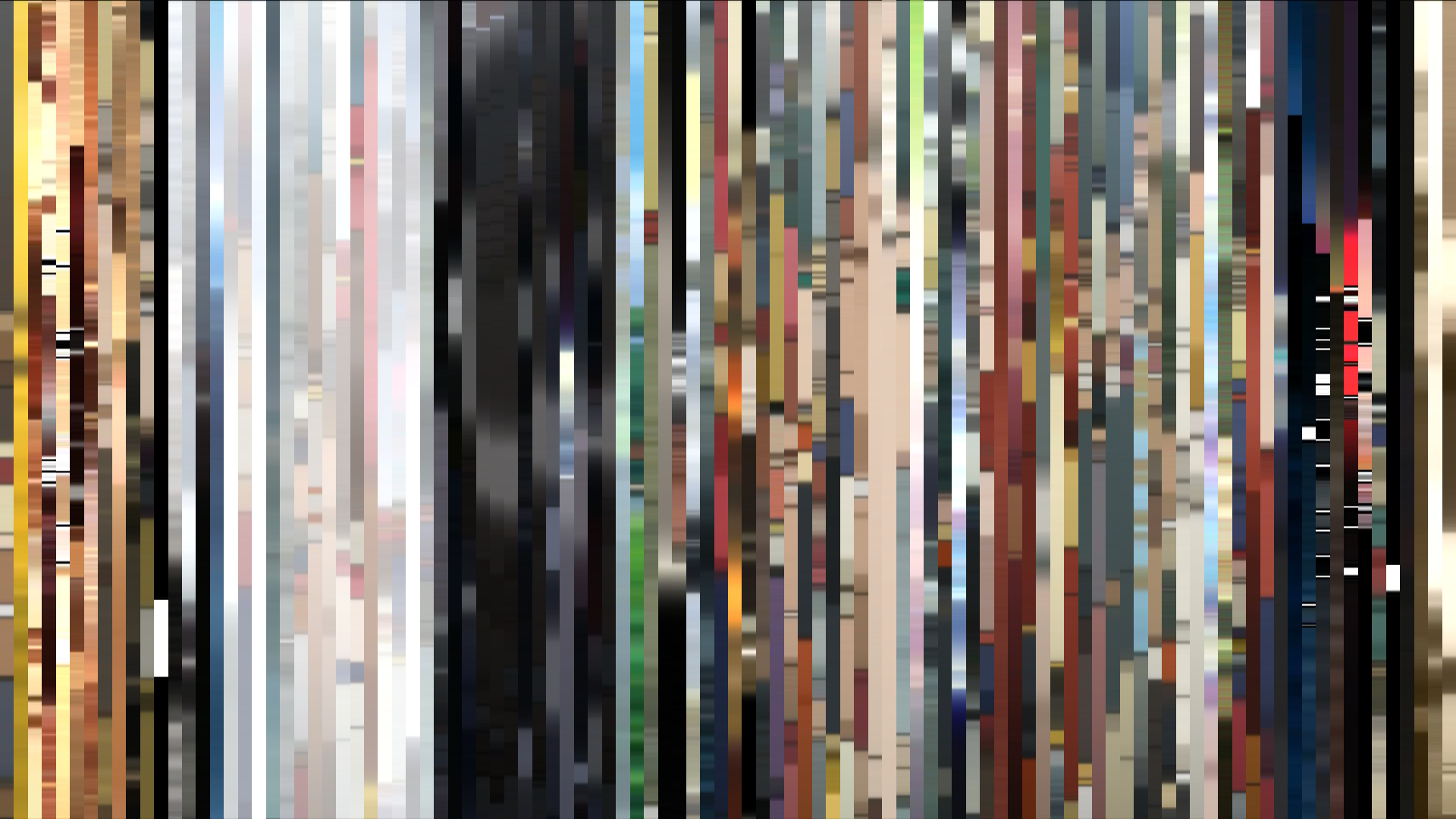
Slice · 30s
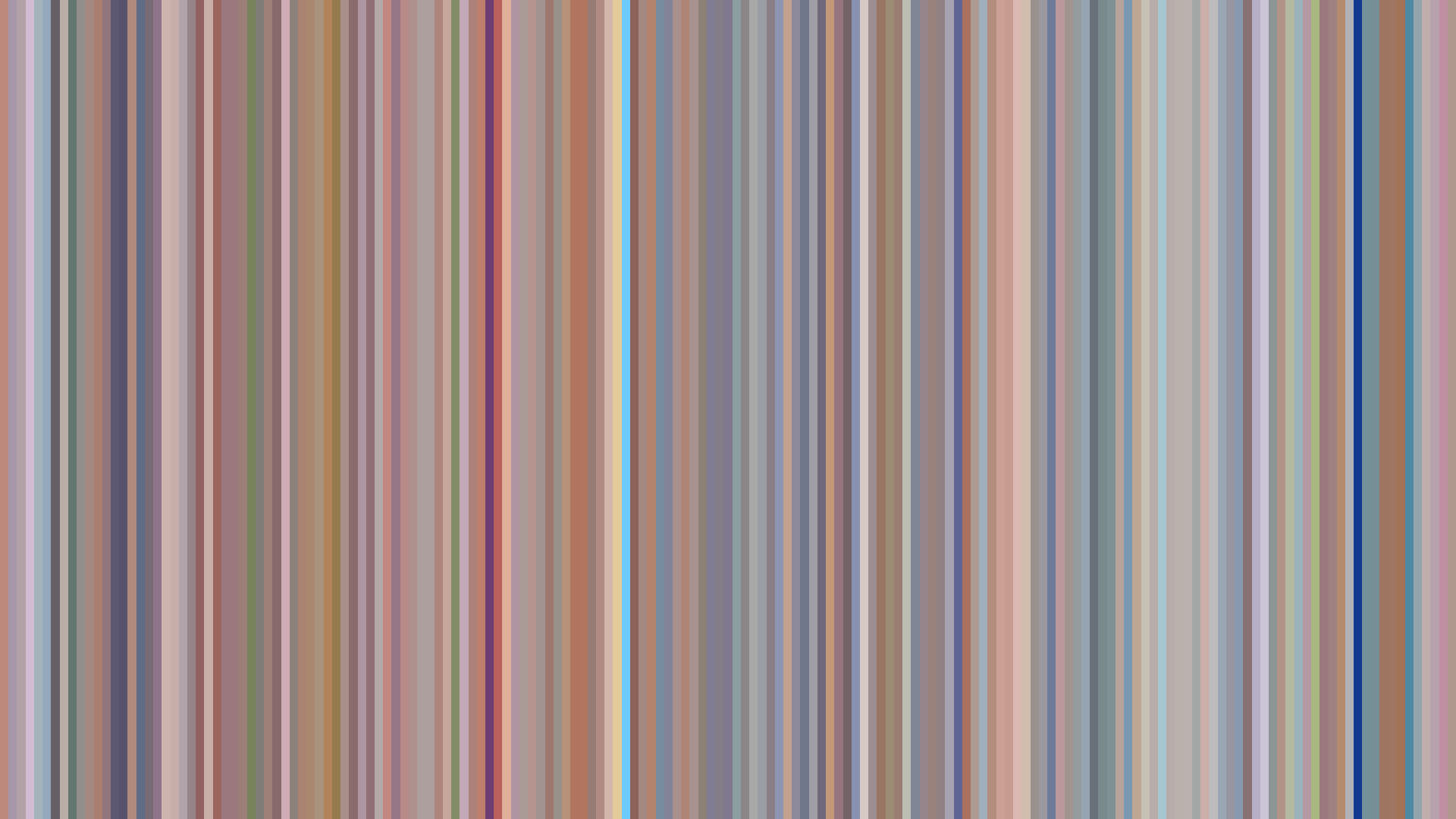
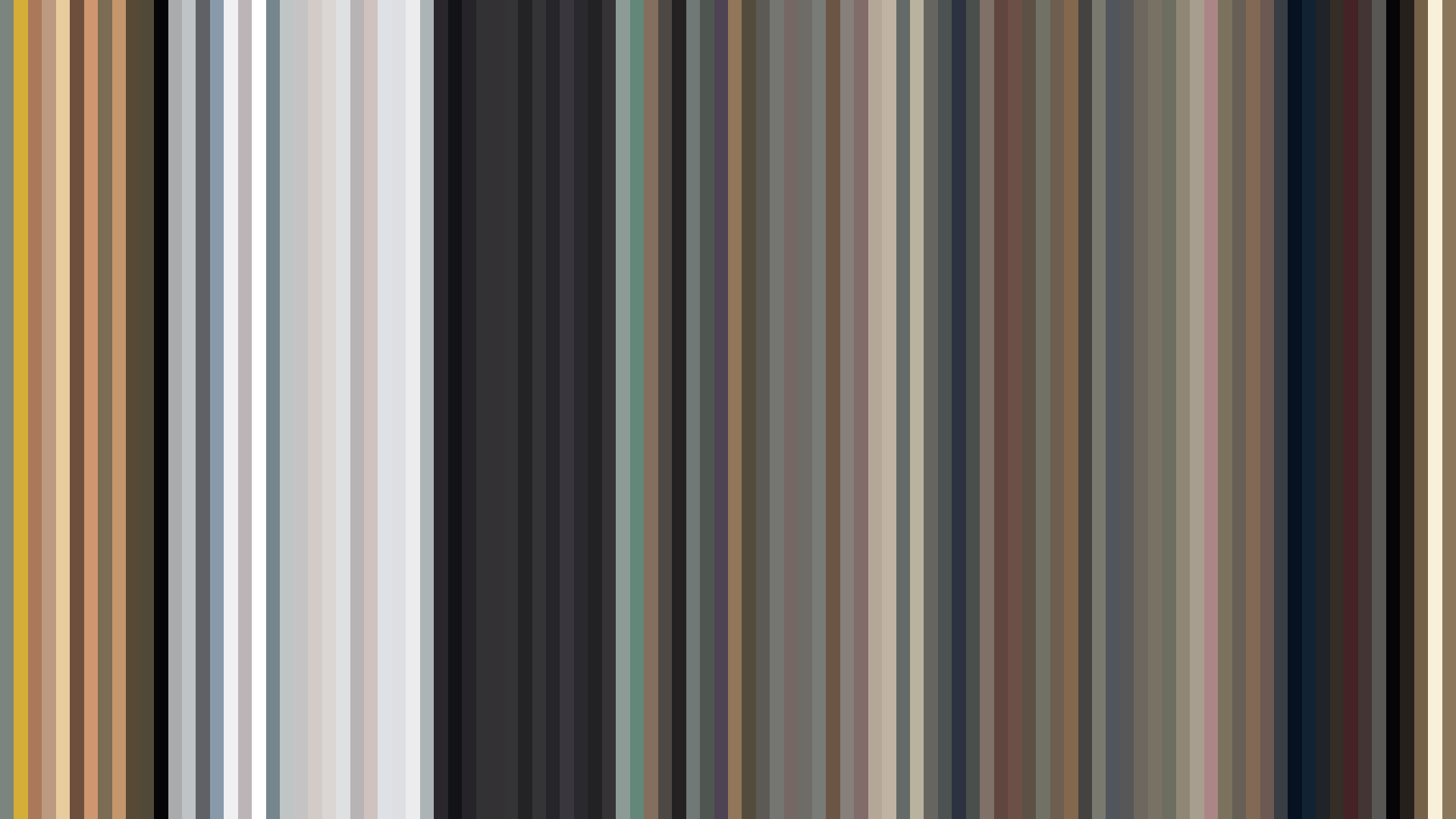
Avg · 30s
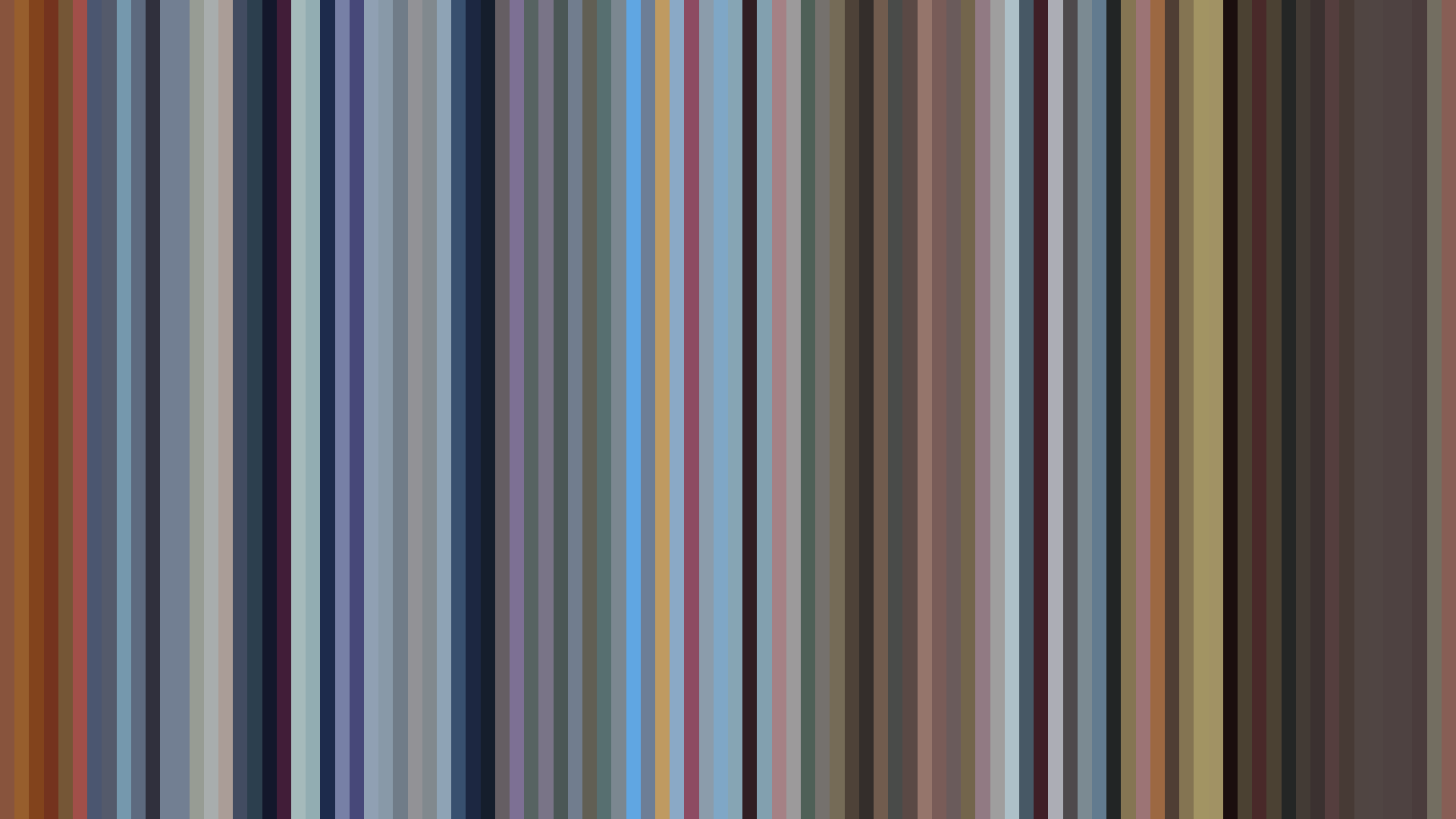
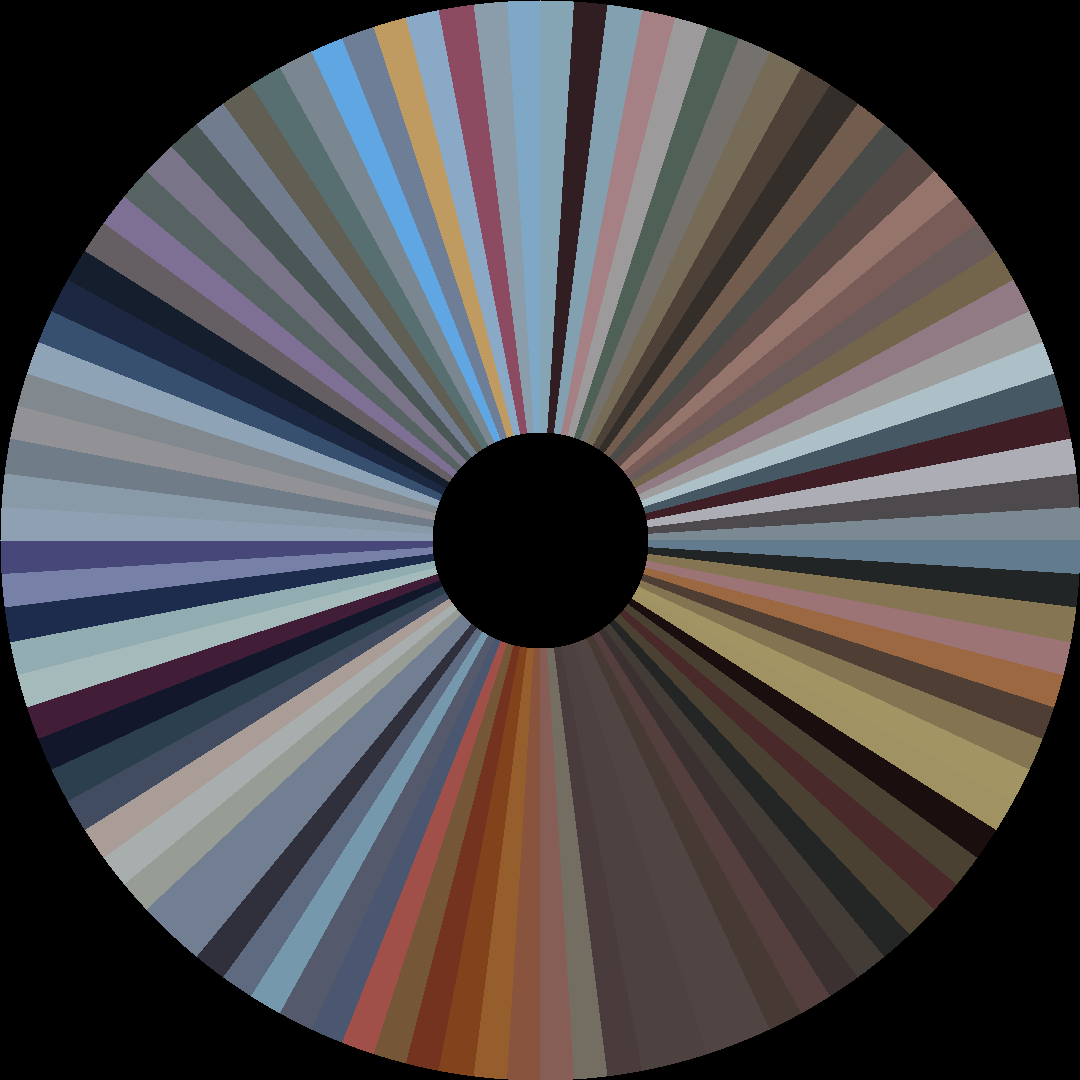
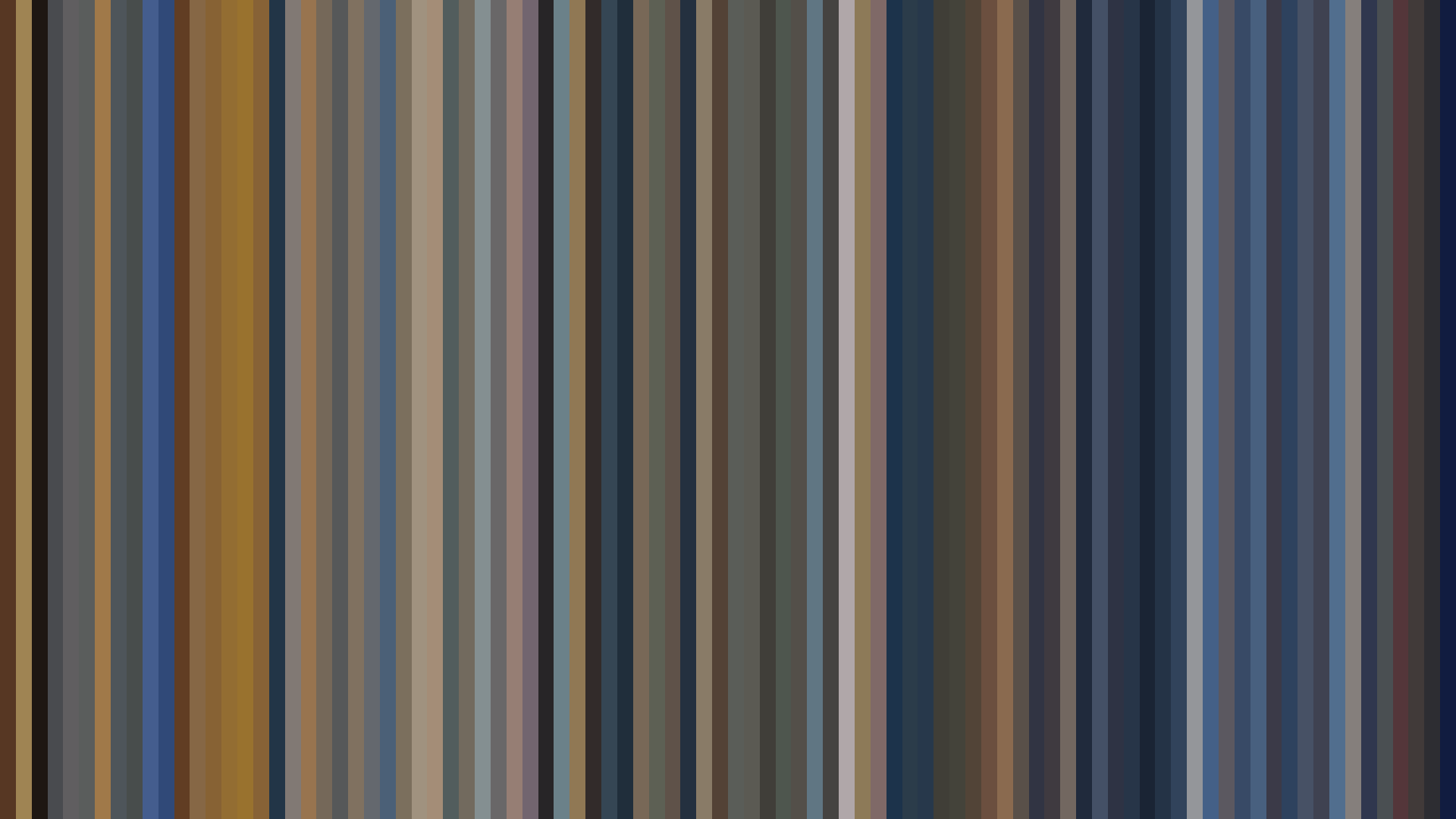
Elfen Lied’s barcode falls into darkness with mathematical precision, a steady dimming from its opening act’s relative brightness (0.542) to its crushing close (0.434). That Red dominance (35%) is the obvious signature—blood, violence, the raw flesh of tragedy—but the real narrative is in the supporting hues: 22% Blue-Green and 18% Green, the cold of an empty seaside, the sickly pallor of a laboratory’s fluorescent tubes. This is not a horror show that uses color to startle; it’s one that grinds it down. The dark ending arc is earned not by shock but by attrition. Studio Arms, working with the source material by Lynn Okamoto, never lets the palate recover from the Diclonius’s arrival. The warm opening is a lie—a brief, almost romantic glow that the middle act corrodes into muted greys and browns (the palette’s #5C5A5D and #582822). By the finale, even the Red seems exhausted, no longer arterial but dried into crust. The brightness doesn’t spike; it surrenders. Elfen Lied’s visual data confirms what the story whispers: there is no return from this kind of brutality
Brightness Arc (episode progression)
Hue Distribution
Act Breakdown
Opening
0.542
Middle
0.530
Closing
0.434
Avg Brightness
0.434
Avg Saturation
0.288
Warmth
0.502
Color Palette
#221F24
#DFDFE1
#582822
#9A9DA2
#5C5A5D
#24314D
#A9CDDE
#DBAC9D
3-Act Color Story
Opening
Middle
Closing
Color Twins
Perceptually nearest palettes — measured in OKLab space, not RGB






Elfen Lied’s barcode falls into darkness with mathematical precision, a steady dimming from its opening act’s relative brightness (0.542) to its crushing close (0.434). That Red dominance (35%) is the obvious signature—blood, violence, the raw flesh of tragedy—but the real narrative is in the supporting hues: 22% Blue-Green and 18% Green, the cold of an empty seaside, the sickly pallor of a laboratory’s fluorescent tubes. This is not a horror show that uses color to startle; it’s one that grinds it down. The dark ending arc is earned not by shock but by attrition. Studio Arms, working with the source material by Lynn Okamoto, never lets the palate recover from the Diclonius’s arrival. The warm opening is a lie—a brief, almost romantic glow that the middle act corrodes into muted greys and browns (the palette’s #5C5A5D and #582822). By the finale, even the Red seems exhausted, no longer arterial but dried into crust. The brightness doesn’t spike; it surrenders. Elfen Lied’s visual data confirms what the story whispers: there is no return from this kind of brutality