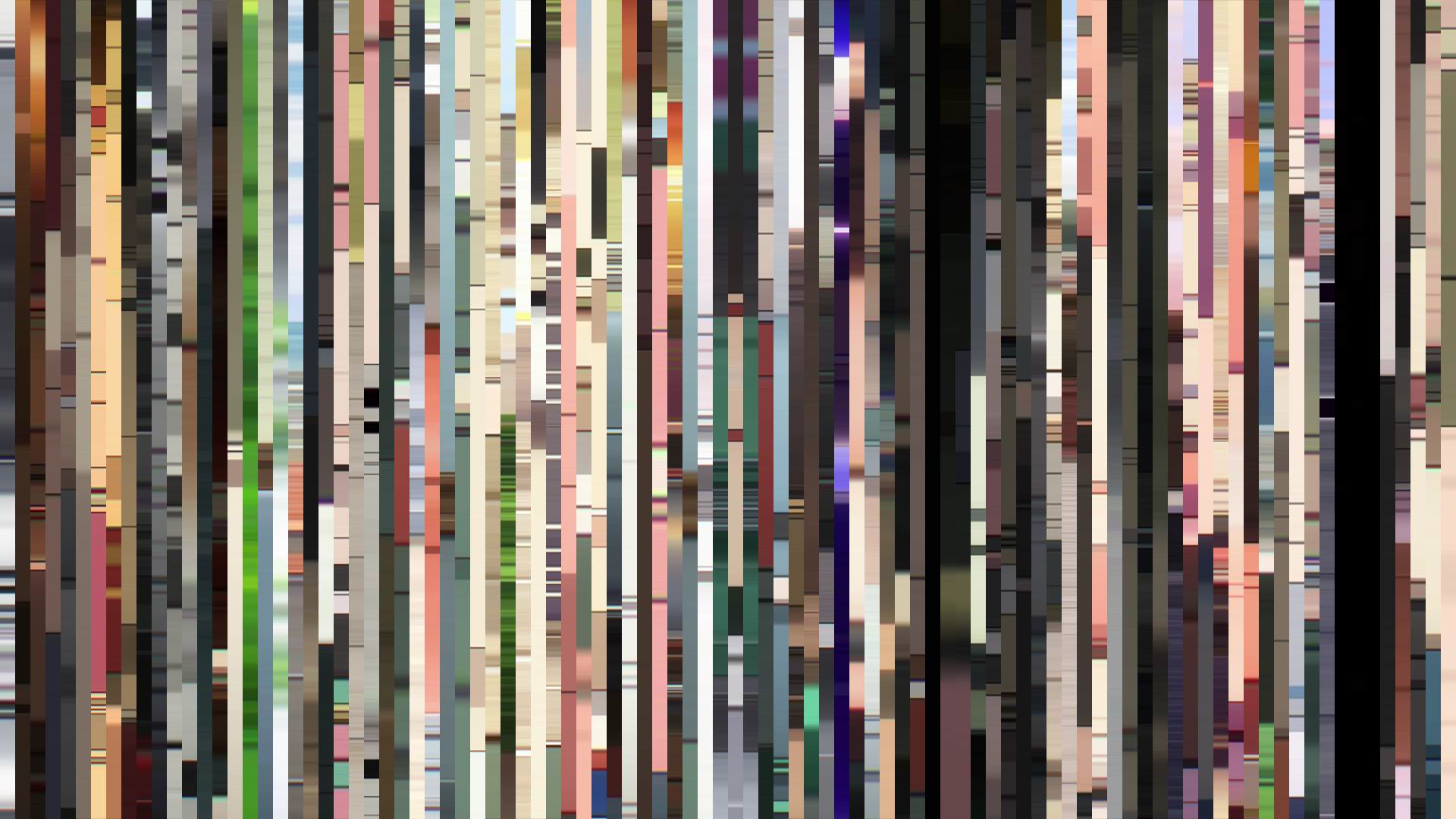
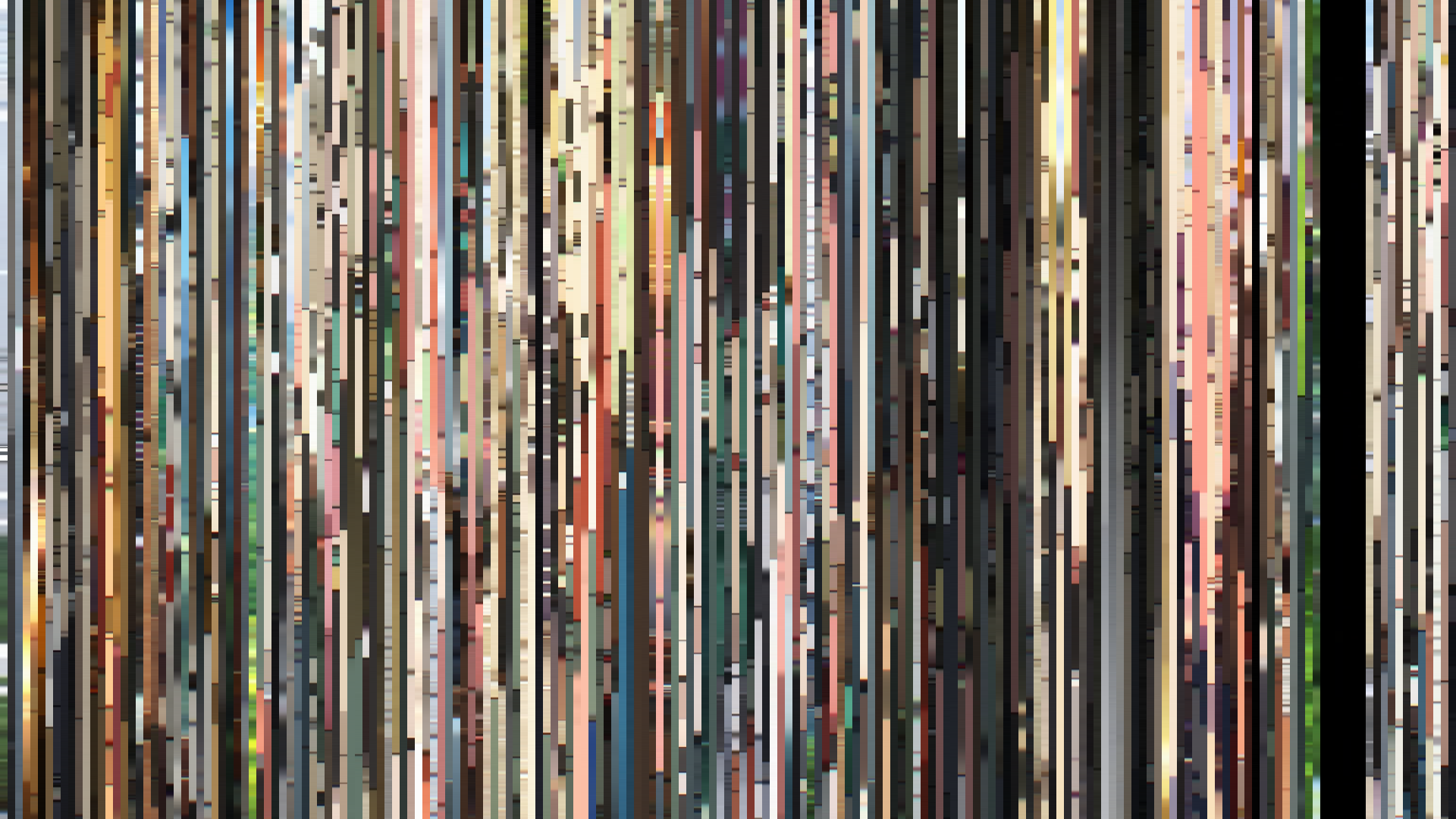
Edit Pace — frame-to-frame color delta (bright = fast cuts)
Color Temperature — warm (gold) vs cool (teal) per frame
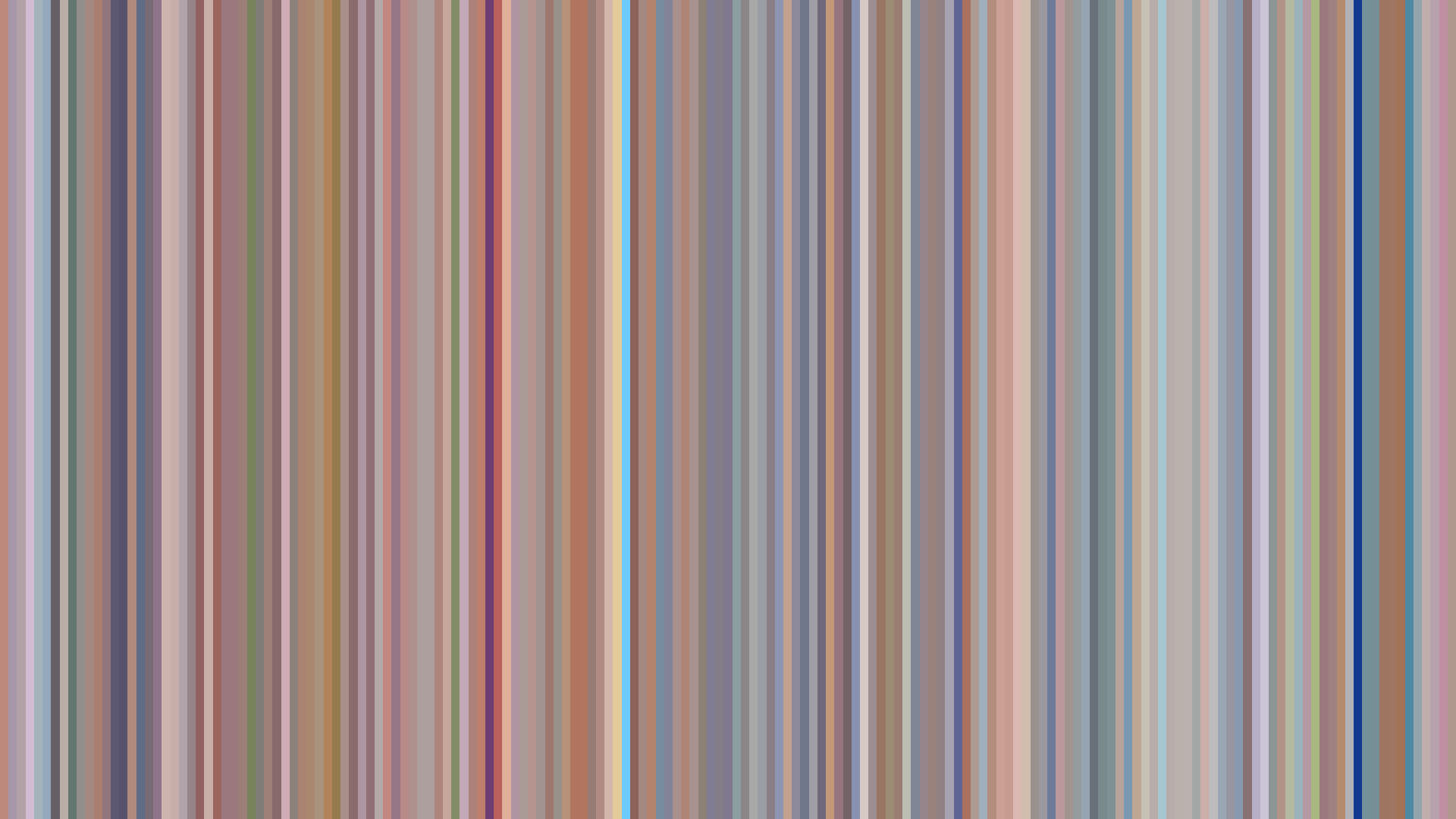
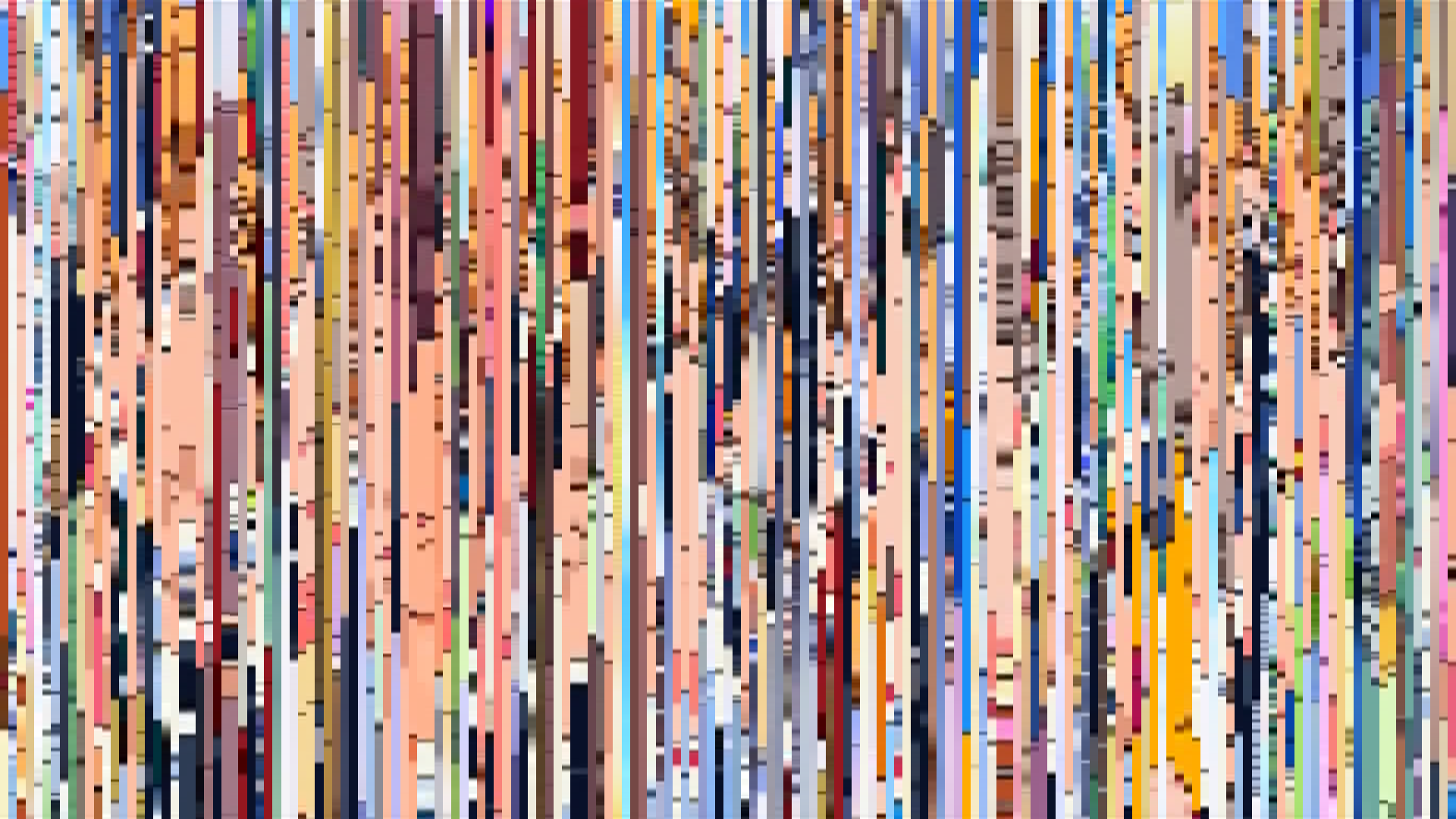
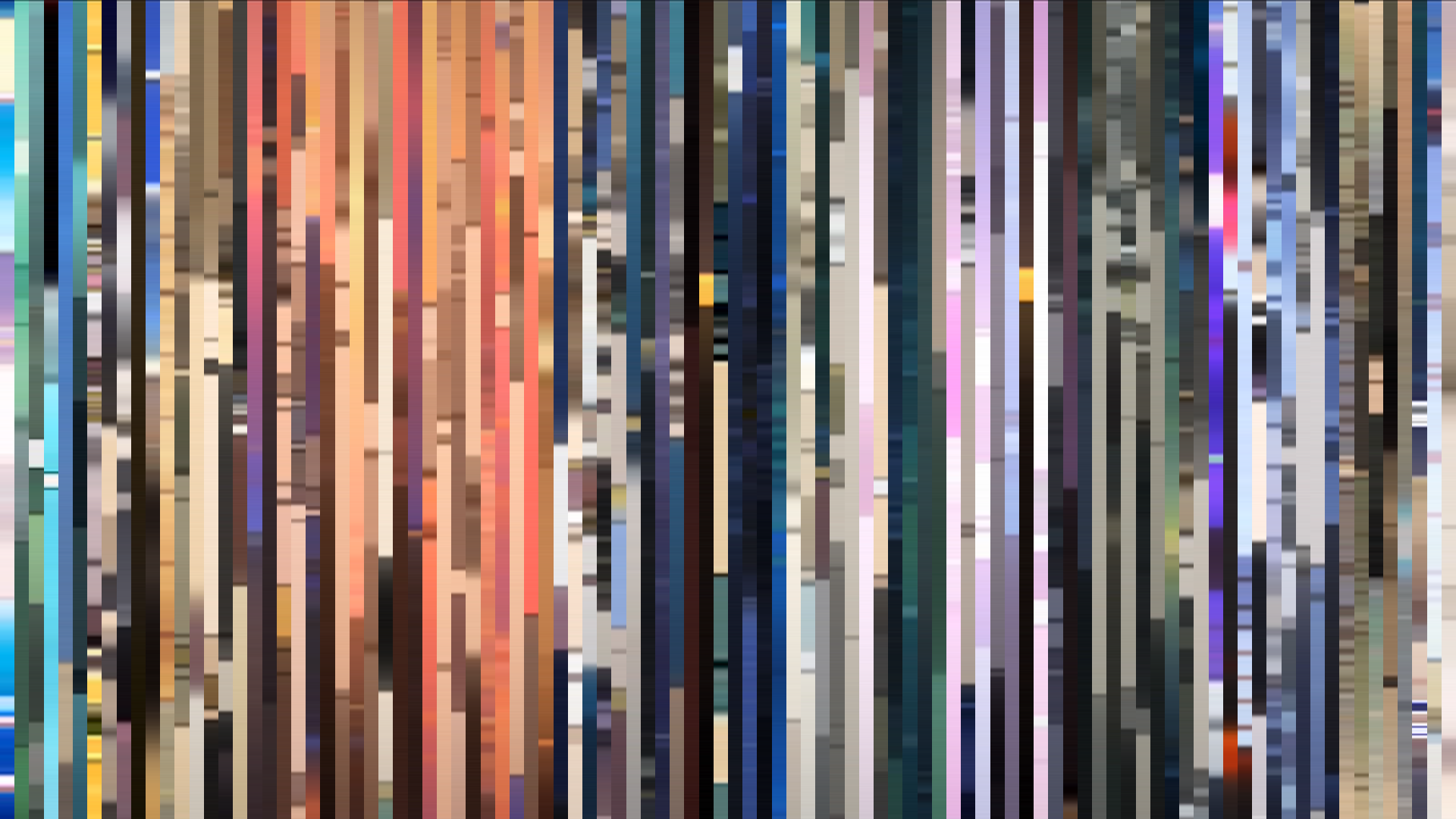
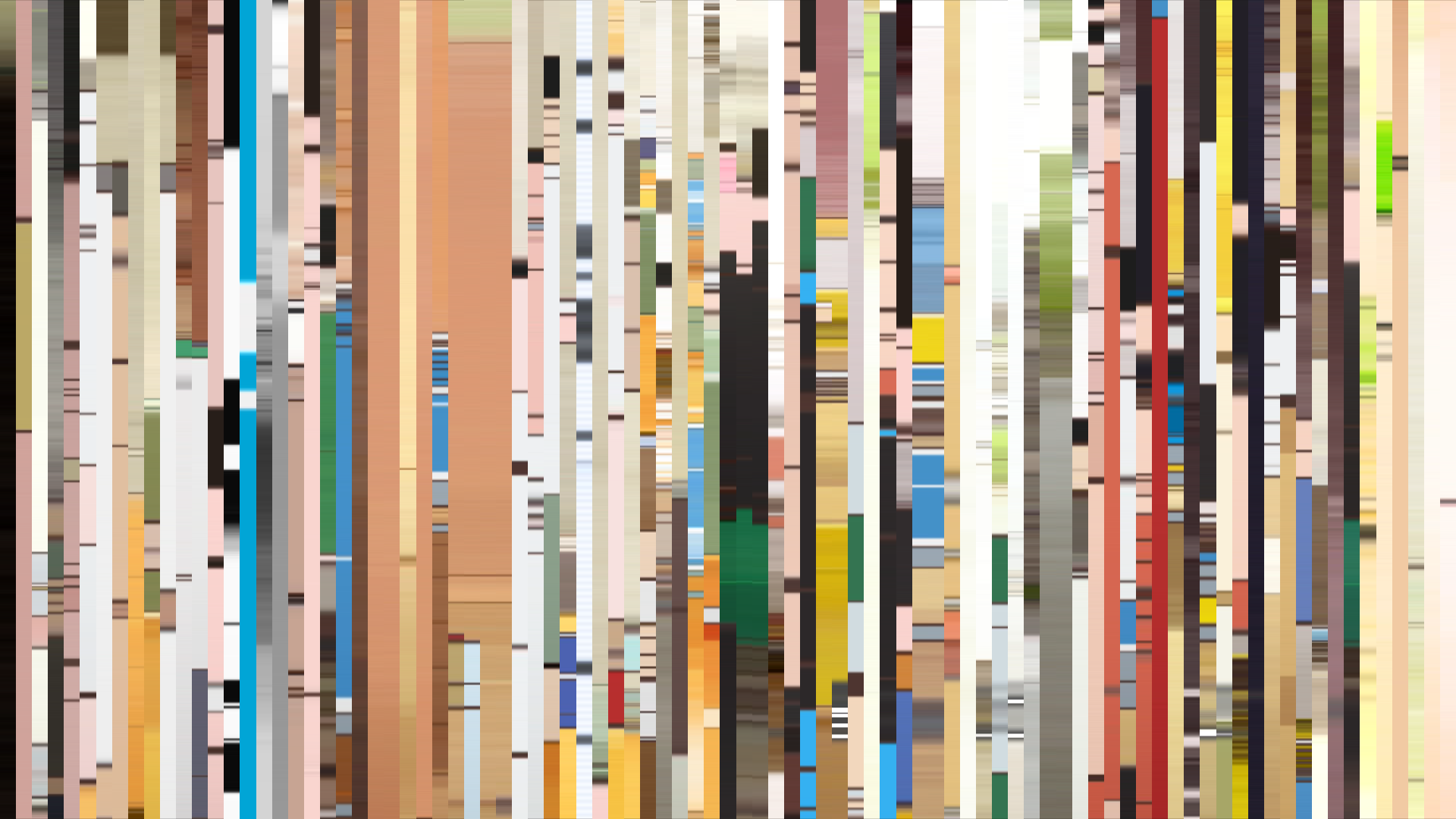
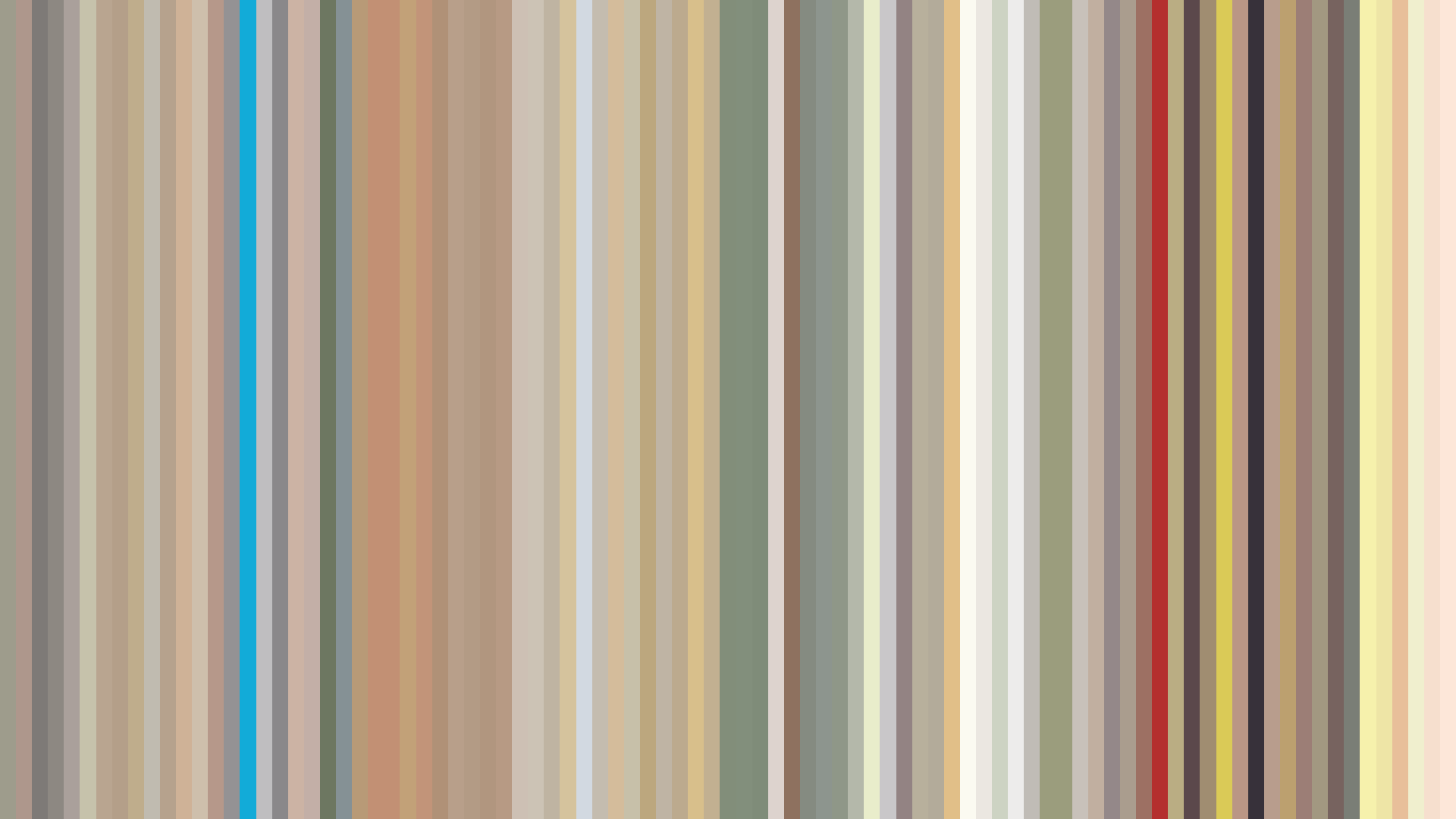
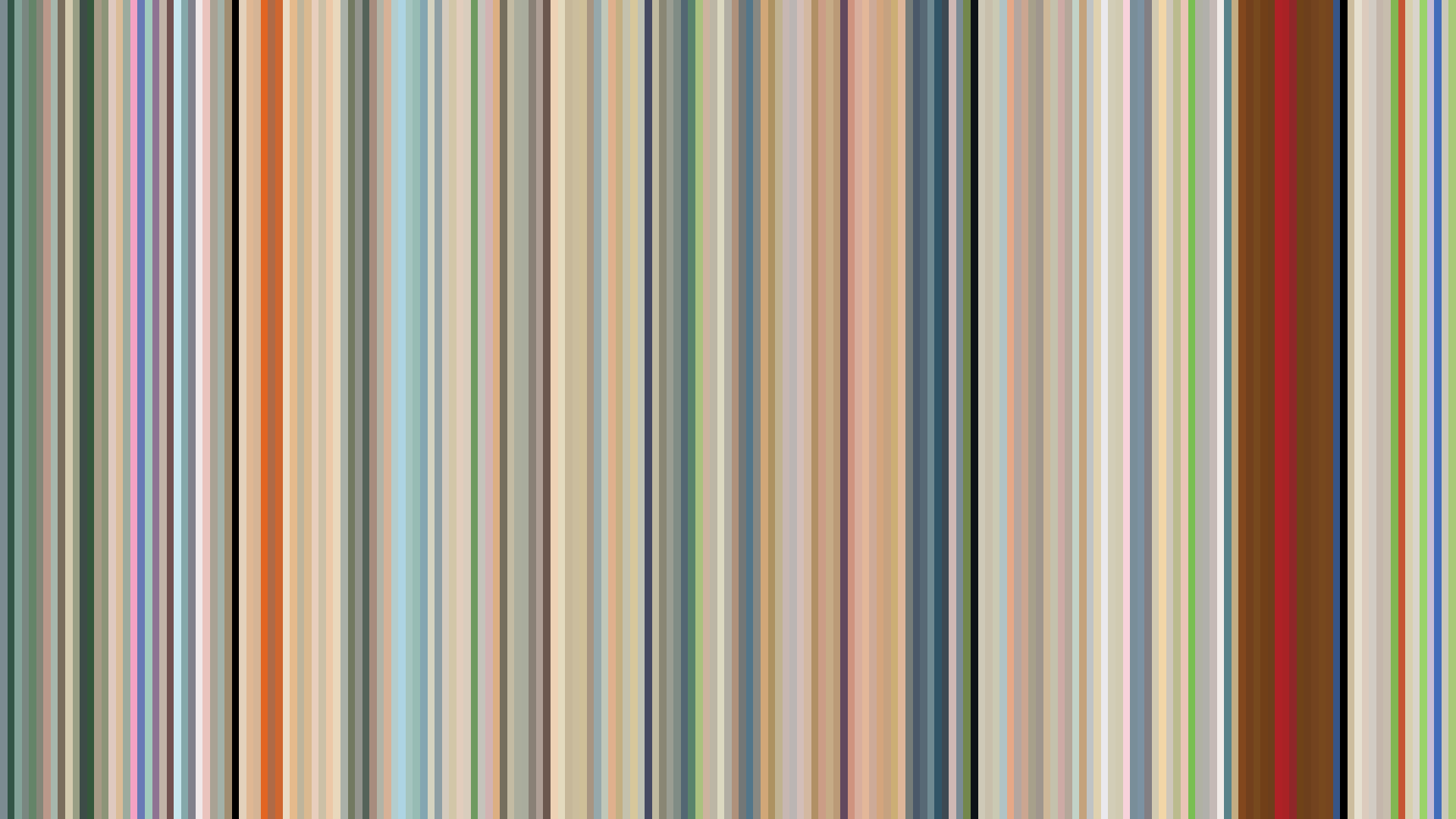
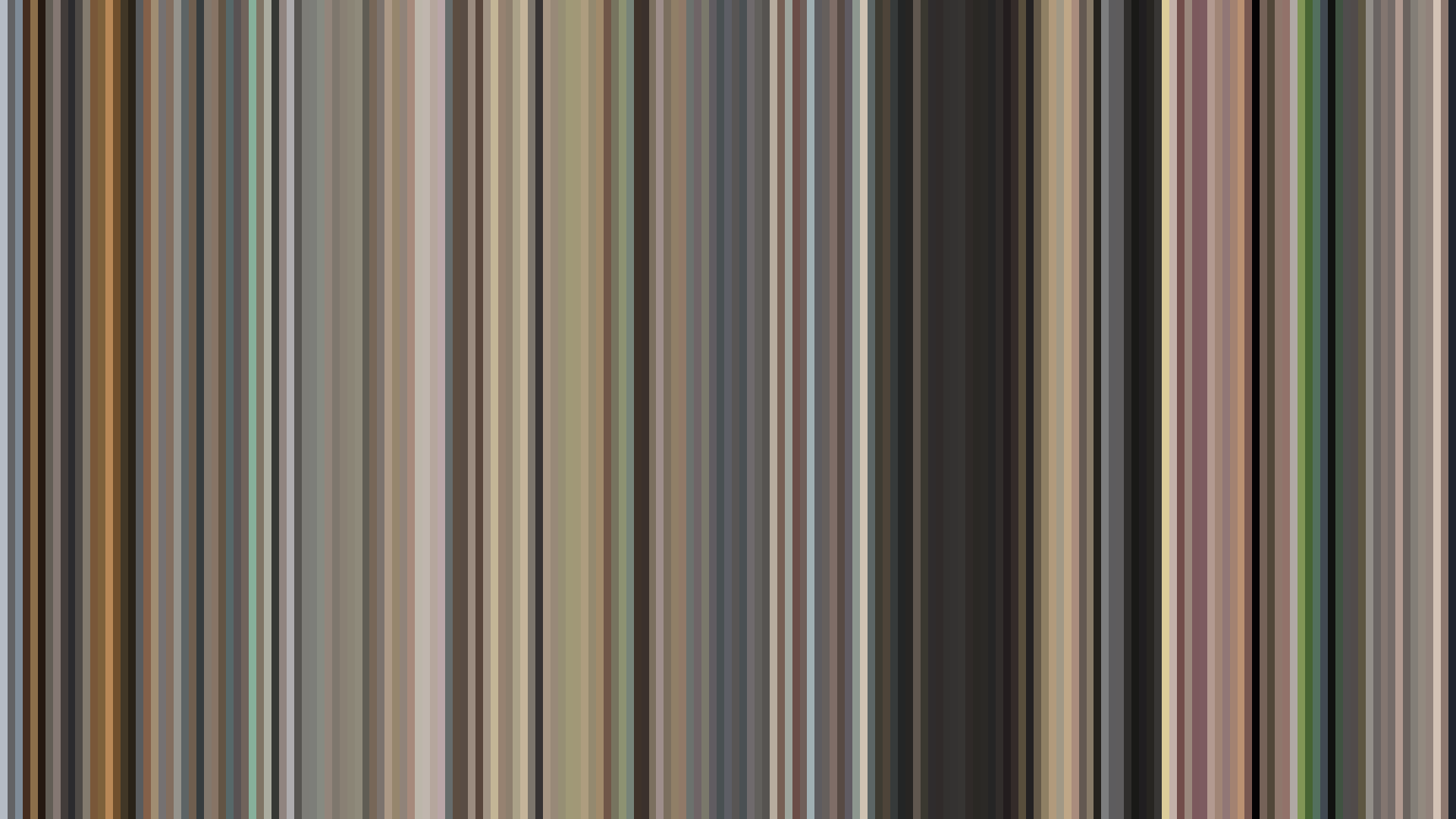
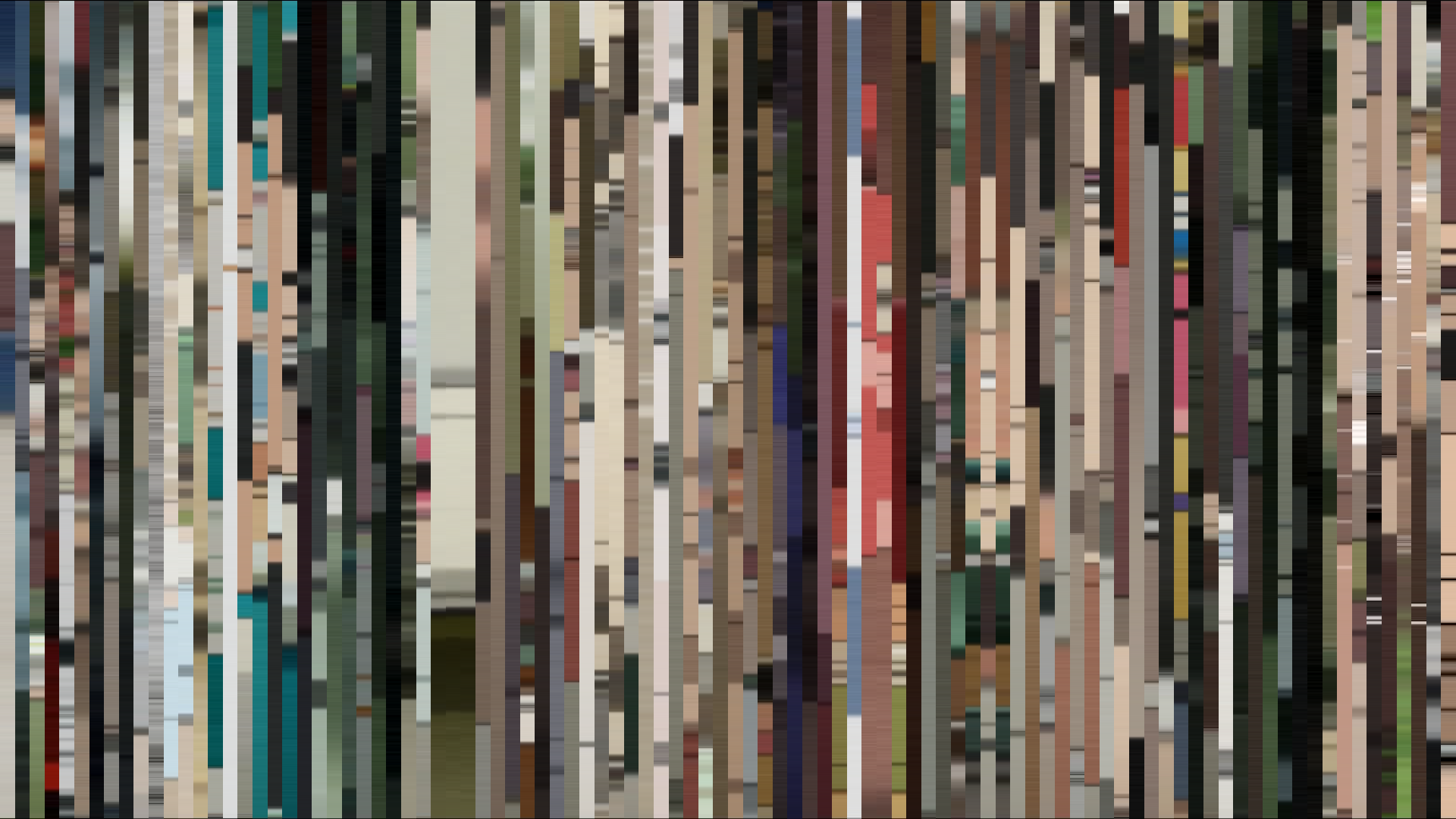
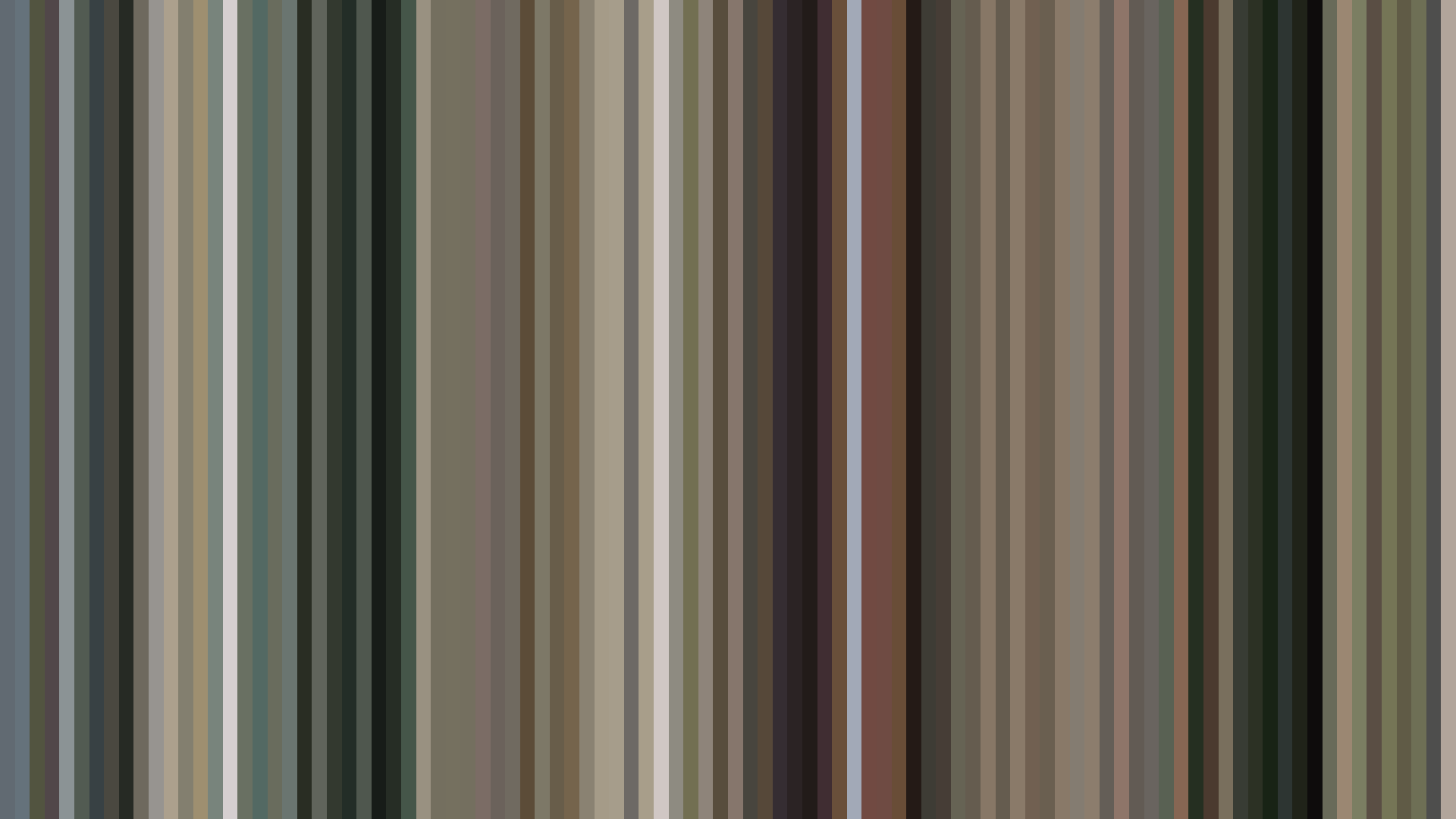
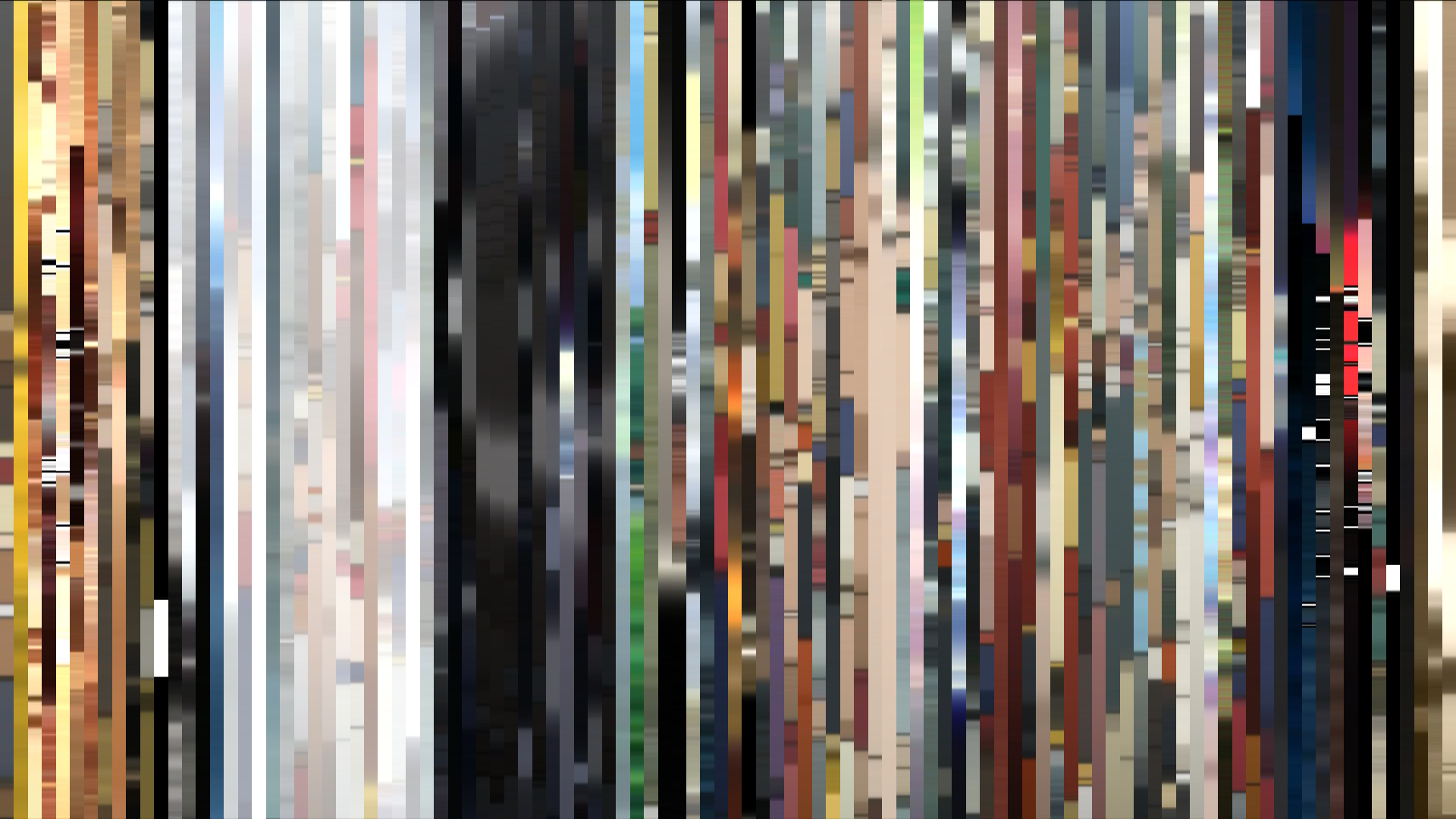
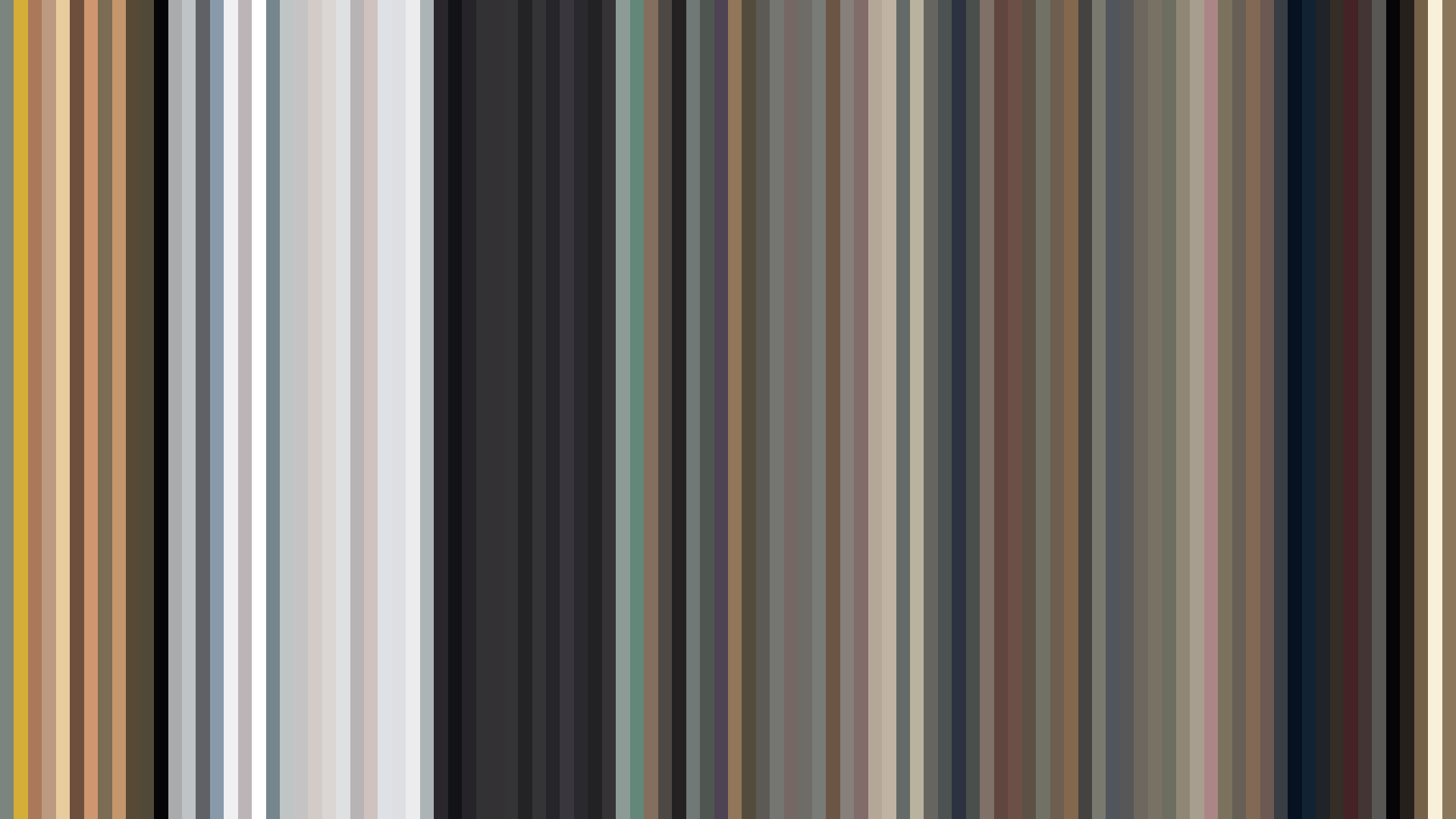
Frame Density Comparison — every 2nd vs every 4th frame
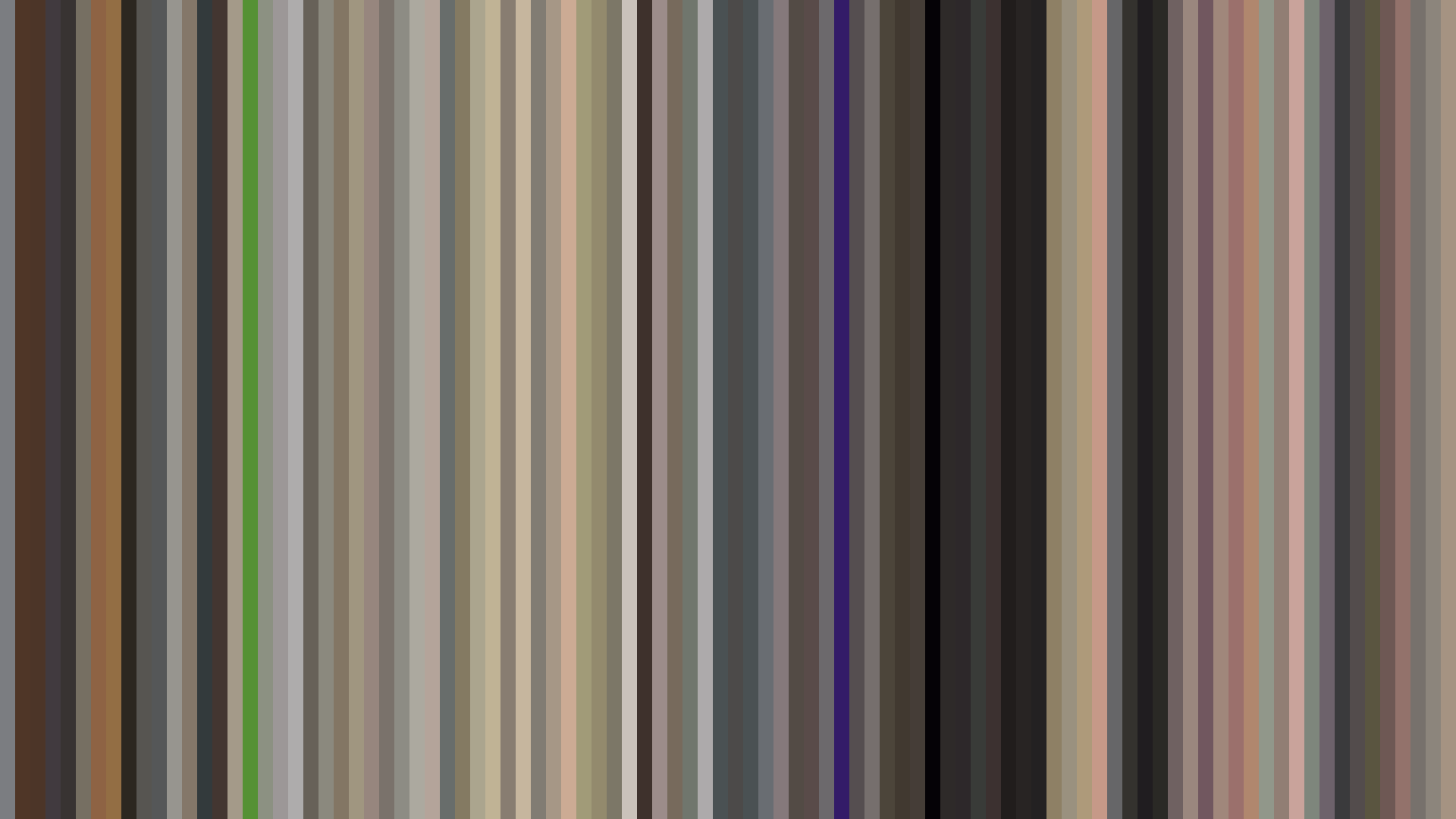
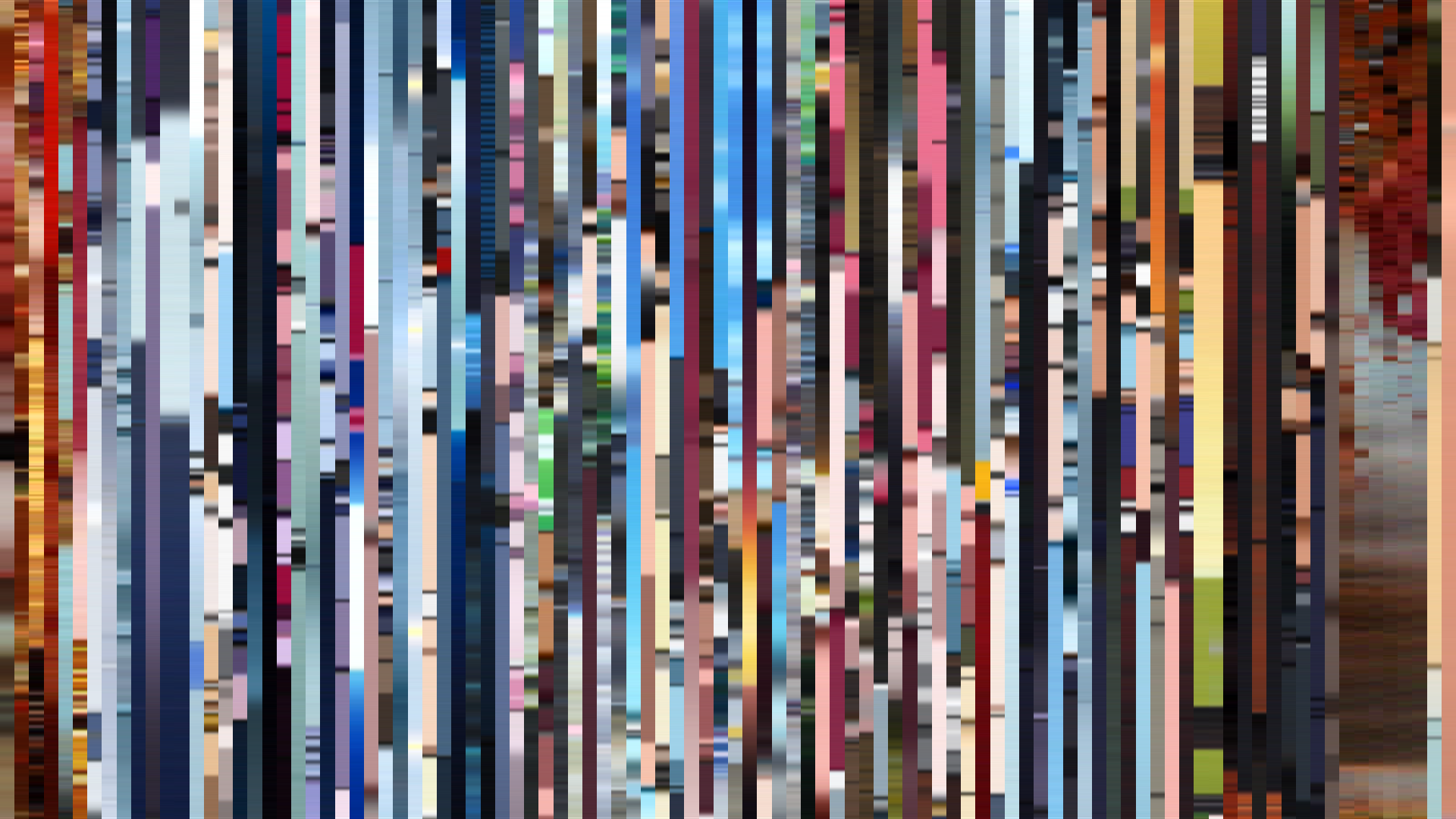
Slice · 15s
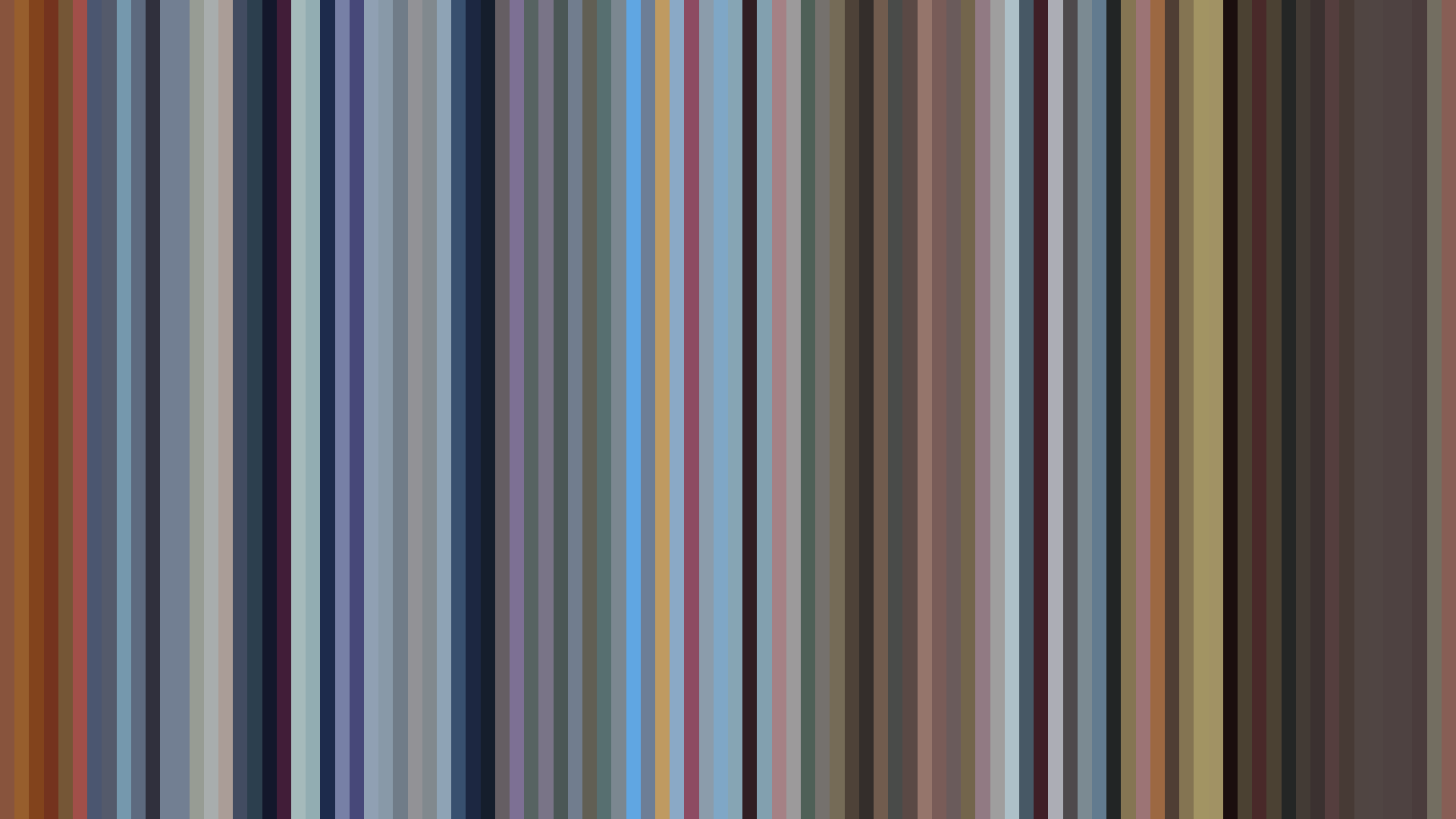
Avg · 15s
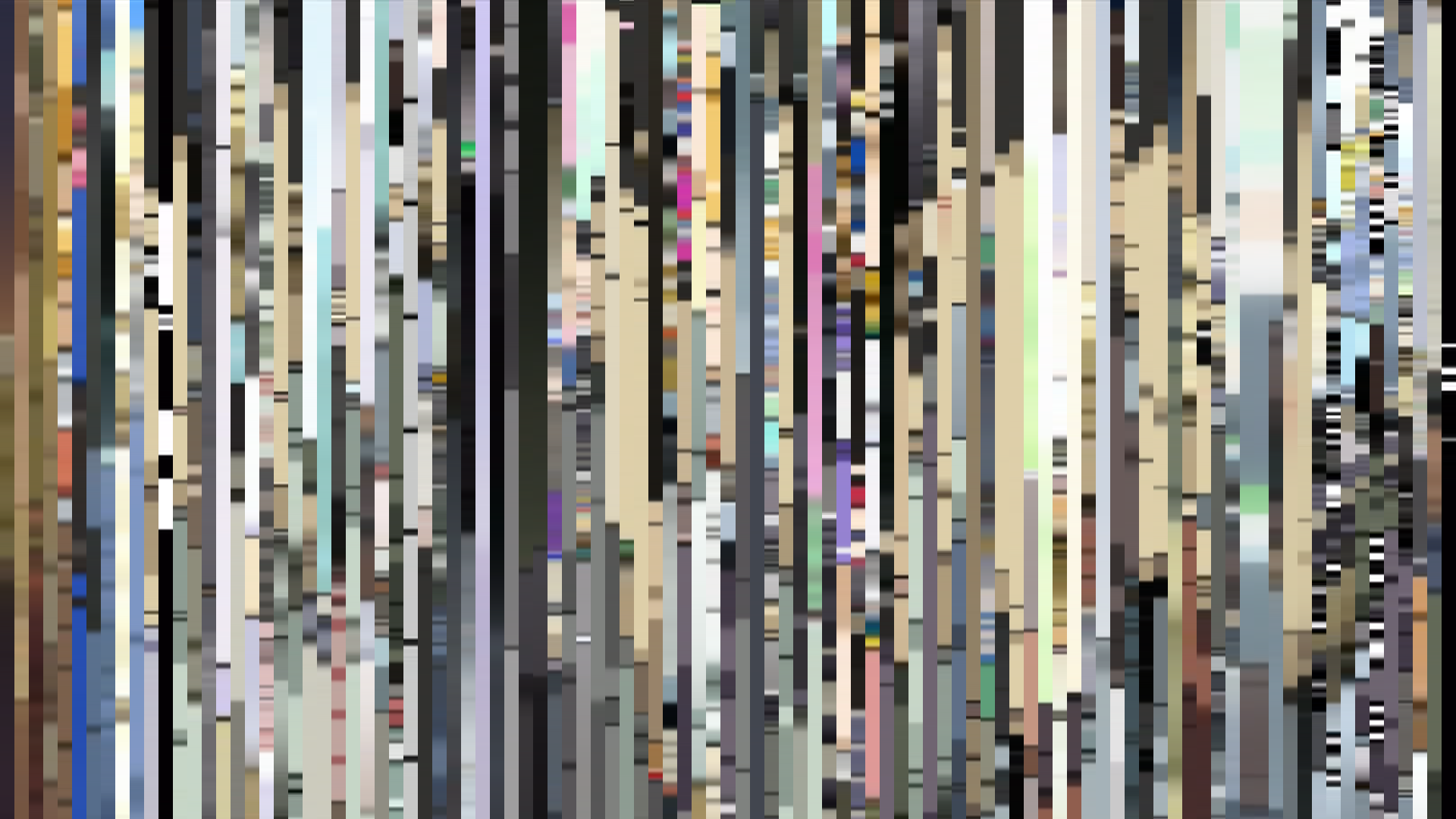
Slice · 30s
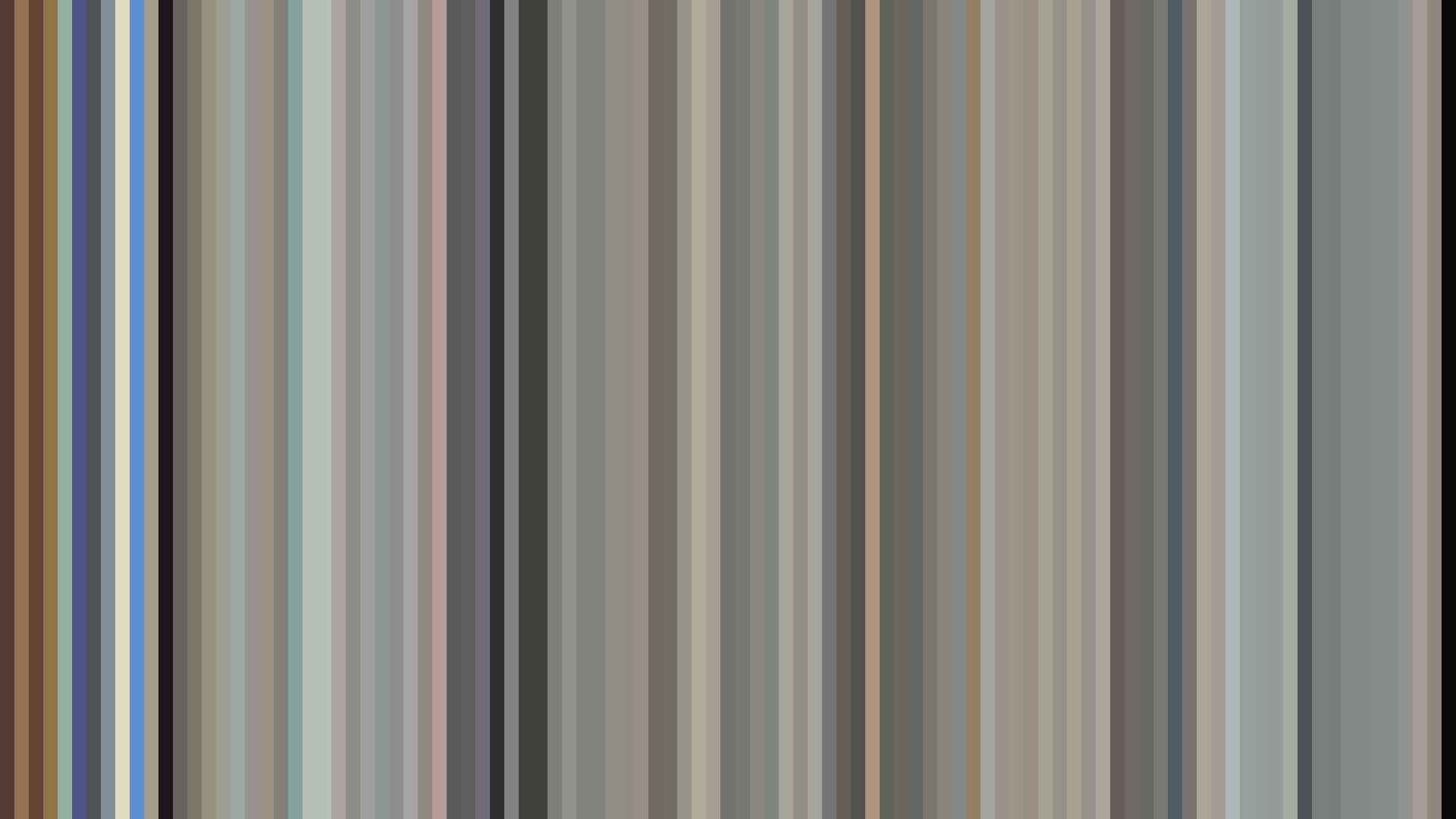
Avg · 30s
The muted red palette—dominant at 59% but desaturated to an average of 0.273—drains the expected passion from a romance, suggesting something more tentative. TMS Entertainment’s 2004 series runs through a *bright-ending* arc, but that final uplift is earned by the middle act’s deliberate dimming: brightness dips from 0.526 to 0.490 before recovering to 0.588. That dip is the show’s emotional engine, a quiet ache that reframes the warm closing as fragile rather than triumphant. The low saturation across all three acts keeps the palette from veering into melodrama; this is a romance that whispers rather than shouts. Early-2000s rom-coms often bathed scenes in aggressive candy tones, but *Babe, My Love* opts for dusty rose and muted neutrals—#E3AE9B, #E5DEDC, #F1CBAD—colors that feel lived-in, not bold. The red hue never fades, but its intensity is blunted, as if the characters themselves are holding back. The visual structure is the story: a hesitant start, a genuine shadow, and a fragile but sincere light. It’s not about grand gestures; it’s about the courage
Brightness Arc (episode progression)
Hue Distribution
Act Breakdown
Opening
0.526
Middle
0.490
Closing
0.588
Avg Brightness
0.591
Avg Saturation
0.273
Warmth
0.580
Color Palette
#E3AE9B
#E5DEDC
#F1CBAD
#A69B9D
#63575D
#996860
#E49F6A
#1C1C2C
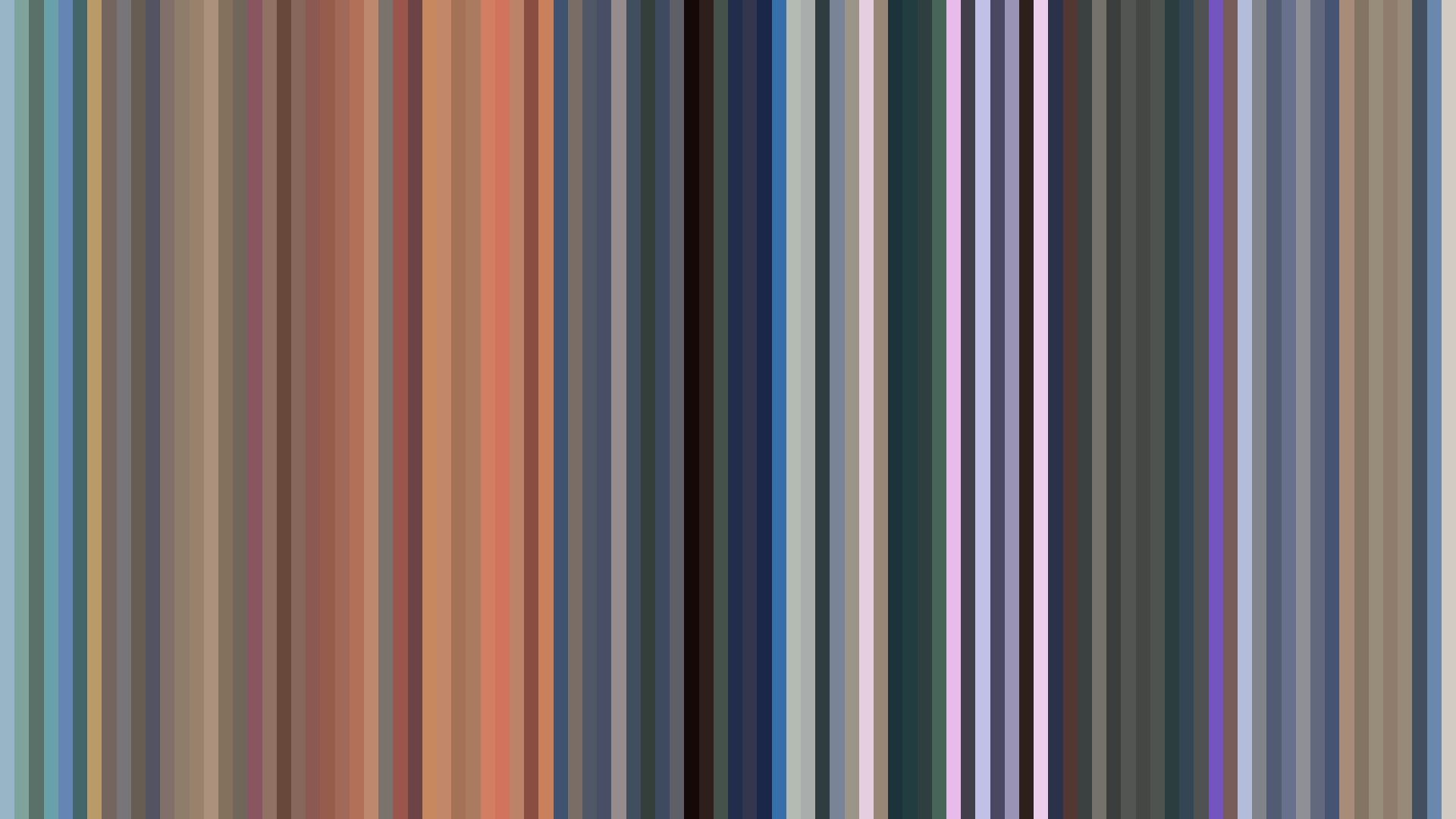
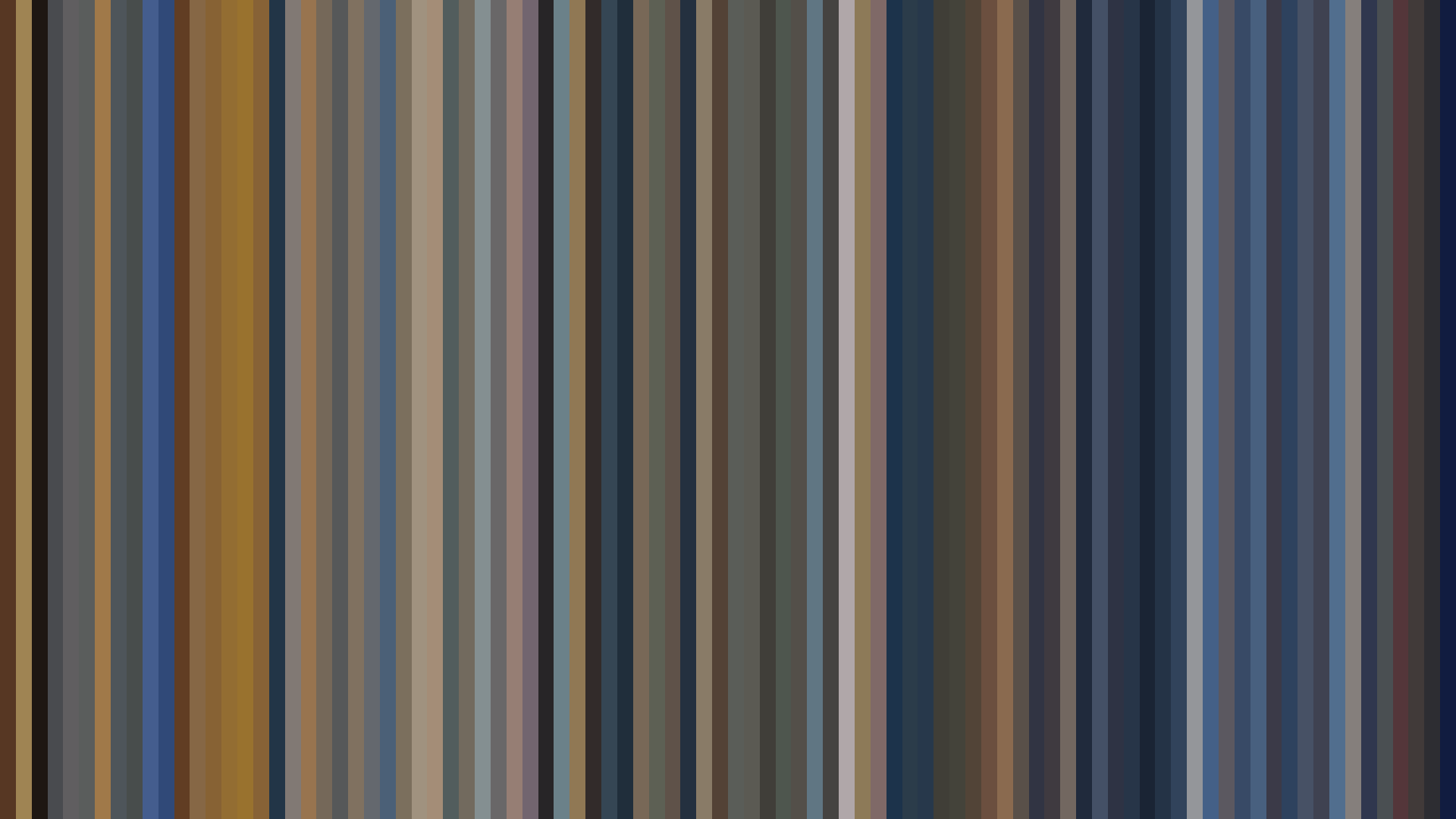
3-Act Color Story
Opening
Middle
Closing
Color Twins
Perceptually nearest palettes — measured in OKLab space, not RGB










The muted red palette—dominant at 59% but desaturated to an average of 0.273—drains the expected passion from a romance, suggesting something more tentative. TMS Entertainment’s 2004 series runs through a *bright-ending* arc, but that final uplift is earned by the middle act’s deliberate dimming: brightness dips from 0.526 to 0.490 before recovering to 0.588. That dip is the show’s emotional engine, a quiet ache that reframes the warm closing as fragile rather than triumphant. The low saturation across all three acts keeps the palette from veering into melodrama; this is a romance that whispers rather than shouts. Early-2000s rom-coms often bathed scenes in aggressive candy tones, but *Babe, My Love* opts for dusty rose and muted neutrals—#E3AE9B, #E5DEDC, #F1CBAD—colors that feel lived-in, not bold. The red hue never fades, but its intensity is blunted, as if the characters themselves are holding back. The visual structure is the story: a hesitant start, a genuine shadow, and a fragile but sincere light. It’s not about grand gestures; it’s about the courage