Edit Pace — frame-to-frame color delta (bright = fast cuts)
Color Temperature — warm (gold) vs cool (teal) per frame
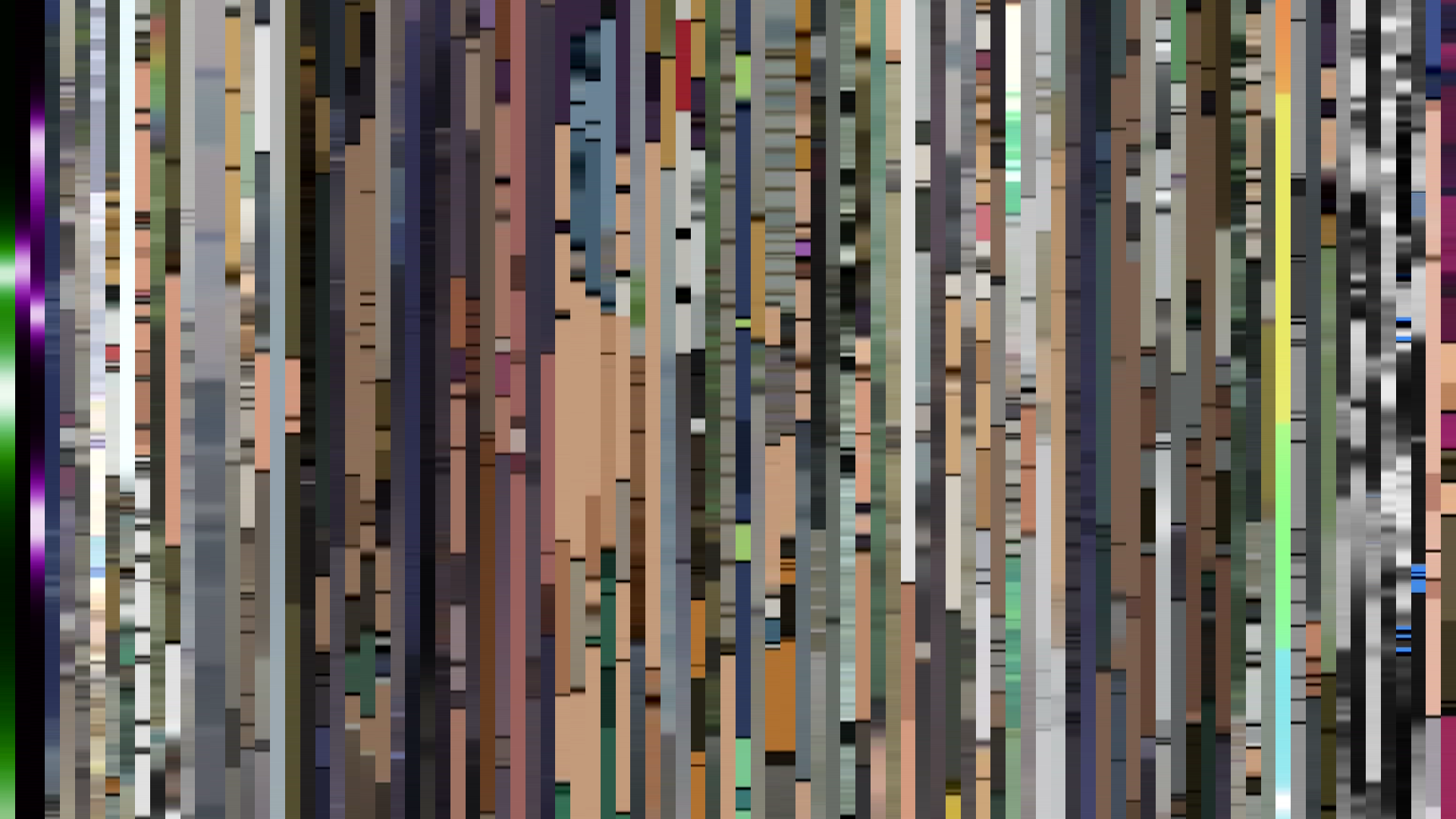
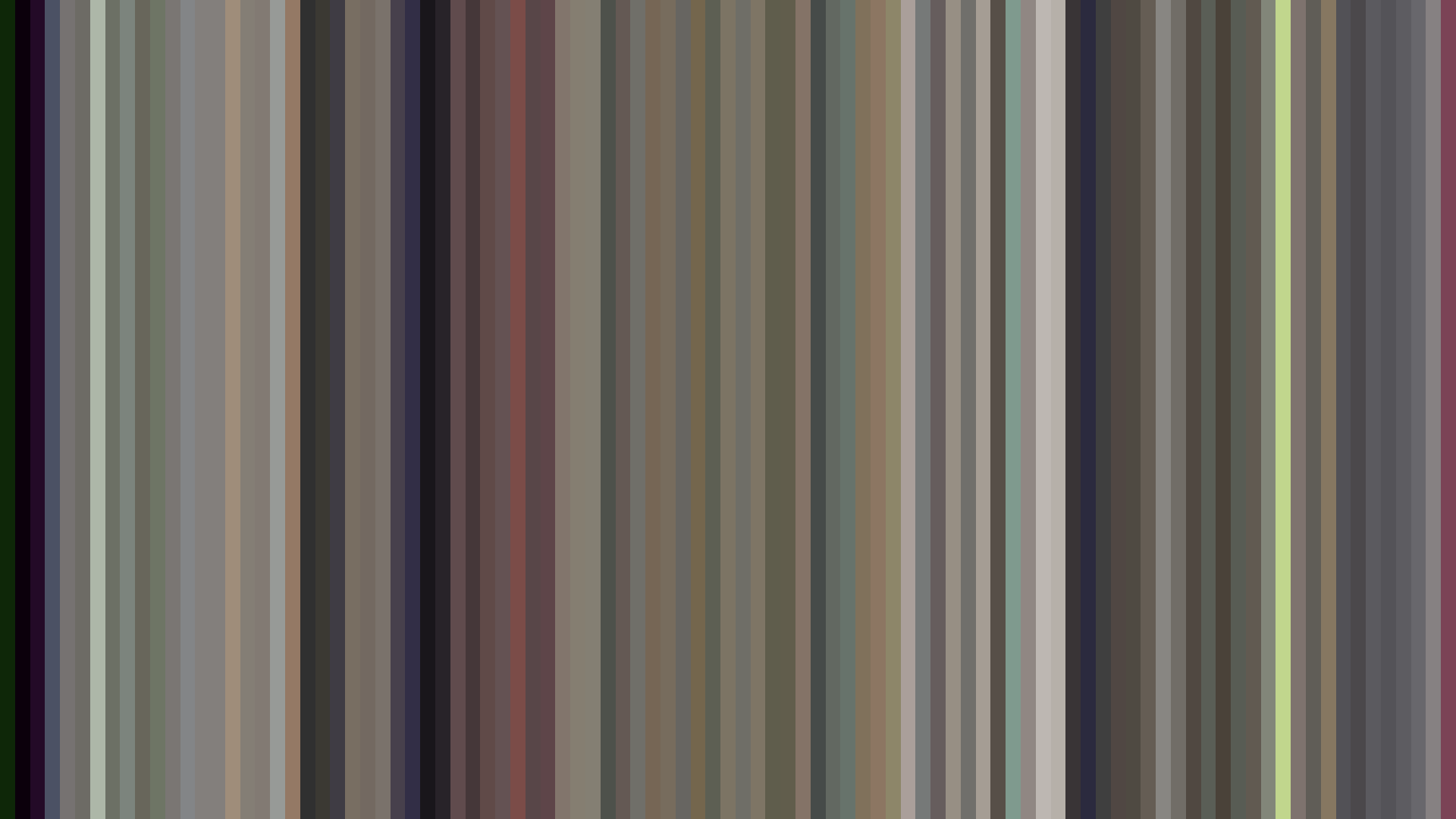
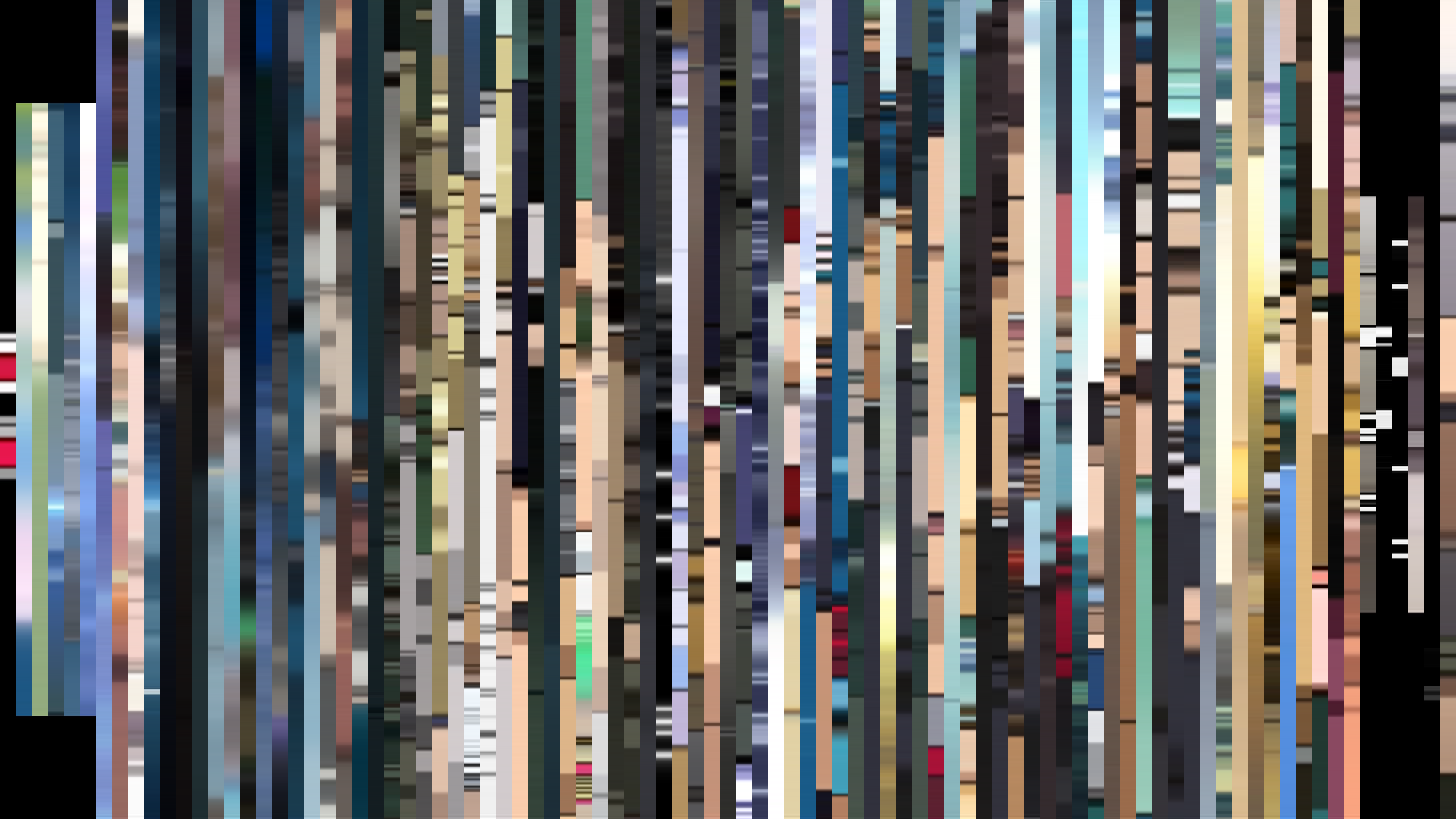
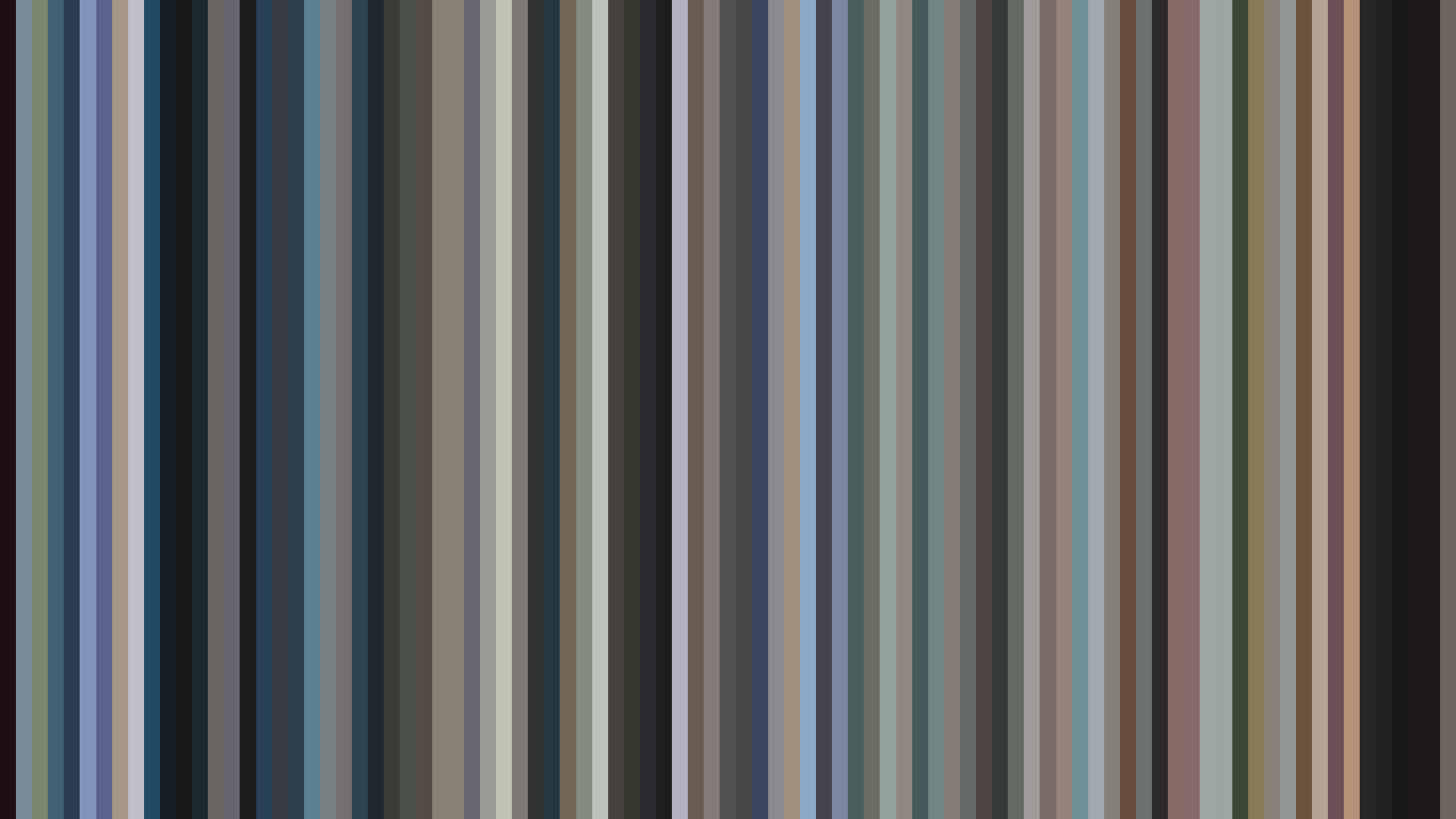
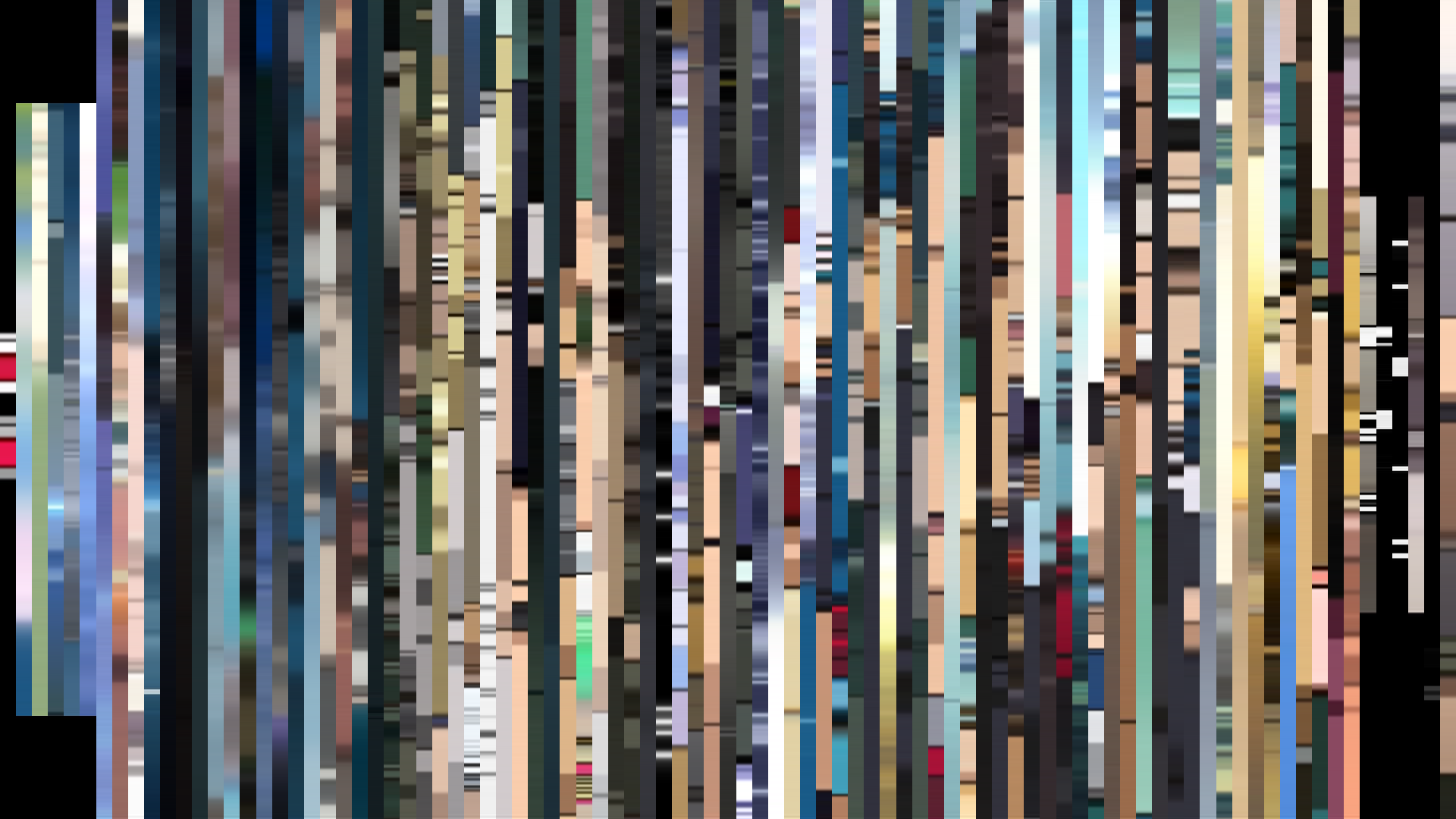
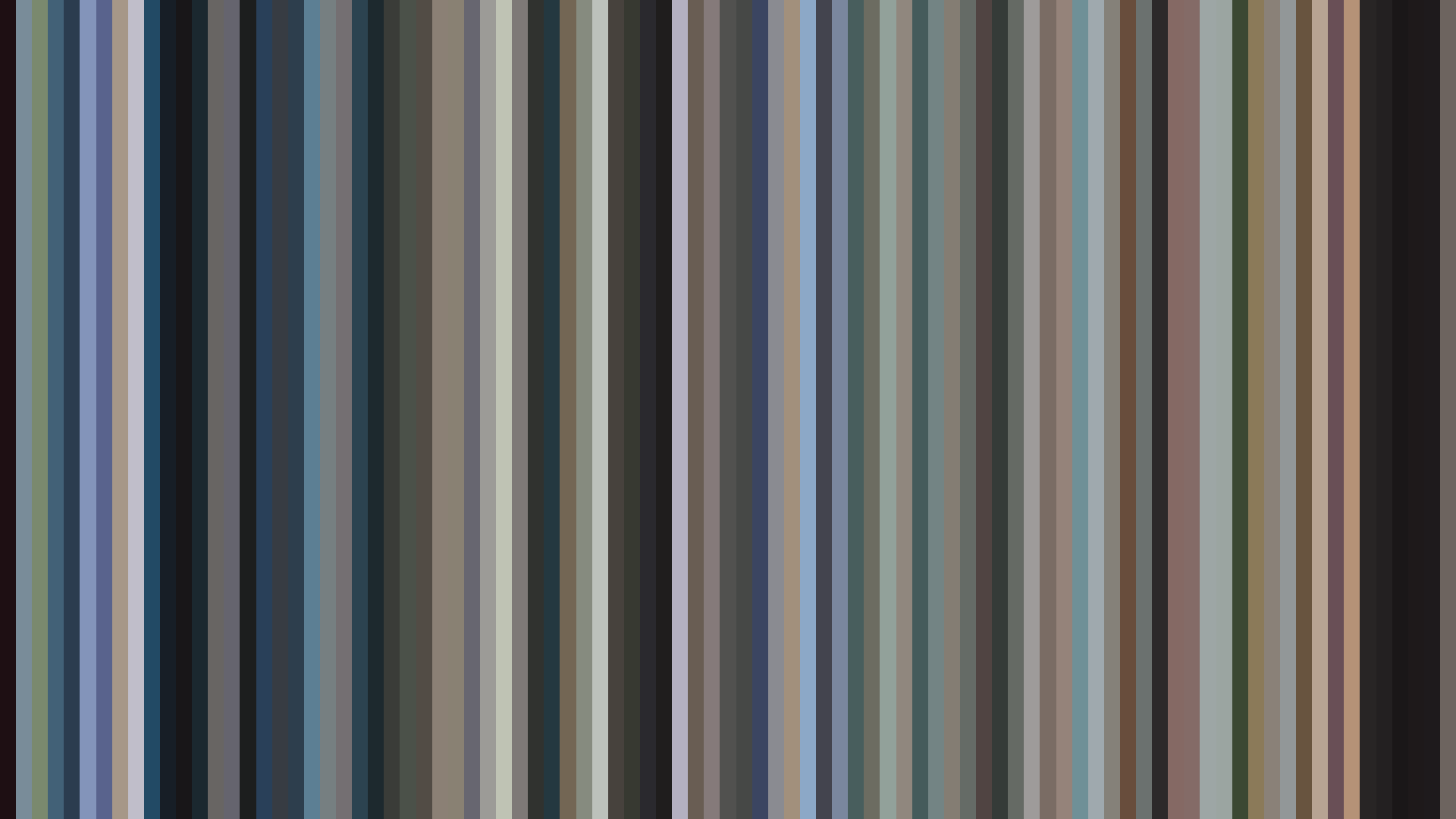
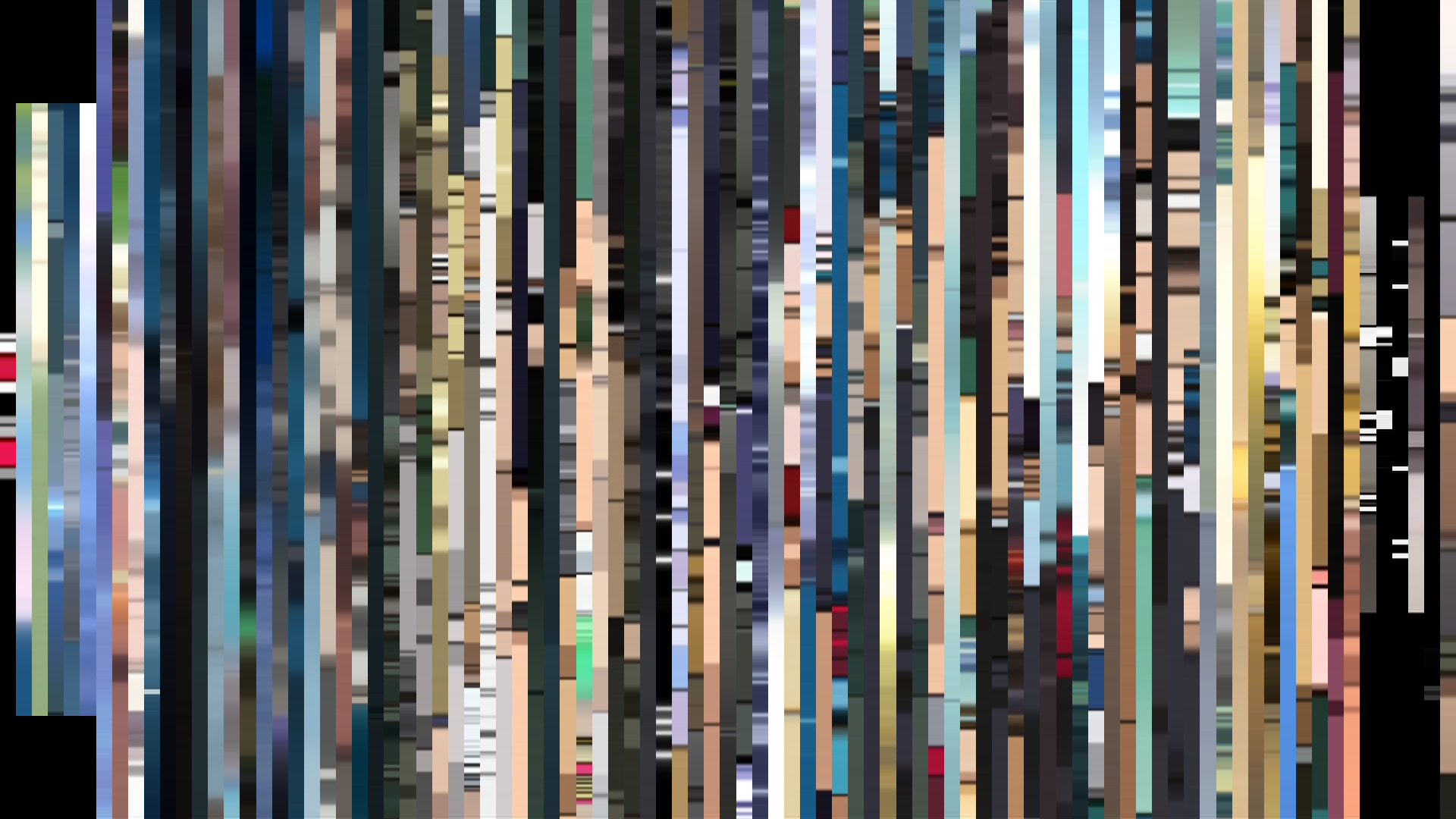
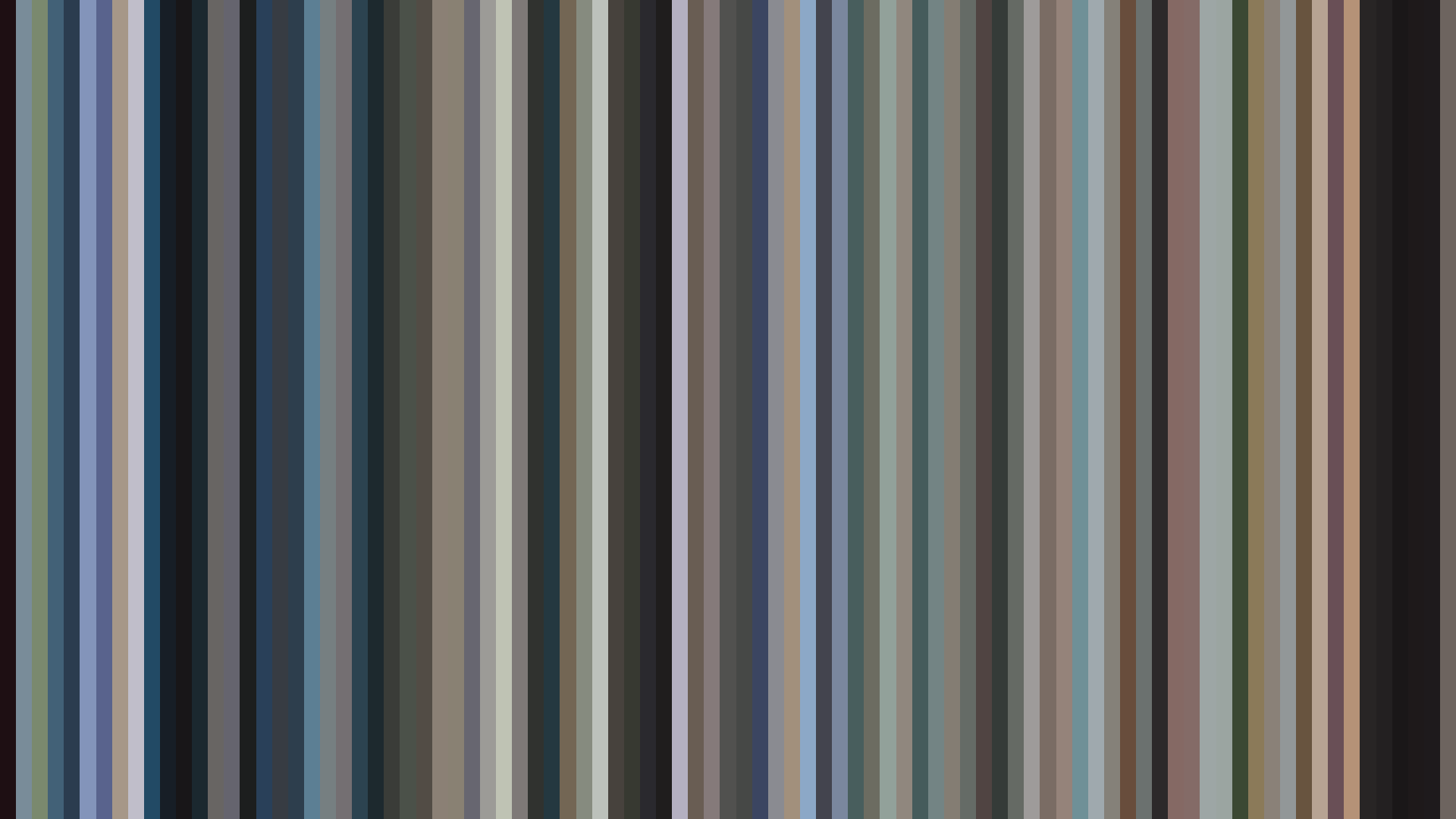
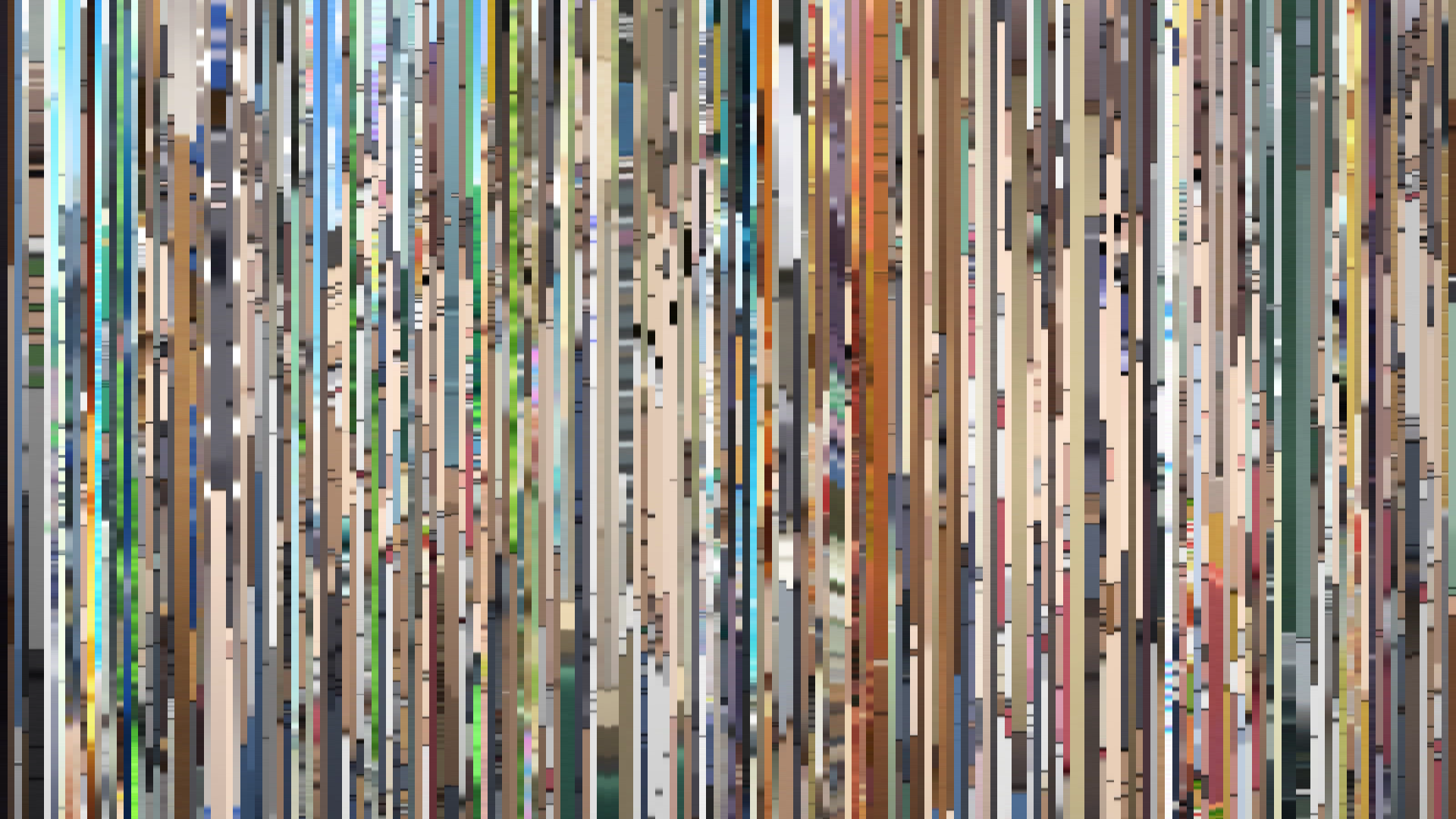
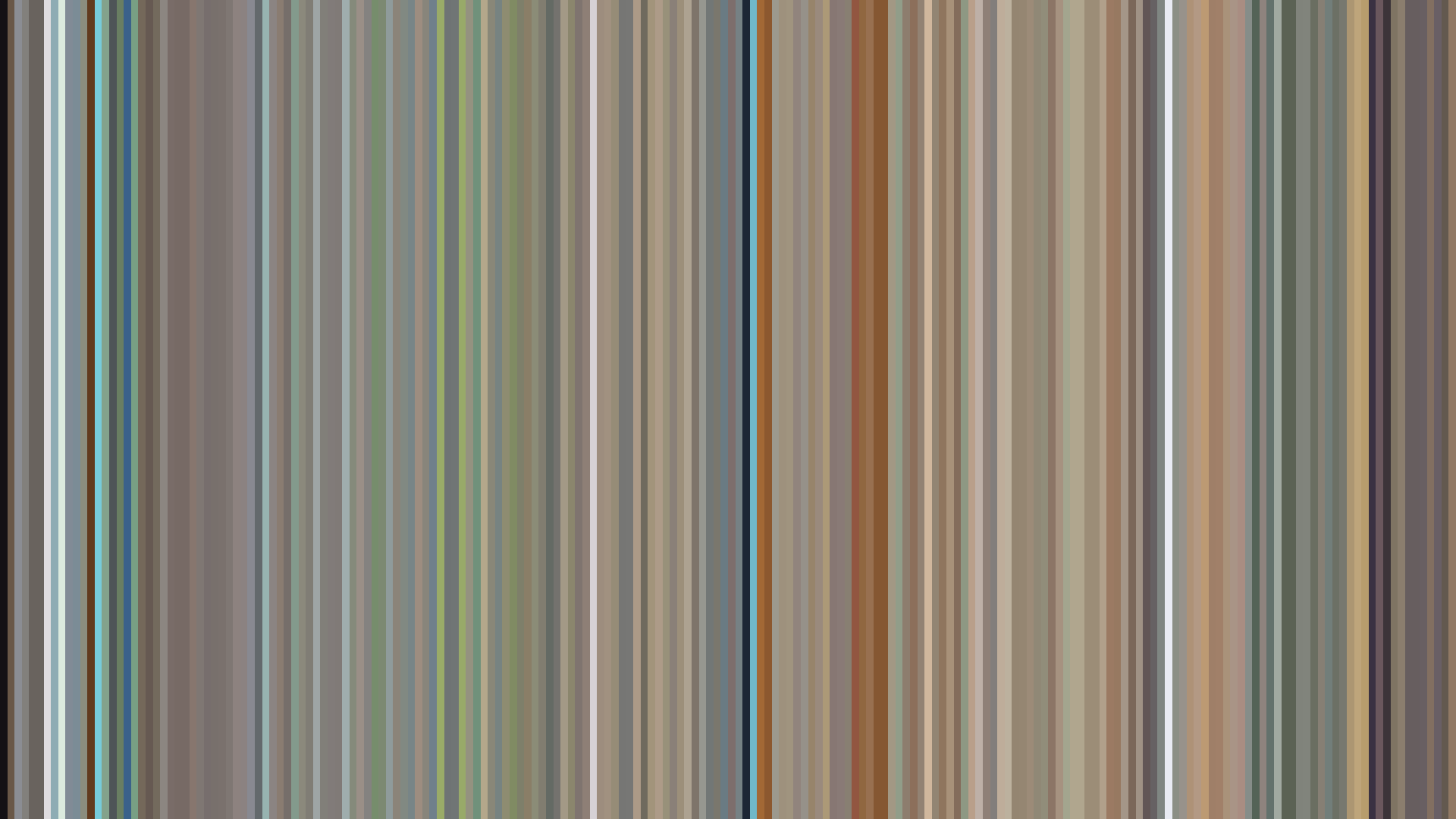
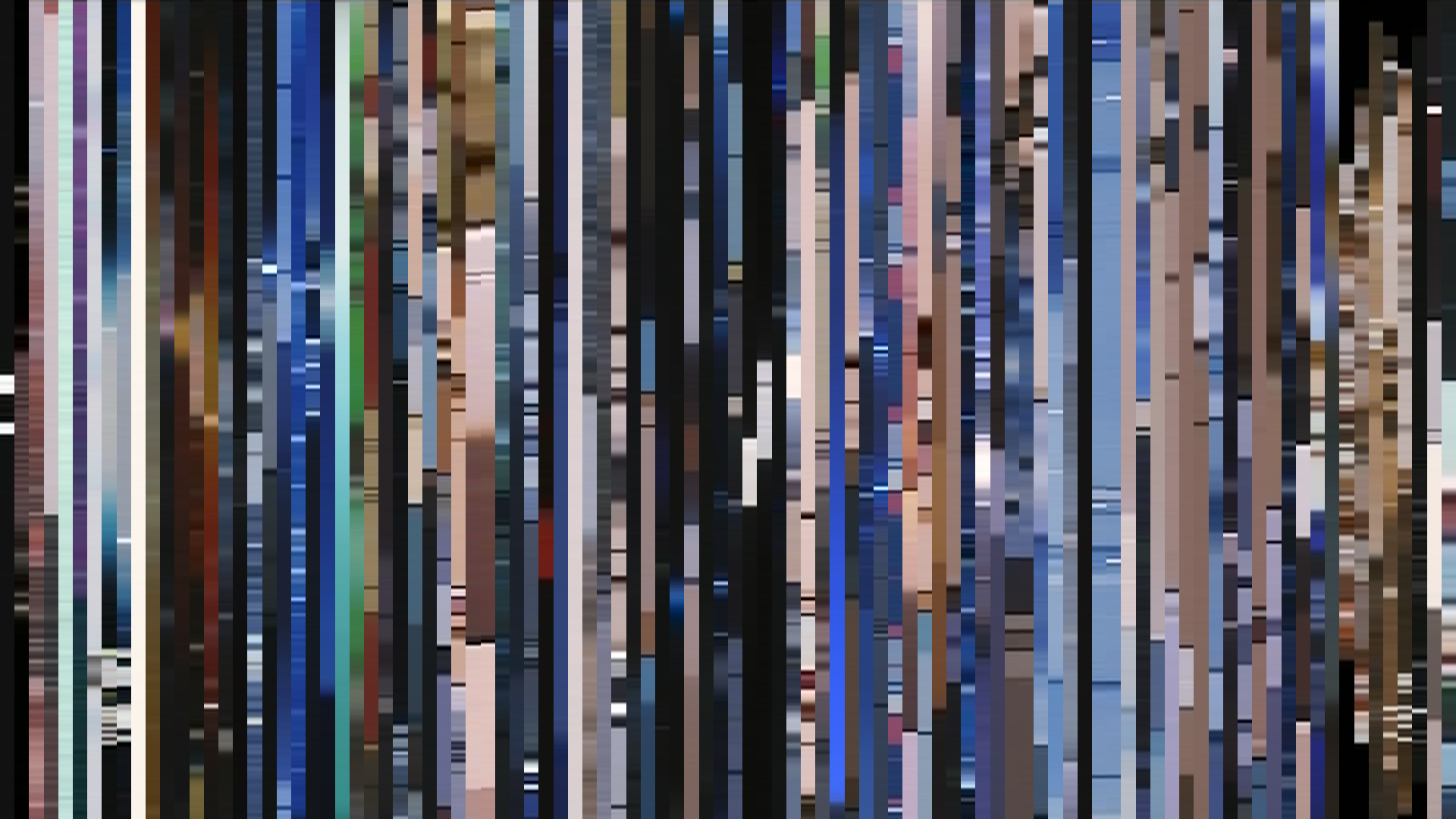
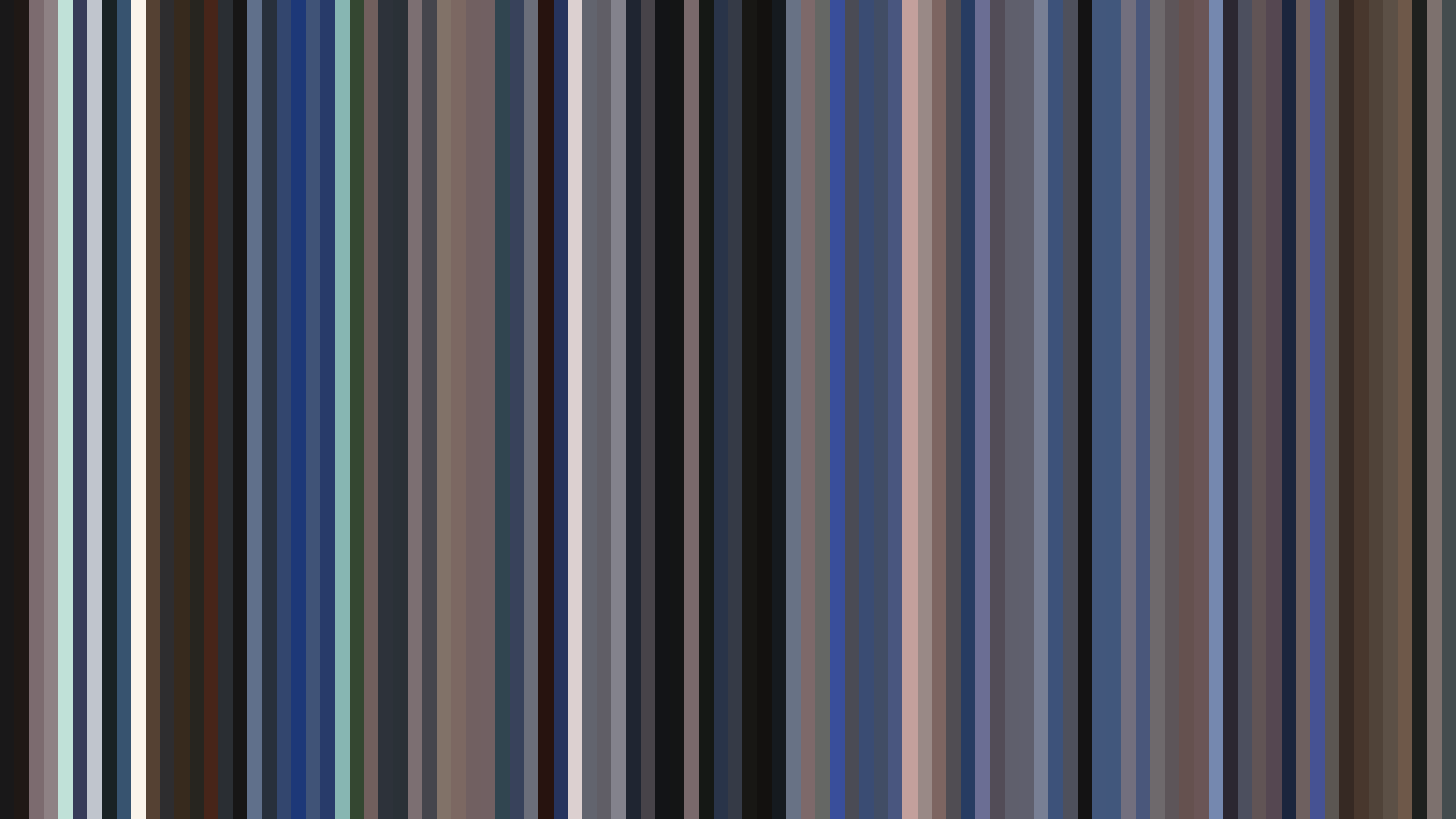
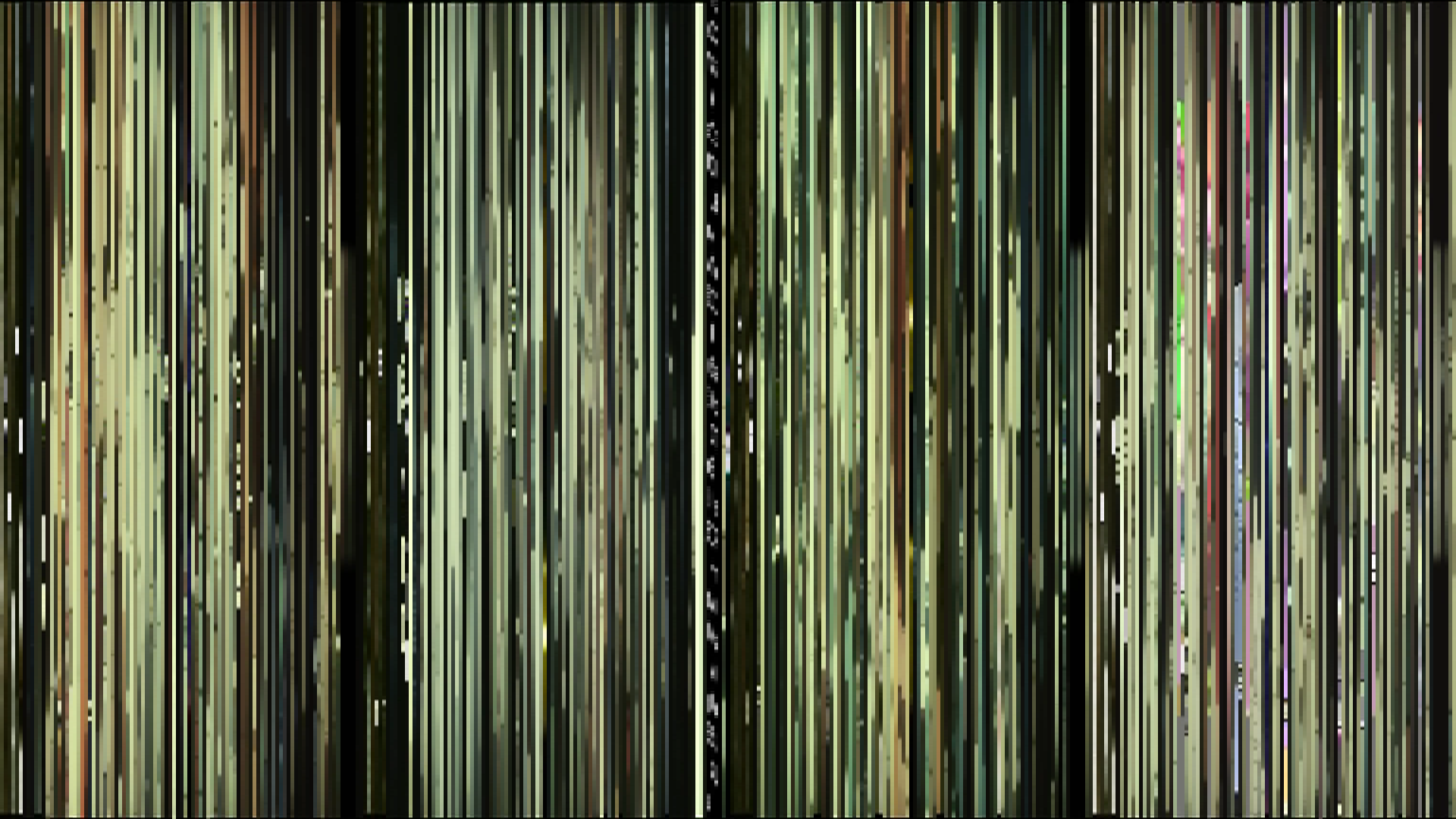
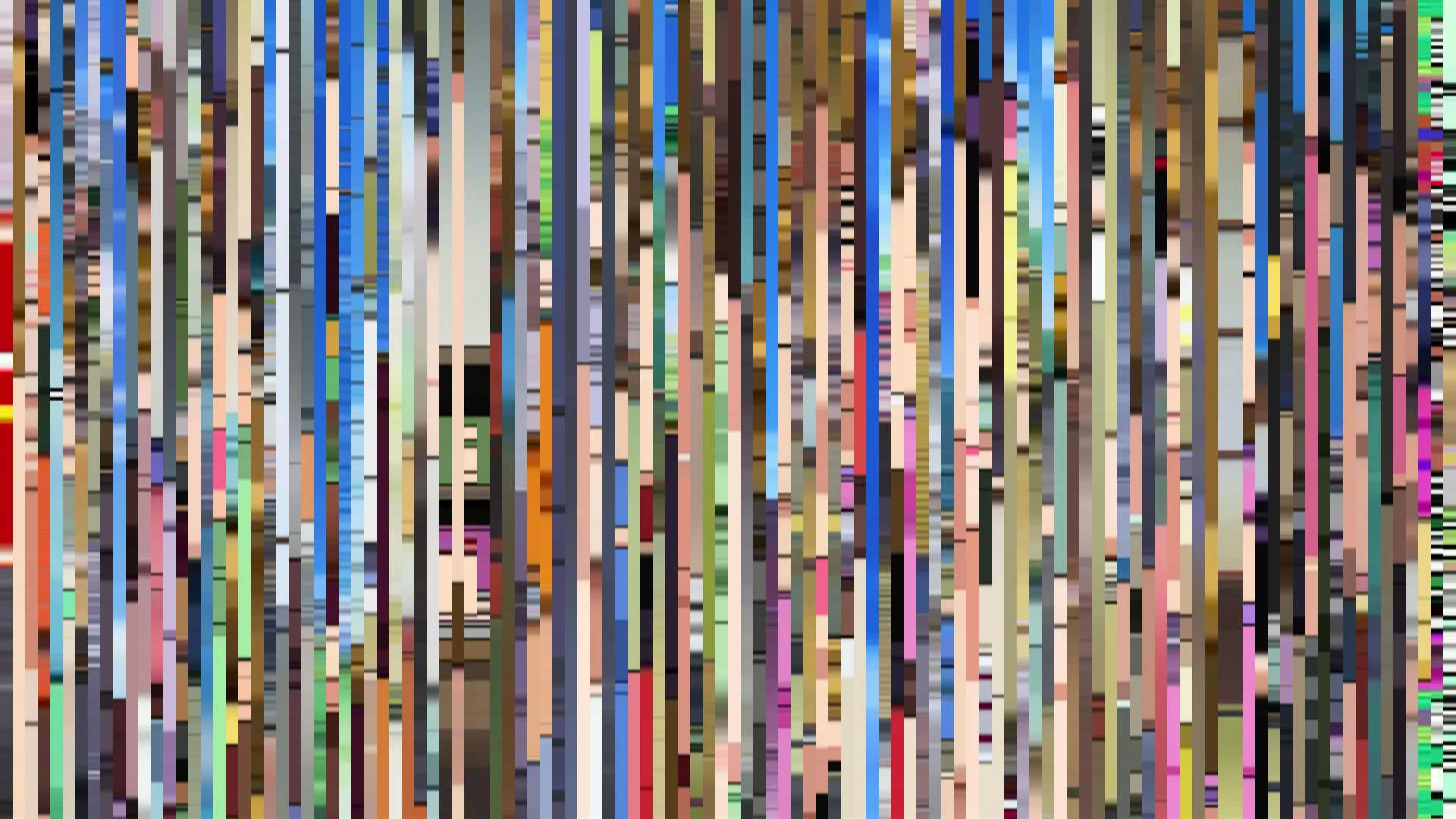
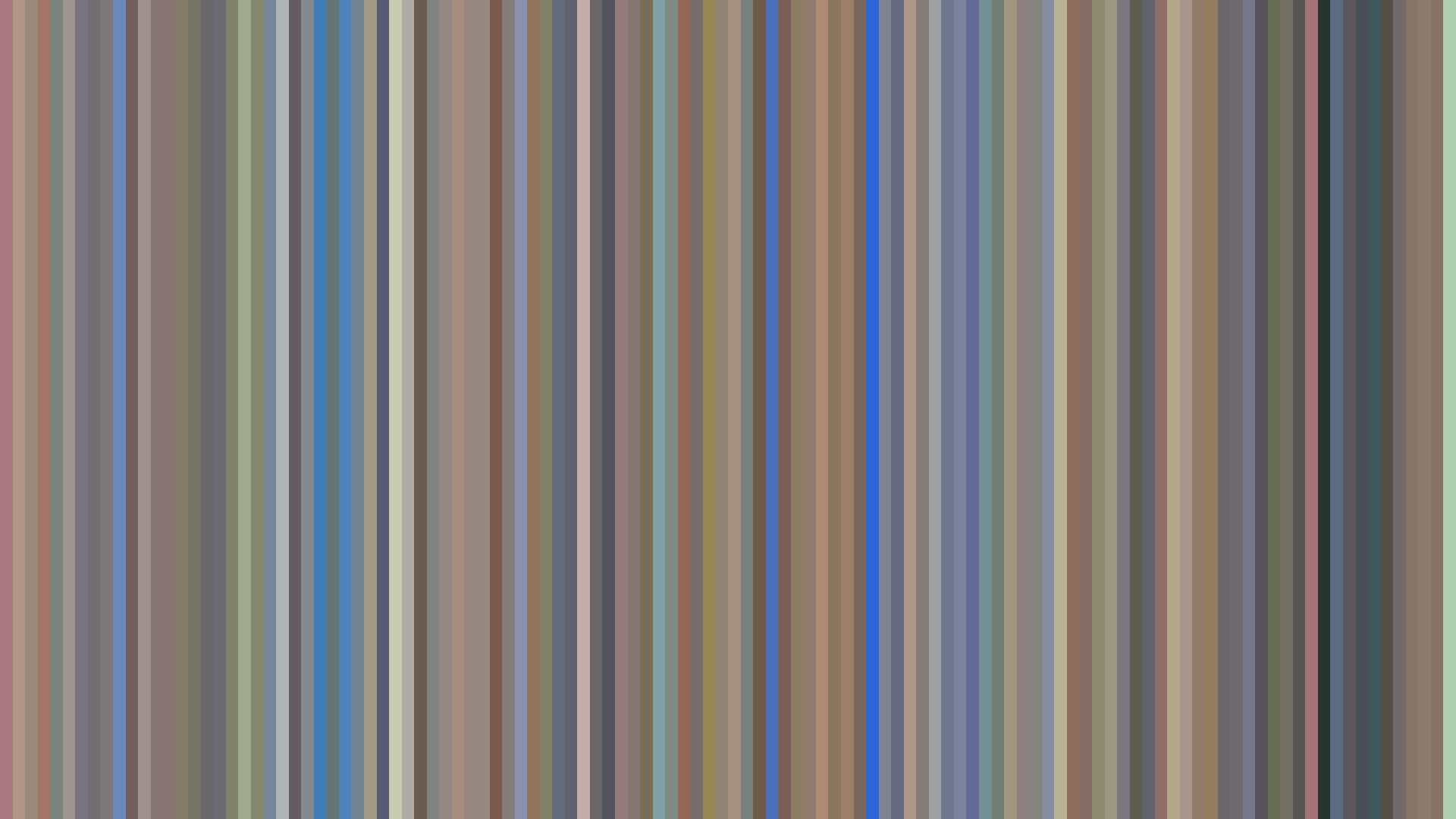
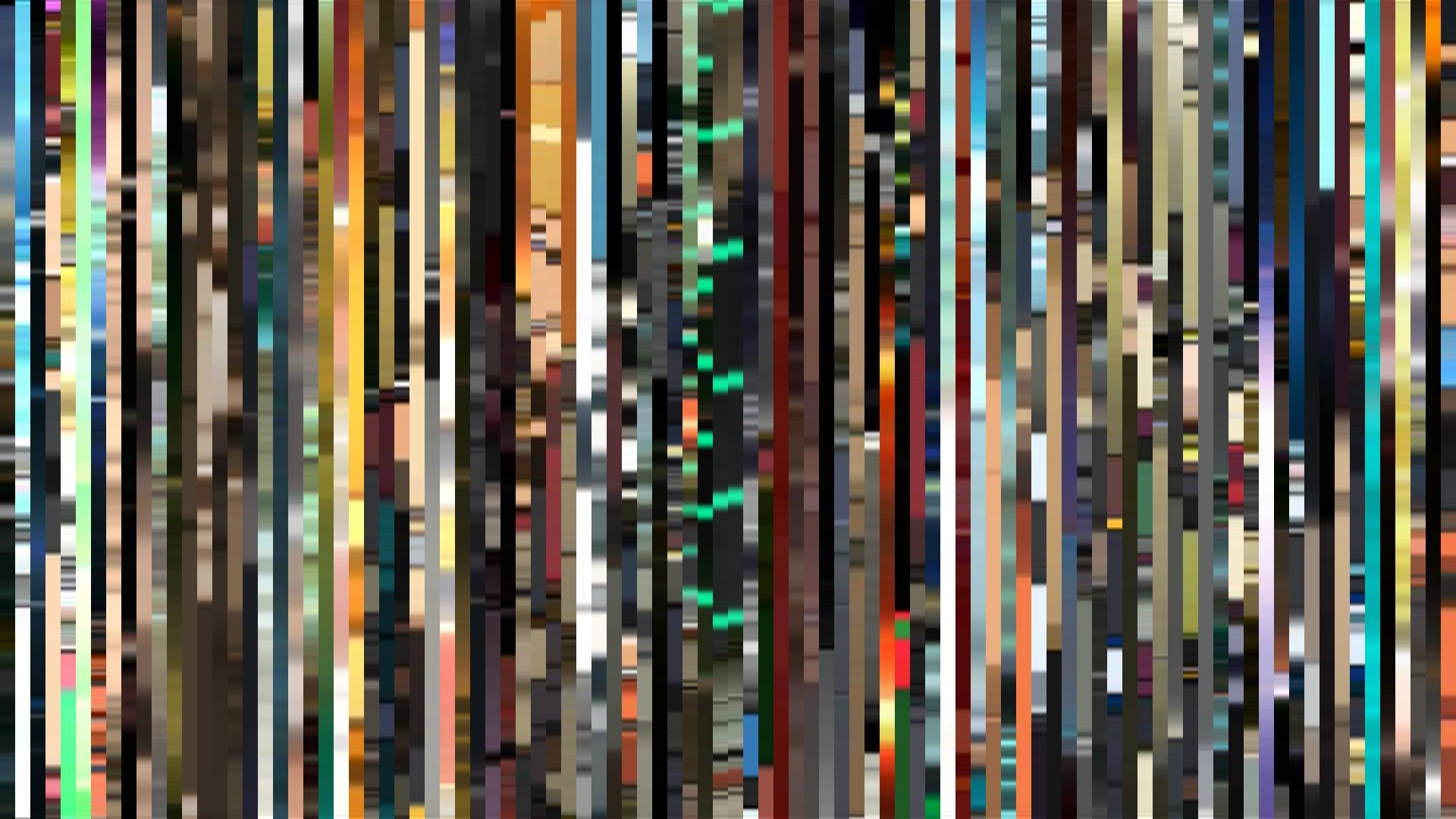
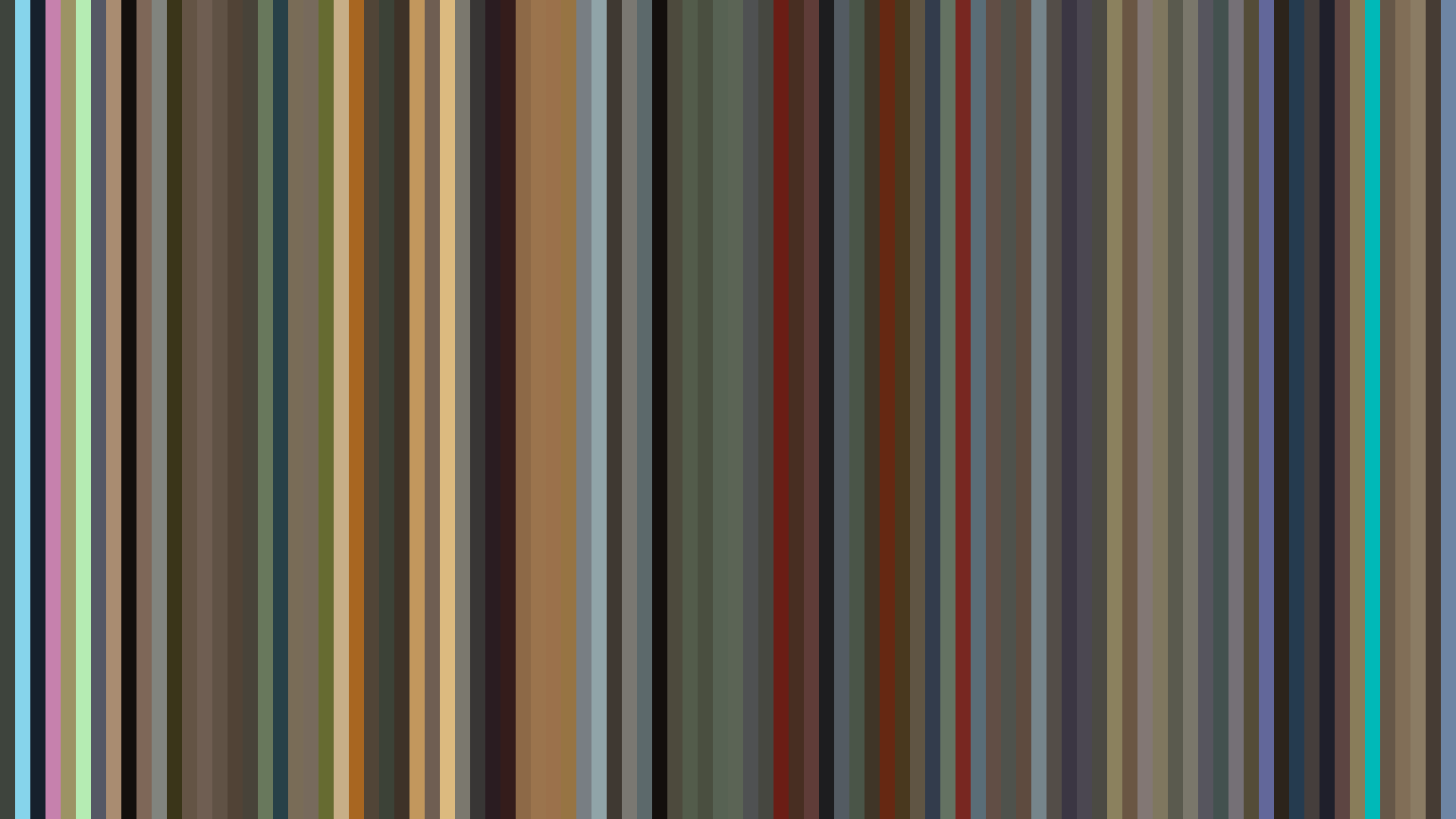
Frame Density Comparison — every 2nd vs every 4th frame
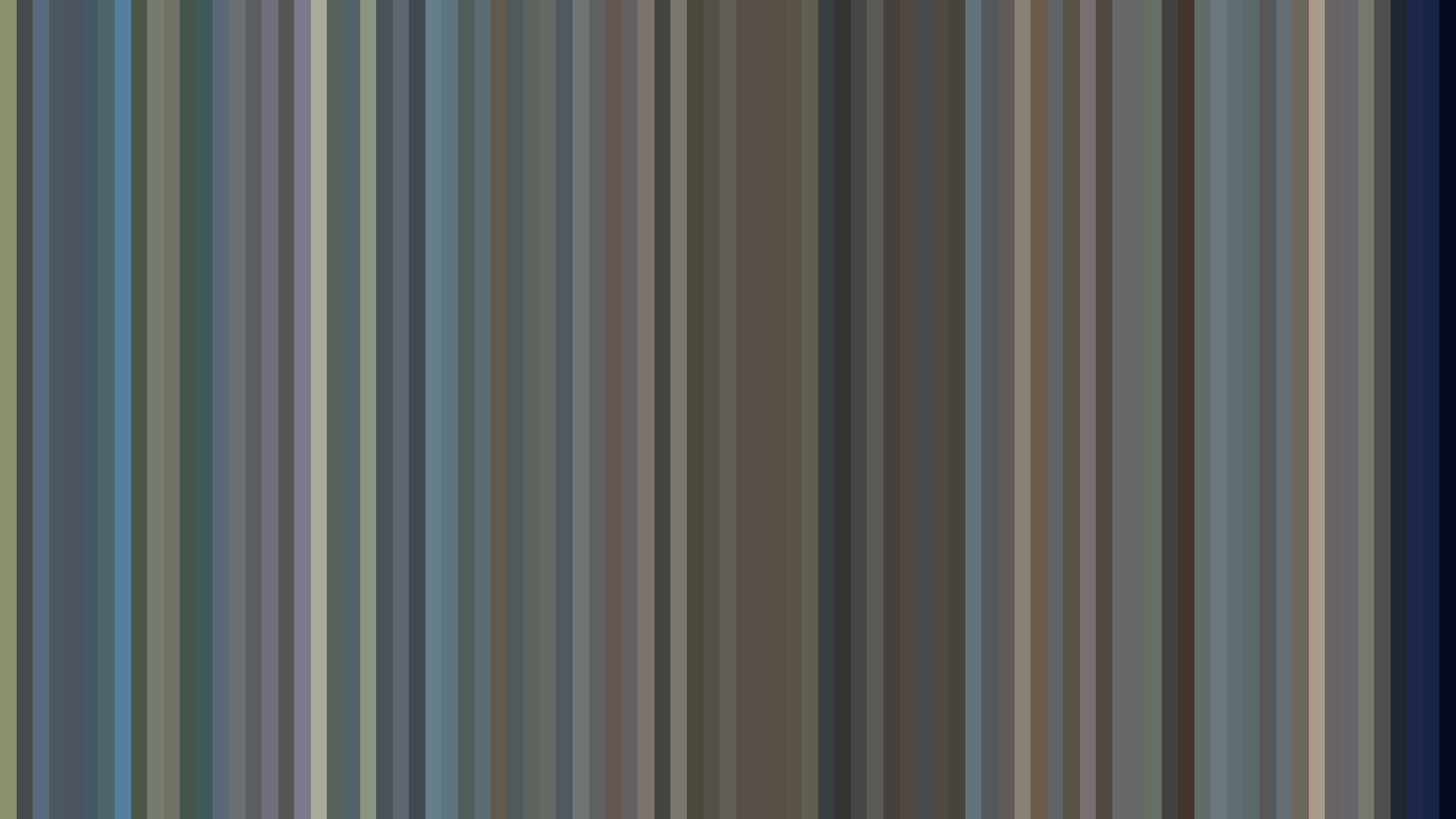
Slice · 15s
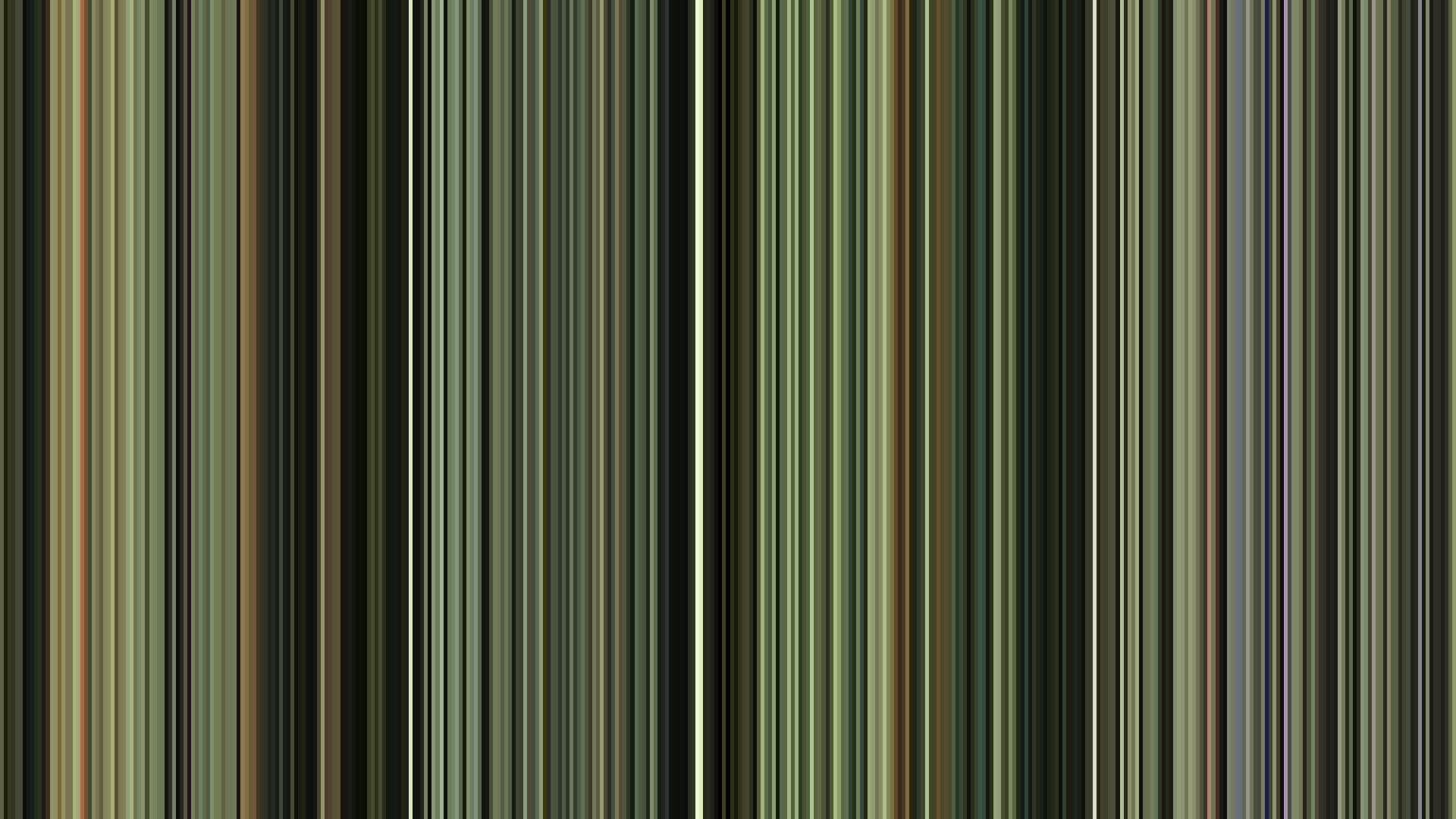
Avg · 15s
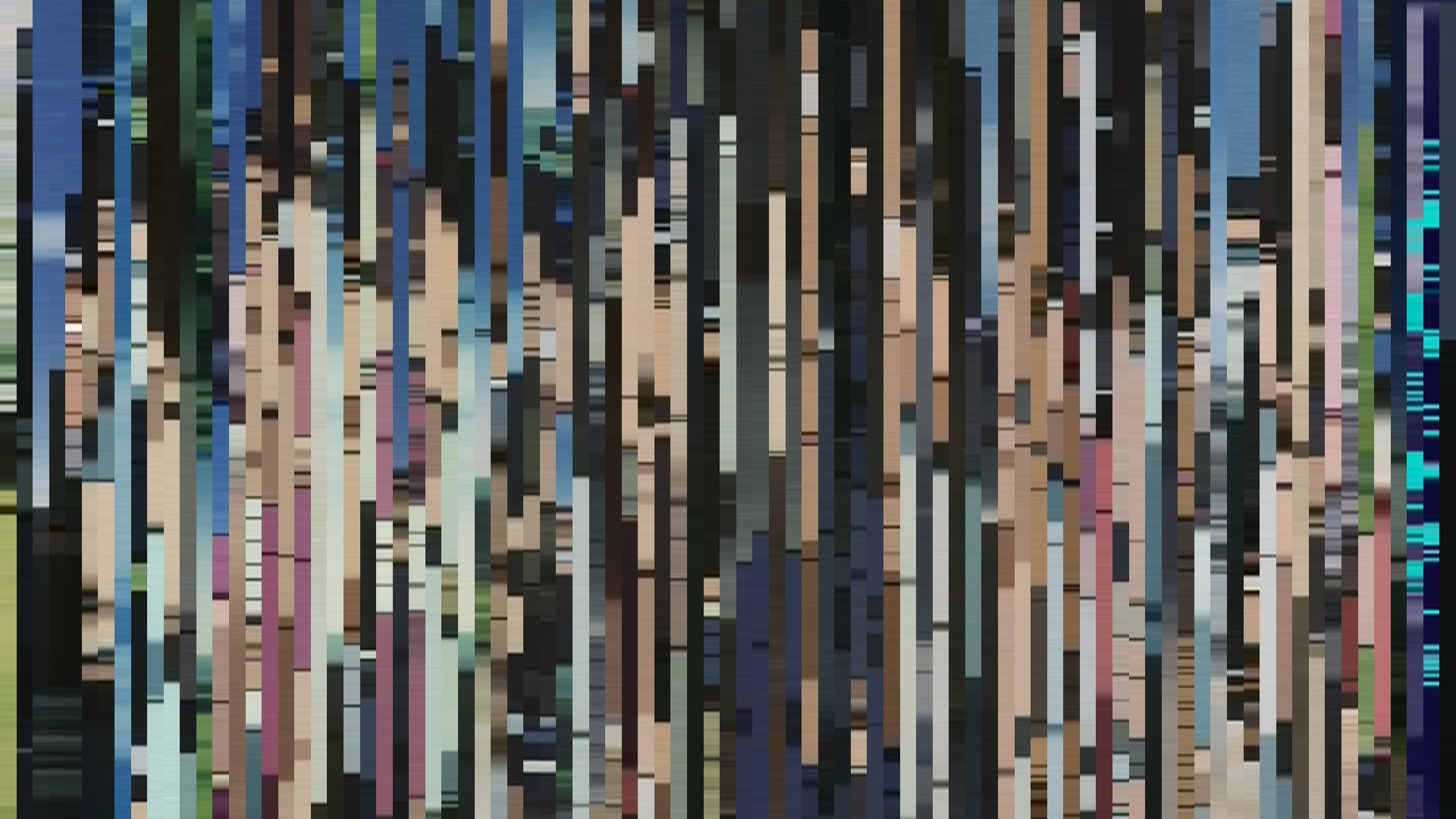
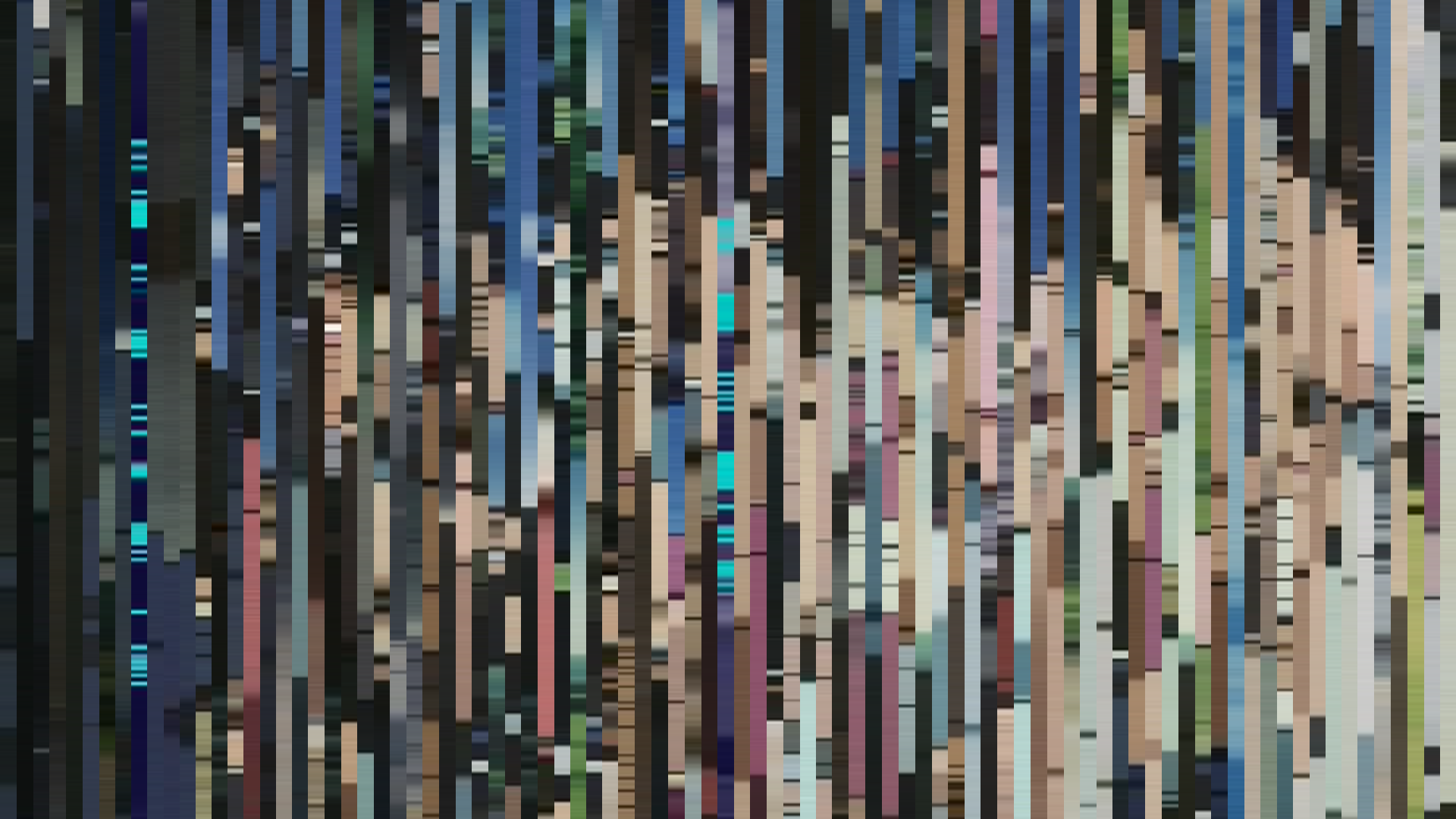
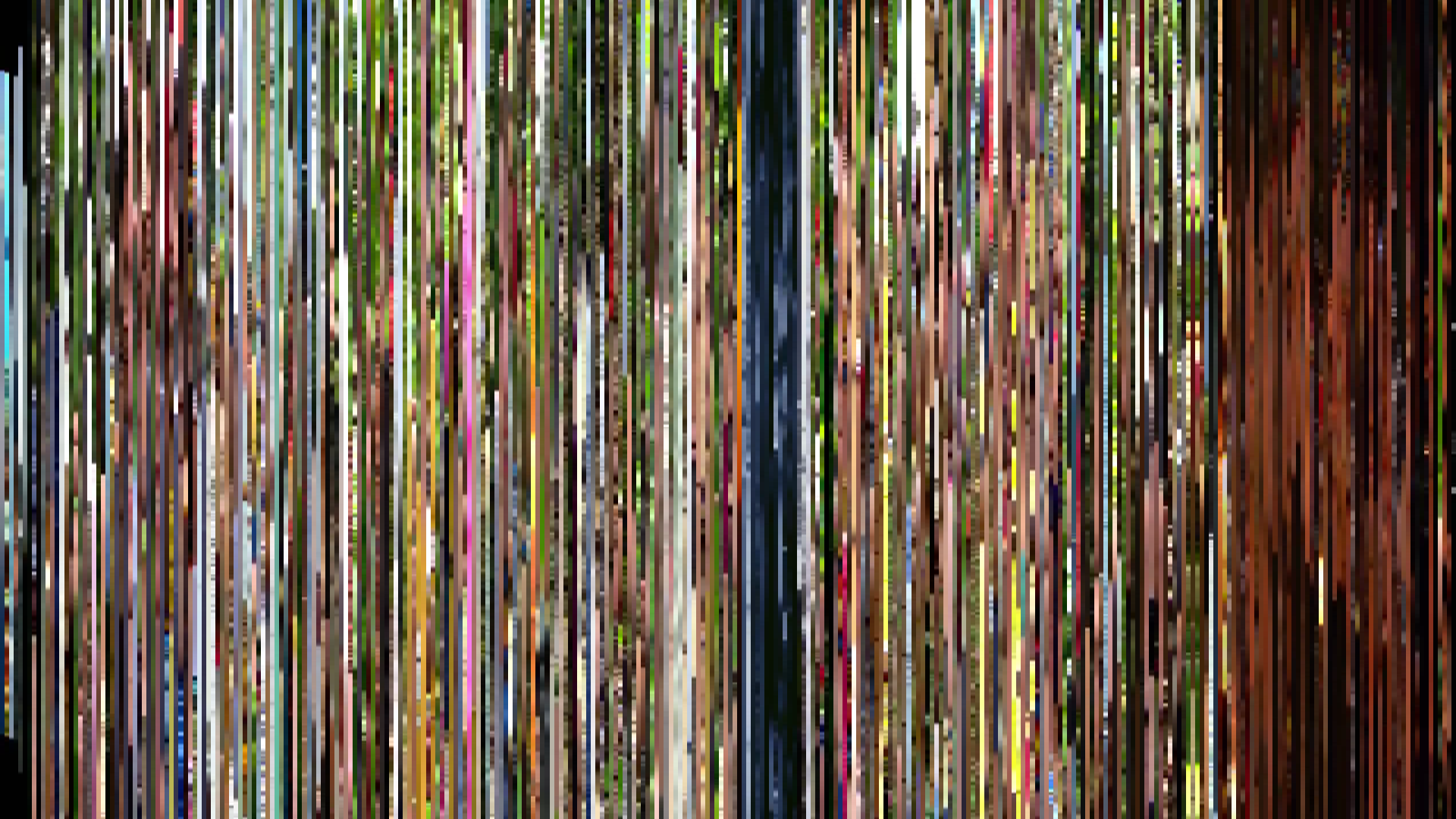
Slice · 30s
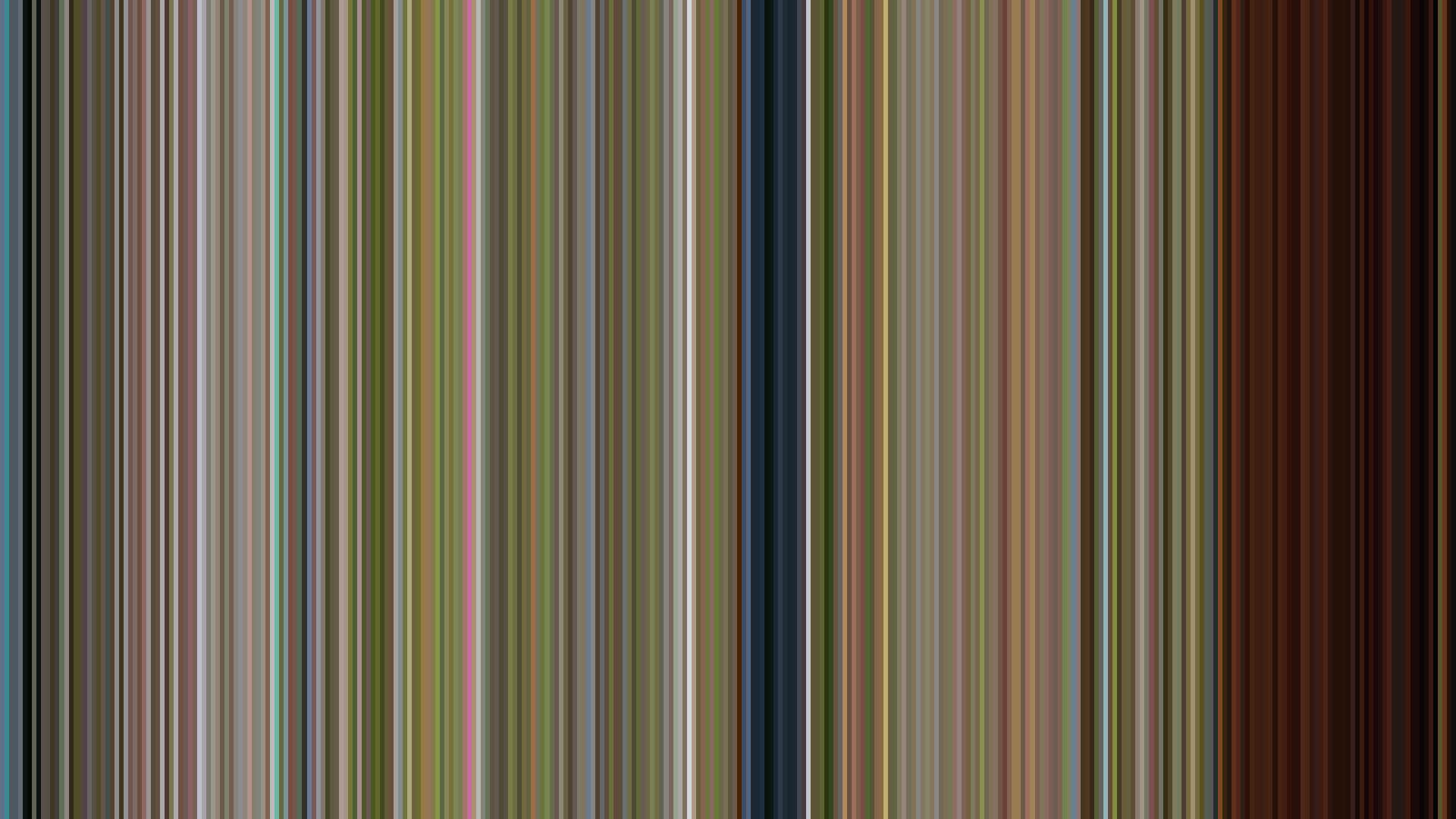
Avg · 30s
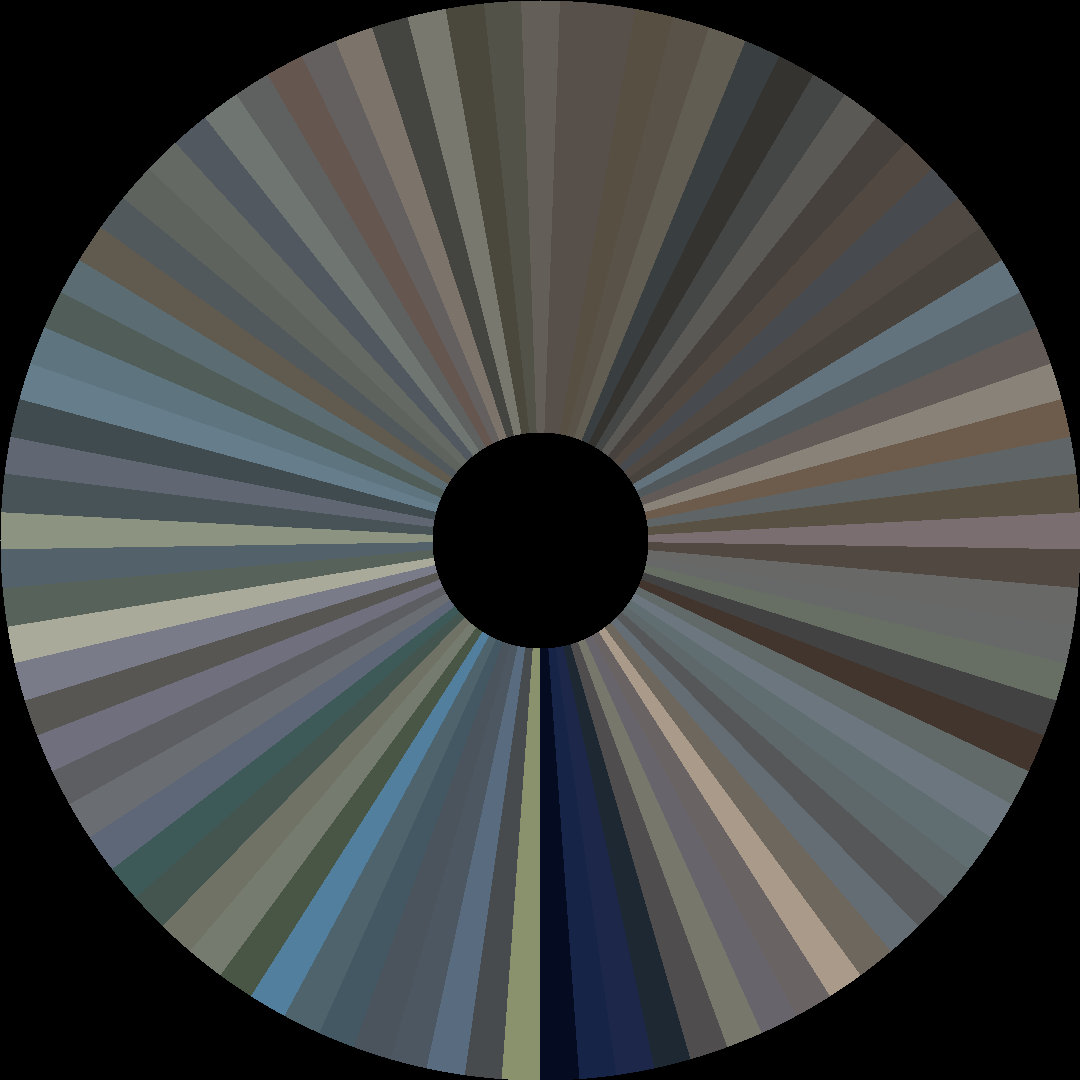
The palette is a study in dust and restraint—muted earth tones, desaturated browns and olives, with Red-Orange barely asserting itself at 24%. This is not the saturated, high-contrast samurai anime of the late 90s. Madhouse’s *Tsukikage Ran* commits to a arc-down (dark midpoint) that mirrors its wandering structure: the opening act bathes in a warm, almost sepia-lit 0.574 brightness, a false promise of comedic lightness, before the middle plunges to 0.409—the visual equivalent of a ronin’s midday rest in shadow. The closing recovers to 0.548, but never returns to the opening’s glow. This isn’t a failure of light; it’s a deliberate narrative arc where the journey wears down the palette. The Green in the top hues (20%) isn’t nature’s vibrancy but the muted sage of bamboo thickets and worn fabric. With an average saturation of just 0.185, the show refuses the easy punch of primary colors. This is a road movie where the world is already faded, and Ran and Meow are just two figures moving through it. The brightness doesn’t brighten; it merely remembers.
Brightness Arc (episode progression)
Hue Distribution
Act Breakdown
Opening
0.574
Middle
0.409
Closing
0.548
Avg Brightness
0.371
Avg Saturation
0.185
Warmth
0.517
Color Palette
#222423
#5E5E59
#A7A399
#8F6F65
#9F8C72
#2D3649
#C7B29F
#334B61
3-Act Color Story
Opening
Middle
Closing
Color Twins
Perceptually nearest palettes — measured in OKLab space, not RGB






The palette is a study in dust and restraint—muted earth tones, desaturated browns and olives, with Red-Orange barely asserting itself at 24%. This is not the saturated, high-contrast samurai anime of the late 90s. Madhouse’s *Tsukikage Ran* commits to a arc-down (dark midpoint) that mirrors its wandering structure: the opening act bathes in a warm, almost sepia-lit 0.574 brightness, a false promise of comedic lightness, before the middle plunges to 0.409—the visual equivalent of a ronin’s midday rest in shadow. The closing recovers to 0.548, but never returns to the opening’s glow. This isn’t a failure of light; it’s a deliberate narrative arc where the journey wears down the palette. The Green in the top hues (20%) isn’t nature’s vibrancy but the muted sage of bamboo thickets and worn fabric. With an average saturation of just 0.185, the show refuses the easy punch of primary colors. This is a road movie where the world is already faded, and Ran and Meow are just two figures moving through it. The brightness doesn’t brighten; it merely remembers.