Edit Pace — frame-to-frame color delta (bright = fast cuts)
Color Temperature — warm (gold) vs cool (teal) per frame
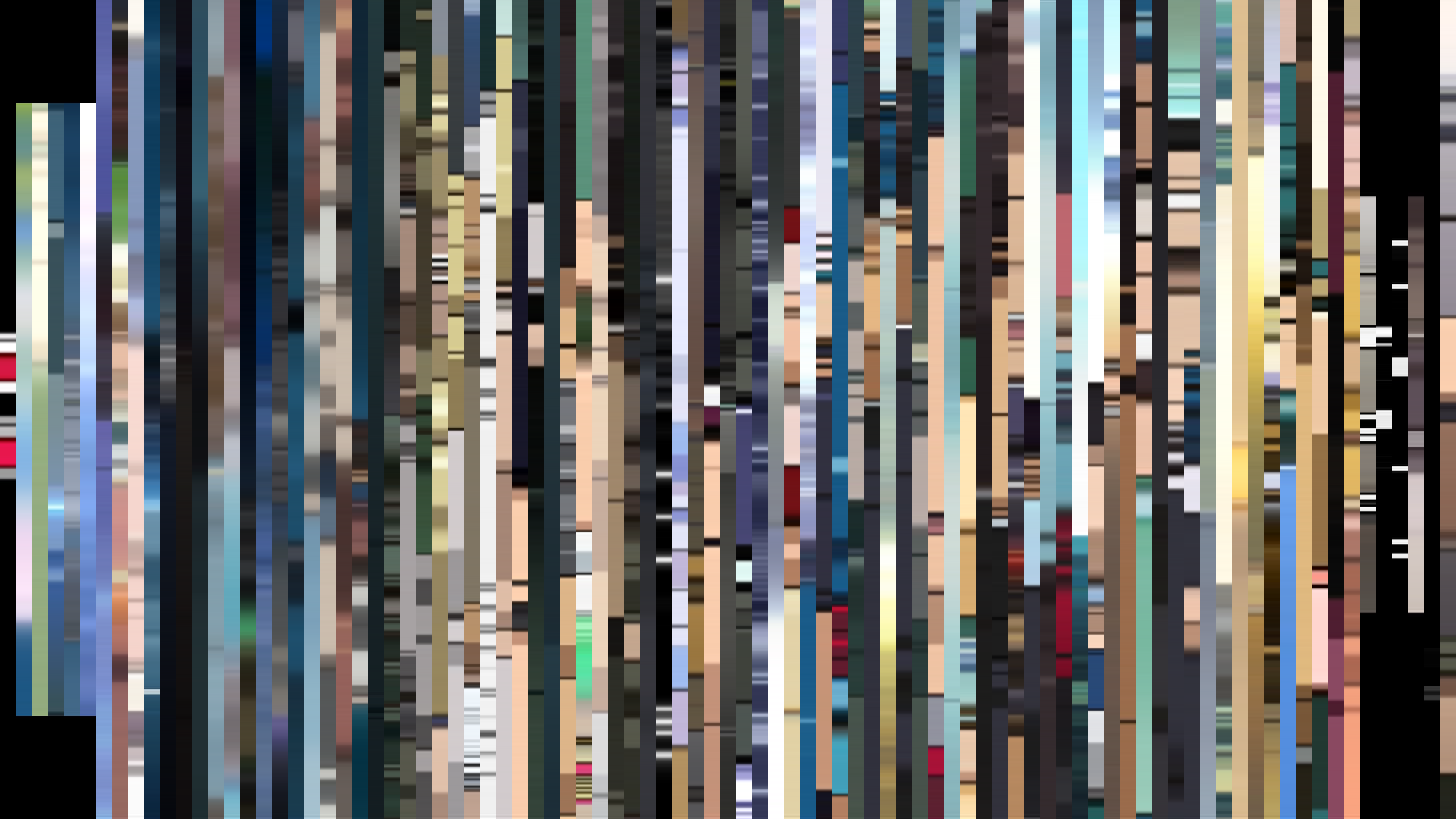
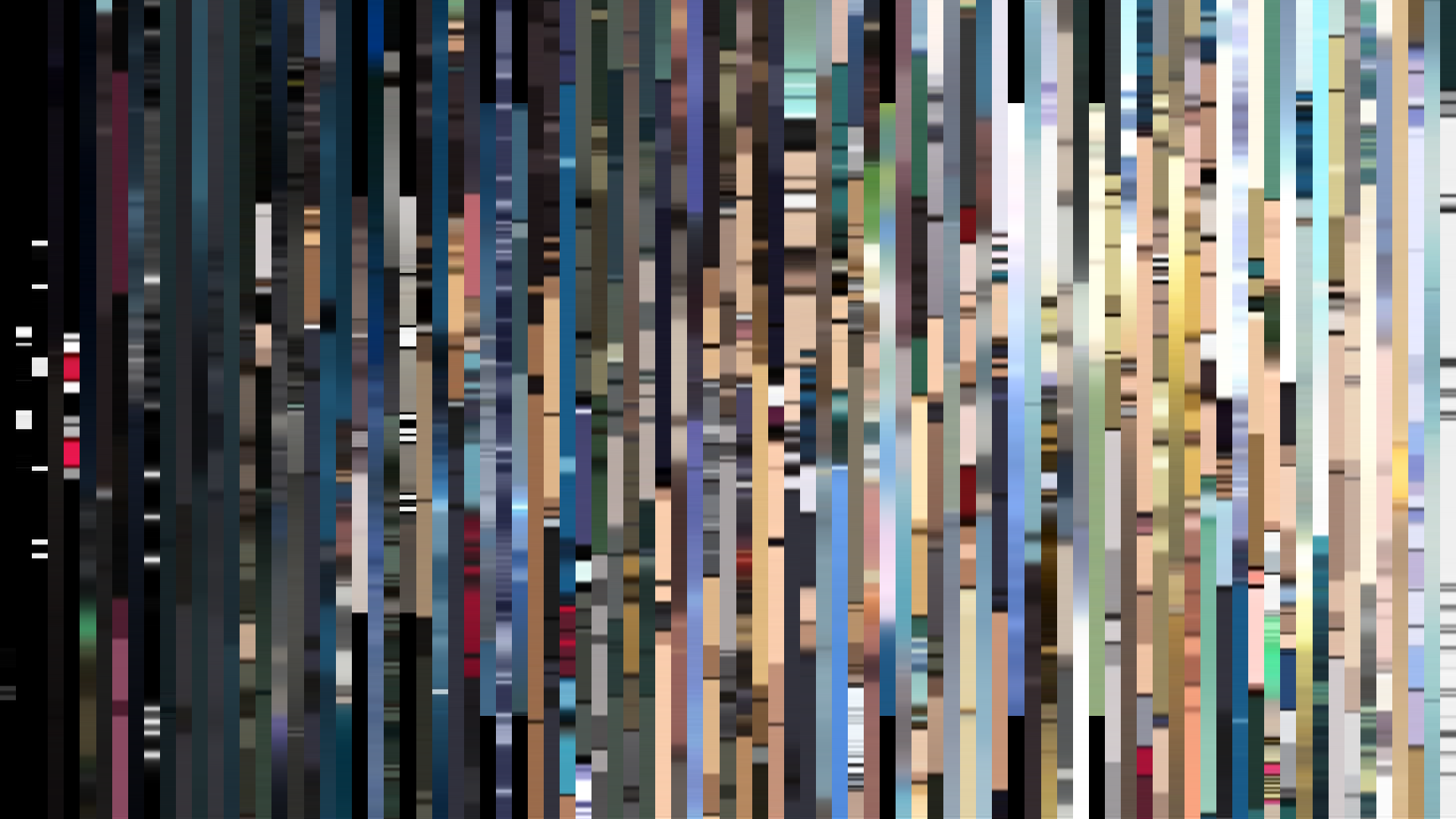
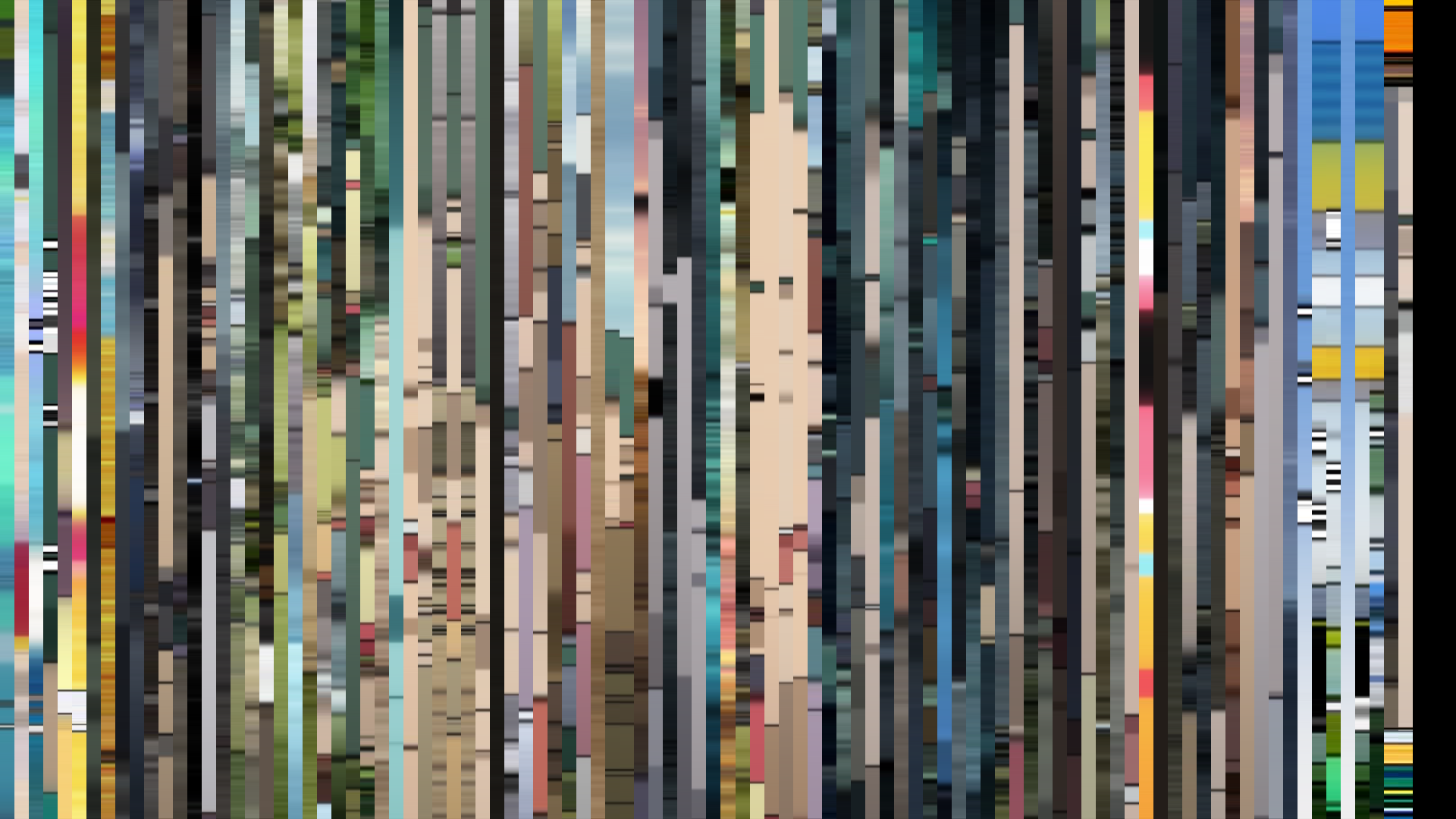
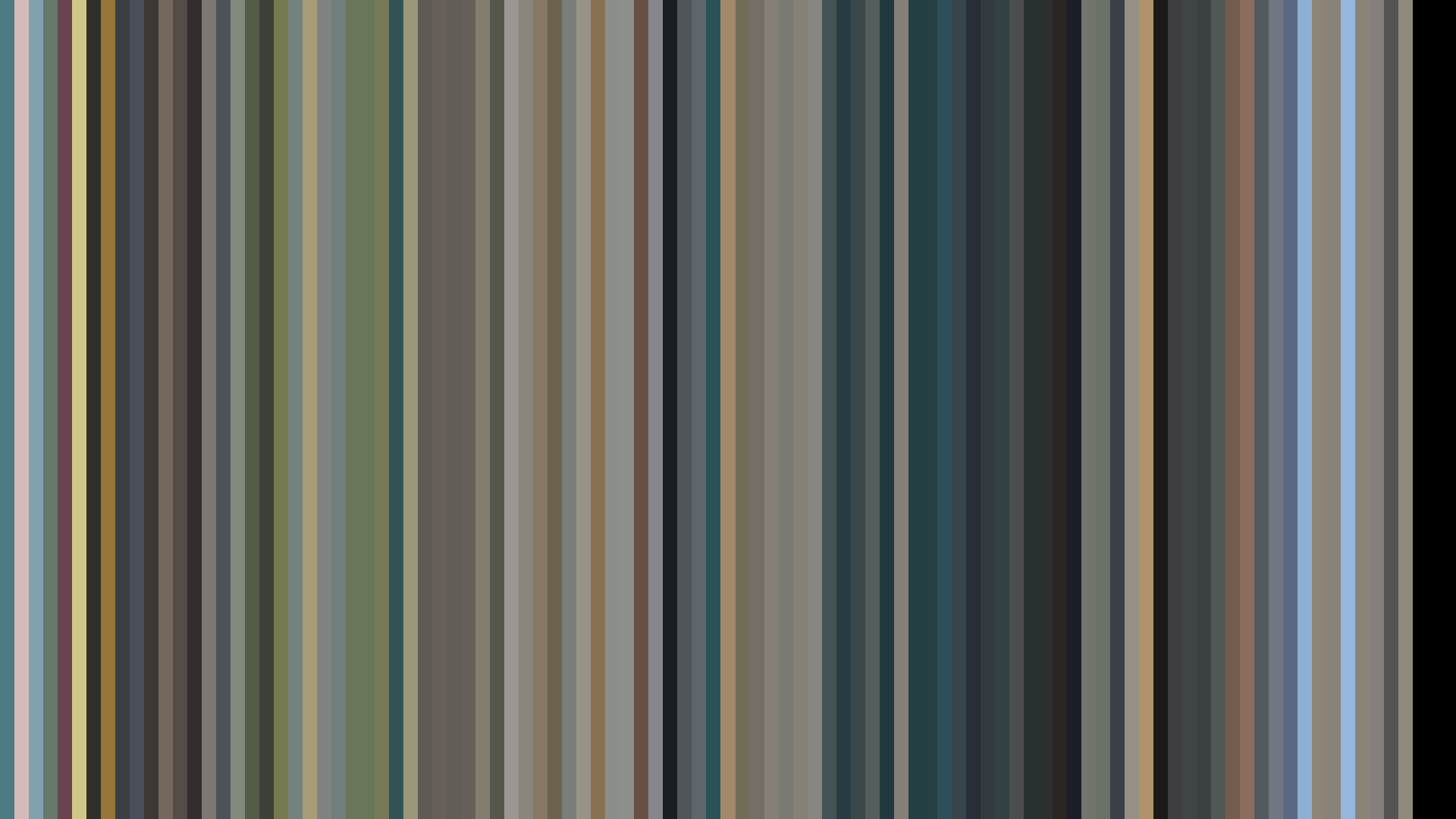
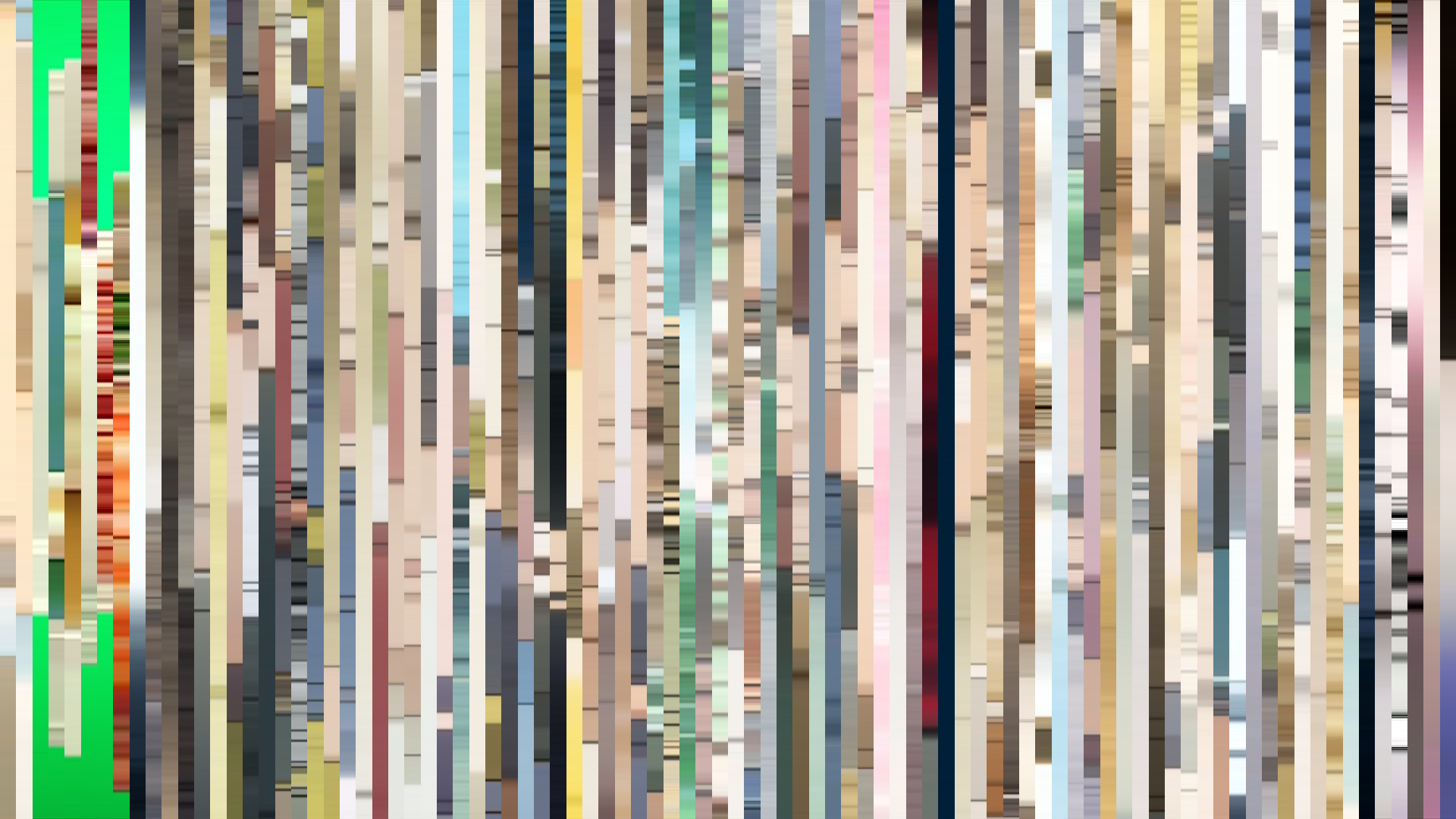
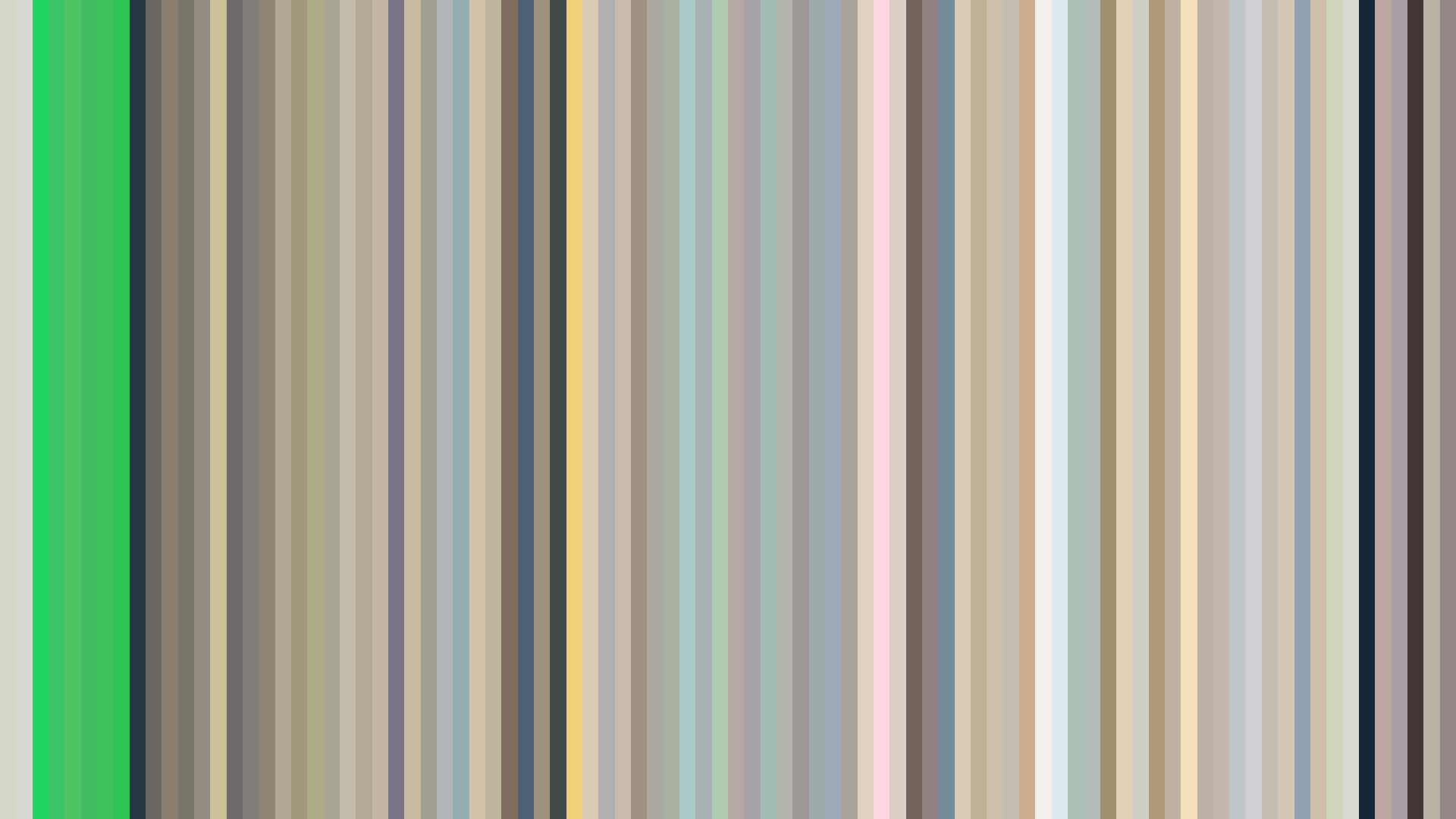
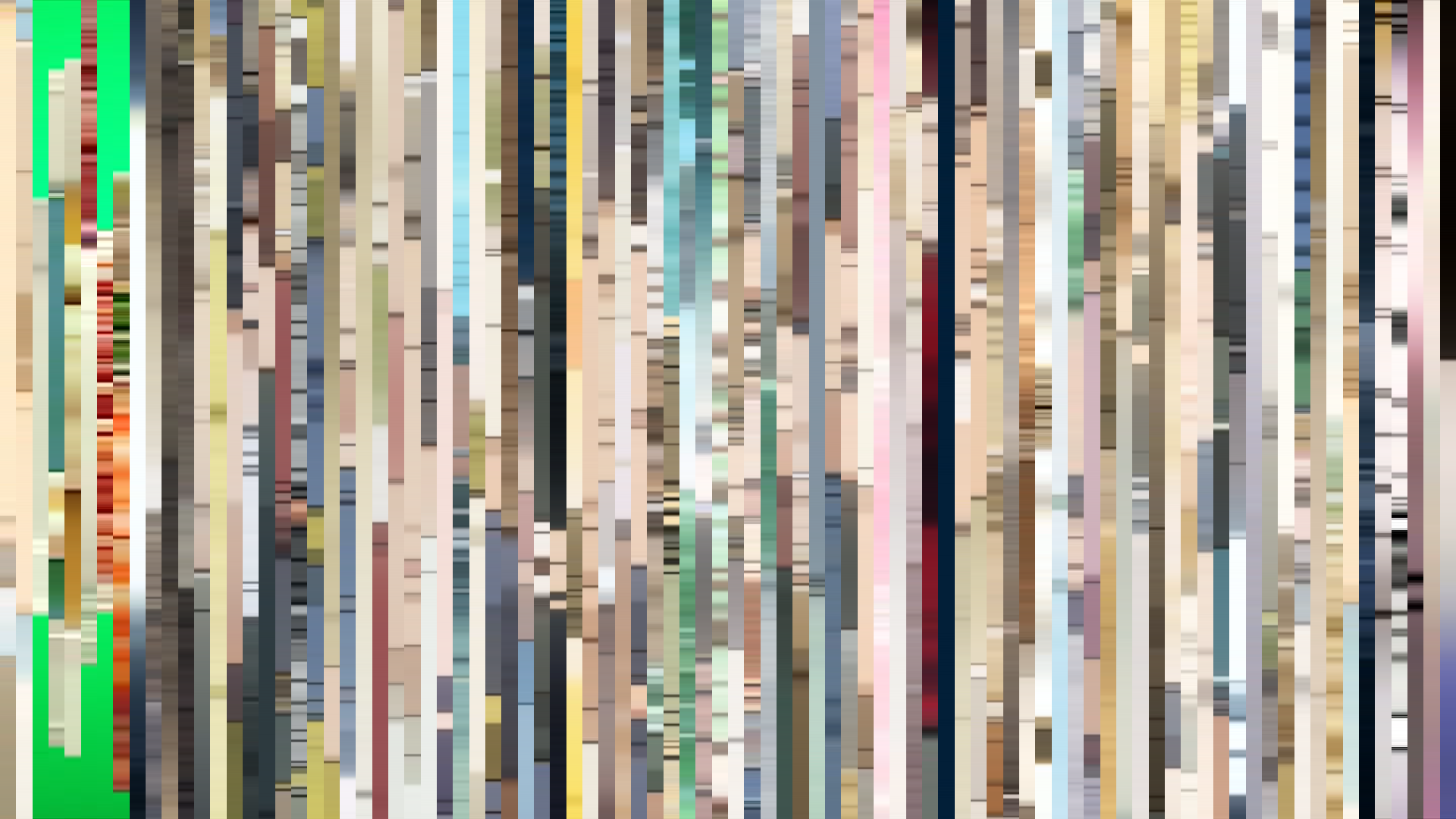
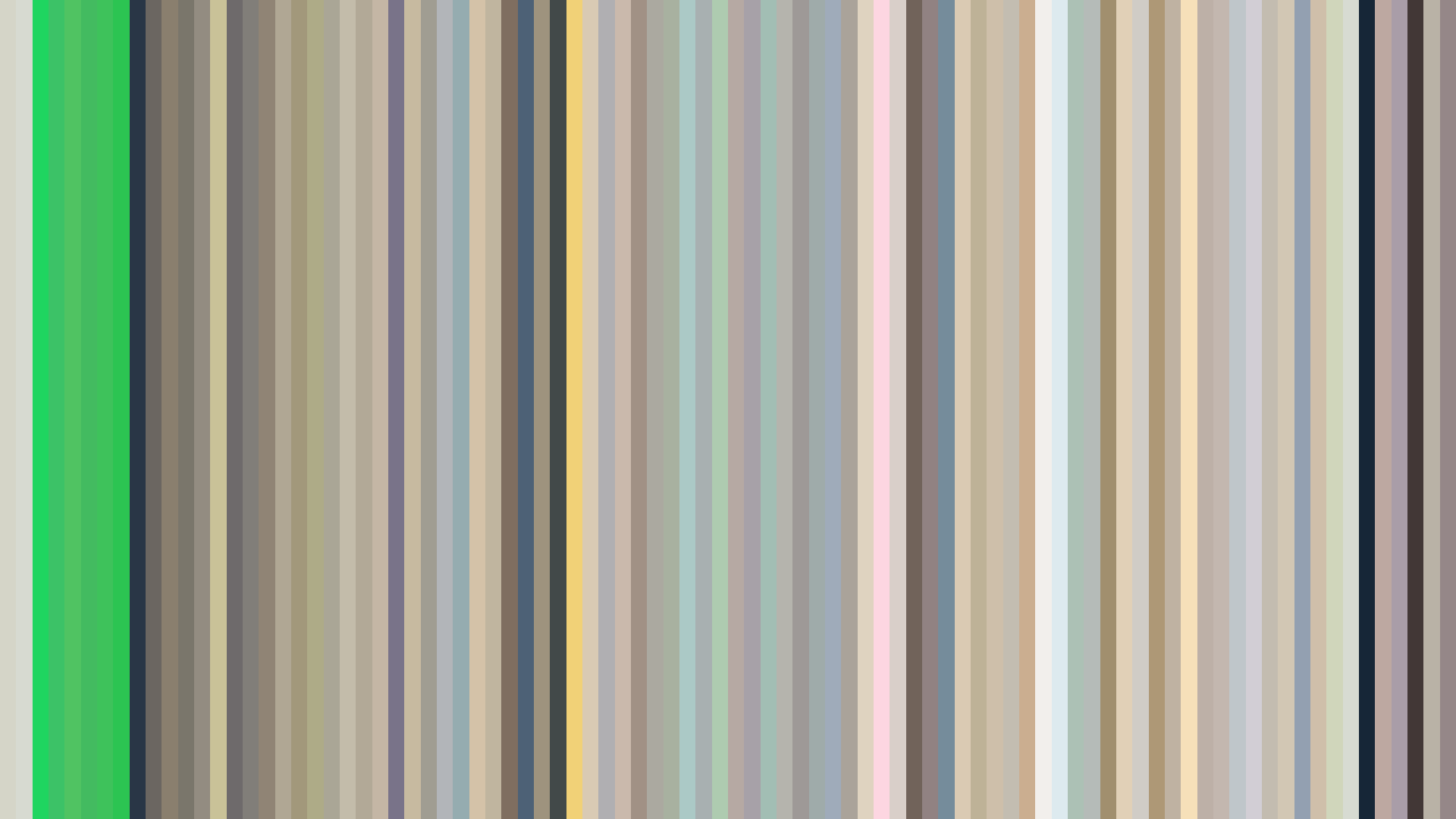
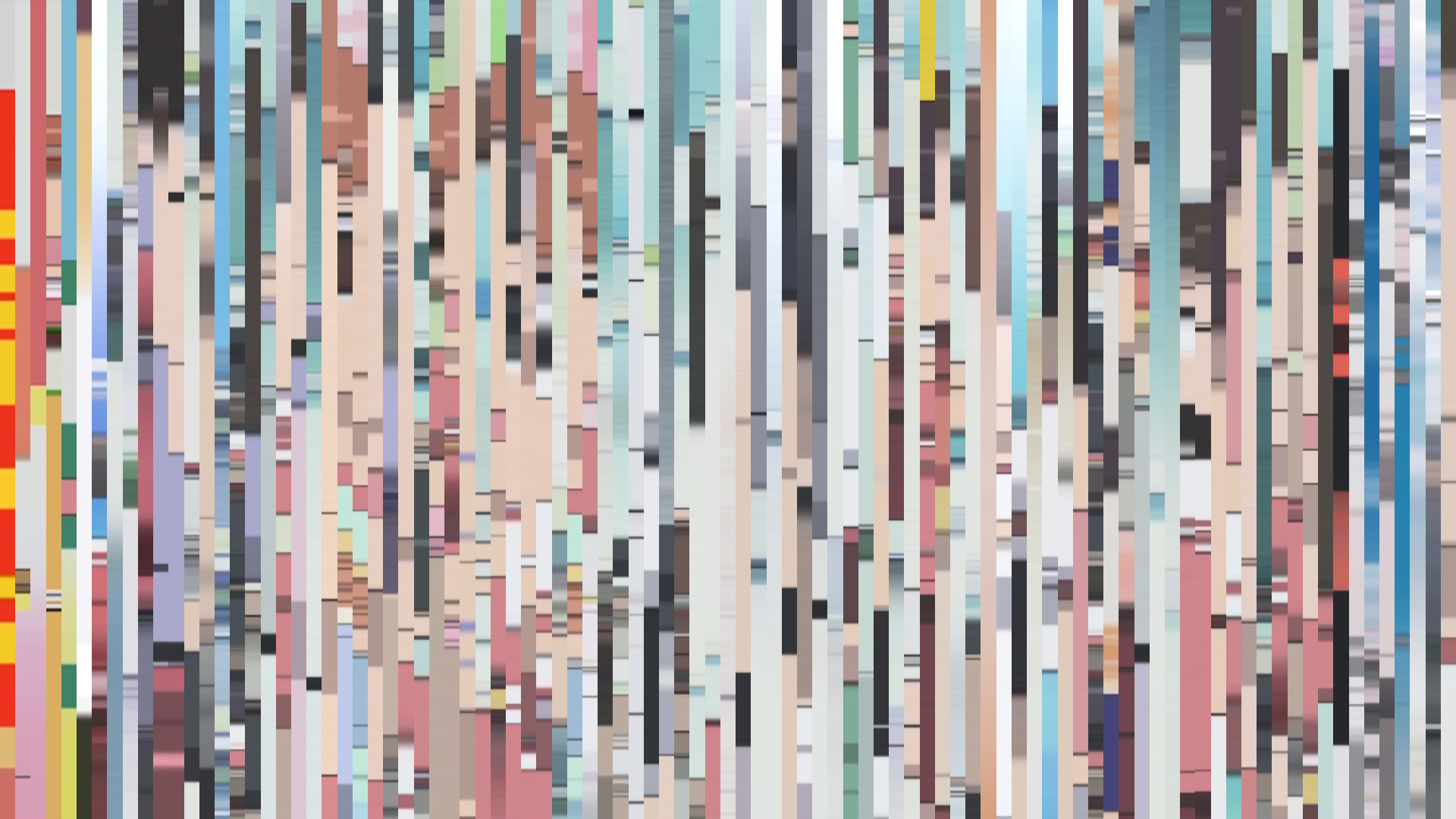
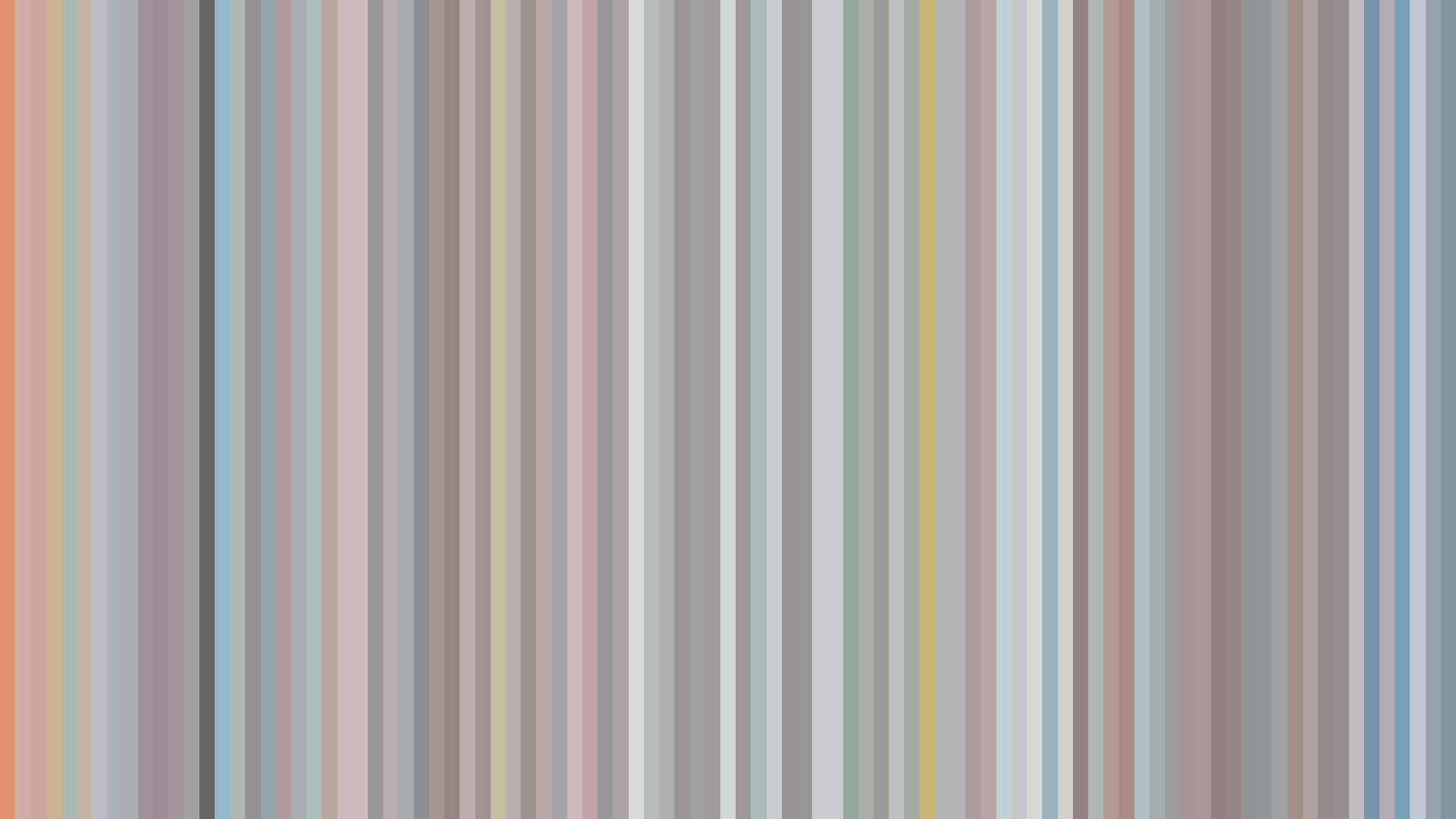
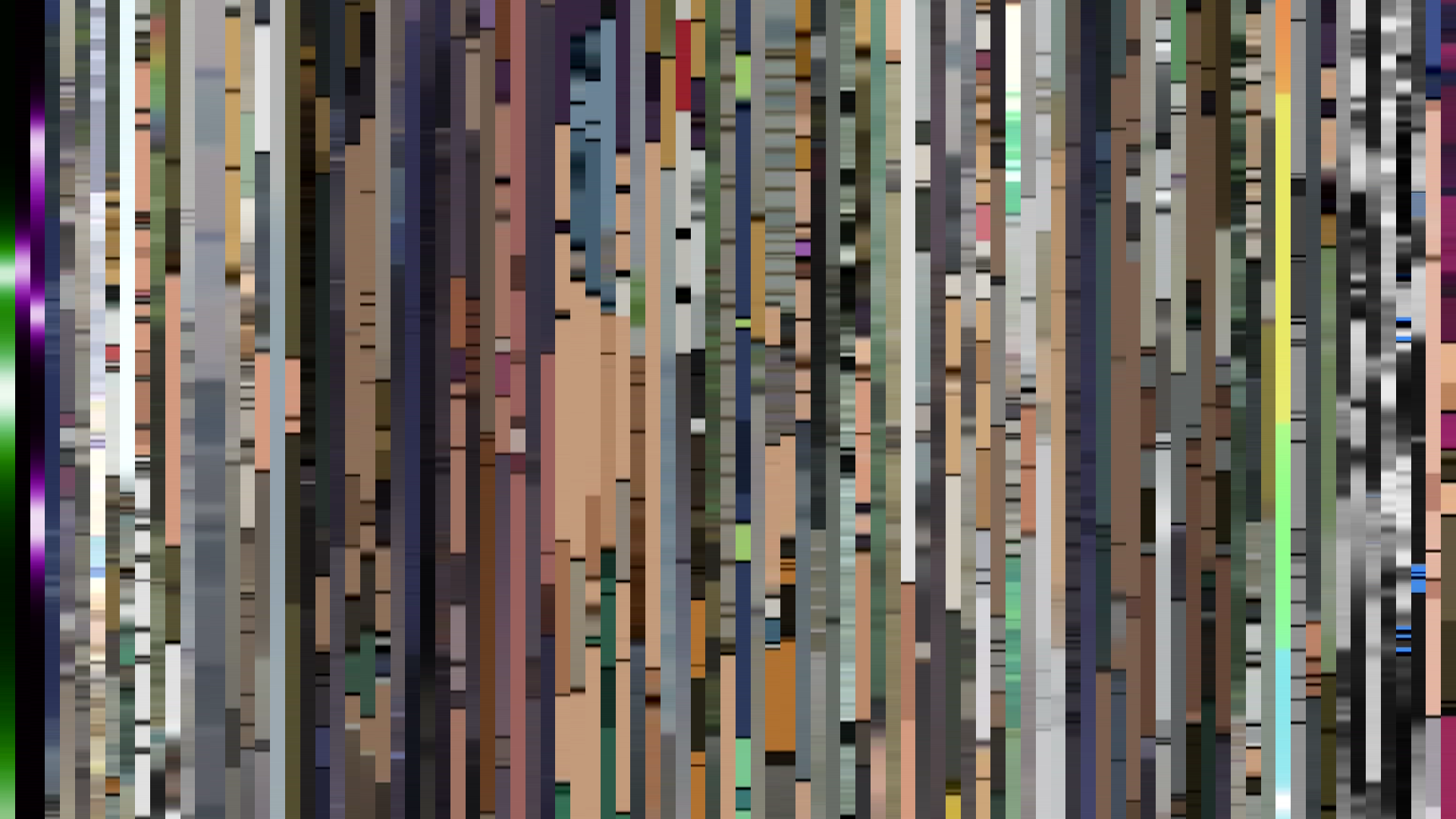
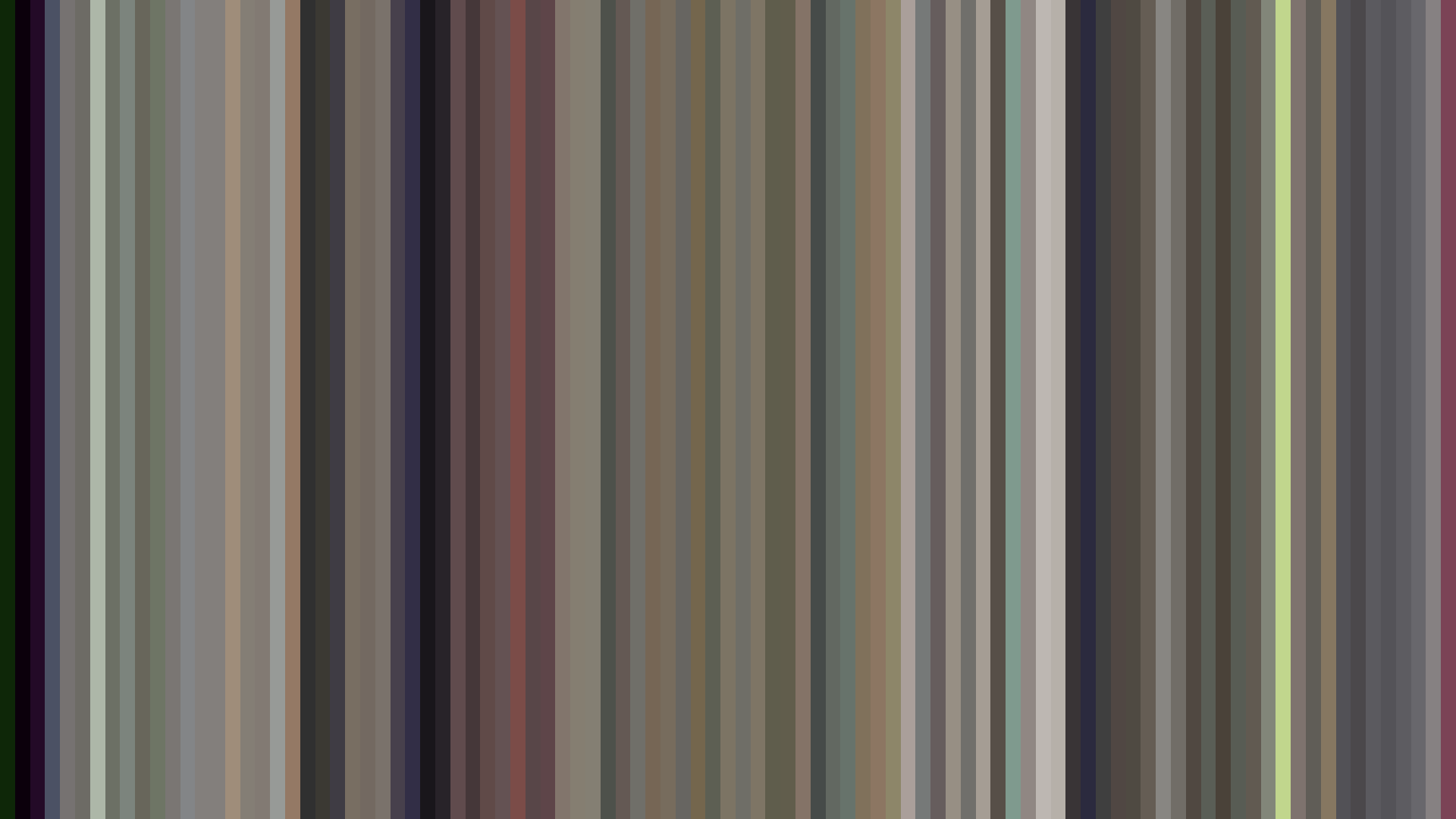
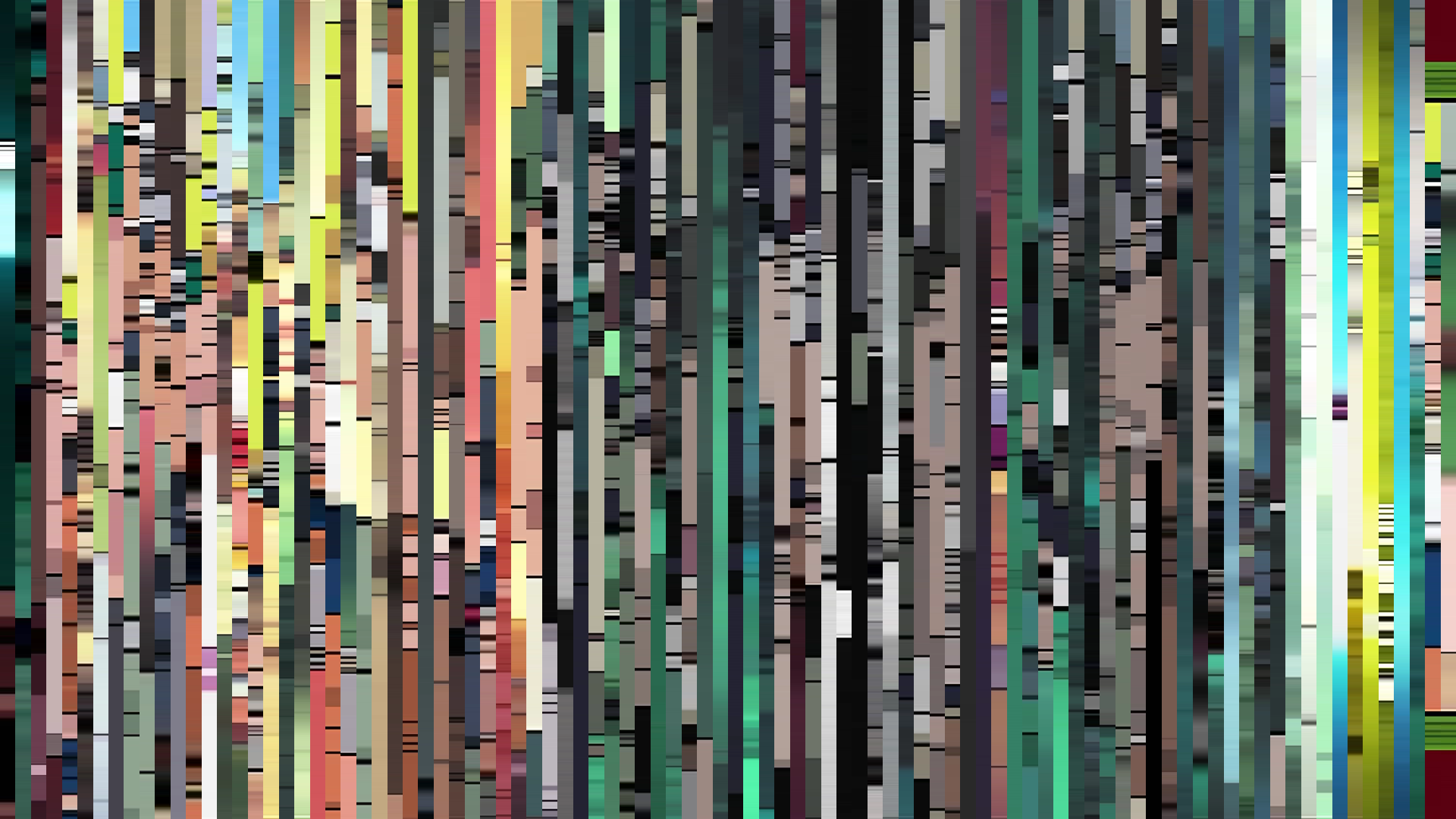
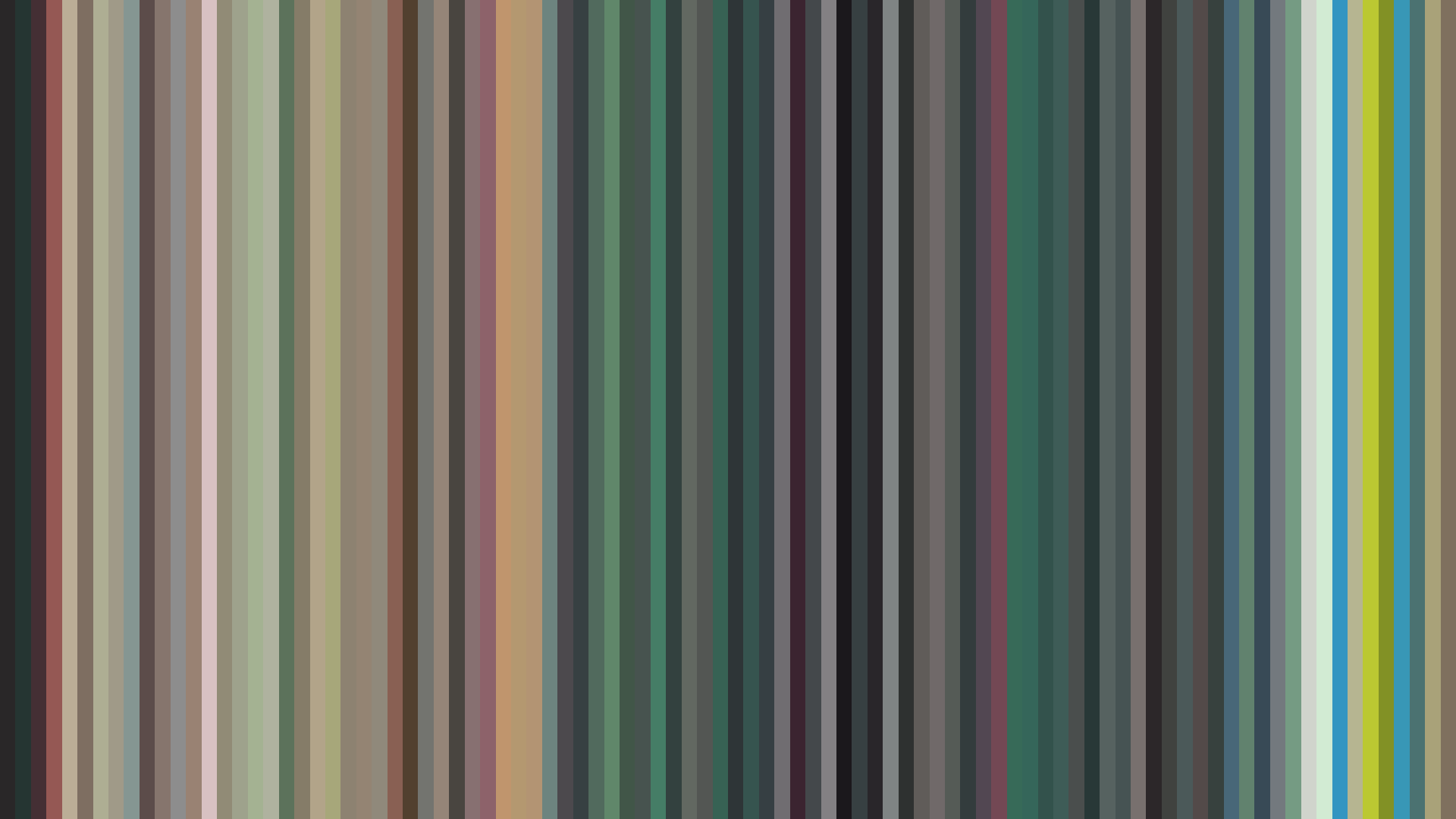
Frame Density Comparison — every 2nd vs every 4th frame
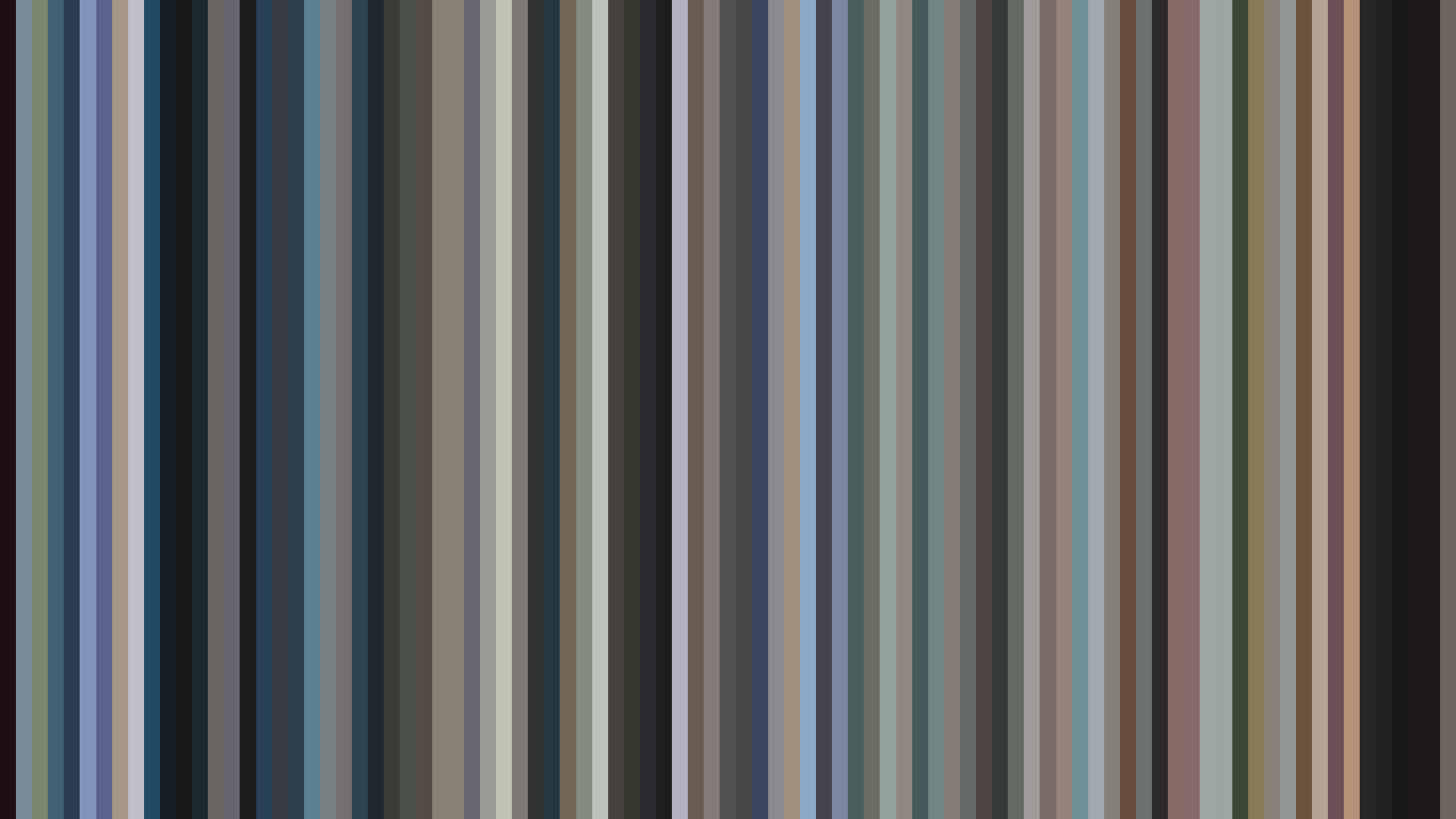
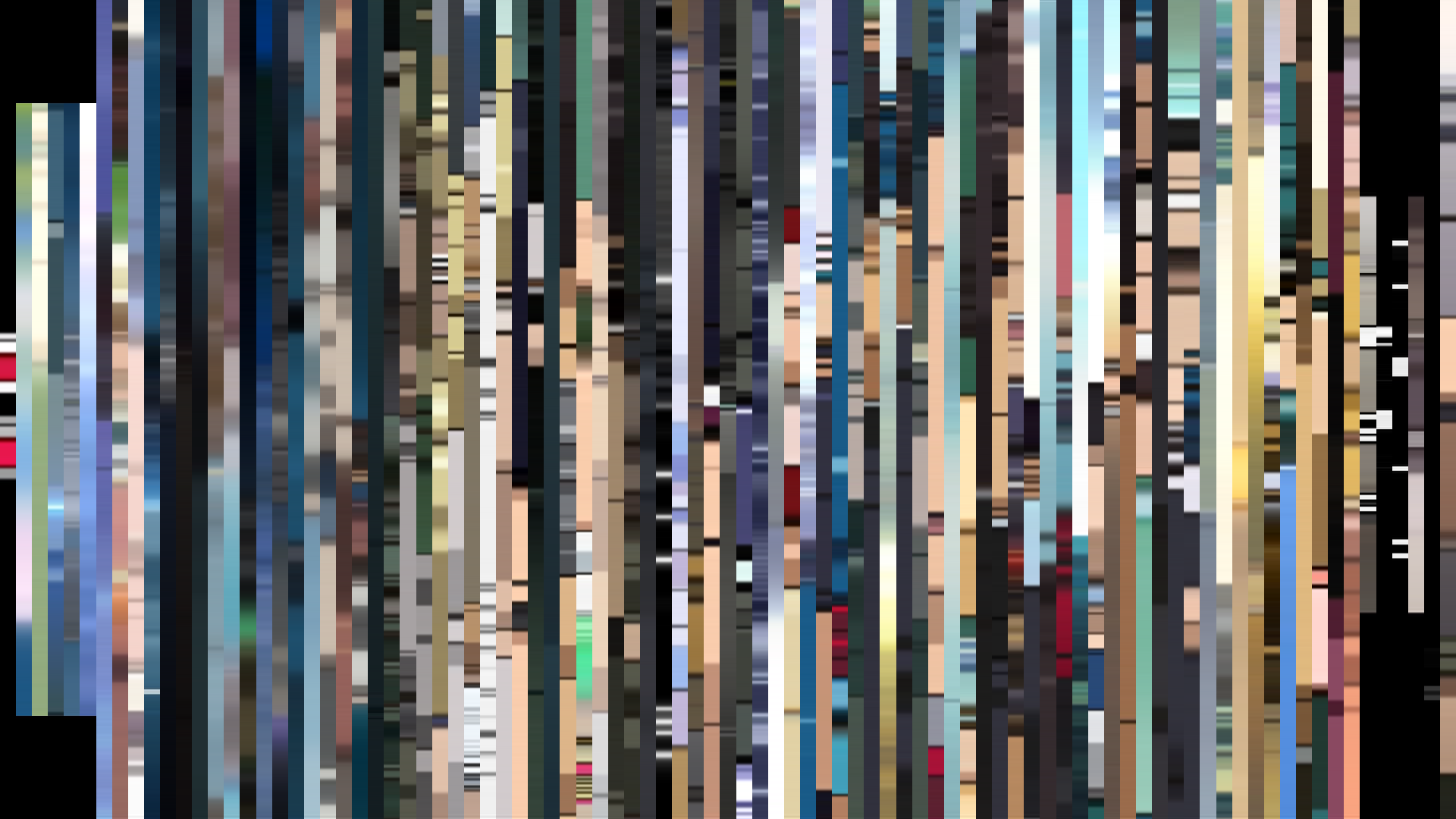
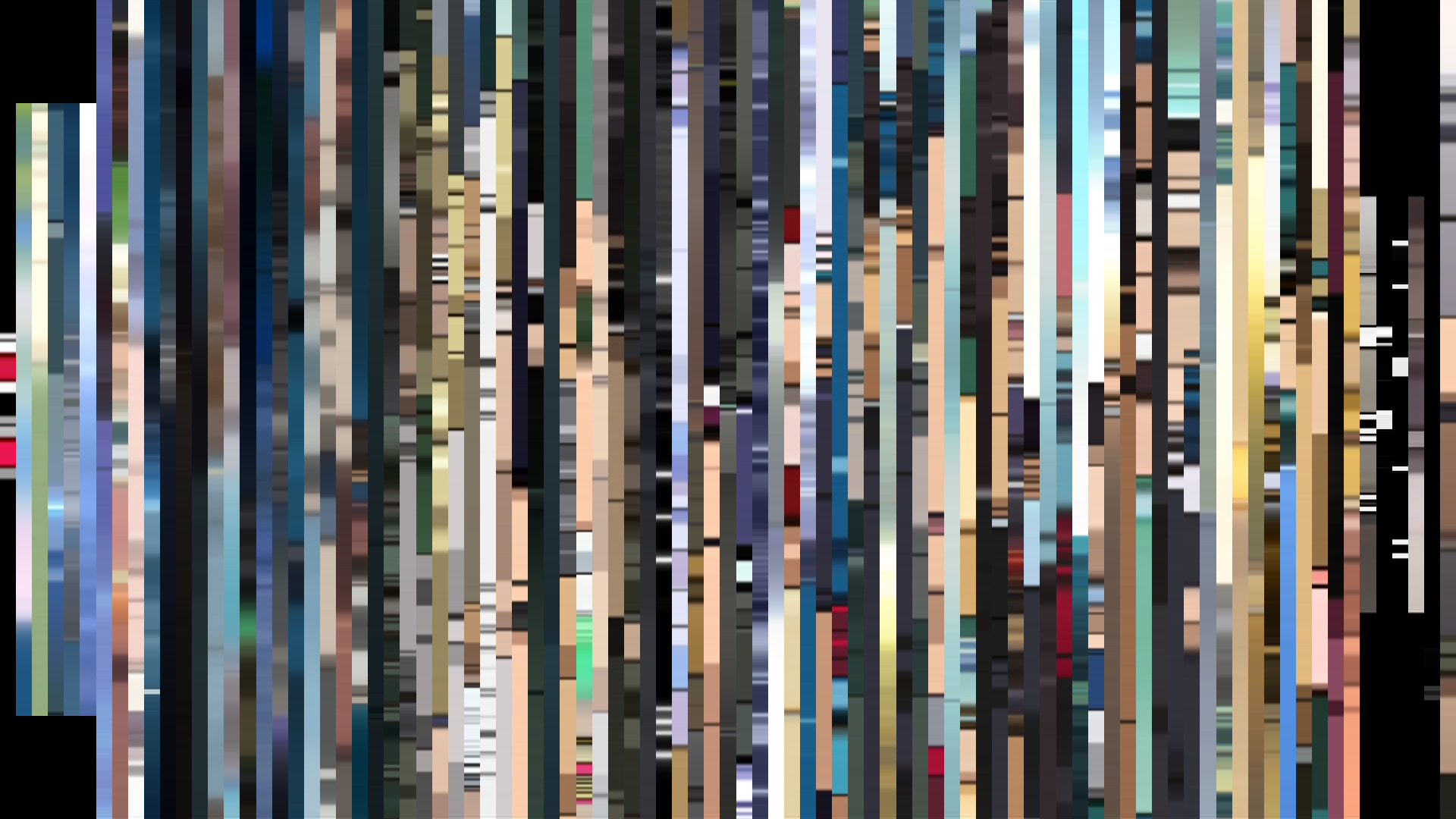
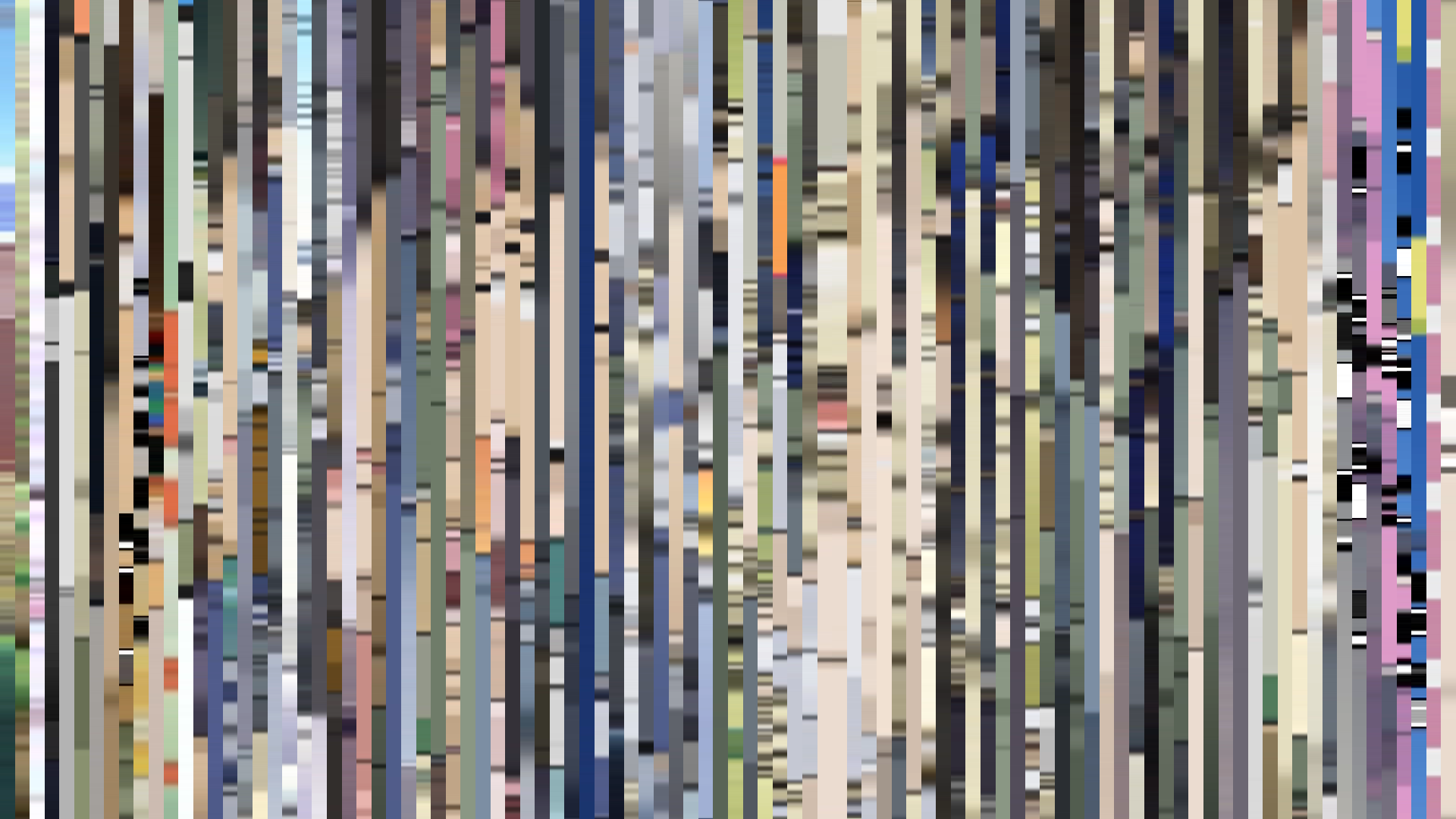
Slice · 15s
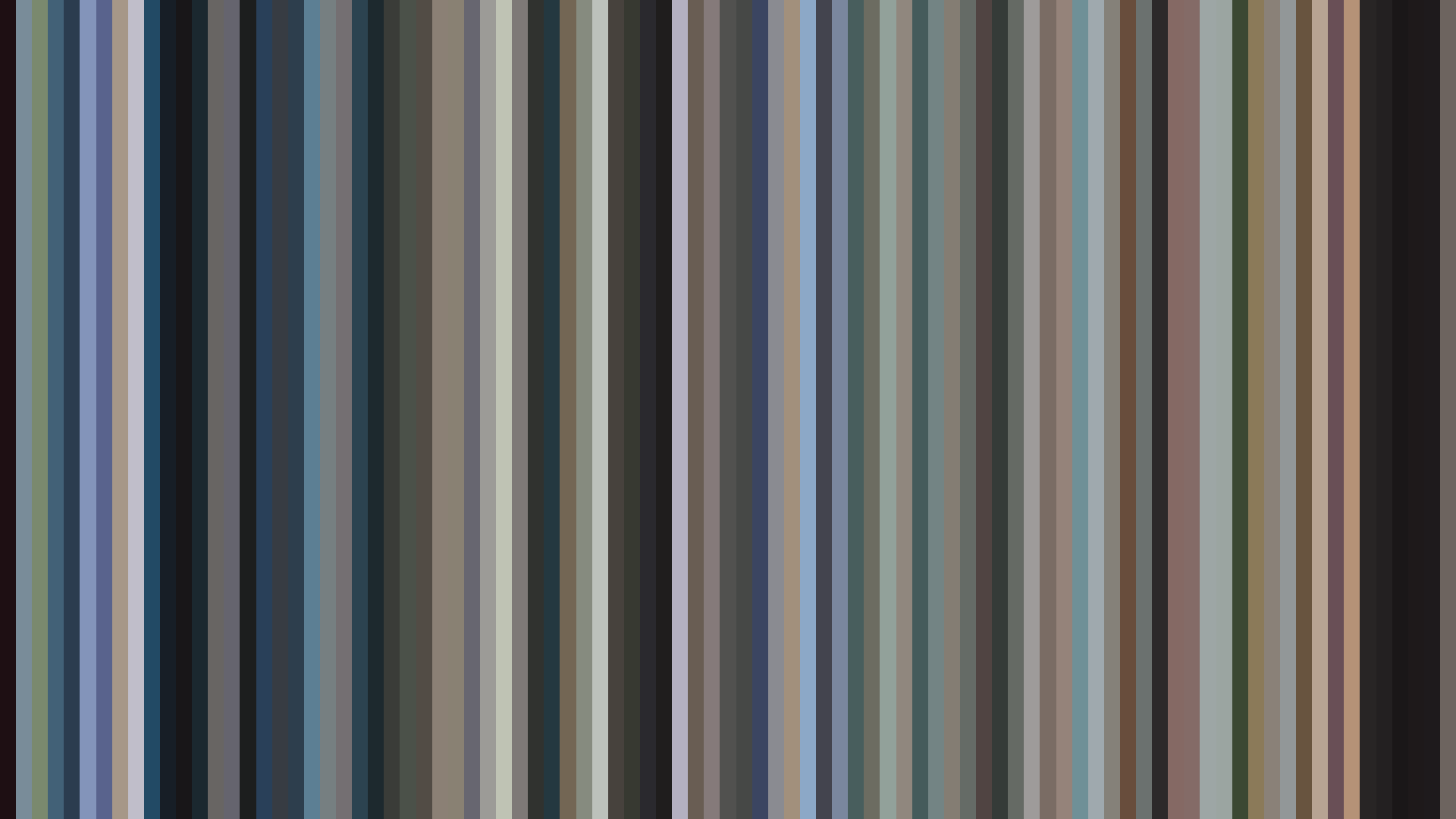
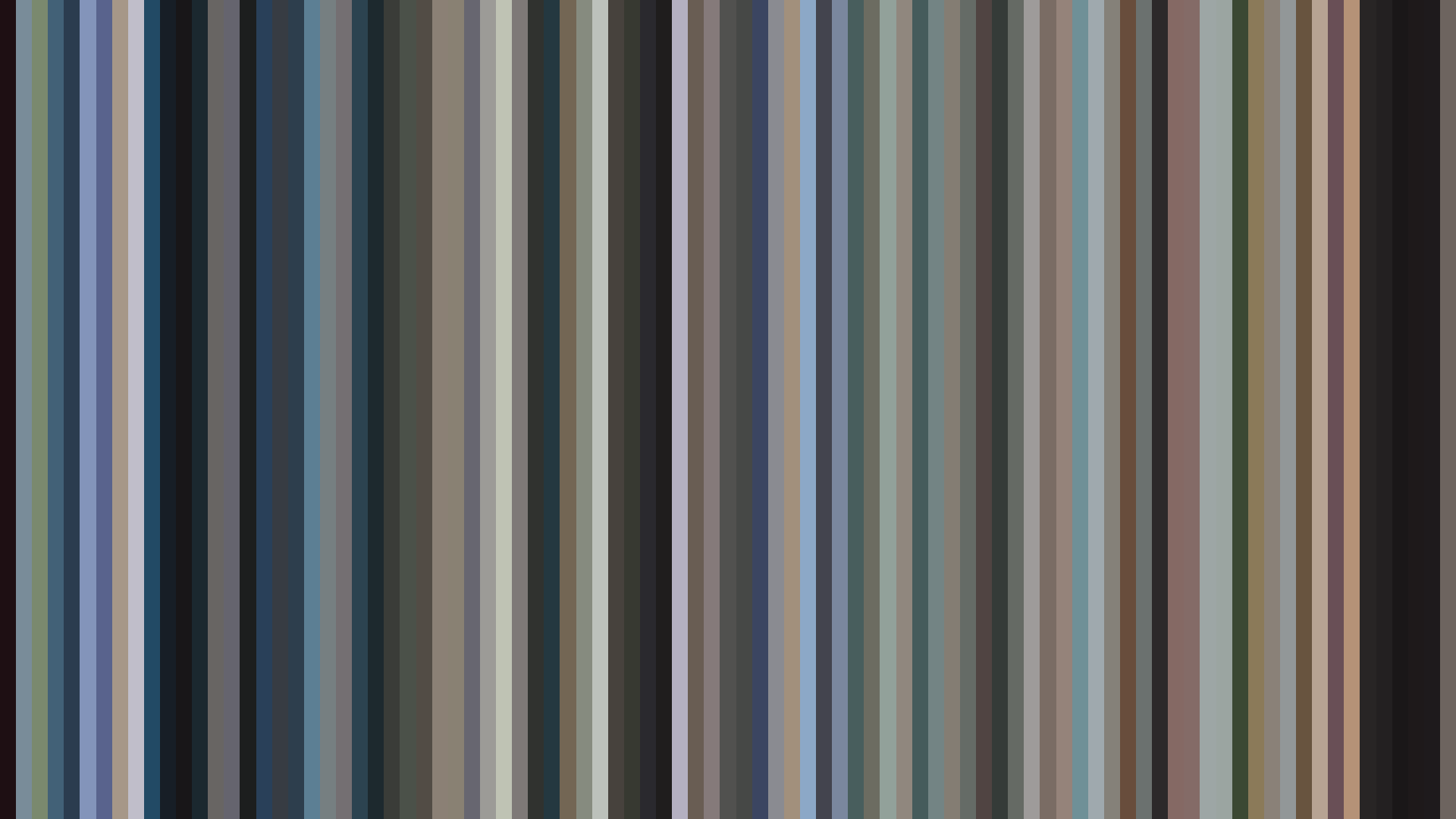
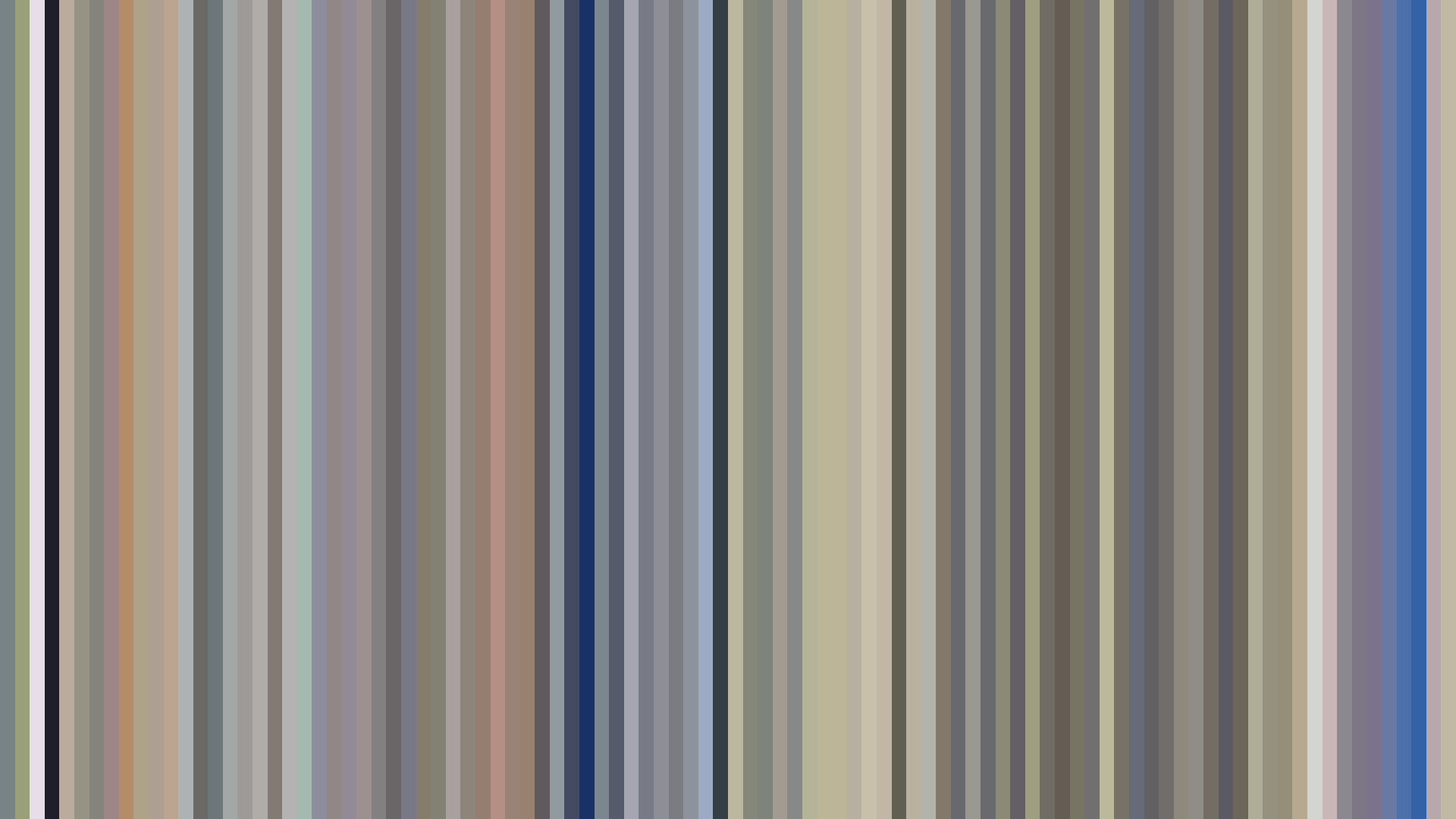
Avg · 15s
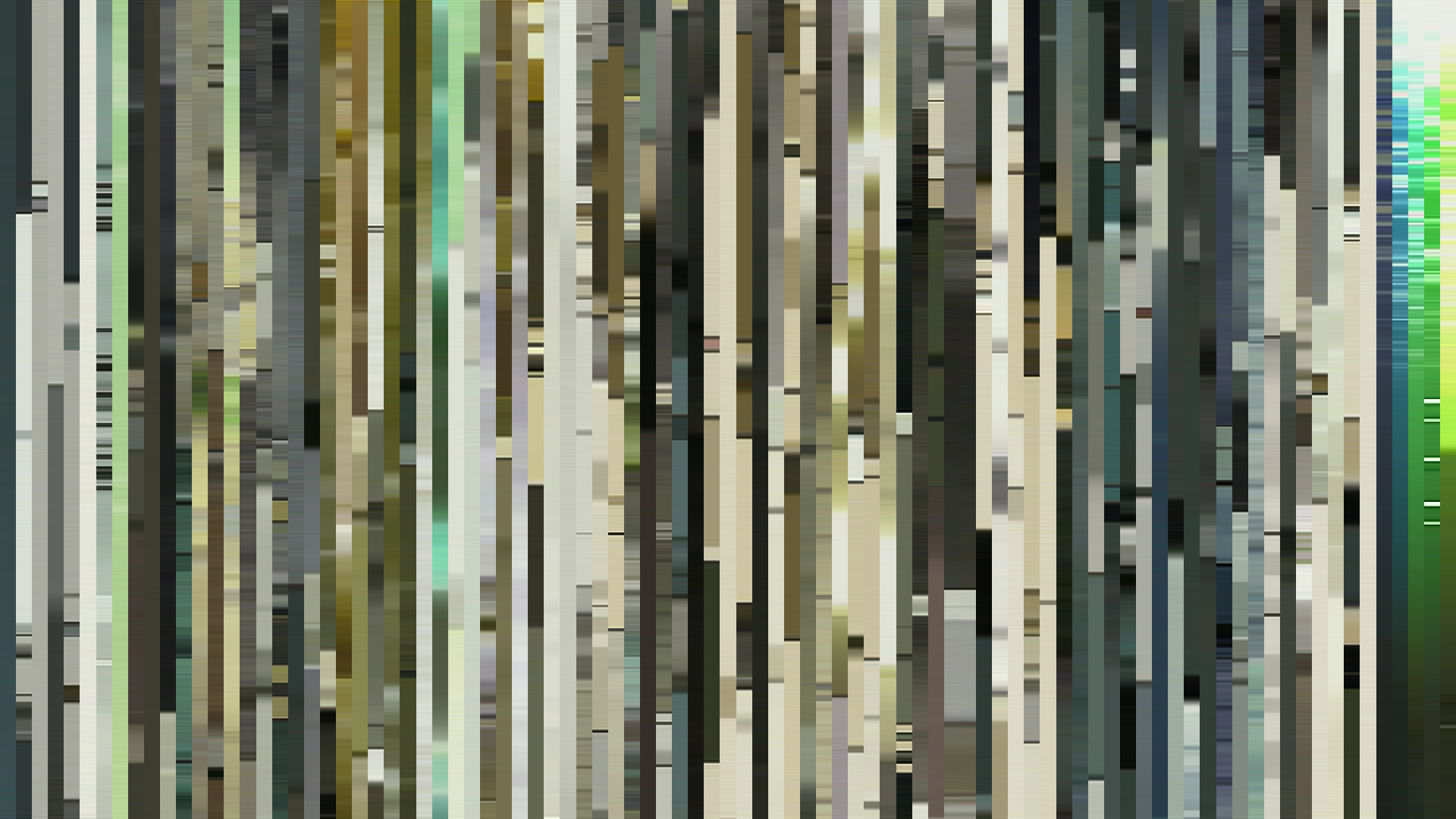
Slice · 30s
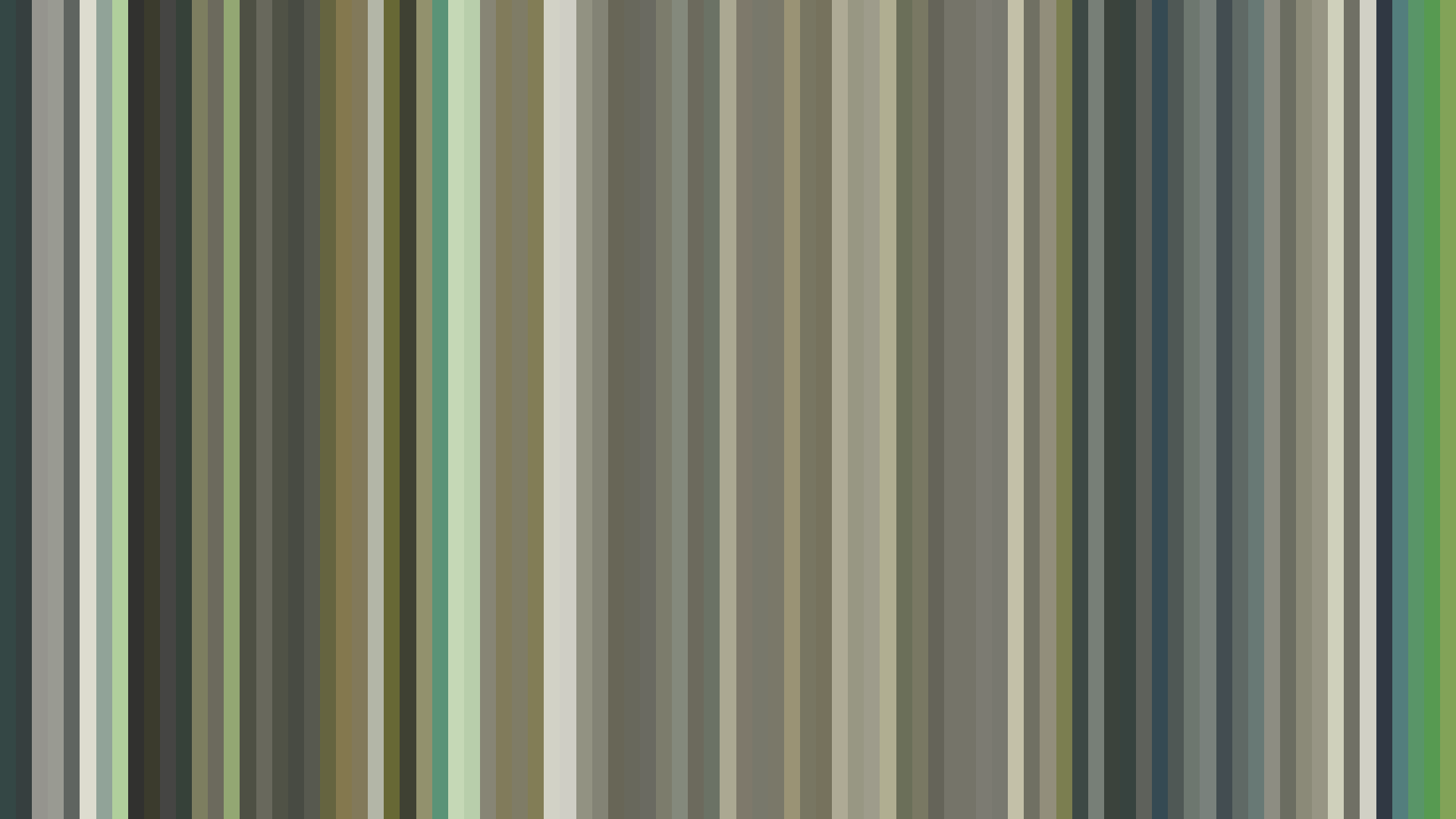
Avg · 30s
Full Metal Panic! is a show that flirts with its own palette. The dominant Red is there—31% of frames—but it’s been drained to a desiccated ochre, the color of rust and aged military hardware. Gonzo’s digital cel work in 2002 often leaned toward muddy textures, but here art director Shinji Aramaki (working with director Koichi Chigira) seems deliberate: the palette’s #926F5D and #1A1C1E are the tones of a malfunctioning mecha cockpit, not a war cry. What’s more curious is the brightening paradox of the arc. The data labels it a “bright opening,” yet the opening act is the dimmest at 0.472, while the middle and closing climb to 0.551 and 0.548. That upward drift isn’t a classic fall arc; it’s a slow shift from Sousuke’s grim soldier worldview into the absurd brightness of Kaname’s school life—the light exposure of a man learning to laugh. The muted reds stay constant, but the brightness rises, suggesting the comedy isn’t washing out the violence but accommodating it. This is a show where the joke is
Brightness Arc (episode progression)
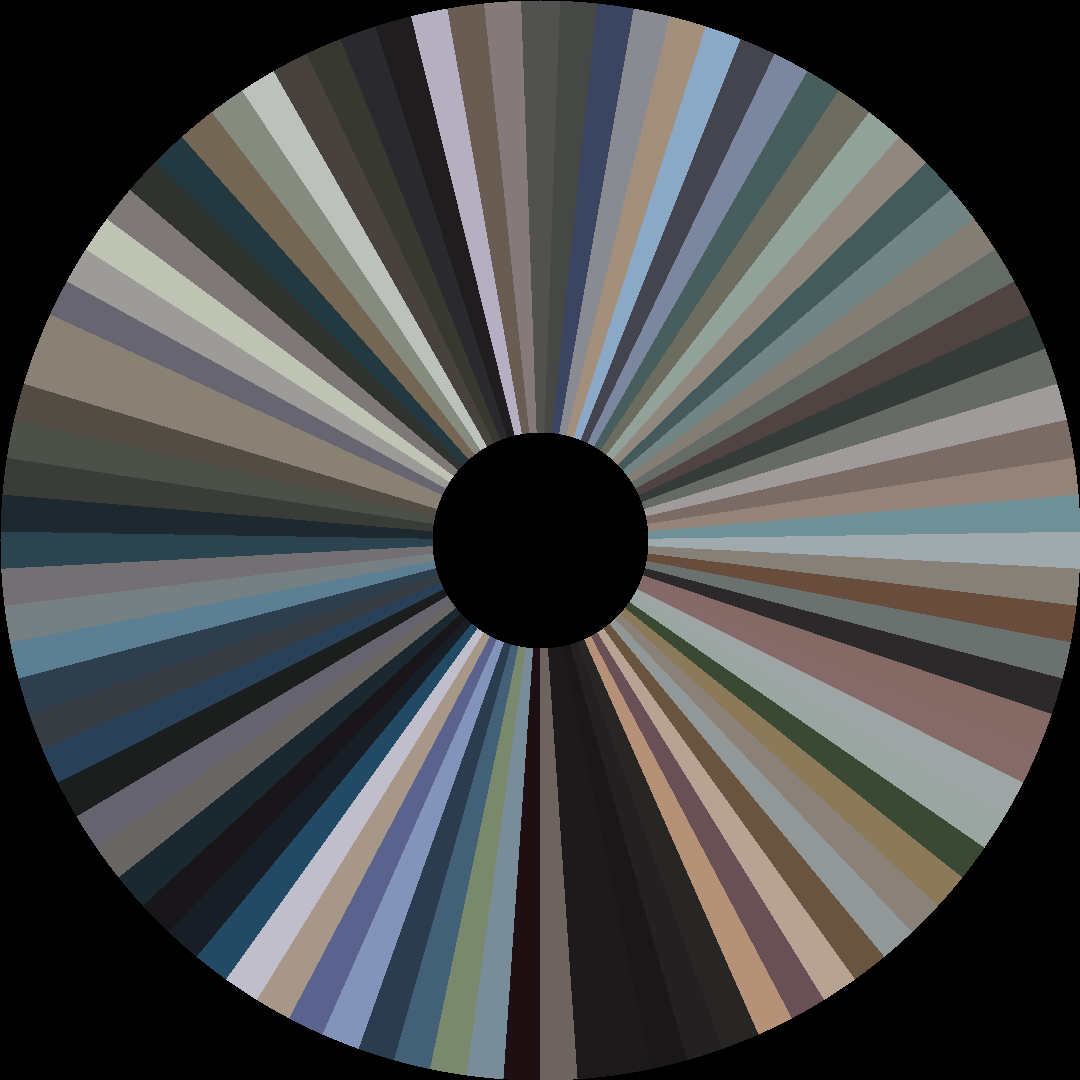
Hue Distribution
Act Breakdown
Opening
0.472
Middle
0.551
Closing
0.548
Avg Brightness
0.413
Avg Saturation
0.213
Warmth
0.529
Color Palette
#1A1C1E
#5C5A59
#9D9E9E
#E7E7E6
#926F5D
#2F4E5F
#E8CDAA
#A28D6E
3-Act Color Story
Opening
Middle
Closing
Color Twins
Perceptually nearest palettes — measured in OKLab space, not RGB






Full Metal Panic! is a show that flirts with its own palette. The dominant Red is there—31% of frames—but it’s been drained to a desiccated ochre, the color of rust and aged military hardware. Gonzo’s digital cel work in 2002 often leaned toward muddy textures, but here art director Shinji Aramaki (working with director Koichi Chigira) seems deliberate: the palette’s #926F5D and #1A1C1E are the tones of a malfunctioning mecha cockpit, not a war cry. What’s more curious is the brightening paradox of the arc. The data labels it a “bright opening,” yet the opening act is the dimmest at 0.472, while the middle and closing climb to 0.551 and 0.548. That upward drift isn’t a classic fall arc; it’s a slow shift from Sousuke’s grim soldier worldview into the absurd brightness of Kaname’s school life—the light exposure of a man learning to laugh. The muted reds stay constant, but the brightness rises, suggesting the comedy isn’t washing out the violence but accommodating it. This is a show where the joke is