Edit Pace — frame-to-frame color delta (bright = fast cuts)
Color Temperature — warm (gold) vs cool (teal) per frame
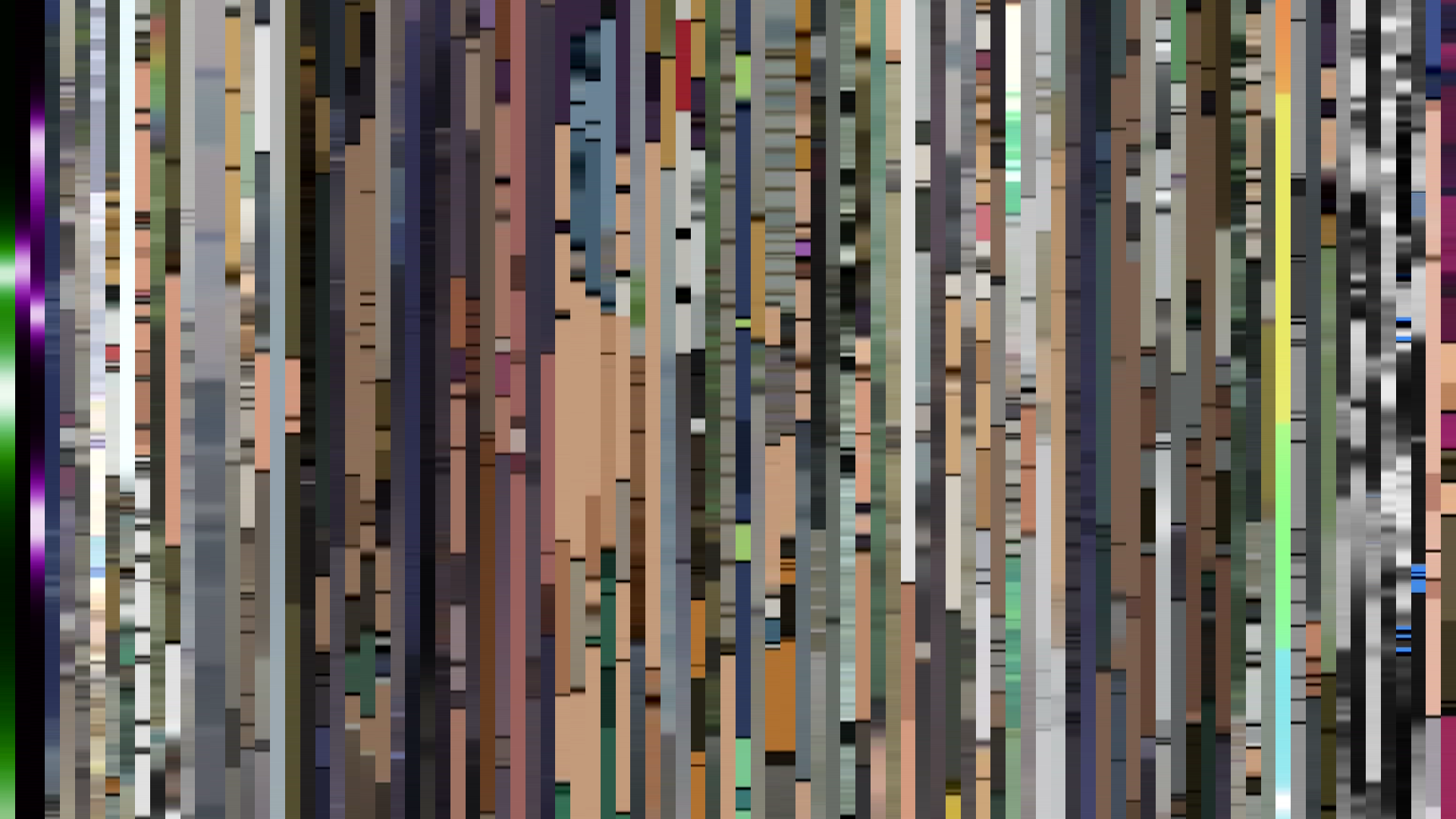
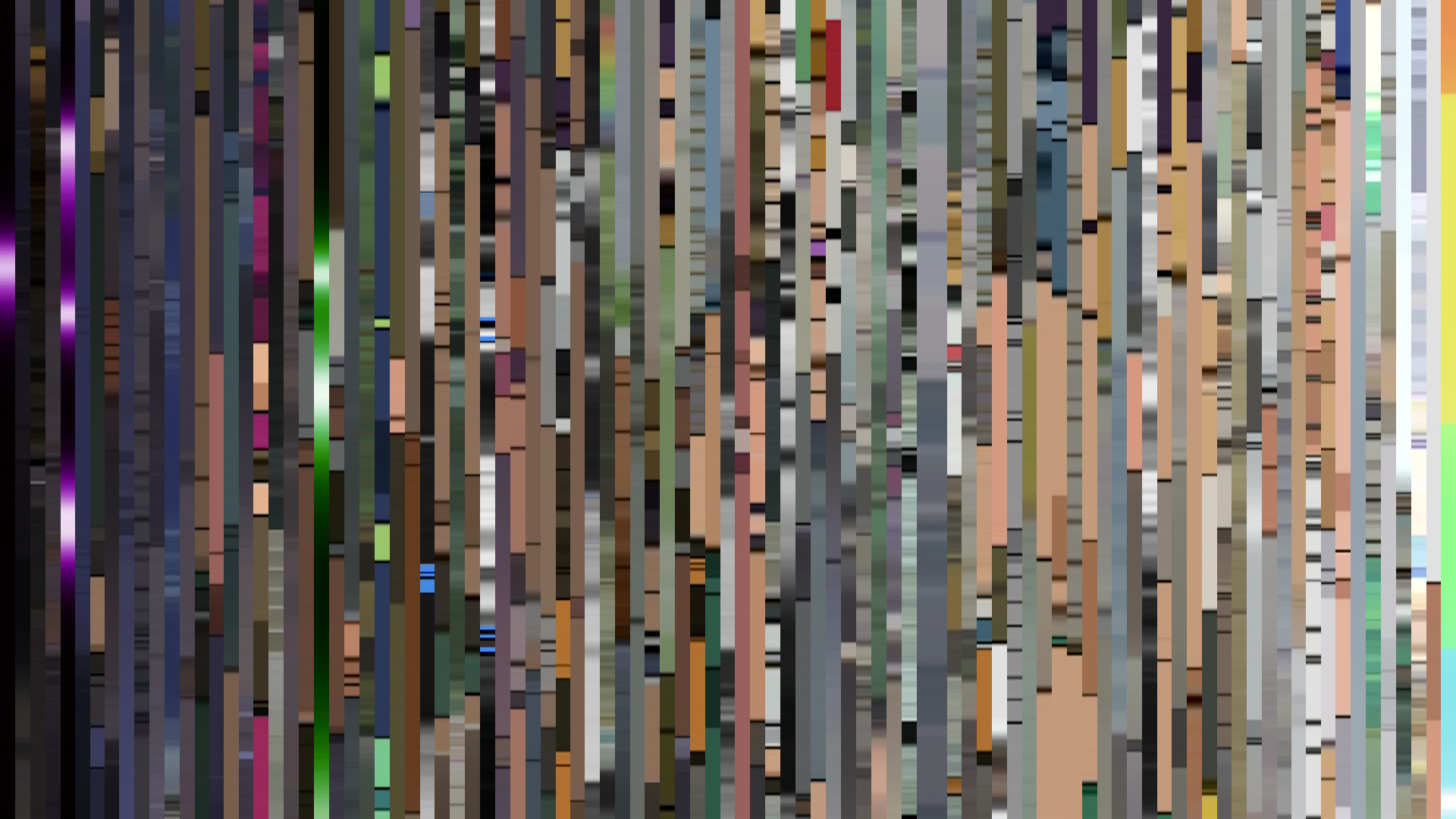
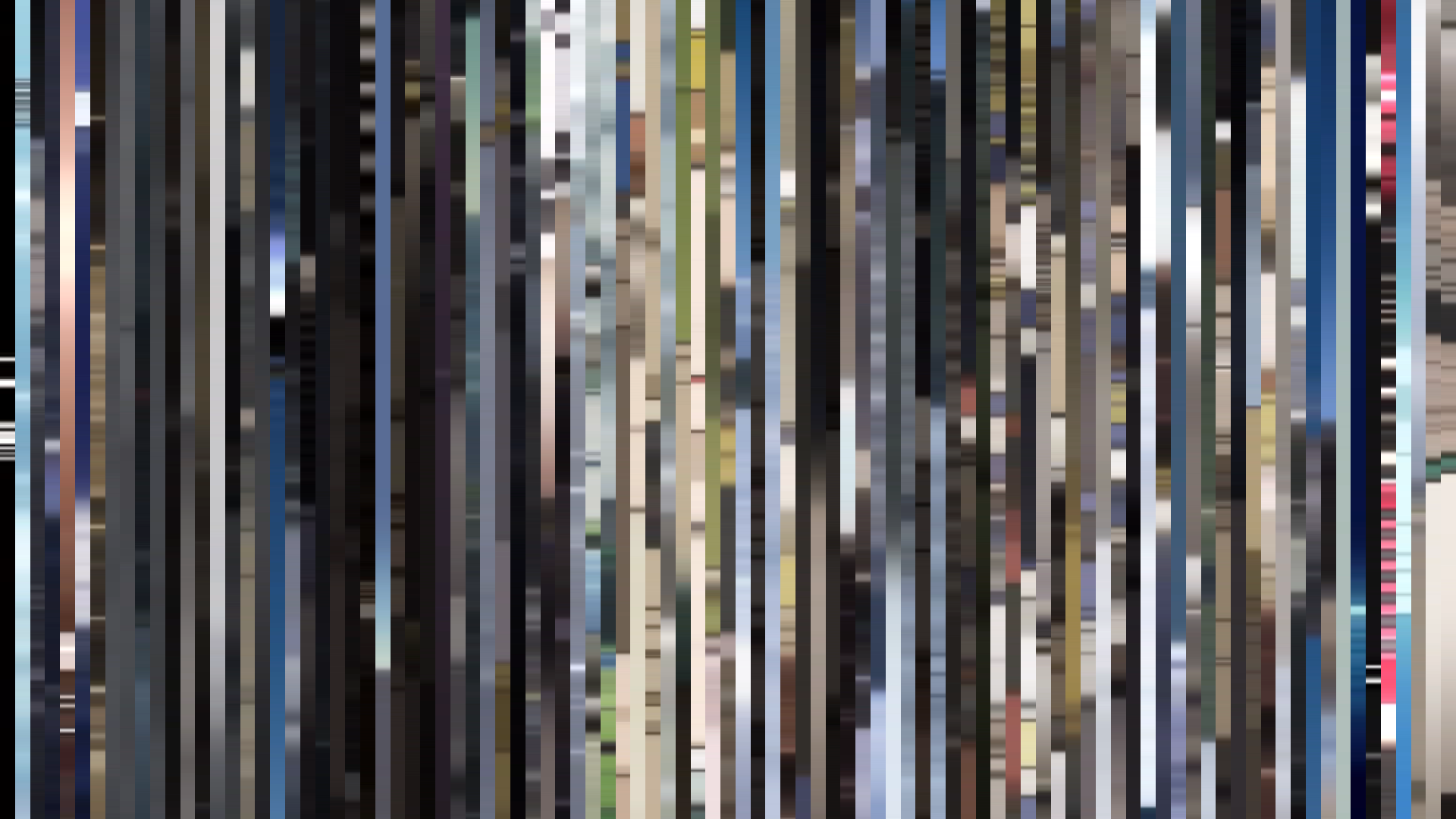
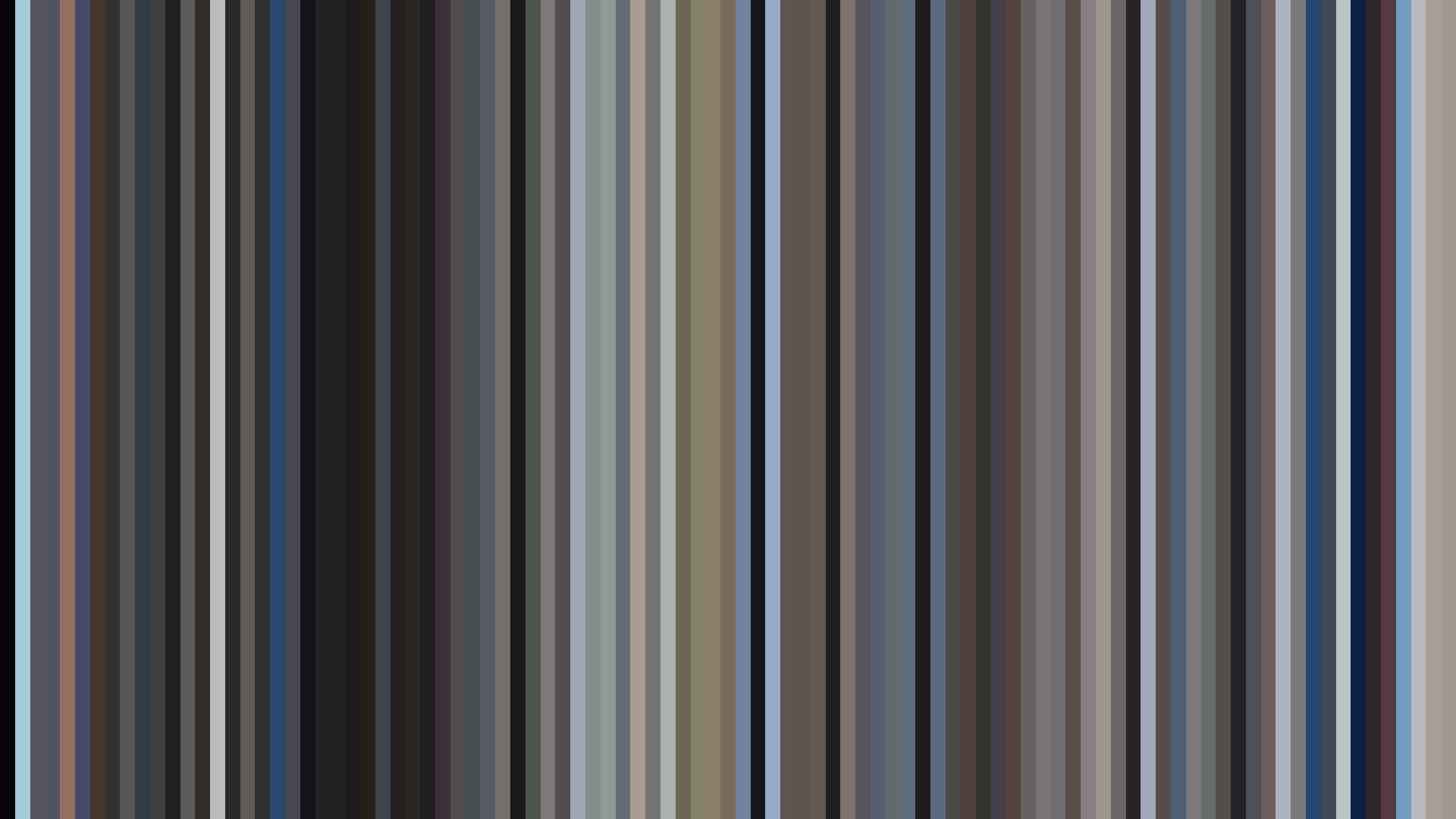
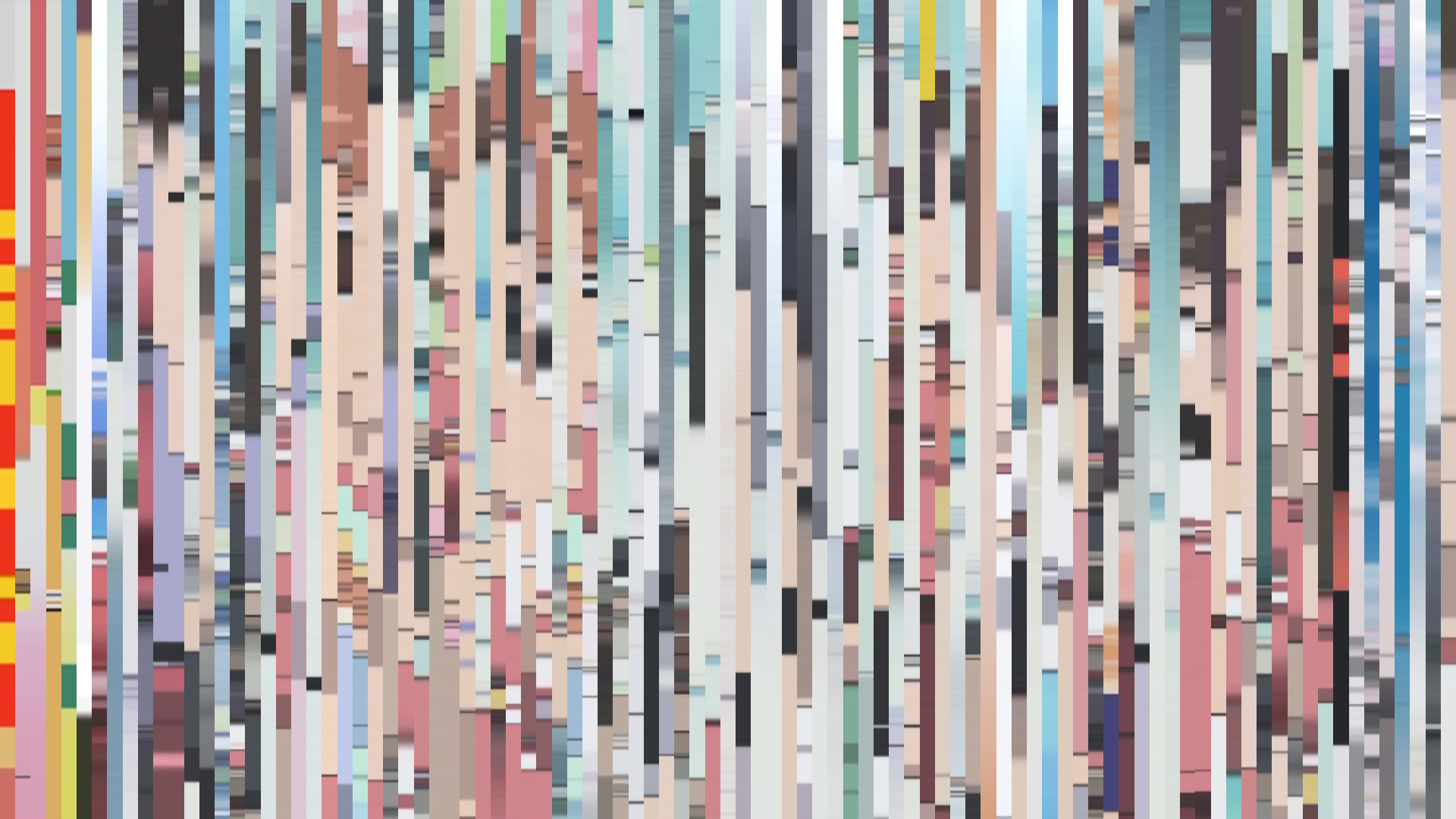
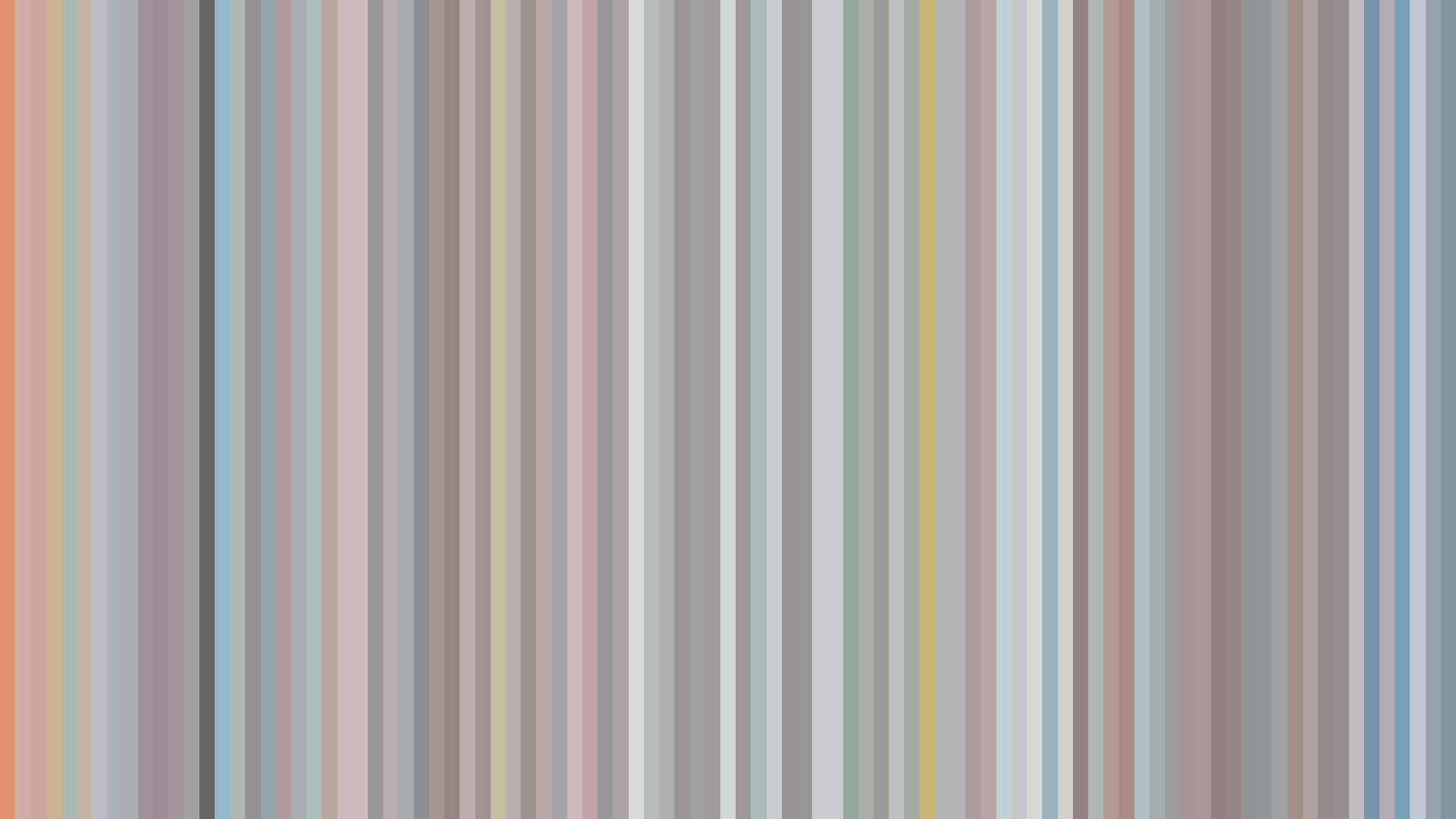
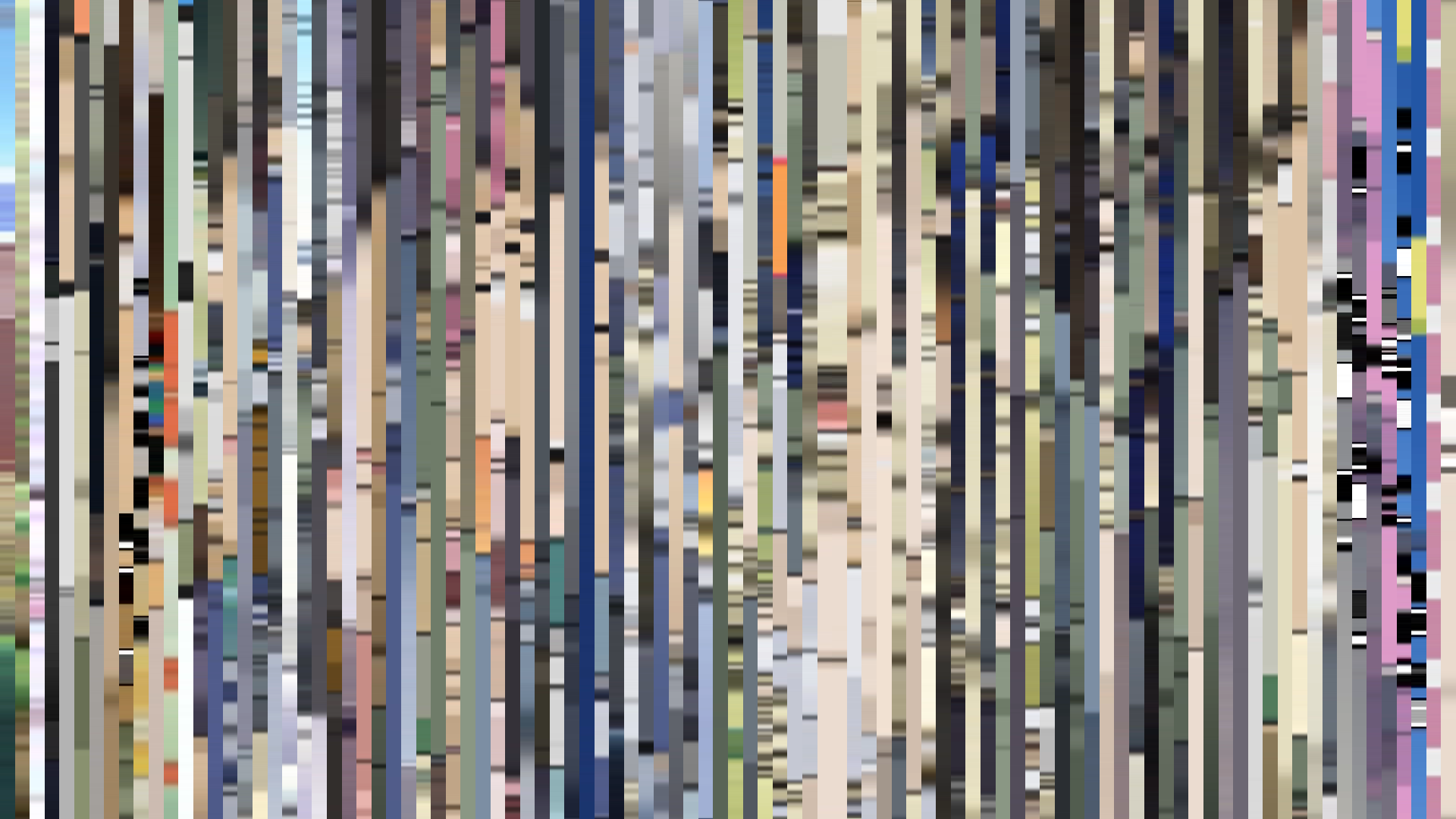
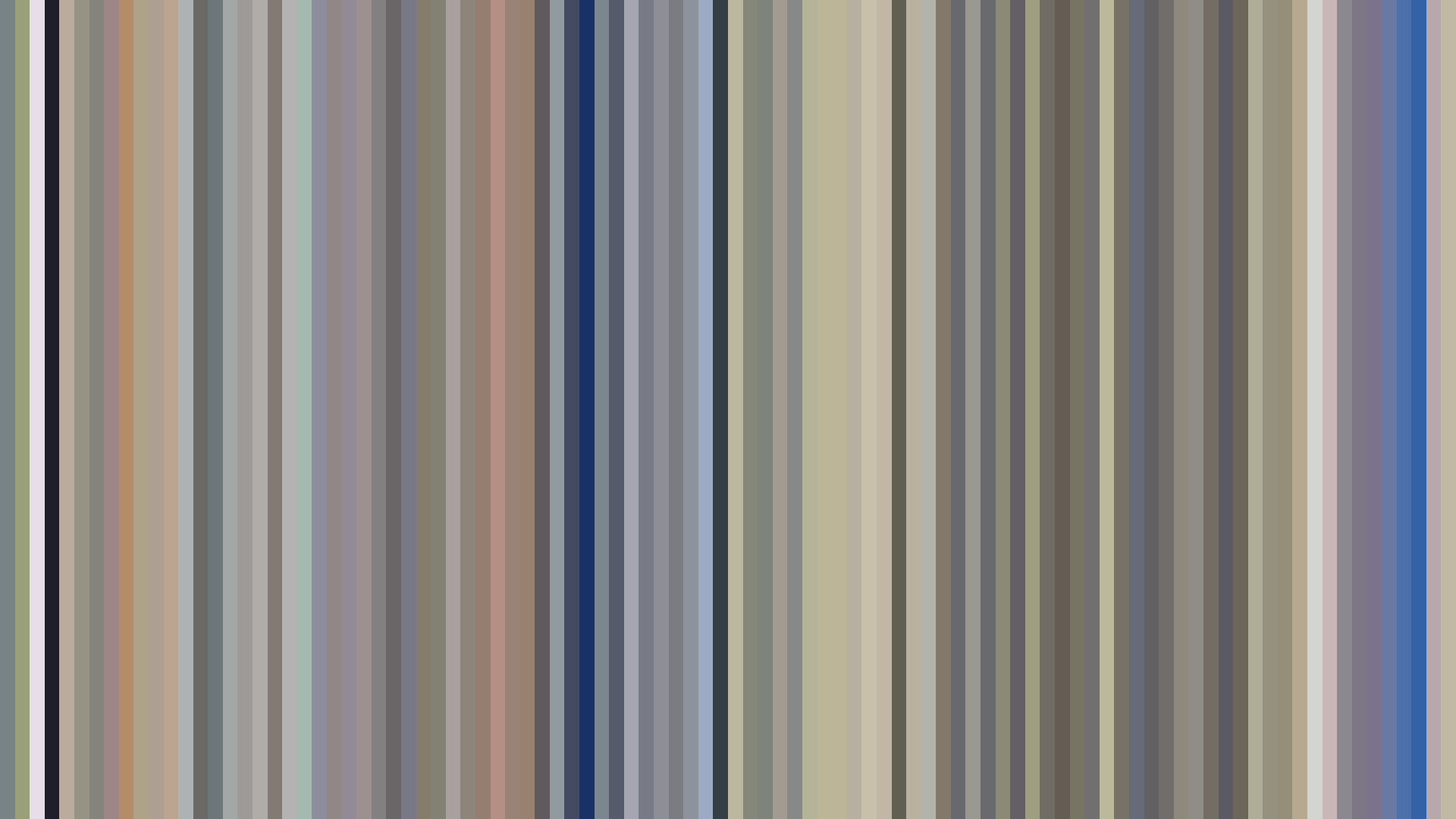
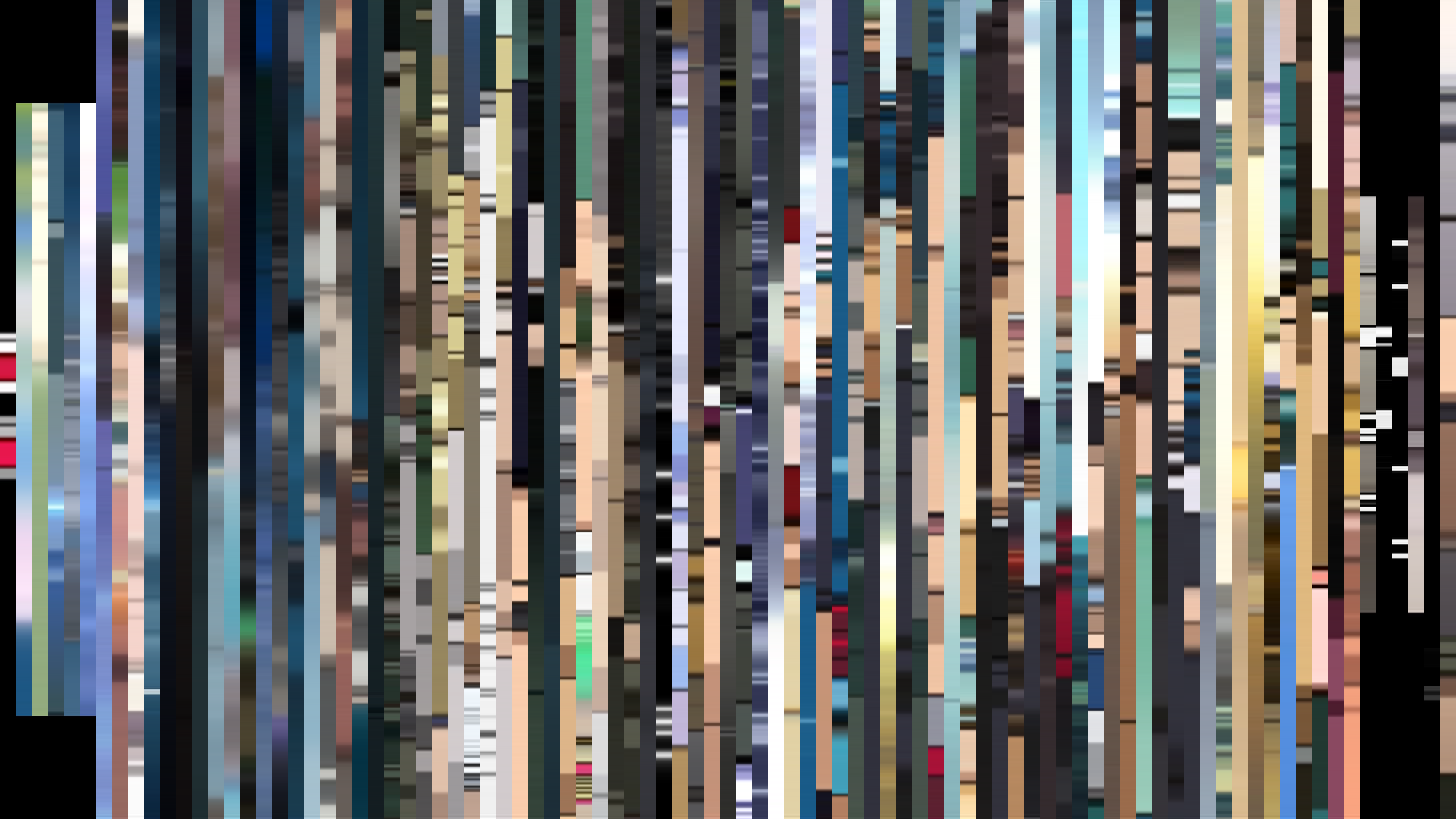
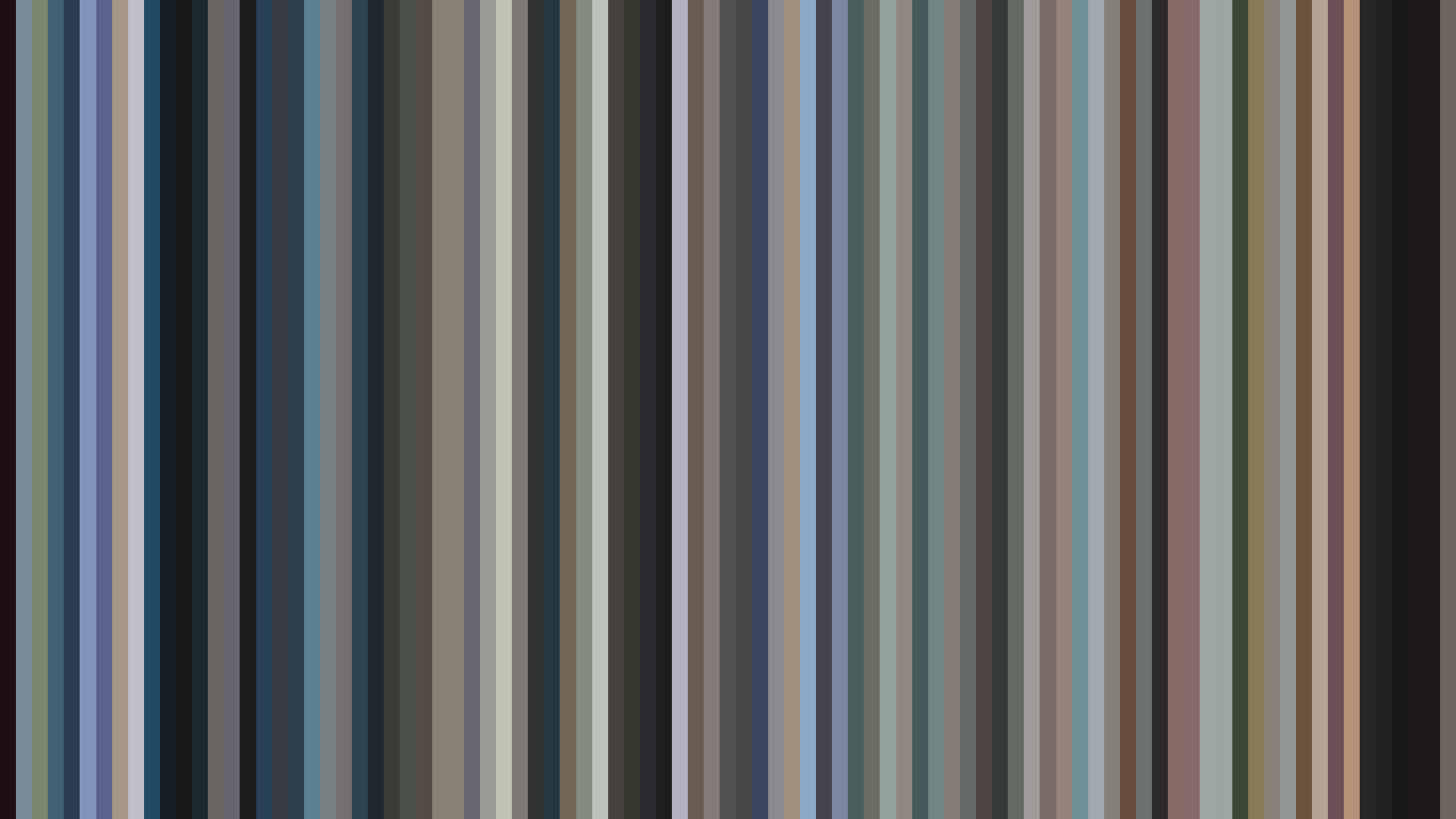
Frame Density Comparison — every 2nd vs every 4th frame
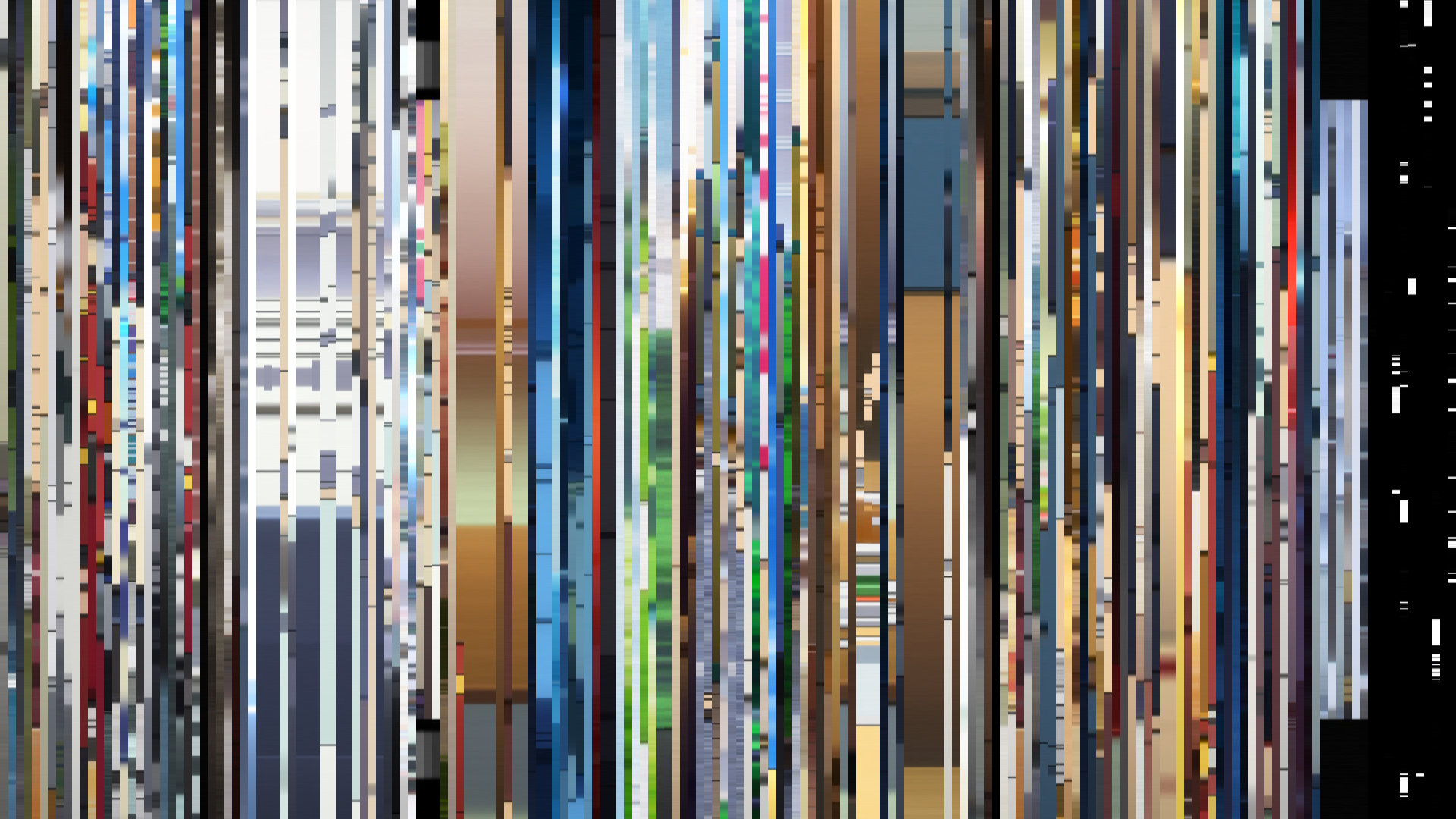
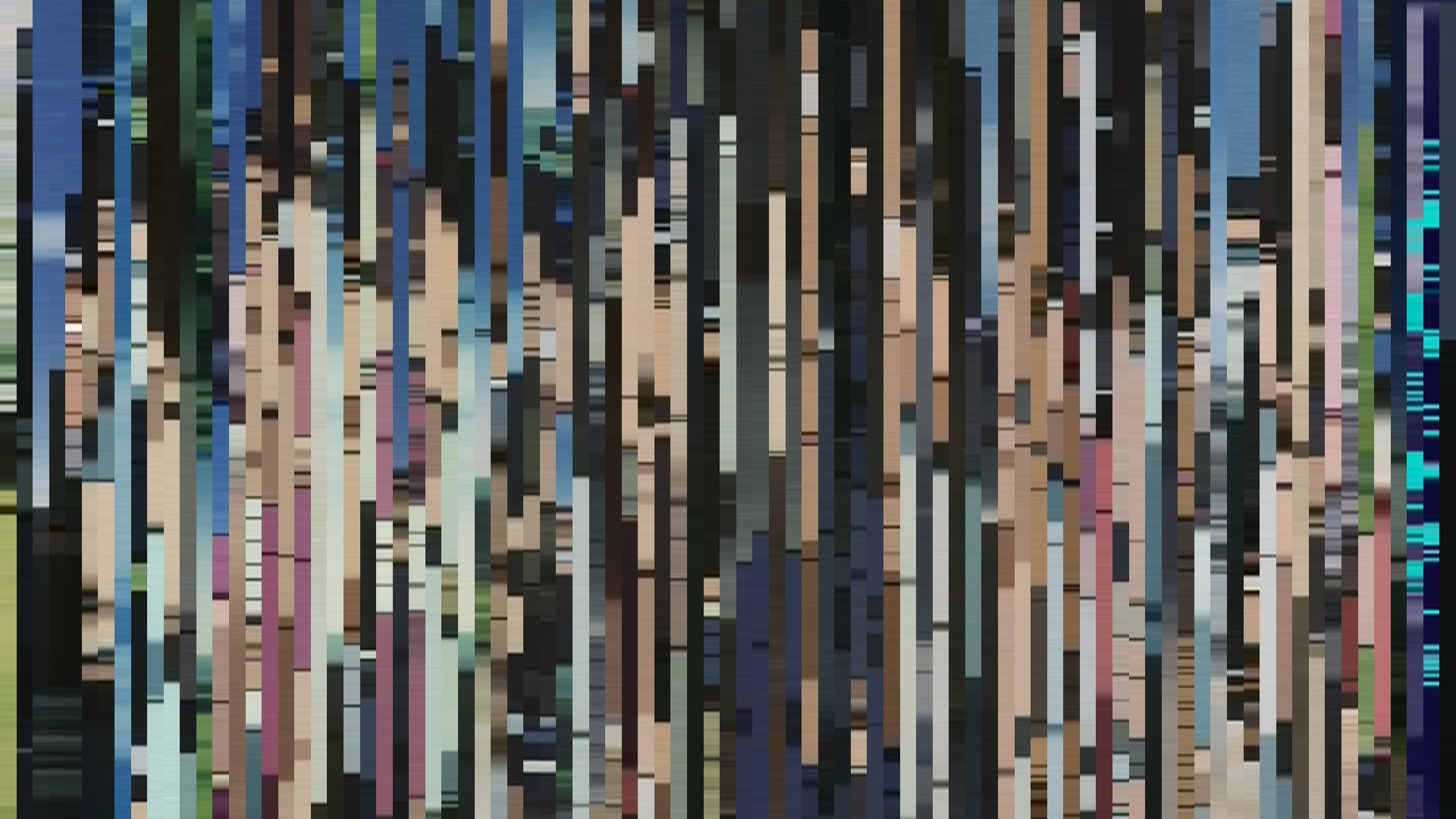
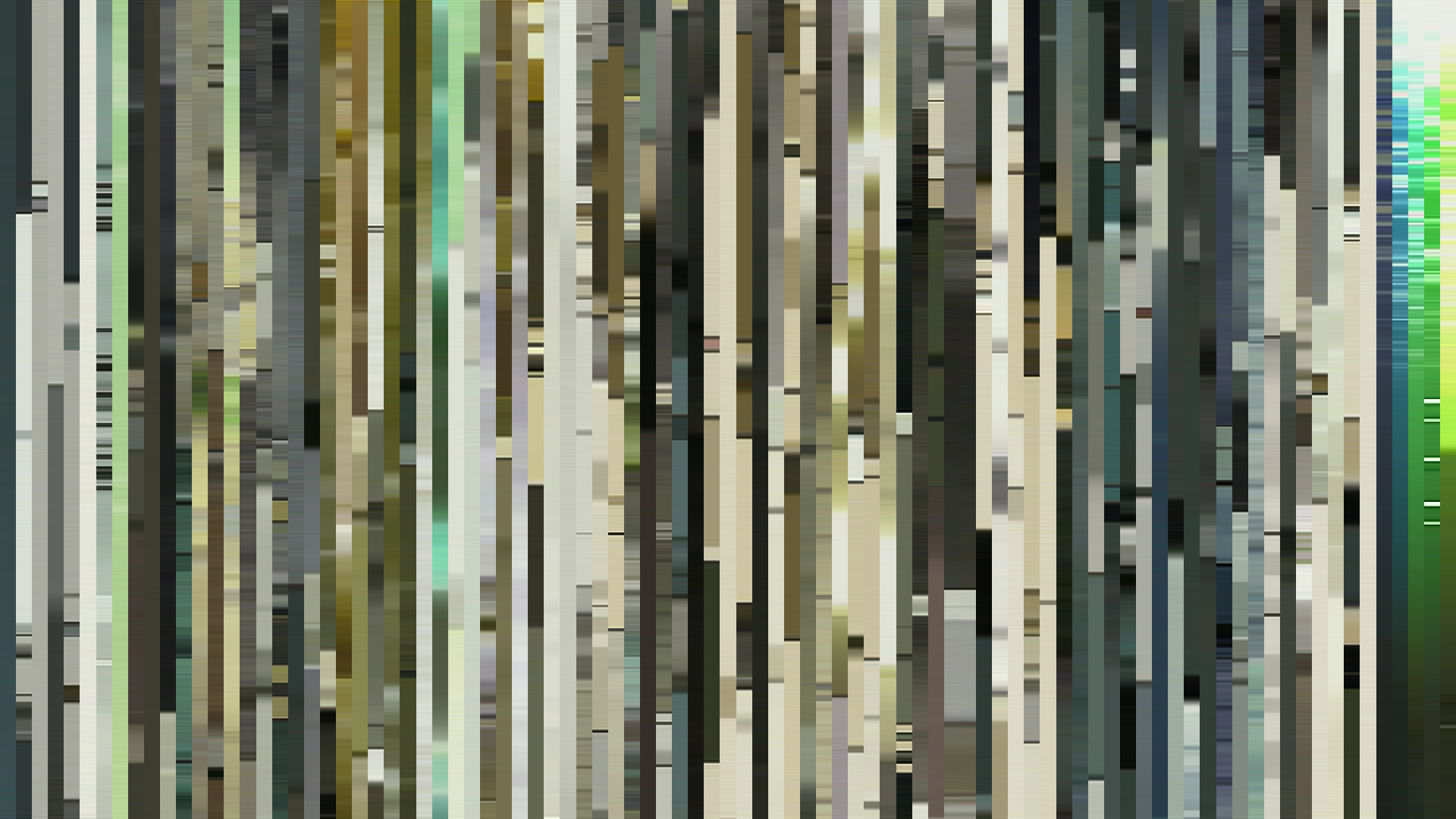
Slice · 15s
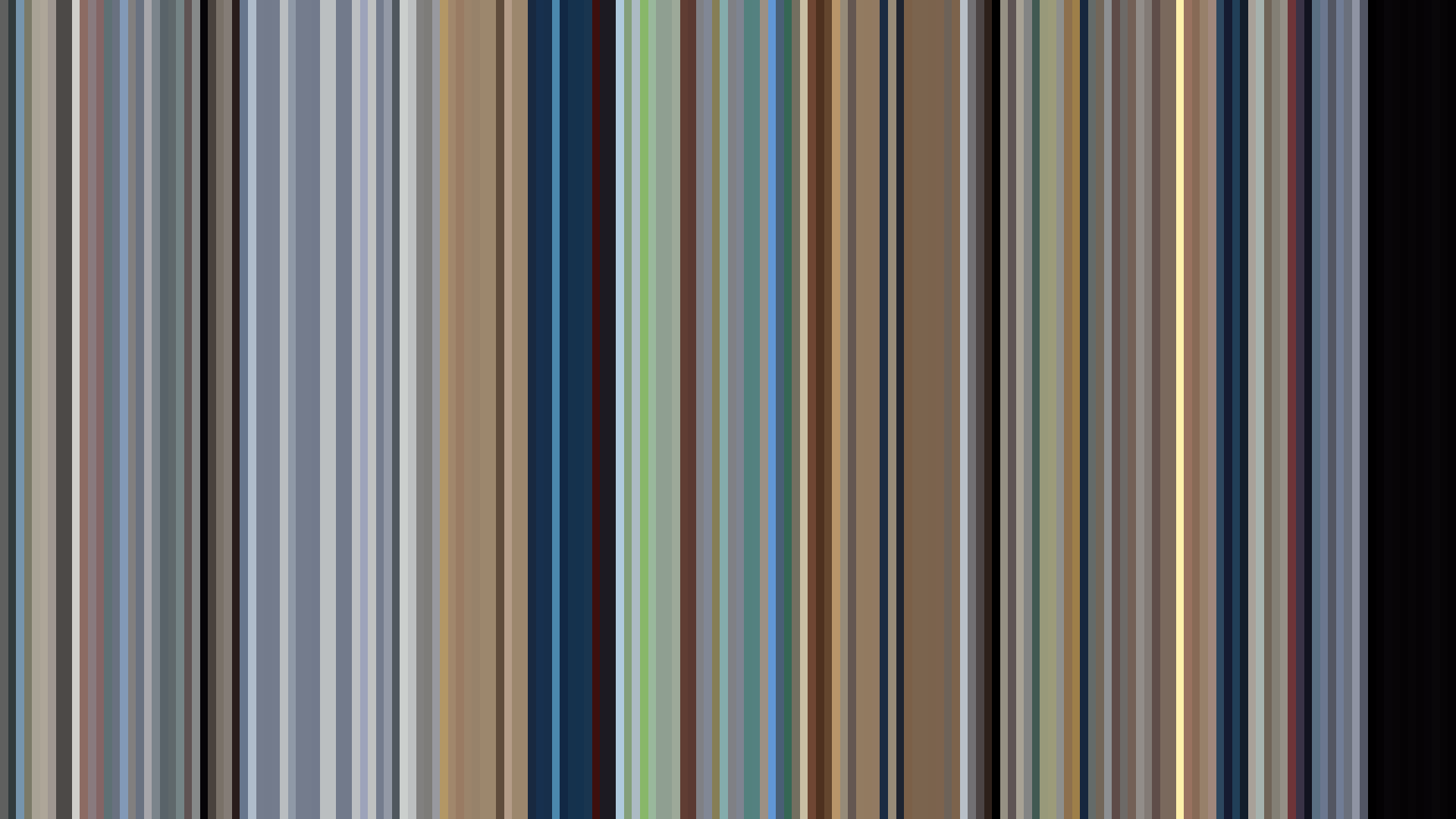
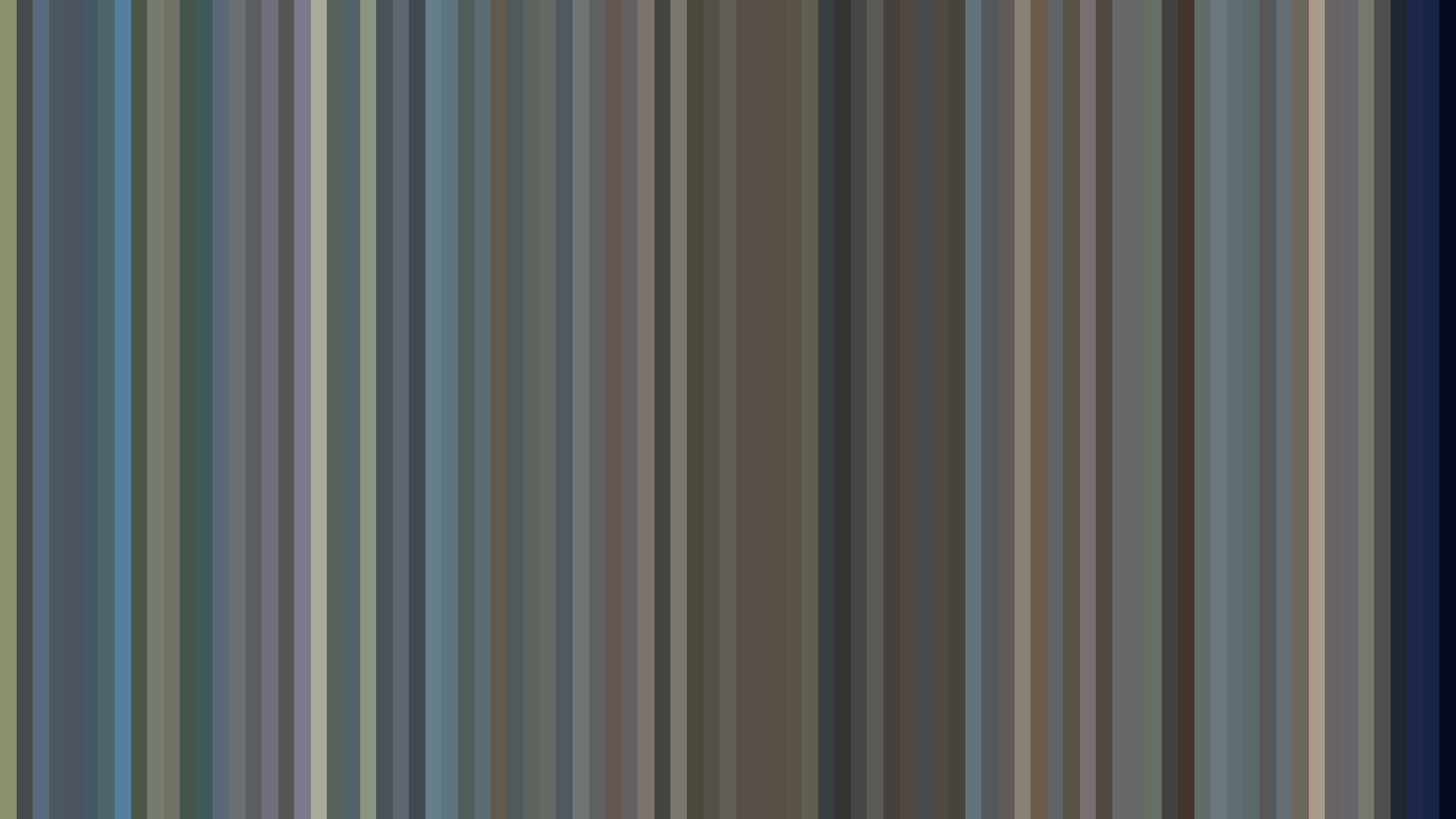
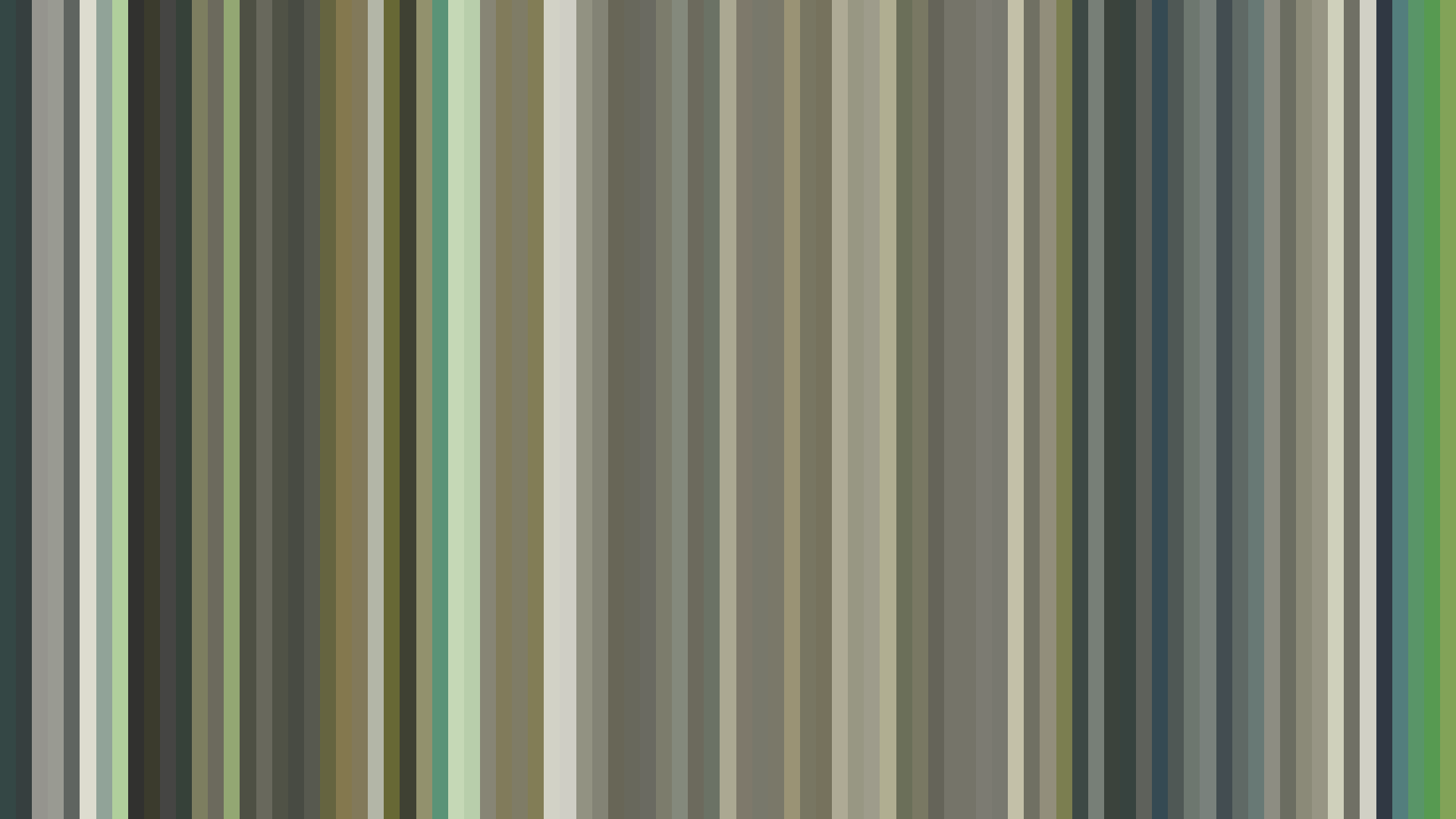
Avg · 15s
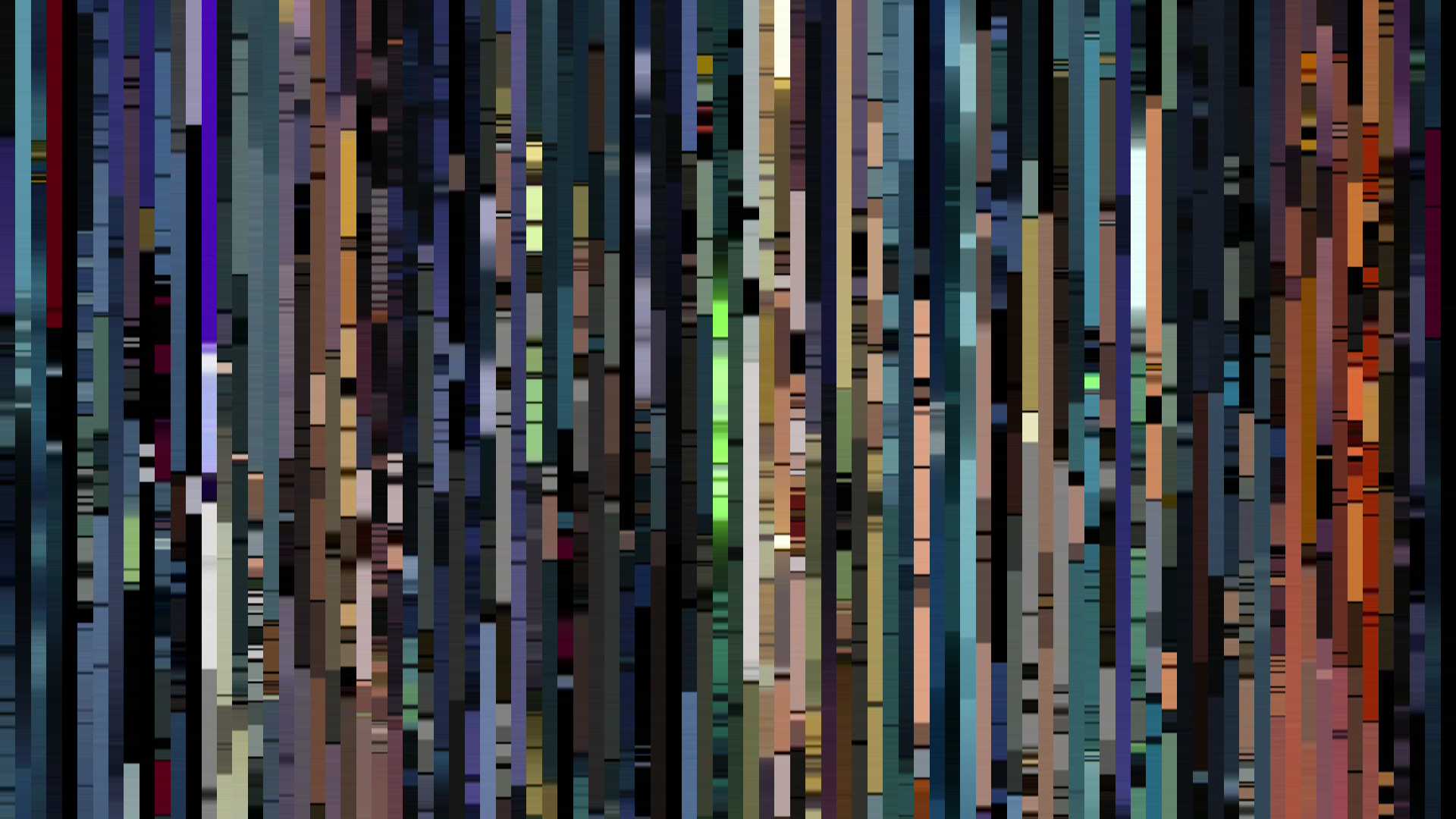
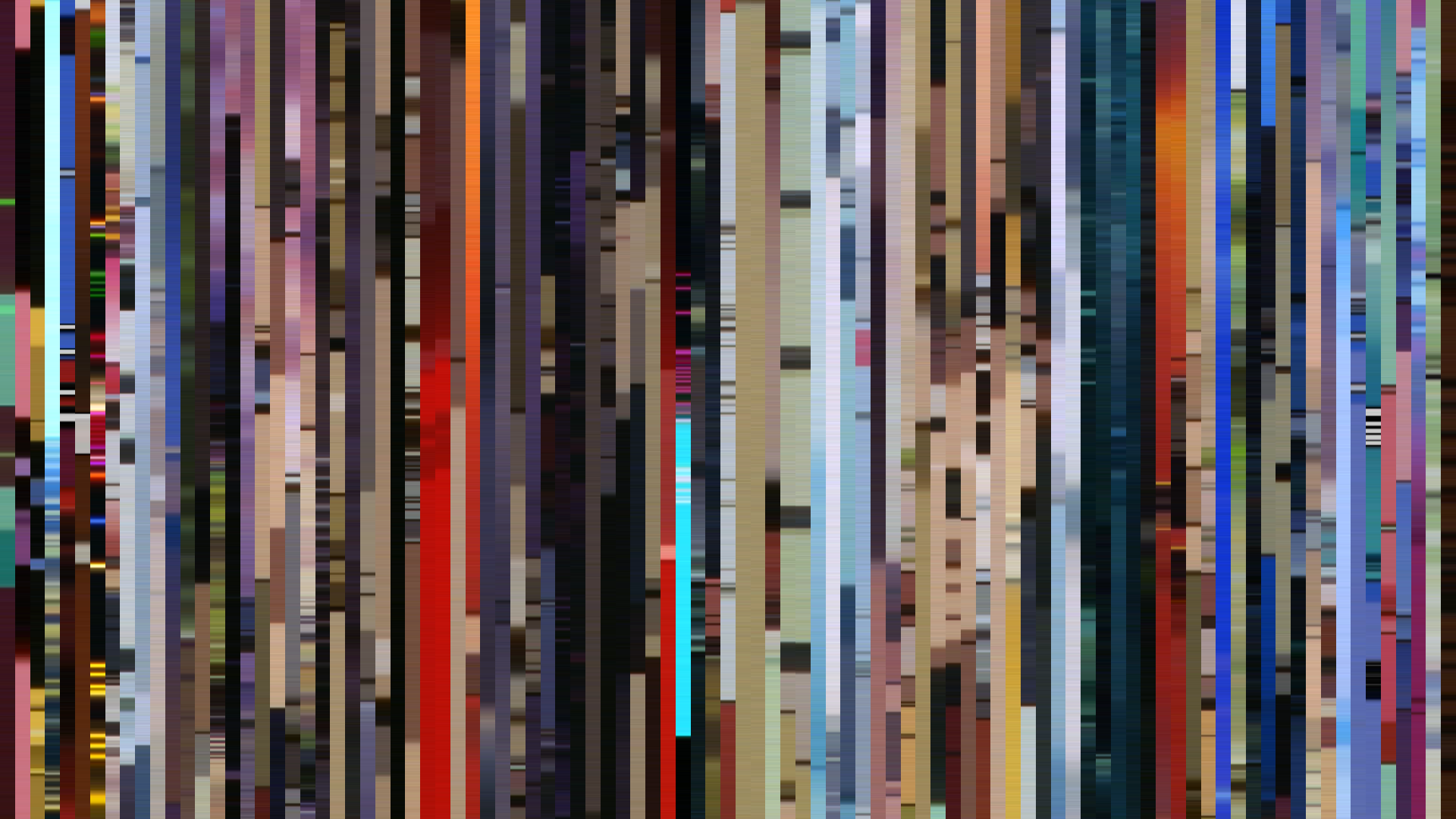
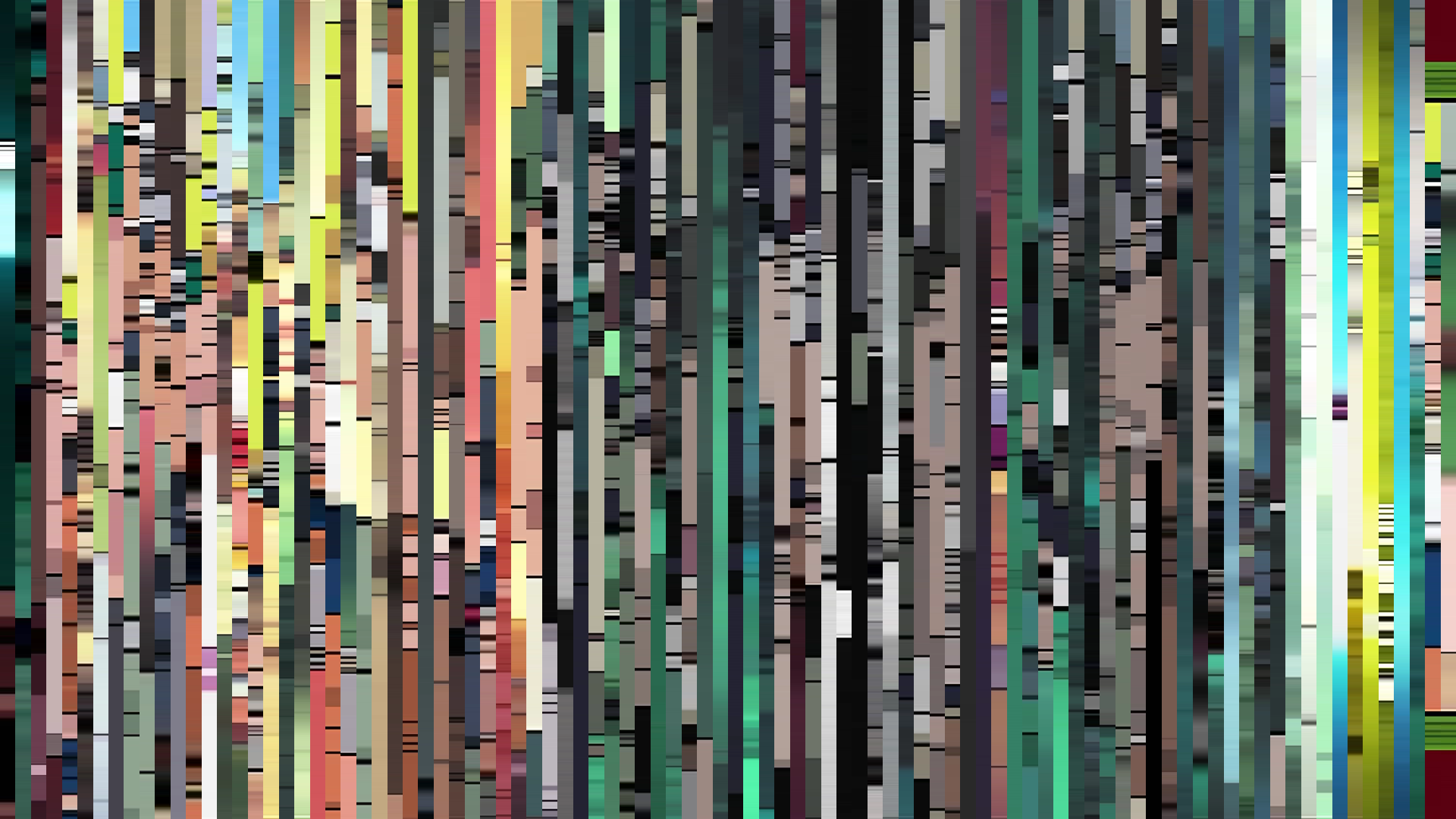
Slice · 30s
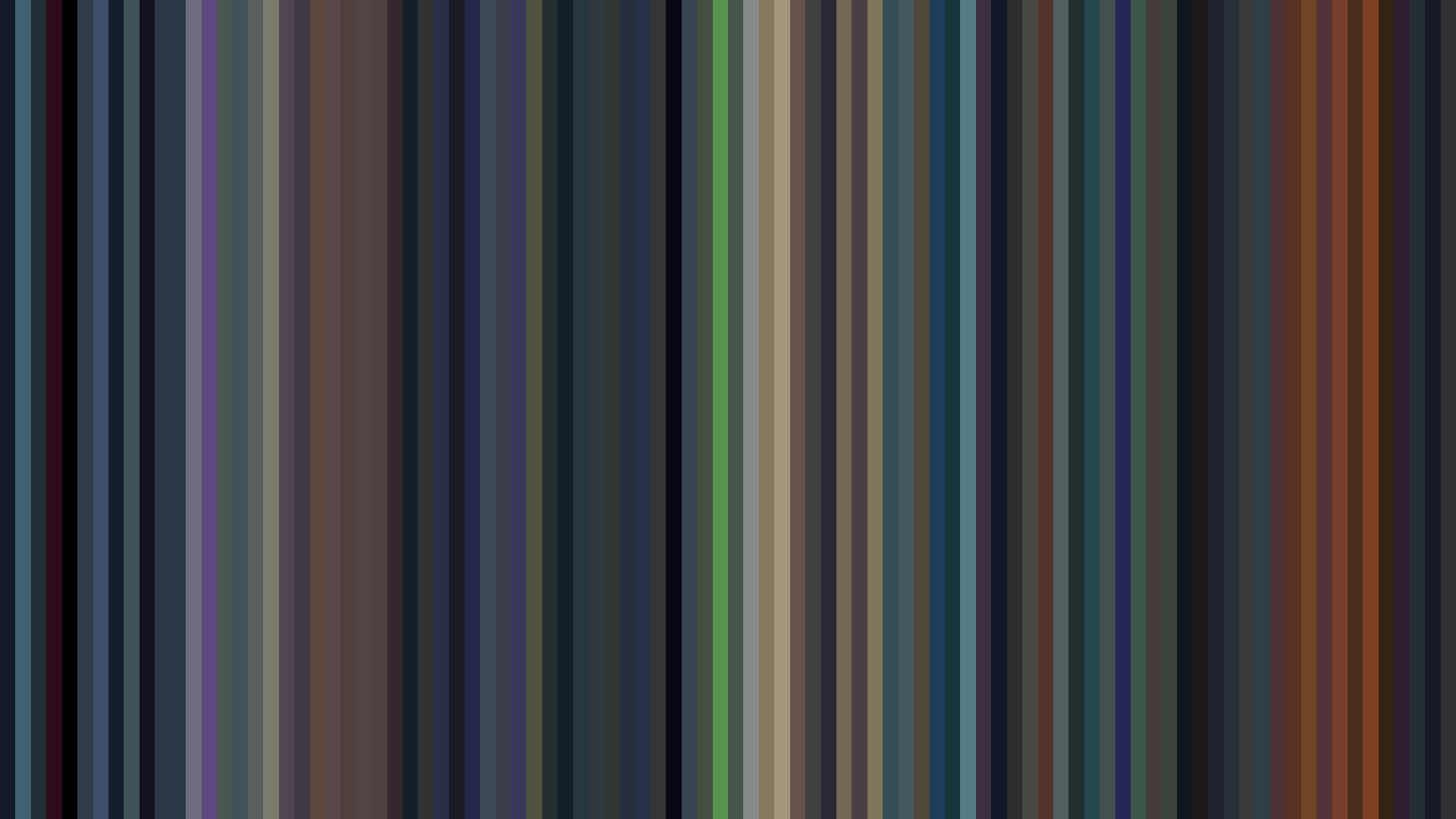
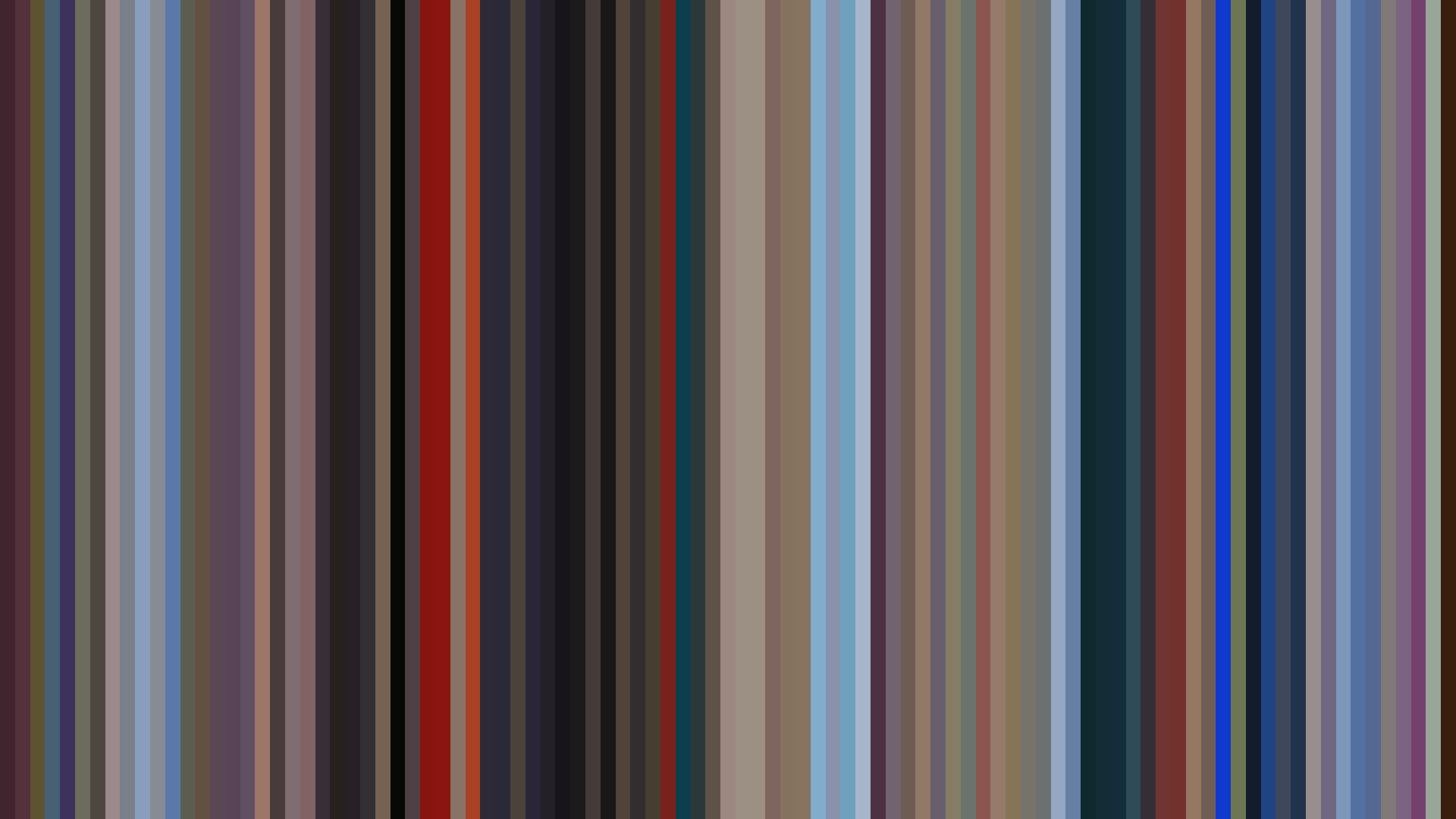
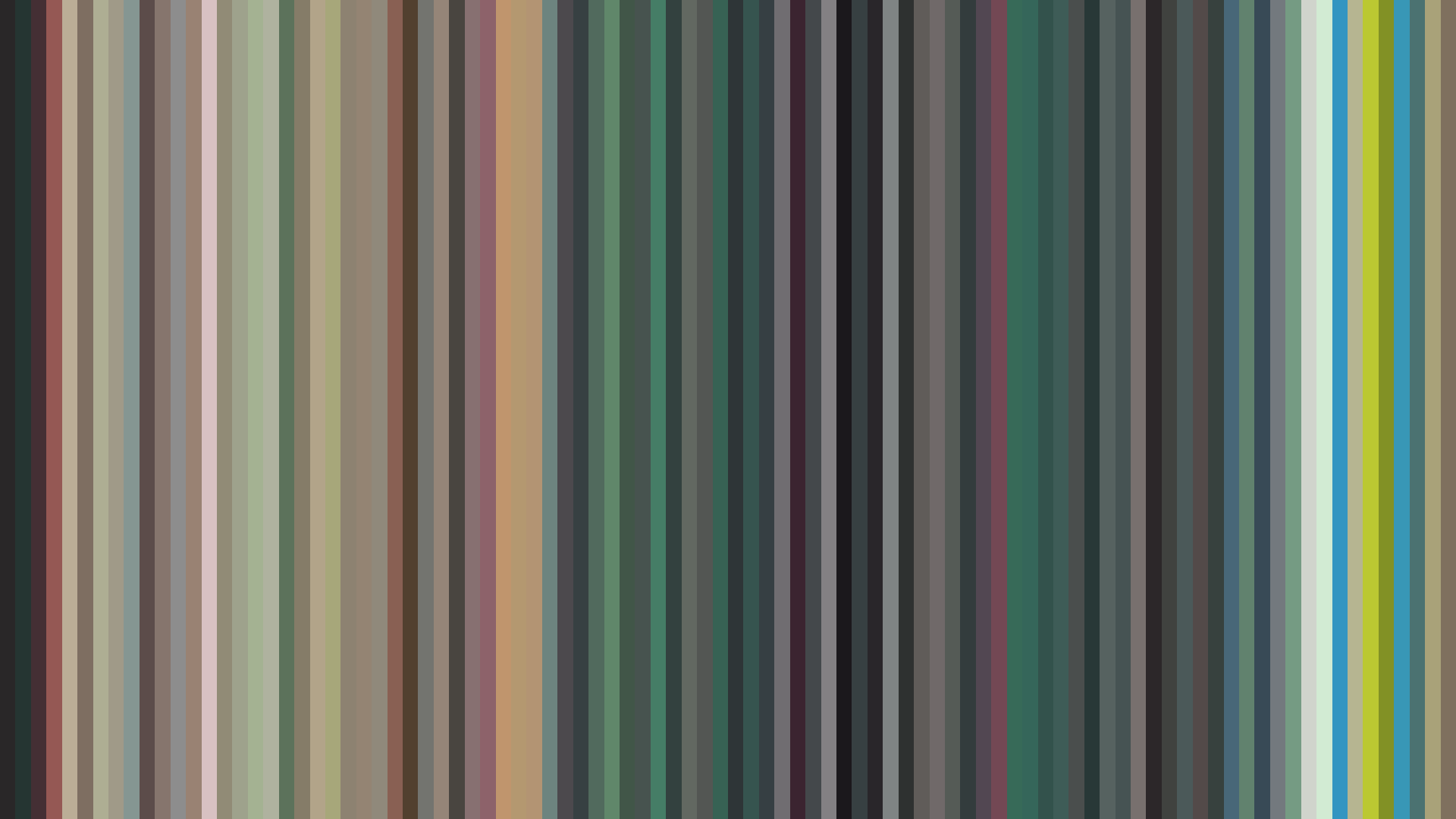
Avg · 30s
The raw data suggests a comedy, but the barcode tells a different story. *Abenobashi's* bright opening, with its initial average brightness of 0.410, is the visual equivalent of a stage curtain rising on a too-sunny facade. Under director Hiroyuki Yamaga and Madhouse, the Red dominance—a full 37%—isn't the warm blood of emotion, but the garish, flickering neon of a shopping arcade's fluorescent signs. The palette's core is a muddy gray-brown (#615D59, #9D9E99), the color of concrete and drained ambition, which the show's wild genre parodies only temporarily paint over. As the series progresses, the brightness *rises* (to 0.475 in the middle), a perverse arc for a story about a boy trapped in a dying world. This isn't a darkening descent into truth, but a manic, increasingly desperate *brightening*—the visual signal of a narrative screaming louder and louder to distract from the void. The colors don't deepen; they flatten into a static, low-saturation hum (0.199), a palette that has given up on depth and settled for noise.
Brightness Arc (episode progression)
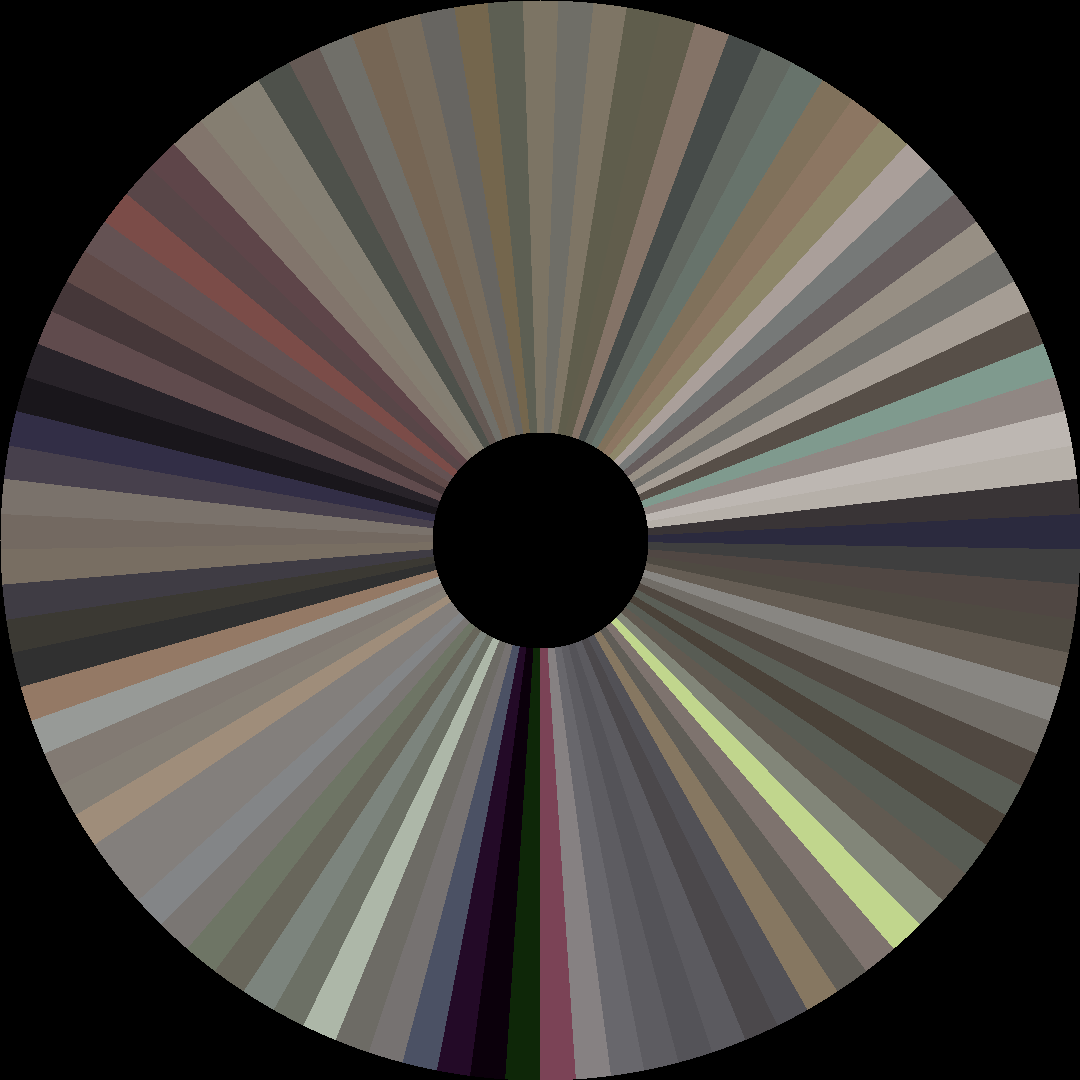
Hue Distribution
Act Breakdown
Opening
0.410
Middle
0.475
Closing
0.479
Avg Brightness
0.410
Avg Saturation
0.199
Warmth
0.529
Color Palette
#615D59
#232122
#9D9E99
#91705E
#9F8B72
#32334B
#594B36
#DADADA
3-Act Color Story
Opening
Middle
Closing
Color Twins
Perceptually nearest palettes — measured in OKLab space, not RGB
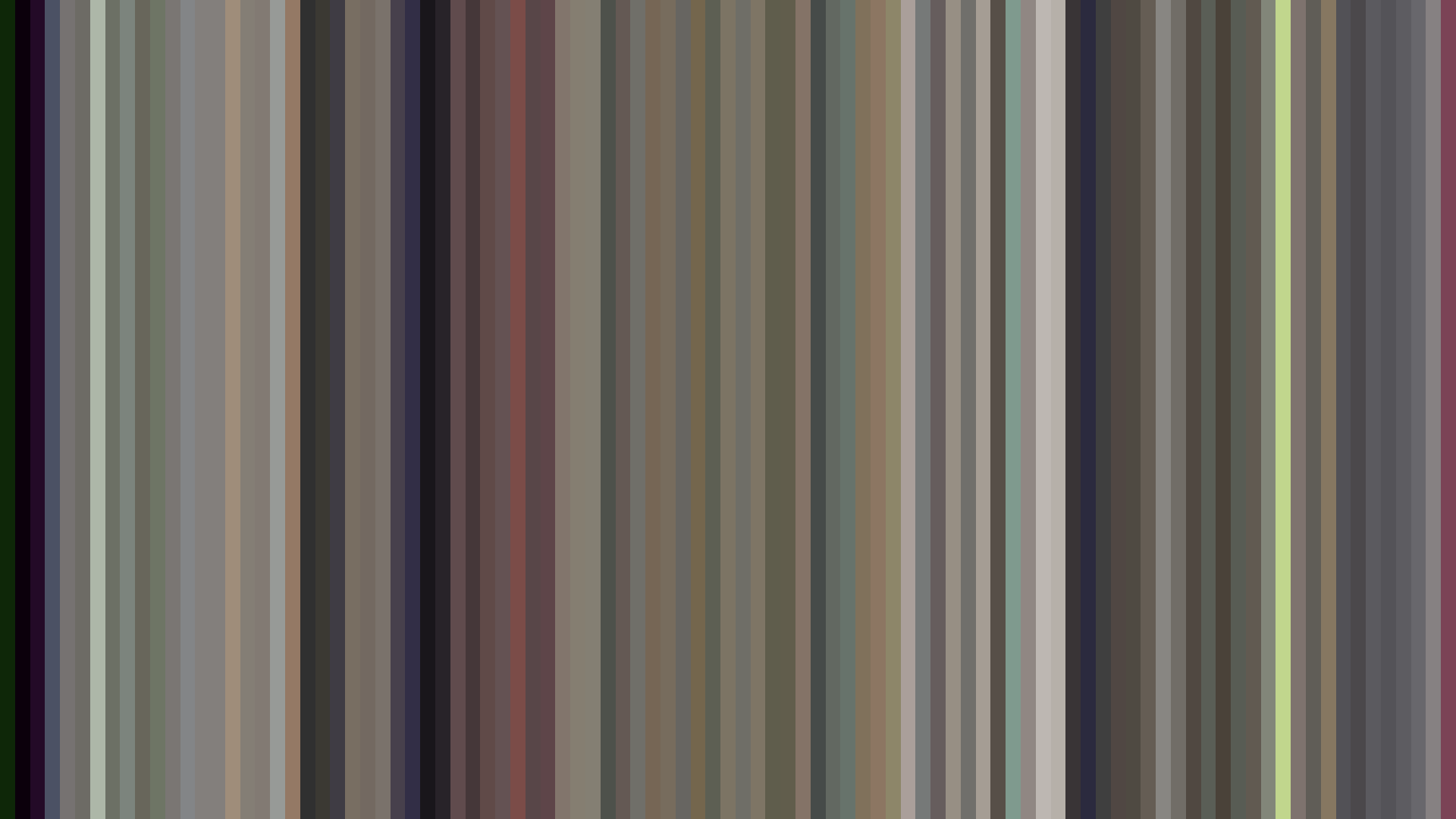






The raw data suggests a comedy, but the barcode tells a different story. *Abenobashi's* bright opening, with its initial average brightness of 0.410, is the visual equivalent of a stage curtain rising on a too-sunny facade. Under director Hiroyuki Yamaga and Madhouse, the Red dominance—a full 37%—isn't the warm blood of emotion, but the garish, flickering neon of a shopping arcade's fluorescent signs. The palette's core is a muddy gray-brown (#615D59, #9D9E99), the color of concrete and drained ambition, which the show's wild genre parodies only temporarily paint over. As the series progresses, the brightness *rises* (to 0.475 in the middle), a perverse arc for a story about a boy trapped in a dying world. This isn't a darkening descent into truth, but a manic, increasingly desperate *brightening*—the visual signal of a narrative screaming louder and louder to distract from the void. The colors don't deepen; they flatten into a static, low-saturation hum (0.199), a palette that has given up on depth and settled for noise.