Edit Pace — frame-to-frame color delta (bright = fast cuts)
Color Temperature — warm (gold) vs cool (teal) per frame
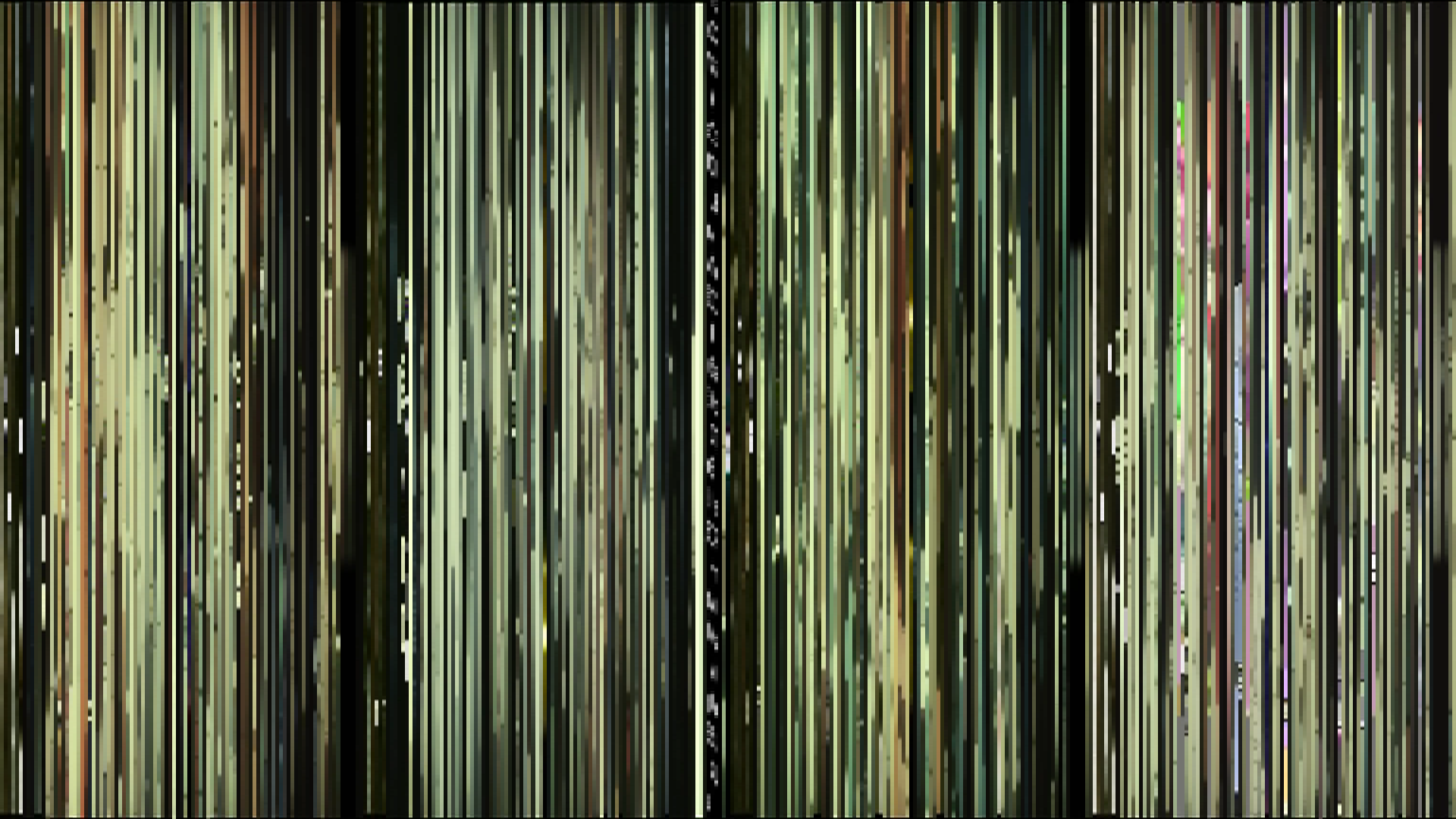
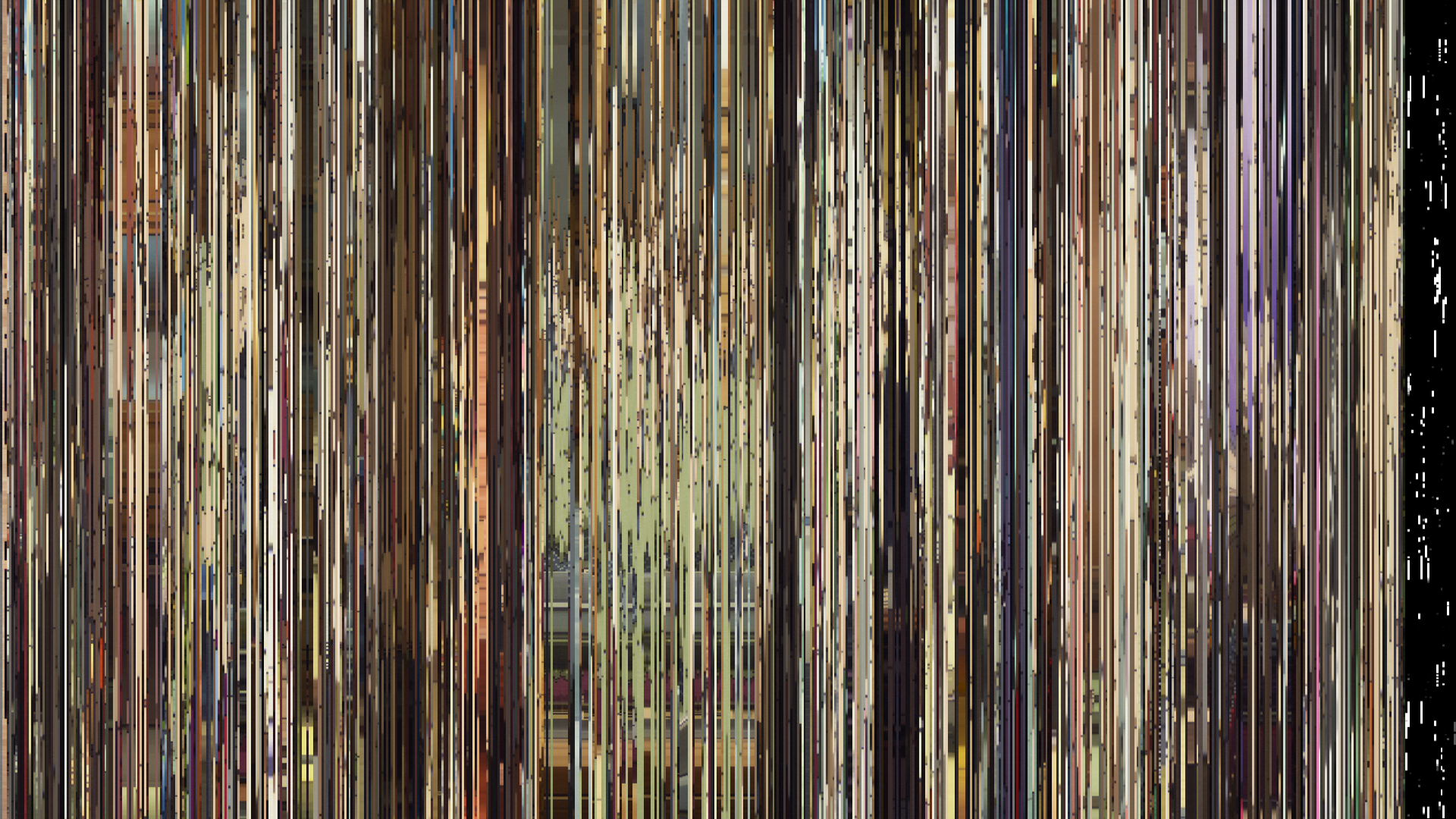
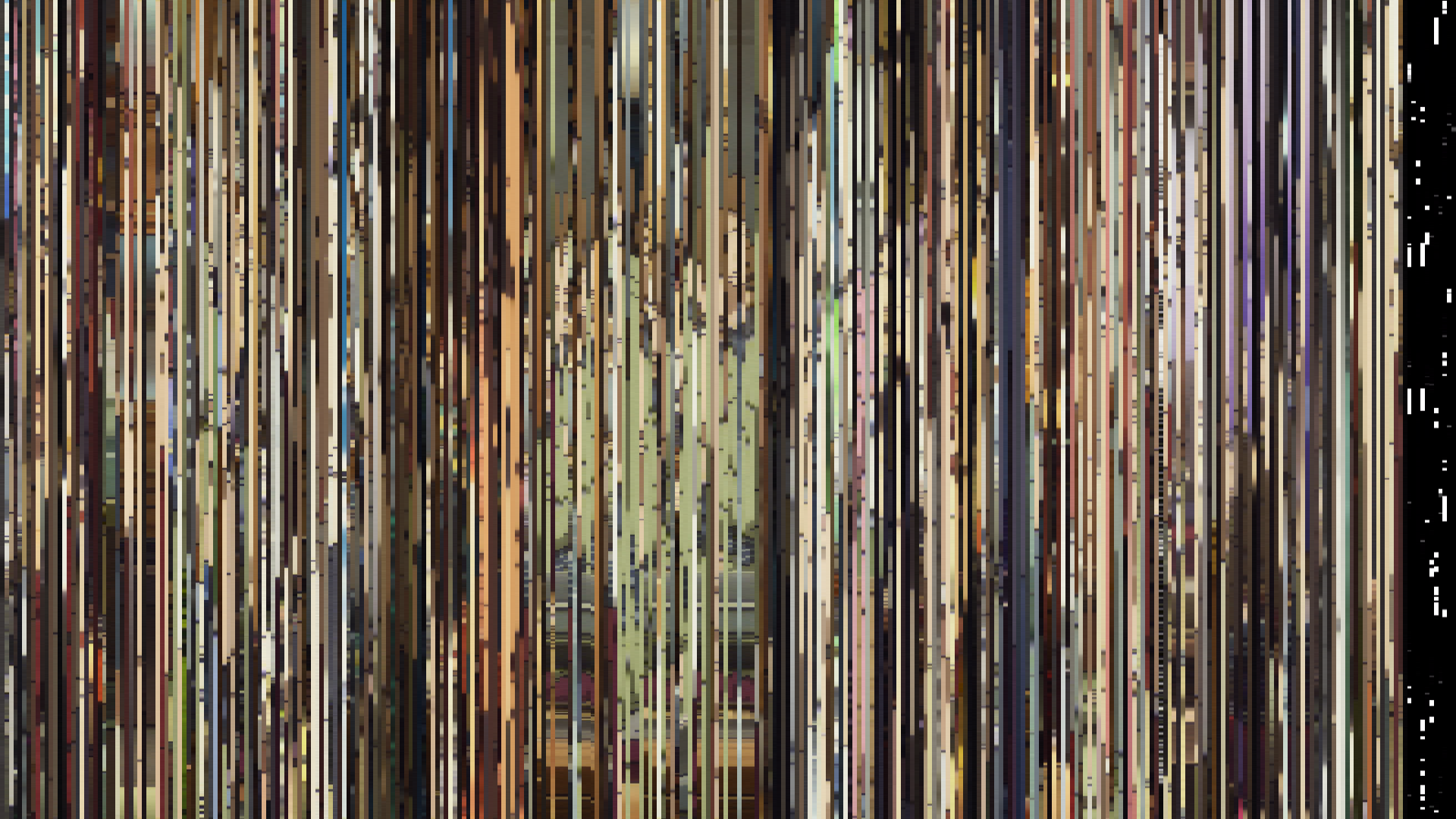
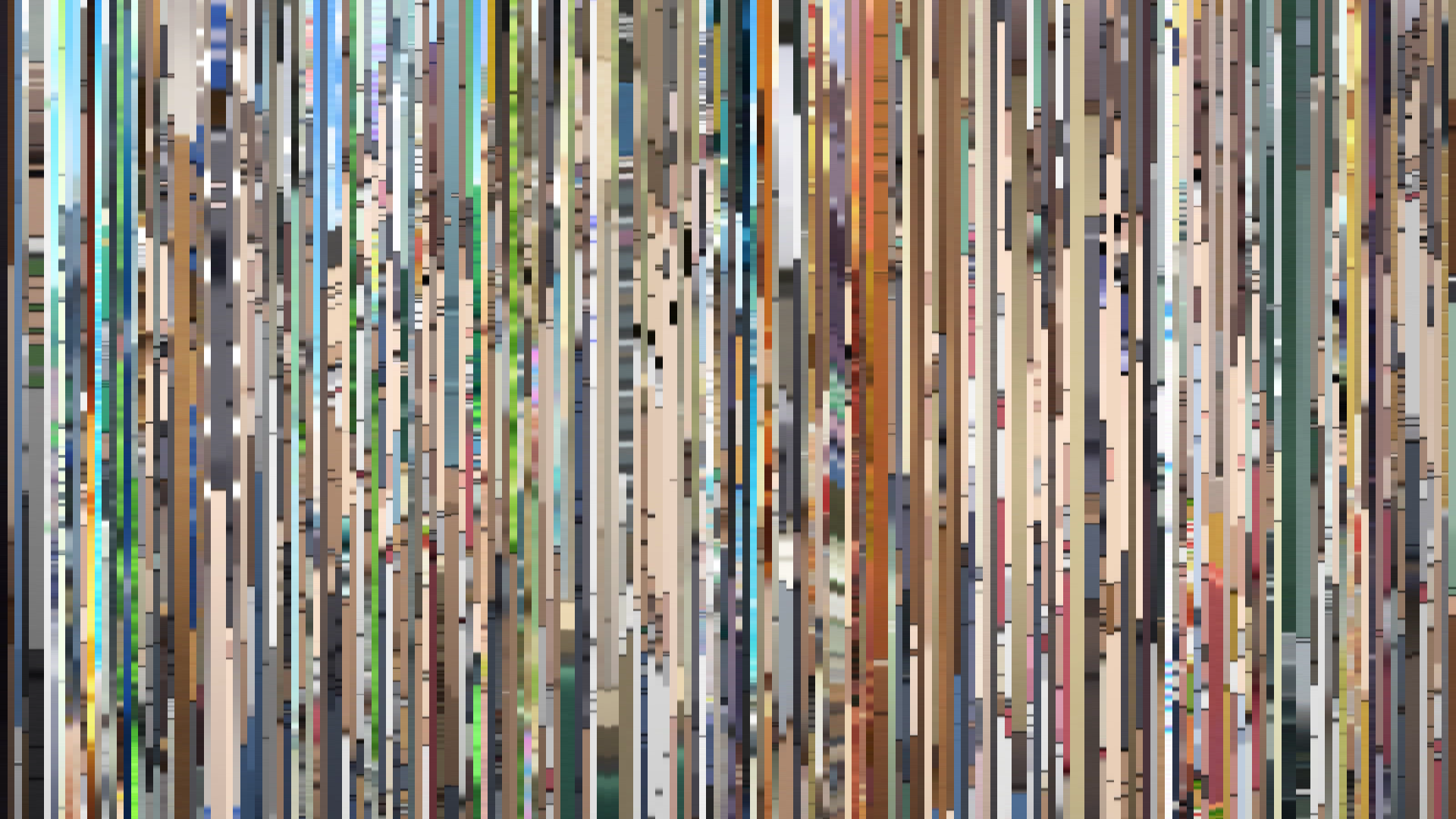
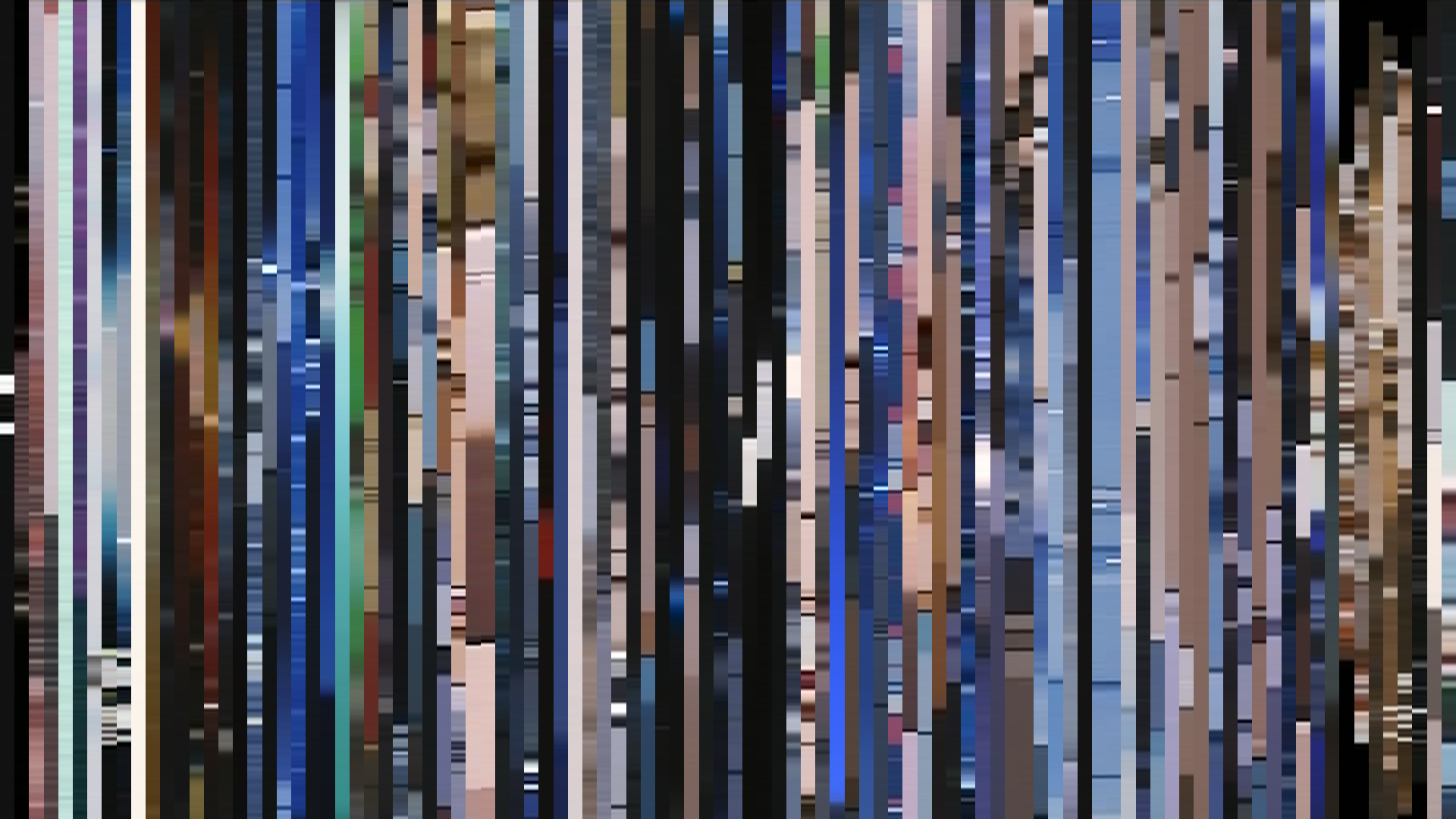
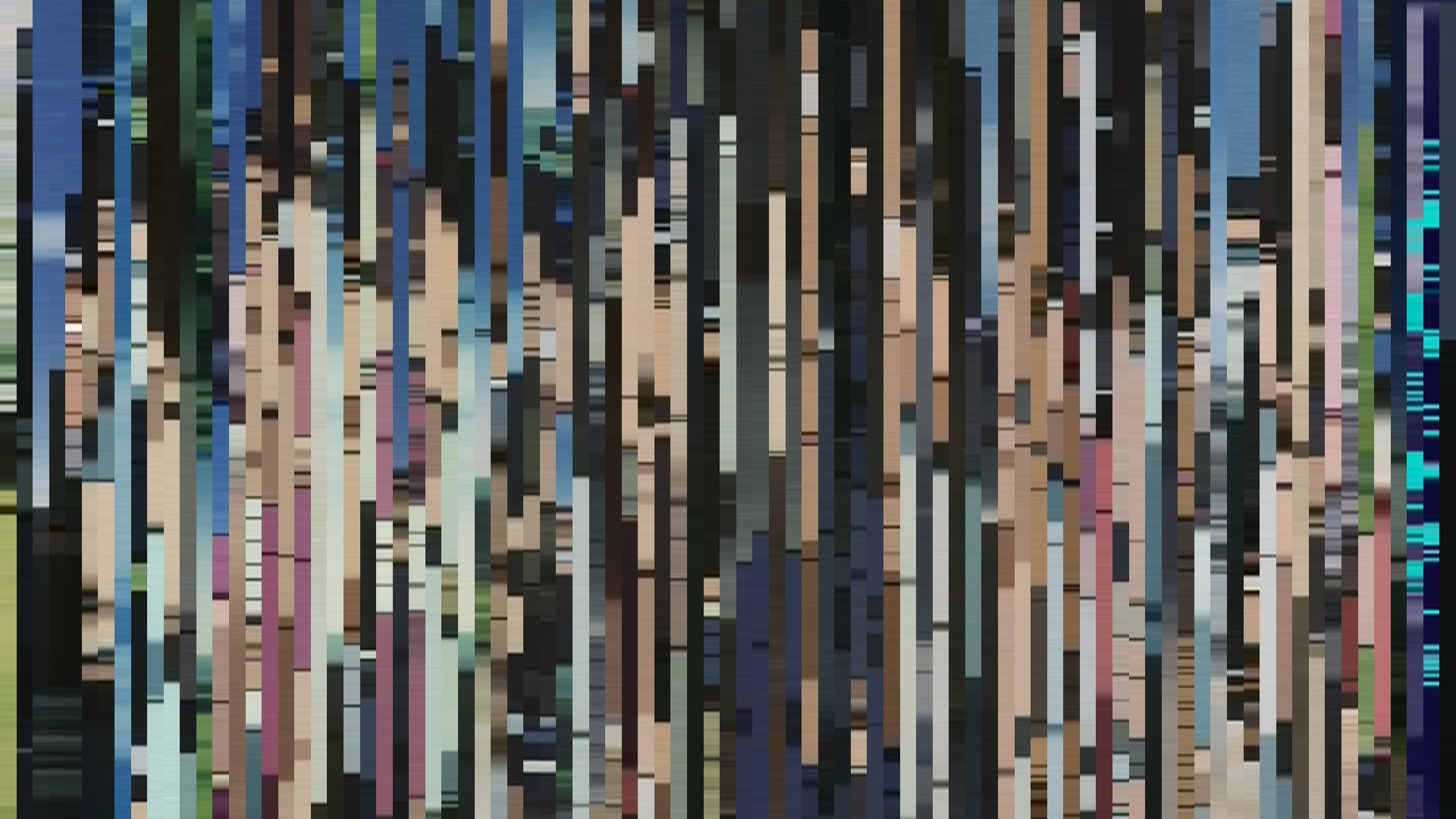
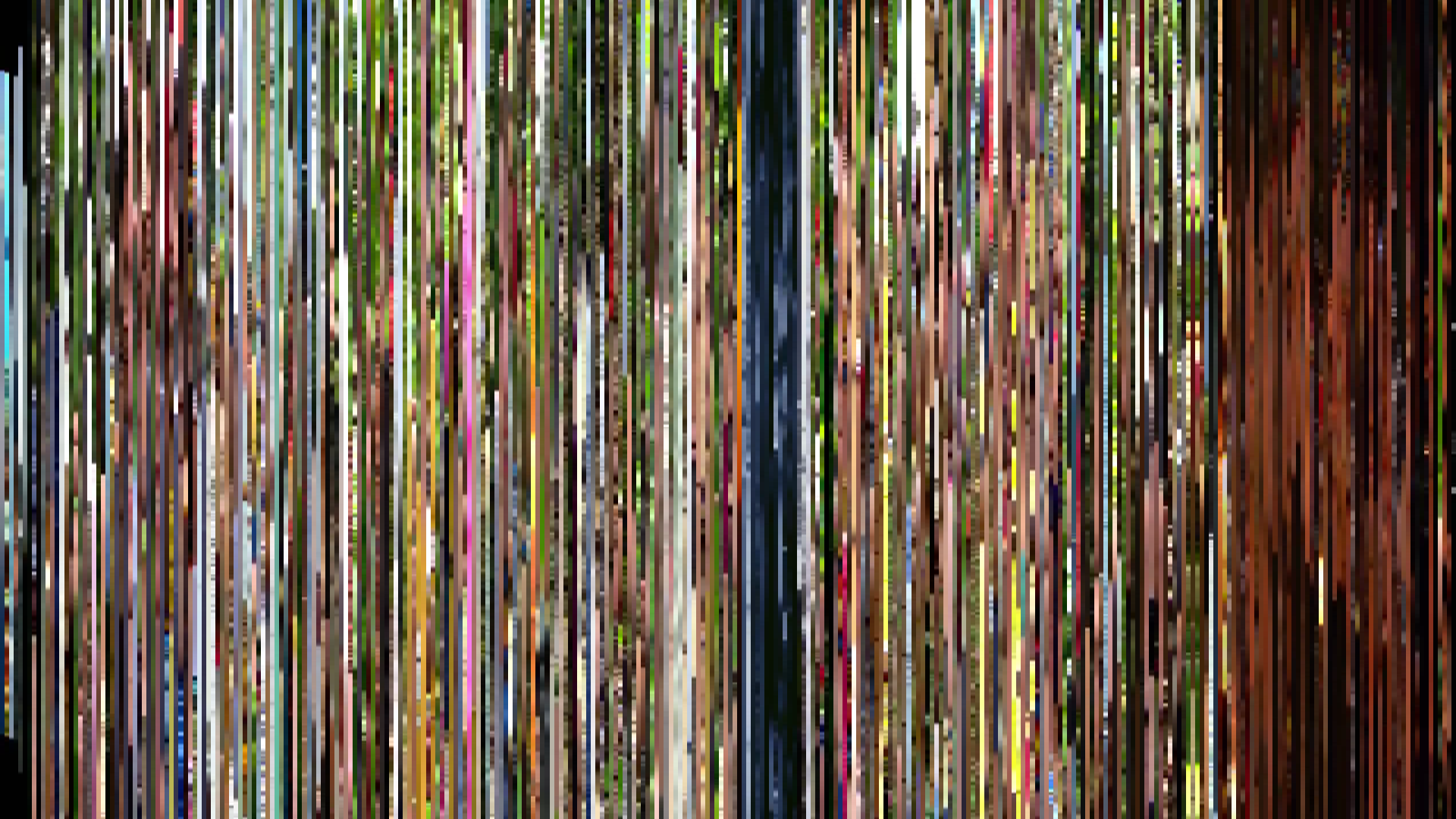
Frame Density Comparison — every 2nd vs every 4th frame
Slice · 15s
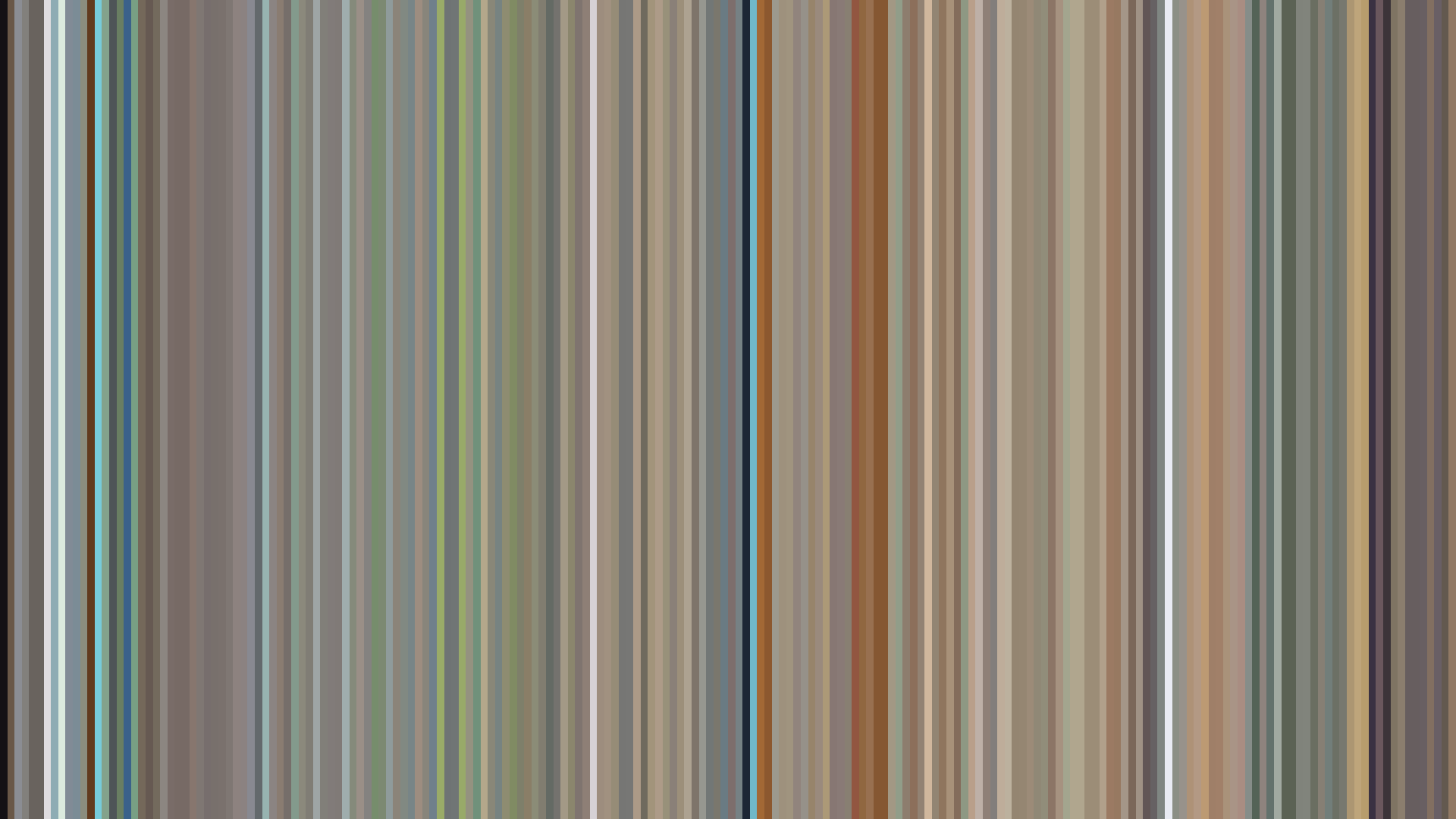
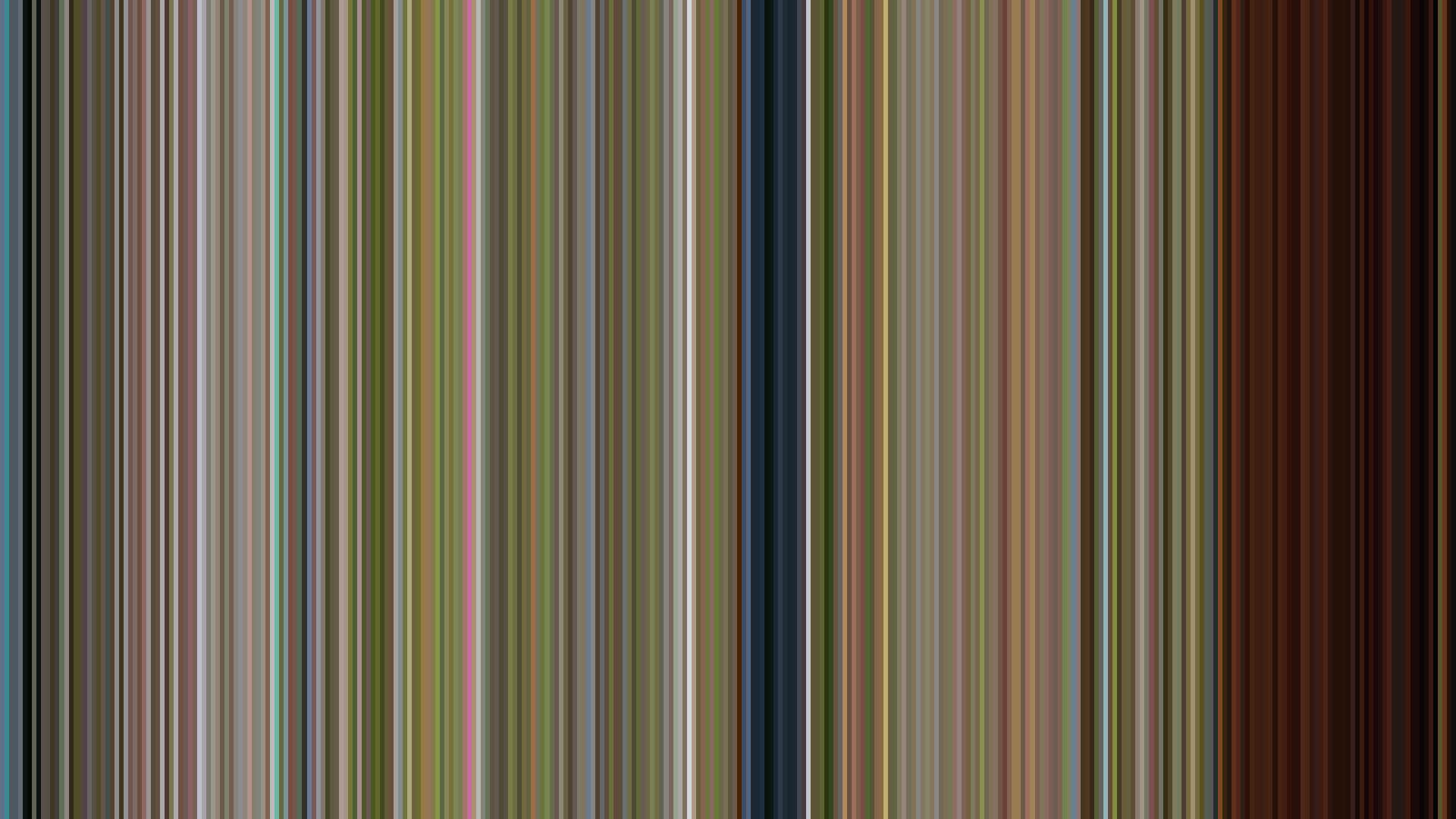
Avg · 15s
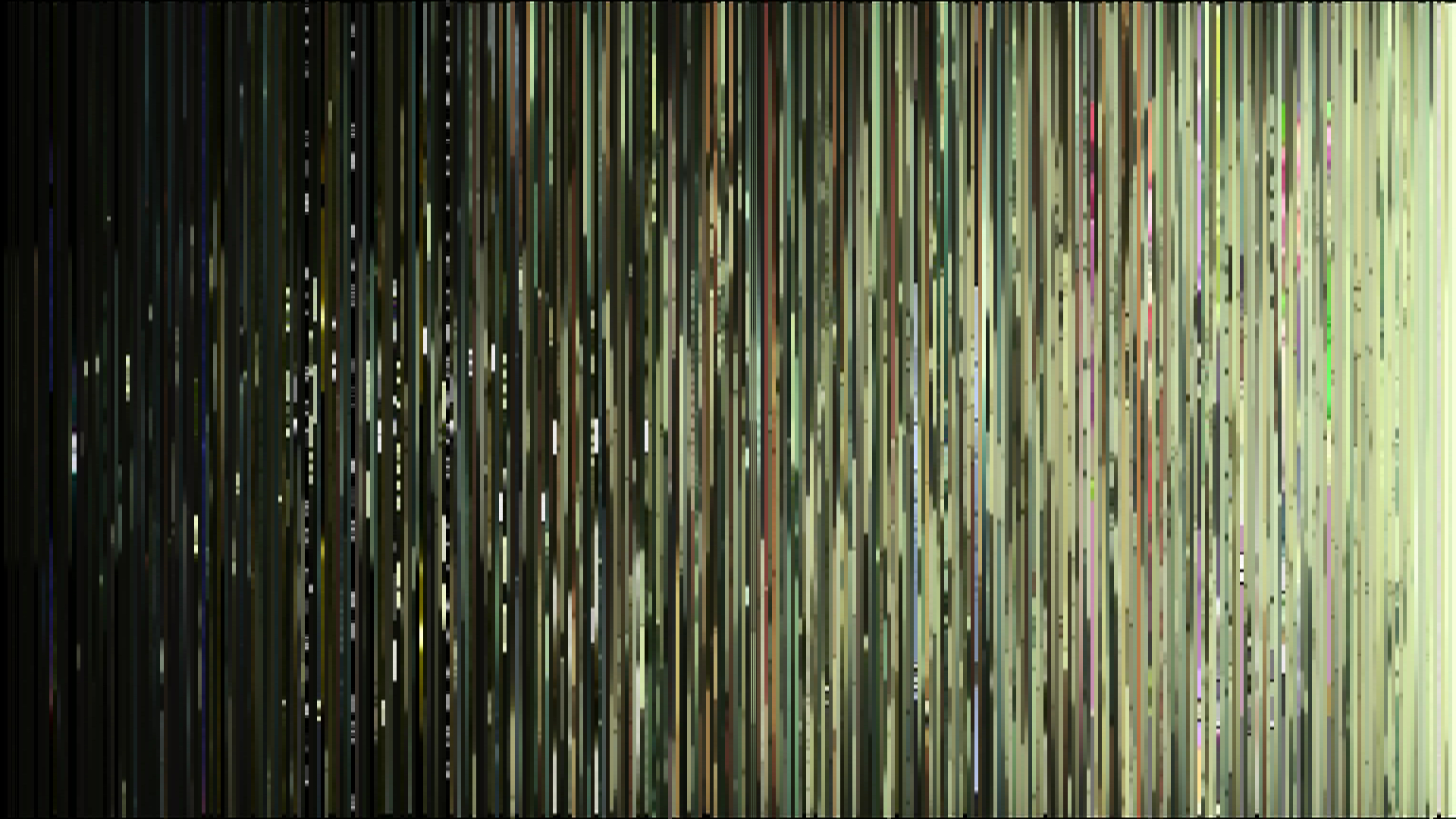
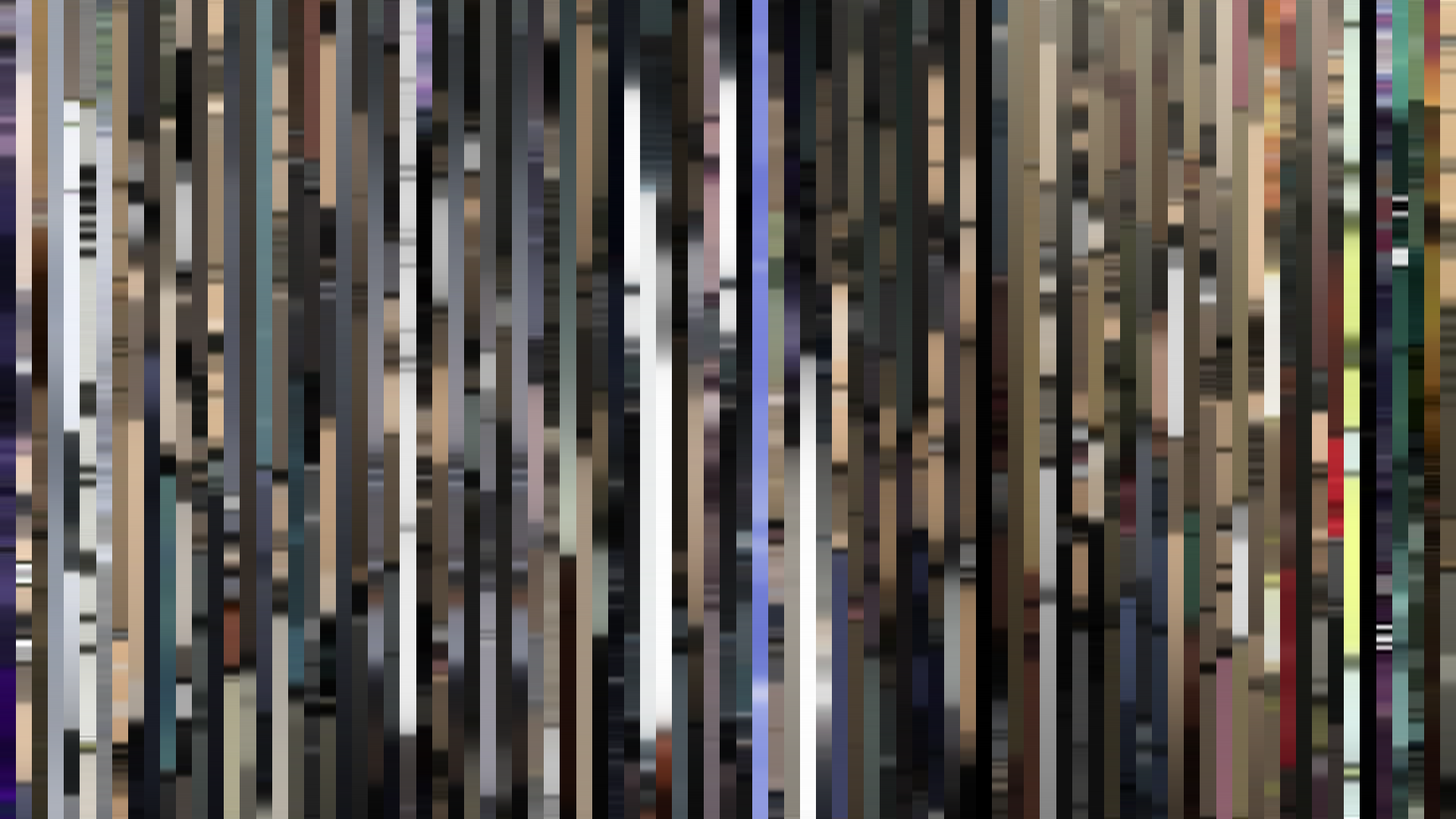
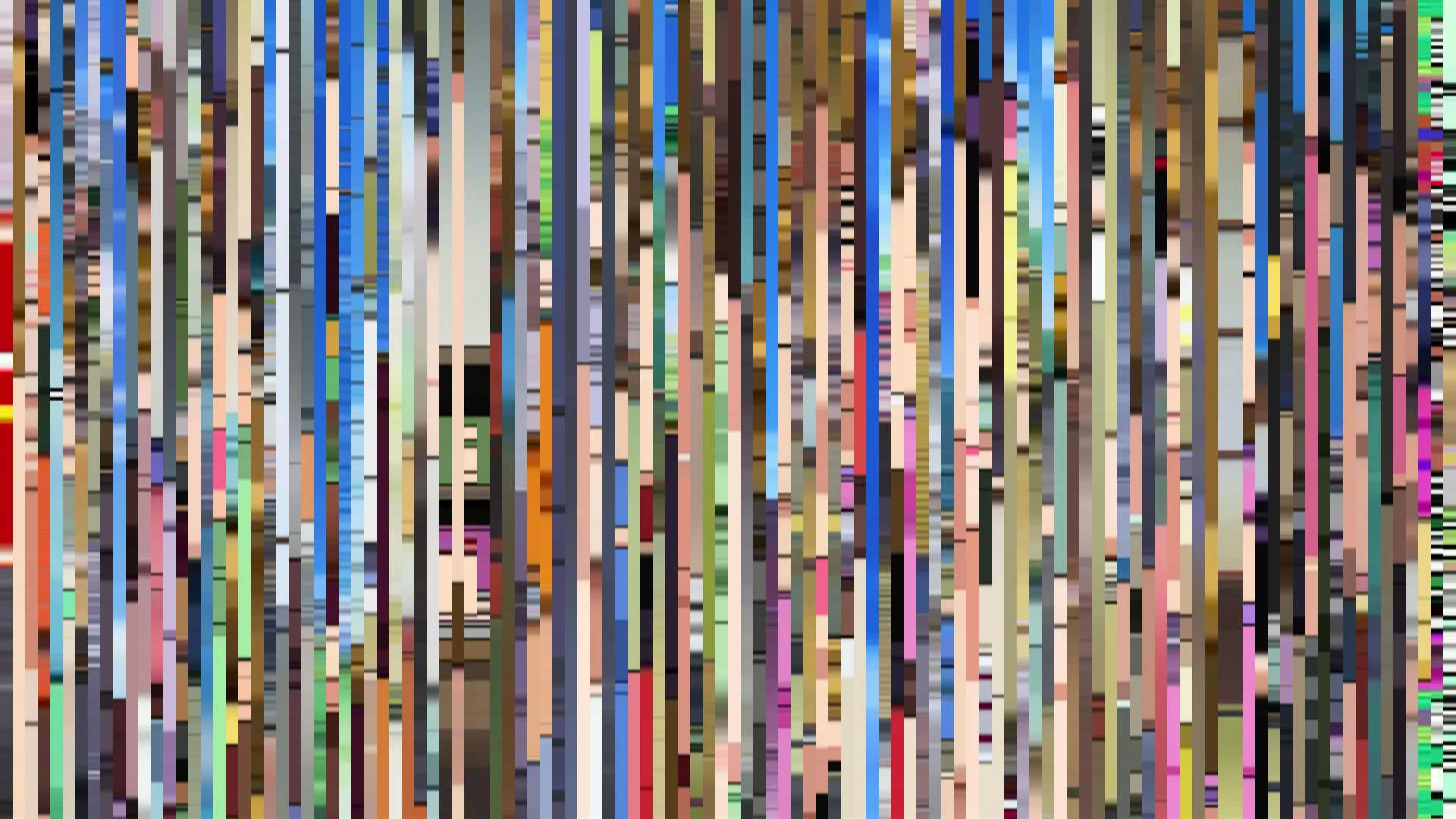
Slice · 30s
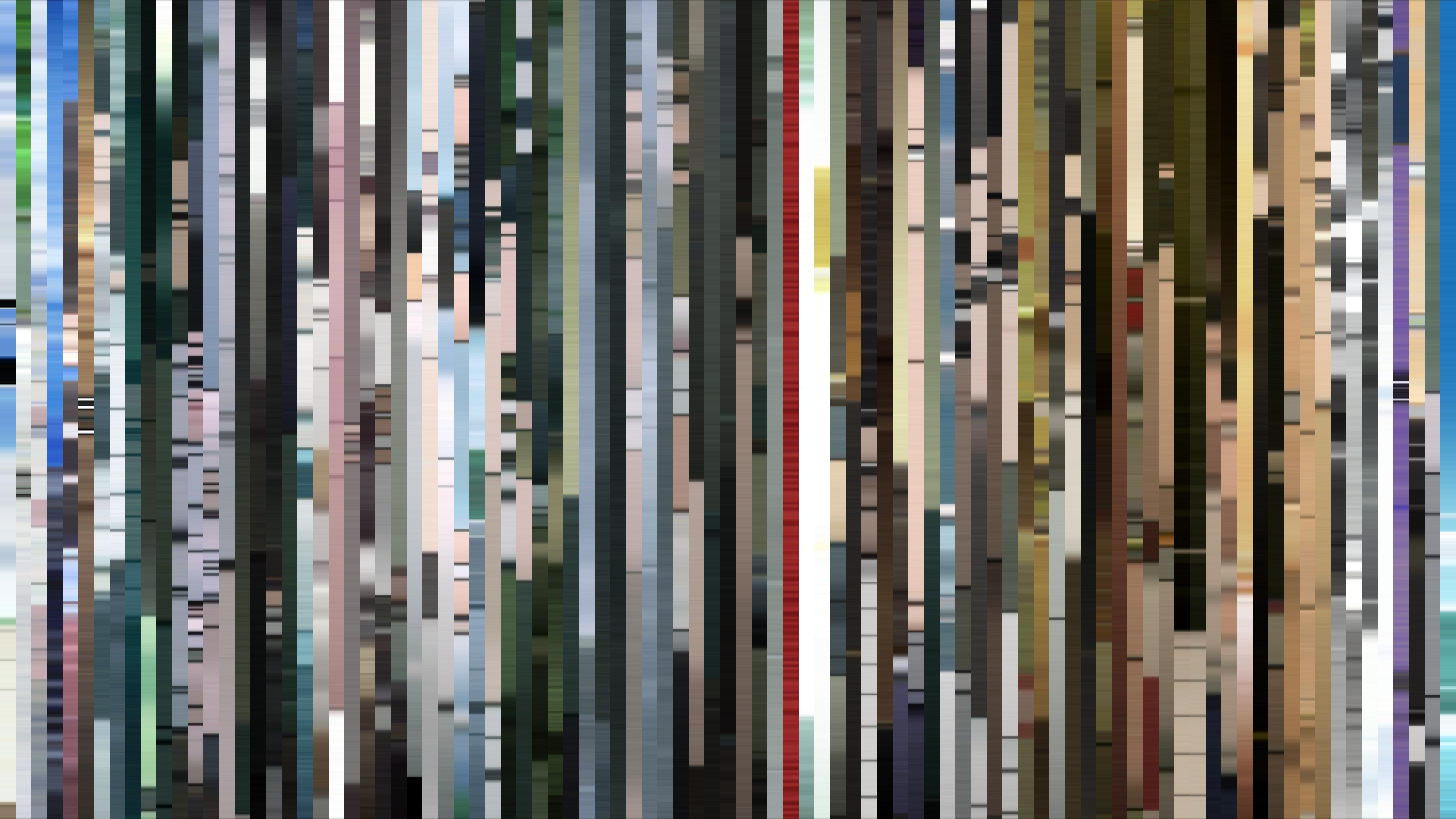
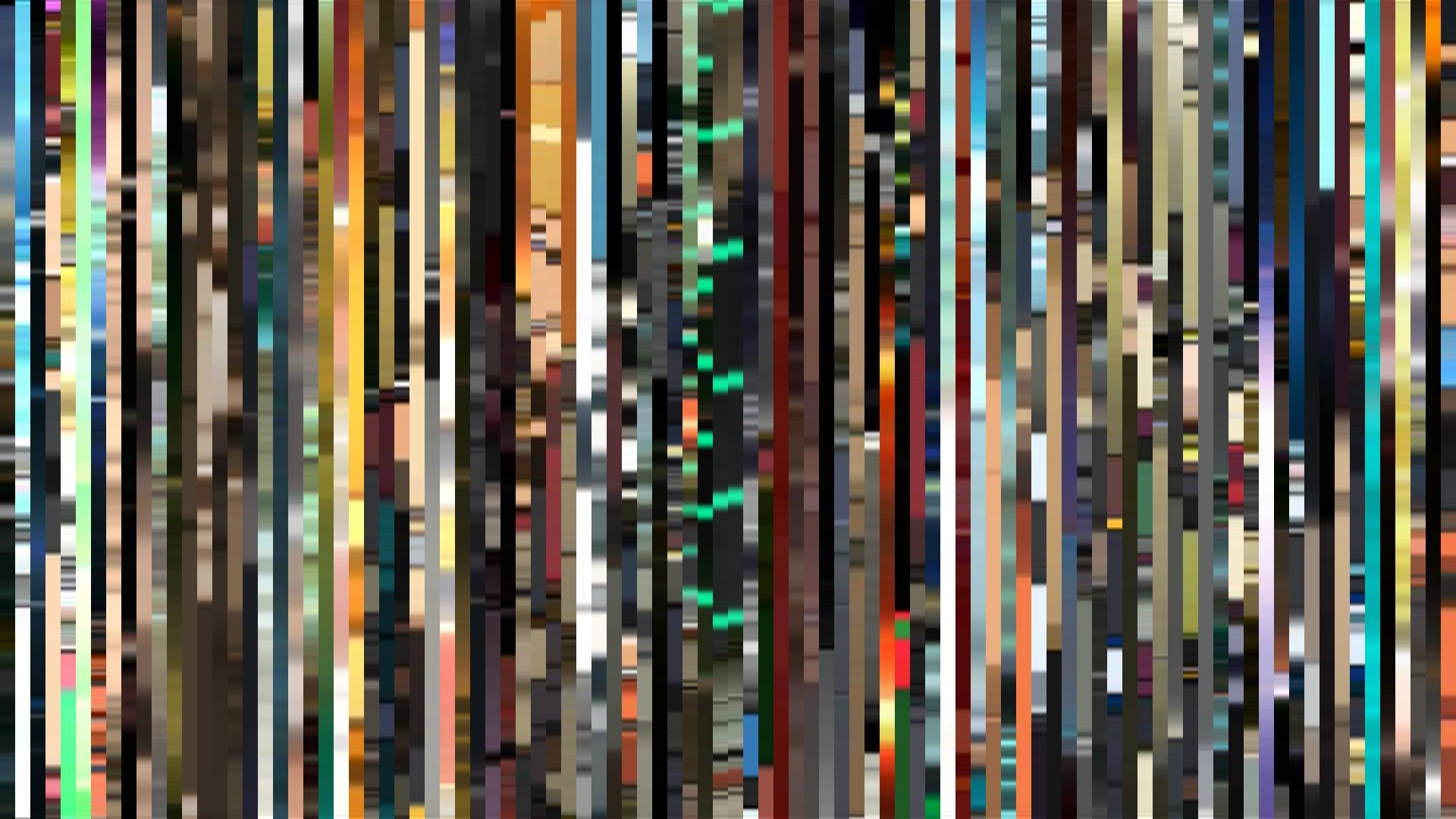
Avg · 30s
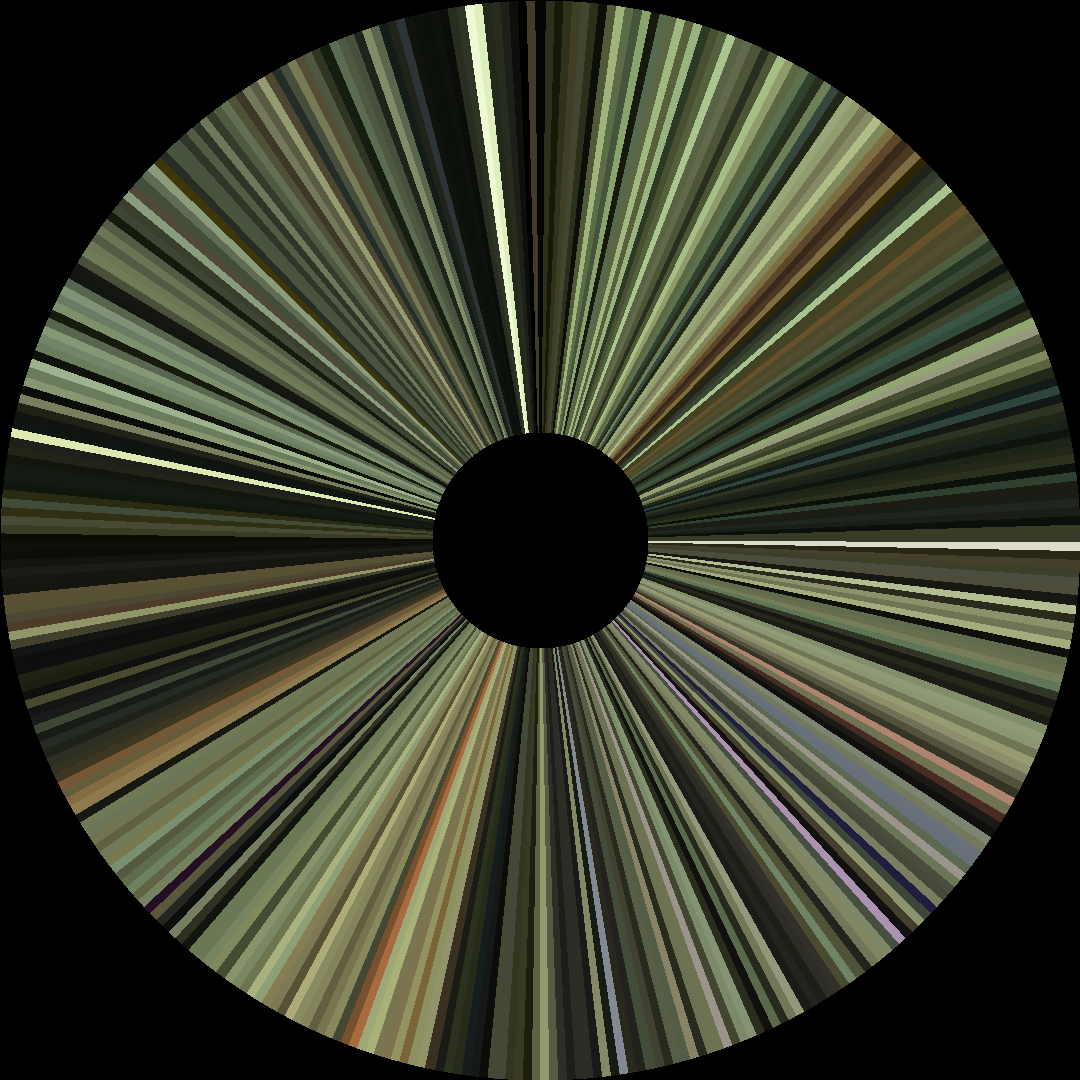
The palette is almost an insult to the word "color." Boogiepop Phantom's five dominant hues are shades of mud: olive, khaki, umber, all held together by a sickly Orange that barely registers above 0.28 saturation. Director Ryuutaro Nakamura, fresh off the cold blues of *Serial Experiments Lain*, here trades cathode-ray tubes for sodium-vapor streetlamps — but the result is no less alienating. The brightness arc is a flatline, each act hovering within 0.02 of the next, and the average brightness of 0.346 is among the darkest in Madhouse's early-2000s output. This is not a failure of narrative pacing but a deliberate refusal of relief. Where most horror uses a dark midpoint to release tension in a final act, *Boogiepop Phantom* denies any such catharsis; the world remains uniformly dim and uniformly brown-green, as though the city itself has been embalmed. The Orange dominance — 60% of frames — evokes neither warmth nor sunset but the memory of a fire that burned out before the story began. Nakamura traps his characters in a flatline of visual stasis, and the barcode reflects that: not a story shape, but a pulse monitor that never flutters.
Brightness Arc (episode progression)
Hue Distribution
Act Breakdown
Opening
0.349
Middle
0.350
Closing
0.367
Avg Brightness
0.346
Avg Saturation
0.288
Warmth
0.540
Color Palette
#202318
#636851
#909770
#4D4E37
#A4AD89
#788565
#3A4432
#463627
3-Act Color Story
Opening
Middle
Closing
Color Twins
Perceptually nearest palettes — measured in OKLab space, not RGB
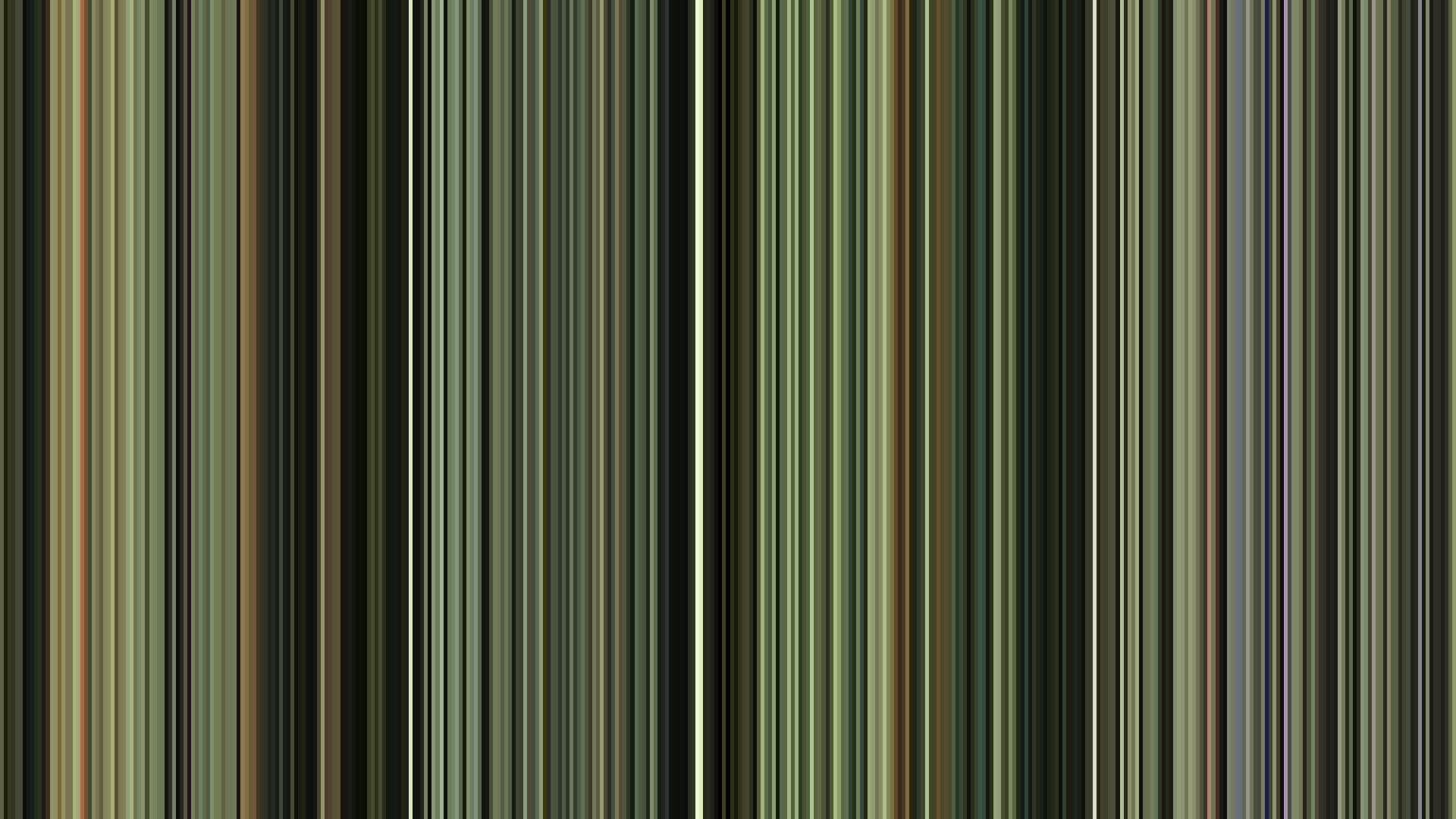














The palette is almost an insult to the word "color." Boogiepop Phantom's five dominant hues are shades of mud: olive, khaki, umber, all held together by a sickly Orange that barely registers above 0.28 saturation. Director Ryuutaro Nakamura, fresh off the cold blues of *Serial Experiments Lain*, here trades cathode-ray tubes for sodium-vapor streetlamps — but the result is no less alienating. The brightness arc is a flatline, each act hovering within 0.02 of the next, and the average brightness of 0.346 is among the darkest in Madhouse's early-2000s output. This is not a failure of narrative pacing but a deliberate refusal of relief. Where most horror uses a dark midpoint to release tension in a final act, *Boogiepop Phantom* denies any such catharsis; the world remains uniformly dim and uniformly brown-green, as though the city itself has been embalmed. The Orange dominance — 60% of frames — evokes neither warmth nor sunset but the memory of a fire that burned out before the story began. Nakamura traps his characters in a flatline of visual stasis, and the barcode reflects that: not a story shape, but a pulse monitor that never flutters.