Edit Pace — frame-to-frame color delta (bright = fast cuts)
Color Temperature — warm (gold) vs cool (teal) per frame
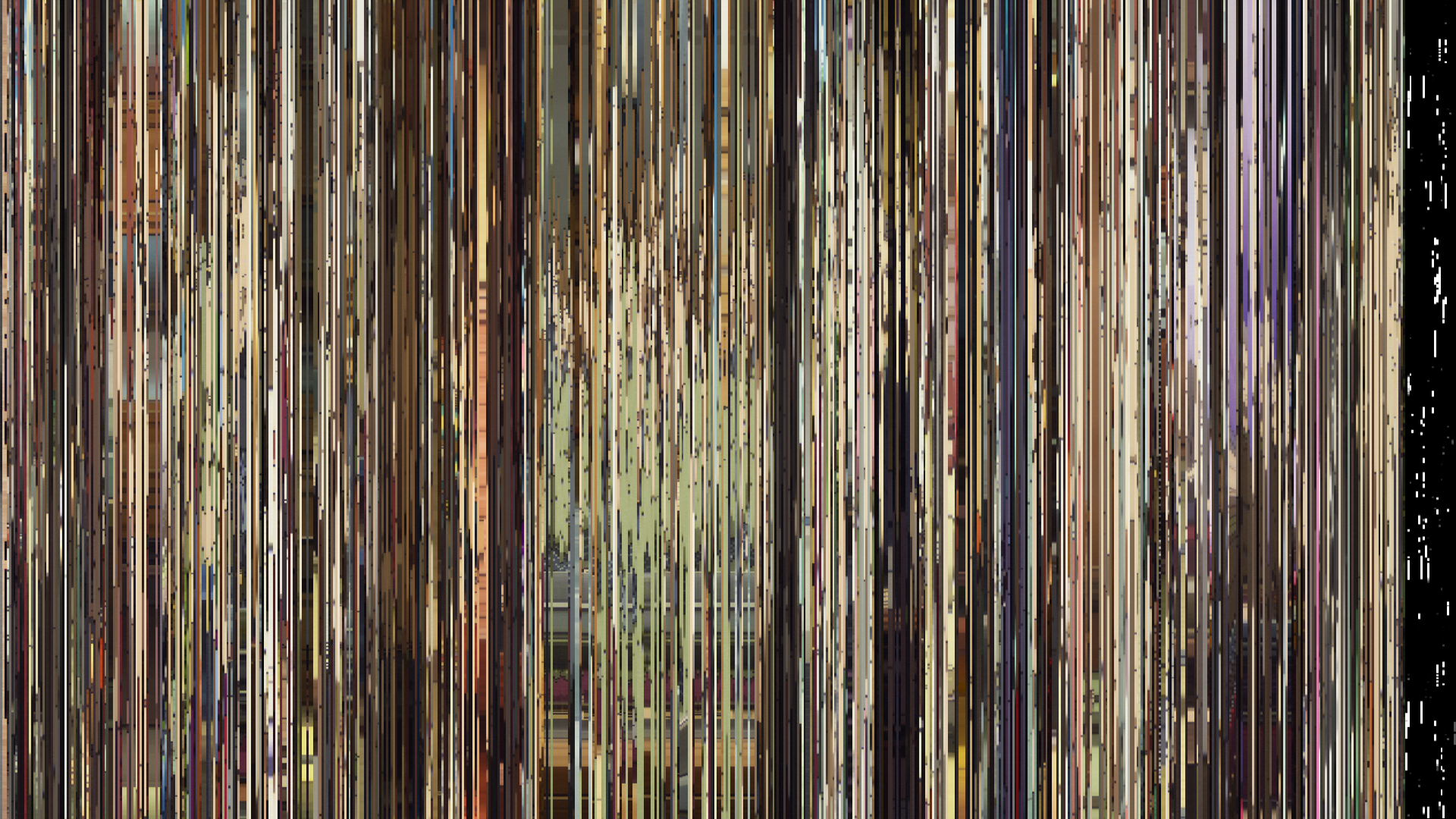
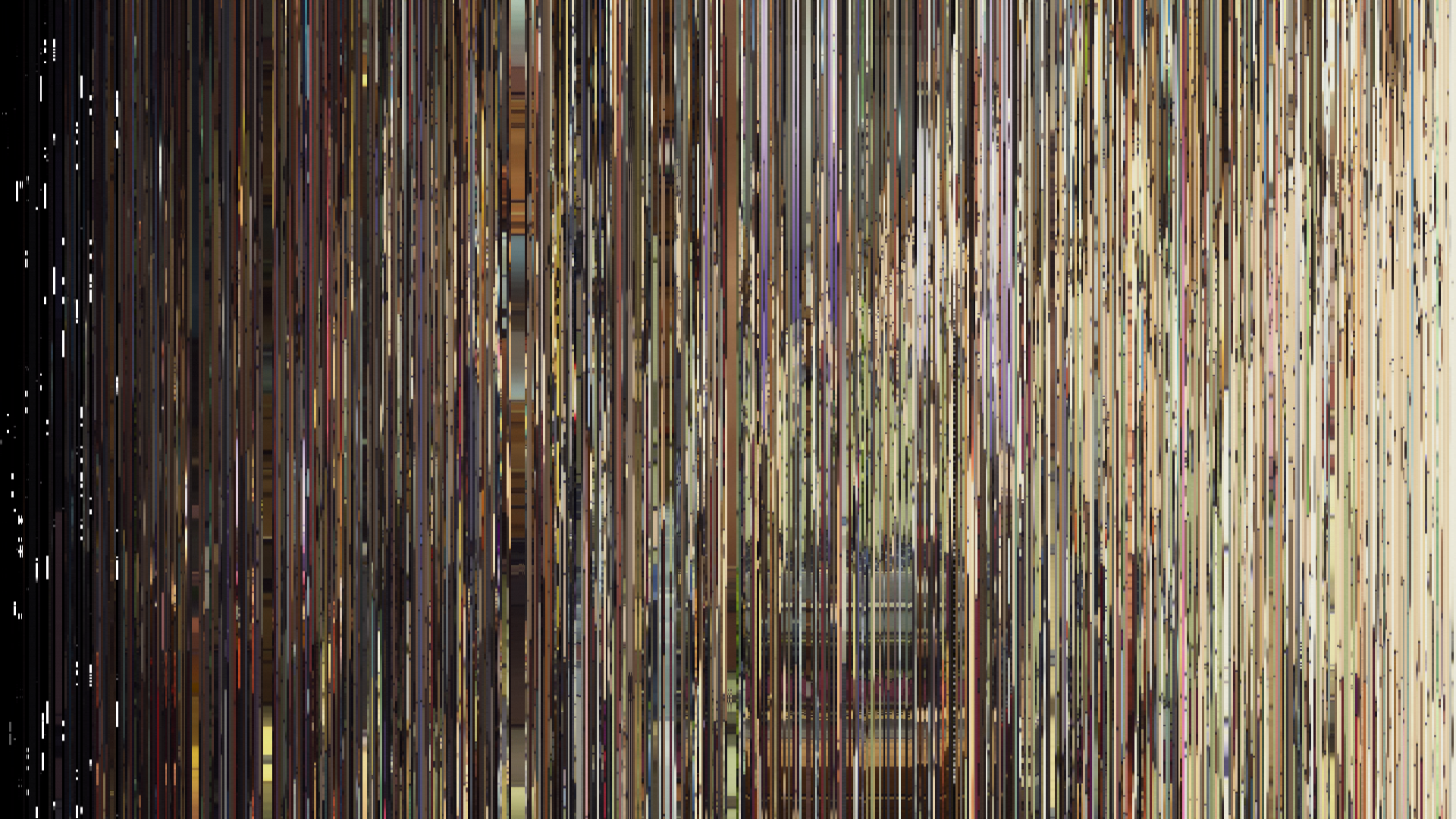
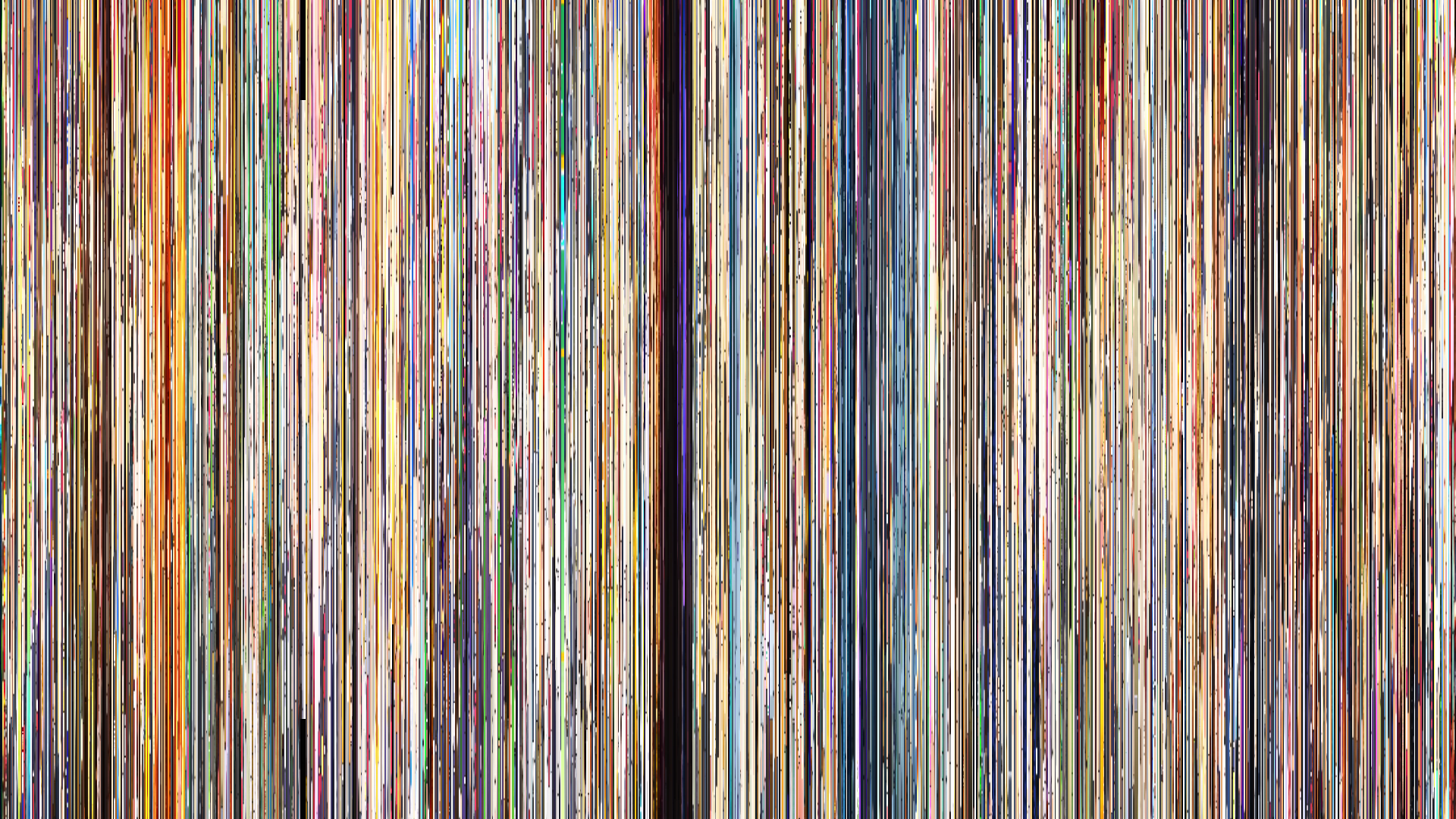
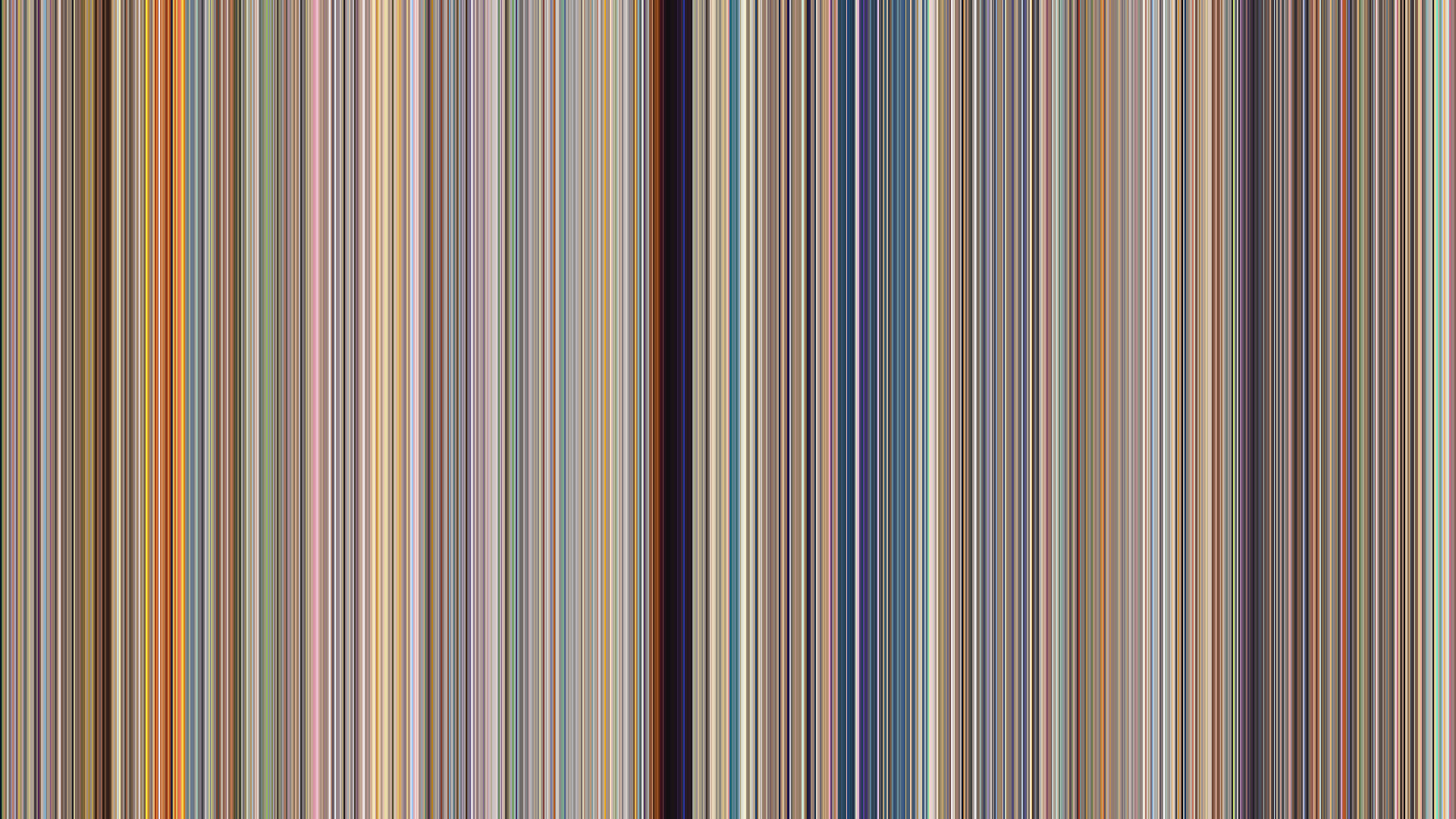
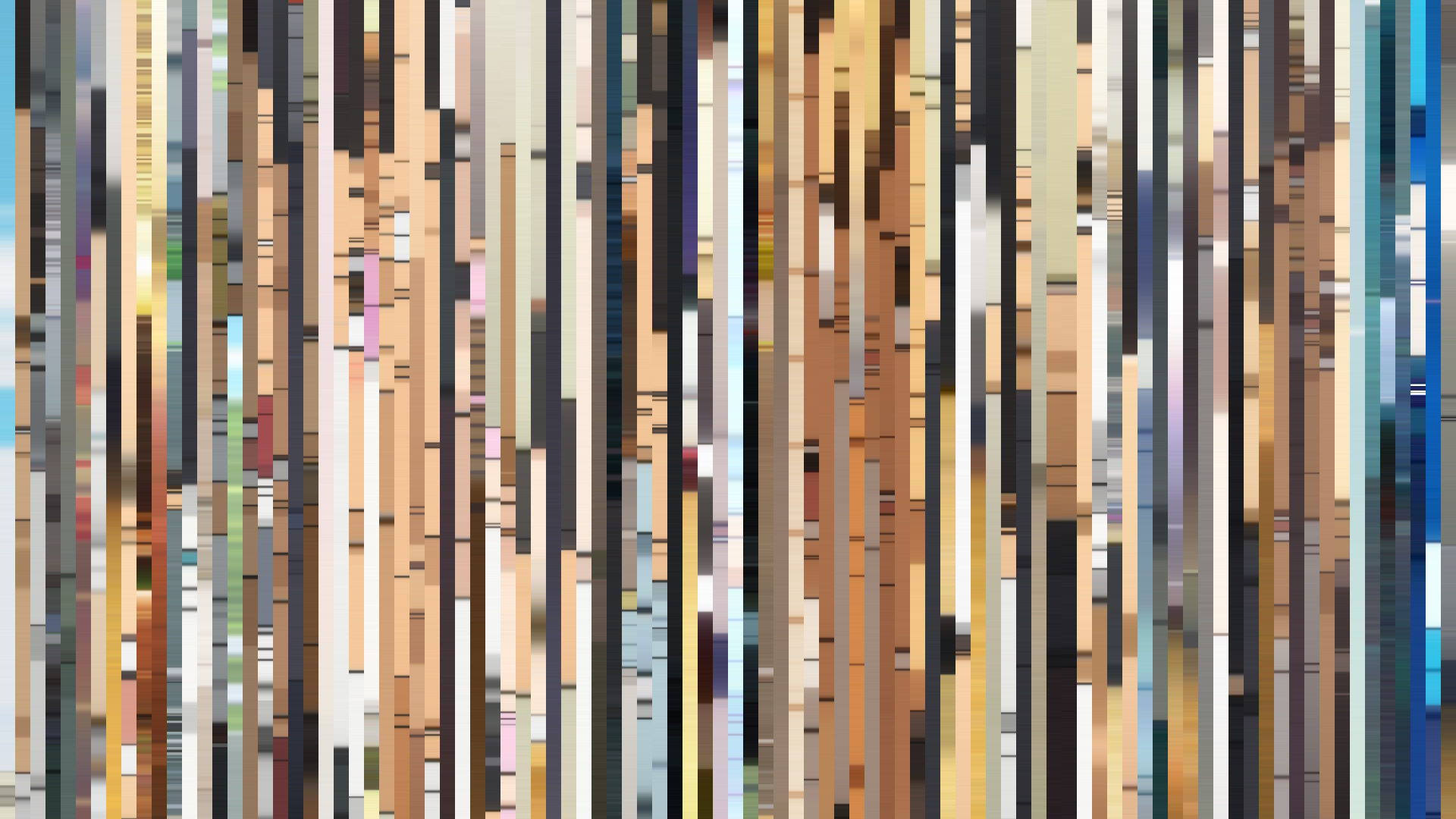
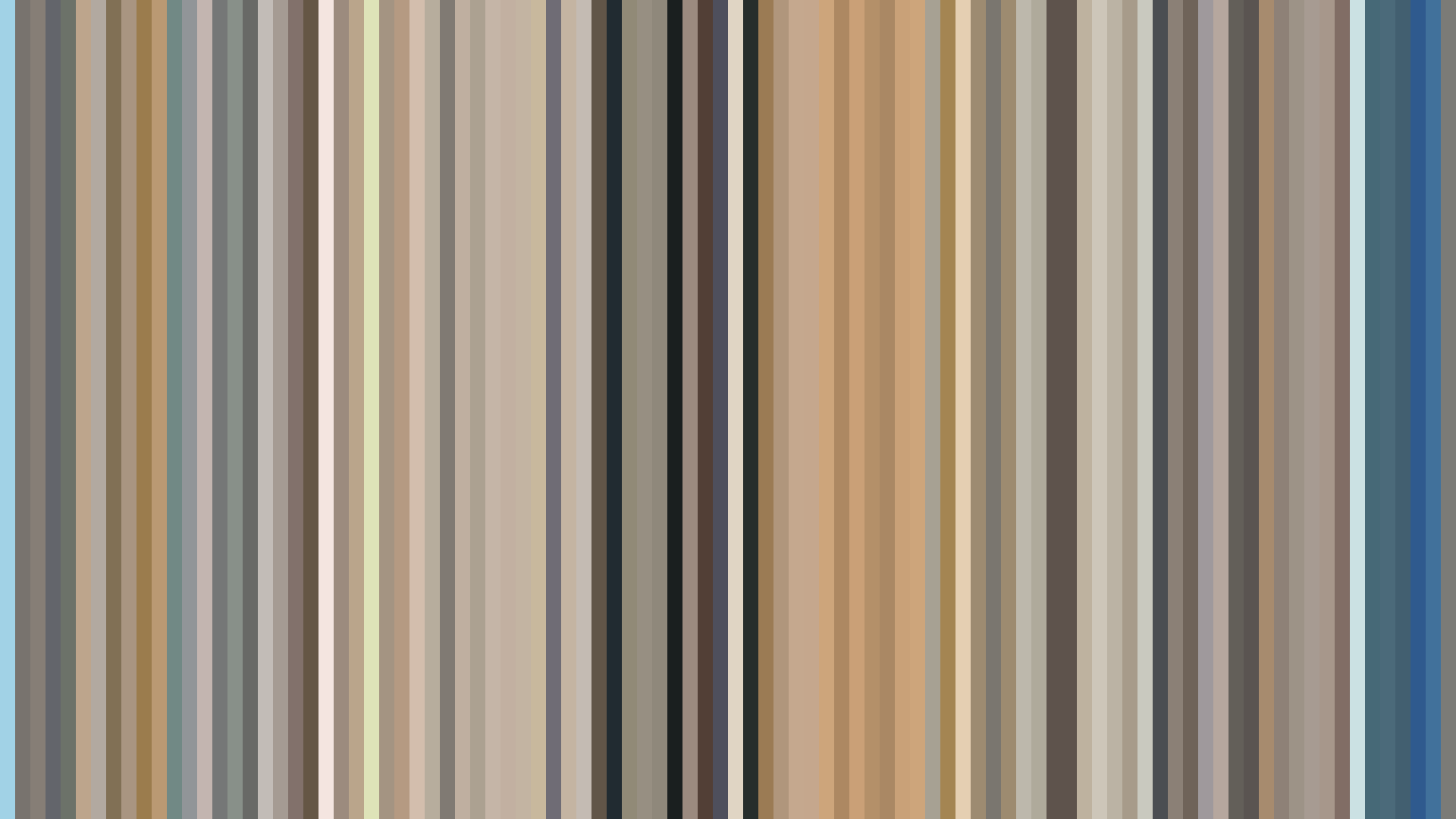
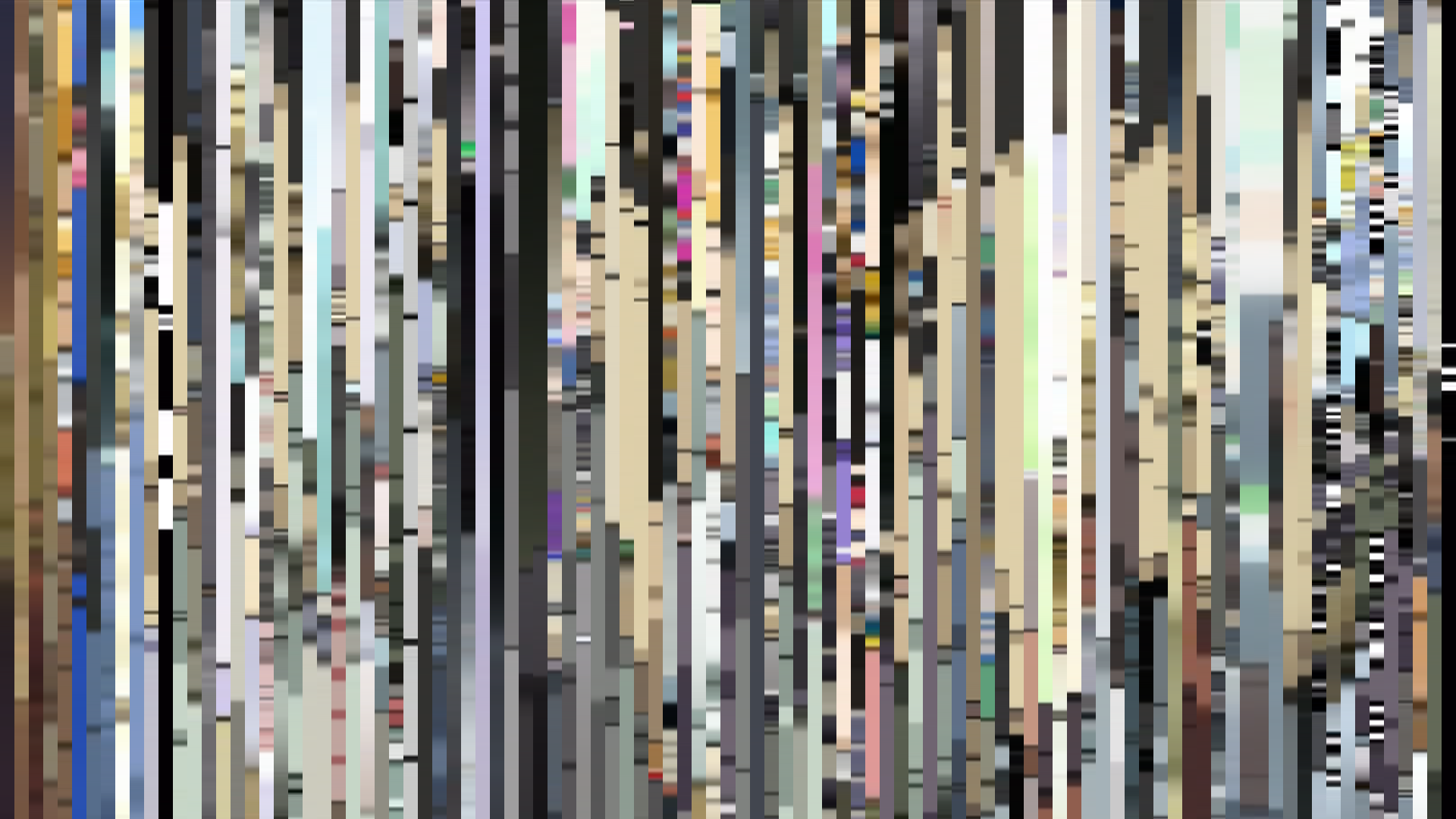
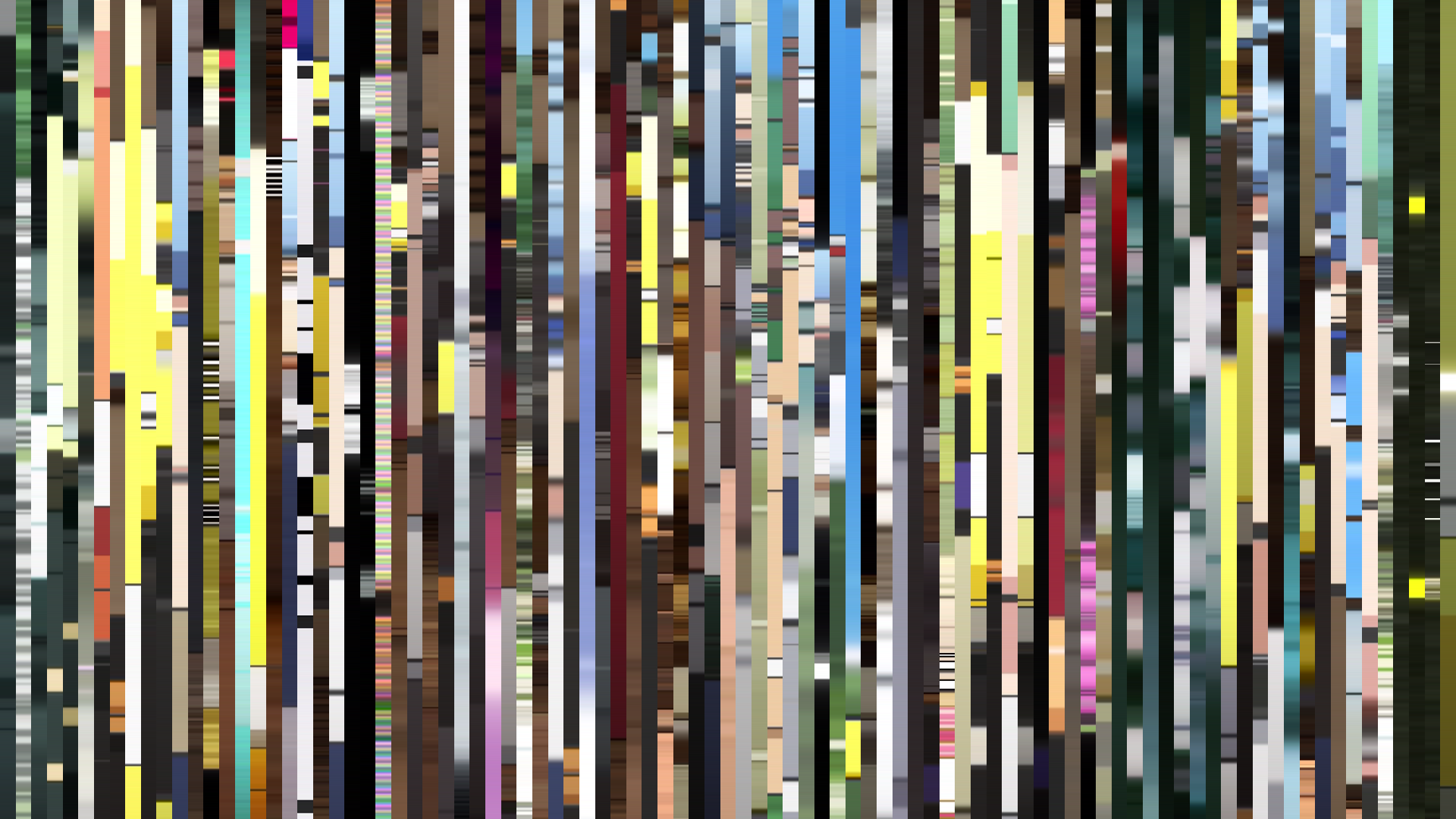
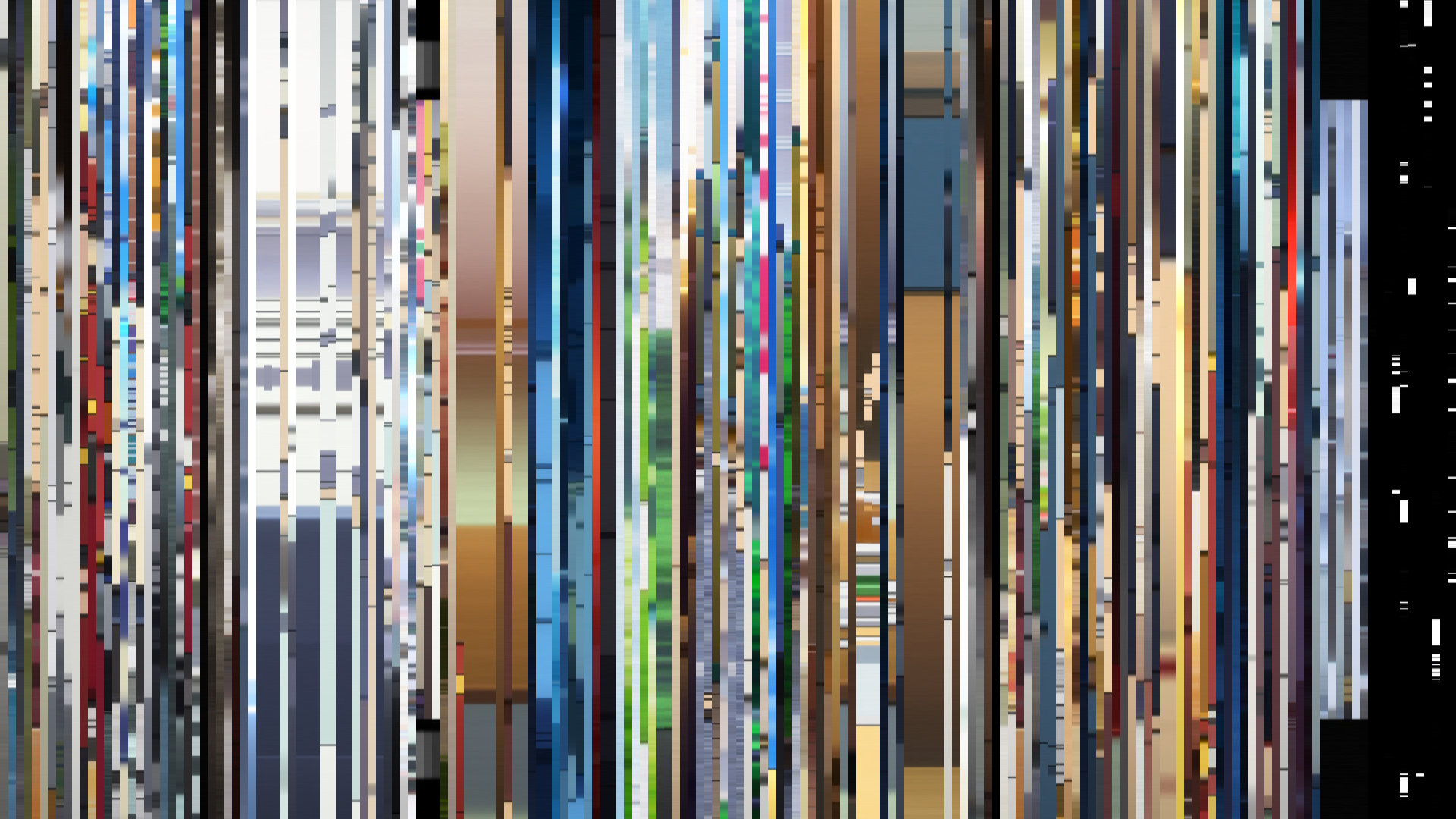
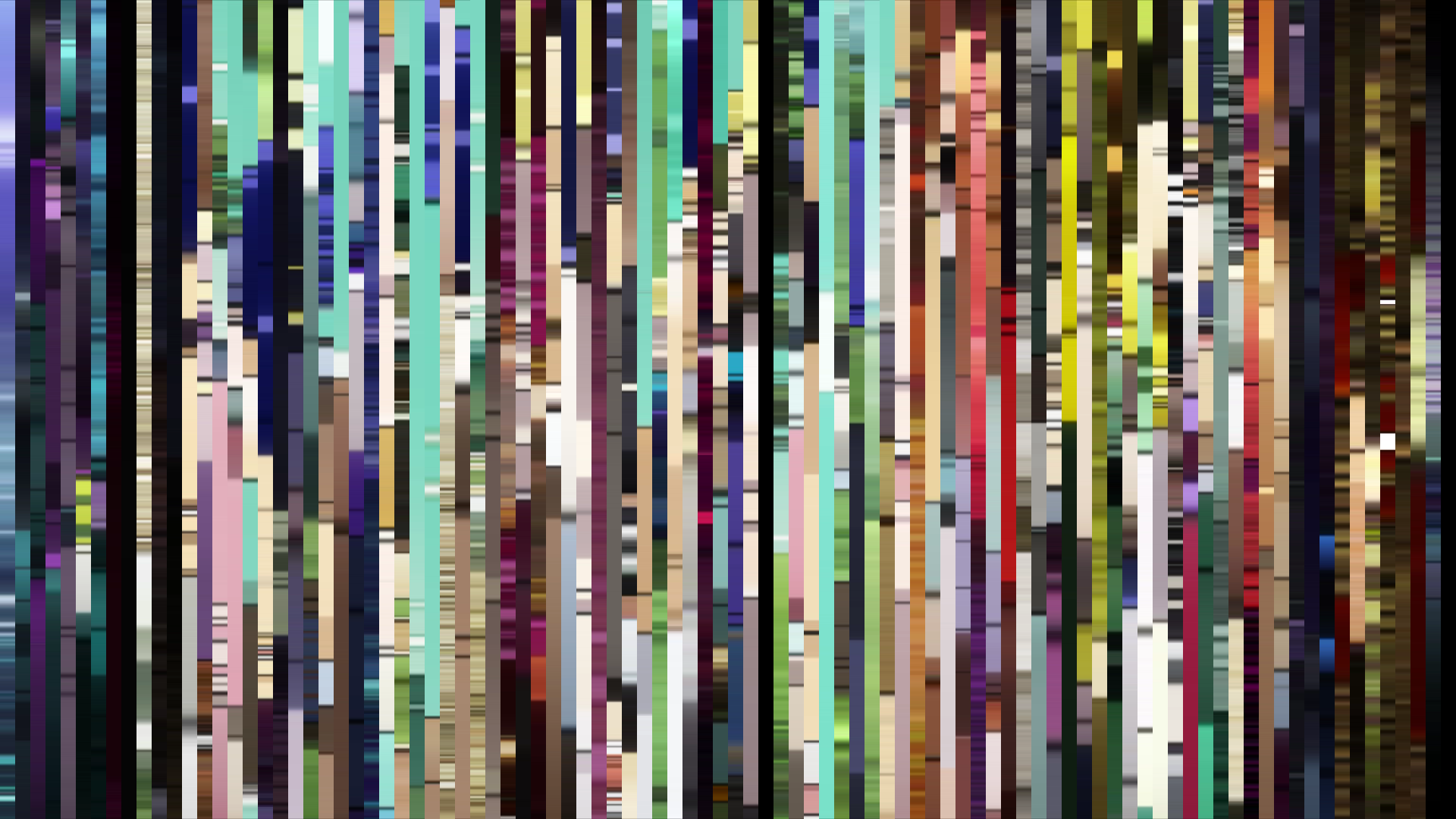
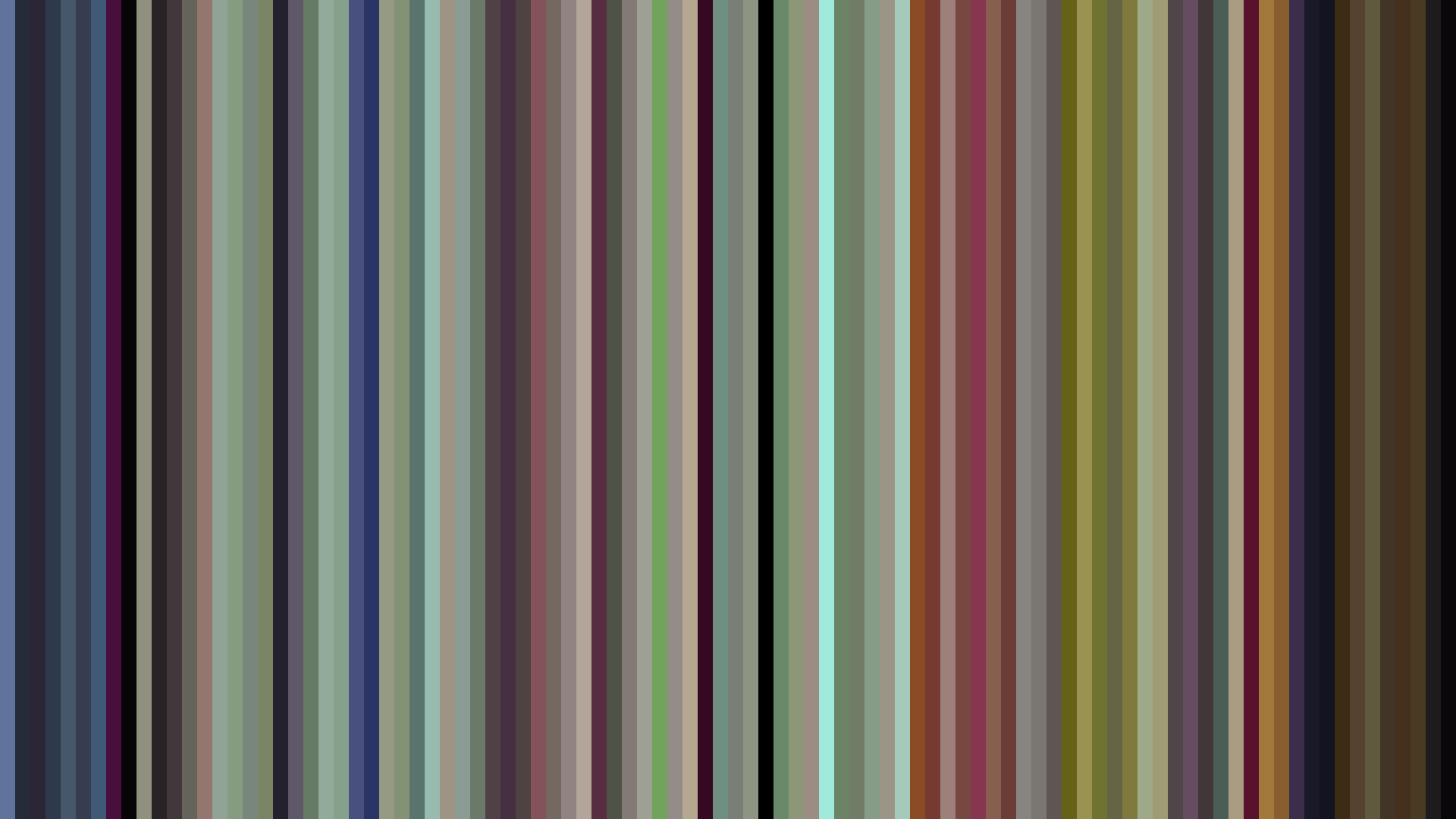
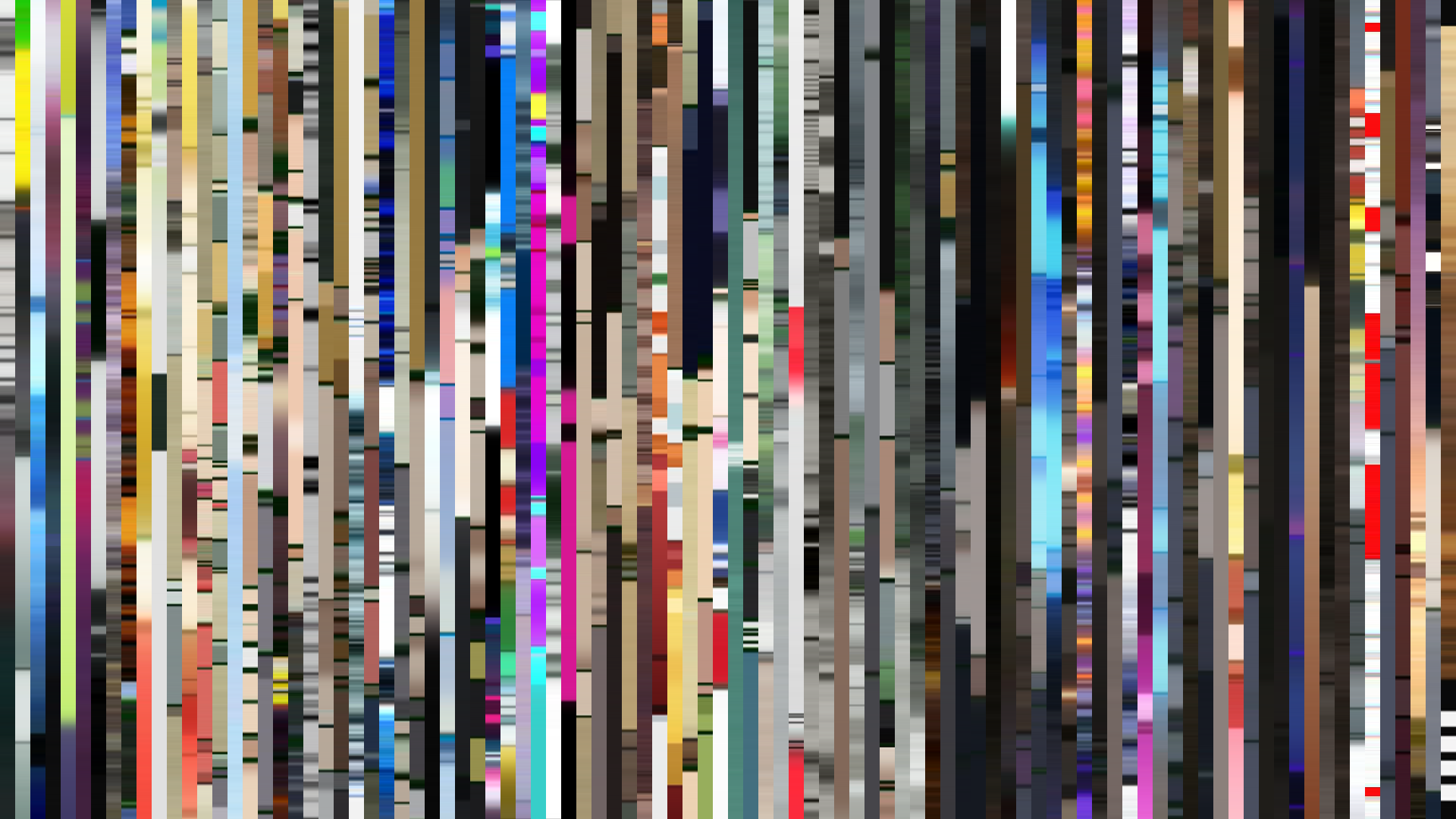
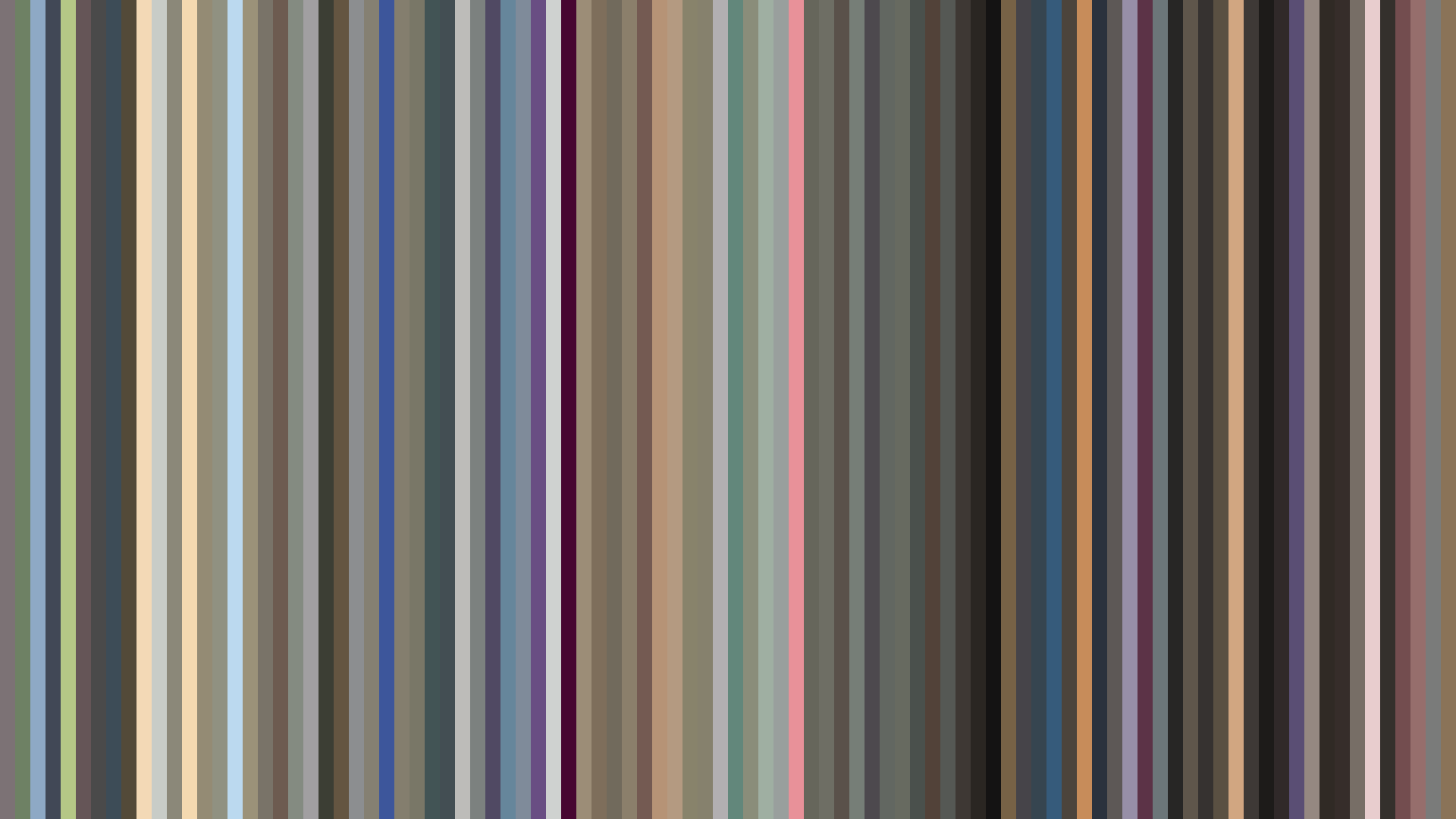
Frame Density Comparison — every 2nd vs every 4th frame
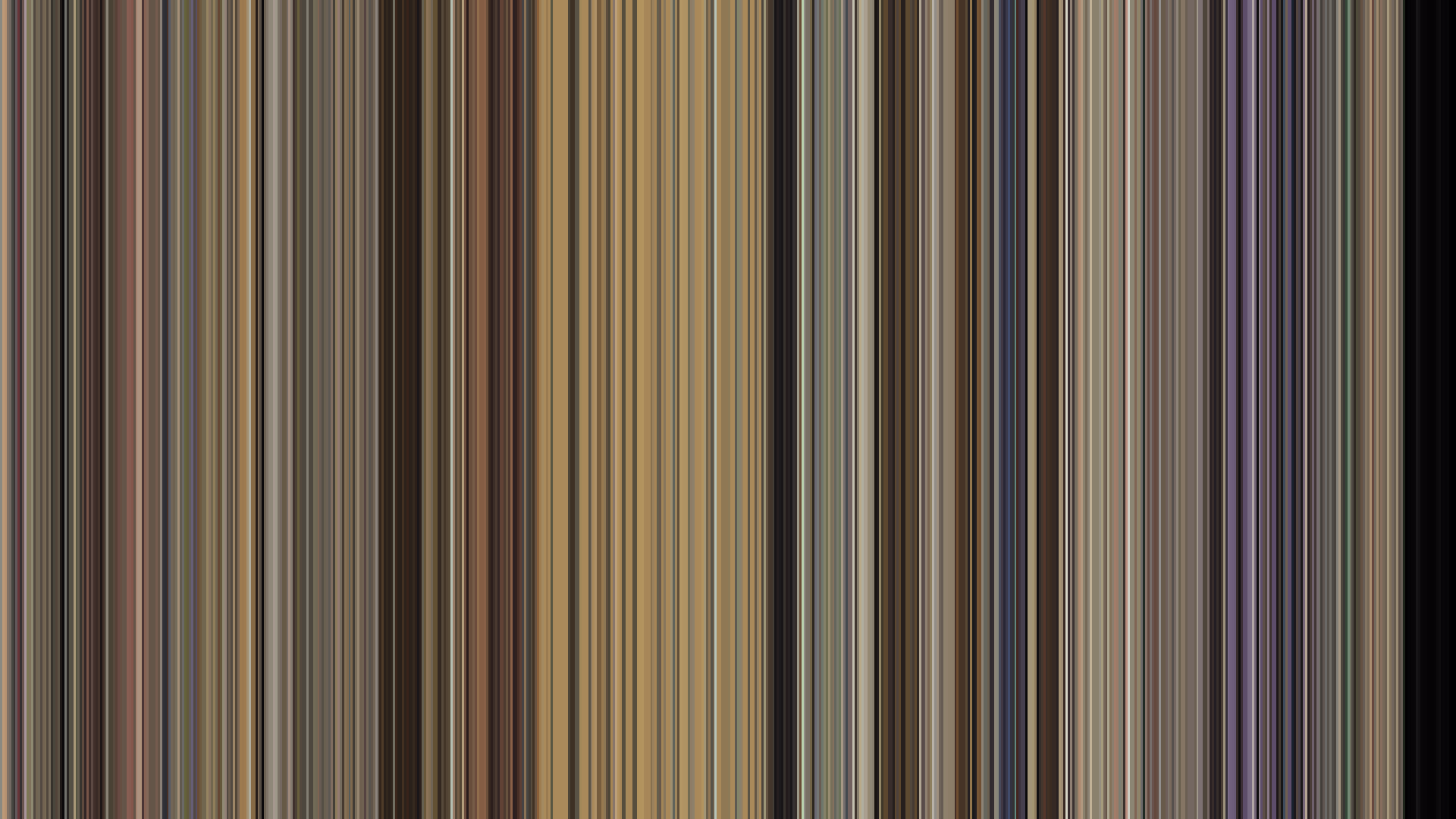
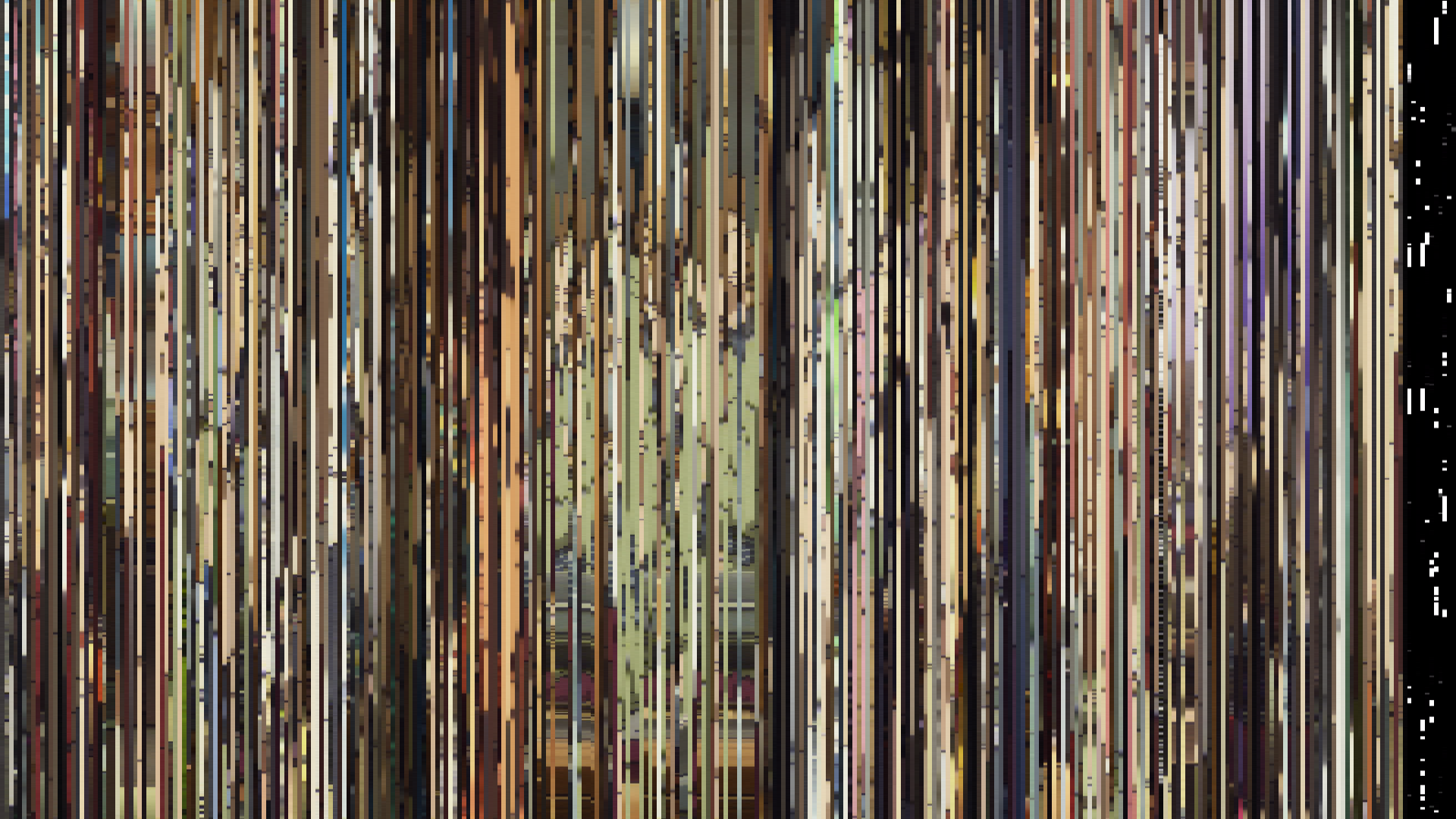
Slice · 15s
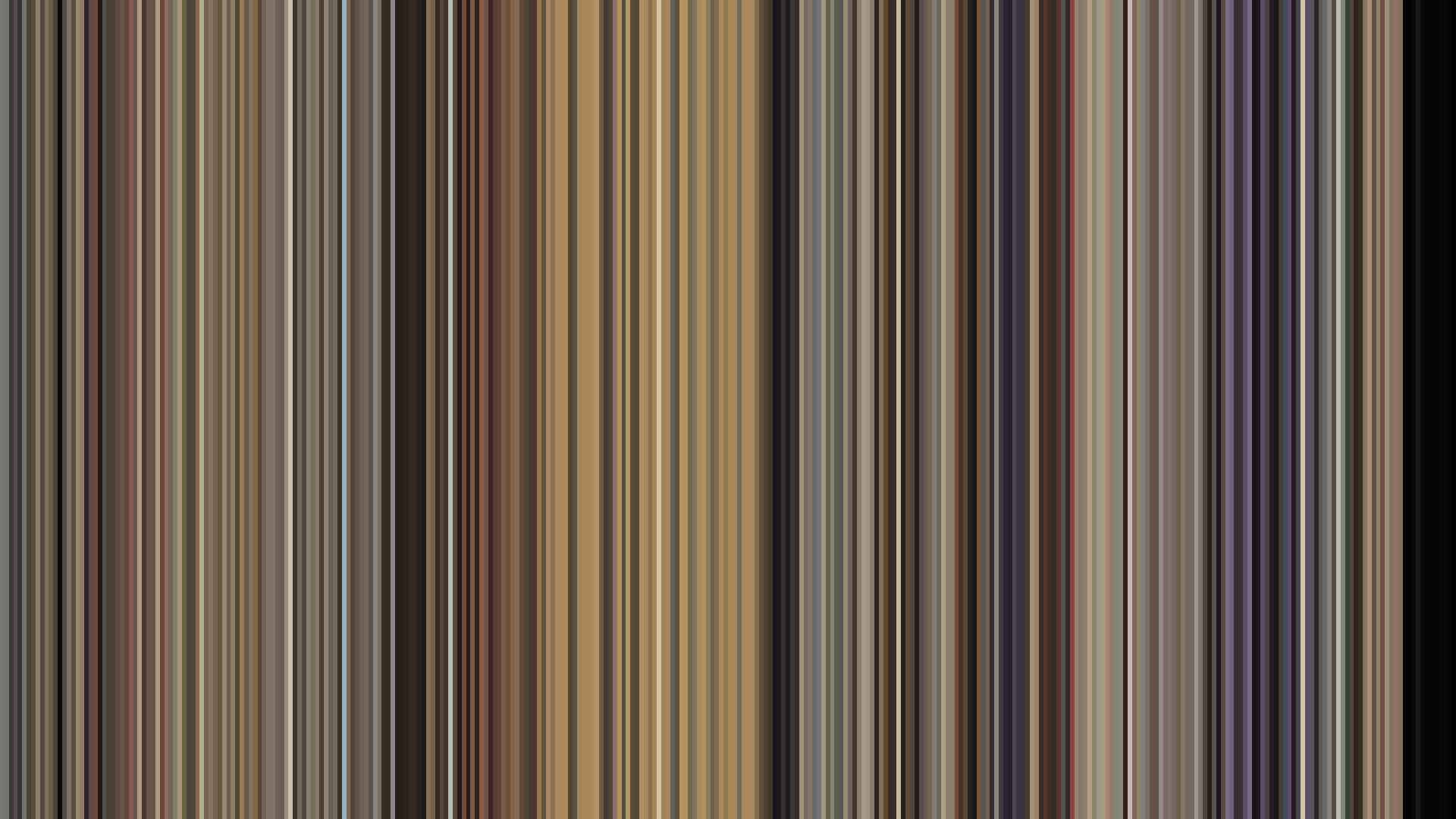
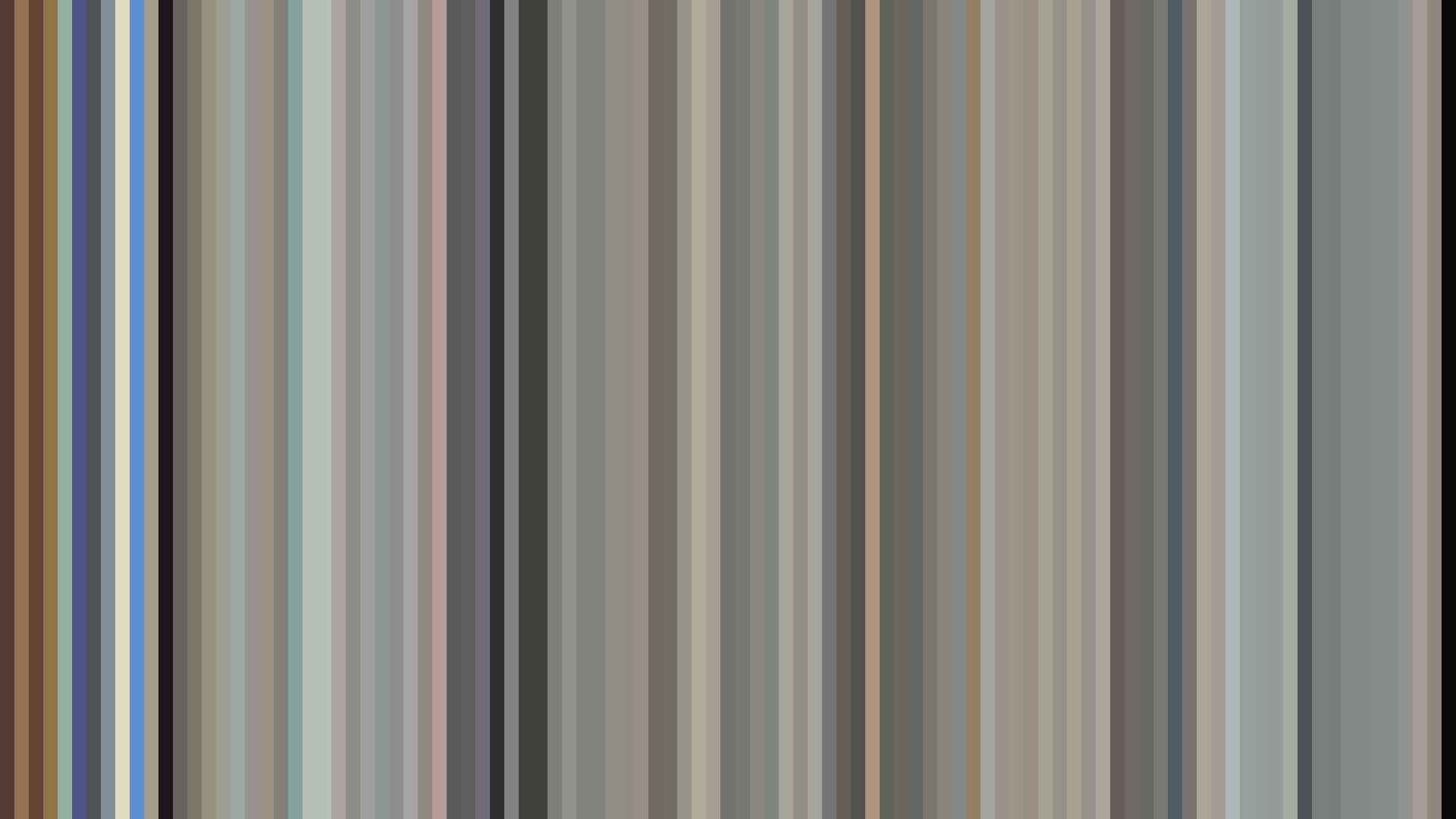
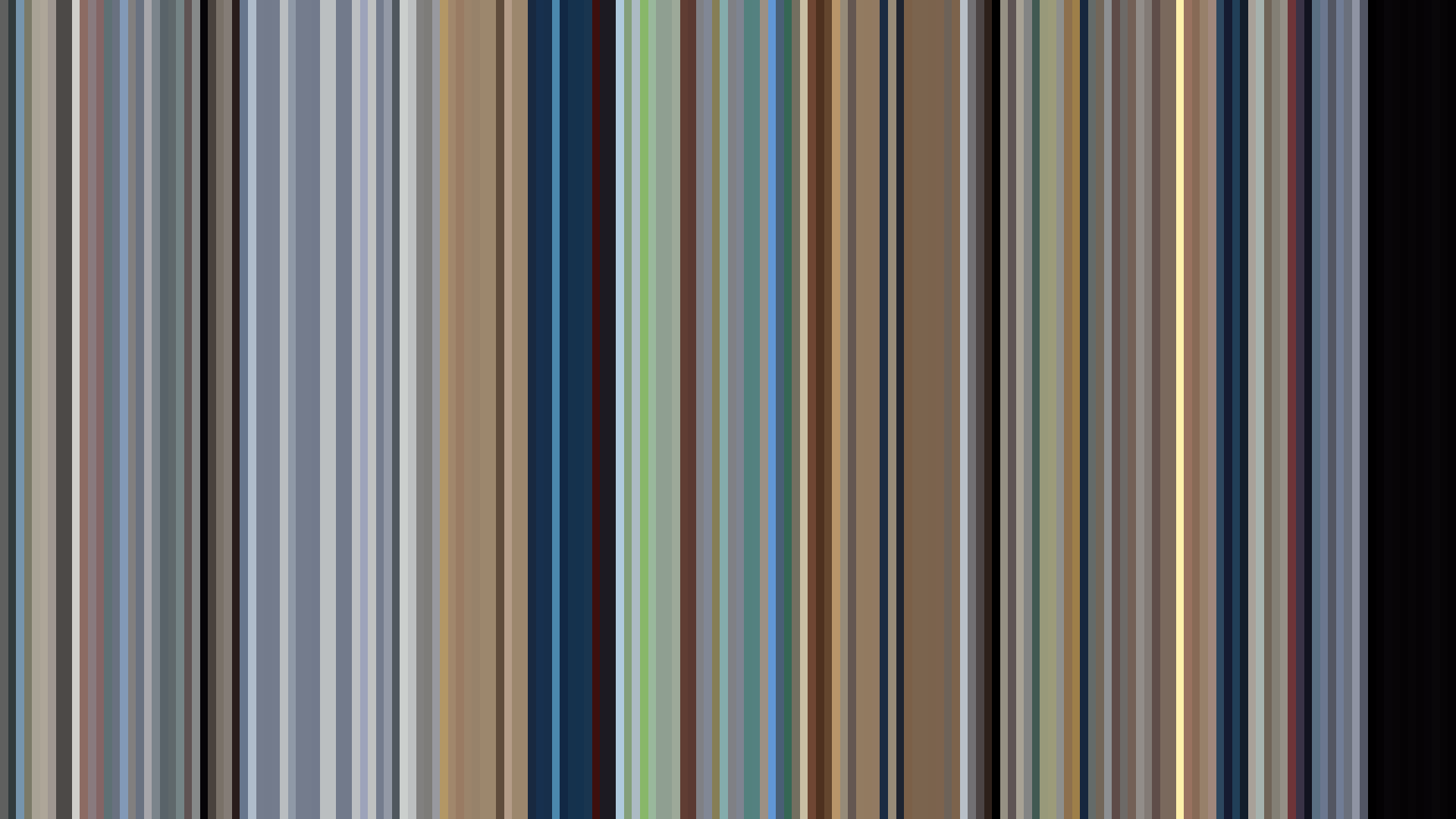
Avg · 15s
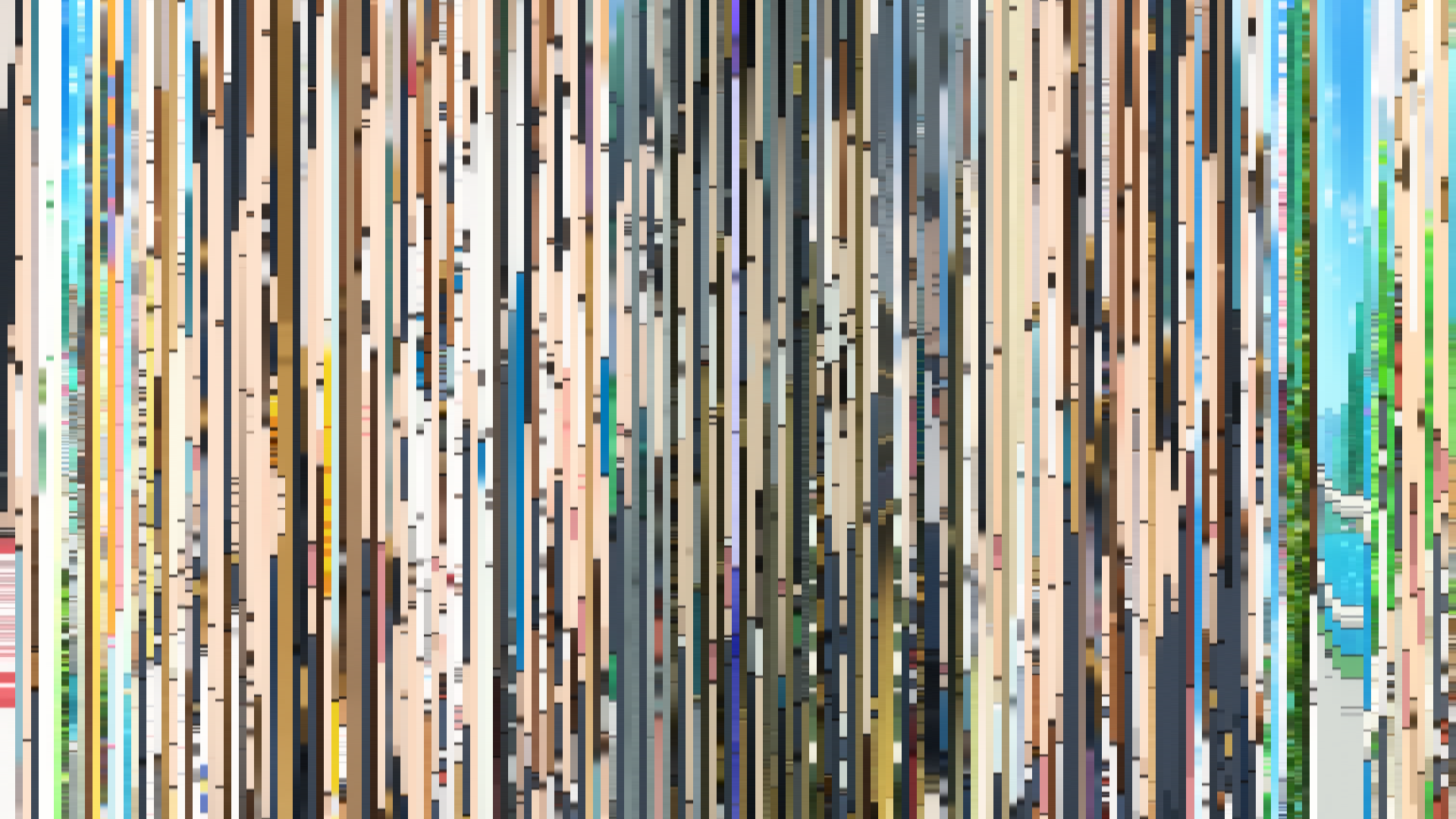
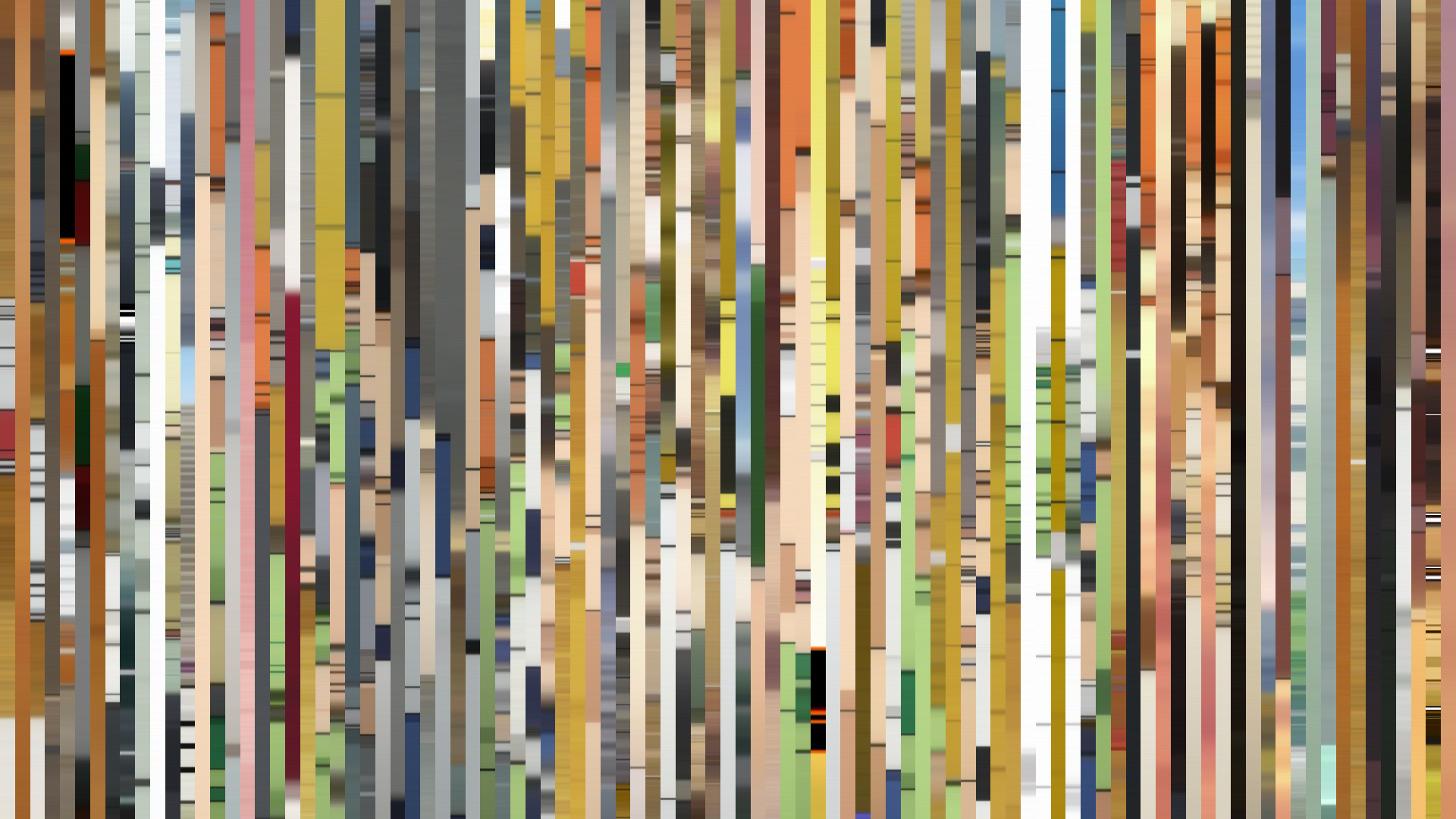
Slice · 30s
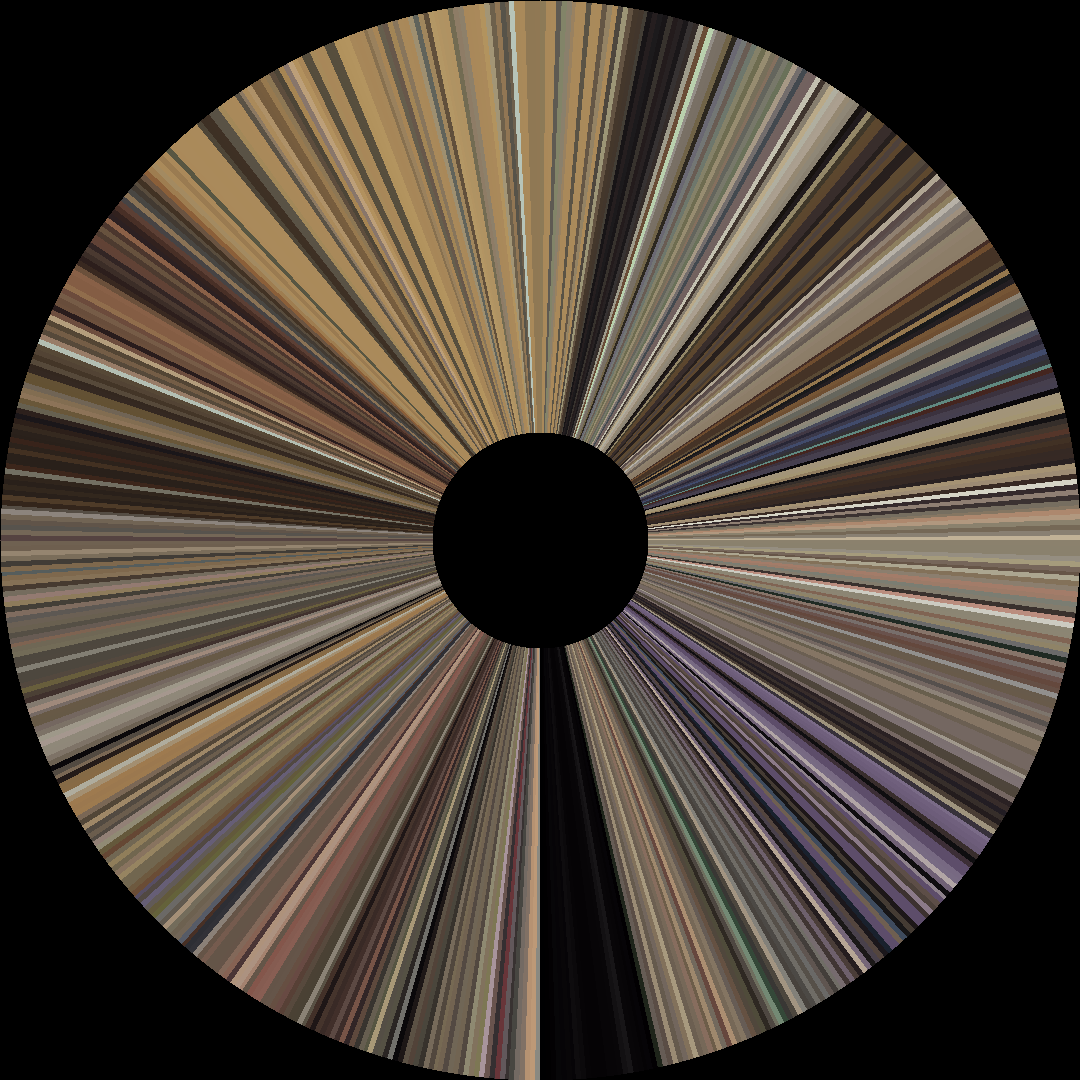
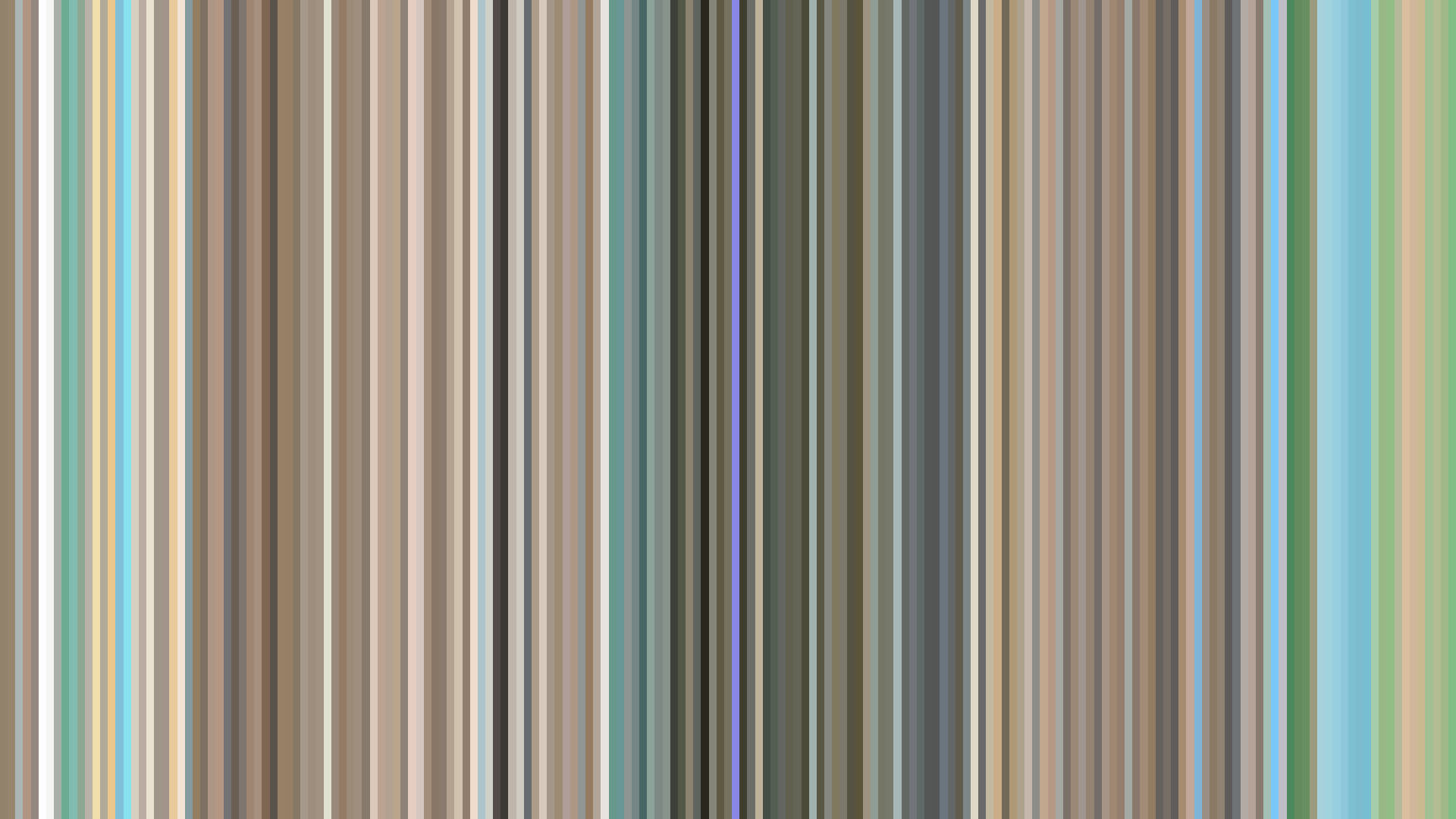
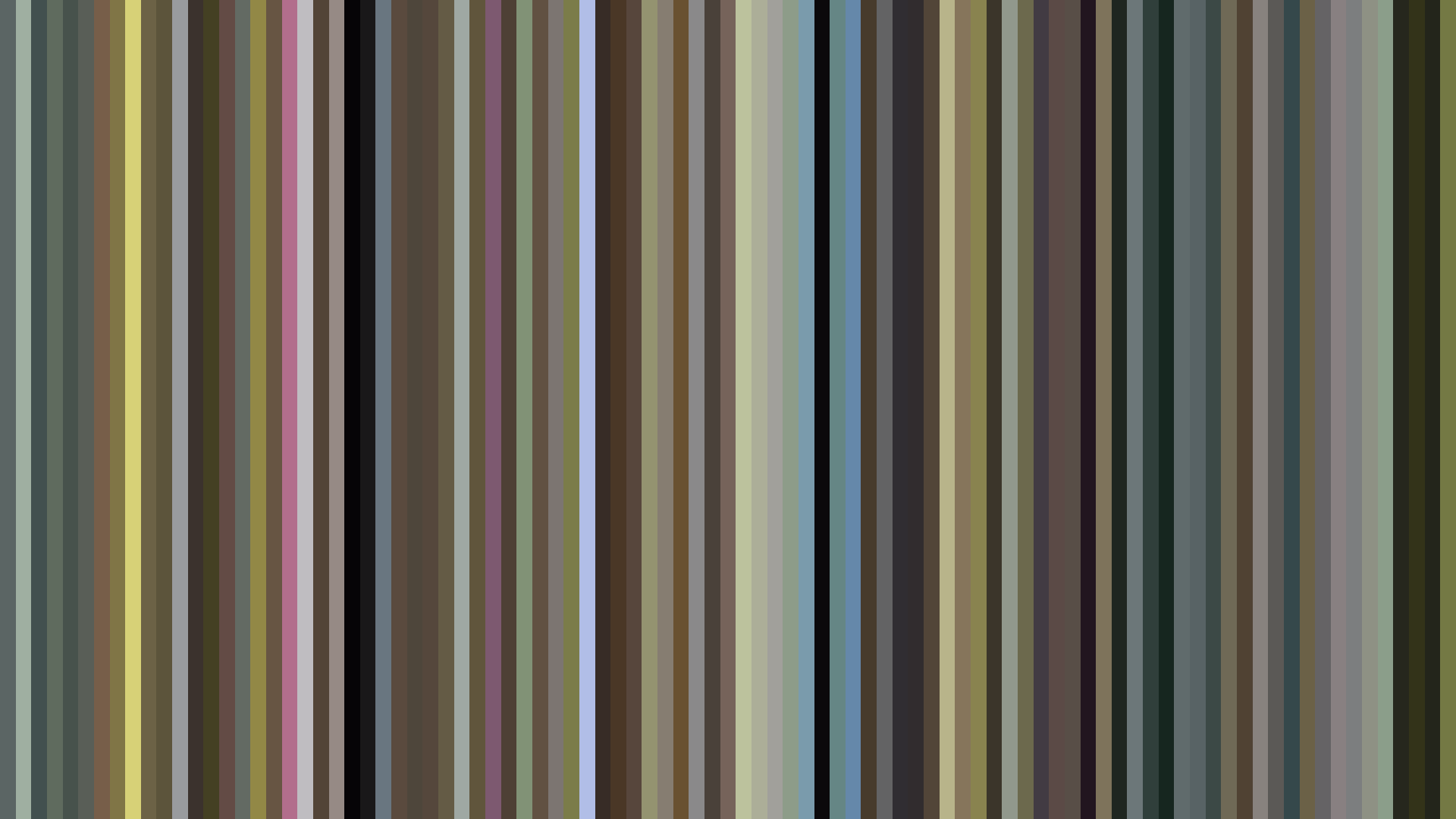
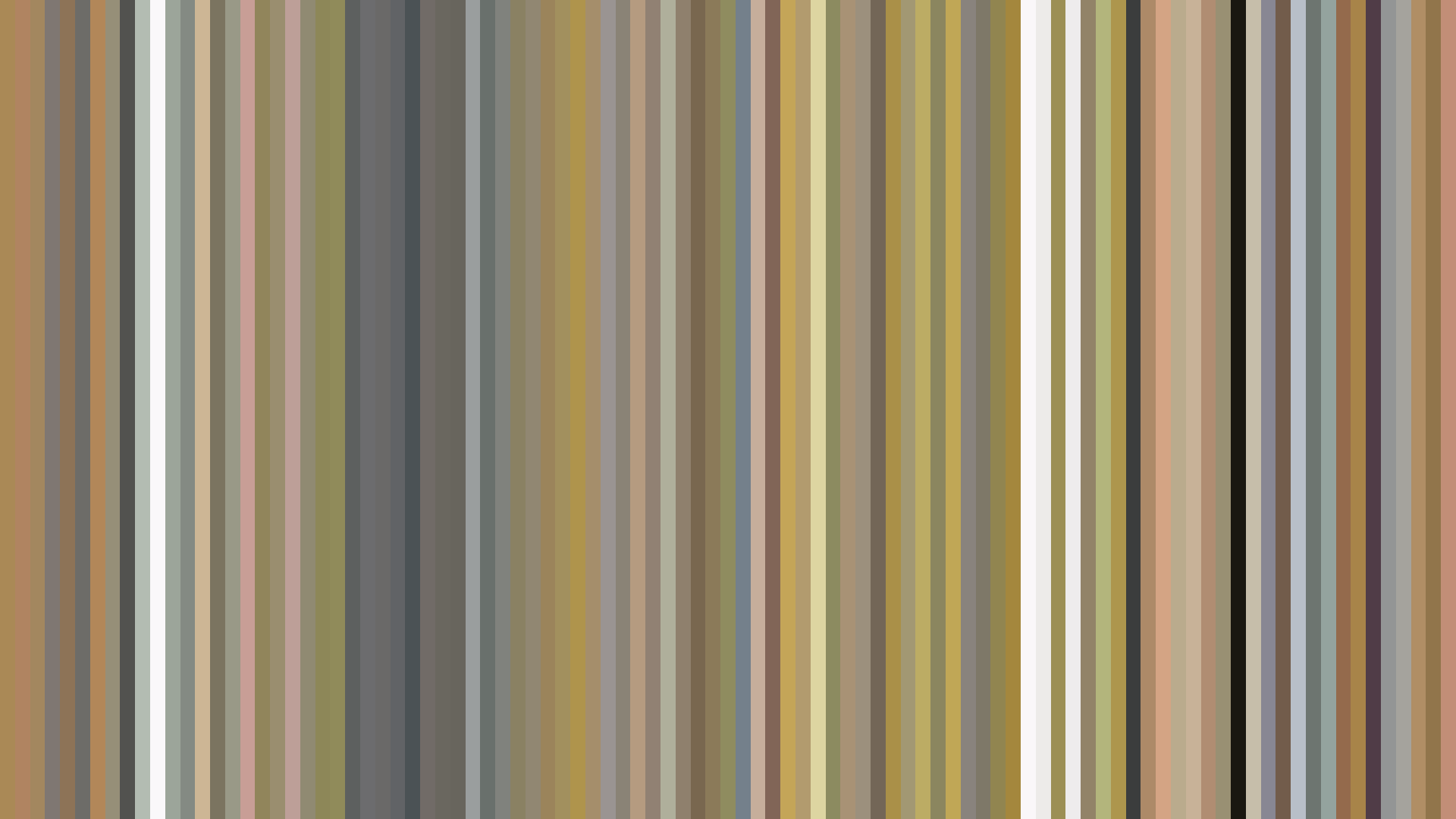
Avg · 30s
Showa Genroku Rakugo Shinju's palette is a masterclass in restraint — six earth tones that barely stray from #695E52's weathered warmth, a Red-Orange dominant hue that never simpers into the saturating heat of melodrama. The flat brightness arc across all thirteen episodes is not accident but architecture: director Mamoru Hatakeyama and color designer Shoko Furuta refuse the cheap catharsis of a bright ending or a dark midpoint. The show's average brightness hovers at 0.378, its saturation a dusty 0.257, because this is a world where light is scarce — confined to the stage's dim glow, the ember of a cigarette, the amber of sake. Even the slight hump in the middle act (0.444) feels less like a release than a bittersweet pause. The red-orange is the blood of performance, the rust of memory, the dying ember of a tradition that both sustains and consumes its practitioners. Where other dramas climb or plunge, Rakugo Shinju simply *endures* — the barcode's flatline is the visual signature of a show that understands tragedy doesn't need a flashy
Brightness Arc (episode progression)
Hue Distribution
Act Breakdown
Opening
0.406
Middle
0.444
Closing
0.398
Avg Brightness
0.378
Avg Saturation
0.257
Warmth
0.560
Color Palette
#695E52
#271F1E
#998C71
#49372E
#89755F
#A89F8C
#584838
#C5B598
3-Act Color Story
Opening
Middle
Closing
Color Twins
Perceptually nearest palettes — measured in OKLab space, not RGB






Showa Genroku Rakugo Shinju's palette is a masterclass in restraint — six earth tones that barely stray from #695E52's weathered warmth, a Red-Orange dominant hue that never simpers into the saturating heat of melodrama. The flat brightness arc across all thirteen episodes is not accident but architecture: director Mamoru Hatakeyama and color designer Shoko Furuta refuse the cheap catharsis of a bright ending or a dark midpoint. The show's average brightness hovers at 0.378, its saturation a dusty 0.257, because this is a world where light is scarce — confined to the stage's dim glow, the ember of a cigarette, the amber of sake. Even the slight hump in the middle act (0.444) feels less like a release than a bittersweet pause. The red-orange is the blood of performance, the rust of memory, the dying ember of a tradition that both sustains and consumes its practitioners. Where other dramas climb or plunge, Rakugo Shinju simply *endures* — the barcode's flatline is the visual signature of a show that understands tragedy doesn't need a flashy