Edit Pace — frame-to-frame color delta (bright = fast cuts)
Color Temperature — warm (gold) vs cool (teal) per frame
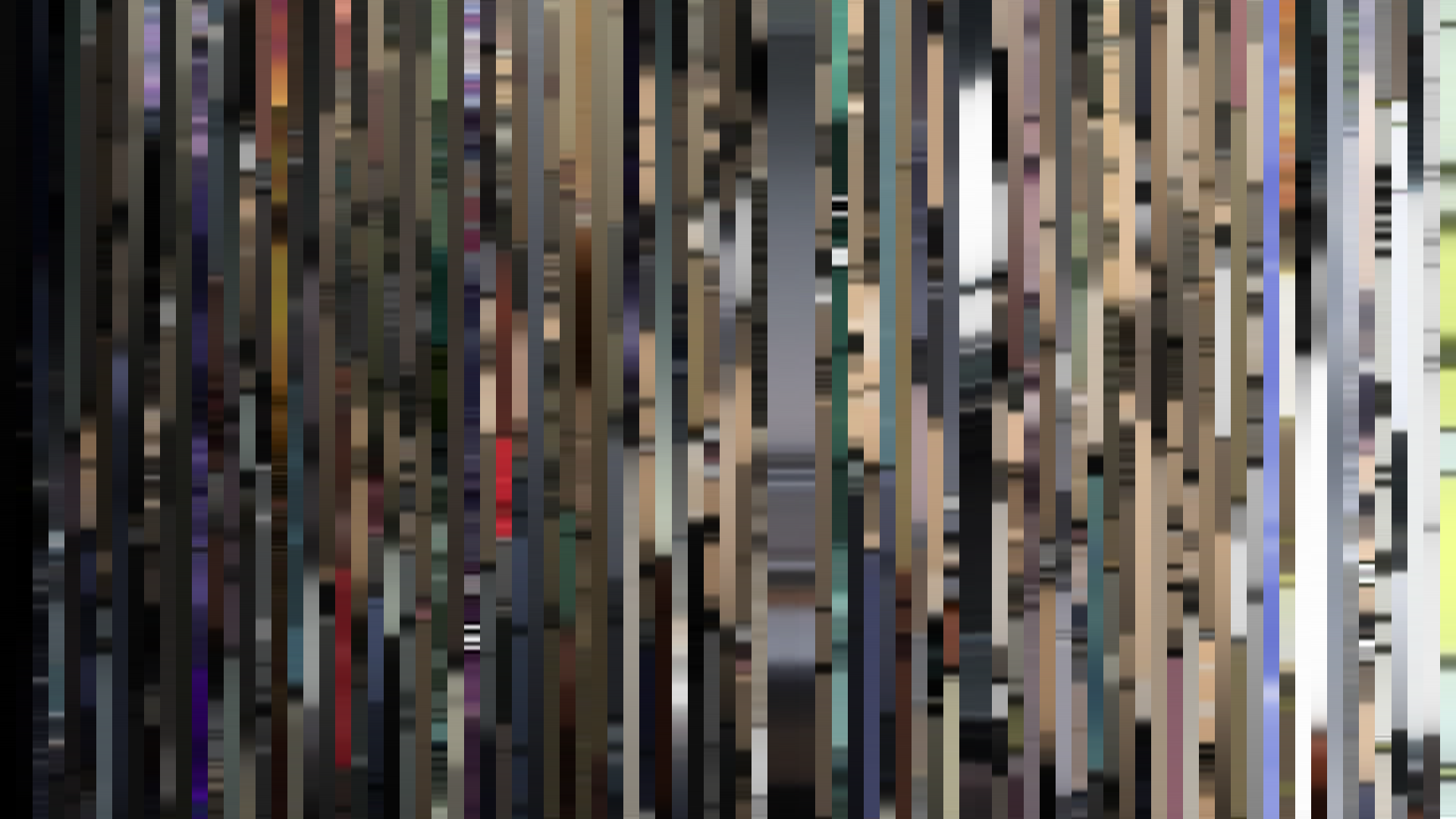
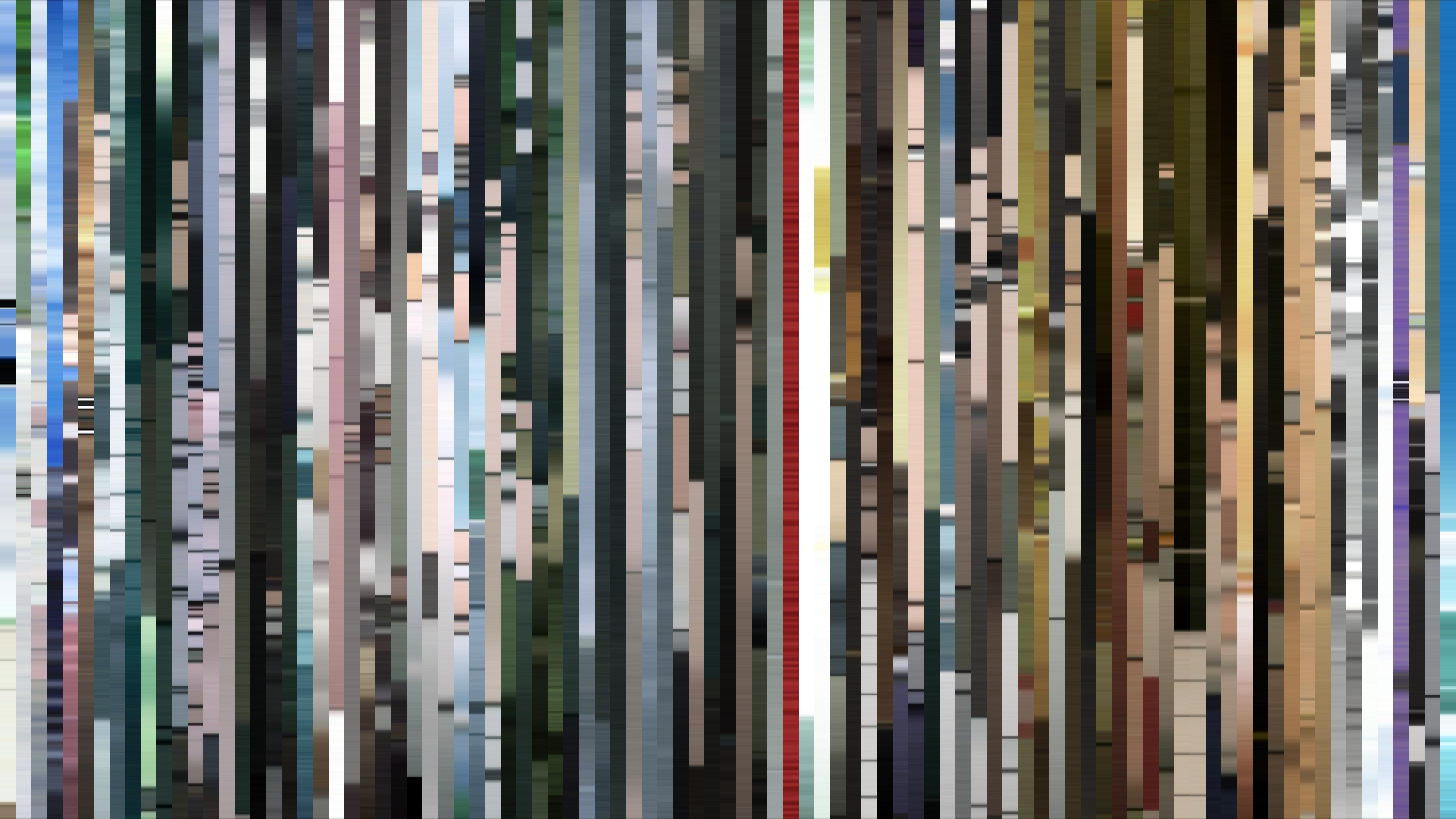
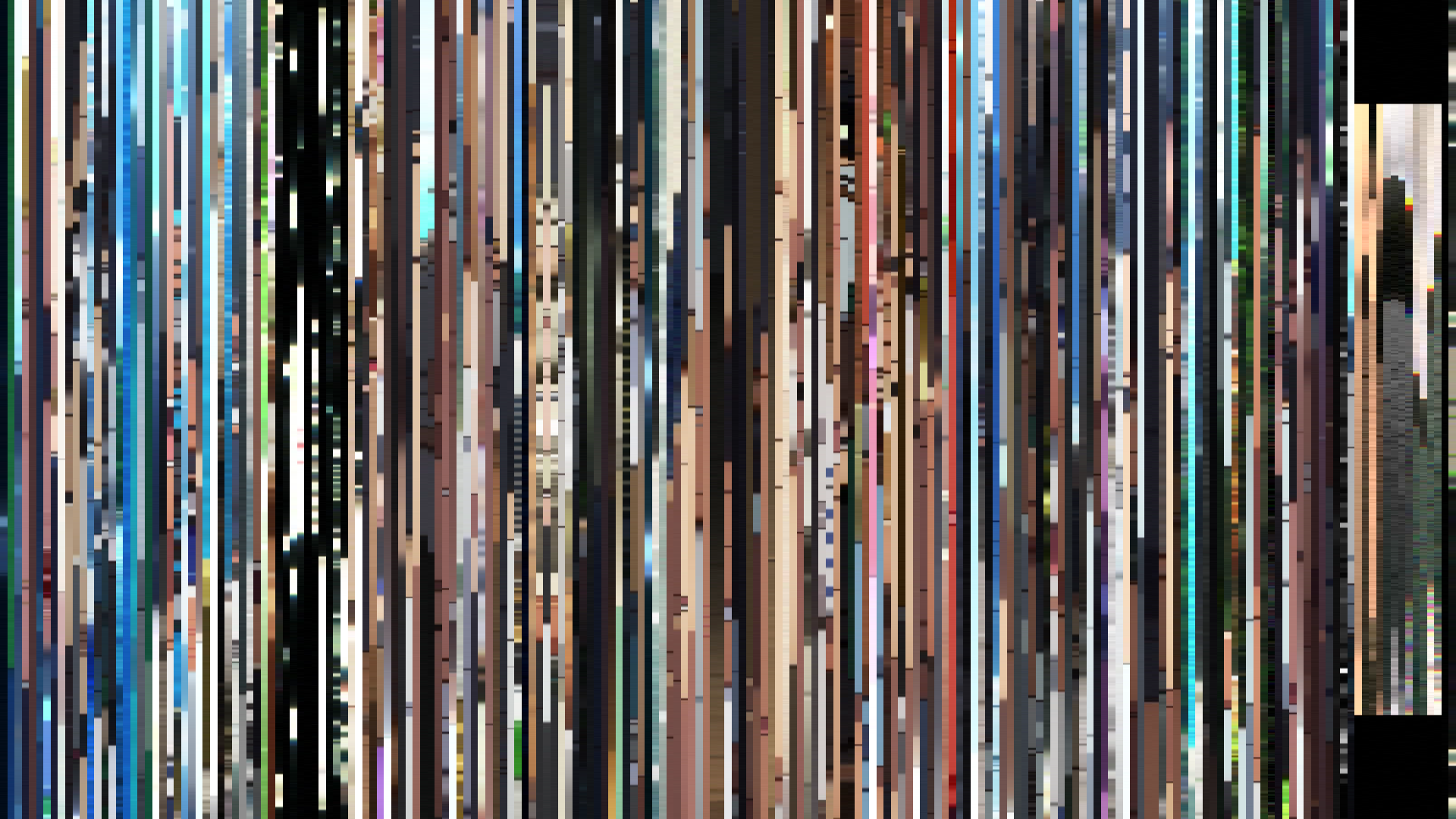
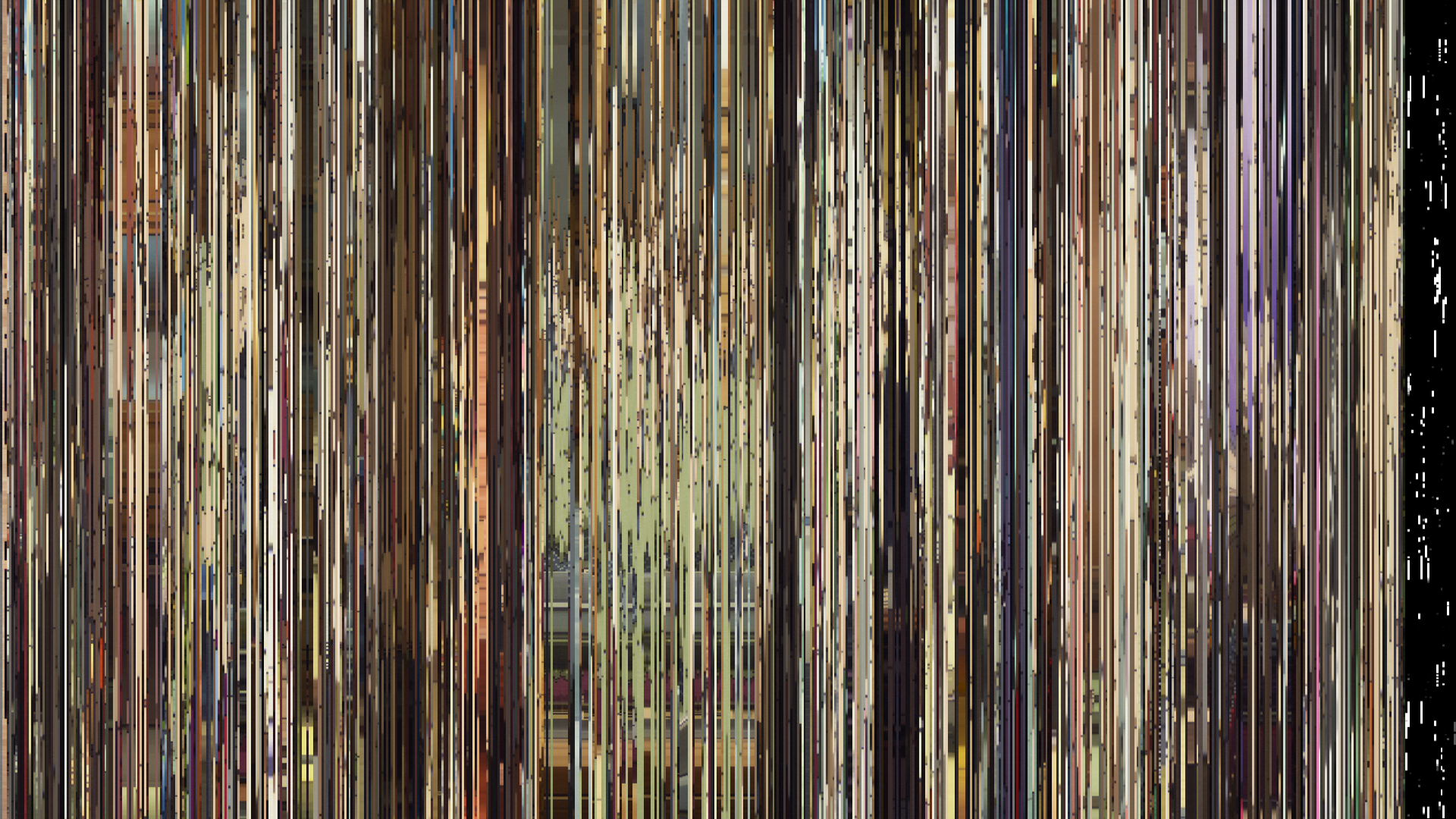
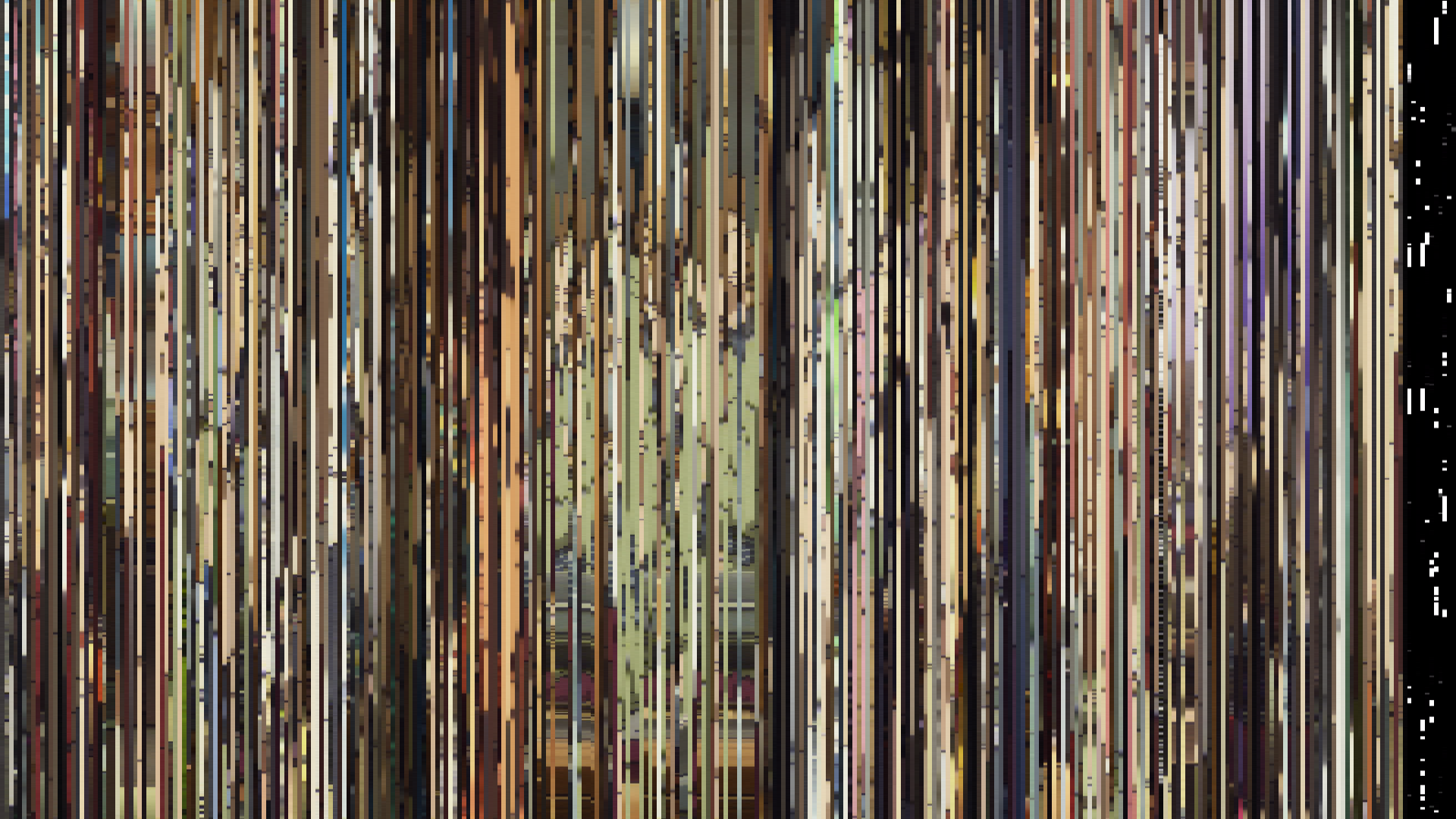
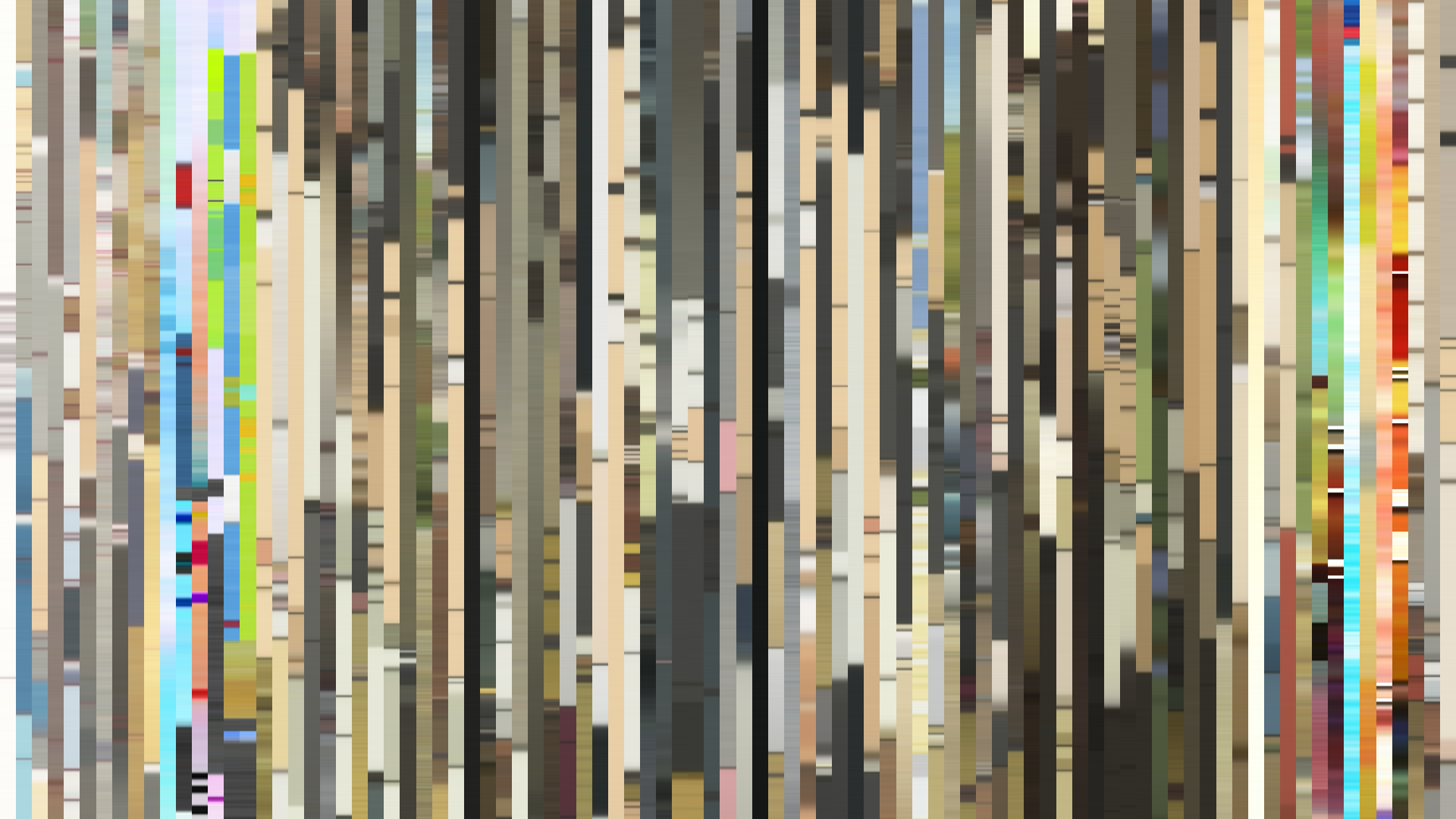
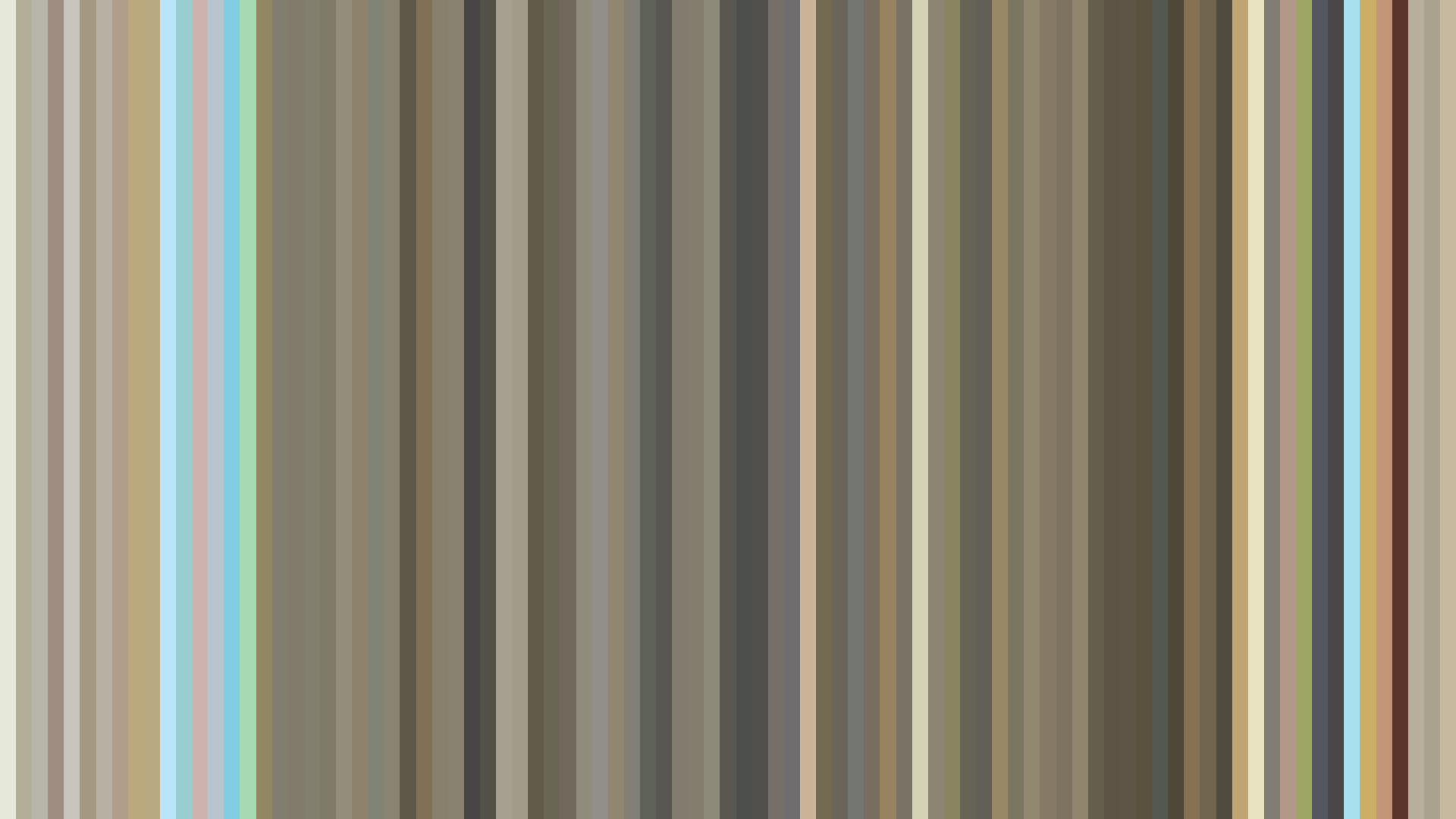
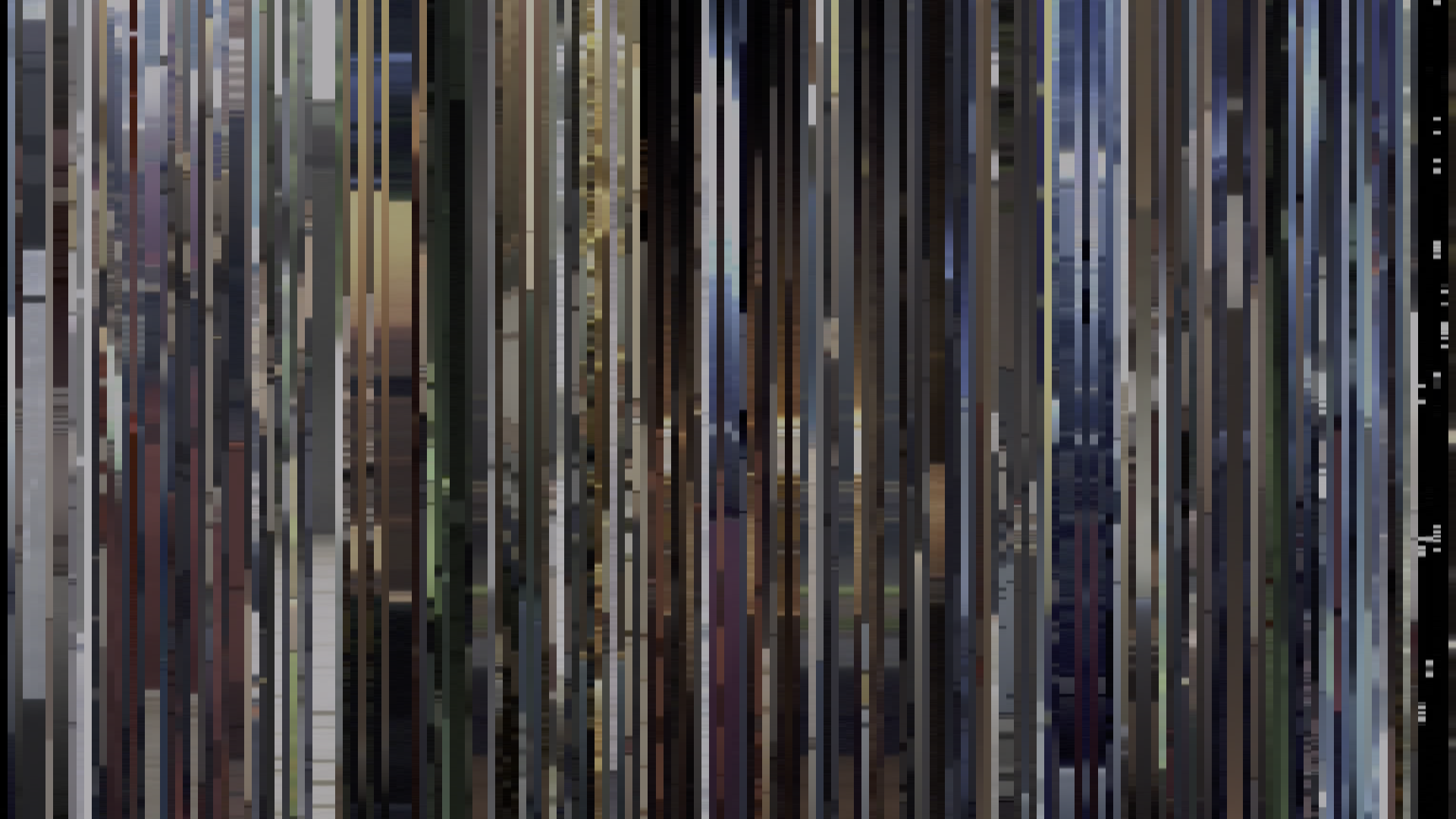
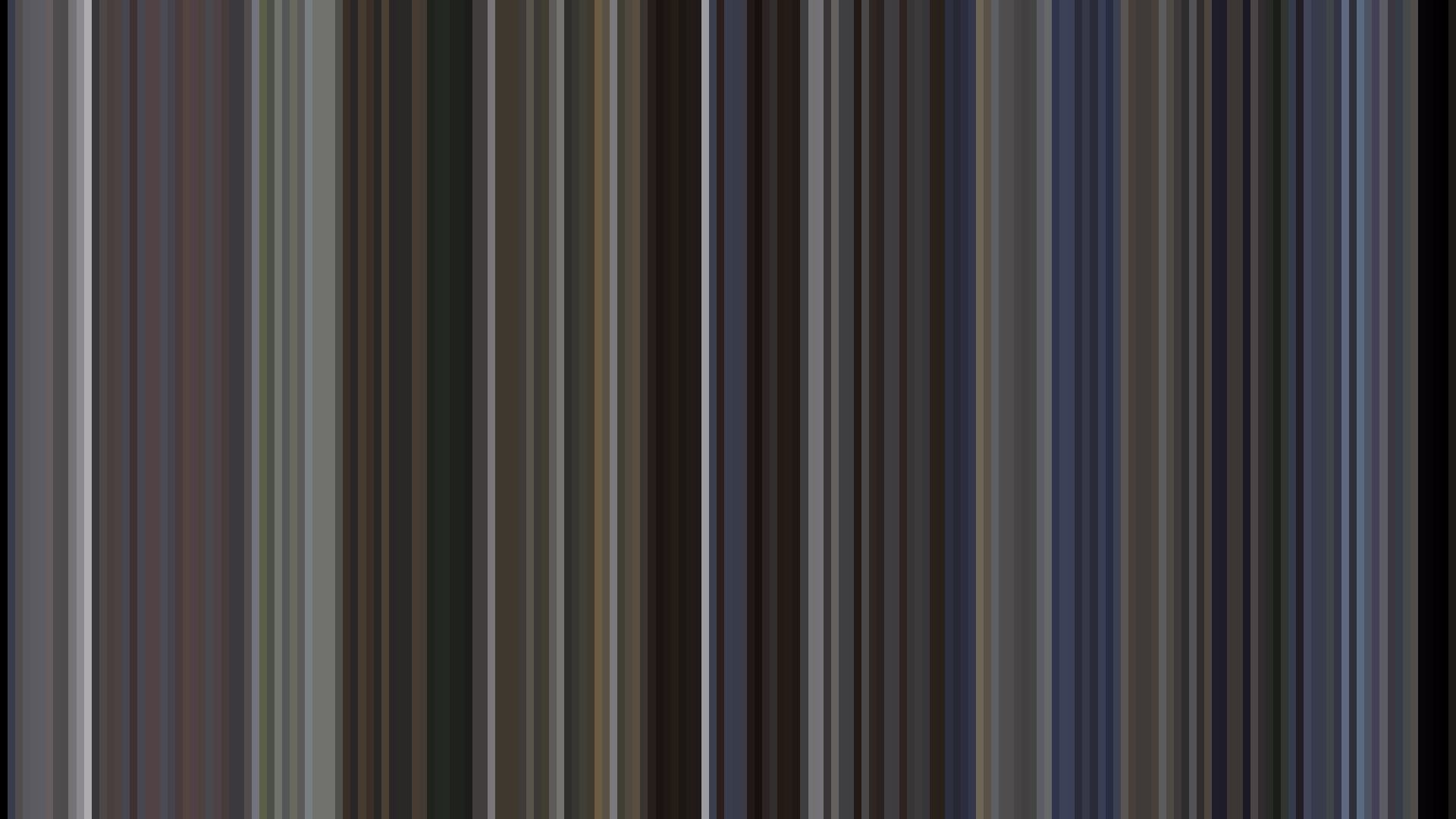
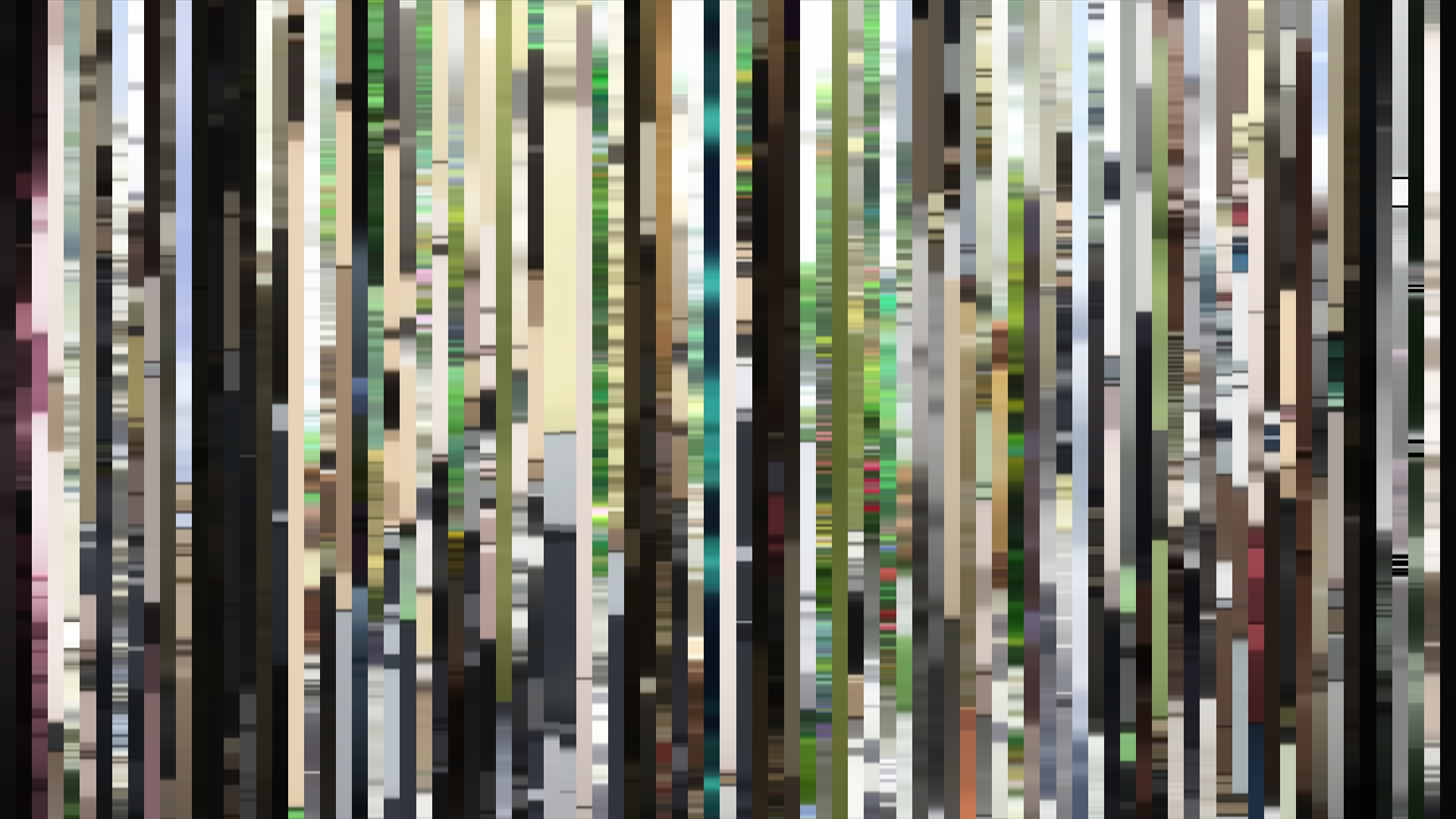
Frame Density Comparison — every 2nd vs every 4th frame
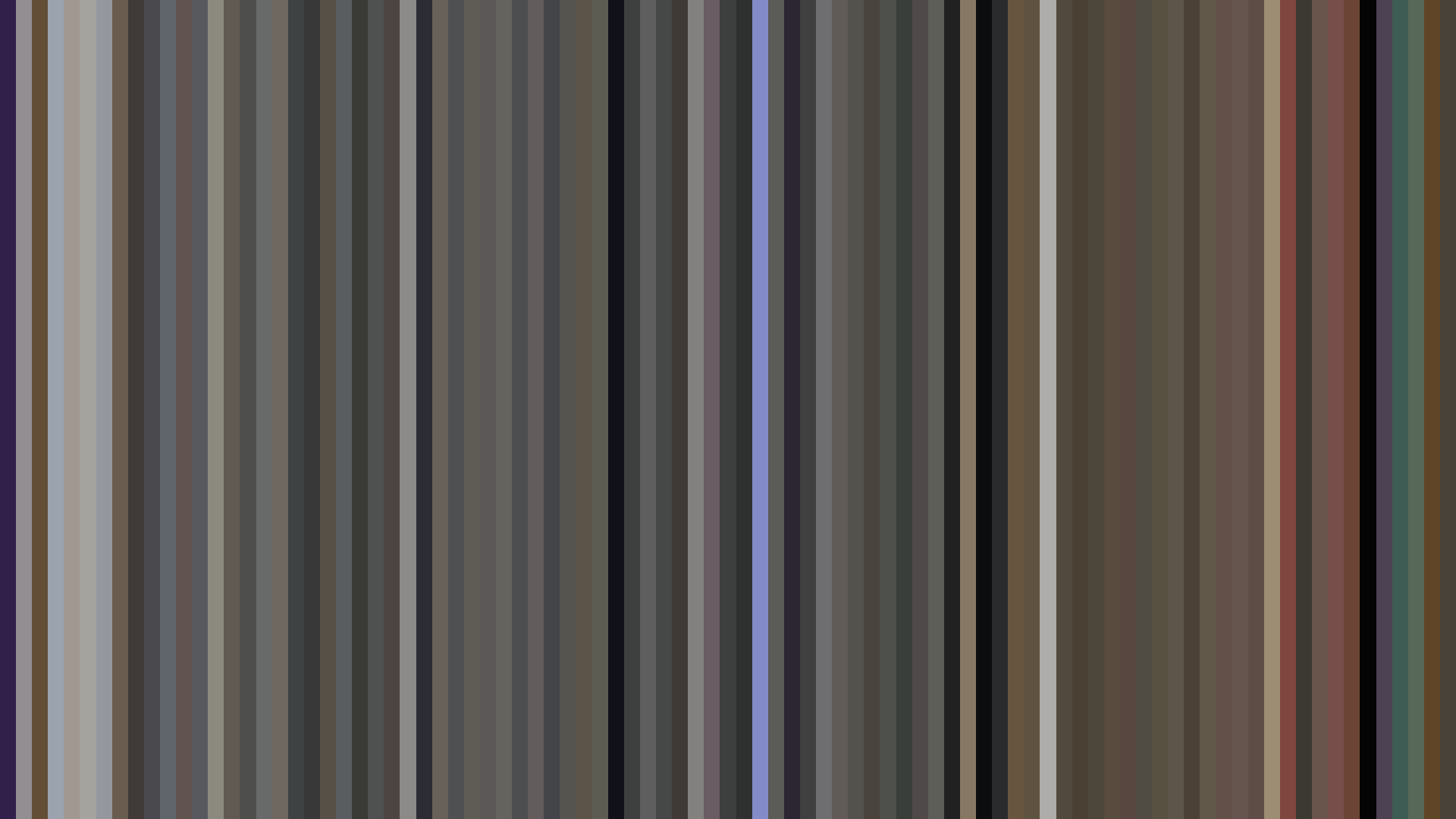
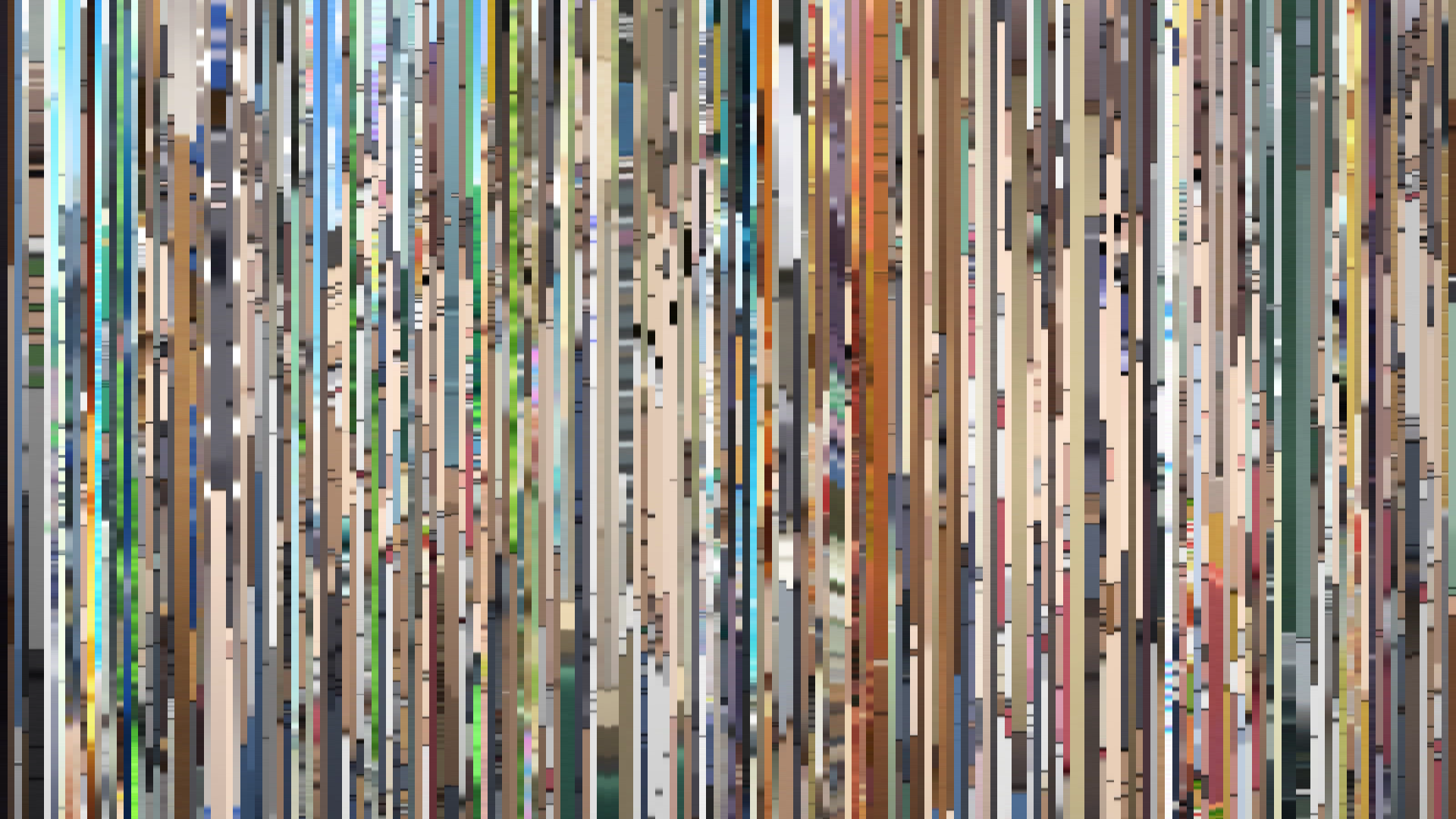
Slice · 15s
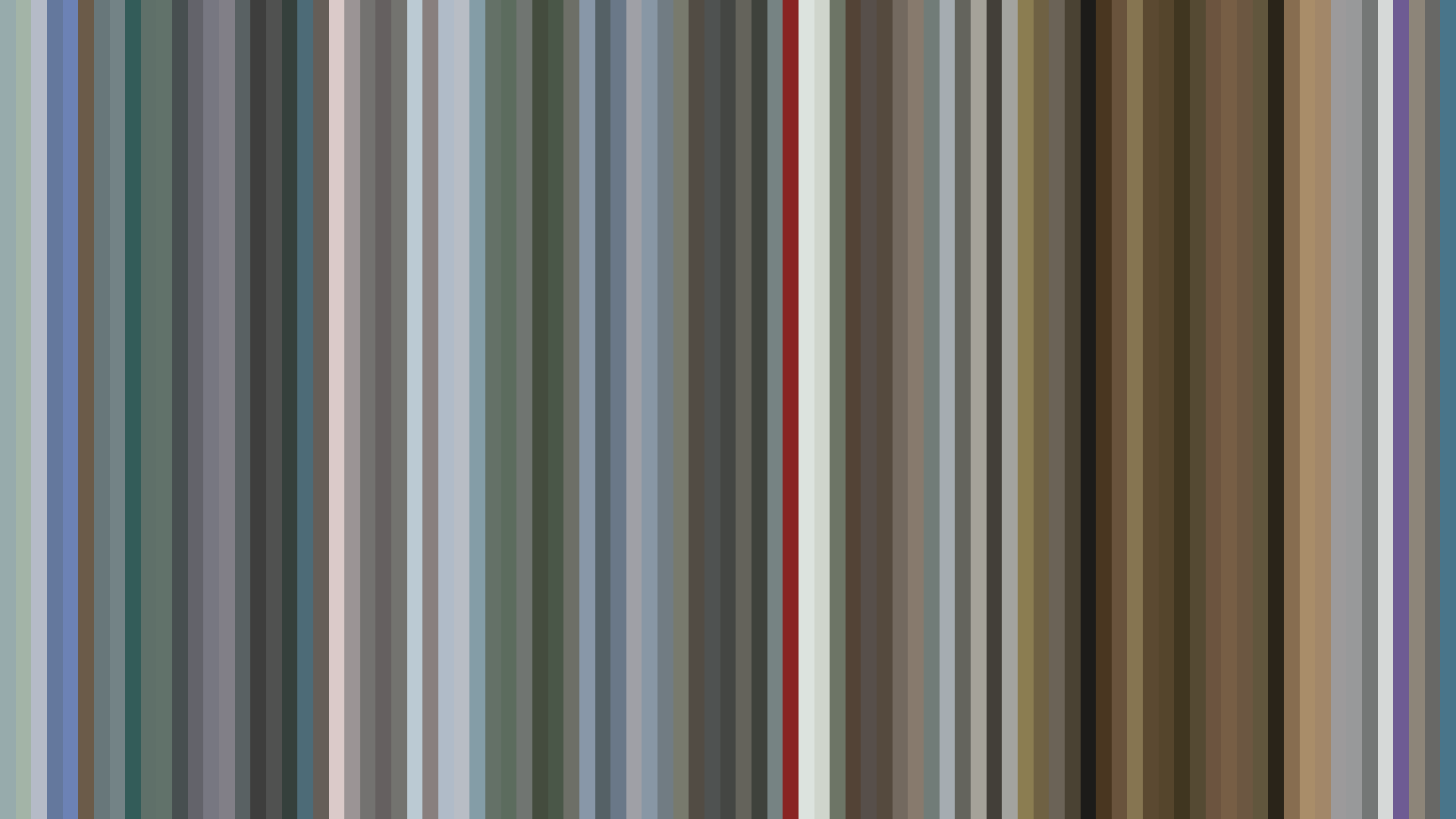
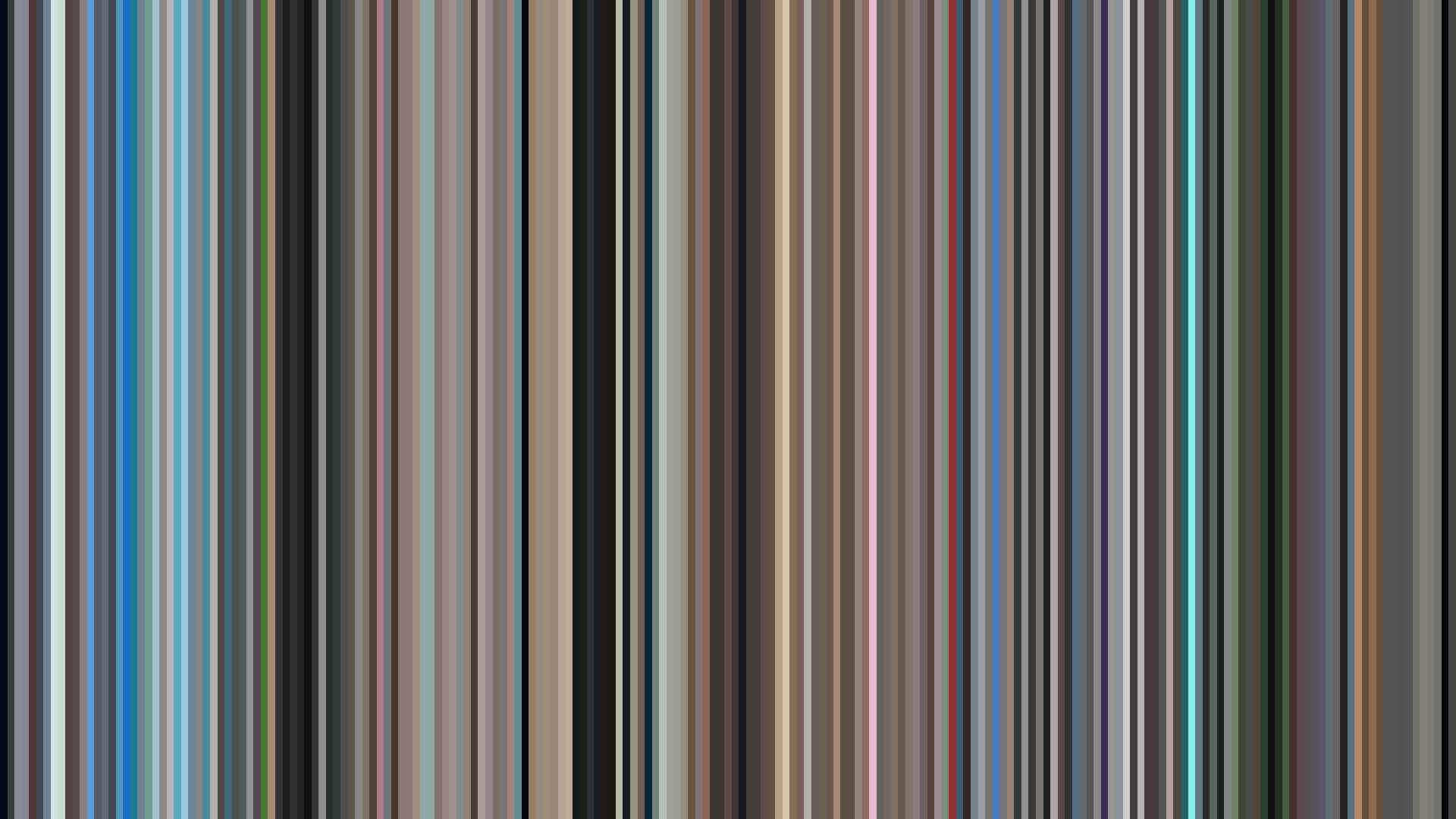
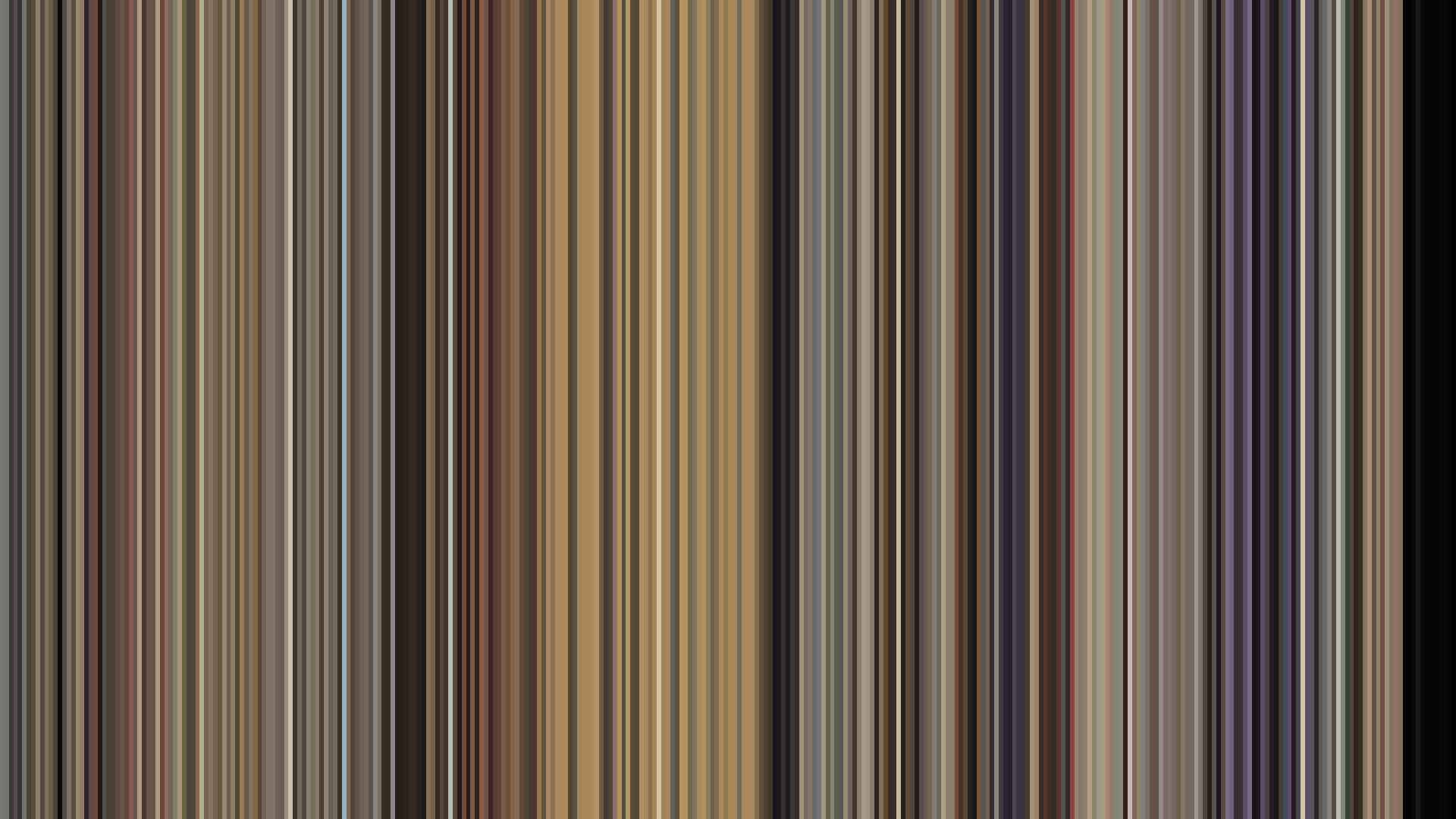
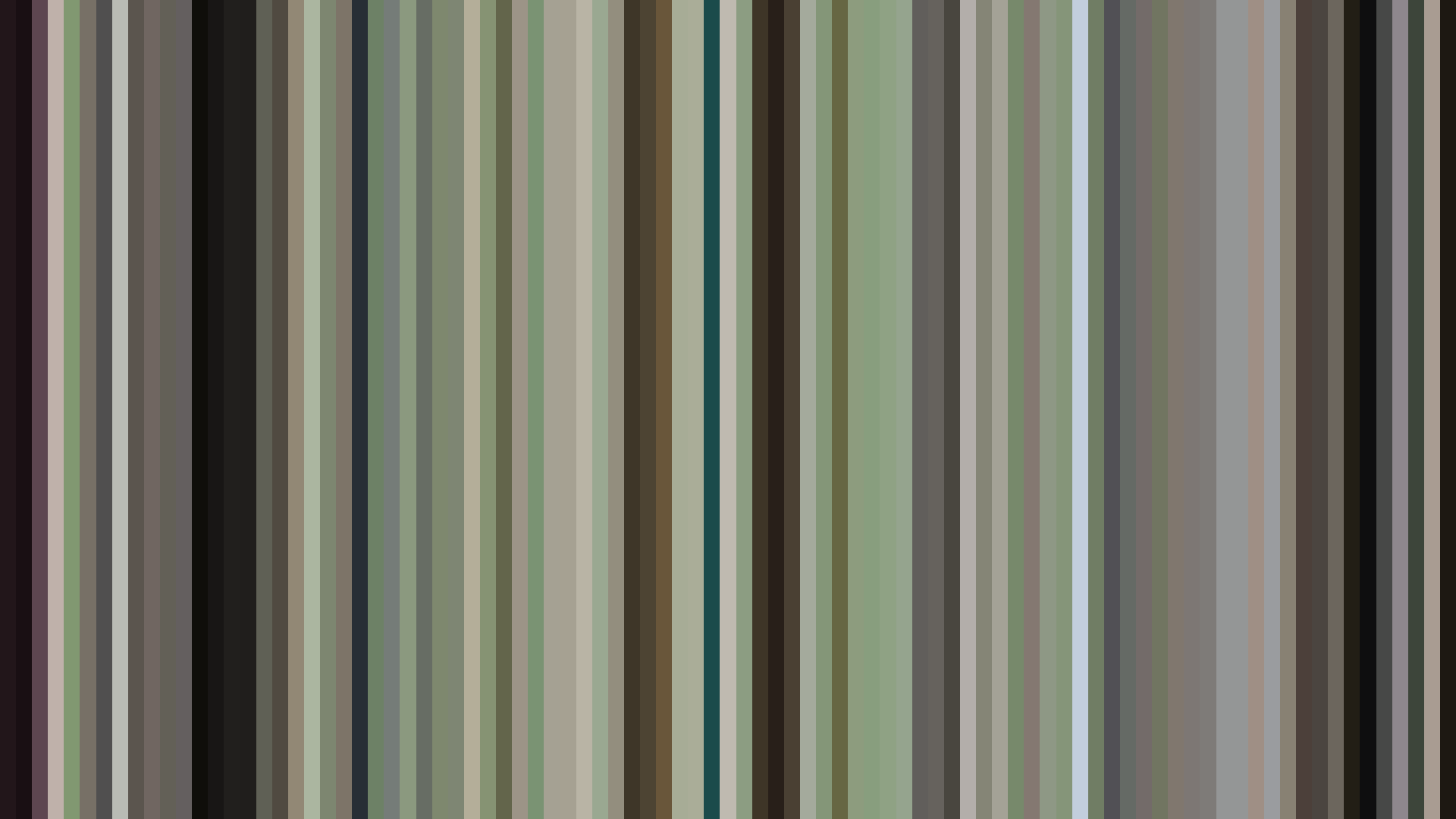
Avg · 15s
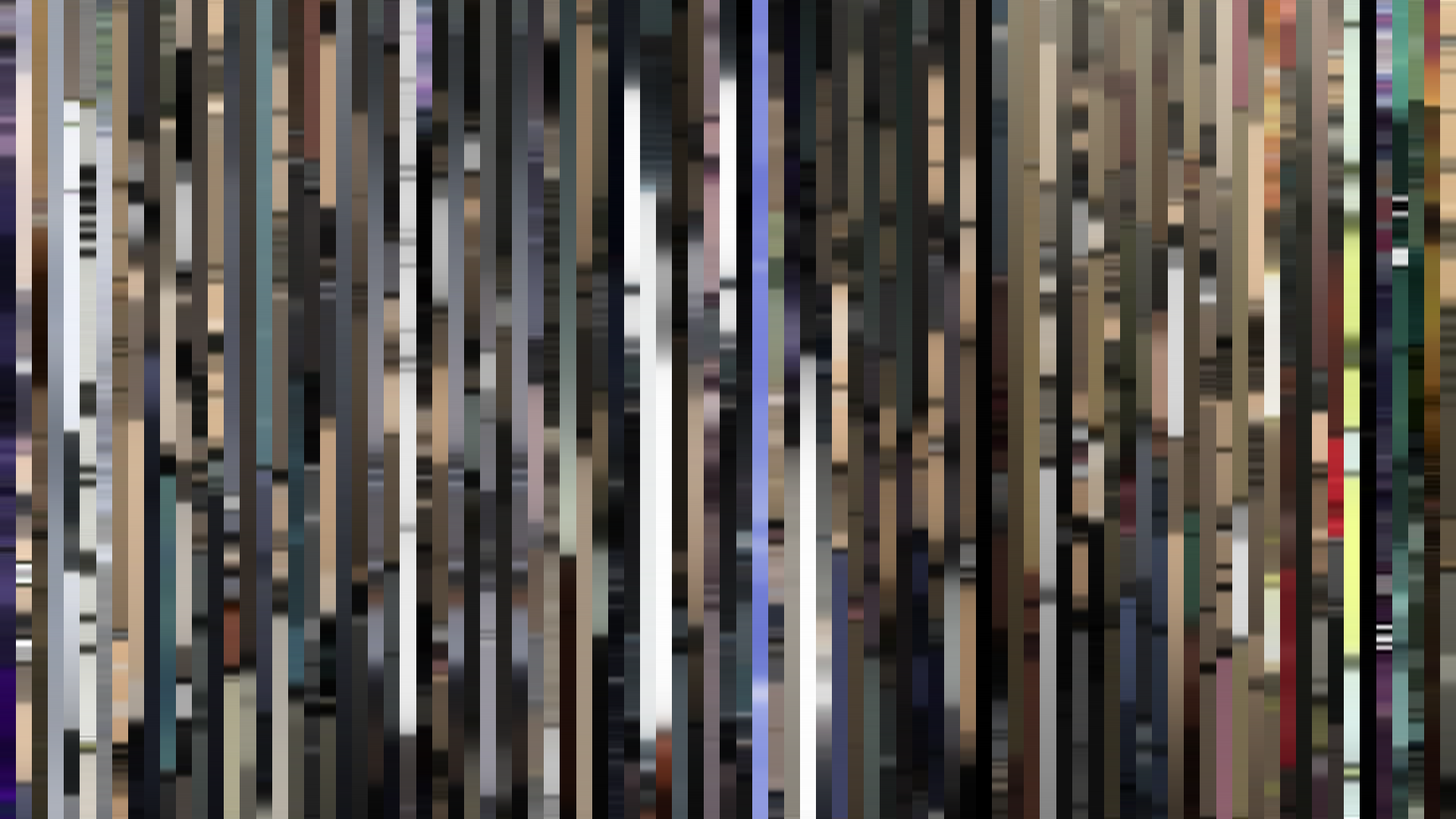
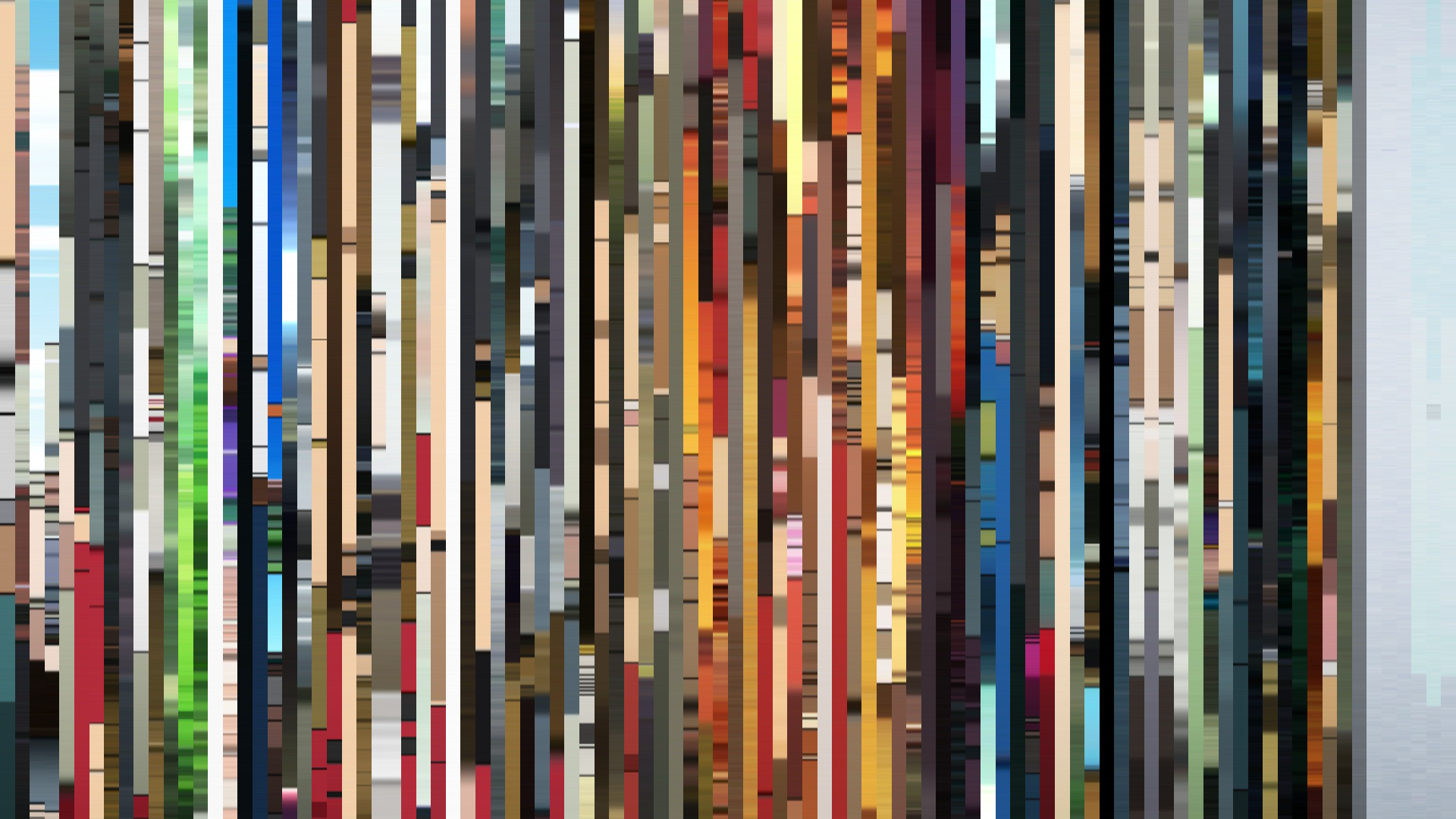
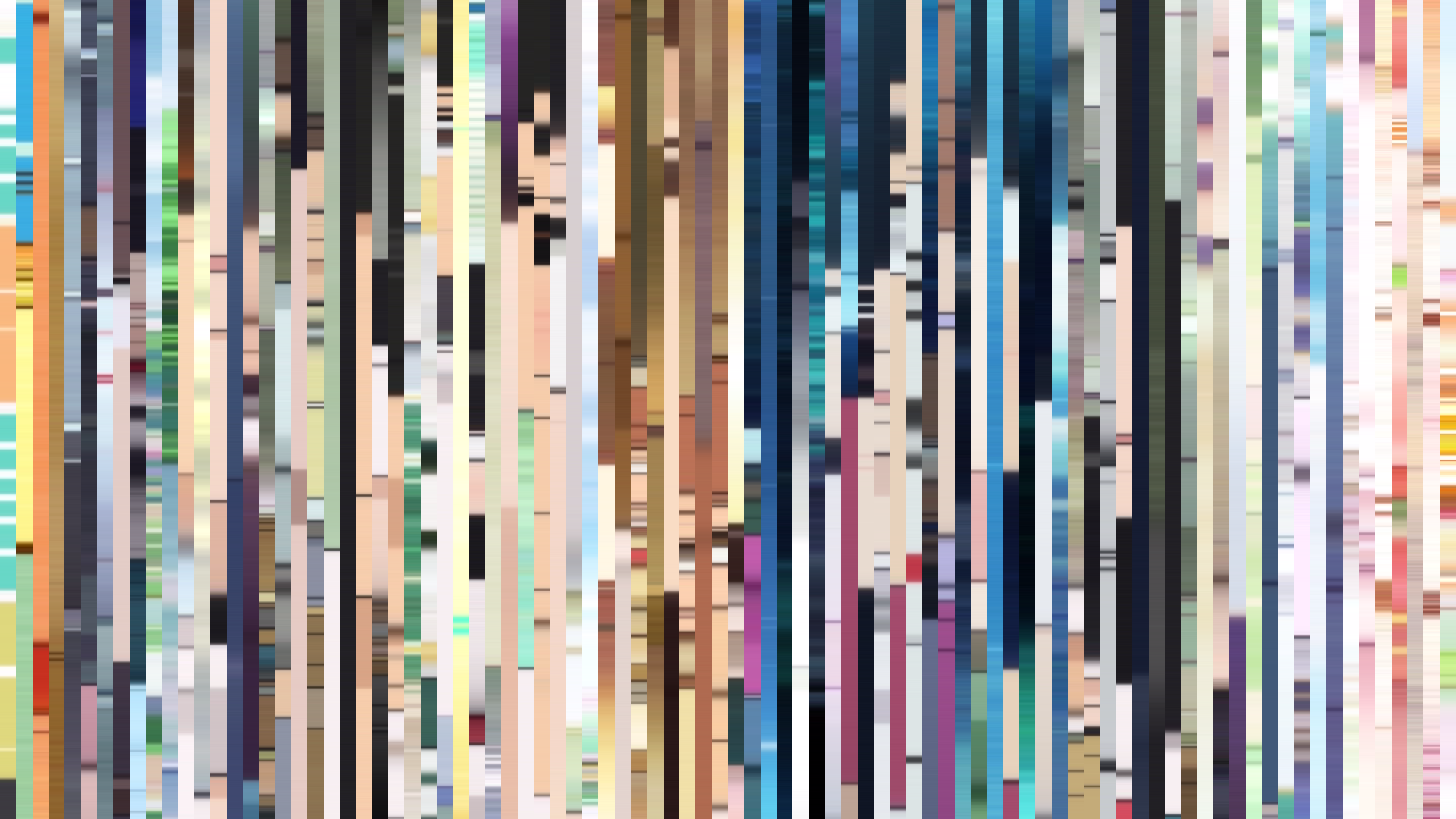
Slice · 30s
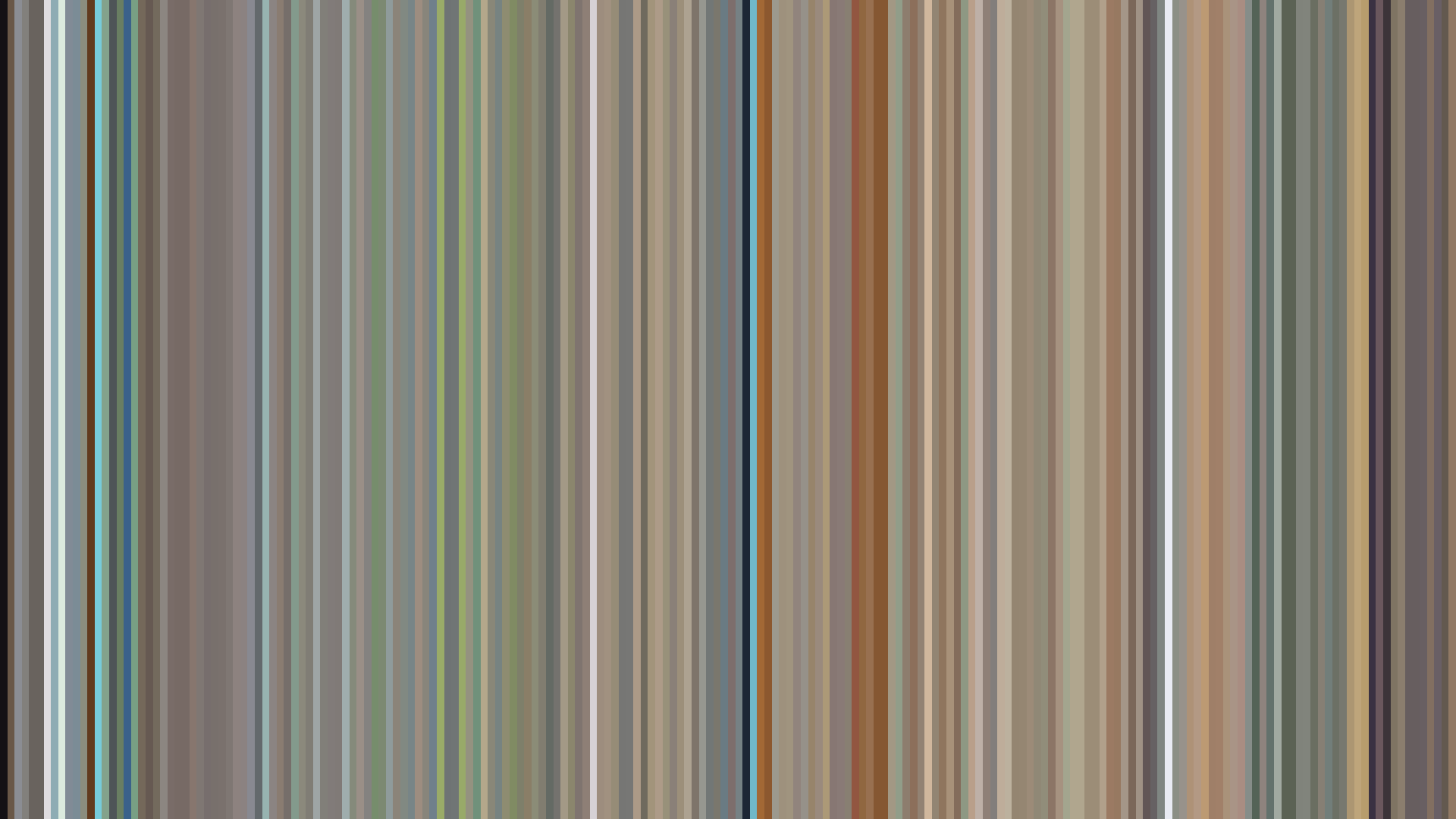
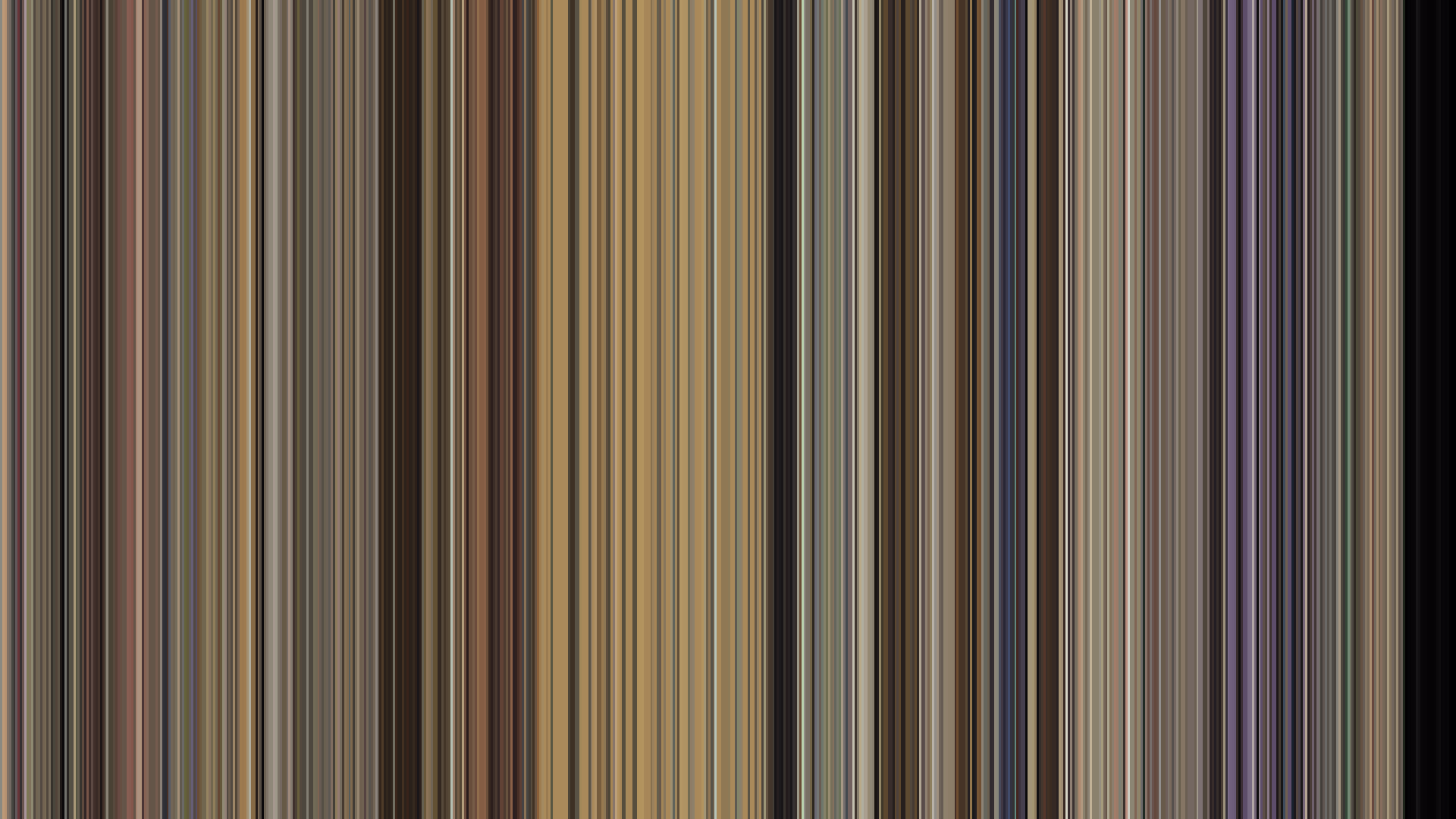
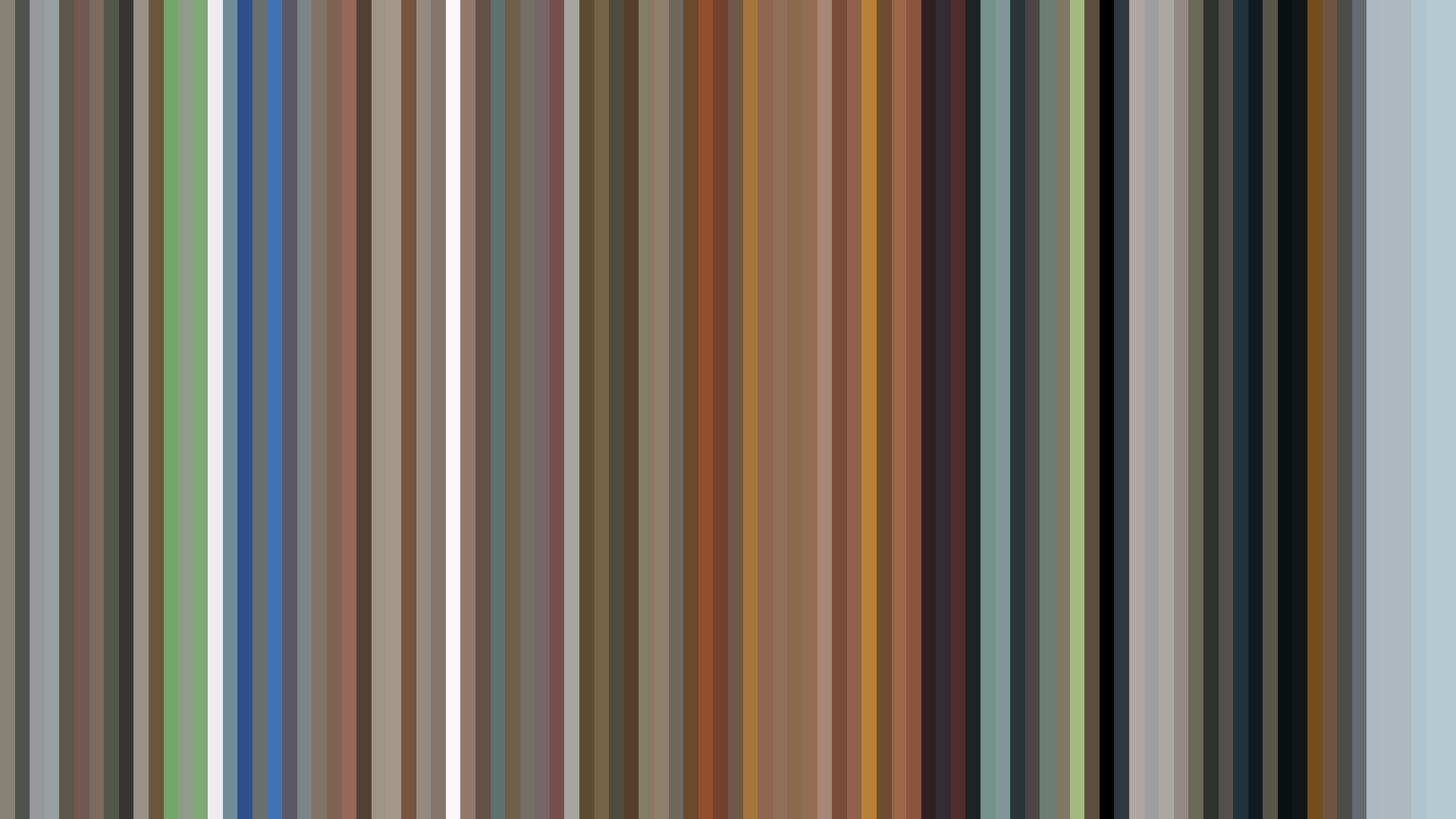
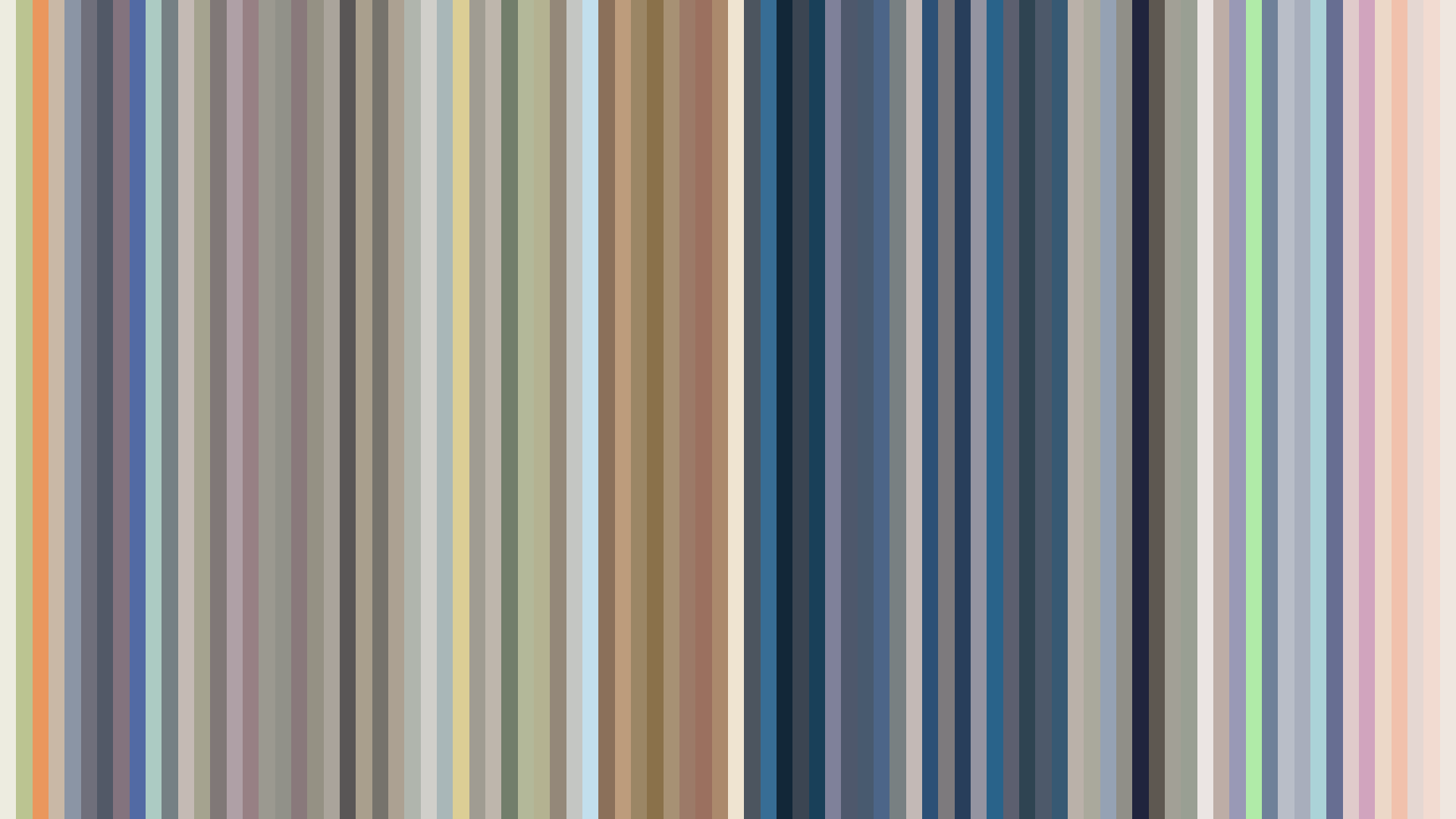
Avg · 30s
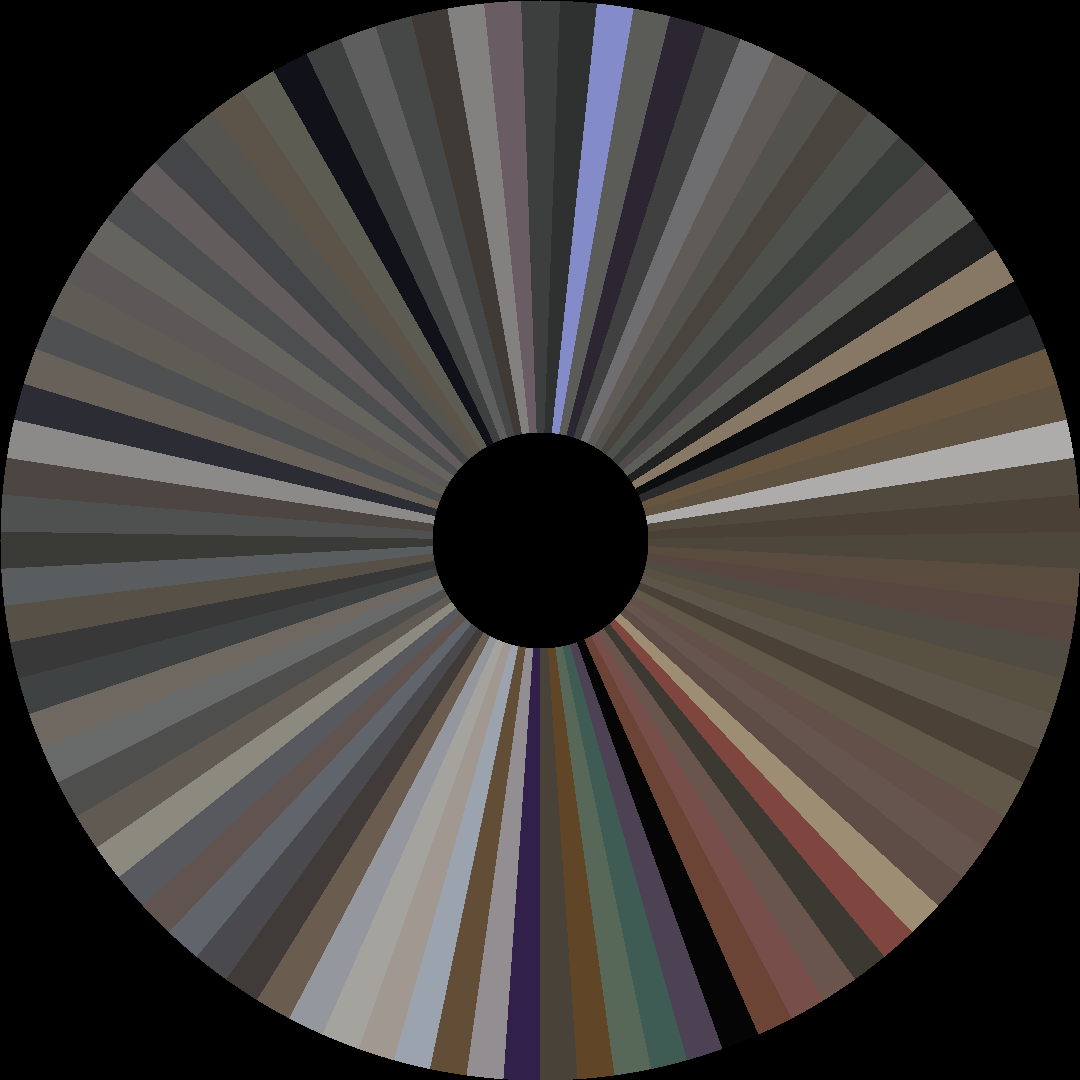
The palette is a study in deliberate impoverishment: six colors, four of them near-black or gray, the remaining two a desiccated brown and a muddied beige. At an average brightness of 0.344 and saturation of 0.171, Kaiji exists in the visual gutter — a world where even Red-Orange (56% dominance) appears not as fire but as rust. Madhouse and director Yuzo Sato build their suspense on subtraction: no lush backdrops, no atmospheric bloom, just the sickly glow of fluorescent lights on sweaty faces. The dark opening arc is the show’s real structural genius — the first act is actually the brightest (0.446), a brief, deceptive respite before the brightness flatlines at 0.385 for the remaining two acts. This isn’t a fall from grace; it’s a trapdoor. Kaiji begins in a world that still looks like daylight and ends in the permanent twilight of the underground gambling dens. The barcode tells a story of compression: color leached out, hope narrowed to a single desperate hue.
Brightness Arc (episode progression)
Hue Distribution
Act Breakdown
Opening
0.446
Middle
0.385
Closing
0.385
Avg Brightness
0.344
Avg Saturation
0.171
Warmth
0.537
Color Palette
#222120
#605C56
#A19B98
#E4E5E4
#897460
#514639
#9C8C73
#49372F
3-Act Color Story
Opening
Middle
Closing
Color Twins
Perceptually nearest palettes — measured in OKLab space, not RGB






The palette is a study in deliberate impoverishment: six colors, four of them near-black or gray, the remaining two a desiccated brown and a muddied beige. At an average brightness of 0.344 and saturation of 0.171, Kaiji exists in the visual gutter — a world where even Red-Orange (56% dominance) appears not as fire but as rust. Madhouse and director Yuzo Sato build their suspense on subtraction: no lush backdrops, no atmospheric bloom, just the sickly glow of fluorescent lights on sweaty faces. The dark opening arc is the show’s real structural genius — the first act is actually the brightest (0.446), a brief, deceptive respite before the brightness flatlines at 0.385 for the remaining two acts. This isn’t a fall from grace; it’s a trapdoor. Kaiji begins in a world that still looks like daylight and ends in the permanent twilight of the underground gambling dens. The barcode tells a story of compression: color leached out, hope narrowed to a single desperate hue.