Edit Pace — frame-to-frame color delta (bright = fast cuts)
Color Temperature — warm (gold) vs cool (teal) per frame
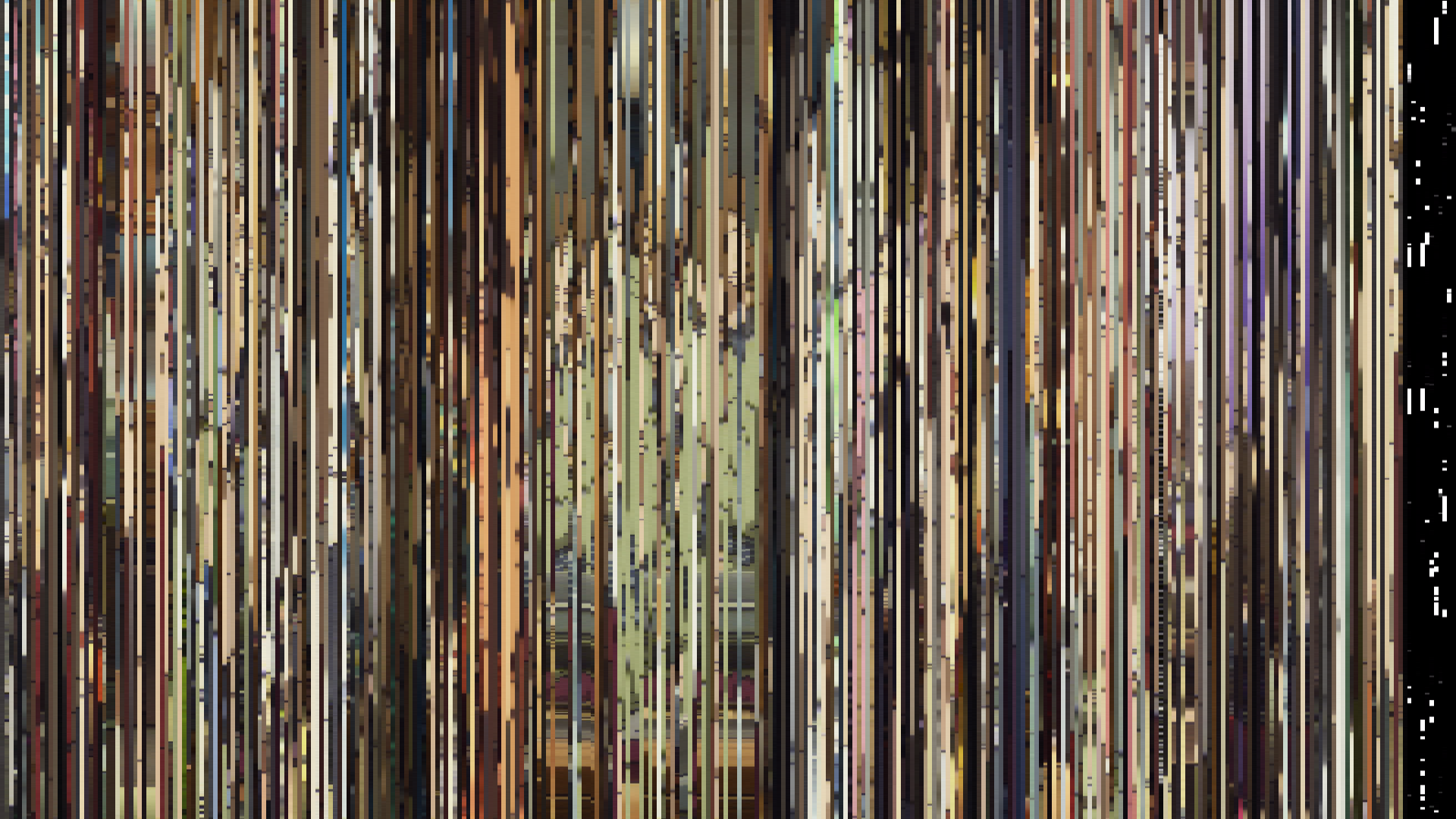
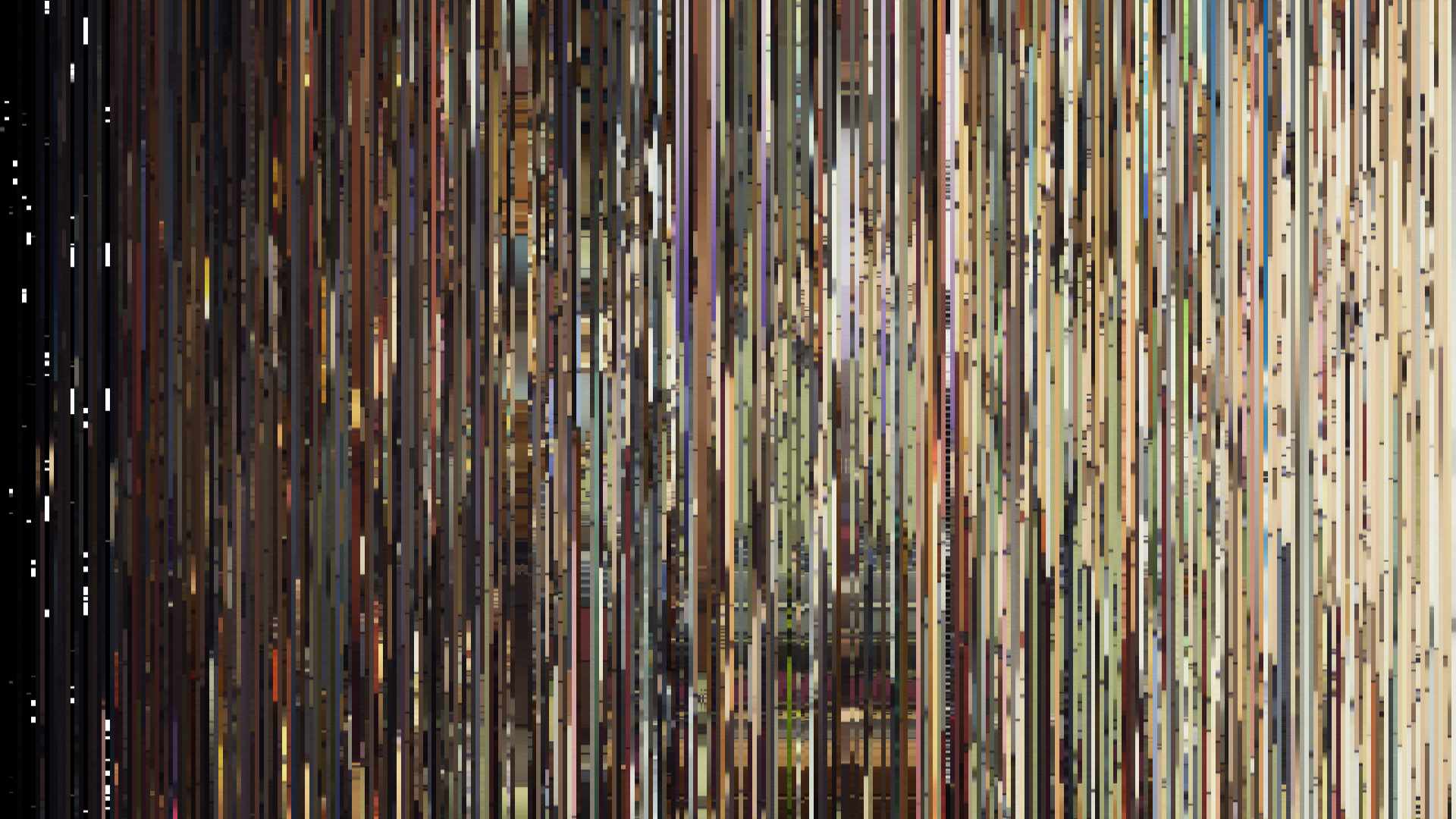
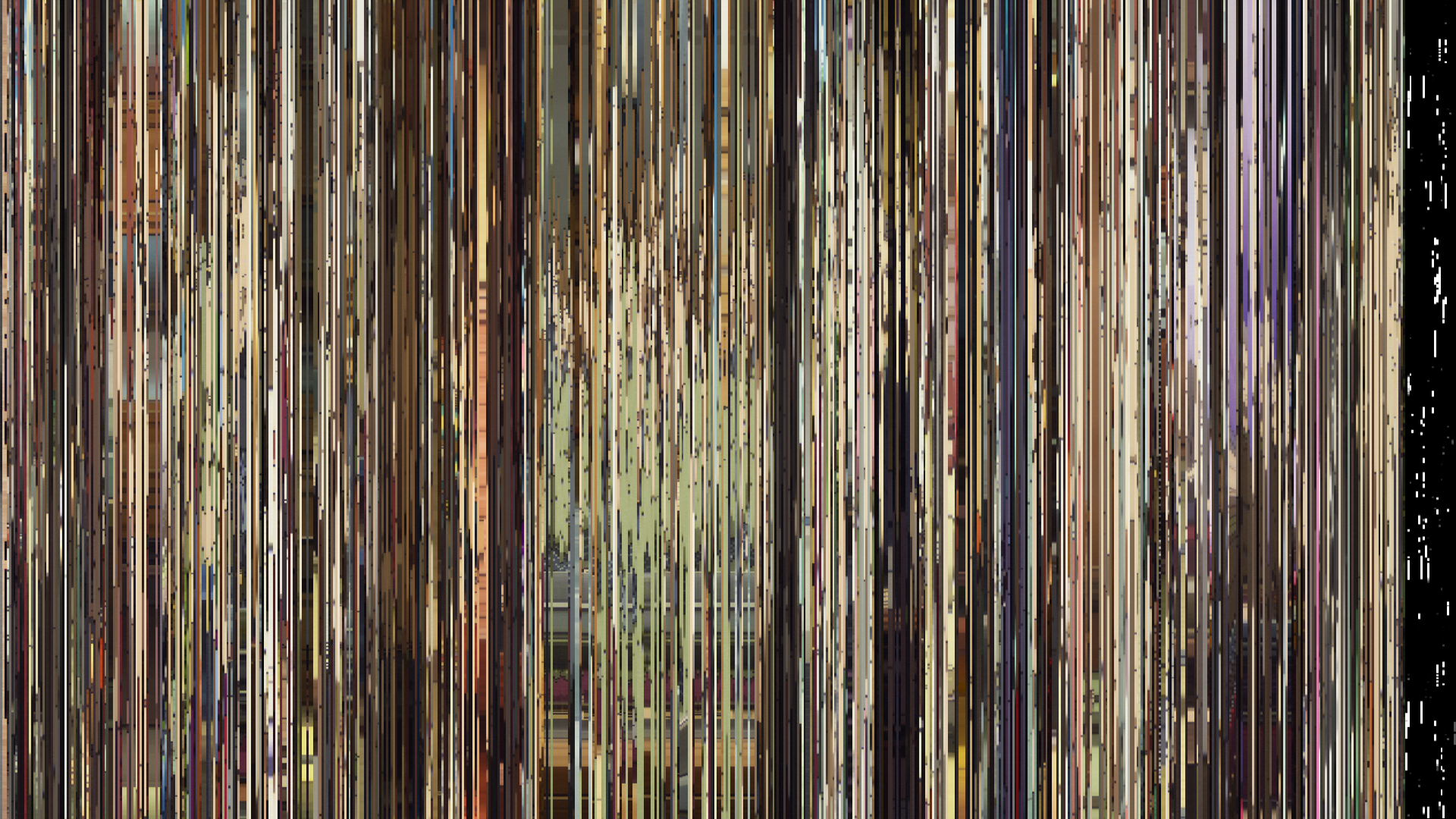
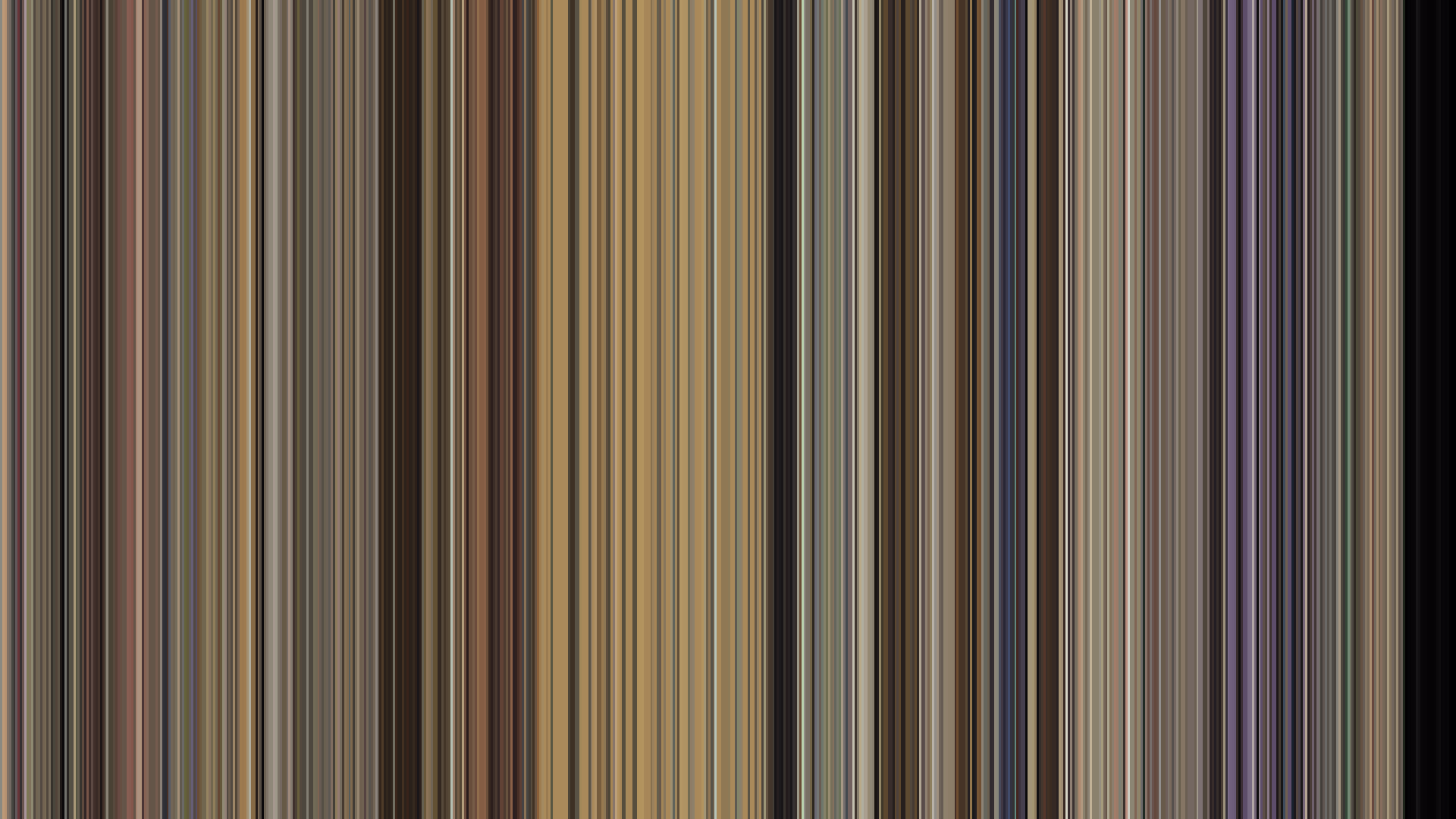
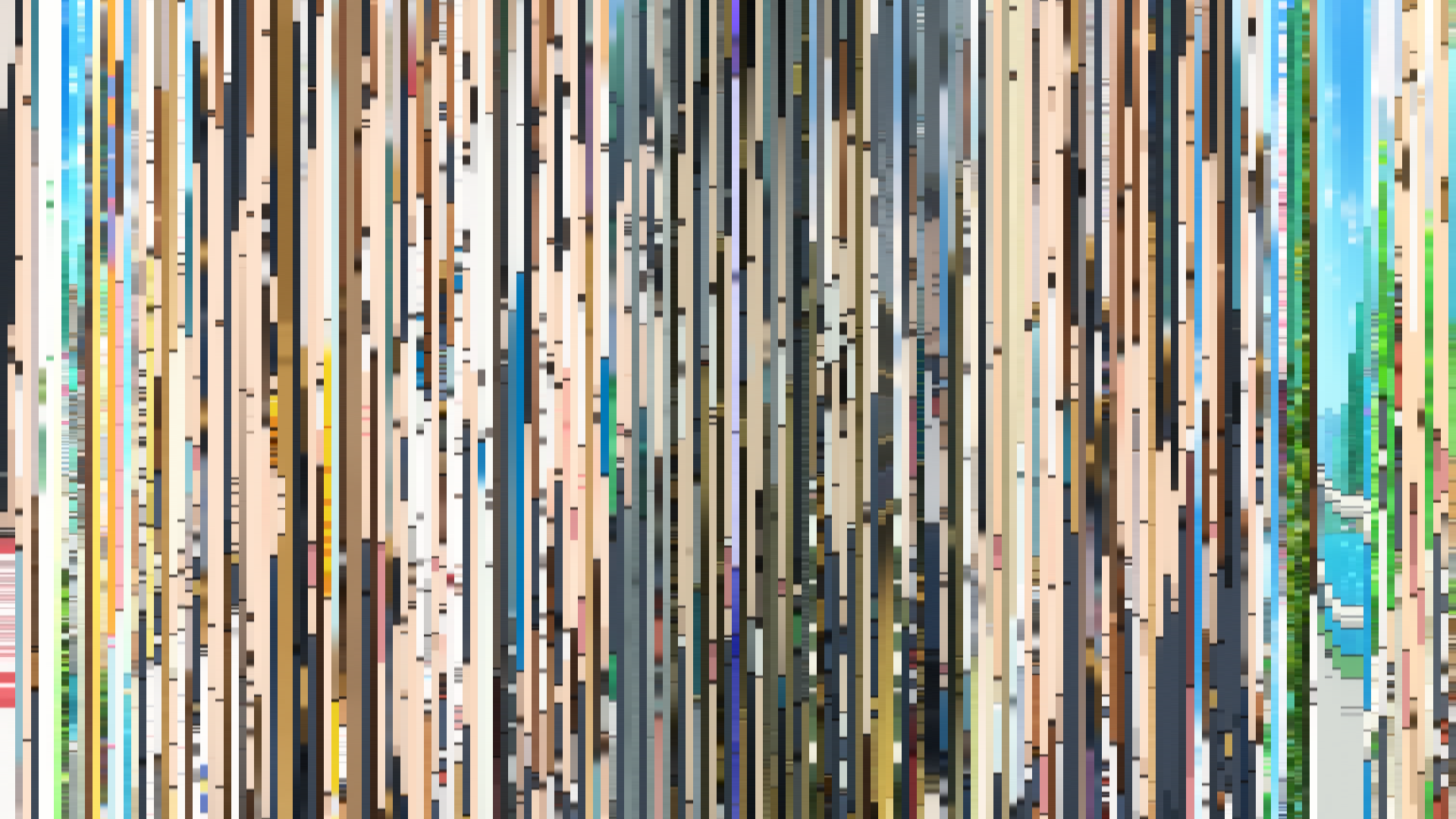
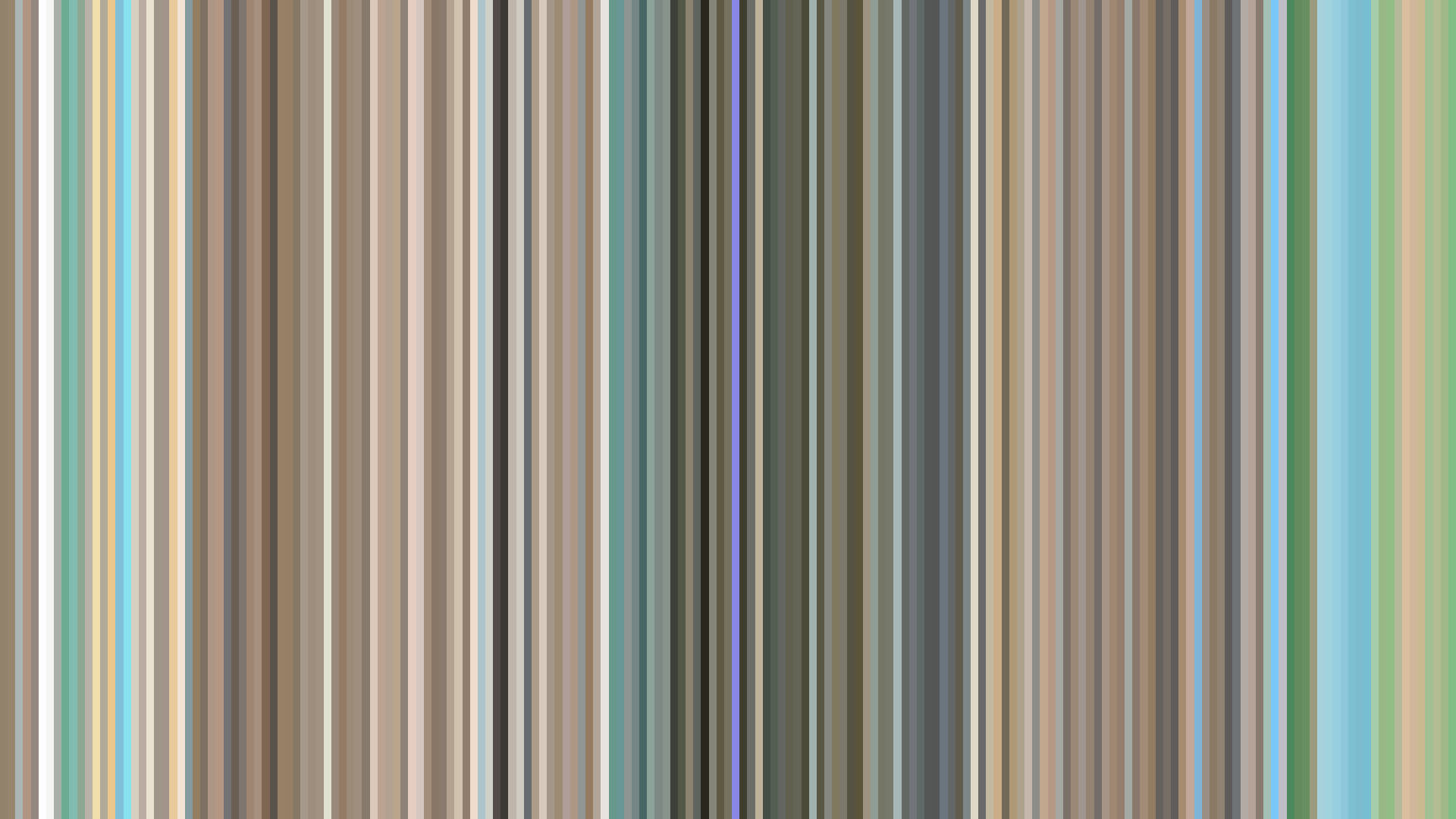
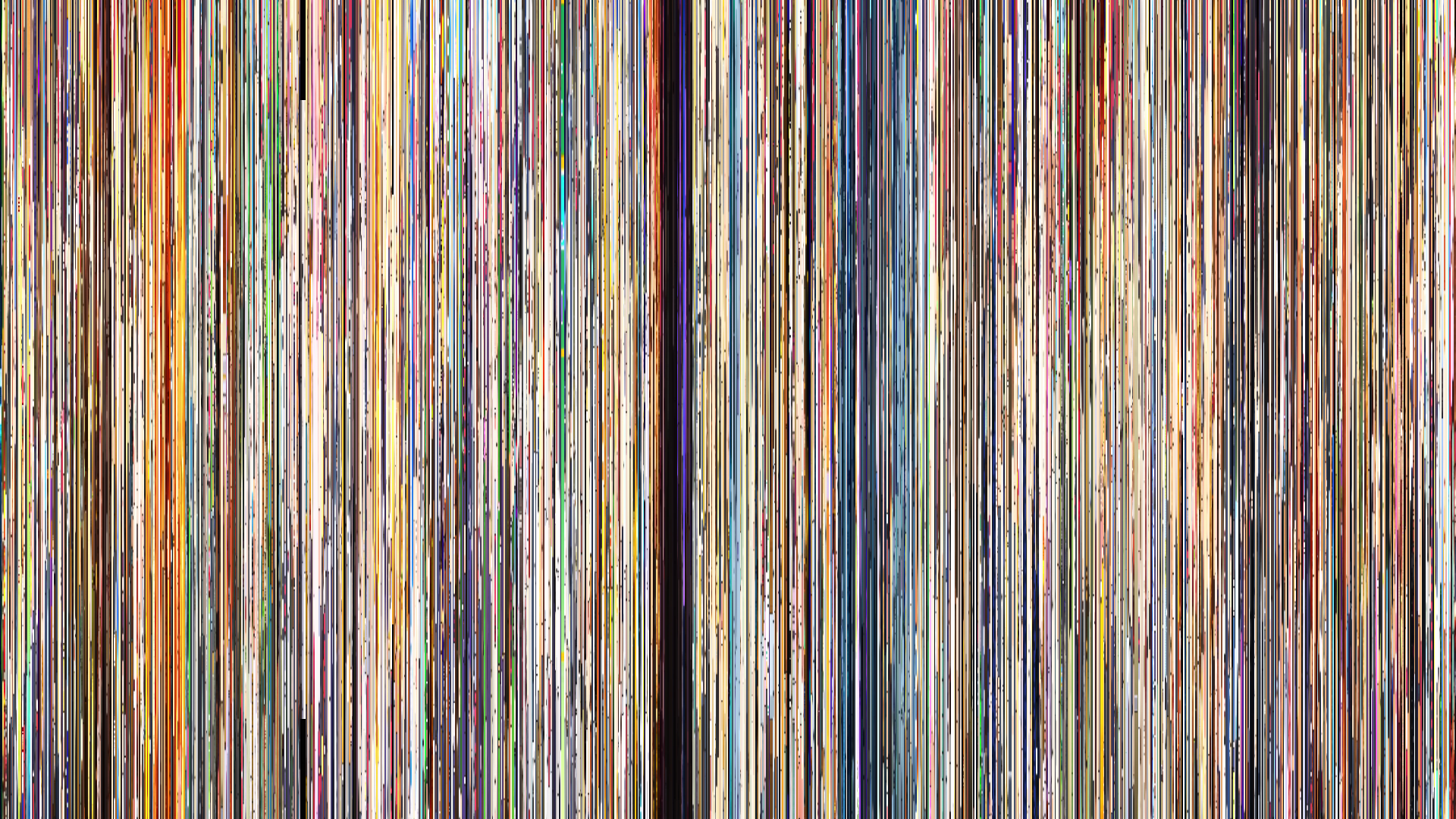
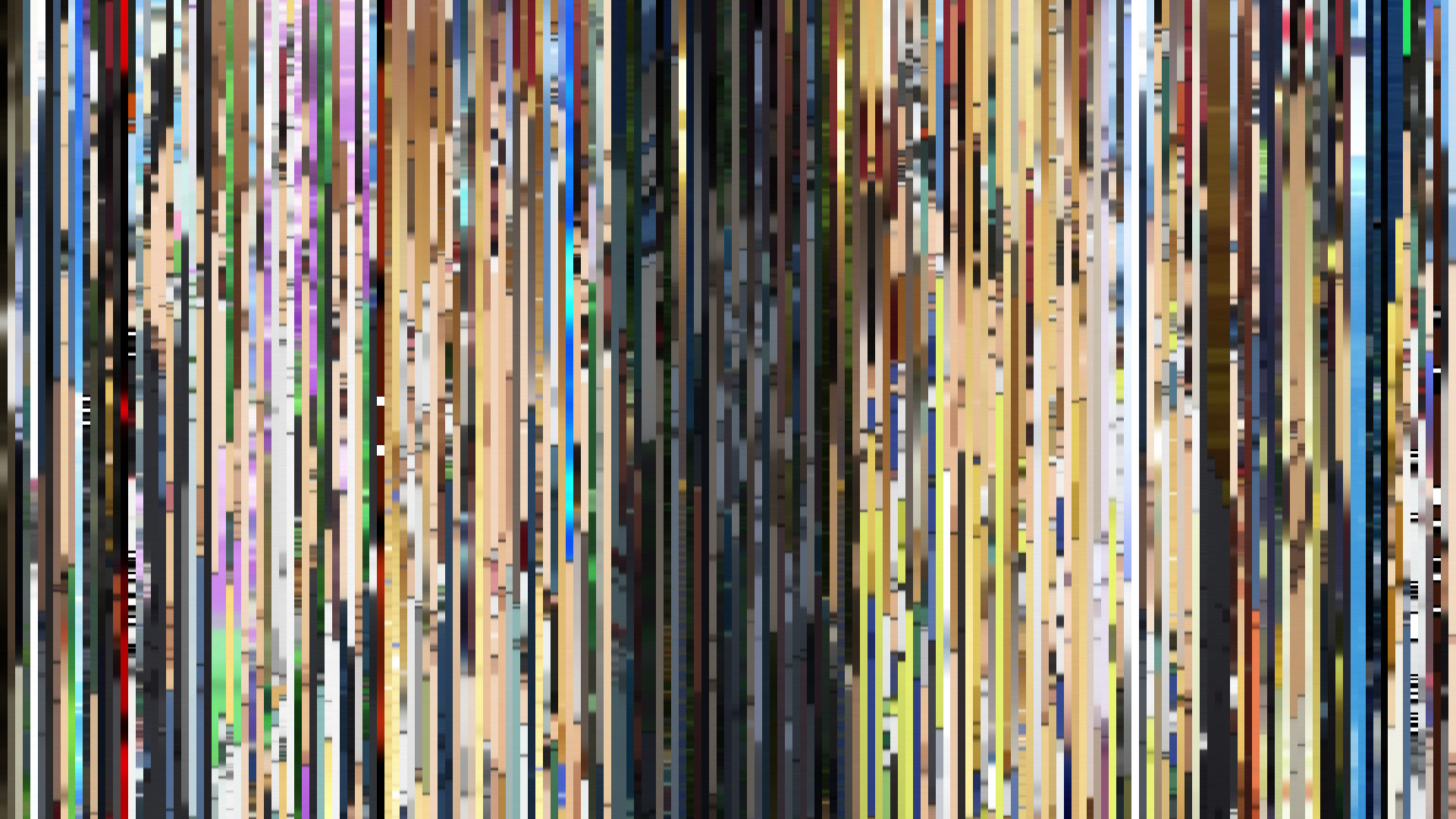
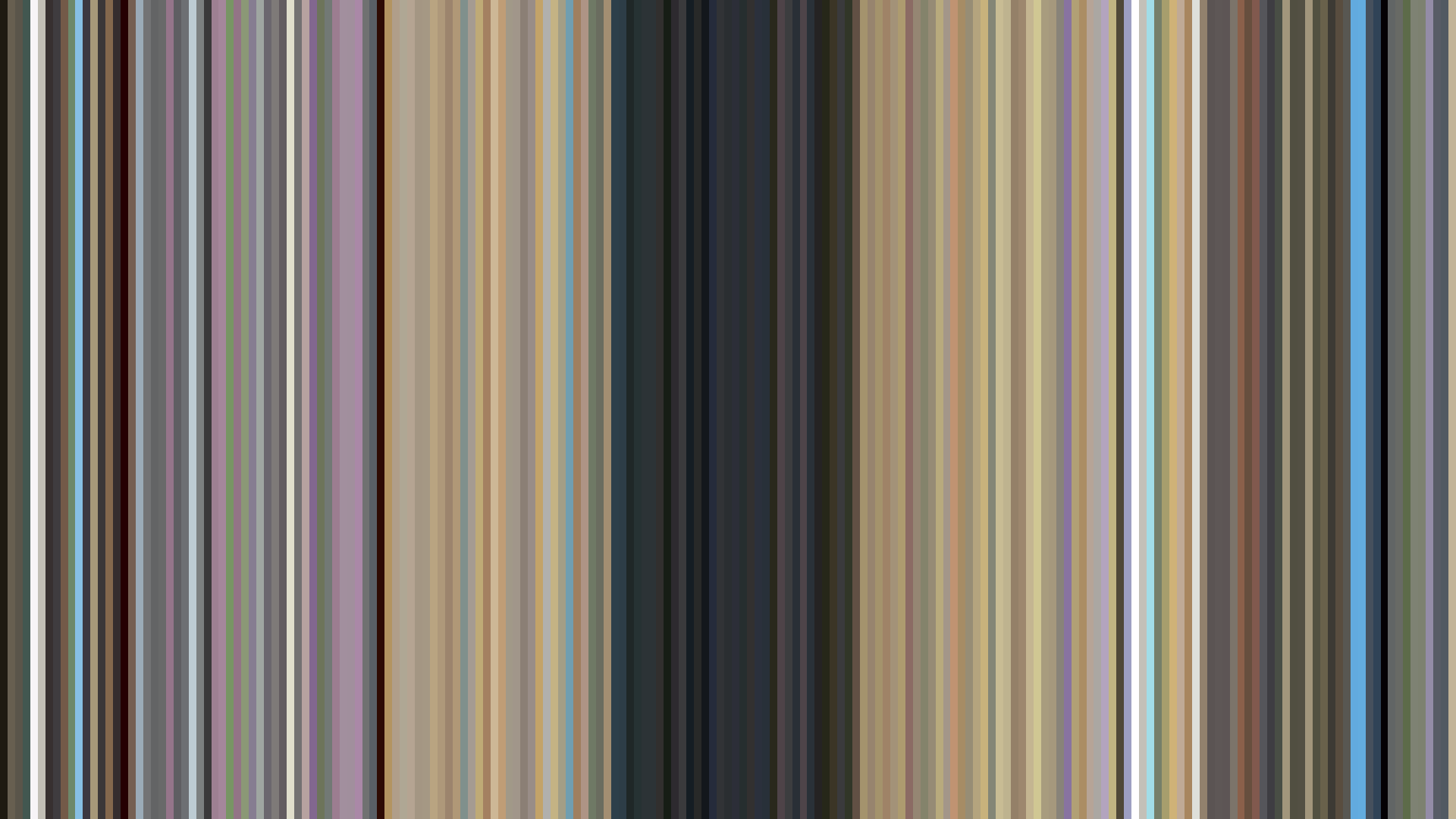
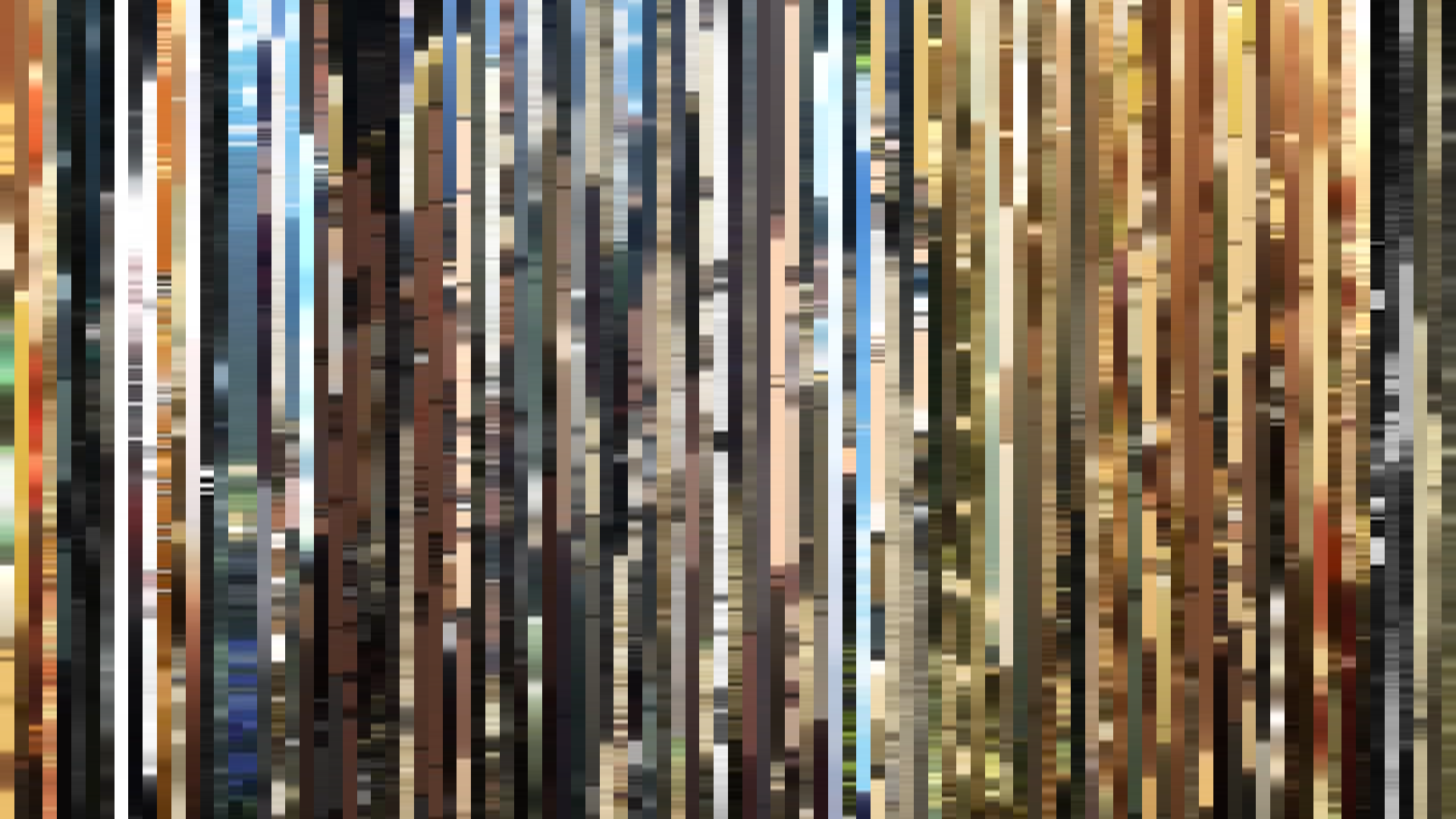
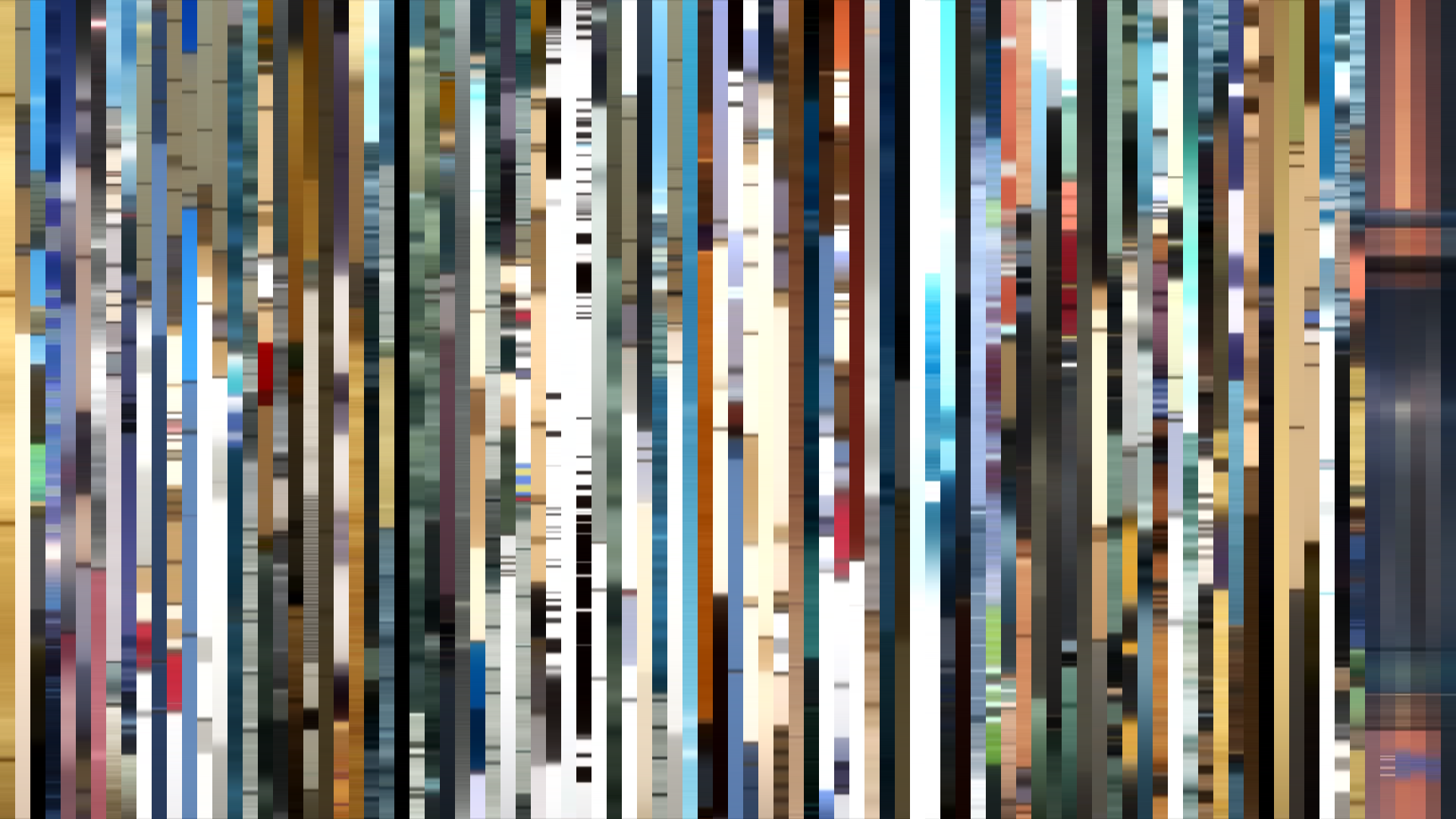
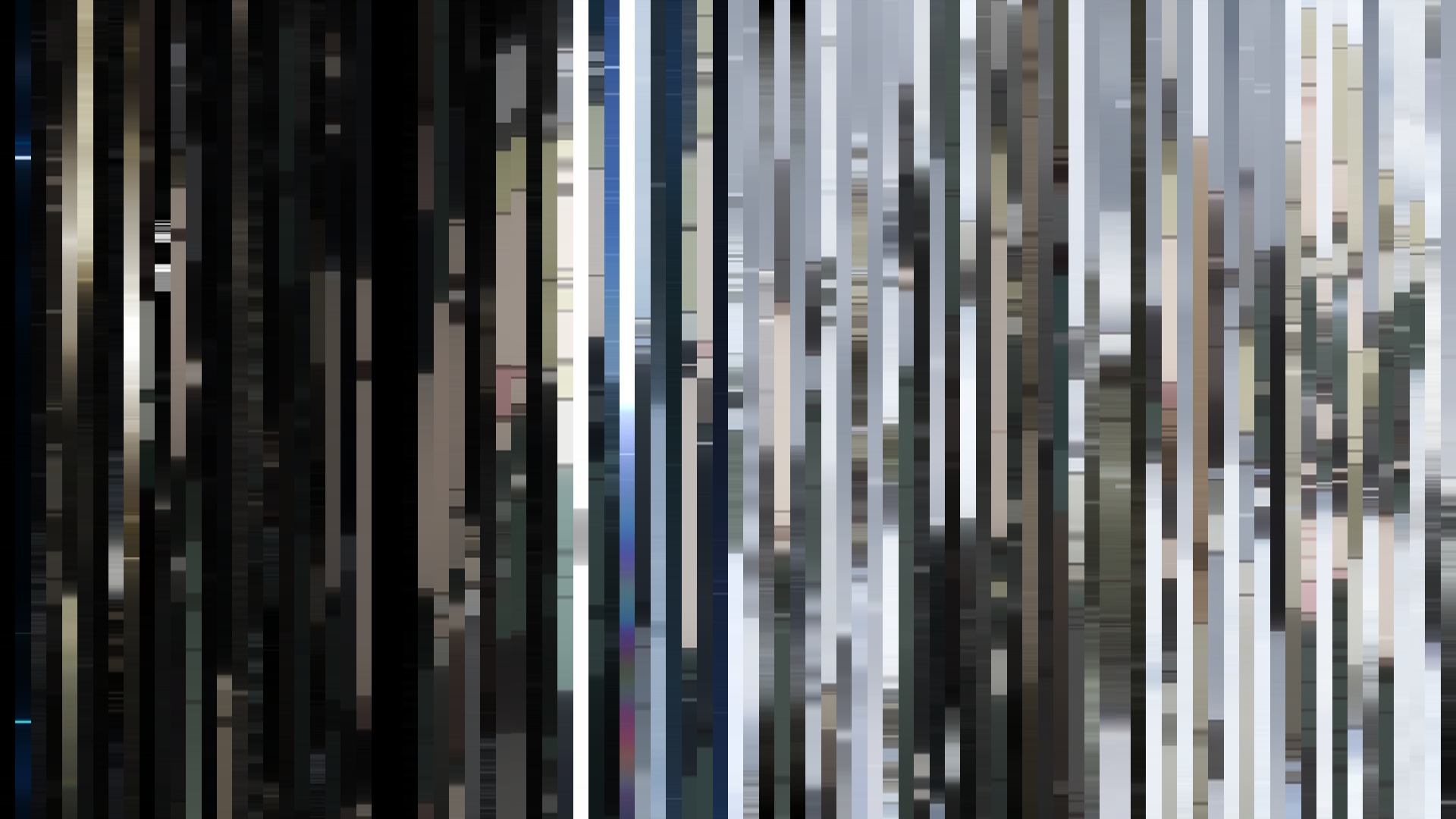
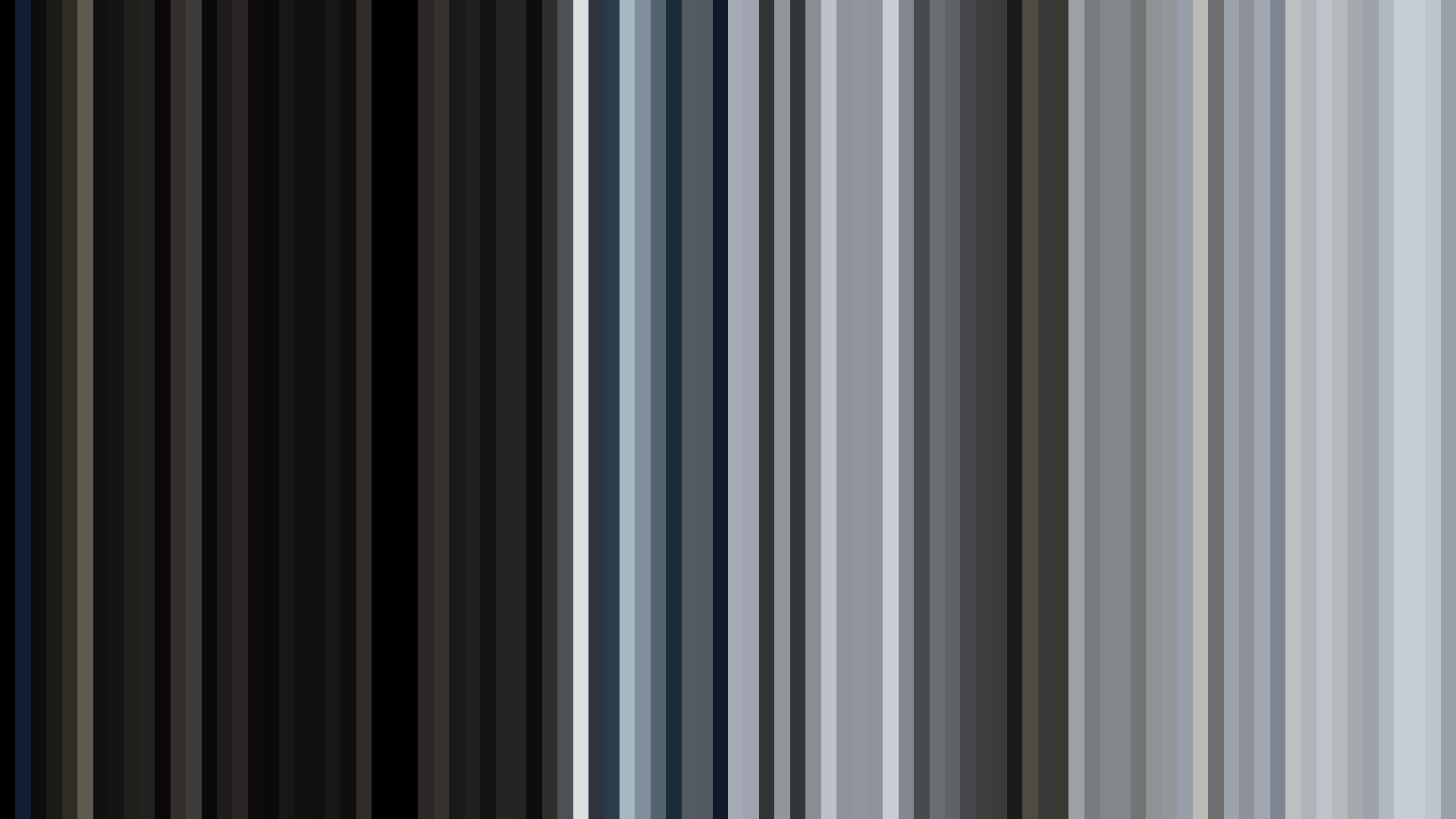
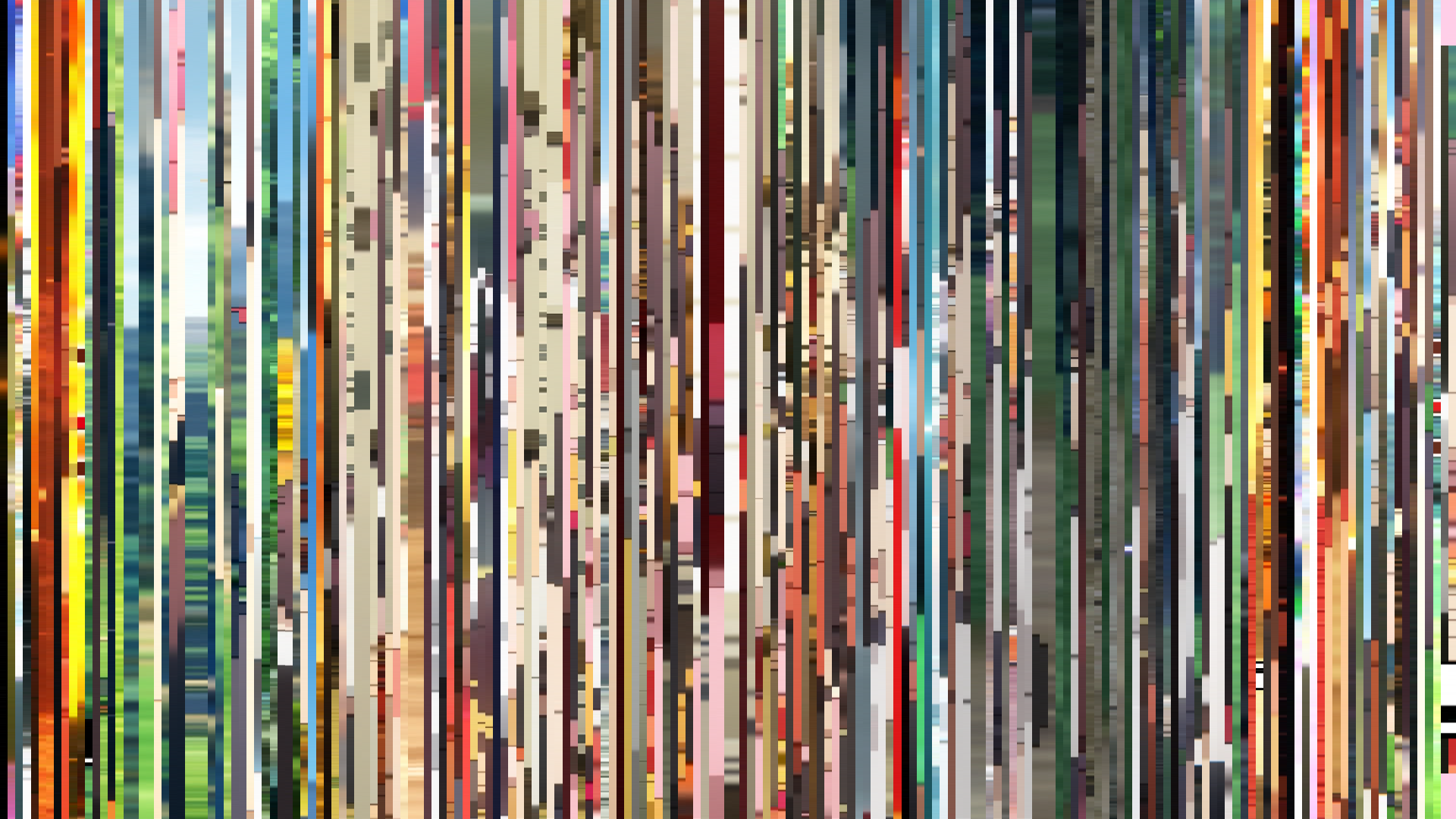
Frame Density Comparison — every 2nd vs every 4th frame
Slice · 15s
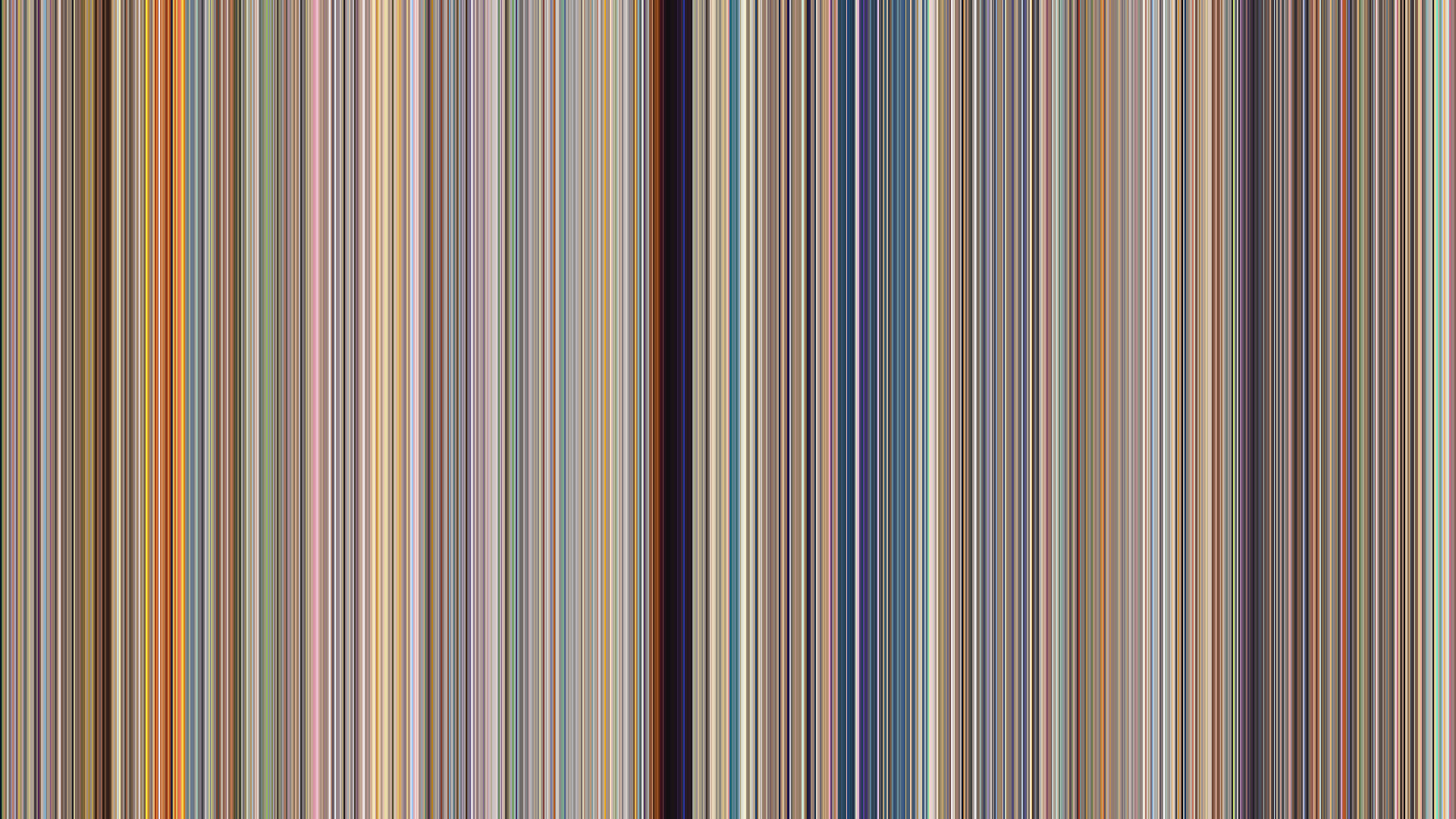
Avg · 15s
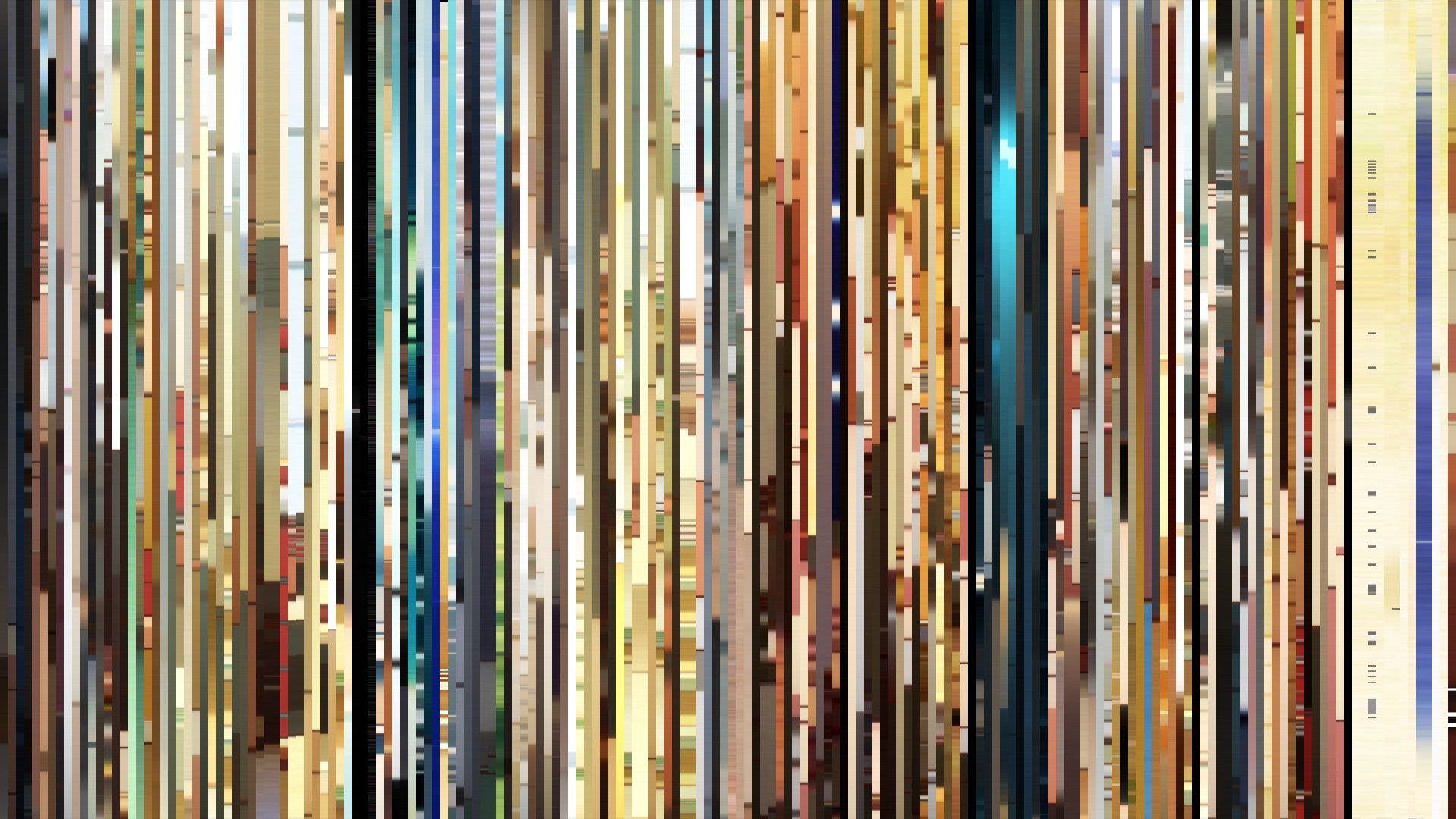
Slice · 30s
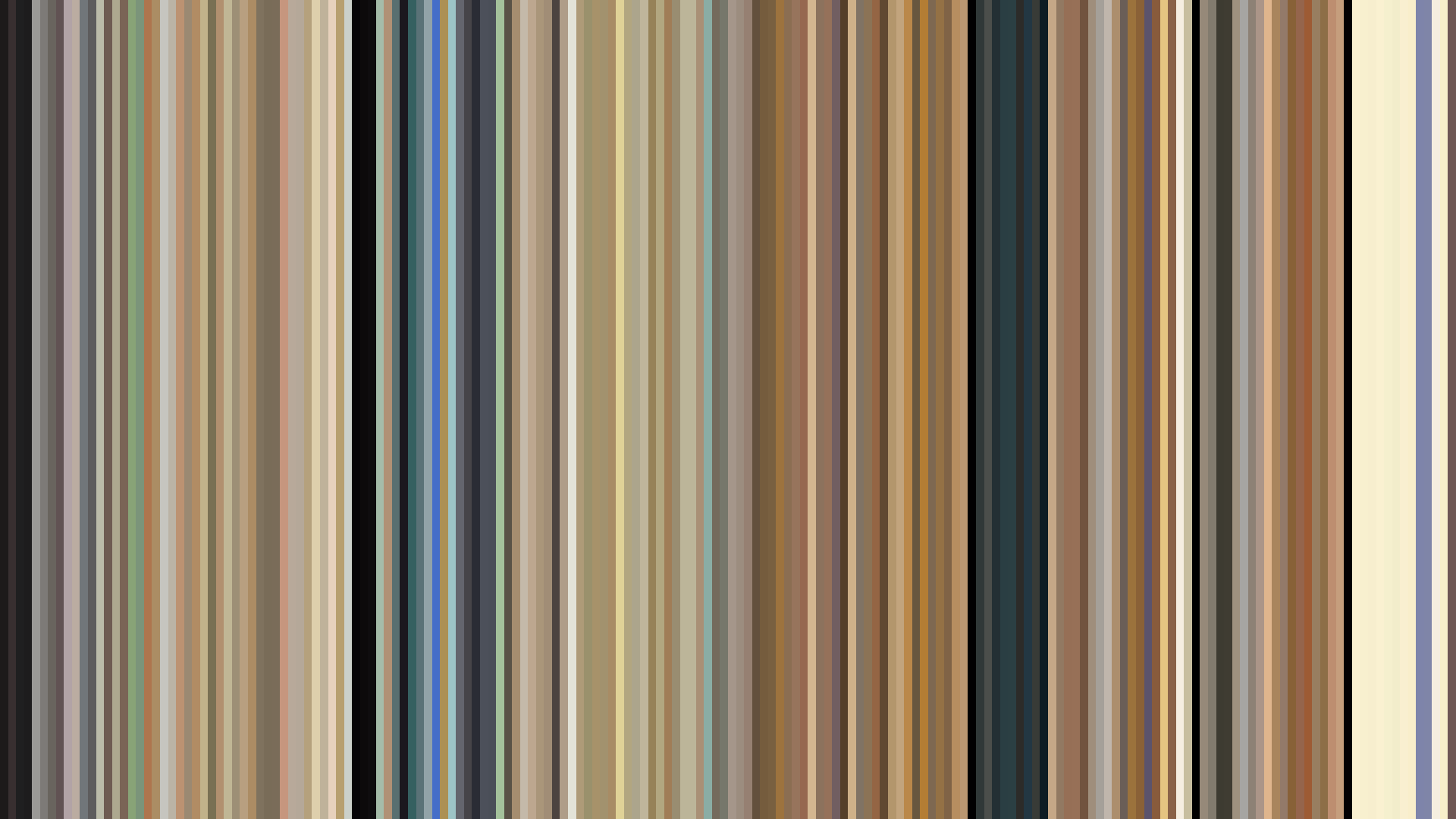
Avg · 30s
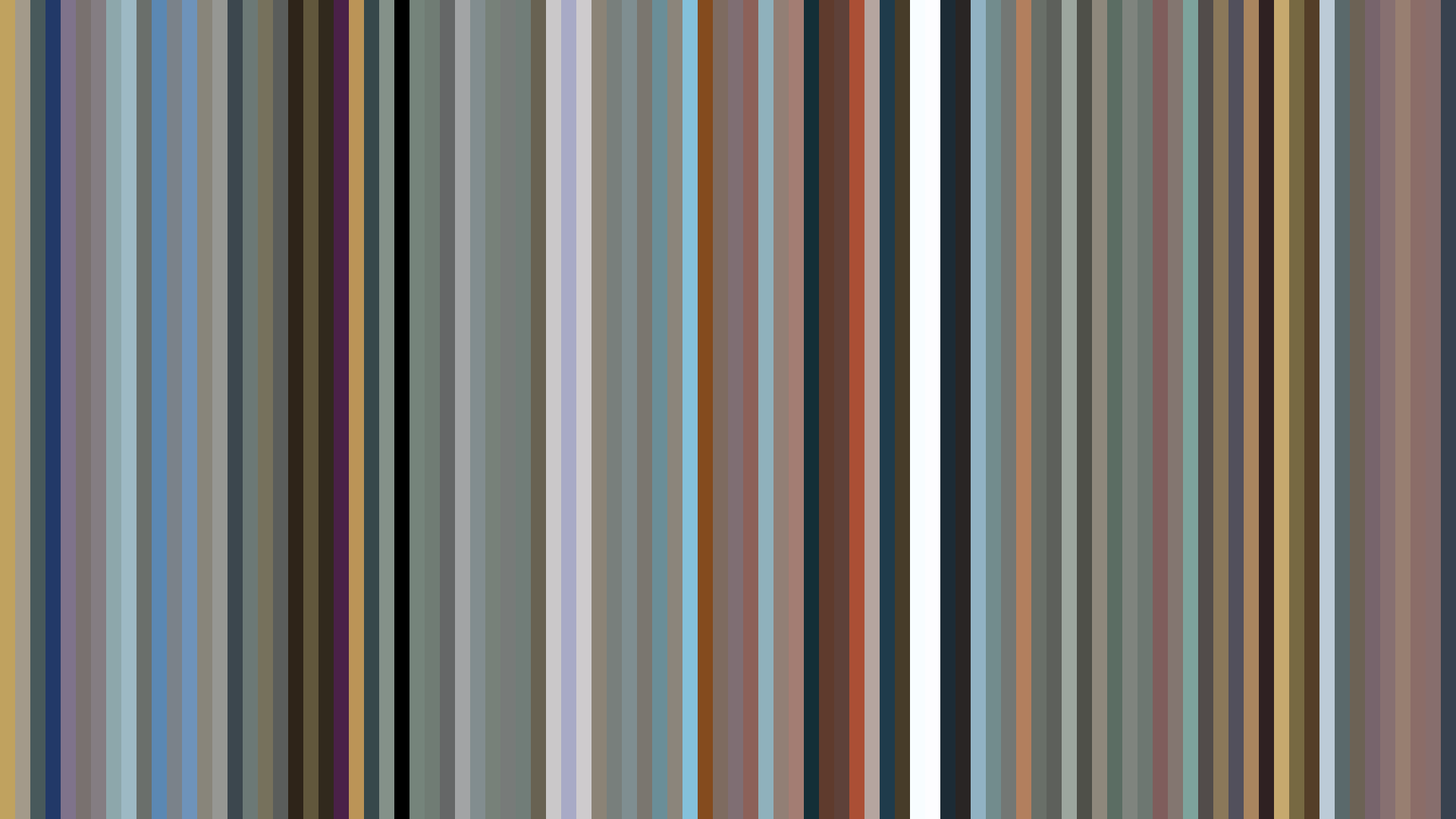
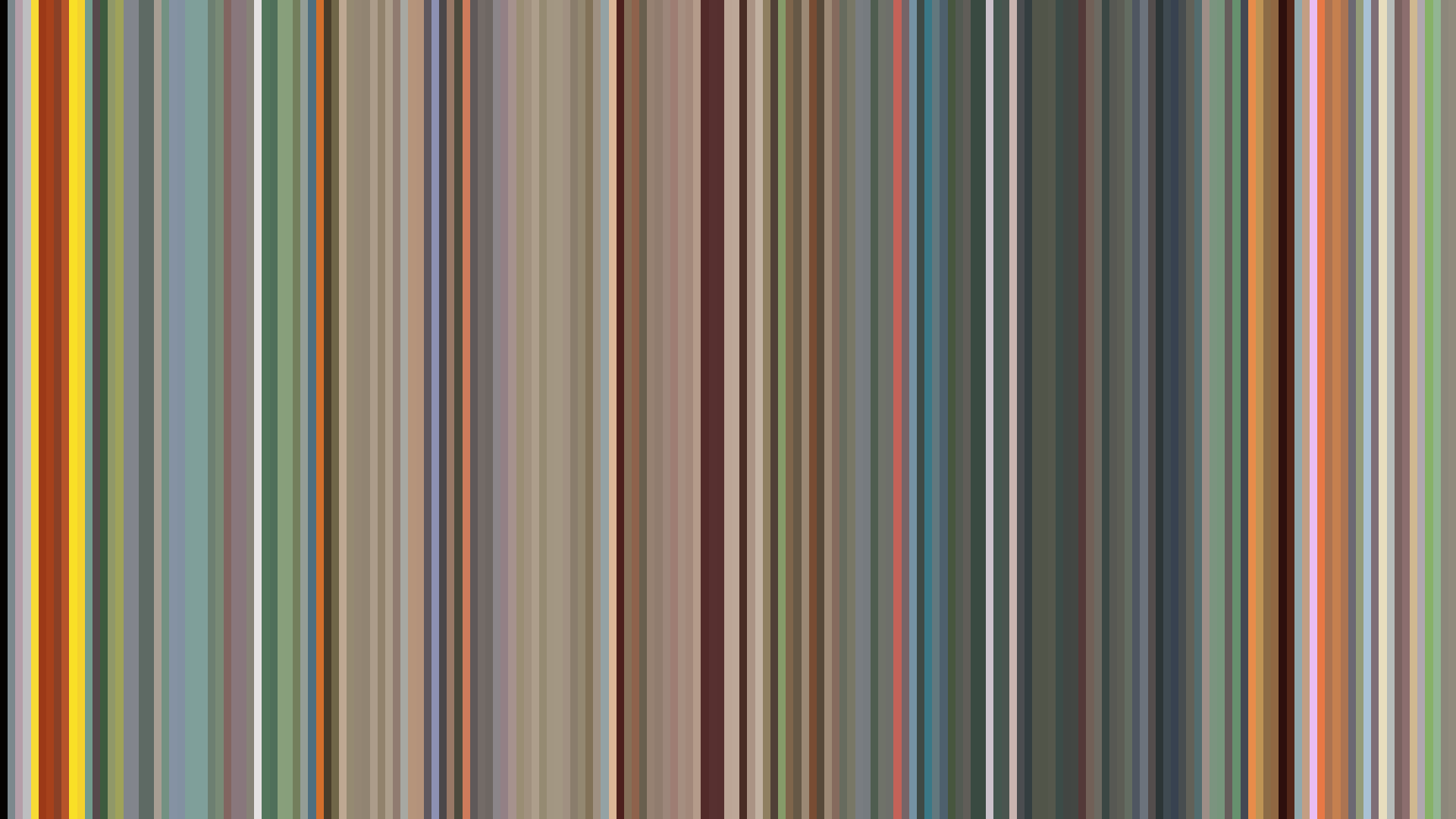
The brightness arc is a cheat. For a series titled *Descending Stories*, whose narrative orbits professional decline and the weight of tradition, the data records a bright middle — the third act actually *darker* than the first. That middle-act flare is the performance high: the stage lights hitting full intensity, the audience rapt, the stories alive. Director Mamoru Hatakeyama and art director Ken Tajiri trap the viewer in the intoxicating warmth of the teahouse, the Red-Orange dominance (fifty percent of all frames) conjuring the amber glow of shoji screens and lacquerware, the flush of sake and the heat of an old tale told well. But the closing brightness drop (0.441 vs. opening's 0.448) is a quiet subtraction — not a collapse, but a fading, like the final note of a rakugo performance held too long. The palette's muted earth tones (deep browns, desaturated golds) anchor the show in a specific postwar materiality, where color is never saturated enough to feel like fantasy. Hatakeyama's arc admits what the title denies: the *descending* is not the fall, but the slow, deliberate step off the stage into shadow.
Brightness Arc (episode progression)
Hue Distribution
Act Breakdown
Opening
0.448
Middle
0.514
Closing
0.441
Avg Brightness
0.381
Avg Saturation
0.257
Warmth
0.562
Color Palette
#675E53
#261E1D
#9B8E71
#AAA18F
#5C4937
#8B735E
#4B362D
#C7B399
3-Act Color Story
Opening
Middle
Closing
Color Twins
Perceptually nearest palettes — measured in OKLab space, not RGB
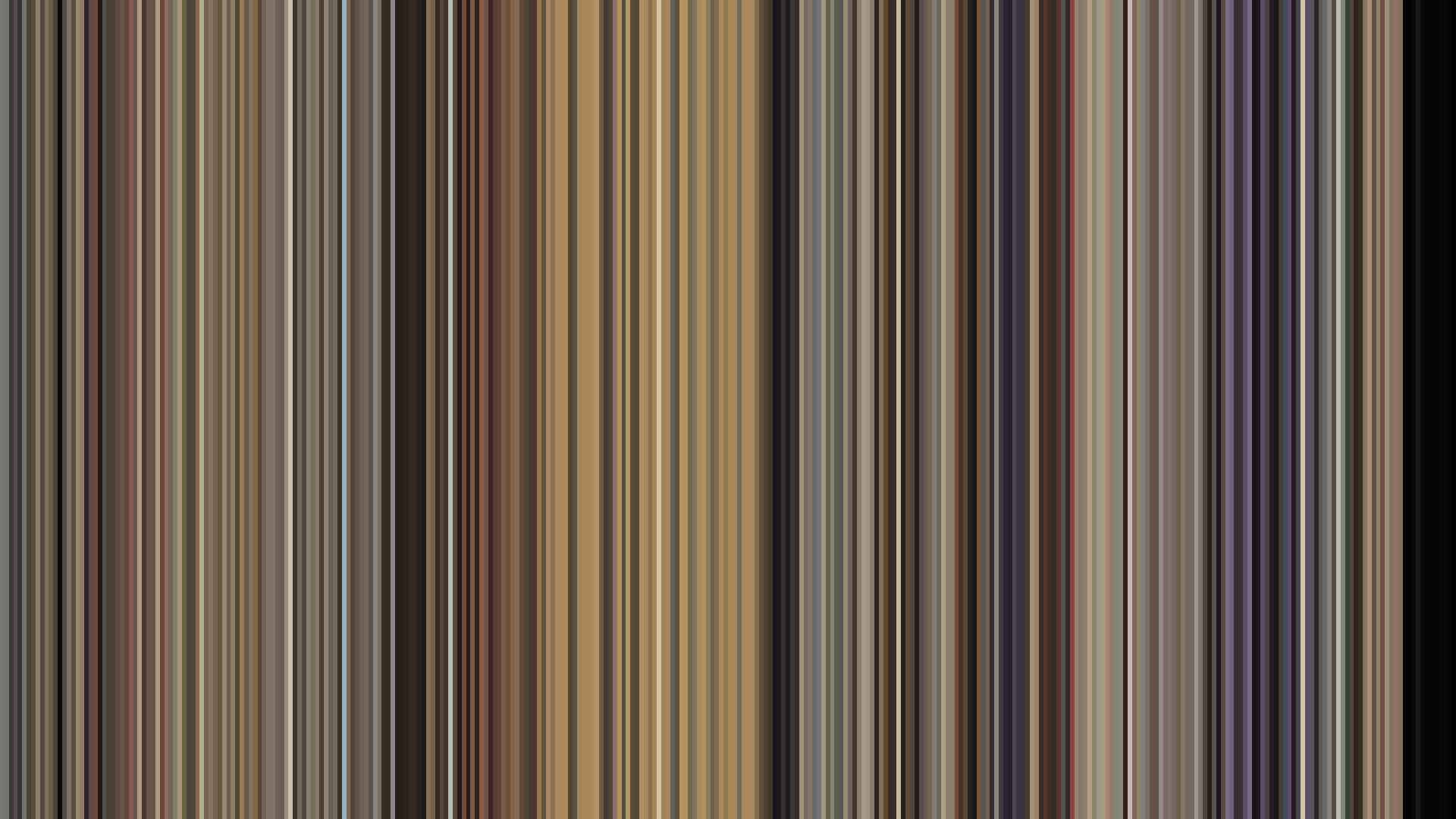
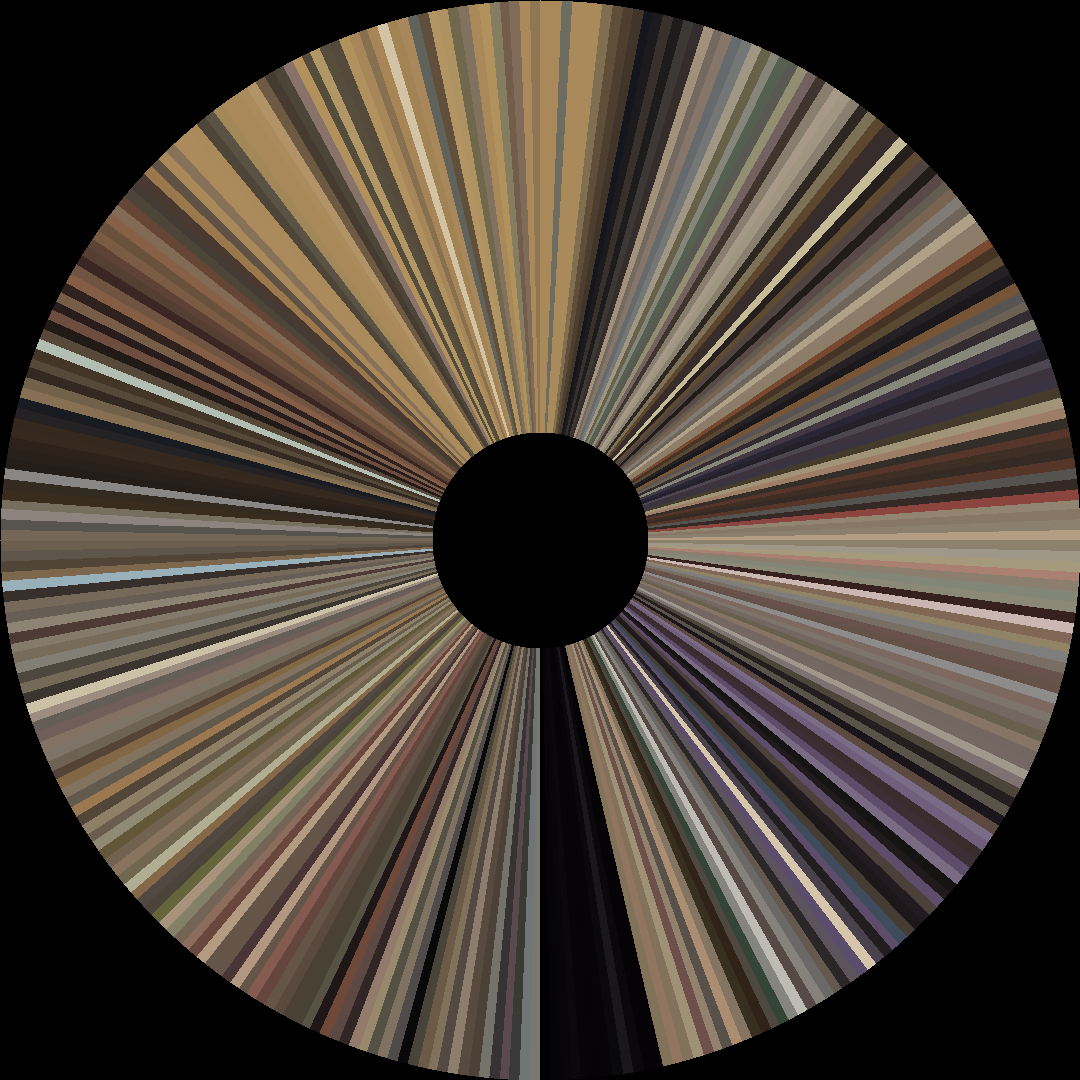







The brightness arc is a cheat. For a series titled *Descending Stories*, whose narrative orbits professional decline and the weight of tradition, the data records a bright middle — the third act actually *darker* than the first. That middle-act flare is the performance high: the stage lights hitting full intensity, the audience rapt, the stories alive. Director Mamoru Hatakeyama and art director Ken Tajiri trap the viewer in the intoxicating warmth of the teahouse, the Red-Orange dominance (fifty percent of all frames) conjuring the amber glow of shoji screens and lacquerware, the flush of sake and the heat of an old tale told well. But the closing brightness drop (0.441 vs. opening's 0.448) is a quiet subtraction — not a collapse, but a fading, like the final note of a rakugo performance held too long. The palette's muted earth tones (deep browns, desaturated golds) anchor the show in a specific postwar materiality, where color is never saturated enough to feel like fantasy. Hatakeyama's arc admits what the title denies: the *descending* is not the fall, but the slow, deliberate step off the stage into shadow.