Edit Pace — frame-to-frame color delta (bright = fast cuts)
Color Temperature — warm (gold) vs cool (teal) per frame
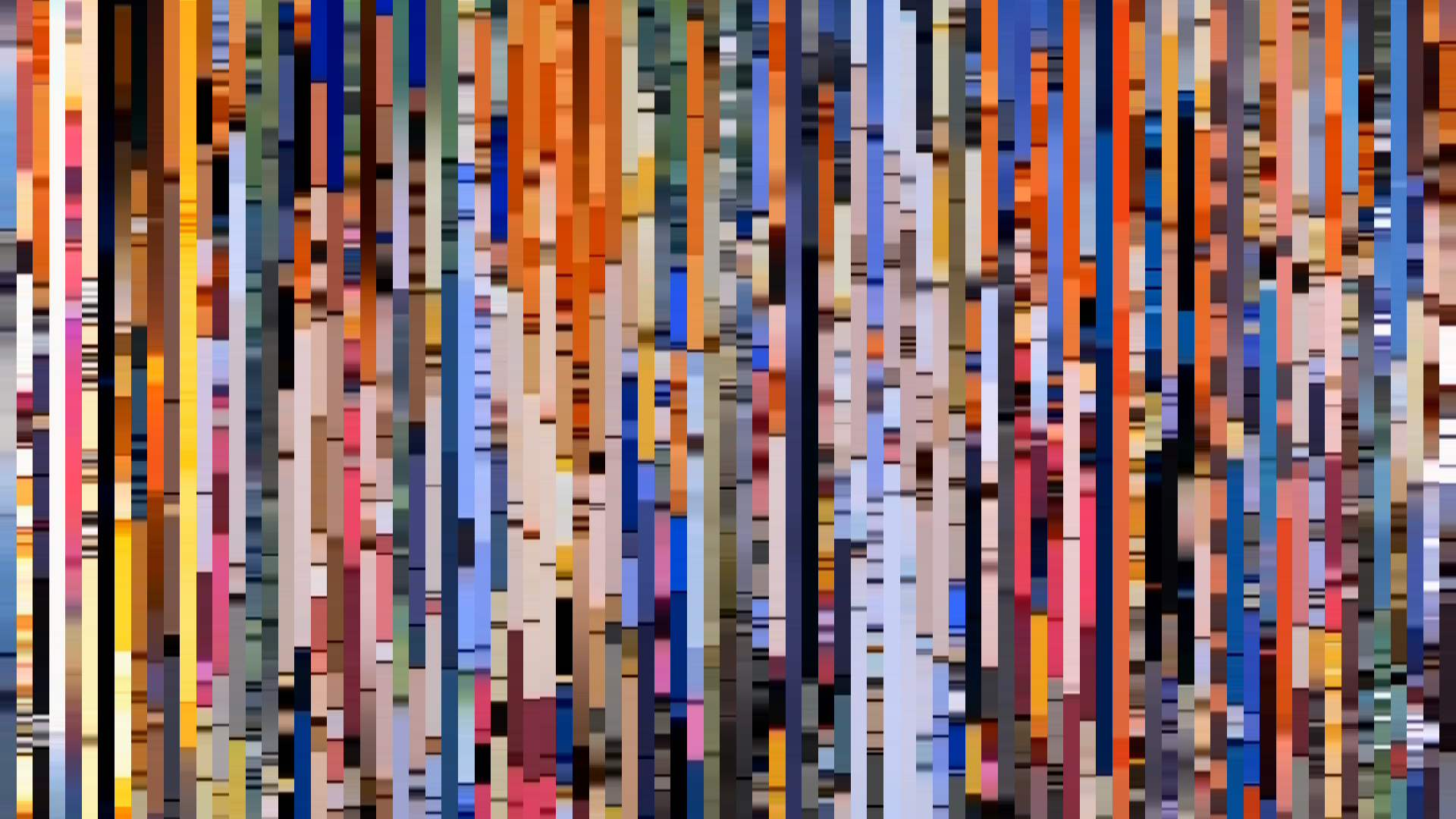
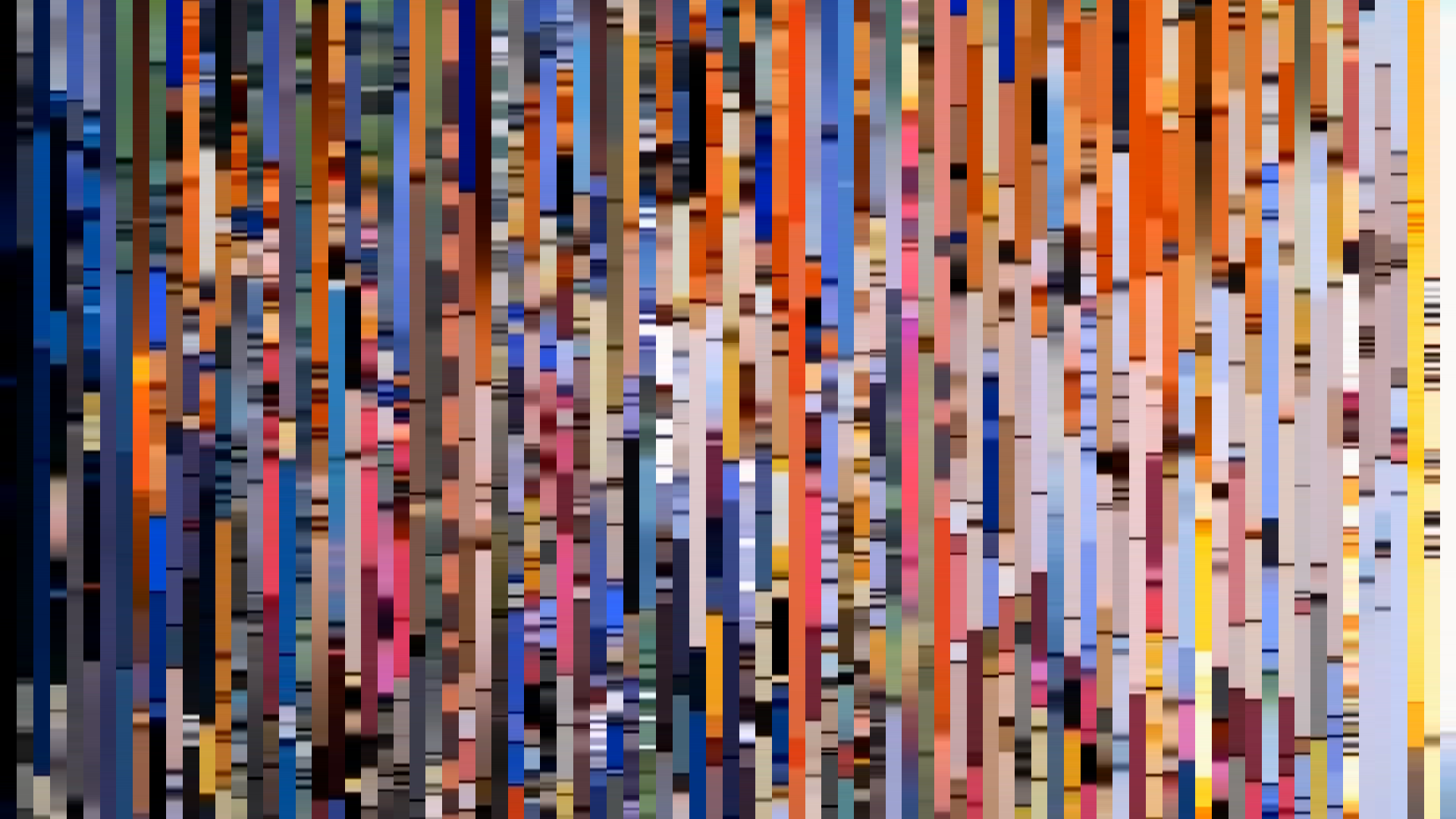
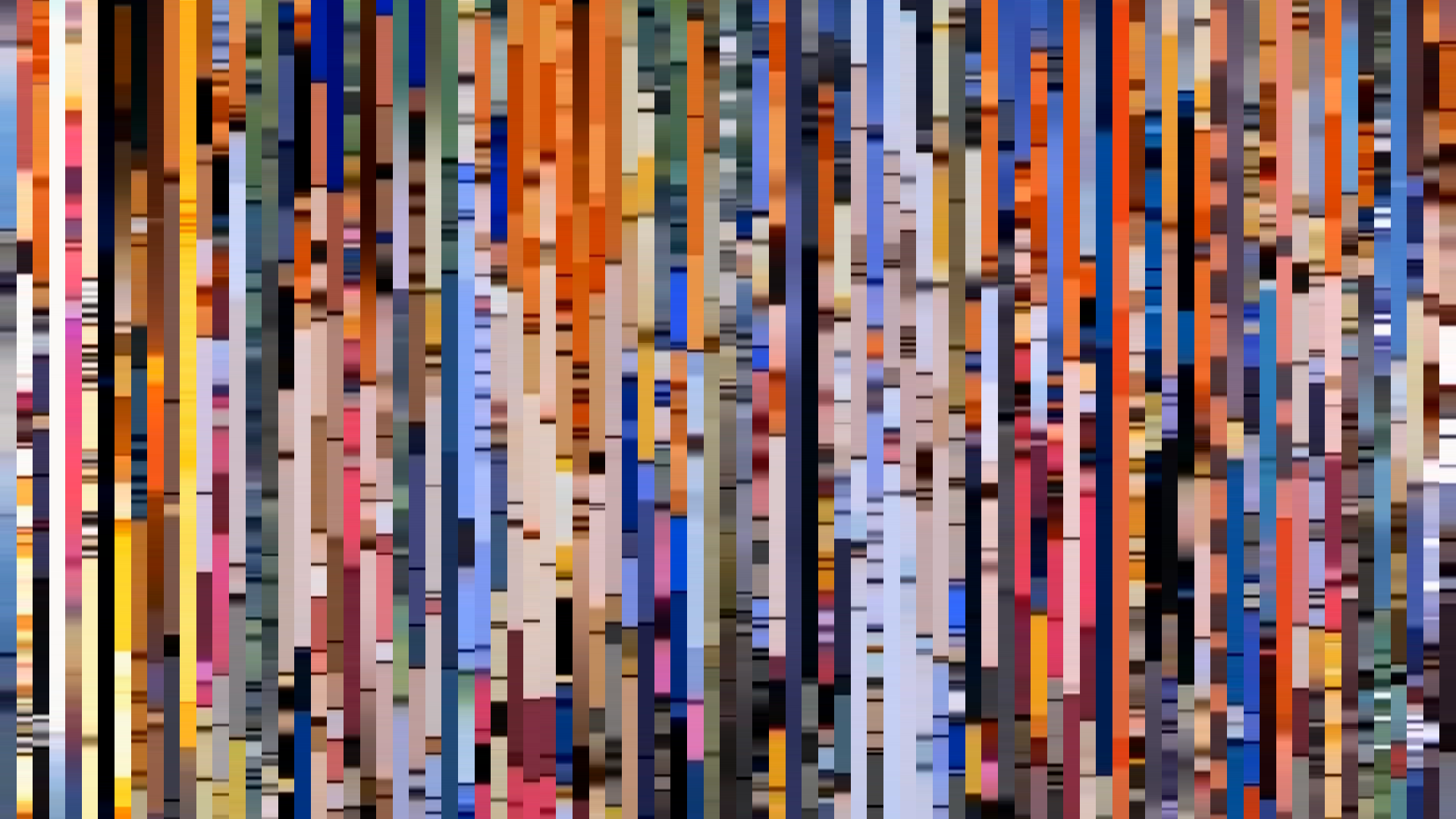
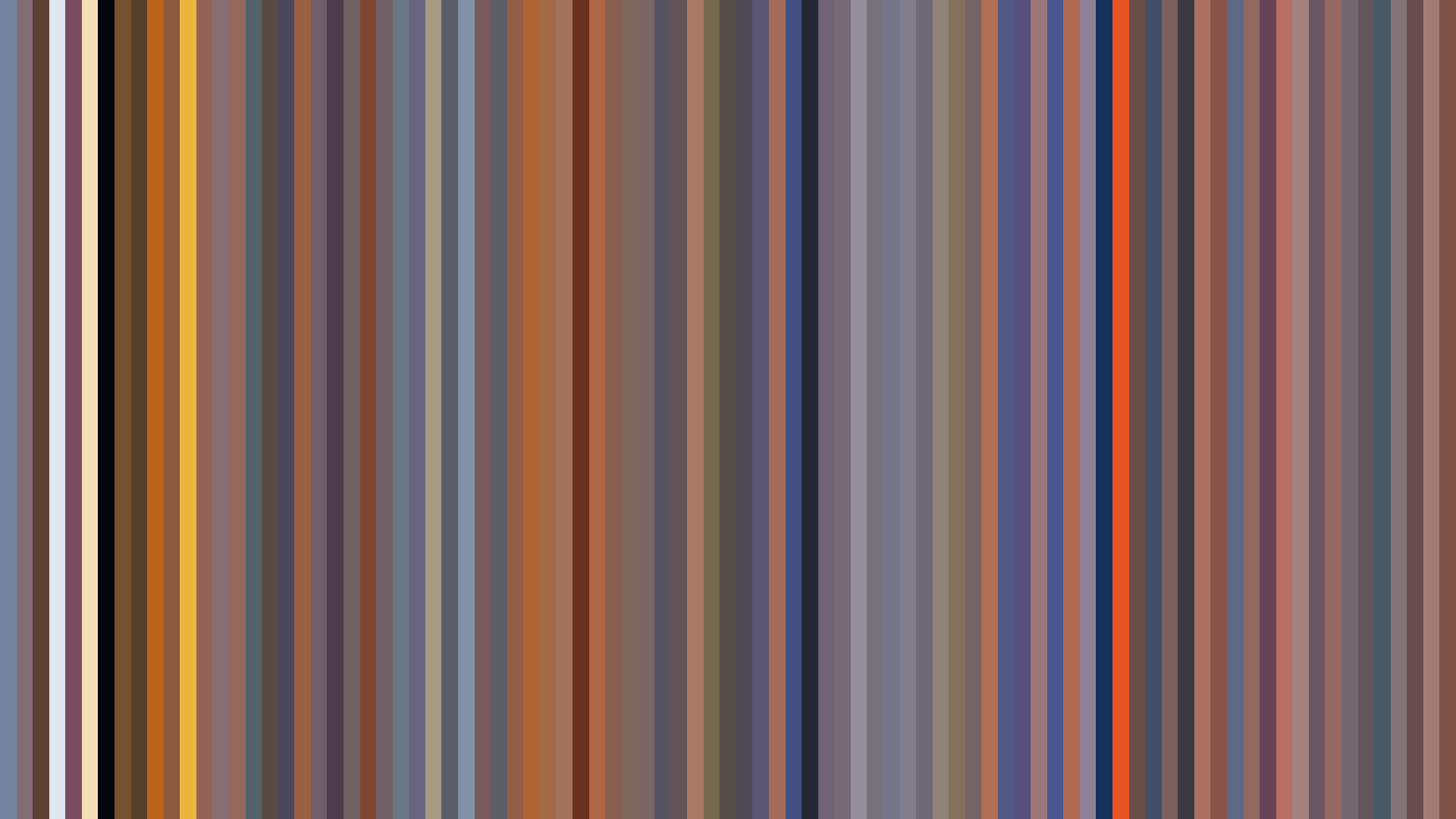
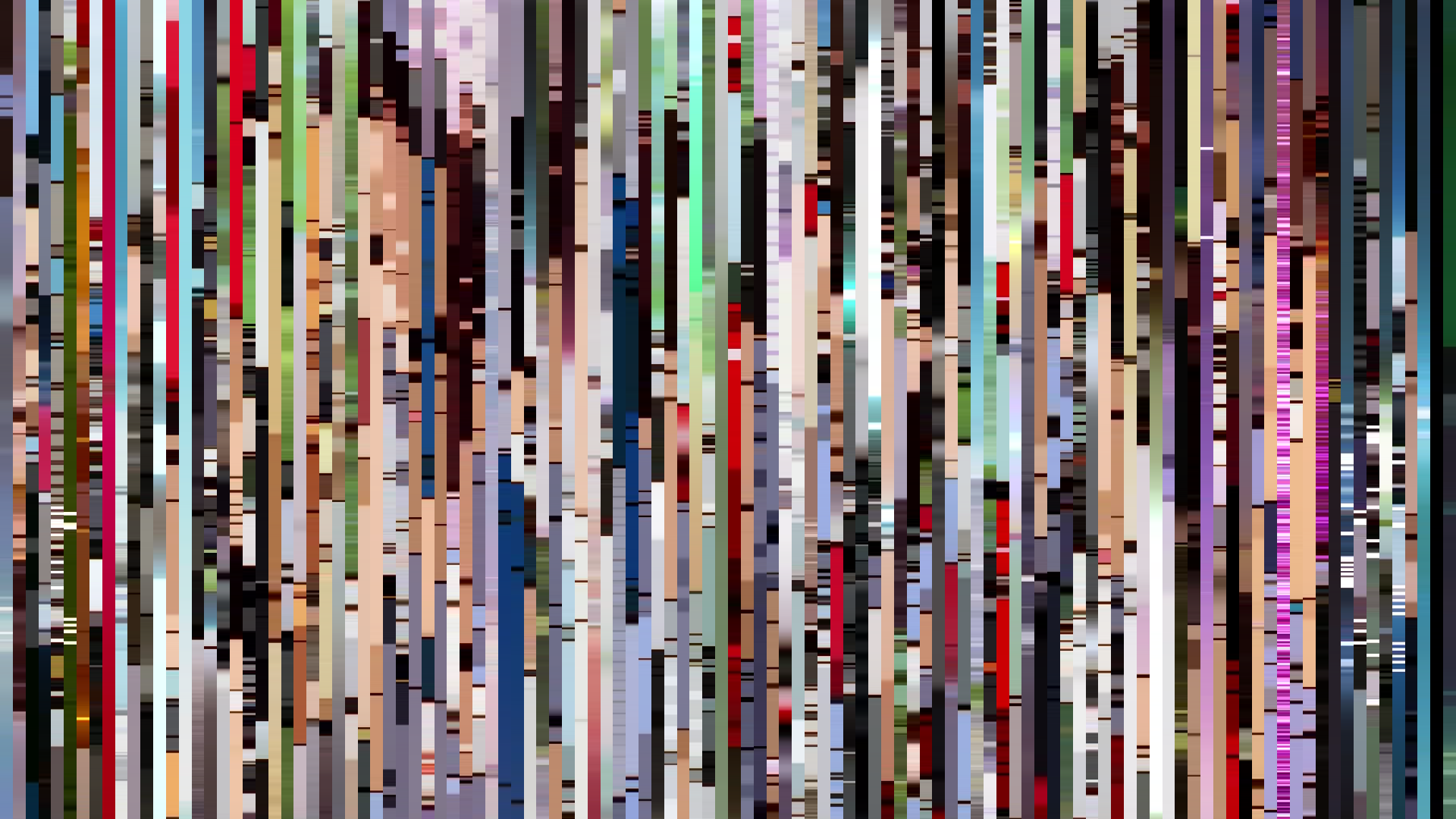
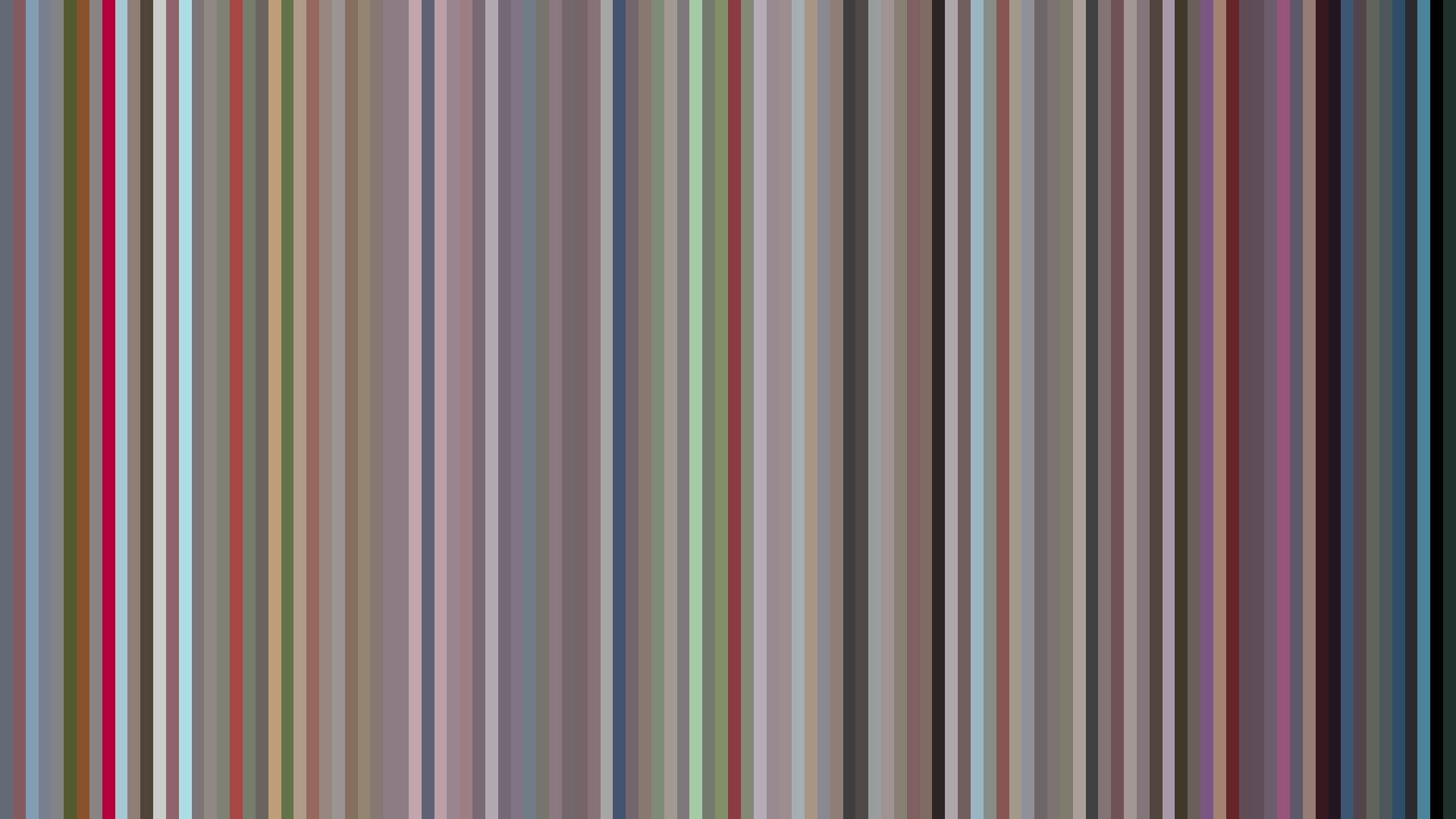
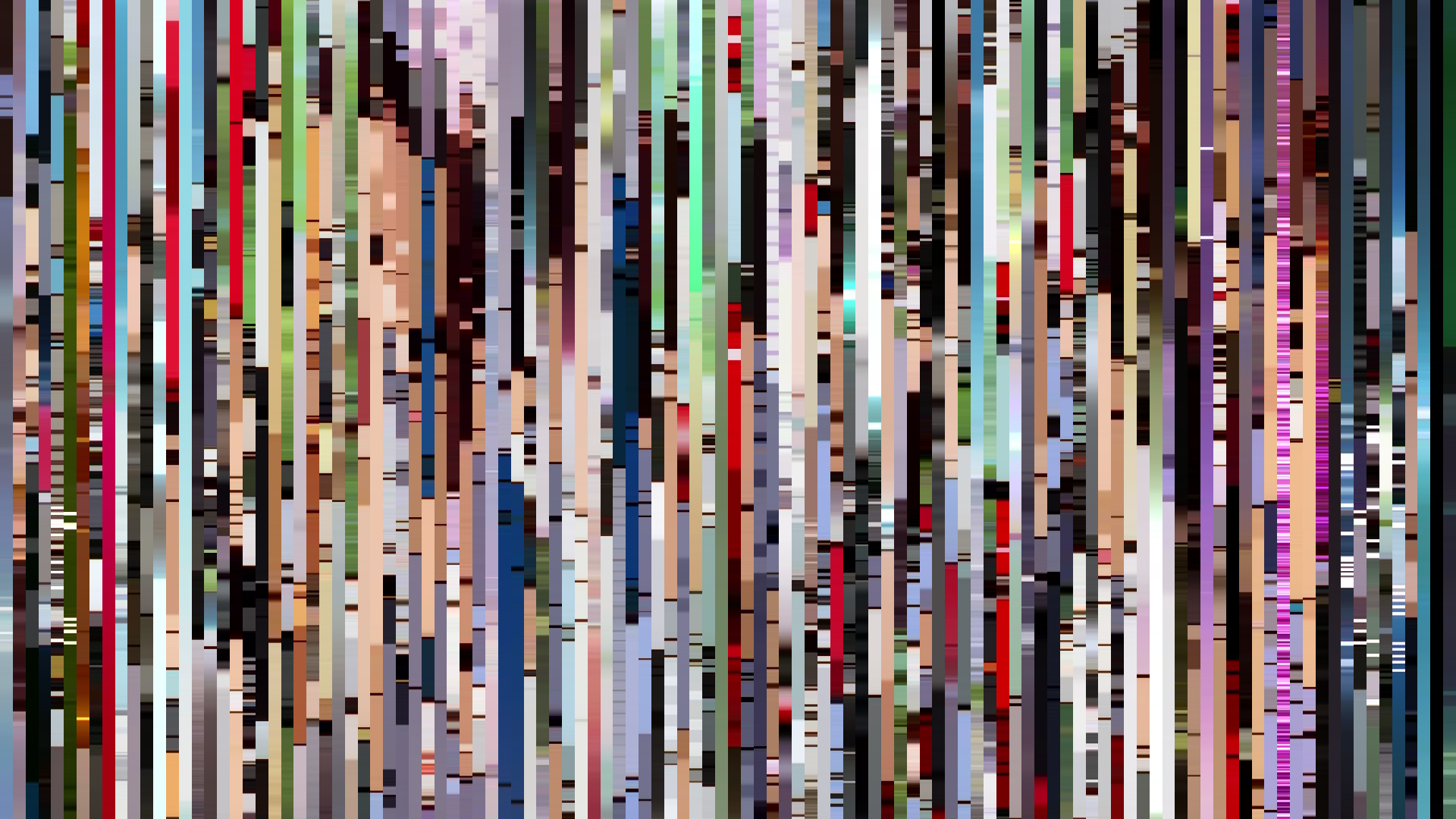
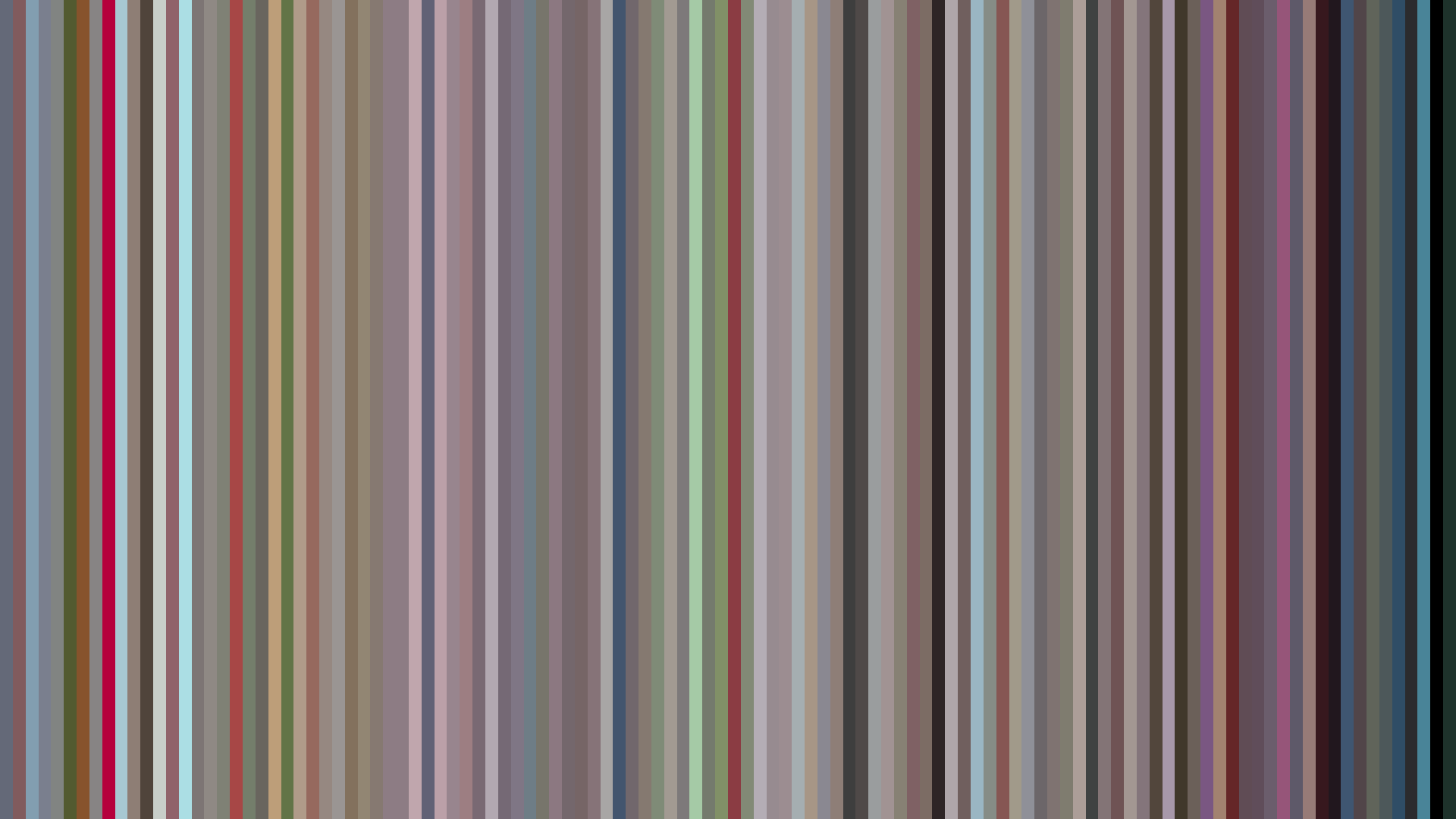
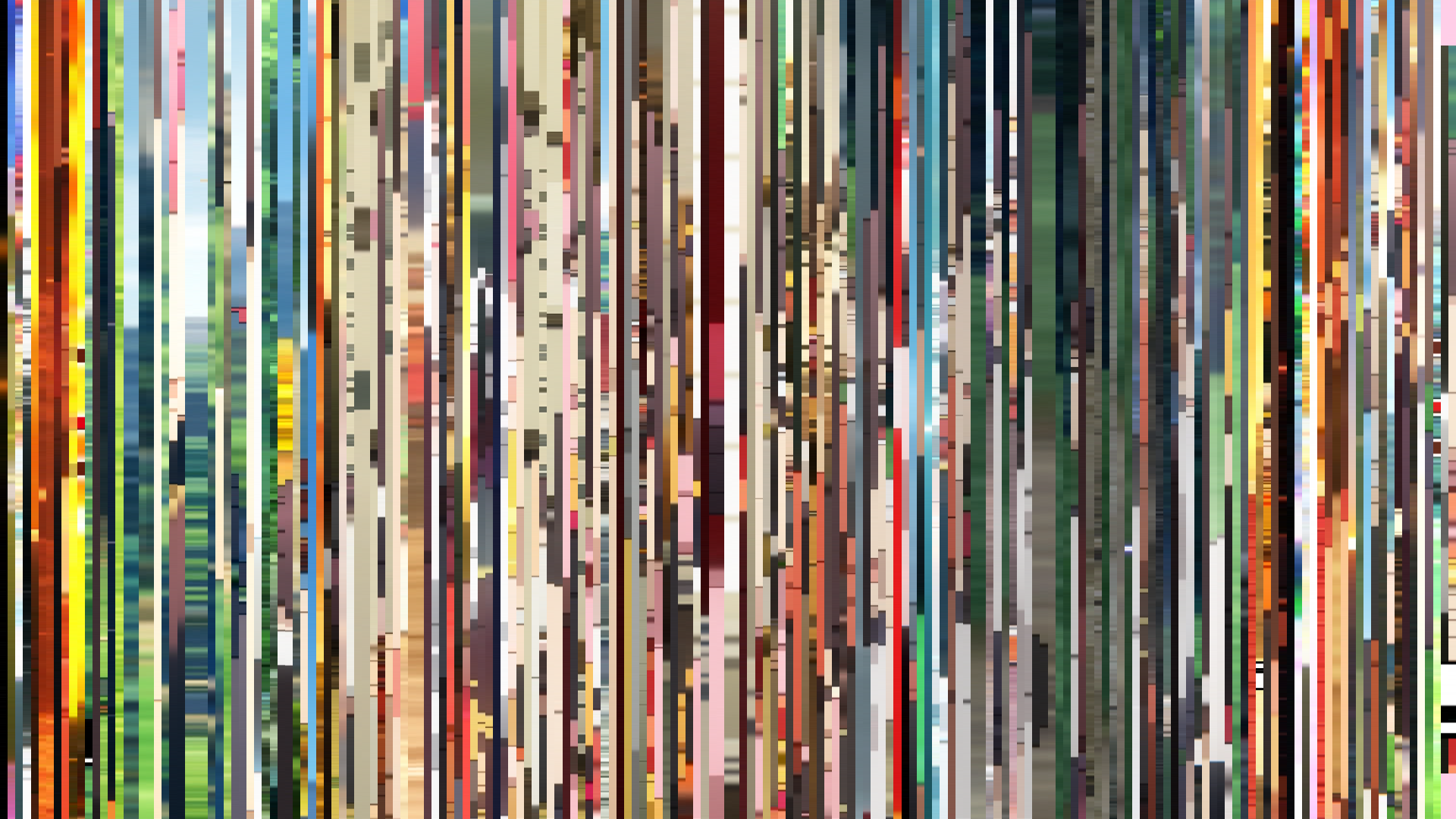
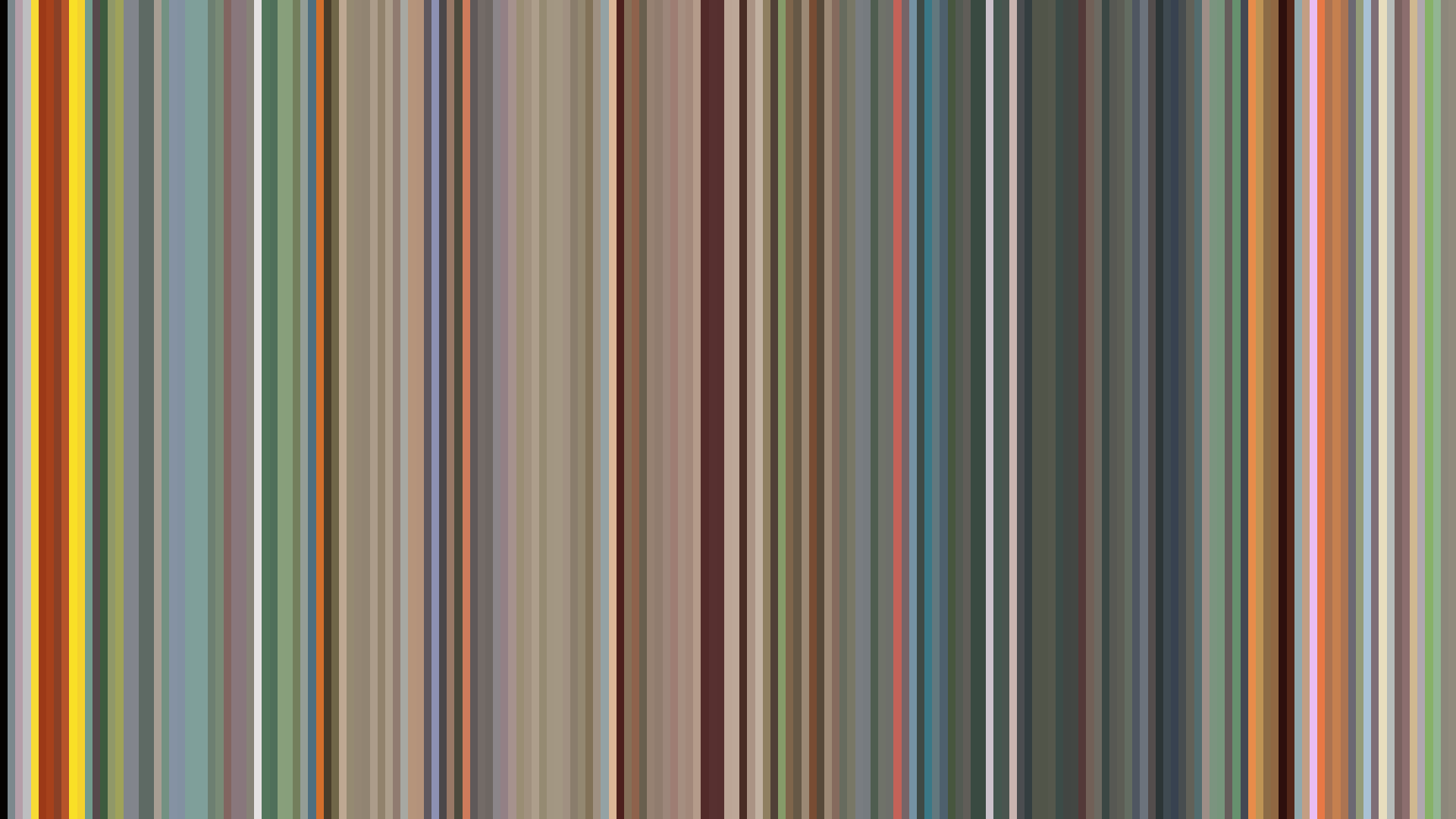
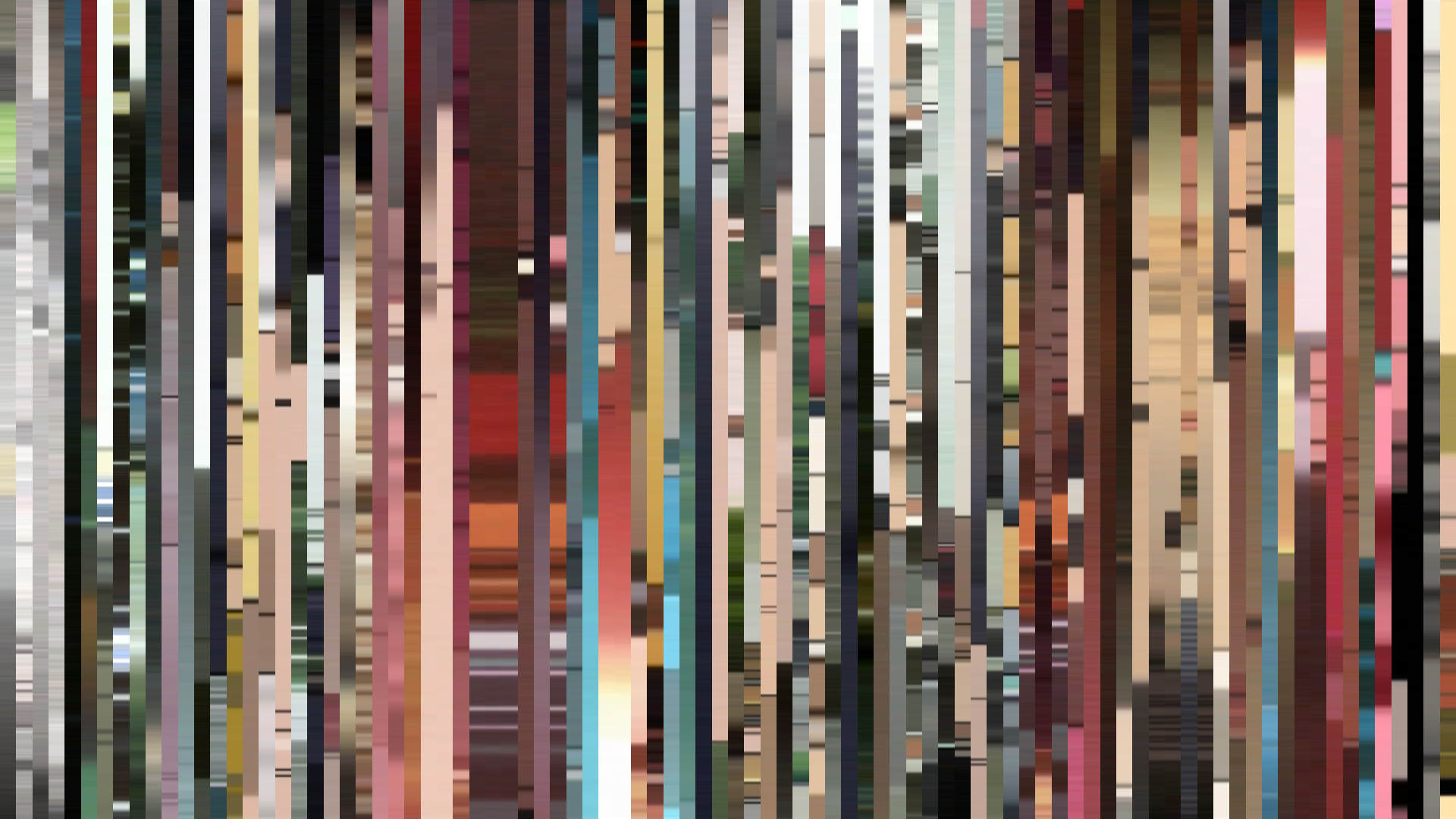
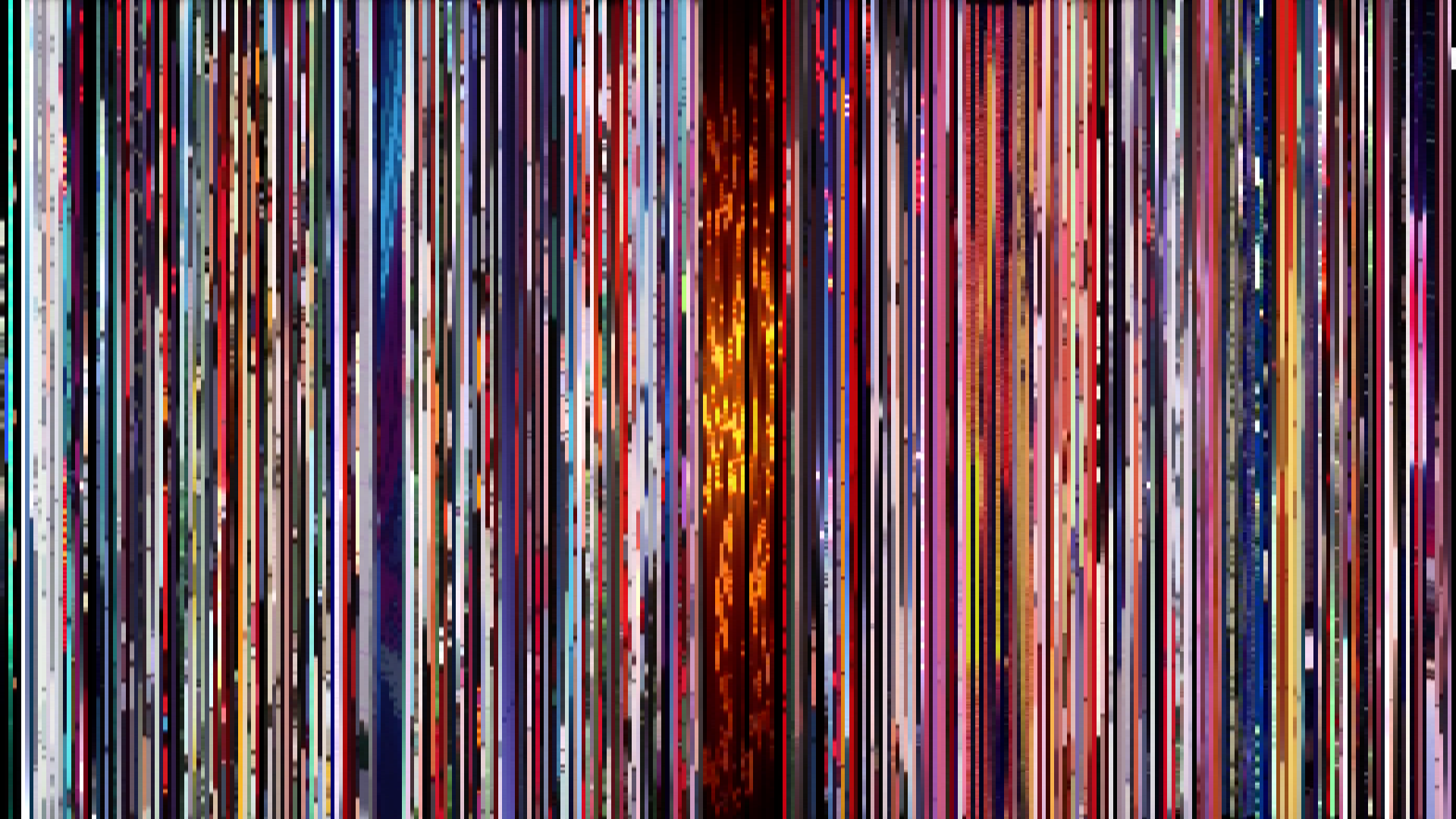
Frame Density Comparison — every 2nd vs every 4th frame
Slice · 15s
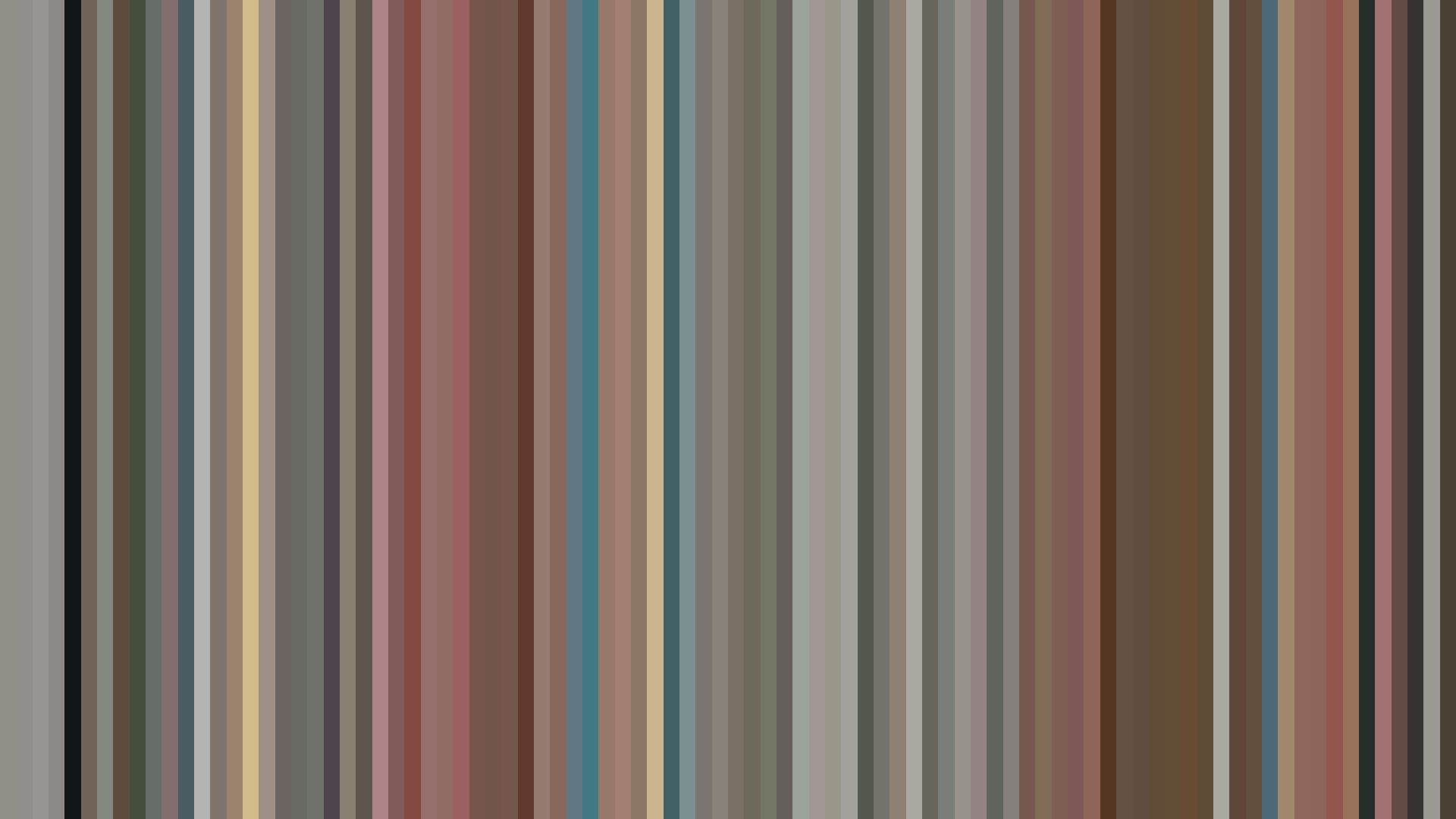
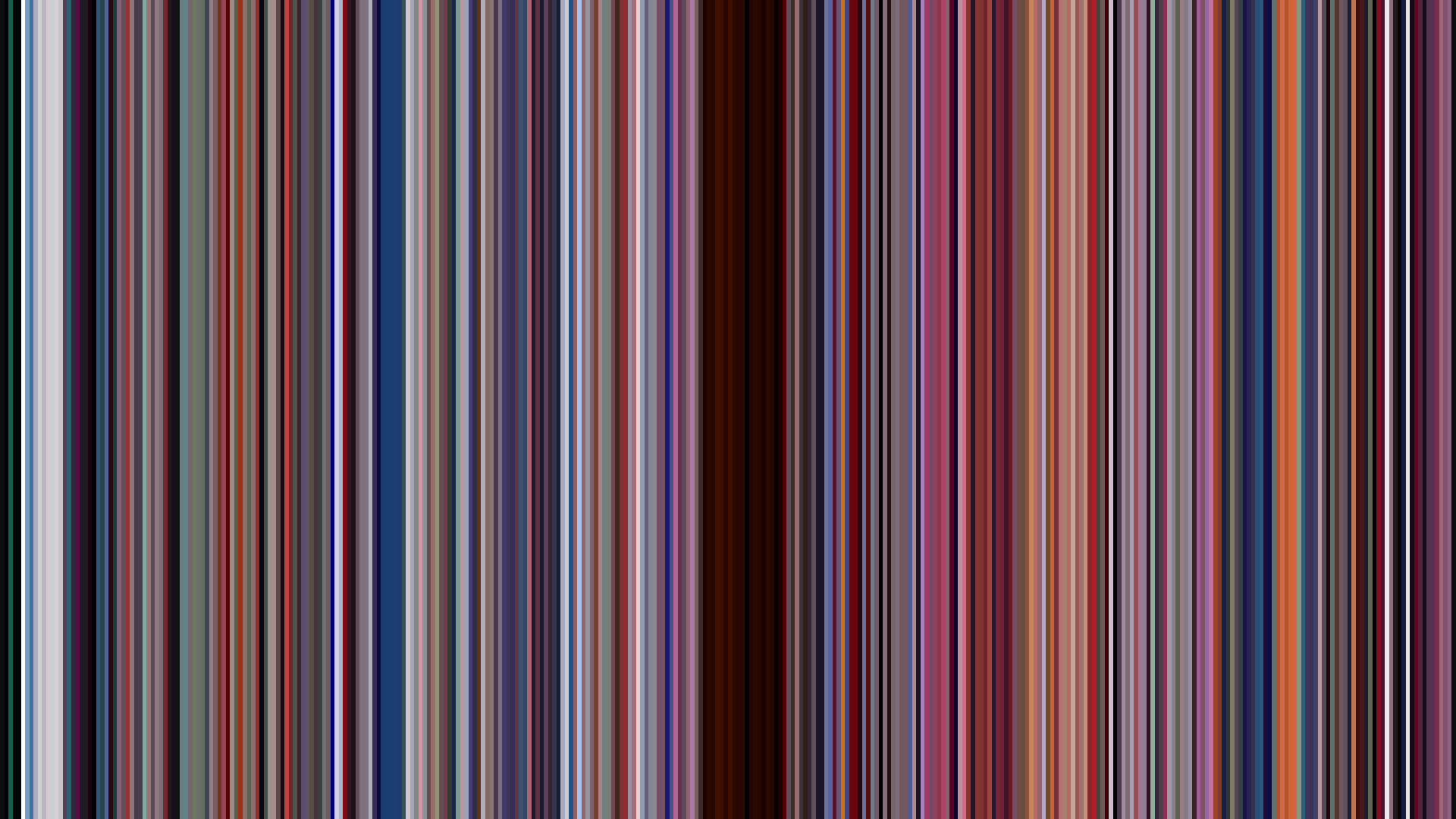
Avg · 15s
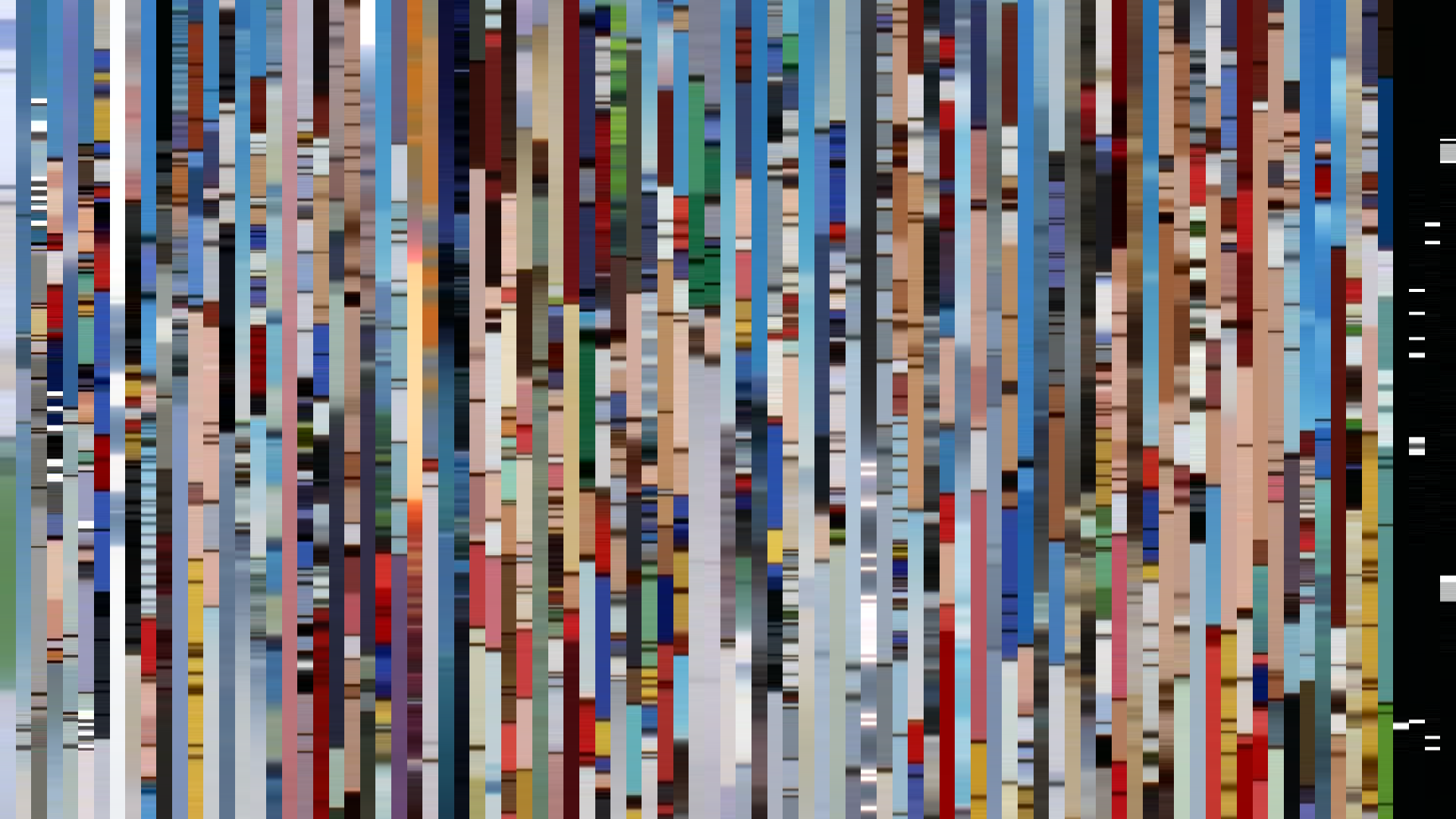
Slice · 30s
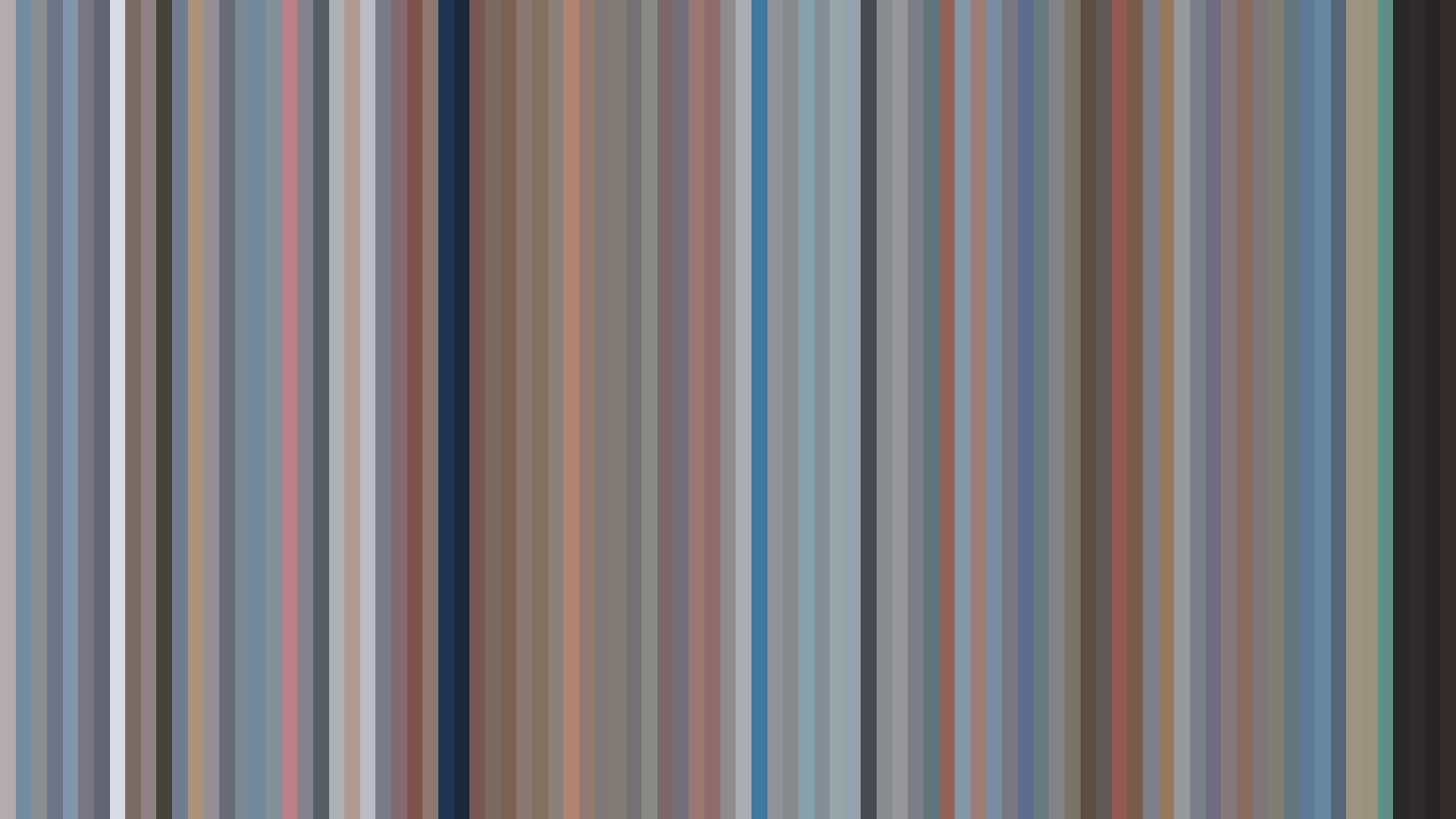
Avg · 30s
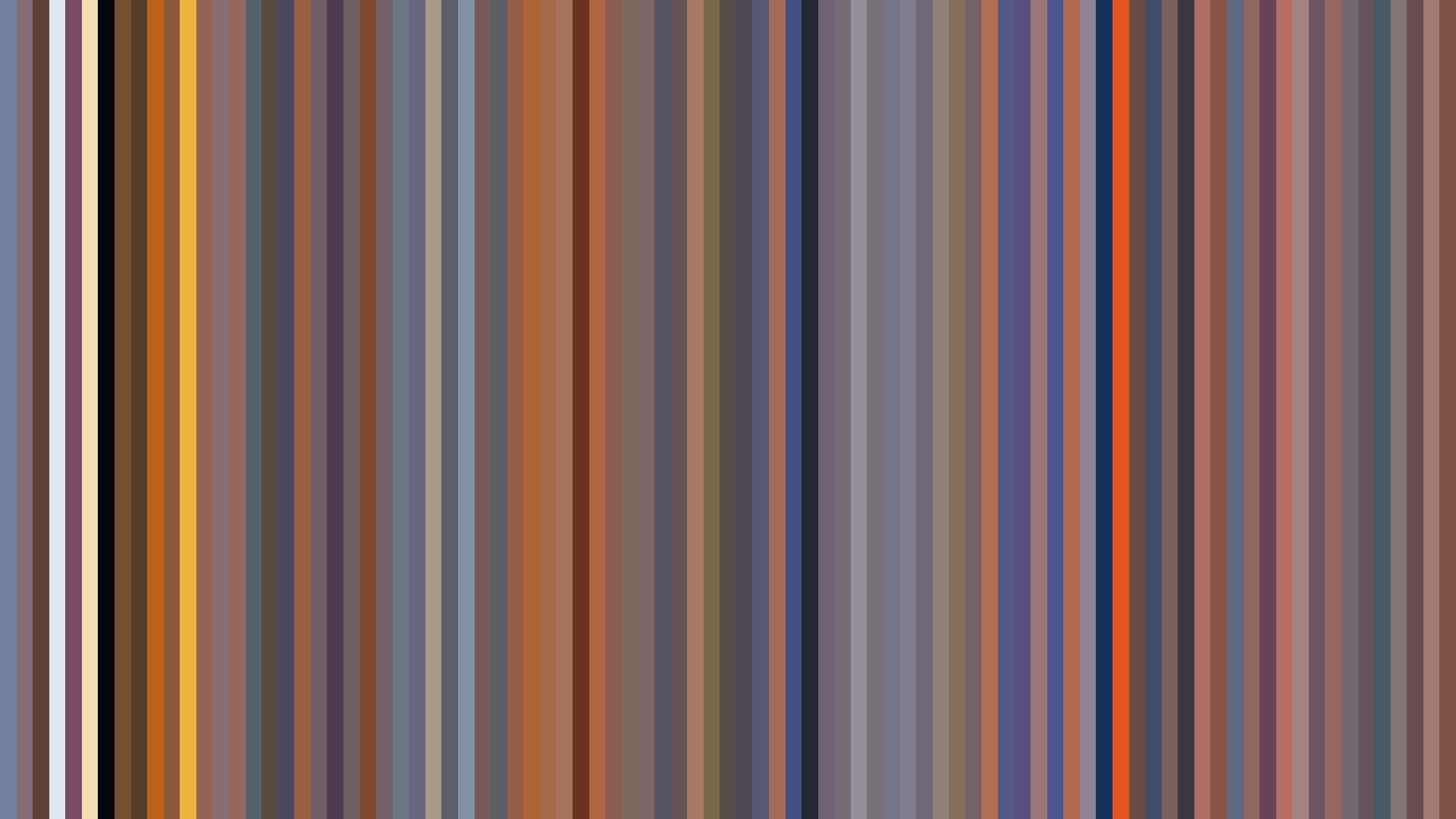
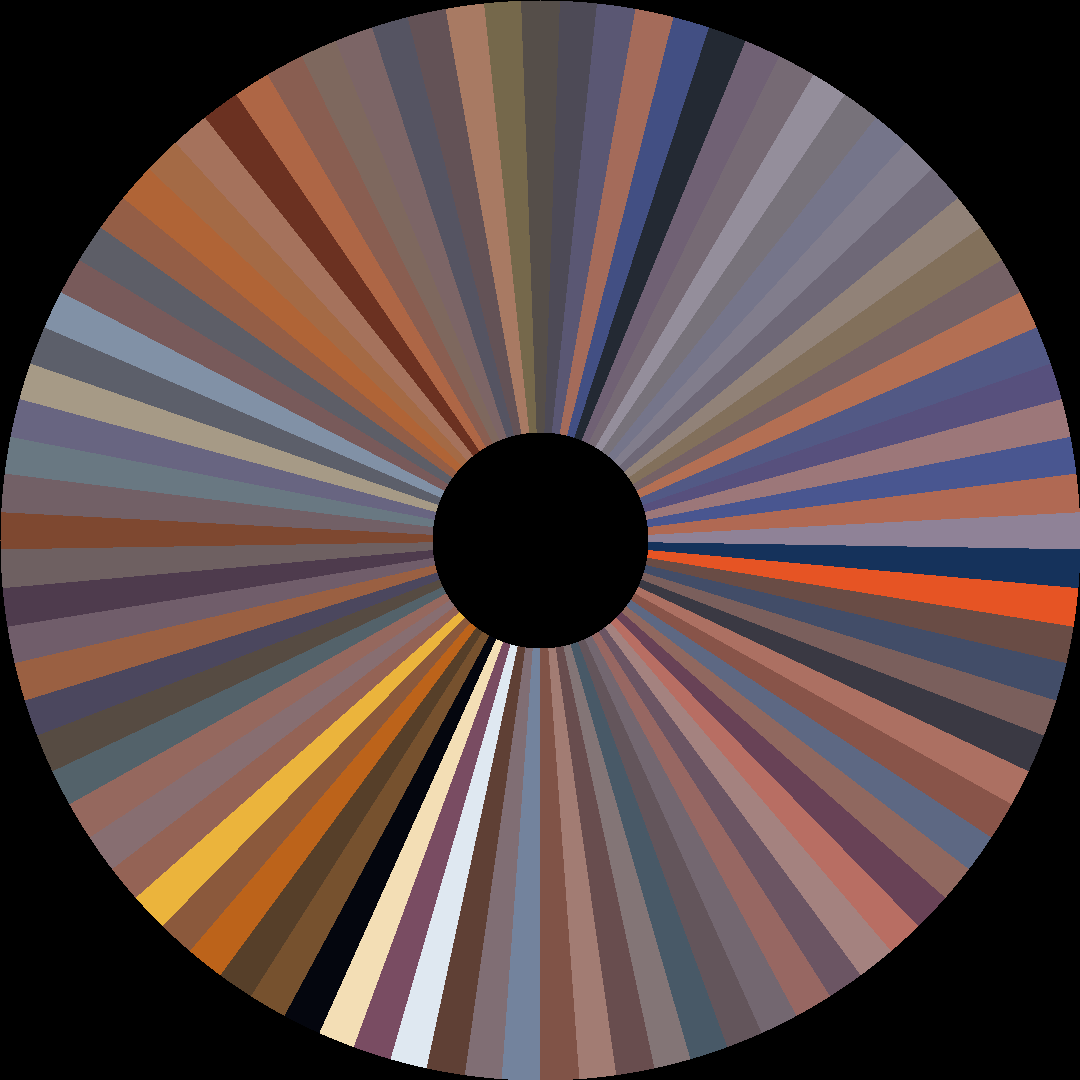
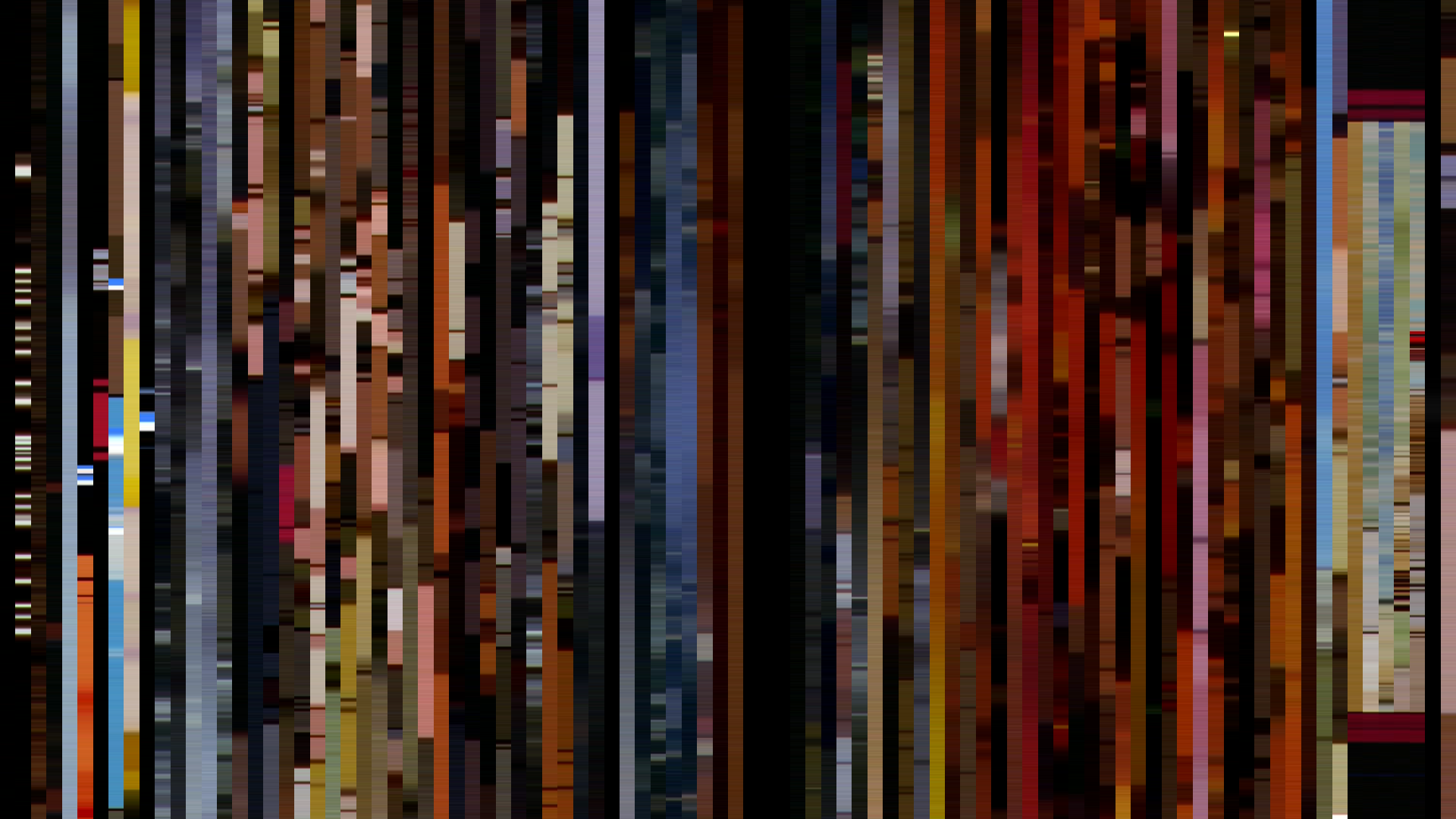
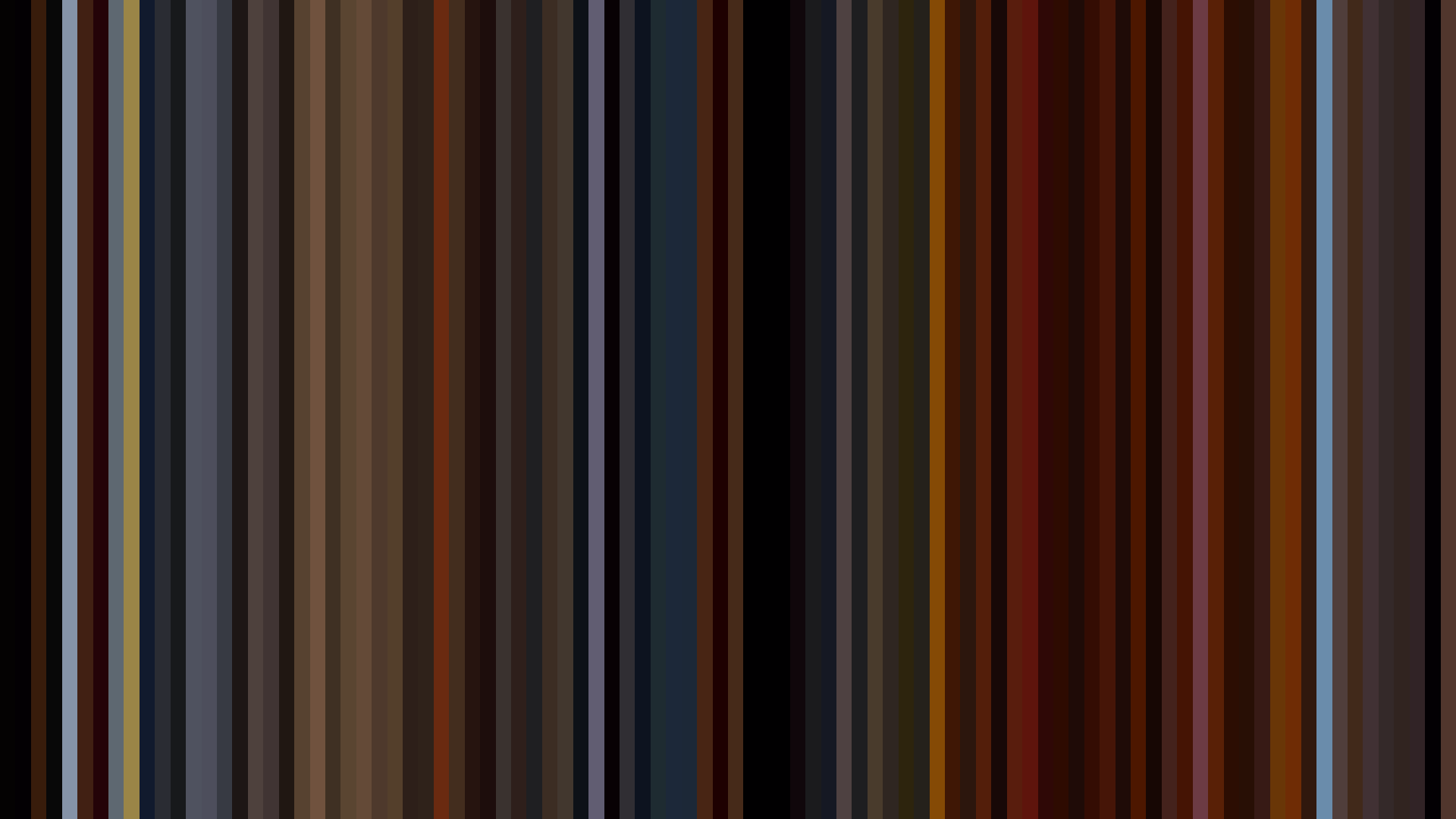
The barcode's dark ending is a calculated betrayal of a comedy’s contract. *Slayers Try*’s act brightness arc is nearly flat through the opening and middle—0.489 to 0.495, a stable, mid-bright comfort zone—then it drops to 0.428 in the finale, a shadow that settles over the last episodes. That descent is not a gradual fade but a deliberate dimming, and it works against the series’ own reputation. The palette is Red-dominant at 47%, but it is a heavily desaturated red: greyed-out purples and browns (#5F5A5E, #9A695D) that recall the dusty interiors of taverns and ruined temples, not the saturated heroics of a pure comedy. Director Takashi Watanabe and the E&G Films team understood that Lina Inverse’s chaos magic needed a visual anchor of solidity, and the closing act’s darkening sky is the true price of all that laughter—a world that, after twenty-six episodes of gags, does not get brighter. The warm opening is a promise the finale refuses to keep.
Brightness Arc (episode progression)
Hue Distribution
Act Breakdown
Opening
0.489
Middle
0.495
Closing
0.428
Avg Brightness
0.451
Avg Saturation
0.345
Warmth
0.588
Color Palette
#5F5A5E
#1A1419
#D0ACA6
#DDD5DD
#9A695D
#A3979D
#DB5F1E
#5B2A21
3-Act Color Story
Opening
Middle
Closing
Color Twins
Perceptually nearest palettes — measured in OKLab space, not RGB






The barcode's dark ending is a calculated betrayal of a comedy’s contract. *Slayers Try*’s act brightness arc is nearly flat through the opening and middle—0.489 to 0.495, a stable, mid-bright comfort zone—then it drops to 0.428 in the finale, a shadow that settles over the last episodes. That descent is not a gradual fade but a deliberate dimming, and it works against the series’ own reputation. The palette is Red-dominant at 47%, but it is a heavily desaturated red: greyed-out purples and browns (#5F5A5E, #9A695D) that recall the dusty interiors of taverns and ruined temples, not the saturated heroics of a pure comedy. Director Takashi Watanabe and the E&G Films team understood that Lina Inverse’s chaos magic needed a visual anchor of solidity, and the closing act’s darkening sky is the true price of all that laughter—a world that, after twenty-six episodes of gags, does not get brighter. The warm opening is a promise the finale refuses to keep.