Home›1997›Neon Genesis Evangelion: The End of Evangelion
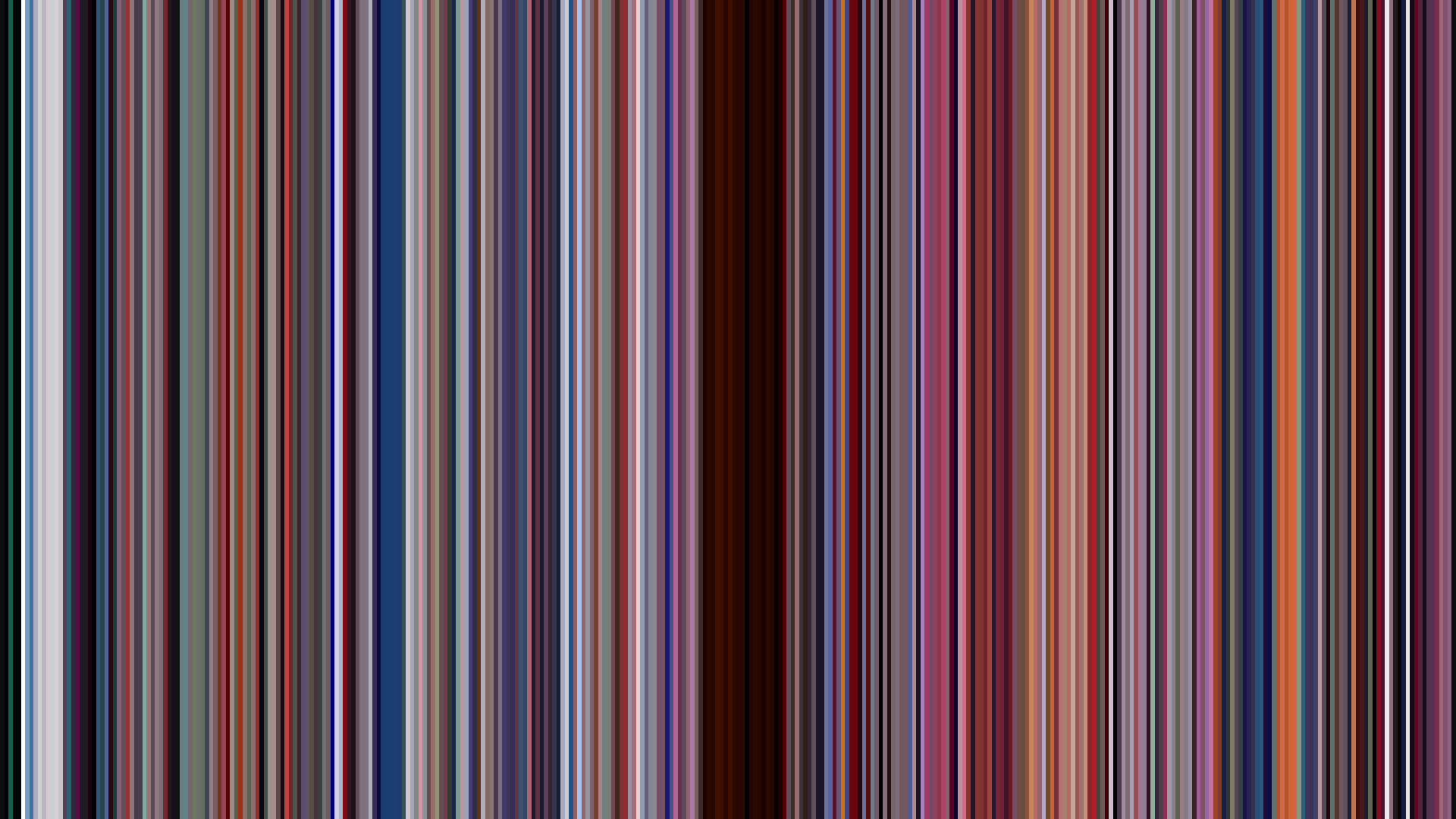
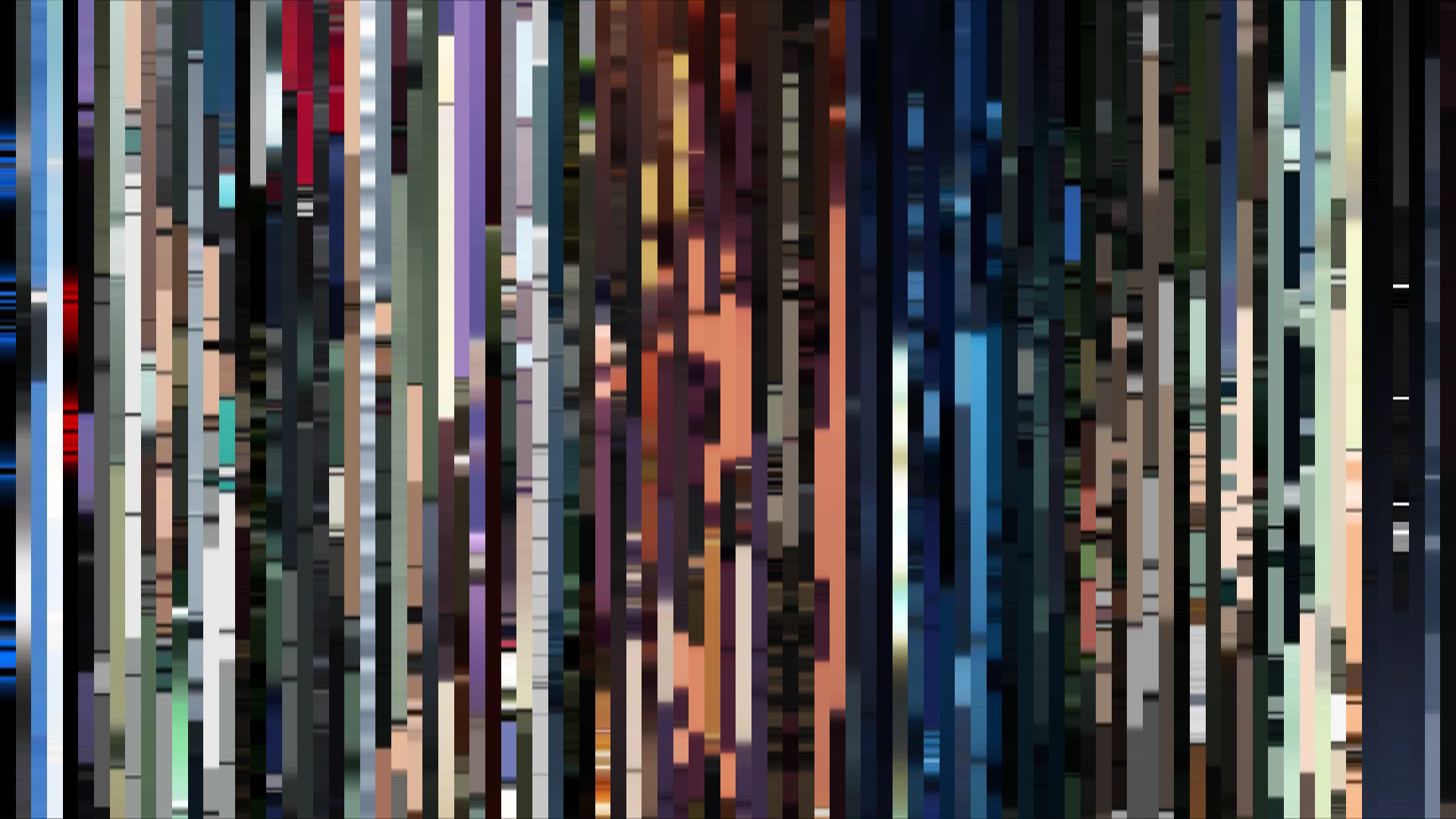
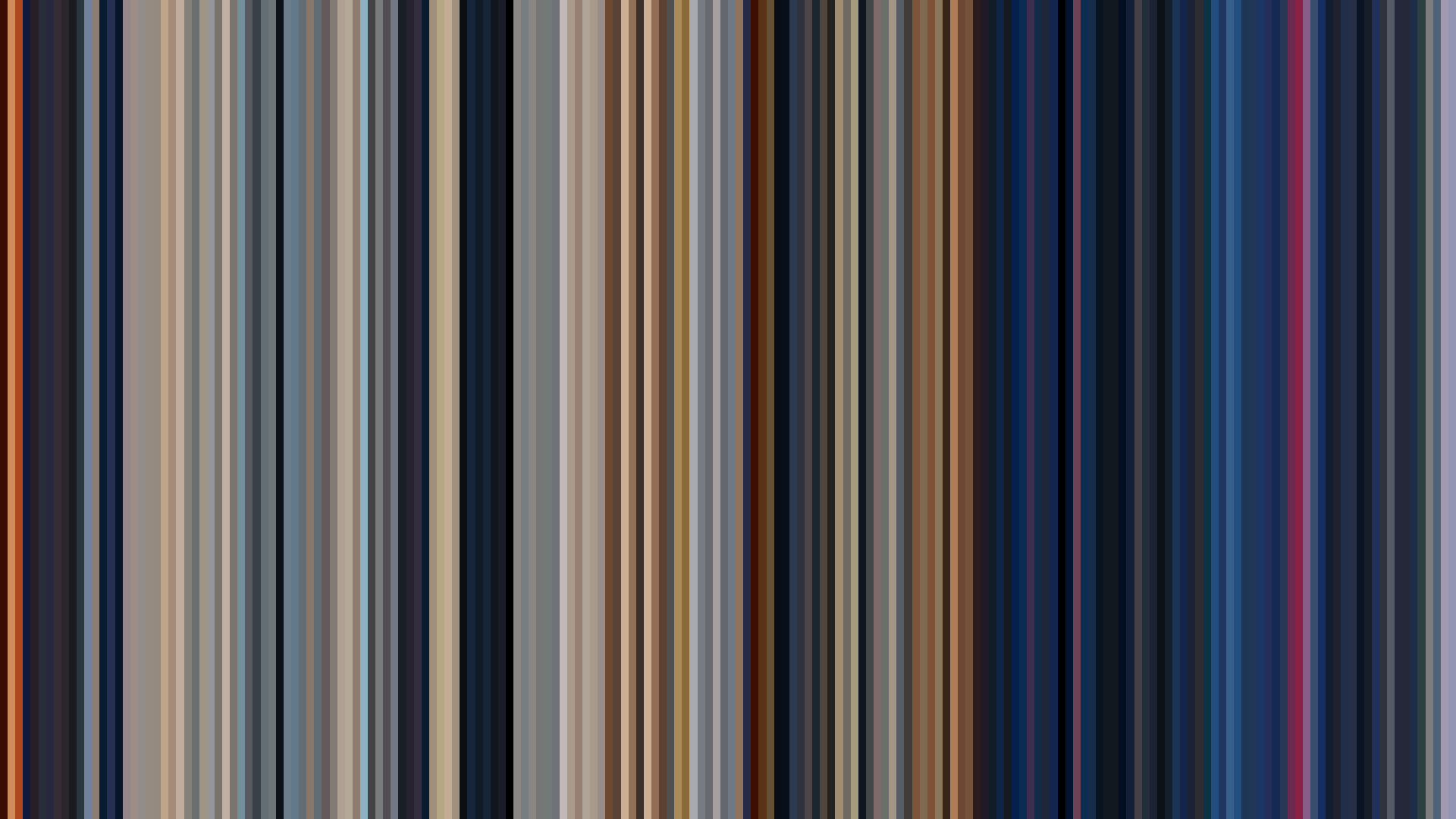
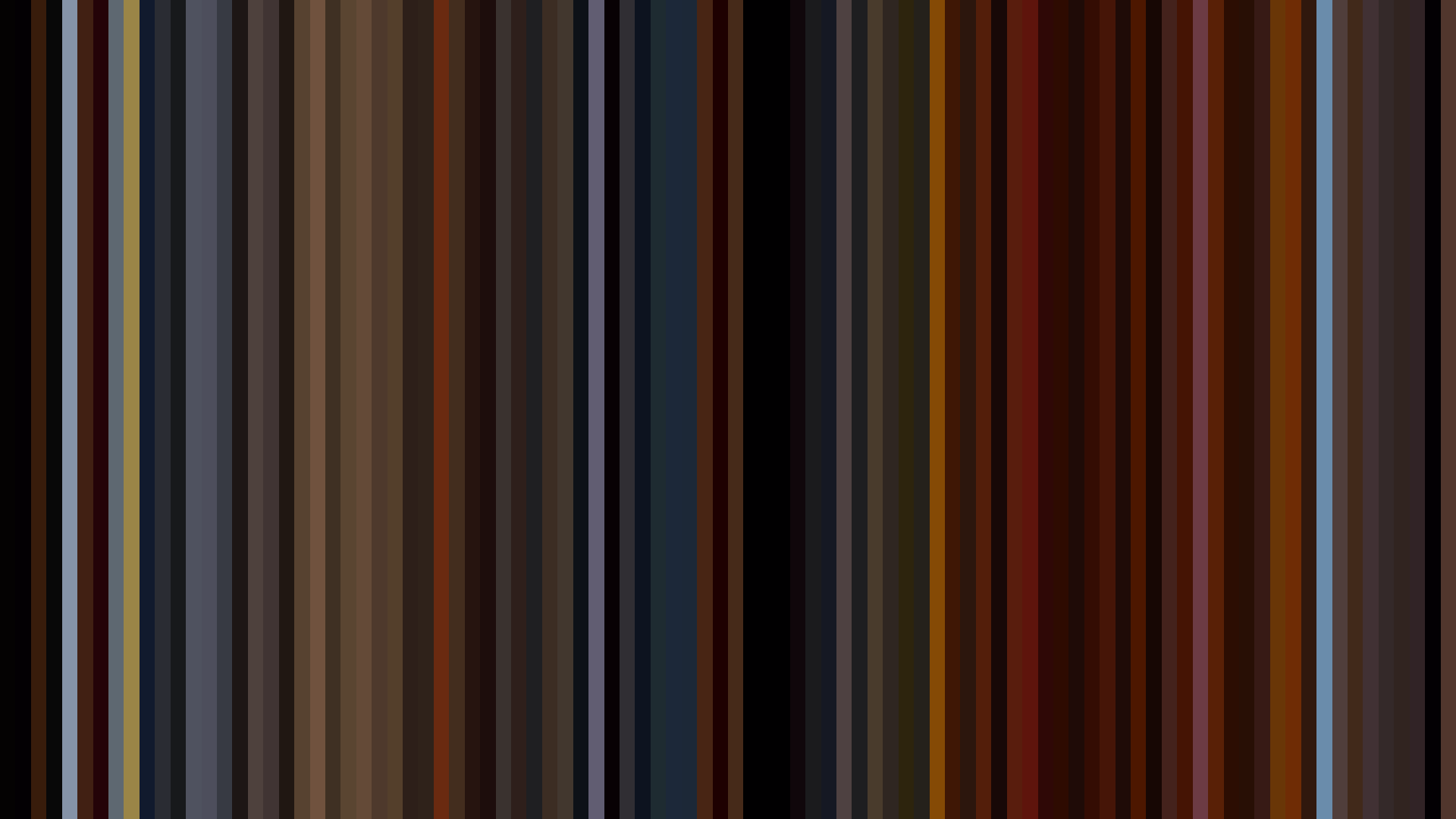
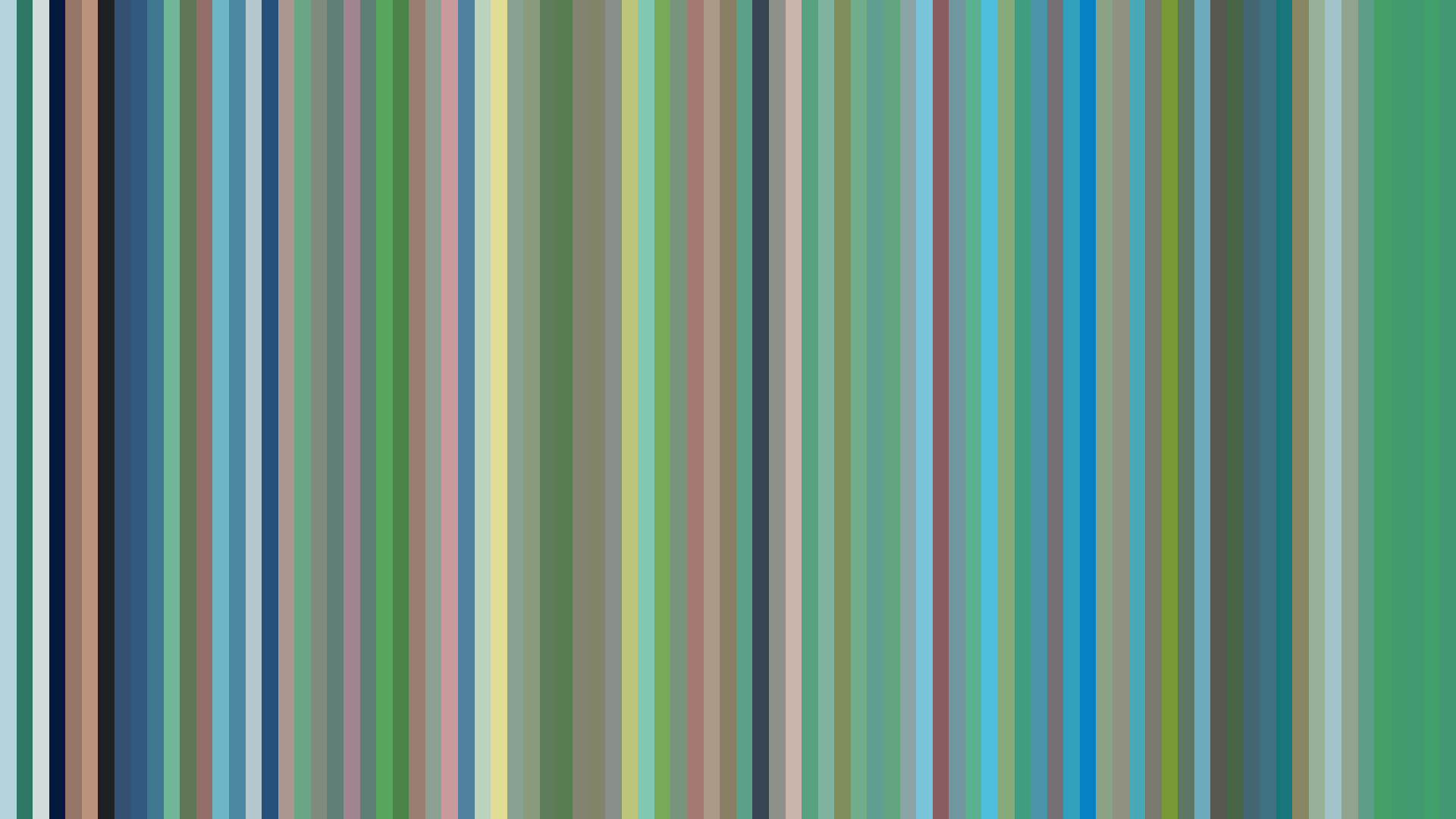
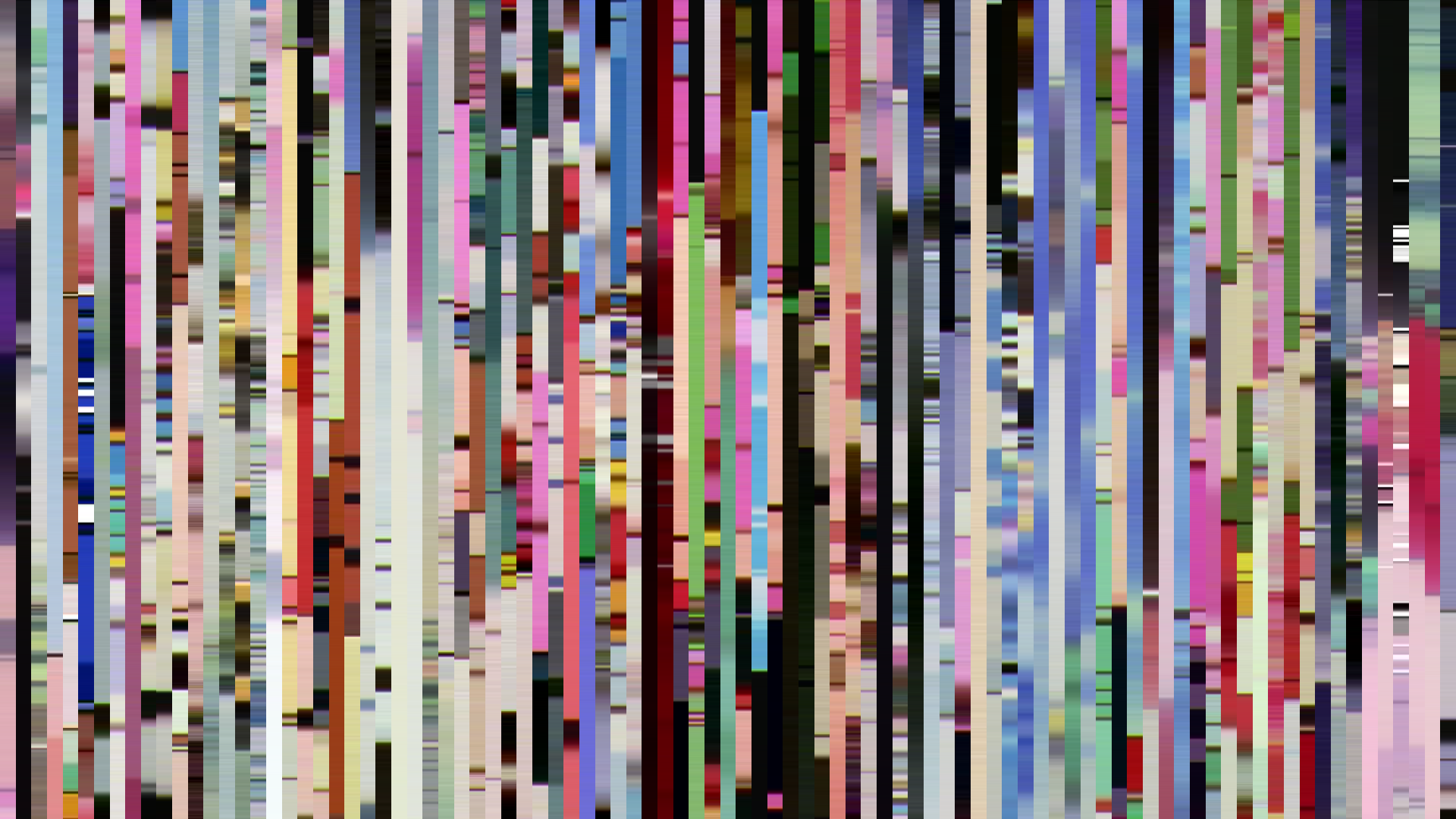
Pixel Slice — 1px center crop per frame
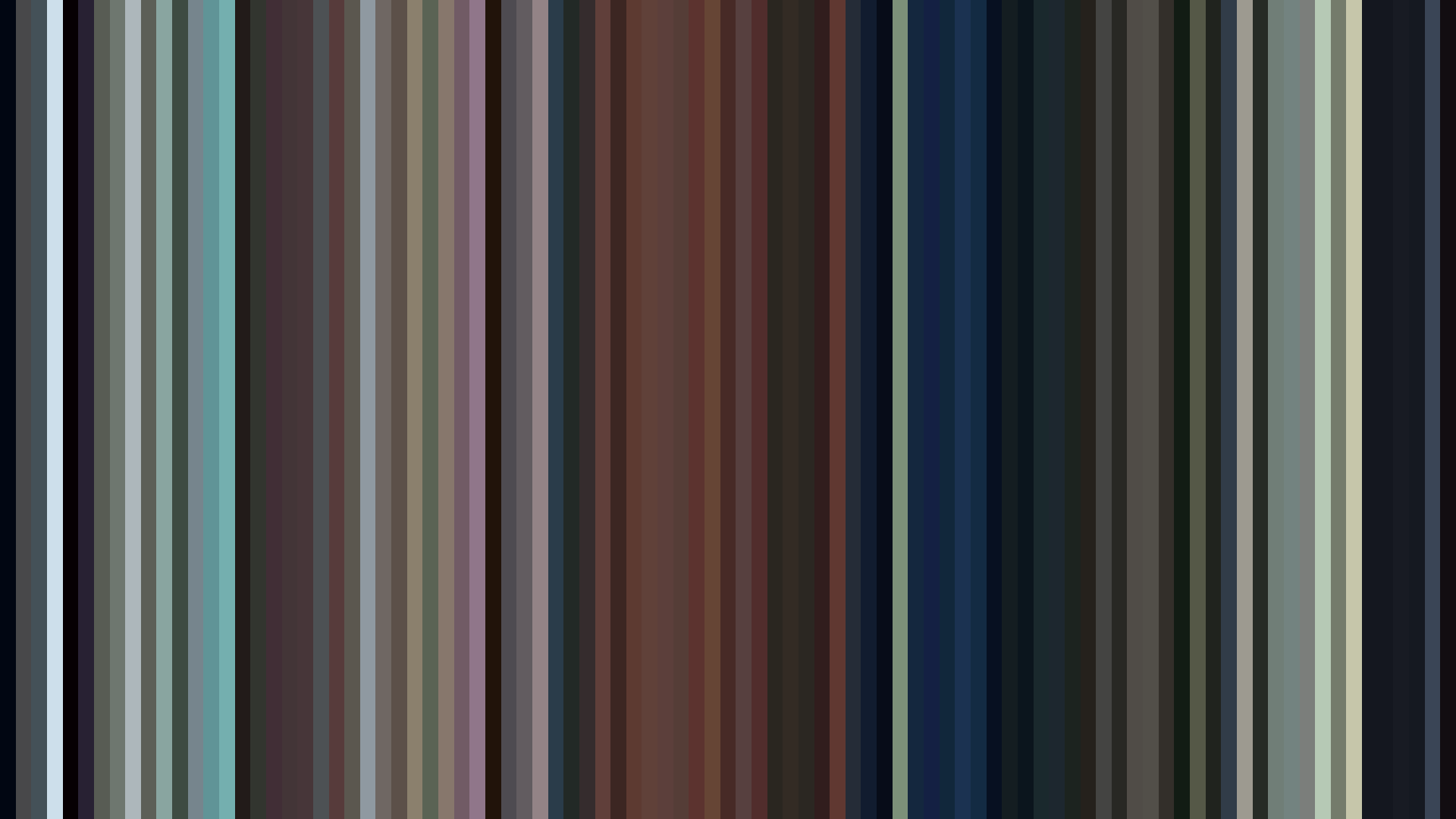
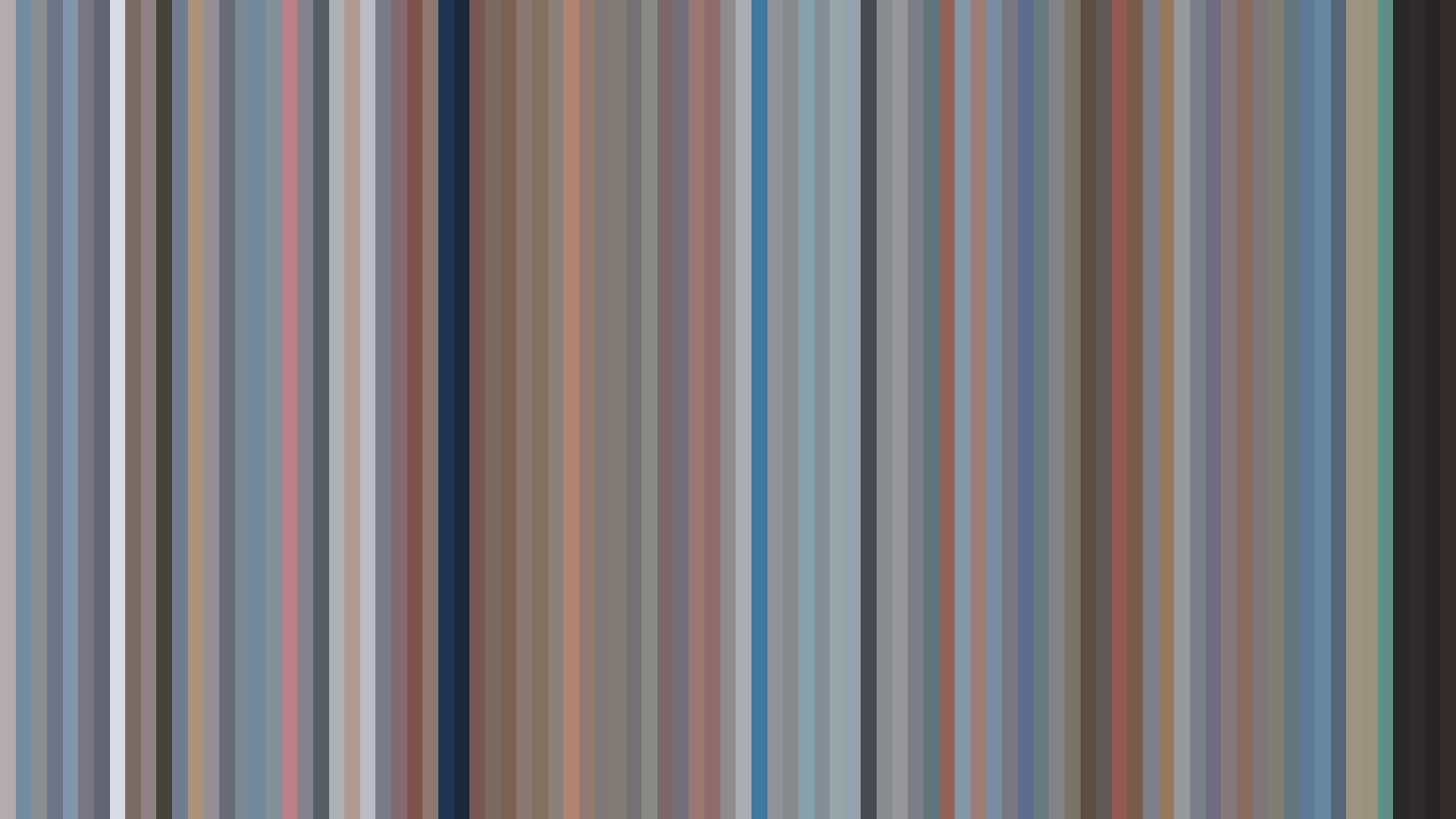
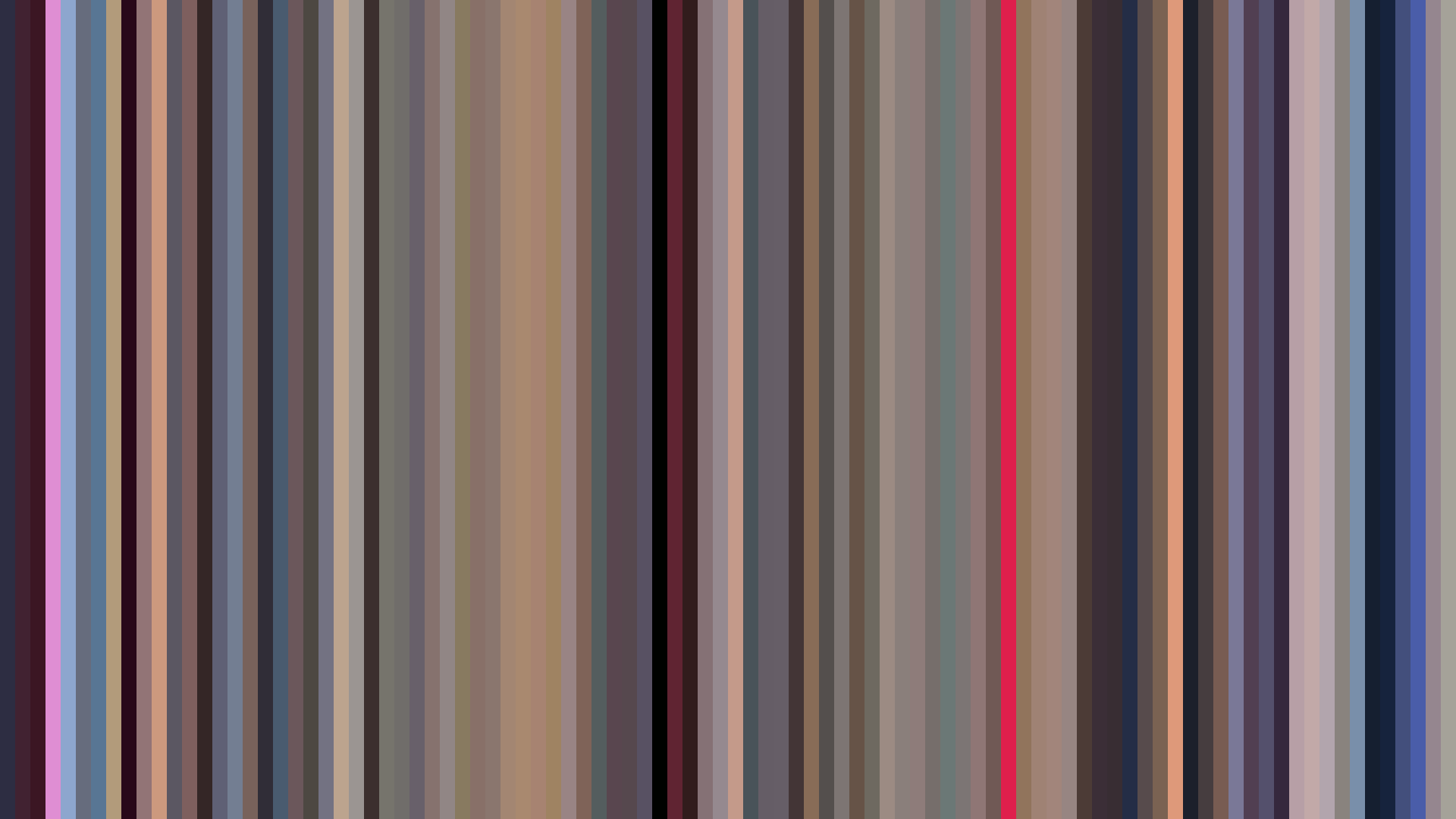
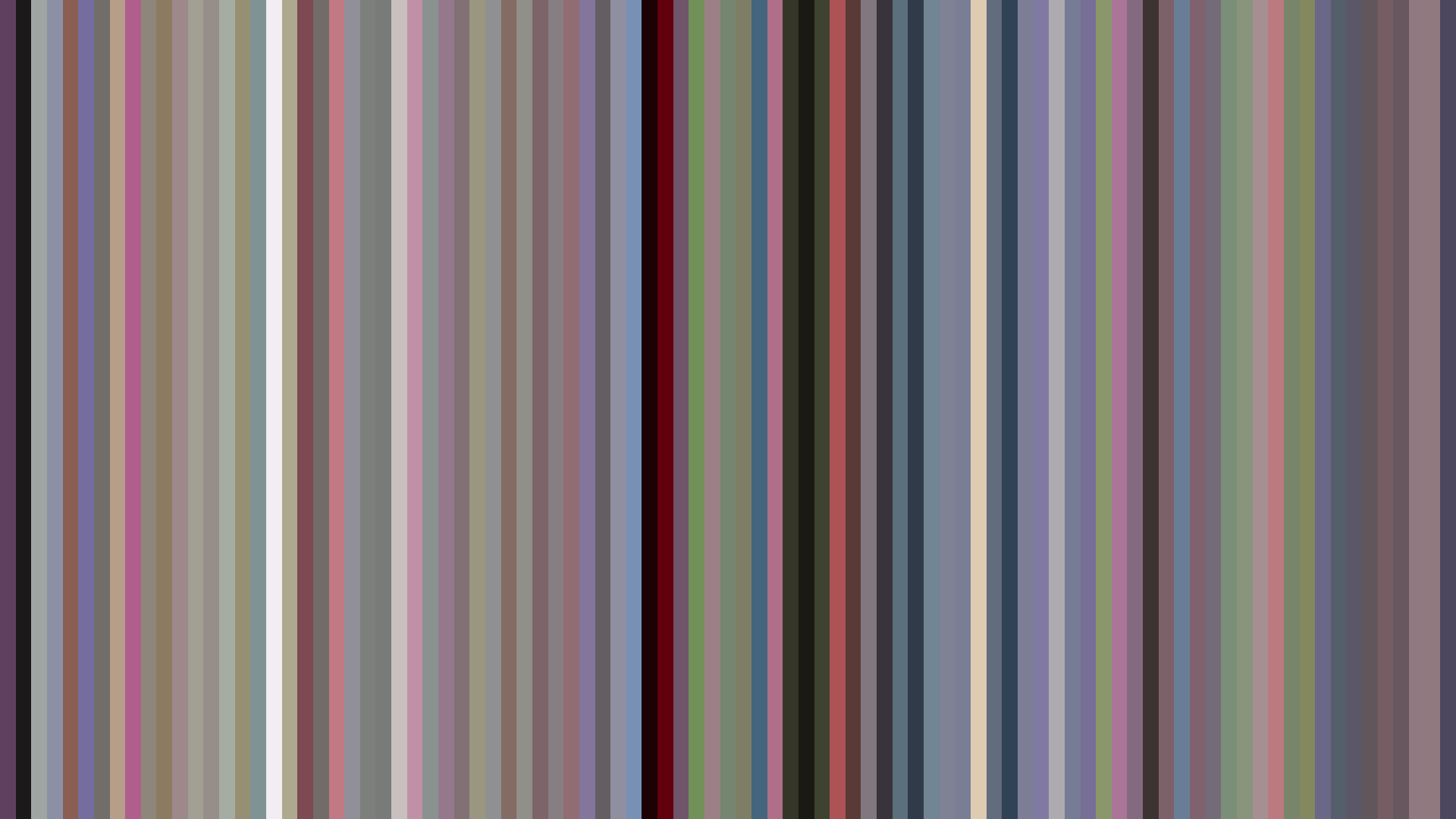
Smooth Average — mean color per frame
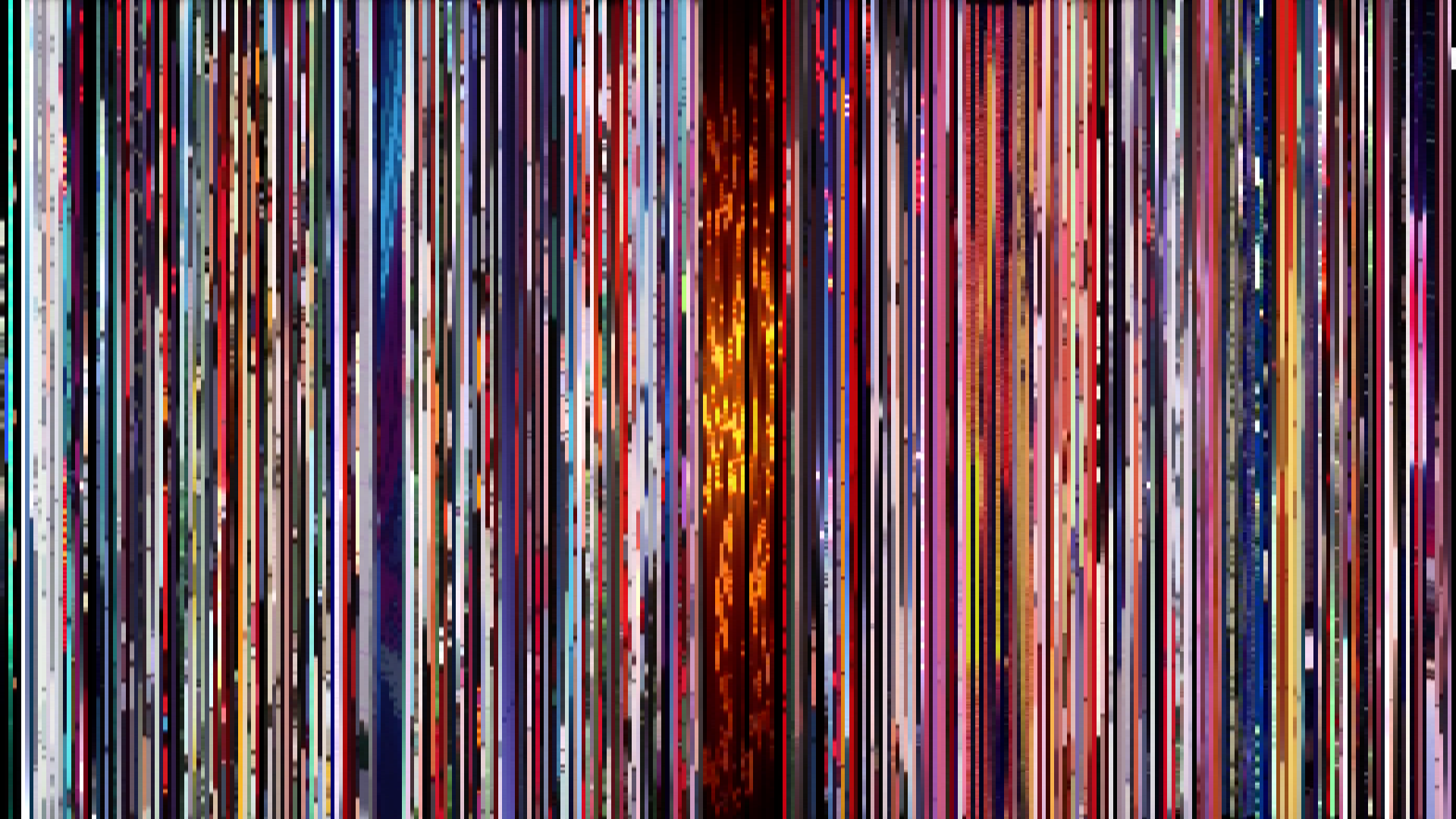
Rank Mosaic — columns sorted by luminance
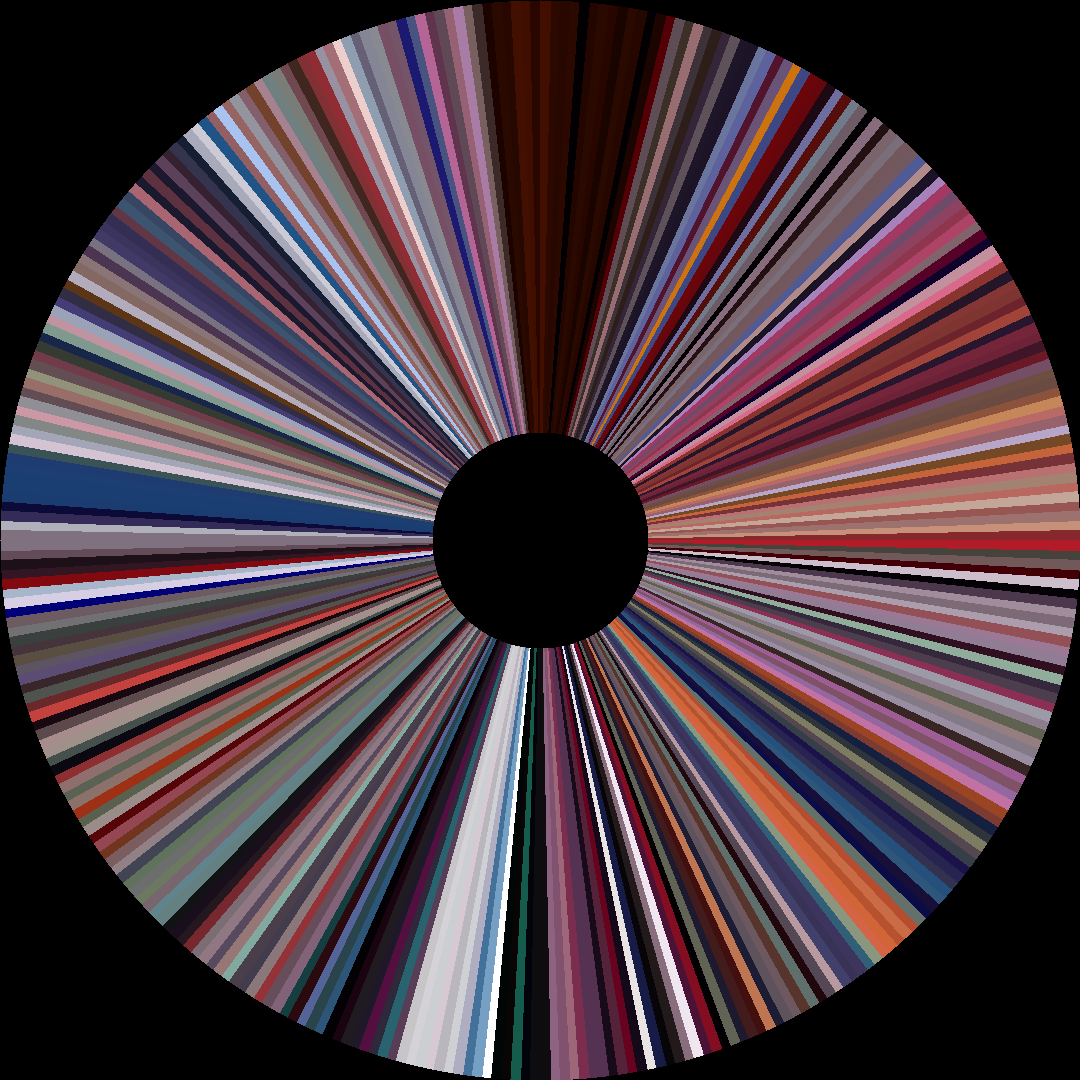
Circle / Radial — polar transform
Edit Pace — frame-to-frame color delta (bright = fast cuts)
Color Temperature — warm (gold) vs cool (teal) per frame
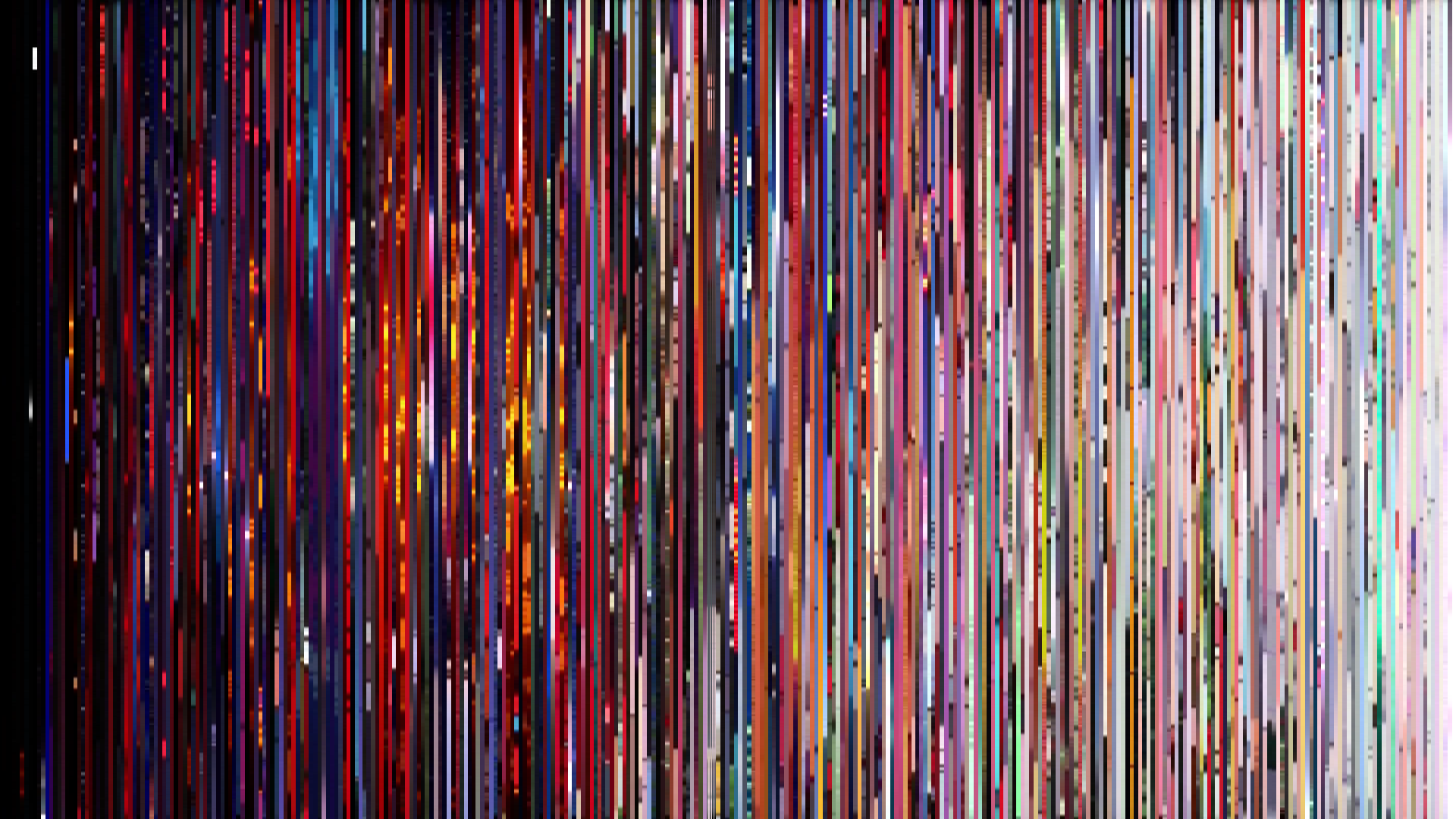
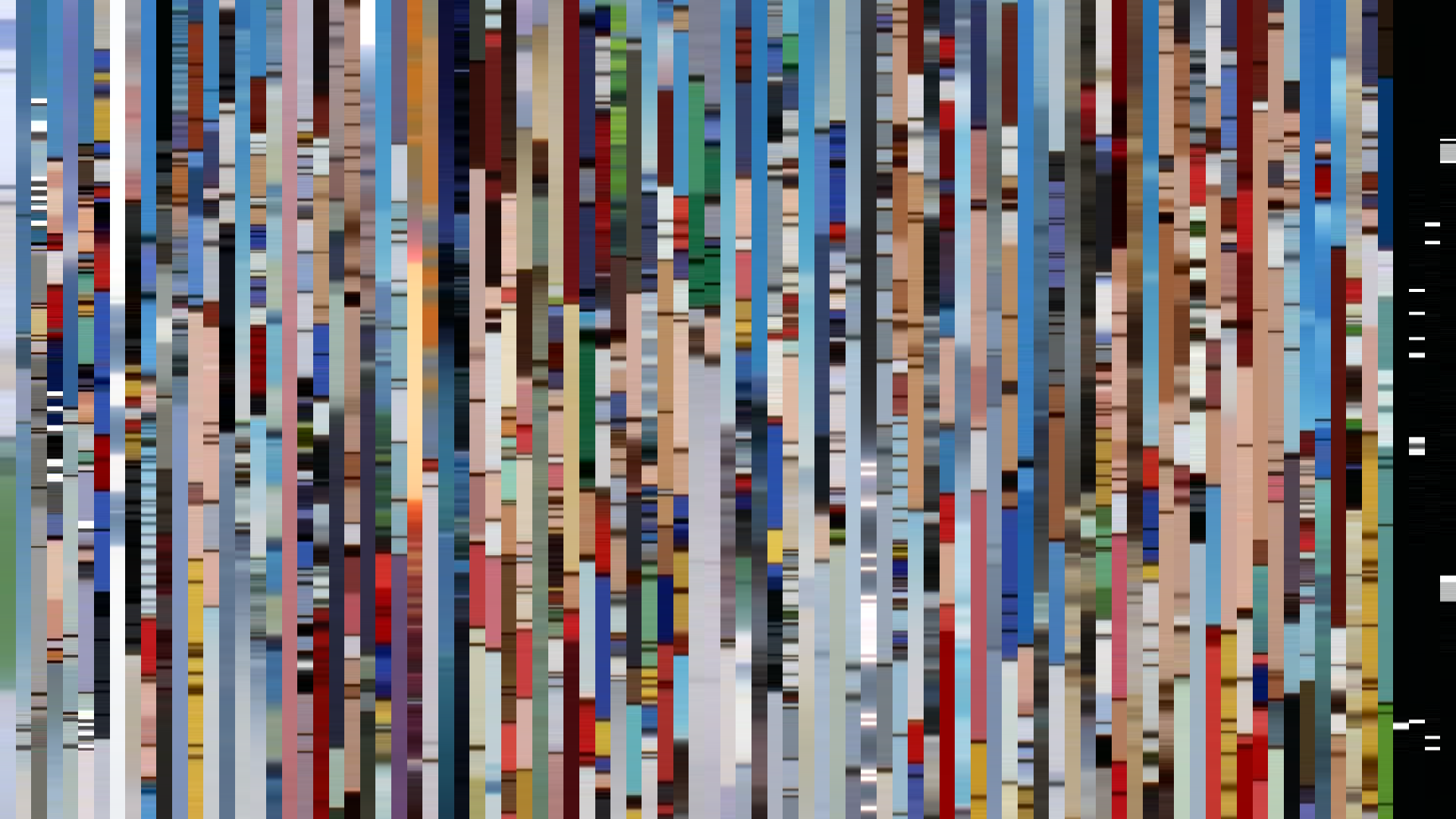
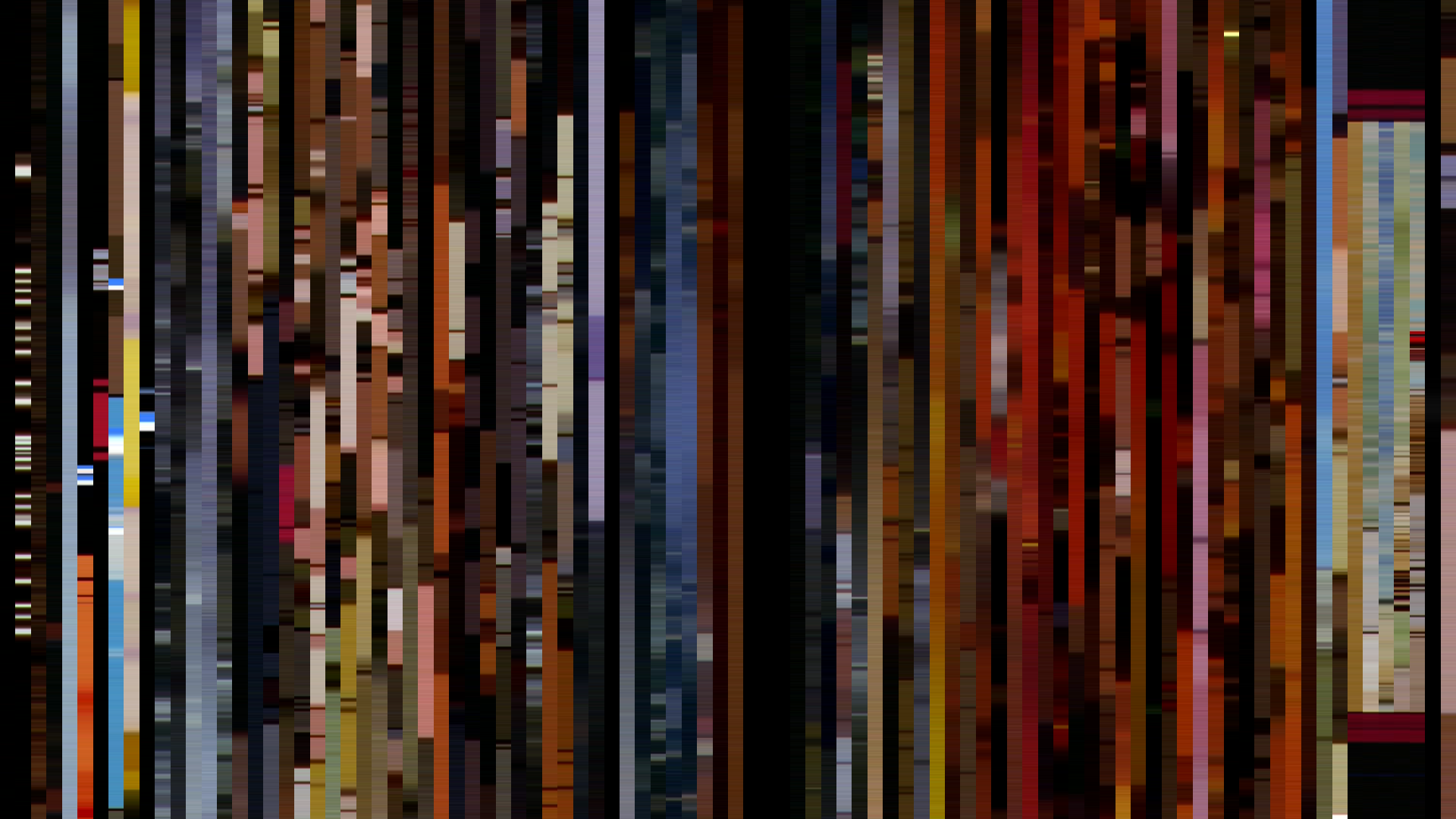
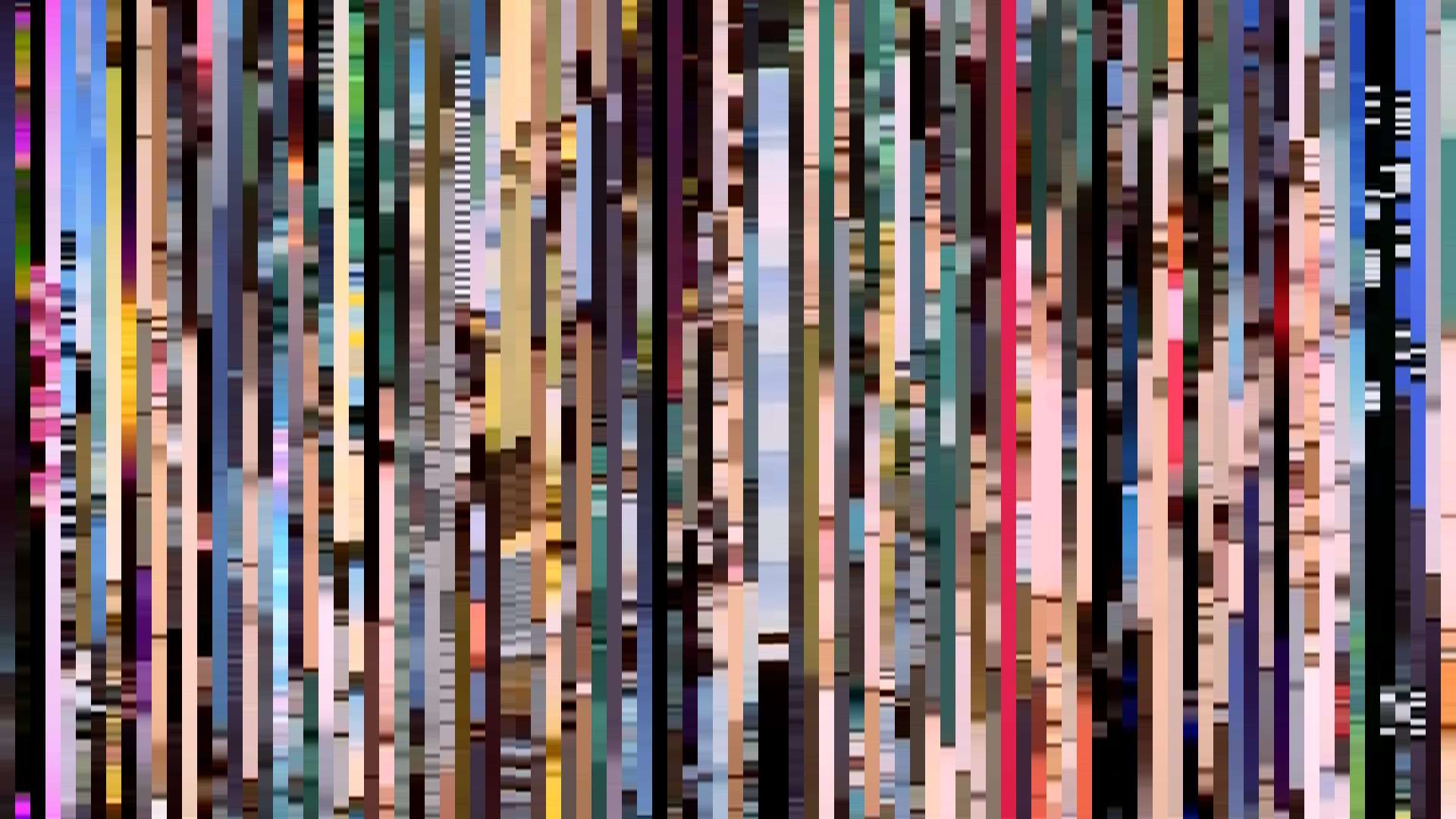
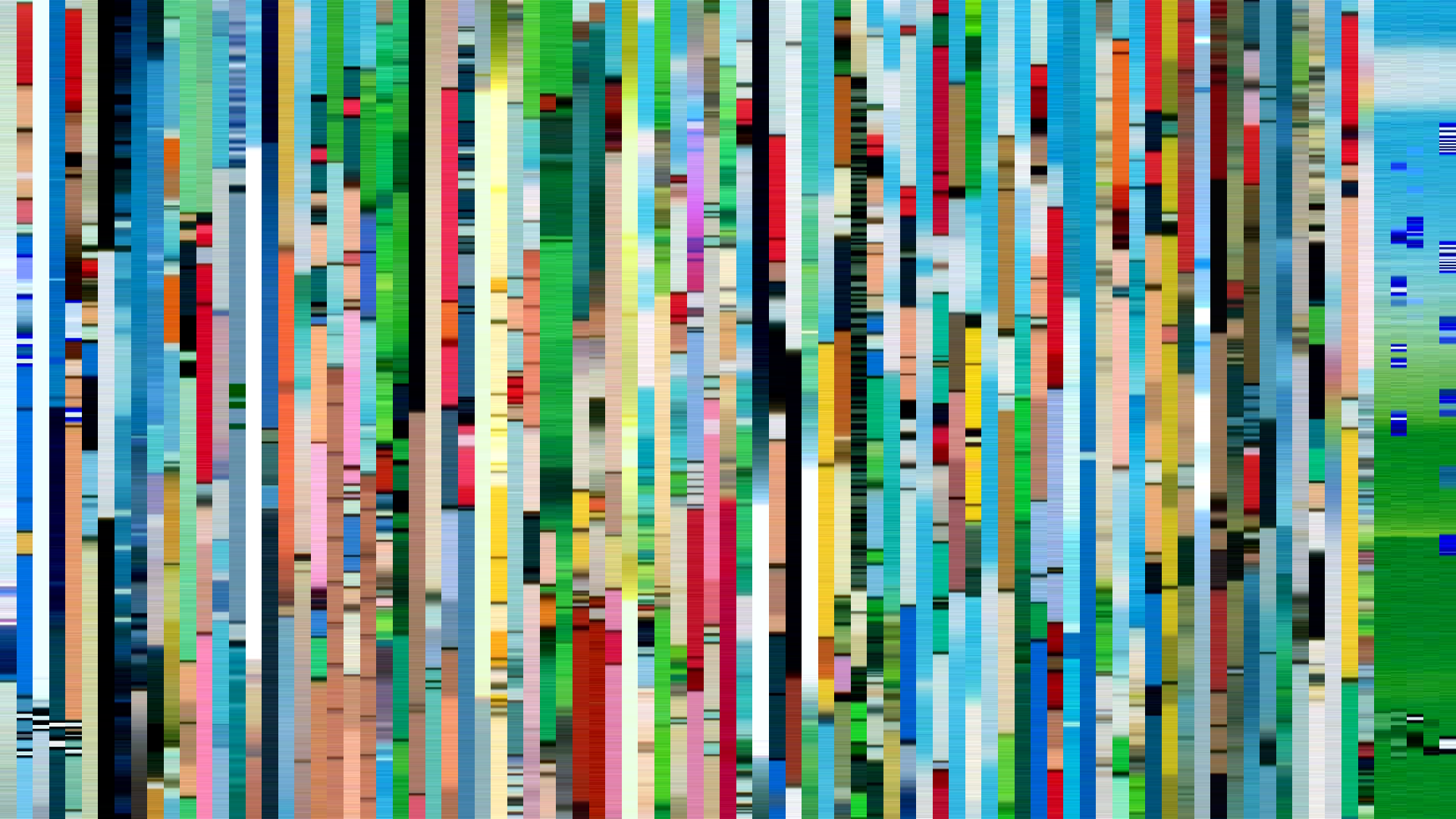
Frame Density Comparison — every 2nd vs every 4th frame
Slice · 15s
Avg · 15s
Slice · 30s
Avg · 30s
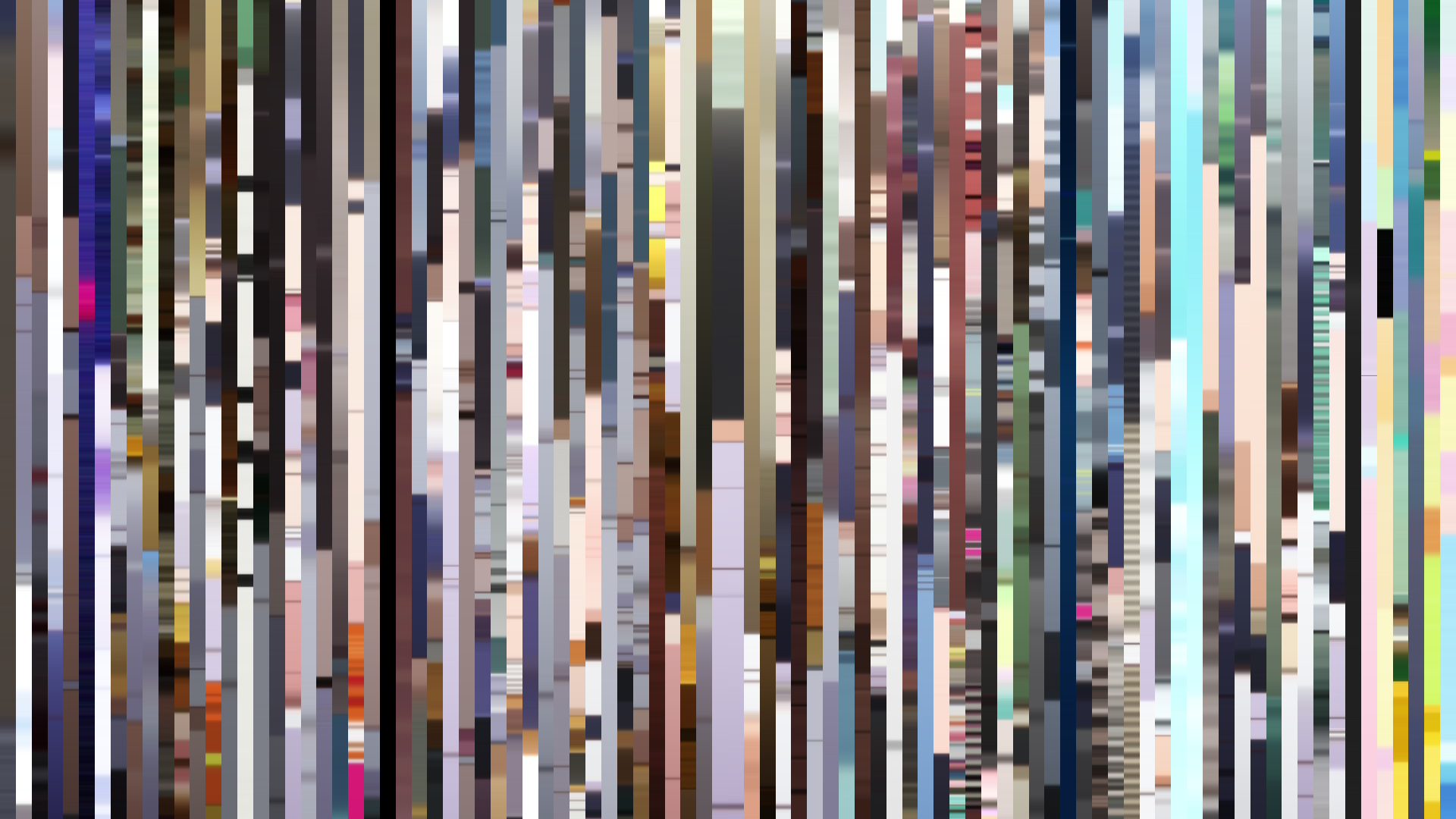
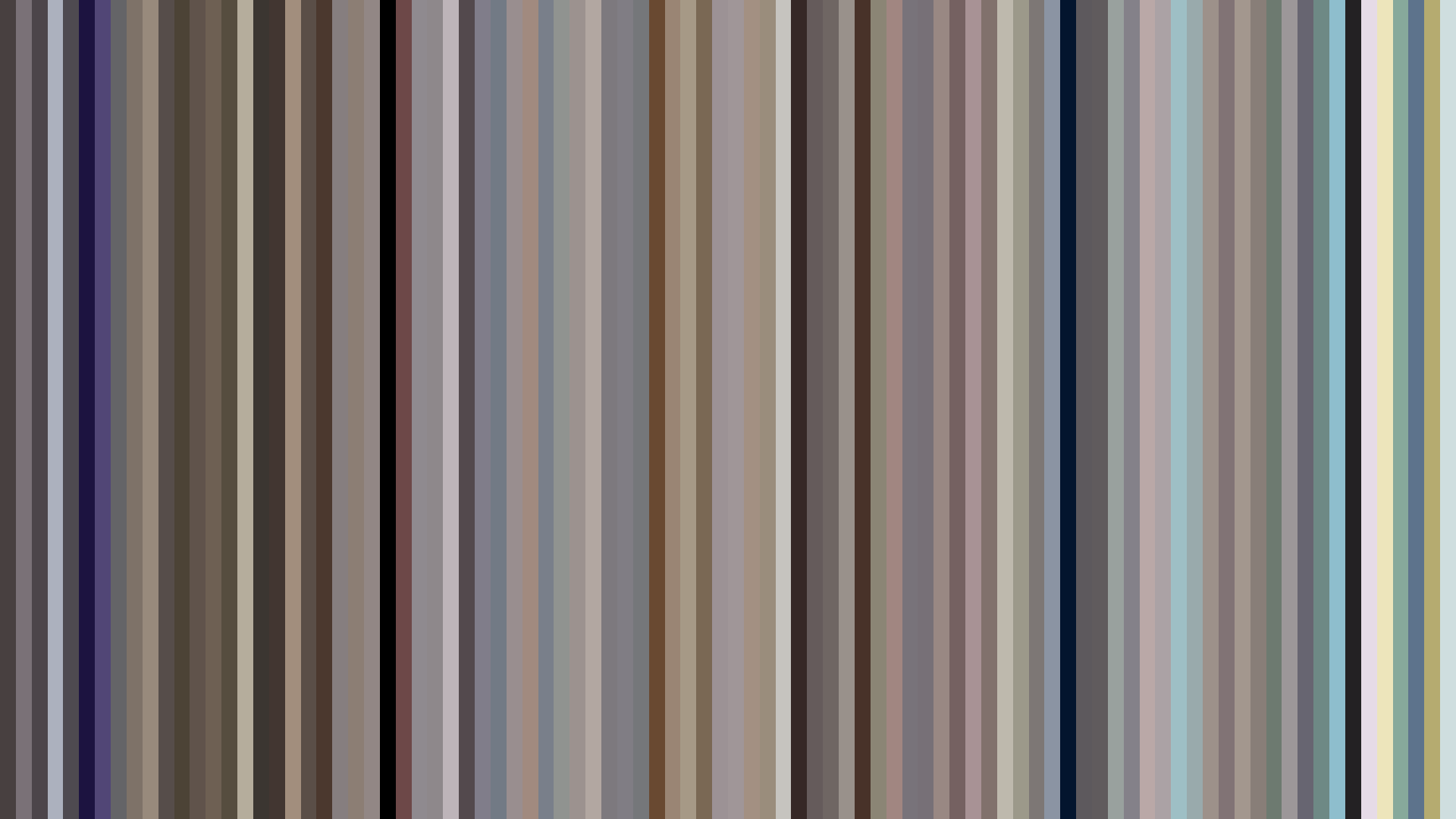
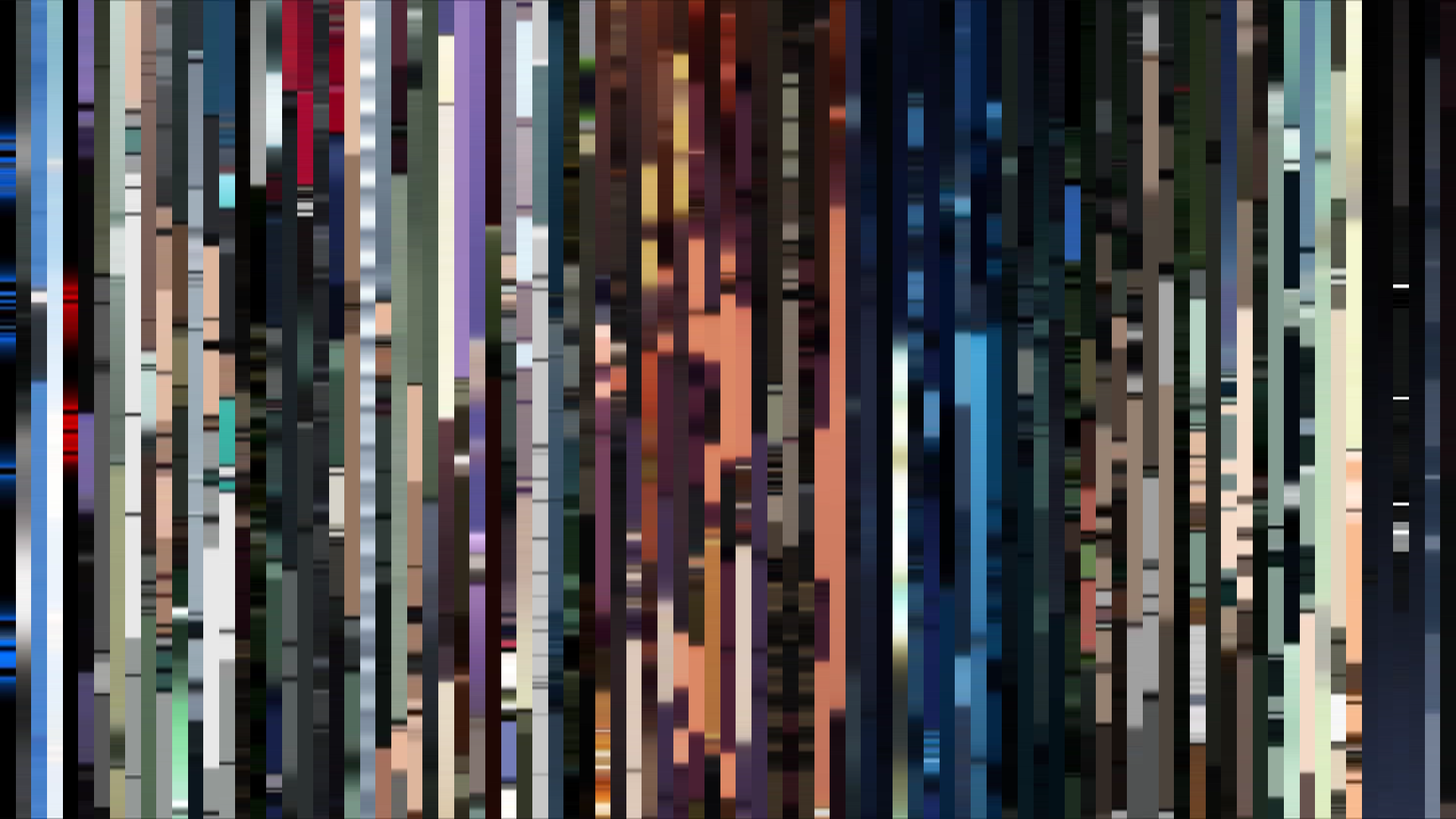
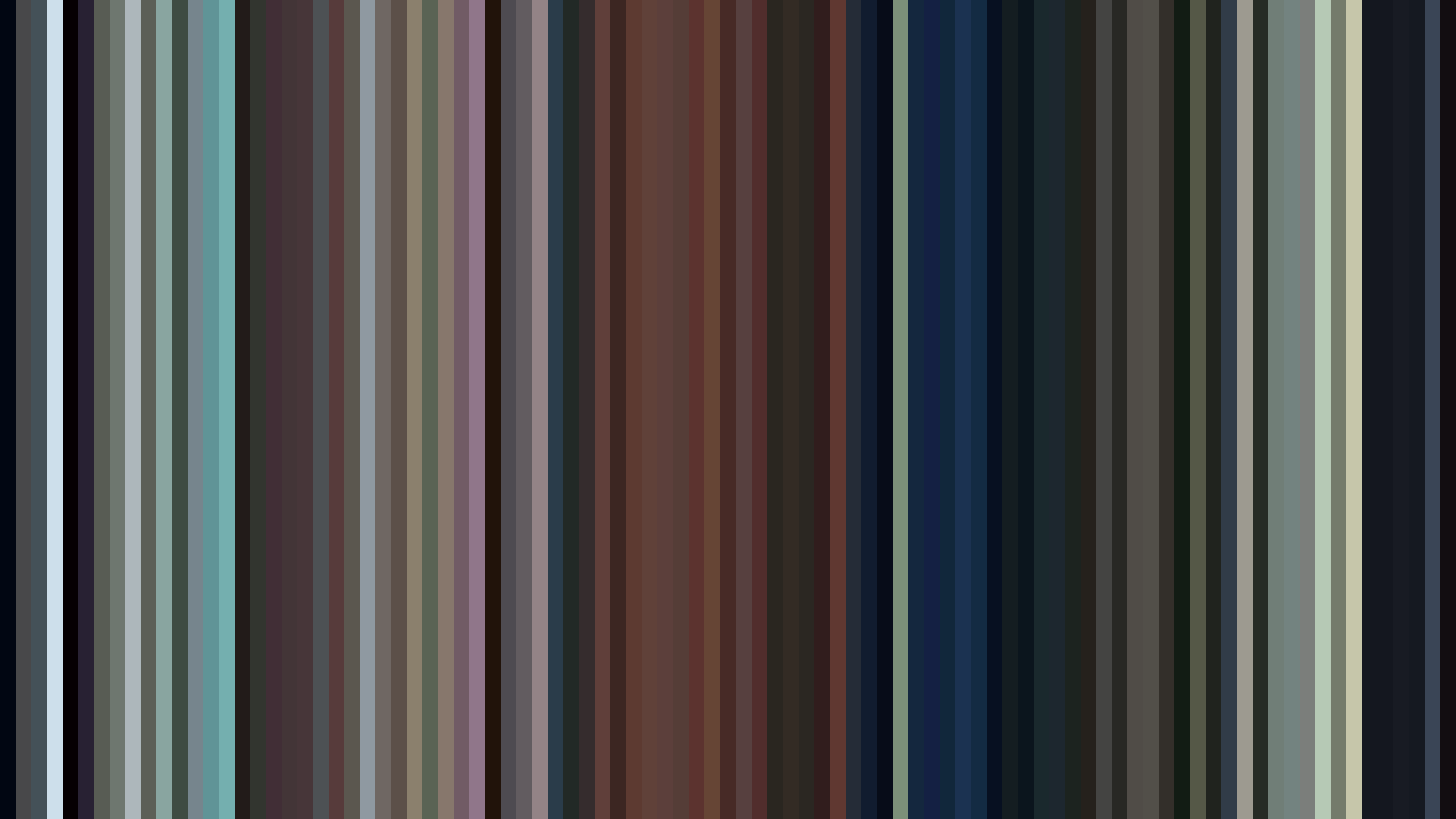
The palette of deep maroons and bruised purples is not merely grim—it is actively suffocating. Hideaki Anno and art director Hiroshi Kato engineer a world where color itself feels like a pressure system: the Red-Purple dominance (26%) is the chroma of internal bleeding, not romance. What makes *End of Evangelion* visually radical is its dark opening arc. Most films start bright and fall; this one begins in a near-black hole and only deepens. The middle acts average brightness of 0.318—the lowest in the 1997 cohort—is the frame-by-frame equivalent of Shinji’s breakdown in instrumentality, a brightness so low it threatens to swallow its own image. And the final act’s faint lift to 0.356 is not recovery but a horizon line that refuses to clear, the same muddy rose of the pre-credit sequence. Gainax’s barcode reads like a heartbeat flatlining. The shift from Red to Red-Purple across the runtime is the body rejecting itself. Anno understood that apocalypse is not a flash of white but the slow, chthonic crawl of color into mud. This is not tragedy as catharsis; it is tragedy as expiration, registered in every bruised pixel.
Brightness Arc (episode progression)
Hue Distribution
Act Breakdown
Opening
0.385
Middle
0.318
Closing
0.356
Avg Brightness
0.353
Avg Saturation
0.419
Warmth
0.549
Color Palette
#231621
#645761
#591E21
#986064
#A3999F
#292954
#5A334F
#942522
3-Act Color Story
Opening
Middle
Closing
Color Twins
Perceptually nearest palettes — measured in OKLab space, not RGB






![Fate/stay night [Unlimited Blade Works]](../../../barcodes/2014/fatestay-night-unlimited-blade-works/barcode_slice.png)
The palette of deep maroons and bruised purples is not merely grim—it is actively suffocating. Hideaki Anno and art director Hiroshi Kato engineer a world where color itself feels like a pressure system: the Red-Purple dominance (26%) is the chroma of internal bleeding, not romance. What makes *End of Evangelion* visually radical is its dark opening arc. Most films start bright and fall; this one begins in a near-black hole and only deepens. The middle acts average brightness of 0.318—the lowest in the 1997 cohort—is the frame-by-frame equivalent of Shinji’s breakdown in instrumentality, a brightness so low it threatens to swallow its own image. And the final act’s faint lift to 0.356 is not recovery but a horizon line that refuses to clear, the same muddy rose of the pre-credit sequence. Gainax’s barcode reads like a heartbeat flatlining. The shift from Red to Red-Purple across the runtime is the body rejecting itself. Anno understood that apocalypse is not a flash of white but the slow, chthonic crawl of color into mud. This is not tragedy as catharsis; it is tragedy as expiration, registered in every bruised pixel.