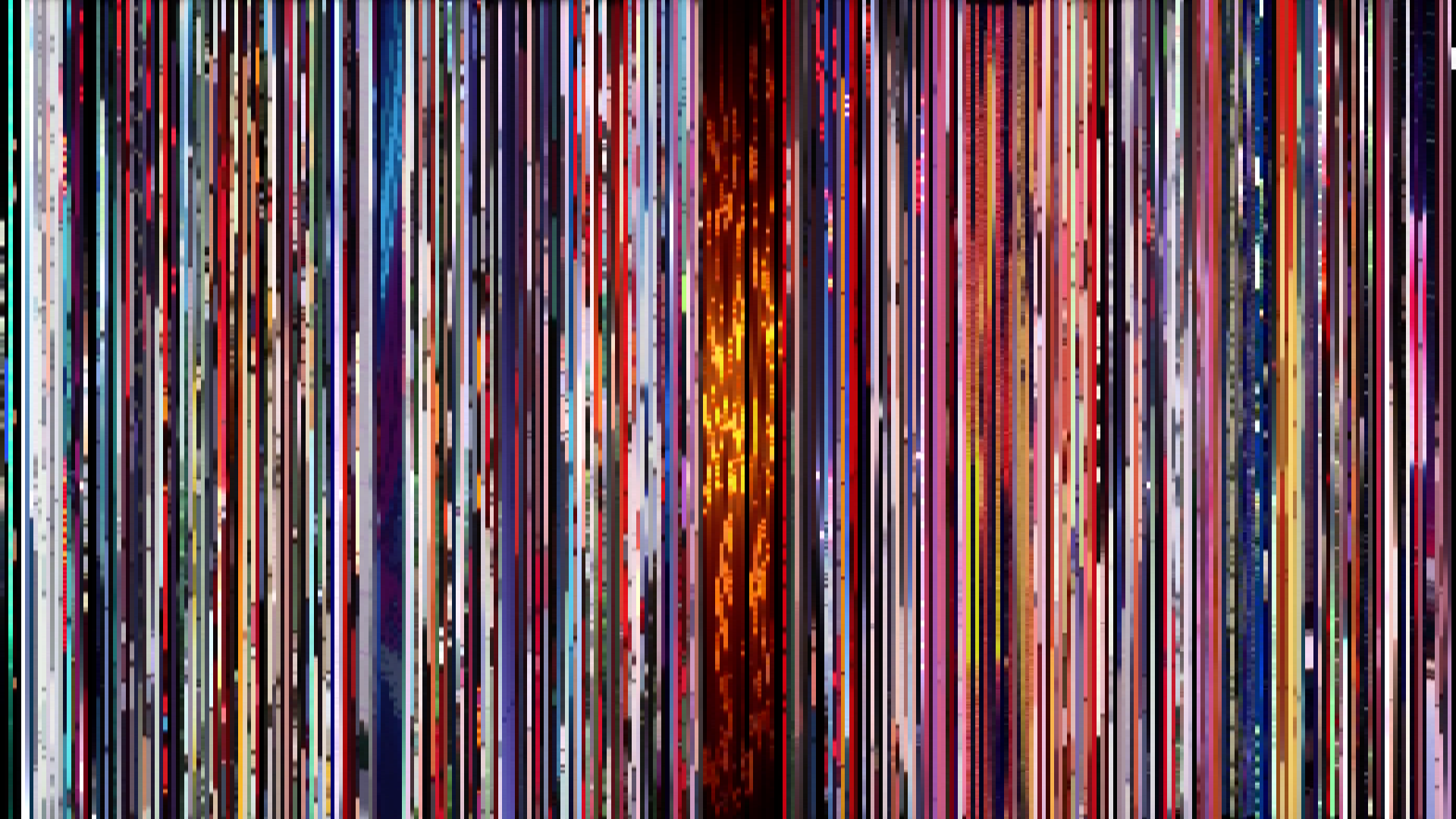
Edit Pace — frame-to-frame color delta (bright = fast cuts)
Color Temperature — warm (gold) vs cool (teal) per frame
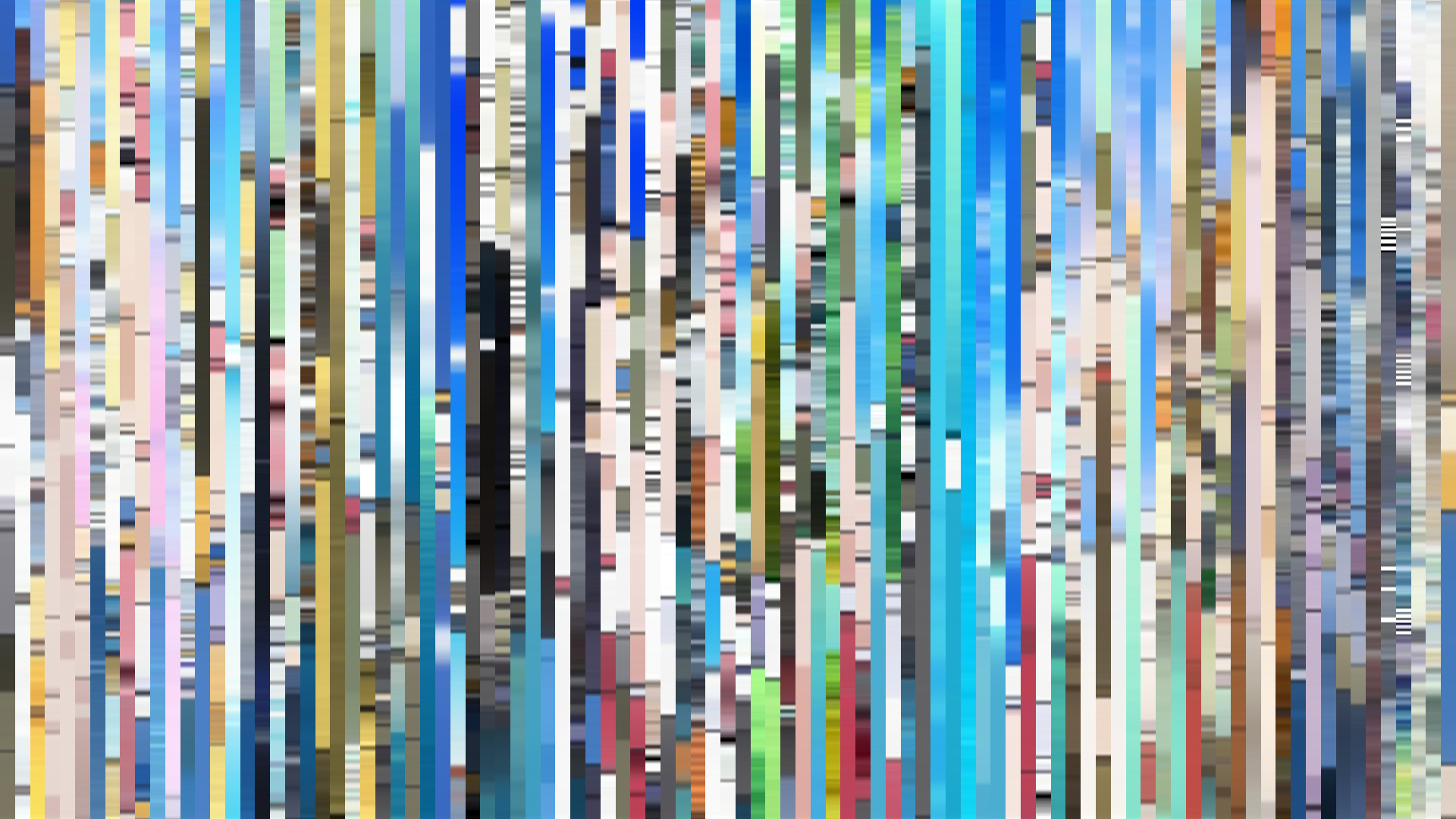
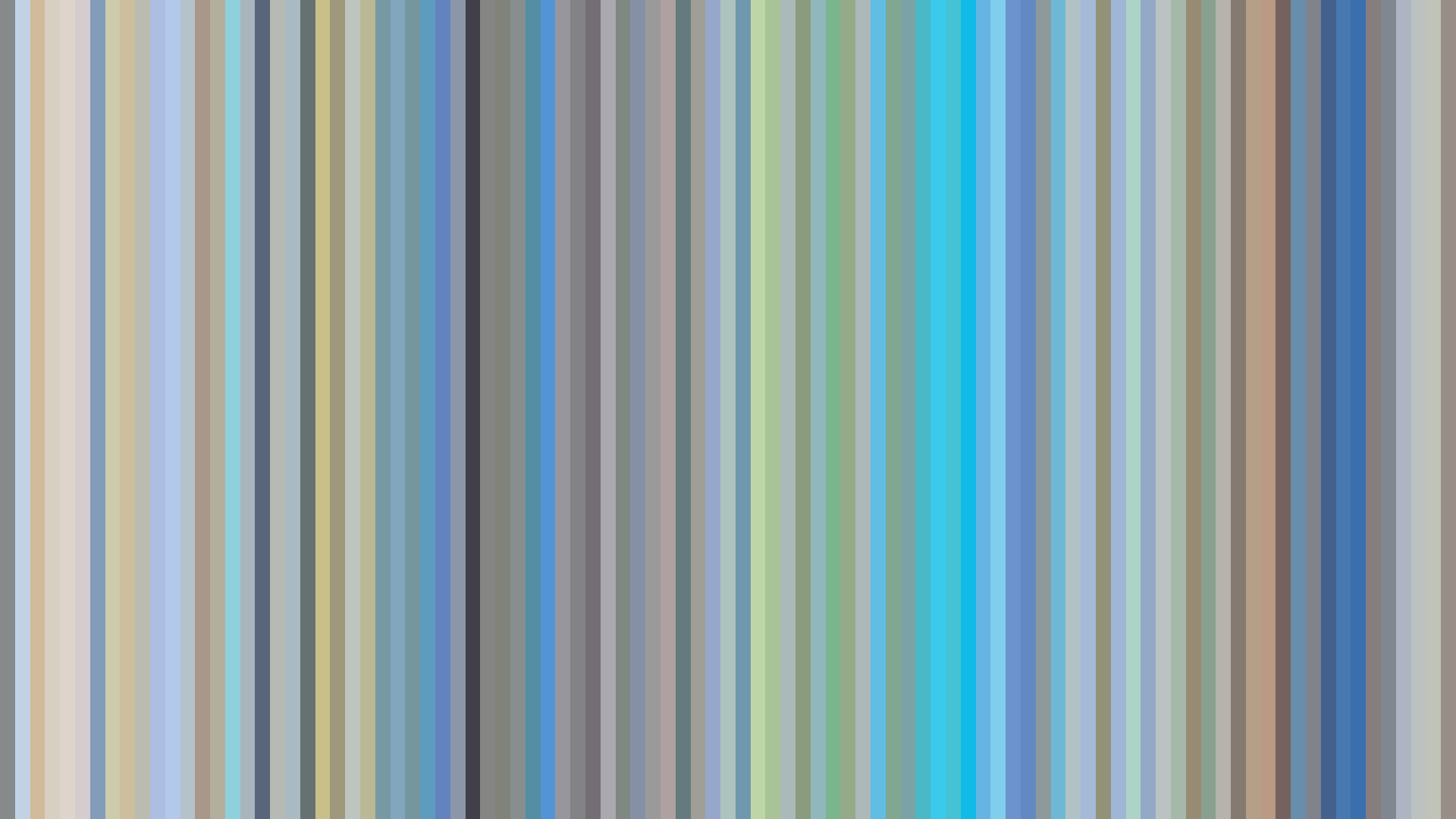
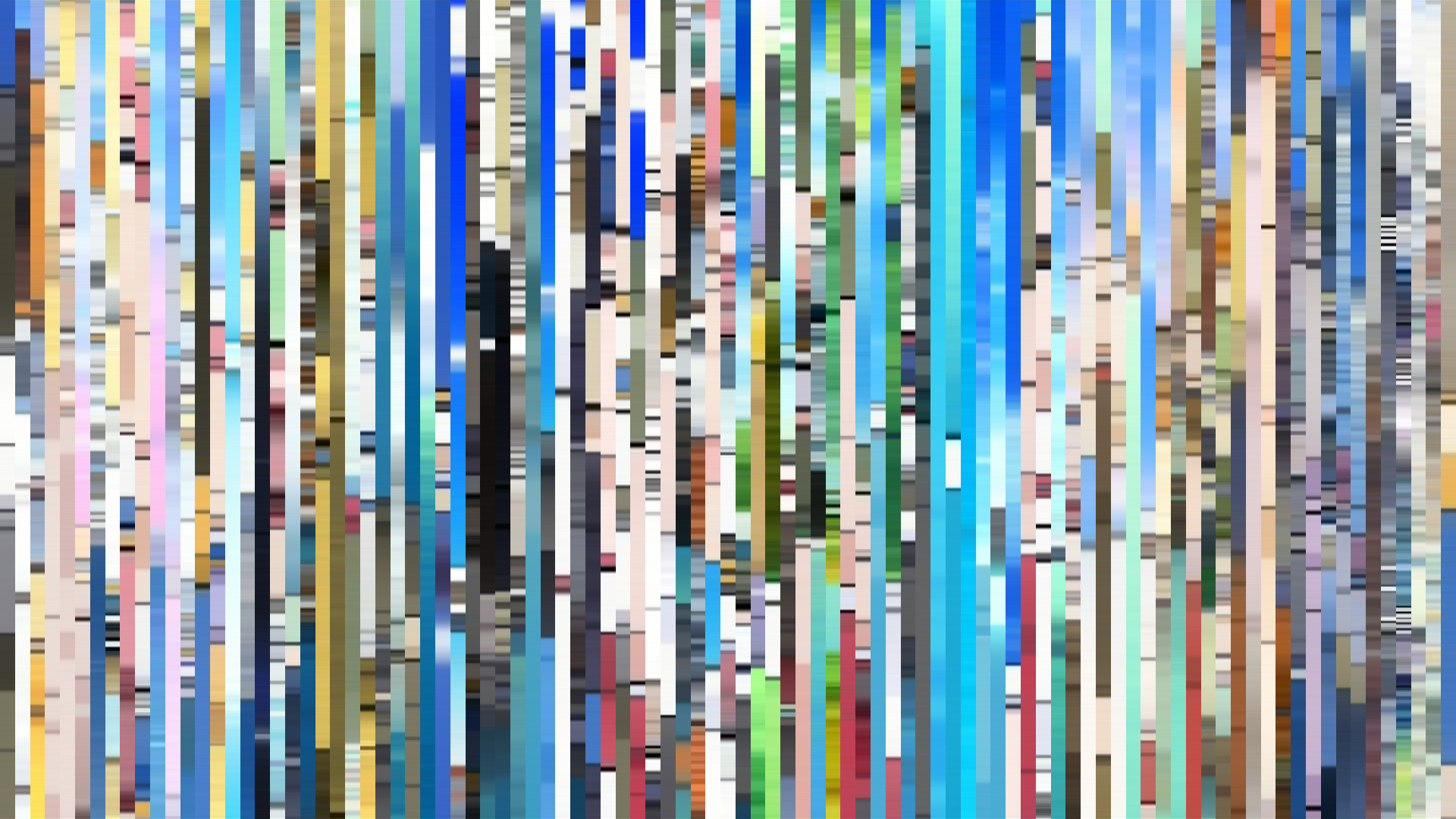
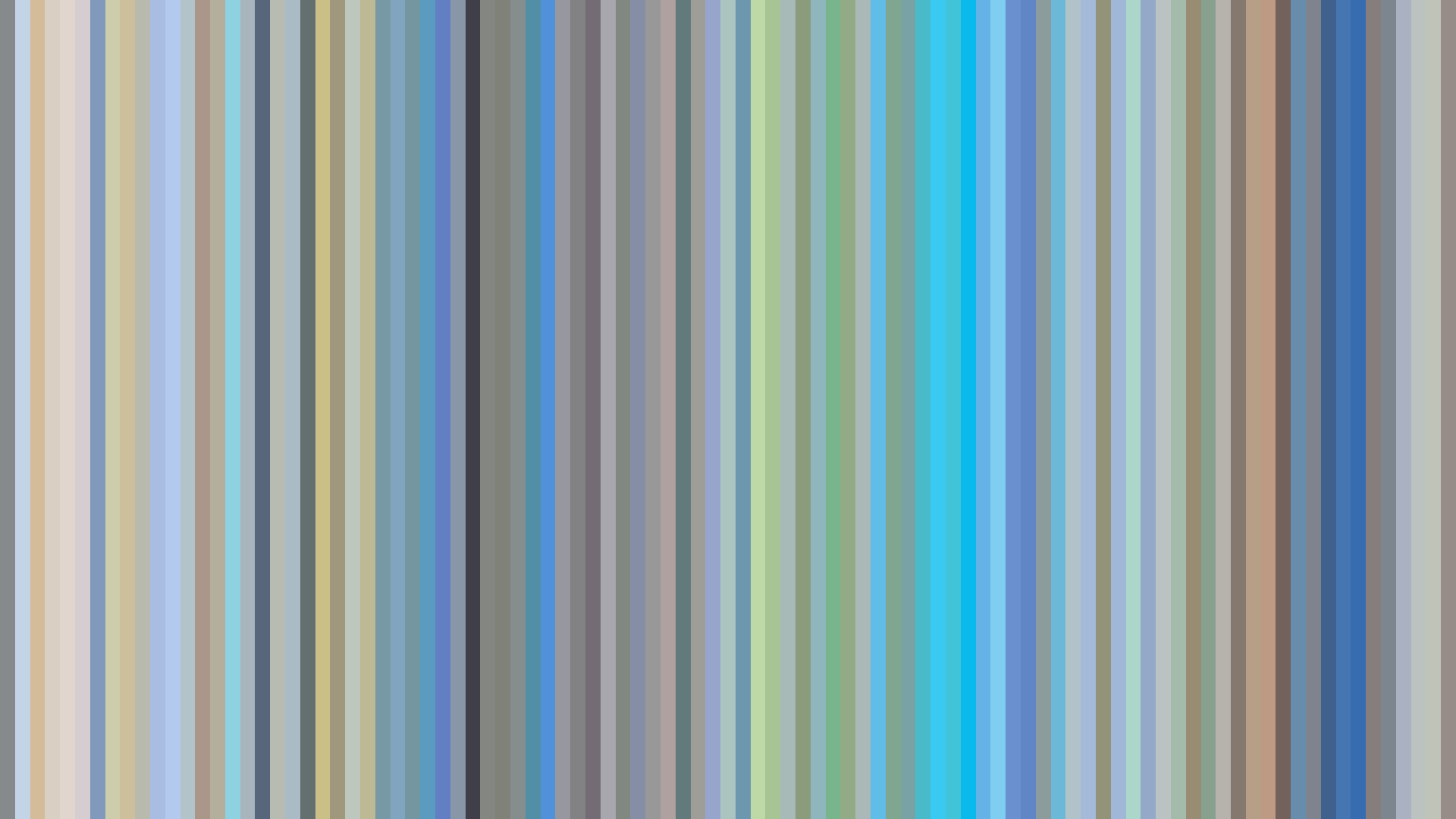
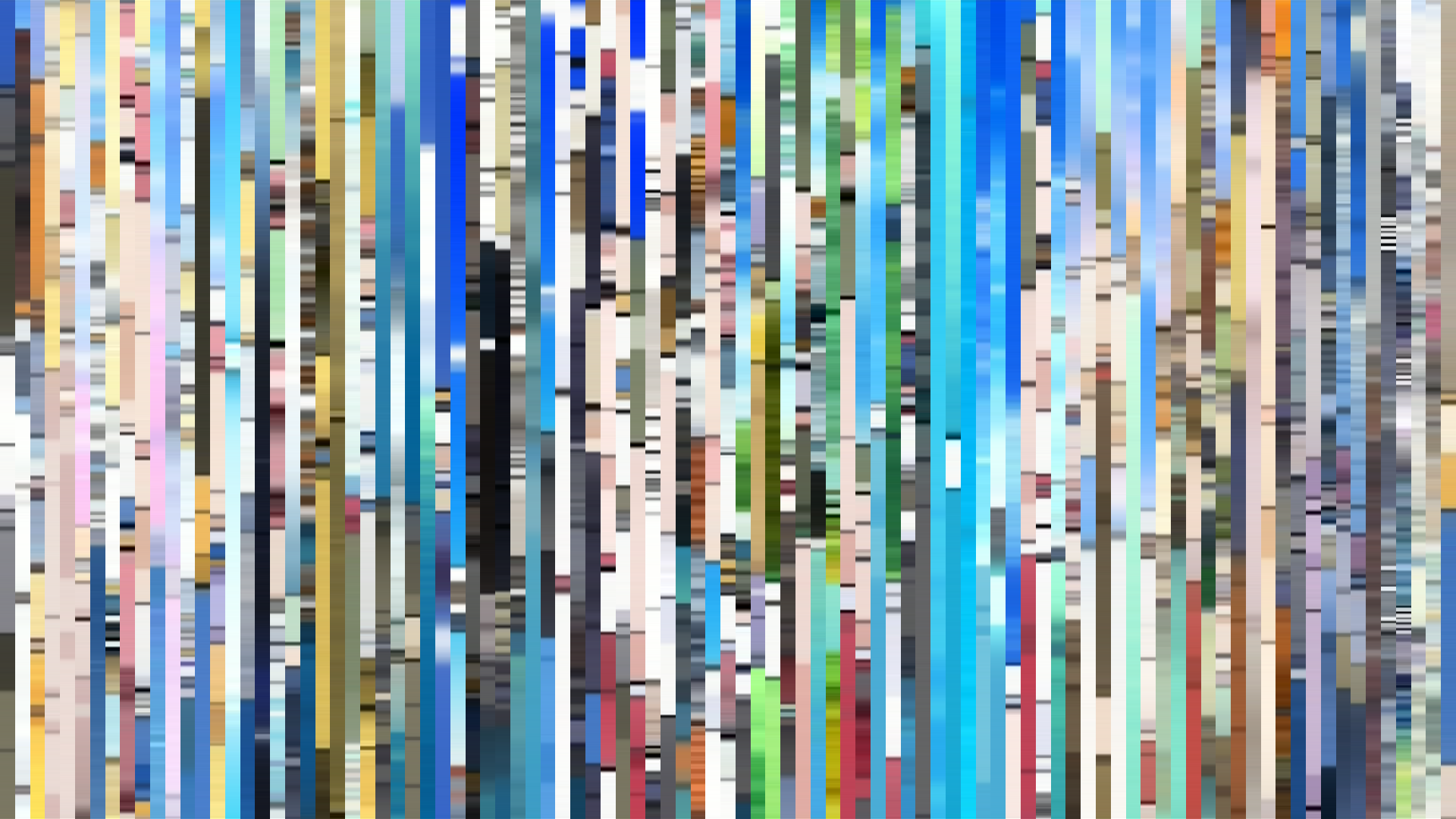
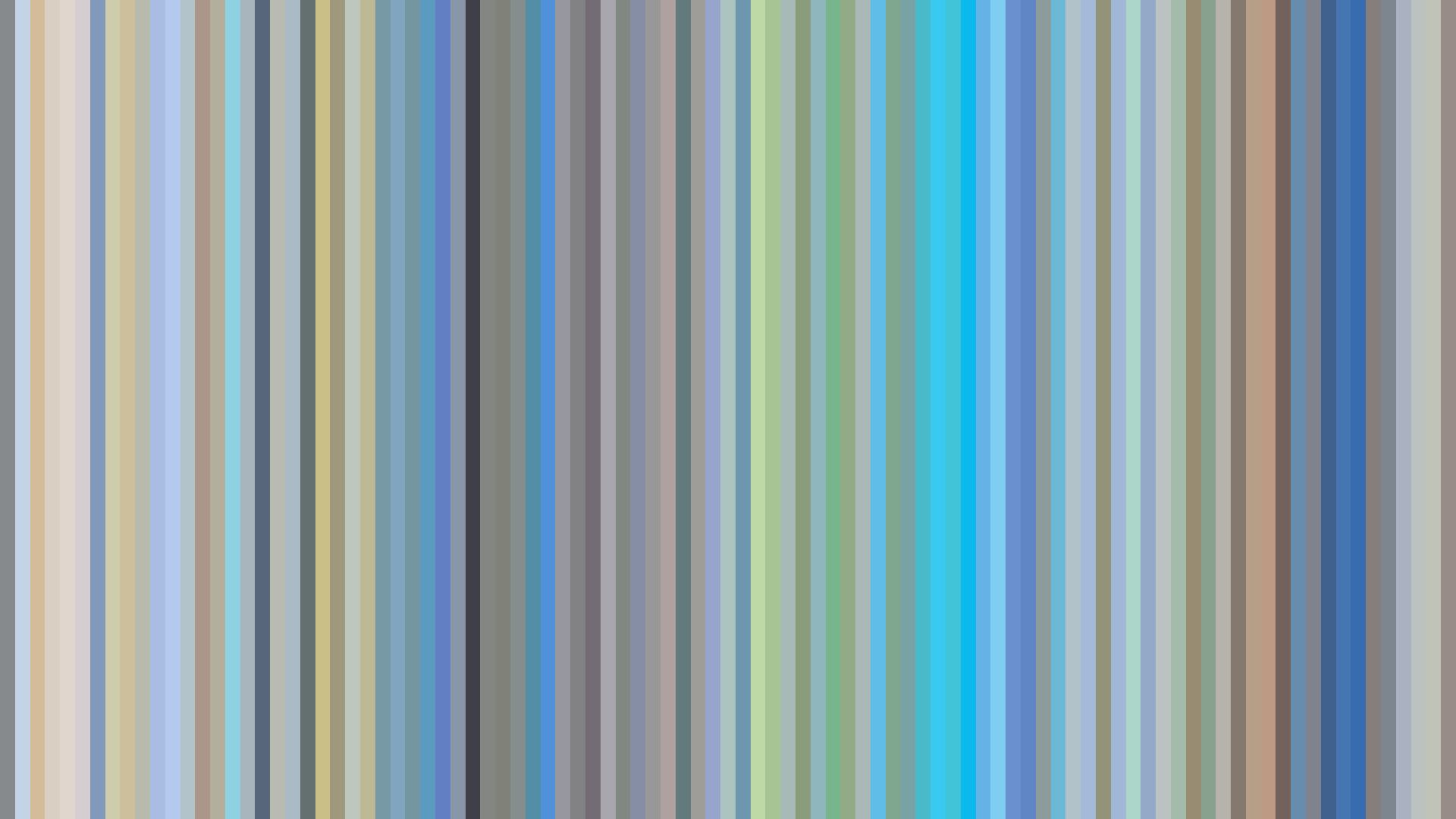
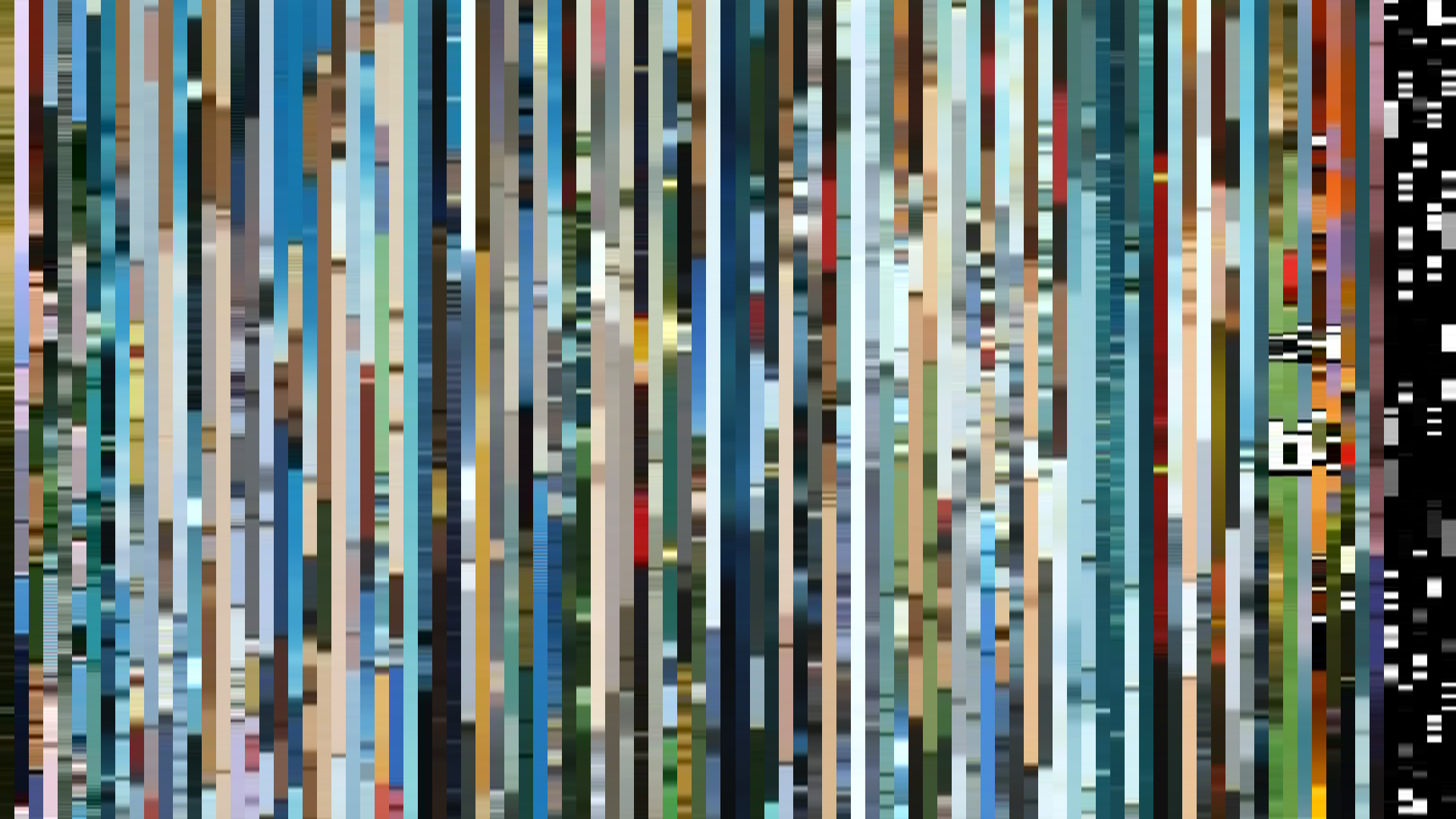
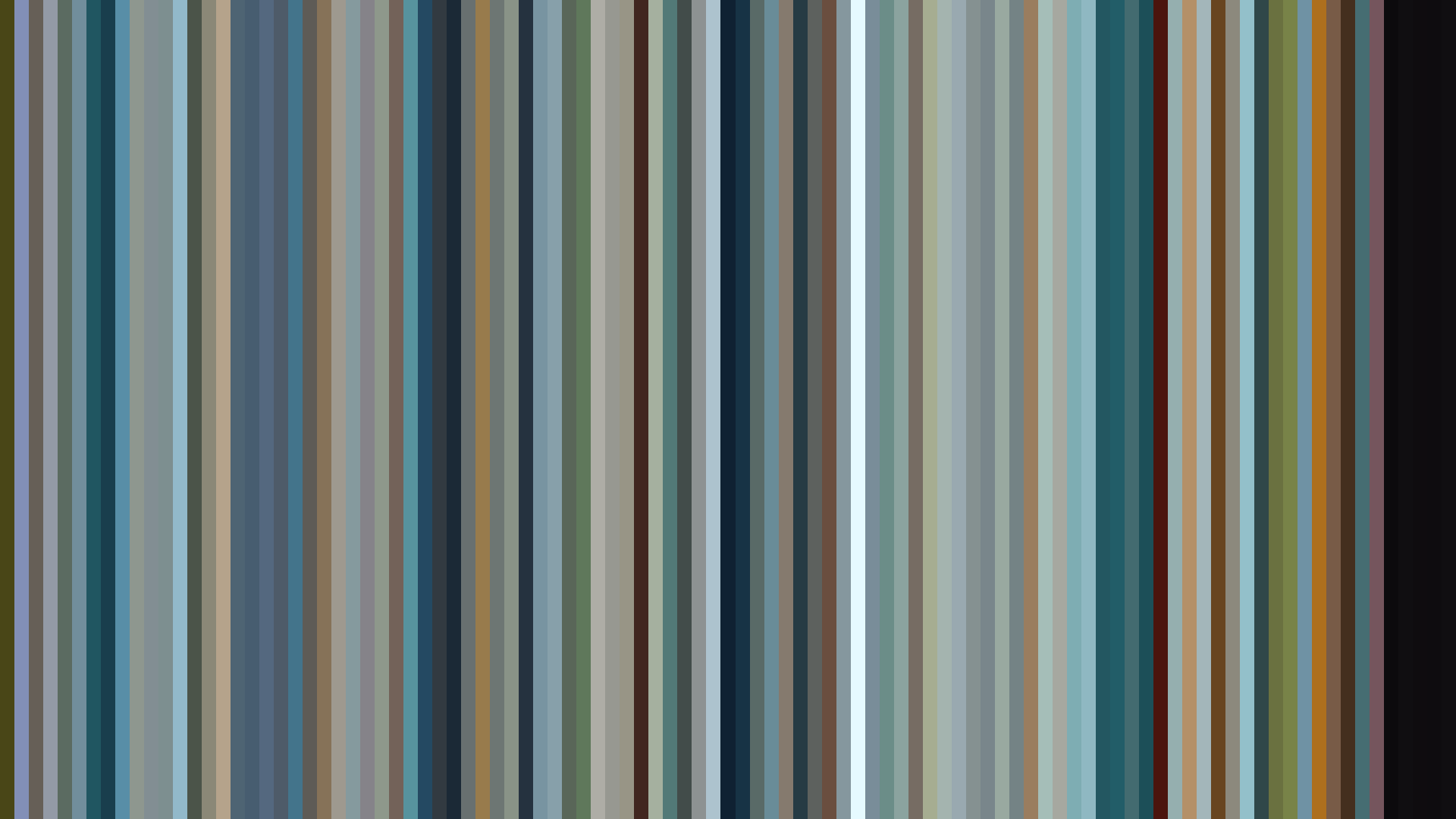
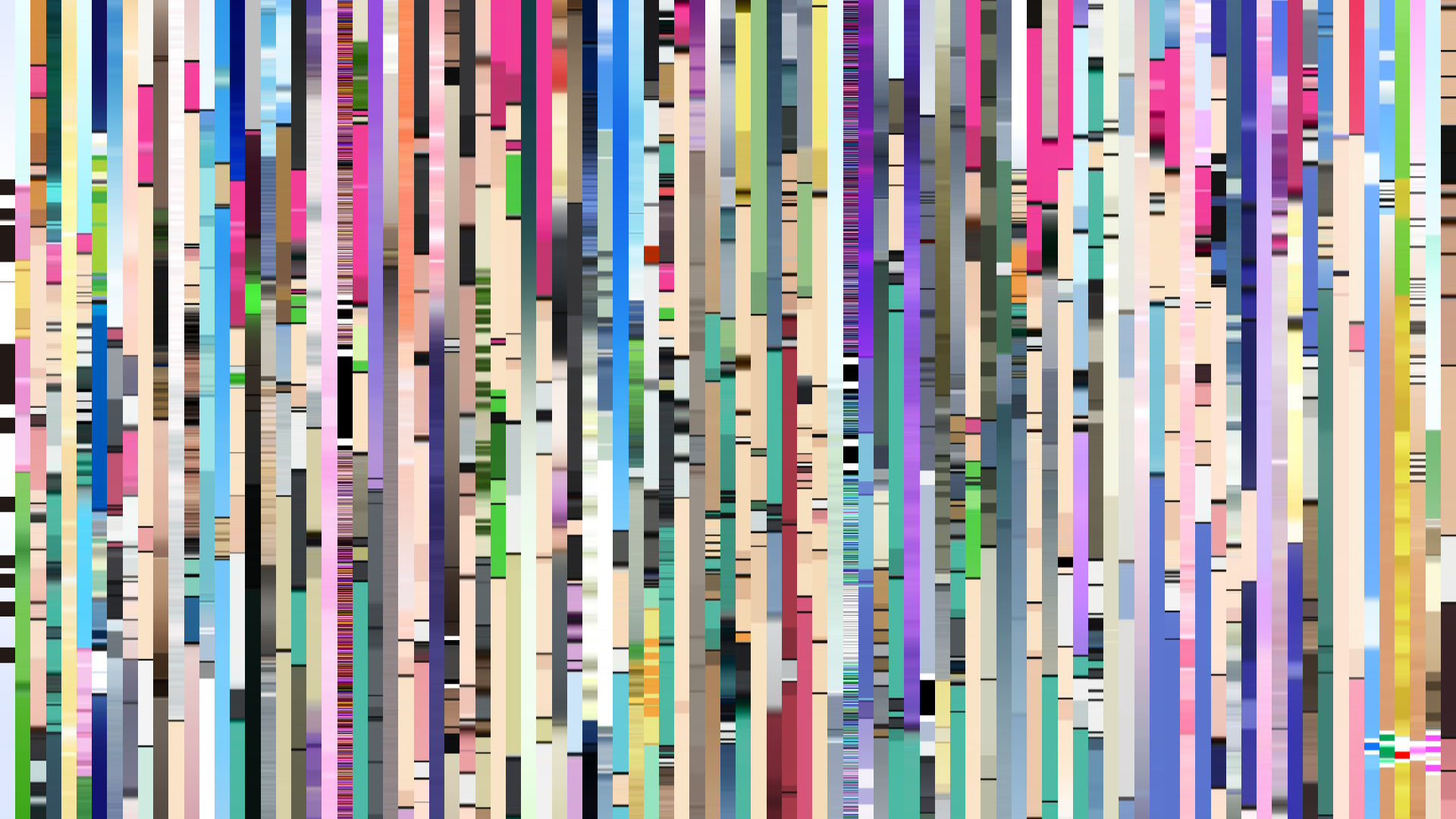
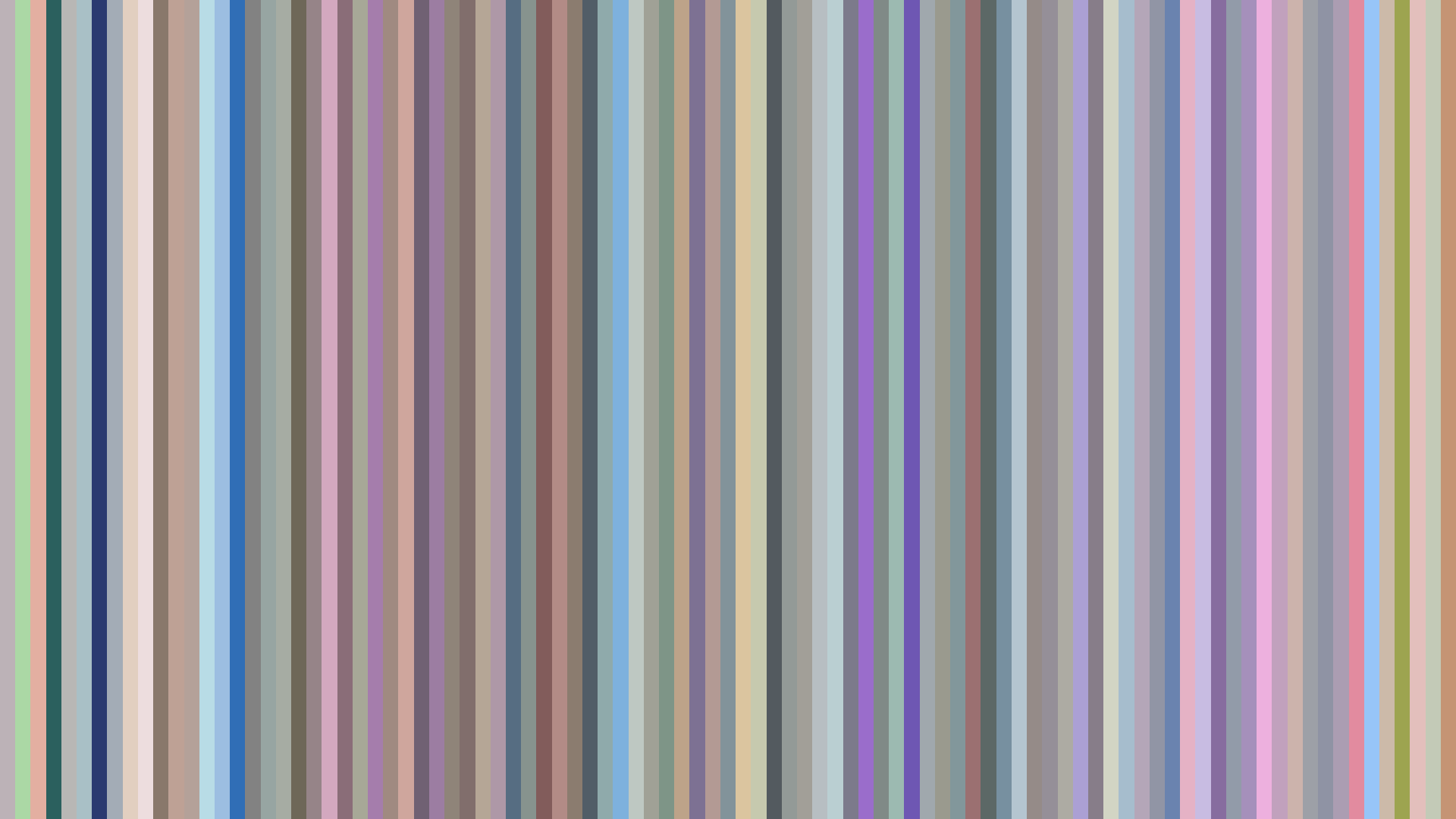
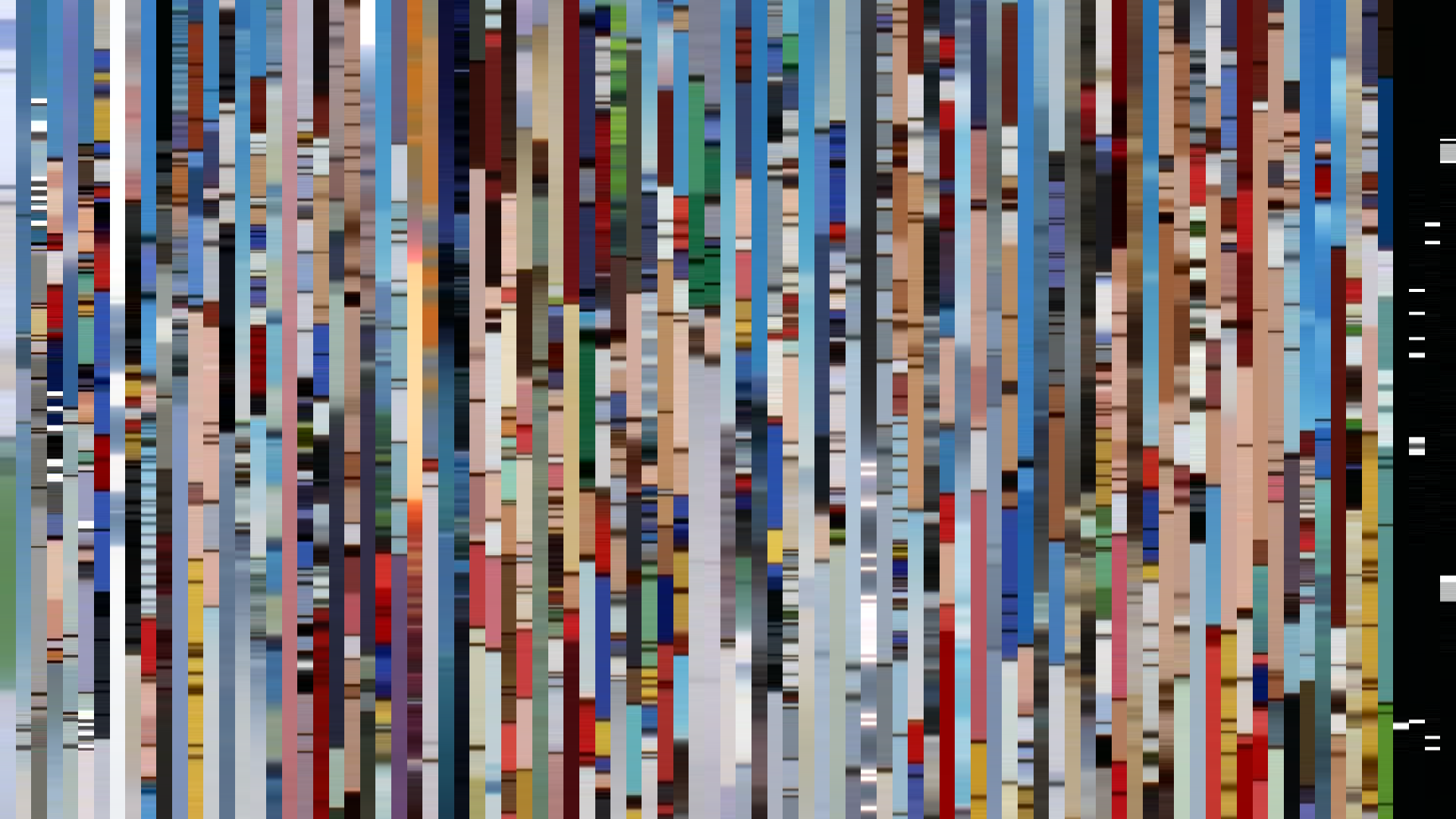
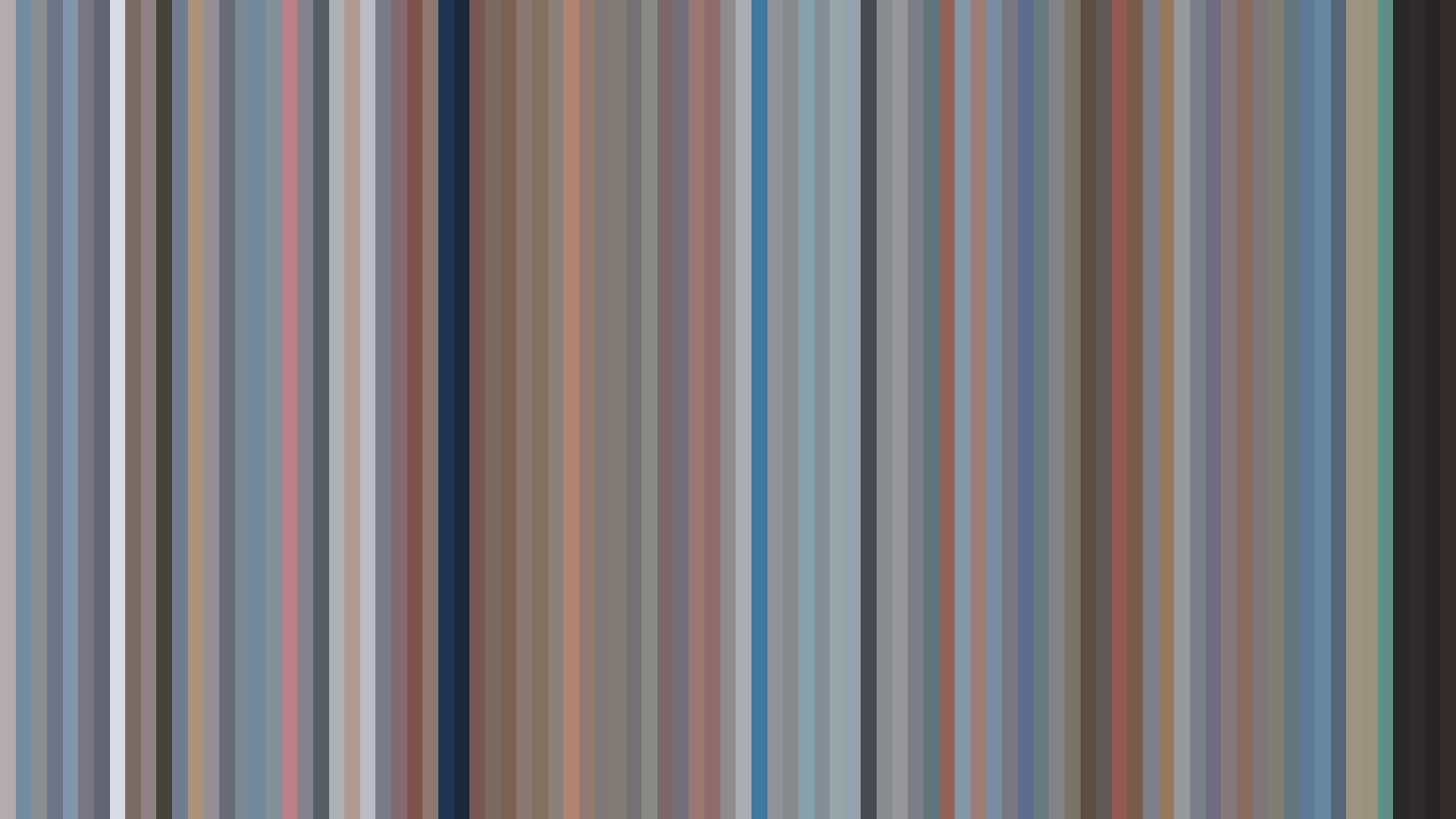
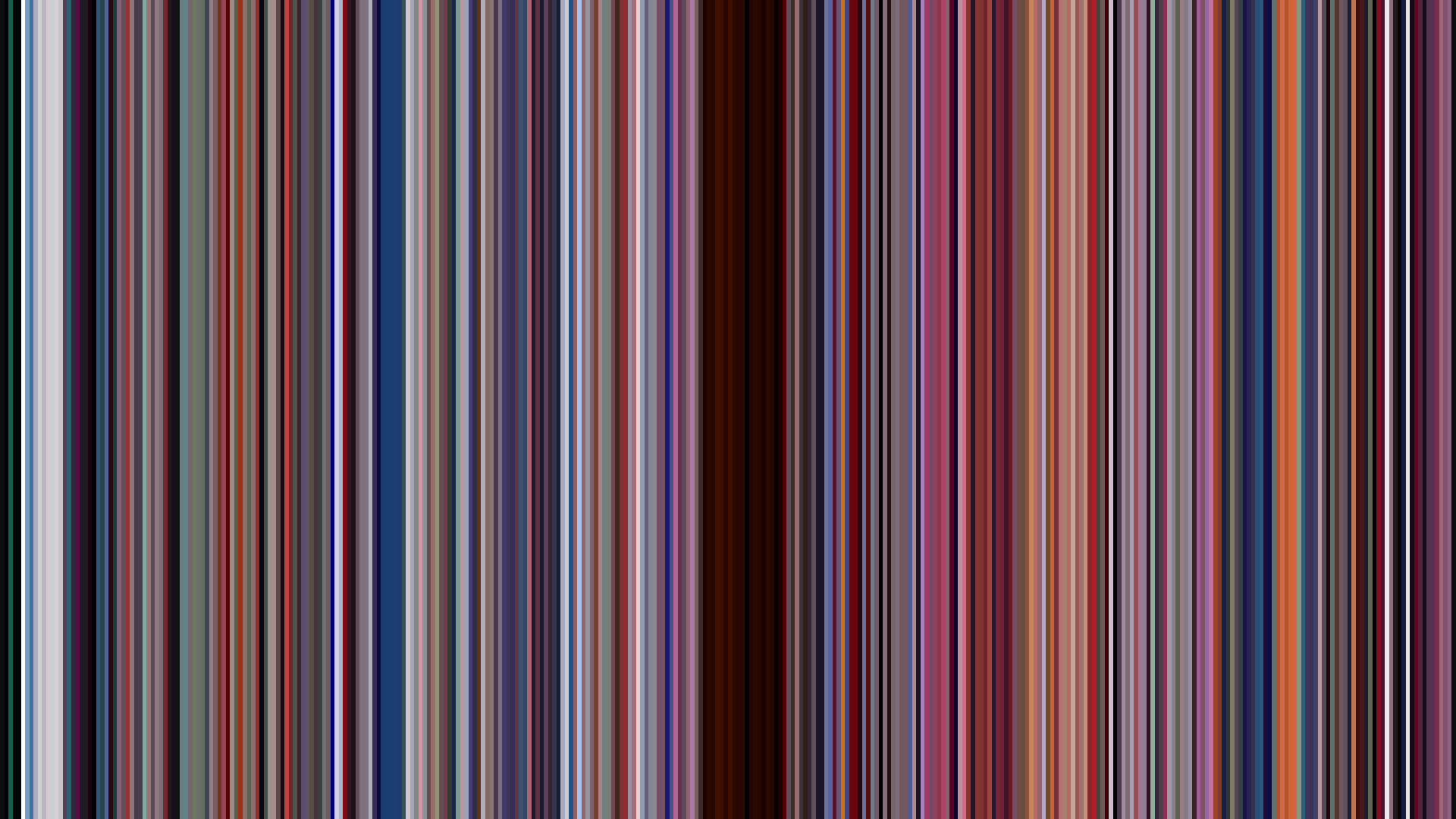
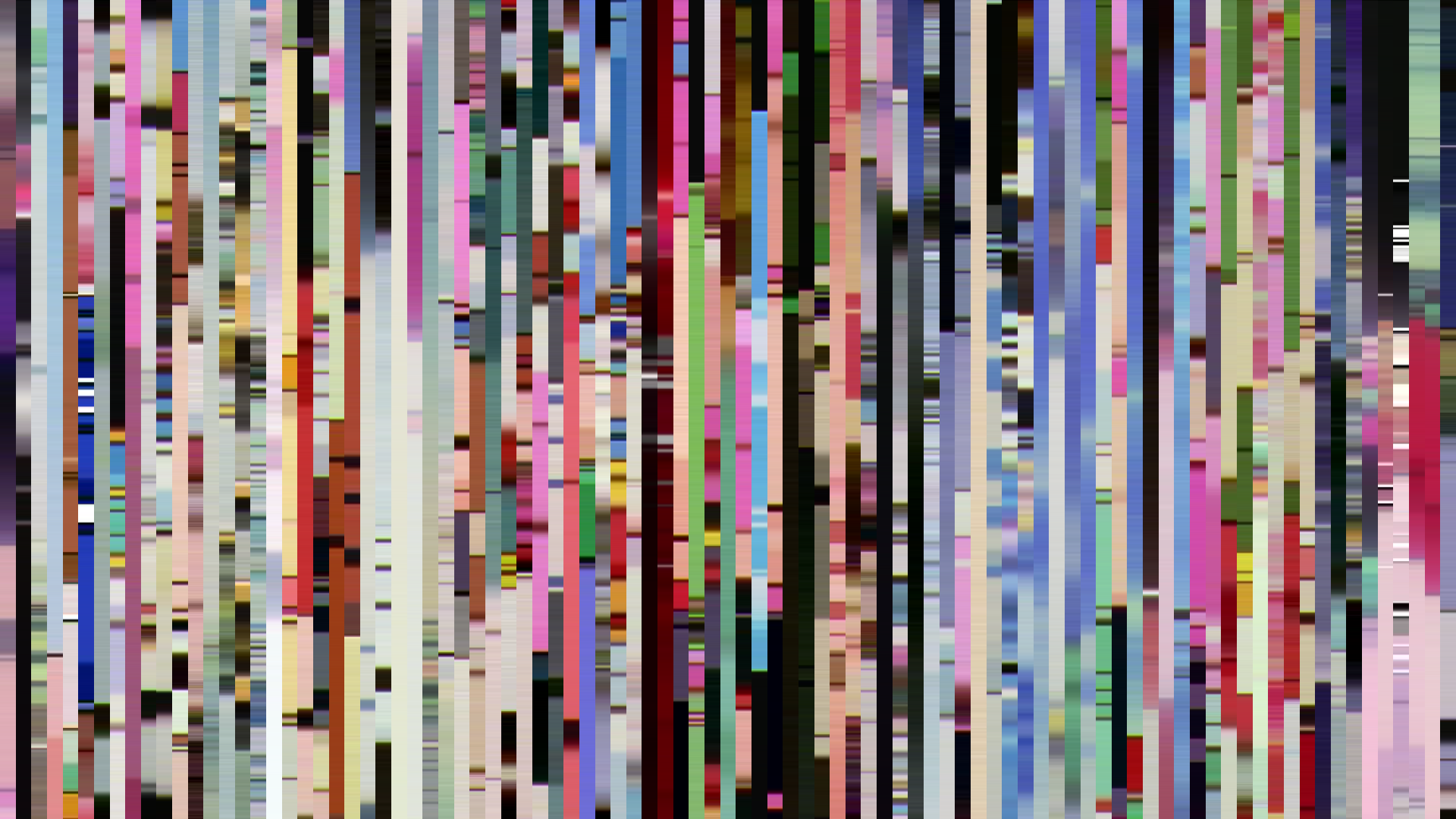
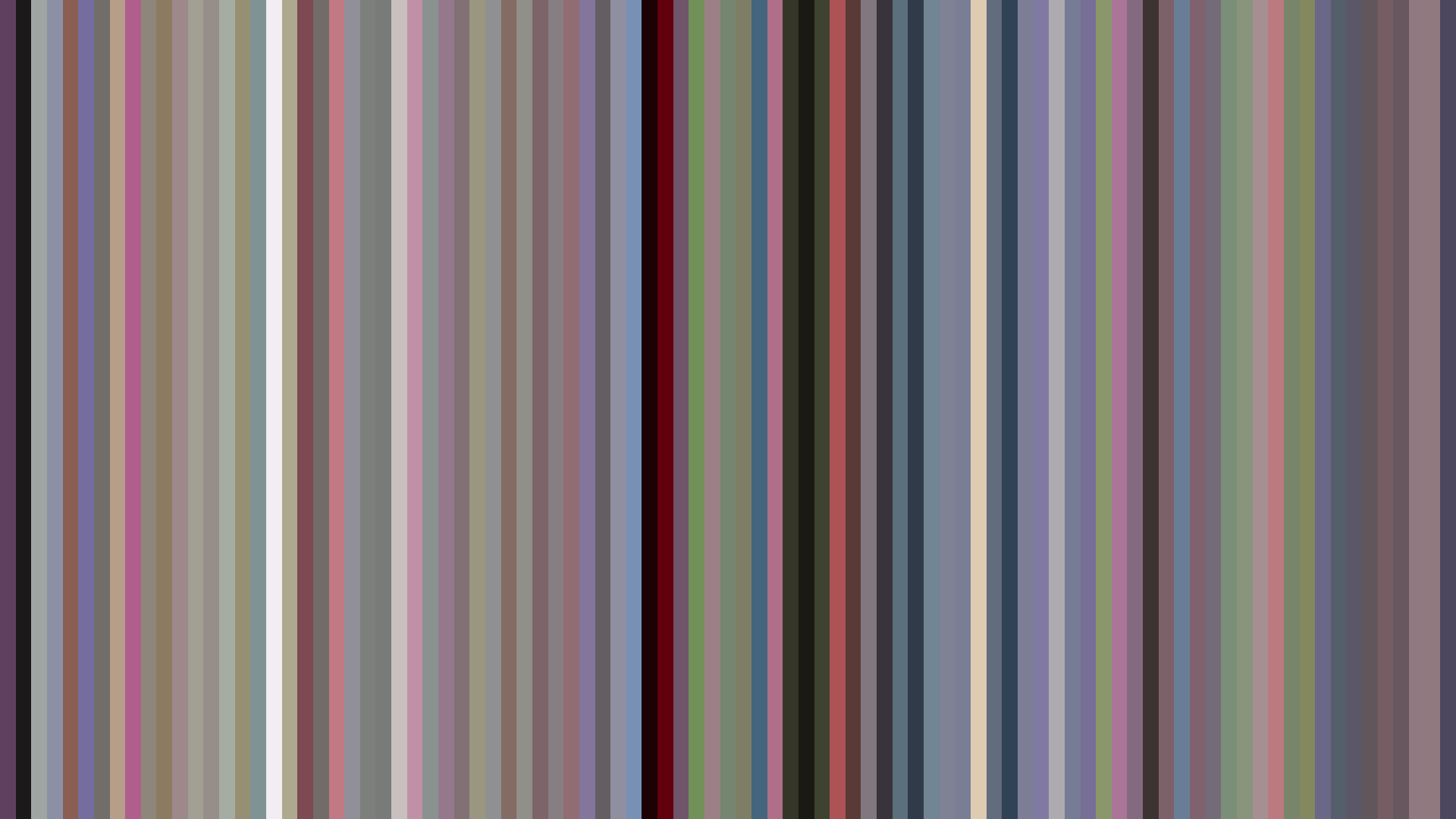
Frame Density Comparison — every 2nd vs every 4th frame
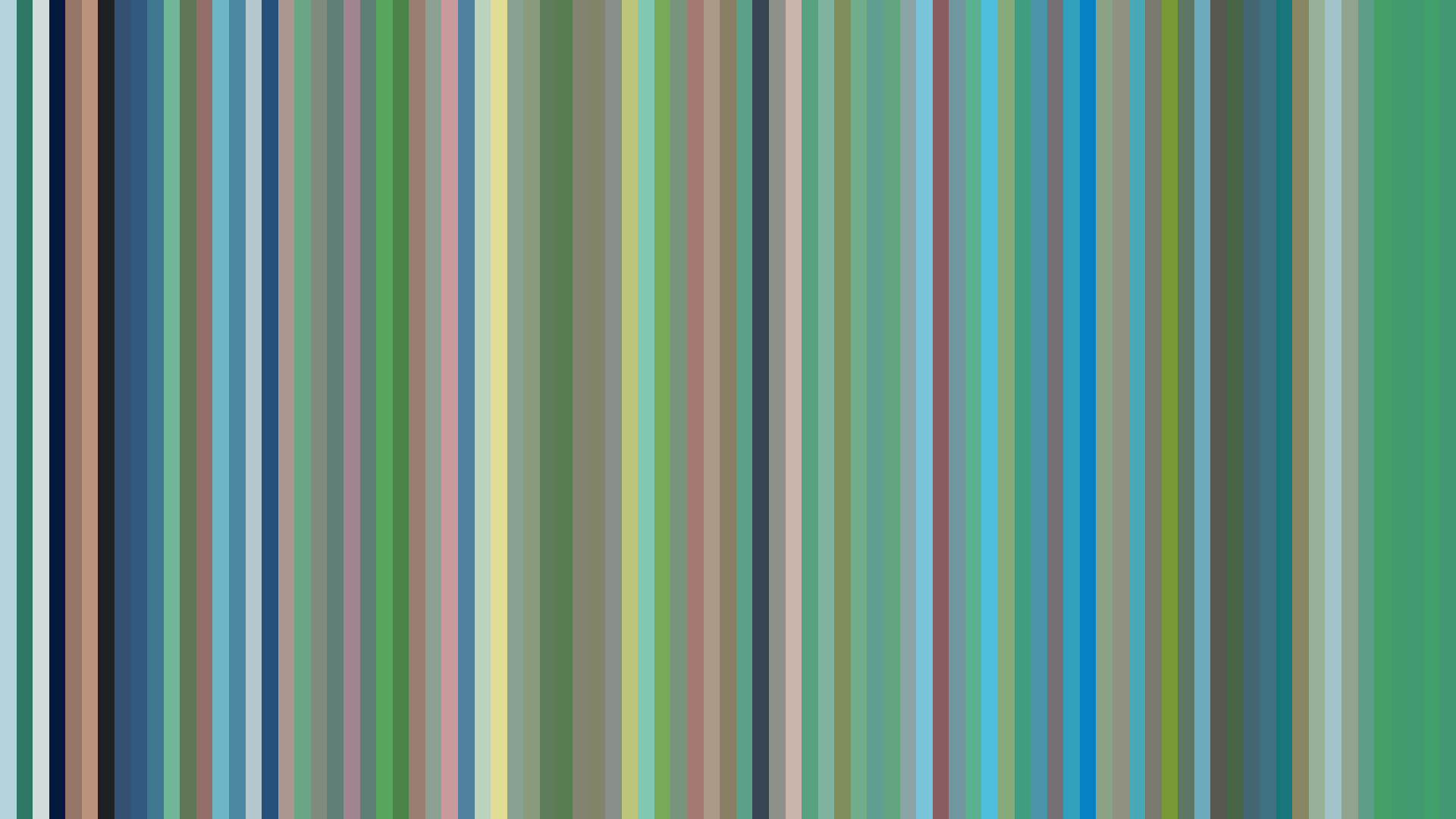
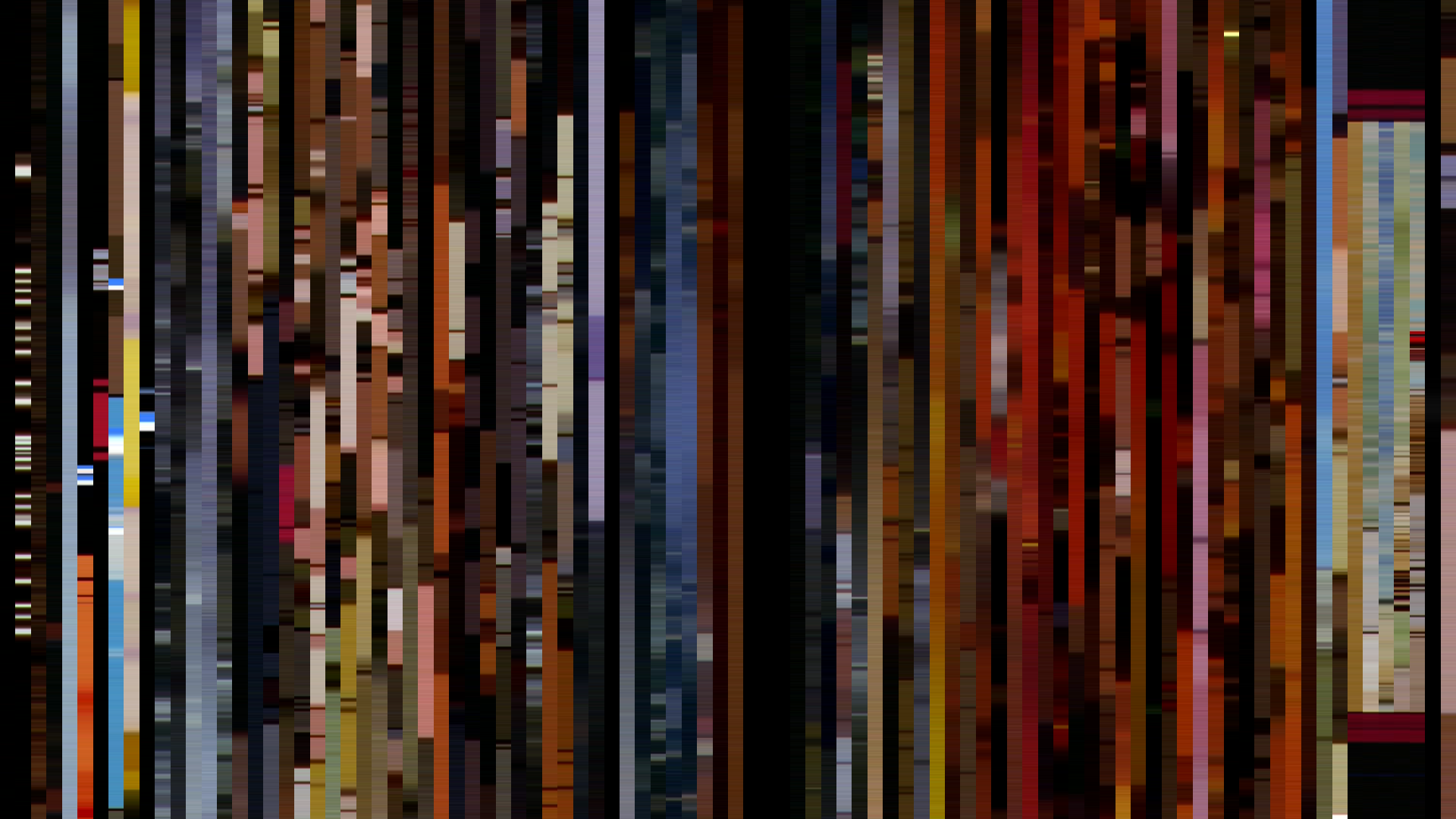
Slice · 15s
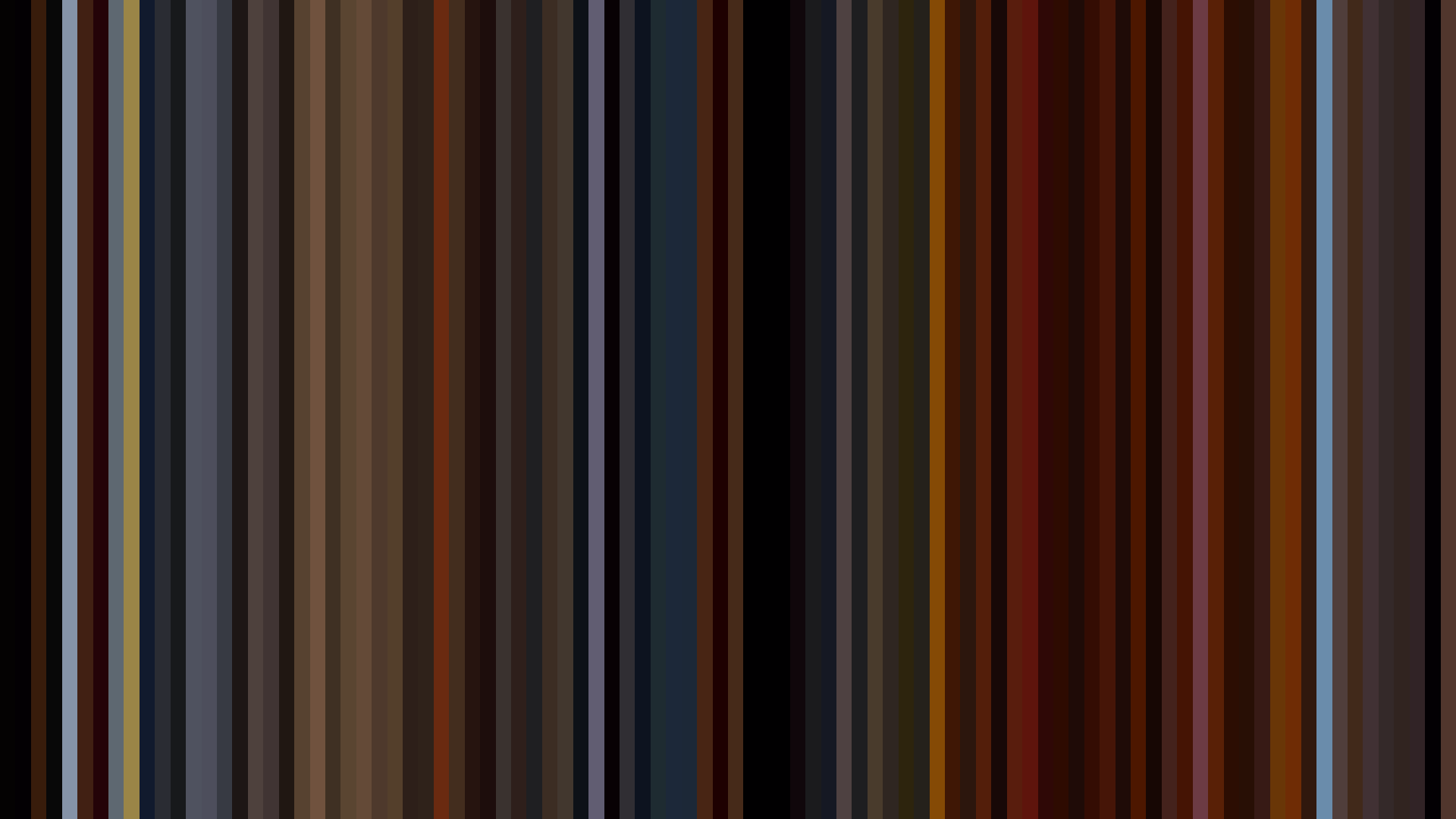
Avg · 15s
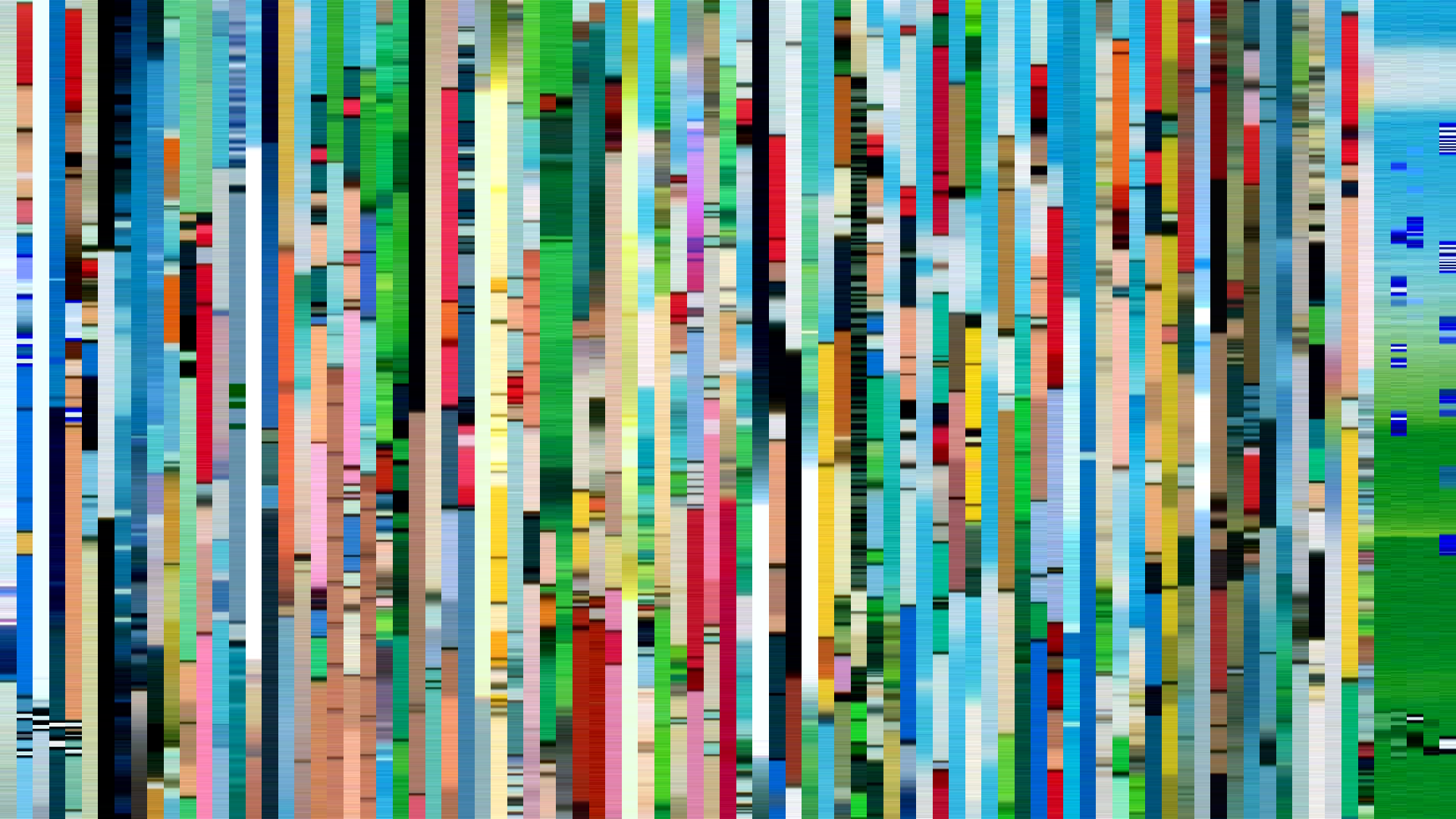
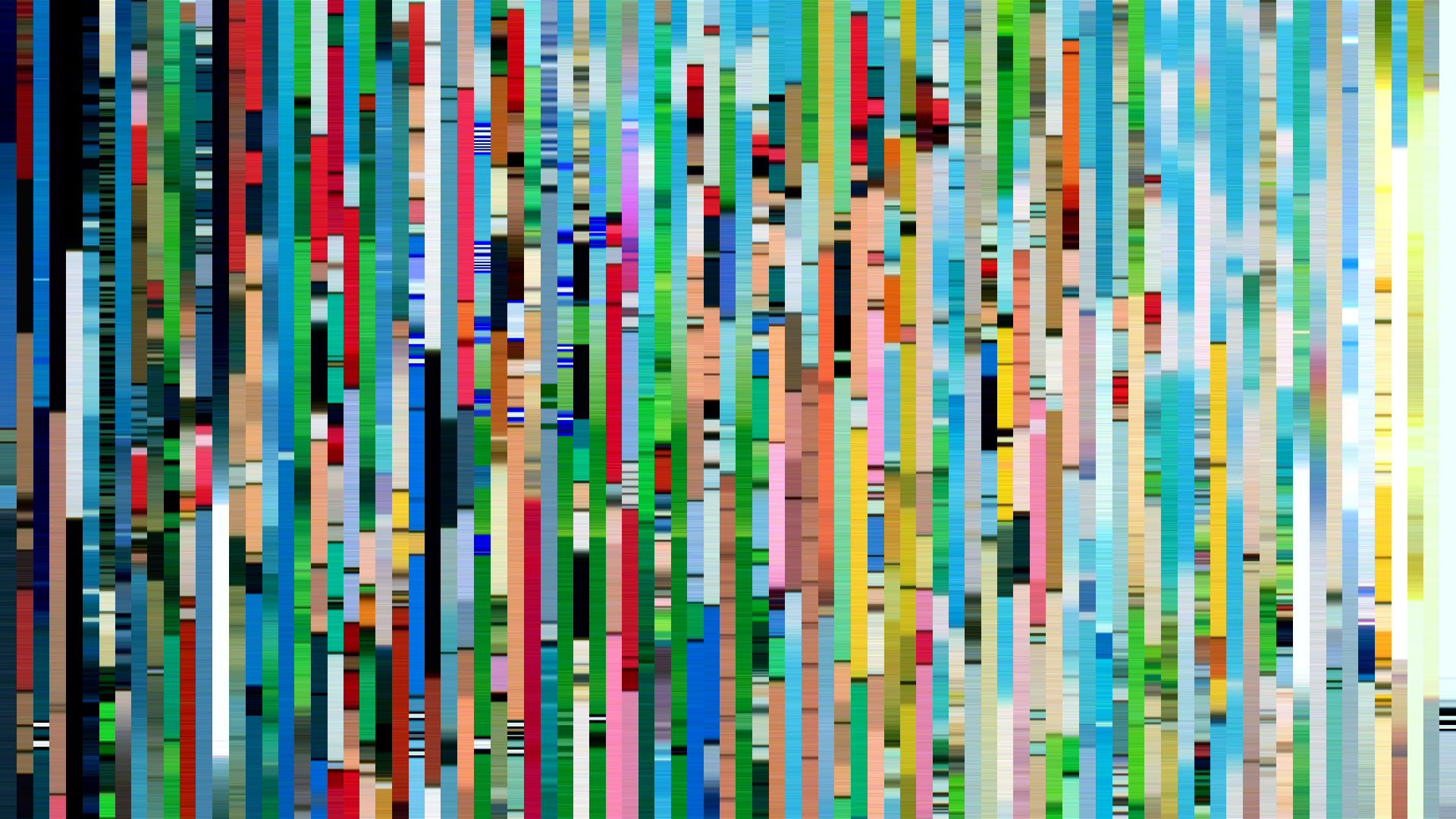
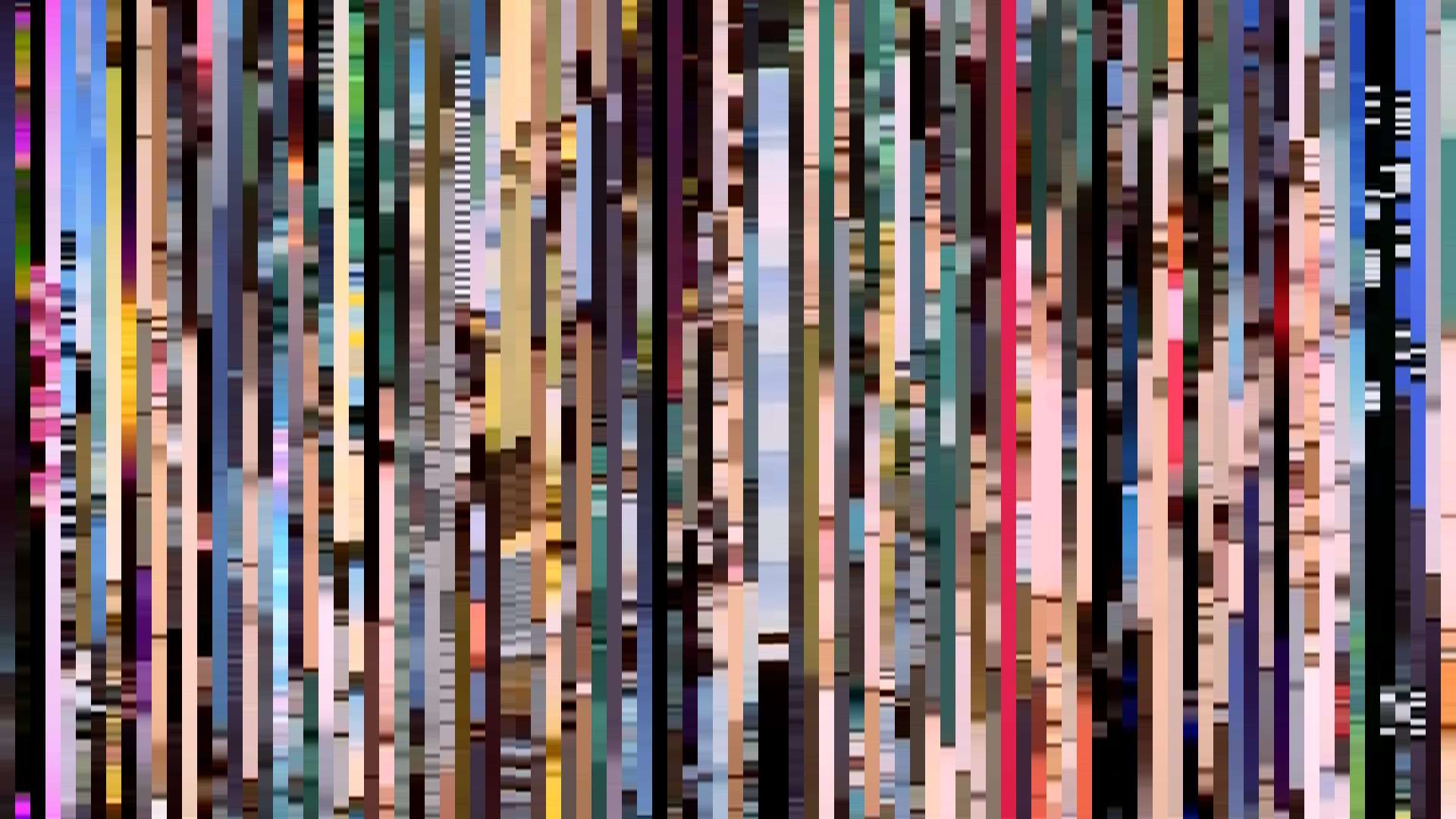
Slice · 30s
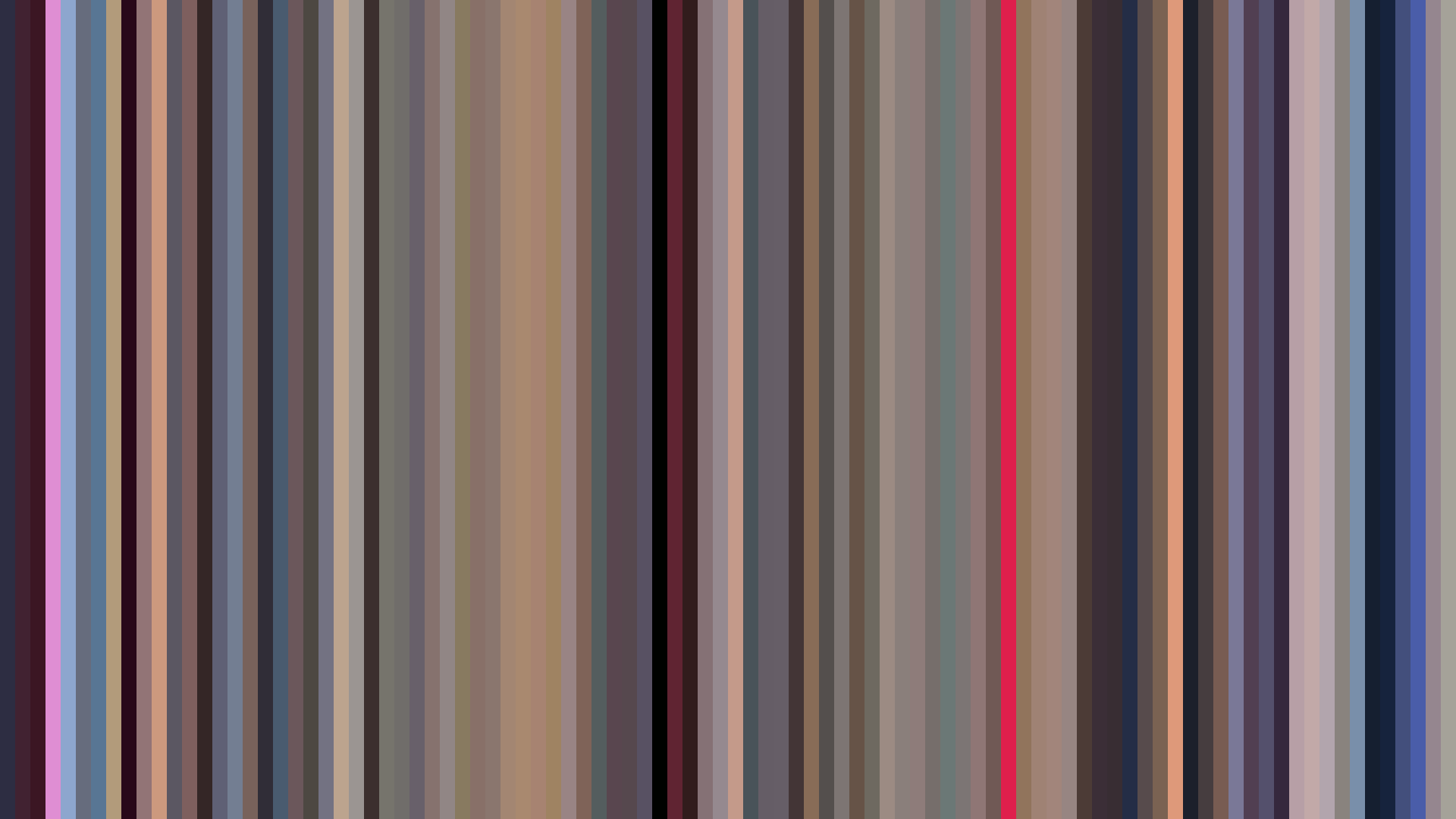
Avg · 30s
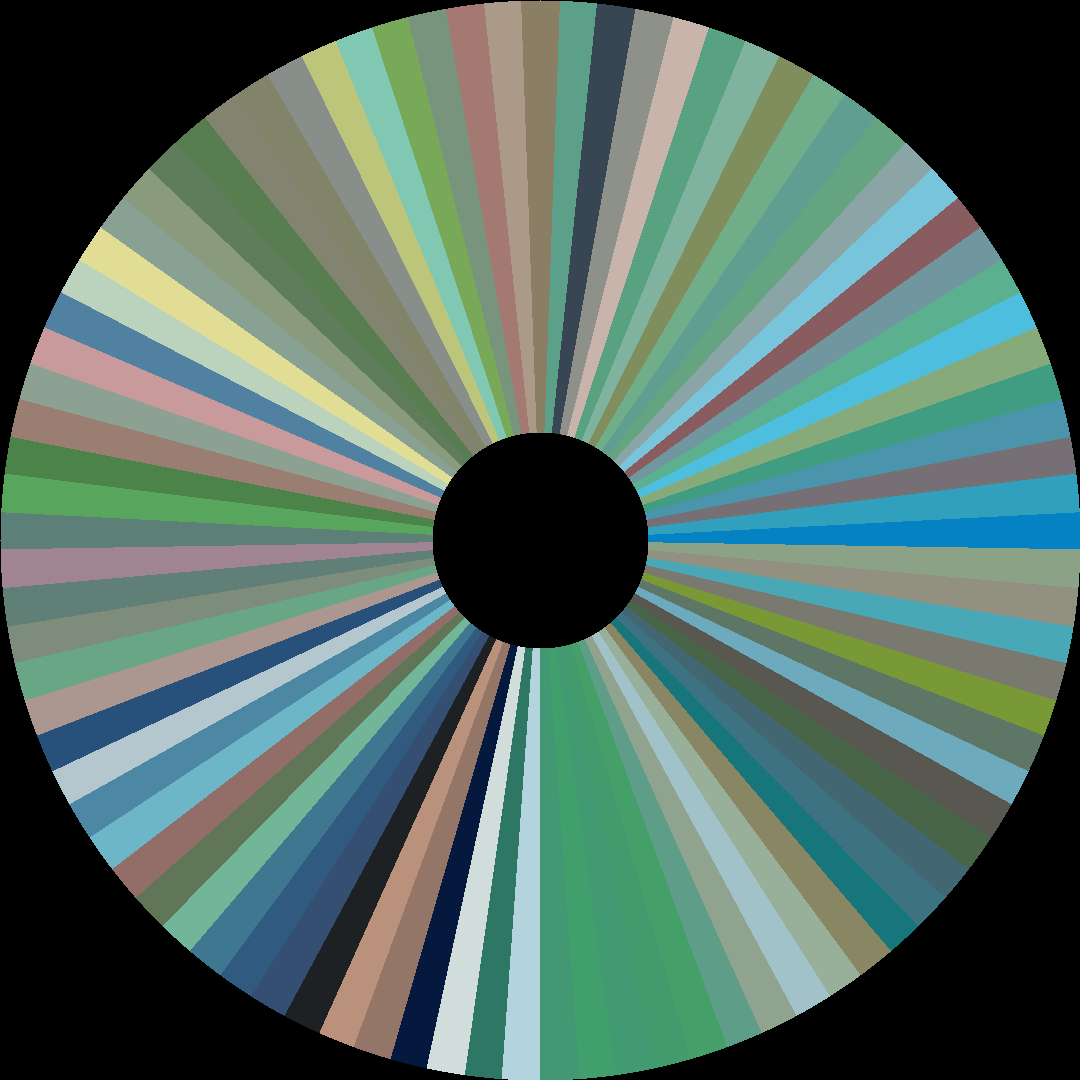
The green dominance in Pokémon’s barcode reads less like a landscape and more like a deliberate brand. While most late-90s action-comedies relied on red-hot conflict or blue-gray mood, OLM’s franchise architect—under the broader direction of Kunihiko Yuyama—locked the palette into the chlorophyll spectrum: light mint (#A4D2DC), sky cyan (#24A9D6), and a canopy of leaf-green (#5C9AA5) that suffuses even battle sequences with a dewy, outdoorsy calm. The bright opening arc is a misdirection by the numbers: the middle act actually peaks in luminance (0.513), suggesting the adventure never really darkens—it just idles between day and the show’s characteristic shadow-dense caves (that
Brightness Arc (episode progression)
Hue Distribution
Act Breakdown
Opening
0.449
Middle
0.513
Closing
0.458
Avg Brightness
0.553
Avg Saturation
0.375
Warmth
0.428
Color Palette
#E0E7E2
#0A1518
#A4D2DC
#24A9D6
#9FA6A0
#5C9AA5
#DDD4A9
#129727
3-Act Color Story
Opening
Middle
Closing
Color Twins
Perceptually nearest palettes — measured in OKLab space, not RGB






The green dominance in Pokémon’s barcode reads less like a landscape and more like a deliberate brand. While most late-90s action-comedies relied on red-hot conflict or blue-gray mood, OLM’s franchise architect—under the broader direction of Kunihiko Yuyama—locked the palette into the chlorophyll spectrum: light mint (#A4D2DC), sky cyan (#24A9D6), and a canopy of leaf-green (#5C9AA5) that suffuses even battle sequences with a dewy, outdoorsy calm. The bright opening arc is a misdirection by the numbers: the middle act actually peaks in luminance (0.513), suggesting the adventure never really darkens—it just idles between day and the show’s characteristic shadow-dense caves (that