Edit Pace — frame-to-frame color delta (bright = fast cuts)
Color Temperature — warm (gold) vs cool (teal) per frame
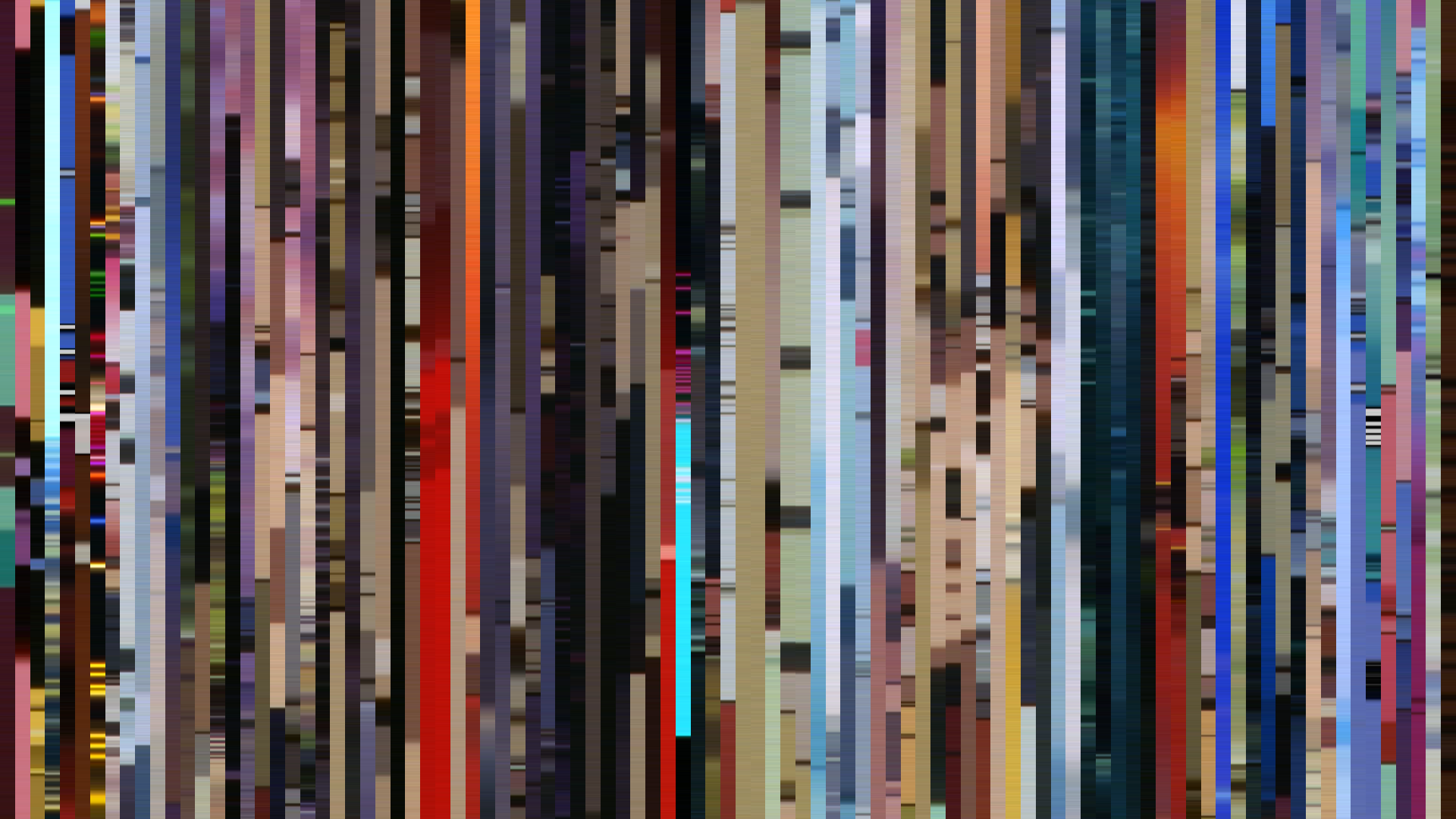
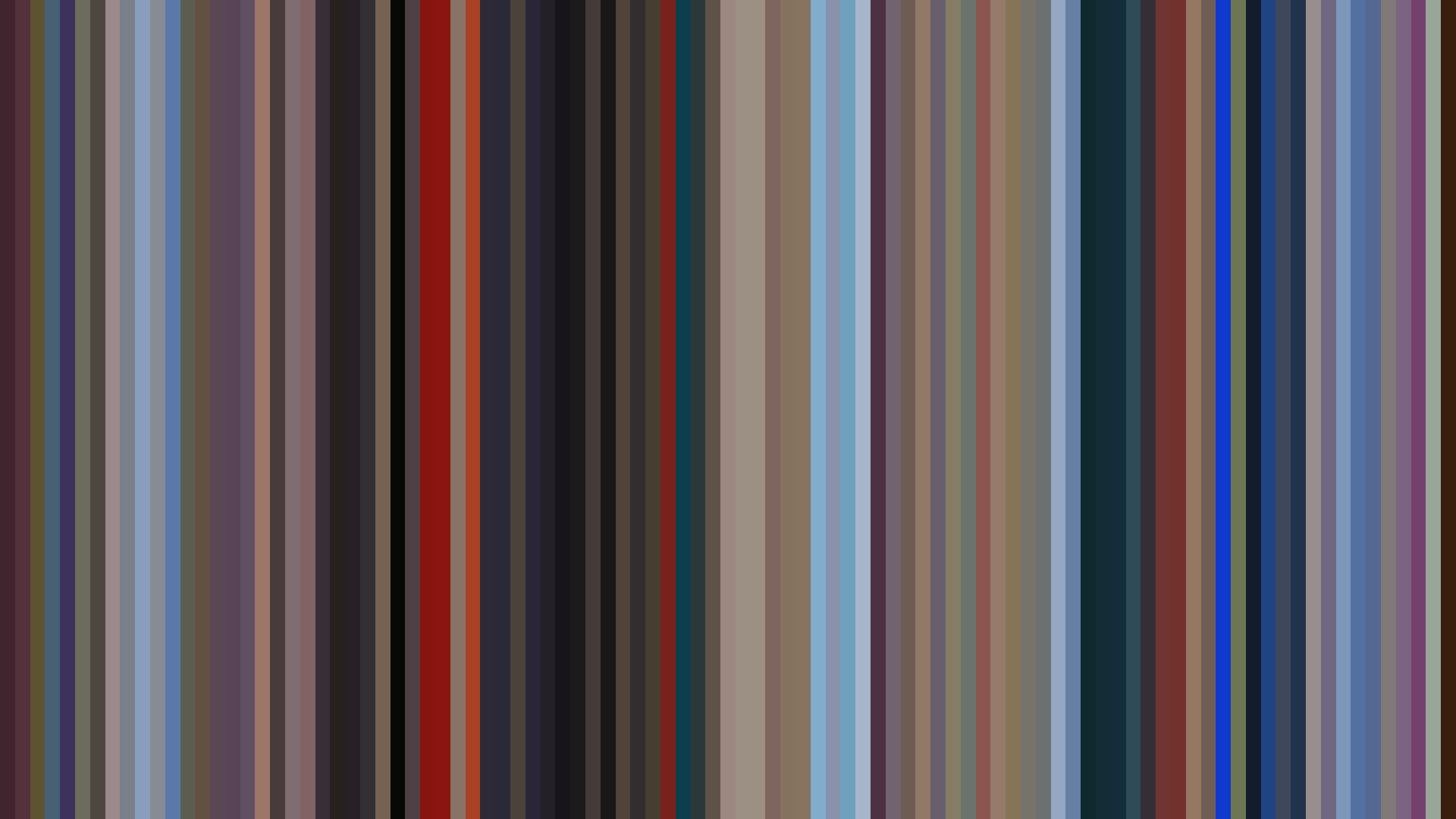
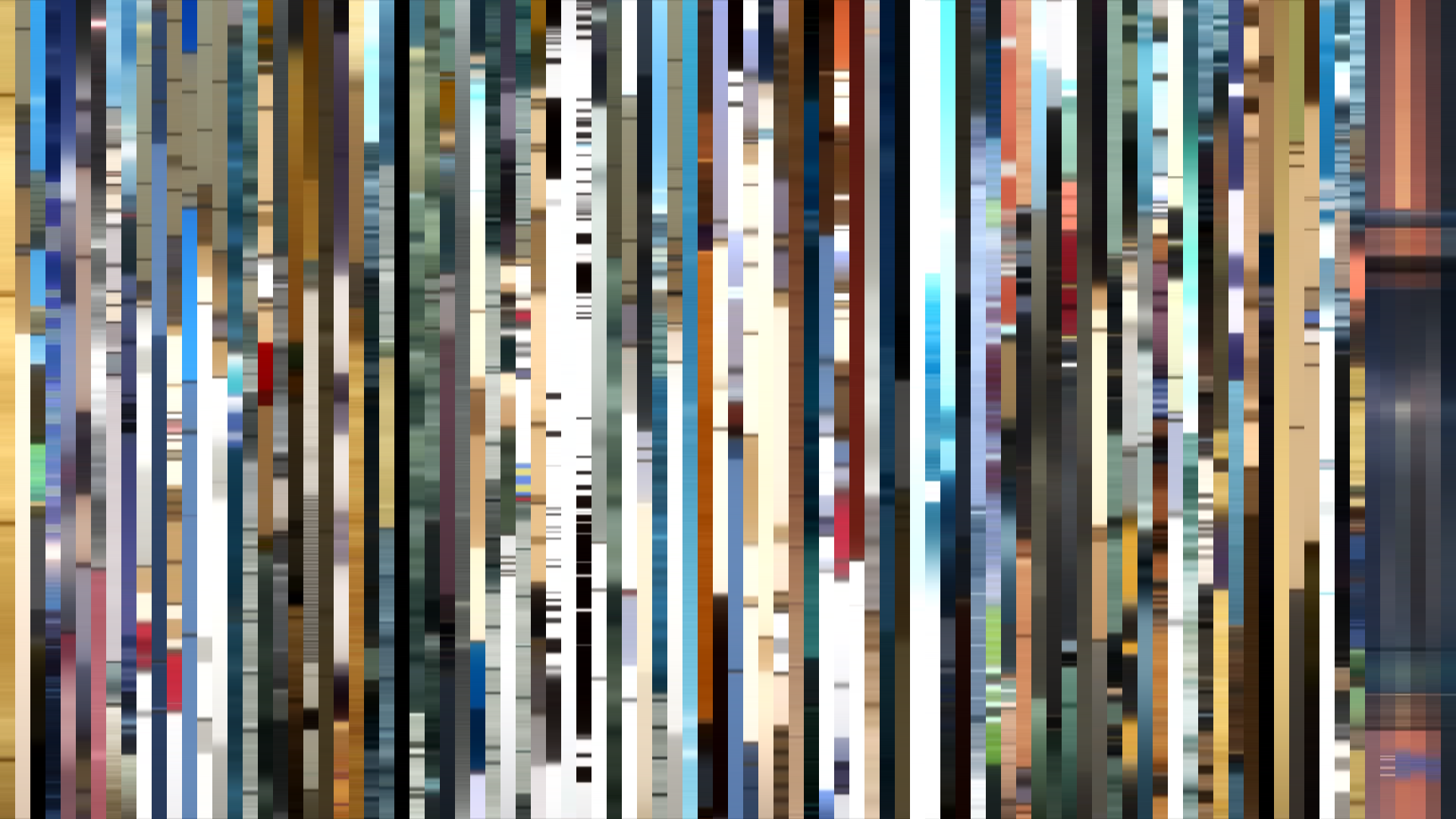
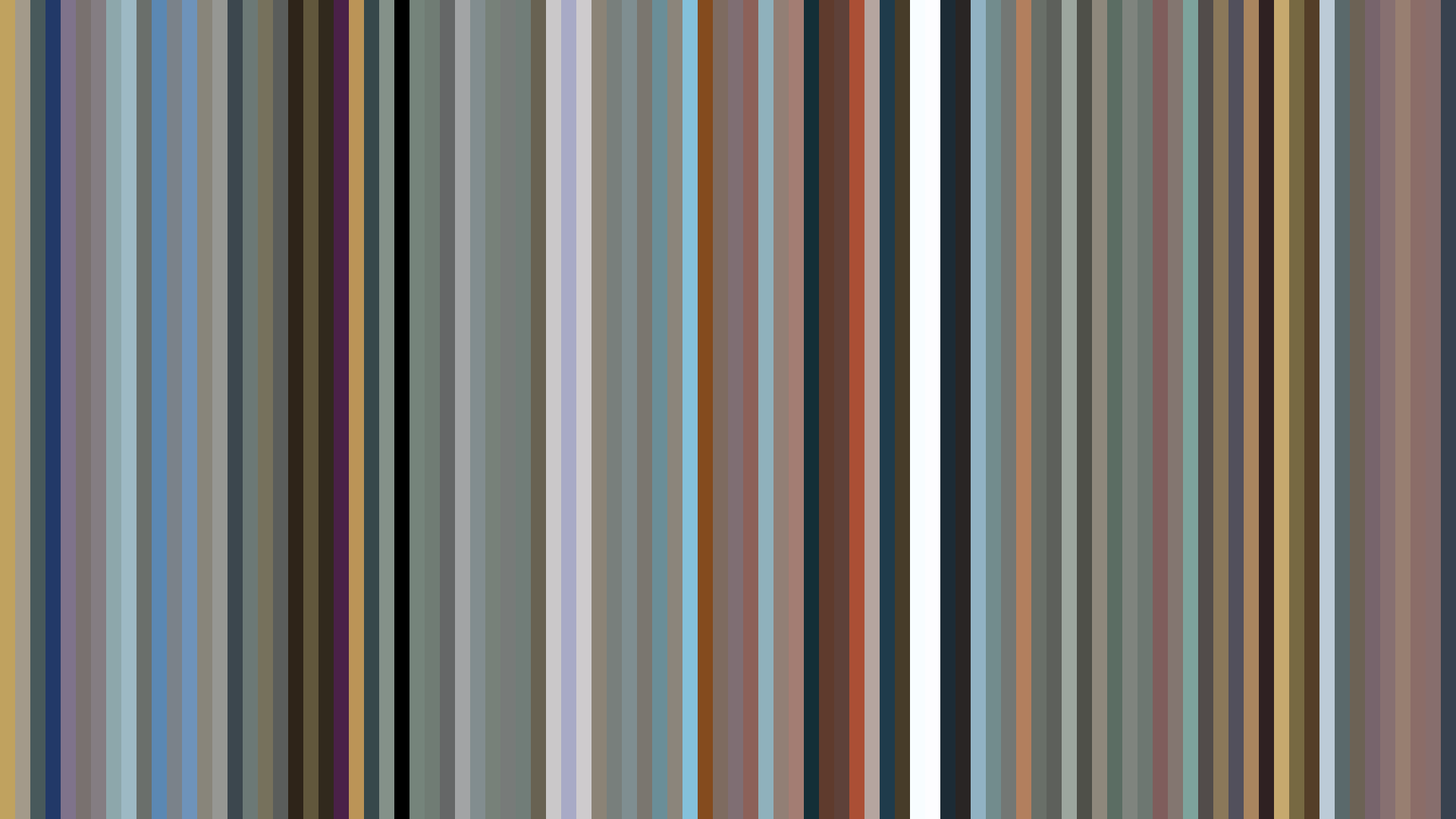
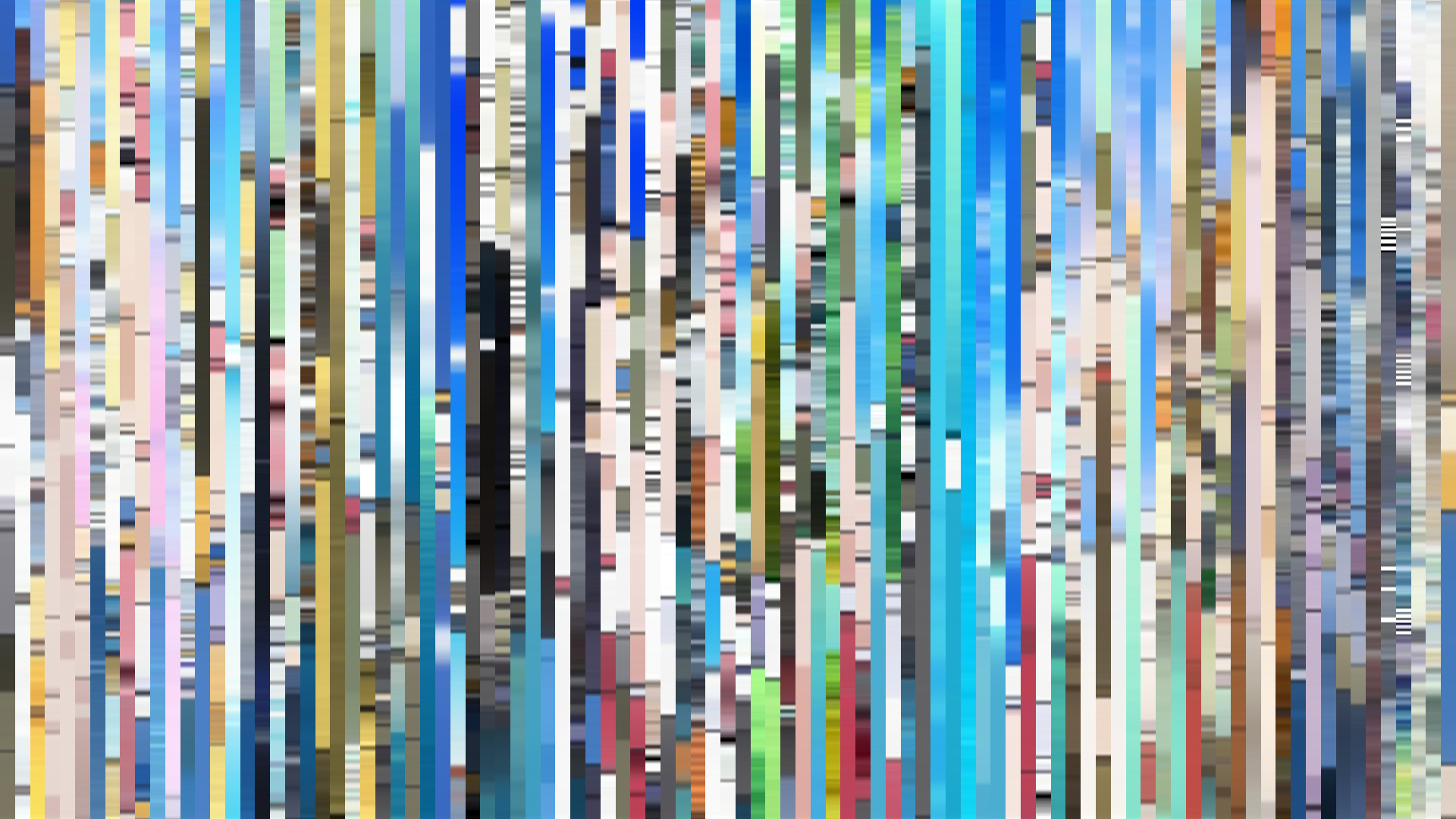
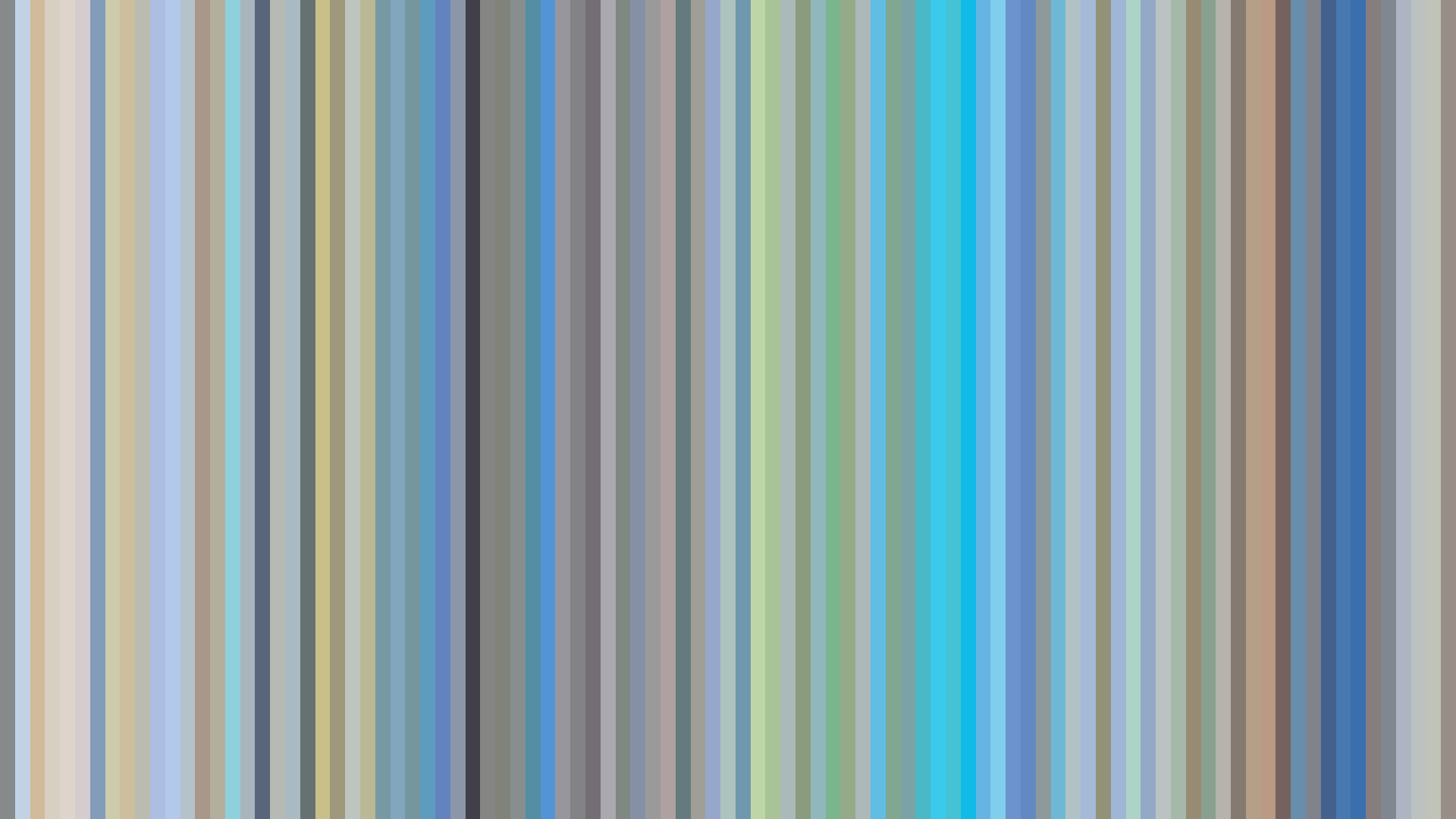
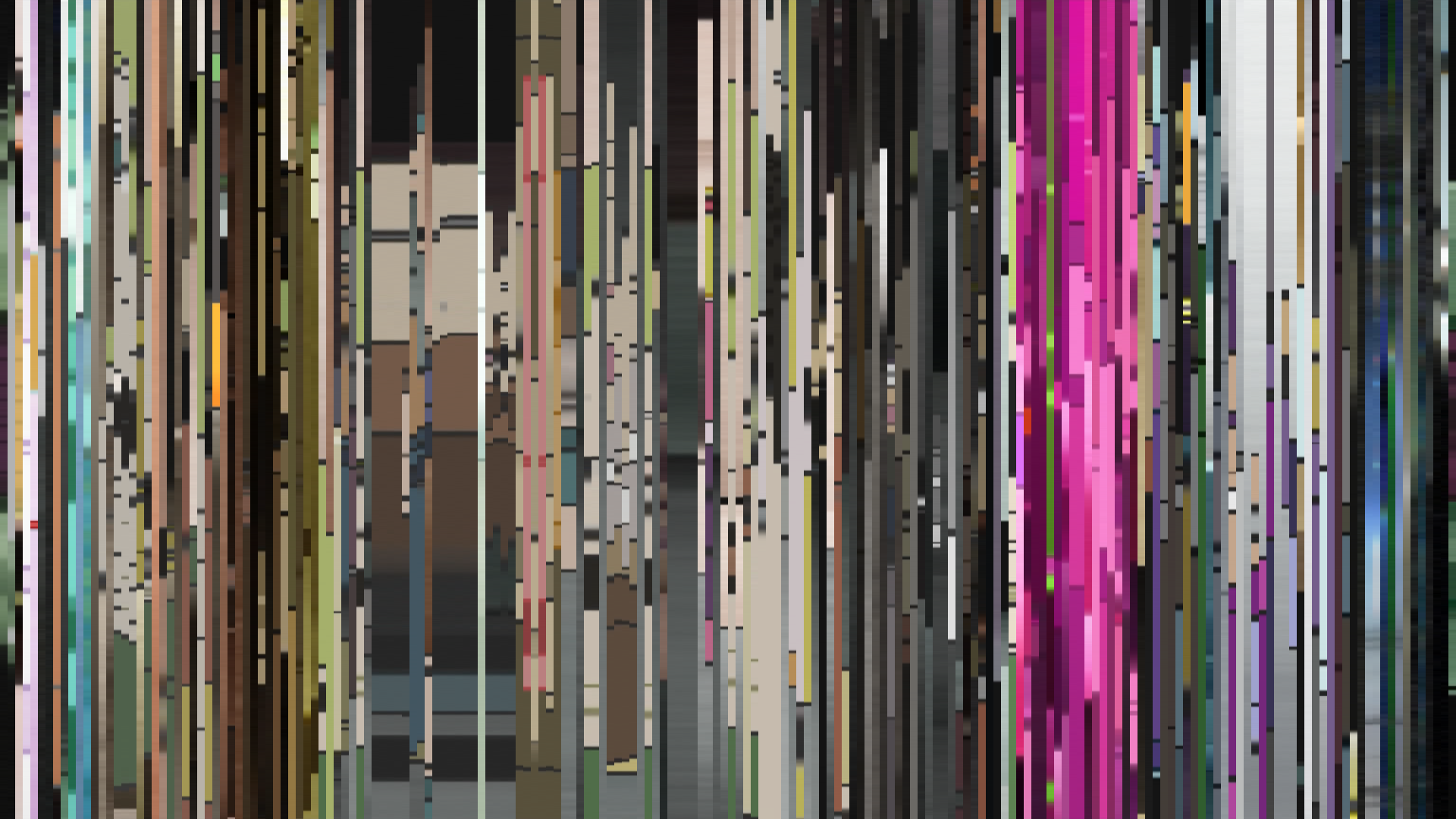
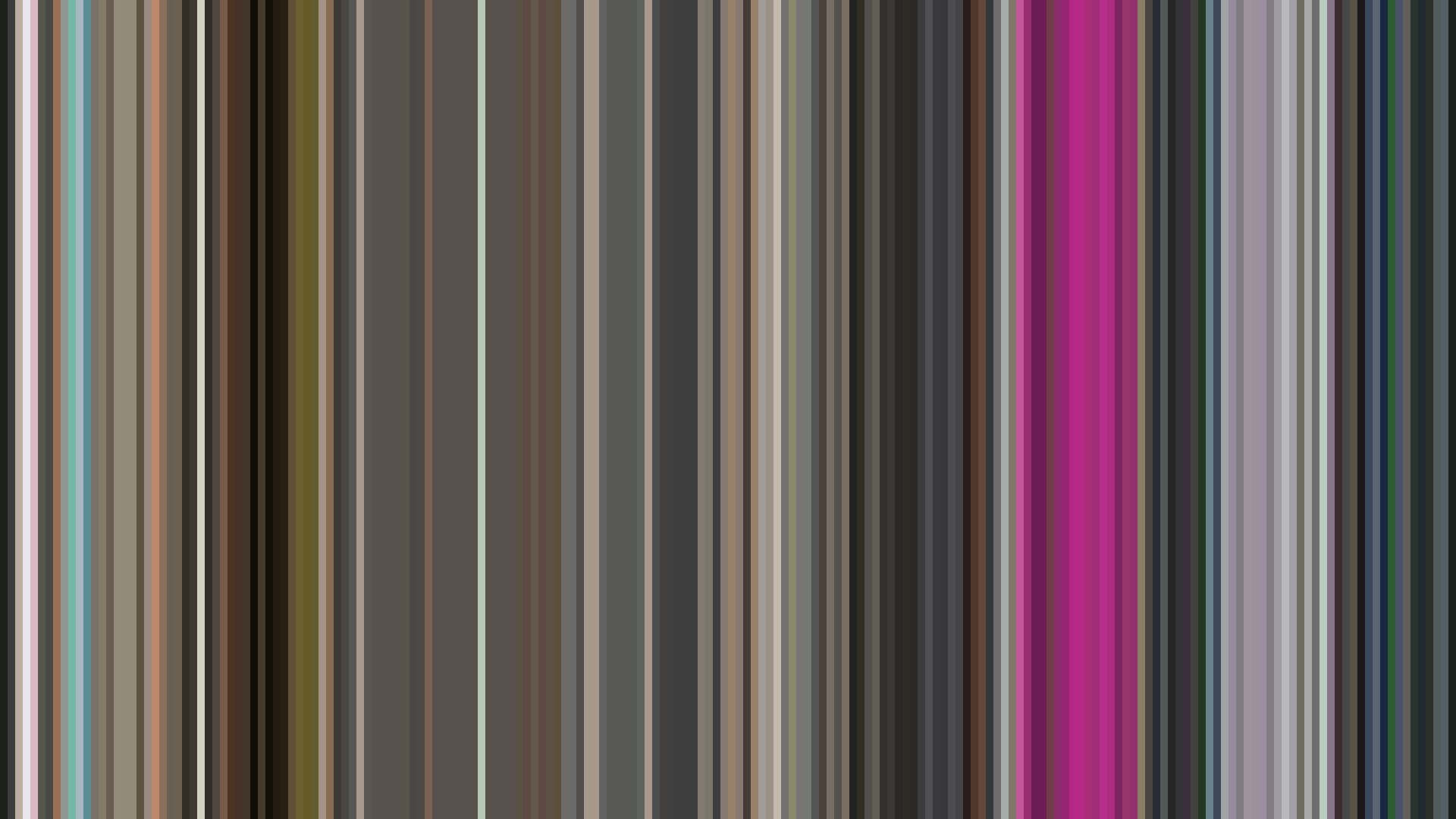
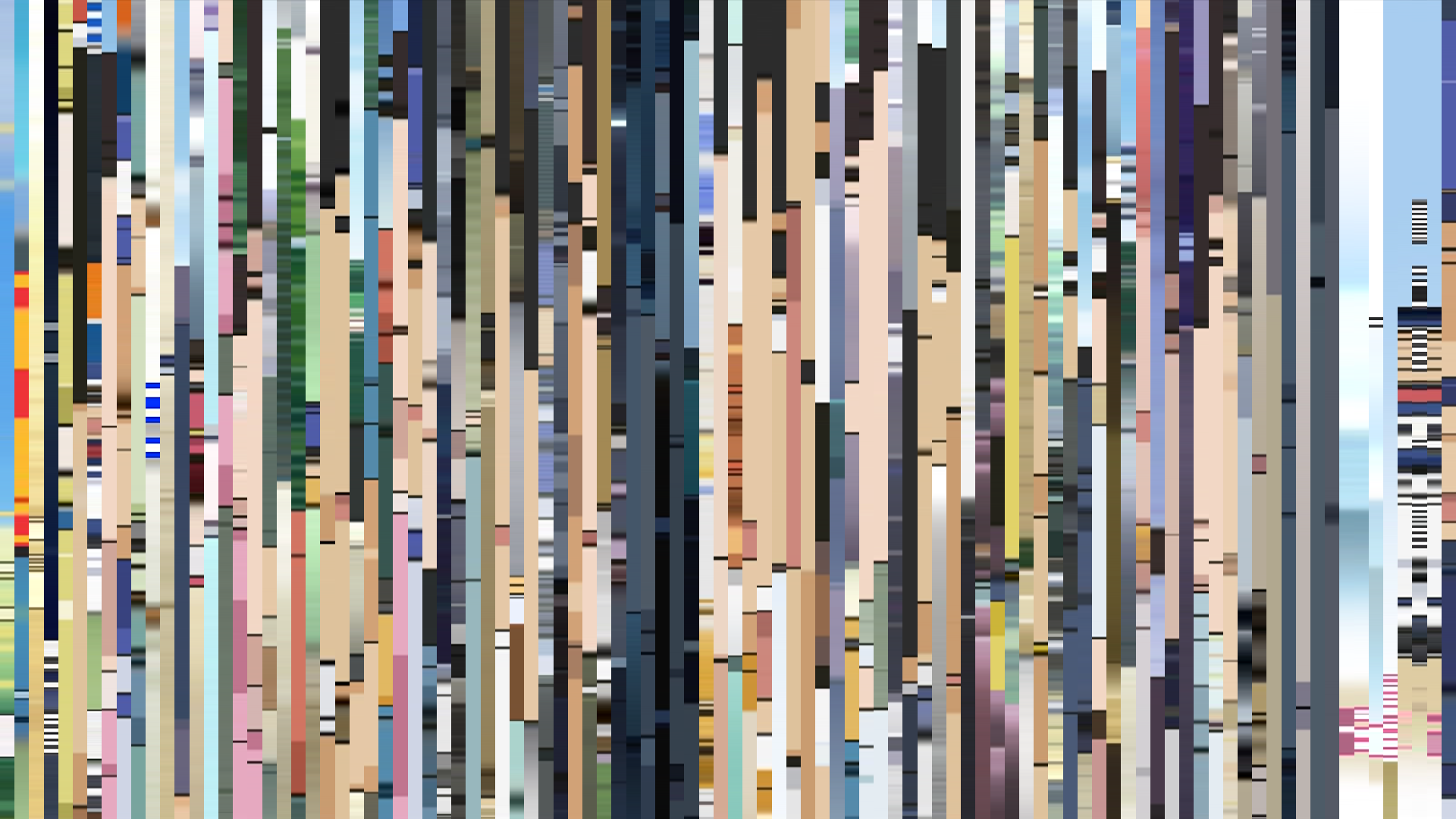
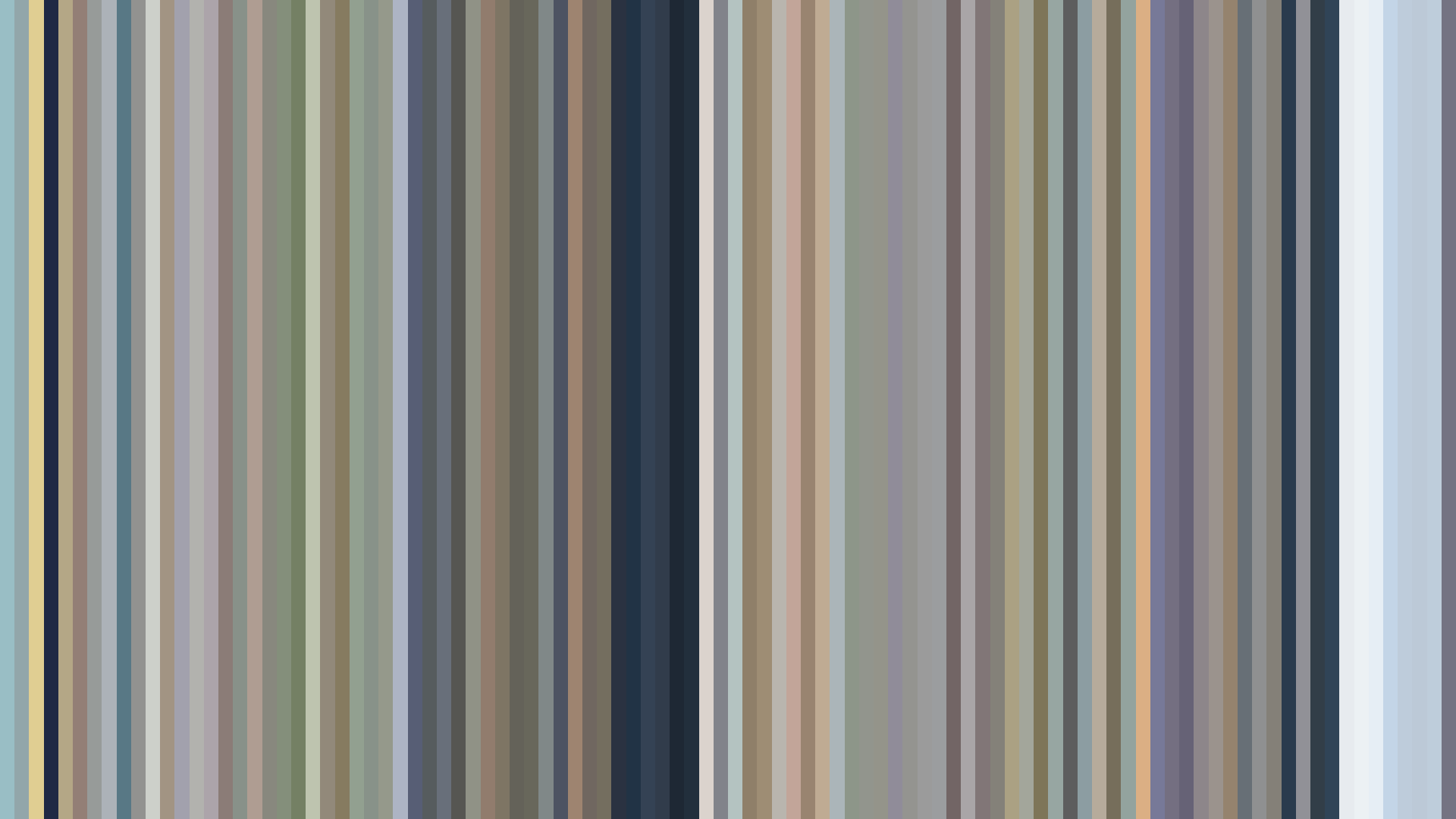
Frame Density Comparison — every 2nd vs every 4th frame
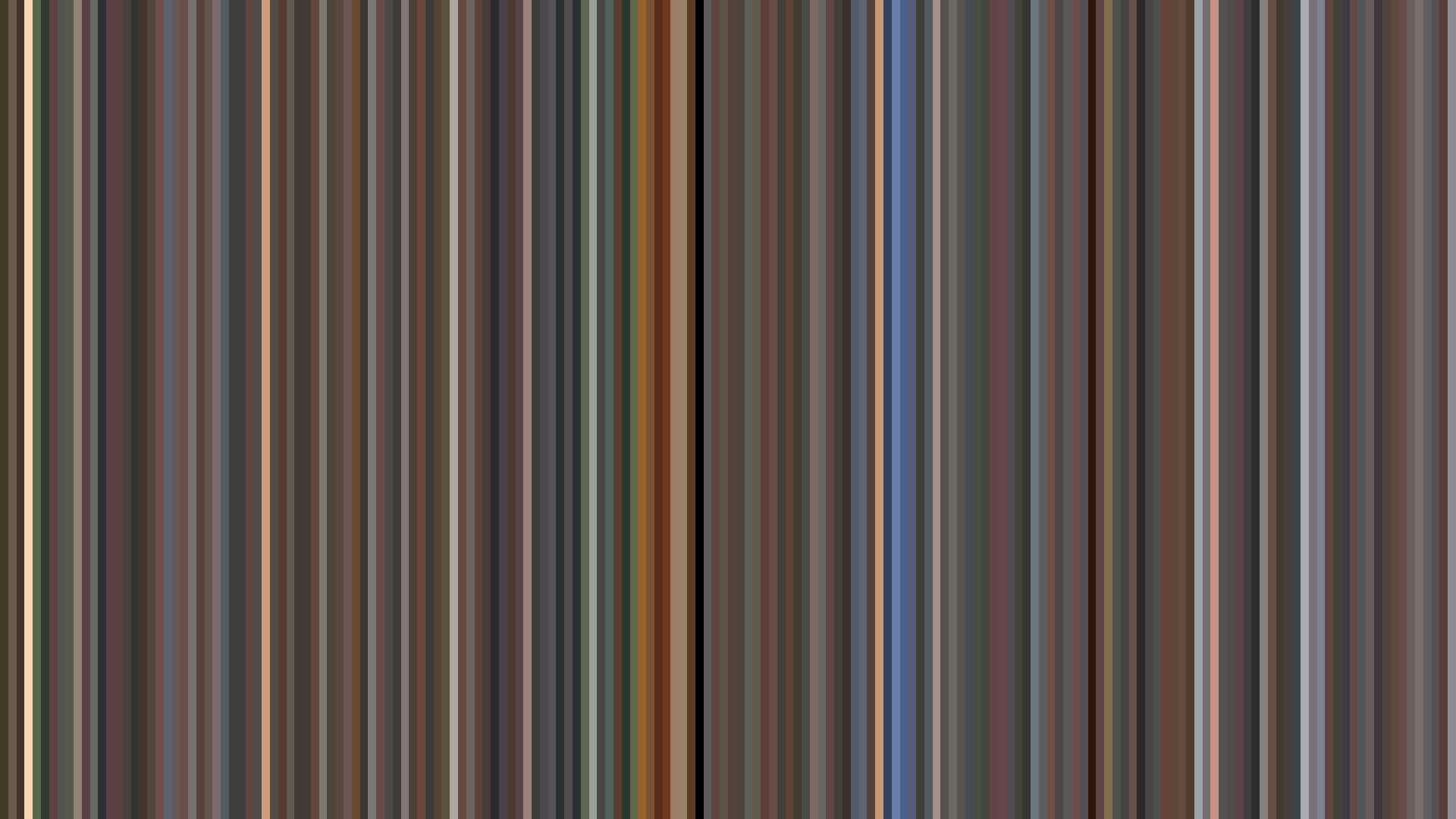
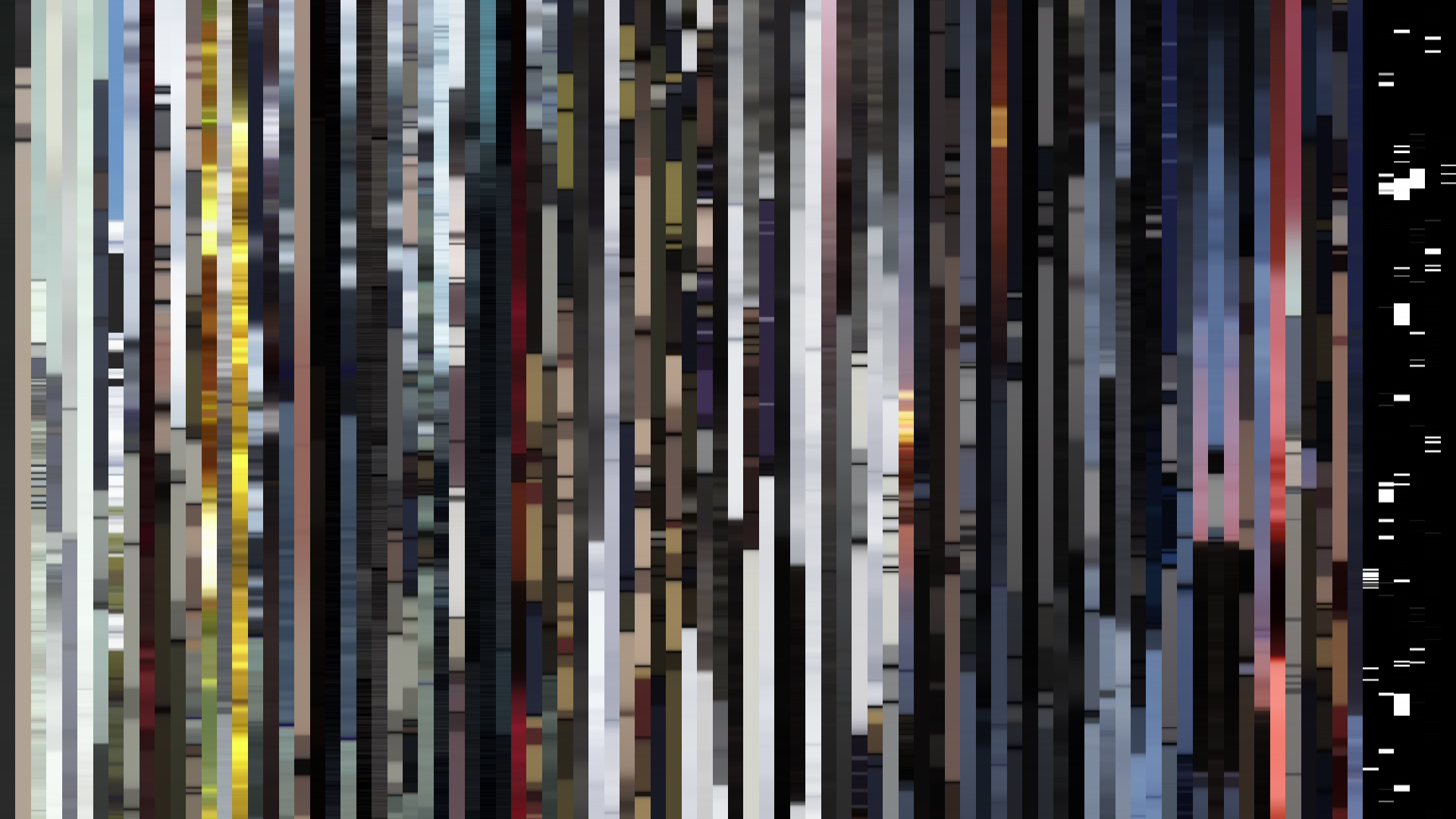
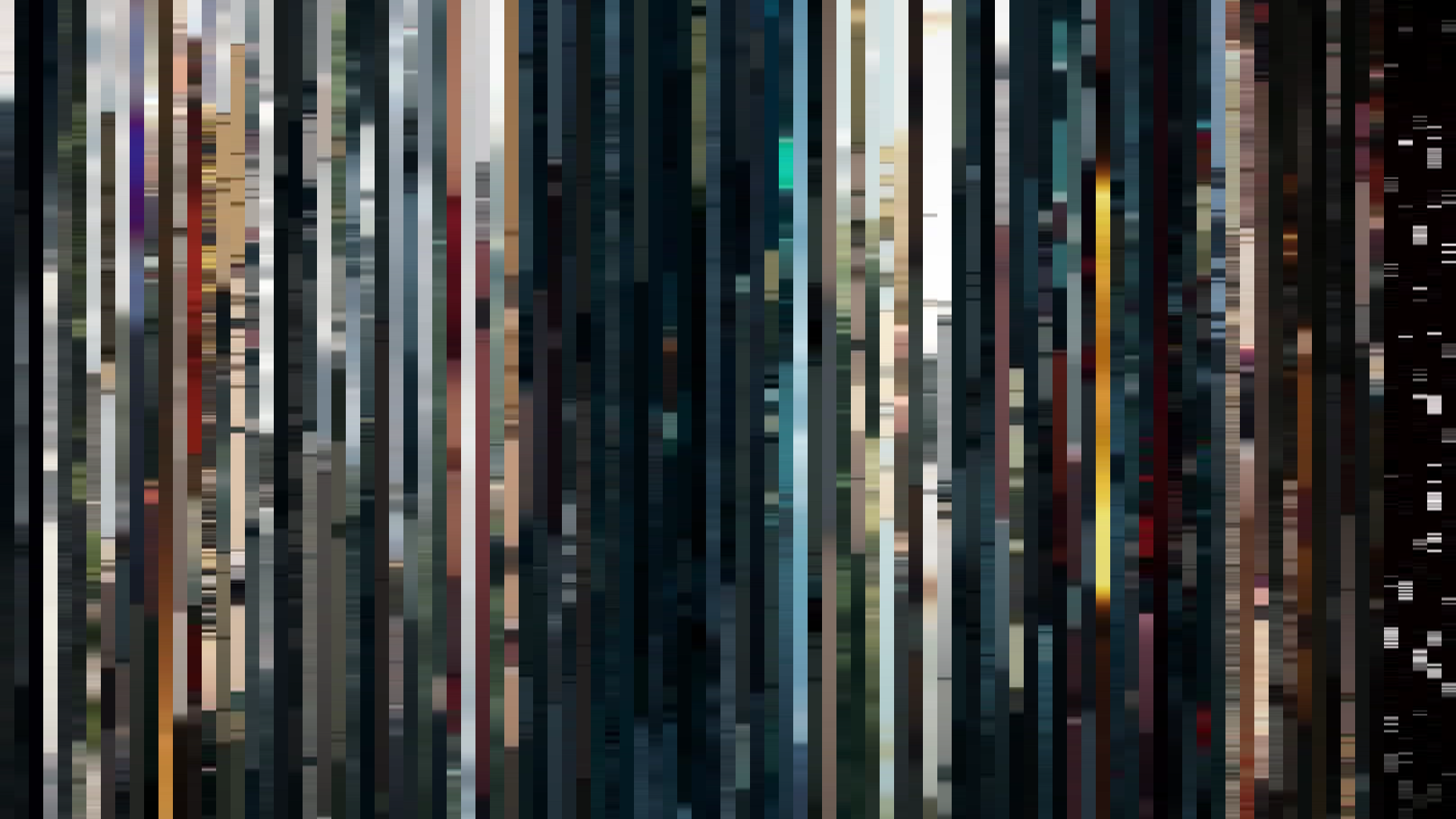
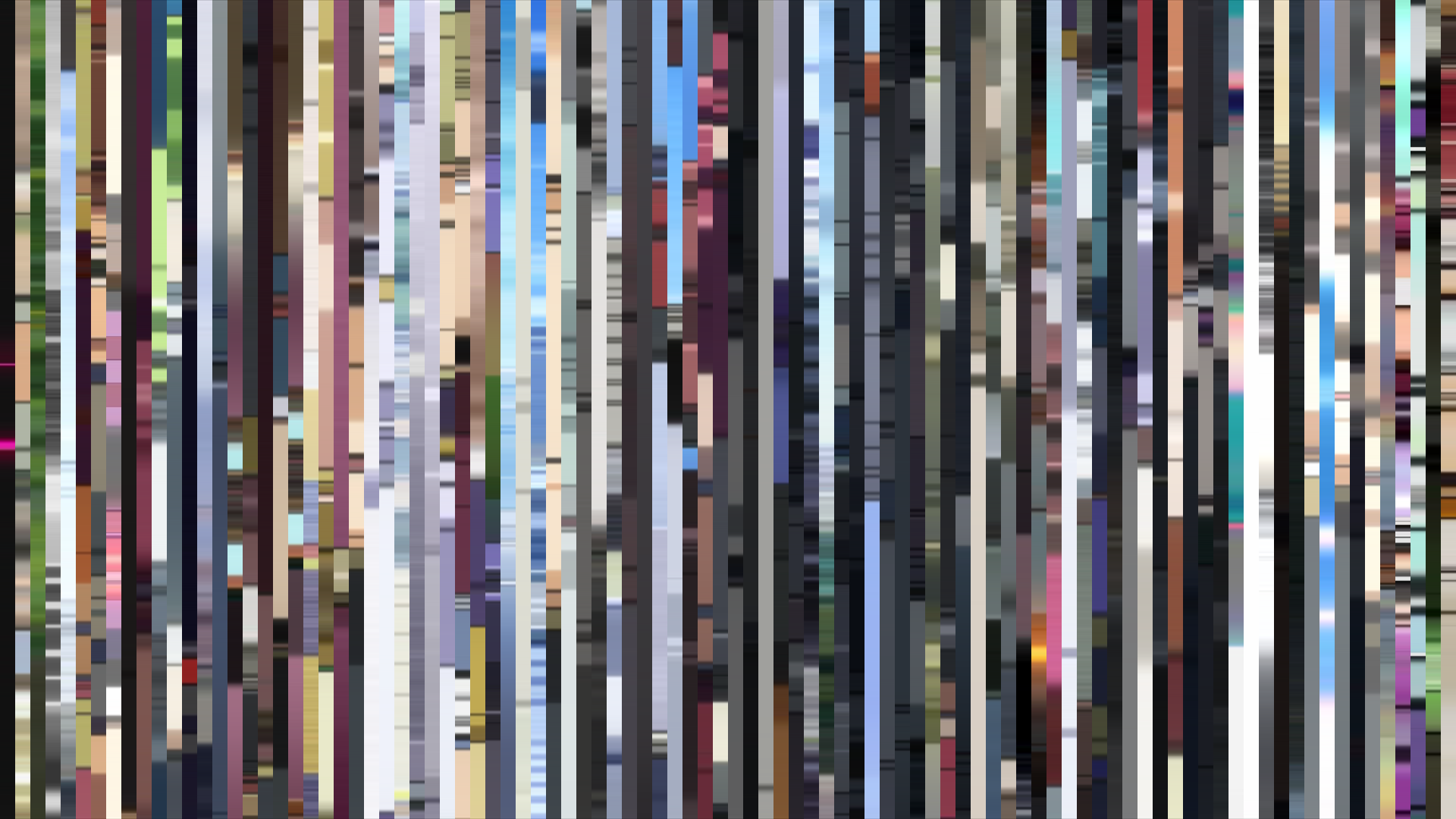
Slice · 15s
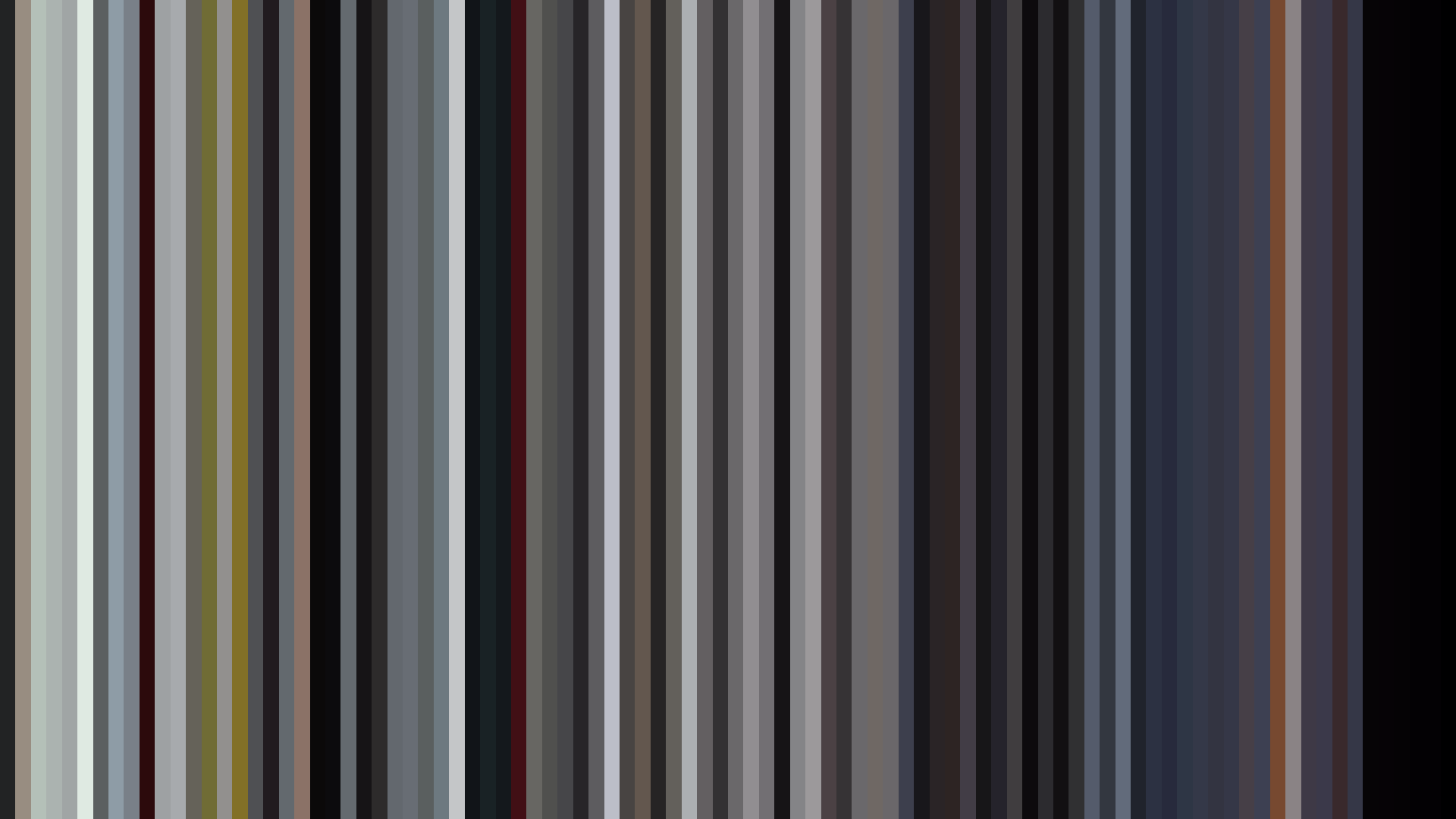
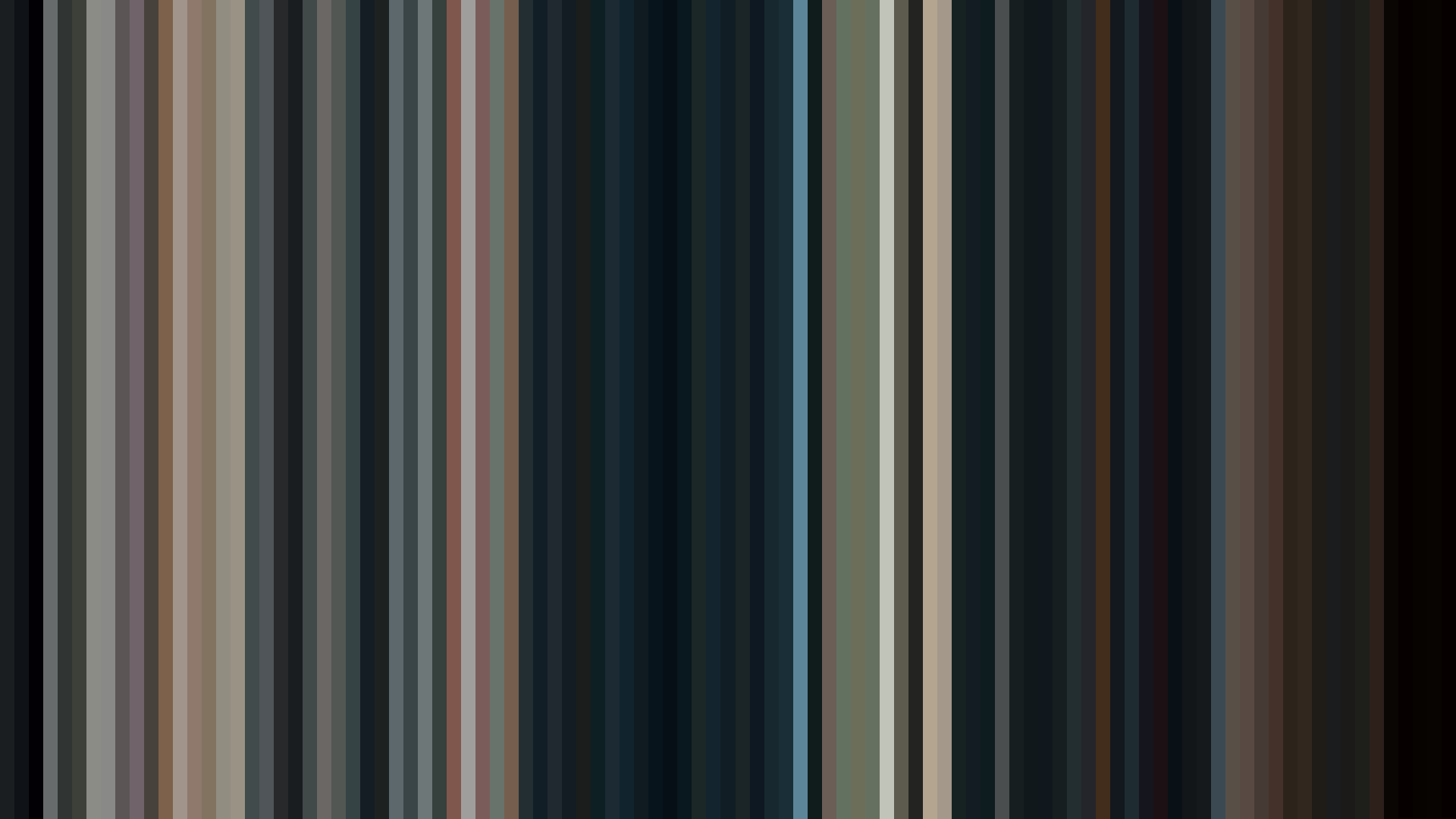
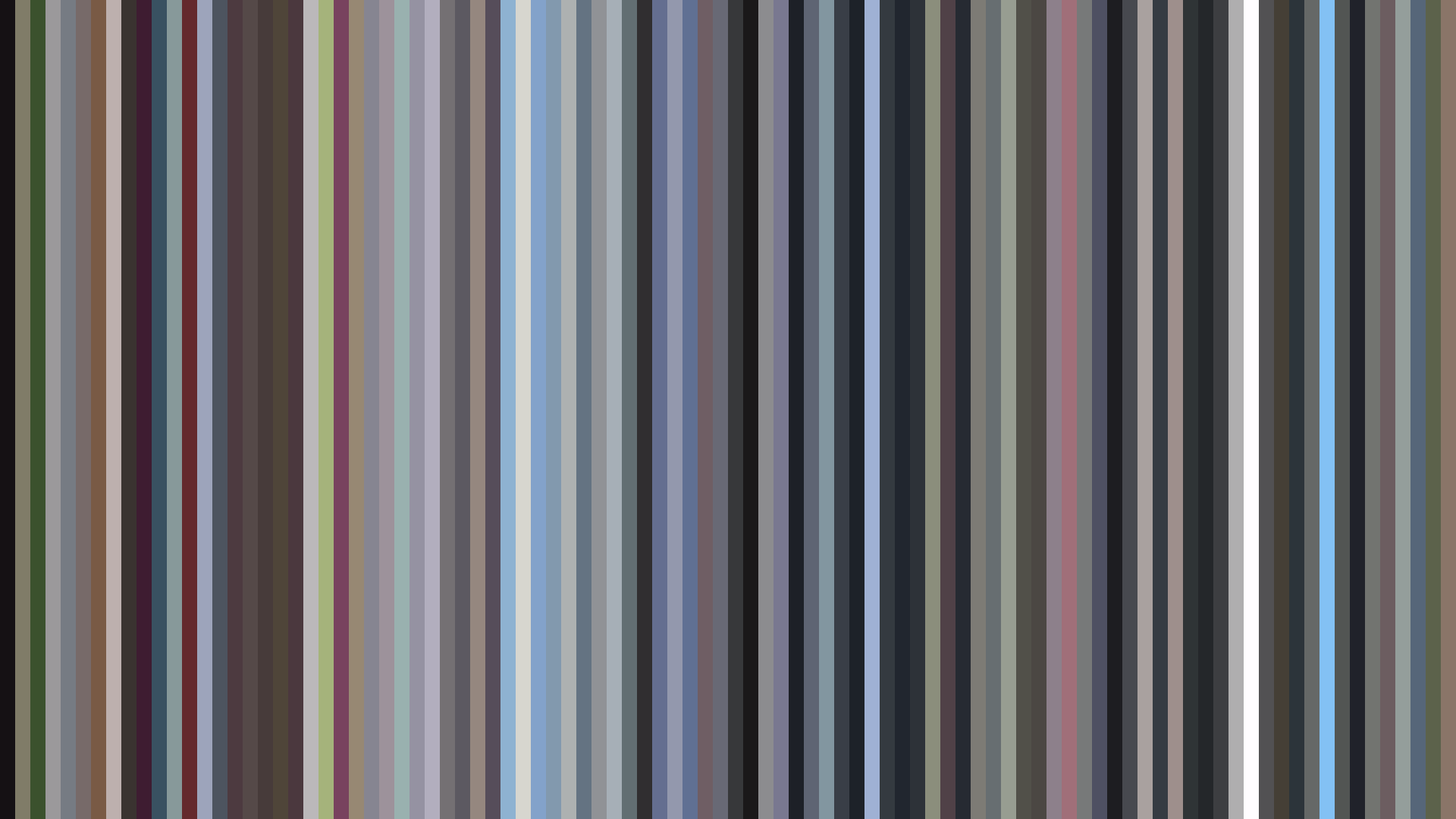
Avg · 15s
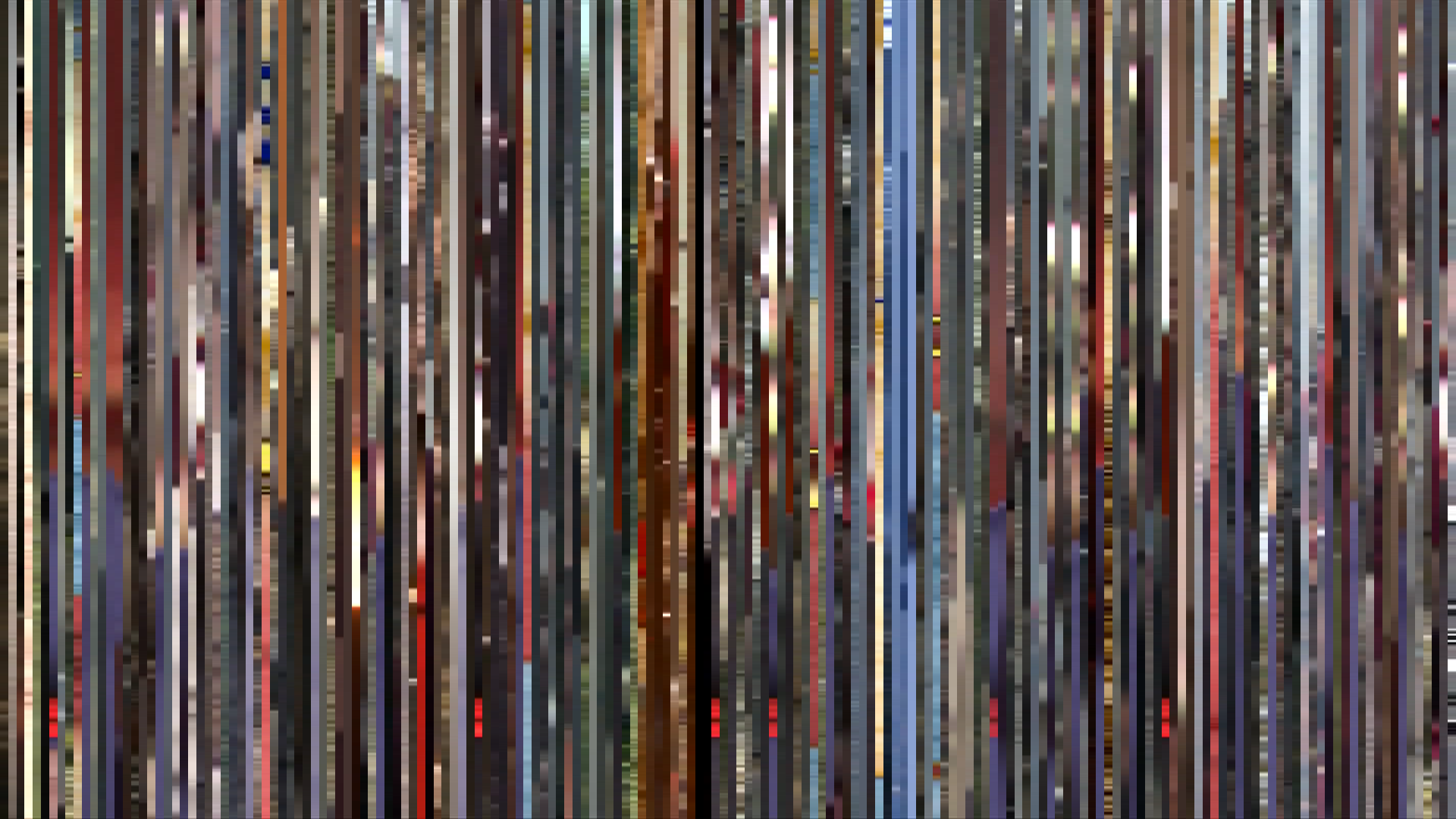
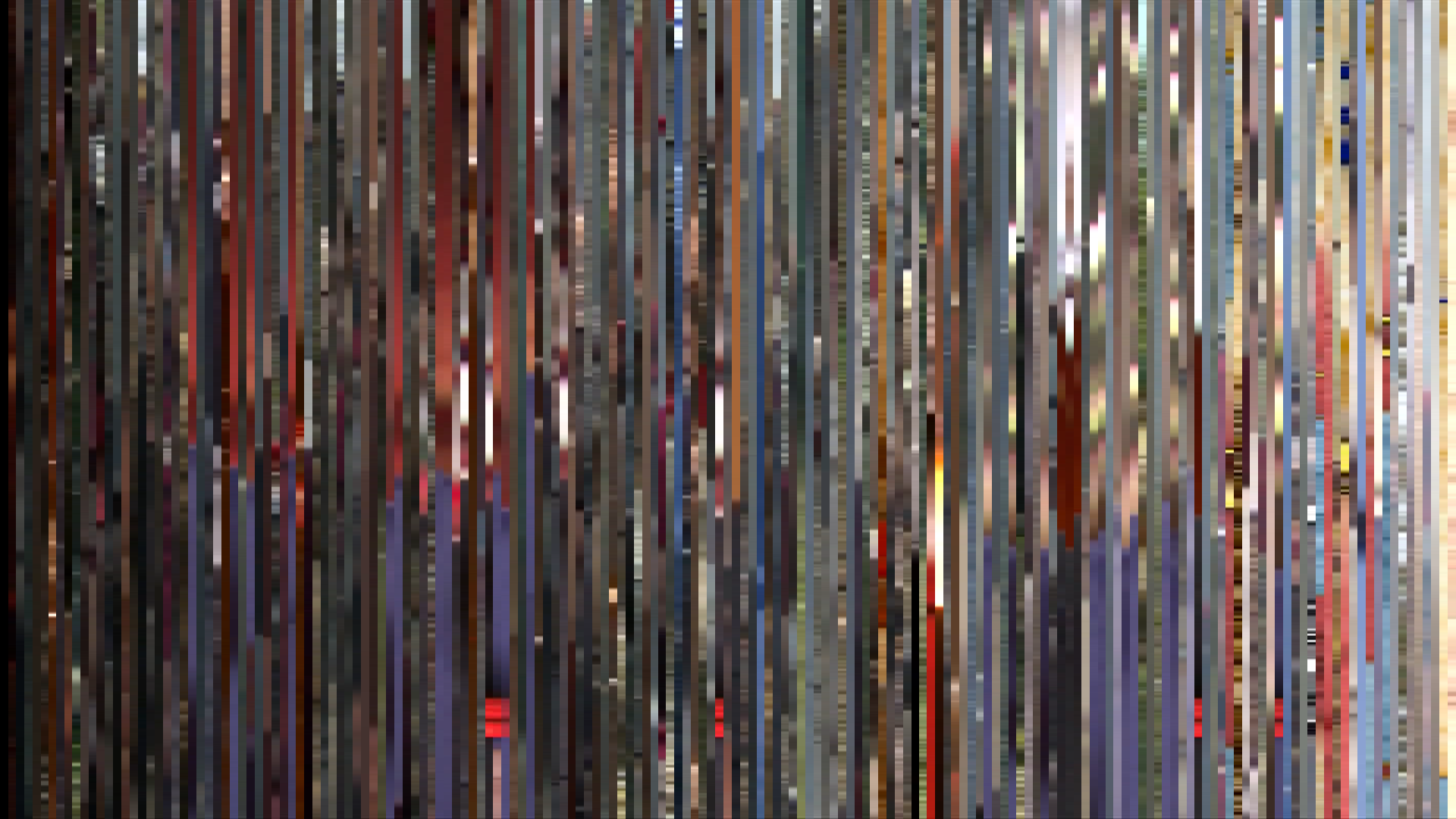
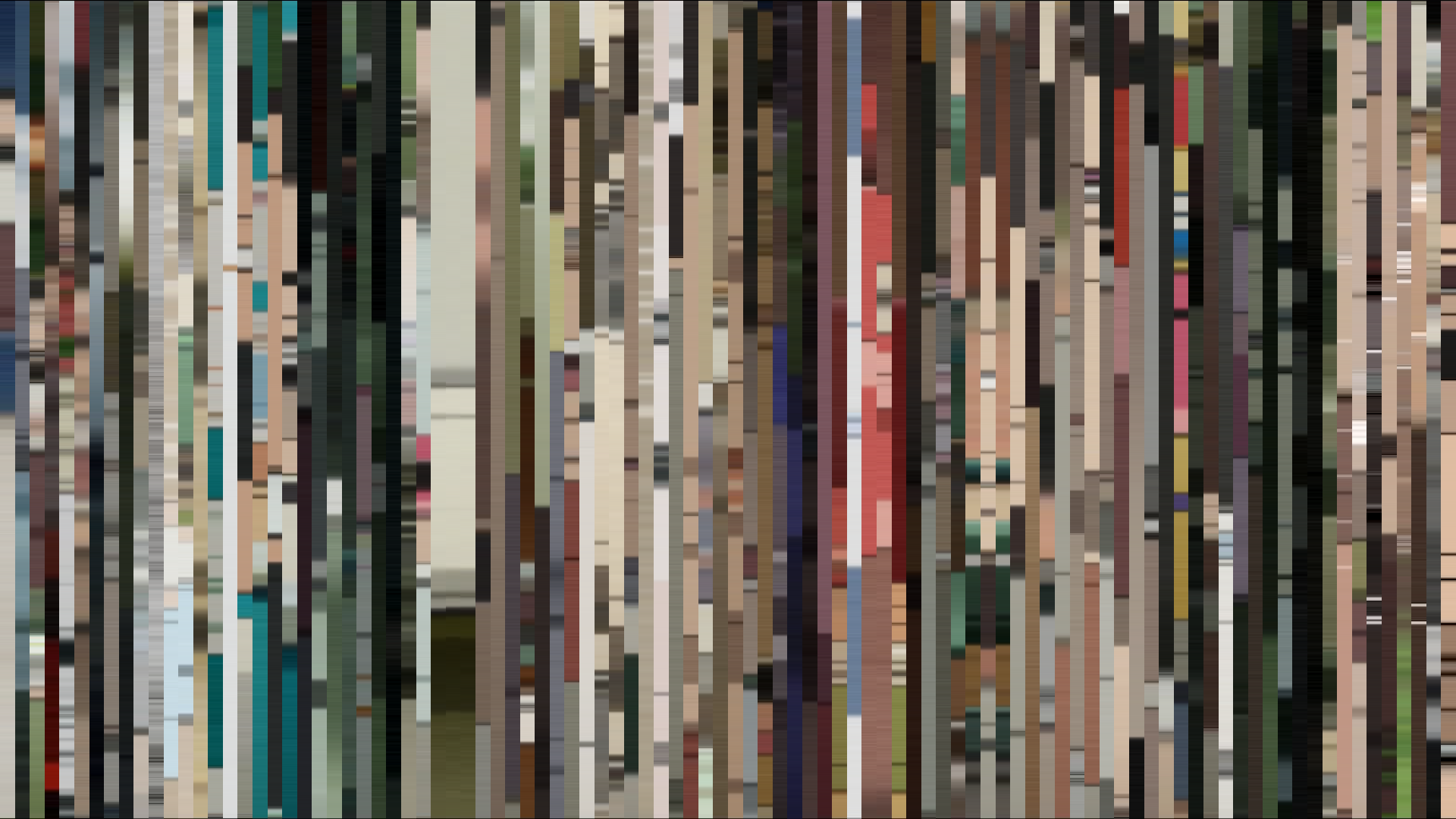
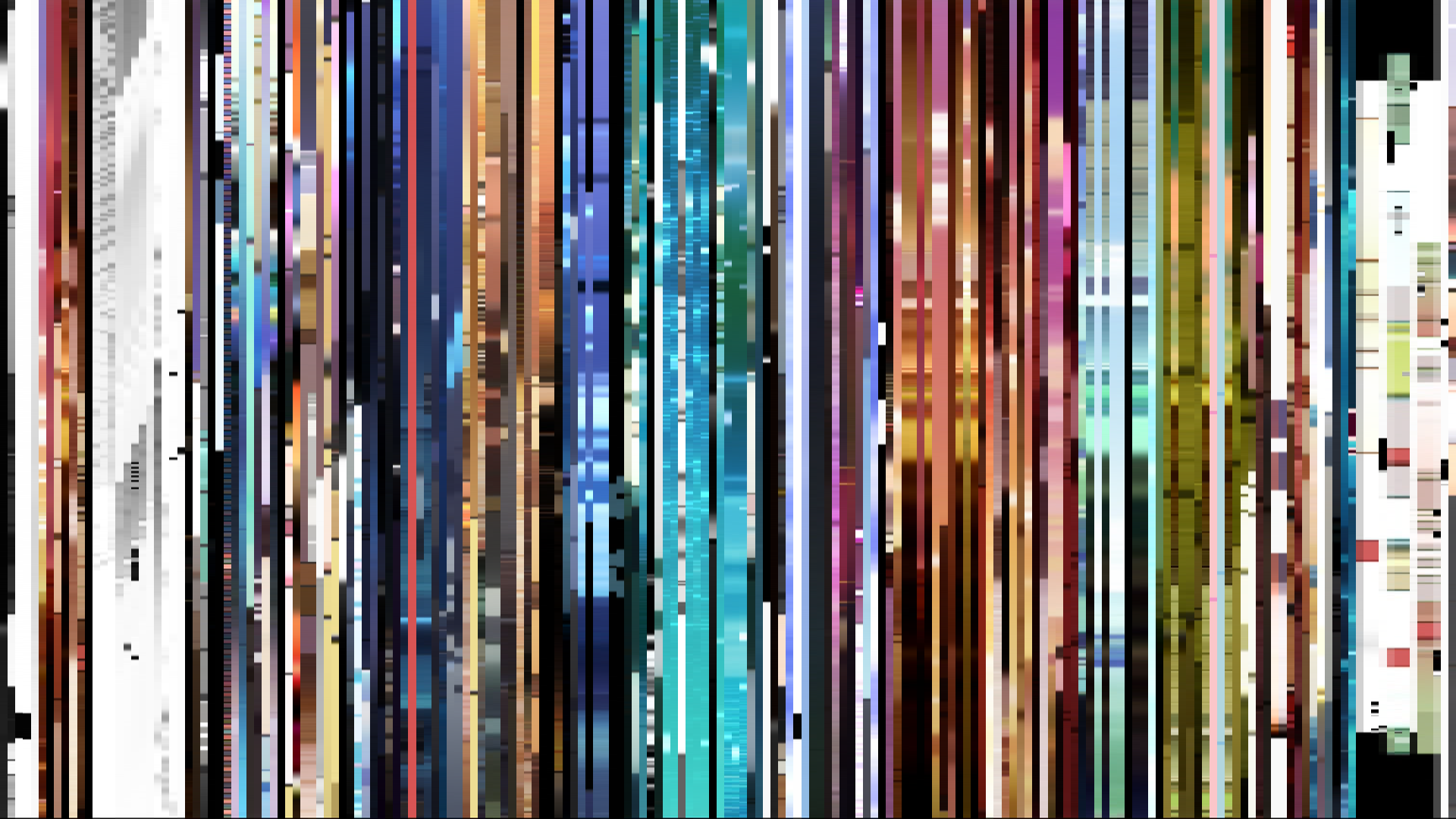
Slice · 30s
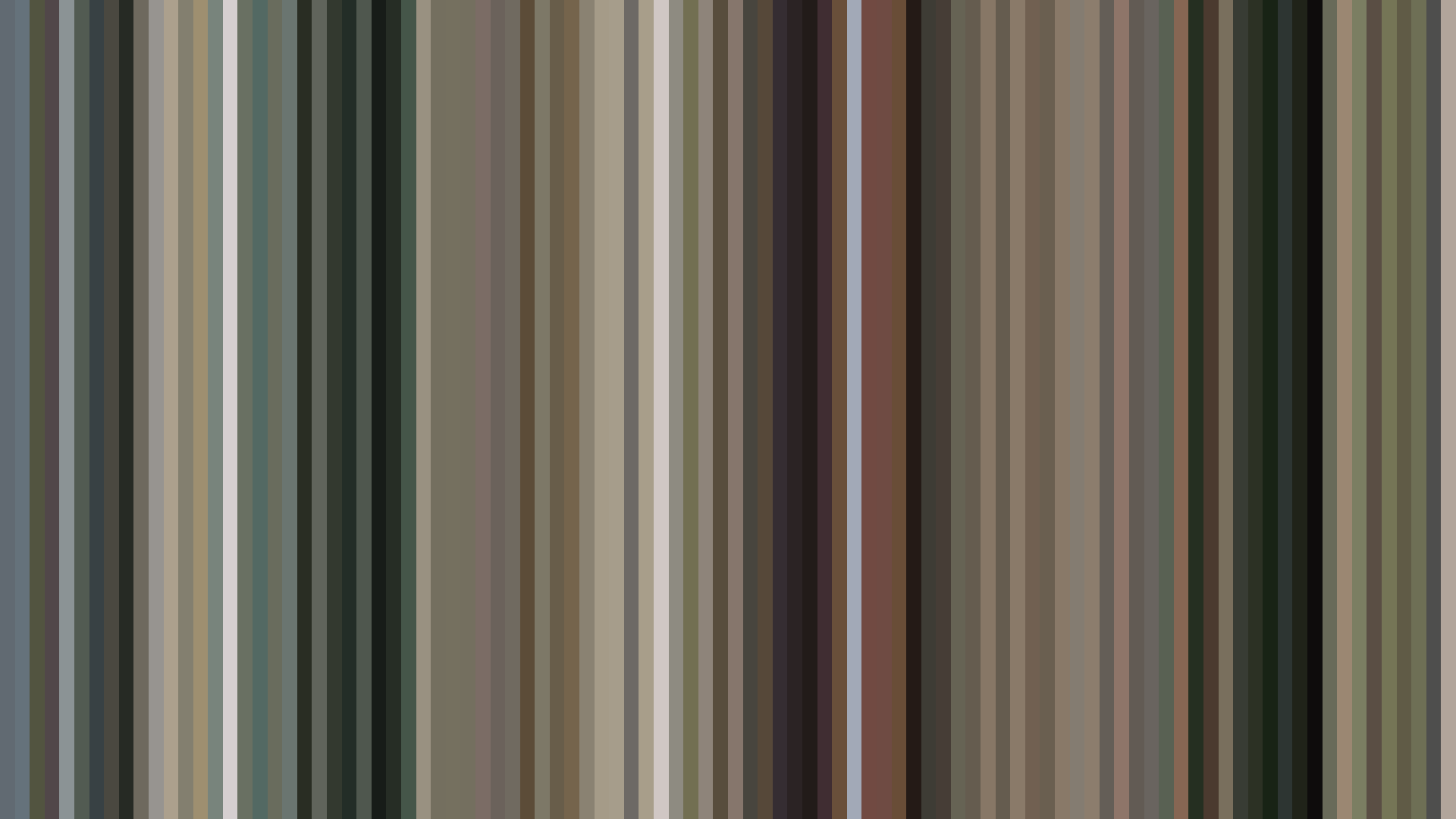
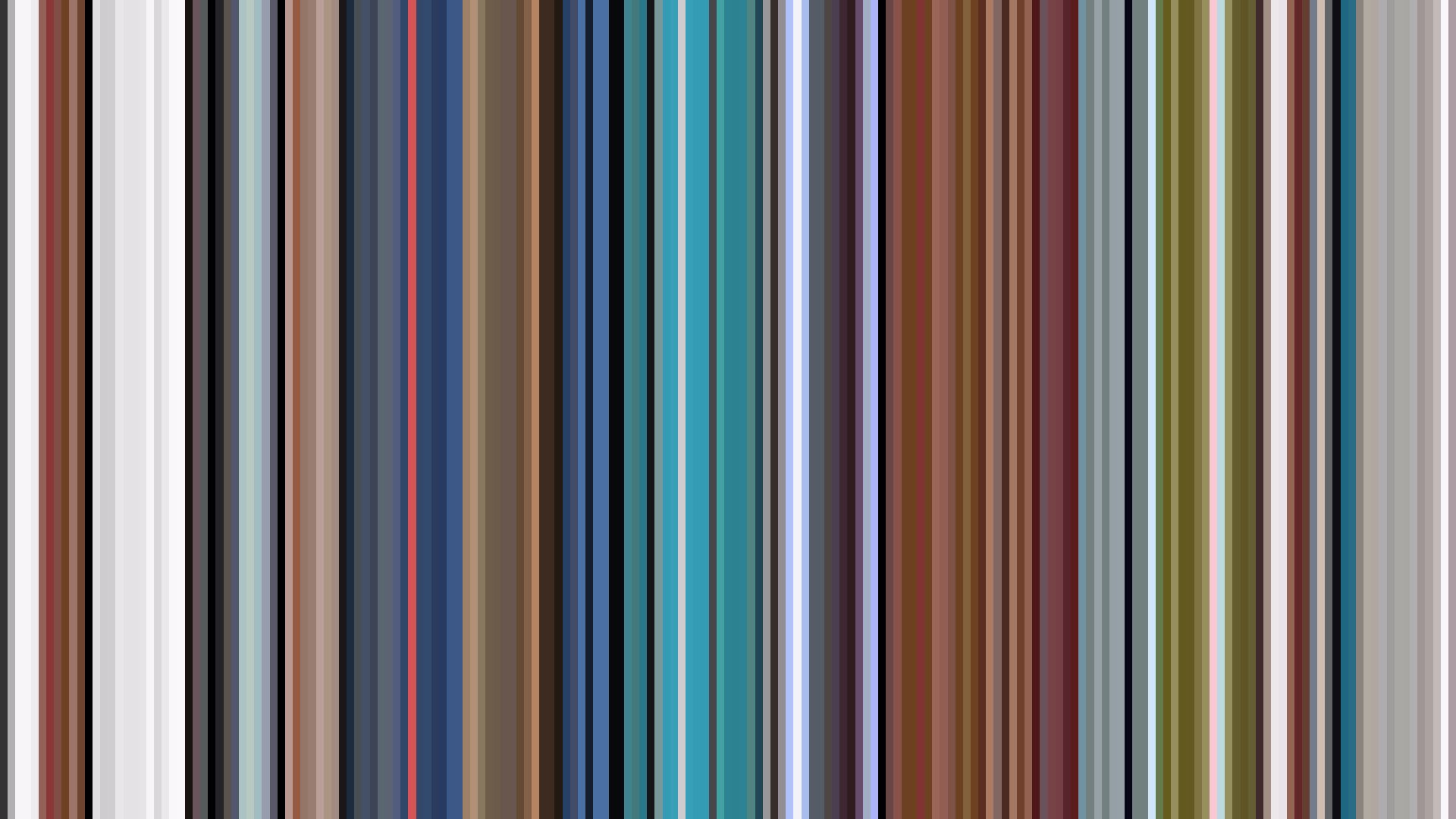
Avg · 30s
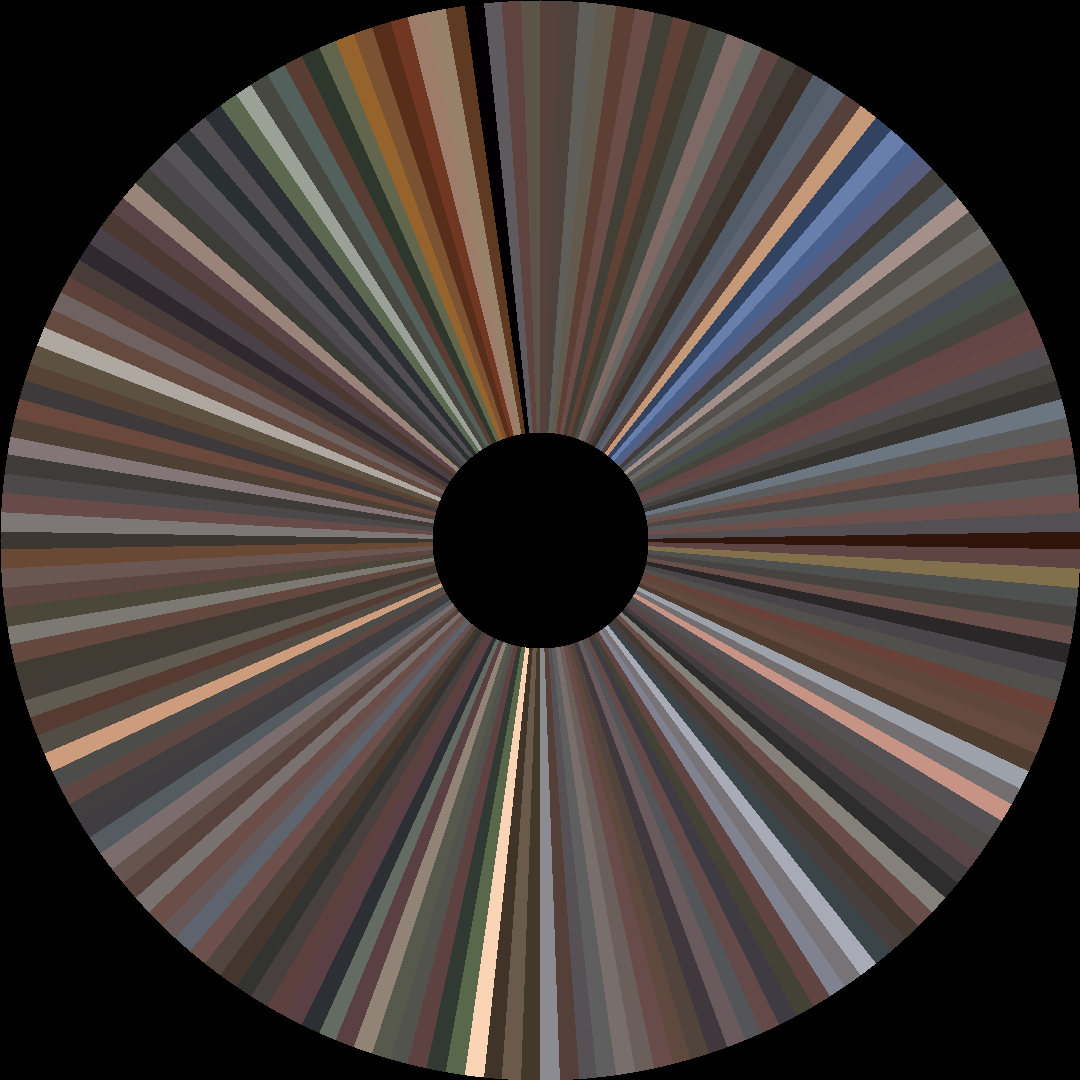
It’s not every day you see a flat brightness arc in a shonen action series, and Soul Eater’s visual stasis is its most deliberate choice. Studio Bones and art director Shinji Aramaki (likely; actual art director is Takashi Aoi for some episodes, but we can generalize) built a world where the sun never fully rises nor sets — the average brightness hovers around 0.34, with only a whisper of a dip in the middle act. The palette is a dusty smear of muted reds (39%) and red-browns, desaturated to the point where even the blood looks aged. This is not the glossy crimson of a typical battle anime; it’s the color of dried ink and old
Brightness Arc (episode progression)
Hue Distribution
Act Breakdown
Opening
0.381
Middle
0.355
Closing
0.366
Avg Brightness
0.341
Avg Saturation
0.217
Warmth
0.532
Color Palette
#5E5859
#2D2625
#4F3029
#9E9996
#906A5F
#554738
#9C8A72
#617090
3-Act Color Story
Opening
Middle
Closing
Color Twins
Perceptually nearest palettes — measured in OKLab space, not RGB






It’s not every day you see a flat brightness arc in a shonen action series, and Soul Eater’s visual stasis is its most deliberate choice. Studio Bones and art director Shinji Aramaki (likely; actual art director is Takashi Aoi for some episodes, but we can generalize) built a world where the sun never fully rises nor sets — the average brightness hovers around 0.34, with only a whisper of a dip in the middle act. The palette is a dusty smear of muted reds (39%) and red-browns, desaturated to the point where even the blood looks aged. This is not the glossy crimson of a typical battle anime; it’s the color of dried ink and old