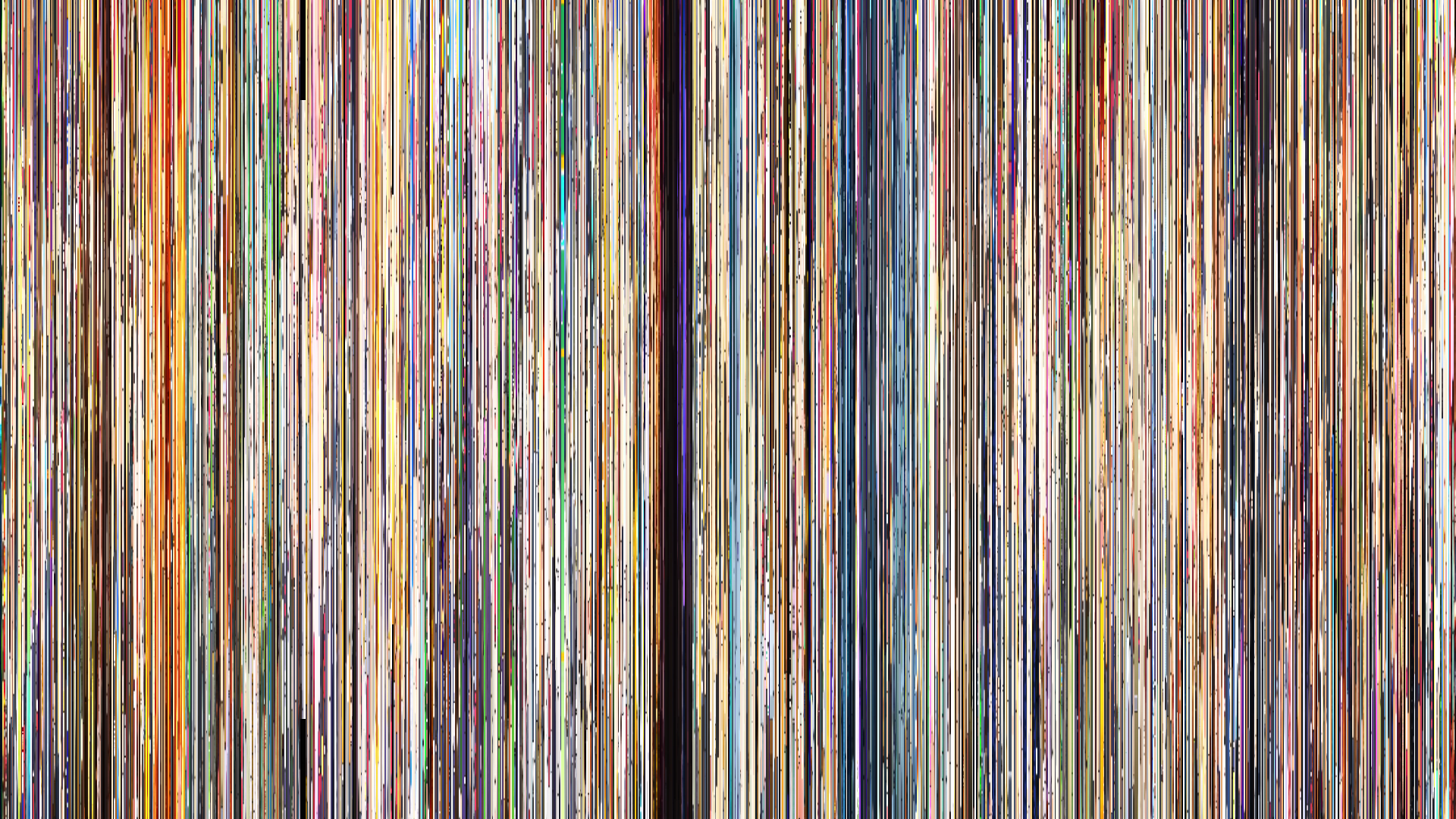
Edit Pace — frame-to-frame color delta (bright = fast cuts)
Color Temperature — warm (gold) vs cool (teal) per frame
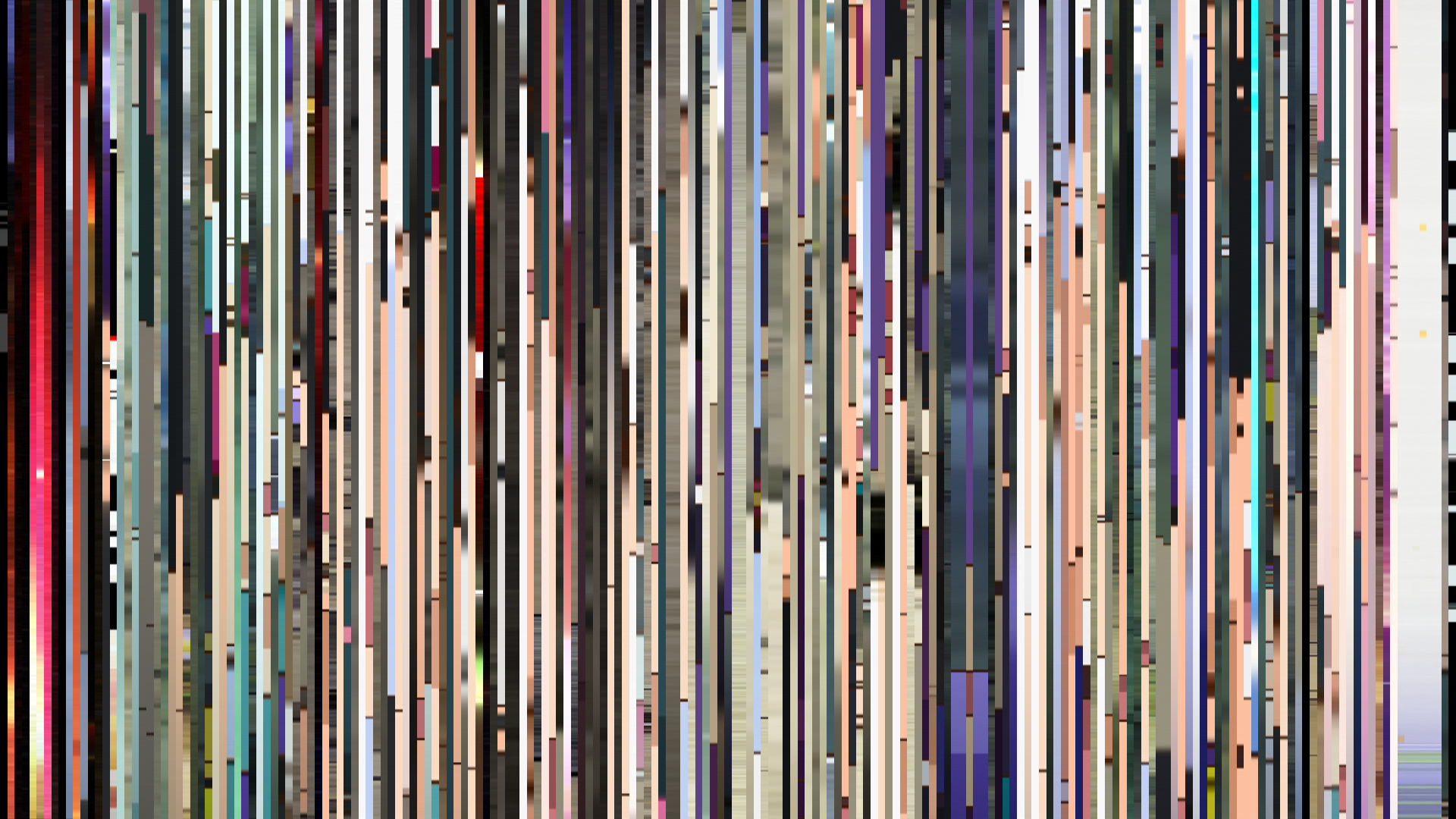
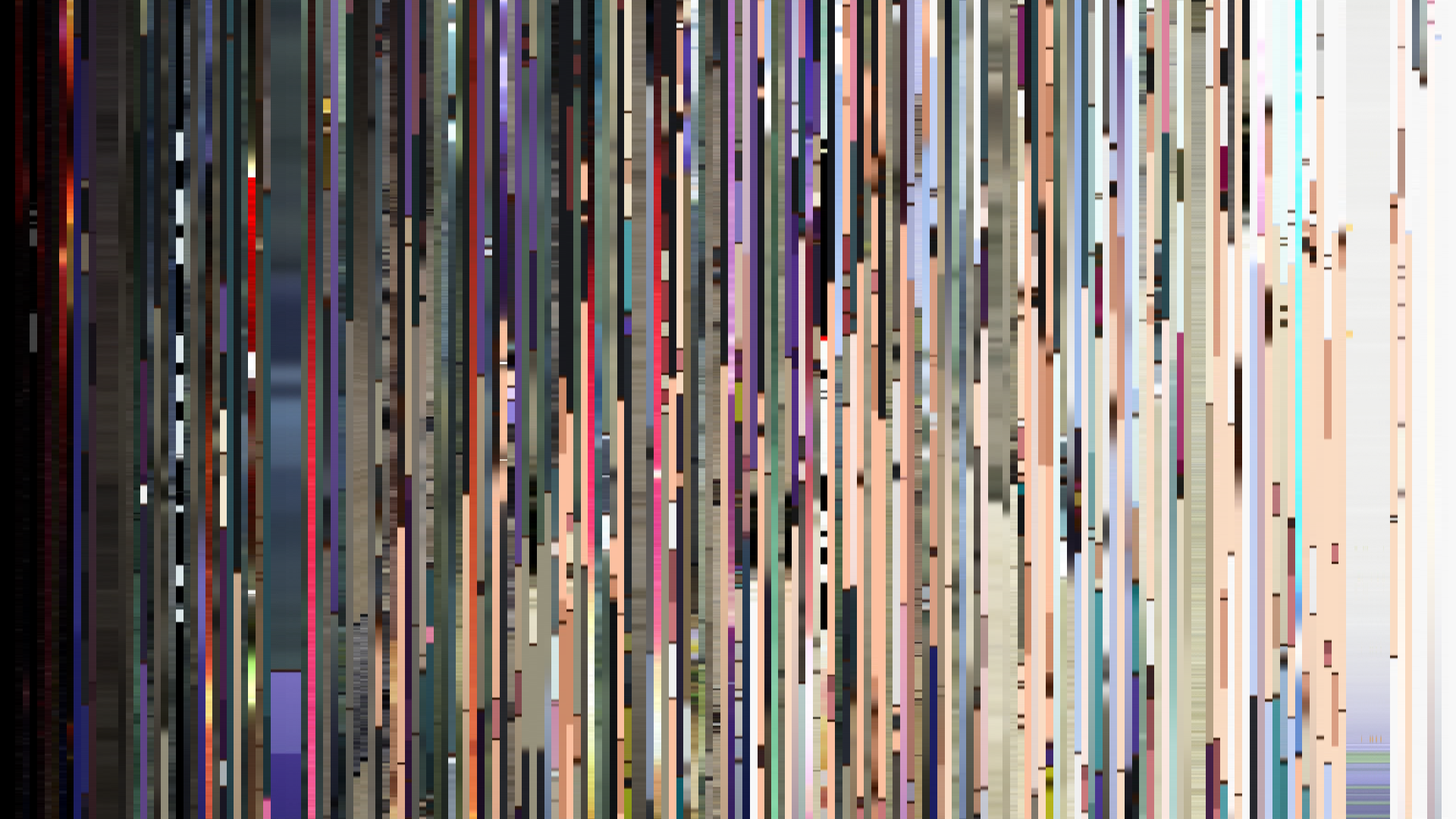
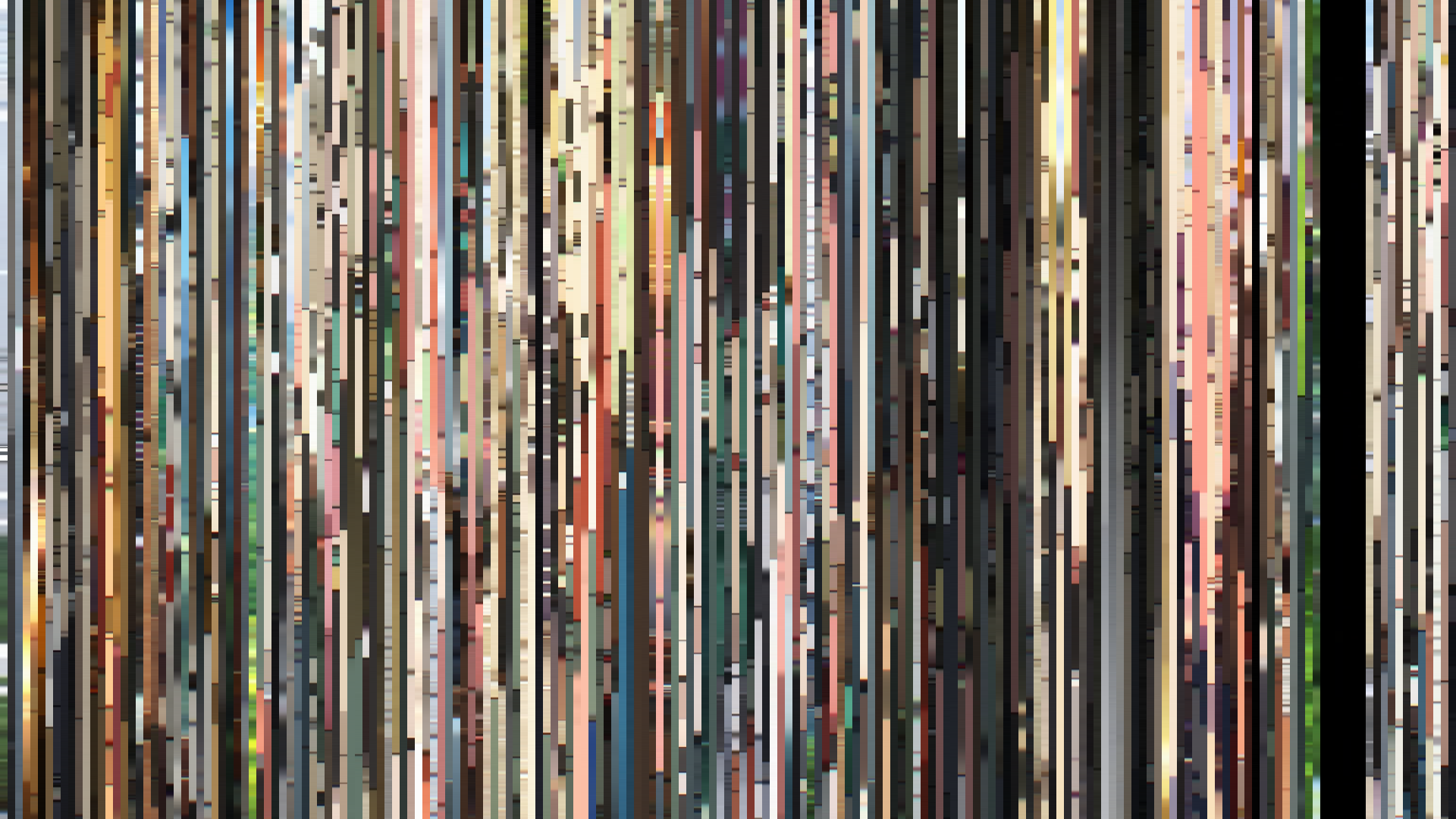
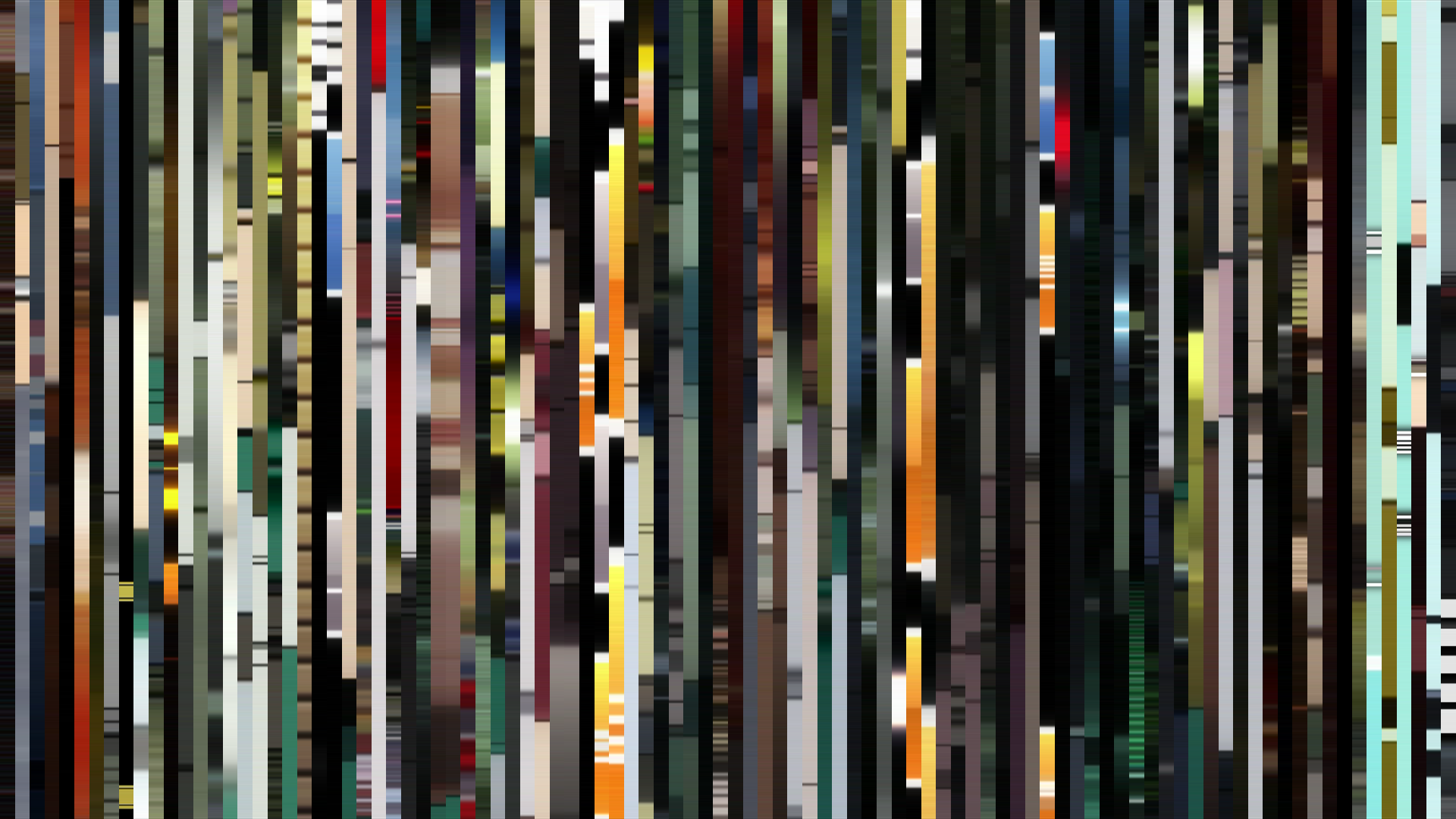
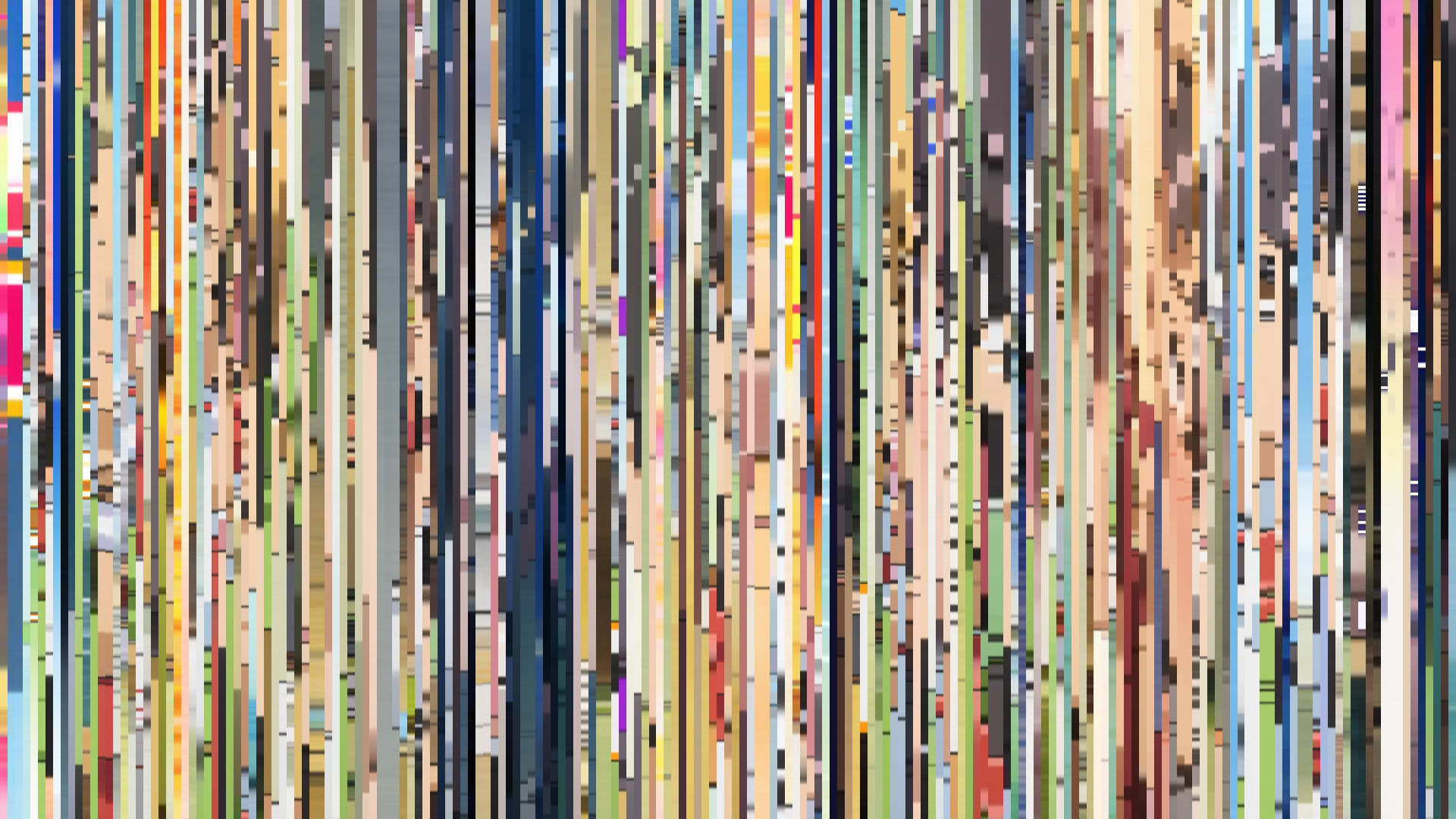
Frame Density Comparison — every 2nd vs every 4th frame
Slice · 15s
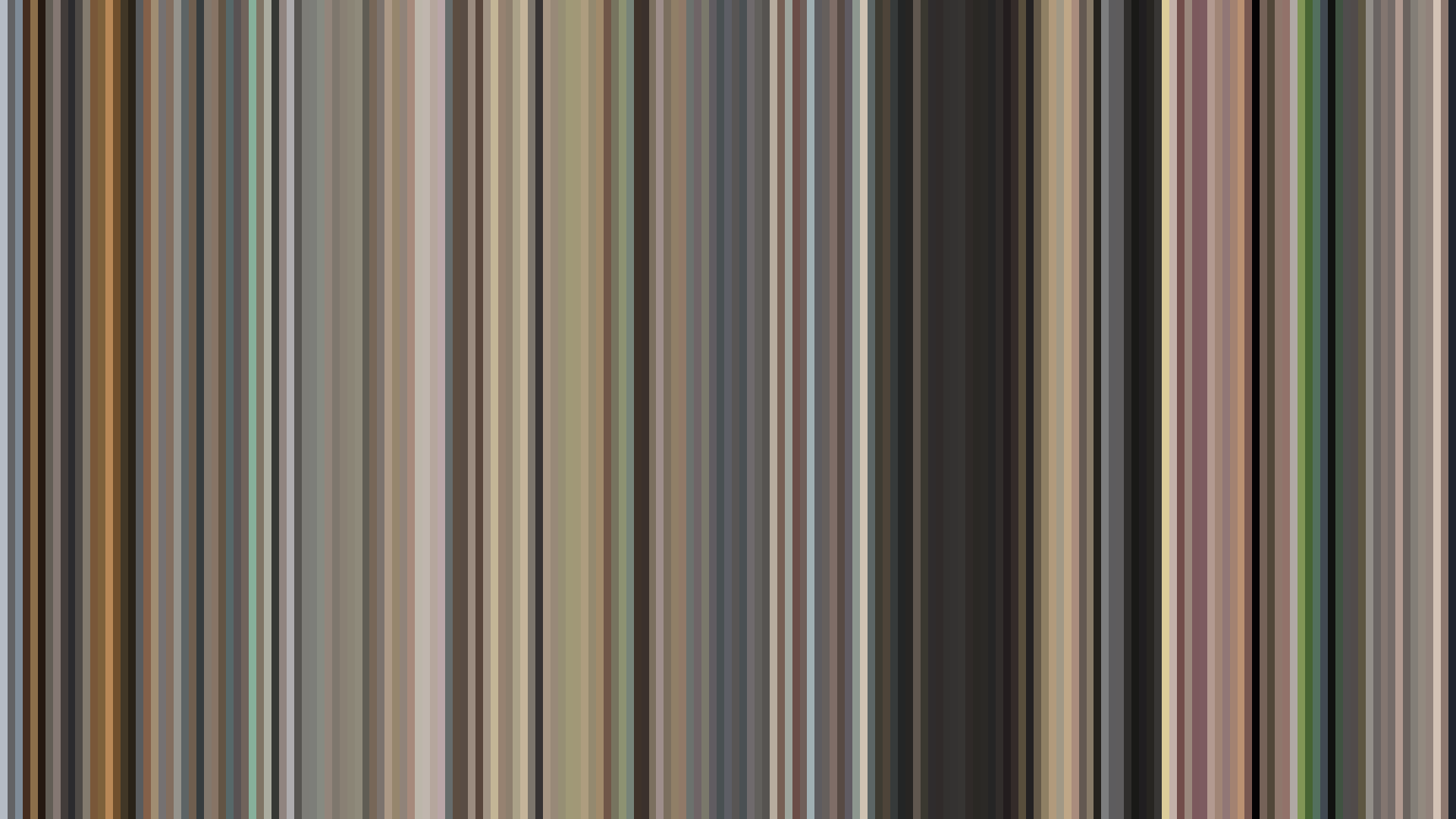
Avg · 15s
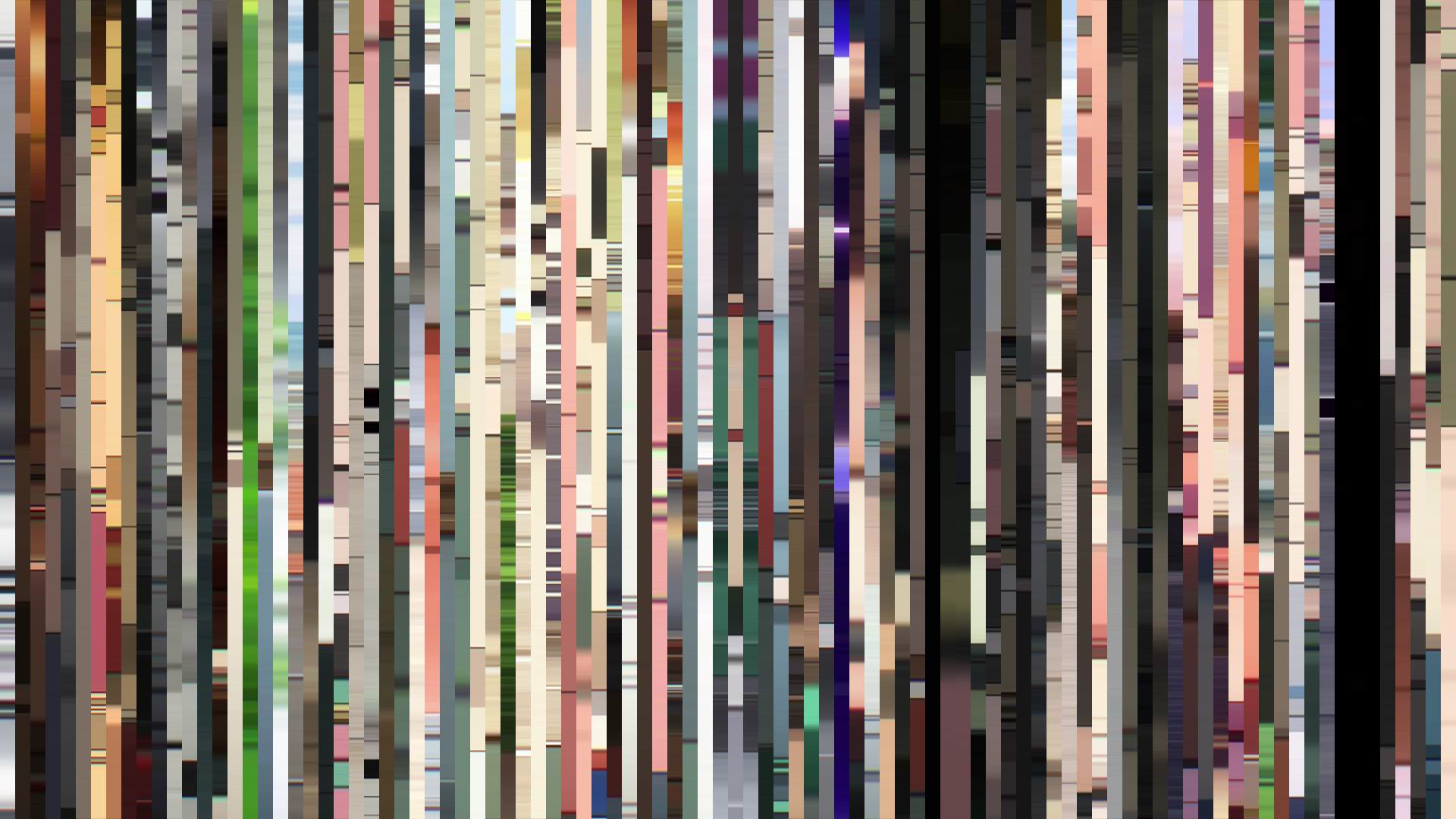
Slice · 30s
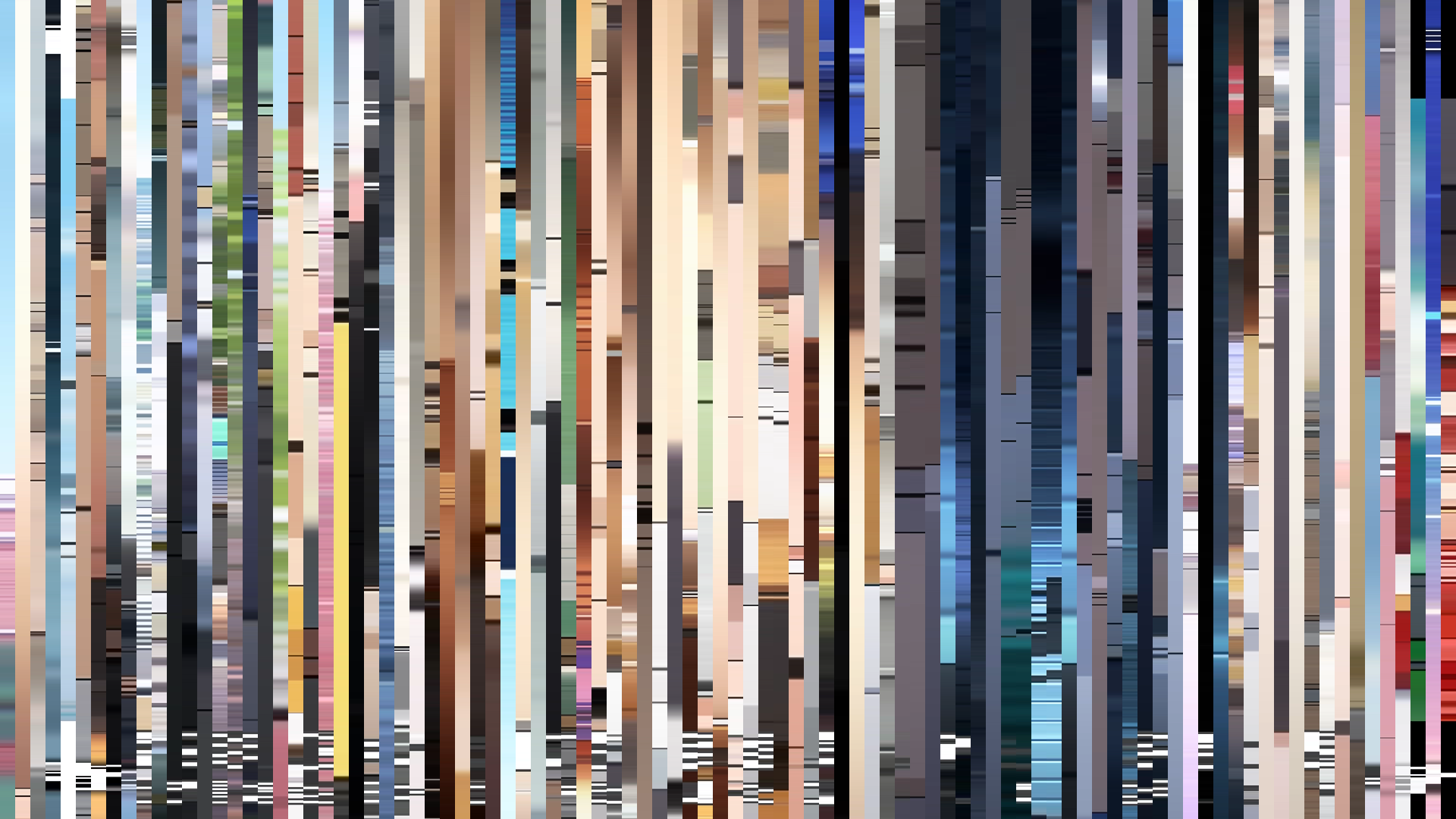
Avg · 30s
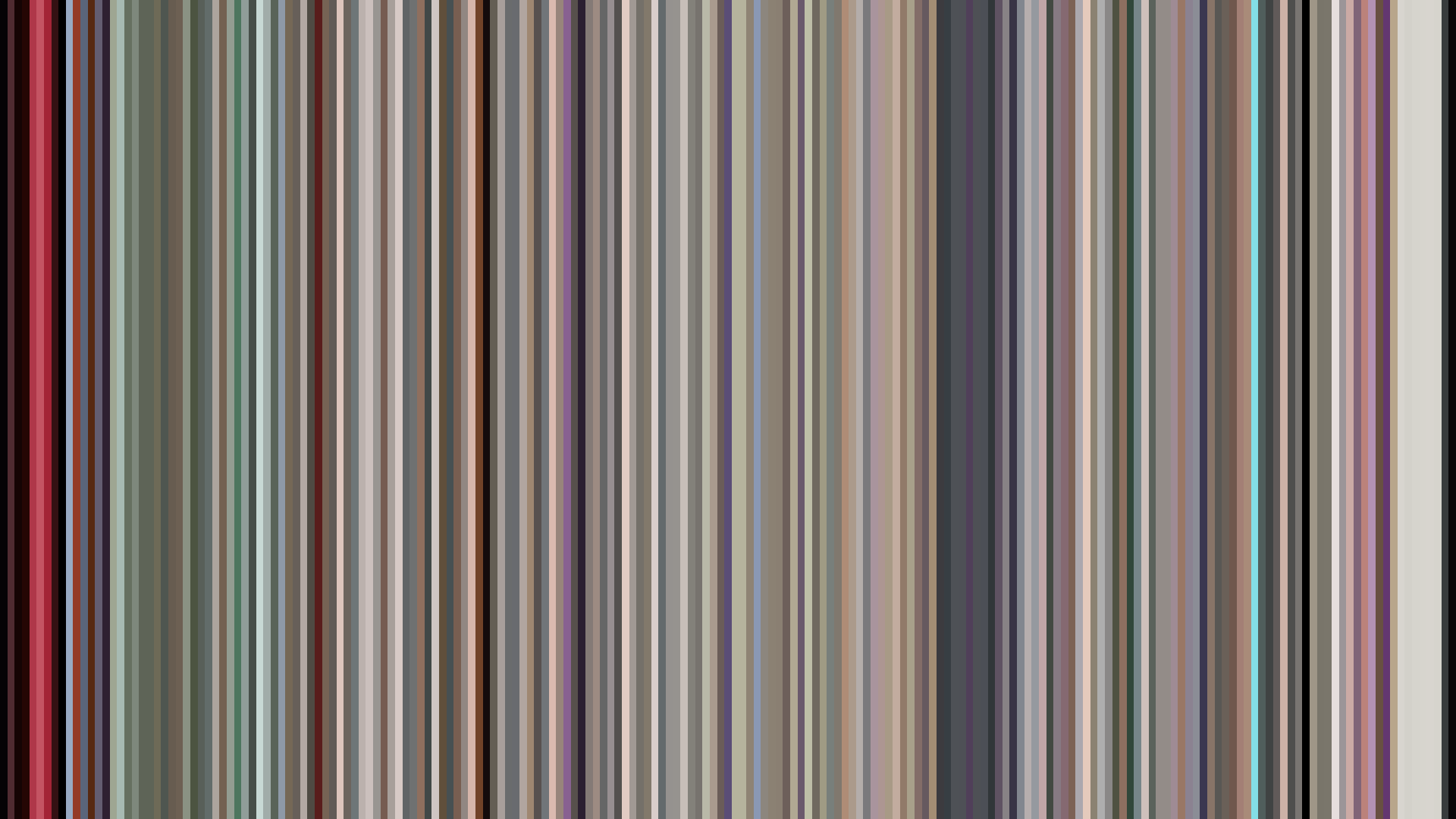
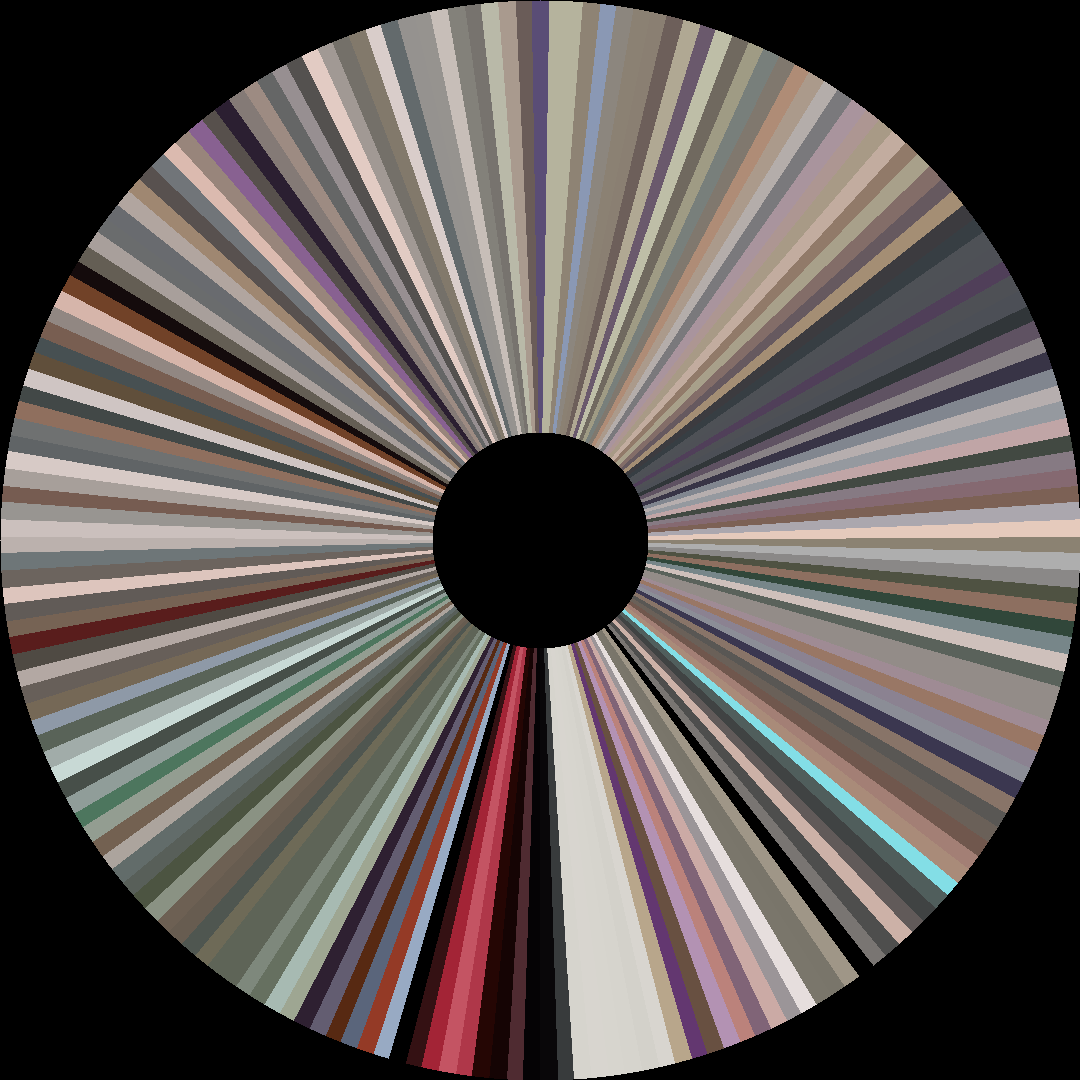
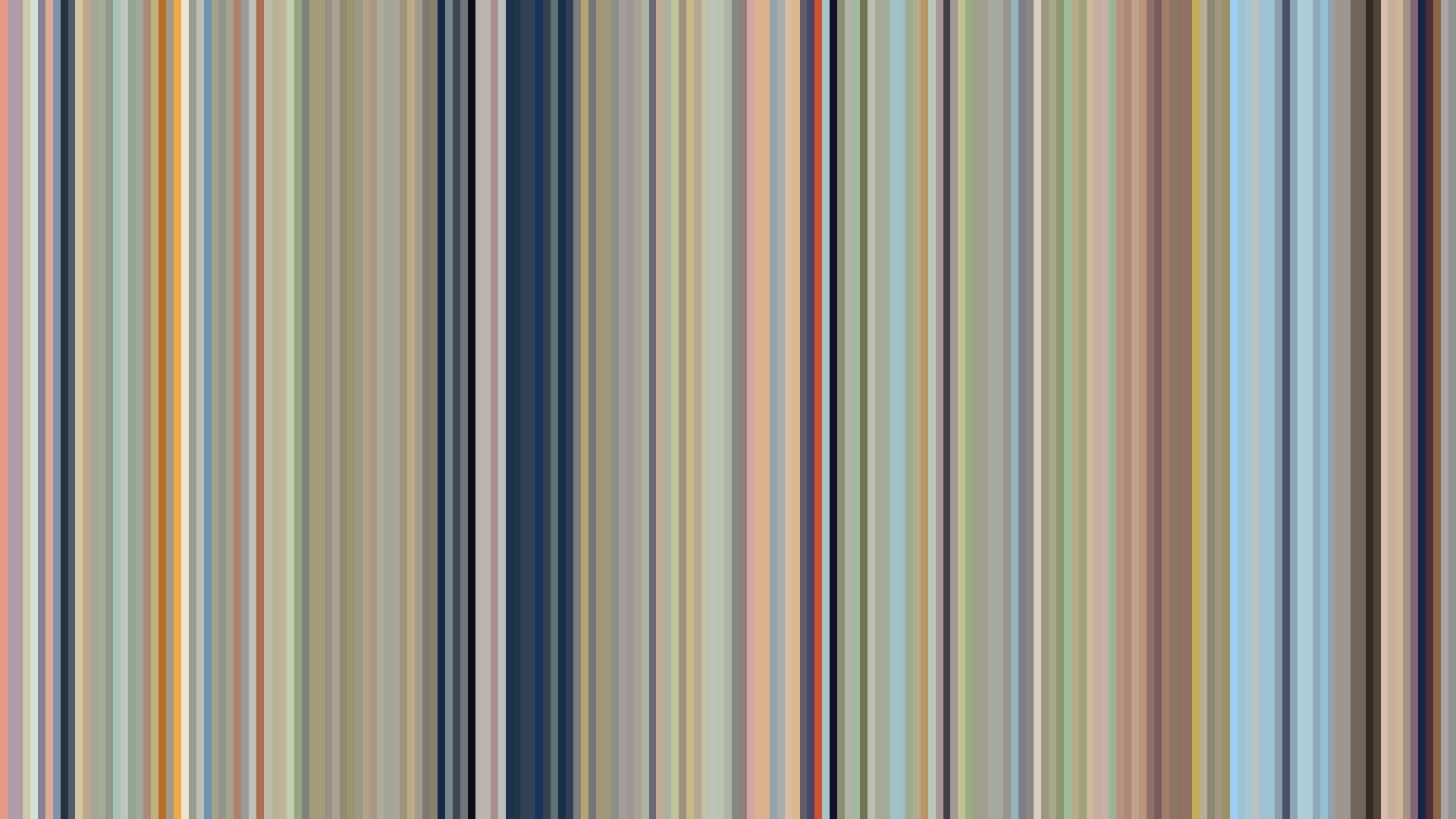
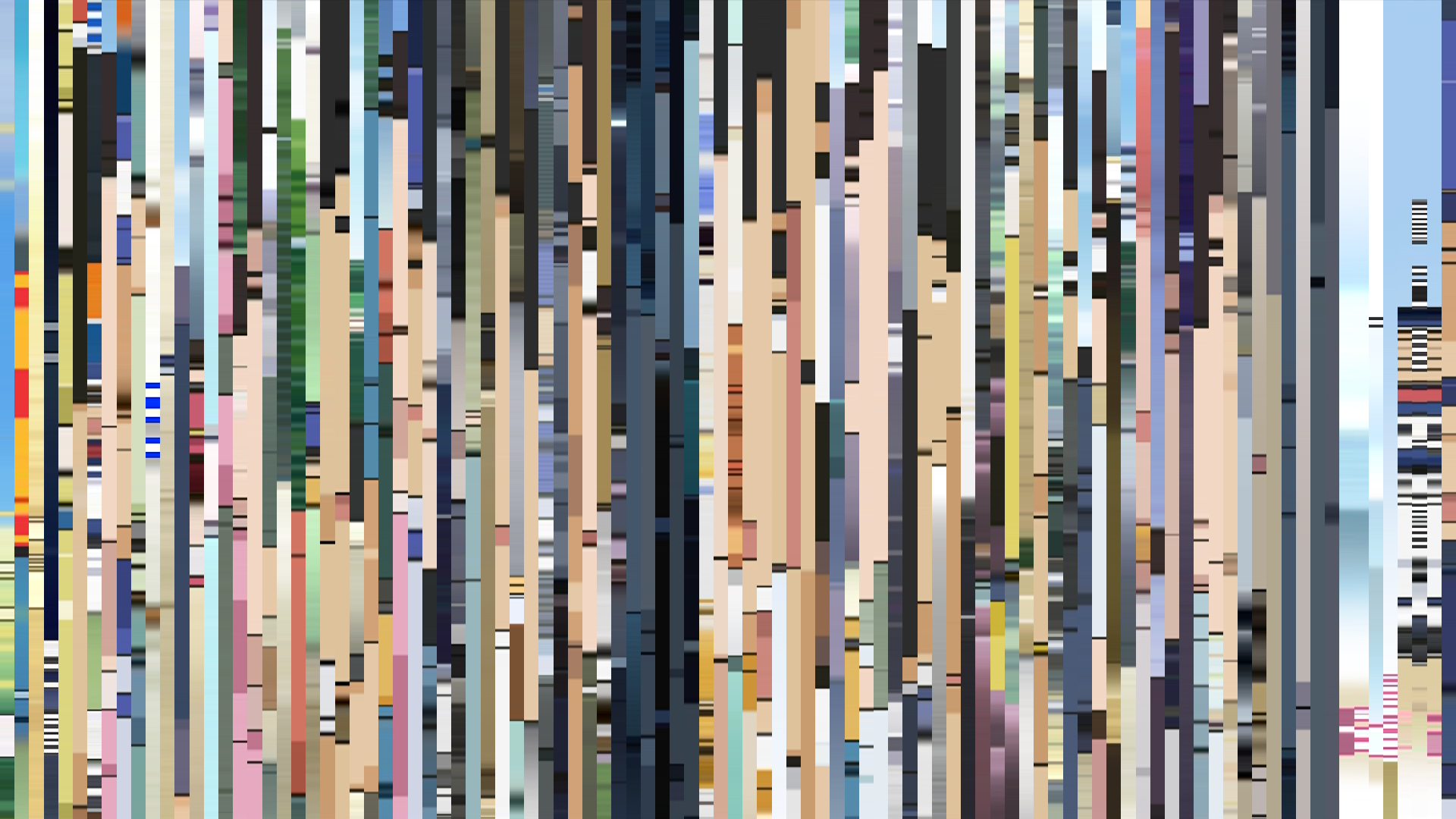
Katanagatari’s barcode is a study in restrained ascension. The palette reads unequivocally Red, but this is not the volcanic red of battle fury; it’s the desaturated, earthy red of aged lacquer and faded banners—a color that refuses to scream. Director Keitaro Motonaga and art director Youji Takeshige built a world where every frame feels dusted with the patina of history, and the bright-ending arc is their most elegant narrative trick. The opening act is dim, weighed down by the gray-brown fortress tones of Yagyū territory, but as the series progresses, brightness swells from 0.447 to 0.574—a slow dawn across twelve episodes. This is not the garish flare of triumph; it’s the quiet, earned light of a relationship deepening. The low saturation (0.209) across all acts ensures the visual palette never snaps into cartoon clarity; instead, it stays grounded, tactile. Where most anime use bright endings to signal victory, Katanagatari uses it to mark growth: the warm, human light that emerges when two lonely specialists—Togame and Shichika—finally stop being tools of their masters and become themselves.
Brightness Arc (episode progression)
Hue Distribution
Act Breakdown
Opening
0.447
Middle
0.497
Closing
0.574
Avg Brightness
0.492
Avg Saturation
0.209
Warmth
0.551
Color Palette
#605F5B
#201D1E
#E7E1DD
#A4A199
#D3AE9C
#9B8A75
#917265
#DDC9B0
3-Act Color Story
Opening
Middle
Closing
Color Twins
Perceptually nearest palettes — measured in OKLab space, not RGB

















Katanagatari’s barcode is a study in restrained ascension. The palette reads unequivocally Red, but this is not the volcanic red of battle fury; it’s the desaturated, earthy red of aged lacquer and faded banners—a color that refuses to scream. Director Keitaro Motonaga and art director Youji Takeshige built a world where every frame feels dusted with the patina of history, and the bright-ending arc is their most elegant narrative trick. The opening act is dim, weighed down by the gray-brown fortress tones of Yagyū territory, but as the series progresses, brightness swells from 0.447 to 0.574—a slow dawn across twelve episodes. This is not the garish flare of triumph; it’s the quiet, earned light of a relationship deepening. The low saturation (0.209) across all acts ensures the visual palette never snaps into cartoon clarity; instead, it stays grounded, tactile. Where most anime use bright endings to signal victory, Katanagatari uses it to mark growth: the warm, human light that emerges when two lonely specialists—Togame and Shichika—finally stop being tools of their masters and become themselves.