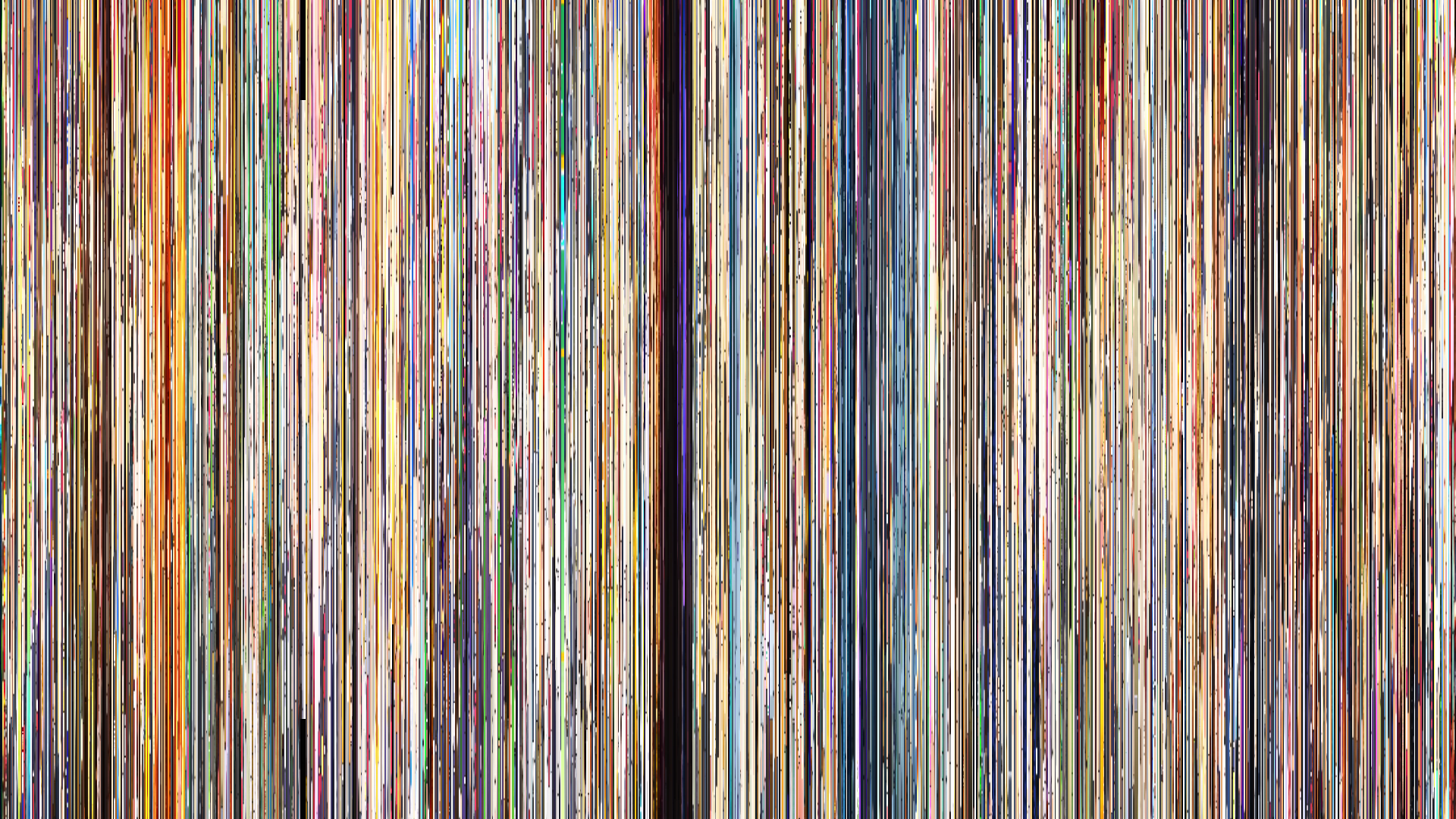
Edit Pace — frame-to-frame color delta (bright = fast cuts)
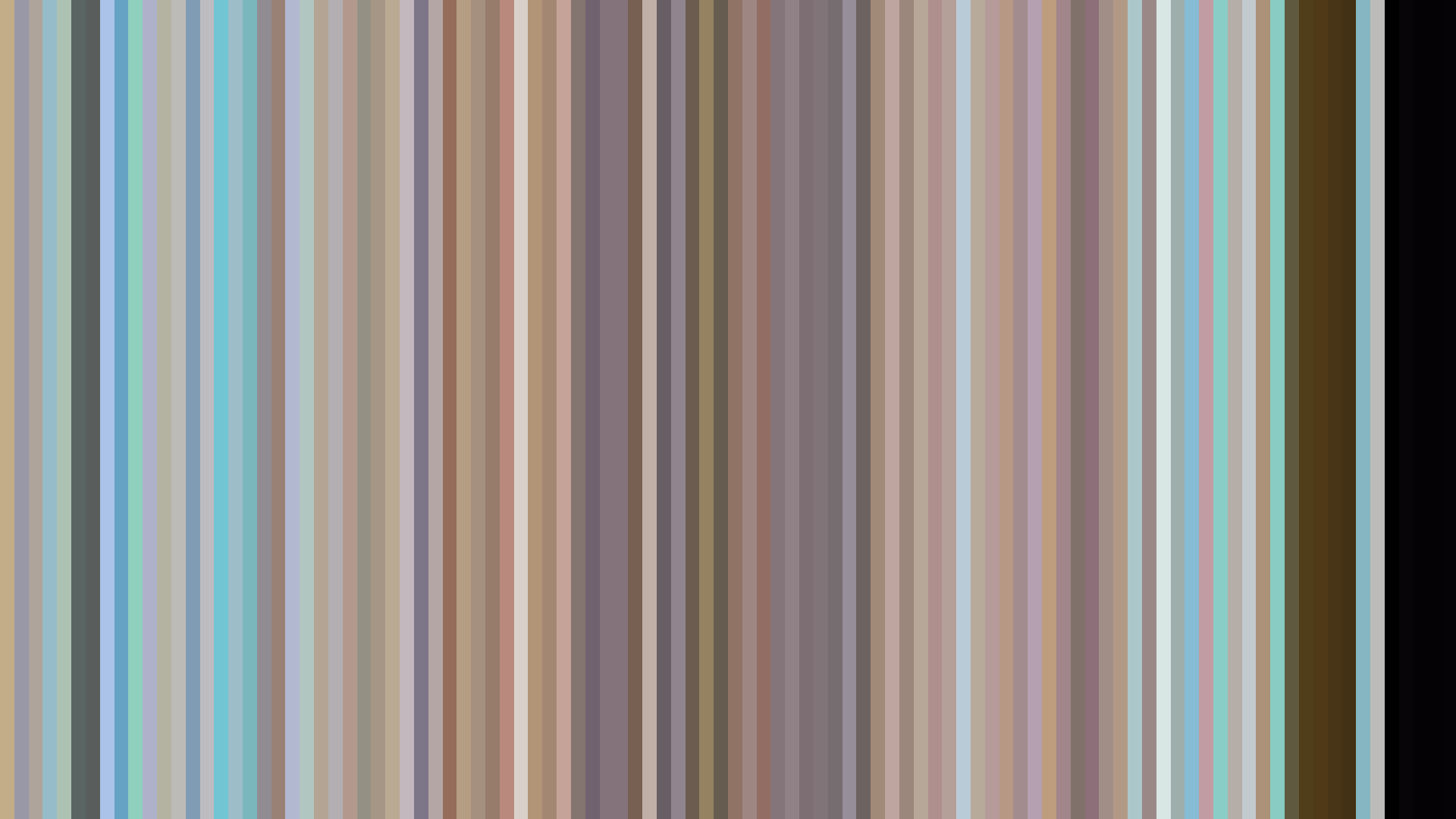
Color Temperature — warm (gold) vs cool (teal) per frame
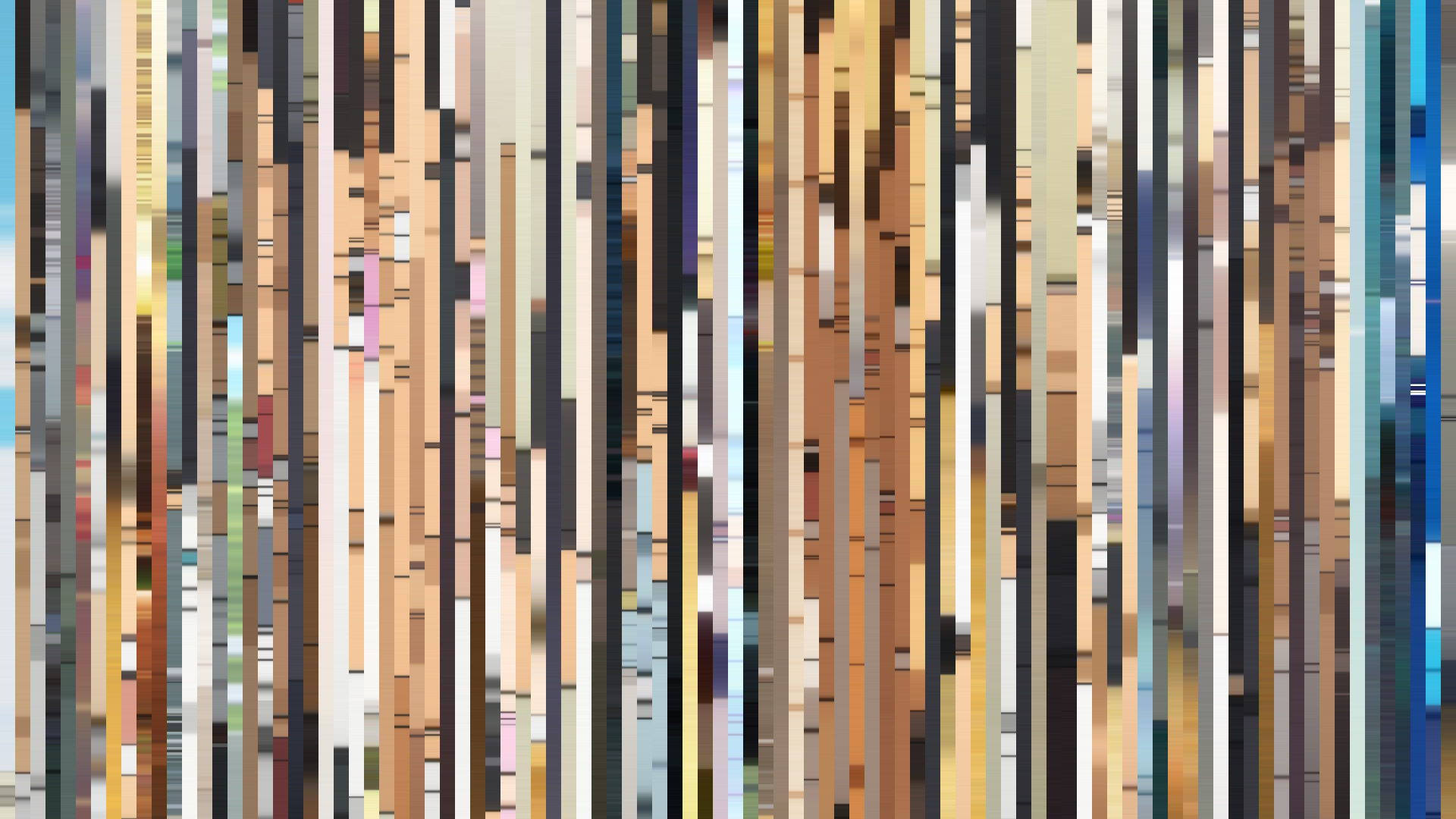
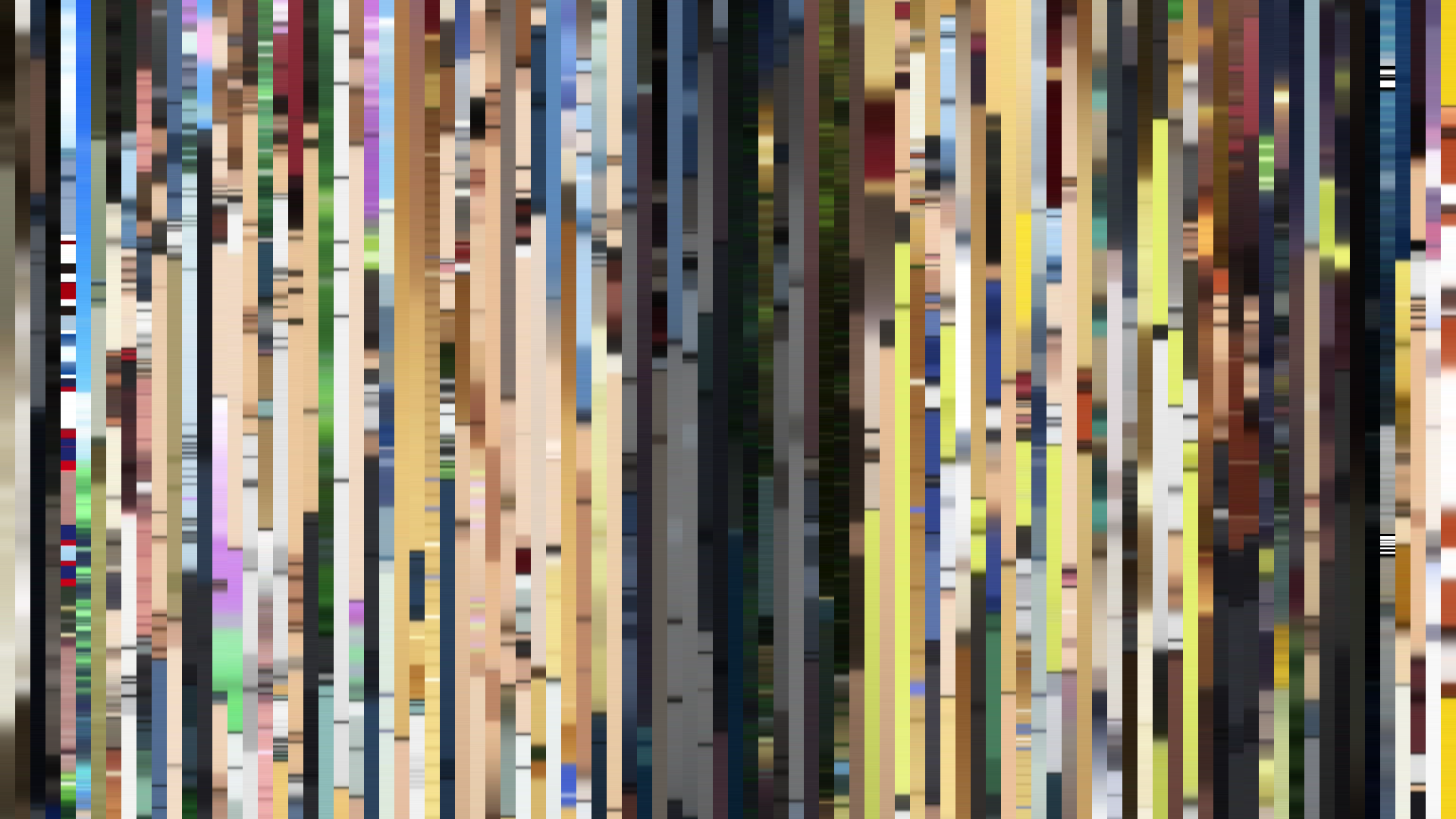
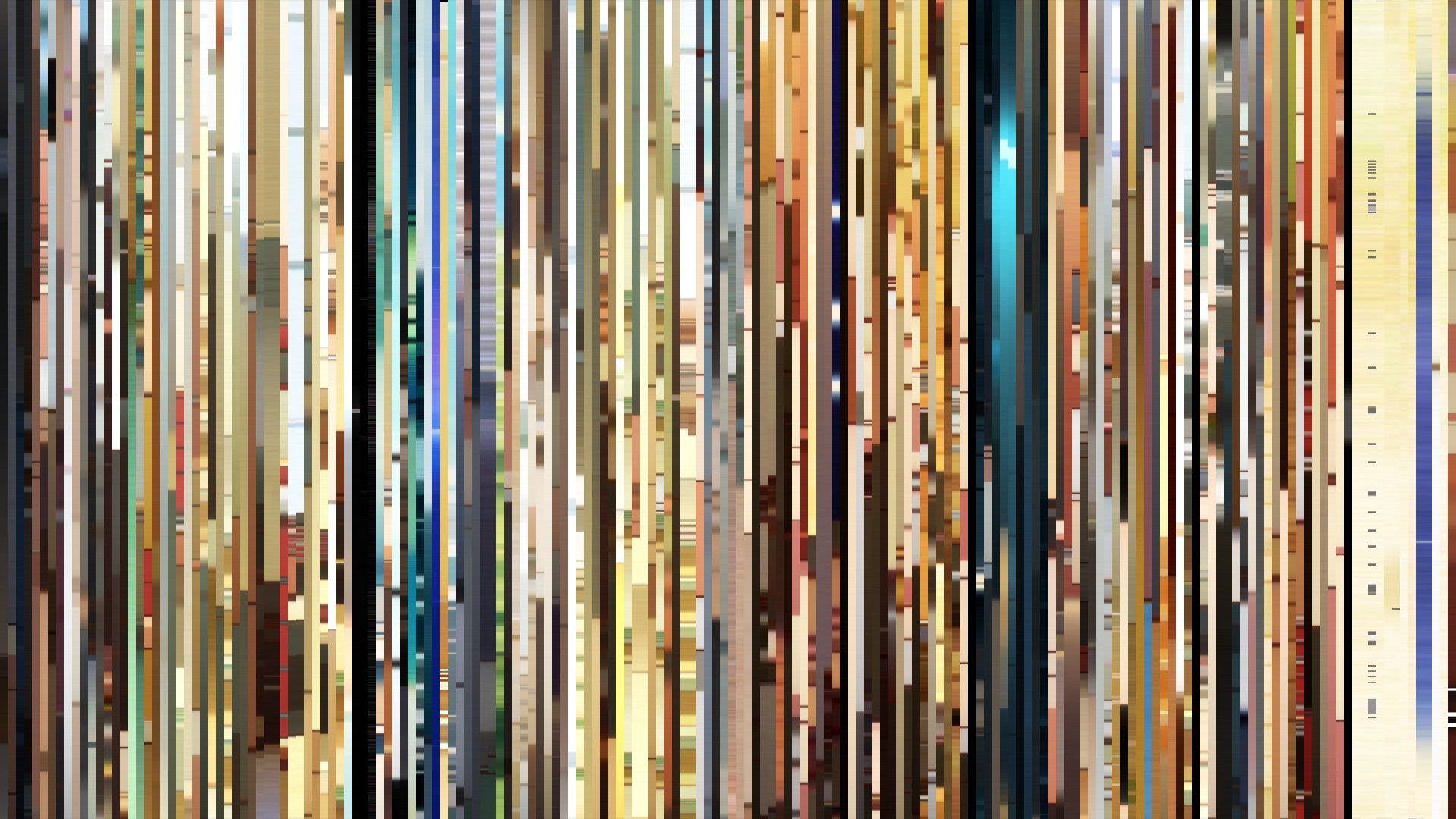
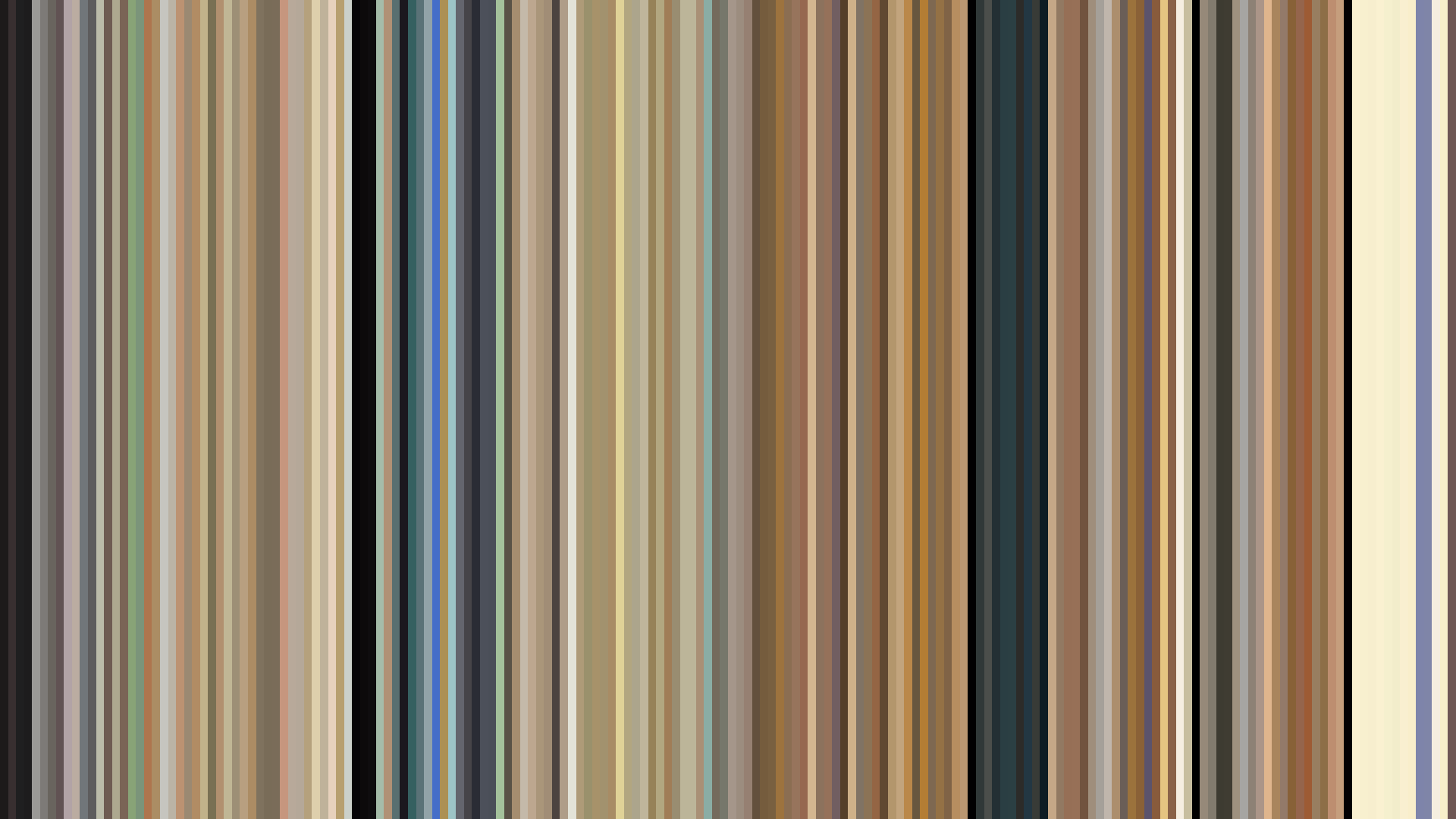
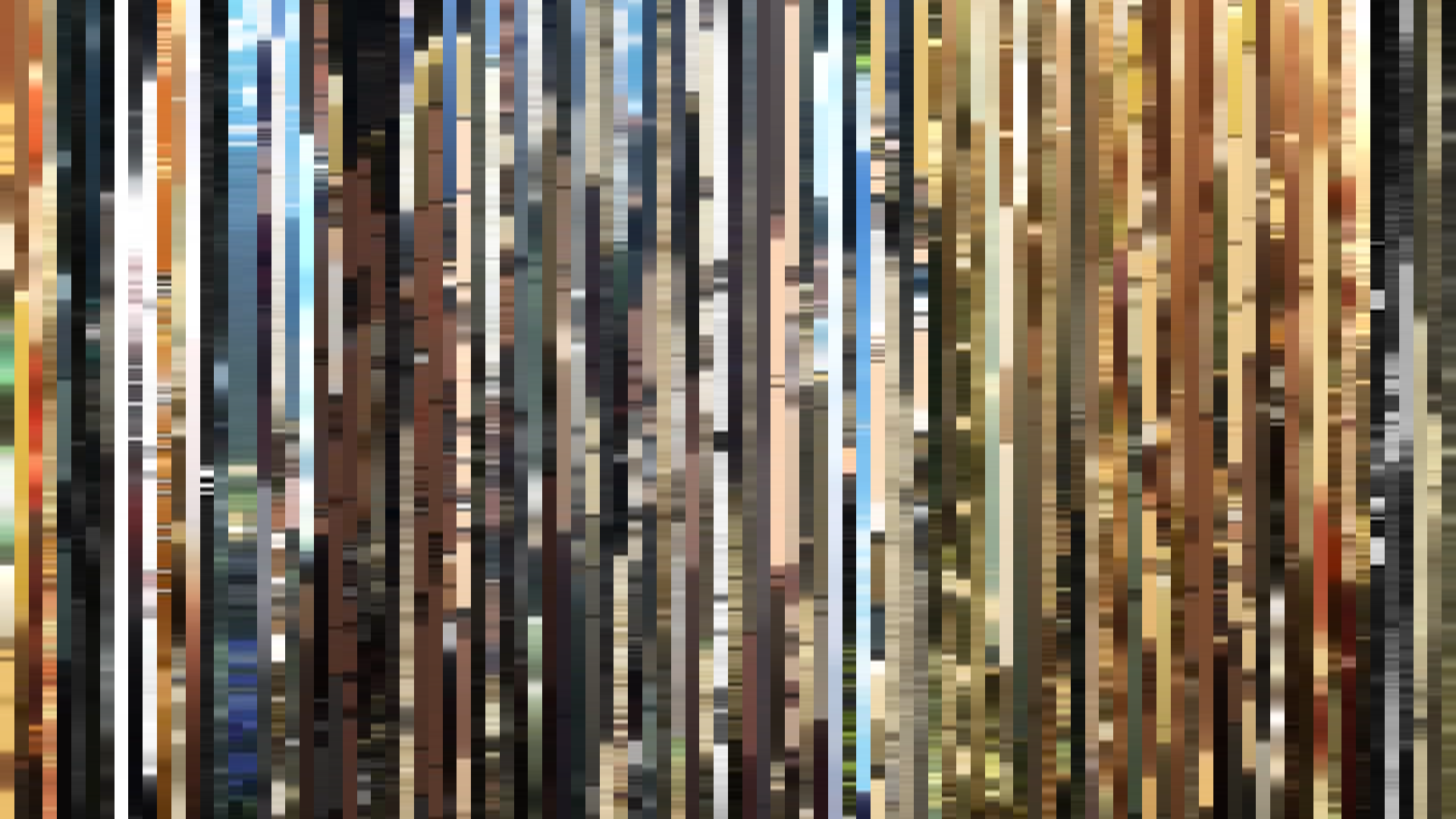
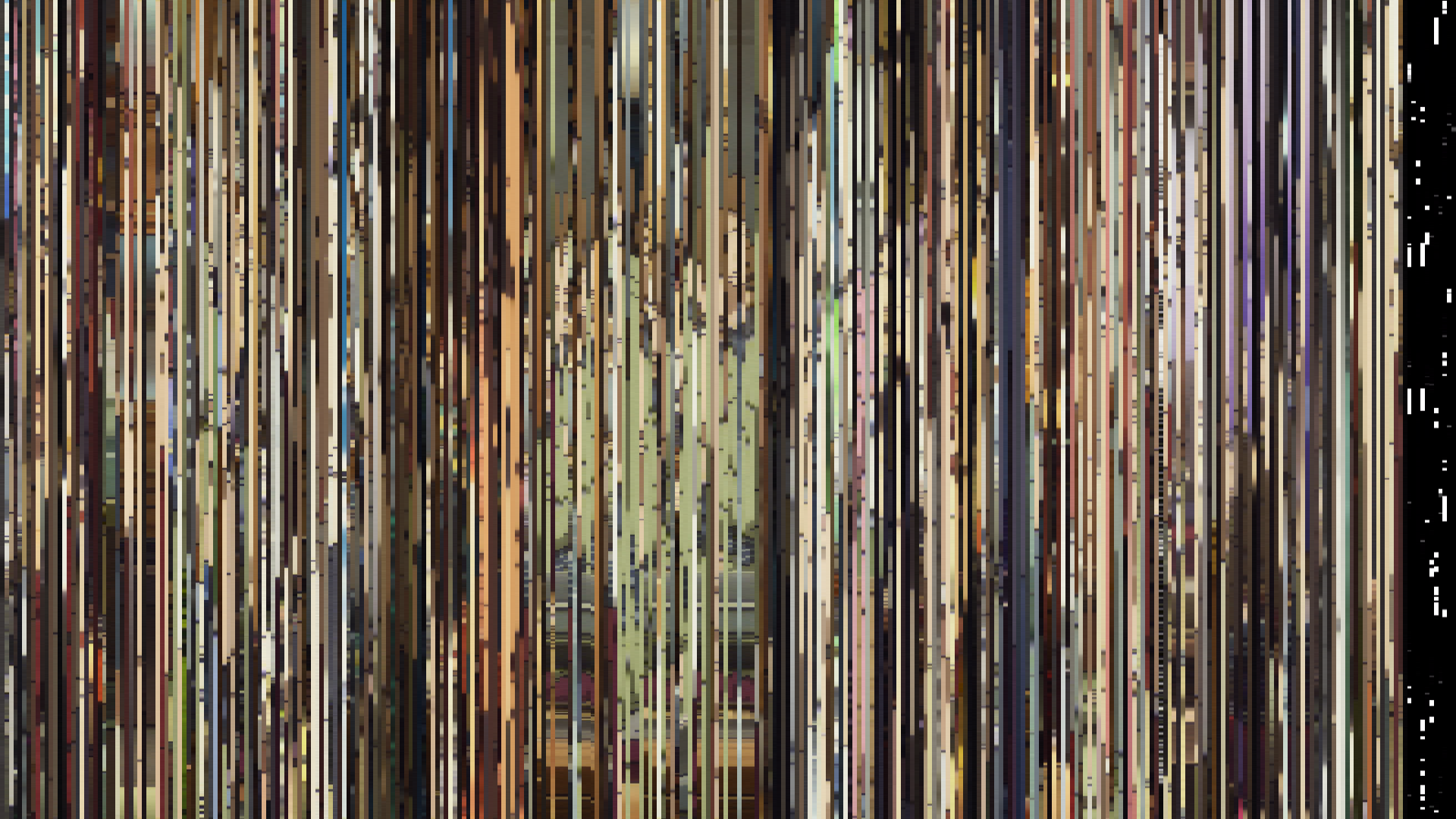
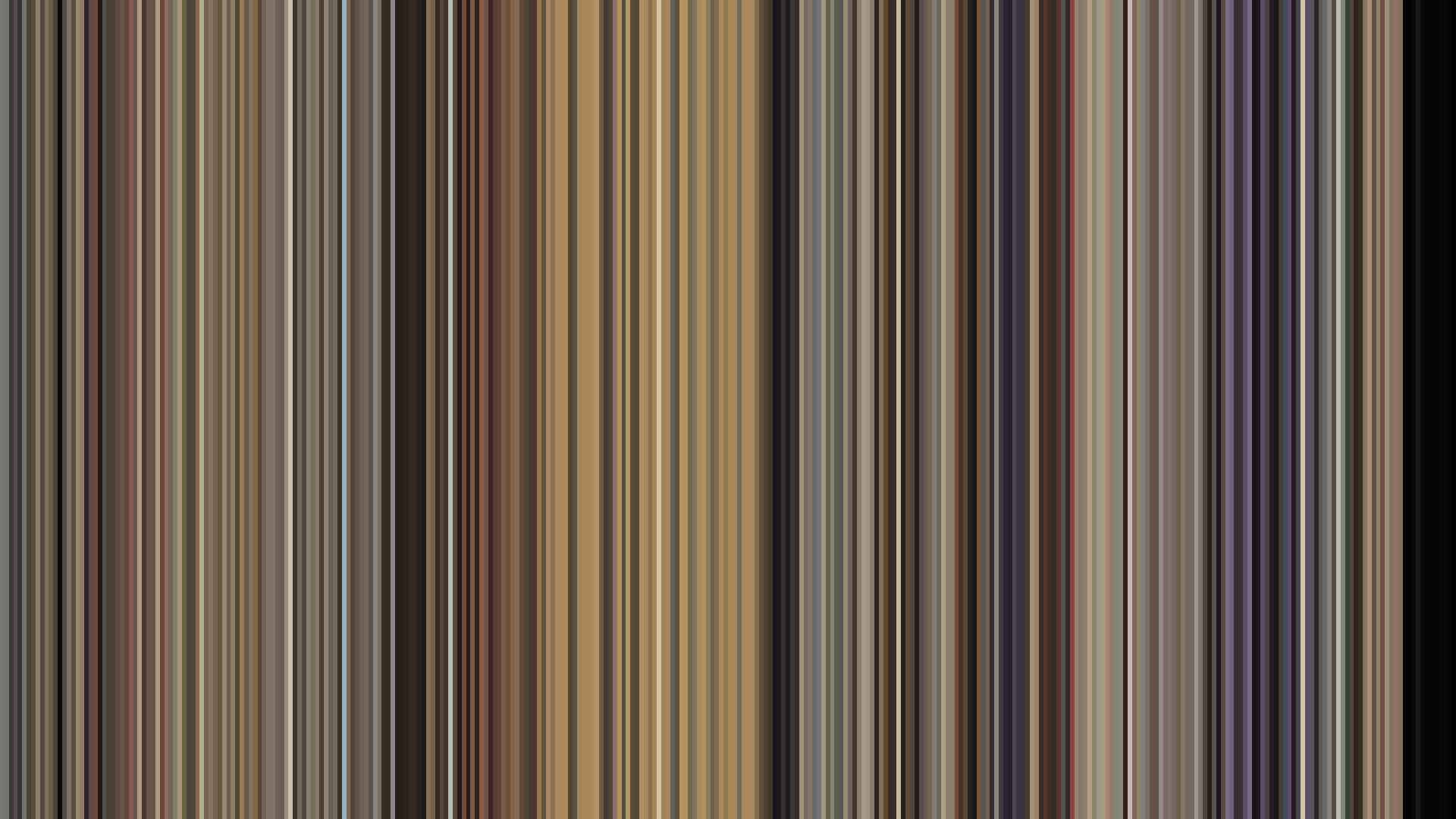
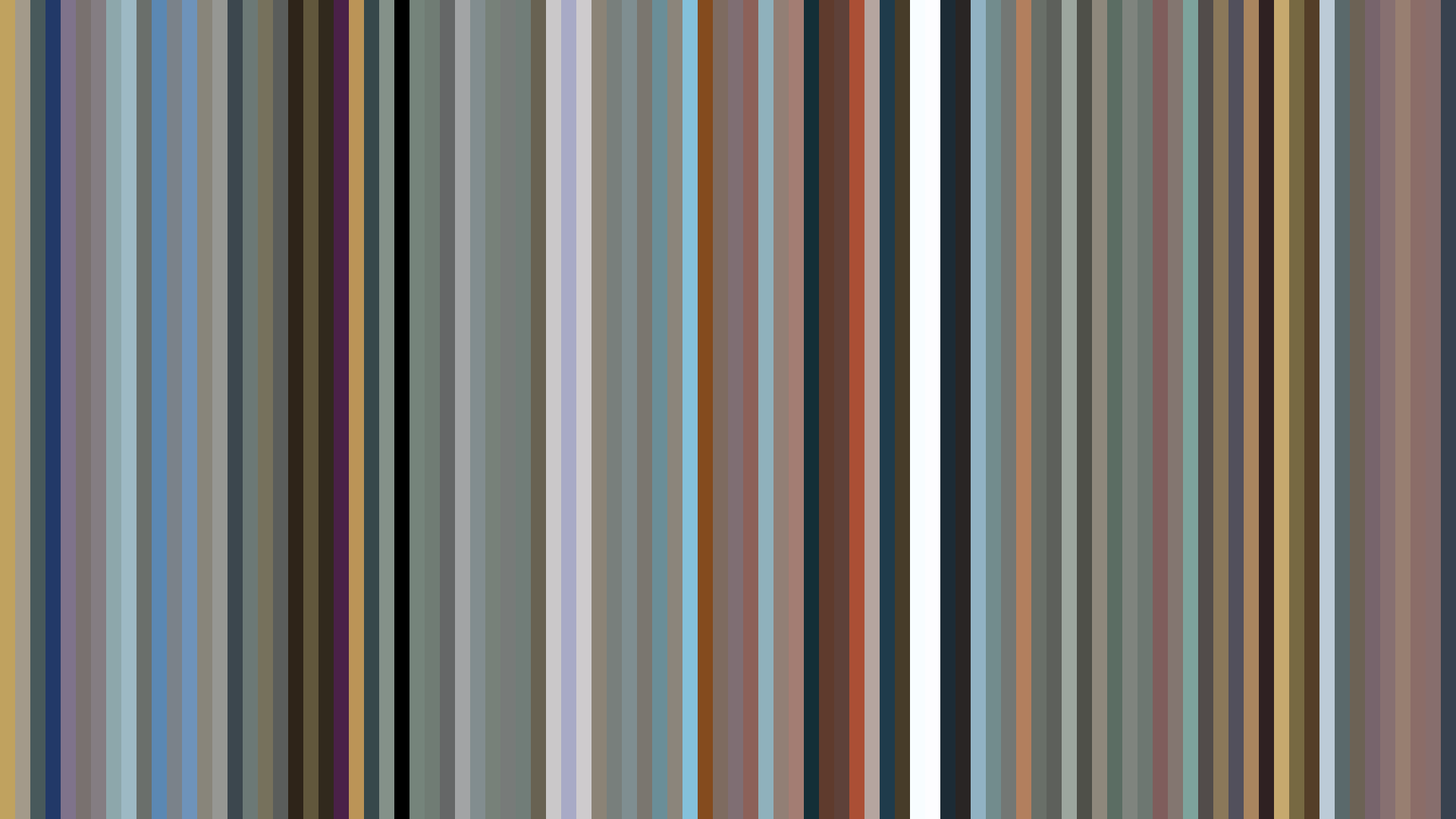
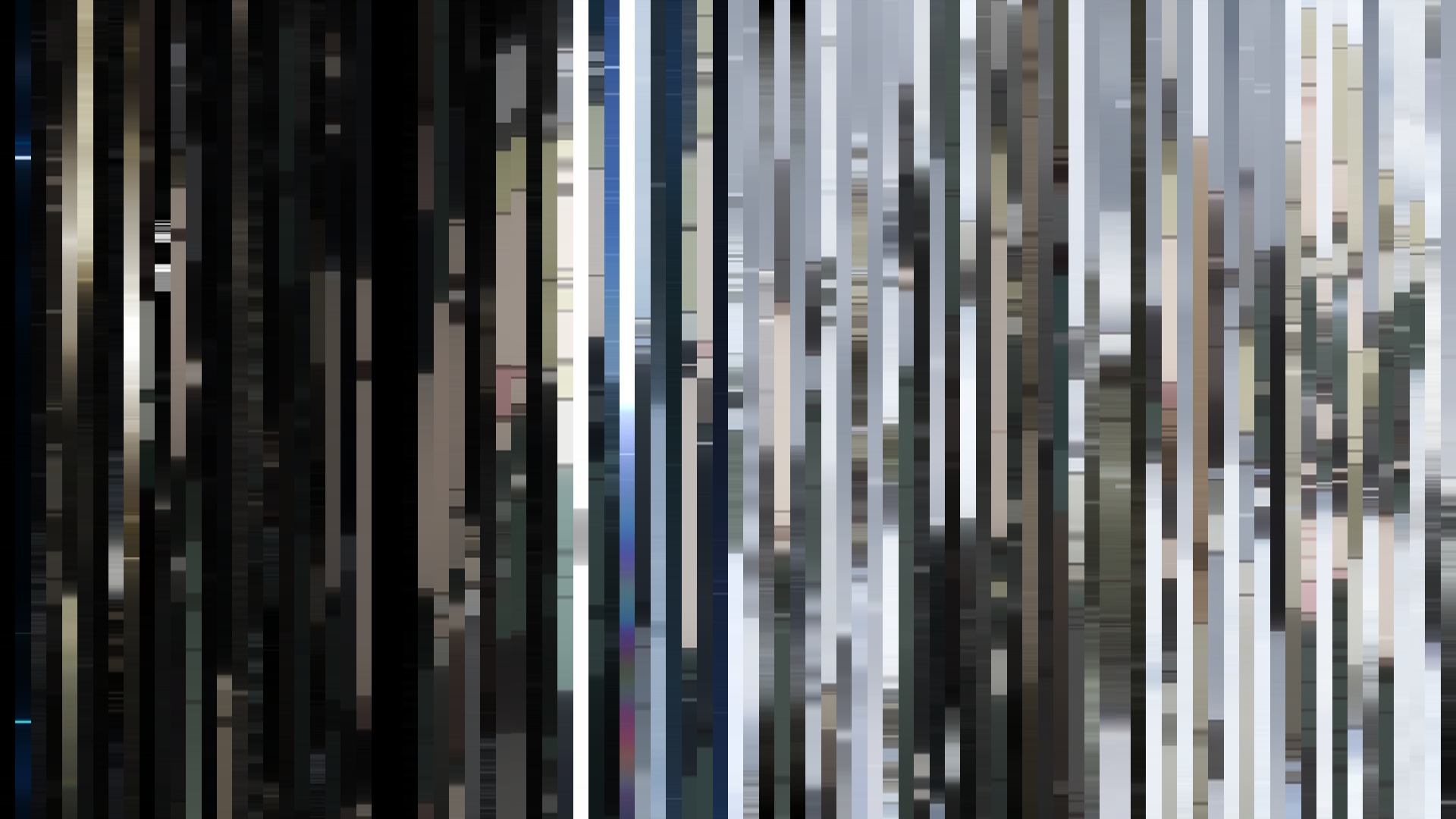
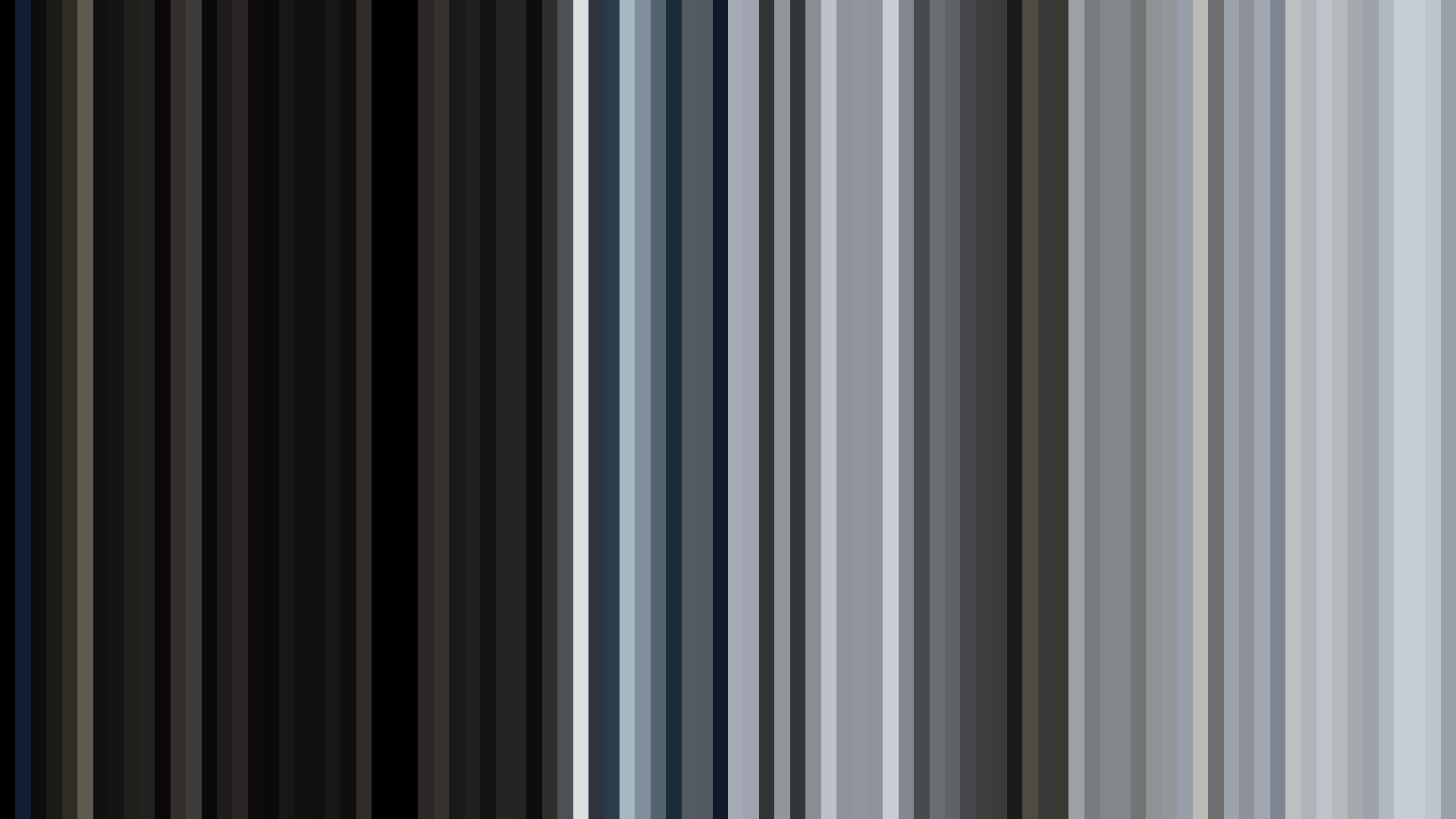
Frame Density Comparison — every 2nd vs every 4th frame
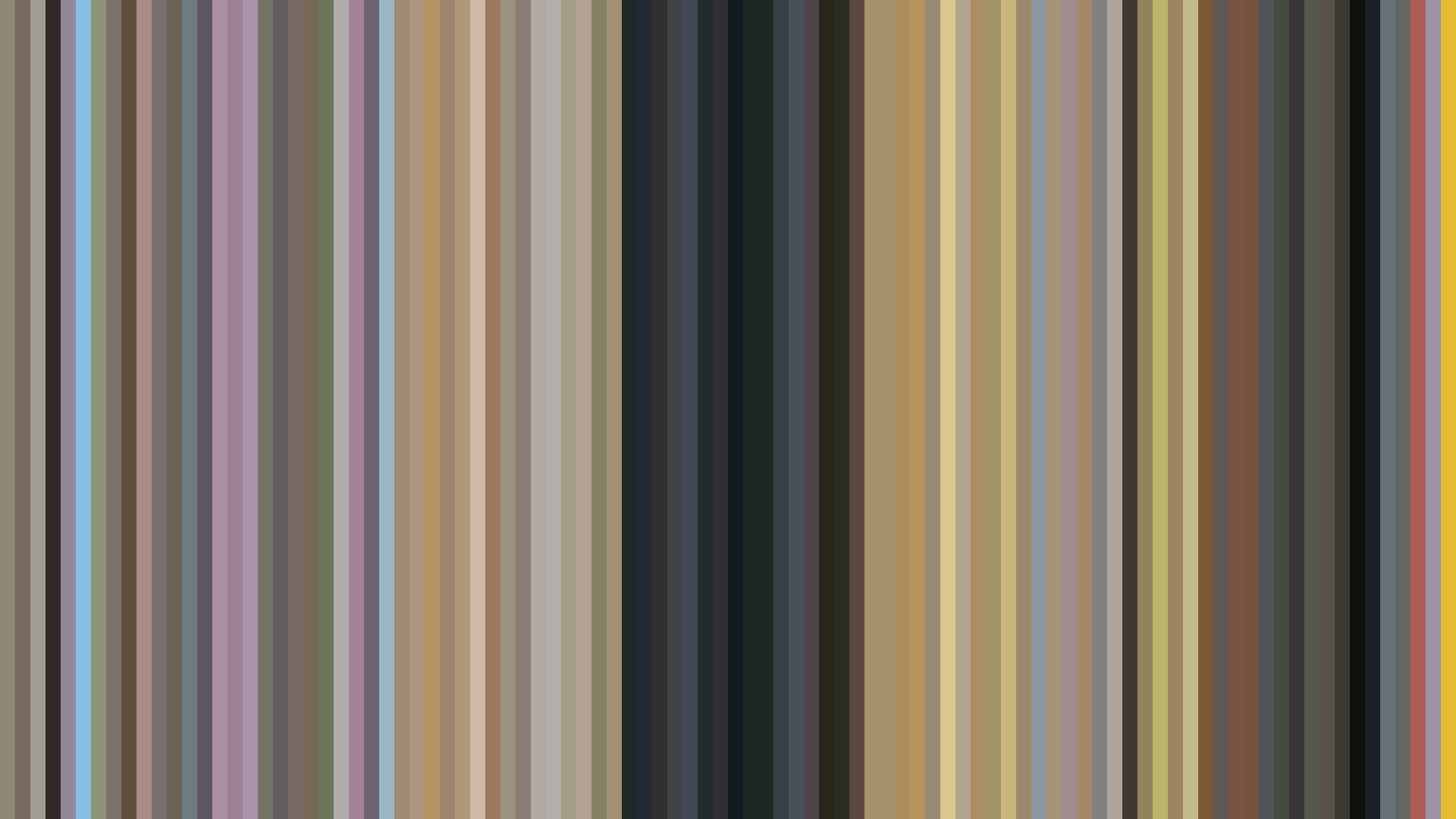
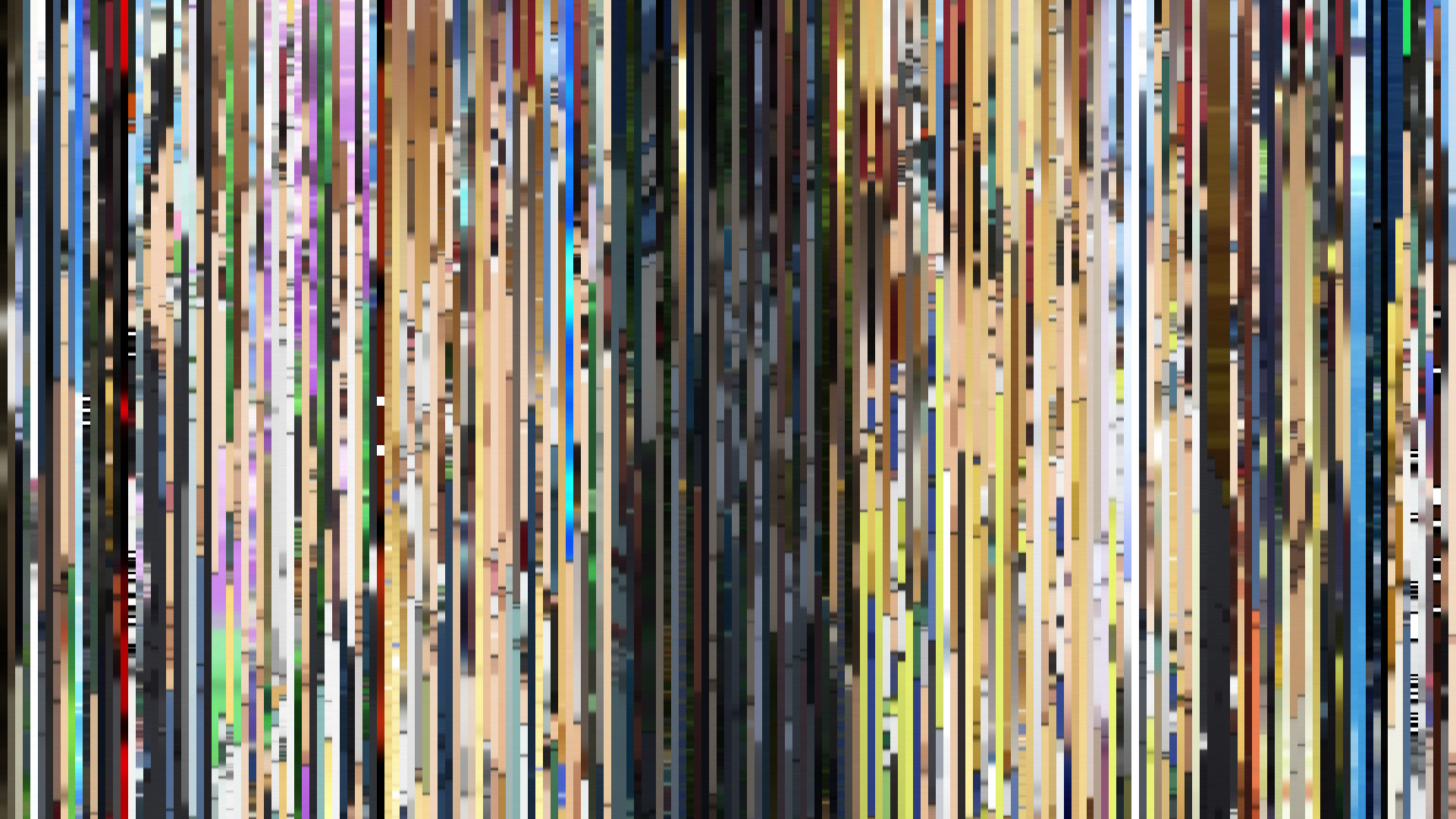
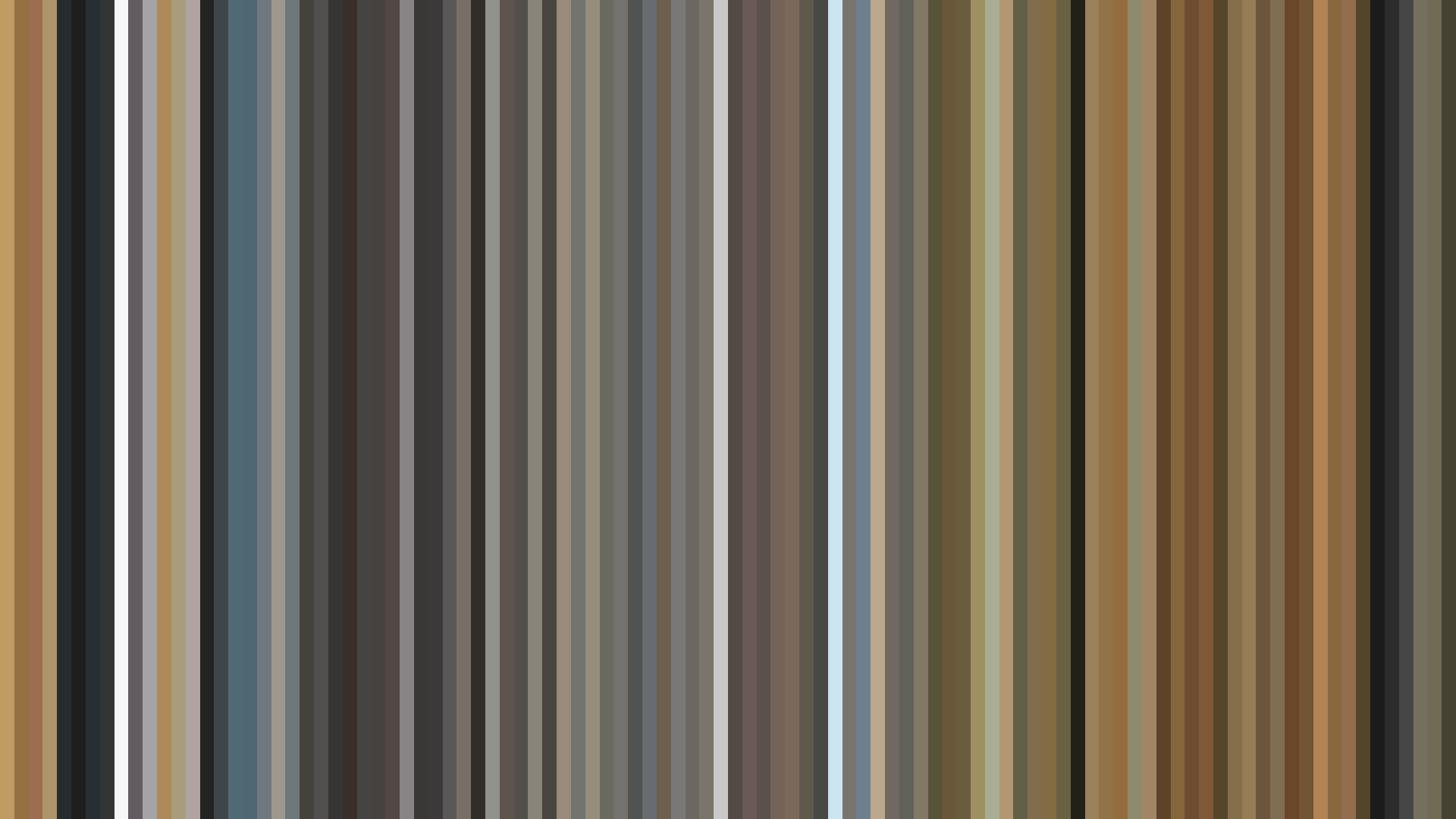
Slice · 15s
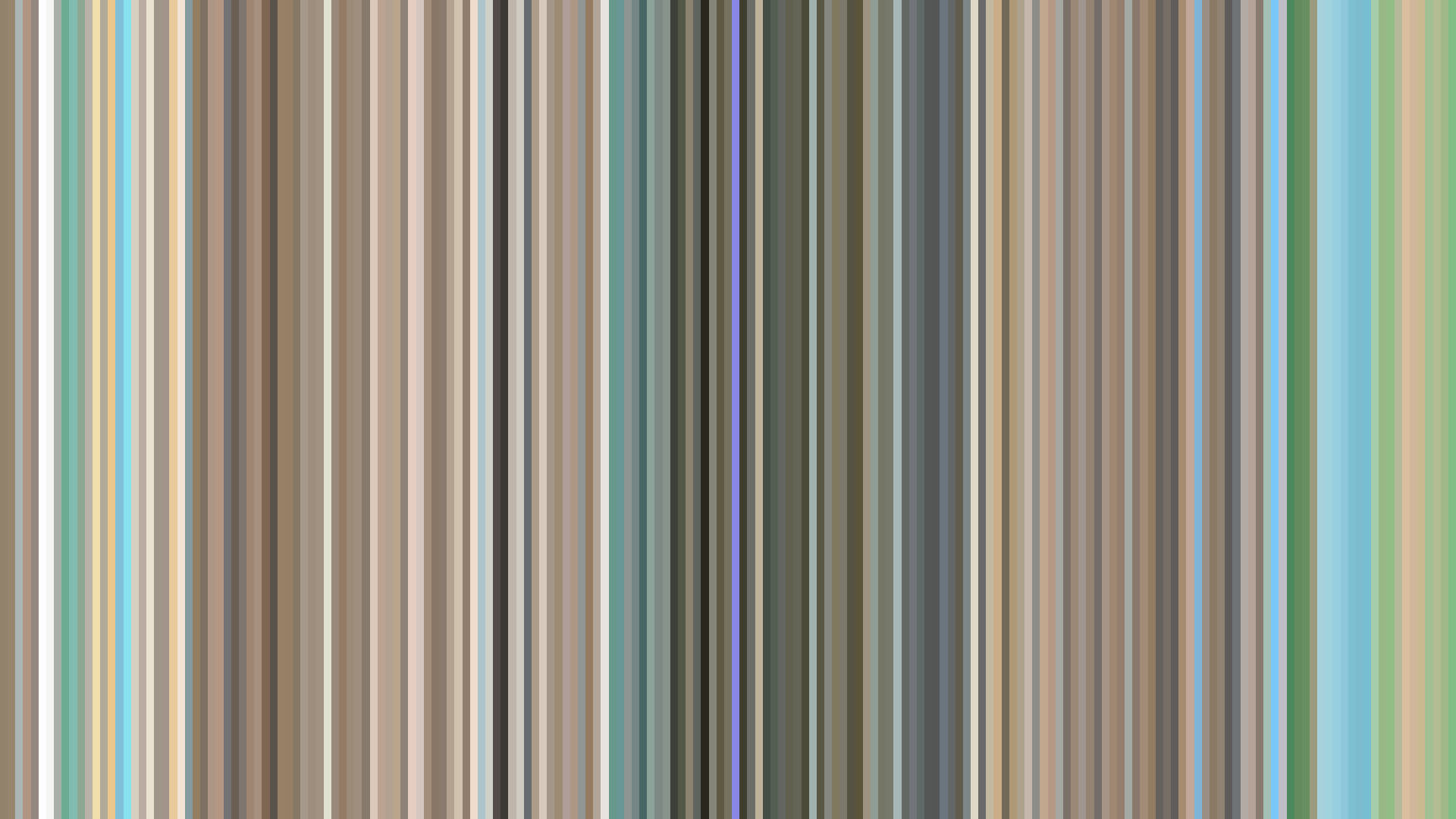
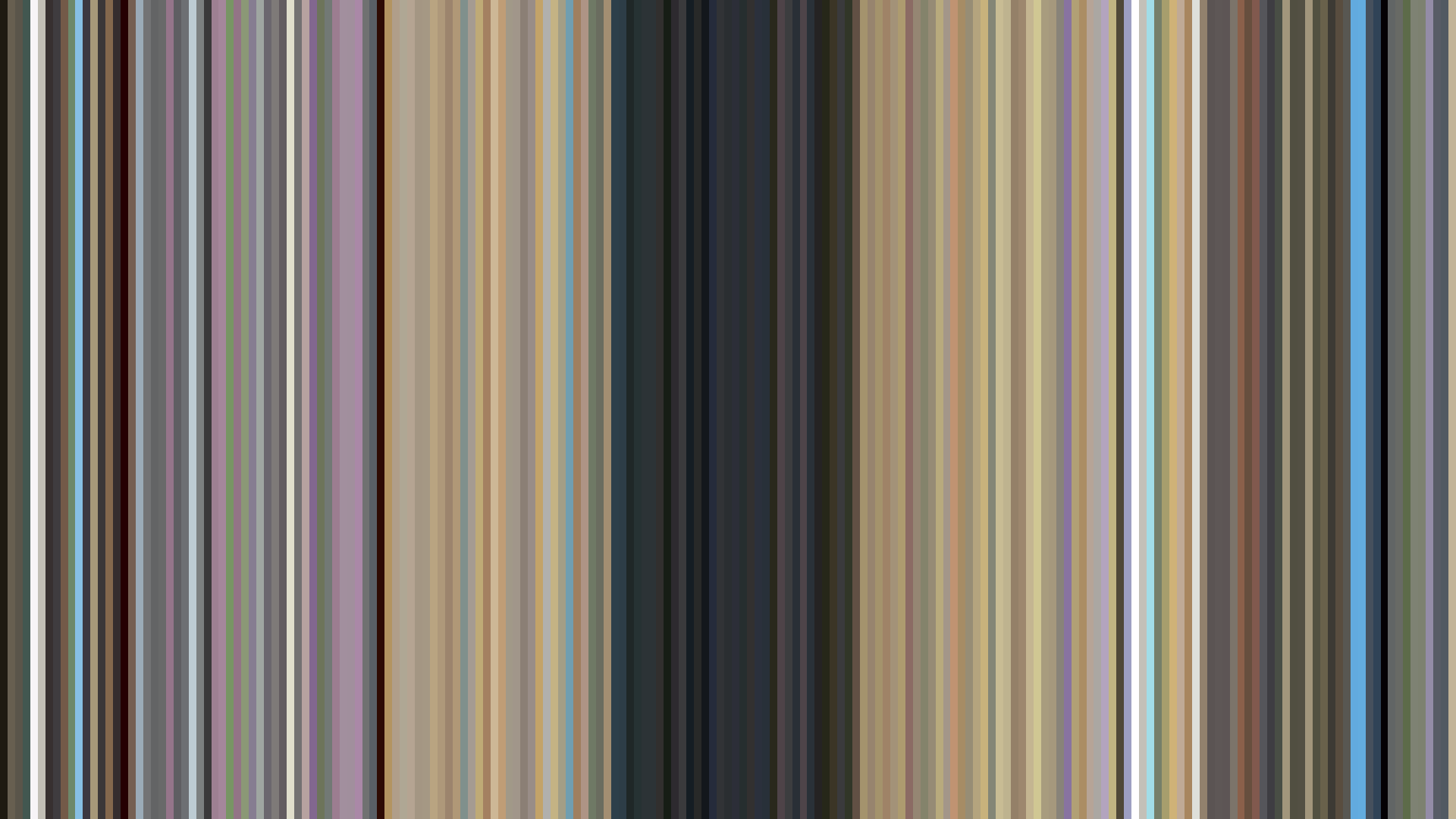
Avg · 15s
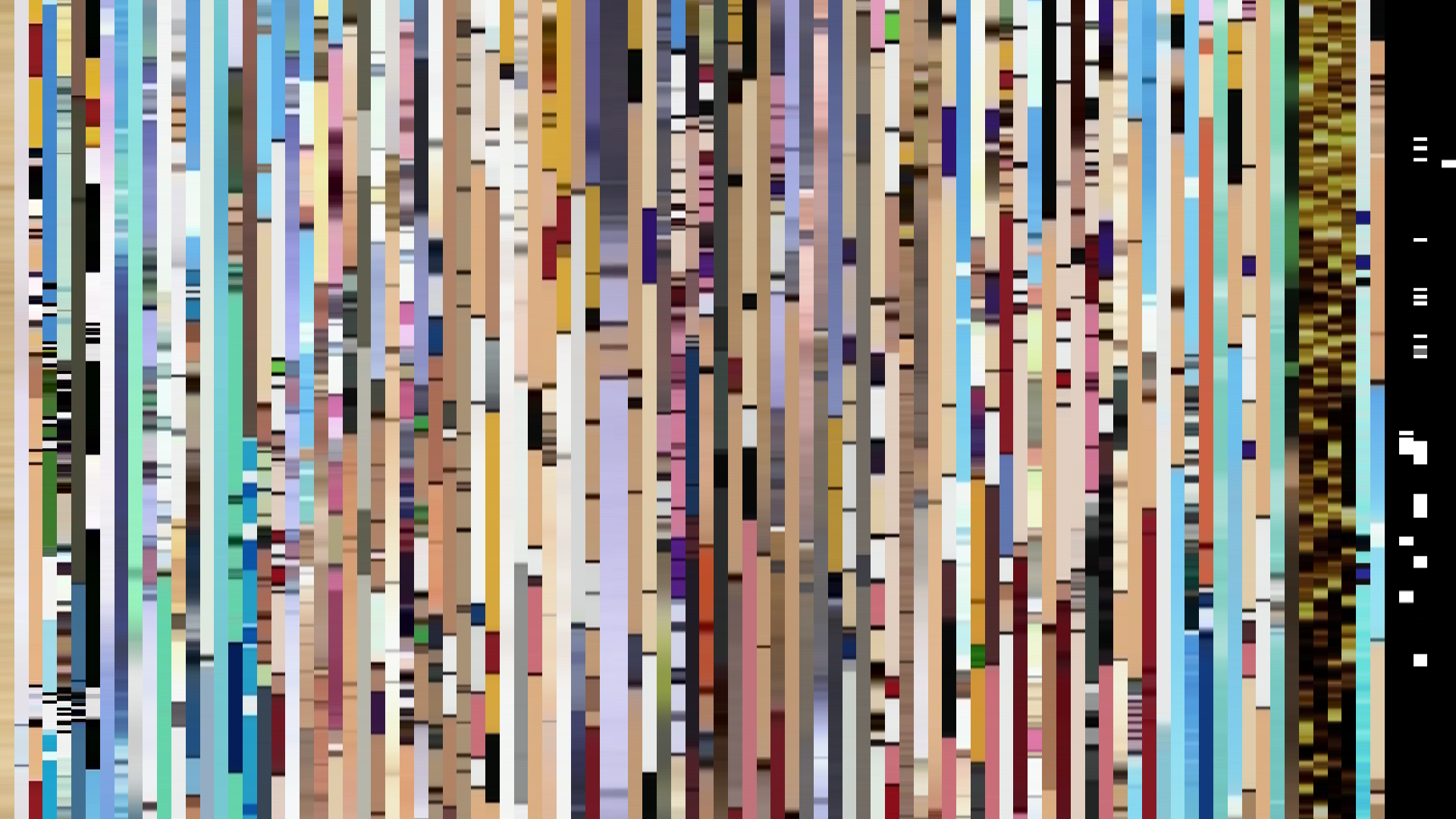
Slice · 30s
Avg · 30s
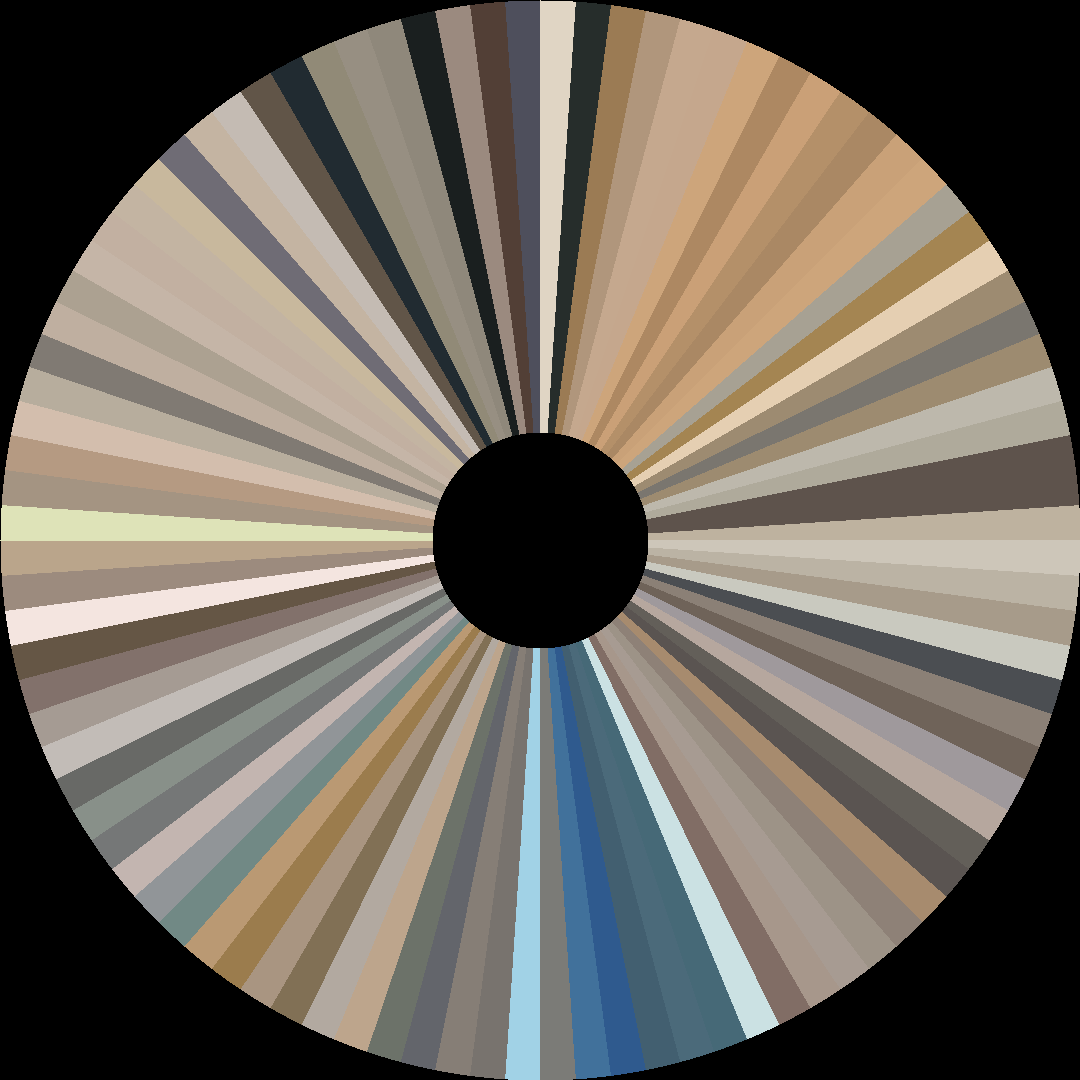
The flat brightness arc is the data's most telling feature: Welcome to the Ballroom never flares into melodrama or plunges into shadow. The palette, dominated by Red-Orange at 40% but held at a low average saturation of 0.241, suggests passion under strict discipline — dancers moving through warm, dusty light that never quite catches fire. Production I.G.’s adaptation of Tomo Takeuchi’s manga treats competitive ballroom as a sport of millimeter precision, not emotional fireworks. The controlled burn across all three acts — opening at 0.575, middle at 0.542, closing at 0.497 — refuses the typical sports anime escalation from bright
Brightness Arc (episode progression)
Hue Distribution
Act Breakdown
Opening
0.575
Middle
0.542
Closing
0.497
Avg Brightness
0.556
Avg Saturation
0.241
Warmth
0.566
Color Palette
#E7E5DE
#615D5B
#E7CDA7
#977158
#A29F98
#29282A
#A5896C
#D1B395
3-Act Color Story
Opening
Middle
Closing
Color Twins
Perceptually nearest palettes — measured in OKLab space, not RGB









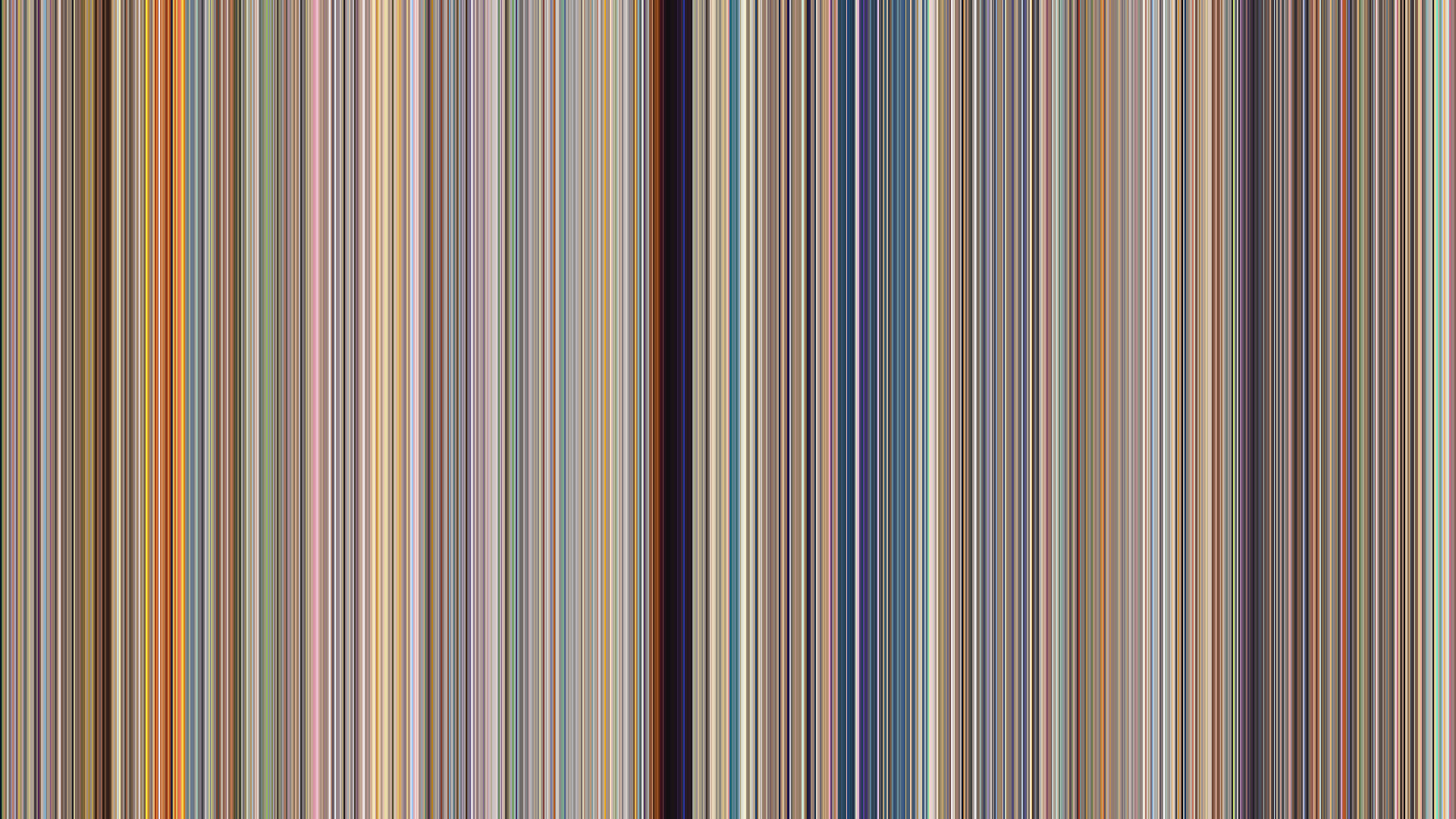

The flat brightness arc is the data's most telling feature: Welcome to the Ballroom never flares into melodrama or plunges into shadow. The palette, dominated by Red-Orange at 40% but held at a low average saturation of 0.241, suggests passion under strict discipline — dancers moving through warm, dusty light that never quite catches fire. Production I.G.’s adaptation of Tomo Takeuchi’s manga treats competitive ballroom as a sport of millimeter precision, not emotional fireworks. The controlled burn across all three acts — opening at 0.575, middle at 0.542, closing at 0.497 — refuses the typical sports anime escalation from bright