Edit Pace — frame-to-frame color delta (bright = fast cuts)
Color Temperature — warm (gold) vs cool (teal) per frame
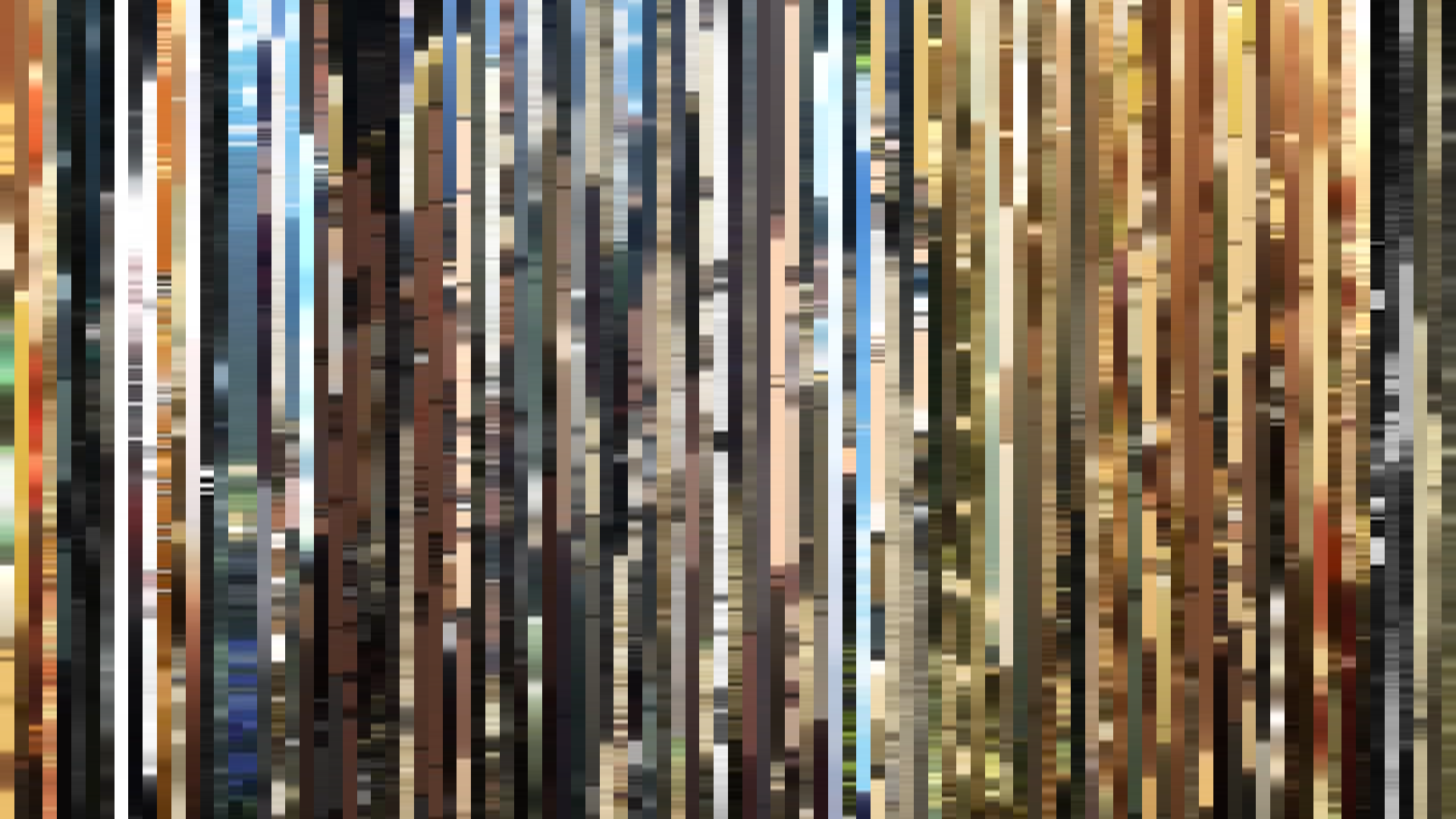
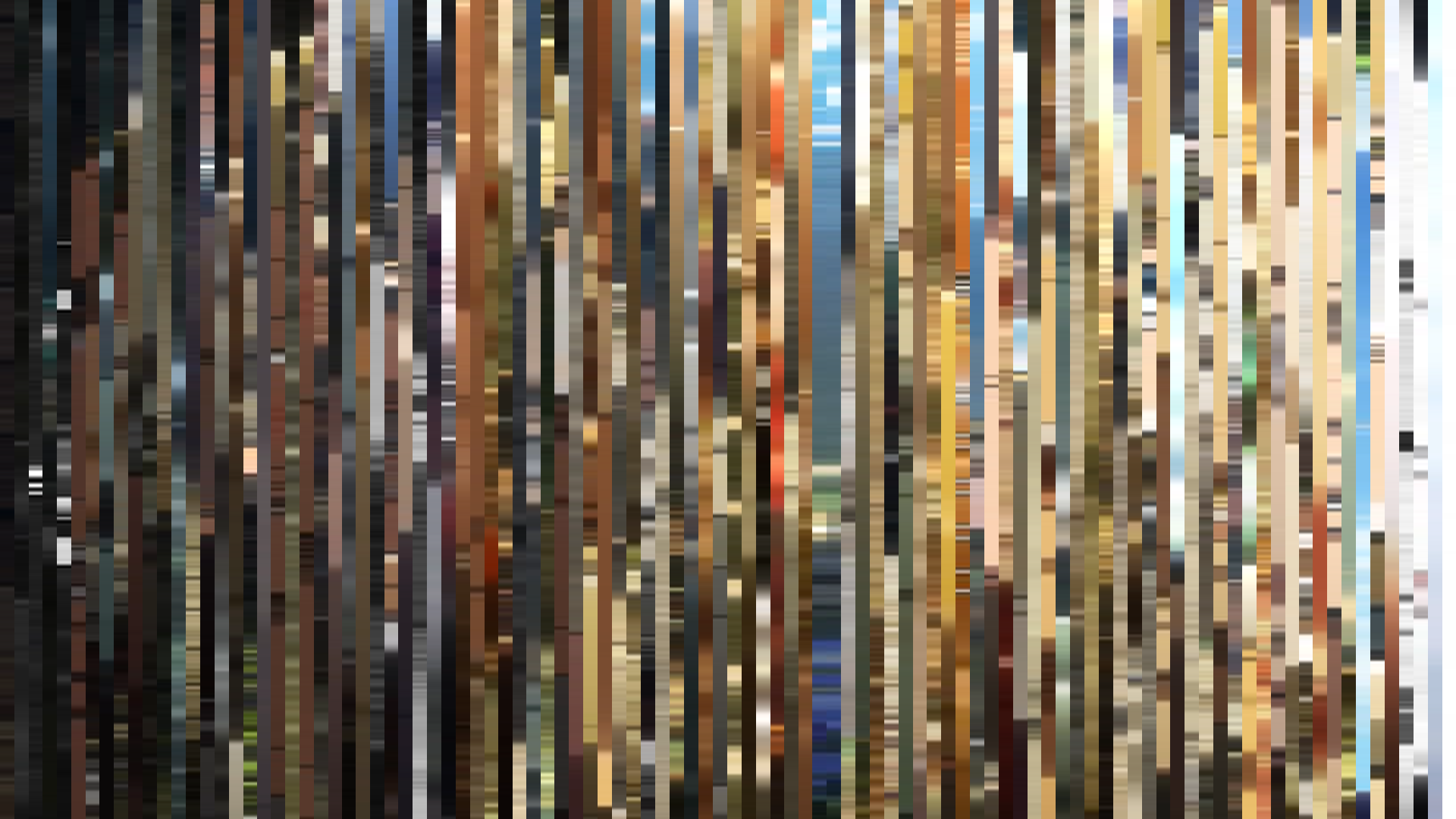
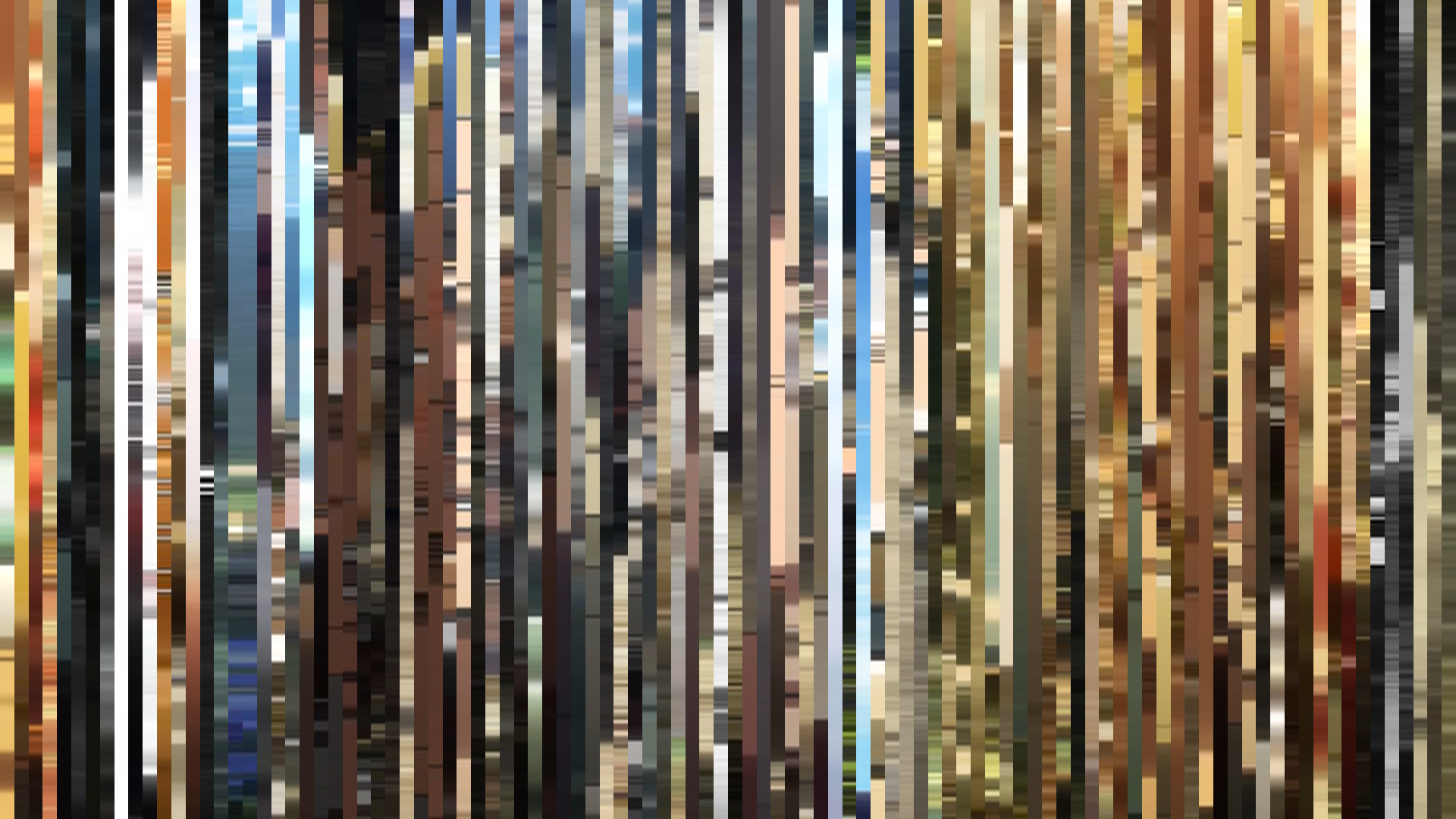
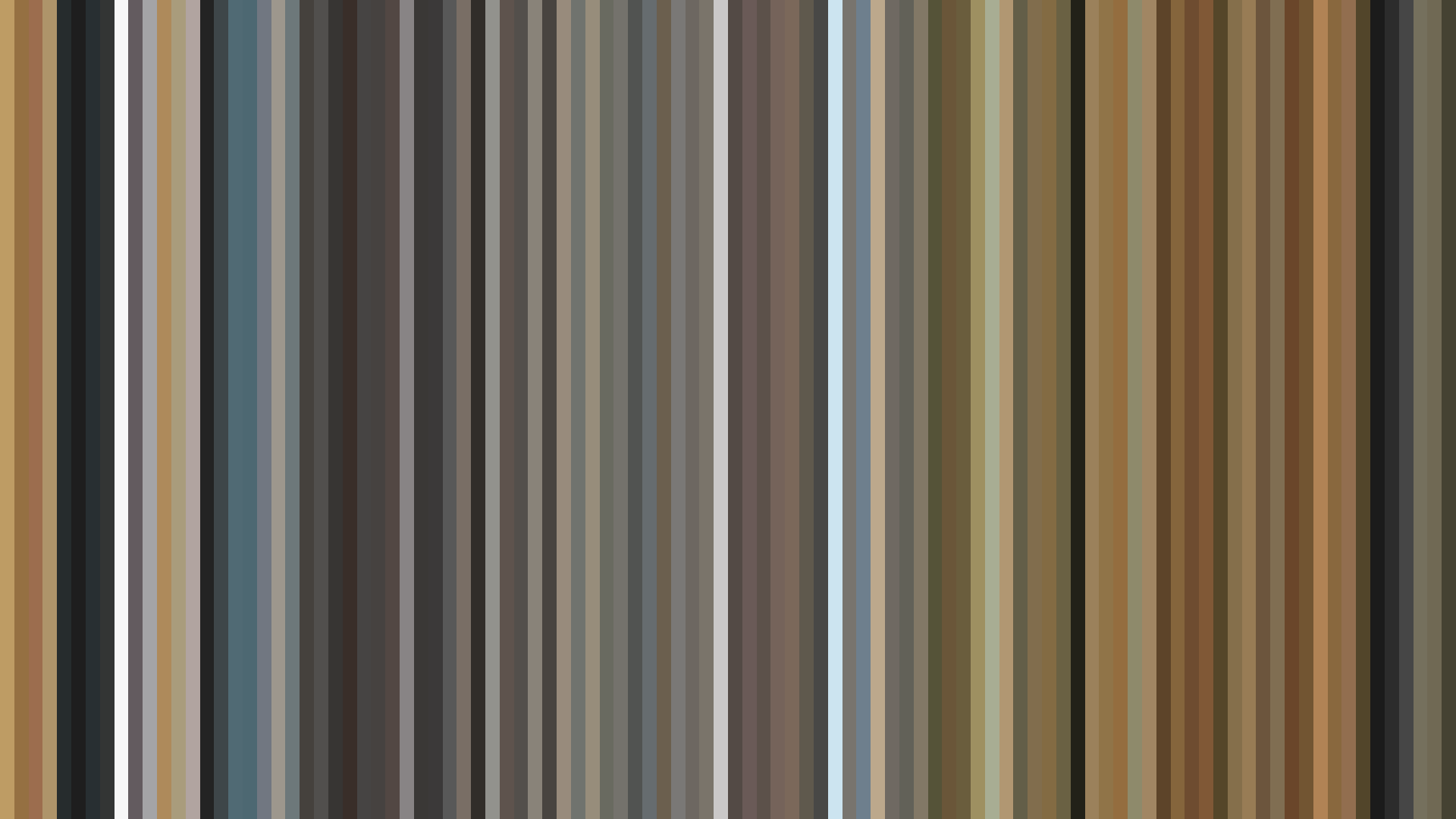
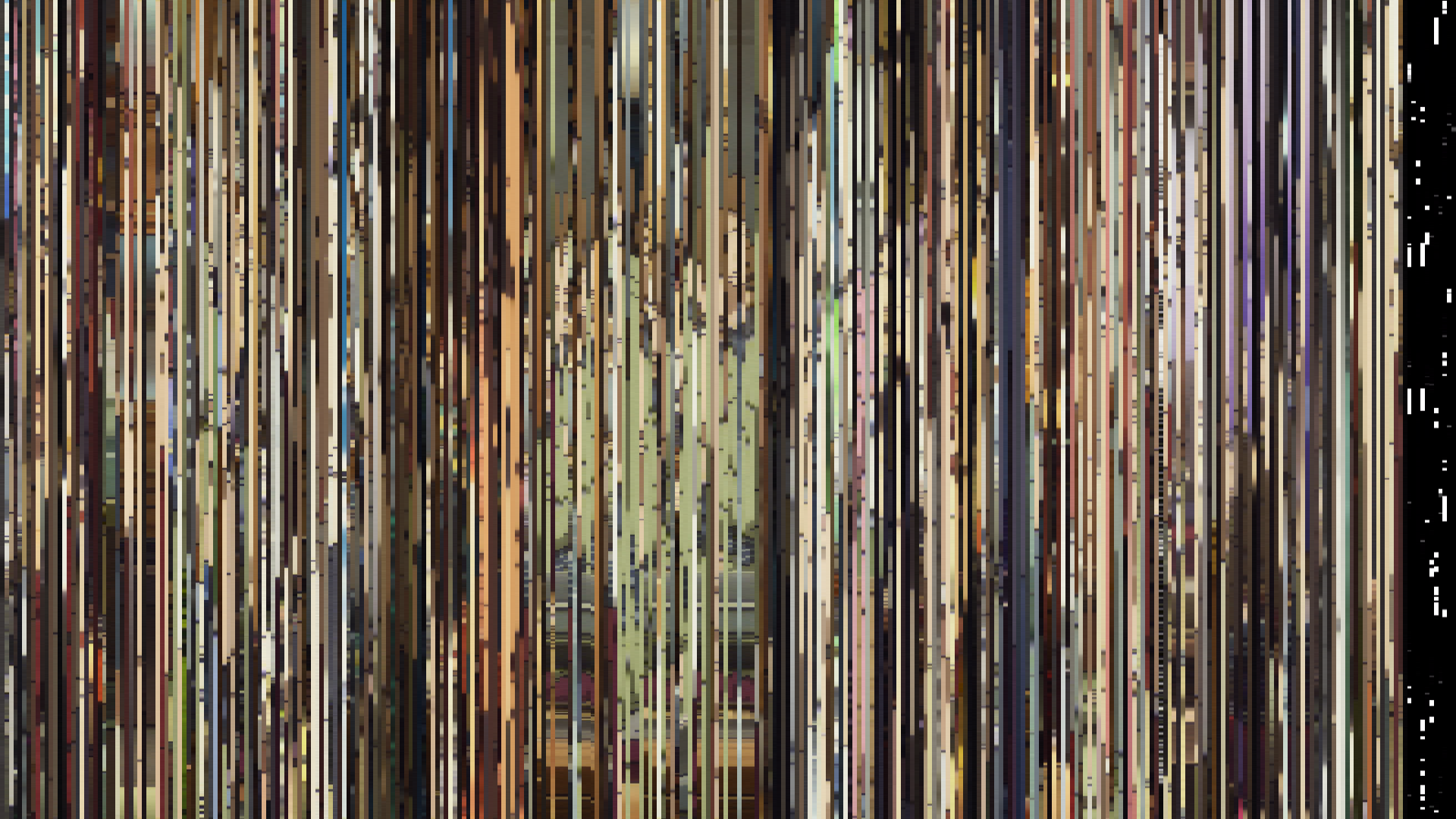
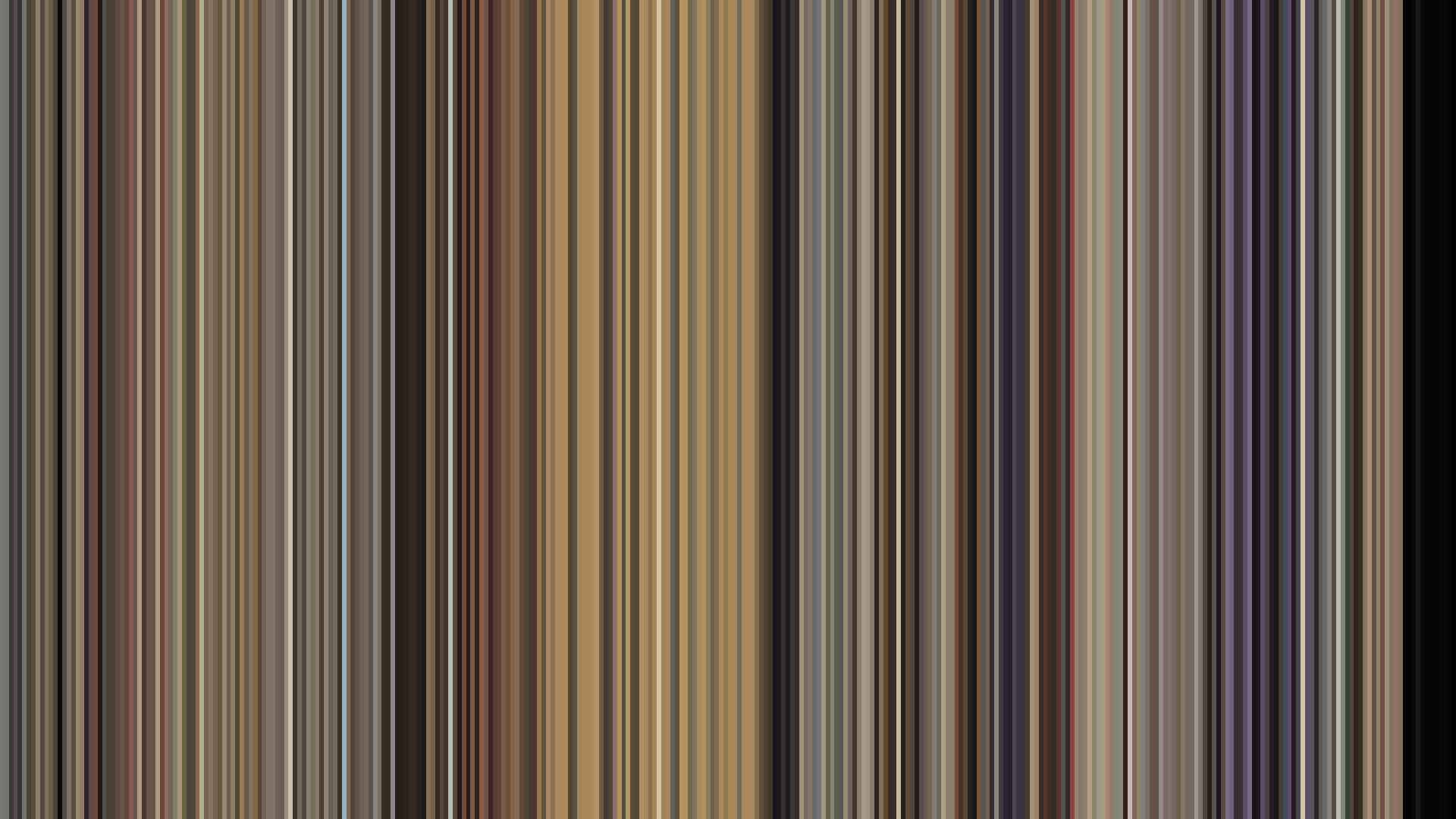
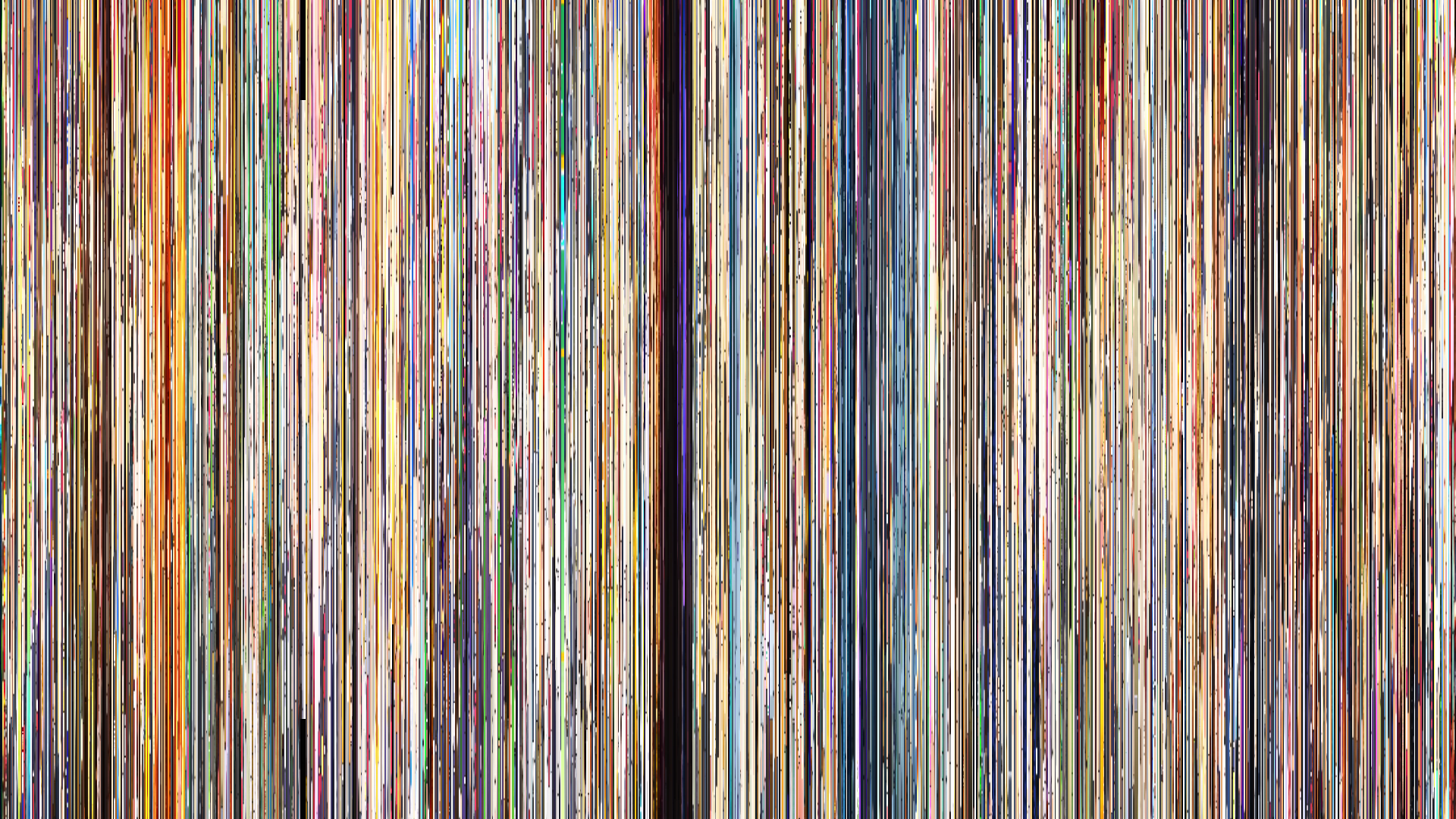
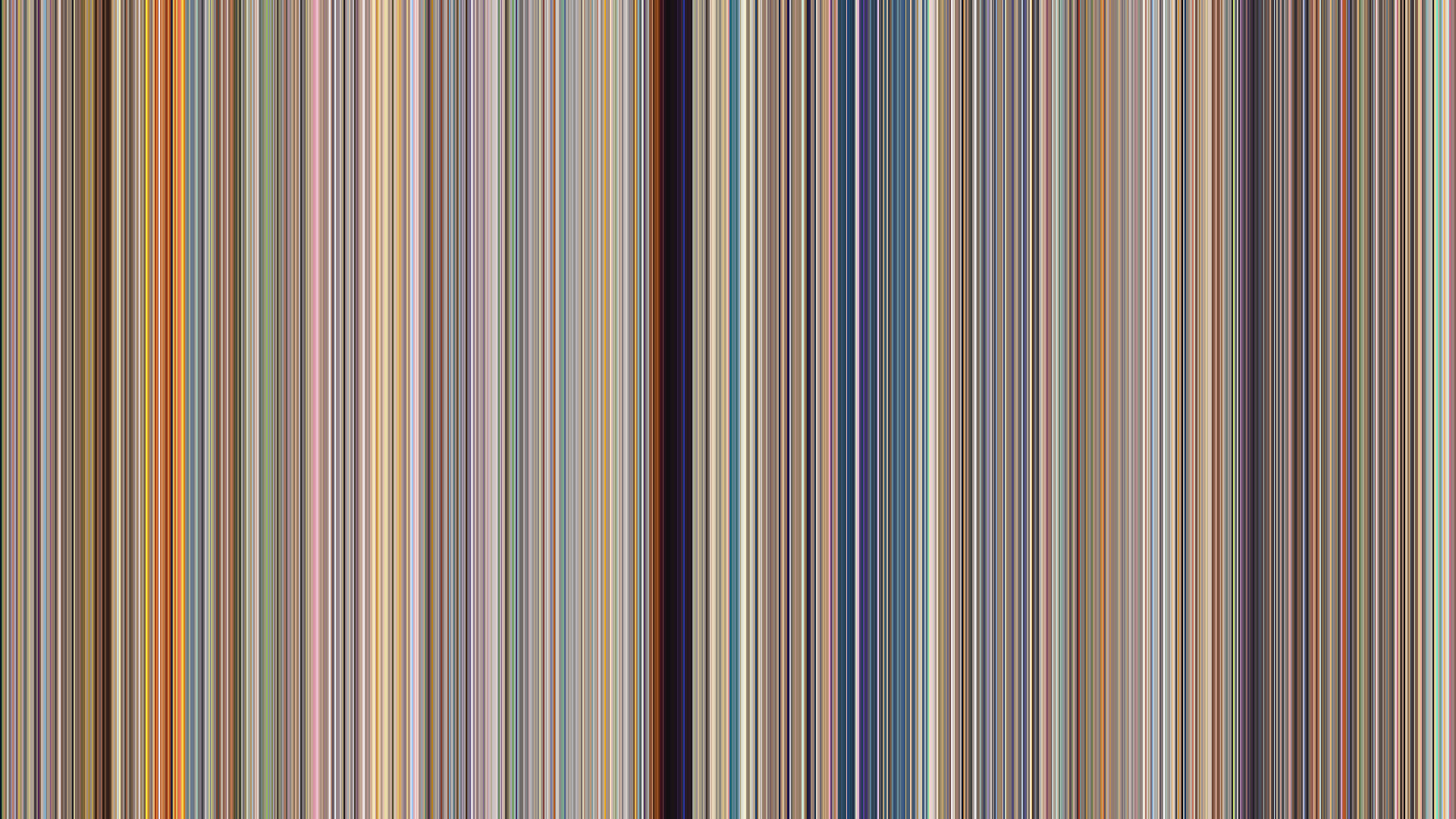
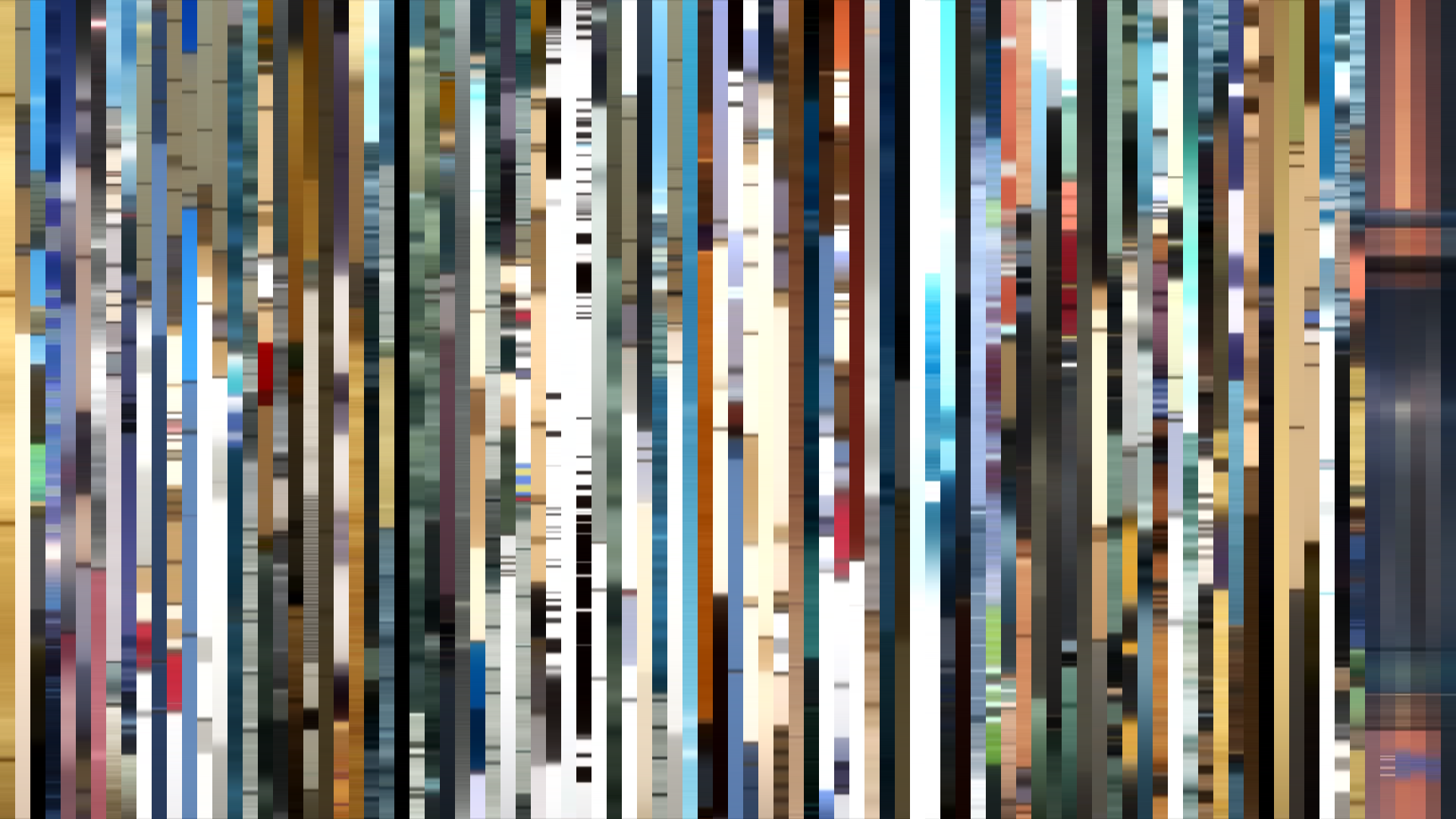
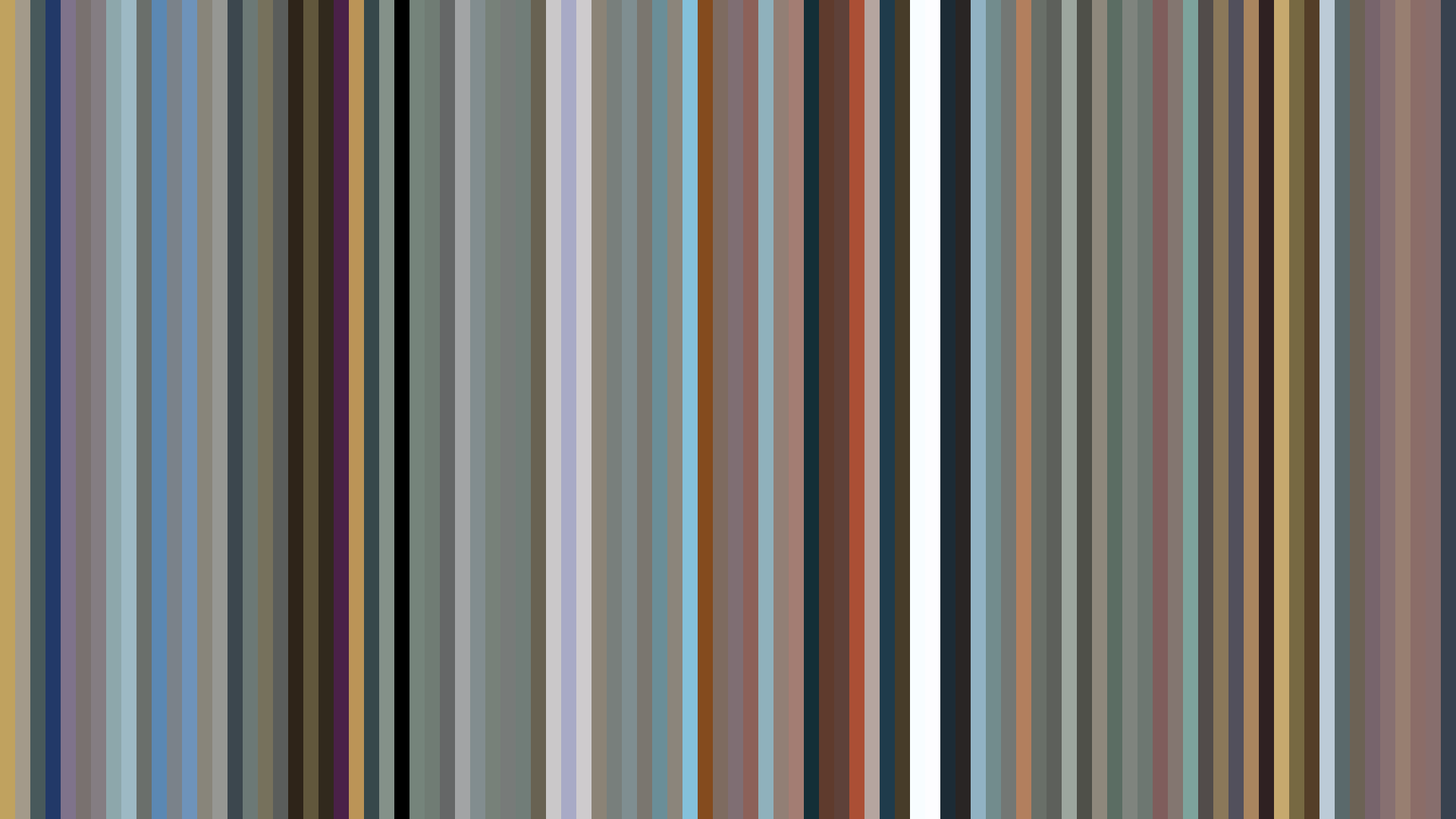
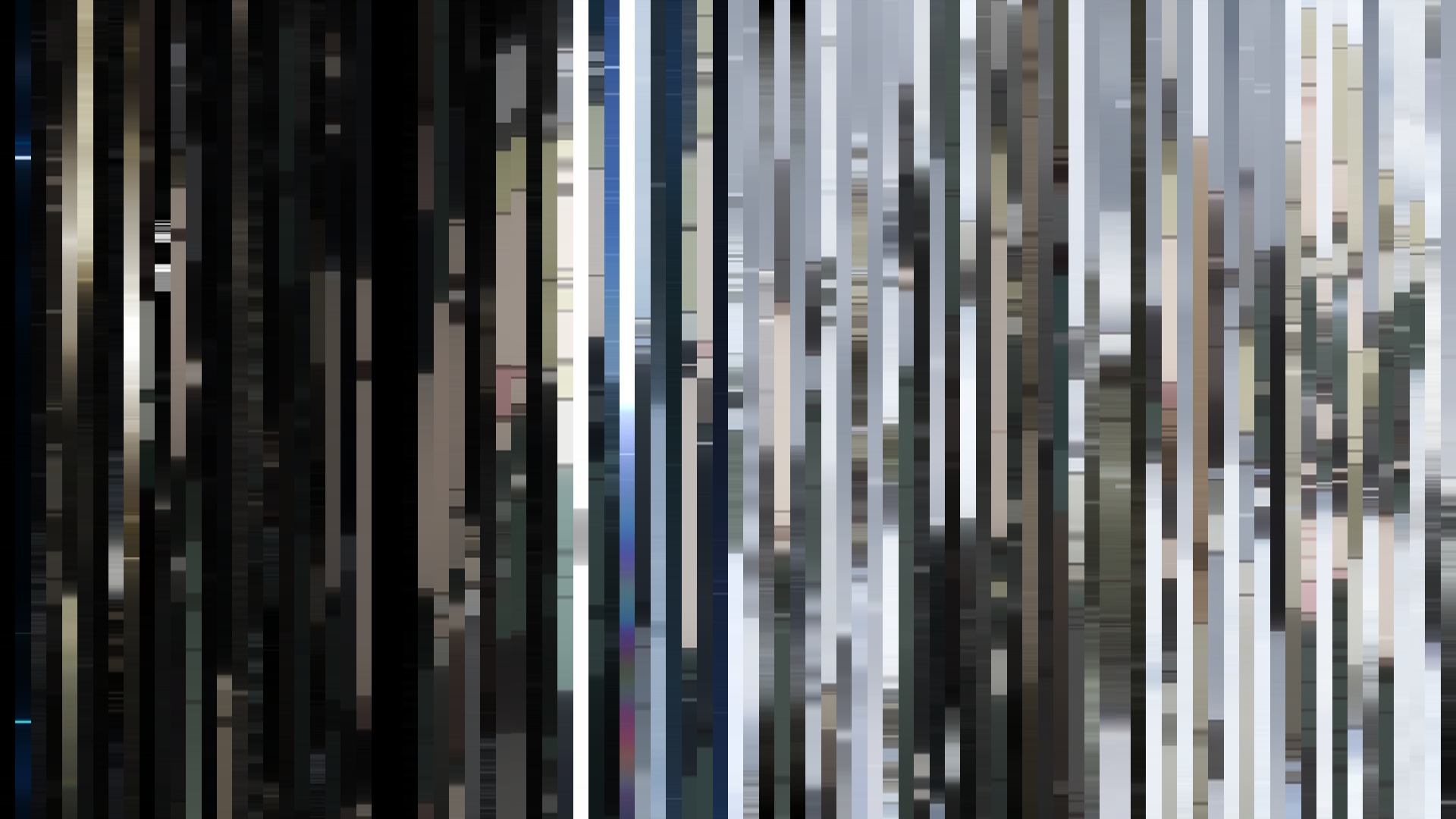
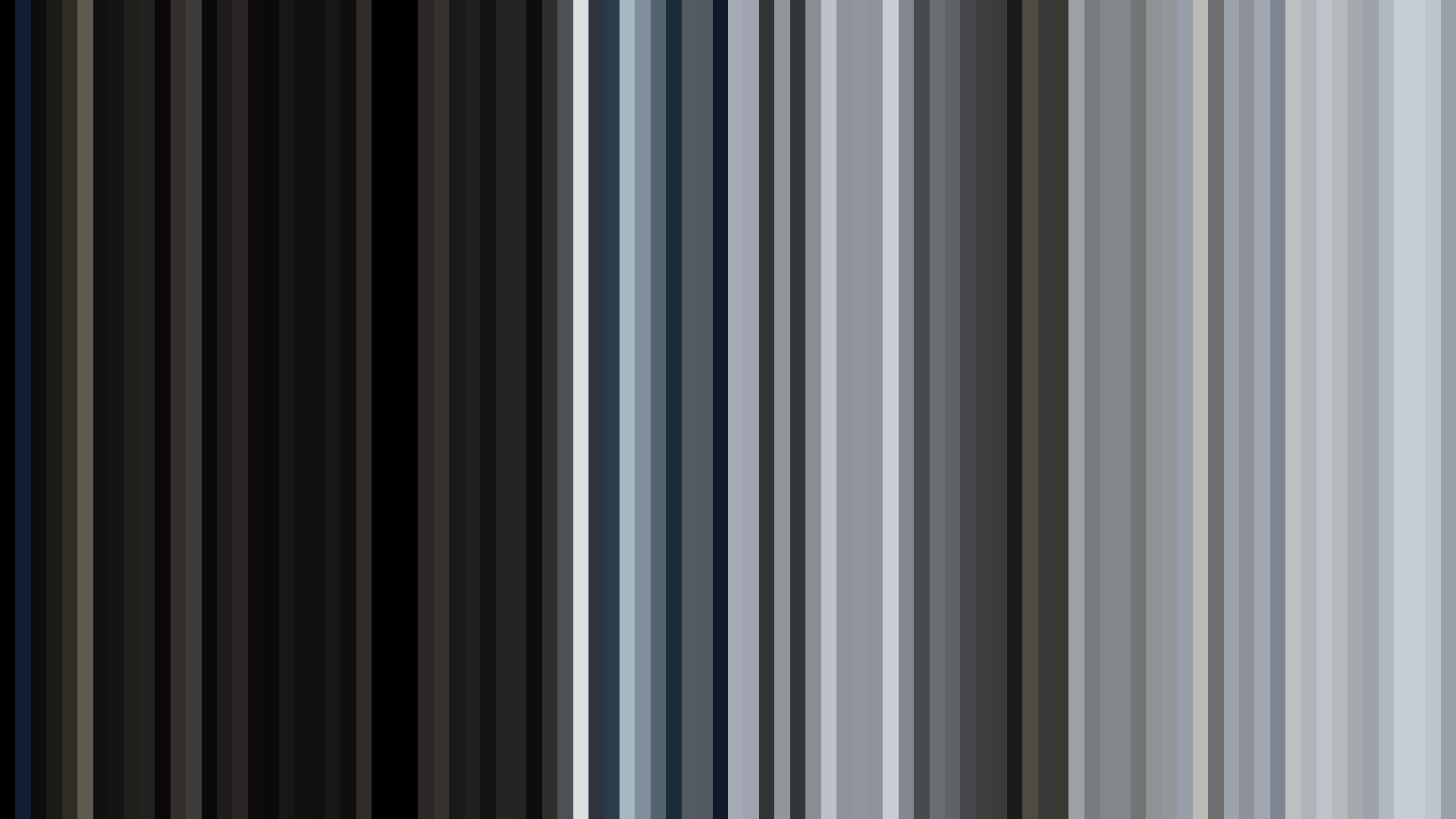
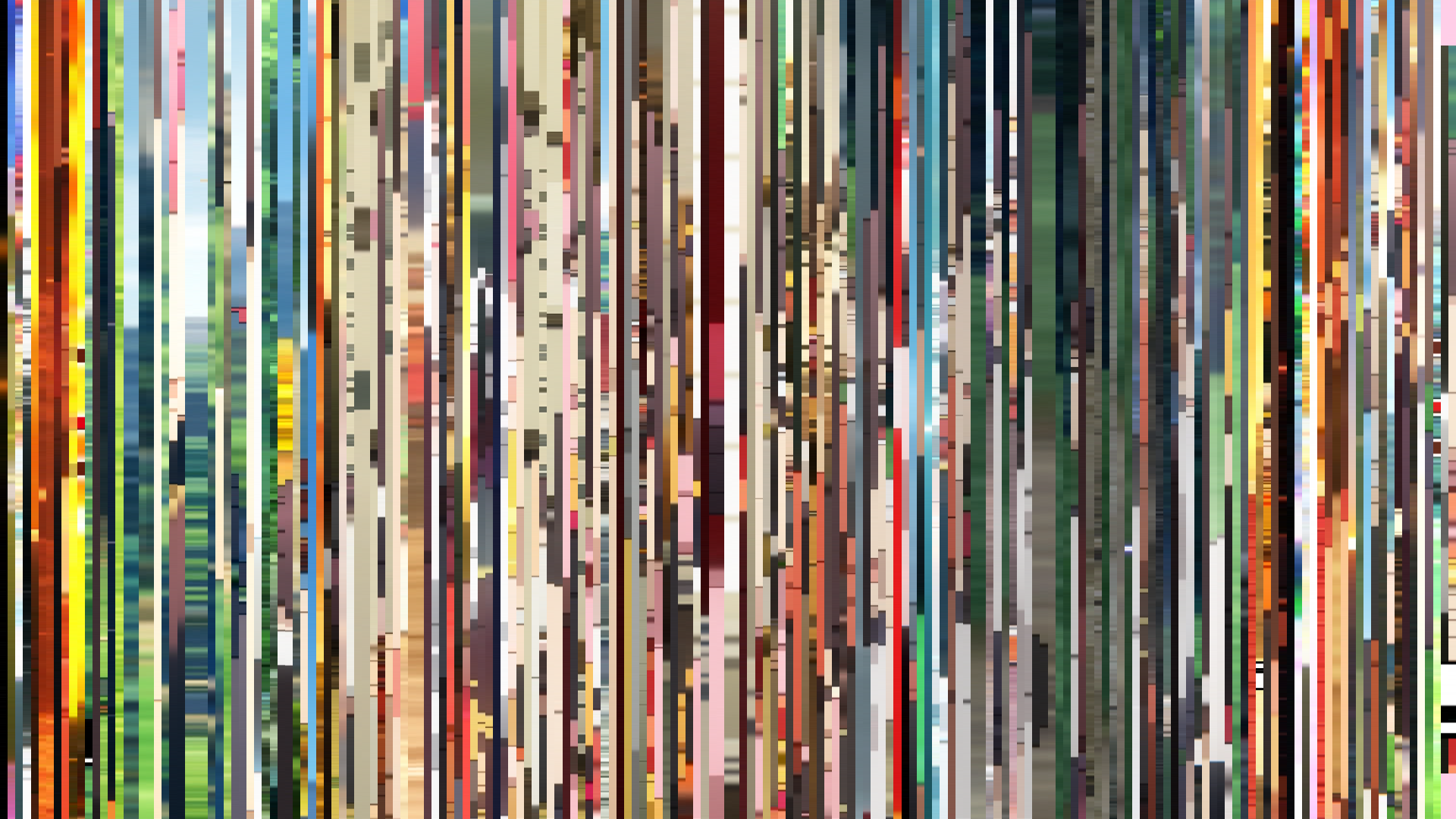
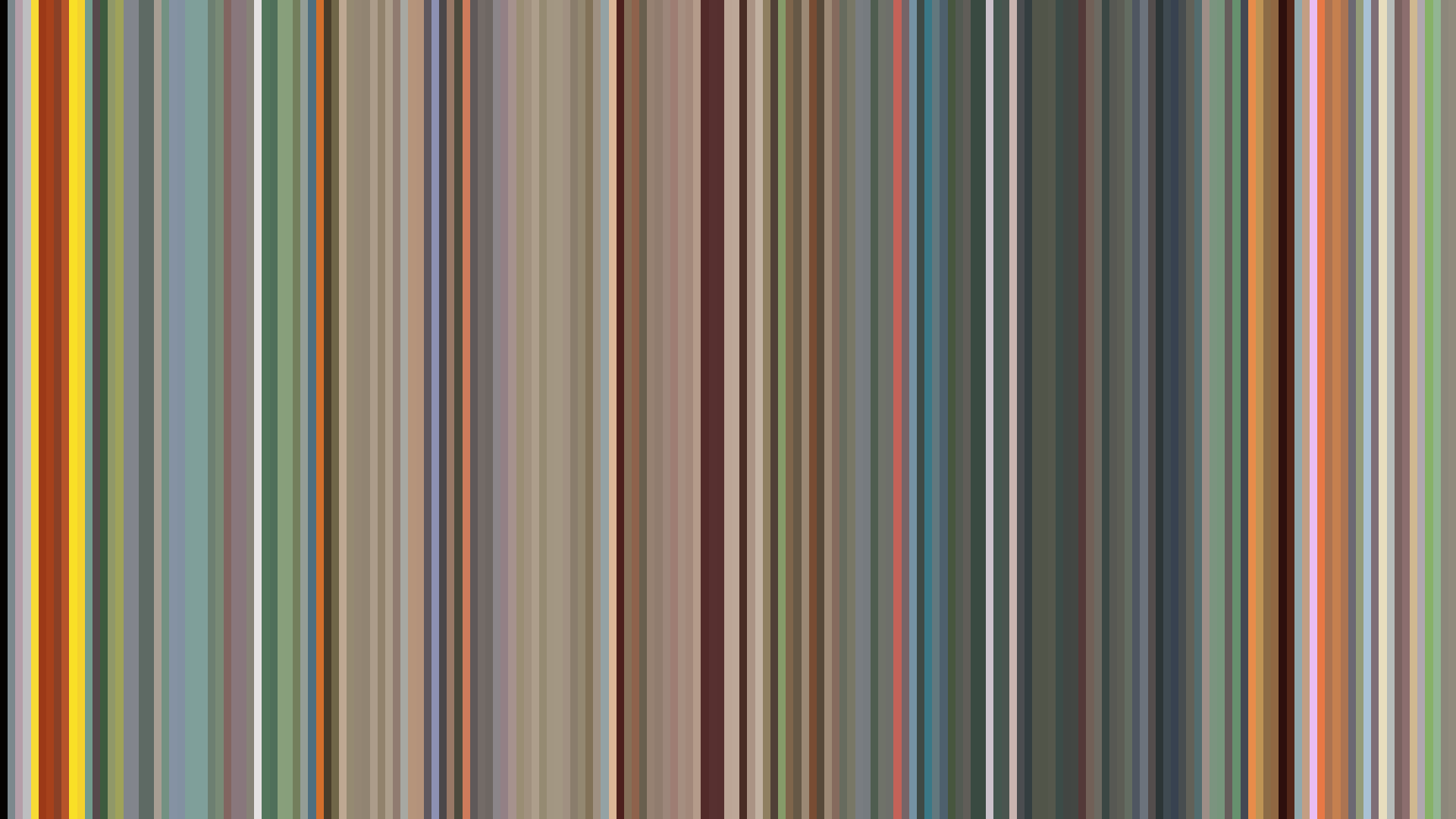
Frame Density Comparison — every 2nd vs every 4th frame
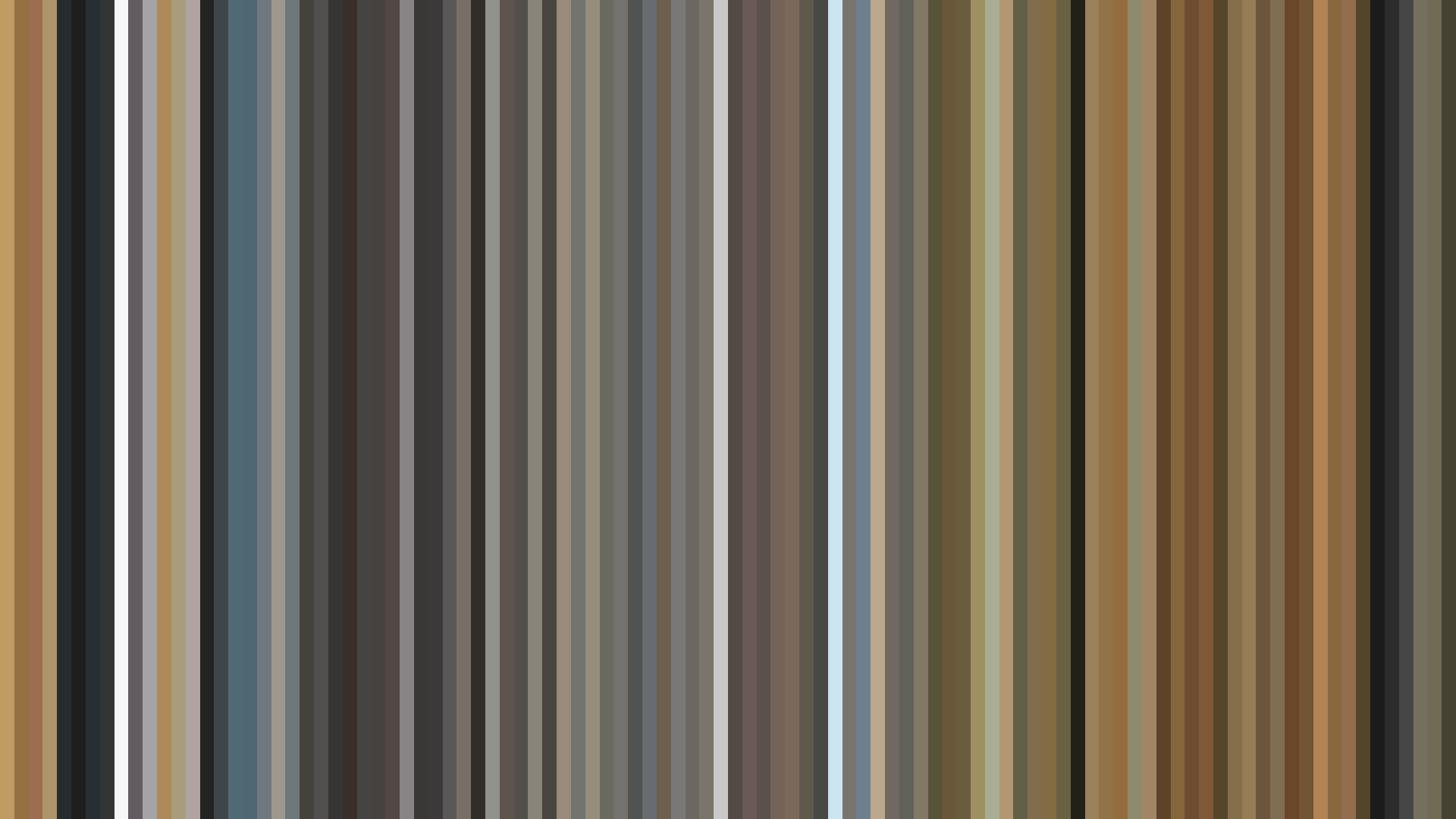
Slice · 15s
Avg · 15s
Slice · 30s
Avg · 30s
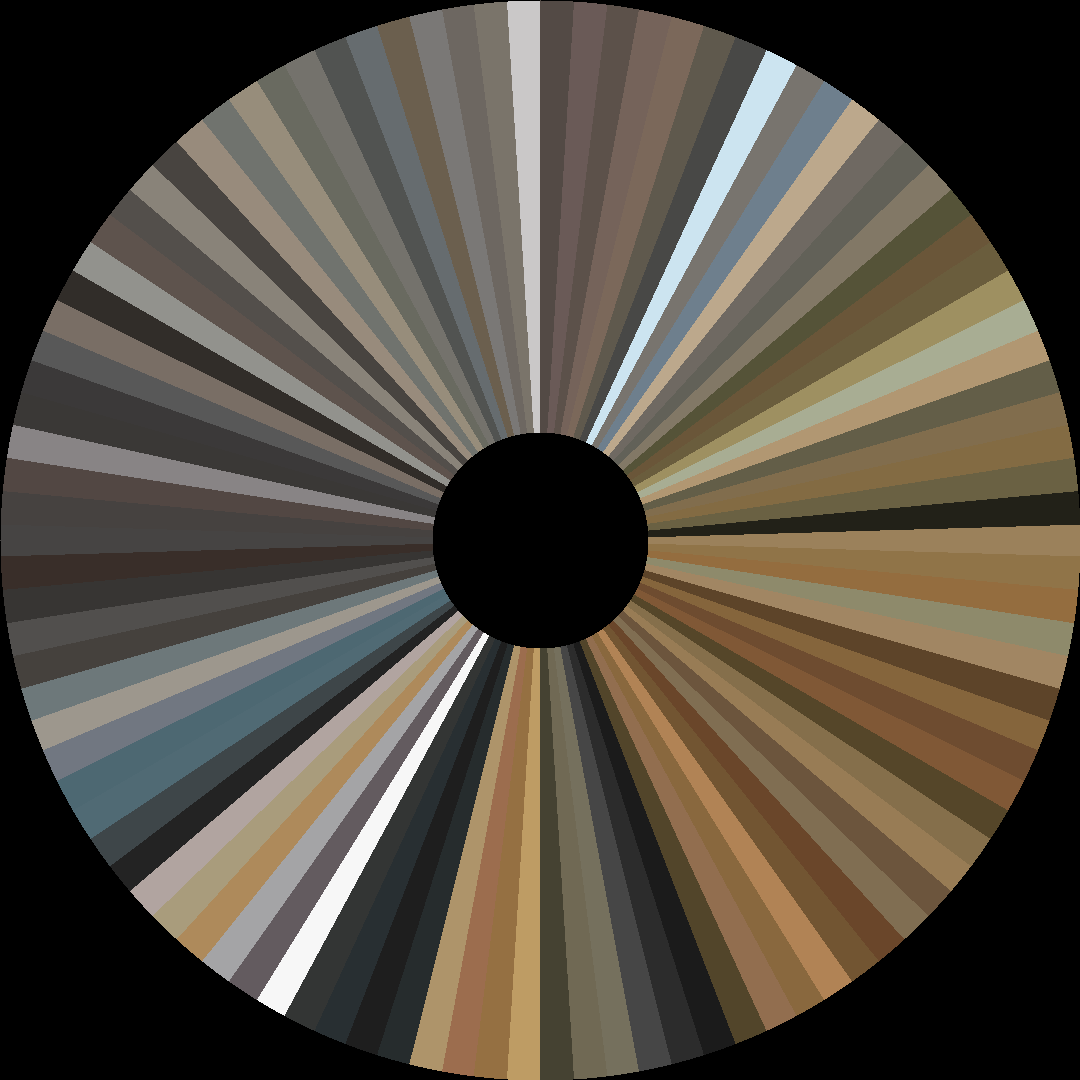
The palette’s heavy Red-Orange and Red dominance—over 85% of the frame—isn’t the gaudy violence of a battle shonen. Wit Studio and director Tetsurō Araki ground it in earth and grime: #24221F, #615D56, #604C33. These are the colors of mud, blood, and unwashed wool, not heroism. The desaturation (0.267) and low average brightness (0.437) ensure every scrap of crimson reads as exertion, not spectacle. Yet the brightness arc is labeled bright opening—a strange label for a season that begins with a
Brightness Arc (episode progression)
Hue Distribution
Act Breakdown
Opening
0.345
Middle
0.409
Closing
0.379
Avg Brightness
0.437
Avg Saturation
0.267
Warmth
0.560
Color Palette
#24221F
#615D56
#604C33
#A38E68
#A5A096
#EBEBE6
#503526
#927353
3-Act Color Story
Opening
Middle
Closing
Color Twins
Perceptually nearest palettes — measured in OKLab space, not RGB






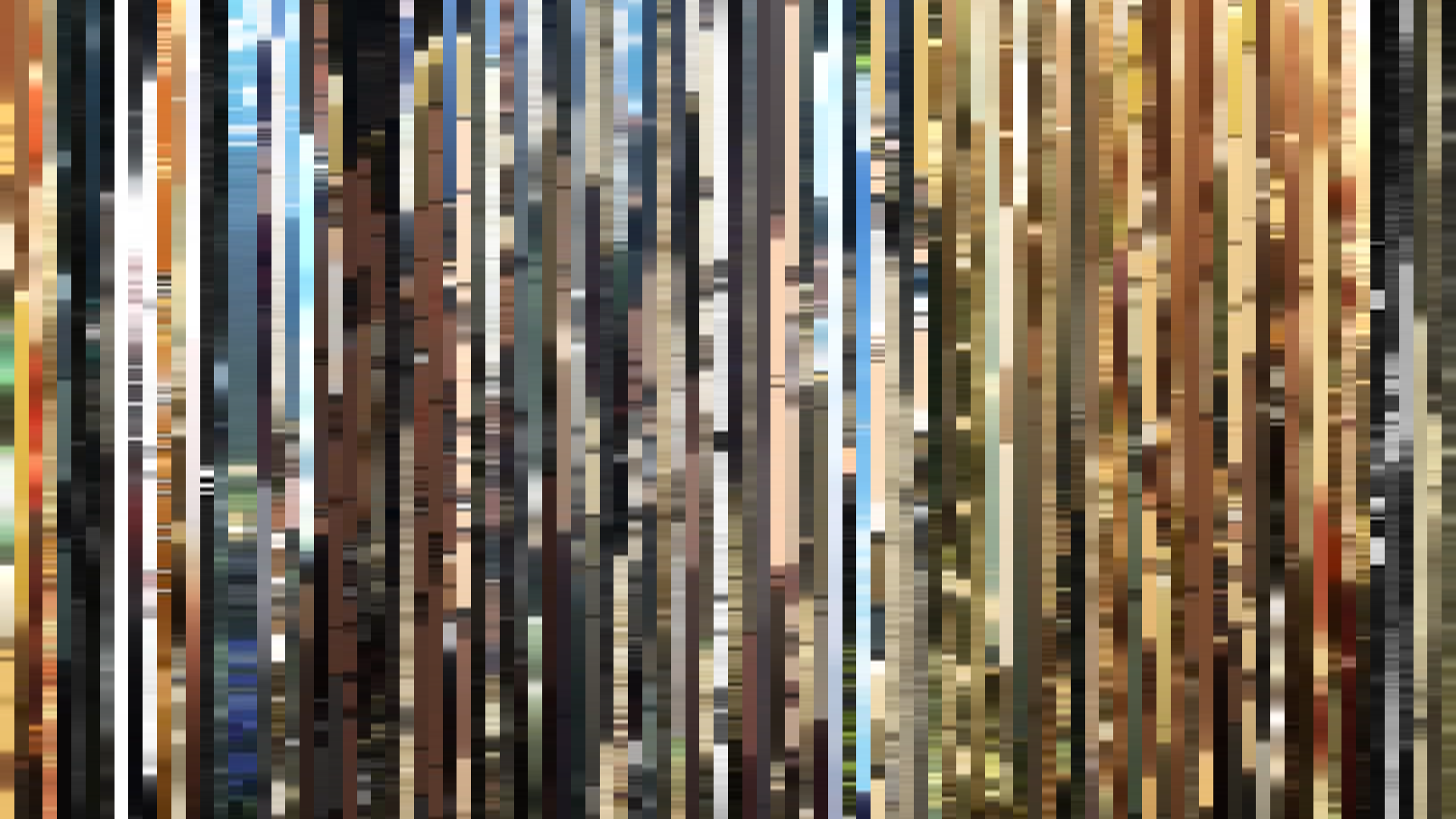
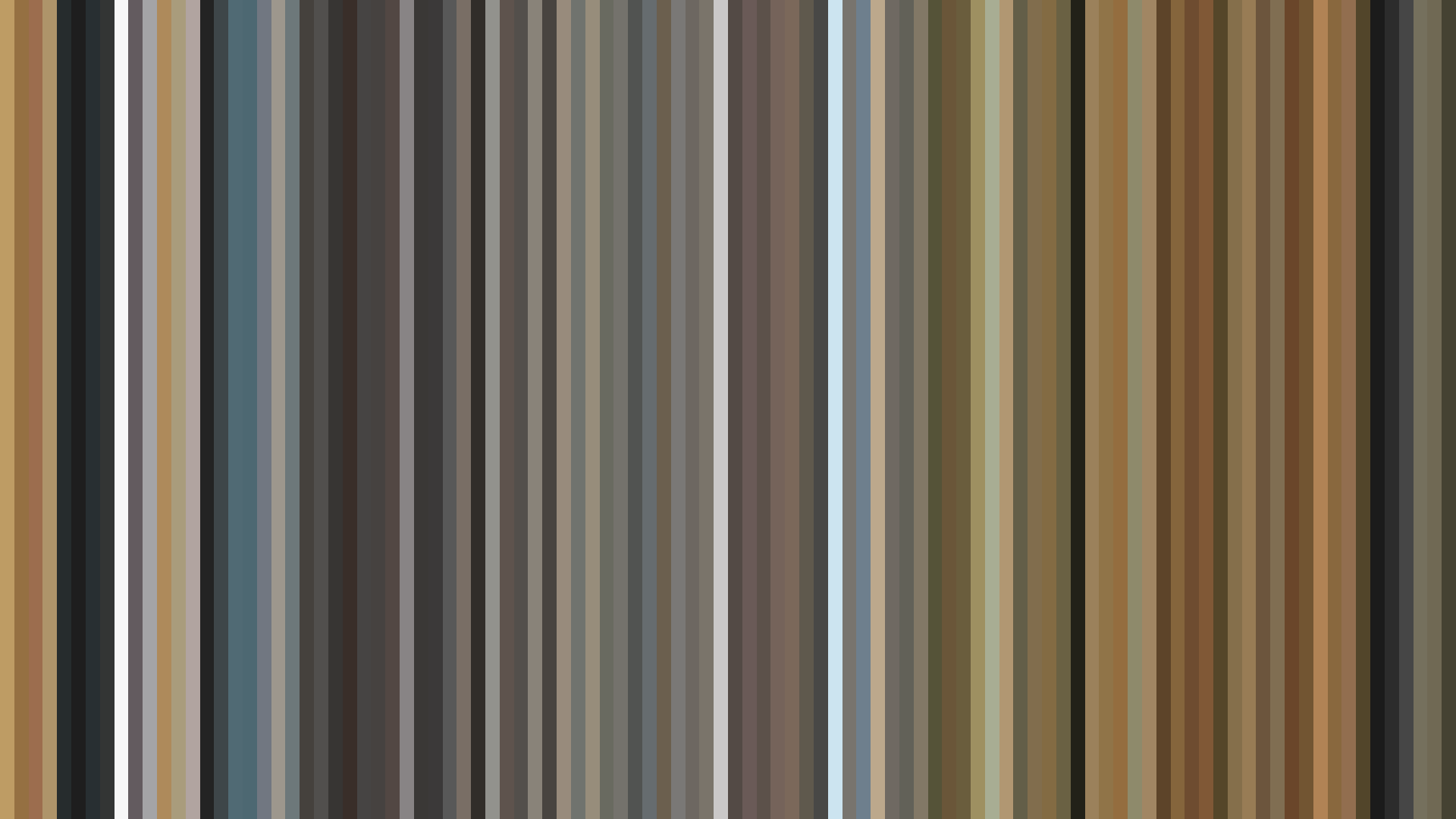
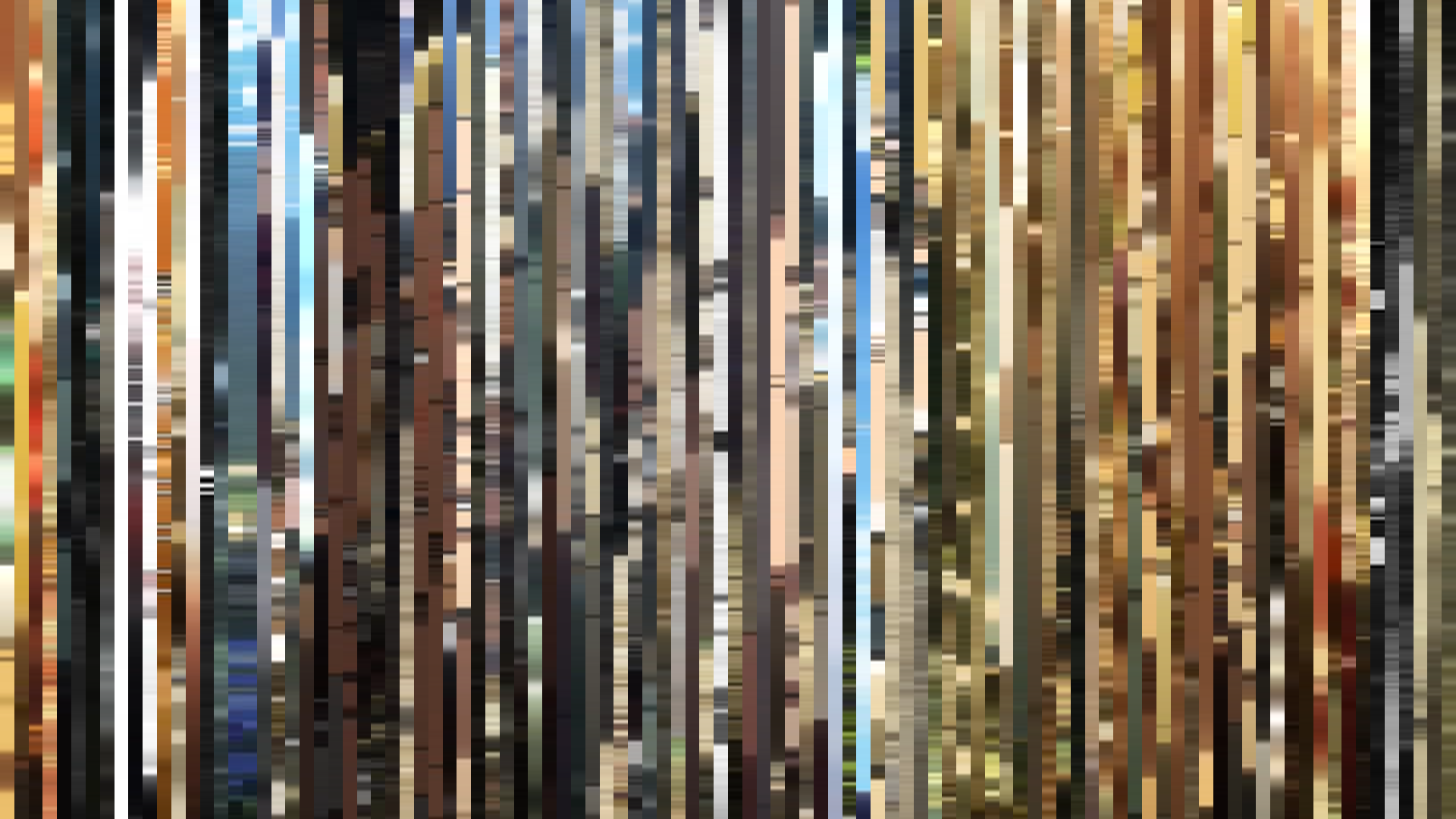
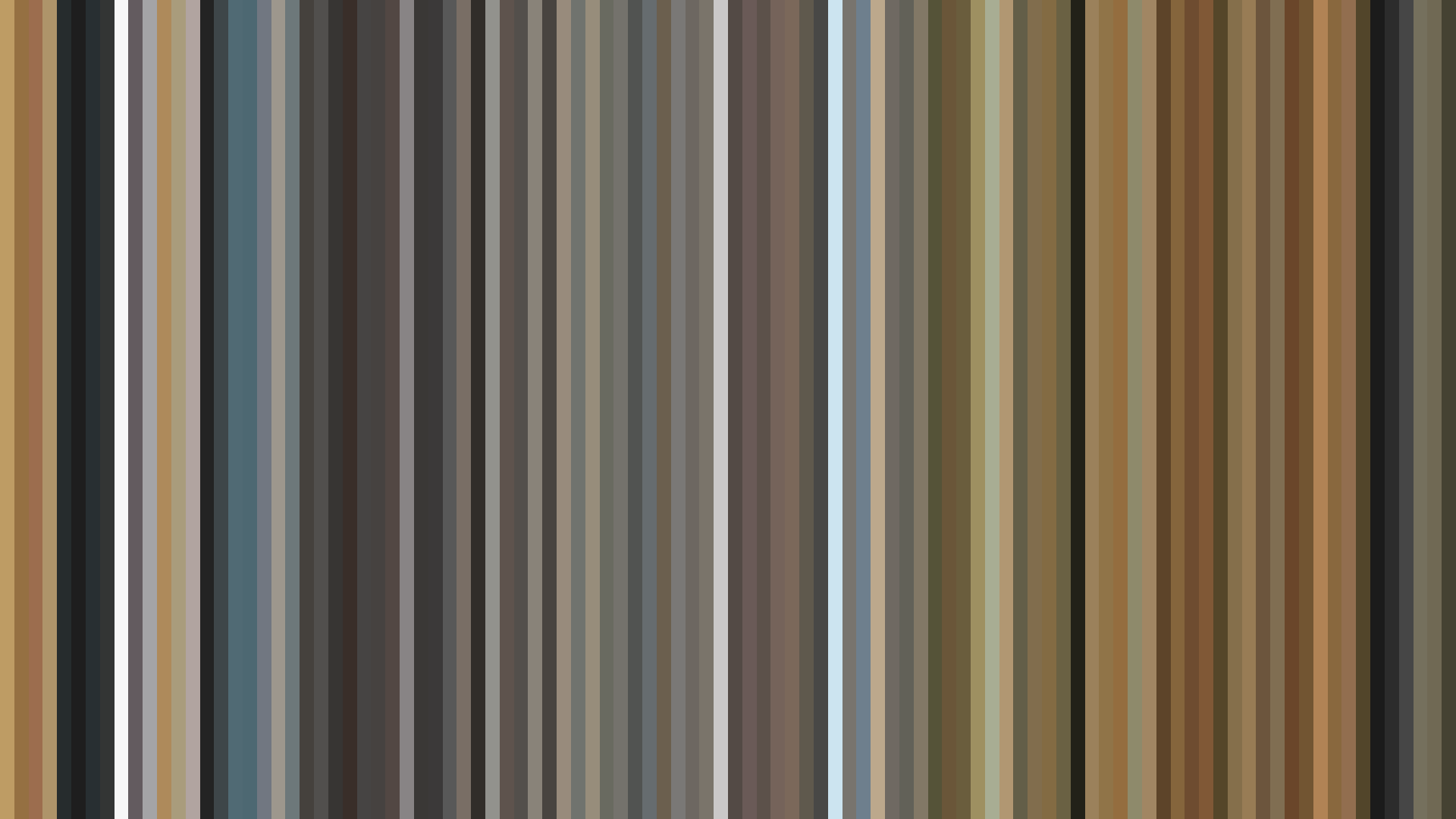
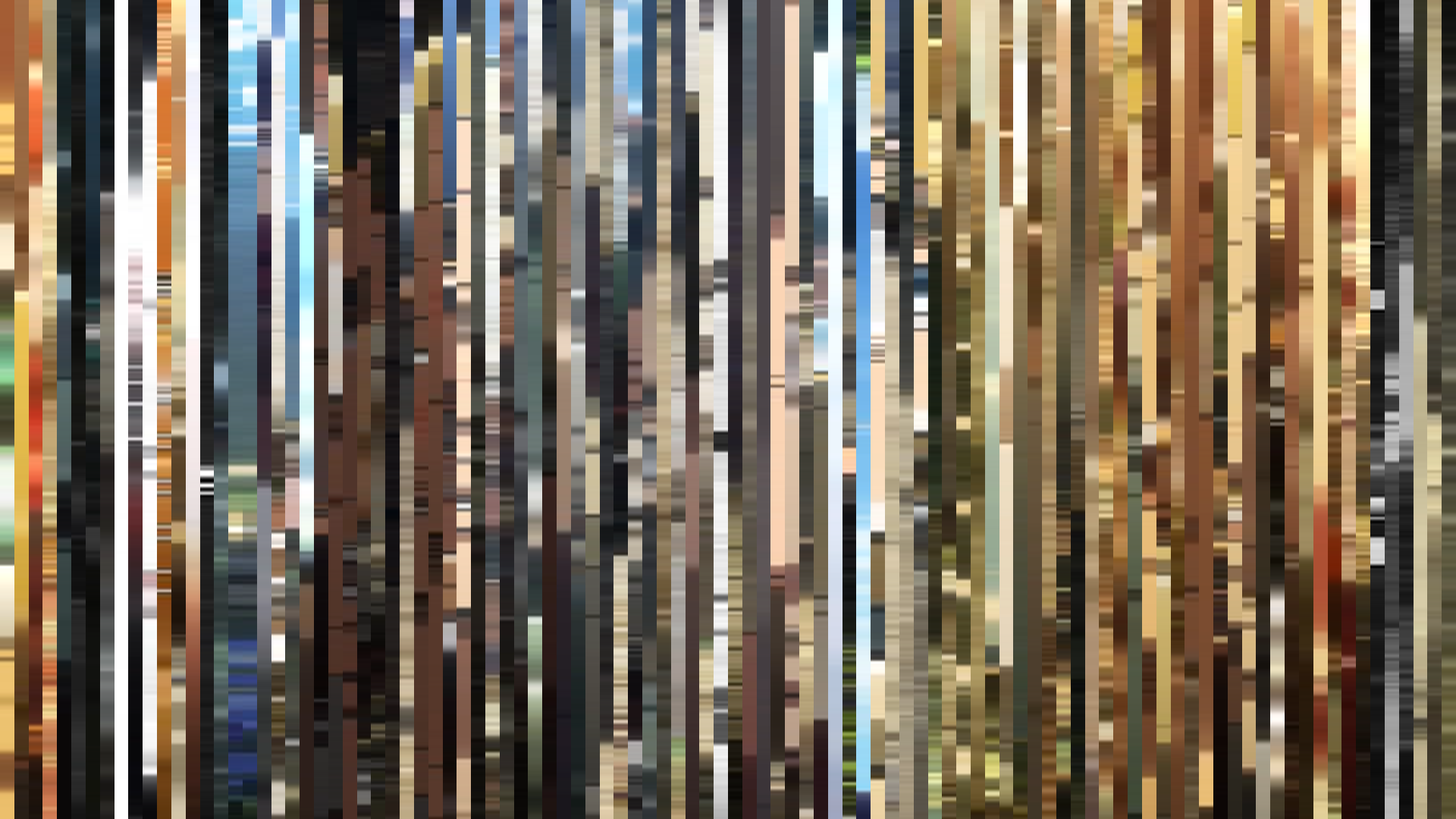
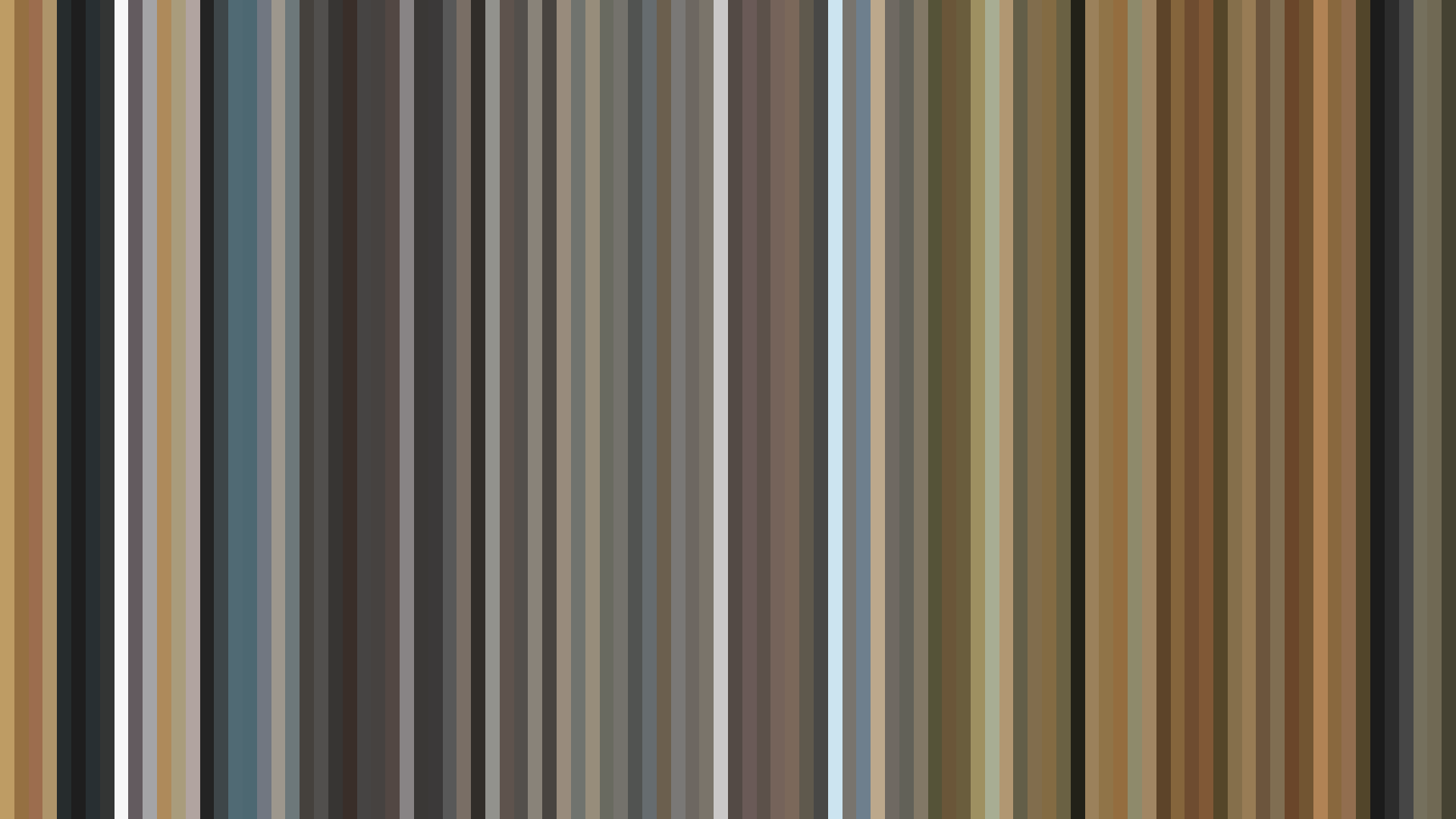
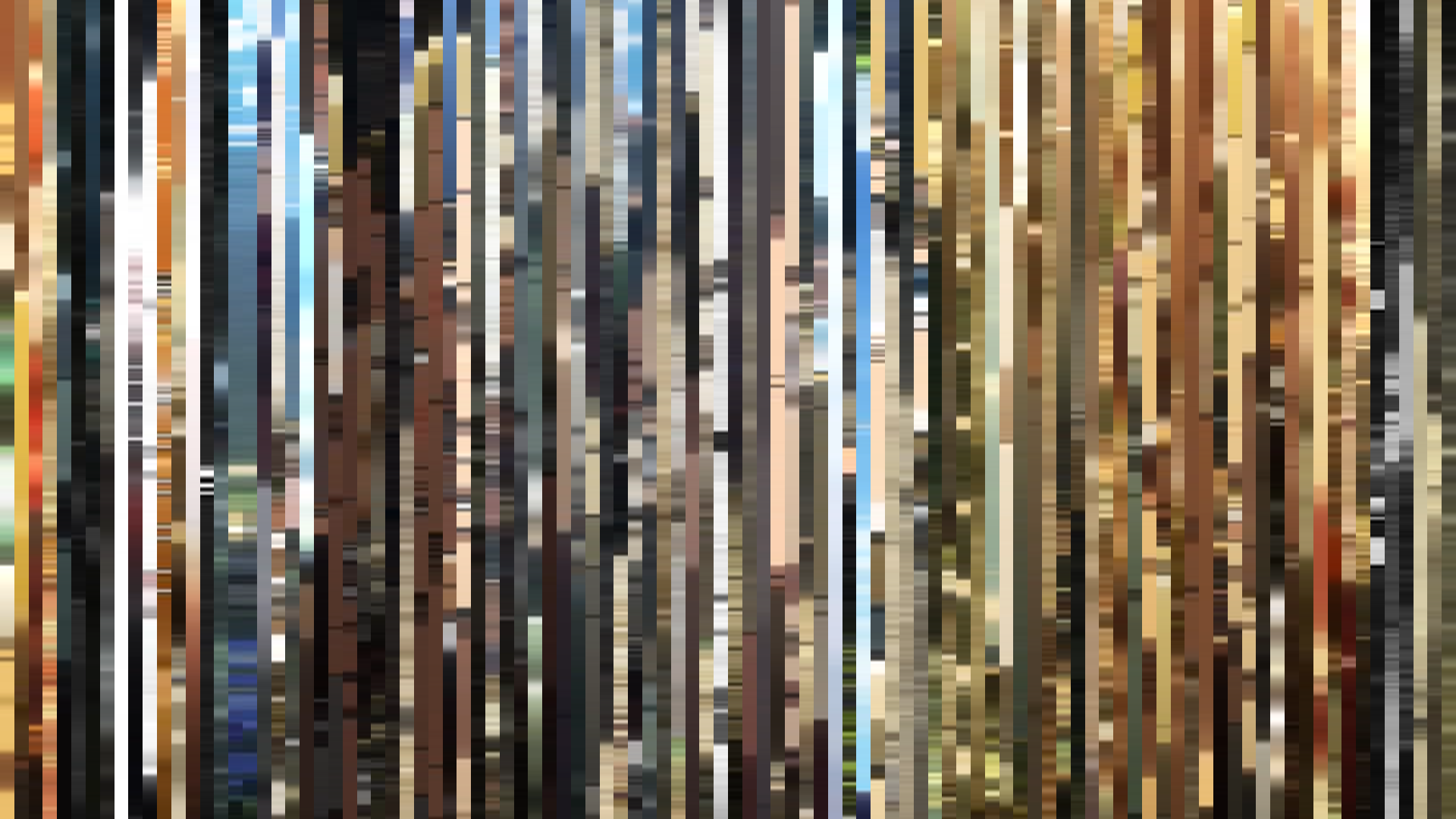
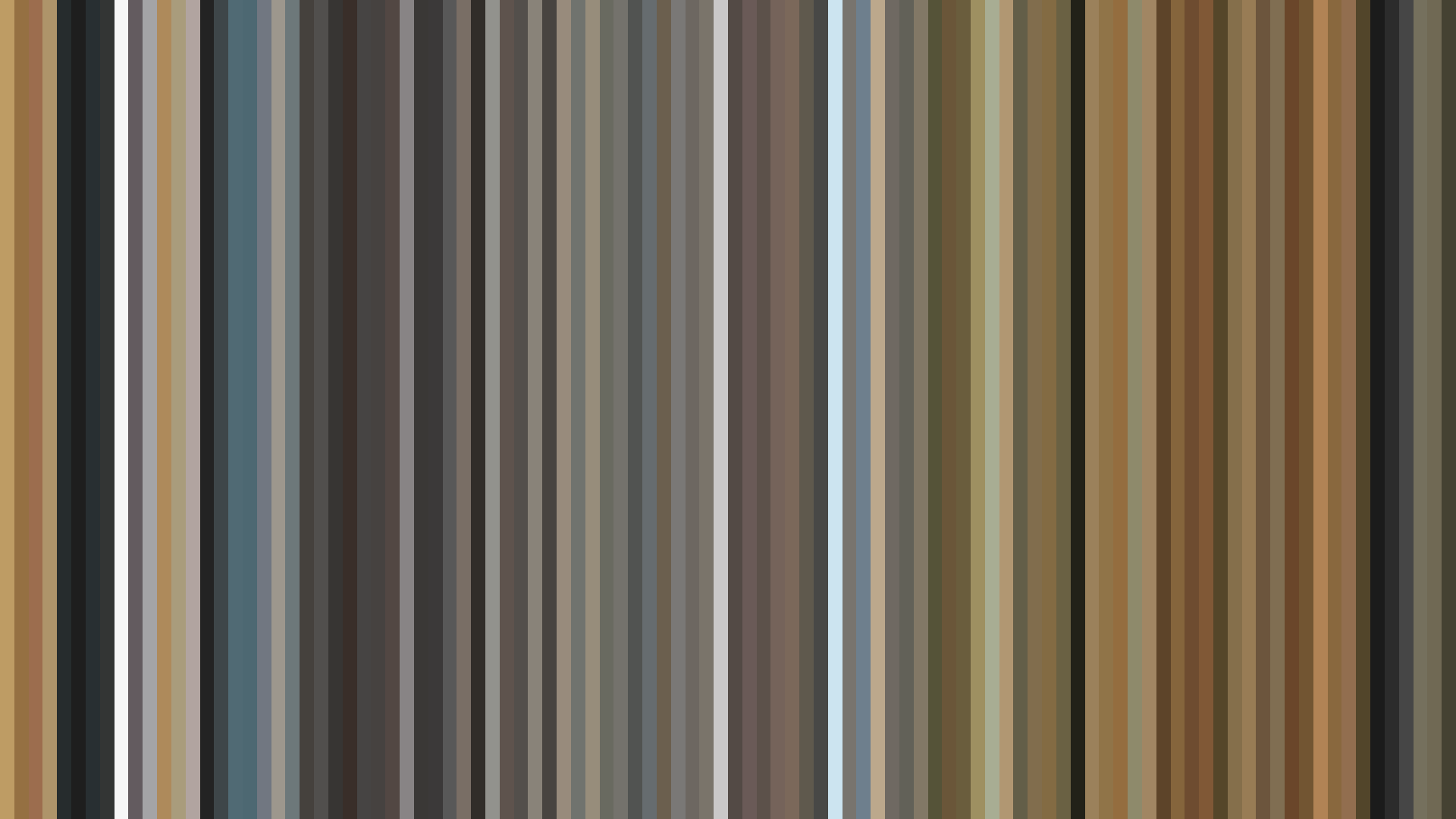
The palette’s heavy Red-Orange and Red dominance—over 85% of the frame—isn’t the gaudy violence of a battle shonen. Wit Studio and director Tetsurō Araki ground it in earth and grime: #24221F, #615D56, #604C33. These are the colors of mud, blood, and unwashed wool, not heroism. The desaturation (0.267) and low average brightness (0.437) ensure every scrap of crimson reads as exertion, not spectacle. Yet the brightness arc is labeled bright opening—a strange label for a season that begins with a