Edit Pace — frame-to-frame color delta (bright = fast cuts)
Color Temperature — warm (gold) vs cool (teal) per frame
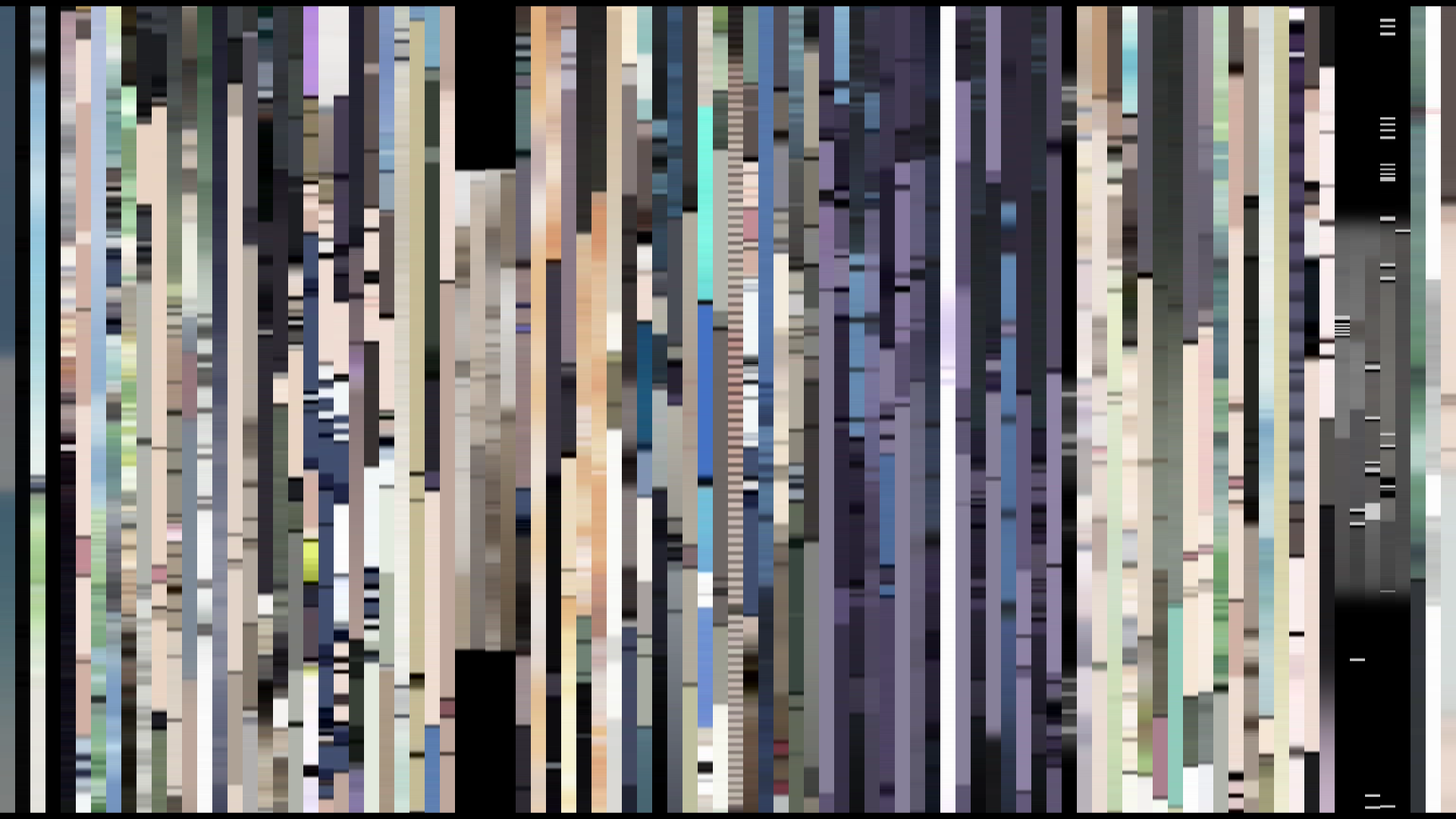
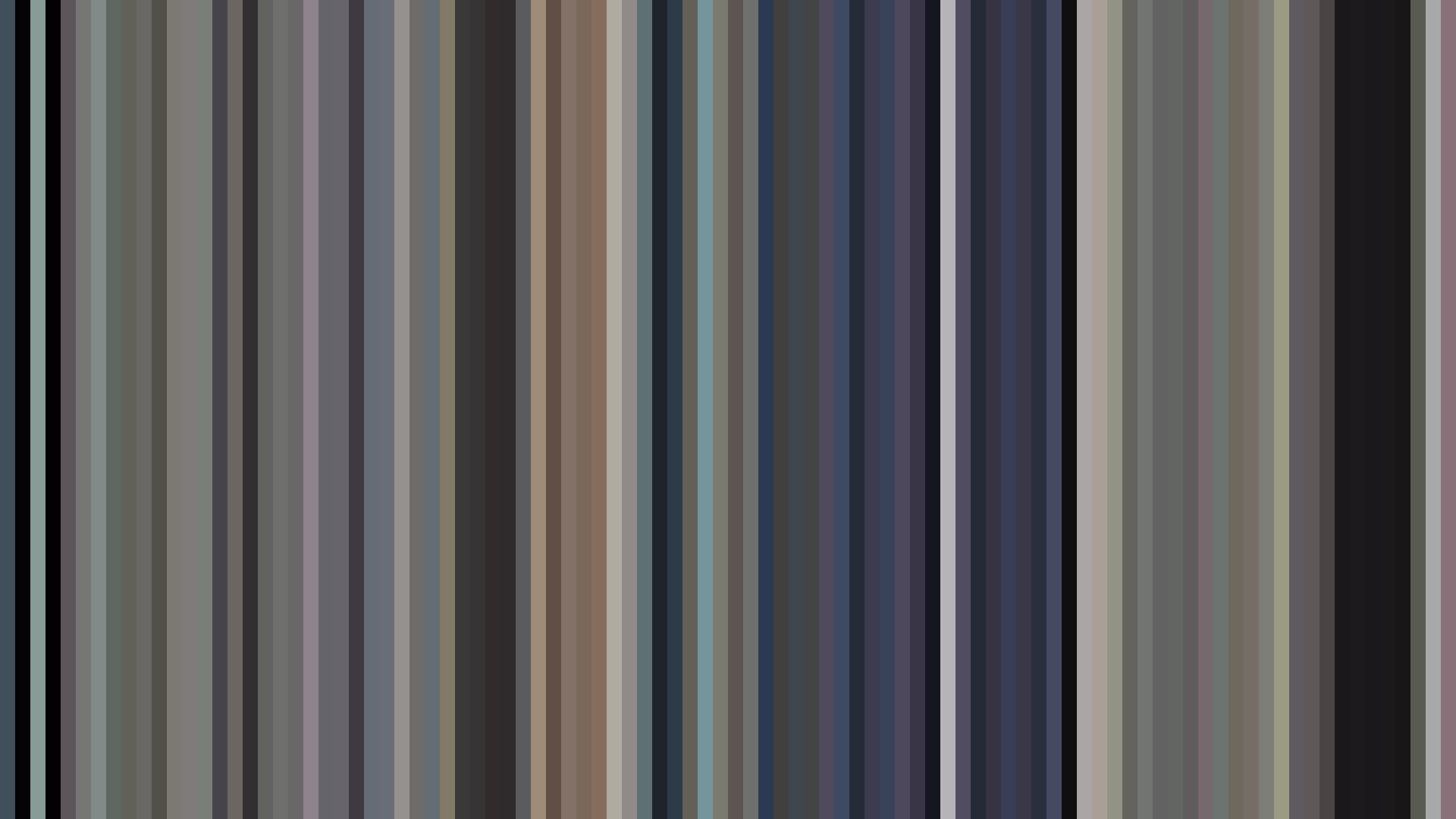
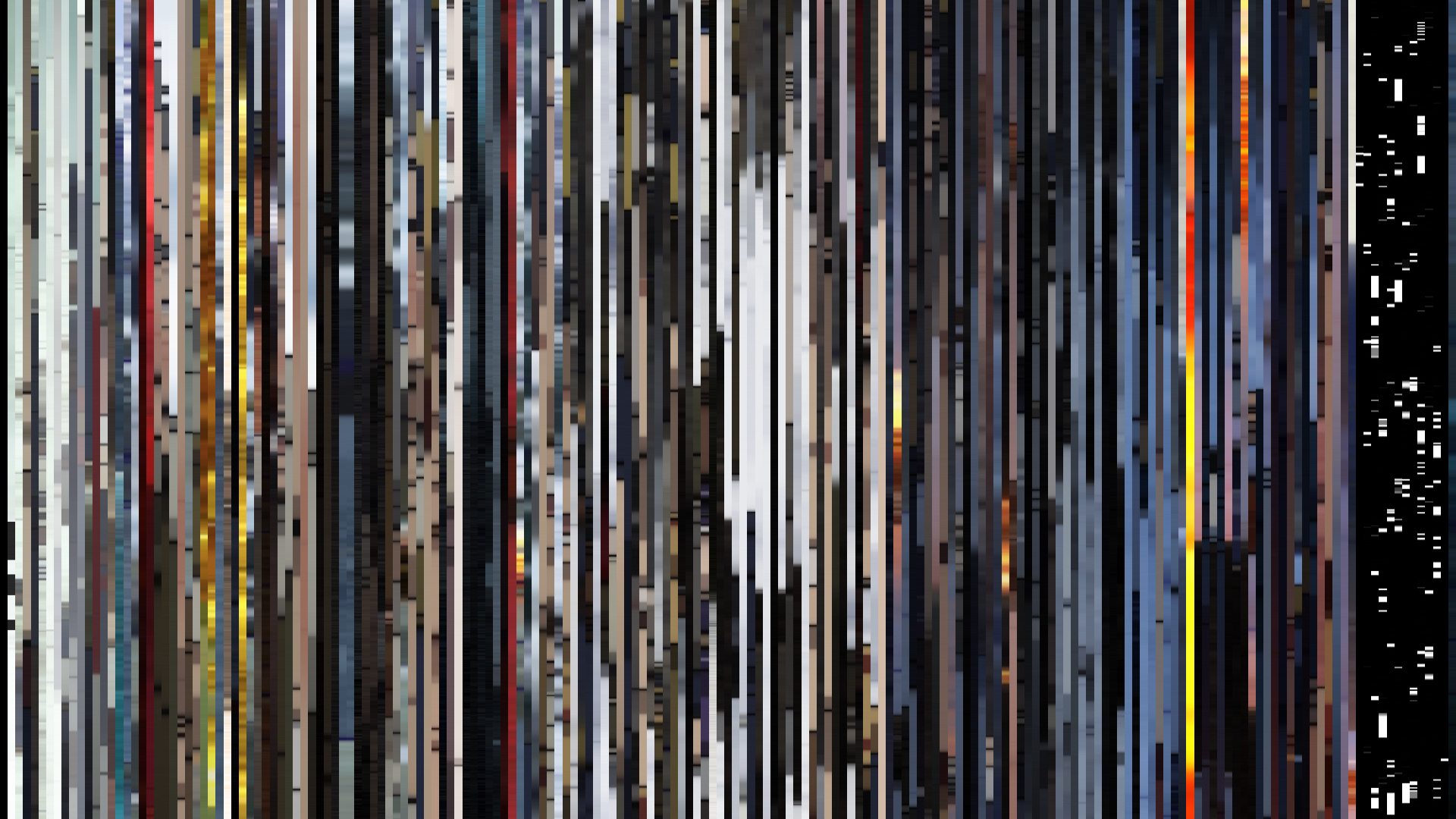
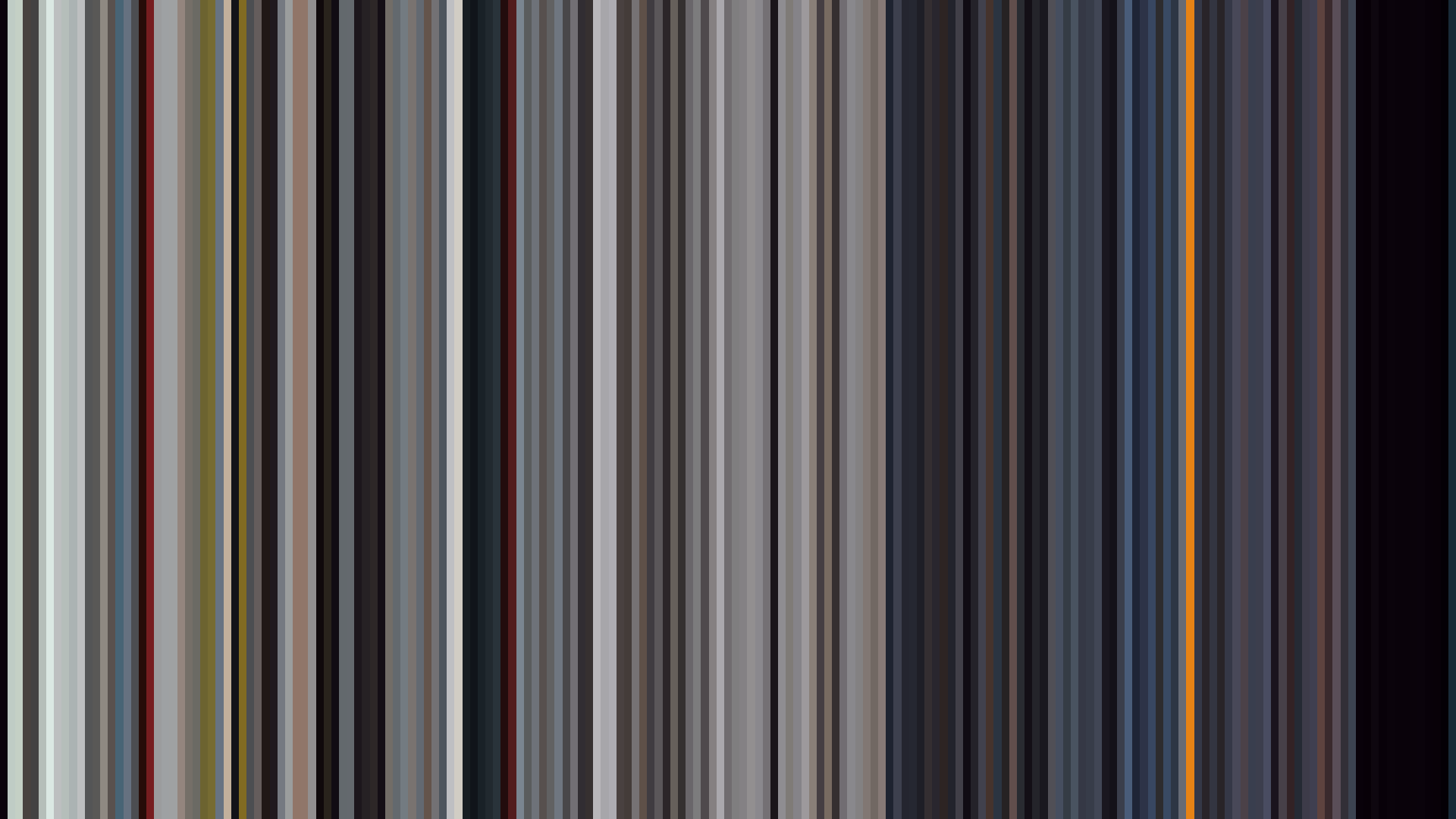
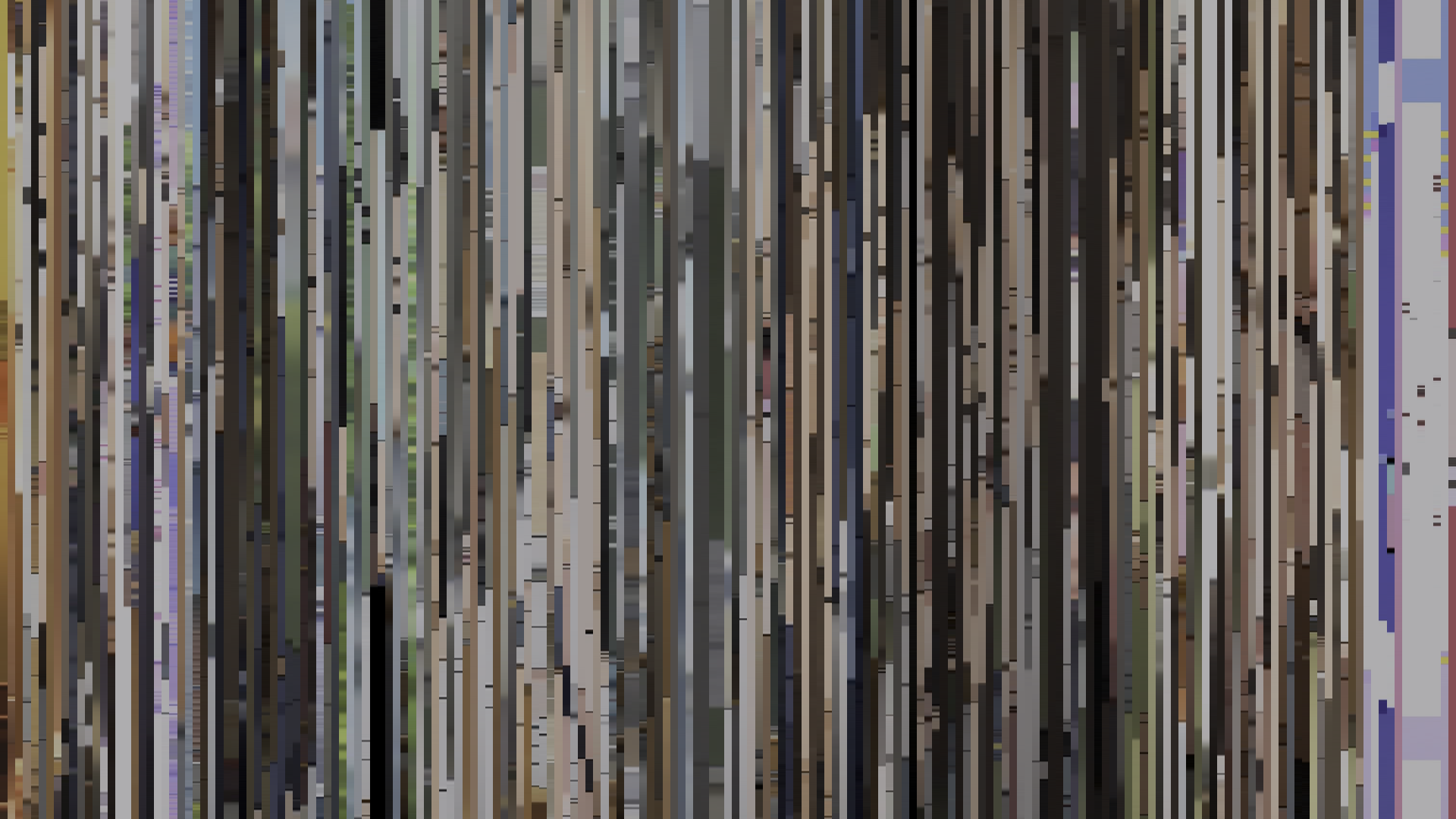
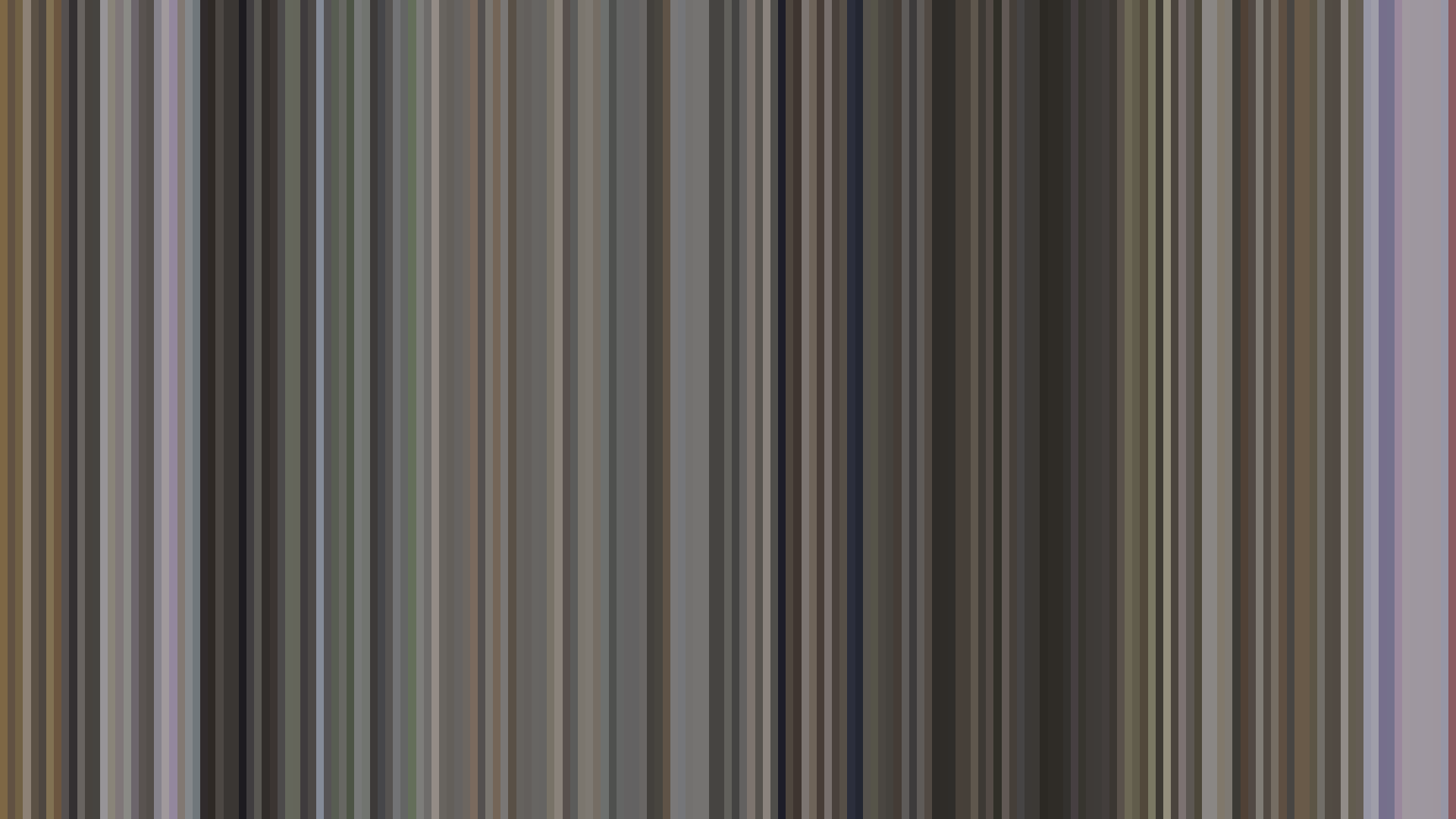
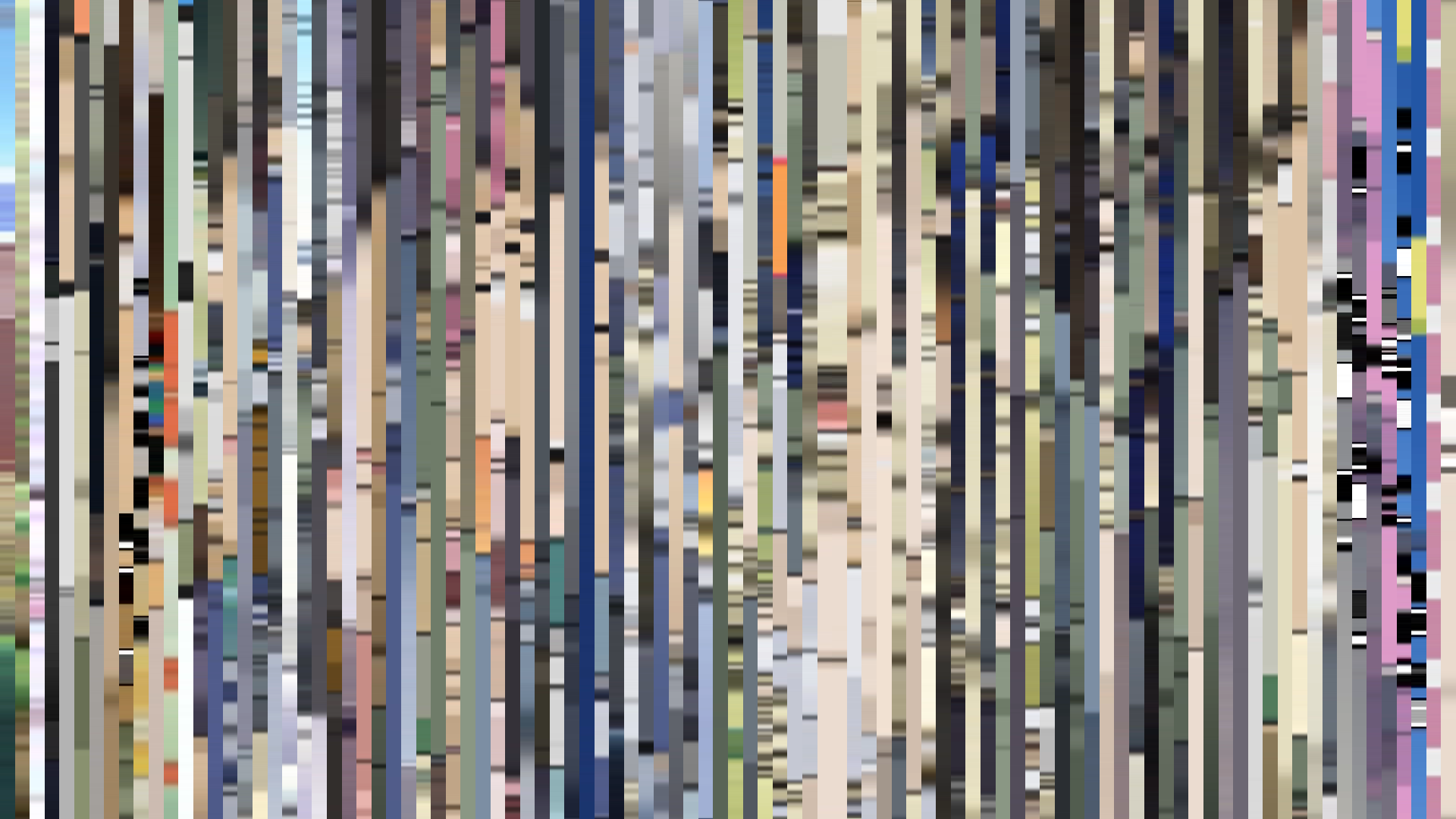
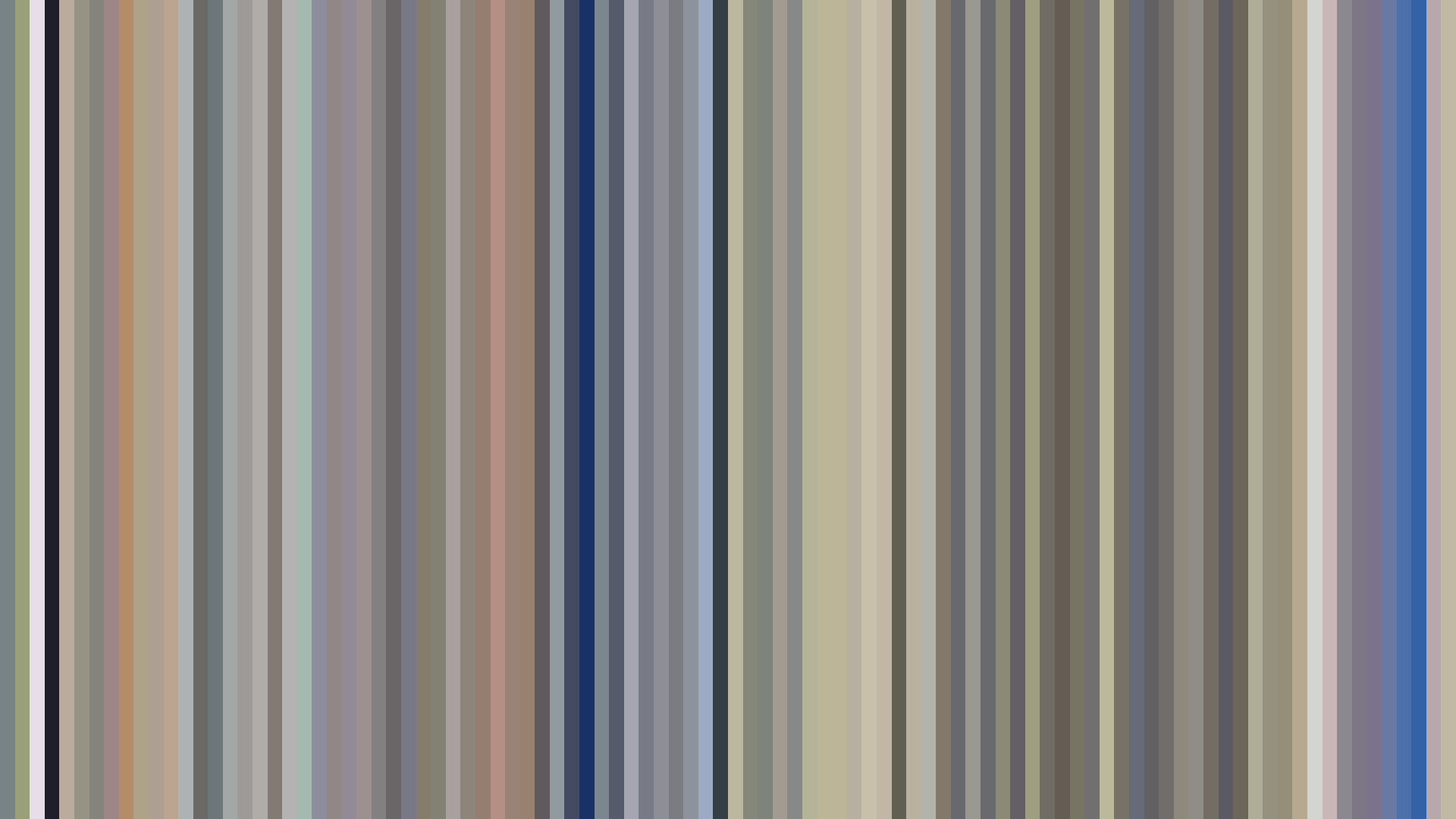
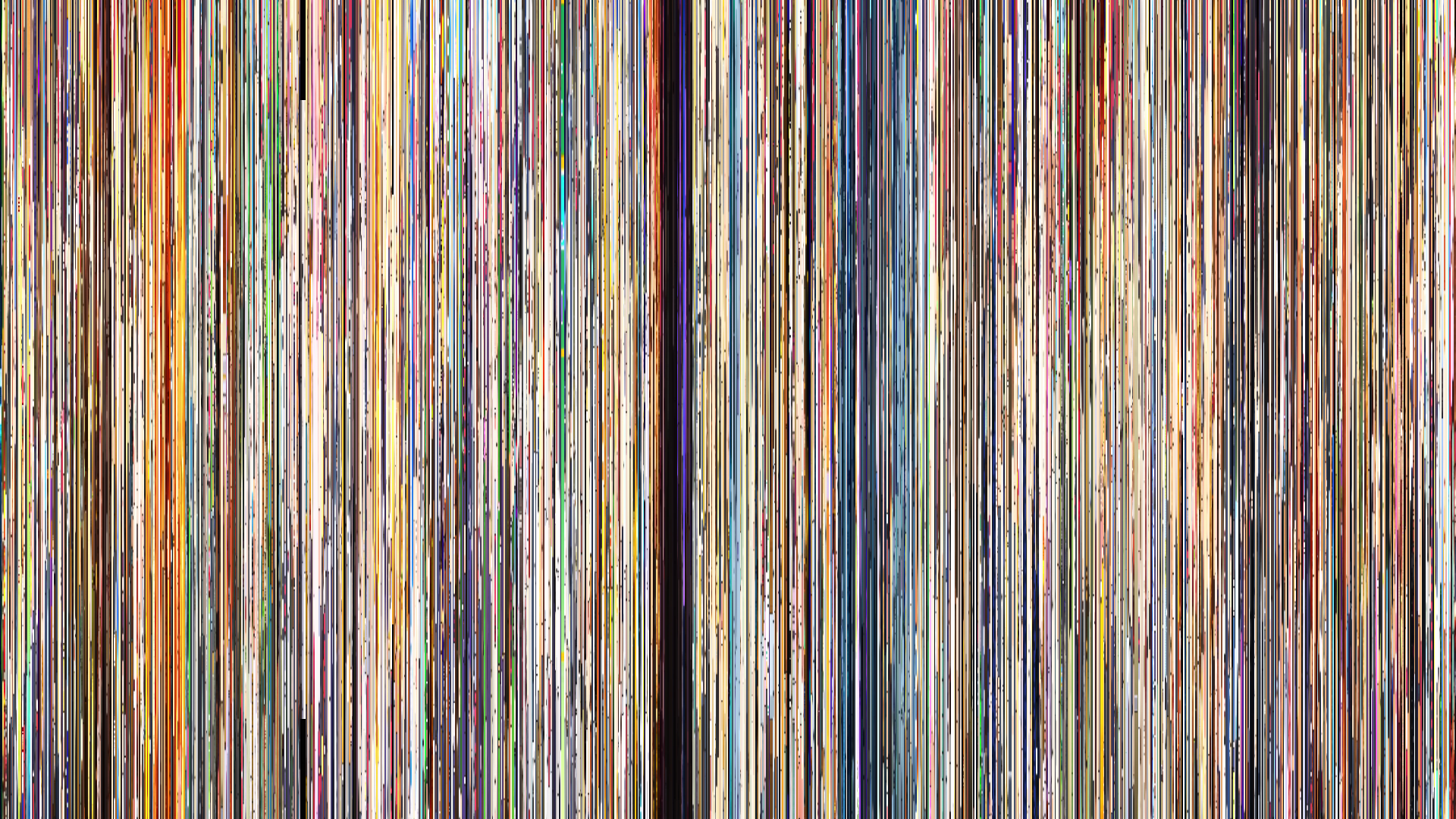
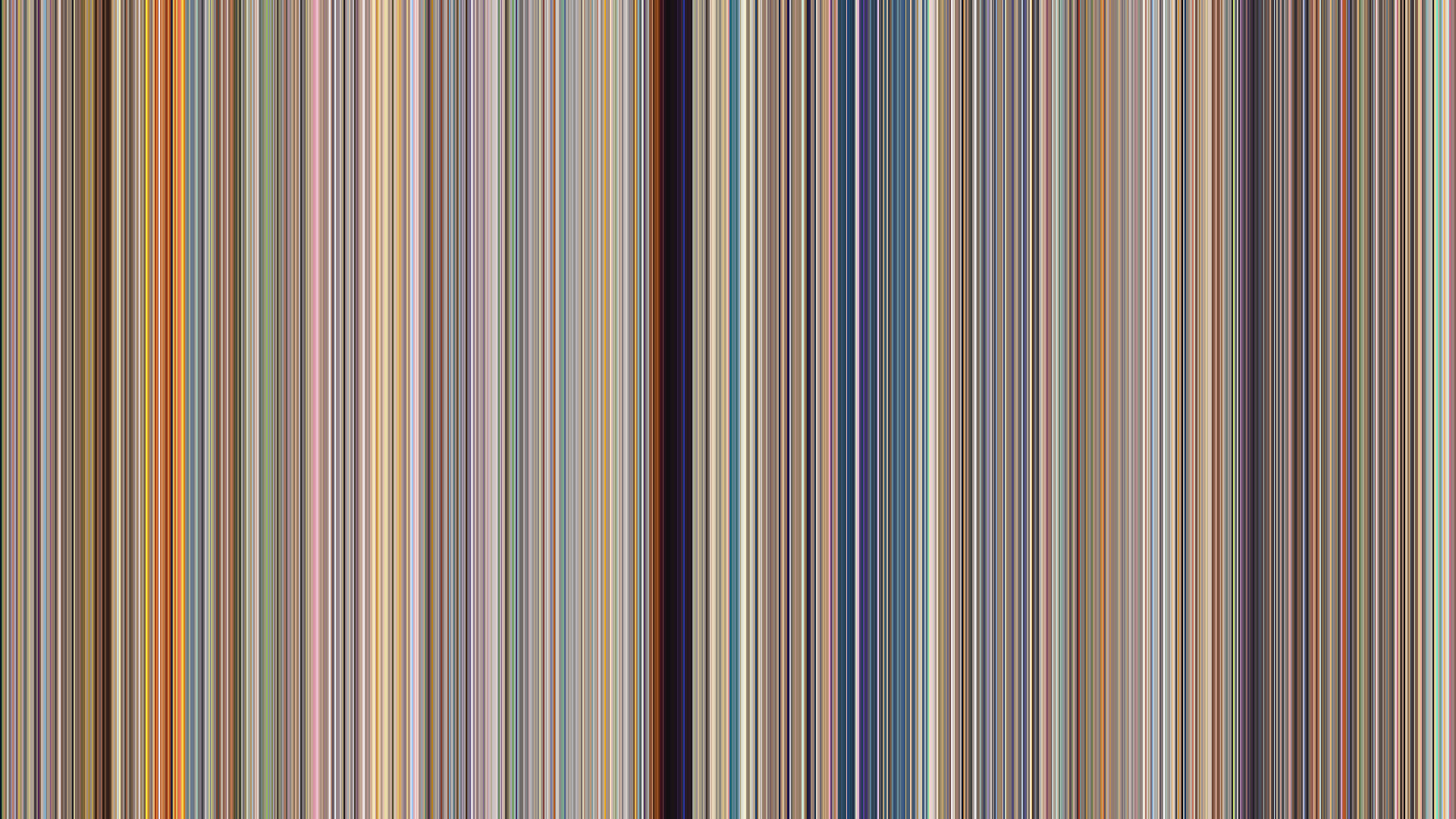
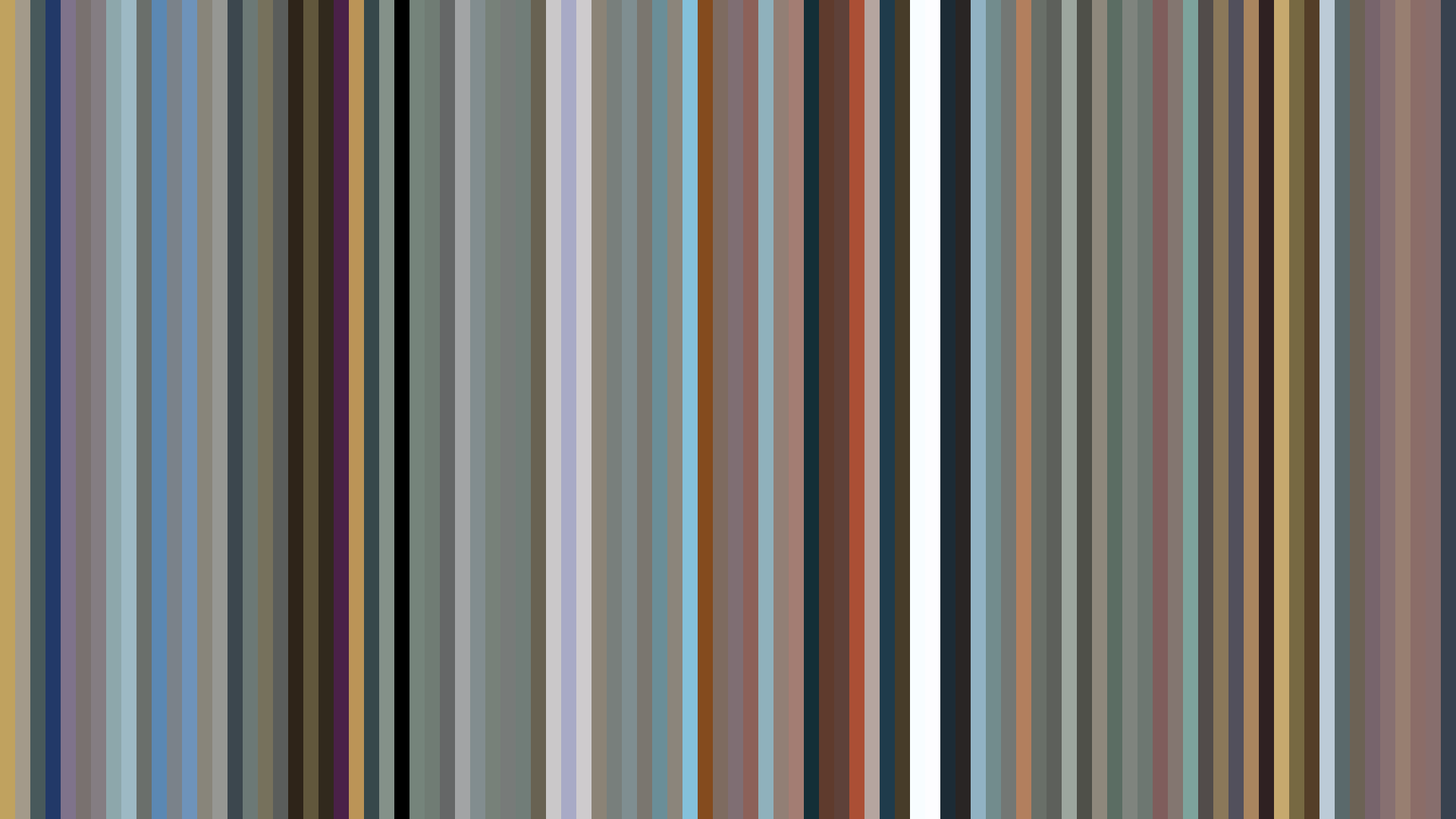
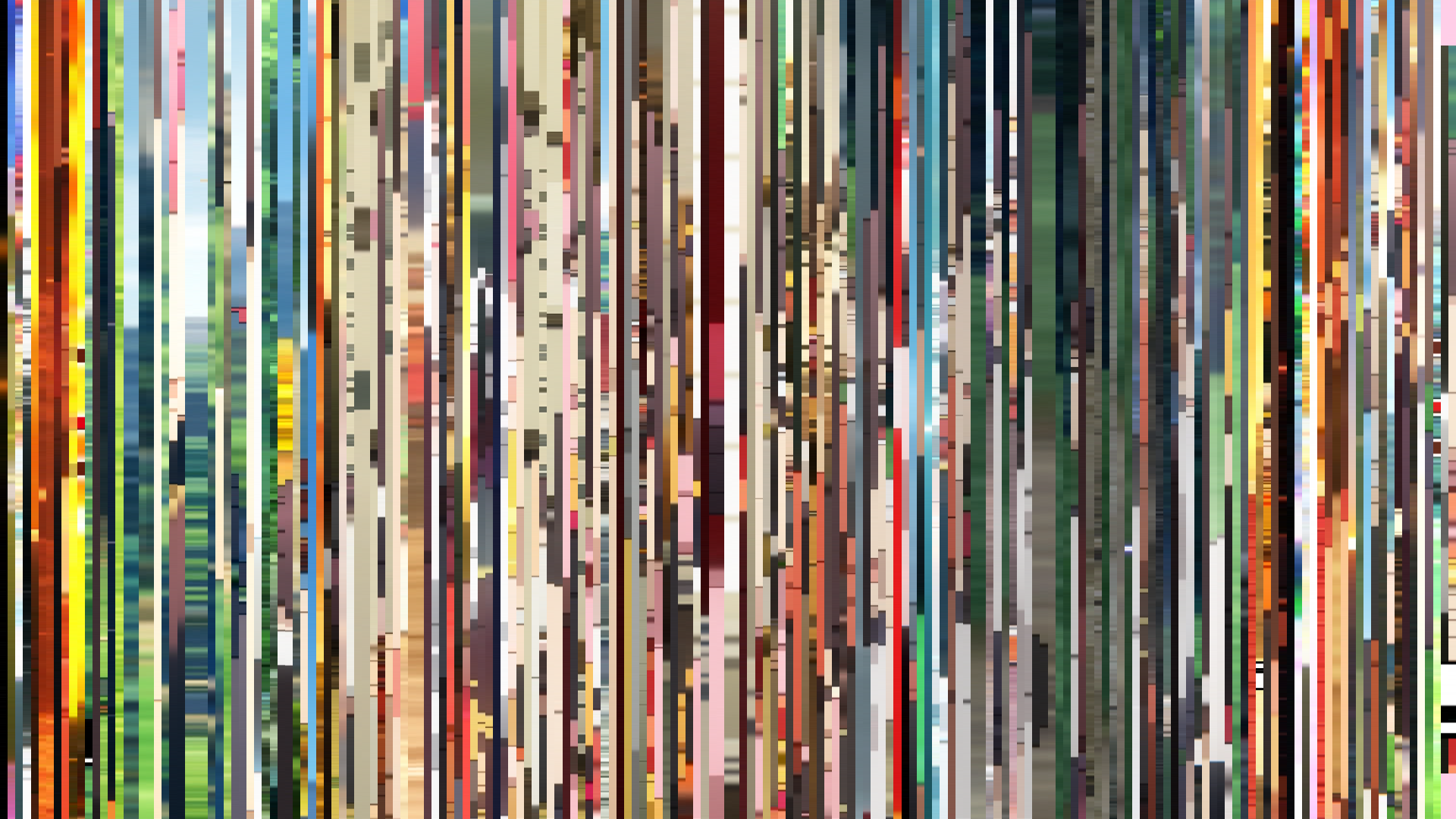
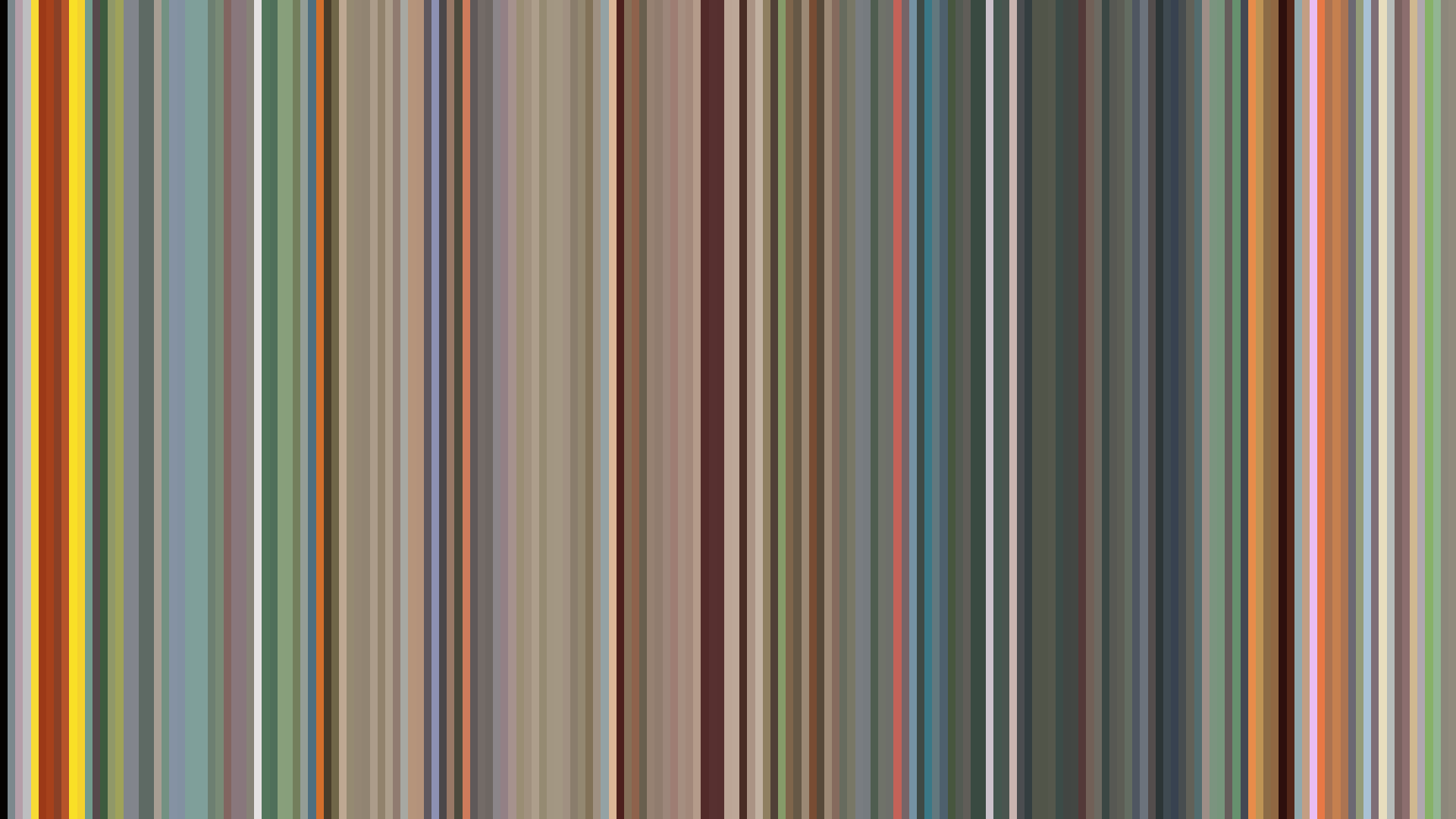
Frame Density Comparison — every 2nd vs every 4th frame
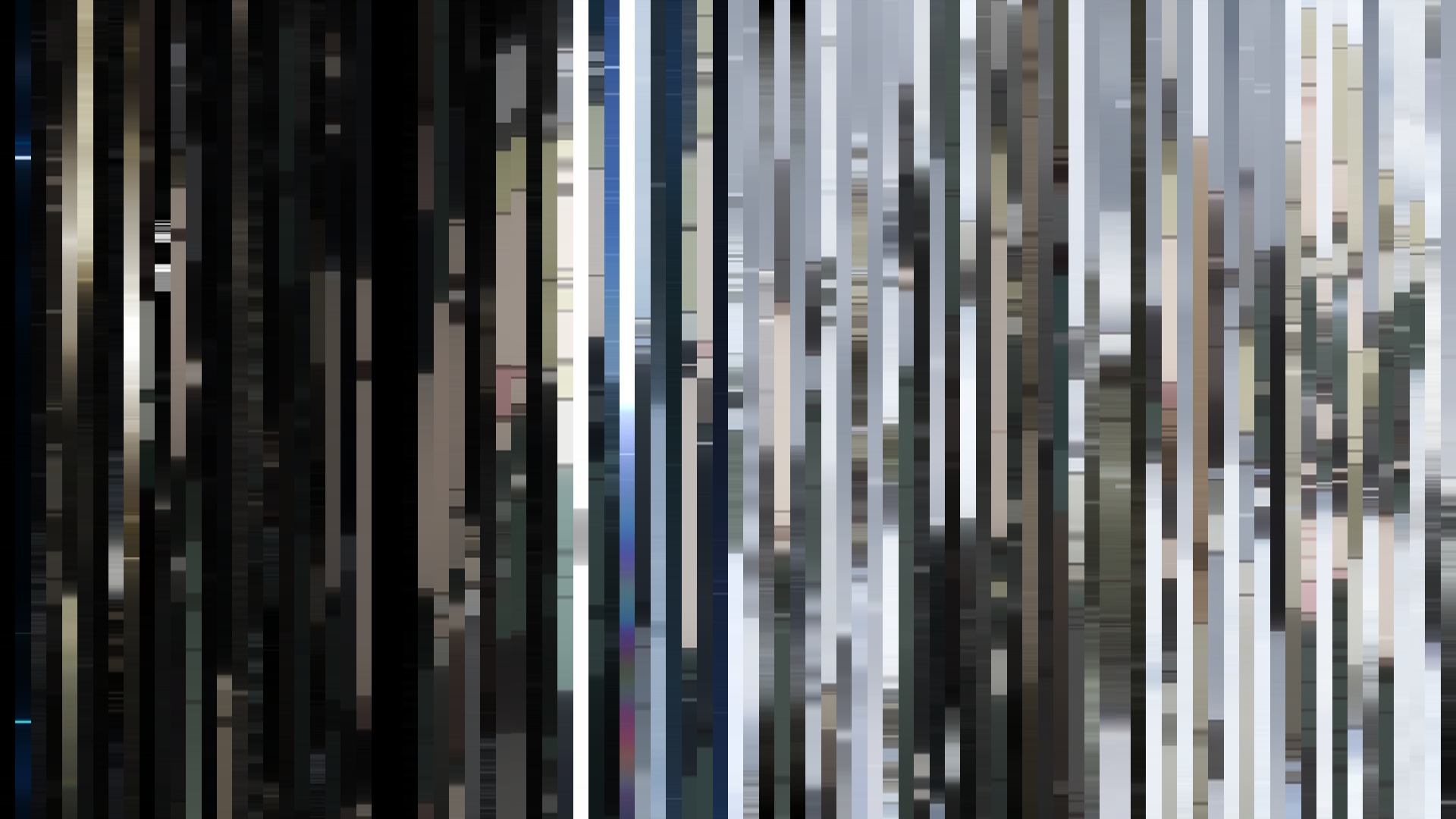
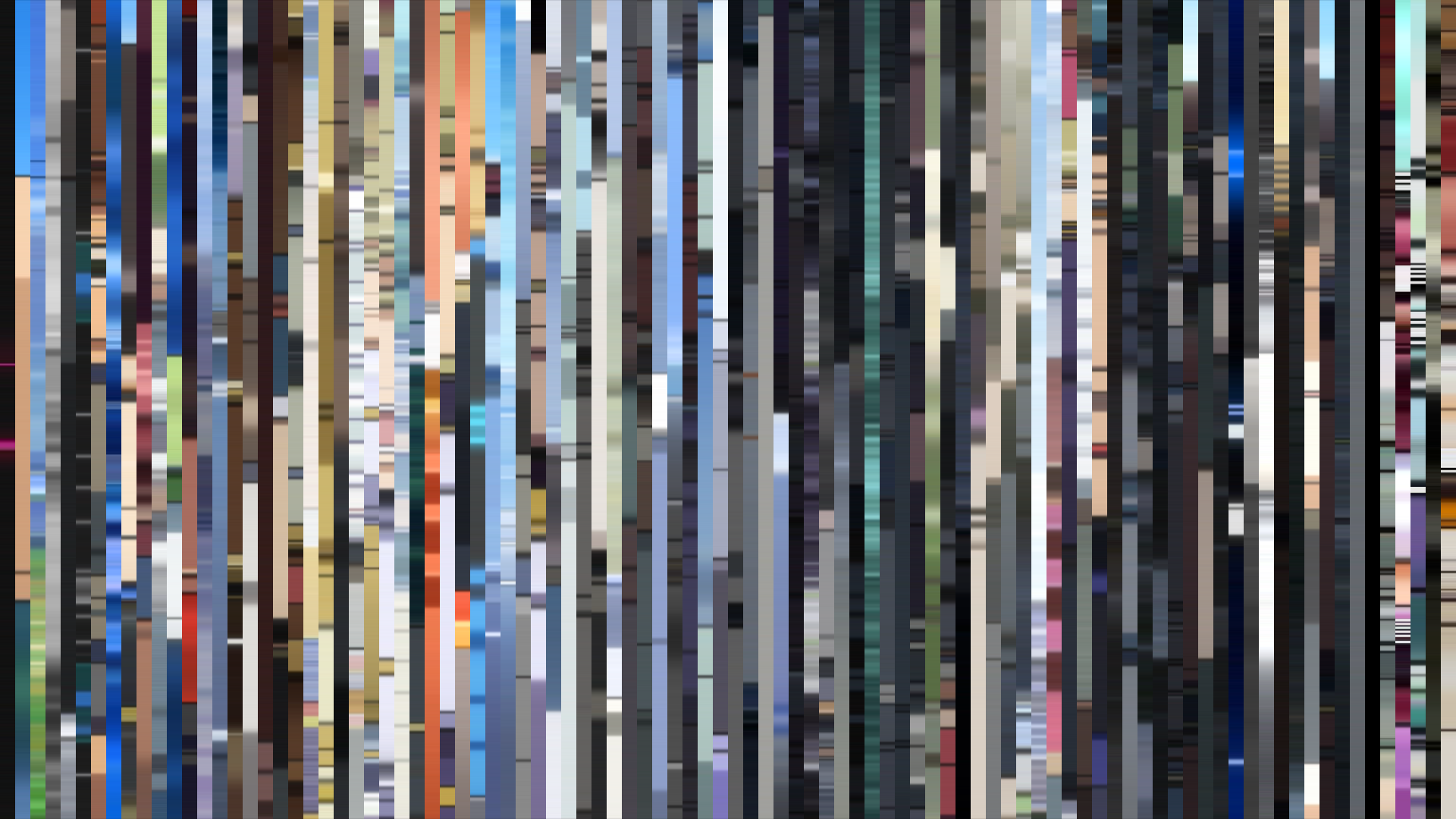
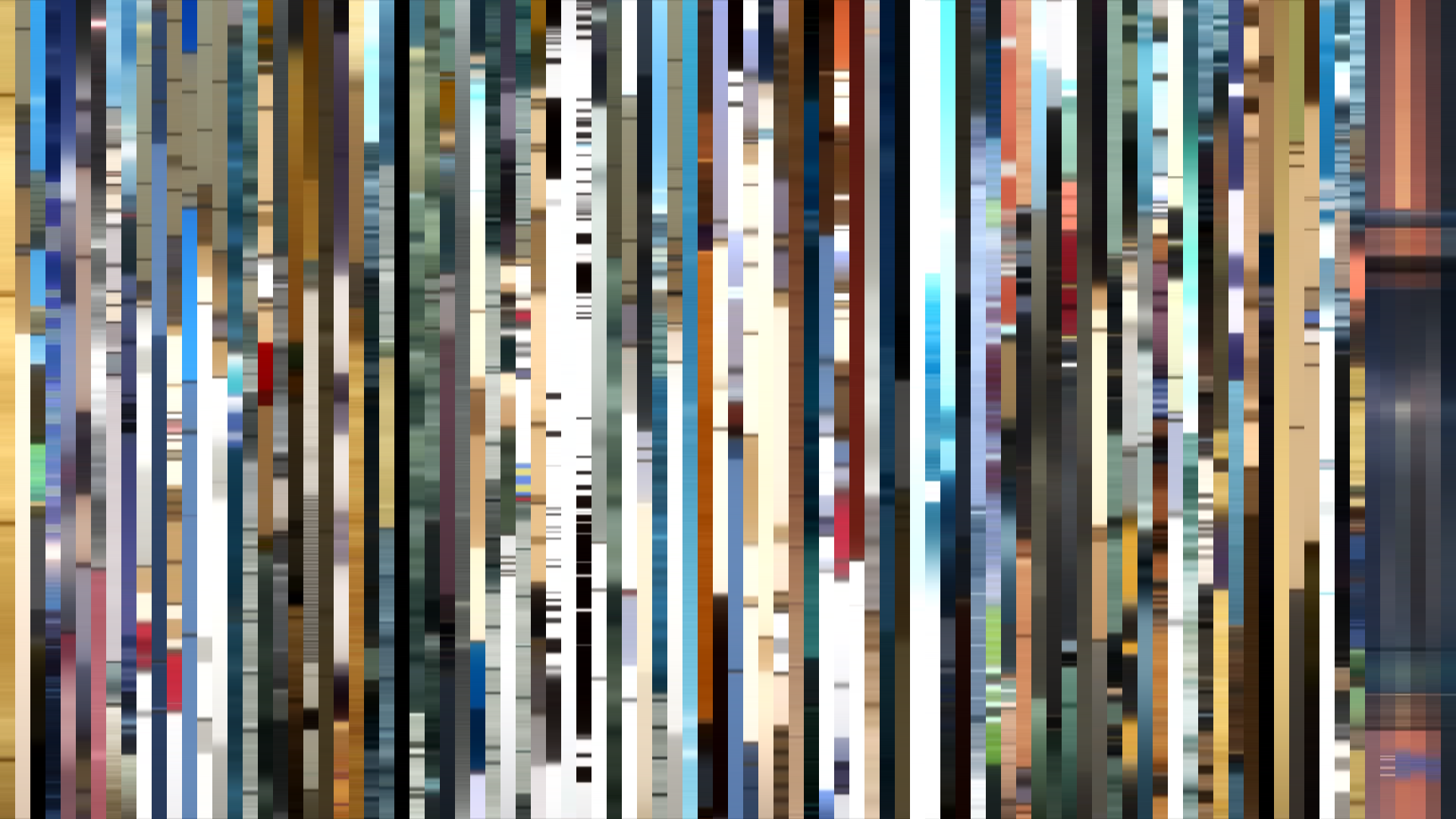
Slice · 15s
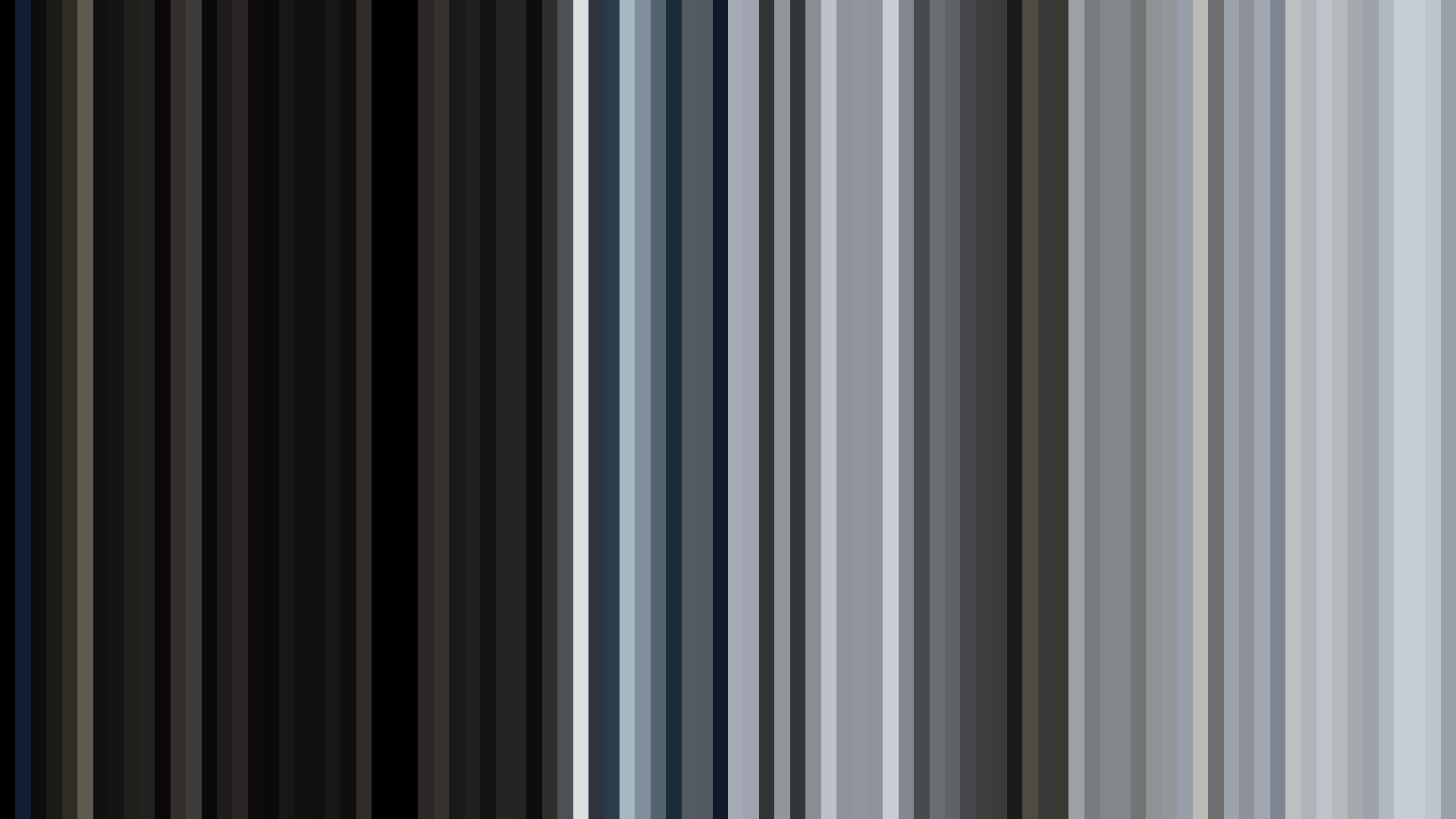
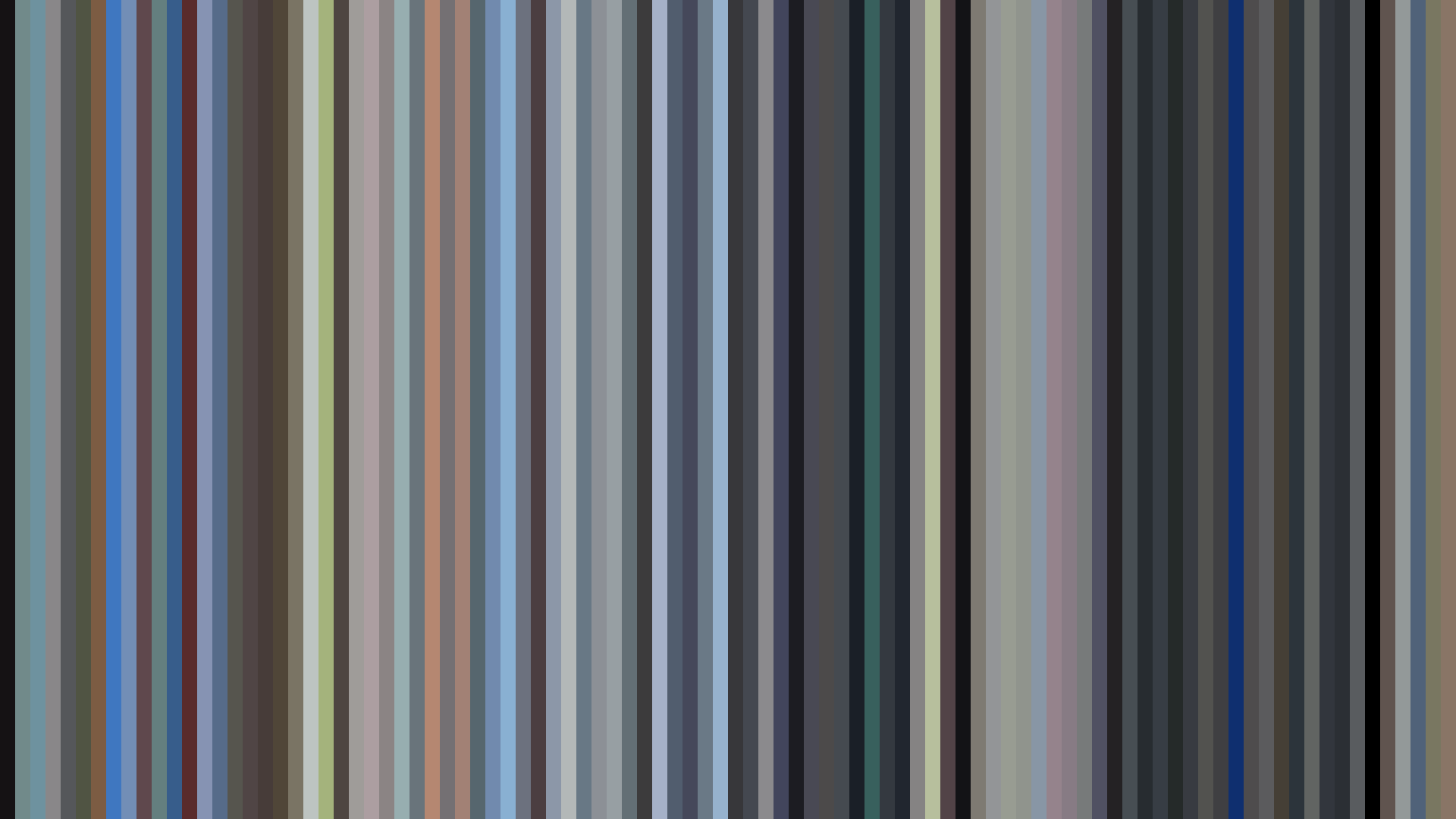
Avg · 15s
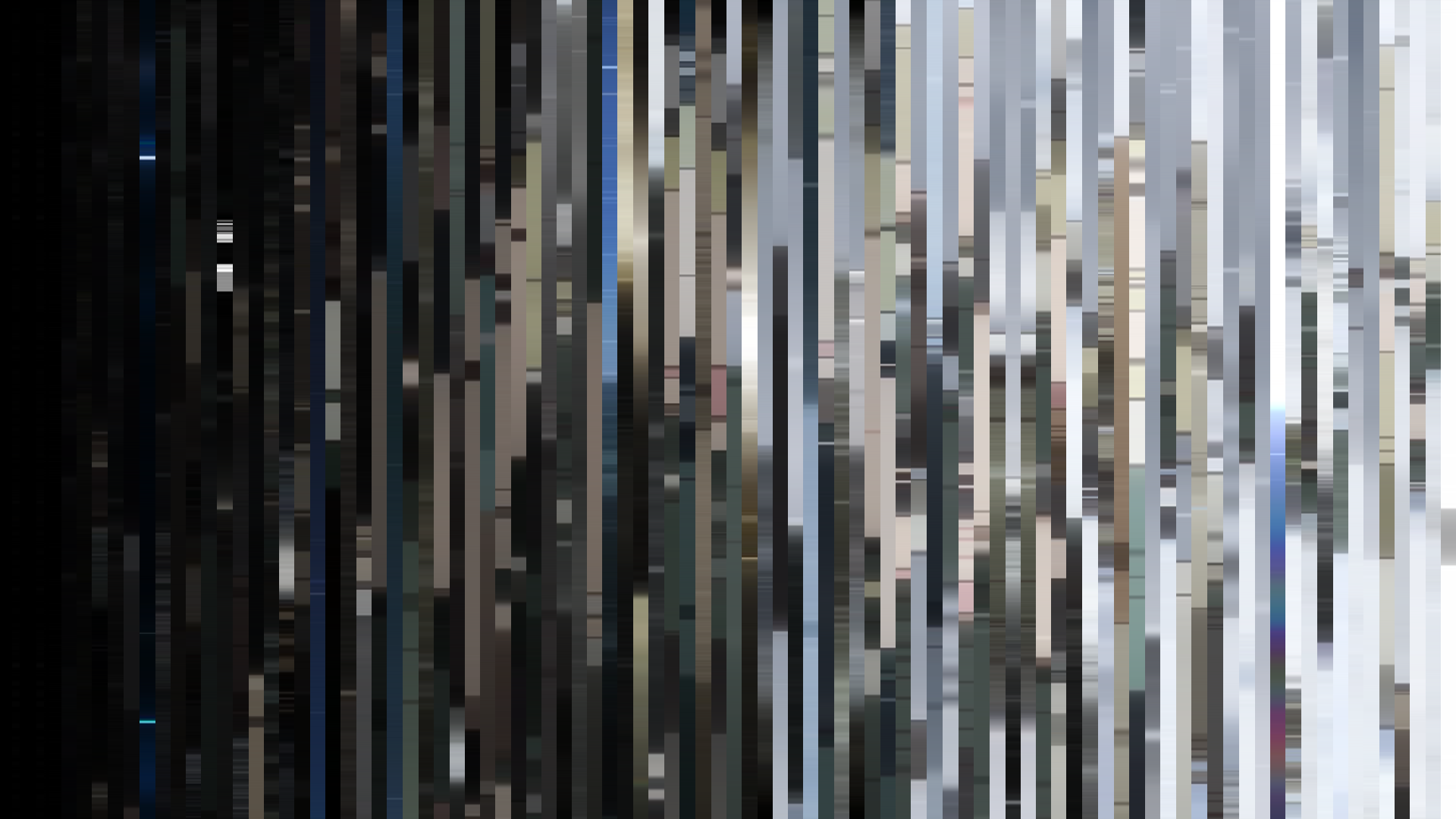
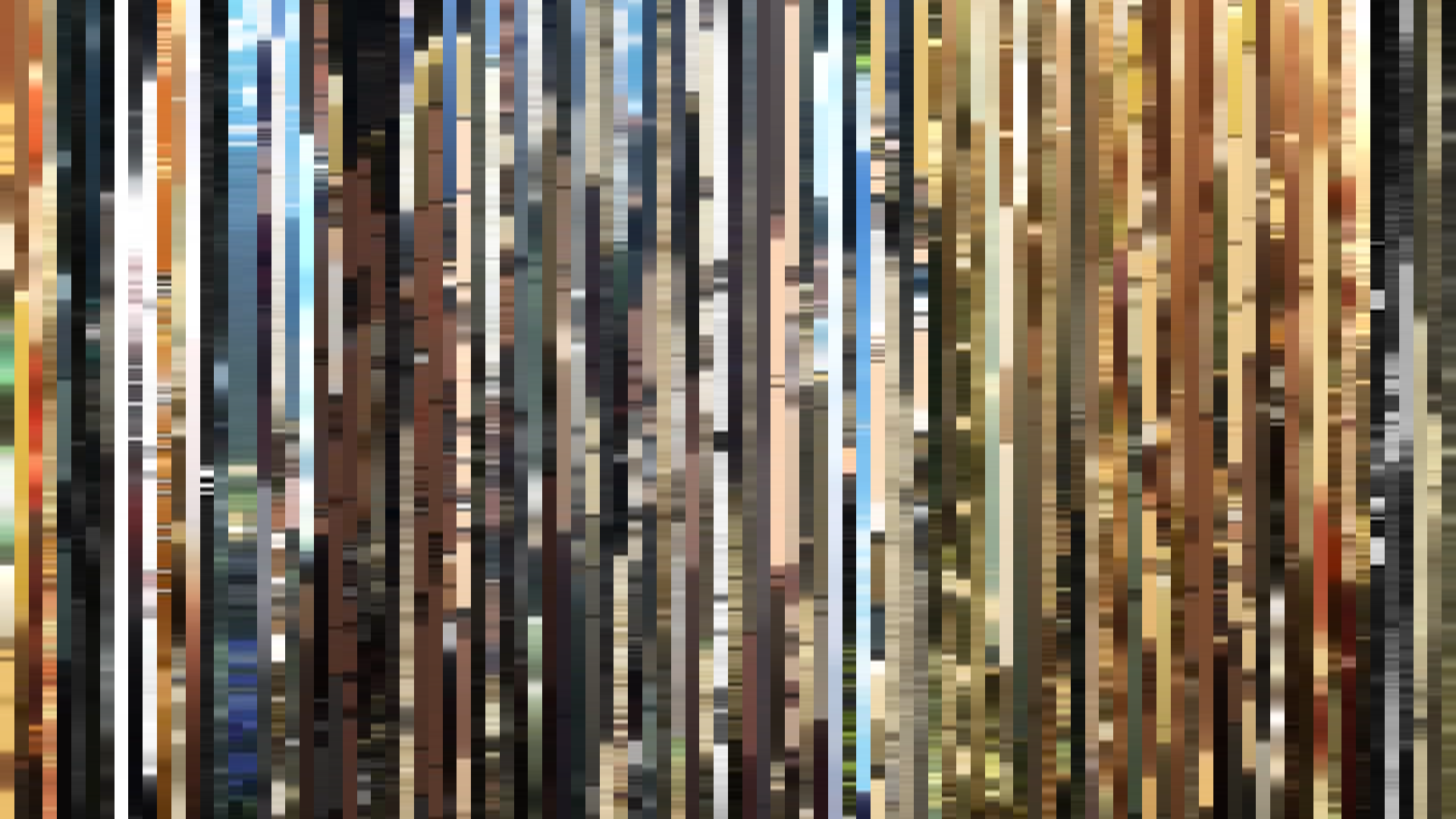
Slice · 30s
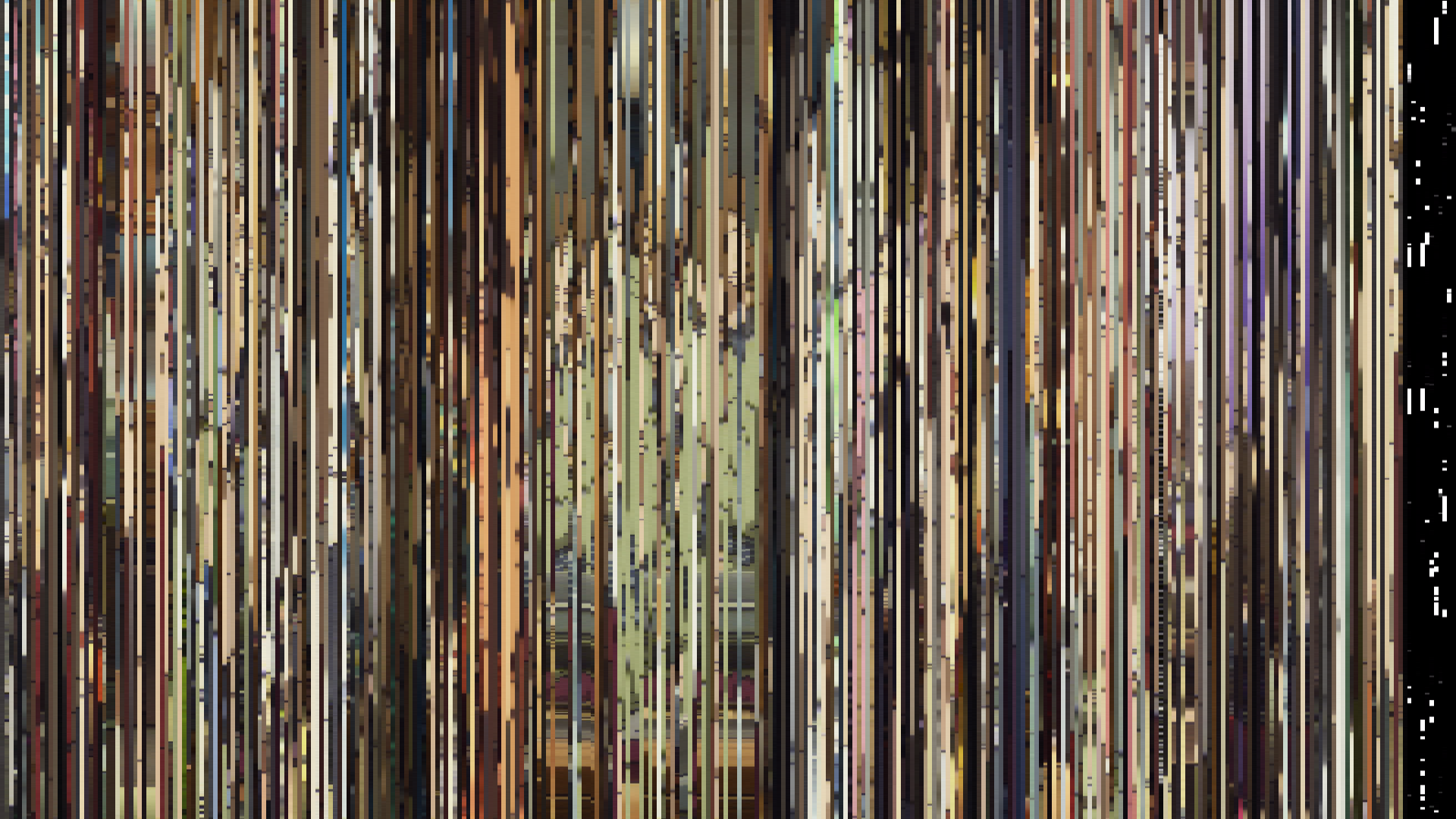
Avg · 30s
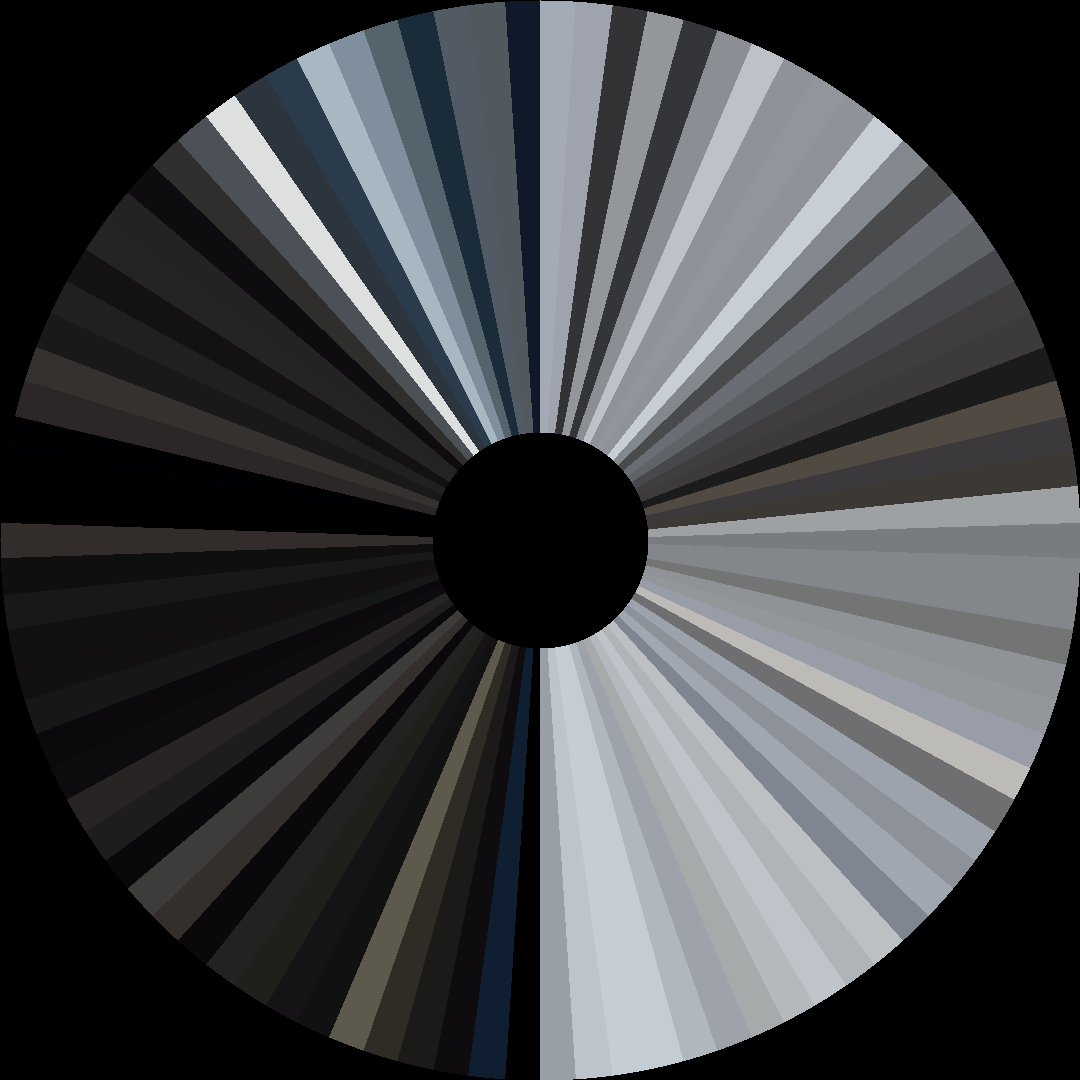
Girls' Last Tour's barcode reads like a slow sunrise over the end of the world, which is exactly what director Takaharu Ozaki and the White Fox team diagrammed: a rising brightness arc that climbs from an opening average of 0.121 to a closing 0.559 — a deliberate ascent out of abyssal black. But this is not a triumphant blaze; the palette is dominated by Blue-Green (43%) and the saturation bottoms out at 0.099, so the light that arrives is cold, gray, and industrial, no warmer than the steel ruins the girls traverse. The Red-Orange and Red that occupy the rest of the distribution arrive only in isolated pockets — a can of soup, a sunset, the glow of a heater — and that's the point. The show's world is a desaturated gradient where human warmth is a rare, small commodity, not a reigning principle. The opening act's near-pitch darkness is the visual truth of a civilization's corpse; the middle and closing ascents are not hope so much as the simple fact of two small figures moving upward through levels. The barcode encodes
Brightness Arc (episode progression)
Hue Distribution
Act Breakdown
Opening
0.121
Middle
0.471
Closing
0.559
Avg Brightness
0.375
Avg Saturation
0.099
Warmth
0.478
Color Palette
#151617
#5B5C5A
#9DA1A6
#DCDFE4
#AEB7C6
#8D8776
#67758E
#283648
3-Act Color Story
Opening
Middle
Closing
Color Twins
Perceptually nearest palettes — measured in OKLab space, not RGB







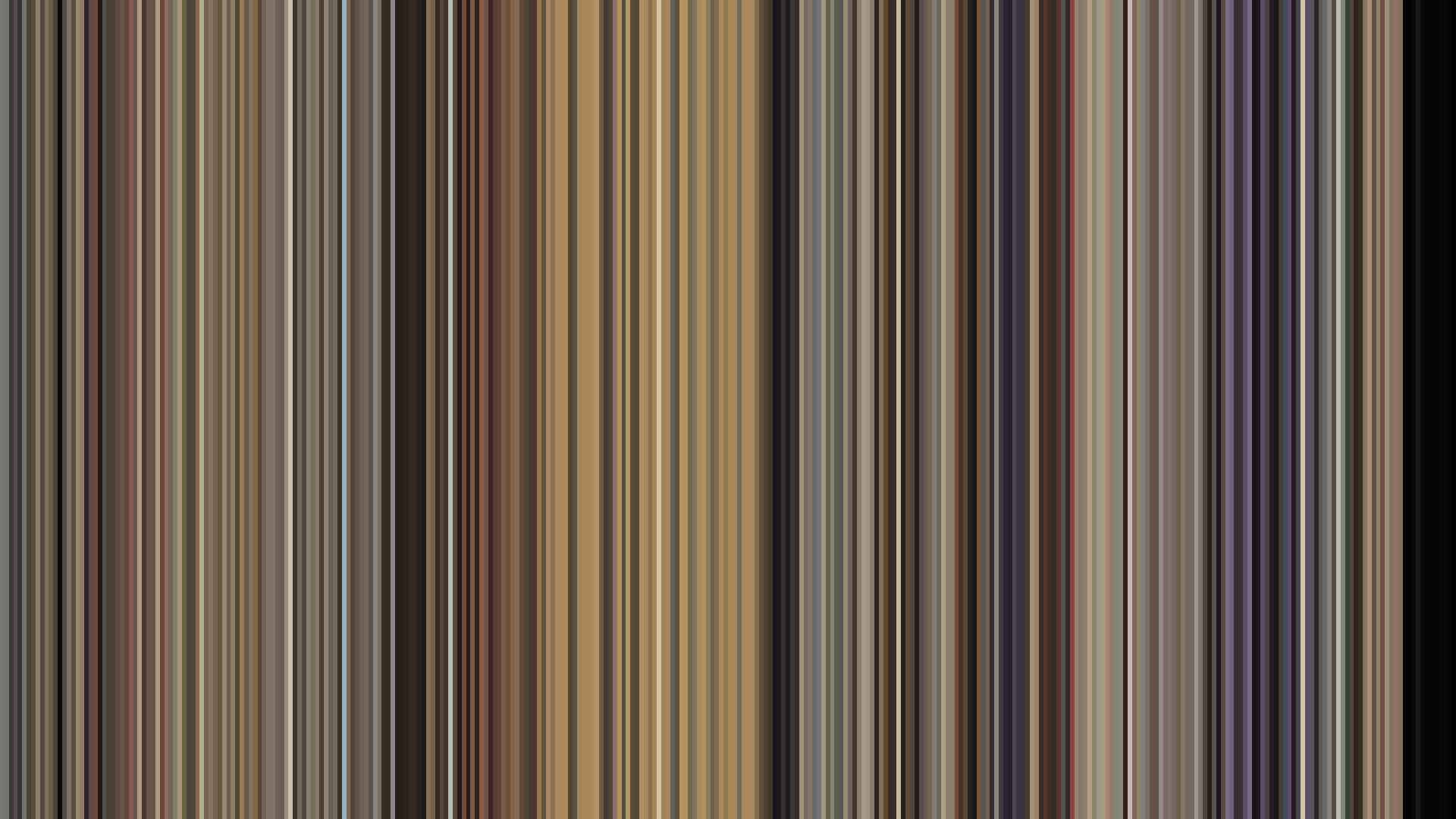
Girls' Last Tour's barcode reads like a slow sunrise over the end of the world, which is exactly what director Takaharu Ozaki and the White Fox team diagrammed: a rising brightness arc that climbs from an opening average of 0.121 to a closing 0.559 — a deliberate ascent out of abyssal black. But this is not a triumphant blaze; the palette is dominated by Blue-Green (43%) and the saturation bottoms out at 0.099, so the light that arrives is cold, gray, and industrial, no warmer than the steel ruins the girls traverse. The Red-Orange and Red that occupy the rest of the distribution arrive only in isolated pockets — a can of soup, a sunset, the glow of a heater — and that's the point. The show's world is a desaturated gradient where human warmth is a rare, small commodity, not a reigning principle. The opening act's near-pitch darkness is the visual truth of a civilization's corpse; the middle and closing ascents are not hope so much as the simple fact of two small figures moving upward through levels. The barcode encodes