Edit Pace — frame-to-frame color delta (bright = fast cuts)
Color Temperature — warm (gold) vs cool (teal) per frame
Frame Density Comparison — every 2nd vs every 4th frame
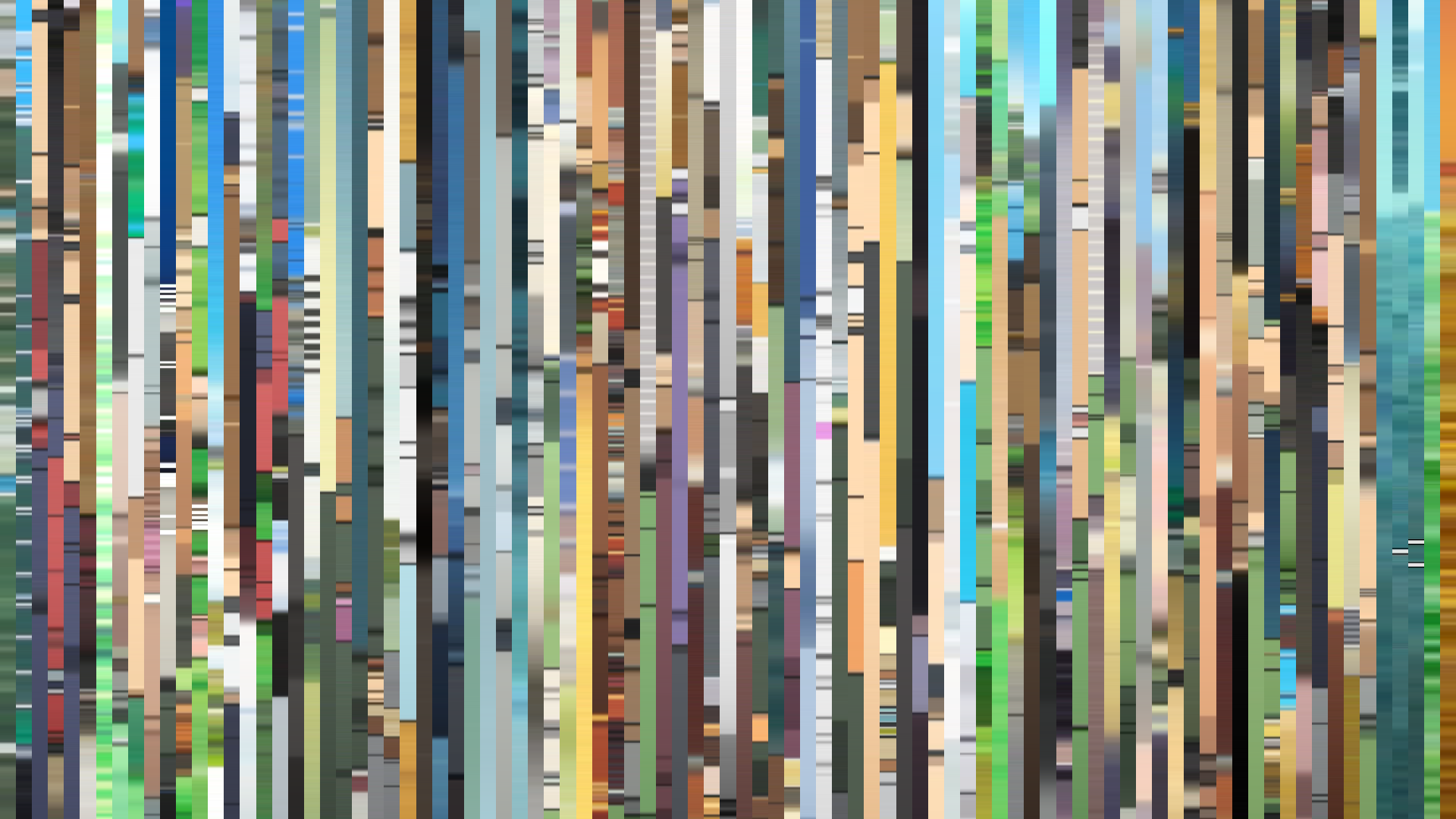
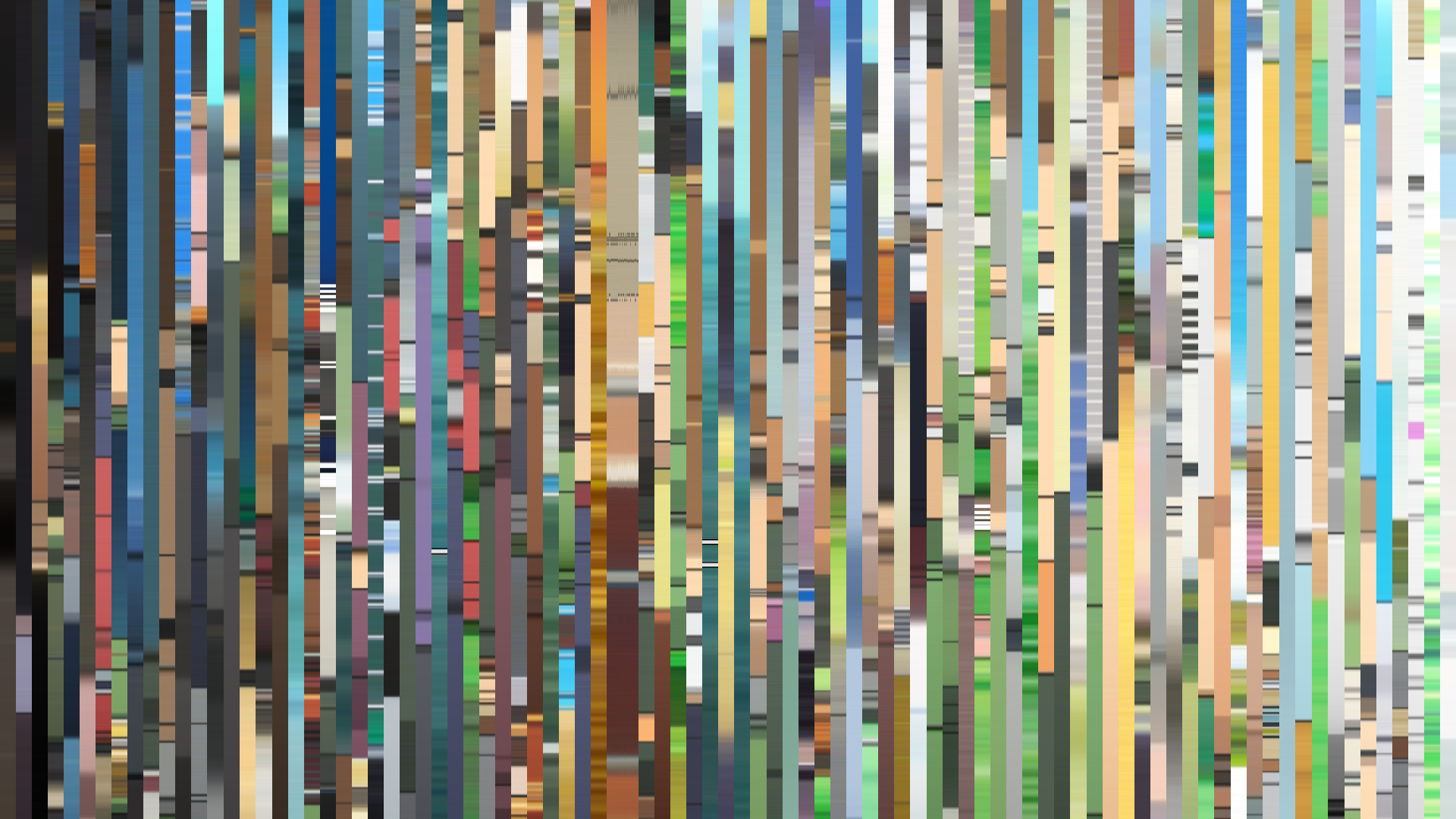
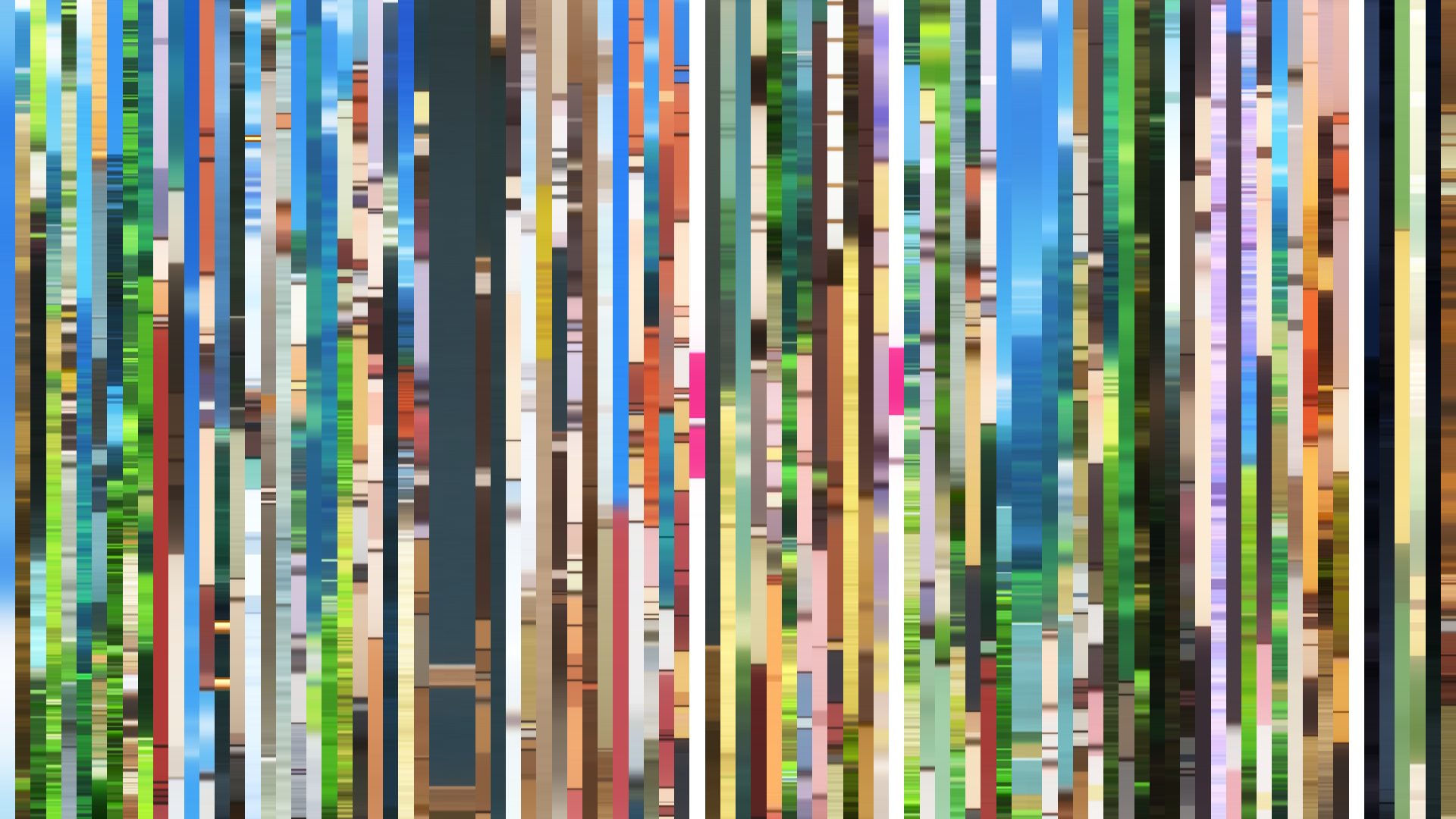
Slice · 15s
Avg · 15s
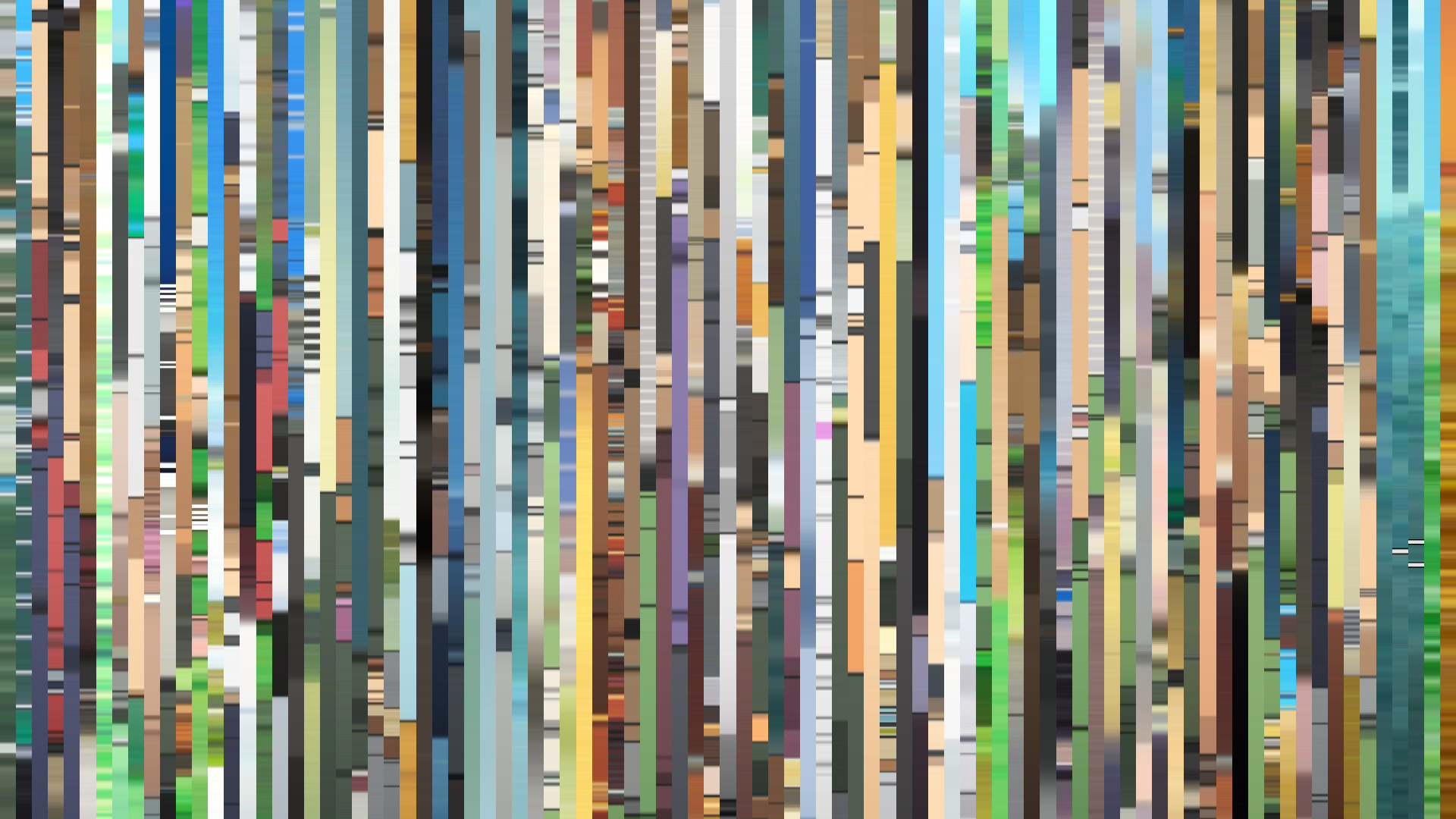
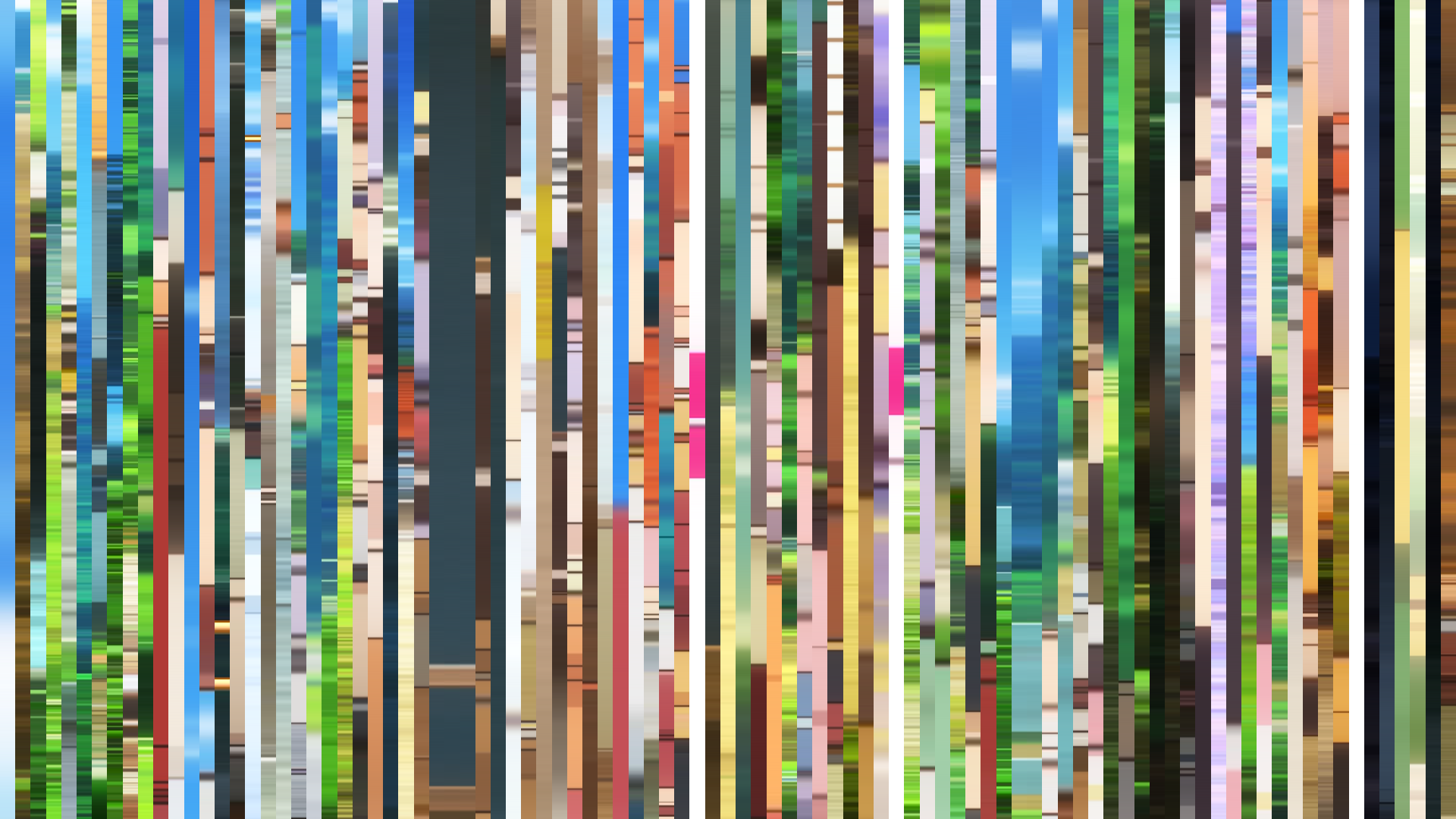
Slice · 30s
Avg · 30s
The palette's dominant Red-Orange — 24% of all frames, with a subdued saturation of 0.233 and an average brightness just above mid-gray — is the color of cooked earth and barn wood, not the sunny idealism most comedies reach for. Director Tomohiko Itou and A-1 Pictures understand that Yezo Agricultural High School’s comedy grows from mud, work, and the quiet dignity of feeding people. The brightness arc is an inverted smile: a bright opening (0.504) that climbs to 0.568 in the middle act before settling to a reflective 0.495. That peak is no accident — it’s harvest season, where the comedy of planting pays off in literal fruits. Yet the closing dimness isn’t a fall; it’s the economy of rural
Brightness Arc (episode progression)
Hue Distribution
Act Breakdown
Opening
0.504
Middle
0.568
Closing
0.495
Avg Brightness
0.551
Avg Saturation
0.233
Warmth
0.529
Color Palette
#5B5E5A
#E4E4DF
#A0A39B
#E4D3A9
#9D966D
#936D57
#272728
#A4D2DF
3-Act Color Story
Opening
Middle
Closing
Color Twins
Perceptually nearest palettes — measured in OKLab space, not RGB













![Fate/stay night [Unlimited Blade Works]](../../../barcodes/2014/fatestay-night-unlimited-blade-works/barcode_slice.png)







The palette's dominant Red-Orange — 24% of all frames, with a subdued saturation of 0.233 and an average brightness just above mid-gray — is the color of cooked earth and barn wood, not the sunny idealism most comedies reach for. Director Tomohiko Itou and A-1 Pictures understand that Yezo Agricultural High School’s comedy grows from mud, work, and the quiet dignity of feeding people. The brightness arc is an inverted smile: a bright opening (0.504) that climbs to 0.568 in the middle act before settling to a reflective 0.495. That peak is no accident — it’s harvest season, where the comedy of planting pays off in literal fruits. Yet the closing dimness isn’t a fall; it’s the economy of rural