Edit Pace — frame-to-frame color delta (bright = fast cuts)
Color Temperature — warm (gold) vs cool (teal) per frame
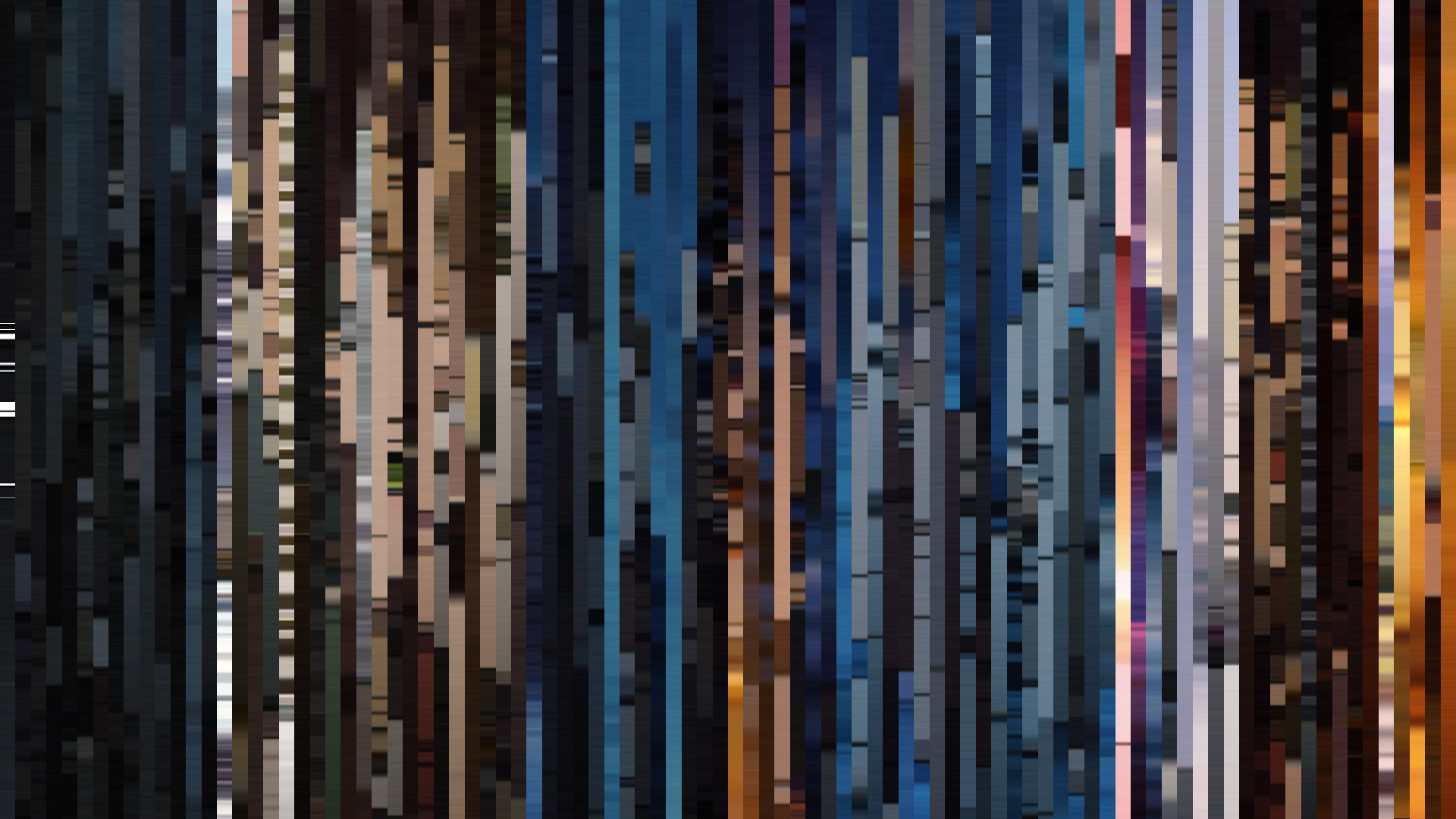
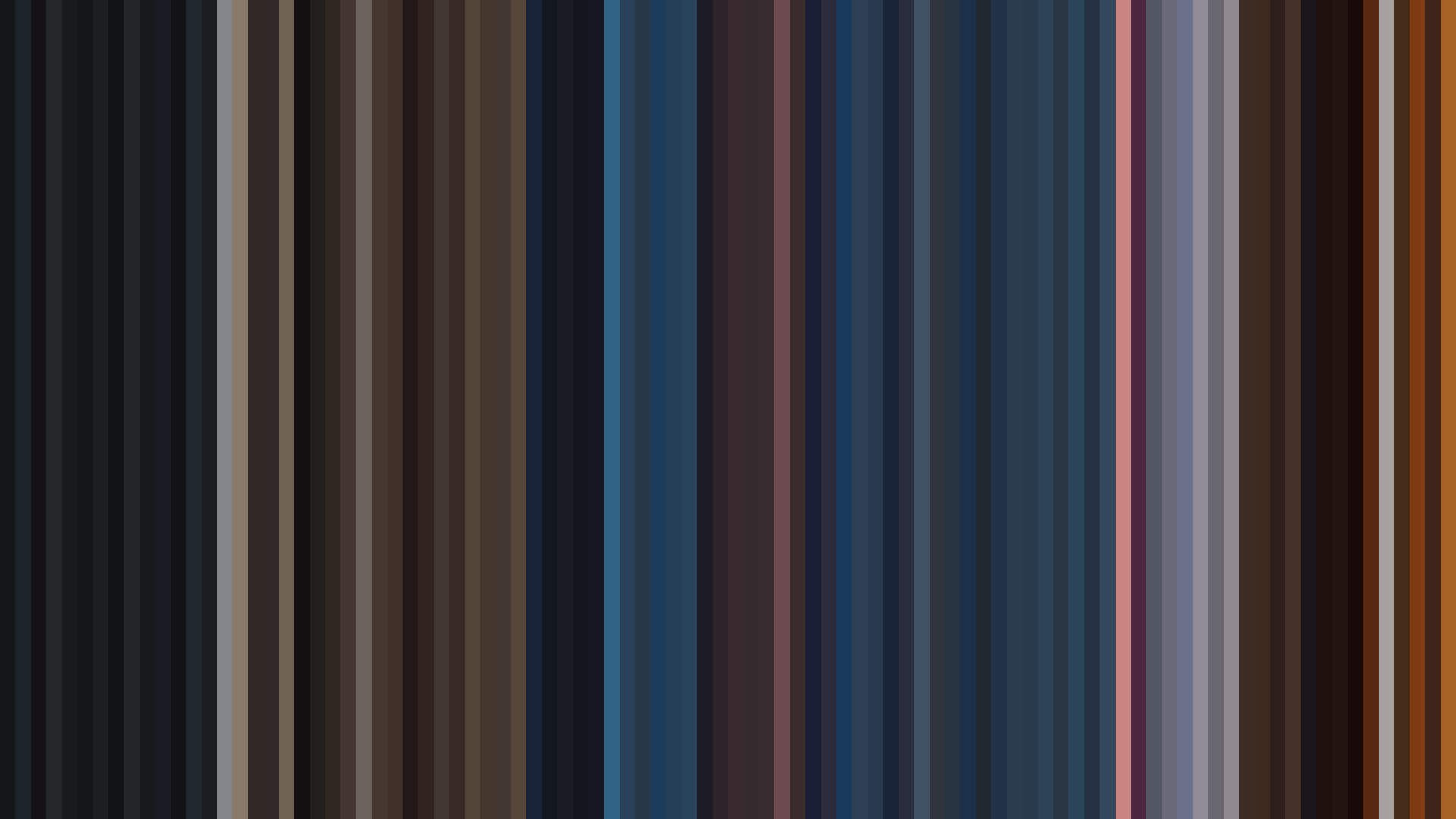
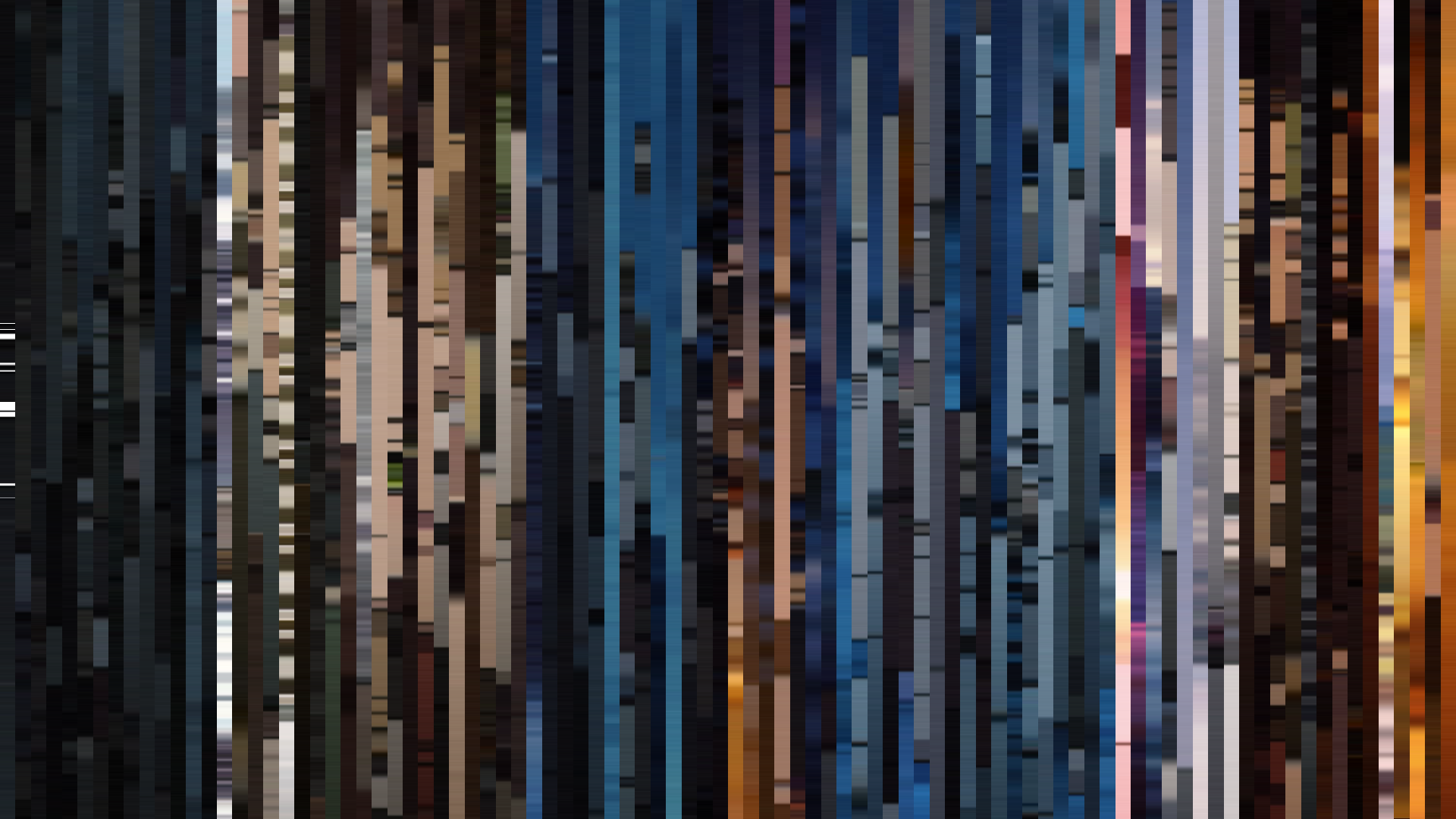
Frame Density Comparison — every 2nd vs every 4th frame
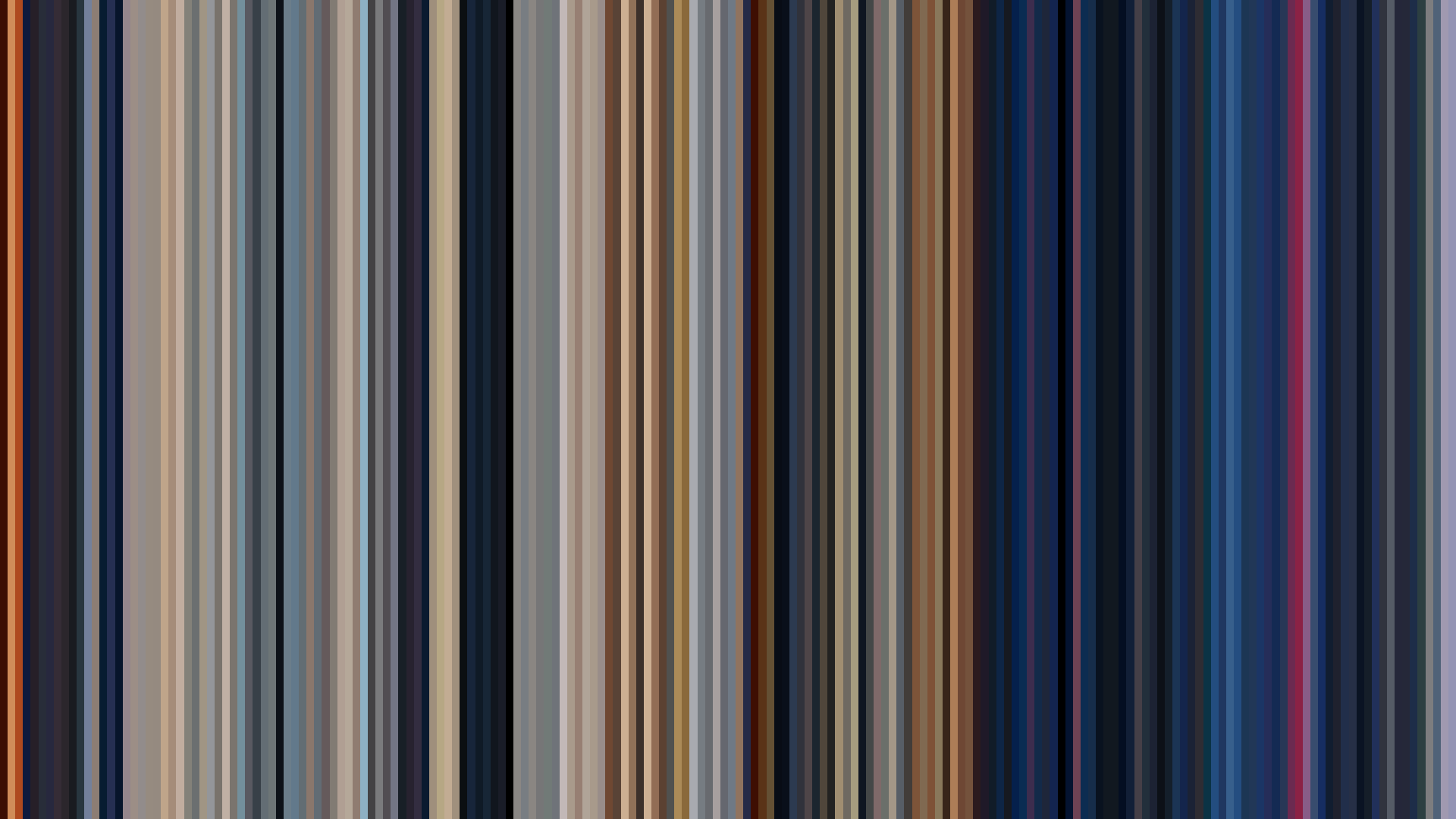
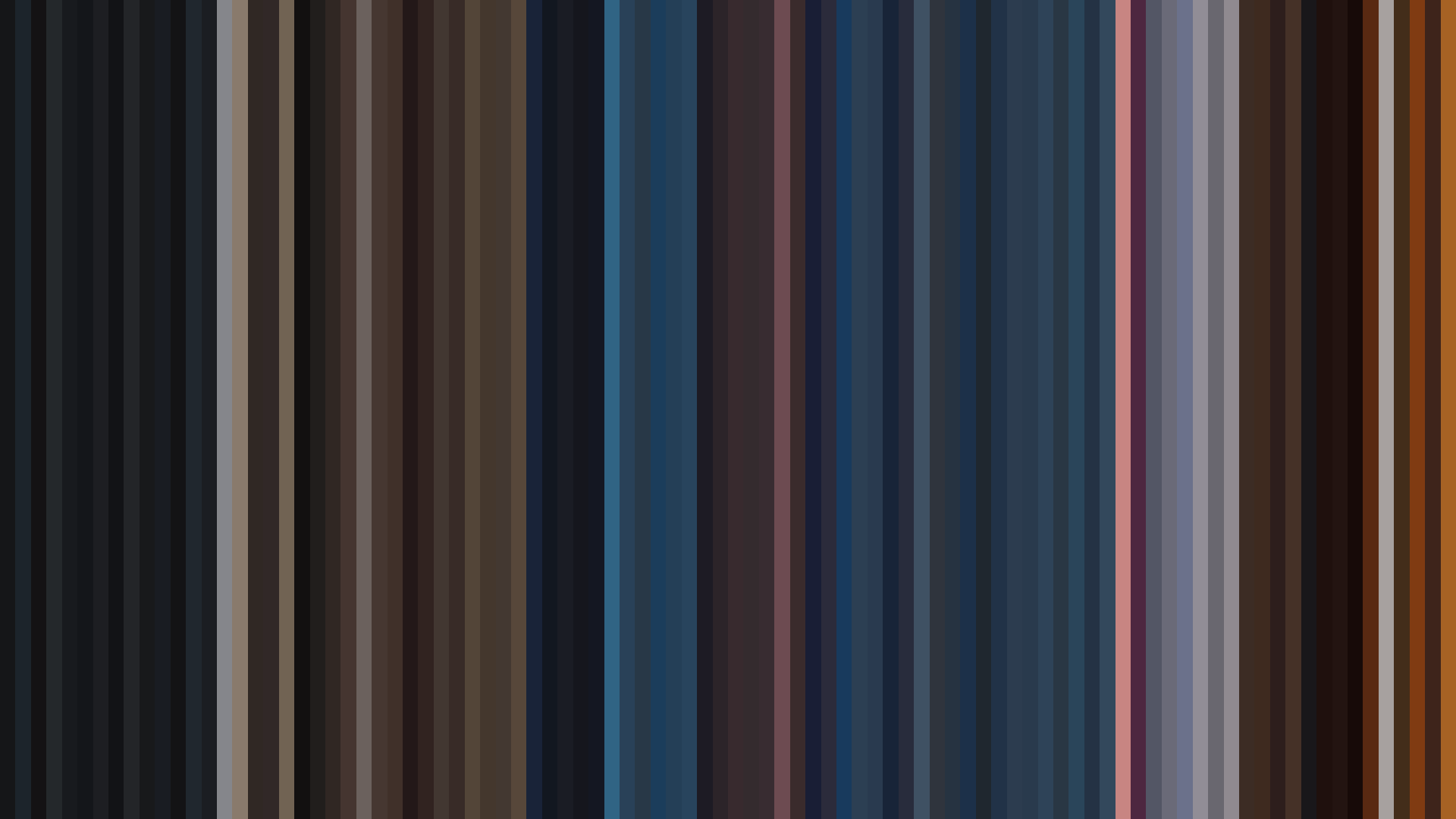
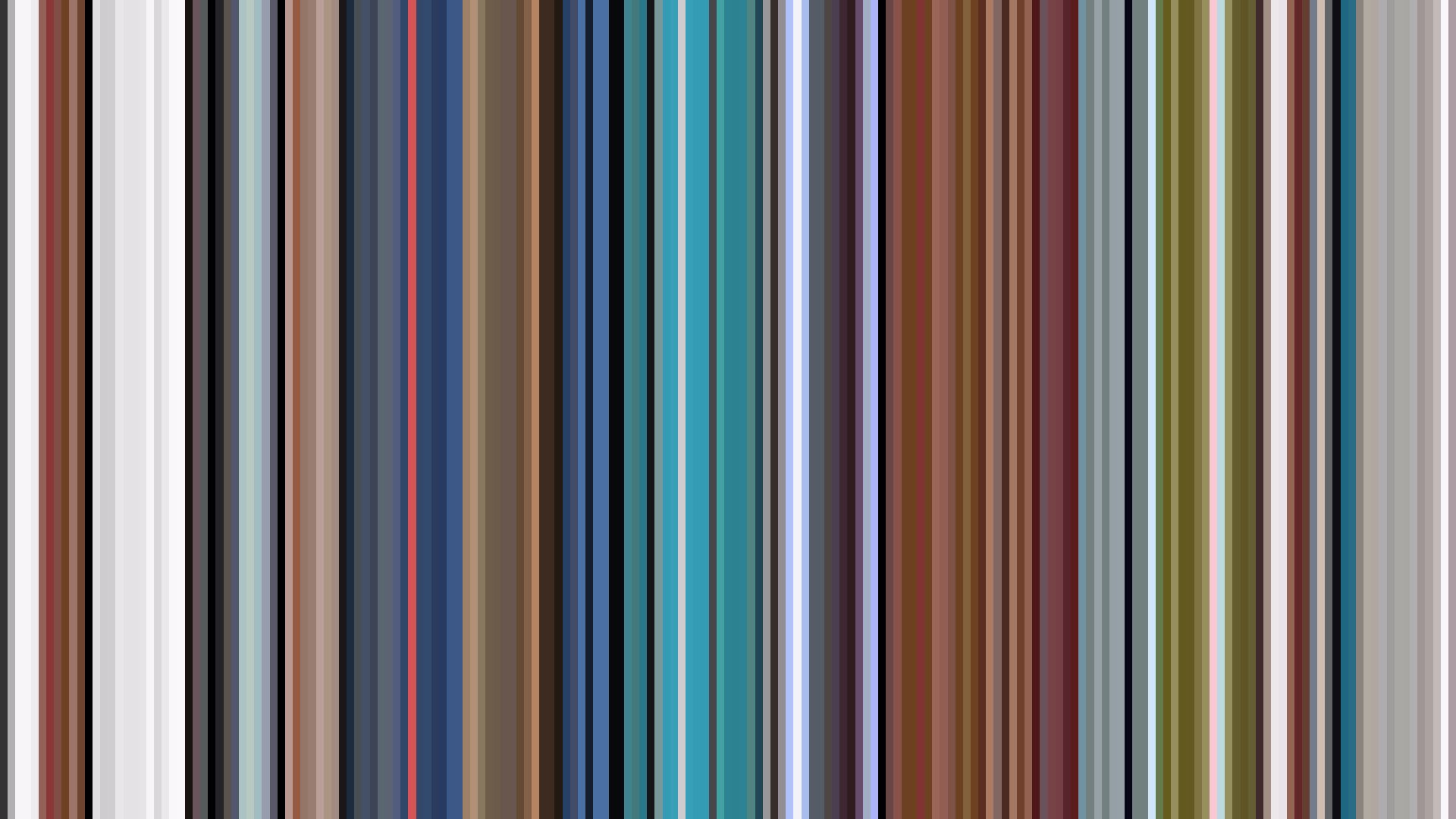
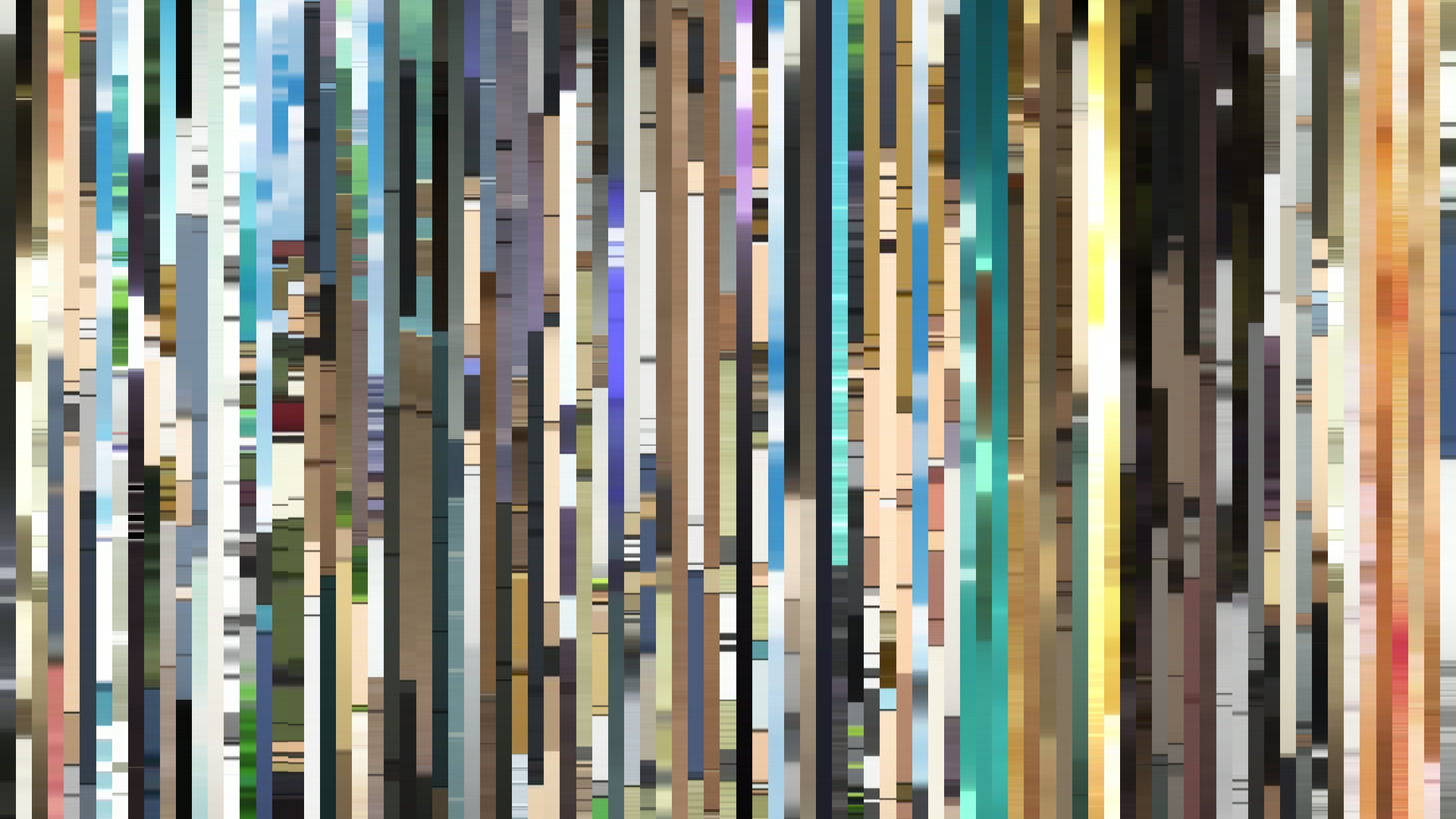
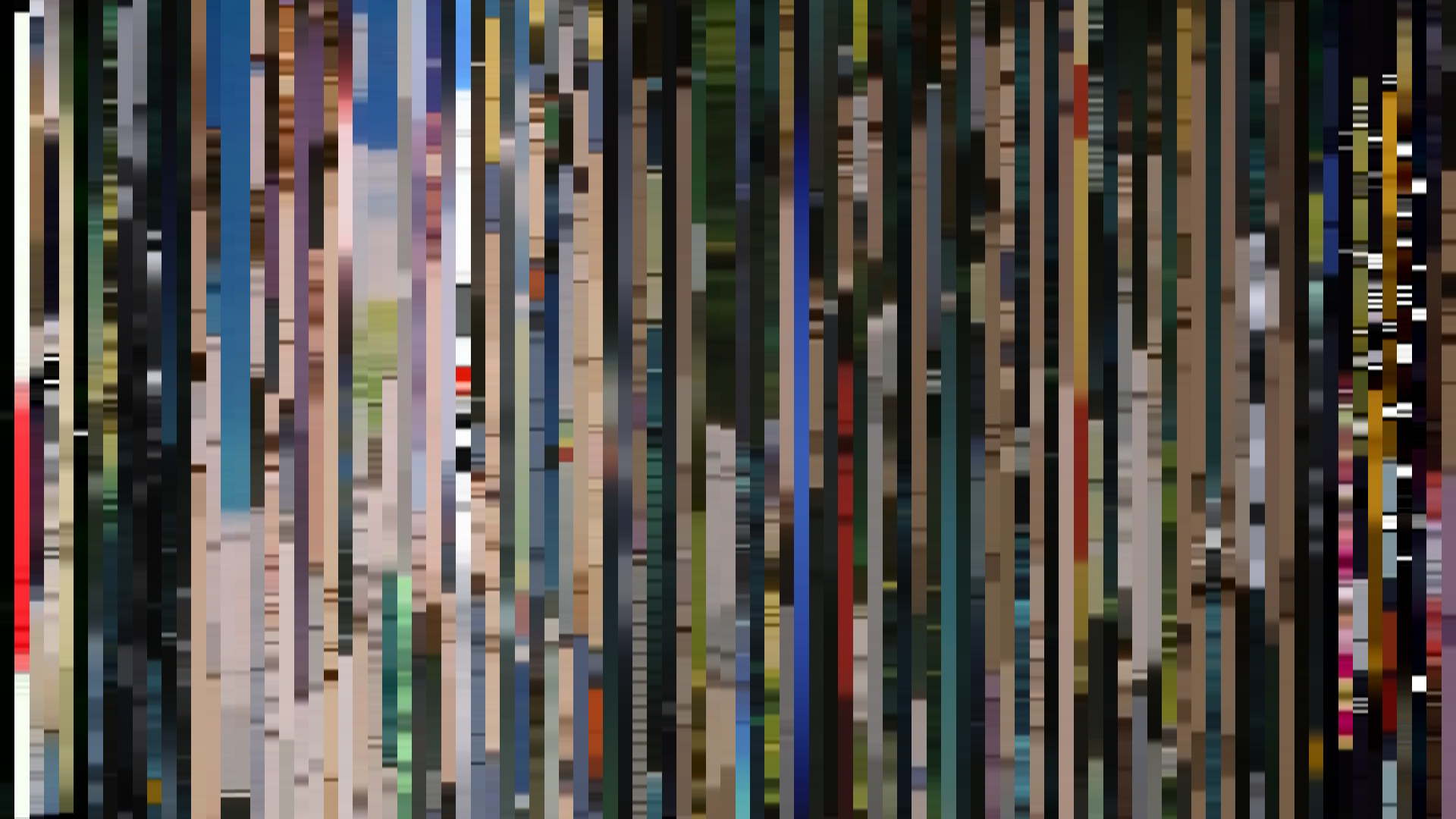
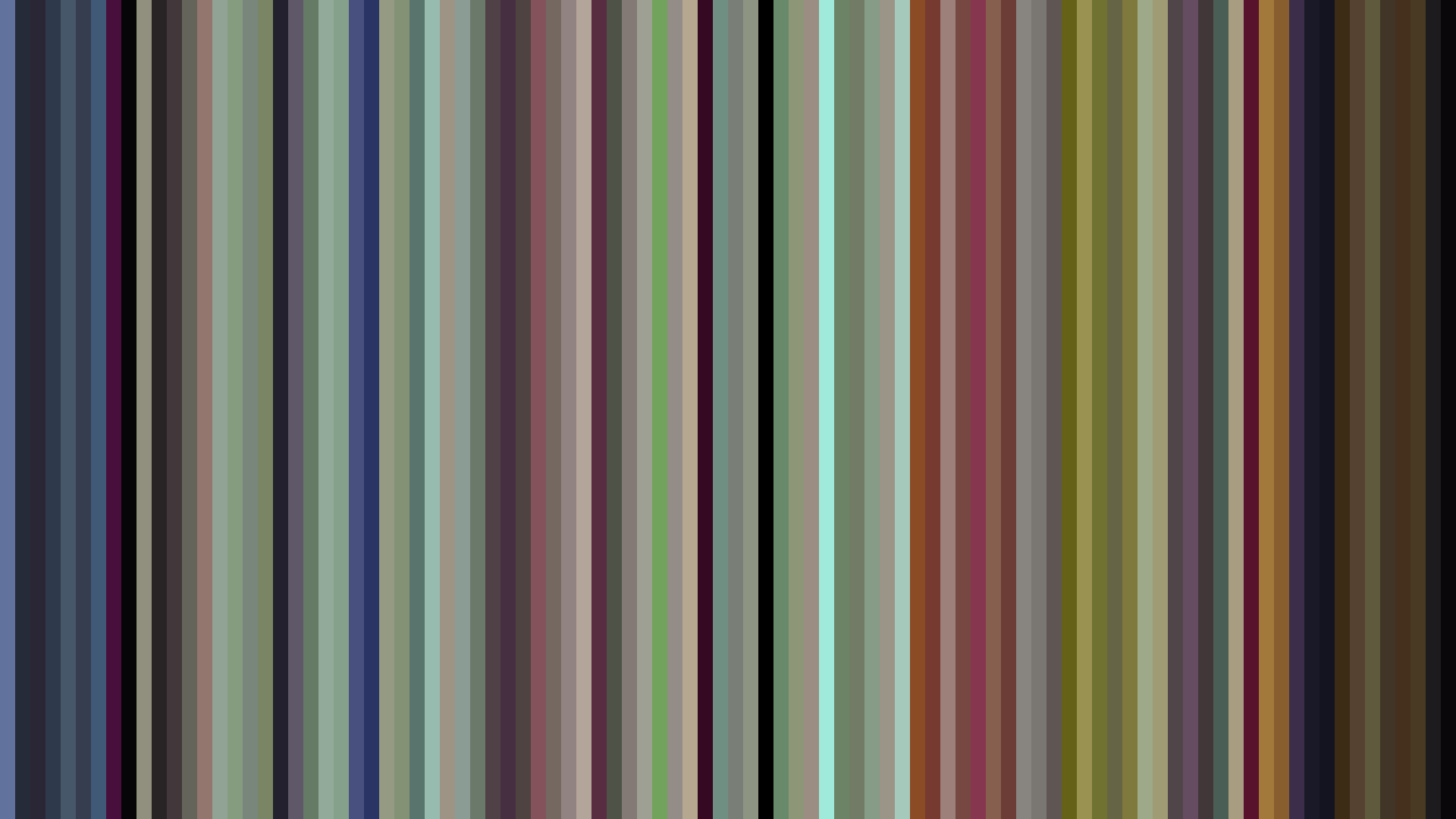
Slice · 15s
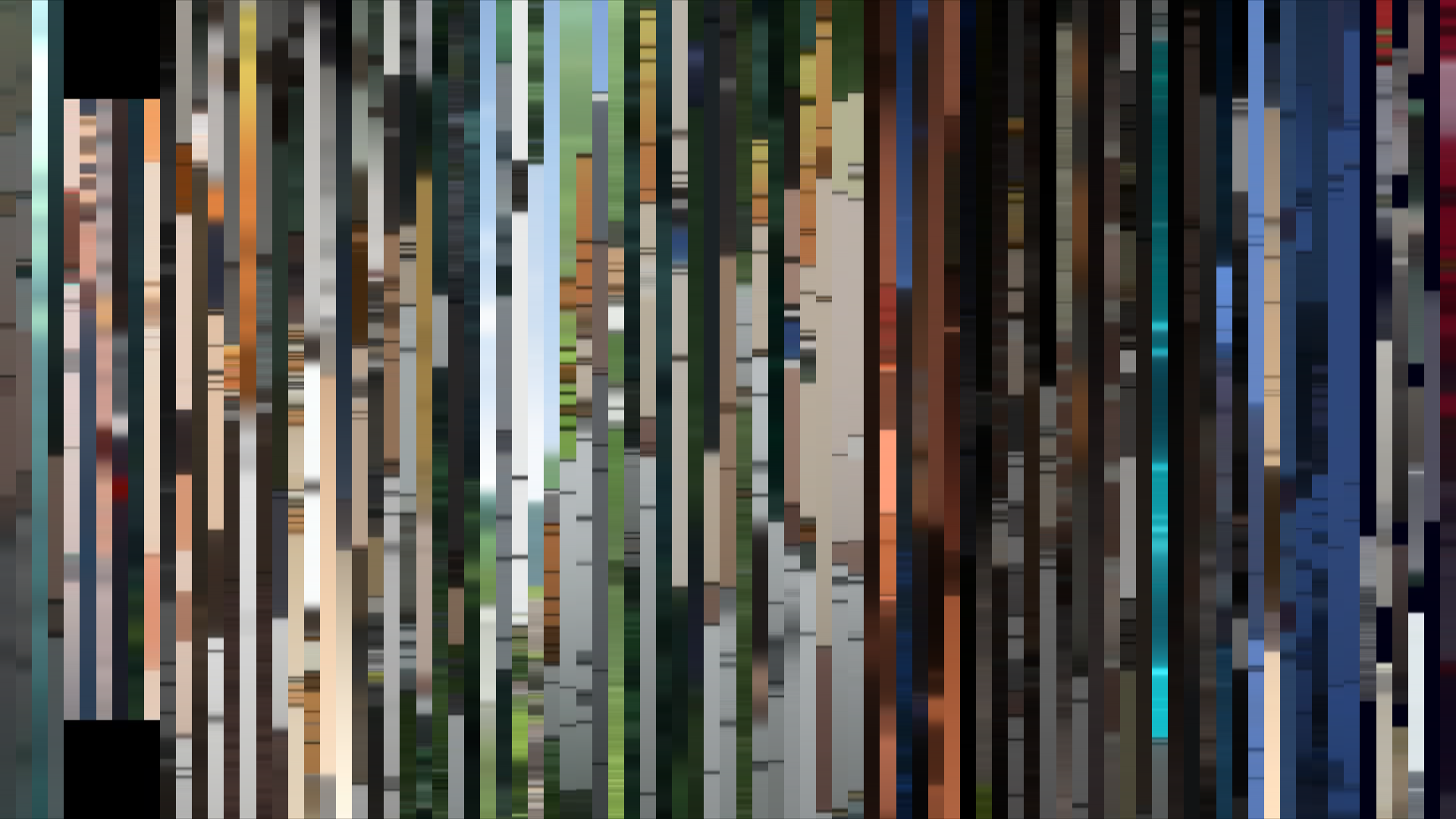
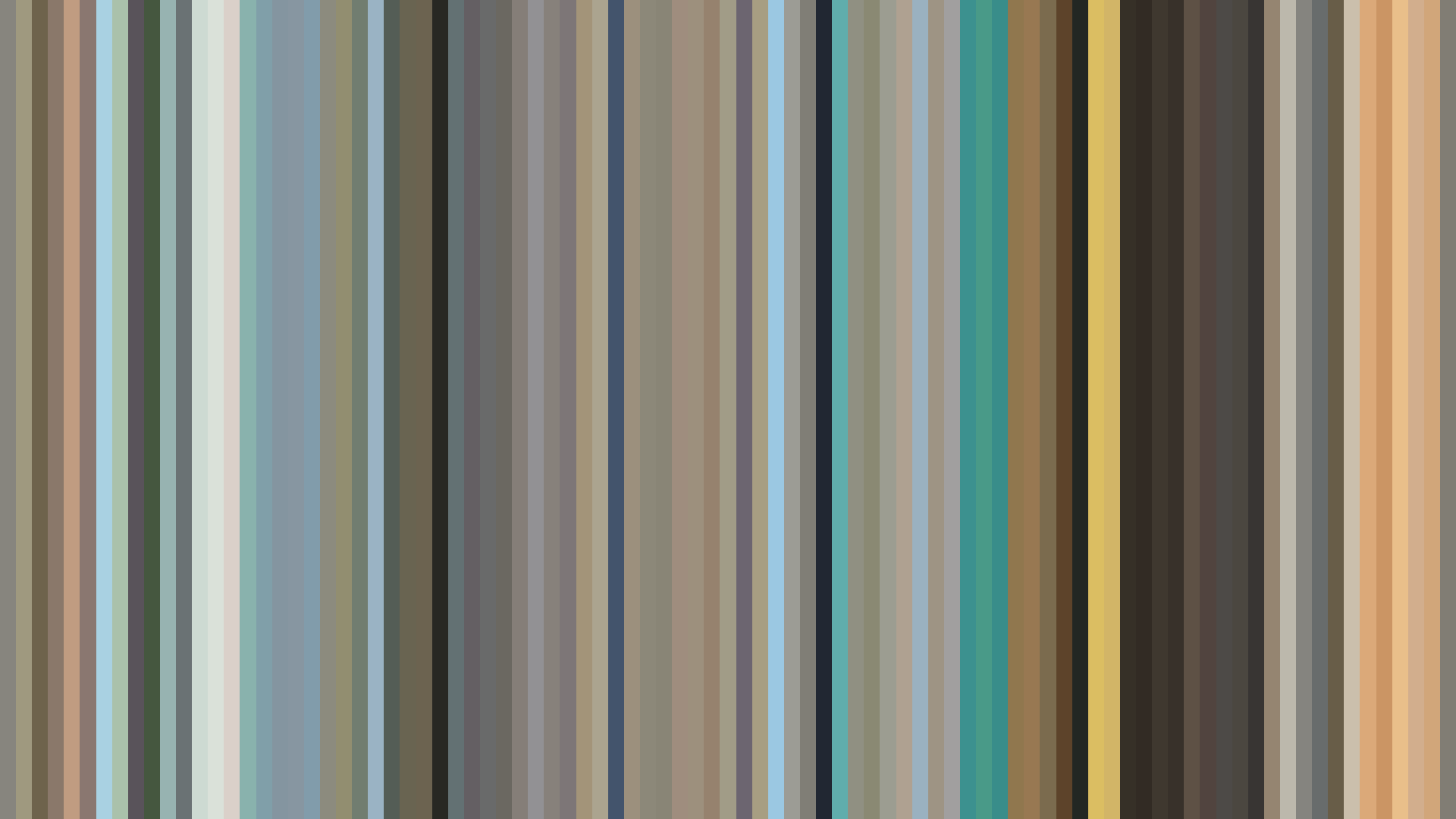
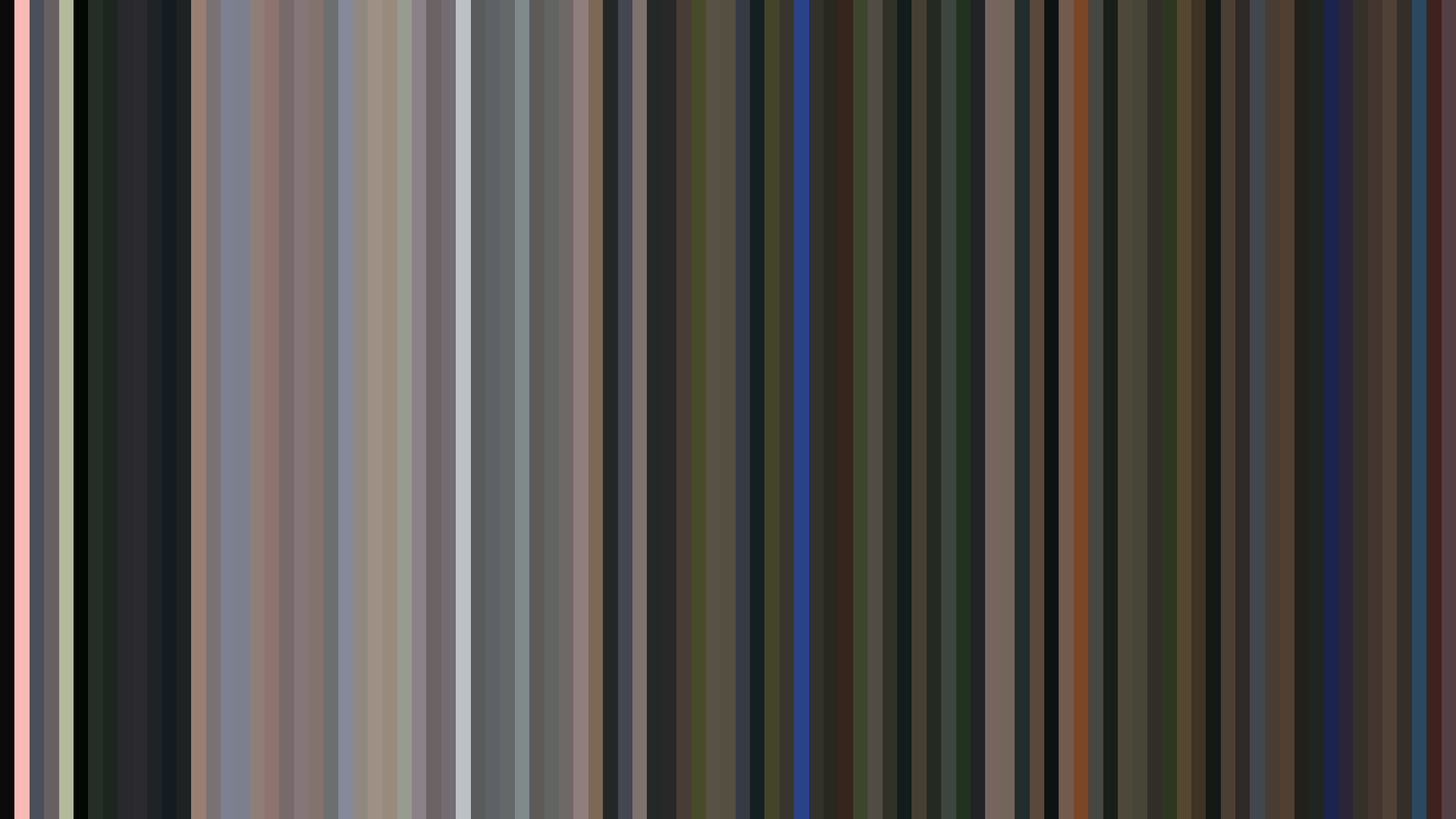
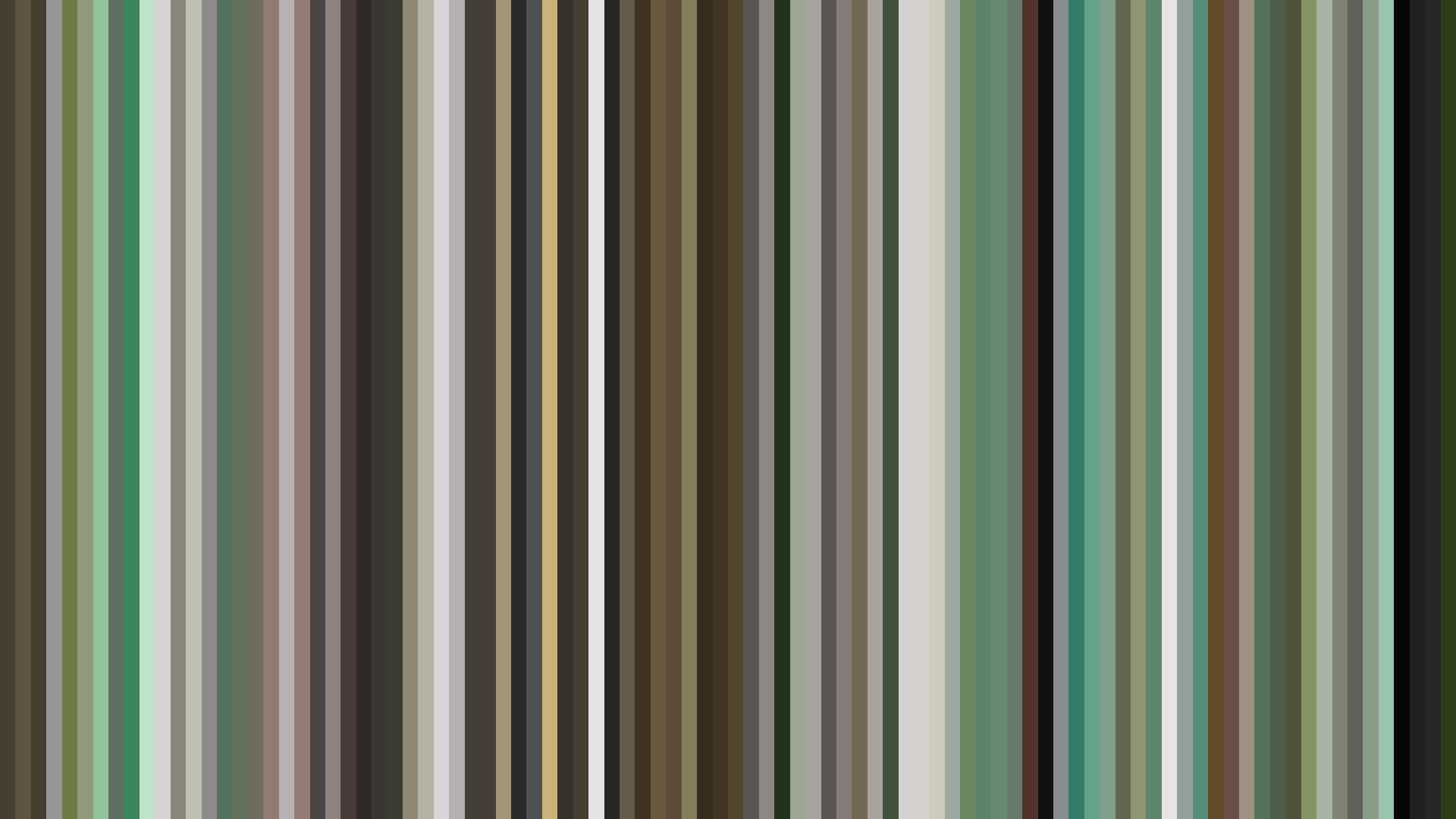
Avg · 15s
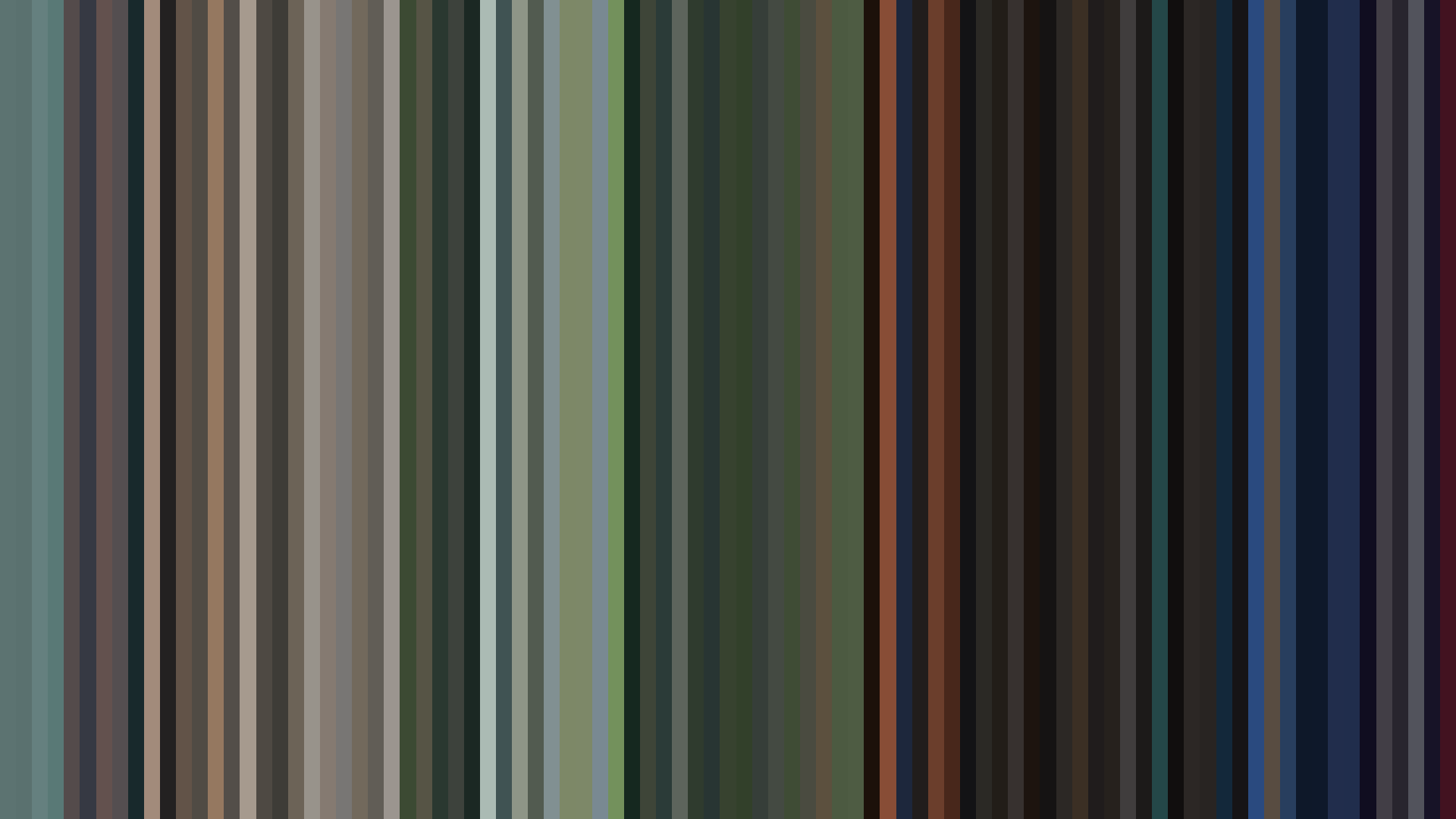
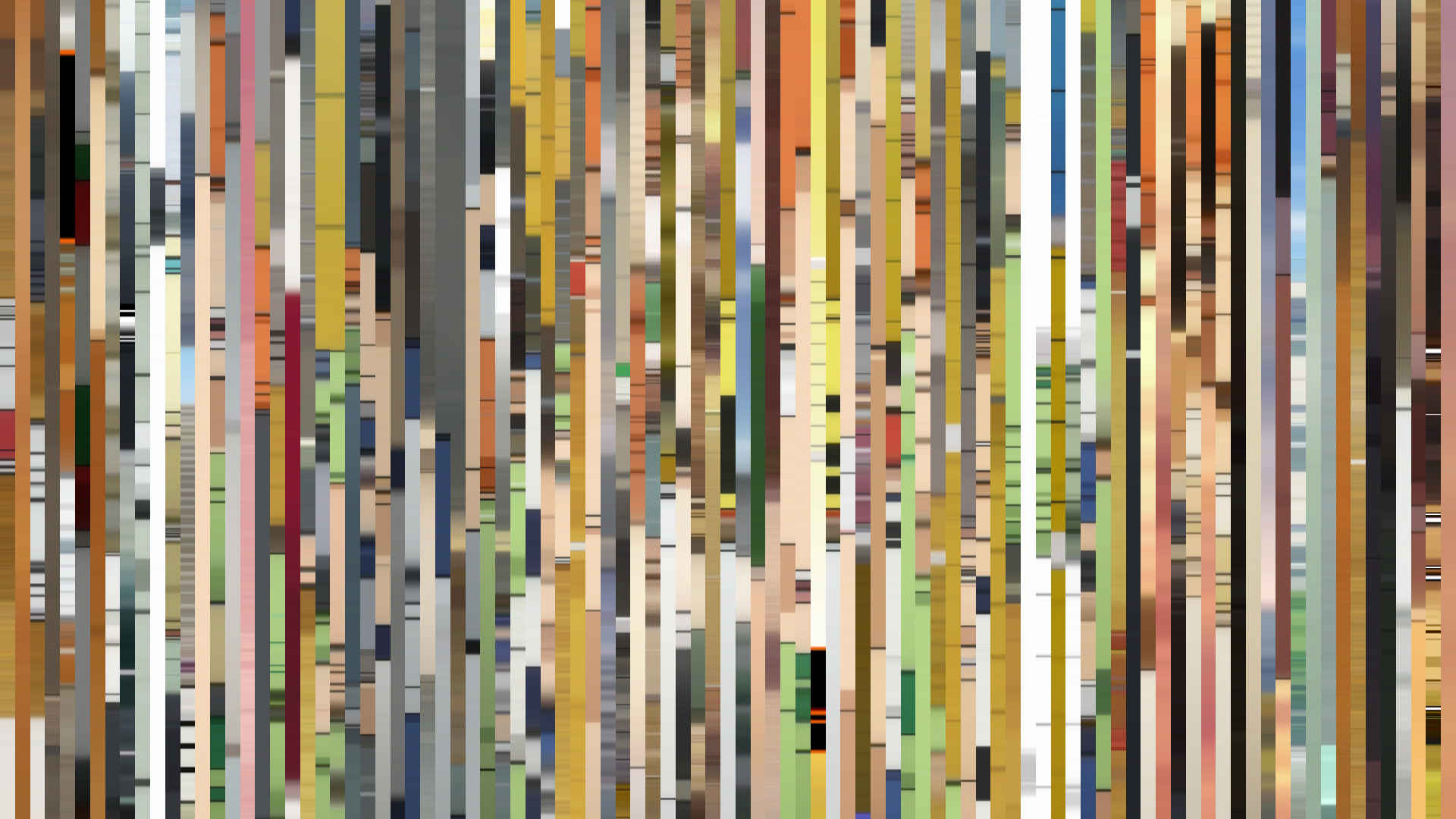
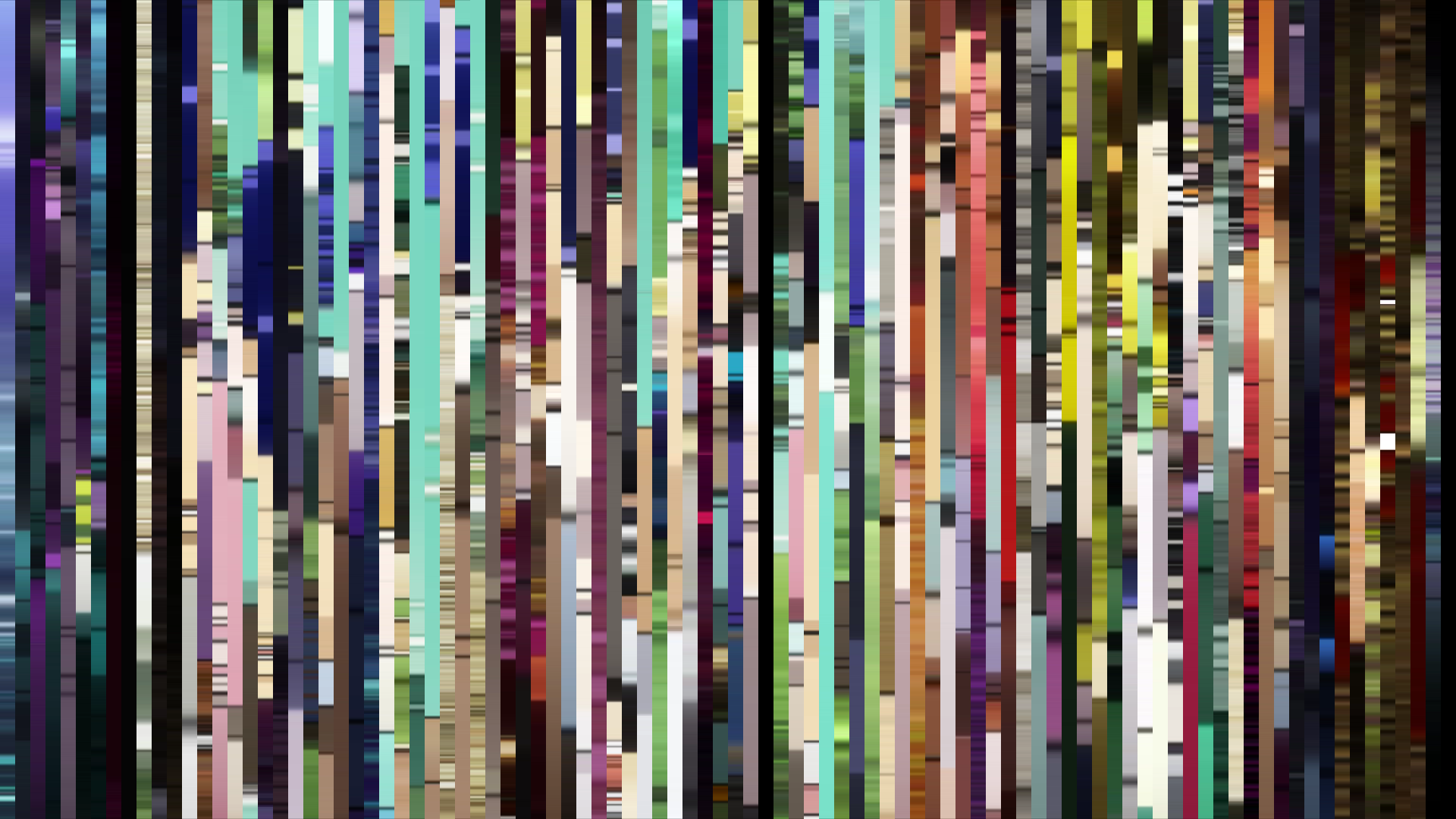
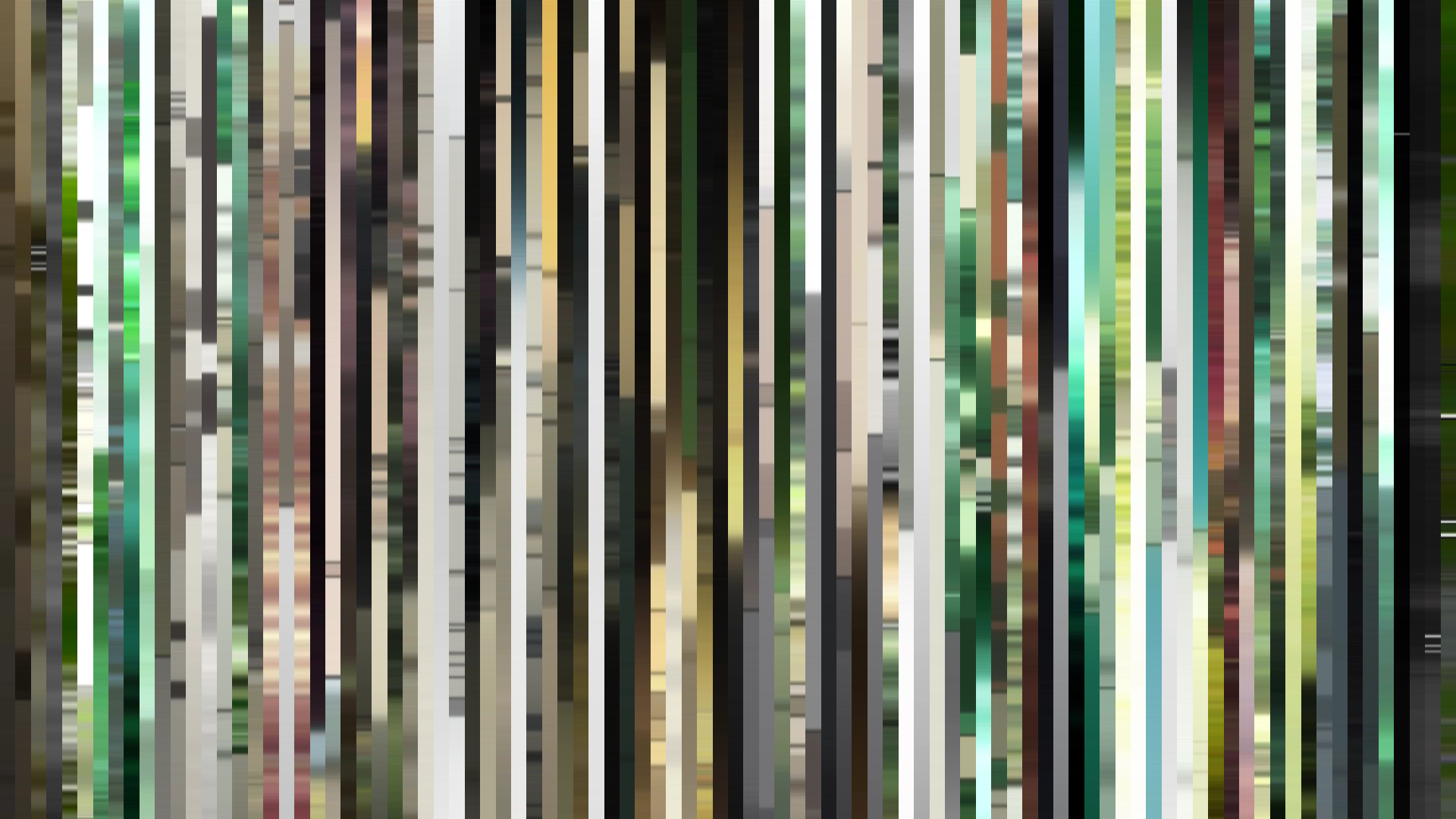
Slice · 30s
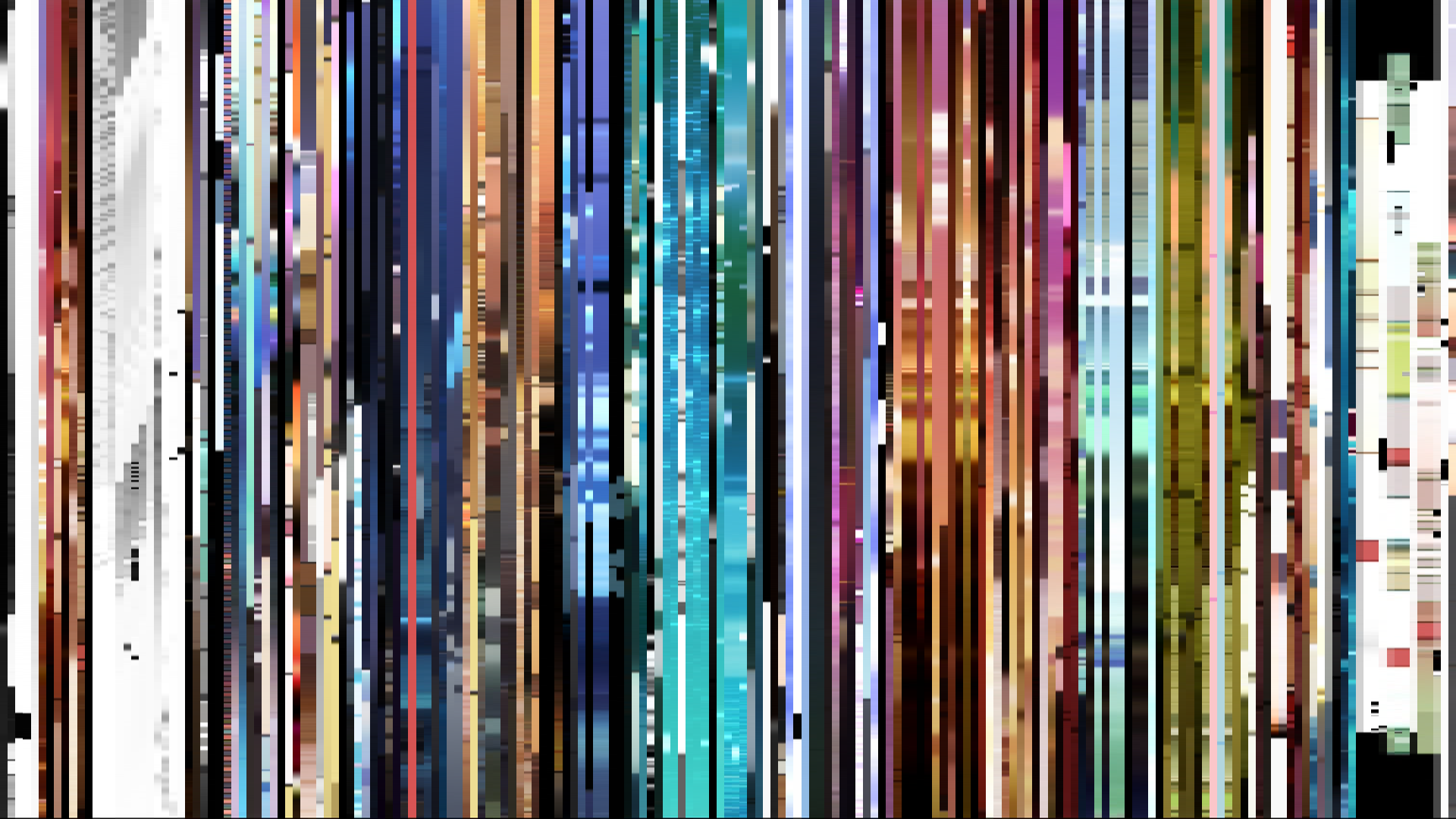
Avg · 30s
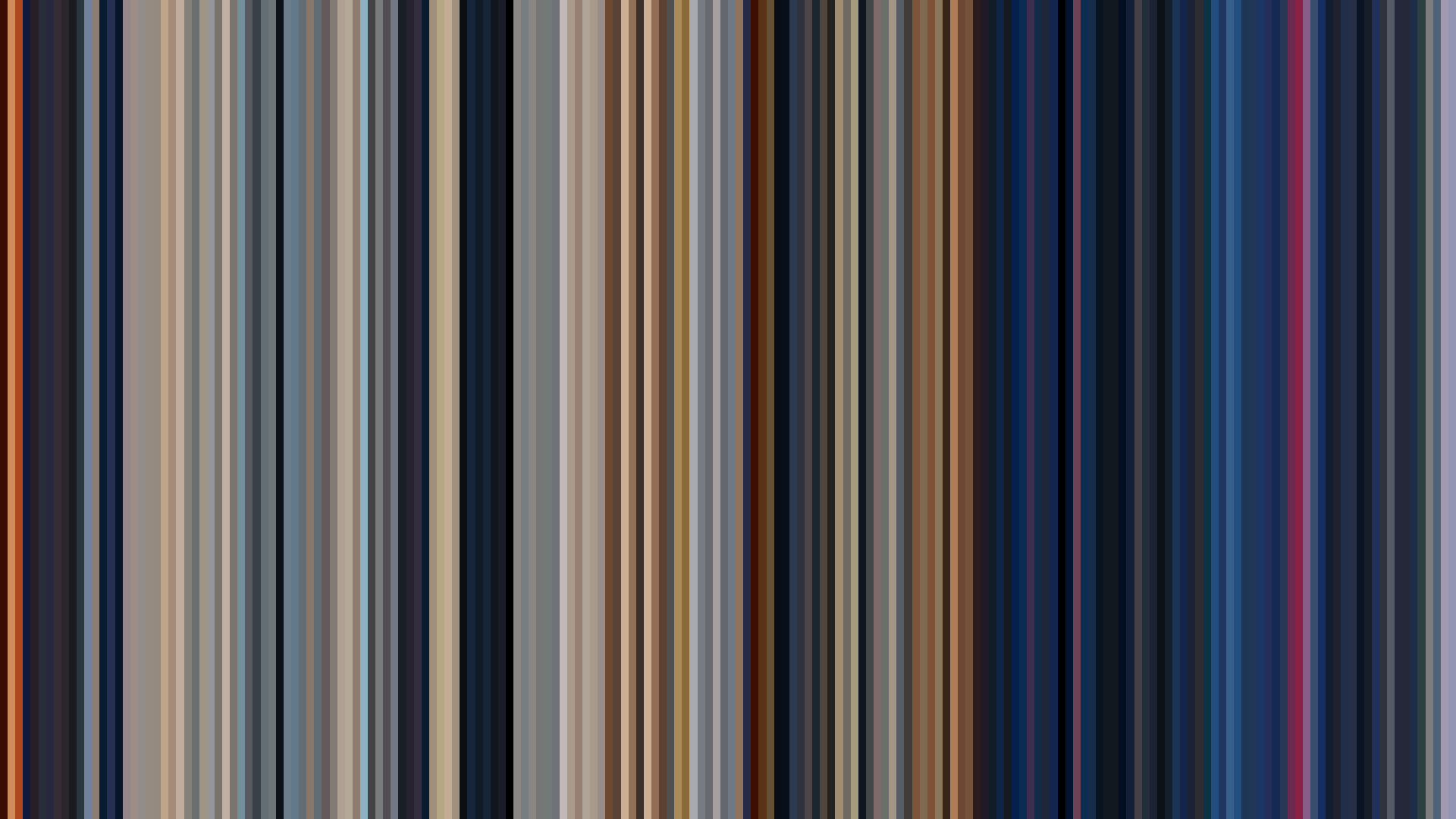
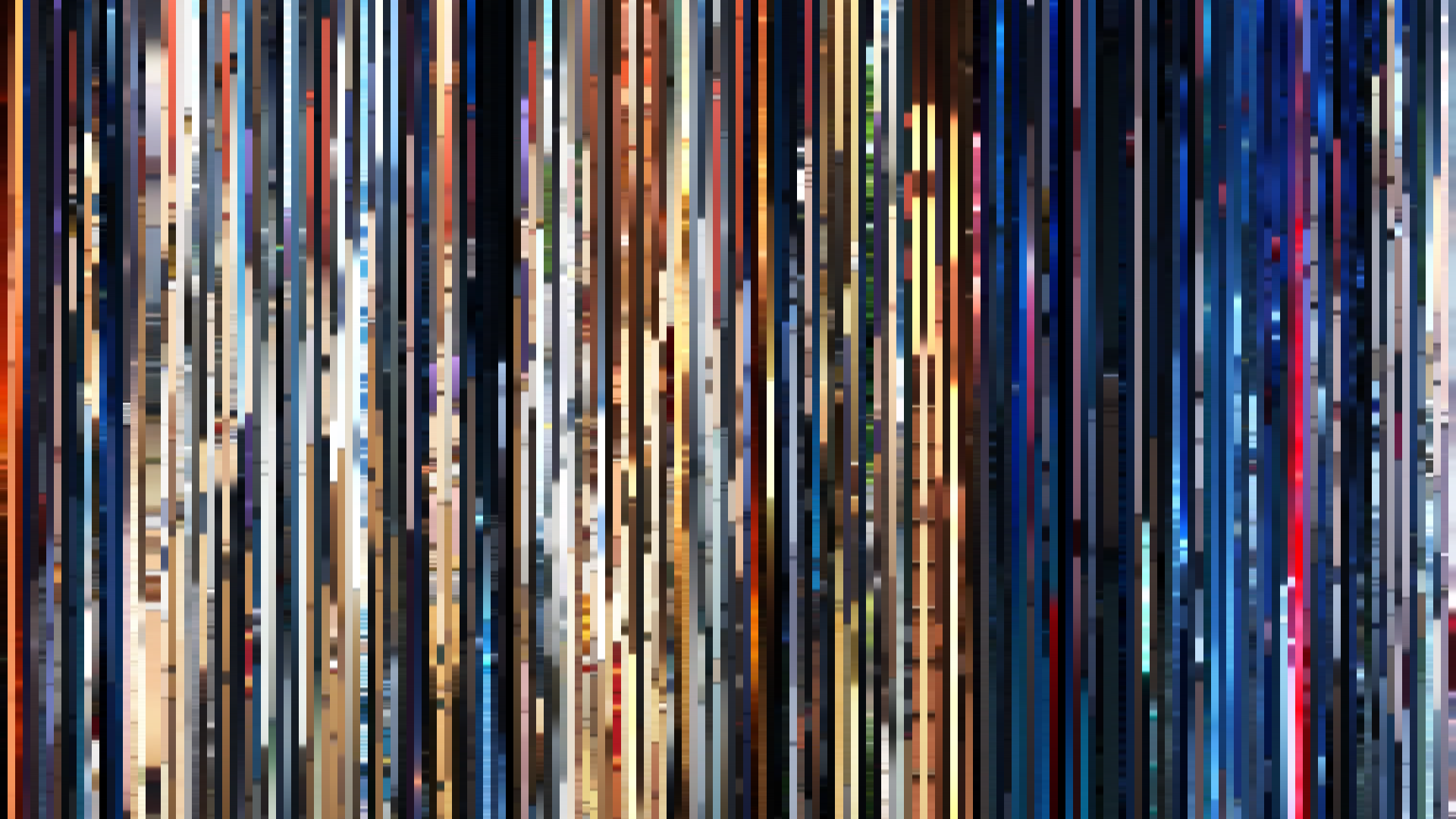
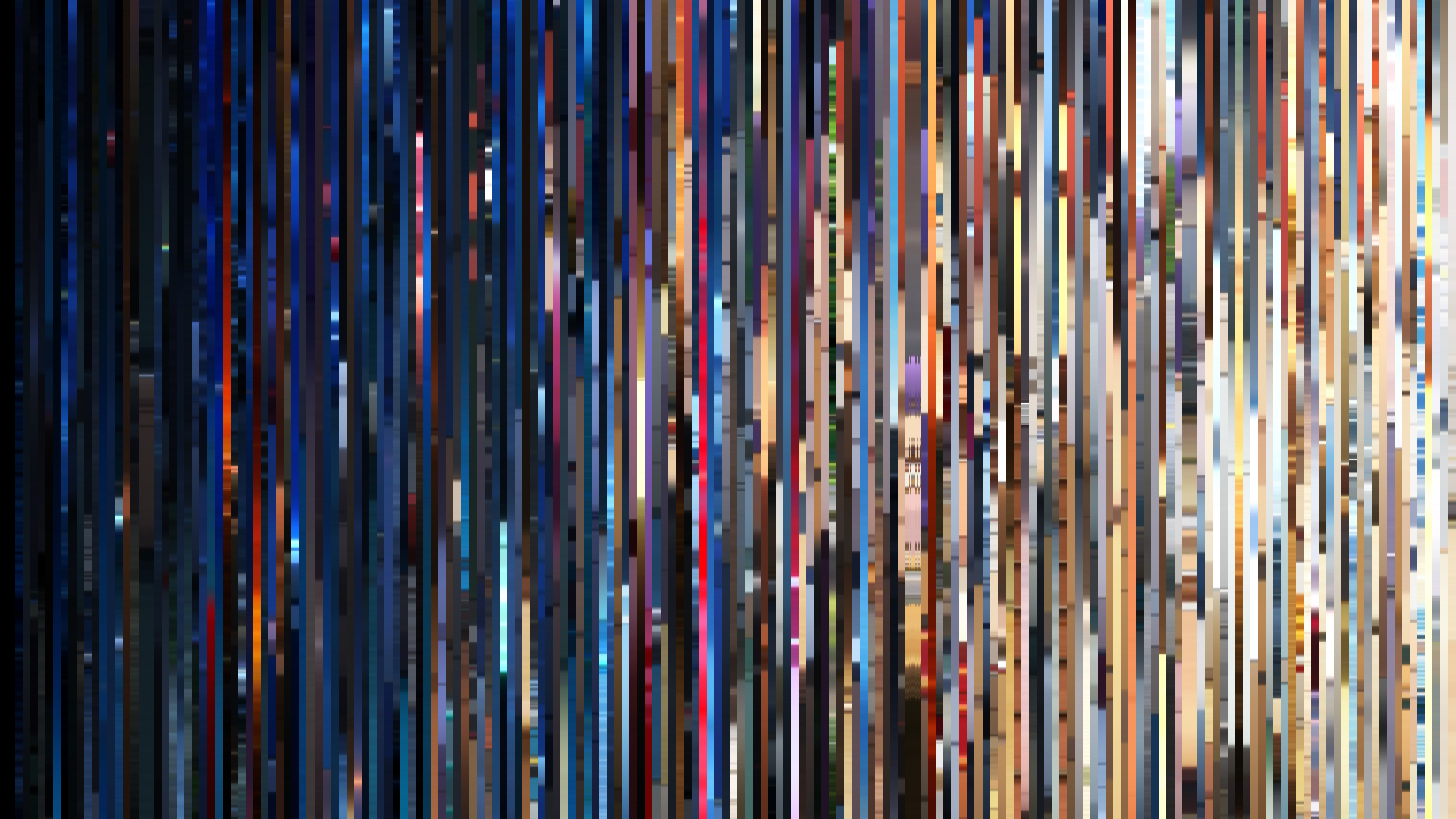
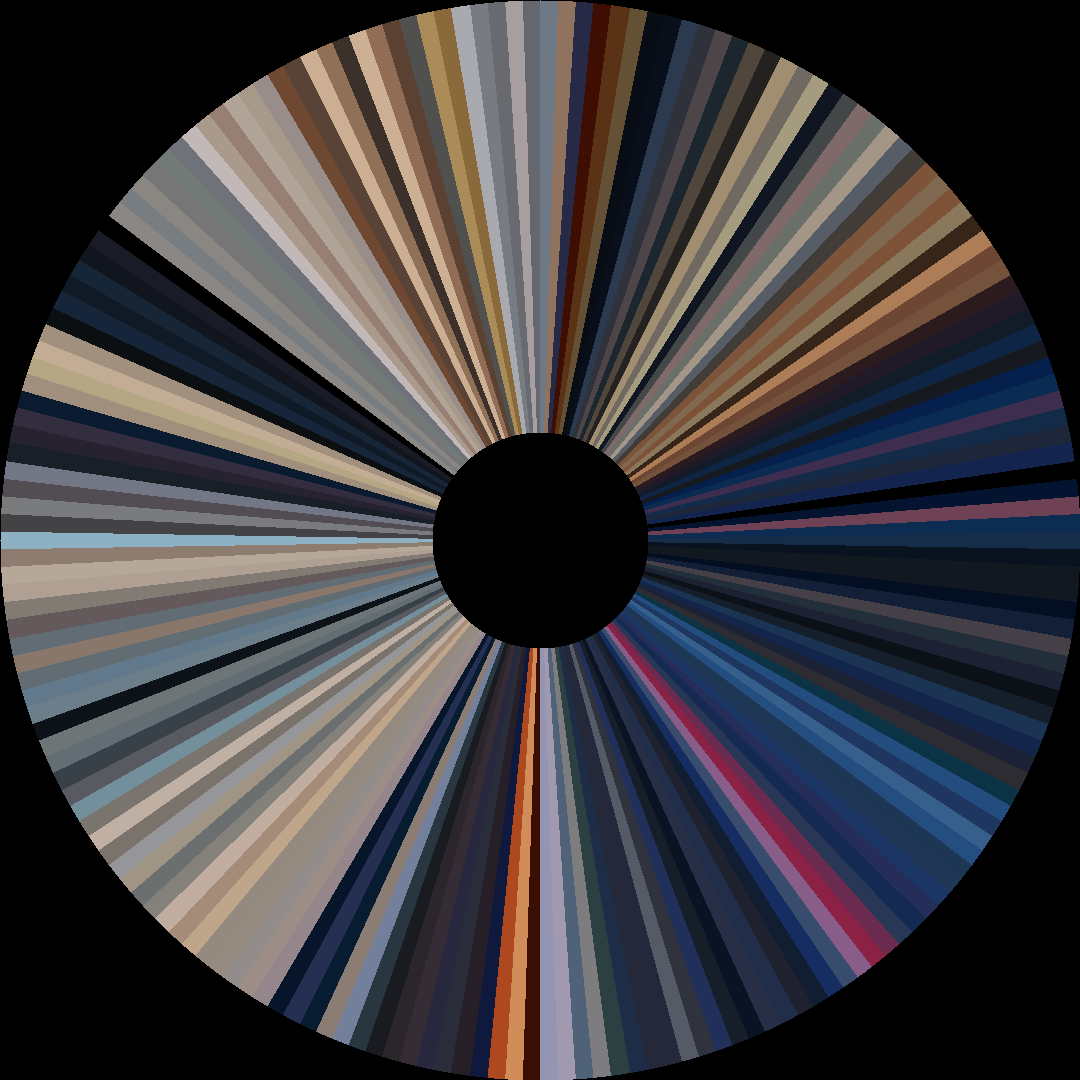
The barcode reads like a sword being forged in cold water—Blue-Green dominance at 38% against a stubborn 28% Red, the visual signature of a story that *darkens toward its end*. Ufotable’s house style throws its weight behind digital compositing that glares with the sterility of a moonlight battlefield, and the brightness arc confirms it: a bitter collapse from 0.474 to 0.280, an act arc that betrays no recovery. This is not the cyclical structure of a grail war’s reset; it’s a one-way descent into the corpse-littered underworld of Shirou Emiya’s ideal. The opening act still carries the luster of a school-day fantasy, but the middle act holds that plateau tight—no false dawn—and the closing act *dumps the contrast into the void*. The Red streak in the palette isn’t warmth; it’s the blood price of projection magic, a color that becomes less frequent as the show shoulders its tragic necessity. Director Takahiro Miura understands that Unlimited Blade Works isn’t about victory—it’s about the moment the hero chooses to be burned alive by his own conviction. The frame-level data doesn’t just chart color; it charts a suicide pact with a dream.
Brightness Arc (episode progression)
Hue Distribution
Act Breakdown
Opening
0.474
Middle
0.459
Closing
0.280
Avg Brightness
0.343
Avg Saturation
0.395
Warmth
0.499
Color Palette
#181A23
#5D5B5F
#1A2E54
#9E9C9C
#E3E0DA
#552D25
#956D57
#2E4862
3-Act Color Story
Opening
Middle
Closing
Color Twins
Perceptually nearest palettes — measured in OKLab space, not RGB






![Fate/stay night [Unlimited Blade Works] Season 2](../../../barcodes/2015/fatestay-night-unlimited-blade-works-season-2/barcode_slice.png)
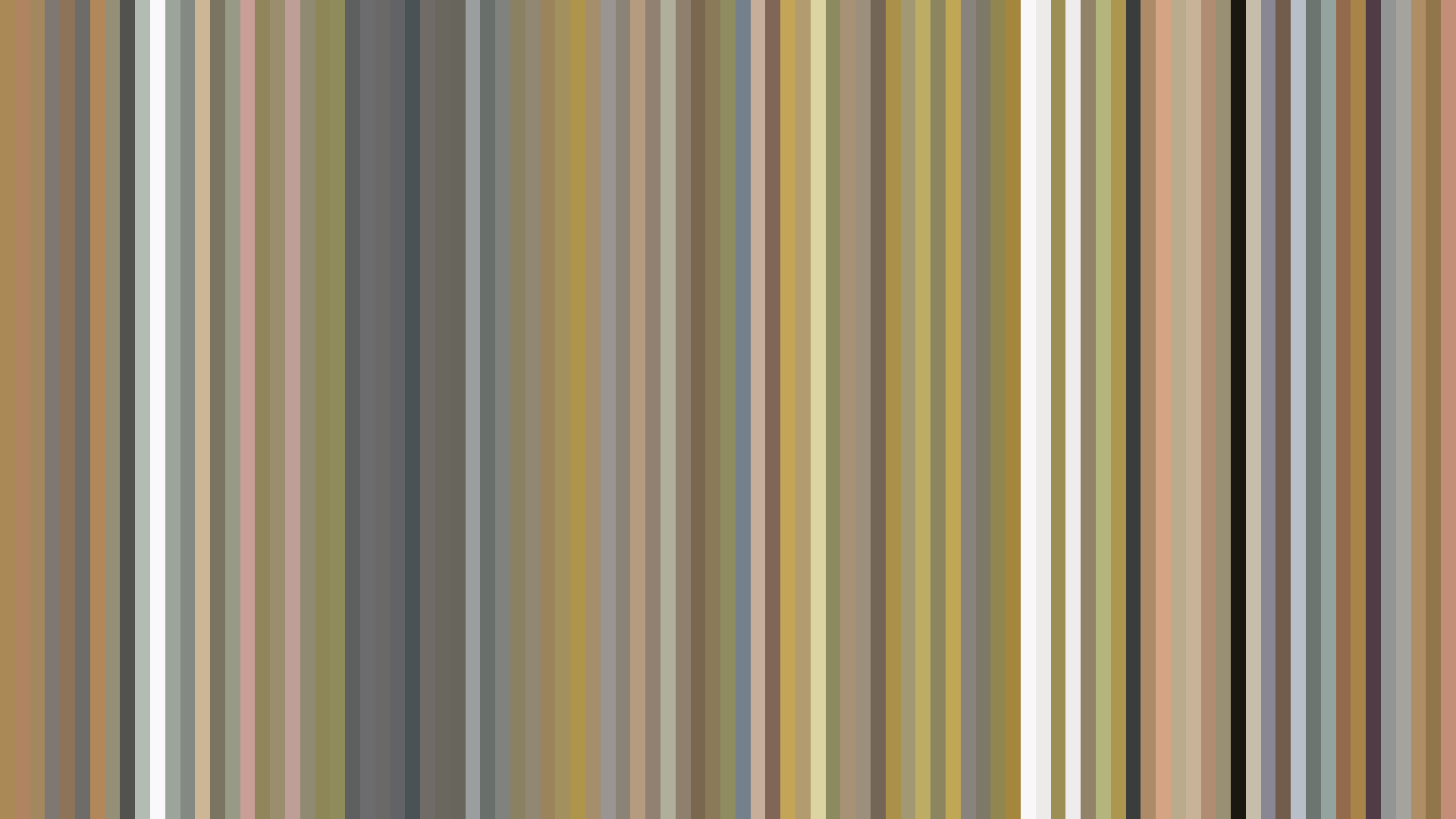
The barcode reads like a sword being forged in cold water—Blue-Green dominance at 38% against a stubborn 28% Red, the visual signature of a story that *darkens toward its end*. Ufotable’s house style throws its weight behind digital compositing that glares with the sterility of a moonlight battlefield, and the brightness arc confirms it: a bitter collapse from 0.474 to 0.280, an act arc that betrays no recovery. This is not the cyclical structure of a grail war’s reset; it’s a one-way descent into the corpse-littered underworld of Shirou Emiya’s ideal. The opening act still carries the luster of a school-day fantasy, but the middle act holds that plateau tight—no false dawn—and the closing act *dumps the contrast into the void*. The Red streak in the palette isn’t warmth; it’s the blood price of projection magic, a color that becomes less frequent as the show shoulders its tragic necessity. Director Takahiro Miura understands that Unlimited Blade Works isn’t about victory—it’s about the moment the hero chooses to be burned alive by his own conviction. The frame-level data doesn’t just chart color; it charts a suicide pact with a dream.