Edit Pace — frame-to-frame color delta (bright = fast cuts)
Color Temperature — warm (gold) vs cool (teal) per frame
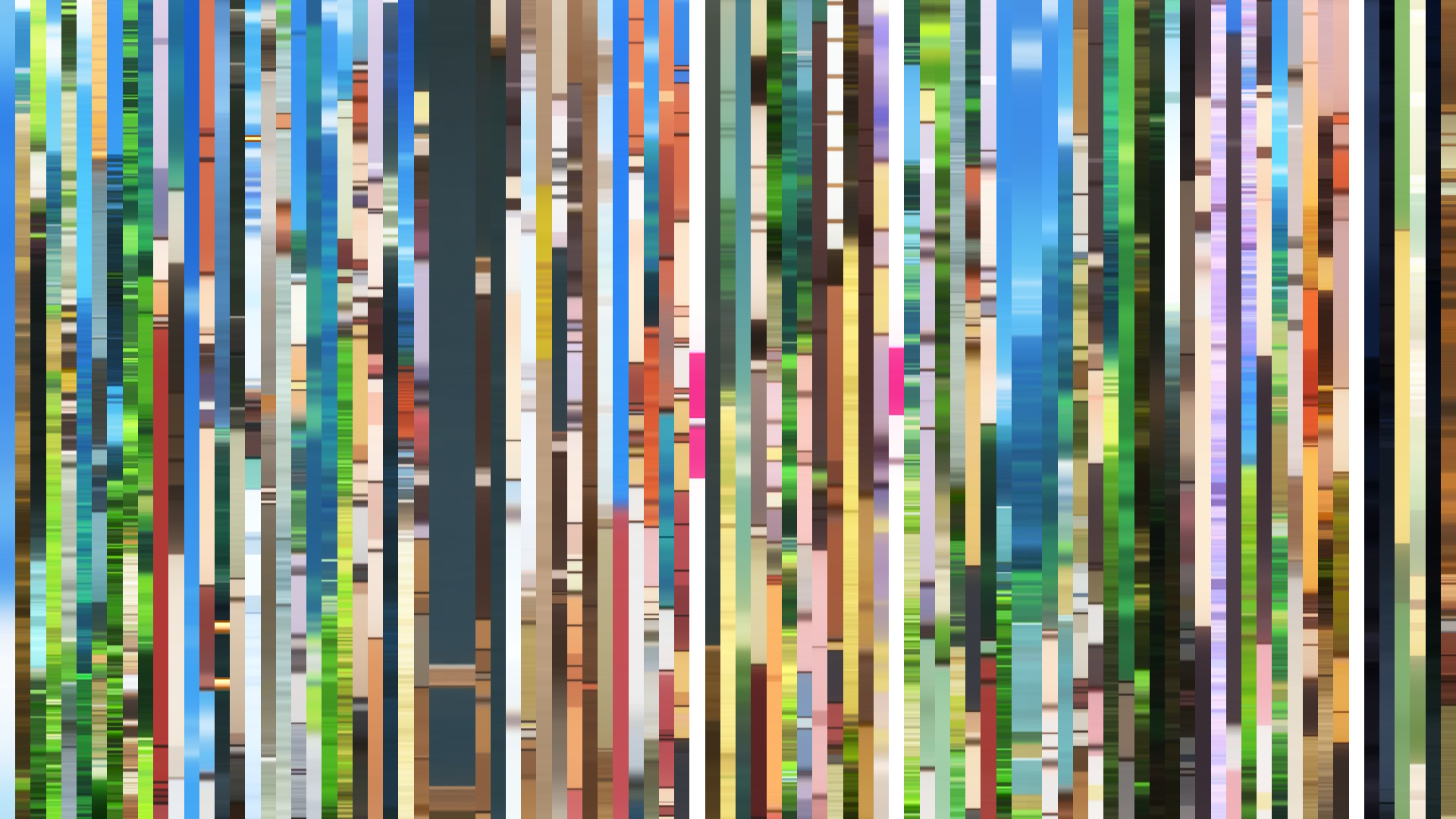
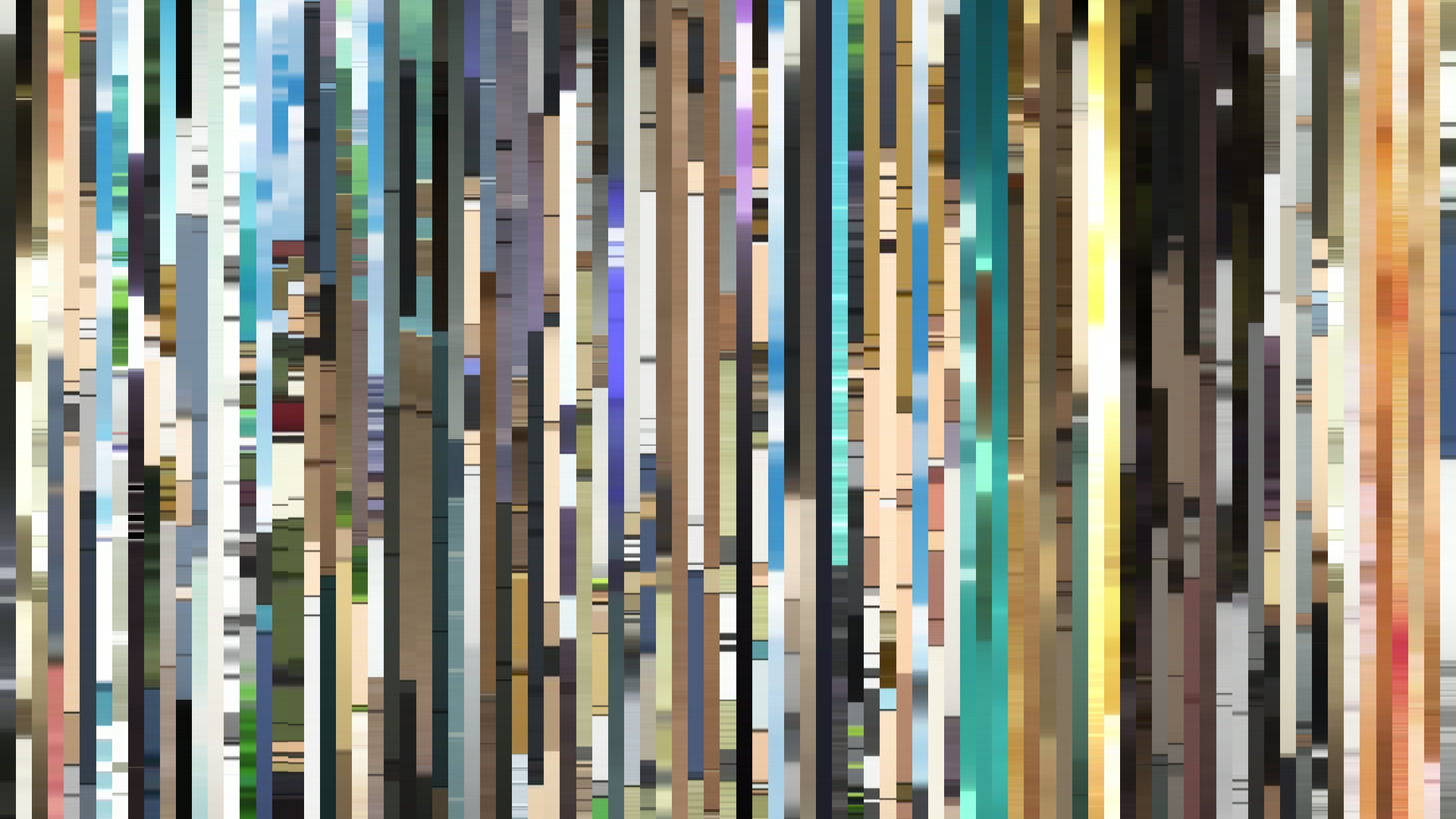
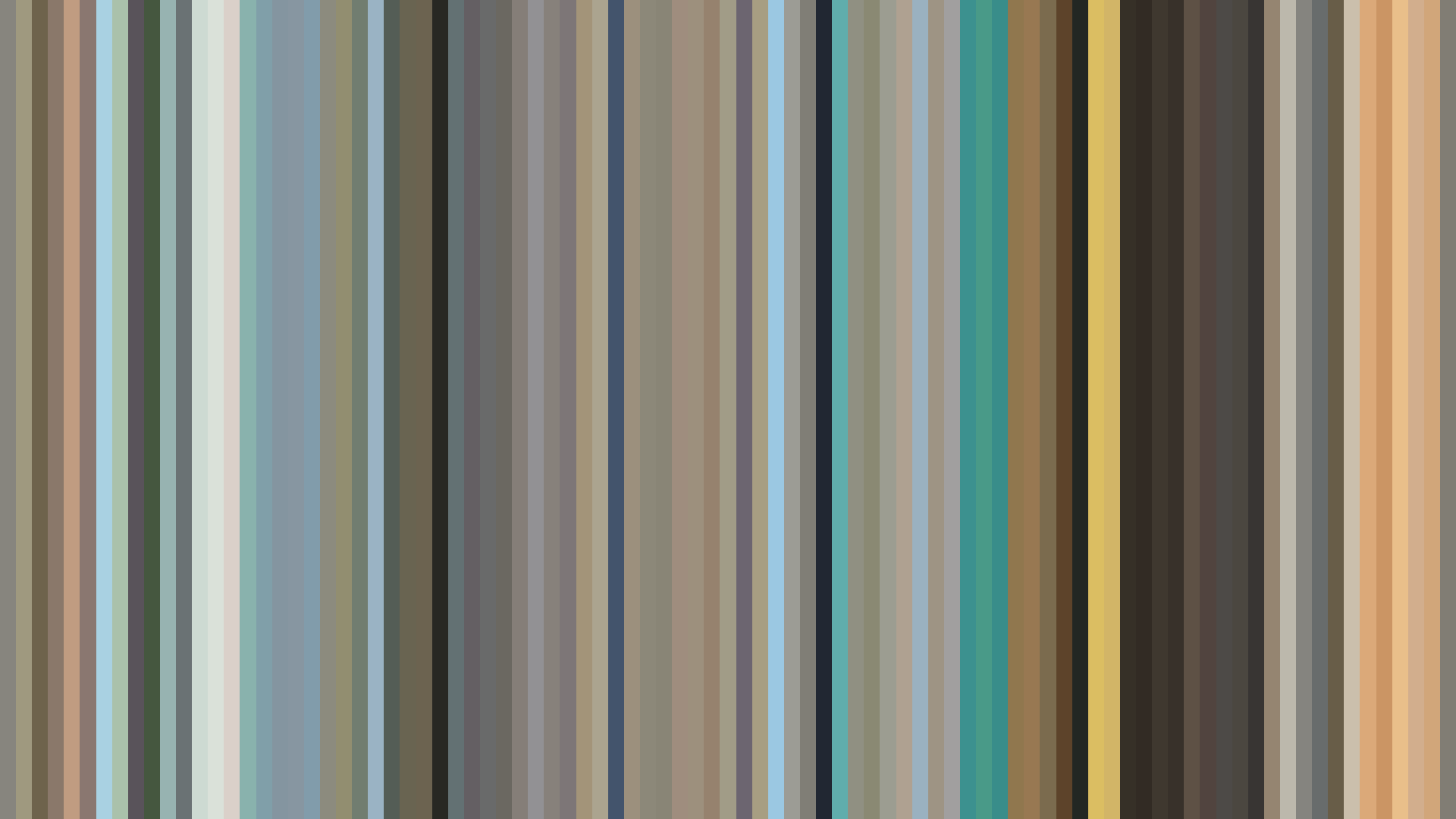
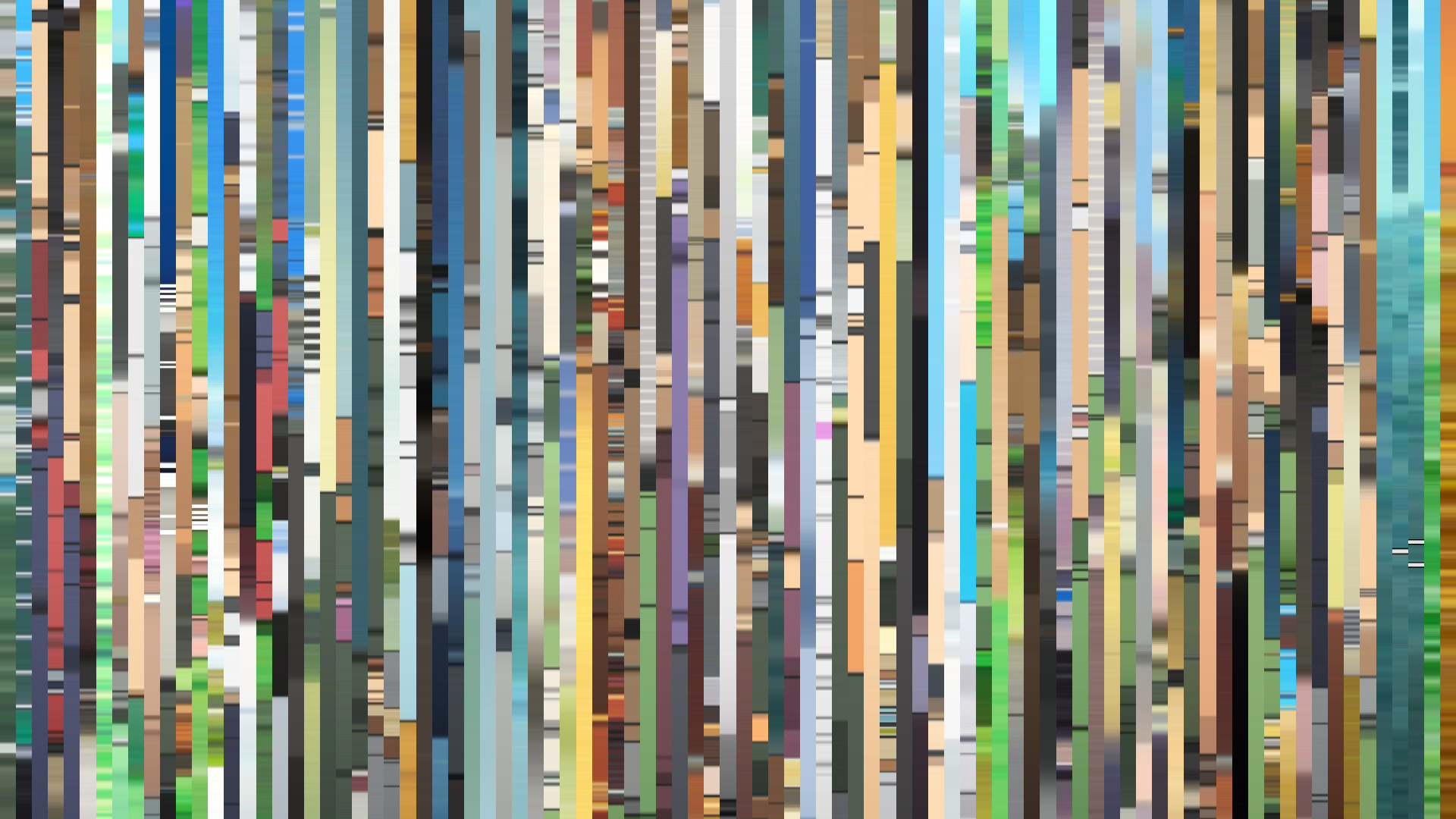
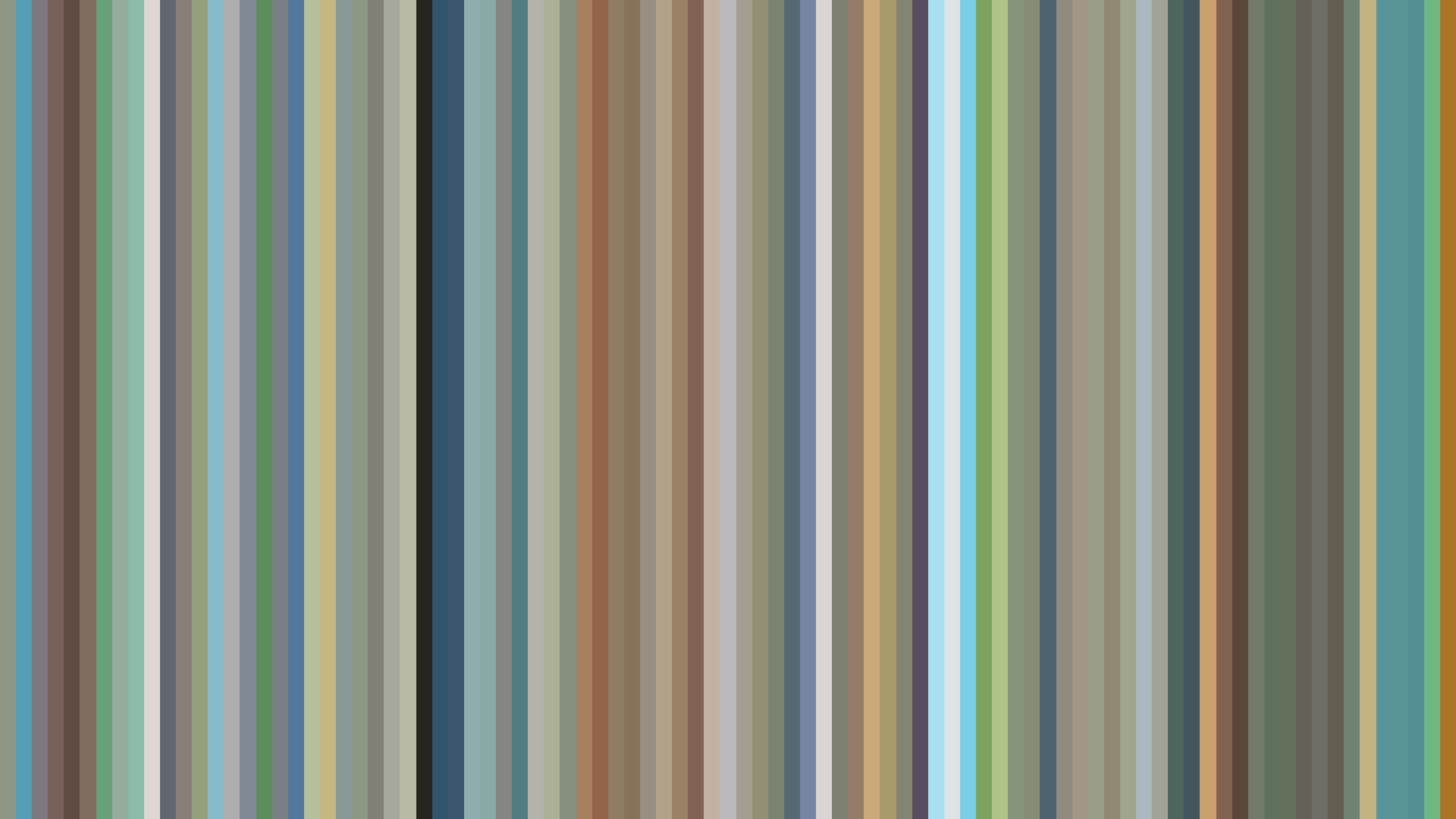
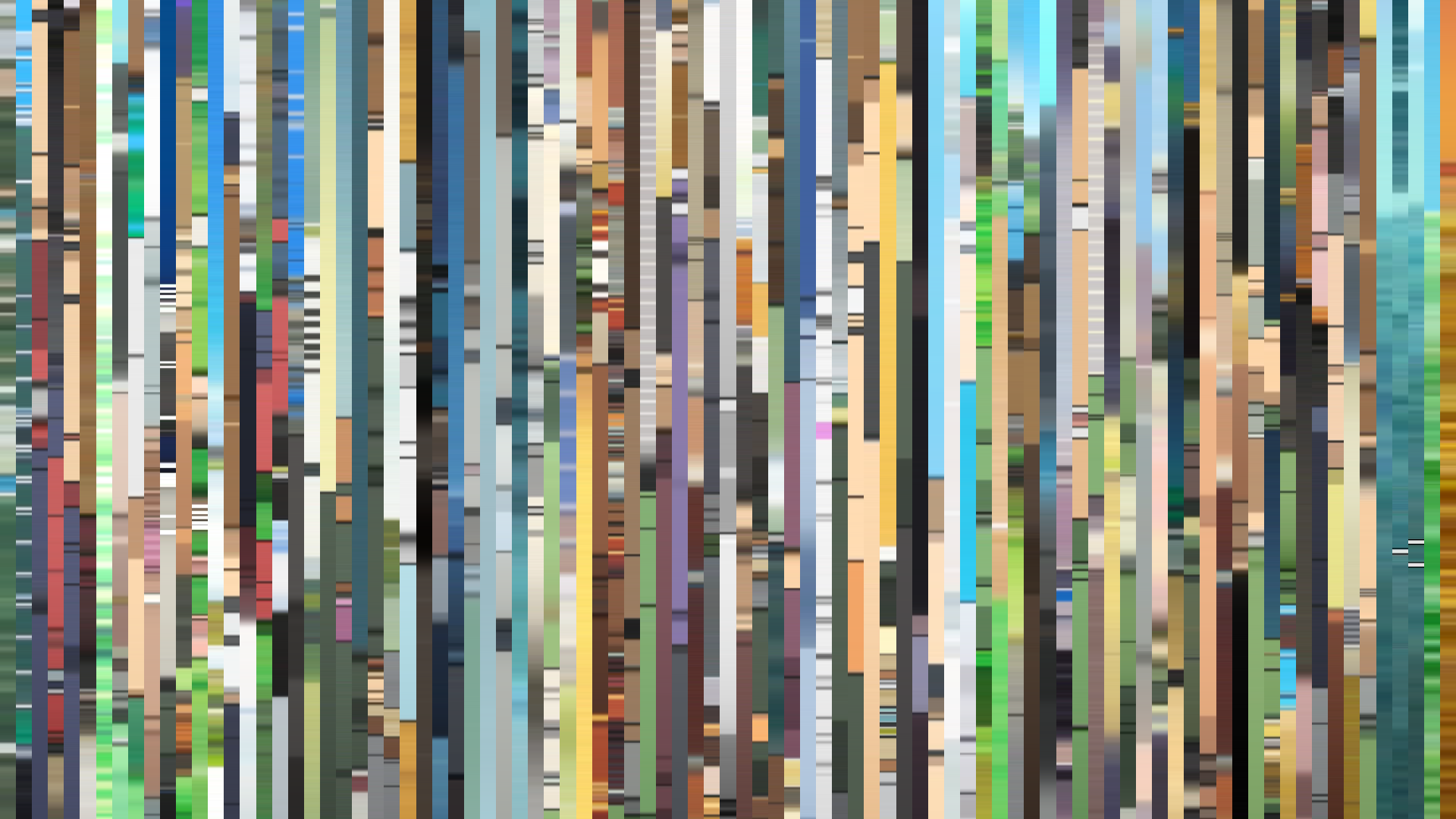
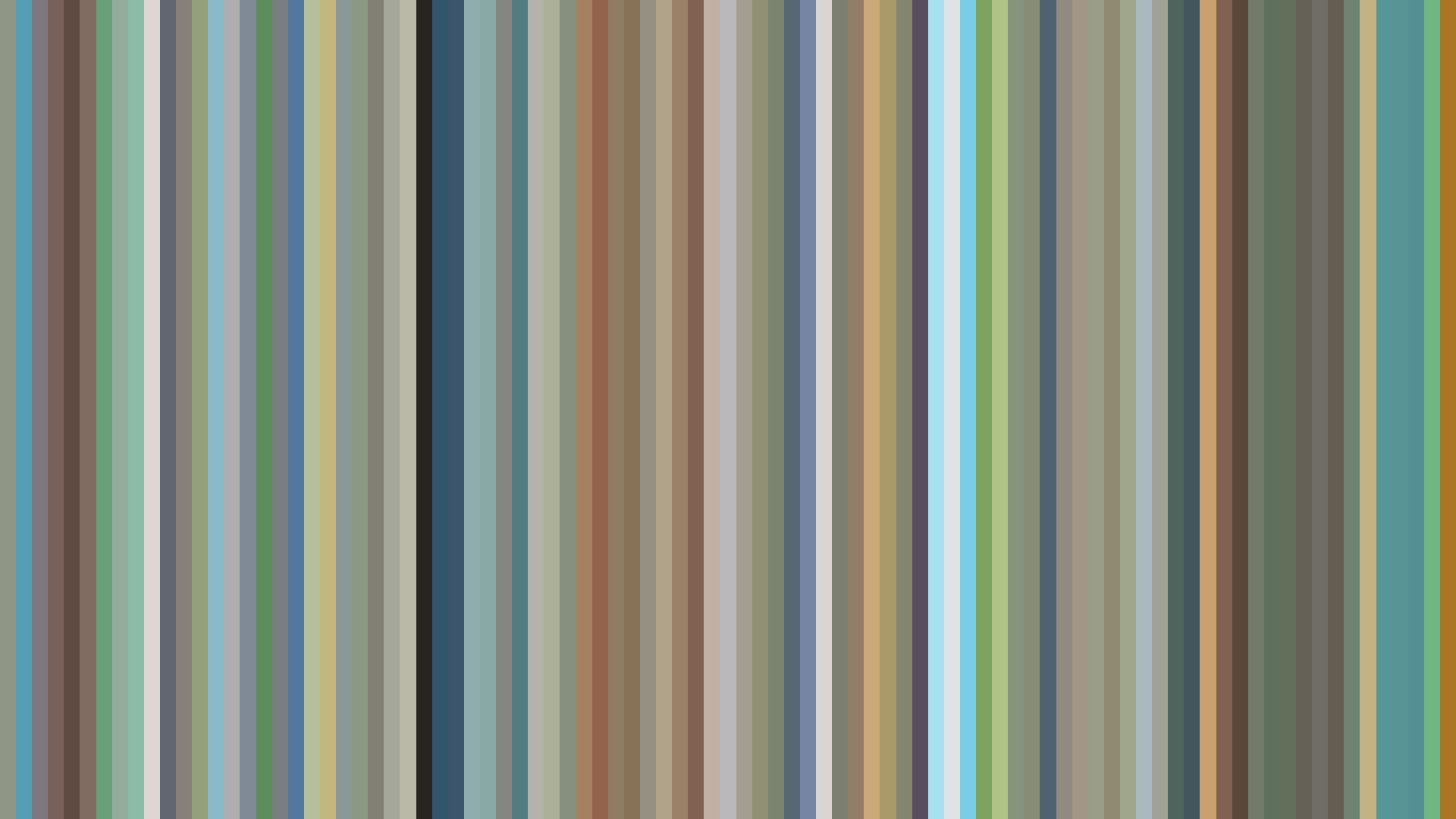
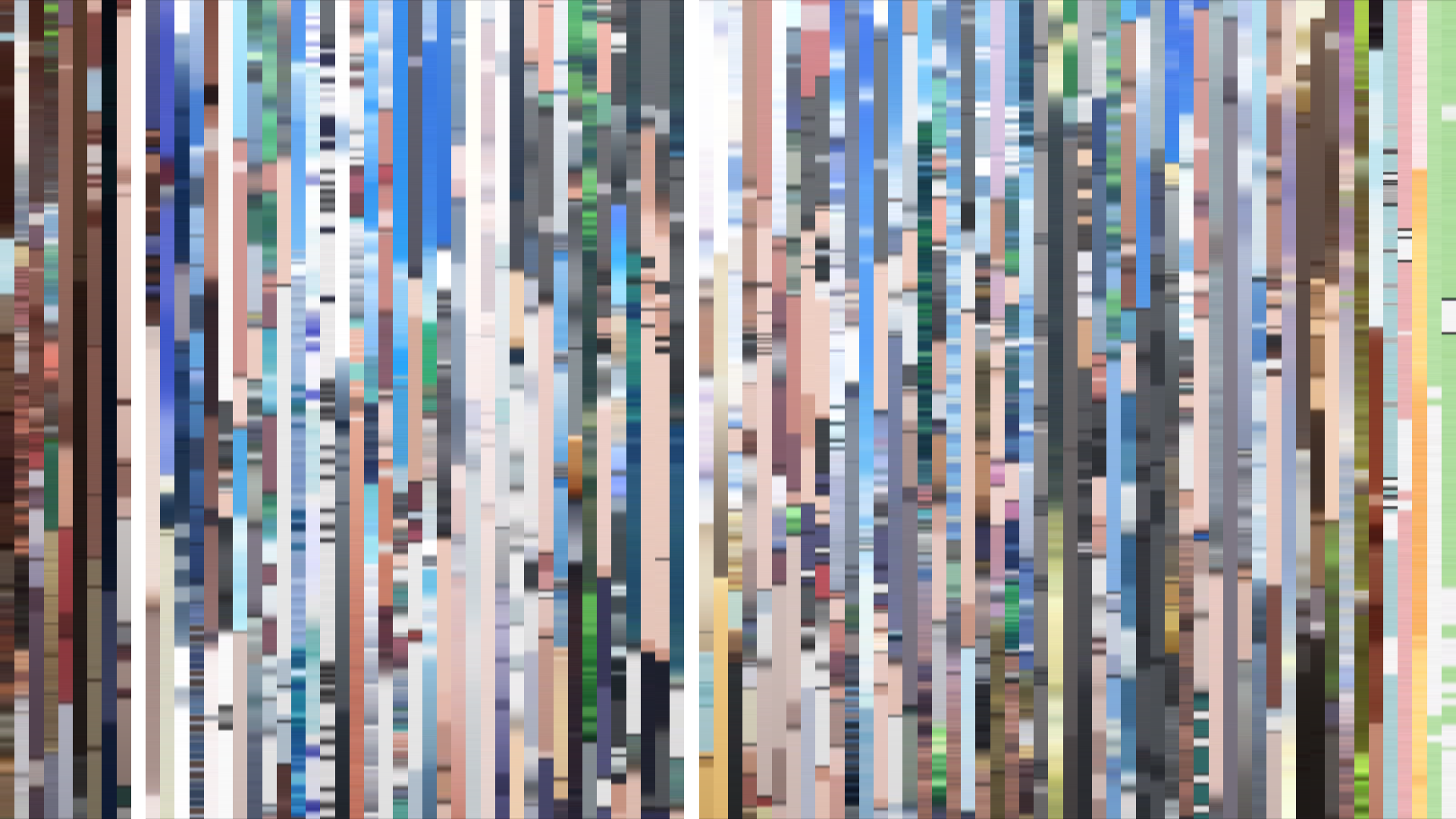
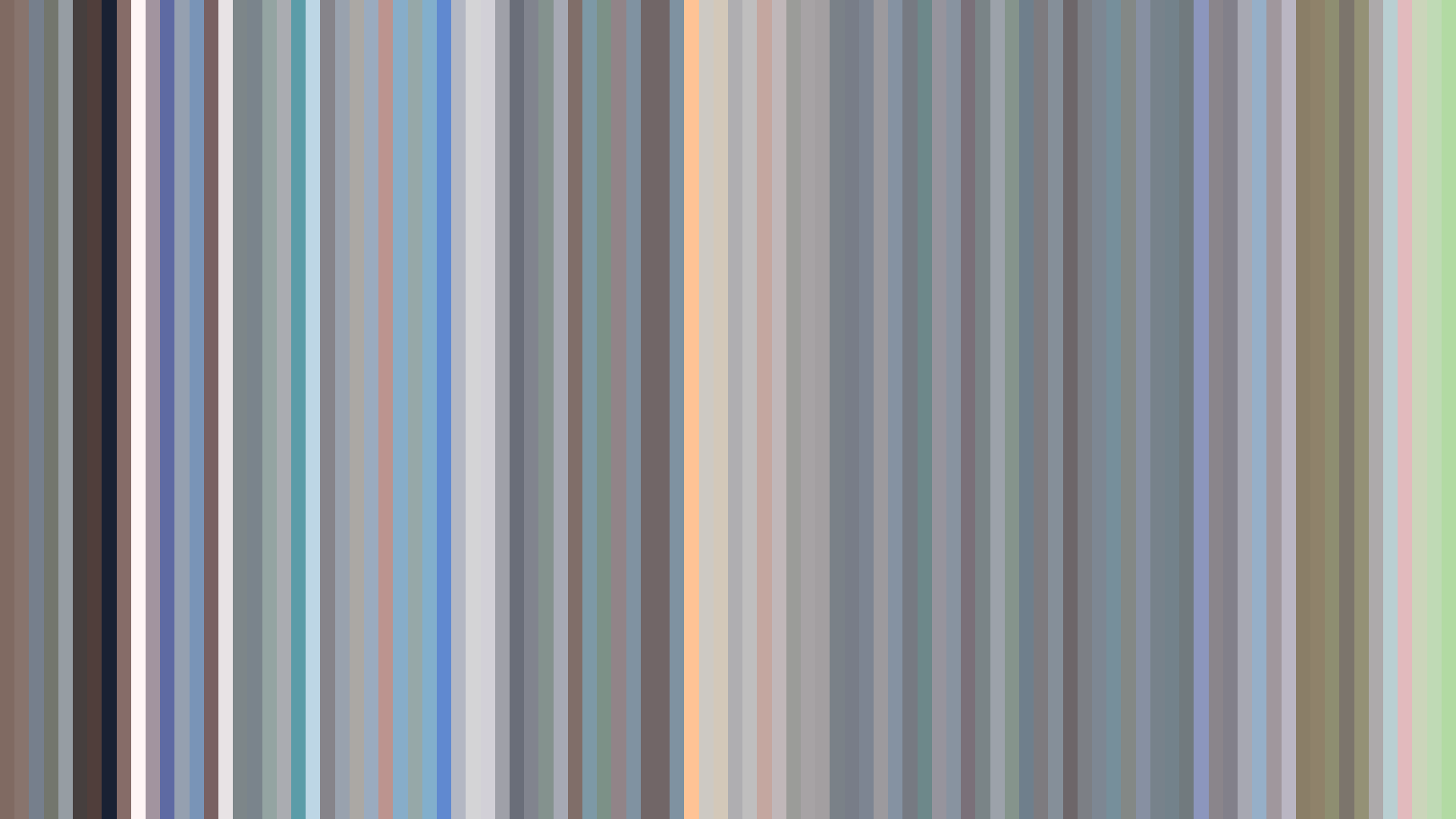
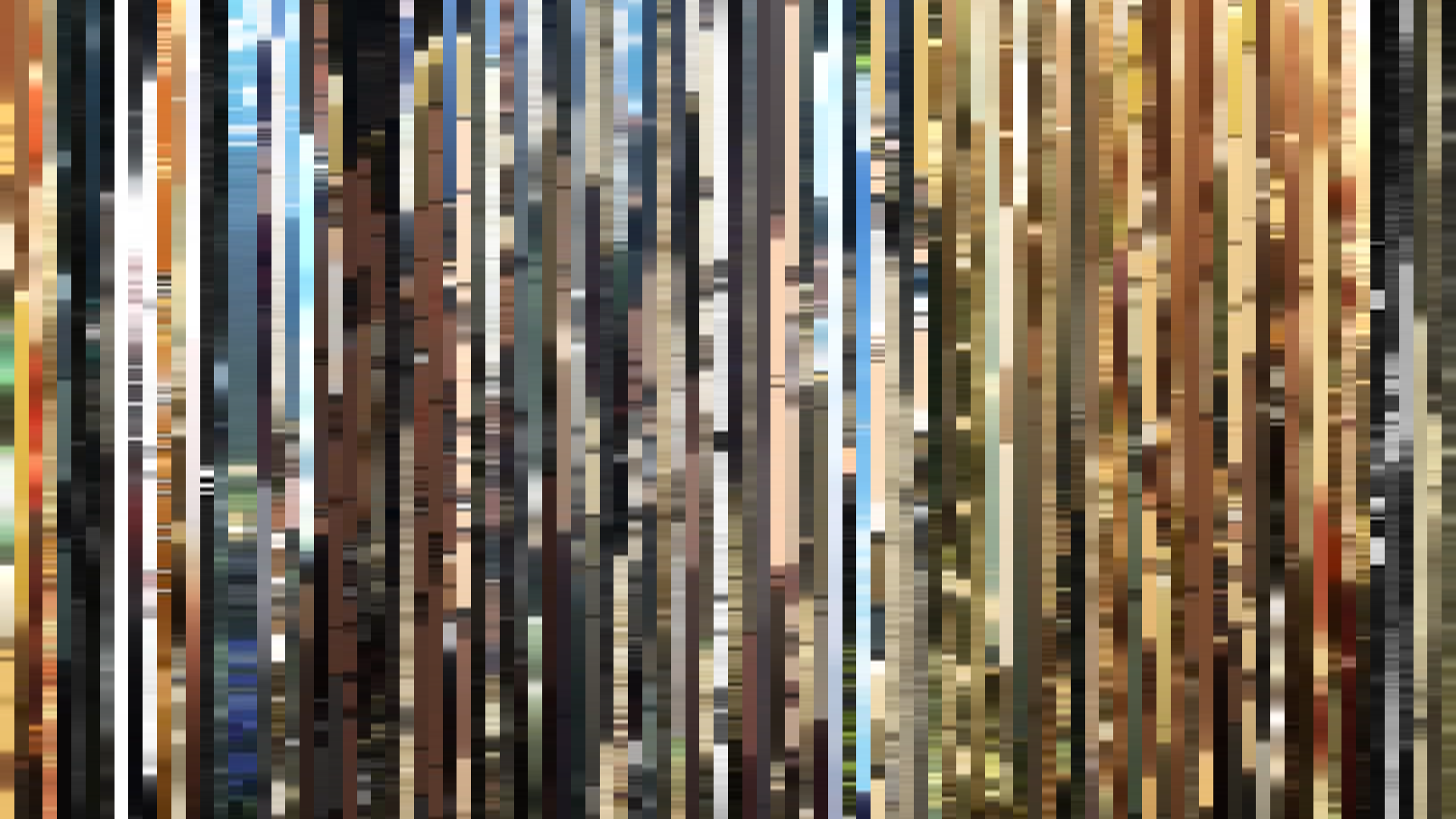
Frame Density Comparison — every 2nd vs every 4th frame
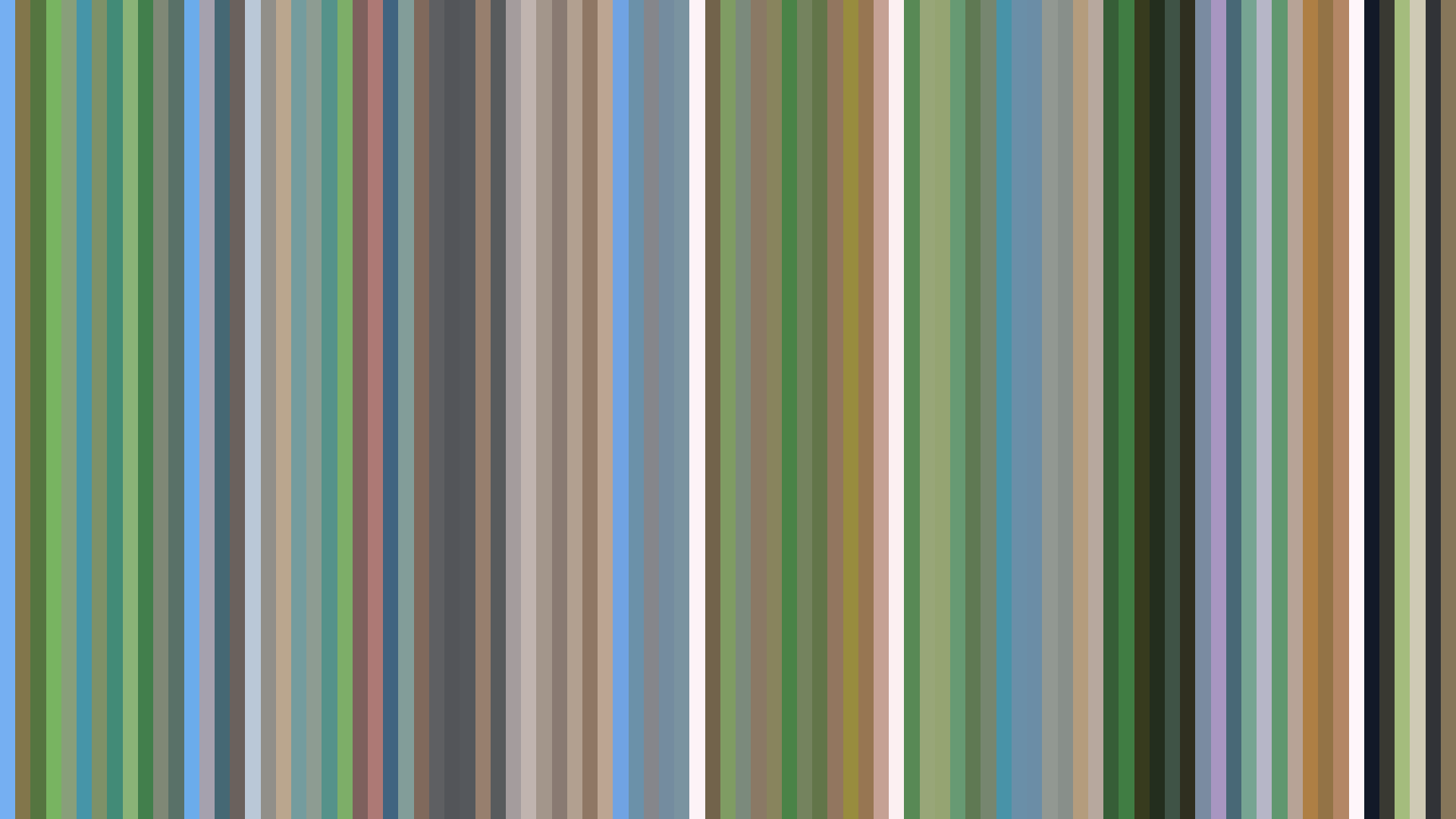
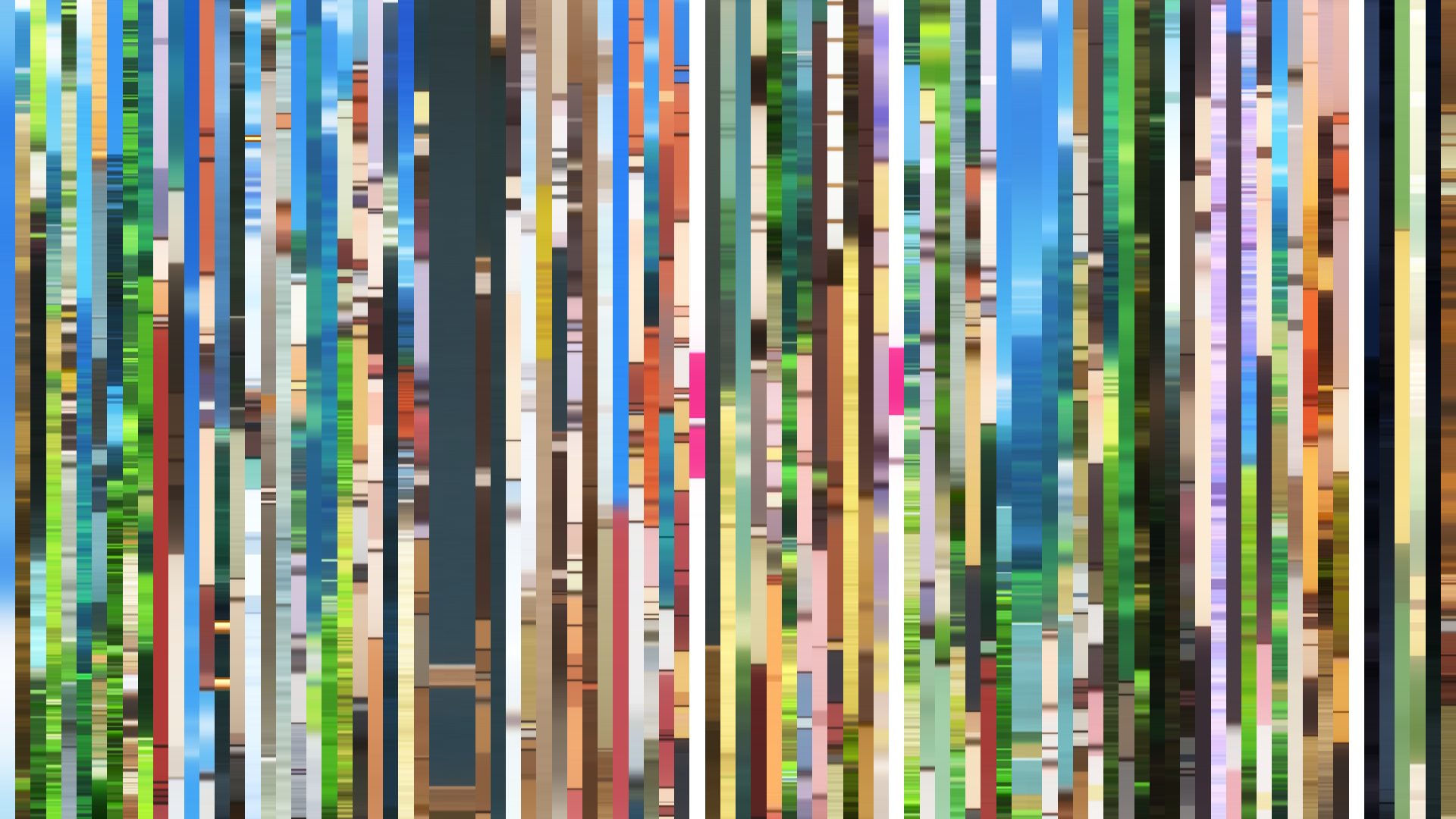
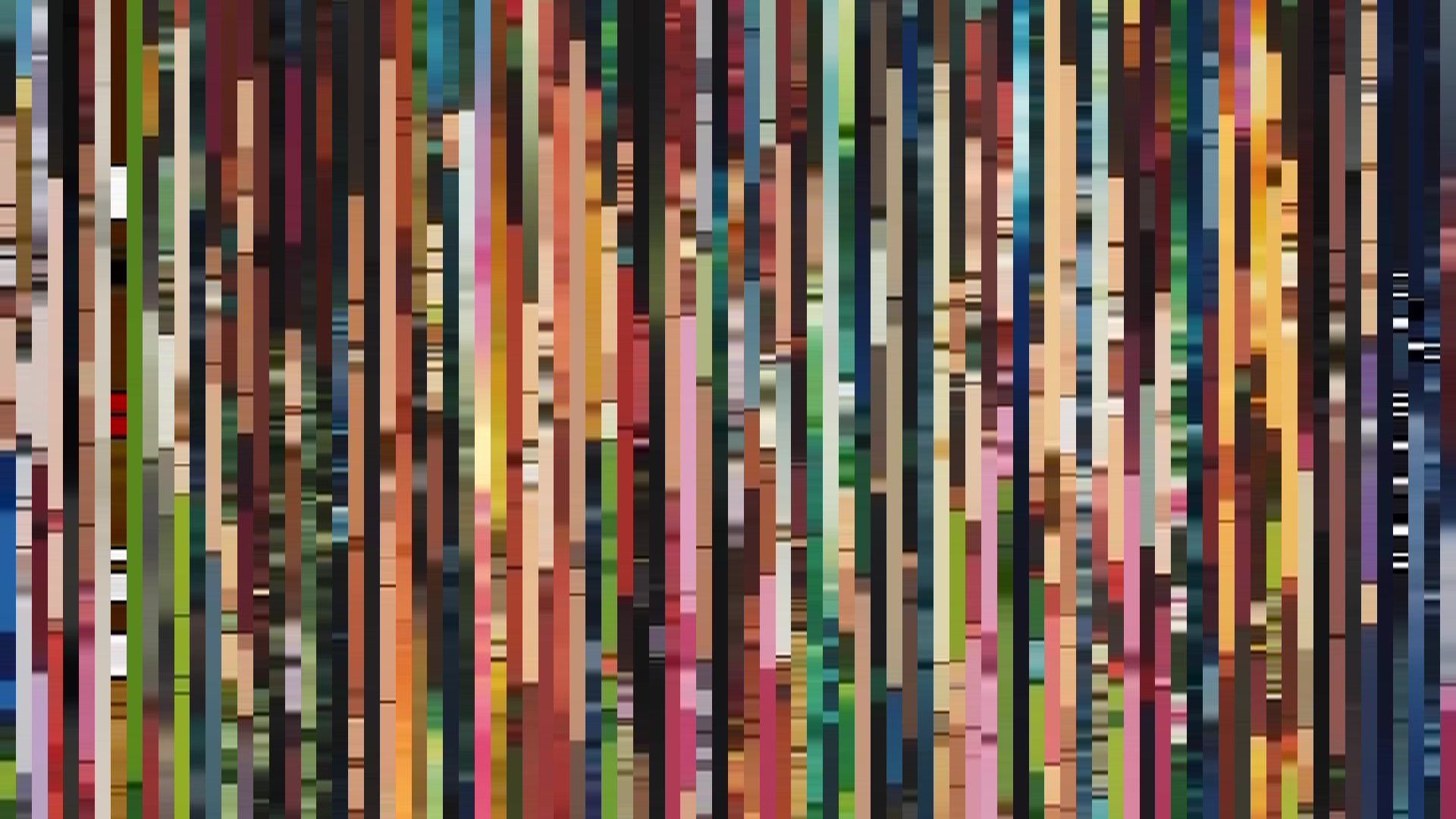
Slice · 15s
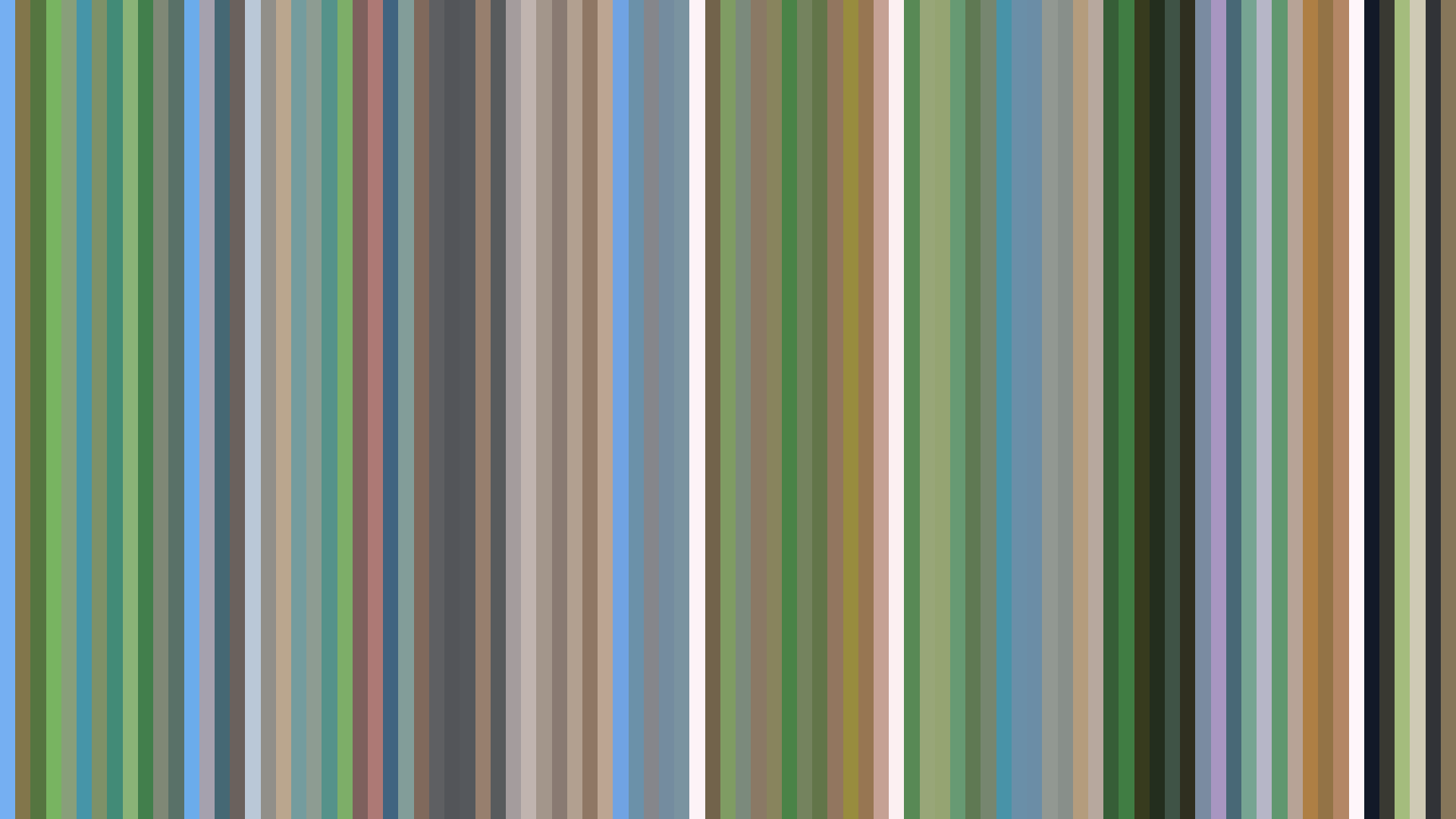
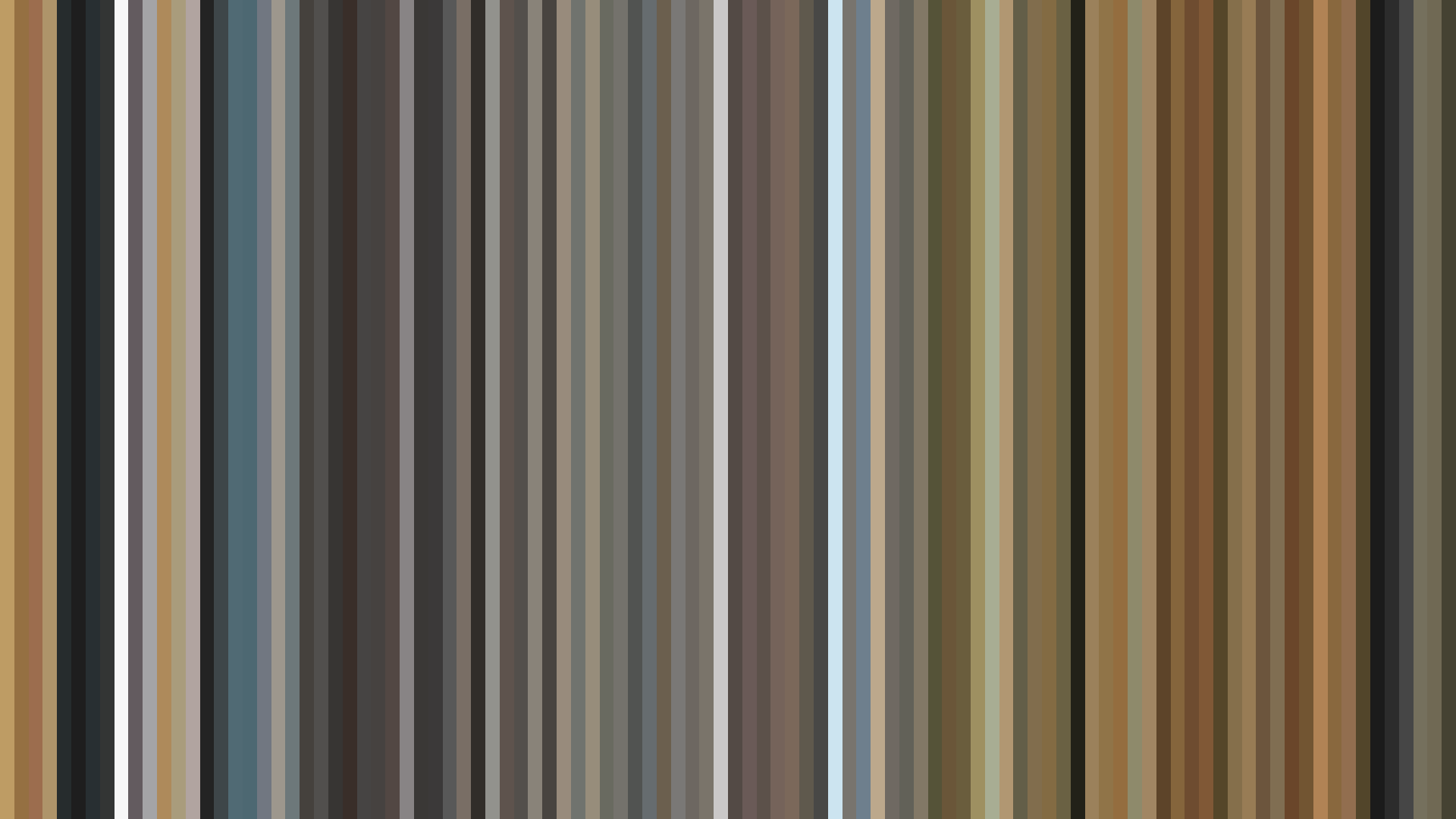
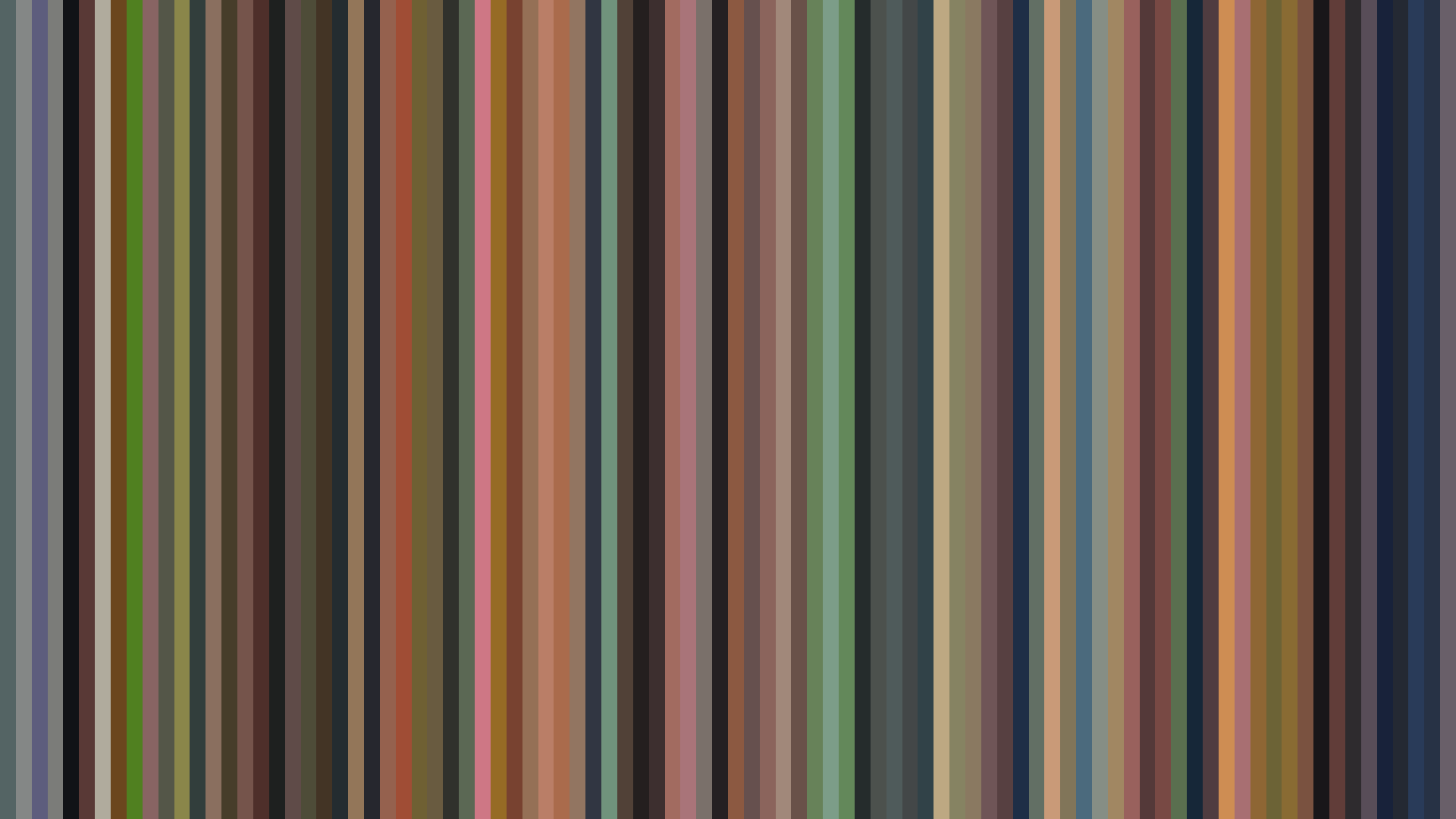
Avg · 15s
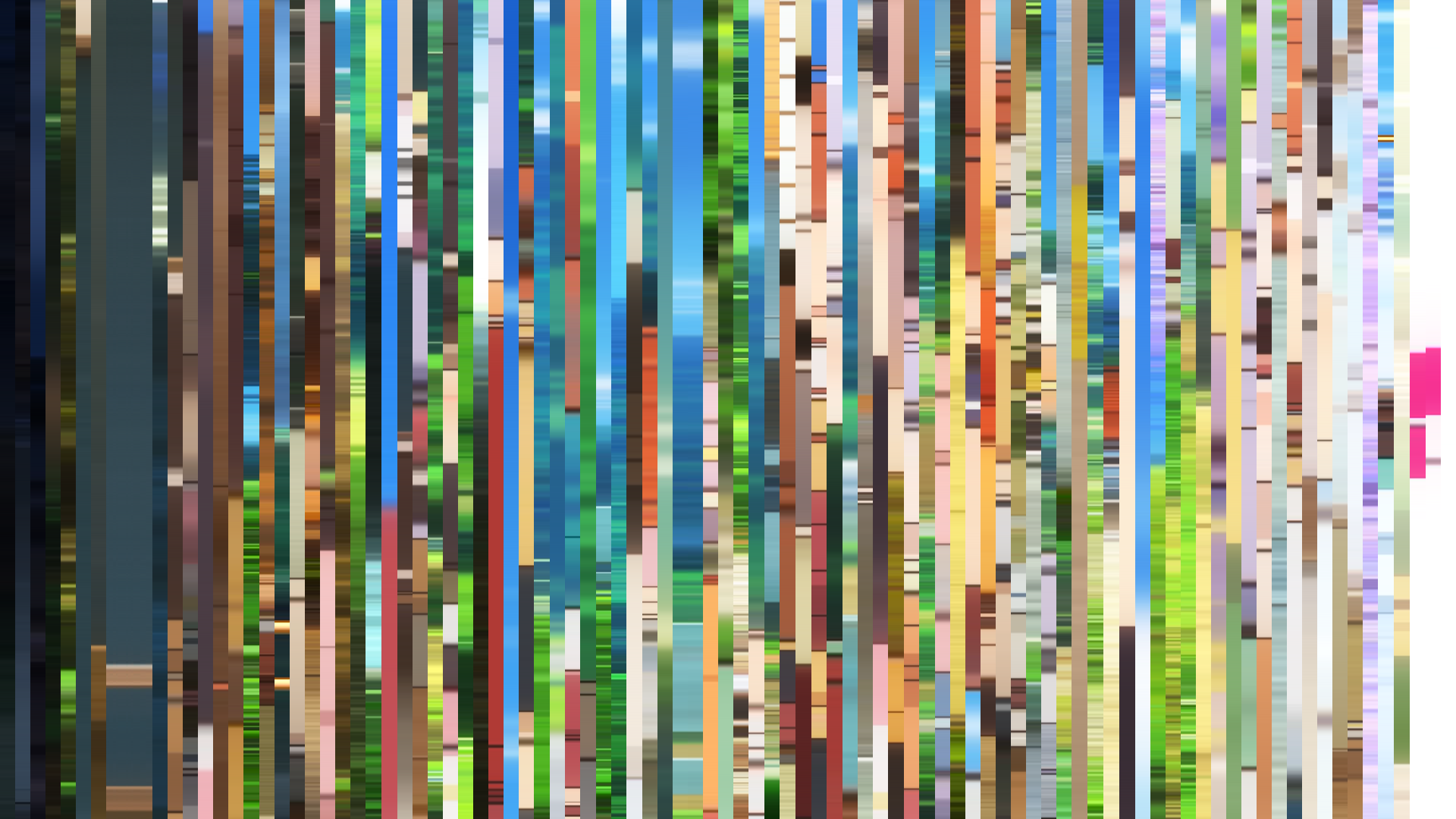
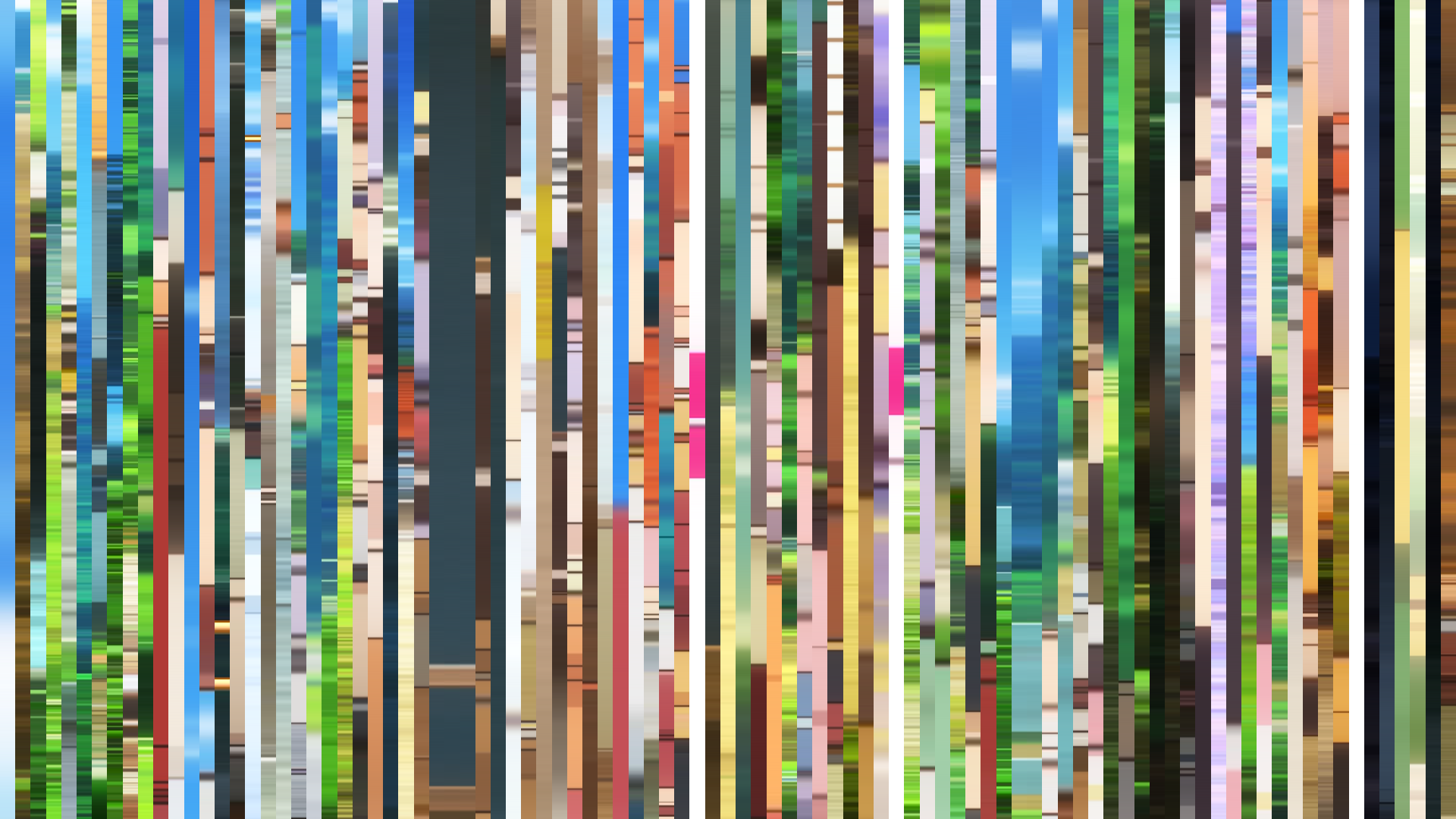
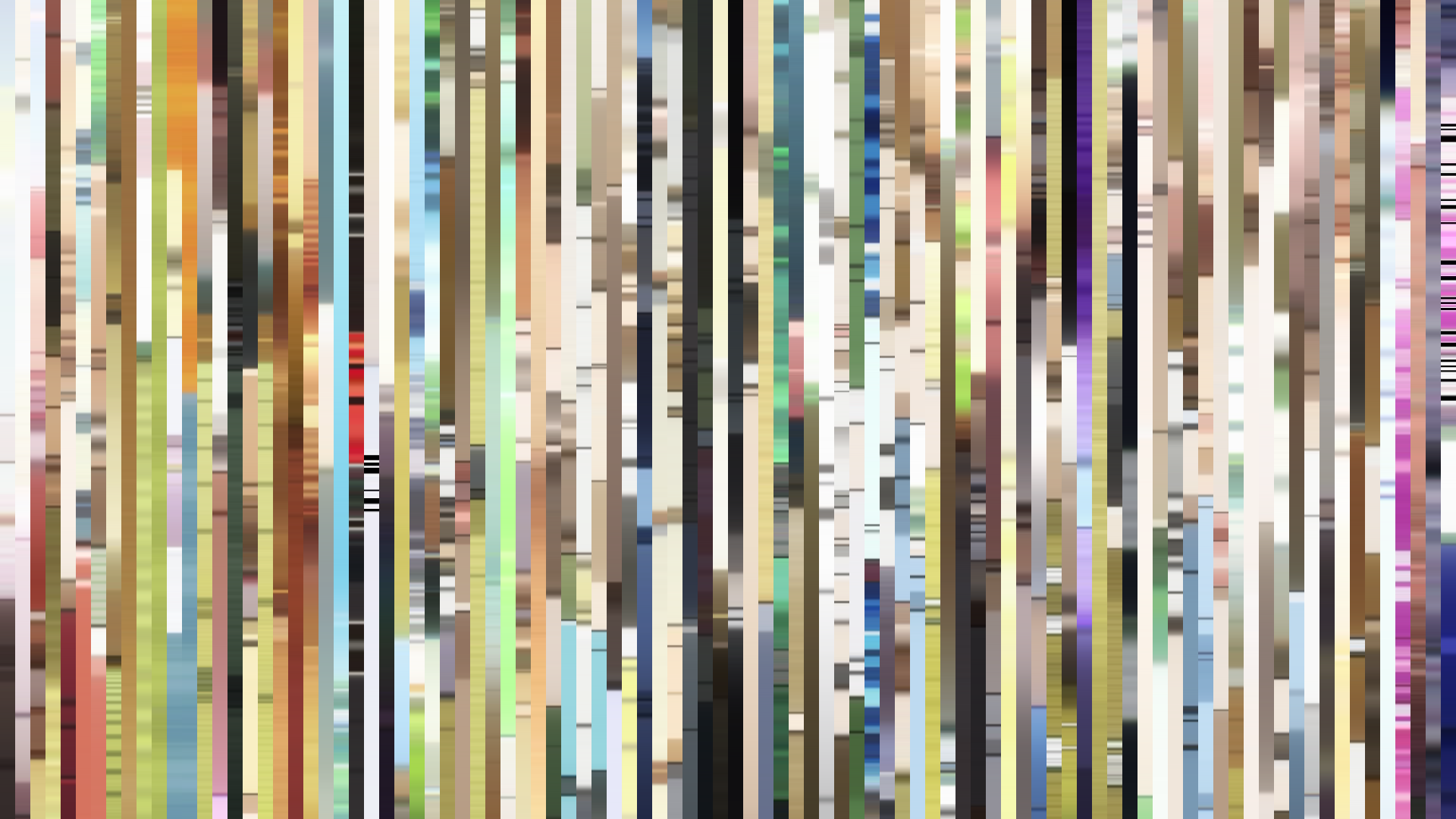
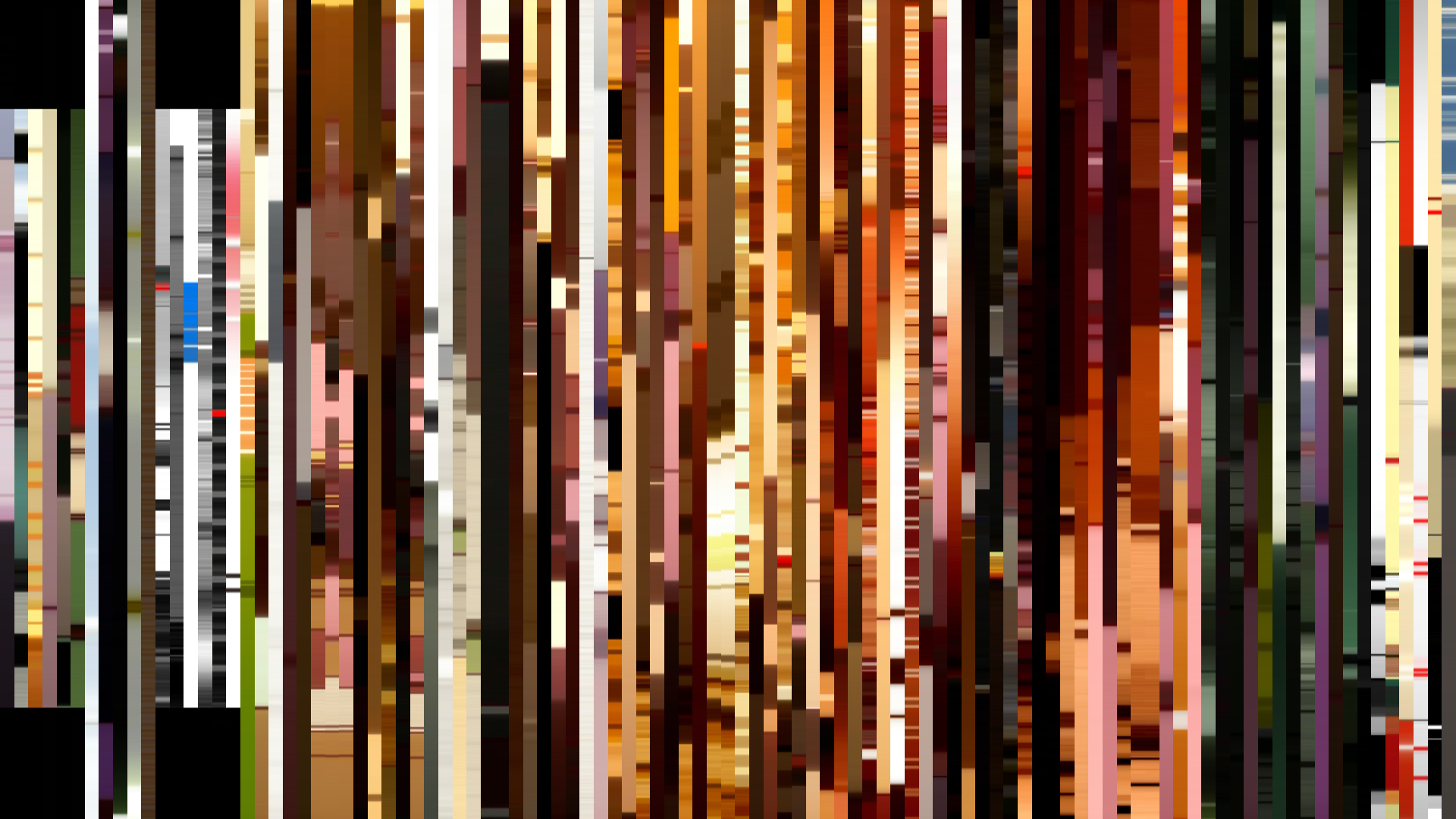
Slice · 30s
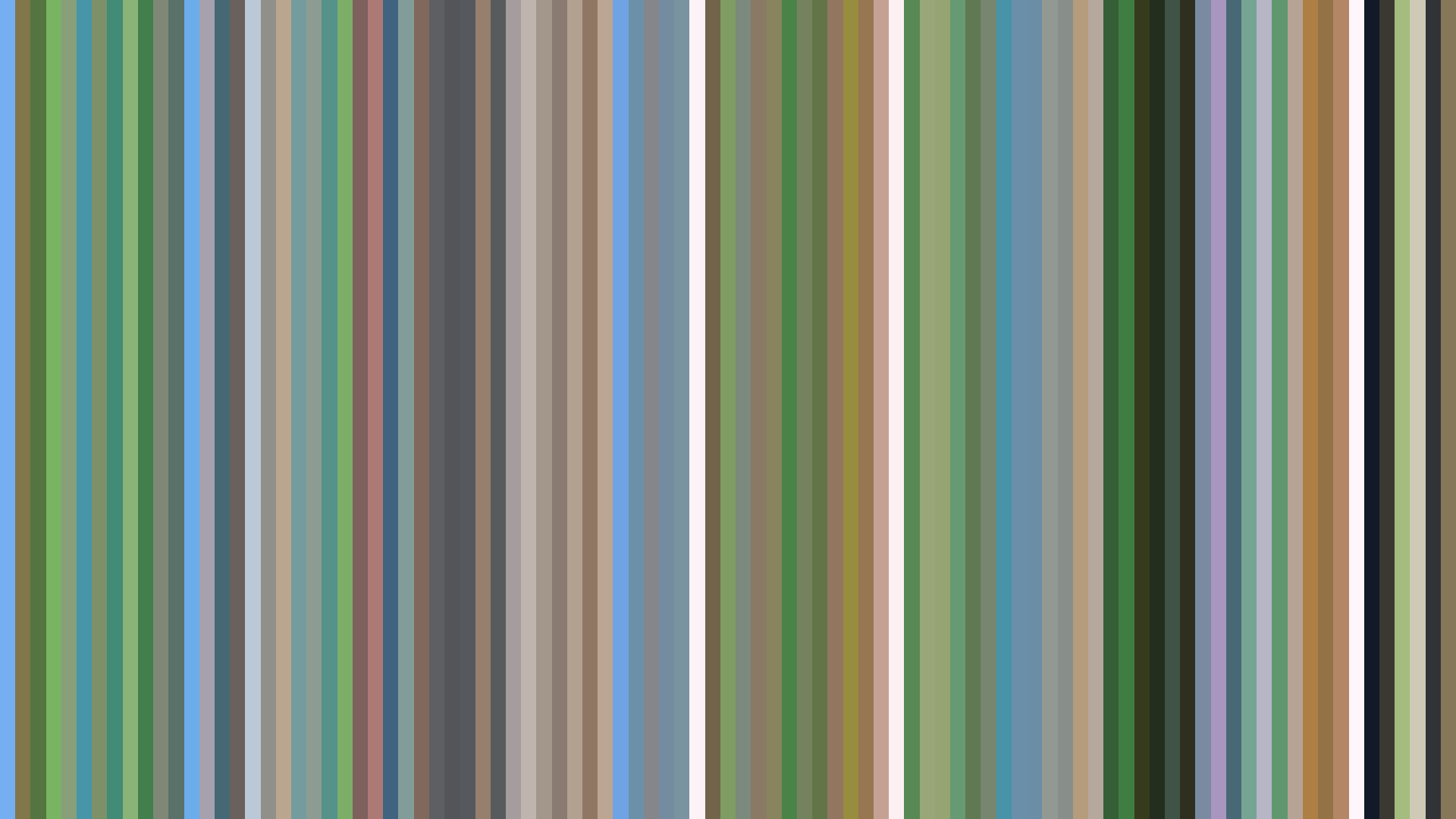
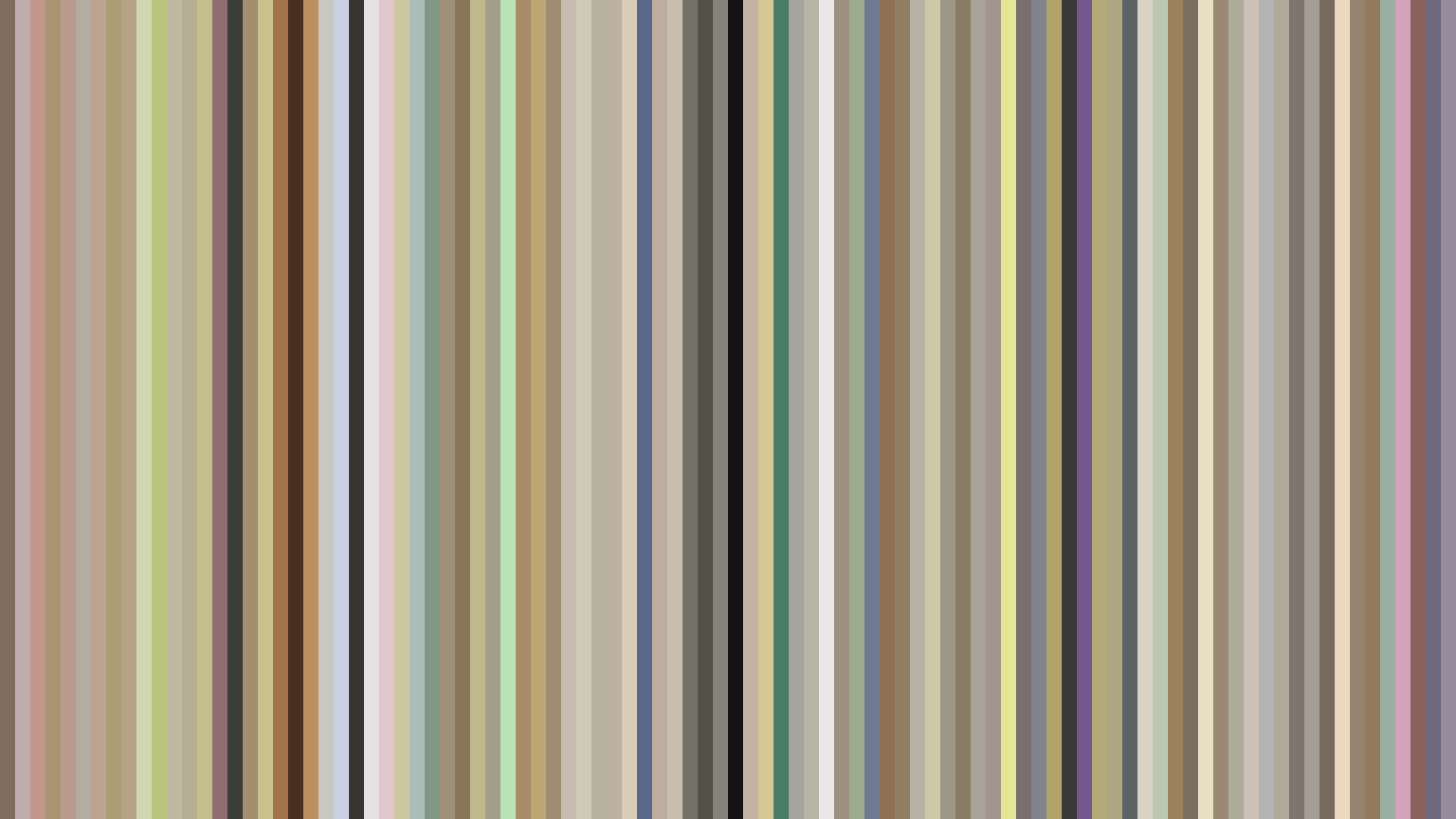
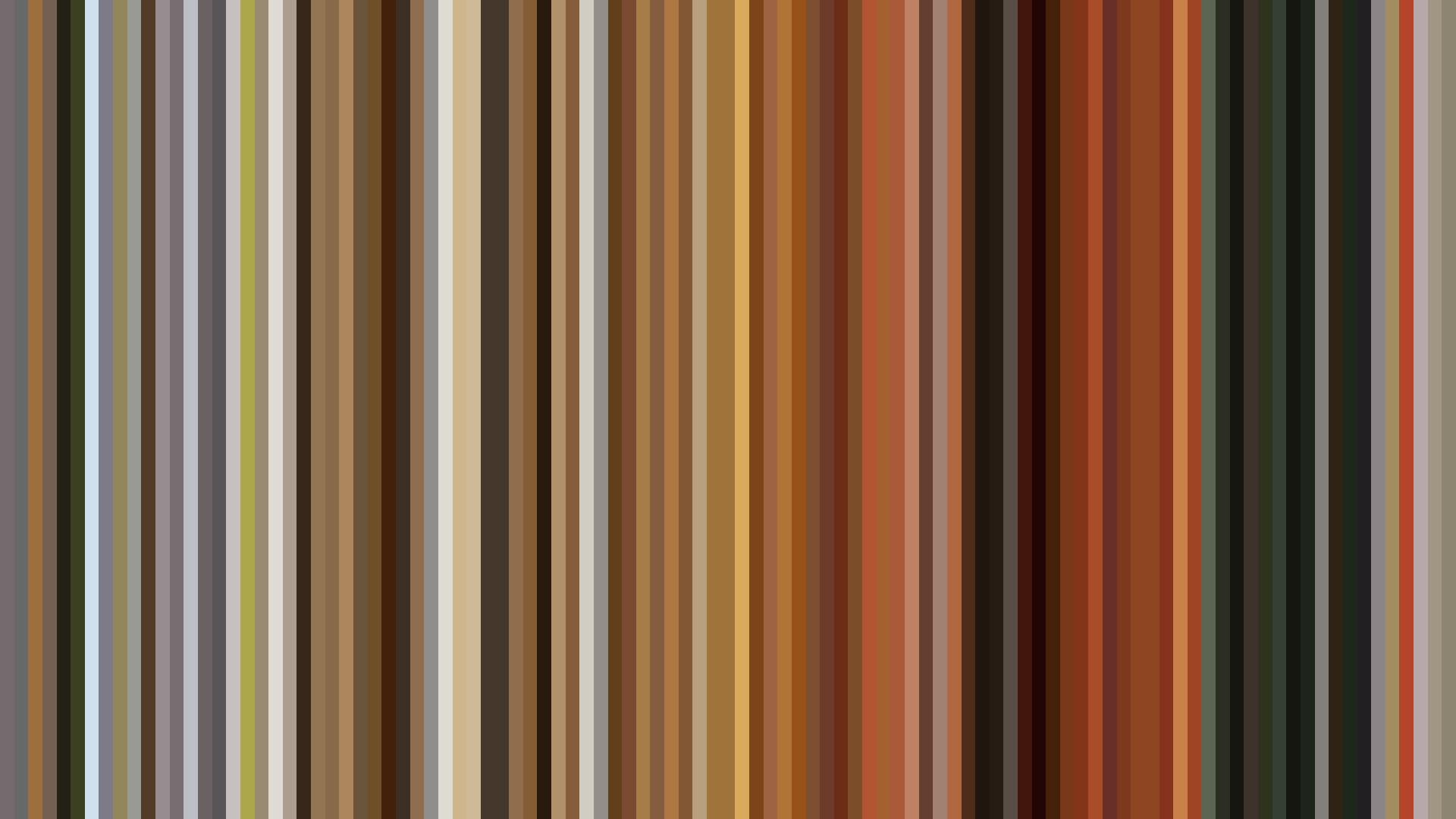
Avg · 30s
The palette reads like a sepia-toned memory of childhood summers: light beige, pale straw, a muted green-blue for distant forests, and a surprising 30% Red share — not the hot red of action or romance, but the warm, dusty red of sun-bleached flowers and wooden shrines. _Non Non Biyori_’s “bright opening” arc isn’t a narrative spike; it’s the visual signature of a world that refuses to be cynical. Director Shin’ya Kawatsura and art director Hisayo Akanuma understood that rural slowness requires a different kind of lighting — one where the middle episodes actually brighten (0.557 average) before the closing’s slight dip
Brightness Arc (episode progression)
Hue Distribution
Act Breakdown
Opening
0.492
Middle
0.557
Closing
0.480
Avg Brightness
0.542
Avg Saturation
0.312
Warmth
0.539
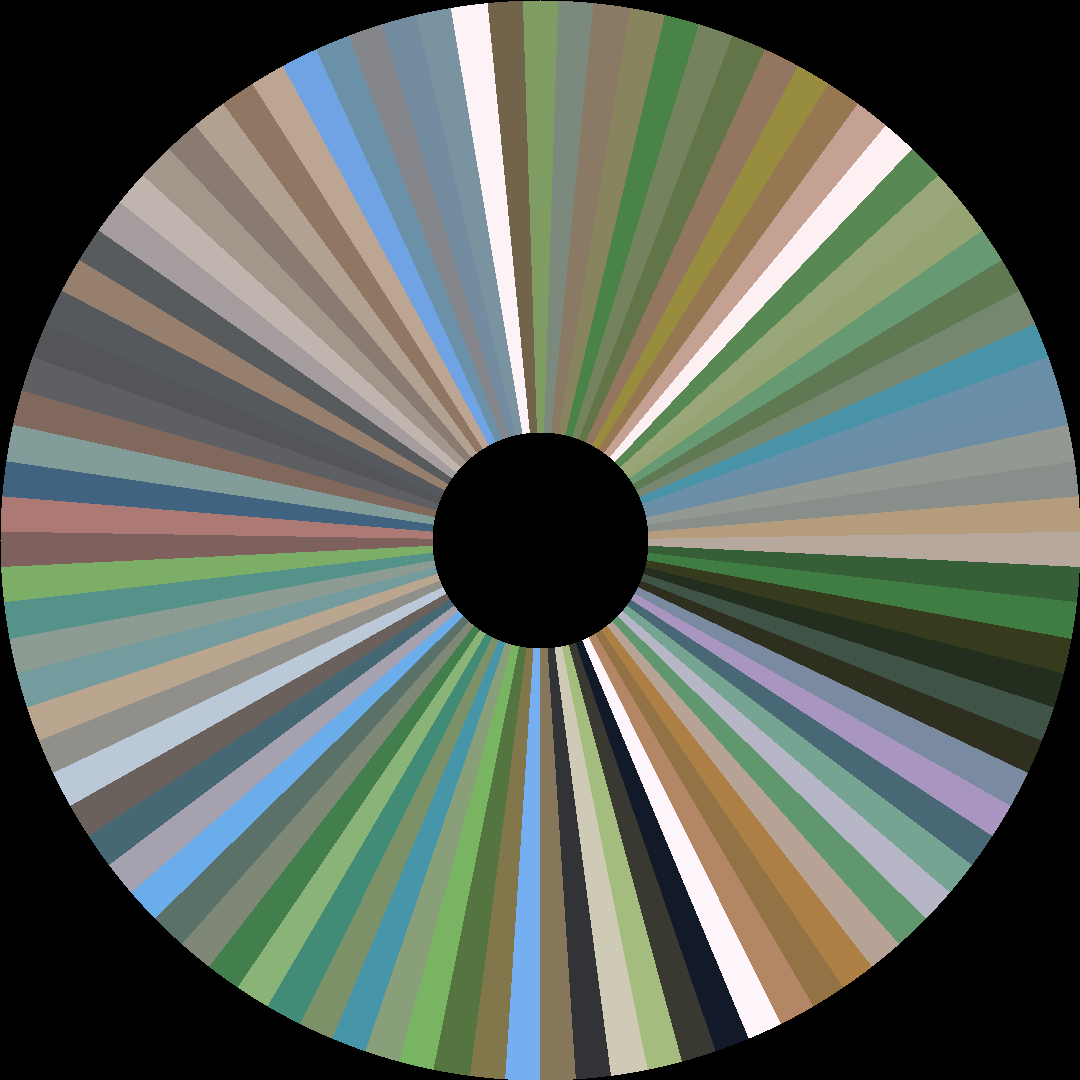
Color Palette
#EAE4E2
#212522
#606157
#A0A09C
#E1D3A6
#315054
#A1986A
#966C57
3-Act Color Story
Opening
Middle
Closing
Color Twins
Perceptually nearest palettes — measured in OKLab space, not RGB






The palette reads like a sepia-toned memory of childhood summers: light beige, pale straw, a muted green-blue for distant forests, and a surprising 30% Red share — not the hot red of action or romance, but the warm, dusty red of sun-bleached flowers and wooden shrines. _Non Non Biyori_’s “bright opening” arc isn’t a narrative spike; it’s the visual signature of a world that refuses to be cynical. Director Shin’ya Kawatsura and art director Hisayo Akanuma understood that rural slowness requires a different kind of lighting — one where the middle episodes actually brighten (0.557 average) before the closing’s slight dip