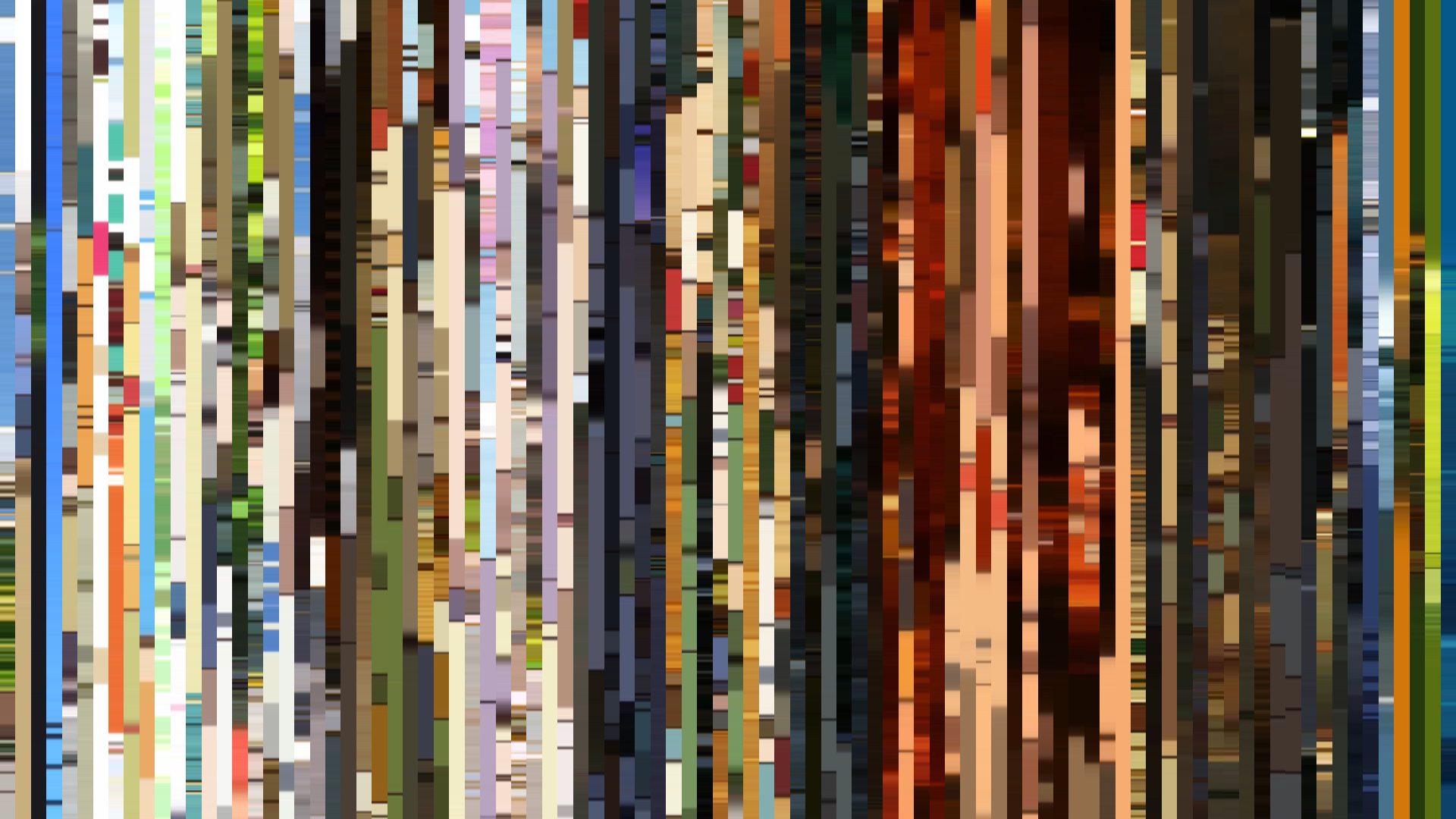
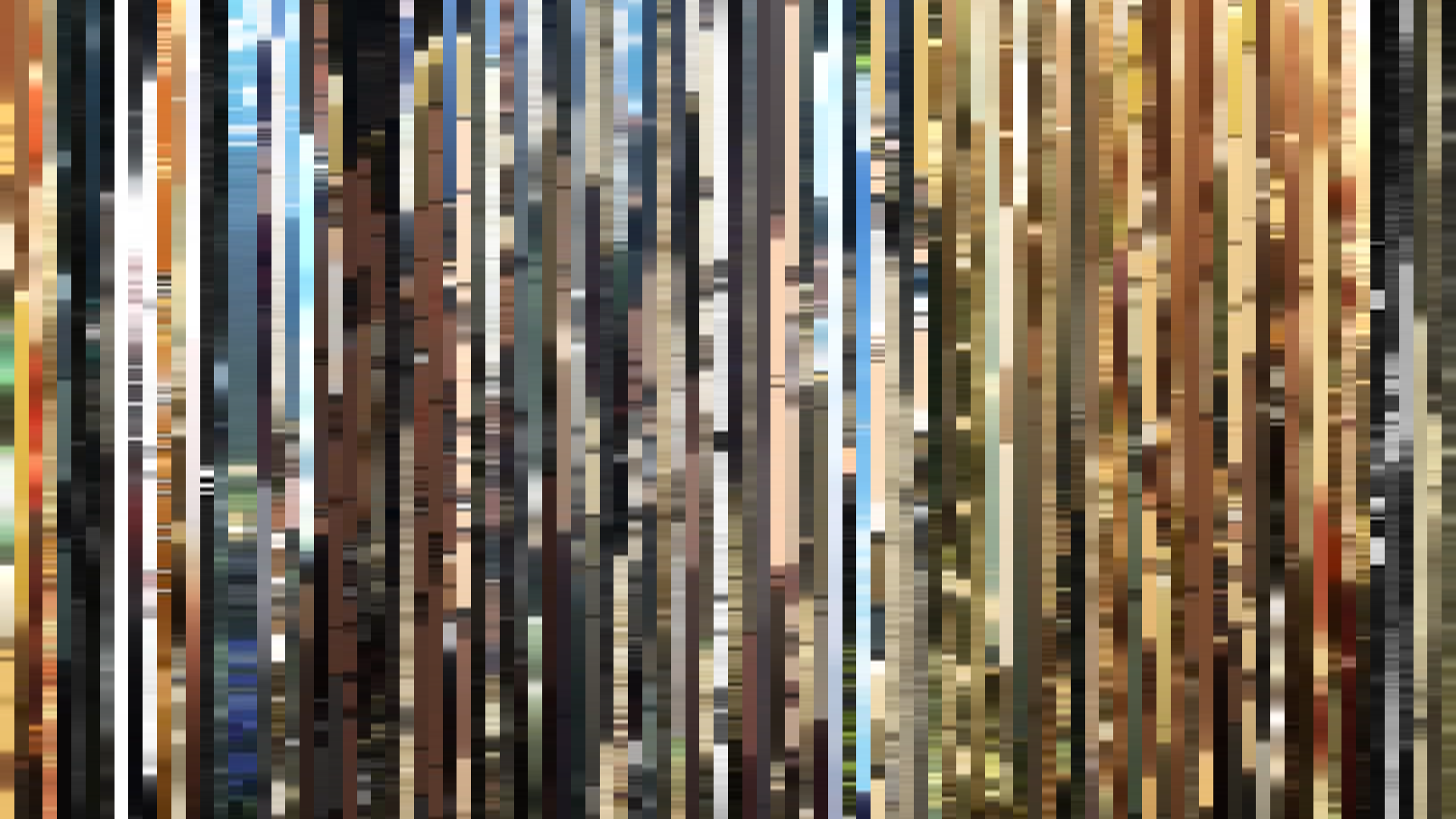
Edit Pace — frame-to-frame color delta (bright = fast cuts)
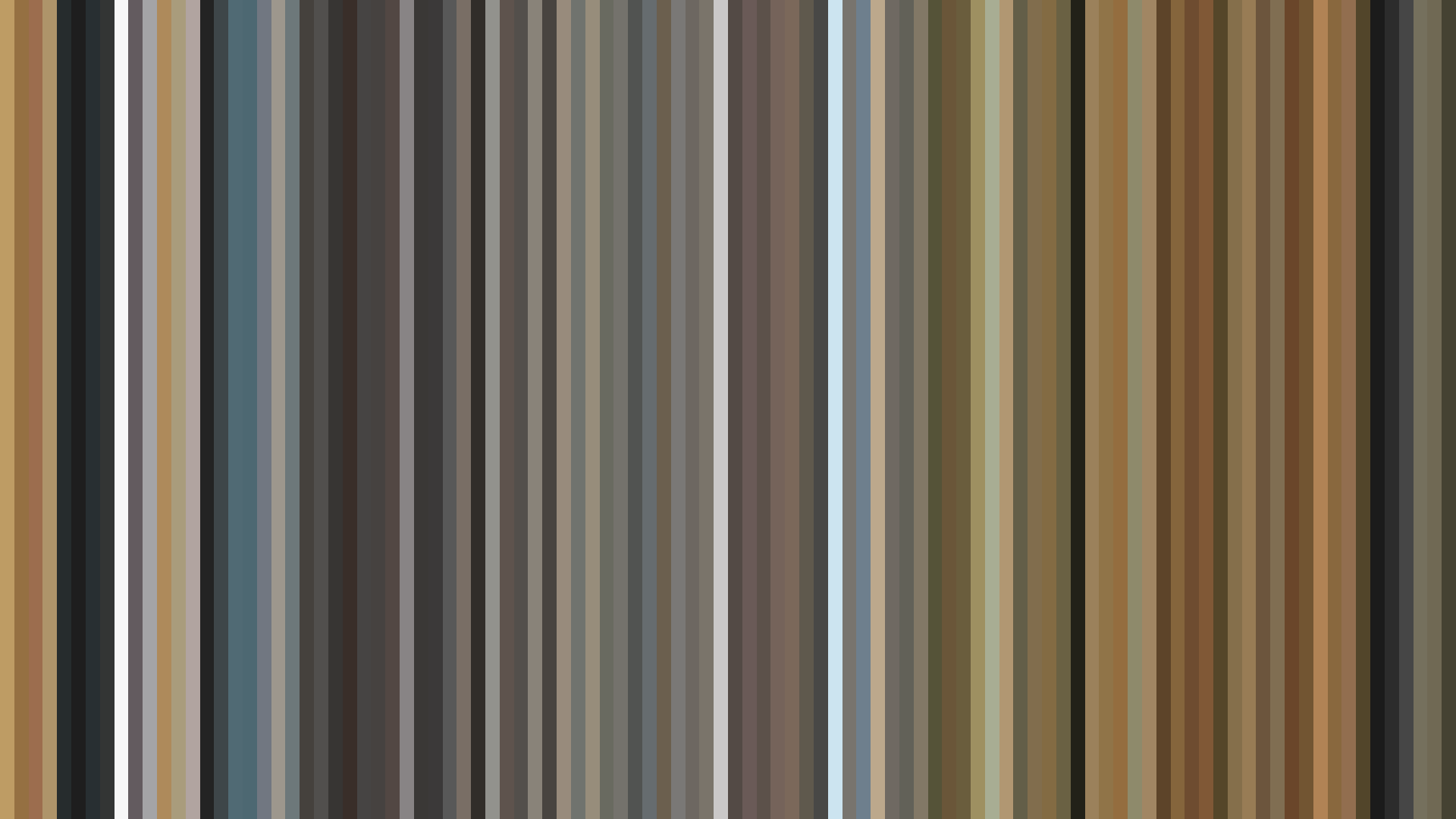
Color Temperature — warm (gold) vs cool (teal) per frame
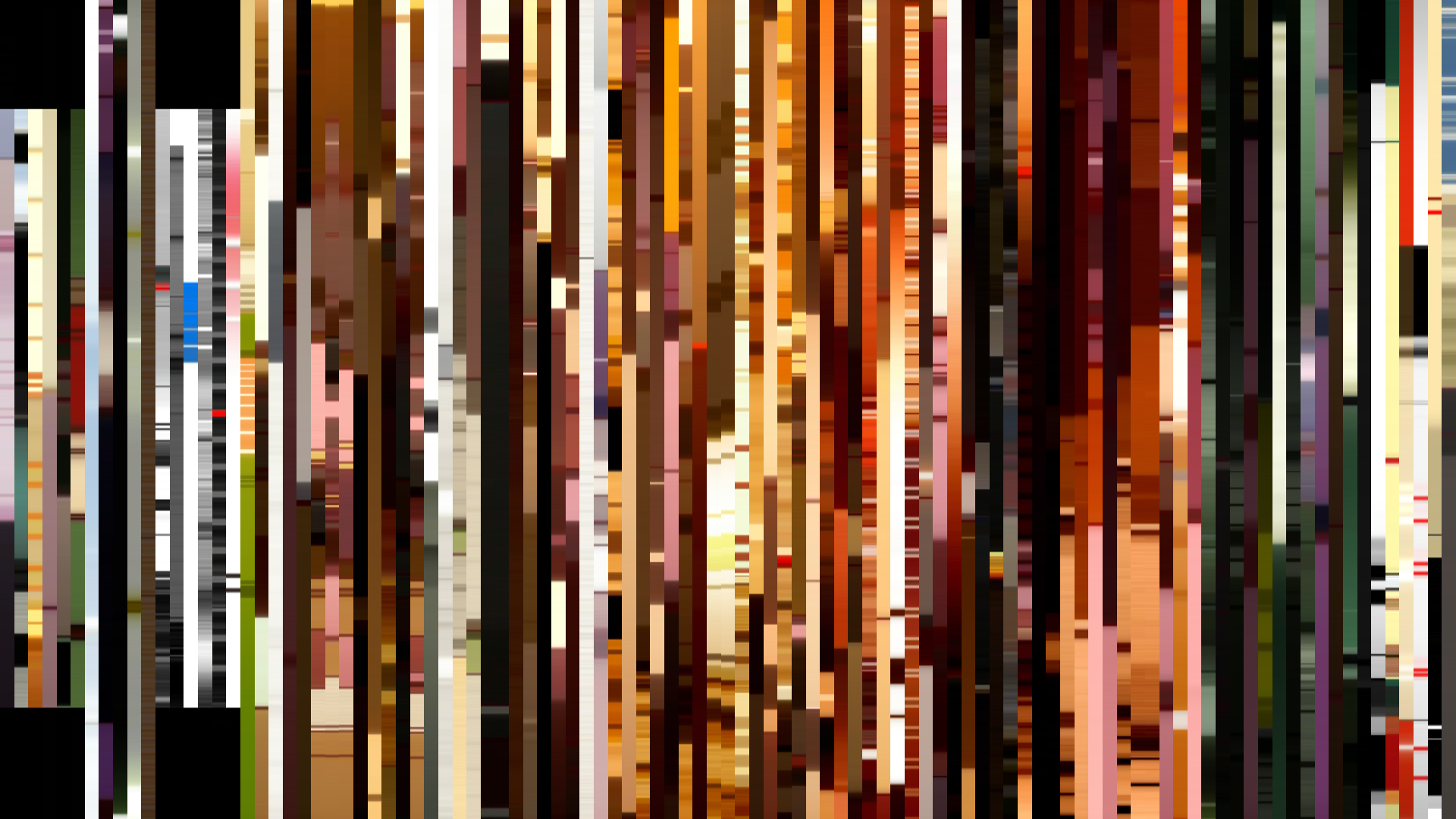
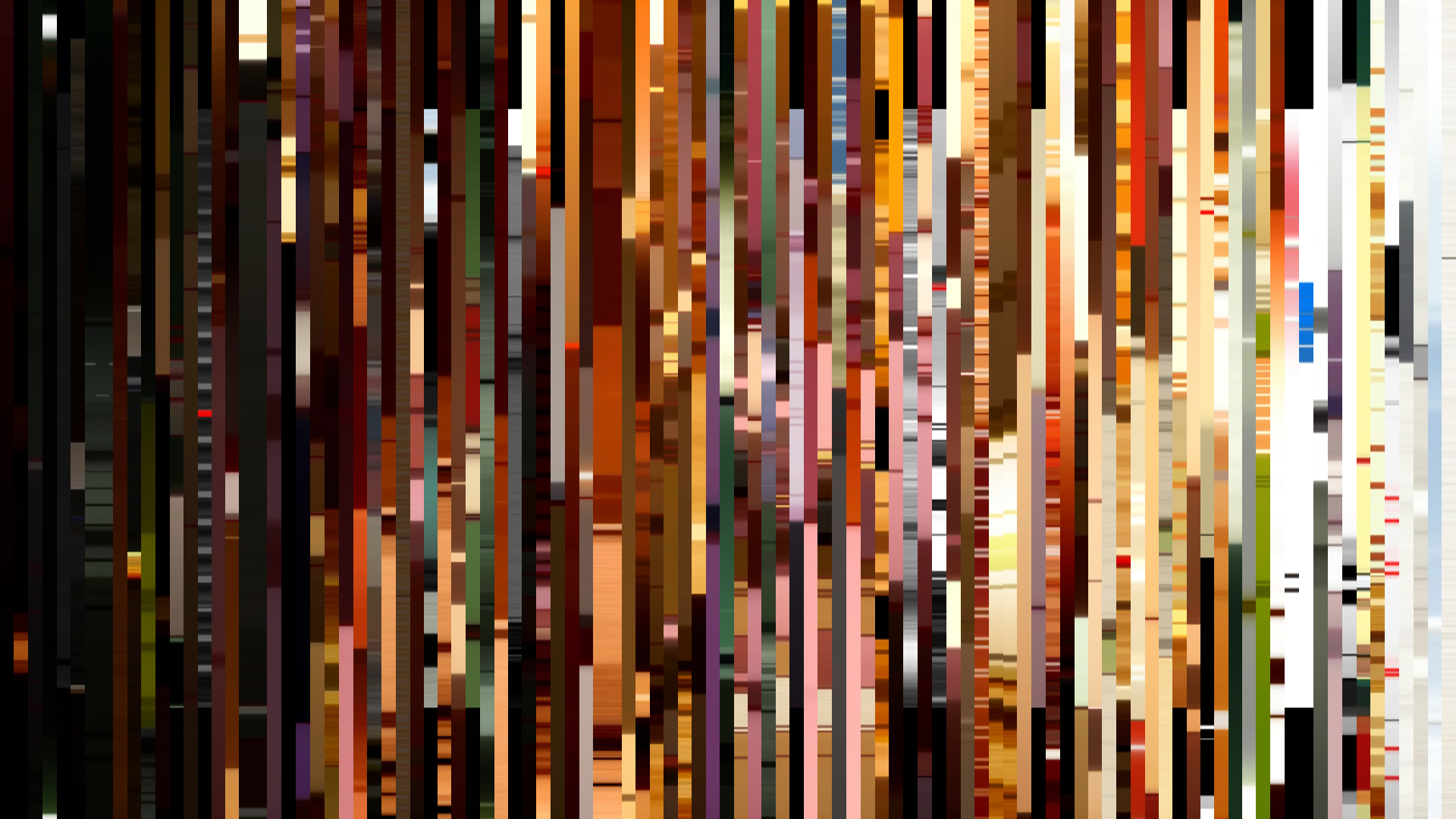
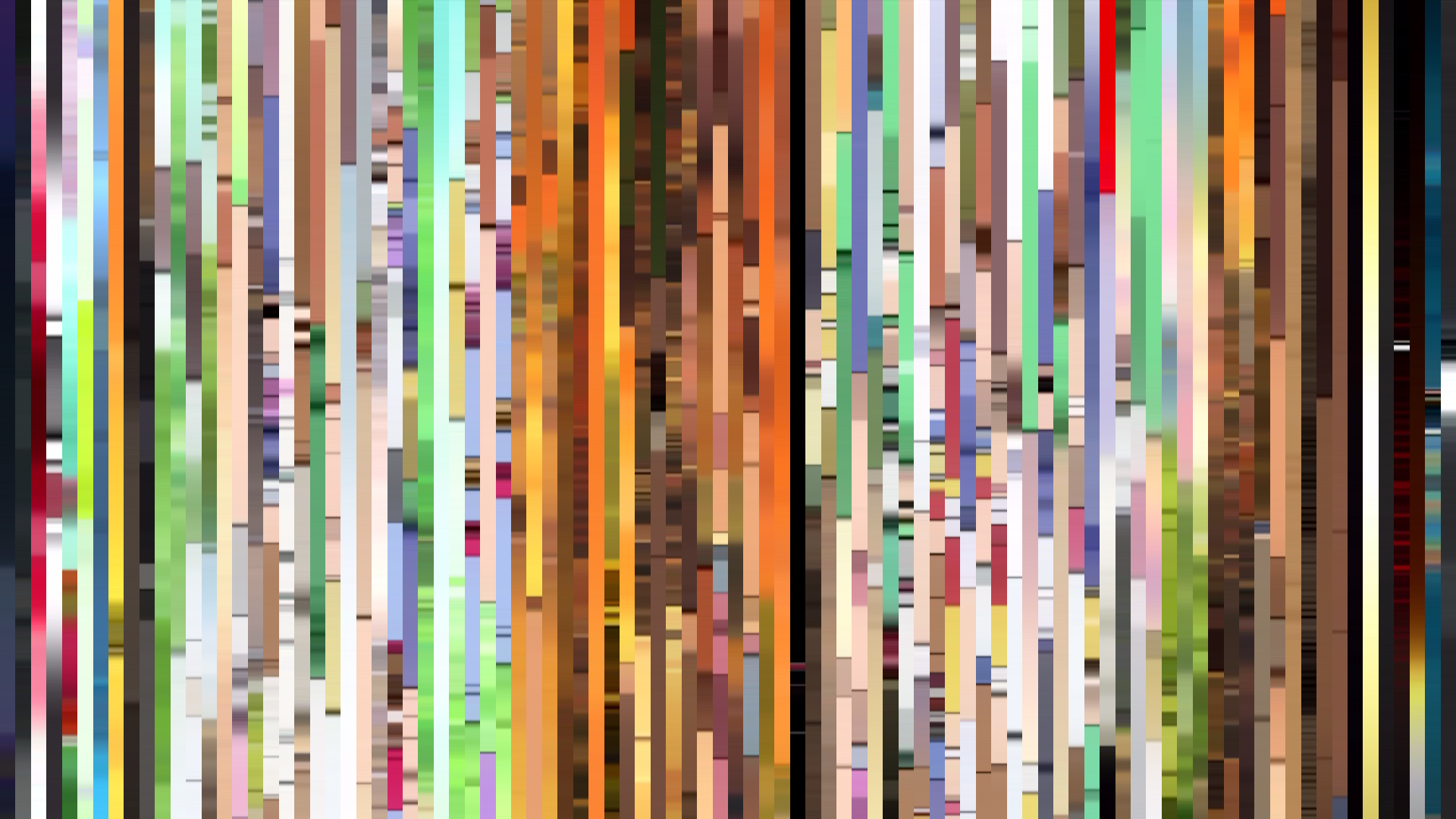
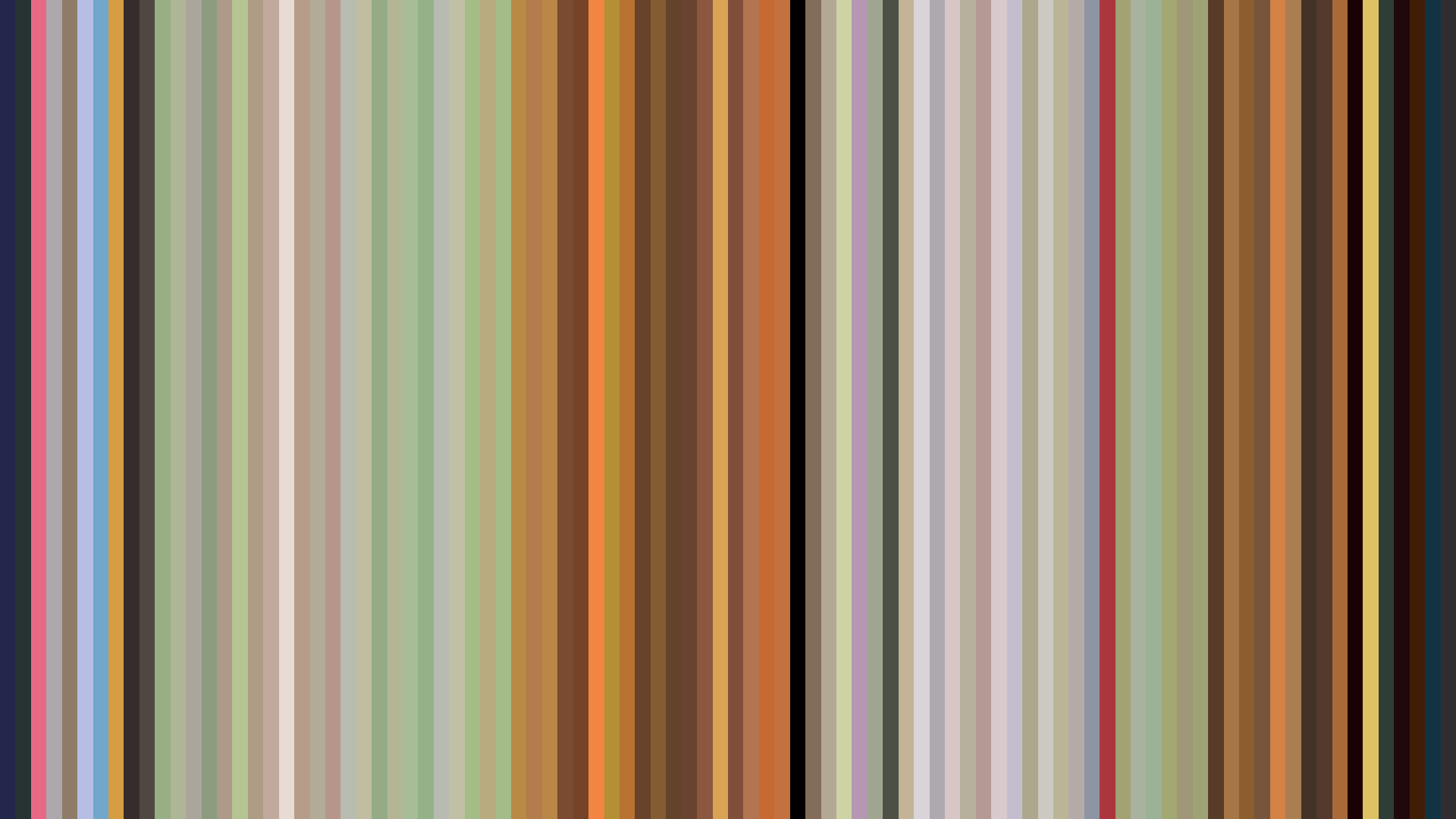
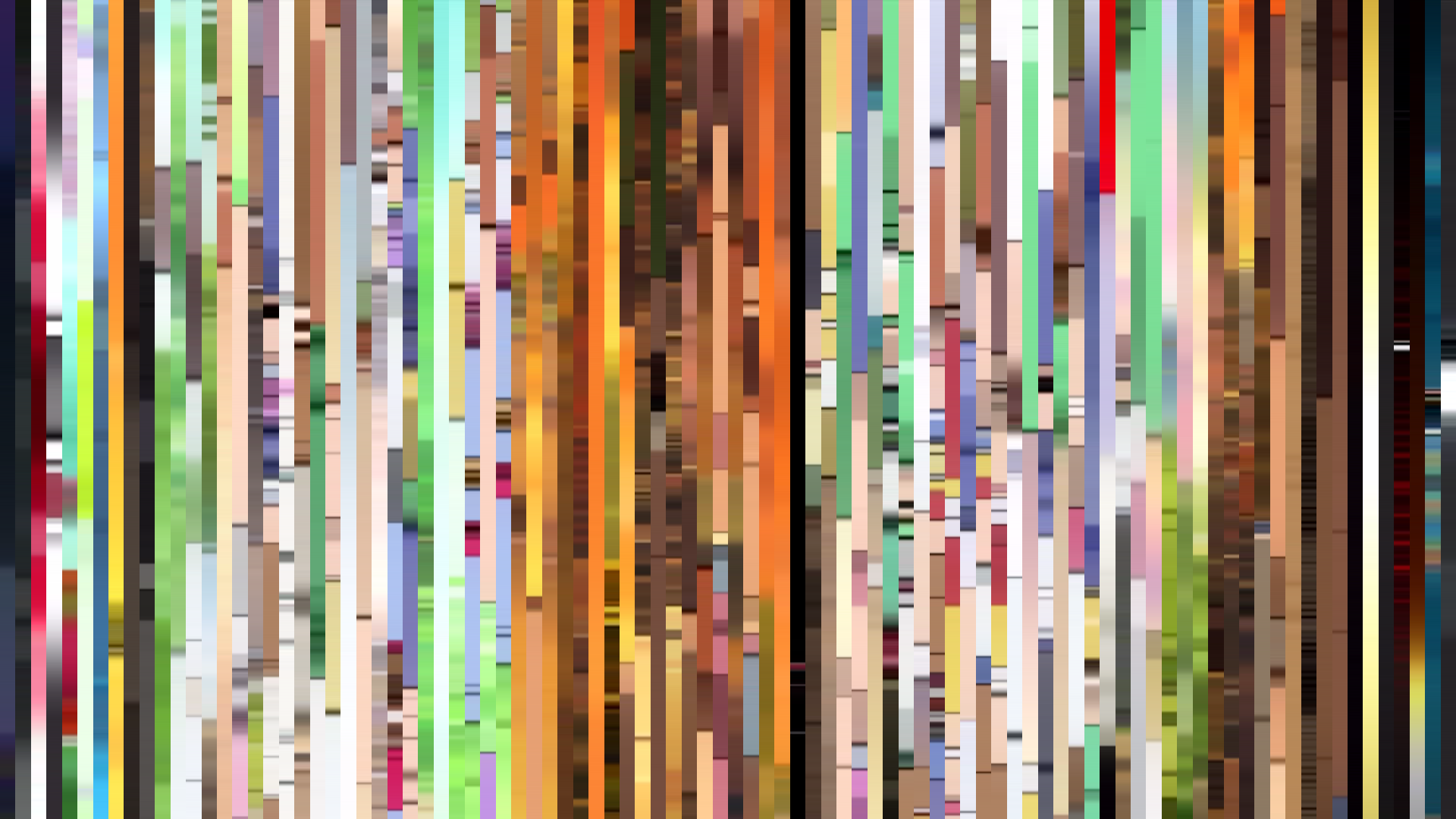
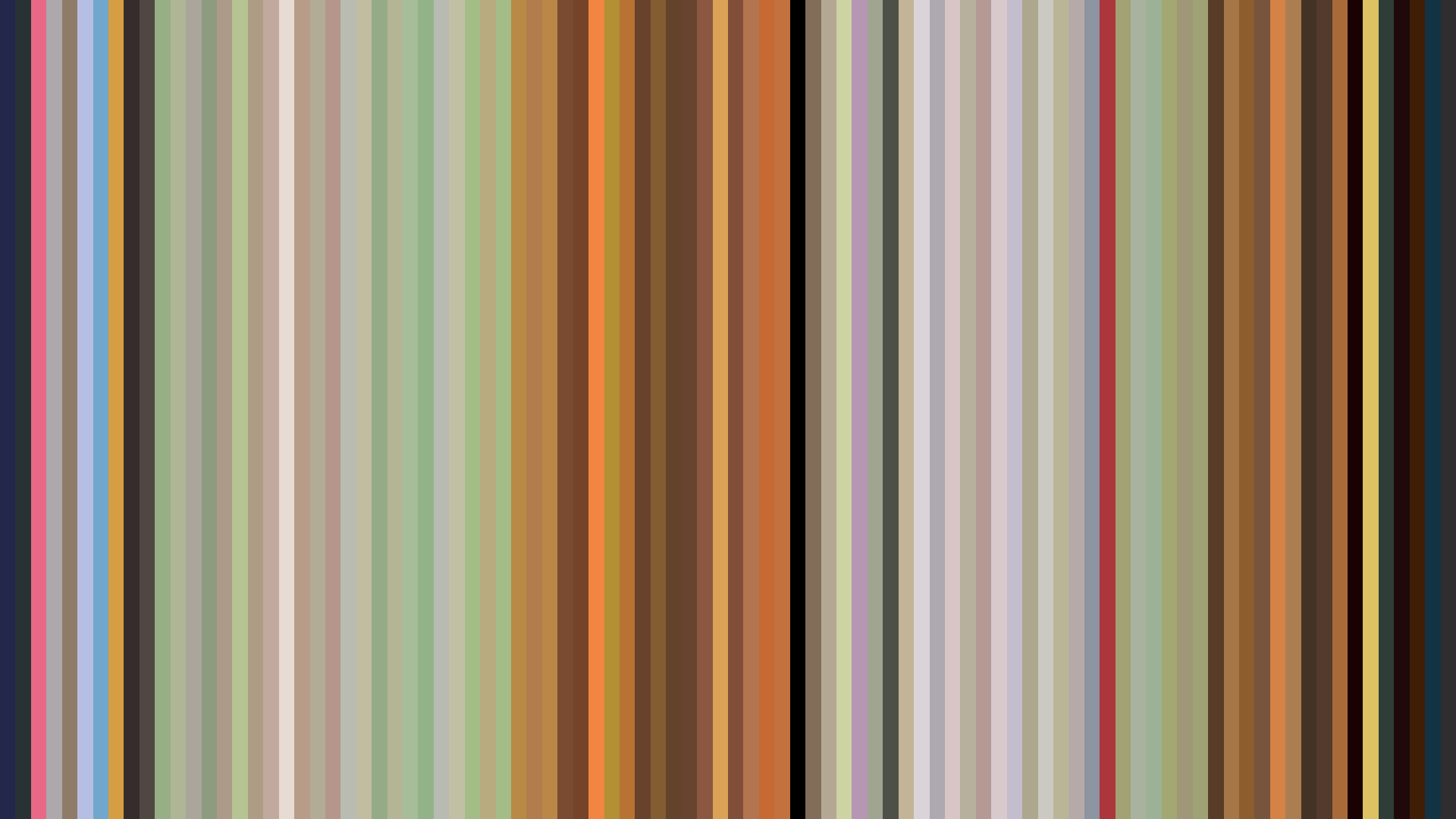
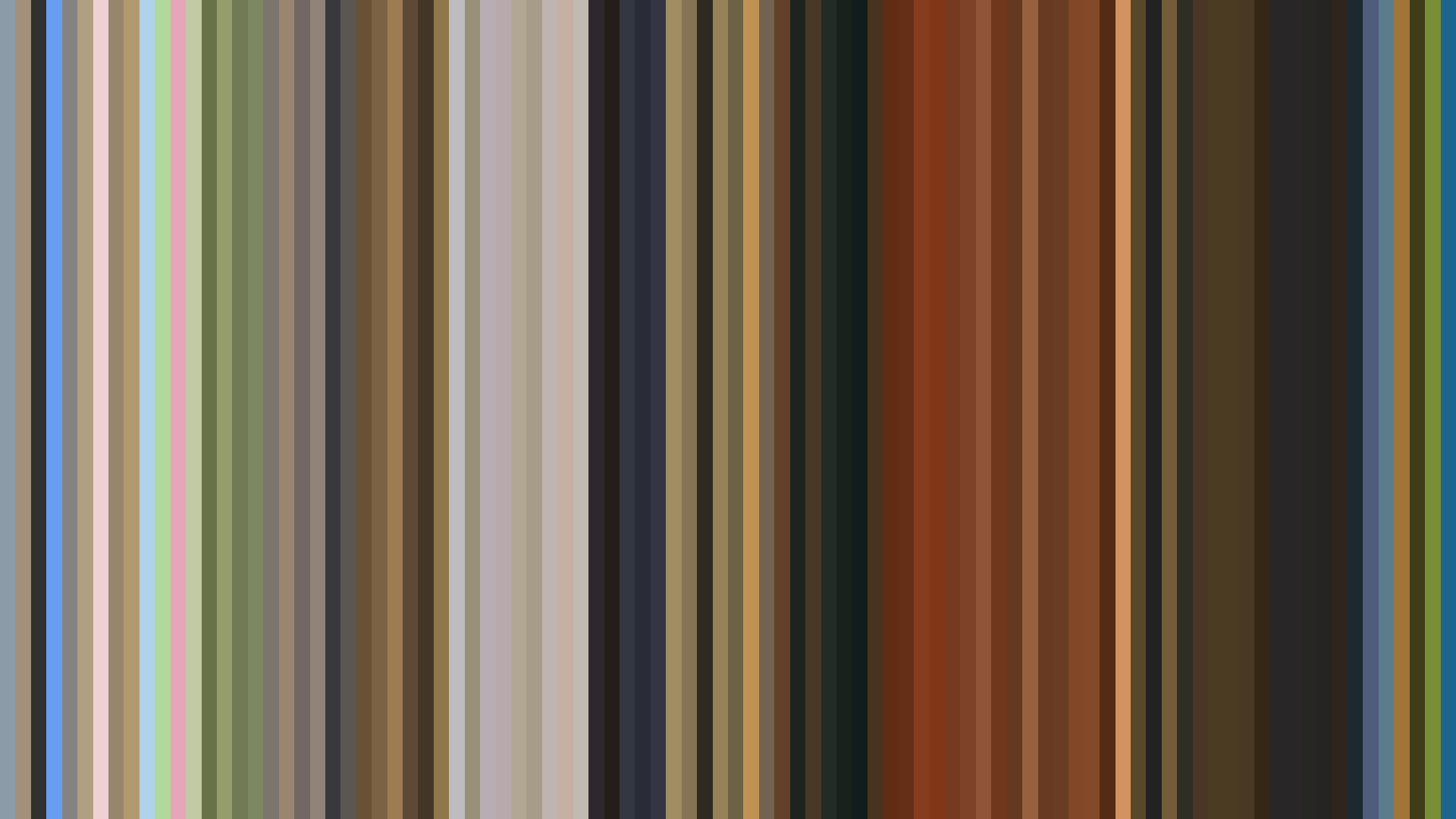
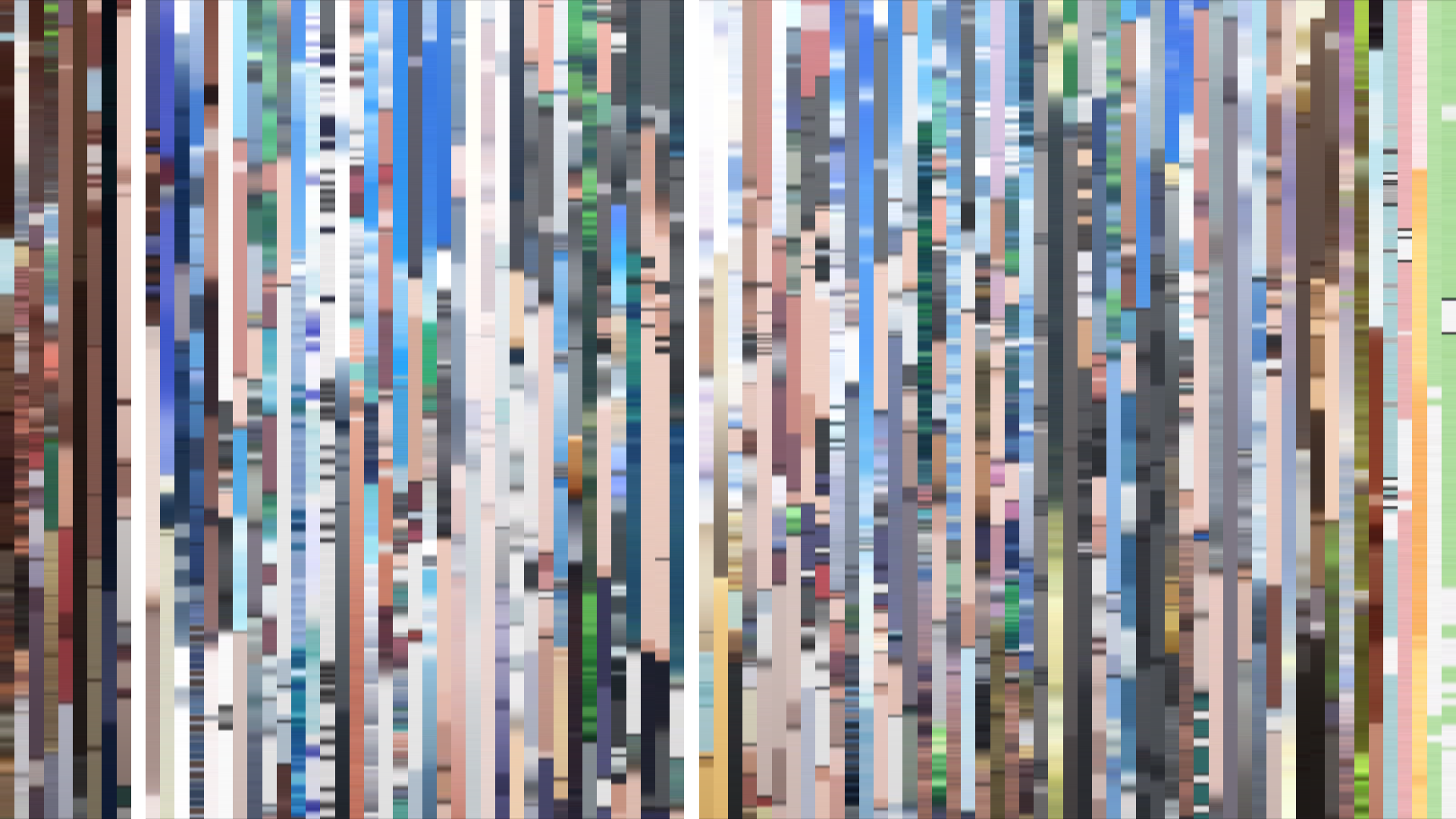
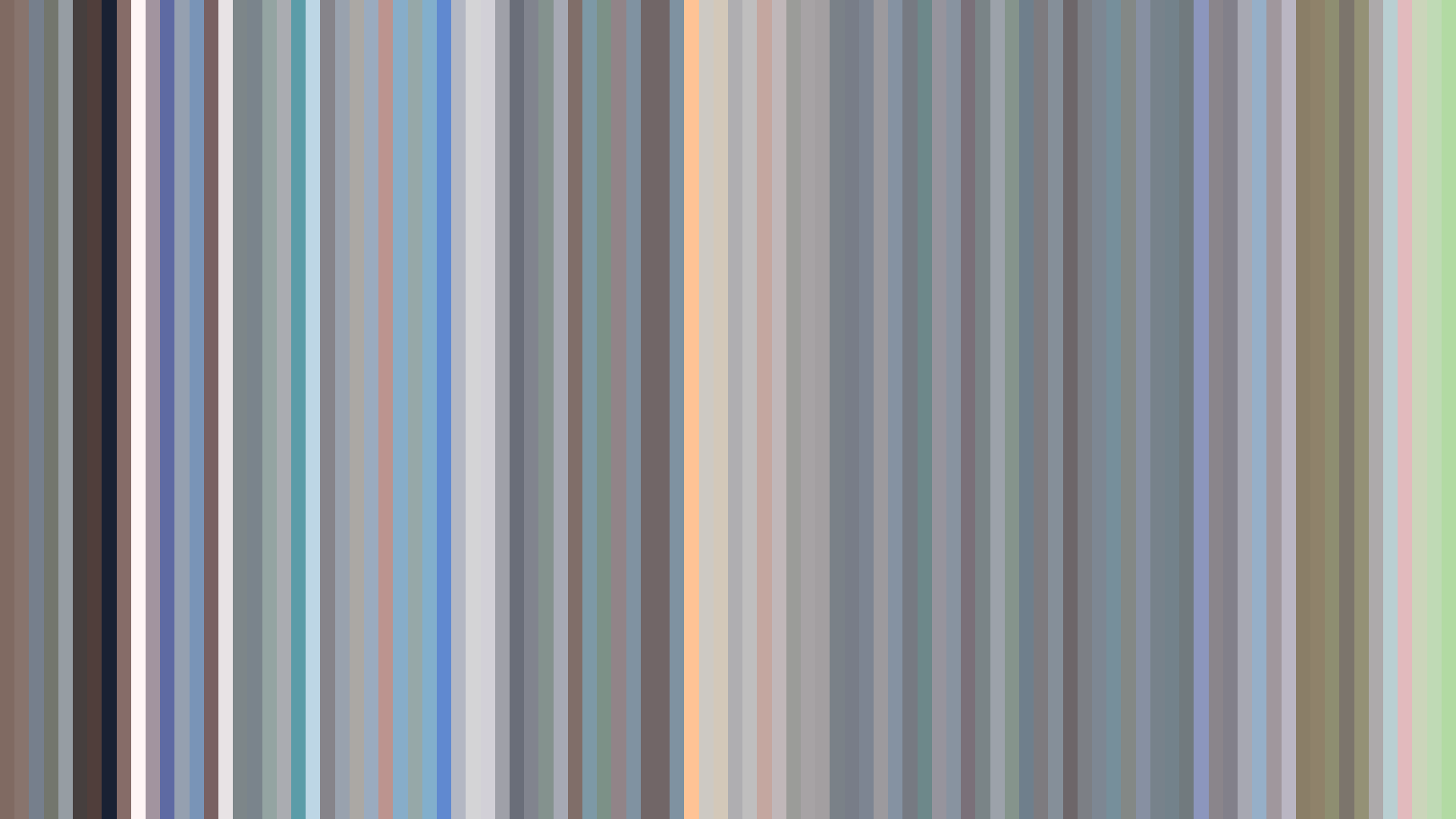
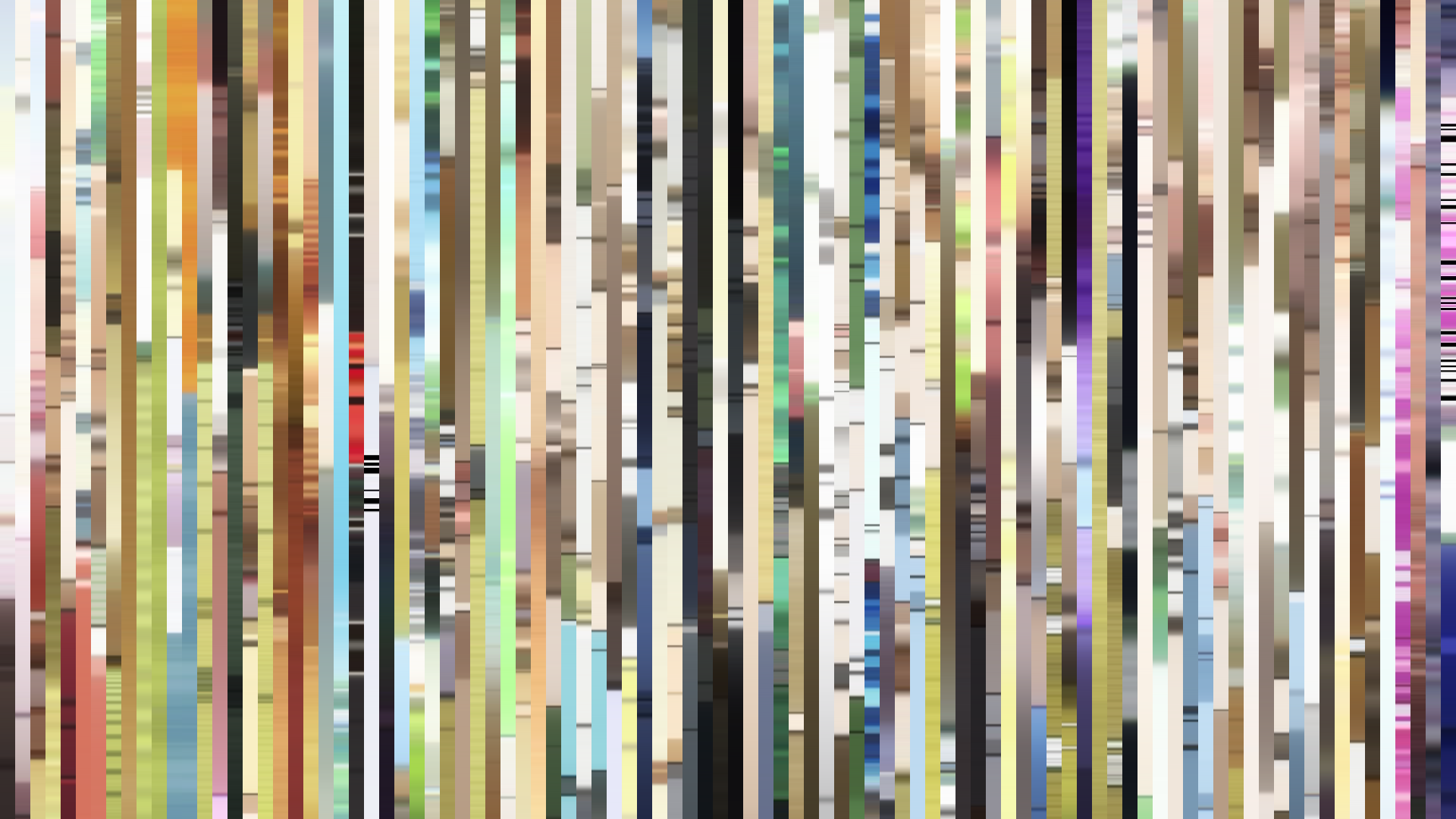
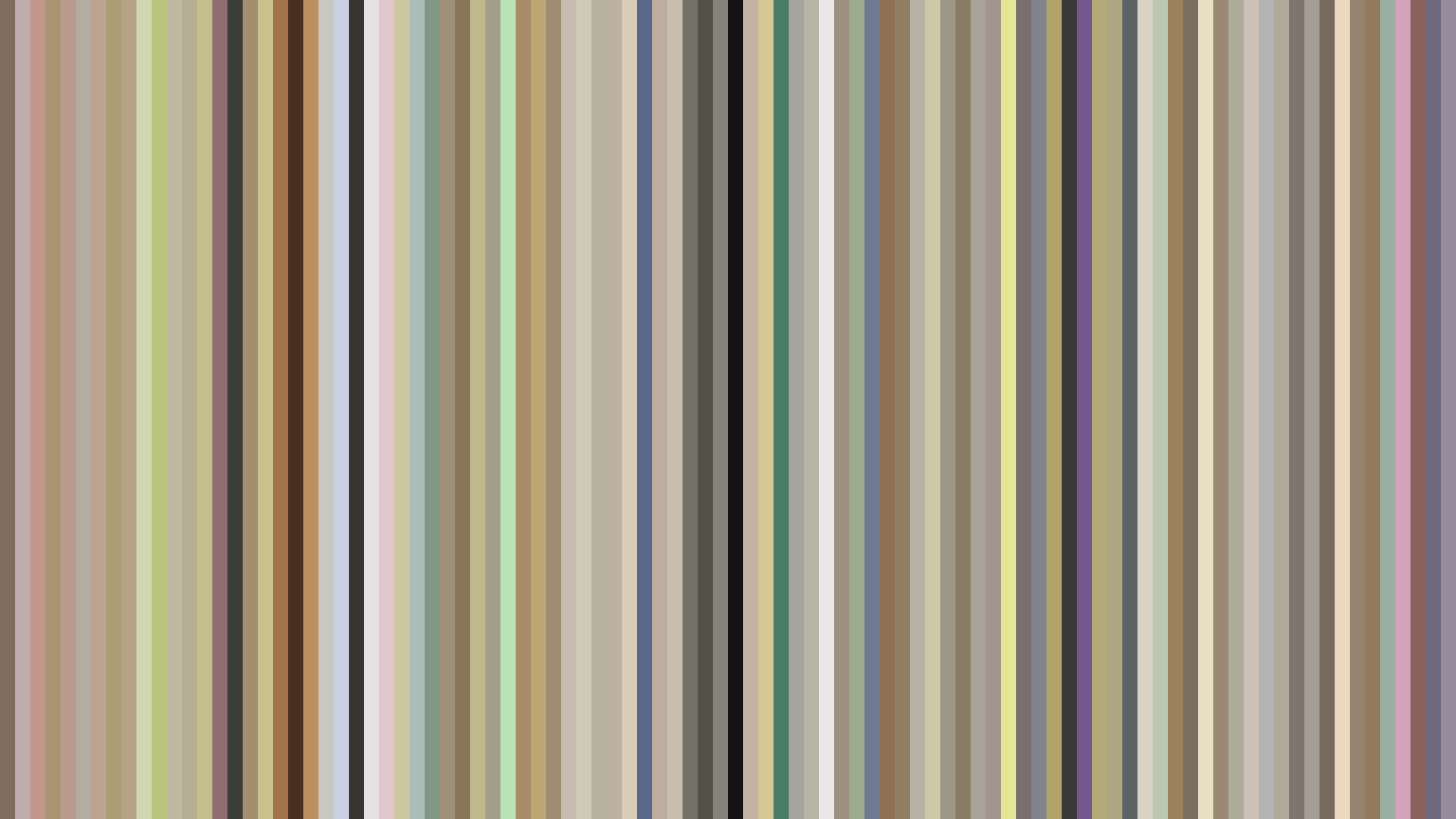
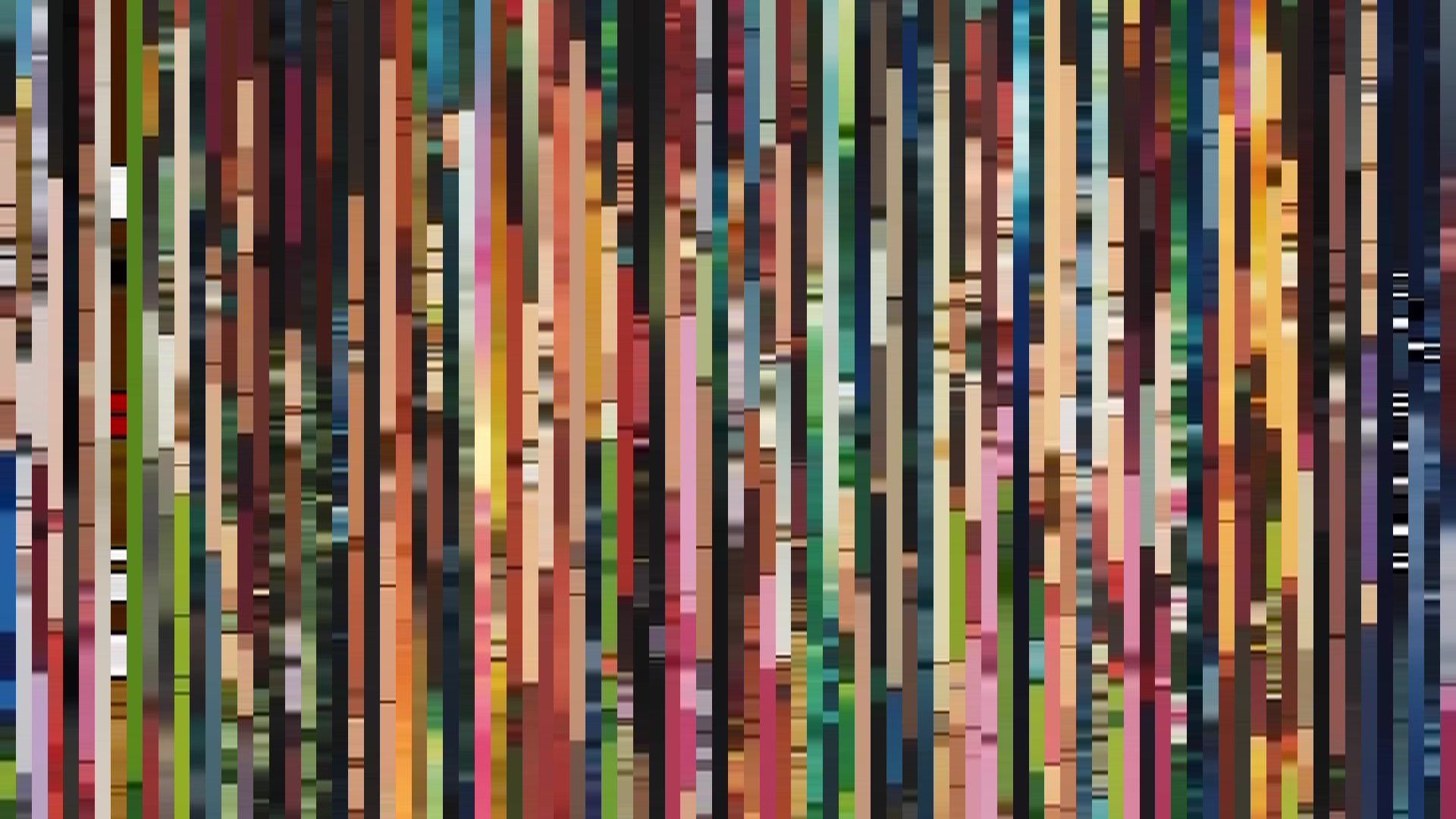
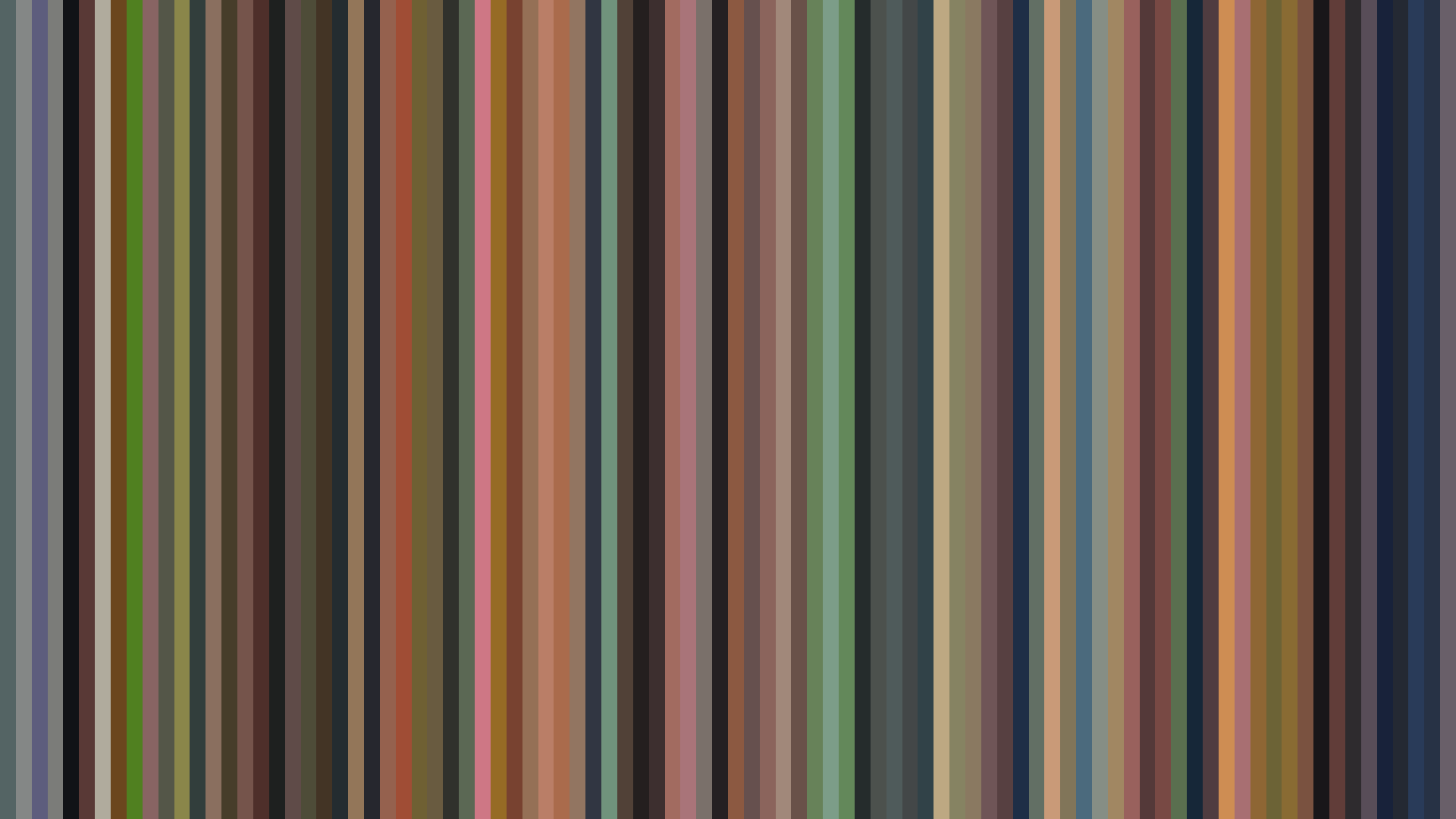
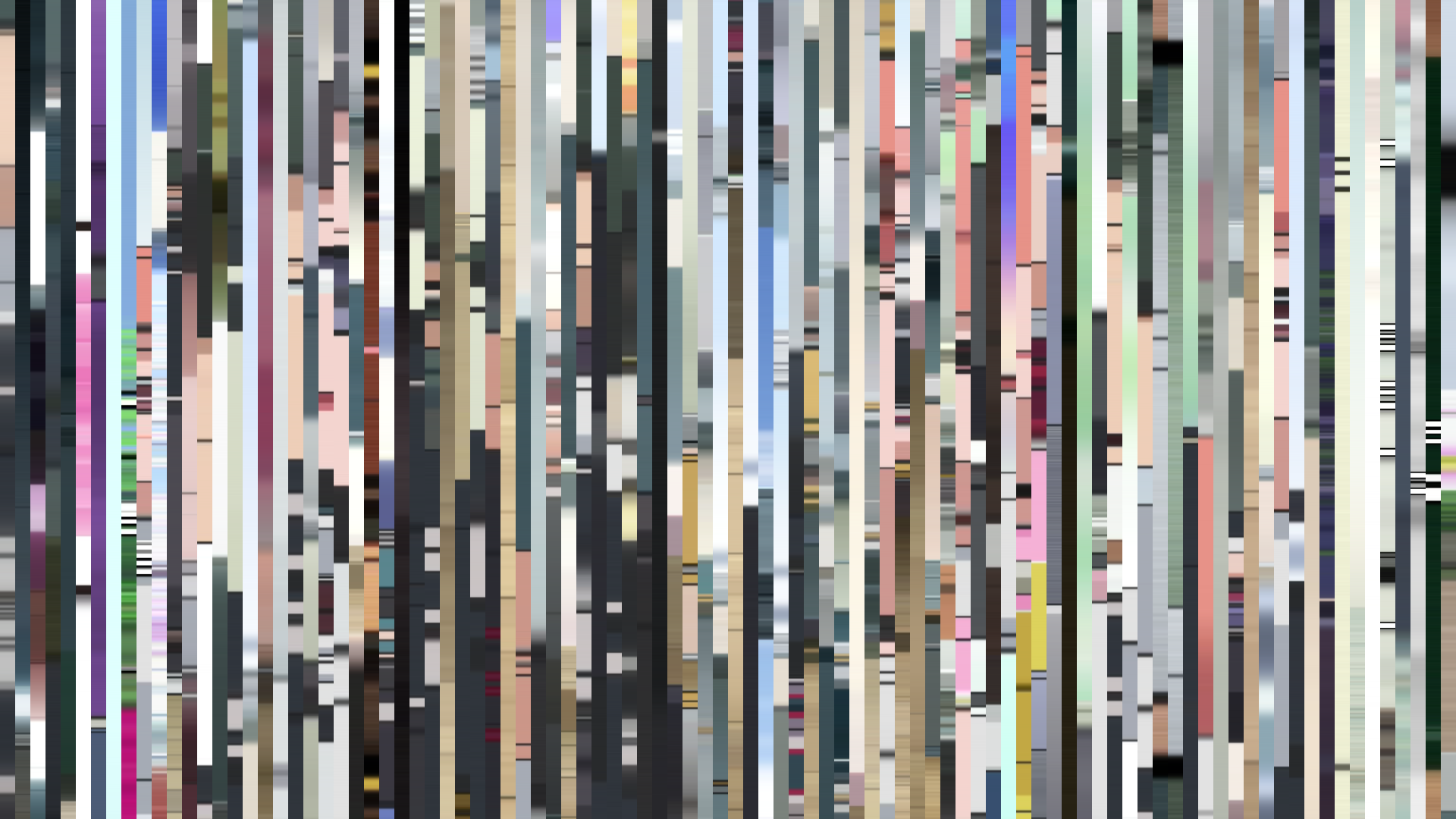
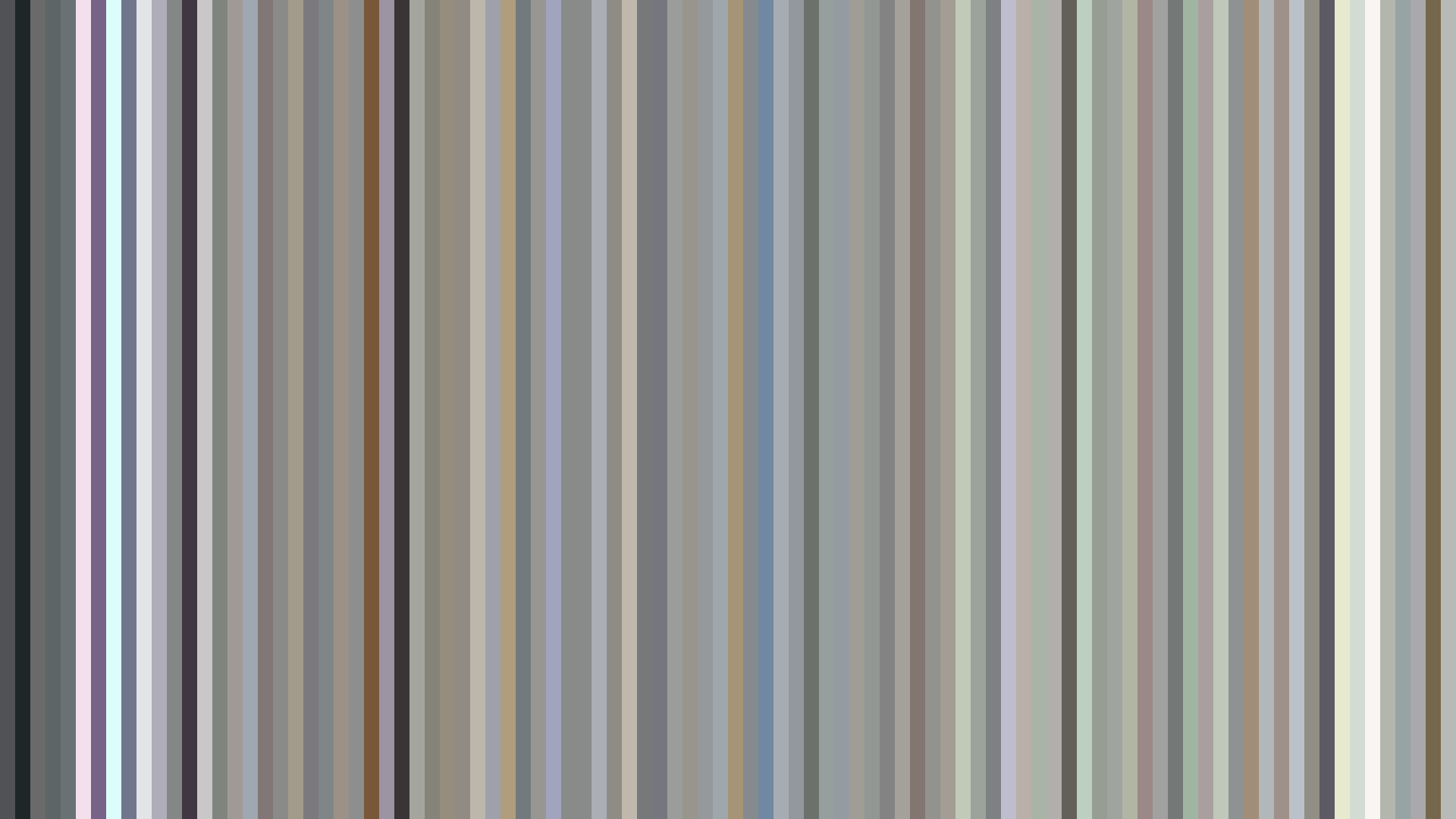
Frame Density Comparison — every 2nd vs every 4th frame
Slice · 15s
Avg · 15s
Slice · 30s
Avg · 30s
The barcode’s brutal dark ending isn’t a failure of light—it’s a deliberate structural choice by Shaft and director Akiyuki Shinbo, a visual analogue for the series’ obsession with secrets unraveling in darkness. The data confirms the collapse: opening brightness at 0.431 (a flutter of classroom fluorescents and pastel hair) plummets to a closing 0.310, the franchise’s lowest recorded act. That Red dominance—61% of pixels—isn’t warm; it’s the color of Koyomi’s bloody sacrifice, of the crimson threads tying character to consequence. The palette’s deepest hex, #190E0A, is nearly black, a void that swallows the earlier brown
Brightness Arc (episode progression)
Hue Distribution
Act Breakdown
Opening
0.431
Middle
0.424
Closing
0.310
Avg Brightness
0.373
Avg Saturation
0.461
Warmth
0.623
Color Palette
#190E0A
#582614
#EFEDE3
#9E5823
#EED7A5
#625A54
#E2A05E
#674B29
3-Act Color Story
Opening
Middle
Closing
Color Twins
Perceptually nearest palettes — measured in OKLab space, not RGB
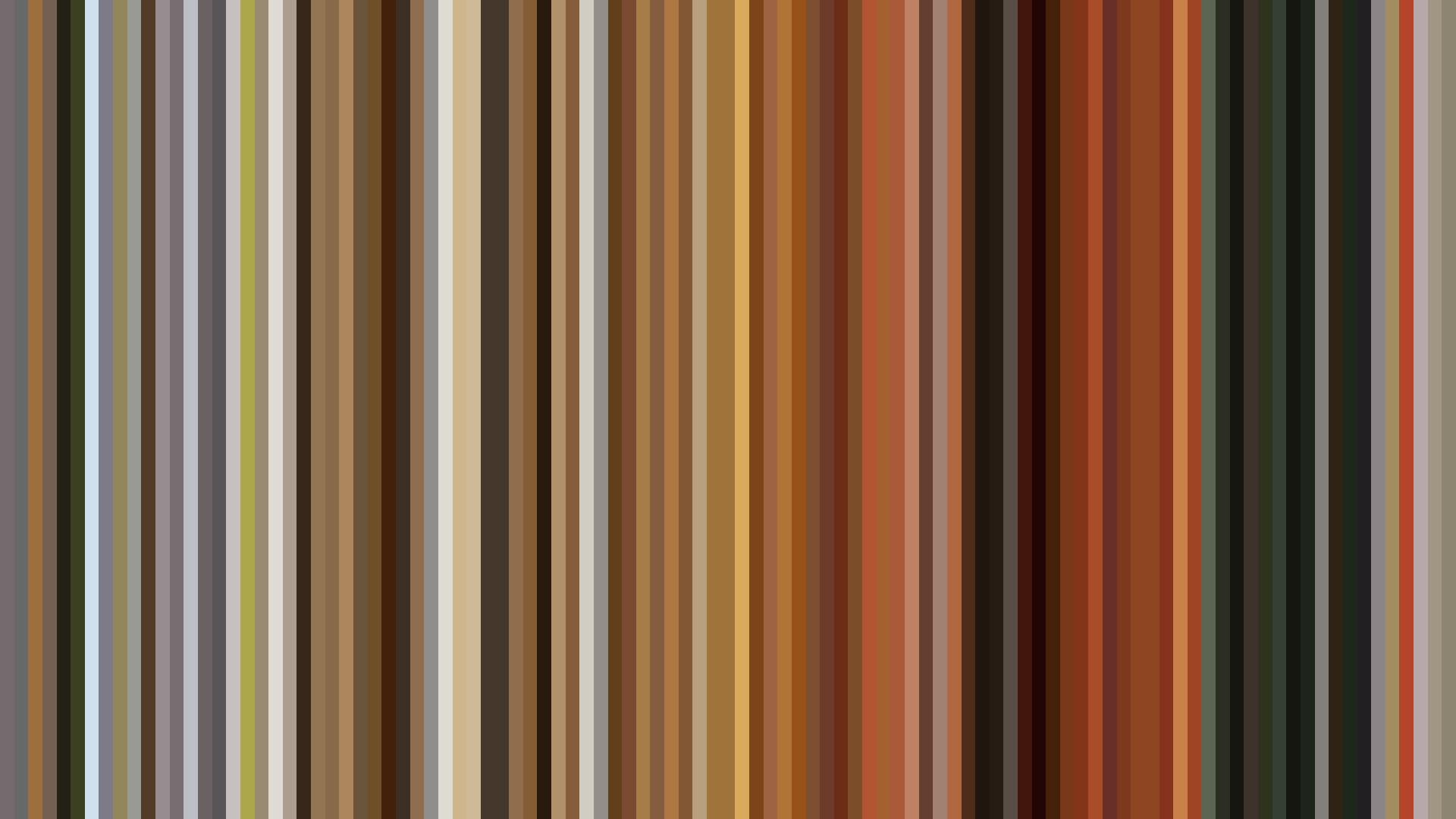
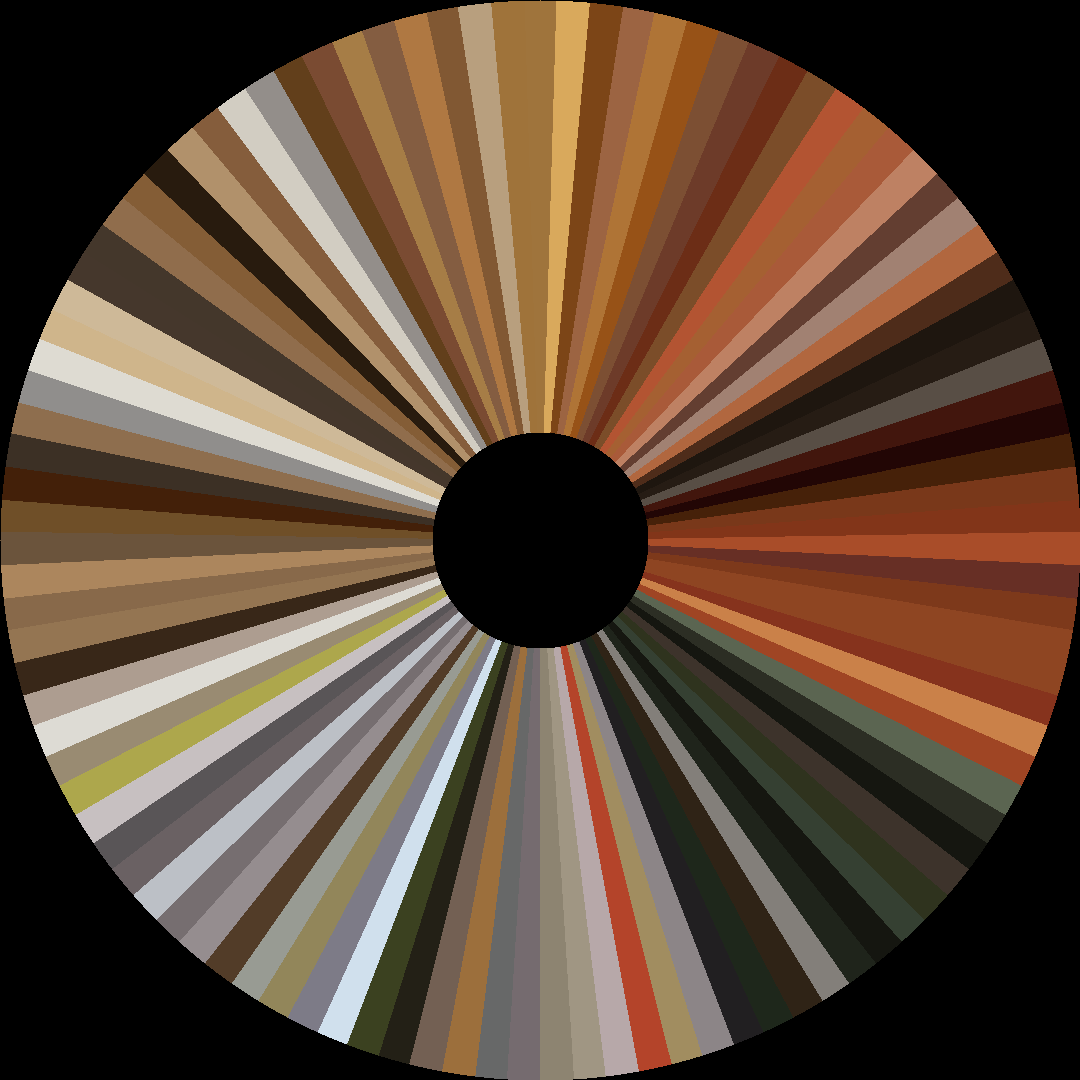






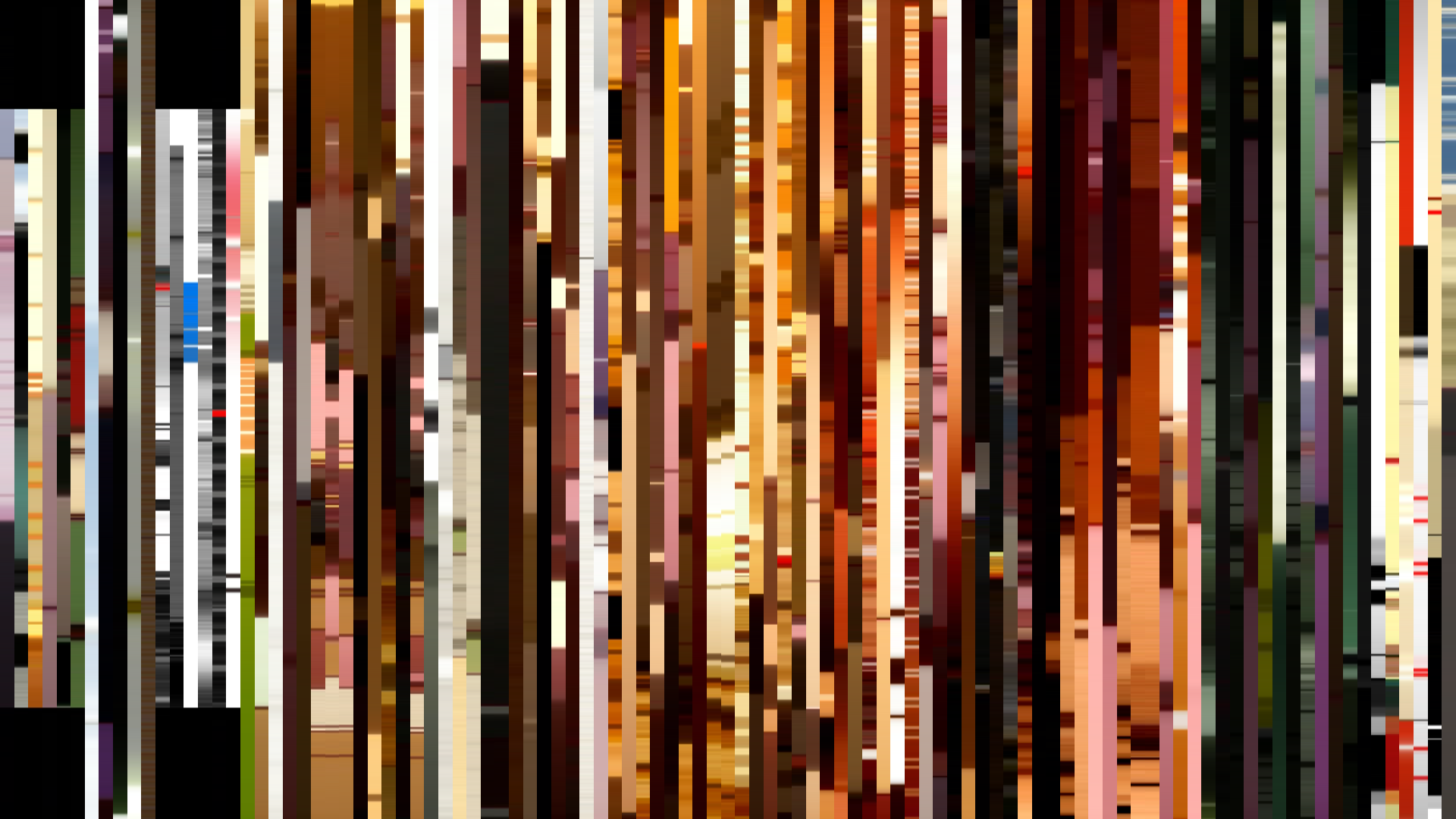
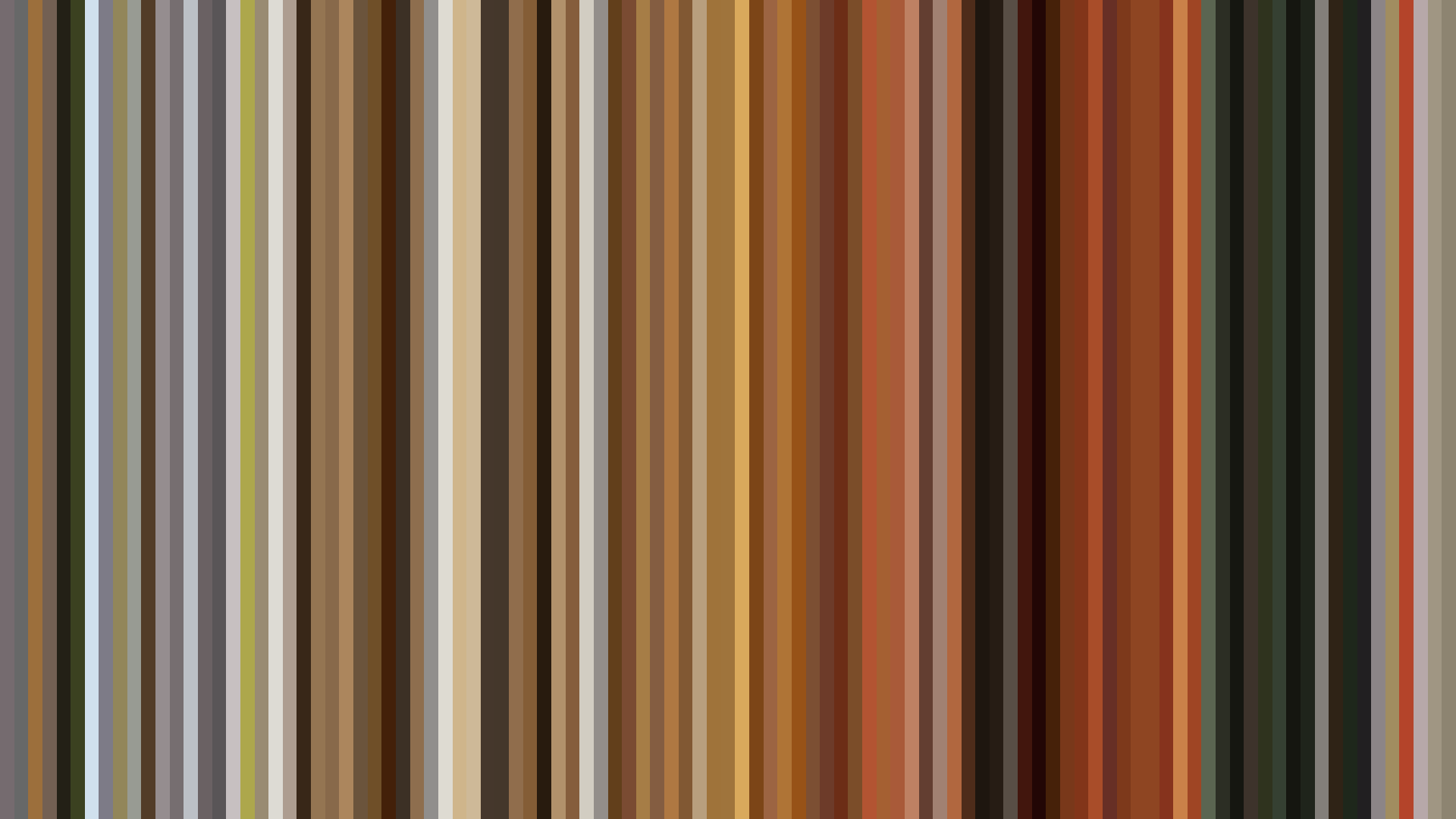
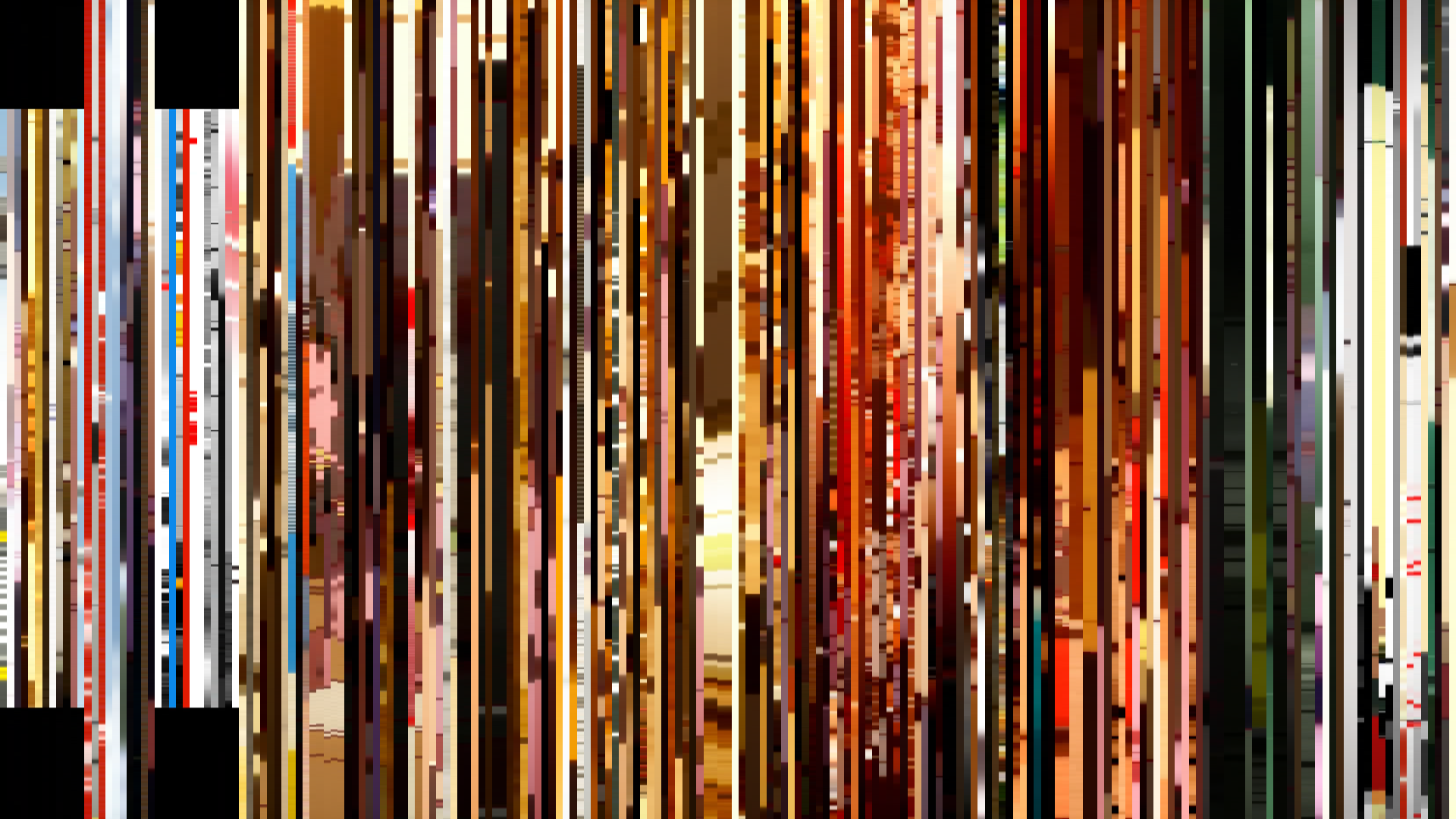
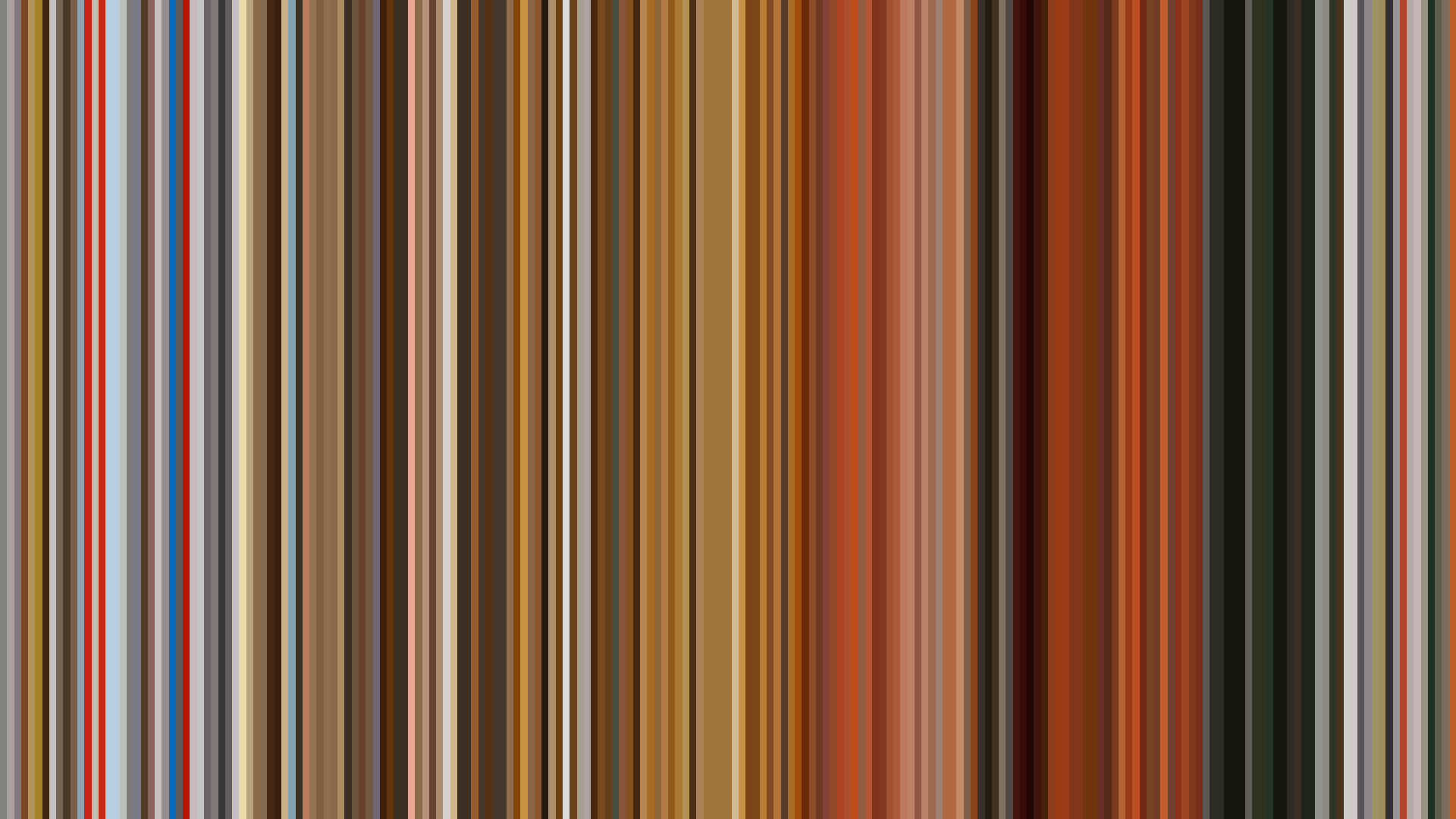
The barcode’s brutal dark ending isn’t a failure of light—it’s a deliberate structural choice by Shaft and director Akiyuki Shinbo, a visual analogue for the series’ obsession with secrets unraveling in darkness. The data confirms the collapse: opening brightness at 0.431 (a flutter of classroom fluorescents and pastel hair) plummets to a closing 0.310, the franchise’s lowest recorded act. That Red dominance—61% of pixels—isn’t warm; it’s the color of Koyomi’s bloody sacrifice, of the crimson threads tying character to consequence. The palette’s deepest hex, #190E0A, is nearly black, a void that swallows the earlier brown