Edit Pace — frame-to-frame color delta (bright = fast cuts)
Color Temperature — warm (gold) vs cool (teal) per frame
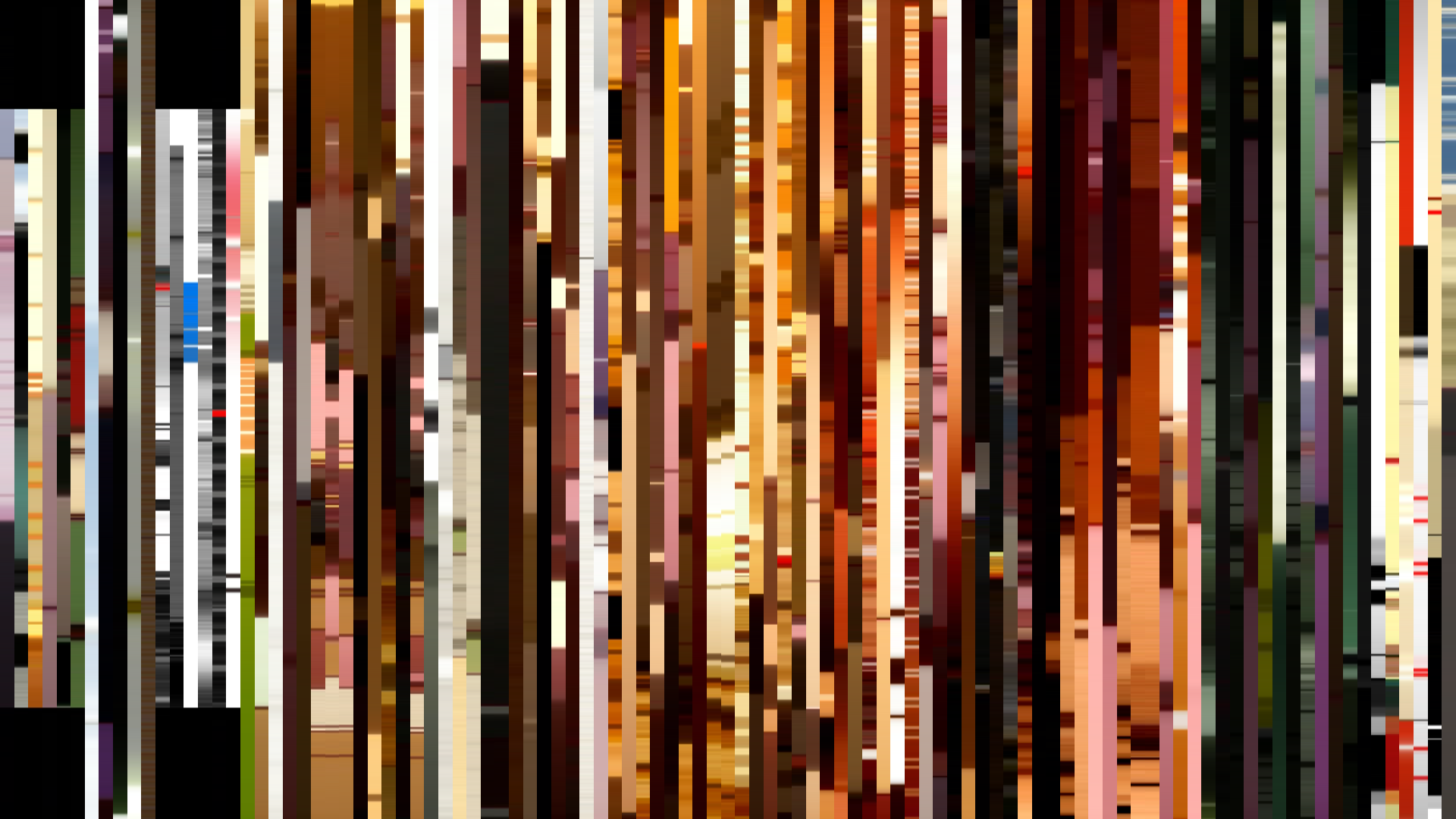
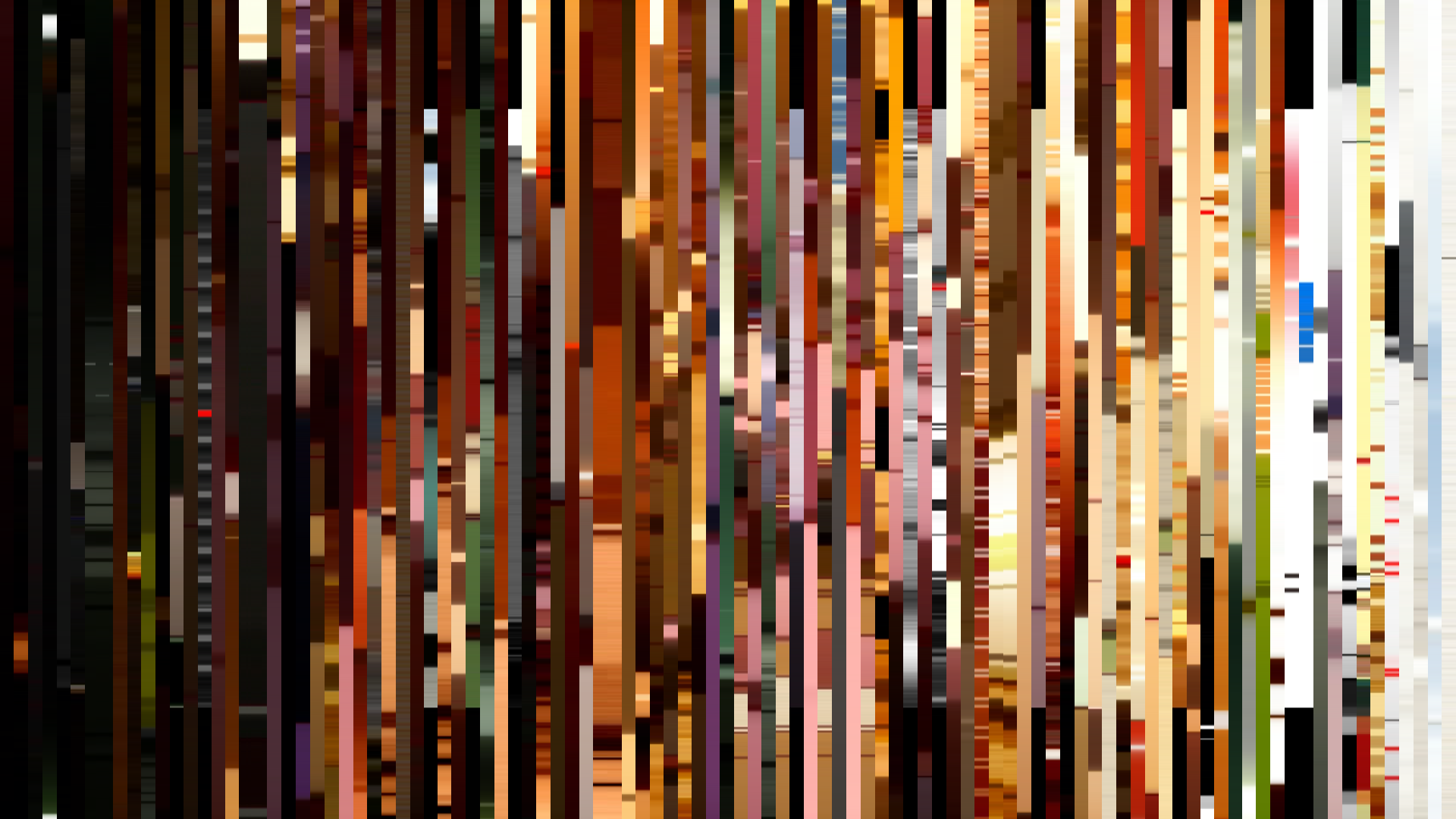
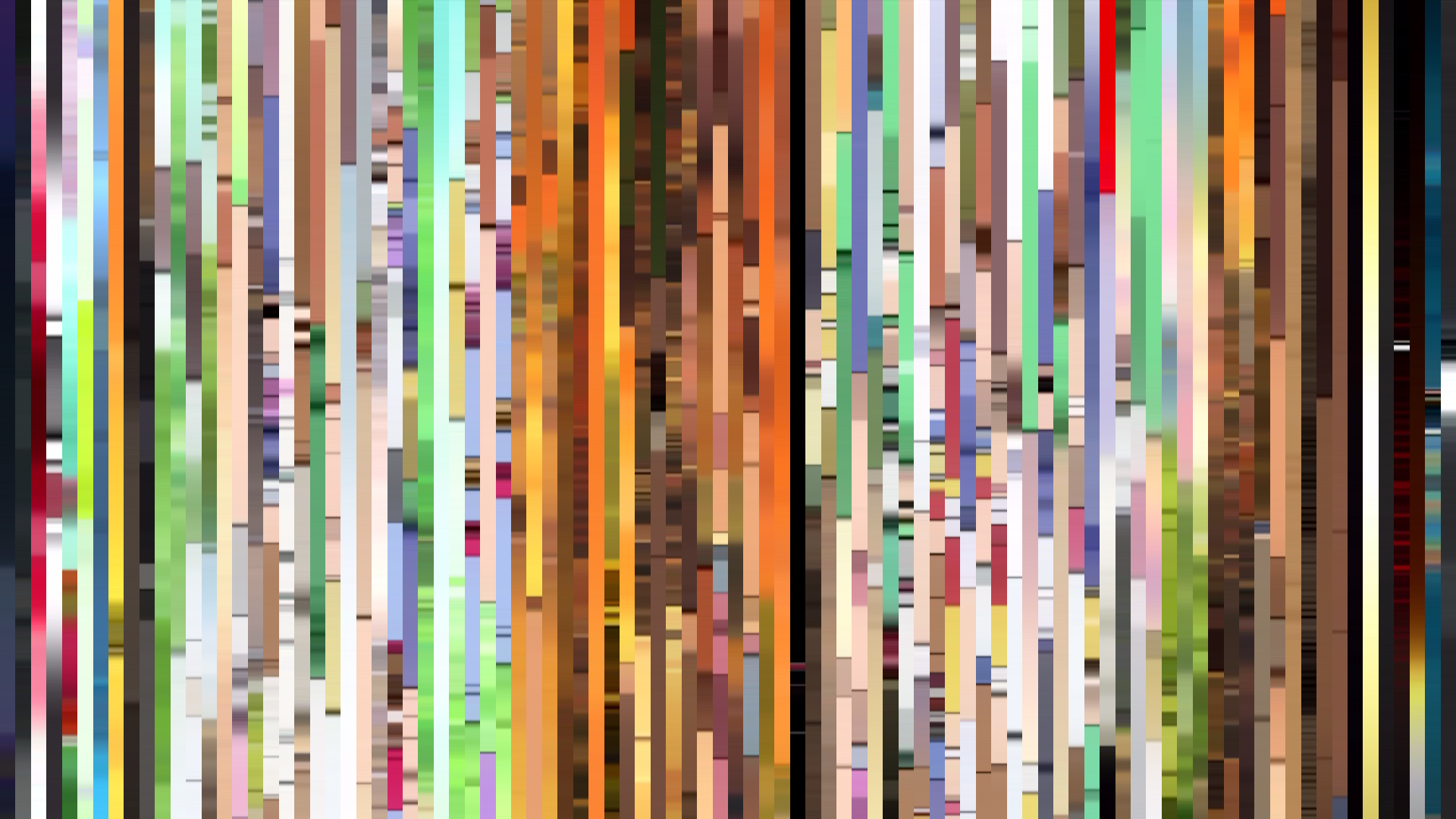
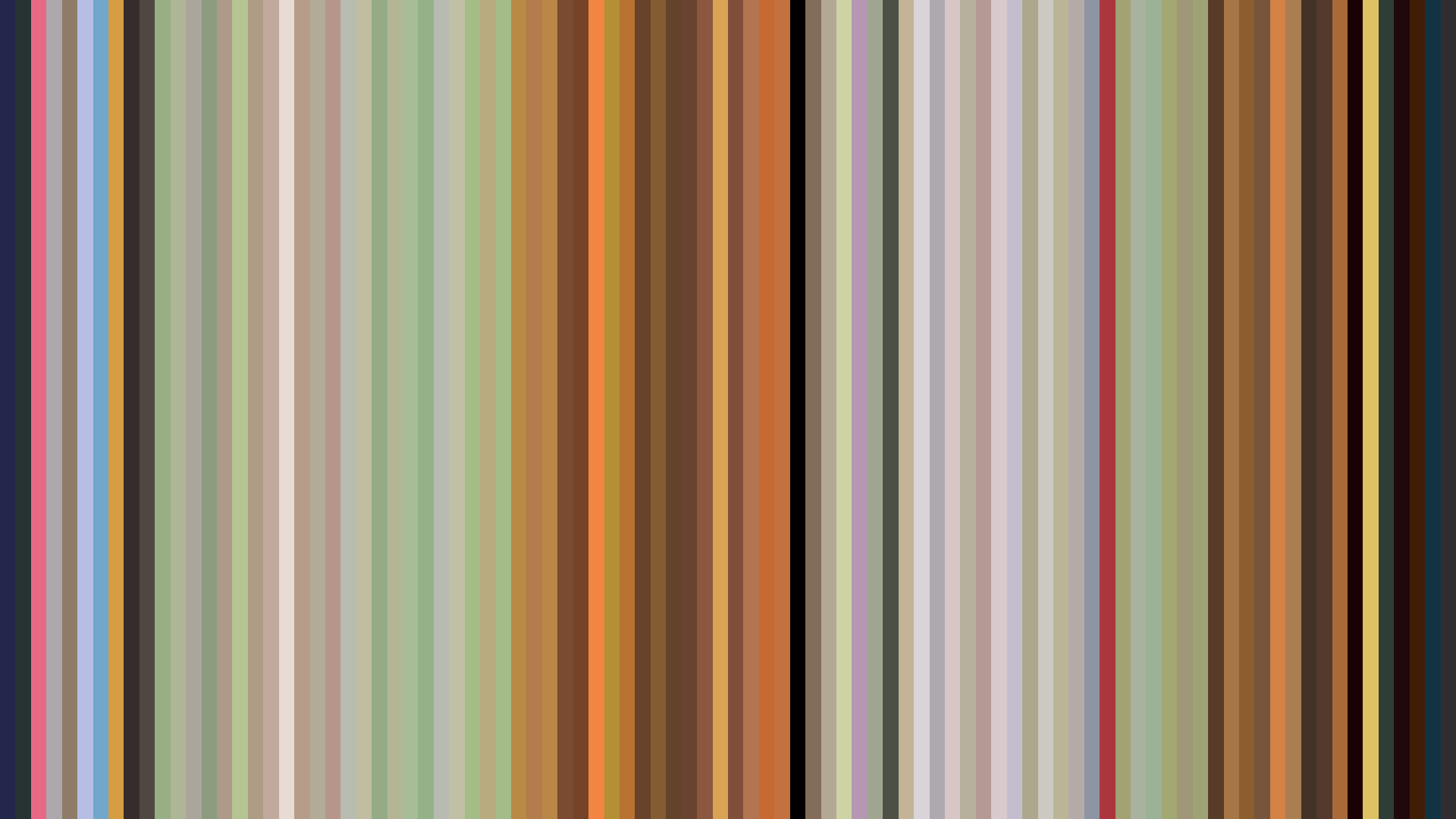
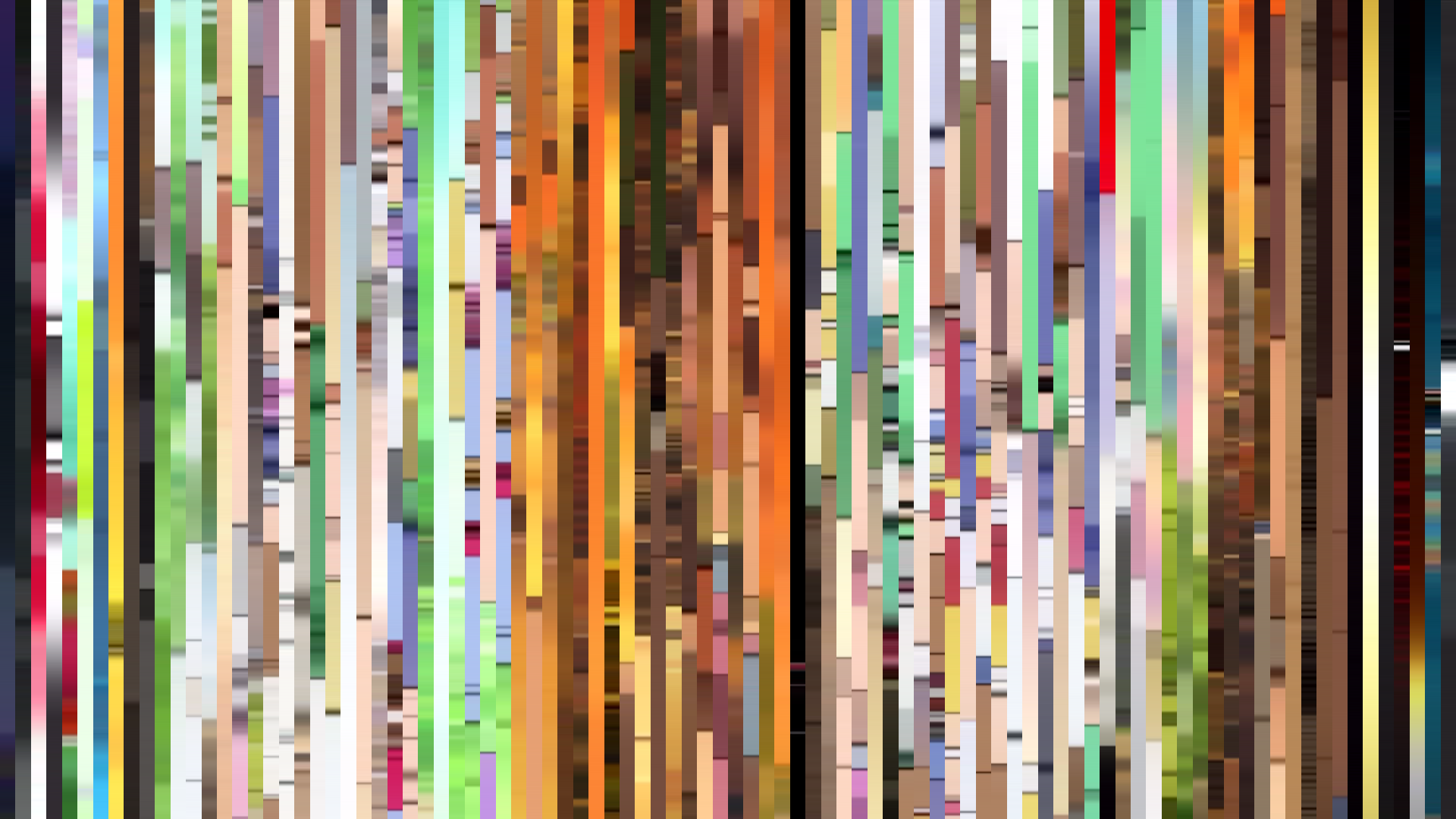
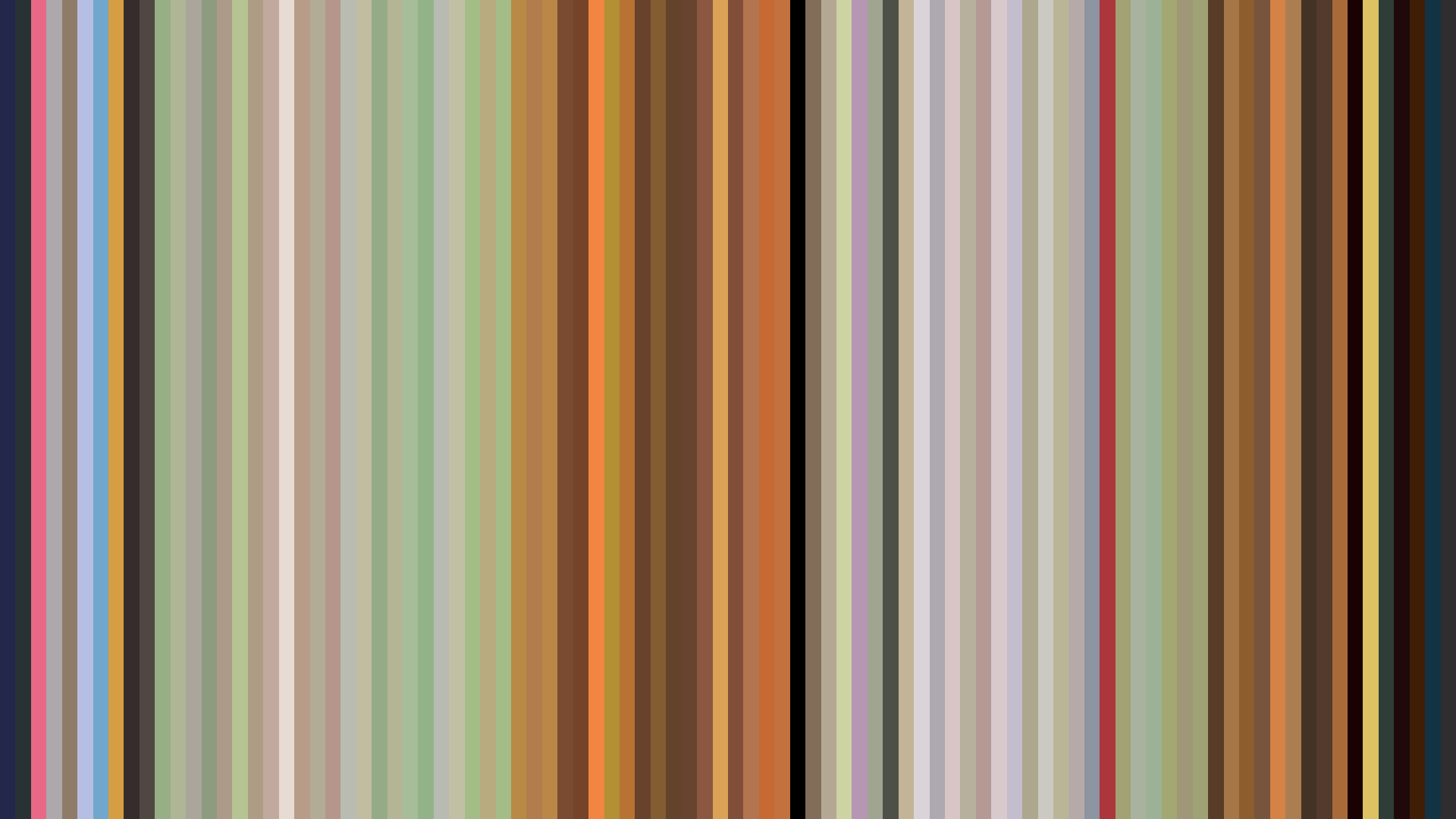
Frame Density Comparison — every 2nd vs every 4th frame
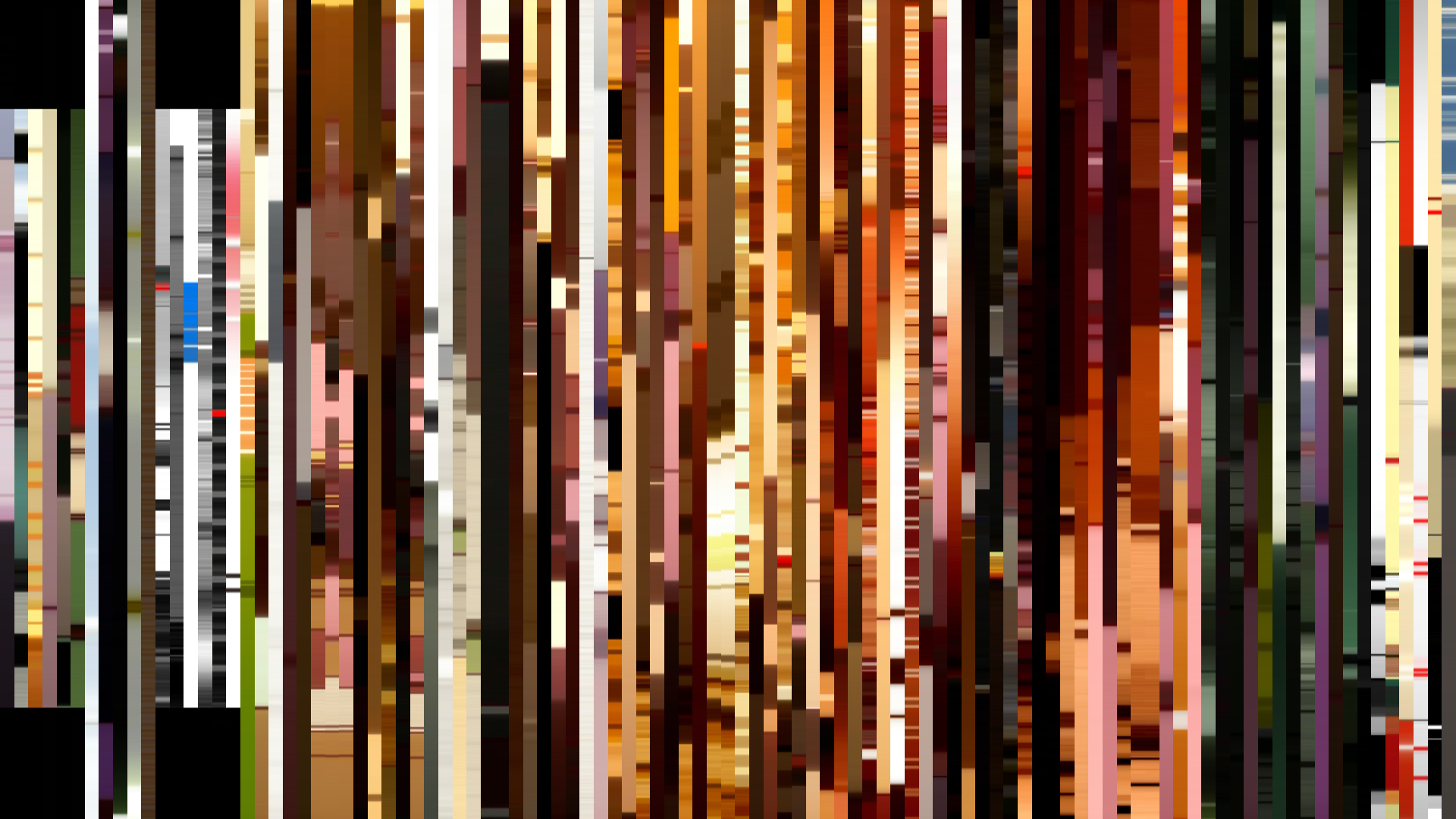
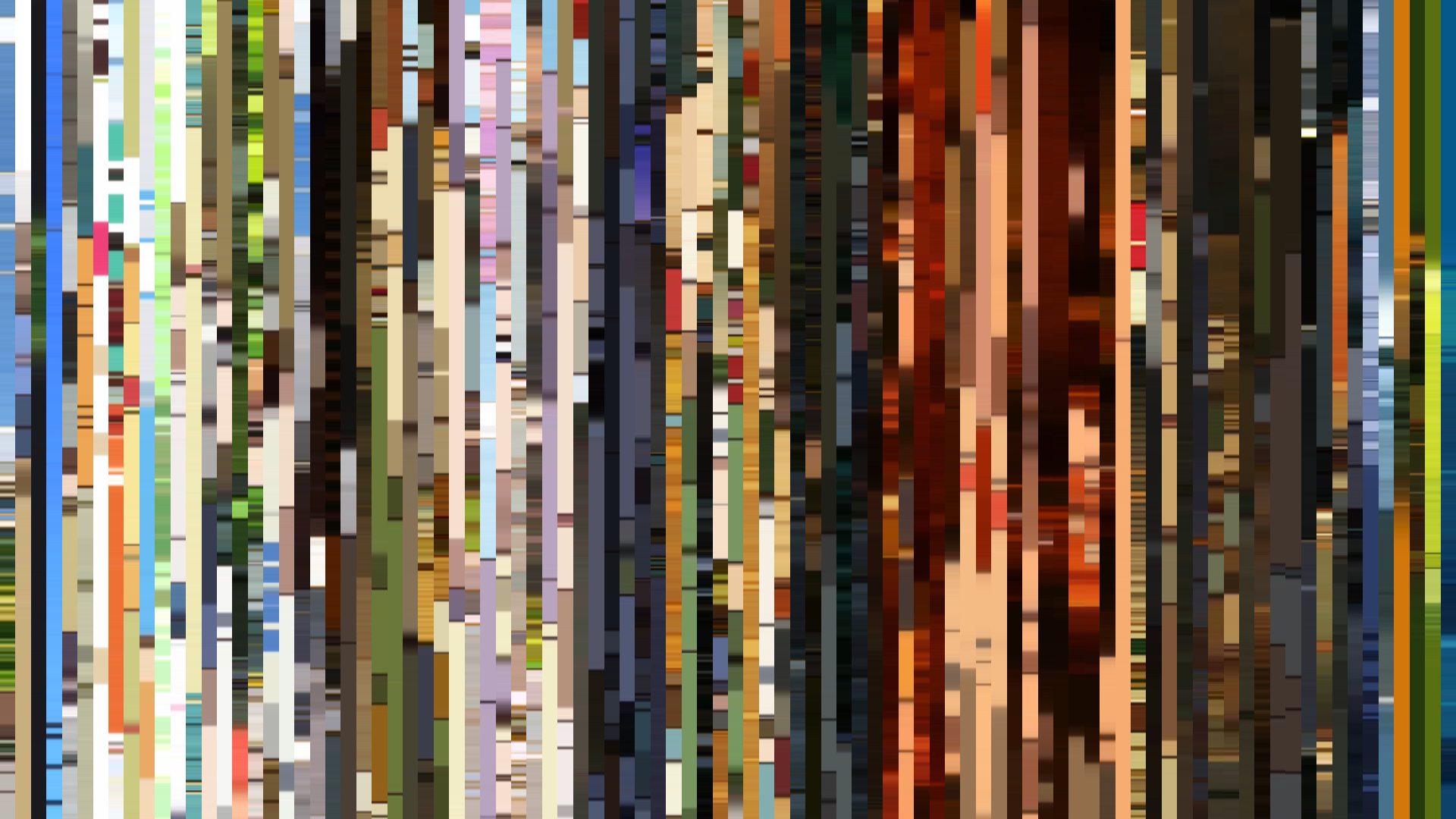
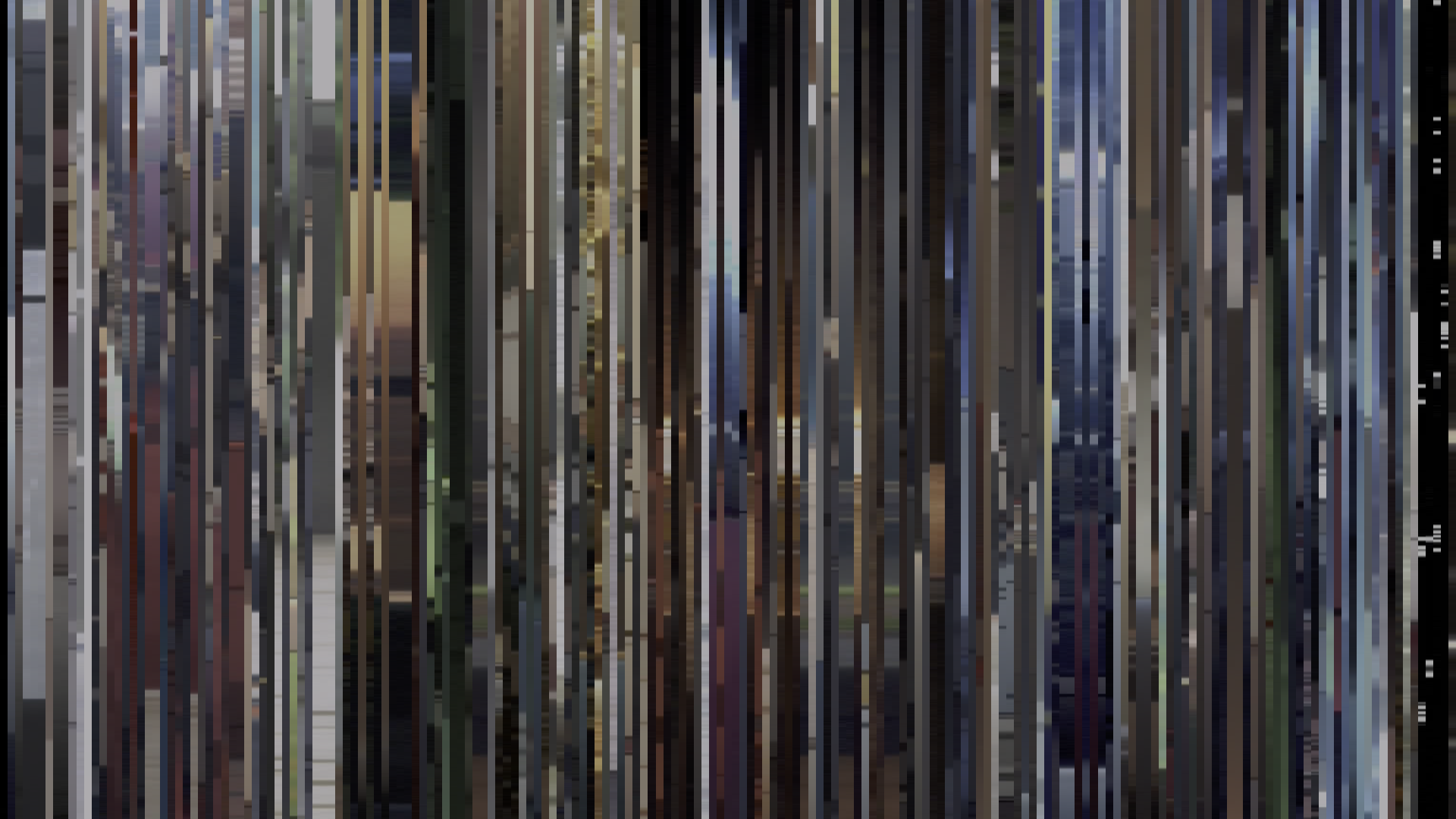
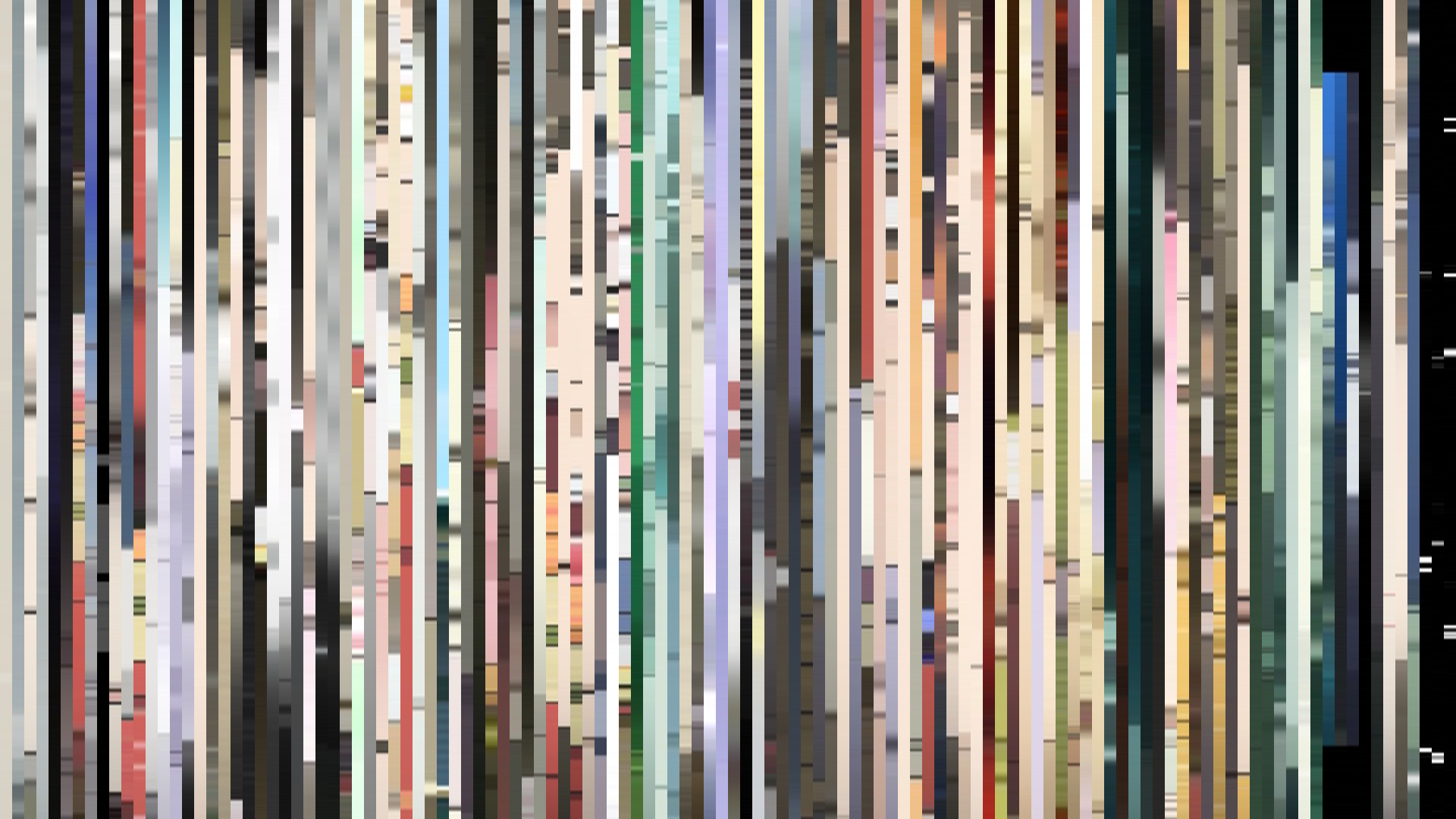
Slice · 15s
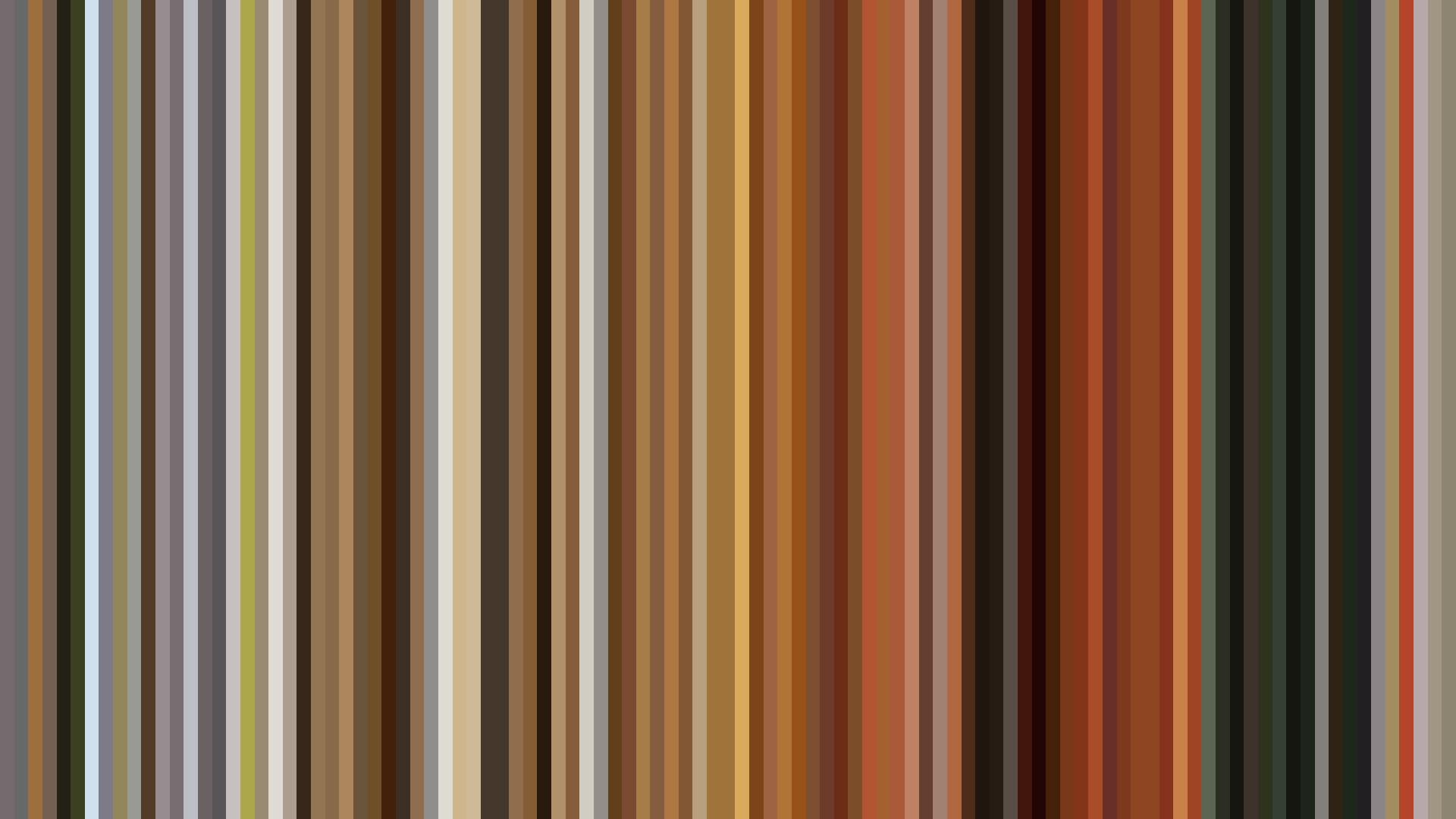
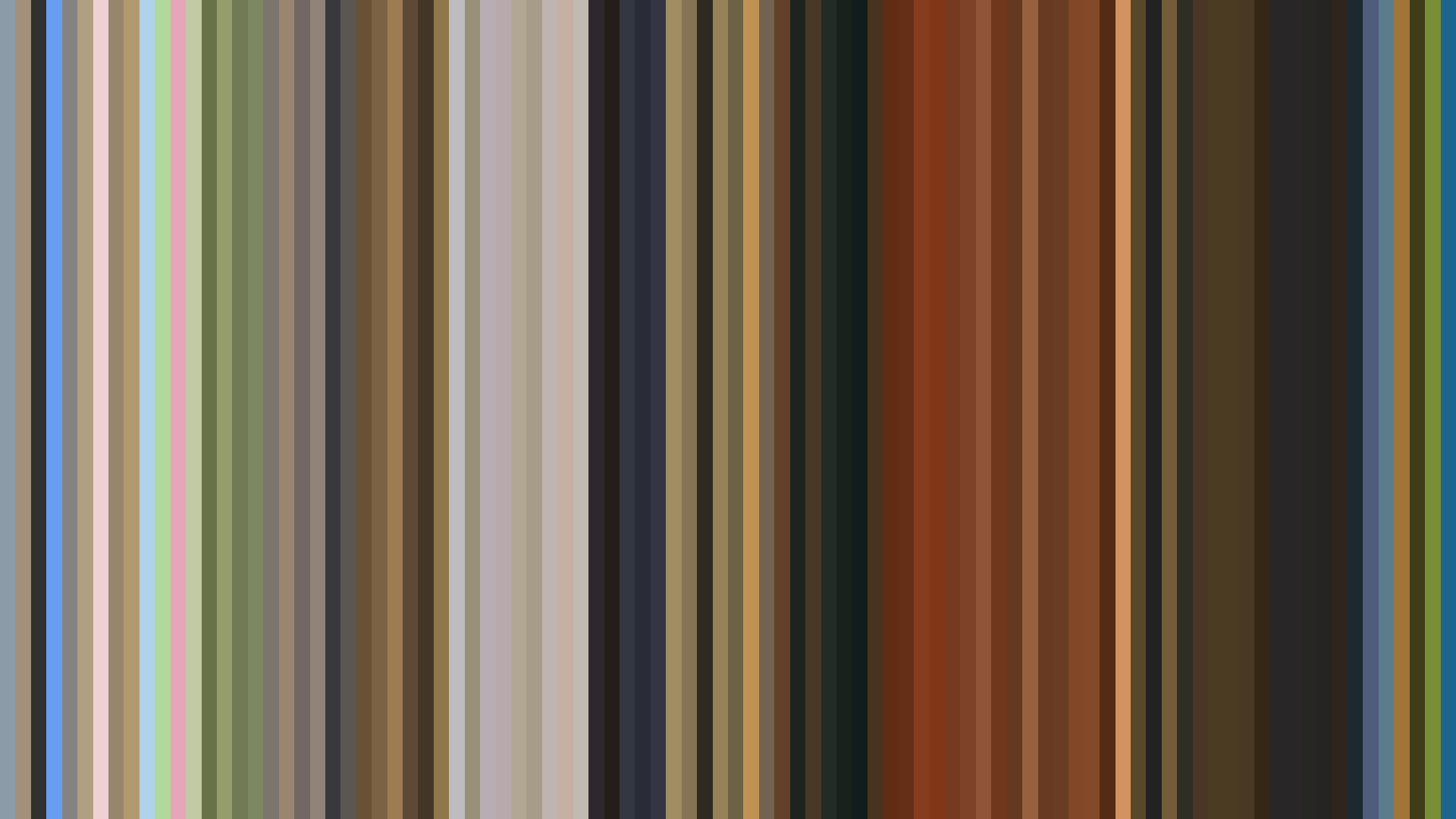
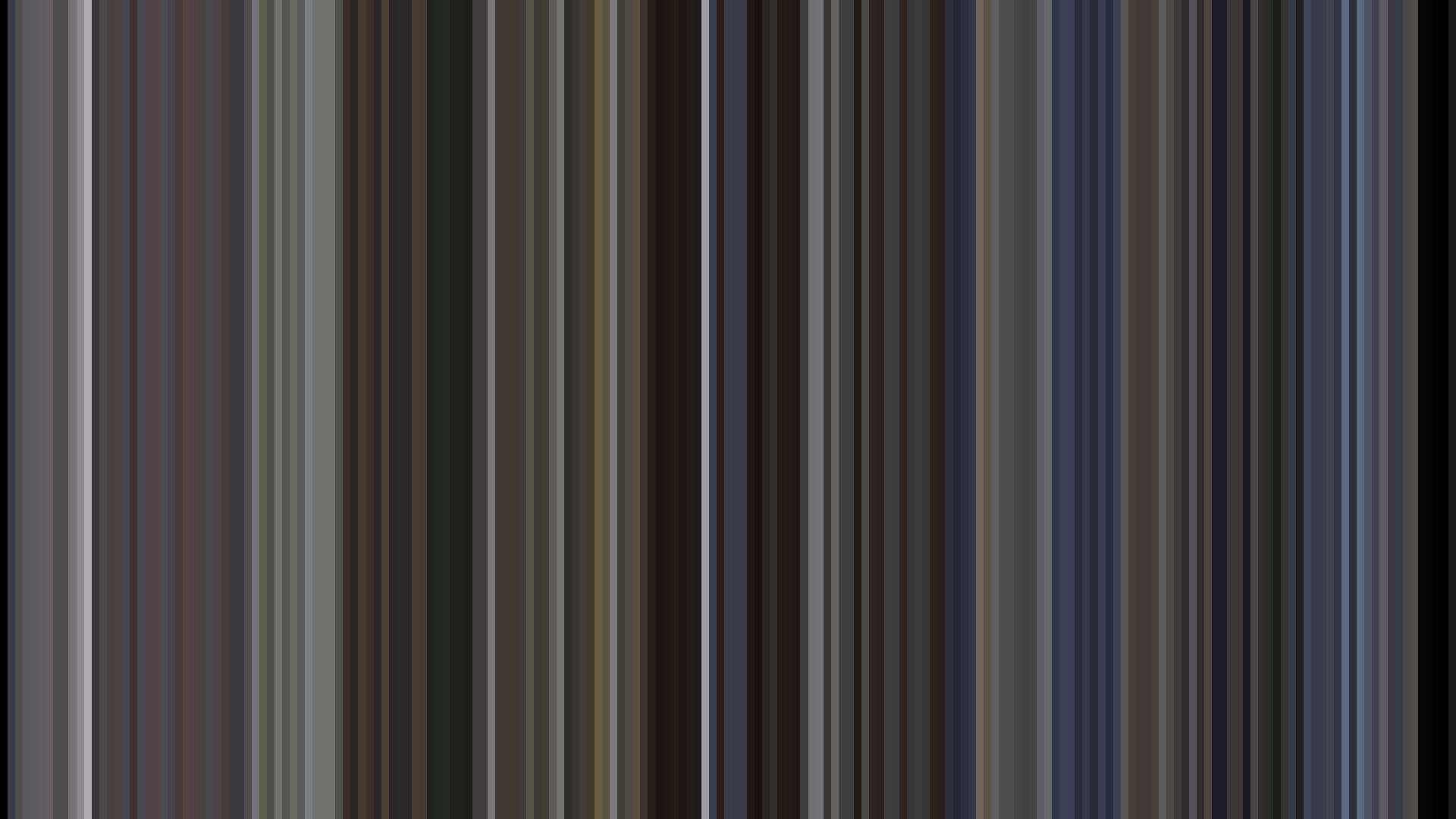
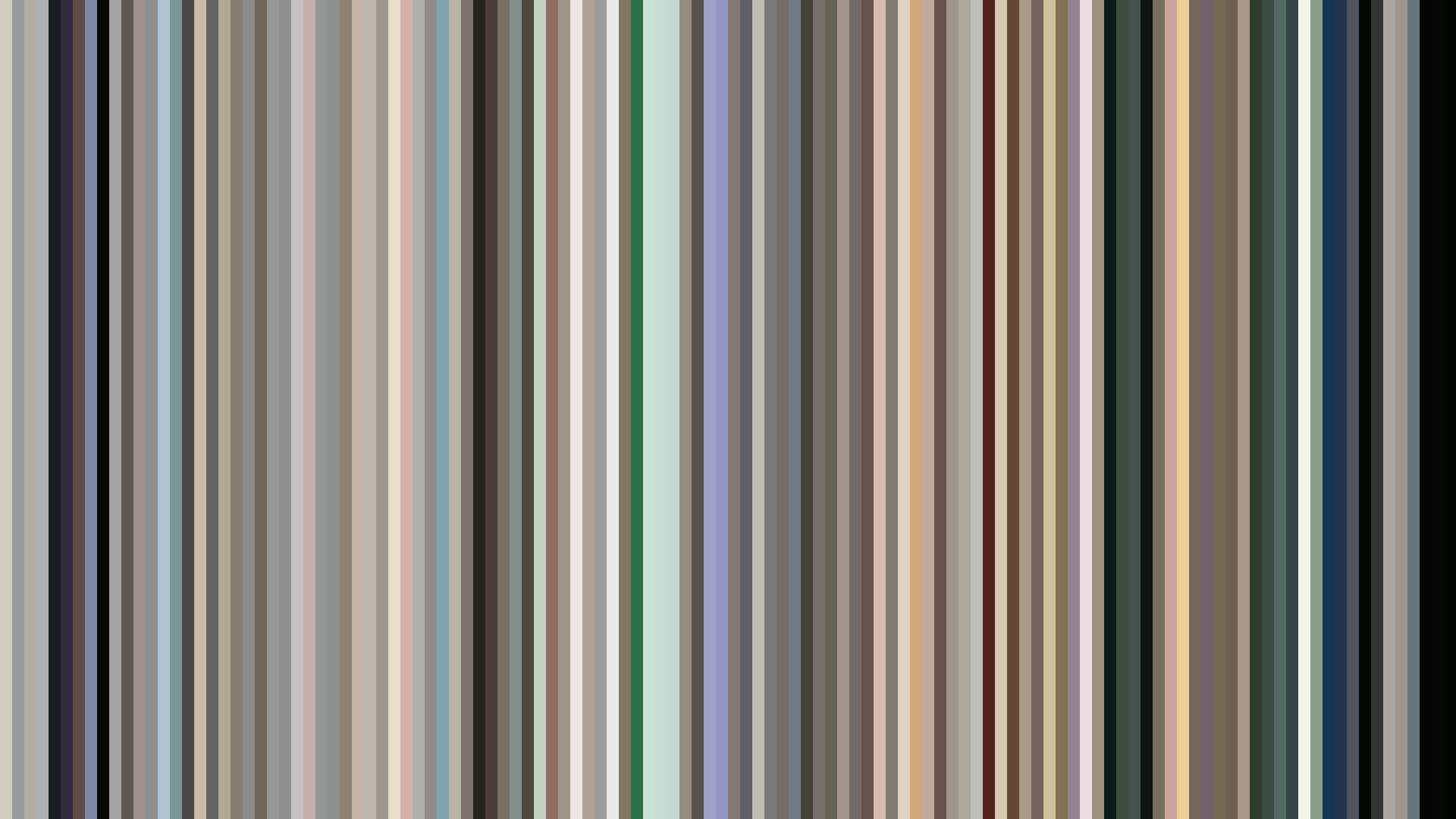
Avg · 15s
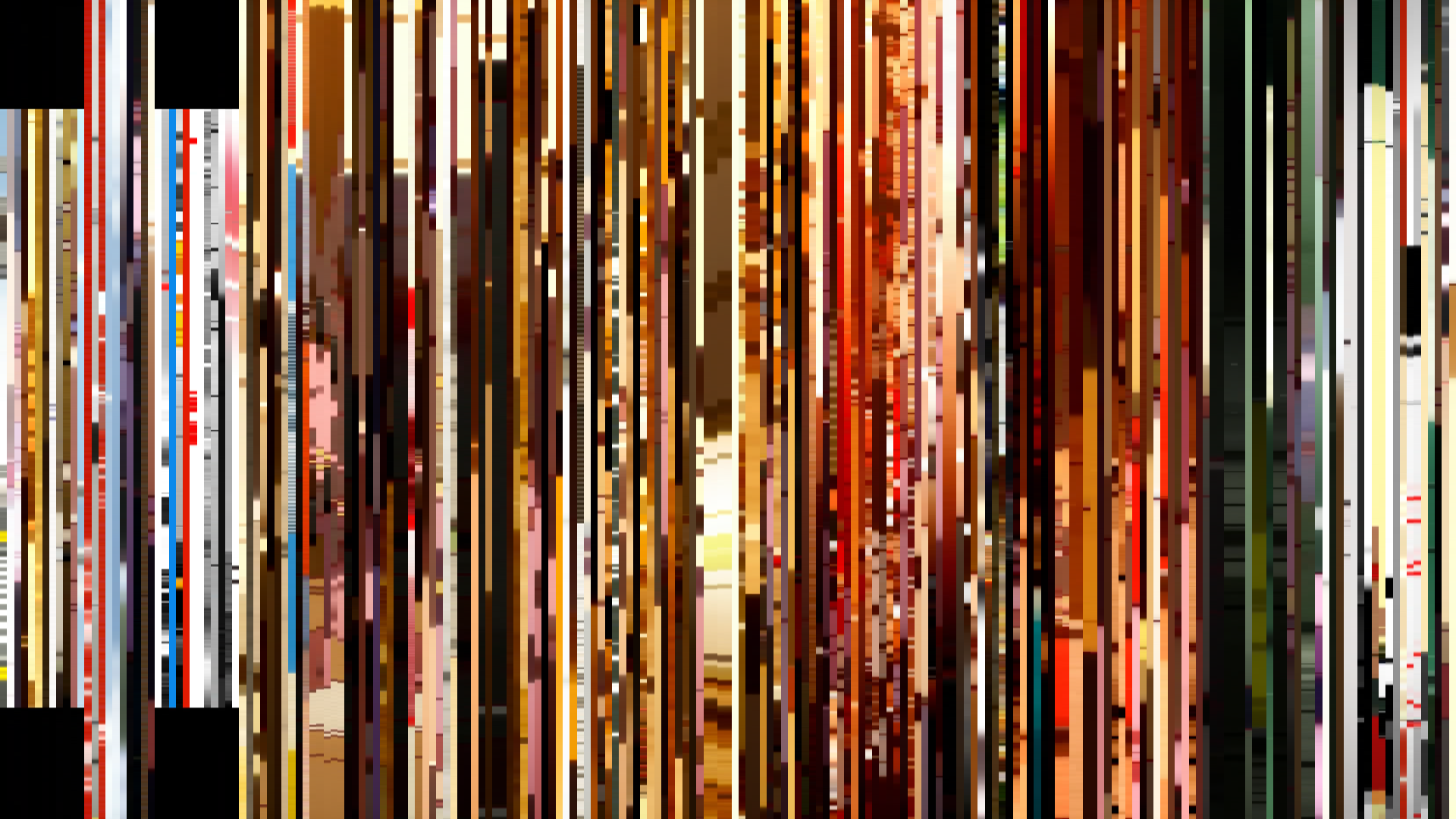
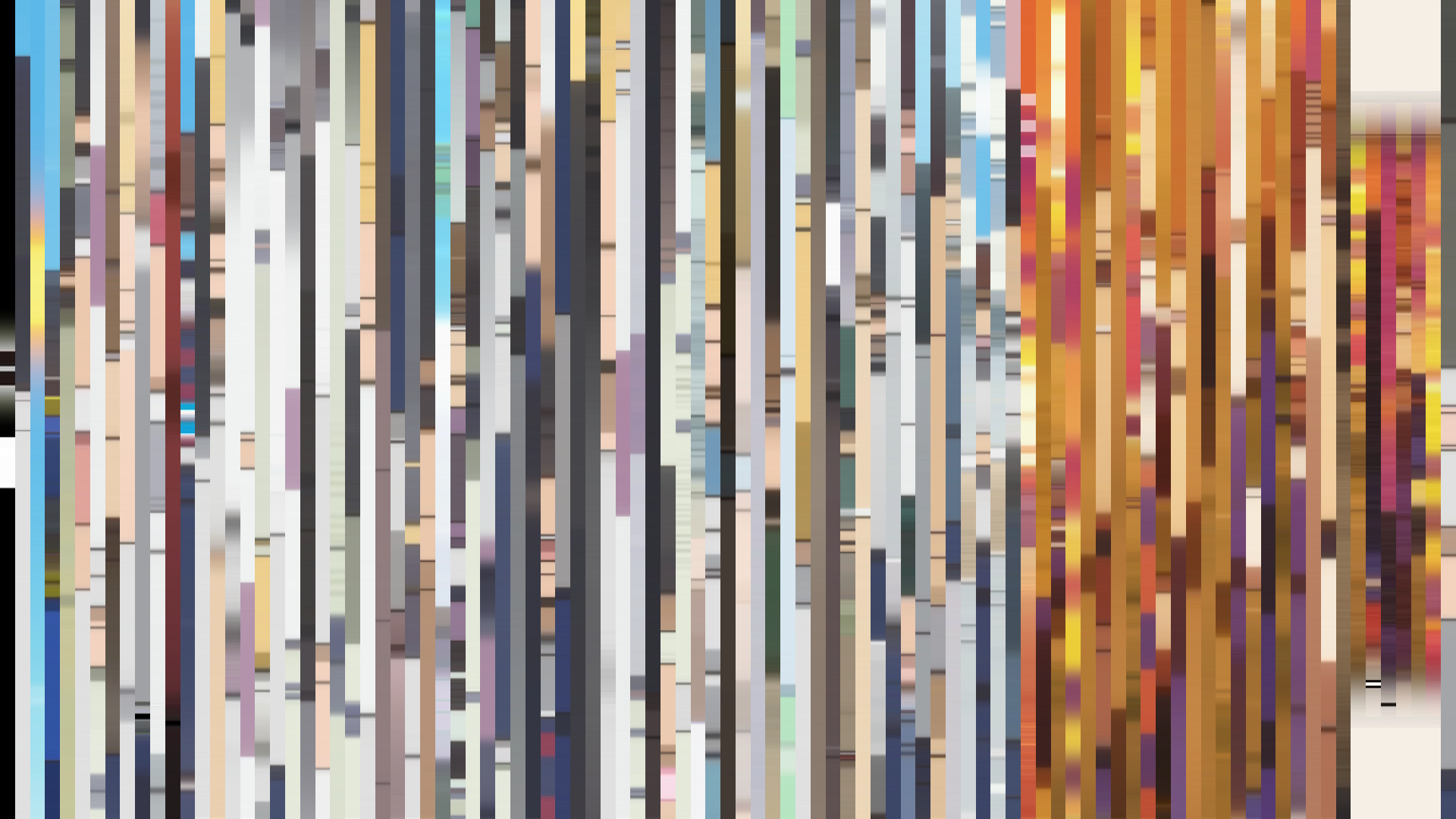
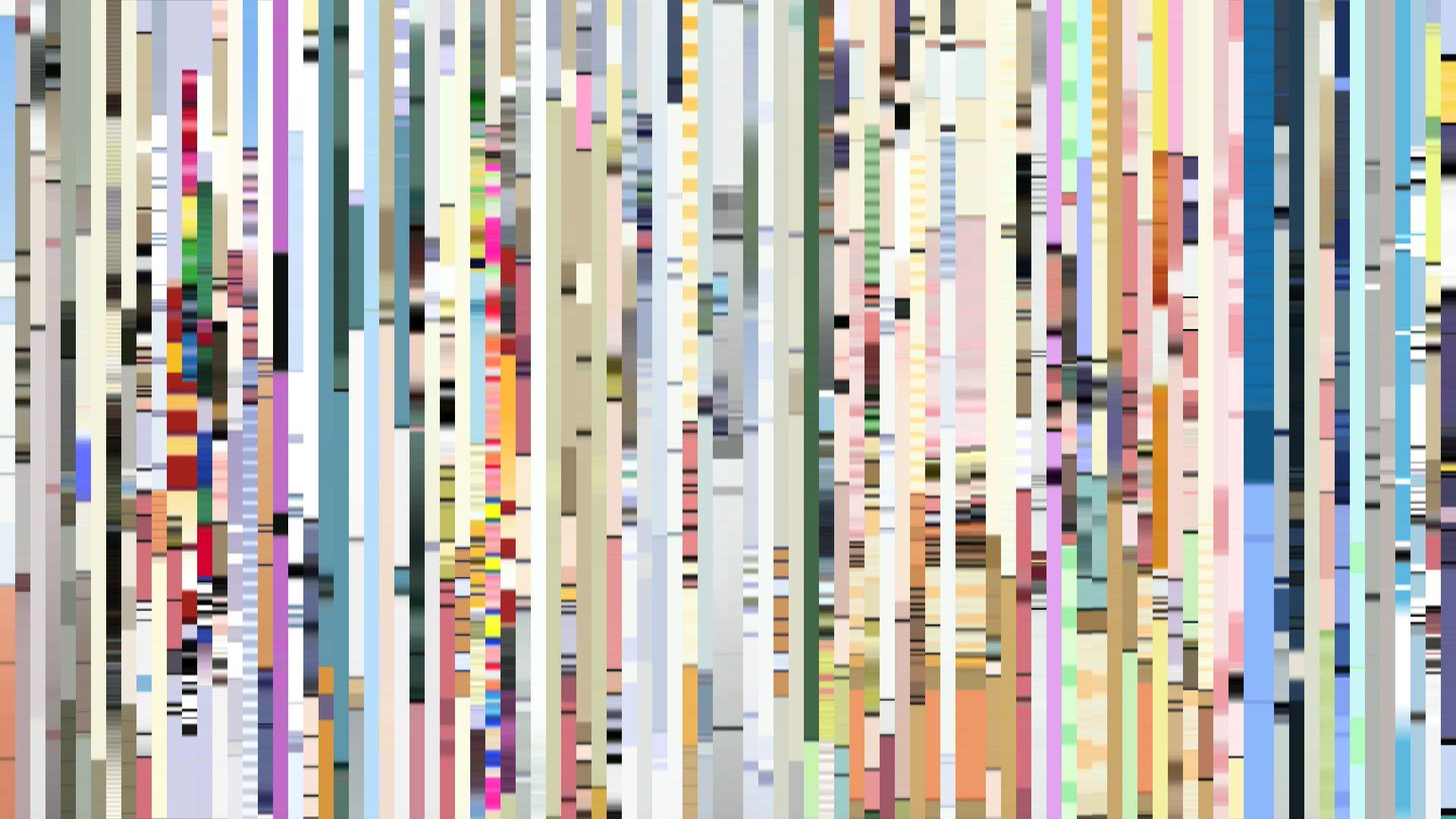
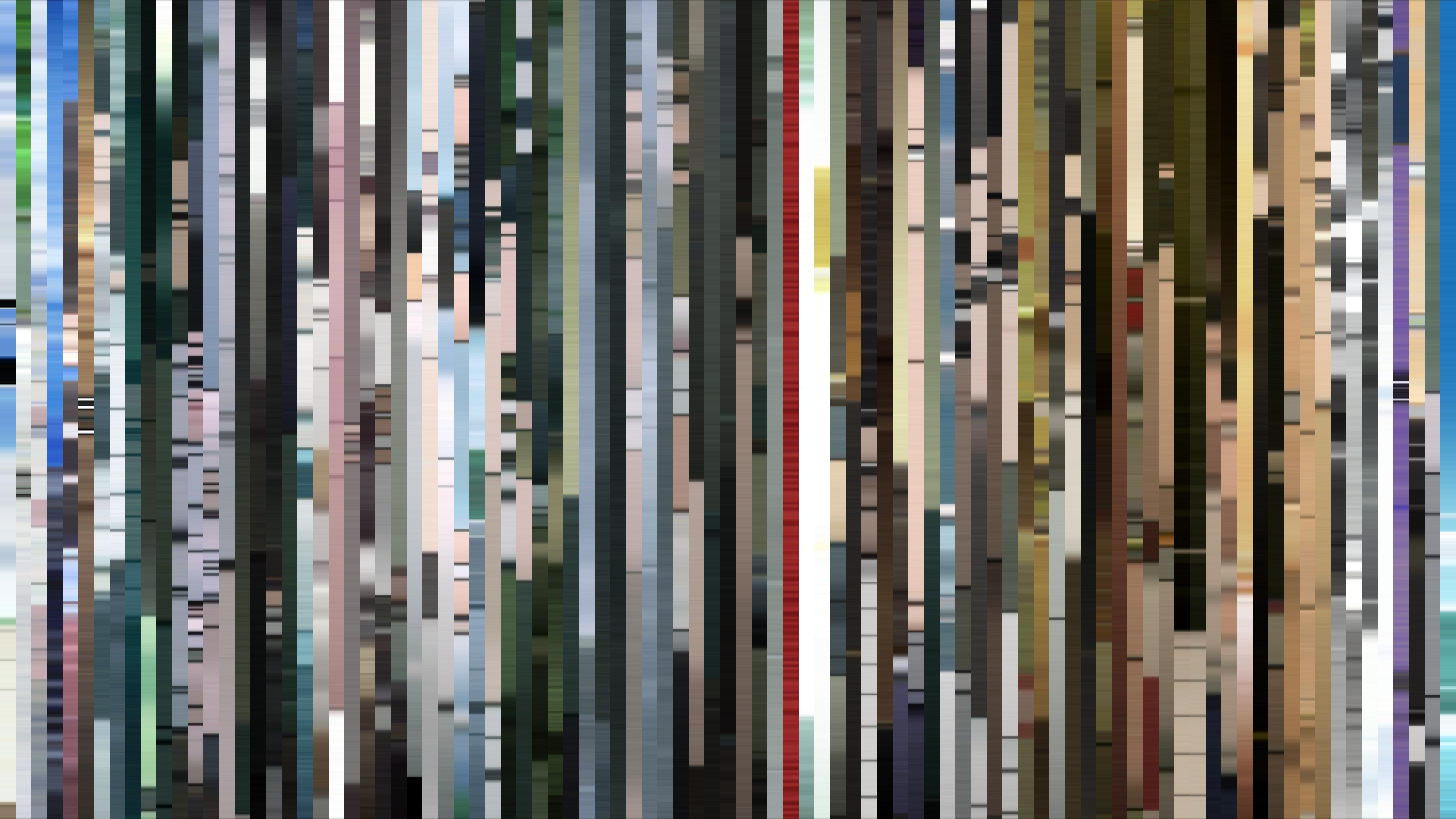
Slice · 30s
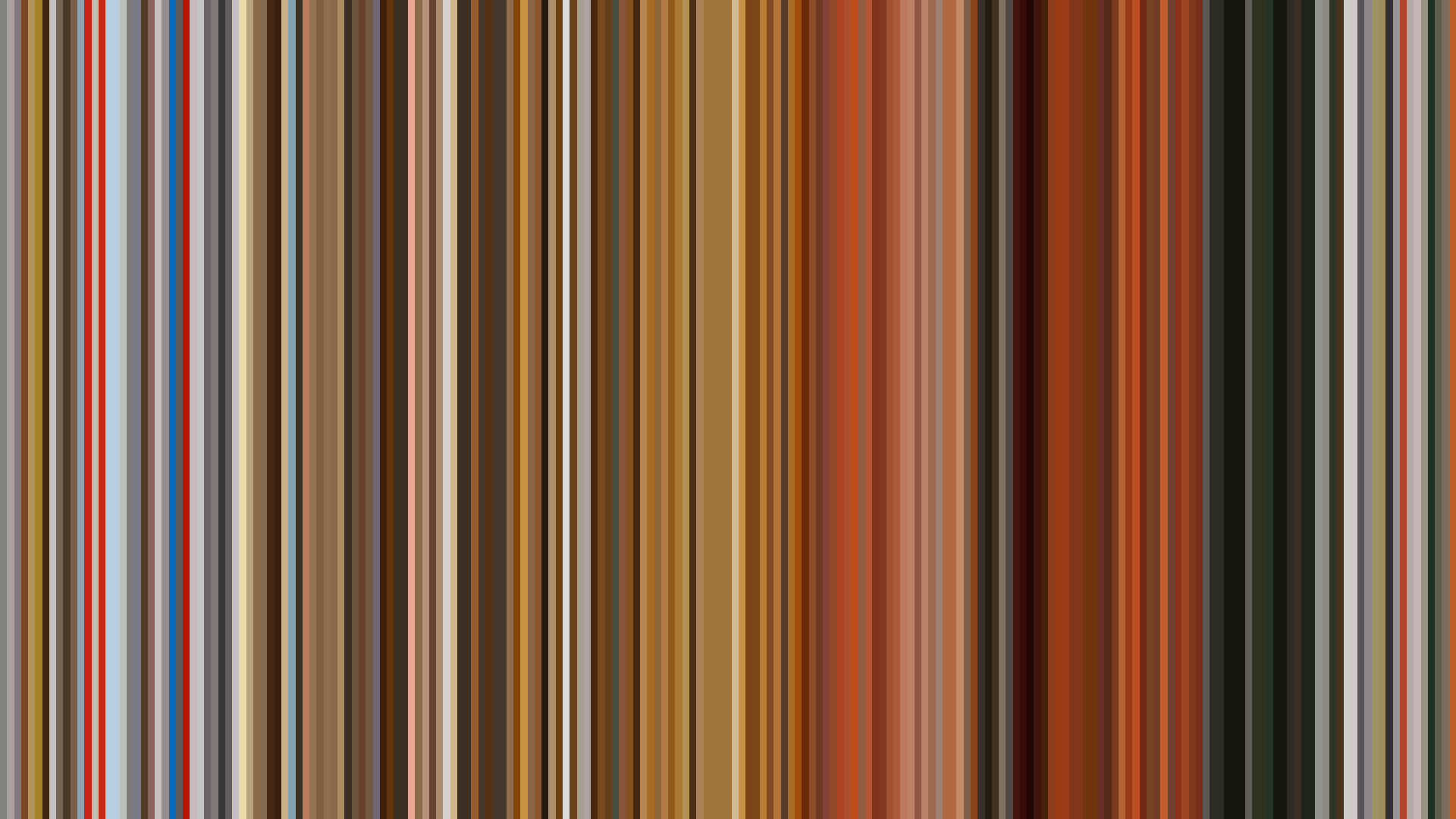
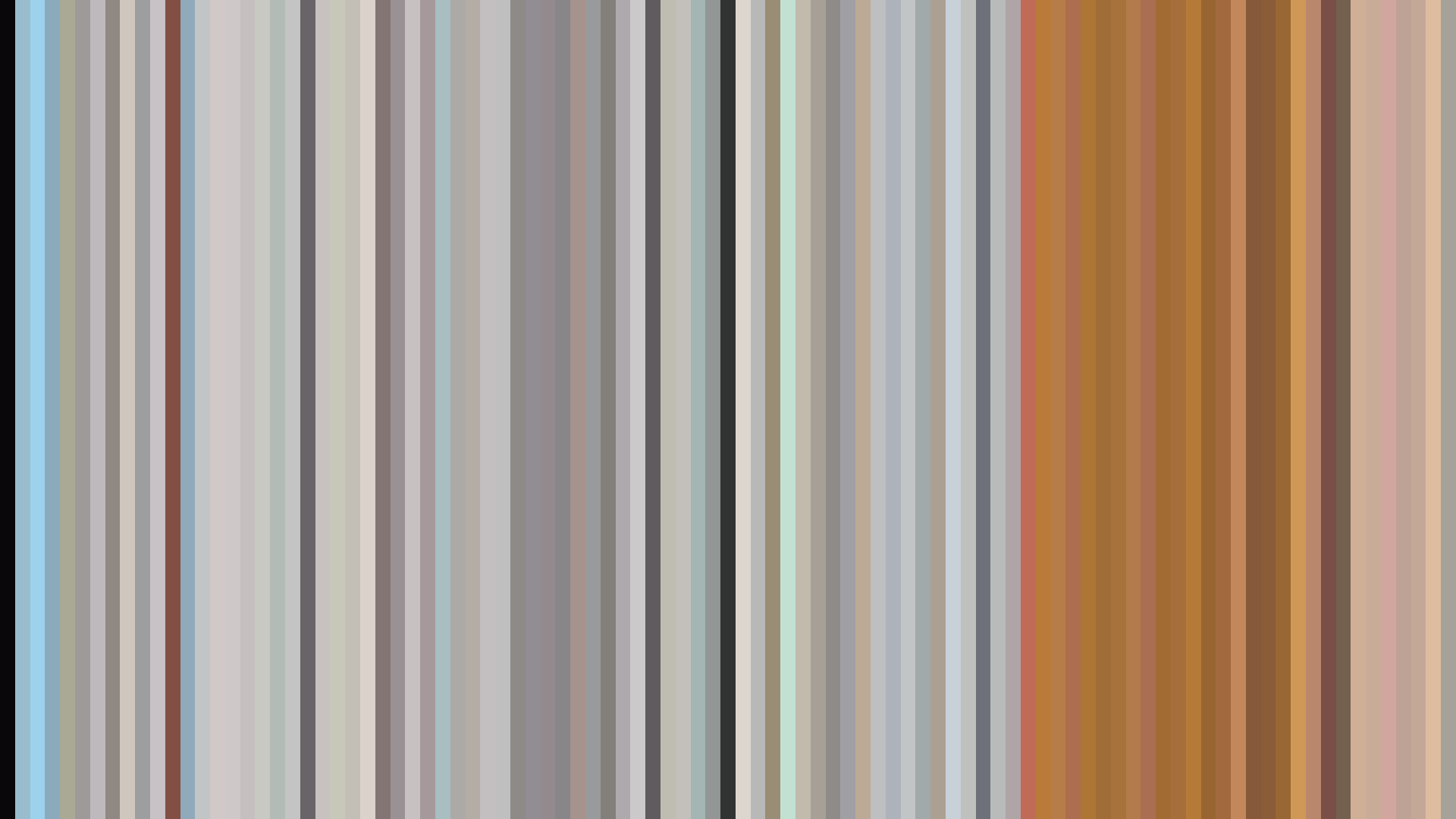
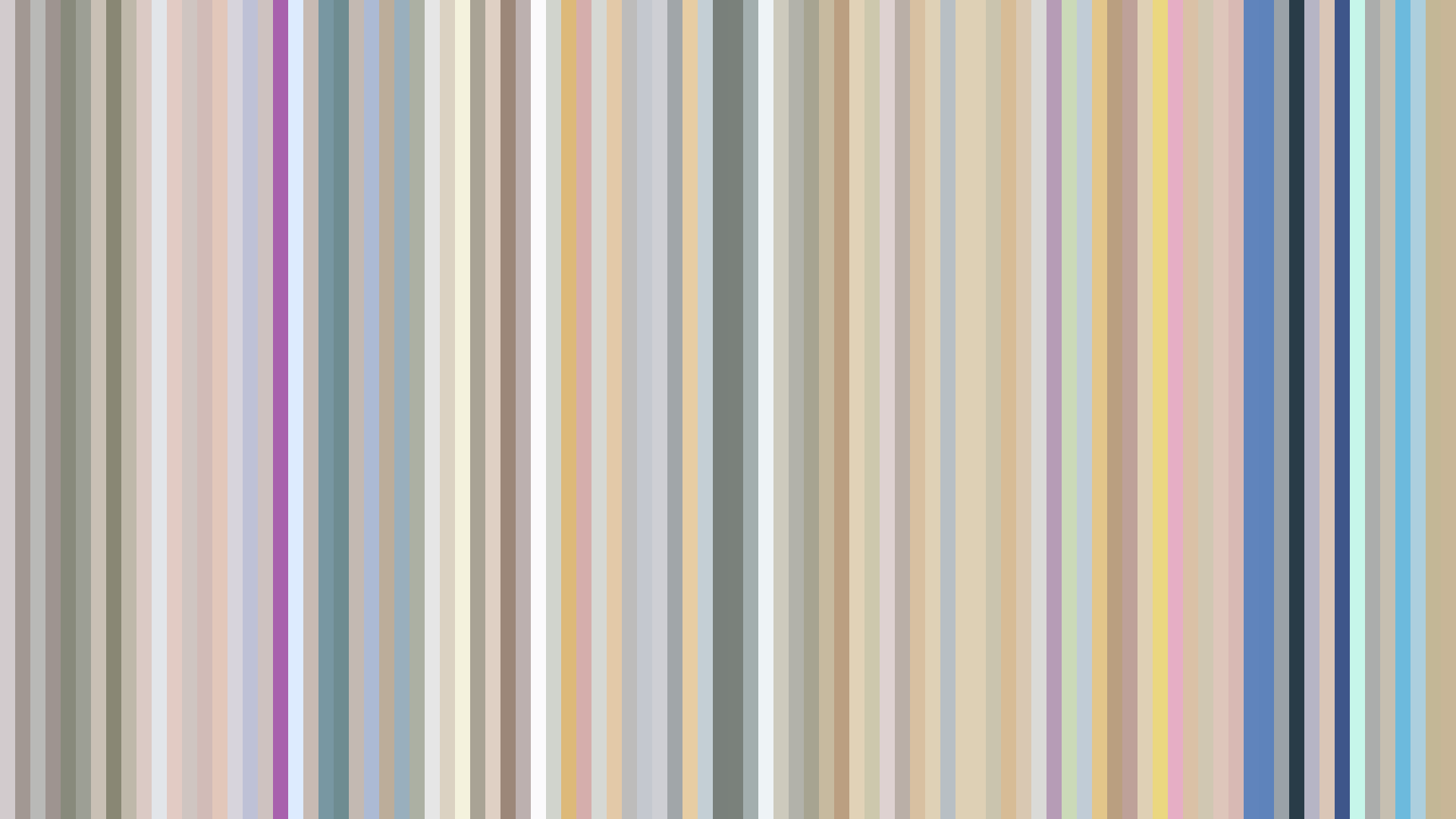
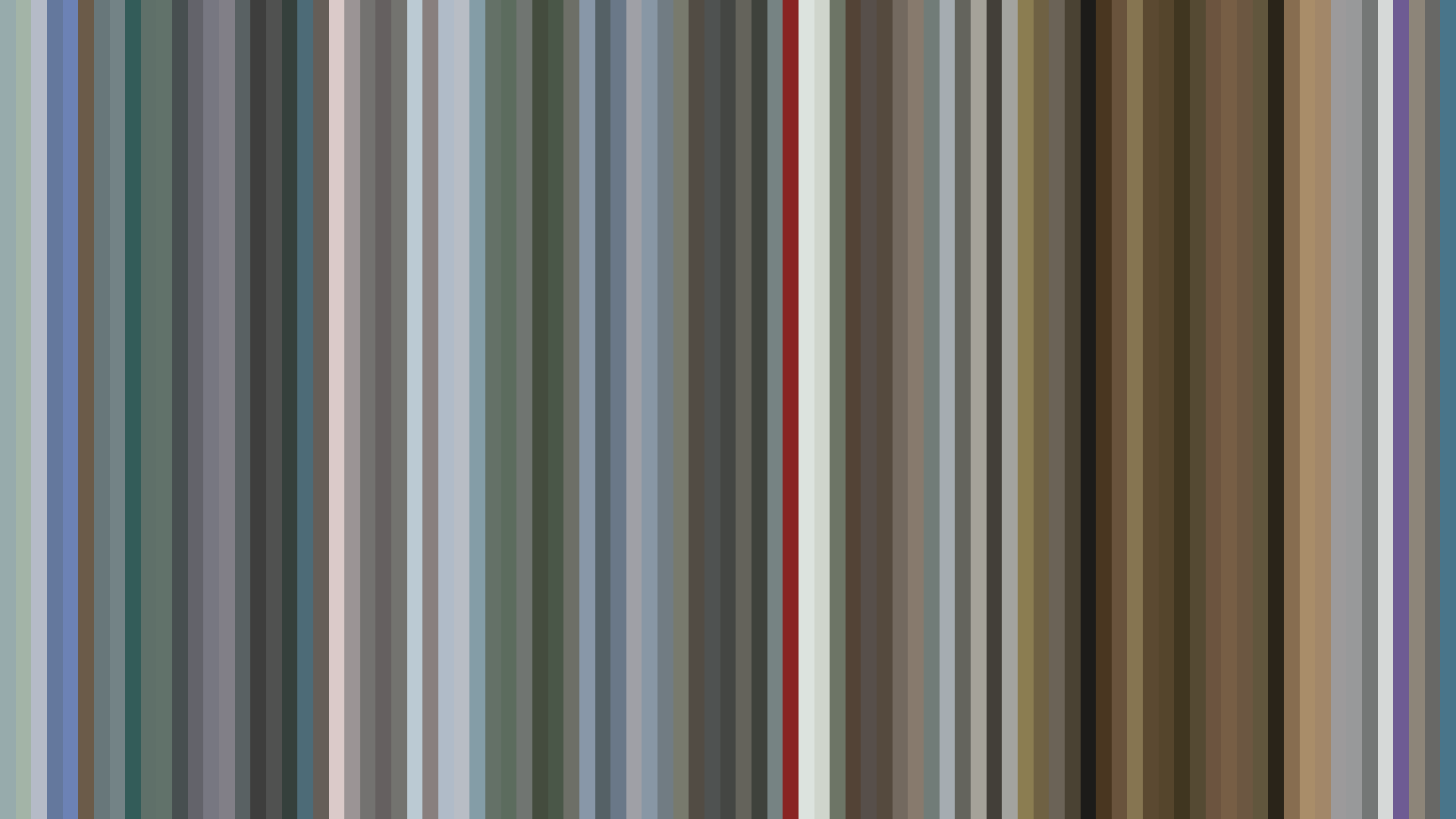
Avg · 30s
Nisemonogatari’s barcode is a study in compression, a visual descent that mirrors its thematic obsession with the counterfeit. The palette reads overwhelmingly Red—61% of frames—but those are not the warm reds of passion or the rich crimsons of sunset. Instead, director Akiyuki Shinbo and Shaft’s color designers favor a desiccated, almost bark-like #582614 and #190E0A, browns that feel burned and hollow. The *dark ending* arc is the most striking formal gesture: the opening act simmers at a modest 0.431 brightness, the middle barely sinks to 0.424, and then the closing act collapses to a punishing 0.310. This isn’t a gradual fade—it’s a *contraction*, as if the series is tightening its own chest cavity. Where the *Monogatari* series typically weaponizes oversaturated pop-tables to signal perversion or comedy, *Nisemonogatari* hoards its color like a miser, draining light as the narrative doubles down on the fake—fake families, fake bonds, fake innocence. The bright moments of #EFEDE3 are sparing, brittle, like bone glimpsed through torn skin. This is an anime that doesn’t brighten to reveal truth; it darkens to admit that the truth was never there.
Brightness Arc (episode progression)
Hue Distribution
Act Breakdown
Opening
0.431
Middle
0.424
Closing
0.310
Avg Brightness
0.373
Avg Saturation
0.461
Warmth
0.623
Color Palette
#190E0A
#582614
#EFEDE3
#9E5823
#EED7A5
#625A54
#E2A05E
#674B29
3-Act Color Story
Opening
Middle
Closing
Color Twins
Perceptually nearest palettes — measured in OKLab space, not RGB
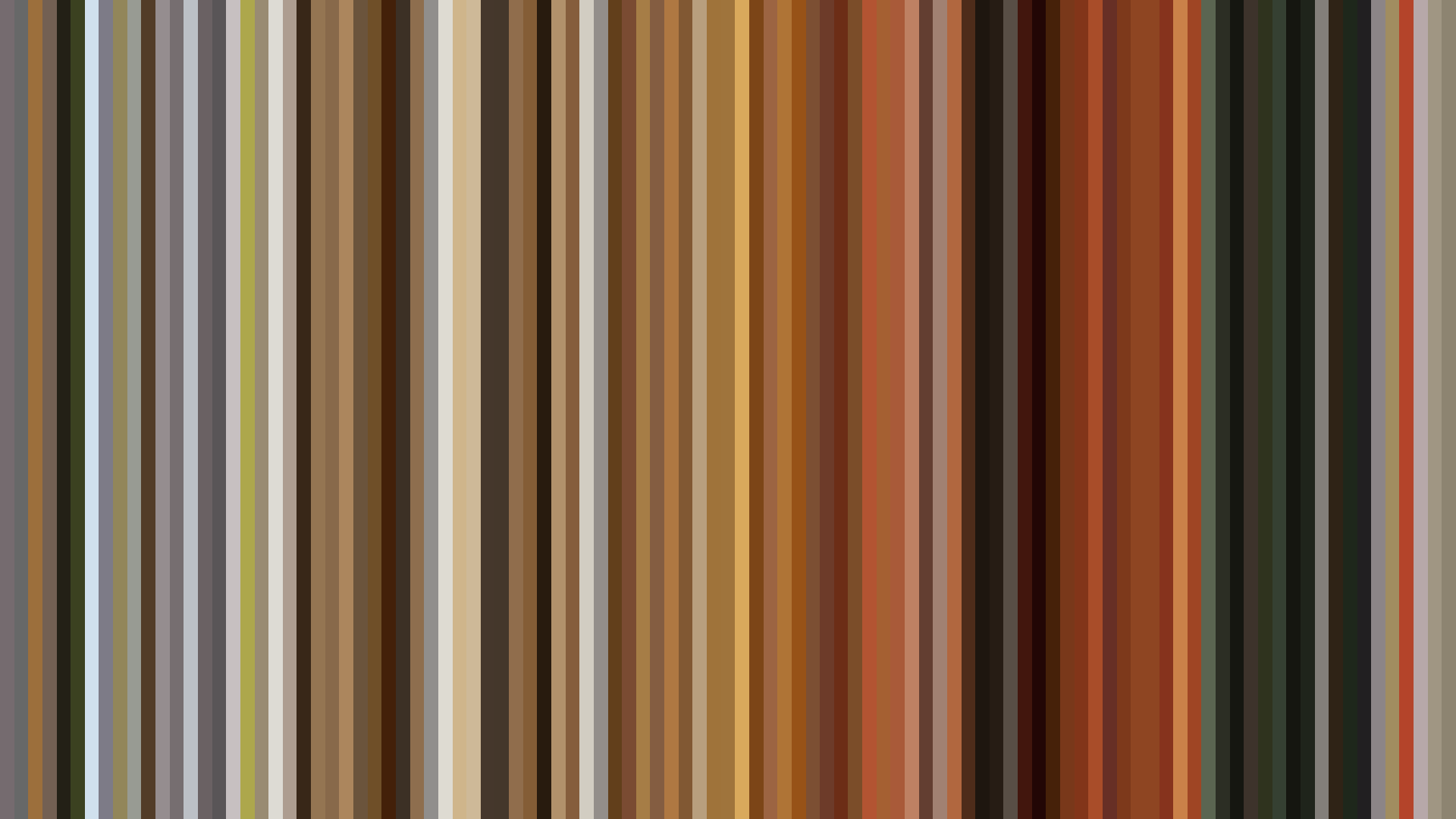
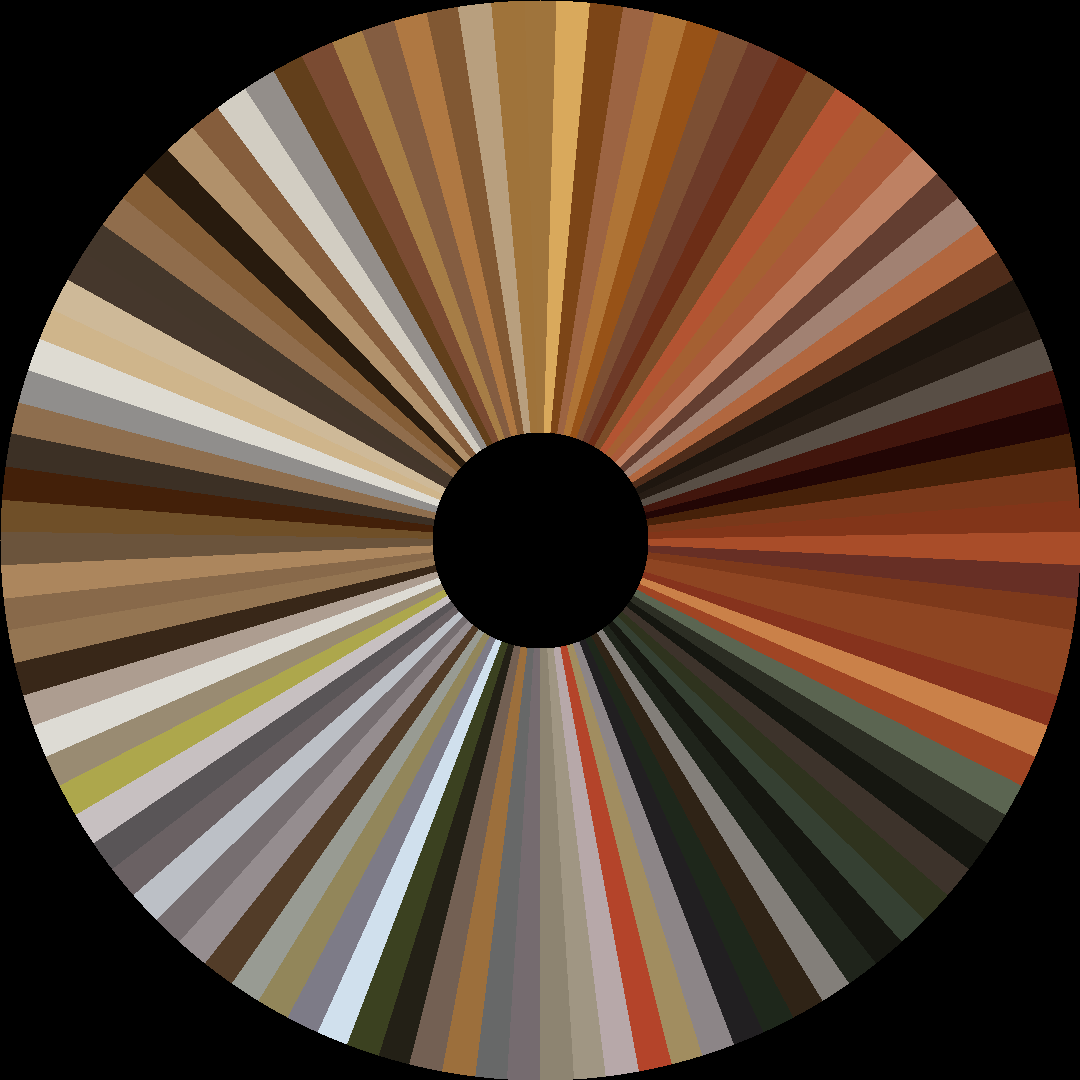






Nisemonogatari’s barcode is a study in compression, a visual descent that mirrors its thematic obsession with the counterfeit. The palette reads overwhelmingly Red—61% of frames—but those are not the warm reds of passion or the rich crimsons of sunset. Instead, director Akiyuki Shinbo and Shaft’s color designers favor a desiccated, almost bark-like #582614 and #190E0A, browns that feel burned and hollow. The *dark ending* arc is the most striking formal gesture: the opening act simmers at a modest 0.431 brightness, the middle barely sinks to 0.424, and then the closing act collapses to a punishing 0.310. This isn’t a gradual fade—it’s a *contraction*, as if the series is tightening its own chest cavity. Where the *Monogatari* series typically weaponizes oversaturated pop-tables to signal perversion or comedy, *Nisemonogatari* hoards its color like a miser, draining light as the narrative doubles down on the fake—fake families, fake bonds, fake innocence. The bright moments of #EFEDE3 are sparing, brittle, like bone glimpsed through torn skin. This is an anime that doesn’t brighten to reveal truth; it darkens to admit that the truth was never there.