Edit Pace — frame-to-frame color delta (bright = fast cuts)
Color Temperature — warm (gold) vs cool (teal) per frame
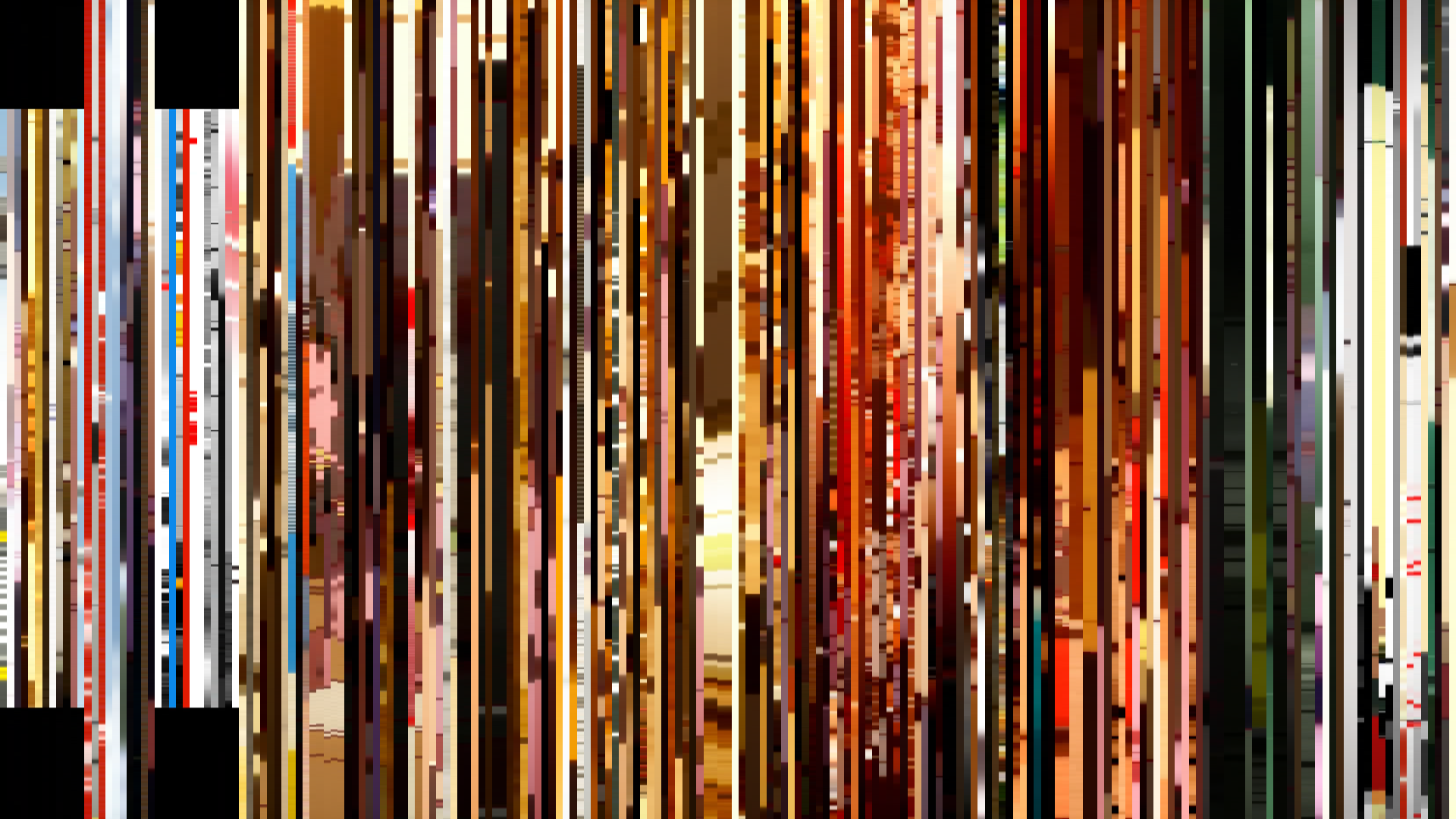
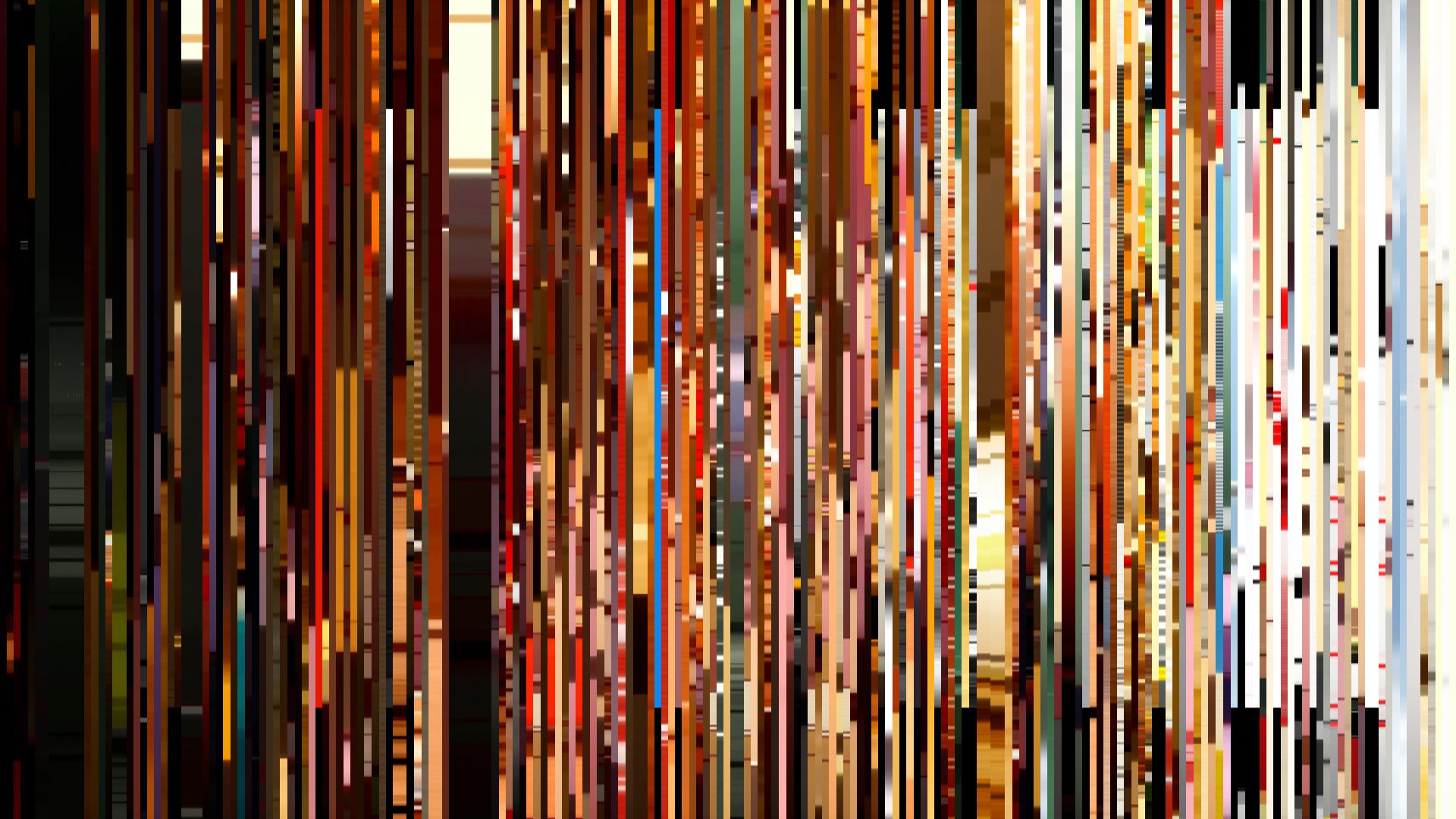
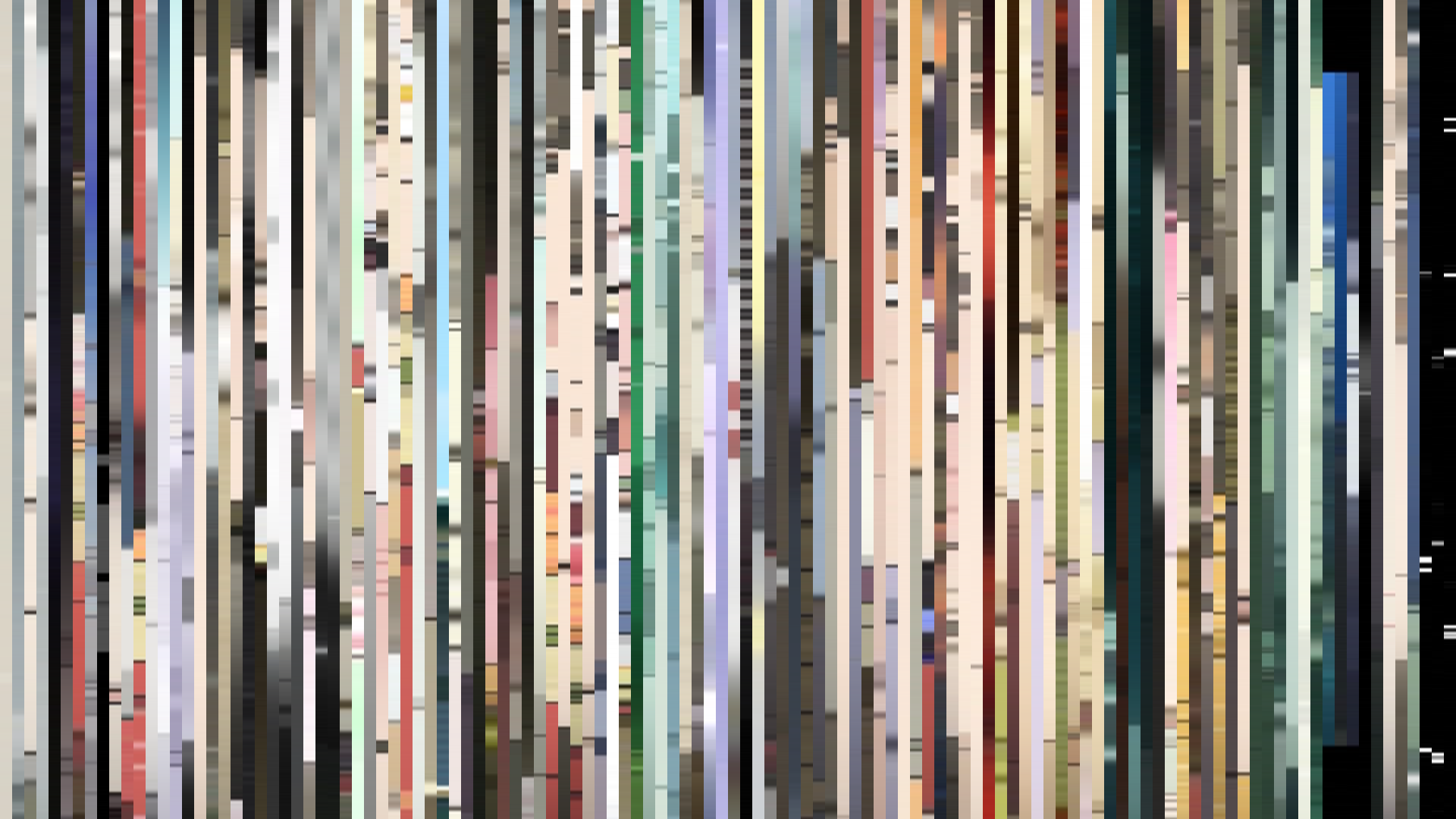
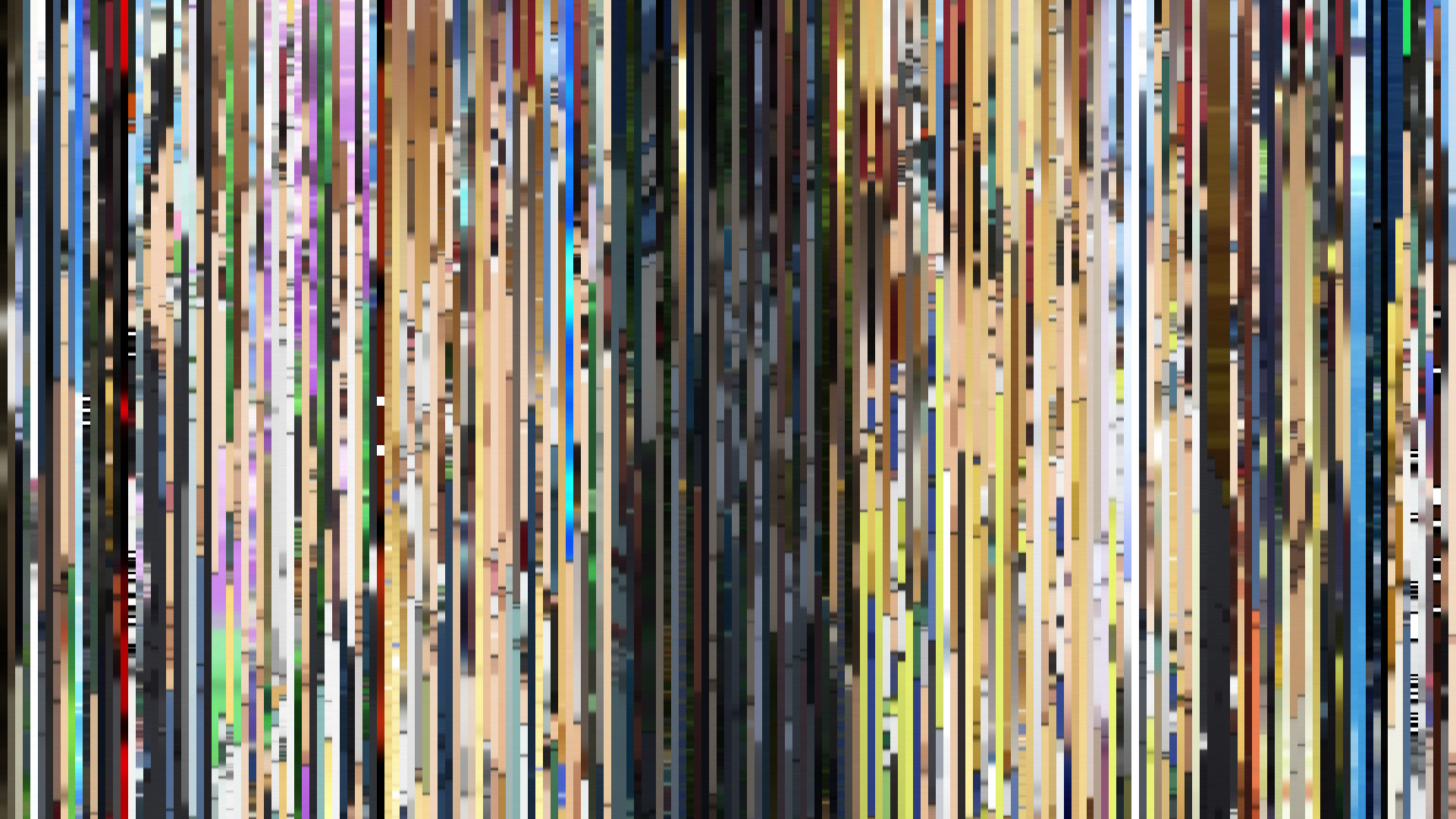
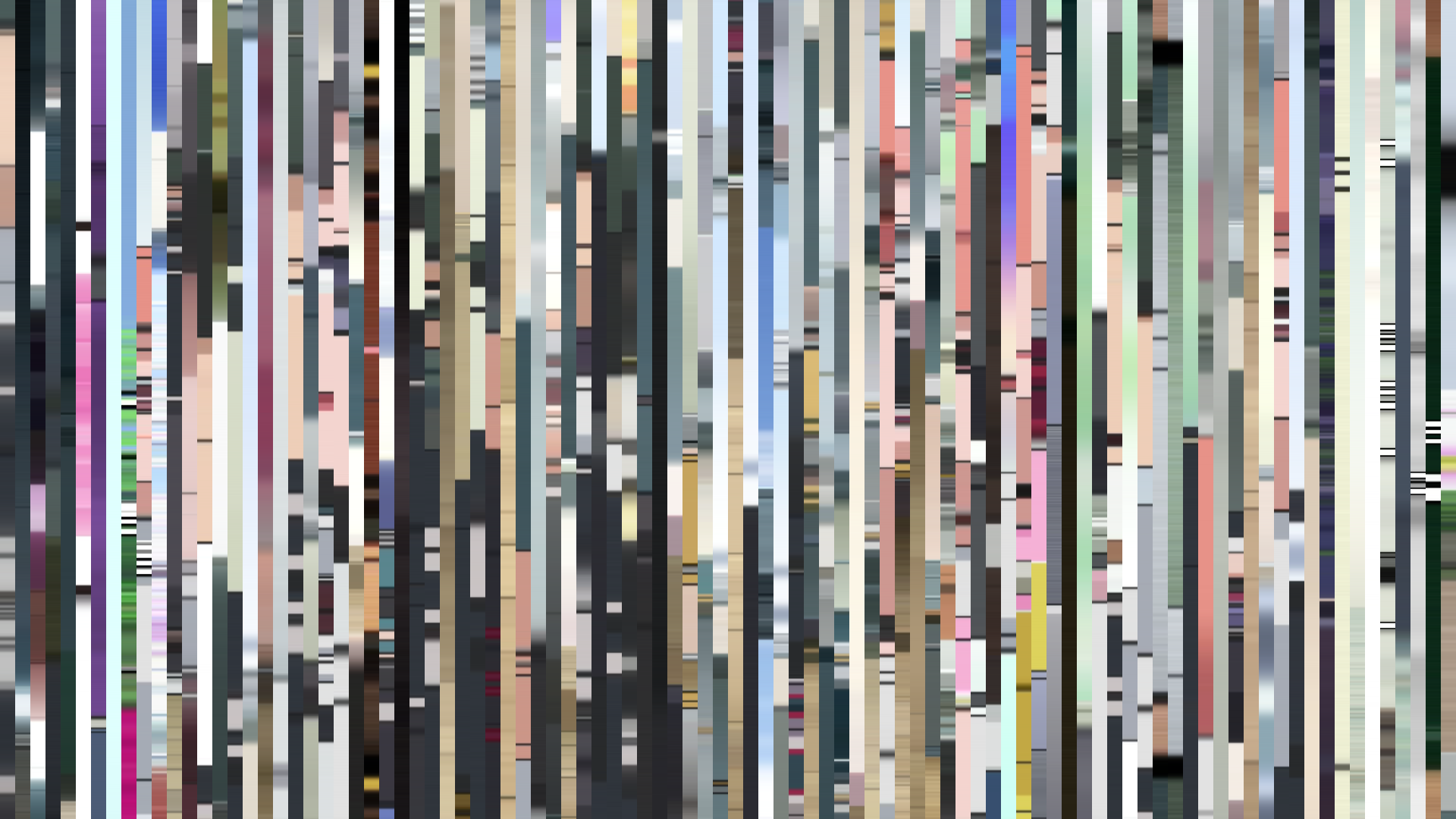
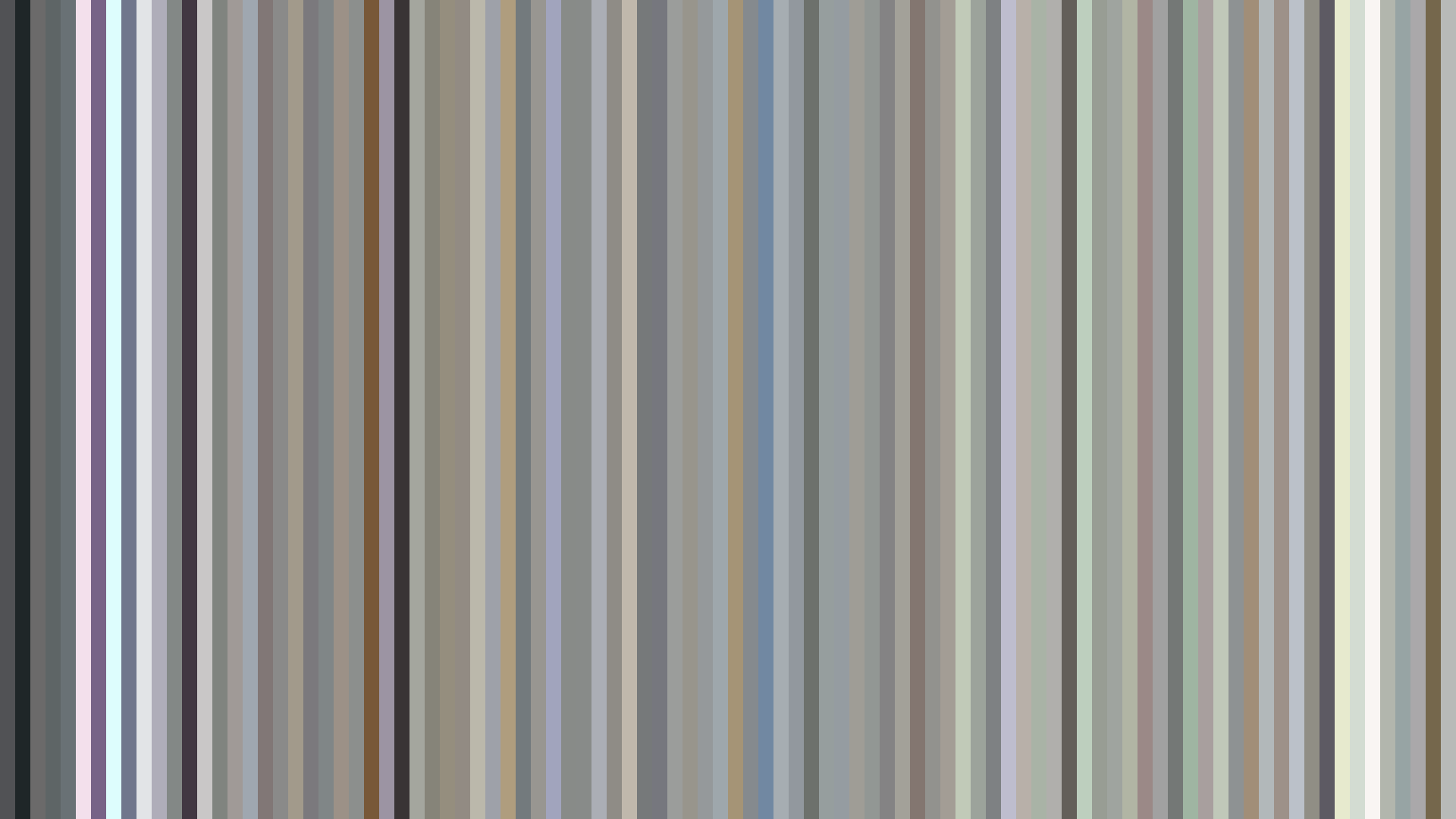
Frame Density Comparison — every 2nd vs every 4th frame
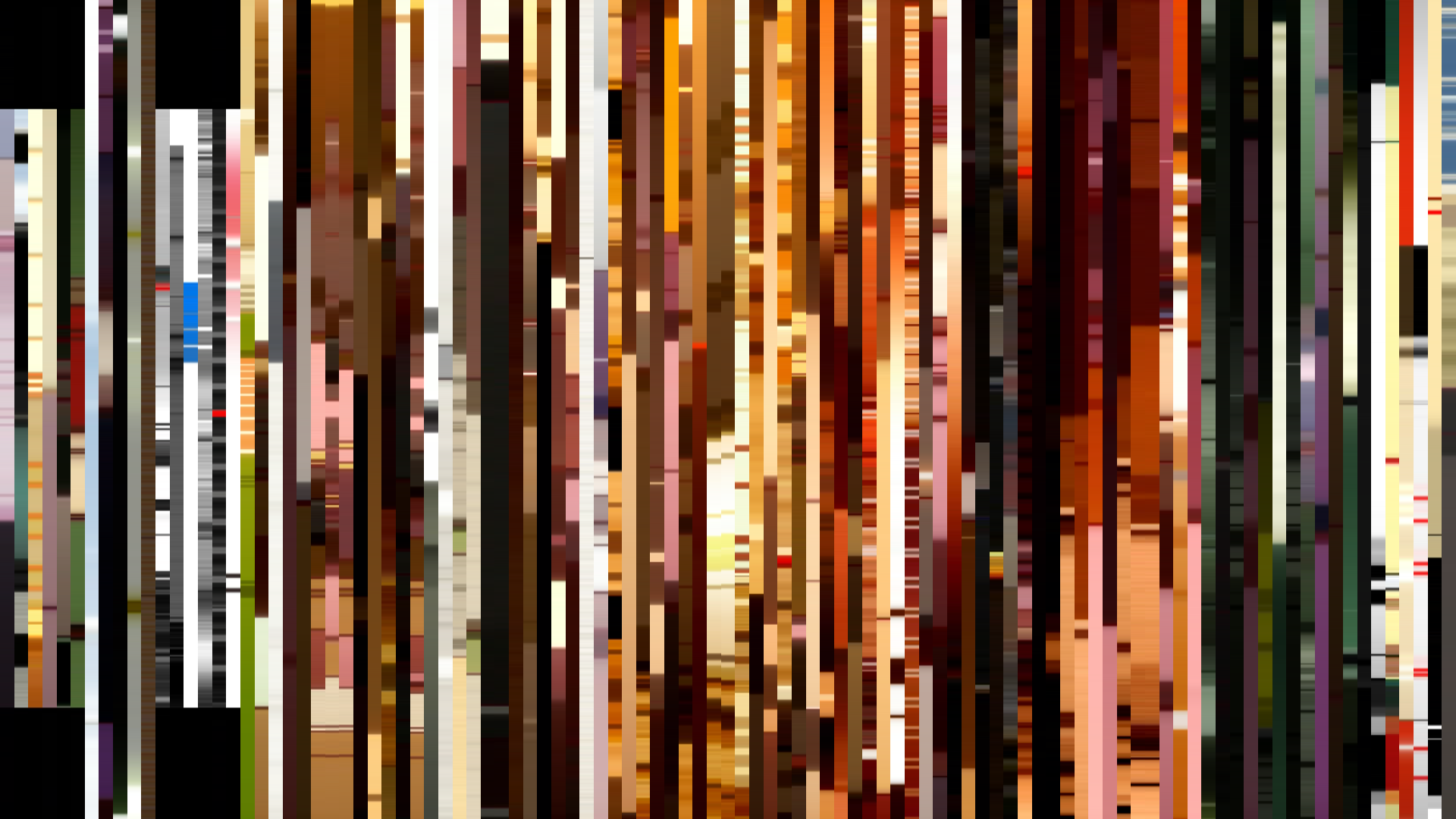
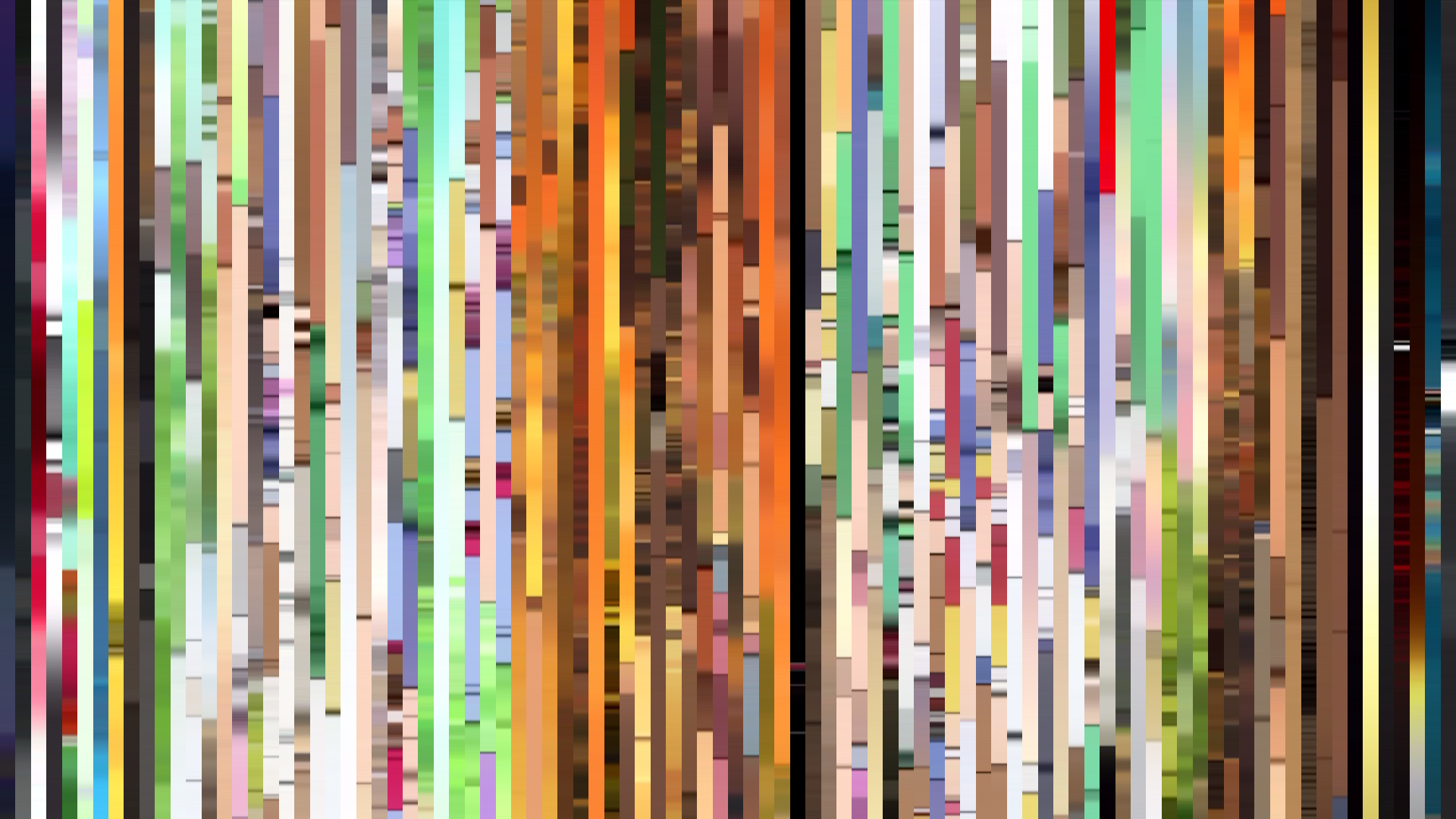
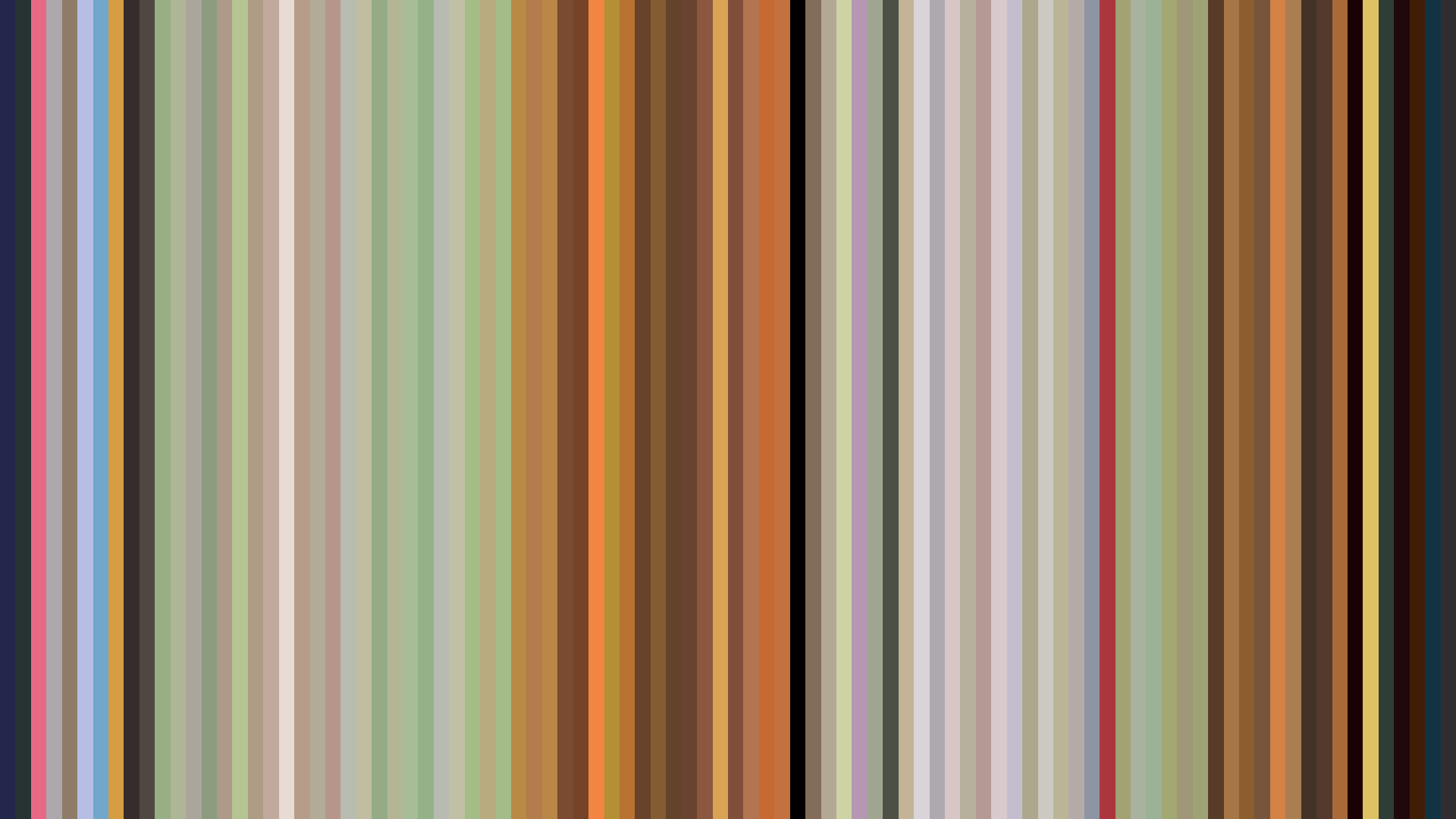
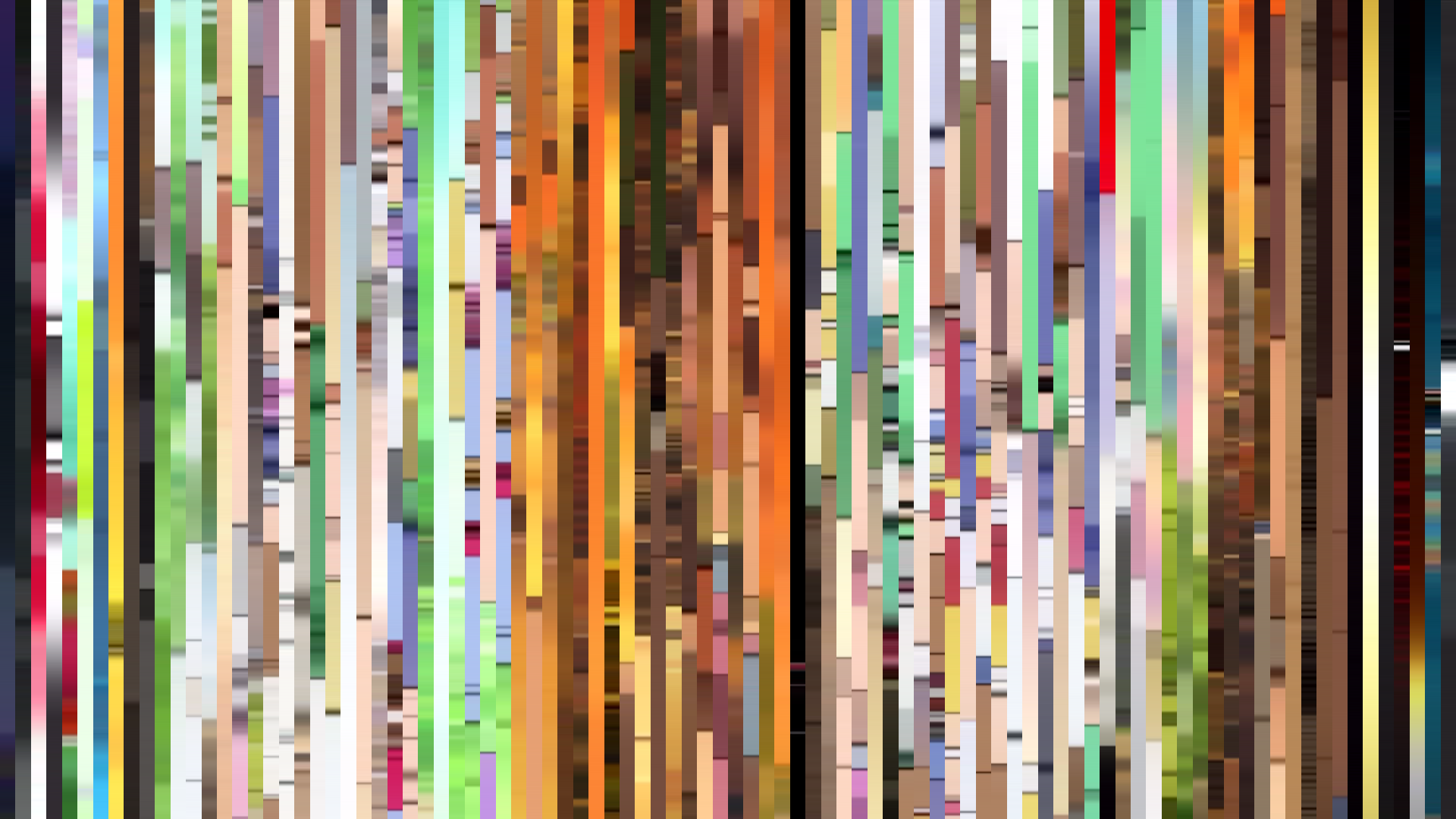
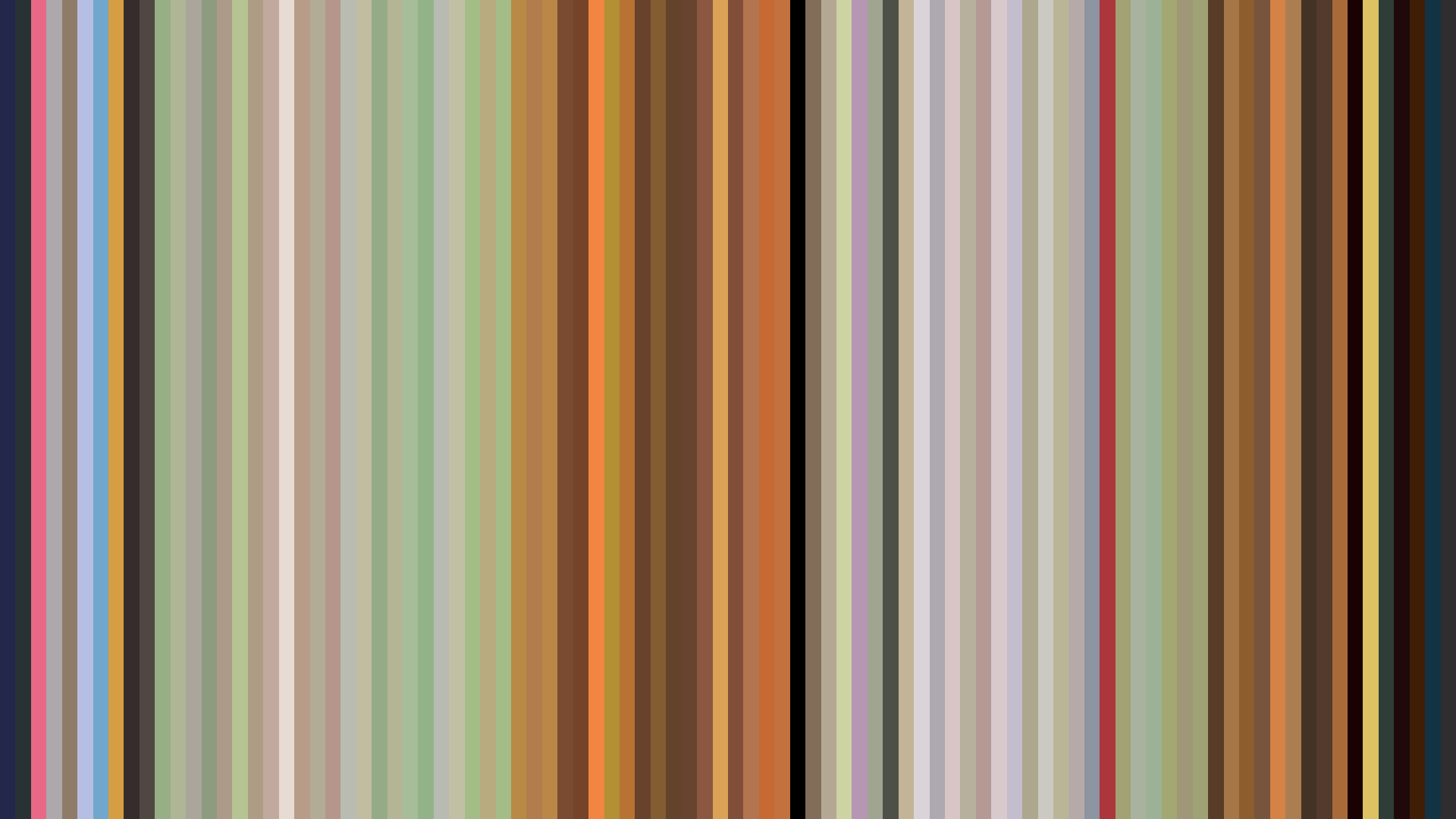
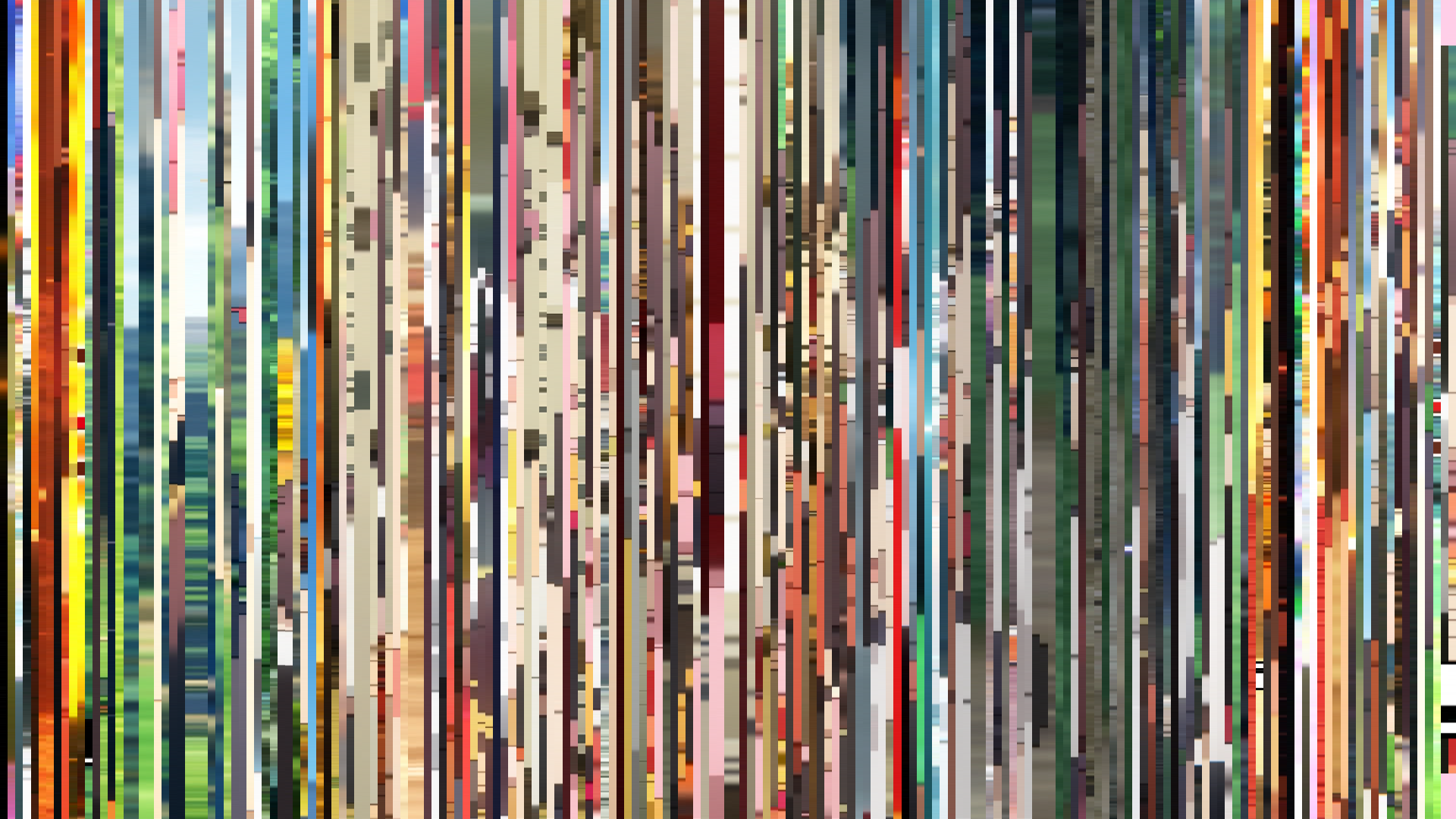
Slice · 15s
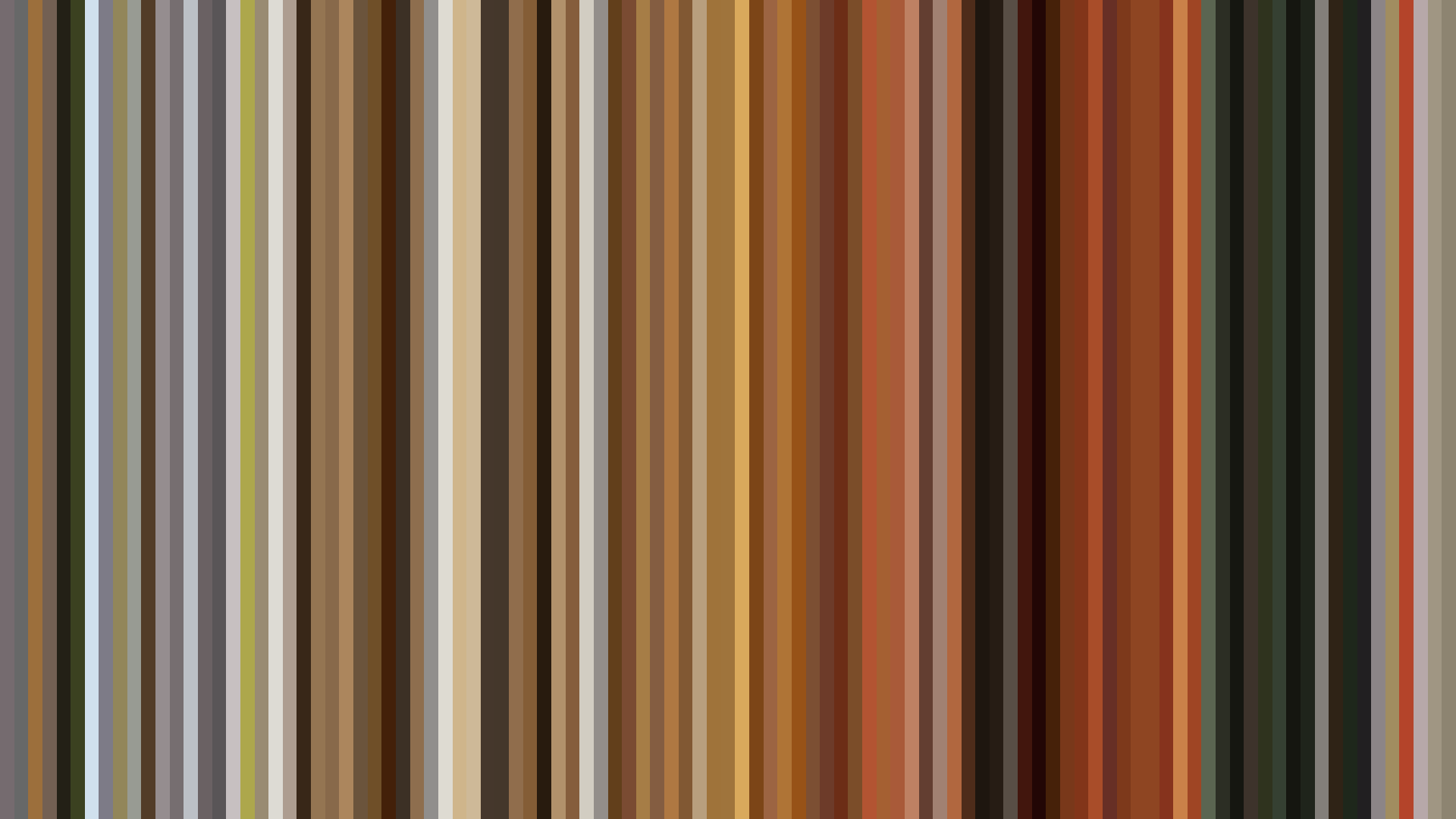
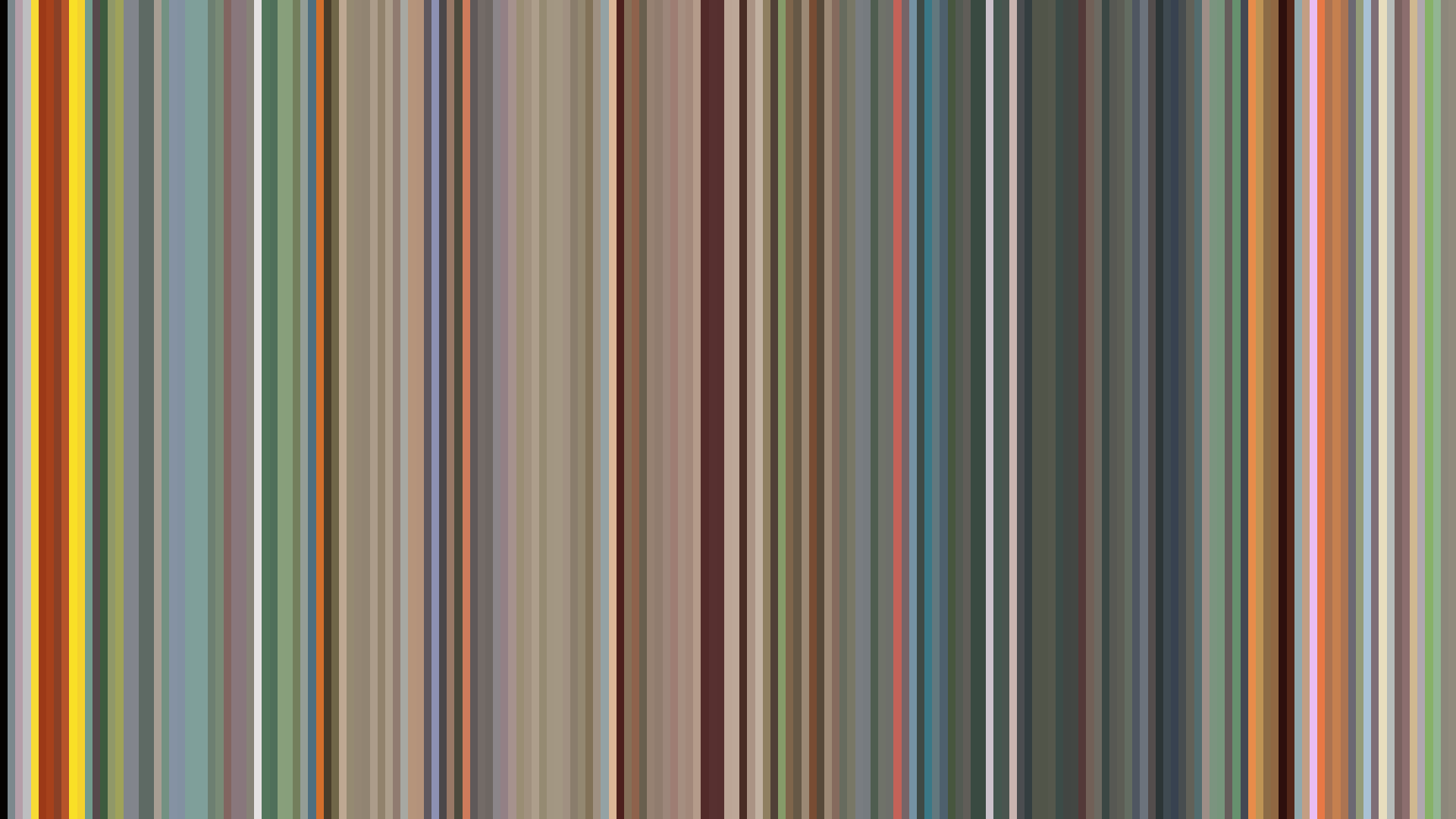
Avg · 15s
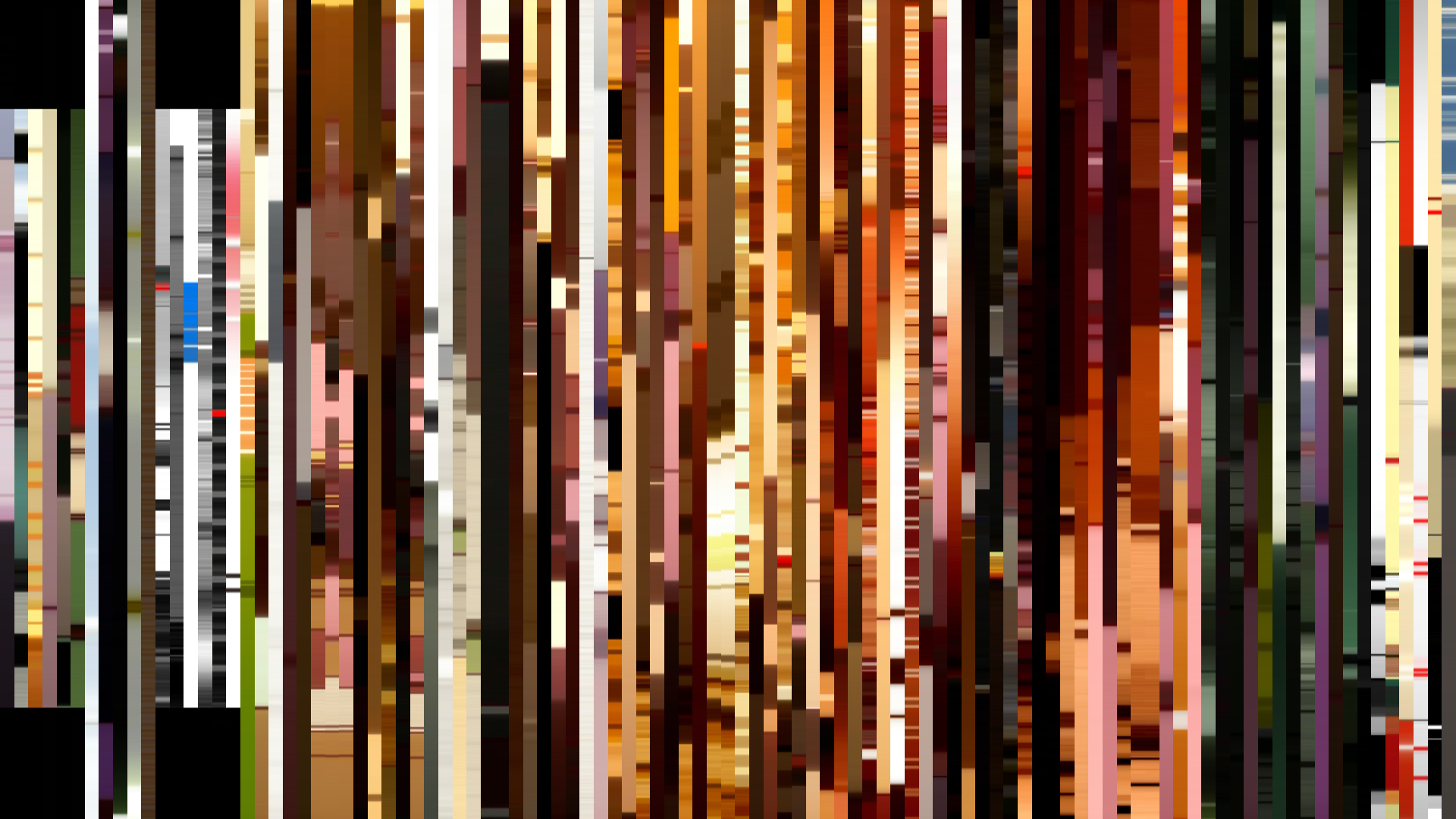
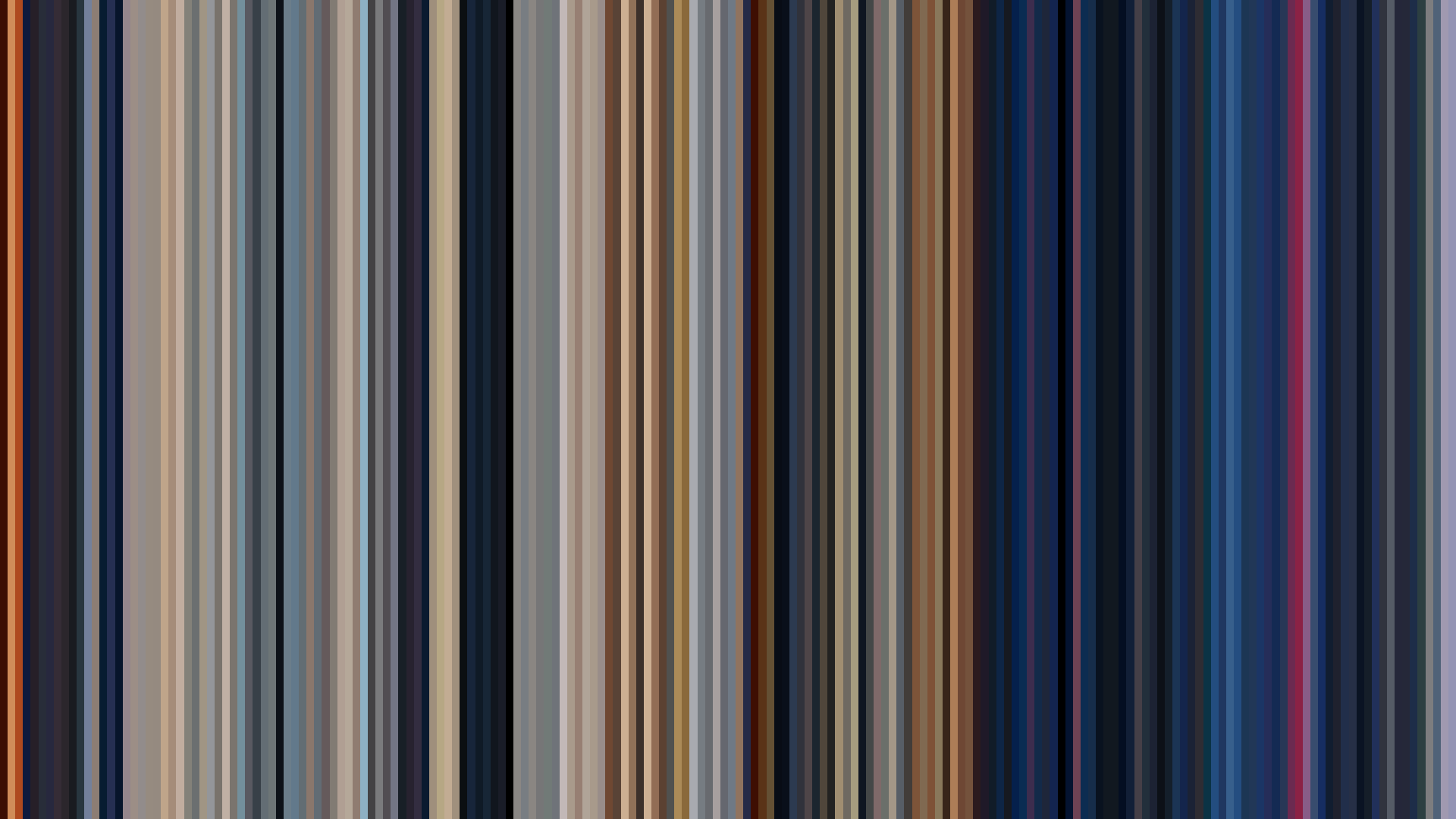
Slice · 30s
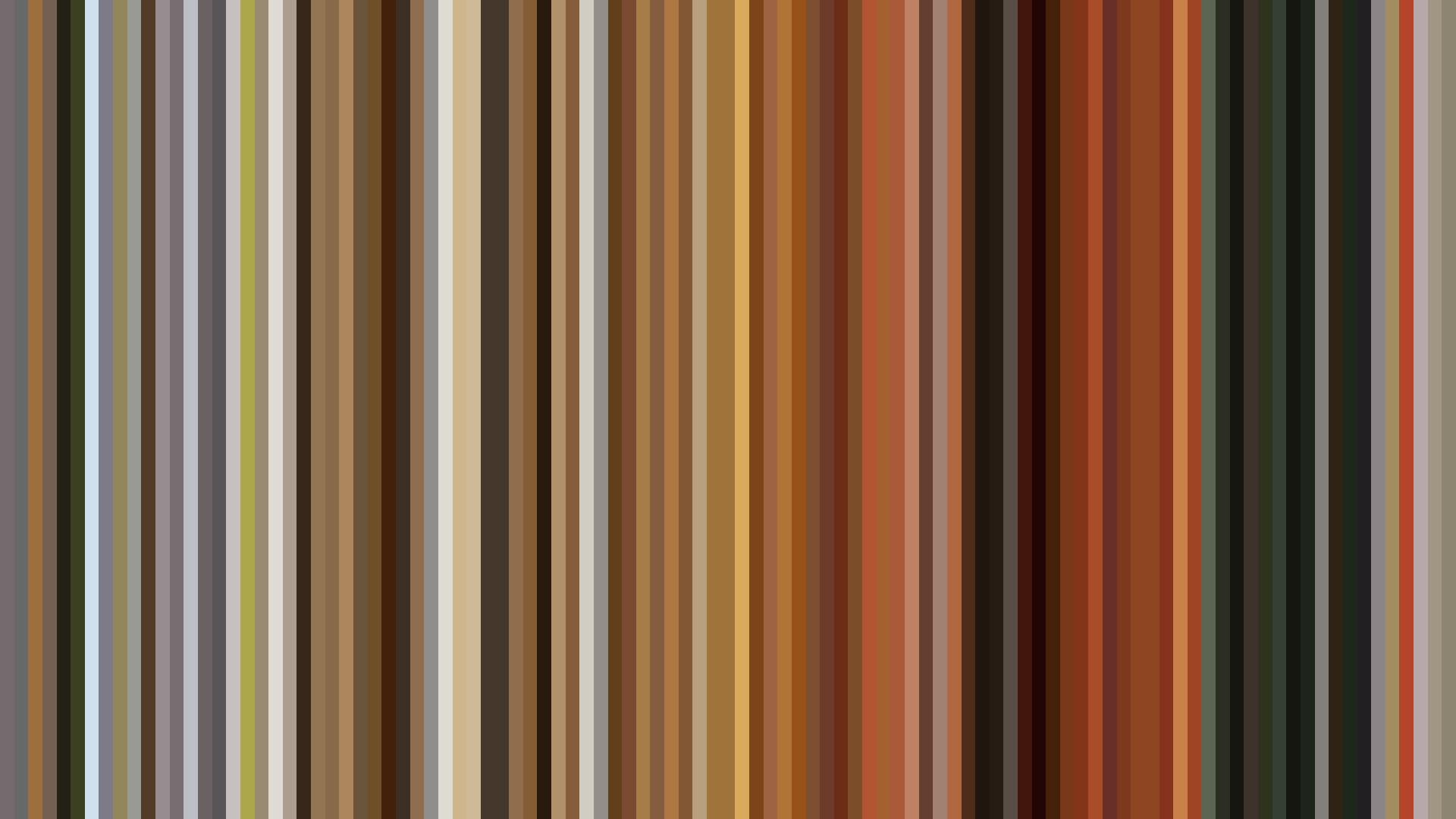
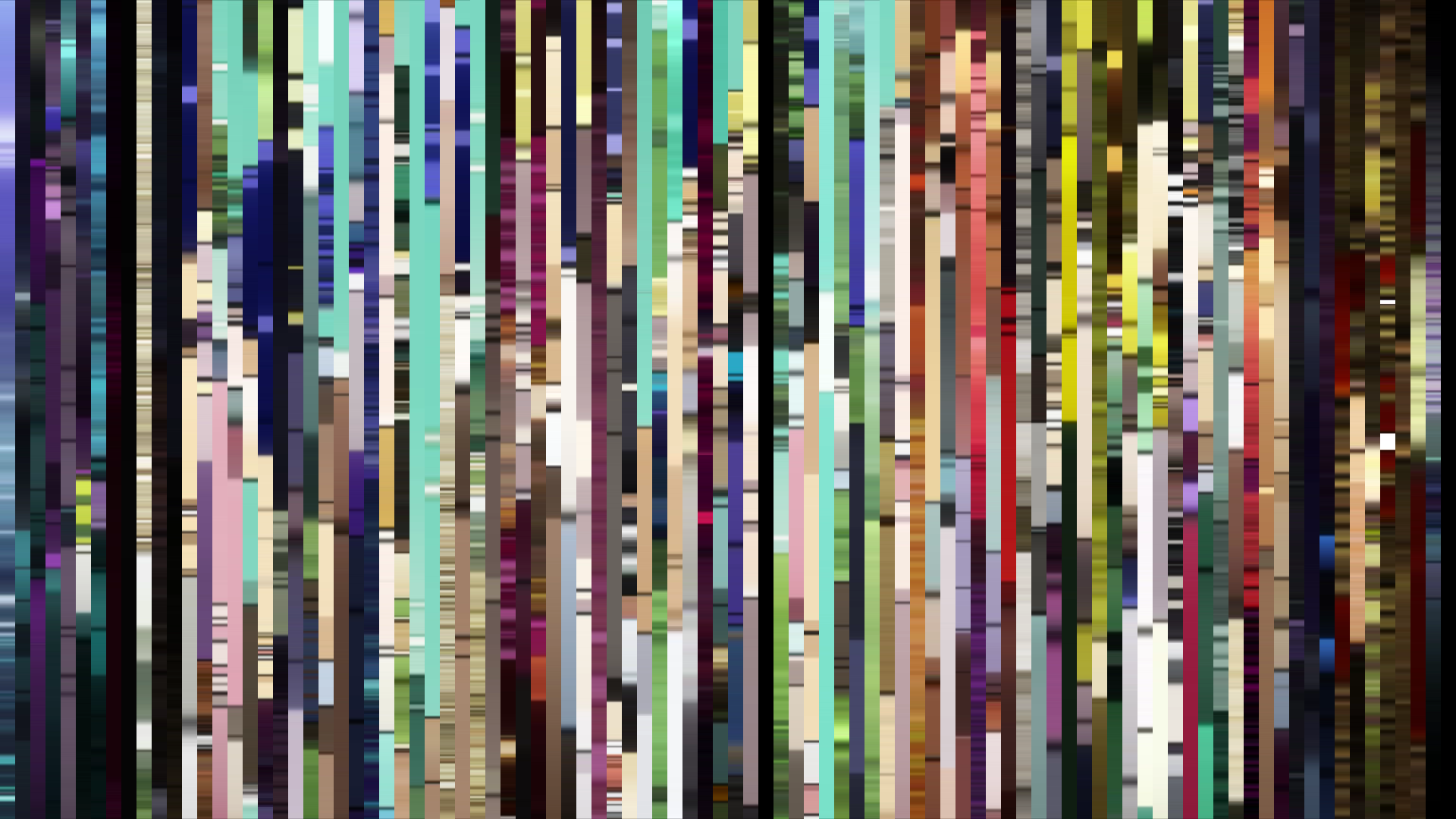
Avg · 30s
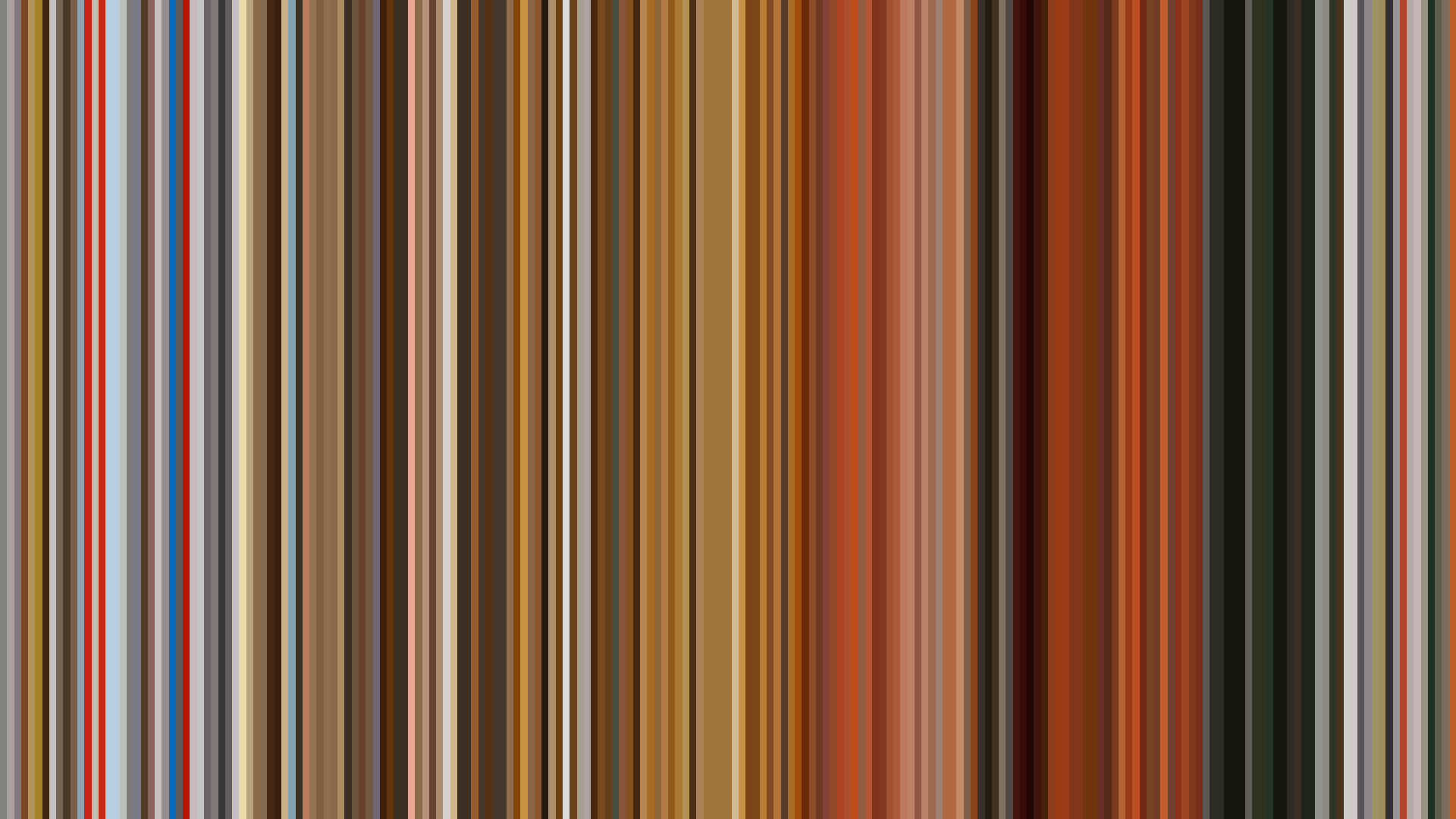
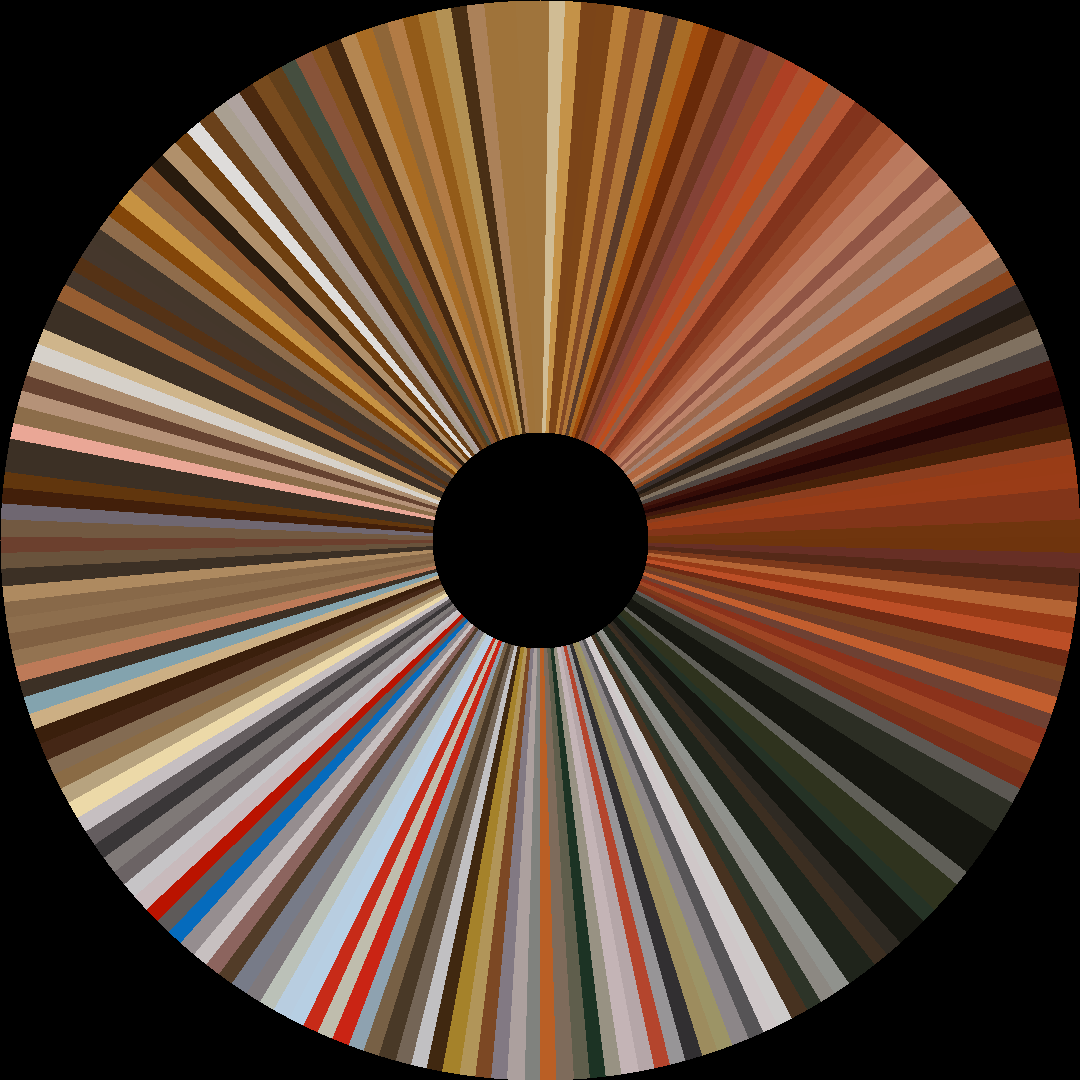
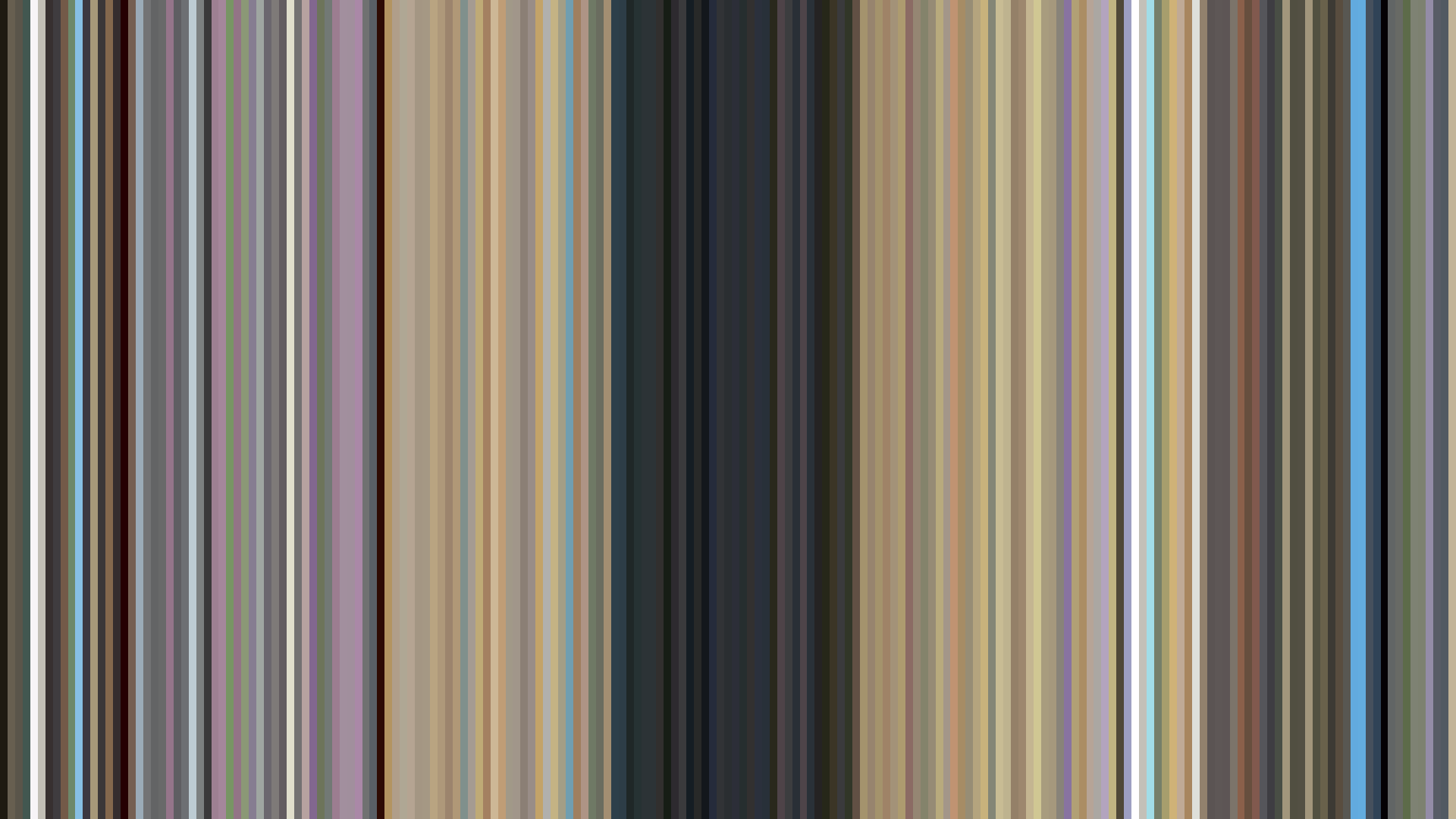
A flat brightness arc that nonetheless trends *downward* across acts is a peculiar structural choice, and *Owarimonogatari*’s barcode proves it. Shaft’s signature photorealistic backgrounds and head-tilt framing usually imply visual restlessness, yet here the palette locks into a narrow band of #592612 and #9D5922 — reds that feel less like blood and more like rust. The 66% Red dominance isn’t warmth; it’s the color of conversations held after sunset, of secrets sedimenting into fact. Director Akiyuki Shinbo and art director Hideyuki Shimodaira have built a world where the opening act’s slight uptick in brightness (0.413) is a lie: the series closes with its darkest frames (0.341), the narrative contracting inward rather than resolving outward. The saturation hovers at 0.490 — vivid enough to register, but never exuberant. This is not a story of catharsis; it is a story of *terminal clarity*, where every reveal only deepens the surrounding shadow. The flat arc is the show’s formal honesty: there is no escape from the logic of these colors, only a slow, careful suffocation in their own weight.
Brightness Arc (episode progression)
Hue Distribution
Act Breakdown
Opening
0.413
Middle
0.386
Closing
0.341
Avg Brightness
0.384
Avg Saturation
0.490
Warmth
0.622
Color Palette
#1D110B
#592612
#EEEADF
#9D5922
#E9D3A7
#9E6957
#655E58
#DA9961
3-Act Color Story
Opening
Middle
Closing
Color Twins
Perceptually nearest palettes — measured in OKLab space, not RGB






![Fate/stay night [Unlimited Blade Works] Season 2](../../../barcodes/2015/fatestay-night-unlimited-blade-works-season-2/barcode_slice.png)
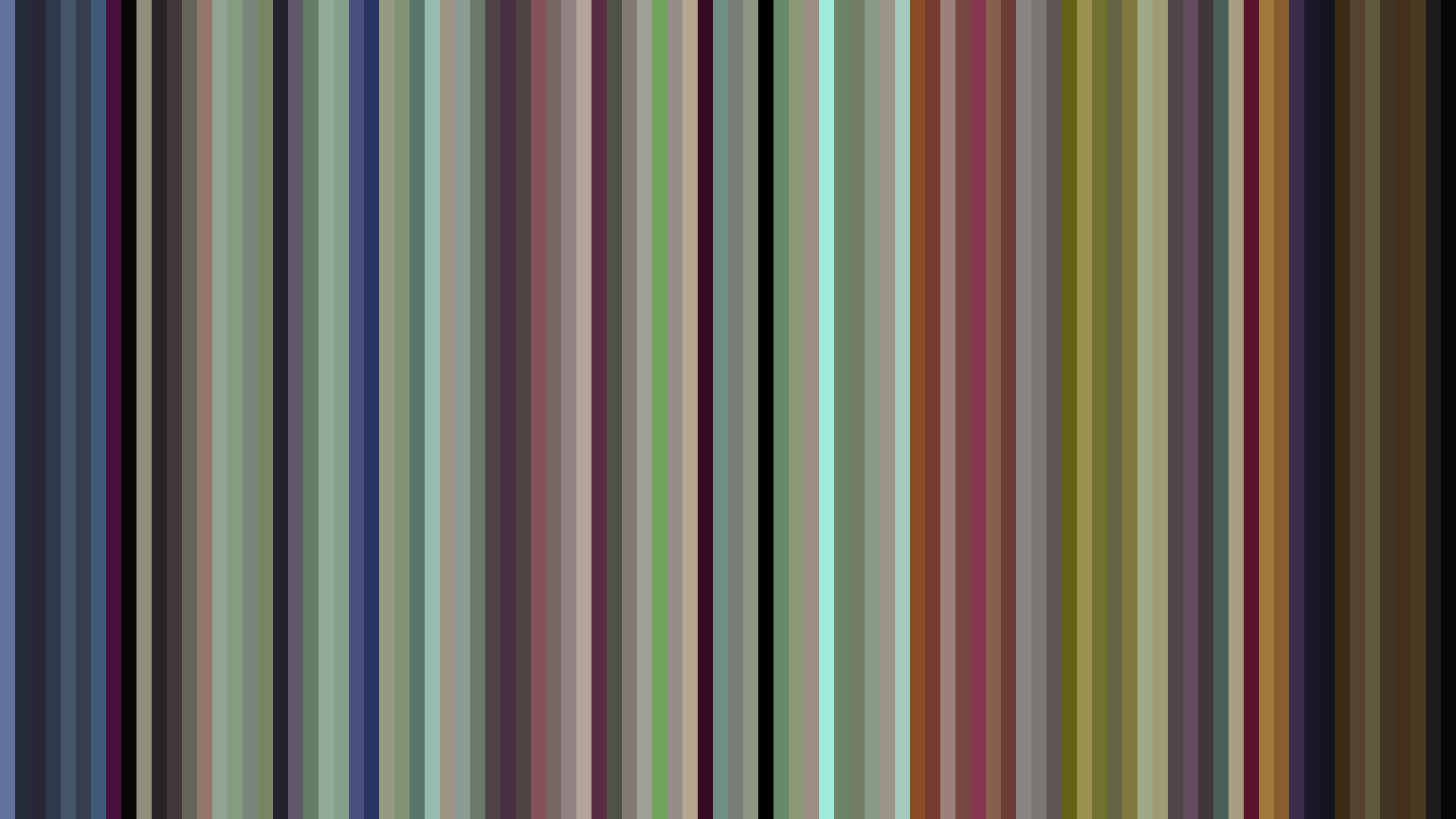
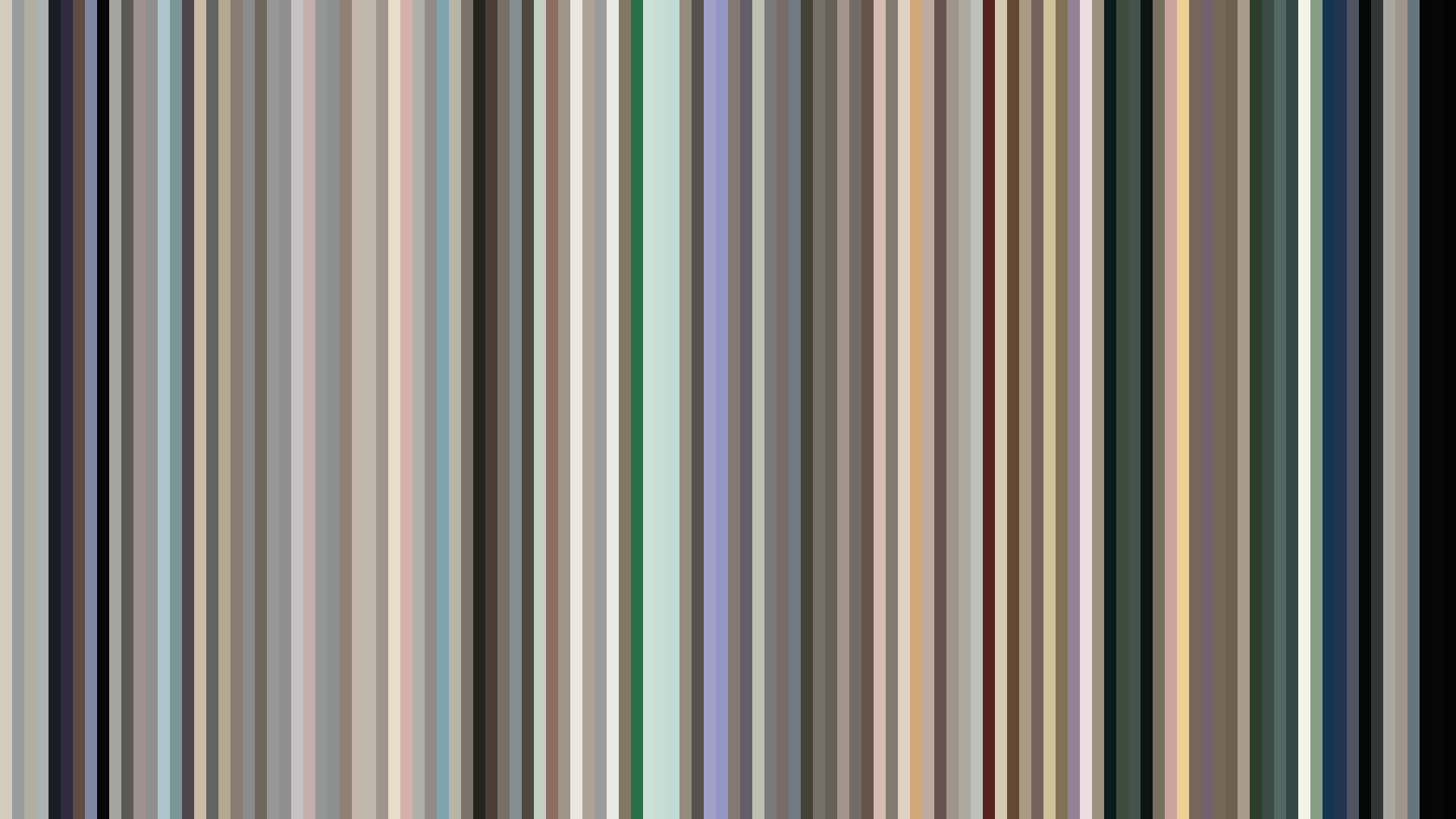
A flat brightness arc that nonetheless trends *downward* across acts is a peculiar structural choice, and *Owarimonogatari*’s barcode proves it. Shaft’s signature photorealistic backgrounds and head-tilt framing usually imply visual restlessness, yet here the palette locks into a narrow band of #592612 and #9D5922 — reds that feel less like blood and more like rust. The 66% Red dominance isn’t warmth; it’s the color of conversations held after sunset, of secrets sedimenting into fact. Director Akiyuki Shinbo and art director Hideyuki Shimodaira have built a world where the opening act’s slight uptick in brightness (0.413) is a lie: the series closes with its darkest frames (0.341), the narrative contracting inward rather than resolving outward. The saturation hovers at 0.490 — vivid enough to register, but never exuberant. This is not a story of catharsis; it is a story of *terminal clarity*, where every reveal only deepens the surrounding shadow. The flat arc is the show’s formal honesty: there is no escape from the logic of these colors, only a slow, careful suffocation in their own weight.