Edit Pace — frame-to-frame color delta (bright = fast cuts)
Color Temperature — warm (gold) vs cool (teal) per frame
Frame Density Comparison — every 2nd vs every 4th frame
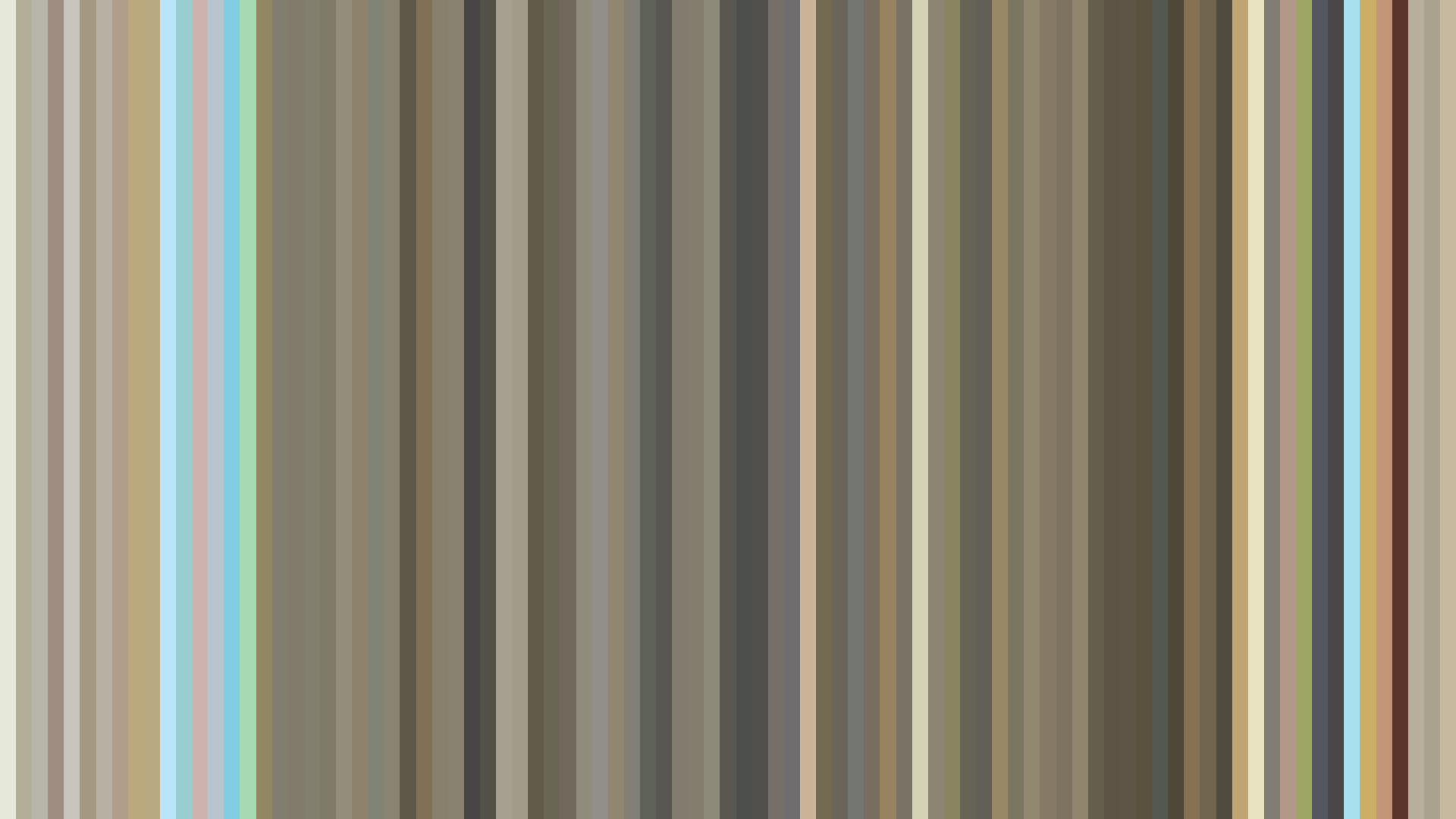
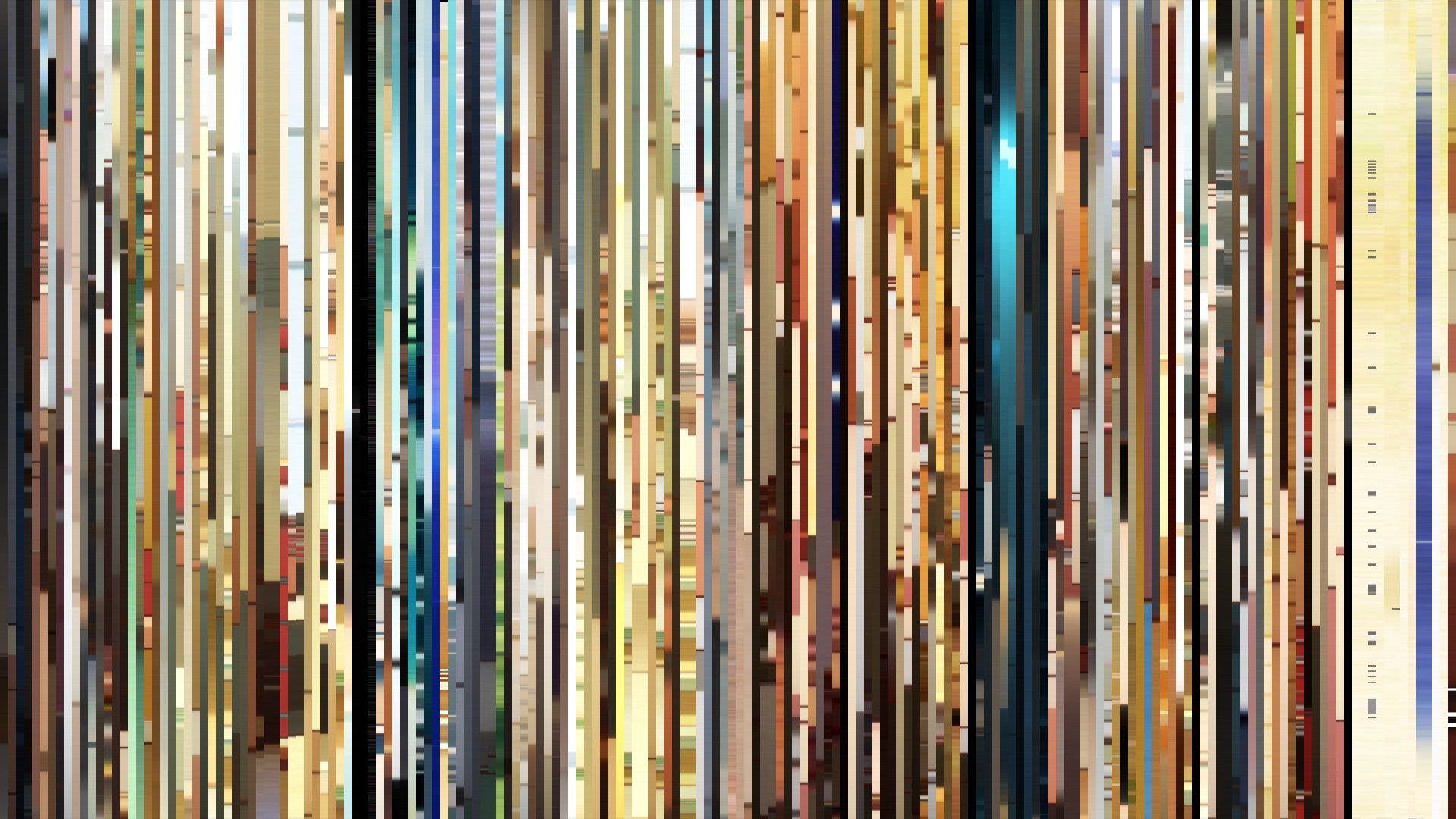
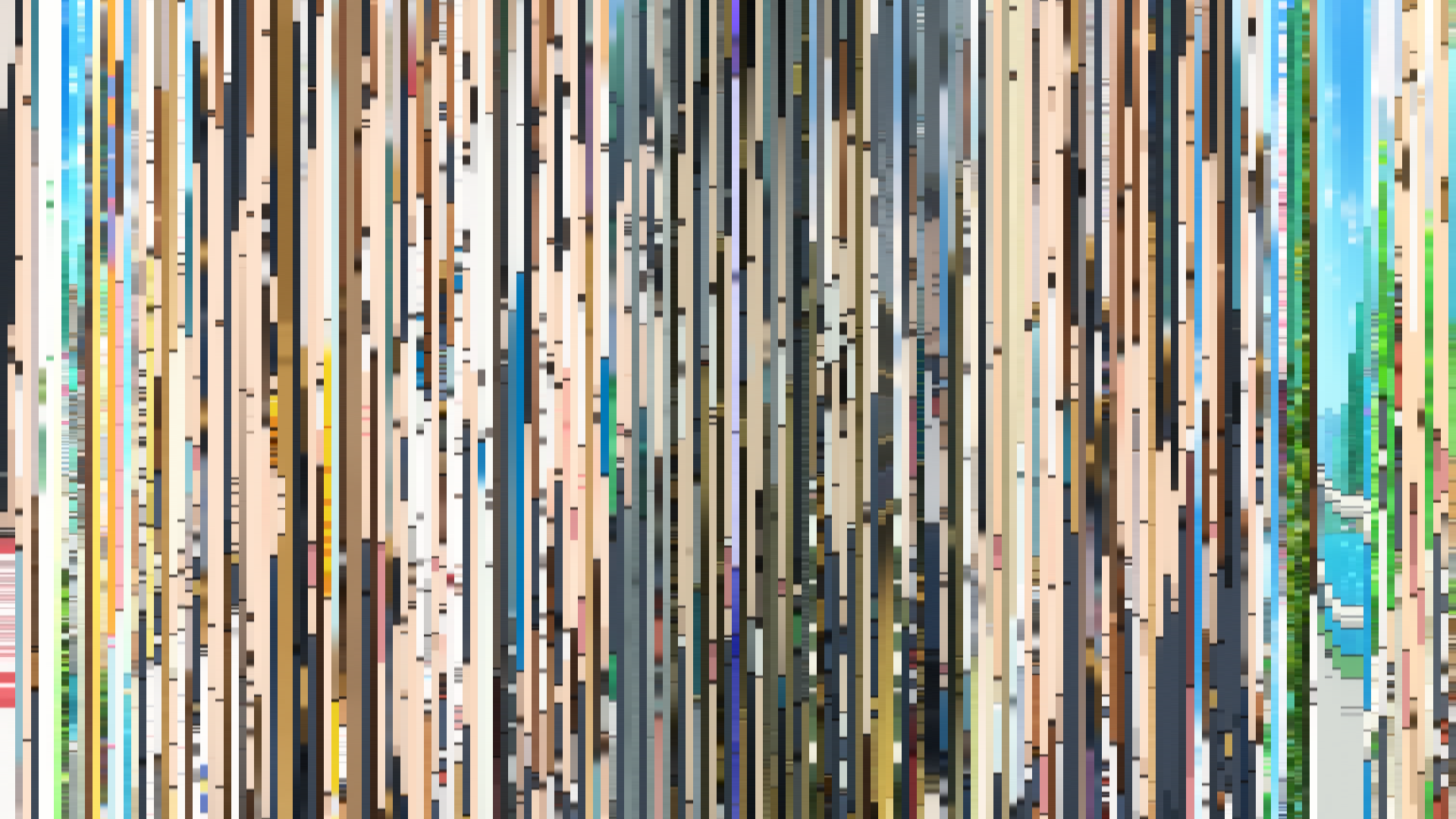
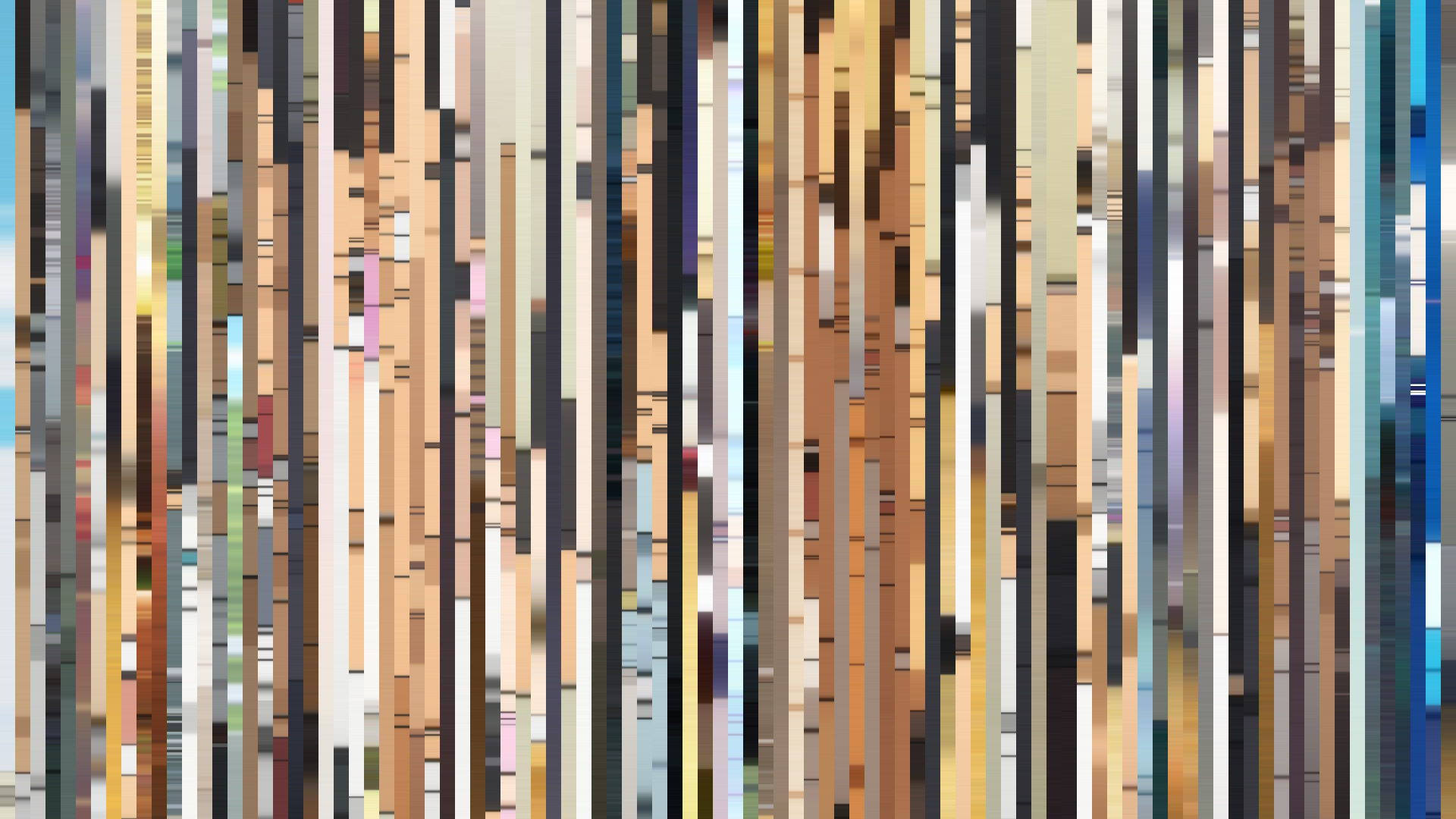
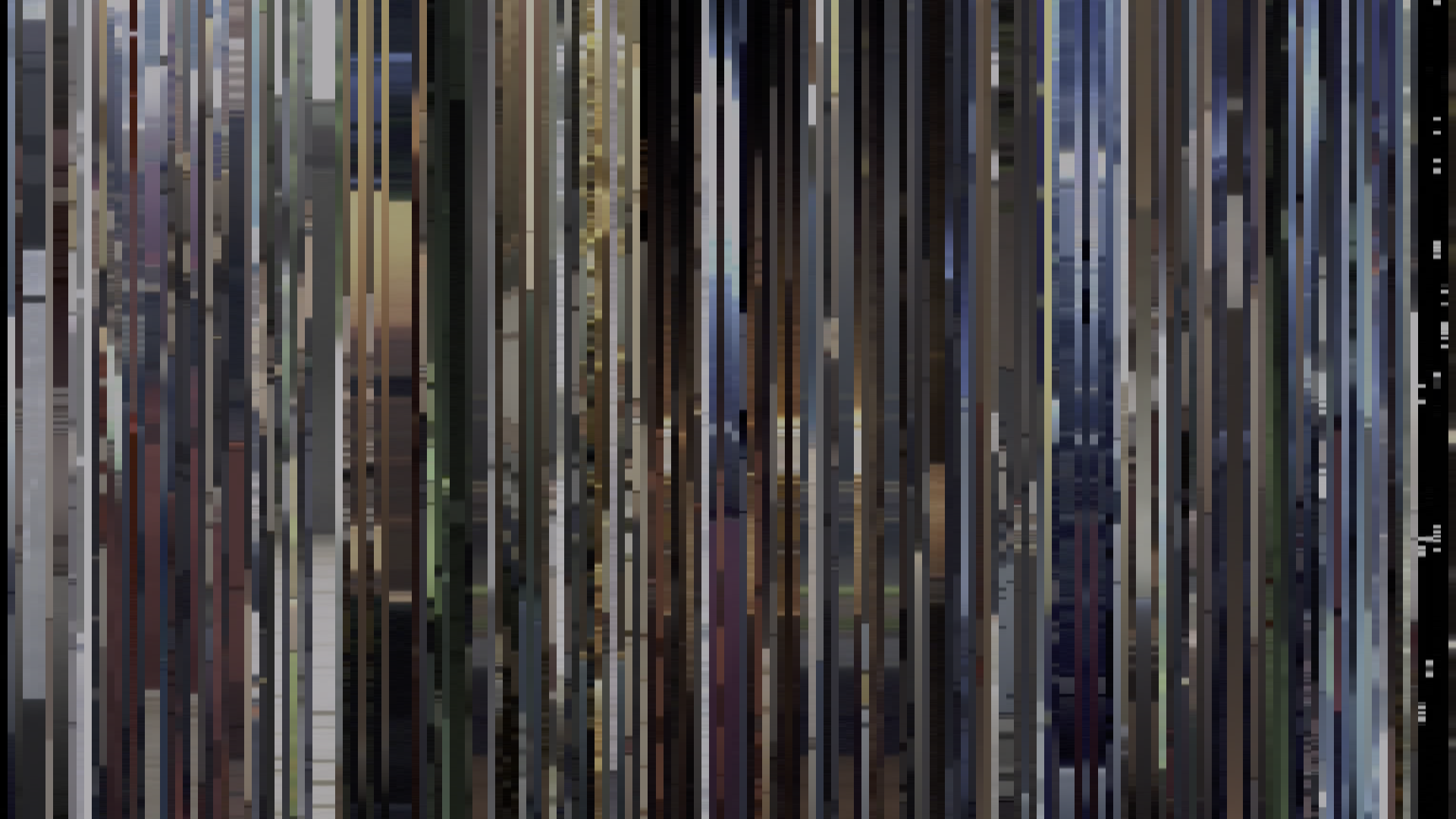
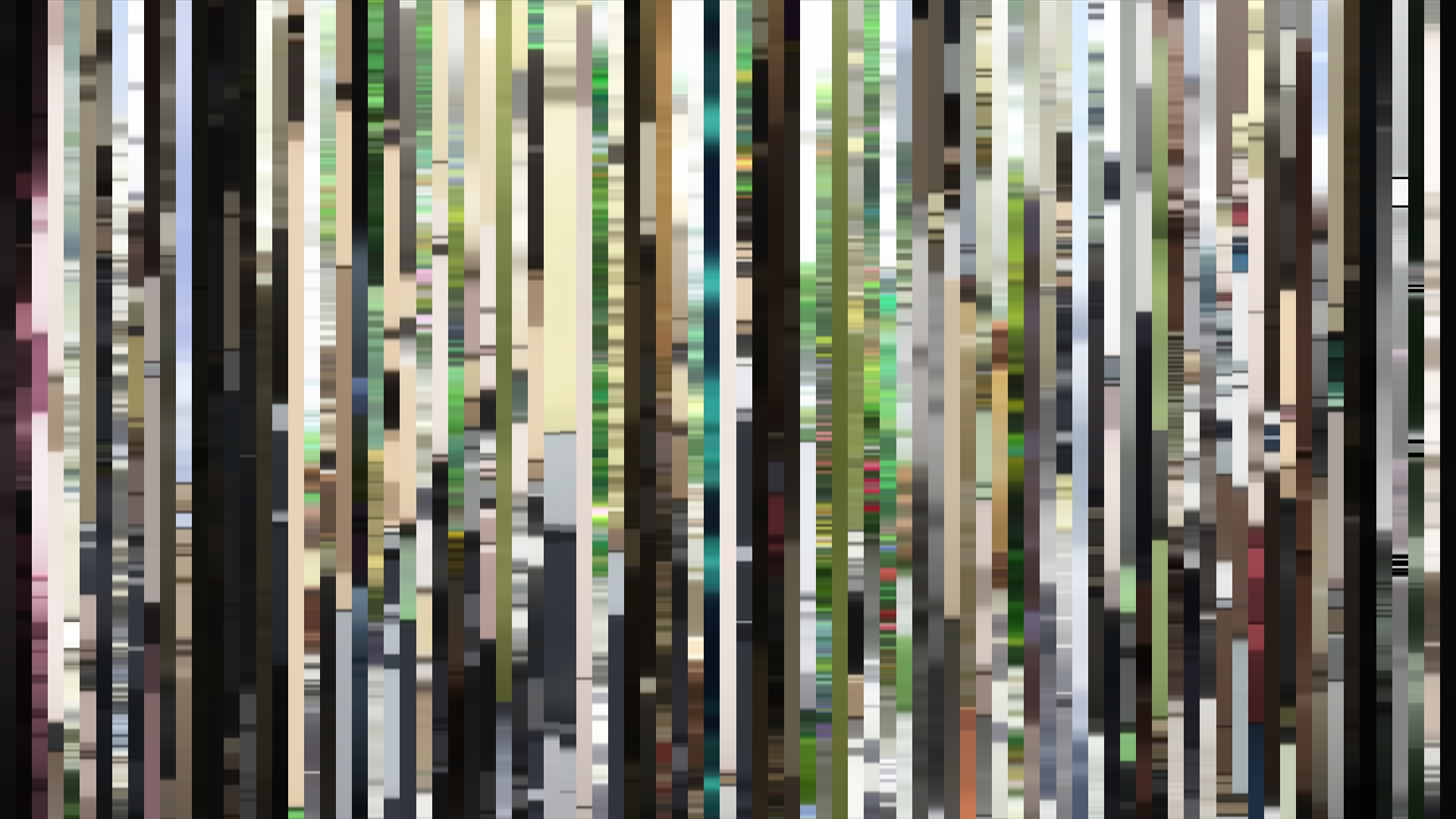
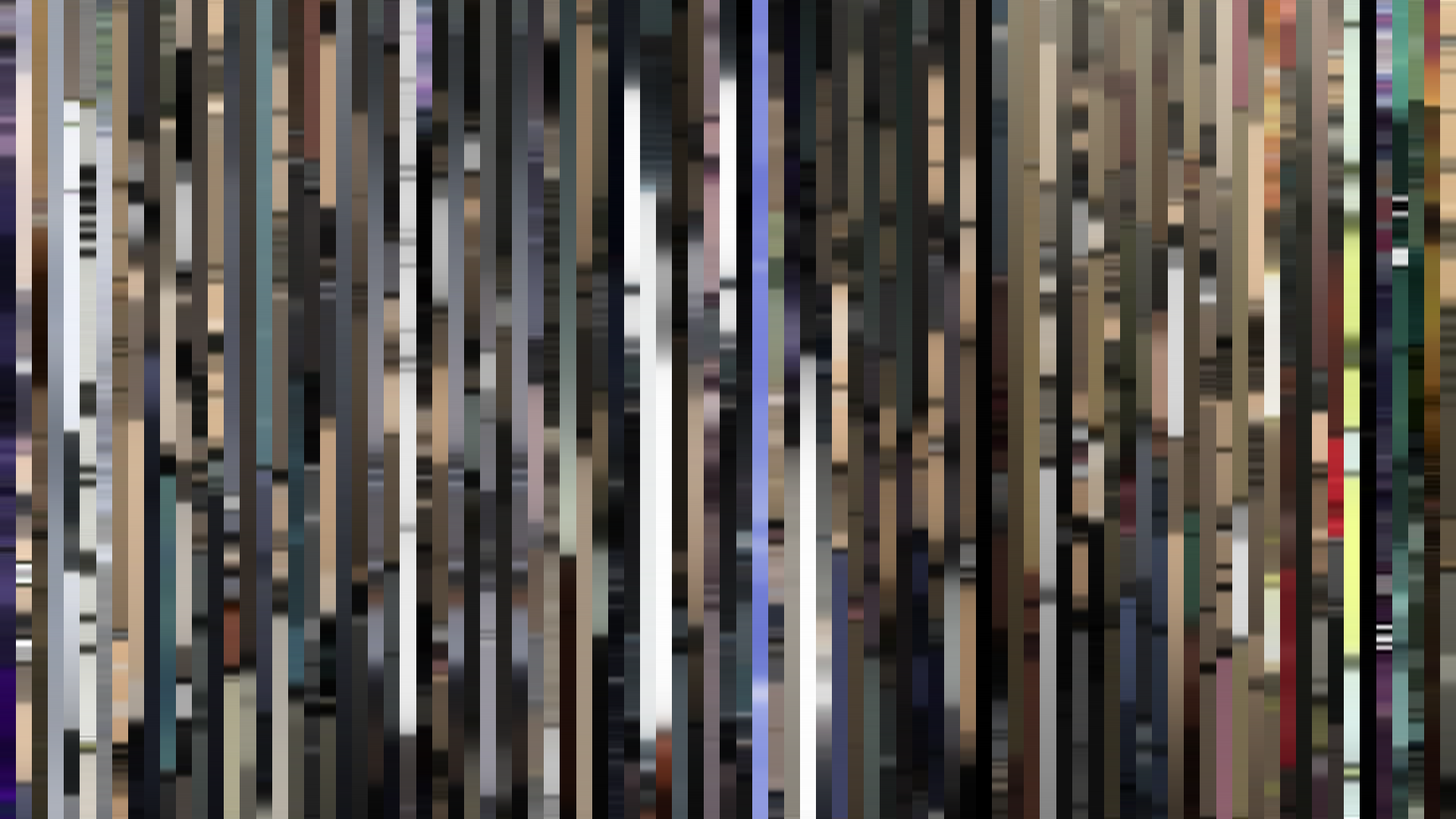
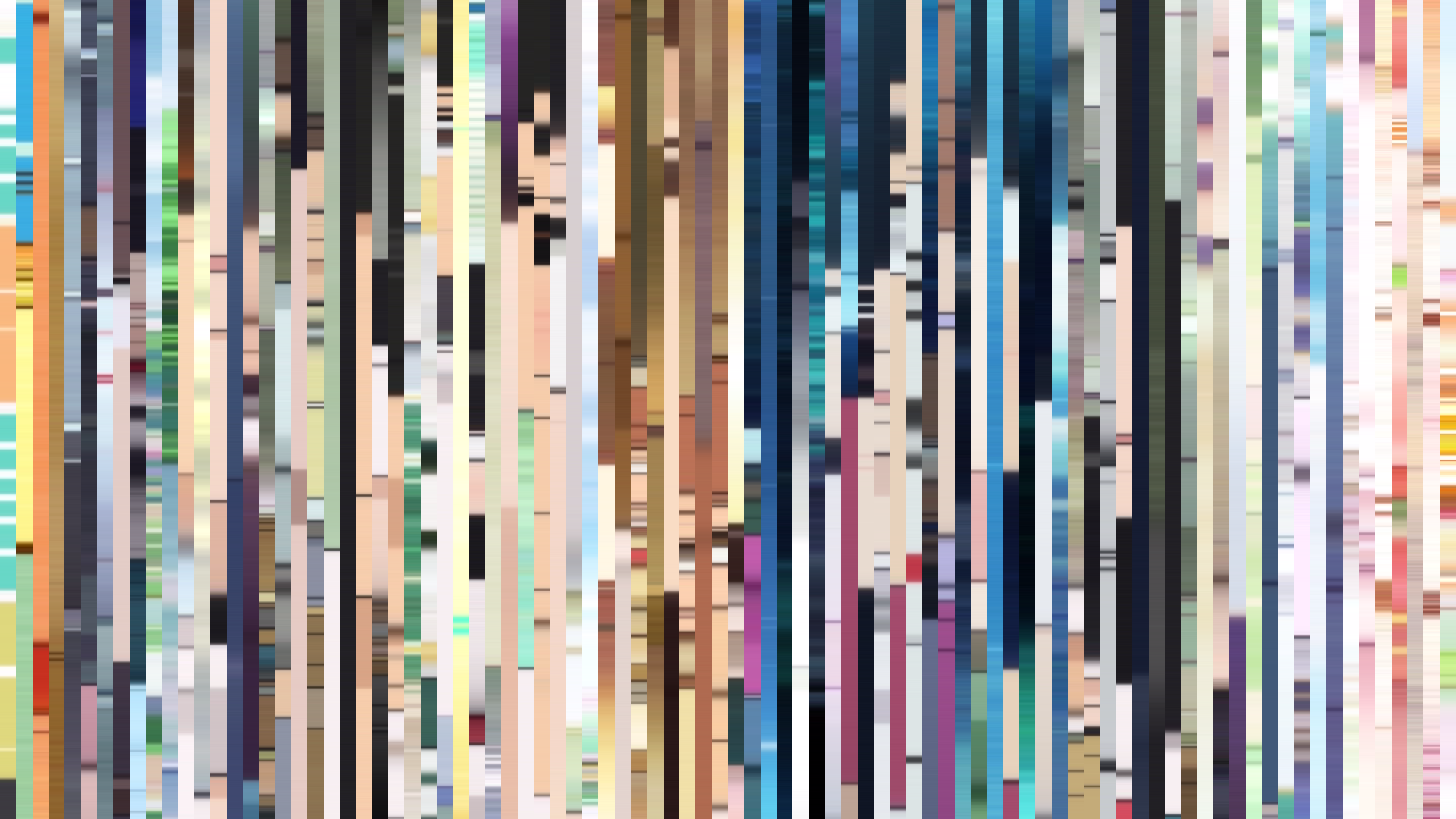
Slice · 15s
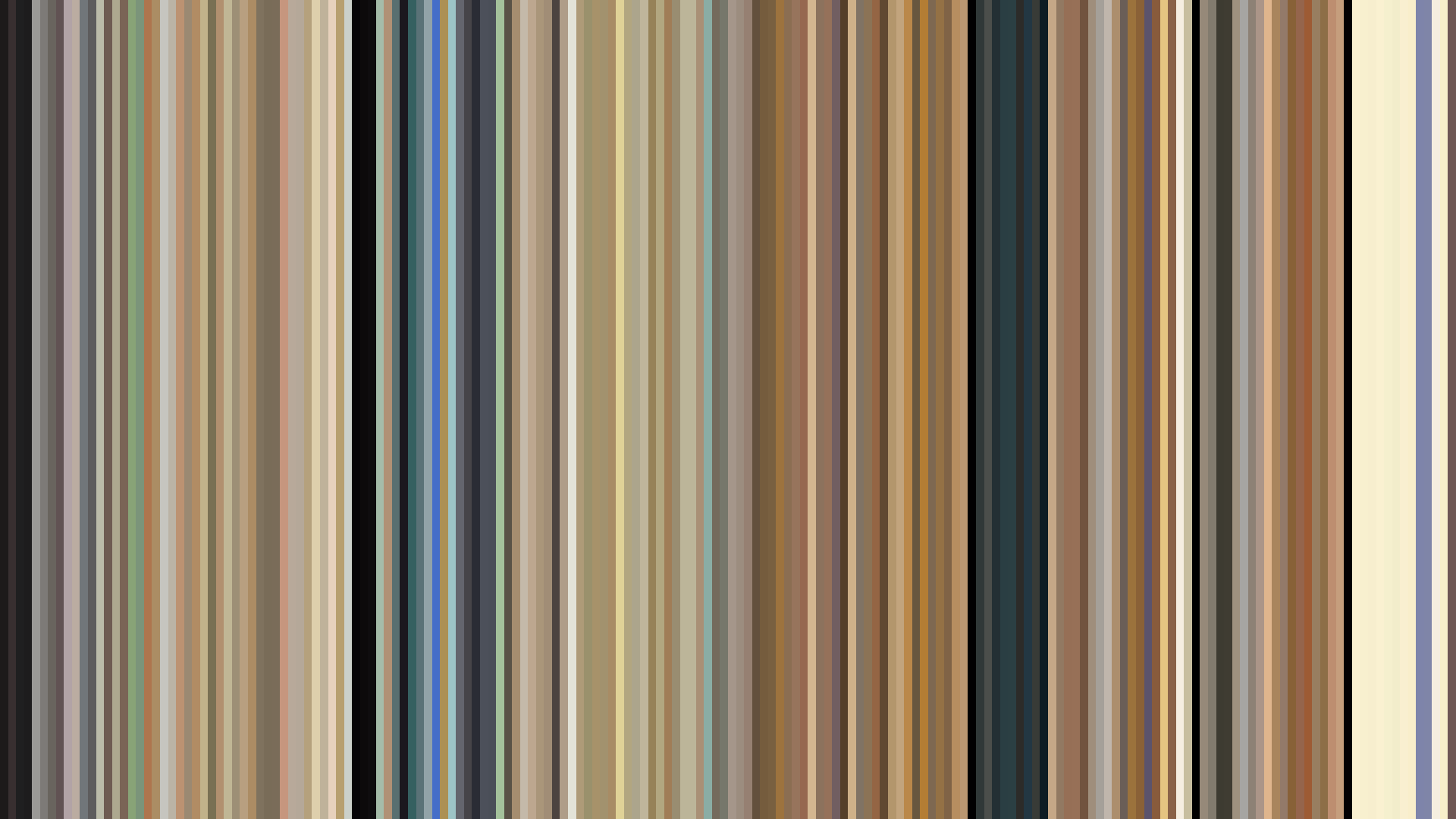
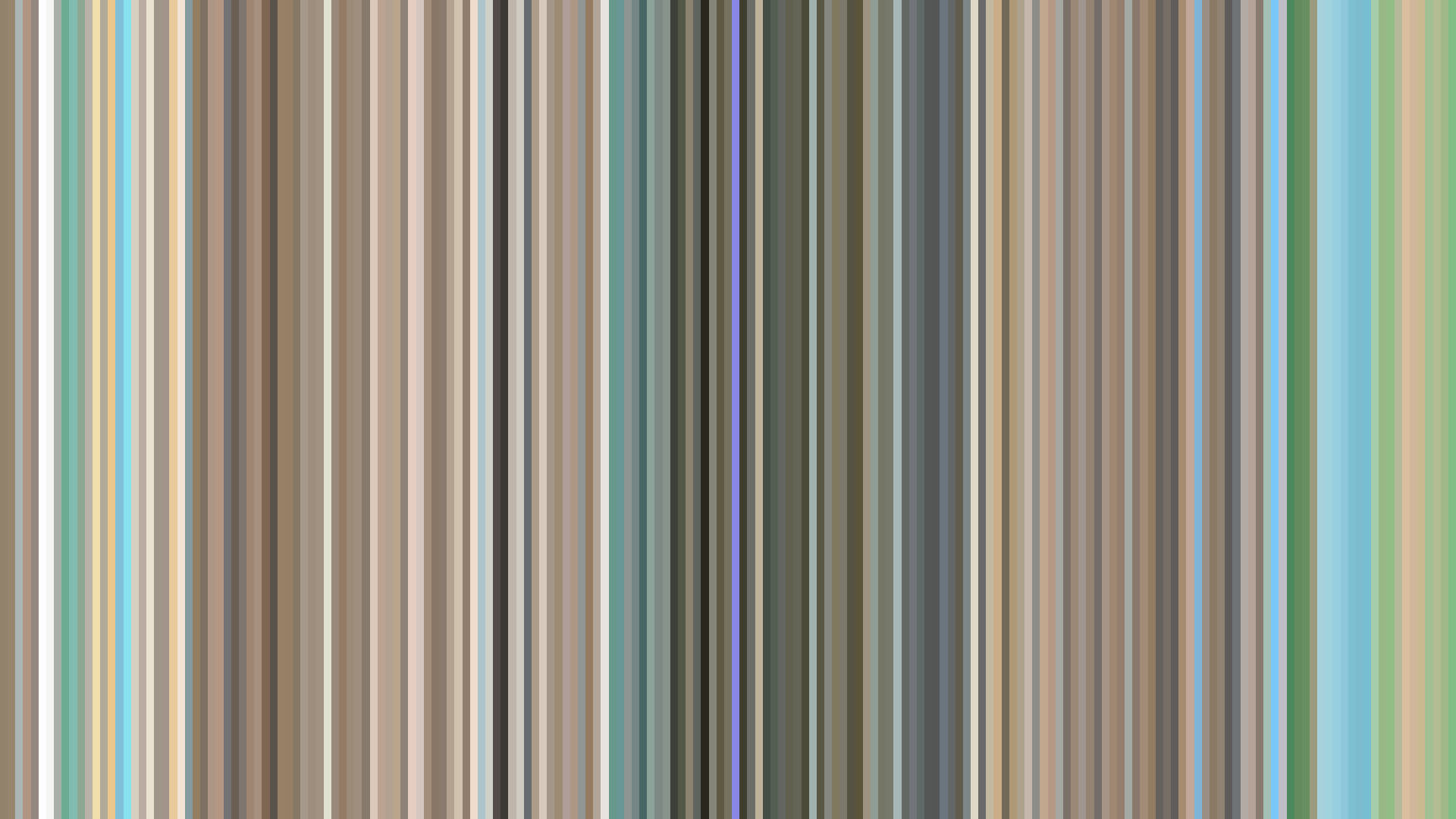
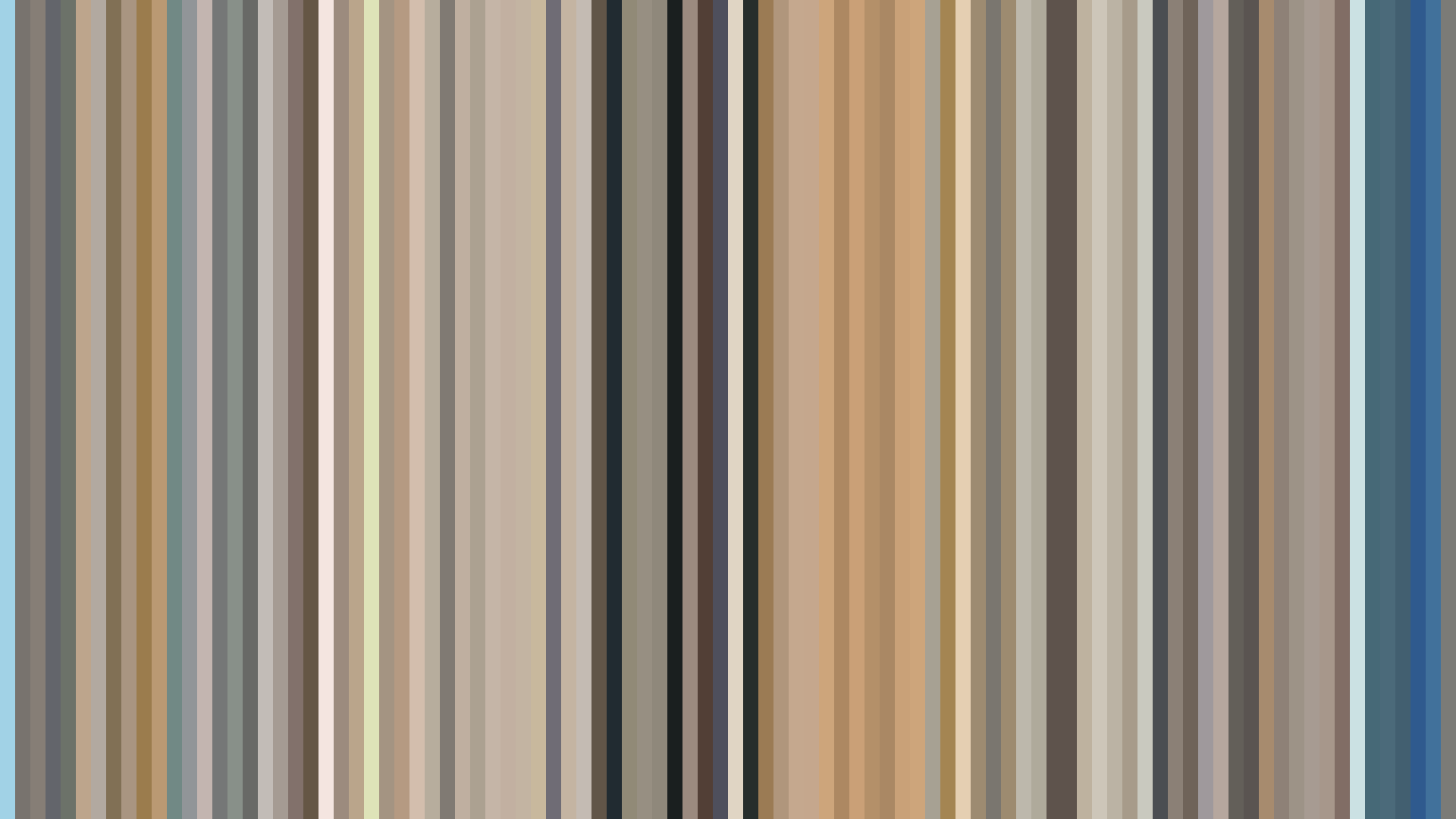
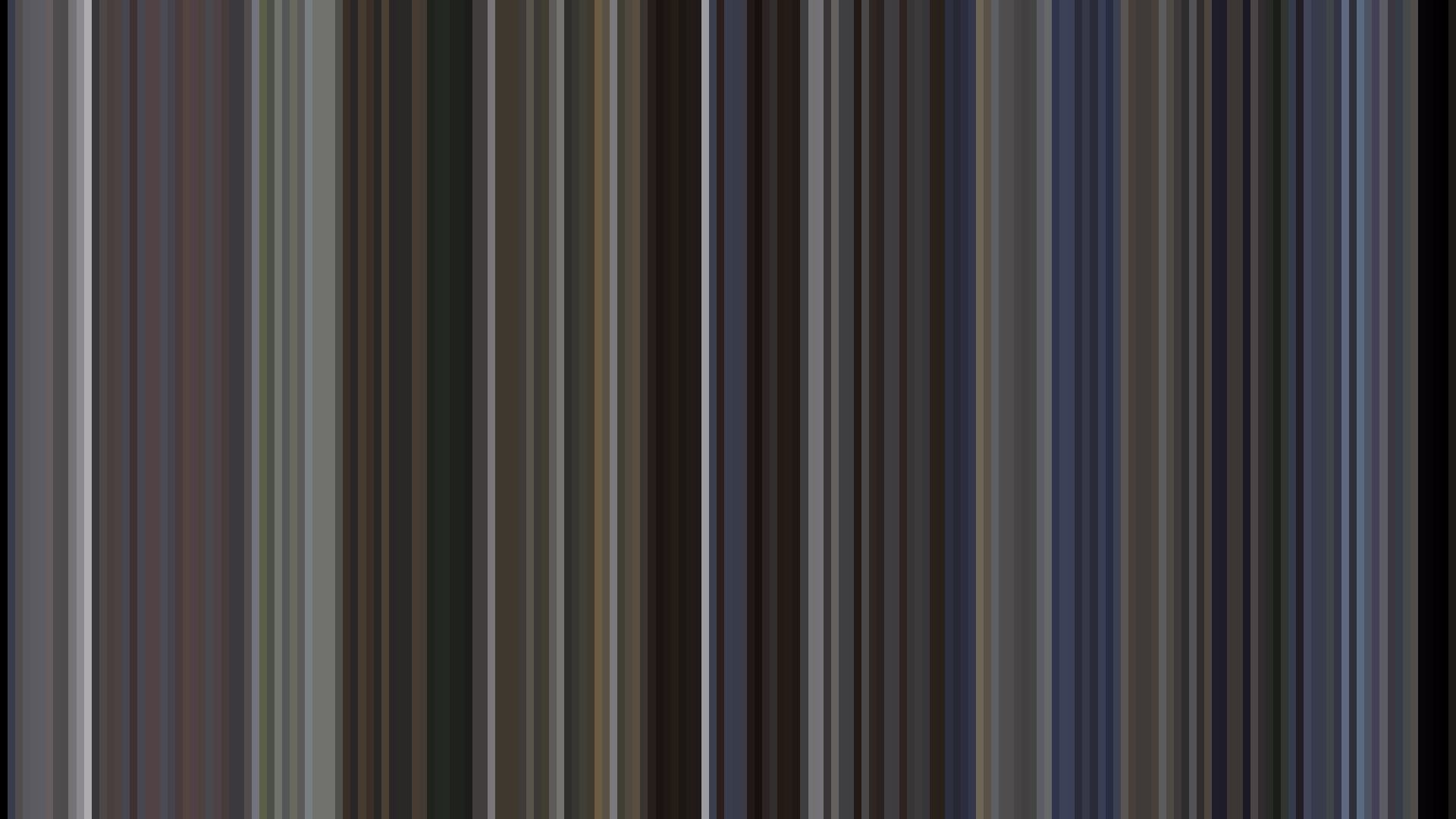
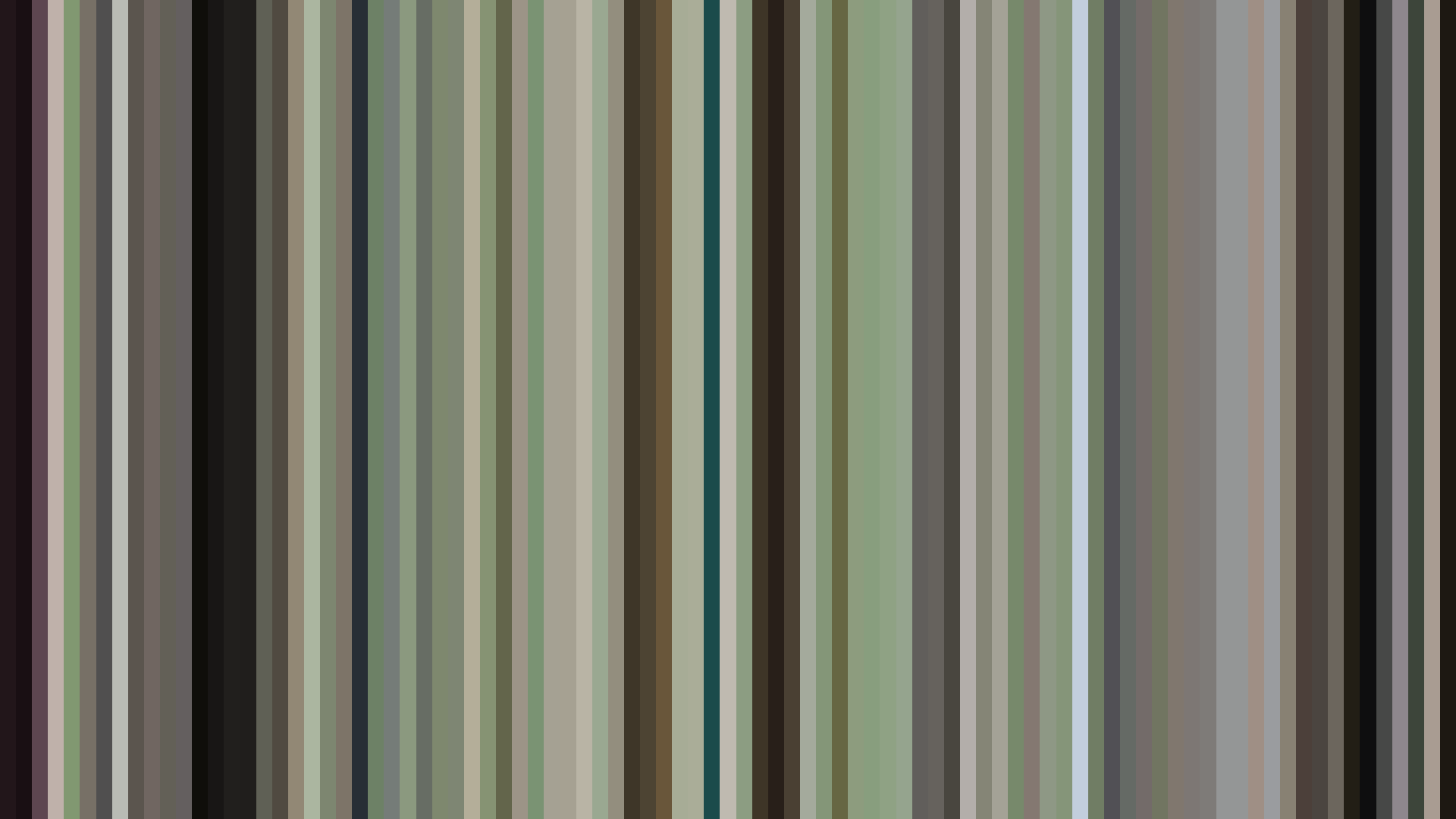
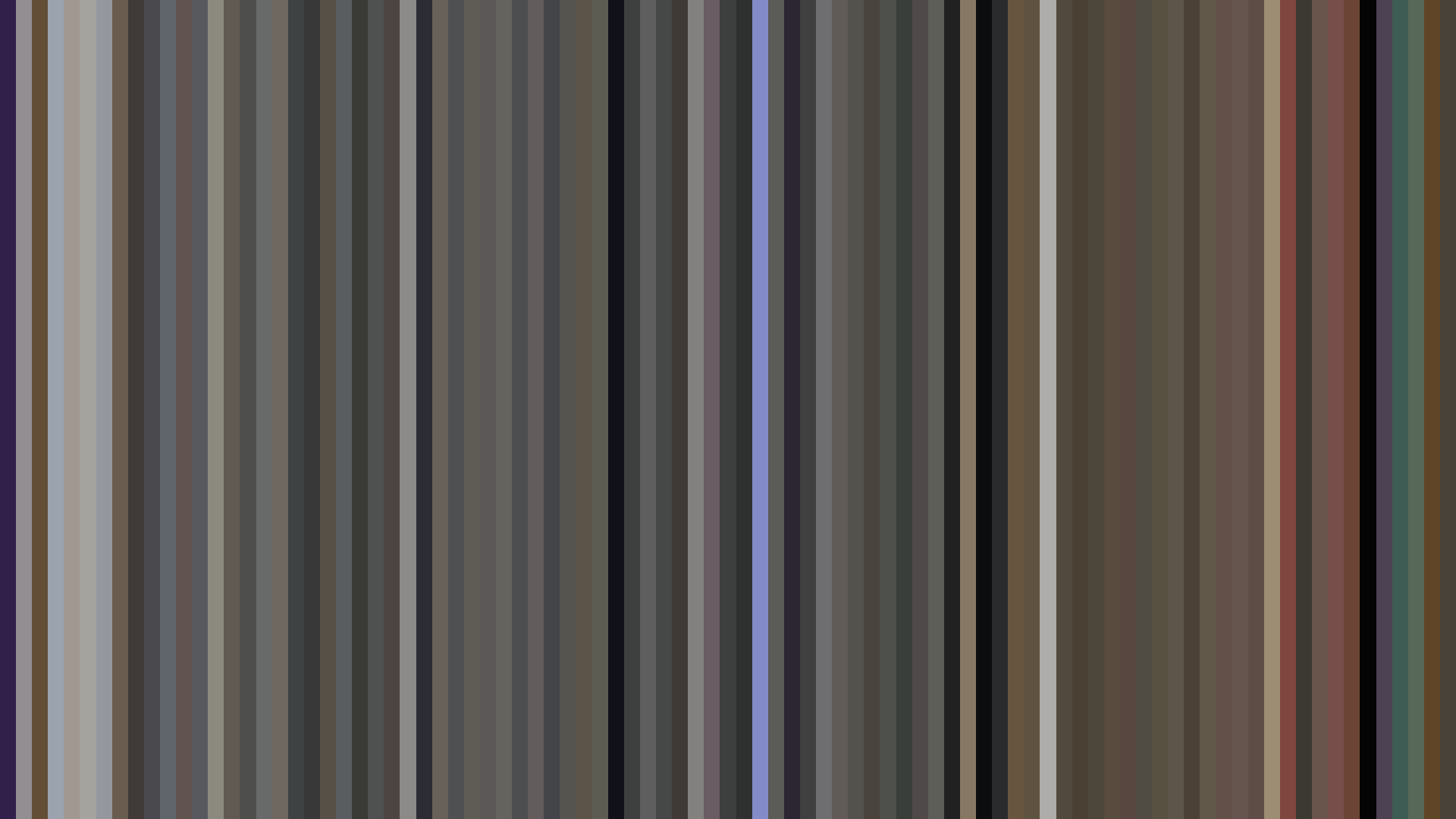
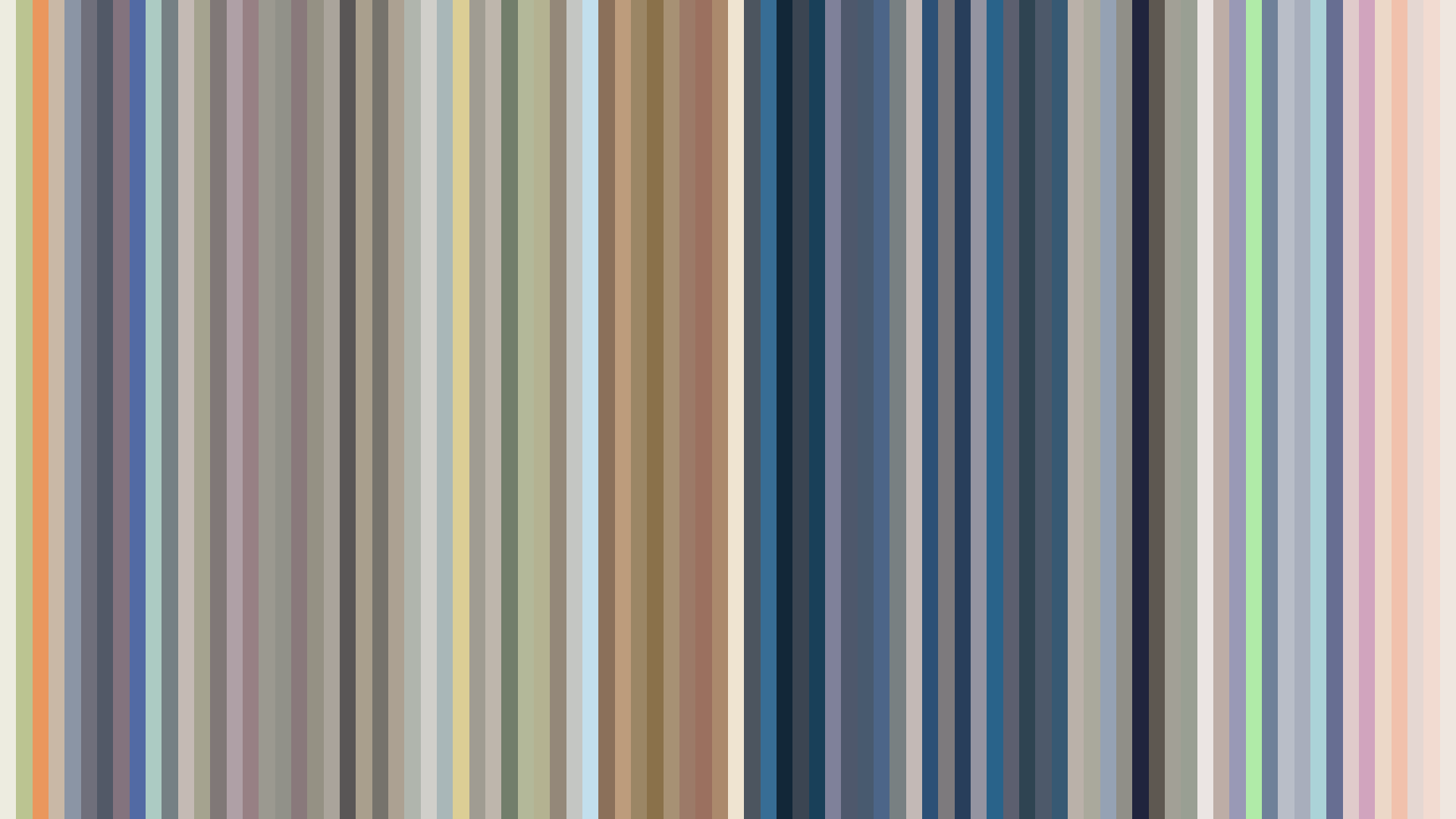
Avg · 15s
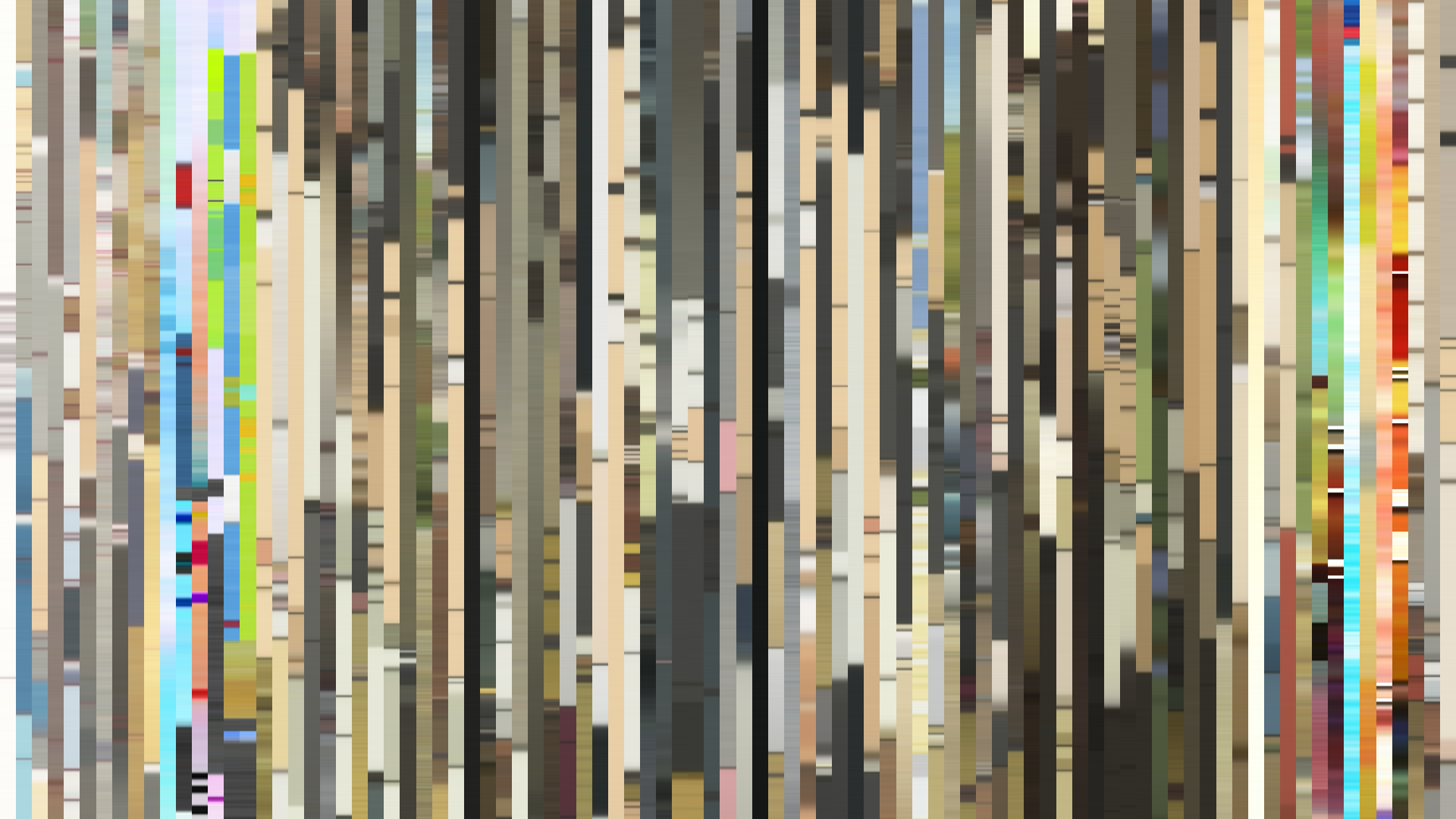
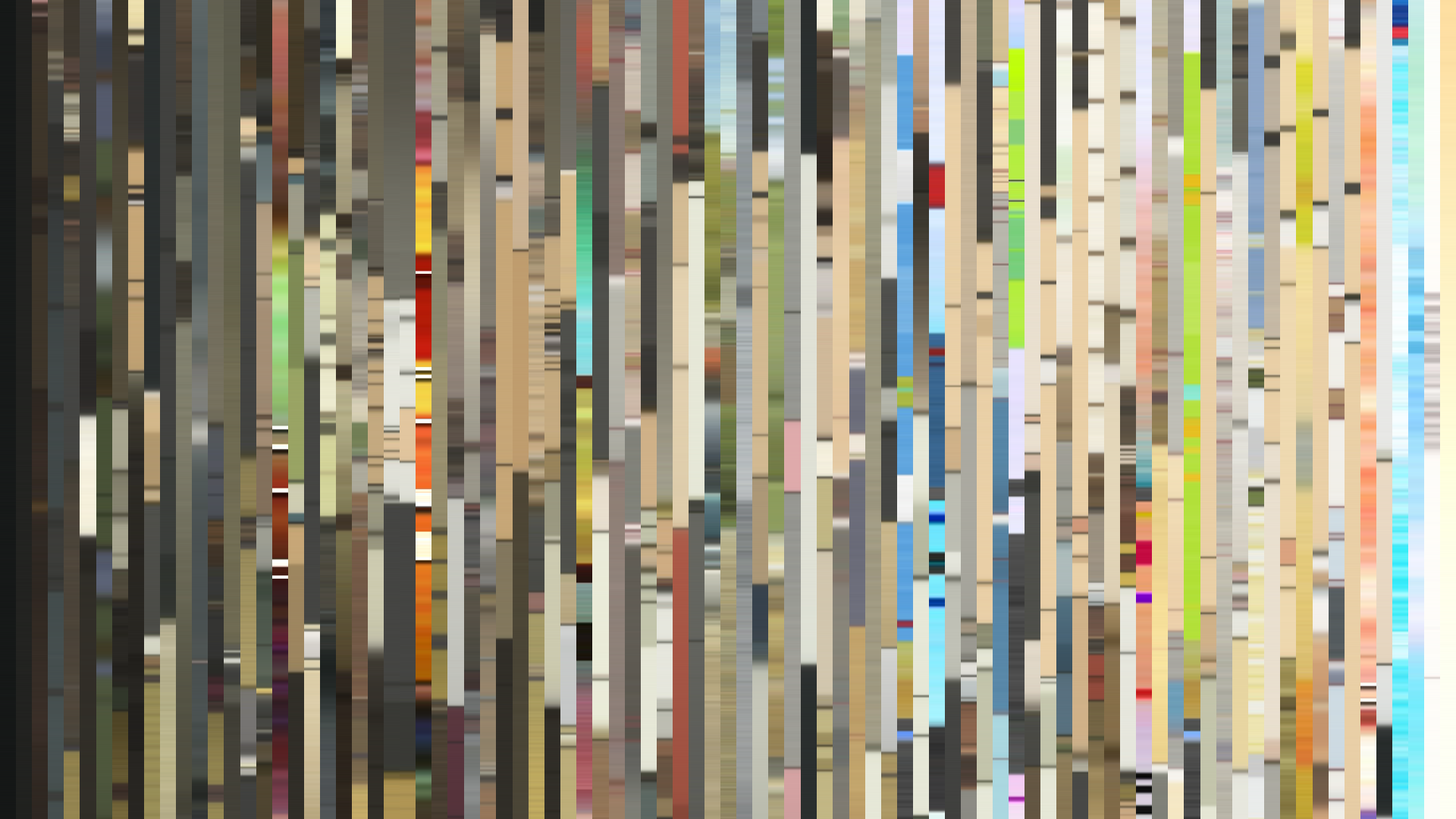
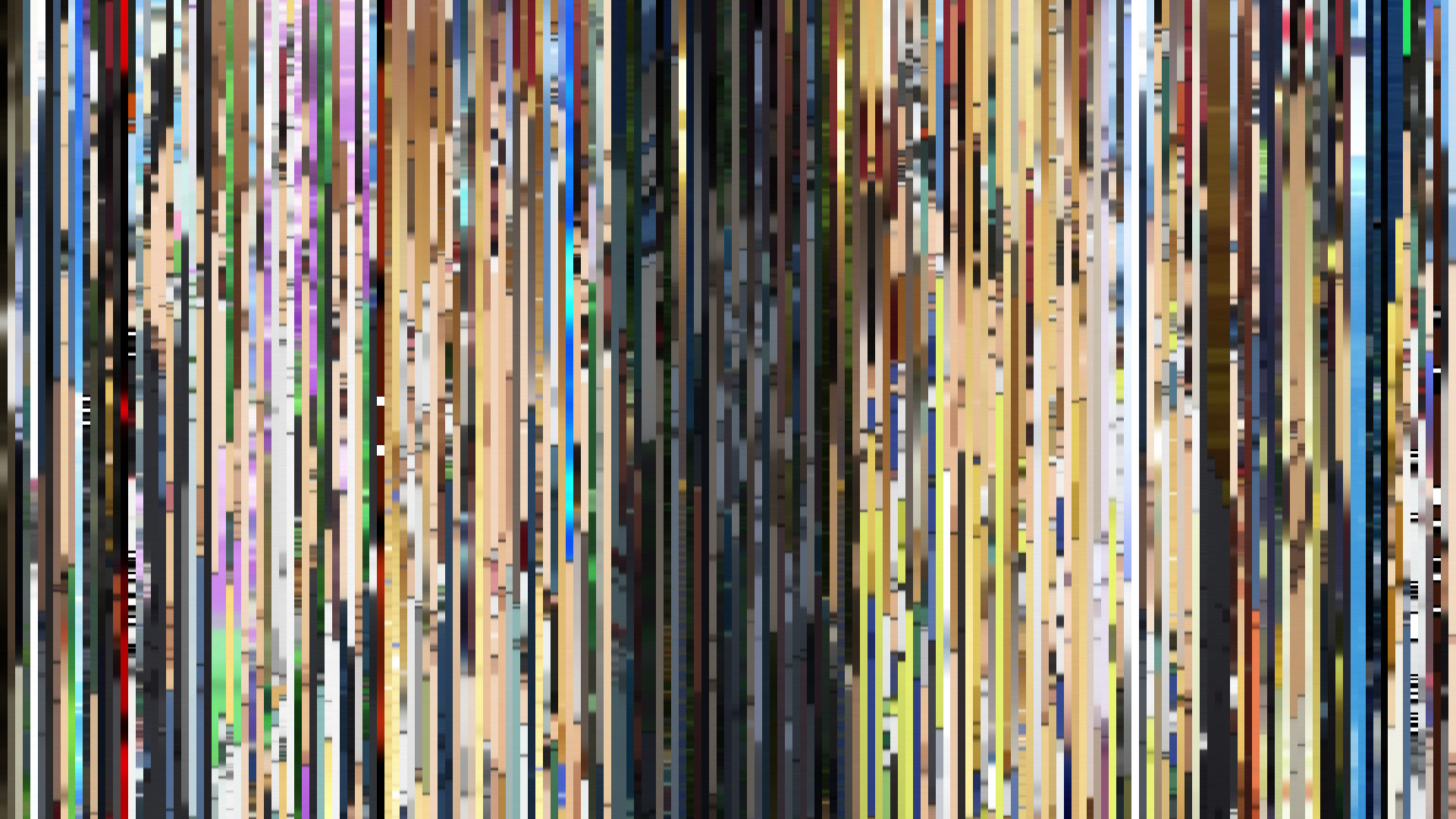
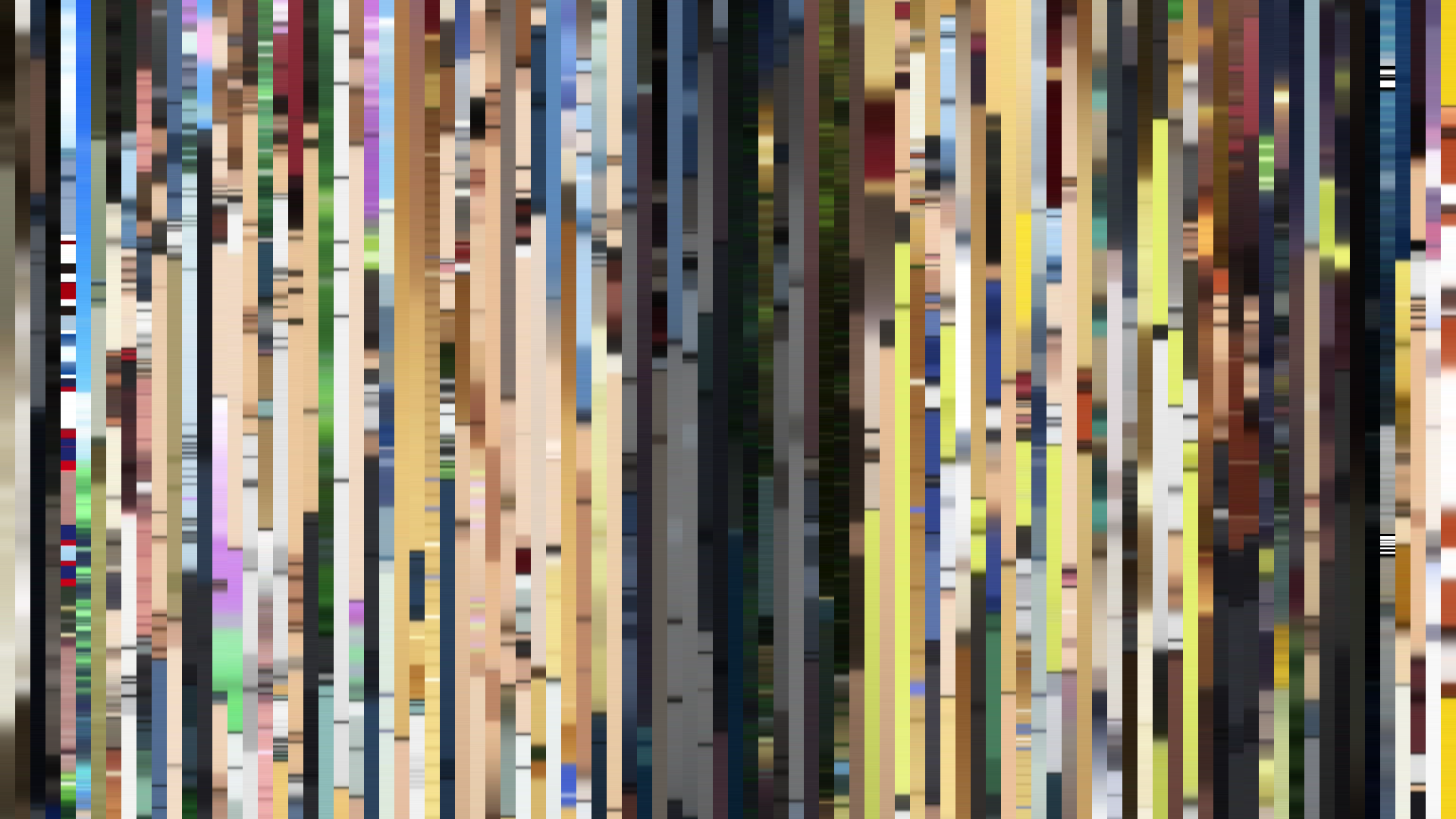
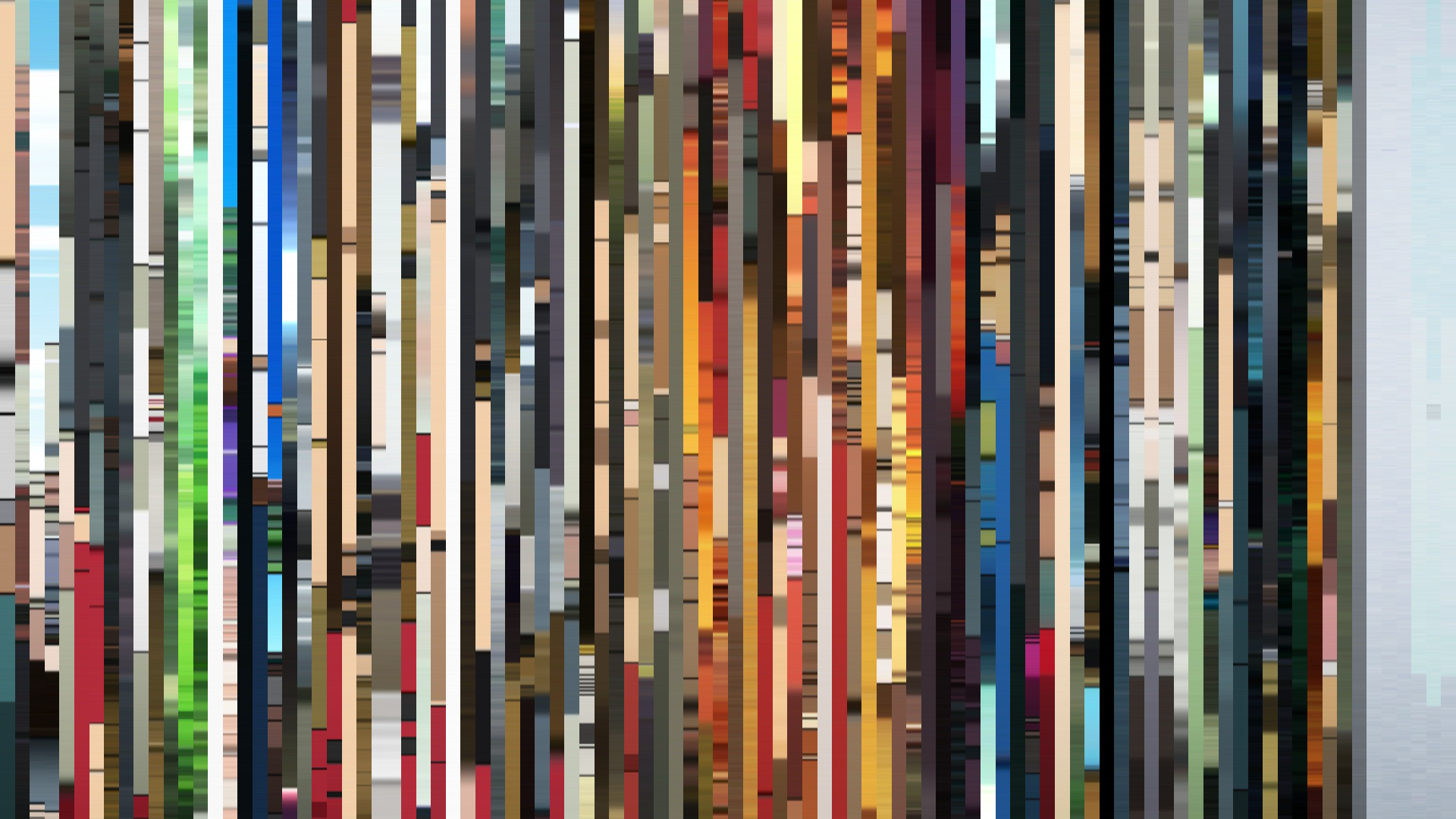
Slice · 30s
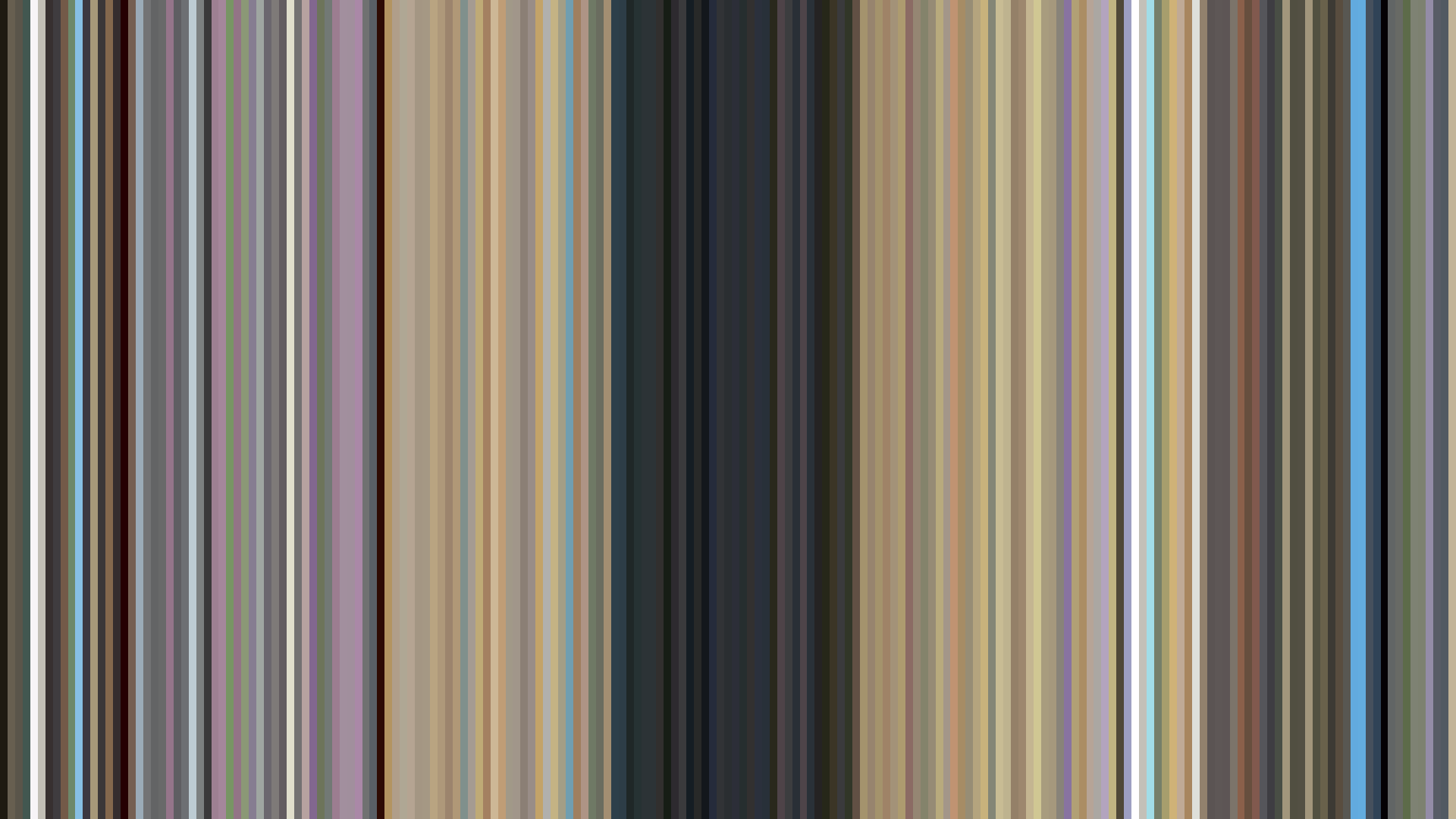
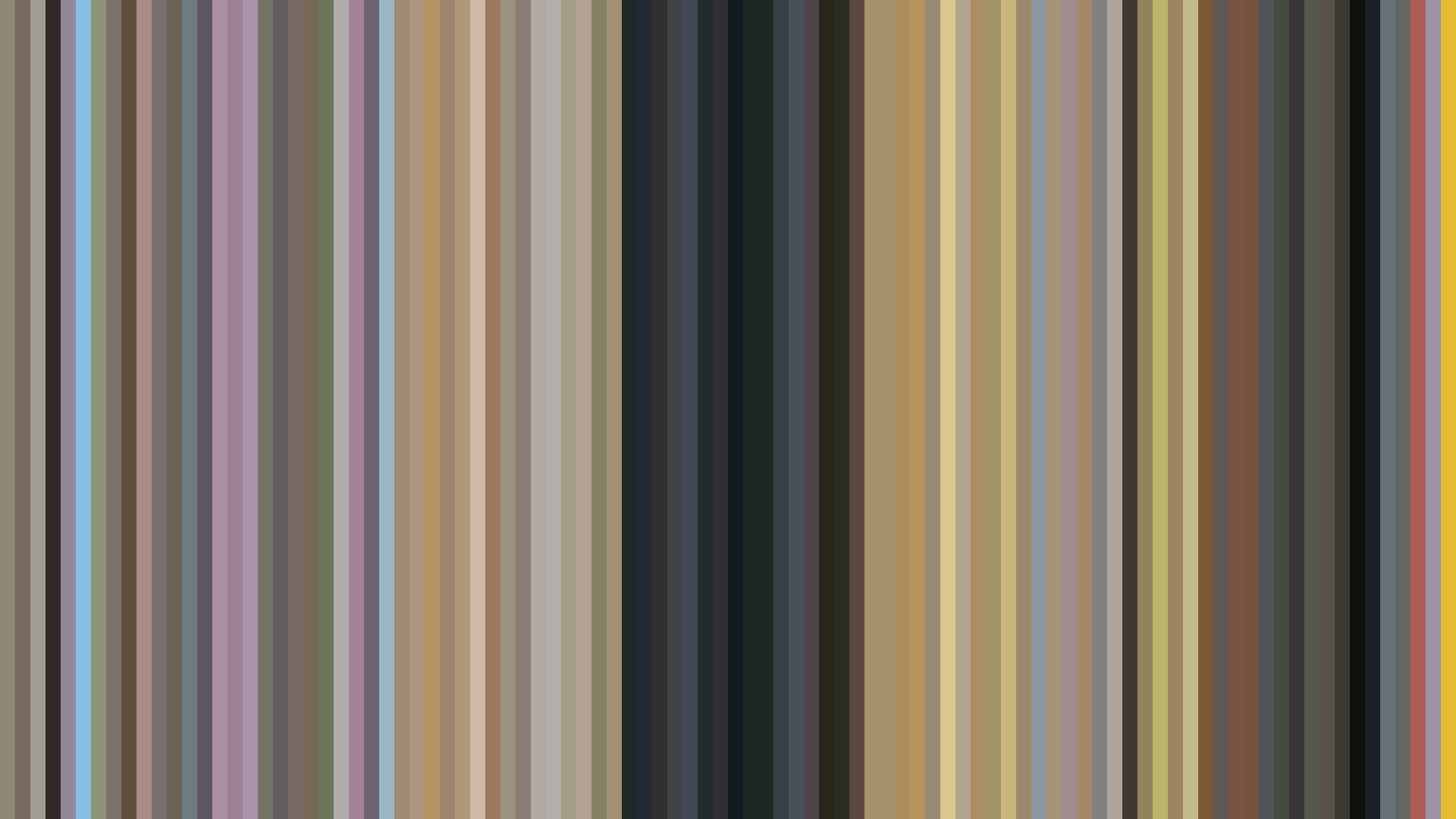
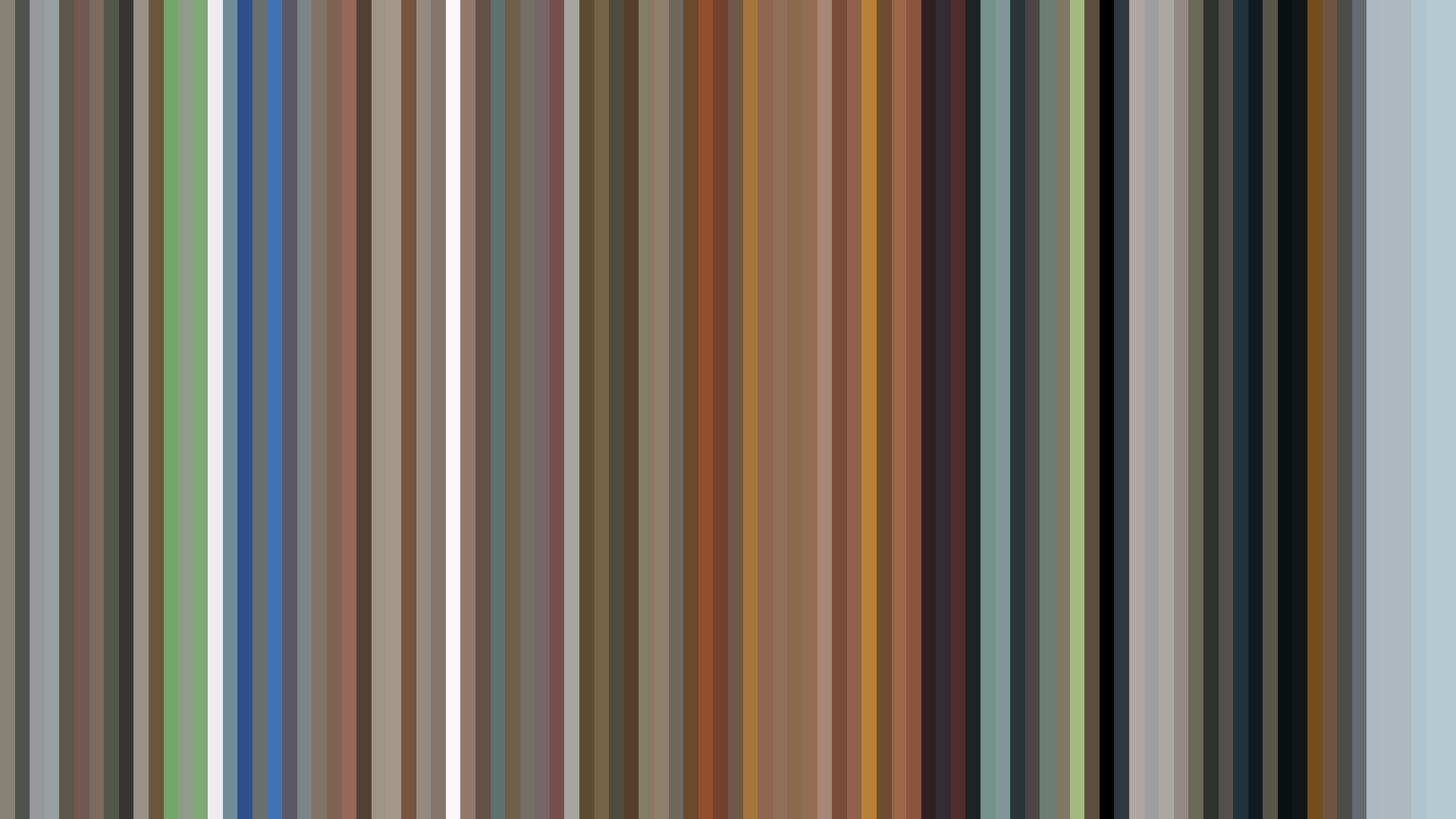
Avg · 30s
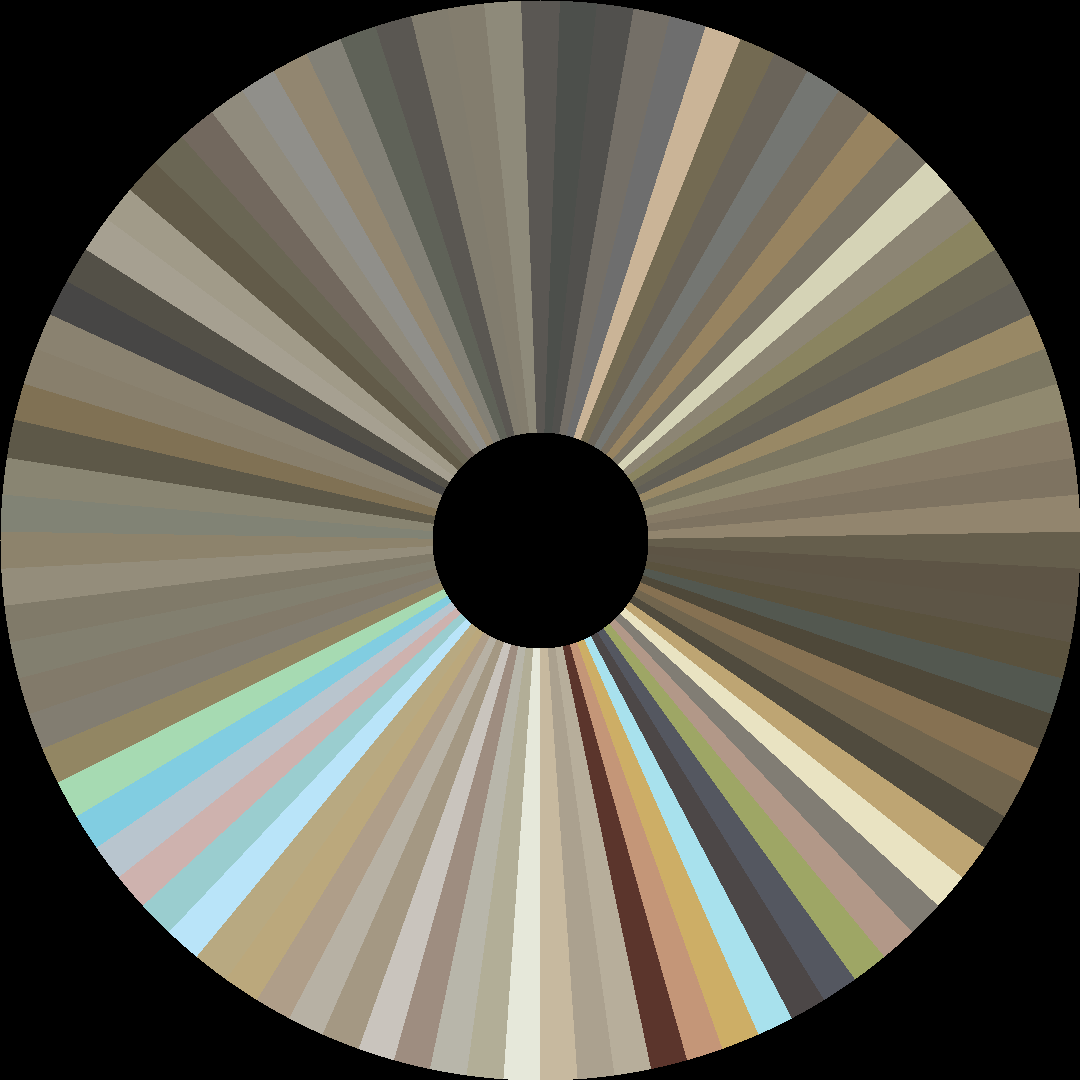
The palette reads earthy but muted—a Red-Orange dominance that should read as warmth but is deliberately desaturated to a near-grège, the visual equivalent of well-worn linen. *The dark opening arc* is the series' most deliberate structural choice: the first act's relative brightness (0.620) collapses into a middle act that refuses to recover, hovering at 0.504 and 0.512. This is not the arc of melodrama or crisis; it is the arc of parenthood as exhaustion and quiet routine. Production I.G's visual team leaches out the saturation, keeping the world soft and slightly concave—every frame feels lived-in, not staged. The average brightness hovers around 0.565, never flirting with the blindingly bright daylight of most slice-of-life shows, because *Bunny Drop* knows that domestic warmth is not the same as sunshine. The earth-toned palette, with its heavy #605E53 and #2E2D29, grounds the series in dirt and wood and skin rather than in the clear primary colors of childhood. This is a show that trusts its audience to find the emotion in a palette that refuses to shout.
Brightness Arc (episode progression)
Hue Distribution
Act Breakdown
Opening
0.620
Middle
0.504
Closing
0.512
Avg Brightness
0.565
Avg Saturation
0.206
Warmth
0.554
Color Palette
#605E53
#A8A496
#E5E5DB
#DFCFAB
#9C916D
#2E2D29
#CDB496
#4F4938
3-Act Color Story
Opening
Middle
Closing
Color Twins
Perceptually nearest palettes — measured in OKLab space, not RGB






The palette reads earthy but muted—a Red-Orange dominance that should read as warmth but is deliberately desaturated to a near-grège, the visual equivalent of well-worn linen. *The dark opening arc* is the series' most deliberate structural choice: the first act's relative brightness (0.620) collapses into a middle act that refuses to recover, hovering at 0.504 and 0.512. This is not the arc of melodrama or crisis; it is the arc of parenthood as exhaustion and quiet routine. Production I.G's visual team leaches out the saturation, keeping the world soft and slightly concave—every frame feels lived-in, not staged. The average brightness hovers around 0.565, never flirting with the blindingly bright daylight of most slice-of-life shows, because *Bunny Drop* knows that domestic warmth is not the same as sunshine. The earth-toned palette, with its heavy #605E53 and #2E2D29, grounds the series in dirt and wood and skin rather than in the clear primary colors of childhood. This is a show that trusts its audience to find the emotion in a palette that refuses to shout.