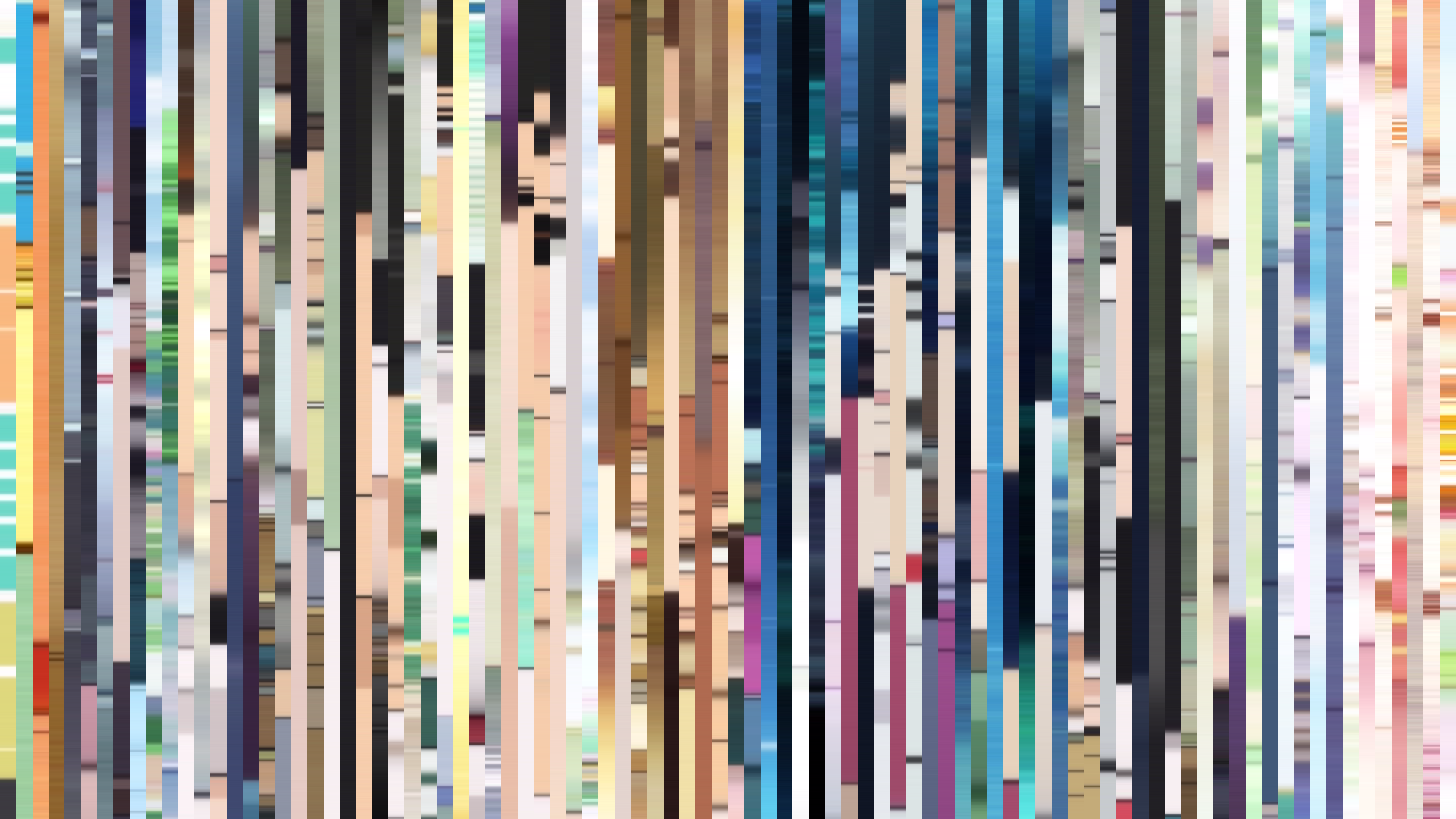
Edit Pace — frame-to-frame color delta (bright = fast cuts)
Color Temperature — warm (gold) vs cool (teal) per frame
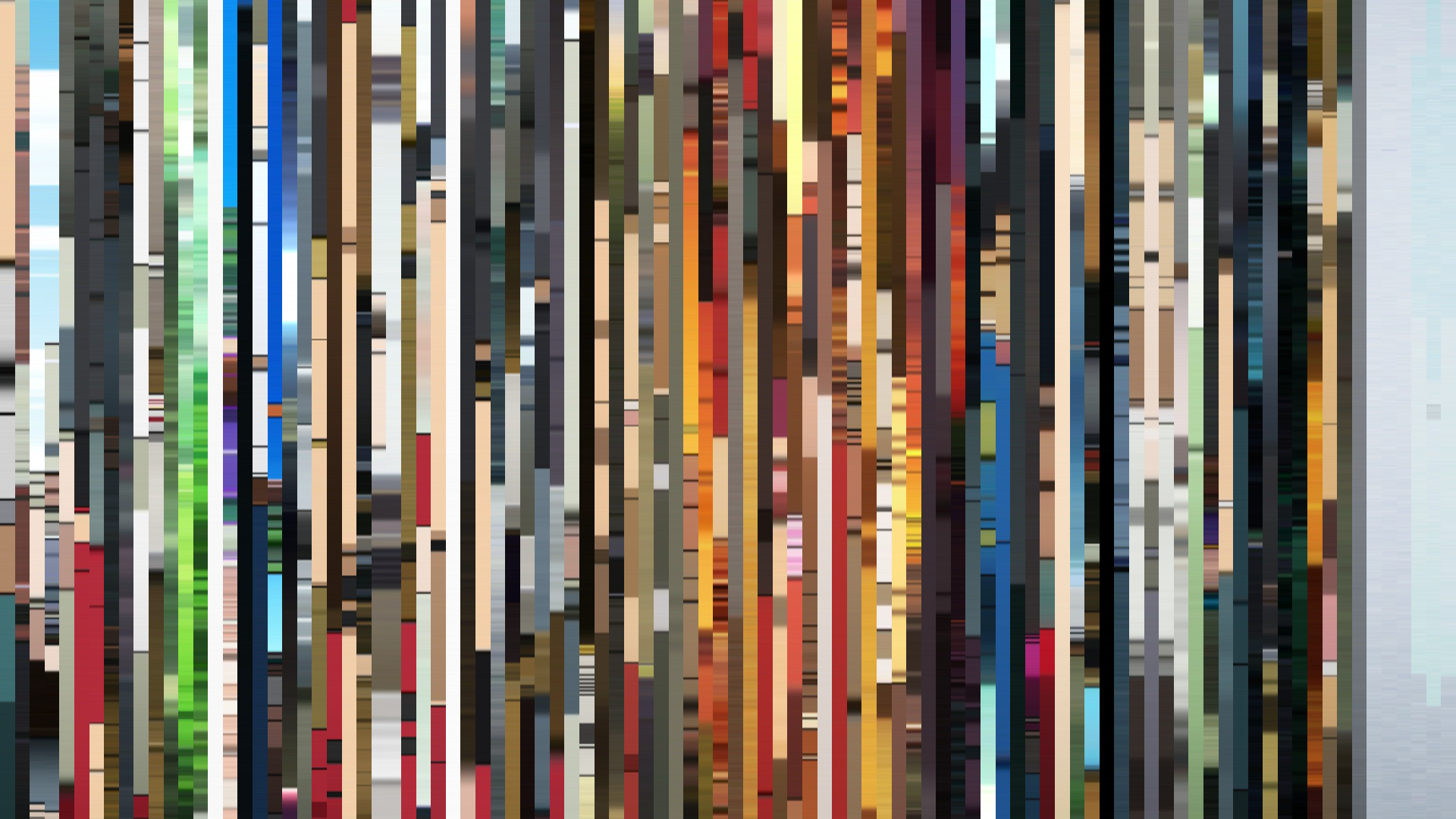
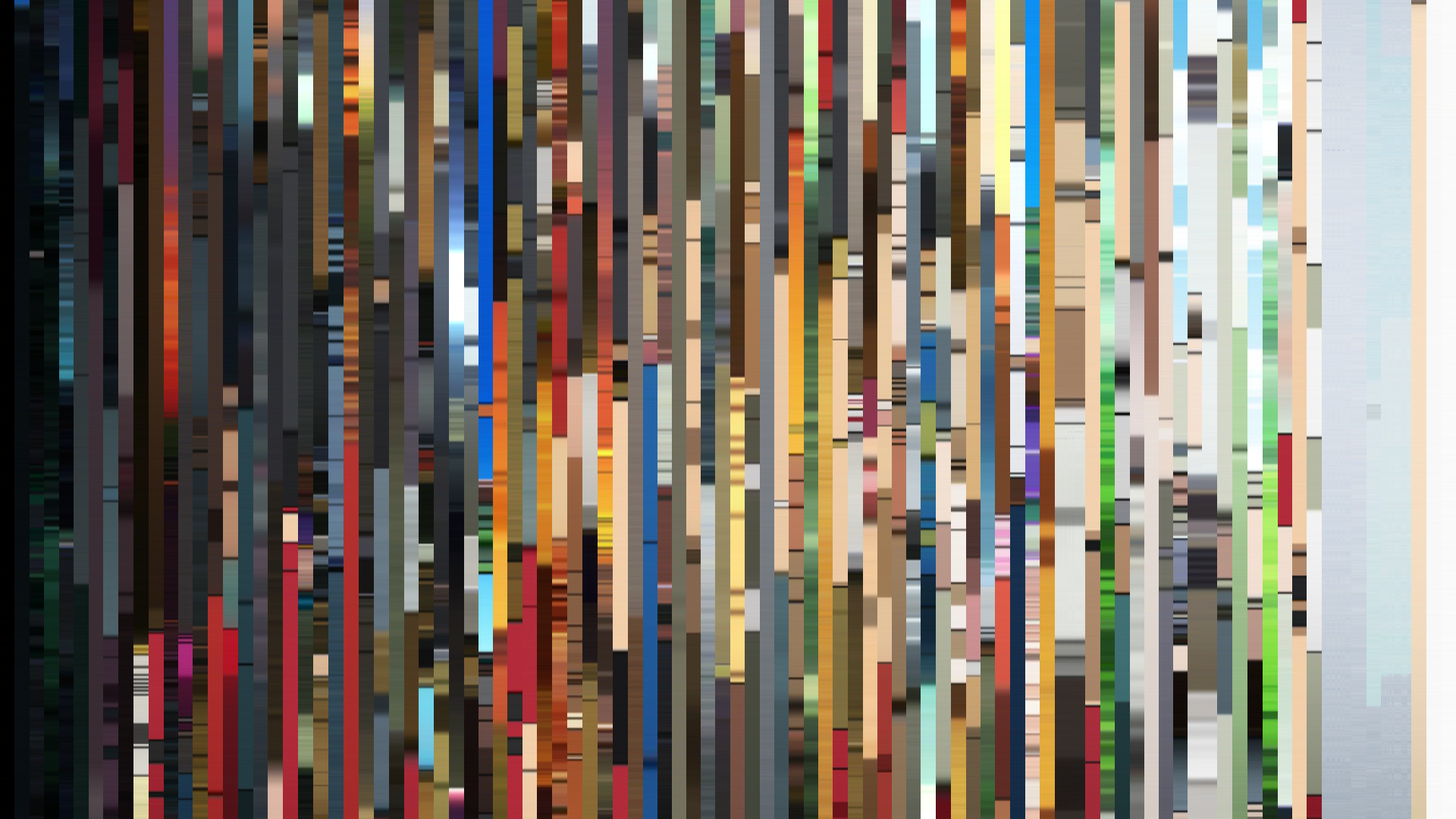
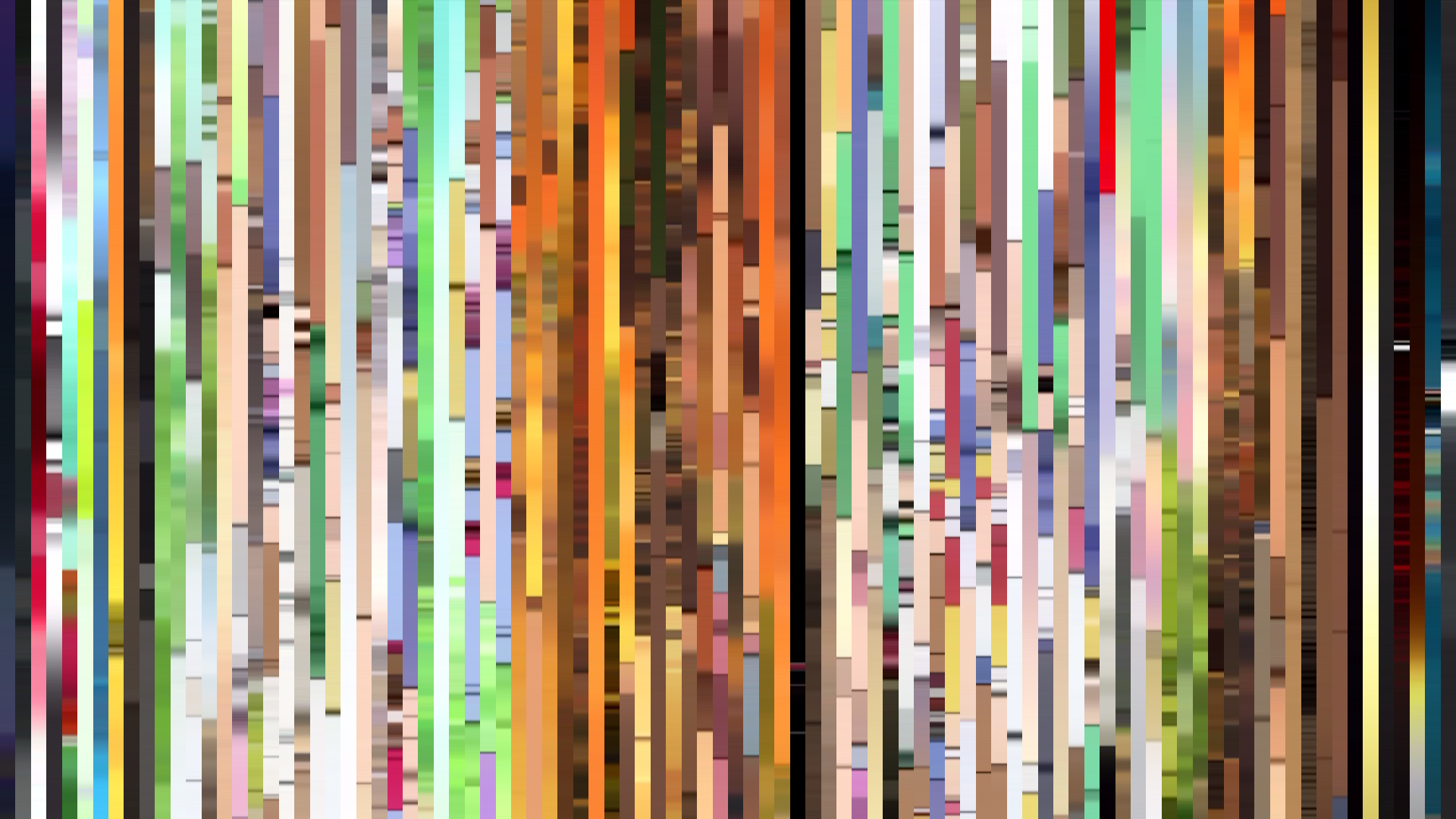
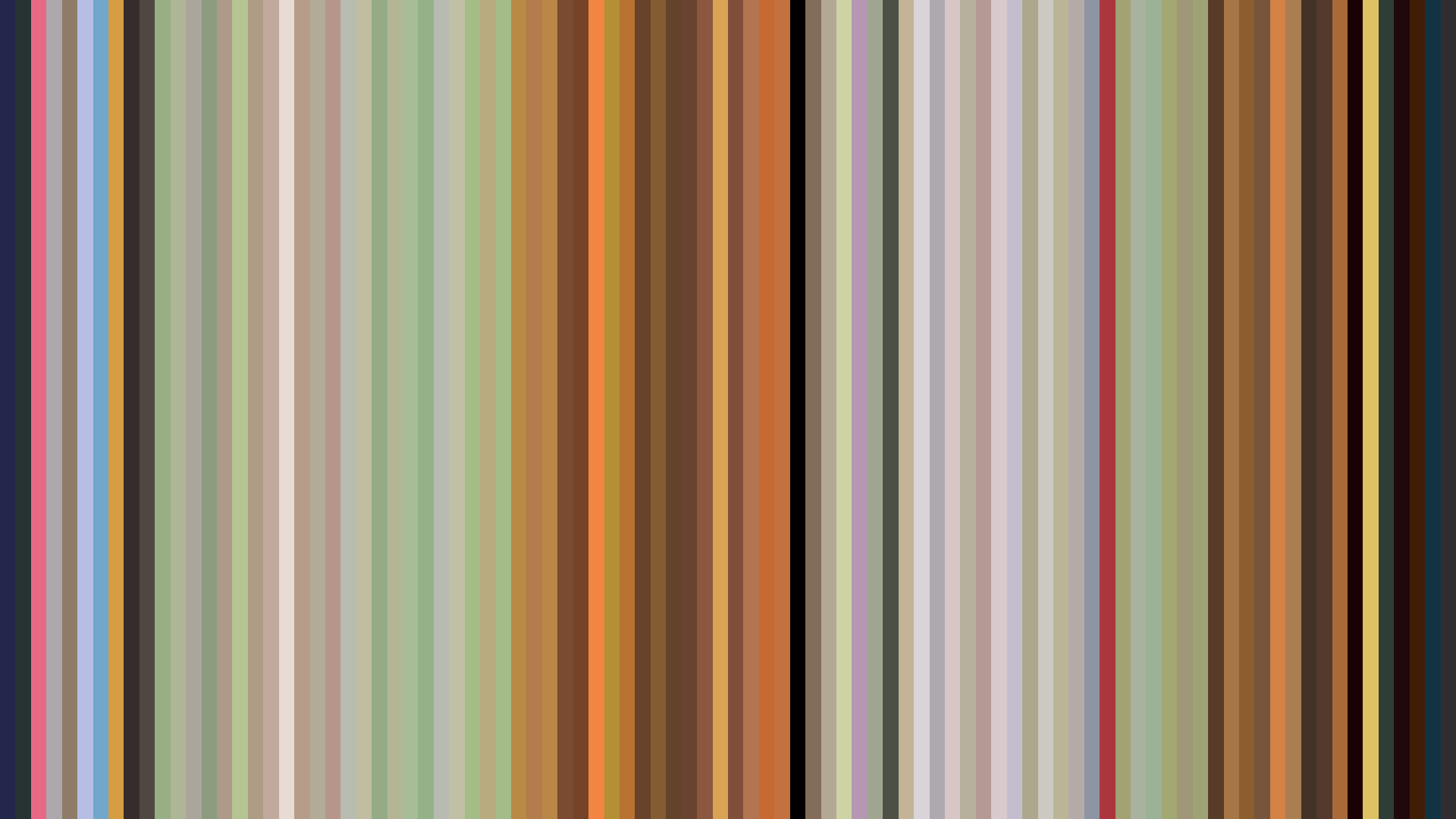
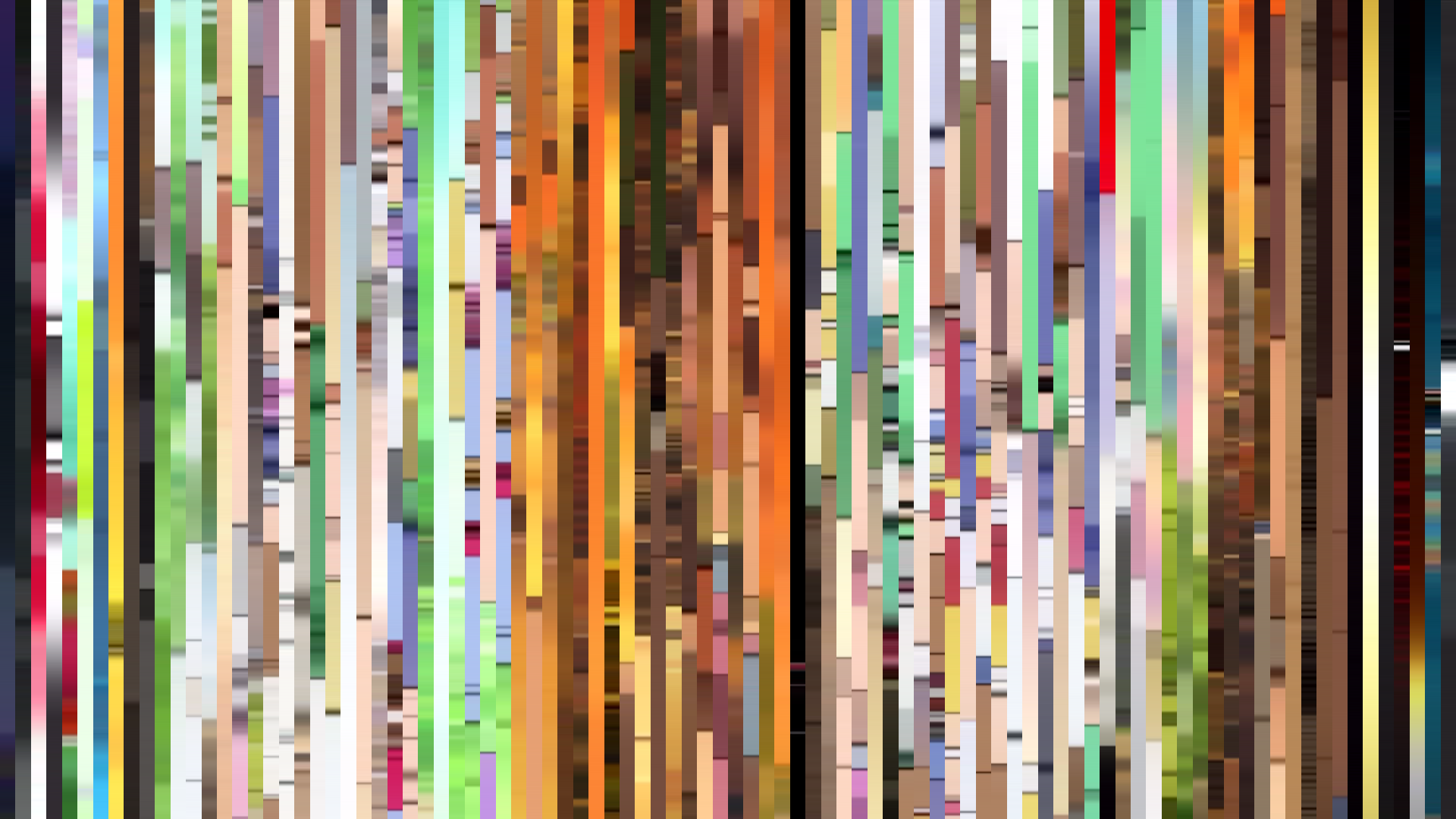
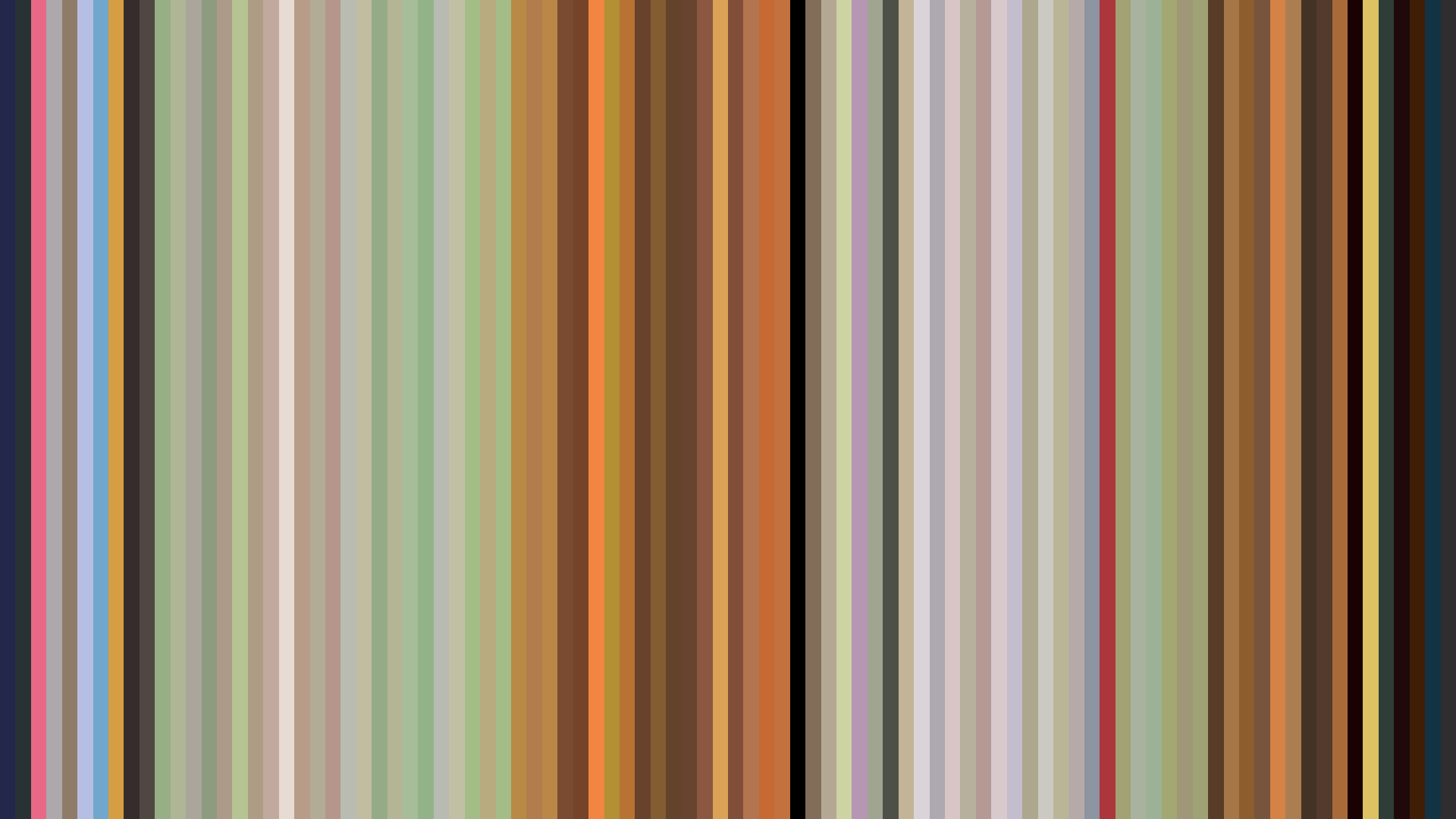
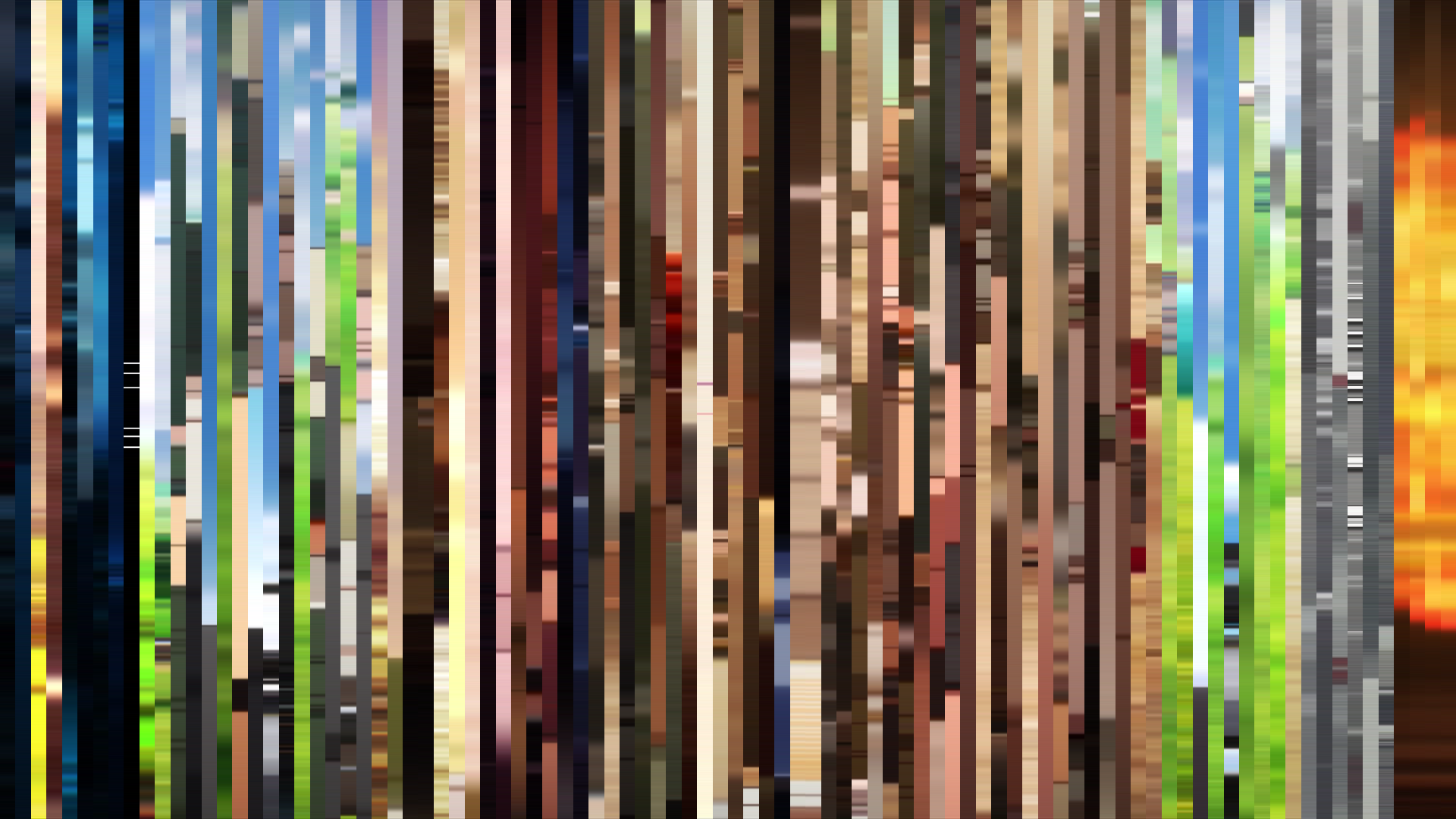
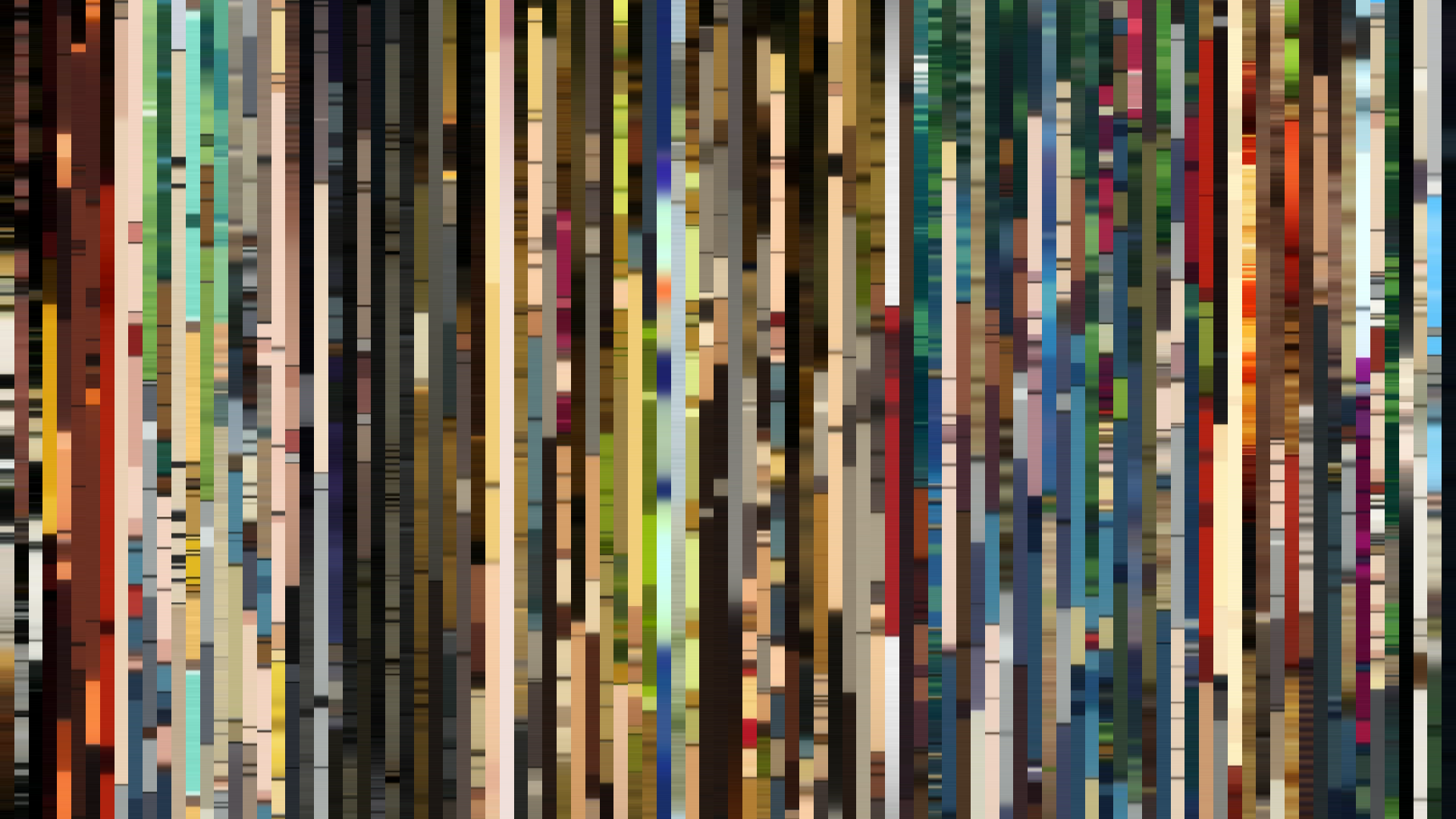
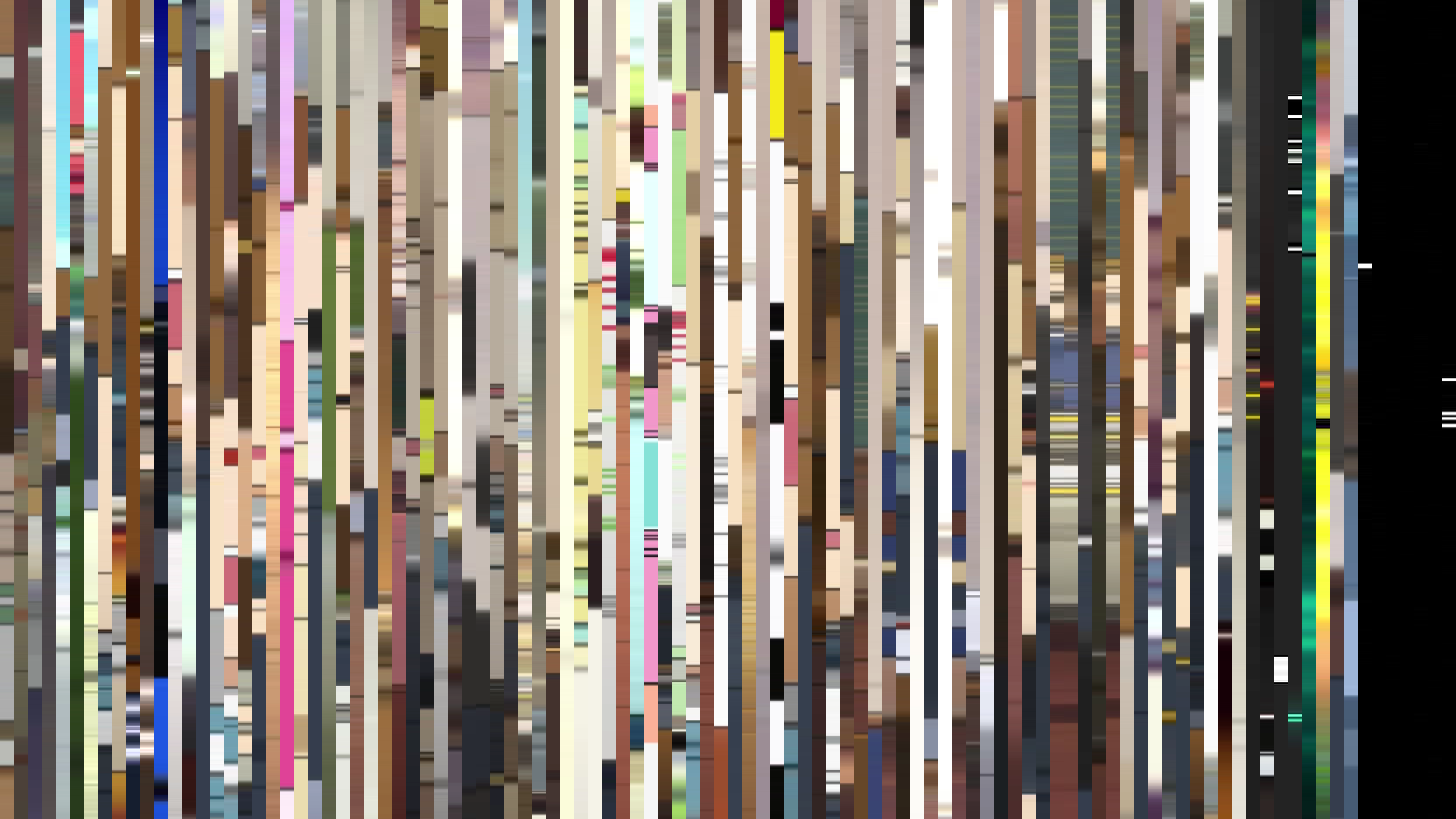
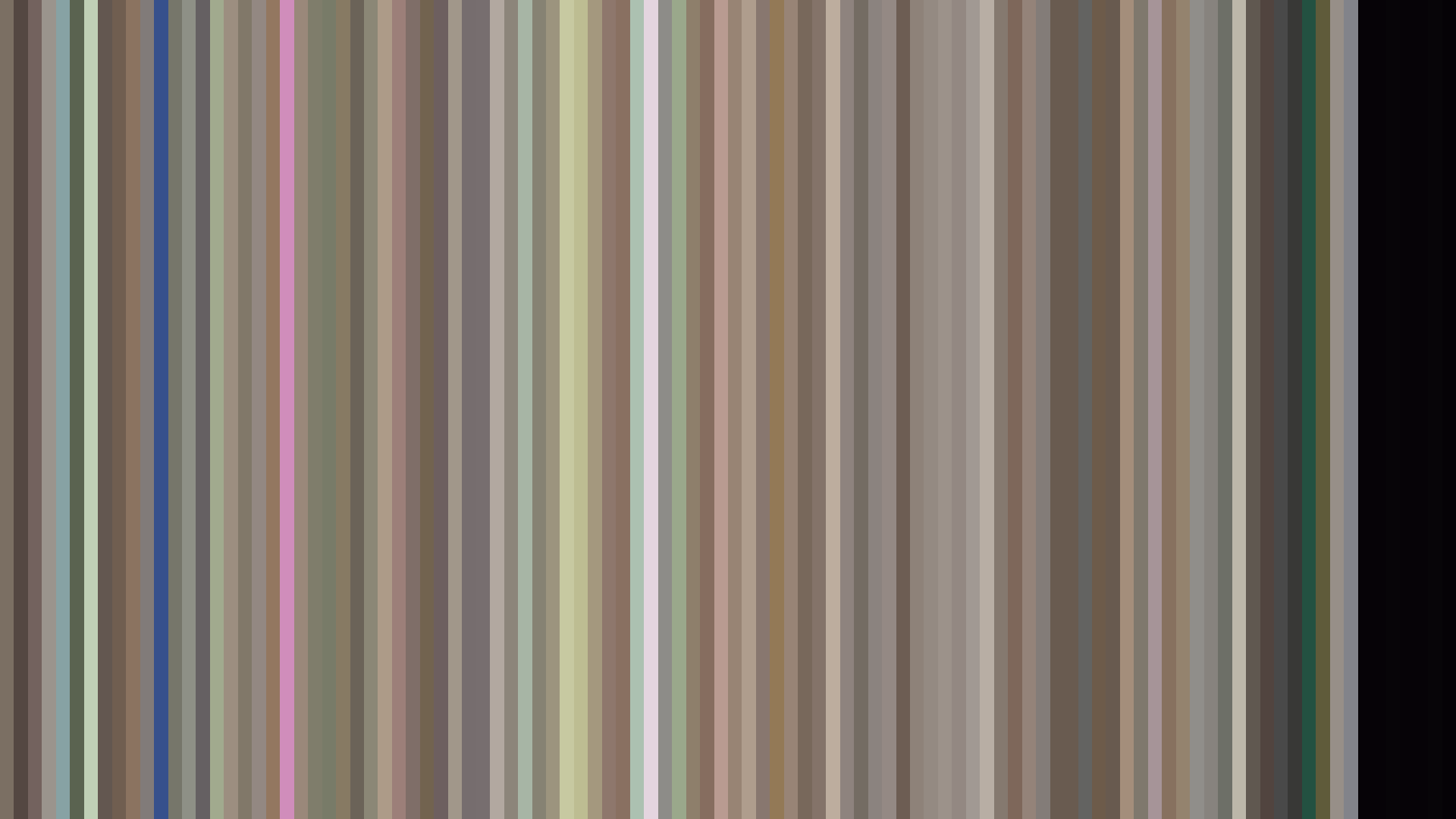
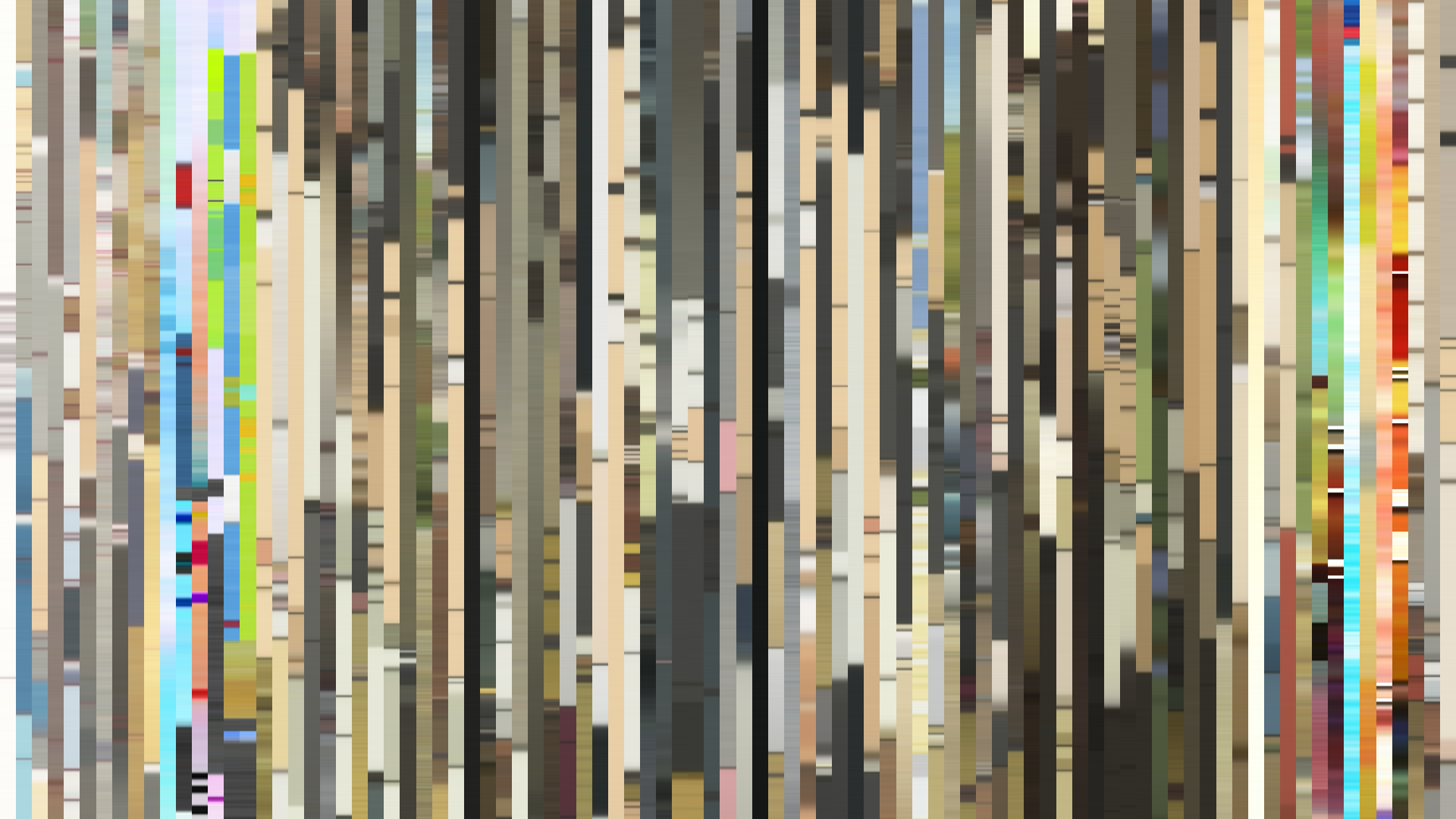
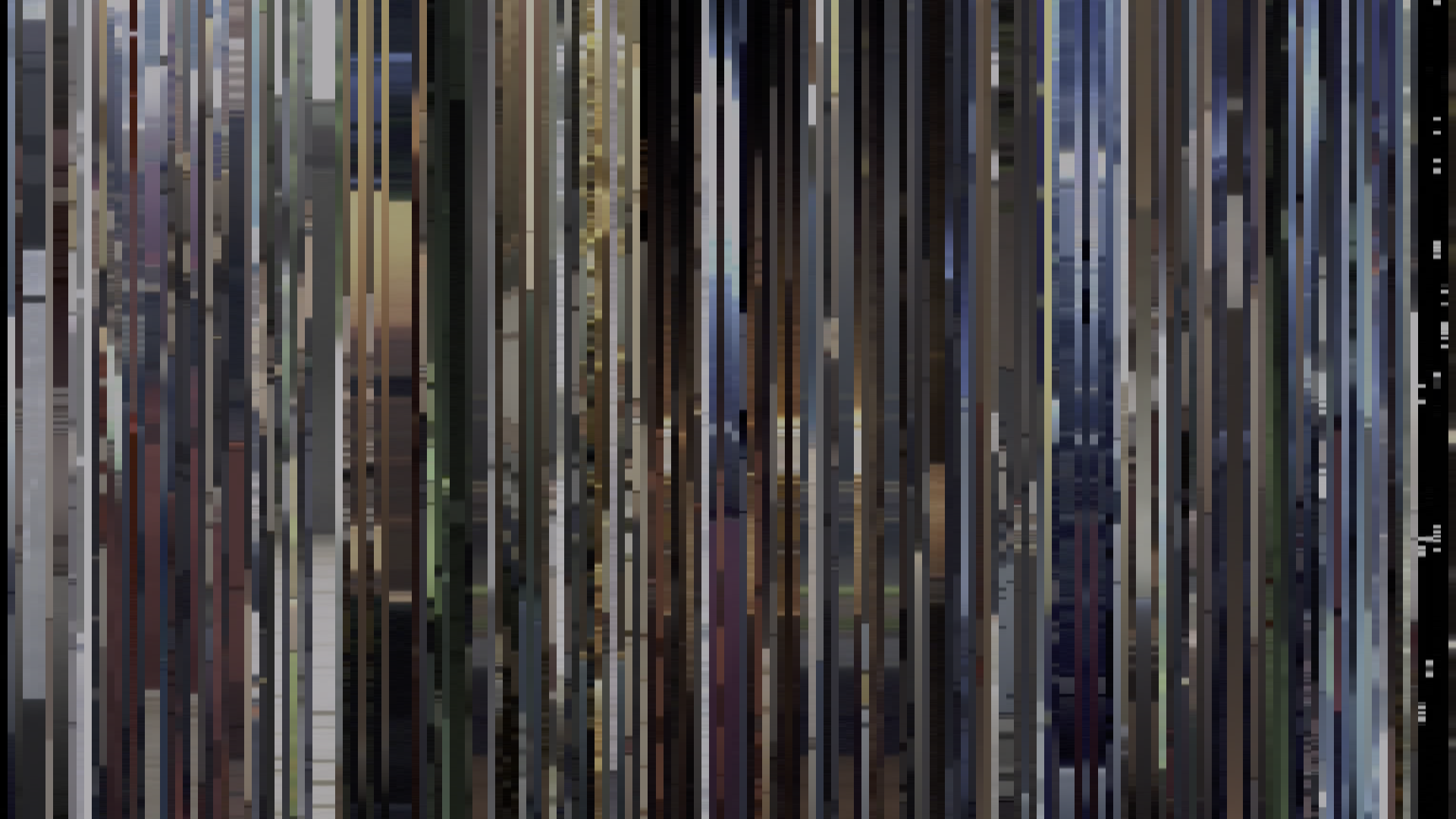
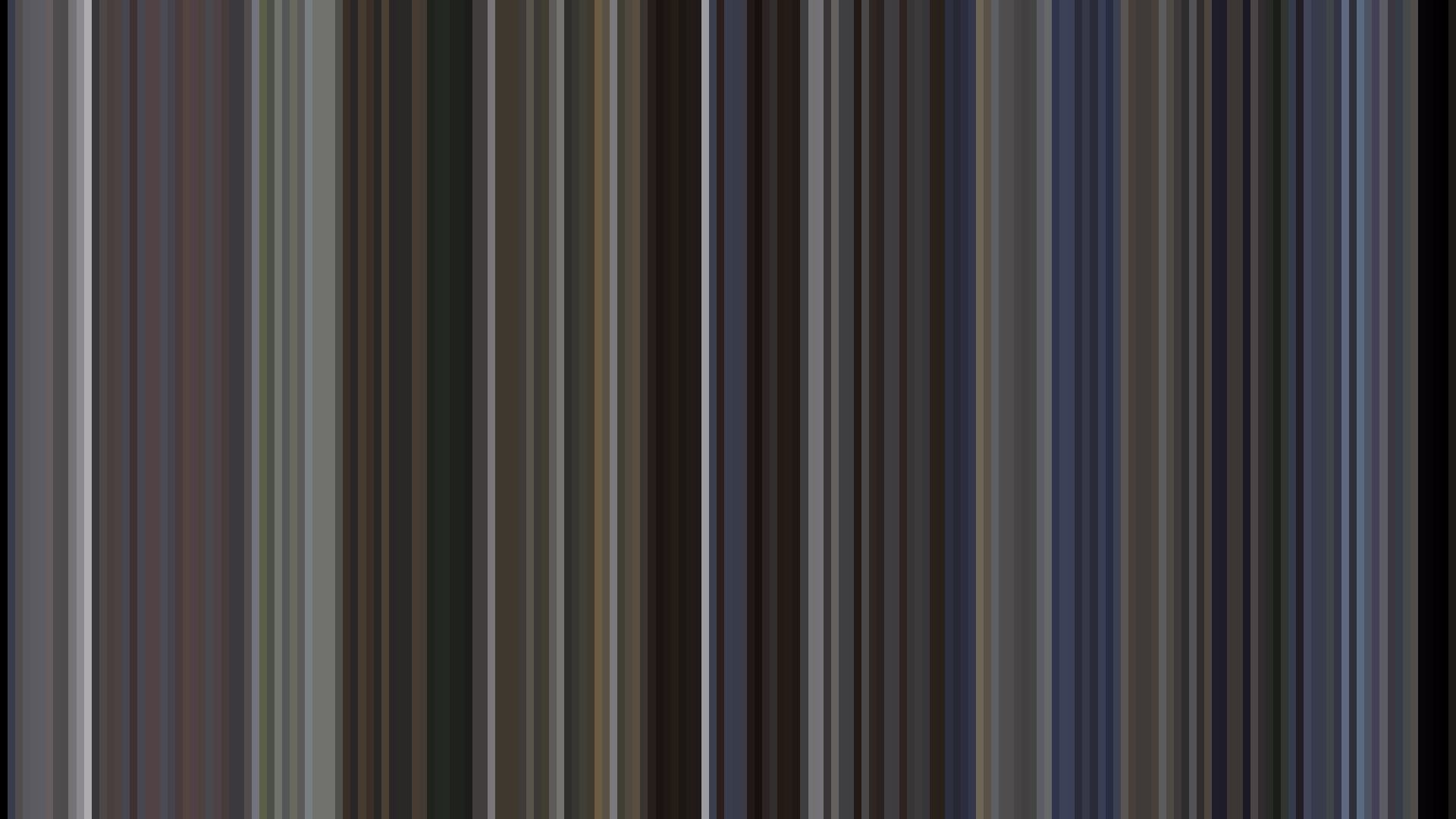
Frame Density Comparison — every 2nd vs every 4th frame
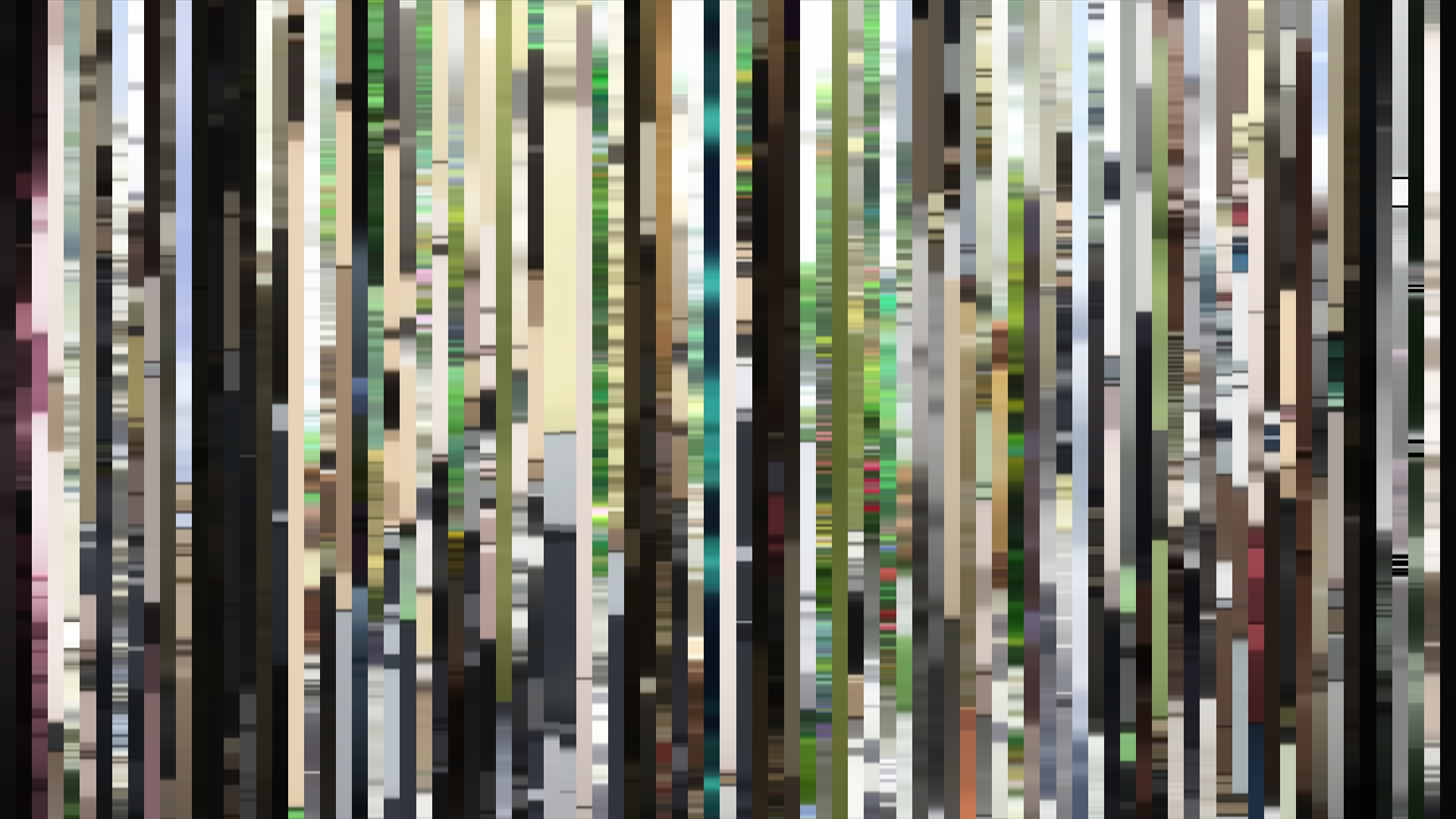
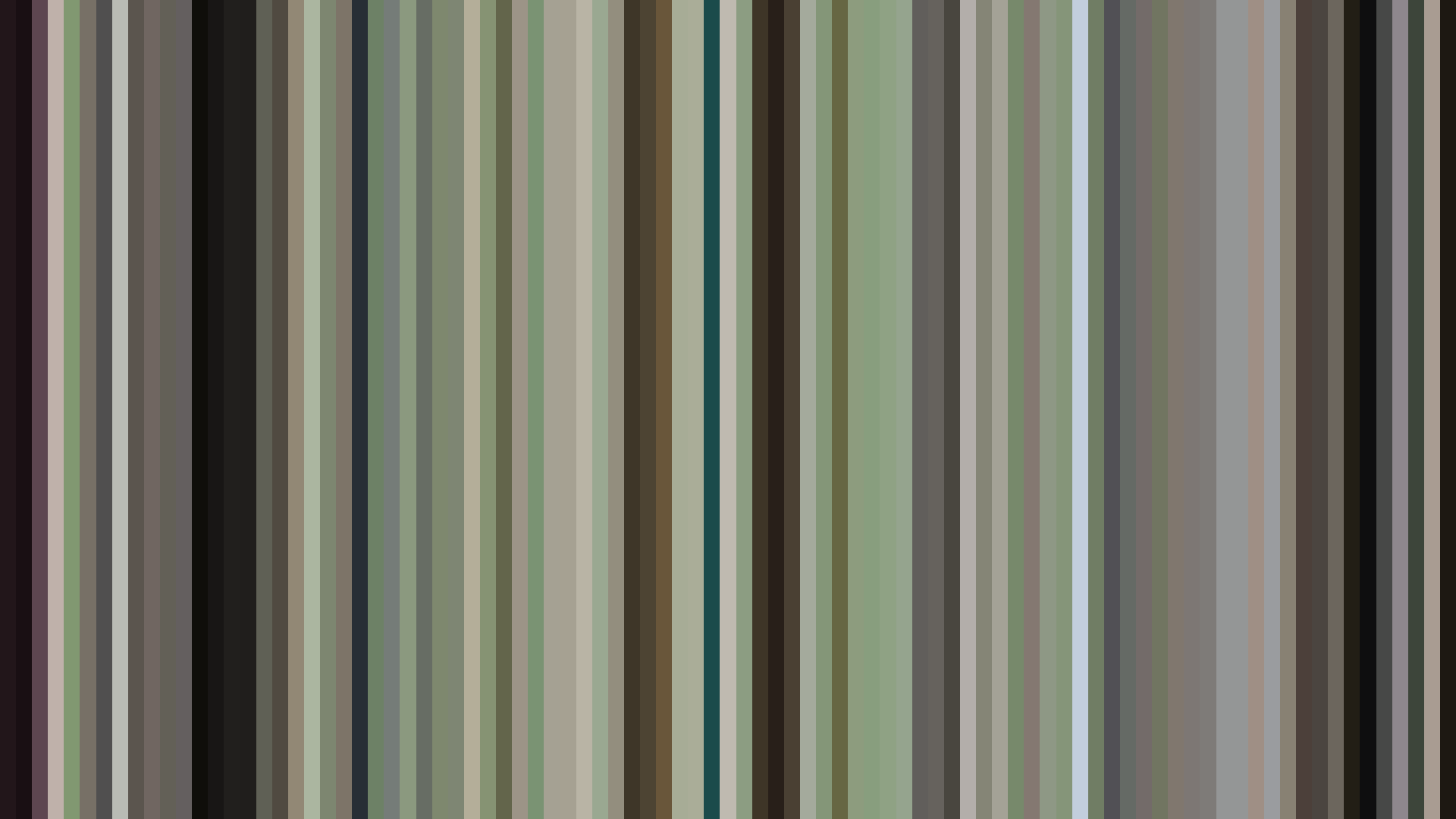
Slice · 15s
Avg · 15s
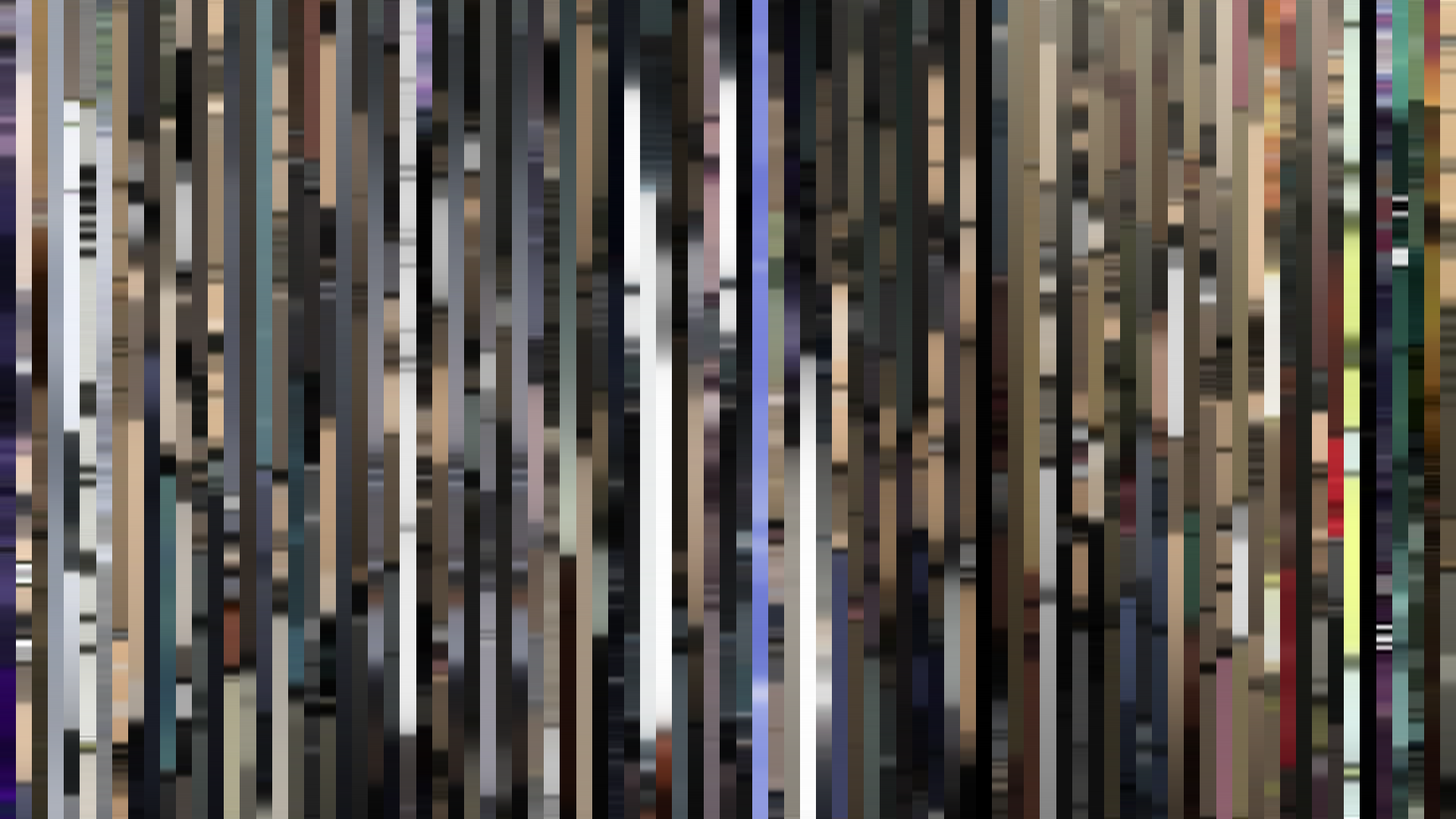
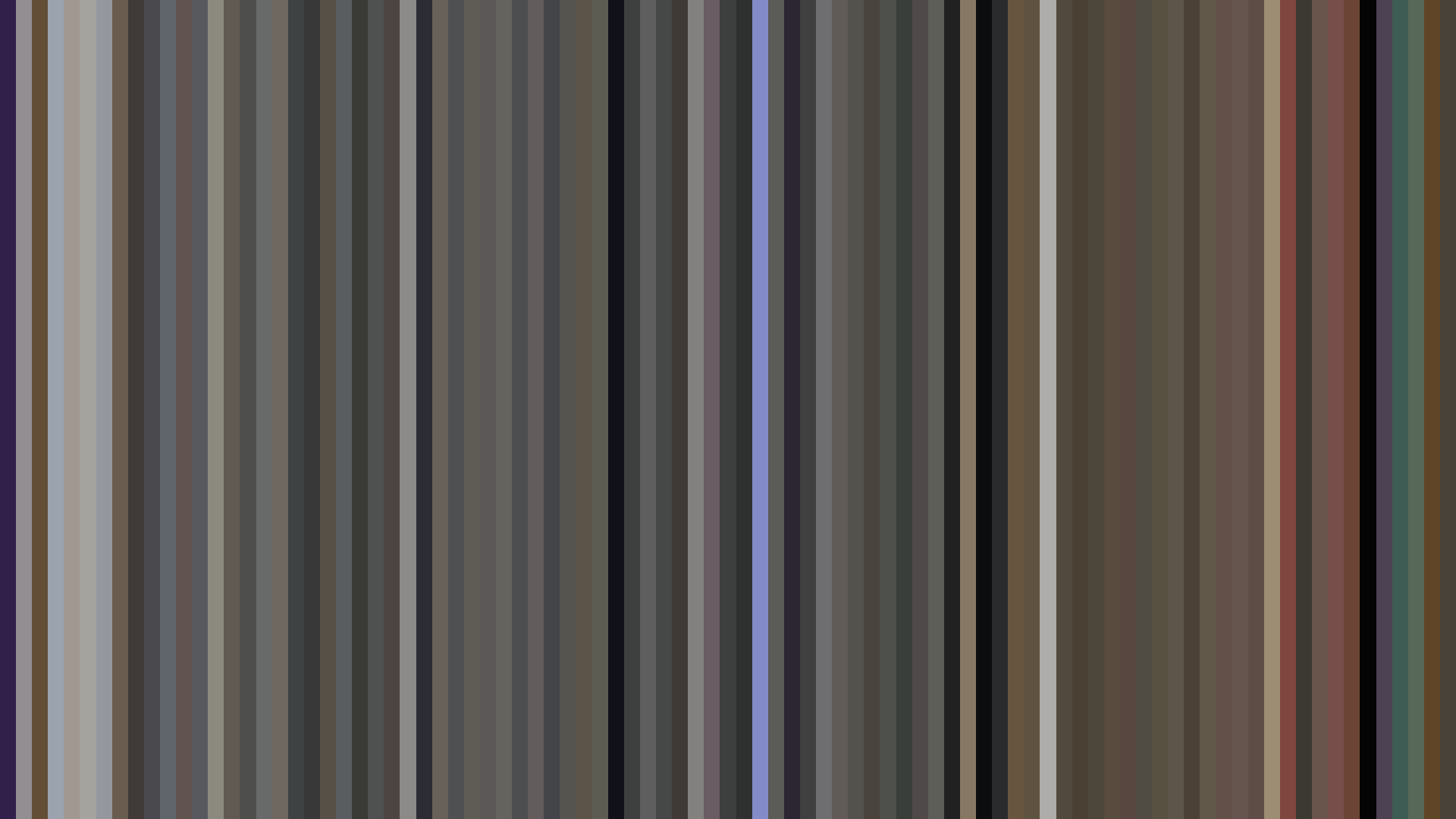
Slice · 30s
Avg · 30s
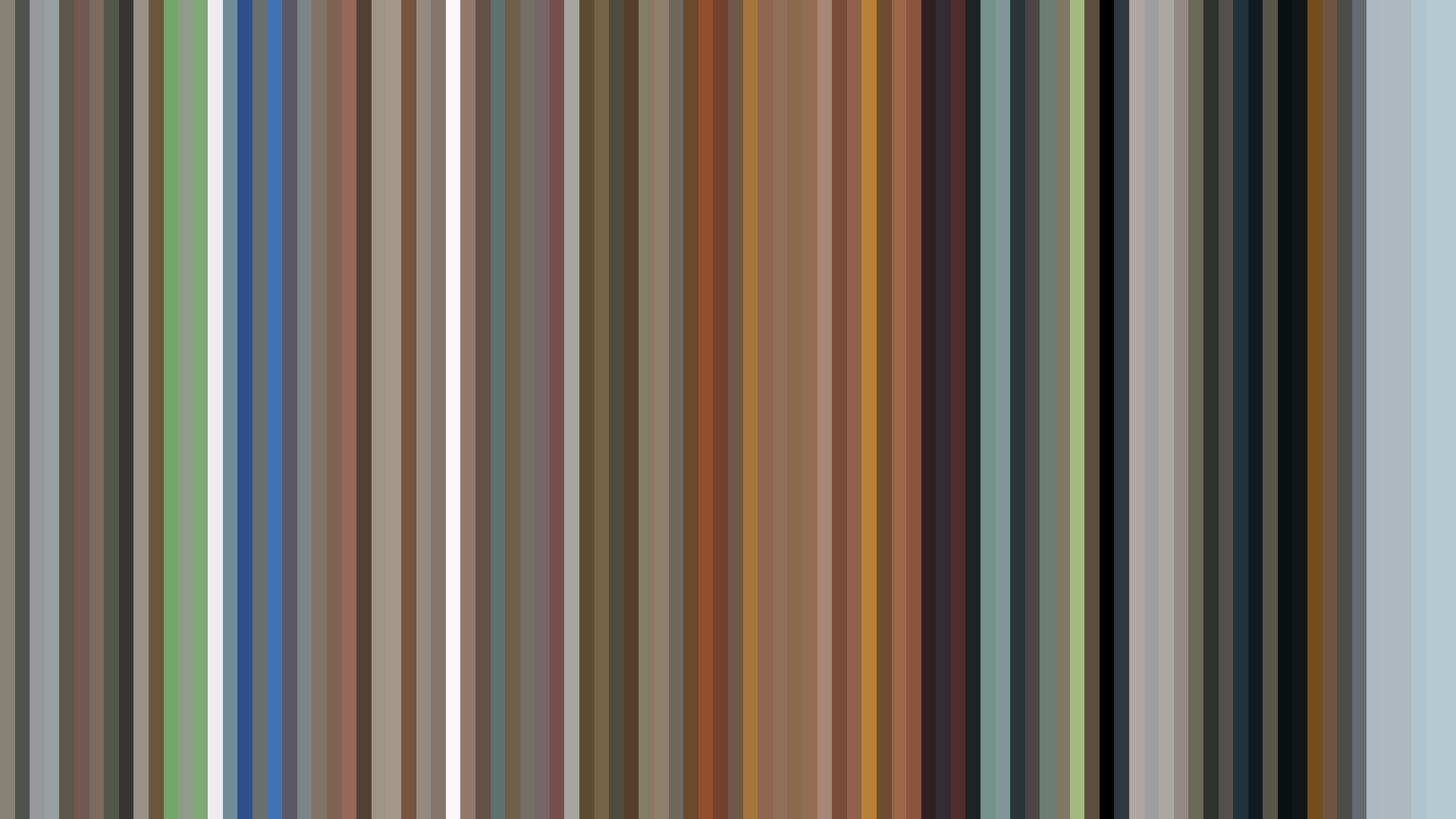
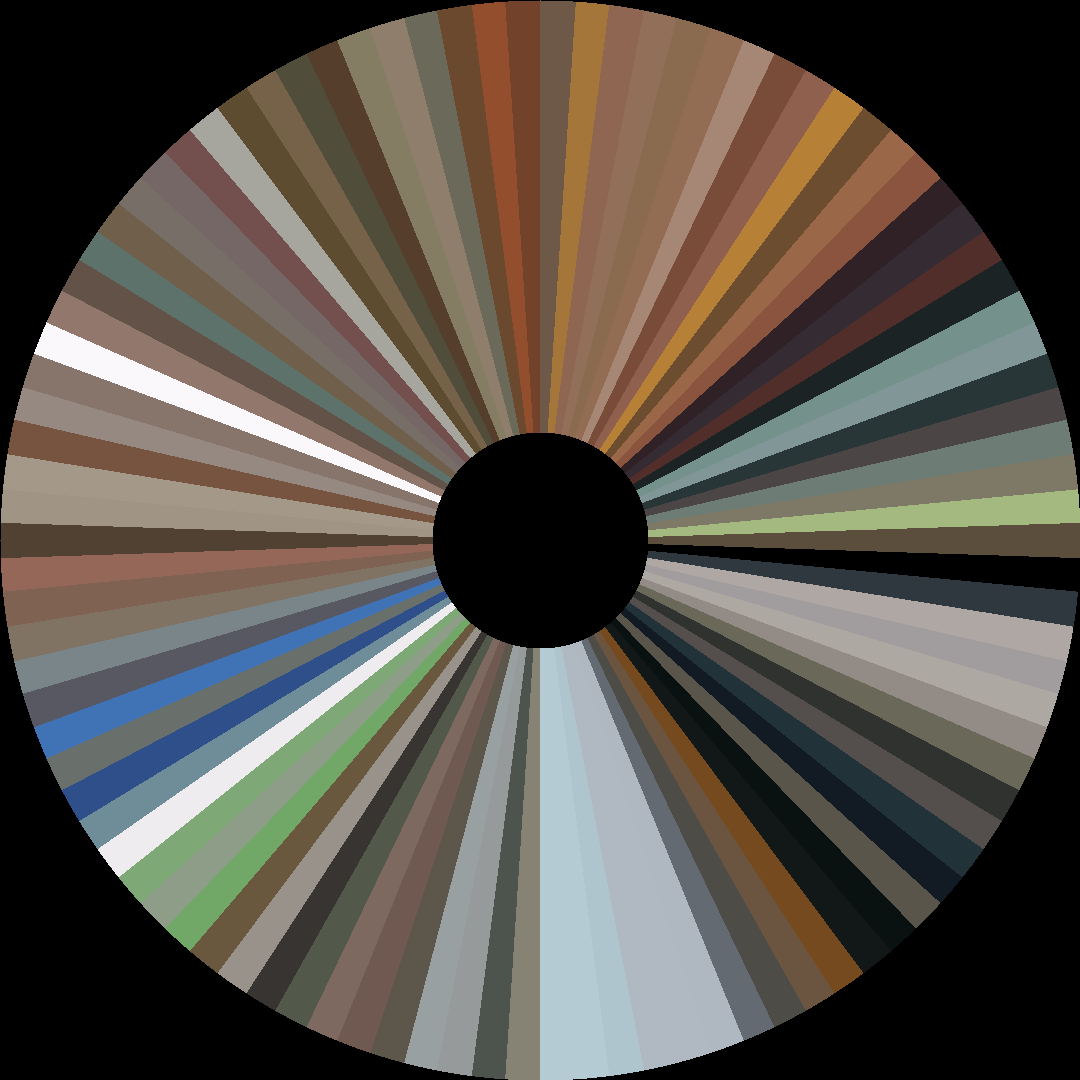
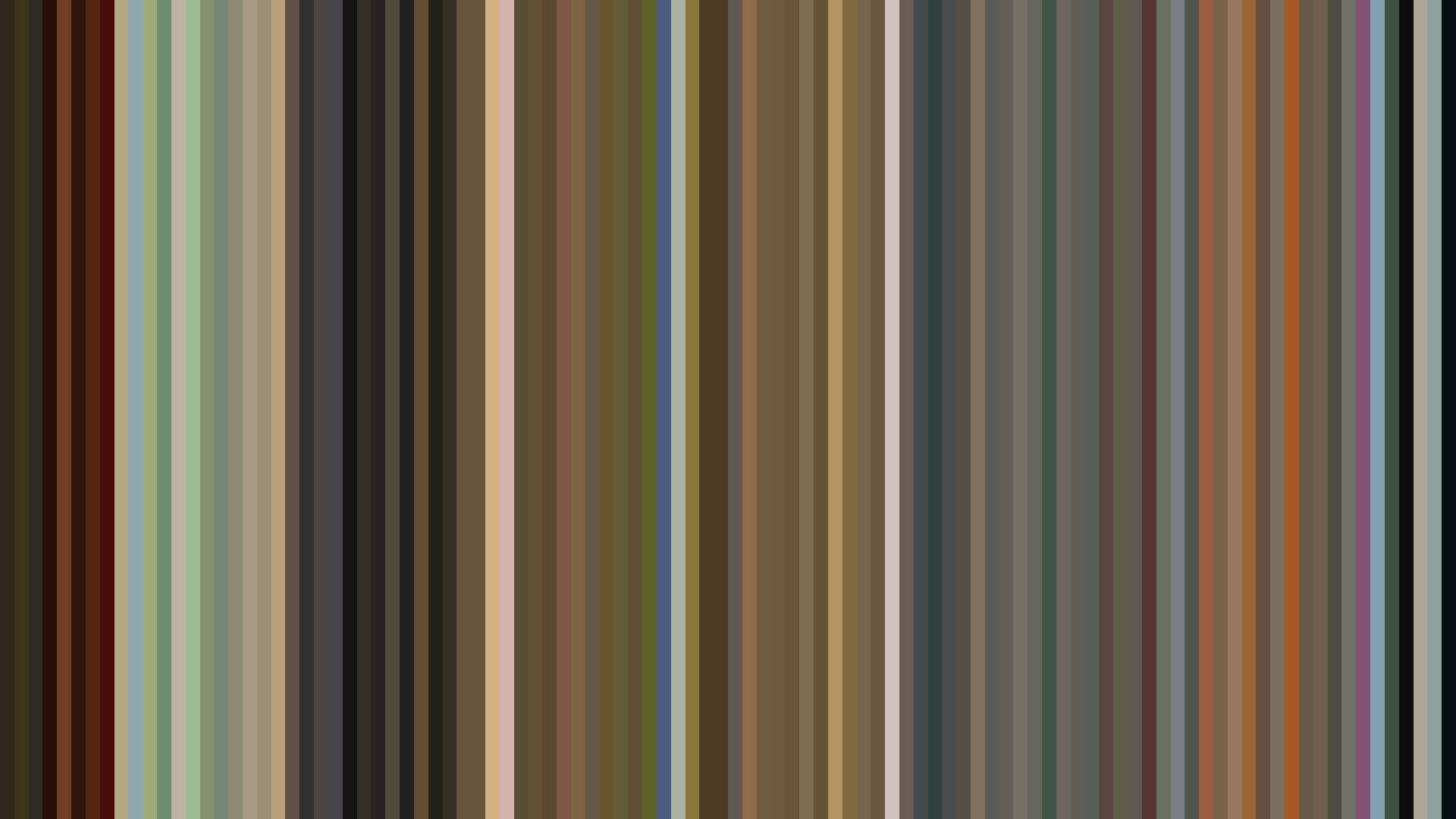
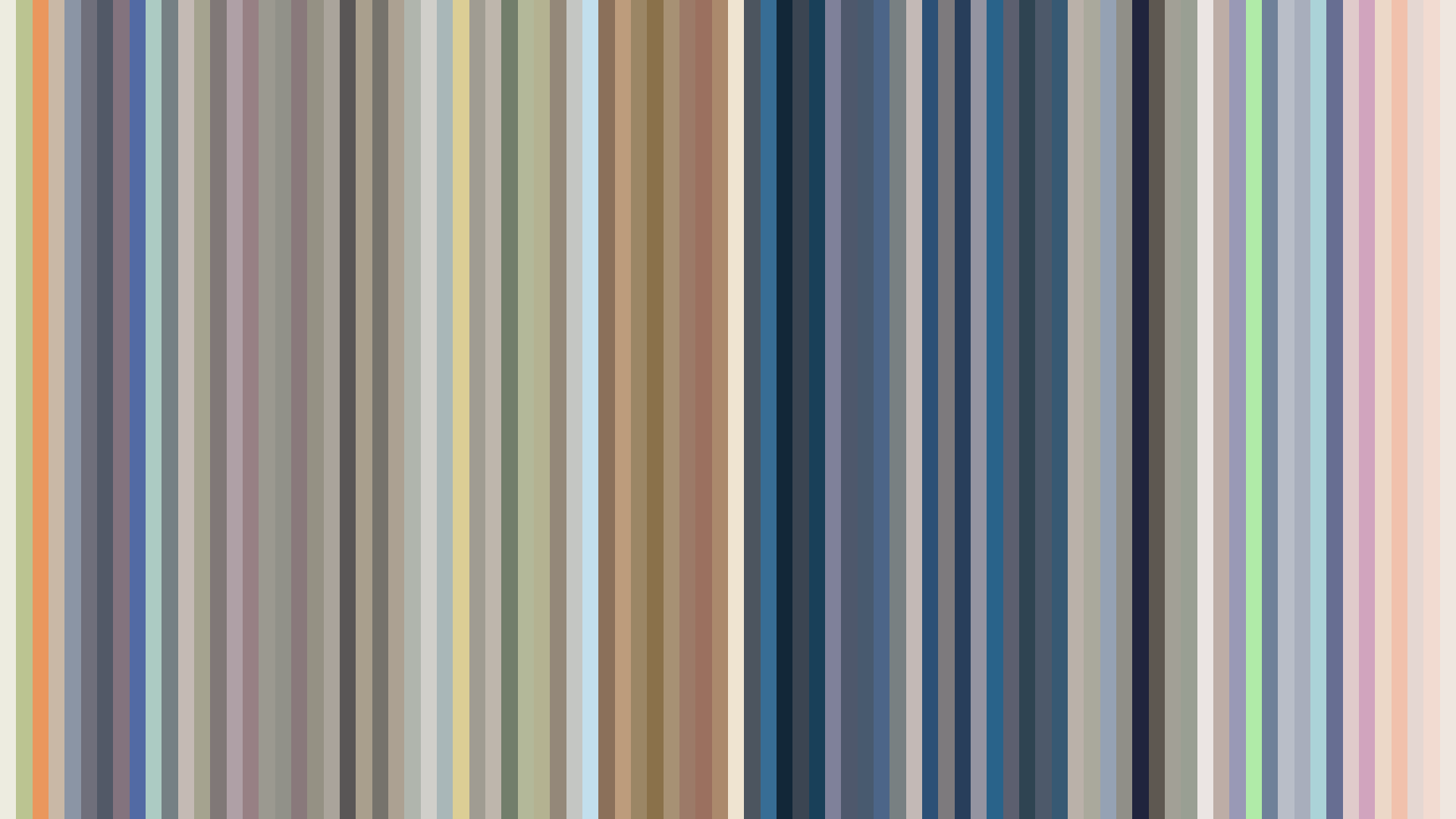
Anohana's arc-down is not a structural curiosity—it is the emotional geometry of grief. The brightness plunges from 0.522 in the opening act to 0.412 in the middle, and though it recovers to 0.475 by the close, the recovery is partial, haunted. This arc mirrors director Tatsuyuki Nagai's refusal to allow simple catharsis: the dark midpoint is where Menma's absence feels most absolute, where the friend group's avoidance curdles into confrontation. The palette supports this with a desaturated Red dominance (33%) and muted earth tones—#212120 near-black, #5E5E5A concrete, #533025 dried blood. The Red never burns bright; it is the red of rust, of old bicycle handles, of a ribbon faded by five years of rain. Even the Green (14%) is mossy, not verdant. A-1 Pictures, known for polished melodrama, here suppresses any glossy impulse. The brightness arc does not offer a warm opening as a lie—it offers a brighter opening as a fragile state, one that the show systematically dismantles. The closing act's uptick feels less like hope and more like acceptance of a permanent dimness. The flower of the title does not bloom in the data; it simply persists in the muted red seam running through every frame.
Brightness Arc (episode progression)
Hue Distribution
Act Breakdown
Opening
0.522
Middle
0.412
Closing
0.475
Avg Brightness
0.461
Avg Saturation
0.275
Warmth
0.555
Color Palette
#212120
#DFE3E1
#5E5E5A
#9FA098
#533025
#956C59
#E7CFAA
#624E33
3-Act Color Story
Opening
Middle
Closing
Color Twins
Perceptually nearest palettes — measured in OKLab space, not RGB








Anohana's arc-down is not a structural curiosity—it is the emotional geometry of grief. The brightness plunges from 0.522 in the opening act to 0.412 in the middle, and though it recovers to 0.475 by the close, the recovery is partial, haunted. This arc mirrors director Tatsuyuki Nagai's refusal to allow simple catharsis: the dark midpoint is where Menma's absence feels most absolute, where the friend group's avoidance curdles into confrontation. The palette supports this with a desaturated Red dominance (33%) and muted earth tones—#212120 near-black, #5E5E5A concrete, #533025 dried blood. The Red never burns bright; it is the red of rust, of old bicycle handles, of a ribbon faded by five years of rain. Even the Green (14%) is mossy, not verdant. A-1 Pictures, known for polished melodrama, here suppresses any glossy impulse. The brightness arc does not offer a warm opening as a lie—it offers a brighter opening as a fragile state, one that the show systematically dismantles. The closing act's uptick feels less like hope and more like acceptance of a permanent dimness. The flower of the title does not bloom in the data; it simply persists in the muted red seam running through every frame.