Edit Pace — frame-to-frame color delta (bright = fast cuts)
Color Temperature — warm (gold) vs cool (teal) per frame
Frame Density Comparison — every 2nd vs every 4th frame
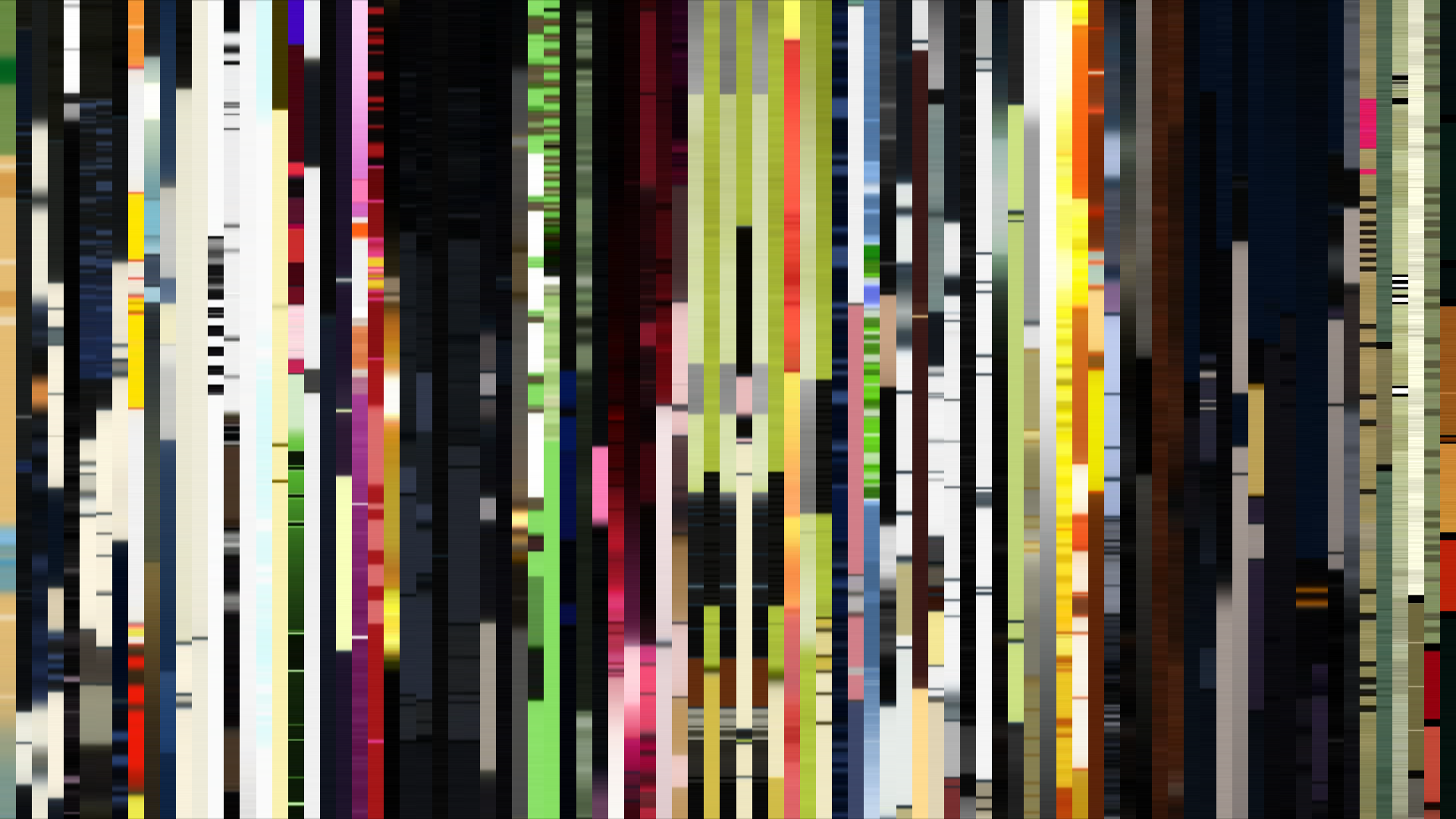
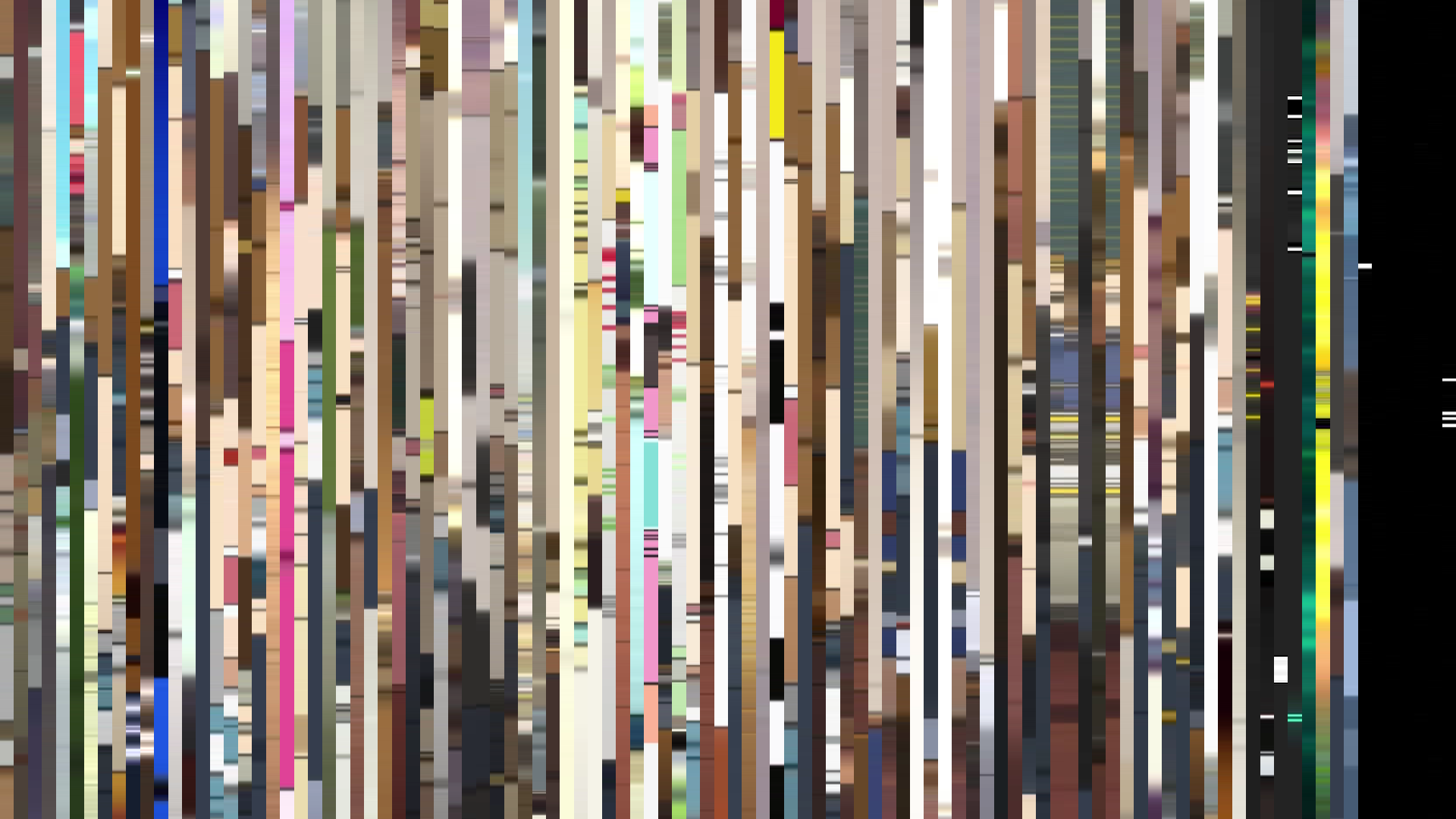
Slice · 15s
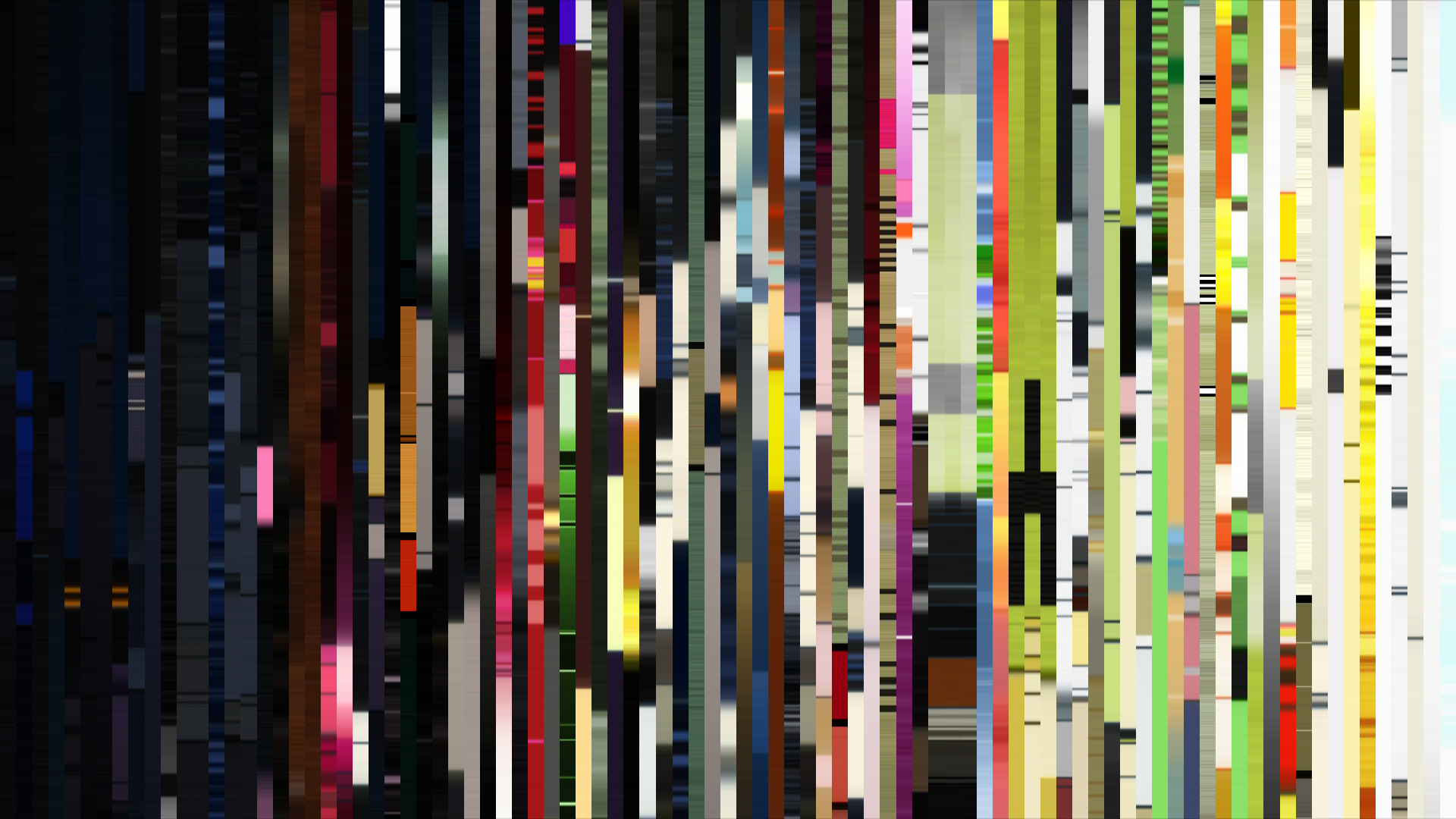
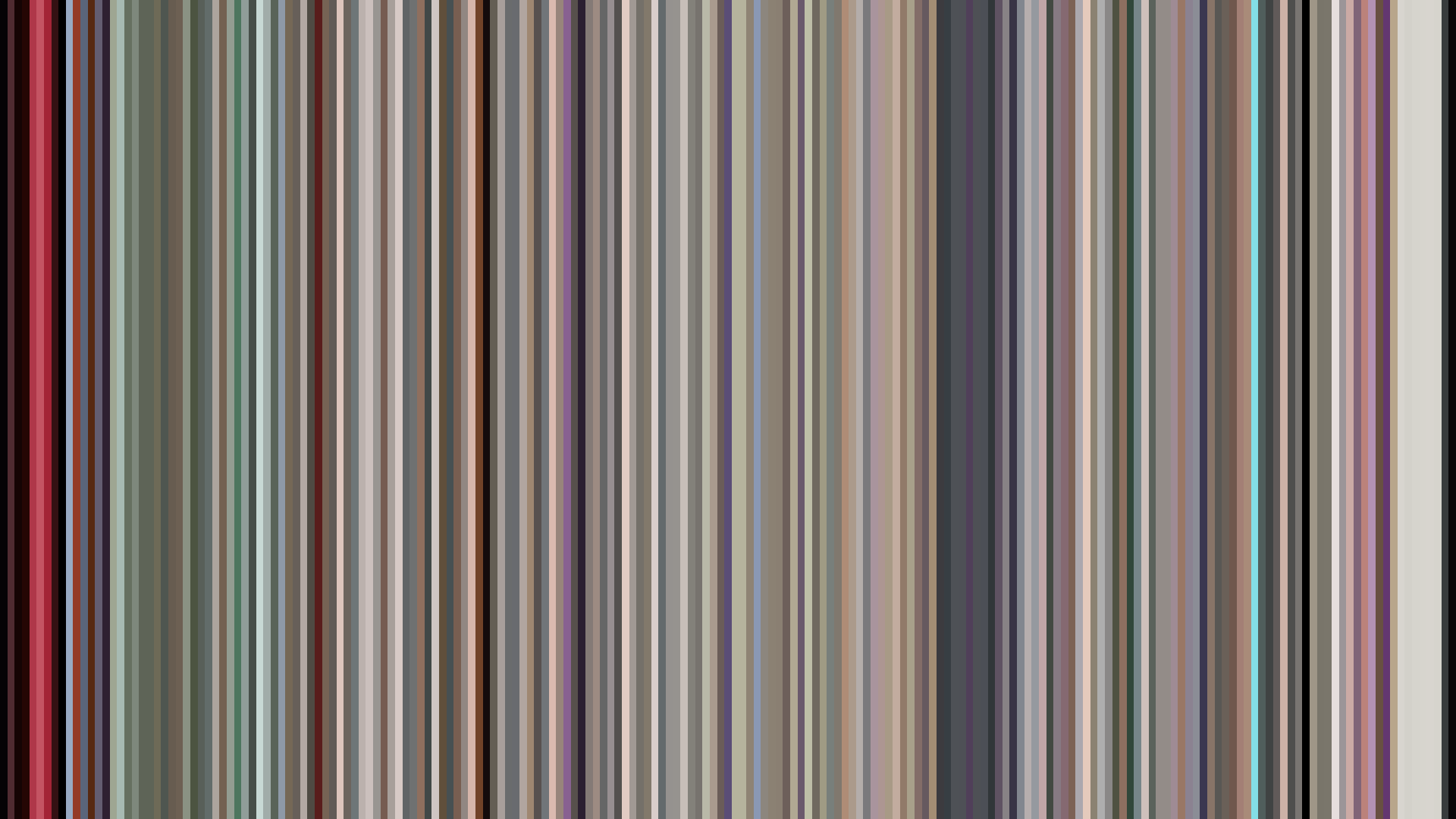
Avg · 15s
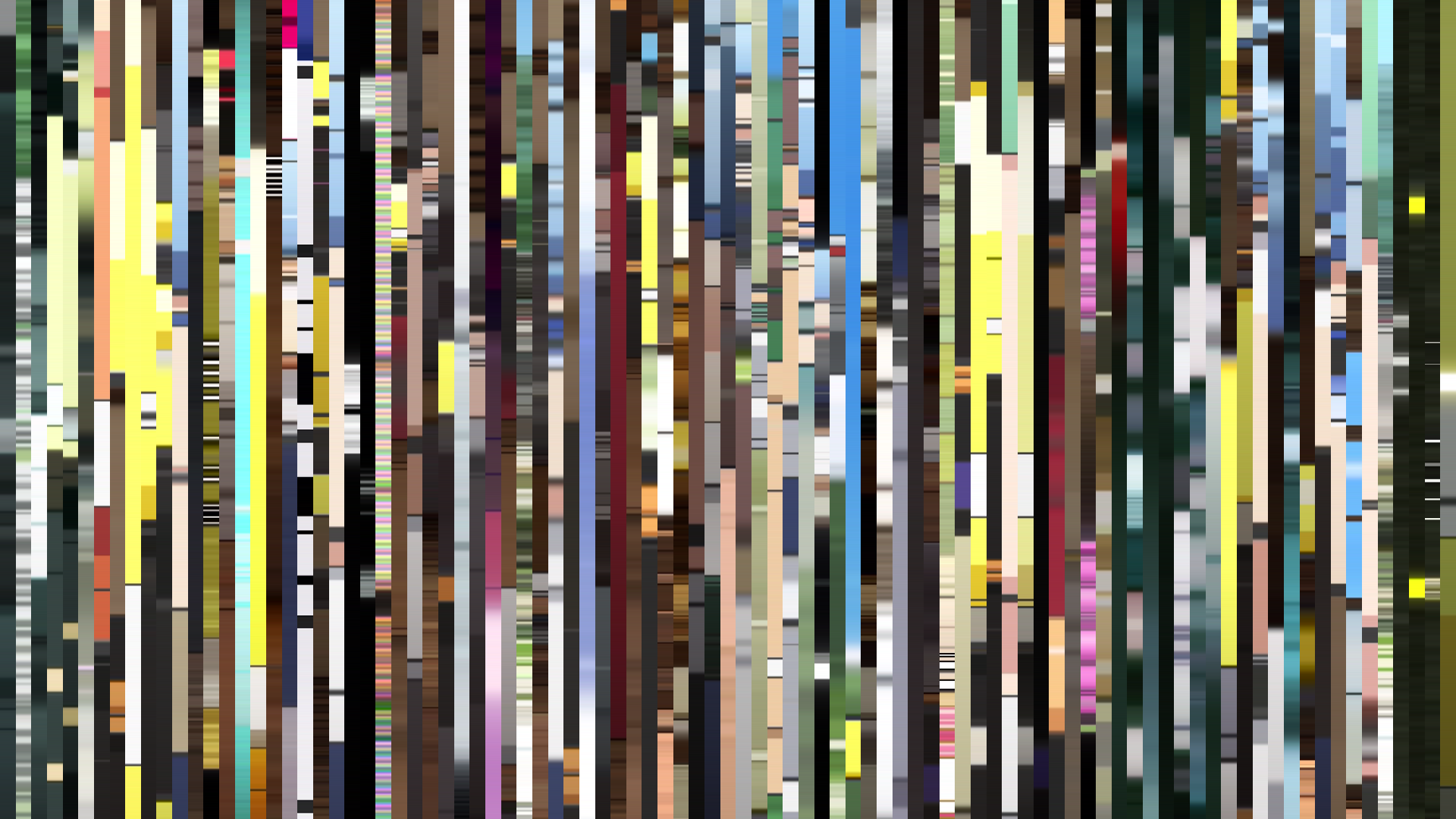
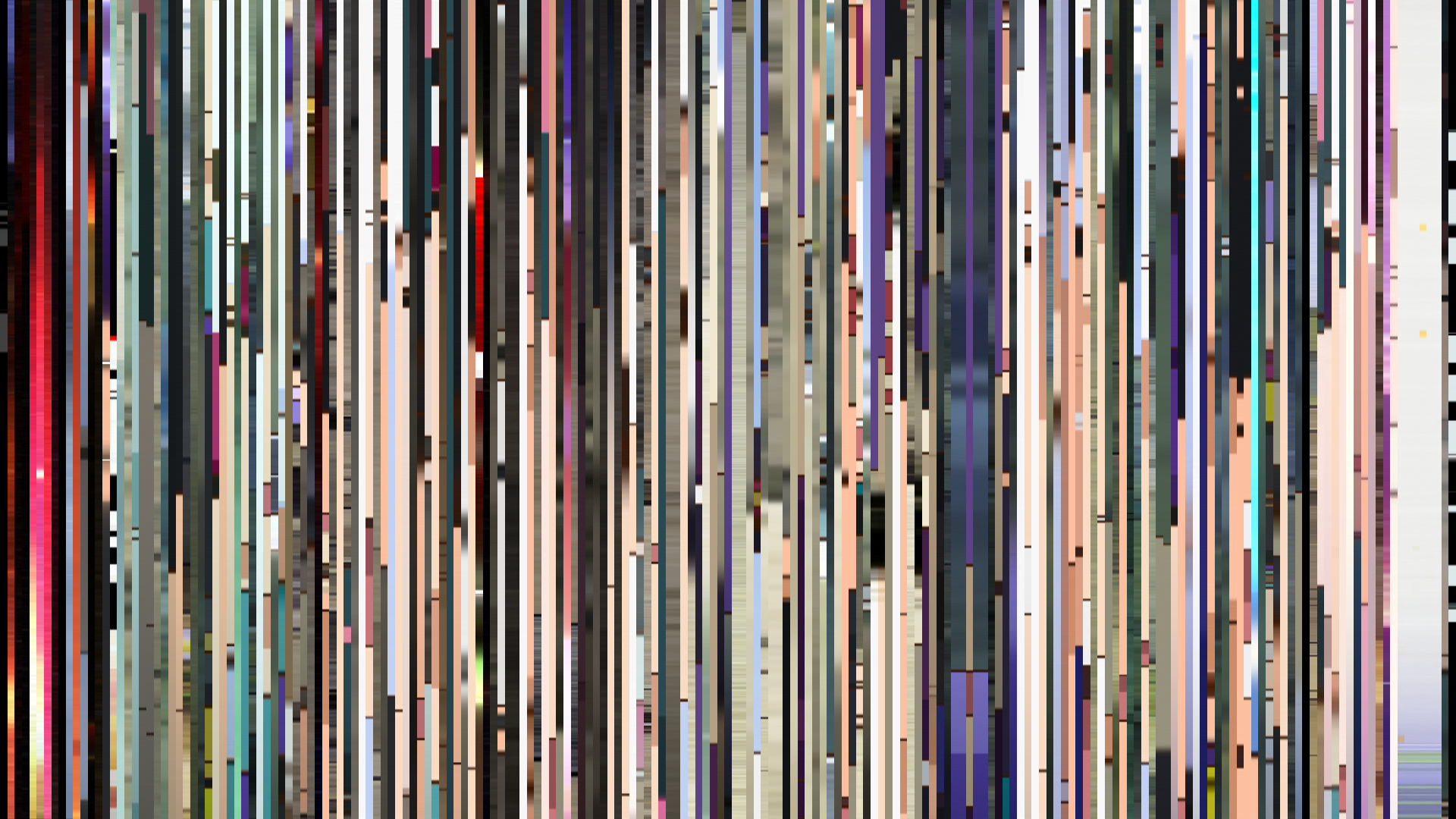
Slice · 30s
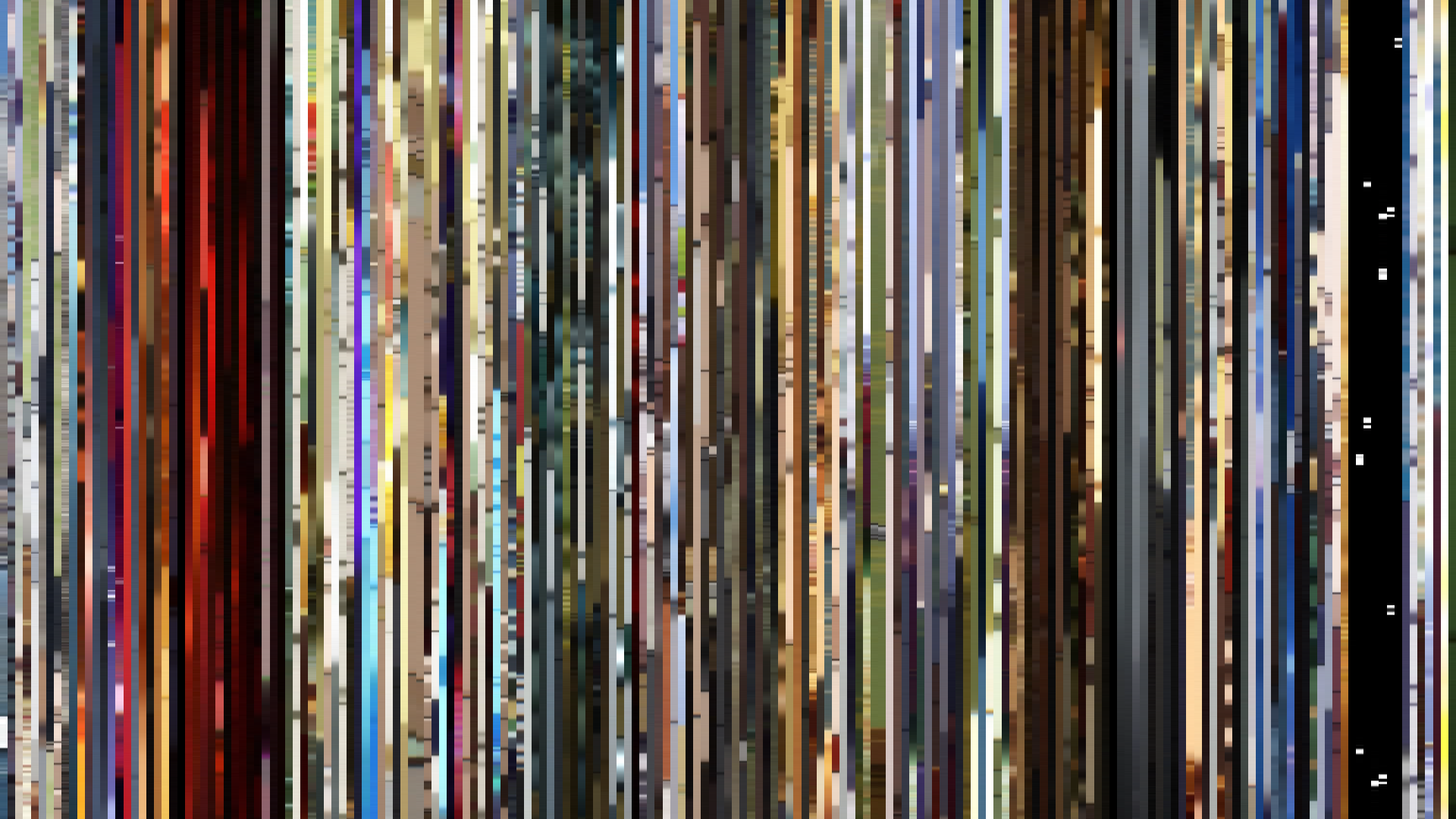
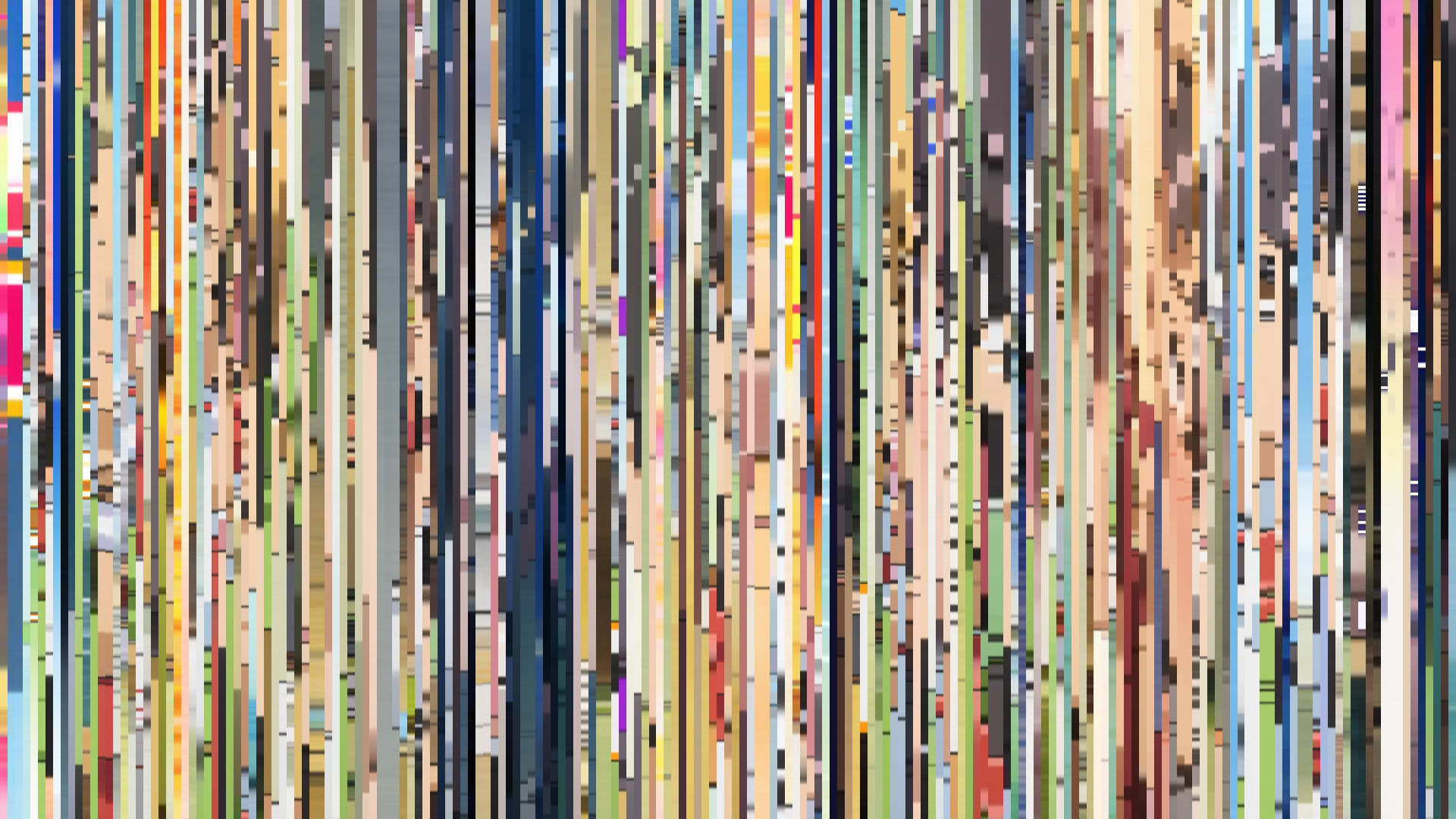
Avg · 30s
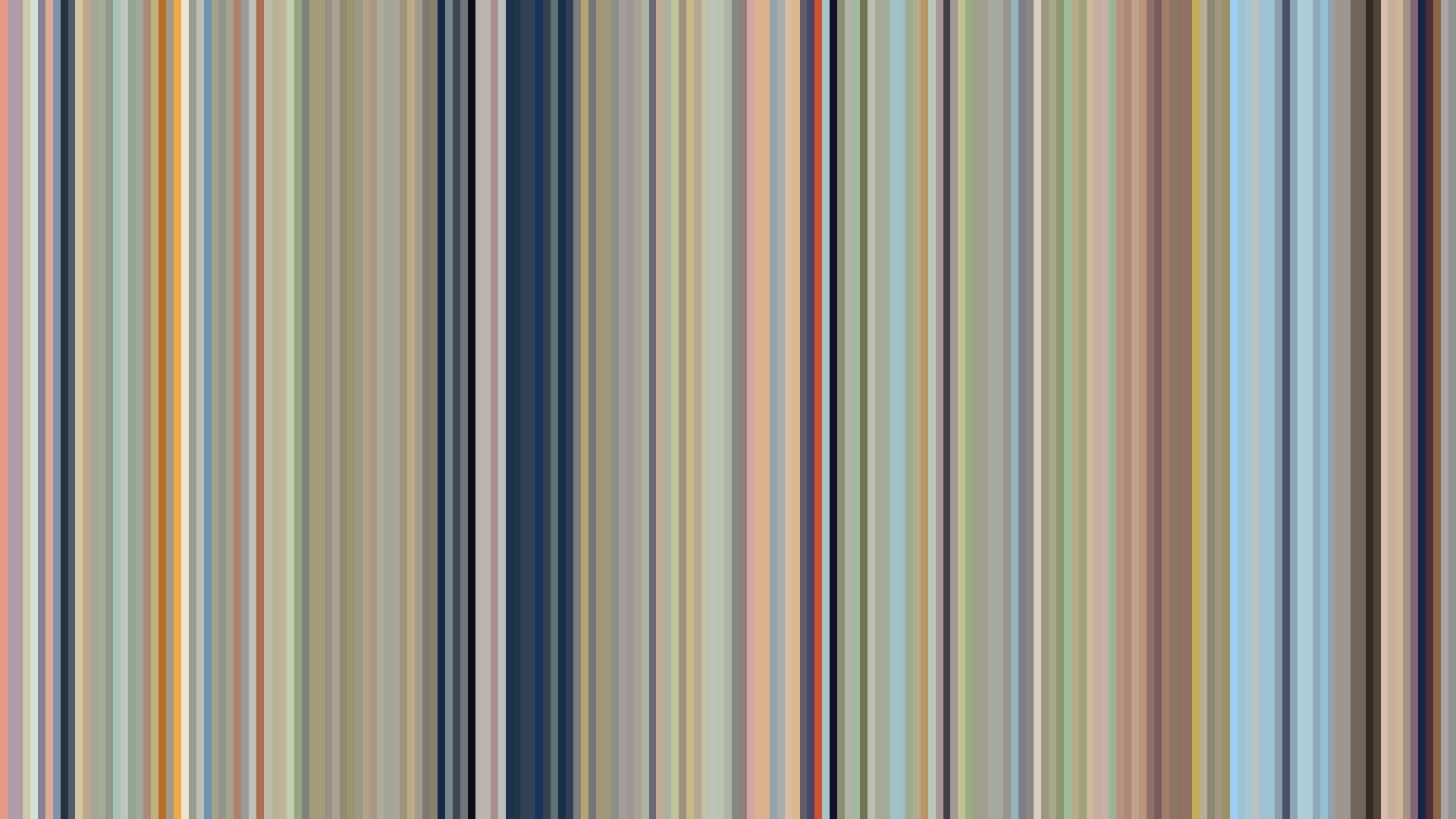
The Tatami Galaxy’s palette is a study in compulsive, unresolved energy—almost monochrome in its muted grays and tarnished ivories, with a Red-Orange dominance that never quite erupts into warmth. Masaaki Yuasa and art director Naoyuki Asano trap the protagonist inside a labyrinth of beige walls and sodium-lit streets, where the dark ending arc is not closure but exhaustion. The act brightness collapses from 0.429 to 0.326, a steady dimming that mirrors Watashi’s repeated failures to escape his own loops. This is not the romantic fade-to-black of tragedy; it is the slow grit of insight earned through grinding repetition. Yuasa’s color choices refuse the saturated palette of conventional comedy or romance—there is no punchy yellow or lush green to signal breakthroughs. Instead, the red-orange hue sits like a fever flush that never breaks, a constant low-grade agitation. The barcode reads like a heartbeat monitor that flatlines in the final third, but that final darkness is not despair—it is the murk you must wade through to arrive at any truth worth having.
Brightness Arc (episode progression)
Hue Distribution
Act Breakdown
Opening
0.429
Middle
0.407
Closing
0.326
Avg Brightness
0.396
Avg Saturation
0.296
Warmth
0.555
Color Palette
#131215
#EDECE4
#5E5F56
#A1A098
#DAD9A7
#9C9966
#54211A
#595333
3-Act Color Story
Opening
Middle
Closing
Color Twins
Perceptually nearest palettes — measured in OKLab space, not RGB










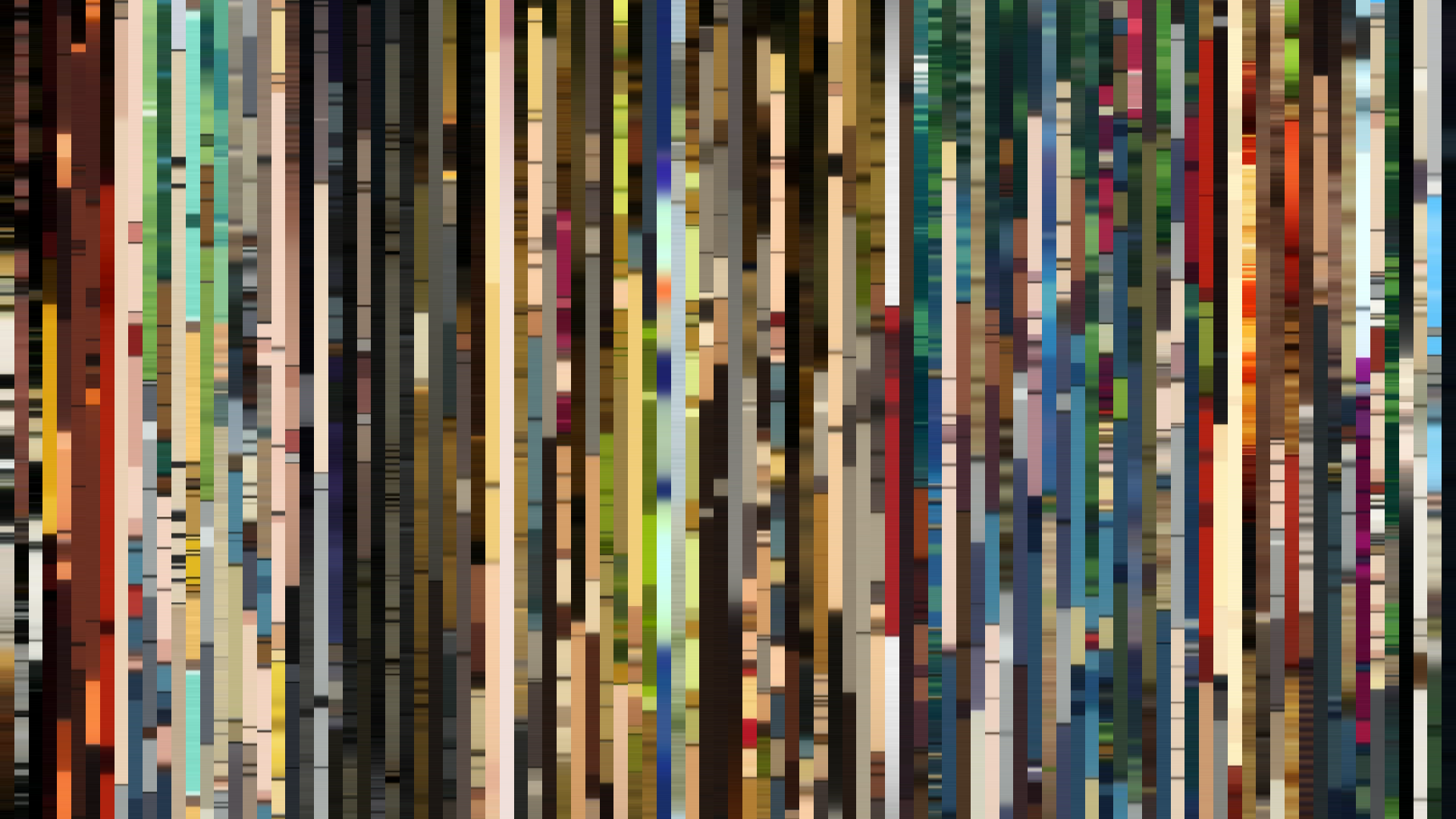

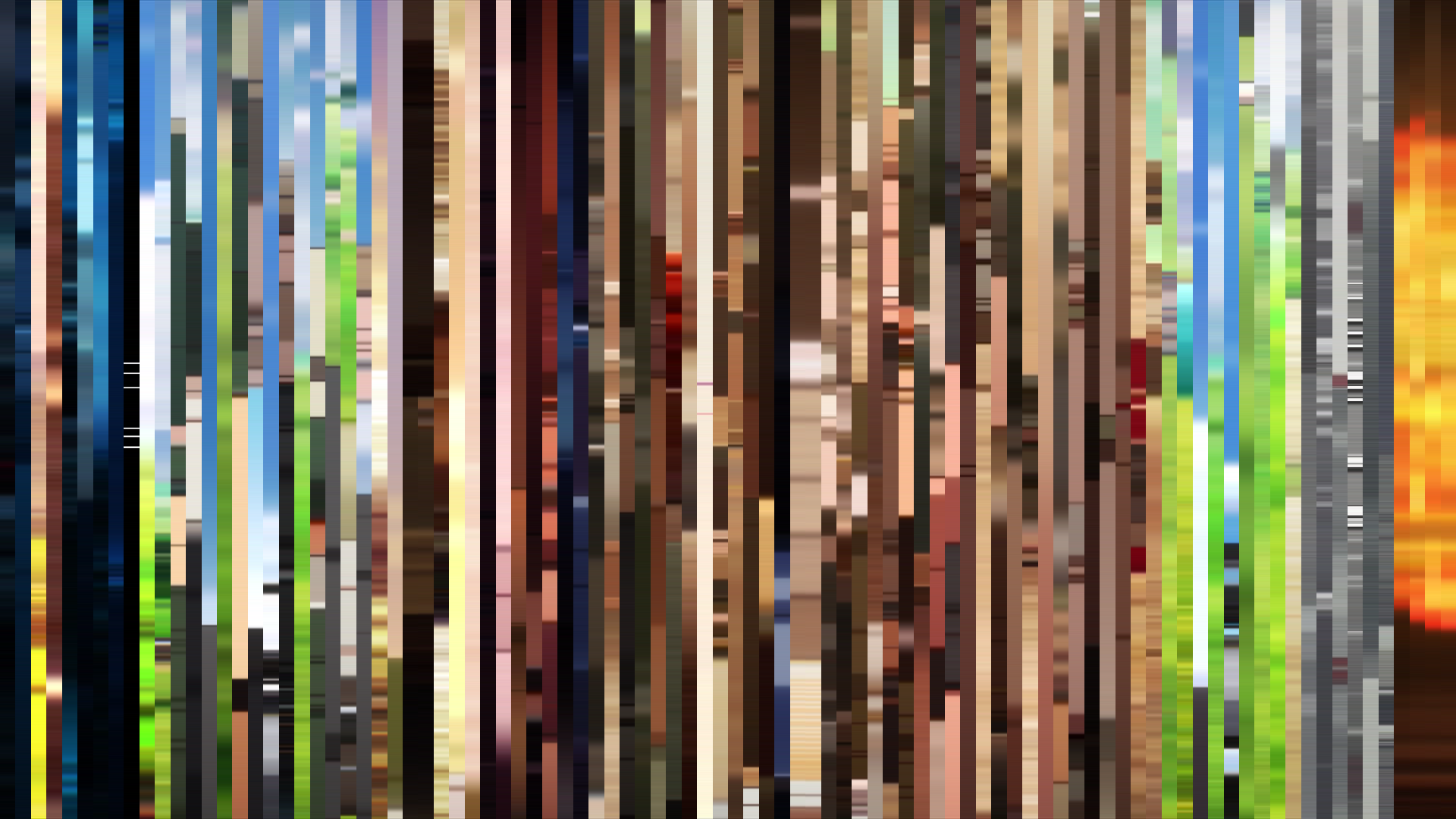

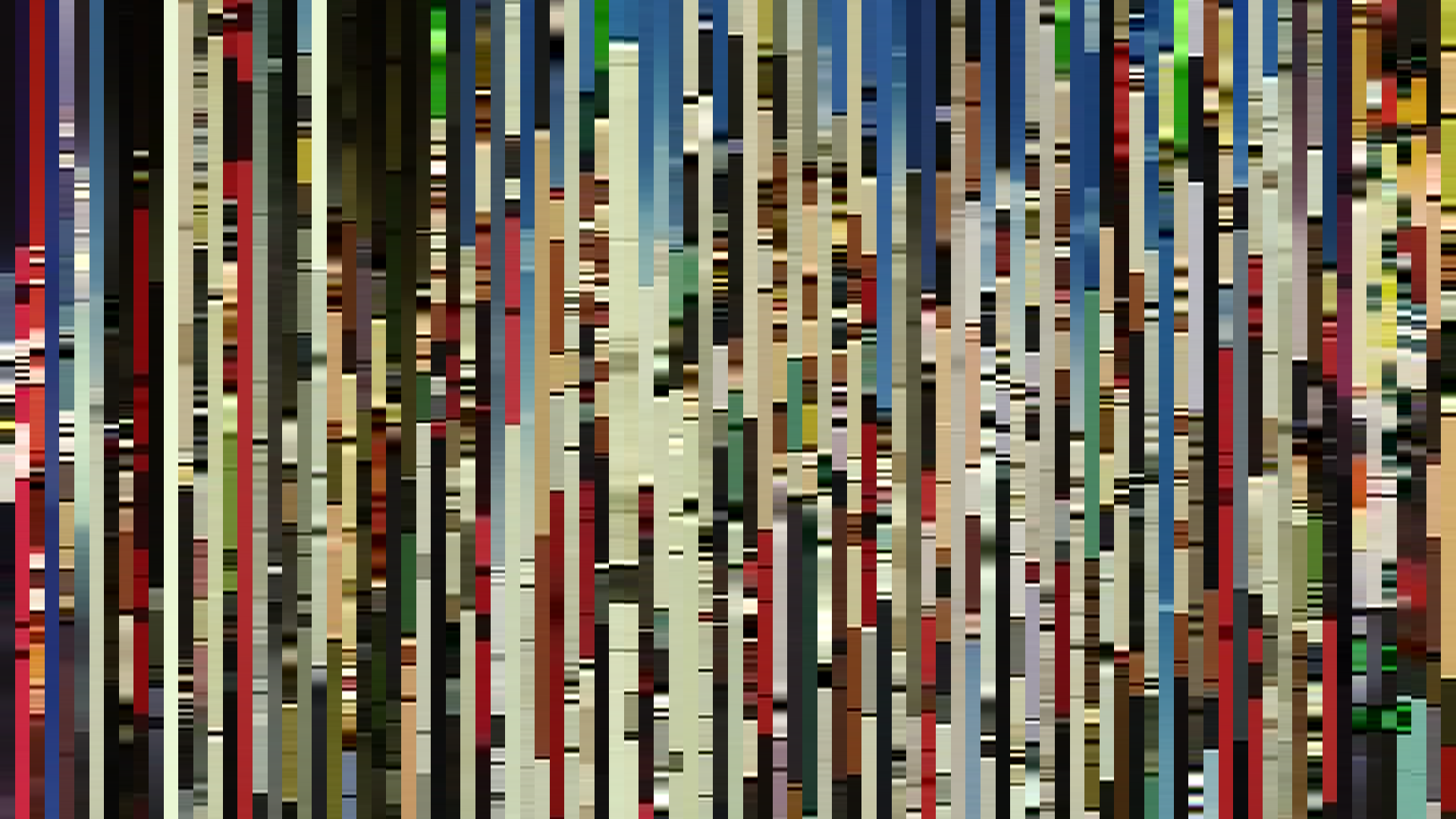

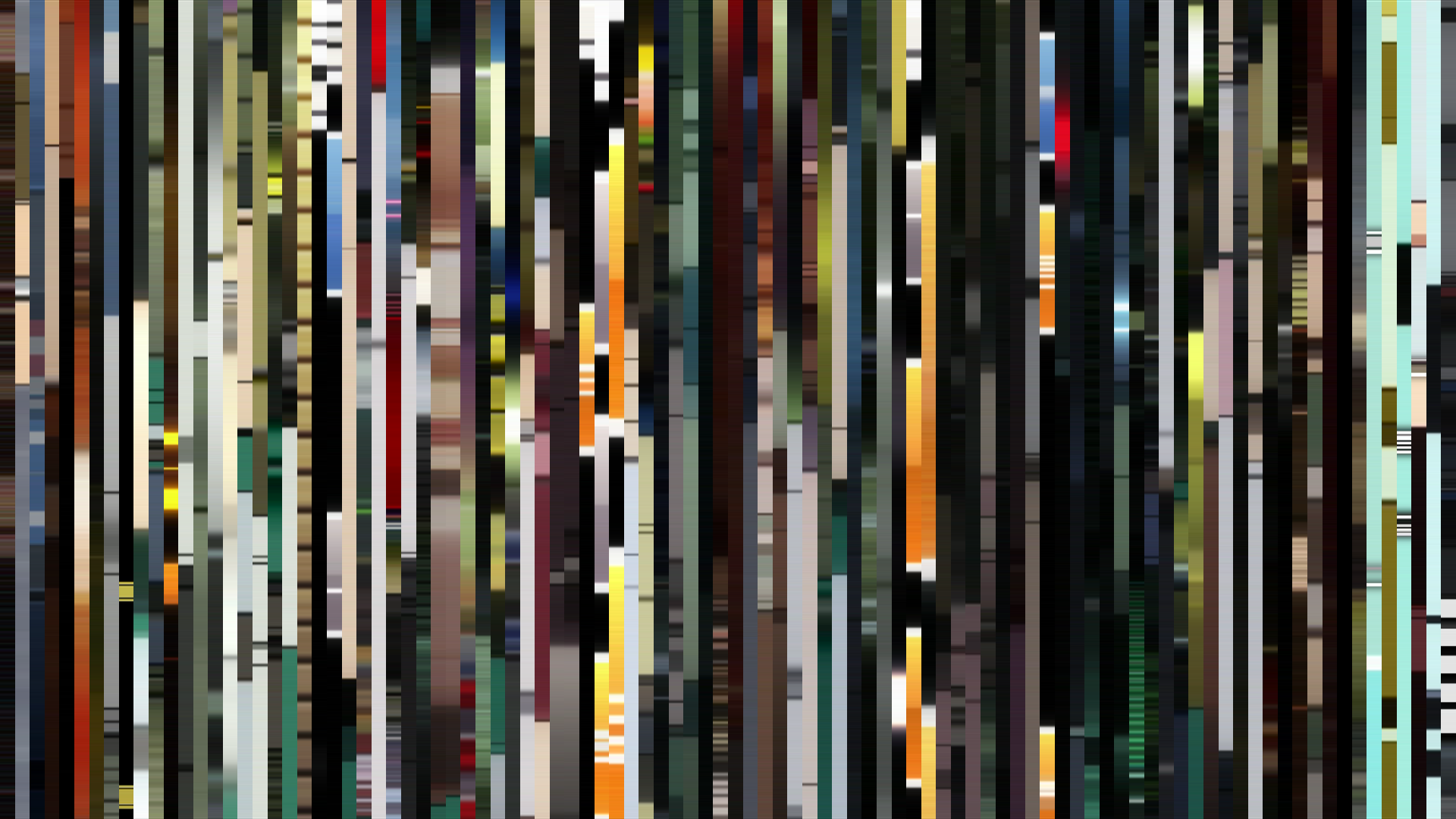



The Tatami Galaxy’s palette is a study in compulsive, unresolved energy—almost monochrome in its muted grays and tarnished ivories, with a Red-Orange dominance that never quite erupts into warmth. Masaaki Yuasa and art director Naoyuki Asano trap the protagonist inside a labyrinth of beige walls and sodium-lit streets, where the dark ending arc is not closure but exhaustion. The act brightness collapses from 0.429 to 0.326, a steady dimming that mirrors Watashi’s repeated failures to escape his own loops. This is not the romantic fade-to-black of tragedy; it is the slow grit of insight earned through grinding repetition. Yuasa’s color choices refuse the saturated palette of conventional comedy or romance—there is no punchy yellow or lush green to signal breakthroughs. Instead, the red-orange hue sits like a fever flush that never breaks, a constant low-grade agitation. The barcode reads like a heartbeat monitor that flatlines in the final third, but that final darkness is not despair—it is the murk you must wade through to arrive at any truth worth having.