Edit Pace — frame-to-frame color delta (bright = fast cuts)
Color Temperature — warm (gold) vs cool (teal) per frame
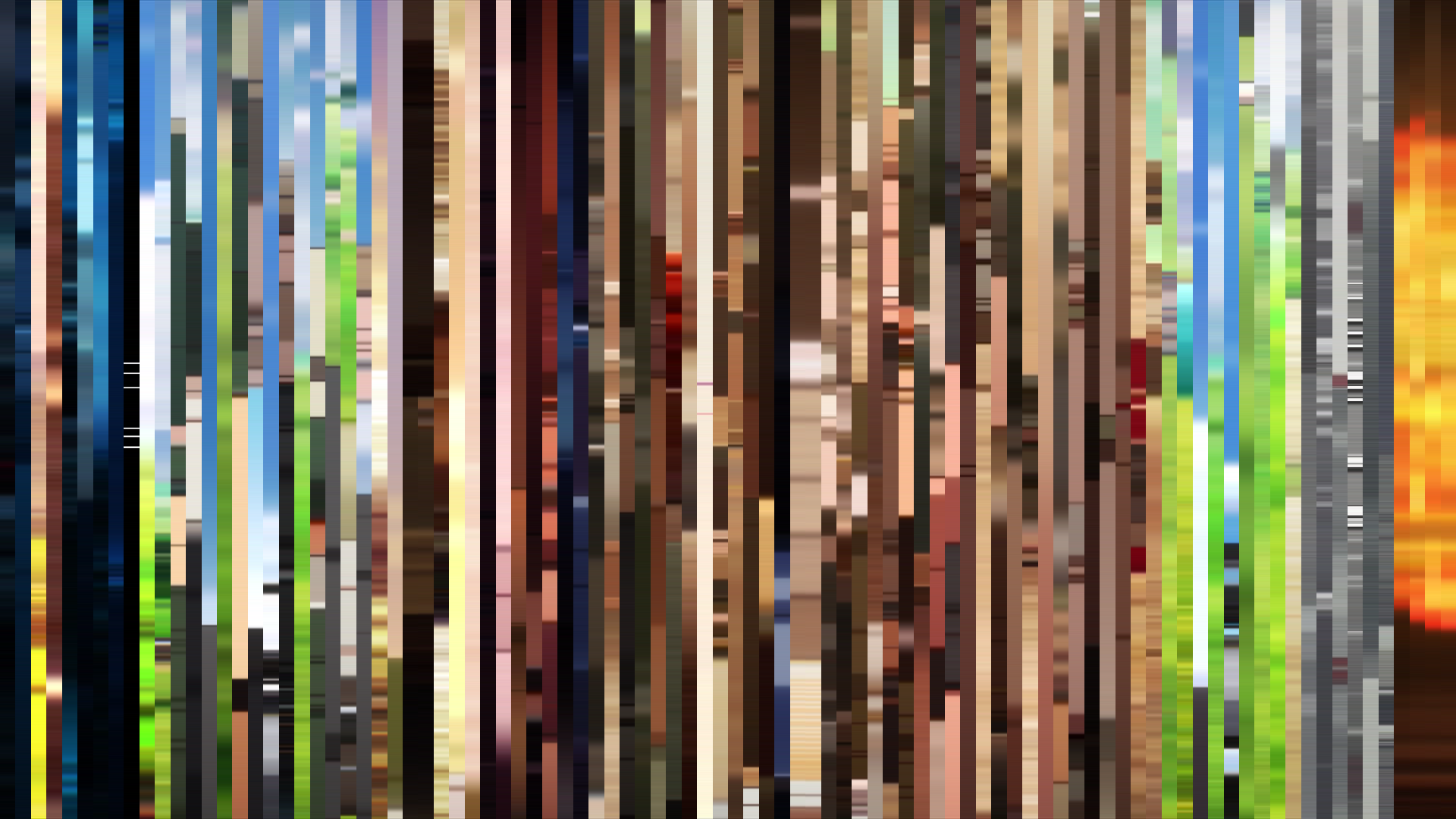
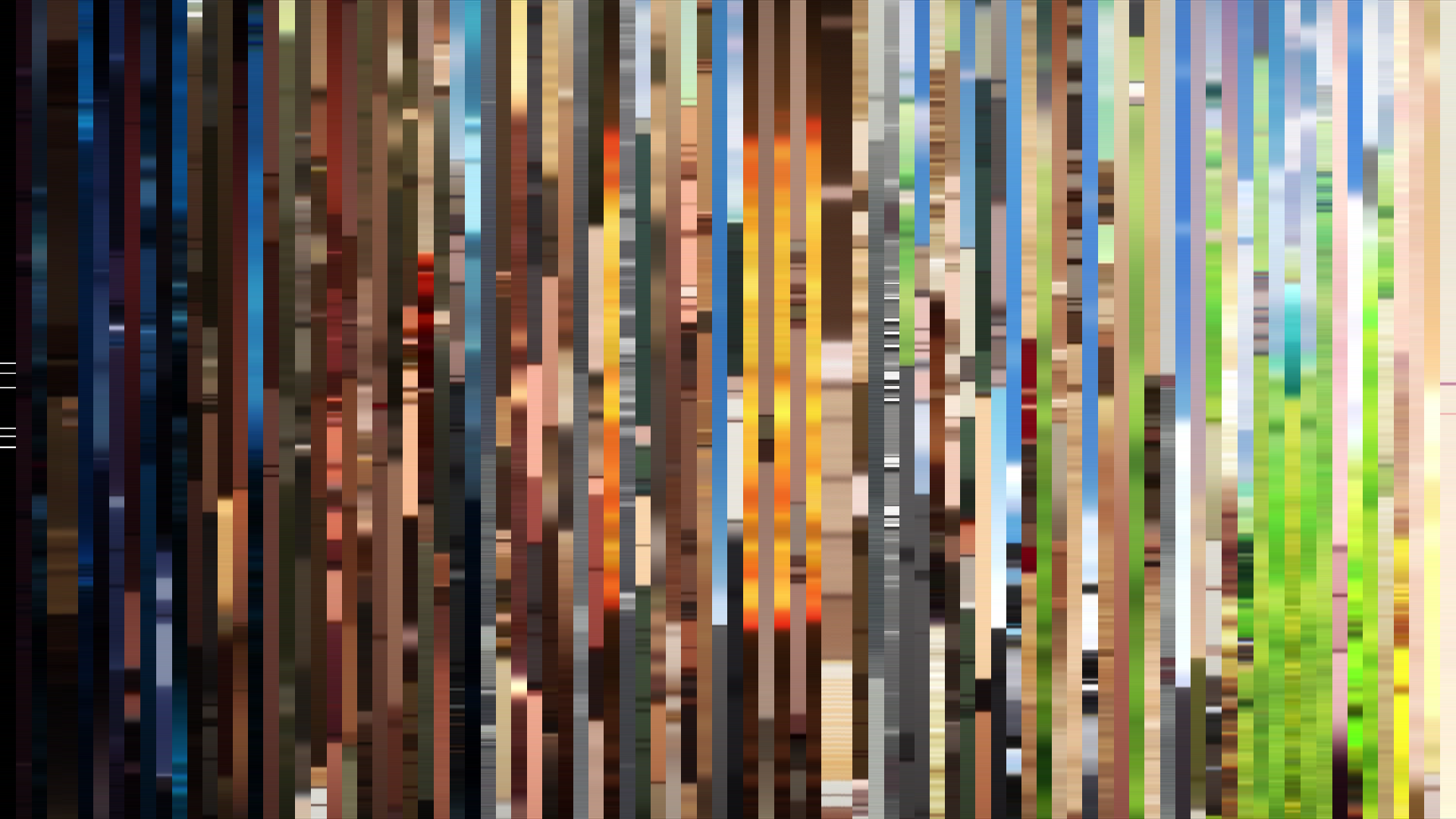
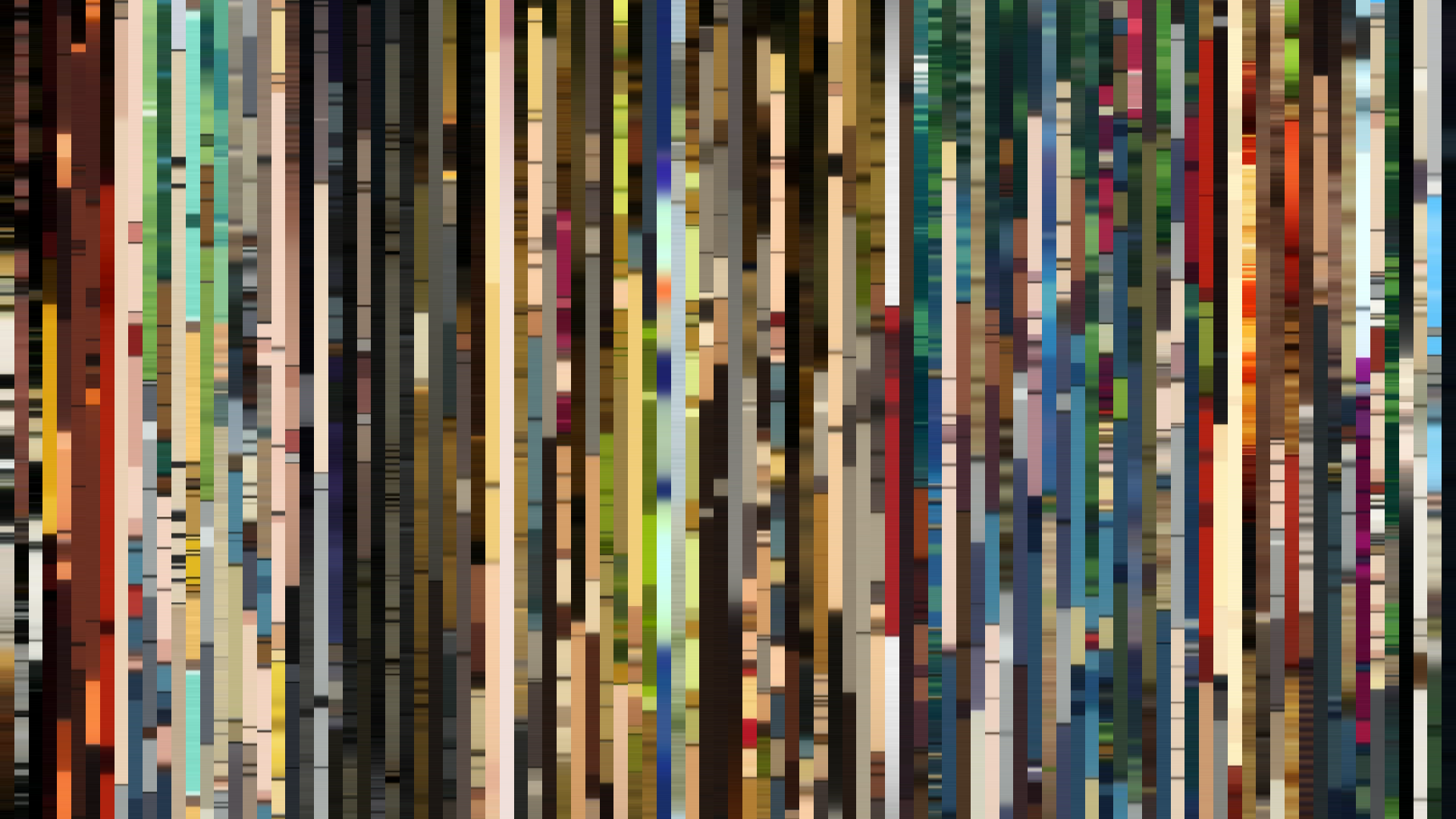
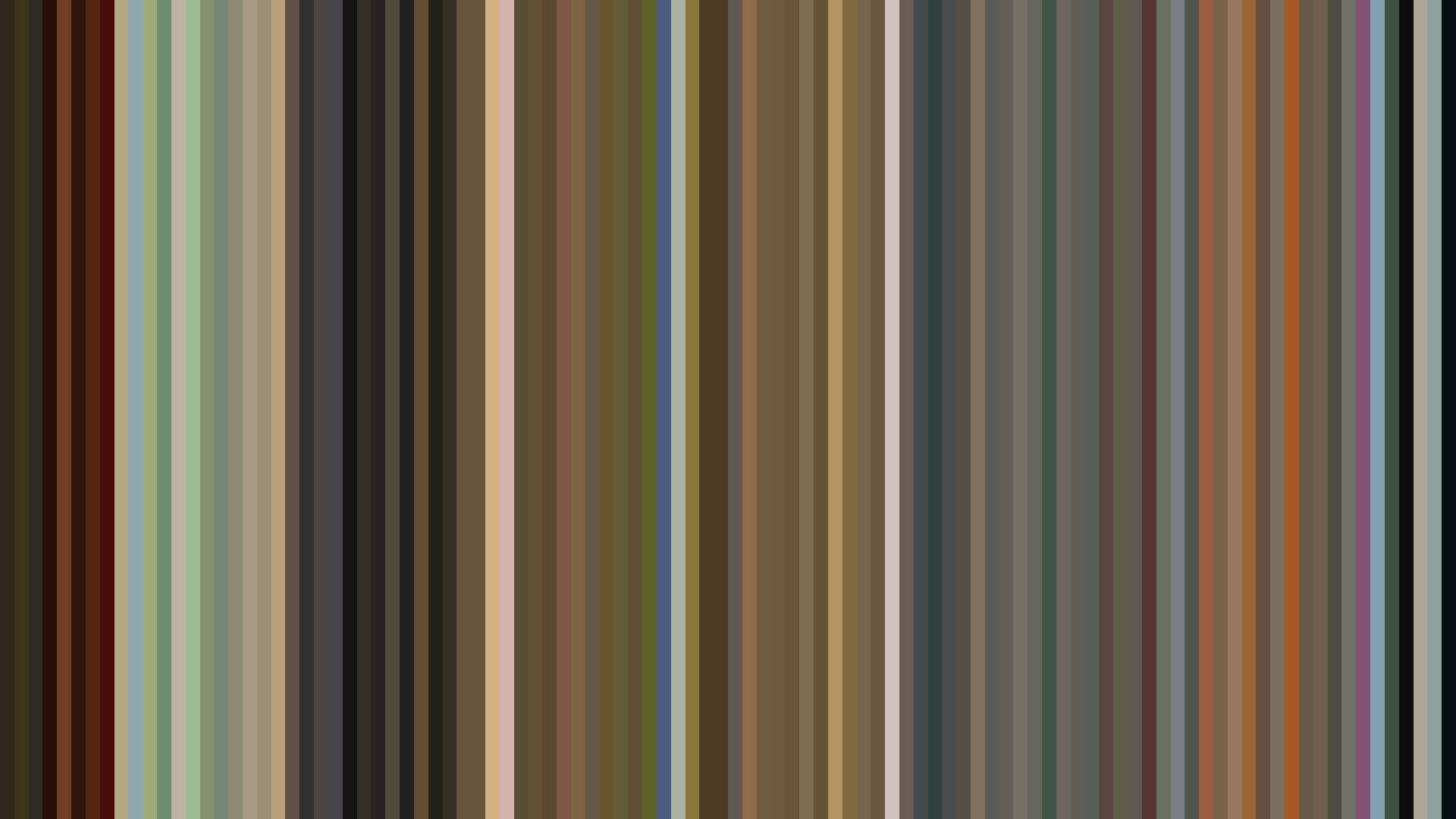
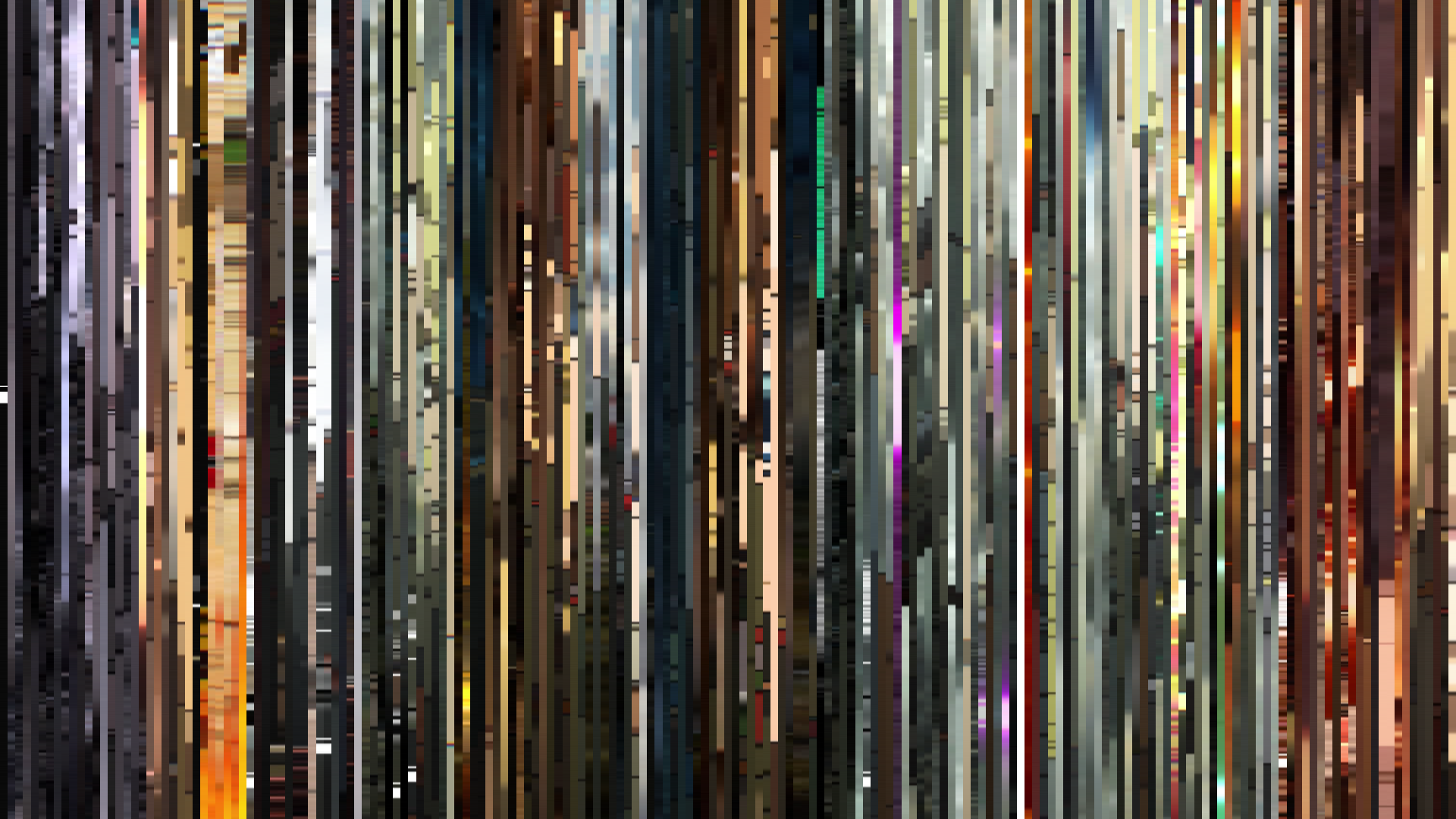
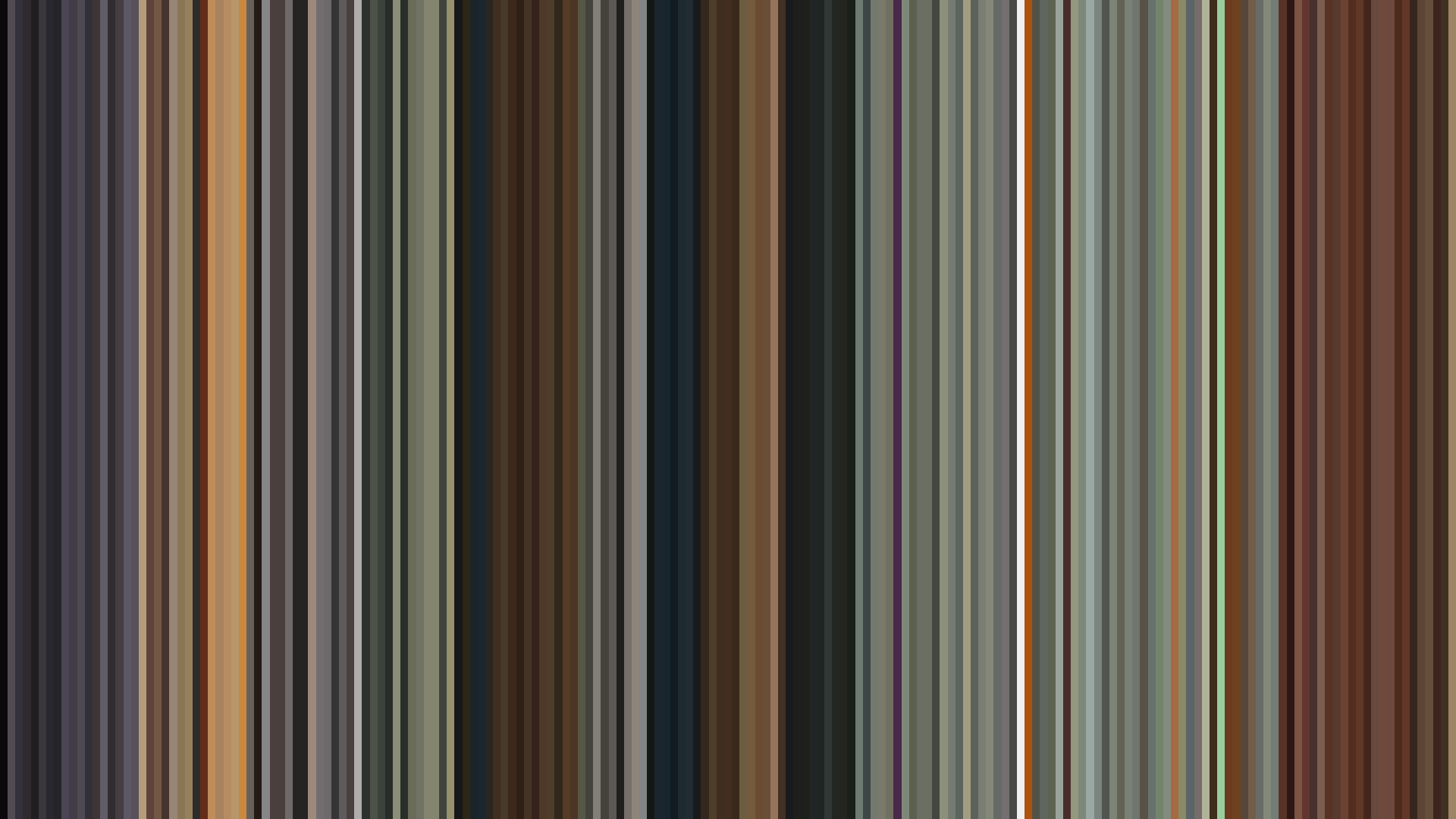
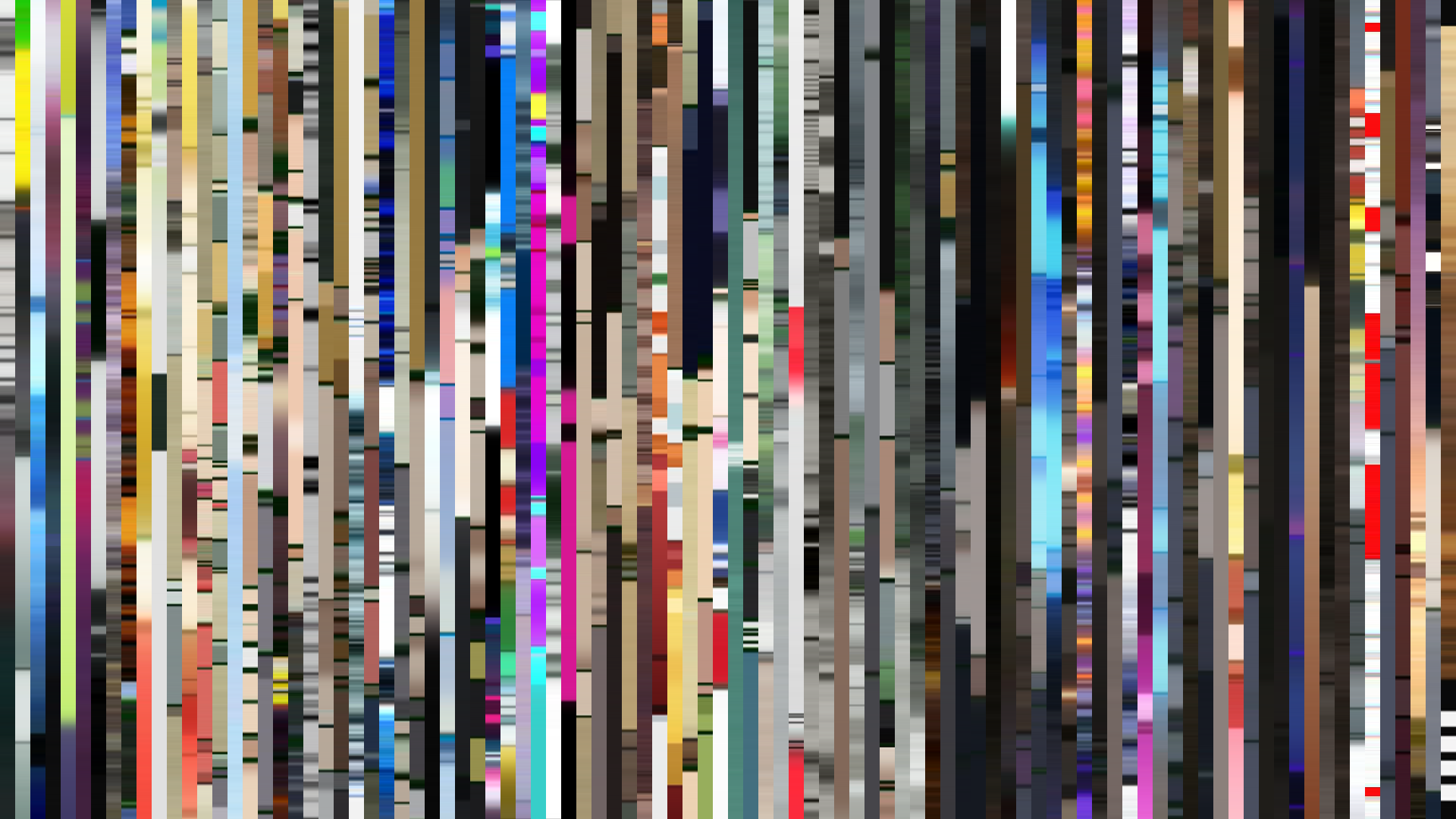
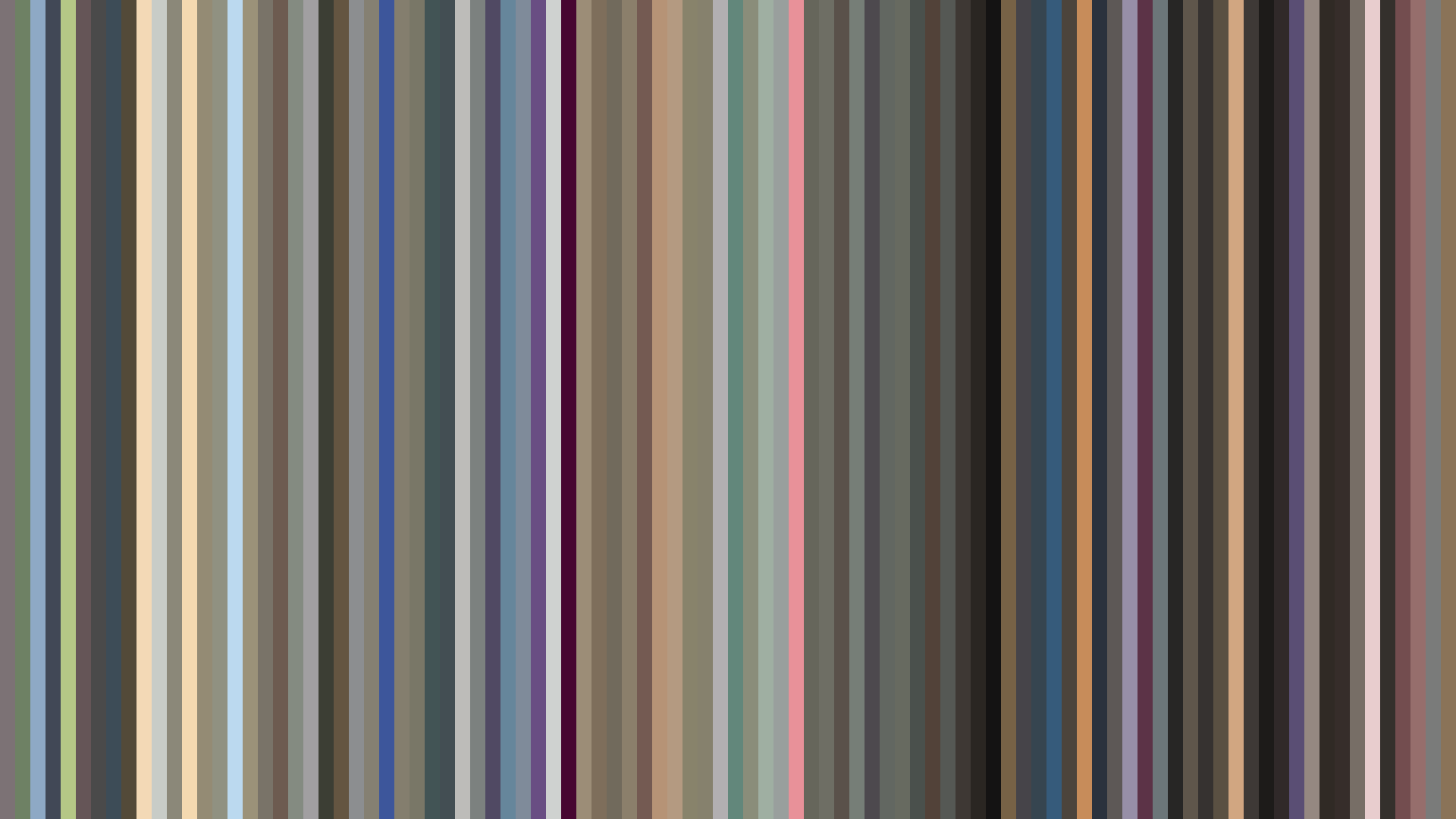
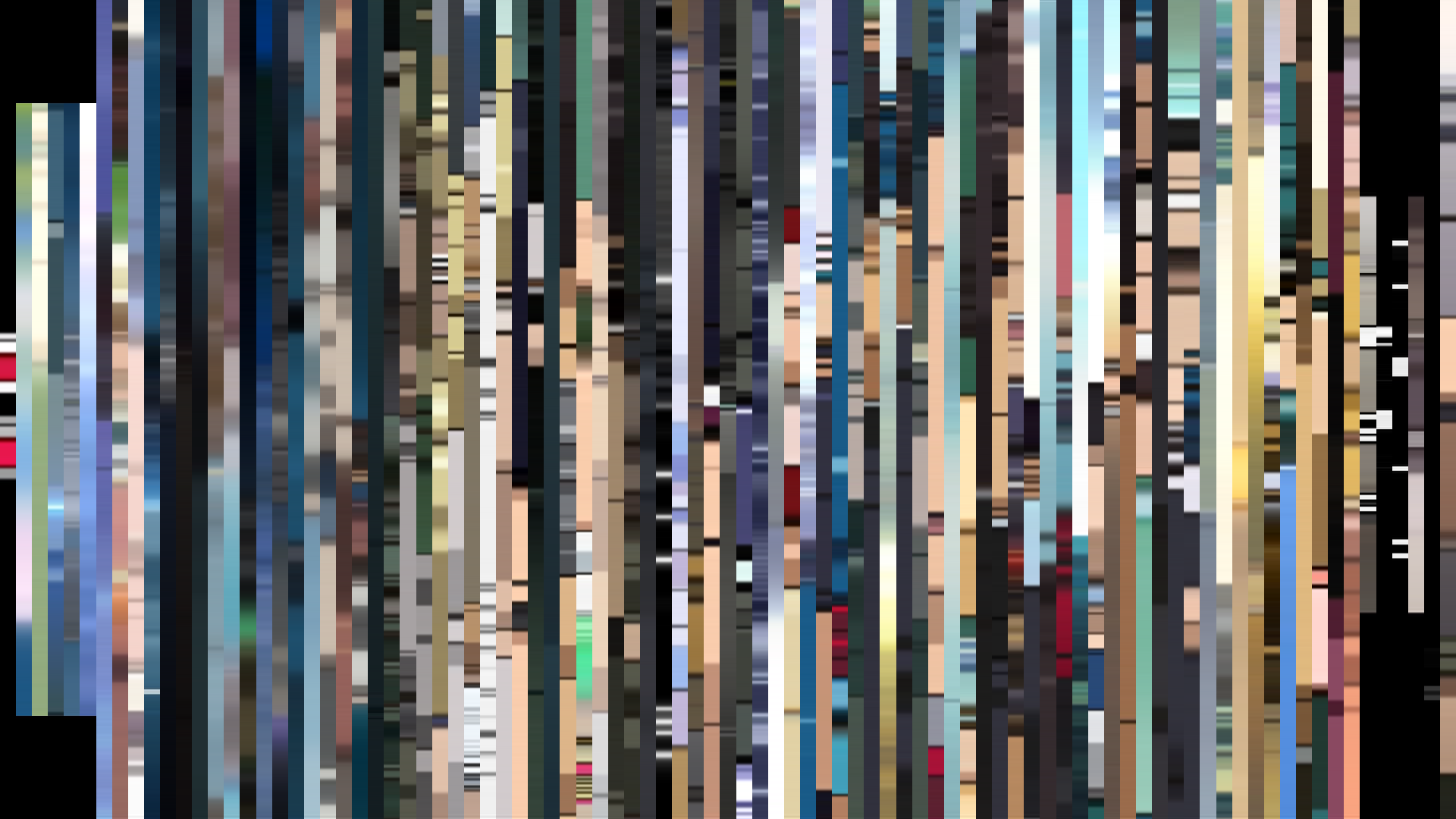
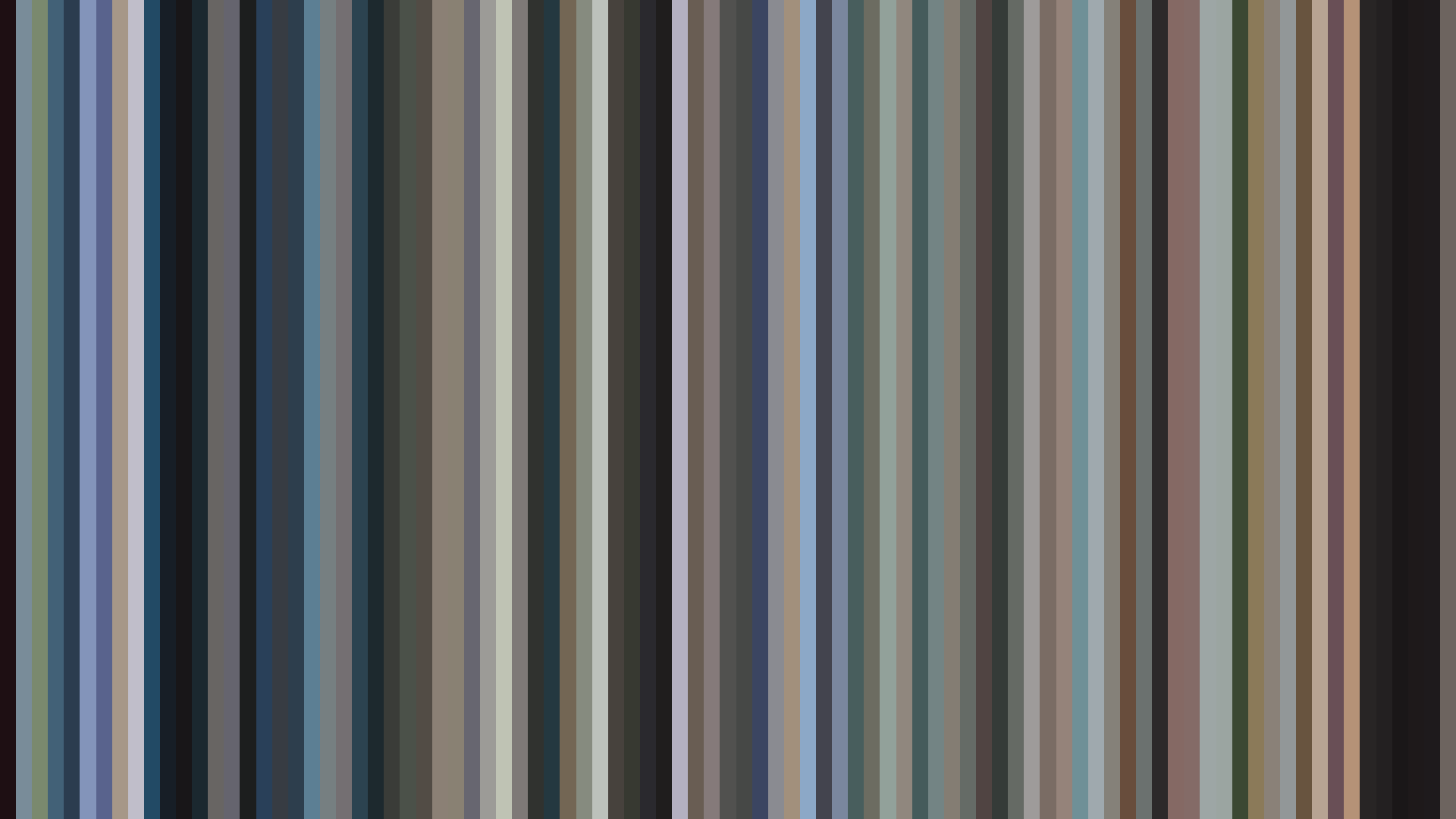
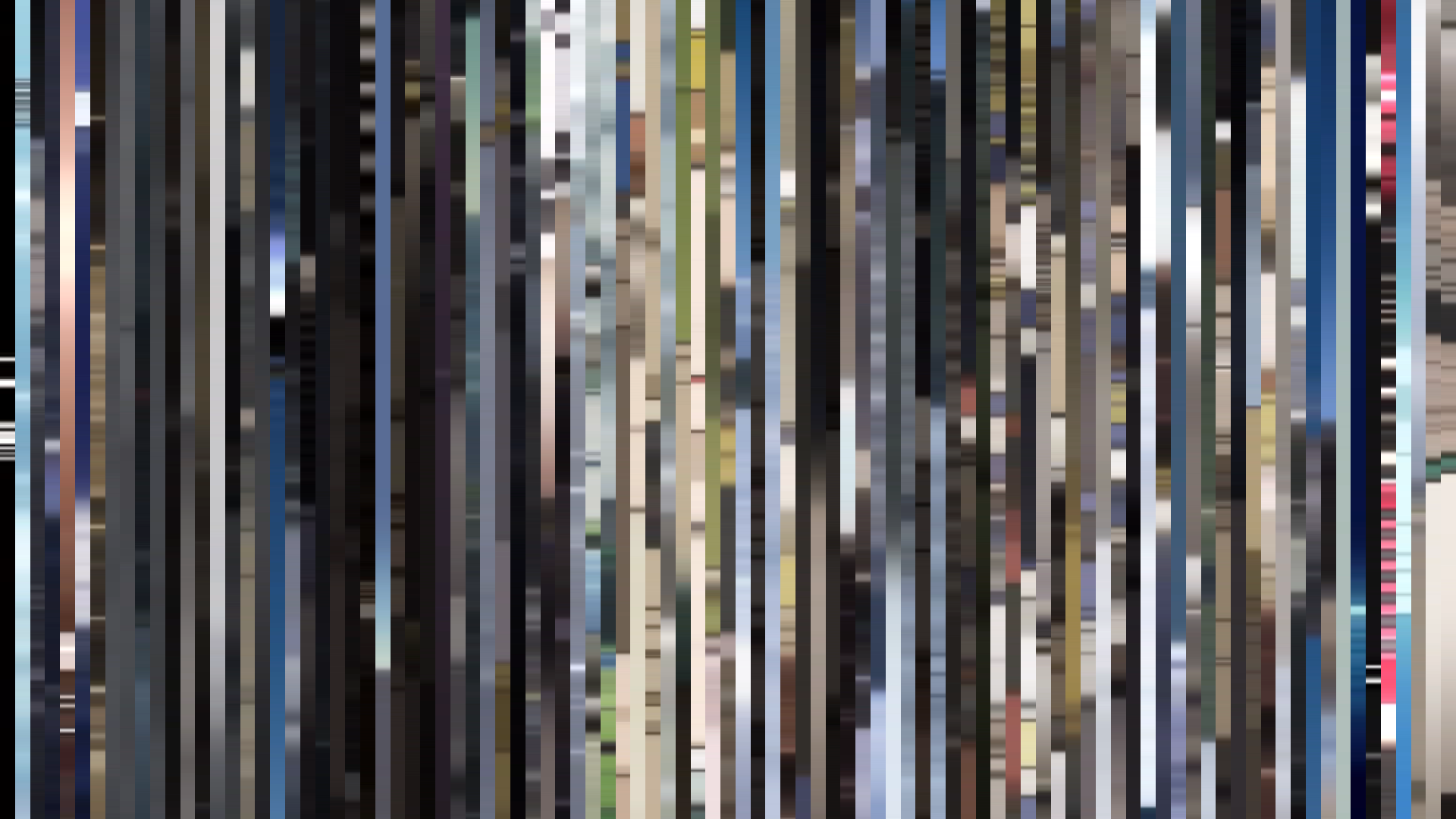
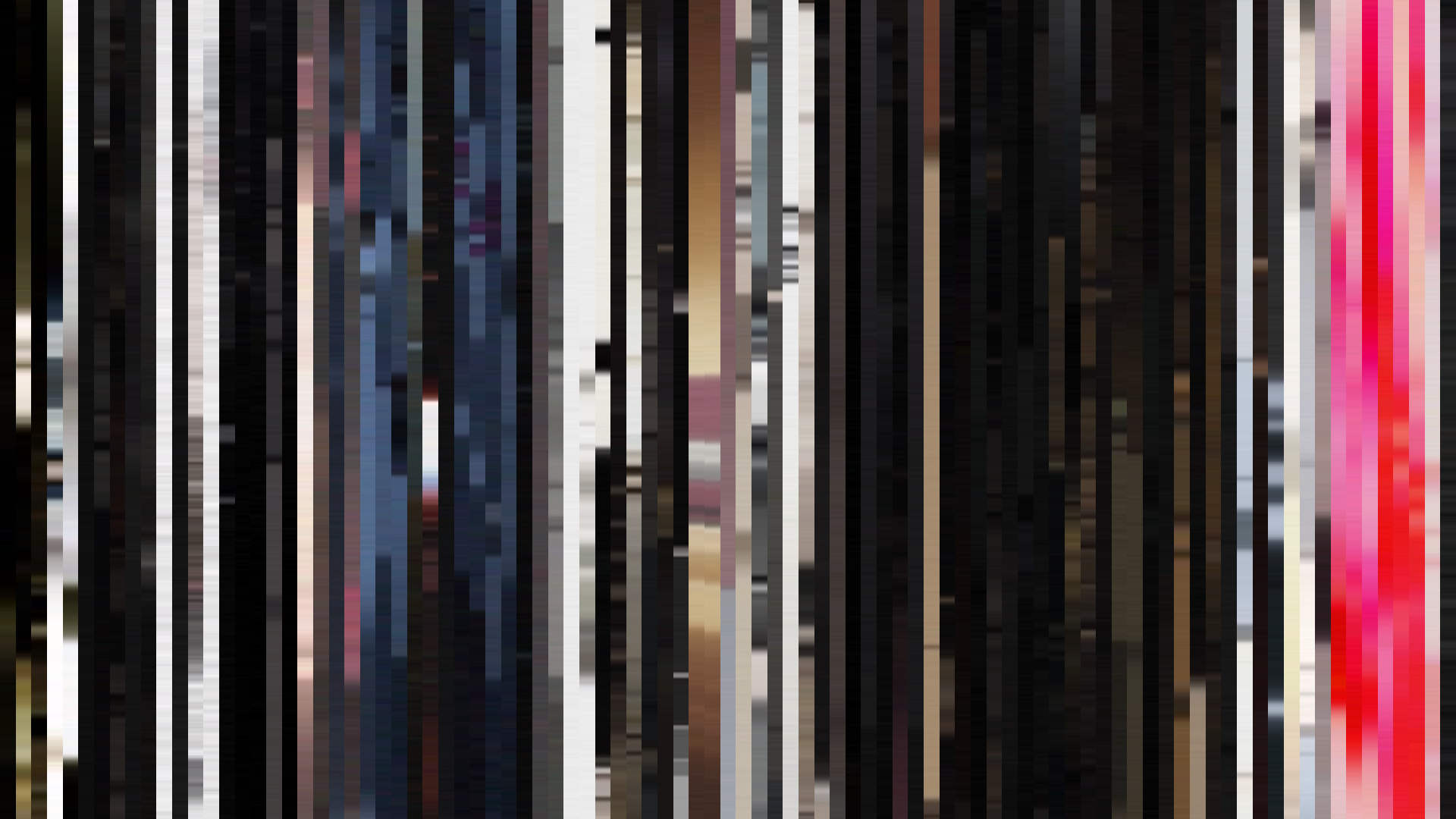
Frame Density Comparison — every 2nd vs every 4th frame
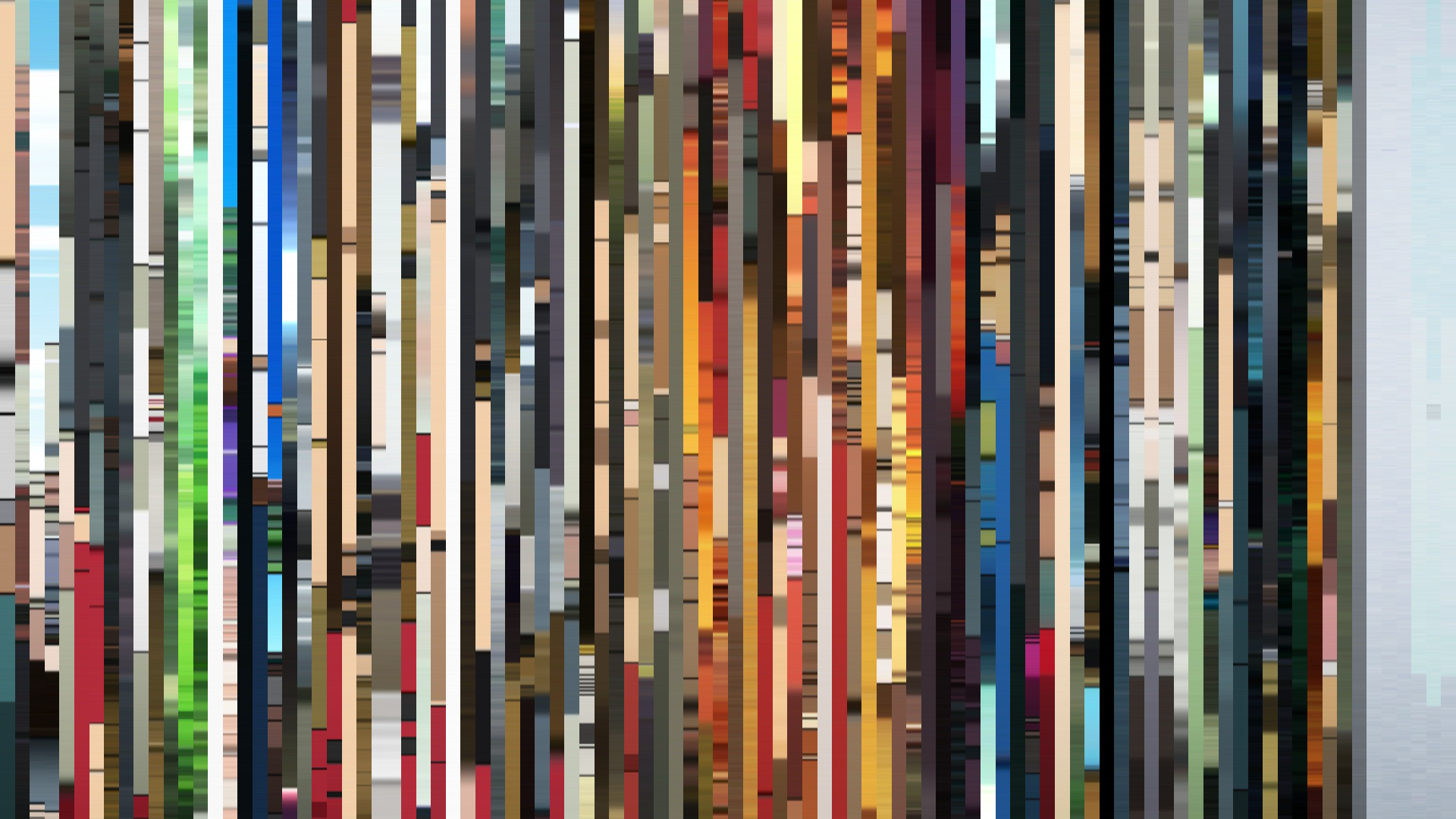
Slice · 15s
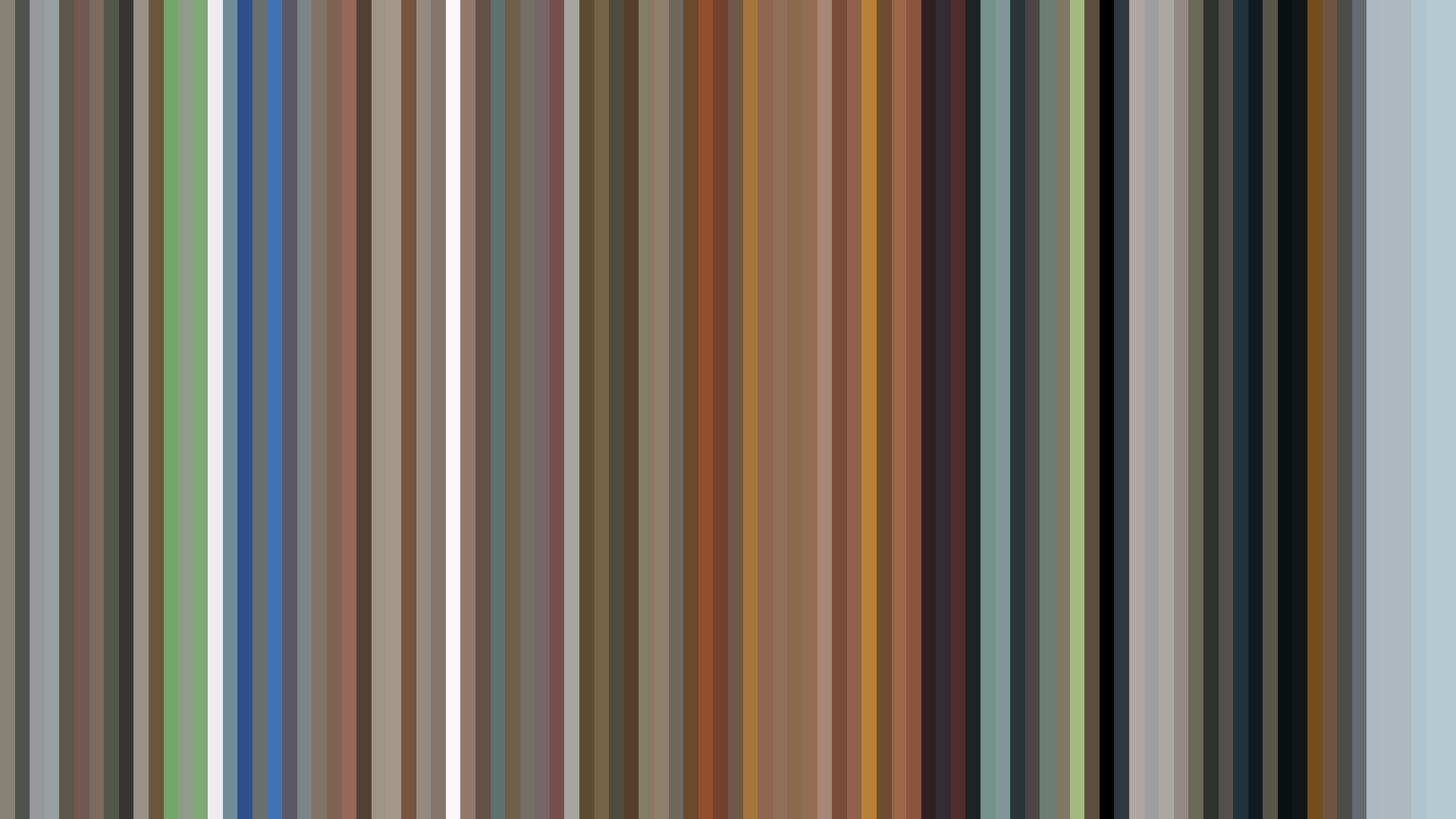
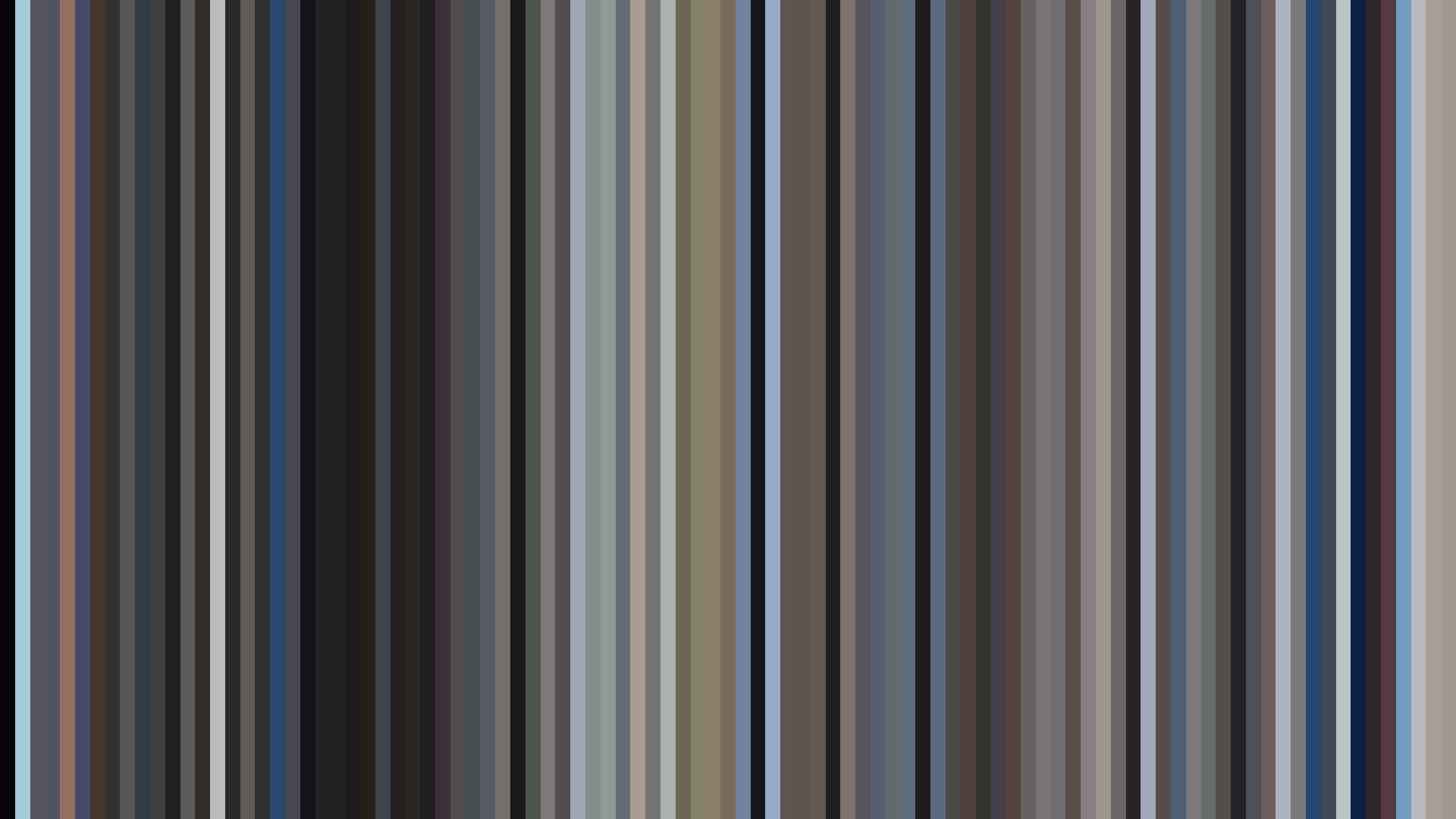
Avg · 15s
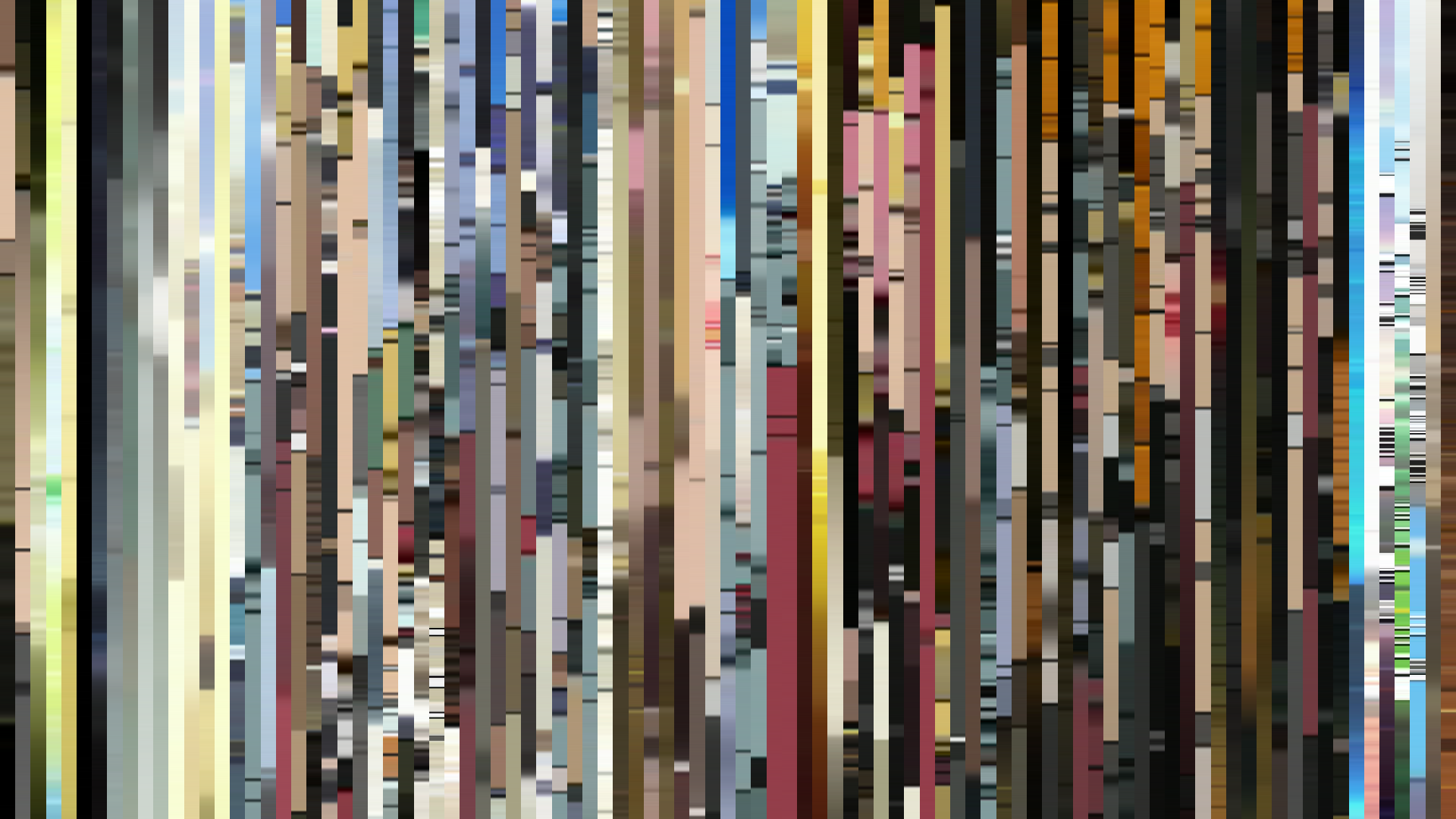
Slice · 30s
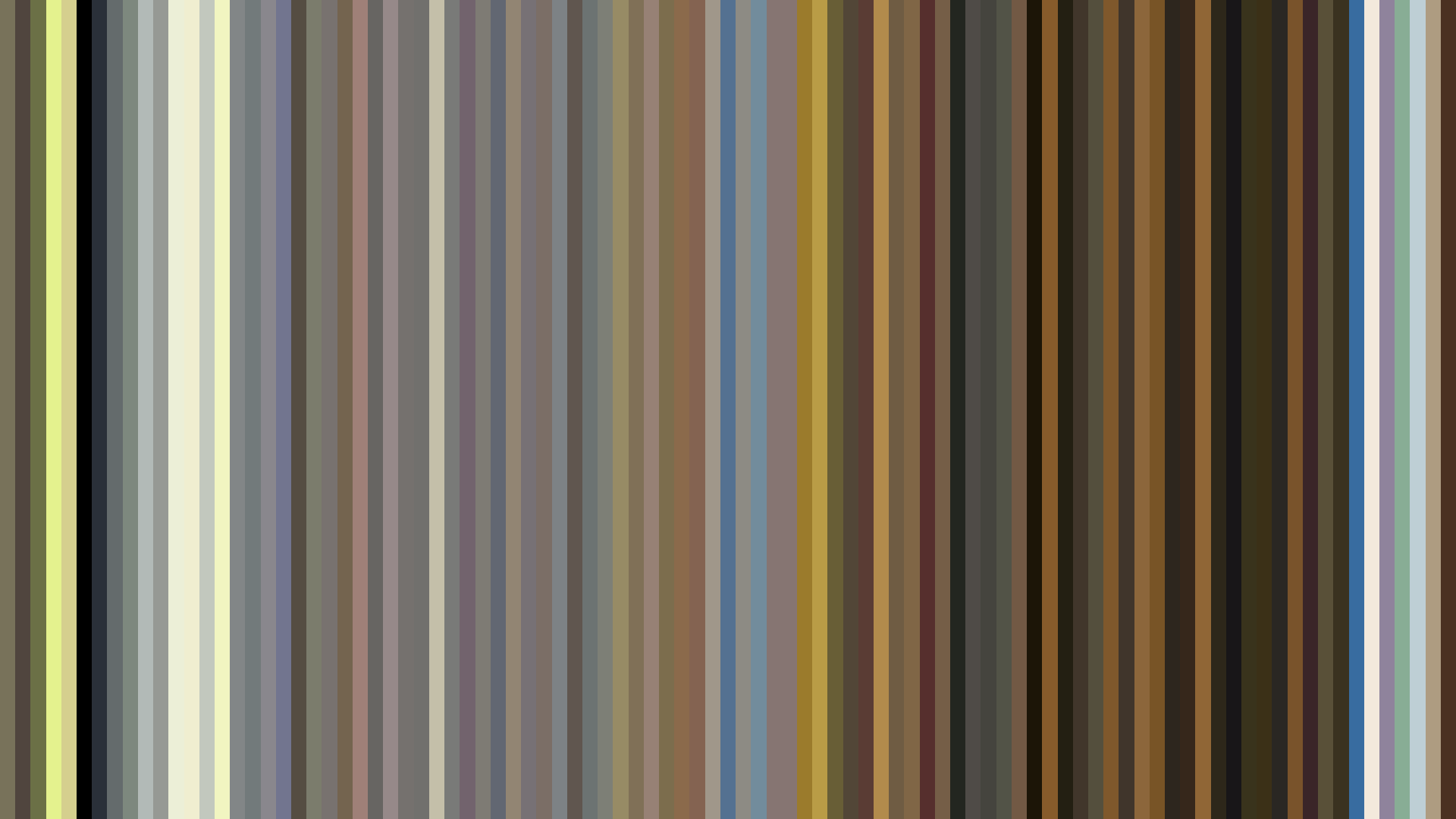
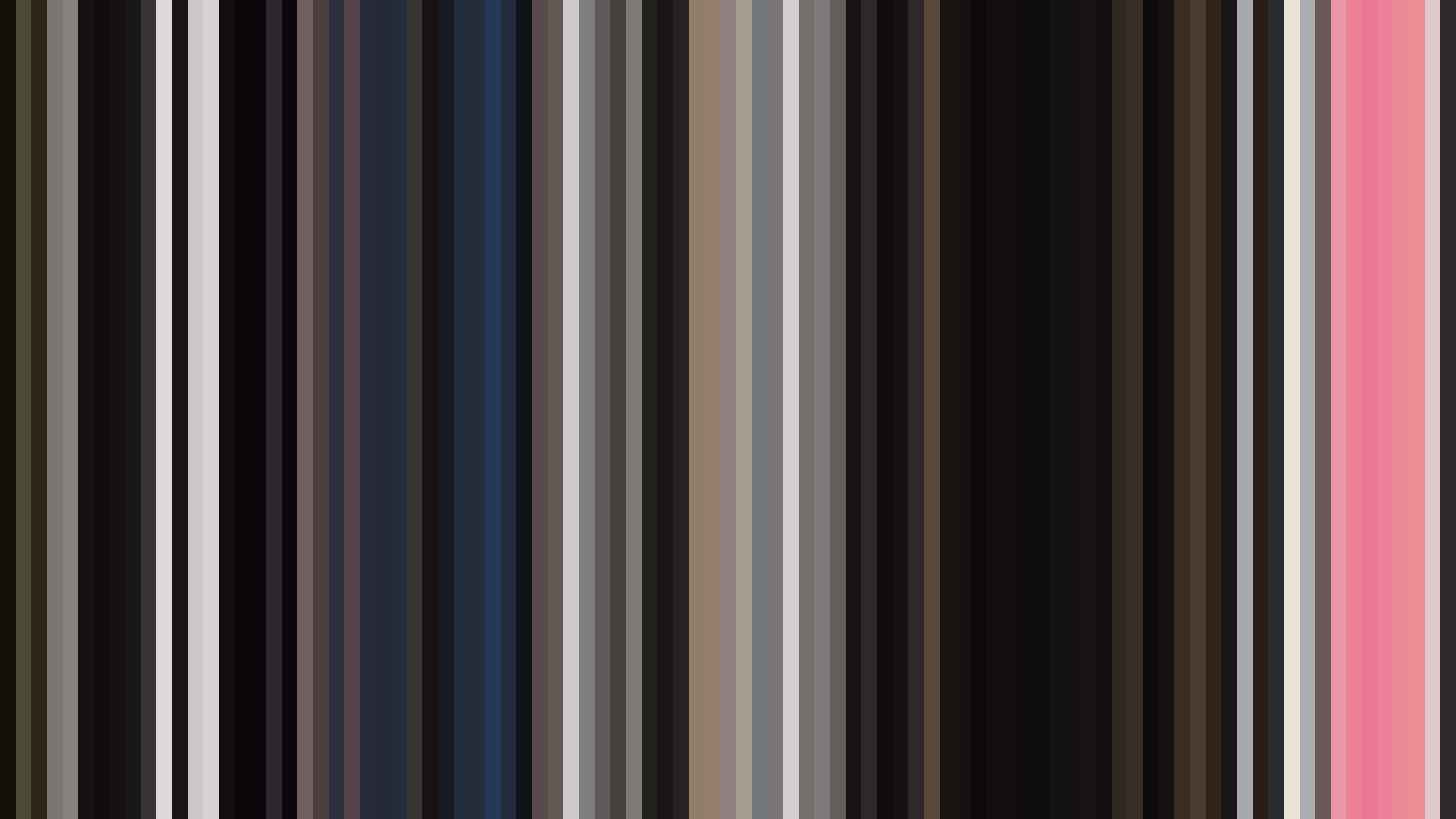
Avg · 30s
The palette is almost monochromatic — a muted Red at 47% that reads as rust, dried blood, or the dust of a forgotten road. The brightest color in the k-means set is #E6E3DC, a bone-pale beige that never approaches true white. Director Ryutaro Nakamura, fresh from *Lain*’s cathode-blue chill, here cycles into an entirely different desolation: a world where warmth is present but exhausted. The *arc-down* structure is perfectly suited to Kino’s wandering ethos: the opening act’s modest brightness (0.475) is the neutral curiosity of a traveler; the middle act’s plunge to 0.363 is the weight of seeing, episode after episode, that every utopia is a cage; and the final climb to 0.555 is not triumph but *departure* — the relief of moving on rather than solving anything. The secondary Red-Orange and Blue-Green hues never battle; they simply coexist like the nations Kino visits without staying. This is a show whose dominant hue is Red but whose emotional temperature reads as cool exhaustion. The barcode doesn’t scream — it hums, a long dusty road fading into fog.
Brightness Arc (episode progression)
Hue Distribution
Act Breakdown
Opening
0.475
Middle
0.363
Closing
0.555
Avg Brightness
0.435
Avg Saturation
0.395
Warmth
0.577
Color Palette
#1E1717
#533025
#615B58
#996C55
#E6E3DC
#604D33
#A99267
#E5D3A8
3-Act Color Story
Opening
Middle
Closing
Color Twins
Perceptually nearest palettes — measured in OKLab space, not RGB
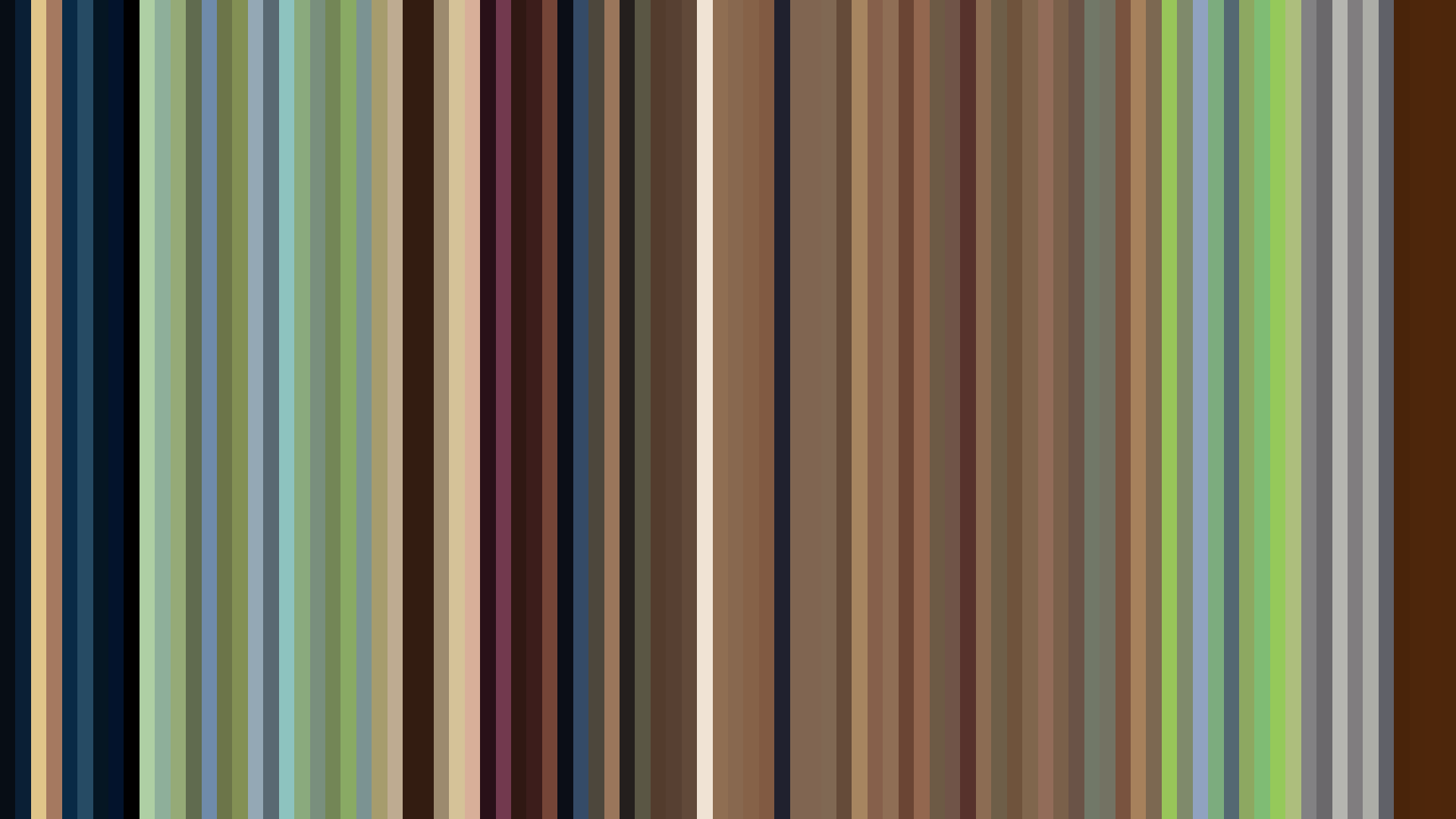
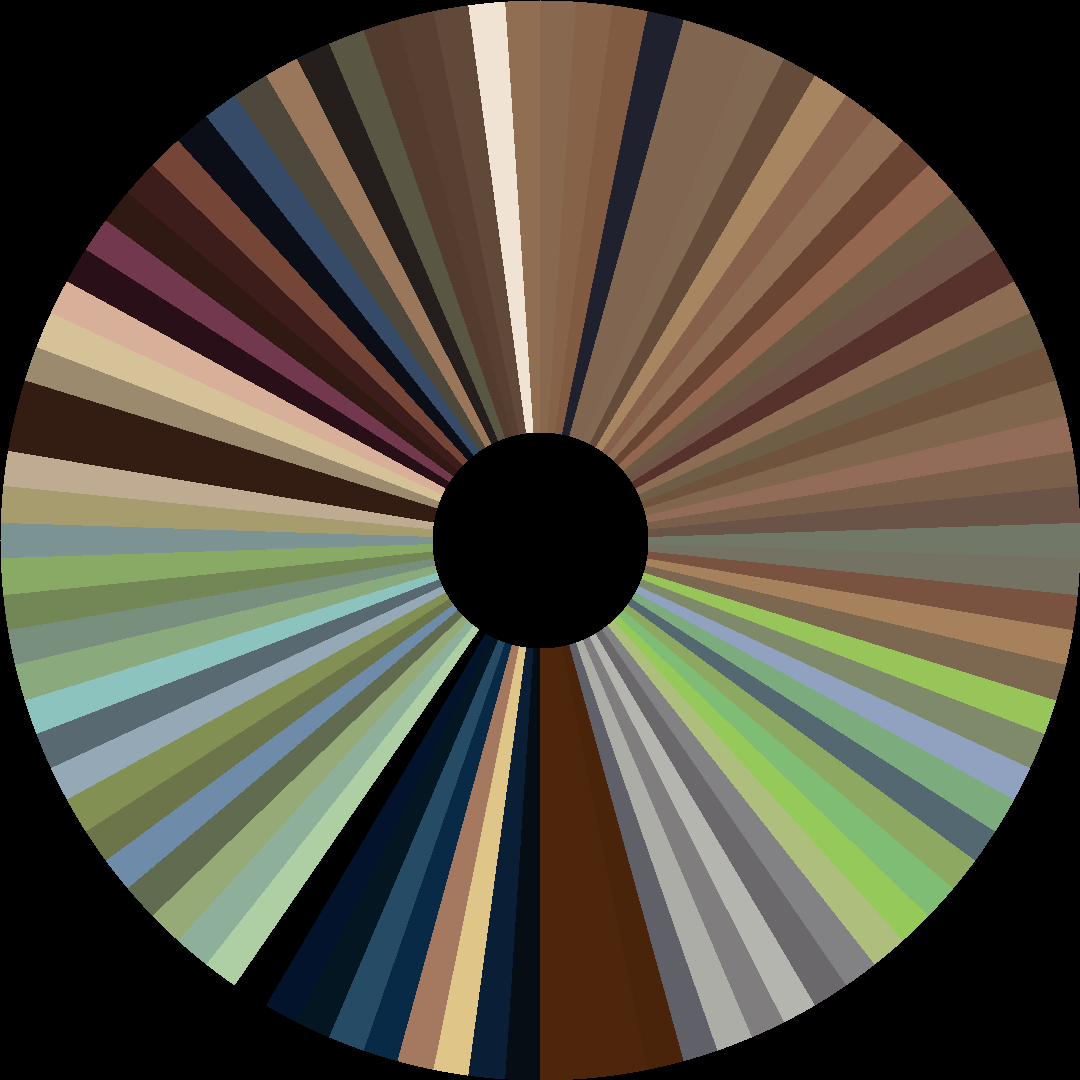






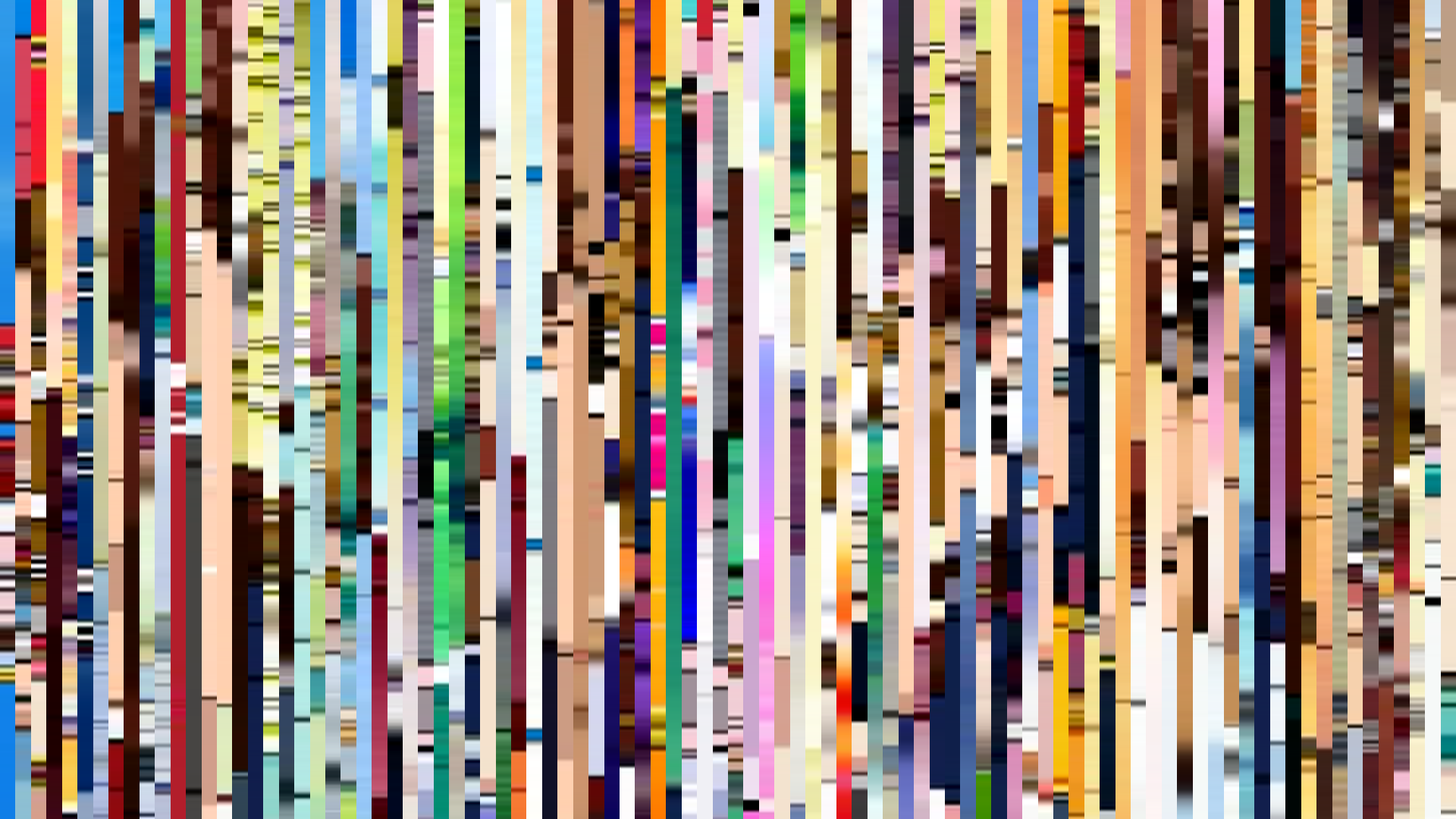
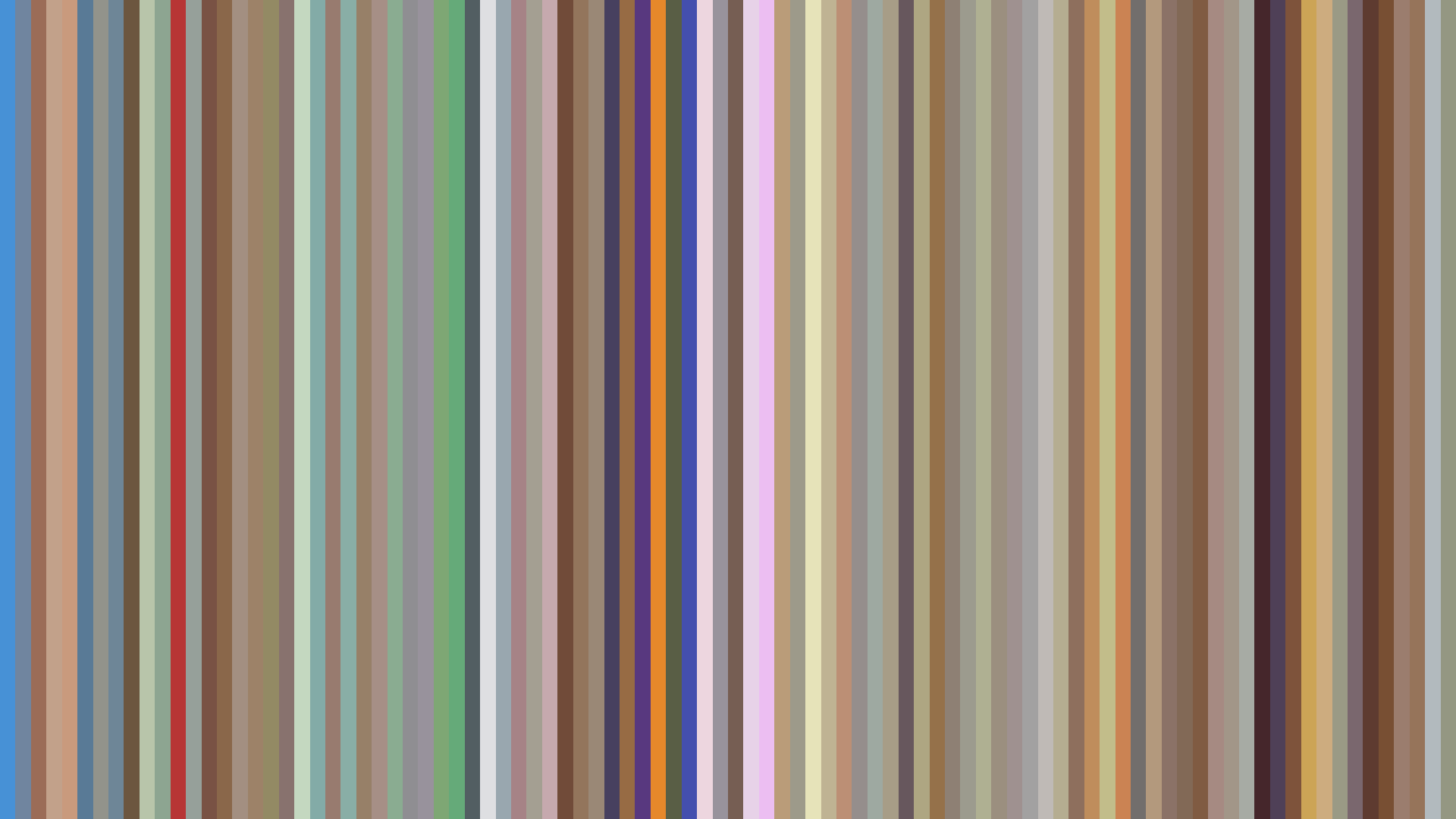
The palette is almost monochromatic — a muted Red at 47% that reads as rust, dried blood, or the dust of a forgotten road. The brightest color in the k-means set is #E6E3DC, a bone-pale beige that never approaches true white. Director Ryutaro Nakamura, fresh from *Lain*’s cathode-blue chill, here cycles into an entirely different desolation: a world where warmth is present but exhausted. The *arc-down* structure is perfectly suited to Kino’s wandering ethos: the opening act’s modest brightness (0.475) is the neutral curiosity of a traveler; the middle act’s plunge to 0.363 is the weight of seeing, episode after episode, that every utopia is a cage; and the final climb to 0.555 is not triumph but *departure* — the relief of moving on rather than solving anything. The secondary Red-Orange and Blue-Green hues never battle; they simply coexist like the nations Kino visits without staying. This is a show whose dominant hue is Red but whose emotional temperature reads as cool exhaustion. The barcode doesn’t scream — it hums, a long dusty road fading into fog.