Edit Pace — frame-to-frame color delta (bright = fast cuts)
Color Temperature — warm (gold) vs cool (teal) per frame
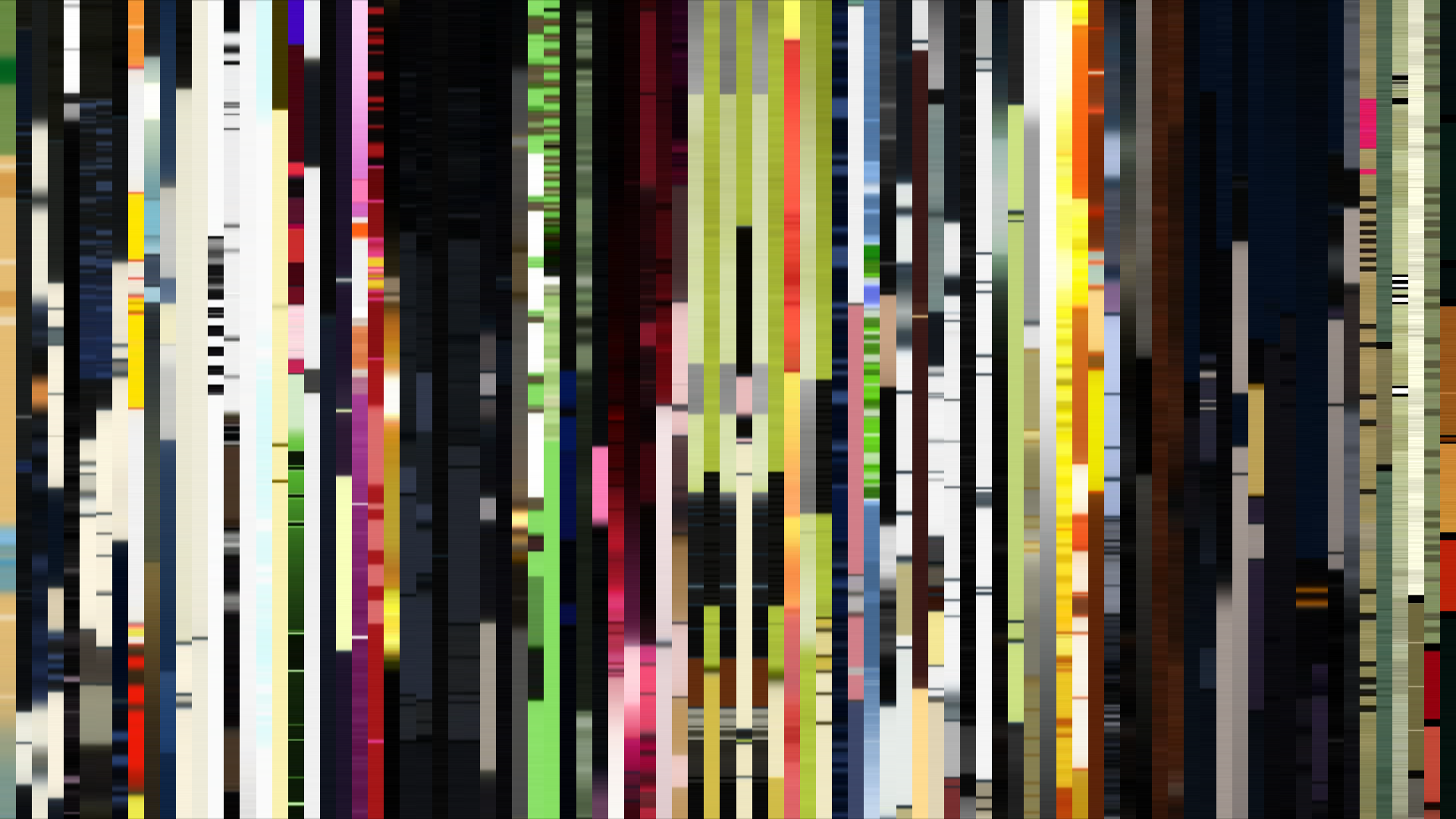
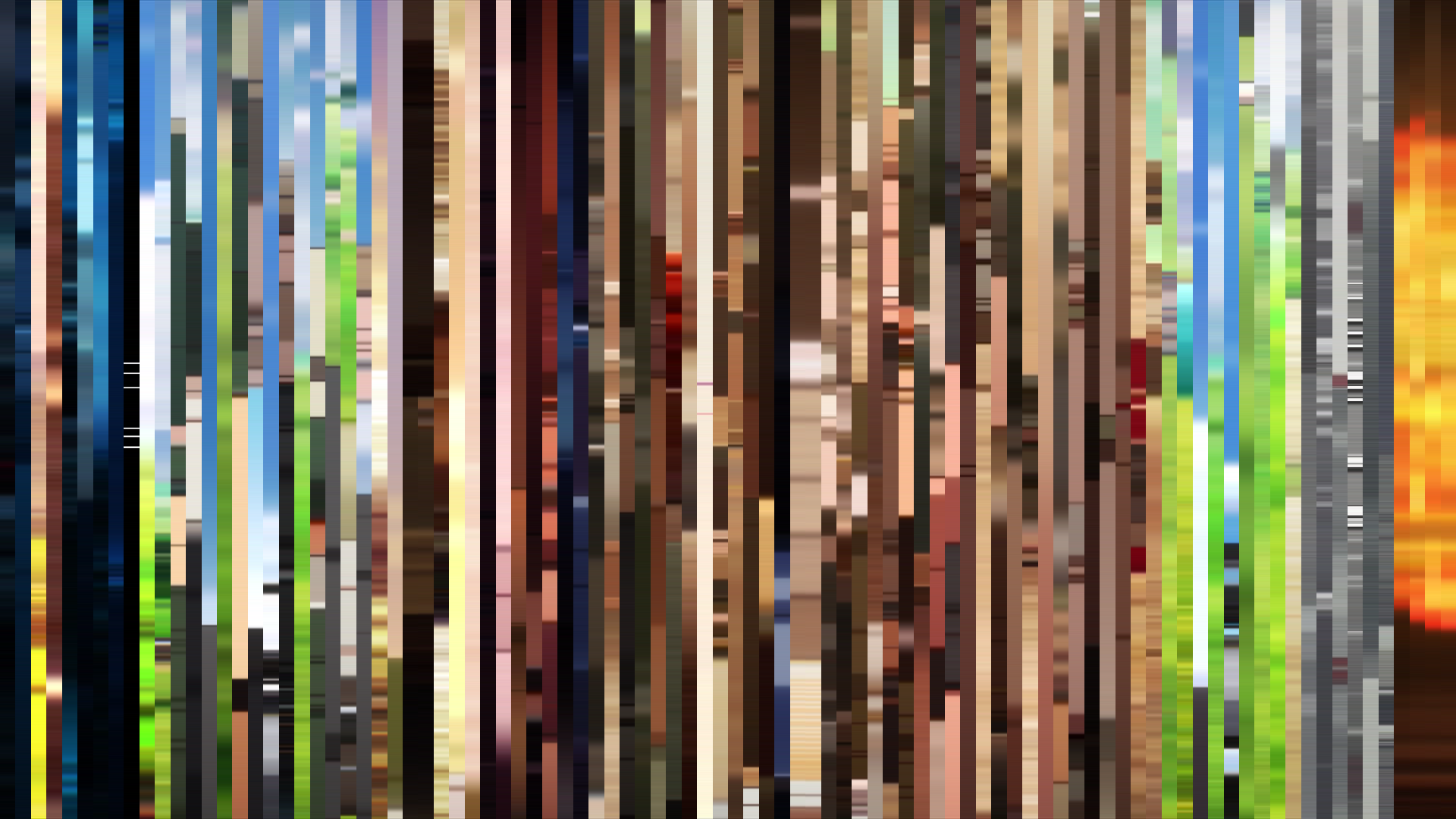
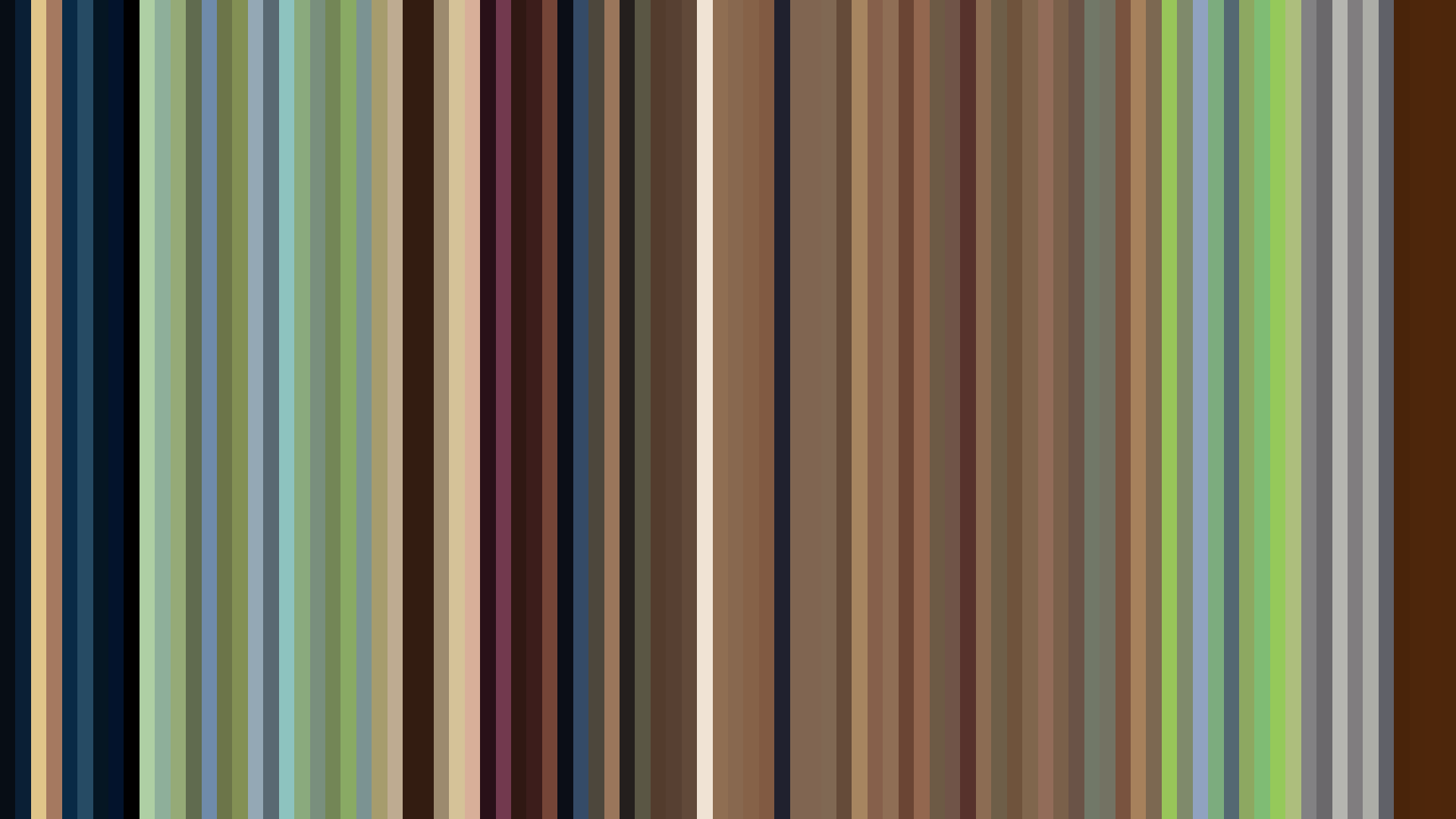
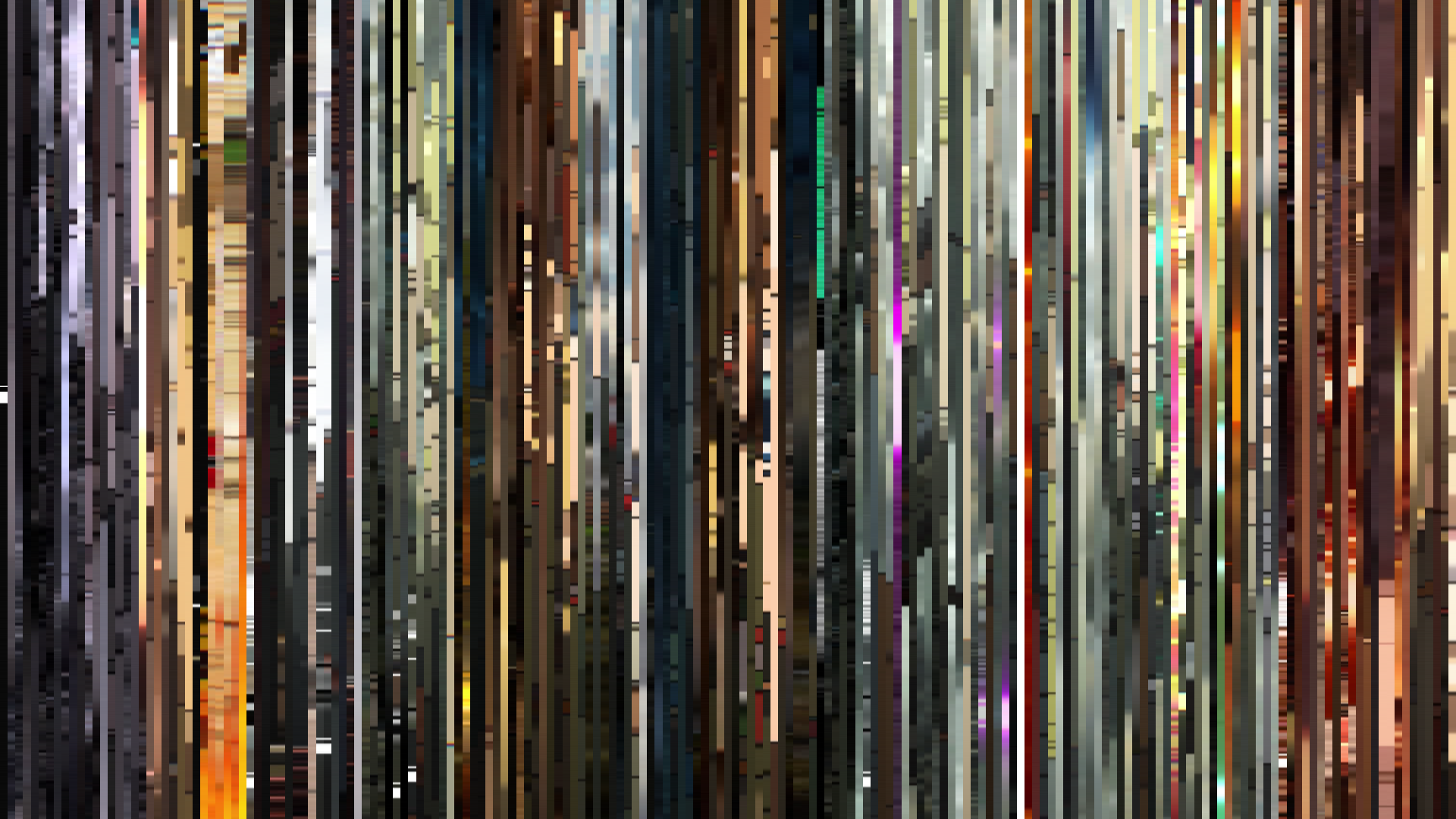
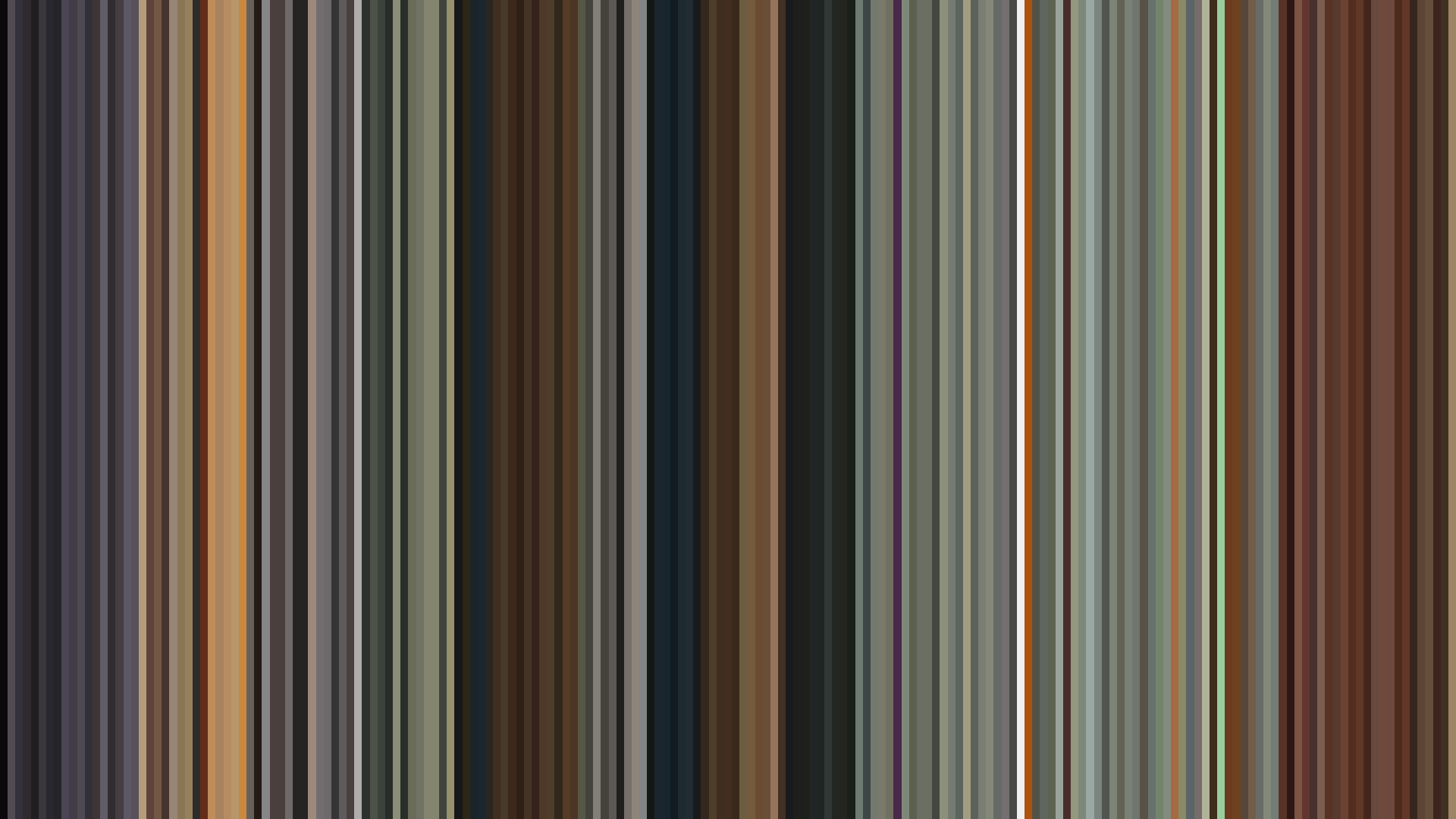
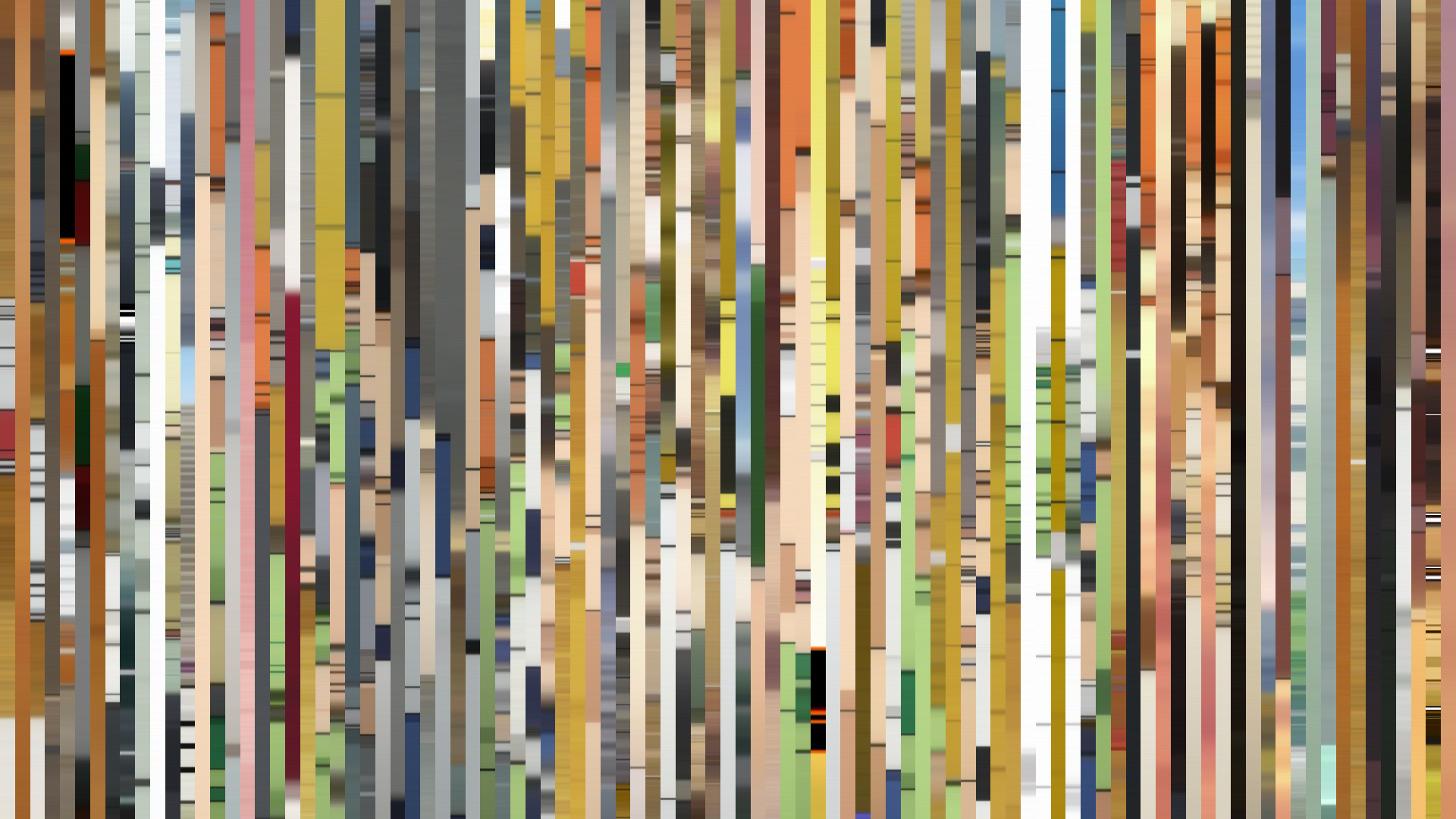
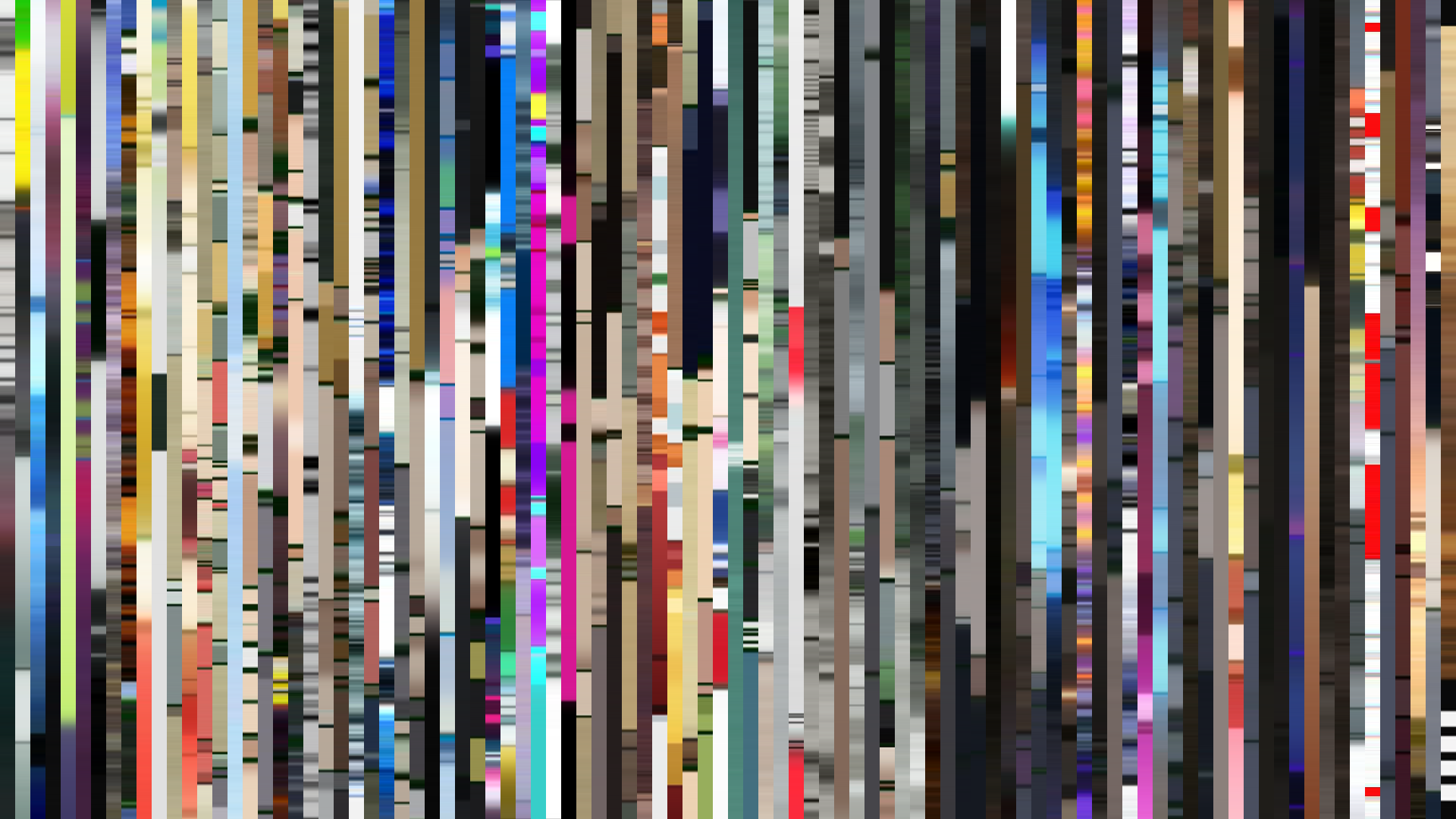
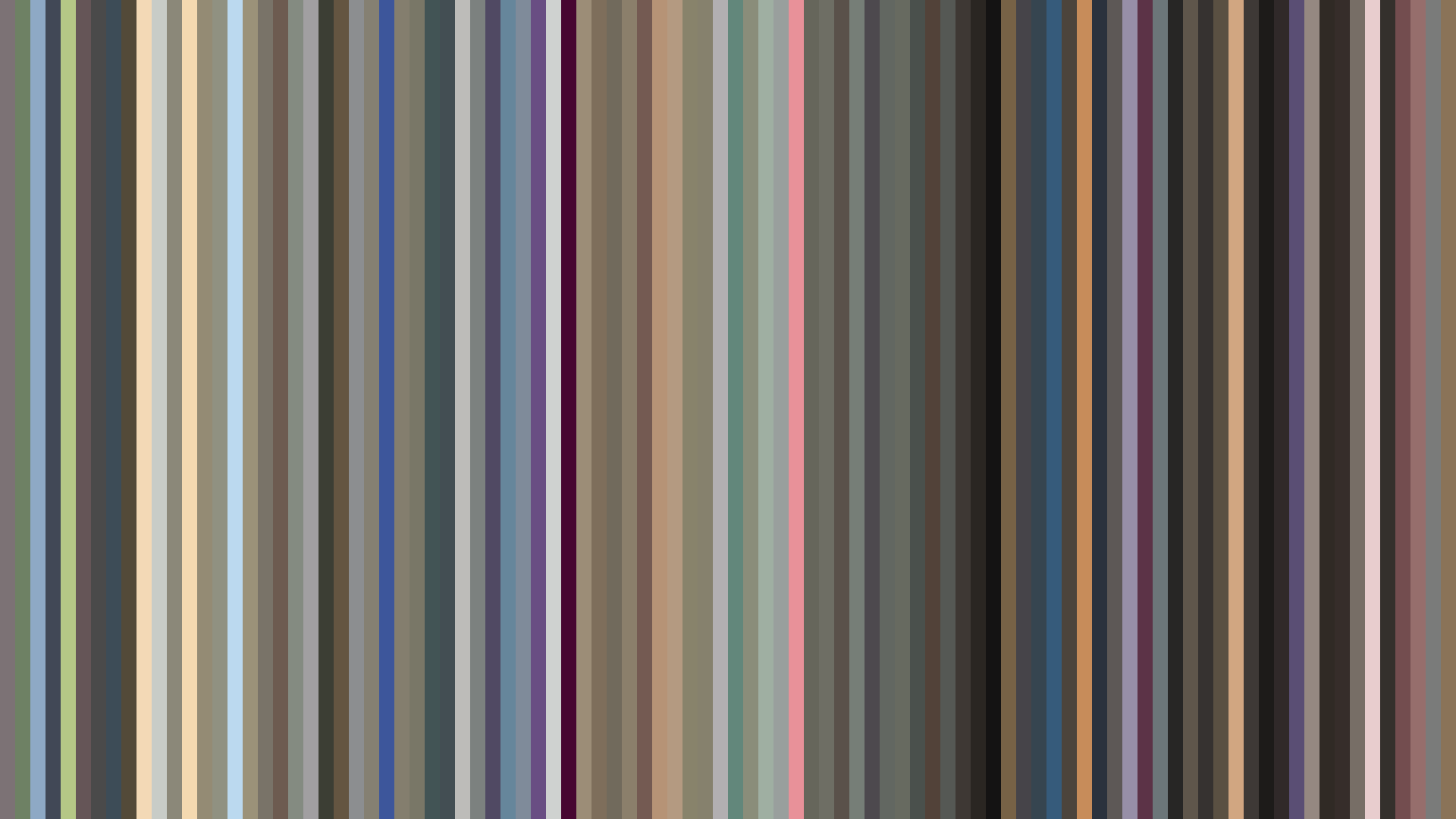
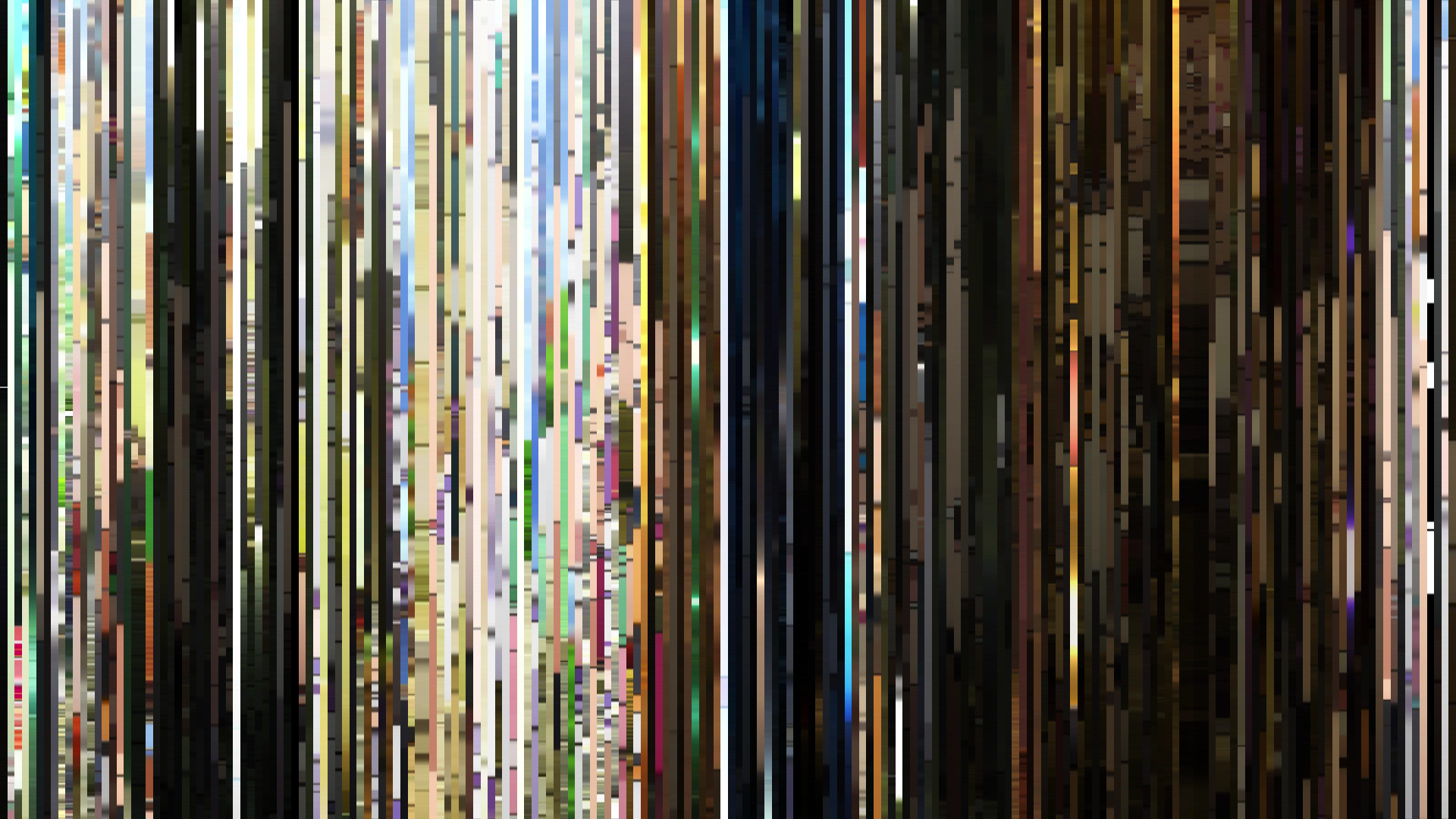
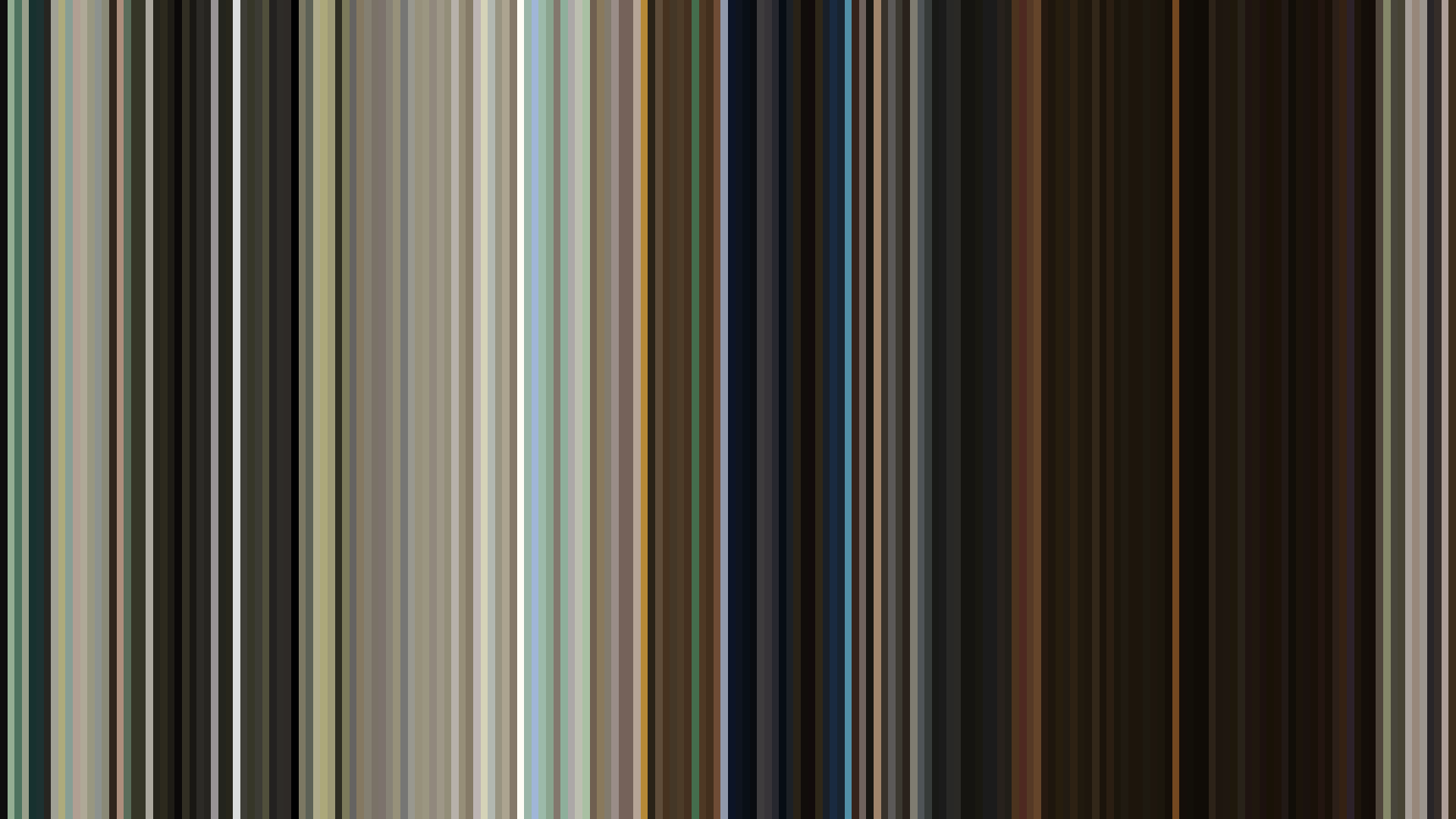
Frame Density Comparison — every 2nd vs every 4th frame
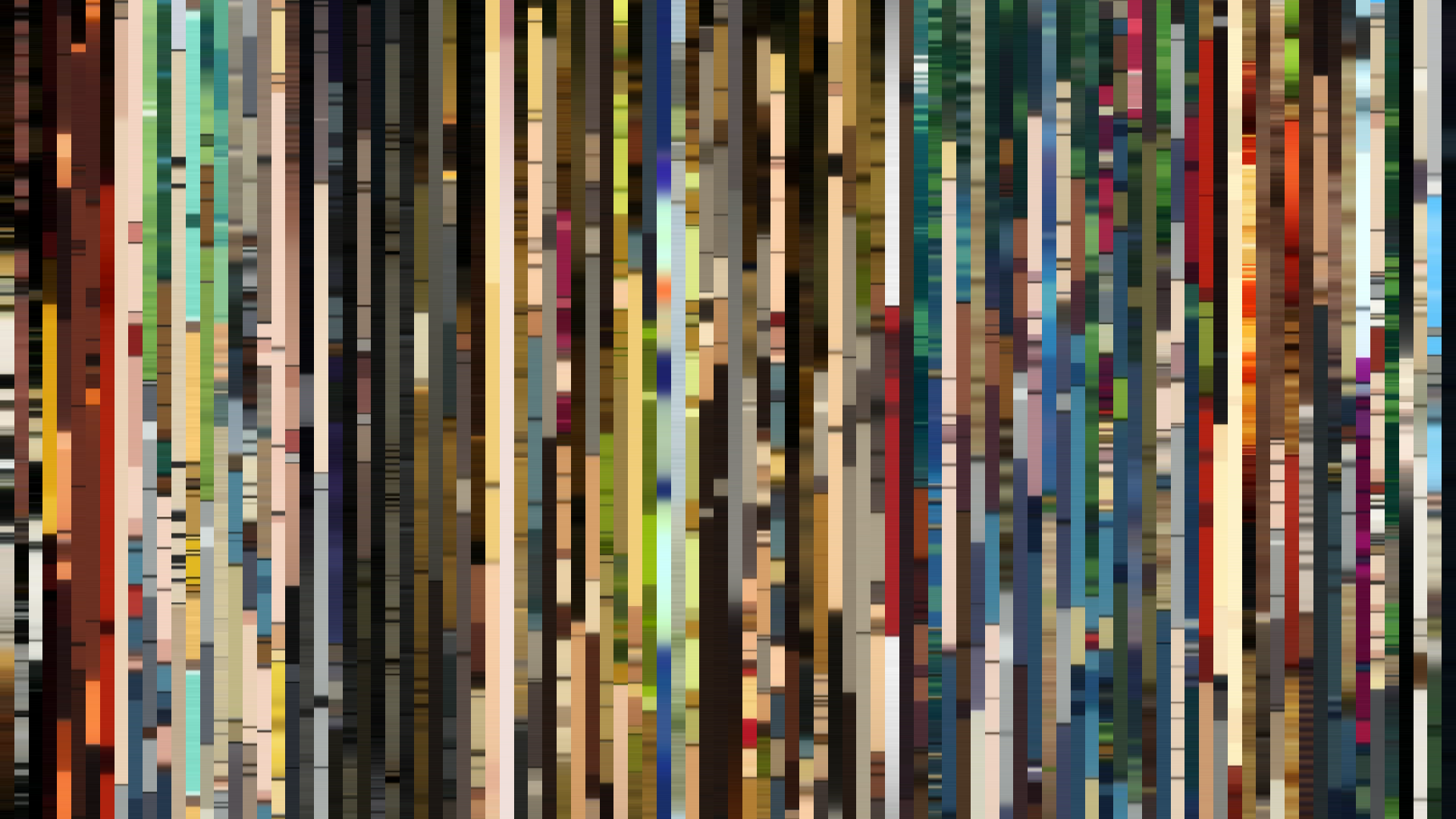
Slice · 15s
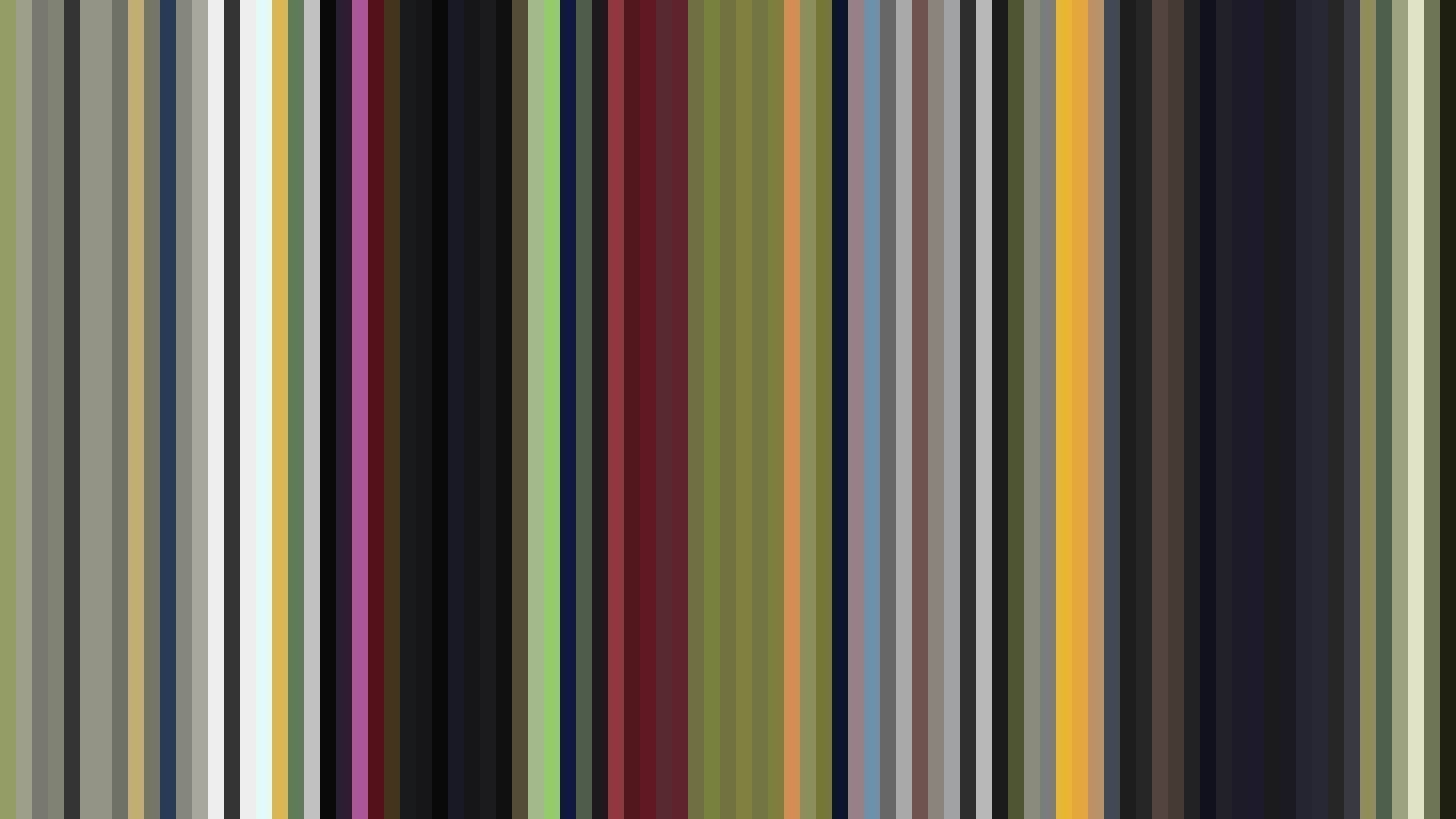
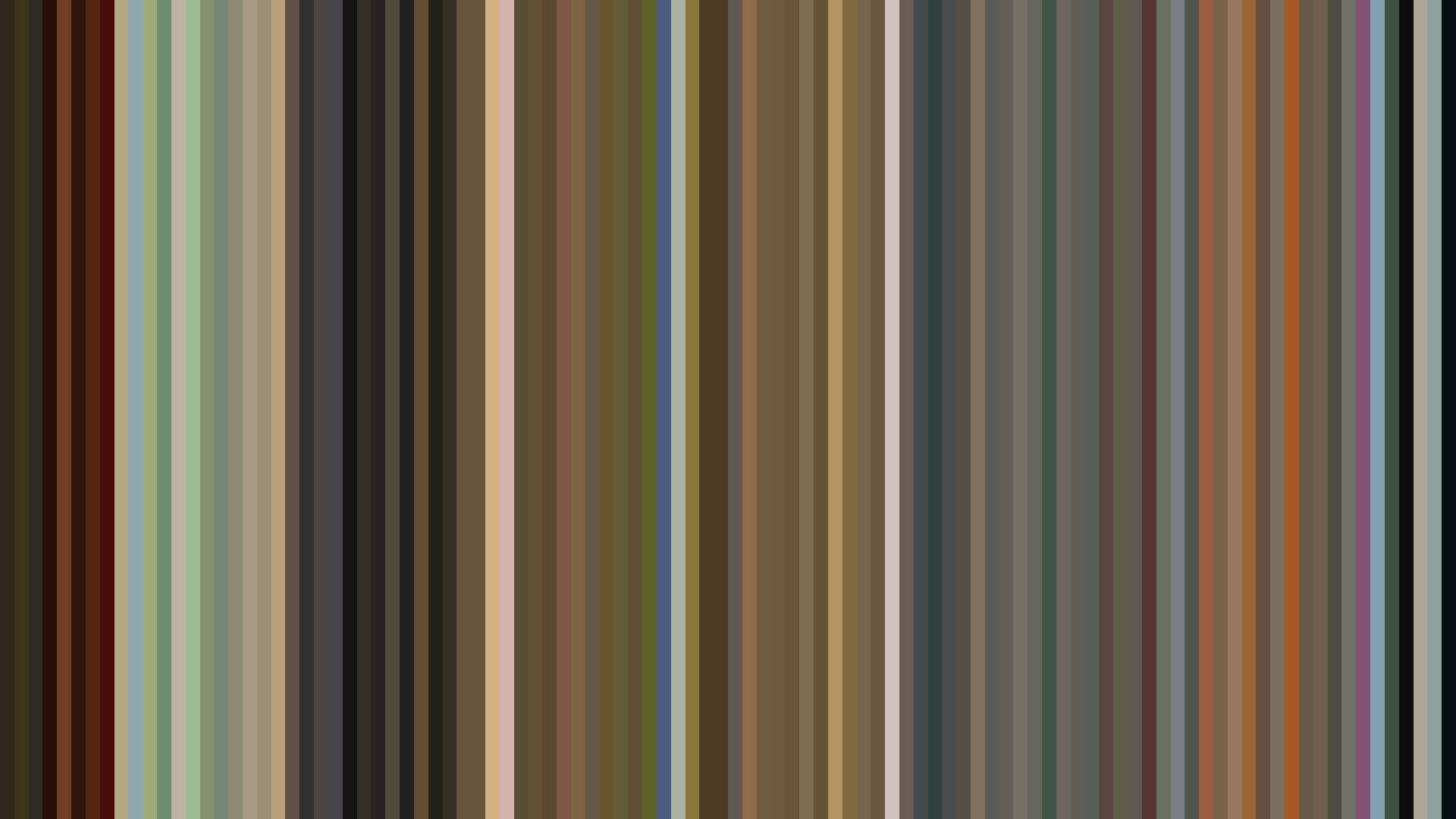
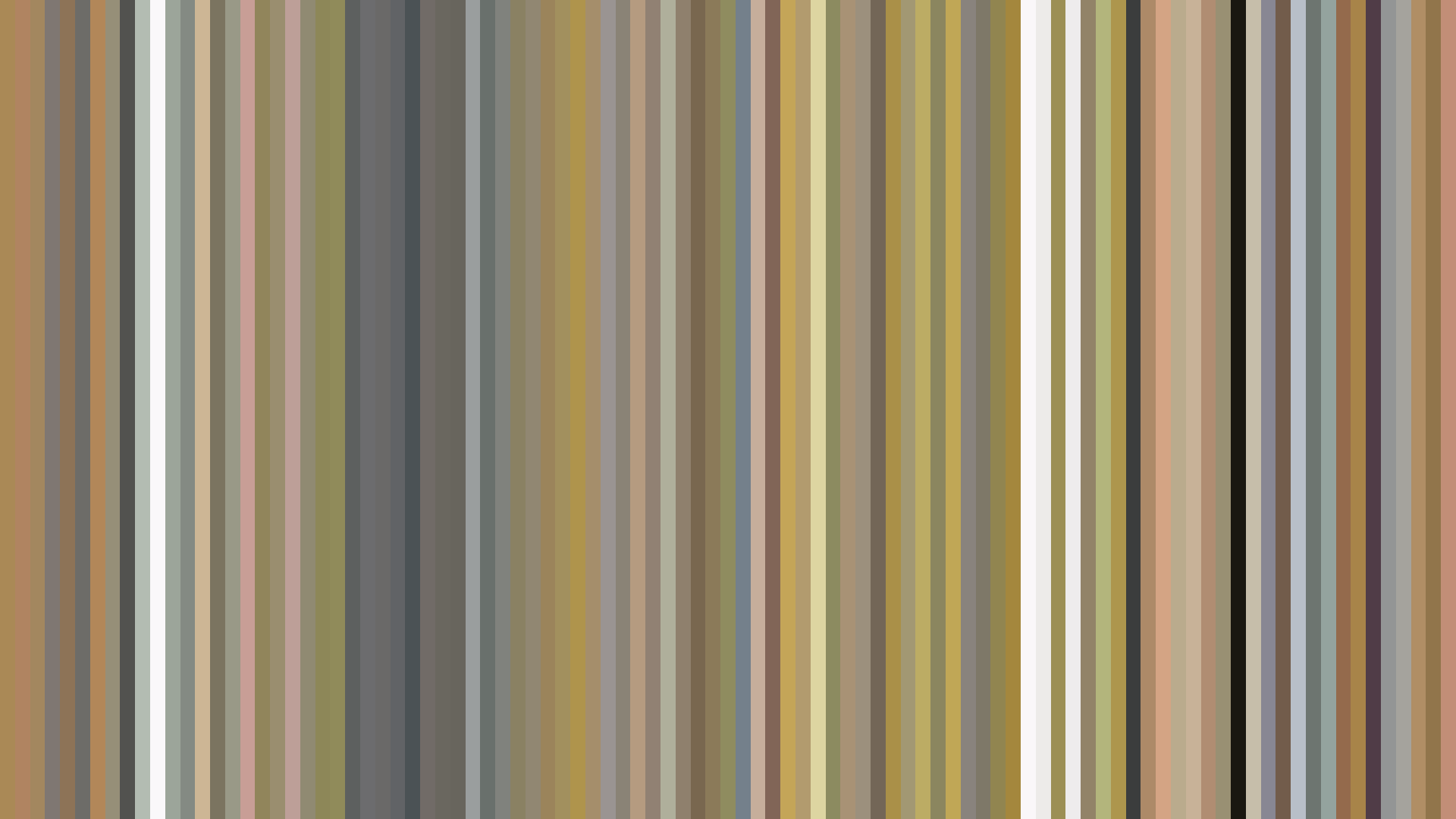
Avg · 15s
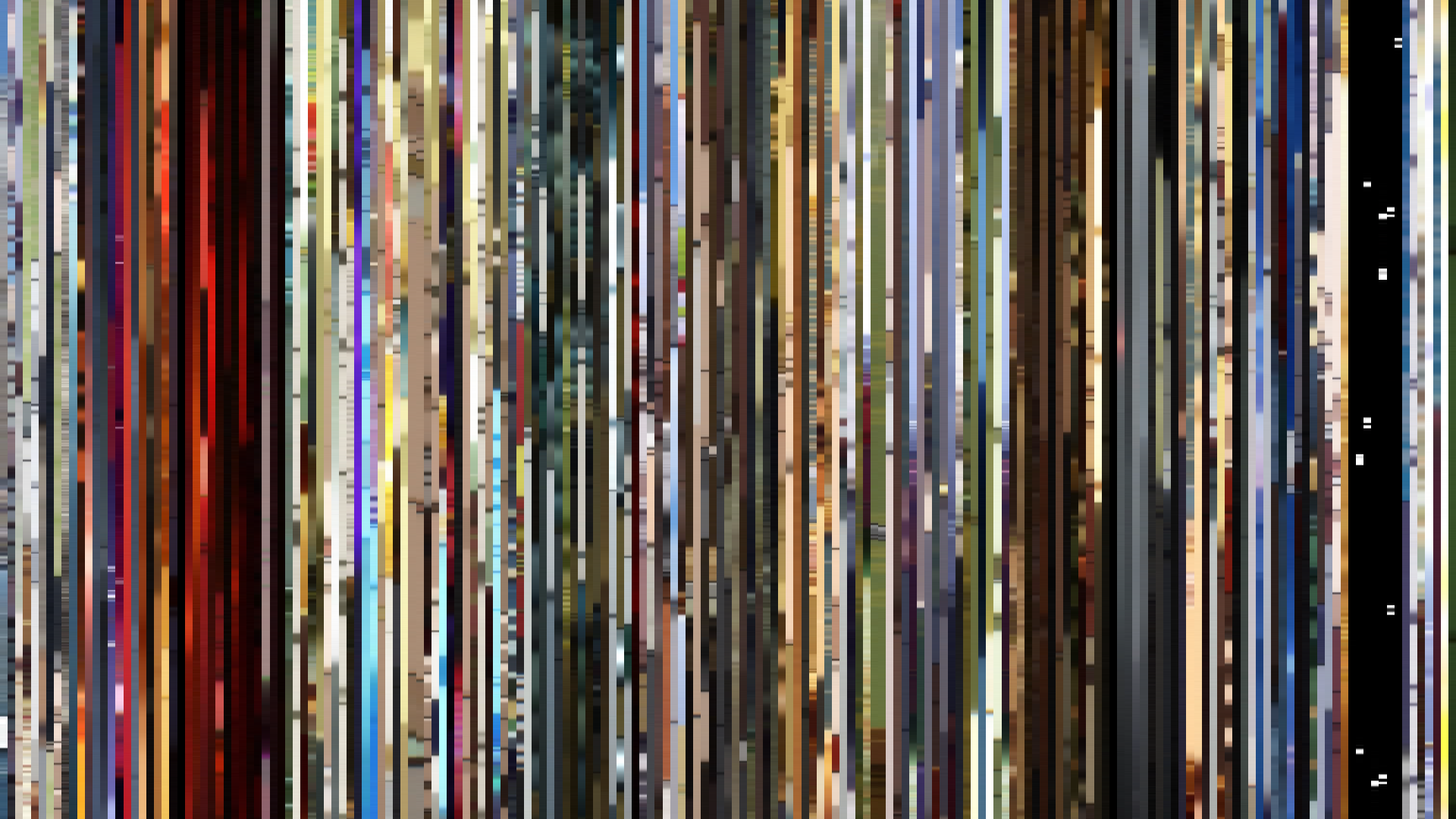
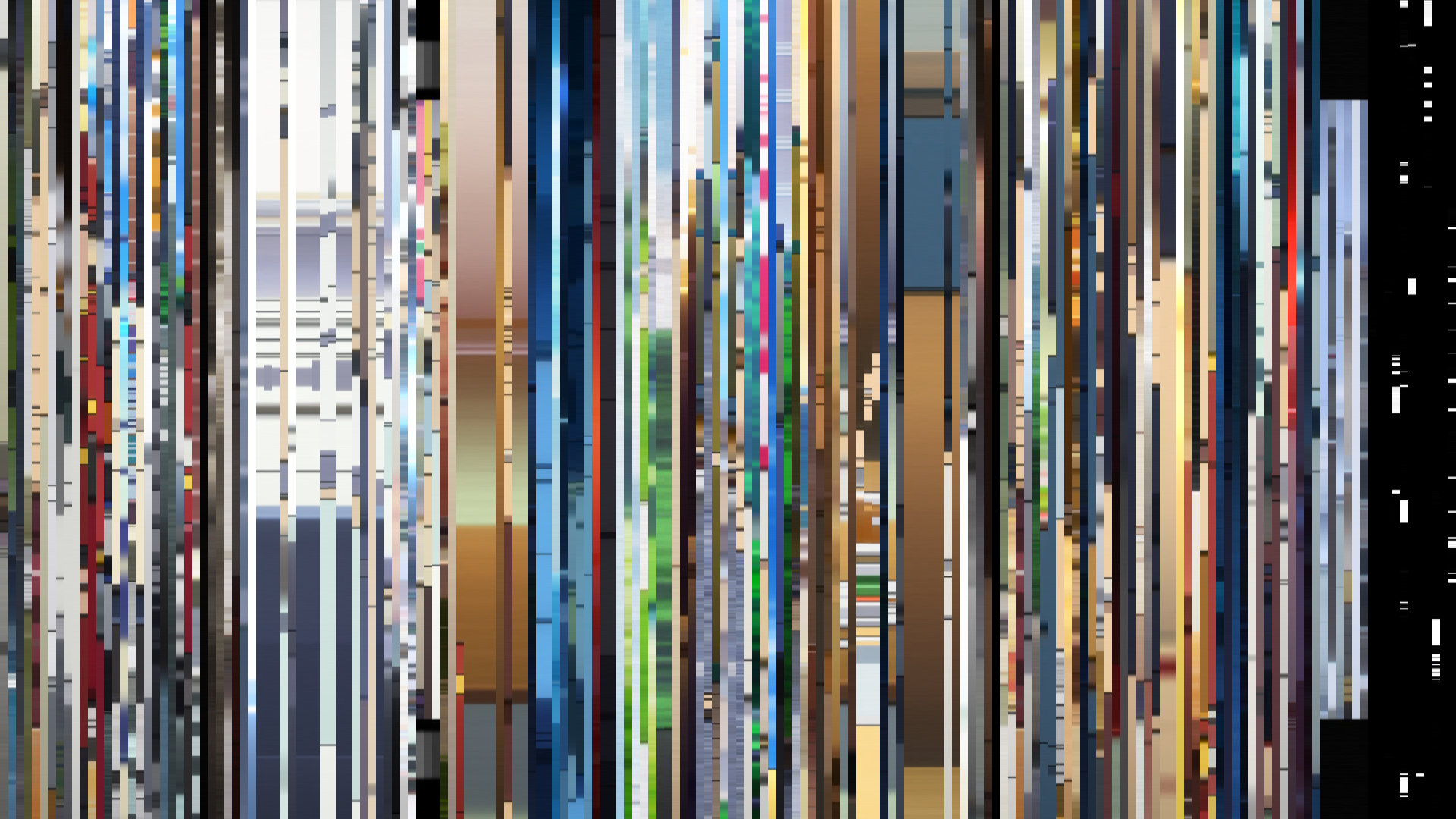
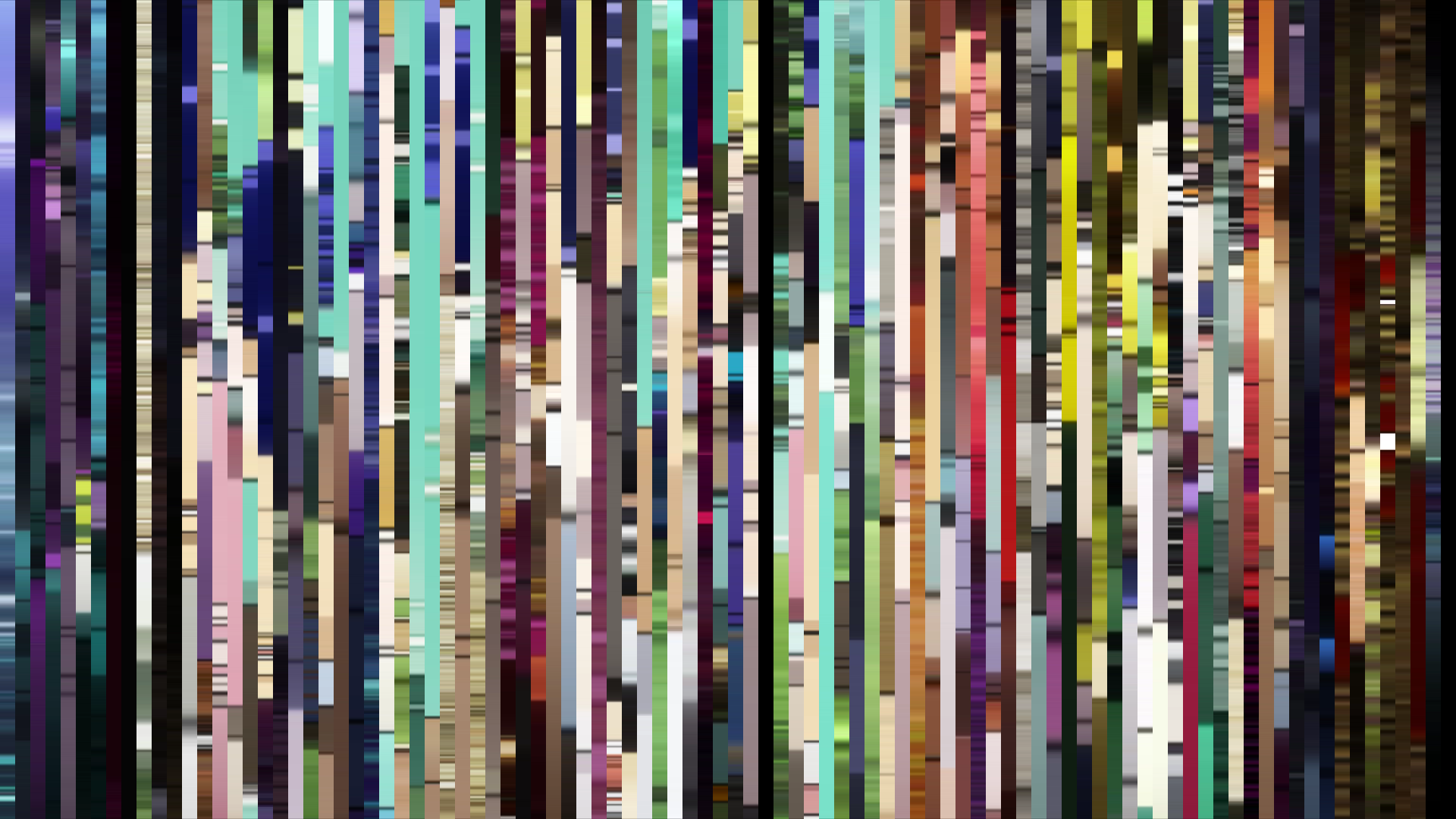
Slice · 30s
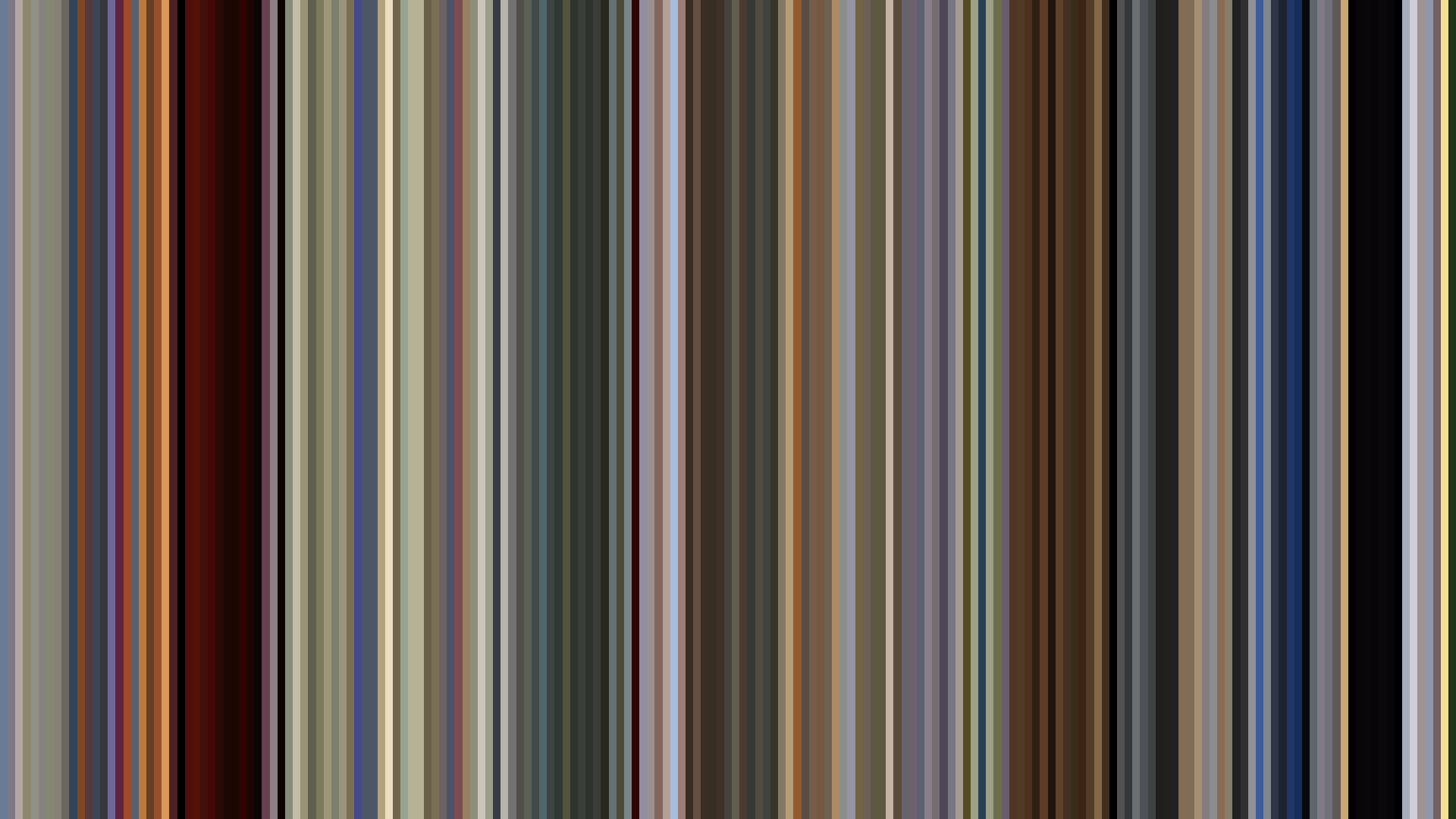
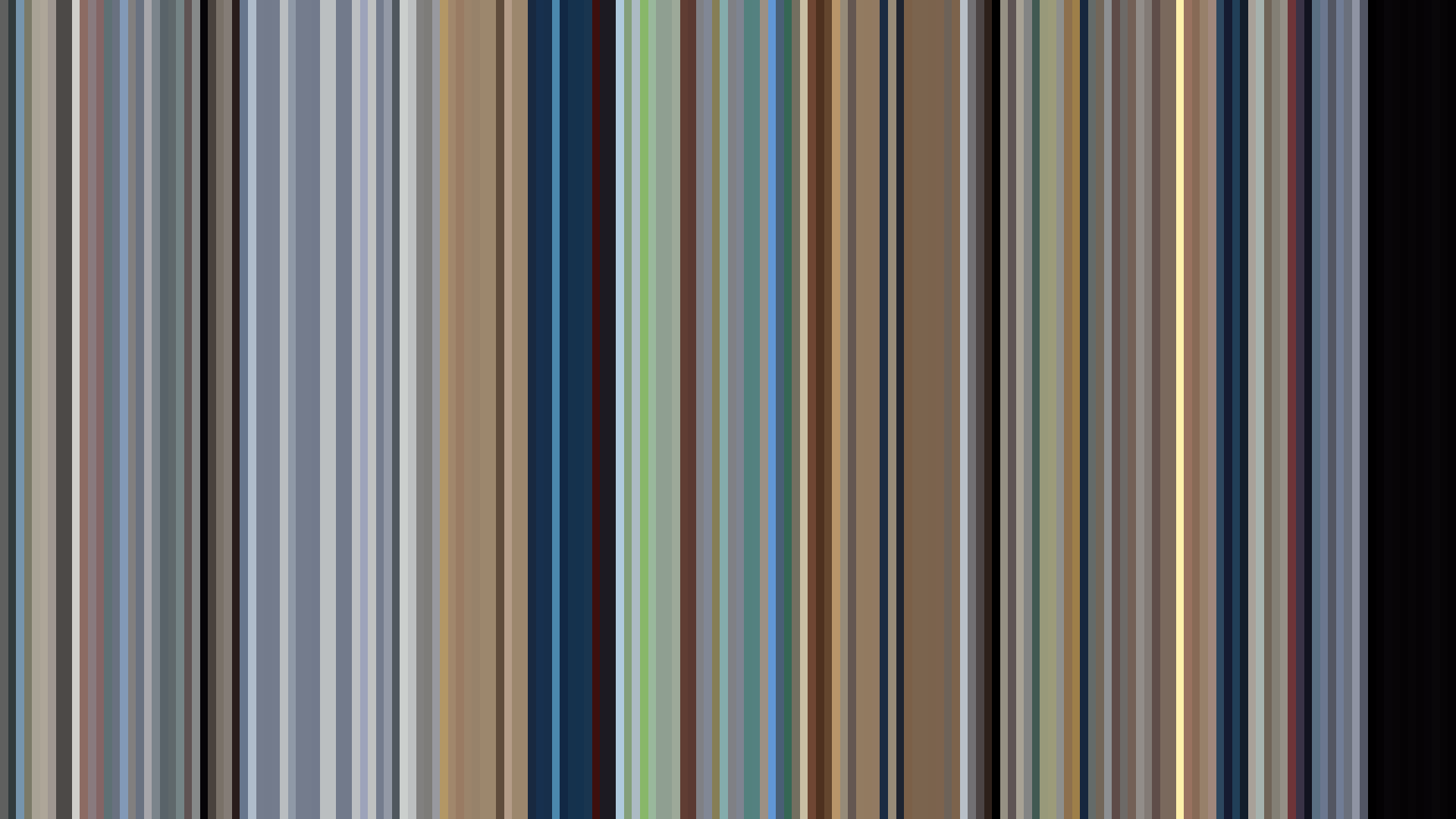
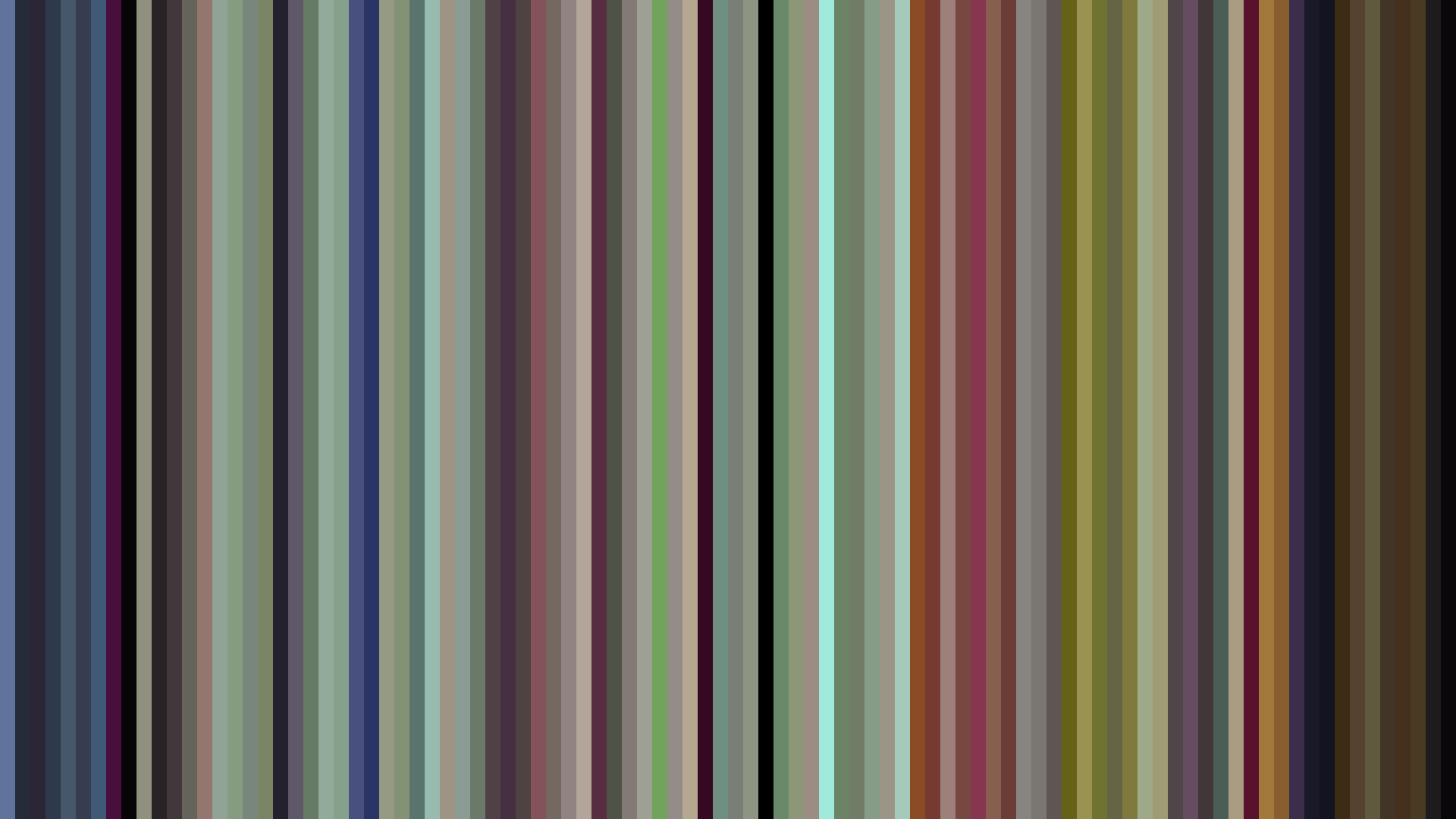
Avg · 30s
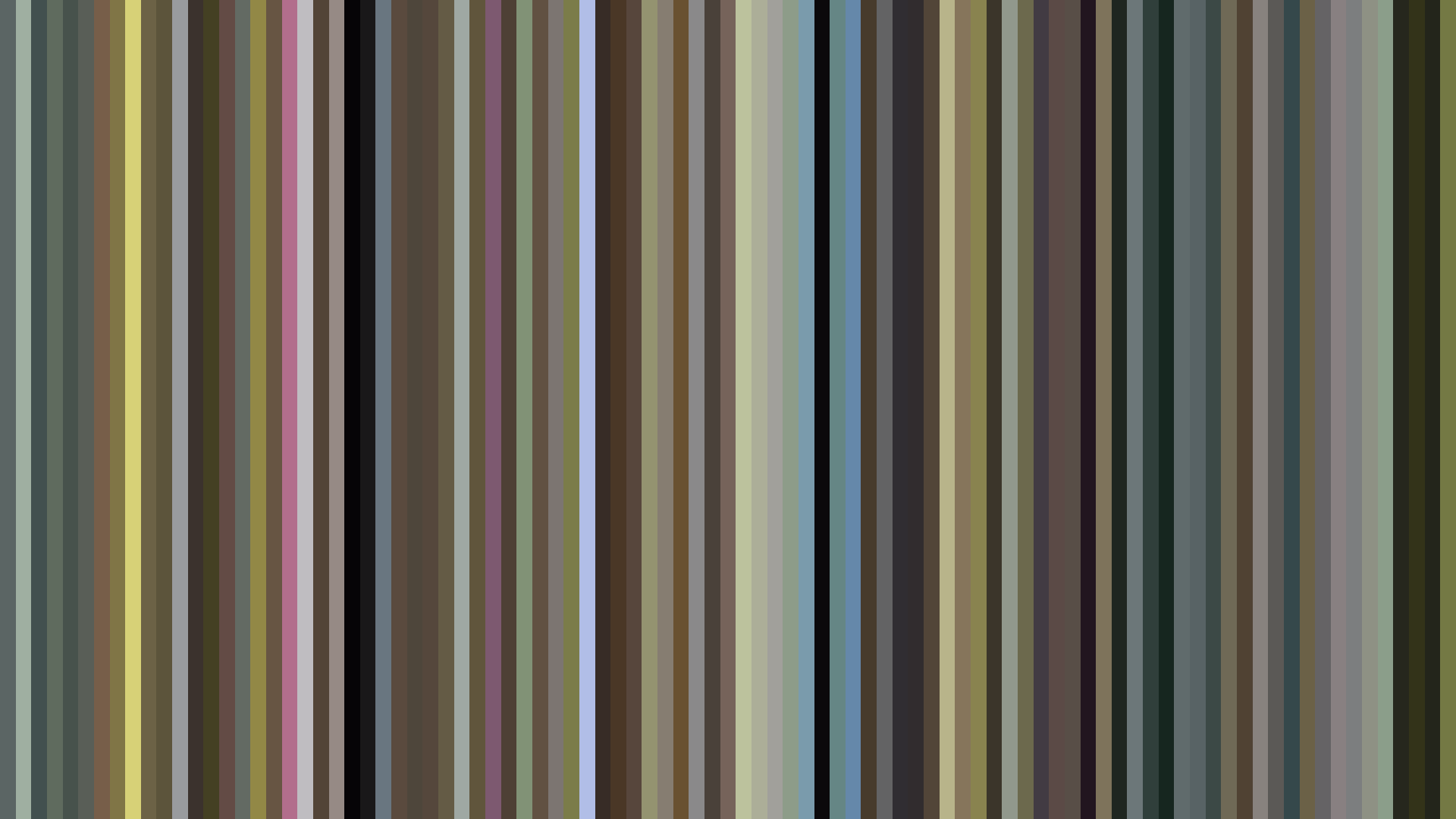
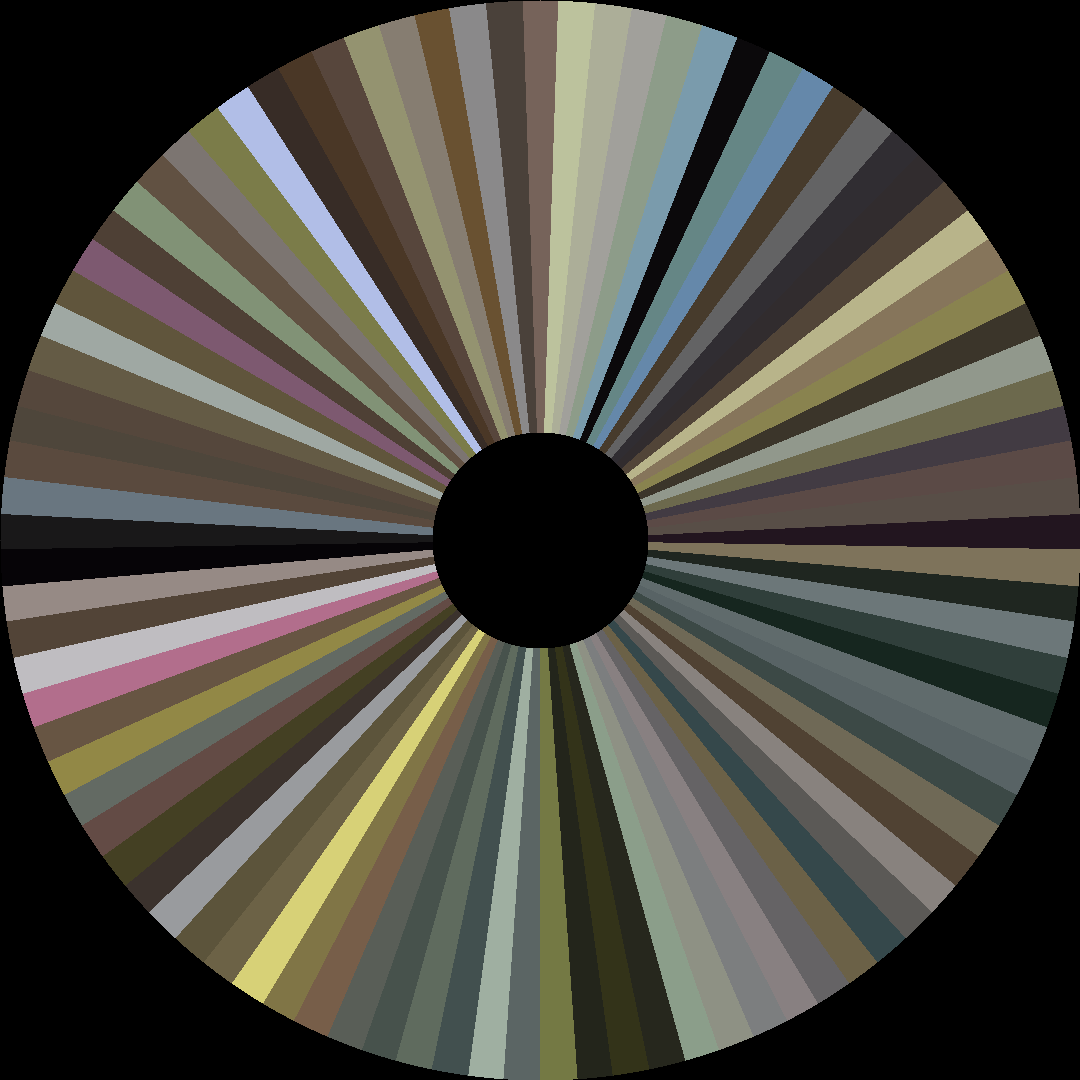
The flat brightness arc of Assassination Classroom Second Season is the dataset’s most revealing feature. Where most anime manufacture drama through shifting light levels, Lerche and director Seiji Kishi commit to a consistent chiaroscuro: a dim, murky medium-brightness that never flinches. The palette’s Red-Orange dominance—nearly 30 percent—reads less as warmth and more as the dried rust of old blood, the color of a deadline that has been pushed too far forward. This is a show about pedagogy as high-stakes gunplay, and the muted earth tones (#625F58, #1F1F1B) trap the characters in a classroom that feels like a pressure chamber. The slight dimming across acts—from 0.485 to 0.418—is barely a whisper, but it’s the whisper of a countdown. Kishi refuses a cathartic bright ending; the season closes darker than it began, because assassination is not a lesson that concludes neatly. The barcode’s flat line is the visual proof that this story’s real arc is not light but trust—and trust, like a sniper’s aim, holds steady until the very last frame.
Brightness Arc (episode progression)
Hue Distribution
Act Breakdown
Opening
0.485
Middle
0.458
Closing
0.418
Avg Brightness
0.453
Avg Saturation
0.240
Warmth
0.554
Color Palette
#1F1F1B
#625F58
#E9E8E2
#A1A09A
#512F29
#DED9A6
#5E4C33
#9C9764
3-Act Color Story
Opening
Middle
Closing
Color Twins
Perceptually nearest palettes — measured in OKLab space, not RGB






The flat brightness arc of Assassination Classroom Second Season is the dataset’s most revealing feature. Where most anime manufacture drama through shifting light levels, Lerche and director Seiji Kishi commit to a consistent chiaroscuro: a dim, murky medium-brightness that never flinches. The palette’s Red-Orange dominance—nearly 30 percent—reads less as warmth and more as the dried rust of old blood, the color of a deadline that has been pushed too far forward. This is a show about pedagogy as high-stakes gunplay, and the muted earth tones (#625F58, #1F1F1B) trap the characters in a classroom that feels like a pressure chamber. The slight dimming across acts—from 0.485 to 0.418—is barely a whisper, but it’s the whisper of a countdown. Kishi refuses a cathartic bright ending; the season closes darker than it began, because assassination is not a lesson that concludes neatly. The barcode’s flat line is the visual proof that this story’s real arc is not light but trust—and trust, like a sniper’s aim, holds steady until the very last frame.